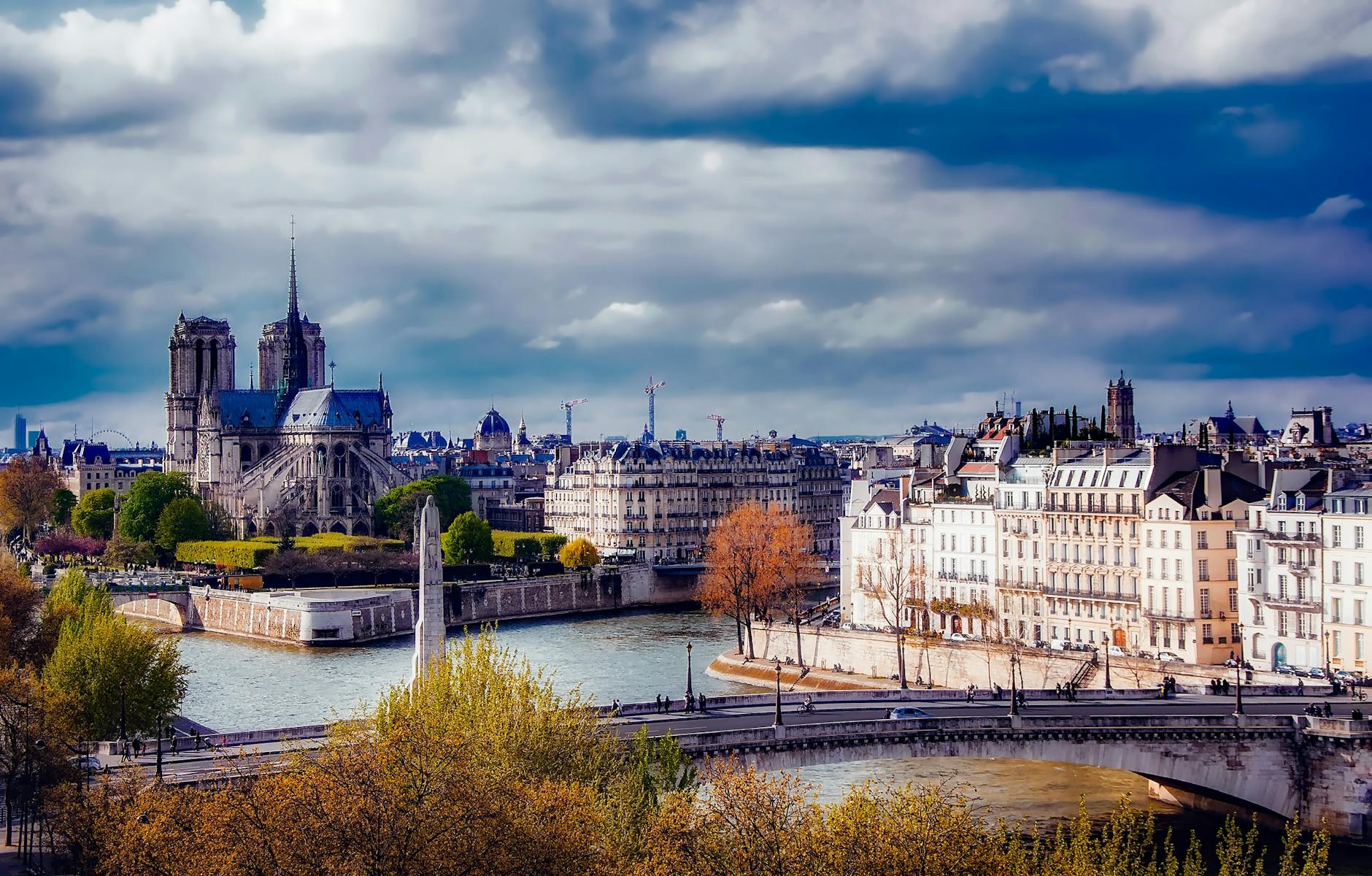
France is not one trip. It is a country that travelers think they understand before they arrive, then spend years discovering they do not.
Start Here
It is Paris at dusk along the Seine, yes, but it is also a fishing port in Brittany where the weather changes five times before lunch; a Norman town where church bells and D-Day memory sit beside cider and dairy farms; a Loire château reflected in a slow river; a Burgundian vineyard wall that explains centuries of land, inheritance, and taste; a Lyon bouchon where dinner is not a lifestyle brand but a civic identity; a Provençal market where tomatoes, lavender, olives, melons, and linen turn shopping into theatre; a Riviera train sliding between sea cliffs and Belle Époque stations; an Alpine village where the whole day is arranged around weather, lifts, and mountain light; a Basque town where France looks toward Spain and the Atlantic; a Corsican road that makes the map meaningless; a café terrace where two coffees can become an afternoon.
The first mistake is treating France like a checklist of famous things: Eiffel Tower, Louvre, Versailles, Mont-Saint-Michel, Loire castles, Provence lavender, Nice, wine, maybe Normandy. Those are all real. They are also too scattered to become a good trip unless you understand the country’s geography, seasons, rail system, road logic, regional identities, meal rhythms, and deep local pride.
France rewards travelers who choose a version of the country and do it properly. A first trip might be Paris and one region. A second trip might be Burgundy and Lyon, or Normandy and Brittany, or Provence and the Riviera. A food trip might move through Lyon, Burgundy, Provence, and the Basque Country. A history trip might link Paris, Normandy, the Loire, Alsace, Verdun, and the Dordogne. A summer trip might avoid the hottest inland cities and follow the Atlantic or Alps. A winter trip might skip the beach fantasy and lean into Paris, Strasbourg, Lyon, the Alps, and museums.
A good France guide does not simply say “go to Paris and Provence.” It helps you answer the harder question: which France do you want, when should you go, how should you connect the pieces, and what should you leave for the next trip?
France in one sentence: France is a country of strong regional identities connected by rail, roads, food, language, history, and landscape, where the best trip comes from choosing a coherent route instead of chasing every famous place.
Basic data
| Population | About 68 million |
|---|---|
| Area | 551,695 km2 in metropolitan France |
| Major religions | Christian heritage, Muslim communities, and a strong secular republican culture |
| Political system | Unitary semi-presidential republic |
| Economic system | Advanced social market economy with strength in industry, agriculture, luxury, and services |
Quick Verdict
| Question | Answer |
|---|---|
| Best for | Art, food, wine, architecture, cities, villages, museums, coast, mountains, road trips, rail travel, fashion, design, history, gardens, markets, cycling, skiing, family travel, romance, slow travel, and travelers who enjoy regional variety. |
| Not ideal for | Travelers who want one simple all-in-one itinerary, guaranteed sunshine everywhere, fully spontaneous access to top restaurants and museums, cheap peak-season lodging, easy driving inside major cities, or American-style all-day service in every restaurant. |
| Ideal first trip | 7 to 10 days: Paris plus one region, or Paris plus two nearby regions if paced carefully. Five days works for Paris only. Two weeks lets you combine Paris, a north/west region, and a south/east region. |
| Best overall months | May, June, September, and early October for the broadest national appeal. April can be excellent but changeable. July and August are lively but crowded, hot, expensive, and affected by local holidays. December is excellent for Paris, Alsace, Lyon, and winter atmosphere. |
| Best first-time route | Paris + either Normandy, Loire Valley, Burgundy/Lyon, Provence/Riviera, or Alsace/Champagne. Do not try to do all of them in one short trip. |
| Best no-car route | Paris, Strasbourg/Colmar, Lyon, Avignon/Aix-en-Provence, Marseille, Nice, Bordeaux, Lille, and many major cities are workable by rail. Rural villages, châteaux circuits, Dordogne, deep Provence, Brittany, Normandy countryside, Corsica, and some wine regions are easier with a car. |
| Biggest planning mistake | Treating distance as the crow flies. France is easy to cross between major rail hubs, but rural last-mile logistics can be slow. A place that looks “near” may require a car, a connection, a limited bus, or an overnight. |
| One thing to book early | Peak-season hotels, major Paris museums, Eiffel Tower, Versailles, Louvre timed entry, popular Michelin or destination restaurants, Mont-Saint-Michel lodging, Provence and Riviera summer stays, Alpine ski lodging, and Corsica ferries/cars in summer. |
| One thing to leave unscheduled | Market mornings, café time, village wandering, scenic drives, spontaneous wine tastings, bakery stops, beach time, neighborhood walks, and long meals. France punishes overstuffed itineraries and rewards lingering. |
| Most important warning | France is highly developed and visitor-friendly, but strikes, heat waves, wildfire risk, rail disruptions, museum closures, Monday/Sunday restaurant closures, and regional holiday patterns can reshape a trip. Build slack into the plan. |
The Move
For a first France trip, choose Paris + one strong regional counterpoint. Paris + Normandy gives history and coast. Paris + Loire gives châteaux and countryside. Paris + Burgundy/Lyon gives food and wine. Paris + Provence/Riviera gives southern light and Mediterranean energy. Paris + Alsace/Champagne gives villages, wine, cathedrals, and a compact train-friendly route.
Do not turn the first trip into Paris, Versailles, Mont-Saint-Michel, Loire, Bordeaux, Lyon, Provence, Nice, and Chamonix unless you want to spend the trip checking out of hotels.
Who Will Love France?
You will probably love France if you want:
- A country where food, wine, markets, architecture, language, landscapes, and everyday rituals are part of the trip rather than background.
- A mix of major cities and small places: Paris, Lyon, Marseille, Bordeaux, Strasbourg, Lille, Toulouse, Nice, Nantes, Avignon, Dijon, Rouen, Bayeux, Colmar, Arles, Annecy, Biarritz, and dozens of villages.
- Art and history at very high density: Roman arenas, Gothic cathedrals, medieval abbeys, Renaissance châteaux, royal palaces, Impressionist landscapes, modernist architecture, wartime memorials, and world-class museums.
- Regional food and drink that change dramatically by place: butter and cider in Normandy, crêpes and seafood in Brittany, châteaux and goat cheese in the Loire, mustard and Pinot Noir in Burgundy, bouchons in Lyon, olive oil and herbs in Provence, Champagne cellars in Reims and Épernay, cassoulet in the southwest, Basque pintxos and peppers, Alpine cheese, Corsican charcuterie, and pastry everywhere.
- Train travel between major cities, then occasional car rental for countryside depth.
- A country that works beautifully for repeat trips because each region can carry its own itinerary.
You may struggle with France if you want:
- A country where every famous place connects easily without planning.
- Restaurants that serve full meals all afternoon and late-night dinners everywhere.
- English to solve every rural interaction.
- Cheap hotels in July, August, or major festival/event periods.
- Driving that is relaxing inside Paris, Nice, Marseille, Lyon, or old hill towns.
- A fully predictable schedule during strike periods, heat events, or public holidays.
- A culture that rewards loud urgency. France is not always “easy,” but it often becomes easier when you slow down, greet people properly, and stop trying to force the country into your timetable.
France at a Glance
| Practical | Detail |
|---|---|
| Country | France. This guide focuses mainly on metropolitan France and Corsica. France also has overseas regions and collectivities in the Caribbean, Indian Ocean, Pacific, and South America, which require separate trip planning. |
| Capital | Paris. |
| Language | French. English is widely understood in major tourist areas, hotels, museums, and larger cities, but less reliable in rural areas. A polite greeting in French matters. |
| Currency | Euro (€). France is an EU member and part of the euro area.[4] |
| Schengen status | France is part of the Schengen Area. Many short-stay visitors follow the 90-days-in-any-180-days Schengen framework; visa requirements depend on nationality and purpose of travel.[1] |
| Time zone | Metropolitan France uses Central European Time, UTC+1, and Central European Summer Time, UTC+2, during daylight saving time. |
| Main international airports | Paris Charles de Gaulle (CDG), Paris Orly (ORY), Nice Côte d’Azur (NCE), Lyon Saint-Exupéry (LYS), Marseille Provence (MRS), Toulouse-Blagnac (TLS), Bordeaux (BOD), Nantes (NTE), Geneva (GVA) for some French Alps routes. |
| Main rail booking source | SNCF Connect for many French rail journeys, including TGV INOUI, OUIGO, INTERCITÉS, and regional TER tickets where available.[5] |
| Emergency numbers | 112 for general emergency help; 15 medical/SAMU, 17 police, 18 fire, 114 SMS/chat/video/fax for deaf or hard-of-hearing users, 196 sea rescue, 191 aeronautical emergency.[7] |
| Driving side | Right. Manual cars are common; automatics cost more and should be reserved early. |
| Electrical plugs | Type C and E, 230V, 50Hz. |
| Tap water | Generally safe to drink unless a local sign says otherwise. In restaurants, ask for “une carafe d’eau” if you want tap water. |
| Payment style | Cards are widely accepted, including contactless, but carry some cash for markets, small rural businesses, parking, tips, and backup. |
| Tipping | Service is generally included, but rounding up or leaving a small extra amount for good service is appreciated. Large U.S.-style tipping is not expected. |
| Meal rhythm | Lunch usually around noon to 2 p.m.; dinner often from 7:30 p.m. onward, later in cities and the south. Many restaurants close between services and may close Sunday, Monday, or during annual holidays. |
| Official tourism site | France.fr / Explore France.[6] |
| Weather and alerts | Check Météo-France and local prefecture warnings for heat, storms, snow, avalanche, floods, and fire risk. |
First-Timer Mistake
A lot of visitors ask, “Can we do Paris, Normandy, Loire, Provence, and Nice in a week?” Technically, yes, if you like luggage and transit. Meaningfully, no. France is not difficult because it lacks infrastructure. It is difficult because every region deserves time, and the best experiences often happen between famous sights.
2026 Visitor Notes
Schengen, EES, and ETIAS Now Matter More Than They Used To
France is part of the Schengen Area. France-Visas describes a uniform Schengen short-stay visa as covering transit or stays in Schengen space for no more than 90 days over any 180-day period.[1] Visa-exempt travelers from many countries still need to track their Schengen days carefully, especially if combining France with Spain, Italy, Switzerland, Germany, Belgium, the Netherlands, or other Schengen destinations.
The EU Entry/Exit System (EES) is now part of Schengen border processing, and the French Foreign Ministry says EES went live on April 10, 2026.[3] ETIAS is not the same system. The official EU ETIAS site says ETIAS is a travel authorization for visa-exempt travelers and is scheduled to start in the last quarter of 2026.[2]
The move: Treat Europe entry rules as live logistics, not background. Before publication or travel, verify your passport’s requirements, whether ETIAS is operational, how EES affects your arrival airport or Channel crossing, and whether your total Schengen days fit the 90/180 rule.
Paris Is Still a Major Anchor, But 2024–2026 Changes Matter
Notre-Dame de Paris reopened after restoration, and its official site now treats the cathedral as a reopened visitor and worship space.[11] The Grand Palais has also reopened after a major renovation phase, with official visitor information and 2026 programming active.[12] The Louvre remains a timed-ticket, plan-ahead museum, and the official Louvre site directs visitors to book tickets through its official ticketing portal.[13]
The move: Update Paris sections before publishing. “Notre-Dame is closed after the fire” is now outdated. “You can just show up anywhere in Paris” is also weak advice. Timed tickets, reservation windows, crowd controls, security checks, and special events need live checking.
France Is Train-Friendly, But Not Every Trip Is Train-Simple
SNCF Connect sells many train tickets across France and Europe and includes TGV INOUI, OUIGO, INTERCITÉS, and TER options.[5] High-speed rail makes Paris–Lyon, Paris–Bordeaux, Paris–Strasbourg, Paris–Avignon, Paris–Marseille, and Paris–Lille feel easy. But rural routes, small villages, châteaux, Dordogne, Provence hill towns, Brittany coast, Normandy countryside, Corsica, and many wine areas often need a car, private transfer, bike, or careful bus planning.
The move: Use trains for major corridors. Rent a car only where it unlocks the trip. Do not rent a car for central Paris, but do consider one for Dordogne villages, Luberon hill towns, parts of Normandy, Corsica, rural Burgundy, Brittany coast, and the Loire châteaux.
Driving Requires More Than a Rental Reservation
France is excellent for road trips, but drivers need to understand toll roads, parking, speed cameras, low-emission zones, and city restrictions. The Crit’Air air-quality certificate is mandatory for vehicles, including foreign vehicles, driving in certain low-emission mobility zones or during pollution-related traffic restrictions.[9] France’s public-service information also notes that low-emission zones use the Crit’Air system and that rules are set by local authorities.[10]
The move: If you rent or drive into French cities, check Crit’Air/ZFE rules before arrival. Better yet, pick up the rental car after Paris and return it before the next major city center.
Summer Heat and Wildfire Risk Need Real Treatment
France has multiple climate zones. The official France tourism climate overview notes Mediterranean hot, dry summers and mountain snow conditions, among other regional differences.[8] The French government also warns that metropolitan France and Corsica have large forested areas and are prone to wildfires, especially in summer.[16] Météo-France’s forest-weather/fire-danger information is a useful summer planning tool in affected regions.[17]
The move: For July and August trips, plan air-conditioned lodging, morning sightseeing, shaded breaks, flexible driving, and backup plans for wildfire, heat, smoke, or temporary trail/forest closures.
How to Understand France
France becomes easier when you stop thinking of it as a single “best of Europe” container and start thinking of it as a country of regions, corridors, and rhythms.
The Five Frances a Visitor Actually Meets
| France | Where you feel it | What it gives you |
|---|---|---|
| The capital and royal France | Paris, Versailles, Fontainebleau, Saint-Denis, Chartres, Reims | Grand museums, royal palaces, Gothic cathedrals, boulevards, fashion, café life, modern and historic France compressed. |
| The northern and western memory France | Normandy, Brittany, Loire Valley, Picardy, Hauts-de-France | D-Day beaches, tidal islands, cider, seafood, abbeys, châteaux, Atlantic weather, medieval towns, gardens, cliffs, ports. |
| The wine and food corridor France | Champagne, Burgundy, Lyon, Beaujolais, Rhône Valley, Bordeaux, Alsace | Vineyards, cellars, bouchons, wine villages, gastronomy, markets, cathedral cities, canal towns, regional pride. |
| The southern light France | Provence, Marseille, Aix, Arles, Avignon, Luberon, Côte d’Azur, Occitanie | Mediterranean light, Roman ruins, lavender, olive oil, markets, beaches, mistral winds, festivals, hill towns, coastal trains. |
| The edge and mountain France | Alps, Pyrenees, Basque Country, Corsica, Dordogne, Jura, Auvergne | Hiking, skiing, thermal towns, rugged roads, caves, mountain food, Atlantic surf, island culture, dramatic weather and terrain. |
Local Logic
France is centralized politically and rail-wise, but not emotionally. Paris matters enormously, yet many French people identify strongly with a region, town, food tradition, accent, landscape, or historical memory. Normandy is not Brittany. Provence is not the Riviera. Lyon is not Paris. Alsace is not Burgundy. Corsica is not simply “France with beaches.” The more you honor regional difference, the better the trip becomes.
Geography and Route Logic
France has several strong travel corridors:
- Paris outward: Paris is the national hub. Many high-speed rail lines radiate from Paris, making it the easiest entry point for first-timers.
- The north/west arc: Paris to Normandy, Brittany, Loire Valley, and Mont-Saint-Michel. Excellent history and countryside; some car rental helpful.
- The east wine/culture arc: Paris to Champagne, Alsace, Burgundy, Lyon, and the Rhône Valley. Strong train potential with occasional car rental for vineyards.
- The south/southeast line: Paris to Lyon, Avignon, Aix/Marseille, and Nice by high-speed rail. Excellent for Provence and Riviera combinations.
- The southwest line: Paris to Bordeaux, Dordogne, Toulouse, Basque Country, and the Pyrenees. Train to hubs, car for rural depth.
- The mountain/island routes: Alps, Pyrenees, Corsica, and some rural regions require more seasonal planning and often a car or specialized transfers.
The Country’s Rhythm
France is not closed, but it is scheduled. Restaurants have meal windows. Bakeries may close one day a week. Small-town shops often close at lunch. Museums may close Monday or Tuesday. Many top restaurants book weeks or months ahead. August can be strange: coastal and mountain areas fill, while some city restaurants and small businesses close for annual holidays. Sundays are quieter in many towns, though tourist zones, markets, and large cities vary.
The move: Plan around opening days. Do not arrive in a small town late on a Sunday expecting a full restaurant choice. Do not assume a lunch kitchen will serve you at 3 p.m. Do not make Monday your only day for a key museum without checking.
Central Contrasts
France is powerful because of its contradictions:
- Paris vs regions: a centralized country with fiercely local identities.
- Formal culture vs sensual pleasure: rules, greetings, reservations, and etiquette coexist with long meals, wine, markets, and leisure.
- Grand monuments vs everyday rituals: the Louvre and Versailles matter, but so do bakeries, markets, pharmacies, cafés, and the daily school/work/lunch rhythm.
- Historic preservation vs modern life: cathedrals, châteaux, and medieval lanes sit beside high-speed trains, nuclear energy, aerospace, fashion, and contemporary art.
- Tourist France vs lived France: visitors often chase icons; locals organize life around seasons, school holidays, neighborhood routines, and regional food.
Best Time to Visit France
The best time to visit France depends on which France you want.
For a first trip that includes Paris and one or two regions, May, June, September, and early October are usually the easiest months. Weather is generally pleasant, many places are open, the countryside is active, and crowds are lower than peak summer. July and August can be wonderful for festivals, mountains, beaches, and long days, but they bring crowds, heat, higher prices, traffic, and local closures. December is strong for Paris, Alsace Christmas markets, Lyon lights, museums, food, and winter atmosphere. January and February are best for Paris value, food, museums, and skiing, not for a broad countryside trip.
Season-by-Season
| Season | What to expect | Best for | Watch out for |
|---|---|---|---|
| Spring: March–May | Blossoms, gardens, changeable weather, reopening countryside, outdoor cafés. | Paris, Loire, Normandy, Burgundy, Provence, gardens, city walks. | Rain, cool evenings, Easter holidays, limited early-season rural hours. |
| Early summer: June | Long days, warm weather, festivals, flowers, pre-peak energy. | Almost everything: cities, countryside, coast, mountains beginning to open. | Rising prices, early heat, lavender timing uncertainty. |
| Peak summer: July–August | High season, hot weather, beach and mountain demand, festivals, long evenings. | Alps hiking, beaches, Riviera, Brittany, Normandy coast, Corsica, festivals. | Heat waves, wildfire risk, crowds, traffic, expensive lodging, August closures in cities. |
| Autumn: September–November | Harvest, wine, comfortable cities, golden countryside, shorter days later. | Paris, Burgundy, Champagne, Bordeaux, Alsace, Loire, Provence, food/wine. | Rain increases later; some seasonal rural operations close; harvest can limit winery availability. |
| Winter: December–February | Museums, food, Christmas markets, skiing, low-season cities. | Paris, Strasbourg/Alsace, Lyon, Alps, food, art, lower crowds outside holidays. | Short daylight, closures in rural places, cold rain, mountain weather, ski costs. |
Month-by-Month Guide
| Month | Verdict |
|---|---|
| January | Good for Paris, museums, food, sales, and skiing. Poor for a broad village/countryside trip. Quiet, cold, and often good value outside ski resorts. |
| February | Similar to January; strong for winter food, Paris, Alps, and indoor culture. Carnival and winter holidays affect some destinations. |
| March | Transitional. Paris and cities wake up; countryside remains variable. Good for lower crowds if you accept weather risk. |
| April | Excellent for Paris, gardens, Loire, Provence, and cities, but showery. Easter holidays can raise prices and crowds. |
| May | One of the best months nationally. Gardens, markets, villages, coast, and cities are appealing. Watch for public holidays and bridge weekends. |
| June | Superb for long days, outdoor dining, countryside, Provence before peak crowds, and early coast/mountain travel. |
| July | Lively and beautiful but crowded and hot. Good for festivals, beaches, Alps, and family trips if booked early. |
| August | Vacation France: coasts and mountains fill; some urban restaurants and shops close. Can be hot and expensive. Good for beach/mountain plans, weaker for spontaneous city dining. |
| September | Excellent. Harvest energy, warm weather, fewer crowds, strong food and wine season. One of the best first-trip months. |
| October | Excellent early; later becomes cooler and more variable. Great for wine regions, cities, and fall color. |
| November | Quiet, gray, and underrated for Paris, food, museums, and value. Less ideal for rural scenic touring. |
| December | Strong for Paris, Strasbourg/Colmar Christmas markets, Lyon’s light festival period, winter food, and festive cities. Book Christmas-market weekends early. |
Regional Timing
| Region | Best windows | Notes |
|---|---|---|
| Paris | April–June, September–December | Good year-round if you like museums and food. August is quieter in some ways but affected by closures and heat. |
| Normandy/Brittany | May–September | Weather is variable all year. Summer is best for coast, but shoulder months are atmospheric and less crowded. |
| Loire Valley | April–June, September–October | Gardens and châteaux shine in spring and early autumn. Car or bike helps. |
| Champagne/Burgundy | May–June, September–October | Harvest is atmospheric but busy; book wineries and lodging early. |
| Alsace | May–October, December | Christmas markets are famous; wine villages are excellent in late spring and autumn. |
| Provence | April–June, September–October | July lavender is iconic but hot and crowded. September often gives a better overall trip. |
| French Riviera | May–June, September | July/August are beach high season; winter can be mild and good for city/coastal walks. |
| Alps | December–March for ski, June–September for hiking | Shoulder seasons can be awkward between ski and hiking operations. |
| Southwest/Basque Country | May–October | Atlantic weather is variable; summer surf/coast is popular. |
| Corsica | May–June, September–October | July/August are beautiful but crowded, hot, and expensive. |
How Many Days You Need
The Honest Answer
You need 7 to 10 days for a satisfying first France trip if you want Paris and one region. Five days is enough for Paris and perhaps Versailles or Giverny, not France as a country. Two weeks lets you build a real national route. Three weeks lets you travel with taste instead of panic.
| Length | What it feels like |
|---|---|
| 3 days | Paris only. Do not pretend this is France. |
| 5 days | Paris plus Versailles, Giverny, Reims, or Chartres as a day trip. Good for a capital-focused introduction. |
| 7 days | Paris plus one region: Normandy, Loire, Burgundy, Alsace/Champagne, or Provence/Riviera if using rail efficiently. |
| 10 days | Best first-trip length: Paris plus one strong region and one smaller add-on, or Paris plus a south/east rail route. |
| 14 days | Proper first country trip: Paris + Normandy/Loire + Burgundy/Lyon/Provence, or Paris + southwest, or Paris + Alsace/Burgundy/Rhône. |
| 3 weeks | Excellent. Add slower countryside, a car segment, and regional depth without turning every day into transit. |
| 1 month+ | France becomes repeatable rather than consumable. You can base in regions, take language classes, cycle, hike, cook, and travel seasonally. |
Itinerary Philosophy
A France itinerary should usually have:
- One major city anchor: Paris, Lyon, Bordeaux, Strasbourg, Marseille/Aix, Nice, Toulouse, or Lille.
- One regional landscape: coast, wine country, châteaux, mountains, Dordogne, Provence villages, or Corsica.
- One transport mode that fits the region: train for hubs, car for countryside, bike for Loire/Burgundy, ferry/car for Corsica, lifts/trains for Alps.
- One meal/market rhythm per day: do not treat eating as fuel. In France, food is structure.
- One unscheduled block: café, market, village, beach, garden, scenic drive, or nap after lunch.
Choosing Your France Trip
Choose This Route If You Want…
| You want... | Choose... |
|---|---|
| Classic first trip | Paris + Loire Valley or Paris + Normandy |
| Food and wine | Paris + Burgundy + Lyon + Rhône/Provence, or Bordeaux + Dordogne + Basque Country |
| Art and museums | Paris + Giverny + Normandy + Provence, or Paris + Lyon + Nice |
| Medieval towns and châteaux | Loire + Dordogne + Carcassonne, or Normandy + Brittany |
| Beaches and Mediterranean | Provence + Côte d’Azur + Corsica, or Occitanie coast |
| Cooler summer weather | Brittany, Normandy, Alps, Pyrenees, parts of the Atlantic coast |
| Wine villages and easy train travel | Champagne + Alsace + Burgundy |
| History and memory | Paris + Normandy D-Day beaches + Bayeux + Verdun/Reims, or Paris + Alsace |
| Family travel | Paris + Loire + Normandy, or Paris + Provence/Riviera with beach breaks |
| No-car travel | Paris + Strasbourg + Colmar + Lyon + Avignon + Nice, or Paris + Bordeaux + Lyon |
| Scenic driving | Dordogne, Provence, Brittany, Normandy, Corsica, Alps, Pyrenees |
| Winter atmosphere | Paris + Strasbourg/Alsace + Lyon + Alps |
| Repeat-visitor France | Jura, Auvergne, Basque Country, Corsica, Brittany deep dive, Occitanie, Cévennes, French Alps beyond Chamonix |
Default First-Time Plans
Best First Trip Without a Car: Paris + Lyon + Provence/Riviera
Use high-speed trains. Start in Paris, take TGV to Lyon for food and old-town texture, continue to Avignon/Aix/Marseille for Provence, then finish in Nice for the Riviera. This is logistically clean and emotionally varied.
Best First Trip With a Car Segment: Paris + Loire Valley + Normandy
Train from Paris to Tours/Saint-Pierre-des-Corps or Caen/Bayeux, rent a car for châteaux or D-Day/coastal villages, return to Paris by train. This gives France beyond Paris without overstretching south.
Best Food-and-Wine Trip: Paris + Burgundy + Lyon
Train to Dijon or Beaune, rent a car or arrange wine touring, continue to Lyon. Add Rhône Valley or Provence if you have more time.
Best Summer Trip: Brittany or Alps, Not Just the Riviera
The Riviera is beautiful but crowded and expensive in peak summer. Brittany, Normandy coast, the Alps, Pyrenees, and Atlantic regions can be more comfortable and often more varied.
Best Winter Trip: Paris + Alsace + Alps
Paris for museums and dining, Alsace for Christmas/winter villages, Alps for skiing or snow atmosphere. Lyon can substitute for or complement Alsace.
Regions and Where to Go
Paris and Île-de-France
Identity: Capital France: art, power, fashion, cafés, monuments, museums, neighborhoods, and royal outskirts.
Paris is both overvisited and inexhaustible. It is the most obvious French destination and still one of the country’s most rewarding if you stop treating it as a race between icons. The Louvre, Orsay, Sainte-Chapelle, Eiffel Tower, Notre-Dame, Marais, Saint-Germain, Montmartre, Canal Saint-Martin, Belleville, Père Lachaise, covered passages, food streets, and neighborhood markets can fill a week before you touch the region around it.
Best for: First-timers, art, architecture, food, fashion, romance, museums, urban walking, photography, luxury, and public-transit-based travel.
Key side trips: Versailles, Giverny, Fontainebleau, Chartres, Reims, Provins, Auvers-sur-Oise, Saint-Denis, Chantilly.
How long: 4 to 7 days for a first Paris-focused trip; 2 to 4 days if Paris is the start of a longer France itinerary.
Common mistake: Staying near a famous monument without considering Metro/RER convenience, restaurant quality, and neighborhood rhythm.
The move: Pick a hotel near a useful Metro/RER station and a neighborhood you actually want to walk in at night. Paris is a city of districts, not just monuments.
Normandy
Identity: Tides, memory, cliffs, abbeys, cider, cream, D-Day history, half-timbered towns, and weather that makes the landscape more dramatic.
Normandy is one of the best first regions beyond Paris because it combines history, coast, food, and manageable distances. Bayeux is a strong base for D-Day beaches. Rouen works for Gothic and medieval/Joan of Arc history. Honfleur gives harbor atmosphere. Étretat gives cliffs. Mont-Saint-Michel sits at the border of Normandy and Brittany trip logic and is best handled with an overnight or careful route.
Best for: History, D-Day, road trips, families, coastal scenery, cider, cheese, abbeys, first France trip beyond Paris.
Best bases: Bayeux, Caen, Rouen, Honfleur, Deauville/Trouville, Granville, or near Mont-Saint-Michel.
How long: 3 to 5 days.
Car needed? Very helpful for D-Day beaches, villages, cliffs, and countryside. Not needed for Rouen alone.
Common mistake: Doing Mont-Saint-Michel as a rushed day trip from Paris and spending more time in transit than on site.
Brittany
Identity: Celtic Atlantic France: granite coast, seafood, crêpes, fishing ports, walled towns, islands, standing stones, and weather with personality.
Brittany is less polished than the Riviera and more rugged than the Loire. It rewards a slower road trip. Saint-Malo, Dinan, Cancale, Rennes, Vannes, Quiberon, Carnac, Concarneau, Pont-Aven, Brest, Roscoff, and the Pink Granite Coast all offer different moods.
Best for: Road trips, seafood, coast, families, active travelers, summer alternatives to the south, repeat visitors.
Best bases: Rennes for rail access, Saint-Malo/Dinan for north/east Brittany, Vannes for the Gulf of Morbihan, Quimper/Concarneau for Finistère, Perros-Guirec for Pink Granite Coast.
How long: 5 to 10 days.
Car needed? Strongly recommended for the coast and villages.
The move: Do not combine Brittany with Provence unless you have a long trip. Brittany deserves its own route.
Loire Valley
Identity: Châteaux, gardens, rivers, villages, wine, cycling, and Renaissance France at a human pace.
The Loire Valley is easy to imagine and easy to ruin by overlisting castles. Chambord, Chenonceau, Amboise, Villandry, Azay-le-Rideau, Cheverny, Blois, Chinon, Saumur, and Tours are all appealing, but three or four well-chosen châteaux beat eight rushed visits.
Best for: First-timers, families, gardens, architecture, cycling, romantic countryside, light road trips.
Best bases: Tours, Amboise, Blois, Chinon, Saumur.
How long: 3 to 5 days.
Car needed? Helpful, though cycling and some train/bus/tour combinations work.
Common mistake: Treating the Loire as a series of interchangeable castles. Pick by style: Chambord for scale, Chenonceau for elegance, Villandry for gardens, Amboise for town-base appeal, Chinon for medieval and wine.
Champagne
Identity: Cathedrals, cellars, vineyards, chalk, celebration, and a compact high-value add-on from Paris.
Reims and Épernay are the key visitor hubs. Reims gives cathedral grandeur and famous houses; Épernay gives Avenue de Champagne and vineyard proximity. Smaller villages such as Hautvillers add charm.
Best for: Wine, easy Paris add-on, couples, celebrations, cathedral architecture.
How long: 1 to 3 days.
Car needed? Not for Reims/Épernay basics. Helpful for villages and smaller producers.
The move: Book cellar visits ahead. Do not expect every small producer to receive walk-ins in English.
Alsace
Identity: Half-timbered villages, vineyards, storks, Christmas markets, German-French border culture, Strasbourg grandeur, and compact scenic routes.
Alsace is one of France’s easiest high-reward regions. Strasbourg gives cathedral and city life; Colmar is picturesque; villages like Eguisheim, Riquewihr, Kaysersberg, Ribeauvillé, and Obernai deliver postcard Alsace. The wine route is compact, scenic, and popular.
Best for: Christmas markets, wine villages, rail-friendly cities, road trips, couples, photography, first-time Europe charm.
Best bases: Strasbourg, Colmar, or a wine-route village if driving.
How long: 3 to 5 days.
Car needed? Not for Strasbourg/Colmar; helpful for villages.
Common mistake: Visiting only Colmar at peak day-trip hours and concluding Alsace is overcrowded. Stay overnight or visit smaller villages early/late.
Burgundy and Dijon/Beaune
Identity: Wine, monastic heritage, mustard, canals, stone villages, serious food, and quiet wealth of landscape.
Burgundy is subtler than Provence and less instantly famous than Paris, but it is one of the best regions for travelers who like wine, food, villages, and a slower road rhythm. Dijon is an excellent city base; Beaune is the wine-country classic. The Côte d’Or villages and vineyards reward a car, bike, or guided wine day.
Best for: Wine, food, cycling, slow travel, second-time visitors, couples, rail-plus-car routes.
Best bases: Dijon, Beaune, Vézelay, Autun, or canal towns.
How long: 3 to 6 days.
Car needed? Helpful for vineyards and villages; Dijon/Beaune are train-accessible.
Lyon and the Rhône Valley
Identity: France’s great food city, Roman-to-Renaissance layers, silk history, rivers, bouchons, markets, and gateway south.
Lyon is not a substitute for Paris; it is a different urban France. It has a deep food identity, strong museums, old town, rivers, murals, markets, and easy connections toward Burgundy, Beaujolais, the Alps, and Provence. South of Lyon, the Rhône Valley leads toward Roman sites, wine, and Provence.
Best for: Food, urban culture, Roman history, train routes, winter lights, city lovers.
How long: 2 to 4 days for Lyon; 5 to 7 with Rhône/Beaujolais/Burgundy.
Car needed? Not for Lyon. Helpful for wine country.
The move: Make Lyon a stay, not just a train connection. It is one of France’s best cities for eating well without Paris pressure.
Provence
Identity: Southern light, markets, Roman ruins, olive oil, lavender, hill towns, Cézanne, mistral, and summer myth.
Provence is many trips in one. Avignon gives papal history and rail access. Arles gives Roman and Van Gogh layers. Aix gives elegance and markets. Marseille gives port energy and multicultural grit. The Luberon gives hill towns and lavender. The Verdon gives dramatic nature. The Camargue gives wetlands, horses, birds, and a distinct landscape.
Best for: Markets, villages, Roman sites, art, food, lavender, slow road trips, summer/spring/autumn travel.
Best bases: Avignon, Aix-en-Provence, Arles, Saint-Rémy-de-Provence, L’Isle-sur-la-Sorgue, Marseille, or a Luberon village.
How long: 5 to 10 days.
Car needed? Strongly helpful for villages, lavender routes, the Luberon, Verdon, and countryside. Less needed for Avignon/Aix/Marseille rail stays.
Common mistake: Planning lavender without checking bloom timing, location, and weather. Lavender is not a year-round Provence feature.
Côte d’Azur / French Riviera
Identity: Mediterranean glamour, sea light, Belle Époque towns, art museums, hill villages, beaches, coastal trains, and high-season intensity.
Nice is the best base for most visitors because it has an airport, rail links, old town, beaches, museums, food, and easy day trips to Antibes, Villefranche-sur-Mer, Èze, Menton, Cannes, Monaco, and Saint-Jean-Cap-Ferrat. The Riviera is not all luxury; it can be done by train if you choose bases well.
Best for: Coastal city stays, art, sea, warm shoulder seasons, couples, train-based day trips.
Best bases: Nice, Antibes, Villefranche-sur-Mer, Menton, Cannes for specific festival or beach-luxury plans.
How long: 3 to 6 days.
Car needed? Not for the main coast. A car can be useful for inland villages but is often annoying for coastal parking.
The move: Visit in May, June, September, or October if you can. July/August are expensive and crowded.
Occitanie and Languedoc
Identity: Roman ruins, canals, Mediterranean coast, red-tile cities, Cathar castles, vineyards, Toulouse warmth, and less-polished southern France.
Occitanie is sometimes overshadowed by Provence, but it offers huge variety: Nîmes, Pont du Gard, Montpellier, Carcassonne, Toulouse, Albi, Canal du Midi, Collioure, and the foothills toward the Pyrenees. It is excellent for travelers who want history, wine, and south-of-France feeling with less Riviera pricing.
Best for: Roman history, medieval towns, wine, canals, lower-key south, road trips, repeat visitors.
Best bases: Nîmes, Montpellier, Toulouse, Carcassonne, Albi, Collioure.
How long: 5 to 10 days.
Car needed? Helpful for countryside and Cathar sites; not always needed between major towns.
Dordogne, Lot, and Périgord
Identity: River valleys, prehistoric caves, medieval villages, walnut groves, duck, truffles, castles, markets, and deep rural France.
The Dordogne is one of France’s great road-trip regions. Sarlat-la-Canéda, Beynac, La Roque-Gageac, Domme, Rocamadour, Lascaux area, and the Vézère Valley create a dense historical landscape. It is not fast. That is the point.
Best for: Families, history, caves, castles, villages, food, canoeing, scenic drives, slow travel.
Best bases: Sarlat, Beynac/La Roque-Gageac, Les Eyzies, Rocamadour, Bergerac.
How long: 4 to 7 days.
Car needed? Yes for most visitors.
Common mistake: Trying to do Dordogne by train from Paris as a quick add-on. It is a place for a car and several nights.
Bordeaux, Atlantic Southwest, and Basque Country
Identity: Wine, Atlantic air, limestone city elegance, surf, dunes, oysters, Basque culture, and Spain-facing France.
Bordeaux is a major city and wine gateway. Saint-Émilion is the classic wine-town side trip. Arcachon and Dune du Pilat bring coast and oysters. Farther south, Biarritz, Bayonne, Saint-Jean-de-Luz, and inland Basque villages create a very different France.
Best for: Wine, food, Atlantic coast, surfing, elegant cities, couples, summer and shoulder-season trips.
Best bases: Bordeaux, Saint-Émilion, Arcachon, Biarritz, Bayonne, Saint-Jean-de-Luz.
How long: 5 to 10 days.
Car needed? Not for Bordeaux/Saint-Émilion basics; helpful for Basque villages and coastal flexibility.
French Alps
Identity: High mountains, skiing, hiking, lakes, lifts, glaciers, cheese, thermal towns, and weather-dependent beauty.
Chamonix is the international classic. Annecy is lake-and-old-town France with Alpine access. Grenoble, Megève, Morzine, Les Gets, Val d’Isère, Courchevel, Méribel, and other resorts serve different ski/hike markets. Summer hiking and winter skiing are very different trips.
Best for: Skiing, hiking, mountain views, families, adventure, summer escapes, winter sports.
Best bases: Chamonix, Annecy, Grenoble, Megève, Morzine/Les Gets, Bourg-Saint-Maurice for some ski access.
How long: 3 to 7 days.
Car needed? Depends on base. Many rail/shuttle combinations work, but a car helps for flexible mountain touring outside peak hubs.
The move: Do not visit mountains without a weather plan. Cloud, storms, lift closures, avalanche risk, and trail conditions can change the trip.
French Pyrenees
Identity: Wilder mountains, pilgrimage, thermal towns, Basque/Catalan edges, hiking, high passes, and fewer international crowds than the Alps.
The Pyrenees suit hikers, road trippers, pilgrims, cyclists, and travelers interested in Lourdes, mountain villages, or the border culture with Spain and Andorra.
Best for: Hiking, cycling, pilgrimage, mountain road trips, repeat visitors.
Best bases: Lourdes, Cauterets, Saint-Jean-Pied-de-Port, Bagnères-de-Luchon, Perpignan/Collioure for eastern access.
How long: 4 to 8 days.
Car needed? Usually helpful.
Corsica
Identity: Island France with its own language, pride, mountains, beaches, rugged roads, coastal towns, and fierce landscapes.
Corsica is not a simple beach add-on to Paris. It is a separate trip that requires ferry/flight planning, car reservations, and respect for mountain roads. Ajaccio, Bastia, Calvi, Corte, Bonifacio, Porto-Vecchio, Cap Corse, and the GR20/hiking world all serve different travelers.
Best for: Beaches, hiking, road trips, dramatic scenery, repeat visitors, active travelers.
Best bases: Ajaccio, Bastia, Calvi, Corte, Bonifacio, Porto-Vecchio, or split north/south.
How long: 7 to 14 days.
Car needed? Usually yes.
Common mistake: Adding Corsica to a one-week Paris/Provence trip. It deserves its own travel logic.
Overseas France
France also includes overseas destinations such as Guadeloupe, Martinique, French Guiana, Réunion, Mayotte, French Polynesia, New Caledonia, Saint Martin, Saint Barthélemy, Saint Pierre and Miquelon, Wallis and Futuna, and others. These are not “side trips from Paris.” They involve different flights, climates, visa/customs specifics, health considerations, and regional cultures.
The move: Treat overseas France as separate destination planning, not a footnote in a metropolitan France itinerary.
Best France Itineraries
Five Days: Paris Properly
Day 1: Arrival and neighborhood orientation Stay light. Walk near the hotel, eat close by, and avoid a prepaid fine-dining reservation after a long flight.
Day 2: Classic Paris Louvre or Orsay in the morning, Seine walk, Île de la Cité, Sainte-Chapelle or Notre-Dame exterior/interior depending access, dinner on the Left Bank or in the Marais.
Day 3: Neighborhood Paris Montmartre early, covered passages, Canal Saint-Martin or Belleville, food streets, wine bar or bistro dinner.
Day 4: Royal or garden day Versailles, Fontainebleau, Giverny seasonally, or a Paris parks/museums day.
Day 5: Choose your Paris Fashion/shopping, food markets, Père Lachaise, modern art, Saint-Germain cafés, or a second major museum.
What this trip gives you: Paris with enough time to breathe. What it misses: France beyond the capital.
Seven Days: Paris + Normandy
Days 1–3: Paris. Day 4: Train to Bayeux or Caen. Explore Bayeux and the tapestry/cathedral. Day 5: D-Day beaches with guide or car. Day 6: Mont-Saint-Michel or Honfleur/Étretat depending base and route. Day 7: Return to Paris or continue to Brittany/Loire.
Best for: History, first-time France, families. Car? Helpful after Bayeux/Caen.
Seven Days: Paris + Loire Valley
Days 1–3: Paris. Day 4: Train to Tours/Amboise/Blois; settle in. Days 5–6: Châteaux: Chenonceau, Chambord, Villandry, Amboise, Azay-le-Rideau, or Chinon. Mix castles with markets, wine, and villages. Day 7: Return to Paris.
Best for: Romance, gardens, families, easy countryside. Car? Helpful; bike/tour options possible.
Ten Days: Paris + Burgundy + Lyon
Days 1–4: Paris. Day 5: Train to Dijon. Explore old town and food shops. Days 6–7: Beaune and Côte d’Or villages/wine; bike, drive, or guided tasting. Days 8–10: Lyon for food, old town, markets, Roman sites, and rivers.
Best for: Food and wine, rail-based travelers with small car/tour segment.
Ten Days: Paris + Provence + Riviera
Days 1–3: Paris. Day 4: TGV to Avignon or Aix-en-Provence. Days 5–7: Provence: Avignon, Arles, Saint-Rémy, Luberon, markets, Pont du Gard, or Marseille. Days 8–10: Nice base for Antibes, Villefranche-sur-Mer, Menton, Èze, and art museums.
Best for: Classic north-to-south France, art, light, markets, Mediterranean coast. Car? Helpful for Provence villages, not needed on the Riviera coast.
Ten Days: Alsace + Burgundy + Lyon
Day 1: Arrive Paris and train to Strasbourg, or spend one night in Paris. Days 2–4: Strasbourg, Colmar, Alsace wine villages. Days 5–7: Dijon/Beaune and Burgundy wine villages. Days 8–10: Lyon.
Best for: Food, wine, compact beauty, train-first planning. Car? Optional for village/wine depth.
Fourteen Days: Classic France Without Going Crazy
Days 1–4: Paris. Days 5–7: Normandy or Loire. Days 8–10: Burgundy/Lyon. Days 11–14: Provence or Riviera.
Best for: First-time travelers who want breadth but not chaos. The move: Do not add Bordeaux, Dordogne, Alps, and Brittany to this unless you have more time.
Fourteen Days: Southwest France
Days 1–3: Paris or skip Paris if returning. Days 4–6: Bordeaux and Saint-Émilion/Arcachon. Days 7–10: Dordogne villages, caves, castles, markets. Days 11–14: Basque Country: Bayonne, Biarritz, Saint-Jean-de-Luz, inland villages.
Best for: Food, wine, villages, road trips, slower France. Car? Yes for Dordogne and Basque villages.
Fourteen Days: Brittany + Normandy
Days 1–2: Paris or arrive via Rennes/Nantes if skipping capital. Days 3–6: Normandy: Rouen, Bayeux, D-Day, Honfleur, Étretat. Days 7–11: Brittany coast: Saint-Malo, Dinan, Cancale, Pink Granite Coast, Vannes/Gulf of Morbihan. Days 12–14: Loire add-on or return through Paris.
Best for: Coast, history, seafood, summer without Mediterranean heat.
Three Weeks: Deep First France
Days 1–5: Paris and Île-de-France. Days 6–9: Normandy or Loire. Days 10–13: Burgundy and Lyon. Days 14–18: Provence and Riviera. Days 19–21: Alps, Alsace, or return via Paris with a slower final stop.
Best for: Travelers with time who want a national arc. Rule: Keep at least one four-night stay. A three-week trip of one- and two-night stops is a failure of nerve.
Transport and Getting Around
France has excellent transport between major hubs and uneven transport in rural areas. The best trips combine modes.
Arrival Airports
Paris Charles de Gaulle (CDG): Best for international arrivals, northern/eastern France, direct rail links, and Paris starts. Paris Orly (ORY): Useful for many European/domestic routes and southern Paris access. Nice (NCE): Best for Riviera, Provence/Riviera combinations, and Monaco/Italian Riviera add-ons. Lyon (LYS): Useful for Lyon, Alps, Burgundy/Rhône routes. Marseille (MRS): Good for Provence, Marseille, Aix, Avignon. Bordeaux (BOD): Good for southwest, Dordogne, Basque routes. Toulouse (TLS): Good for southwest, Occitanie, Pyrenees. Geneva (GVA): Often practical for Chamonix and parts of the French Alps, though it is in Switzerland and requires cross-border planning.
Trains
France’s rail network is one of the great strengths of travel in the country. SNCF Connect is the main booking platform for many French rail trips and includes TGV INOUI, OUIGO, INTERCITÉS, and TER options.[5]
Train Types
| Train type | Best for | Notes |
|---|---|---|
| TGV INOUI | High-speed intercity travel | Reserved seats, fast major routes, book early for better fares. |
| OUIGO | Low-cost high-speed travel | Cheaper but more restrictive; sometimes uses secondary stations or stricter luggage rules. |
| INTERCITÉS | Non-high-speed long-distance routes | Useful on routes not served by TGV. Some require reservations. |
| TER | Regional trains | Good for regional hops; frequencies vary widely. |
| Eurostar / international trains | London, Brussels, Amsterdam, Switzerland, Germany, Spain, Italy links | Border/security rules and ticket terms differ by route. |
Train Planning Rules
- Book high-speed trains early for better fares and seat choice.
- Check station names carefully. Paris has multiple mainline stations.
- Do not assume every route goes through the same Paris station.
- Leave transfer time when crossing Paris between stations.
- TER schedules may be limited on Sundays and holidays.
- Strikes can affect rail. Build slack around critical flights.
- Validate or use digital tickets correctly depending ticket type.
- OUIGO is not just “cheap TGV”; read luggage, station, and check-in rules.
Paris Stations by General Direction
| Station | Common directions |
|---|---|
| Gare du Nord | Lille, London, Brussels, northern routes |
| Gare de l’Est | Champagne, Strasbourg, eastern routes |
| Gare de Lyon | Lyon, Burgundy, Alps, Provence, Riviera, Switzerland/Italy links |
| Gare Montparnasse | Loire, Brittany, Bordeaux, southwest |
| Gare Saint-Lazare | Normandy |
| Gare d’Austerlitz | Some central/southwest/night routes |
Car Rental
A car is useful in many rural and scenic regions but actively inconvenient in major city centers.
Rent a Car For
- Loire châteaux if not biking/touring.
- Normandy D-Day beaches and countryside.
- Brittany coast.
- Dordogne/Lot.
- Provence hill towns and lavender routes.
- Burgundy vineyards and villages.
- Corsica.
- Pyrenees.
- Some Alpine routes outside train/lift hubs.
- Rural Basque Country.
Avoid a Car For
- Central Paris.
- Lyon old town/center.
- Nice/Monaco/Riviera coastal hopping by day.
- Marseille center unless necessary.
- Strasbourg/Colmar city basics.
- Bordeaux city center.
- Any trip where the car sits parked for days.
Driving Practicalities
- France drives on the right.
- Many autoroutes are toll roads.
- Speed cameras are common.
- Parking in old towns can be limited and expensive.
- Manual transmissions are common; reserve automatic early if needed.
- City low-emission zones may require Crit’Air documentation.
- Mountain and rural roads can be slow despite short map distances.
- In summer, traffic to coasts and mountain resorts can be intense.
- In winter, mountain routes require seasonal equipment and weather checks.
Crit’Air and Low-Emission Zones
The Crit’Air certificate is required for vehicles driving in certain low-emission mobility zones or during pollution-related restrictions.[9] Rules vary locally and may change. Foreign vehicles are not automatically exempt.
The move: If you rent a car in France, ask the rental company about Crit’Air status before driving into cities. If you bring a foreign car, arrange the correct certificate in advance.
Domestic Flights
Domestic flights can make sense for Corsica, some far southwest/northwest combinations, and overseas France. For Paris–Lyon, Paris–Bordeaux, Paris–Marseille, Paris–Strasbourg, and Paris–Nice, rail is often more pleasant when city-center time is counted, though fares and schedules vary.
Buses and Coaches
Long-distance buses can be cheaper than trains but slower. They work best for budget travelers, certain airport transfers, or routes poorly served by rail. Rural buses can be limited and not designed around tourists.
Cycling
France is excellent for cycling in the right regions: Loire, Burgundy, Alsace, Provence, Brittany canals, Île de Ré, Atlantic routes, and some canal/river systems. Serious mountain cycling requires fitness and weather awareness.
Ferries
Ferries matter for Corsica and some Atlantic/Channel/island routes. Summer ferries and rental cars should be booked early.
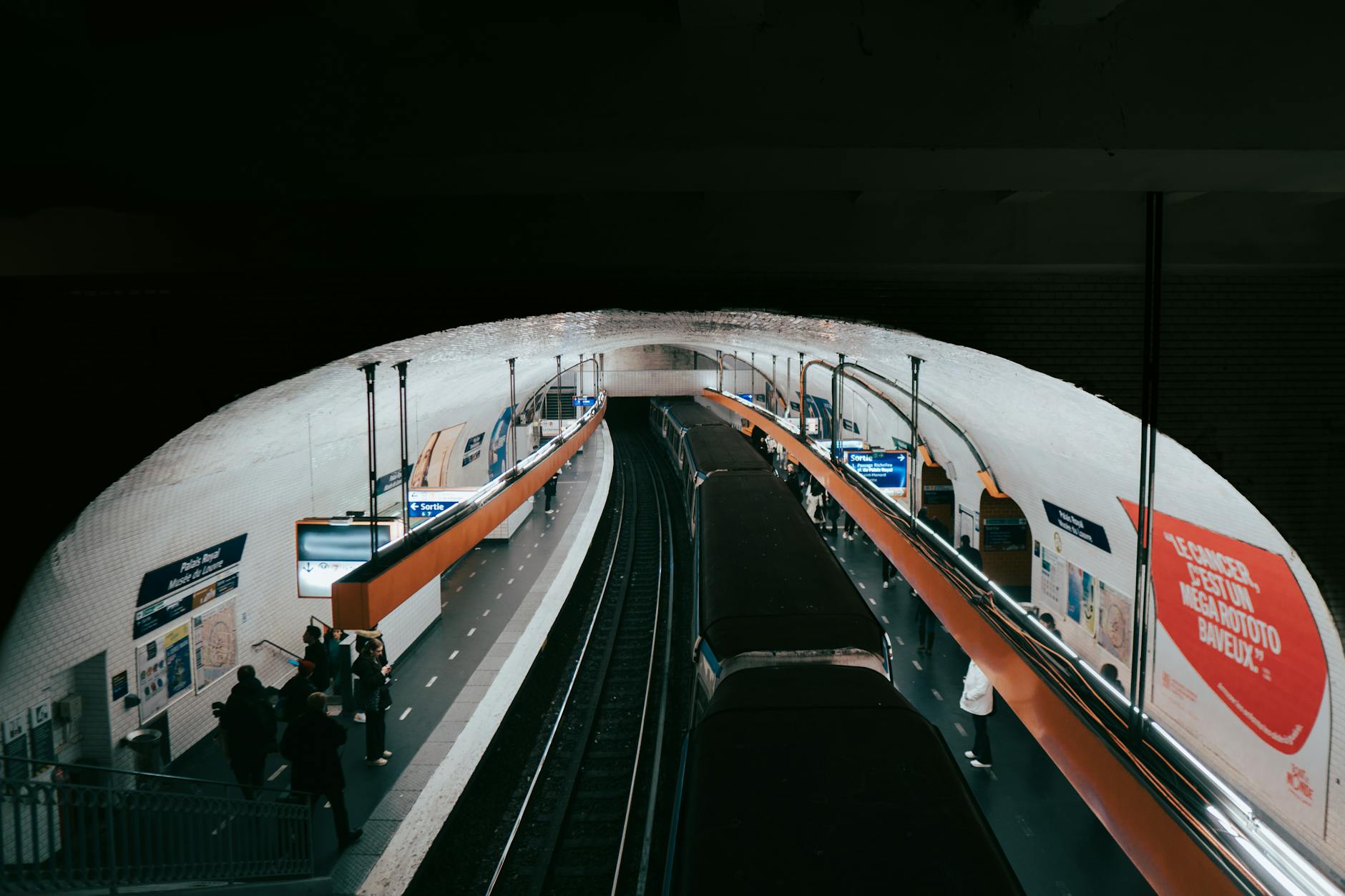
Where to Stay
Where you stay in France should follow route logic, not only romance.
The Short Answer
- For Paris: stay near useful transit and a neighborhood you like at night.
- For train trips: stay near a station only if the station area is pleasant or you are moving often.
- For countryside: stay in a base town with restaurants, parking, and access to the sites you care about.
- For villages: stay overnight only if you accept limited dinner options and early closures.
- For Provence/Riviera summer: prioritize air conditioning and parking/transit.
- For Alps/Corsica: book early and choose location based on the actual activity, not just scenery.
Lodging Types
| Type | Best for | Watch out for |
|---|---|---|
| Hotels | Cities, short stays, service, transit convenience | Room size, air conditioning, elevator, noise, tourist taxes. |
| Boutique hotels | Romantic city/country stays | Can be style over function; check access and parking. |
| Chambres d’hôtes | Rural hospitality, breakfast, local hosts | Arrival windows, language, remote location, limited restaurants. |
| Gîtes / holiday rentals | Families, longer stays, countryside | Cleaning fees, linens, minimum stays, car dependence. |
| Château hotels | Splurge, romance, countryside | May be isolated; restaurant closures matter. |
| Apartments | Longer stays, families, kitchens | Legal/ethical issues, stairs, check-in, air conditioning, neighborhood impact. |
| Mountain refuges | Hiking routes | Basic comfort, shared sleeping, reservations required. |
| Ski chalets/resorts | Winter sports | Saturday changeover patterns, lift access, transfer logistics. |
| Campsites / mobile homes | Families, coast, budget summer | Book early; car often needed. |
Booking Mistakes
- Booking a beautiful rural hotel without checking dinner options.
- Ignoring air conditioning in summer.
- Staying in a village without a car.
- Assuming “near Paris” means easy to visit Paris.
- Booking too many one-night stays.
- Renting an apartment up four flights without an elevator.
- Choosing a Riviera hotel without checking beach access or train convenience.
- Booking a wine-region stay and then realizing someone has to drive.
- Staying outside city centers to save money, then losing the savings to taxis and time.
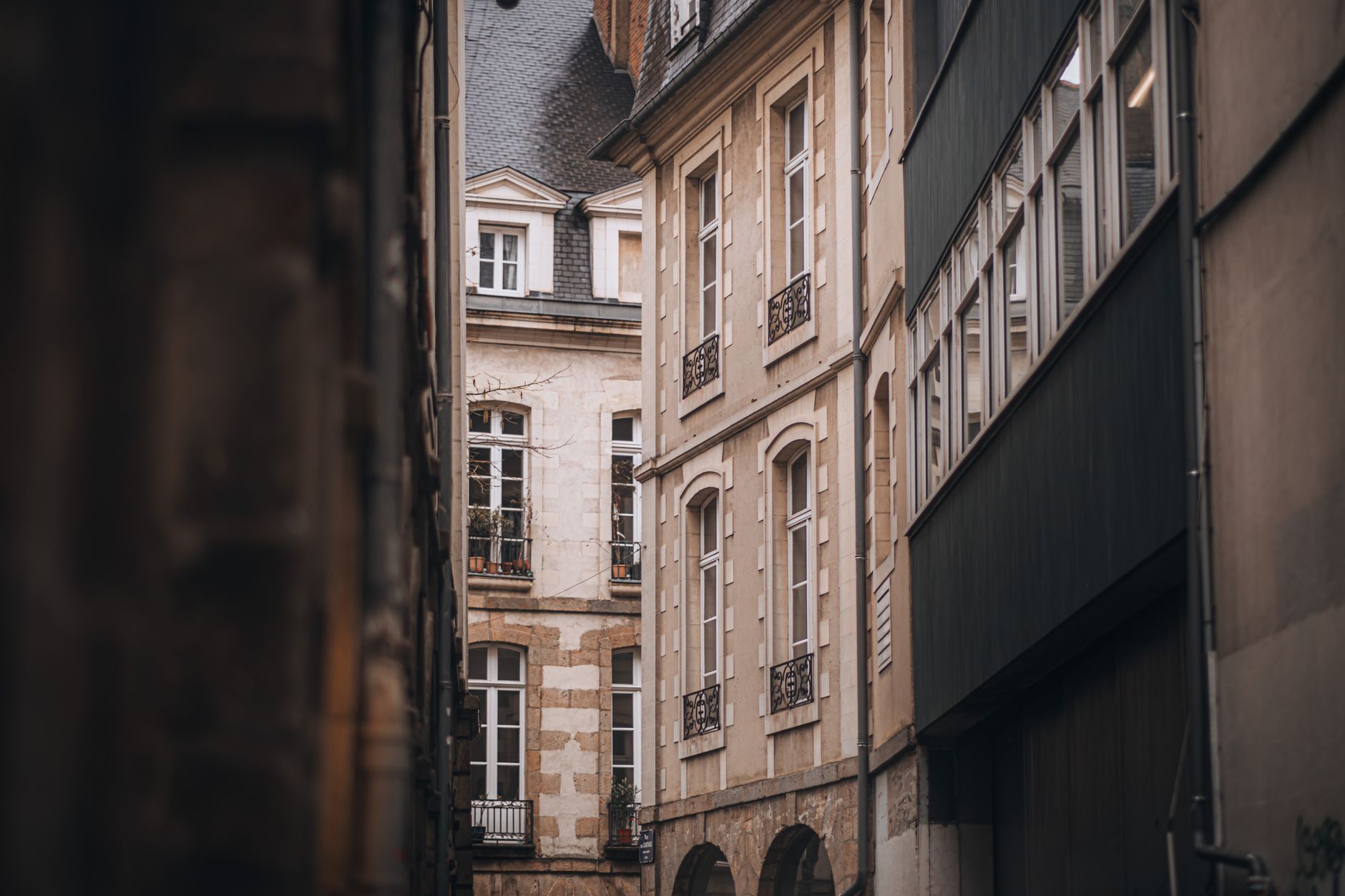
Food and Drink
France is one of the world’s great eating countries, but not because every meal is formal or expensive. The best food experiences often come from matching the meal to the place and time: a croissant from a serious bakery, oysters by the Atlantic, a simple lunch menu in Lyon, a market picnic in Provence, crêpes in Brittany, a cheese course in the Alps, a wine bar in Burgundy, a Basque cake in Bayonne, or a plateau de fruits de mer in Normandy.
Food Identity
French food is regional, seasonal, and ritualized. Paris concentrates everything, but the country makes more sense when you eat locally.
| Region | Food/drink identity |
|---|---|
| Paris | Bistros, bakeries, pâtisserie, wine bars, markets, global food, fine dining. |
| Normandy | Butter, cream, Camembert, cider, calvados, apples, seafood. |
| Brittany | Crêpes, galettes, cider, seafood, salted butter, kouign-amann. |
| Loire | Goat cheese, river fish, rillettes, wines, market produce. |
| Champagne | Sparkling wine, Reims ham, biscuits roses, cellar culture. |
| Alsace | Riesling, Gewürztraminer, tarte flambée, choucroute, kougelhopf. |
| Burgundy | Pinot Noir, Chardonnay, boeuf bourguignon, escargots, mustard, Époisses. |
| Lyon/Rhône | Bouchons, charcuterie, quenelles, Beaujolais, Rhône wines. |
| Provence | Olive oil, tomatoes, herbs, ratatouille, tapenade, rosé, aioli, bouillabaisse in Marseille. |
| Riviera | Niçoise cuisine, socca, pissaladière, seafood, Italian influence. |
| Southwest | Duck, foie gras, cassoulet, Armagnac, walnuts, truffles. |
| Basque Country | Espelette pepper, Bayonne ham, pintxos, seafood, gâteau basque. |
| Alps | Cheese, fondue, raclette, tartiflette, mountain charcuterie. |
| Corsica | Charcuterie, brocciu cheese, chestnuts, honey, island wines. |
How Restaurants Work
- Greet staff when entering: “Bonjour” or “Bonsoir.”
- Lunch service often has fixed windows.
- Dinner usually starts later than in North America.
- Many restaurants close Sunday and/or Monday.
- Reservations matter for good restaurants, especially weekends.
- “Menu” often means set menu; “carte” means à la carte.
- Tap water can be requested as “une carafe d’eau.”
- Bread is normally part of the meal.
- Service is included, but small extra tips are appreciated.
- Lingering is normal; rushing is not.
- Splitting bills can be less automatic than in some countries.
The Move
Eat your main meal at lunch when possible. Many restaurants offer better-value lunch menus, and it keeps evenings flexible.
Markets and Bakeries
Markets are not just shopping; they are regional museums with food. Go early, carry cash, greet vendors, and avoid handling produce unless invited. Bakeries are part of daily life. Learn the difference between a croissant, pain au chocolat/chocolatine, baguette tradition, fougasse, kouign-amann, cannelé, tarte tropézienne, éclair, Paris-Brest, and regional specialties.
Wine
Wine travel in France is rewarding but needs planning. Some famous regions are less casual than visitors expect. Champagne houses often require reservations. Burgundy small producers may not have walk-in tasting rooms. Bordeaux can be château-based and appointment-driven. Alsace, Beaujolais, Provence, Loire, and Rhône often have more casual options, but planning still helps.
Do not drink and drive. Use a guide, private transfer, bike where appropriate, train-based towns, or spit professionally at tastings.
Dietary Needs
Vegetarian, vegan, gluten-free, halal, kosher, and allergy-aware travel is easier in Paris and major cities than in rural traditional restaurants. France is improving, but classic cooking may rely on butter, cream, stock, meat, fish, wheat, nuts, or cross-contact. Carry allergy cards in French if needed; FARE and allergy organizations offer chef-card resources for travel.[19]
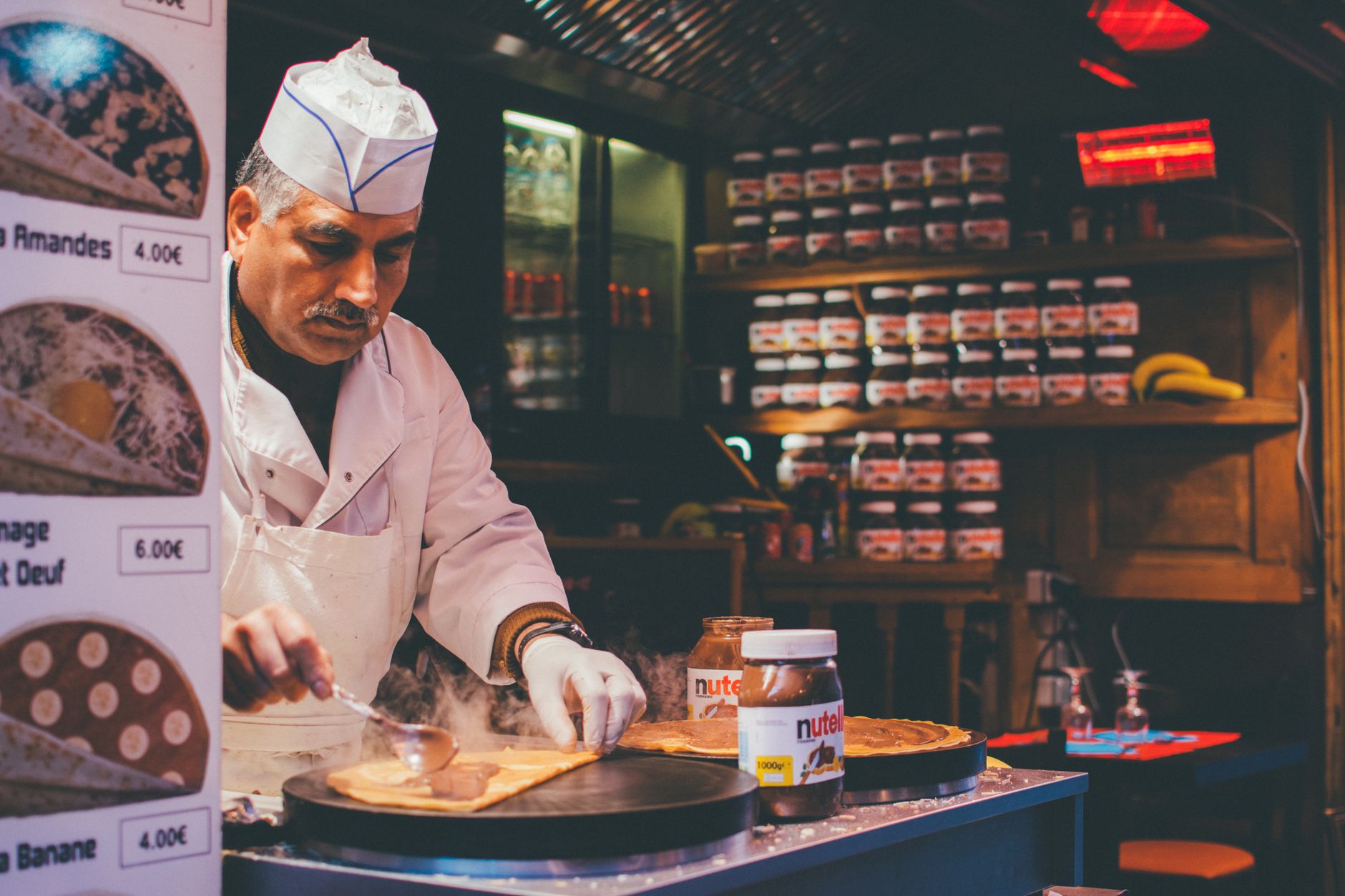
Best Things to Do
1. Spend Enough Time in Paris
Paris is still the country’s strongest first anchor. The key is to balance monuments with neighborhood life. Do the Louvre or Orsay, but also do market streets, parks, cafés, and walks.
Time needed: 4 to 7 days for a first serious Paris stay. Common mistake: Trying to “finish” Paris in two days.
2. Visit a Major Museum Properly
France’s museum density is extraordinary. The Louvre, Musée d’Orsay, Centre Pompidou, Musée de l’Orangerie, Musée Rodin, Musée Picasso, Musée Marmottan Monet, Musée des Beaux-Arts de Lyon, Mucem in Marseille, Musée Fabre in Montpellier, and countless regional museums can reshape a trip.
The move: Pick one major museum per day, not three. Museum fatigue is real.
3. See a Gothic Cathedral Beyond Paris
Chartres, Reims, Amiens, Rouen, Strasbourg, Bourges, and Albi are not interchangeable. Cathedrals explain medieval urban power, craft, pilgrimage, and civic identity.
4. Choose Châteaux Selectively
The Loire Valley is the obvious place, but Versailles, Fontainebleau, Vaux-le-Vicomte, Chantilly, Pierrefonds, Haut-Kœnigsbourg, and many regional castles also matter. Do fewer, better.
5. Eat at Markets
Provence markets are famous, but almost every region has market culture. Markets help you understand seasonality, local produce, prices, and daily life.
6. Take a Regional Road Trip
France’s best road trips are not about speed. Try Dordogne villages, Brittany coast, Normandy memory routes, Provence hill towns, Corsica, Burgundy wine roads, Alsace wine route, Basque villages, or Alpine lake/mountain loops.
7. Visit a Wine Region With Respect
Wine is agriculture, history, geology, business, and hospitality. Book ahead, learn basic regional styles, do not expect free unlimited tastings everywhere, and do not reduce the region to drinking.
8. Walk or Cycle
France is a country of paths: Loire cycling, Burgundy canals, GR trails, coastal customs paths, Alpine hikes, Pyrenean routes, pilgrimage paths, Paris promenades, and village-to-village walks.
9. Understand History Where It Happened
Normandy D-Day beaches, Verdun, Oradour-sur-Glane, Bayeux, Reims, Avignon, Carcassonne, Nîmes, Arles, Vichy, Strasbourg, and prehistoric Dordogne all offer different historical lenses.
10. Go to the Coast
The French coast is not one thing. Normandy is tides and cliffs; Brittany is granite and seafood; the Atlantic is surf and dunes; the Riviera is Mediterranean light and urban beaches; Corsica is rugged and turquoise; Occitanie has long sandy stretches.
11. Add One Mountain Experience
Even non-skiers should consider the Alps, Pyrenees, Jura, Vosges, Auvergne, or Corsican mountains if they have time. France is not only cities, vineyards, and beaches.
12. Attend a Festival or Seasonal Event
Cannes, Avignon theatre, Lyon’s lights, Bastille Day fireworks, Christmas markets, harvest events, jazz festivals, local village fêtes, and regional food festivals all change the trip—but book early and expect crowds.
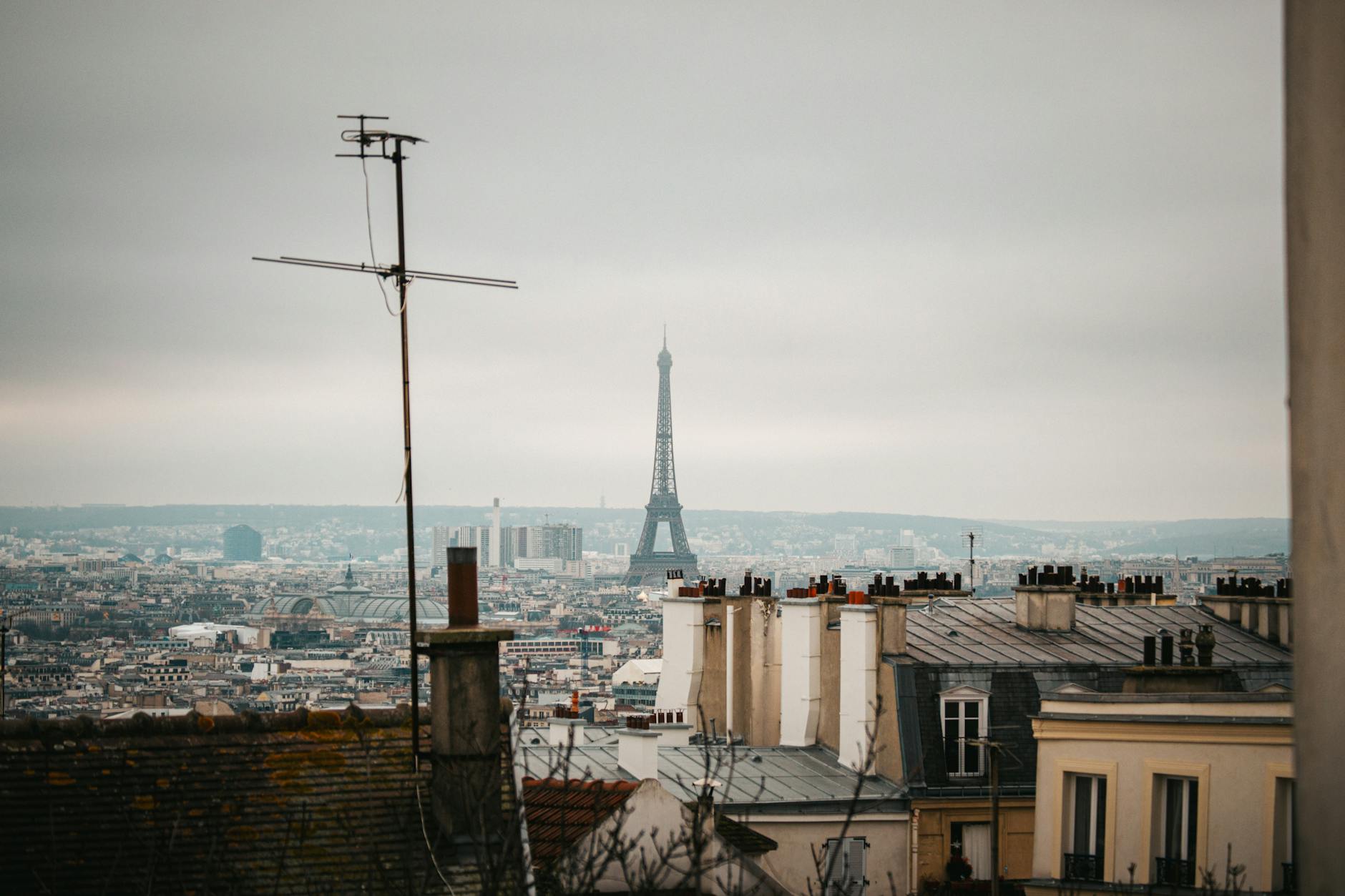
Budget and Costs
France can be moderate or expensive depending on season, region, and expectations. Paris, Riviera, Provence summer, ski resorts, and peak wine-region weekends can be costly. Rural self-catering, lunch menus, rail booked early, and less-famous regions can be good value.
Daily Budget Ranges
| Traveler type | Daily estimate per person, excluding international flights | What it means |
|---|---|---|
| Shoestring | €60–€100 | Hostel/budget room, bakery breakfasts, supermarket/market meals, limited paid attractions, regional trains/buses. |
| Budget comfort | €100–€180 | Simple hotel, casual restaurants, some museums, trains booked early, occasional car share. |
| Mid-range | €180–€350 | Good hotel, bistros, museums, TGV travel, some taxis, wine tastings, car rental days. |
| Comfortable | €350–€700 | Strong hotels, good restaurants, guided tours, car rental, better train classes, splurge meals. |
| Luxury | €700+ | Palace or top boutique hotels, Michelin meals, private guides, premium wine tours, luxury resorts, ski/Riviera peak season. |
What Costs More Than Visitors Expect
- Paris hotels in central neighborhoods.
- Riviera and Provence lodging in summer.
- Ski resorts during school holidays.
- Last-minute TGV tickets.
- Restaurant wine by the bottle in touristy areas.
- Taxis from airports or across cities.
- Parking and tolls on road trips.
- Museum and monument tickets when stacked daily.
- Automatic rental cars in high season.
- Family rooms.
What Can Be Good Value
- Bakery breakfasts.
- Lunch prix fixe menus.
- Markets and picnics.
- Municipal museums and smaller regional museums.
- Trains booked early.
- Picard/frozen-food or supermarket meals for apartments.
- Regional towns instead of famous villages.
- Shoulder-season travel.
- Self-catering gîtes for weeklong rural stays.
- Free walking, parks, churches, riverbanks, beaches, and markets.
Splurge-Worthy
- A well-located Paris hotel for a short stay.
- A private or small-group guide for the Louvre, Versailles, D-Day beaches, wine, or Paris neighborhoods.
- One serious meal in Paris, Lyon, Burgundy, Provence, or the Basque Country.
- A château or countryside hotel for one or two nights.
- A guided wine day when no one wants to drive.
- Air conditioning in summer.
- Direct trains instead of cheap-but-awful connections.
- Mountain lift access or ski logistics that reduce friction.
Usually Not Worth It
- Hop-on hop-off buses as the main way to understand Paris.
- Renting a car for Paris.
- Overpriced restaurants beside major monuments.
- Rushed day trips to faraway icons from Paris.
- Paying for “skip the line” when official timed tickets solve the problem.
- Staying far outside Paris to save money if you lose hours daily.
- A car in Riviera towns when the coastal train works better.
- Chasing lavender fields out of season.
Safety, Health, and Scams
France is generally safe for visitors, but it is not risk-free. The main visitor issues are pickpocketing, scams around crowded sights and transit, strikes/disruptions, road safety, heat, wildfire, mountain/sea hazards, and occasional demonstrations or security alerts.
General Safety
The U.S. State Department currently advises travelers to exercise increased caution in France due to terrorism and civil unrest.[14] That does not mean ordinary travel is discouraged, but it does mean travelers should stay aware, follow local instructions, monitor alerts, and avoid demonstrations that can change quickly.
Petty Theft and Scams
Common places for pickpocketing and scams:
- Paris Metro/RER, especially crowded trains and airport routes.
- Eiffel Tower, Sacré-Cœur, Louvre area, Notre-Dame area, Champs-Élysées.
- Train stations.
- Riviera beaches and trains.
- Outdoor restaurant tables with phones visible.
- Markets and crowded festivals.
Common scams:
- Bracelet/string scams around tourist hills.
- Fake petitions.
- Distraction pickpocketing.
- Taxi overcharging or unofficial airport rides.
- Ticket reseller markups.
- Gold ring/found item scams.
- “Free” gifts that become pressure sales.
- ATM distraction or card-skimming.
The move: Use official taxis or rideshare apps, keep phones off table edges, use crossbody bags, watch zippers in crowds, and do not engage with street approaches near major sights.
Strikes and Demonstrations
France has periodic strikes and demonstrations that may affect trains, metros, flights, museums, fuel, garbage collection, and city traffic. Most trips continue fine, but tight connections become risky.
The move: Do not schedule a long-distance train arrival the same day as an unprotected international flight home if you can avoid it. Build buffers.
Health
CDC’s France traveler page emphasizes routine health precautions and notes that vaccines cannot protect against many risks, so behavior matters.[15] Make sure routine vaccinations are up to date, carry prescriptions in original packaging, and bring travel insurance.
Heat and Wildfire
Summer heat waves have become a serious travel-planning issue in Europe. The French government provides heat-safety guidance, and wildfire risk is especially relevant in southern, forested, and windy areas.[18][16]
Practical steps:
- Book air-conditioned lodging for summer city trips.
- Sightsee early and rest midday.
- Carry water.
- Check local fire-risk and trail/forest closure notices.
- Avoid smoking or open flames in natural areas.
- Have backup plans for outdoor days.
Mountains
Alps, Pyrenees, Corsica, Jura, and other mountain areas require weather-aware planning. Trail difficulty, storms, snow, avalanche risk, lift closures, and altitude can matter.
The move: Do not treat mountain viewpoints like city attractions. Check conditions, wear appropriate shoes, carry layers, and turn back when weather changes.
Beaches and Water
Atlantic surf, Mediterranean rocks, Corsican beaches, river swimming, and mountain lakes each have different risks. Respect flags, currents, rocks, jellyfish, boat traffic, and local rules.
Emergency Numbers
Use 112 for general emergencies. France also uses 15 medical/SAMU, 17 police, 18 fire, 114 for deaf/hard-of-hearing emergency access, 196 sea rescue, and 191 aeronautical emergency.[7]
Accessibility and Mobility
France is mixed for accessibility. Major museums, newer hotels, mainline rail services, airports, and modern developments can be quite good. Older metros, medieval villages, cobblestones, small hotels, historic buildings, hill towns, rural restaurants, beaches, and mountain sites can be difficult.
What Helps
- Many major museums have accessibility services.
- TGV and major stations offer assistance services if booked.
- Newer hotels and chain hotels often provide clearer accessibility information.
- Taxis and private transfers can reduce station-transfer stress.
- Some city tram systems are more accessible than old metro systems.
- Larger tourist sites increasingly publish accessibility information.
What Is Hard
- Paris Metro has many stairs and limited step-free access on older lines.
- Old towns often have cobbles, steep lanes, and narrow sidewalks.
- Small restaurants may have steps and tight restrooms.
- Rural lodging may lack elevators.
- Châteaux and historic monuments can have uneven surfaces and partial access.
- Hill towns in Provence, Corsica, and the Basque Country can be steep.
- Beaches may lack accessible paths except in designated areas.
Lower-Walking Strategy
Base in cities with good tram or taxi options. Choose hotels with elevators and confirmed accessible rooms. Avoid changing hotels often. Use guides and taxis selectively. Build one major sight per day. For rural regions, prioritize bases with parking near accommodation and restaurants within easy reach.
Families, Solo Travelers, LGBTQ+ Travelers, and Special Considerations
Families With Children
France can be excellent for families if you slow down. Kids often enjoy parks, bakeries, carousels, trains, beaches, castles, markets, picnic lunches, gardens, caves, aquariums, mountain lifts, cycling, and hands-on museums.
Best family regions: Paris + Loire, Normandy, Brittany, Dordogne, Provence outside peak heat, Alps, Alsace, Atlantic coast.
Family tips:
- Book family rooms early.
- Use apartments/gîtes for longer rural stays.
- Do not schedule multiple museums in one day.
- Carry snacks for restaurant schedule gaps.
- Use picnics.
- Keep dinner simple with young kids.
- Avoid dragging strollers through cobbled hill towns when a carrier works better.
Solo Travelers
France is strong for solo travel, especially Paris, Lyon, Bordeaux, Strasbourg, Nice, Marseille, Montpellier, Toulouse, and rail-based routes. Solo dining is normal in casual places and increasingly fine in good restaurants.
Solo tips:
- Eat at counters, wine bars, cafés, and lunch menus.
- Stay central enough to walk home comfortably.
- Join food, wine, museum, or walking tours for social contact.
- Use normal nightlife caution.
- Learn basic French greetings.
Women Traveling Solo
Many women travel solo in France successfully. Use normal city habits: choose lodging carefully, avoid isolated late-night walks if uncomfortable, watch drinks, use licensed taxis/rideshare late, and be extra alert in crowded transit.
LGBTQ+ Travelers
France is generally LGBTQ+ friendly in major cities and many tourist areas, especially Paris, Lyon, Marseille, Montpellier, Bordeaux, Nice, and Strasbourg. Rural areas vary in visibility and attitudes. Public affection is generally tolerated in cities, but use judgment depending setting.
Older Travelers
France can be excellent for older travelers with good pacing. Prioritize central hotels with elevators, taxis when useful, fewer one-night stays, and regions where driving is manageable. Avoid summer heat-heavy itineraries without air conditioning.
Travelers of Color and Religious Travelers
France is diverse, especially in major cities, but experiences can vary by identity, language, dress, and region. Muslim, Jewish, Black, Asian, and other travelers may encounter both multicultural ease and occasional discrimination. Research neighborhoods, worship spaces, food needs, and current safety context as appropriate. For Jewish heritage sites, synagogues, mosques, and churches, expect security measures at some locations.
Culture, History, and Etiquette
Short History for Travelers
France’s travel landscape is layered by history.
Roman Gaul explains amphitheaters, roads, towns, and ruins in places like Nîmes, Arles, Orange, Lyon, and Provence. Medieval France explains cathedrals, monasteries, pilgrim routes, fortified towns, and castles. The Loire châteaux and Fontainebleau speak to Renaissance monarchy. Versailles expresses absolutist royal power. The French Revolution explains modern political identity, republican symbolism, Parisian memory, and national tensions around power and citizenship. Napoleon reshaped law, administration, empire, and the map of Europe. The 19th century gave Paris boulevards, railways, Impressionism, industry, and modern tourism. The 20th century brought two world wars, occupation, resistance, liberation, decolonization, and European integration.
France today is not a museum version of itself. It is a modern republic still negotiating centralization, secularism, regional identity, immigration, labor rights, language, agriculture, tourism pressure, climate change, and what it means to preserve beauty without freezing the country in the past.
Etiquette That Matters
- Always greet: “Bonjour” before asking for help.
- Say “Bonsoir” in the evening.
- Use “s’il vous plaît” and “merci.”
- In small shops, greet on entry and say goodbye when leaving.
- Do not begin in English without a greeting.
- Keep voices moderate in restaurants and trains.
- Dress a bit more deliberately in cities than you might at home.
- Do not touch market produce unless invited.
- Respect meal times.
- Ask before photographing people closely.
- Be quiet in memorials, churches, cemeteries, and D-Day sites.
- Do not expect staff to perform cheerfulness. Professional politeness can be restrained.
- Learn that “service included” does not mean service is free; it means a service charge is included in menu prices.
Useful Phrases
| English | French |
|---|---|
| Hello | Bonjour |
| Good evening | Bonsoir |
| Please | S’il vous plaît |
| Thank you | Merci |
| Excuse me / sorry | Excusez-moi / pardon |
| Do you speak English? | Parlez-vous anglais ? |
| I would like... | Je voudrais... |
| The bill, please | L’addition, s’il vous plaît |
| A carafe of water | Une carafe d’eau |
| I have an allergy | J’ai une allergie |
| Where is the station? | Où est la gare ? |
| I need help | J’ai besoin d’aide |
Books, Films, and Music Before You Go
A deeper France guide should curate by route. Examples:
- Paris: literature, New Wave film, Impressionism, urban history, café culture.
- Normandy: D-Day history, Impressionist landscapes, Norman food.
- Provence: Van Gogh, Cézanne, Pagnol, Roman history, Provençal markets.
- Burgundy/Lyon: wine writing, gastronomy, regional history.
- Brittany: Celtic music, maritime history, legends.
- Alsace: borderland history, wine, Christmas traditions.
- Corsica: island history, polyphonic music, Napoleon, hiking narratives.
this section should be curated with specific titles and updated links rather than stuffed with famous names.
Shopping and Souvenirs
France is excellent for souvenirs that people actually use: food, textiles, stationery, ceramics, beauty products, books, wine, kitchen goods, and regional crafts.
Good Souvenirs
| Region | Good buys |
|---|---|
| Paris | Books, perfume, fashion accessories, stationery, art books, chocolate, tea, kitchen goods. |
| Normandy | Cider, calvados, caramel, cheese if transport rules allow, linen. |
| Brittany | Salted butter caramels, cider, ceramics, striped shirts, sea salt, canned seafood. |
| Loire | Wine, goat cheese if feasible, garden products, château-related books/gifts. |
| Champagne | Champagne, cellar gifts, biscuits roses. |
| Alsace | Wine, Christmas ornaments, pottery, linens, gingerbread. |
| Burgundy | Wine, mustard, blackcurrant products, wine tools. |
| Lyon | Silk, food gifts, pralines, culinary books. |
| Provence | Olive oil, soaps, lavender products, textiles, ceramics, herbs. |
| Riviera | Perfume, citrus products, art books, beachwear. |
| Southwest/Basque | Espelette pepper, linens, espadrilles, chocolate, Basque cake if fresh. |
| Alps | Cheese where feasible, knives, wool, mountain goods. |
| Corsica | Honey, chestnut flour, charcuterie if allowed, wine, knives, crafts. |
What Not to Buy Thoughtlessly
- Food prohibited by your home country’s customs rules.
- Large fragile ceramics without proper packing.
- Wine if you have no luggage or import plan.
- Mass-produced “Provence” goods not made in the region.
- Fake luxury goods.
- Antique or cultural goods without understanding export restrictions.
- Cheese or meat products you cannot legally bring home.
Tax-Free Shopping
Non-EU visitors may qualify for VAT refunds depending purchase thresholds and rules. Processes change, and digital validation at departure matters. Check current rules before relying on refunds.
Seasonal and Month-by-Month Guide
Spring
Spring is one of the best seasons for France. Paris parks bloom, Loire gardens awaken, Provence markets brighten, and villages feel alive without full summer crowds.
Best experiences: Paris cafés, Giverny, Loire gardens, Normandy/Brittany road trips, Burgundy/Alsace villages, Provence markets. Watch out: Rain, holiday weekends, pollen, variable opening hours.
Summer
Summer gives long days, festivals, beaches, mountain hiking, and village life at full volume. It also brings heat, crowds, wildfire risk, traffic, and expensive lodging.
Best experiences: Alps hiking, Brittany coast, Normandy coast, Atlantic beaches, Corsica, festivals, early morning markets, long dinners. Watch out: Heat waves, air conditioning gaps, wildfire restrictions, sold-out beach lodging, August closures.
Autumn
Autumn is one of France’s great seasons: harvest, wine, food, comfortable cities, and lower crowds after summer. September is especially strong.
Best experiences: Burgundy, Champagne, Bordeaux, Alsace, Loire, Paris, Lyon, Provence, Dordogne. Watch out: Harvest logistics, shorter days later in autumn, rural closures after high season.
Winter
Winter is not the best all-purpose France season, but it is excellent for certain trips: Paris museums, Alsace Christmas markets, Lyon food, Alps skiing, and quiet city travel.
Best experiences: Paris, Strasbourg/Colmar, Lyon, Alps, museums, restaurants, Christmas lights, winter markets. Watch out: Short daylight, rural closures, cold rain, ski holiday prices.
What to Skip
Skip: Trying to See All of France in One Trip
France is built for return travel. Trying to do Paris, Normandy, Loire, Bordeaux, Dordogne, Lyon, Provence, Riviera, Alps, and Alsace in two weeks turns the country into a logistics exercise.
Better alternative: Choose one north/west region and one south/east region, or go deeper in one route family.
Skip: Mont-Saint-Michel as a Casual Day Trip From Paris
It can be done, but it is a long day and often not the best use of time.
Better alternative: Stay overnight nearby or combine it with Normandy/Brittany.
Skip: Renting a Car in Paris
You will pay to stress yourself out.
Better alternative: Use transit in Paris, then rent at the edge of the city or in a regional town.
Skip: Lavender Tourism Outside the Lavender Window
A lavender field in October is not a lavender field in bloom.
Better alternative: Time Provence for late June/July depending area, or enjoy Provence for markets, villages, Roman sites, and food without lavender expectations.
Skip: Overloading Museum Days
Three major museums in one day is rarely a good idea.
Better alternative: One major museum, one neighborhood walk, one meal anchor.
Skip: Eating Beside Major Monuments Without Research
Some famous areas are full of convenience restaurants aimed at exhausted visitors.
Better alternative: Walk ten to fifteen minutes into a better food neighborhood or keep a shortlist.
Skip: Assuming the Riviera Requires a Car
Parking and traffic can ruin coastal days.
Better alternative: Base in Nice or Antibes and use trains for coastal towns.
Skip: Over-Collecting Châteaux
Eight castles in three days blur together.
Better alternative: Choose three or four with different personalities.
Common Mistakes
- Only visiting Paris and saying you have seen France. Paris is essential, not comprehensive.
- Overstuffing the route. France rewards depth.
- Ignoring restaurant schedules. Lunch and dinner windows matter.
- Booking rural lodging without dinner logistics.
- Renting a car too early or returning it too late.
- Forgetting Crit’Air and low-emission zones when driving.
- Underestimating August closures in cities.
- Underestimating July/August heat.
- Not booking key museums and restaurants.
- Treating wine regions as spontaneous bar crawls.
- Doing too many one-night stays.
- Not leaving time for markets and cafés.
- Assuming all trains are cheap last-minute.
- Forgetting that Paris has multiple train stations.
- Planning mountain activities without weather flexibility.
- Expecting English everywhere.
- Skipping basic greetings.
- Trying to visit rural areas without a car or tour.
- Not checking public holidays and bridge weekends.
- Chasing famous villages at peak midday and complaining about crowds.
Responsible Travel
France receives enormous tourism pressure, especially in Paris, Mont-Saint-Michel, Versailles, Provence villages, Riviera towns, Alpine resorts, Corsica beaches, and famous wine areas. Good travel behavior matters.
Do
- Stay longer in fewer places.
- Use trains where they make sense.
- Support local restaurants, markets, wineries, and craftspeople.
- Respect memorial sites and religious spaces.
- Use legal accommodation.
- Book popular sites rather than joining unmanaged queues.
- Visit famous villages early, late, or off-season.
- Learn basic French greetings.
- Follow fire, trail, beach, and mountain rules.
- Respect residents in small villages and apartment buildings.
Do Not
- Block sidewalks and market stalls for photos.
- Treat tiny villages as theme parks.
- Trespass in vineyards, lavender fields, or private gardens.
- Ignore wildfire restrictions.
- Be loud late at night in residential areas.
- Fly between cities where rail is practical unless there is a strong reason.
- Photograph people at close range without permission.
- Treat D-Day beaches, cemeteries, or memorials as selfie backdrops.
Local Logic
France’s beauty is not accidental. It is maintained by farmers, public workers, conservation rules, artisans, local taxes, restaurant labor, and community routines. The best visitors participate in that order rather than consuming it carelessly.
Packing List
Essentials
- Comfortable walking shoes.
- Weather layers.
- Light rain jacket or compact umbrella.
- Adapter for Type C/E plugs.
- Portable charger.
- Day bag with secure zippers.
- Reusable water bottle.
- Sunscreen and sunglasses.
- Medications in original packaging.
- Copies of passport and travel insurance.
- Offline maps and hotel addresses.
- Restaurant and museum booking confirmations.
- Small amount of cash.
- Dressy-casual outfit for better restaurants.
- Swimsuit if coast/spa/hotel pool.
- Scarf or layer for churches and cool evenings.
Seasonal Additions
| Season | Pack |
|---|---|
| Spring | Layers, rain gear, shoes that handle wet streets, allergy medication if needed. |
| Summer | Lightweight breathable clothing, sun hat, sunscreen, sandals plus walking shoes, swimwear, refillable bottle, heat-safe medications. |
| Autumn | Layers, light jacket, rain gear, comfortable shoes, warmer evening clothing. |
| Winter | Warm coat, scarf, gloves, waterproof shoes, layers, lip balm, moisturizer. |
| Mountains | Hiking shoes, layers, rain shell, sun protection, water, trail map/app, winter gear if skiing. |
| Corsica/road trips | Motion-sickness medication if needed, beach gear, hiking shoes, compact luggage, car charger. |
What Not to Overpack
- Formal clothing unless you have specific reservations.
- Large hard-sided luggage for train-heavy trips.
- Too many shoes.
- Hair appliances incompatible with voltage.
- Heavy guidebooks for every region.
- A full picnic kit; buy locally.
FAQ
Is France worth visiting if I only have one week?
Yes, but choose Paris plus one region. Do not attempt the whole country. Paris + Normandy, Paris + Loire, Paris + Burgundy/Lyon, Paris + Alsace/Champagne, or Paris + Provence/Riviera are all valid one-week approaches.
How many days should I spend in Paris?
Four to five days is ideal for a first visit. Three days works for a taste. A week is not too long if you love museums, neighborhoods, food, and day trips.
Do I need a car in France?
Not for Paris or major city-to-city travel. You probably want a car for Dordogne, rural Provence, Brittany coast, Normandy countryside, Corsica, some wine routes, and mountain touring.
Is France expensive?
It can be. Paris, the Riviera, ski resorts, Provence in summer, and last-minute trains can be expensive. But bakery breakfasts, lunch menus, regional towns, public transport, markets, and shoulder seasons can make France good value.
What is the best first-time route?
Paris plus one region. The safest choices are Paris + Normandy, Paris + Loire Valley, Paris + Burgundy/Lyon, Paris + Alsace/Champagne, or Paris + Provence/Riviera.
Is France safe?
Generally yes for ordinary visitors, but use normal urban caution. Watch for pickpockets and scams in crowded tourist areas, monitor strikes and demonstrations, follow local security instructions, and take heat, wildfire, road, mountain, and sea risks seriously.
When is the best time to visit?
May, June, September, and early October are the strongest overall months. July and August are best for beaches, mountains, festivals, and families tied to school holidays, but they are crowded, hot, and expensive.
Should I visit the French Riviera or Provence?
They are different. Provence is markets, villages, Roman history, inland landscapes, and slow roads. The Riviera is coastal towns, sea, art museums, beaches, glamour, and train-based day trips. A good trip can combine both, but do not treat them as the same.
Is Mont-Saint-Michel worth it?
Yes, if planned well. It is far better as an overnight or part of a Normandy/Brittany route than as a rushed Paris day trip.
What should I book ahead?
Peak-season hotels, Louvre/major Paris museums, Eiffel Tower, Versailles, destination restaurants, Champagne cellar tours, Mont-Saint-Michel lodging, Provence/Riviera summer stays, ski lodging, Corsica ferries/cars, and popular guided tours.
Is August a bad time to visit France?
Not automatically. It is good for coast, mountains, and holiday atmosphere. It is less ideal for spontaneous city dining, low prices, and avoiding crowds. Air conditioning and early booking matter.
Can I visit France without speaking French?
Yes, especially in major tourist areas. But learn greetings and basic phrases. Starting every interaction with “Bonjour” changes the tone.
Source Notes
This sample uses official or high-reliability sources for date-sensitive planning points. A guide should re-check every rule, fare, ticket, closure, and advisory close to publication.
- 1. France-Visas, “Short-stay visa,” https://www.france-visas.gouv.fr/en/short-stay-visa
- 2. European Union, “European Travel Information and Authorisation System (ETIAS),” https://travel-europe.europa.eu/en/etias
- 3. France Diplomatie, “EES: The new European border Entry/Exit System goes live on 10 April 2026,” https://www.diplomatie.gouv.fr/en/services-to-foreigners/visiting-france/ees-the-new-european-border-entryexit-system-goes-live-on-10-april-2026
- 4. European Union, “France – EU country,” https://european-union.europa.eu/principles-countries-history/eu-countries/france_en
- 5. SNCF Connect, “Book your train tickets to France and Europe,” https://www.sncf-connect.com/en-en
- 6. Explore France / France.fr, https://www.france.fr/en/
- 7. Explore France, “Emergency numbers: what you need to know,” https://www.france.fr/en/article/emergency-numbers-to-know/
- 8. Explore France, “Unveiling the Diversity of France's Climate and Geography,” https://www.france.fr/en/article/geography-and-climate/
- 9. Explore France, “The Crit'Air anti-pollution vehicle sticker,” https://www.france.fr/en/article/crit-air-anti-pollution-vehicle-sticker/
- 10. Service-Public.fr, “Crit'air restrictions and low emission zones,” https://www.service-public.gouv.fr/particuliers/actualites/A17253?lang=en
- 11. Cathédrale Notre-Dame de Paris official website, https://www.notredamedeparis.fr/en/
- 12. Grand Palais official website, https://www.grandpalais.fr/en
- 13. Musée du Louvre, “Hours & admission,” https://www.louvre.fr/en/visit/hours-admission/tickets-and-prices
- 14. U.S. Department of State, “France Travel Advisory,” https://travel.state.gov/en/international-travel/travel-advisories/france.html
- 15. CDC Travelers’ Health, “France - Traveler View,” https://wwwnc.cdc.gov/travel/destinations/traveler/none/france
- 16. French Ministry for Ecological Transition, “Forest fires and wildfires,” https://www.ecologie.gouv.fr/en/forest-fires-and-wildfires
- 17. Service-Public.fr, “Learn about the danger of fires with forest weather,” https://www.service-public.gouv.fr/particuliers/actualites/A16541?lang=en
- 18. French Ministry for Ecological Transition, “Heatwaves: How to stay safe,” https://www.ecologie.gouv.fr/en/news/heatwaves-how-stay-safe
- 19. FARE, “Food Allergy Chef Cards,” https://www.foodallergy.org/resources/food-allergy-chef-cards
- 20. UNESCO World Heritage Centre, “France,” https://whc.unesco.org/en/statesparties/fr