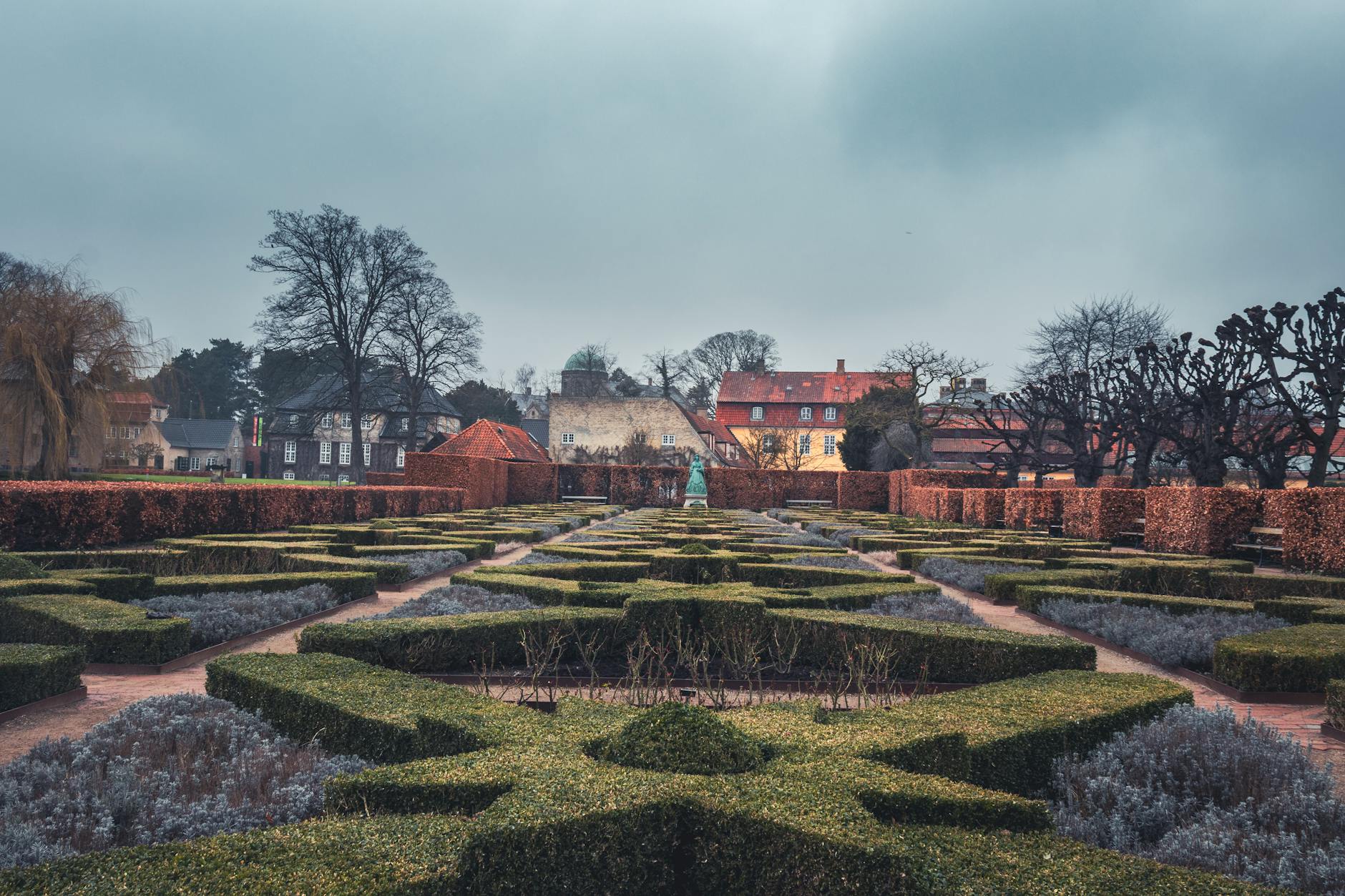
Denmark is small enough to look simple and layered enough to punish lazy planning.
Start Here
Many first-time visitors imagine Denmark as Copenhagen plus a day trip: canals, design shops, bicycles, New Nordic restaurants, Tivoli, royal palaces, pastries, clean trains, and some extremely stylish people crossing streets in excellent coats. That version is real. It is also incomplete.
Denmark is a country of islands, bridges, ferries, low skies, brick towns, working harbors, Viking memory, royal theater, bicycle lanes, beach houses, wind, churches, forests, modern architecture, farm-to-table food, democratic design, high trust, high prices, soft light, and quiet rules. It is not dramatic in the Swiss or Italian sense. It does not overwhelm you with mountains, ruins, or monuments. Denmark’s travel power is subtler: scale, order, texture, everyday beauty, and the pleasure of a country that works unusually well.
The best Denmark trip depends on whether you want the urban Denmark of Copenhagen and Aarhus, the castle-and-coast Denmark of Zealand, the literary and village Denmark of Funen, the wilder dune-and-sea Denmark of Jutland, the island Denmark of Bornholm and the South Funen Archipelago, or the slow-life Denmark of cycling, ferries, beaches, bakeries, and summer houses.
A great Denmark guide should not pretend the country is huge. It should show how a compact place can be traveled deeply: by train, bicycle, ferry, foot, neighborhood, island, coast, and meal.
Denmark in one sentence: Denmark is a small, maritime, design-minded country where the best trip pairs Copenhagen’s urban polish with islands, castles, beaches, bicycles, food culture, and the slower rhythms of towns and coastlines.
Basic data
| Population | About 6 million |
|---|---|
| Area | 42,952 km2 |
| Major religions | Christian heritage with a large secular population and Muslim minorities |
| Political system | Unitary parliamentary constitutional monarchy |
| Economic system | High-income mixed market economy led by services, shipping, pharmaceuticals, clean tech, and design |
Quick Verdict
| Question | Answer |
|---|---|
| Best for | Copenhagen, design, architecture, cycling, food, bakeries, castles, museums, family travel, safe-feeling cities, coastal towns, island hopping, low-stress rail travel, Christmas atmosphere, summer beaches, and travelers who enjoy subtle places more than spectacle. |
| Not ideal for | Travelers seeking cheap prices, guaranteed sun, dramatic mountains, late-night Mediterranean energy, vast wilderness without leaving Europe, or a country where every attraction is open every day year-round. Denmark is easy, but it is expensive and weather-sensitive. |
| Ideal first trip length | 5–7 days. Three days works for Copenhagen plus one day trip. Seven to ten days lets you add Aarhus, Funen, North Zealand, Jutland, or an island. Two weeks allows a genuinely rounded country trip. |
| Best first-timer route | Copenhagen for 3–4 nights, then either North Zealand castles, Roskilde, Odense/Funen, Aarhus, or a summer island/coast extension depending season. |
| Best time to visit | May through September for long days, cycling, beaches, ferries, outdoor dining, and lively cities. June, July, and August bring the longest days and warmest weather. December is excellent for Christmas markets, hygge atmosphere, museums, food, and city breaks. |
| Biggest planning mistake | Treating Denmark as only Copenhagen, or trying to bolt on too many far-flung places without respecting ferry schedules, train times, weather, and opening hours. |
| One thing to book early | Copenhagen hotels in peak season, top restaurants, popular summer island lodging, rental cars for remote Jutland/island routes, ferries for car travel where relevant, and holiday-season accommodations. |
| One thing to leave unscheduled | Wandering Copenhagen neighborhoods, bakery mornings, harbor swimming, cycling, small-town streets, island beaches, and weather-dependent coastal time. |
| Best value move | Use trains for city-to-city travel, stay slightly outside the most expensive Copenhagen hotel zones but near transit, eat well at bakeries/markets/casual spots, and spend on one or two genuinely distinctive meals or experiences. |
| Most important warning | Denmark looks effortless, but costs add up quickly. Hotels, restaurants, alcohol, taxis, and peak-season coastal lodging can surprise visitors. Plan value intentionally rather than assuming “small country” means “cheap trip.” |
The Move
Build a first Denmark trip around one strong Copenhagen stay plus one coherent extension, not a frantic national checklist. Copenhagen + North Zealand, Copenhagen + Funen, Copenhagen + Aarhus, or Copenhagen + Bornholm each tells a better story than rushing through five regions in a week.
Who Will Love Denmark?
You will probably love Denmark if you want:
- A country where cities are walkable, safe-feeling, clean, organized, and easy to navigate.
- A food trip that ranges from world-famous restaurants to bakeries, smørrebrød, hot dogs, seafood, coffee, markets, and casual New Nordic cooking.
- A design and architecture trip: furniture, interiors, public spaces, museums, waterfront redevelopment, brick towns, libraries, bridges, and everyday functional beauty.
- A cycling-oriented trip, whether that means Copenhagen bike lanes, island routes, coastal paths, or a multi-day cycling holiday.
- A family trip with museums, castles, beaches, trains, Tivoli, Legoland, aquariums, parks, and short travel distances.
- A summer trip where daylight stretches late, locals live outside, and the country’s beaches, harbors, islands, and outdoor cafés come alive.
- A low-drama European country that rewards slow attention more than adrenaline.
You may struggle with Denmark if you want:
- Bargain travel. Denmark is expensive by European standards.
- Predictably warm weather. Even summer can be cool, windy, or rainy.
- A dense checklist of blockbuster monuments outside Copenhagen. Denmark’s charm is often atmospheric, not monumental.
- Late-opening small-town attractions in the off-season. Many seasonal places reduce hours outside summer.
- A car-free trip to every coastal village and island. Trains are excellent for major corridors, but some rural or island travel needs careful planning.
- A high-noise, high-chaos destination. Denmark is sociable, but it is not usually extroverted in the southern European sense.
Denmark is best approached as a country of cultivated restraint. It does not always shout for your attention. The reward is noticing how well ordinary things are made: the chair, the bakery, the bridge, the harbor bath, the station, the candlelit restaurant, the bike lane, the schoolyard, the old town square, the ferry deck, the summer-house road through dunes.
Denmark at a Glance
| Practical | Detail |
|---|---|
| Country | Denmark, officially the Kingdom of Denmark. This guide focuses on Denmark proper: Jutland and the Danish islands. Greenland and the Faroe Islands are part of the Kingdom of Denmark but should be treated as separate travel guides because their logistics, landscapes, cultures, entry details, weather, and costs differ sharply. |
| Capital | Copenhagen. It is the main arrival point, largest city, cultural hub, and best base for many first-time visitors. |
| Major travel regions | Copenhagen and Zealand; North Zealand; Funen; Aarhus and East Jutland; North Jutland; West Jutland; South Jutland; Bornholm; South Funen Archipelago; smaller islands. |
| Language | Danish. English is widely spoken, especially in cities, tourism, younger generations, hotels, restaurants, and transport contexts. A few Danish courtesies still help. |
| Currency | Danish krone, abbreviated DKK or written kr. Denmark is in the EU but not the eurozone; euros are not the normal currency for everyday transactions. |
| Cards and cash | Cards and contactless payments are widely used. Carry a small amount of cash for edge cases, markets, rural spots, older machines, or small businesses, but Denmark is generally highly card-friendly. |
| Time zone | Central European Time, UTC+1; Central European Summer Time, UTC+2 during daylight saving time. |
| Main airports | Copenhagen Airport (CPH) is the main international gateway. Billund Airport (BLL) is useful for Jutland, Legoland, and western/central Denmark. Aalborg and Aarhus have more limited but useful connections. |
| Entry basics | Denmark is part of the Schengen Area. Many visitors from visa-exempt countries can stay in the Schengen Area up to 90 days in any 180-day period; travelers from visa-required countries need a Schengen visa. Always check the official rules for your passport and itinerary. |
| Emergency number | 112 for police, fire, and medical emergencies. Non-emergency police: 114. In the Copenhagen region, non-life-threatening medical referral is commonly handled through +45 1813. |
| Electrical plugs | Type C, E, F, and K are commonly relevant; standard voltage is 230V. Travelers from North America need an adapter and should check device voltage. |
| Tap water | Safe to drink and generally excellent. |
| Best transport tools | Rejseplanen for route planning, DSB for rail, DOT/transport apps for Copenhagen-area transit, Google Maps/Apple Maps for navigation, ferry operators for islands, and bike-route tools for cycling trips. |
| Official tourism site | VisitDenmark is the national tourism organization and is useful for destinations, seasons, cycling, cities, and regional inspiration. |
First-Timer Mistake
A common first-time mistake is assuming Denmark is so small that logistics do not matter. It is compact, but it is also islanded. Bridges, ferries, train routes, rental-car pickups, and seasonal lodging patterns matter. A trip that looks short on a map can become awkward if you ignore the water.
2026 Visitor Notes
Denmark Is a Schengen Country, So Count Your 90 Days Correctly
Denmark follows Schengen short-stay logic. VisitDenmark states that UK visitors can travel to Denmark and other Schengen countries for up to 90 days in any 180-day period, and that visits to other Schengen countries count toward that limit. Denmark’s Ministry of Foreign Affairs states that a visitor’s visa normally allows up to 90 days in the Schengen area over a 180-day period. This matters if Denmark is part of a wider Europe trip.
The move: Count all Schengen days, not just Denmark days. If you plan Denmark + Sweden + Germany + Netherlands + France, that is one Schengen clock for most ordinary short-stay travelers.
Copenhagen Is the Main Gateway, But Billund Can Be Strategically Useful
Most visitors arrive through Copenhagen Airport because it is the biggest and best-connected gateway. But Billund Airport is useful for Legoland, Jutland, West Coast beaches, Aarhus-area trips, or travelers who want to avoid backtracking across the country.
The move: For a route focused on Jutland, compare open-jaw flights: into Copenhagen and out of Billund, or vice versa. It can save time if the fare is reasonable.
Denmark Is Exceptionally Bike-Friendly, But Cycling Still Has Rules
Denmark is one of the world’s great cycling countries. VisitDenmark emphasizes cycling as a major way to explore the country, and Denmark.dk notes more than 12,000 kilometers of cycle routes nationally, with Copenhagen alone having around 400 kilometers of separated cycle paths. Cycling is easy to romanticize, but visitors need to treat bike lanes as serious transport infrastructure, not casual tourist space.
The move: Rent a bike if you are comfortable, but learn the rules first. Signal, stay right, do not stop unpredictably in a bike lane, use lights in the dark, and watch how locals behave before joining rush-hour flows.
Trains Make the Main Country Route Easy
Denmark’s train network is especially useful for Copenhagen, Odense, Aarhus, Aalborg, and other major corridors. DSB describes Copenhagen to Aarhus as about a three-hour train ride and Odense as about 1.5 hours from Copenhagen or Aarhus by express train.
The move: Use trains for Copenhagen–Odense–Aarhus. Add a car only when the trip shifts to dunes, small coastal towns, rural Jutland, remote beaches, island hopping, or family logistics.
Denmark Is Safe, But Not Risk-Free
Denmark is generally a low-crime, high-trust country for visitors. The practical risks are usually pickpocketing in crowded areas, bicycle accidents, alcohol-related late-night problems, cold-water/coastal safety, traffic rules, weather, and occasional security alerts. Australia’s Smartraveller lists 112 for fire, medical emergencies, and police; Canada’s travel advice notes petty crime such as pickpocketing and advises caution because of terrorism concerns.
The move: Do not overdramatize Denmark, but do not switch your brain off. In Copenhagen, watch belongings in crowded tourist areas, stations, nightlife zones, and busy transit.
How to Understand Denmark
Denmark is a small country with a big maritime identity. It is not simply “the flat part of Scandinavia.” It is a bridge between mainland Europe and the Nordic world, between sea and farmland, between monarchy and modern democracy, between old brick towns and world-class contemporary design.
The Five Denmarks a Visitor Can Choose
| Denmark | Where you feel it | What it gives you |
|---|---|---|
| Urban design Denmark | Copenhagen, Aarhus, Aalborg waterfronts, architecture museums, design shops | Modern architecture, cycling, food, museums, harbor swimming, public space, coffee, fashion, and design culture. |
| Royal and historical Denmark | Copenhagen palaces, Roskilde, Helsingør, North Zealand, Jelling, Ribe | Castles, cathedrals, Viking memory, monarchy, UNESCO sites, old towns, and national history. |
| Island and coastal Denmark | Bornholm, South Funen Archipelago, Møn, Lolland-Falster, West Coast, North Sea towns | Beaches, cliffs, ferries, fishing villages, summer houses, cycling, seafood, slow travel, and sea air. |
| Family Denmark | Copenhagen, Billund/Legoland, Aarhus, Odense, museums, beaches | Short distances, safe-feeling cities, playgrounds, theme parks, trains, castles, aquariums, and kid-friendly design. |
| Slow-life Denmark | Small towns, bakeries, cycling routes, islands, summer-house areas, Jutland coasts | Hygge, long summer evenings, candles, simple meals, nature, swimming, local rhythms, and low-key pleasures. |
Local Logic
Denmark works through systems: timetables, bike lanes, ferry routes, design norms, public trust, and quiet social expectations. The country feels easy because the infrastructure is good, but visitors still need to read the rules.
- In Copenhagen, the bike lane is not a sidewalk extension; it is a fast commuter artery.
- At restaurants, reservations matter more than in some larger, more chaotic countries.
- In small towns and islands, opening hours can be seasonal.
- In summer, Danes move outdoors and toward coasts, islands, harbor baths, and holiday houses.
- In winter, the country becomes more interior: candles, museums, restaurants, Christmas markets, cafés, and design spaces.
Denmark’s Central Contrasts
- Small country vs rich variation: short distances, but distinct islands, coasts, cities, and regional moods.
- Modern design vs old monarchy: cutting-edge public architecture beside castles, royal guards, and historic towns.
- High-trust society vs strict norms: Denmark feels relaxed because people follow shared rules.
- Cozy interiors vs outdoor culture: hygge is real, but so are cycling, swimming, sailing, beaches, and winter walks.
- Minimalism vs richness: Danish style can look plain until you notice materials, light, proportion, and craft.
What Visitors Misunderstand
Visitors often reduce Denmark to hygge, Copenhagen, and expensive restaurants. The better reading is that Denmark is a country of everyday design and controlled informality. The chair, the bread, the harbor bath, the train, the ferry, the school lunch, the city square, the beach shelter, and the museum café all belong to the travel experience.
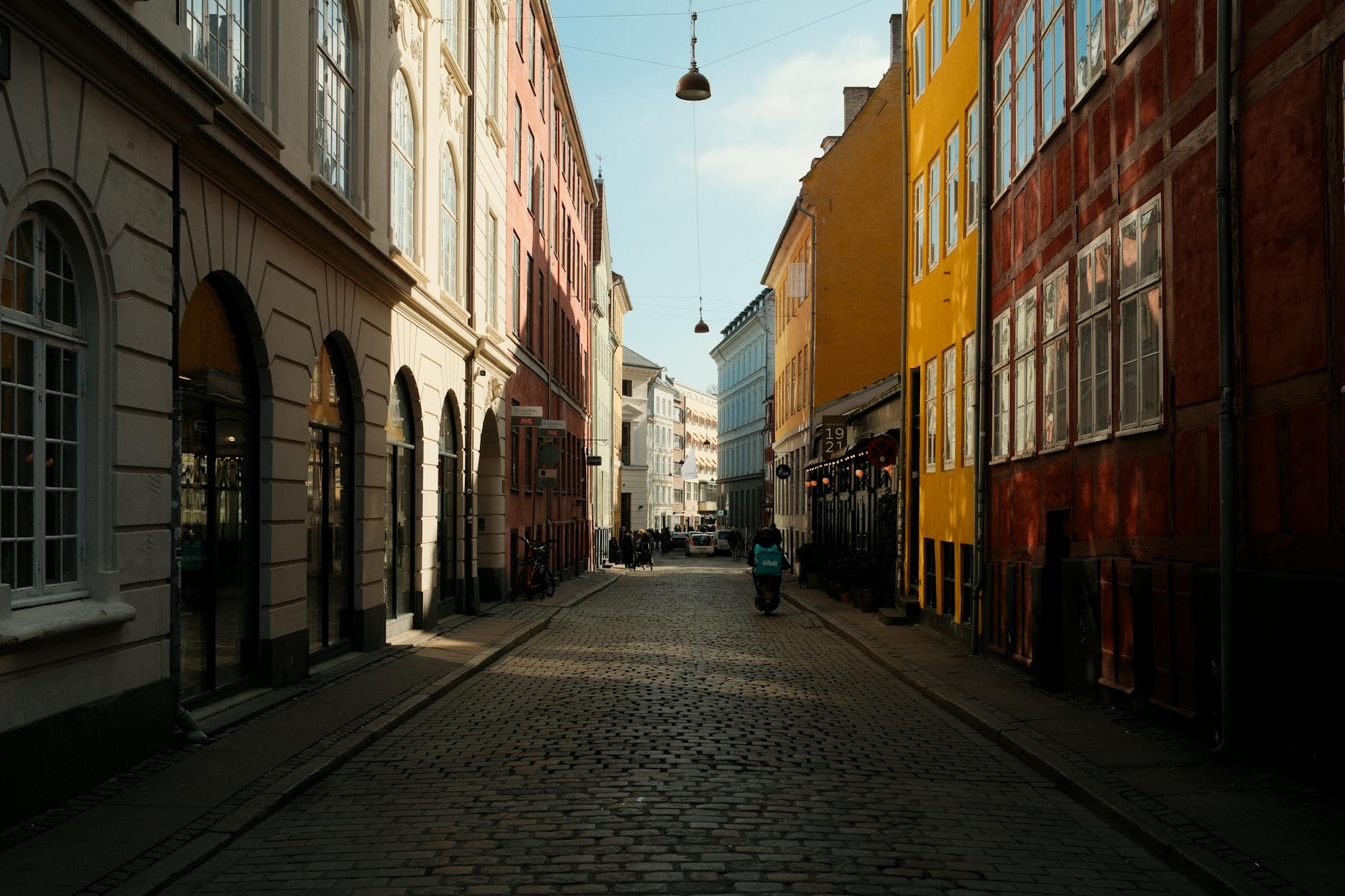
Best Time to Visit Denmark
Denmark is strongly seasonal. The country can be visited year-round, but the emotional content of the trip changes completely between a long June evening and a dark December afternoon.
Best Overall Months
May, June, and September are the easiest months to recommend for many travelers. May brings spring energy and longer days. June has excellent daylight and outdoor life. September is calmer, still pleasant, and often better for travelers who dislike peak summer crowds.
July and August are best for beach, island, ferry, family, and summer-house Denmark. They are also peak domestic holiday months, so popular coastal and island lodging can book early.
December is excellent for Copenhagen and town-based trips built around Christmas markets, lights, restaurants, museums, cafés, and hygge atmosphere. It is not the best month for broad country touring unless you enjoy dark, cold, atmospheric travel.
Season-by-Season
| Season | What to expect | Best for | Watch out for |
|---|---|---|---|
| Spring: April–May | Mildening weather, flowers, longer days, outdoor life returning. | Copenhagen, cycling, museums, castles, early coastal trips. | Changeable weather, cool evenings, some seasonal attractions still ramping up. |
| Summer: June–August | Long days, warmest weather, festivals, beaches, islands, outdoor dining. | First trips, families, cycling, beaches, Bornholm, Funen, Jutland coasts. | Peak prices, domestic holidays, booked-up coastal lodging, rain still possible. |
| Autumn: September–November | Cooler, quieter, more rain and overcast skies later. | City trips, food, museums, design, fewer crowds, atmospheric towns. | Shortening days, reduced hours, less reliable beach weather. |
| Winter: December–March | Cold, dark, sometimes snow/frost, strong indoor culture. | Copenhagen, Christmas, museums, restaurants, hygge, design shopping. | Short daylight, wind, closures, less appealing rural/coastal touring. |
VisitDenmark describes Denmark as having four distinct seasons, with April–May among the mildest spring months, June–August the hottest summer months, September–November rainier and more overcast, and winter from December to March normally cold with frost and snow possible.
Month-by-Month Guide
| Month | Verdict |
|---|---|
| January | Dark, cold, and quiet after New Year. Best for Copenhagen museums, restaurants, design, and low-key winter atmosphere. Not ideal for first-time broad touring. |
| February | Still cold and dark, but city breaks can work. Good for travelers who like museums, food, and winter calm. |
| March | Transitional. Days lengthen, but weather remains variable. Better for urban trips than coastal or island-focused travel. |
| April | Spring begins to feel real. Good for Copenhagen, castles, design, and early cycling with layers. |
| May | One of the best months. Long days, spring color, manageable crowds, and good city/coast balance. |
| June | Excellent. Very long days, outdoor life, cycling, harbor swimming, beaches beginning, lively cities. |
| July | Peak summer. Best for beaches, islands, families, festivals, and outdoor Denmark. Book ahead. |
| August | Still summer, often warm, good for island/coastal travel. Some domestic holiday patterns continue early in the month. |
| September | Strong shoulder month. Good weather potential, fewer crowds, excellent for Copenhagen + Aarhus/Funen/North Zealand. |
| October | Cooler and moodier. Good for museums, food, design, and autumn city travel. Less ideal for beach/island routes. |
| November | Dark, wet, and atmospheric. Best for travelers who want indoor culture and early winter mood. |
| December | Excellent for Copenhagen Christmas atmosphere, lights, markets, restaurants, and hygge. Short daylight, but strong mood. |
Rain Plan
Denmark handles rain well if your itinerary is flexible. Swap beaches and bike rides for museums, design shops, food halls, cafés, castles, libraries, galleries, bakeries, aquariums, indoor markets, and long lunches. Copenhagen and Aarhus are particularly strong rainy-day cities.
How Many Days You Need
The Honest Answer
You need five to seven days for a satisfying first Denmark trip. Three days is a Copenhagen city break. Seven days lets you add one serious extension. Ten to fourteen days turns Denmark from a Copenhagen add-on into a real country trip.
| Length | What it feels like |
|---|---|
| 2–3 days | Copenhagen only, with perhaps a quick half-day to Louisiana Museum or Roskilde. Good city break, not a country trip. |
| 4–5 days | Copenhagen plus one day trip or one short extension: North Zealand, Roskilde, Odense, or Malmö if crossing to Sweden. |
| 6–7 days | Ideal first Denmark trip: Copenhagen plus Funen, Aarhus, North Zealand, or a summer island/coast extension. |
| 8–10 days | A genuinely rounded trip: Copenhagen, castles/Roskilde, Funen/Odense, Aarhus, and perhaps Jutland coast or Billund. |
| 2 weeks | Best for Denmark properly: Copenhagen, Zealand, Funen, Aarhus, North/West Jutland, South Jutland, or Bornholm/islands depending season. |
Itinerary Philosophy
A good Denmark itinerary usually has:
- One urban anchor: Copenhagen, Aarhus, or both.
- One historical/cultural layer: castles, Roskilde, Jelling, Ribe, Odense, Viking sites, or museums.
- One water/coast/island layer: harbor swimming, Bornholm, Møn, North Sea beaches, South Funen, or a ferry.
- One slow pleasure: cycling, bakeries, design shopping, long lunch, town wandering, beach walk, or evening harbor time.
The Move
Do not make every day a transfer day. Denmark is small enough that you can move efficiently, but a trip built entirely from one-night stops misses the point. Stay long enough to feel the rhythm.
Choose Your Denmark Trip
First-Timer Classic: Copenhagen + Castles + One Extension
Best for: First-time visitors, couples, food/design travelers, culture travelers.
Route: Copenhagen, Louisiana Museum or Kronborg/Frederiksborg, Roskilde, Odense or Aarhus.
Why it works: You get the capital, design, food, monarchy/history, one old town, and a train-friendly extension without making the trip complicated.
Copenhagen Design and Food Trip
Best for: Short trips, urban travelers, restaurant/design people.
Route: Copenhagen neighborhoods, museums, architecture, bakeries, markets, harbor baths, restaurants, day trip to Louisiana.
Why it works: Copenhagen is dense enough to support a serious 4–5 day city-focused trip.
Family Denmark
Best for: Families with children, multigenerational travel.
Route: Copenhagen, Tivoli, Experimentarium/Blue Planet, castles, Odense, Billund/Legoland, beaches or Aarhus.
Why it works: Denmark is clean, safe-feeling, organized, and full of short-distance activities.
Summer Islands and Coast
Best for: Slow travelers, cyclists, beach lovers, repeat visitors.
Route: Copenhagen + Bornholm, South Funen Archipelago, Møn, Lolland-Falster, or Jutland coast.
Why it works: Denmark’s summer identity is maritime. The country makes most sense when you include water.
Jutland Road and Rail Trip
Best for: Travelers with 8–14 days, families, repeat visitors, people who want beyond Copenhagen.
Route: Aarhus, Ebeltoft/Djursland, Aalborg, Skagen, West Coast dunes, Ribe, Jelling, Billund.
Why it works: Jutland gives Denmark scale: beaches, old towns, Viking sites, modern cities, and rural landscapes.
Cycling Denmark
Best for: Active travelers, slow travelers, couples, soft-adventure trips.
Route: Copenhagen cycling, South Funen, Bornholm, Danish Riviera/North Zealand, coastal Jutland, island routes.
Why it works: Denmark’s terrain, infrastructure, ferries, and short distances make cycling unusually accessible.
Christmas and Hygge Denmark
Best for: Winter city breaks, couples, food/design shoppers.
Route: Copenhagen plus perhaps Odense or Aarhus.
Why it works: Short days are offset by candles, lights, markets, museums, restaurants, and cozy interiors.
Copenhagen
Best for: First-timers, food, design, museums, architecture, nightlife, cycling, family travel.
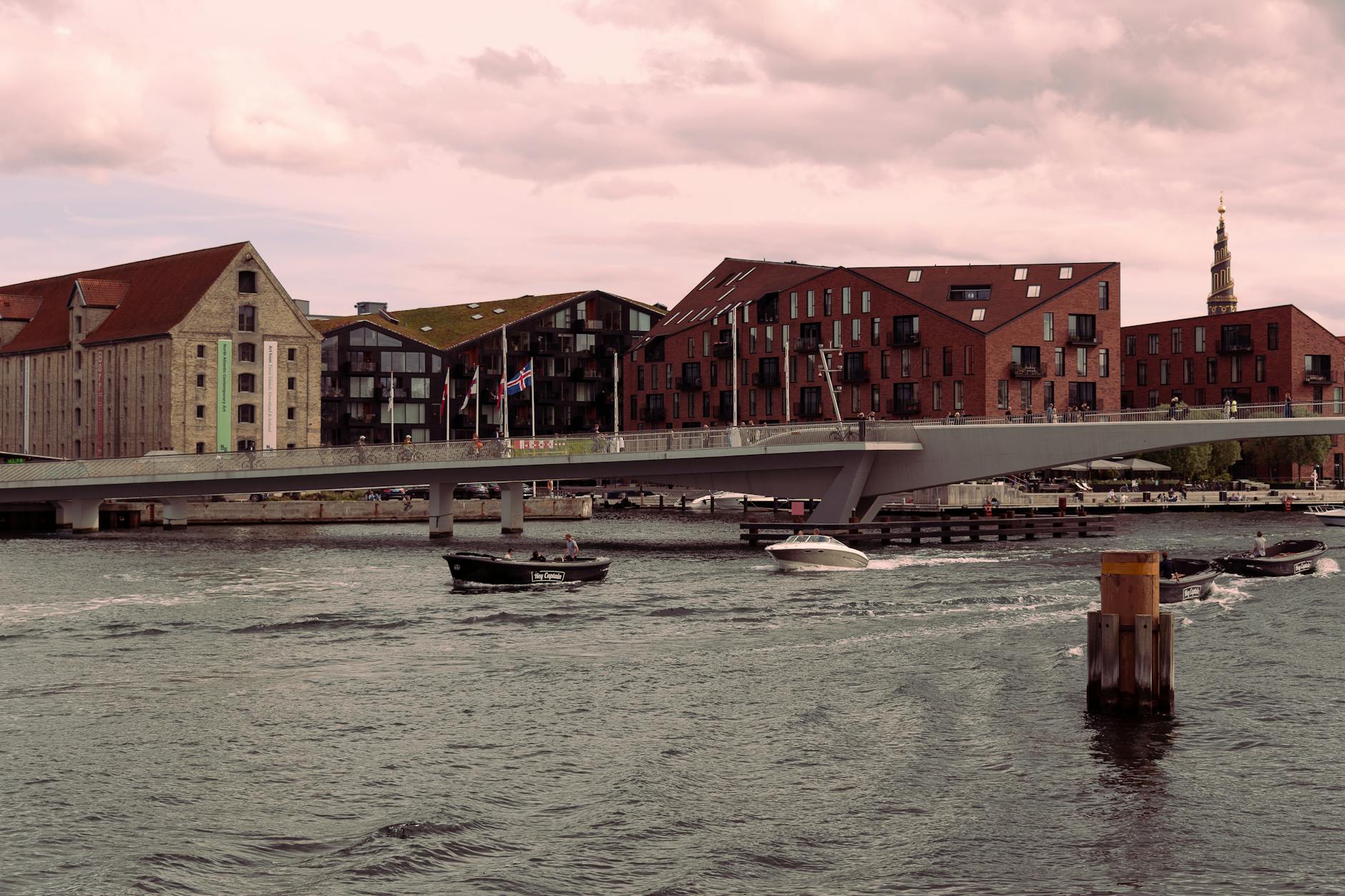
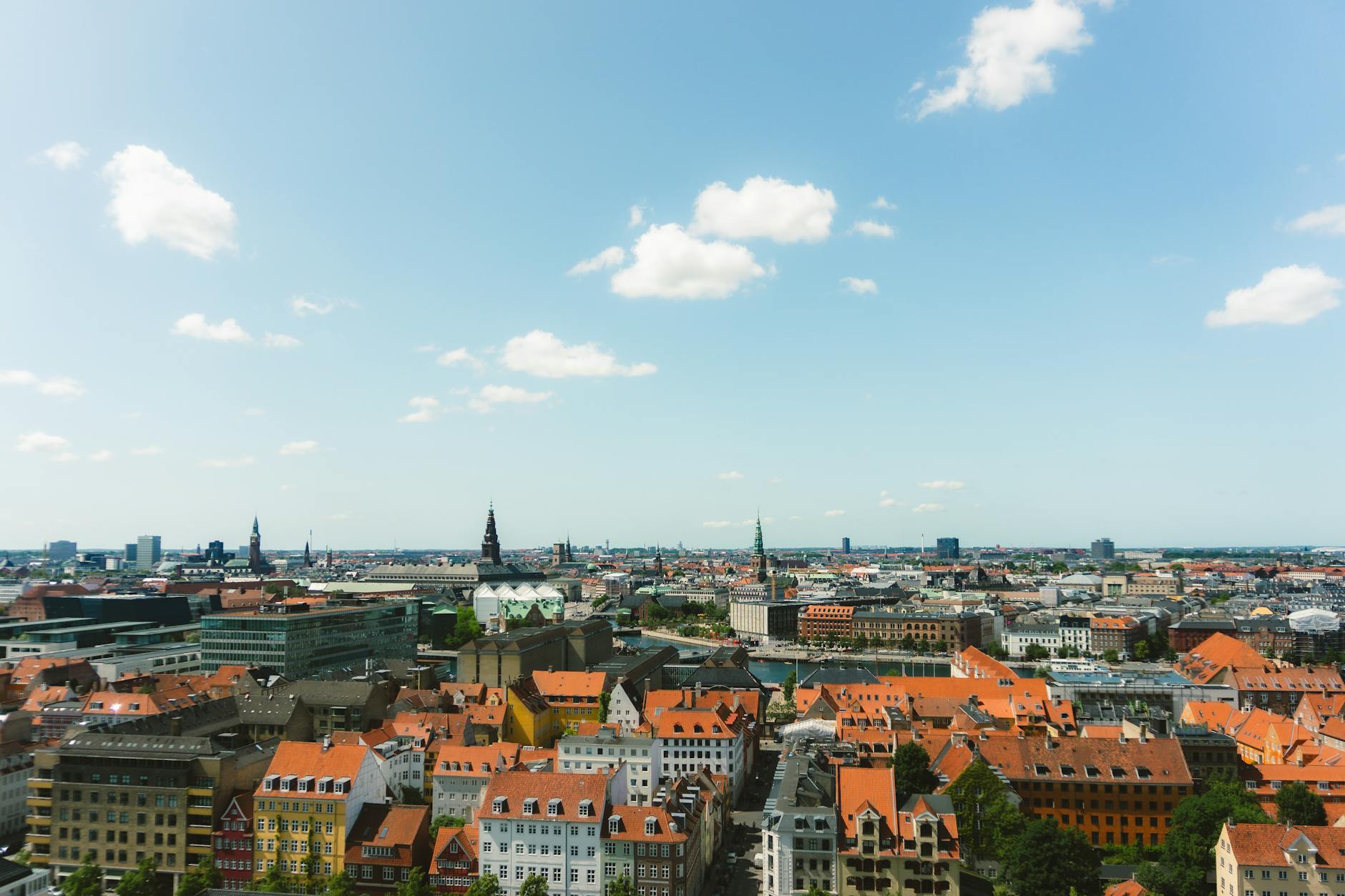
Copenhagen is the obvious starting point because it concentrates so much of Denmark’s appeal: royal palaces, canals, bike lanes, design shops, waterfront architecture, bakeries, restaurants, museums, harbor swimming, parks, and a livable urban scale.
Do not miss: Nyhavn if you accept it as scenic but touristy; Tivoli Gardens; Christiansborg; Rosenborg; Amalienborg; National Museum of Denmark; Designmuseum Danmark; Louisiana Museum as a day trip; Copenhagen neighborhoods like Vesterbro, Nørrebro, Christianshavn, Frederiksberg, Østerbro, Refshaleøen, and the harbor areas.
Who should stay longer: Food travelers, design travelers, first-time Denmark visitors, and anyone who likes cities that reward walking and biking.
Common mistake: Spending all your time in the postcard center. Copenhagen’s neighborhoods matter.
North Zealand
Best for: Castles, museums, coast, day trips from Copenhagen.
North Zealand is the elegant day-trip belt north of Copenhagen: Kronborg Castle in Helsingør, Frederiksborg Castle in Hillerød, Louisiana Museum of Modern Art in Humlebæk, coastal towns, beaches, and the so-called Danish Riviera.
Best as: One or two day trips from Copenhagen, or a slow summer extension.
The move: Pair Louisiana with coast time, not another rushed checklist stop. Pair Kronborg with Helsingør town and harbor.
Roskilde and Central Zealand
Best for: Viking ships, cathedral history, music culture, easy train day trip.
Roskilde is one of the strongest easy trips from Copenhagen because it combines national history, cathedral architecture, Viking ships, and a manageable town scale.
Best as: Half-day to full day from Copenhagen.
Common mistake: Treating it as only a museum stop. Walk the town and waterfront.
Funen and Odense
Best for: Hans Christian Andersen, villages, castles, gentle landscapes, cycling, island access.
Funen sits between Zealand and Jutland and is often described as Denmark’s garden. Odense is the main city and the birthplace of Hans Christian Andersen. The region also works well for castles, countryside, coastal towns, and the South Funen Archipelago.
Best as: One to three nights.
The move: Use Funen as the softer middle chapter between Copenhagen and Aarhus/Jutland. It keeps the trip from becoming only capital-city travel.
Aarhus and East Jutland
Best for: Second city energy, museums, food, architecture, students, families.
Aarhus is Denmark’s second city and the best argument against making Denmark only about Copenhagen. It has ARoS art museum, Den Gamle By, a lively Latin Quarter, waterfront development, good restaurants, beaches nearby, and a younger, more relaxed city mood.
Best as: Two nights, or three with nearby excursions.
Common mistake: Making Aarhus a quick lunch stop. It deserves at least an overnight if you are going beyond Copenhagen.
North Jutland and Skagen
Best for: Light, beaches, dunes, artists, seafood, summer travel.
North Jutland feels more open and elemental: big skies, sand, coast, fishing towns, and Skagen at the northern tip, where seas and artistic traditions meet.
Best as: Summer extension with a car or careful rail planning.
Watch out: Weather and seasonality shape the experience strongly.
West Jutland
Best for: North Sea beaches, dunes, wind, summer houses, nature, rawer coastal Denmark.
West Jutland is Denmark’s wilder-feeling coast. It is not wild in a remote wilderness sense, but compared with Copenhagen it feels elemental: dunes, surf, wind, beach houses, and long horizons.
Best as: Car-based or cycling/coastal holiday, especially in summer.
The move: Do not expect Mediterranean beach culture. This is windbreaker, dunes, long walks, seafood, and weather drama.
South Jutland and Ribe
Best for: Old towns, marshland, borderland history, Viking/medieval texture.
Ribe is one of Denmark’s most atmospheric old towns, and South Jutland adds borderland culture, Wadden Sea landscapes, history, and access toward Germany.
Best as: One to two nights on a broader Jutland route.
Billund and Legoland
Best for: Families, Lego fans, Jutland route planning.
Billund is not Denmark’s most atmospheric town, but it is a major family travel node because of Legoland and related attractions. Its airport can also make Jutland routes easier.
Best as: Family-focused stop, usually one or two nights.
Bornholm
Best for: Island escape, cycling, beaches, smoked fish, rocky coast, ceramics, summer travel.
Bornholm sits in the Baltic Sea and feels distinct from mainland Denmark: round churches, fishing villages, cliffs, beaches, craft, smokehouses, and strong summer-holiday energy.
Best as: Three to five nights in summer, or longer for slow travel.
Watch out: It requires a flight or ferry strategy. Do not treat it as a casual day trip from Copenhagen.
Møn, Lolland-Falster, and Southern Islands
Best for: Cliffs, dark skies, beaches, quiet towns, slow travel.
Møn is especially known for its chalk cliffs, while Lolland-Falster and nearby islands offer a gentler, less internationally obvious Denmark.
Best as: Car-assisted or carefully planned island/coast extension.
South Funen Archipelago
Best for: Ferries, cycling, sailing, small islands, slow summer travel.
This is one of Denmark’s best slow-travel regions. It rewards travelers who like ferries, sea air, small harbors, bikes, and the feeling of crossing between modest but memorable islands.
Best as: Summer cycling or island-hopping trip.
Best Things to Do
1. Spend Several Days in Copenhagen, Not Just One
Copenhagen is compact but layered. The first day gives you the postcard city. The second gives you neighborhoods. The third gives you food, design, museums, and harbor life. The fourth lets the city settle.
Best for: Everyone on a first Denmark trip.
Time needed: Minimum two full days; better with three or four.
Worth it? Yes. Copenhagen is one of Europe’s best-designed small capitals.
2. Visit Louisiana Museum of Modern Art
Louisiana, north of Copenhagen, is one of Europe’s great museum experiences because it combines art, architecture, landscape, sea views, and human scale.
Best for: Art, architecture, design, couples, rainy days, first-time visitors.
Time needed: Half-day from Copenhagen.
The move: Do not rush it. The setting is part of the museum.
3. See Denmark’s Castles Without Overdoing Castles
Kronborg, Frederiksborg, Rosenborg, Christiansborg, Amalienborg, Egeskov, and other sites can build a strong royal/historical layer. But too many castles in a short trip blur together.
Best for: History, architecture, families, day trips.
The move: Choose two major castle experiences: one in Copenhagen and one outside it.
4. Eat Your Way Through Danish Bakeries
Danish pastry culture is not a cliché; it is a serious travel pleasure. Copenhagen’s bakery scene has become internationally influential, but strong bakeries are part of daily life across the country.
Best for: Everyone who eats breakfast.
Time needed: Every morning if you are wise.
Common mistake: Only ordering what you already know as “a Danish.” Try cardamom buns, rye breads, seasonal pastries, and local specialties.
5. Cycle Somewhere, Even Briefly
Cycling is part of Danish life and a practical way to understand the country’s design logic. In Copenhagen, it reveals how the city actually moves. In islands and coastal regions, it becomes a slow-travel method.
Best for: Active travelers, city explorers, summer trips.
Skip if: You are nervous in traffic or unfamiliar with urban cycling. Walk and observe instead.
6. Take a Train Across the Country
Copenhagen to Odense to Aarhus is an easy rail spine that shows how Denmark connects across islands and Jutland.
Best for: Car-free travel, first-timers, city/culture routes.
The move: Let the train be part of the country experience, not just logistics.
7. Visit Aarhus
Aarhus is the country’s most important non-Copenhagen city for visitors. It adds youth, museums, harbor redevelopment, old-town interpretation, beaches, and a more relaxed urban scale.
Best for: Repeat Copenhagen visitors, first-timers with a week, museum lovers, families.
Time needed: Two nights.
8. Add One Island or Coast Experience
Denmark makes more sense when you touch the sea. That could be a Copenhagen harbor swim, a Bornholm stay, a day on Møn, a South Funen ferry, a West Jutland beach walk, or North Zealand coast time.
Best for: Summer, slow travel, families, cyclists, photographers.
The move: Pick one water experience and give it enough time.
9. Visit a Viking or Medieval Site
Roskilde, Jelling, Ribe, and other sites connect Denmark’s modern calm with a deeper historical past.
Best for: History, families, cultural grounding.
Common mistake: Thinking Denmark’s history starts with modern design.
10. Swim in a Harbor or Walk a Winter Waterfront
Copenhagen’s harbor baths and swimming culture are central to the city’s modern identity. Even outside swimming season, waterfront walks reveal how Danish cities have turned industrial edges into public life.
Best for: Summer, urban design, active travelers, photography.
Safety note: Swim only in designated safe areas and follow local signs.
Denmark Itineraries
Three Days: Copenhagen City Break
Day 1: Classic Copenhagen
Nyhavn, palace area, Strøget only briefly, Christiansborg or Rosenborg, canal/waterfront walk, dinner in a neighborhood rather than the most touristy center.
Day 2: Neighborhoods, Design, and Food
Vesterbro, Nørrebro, or Frederiksberg; bakery morning; design shops; Torvehallerne or a food market; harbor time; restaurant booking.
Day 3: Louisiana or Roskilde
Choose Louisiana for art/architecture/sea or Roskilde for cathedral/Viking/history. Return for a final Copenhagen evening.
Five Days: Copenhagen + North Zealand/Roskilde
Day 1: Arrive Copenhagen, gentle orientation.
Day 2: Classic Copenhagen: royal/political center, harbor, Tivoli or museum.
Day 3: Copenhagen neighborhoods: Nørrebro, Vesterbro, Christianshavn, Refshaleøen, food/design.
Day 4: Louisiana + Helsingør/Kronborg or Frederiksborg.
Day 5: Roskilde or slow Copenhagen day before departure.
Seven Days: Copenhagen + Funen + Aarhus
Day 1–3: Copenhagen.
Day 4: Train to Odense. Hans Christian Andersen context, old streets, food, overnight.
Day 5: Funen countryside/castle/coast or continue to Aarhus.
Day 6: Aarhus: ARoS, Latin Quarter, Den Gamle By, harbor.
Day 7: Aarhus morning, return to Copenhagen or depart via Billund/Aarhus depending flights.
Ten Days: Denmark Properly
Day 1–3: Copenhagen.
Day 4: North Zealand: Louisiana and/or castles.
Day 5: Roskilde, then Odense/Funen.
Day 6: Funen and South Funen if season allows.
Day 7–8: Aarhus and East Jutland.
Day 9: Jelling/Billund/Ribe or North Jutland depending interests.
Day 10: Return or depart via Billund/Copenhagen.
Two Weeks: Cities, Islands, and Jutland
Build around:
- 4 nights Copenhagen.
- 2 nights Funen/Odense/South Funen.
- 2 nights Aarhus.
- 2 nights North or West Jutland.
- 1–2 nights Ribe/South Jutland or Billund for families.
- 3–4 nights Bornholm or another island/coast extension if summer.
Special-Interest Itineraries
Food and Design Denmark
Copenhagen bakeries, restaurants, food markets, design museums, furniture/design shops, architecture walks, Louisiana, Aarhus, and perhaps ceramics/craft on Bornholm.
Family Denmark
Copenhagen, Tivoli, Experimentarium/Blue Planet, Roskilde Viking ships, Odense, Billund/Legoland, Aarhus/Den Gamle By, and beaches if summer.
Cycling Denmark
Copenhagen city cycling, North Zealand coast, South Funen Archipelago, Bornholm, or a structured package cycling route with luggage transfer.
Summer Coast and Islands
Copenhagen harbor + Møn or Bornholm + South Funen or West Jutland. Keep the pace slow and book lodging early.
Winter Hygge Trip
Copenhagen for restaurants, museums, design, Christmas markets, Tivoli in season, candles, cafés, and perhaps Aarhus or Odense for a second city atmosphere.
Food and Drink
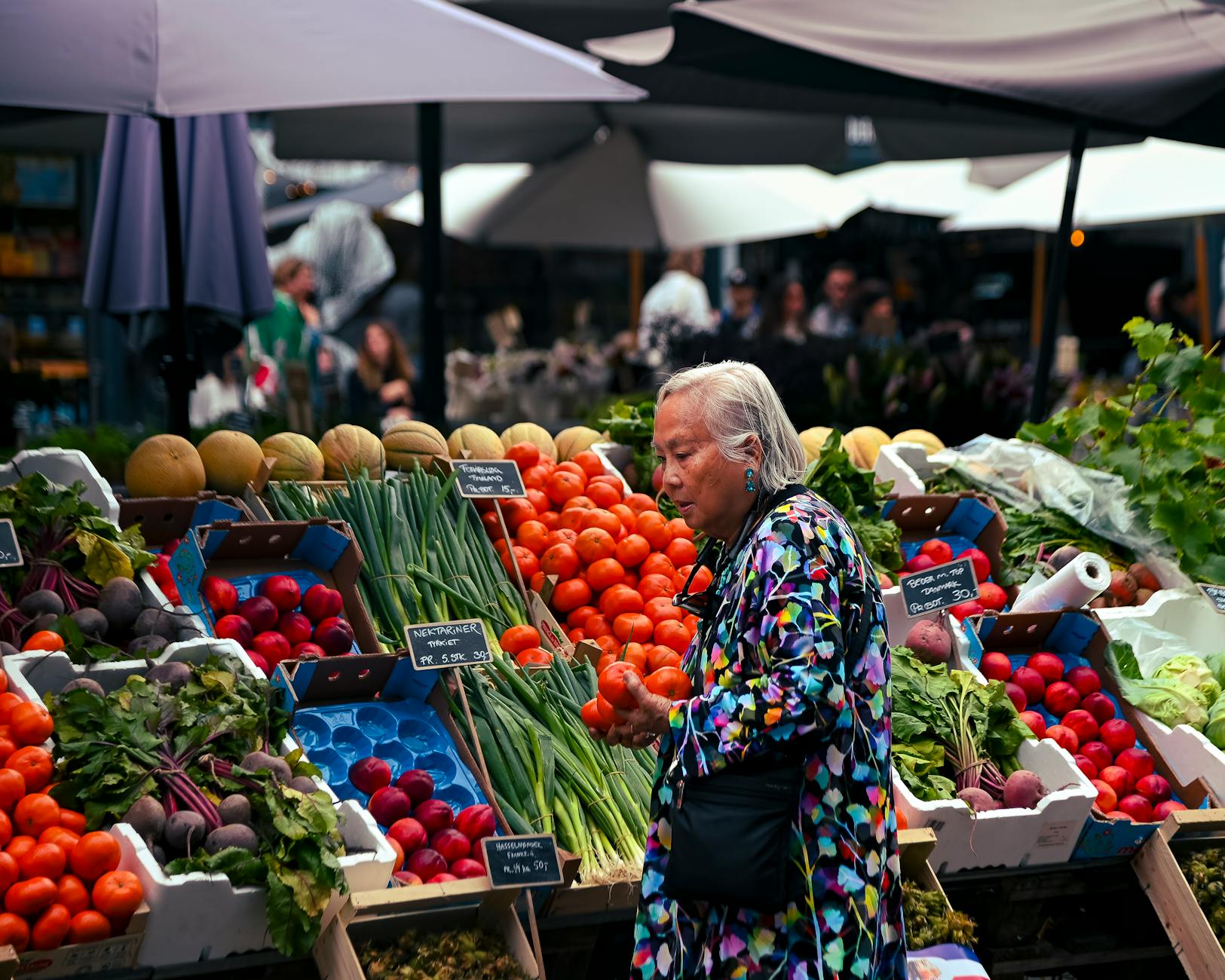
Denmark’s food identity is much broader than New Nordic fine dining. The high-end restaurant revolution matters, but so do bakeries, rye bread, open-faced sandwiches, hot dogs, fish, beer, coffee, dairy, seasonal produce, island smokehouses, and simple home-like meals.
What Denmark Eats Well
| Food/drink | What it is | How to approach it |
|---|---|---|
| Smørrebrød | Open-faced sandwiches on rye bread, often with fish, meat, egg, vegetables, or rich toppings. | Eat for lunch. Choose a good traditional or modern place. It is more filling than it looks. |
| Pastries and buns | Cardamom buns, cinnamon rolls, wienerbrød, seasonal pastries, laminated doughs. | Make bakery mornings part of the itinerary. Copenhagen is especially strong, but bakeries matter nationwide. |
| Rye bread | Dense, dark bread central to Danish eating. | Try with butter, cheese, fish, eggs, or smørrebrød. |
| Hot dogs | Danish pølser from stands or casual shops. | A good quick meal and a real local institution, not only emergency food. |
| Seafood | Herring, shrimp, fish, smoked fish, mussels, island/coastal specialties. | Best near coasts, islands, and traditional lunch restaurants. |
| New Nordic cooking | Seasonal, local, design-forward cuisine shaped by Nordic ingredients. | Book ahead for serious restaurants; not every good meal needs to be fine dining. |
| Beer and snaps | Denmark has strong beer culture, from major breweries to craft beer; snaps pairs with traditional lunches. | Try with smørrebrød, but pace yourself. Alcohol is expensive. |
| Coffee | Strong café culture, especially in Copenhagen and Aarhus. | Use cafés for breaks, design observation, and bad-weather recovery. |
Where to Eat by Situation
| Situation | Best approach |
|---|---|
| First night | Stay near your hotel and book something simple but good: modern Danish, neighborhood bistro, food hall, or casual seafood. |
| Best lunch | Smørrebrød, market food, bakery + coffee, café, or museum restaurant. |
| Budget meal | Bakeries, hot dogs, food halls, supermarkets, casual cafés, lunch specials. |
| Splurge meal | Copenhagen tasting menu, seafood meal, modern Nordic restaurant, or a special Aarhus dinner. |
| Family meal | Food halls, casual restaurants, Tivoli-area options, museum cafés, bakeries, hotel restaurants. |
| Rainy day | Museum restaurants, food halls, bakeries, cafés, long lunch, design-shop café. |
| Summer meal | Harbor-side eating, seafood, outdoor cafés, island smokehouses, beach-town restaurants. |
Restaurant Practicalities
- Book ahead for good Copenhagen restaurants, especially weekends and summer.
- Tipping is not required in the American sense; service is generally included, though rounding up or small extra tips for excellent service are appreciated.
- Dinner can be earlier and calmer than in southern Europe.
- Alcohol is expensive; budget accordingly.
- Vegetarian and vegan options are increasingly good in cities, especially Copenhagen and Aarhus.
- Food allergies are usually taken seriously, but communicate clearly.
- Many places are closed on certain days, especially Sunday/Monday or outside peak season.
The Move
Do not spend the whole food budget on one famous restaurant and then eat badly for three days. Denmark rewards a layered food strategy: bakeries, smørrebrød, hot dogs, markets, seafood, cafés, and one or two deliberate restaurant splurges.
Getting Around Denmark
Denmark is one of Europe’s easier countries to navigate, but the right mode depends on the trip.
Trains
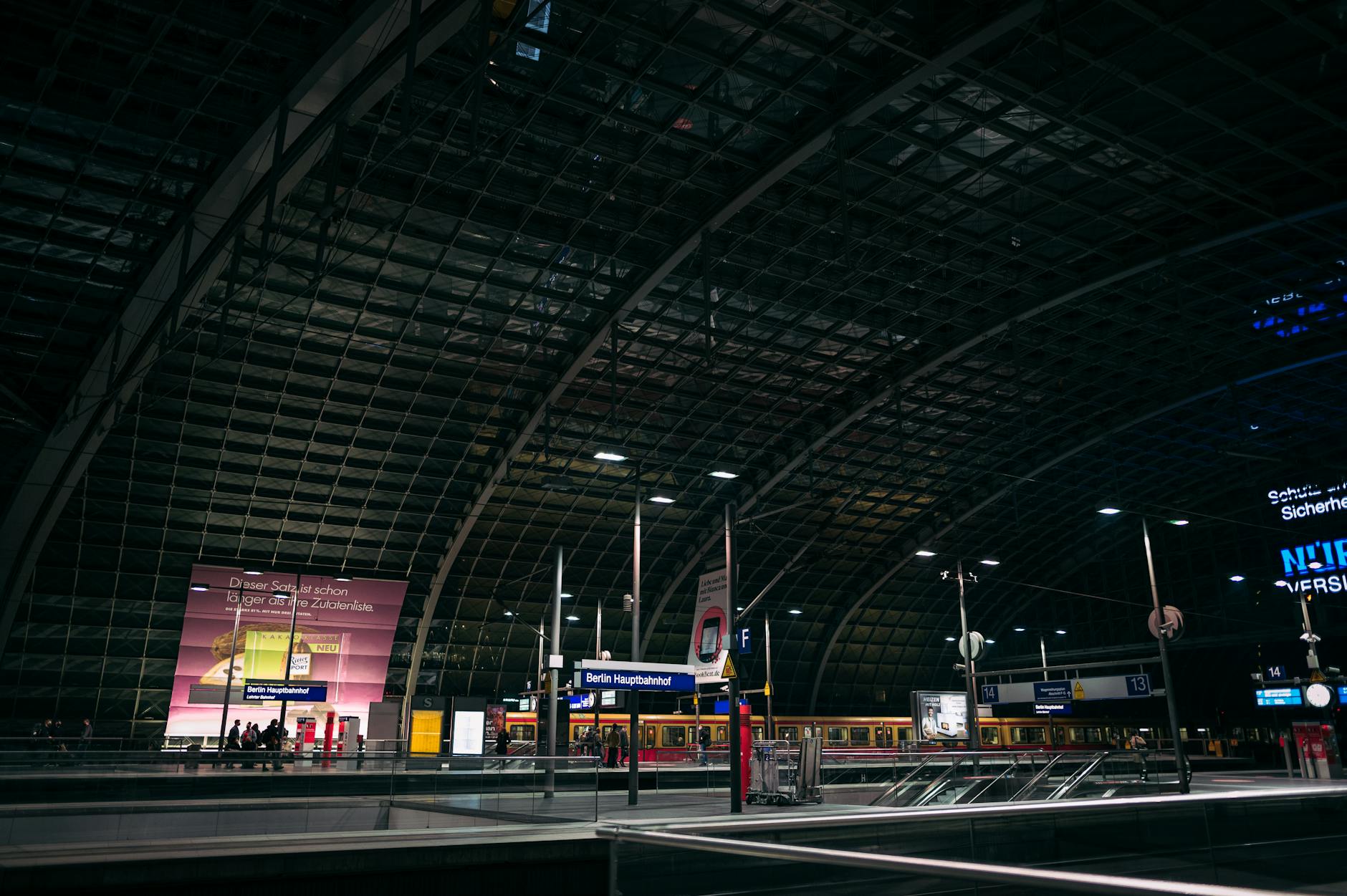
Trains are excellent for the main axis: Copenhagen, Odense, Aarhus, Aalborg, and many connected towns. They are especially useful for travelers who want a lower-stress, car-free itinerary.
Best for: Copenhagen–Odense–Aarhus, Copenhagen day trips, Roskilde, Helsingør, airport access, city-to-city travel.
Watch out: Seat reservations, pricing, disruptions, and connections can matter. Check DSB directly before travel.
Copenhagen Public Transport
Copenhagen has metro, trains, buses, harbor buses, and excellent cycling. The airport-to-city connection is easy by metro/train depending destination.
The move: In Copenhagen, choose lodging near useful transit or within a strong walking/cycling zone. Do not rely on taxis as your default.
Cars
A car is not needed in Copenhagen and is usually more nuisance than benefit in the city. It becomes useful for West Jutland, remote coasts, small villages, flexible family trips, rural castles, and some island/coast routes.
Best for: Jutland coast, South Jutland, Møn, rural Funen, family travel, remote beaches, flexible summer houses.
Not ideal for: Copenhagen city sightseeing.
Ferries
Ferries are part of Denmark’s travel identity. They matter for Bornholm, smaller islands, South Funen, and some regional shortcuts.
The move: Treat ferries as schedule anchors. If traveling with a car in summer, book relevant ferries early and leave buffer.
Bicycles
Cycling can be local transport, sightseeing, or the main trip. Denmark’s terrain is generally friendly, but wind and weather can change the mood fast.
Urban cycling warning: Copenhagen bike lanes move quickly. Tourists should not wobble, stop suddenly, or ride two abreast in commuter flows.
Domestic Flights
Domestic flights are rarely needed for a classic Denmark trip, but they can be useful for Bornholm or long itineraries involving distant regions with limited time.
Walking
Denmark’s cities are highly walkable. Copenhagen and Aarhus reward wandering, and smaller towns are often best explored on foot.
Footwear: Bring comfortable, weather-capable shoes. Cobblestones, wet streets, coastal paths, and long museum days add up.
Budget and Costs
Denmark is expensive, but not impossibly so if you plan honestly. The biggest shocks are lodging, restaurants, alcohol, taxis, and peak-season coastal accommodation.
Daily Budget Ranges
| Traveler type | Daily estimate excluding long-distance flights and major shopping | What it means |
|---|---|---|
| Shoestring | DKK 600–900 | Hostel/budget room, bakeries/supermarkets, limited paid sights, walking, careful transit. Harder in Copenhagen. |
| Budget comfort | DKK 900–1,500 | Simple hotel or guesthouse, casual meals, transit, one paid attraction per day. |
| Mid-range | DKK 1,500–2,800 | Good hotel, restaurants, cafés, museums, trains, occasional drinks. |
| Comfortable | DKK 2,800–5,000 | Strong hotel location, better restaurants, day trips, taxis when useful, design/food shopping. |
| Luxury | DKK 5,000+ | High-end hotels, tasting menus, private guides, premium dining, taxis, peak-season coastal or city lodging. |
What Is Surprisingly Expensive
- Copenhagen hotels.
- Alcohol and cocktails.
- Taxis.
- High-end restaurants.
- Summer island/coastal lodging.
- Last-minute peak-season family travel.
What Is Surprisingly Good Value
- Bakeries as breakfast/lunch anchors.
- Public transit compared with taxis.
- Museums when they anchor a half-day.
- Harbor swimming and walking.
- Picnics in parks and waterfronts.
- Trains when booked sensibly.
- Supermarkets and food halls for casual meals.
Best Value Moves
- Stay near transit, not necessarily in the most famous central hotel zone.
- Use bakeries and cafés for lighter meals.
- Book restaurants deliberately rather than randomly walking into expensive tourist areas.
- Use trains between major cities.
- Buy attraction passes only if the math fits your actual itinerary.
- Travel in May/September instead of peak July if beaches are not the main goal.
Splurge-Worthy
- A well-located Copenhagen hotel if the trip is short.
- A serious restaurant meal if food matters.
- Louisiana Museum and a relaxed half-day around it.
- A summer island stay.
- A quality bicycle tour or private architecture/design guide.
- Family attractions that genuinely fit your children’s interests.
Usually Not Worth It
- Taxis as routine city transport.
- Staying far outside Copenhagen just to save slightly on lodging.
- Overly broad day tours that turn Denmark into windshield sightseeing.
- Restaurant splurges chosen only because they are famous.
- Trying to visit Greenland or the Faroe Islands as a casual add-on to mainland Denmark. They deserve separate planning.
Safety, Health, and Scams
Denmark is generally very safe for visitors. The risk profile is low-drama: petty theft, bike accidents, water safety, weather, nightlife judgment, and expensive mistakes.
General Safety
Use normal city caution in Copenhagen, Aarhus, stations, nightlife areas, busy tourist streets, and events. Pickpocketing is not rampant compared with some European capitals, but it exists. Keep phones and wallets secure in crowds.
Emergency Numbers
Call 112 for emergency police, fire, or medical help. Use 114 for non-emergency police reporting. In the Copenhagen region, +45 1813 is commonly used for non-life-threatening medical referral.
Common Scams and Problems
| Problem | What it looks like | How to avoid it |
|---|---|---|
| Pickpocketing | Crowded stations, tourist streets, busy cafés, nightlife. | Keep bags closed and phones secure. Do not leave items on chairs/tables. |
| Bike-lane accidents | Tourists step into bike lanes or ride unpredictably. | Look both ways, treat bike lanes like roads, and signal when cycling. |
| Taxi expense | Short trips become costly. | Use transit unless you need a taxi. Check route and payment. |
| Restaurant bill shock | Alcohol, bottled water, and multiple courses add up. | Check menus and prices before sitting down. |
| Weather exposure | Wind, rain, cold water, sudden changes. | Pack layers and waterproof gear. Respect coastal warnings. |
| Nightlife judgment | Too much alcohol, lost phones, late-night confusion. | Keep your group together and know your way home. |
Health Practicalities
- Tap water is safe.
- Pharmacies are good but hours vary.
- Emergency care is strong, but visitors should carry travel insurance.
- Coastal swimming should be done only where safe and appropriate.
- Cold water can be dangerous outside summer.
- Bring prescriptions in original packaging and check rules if traveling with controlled medications.
Traveler-Specific Safety
Solo travelers: Denmark is one of Europe’s easier solo destinations, especially Copenhagen and Aarhus.
Solo women travelers: Generally safe-feeling, but use standard nightlife and transit caution.
LGBTQ+ travelers: Denmark is broadly LGBTQ+-friendly, especially in Copenhagen, though individual experiences can vary.
Families: Very strong family destination; the main challenges are cost, weather, and keeping days realistic.
Older travelers: Good infrastructure, but cobblestones, bike lanes, and weather require attention.
Accessibility and Special Traveler Types
Accessibility
Denmark is relatively accessible compared with many older European destinations, but not uniformly so. Newer museums, transit systems, hotels, and public buildings tend to be better. Older towns, cobblestones, castles, small restaurants, ferries, and beach landscapes can be harder.
What helps:
- Copenhagen’s modern metro.
- Many accessible museums and public buildings.
- Flat terrain.
- Good signage.
- High-quality public spaces.
What is harder:
- Cobblestones in historic areas.
- Older buildings without elevators.
- Castles and heritage sites.
- Ferry boarding details.
- Beaches, dunes, and rural paths.
- Busy bike lanes for visually impaired or mobility-limited travelers.
The move: Build accessible trips around Copenhagen, Aarhus, major museums, modern hotels, and direct train routes. Verify every attraction and hotel directly.
Families
Denmark is excellent with children: safe-feeling streets, parks, playgrounds, Tivoli, Legoland, museums, trains, castles, beaches, and short distances.
Family tips:
- Do not overpack city days.
- Use parks and playgrounds as itinerary glue.
- Book family rooms early.
- Keep weather backups.
- Consider Billund only if Lego/theme-park interests are real.
- Use trains when possible; use a car for rural/coastal family flexibility.
Solo Travelers
Denmark works well solo because it is organized, safe-feeling, and full of walkable urban areas. Eating solo is easy in cafés, bakeries, markets, and casual restaurants, though some higher-end dining is more social or reservation-focused.
Older Travelers
Stay central, use taxis selectively, avoid too many one-night stops, and plan weather-proof days. Denmark’s flat terrain helps, but wind, rain, cobblestones, and long museum days can still be tiring.
Culture, History, and Context
Short History for Travelers
Denmark’s history is much larger than the country’s present-day size suggests. Viking-era Denmark was part of a wider North Sea world of raiding, trade, settlement, and state formation. Later medieval Denmark became a kingdom tied to church power, monarchy, sea routes, and regional rivalry.
The Kalmar Union once linked Denmark, Norway, and Sweden under one crown, though Nordic politics were rarely simple. Denmark later became a maritime and colonial power, fought costly wars, lost territory, and gradually transformed into a constitutional monarchy and modern welfare state.
Modern Denmark is shaped by monarchy, Lutheran heritage, maritime trade, agriculture, social democracy, design, urban planning, and a strong national emphasis on trust, equality, and public systems. Copenhagen’s palaces and Parliament sit close together for a reason: the old and modern state overlap visibly.
Cultural Norms That Matter
- Be punctual.
- Respect queues and personal space.
- Do not block bike lanes.
- Keep public noise moderate.
- Directness is normal; it is not necessarily rudeness.
- Equality is culturally important; flashy superiority does not play well.
- Follow rules in shared spaces.
- Reservations and plans matter more than “we’ll just show up” in some contexts.
- Remove shoes if invited into a private home and others do so.
- Candles, lighting, and atmosphere matter more than visitors expect.
Hygge, Without the Cliché
Hygge is not just blankets and hot drinks. It is a social atmosphere of comfort, ease, warmth, intimacy, and low-pressure togetherness. Travelers experience it in cafés, candlelit restaurants, winter windows, summer houses, bakeries, and long evenings with no need to make everything spectacular.
Design Logic
Danish design is not just furniture. It is a way of organizing everyday life: functional, human-scaled, materially aware, and skeptical of unnecessary ornament. You see it in chairs, lamps, bike lanes, libraries, harbors, playgrounds, museums, and public housing as much as in design shops.
Seasonal and Month-by-Month Guide
Spring
Spring is when Denmark reopens emotionally. Outdoor seating returns, parks become lively, and cycling becomes more inviting. April can still feel cool; May is often one of the best months.
Best experiences: Copenhagen, castles, museums, parks, early cycling, bakeries, Louisiana, Roskilde, Aarhus.
Summer
Summer is Denmark at its most expansive: beaches, islands, ferries, swimming, festivals, outdoor dining, long evenings, cycling, and holiday houses.
Best experiences: Bornholm, South Funen, North Zealand coast, West Jutland, Skagen, harbor swimming, Tivoli, outdoor cafés.
Watch out: Peak lodging demand and still-changeable weather.
Autumn
Early autumn is excellent for culture and city travel. Later autumn becomes darker, rainier, and more interior.
Best experiences: Copenhagen and Aarhus restaurants, museums, design, bakeries, cozy towns, fewer crowds.
Winter
Winter is not ideal for broad country touring but can be beautiful for city breaks. December is the star month because of Christmas lights, markets, Tivoli atmosphere, candles, and restaurants.
Best experiences: Copenhagen Christmas, museums, cafés, design shopping, winter food, candlelit dinners.
Responsible Travel
Denmark is built on shared public trust. Visitors should participate in that.
Do
- Respect bike lanes.
- Use public transport and bicycles where practical.
- Support local bakeries, cafés, restaurants, museums, and small shops.
- Book legal, responsible accommodation.
- Respect quiet residential areas.
- Follow coastal and swimming safety signs.
- Treat small islands and rural communities as living places, not theme parks.
- Reduce waste and use refillable bottles.
Do Not
- Stand in bike lanes for photos.
- Treat Copenhagen as only Nyhavn and the Little Mermaid.
- Visit small seasonal communities without checking what is open.
- Make noise late in residential courtyards.
- Assume public systems are there to be gamed.
- Overwhelm tiny places because they appeared on social media.
Local Logic
Denmark works because public space is treated as shared space. The visitor who understands that will enjoy the country more and irritate fewer people.
Packing List
Year-Round Essentials
- Comfortable walking shoes.
- Waterproof or water-resistant jacket.
- Layers.
- Card with low foreign transaction fees.
- Small amount of Danish cash.
- Power adapter.
- Portable battery.
- Reusable water bottle.
- Compact umbrella or rain shell.
- Day bag.
- Swimwear if visiting in summer or planning harbor baths/sauna.
Spring
- Light jacket.
- Sweater or fleece.
- Rain layer.
- Shoes that handle wet streets.
Summer
- Light layers.
- Windbreaker.
- Swimwear.
- Sunglasses.
- Sunscreen.
- Casual but neat clothing for restaurants.
Autumn
- Warmer layers.
- Waterproof jacket.
- Scarf.
- Shoes for wet pavement.
Winter
- Warm coat.
- Hat, scarf, gloves.
- Waterproof shoes or boots.
- Moisturizer/lip balm.
- Dressy-casual outfit for restaurants.
What Not to Overpack
- Formal clothing unless you have specific fine-dining or event plans.
- Heavy hiking gear for normal Denmark routes.
- Too much cash.
- A huge suitcase if using trains, stairs, ferries, or small hotels.
What to Skip
Skip: Treating Copenhagen as Only Nyhavn and the Little Mermaid
Both can be visited, but neither should define your trip.
Better alternative: Use them briefly, then go deeper into neighborhoods, design, food, harbor life, and museums.
Skip: Overloading Castles
Castles are important, but three in two days can dull the impact.
Better alternative: Choose one Copenhagen palace/castle and one major day-trip castle.
Skip: A One-Day “Denmark Outside Copenhagen” Sprint
Rushing Odense, Aarhus, Roskilde, and castles in a blur is not deeper travel.
Better alternative: Pick one extension and do it well.
Skip: Renting a Car for Copenhagen
A car in Copenhagen is generally unnecessary and annoying.
Better alternative: Walk, bike, metro, train, bus, and taxi only when needed.
Skip: Assuming Summer Means Guaranteed Beach Weather
Denmark can be windy, cool, or rainy even in summer.
Better alternative: Build every coastal trip with museum/café/town backup plans.
Skip: Greenland or Faroe Islands as Casual Add-Ons
They are part of the Kingdom of Denmark but not simple mainland extensions. Logistics, weather, costs, and travel style differ substantially.
Better alternative: Give them their own trip or full guide.
Common Mistakes
- Only visiting Copenhagen. It is excellent, but not the whole country.
- Leaving Copenhagen too quickly. Two rushed nights are not enough for a deep first visit.
- Ignoring weather. Wind and rain can reshape the day.
- Blocking bike lanes. This is the fastest way to annoy locals and endanger yourself.
- Underbudgeting. Denmark is expensive.
- Overplanning castles. They blur together if stacked too tightly.
- Not booking restaurants. Good places can fill, especially weekends.
- Assuming small towns are lively off-season. Check hours.
- Treating ferries as minor details. They are schedule anchors.
- Using taxis too much. Costs climb fast.
- Expecting southern European nightlife rhythms. Denmark’s social life has its own timing.
- Not using trains. The main rail corridors are one of the country’s travel strengths.
- Skipping Aarhus. With a week or more, it adds an important second-city dimension.
- Trying to add Sweden, Norway, Germany, Faroe Islands, and Greenland all at once. Slow down.
- Mistaking subtlety for dullness. Denmark rewards attention to small things.
FAQ
Is Denmark worth visiting beyond Copenhagen?
Yes. Copenhagen is the best starting point, but Denmark becomes richer with North Zealand, Roskilde, Funen, Aarhus, Jutland, Bornholm, or a coastal/island extension.
How many days do I need in Denmark?
Five to seven days is a strong first trip. Three days is a Copenhagen city break. Ten to fourteen days allows a proper country route.
Is Denmark expensive?
Yes, especially hotels, restaurants, alcohol, taxis, and peak-season lodging. You can control costs with bakeries, public transit, casual meals, and sensible routing.
What is the best month to visit Denmark?
May, June, and September are excellent for many travelers. July and August are best for summer/coastal trips but busier and more expensive. December is best for Christmas/hygge city travel.
Do I need a car in Denmark?
Not for Copenhagen, Odense, Aarhus, Roskilde, or many major train routes. A car helps for West Jutland, rural coasts, small islands, family trips, and remote beaches.
Is Denmark good with kids?
Very. Copenhagen, Tivoli, museums, parks, beaches, Legoland, castles, trains, and safe-feeling public spaces make Denmark one of Europe’s easier family destinations.
Is Denmark safe?
Generally yes. Use normal caution around crowds, nightlife, bike lanes, water, and weather. Emergency number: 112.
Can I use euros in Denmark?
Denmark uses the Danish krone. Some tourist businesses may accept euros, but DKK/card payment is the normal approach.
Should I visit Bornholm on a first trip?
Yes if you have enough time and it is summer or shoulder season. No if you only have four or five days and would have to rush it. Bornholm is best treated as a real island stay, not a quick errand.
Are Greenland and the Faroe Islands part of this guide?
No. They are part of the Kingdom of Denmark, but they require separate travel planning and should be covered in separate guides.
Source Notes
Date-sensitive details should be checked before publication. Useful primary or high-reliability sources include:
- VisitDenmark, Entry to Denmark: https://www.visitdenmark.com/denmark/plan-your-trip/entry-denmark
- Denmark Ministry of Foreign Affairs, How to apply for a visa: https://um.dk/en/travel-and-residence/how-to-apply-for-a-visa/
- VisitDenmark, Climate: https://www.visitdenmark.com/faq/climate
- VisitDenmark, Cycling in Denmark: https://www.visitdenmark.com/denmark/things-to-do/outdoor-nature/cycling
- Denmark.dk, Danish cycling culture: https://denmark.dk/people-and-culture/biking/
- DSB, Copenhagen to Aarhus by train: https://www.dsb.dk/en/travelling-in-the-cities/aarhus/
- DSB, Explore Denmark by train: https://www.dsb.dk/en/explore-denmark-by-train/
- Smartraveller Denmark Travel Advice: https://www.smartraveller.gov.au/destinations/europe/denmark
- U.S. Department of State Denmark International Travel Information: https://travel.state.gov/content/travel/en/international-travel/International-Travel-Country-Information-Pages/Denmark.html
- Government of Canada Denmark Travel Advice: https://travel.gc.ca/destinations/denmark
- VisitDenmark destinations: https://www.visitdenmark.com/denmark/destinations