Lyon is a strong outdoor city, but it is not an alpine resort hiding in plain sight. Its best short outdoor trips usually combine urban movement, riverfront time, hills, parks, cycling, running, skate or BMX culture, and carefully chosen day trips into the wider region. A traveler who arrives expecting full wilderness at the hotel door may be disappointed. A traveler who understands Lyon as a practical base for layered outdoor days can build a rewarding short stay. The planning challenge is to match ambition to logistics. A morning run along the Rhone, a climb toward Fourviere, cycling beside the rivers, a relaxed park day, a skatepark session, a vineyard walk in Beaujolais, a mountain day toward the Vercors, or a kayak trip in the Ardeche all require different transport, weather judgment, gear, and recovery time. The best plan is not the most extreme one. It is the one that keeps outdoor time real while respecting the city's transport patterns, seasonal conditions, and the limits of a short visit.
Start with the right outdoor frame
Lyon is best understood as an outdoor city with urban edges. The rivers, hills, parks, bridges, amphitheater areas, and nearby regional landscapes can make a short trip active without requiring the traveler to leave the city every day. That is different from treating Lyon as if it were Chamonix or a dedicated mountain town. The outdoor traveler should decide whether the trip is about daily movement inside Lyon, one or two serious day trips, or a mixed itinerary that uses the city as the comfortable base.
That decision controls the rest of the plan. A traveler who wants runs, walks, and low-friction outdoor time should stay near the rivers, Presqu'ile, Vieux Lyon, Croix-Rousse, or transit that reaches green spaces quickly. A traveler who wants regional hikes or gorges should care more about train, car-rental, or pickup logistics. The mistake is booking a scenic central hotel and then discovering that the real outdoor objective starts two transfers and a late departure away.
- Decide whether Lyon is the outdoor destination, the base for day trips, or a mix of both.
- Choose lodging by access to rivers, hills, parks, stations, car pickup, or the specific outdoor objective.
- Do not plan the trip as if serious mountain terrain begins at the hotel door.
Use the rivers as the daily outdoor spine
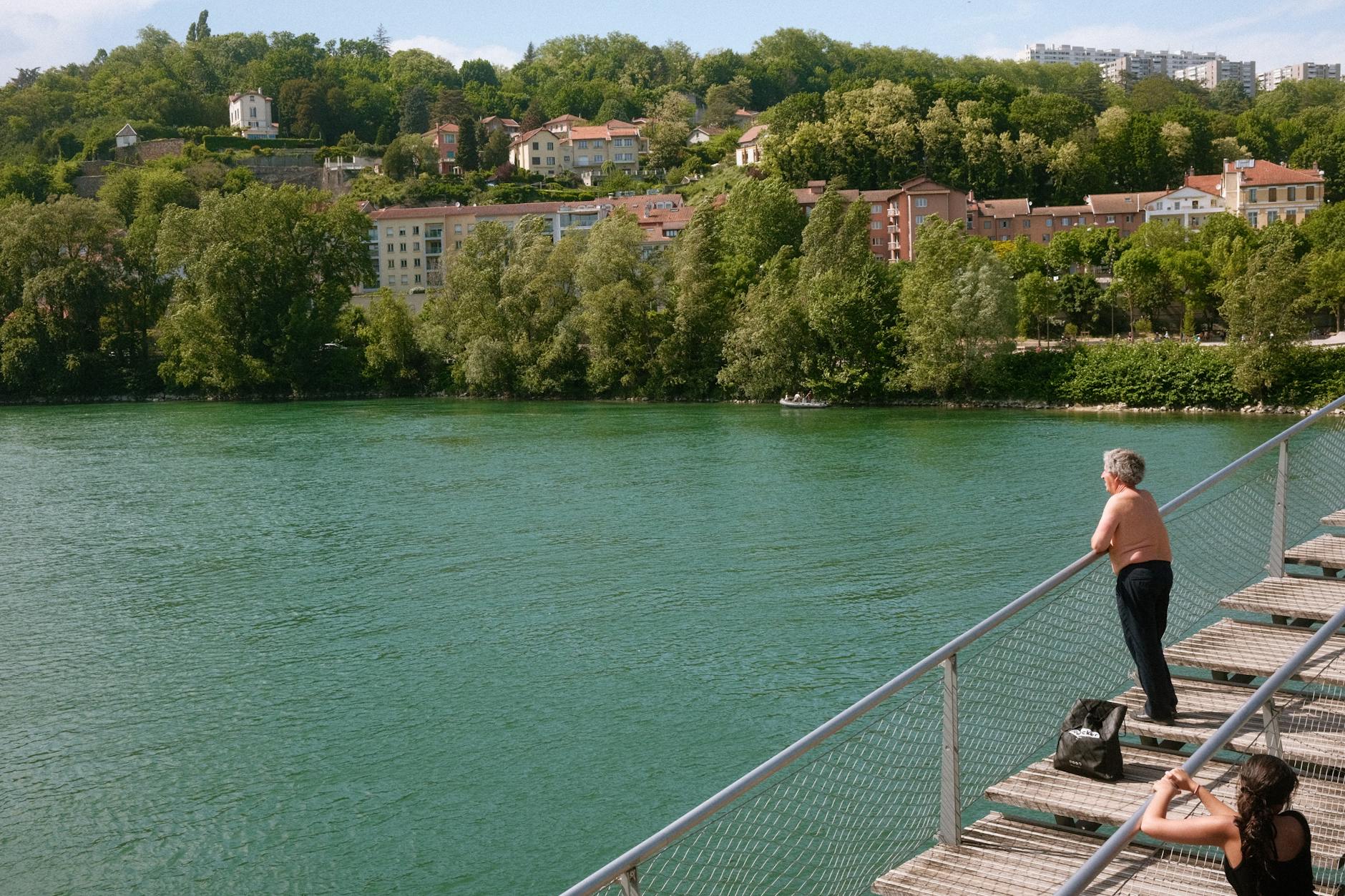
The Rhone and Saone give Lyon an outdoor structure that works well for short visits. A traveler can build low-friction mornings around river walks, runs, cycling, bridges, sunrise or evening light, and relaxed recovery after a busier day. The rivers also connect neighborhoods in a way that makes outdoor time feel integrated with food, museums, markets, and transit rather than separate from the city.
River planning still needs judgment. Some stretches are better for jogging, some for scenery, some for cycling, and some for sitting rather than moving quickly. Wind, rain, heat, darkness, and event crowds can change the experience. A traveler should know the difference between a pleasant river walk and a route that leaves them too far from the next meal, museum, or transit stop. The river should simplify the day, not become a long forced march.
- Use the Rhone and Saone for easy runs, walks, bridge loops, cycling, and recovery time.
- Match the river segment to the activity instead of assuming every bank works equally well.
- Plan exits to meals, museums, transit, and lodging so river time stays flexible.
Treat cycling and skate sessions as real logistics
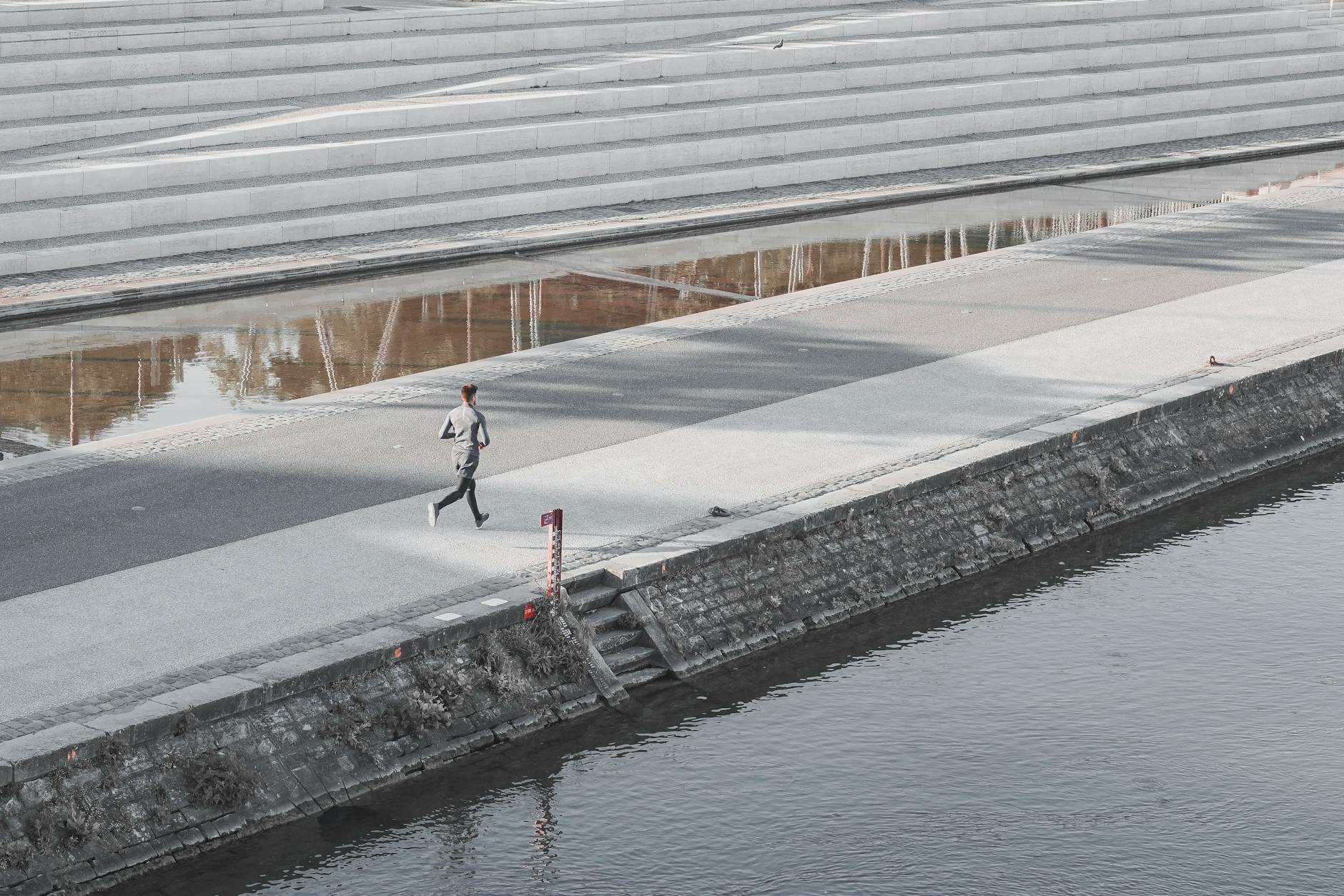
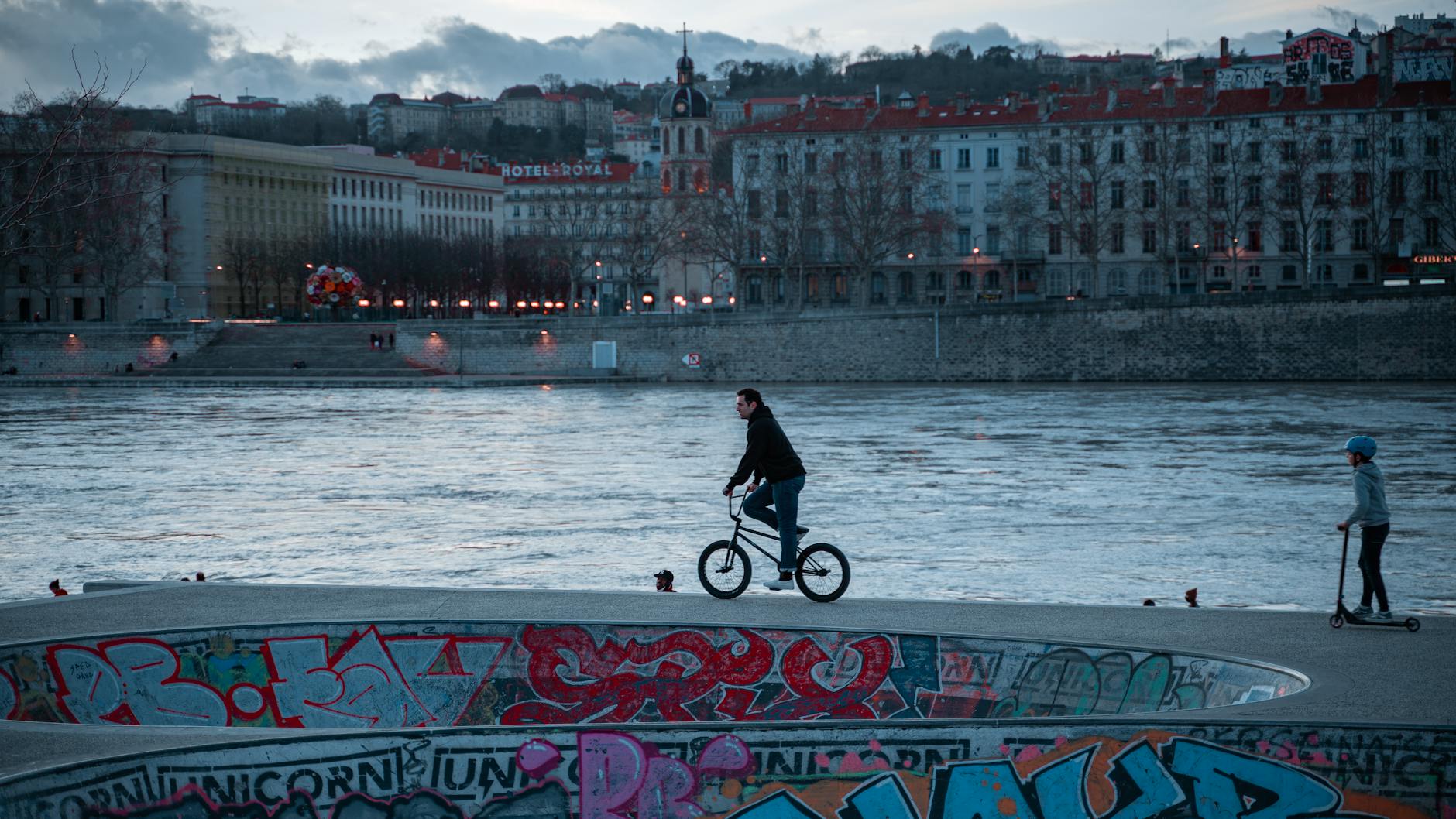
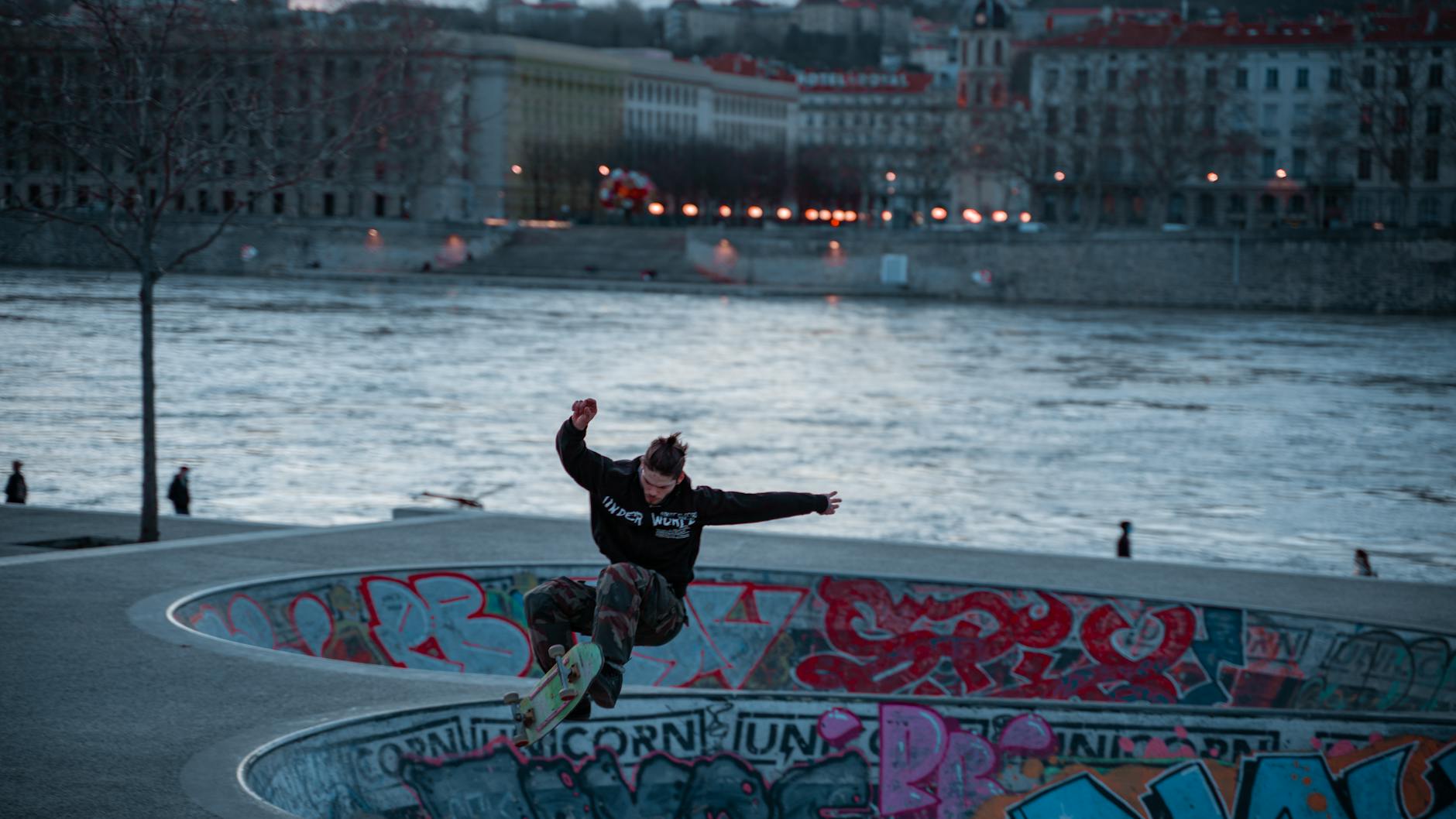
Lyon can support active urban days, including cycling, riverfront riding, skatepark time, BMX, and mixed walking-and-riding routes. Those activities work best when the traveler plans equipment, surface conditions, storage, and return routes. Renting a bike or using a light city setup is different from bringing specialty gear. A skate or BMX session is different from a tourist ride. The question is not just where to go, but how to get there with the right kit and leave safely afterward.
Urban outdoor activity also has social boundaries. Riders should respect pedestrians, families, commuters, and locals using the same riverside spaces. If the traveler is filming, using a group, or working with more equipment, the friction rises. Early and late sessions may give better space, but they also create lighting, weather, and return-route issues. The plan should define the activity window, storage plan, and backup route before the day depends on improvisation.
- Plan bike rental, personal gear, storage, repair basics, and return routes before committing to an active session.
- Respect pedestrians and local users on riverfront paths, parks, bridges, and skate areas.
- Use early or late sessions carefully, with weather, lighting, and return transit already checked.
Plan hills, parks, and old-city walking honestly
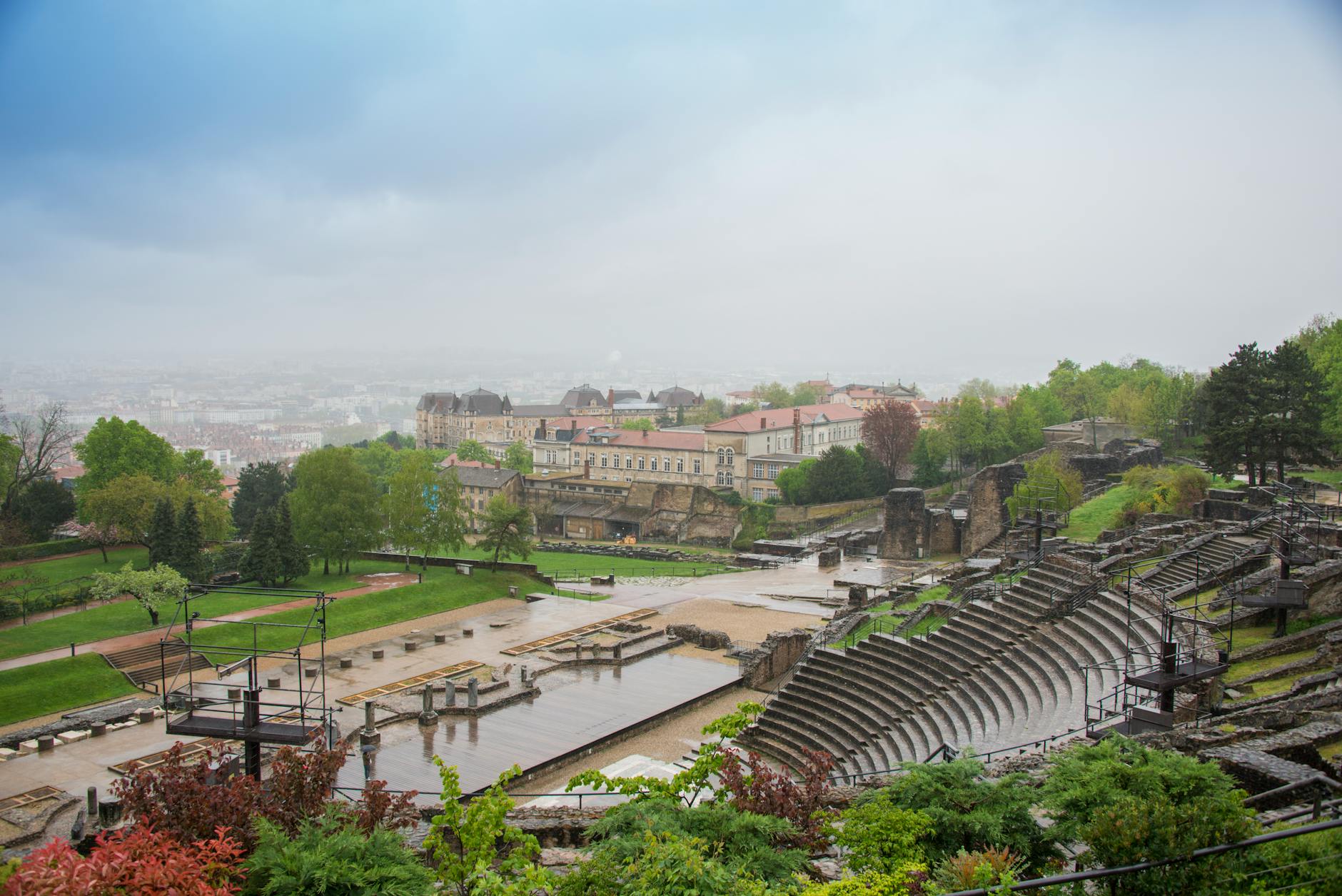
Lyon's outdoor appeal includes hills and old streets, not only flat river paths. Fourviere, Croix-Rousse, the Roman amphitheater area, stair routes, and park or garden spaces can turn an ordinary city day into an active one. That is useful for travelers who want movement without leaving the city. It can also be harder than expected for visitors carrying camera gear, traveling with children, recovering from jet lag, or trying to fit outdoor movement between reservations and museum visits.
A good walking plan is specific about grade, stairs, weather, footwear, and exit points. The traveler should know whether the hill climb is part of the pleasure or just a way to reach a viewpoint. In heat or rain, using the funicular or transit may make the day better, not less adventurous. Outdoor travelers sometimes make the mistake of treating discomfort as proof of authenticity. In a short Lyon visit, smarter pacing usually produces more actual outdoor time.
- Use Fourviere, Croix-Rousse, old-city stairs, and park routes as active city options.
- Check grade, stairs, footwear, weather, and exit points before turning a walk into the day's main effort.
- Use funicular or transit when it preserves the rest of the itinerary.
Choose day trips by transport reality
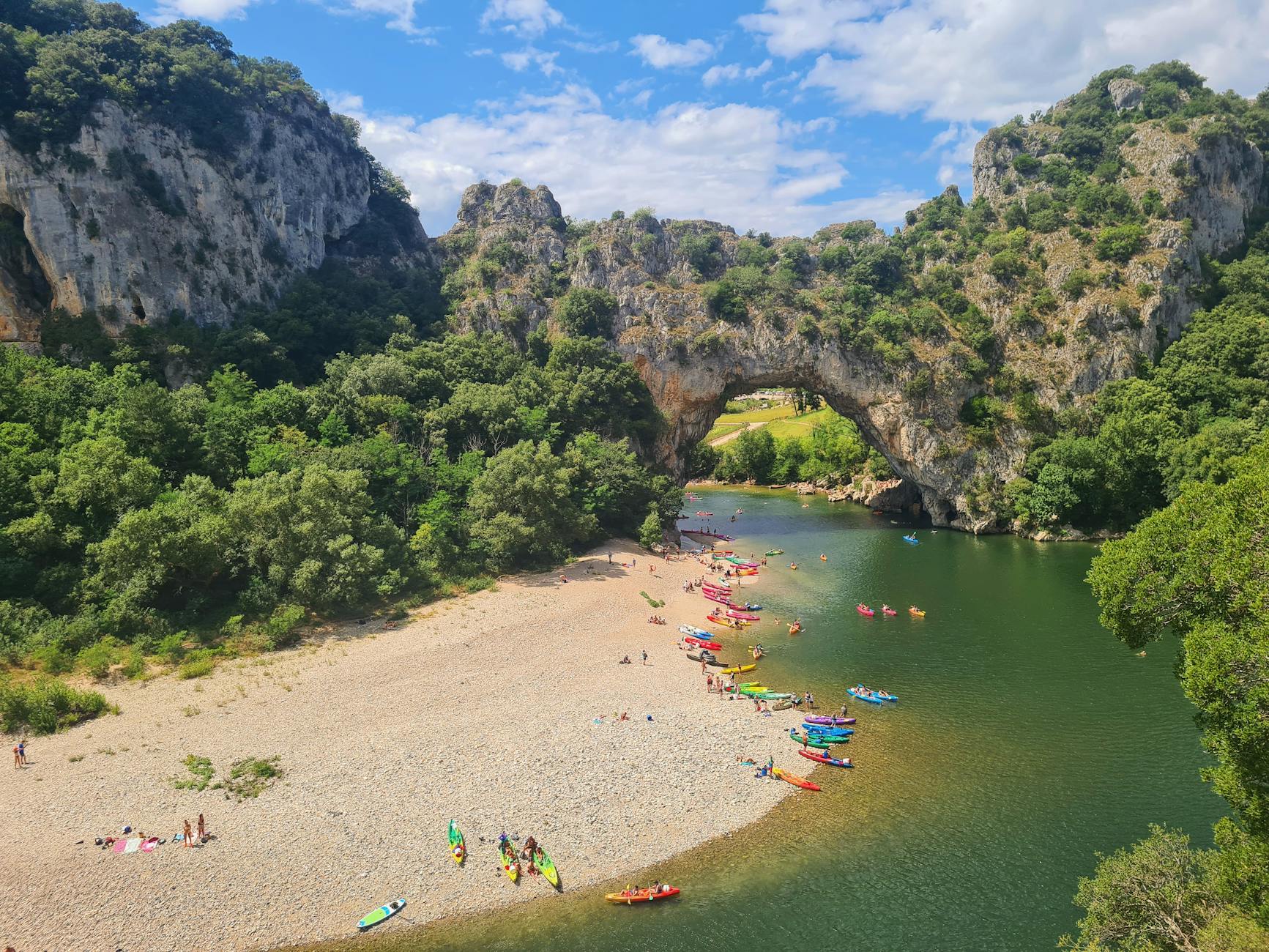
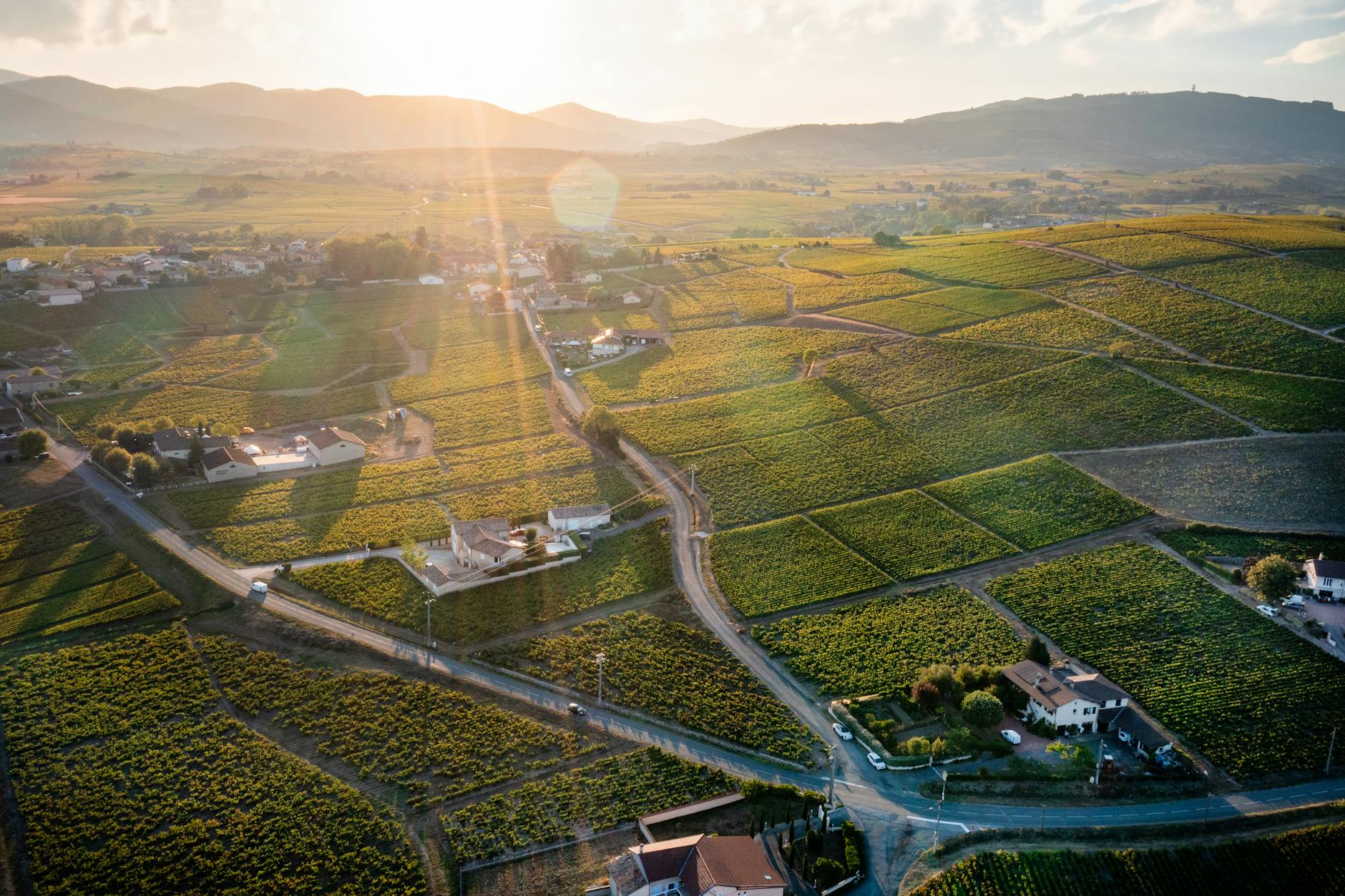
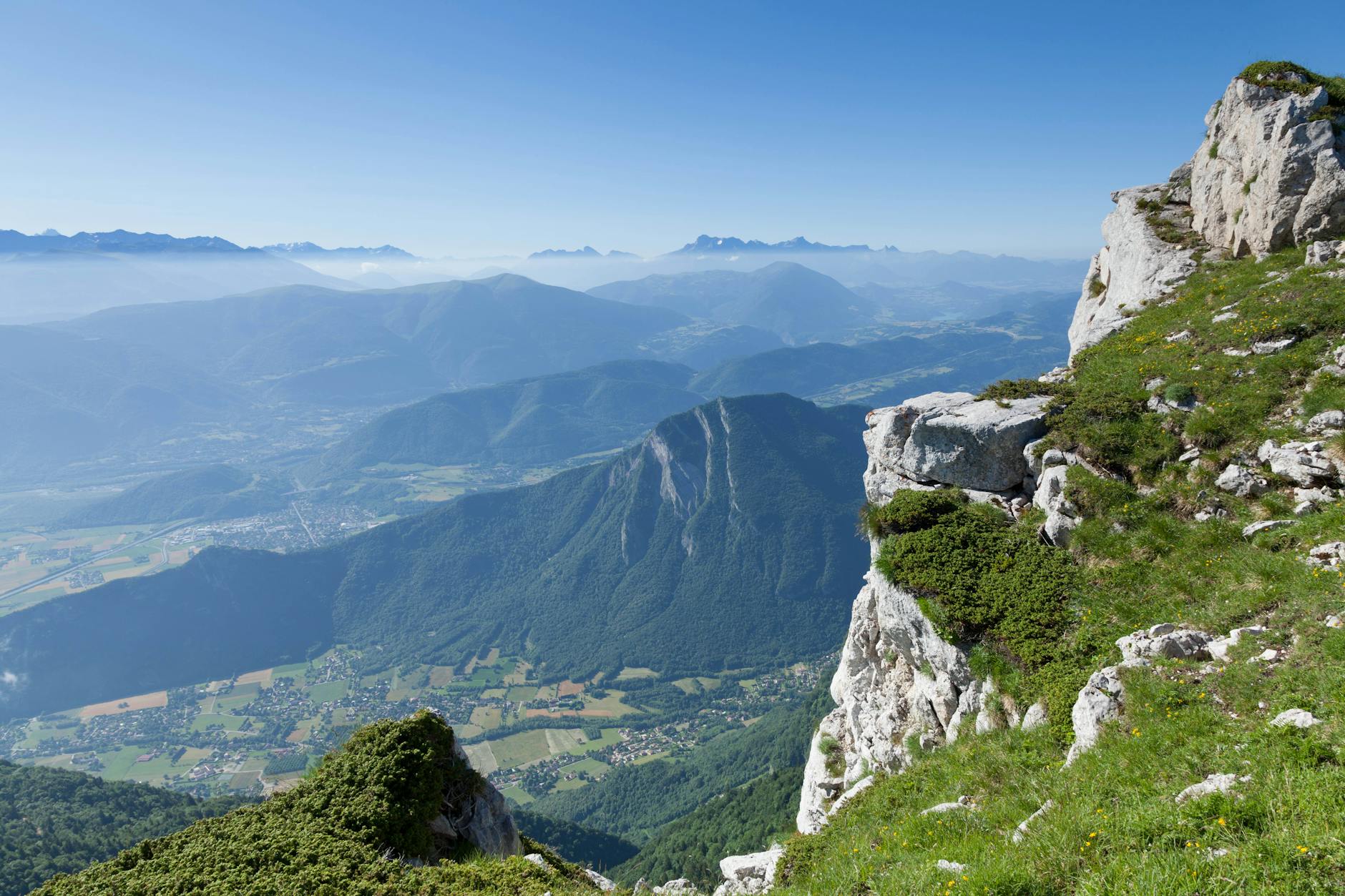
Lyon can open the door to strong outdoor day trips, but the options are not interchangeable. Beaujolais can work for vineyard landscapes and gentler walking. The Pilat and Vercors areas can offer more serious terrain depending on the route. The Ardeche can support kayaking or gorge-focused travel, but it usually needs more deliberate transport planning. The Alps are possible for some travelers, but a mountain day from Lyon can become long, weather-dependent, and expensive if the start is late.
The traveler should decide whether a day trip is worth the operational cost. Public transport can be workable for some routes and awkward for others. Car rental adds flexibility but also parking, navigation, fatigue, insurance, and return timing. Guided or outfitter-based trips can solve some logistics but require checking pickup points and cancellation rules. The best day trip is not the most dramatic one; it is the one that fits the season, the traveler's ability, and the available hours.
- Match Beaujolais, Pilat, Vercors, Ardeche, or Alpine ambitions to the actual transport plan.
- Compare public transport, car rental, guides, and outfitter pickups before committing.
- Check weather, season, daylight, ability level, and return timing before leaving Lyon for a full outdoor day.
Build gear and weather margins into the plan
Outdoor travelers often pack for the dream activity and under-plan the messy middle. Lyon can bring heat, rain, wind along the rivers, winter damp, sudden changes in regional weather, and very different conditions between the city and a mountain or gorge day. Shoes, layers, sun protection, water, snacks, phone battery, offline maps, small first-aid supplies, and a plan for wet gear can matter more than an impressive itinerary.
Gear storage is also part of the travel design. A hotel with luggage storage, a room that can dry clothes, a place to secure a bike or bulky equipment, and easy access to laundry can make an active trip far smoother. If the traveler is combining outdoor activity with nice dinners or business-adjacent plans, they should decide what gets left behind, what gets carried, and when the schedule allows a reset before the next obligation.
- Pack for city weather, river wind, regional mountain changes, and wet-gear recovery.
- Carry water, snacks, battery, offline maps, sun protection, and basic first-aid supplies for outdoor days.
- Choose lodging that can handle luggage, drying, laundry, bike or gear storage, and post-activity reset time.
When to order a short-term travel report
A traveler planning only casual city walks may not need a custom Lyon report. A report becomes more useful when the trip includes bike rental, running routes, older or mixed-ability companions, outdoor content creation, a day trip to Beaujolais, Pilat, Vercors, the Ardeche, or the Alps, or any activity that depends on weather, transport, gear, or return timing. These are the trips where generic outdoor suggestions do not answer the practical questions.
The report should test the hotel base, river routes, hill walks, park options, bike or skate logistics, day-trip feasibility, transport options, gear storage, weather risks, current disruptions, and recovery windows. The value is a Lyon outdoor plan that keeps the active parts real while preventing one overambitious route, late train, bad weather call, or gear problem from taking over a short visit.
- Order when outdoor goals depend on weather, gear, transit, day trips, route choice, or mixed traveler abilities.
- Provide activities, dates, ability level, gear, hotel candidates, transit preference, and any day-trip targets.
- Use the report to balance urban outdoor time, regional adventure, comfort, and realistic return timing.