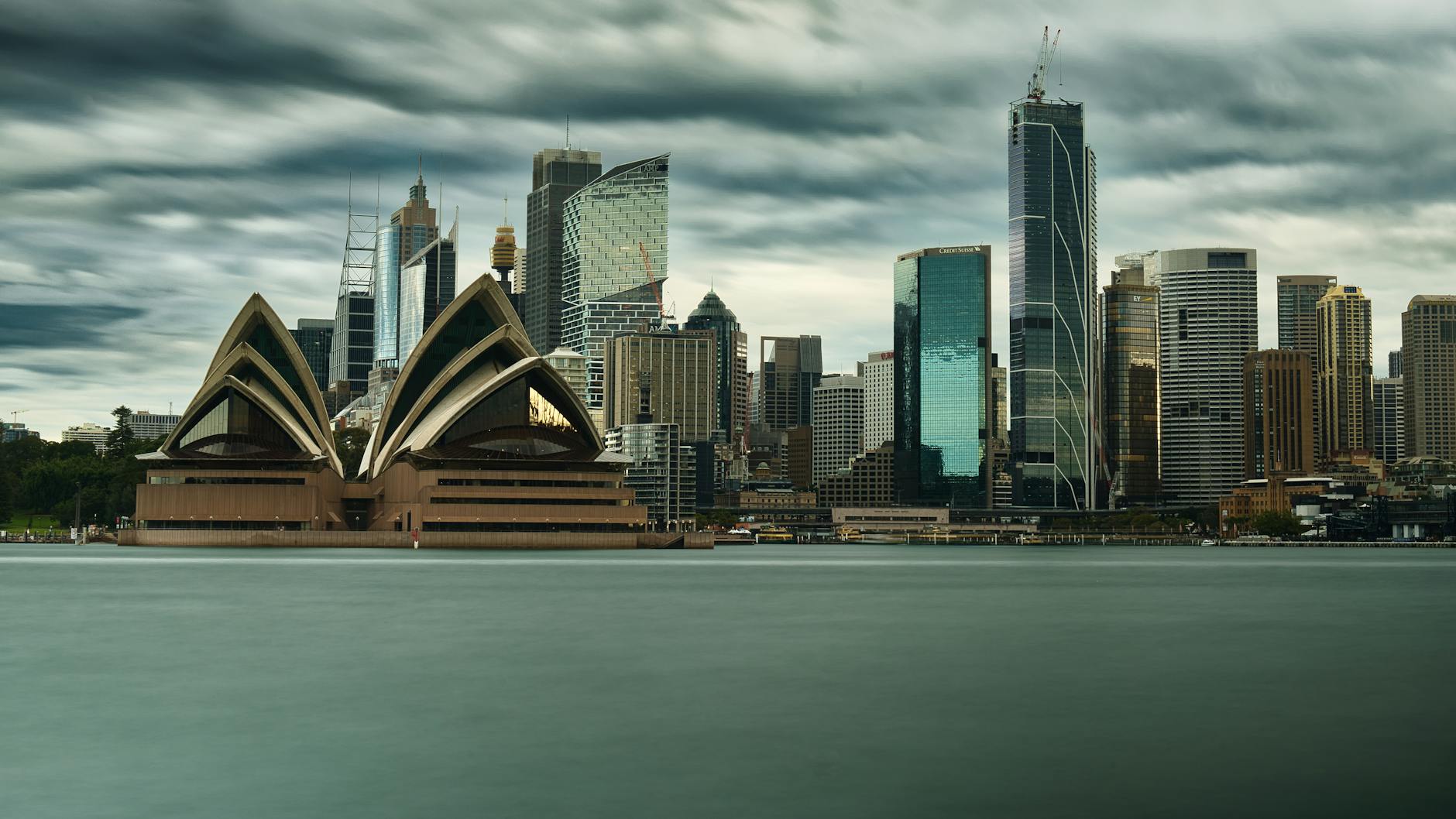
Australia is not a country you “cover.” It is a continent-sized travel problem disguised as a single destination.
Start Here
That is the first thing to understand. A bad Australia trip usually begins with a map and too much confidence. Sydney looks close enough to Melbourne. Cairns looks like a quick add-on. Uluru seems like it should fit between the beach and the wine country. Perth looks like a minor side trip until you realize it is closer to Singapore than to Sydney. Tasmania looks small until you drive it. The Kimberley looks reachable until you understand distances, seasons, permits, road conditions, and the meaning of “remote” in Australia.
The mistake is not wanting too much. Australia makes people want too much. The mistake is trying to make one trip do every version of the country.
Australia has many Australias: the harbor-city Australia of Sydney, the laneway-and-sport Australia of Melbourne, the reef-and-rainforest Australia of Queensland, the red-earth spiritual gravity of the Centre, the wine-and-coastline Australia of South Australia and Western Australia, the wild island Australia of Tasmania, the tropical Top End, the beach-town east coast, the Aboriginal cultural landscapes that predate the modern state by tens of thousands of years, and the gigantic interior where scale stops being an abstract word.
A world-class Australia guide has to help travelers choose the right Australia, not simply list famous places. It has to explain where to start, how long routes really take, when the north is wet, when the south is hot, when beaches are beautiful but dangerous, when driving is liberating, when flying is sane, when a road trip becomes a logistics project, and how to experience Aboriginal culture, wildlife, reefs, cities, deserts, islands, and coasts without treating the country like a postcard buffet.
This guide is designed for travelers who want depth and judgment. It explains the major regions, best trip types, route families, realistic itineraries, seasons, entry rules, transport, budget, food, safety, culture, wildlife, road trips, what to skip, and the common mistakes that ruin otherwise excellent Australia plans.
Australia in one sentence: Australia is a vast, highly urbanized, deeply ancient, coast-hugging country where the best trips come from choosing one coherent route, respecting distance and season, and pairing big landscapes with slow attention to place, wildlife, food, weather, and Aboriginal cultural context.
Basic data
| Population | About 27 million |
|---|---|
| Area | 7.69 million km2 |
| Major religions | Christian heritage with a large secular population and major Hindu, Muslim, Buddhist, and Sikh communities |
| Political system | Federal parliamentary constitutional monarchy |
| Economic system | High-income mixed market economy led by services, mining, education, agriculture, and technology |
Quick Verdict
| Question | Answer |
|---|---|
| Best for | Beaches, wildlife, road trips, cities, surf culture, Aboriginal cultural experiences, food and wine, national parks, reefs, islands, hiking, sport, design, coffee, family travel, luxury lodges, backpacking, working holidays, and travelers who love a mix of urban comfort and outdoor scale. |
| Not ideal for | Visitors who want to see an entire country in one short trip, travelers who dislike long flights or domestic transfers, people who underestimate heat and sun, visitors who want cheap lodging in peak season, and travelers who assume wilderness is casual because the country feels familiar and English-speaking. |
| Ideal first visit | 12–16 days. Ten days is workable if you choose one route. Three weeks is excellent. A month allows real regional breadth. Less than eight days should focus on one city plus one nearby region. |
| Best first-timer route | Sydney + Blue Mountains + either Melbourne/Great Ocean Road, Queensland reef/rainforest, or the Red Centre. Do not try to add everything. |
| Best time overall | March–May and September–November are the broadest national sweet spots. But Australia is too large for one universal answer: the tropical north is best in the dry season, roughly May–September, while southern cities are often most pleasant in spring and autumn. |
| Biggest planning mistake | Treating Australia like a compact country. Distances are enormous, domestic flights matter, and a “quick drive” can consume an entire day. |
| One thing to book early | Peak-season domestic flights, Great Barrier Reef tours, Uluru accommodation and permits/tours, Tasmania road-trip lodging, Kangaroo Island lodging, popular national-park cabins, major sports events, and Christmas/New Year coastal stays. |
| One thing to leave unscheduled | A beach afternoon, a neighborhood coffee morning, a wildlife stop, a coastal walk, a vineyard lunch, a weather-flex day on the reef, or an extra night where the landscape actually works. |
| Best free or low-cost pleasures | Coastal walks, city beaches, public gardens, ferries, markets, street art, free galleries, botanic gardens, national-park lookouts where access is simple, neighborhood coffee, sunrise and sunset, and watching local life around beaches, parks, and sports grounds. |
| Most important warning | Australia is safe and easy in many ways, but the hazards are real: surf, rips, heat, UV exposure, bushfires, floods, cyclones, marine stingers, remote driving, wildlife encounters, and biosecurity rules. Treat the outdoors with respect. |
The Move
Choose one primary Australia for your first trip:
- City + Icons Australia: Sydney, Blue Mountains, Melbourne, Great Ocean Road.
- Reef + Rainforest Australia: Cairns/Port Douglas, Great Barrier Reef, Daintree, maybe Brisbane.
- Red Centre Australia: Uluru, Kata Tjuta, Kings Canyon, Alice Springs, maybe Darwin or Adelaide.
- Food + Wine + Coast Australia: Melbourne, Adelaide, Barossa, McLaren Vale, Kangaroo Island, Great Ocean Road.
- Wild Island Australia: Tasmania road trip.
- Western Edge Australia: Perth, Fremantle, Margaret River, Rottnest, Ningaloo, or the Kimberley depending season and time.
Trying to combine all of them in two weeks is not ambitious. It is self-sabotage.
Who Will Love Australia?
You will probably love Australia if you want:
- A country where great cities and serious nature sit close together, but not always close to each other.
- Beaches that are part of daily life rather than just vacation scenery.
- Wildlife that feels distinctive: kangaroos, wallabies, wombats, koalas, echidnas, platypus, cassowaries, whales, dolphins, reef life, parrots, cockatoos, and strange nocturnal things you may not see unless you slow down.
- A food culture built from migration, produce, seafood, coffee, wine, pubs, markets, bakeries, Asian cuisines, and modern Australian cooking.
- Big-sky drives, coastal roads, island ferries, national parks, ferries across harbors, and cities where outdoor space matters.
- English-language ease with enough difference in slang, habits, distance, wildlife, weather, and place names to keep travel interesting.
- A trip that can be casual and luxurious at the same time: a perfect beach swim in the morning, a serious tasting menu at night.
You may struggle with Australia if you want:
- Cheap peak-season lodging in the most beautiful coastal places.
- A compact itinerary that sees all the icons.
- European-style intercity rail coverage.
- A country where wilderness hazards are managed for you everywhere.
- Tropical beaches without seasonal constraints.
- Last-minute access to every famous lodge, island, reef trip, campsite, and road-trip stop.
- A high-density checklist trip where every day can be solved by “just taking the train.”
Australia is easy in the sense that it is stable, familiar, organized, and visitor-friendly. It is hard in the sense that geography, season, cost, and distance punish lazy planning.
Australia at a Glance
| Practical | Detail |
|---|---|
| Country | Commonwealth of Australia. A federal country made up of six states and two mainland territories, plus external territories. |
| Capital | Canberra, though many visitors mistakenly assume Sydney. Canberra is important politically and culturally, but most first-time tourists prioritize Sydney, Melbourne, Queensland, the Red Centre, Tasmania, or Western Australia. |
| Largest cities | Sydney, Melbourne, Brisbane, Perth, Adelaide, Gold Coast, Canberra, Newcastle, Wollongong, Geelong, Hobart, Darwin, Cairns. |
| Language | English. Australian slang, place names, Aboriginal language names, and regional terms can still confuse visitors. |
| Currency | Australian dollar, AUD. |
| Cards vs cash | Card and contactless payment are widely used. Carry some cash for remote areas, markets, small operators, and backup. |
| Time zones | Multiple time zones, with daylight saving observed in some states and not others. This matters for flights, tours, and calls. |
| Seasons | Opposite the Northern Hemisphere. Summer is December–February, autumn March–May, winter June–August, spring September–November. The tropical north is better understood as wet and dry seasons. |
| Main gateways | Sydney, Melbourne, Brisbane, Perth, Adelaide, Cairns, Darwin, Gold Coast. International flight options vary by origin. |
| Visa basics | Most travelers need a visa or electronic travel authority before departure. New Zealand passport holders are treated differently, but most other passport holders must apply before travel. |
| Electricity | 230V, Type I plug. |
| Driving side | Left side of the road. |
| Emergency number | 000 for police, fire, ambulance. |
| Tap water | Generally safe in cities and towns, but remote-area availability varies. Carry water seriously on road trips and hikes. |
| Big hazards | UV exposure, heat, surf rips, bushfires, floods, cyclones, remote driving, marine stingers in the tropical north, wildlife on roads, and underestimating distance. |
| Best transport tools | Google Maps/Apple Maps in cities, state transit apps, airline apps, car-rental apps, park alerts, fire and emergency apps by state, and offline maps for remote travel. |
| Official tourism site | Tourism Australia / Australia.com. |
| Official visa authority | Australian Government Department of Home Affairs. |
First-Timer Mistake
The most common bad question is, “Can we do Sydney, Melbourne, Uluru, Cairns, the Great Barrier Reef, Tasmania, Perth, and maybe New Zealand in two weeks?”
Technically, you can buy flights. Practically, you will spend the trip in airports, rental counters, hotel check-ins, and weather anxiety. Pick a route that gives the country room to work.
2026 Visitor Notes
Visas Are Digital, but They Are Not Optional
Unless you are an Australian citizen, you generally need a valid visa to enter Australia. Tourism Australia notes that New Zealand passport holders can apply for a visa on arrival, while all other passport holders, regardless of age, must apply before leaving home. Common tourist pathways include the Electronic Travel Authority subclass 601, eVisitor subclass 651, and Visitor visa subclass 600, depending on nationality, purpose, and length of stay.
The practical takeaway is simple: do not treat Australia as “visa-free” just because entry can feel easy. Your authority to travel is tied to your passport and must be sorted before departure. Families should remember that children need their own visa or travel authority.
The move: Use the Department of Home Affairs Visa Finder or official visa pages, not a third-party summary, to confirm your passport-specific path. Apply with the exact passport you will travel on, check names carefully, and do not submit duplicate applications because you are nervous.
eVisitor, ETA, and Visitor Visa Are Not the Same Thing
The eVisitor subclass 651 is available to eligible European passport holders and allows multiple visits for up to three months at a time within a 12-month period. The ETA subclass 601 is available to passport holders from certain countries and regions and is applied for through the Australian ETA app. The Visitor visa subclass 600 is broader and can allow longer stays in some circumstances, but involves an application fee and more standard visa processing.
The move: do not write one generic “Australia visa” paragraph. Give travelers a decision path: ETA-eligible, eVisitor-eligible, Visitor visa, working holiday, transit, or special case.
Australia’s Seasons Are Regional, Not National
Tourism Australia describes the tropical north as having wet and dry seasons: wet or tropical summer roughly October–April, and dry season roughly May–September. It also identifies March–May and September–November as useful shoulder seasons for broader travel across the country. That is the key to Australia planning: “best time to visit” depends on whether you are going to Sydney, Tasmania, Cairns, Darwin, Broome, Uluru, Perth, or the ski fields.
The move: Plan by climate zone. Southern cities often shine in spring and autumn. The tropical north is usually easier in the dry season. The Red Centre is often better outside peak summer heat. Tasmania can be excellent in summer but books up.
Domestic Flights Are Part of the Itinerary, Not a Failure
Tourism Australia is blunt about this: flying is the best way to cover Australia’s large distances in a short time, and domestic airlines connect state capitals and many regional cities. That does not mean every itinerary should be flight-heavy. It means you should be honest. Sydney to Cairns, Melbourne to Perth, Brisbane to Darwin, and Adelaide to Uluru are not casual rail hops for most visitors.
The move: Use flights to connect major regions, then slow down inside each region. Fly Sydney to Cairns; do not pretend you will “just drive up the coast” unless the road trip itself is the trip and you have enough time.
Fire, Flood, Cyclone, and Marine Conditions Are Trip Variables
The UK Foreign, Commonwealth & Development Office notes a higher bushfire risk in Australia during spring and summer, from October to February. Tropical weather, floods, cyclones, and road closures can also affect routes. In northern Queensland and the Northern Territory, marine stinger season changes beach and reef behavior. In remote areas, rain can close roads and heat can make hiking unsafe.
The move: A serious Australia guide should include live-check behavior: state emergency services, park alerts, road-condition pages, Bureau of Meteorology forecasts, local surf lifesaving guidance, and operator updates. The country is safe when respected; it is unforgiving when treated casually.
How to Understand Australia
Australia’s travel logic starts with three facts:
- It is huge.
- Most people live near the coast.
- The country’s most powerful visitor experiences are spread across very different climate zones.
You cannot understand Australian travel through one capital city, one coastline, or one cultural cliché. The country is urban and wild, ancient and new, casual and rules-conscious, beachy and drought-prone, wealthy and remote, easygoing and hazard-aware.
The Five Australias Most Visitors Actually Choose From
| Australia | Where you feel it | What it gives you |
|---|---|---|
| Harbor-and-city Australia | Sydney, Melbourne, Brisbane, Adelaide, Perth, Hobart, Canberra | Food, coffee, beaches, galleries, neighborhoods, sport, ferries, markets, architecture, music, museums, and urban culture. |
| Coast-and-beach Australia | NSW coast, Queensland coast, Great Ocean Road, Western Australia coast, Tasmania coast | Surf, sand, road trips, seafood, coastal walks, small towns, whales, dolphins, islands, and sunsets. |
| Reef-and-rainforest Australia | Great Barrier Reef, Cairns, Port Douglas, Daintree, Whitsundays | Coral, snorkeling, diving, rainforest, tropical weather, marine safety rules, and high tour dependence. |
| Red-earth Australia | Uluru, Kata Tjuta, Kings Canyon, Alice Springs, MacDonnell Ranges, outback SA/WA/NT | Scale, desert color, night skies, Aboriginal cultural landscapes, heat, remoteness, and long drives. |
| Wild-edge Australia | Tasmania, Kimberley, Ningaloo, Kakadu, Arnhem Land, Kangaroo Island, Flinders Ranges | Wildlife, hiking, remote lodges, rugged coasts, old landscapes, seasonal access, and serious planning rewards. |
Local Logic
Australia feels casual, but casual does not mean careless. Swim between the flags. Carry water. Respect closure signs. Check road distances. Do not walk into heat unprepared. Do not approach wildlife for a selfie. Do not treat Aboriginal cultural sites as scenery only. Do not assume a beach is safe because it is beautiful. Do not assume a road is passable because a map line exists.
The country rewards independence, but it expects you to manage risk.
The Central Contrasts
- Urban polish vs empty scale: Sophisticated cities sit beside vast spaces where services are sparse.
- Beach ease vs ocean danger: The same beaches that define national identity can have rips, surf, rocks, currents, sharks, or stingers.
- Ancient cultures vs young nation-state: Aboriginal and Torres Strait Islander cultures are ancient; modern Australia is politically young.
- Friendly informality vs strict systems: People may be relaxed, but biosecurity, road rules, beach rules, national-park restrictions, and visa conditions matter.
- Global food culture vs old pub simplicity: You can eat world-class modern Australian cuisine one night and a meat pie or fish and chips the next day.
- Wildlife abundance vs wildlife fragility: Seeing animals well often requires patience, ethical operators, and habitat respect.
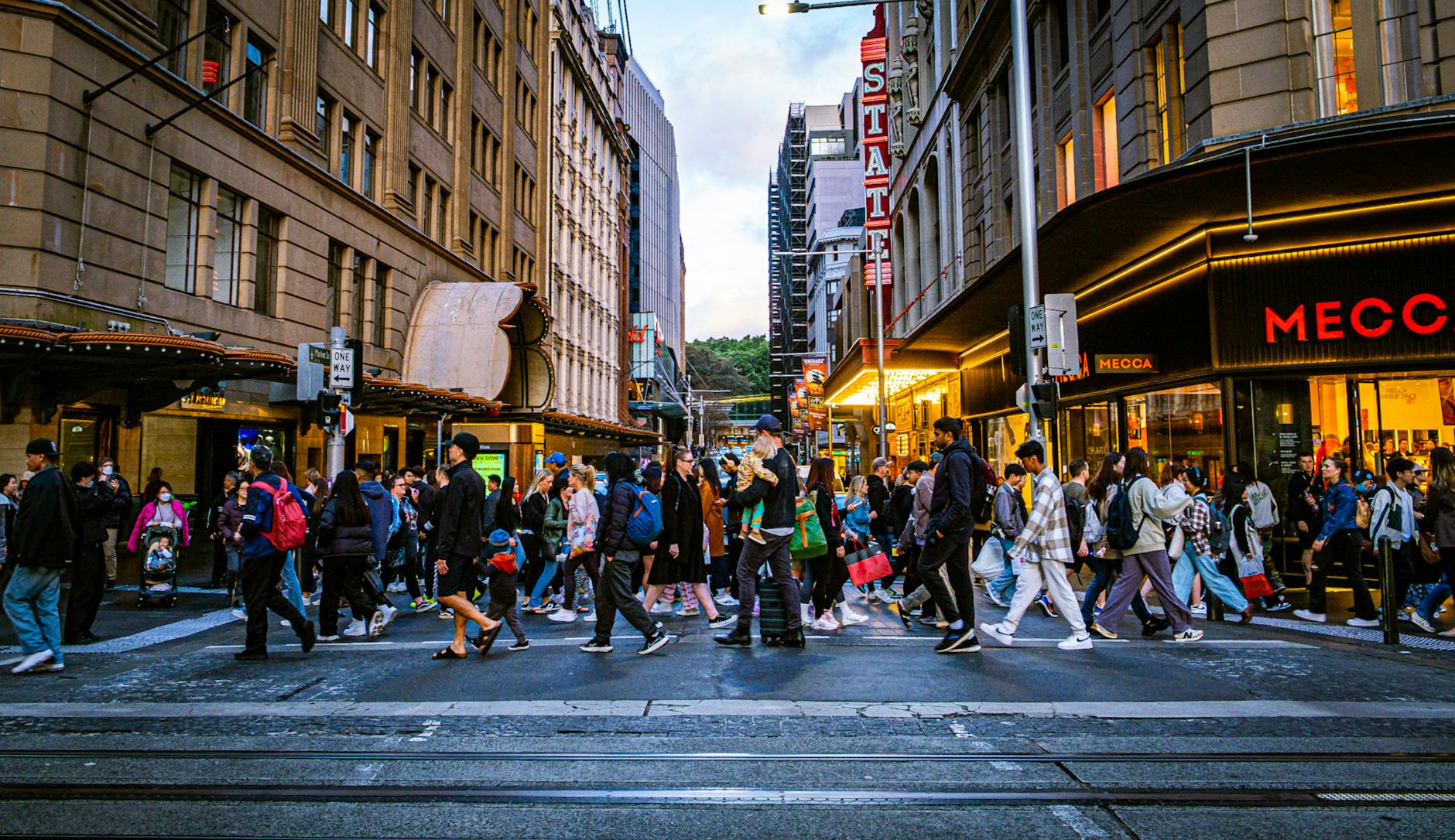
Choose Your Australia
A country guide should help readers self-select before they start booking. Australia is not a single ladder of “top attractions.” It is a set of trip families.
Choose Australia if you want...
| Trip desire | Best route family |
|---|---|
| First-time icons without overcomplication | Sydney + Blue Mountains + Melbourne/Great Ocean Road |
| Reef and tropical nature | Cairns or Port Douglas + Great Barrier Reef + Daintree |
| Desert, stars, and sacred landscapes | Uluru + Kata Tjuta + Kings Canyon + Alice Springs or Darwin/Adelaide extension |
| Food, wine, and stylish cities | Melbourne + Adelaide + wine regions + maybe Tasmania |
| Wildlife and wild coast | Tasmania, Kangaroo Island, Ningaloo, South Coast NSW, or Far North Queensland |
| Family-friendly mix | Sydney + Gold Coast/Brisbane/Sunshine Coast, or Melbourne + Great Ocean Road, or Tasmania in summer |
| Backpacker coast | Sydney to Byron Bay to Brisbane to Airlie Beach to Cairns |
| Serious road trip | Great Ocean Road, Tasmania loop, Perth/Margaret River, Red Centre Way, Coral Coast, Savannah Way, Gibb River Road |
| Aboriginal cultural depth | Northern Territory, Red Centre, Kakadu, Arnhem Land with permissions/tours, Kimberley, Far North Queensland |
| Luxury lodges and landscapes | Southern Ocean Lodge/Kangaroo Island, Lord Howe Island, Lizard Island, Longitude 131, Tasmania lodges, Kimberley cruises |
| Under-the-radar sophistication | Adelaide, Hobart, Perth/Fremantle, Canberra, Newcastle, Launceston |
First-Time Visitor? Start Here
For a first trip, ask four questions:
- Do you want cities, nature, reef, desert, or road trip?
- How many full days do you have after arrival?
- What month are you traveling?
- Are you willing to fly domestically?
Then choose one of these defaults:
- 10 days: Sydney + Blue Mountains + Melbourne or Queensland reef.
- 14 days: Sydney + Melbourne/Great Ocean Road + either reef or Red Centre.
- 21 days: Sydney + Melbourne/Great Ocean Road + Red Centre + Queensland reef, or Sydney/Melbourne + Tasmania + reef.
- 30 days: A real east-coast, south-coast, Tasmania, or multi-region trip becomes possible.
The Move
Do not make your first Australia trip a “greatest hits” race. Make it a two- or three-region trip with a strong internal logic. Australia is more satisfying when you choose depth over territorial conquest.
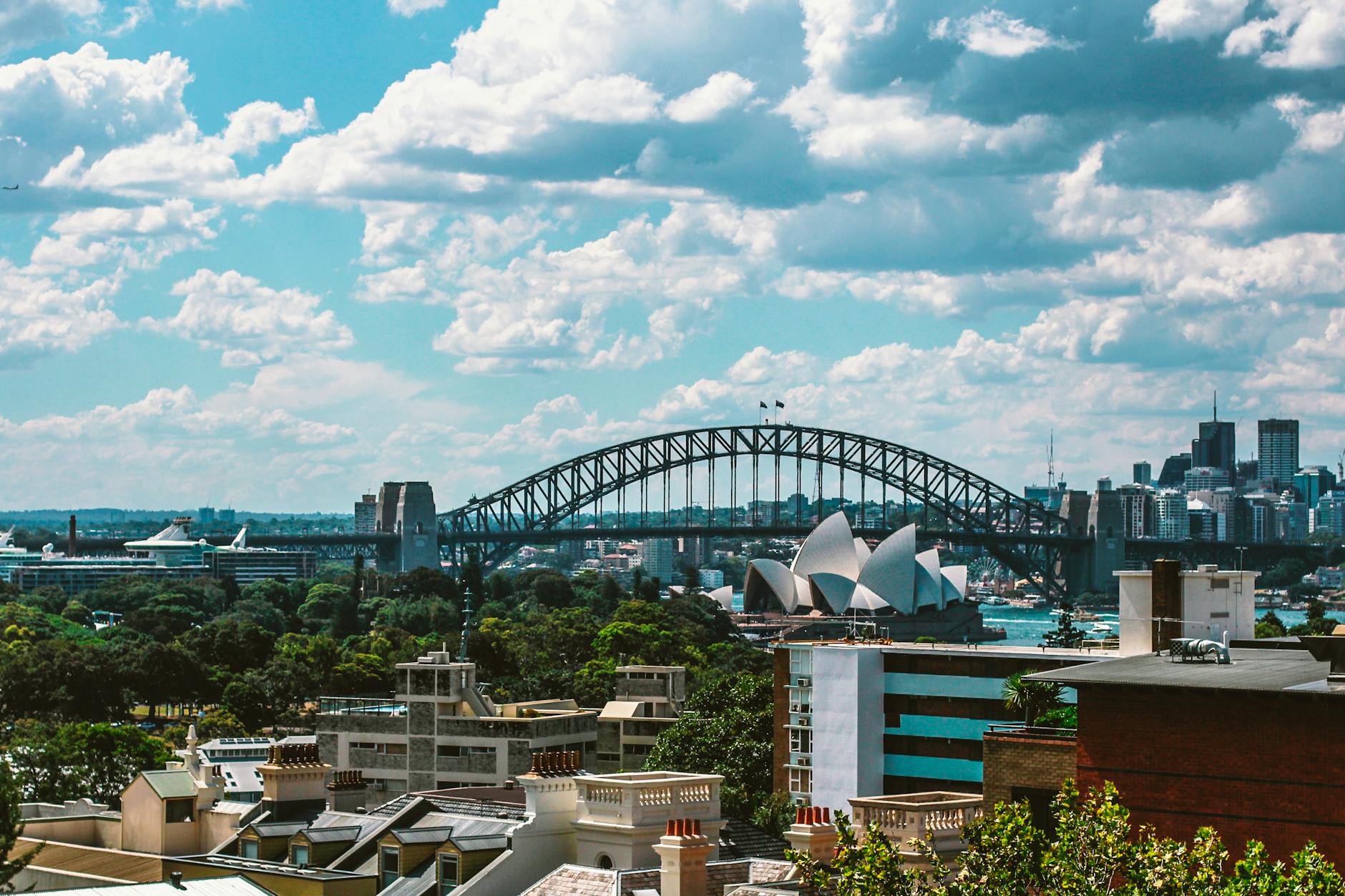
Best Time to Visit Australia
Australia has no single best month. The correct timing depends on latitude, activity, and tolerance.
Best Overall Months
March–May and September–November are the broadest sweet spots for many travelers. These shoulder seasons often give milder weather in southern cities, better prices than peak summer, and workable transitions for broader routes.
May–September is especially important for the tropical north: Darwin, Kakadu, Broome, the Kimberley, Cairns, Port Douglas, and parts of northern Queensland are generally easier in the dry season than the wet.
December–February is summer: excellent for many southern beach, city, and Tasmania trips, but expensive during holidays and school breaks. It is also hotter, and parts of the tropical north are wet, stormy, humid, and affected by marine stinger season.
Regional Timing Cheat Sheet
| Region | Best general timing | Watch out for |
|---|---|---|
| Sydney / NSW coast | September–November, March–May, summer for beach focus | Christmas/New Year prices, summer storms/heat, bushfire smoke in bad seasons |
| Melbourne / Victoria | March–May, September–November, summer for events/coast | Changeable weather, peak event pricing, cooler winters |
| Queensland reef/tropics | May–October, especially dry season | Wet season, cyclones, marine stingers, coral bleaching/weather disruptions |
| Brisbane / Gold Coast / Sunshine Coast | April–October broadly strong; summer for beach but humid | School holiday crowds, storms, humidity |
| Red Centre | April–September; shoulder months often excellent | Extreme summer heat, remote driving, cold desert nights in winter |
| Darwin / Top End / Kakadu | May–September dry season | Wet season access limits, humidity, flooding, crocodile and swimming restrictions |
| Western Australia southwest | September–November wildflowers/spring, March–May autumn | Long distances; summer heat inland |
| Ningaloo / Coral Coast | March–October depending wildlife goals | Cyclone risk farther north, remote logistics |
| Tasmania | December–March for warmest weather; autumn for color; spring for flowers | Summer lodging demand, fast weather changes |
| South Australia / wine regions | March–May, September–November; summer for coast | Heatwaves, bushfire risk, peak vintage/event periods |
Season-by-Season
| Season | What it means | Best for | Watch out for |
|---|---|---|---|
| Summer: Dec–Feb | Hot, beachy, busy, expensive in coastal holiday areas. Tropical north is wet. | Sydney beaches, Tasmania, southern coast, festivals, long daylight. | Bushfire risk, heatwaves, school holidays, tropical rain, marine stingers. |
| Autumn: Mar–May | Often excellent nationally; warm seas in some places, calmer weather. | Cities, wine regions, Red Centre, road trips, food travel. | Early autumn heat in some regions; changing conditions in north. |
| Winter: Jun–Aug | Mild/cool south, peak dry season north, snow in alpine areas. | Queensland reef, Darwin/Top End, Kimberley, Red Centre, wine fireside trips, skiing. | Cold nights inland/south, high demand in tropical north. |
| Spring: Sep–Nov | Wildflowers, warming weather, strong national travel season. | Cities, WA wildflowers, road trips, coast before peak, wildlife. | Bushfire season begins, weather volatility, school holidays. |
Month-by-Month Guide
| Month | Verdict |
|---|---|
| January | Peak summer and school-holiday month. Great for southern beaches and Tasmania if booked early; hot and expensive in many places; wet in the tropical north. |
| February | Still summer, often slightly less frenzied after school returns. Good for city/beach trips in the south; tropical north remains wet and humid. |
| March | One of the strongest all-round months. Warm, often calmer after peak holidays, good for cities, wine, coast, and early Red Centre planning. |
| April | Excellent. Autumn weather, strong for Red Centre, southern cities, wine regions, and many road trips. Easter/ANZAC timing can affect prices and availability. |
| May | Excellent shoulder month. Start of the dry season in the north, good Red Centre weather, pleasant southern travel. |
| June | Strong for tropical north, reef, Red Centre, and outback routes. Cooler in southern cities; good for museums, food, and wine. |
| July | Peak dry-season north; school holidays can raise prices. Great for Darwin, Kakadu, Cairns, Kimberley, Red Centre; colder south. |
| August | Very good for northern Australia and outback. Southern cities remain cool but manageable. |
| September | Excellent spring travel. Wildflowers in WA, improving southern weather, still good for the north. |
| October | Strong national month, though the north warms and wet-season transition begins. Good for cities, coast, and road trips. |
| November | Good shoulder month but increasingly hot in some regions. Watch early-season bushfire risk and tropical build-up. |
| December | Festive, beachy, expensive, and busy. Great if booked well and focused on southern summer; less ideal for spontaneous coastal lodging. |
How Long You Need
The Honest Answer
Australia needs more time than most first-timers give it.
| Trip length | What it can realistically do |
|---|---|
| 5–7 days | One city plus one nearby region: Sydney + Blue Mountains; Melbourne + Great Ocean Road; Brisbane + Gold Coast/Sunshine Coast; Perth + Rottnest/Fremantle; Hobart + nearby Tasmania. |
| 8–10 days | One strong route: Sydney + Melbourne; Sydney + Queensland reef; Melbourne + Adelaide/wine; Tasmania short loop; Perth + Margaret River. |
| 12–16 days | Ideal first visit. Two or three regions with one domestic flight. Sydney + Melbourne + reef or Red Centre works if planned carefully. |
| 17–21 days | Excellent. Add a third major region without rushing every day. Tasmania or Red Centre can fit better. |
| One month | Real country-level travel: east coast, south coast, Tasmania, or a multi-region highlights trip with actual breathing room. |
| Two months+ | Road-trip Australia, backpacker coast, working-holiday exploration, big Western Australia or Northern Territory routes, deeper national-park travel. |
Minimum Worthwhile Stays by Region
| Region | Minimum | Better |
|---|---|---|
| Sydney | 3 nights | 5 nights with Blue Mountains/coast |
| Melbourne | 3 nights | 5 nights with Great Ocean Road or wine |
| Cairns/Port Douglas/Reef | 4 nights | 6–7 nights with Daintree/weather buffer |
| Uluru/Red Centre | 3 nights | 5–7 nights with Kings Canyon/Alice/MacDonnell Ranges |
| Tasmania | 5 nights | 10–14 nights |
| Perth/Southwest WA | 4 nights | 7–10 nights |
| Darwin/Top End | 4 nights | 7–10 nights |
| Adelaide/Kangaroo Island/wine | 4 nights | 7–9 nights |
Itinerary Philosophy
A good Australia itinerary usually has:
- One gateway city for orientation.
- One landscape anchor: reef, desert, island, coast, rainforest, mountains, or national park.
- One slow region where you are not changing accommodation every night.
- One weather-flex day for reef, road trips, hiking, or remote travel.
- Domestic flights placed as clean transitions, not daily interruptions.
The Move
If you have only ten days, do not use three domestic flights unless you have a very specific reason. Two regions well chosen will beat four icons poorly experienced.
Regions and States
New South Wales
Core identity: Sydney, beaches, Blue Mountains, wine, coastal towns, national parks, surf culture, and inland country towns.
Best for: First-timers, city/beach mix, coastal walks, food, harbor scenery, Blue Mountains, Hunter Valley, Byron Bay-style coast trips.
Key places: Sydney, Blue Mountains, Hunter Valley, Byron Bay, South Coast, Newcastle, Lord Howe Island, Jervis Bay, Central Coast.
Why go: NSW gives many first-time visitors the most balanced Australia entry: global city, beaches, ferries, mountains, wine, and coast.
Watch out: Sydney accommodation prices, holiday crowds, bushfire risk in hot seasons, coastal traffic, and overrating Bondi as the only beach.
Victoria
Core identity: Melbourne culture, coffee, restaurants, art, sport, laneways, Great Ocean Road, wine regions, coastal towns, and mountain/high-country escapes.
Best for: Food and coffee, art, sport, road trips, wine, design, urban neighborhoods, scenic coast.
Key places: Melbourne, Great Ocean Road, Mornington Peninsula, Yarra Valley, Phillip Island, Grampians, Wilsons Promontory, Ballarat, Daylesford.
Why go: Victoria is compact by Australian standards and excellent for travelers who want city culture plus short regional escapes.
Watch out: Weather mood swings, peak event pricing, Great Ocean Road crowding, and trying to do the Great Ocean Road as a rushed out-and-back.
Queensland
Core identity: Reef, rainforest, tropical coast, beaches, islands, Brisbane, Gold Coast, Sunshine Coast, Whitsundays, and outback Queensland.
Best for: Great Barrier Reef, tropical nature, family travel, beaches, islands, backpacking, theme parks, winter sun.
Key places: Brisbane, Gold Coast, Sunshine Coast, Noosa, Cairns, Port Douglas, Daintree, Great Barrier Reef, Whitsundays, Airlie Beach, Magnetic Island, Fraser/K’gari.
Why go: Queensland is where many visitors find the reef-and-beach Australia they imagined.
Watch out: Wet season, cyclones, stingers, reef weather, long coast distances, and assuming every beach is safely swimmable year-round.
South Australia
Core identity: Adelaide, wine, food, festivals, Kangaroo Island, Flinders Ranges, outback edges, and quieter sophistication.
Best for: Wine travelers, food, wildlife, road trips, lower-key cities, desert/coast combinations.
Key places: Adelaide, Barossa Valley, McLaren Vale, Adelaide Hills, Kangaroo Island, Clare Valley, Flinders Ranges, Eyre Peninsula.
Why go: South Australia is one of the best “second layer” Australia choices: excellent food and wine, easier scale, wildlife, coast, and outback access without Sydney/Melbourne intensity.
Watch out: Heat, bushfire risk, island logistics, and underestimating how much time Kangaroo Island deserves.
Western Australia
Core identity: Enormous distances, Perth, Indian Ocean beaches, Margaret River, wildflowers, Ningaloo Reef, red north, Kimberley, mining towns, and remote coast.
Best for: Beaches, wine, road trips, fewer crowds, marine wildlife, wildflowers, remote landscapes, serious repeat travelers.
Key places: Perth, Fremantle, Rottnest Island, Margaret River, Pinnacles, Kalbarri, Shark Bay, Ningaloo/Exmouth, Broome, Kimberley.
Why go: WA offers some of Australia’s best beaches, underrated urban life, extraordinary coast, and huge remote landscapes.
Watch out: Distance. Perth to Broome is not a casual drive. Kimberley and Gibb River Road travel require season, vehicle, and preparation.
Tasmania
Core identity: Island landscapes, cool climate, wilderness, food, whisky, hiking, wildlife, Hobart, MONA, convict history, and road-trip depth.
Best for: Hiking, wildlife, food, cool-weather travel, self-drive trips, photography, slower trips, second-time Australia visitors.
Key places: Hobart, MONA, Bruny Island, Freycinet, Bay of Fires, Cradle Mountain, Launceston, Tamar Valley, Port Arthur, West Coast, Maria Island.
Why go: Tasmania feels distinct: wilder, cooler, compact but not small, rich in food and landscape.
Watch out: Summer lodging demand, weather changes, winding roads, and trying to lap the island too quickly.
Northern Territory
Core identity: Red Centre, Top End, Aboriginal cultural landscapes, Darwin, Kakadu, Litchfield, Arnhem Land, Katherine, heat, wet/dry seasons, and immense distance.
Best for: Uluru, desert, Aboriginal culture, waterfalls, wetlands, wildlife, outback, serious landscapes.
Key places: Darwin, Kakadu, Litchfield, Katherine/Nitmiluk, Arnhem Land, Alice Springs, West MacDonnell Ranges, Uluru, Kata Tjuta, Kings Canyon.
Why go: The NT contains some of Australia’s most powerful landscapes and cultural experiences.
Watch out: Heat, seasonal closures, crocodile safety, road conditions, long drives, and treating Uluru as just a photo stop.
Australian Capital Territory
Core identity: Canberra, national institutions, museums, Parliament, planned-city geometry, galleries, lake, cycling, and food/wine surrounds.
Best for: Politics, museums, national history, architecture, families, road-trippers between Sydney and Melbourne.
Key places: Parliament House, Australian War Memorial, National Gallery, National Museum, Lake Burley Griffin, nearby wineries.
Why go: Canberra is not essential for every first-timer, but it is more interesting than lazy jokes suggest.
Watch out: It is not a substitute for Sydney or Melbourne; visit if national institutions interest you.
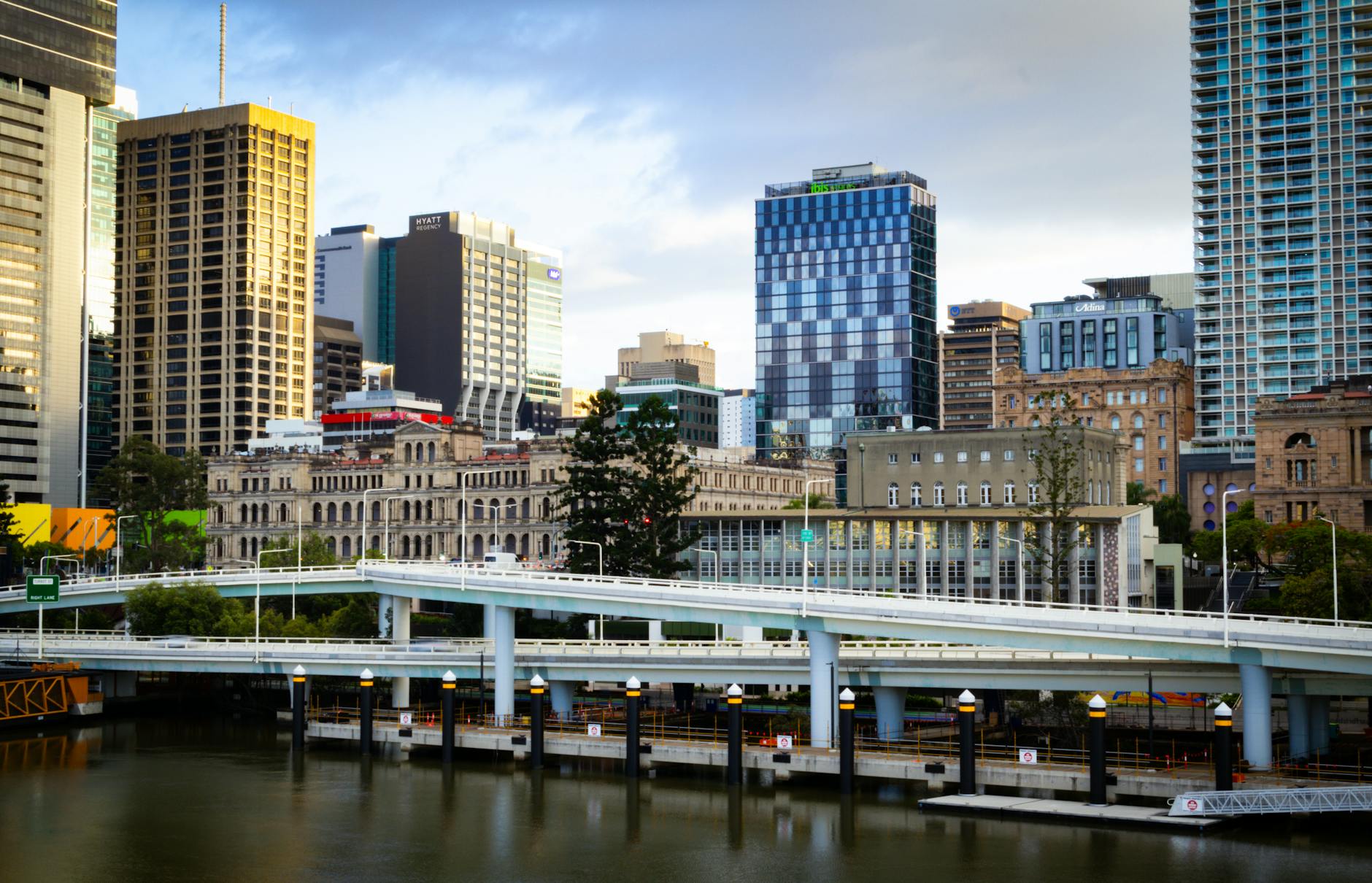
Best First-Time Routes
Route 1: Classic First Australia — Sydney, Blue Mountains, Melbourne, Great Ocean Road
Best for: First-time visitors who want cities, beaches, food, culture, and a major scenic drive without going tropical or remote.
Ideal length: 10–14 days.
Structure:
- 4–5 nights Sydney, including ferry, beaches, harbor, neighborhoods, and a Blue Mountains day or overnight.
- Fly to Melbourne.
- 4–5 nights Melbourne, including laneways, galleries, markets, food, sport, and neighborhoods.
- 2–3 nights Great Ocean Road or a long day trip if time is tight, though overnight is better.
Why it works: It pairs Australia’s two dominant visitor cities with coastal and mountain scenery. It avoids the distance trap.
What it misses: Reef, desert, tropical north, Tasmania, Western Australia.
Route 2: Sydney + Reef/Rainforest
Best for: Travelers who want iconic Sydney plus Great Barrier Reef and tropical nature.
Ideal length: 10–14 days.
Structure:
- 4 nights Sydney.
- Fly to Cairns.
- 5–7 nights Cairns/Port Douglas, with reef day, Daintree/Cape Tribulation, Kuranda or Atherton Tablelands, and a weather-flex day.
- Optional Brisbane/Noosa/Gold Coast add-on if longer.
Why it works: Strong city + nature contrast.
Watch out: Reef weather, wet season, stingers, and choosing Cairns vs Port Douglas based on style.
Route 3: Sydney + Red Centre + Melbourne
Best for: Travelers who want the big symbolic Australia: harbor, desert, and city culture.
Ideal length: 14–16 days.
Structure:
- Sydney 4 nights.
- Fly to Uluru/Red Centre 3–5 nights.
- Fly to Melbourne 4–5 nights.
- Optional Great Ocean Road 2 nights.
Why it works: It creates a powerful contrast: blue harbor, red desert, urban culture.
Watch out: Flight schedules, desert heat, and Red Centre accommodation/tour availability.
Route 4: Melbourne + Tasmania
Best for: Food, design, cool climate, road trips, hiking, island landscapes, slower travel.
Ideal length: 12–18 days.
Structure:
- Melbourne 4–5 nights.
- Fly or ferry to Tasmania.
- Tasmania 7–12 nights: Hobart, Freycinet, Bay of Fires, Launceston/Tamar, Cradle Mountain, Bruny Island or Port Arthur.
Why it works: It is culturally rich and geographically coherent.
Watch out: Tasmania looks small but roads are slow. Do not change towns every night.
Route 5: Perth + Margaret River + Rottnest + Ningaloo
Best for: Beaches, wine, marine wildlife, fewer east-coast crowds, repeat visitors.
Ideal length: 12–18 days.
Structure:
- Perth/Fremantle 3–4 nights.
- Rottnest day or overnight.
- Margaret River 3–5 nights.
- Fly or drive north depending time: Exmouth/Ningaloo 4–6 nights.
Why it works: Indian Ocean Australia is magnificent and underused by many international visitors.
Watch out: Distances. Driving north is a major road trip; flying can be smarter.
Route 6: Adelaide + Kangaroo Island + Wine + Outback Edge
Best for: Food and wine, wildlife, quieter roads, landscapes, second-time visitors.
Ideal length: 10–14 days.
Structure:
- Adelaide 2–3 nights.
- Barossa/McLaren Vale/Adelaide Hills 2–4 nights.
- Kangaroo Island 3–4 nights.
- Optional Flinders Ranges 3–4 nights.
Why it works: High reward, lower international-tourist density, excellent food/wine/wildlife.
Watch out: Kangaroo Island ferry/logistics, bushfire scars/recovery areas, and summer heat.
Major Cities
Sydney
Identity: Harbor, beaches, ferries, sandstone, coastal walks, neighborhoods, finance, food, and outdoor spectacle.
Best for: First-timers, harbor views, beaches, coastal walks, ferries, food, icons, families.
Do not miss: Circular Quay, Sydney Opera House exterior and/or tour/performance, Harbour Bridge views, Manly ferry, Bondi to Coogee coastal walk, The Rocks, Darlinghurst/Surry Hills/Newtown, Royal Botanic Garden, Taronga Zoo if family/wildlife-minded, Blue Mountains nearby.
The move: Use ferries as experiences, not just transport. Sydney makes the most sense from the water.
Common mistake: Spending all your time around Circular Quay and Bondi. Sydney’s neighborhoods and harbor edges are the real depth.
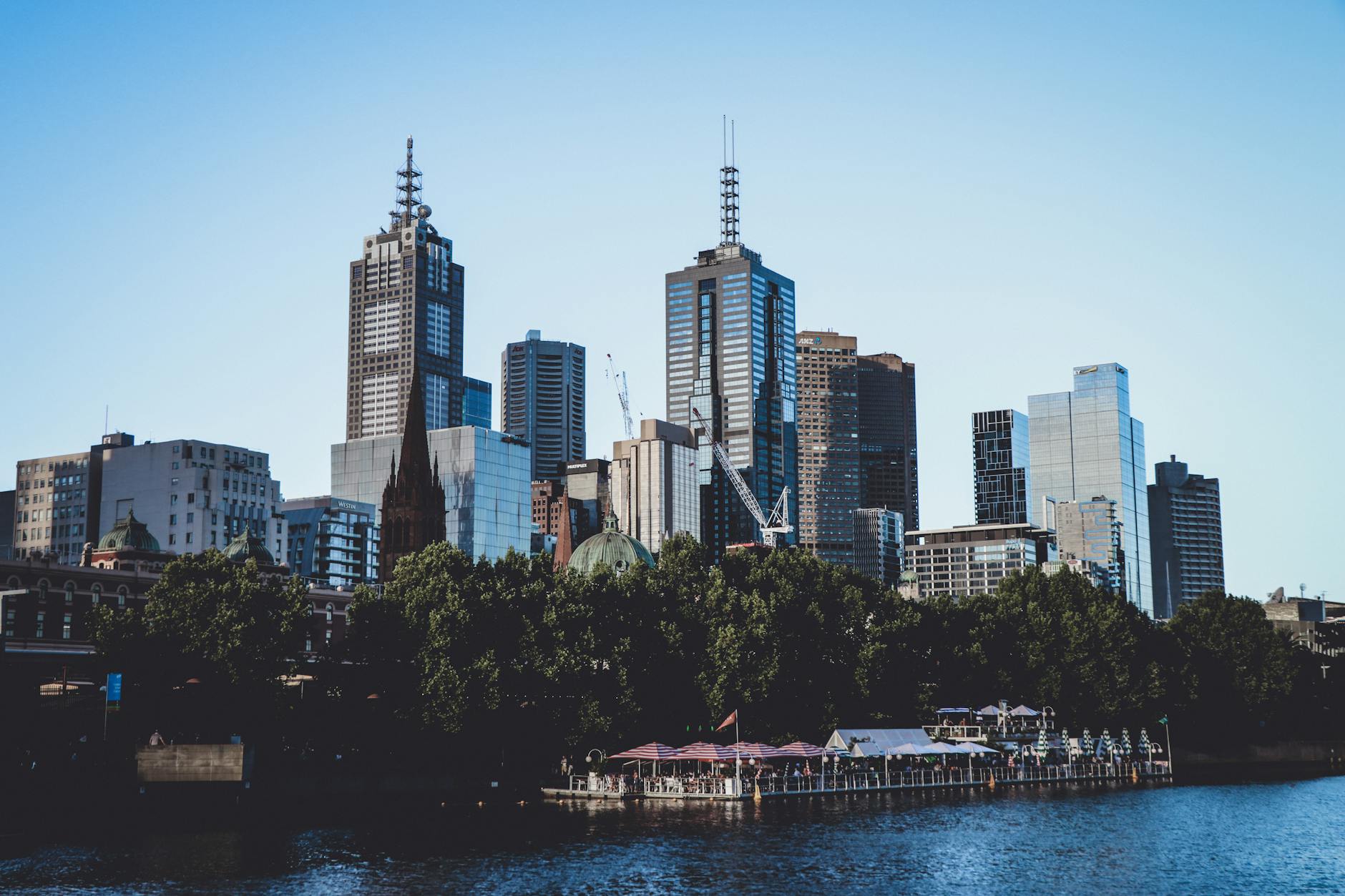
Melbourne
Identity: Coffee, laneways, sport, galleries, food, fashion, music, markets, neighborhoods, and weather jokes.
Best for: Food, coffee, urban culture, sport, art, shopping, festivals, design, road-trip access.
Do not miss: Laneways, National Gallery of Victoria, Queen Victoria Market, Fitzroy/Collingwood, Carlton, St Kilda, South Melbourne Market, major sports event if possible, Yarra River precincts.
The move: Melbourne is better when you treat it as a neighborhood city, not an icon checklist.
Common mistake: Expecting Sydney-style natural spectacle. Melbourne’s power is cultural density.
Brisbane
Identity: River city, warm climate, relaxed urban growth, galleries, nearby beaches, and Queensland gateway.
Best for: Families, warm-weather city time, Gold Coast/Sunshine Coast access, arts, river walks.
Do not miss: South Bank, GOMA/Queensland Art Gallery, river ferry, Fortitude Valley, West End, Howard Smith Wharves, Lone Pine Koala Sanctuary if appropriate, day trips to islands/coasts.
The move: Use Brisbane as a pleasant base, not merely an airport before the reef.
Perth and Fremantle
Identity: Indian Ocean light, beaches, space, wine access, isolation, relaxed wealth, and better food than many expect.
Best for: Beaches, Rottnest, wine, sunsets, fewer crowds, Western Australia road trips.
Do not miss: Cottesloe, Fremantle, Kings Park, Rottnest Island, Swan Valley, beaches, small bars, Elizabeth Quay if relevant.
The move: Stay long enough to feel the west-coast rhythm. Perth is not a one-night transit stop if you are already crossing the continent.
Adelaide
Identity: Manageable city, festivals, wine, food markets, parklands, beaches, and gateway to South Australian landscapes.
Best for: Wine travelers, food, festivals, Kangaroo Island, Flinders Ranges, lower-key city trips.
Do not miss: Central Market, North Terrace cultural institutions, Glenelg or Henley Beach, Adelaide Hills, Barossa, McLaren Vale.
The move: Use Adelaide as the easiest wine-and-food base in Australia.
Hobart
Identity: Harbor, mountain, food, MONA, history, cool climate, and gateway to Tasmania.
Best for: Food, art, wilderness access, slower travel, markets, island road trips.
Do not miss: Salamanca, MONA, kunanyi/Mount Wellington, Battery Point, waterfront, Bruny Island, Port Arthur or Tasman Peninsula.
The move: Give Hobart at least two full days before racing around Tasmania.
Darwin
Identity: Tropical Top End capital, markets, sunsets, multicultural food, World War II history, crocodile country, and gateway to Kakadu/Litchfield/Arnhem Land.
Best for: Dry-season travel, Top End parks, Aboriginal cultural tours, wildlife, tropical evenings.
Do not miss: Mindil Beach markets in season, Museum and Art Gallery of the Northern Territory, waterfront, sunset, Litchfield, Kakadu, Katherine/Nitmiluk.
The move: Darwin is seasonal. Dry season is the classic visitor window; wet season is dramatic but logistically different.
Cairns and Port Douglas
Identity: Reef gateway, rainforest access, tropical tourism, tour operations, and humid north Queensland.
Best for: Great Barrier Reef, Daintree, snorkeling/diving, family tropical trips, backpackers, wildlife.
Cairns: More practical, more tours, more backpacker infrastructure, closer airport.
Port Douglas: More resort-like, polished, relaxed, closer to some reef/rainforest combinations.
The move: Pick based on style, not just price. Also build in a weather-flex day for reef trips.
Canberra
Identity: National capital, museums, Parliament, planned landscapes, galleries, lake, cycling, and serious institutions.
Best for: National history, politics, museums, school-age kids, architecture, road-trip stop.
Do not miss: Parliament House, Australian War Memorial, National Gallery, National Museum, lake precinct, Mount Ainslie view.
The move: Canberra is worth it if you care about national institutions. It is not mandatory if you are chasing beaches and landscapes.
Nature, Wildlife, Reefs, and National Parks
Australia’s natural experiences are among the main reasons to travel, but they demand specificity. “I want to see wildlife” can mean koalas near a city, wombats in Tasmania, whale watching, reef fish, crocodiles, kangaroos on a golf course, or a guided nocturnal walk.
Great Barrier Reef
Best bases: Cairns, Port Douglas, Airlie Beach/Whitsundays, Townsville/Magnetic Island, Mission Beach, Lady Elliot/Lady Musgrave farther south.
Best for: Snorkeling, diving, marine life, scenic flights, islands, family tours, serious reef education.
Book ahead? Yes, especially for high-quality operators, liveaboards, small-group tours, and peak season.
Common mistake: Thinking every reef trip is the same. Outer reef platforms, small boats, islands, pontoons, snorkeling, diving, intro dives, liveaboards, and scenic flights are different experiences.
Safety notes: Listen to crew, wear stinger suits when advised, respect currents and coral, do not touch marine life, and consider seasickness.
Daintree and Wet Tropics
Best bases: Port Douglas, Cape Tribulation, Cairns.
Best for: Rainforest, cassowary country, Aboriginal-guided experiences, river cruises, tropical landscapes.
Common mistake: Trying to rush reef and rainforest into one overpacked day. They deserve separate attention.
Uluru, Kata Tjuta, and the Red Centre
Best for: Desert landscapes, sunrise/sunset, Aboriginal cultural context, night skies, walking, geology, silence.
How long: Three nights minimum is better than one. Add Kings Canyon and West MacDonnell Ranges if you have time.
Cultural note: Uluru is not just a rock; it is a sacred place. Climbing is closed. Respect signs, photography restrictions, and Anangu cultural guidance.
Common mistake: Flying in for one sunset and leaving. The power of the place comes from time, light changes, walking, and context.
Kakadu, Litchfield, and the Top End
Best for: Wetlands, rock art, waterfalls, Aboriginal cultural landscapes, birdlife, crocodile awareness, 4WD routes, dry-season travel.
Best timing: Dry season is easiest for most visitors. Wet season can be spectacular but access changes.
Common mistake: Underestimating drive times and seasonal access. Kakadu is large; it is not a casual side trip like a city park.
Tasmania Wilderness
Best for: Hiking, wildlife, cool climate, mountains, coast, food, photography.
Key places: Freycinet, Cradle Mountain, Bay of Fires, Southwest, Maria Island, Bruny Island, Tasman Peninsula.
Common mistake: Driving the whole island in five days. Tasmania should be slower.
Kangaroo Island
Best for: Wildlife, coast, food, beaches, luxury lodges, families, nature photographers.
How long: Three nights is a strong minimum. Day trips exist but miss the point.
Common mistake: Treating it as a quick Adelaide add-on. Ferry/flight logistics and island distances require planning.
Ningaloo Reef
Best for: Whale sharks seasonally, snorkeling from shore in places, reef without east-coast density, marine wildlife, remote coast.
Best bases: Exmouth, Coral Bay.
Common mistake: Assuming it is easy to combine casually with Perth. It is far. Fly or commit to a real Coral Coast road trip.
Wildlife: How to See It Well
| Wildlife goal | Best approaches |
|---|---|
| Kangaroos/wallabies | National parks, golf courses, rural edges, early/late day, guided wildlife tours. |
| Koalas | Ethical sanctuaries, selected wild habitats in Victoria/SA/Queensland; do not expect random city sightings. |
| Wombats | Tasmania, Wilsons Promontory, selected southern habitats. |
| Platypus | Dawn/dusk in quiet waterways; guided tours help. |
| Whales | Seasonal migrations along east/west/south coasts. |
| Crocodiles | Top End and far north with guided river cruises; never swim where unsafe. |
| Cassowaries | Far North Queensland rainforest areas; observe from distance. |
| Reef life | Quality reef operators and good weather. |
| Penguins | Phillip Island, St Kilda breakwater, Tasmania, Kangaroo Island depending species/location. |
The Move
Wildlife is best at the edges of the day: dawn, dusk, quieter roads, patient walks, and good guides. The worst wildlife viewing is rushing from attraction to attraction at midday.
Road Trips and Scenic Routes
Australia is one of the world’s great road-trip countries, but not every route is appropriate for every visitor.
Best Road Trips by Traveler Type
| Road trip | Best for | Time needed |
|---|---|---|
| Great Ocean Road | First-timers, coast, Melbourne add-on | 2–3 nights better than one day |
| Tasmania loop | Wildlife, hiking, food, island depth | 10–14 days |
| Sydney to Brisbane coast | Beaches, surf towns, backpackers | 7–14 days |
| Perth to Margaret River | Wine, beaches, caves, food | 4–7 days |
| Coral Coast / Perth to Ningaloo | Marine wildlife, long-distance WA | 10–14+ days |
| Red Centre Way | Desert, Uluru, Kings Canyon, Alice | 5–7+ days, vehicle/road dependent |
| Gibb River Road | Kimberley adventure | Serious 4WD seasonal trip |
| Adelaide to Flinders Ranges | Outback edge, geology, wildlife | 5–7 days |
| Cairns to Daintree/Cape Tribulation | Rainforest, reef, tropical coast | 3–5 days |
| South Coast NSW | Beaches, national parks, slower coast | 5–10 days |
Road-Trip Rules That Matter
- Drive on the left.
- Distances are real; fatigue kills.
- Avoid driving at dawn/dusk/night in wildlife-heavy rural areas where possible.
- Carry water.
- Check fuel stops in remote areas.
- Download offline maps.
- Understand sealed vs unsealed roads.
- Do not take rental cars on restricted roads.
- In remote areas, tell someone your route.
- In flood-prone areas, never drive through floodwater.
- In the outback, heat and breakdowns are not minor inconveniences.
- Check national-park, fire, and road-condition alerts.
Campervans and 4WD
Campervans can be brilliant on the east coast, Tasmania, Western Australia, and some national-park routes. They can also be expensive, slow, campsite-dependent, and inconvenient in cities.
4WD is necessary for some remote routes, but renting a 4WD does not make you experienced. The Gibb River Road, Cape York, remote NT tracks, and desert roads require preparation, season knowledge, recovery planning, and sometimes permits.
The Move
For a first Australia road trip, choose a sealed, high-reward route like Great Ocean Road, Tasmania, Margaret River, or South Coast NSW before jumping into remote 4WD fantasy. Earn your remoteness.
Food, Wine, Coffee, and Drinking Culture
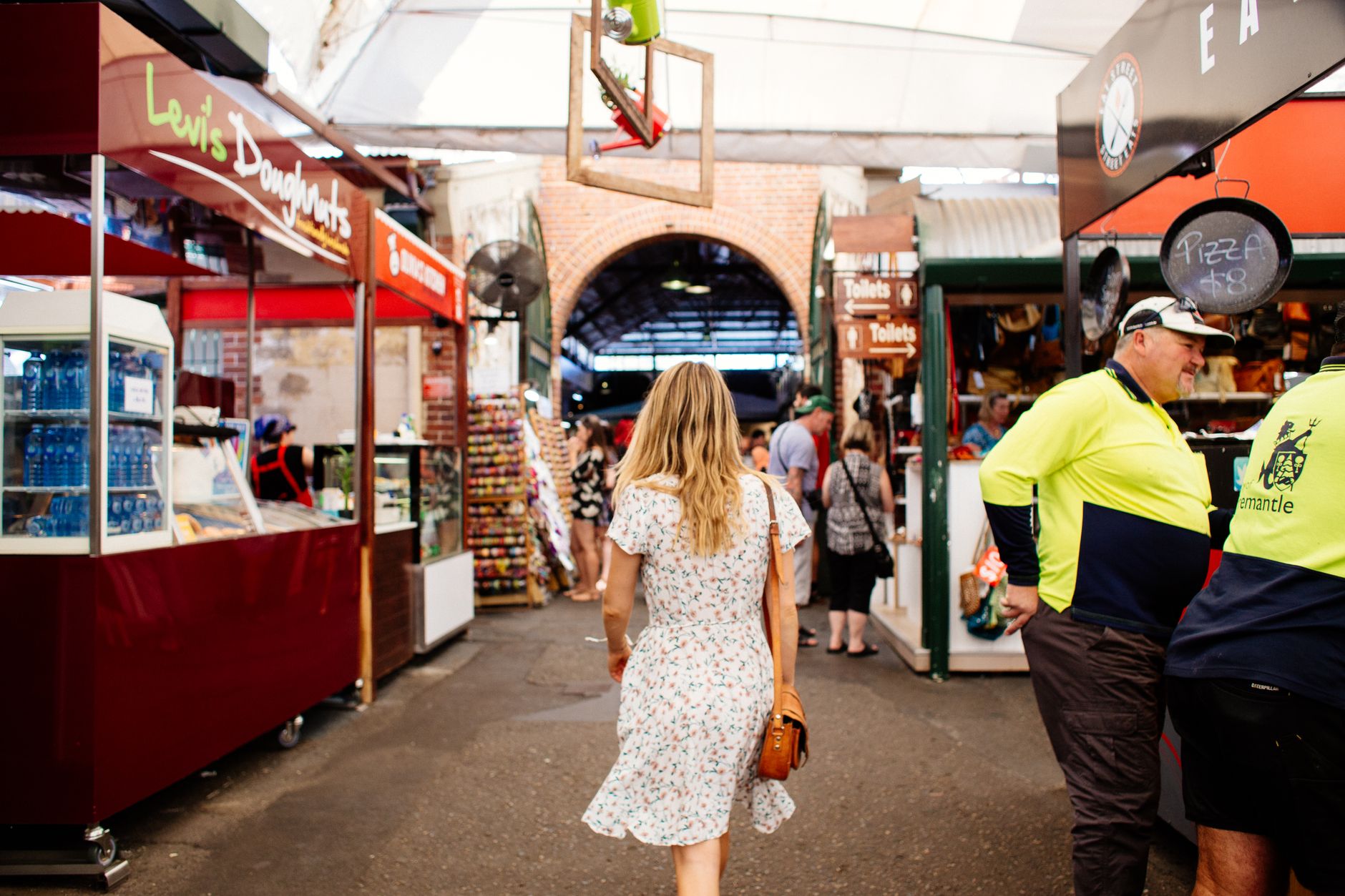
Australian food is often underestimated by travelers who still imagine barbecue clichés. The real food story is produce, immigration, coffee, seafood, wine, bakeries, markets, pubs, Asian cuisines, Indigenous ingredients where respectfully used, and modern Australian cooking that borrows widely.
Food Identity
Australia eats through:
- Excellent coffee culture, especially in Melbourne but nationwide.
- Brunch and café food: eggs, avocado, sourdough, bowls, pastries, flat whites.
- Seafood: oysters, prawns, fish, scallops, lobster/crayfish, barramundi, reef fish.
- Asian food: Chinese, Vietnamese, Thai, Malaysian, Korean, Japanese, Indian, Sri Lankan, Indonesian, Filipino, and more.
- Pub food: schnitzels, steaks, burgers, pies, parmas/parmis, fish and chips.
- Modern Australian restaurants built around produce and relaxed service.
- Wine regions with cellar doors and long lunches.
- Bakeries: meat pies, sausage rolls, lamingtons, vanilla slices, sourdough, pastries.
- Barbecue and outdoor eating, but not always the cartoon version visitors expect.
What to Eat and Drink
| Item | What it is | Where to think about it |
|---|---|---|
| Flat white | Espresso drink associated with Australia/NZ coffee culture. | Any serious café; Melbourne and Sydney especially. |
| Meat pie | Savory pastry, often beef-based. | Bakeries, sports grounds, road trips. |
| Fish and chips | Coastal classic. | Beach towns, harbors, Tasmania, WA coast. |
| Oysters | Strong regional oyster culture. | NSW South Coast, Tasmania, South Australia. |
| Barramundi | Popular Australian fish. | Northern Australia, seafood restaurants. |
| Moreton Bay bugs / prawns | Shellfish. | Queensland and seafood restaurants. |
| Lamington | Sponge cake with chocolate and coconut. | Bakeries/cafés. |
| Pavlova | Meringue dessert claimed in Australia/NZ rivalry. | Restaurants, homes, bakeries. |
| Native ingredients | Wattleseed, finger lime, lemon myrtle, saltbush, bush tomato and more. | Best through serious restaurants or Aboriginal-owned experiences, not gimmicks. |
| Wine | Shiraz, cabernet, chardonnay, riesling, pinot noir, sparkling and more. | Barossa, McLaren Vale, Yarra, Margaret River, Hunter, Clare, Tasmania, Mornington, Adelaide Hills. |
| Beer/cider/spirits | Craft beer, gin, whisky, rum, cider. | Cities, Tasmania, regional distilleries. |
Best Food Cities and Regions
| Place | Food strengths |
|---|---|
| Melbourne | Coffee, restaurants, markets, multicultural neighborhoods, wine access. |
| Sydney | Seafood, fine dining, Asian cuisines, bakeries, harbor dining, neighborhood restaurants. |
| Adelaide | Central Market, wine access, festivals, produce, underrated restaurants. |
| Hobart/Tasmania | Seafood, whisky, cider, cheese, farm produce, MONA-linked food culture. |
| Perth/Margaret River | Indian Ocean seafood, wine, breweries, beaches, casual dining. |
| Brisbane | Modern Queensland dining, riverfront, Asian food, warm-climate produce. |
| Cairns/Port Douglas | Tropical produce, seafood, relaxed resort dining. |
| Canberra | Emerging restaurants, cool-climate wine, national-institution dining. |
Restaurant Practicalities
- Reservations matter at good restaurants, especially Thursday–Saturday.
- Tipping is appreciated but not mandatory in the same way as the U.S.
- Card payment is widespread.
- Many places add surcharges on Sundays, public holidays, or card transactions.
- Café breakfast/brunch culture is strong.
- Dinner may start earlier than in Mediterranean countries.
- Pubs and clubs may require ID.
- Alcohol rules vary by state and venue; public drinking is often restricted.
The Move
Make food part of the route. Australia is not just “eat wherever after sightseeing.” Build a day around a market, a wine region, a seafood town, a neighborhood café strip, or a long lunch.
Getting Around Australia
Domestic Flights
Domestic flights are often the sane way to connect regions. Qantas, Virgin Australia, Jetstar, and regional carriers connect capitals and many tourism centers. Book early for good fares, watch baggage rules, and leave buffer when connecting to international flights or remote tours.
Use flights for:
- Sydney–Cairns.
- Melbourne–Uluru or Alice via available routings.
- East coast–Perth.
- Adelaide–Darwin.
- Brisbane–Darwin.
- Perth–Exmouth/Broome.
- Tasmania connections.
Do not overuse flights: If you fly every second day, you are not traveling Australia; you are sampling airports.
Trains
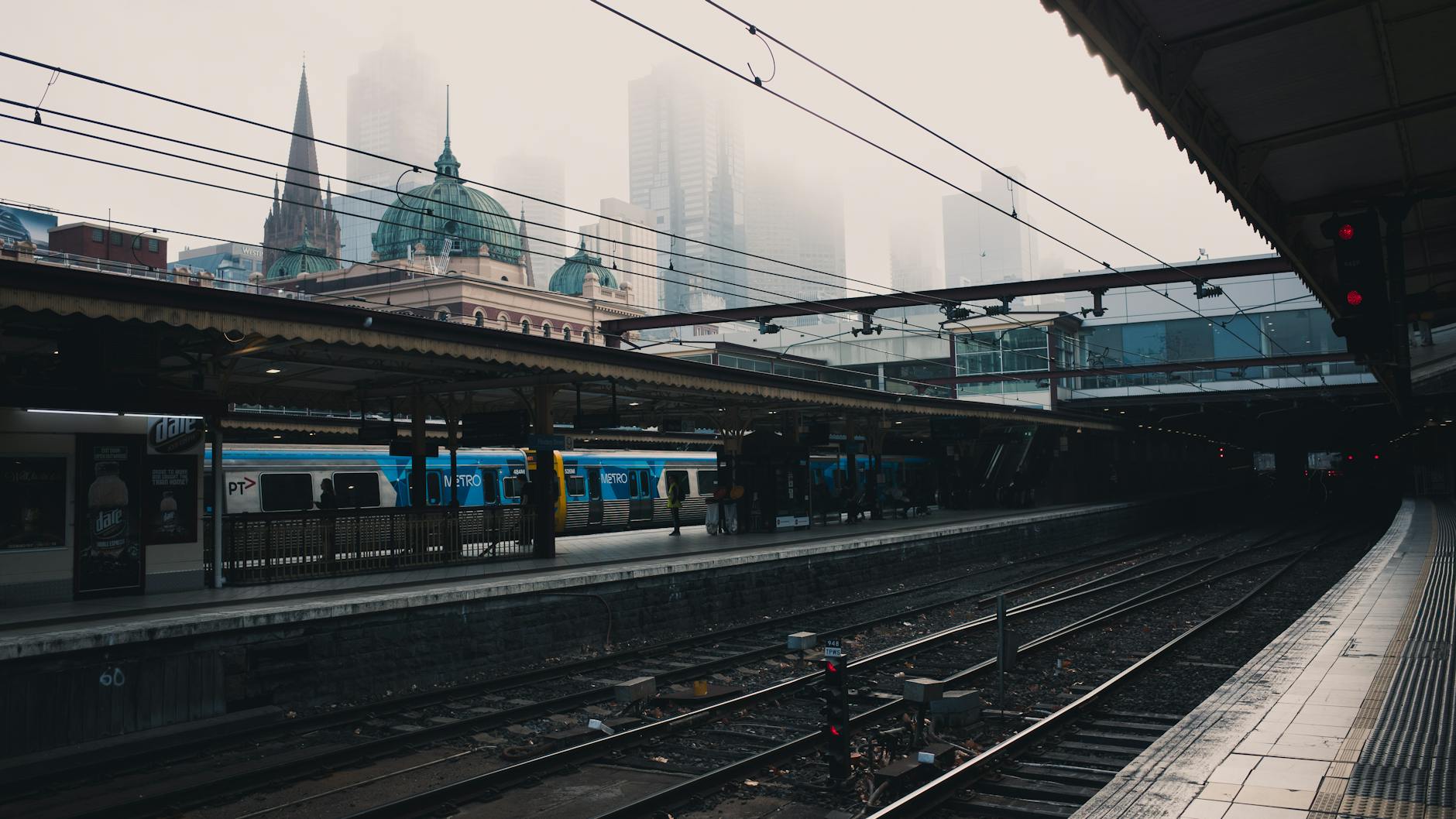
Australia has useful urban trains and some famous long-distance trains, but it is not Europe. Intercity rail is not the default tourist tool for crossing the country.
Good train uses:
- City/suburban transit in Sydney, Melbourne, Brisbane, Perth, Adelaide.
- Sydney–Blue Mountains.
- Melbourne regional trips in Victoria.
- Long-distance scenic/luxury trains like The Ghan, Indian Pacific, or Great Southern if the train itself is the experience.
Buses and Coaches
Buses can be useful for backpackers, east-coast routes, airport transfers, regional links, and tours. They are slower than flying but can work well when the journey itself is linear and time is available.
Cars
Cars are extremely useful outside big-city cores. They are nearly essential for many road trips, national parks, wine regions, beaches, and rural accommodation.
Car makes sense for:
- Great Ocean Road.
- Tasmania.
- Margaret River.
- South Coast NSW.
- Blue Mountains if exploring beyond train-access towns.
- Kangaroo Island.
- Flinders Ranges.
- Red Centre routes, with preparation.
- Regional Queensland and WA.
Car is a mistake for:
- Central Sydney or Melbourne hotel stays without parking.
- A purely city itinerary.
- Remote tracks without experience or proper vehicle.
- Long drives after international flights.
Public Transit in Cities
Australia’s major cities have useful public transit, but systems differ by state. Sydney has trains, ferries, light rail, buses. Melbourne has trams, trains, buses. Brisbane has trains, buses, ferries. Perth has trains and buses. Adelaide has trains, trams, buses. Hobart and Darwin are more limited.
The move: Use city transit like a local, but do not expect every beach, winery, national park, or trailhead to be easy without a car or tour.
Ferries
Ferries are part of the travel experience in Sydney, Brisbane, Perth/Rottnest, Tasmania/Bruny/Maria Island, Kangaroo Island, Magnetic Island, and many coastal regions.
The move: Ferries are not just logistics. In Sydney especially, a ferry ride can be one of the best “attractions” in the city.
Budget and Costs
Australia is not cheap. It can be good value in specific ways—free beaches, public spaces, parks, casual food, self-catering, and some city transit—but lodging, domestic flights, tours, car rental, fuel, wine regions, remote accommodation, and peak-season coastal stays can add up fast.
Daily Budget Ranges
| Traveler type | Daily estimate, excluding long-haul international flights | What it means |
|---|---|---|
| Backpacker/shoestring | AUD 90–160 | Hostel/camper/campsites, groceries, limited paid tours, buses, casual food. Harder in expensive cities and peak coastal areas. |
| Budget comfort | AUD 160–280 | Budget hotel/motel/private hostel room, casual meals, some transit, selective tours. |
| Mid-range | AUD 280–500 | Good hotels/apartments, restaurants, car rental days, domestic flight segments, reef/wildlife/wine tours. |
| Comfortable | AUD 500–900 | Better hotels, strong locations, quality tours, domestic flights, car rental, good restaurants, wine days. |
| Luxury | AUD 900+ | Luxury lodges, premium reef/island/desert stays, private guides, fine dining, remote tours, fly-in experiences. |
Cost Drivers
- Peak summer coastal lodging.
- Christmas/New Year.
- School holidays.
- Remote-region accommodation.
- Domestic flights booked late.
- Car rental and one-way fees.
- Reef, wildlife, island, and Aboriginal cultural tours.
- Tasmania summer road trips.
- Uluru and luxury lodge stays.
- Eating every meal in restaurants.
Best Value Moves
- Travel shoulder season.
- Use apartment hotels or cabins with kitchens.
- Book domestic flights early.
- Stay longer in fewer places.
- Use public transit in cities and rental cars only when leaving cities.
- Choose one premium tour rather than several mediocre ones.
- Use markets, bakeries, and cafés for some meals.
- Visit free galleries, beaches, coastal walks, and botanic gardens.
- Avoid one-way car rentals unless the route justifies the fee.
Splurge-Worthy
- A high-quality Great Barrier Reef operator.
- A guided Aboriginal cultural experience.
- A well-located Sydney hotel if only staying a few nights.
- A Tasmania or Kangaroo Island wildlife/nature stay.
- A Red Centre experience that gives proper time and interpretation.
- A wine-region lunch with transport arranged.
- A scenic flight only when weather and route justify it.
Usually Not Worth It
- Flying across the country for one night.
- Cheap reef tours that compromise comfort, safety, or reef quality.
- Car rental in central Sydney/Melbourne without a reason.
- “See everything” package tours that turn Australia into a bus window.
- Overpaying for generic waterfront restaurants when better neighborhood food exists.
- Driving huge distances just to avoid a domestic flight.
Safety, Health, and Environmental Hazards
Australia is generally safe for travelers, but some hazards are specific, serious, and easy to underestimate.
General Safety
Australian cities are broadly safe by global standards, but normal urban caution applies: watch belongings in nightlife areas, avoid intoxicated conflict, use licensed taxis/rideshare, respect beach and road rules, and pay attention to local warnings.
Sun and Heat
Australia’s UV exposure is serious. Sunburn can happen quickly even on cool or cloudy days.
Do:
- Use high-SPF sunscreen.
- Wear a hat and sunglasses.
- Seek shade.
- Carry water.
- Avoid long exposed hikes in midday heat.
- Treat children and fair-skinned travelers carefully.
- Know heat-exhaustion signs.
Beaches, Surf, and Rips
The ocean is one of Australia’s greatest pleasures and one of its most common visitor hazards.
Rules:
- Swim between the red and yellow flags at patrolled beaches.
- Ask lifeguards if unsure.
- Do not swim at closed beaches.
- Learn what a rip looks like.
- Do not jump from rocks into unknown water.
- Do not turn your back on heavy surf.
- Supervise children constantly.
Marine Stingers
In tropical northern waters, especially roughly during warmer wet-season months, marine stingers can be a serious hazard. Local guidance may require stinger suits or swimming only in netted areas. Reef operators will advise.
The move: Do not decide based on what other tourists are doing. Follow local lifeguard and tour-operator advice.
Crocodiles
In northern Australia, crocodile safety is non-negotiable. Do not swim in rivers, creeks, billabongs, or beaches unless clearly designated safe by local authorities. Obey signs.
Bushfires
Bushfire risk rises in hot, dry, windy conditions, especially in spring and summer in many regions. Smoke can affect cities and road trips. Parks and roads can close.
Do:
- Check state fire and emergency services.
- Obey total fire bans.
- Avoid closed parks.
- Have a plan when staying in bushland areas.
- Do not drive into smoke/fire zones.
Floods and Cyclones
The tropical north and some inland/outback areas can experience floods, cyclones, and road closures. Never drive through floodwater. Remote roads can remain closed after rain.
Wildlife
Most wildlife is not trying to hurt you. The bigger risks are car collisions at dawn/dusk/night, unsafe behavior around animals, and ignoring local signs.
Do not:
- Feed wildlife.
- Touch marine animals or coral.
- Approach cassowaries, kangaroos, seals, crocodiles, snakes, or any wild animal for photos.
- Drive fast at dawn/dusk in wildlife-heavy areas.
Healthcare and Insurance
Healthcare is high quality, but visitors should carry travel insurance that covers medical care, road trips, tours, rental vehicles, remote evacuation, diving/snorkeling, adventure activities, and cancellations.
The Move
Before a nature-heavy Australia trip, set up a “risk dashboard”: weather, fire, road, park, marine, and tour updates for your regions. That sounds boring. It is what competent travelers do.
Aboriginal and Torres Strait Islander Culture
Australia’s deepest travel layer is not beaches or cities. It is Country: lands, waters, stories, obligations, and living cultures connected to place over extraordinary spans of time.
A serious Australia guide should not treat Aboriginal culture as an optional decorative sidebar. It should be woven into how travelers understand landscapes, place names, art, access, interpretation, and behavior.
How to Approach Respectfully
- Prefer Aboriginal-owned or Aboriginal-guided experiences where available.
- Follow photography restrictions at cultural sites.
- Respect closed areas and sacred-site rules.
- Learn whose Country you are visiting.
- Use current official and local names where appropriate.
- Do not climb or enter places marked restricted.
- Do not remove rocks, shells, plants, or artifacts.
- Do not treat rock art as “ancient graffiti”; it is cultural heritage.
- Understand that some knowledge is not for public explanation.
Strong Cultural Experience Regions
| Region | Experience types |
|---|---|
| Red Centre | Uluru-Kata Tjuta interpretation, guided walks, art centers, Anangu cultural context. |
| Kakadu / Arnhem Land | Rock art, wetlands, ranger/guided interpretation, Aboriginal-owned tours and permits. |
| Kimberley | Rock art, Country, remote tours, cruises, Aboriginal communities and guides where available. |
| Far North Queensland | Rainforest and reef cultural tours, Kuku Yalanji experiences, art. |
| Sydney / NSW | Urban Aboriginal history, harbor Country, cultural walks, galleries. |
| Tasmania | Palawa history and cultural interpretation, with sensitivity to contested histories and living communities. |
| South Australia / WA | Art centers, desert routes, cultural sites, guided experiences. |
The Move
Build at least one Aboriginal-guided or Aboriginal-owned experience into a serious Australia itinerary. It will make the landscapes more intelligible and the trip less shallow.
Families, Solo Travelers, LGBTQ+ Travelers, Older Travelers, and Accessibility
Families
Australia can be excellent for families: beaches, wildlife, parks, apartments, kid-friendly food, public spaces, ferries, zoos, aquariums, road trips, and safe-feeling cities.
Best family routes:
- Sydney + Blue Mountains + beaches.
- Brisbane + Gold Coast/Sunshine Coast.
- Melbourne + Great Ocean Road + Phillip Island.
- Cairns/Port Douglas reef/rainforest with good operators.
- Tasmania in summer.
- Perth + Rottnest + Margaret River.
Family tips:
- Do not overdo driving days.
- Choose patrolled beaches.
- Book family rooms/apartments early.
- Build wildlife carefully and ethically.
- Watch heat, sun, and surf.
- Avoid remote road trips unless the adults are prepared.
Solo Travelers
Australia is strong for solo travelers, especially in cities, hostels, backpacker routes, guided tours, and working-holiday circuits.
Best solo styles:
- Sydney/Melbourne city travel.
- East Coast backpacker route.
- Guided Red Centre/Top End tours.
- Tasmania small-group hiking/road trips.
- Surf schools and dive courses.
Solo caution: Remote hiking, swimming, and driving require extra care. Tell someone your plans.
Women Traveling Solo
Many women travel Australia safely and independently. Use normal precautions around nightlife, isolated beaches, rides, and remote areas. The biggest practical risks are often environmental rather than interpersonal: driving fatigue, heat, swimming, and remoteness.
LGBTQ+ Travelers
Major Australian cities are generally welcoming, especially Sydney and Melbourne, with visible LGBTQ+ communities and events. Rural and remote comfort levels vary, as they do in most countries. Sydney Mardi Gras is a major event and requires early booking.
Older Travelers
Australia works well for older travelers when paced properly. Choose fewer regions, good hotels, short drives, ferries, guided nature experiences, and shoulder-season weather. Avoid heat-heavy itineraries and excessive one-night stops.
Accessibility
Accessibility varies widely. Major city attractions, airports, hotels, museums, and newer precincts are often accessible. Older towns, beaches, ferries, national parks, remote lodges, and small boats may be more difficult.
Accessibility planning checklist:
- Confirm step-free accommodation.
- Check beach wheelchair availability where relevant.
- Verify tour vehicle/boat access.
- Avoid routes dependent on long stairs, sand, rocks, or unsealed paths unless manageable.
- Use city ferries and museums where accessibility is strong.
- Contact national parks and operators before booking.
Shopping, Souvenirs, and Local Products
Australia has strong souvenirs if you avoid airport clichés.
Good Souvenirs
- Aboriginal art from reputable galleries or art centers with ethical provenance.
- Australian wine.
- Coffee beans from local roasters.
- Tasmanian whisky or gin, subject to customs limits.
- Olive oil, honey, jams, spices, and shelf-stable food products.
- Surf/beach brands where actually useful.
- Books by Australian writers.
- Design objects from local makers.
- Wool products, if genuinely high quality.
- Skincare/sunscreen/beauty products.
- Opals, if bought from reputable sellers.
- Local ceramics, textiles, and prints.
What Not to Buy Thoughtlessly
- Aboriginal-style souvenirs not made by Aboriginal artists.
- Wildlife products or shells with export/import restrictions.
- Food items you cannot bring home.
- Cheap “Australia” souvenirs made for tourists only.
- Outdoor gear you will not use.
- Opals or gemstones from questionable sellers.
Biosecurity and Customs
Australia is strict about biosecurity on entry, and your home country may be strict about what you bring back. Food, plants, animal products, wood, seeds, shells, and outdoor gear with soil can create issues.
The move: Declare items when entering Australia. When leaving, check both Australian export rules and your home-country import rules.
Culture, History, Sport, and Etiquette
Short History for Travelers
Australia’s story begins with Aboriginal and Torres Strait Islander peoples whose cultures, languages, laws, and relationships to Country long predate European arrival. Any meaningful travel understanding must begin there.
British colonization began in 1788 with the First Fleet at Sydney Cove, leading to penal colonies, settler expansion, frontier violence, dispossession, pastoralism, mining, and the growth of colonial cities. The gold rushes transformed population and wealth. Federation created the Commonwealth of Australia in 1901. Immigration, war, industrialization, suburbanization, mining booms, multicultural policy, Indigenous rights movements, environmental battles, and Asia-Pacific economic ties shaped modern Australia.
Visitors should understand that the country’s relaxed surface sits on complicated histories: colonization, land rights, stolen generations, migration, resource extraction, and environmental fragility.
Sport
Sport is not background in Australia. It is part of the calendar.
| Sport/event | Where it matters |
|---|---|
| Australian rules football | Melbourne/Victoria especially, also national. |
| Rugby league | NSW and Queensland especially. |
| Rugby union | National/international fixtures. |
| Cricket | Summer, Boxing Day Test in Melbourne, Sydney Test. |
| Tennis | Australian Open in Melbourne, January. |
| Surfing | Coastal culture nationwide. |
| Horse racing | Melbourne Cup and spring racing culture. |
| Soccer | Growing national/international support. |
The move: Go to a match if the timing works. It can explain more about local culture than another museum.
Etiquette and Cultural Norms
- Casual does not mean rude. Politeness matters.
- Queueing matters.
- Tipping is optional, not obligatory.
- Do not litter.
- Respect beach flags and lifeguards.
- Do not joke casually about bushfire, floods, or dangerous wildlife with people affected by them.
- Avoid calling Aboriginal cultural sites “primitive” or treating them as props.
- Be careful with slang; it can be friendly or insulting depending context.
- Service is often friendly but not overly deferential.
- Public drinking rules vary.
- Smoking/vaping restrictions are common.
- Biosecurity and customs declarations are serious.
Seasonal and Month-by-Month Guide
Summer: December–February
Best for: Southern beaches, Sydney, Melbourne events, Tasmania, festivals, long daylight, coastal holidays.
Watch out: High prices, school holidays, heatwaves, bushfire risk, tropical wet season, stingers in the north.
Good routes: Sydney + Melbourne; Tasmania; South Australia coast/wine with heat awareness; Perth/Margaret River; Great Ocean Road if booked.
Autumn: March–May
Best for: National travel, wine, cities, Red Centre, road trips, food, milder weather.
Watch out: Holiday periods around Easter/ANZAC Day; northern transition.
Good routes: Sydney/Melbourne/Adelaide; Red Centre; Tasmania; WA southwest; Queensland as wet season eases.
Winter: June–August
Best for: Tropical north, reef, Darwin, Kakadu, Kimberley, Red Centre, whale watching in some regions, wine-country fireside trips.
Watch out: Cool southern weather, high demand in northern dry season, cold desert nights.
Good routes: Cairns/Port Douglas/Daintree; Darwin/Kakadu; Red Centre; Kimberley; Ningaloo; Queensland coast.
Spring: September–November
Best for: Wildflowers, cities, road trips, WA, southern coast, warming weather, wildlife.
Watch out: Bushfire season begins, tropical build-up, school holiday periods.
Good routes: Perth/WA wildflowers; Sydney/Melbourne; Tasmania late spring; South Australia; Red Centre early spring.
What to Skip
Skip: Trying to See the Whole Country
Australia is not a small-country highlights loop.
Better alternative: Choose two or three regions and experience them well.
Skip: One-Night Uluru
You can do it, but you will probably reduce one of the world’s most powerful landscapes to a sunset photo.
Better alternative: Stay three nights if possible and include Kata Tjuta, guided interpretation, and sunrise/sunset pacing.
Skip: Driving Immediately After a Long-Haul Flight
Jet lag plus left-side driving plus unfamiliar roads is a bad combination.
Better alternative: Spend the first night near your arrival city or use public transport/taxi.
Skip: Cheap Reef Tours Without Reading the Details
Not all reef trips are equal.
Better alternative: Choose by reef site, vessel size, snorkeling/diving support, environmental standards, cancellation/weather policy, and passenger comfort.
Skip: Swimming at Unpatrolled or Closed Beaches
Beautiful water can be dangerous.
Better alternative: Swim between flags, ask lifeguards, and follow local signs.
Skip: Tasmania in Five Rushed Nights
You will see roads and car parks.
Better alternative: Focus on Hobart + Tasman Peninsula + Freycinet, or Hobart + Bruny + MONA + one region.
Skip: Treating Aboriginal Culture as a Photo Stop
Sacred sites, art, stories, and Country deserve respect.
Better alternative: Book Aboriginal-guided experiences and follow cultural guidance.
Common Mistakes
- Underestimating distance. The map is not your friend unless you read scale.
- Adding too many regions. Australia punishes itinerary greed.
- Ignoring season. Tropical north, Red Centre, Tasmania, and southern cities have different timing logic.
- Booking domestic flights too late. Prices can jump.
- Driving too much. Long drives reduce trip quality and increase risk.
- Swimming outside flags. This is how visitors get into trouble.
- Forgetting UV. Sun exposure is serious year-round.
- Assuming wildlife is everywhere on demand. Good sightings take timing and patience.
- Treating the reef as weather-proof. Build in a buffer.
- Not booking peak coastal stays early. Christmas/New Year and school holidays fill up.
- Overlooking Adelaide, Perth, Hobart, and Canberra. The second-tier cities can be excellent.
- Doing the Great Ocean Road as a tired day trip. Overnight is better.
- Taking remote roads casually. Fuel, water, vehicle type, and weather matter.
- Ignoring biosecurity. Declare food and outdoor gear properly.
- Thinking English-speaking means culturally identical. Australia has its own norms, histories, hazards, and regional logic.
Responsible Travel
Do
- Respect Aboriginal cultural sites and restrictions.
- Choose Aboriginal-owned experiences where possible.
- Swim safely and reduce rescue risk.
- Stay on trails.
- Do not touch coral.
- Use reef-safe behavior and follow operator instructions.
- Do not feed wildlife.
- Support local communities outside over-touristed icons.
- Reduce waste, especially in parks and beaches.
- Follow fire bans.
- Book legal, responsible accommodation.
- Drive carefully around wildlife.
- Learn whose Country you are visiting.
Do Not
- Climb restricted sacred sites.
- Remove rocks, shells, plants, or artifacts.
- Fly drones where prohibited.
- Chase wildlife for photos.
- Ignore park closures.
- Drive through floodwater.
- Treat remote communities as attractions.
- Assume every beach is safe.
- Leave trash in parks or beaches.
The Move
Good travel in Australia is not about being timid. It is about being competent. Competent travelers get better trips because they can go farther, understand more, and cause fewer problems.
Packing List
Essentials
- Passport and visa/travel authority confirmation.
- Travel insurance details.
- Type I power adapter.
- High-SPF sunscreen.
- Sunglasses.
- Broad-brim hat or cap.
- Reusable water bottle.
- Comfortable walking shoes.
- Swimwear.
- Light layers.
- Daypack.
- Offline maps.
- Phone battery pack.
- Motion sickness medication if doing boats.
- Insect repellent for tropical/bushy areas.
- Any prescription medication with documentation.
- Driver’s license and International Driving Permit if required by your circumstances/rental company.
- Copies of bookings for remote routes.
Regional Additions
| Region | Add |
|---|---|
| Tropical north | Lightweight breathable clothes, insect repellent, rain gear in wet season, stinger-suit awareness through operators. |
| Red Centre/outback | Sun protection, warm layer for winter nights, sturdy shoes, extra water capacity, fly net in some seasons, offline maps. |
| Tasmania | Rain jacket, fleece/layers, hiking shoes, beanie even in shoulder seasons, flexible weather mindset. |
| Southern cities | Layers, especially Melbourne; smarter outfit for restaurants if needed. |
| Beach/coast | Rash guard, reef-safe behavior, sandals, towel, sun shirt, dry bag. |
| Road trip | Car charger, offline maps, water, snacks, first-aid kit, emergency contacts, paper backup for remote areas. |
What Not to Overpack
- Heavy dress clothing unless needed for events.
- Too many one-use beach outfits.
- Camping gear unless camping is central to the trip.
- Food items that create biosecurity problems.
- Large hard luggage for campervan or small ferry-heavy trips.
FAQ
Is Australia worth visiting for a first major international trip?
Yes, especially for travelers who want a mix of safety, English-language ease, beaches, cities, food, wildlife, and landscapes. The main challenge is not difficulty; it is planning a realistic route.
How many days do I need for Australia?
Twelve to sixteen days is a strong first visit. Ten days can work with one or two regions. Three weeks is excellent. A month lets Australia breathe.
What is the best first-time Australia itinerary?
Sydney + Blue Mountains + Melbourne/Great Ocean Road is the cleanest classic route. Sydney + Queensland reef/rainforest is better if the Great Barrier Reef is a priority. Sydney + Red Centre + Melbourne is strongest if you want iconic contrast.
Is Australia expensive?
Yes, especially hotels, domestic flights, tours, car rental, and peak-season coastal stays. But beaches, coastal walks, galleries, public gardens, markets, and casual food can provide strong value.
Do I need a car?
Not in central Sydney or Melbourne. Yes or probably yes for many road trips, wine regions, national parks, Tasmania, Kangaroo Island, Margaret River, and regional travel. For remote routes, vehicle type and preparation matter.
Is Australia safe?
Generally, yes. The main visitor risks are environmental and behavioral: surf, sun, heat, bushfires, floods, cyclones, remote driving, wildlife on roads, stingers, and ignoring local warnings.
When is the best time to visit?
March–May and September–November are broad national sweet spots. May–September is best for much of the tropical north. Summer is great for southern beaches and Tasmania but busy and expensive.
Should I visit the Great Barrier Reef?
Yes if marine life, snorkeling, diving, islands, or reef ecology matter to you. Choose a good operator, build in weather flexibility, and follow reef safety/environmental rules.
Is Uluru worth it?
Yes, if you give it time and respect. It is not just a photo stop. Stay multiple nights if possible and include cultural interpretation.
Sydney or Melbourne?
Sydney if you want harbor, beaches, ferries, icons, and outdoor spectacle. Melbourne if you want food, coffee, neighborhoods, art, sport, and urban culture. The best first trip often includes both.
Is Tasmania worth adding?
Yes, but not as a rushed add-on. Tasmania deserves at least a week and ideally ten days or more for a road trip.
What should I book ahead?
Visas/travel authority, peak-season hotels, domestic flights, reef trips, Uluru/Red Centre accommodation and tours, Tasmania road-trip lodging, Kangaroo Island lodging/ferries, popular restaurants, major sports/events, and remote national-park accommodation.
Can I combine Australia and New Zealand in one trip?
Yes, but only with enough time. If you have two weeks total, combining both usually weakens both unless you are doing a very specific city-and-icon sampler.
Source Notes
Date-sensitive details in this sample should be checked again before publication. Official or high-reliability sources used for current planning facts include:
- Australian Government Department of Home Affairs: visa categories, eligibility, and application rules.
- Tourism Australia / Australia.com: visa FAQ, seasons, travel timing, getting around, transport guidance, states/territories, and official visitor planning.
- UK Foreign, Commonwealth & Development Office travel advice: current travel advice, insurance, entry, safety, and bushfire risk framing.
- State and territory emergency services, park services, and road-condition authorities should be checked for regional route sections.
- Bureau of Meteorology should be checked for weather, cyclone, flood, heat, and fire-weather conditions before travel.