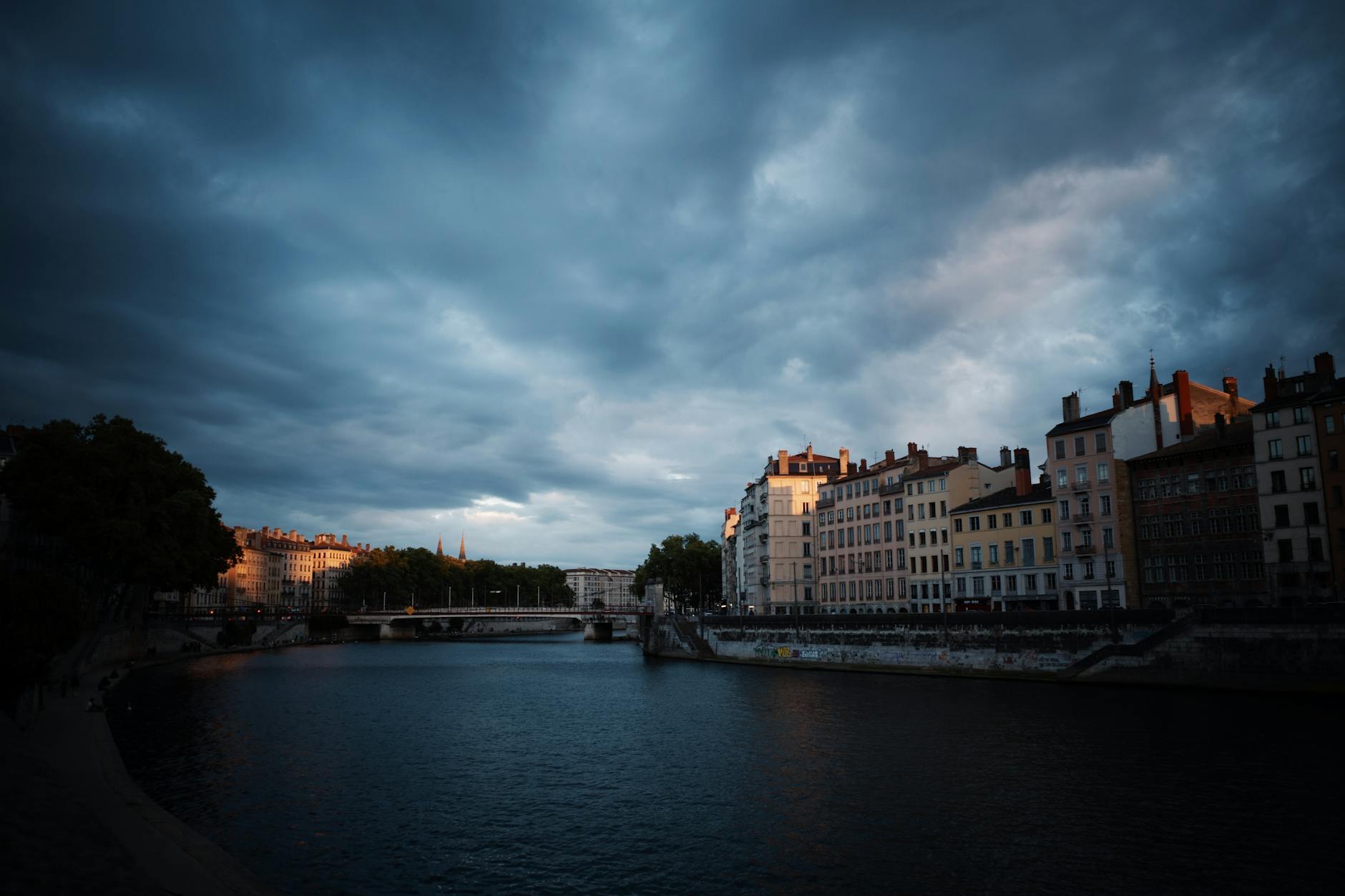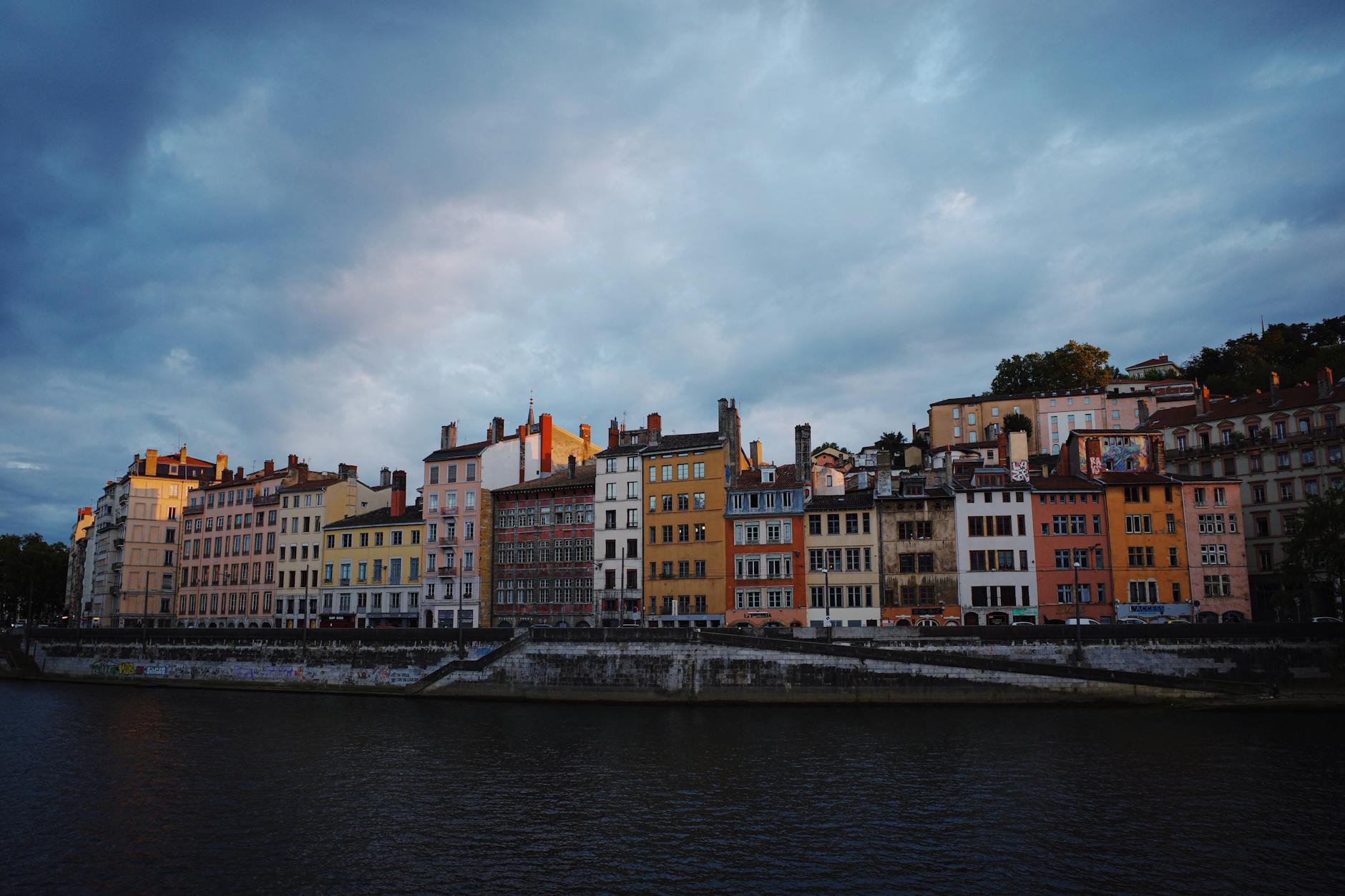
Lyon can be an excellent city for a short nightlife-focused trip, but it rewards a different kind of planning than cities built around large late-night districts. The night often starts with food, wine, terraces, river walks, performance, student pockets, and neighborhood bars before it becomes a question of clubs or very late returns. A traveler who treats Lyon like a generic party capital may miss what the city does well. A traveler who understands the rhythm can build nights that feel social, atmospheric, and manageable. The key is to plan the evening as a chain of decisions: where to stay, where to eat, which neighborhood makes sense after dinner, how late the group intends to remain out, how to get back, and what changes if weather, fatigue, a closed venue, or an uncomfortable street dynamic changes the mood. Lyon's old streets, rivers, bridges, Presqu'ile, Vieux Lyon, Croix-Rousse, Confluence, and event venues can all support good nights, but they should not be stitched together casually after midnight.
Understand Lyon's evening rhythm first
Lyon nightlife is closely tied to dinner, wine, conversation, neighborhood movement, and the city's river-and-hill geography. A good night may begin with a bouchon or contemporary restaurant, continue through a bar near Presqu'ile or Vieux Lyon, move toward a performance or music venue, and end with a short ride or walk back across the rivers. It is less forgiving when the traveler expects one obvious nightlife strip to solve every choice.
That rhythm matters because short trips have little room for a failed evening. If dinner is booked too late, if the hotel is poorly placed, or if the group leaves its next move until midnight, the night can become fragmented. The traveler should decide whether the priority is food, wine bars, dancing, live music, student energy, queer-friendly spaces, riverside atmosphere, or simply a pleasant late return through beautiful streets. Those are different nights.
- Treat Lyon nightlife as food, wine, neighborhood atmosphere, events, and late movement, not only clubs.
- Choose the evening priority before booking dinner or lodging.
- Avoid assuming one nightlife district will work for every kind of traveler.
Choose the base by the return, not only the first drink
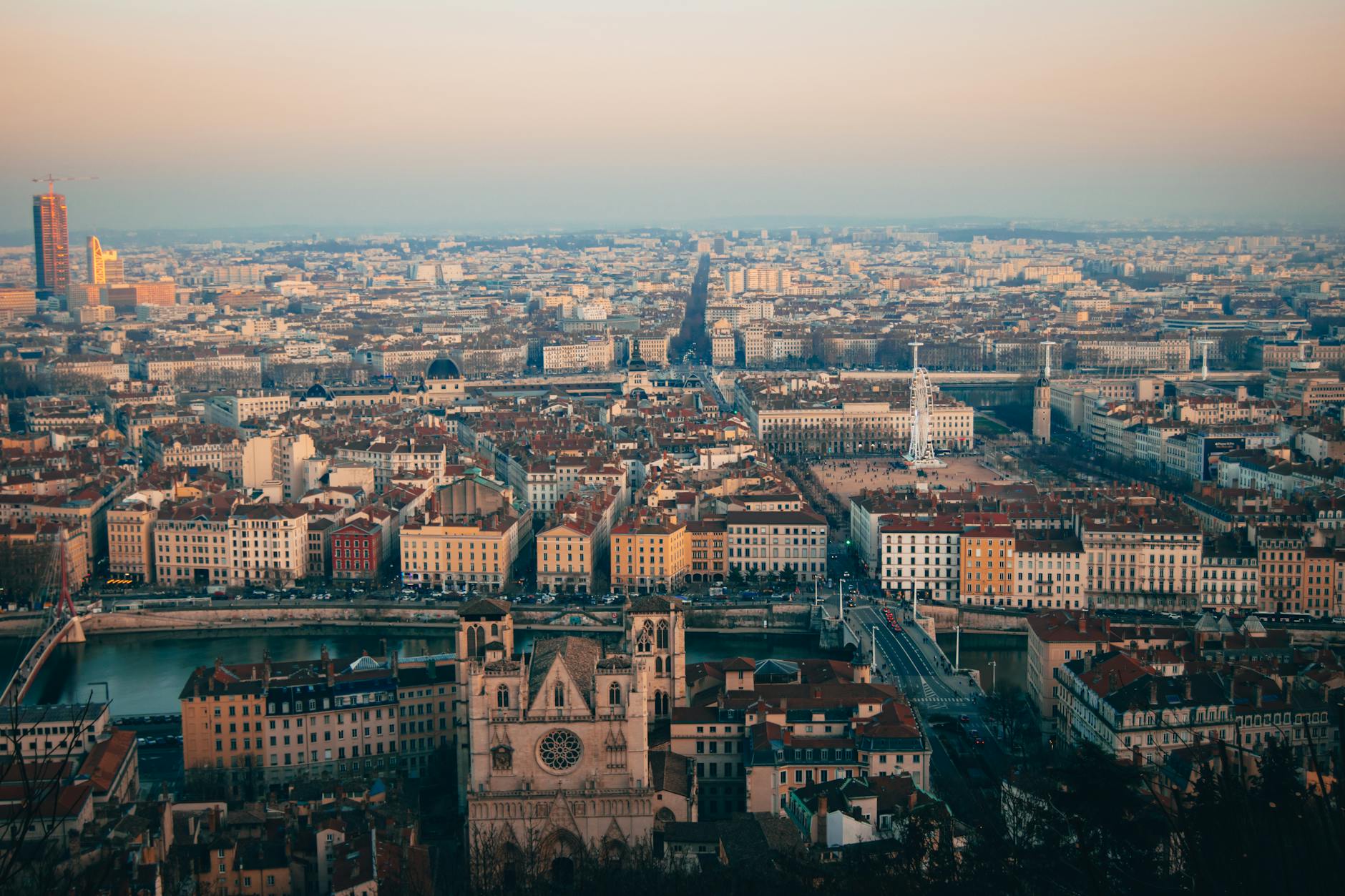
For a nightlife-focused traveler, the hotel decision should be judged at the end of the night. A base near Presqu'ile can make many dinners, bars, and river crossings simple. Vieux Lyon can be atmospheric, but old streets, crowd patterns, and noise need to be considered. Croix-Rousse can suit travelers who want neighborhood texture, while Confluence or station-adjacent choices may make sense for specific venues or early onward travel. The right answer depends on the planned return, not just the daytime map.
A poor base can turn every night into a transport problem. Travelers should check walking routes after dark, taxi or rideshare pickup practicality, bridge crossings, late transit options, and whether the hotel room itself is exposed to street noise. A central location is not automatically good if it sits above a loud street, leaves the traveler climbing late, or creates awkward returns for anyone traveling alone.
- Judge lodging by how the traveler gets home after dinner, bars, shows, or clubs.
- Check late walking routes, bridge crossings, taxi pickup points, and street noise around the room.
- Presqu'ile, Vieux Lyon, Croix-Rousse, Confluence, and station areas each solve different nightlife problems.
Let dinner anchor the night
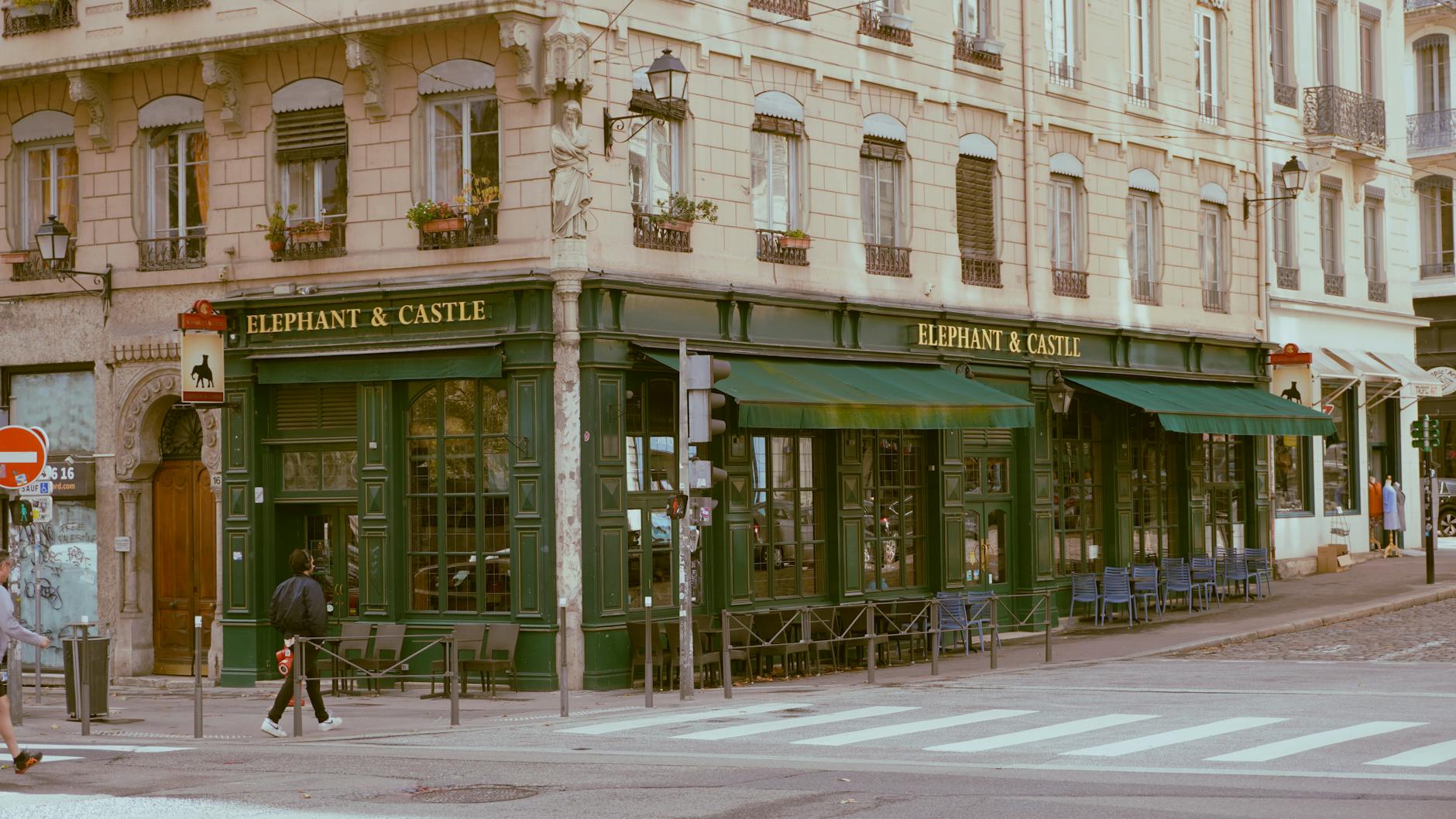
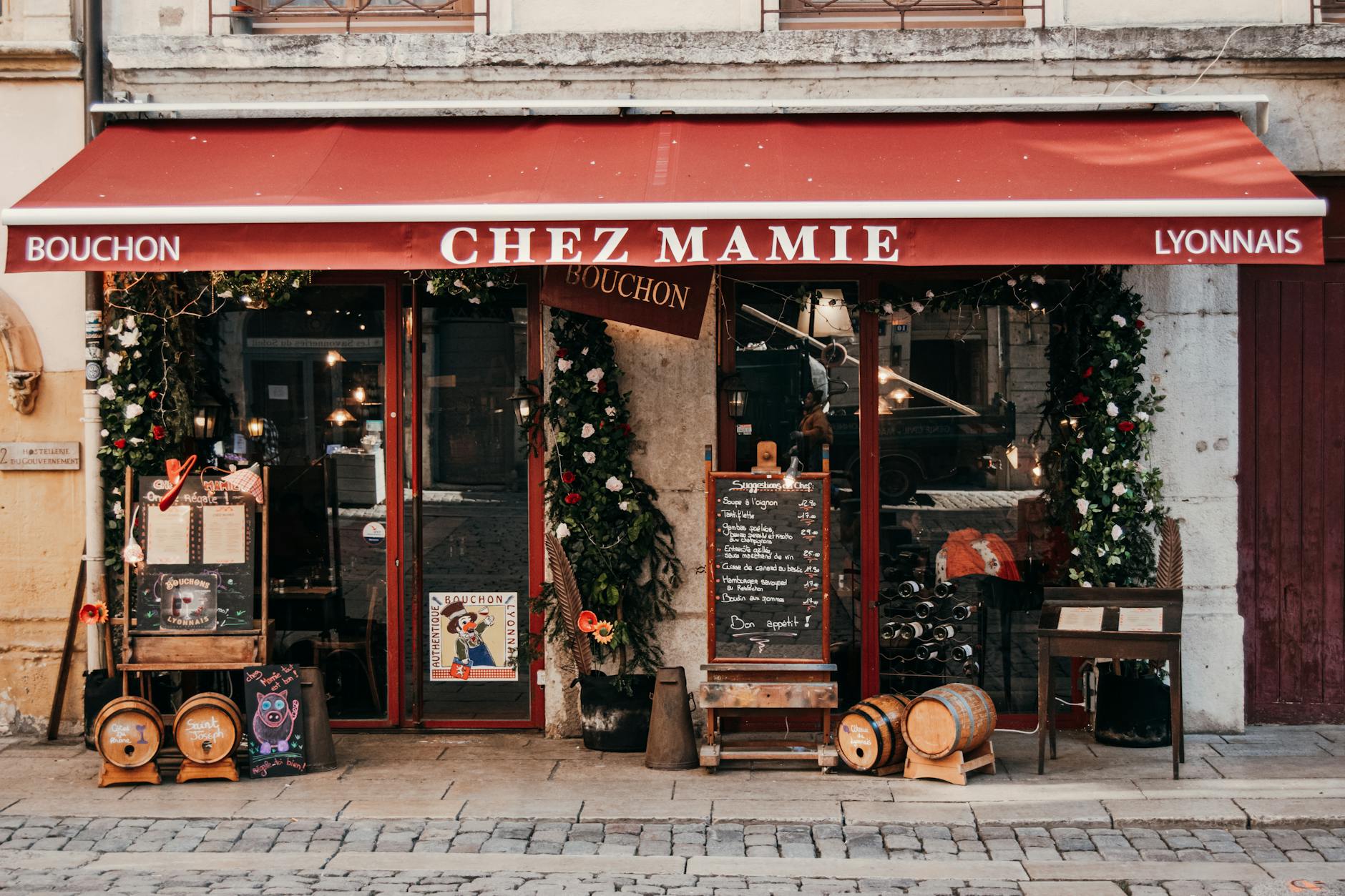
In Lyon, nightlife planning should often begin with dinner rather than treating dinner as a quick prelude. The city's food culture is one of the main reasons to be out at night, and a strong meal can make the rest of the evening feel coherent. Travelers should think about whether they want a traditional bouchon, a wine-led dinner, a lighter terrace meal, a late reservation, or a place that allows an easy move to the next neighborhood.
Dinner also affects alcohol pacing, fatigue, safety, and group cohesion. A group that drinks before eating may find Lyon's old streets, stairs, river crossings, and late transport more tiring than expected. A traveler with dietary needs, medication timing, or early plans the next day should not let the evening drift until food becomes whatever is still open. A good Lyon night usually has a deliberate meal somewhere near the center of gravity.
- Use dinner as the evening anchor, especially when food and wine are central to the trip.
- Book with the next move in mind: bars, river walk, music, club, hotel return, or early departure.
- Plan food timing for alcohol pacing, dietary needs, medication, and group energy.
Separate atmospheric nights from late-party nights
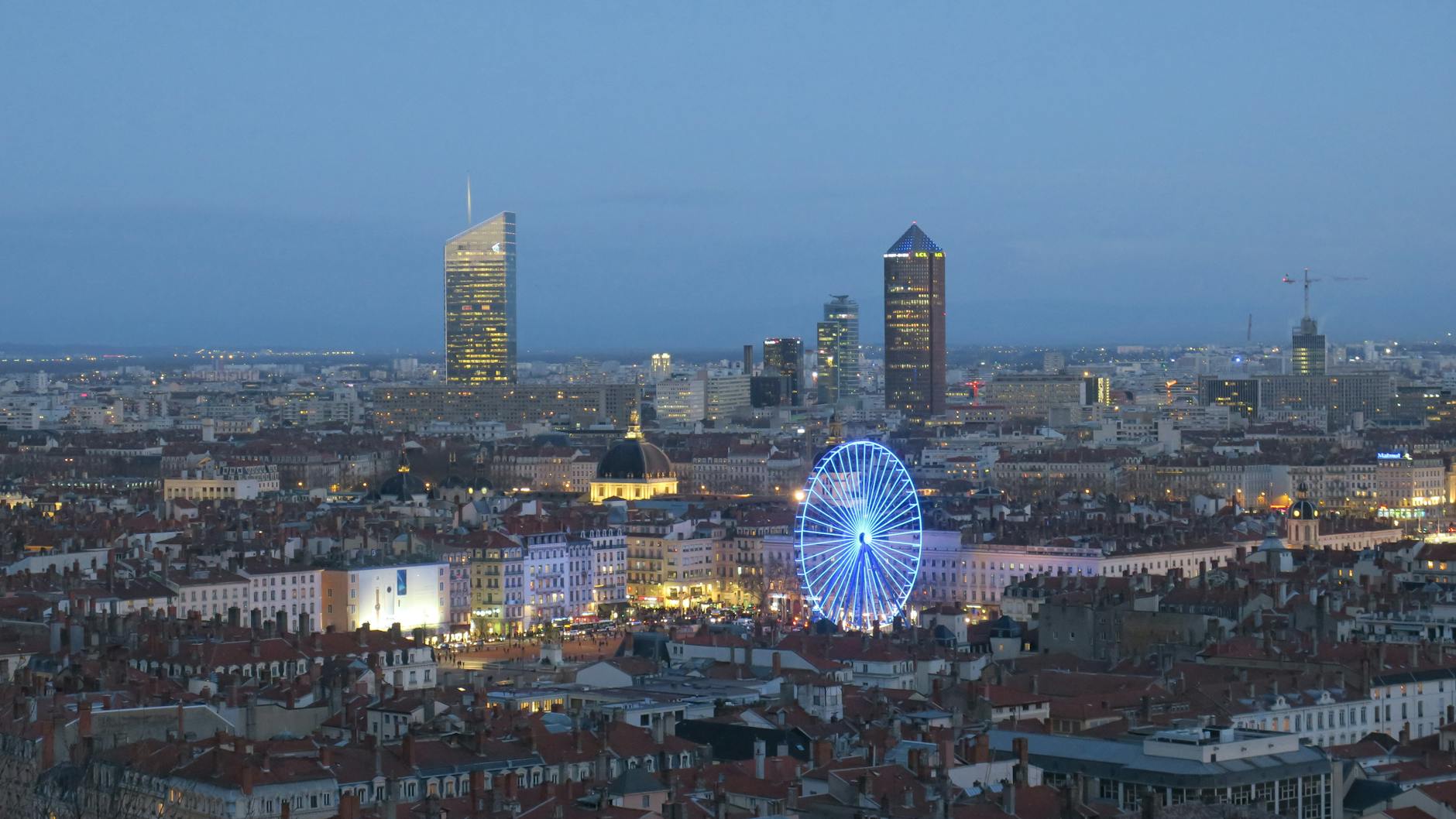
Not every nightlife-focused traveler wants the same night. Some want lit bridges, river reflections, wine bars, people-watching, and a walk through old streets. Others want DJs, dancing, student energy, performance, or a very late finish. Trying to combine all of that into one evening can leave the traveler crossing the city at the wrong time, overdressed or underdressed, and unsure whether the night is supposed to be relaxed or intense.
The plan should name the night type. An atmospheric evening should protect scenery, food, comfort, and safe return. A late-party night should handle venue selection, entry expectations, closing times, alcohol posture, phone battery, return transport, and who is staying together. For solo travelers, women travelers, older travelers, or mixed groups, that distinction is especially important because the same neighborhood can feel very different at 9 p.m. and 2 a.m.
- Decide whether the night is scenic and social or genuinely late and party-focused.
- For late nights, confirm venue fit, entry expectations, return transport, phones, and group agreements.
- For atmospheric nights, protect river views, good lighting, meal quality, comfort, and an easy return.
Plan late movement before alcohol changes judgment
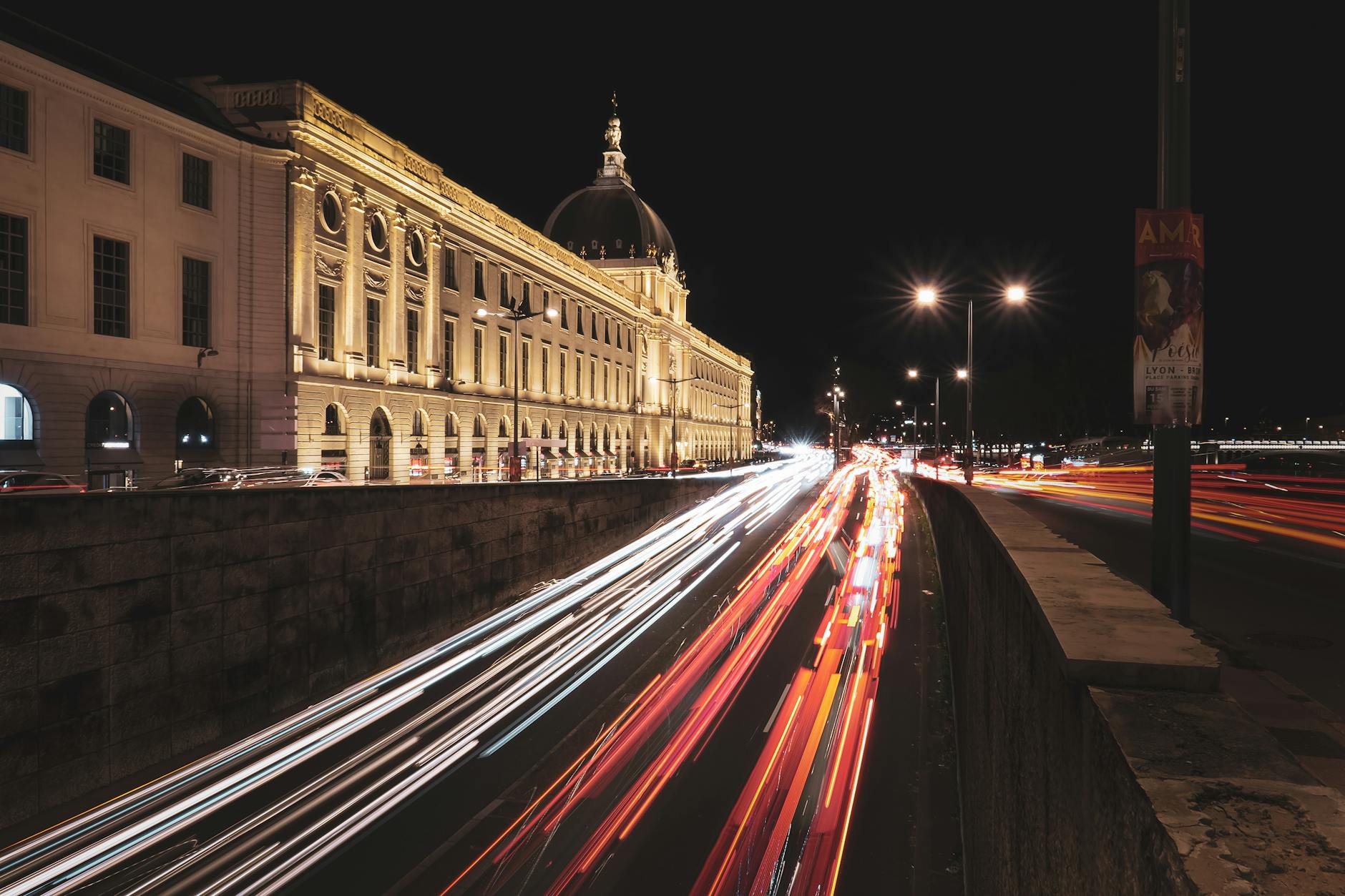
Late movement is the practical core of a nightlife trip. Lyon's public transport, taxis, rideshare availability, bridges, walking routes, and station areas all need to be understood before the traveler is tired, wet, separated from the group, or deciding after several drinks. A route that seems simple in daylight may be less appealing when a phone battery is low or a pickup point is unclear.
The safest plan is usually boring in advance and useful later. Save the hotel address, know the nearest reliable pickup areas, keep enough battery for maps and calls, avoid improvised shortcuts, and decide when the group will stop moving between districts. A traveler who wants to walk home for atmosphere should still know the taxi alternative. A traveler who expects to use a car should still know where standing and waiting will feel comfortable.
- Know the late return plan before drinking begins.
- Save hotel details, pickup points, battery margin, and a backup route.
- Avoid relying on improvised shortcuts, vague station plans, or last-minute group decisions after midnight.
Use events, festivals, and performances carefully
A Lyon night can become much stronger when it is built around a performance, concert, festival, match, museum evening, private event, or seasonal light display. These are often better anchors than wandering from bar to bar, especially for travelers who want a memorable short trip without staying out until morning. But events change crowd density, restaurant timing, taxis, and the feel of surrounding streets.
The traveler should check what is happening during the exact dates of travel, not simply assume the usual city rhythm. Event nights can make an area more exciting and also more complicated. They may require earlier dinner, different clothing, tickets, bag rules, or a more conservative return plan. If the traveler is sensitive to crowds, noise, or late congestion, an event can be either the highlight of the trip or the thing to route around.
- Look for performances, concerts, festivals, matches, museum evenings, and seasonal displays before finalizing nights.
- Account for ticketing, bag rules, crowds, restaurant timing, taxis, and noise around the event area.
- Treat major events as both opportunities and operational constraints.
When to order a short-term travel report
A traveler planning one relaxed dinner may not need a custom Lyon report. A report becomes more useful when nightlife is a main purpose of the trip, when the traveler is choosing between neighborhoods, when the group includes different comfort levels, when late transport matters, or when specific events, restaurants, clubs, wine bars, or live venues need to be sequenced around a short stay. Those trips need more than a generic list of places to drink.
The report should test hotel placement, dinner timing, venue fit, neighborhood sequence, late-return options, crowd and event conditions, alcohol and safety posture, mobility constraints, solo traveler concerns, and whether the planned night still works if weather or fatigue changes the itinerary. The goal is not to make Lyon feel overcontrolled. It is to let the traveler enjoy the night because the difficult decisions were handled before the evening began.
- Order when nightlife is central to the trip or late transport, venue choice, or group comfort matters.
- Provide hotel candidates, dates, preferred night style, dining priorities, event targets, group composition, and comfort limits.
- Use the report to turn Lyon nightlife into a coherent evening plan rather than a late improvisation.