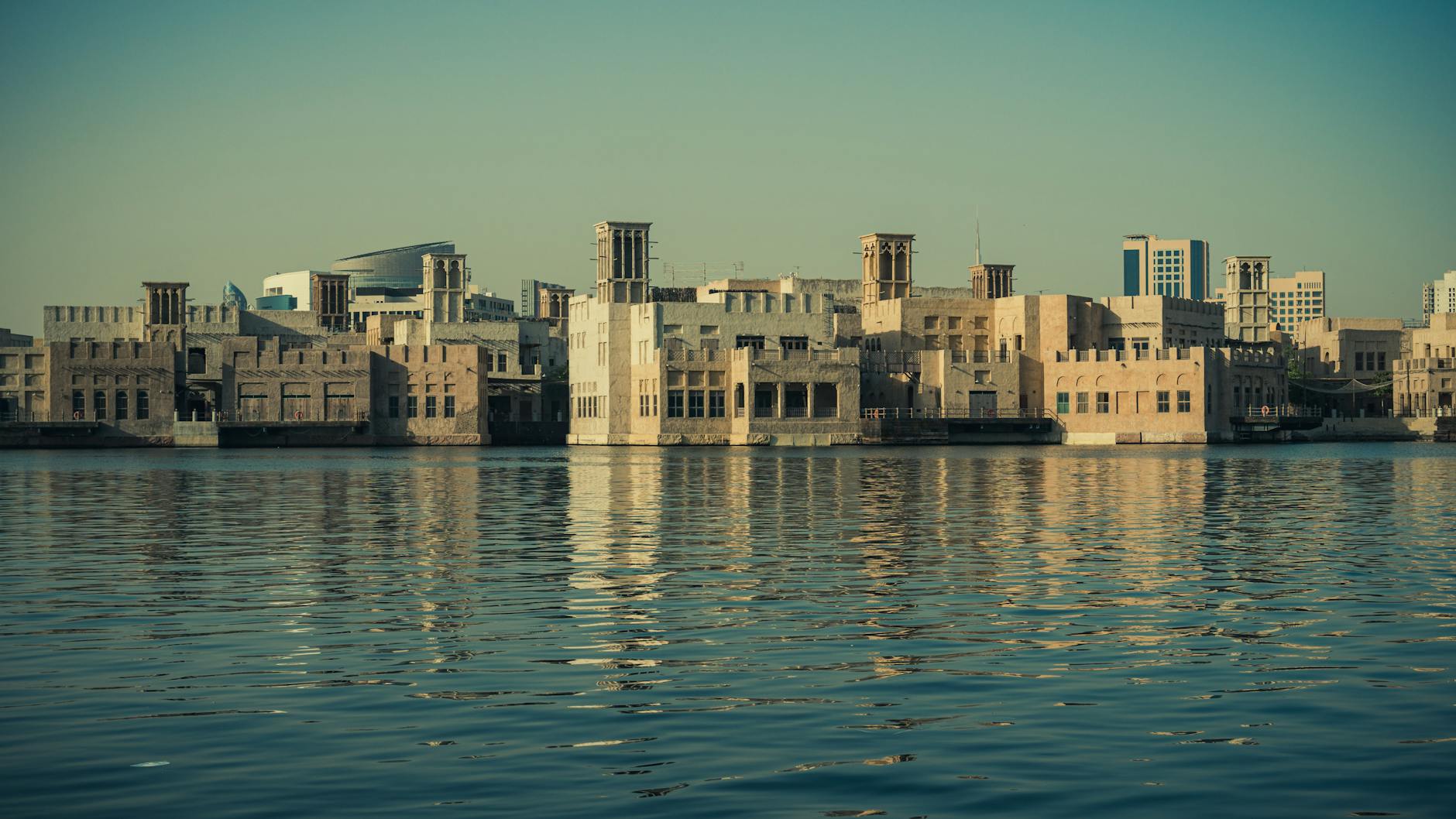
The United Arab Emirates is often mistaken for one image: Dubai’s skyline rising from the desert.
Start Here
That image is real. It is also incomplete.
The UAE is a federation of seven emirates, each with a different travel personality: Dubai’s engineered spectacle and creek-side trading history; Abu Dhabi’s political weight, museums, islands, mosques, and desert scale; Sharjah’s museums and conservative cultural identity; Ras Al Khaimah’s mountains and resorts; Fujairah’s east-coast beaches and Hajar Mountain backdrop; Ajman and Umm Al Quwain’s quieter local pace; Al Ain’s oases and archaeology; and the Empty Quarter edge in Al Dhafra, where the country stops feeling like a city-state and starts feeling like a desert continent.
Most first-time visitors make one of two mistakes. They either treat the UAE as a long weekend in Dubai with a few expensive viewpoints, or they try to cover every emirate as if distances, heat, customs, and pacing do not matter. Both approaches flatten the place.
A better UAE trip starts with a decision: which version of the country are you actually coming for? Winter sun and hotels? Architecture and shopping? Desert landscapes? Emirati culture? Theme parks and family attractions? Food from across South Asia, the Levant, Iran, the Philippines, East Africa, and the Gulf? Art museums and mosques? Mountain drives? A stopover? A luxury beach reset? A longer winter base?
The UAE is easy in some ways. Airports are efficient, hotels are polished, taxis are plentiful, English is widely used in visitor-facing settings, and Dubai especially is built around convenience. But the country is not frictionless. Heat changes the day. Laws and customs matter. The best areas are spread out. Alcohol rules are regulated and vary by emirate. Some common medications are controlled. Photography is more sensitive than many visitors expect. Public behavior standards are stricter than in much of Europe or North America. And day-to-day safety can feel extremely high while regional security advisories still deserve serious attention.
This guide is designed to help visitors choose the right UAE trip, not just collect famous names. It explains how the country works, how to route Dubai and Abu Dhabi intelligently, when to add Sharjah, Al Ain, Ras Al Khaimah, Fujairah, Hatta, or Liwa, how to handle transport, what to book ahead, how to behave respectfully, when not to visit, what to skip, and how to make the UAE feel like a layered destination rather than a glossy transit hub.
The UAE in one sentence: The United Arab Emirates is a fast-built federation of cities, ports, deserts, oases, islands, mountains, migrant communities, Islamic customs, and high-managed hospitality, where the best trip comes from pairing modern ease with cultural awareness, heat-savvy pacing, and a clear route.
Basic data
| Population | About 10 million |
|---|---|
| Area | 83,600 km2 |
| Major religions | Islam is dominant with sizable Christian and Hindu communities |
| Political system | Federal elective monarchy |
| Economic system | High-income mixed economy driven by oil, trade, aviation, logistics, finance, and tourism |
Quick Verdict
| Question | Answer |
|---|---|
| Best for | Winter sun, luxury hotels, architecture, shopping, family attractions, beaches, food, stopovers, desert experiences, museums, mosques, road trips, design, business travel, theme parks, spas, high-service travel, and travelers who like polished infrastructure. |
| Not ideal for | Travelers who want cheap independent backpacking, cool summer walking weather, spontaneous public drinking, relaxed laws around drugs or medication, bohemian street life, or one compact old town where everything is walkable. |
| Ideal first visit | 5 to 7 days. Three days works for a Dubai stopover or Dubai-plus-Abu-Dhabi sampler. One week lets you combine Dubai, Abu Dhabi, desert, culture, and one mountain/coast/oasis extension. |
| Best months | November to March for outdoor comfort. October and April can work if you tolerate heat. May to September is serious heat, with June to August especially hard for outdoor sightseeing. |
| Best first-timer route | Dubai for 3 nights, Abu Dhabi for 2 nights, plus either a desert stay, Al Ain, Sharjah, Ras Al Khaimah, or Fujairah depending interest. |
| Best stopover plan | 24 hours: Dubai Creek plus Downtown or Abu Dhabi mosque plus Louvre/Qasr Al Watan. 48 hours: Dubai old-and-new. 72 hours: Dubai plus Abu Dhabi day trip or overnight. |
| Biggest planning mistake | Spending the whole trip in malls, towers, and hotel restaurants, then leaving convinced the UAE has no history or local culture. The second mistake is underestimating heat and intercity distances. |
| One thing to book ahead | Museum of the Future, Burj Khalifa prime-time slots, popular fine-dining restaurants, desert resort stays, Louvre Abu Dhabi/Qasr Al Watan during busy periods, Yas Island theme parks, major sports events, and peak winter hotels. |
| One thing to leave unscheduled | Creek walks, souk wandering, beach time, one long hotel breakfast, an evening abra ride, an unhurried mosque or museum visit, or a sunset drive to the desert/mountains. |
| Best value move | Use Dubai Metro where it makes sense, then taxis for last-mile gaps. In Abu Dhabi, use taxis strategically and do not force public buses into every tourist day. |
| Most important warning | Treat laws, medication rules, photography, alcohol, online speech, and public conduct seriously. The UAE is highly visited, but it is not culturally or legally casual. |
The Move
Do not plan the UAE as “Dubai plus random day trips.” Plan it as one of five trip types: a Dubai stopover, a Dubai-and-Abu-Dhabi classic, a luxury beach/desert trip, a family/theme-park trip, or a culture/nature route through Sharjah, Al Ain, Ras Al Khaimah, Fujairah, Hatta, and Liwa.
Who Will Love the UAE?
You will probably love the UAE if you want:
- A high-comfort winter-sun trip with strong hotels, pools, beaches, restaurants, and service.
- A first Middle East visit that feels logistically easy but still introduces mosque culture, souks, desert landscapes, Gulf history, and Islamic customs.
- A stopover that can be expanded into a real trip.
- A family holiday with theme parks, aquariums, beaches, malls, water parks, clean facilities, and easy taxis.
- Architecture at multiple scales: skyscrapers, museums, mosques, palace complexes, futuristic stations, desert resorts, and preserved creek-side districts.
- A food scene shaped by Emirati tradition and global migrant communities, especially Indian, Pakistani, Iranian, Lebanese, Palestinian, Syrian, Filipino, Egyptian, Yemeni, East African, and Western expat dining.
- A polished base for business, shopping, spa travel, winter remote work, or a soft landing between Europe, Asia, and Africa.
You may struggle with the UAE if you want:
- Cool weather in summer.
- A fully walkable country or city.
- Deep independent public-transport travel outside Dubai.
- A cheap backpacker destination.
- A nightlife culture where drinking in public or public intoxication is tolerated.
- Informal legal norms around drugs, medication, public conduct, photography, or online speech.
- A destination where visible local culture dominates every street. In much of Dubai and Abu Dhabi, the lived reality is multinational and heavily commercial.
The UAE is not hard because it lacks infrastructure. It is hard when visitors confuse infrastructure with simplicity. Everything works better when you understand the country’s geography, rhythm, rules, climate, and emirate-by-emirate differences.
UAE at a Glance
| Practical | Detail |
|---|---|
| Official name | United Arab Emirates. A federation of seven emirates: Abu Dhabi, Dubai, Sharjah, Ajman, Umm Al Quwain, Ras Al Khaimah, and Fujairah.[1] |
| Capital | Abu Dhabi. |
| Largest visitor hub | Dubai. Most international leisure visitors either enter through Dubai International Airport or Abu Dhabi’s Zayed International Airport. |
| Language | Arabic is the official language. English is widely used in hotels, airports, taxis, malls, restaurants, attractions, and business settings.[2] |
| Religion | Islam is the official religion. Religious customs shape Ramadan, Friday prayer rhythm, mosque etiquette, modesty expectations, and public-holiday timing.[2] |
| Currency | UAE dirham, abbreviated AED. Card acceptance is very high in urban visitor settings, but cash is useful for small shops, souks, tips, abras, older cafeterias, and some local markets.[3] |
| Time zone | Gulf Standard Time, UTC+4 year-round. No daylight saving time. |
| Main airports | Dubai International (DXB), Abu Dhabi Zayed International (AUH), Sharjah International (SHJ), Ras Al Khaimah International (RKT), plus Dubai World Central/Al Maktoum (DWC) for selected services. |
| Entry rules | GCC citizens do not need a visa; some nationalities receive visa on arrival; others must apply in advance. Tourist visas can be arranged through airlines, hotels, and travel agencies. Verify by passport before travel.[4][5] |
| Emergency numbers | Police: 999. Ambulance: 998. Fire/Civil Defence: 997. Marine emergencies/coast guard: 996.[6] |
| Weekend rhythm | Federal government uses a four-and-a-half-day working week, Monday to Thursday plus a shorter Friday, with Saturday and Sunday functioning as the main weekend in much of the country.[7] Friday midday prayer still affects traffic, mosque access, and some schedules. |
| Best transport tool in Dubai | Nol card for Dubai Metro, Tram, buses, marine transport, and some other payments.[8] |
| Best transport tool in Abu Dhabi | Hafilat card for buses, plus taxis/ride-hailing for most visitor itineraries.[9] |
| Driving side | Right side of the road. Roads are excellent, but speeds are high and driving standards can be assertive. |
| Tap water | Treated municipal water is generally safe when infrastructure is properly maintained, but many visitors use bottled or filtered water because building tanks and plumbing vary. Hydration matters more than the source debate. |
| Official tourism sites | Visit Dubai, Experience Abu Dhabi, Visit Sharjah, Visit Ras Al Khaimah, Visit Hatta, Visit Fujairah, and the UAE government portal. |
First-Timer Mistake
A lot of visitors ask, “Should I stay in Dubai or Abu Dhabi?” The better question is: Do I want high-energy convenience and shopping, or museums, mosques, islands, and a calmer capital rhythm? For a first UAE trip of five days or more, the strongest answer is usually both.
2026 Visitor Notes
Entry Rules Are Passport-Specific
Do not rely on a generic “UAE visa-free” statement. The official UAE portal states that GCC citizens do not need a visa, while some other nationalities can obtain a visa on arrival and others need to apply in advance.[4] The tourist-visa process can involve airlines, hotels, or travel agencies, and passport-validity and sponsorship requirements can vary by nationality, airline, and visa type.[5]
The move: Check your passport on an official UAE source and your airline’s visa tool before booking. If you are connecting through the UAE, entering multiple times, traveling with a nonstandard passport, carrying medication, or combining UAE with Oman, Saudi Arabia, Qatar, or India, verify the details carefully.
Security Advisories Need Live Checking
The UAE feels very safe day to day in the areas most tourists visit: malls, beaches, hotels, airports, taxis, museums, and central districts. But regional security risk is not imaginary. Current foreign-government advisories have flagged terrorism, regional tensions, and missile/drone threats at various levels.[14][15][16]
The move: Before publishing or traveling, check your own government’s advisory, not just travel blogs. Guidance can change quickly during regional escalation, and advice may differ by nationality.
Laws and Customs Are Not Decorative
The UAE is highly cosmopolitan, but it has strict rules around public conduct, drugs, controlled medicines, photography, alcohol, online speech, offensive gestures, and respect for religion and leadership. The UAE government’s social-responsibility guidance says public displays of affection should be minimal, photographing people without permission should be avoided, and photographing aircraft is illegal.[10] The UAE also states a zero-tolerance policy for recreational drug use.[11]
The move: This is not the place to “see what happens.” If in doubt, be more respectful, more discreet, and more conservative.
Medication Rules Deserve a Separate Checklist
Some medications that are common elsewhere can be controlled in the UAE. The UAE Embassy in Washington says travelers should carry prescriptions and that those bringing controlled medication must apply for approval through the Ministry of Health before travel.[12]
The move: Check every prescription and over-the-counter medication. Keep medicine in original packaging, carry prescriptions and a doctor’s letter, and avoid CBD/cannabis products entirely.
Ramadan Is a Good Time for Some Travelers, But It Changes the Rhythm
Ramadan follows the lunar calendar, so dates shift every year. The UAE government describes Ramadan as a month in which capable Muslims abstain from eating and drinking from dawn to dusk.[13] For visitors, modern Dubai and Abu Dhabi remain accessible, but operating hours, traffic around iftar, restaurant patterns, nightlife, and public behavior expectations change.
The move: Ramadan can be beautiful if you are respectful and flexible. Do not assume every beach club, bar, restaurant, attraction, or tour runs exactly as usual.
Dubai Is Not the Whole Country
Dubai is the easiest first stop, but Abu Dhabi gives the UAE a different weight: Sheikh Zayed Grand Mosque, Louvre Abu Dhabi, Qasr Al Watan, Saadiyat Island, Yas Island, mangroves, Al Ain, and the Liwa/Empty Quarter edge. Sharjah adds museums and heritage. Ras Al Khaimah and Fujairah add mountains and coast.
The move: For a first week, split time between Dubai and Abu Dhabi rather than treating Abu Dhabi as an overloaded day trip.
Etihad Rail Is a Big Story, But Verify Before Planning Around It
Etihad Rail has announced passenger-service plans for 2026, including a first phase connecting major cities and areas across the UAE.[17] This is important for the country’s travel future, but a traveler-facing guide should not assume every route is already fully bookable until schedules, stations, fares, and service frequency are live.
The move: Until passenger rail is operational and published in a tourist-friendly way, plan inter-emirate travel around cars, taxis, private transfers, intercity buses, and flights where relevant.
How to Understand the UAE
The UAE becomes easier when you stop treating it as one city and start reading it as a federation of travel zones.
The Seven Emirates, as a Traveler Feels Them
| Emirate | Traveler identity | Best for |
|---|---|---|
| Dubai | The global showcase city: skyline, shopping, luxury, old creek trade, beaches, hotels, restaurants, business, nightlife, family attractions. | First-timers, stopovers, luxury, shopping, food, architecture, beach resorts, easy logistics. |
| Abu Dhabi | The capital: grand mosque, museums, islands, mangroves, palaces, government scale, desert edge, Yas attractions, Al Ain, Liwa. | Culture, families, museums, calmer luxury, island resorts, desert, Grand Prix/Yas, longer trips. |
| Sharjah | Cultural and conservative: museums, heritage areas, book culture, archaeology, Islamic design, family travel, no-alcohol expectations. | Museums, heritage, budget stays near Dubai, culture-focused travelers, families. |
| Ras Al Khaimah | Mountains, resorts, adventure, Jebel Jais, beaches, desert camps. | Nature add-on, family resorts, mountain drives, zipline/adventure, lower-key beach time. |
| Fujairah | East coast, Hajar Mountains, Gulf of Oman/Arabian Sea-facing beaches, diving/snorkeling, forts. | Beach-and-mountain contrast, diving/snorkeling, quieter resort breaks. |
| Ajman | Small, local, affordable, beach hotels, easy Sharjah/Dubai access in theory but traffic-dependent. | Budget beach stays, repeat visitors, slower base. |
| Umm Al Quwain | Quiet, low-rise, mangroves, old fort, simple beach and family escapes. | Slow travelers, families, kite/water activities, local contrast. |
The UAE’s Main Travel Systems
A first-timer usually moves through one or more of these systems:
- Dubai urban system: Downtown, DIFC, Dubai Mall, Burj Khalifa, Creek/Deira/Bur Dubai, Jumeirah, Dubai Marina/JBR, Palm Jumeirah, Business Bay, Alserkal, Expo City, desert outskirts.
- Abu Dhabi cultural-island system: Corniche, Qasr Al Watan, Sheikh Zayed Grand Mosque, Louvre Abu Dhabi/Saadiyat, Yas Island, mangroves, Al Maryah, Mina, Al Qana.
- Desert system: Dubai desert safaris, Al Marmoom, Al Qudra, Bab Al Shams area, Al Ain/Jebel Hafit, Liwa and the Empty Quarter edge.
- Mountain/east-coast system: Hatta, Ras Al Khaimah/Jebel Jais, Fujairah, Khor Fakkan, Kalba, Snoopy Island, Dibba.
- Heritage/archaeology system: Dubai Creek, Al Fahidi, Sharjah heritage/museums, Mleiha/Faya, Al Ain Oasis/Hili/Hafit, forts, souks, pearling and trade history.
Central Contrasts
The UAE’s interest sits in its contrasts:
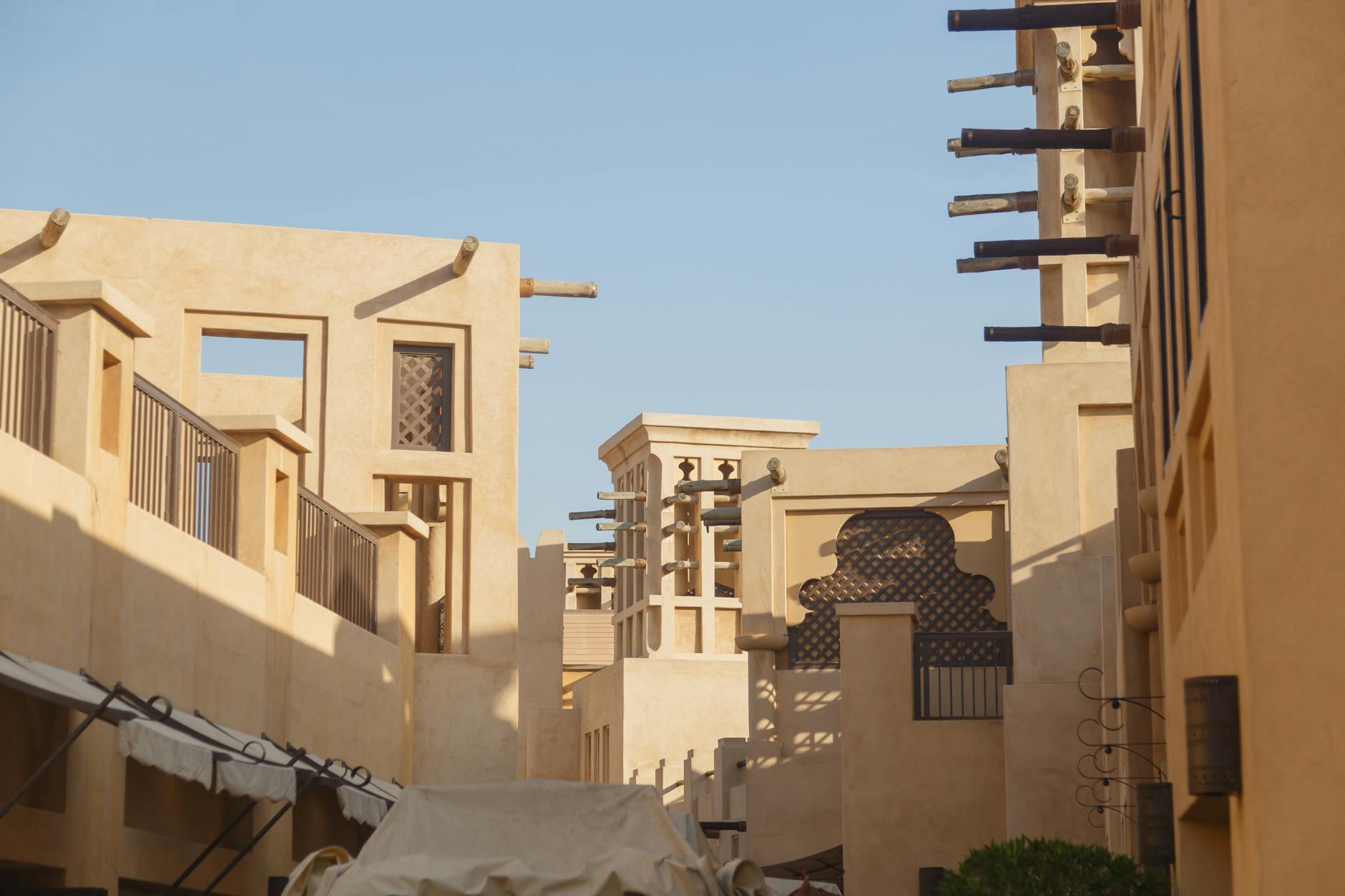
- Hyper-modern vs pre-oil memory: Burj Khalifa and Museum of the Future exist beside creek-side abras, pearl-diving history, wind-tower architecture, and oasis irrigation systems.
- Local citizenship vs migrant majority: Emirati culture is powerful but not numerically dominant in many visitor spaces. The country’s daily life is shaped by workers and professionals from South Asia, the Arab world, Europe, Africa, and the Philippines.
- Convenience vs regulation: You can order nearly anything to your hotel, but public behavior and legal boundaries are more regulated than many visitors expect.
- Desert country vs indoor lifestyle: Nature is dramatic, but summer forces much of daily life into malls, hotels, cars, and climate-controlled spaces.
- Luxury vs labor: The polished visitor experience relies on a large service workforce. A serious guide should acknowledge this without turning every hotel breakfast into a lecture.
The Country’s Rhythm
The UAE’s rhythm is built around weather, prayer, work schedules, Ramadan, and retail/hospitality culture.
- Mornings are best for old districts, mosques, beaches, desert drives, and outdoor walks.
- Late morning to afternoon is often better for malls, museums, hotel pools, lunch, spas, and indoor attractions.
- Evenings are when the country comes alive, especially from November to March.
- Friday midday prayer can affect mosque visits, traffic, and some opening hours.
- Saturday is often the busiest leisure day.
- Ramadan shifts dining and nightlife later, with iftar and suhoor becoming central social anchors.
- Summer is not a normal sightseeing season. It is a heat-management project.
Local Logic
The UAE is not walkable at the country level and only selectively walkable at the city level. In Dubai, the Metro is useful for certain corridors but not a complete solution. In Abu Dhabi, taxis often beat public transport for visitors. In the north and east, a rental car or private transfer unlocks much more than buses.
Best Time to Visit
The Honest Answer
The best time to visit the UAE is November through March, with late November, December, January, February, and early March usually offering the most comfortable outdoor conditions. Visit Dubai’s weather guide describes January as typically the coolest month, with an average temperature around 21°C, making it an ideal outdoor month.[18]
April and October are shoulder months. They can be good for hotel value and beach weather, but outdoor sightseeing can feel hot, especially midday.
May through September is for heat-tolerant travelers, indoor attractions, pools, spas, shopping, and very good hotel deals. July and August are the hardest months for outdoor sightseeing.
Season-by-Season
| Season | What it feels like | Best for | Watch out for |
|---|---|---|---|
| November–March | Prime season: warm days, cooler evenings, outdoor dining, beach weather, desert trips. | First-timers, families, beaches, city walks, desert, mountains, events. | Highest hotel prices, busy weekends, event spikes, booked restaurants. |
| April–May | Hotter but still possible early/late day, especially April. | Beach/pool trips, value stays, fewer crowds than winter. | Midday heat, stronger sun, Ramadan/Eid timing in some years. |
| June–September | Extreme heat and humidity, especially coastally. Indoor life dominates. | Luxury hotel deals, malls, spas, theme parks, indoor museums, low crowd tolerance. | Heat exhaustion, unpleasant walking, very hot cars, limited outdoor enjoyment. |
| October | Improving but still warm. | Shoulder-season value, early winter sun, beaches. | Heat lingers; outdoor touring needs pacing. |
Month-by-Month
| Month | Verdict |
|---|---|
| January | One of the best months. Outdoor dining, beaches, desert, mountains, and walking are all viable. Prices and demand are high. |
| February | Excellent. Good for families, culture, desert, golf, food, and beach time. Major events can affect hotel rates. |
| March | Very good, warming by the end. Ramadan sometimes falls around this period depending year, changing daily rhythm. |
| April | Warm to hot. Good for pools, beaches, and early/late sightseeing; less ideal for long outdoor walks. |
| May | Hot. Consider it a hotel, beach, pool, mall, and indoor-attraction month, not an outdoor exploration month. |
| June | Very hot. Hydrate, plan indoor days, avoid midday outdoor sightseeing. |
| July | Brutal heat and humidity for many visitors. Only sensible if price, transit, business, or indoor travel is the priority. |
| August | Similar to July. Great hotel deals, difficult outdoor conditions. |
| September | Still hot, with evenings gradually improving late in the month. |
| October | Usable shoulder month. Hot early, better late. Outdoor season begins to return. |
| November | Excellent. One of the strongest first-visit months. |
| December | Excellent and festive, but busy and expensive around holidays and major events. |
Ramadan and Eid Timing
Ramadan can be a rewarding time if you respect the month and adjust expectations. Hotels, malls, and major attractions still operate, but restaurant hours, traffic, nightlife, and public behavior norms shift. Eid periods can bring local travel spikes, hotel demand, and crowded malls/family attractions.
The move: Check Ramadan dates, iftar timings, and attraction hours before finalizing an itinerary. Do not schedule tight evening transfers around sunset during Ramadan if you can avoid it.
How Many Days You Need
| Length | What it can do well |
|---|---|
| 12–24 hours | A true stopover: choose either old Dubai plus Downtown, or Abu Dhabi mosque plus one cultural site. Do not try to “see the UAE.” |
| 2 days | Dubai sampler: Creek/Al Fahidi/Deira, Downtown/Burj Khalifa, Jumeirah, one beach or desert evening. |
| 3 days | Strong Dubai stopover or Dubai plus Abu Dhabi day trip. Better if you choose one city deeply rather than both superficially. |
| 5 days | Best short first trip: 3 nights Dubai, 2 nights Abu Dhabi, or 4 nights Dubai with one Abu Dhabi day and one desert/beach day. |
| 7 days | Ideal first UAE trip: Dubai, Abu Dhabi, desert, culture, and one of Sharjah, Al Ain, Ras Al Khaimah, Fujairah, or Hatta. |
| 10 days | Allows a real country route: Dubai, Abu Dhabi, Al Ain/Liwa, Sharjah/Mleiha, and a mountain/east-coast/resort extension. |
| 2 weeks | Deep UAE: multiple emirates, slower food/culture exploration, desert overnight, mountains, east coast, beaches, museums, and rest days. |
Itinerary Philosophy
A good UAE day usually has:
- One outdoor or cultural anchor early or late.
- One indoor or hotel/pool break during the hottest hours.
- One evening plan for food, skyline, souk, beach, desert, or museum.
- One transport reality check before overloading the map.
The country rewards fewer, better-planned days. It punishes itinerary chains that combine Burj Khalifa, Deira, Palm Jumeirah, Abu Dhabi mosque, Louvre, Yas Island, and a desert safari in one breath.
Choose Your UAE Trip
1. Dubai Stopover
Best for: 24 to 72 hours, first-timers, long-haul connections, business travelers extending a trip.
Route: DXB/Dubai hotel → Al Fahidi/Creek/Deira → Downtown/Burj Khalifa → Jumeirah or Marina/Palm → optional desert evening.
Why it works: Dubai is built for compressed travel. You can get a strong sense of the city quickly if you balance old and new.
Big mistake: Spending the whole stopover inside Dubai Mall.
2. Classic First UAE Trip
Best for: 5 to 7 days.
Route: Dubai 3 nights → Abu Dhabi 2 nights → desert/Sharjah/Al Ain/RAK extension 1–2 nights.
Why it works: This gives the UAE’s two essential urban poles and one landscape/culture contrast.
Big mistake: Doing Abu Dhabi only as a rushed day trip when the mosque, Louvre, Qasr Al Watan, Saadiyat, Yas, and mangroves deserve more time.
3. Culture and History Route
Best for: Travelers who suspect the UAE is “just malls” and want to prove themselves wrong.
Route: Dubai Creek/Al Fahidi → Sharjah museums/Heart of Sharjah → Mleiha/Faya → Abu Dhabi Grand Mosque/Louvre/Qasr Al Watan → Al Ain Oasis/Hili/Jebel Hafit.
Why it works: It links trade, Islam, archaeology, oases, museums, and political culture.
Big mistake: Visiting heritage districts only at midday in summer and concluding they are empty.
4. Family and Theme-Park UAE
Best for: Families with children or teens.
Route: Dubai beach/hotel base → Dubai Mall/Aquarium/Museum of the Future/Global Village seasonally → Yas Island theme parks → Warner Bros/Ferrari World/Yas Waterworld/SeaWorld → beach or desert rest day.
Why it works: The UAE is exceptionally convenient for family travel if you build in pool time and avoid over-scheduling.
Big mistake: Trying to do theme parks, malls, beaches, and cultural sights every day without downtime.
5. Luxury Beach and Desert
Best for: Couples, honeymooners, winter sun, spa travelers.
Route: Dubai/Jumeirah/Palm or Abu Dhabi/Saadiyat → desert resort or Liwa → Ras Al Khaimah or Fujairah beach extension.
Why it works: Hotels and resorts are one of the UAE’s genuine strengths.
Big mistake: Booking a luxury hotel in the wrong area for your trip style.
6. Mountains, Coast, and Outdoor UAE
Best for: Return visitors, winter road trips, adventure travelers.
Route: Dubai or Abu Dhabi → Hatta → Ras Al Khaimah/Jebel Jais → Fujairah/Khor Fakkan/Kalba → optional Sharjah/Mleiha.
Why it works: The Hajar Mountains and east coast add a natural dimension many first-timers miss.
Big mistake: Doing this in peak summer or without checking mountain/desert driving conditions.
7. Remote Work / Winter Base
Best for: Travelers staying 2–6 weeks, business visitors, digital nomads with the correct legal status.
Route: Base in Dubai, Abu Dhabi, or Ras Al Khaimah; take weekend trips to Sharjah, Al Ain, Hatta, Fujairah, and desert resorts.
Why it works: Reliable infrastructure, apartments, cafés, gyms, co-working, global flights, and winter weather make the UAE a strong base.
Big mistake: Choosing an apartment far from your actual daily life because it looked cheaper on a map.
Emirates and Regions Guide
Dubai
Identity: Global showcase city with a trading-port core, skyscraper spine, beach resorts, malls, restaurants, and extreme convenience.
Best for: First-timers, stopovers, luxury, food, shopping, nightlife, architecture, families, beach hotels, business travel.
Essential areas: Dubai Creek, Deira, Bur Dubai, Al Fahidi, Downtown, DIFC, Business Bay, Jumeirah, Dubai Marina/JBR, Palm Jumeirah, Alserkal Avenue, Expo City, Hatta.
Best experiences: Abra across the Creek, Al Fahidi and Dubai Museum/heritage district context, Deira souks, Burj Khalifa area, Jumeirah Mosque, Museum of the Future, Alserkal galleries, Dubai Marina evenings, desert safari, Global Village seasonally, beach clubs/resorts.
Why stay here: Best logistics, biggest hotel choice, strongest dining range, easiest airport access, strongest public transport by UAE standards.
Why not: It can feel commercial, spread out, expensive, and over-managed if you do not seek older and local-feeling layers.
Perfect day: Morning in Al Fahidi and Creek, lunch in Deira/Karama/Satwa, afternoon hotel/pool or Alserkal/Museum of the Future, sunset at Downtown/Jumeirah, dinner in DIFC/Jumeirah/Deira depending budget.
Abu Dhabi
Identity: Capital city of government scale, island developments, cultural institutions, family attractions, mosque architecture, and calmer luxury.
Best for: Grand Mosque, Louvre Abu Dhabi, Qasr Al Watan, Saadiyat beaches, Yas Island, mangroves, families, museums, desert access, travelers wanting a less frantic base.
Essential areas: Corniche, Saadiyat Island, Yas Island, Al Maryah, Mina, Qasr Al Watan/Emirates Palace area, Sheikh Zayed Grand Mosque, Jubail Mangrove Park, Al Ain, Liwa/Al Dhafra.
Why stay here: Better for a slower, more spacious UAE trip; excellent museums and landmarks; strong family attractions.
Why not: Less dense than Dubai; public transport is less useful for most visitors; evenings can feel quieter unless you choose the right area.
Perfect day: Sheikh Zayed Grand Mosque early, Louvre Abu Dhabi late morning/afternoon, Saadiyat beach or hotel break, Qasr Al Watan near late afternoon, dinner by the water or on Al Maryah/Saadiyat.
Sharjah
Identity: Cultural, conservative, museum-rich, family-oriented, and historically important.
Best for: Heritage, museums, Islamic culture, archaeology, book/design culture, budget base near Dubai if traffic is understood.
Essential areas: Heart of Sharjah, Sharjah Art Museum, Museum of Islamic Civilization, Souq Al Arsah, Al Noor Island, Mleiha/Faya, Kalba/Khor Fakkan on Sharjah’s east coast territory.
Why go: Sharjah is the best corrective to the idea that the UAE has no cultural depth.
Why not: Alcohol rules are stricter; traffic between Sharjah and Dubai can be painful; it is less nightlife-oriented.
Perfect day: Heart of Sharjah and museums in the morning, traditional lunch, Al Noor Island or art spaces, then Mleiha/Faya if you have a car and enough time.
Ras Al Khaimah
Identity: Mountain-and-resort emirate with Jebel Jais, beaches, adventure, and a lower-key feel.
Best for: Families, mountain drives, Jebel Jais, zipline/adventure, resorts, repeat visitors, winter outdoor trips.
Why go: It gives the UAE a rugged landscape contrast without requiring an Oman border crossing.
Why not: You need a car or transfer; nightlife and cultural density are lower than Dubai/Abu Dhabi.
Perfect day: Morning drive to Jebel Jais, lunch with views, short walk/photo stops, afternoon beach resort or desert/cultural site, sunset by the water.
Fujairah and the East Coast
Identity: Mountains meeting the Gulf of Oman/Arabian Sea-facing coast, with beaches, diving/snorkeling, forts, and a slower resort feel.
Best for: Snorkeling/diving, quieter beach stays, mountain scenery, Khor Fakkan, families wanting a break from Dubai.
Why go: Different coastline, different light, and a stronger nature feeling than much of the Gulf-coast urban strip.
Why not: You need a car or transfer; hotel quality and dining vary; marine conditions and visibility can vary.
Perfect day: Drive from Dubai through mountains, stop around Khor Fakkan, snorkel or beach time near Al Aqah/Snoopy Island, sunset mountain-road return or overnight at a resort.
Al Ain
Identity: Oasis city and heritage anchor in Abu Dhabi emirate, with UNESCO-listed cultural sites, forts, palm groves, archaeology, and Jebel Hafit.
Best for: History, archaeology, families, road trips, travelers wanting pre-oil context.
UNESCO describes the Cultural Sites of Al Ain as a serial property testifying to sedentary human occupation of a desert region since the Neolithic period, including stone tombs, wells, and adobe structures.[19]
Why go: Al Ain explains the UAE’s oasis logic better than Dubai’s skyline ever could.
Why not: It is not a quick add-on if you are already overloaded. It deserves most of a day or an overnight.
Perfect day: Al Ain Oasis, Al Jahili Fort, Hili Archaeological Park, Jebel Hafit viewpoint, then dinner/overnight or return to Abu Dhabi.
Liwa and Al Dhafra
Identity: Desert scale, Empty Quarter edge, dunes, camel culture, remote resorts, and long-distance quiet.
Best for: Desert lovers, photographers, couples, luxury desert stays, travelers comfortable with long drives.
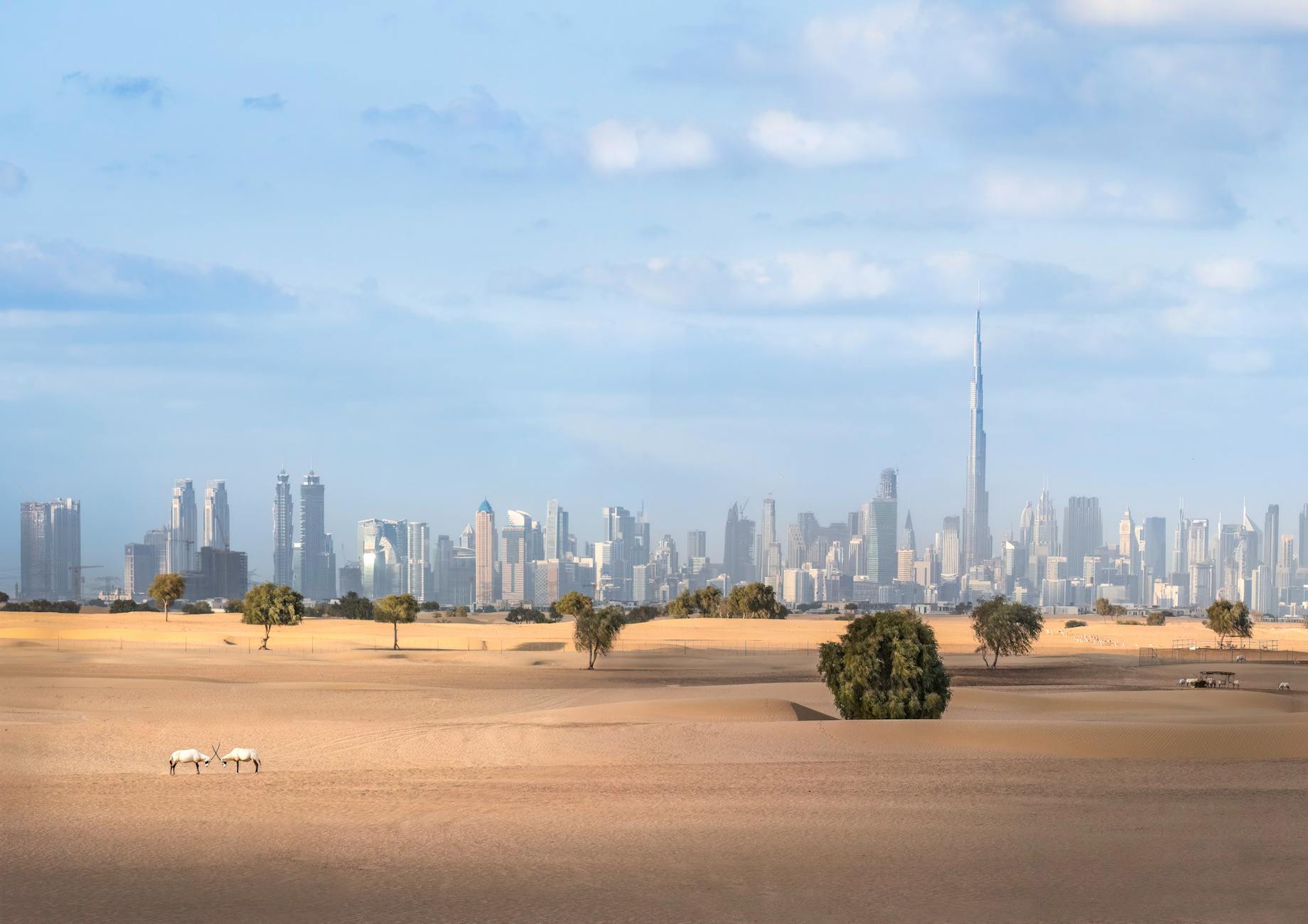
Why go: This is where the UAE stops feeling like an urban destination and begins to feel elemental.
Why not: Distance, heat, and cost. This is not for a rushed first-timer with only three days.
Perfect trip: One or two nights at a desert resort, early/late dune excursions, long rest in midday, stargazing, and no attempt to squeeze in a same-day Dubai return unless necessary.
Hatta
Identity: Dubai’s mountain/exclave escape with dams, trails, adventure activities, and cooler-feeling winter outings.
Best for: Day trips from Dubai, families, active travelers, road trips, winter outdoor time.
Why go: It is a compact mountain/desert contrast that fits into a Dubai-based itinerary.
Why not: It is not wilderness in the remote sense; weekends can be busy.
Ajman and Umm Al Quwain
Identity: Smaller, quieter emirates with beaches, mangroves, forts, family escapes, and more local day-to-day pacing.
Best for: Repeat visitors, budget beach stays, families, slow travelers, people wanting a break from Dubai scale.
Why go: To see how the UAE feels outside the big two urban engines.
Why not: Fewer headline attractions, more car dependency, less polished visitor infrastructure.
Where to Stay
Where you stay in the UAE matters because distances and daily rhythm matter. “Near Dubai” can still mean a frustrating commute. “On the beach” can mean far from museums. “Downtown” can mean great views but weak beach access. “Abu Dhabi” can mean Corniche, Saadiyat, Yas, airport, or mainland suburbs—very different trips.
The Short Answer
- Stay in Downtown Dubai / Business Bay if Burj Khalifa, Dubai Mall, fountains, taxis, and central sightseeing matter.
- Stay in DIFC if restaurants, business, galleries, and polished city life matter.
- Stay in Jumeirah / Palm Jumeirah / Dubai Marina / JBR if beach, resorts, nightlife, and sea views matter.
- Stay near Dubai Creek / Al Seef / Deira / Bur Dubai if value, old Dubai, souks, airport access, and local food matter.
- Stay in Saadiyat Island, Abu Dhabi for beach luxury and Louvre Abu Dhabi.
- Stay near the Abu Dhabi Corniche for classic capital sightseeing and centrality.
- Stay on Yas Island for theme parks, F1, families, and airport convenience.
- Stay in Ras Al Khaimah or Fujairah if you want a resort extension rather than city touring.
Decision Tree
| You want... | Stay in... |
|---|---|
| Best first Dubai base | Downtown, Business Bay, DIFC, Dubai Marina/JBR depending style |
| Best old Dubai/value | Deira, Bur Dubai, Al Seef, near the Creek |
| Best beach resort | Jumeirah, Palm Jumeirah, Dubai Marina/JBR, Saadiyat, Ras Al Khaimah, Fujairah |
| Best food and nightlife | DIFC, Downtown, Jumeirah, Dubai Marina, Business Bay, parts of Abu Dhabi/Saadiyat/Yas |
| Best family theme parks | Yas Island, Dubai Parks area, Palm/Jumeirah, Dubai Marina/JBR |
| Best Abu Dhabi culture | Saadiyat, Corniche, Al Maryah, central Abu Dhabi |
| Best stopover at DXB | Airport hotels, Deira, Downtown, DIFC depending layover length |
| Best stopover at AUH | Yas Island, airport hotels, Saadiyat if longer, central Abu Dhabi if cultural plan |
| Best lower-cost city stay | Deira, Bur Dubai, Sharjah, Ajman, some Business Bay/Barsha options |
| Best mountain/coast extension | Ras Al Khaimah, Fujairah/Al Aqah, Hatta |
Dubai Area Profiles
Downtown Dubai and Business Bay
Best for: First-timers, Burj Khalifa, Dubai Mall, fountains, central taxis, skyline views.
Why stay here: Easy access to the most famous Dubai images. Strong hotels. Good taxi availability. Useful for short visits.
Why not: Not a beach area. Can feel corporate/touristy. Dubai Mall congestion is real.
Perfect for: First-time visitors with 2–4 days who want convenience and iconic sights.
DIFC and Sheikh Zayed Road
Best for: Restaurants, business travel, nightlife, galleries, central positioning.
Why stay here: Strong dining and a sophisticated city feel. Good for adults and repeat visitors.
Why not: Not traditional, not beachy, and still taxi-dependent for some plans.
Dubai Marina, JBR, and Bluewaters
Best for: Beach, restaurants, nightlife, families, sea views, resort-apartment feel.
Why stay here: Lively, walkable by Dubai standards, strong for evenings and beach access.
Why not: Far from old Dubai and the airport. Traffic can be tedious.
Palm Jumeirah
Best for: Resort travel, families, honeymooners, beach clubs, hotel-contained trips.
Why stay here: Hotels are the point. Great for pools, beaches, spas, restaurants, and family facilities.
Why not: You will spend more time in taxis if you want to explore the rest of Dubai. Not ideal for budget travelers.
Jumeirah and Umm Suqeim
Best for: Beach, villas, calmer local-feeling pockets, Burj Al Arab views, families.
Why stay here: More residential and beach-oriented than Downtown. Good if you want Dubai to feel less vertical.
Why not: Public transport is limited; taxis are necessary.
Deira, Bur Dubai, Al Fahidi, and Al Seef
Best for: Value, food, airport access, souks, Creek atmosphere, history.
Why stay here: This is one of the best ways to make Dubai feel like an actual place rather than only a polished product.
Why not: Less luxury polish, heavier traffic in places, older hotels vary, and beach access is weaker.
Al Barsha and Mall of the Emirates Area
Best for: Practical value, car/taxi access, families, shopping, Ski Dubai, mid-range hotels.
Why stay here: Often cheaper than beach/Downtown while still workable.
Why not: Not scenic or especially atmospheric.
Abu Dhabi Area Profiles
Corniche and Central Abu Dhabi
Best for: First capital visit, Qasr Al Watan, Emirates Palace area, Corniche walks, central taxis.
Why stay here: Classic Abu Dhabi. Good for landmarks and a calmer city rhythm.
Why not: Not as beach-resort focused as Saadiyat, not as family-theme-park focused as Yas.
Saadiyat Island
Best for: Louvre Abu Dhabi, beach resorts, culture, luxury, couples.
Why stay here: Beautiful beaches, strong hotels, direct cultural anchor.
Why not: Expensive and less local-feeling; taxis needed for most of the city.
Yas Island
Best for: Families, theme parks, F1, airport access, entertainment.
Why stay here: Easy if your trip revolves around Ferrari World, Warner Bros, Yas Waterworld, SeaWorld, or the Grand Prix.
Why not: It is not the best base for Grand Mosque/Qasr/Louvre-heavy cultural touring.
Al Maryah / Al Reem / Mainland Business Districts
Best for: Business travel, shopping, restaurants, modern hotels, practical stays.
Why stay here: Efficient and comfortable.
Why not: Less character for leisure travelers unless the hotel or dining scene is your priority.
Booking Mistakes
- Staying in Sharjah to save money while planning daily Dubai Marina/Downtown sightseeing in peak traffic.
- Booking Palm Jumeirah and then complaining that old Dubai is far away.
- Booking Downtown Dubai for a beach holiday.
- Booking Yas Island for a culture-heavy Abu Dhabi trip without factoring taxi time.
- Choosing a desert resort for one night after a late-arriving flight, then leaving early the next morning.
- Ignoring resort fees, taxes, meal costs, and transfer costs.
- Assuming all “Dubai” hotels have equal transit access.
- Forgetting that summer hotel deals exist because the weather is punishing.
Best Things to Do
1. Spend a Morning Around Dubai Creek
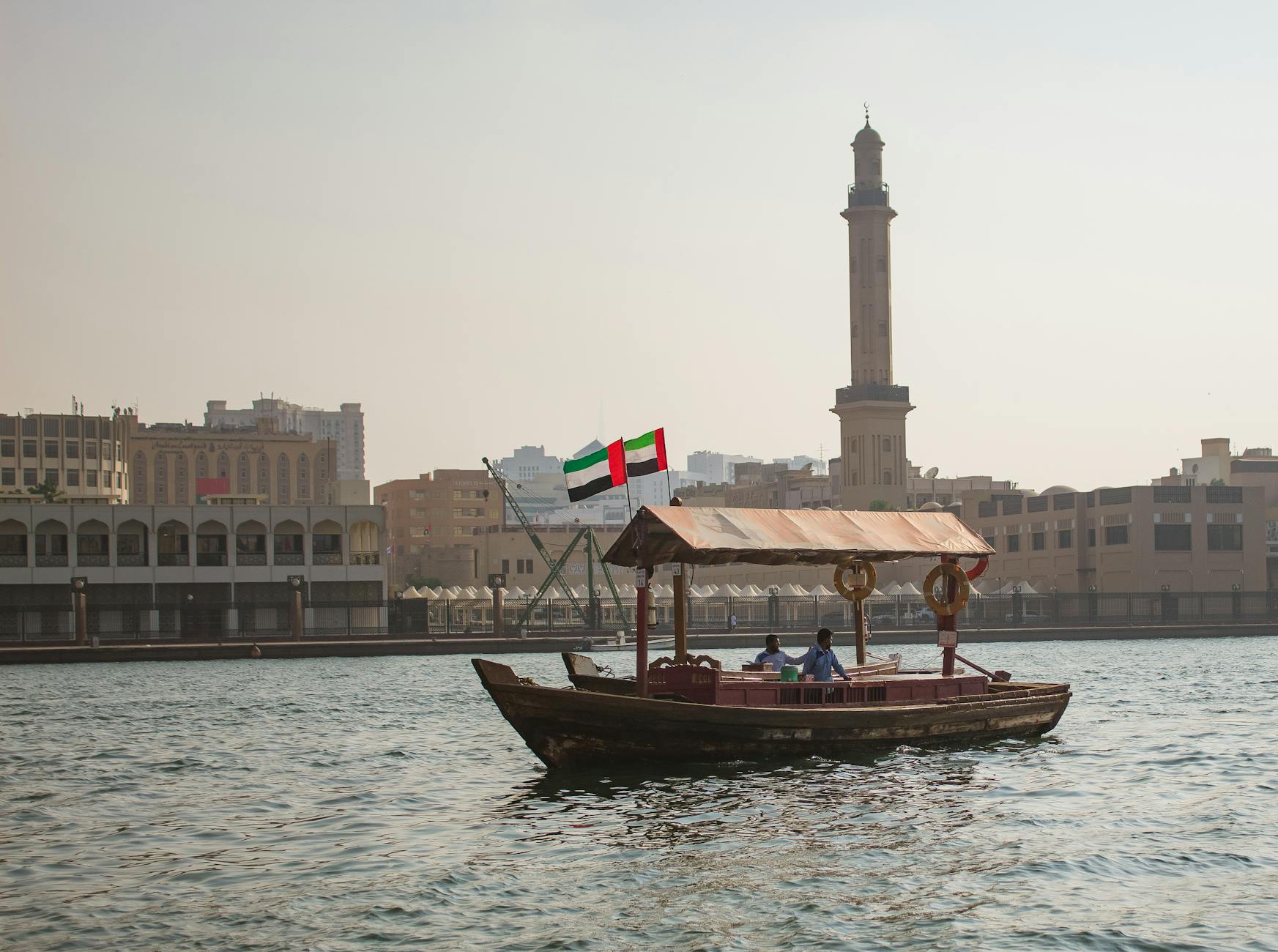
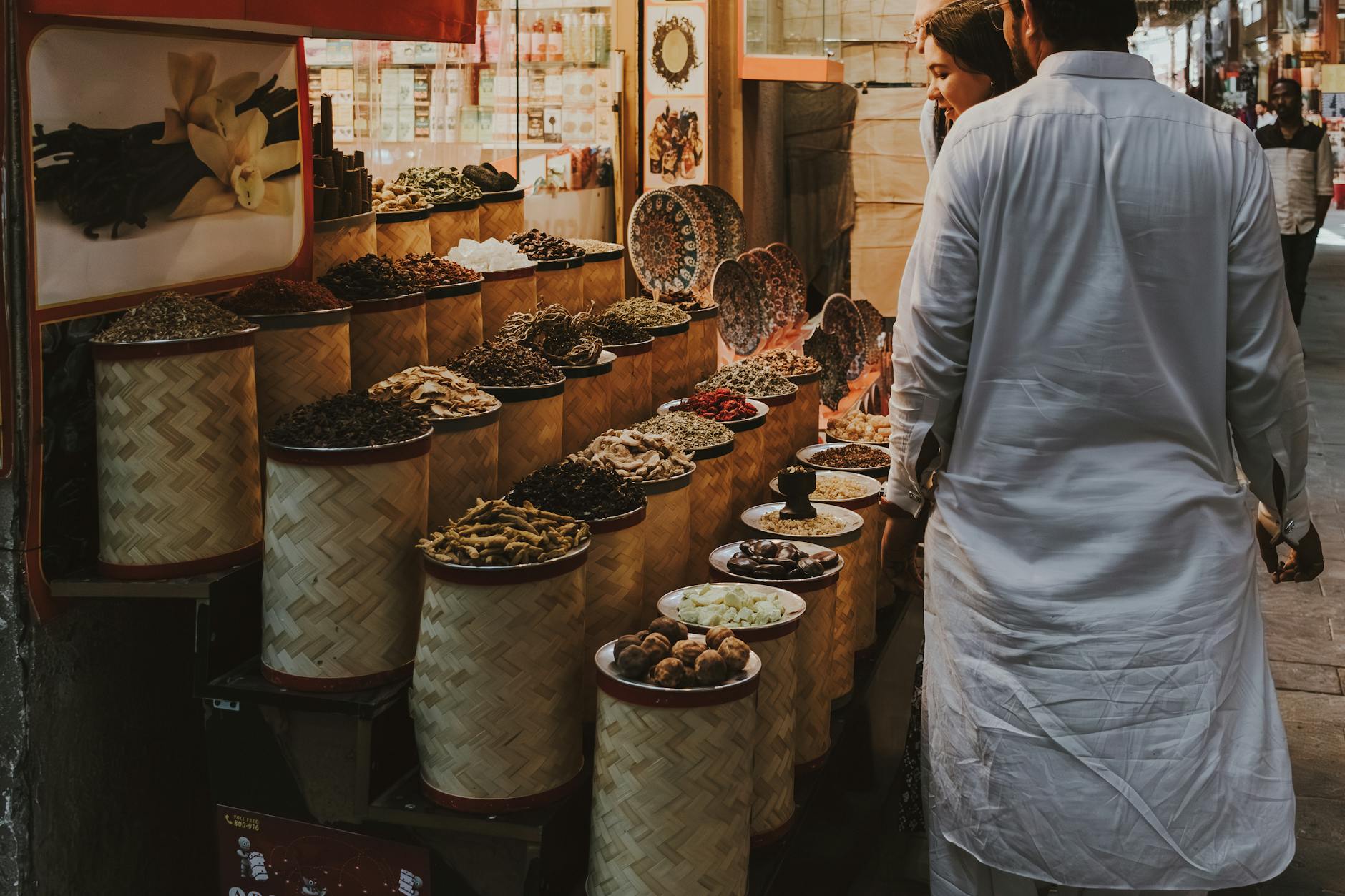
Dubai’s old trading logic sits around the Creek: abras, Deira, Bur Dubai, Al Fahidi, souks, small restaurants, textile shops, spices, gold, and the memory of a port city before skyscrapers.
Best for: First-timers, history, photography, budget travelers, food lovers.
Time needed: 3–5 hours.
Best time: Morning or late afternoon/evening, especially outside summer.
Pair it with: Al Fahidi, Deira souks, Al Seef, lunch in Bur Dubai/Karama/Deira.
Common mistake: Treating the souks as a quick taxi stop without walking, crossing the Creek by abra, and eating nearby.
2. See the Burj Khalifa, But Do Not Let It Define Dubai
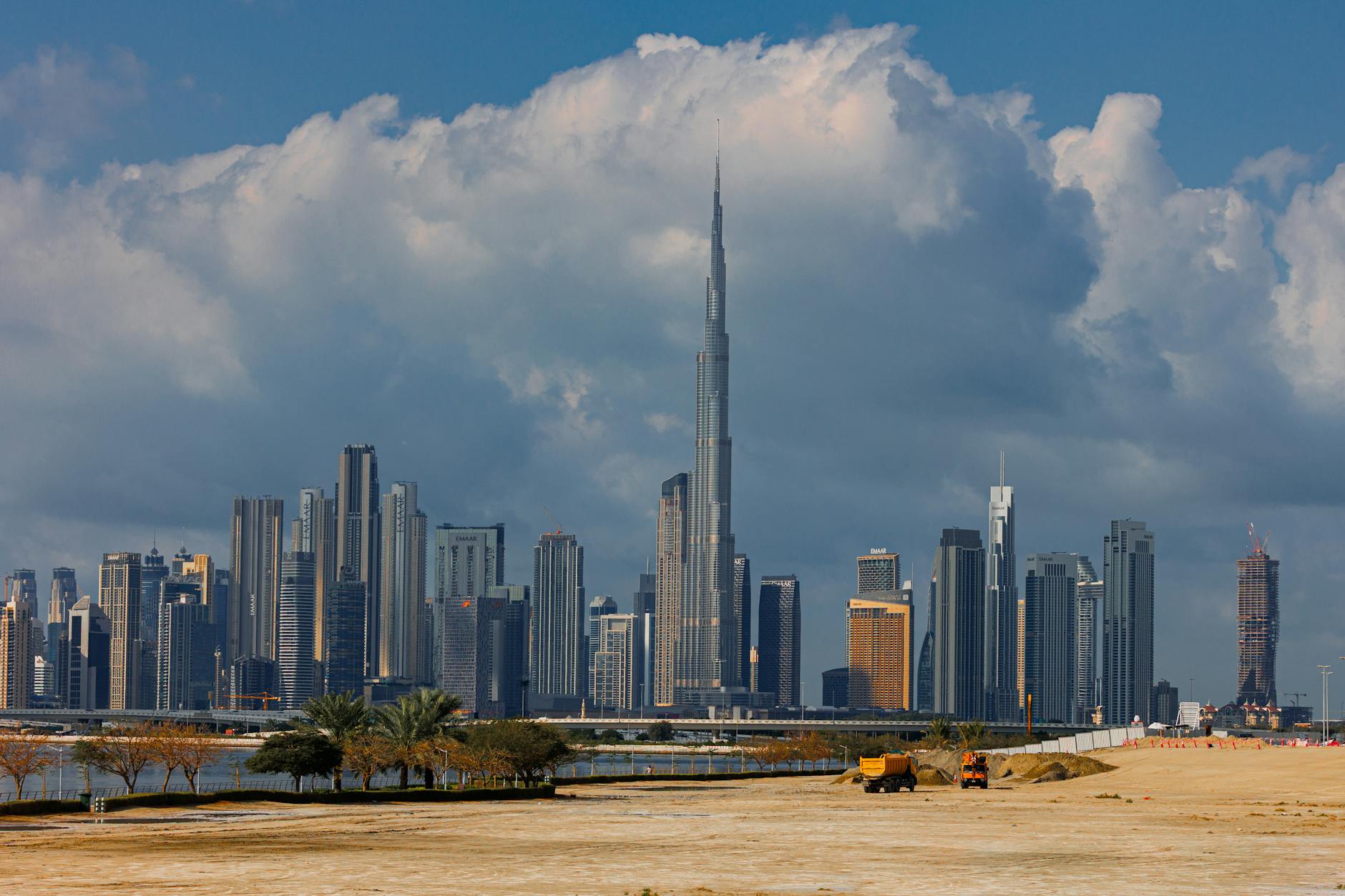
The Burj Khalifa is a genuine engineering icon and worth seeing, especially if you enjoy architecture and viewpoints. But the area around it can become a tourist funnel.
Best for: First-timers, skyline, architecture, families.
Time needed: 2–4 hours including Dubai Mall/fountain area.
Book ahead? Yes for popular sunset/view slots.
Worth it? Worth it if you like views. Skippable if you dislike crowded paid observation decks and prefer seeing the skyline from outside.
Better alternative: Pair Downtown with old Dubai so the day has contrast.
3. Visit Sheikh Zayed Grand Mosque
Sheikh Zayed Grand Mosque in Abu Dhabi is one of the UAE’s most important visitor experiences: scale, white marble, Islamic design, symmetry, and ritual context. It also demands respectful dress and behavior; the official mosque guidance asks visitors to maintain a respectful ambiance and follow attire rules.[23]
Best for: First-timers, architecture, culture, photography, respectful religious-site visits.
Time needed: 1.5–3 hours.
Best time: Early morning or late afternoon/evening.
Book ahead? Check current entry procedures before visiting.
Common mistake: Arriving underdressed or treating the mosque as a fashion shoot.
4. Give Louvre Abu Dhabi Proper Time
Louvre Abu Dhabi is not just “the museum in Abu Dhabi.” It is one of the country’s strongest cultural statements: a global art museum under Jean Nouvel’s dome, set on Saadiyat Island. The official site lists gallery hours that vary by day and notes the museum is generally closed on Mondays.[24]
Best for: Art, architecture, culture, heat/rain escape, couples, families with older children.
Time needed: 2–4 hours.
Pair it with: Saadiyat beach, Qasr Al Watan, or a slower Abu Dhabi evening.
The move: Go late enough to enjoy the dome atmosphere, but early enough that galleries are open.
5. Tour Qasr Al Watan
Qasr Al Watan gives visitors a highly produced but useful look at statecraft, palace architecture, decorative arts, and the UAE’s political self-presentation. Official visitor pages list tickets and opening guidance, but hours can change for state events.[25]
Best for: Architecture, politics, photography, families, culture.
Time needed: 1.5–3 hours.
Pair it with: Corniche, Emirates Palace area, Grand Mosque, or Louvre Abu Dhabi.
Worth it? Yes if you enjoy grand interiors and national narrative. Skippable if you prefer informal local life.
6. Choose a Desert Experience Carefully
A desert safari can be memorable or cheesy. Some are dune-bashing parties; others focus on conservation, falconry, food, astronomy, heritage, camel culture, or luxury silence.
Best for: First-timers, families, couples, photographers, sunset.
Time needed: Half-day to overnight.
Best season: November–March.
Questions to ask: Is it shared or private? Is dune driving intense? Are animals treated responsibly? Is alcohol served? How long is actual desert time? Is it a camp show or a nature experience?
The move: If desert matters deeply, stay overnight rather than treating it as an afterthought.
7. Explore Sharjah’s Museums and Heritage Areas
Sharjah is where the UAE’s cultural-policy side becomes most visible: museums, restored heritage districts, Islamic art, archaeology, calligraphy, book culture, and family spaces.
Best for: Culture, history, families, repeat visitors.
Time needed: Half-day to full day.
Pair it with: Mleiha/Faya if you have a car and enough time.
Local logic: Sharjah is more conservative than Dubai. Dress and behavior should reflect that.
8. Visit Al Ain Oasis and Jebel Hafit
Al Ain is the UAE’s strongest oasis-city experience. Al Ain Oasis is part of the country’s UNESCO-listed cultural landscape and is described by Experience Abu Dhabi as a way to learn about a way of life dating back thousands of years.[21]
Best for: Heritage, families, archaeology, road trips.
Time needed: Full day or overnight.
Pair it with: Al Jahili Fort, Hili Archaeological Park, Jebel Hafit.
Common mistake: Trying to do Al Ain as a small detour between Dubai and Abu Dhabi. It deserves its own day.
9. Drive to Jebel Jais
Jebel Jais in Ras Al Khaimah is the UAE’s highest mountain area and one of the country’s best outdoor contrasts. The official Jebel Jais site emphasizes mountain views, adventure activities, cool air, and the Jais Flight zipline.[22]
Best for: Mountain views, winter driving, families, adventure, repeat visitors.
Time needed: Full day from Dubai/Abu Dhabi or overnight in Ras Al Khaimah.
Best season: November–March, early mornings/evenings.
Common mistake: Assuming mountain air means you can ignore sun, hydration, and road safety.
10. Use the East Coast for a Different UAE
Fujairah, Khor Fakkan, Kalba, and the Al Aqah coast show a different landscape: mountains, east-facing beaches, forts, snorkeling/diving, and a slower resort pace.
Best for: Beach extensions, snorkeling/diving, families, mountain scenery.
Time needed: Long day trip or 1–3 nights.
Best season: Winter and shoulder months.
The move: Overnight if you want it to feel relaxing. A same-day trip from Dubai can be scenic but long.
11. Eat Across the Migrant Map
One of the UAE’s greatest experiences is food that reflects its population: Kerala meals, Pakistani grills, Iranian kebabs, Yemeni mandi, Lebanese breakfasts, Filipino bakeries, Egyptian koshari, Syrian sweets, Palestinian kitchens, Emirati machboos, seafood, and luxury tasting menus.
Best for: Everyone who eats.
Time needed: Every day.
The move: Eat at least one meal outside the hotel/resort bubble.
12. Spend One Evening on the Water
The UAE’s cities make more sense from water: Dubai Creek abras, Dubai Marina boats, Abu Dhabi Corniche, mangroves, Yas Bay, Saadiyat, Al Qana, Khor Fakkan.
Best for: Couples, families, photographers, lower-effort evenings.
Time needed: 1–3 hours.
Best season: Winter evenings.
Itineraries
24 Hours in Dubai
Morning: Al Fahidi, Dubai Creek, abra to Deira, spice/gold souks.
Lunch: Deira, Bur Dubai, or Karama for South Asian/Iranian/Arab food.
Afternoon: Hotel break or Museum of the Future if booked.
Evening: Downtown Dubai for Burj Khalifa/Fountain area, or Jumeirah beach sunset and dinner.
What it gives you: Old trade city plus modern Dubai.
What it misses: Abu Dhabi, desert depth, beach resort time, Sharjah, mountains.
48 Hours in Dubai
Day 1: Old and New Dubai
Creek and Deira in the morning, Al Fahidi/Al Seef, lunch outside the mall circuit, Downtown late afternoon, Burj Khalifa/fountain evening.
Day 2: Beach, Design, and Desert
Morning beach or Jumeirah Mosque/Etihad Museum, Alserkal Avenue or Museum of the Future, then desert safari or Dubai Marina/JBR evening.
3 Days: Dubai Plus Abu Dhabi Day
Day 1: Dubai Creek and Downtown
Old Dubai, lunch, hotel break, Downtown/Burj Khalifa.
Day 2: Jumeirah, Alserkal, Marina or Desert
Beach/Jumeirah, Alserkal or Museum of the Future, desert evening or Marina/JBR.
Day 3: Abu Dhabi Essentials
Early drive/transfer to Sheikh Zayed Grand Mosque, Louvre Abu Dhabi, Qasr Al Watan, then return to Dubai. This is a long but workable day.
The better version: Stay overnight in Abu Dhabi if your schedule allows.
5 Days: Classic UAE
Day 1: Arrival and Dubai Orientation
Stay near your chosen Dubai base. Walk locally, eat an easy dinner, and do not schedule a prepaid attraction immediately after a long flight.
Day 2: Old Dubai and Downtown
Al Fahidi, Creek, Deira souks, abra, lunch in old Dubai, afternoon rest, Downtown/Burj Khalifa/fountain evening.
Day 3: Jumeirah, Design, and Desert
Jumeirah beach or mosque area, Alserkal/Museum of the Future, late-afternoon desert experience.
Day 4: Abu Dhabi Culture
Transfer to Abu Dhabi. Sheikh Zayed Grand Mosque, Louvre Abu Dhabi, Saadiyat or Corniche evening.
Day 5: Qasr Al Watan, Yas or Mangroves
Qasr Al Watan, mangroves or Yas Island depending interest, then depart from AUH or return to Dubai.
7 Days: Best First UAE Trip
Day 1: Dubai Arrival
Gentle neighborhood evening.
Day 2: Creek, Deira, Bur Dubai, Downtown
Old Dubai morning, Downtown evening.
Day 3: Dubai Beach/Architecture/Food
Jumeirah, Alserkal, Museum of the Future, DIFC/Jumeirah/Karama dinner.
Day 4: Desert or Hatta
Choose a high-quality desert experience or a Hatta mountain day.
Day 5: Abu Dhabi Grand Mosque and Louvre
Transfer to Abu Dhabi. Grand Mosque, Louvre Abu Dhabi, Saadiyat.
Day 6: Qasr Al Watan and Yas/Mangroves
Palace/capital sights plus family theme parks or mangrove/nature option.
Day 7: Choose Your Extension
Sharjah culture, Al Ain, Ras Al Khaimah, Fujairah, or a final beach day.
10 Days: Deeper UAE
- Days 1–3: Dubai old/new/beach/food.
- Day 4: Sharjah museums and Mleiha/Faya.
- Day 5: Hatta or desert overnight.
- Days 6–7: Abu Dhabi mosque, Louvre, Qasr Al Watan, Saadiyat/Corniche.
- Day 8: Al Ain and Jebel Hafit.
- Days 9–10: Ras Al Khaimah/Jebel Jais or Fujairah east coast.
Special-Interest Itineraries
Family UAE
Dubai hotel with pool, aquarium, Museum of the Future if age-appropriate, beach day, desert evening, then Yas Island for theme parks. Keep one full rest day.
Culture UAE
Dubai Creek, Al Fahidi, Jumeirah Mosque, Sharjah museums, Mleiha/Faya, Sheikh Zayed Grand Mosque, Louvre Abu Dhabi, Qasr Al Watan, Al Ain Oasis/Hili/Jebel Hafit.
Food UAE
Deira, Bur Dubai, Karama, Satwa, Jumeirah, DIFC, Abu Dhabi Mina/Madinat Zayed, Sharjah heritage areas, Emirati restaurants, South Asian cafeterias, Levantine breakfasts, Iranian kebabs, Yemeni mandi, seafood.
Luxury UAE
Dubai beach resort or DIFC hotel, fine dining, private desert experience, Saadiyat resort, spa day, Louvre/Qasr/private guide, Liwa or Ras Al Khaimah resort extension.
Outdoors UAE
Hatta, desert, Jebel Jais, Fujairah/Khor Fakkan/Kalba, mangroves, Al Ain/Jebel Hafit. Best in winter.
Food and Drink
The UAE’s food identity is not one cuisine. It is a meeting point: Gulf, Bedouin, coastal, Persian, Indian Ocean, South Asian, Levantine, North African, Filipino, European, and global fine dining.
Emirati Food Identity
Traditional Emirati food reflects desert, sea, date palms, trade, and spice routes. Rice, fish, meat, dates, saffron, cardamom, dried lime, coffee, and flatbreads matter. It is subtler and more home-style than many visitors expect.
What to Eat
| Dish or experience | What it is | How to approach it |
|---|---|---|
| Machboos / Majboos | Spiced rice with meat, chicken, or fish, common across the Gulf. | A good introductory Emirati dish. |
| Harees | Wheat and meat slow-cooked into a porridge-like dish, especially associated with Ramadan and celebrations. | Try at Emirati restaurants or cultural meals. |
| Balaleet | Sweet-salty vermicelli often with egg, sometimes eaten for breakfast. | Good for travelers curious about breakfast beyond hotel buffets. |
| Luqaimat | Fried dough balls, often with date syrup. | Dessert/snack; best fresh. |
| Regag / Khameer | Emirati breads with various fillings or accompaniments. | Great casual/local breakfast move. |
| Dates and Arabic coffee | Hospitality staples. | Accept with the right hand when offered; small gestures matter. |
| Grilled fish/seafood | Coastal UAE staple, especially around old markets and east coast. | Ask what is fresh; avoid only hotel seafood buffets. |
| Mandi / madhbi | Yemeni-influenced rice and meat dishes popular across the UAE. | Excellent casual group meal. |
| South Asian thali, biryani, grills | Kerala, Pakistani, Indian, Bangladeshi, and Sri Lankan food are central to daily UAE eating. | Essential, especially in Dubai’s older neighborhoods. |
| Levantine breakfast | Hummus, foul, falafel, manakish, labneh, olives, breads. | One of the best morning meals in the country. |
Where to Eat by Situation
| Situation | Best approach |
|---|---|
| First dinner after arrival | Keep it near the hotel: Emirati, Lebanese, Indian, casual hotel restaurant, or mall-adjacent spot. |
| Best budget meal | Deira, Bur Dubai, Karama, Satwa, Sharjah, Pakistani/Indian cafeterias, mandi houses. |
| Best splurge | DIFC, Jumeirah, Palm Jumeirah, Downtown Dubai, Saadiyat, Abu Dhabi fine dining. |
| Best family meal | Mall restaurants, hotel restaurants, Lebanese grills, casual Indian, theme-park areas, beachfront restaurants. |
| Best local-feeling food day | Old Dubai breakfast, souk/Creek walk, South Asian lunch, Emirati dinner, karak tea. |
| Best Abu Dhabi food areas | Mina, Al Zahiyah, Al Khalidiyah, Saadiyat, Al Maryah, Yas, hotel dining, local cafeterias. |
| Best vegetarian/vegan ease | Indian restaurants, hotel restaurants, vegan-focused cafés, international chains; check broths/sauces. |
| Best halal ease | Halal food is widely available; alcohol is separated into licensed venues. |
Drinks, Alcohol, and Nightlife
Alcohol is available in many licensed venues in Dubai and Abu Dhabi, especially hotels, bars, clubs, beach clubs, and restaurants. But alcohol is regulated, public drinking/public intoxication can cause legal problems, and Sharjah has stricter restrictions. UK travel advice notes that drinking or being under the influence of alcohol in a public place is illegal in the UAE and that drinking/possessing alcohol is illegal in Sharjah.[28]
The move: Drink only in licensed settings, do not leave drunk into public conflict, never drink and drive, and understand that “holiday mode” is not a legal defense.
Restaurant Practicalities
- Reservations matter for top restaurants, brunches, beach clubs, and weekend evenings.
- Friday/Saturday brunch is a major UAE social institution, but it can be expensive and alcohol-heavy.
- Service charge may be included; additional tipping is appreciated but not always required.
- Dress codes vary: malls and casual restaurants are relaxed but modest; fine dining may require smart casual.
- Ramadan changes opening hours and dining flow.
- Delivery apps are extremely common, but do not let convenience replace exploration.
Getting Around
Arrival Airports
Dubai International Airport (DXB)
DXB is one of the world’s major hubs and the easiest entry point for Dubai. It works well for Dubai stopovers, northern emirates, and many onward connections.
Best onward areas: Deira, Bur Dubai, Downtown, DIFC, Business Bay, Jumeirah, Marina/Palm with more transfer time.
Abu Dhabi Zayed International Airport (AUH)
AUH works well for Abu Dhabi, Yas Island, Saadiyat, and Etihad Airways connections. It can also be used for Dubai, but transfer time should be respected.
Best onward areas: Yas Island, Saadiyat, Corniche, Abu Dhabi city, Dubai by transfer if needed.
Sharjah International Airport (SHJ)
Useful for budget/regional flights and Sharjah/northern emirates access. Dubai access is possible but traffic-sensitive.
Dubai Public Transport
Dubai has the UAE’s best public transport for visitors. Visit Dubai notes that visitors can use Nol cards/tickets across Dubai Metro, Tram, buses, ferries, taxis, parking, and selected services.[8]
Best for: Airport to city, Deira/Bur Dubai/Downtown/DIFC/Marina corridors, budget travelers, solo travelers.
Limitations: Many beach hotels, Jumeirah areas, Palm locations, Alserkal, and desert outings still require taxi, ride-hailing, or private transfer.
The move: Use Metro for logical corridors. Use taxis for everything else. Do not turn a 20-minute taxi ride into a 90-minute transit puzzle just to prove a point.
Abu Dhabi Public Transport
Abu Dhabi Mobility describes the emirate’s public transport network as designed for reliable and cost-effective travel, and Hafilat smart cards allow passengers to pay bus fares by tapping on readers.[26][9]
Best for: Budget travelers, selected city routes, longer stays, residents, visitors with simple routes.
Limitations: Tourist sights are spread out. Taxis are often more practical for short stays.
Inter-Emirate Travel
Cars, private transfers, taxis, and buses currently do most inter-emirate work. Abu Dhabi Mobility lists inter-emirate bus services from Abu Dhabi to Dubai, including E100/E101/E102, with ticket prices shown for Dubai services.[27]
Best routes: Dubai–Abu Dhabi, Dubai–Sharjah, Dubai–Ras Al Khaimah, Dubai–Fujairah, Abu Dhabi–Al Ain, Abu Dhabi–Liwa.
The move: For two or more travelers, a private transfer can be worth it. For solo budget travelers, buses are useful but require station logistics.
Renting a Car
A car is not necessary for a short Dubai-only trip. It becomes useful for Al Ain, Hatta, Ras Al Khaimah, Fujairah, Mleiha/Faya, and Liwa.
Good reasons to rent: Mountains, desert resort, east coast, Al Ain, multi-emirate road trip, family with gear.
Bad reasons to rent: Downtown Dubai sightseeing, nightlife, tight city parking, first day after a long flight.
Watch out for: Speed cameras, toll systems, parking rules, aggressive lane changes, high speeds, desert-road fatigue, and driving while tired.
Taxis and Ride-Hailing
Taxis are generally reliable, metered, and a key part of UAE travel. Ride-hailing apps are useful, and hotels can arrange cars.
The move: In Dubai and Abu Dhabi, taxis are not a failure of planning; they are often the planning.
Etihad Rail
Etihad Rail passenger service is scheduled as a major 2026 development, with official announcements describing a first phase of passenger services and multiple planned station areas.[17] A guide should update this section once schedules, fares, station access, booking methods, luggage rules, and real tourist usefulness are confirmed.
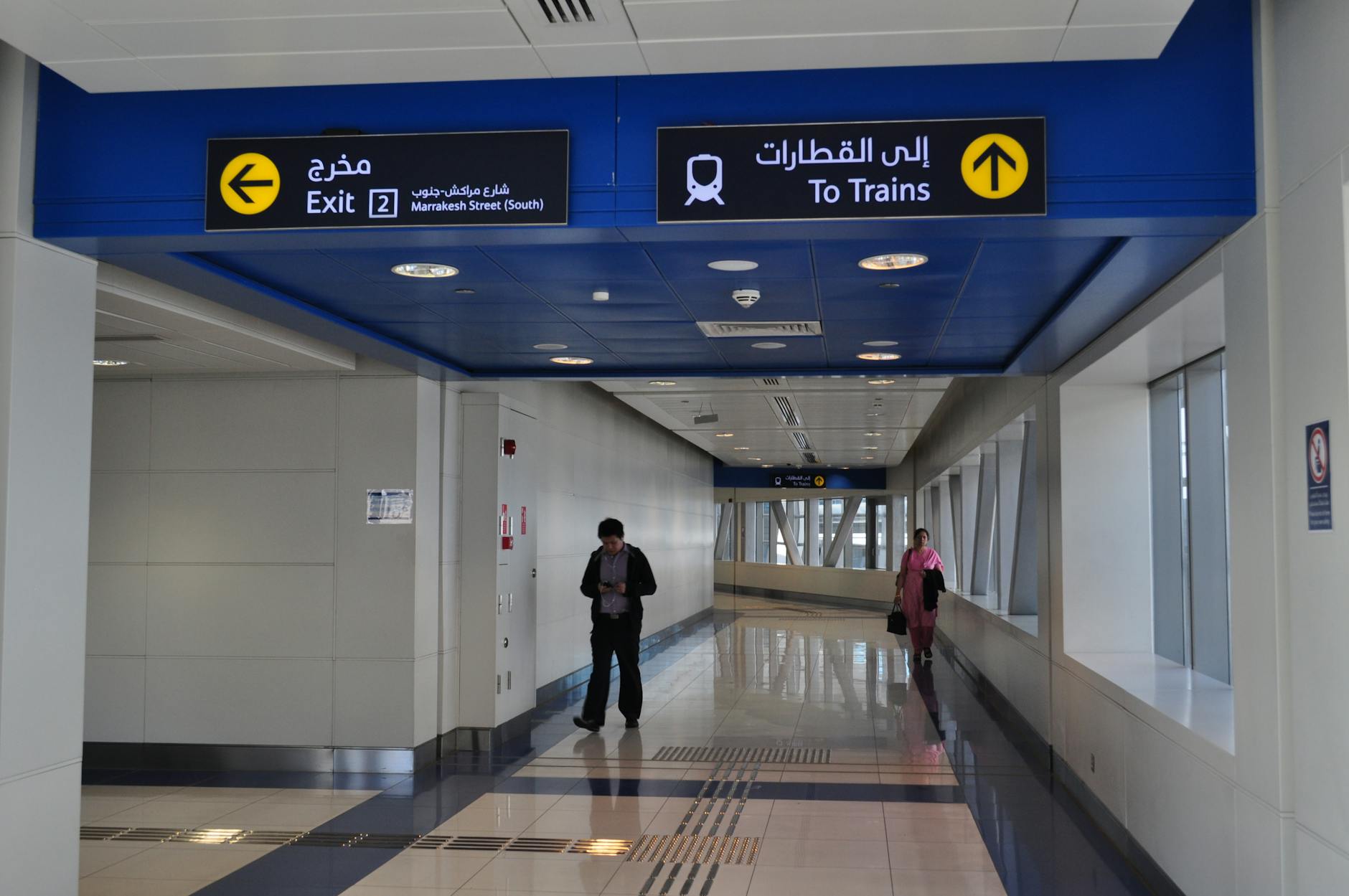
Budget and Costs
The UAE is not automatically expensive, but it encourages spending. Hotels, beach clubs, brunches, taxis, theme parks, cocktails, viewpoints, and fine dining can add up quickly. At the same time, public transport, cafeterias, casual South Asian food, malls, free beaches, mosque visits, and souk walks can be good value.
Daily Budget Ranges
| Traveler type | Daily estimate, excluding flights and major shopping | What it means |
|---|---|---|
| Shoestring | AED 180–350 | Budget hotel/hostel, Metro/buses, cafeterias, free sights, limited paid attractions. Harder than in many countries. |
| Budget comfort | AED 350–700 | Simple hotel, casual meals, Metro plus taxis, one paid attraction every day or two. |
| Mid-range | AED 700–1,400 | Good hotel, taxis, restaurants, occasional beach club/viewpoint/museum, one guided excursion. |
| Comfortable | AED 1,400–3,000 | Strong hotel, taxis/transfers, better restaurants, attractions, desert safari, spa/beach club. |
| Luxury | AED 3,000+ | Five-star resort, fine dining, private transfers, beach clubs, shopping, private guides, desert resort. |
Typical Cost Notes
| Item | Expectation |
|---|---|
| Metro ride in Dubai | Good value; depends on zones/card type. |
| Taxi within Dubai/Abu Dhabi | Often reasonable by global-city standards, but long cross-city rides add up. |
| Dubai–Abu Dhabi private transfer | Convenient but far costlier than bus. Worth it for families/groups/time-sensitive trips. |
| Theme parks | Significant expense; bundle passes and hotel packages may help. |
| Fine dining and brunch | Can be very expensive, especially with alcohol. |
| Alcohol | High-cost compared with many destinations. |
| Casual food | Excellent value if you use cafeterias, Indian/Pakistani/Iranian/Levantine restaurants, and local spots. |
| Hotels | Huge seasonal swing. Summer can be cheap; winter and event weeks can spike hard. |
Best Value Moves
- Stay in Deira/Bur Dubai/Al Barsha for cheaper Dubai access if you accept trade-offs.
- Use the Metro for airport/Downtown/Marina/Deira corridors.
- Eat outside hotels.
- Choose one paid viewpoint instead of three.
- Book theme-park/hotel bundles for families.
- Visit free/low-cost sights: mosques, beaches, Creek abras, souks, Al Fahidi, public promenades, malls as climate breaks.
- Travel in shoulder months if you can handle heat.
- Take Abu Dhabi seriously rather than paying for a rushed, low-quality day tour.
Worth the Splurge
- A well-located hotel for a first short trip.
- A high-quality desert experience, especially overnight.
- Saadiyat or Jumeirah beach resort if beach is the point.
- A private guide for old Dubai, Sharjah, or cultural context.
- Good seats/tickets for major events.
- A transfer instead of a stressful intercity logistics day with children.
Usually Not Worth It
- Multiple observation decks.
- Generic desert tours with little actual desert time.
- Renting a car for a Dubai-only trip.
- Staying extremely far out to save a small amount.
- Tourist-trap “international buffet” meals when the city has excellent specific cuisines.
- Doing every mall because lists say they are attractions.
Safety, Laws, Health, and Scams
General Safety
Tourist areas in the UAE generally feel very safe. Violent street crime is uncommon in the places most visitors go. The more realistic visitor risks are legal trouble, traffic, heat, dehydration, sun exposure, scams/overcharging, nightlife mistakes, medication problems, regional security disruption, and ordinary travel theft.
Do not let low street-crime risk make you careless about laws. The legal environment is stricter than many visitors expect.
Regional and Terrorism Risk
Foreign-government advisories currently flag regional tensions, terrorism risk, and potential missile/drone threats. The U.S. State Department’s UAE travel advisory has recently noted terrorism risk and strict rules on social behavior, drug possession, traffic violations, and financial crimes.[14] Canadian and UK guidance has also highlighted regional-tension and terrorism concerns.[15][16]
The move: Monitor official alerts, avoid demonstrations or sensitive sites, follow local instructions, and keep flights flexible during regional escalation.
Heat
Heat is the most predictable physical risk. In summer, even short walks can become draining. Cars, bus stops, beaches, and exposed viewpoints can be uncomfortable or dangerous.
Heat strategy: Hydrate, plan indoor breaks, use sunscreen, avoid midday walking, keep children shaded, and do not underestimate humidity.
Medication and Drugs
The UAE’s zero-tolerance stance toward recreational drug use is explicit on the government portal.[11] Controlled medications require checking before travel; the UAE Embassy advises travelers to apply through the Ministry of Health when carrying controlled medicine.[12]
Practical advice:
- Do not bring cannabis, CBD, or recreational drugs.
- Check painkillers, sleeping pills, ADHD medications, anxiety medications, codeine-containing medicines, and other controlled drugs.
- Keep prescriptions and doctor letters.
- Do not carry someone else’s medication.
Alcohol
Drink only in licensed venues and behave conservatively afterward. Public intoxication can lead to serious problems. Sharjah has stricter alcohol rules than Dubai/Abu Dhabi.[28]
Photography
The UAE government’s social-responsibility guidance warns against photographing people without permission and says photographing aircraft/plane spotting is illegal.[10]
Avoid photographing: government buildings, military/security sites, accidents, police activity, airports/aircraft, strangers without consent, private property, and anything that looks sensitive.
Public Conduct
Public displays of affection should be minimal; the official UAE social-responsibility guidance says holding hands is acceptable but kissing and hugging in public are not.[10]
Also avoid:
- Obscene gestures.
- Public arguments.
- Insults or disrespect toward religion, leaders, or the state.
- Loud drunkenness.
- Offensive social-media posts or filming incidents for content.
Online Speech
Australian travel advice warns that UAE laws around online behavior can include comments, defamation, insults, rumours, threats, and posting images of local incidents.[29] Travelers should assume online speech is not separate from local law.
Scams and Irritations
The UAE is not a high-scam destination compared with many global tourist hubs, but watch for:
- Overpriced desert tours.
- Fake or low-quality attraction-ticket resellers.
- Taxi/ride confusion at airports.
- High-pressure souk selling.
- Inflated “VIP” club offers.
- Unclear brunch/beach-club inclusions.
- Rental-car toll/fine surprises.
- Timeshare or investment pitches.
Emergency Numbers
- Police: 999.
- Ambulance: 998.
- Fire/Civil Defence: 997.
- Marine/coast guard: 996.[6]
Accessibility
The UAE can be very accessible in new hotels, malls, airports, museums, and major attractions. It can also be difficult in older creek-side districts, souks, beach access points, heritage sites, desert camps, mountain viewpoints, and bus-heavy itineraries.
What Helps
- Modern airports and hotels.
- Large malls with elevators, accessible restrooms, and climate control.
- Taxis and private transfers.
- Newer museums and attractions.
- Many hotels with accessible rooms and ramps.
- Staff assistance in major hospitality settings.
What Is Hard
- Long walking distances inside malls and airports.
- Heat.
- Uneven souk streets and older districts.
- Sand, gravel, and desert camps.
- Crowded events and theme parks.
- Some beach access points.
- Inconsistent curb cuts or pedestrian crossings outside new districts.
Lower-Walking Strategy
Base in a high-service hotel near your main interests. Use taxis. Choose one major attraction per half-day. Avoid outdoor sightseeing in heat. Confirm accessible room details directly with the hotel, not just through booking-platform icons.
Families, Solo Travelers, LGBTQ+ Travelers, and Special Considerations
Families
The UAE is one of the easiest family destinations in the region: clean hotels, elevators, malls, theme parks, beaches, taxis, pharmacies, international food, and child-friendly attractions.
Best family bases: Palm Jumeirah, JBR/Dubai Marina, Jumeirah, Yas Island, Saadiyat, Ras Al Khaimah resorts, Fujairah resorts.
Family tips:
- Do one major activity per day.
- Keep afternoons for pool/nap/indoor time.
- Check car-seat policies for taxis/transfers.
- Avoid desert tours that are too intense for young children.
- Theme parks are expensive; plan passes carefully.
- Hydration and sun protection are non-negotiable.
Solo Travelers
The UAE is generally easy for solo travelers, especially in Dubai and Abu Dhabi. Taxis, hotels, malls, and restaurants are comfortable alone.
Solo tips:
- Use ride-hailing/taxis late at night.
- Avoid poorly defined nightlife offers.
- Respect local laws around alcohol and behavior.
- Eat confidently in cafeterias, malls, hotels, and casual restaurants.
- Join guided tours for desert/mountains if you do not rent a car.
Women Travelers
Many women travel comfortably in the UAE, including solo. Public harassment is less common than in many destinations, but dress modestly in conservative areas, mosques, government spaces, and traditional markets. Use normal nightlife caution.
LGBTQ+ Travelers
The UAE requires careful, factual treatment. Same-sex sexual activity is illegal, same-sex marriages are not recognized, and public displays of affection can create legal risk for all couples. Irish travel advice notes same-sex sexual activity is illegal in the UAE and that same-sex marriages are not recognized, while also saying the country can be socially tolerant in many private contexts.[30]
Practical guidance:
- Keep public affection minimal.
- Choose international hotels carefully and discreetly.
- Avoid public political statements or content creation around LGBTQ+ issues while in-country.
- Check your government’s travel advice.
- Trans and nonbinary travelers should verify document/gender-marker rules carefully; U.S. travel information notes the UAE accepts only passports with male or female sex markers for travel to, in, or through the UAE.[31]
Older Travelers
The UAE can be excellent for older travelers if heat and walking distances are managed. Use taxis, stay in well-located hotels, and prioritize museums, mosque visits, scenic drives, hotel dining, beaches, and guided tours over long outdoor wandering.
Disabled Travelers
Major hotels and attractions can be strong, but desert, souk, older heritage, and mountain experiences require planning. Confirm details directly and consider private transfers.
Remote Workers
The UAE is a strong infrastructure base but has legal/visa and cost considerations. Do not assume tourist status allows work activity. Choose accommodation by daily needs: gym, supermarket, Metro/taxi access, noise, internet, workspace, and commute.
Shopping and Souvenirs
Shopping is a core UAE activity, from luxury malls to spice souks, gold markets, perfume shops, textile lanes, design stores, and grocery aisles full of regional products.
Best Shopping Areas
| Area | Best for |
|---|---|
| Dubai Mall | Luxury, global brands, family entertainment, aquarium, Burj Khalifa access. |
| Mall of the Emirates | Shopping, dining, Ski Dubai, practical mid-city access. |
| Deira Gold Souk / Spice Souk | Gold, spices, oud, souvenirs, old trading atmosphere. |
| Bur Dubai / Textile Souk | Fabrics, tailoring, old Dubai wandering. |
| Alserkal Avenue | Design, art, cafés, galleries, concept shops. |
| DIFC / Jumeirah / City Walk | Restaurants, boutiques, polished urban shopping. |
| Abu Dhabi malls / Saadiyat / Mina | Mix of luxury, local markets, art/museum shops, date shops. |
| Sharjah heritage areas | Traditional crafts, museums, books, Islamic design. |
Good Souvenirs
- Dates and date products.
- Arabic coffee and dallah-style coffee pots.
- Spices: saffron, cardamom, za’atar, dried lime.
- Oud, bakhoor, perfumes, incense burners.
- Camel-milk chocolate or local sweets.
- Emirati cookbooks or art books.
- Modest fashion, abayas, kandura-inspired textiles, scarves.
- Gold jewelry if you understand pricing and purity.
- Museum-shop design objects from Louvre Abu Dhabi, Sharjah, or cultural institutions.
What Not to Buy Thoughtlessly
- Wildlife products, ivory, coral, shells, or restricted natural items.
- Counterfeit luxury goods.
- Heavy gold/jewelry without understanding customs declarations in your home country.
- Religious or political items that could cause trouble elsewhere.
- Food items your home country restricts.
Culture, History, and Context
Short History for Travelers
The UAE’s modern skyline can make the country seem new, but the region’s history is deep. Archaeology in the Emirates includes evidence of human occupation, trade, oasis agriculture, copper exchange, pearling, fishing, desert pastoralism, and coastal commerce long before oil.
The area later became known to Europeans through maritime trade and imperial politics along the Gulf. Before federation, the sheikhdoms were often referred to as the Trucial States under British treaty relationships. Oil transformed Abu Dhabi’s economy in the 20th century. In 1971, six emirates formed the United Arab Emirates; Ras Al Khaimah joined in 1972.
Dubai’s rise is partly oil-era, but just as importantly trade, aviation, ports, real estate, services, tourism, logistics, and global positioning. Abu Dhabi’s wealth and political role shape the federation’s backbone. Sharjah has long invested in museums, education, and culture. Ras Al Khaimah, Fujairah, Ajman, and Umm Al Quwain preserve a more varied picture of mountains, coast, industry, resorts, and local life.
UNESCO and Archaeology
The UAE has two UNESCO World Heritage inscriptions as of this guide’s update: Al Ain’s cultural sites and Sharjah’s Faya Palaeolandscape. UNESCO describes Faya Palaeolandscape as preserving evidence of human occupation from the Middle Palaeolithic and Neolithic periods, between roughly 210,000 and 6,000 years ago.[20]
The move: Add at least one archaeology/oasis/heritage stop if you want the country to make sense historically.
Etiquette and Cultural Norms
- Dress modestly in traditional areas, government spaces, mosques, and malls.
- Swimwear belongs at pools and beaches, not streets or malls.
- Use the right hand for greetings, food, and receiving items when possible.
- Ask before photographing people.
- Be quiet and respectful in mosques and during prayer times.
- Avoid public criticism of religion, leadership, or government.
- Keep public affection minimal.
- During Ramadan, be especially conscious of eating/drinking, music, dress, and public behavior norms.
- Friday midday prayer matters.
Books, Films, and Prep
A guide should curate:
- A short primer on the formation of the UAE.
- A book or essay on Dubai’s rise and Gulf urbanism.
- Writing on pearling, trade, and the Indian Ocean.
- A documentary or museum resource on Al Ain and Faya archaeology.
- Emirati food/culture guides.
- A responsible-travel note on migrant labor and service culture.
Seasonal Events and Month-by-Month Guide
Major Timing Anchors
- Ramadan and Eid: Lunar calendar; shifts yearly.
- UAE National Day / Eid Al Etihad: Early December, major patriotic celebrations.
- Dubai Shopping Festival: Usually winter; dates vary.
- Global Village: Seasonal, generally cooler months; dates vary.
- Abu Dhabi Grand Prix: Usually late season; dates vary and hotels spike.
- Art Dubai / design events: Usually spring; dates vary.
- Dubai World Cup horse racing: Usually spring; dates vary.
- New Year’s Eve: Major Dubai/Abu Dhabi demand spike, especially Downtown Dubai.
Month-by-Month Travel Logic
| Month | Travel logic |
|---|---|
| January | Prime outdoor month. Book hotels and restaurants early. Great for desert, beaches, mountains. |
| February | Excellent weather, strong event season, high demand. |
| March | Good but warming. Ramadan may fall around this period in some years. |
| April | Warm shoulder month. Good value if you tolerate heat. |
| May | Hot; plan pools, beaches early/late, malls, museums. |
| June | Extreme heat begins to dominate. Use indoor attractions and hotel deals. |
| July | Very hot/humid. Best for business, budget luxury, indoor travel. |
| August | Similar to July. Avoid ambitious outdoor itineraries. |
| September | Still hot, slowly easing late. |
| October | Better shoulder month. Outdoor season returns gradually. |
| November | Excellent, one of the best months. |
| December | Excellent and festive, but book early and expect price spikes around holidays/events. |
Responsible Travel
The UAE’s visitor experience is built on service, consumption, infrastructure, and migrant labor. A responsible guide should not pretend that only beaches and towers exist.
Do
- Tip fairly when service is good.
- Treat workers with respect and patience.
- Use water and energy thoughtfully in a desert country.
- Dress and behave respectfully in conservative areas.
- Support cultural institutions, heritage districts, local restaurants, and small businesses.
- Choose desert operators that treat animals and landscapes responsibly.
- Avoid littering beaches, dunes, wadis, and mountain areas.
- Learn basic Arabic courtesy words: salaam alaikum, shukran, afwan.
Do Not
- Treat mosques, local people, or workers as photo props.
- Drive off-road without skill or permission.
- Harass vendors for content.
- Get drunk in public.
- Post incidents, accidents, or strangers online without permission.
- Ignore heat warnings.
- Assume conservative laws do not apply because an area feels international.
Local Logic
The UAE’s hospitality is highly professional, but it is not permission to behave carelessly. The country is easiest for visitors who combine curiosity with restraint.
Packing List
Essentials
- Passport with validity meeting your visa/airline requirements.
- Copies of passport, visa/entry approval, travel insurance, hotel address.
- Medication documentation and approvals where required.
- Lightweight, breathable clothing.
- Modest outfits for mosques, traditional areas, and malls.
- Swimwear for beaches/pools.
- Sunglasses and high-SPF sunscreen.
- Hat or light scarf.
- Comfortable sandals and walking shoes.
- Light layer for over-air-conditioned interiors.
- Reusable water bottle.
- Power bank.
- Type G adapter, common in the UAE.
- Card plus some cash in AED.
For Mosque Visits
- Clothing covering shoulders and knees at minimum; stricter requirements at major mosques.
- Women should carry a scarf for hair covering where required.
- Avoid transparent, tight, sleeveless, or short clothing.
- Check the exact dress code of the mosque before visiting.
For Summer
- Extra breathable shirts.
- Electrolytes.
- Strong sunscreen.
- Anti-chafing products.
- Lightweight long sleeves for sun protection.
- Minimal outdoor ambition.
For Desert/Mountains
- Closed shoes.
- Layer for cool winter desert evenings.
- Sunglasses.
- Water.
- Motion-sickness medication if dune driving bothers you.
- Camera protection from sand/dust.
What Not to Pack
- Cannabis/CBD products.
- Unchecked controlled medications.
- Clothing only suitable for beach clubs.
- Drones without understanding UAE rules.
- Large quantities of alcohol or restricted goods.
- Items you would not want inspected at customs.
What to Skip
Skip: A Dubai Trip Made Only of Malls
Malls are part of UAE life and useful climate shelters, but they are not enough.
Better alternative: Pair one mall/attraction day with Creek, Deira, Jumeirah, desert, Sharjah, or Abu Dhabi culture.
Skip: The Cheapest Desert Safari You Find
Cheap safaris may mean crowded camps, rushed transfers, aggressive dune driving, and little meaningful desert time.
Better alternative: Choose operators by experience type, animal welfare, group size, and actual time in the dunes.
Skip: Abu Dhabi as a Checklist Day If You Have Time to Sleep There
Grand Mosque, Louvre, Qasr Al Watan, Saadiyat, Yas, and mangroves are too much for one elegant day.
Better alternative: Spend one or two nights in Abu Dhabi.
Skip: Multiple Paid Views
Burj Khalifa, The View at The Palm, Dubai Frame, Sky Views, hotel rooftops, and observation decks add up.
Better alternative: Pick one paid view and one free/low-cost skyline perspective.
Skip: Renting a Car for Downtown Dubai
A car can become parking, toll, and traffic management.
Better alternative: Taxis, Metro, and walking where it actually works.
Skip: Summer Outdoor Ambition
A June–August itinerary full of souks, beaches, desert safaris, and walking tours will punish most travelers.
Better alternative: Indoor/cultural/hotel plan, or travel in winter.
Skip: Content Creation That Ignores Local Rules
Filming strangers, accidents, security sites, workers, worshippers, or private businesses can create real trouble.
Better alternative: Ask permission, film architecture/food/landscapes, and keep sensitive subjects offline.
Common Mistakes
- Assuming Dubai equals the UAE. Abu Dhabi, Sharjah, Al Ain, Ras Al Khaimah, Fujairah, Hatta, and Liwa change the country.
- Underestimating heat. Summer is not just warm; it changes what is possible.
- Overloading Abu Dhabi into one day. The capital deserves time.
- Booking the wrong hotel area. Beach, old Dubai, Downtown, Marina, Palm, DIFC, Saadiyat, Yas, and Corniche are different trips.
- Ignoring laws around medication. Check before travel.
- Treating alcohol casually. Licensed venues only; public intoxication can be serious.
- Photographing people or sensitive sites without thought. Ask or avoid.
- Using public transport as if the UAE were Singapore. Dubai Metro helps; it does not solve the entire country.
- Doing only luxury experiences. You will miss food, trade, heritage, and neighborhood life.
- Choosing the cheapest desert safari. Desert quality varies wildly.
- Forgetting Ramadan. It can be rewarding, but logistics change.
- Not checking current advisories. Regional risk can change quickly.
- Expecting every emirate to have Dubai-style nightlife. Sharjah especially is more conservative.
- Trying to road-trip too much in a short stay. Distances are manageable, but heat and traffic still matter.
- Wearing beach clothing in malls/traditional areas. Keep beachwear at the beach/pool.
Final Planning Shortcuts
Best First-Time Plan
Dubai 3 nights, Abu Dhabi 2 nights, plus one extra day for desert, Sharjah, Al Ain, or Ras Al Khaimah.
Best Dubai Stopover
Creek/Al Fahidi/Deira in the morning, hotel rest, Downtown or Jumeirah in the evening.
Best Culture Plan
Dubai Creek, Sharjah museums, Mleiha/Faya, Sheikh Zayed Grand Mosque, Louvre Abu Dhabi, Qasr Al Watan, Al Ain.
Best Family Plan
Dubai beach hotel, one old Dubai day, one indoor attraction day, one desert evening, then Yas Island for theme parks.
Best Luxury Plan
Jumeirah/Palm or DIFC hotel, fine dining, private desert experience, Saadiyat resort, Louvre/Qasr, optional Liwa or Ras Al Khaimah.
Best Nature Plan
Hatta, Jebel Jais, Fujairah/Khor Fakkan, Al Ain/Jebel Hafit, Liwa—only in reasonable weather.
FAQ
Is the UAE worth visiting beyond Dubai?
Yes. Dubai is the easiest entry point, but Abu Dhabi, Sharjah, Al Ain, Ras Al Khaimah, Fujairah, Hatta, and Liwa make the country much richer.
How many days do I need for the UAE?
Five to seven days is the best first-visit range. Three days is a strong stopover. Ten days allows a real multi-emirate trip.
Is Dubai better than Abu Dhabi?
Neither is “better.” Dubai is higher-energy, more commercial, and easier for short trips. Abu Dhabi is calmer, more spacious, and stronger for museums, mosque architecture, islands, and family attractions.
Is the UAE safe?
Tourist areas generally feel very safe day to day, but visitors must respect local laws and check current regional-security advisories before travel.
Can I drink alcohol in the UAE?
In licensed venues in many emirates, yes, but rules are regulated. Public intoxication and drinking outside permitted settings can create legal trouble. Sharjah is stricter.
Can unmarried couples share a hotel room?
Many international hotels accommodate unmarried couples, but laws/customs are complex and public conduct expectations remain conservative. Avoid public displays of affection and check guidance if concerned.
Is the UAE good with kids?
Yes, especially Dubai, Abu Dhabi/Yas, beach resorts, and Ras Al Khaimah/Fujairah. The key is pacing and heat management.
Do I need a car?
Not for a short Dubai-only trip. A car is useful for Al Ain, Hatta, Ras Al Khaimah, Fujairah, Mleiha, and Liwa.
What should I book ahead?
Museum of the Future, Burj Khalifa prime slots, desert resorts, popular restaurants/brunches, theme parks, major events, and peak-season hotels.
Is summer a bad time to visit?
It depends. Summer is bad for outdoor sightseeing but good for hotel deals, indoor attractions, shopping, spas, and travelers who tolerate heat.
What should I absolutely not bring?
Cannabis/CBD, recreational drugs, unchecked controlled medication, drones without proper rules, or restricted goods that could cause customs trouble.
What is the most underrated UAE experience?
Old Dubai by Creek/abra, Sharjah’s museum/heritage scene, Al Ain’s oasis archaeology, and the mountain/east-coast routes are all underrated compared with the skyline.
Source Notes
Date-sensitive details in this guide were checked against official or high-reliability sources where possible. Re-check every visa rule, advisory, fare, ticket price, opening hour, medication requirement, and public-holiday date before publication.
- 1. UAE Government Portal, “The Seven Emirates,” https://u.ae/en/about-the-uae/the-seven-emirates
- 2. UAE Government Portal, “About the UAE,” https://u.ae/en/about-the-uae
- 3. UAE Government Portal, “Fact sheet,” https://u.ae/en/about-the-uae/fact-sheet
- 4. UAE Government Portal, “Do you need an entry permit or a visa to enter the UAE?” https://u.ae/en/information-and-services/visa-and-emirates-id/do-you-need-an-entry-permit-or-a-visa-to-enter-the-uae
- 5. UAE Government Portal, “Tourist visa,” https://u.ae/en/information-and-services/visa-and-emirates-id/tourist-visa
- 6. UAE Government Portal, “Handling emergencies,” https://u.ae/en/information-and-services/justice-safety-and-the-law/handling-emergencies
- 7. UAE Government Portal, “Working hours in the public sector,” https://u.ae/en/information-and-services/jobs/working-in-uae-government-sector/working-hours-in-the-public-sector
- 8. Visit Dubai, “Transportation in Dubai: Getting around the city,” https://www.visitdubai.com/en/plan-your-trip/getting-around-dubai
- 9. Abu Dhabi Mobility, “Hafilat Smart Cards,” https://admobility.gov.ae/en/pb-bus-service/hafilat-cards
- 11. UAE Government Portal, “Drugs and controlled medicines,” https://u.ae/en/information-and-services/health-and-fitness/drugs-and-controlled-medicines
- 12. Embassy of the United Arab Emirates in Washington, DC, “Permitted Prescriptions/Drugs While Entering the UAE,” https://www.uae-embassy.org/permitted-prescriptionsdrugs-while-entering-uae
- 13. UAE Government Portal, “Ramadan,” https://u.ae/en/information-and-services/public-holidays-and-religious-affairs/ramadan
- 14. U.S. Department of State, “United Arab Emirates Travel Advisory,” https://travel.state.gov/content/travel/en/traveladvisories/traveladvisories/united-arab-emirates-travel-advisory.html
- 15. Government of Canada, “Travel advice and advisories for United Arab Emirates,” https://travel.gc.ca/destinations/united-arab-emirates
- 16. UK Foreign, Commonwealth & Development Office, “United Arab Emirates travel advice: Safety and security,” https://www.gov.uk/foreign-travel-advice/united-arab-emirates/safety-and-security
- 17. Etihad Rail, “Ahead of the launch of the first phase of passenger train services in 2026…” https://www.etihadrail.ae/en/post/ahead-of-the-launch-of-the-first-phase-of-passenger-train-services-in-2026-etihad-rail-reveals-details-of-the-uaes-full-passenger-railway-network
- 18. Visit Dubai, “Dubai Weather Guide,” https://www.visitdubai.com/en/plan-your-trip/weather-in-dubai
- 19. UNESCO World Heritage Centre, “Cultural Sites of Al Ain,” https://whc.unesco.org/en/list/1343/
- 20. UNESCO World Heritage Centre, “Faya Palaeolandscape,” https://whc.unesco.org/en/list/1735/
- 21. Experience Abu Dhabi, “Al Ain Oasis,” https://visitabudhabi.ae/en/things-to-do/nature-and-wildlife/natural-wonders/al-ain-oasis
- 22. Visit Jebel Jais, “Jebel Jais,” https://visitjebeljais.com/
- 23. Sheikh Zayed Grand Mosque Centre, “Mosque Manners,” https://www.szgmc.gov.ae/en/worshippers/en-w-mosque-manners
- 24. Louvre Abu Dhabi, “Visit Us,” https://www.louvreabudhabi.ae/en/visit-us
- 25. Qasr Al Watan, “Plan your visit,” https://www.qasralwatan.ae/en/plan-your-visit
- 26. Abu Dhabi Mobility, “Public Transport Services,” https://admobility.gov.ae/en/pb-bus-service
- 27. Abu Dhabi Mobility, “Inter-Emirates Services,” https://admobility.gov.ae/en/inter-emirates-services
- 28. UK Foreign, Commonwealth & Development Office, “United Arab Emirates travel advice: Alcohol laws and bans,” https://www.gov.uk/foreign-travel-advice/united-arab-emirates/safety-and-security
- 29. Australian Government Smartraveller, “United Arab Emirates Travel Advice & Safety,” https://www.smartraveller.gov.au/destinations/middle-east/united-arab-emirates
- 30. Department of Foreign Affairs Ireland, “United Arab Emirates Travel Advice,” https://www.ireland.ie/en/dfa/overseas-travel/advice/united-arab-emirates/
- 31. U.S. Department of State, “United Arab Emirates International Travel Information,” https://travel.state.gov/content/travel/en/international-travel/International-Travel-Country-Information-Pages/UnitedArabEmirates.html