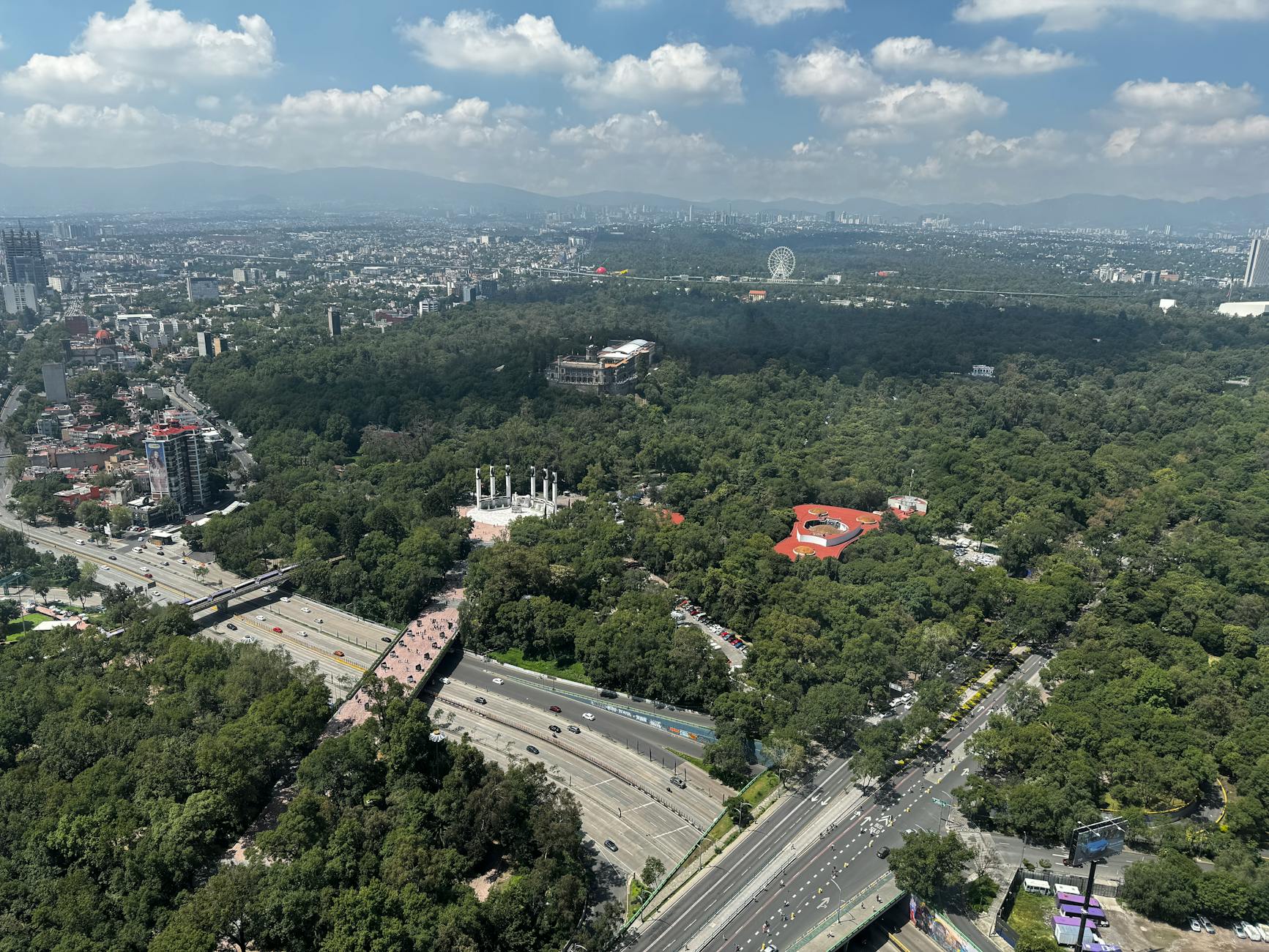
Mexico is not one trip.
Start Here
It is a breakfast taco eaten standing beside a griddle in Mexico City, a courtyard hotel in Oaxaca perfumed with chocolate and woodsmoke, a Maya pyramid rising from dry Yucatán forest, a cenote hidden under limestone, a highland town where church bells echo over cobblestones, a Pacific beach with black-sand surf, a whale surfacing beside a panga in Baja, a mariachi plaza in Guadalajara, a desert canyon larger than your expectations, a market stall selling seven kinds of mole, a commuter Metro car at rush hour, a beach club bill you should have checked before sitting down, and a country where a two-hour flight can move you between completely different climates, cuisines, histories, and safety realities.
Most first-time visitors arrive with one of several images: Cancún and turquoise water, Mexico City and tacos, Oaxaca and Day of the Dead, Tulum and cenotes, Cabo and resorts, or Chichén Itzá and ancient stone. All of those Mexicos are real. None of them is enough. The planning mistake is treating Mexico like a single destination rather than a country of regions.
Mexico rewards travelers who choose a coherent route family. A brilliant first trip might be Mexico City, Puebla, and Oaxaca. Another might be Mérida, Valladolid, Uxmal, Chichén Itzá, Bacalar, and a Caribbean beach. Another might be Baja whale watching and Sea of Cortez snorkeling. Another might be Guadalajara, Tequila, San Miguel de Allende, Guanajuato, and Mexico City. Trying to stitch all of those into one trip is how people turn Mexico into airport management.
This guide is designed for travelers who want Mexico to make sense before they arrive. It explains how to choose a route, how many days you need, when to visit by region, where to stay, how to use buses and domestic flights, when renting a car helps, when it is a mistake, what to book ahead, how to think about safety by state and route rather than by national stereotype, how to eat well, what to skip, and how to travel with pleasure, curiosity, and respect.
Mexico in one sentence: Mexico is a country of powerful regional identities, where the best trip comes from choosing one clear route, respecting distance and safety realities, eating regionally, and letting markets, neighborhoods, ruins, beaches, and rituals carry the trip instead of chasing every famous place.
Basic data
| Population | About 130 million |
|---|---|
| Area | 1,964,375 km2 |
| Major religions | Roman Catholicism, evangelical Christianity, and a growing secular population |
| Political system | Federal presidential republic |
| Economic system | Upper-middle-income mixed market economy linked to manufacturing, services, trade, and tourism |
Quick Verdict
| Question | Answer |
|---|---|
| Best for | Food, archaeology, museums, markets, beaches, colonial cities, Indigenous cultures, art, design, street life, nature, wildlife, road trips, festivals, music, mezcal and tequila, diving, surfing, family travel, luxury resorts, backpacking, and travelers who like intensity with warmth. |
| Not ideal for | Travelers who want one simple national itinerary, frictionless driving everywhere, guaranteed beach conditions year-round, no safety planning, late-night wandering in unfamiliar areas, or a country where every destination works the same way. Mexico is rewarding, but it asks you to plan by region. |
| Ideal first visit | 10 to 14 days if you want Mexico City plus Oaxaca or Yucatán. Seven days can be excellent if focused. Five days works for one city or one beach-region base. Three weeks lets you combine two route families without rushing. |
| Best first-timer routes | Mexico City + Puebla + Oaxaca; Mexico City + Mérida/Yucatán; Yucatán Peninsula loop; Mexico City + beach finish; Baja Sur nature and coast; or Guadalajara + Guanajuato/San Miguel + Mexico City. |
| Best months overall | November to April for dry-season comfort in much of the country. October/November and February/March are especially strong for food, culture, and walking. Beach seasons vary sharply by coast. |
| Best cultural trip months | October to April for Mexico City, Puebla, Oaxaca, Guanajuato, San Miguel de Allende, Guadalajara, and Mérida. Late October/early November is special for Día de Muertos, but expensive and crowded in famous destinations. |
| Best beach months | Caribbean and Yucatán beaches are usually easiest December to April. Pacific beaches are also strong in winter and early spring. Baja whale-watching peaks in winter. Summer can be hot, humid, rainy, storm-prone, and sometimes affected by sargassum on the Caribbean coast. |
| Biggest planning mistake | Assuming Mexico is either “unsafe” or “safe” as a whole. The right question is: Which state, which city, which neighborhood, which road, which time of day, which transport mode, and which current advisory? |
| One thing to book early | Día de Muertos lodging and guides, Mexico City fine dining, Frida Kahlo Museum tickets, high-season beach hotels, whale-watching trips in Baja, popular boutique hotels in Oaxaca/San Miguel/Tulum, and 2026 World Cup lodging in Mexico City, Guadalajara, and Monterrey. |
| One thing to leave unscheduled | Market wandering, taco crawls, a second coffee, a slow plaza evening, a beach day that depends on weather, or a neighborhood walk after you learn the rhythm of the place. |
| Most important warning | Avoid casual long-distance night driving, use current state-level advisories, respect hurricane and sargassum season, and do not treat border areas, remote roads, or cartel-affected states as ordinary sightseeing terrain. |
| Best low-cost pleasures | Tacos, mercados, public plazas, street snacks, local buses in cities, museum days, beach sunsets, neighborhood bakeries, cemeteries and altars during Día de Muertos, free city walks, and regional dishes in humble fondas. |
The Move
Build Mexico around route families, not bucket-list fragments. Choose one of these: central culture and food, Yucatán/Maya and Caribbean, Pacific coast and Oaxaca, Baja wildlife and desert-sea landscapes, colonial highlands, Jalisco/tequila/music, Chiapas/nature, or northern canyon/desert travel. Then protect the route from bloat.
Who Will Love Mexico?
You will probably love Mexico if you want:
- A country where food is not a side activity but a way to understand place: corn, chiles, beans, moles, seafood, masa, cacao, mezcal, tequila, coffee, tropical fruit, and regional markets.
- A trip that can combine major museums, ancient cities, contemporary art, colonial architecture, beach time, wildlife, and neighborhood life without feeling like a museum-only itinerary.
- A country where cities have texture: Mexico City, Oaxaca, Puebla, Guadalajara, Mérida, Guanajuato, San Miguel de Allende, Veracruz, Monterrey, Tijuana, and more.
- A beach country with real variety: Caribbean reefs, Pacific surf, Baja desert coves, resort corridors, fishing towns, islands, and low-key coastal villages.
- Travel that feels energetic, human, layered, and sometimes chaotic rather than sterile.
You may struggle with Mexico if you want:
- A single “best itinerary” that covers the whole country.
- No planning around security, driving, weather, or regional logistics.
- Tap-water simplicity everywhere.
- Guaranteed quiet beach towns in places that have become globally famous.
- Perfectly predictable restaurant hours, road times, or tour pricing.
- A vacation where you never need cash, Spanish basics, or judgment.
Mexico is not hard because nothing works. Much works very well: airports, buses, ride-hailing, boutique hotels, guides, museums, beach resorts, restaurants, and domestic tourism infrastructure. Mexico is hard when travelers ignore scale, season, safety geography, and the difference between a resort corridor and a mountain road.
Mexico at a Glance
| Practical | Detail |
|---|---|
| Official name | United Mexican States. Mexico is a federal republic of 32 federal entities: 31 states plus Mexico City. |
| Capital | Mexico City, usually abbreviated CDMX. It is often the best first stop even for travelers who think they are “beach people.” |
| Language | Spanish is the national working language for travelers. Mexico also has many Indigenous languages, including Nahuatl, Maya languages, Zapotec, Mixtec, Otomí, Purépecha, Totonac, Mazatec, Tzotzil, Tzeltal, and others. Learn basic Spanish greetings and do not treat Indigenous communities as photo props. |
| Currency | Mexican peso, written as MXN or $. In Mexico, the dollar sign often means pesos unless clearly marked USD. |
| Cards vs cash | Cards are common in hotels, restaurants, supermarkets, and many urban businesses. Cash remains important for markets, taxis, tips, small restaurants, public bathrooms, rural areas, beach towns, tolls, parking, and small purchases. |
| Time zones | Mexico has multiple time zones. Quintana Roo does not always align with Mexico City. Check flight, ferry, tour, and border times carefully. |
| Main airports | Mexico City Benito Juárez (MEX), Felipe Ángeles (NLU), Cancún (CUN), Guadalajara (GDL), Monterrey (MTY), Los Cabos (SJD), Puerto Vallarta (PVR), Mérida (MID), Oaxaca (OAX), Tijuana (TIJ), León/Guanajuato (BJX), La Paz (LAP), Huatulco (HUX), and others. |
| Entry basics | Many visitors can enter Mexico for tourism without a visa, but permitted stay is not automatic for the maximum length. Mexico’s official tourism site says tourist stays are generally up to 180 days, with the exact duration at the discretion of the immigration officer.[2] INM’s FMM system also states a maximum validity of 180 calendar days for a single entry.[3] |
| Emergency number | 911 is Mexico’s national emergency number; Mexico City’s official visitor emergency information also lists 911 as the fastest emergency response channel.[4] |
| Electricity | 127V, 60Hz. Type A and B plugs are common. North American plugs usually fit; many travelers from Europe, the UK, Australia, and elsewhere need an adapter. |
| Tap water | Short-term visitors should not drink tap water unless it is explicitly filtered and confirmed by the accommodation. Use sealed bottled water or reliable filtered water. Be thoughtful about plastic waste. |
| Best transport tools | Google Maps, ride-hailing apps where available, WhatsApp, airline apps, ADO for many south/east bus routes, ETN/Primera Plus for many central/west routes, Tren Maya booking tools for Yucatán-area rail, and local transit cards in Mexico City. |
| Best map mindset | Driving distance and real travel time are not the same. Mountains, traffic, tolls, topes, checkpoints, road quality, weather, and safety can change the day. |
| Official tourism site | Visit Mexico is the national tourism portal and links to tourism tools such as Magical Towns and the Atlas Turístico de México.[1] |
First-Timer Mistake
A lot of travelers ask, “Is Mexico safe?” That question is too blunt to be useful. Ask instead: Which exact places am I visiting, how am I moving between them, am I traveling by day, what do current advisories say for those states, and what local behavior would reduce avoidable risk?
Current Visitor Notes
Entry Permission Is Usually Generous, But Not Unlimited
Mexico’s visitor permission is commonly discussed as “180 days,” but the precise number of days granted is at immigration discretion. The official Visit Mexico visa/passport page says the tourist stay permit is generally up to 180 days and that the exact duration is decided at entry.[2] INM’s FMM page describes the FMM as valid for a maximum of 180 calendar days for one entry.[3]
The move: Check your passport nationality, visa requirement, allowed stay, airline documentation, and whether you receive a physical or digital FMM record. Do not assume every visitor gets 180 days. Verify the number of days granted before leaving immigration, especially if planning a long stay or remote-work period.
Safety Advice Must Be State-by-State
Mexico should not be described as one uniform safety situation. The U.S. State Department’s Mexico advisory is organized by state and highlights restrictions on U.S. government employees, including not traveling between cities after dark and using regulated taxi stands or app-based services rather than street-hailing taxis in many contexts.[5] It lists different risk levels and restrictions for places visitors actually use: Mexico City and Quintana Roo are in “exercise increased caution” sections, while Campeche and Yucatán are listed under “exercise normal precautions” in the advisory at the time checked.[5]
The UK FCDO also advises against travel to some parts of Mexico and specifically tells travelers to research destinations, travel during daylight where possible, monitor local media, and tell trusted contacts their plans.[7]
The move: Write this section like an operating system, not a reassurance paragraph. Name the state, the route, the transport mode, the time of day, and the latest advisory. A resort zone, a colonial city center, a rural highway, a border city, and a remote mountain road are not the same thing.
World Cup 2026 Will Distort Travel in Three Cities
Mexico is co-hosting the 2026 FIFA World Cup with the United States and Canada. The tournament runs from June 11 to July 19, 2026, and Mexico’s host cities are Mexico City, Guadalajara, and Monterrey.[9][10]
The move: For June/July 2026, treat Mexico City, Guadalajara, and Monterrey as event cities. Book lodging early, check stadium-day transit, avoid assuming normal restaurant availability near fan zones, and expect higher prices, airport strain, and more policing around match periods.
Hurricane and Storm Timing Matters on Both Coasts
NOAA’s National Hurricane Center states that the Atlantic hurricane season runs June 1 to November 30, while the Eastern Pacific season runs May 15 to November 30.[11] This matters for the Caribbean coast, Gulf coast, Baja, Pacific resorts, and any beach-heavy itinerary. Storms do not hit every destination every year, but the season affects travel insurance, flight flexibility, surf, rain, road conditions, and evacuation planning.
The move: For beach travel from late summer through autumn, choose refundable lodging where possible, track official forecasts, and avoid planning remote coastal or island travel without a weather buffer.
Sargassum Can Change the Caribbean Beach Experience
Sargassum is not a constant, but it can be severe on parts of the Mexican Caribbean. In 2026, reporting from Quintana Roo described an early and strong sargassum season, with May to July expected to be among the difficult months.[12]
The move: Do not promise “white sand and turquoise water” blindly for Cancún, Playa del Carmen, Tulum, or Riviera Maya beaches in spring/summer. Use current local beach-condition maps, choose hotels with active beach management, consider west-facing islands or non-Caribbean alternatives, and give readers a backup plan: cenotes, Cozumel, Bacalar, Mérida, Valladolid, museums, and food days.
The Tren Maya Is Useful, But Not Magic
The Tren Maya booking site lists stations across the peninsula and region, including Cancún Airport, Puerto Morelos, Playa del Carmen, Tulum, Mérida Teya, Izamal, Chichén Itzá, Valladolid, Bacalar, Chetumal Airport, Calakmul, Campeche, and Palenque among others.[13]
The move: Treat the Tren Maya as one tool in Yucatán-area planning, not as a universal replacement for buses, cars, transfers, and tours. Station locations, onward transport, schedule frequency, luggage, and last-mile logistics matter.
Archaeological Site Fees and Rules Change
INAH’s Chichén Itzá page lists official access details, hours, and the federal fee, and notes that extra charges from state governments or other institutions can apply.[14] This is common at famous sites where federal, state, community, park, parking, or guide costs can stack.
The move: For guides, verify each archaeological site close to publication. Include hours, last entry, ticket channels, whether guides are required or recommended, whether drones/tripods are allowed, and whether visitors can climb structures. In many major sites, climbing is prohibited or inappropriate.
How to Understand Mexico
Mexico becomes much easier when you stop asking “What are the best places in Mexico?” and start asking “Which Mexico am I planning?”
The Eight Mexicos Most Travelers Meet
| Mexico | Where you feel it | What it gives you |
|---|---|---|
| Capital Mexico | Mexico City, Teotihuacan, Coyoacán, Roma/Condesa, Centro Histórico, Xochimilco, Chapultepec | Museums, tacos, architecture, politics, art, ancient and modern layers, urban energy, and the best first orientation for many travelers. |
| Central Highlands Mexico | Puebla, Cholula, Querétaro, San Miguel de Allende, Guanajuato, Morelia, Pátzcuaro, Taxco, Cuernavaca | Colonial cities, plazas, churches, crafts, highland climate, road trips, food traditions, and weekend-style travel from CDMX. |
| Oaxaca Mexico | Oaxaca City, Monte Albán, Mitla, Sierra Norte, mezcal valleys, Pacific coast, Isthmus | Markets, mole, mezcal, Indigenous cultures, textiles, Day of the Dead, ruins, mountains, surf, and one of the strongest food-and-culture regions in the country. |
| Maya and Yucatán Mexico | Mérida, Valladolid, Izamal, Uxmal, Chichén Itzá, Campeche, Bacalar, Calakmul, Riviera Maya | Maya sites, cenotes, colonial cities, Caribbean beaches, haciendas, limestone landscapes, and routes where buses/cars/Tren Maya all compete. |
| Pacific Mexico | Puerto Vallarta, Riviera Nayarit, Sayulita, San Pancho, Manzanillo, Zihuatanejo, Huatulco, Puerto Escondido, Mazunte | Surf, seafood, sunsets, resort towns, fishing villages, jungle-backed beaches, and coastal roads that require safety/weather judgment. |
| Baja Mexico | Tijuana, Valle de Guadalupe, Ensenada, La Paz, Todos Santos, Los Cabos, Loreto, San Ignacio, Sea of Cortez | Desert-meets-sea landscapes, whales, wine, snorkeling, diving, road trips, luxury resorts, and a distinct peninsula rhythm. |
| Northern and Canyon Mexico | Chihuahua, Copper Canyon, Monterrey, Durango, Sonora, Coahuila, Zacatecas, Baja borderlands | Desert, mountains, industrial cities, canyons, ranch culture, northern food, and routes that demand careful safety planning. |
| Nature and Borderlands Mexico | Chiapas, Veracruz, Huasteca Potosina, Monarch Butterfly Biosphere Reserve, Sian Ka’an, Calakmul, biospheres, volcanoes | Waterfalls, cloud forests, ruins, coffee, rivers, wildlife, caves, mountains, and places where roads, weather, permits, and advisories matter. |
Local Logic
Mexico is built from regions, not from a single tourist circuit. Food changes by state. Altitude changes how the weather feels. Beaches change by ocean. Security changes by neighborhood and road. A “colonial city” in the Bajío does not feel like Mérida. Oaxaca does not eat like Yucatán. Baja does not move like Chiapas. Cancún is not Mexico City with a beach.
The country is also a domestic-tourism powerhouse. Many of the best destinations are not hidden from Mexicans; they are beloved by Mexicans. National holidays, school vacations, long weekends, Semana Santa, Christmas/New Year, Día de Muertos, regional festivals, and football events can affect prices and crowd levels as much as foreign tourism.
The Country’s Central Contrasts
- Ancient vs contemporary: Teotihuacan, Maya sites, Zapotec cities, and Mexica ruins sit alongside global design, galleries, restaurants, and music scenes.
- Resort Mexico vs lived Mexico: Cancún, Los Cabos, and Tulum are real travel products, but they are not sufficient introductions to the country.
- Indigenous continuity vs tourist consumption: Many regions are living Indigenous cultural landscapes, not costume backdrops.
- Hospitality vs pressure: Mexico can be generous and warm, while tourist zones can also be full of upselling, scams, and pricing opacity.
- Beauty vs fragility: Cenotes, reefs, deserts, forests, and beaches are under pressure from tourism, water use, development, and climate.
- Safety nuance vs lazy stereotypes: Some places are among the easiest destinations in the hemisphere; others are not appropriate for casual tourism.
The Country’s Rhythm
Mexico’s daily rhythm varies by region, altitude, heat, and city size. In many cities, breakfast can be substantial, lunch is often the main meal, and dinner may be later and lighter. Markets are best in the morning. Museums often close one day a week, frequently Monday. Sunday plazas can be lively, but some restaurants and shops close. Beach towns may wake later. Hot lowland cities often feel best early and late, with midday reserved for shade, meals, or siesta-like pauses even if formal siesta culture is not universal.
The move: Plan important outdoor sightseeing in the morning. Use lunch as a major food event. Save plazas, mezcal bars, taco stands, markets, and neighborhood strolls for the time of day when the place actually feels alive.
Choose Your Mexico Trip
A definitive Mexico guide should help readers choose the trip before telling them what to do. Here are the major route families.
1. The Best First Cultural Trip: Mexico City + Puebla + Oaxaca
Best for: Food, museums, ruins, markets, neighborhoods, architecture, first-timers who want depth.
Ideal length: 9 to 12 days.
Route: Mexico City for 4 to 5 days, Puebla/Cholula for 1 to 2 days, Oaxaca City for 4 to 5 days, with optional Monte Albán, Mitla, mezcal valleys, and Sierra Norte.
Why it works: It gives Mexico’s urban, colonial, Indigenous, archaeological, and culinary layers without requiring beach logistics.
Common mistake: Adding a beach finish when you only have 9 days. Oaxaca’s coast is wonderful, but the mountain-to-coast transfer is longer than map psychology suggests.
2. The Best Yucatán and Maya Trip
Best for: Maya sites, cenotes, colonial cities, easier road trips, families, beach-plus-culture.
Ideal length: 8 to 14 days.
Route options: Cancún or Mérida arrival; Valladolid; Chichén Itzá; Mérida; Uxmal; Campeche; Bacalar; Tulum or Cozumel/Isla Mujeres; optional Calakmul.
Why it works: The Yucatán Peninsula is one of Mexico’s easiest regions for first-time self-driving or bus travel if you plan carefully.
Common mistake: Staying only in the Riviera Maya and doing every cultural site as an exhausting day trip from a beach resort.
3. The Best Mexico City Deep Dive
Best for: Food, art, museums, design, nightlife, neighborhoods, first-time urban travelers.
Ideal length: 5 to 7 days.
Route: Base in Roma/Condesa, Juárez, Polanco, Centro, Coyoacán, or Reforma. Add Teotihuacan, Xochimilco, Coyoacán, Chapultepec, Centro Histórico, markets, and food crawls.
Why it works: Mexico City is big enough for a full trip. It has more than enough depth without adding flights.
Common mistake: Treating CDMX as a one-night transit stop before the beach.
4. The Best Beach-and-Culture Trip
Best for: Couples, families, honeymooners, travelers who want museums/markets first and ocean after.
Ideal length: 10 to 14 days.
Route options: Mexico City + Oaxaca + Huatulco/Puerto Escondido; Mexico City + Mérida + Caribbean island; Mexico City + Guadalajara + Puerto Vallarta; Mexico City + La Paz/Los Cabos.
Why it works: Start with high-energy culture; end with water and recovery.
Common mistake: Choosing the beach only by Instagram instead of season, seaweed, surf, swimming conditions, and travel time.
5. The Baja Wildlife and Desert-Sea Trip
Best for: Whales, snorkeling, kayaking, diving, road trips, desert landscapes, winter sun.
Ideal length: 7 to 14 days.
Route: La Paz, Todos Santos, Los Cabos, Cabo Pulmo, Loreto, San Ignacio/Guerrero Negro for whales, or a longer peninsula road trip.
Why it works: Baja is a different Mexico: less colonial-city density, more desert, sea, wildlife, and road-trip scale.
Common mistake: Thinking “Cabo” and “Baja” are the same thing. Los Cabos is a resort gateway; Baja California Sur is much bigger and more varied.
6. The Food Mexico Trip
Best for: Serious eaters, market lovers, culinary travelers.
Ideal length: 10 to 16 days.
Route: Mexico City, Puebla, Oaxaca, Mérida, Guadalajara, Ensenada/Valle de Guadalupe, or Veracruz depending taste.
Why it works: Mexico’s regional cuisines are among the world’s great travel structures.
Common mistake: Eating only from global restaurant lists. The markets, fondas, tortillerías, breakfast counters, street stands, and regional home-style dishes matter.
7. The Colonial Highlands Trip
Best for: Architecture, plazas, boutique hotels, art, slow travel, older travelers, road trips.
Ideal length: 7 to 12 days.
Route: Mexico City, Querétaro, San Miguel de Allende, Guanajuato, Dolores Hidalgo, maybe Morelia and Pátzcuaro depending advisory and route.
Why it works: Distances are manageable, towns are atmospheric, and the highland climate is pleasant much of the year.
Common mistake: Visiting only San Miguel de Allende and assuming you have understood central Mexico.
8. The Adventure and Nature Trip
Best for: Waterfalls, hiking, rivers, mountains, canyons, wildlife, caves, and less urban travel.
Ideal length: 10 to 21 days.
Route options: Chiapas; Huasteca Potosina; Copper Canyon; Baja; Monarch Butterfly Reserve; Veracruz coffee/cloud forests; Calakmul/Sian Ka’an.
Why it works: Mexico’s natural diversity is underappreciated compared with its beaches and cities.
Common mistake: Underestimating roads, weather, permits, guides, and advisory status. Adventure Mexico is not the place to improvise carelessly.
9. The 2026 World Cup Mexico Trip
Best for: Football fans, city breaks, group travel, event-focused itineraries.
Ideal length: 5 to 12 days depending match tickets.
Route: Mexico City, Guadalajara, Monterrey, with possible side trips: Teotihuacan, Puebla, Tequila, Chapala/Ajijic, or Santiago/Chipinque near Monterrey.
Why it works: The host cities are major urban destinations, not isolated stadium towns.
Common mistake: Treating match travel like normal tourism. Prices, crowds, policing, transit, accommodation, and reservations will be abnormal.
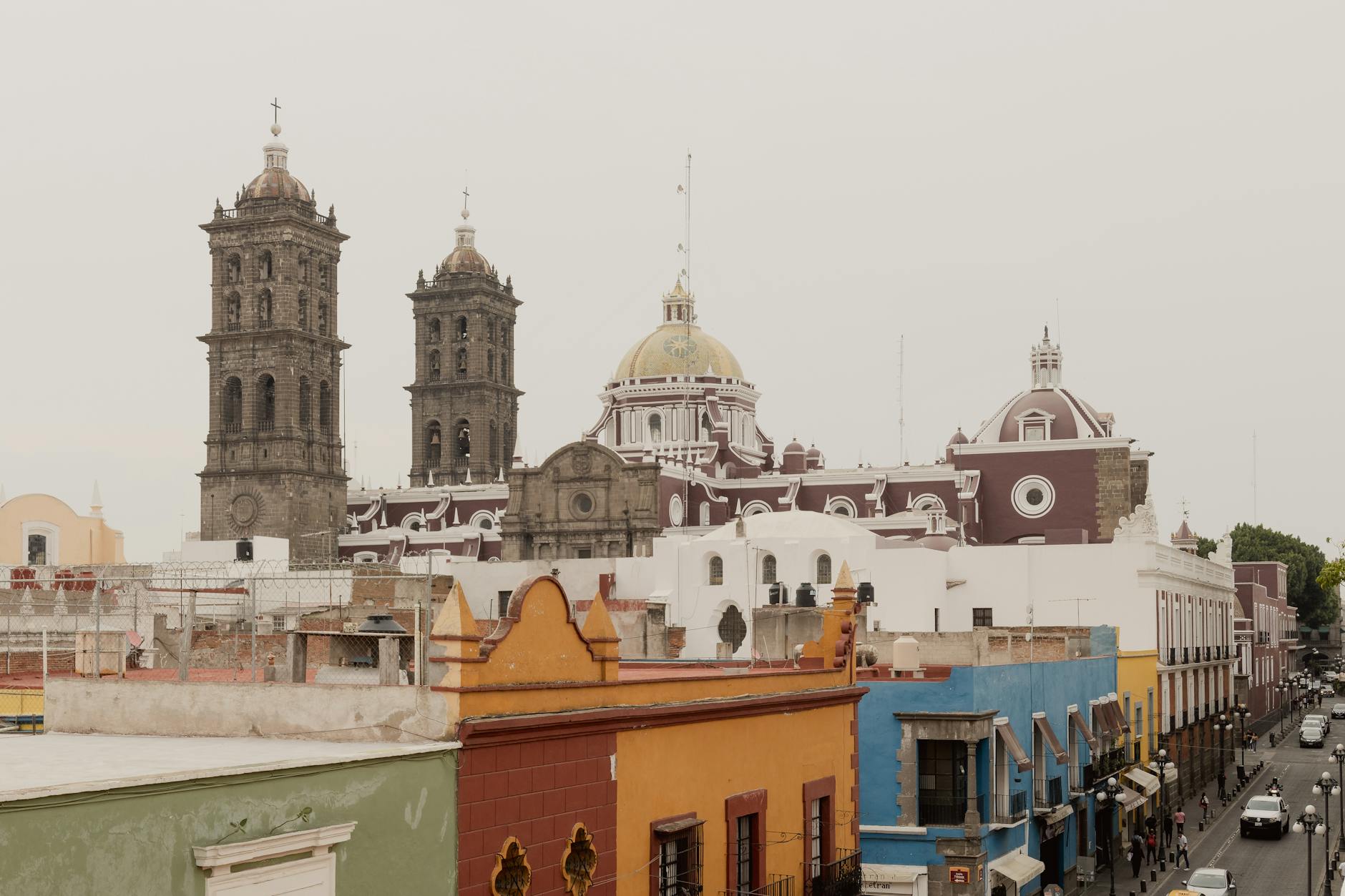
Best Time to Visit Mexico
There is no single best month for all of Mexico. The country spans deserts, highlands, jungles, Caribbean coast, Pacific coast, Gulf coast, and mountains. The best time depends on your route.
Best Overall Months
November to April is the cleanest national answer for most first-time trips. It is generally the dry season across many central and southern regions, better for walking cities, visiting ruins, and enjoying beaches. December to February can be cooler in highland cities and busy in beach resorts.
October and November are excellent for culture: rains are often easing, landscapes can be green, temperatures are more comfortable, and Día de Muertos creates one of Mexico’s most powerful seasonal travel moments. Book early for Oaxaca, Mexico City, Pátzcuaro, and famous cemetery/altar destinations.
February and March are strong for Mexico City, Oaxaca, Puebla, Mérida, Baja whales, Pacific beaches, and many central routes.
May can be hot, especially in lowland Yucatán, and the rainy season starts building in many areas. It can still be good value if you handle heat.
June to September is more complex: rainy season, humidity, hurricanes, school vacations, lush landscapes, and surf season in some Pacific areas. It is not automatically bad, but it requires region-specific planning.
Season-by-Season
| Season | What to expect | Best for | Watch out for |
|---|---|---|---|
| Dry season: roughly November–April | Lower rainfall in many regions, pleasant city walking, peak beach demand, cool highland nights. | First trips, culture routes, Yucatán, Mexico City, Oaxaca, Baja, Pacific beaches, ruins. | Higher hotel prices, Christmas/New Year crowds, Semana Santa surges, dry-season air pollution in Mexico City. |
| Hot shoulder: April–May | Increasing heat, especially in Yucatán and lowlands; still good in highlands. | Value trips, fewer crowds, some beach trips, city/food travel with heat planning. | Very hot Mérida/Yucatán, pre-rain humidity, wildfire/smoke or air-quality issues in some areas. |
| Rainy season: roughly June–October | Afternoon/evening rain in many central/southern regions, lush landscapes, humidity, storm risk. | Oaxaca if flexible, Mexico City museums/food, surf, lower prices, green landscapes. | Hurricanes, flooding, landslides, beach disruptions, mosquitoes, washed-out roads. |
| Festival autumn: late October–November | Día de Muertos, harvest/festival energy, improving weather. | Culture, food, photography, Oaxaca, CDMX, Pátzcuaro, Puebla. | High prices and crowds around famous Día de Muertos destinations. |
Region-by-Region Timing
| Region | Best window | Notes |
|---|---|---|
| Mexico City | October–April, with many travelers loving February–April and October–November. | High altitude keeps temperatures moderate. Rainy afternoons are common in summer. Air pollution can be worse in dry months. |
| Oaxaca City and valleys | October–March. | Día de Muertos is special but crowded and expensive. May can be very hot. Summer is rainy but green. |
| Oaxaca coast | November–April for easier beach weather; summer for surf in some areas. | Swimming conditions vary by beach. Puerto Escondido’s Zicatela is not a casual swimming beach. |
| Yucatán and Riviera Maya | December–April for beach and ruins. | May can be extremely hot. Hurricane season and sargassum can affect late spring through autumn. |
| Baja California Sur | November–April for comfortable weather; January–March for whale watching. | Summer can be brutally hot inland; hurricane risk rises late summer into autumn. |
| Central Highlands | October–April, but many cities are year-round with cool nights. | Great for road trips if you use toll roads and avoid night driving. |
| Pacific Coast | November–April for dry beach weather. | Summer and autumn can bring heat, humidity, heavy rain, hurricanes, and strong surf. |
| Chiapas | November–April generally easiest. | Rain can affect roads and waterfalls; check current safety guidance carefully. |
| Copper Canyon | October–March for cooler weather; spring/fall can be good. | Winter can be cold at elevation. Safety and route planning need current checking. |
Month-by-Month Verdict
| Month | Verdict |
|---|---|
| January | Excellent for beaches, Baja whales, Yucatán ruins, Oaxaca, Mexico City, and central highlands. Peak prices in resorts and holiday zones early in the month. |
| February | One of the best months nationally. Strong for whales, beaches, city walks, food routes, and ruins. Cool highland mornings and evenings. |
| March | Excellent but warmer. Semana Santa timing can reshape crowds and prices. Great for cultural routes and many beaches. |
| April | Good but increasingly hot. Semana Santa/Easter can be very busy. Yucatán heat rises. Beaches still popular. |
| May | Hot shoulder month. Good value in some areas, but Mérida/Yucatán can be oppressive and Caribbean sargassum can become more noticeable. |
| June | Rainy season builds. Good for museums, food, and green landscapes if flexible. Hurricane season begins in the Atlantic and is already underway in the Pacific. |
| July | Rainy, humid, and busy with school vacations in some places. Oaxaca’s Guelaguetza period is culturally important but requires planning. |
| August | Rain, humidity, storms, and summer travel. Surf and lush landscapes can appeal, but beach trips need weather insurance. |
| September | Often the trickiest month: storms, rain, Independence Day, lower prices, and humidity. Not ideal for first-time beach trips. |
| October | Transitional and increasingly attractive. Late October is Día de Muertos build-up. Storm risk can remain on coasts. |
| November | Excellent. Día de Muertos, improving weather, strong cultural travel, and the start of winter beach season. Book early. |
| December | Great weather in many areas, festive mood, high prices around Christmas/New Year, cool highland nights. |
Rain Plan
Mexico’s rainy season usually does not mean all-day rain everywhere. In many central and southern areas, mornings can be clear and late afternoons wet. Build outdoor sights early, leave museums and food for later, and avoid scheduling remote roads after heavy rain.
How Many Days You Need
The Honest Answer
You need 10 to 14 days for a satisfying first Mexico trip that combines more than one region. You can have an excellent 5- to 7-day trip if you focus. You cannot “do Mexico” in one vacation.
| Length | What it feels like |
|---|---|
| 3 days | One city break: Mexico City, Oaxaca, Mérida, Guadalajara, Puebla, or a resort weekend. Do not add long transfers. |
| 5 days | Strong for Mexico City, Oaxaca City, Mérida/Valladolid, Los Cabos/La Paz, or one beach base. Add one or two day trips. |
| 7 days | Excellent focused route: Mexico City + Puebla, Mexico City + Oaxaca by flight, Yucatán loop, Baja Sur, or Guadalajara + Tequila + Guanajuato. |
| 10 days | Best first-trip range for Mexico City + Puebla + Oaxaca, or Yucatán culture + beach, or CDMX + beach finish. |
| 14 days | Lets you combine two route families with some breathing room: CDMX/Oaxaca + Yucatán, CDMX/Bajío + Jalisco, or Baja Sur + Mexico City. |
| 3 weeks | Enough for a deeper country sampler, but still not enough for everything. Choose two or three regions, not six. |
| 1 month+ | Best for slow travel, Spanish study, remote work, food research, or combining major regions without constant flights. |
Itinerary Philosophy
A good Mexico itinerary usually has:
- One anchor city or region for the first half.
- One contrast region for the second half.
- At least one market morning.
- At least one ruin or museum day.
- One or two food-led evenings.
- A weather buffer for beaches, ferries, or mountains.
- No long-distance driving after dark.
The Move
If you have fewer than 10 days, choose either Mexico City + Oaxaca or Yucatán culture + beach, not both. If you have two weeks, you can combine them with flights, but the trip becomes more expensive and more airport-heavy.
Where to Stay
Where you stay in Mexico matters because neighborhoods, heat, traffic, beaches, safety, and evening atmosphere vary sharply.
The Short Answer
- For a first Mexico City visit: Roma, Condesa, Juárez, Reforma, Polanco, or Centro depending style.
- For Oaxaca City: Centro, Jalatlaco, Xochimilco, or a quieter edge of the historic center.
- For Puebla: Centro Histórico or Cholula if you want a younger, more local-feeling base.
- For Mérida: Centro, Santa Ana, Santiago, Santa Lucía, or Paseo de Montejo.
- For Yucatán ruins and cenotes: Valladolid is one of the best inland bases.
- For Riviera Maya beaches: Choose carefully among Cancún, Isla Mujeres, Playa del Carmen, Cozumel, Tulum, Akumal, Bacalar, and Holbox; they are not interchangeable.
- For Baja: La Paz for Sea of Cortez and wildlife; Todos Santos for artsy desert-coast mood; Los Cabos for resorts; Loreto for quieter nature.
- For Guadalajara/Jalisco: Colonia Americana, Centro, Tlaquepaque, or Tequila depending trip.
- For San Miguel/Guanajuato: Stay central if mobility is limited; hills and cobbles matter.
Neighborhood and Base Decision Tree
| You want... | Stay in... |
|---|---|
| Best first-time Mexico City food and nightlife | Roma Norte, Condesa, Juárez |
| CDMX luxury and museums | Polanco or Reforma |
| CDMX history at the doorstep | Centro Histórico, with safety and noise judgment |
| Oaxaca markets and walkability | Centro, Jalatlaco, Xochimilco |
| Yucatán city culture | Mérida Centro or Paseo de Montejo |
| Easy access to Chichén Itzá and cenotes | Valladolid |
| Caribbean resort convenience | Cancún Hotel Zone or Riviera Maya resort corridor |
| Island beach feel near Cancún | Isla Mujeres or Cozumel |
| Trendy but expensive beach scene | Tulum, with strong expectation management |
| Lower-key lagoon and swimming | Bacalar, with environmental responsibility |
| Pacific surf | Puerto Escondido, Sayulita/San Pancho, parts of Oaxaca coast |
| Calm resort beach | Huatulco, Los Cabos, Riviera Nayarit, some Riviera Maya resorts |
| Whale watching and Sea of Cortez | La Paz, Loreto, San Ignacio/Guerrero Negro depending season |
| Colonial highland romance | San Miguel de Allende, Guanajuato, Querétaro, Puebla |
| Tequila and mariachi culture | Guadalajara, Tlaquepaque, Tequila |
| Big-city mountains and industry | Monterrey, especially for World Cup or business travel |
Base Profiles
Mexico City
Best for: Food, art, museums, architecture, nightlife, markets, day trips, and a first understanding of modern Mexico.
Mexico City is not just a gateway. It is one of the great city trips in the world. First-timers usually do best in Roma/Condesa/Juárez for food and walkability, Polanco/Reforma for comfort and museum access, or Centro if they want history and can handle noise, grit, and evening caution.
Why stay here: The country’s deepest museum and food ecosystem, plus easy flights to the rest of Mexico.
Why not: Altitude, traffic, air quality, decision fatigue, and huge distances between neighborhoods.
The move: Build days by neighborhood clusters: Centro; Chapultepec/Polanco; Roma/Condesa/Juárez; Coyoacán/San Ángel; Teotihuacan; Xochimilco if it fits your interests.
Oaxaca City
Best for: Food, markets, mezcal, crafts, Day of the Dead, archaeology, Indigenous culture, slow city travel.
Oaxaca is one of Mexico’s most rewarding city bases. It combines a walkable historic core with nearby ruins, artisan villages, mezcal palenques, and mountain landscapes.
Why stay here: Incredible food and cultural density at a human scale.
Why not: It can be heavily touristed in peak periods, and Día de Muertos requires advance booking and respectful behavior.
The move: Stay at least four nights if food and markets matter. Oaxaca punishes the traveler who tries to do it as a two-night box-check.
Mérida
Best for: Yucatán culture, colonial architecture, day trips, safety-conscious travelers, families, heat-tolerant food lovers.
Mérida is a strong base for Uxmal, cenotes, haciendas, markets, and the Yucatán interior. It is not a beach city. The coast is reachable, but the city’s real value is culture, food, and regional access.
Why stay here: Excellent base for travelers who want Yucatán beyond Cancún.
Why not: It can be extremely hot, especially April–June.
The move: Pair Mérida with Valladolid and either Campeche, Bacalar, or a Caribbean island rather than commuting everywhere from one base.
Valladolid
Best for: Chichén Itzá, cenotes, colorful streets, slower Yucatán, easier short stays.
Valladolid is one of the smartest bases for travelers who want to visit Chichén Itzá early and enjoy cenotes without making everything a marathon from Cancún or Playa del Carmen.
Why stay here: Good logistics, atmosphere, and access to major sites.
Why not: Smaller dining and nightlife scene than Mérida.
Riviera Maya and Cancún
Best for: Beaches, resorts, diving, snorkeling, family vacations, Caribbean water, easy flights.
This region is not one destination. Cancún is a flight/resort hub. Playa del Carmen is a busy base with ferry access to Cozumel. Tulum is stylish, expensive, spread out, and logistically annoying for some travelers. Cozumel is best for diving and an island feel. Isla Mujeres is easier and more compact. Bacalar is lagoon-focused, not ocean. Holbox is low-rise and weather/ferry dependent.
Why stay here: Easy international access and classic Caribbean vacation infrastructure.
Why not: Sargassum, overtourism, inflated pricing, nightlife risks, and the temptation to ignore Yucatán’s deeper cultural destinations.
The move: Choose the beach base by what you actually want: swimming, diving, nightlife, calm, family ease, ruins, cenotes, or luxury.
Baja California Sur
Best for: Whales, desert landscapes, kayaking, snorkeling, fishing, road trips, resorts, winter sun.
Los Cabos gives luxury and easy flights. La Paz gives Sea of Cortez access and a more local city feel. Todos Santos gives artsy desert-coast atmosphere. Loreto and Mulegé give quieter nature. San Ignacio and Guerrero Negro matter for whale-season travelers.
Why stay here: Baja is one of Mexico’s best nature trips.
Why not: Distances are long, summer heat is real, and public transport is less convenient than in central/southern Mexico.
Guadalajara and Jalisco
Best for: Tequila, mariachi, architecture, food, urban culture, design, regional identity.
Guadalajara is a major city with cultural weight, strong dining, and access to Tequila, Tlaquepaque, Tonalá, Lake Chapala, and the Pacific coast.
Why stay here: Jalisco gives a version of Mexico many visitors imagine but do not actually plan.
Why not: Safety conditions and route choices require current checking, and the city is sprawling.
San Miguel de Allende, Guanajuato, Querétaro
Best for: Colonial architecture, plazas, boutique hotels, art, slower travel, older travelers.
These highland cities are atmospheric and popular. They are best treated as a regional route, not isolated day trips from Mexico City.
Why stay here: Walkable beauty, good hotels, galleries, restaurants, and highland climate.
Why not: Hills, cobblestones, tourist pricing, and occasionally over-romanticized expat bubbles.
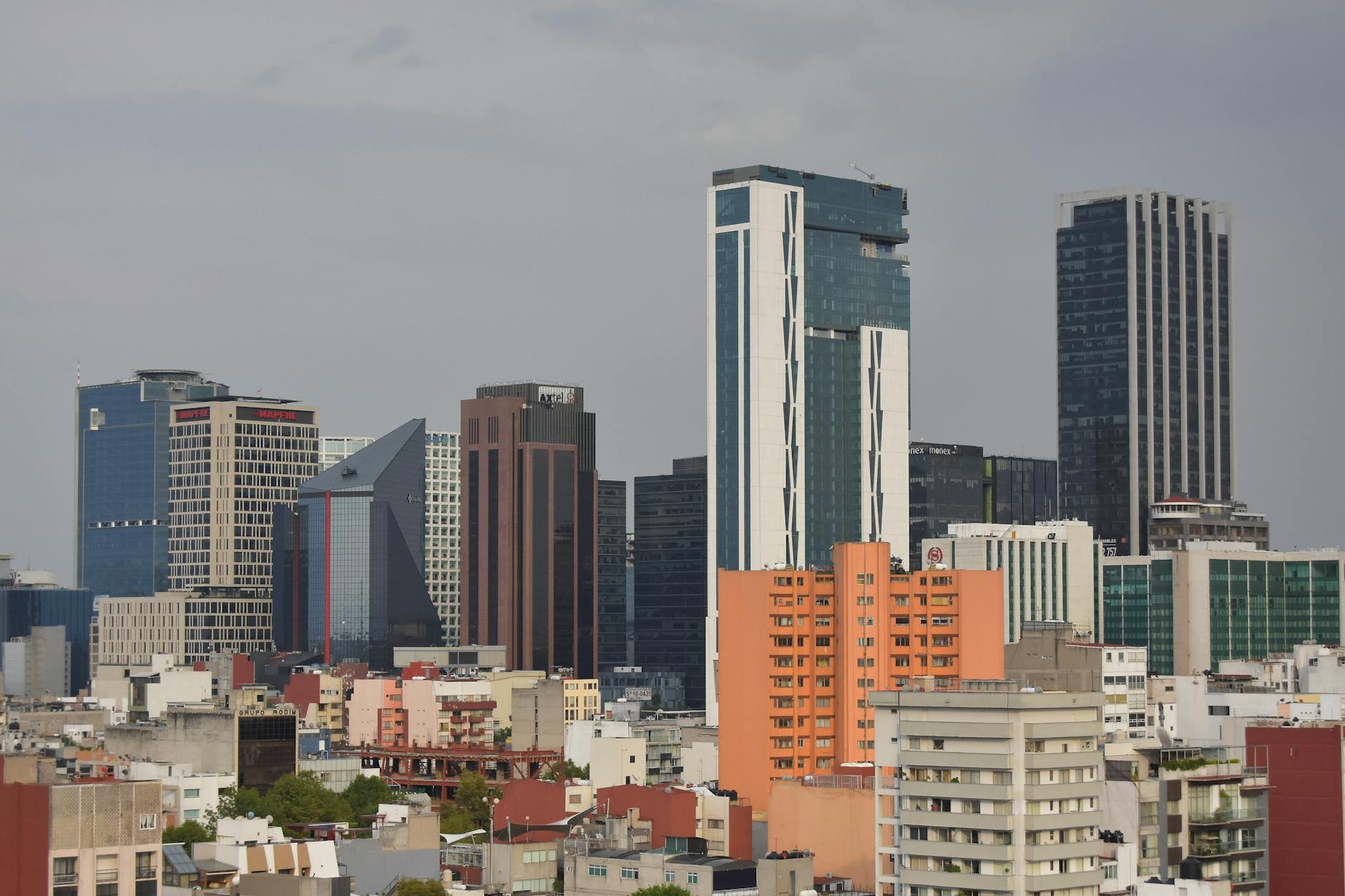
Regional Guide
Mexico City and the Central Valley
Identity: The country’s capital and cultural engine: ancient lakebed, imperial capital, revolutionary stage, modern megacity.
Best for: First-timers, food, art, museums, neighborhoods, architecture, nightlife, markets, and day trips.
Main places: Centro Histórico, Chapultepec, Polanco, Roma, Condesa, Juárez, Coyoacán, San Ángel, Xochimilco, Teotihuacan, Basilica of Guadalupe.
How long: 4 to 7 days.
Best time: October–April, though summer can work with rain planning.
Safety logic: Use normal big-city caution. Ride-hailing is useful at night. Be careful with phones in crowded areas. Choose neighborhoods thoughtfully.
Common mistake: Scheduling Teotihuacan, Anthropology Museum, Frida Kahlo Museum, Centro, Xochimilco, and a fancy dinner all in two days.
Puebla and Cholula
Identity: Baroque architecture, Talavera ceramics, mole poblano, volcano views, churches, and an easier contrast to Mexico City.
Best for: Food, architecture, history, ceramics, short add-ons from CDMX.
How long: 1 to 3 days.
Best time: October–April.
The move: Stay overnight rather than doing Puebla as a rushed day trip. The city is better when you get an evening and breakfast.
Oaxaca
Identity: One of Mexico’s great food-and-culture regions, rooted in Indigenous communities, markets, mezcal, textiles, moles, and ceremonial life.
Best for: Food lovers, markets, crafts, archaeology, festivals, mezcal, slow travelers.
Main places: Oaxaca City, Monte Albán, Mitla, Tlacolula, Teotitlán del Valle, Hierve el Agua, mezcal valleys, Sierra Norte, Puerto Escondido, Huatulco, Mazunte.
How long: 4 to 7 days for city/valleys; 10 to 14 days if adding coast.
Best time: October–March; Día de Muertos is exceptional but crowded.
Common mistake: Treating artisan villages as shopping malls. These are living communities with social rules, photography boundaries, and craft traditions.
Yucatán Peninsula and Mexican Caribbean
Identity: Maya heritage, limestone landscapes, cenotes, Caribbean beaches, colonial cities, lagoon towns, and some of Mexico’s most developed tourism infrastructure.
Best for: Families, first-time self-drivers, archaeology, cenotes, beach+culture, winter sun.
Main places: Cancún, Isla Mujeres, Cozumel, Playa del Carmen, Tulum, Akumal, Bacalar, Valladolid, Mérida, Izamal, Uxmal, Chichén Itzá, Campeche, Calakmul.
How long: 7 to 14 days.
Best time: December–April.
Common mistake: Staying in Tulum because it sounds romantic, then discovering the beach/hotel/town distances, taxi prices, traffic, beach-club costs, and sargassum risk.
Chiapas
Identity: Highlands, Indigenous communities, canyons, waterfalls, coffee, jungle ruins, and one of Mexico’s most complex cultural landscapes.
Best for: Nature, culture, ruins, more adventurous travelers, slower travel.
Main places: San Cristóbal de las Casas, Sumidero Canyon, Palenque, Agua Azul/Misol-Ha area, Tuxtla, Chiapa de Corzo, coffee regions.
How long: 5 to 10 days.
Best time: November–April.
Safety logic: Check current regional advisories carefully. Routes, protests, roadblocks, and local conditions matter.
Common mistake: Treating Indigenous villages as open-air attractions. Use responsible local guides and follow photography rules.
Jalisco, Guadalajara, and the Pacific West
Identity: Mariachi, tequila, charros, urban culture, agave landscapes, Pacific resorts, and one of Mexico’s strongest regional identities.
Best for: Food, music, tequila, city trips, shopping, ceramics, beach add-ons.
Main places: Guadalajara, Tlaquepaque, Tonalá, Tequila, Lake Chapala/Ajijic, Puerto Vallarta, Riviera Nayarit, Sayulita, San Pancho.
How long: 5 to 10 days.
Best time: November–April.
Safety logic: Check Jalisco advisories and route restrictions. Guadalajara and Puerto Vallarta are common tourist destinations, but not every road or rural area is equal.
Baja California and Baja California Sur
Identity: Desert, wine, border culture, whales, sea lions, islands, surf, luxury resorts, and long highways.
Best for: Wildlife, road trips, diving, snorkeling, food/wine, beaches, winter sun.
Main places: Tijuana, Valle de Guadalupe, Ensenada, San Felipe, La Paz, Todos Santos, Los Cabos, Cabo Pulmo, Loreto, Mulegé, San Ignacio, Guerrero Negro.
How long: 5 days for Los Cabos/La Paz; 10 to 21 days for a road trip.
Best time: November–April; January–March for whales.
Common mistake: Driving too much in too little time. Baja is long. A dot on the map can still be a serious drive.
Northern Mexico and Copper Canyon
Identity: Desert, mountains, industrial cities, ranch food, canyons, and border complexity.
Best for: Returning travelers, canyon rail, road-trip specialists, hikers, and travelers with specific regional interests.
Main places: Monterrey, Chihuahua, Creel, Copper Canyon, Zacatecas, Durango, Sonora, Coahuila.
How long: 5 to 12 days depending route.
Best time: October–March.
Safety logic: This is not the region for casual improvisation. Check advisories, routes, and operator guidance.
Gulf Coast and Veracruz
Identity: Afro-Caribbean, Spanish, Indigenous, coffee, son jarocho music, port culture, mountains, and humid coast.
Best for: Food, music, coffee, history, regional culture, travelers looking beyond the usual circuit.
Main places: Veracruz city, Xalapa, Coatepec, Tlacotalpan, Papantla, Tajín.
How long: 4 to 8 days.
Best time: November–March.
Common mistake: Assuming Gulf beaches are the reason to go. Veracruz is more compelling for culture, food, music, and regional texture.
Huasteca Potosina
Identity: Waterfalls, rivers, caves, surreal gardens, and lush adventure landscapes.
Best for: Adventure, swimming, waterfalls, road trips, groups.
Main places: Ciudad Valles, Tamul waterfall, Micos, Xilitla, Sótano de las Golondrinas.
How long: 4 to 7 days.
Best time: Dry season or shoulder periods when water levels are safe and appealing.
Common mistake: Going without checking water levels, road conditions, and guide quality.
Best Things to Do
Mexico’s best experiences are not just attractions. They are combinations: market plus breakfast, museum plus neighborhood, ruin plus early start, beach plus weather check, village plus guide, food plus context.
1. Spend Real Time in Mexico City
Mexico City is the best first chapter for many Mexico trips. It gives you museums, tacos, architecture, parks, markets, murals, ancient ruins, and neighborhoods that feel like different cities.
Best for: First-timers, food lovers, art travelers, city people.
Time needed: 4 to 7 days.
Best pairing: Puebla, Oaxaca, San Miguel/Guanajuato, or a flight to Yucatán/Baja.
Common mistake: One night before Cancún. That is not enough.
2. Visit the National Museum of Anthropology
This is one of the world’s great anthropology museums and one of the best ways to understand the civilizations whose sites you will visit around Mexico.
Best for: Culture, archaeology, first-timers, rainy days.
Time needed: 2 to 4 hours; longer if serious.
Best pairing: Chapultepec Park, Polanco, Reforma, or a quieter dinner.
The move: Visit before Teotihuacan, Oaxaca, or Maya sites if possible. It gives context.
3. See Teotihuacan Early
Teotihuacan is one of the essential archaeological experiences near Mexico City. Go early for heat, crowds, and atmosphere.
Best for: Archaeology, first-time visitors, photography, families.
Time needed: Half-day to most of a day.
Best pairing: Basilica of Guadalupe or a guided archaeology day, but do not overpack.
Worth it? Yes, especially with a good guide.
4. Eat Your Way Through Oaxaca
Oaxaca is a culinary capital, but it is not only about famous restaurants. Markets, moles, tlayudas, tamales, chocolate, tejate, mezcal, memelas, and village food all matter.
Best for: Food lovers, culture travelers, slow travelers.
Time needed: 4+ days.
Best pairing: Monte Albán, Tlacolula market, artisan villages, mezcal palenques.
Common mistake: Booking only upscale restaurants and missing market breakfasts.
5. Visit Monte Albán
Monte Albán, above Oaxaca City, is one of Mexico’s great ancient sites and one of the best archaeological visits for travelers who want a sense of place and landscape.
Best for: Archaeology, Oaxaca trips, history, views.
Time needed: Half-day.
Go early: Heat and crowds build.
6. Build a Real Yucatán Route
The Yucatán Peninsula is much richer than a beach week plus Chichén Itzá. Mérida, Valladolid, Uxmal, cenotes, Izamal, Campeche, Bacalar, Calakmul, and smaller Maya sites create a full region.
Best for: Families, self-drivers, archaeology, road trips, first-timers.
Time needed: 8 to 14 days.
The move: Stay inland for ruins and cenotes. Do not do everything from a beach hotel.
7. See Chichén Itzá, But Do It Properly
Chichén Itzá is famous for a reason. It is also crowded, hot, and heavily commercial around the entrance.
Best for: First-timers, Maya history, bucket-list archaeology.
Time needed: 2 to 4 hours on site, plus transport.
Best approach: Stay in Valladolid or nearby and arrive early.
Common mistake: Midday bus tour from Cancún in peak heat.
8. Choose a Better Beach Match
Mexico’s beaches vary wildly. A great beach trip starts with choosing the right coast and town.
Best for swimming: Isla Mujeres, some Riviera Maya beaches when sargassum is low, Huatulco bays, La Paz area beaches, certain resort beaches.
Best for diving/snorkeling: Cozumel, Cabo Pulmo, La Paz/Sea of Cortez, parts of Riviera Maya, Banco Chinchorro with specialist planning.
Best for surf: Puerto Escondido, Sayulita/San Pancho area, Baja, Oaxaca coast, Michoacán/Guerrero only where advisories and logistics are acceptable.
Best for resort ease: Los Cabos, Riviera Maya, Cancún, Riviera Nayarit, Huatulco.
Common mistake: Assuming all beaches are swimmable. Many Pacific beaches are beautiful but dangerous for casual swimmers.
9. Go Whale Watching in Baja
Baja whale season is one of Mexico’s great wildlife experiences. Gray whales in lagoon areas, whale sharks near La Paz in season, sea lions, mobula rays, and Sea of Cortez marine life can define a trip.
Best for: Wildlife, families, photographers, nature travelers.
Best season: Winter, especially January–March for many gray whale trips.
The move: Use responsible operators and understand that wildlife sightings are never guaranteed.
10. Experience Día de Muertos Respectfully
Día de Muertos is not Mexican Halloween. It is a set of family, community, Catholic, Indigenous, regional, artistic, and public traditions that vary by place.
Best places: Oaxaca, Mexico City, Pátzcuaro/Janitzio, Puebla, Mérida, smaller towns if invited or guided responsibly.
When: Late October through early November.
Book ahead: Lodging and ethical local guides.
Respect: Do not intrude on families at cemeteries, block processions, use flash in intimate settings, or treat grief as content.
11. Explore Puebla and Cholula
Puebla offers mole poblano, Talavera ceramics, baroque churches, a handsome historic center, and access to Cholula’s great pyramid and volcano views.
Best for: Food, architecture, ceramics, CDMX add-on.
Time needed: 1 to 3 days.
The move: Use Puebla as an overnight link between Mexico City and Oaxaca if traveling overland.
12. Visit a Pueblo Mágico, But Choose Well
Mexico’s Pueblos Mágicos program highlights towns with cultural, historical, culinary, craft, or natural appeal. The official Visit Mexico site links to Magical Towns as a key travel resource.[1]
Best examples for many routes: Valladolid, Izamal, Tequila, Bernal, Tepoztlán, Bacalar, Pátzcuaro, Todos Santos, Real de Catorce, Taxco, Cuetzalan, San Cristóbal de las Casas, depending route and advisory.
Common mistake: Treating the label as a guarantee of quiet charm. Some are busy, commercial, or best with context.
13. Taste Mezcal and Tequila Where They Come From
Oaxaca’s mezcal valleys and Jalisco’s tequila country are both worth serious attention.
Best for: Food/drink travelers, agriculture, craft, regional identity.
Time needed: Half-day to 2 days.
Responsible approach: Use drivers or guided tours; do not drink and drive; choose producers who respect agave sustainability and local labor.
14. See Mexico’s UNESCO Sites Strategically
Mexico has 36 properties inscribed on the UNESCO World Heritage List at the time checked.[15] These include historic centers, archaeological sites, natural reserves, cultural landscapes, and more.
Best for: Culture travelers, route builders.
The move: Do not chase UNESCO labels as a checklist. Use them to structure context: Mexico City/Xochimilco, Puebla, Oaxaca/Monte Albán, Chichén Itzá, Uxmal, Campeche, Guanajuato, Morelia, Querétaro, Tequila, Monarch Butterfly Reserve, Sian Ka’an, and others.
15. Take the Chepe / Copper Canyon Route Carefully
Copper Canyon is spectacular, but northern Mexico requires more planning than the central tourist circuit.
Best for: Returning travelers, landscape lovers, train enthusiasts.
Time needed: 4 to 7 days for a focused route.
Safety logic: Check advisories and use reputable planning support. Avoid improvising remote roads.
16. Pair Markets With Museums
The best Mexico days often mix official culture and everyday culture: a museum in the morning, market lunch, neighborhood walk, and plaza evening.
Best markets: Mercado de la Merced, San Juan, Medellín, Jamaica, Coyoacán, Oaxaca’s 20 de Noviembre and Benito Juárez, Tlacolula, Mérida’s Lucas de Gálvez, Puebla’s food markets, Guadalajara’s Mercado Libertad.
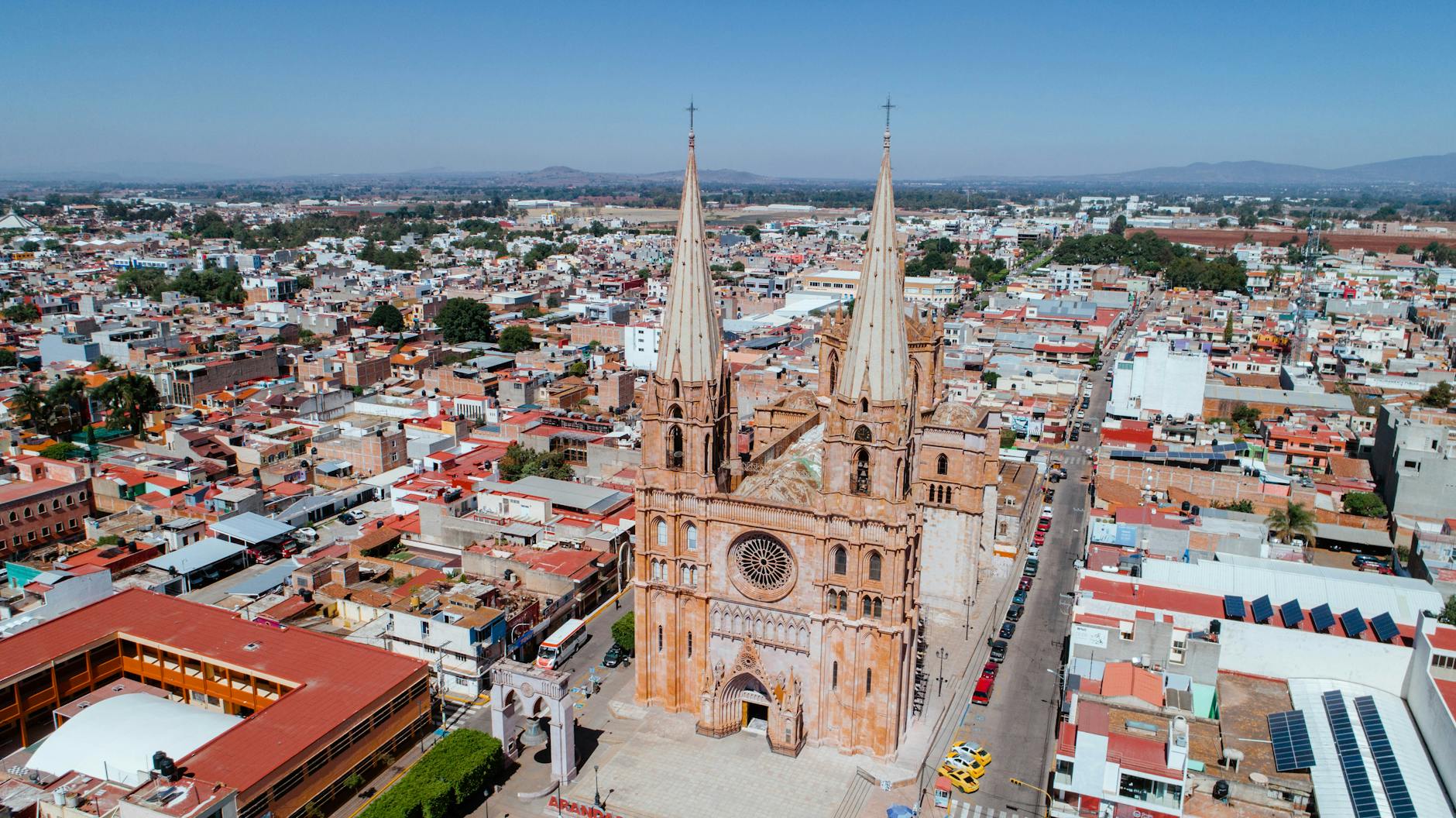
The move: Go with a guide or food-savvy local in huge markets if you want to eat widely without stress.
Itineraries
These itineraries are models, not commandments. Adjust by season, safety advisories, flight availability, travel style, and energy.
Five Days in Mexico City
Day 1: Arrival and Roma/Condesa/Juárez Arrive, settle in, walk your neighborhood, have an easy dinner, and avoid overcommitting after a flight.
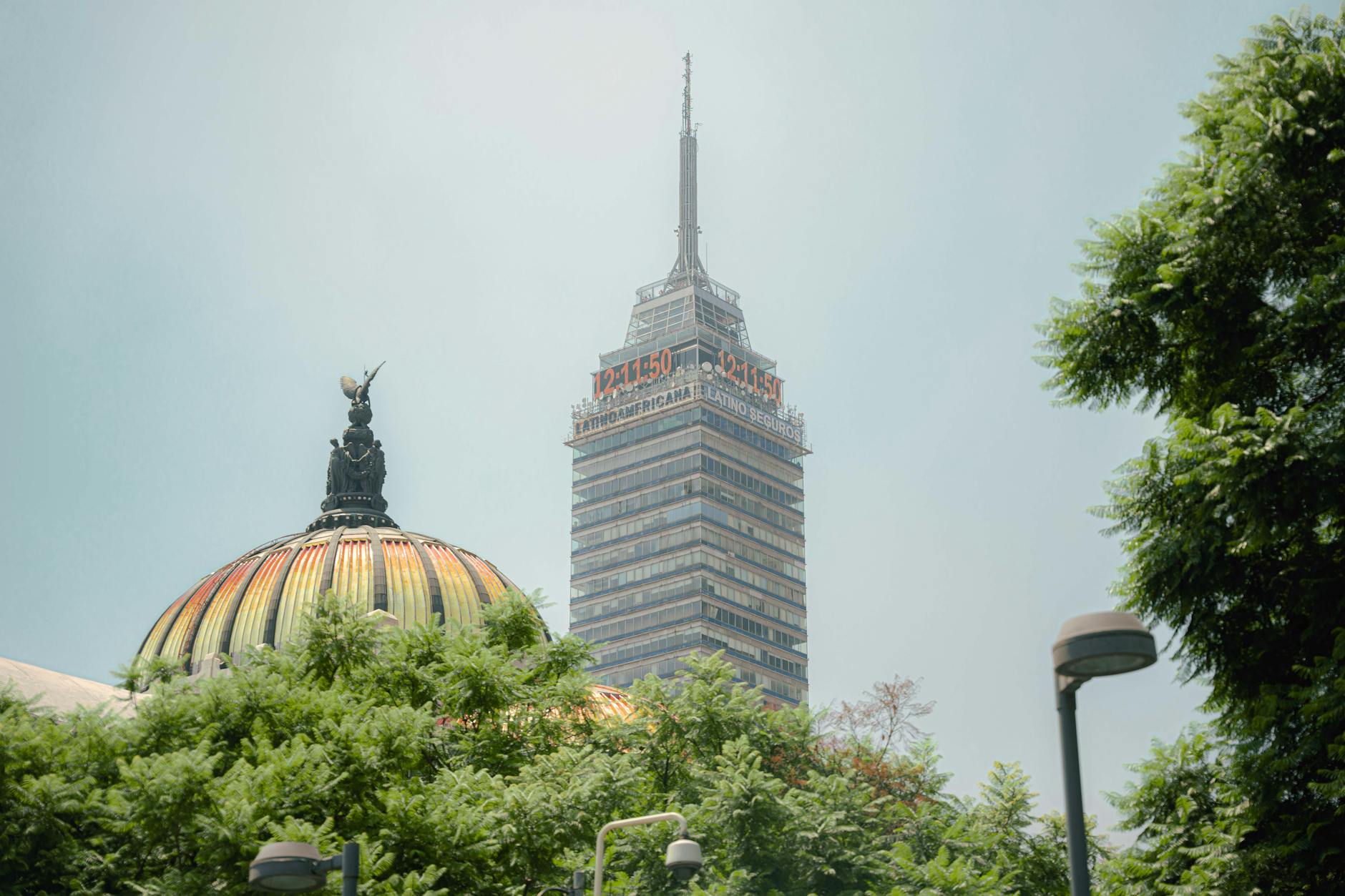
Day 2: Centro Histórico Zócalo, Templo Mayor, cathedral exterior/interior as appropriate, Palacio de Bellas Artes, murals, café or cantina, and a guided history walk.
Day 3: Chapultepec and Anthropology National Museum of Anthropology, Chapultepec Park/Castle if desired, Polanco or Reforma dinner.
Day 4: Coyoacán and San Ángel Frida Kahlo Museum if booked, Coyoacán market, San Ángel if timing works, or Xochimilco with the right group/context.
Day 5: Teotihuacan Early guided visit, late lunch, easy evening. Do not book a high-stakes dinner if you expect heat and walking fatigue.
Seven Days: Mexico City + Puebla
Days 1–4: Mexico City as above, but compress Coyoacán/Chapultepec choices.
Day 5: Travel to Puebla. Centro Histórico, mole dinner, evening plaza.
Day 6: Cholula, Talavera, markets, churches, or food tour.
Day 7: Return to Mexico City or continue to Oaxaca.
Best for: Travelers with one week who want culture without domestic flights.
Ten Days: Mexico City + Puebla + Oaxaca
Days 1–4: Mexico City Centro, Chapultepec/Anthropology, Roma/Condesa/Juárez, Coyoacán or Teotihuacan.
Day 5: Puebla Travel to Puebla. Eat mole, see the historic center.
Day 6: Puebla to Oaxaca Morning Cholula or Puebla, then bus/drive/fly onward depending schedule. Evening in Oaxaca.
Day 7: Oaxaca City Markets, Santo Domingo, restaurants, mezcal bar, neighborhoods.
Day 8: Monte Albán Early ruins, afternoon artisan village or rest.
Day 9: Tlacolula / Mitla / Mezcal Valley Market day if Sunday; otherwise Mitla, Teotitlán del Valle, mezcal palenque.
Day 10: Flexible Oaxaca Cooking class, Sierra Norte, Hierve el Agua, more markets, or fly out.
The move: This is one of Mexico’s best first itineraries. Do not ruin it by forcing in a beach.
Seven to Ten Days: Yucatán Culture + Caribbean
Day 1: Arrive Cancún or Mérida Transfer to Valladolid or Mérida depending flight time.
Day 2: Valladolid and Cenotes Town walk, cenote swim, early night.
Day 3: Chichén Itzá Early Visit early, then continue to Mérida or stay another night.
Days 4–5: Mérida and Uxmal Markets, Paseo de Montejo, Uxmal day trip, evening plazas.
Day 6: Izamal or Campeche Choose a yellow-town day trip or continue to Campeche for walls and Gulf atmosphere.
Days 7–9: Beach or Lagoon Choose Cozumel for diving, Isla Mujeres for easy island beach, Bacalar for lagoon, or a Riviera Maya resort for family/luxury ease.
Day 10: Depart Cancún or Mérida
Common mistake: Trying to include Holbox, Tulum, Bacalar, Mérida, Chichén Itzá, Uxmal, Campeche, and Calakmul in one week.
Ten Days: Baja Sur Nature
Days 1–2: La Paz Waterfront, beaches, food, sea-lion or snorkeling trip if conditions allow.
Day 3: Isla Espíritu Santo or Sea of Cortez Use a responsible operator.
Days 4–5: Todos Santos Art, desert-coast atmosphere, food, beach sunsets; be careful about swimming conditions.
Days 6–8: Los Cabos or Cabo Pulmo Choose resort comfort or reef/nature depending interest.
Days 9–10: Loreto or whale extension If whale season and you have enough time, route north with purpose. Otherwise slow down in La Paz/Los Cabos.
Fourteen Days: Mexico Sampler Without Losing the Plot
Days 1–5: Mexico City Culture, food, Teotihuacan.
Days 6–10: Oaxaca Markets, Monte Albán, mezcal valleys, villages.
Days 11–14: Yucatán or Beach Finish Fly to Mérida/Cancún or to Huatulco/Puerto Escondido depending season and style.
The move: This is ambitious but coherent if you fly strategically. Avoid overland heroics.
Food Lover’s Mexico
Core route: Mexico City + Puebla + Oaxaca + Mérida or Guadalajara.
Day structure: Market breakfast, one cultural anchor, late lunch, rest, taco/mezcal/cantina evening.
Book ahead: One or two serious restaurants, not every meal.
Do not miss: Street food and fondas. Fine dining is only one layer.
Family Mexico
Best routes: Mexico City with parks/museums + Puebla; Yucatán loop with cenotes/ruins/beach; Baja Sur wildlife; Riviera Maya resort + Valladolid/Mérida add-on.
Pacing: One major activity per day. Heat and transfers exhaust kids faster than you think.
Avoid: Overly long ruin days in midday heat, crowded nightlife areas, complex night transfers, and non-swimmable surf beaches if the kids expect ocean play.
No-Car Mexico
Best routes: Mexico City + Puebla + Oaxaca by bus/flight; Mexico City + Querétaro/San Miguel by bus; Mérida/Valladolid/Cancún with buses, transfers, or Tren Maya; Guadalajara + Tequila/Tlaquepaque.
Harder without car: Remote cenotes, some Baja nature routes, Huasteca, Copper Canyon side trips, scattered beaches.
World Cup 2026 City-Hop
Core cities: Mexico City, Guadalajara, Monterrey.
Planning priorities: Match tickets, lodging, airport transfers, stadium routes, fan zones, dinner reservations, safety around crowded nightlife, and heat/rain in June/July.
Add-ons: Teotihuacan from Mexico City, Tequila from Guadalajara, and mountain/outdoor day trips from Monterrey only with current safety and weather checks.
Food and Drink
Mexico is one of the world’s great food countries because food is intensely regional, agricultural, historical, and everyday. The best meals are not always expensive. A tortilla made from good corn, a careful salsa, a market breakfast, or a seafood tostada can carry more truth than a tasting menu.
Food Identity
Mexican food is built on maize, beans, chiles, squash, herbs, tomatoes, tomatillos, cacao, agave, tropical fruit, seafood, livestock, Indigenous techniques, Spanish colonial ingredients, regional migrations, and local markets. Every region has its own grammar.
- Mexico City: tacos, tortas, antojitos, mercados, global restaurants, cantinas, street food, regional food from everywhere.
- Oaxaca: moles, tlayudas, memelas, tamales, chocolate, mezcal, chapulines, tejate, markets.
- Puebla: mole poblano, chiles en nogada, cemitas, chalupas, sweets.
- Yucatán: cochinita pibil, lechón, panuchos, salbutes, sopa de lima, relleno negro, marquesitas.
- Jalisco: birria, tortas ahogadas, pozole, tequila, mariachi dining culture.
- Baja: seafood, fish tacos, wine, oysters, sea urchin, modern border cuisine.
- Pacific coast: aguachile, ceviche, pescado zarandeado, shrimp, grilled fish, tropical fruit.
- Veracruz: seafood, coffee, vanilla, Afro-Caribbean and Spanish influences.
- Northern Mexico: carne asada, flour tortillas, machaca, cabrito, grilled meats.
What to Eat
| Dish or drink | What it is | Where to prioritize |
|---|---|---|
| Tacos al pastor | Spit-roasted marinated pork with pineapple, onion, cilantro, salsa. | Mexico City, Puebla, many cities. |
| Barbacoa | Slow-cooked meat, often lamb, traditionally pit-cooked. | Hidalgo, CDMX weekend markets, central Mexico. |
| Carnitas | Slow-cooked pork, served in tacos by cut. | Michoacán roots; widely available. |
| Birria | Stewed or roasted meat, traditionally goat in Jalisco, now many styles. | Guadalajara/Jalisco, Tijuana-style birria tacos elsewhere. |
| Mole | Complex chile/spice/nut/seed sauces, many varieties. | Oaxaca and Puebla especially. |
| Tlayuda | Large crisp/chewy tortilla with asiento, beans, cheese, toppings. | Oaxaca. |
| Cochinita pibil | Achiote-marinated pork, traditionally pit-cooked in banana leaves. | Yucatán. |
| Panuchos and salbutes | Yucatecan fried masa snacks with toppings. | Mérida, Valladolid, Yucatán. |
| Pozole | Hominy stew with pork or chicken, garnishes. | Nationwide, especially central/western Mexico. |
| Chiles en nogada | Stuffed poblano chile with walnut sauce and pomegranate. | Puebla, in season around late summer/Independence season. |
| Aguachile | Raw shrimp/seafood preparation with chile, lime, cucumber, onion. | Sinaloa, Baja, Pacific seafood areas. |
| Pescado zarandeado | Grilled butterflied fish with marinade. | Nayarit/Jalisco/Pacific coast. |
| Tamales | Steamed masa with fillings, wrapped in corn husk or banana leaf. | Everywhere; styles vary. |
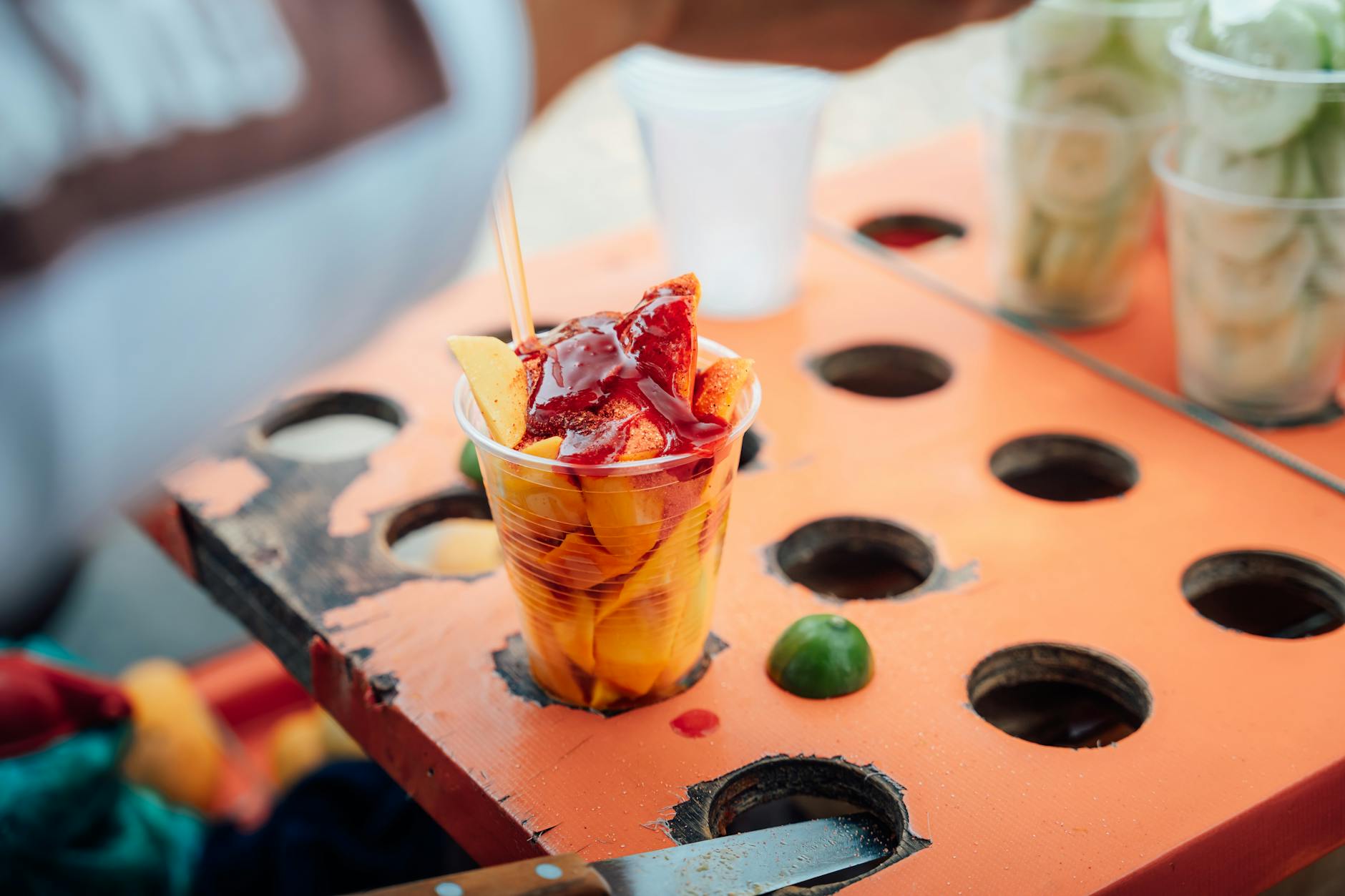
| Elotes/esquites | Corn with mayo/cheese/chile/lime or corn kernels in a cup. | Street stalls nationwide. |
| Mezcal | Agave spirit, deeply regional. | Oaxaca, Durango, Guerrero, Puebla, San Luis Potosí, and more. |
| Tequila | Agave spirit with denomination of origin centered on Jalisco and nearby regions. | Jalisco, especially Tequila route. |
| Pulque | Fermented agave drink. | Central Mexico. |
| Aguas frescas | Fresh fruit/flower/seed drinks. | Markets and restaurants nationwide. |
| Chocolate and café | Cacao and coffee traditions vary by region. | Oaxaca, Chiapas, Veracruz, Tabasco, Puebla. |
Where to Eat by Situation
| Situation | Best approach |
|---|---|
| First meal after arrival | Keep it close to your hotel: tacos, fonda, casual restaurant, or hotel-recommended place. Do not start with the most chaotic market if jet-lagged. |
| Best breakfast | Markets, tamales, chilaquiles, huevos, pan dulce, café de olla, regional antojitos. |
| Best lunch | Comida corrida, fondas, regional restaurants, seafood on the coast, markets. Lunch is often the day’s main meal. |
| Best dinner | Tacos, cantinas, mezcalerías with food, casual regional restaurants, or reserved restaurants. |
| Solo dining | Tacos, counters, markets, fondas, cafés, casual restaurants. Mexico is generally good for solo eaters if you are confident. |
| Family dining | Fonda-style meals, breakfast spots, casual regional restaurants, hotel restaurants, beach seafood places, and plazas with snacks. |
| Fine dining | Mexico City, Oaxaca, Guadalajara, Valle de Guadalupe, Los Cabos, Tulum, Mérida, and major resort areas. Book early for famous spots. |
| Street food | Choose busy stands with high turnover, cooked-to-order food, clean-looking setup, and local crowd confidence. |
Food Practicalities
- Lunch is often the main meal; dinner can be later and lighter.
- Tip around 10–15% in many restaurants, more for excellent service; check whether service is already included.
- Street food is one of the joys of Mexico, but use judgment.
- Avoid raw produce washed in unsafe water when hygiene is uncertain.
- Do not drink tap water unless confirmed filtered.
- Vegetarian travelers can eat well in cities but should ask about lard, chicken stock, pork, and broths.
- Vegan travel is easiest in Mexico City, Oaxaca, Tulum, Playa del Carmen, Mérida, and other tourist/urban centers.
- Gluten-free travelers need to ask about wheat flour, sauces, frying oil, and cross-contact, even though corn is central.
- Allergies should be written in Spanish; nuts, sesame, shellfish, dairy, and hidden broths can appear unexpectedly.
Drinks and Nightlife
Mexico’s drink culture is not just tequila shots. It includes mezcal, tequila, raicilla, bacanora, sotol, pulque, craft beer, wine, coffee, cacao, aguas frescas, tepache, micheladas, and regional spirits.
Best nightlife cities: Mexico City, Guadalajara, Monterrey, Oaxaca, Mérida, Puebla, Puerto Vallarta, Playa del Carmen, Tulum, Los Cabos.
Night safety: Use ride-hailing or trusted taxis at night. Do not leave drinks unattended. Avoid illegal drugs; they create legal and personal safety risks and connect travelers to violent supply chains.
The move: In mezcal or tequila regions, book tastings with transport. The road home matters.
Getting Around
Mexico is large. Good routing is the difference between a trip that flows and a trip that becomes transfers.
Arrival Guide
Mexico’s main tourist arrival points are Mexico City, Cancún, Los Cabos, Puerto Vallarta, Guadalajara, Monterrey, Mérida, Oaxaca, Tijuana, and increasingly regional airports. Choose arrival airport by route, not just fare.
Best gateways by trip:
- Mexico City: best for national culture routes and domestic connections.
- Cancún: best for Riviera Maya, Yucatán, Cozumel, Isla Mujeres, Holbox, Valladolid.
- Mérida: best for deeper Yucatán without starting in Cancún.
- Oaxaca: best for city/food trips and Oaxaca coast connections.
- Guadalajara: best for Jalisco, Tequila, Guanajuato/Bajío routes.
- Los Cabos/La Paz: best for Baja Sur.
- Puerto Vallarta: best for Jalisco/Nayarit beaches.
- Monterrey: best for business, northern city travel, 2026 World Cup, and mountain add-ons.
Domestic Flights
Domestic flights are often the practical way to combine regions. Mexico City to Oaxaca, Mérida, Cancún, Guadalajara, Puerto Vallarta, Los Cabos, La Paz, Monterrey, and Tuxtla can save huge time.
Worth flying: CDMX to Yucatán, CDMX to Baja, Oaxaca to beach if available, CDMX to Chiapas, CDMX to northern Mexico.
Not always worth flying: Mexico City to Puebla, Mexico City to Querétaro, Mérida to Valladolid, Cancún to Tulum/Playa, Guadalajara to Tequila.
Buses
Mexico has excellent intercity buses on many routes. ADO is especially important in southern and eastern Mexico and markets routes to destinations such as Cancún, Oaxaca, Puebla, Acapulco, Mexico City, Playa del Carmen, and more.[16] ETN/Turistar describes service to more than 60 cities with online booking and executive seating, and highlights routes such as Mexico City–Guadalajara, Guadalajara–Puerto Vallarta, and Mexico City–San Miguel de Allende.[17]
Best bus routes for travelers: Mexico City–Puebla, Mexico City–Querétaro/San Miguel, Mexico City–Oaxaca, Oaxaca–Puebla, Cancún–Playa/Tulum/Valladolid/Mérida, Mérida–Campeche, Guadalajara–Tequila/Puerto Vallarta, Mexico City–Morelia where advisories allow.
Safety logic: Prefer daytime travel for long routes, especially in areas with advisories. Use first-class or executive services, official terminals, and direct routes.
Tren Maya
The Tren Maya can help with Yucatán/Palenque/Campeche/Quintana Roo routing, but the real question is station access. The official booking site lists many stations across the network, including airports and major tourism nodes.[13]
Useful for: Cancún Airport, Valladolid, Chichén Itzá, Mérida Teya, Izamal, Campeche, Bacalar, Chetumal, Calakmul, Palenque, depending schedules.
Watch out for: Station locations outside town centers, transfers, infrequent trains on some routes, luggage, and whether a bus or car is still faster door-to-door.
Mexico City Transit
Mexico City has extensive Metro, Metrobús, buses, trolleybuses, ride-hailing, taxis, bikes, and walking neighborhoods. The official Mexico City visitor Metro FAQ lists the Metro fare as five pesos per trip.[19]
The move: Use Metro/Metrobús for efficient daytime movement if you are comfortable with crowds. Use ride-hailing at night, with luggage, or for awkward routes. Avoid rush hour when possible.
Taxis and Ride-Hailing
Ride-hailing is widely used in major cities and often the easiest way for visitors to reduce taxi uncertainty. Airports have official taxi counters. Street-hailing taxis is not ideal in many places.
The move: In Mexico City and other major cities, use apps or official taxi stands. At airports, use authorized transport. Confirm plates and driver details.
Renting a Car
A car can be excellent in Yucatán, Baja, some central highland routes, and certain beach/nature trips. It is often unnecessary and stressful in Mexico City, Oaxaca City, Guadalajara, and resort areas where parking/traffic are annoying.
Car makes sense for: Yucatán cenotes/ruins, Baja road trips, Riviera Nayarit beaches, Valle de Guadalupe, some Oaxaca valley days, family travel with luggage, remote lodging.
Car is a mistake for: Mexico City sightseeing, late-night intercity driving, unfamiliar rural roads in advisory zones, travelers who cannot handle tolls/topes/police stops/insurance rules.
Driving rules of thumb:
- Use toll roads where possible.
- Avoid night driving outside cities.
- Expect topes, speed changes, livestock, pedestrians, and unpredictable passing.
- Buy proper Mexican insurance.
- Keep cash for tolls and parking.
- Fill up before remote stretches.
- Do not leave luggage visible.
Ferries and Boats
Common ferry routes include Playa del Carmen–Cozumel, Cancún/Puerto Juárez–Isla Mujeres, Chiquilá–Holbox, Baja ferries across the Sea of Cortez, and local boat transfers in lagoon/island areas.
The move: Check weather and last departures. Ferries are easy until a storm, wind, or holiday crowd changes everything.
Budget and Costs
Mexico can be outstanding value or extremely expensive depending where you go. Mexico City street food and public transit are affordable. Tulum beach hotels, Los Cabos luxury resorts, peak Día de Muertos Oaxaca, and Christmas Riviera Maya can be expensive.
Daily Budget Ranges
| Traveler type | Daily estimate, excluding major flights and shopping | What it means |
|---|---|---|
| Shoestring | MXN $800–$1,500 | Hostel, street food, local buses, few paid tours, careful city choices. |
| Budget comfort | MXN $1,500–$3,000 | Simple private room, casual meals, some ride-hailing, buses, occasional museum/tour. |
| Mid-range | MXN $3,000–$6,000 | Good boutique or mid-range hotel, restaurants, domestic transport, paid activities. |
| Comfortable | MXN $6,000–$12,000 | Strong hotel locations, guides, nicer restaurants, transfers, occasional splurge. |
| Luxury | MXN $12,000+ | High-end hotels/resorts, fine dining, private guides, domestic flights, drivers, villas, premium excursions. |
Typical Cost Notes
| Item | Rough expectation |
|---|---|
| Street taco | Often inexpensive, but famous/central/tourist areas cost more. |
| Market breakfast | Usually excellent value. |
| Casual restaurant meal | Very variable by city and neighborhood. |
| Fine dining | Mexico City, Oaxaca, Los Cabos, Tulum, and Valle de Guadalupe can rival international prices. |
| Mexico City Metro | The official visitor Metro FAQ lists a five-peso fare per trip.[19] |
| Intercity bus | Often good value; luxury buses cost more but can be worth it. |
| Domestic flight | Can be cheap if booked early, expensive during holidays/events. |
| Archaeological sites | Fees vary and may include federal plus state/community/park charges; verify each site. |
| Beach clubs | Can be surprisingly expensive. Minimum spends and service charges should be checked before sitting down. |
Best Value Moves
- Spend more on location in Mexico City, Oaxaca, Mérida, and beach towns.
- Eat market breakfasts and casual lunches; save splurges for dinner or one destination-specific meal.
- Use buses for logical corridors and flights for long leaps.
- Stay inland in Valladolid/Mérida for Yucatán culture instead of using pricey beach hotels for every night.
- Book Día de Muertos, Christmas/New Year, Semana Santa, and World Cup travel early.
- Use guides where they add context, not for every single transfer.
- Check beach-club minimums before committing.
Splurge-Worthy
- A great Mexico City food tour or market guide.
- A serious guide for Teotihuacan, Anthropology Museum, Monte Albán, or Maya sites.
- A well-located Oaxaca boutique hotel during a short stay.
- Responsible whale-watching or Sea of Cortez wildlife trips.
- A private driver for Oaxaca valley or Yucatán cenote/ruin days if time is limited.
- One outstanding regional meal in CDMX, Oaxaca, Puebla, Guadalajara, Mérida, or Baja.
Usually Not Worth It
- Staying far from the neighborhood you want just to save a little.
- Overpriced beach clubs when you mainly want to swim.
- Midday Chichén Itzá from a distant resort if you can stay closer.
- Generic tequila/mezcal tours focused more on shopping than agriculture and craft.
- Renting a car for Mexico City.
- Paying for “VIP” access to things that are easy to arrange directly.
Safety, Health, and Scams
This section should be calm and specific. Mexico is not a place for panic, but it is also not a place for lazy reassurance.
General Safety
Mexico’s safety picture is regional and route-specific. Official advisories from the U.S., UK, Canada, and other governments should be checked before and during travel. The U.S. State Department says many violent crimes occur in Mexico and notes that U.S. government employees face travel restrictions, including no intercity travel after dark in many contexts and using regulated/app-based transport.[5]
Practical baseline:
- Do not drive long-distance at night.
- Use app-based rides or official taxis in cities and airports.
- Research states and routes, not just cities.
- Avoid illegal drugs completely.
- Be careful in nightlife zones.
- Keep valuables discreet.
- Use ATMs in banks or secure locations.
- Monitor local media during protests, security operations, storms, and strikes.
- Tell someone your plan for remote or intercity travel.
Common Scams and Problems
| Problem | What it looks like | How to avoid it |
|---|---|---|
| Taxi overcharging | Inflated fare, no meter, surprise price. | Use apps, official taxi stands, or agree price before entering. |
| Airport transport confusion | Unofficial drivers approaching arrivals. | Pre-book or use authorized airport counters. |
| Timeshare pressure | “Free breakfast/tour/gift” in resort zones. | Decline unless you knowingly want a sales presentation. |
| Beach-club minimum spend | You sit down, then learn the minimum or service fee. | Ask before ordering. Photograph menus if needed. |
| ATM issues | High fees, card skimming, bad exchange rate prompts. | Use bank ATMs, decline dynamic currency conversion where appropriate. |
| Restaurant bill padding | Unexpected items, automatic tip, inflated prices. | Check menu prices and bill before paying. |
| Fake or inflated tours | Aggressive sellers, vague inclusions, bad vehicles. | Use reputable operators and confirm inclusions. |
| Police shakedowns / traffic stops | Alleged infraction with request for cash. | Stay calm, ask for written ticket, know rental/company guidance; do not escalate. |
| Gas station short-change | Pump not reset, cash confusion. | Watch pump reset to zero; say amount clearly; pay attention. |
| Pickpocketing | Crowded Metro, markets, festivals, nightlife. | Keep phone/wallet secure; do not display valuables. |
Health Practicalities
CDC’s traveler guidance for Mexico recommends being up to date on routine vaccines, says Hepatitis A is recommended for unvaccinated travelers, notes elevated chikungunya risk, and recommends malaria prevention medicine for certain areas such as Campeche, Chiapas, and southern Chihuahua depending itinerary.[20]
CDC’s Yellow Book also says tap water in Mexico is not safe to consume and that dengue is endemic throughout central and southern Mexico, with peak incidence reported May–November.[21]
Health moves:
- Get travel-health advice before rural, jungle, long-stay, or adventure travel.
- Use mosquito protection in warm/lowland regions.
- Drink bottled or filtered water.
- Bring oral rehydration salts and basic stomach medicine.
- Use reef-safe sun protection where appropriate, but also rely on clothing/shade.
- Check altitude effects in Mexico City, San Cristóbal, Puebla, and highland routes.
- Buy travel insurance that covers medical care and evacuation.
Food and Water Safety
Mexico’s food is worth traveling for, but stomach issues are common. Choose busy vendors, avoid questionable ice or raw produce in low-trust places, wash hands, and be cautious with seafood far from the coast or in hot conditions.
The move: Eat adventurously but not randomly. High turnover, local crowds, clean handling, cooked-to-order food, and trusted guides are your friends.
Beach and Nature Safety
- Pacific surf can be dangerous even where the beach looks inviting.
- Follow flags and local lifeguards.
- Cenotes can have slippery edges, depth changes, and fragile ecosystems.
- Do not touch coral or marine life.
- Use certified operators for diving, snorkeling, whale sharks, whales, and sea lions.
- In mountains and canyons, weather changes and road conditions matter.
- Hurricanes and tropical storms can disrupt flights, ferries, roads, beaches, and power.
Earthquakes, Volcanoes, and Air Quality
Mexico is earthquake-prone. Mexico City also has air-quality issues and volcanic context from nearby Popocatépetl. Check local alerts if you have asthma, heart/lung conditions, or outdoor plans.
Traveler-Specific Safety
Solo travelers: Mexico can be excellent for solo travel if you choose routes wisely, use daytime transport, and avoid risky nightlife behavior.
Women travelers: Many women travel Mexico successfully, but harassment can occur. Use well-reviewed lodging, ride-hailing at night, and avoid isolated areas. Local women’s advice is especially useful.
LGBTQ+ travelers: Mexico City, Puerto Vallarta, Playa del Carmen/Tulum, and some resort/city areas are comparatively visible and welcoming. Rural and conservative areas vary. Public affection norms differ by place.
Travelers of color: Experiences vary by nationality, language, and region. Afro-descendant, Indigenous, Asian, and Black travelers may encounter curiosity or assumptions in some places; urban/tourist areas are usually easier.
Families: Mexico is warm toward children, but heat, traffic, and long transfers are the issue. Choose fewer bases.
Older travelers: Use centrally located hotels, private transfers where helpful, and avoid cobbled/hilly bases if mobility is limited.
Medical tourists: Research providers carefully. CDC’s Yellow Book urges people considering medical procedures in Mexico to consult a healthcare professional before travel and verify credentials/facilities.[21]
Accessibility and Mobility
Mexico can be difficult for travelers with mobility needs. Major hotels, newer museums, airports, resorts, and some urban areas are accessible, but historic centers, cobblestones, narrow sidewalks, colonial buildings, beach access, ruins, cenotes, and public transit can be challenging.
What Helps
- Modern resorts and international-chain hotels often have better accessibility.
- Mexico City, Guadalajara, Monterrey, Cancún, Los Cabos, and major airports have more accessible infrastructure than small towns.
- Private drivers can remove many friction points.
- Some museums and archaeological sites provide partial accessible routes.
- Ride-hailing can be useful, though wheelchair-accessible vehicles are not always easy.
What Is Hard
- Cobblestones in Oaxaca, San Miguel, Guanajuato, Puebla, and many historic towns.
- Hills in Guanajuato, Taxco, San Miguel, and parts of CDMX.
- Uneven sidewalks and missing curb cuts.
- Ruins with gravel, stairs, heat, and limited shade.
- Cenotes with ladders or slippery stone.
- Beach towns with sand roads, poor lighting, or spread-out layouts.
Lower-Walking Strategy
Choose a central hotel, plan one major activity per day, use private transfers for ruins and day trips, avoid midday heat, and check accessibility directly with hotels and attractions. Do not rely on a generic “accessible” label.
Families, Solo Travelers, Women Travelers, LGBTQ+ Travelers, and Special Considerations
Families With Children
Mexico can be wonderful with kids: food is flexible, people are often warm toward families, and there are beaches, museums, parks, ruins, wildlife, cenotes, and plazas.
Best family routes:
- Mexico City + Puebla with museums and parks.
- Yucatán loop: Mérida, Valladolid, cenotes, ruins, beach.
- Baja Sur: whales, beaches, snorkeling, easy resorts.
- Riviera Maya resort plus one or two cultural day trips.
- Oaxaca City with careful pacing and shorter day trips.
Family tips:
- Avoid overlong ruin days in heat.
- Choose swimmable beaches.
- Bring sun protection and hydration.
- Use private transfers for complex days.
- Do not assume stroller-friendly sidewalks.
- Keep snacks and water on transfer days.
Solo Travelers
Mexico is excellent for solo travelers who like food, cities, cafés, museums, and walking neighborhoods. The key is to choose destinations and night behavior wisely.
Best solo bases: Mexico City, Oaxaca, Mérida, Puebla, Guadalajara, San Miguel, Puerto Vallarta, La Paz, Valladolid.
Solo tips: Use food tours early, stay central, avoid isolated night walking, use apps for rides, and do not overdrink with strangers.
Women Traveling Solo
Many women travel independently in Mexico, but planning matters. Choose well-reviewed neighborhoods, avoid poorly lit streets at night, use ride-hailing, trust your instincts, and ask local women or hotel staff about current area-specific advice.
LGBTQ+ Travelers
Mexico has strong LGBTQ+ scenes in Mexico City and Puerto Vallarta, and more visible queer-friendly travel in some beach and city destinations. Legal and social realities vary by state and community. Choose inclusive lodging and nightlife, and adjust public-affection expectations by context.
Older Travelers
Mexico is rewarding for older travelers if paced well. Choose central hotels with elevators, use drivers for day trips, avoid hilly/cobbled bases if mobility is limited, and protect afternoons from heat.
Remote Workers and Long Stays
Mexico is popular for remote work, especially Mexico City, Oaxaca, Playa del Carmen, Mérida, Guadalajara, Puerto Vallarta, San Miguel, and Baja. Check immigration duration, tax implications, housing ethics, Wi-Fi reliability, noise, air conditioning, and neighborhood safety. Be sensitive to gentrification and housing pressure.
Shopping and Souvenirs
Mexico’s craft traditions are deep, regional, and vulnerable to cheap imitation. Buy fewer, better things, and learn what you are buying.
Good Souvenirs
- Oaxaca textiles, rugs, huipiles, rebozos, and embroidery.
- Black pottery from San Bartolo Coyotepec.
- Alebrijes from Oaxaca carving communities.
- Puebla Talavera from certified workshops.
- Silver from Taxco, purchased carefully.
- Jalisco ceramics and tequila-related goods.
- Yucatán hammocks, guayaberas, and honey.
- Mexican chocolate, coffee, vanilla, dried chiles, mole paste, and hot sauces if import rules allow.
- Books, prints, art, records, and design goods from Mexico City.
- Mezcal or tequila, respecting airline/customs limits.
Where to Shop
| Region | Best for |
|---|---|
| Mexico City | Design, books, art, records, markets, contemporary fashion, museum shops. |
| Oaxaca | Textiles, pottery, alebrijes, mezcal, chocolate, rugs, baskets. |
| Puebla | Talavera ceramics, sweets, antiques. |
| Jalisco | Tequila, ceramics, leather, folk art. |
| Yucatán | Hammocks, guayaberas, honey, henequen goods, embroidery. |
| Baja | Wine, seafood products where legal, local design, surf/outdoor goods. |
What Not to Buy Thoughtlessly
- Mass-produced “artisan” items with no clear origin.
- Endangered wildlife products, coral, shells where restricted, or archaeological artifacts.
- Cheap silver without verification.
- Mezcal/tequila from questionable sources.
- Sacred or ceremonial objects you do not understand.
- Food products that cannot legally enter your home country.
The Move
Ask who made the object, where, with what materials, and how long it takes. If the answer is vague and the price is suspiciously low, you are probably buying a tourist-market copy.
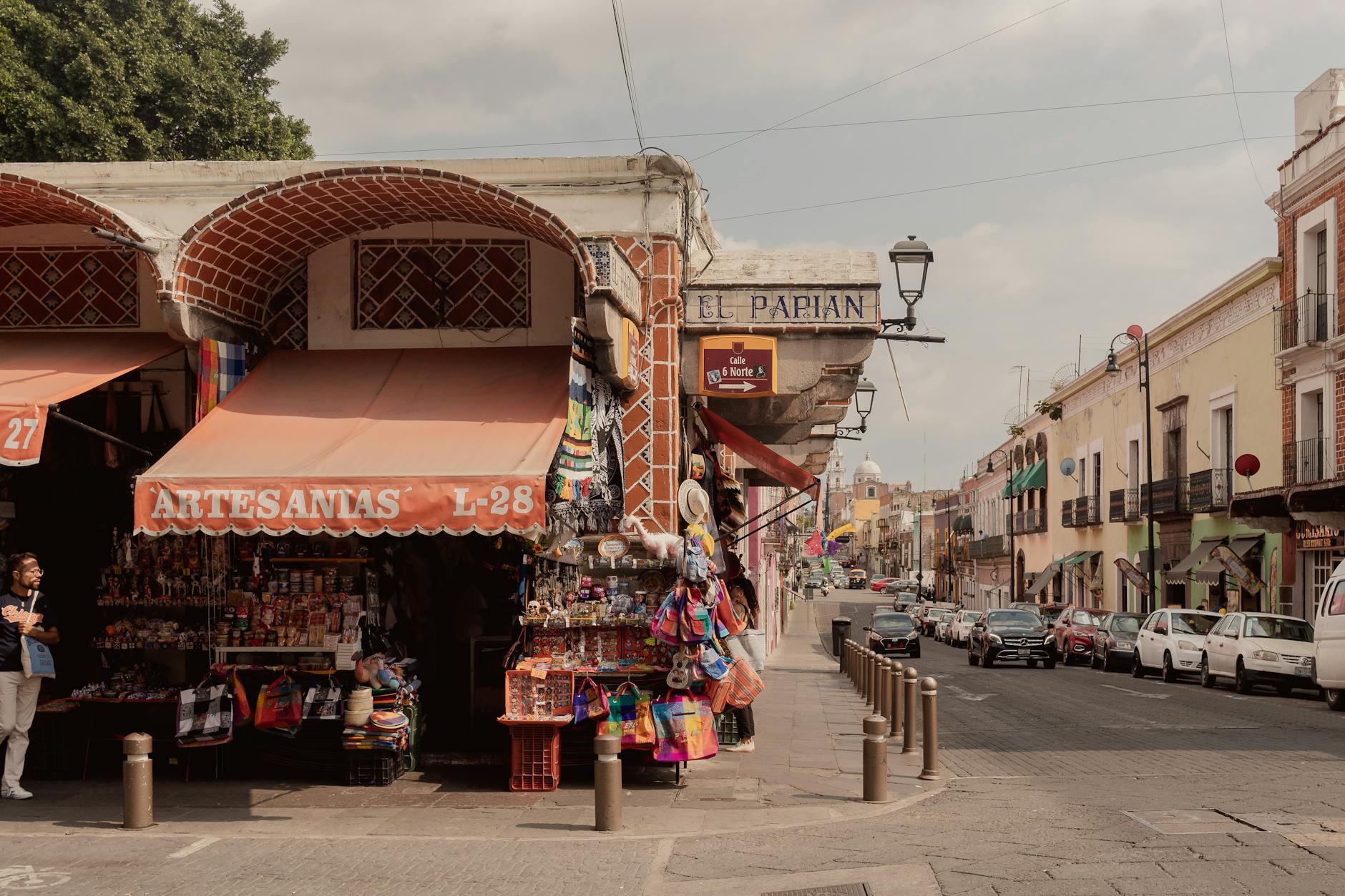
Arts, Culture, History, and Context
Mexico’s depth is the reason a single guide can only be a framework. The country’s cultural history is not a prelude to modern tourism; it is alive in language, food, land, politics, ritual, migration, art, and identity.
Short History for Travelers
Before Spanish conquest, the lands now called Mexico were home to many civilizations and cultures, including the Olmec, Maya, Zapotec, Mixtec, Teotihuacan, Toltec, Mexica/Aztec, Purépecha, Totonac, and many others. These were not one civilization. They were diverse societies with different languages, cities, trade systems, religions, artistic traditions, calendars, and political structures.
Spanish conquest in the 16th century created New Spain, a colonial society built on Indigenous labor, Catholic conversion, racial hierarchy, mining wealth, agriculture, and global trade. Colonial cities like Mexico City, Puebla, Oaxaca, Guanajuato, Morelia, Querétaro, and Mérida still carry that architecture and social history.
Mexico gained independence in the early 19th century. The 19th century brought conflict, foreign intervention, territorial loss, liberal reforms, and the long Porfiriato modernization period. The Mexican Revolution in the early 20th century reshaped land, politics, art, and national identity. Modern Mexico is a global economy, cultural powerhouse, migration society, and democracy with deep inequalities, intense regional identities, and ongoing struggles over security, land, water, development, Indigenous rights, and tourism.
Museums and Cultural Institutions to Prioritize
| Place | Best for | Notes |
|---|---|---|
| National Museum of Anthropology, CDMX | Pre-Hispanic cultures, context, major collections. | Best first museum for the country. |
| Templo Mayor, CDMX | Mexica/Tenochtitlan history in the historic center. | Pair with Centro Histórico. |
| Palacio de Bellas Artes, CDMX | Murals, architecture, performances. | Check performance schedule. |
| Frida Kahlo Museum, CDMX | Art, biography, Coyoacán. | Book timed tickets early. |
| Museo Soumaya / Jumex, CDMX | Art collections, contemporary exhibitions. | Pair with Polanco. |
| Monte Albán Museum/Site, Oaxaca | Zapotec history and landscape. | Go early. |
| Museo de las Culturas de Oaxaca | Oaxaca history and Santo Domingo complex. | Excellent context. |
| Amparo Museum, Puebla | Art, archaeology, design. | Strong city museum. |
| Gran Museo del Mundo Maya, Mérida | Maya history and regional context. | Useful before ruins. |
| Cabañas Museum, Guadalajara | Murals, architecture, history. | Major Guadalajara anchor. |
Books, Films, Music, and Listening Before You Go
A full guide should curate this section carefully. Good categories include:
- A short Mexico history book.
- A book on Mesoamerican civilizations.
- A food-focused book or podcast.
- A Mexico City novel or essay collection.
- A film pairing Golden Age cinema, contemporary Mexico City, and regional stories.
- Music primers: mariachi, son jarocho, bolero, ranchera, norteño, cumbia, rock en español, regional Mexican, contemporary indie and electronic scenes.
- A guide to basic Spanish travel phrases.
Etiquette and Cultural Norms
- Greet people before asking questions: “Buenos días,” “buenas tardes,” “buenas noches.”
- Use “por favor” and “gracias” constantly.
- Ask before photographing people, especially Indigenous people, children, vendors, ceremonies, and cemeteries.
- Dress respectfully in churches and religious spaces.
- Do not touch altars or offerings.
- Bargaining is appropriate in some markets but not everywhere; do not grind artisans down unfairly.
- Tipping is common in restaurants and for service workers.
- Do not assume everyone wants to talk about cartels, immigration, or politics with visitors.
- Learn region names and local identities. Calling everything “Mexican culture” flattens the country.
Seasonal and Month-by-Month Guide
Major Annual Timing Issues
- Día de Reyes: January 6; family celebrations and rosca.
- Whale season in Baja: broadly winter, with many peak trips January–March depending species/location.
- Semana Santa / Easter: major domestic travel period; beaches and colonial cities can be packed.
- Guelaguetza in Oaxaca: July festival period; book early.
- Independence Day: September 15–16; civic celebrations and crowds.
- Día de Muertos: late October–early November; extremely important and heavily touristed in famous areas.
- Christmas/New Year: high season for beaches and many cities.
- Hurricane season: Eastern Pacific May 15–November 30; Atlantic June 1–November 30 according to NOAA/NHC.[11]
- World Cup 2026: June 11–July 19, with Mexico City, Guadalajara, and Monterrey as host cities.[9][10]
Spring
Spring is good in highland cities but increasingly hot in lowlands. March and early April are often excellent. Late April and May can be punishing in Yucatán and other hot regions.
Best for: Mexico City, Oaxaca, Puebla, highlands, beach tail end, food trips.
Watch out: Semana Santa crowds, heat, early rains, and rising beach prices around holidays.
Summer
Summer is rainy in many regions, humid in lowlands, lush in landscapes, and storm-prone on coasts. It can be rewarding for travelers who care more about food, museums, surf, and greenery than perfect beach weather.
Best for: Mexico City with rain planning, Oaxaca culture if flexible, surf, lower prices, Guelaguetza.
Watch out: Hurricanes, landslides, mosquitoes, sargassum, flooding, heat.
Autumn
Autumn starts tricky and ends excellent. September can be wet and stormy. October improves. Late October and early November bring Día de Muertos, one of the most powerful times to visit if handled respectfully.
Best for: Culture, food, festivals, photography, Oaxaca/CDMX/Pátzcuaro, improving weather.
Watch out: Storms can remain possible; book Día de Muertos early.
Winter
Winter is peak Mexico travel for good reason. Beaches are easier, highlands are cool, cities are walkable, and Baja wildlife is strong.
Best for: First trips, beaches, Baja, Yucatán, Oaxaca, CDMX, ruins, road trips.
Watch out: Christmas/New Year prices, cold highland nights, dry-season air quality in Mexico City.
Responsible and Respectful Travel
Mexico receives enormous tourism, and not all tourism helps. A serious guide should help readers enjoy the country without worsening the pressures that make local life harder.
Do
- Support local businesses, guides, markets, and artisans directly.
- Ask before taking photos of people, ceremonies, and cemeteries.
- Use reef-safe behavior: do not touch coral, stand on reefs, chase wildlife, or wear harmful products in fragile waters.
- Respect cenotes: rinse before entering, avoid lotions/oils where prohibited, do not litter, and follow capacity rules.
- Learn basic Spanish greetings.
- Use refill stations where safe and available to reduce plastic.
- Tip fairly.
- Stay in legal, community-respectful lodging.
- Follow rules at archaeological sites.
- Treat Indigenous communities as hosts, not attractions.
Do Not
- Climb ruins where prohibited.
- Fly drones without permission.
- Buy archaeological artifacts, wildlife products, coral, or sacred objects.
- Treat Día de Muertos as costume-party content.
- Use illegal drugs.
- Geotag fragile cenotes, beaches, or communities that cannot absorb sudden crowds.
- Bargain artisans into unfair prices.
- Assume “eco” marketing means responsible practice.
Local Logic
Mexico is generous to visitors, but that generosity should not be mistaken for unlimited access. The best travelers slow down, learn context, pay fairly, and leave fragile places better than they found them.
What to Skip
This section is about protecting the trip, not being cynical.
Skip: Trying to See the Whole Country
Mexico is too large and too regional for a greatest-hits sprint.
Better alternative: Pick one route family and do it well.
Skip: Chichén Itzá at Midday From a Faraway Resort
It is hot, crowded, and often rushed.
Better alternative: Stay in Valladolid or nearby and go early, or choose Uxmal for a less crowded Maya-site experience.
Skip: Tulum If You Want Cheap, Easy, Quiet Beach Travel
Tulum can be beautiful, but it is expensive, spread out, and often logistically frustrating.
Better alternative: Valladolid + Bacalar, Cozumel, Isla Mujeres, Huatulco, La Paz, or a resort that honestly matches your style.
Skip: Long-Distance Night Driving
This is one of the clearest avoidable risk categories.
Better alternative: Use daytime buses, flights, toll roads, reputable drivers, or break the trip overnight.
Skip: Overplanning Every Meal From Viral Lists
You will miss Mexico’s everyday food.
Better alternative: Book one or two special meals, then leave room for markets, fondas, street stands, and local recommendations.
Skip: Animal Selfie Attractions and Irresponsible Wildlife Tours
Wildlife tourism is one of Mexico’s great strengths when done well and ugly when done badly.
Better alternative: Use certified/responsible operators, keep distance, and let animals control the encounter.
Skip: Treating Border Areas or Advisory States as Ordinary Road-Trip Terrain
Some regions require serious current information.
Better alternative: Choose established routes or work with reputable local specialists.
Skip: Generic All-Inclusive Only Trips If You Want to Understand Mexico
All-inclusives can be good vacations. They are not good country guides.
Better alternative: Add at least one real city, market, ruin, or town base before or after resort time.
Common Mistakes
- Asking whether Mexico is safe instead of checking exact states, routes, neighborhoods, and transport.
- Trying to combine Mexico City, Oaxaca, Chiapas, Yucatán, Baja, and the Pacific in one short trip.
- Underestimating altitude in Mexico City and highland towns.
- Drinking tap water without confirmation.
- Renting a car in Mexico City.
- Driving intercity at night.
- Choosing a beach by Instagram instead of swimming conditions, season, seaweed, and logistics.
- Doing ruins at midday in hot regions.
- Treating Día de Muertos as a spectacle rather than a living tradition.
- Forgetting cash and small bills.
- Packing only beach clothes for highland cities.
- Not booking key tickets or lodging during Día de Muertos, Semana Santa, Christmas/New Year, and World Cup periods.
- Assuming all Spanish colonial towns are interchangeable.
- Using unofficial taxis at airports.
- Ignoring sargassum on Caribbean beach trips.
- Skipping travel insurance.
- Eating only in restaurants with English menus.
- Not checking museum closure days.
- Overusing Uber/taxis and missing walkable neighborhood logic.
- Buying crafts without understanding origin or quality.
Packing List
Essentials
- Passport and entry documentation.
- Travel insurance details.
- Credit/debit cards plus cash.
- Comfortable walking shoes.
- Light jacket for highland evenings.
- Sun hat and sunglasses.
- Sunscreen and after-sun care.
- Reusable water bottle with filter if appropriate.
- Electrolytes or oral rehydration salts.
- Basic stomach medicine.
- Mosquito repellent for warm/lowland regions.
- Portable battery pack.
- Type A/B plug adapter if needed.
- Day bag with secure pockets.
- Spanish allergy/medical cards if relevant.
- Copies of passport and cards stored separately.
Seasonal Additions
| Season/region | Pack |
|---|---|
| Mexico City/highlands winter | Layers, light jacket, sweater, closed shoes. |
| Yucatán/lowlands | Breathable clothing, hat, strong sun protection, mosquito repellent, swimwear. |
| Rainy season | Light rain jacket, quick-dry shoes, dry bag, flexible itinerary. |
| Beach trips | Swimwear, cover-up, reef-safe behavior, sandals, rash guard, waterproof phone pouch. |
| Ruins | Hat, water, walking shoes, lightweight long sleeves, small cash. |
| Baja winter wildlife | Layers for boats, wind protection, motion-sickness medicine if needed. |
| Día de Muertos | Respectful clothing, layers for cemeteries/evenings, camera etiquette. |
What Not to Overpack
- Heavy dress clothes unless required for specific restaurants/events.
- Too many valuables.
- Large amounts of cash.
- Drones without permits.
- Fancy shoes for cobblestones.
- Bulky luggage if using buses or historic hotels with stairs.
The Move
Pack for both altitude and heat if combining Mexico City/Oaxaca/Puebla with Yucatán or beaches. Mexico is one of the easiest countries to mispack because the route crosses climates.
FAQ
Is Mexico worth visiting for a first international trip?
Yes, if the traveler chooses an established route and prepares well. Mexico can be easy in resort corridors and major cities, but independent multi-region travel requires more judgment than a simple beach package.
What is the best first Mexico itinerary?
For culture and food, Mexico City + Puebla + Oaxaca. For beach plus ruins, a Yucatán route with Mérida, Valladolid, ruins, cenotes, and one beach/island base. For nature, Baja Sur in winter.
How many days do I need in Mexico?
Seven days is enough for one focused region. Ten to fourteen days is better for a first multi-stop trip. Three weeks lets you combine two or three regions without constant rushing.
Is Mexico safe?
Some destinations and routes are common and manageable for visitors; others are not appropriate for casual tourism. Check current state-level advisories, avoid night driving between cities, use official/app transport, and plan by exact route.
Do I need a visa for Mexico?
It depends on nationality and travel purpose. Many tourists do not need a visa for short stays, but the permitted stay is at immigration discretion and generally up to 180 days. Check official sources before travel.[2][3]
Can I drink the tap water?
Short-term visitors should generally avoid tap water unless their accommodation confirms reliable filtration. Use sealed bottled or filtered water.
What is the best time to visit Mexico?
November to April is the best general window for many first trips. October/November and February/March are especially strong for culture. Beach timing varies by coast, and hurricane/sargassum seasons matter.
Should I rent a car?
Renting a car can be useful in Yucatán, Baja, and some regional routes. It is usually not useful in Mexico City and should not be used for long-distance night driving.
Is the Tren Maya worth using?
It can be useful for parts of Yucatán and surrounding regions, but it depends on schedule, station location, and onward transfers. Compare with ADO buses, private transfers, and rental cars.
Is Tulum worth it?
For some travelers, yes: design hotels, beach clubs, wellness, cenotes, and nightlife. For travelers seeking affordable, easy, quiet, or culturally deep Mexico, often not. Manage expectations.
Is Cancún a good base?
Cancún is convenient for flights, resorts, Isla Mujeres, and some tours. It is not the best base for deep Yucatán culture. Pair it with Valladolid, Mérida, Cozumel, or Bacalar if you want more than resort time.
Where should food lovers go?
Mexico City, Oaxaca, Puebla, Mérida/Yucatán, Guadalajara/Jalisco, Baja/Valle de Guadalupe, Veracruz, and many regional markets. Do not make the trip only about famous restaurants.
What should I book ahead?
Día de Muertos lodging/guides, peak beach hotels, Frida Kahlo Museum, famous restaurants, whale tours, high-season domestic flights, boutique hotels in Oaxaca/San Miguel/Tulum, and World Cup 2026 travel.
What should I skip on a short first trip?
Skip far-flung add-ons. Do not combine Baja, Yucatán, Oaxaca, CDMX, Chiapas, and Copper Canyon unless you have a long trip and a clear route.
Source Notes
Date-sensitive details in this guide were checked against official or high-reliability sources where possible. Re-check every entry rule, safety advisory, fare, timetable, ticket rule, and weather/event detail before publication.
- 1. Visit Mexico, official national tourism site, https://visitmexico.com/en/
- 2. Visit Mexico, “Visa and passport,” https://visitmexico.com/en/pagina/visado-y-pasaporte
- 3. Instituto Nacional de Migración, “Multiple Immigration Form (FMM),” https://www.inm.gob.mx/fmme/publico/en/solicitud.html
- 4. Mexico City official visitor guide, “Emergency info for travelers,” https://mexicocity.cdmx.gob.mx/e/emergency/?lang=en
- 5. U.S. Department of State, “Mexico Travel Advisory,” https://travel.state.gov/en/international-travel/travel-advisories/mexico.html
- 6. UK Foreign, Commonwealth & Development Office, “Mexico travel advice,” https://www.gov.uk/foreign-travel-advice/mexico
- 7. UK Foreign, Commonwealth & Development Office, “Safety and security - Mexico travel advice,” https://www.gov.uk/foreign-travel-advice/mexico/safety-and-security
- 8. Government of Canada, “Travel advice and advisories for Mexico,” https://travel.gc.ca/destinations/mexico
- 9. UK FCDO, “World Cup 2026 - Mexico travel advice,” https://www.gov.uk/foreign-travel-advice/mexico/world-cup-2026
- 10. FIFA, “FIFA World Cup 2026 host cities,” https://www.fifa.com/en/tournaments/mens/worldcup/canadamexicousa2026/host-cities
- 11. NOAA National Hurricane Center, “Hurricane Season Dates,” https://www.nhc.noaa.gov/refresh.shtml?epac=
- 12. TravelPulse, “Sargassum Season Impacting Mexico’s Most Popular Beaches,” May 2026, https://www.travelpulse.com/news/destinations/sargassum-season-impacting-mexicos-most-popular-beaches
- 13. Tren Maya official ticket booking site, https://reservas.ventaboletostrenmaya.com.mx/
- 14. INAH, “Zona Arqueológica de Chichén Itzá,” https://www.inah.gob.mx/zonas/146-zona-arqueologica-de-chichen-itza
- 15. UNESCO World Heritage Centre, “Mexico,” https://whc.unesco.org/en/statesparties/mx
- 16. ADO international booking site, https://international.ado.com.mx/
- 17. ETN Turistar, English site, https://etn.com.mx/english/
- 18. Primera Plus, official booking site, https://www.primeraplus.com.mx/en-US
- 19. Mexico City official visitor guide, “Mexico City Metro FAQ,” https://mexicocity.cdmx.gob.mx/e/getting-around/mexico-city-metro-faq/?lang=en
- 20. CDC Travelers’ Health, “Mexico - Traveler View,” https://wwwnc.cdc.gov/travel/destinations/traveler/none/mexico
- 21. CDC Yellow Book 2026, “Mexico,” https://www.cdc.gov/yellow-book/hcp/americas-caribbean/mexico.html
- 22. Embassy/consular guidance pages for Mexico entry requirements vary by country; check the Mexican consulate serving your passport nationality before travel.