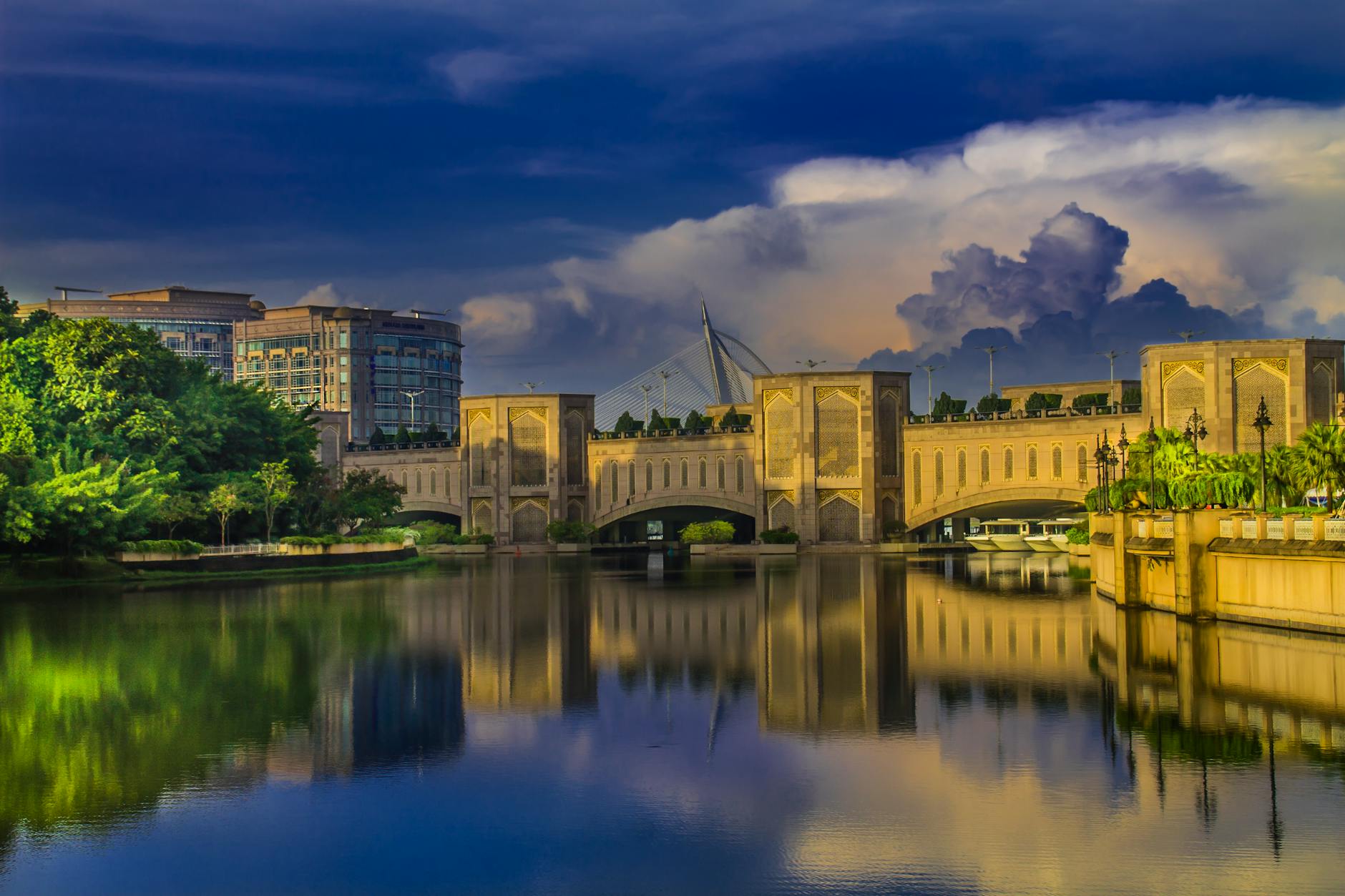
Malaysia is one of Southeast Asia’s easiest countries to enjoy badly and one of the most rewarding countries to understand well.
Start Here
It is not just Kuala Lumpur’s towers, Penang’s food, Langkawi’s beaches, and Borneo’s orangutans. It is a country split by the South China Sea, shaped by Malay, Chinese, Indian, Indigenous, Islamic, colonial, maritime, rainforest, and modern urban worlds. It is a morning roti canai with dhal, a call to prayer slipping between glass towers, a Chinese clan house in George Town, a Peranakan shophouse in Melaka, a tea estate in the Cameron Highlands, a jungle river in Taman Negara, a cave mouth in Mulu, a stilt village in Sabah, a Sarawak laksa breakfast in Kuching, and a late-night mamak table where half the country seems to be eating, arguing, watching football, or drinking teh tarik.
The first planning mistake is treating Malaysia as one neat tropical loop. Malaysia is compact compared with Indonesia or India, but it is not simple. The country has two major travel systems: Peninsular Malaysia, where Kuala Lumpur, Penang, Melaka, Ipoh, Langkawi, the Cameron Highlands, Taman Negara, and the east-coast islands are connected by roads, rail, buses, ferries, and short flights; and East Malaysia, where Sabah and Sarawak sit on Borneo with their own immigration checks, rainforest logistics, national parks, river journeys, wildlife, mountains, caves, and coastal islands.
A first Malaysia trip works best when you choose a version of the country rather than trying to collect every postcard. You can build a food-and-heritage trip around Kuala Lumpur, Ipoh, Penang, and Melaka. You can build a relaxed island trip around Langkawi or the east-coast islands. You can build a Borneo trip around Sabah’s mountains and wildlife or Sarawak’s caves, rivers, and longhouse cultures. You can build a city-and-nature trip that mixes Kuala Lumpur, Taman Negara, Cameron Highlands, and Penang. All of those are Malaysia. They are not the same trip.
This guide is designed to help a traveler choose the right Malaysia: the food Malaysia, the island Malaysia, the rainforest Malaysia, the Borneo Malaysia, the family Malaysia, the budget Malaysia, the luxury-resort Malaysia, the wildlife Malaysia, the culture-and-history Malaysia, and the slow Malaysia that appears once you stop sprinting between airports.
Malaysia in one sentence: Malaysia is a layered, food-obsessed, rainforest-and-island country where the best trip comes from matching your route to the monsoon, separating Peninsular Malaysia from Borneo, and letting cities, hawker tables, old ports, national parks, and coastlines each do what they do best.
Basic data
| Population | About 34 million |
|---|---|
| Area | 330,803 km2 |
| Major religions | Islam is official, with Buddhist, Christian, Hindu, and Chinese folk traditions |
| Political system | Federal elective constitutional monarchy |
| Economic system | Upper-middle-income mixed market economy led by services, manufacturing, energy, trade, and tourism |
Quick Verdict
| Question | Answer |
|---|---|
| Best for | Food, multicultural cities, island beaches, rainforest, wildlife, affordable comfort, families, soft adventure, colonial and maritime history, Islamic and Southeast Asian architecture, street art, diving, snorkeling, shopping, luxury resorts, and travelers who want variety without the higher friction of some larger Asian countries. |
| Not ideal for | Travelers who want one climate window that works perfectly everywhere, seamless all-rail travel, pristine beach weather without checking monsoon patterns, heavy drinking nightlife as the main point of the trip, or a single compact “greatest hits” route that covers both Peninsular Malaysia and Borneo in one week. |
| Ideal first trip | 10 to 14 days. One week is enough for Kuala Lumpur plus Penang or Langkawi. Two weeks lets you combine Kuala Lumpur, Melaka, Ipoh or Cameron Highlands, Penang, and either Langkawi or a focused Borneo extension. Three weeks lets Malaysia breathe. |
| Best first-time route | Kuala Lumpur → Melaka → Ipoh or Cameron Highlands → Penang → Langkawi, or Kuala Lumpur → Penang → Sabah/Sarawak if Borneo is the priority. |
| Best food route | Kuala Lumpur, Ipoh, Penang, Melaka, and Kuching if adding Sarawak. Penang is the obvious food headline, but Kuala Lumpur and Ipoh are essential. |
| Best beach route | Langkawi for ease and resorts; Perhentian, Redang, or Tioman for east-coast island water when in season; Sabah islands for diving and marine life with more safety and logistics planning. |
| Best wildlife route | Sabah for Sepilok, Kinabatangan River, Danum Valley, and Mount Kinabalu; Sarawak for Bako, Mulu, caves, rainforest, and cultural depth. |
| Best months overall | February to April and July to September can work well depending route, but the real answer is regional. West coast trips often work best in the northern-hemisphere winter and early spring; east-coast islands are generally a dry-season trip from roughly March/April to September/October; Borneo needs its own local weather and park checks. |
| Biggest planning mistake | Combining too many regions and ignoring the monsoon. A first-timer trying to do Kuala Lumpur, Penang, Langkawi, Perhentians, Taman Negara, Melaka, Sabah, and Sarawak in two weeks will mostly experience airports, buses, and damp laundry. |
| One thing to book early | Mount Kinabalu climb logistics, Borneo rainforest lodges, popular island resorts in peak season, special food tours, internal flights for holiday periods, and any high-end beach resort or wildlife lodge. |
| One thing to leave unscheduled | Hawker eating, night markets, kopitiam breakfasts, neighborhood wandering, rainy-afternoon cafés, extra time in George Town or Kuching, and a buffer day before flights after island or rainforest travel. |
| Best value move | Spend where logistics matter—well-located city hotels, reliable wildlife lodges, good island transfers—and save on food, where Malaysia can be excellent at very low prices. |
| Most important warning | Sabah and Sarawak are part of Malaysia, but travelers must carry passports for entry and exit checks, even on domestic flights. Eastern Sabah maritime areas also require current safety-advisory checks. |
The Move
For a first Malaysia trip, build around one main spine and one contrast. Example: Kuala Lumpur + Penang + Langkawi is city/food/island. Kuala Lumpur + Melaka + Cameron Highlands + Penang is heritage/highlands/food. Kota Kinabalu + Kinabalu Park + Sepilok + Kinabatangan is Borneo nature. Kuching + Bako + Mulu is Sarawak rainforest and culture. Do not force all of them into one route.
Who Will Love Malaysia?
You will probably love Malaysia if you want:
- A country where eating is one of the main reasons to travel.
- A Southeast Asian destination that can be comfortable and accessible without losing complexity.
- A mix of Muslim-majority public culture, Chinese and Indian foodways, Indigenous Borneo traditions, colonial port history, modern malls, tropical islands, and rainforest.
- Cities where you can move from a mosque to a Hindu temple to a Chinese clan house to a mamak stall to a luxury hotel in one afternoon.
- Soft adventure: jungle walks, river cruises, snorkeling, island-hopping, cave trips, mountain views, wildlife lodges, and national parks without needing to be an expedition traveler.
- Strong value: excellent casual food, comfortable hotels, affordable ride-hailing, and a wide range of trip styles from backpacker to luxury.
- Family-friendly travel with good hotels, malls, food courts, English signage in many visitor zones, and manageable logistics.
You may struggle with Malaysia if you want:
- One weather rule that covers the whole country.
- Beach perfection on exact fixed dates without flexibility.
- A destination where all major highlights are connected by fast trains.
- A highly polished tourism machine everywhere outside major cities and resort zones.
- Very late alcohol-focused nightlife as the core experience.
- A trip where you can ignore cultural norms around dress, religion, public behavior, and Ramadan.
- A single two-week route that includes all of Peninsular Malaysia, Sabah, and Sarawak without repeated flights.
Malaysia is easy in many practical ways: English is widely understood in urban and tourism contexts, food is abundant, ride-hailing is useful, domestic flights are frequent, hotels are good value, and the country is used to visitors. But Malaysia is also easy to underestimate. The country’s richness is distributed: city by city, coast by coast, island by island, state by state, and table by table.
Malaysia at a Glance
| Practical | Detail |
|---|---|
| Country structure | Malaysia has Peninsular Malaysia on the Malay Peninsula and East Malaysia—Sabah and Sarawak—on the island of Borneo, separated by the South China Sea. The federal capital and main air hub is Kuala Lumpur. Putrajaya is the federal administrative center. |
| Best gateway | Kuala Lumpur International Airport is the main international gateway. Penang, Langkawi, Kota Kinabalu, Kuching, and Johor Bahru also handle important regional and domestic routes. |
| Language | Malay, commonly called Bahasa Malaysia, is the national language. English is widely used in tourism, business, cities, hotels, and many restaurants, though fluency varies. Mandarin, Hokkien, Cantonese, Tamil, Indigenous languages, and other languages are part of daily life. |
| Currency | Malaysian ringgit, written as RM or MYR. |
| Cards vs cash | Cards and e-wallets are common in cities, hotels, malls, and better restaurants. Carry cash for hawker stalls, kopitiams, night markets, rural areas, small boats, local buses, and some island or national-park situations. |
| Time zone | Malaysia Time, UTC+8 year-round. No daylight saving time. |
| Religion and public culture | Malaysia is Muslim-majority and constitutionally complex, while also home to large Buddhist, Christian, Hindu, Taoist, Sikh, Indigenous, and other communities. Dress and behavior expectations are more conservative in some states and religious spaces. |
| Entry basics | Visa rules vary by passport. Many visitors receive a short-term social visit pass on arrival, but some nationalities need visas. Most foreign visitors must complete the Malaysia Digital Arrival Card before entry, subject to exemptions. Check official immigration guidance before travel. |
| Sabah and Sarawak | Carry your passport when entering or leaving Sabah and Sarawak, even from another part of Malaysia on a domestic flight. They have their own immigration controls. |
| Emergency numbers | 999 is the main police/ambulance emergency number. GOV.UK also lists 994 for fire and 112 for ambulance from a mobile phone. |
| Electricity | 230V, 50Hz. Type G plugs are standard, the same rectangular three-pin style used in the UK. |
| Tap water | In many urban areas the treated supply is generally safe at source, but travelers often use bottled or filtered water because building pipes, taste, and confidence vary. Ice in established restaurants is usually commercially produced, but use judgment. |
| Best transport apps | Grab for ride-hailing and food delivery; Google Maps for urban navigation; airline apps for domestic flights; KTMB for trains; MyRapid/Pulse for Kuala Lumpur transit; ferry or bus operators depending route. |
| Best map logic | Think in route clusters: west coast heritage/food, east-coast islands, central highlands/rainforest, Sabah nature, Sarawak rainforest/culture. |
| Official tourism source | Tourism Malaysia and Malaysia Travel are the main official tourism channels; use state tourism sites for current local events and transport specifics. |
| Official weather source | METMalaysia. This matters for monsoon timing, heavy-rain warnings, and island/sea conditions. |
First-Timer Mistake
Many travelers look at Malaysia on a map and assume it is “small enough” to cover casually. The distances are not the main problem. The problem is route fragmentation: ferry days, mountain roads, domestic flights, immigration checks into Borneo states, wet-season disruptions, and the fact that Malaysia’s best experiences are not improved by rushing.
2026 Visitor Notes
Malaysia Digital Arrival Card Is Now Core Trip Admin
Foreign visitors generally need to complete the Malaysia Digital Arrival Card (MDAC) before traveling to Malaysia, with exemptions for groups such as permanent residents, long-term pass holders, and diplomatic/official passport holders depending current rules. Official guidance and foreign-government notices describe the MDAC as required before travel, and Malaysia’s immigration pages maintain MDAC announcements and entry information.[1][3]
The move: Complete the MDAC inside the required window, save confirmation offline, and do not use unofficial paid lookalike sites unless you understand what you are paying for. Always start from the Malaysian Immigration Department or an official government link.
Visa Exemptions Are Passport-Specific
Malaysia’s Immigration Department maintains a visa-requirement-by-country page and notes that some countries require a visa, while rules differ for ASEAN nationals and other nationalities. The page also notes a temporary visa exemption for Indian citizens until December 31, 2026, and lists countries that require visas or special treatment.[2]
The move: Do not copy a generic “Malaysia is visa-free” statement. Check your exact passport, the purpose of travel, the number of entries you need, and whether you are entering Sabah or Sarawak. Also check blank-page, onward-ticket, and passport-validity expectations.
Sabah and Sarawak Are Domestic, But Not Frictionless
Sabah and Sarawak are Malaysian states on Borneo, but they operate immigration checks. The U.S. travel guidance states that travelers must show a passport to enter or exit Sabah and Sarawak even when flying domestically from another part of Malaysia.[3]
The move: Keep your passport in your personal bag, not checked luggage, for every flight involving Kota Kinabalu, Sandakan, Tawau, Lahad Datu, Kuching, Miri, Mulu, Sibu, or other Borneo airports. Track your permitted stay and entry stamps/passes carefully.
Eastern Sabah Requires Current Safety Checks
Malaysia is generally assessed by the U.S. State Department as a Level 1 destination—exercise normal precautions—but the advisory calls for increased caution on islands and maritime areas off eastern Sabah from Kudat to Tawau because of kidnapping risk. GOV.UK similarly warns of kidnapping threats in coastal areas of eastern Sabah, especially between Sandakan and Tawau and islands near the Sulu Archipelago.[3][4]
The move: Do not generalize this warning to all of Sabah, and do not dismiss it either. Kota Kinabalu, Kinabalu Park, Sepilok, and Kinabatangan are standard travel zones for many visitors, but islands and maritime travel in the far east need current official checks and reputable operators.
Monsoon Timing Must Shape the Route
METMalaysia describes two monsoon regimes: the Southwest Monsoon from late May to September and the Northeast Monsoon from November to March. The Northeast Monsoon brings heavy rain especially to the east coast states of Peninsular Malaysia, western Sarawak, and eastern Sabah; the Southwest Monsoon is relatively drier.[7]
The move: do not say “best time to visit Malaysia” without region. Say “best time for Penang/Langkawi,” “best time for Perhentian/Redang/Tioman,” “best time for Sabah,” and “best time for Sarawak.”
Kuala Lumpur Airport Transfers Are Easy, But Not Always Cheapest
KLIA Ekspres lists the journey between KL Sentral and KLIA Terminal 1 at 28 minutes, with an additional 3 minutes between Terminal 1 and Terminal 2, and published fares of RM55 single and RM100 return for adults at the time checked.[8]
The move: Use KLIA Ekspres when speed and predictability matter. Use Grab or taxi when traveling as a family/group with luggage or when your hotel is not near KL Sentral. Use airport buses if saving money matters more than time.
Malaysia’s Rail System Is Useful, But Mostly on the West Coast
KTMB describes ETS as Malaysia’s fastest metre-gauge intercity train service, operating on electrified double-track West Coast routes such as Gemas–KL Sentral–Padang Besar, KL Sentral–Ipoh, and KL Sentral–Butterworth.[11]
The move: Use ETS for Kuala Lumpur–Ipoh–Butterworth/Penang and some west-coast routes. Do not expect trains to solve east-coast islands, Borneo, or every national-park transfer.
Malaysia Has Six UNESCO World Heritage Sites
UNESCO lists six Malaysian World Heritage properties: Archaeological Heritage of the Lenggong Valley, Forest Research Institute Malaysia Forest Park Selangor, Melaka and George Town, Niah National Park’s Caves Complex, Gunung Mulu National Park, and Kinabalu Park.[12]
The move: Use UNESCO status as route architecture, not just a badge. A deep Malaysia trip can connect Melaka/George Town heritage, Lenggong archaeology near Perak, Kinabalu/Mulu natural heritage in Borneo, and newer conservation stories near Selangor and Niah.
How to Understand Malaysia
Malaysia becomes easier when you stop thinking of it as one tropical country and start thinking in systems: peninsular routes, Borneo routes, monsoon coasts, food regions, religious calendars, colonial port towns, rainforest parks, island seasons, and domestic flight corridors.
The Six Malaysias a Visitor Actually Plans
| Malaysia | Where you feel it | What it gives you |
|---|---|---|
| The urban modern Malaysia | Kuala Lumpur, Petaling Jaya, Putrajaya, Johor Bahru, parts of Penang and Kota Kinabalu | Towers, malls, public transit, ride-hailing, business hotels, rooftop bars, mosques, contemporary food scenes, and modern Southeast Asian city life. |
| The food-and-heritage Malaysia | Penang, Ipoh, Melaka, Kuala Lumpur, Kuching | Hawker centers, kopitiams, Peranakan culture, colonial streets, clan houses, Indian Muslim restaurants, temples, mosques, street art, and layered port-city history. |
| The island-and-beach Malaysia | Langkawi, Perhentian Islands, Redang, Tioman, Pangkor, Sabah islands | Resorts, snorkeling, diving, beach downtime, boat transfers, seasonal closures, and monsoon-sensitive planning. |
| The rainforest Malaysia | Taman Negara, Royal Belum, Bako, Mulu, Danum Valley, Kinabatangan, Endau-Rompin | Jungle walks, caves, canopy, river wildlife, orangutans, proboscis monkeys, hornbills, leeches, humidity, and guide-dependent logistics. |
| The highland Malaysia | Cameron Highlands, Genting Highlands, Fraser’s Hill, Kinabalu Park, Kundasang | Cooler air, tea, farms, mountain roads, walking, views, weekend traffic, and occasional overdevelopment. |
| The Borneo Malaysia | Sabah and Sarawak | Indigenous cultures, national parks, longhouses, caves, wildlife, mountains, diving, separate immigration checks, bigger logistics, and more nature-driven travel. |
Local Logic
Malaysia is not a country where one attraction list will serve every traveler. The country’s magic often sits in ordinary systems: breakfast culture, night markets, religious festivals, mall food courts, hawker routines, bus stations, ferry jetties, family-run kopitiams, national-park booking rules, and rain patterns.
The cities are not just stopovers. Kuala Lumpur is not merely an airport and towers. Penang is not merely street food. Melaka is not merely Jonker Street. Kuching is not merely a gateway to parks. Kota Kinabalu is not merely the airport for Mount Kinabalu. Each is a functioning local world with its own pace, food, and daily rituals.
Malaysia’s Central Contrasts
Malaysia is interesting because its contrasts are constant and practical:
- Muslim-majority public culture vs multicultural daily life: mosques, Ramadan bazaars, halal norms, Chinese temples, Hindu festivals, church communities, and Indigenous traditions coexist in visible ways.
- Modern infrastructure vs slow island logistics: Kuala Lumpur can feel frictionless; a small island transfer can still depend on weather, tides, boats, and cash.
- Food abundance vs dietary specificity: the country is fantastic for eating, but pork, beef, halal, vegetarian, shellfish, and alcohol norms vary by community and venue.
- Small map vs serious nature: rainforest, mountains, sea crossings, and heat can make short distances feel demanding.
- Easy cities vs fragile ecosystems: Malaysia is comfortable for visitors, but many of its best places—reefs, rainforests, caves, turtle beaches, orangutan habitats—need responsible travel.
The Country’s Rhythm
Malaysia runs early and late. Breakfast can be serious business. Kopitiams, nasi lemak stalls, roti shops, wet markets, and hawker centers often start early. Malls and shops usually wake later. Lunch can be quick and hot. Evenings are for night markets, hawker centers, family dinners, malls, and mamak tables. Friday matters in Muslim-majority areas; Ramadan changes food rhythms dramatically; public holidays and school holidays can transform roads, island ferries, hotels, and national parks.
The move: Use mornings for markets, temples, mosques, caves, nature, and long transfers. Use afternoons for museums, cafés, malls, naps, or rain buffers. Use evenings for hawker food, night markets, riverfront walks, and urban atmosphere.
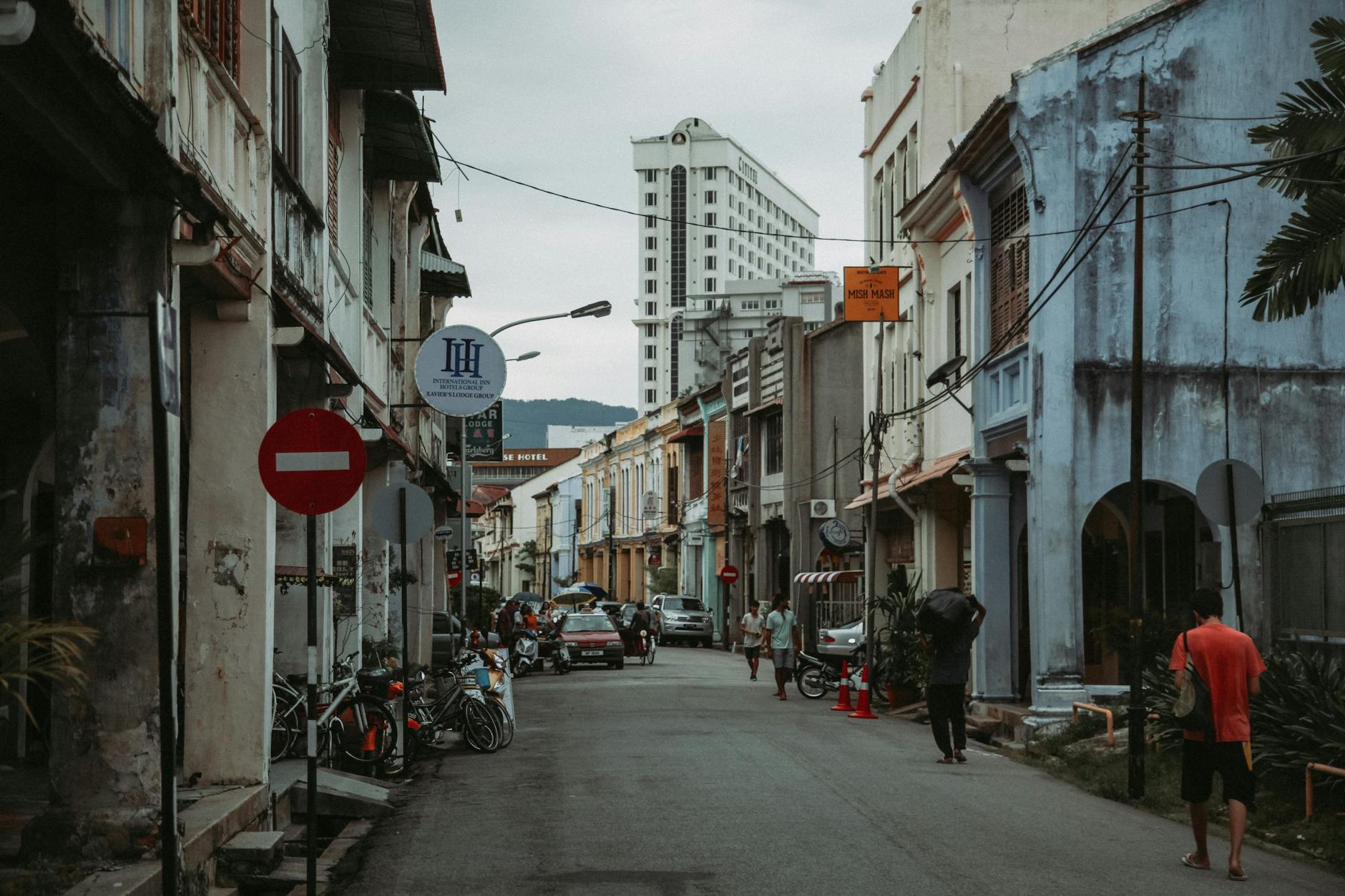
Choose Your Malaysia Trip
Choose Malaysia If You Want...
| You want... | Choose this trip style |
|---|---|
| Food, old streets, and easy logistics | Kuala Lumpur + Ipoh + Penang + Melaka |
| A classic first-timer route | Kuala Lumpur + Melaka + Penang + Langkawi |
| Beaches with easy resorts | Langkawi, Pangkor Laut, Desaru, or Sabah resorts |
| Clear-water snorkeling in season | Perhentian Islands, Redang, Tioman, or selected Sabah islands |
| Orangutans and river wildlife | Sabah: Sepilok + Kinabatangan, possibly Danum Valley |
| Caves, rainforest, and culture | Sarawak: Kuching + Bako + Mulu |
| Cooler air and tea landscapes | Cameron Highlands, Fraser’s Hill, Kinabalu Park/Kundasang |
| A Singapore combination | Kuala Lumpur + Melaka + Johor Bahru/Singapore, or Penang/KL + Singapore flights |
| A slow cultural trip | Penang, Melaka, Ipoh, Kuching, villages, homestays, and food routes |
| A luxury resort trip | Langkawi, Pangkor Laut, Desaru, Sabah island resorts, or high-end KL hotels |
| Diving | Sipadan area with safety checks and permits; Tioman, Redang, Perhentians, Layang-Layang depending season and skill |
| Family travel | Kuala Lumpur + Penang + Langkawi, or Kuala Lumpur + Melaka + theme parks + beach |
First-Time Visitor? Start Here
For most first-time visitors, the easiest default is:
Kuala Lumpur, Melaka, Penang, and Langkawi in 10 to 12 days.
This route gives you a modern capital, a historic port city, Malaysia’s best-known food destination, and an island finish. It is not the wildest version of Malaysia, but it is balanced, accessible, and satisfying.
A better route for nature-focused first-timers is:
Kuala Lumpur, Kota Kinabalu/Kinabalu Park, Sepilok, Kinabatangan, and Sandakan or a Sabah island finish in 10 to 14 days.
A better route for deeper culture and rainforest is:
Kuala Lumpur, Kuching, Bako National Park, a Sarawak cultural/longhouse experience, and Mulu in 10 to 14 days.
The Move
For a first article draft, include all three “default routes” near the top. Malaysia has too many good versions for one default to be honest.
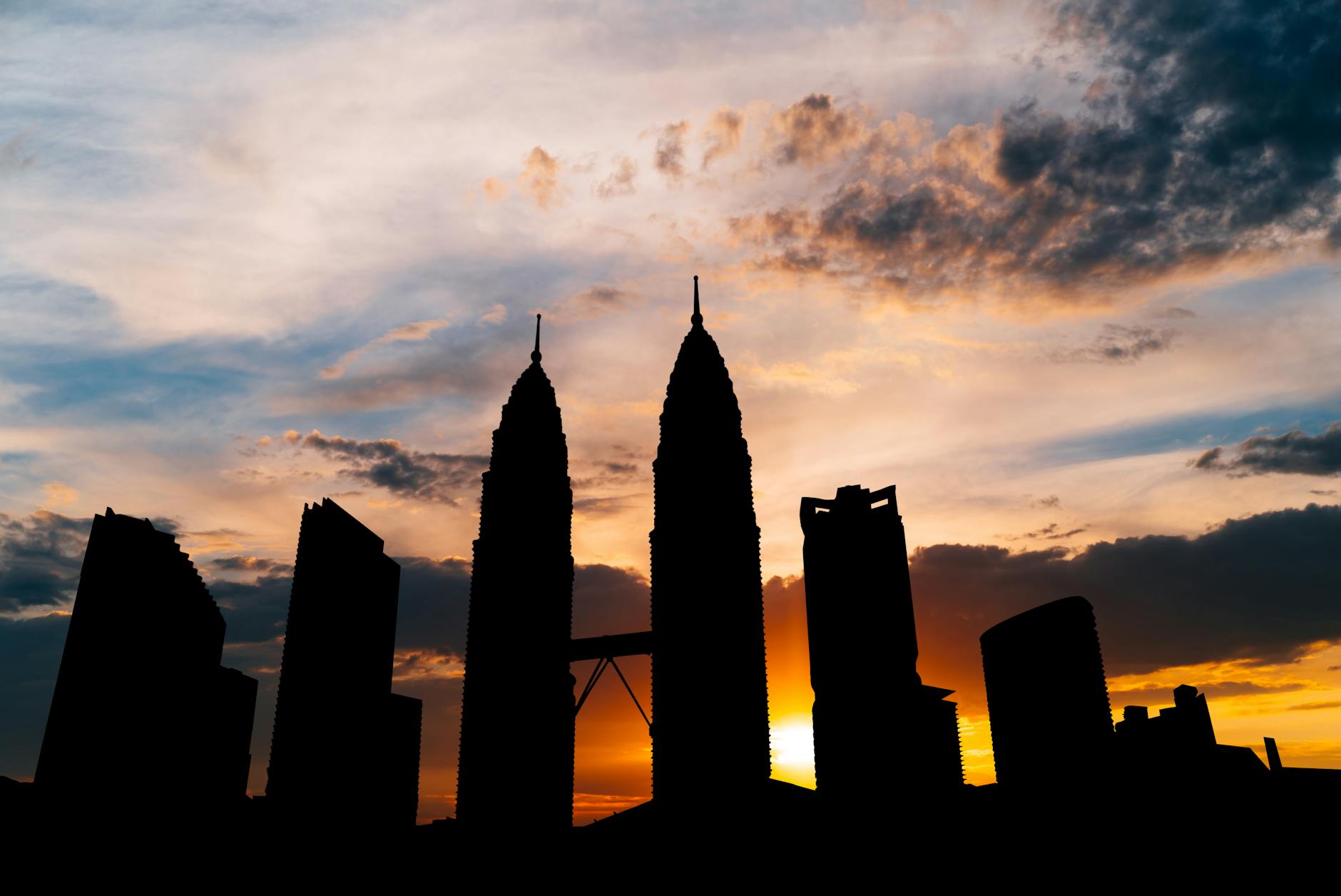
Best Time to Visit Malaysia
The best time to visit Malaysia depends on where you are going. This is the single most important planning section in a Malaysia guide.
Malaysia is hot and humid year-round, but rain, sea conditions, and island accessibility vary. METMalaysia’s monsoon framing is the backbone: Southwest Monsoon from late May to September, Northeast Monsoon from November to March, with the Northeast Monsoon bringing heavy rain especially to the east coast states of Peninsular Malaysia, western Sarawak, and eastern Sabah.[7]
Best Overall Planning Rule
- West coast and classic heritage route — Kuala Lumpur, Melaka, Ipoh, Penang, Langkawi: generally strongest from roughly December to March/April, though Kuala Lumpur can rain any month and Penang/Langkawi remain visitable outside that window.
- East-coast islands — Perhentian, Redang, Tioman, parts of Terengganu/Pahang/Kelantan coast: generally strongest from roughly March/April to September/October. Many island operations reduce or close during the Northeast Monsoon.
- Sabah — Kota Kinabalu, Kinabalu Park, Sepilok, Kinabatangan, Danum Valley, islands: often planned in the drier part of the year, but rain is possible anytime and eastern Sabah has its own patterns and safety considerations.
- Sarawak — Kuching, Bako, Mulu, Niah, longhouse trips: rain is possible year-round; western Sarawak is particularly affected by the Northeast Monsoon, so check local forecasts and park conditions.
- Kuala Lumpur — year-round city trip. Expect heat and sudden rain; plan indoor backups.
Season-by-Season
| Season | What it means | Best for | Watch out for |
|---|---|---|---|
| December–February | Strong for west coast and city/heritage routes; wetter for east coast Peninsular and parts of Sarawak/eastern Sabah. | Kuala Lumpur, Melaka, Ipoh, Penang, Langkawi, holiday city trips. | East-coast island closures, holiday crowds, heavy rain in affected regions. |
| March–April | Transitional and often useful. East-coast islands begin improving; west coast still workable. | Broad first-timer routes, food trips, beginning of island season, city + nature routes. | Heat, localized storms, Easter/school holiday demand depending market. |
| May–September | Southwest Monsoon period, relatively drier overall per METMalaysia; strong for east-coast islands. | Perhentian, Redang, Tioman, diving/snorkeling, Borneo planning, school-holiday trips. | Haze risk can vary by year, heat, holiday crowds, some west-coast rain. |
| October–November | Inter-monsoon to Northeast Monsoon transition; rain risk rises, especially as November approaches. | Flexible food/city trips, shoulder-season value, travelers who can handle rain. | Island transitions, storms, less reliable beach planning. |
Month-by-Month Guide
| Month | Verdict |
|---|---|
| January | Good for Kuala Lumpur, Melaka, Penang, Langkawi, and west-coast routes. East-coast islands are usually not the move. Sarawak can be very wet. |
| February | Strong classic-route month. Good for food/heritage and Langkawi. Chinese New Year can bring crowds, closures, and higher prices, but also atmosphere. |
| March | One of the more flexible months. East-coast islands start becoming more realistic, while west-coast trips remain strong. Hot and humid. |
| April | Broadly useful, but heat rises and storms can occur. Good for mixed routes if you avoid overplanning beach perfection. |
| May | East-coast islands are increasingly strong. Cities remain hot. Watch school holidays and long weekends. |
| June | Good for Perhentian/Redang/Tioman-style island trips and many Borneo plans. Book popular island stays ahead. |
| July | Peak east-coast island season and a busy travel month. Good for families, diving/snorkeling, and Borneo nature if logistics are booked. |
| August | Similar to July: popular, warm, humid, and strong for east-coast islands. Book ahead. |
| September | Still useful for east-coast islands earlier in the month, but transition risk increases. Good for flexible travelers. |
| October | Weather becomes more mixed. Food/city routes are fine; island planning needs caution. |
| November | Northeast Monsoon period begins. Avoid relying on east-coast islands. West coast and city routes are stronger bets. |
| December | Good for west-coast cities and Langkawi, busy around holidays. East-coast islands are generally poor choices. |
Rain Plan
Malaysia is built for rain better than many travelers expect. In cities, rain can become a food, café, museum, mall, spa, cinema, or hotel-pool day. In islands and national parks, rain can change everything: boat transfers, trails, visibility, river levels, leeches, and safety. Build slack into nature-heavy routes.
How Many Days You Need
The Honest Answer
You need 10 to 14 days for a satisfying first Malaysia trip. One week works only if you choose a narrow version. Three weeks lets you combine Peninsular Malaysia and Borneo without turning the trip into transit.
| Length | What it feels like |
|---|---|
| 3 days | A Kuala Lumpur stopover or one small city/island taste. Good for KL + Batu Caves or a Penang food weekend, not a country trip. |
| 5 days | One city plus one contrast: KL + Melaka, KL + Penang, Penang + Langkawi, Kota Kinabalu + Kinabalu Park. |
| 7 days | A focused mini-route: KL + Penang + Langkawi, KL + Melaka + Penang, or Kuching + Bako + one Sarawak extension. |
| 10 days | Solid first trip. Allows KL, Melaka, Penang, and Langkawi or a focused Sabah/Sarawak route. |
| 14 days | Best first-trip length. Add Ipoh/Cameron Highlands/Taman Negara or a short Borneo extension. |
| 21 days | Strong Malaysia depth. Combine Peninsular food/heritage, islands, and one Borneo state properly. |
| 1 month | Malaysia becomes a slow-travel country: multiple cities, islands, parks, food regions, and downtime. |
Minimum Worthwhile Stay by Trip Type
| Trip type | Minimum | Better |
|---|---|---|
| Kuala Lumpur stopover | 2 nights | 3 nights |
| KL + Melaka | 4 nights | 5 nights |
| KL + Penang | 5 nights | 7 nights |
| KL + Penang + Langkawi | 7 nights | 10 nights |
| KL + Cameron Highlands + Penang | 7 nights | 10 nights |
| Sabah wildlife | 7 nights | 10–14 nights |
| Sarawak culture/rainforest | 7 nights | 10–14 nights |
| Peninsular + Borneo | 12 nights | 18–21 nights |
Itinerary Philosophy
A good Malaysia itinerary should have:
- One main food/culture anchor: Kuala Lumpur, Penang, Melaka, Ipoh, or Kuching.
- One nature or island contrast: Langkawi, Perhentian, Taman Negara, Cameron Highlands, Bako, Kinabalu, or Kinabatangan.
- One buffer day before international flights if relying on islands, boats, or rural transfers.
- Fewer moves than you think. Malaysia rewards repeat meals and neighborhood wandering.
Best Malaysia Routes
1. The Classic First-Timer Route
Kuala Lumpur → Melaka → Penang → Langkawi
Best for: First-timers, couples, families, food lovers, travelers who want a polished first Malaysia trip.
Ideal length: 10 to 12 days.
Why it works: You get the capital, a historic port, Malaysia’s most famous food city, and an island finish. Logistics are manageable, and the route gives you contrast without overcomplication.
Common mistake: Spending only one rushed night in Penang. Give George Town at least three nights if food and atmosphere matter.
2. The Food and Heritage Route
Kuala Lumpur → Ipoh → Penang → Melaka
Best for: Food obsessives, street photographers, heritage travelers, slow urban travelers.
Ideal length: 10 to 14 days.
Why it works: This route treats Malaysia’s old port and railway towns as the star, not just side trips. Ipoh gives limestone hills, white coffee, cave temples, and old-town revival; Penang gives hawker depth; Melaka gives Peranakan and maritime history; KL gives the modern national mix.
Common mistake: Treating Ipoh as a transit lunch. It deserves at least one night, two if you like slow food travel.
3. The Easy Island Route
Kuala Lumpur → Penang → Langkawi
Best for: Travelers who want food plus beach with simple logistics.
Ideal length: 7 to 10 days.
Why it works: Penang and Langkawi are natural complements: one is dense, urban, old, and food-heavy; the other is wider, greener, beachier, and more resort-friendly.
Common mistake: Expecting Langkawi to feel like a tiny barefoot island. It is large, car-dependent, and varied; choose your beach/base carefully.
4. The East-Coast Island Route
Kuala Lumpur → Taman Negara or Kuala Terengganu/Kota Bharu → Perhentian/Redang/Tioman → optional Penang or KL return
Best for: Snorkeling, diving, backpackers, couples, clear-water seekers.
Ideal length: 10 to 14 days.
Best season: Generally March/April to September/October. Avoid relying on this route during Northeast Monsoon.
Why it works: East-coast islands can be more tropical-idyllic than Langkawi when the season is right. The beaches and water are the point.
Common mistake: Booking east-coast islands in the wrong season because “Malaysia is tropical year-round.”
5. The Sabah Wildlife and Mountain Route
Kota Kinabalu → Kinabalu Park/Kundasang → Sepilok → Kinabatangan River → Sandakan or island/diving extension
Best for: Wildlife, orangutans, rainforest, mountains, families with older kids, photographers.
Ideal length: 10 to 14 days.
Why it works: Sabah gives a strong Borneo nature trip without needing to invent a complicated expedition.
Common mistake: Trying to climb Mount Kinabalu, visit Sepilok, do Kinabatangan, dive near Semporna, and relax on islands in one week.
6. The Sarawak Culture, Caves, and Rainforest Route
Kuching → Bako National Park → Sarawak cultural/longhouse experience → Mulu National Park → optional Niah/Miri
Best for: Rainforest, caves, culture, slower travelers, nature without chasing only megafauna.
Ideal length: 10 to 14 days.
Why it works: Sarawak is less about one famous animal and more about landscape, caves, rivers, Indigenous cultures, and Kuching’s food-and-riverfront rhythm.
Common mistake: Only using Kuching as a base for one park day. Kuching is one of Malaysia’s best slow cities.
7. The Highlands and Rainforest Route
Kuala Lumpur → Taman Negara → Cameron Highlands → Ipoh → Penang
Best for: Nature, cooler air, families, travelers who want variety without flying.
Ideal length: 10 to 14 days.
Why it works: This is a strong overland route with rainforest, tea estates, limestone, food, and Penang at the end.
Common mistake: Underestimating road travel and weekend congestion in Cameron Highlands.
8. The Malaysia + Singapore Route
Kuala Lumpur → Melaka → Johor Bahru or direct to Singapore
Best for: Short Southeast Asia combinations, first-timers, families, urban travelers.
Ideal length: 7 to 10 days plus Singapore.
Why it works: The route is simple, historically coherent, and logistically manageable by bus, car, train segments, or flights.
Common mistake: Treating border crossings as frictionless. Check immigration timing, bus procedures, and holiday delays.
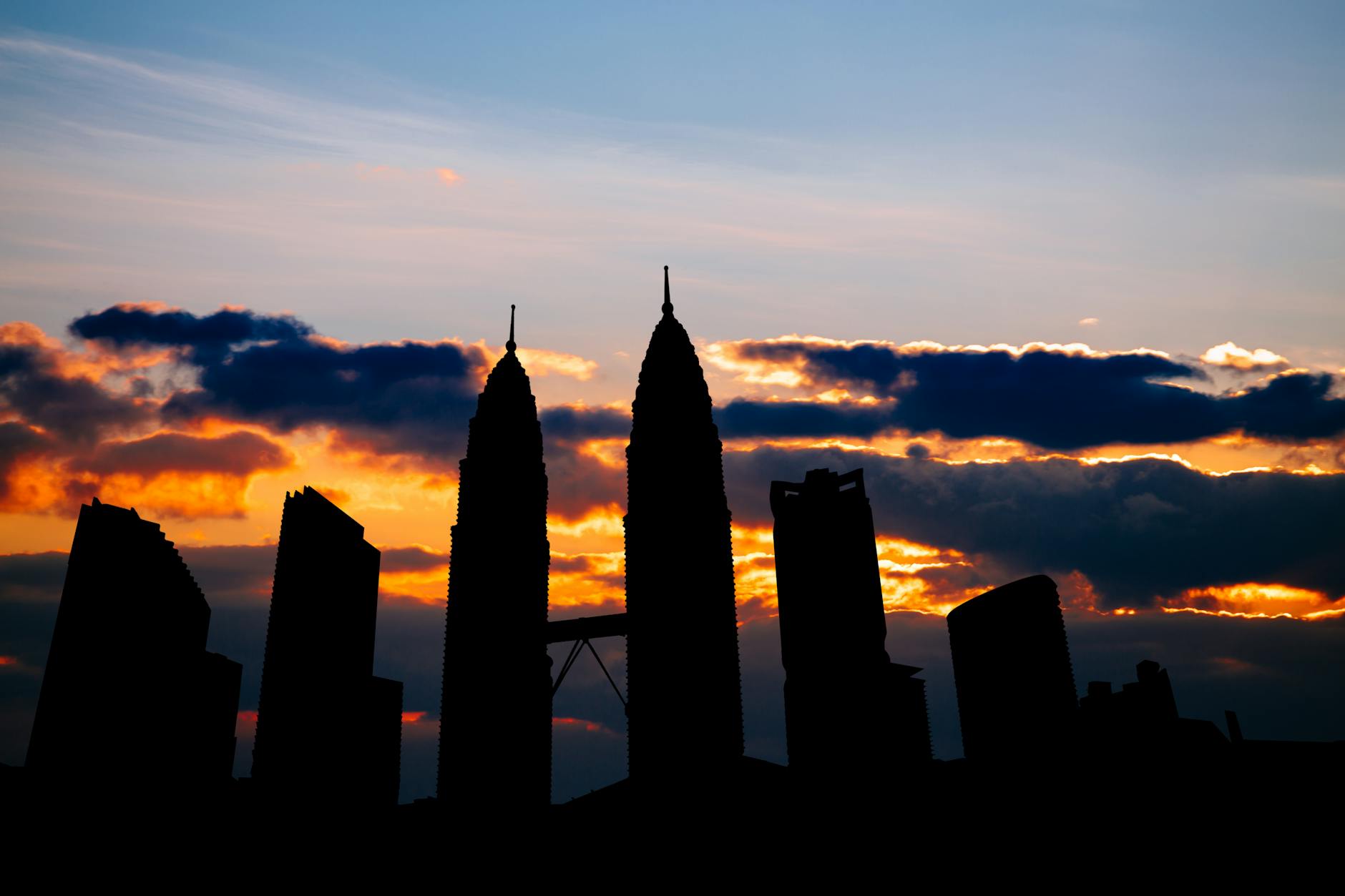
Where to Stay
Malaysia has excellent accommodation value, but the right base depends on route style. In cities, choose walkability and transport access. On islands, choose beach and transfer practicality. In Borneo, choose lodge/operator quality over headline price.
The Short Answer
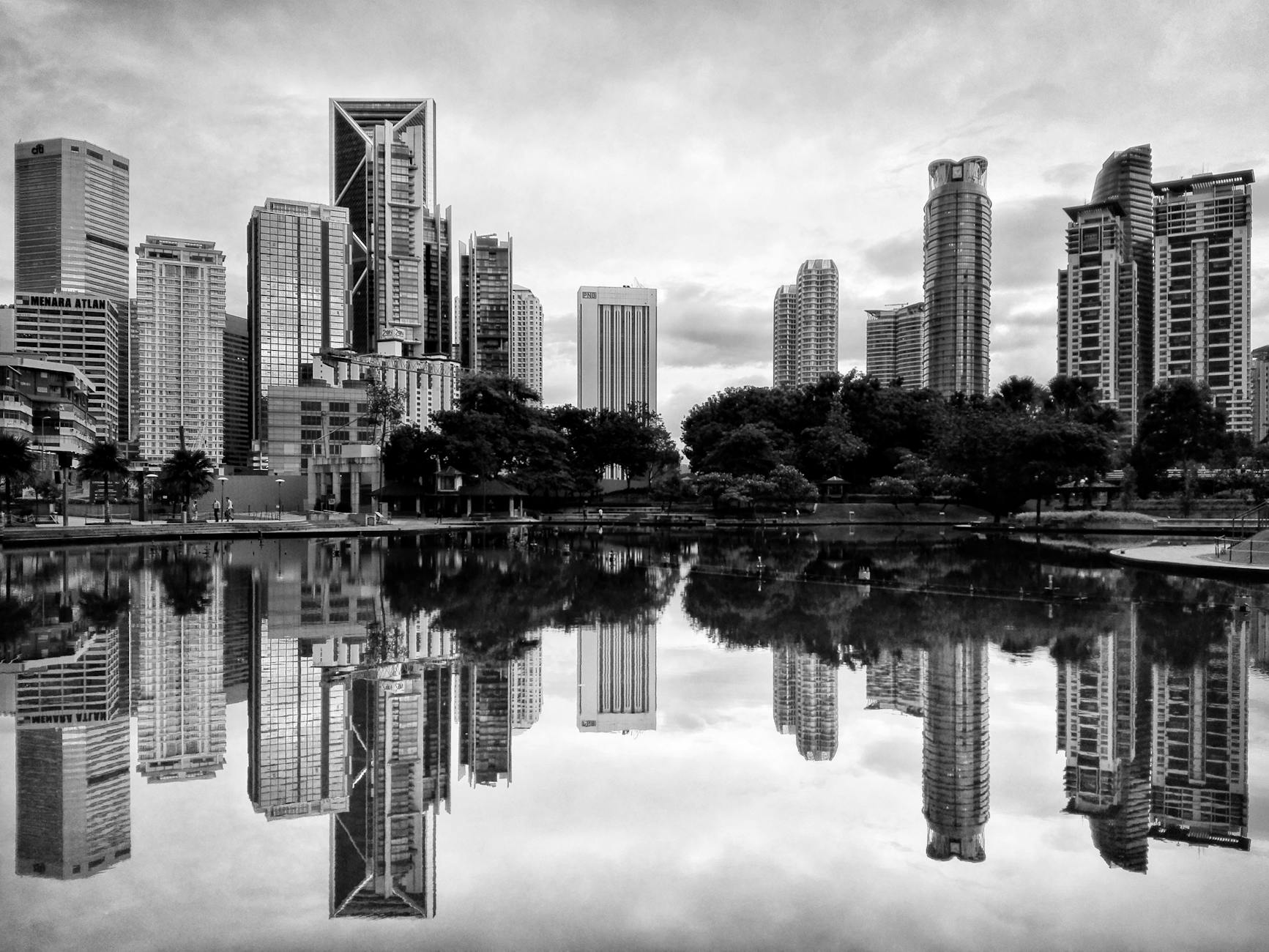
- Kuala Lumpur: Stay in KLCC for skyline polish, Bukit Bintang for shopping/nightlife, Chinatown/Pasar Seni for heritage and transit, KL Sentral for transport, Bangsar for a more residential food-and-café base, or Chow Kit/Kampung Baru for local texture with good hotel options.
- Penang: Stay in George Town for food and heritage; Batu Ferringhi for beach resorts; Gurney/Pulau Tikus for comfort and food access; Bayan Lepas only for airport/business convenience.
- Melaka: Stay near the river, Jonker Street, or Taman Kota Laksamana for walkability.
- Langkawi: Stay in Pantai Cenang/Tengah for beach activity, Datai/Tanjung Rhu for luxury and quiet, or Kuah only for practical/budget reasons.
- Kota Kinabalu: Stay near the waterfront/city center for food and tours; Tanjung Aru for beach/sunset/airport convenience.
- Kuching: Stay near the waterfront for food, walks, museums, and tour logistics.
- Cameron Highlands: Tanah Rata is practical; Brinchang is busier; tea-estate and boutique stays are scenic but can be less convenient.
- Islands and parks: Book based on transfer reliability, food availability, generator/AC hours, reef access, and cancellation/weather policies.
Kuala Lumpur Area Decision Tree
| You want... | Stay in... |
|---|---|
| Iconic skyline, luxury, business polish | KLCC |
| Shopping, restaurants, nightlife, central energy | Bukit Bintang |
| Heritage, old KL, markets, transit value | Chinatown / Pasar Seni / Masjid Jamek |
| Easiest airport/train transit | KL Sentral / Brickfields |
| Local food, village-meets-skyline texture | Kampung Baru / Chow Kit |
| Cafés, bars, residential comfort | Bangsar / Damansara Heights |
| Family-friendly serviced apartments | KLCC, Bukit Bintang, Bangsar, KL Sentral |
| Budget hotels and hostels | Chinatown, Bukit Bintang edges, Chow Kit, Brickfields |
Penang Area Decision Tree
| You want... | Stay in... |
|---|---|
| Food, heritage, murals, nightlife, walking | George Town |
| Resort beach holiday | Batu Ferringhi |
| Food + comfort outside old-town intensity | Gurney / Pulau Tikus |
| Quieter boutique heritage stay | George Town side streets, Armenian Street edges, Muntri/Love Lane area with noise checks |
| Business/airport convenience | Bayan Lepas |
| Family apartment base | Gurney, Tanjung Tokong, or Batu Ferringhi depending priorities |
Lodging Types
Malaysia’s lodging landscape includes:
- City hotels: often strong value in Kuala Lumpur, Penang, Johor Bahru, Kuching, and Kota Kinabalu.
- Serviced apartments: useful for families and longer stays, especially in KL.
- Heritage boutique hotels: especially in George Town, Melaka, Ipoh, and Kuching.
- Beach resorts: Langkawi, Sabah islands, Desaru, Pangkor, Redang, Tioman, and Perhentians.
- Rainforest lodges: Borneo, Taman Negara, Royal Belum, Kinabatangan, Danum Valley, Mulu.
- Hostels and guesthouses: common in KL, Penang, Melaka, Cameron Highlands, and islands.
- Homestays: potentially rewarding, but quality, authenticity, and comfort vary; choose carefully.
- Longhouses and community stays: especially in Sarawak and Sabah; should be arranged respectfully through reputable operators or community-linked programs.
Booking Mistakes to Avoid
- Staying in KL “near the center” without checking whether the area is walkable or connected.
- Booking a cheap island room far from food and boat access.
- Staying in George Town on a noisy party street if you sleep lightly.
- Choosing Cameron Highlands accommodation without considering weekend traffic and distance from restaurants.
- Booking rainforest lodges too late, especially in Sabah.
- Assuming all “beachfront” rooms are swimmable beaches.
- Ignoring AC, mosquito screens, generator hours, and boat-transfer rules on islands.
- Treating low prices in Borneo wildlife areas as interchangeable. Guide quality matters.
Regional Guide
Kuala Lumpur and the Klang Valley
Identity: Modern capital, food crossroads, transport hub, shopping center, skyline city, multicultural everyday Malaysia.
Best for: First arrival, skyline, food, malls, mosques, Batu Caves, Islamic arts, urban hotels, easy ride-hailing.
Time needed: 2 to 4 nights.
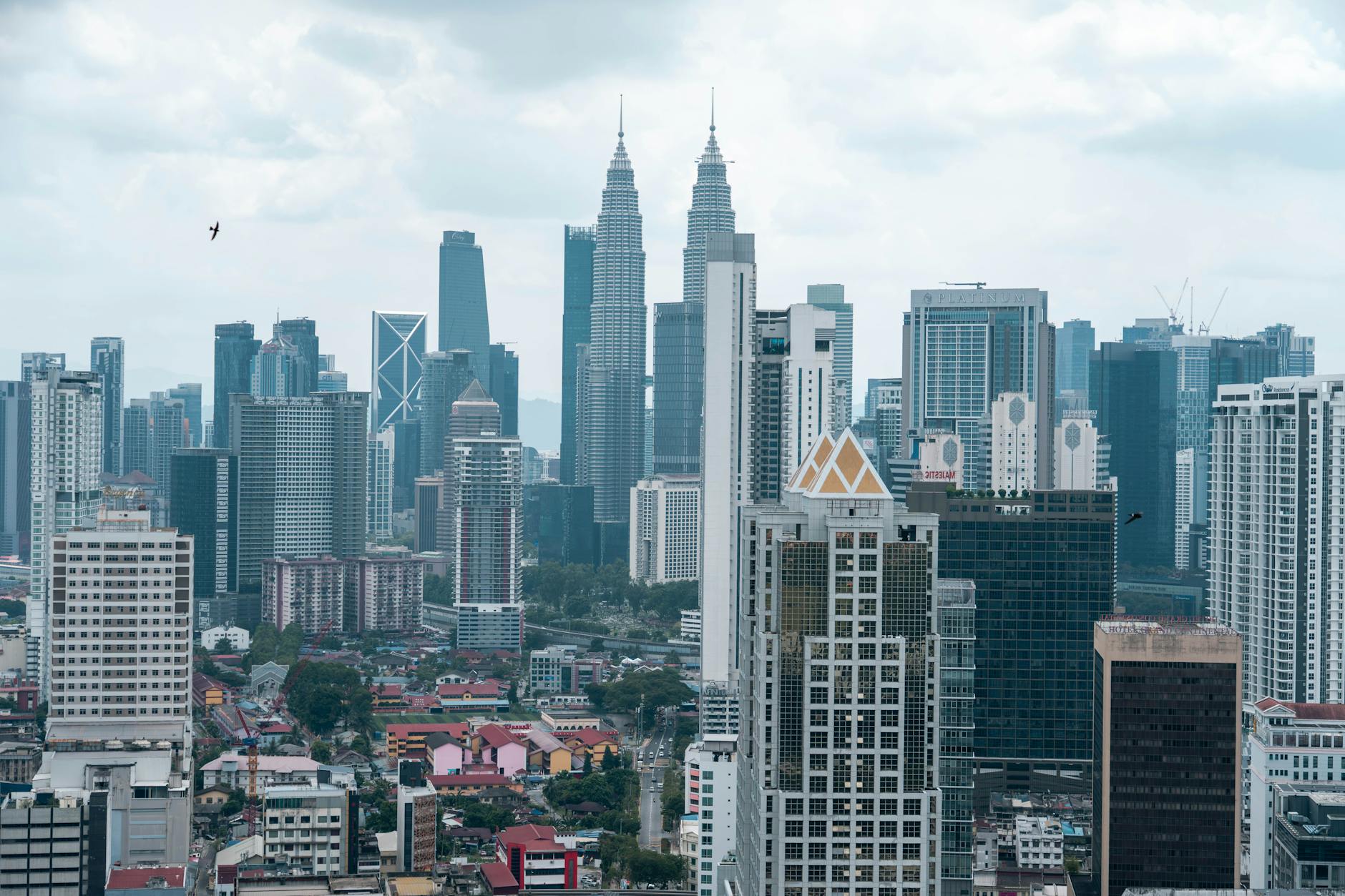
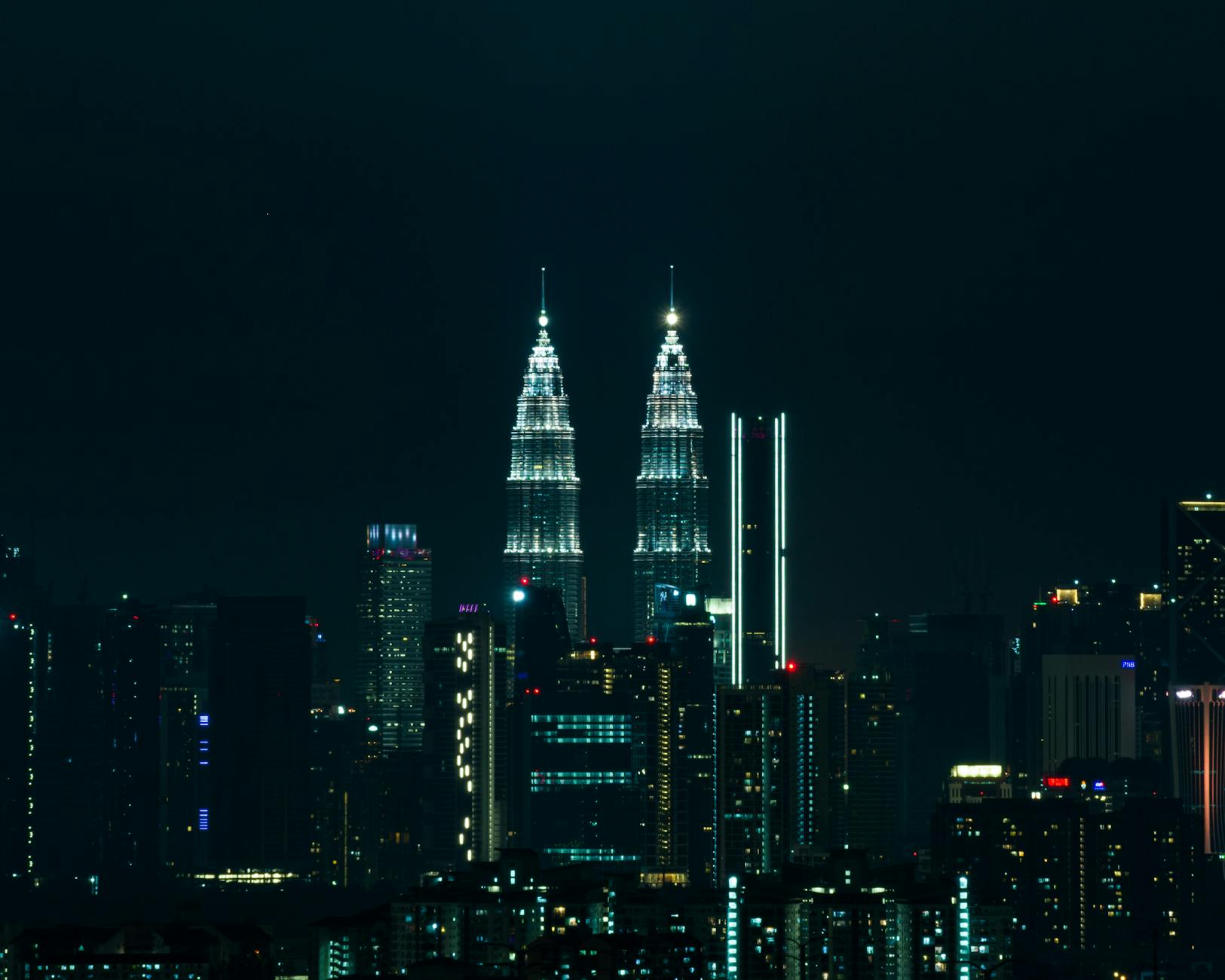
What to do: Petronas Twin Towers/KLCC, KL Tower area, Batu Caves, Islamic Arts Museum Malaysia, Masjid Jamek, Merdeka Square, Chinatown/Petaling Street, Kampung Baru, Brickfields, Bukit Bintang, malls, markets, and food neighborhoods.
The move: Do not treat KL as only an airport stop. It is the place where Malaysia’s modern contradictions are most visible.
Penang
Identity: Food capital, island-state, UNESCO heritage, street art, clan houses, temples, shophouses, hills, beaches, and old port-city texture.
Best for: Food, heritage hotels, photography, street wandering, families, creative culture, slow travel.
Time needed: 3 to 5 nights.
What to do: George Town heritage walks, clan jetties, Khoo Kongsi, Kapitan Keling Mosque, Kek Lok Si, Penang Hill, hawker centers, Armenian Street area, markets, cafés, and a Batu Ferringhi beach/resort day if desired.
Common mistake: Going to Penang for one night and eating from a checklist. Penang’s pleasure is repetition: breakfast, snacks, lunch, rain break, dinner, dessert, repeat.
Melaka
Identity: Maritime history, Peranakan culture, riverfront, colonial layers, weekend tourism, museums, and shophouses.
Best for: History, families, easy heritage stop between KL and Singapore, short breaks.
Time needed: 1 to 2 nights.
What to do: Jonker Street area, Dutch Square, Stadthuys, St. Paul’s Hill, river walk, Baba & Nyonya heritage, Cheng Hoon Teng Temple, mosques, Peranakan food, museums.
Common mistake: Visiting only as a rushed day trip from KL. It works, but an overnight lets Melaka calm down after day-trippers leave.
Ipoh and Perak
Identity: Limestone hills, old-town revival, white coffee, cave temples, colonial-era streets, and gateway to the Lenggong Valley.
Best for: Food, photography, slower heritage, cave temples, overland route between KL and Penang.
Time needed: 1 to 3 nights.
What to do: Old Town, Concubine Lane area, kopitiams, cave temples, Gua Tempurung, Kellie’s Castle if interested, Lenggong archaeology with planning.
The move: Use Ipoh to break the KL–Penang route and to see a less overexposed food city.
Langkawi
Identity: Large island archipelago, duty-free shopping, resorts, beaches, mangroves, cable car, waterfalls, and car-based exploring.
Best for: Beach downtime, resorts, families, couples, easy island logistics, west-coast weather windows.
Time needed: 3 to 5 nights.
What to do: Pantai Cenang/Tengah, Tanjung Rhu, Datai Bay, Langkawi SkyCab/SkyBridge, mangrove tours, waterfalls, sunset cruises, island drives.
Common mistake: Expecting a tiny walkable beach island. Langkawi is bigger than many visitors think.
Cameron Highlands
Identity: Cool air, tea plantations, strawberry farms, mossy forest, colonial hill-station legacy, and weekend congestion.
Best for: Cooler temperatures, tea views, families, overland route variety.
Time needed: 1 to 2 nights, possibly 3 if hiking and relaxing.
What to do: Tea plantations, mossy forest with responsible guide, farms, markets, walks, cafés.
Common mistake: Going on a weekend or public holiday without expecting traffic.
East Coast Peninsular Malaysia
Identity: More conservative, Malay cultural heartland, islands, beaches, batik, crafts, fishing communities, and seasonal sea conditions.
Best for: Perhentian Islands, Redang, Tioman, Terengganu, Kelantan culture, beaches, snorkeling, diving.
Time needed: 4 to 7 nights for an island route.
Best season: Roughly March/April to September/October for many island trips; avoid Northeast Monsoon for island-dependent plans.
Cultural note: Dress and behavior norms can be more conservative, especially away from beach-resort zones.
Taman Negara and Interior Rainforest
Identity: One of Malaysia’s classic rainforest experiences, with canopy, river travel, jungle walks, hides, and humidity.
Best for: First rainforest taste, families with older kids, soft adventure.
Time needed: 2 to 3 nights.
Common mistake: Expecting guaranteed big wildlife sightings. The rainforest is dense; the experience is forest, river, sound, humidity, insects, and atmosphere.
Sabah
Identity: Mountains, islands, wildlife, orangutans, river lodges, diving, Indigenous cultures, and separate immigration checks.
Best for: Borneo wildlife, Mount Kinabalu, Sepilok, Kinabatangan, Danum Valley, islands, diving.
Time needed: 7 to 14 nights.
What to do: Kota Kinabalu, Kinabalu Park, Kundasang, Mount Kinabalu climb, Sepilok Orangutan Rehabilitation Centre, Bornean Sun Bear Conservation Centre, Kinabatangan River, Sandakan history, Danum Valley, islands with safety checks.
Safety note: Check current advisories for eastern Sabah maritime areas.
Sarawak
Identity: River cities, caves, rainforest, Indigenous cultures, national parks, laksa, longhouses, and slower Borneo depth.
Best for: Kuching, Bako National Park, orangutan centers, Mulu caves, Niah caves, culture, food, soft adventure.
Time needed: 7 to 14 nights.
What to do: Kuching waterfront, museums, Bako, Semenggoh, Annah Rais or other cultural visits with care, Mulu, Niah, Miri, Sibu depending route.
The move: Pick Sabah or Sarawak for a first Borneo trip unless you have two full weeks just for Borneo.
Johor and Southern Malaysia
Identity: Causeway culture, Singapore adjacency, theme parks, Desaru coast, Johor Bahru food, and southern gateway.
Best for: Singapore combinations, families, theme parks, short beach breaks, road trips.
Time needed: 1 to 3 nights depending purpose.
Common mistake: Treating Johor Bahru only as a cheap overnight. It has its own food and urban culture, but it is also very shaped by border traffic.
Best Things to Do
1. Eat Your Way Through Kuala Lumpur
KL is where Malaysia’s national mix becomes a daily meal plan: nasi lemak, roti canai, banana leaf rice, Hokkien mee, satay, Malay rice dishes, kopitiam breakfasts, nasi kandar, modern cafés, hotel dining, night markets, and mamak stalls.
Best for: Everyone.
Time needed: 2 to 4 nights.
The move: Eat in different formats, not just different restaurants: hawker center, kopitiam, banana leaf, mamak, Malay warung, mall food court, market, and one modern Malaysian restaurant.
2. Walk George Town Slowly
George Town is one of Southeast Asia’s great old port-city environments: shophouses, clan houses, temples, mosques, churches, street art, jetties, cafés, and hawker stalls compressed into a walkable historic core.
Best for: Food, history, photography, architecture, slow travel.
Time needed: At least 2 full days.
Worth it? Yes, but not as a speed-run of murals.
3. Spend a Night in Melaka
Melaka’s historical importance is larger than its compact tourist center suggests. It was a crucial Straits port shaped by Malay sultanate power, Portuguese, Dutch, British, Chinese, Indian, and Peranakan influences.
Best for: History, families, first-timers, Singapore/KL route.
Time needed: 1 to 2 nights.
The move: Stay overnight, walk the river at dusk, and visit heritage sites before weekend crowds build.
4. Visit Batu Caves Respectfully
Batu Caves is one of the most famous Hindu sites in Malaysia and an easy trip from Kuala Lumpur. The staircase and limestone setting are dramatic, but it is a religious place, not only a photo backdrop.
Best for: First-timers, culture, photography, short KL side trip.
Time needed: Half-day.
Common mistake: Dressing or behaving as if it were a theme attraction. Cover appropriately and watch monkeys.
5. Do the KL Skyline Once
The Petronas Twin Towers, KLCC Park, KL Tower views, and newer skyline viewpoints help orient you to Malaysia’s urban ambition.
Best for: First-timers, photographers, families.
Time needed: Half-day to evening.
The move: Pair the skyline with Kampung Baru or Chow Kit for contrast.
6. Use Ipoh as More Than a Lunch Stop
Ipoh’s old town, kopitiams, white coffee, cave temples, limestone scenery, and relaxed pace make it one of the country’s best route-breakers.
Best for: Food travelers, photographers, overland travelers.
Time needed: 1 to 2 nights.
Pair it with: KL–Penang rail route, Cameron Highlands, Lenggong Valley.
7. Choose the Right Island
Malaysia has many island styles:
- Langkawi: easiest resort island, best for comfort and west-coast routes.
- Perhentians: backpacker/snorkeling/diving energy, seasonal.
- Redang: clearer resort/snorkeling feel, seasonal.
- Tioman: jungle-backed island, diving, village feel, seasonal.
- Pangkor/Pangkor Laut: west-coast short break and luxury option.
- Sabah islands: marine life and diving, but more safety and logistics checks.
Common mistake: Asking “best island in Malaysia” without specifying month, budget, comfort level, snorkeling/diving needs, and tolerance for rough logistics.
8. See Borneo Wildlife Without Treating It Like a Zoo
Sepilok, Kinabatangan, Bako, Semenggoh, Danum Valley, Mulu, and other Borneo locations can be extraordinary, but wildlife is never guaranteed. The best Borneo trips are built around habitat, guides, and time.
Best for: Nature lovers, families with older kids, photographers.
Time needed: 7 to 14 days for a meaningful Borneo route.
Responsible travel note: Avoid operators that bait, crowd, harass, or promise unrealistic wildlife encounters.
9. Visit Mulu or Niah for Caves and Deep Time
Sarawak’s cave systems are among Malaysia’s strongest natural/cultural experiences. Mulu is famous for vast cave chambers, limestone formations, forest, and bat exodus experiences. Niah adds major archaeological significance and was inscribed as a UNESCO World Heritage site in 2024.[12]
Best for: Nature, geology, archaeology, Sarawak travelers.
Time needed: Mulu generally needs 2 to 3 nights because flights and park schedules matter.
10. Consider Mount Kinabalu Seriously
Mount Kinabalu is not a casual viewpoint. Sabah Parks states that the climb can be done in 2 days, with 3 days recommended for comfort and acclimatization, and that climbers must use registered mountain guides.[13]
Best for: Fit hikers, bucket-list travelers, Borneo nature routes.
Book ahead? Yes. Permits, accommodation, guides, and weather windows matter.
11. Take a Rainforest River Trip
A Kinabatangan River stay in Sabah or selected river/longhouse routes in Sarawak turns Malaysia from city-and-food trip into something older and slower.
Best for: Wildlife, landscape, slower travel.
Time needed: 2 to 4 nights.
The move: Spend enough time. One rushed boat ride is not the same as being there at dawn and dusk.
12. Shop and Eat in Malaysian Malls
Malls are not just shopping centers in Malaysia. They are air-conditioned social infrastructure: food courts, cinemas, groceries, clinics, playgrounds, transit links, bookstores, cafés, and storm shelters.
Best for: Rainy days, families, heat breaks, practical errands.
Do not skip: Good mall food courts can be genuinely useful, especially with kids or dietary constraints.
13. Visit a Ramadan Bazaar If Timing Aligns
During Ramadan, evening food bazaars appear across Malaysia, especially in Malay-majority areas. They can be one of the best ways to experience seasonal food culture, provided visitors behave respectfully.
Best for: Food, culture, photography with discretion.
Etiquette: Do not eat or drink ostentatiously in front of fasting people in conservative contexts; ask before photographing vendors or customers.
14. Learn One City Through Breakfast
Malaysia is a breakfast country. Roti canai, nasi lemak, kaya toast, dim sum, chee cheong fun, curry mee, pan mee, thosai, nasi dagang, laksa, kuih, and kopi/teh culture tell you more than another generic attraction.
The move: Build every city day around breakfast first.
15. Spend Time in Kuching
Kuching is one of Malaysia’s most underrated city bases: riverfront, museums, Sarawak laksa, kolo mee, cafés, markets, and easy day trips to Bako and Semenggoh.
Best for: Slow travelers, food, families, Sarawak routes.
Time needed: 3 to 5 nights.
Malaysia Itineraries
Five Days in Malaysia: Kuala Lumpur + Melaka
Best for: Stopover travelers, first taste, families, Singapore/KL combination.
Day 1: Arrive in Kuala Lumpur
Settle near KLCC, Bukit Bintang, Chinatown, or KL Sentral. Keep the first day easy: food court, short walk, early night.
Day 2: Kuala Lumpur Essentials
Morning at Batu Caves. Afternoon around Merdeka Square, Masjid Jamek, Chinatown, or Islamic Arts Museum. Evening at KLCC or Kampung Baru.
Day 3: Kuala Lumpur Food and Neighborhoods
Breakfast at a kopitiam or mamak. Explore Chow Kit, Kampung Baru, Brickfields, or Bangsar depending interests. Evening hawker food or night market.
Day 4: Melaka Overnight
Travel to Melaka. Walk Jonker Street area, Dutch Square, riverfront, and heritage museums. Stay overnight.
Day 5: Melaka Morning, Return to KL
Early walk before crowds, Peranakan lunch, return to KL for final dinner or airport positioning.
Seven Days: KL + Penang
Best for: Food and city travelers.
Day 1: Arrive KL, easy dinner.
Day 2: Batu Caves + old KL + KLCC.
Day 3: Food/neighborhood day in KL.
Day 4: Fly or train to Penang via Butterworth. Evening in George Town.
Day 5: George Town heritage and hawker food.
Day 6: Kek Lok Si, Penang Hill, and Pulau Tikus/Gurney food.
Day 7: Final Penang breakfast and depart or return to KL.
Ten Days: Classic Malaysia
Route: Kuala Lumpur → Melaka → Penang → Langkawi
Day 1: Arrive KL.
Day 2: KL essentials: Batu Caves, old KL, skyline.
Day 3: KL food and neighborhoods.
Day 4: Melaka overnight.
Day 5: Melaka morning, travel/fly to Penang or return KL for onward travel.
Day 6: George Town heritage and hawker food.
Day 7: Penang temples, hill, markets, and food.
Day 8: Travel to Langkawi.
Day 9: Langkawi beach/mangrove/cable car.
Day 10: Depart Langkawi or return KL.
The move: Add one more night to Penang or Langkawi if possible. Ten days works, but twelve feels much better.
Fourteen Days: Peninsular Malaysia Deep First Trip
Route: Kuala Lumpur → Taman Negara → Cameron Highlands → Ipoh → Penang → Langkawi
Days 1–3: Kuala Lumpur.
Days 4–5: Taman Negara rainforest.
Days 6–7: Cameron Highlands.
Day 8: Ipoh.
Days 9–11: Penang.
Days 12–14: Langkawi.
Best for: Variety without Borneo flights.
Watch out: This route needs good transfer planning. Do not underestimate road days.
Ten to Fourteen Days: Sabah Nature Route
Route: Kota Kinabalu → Kinabalu Park/Kundasang → Sepilok → Kinabatangan → Sandakan or island extension
Day 1: Arrive Kota Kinabalu.
Day 2: Kota Kinabalu food, islands, or city orientation.
Days 3–4: Kinabalu Park/Kundasang. Add Mount Kinabalu climb only with proper booking and fitness.
Day 5: Travel to Sandakan/Sepilok.
Day 6: Sepilok orangutan/sun bear centers and rainforest discovery.
Days 7–9: Kinabatangan River lodge.
Days 10–11: Sandakan history, rest, or island/diving extension.
Days 12–14: Add Danum Valley, Semporna area with advisory checks, or return via Kota Kinabalu.
Ten to Fourteen Days: Sarawak Route
Route: Kuching → Bako → Semenggoh/cultural experience → Mulu → optional Miri/Niah
Days 1–3: Kuching and food.
Day 4: Bako National Park day trip or overnight.
Day 5: Semenggoh and cultural/longhouse-linked experience.
Day 6: Buffer/Kuching museums/market.
Days 7–9: Mulu National Park.
Days 10–12: Miri/Niah or return Kuching.
Days 13–14: Extra buffer, food, and departure.
Three Weeks: Grand Malaysia Without Losing Your Mind
Days 1–3: Kuala Lumpur.
Days 4–5: Melaka.
Days 6–7: Ipoh or Cameron Highlands.
Days 8–11: Penang.
Days 12–14: Langkawi or east-coast island, depending season.
Days 15–21: Choose Sabah or Sarawak, not both unless you are very logistics-tolerant.
The move: The final week should be nature-heavy, not another sequence of city hops.
Special-Interest Itineraries
Food Lover’s Malaysia
Kuala Lumpur, Ipoh, Penang, Melaka, and Kuching. Build every day around breakfast, lunch, tea/coffee, dinner, and one cultural walk. Book a serious food tour early in the trip to learn how to read stalls, not just what to order.
Family Malaysia
Kuala Lumpur, Penang, and Langkawi is the easiest. Add Melaka if the children tolerate history walks. Use serviced apartments, malls for rain breaks, Grab for short transfers, and avoid overloading hot afternoons.
Nature Malaysia
Taman Negara, Cameron Highlands, Borneo, and islands can all work, but pick one nature priority. A rainforest trip and a diving trip are different packing and planning projects.
Luxury Malaysia
Kuala Lumpur luxury hotels, Penang heritage boutique stays, Langkawi high-end resorts, Pangkor Laut, and selected Sabah or Sarawak lodges make a strong comfort route. Spend on private transfers and lodges, not just room size.
Budget Malaysia
Malaysia is excellent for budget travel if you eat local, use buses/trains, choose hostels or simple guesthouses, and avoid over-flying. Islands and Borneo lodges are where budgets rise.
Food and Drink
Malaysia is one of the world’s great eating countries. The food is not a single cuisine; it is an ecosystem shaped by Malay, Chinese, Indian, Peranakan, Indigenous, regional, colonial, Thai, Indonesian, Arab, and modern global influences.
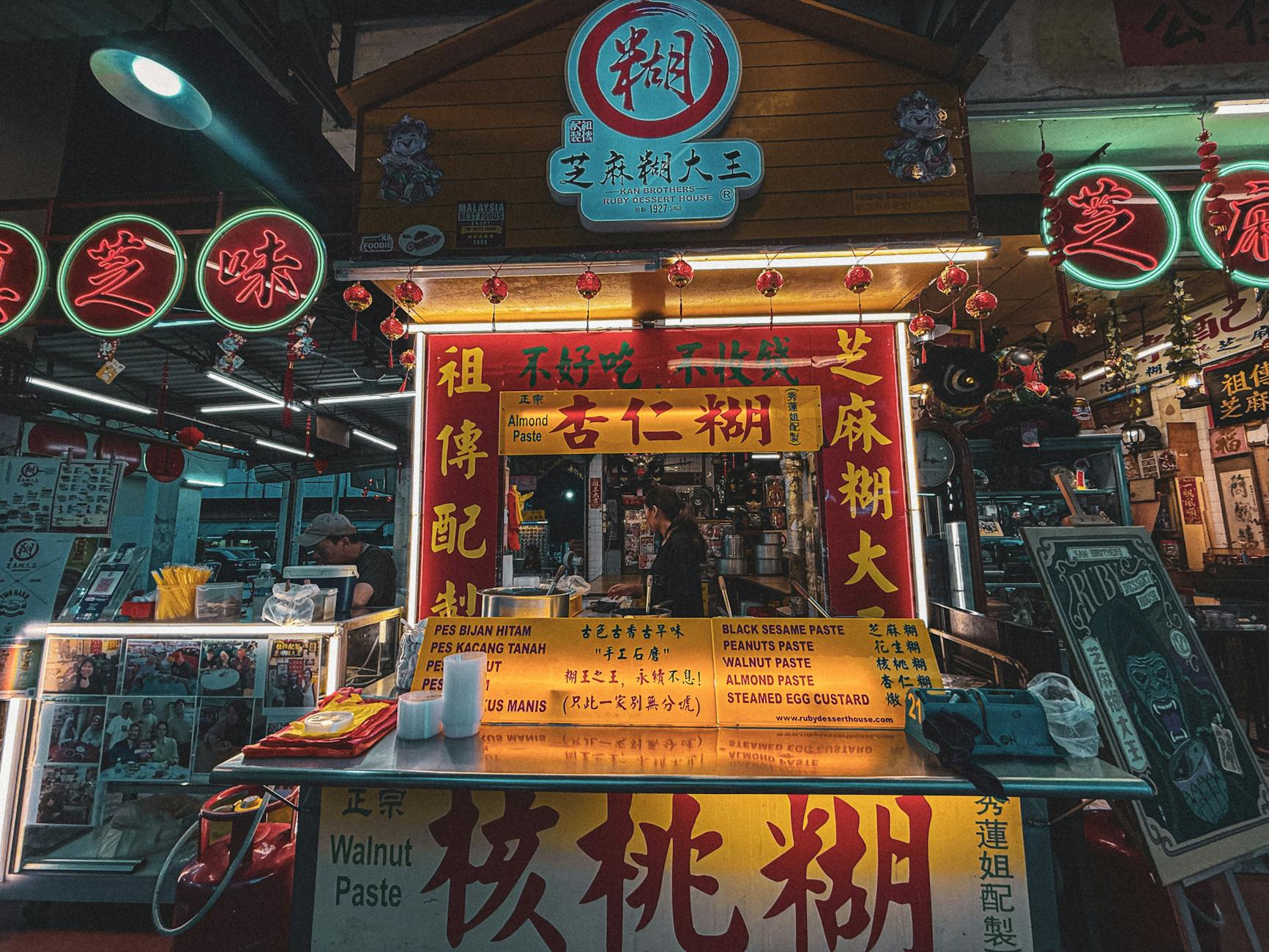
The best food strategy is not to chase only famous names. Learn formats: nasi kandar, kopitiam, mamak, hawker center, banana leaf, Malay rice counter, night market, seafood restaurant, laksa stall, roti shop, kuih stall, and modern café. Once you understand formats, Malaysia becomes easier and more delicious.
Food Identity
Malaysia’s food culture is built around:
- Rice, noodles, spice pastes, coconut milk, sambal, herbs, grilled meats, curries, seafood, fermented flavors, and tropical fruit.
- Breakfast as a serious meal.
- Hawker and stall specialization.
- Halal food norms in Malay and Indian Muslim contexts.
- Chinese pork/noodle/seafood traditions in many areas.
- South Indian banana leaf, roti, thosai, and vegetarian-friendly options.
- Peranakan food in Melaka and Penang.
- Borneo regional dishes in Sabah and Sarawak.
- Malls and food courts as practical eating infrastructure.
What to Eat
| Dish or experience | What it is | Where to prioritize |
|---|---|---|
| Nasi lemak | Coconut rice with sambal, anchovies, peanuts, cucumber, egg, and optional proteins. | Everywhere, especially KL and morning stalls. |
| Roti canai | Flaky flatbread with dhal/curry, often eaten for breakfast or supper. | Mamak restaurants nationwide. |
| Char kway teow | Stir-fried flat rice noodles, often with prawns, egg, bean sprouts, and Chinese sausage/pork lard depending stall. | Penang, KL, Ipoh. |
| Assam laksa | Sour, fish-based noodle soup with tamarind and herbs. | Penang. |
| Curry laksa / curry mee | Coconut curry noodle soup with regional variations. | KL, Penang, Ipoh. |
| Sarawak laksa | Spiced, aromatic laksa with its own Sarawak identity. | Kuching. |
| Nasi kandar | Rice with multiple curries and side dishes, Indian Muslim origin. | Penang, KL, northern Malaysia. |
| Banana leaf rice | South Indian-style rice and curries served on banana leaf. | KL, Penang, Klang Valley. |
| Satay | Grilled skewers with peanut sauce. | Kajang, KL, Melaka, night markets. |
| Rendang | Slow-cooked spiced meat, rich and aromatic. | Malay restaurants, festive contexts. |
| Hainanese chicken rice | Poached or roasted chicken with seasoned rice and sauces. | KL, Ipoh, Penang. |
| Kolo mee | Springy dry noodles, often with minced meat and char siu in non-halal versions. | Kuching/Sarawak. |
| Hinava / Sabah foods | Indigenous Kadazan-Dusun-style raw fish dish and other Sabah specialties. | Kota Kinabalu and Sabah cultural restaurants. |
| Cendol | Shaved ice dessert with coconut milk, palm sugar, green rice-flour jelly, and beans. | Penang, Melaka, KL. |
| Teh tarik | Pulled milk tea. | Mamak stalls nationwide. |
| Kaya toast and kopi | Coconut egg jam toast and local coffee. | Kopitiams nationwide. |
| Durian | Famous pungent fruit, seasonal and beloved. | Penang, Pahang, Johor, KL fruit stalls, durian farms. |
Where to Eat by Situation
| Situation | Best approach |
|---|---|
| First dinner in KL | Pick a good nearby food court, mamak, nasi lemak place, or mall dining floor. Do not cross the city tired. |
| Best food city | Penang gets the headline, but KL, Ipoh, Melaka, and Kuching are essential for a complete food view. |
| Breakfast | Kopitiam, roti canai, nasi lemak, dim sum, kaya toast, laksa depending region. |
| Solo dining | Hawker centers, mamak restaurants, kopitiams, food courts, noodle stalls. Very easy. |
| Families | Malls, food courts, casual restaurants, hotel breakfasts, Penang hawker centers at non-peak times. |
| Vegetarian | South Indian restaurants are the easiest base; Chinese vegetarian and modern vegan options exist in cities. Ask carefully about shrimp paste, fish sauce, anchovies, and stock. |
| Halal | Very easy in Malay and Indian Muslim contexts. Chinese and some international venues may not be halal; look for certification or ask. |
| Alcohol | Available in hotels, bars, Chinese restaurants, tourist areas, and many urban venues, but not a universal part of dining culture and more limited/expensive in conservative areas. |
Food Etiquette and Practicalities
- In hawker centers, first find a table, note the table number if needed, then order from stalls.
- Some food courts use central payment cards; others take cash at each stall.
- Mamak restaurants can be open very late and are useful for arrivals.
- Use your right hand when eating with hands or passing food in traditional contexts.
- In Muslim contexts, pork and alcohol are avoided. In some Chinese restaurants, pork is central.
- Vegetarian does not always mean no shrimp paste, anchovy, fish sauce, or stock. Ask clearly.
- During Ramadan, many Muslim-run restaurants close during daytime or shift hours, while Ramadan bazaars appear before sunset.
- Tipping is appreciated but not expected the way it is in the United States. Service charges may appear in hotels/restaurants.
Drinks
Try teh tarik, kopi, iced Milo, barley drink, sugar cane juice, fresh lime, calamansi, soy milk, coconut water, local juices, and modern coffee. Alcohol is available but taxed and culturally variable. Malaysia is not the best destination for travelers whose main nightlife goal is cheap drinking; it is a much better destination for late food.
Getting Around
Malaysia is not difficult to move around, but the right mode changes by region.
Arrival: Kuala Lumpur International Airport
KLIA is far enough from central Kuala Lumpur that the transfer matters. KLIA Ekspres is the fastest predictable rail option to KL Sentral, listed at 28 minutes to KLIA Terminal 1 plus 3 minutes between terminals.[8] Grab/taxi can be easier for groups, late arrivals, or hotels far from KL Sentral. Airport buses are cheaper but slower.
The move: If you are staying near KLCC or Bukit Bintang, compare KLIA Ekspres + city transfer versus direct Grab. The train is predictable; a car is door-to-door.
Domestic Flights
Domestic flights are often the most practical way to connect:
- Kuala Lumpur to Penang, Langkawi, Kota Kinabalu, Kuching, Sandakan, Tawau, Miri, Bintulu, Sibu.
- Penang to other Malaysian hubs depending schedule.
- Kota Kinabalu/Sandakan/Tawau for Sabah routes.
- Kuching/Mulu/Miri for Sarawak routes.
Common mistake: Treating domestic flights as frictionless short hops. Add airport time, baggage, weather, and delays, especially when connecting to boats or lodges.
Trains
KTMB’s ETS is useful on the west coast, especially Kuala Lumpur–Ipoh–Butterworth/Penang and northward toward Padang Besar. KTMB lists ETS as running on the West Coast Line and serving key routes including KL Sentral–Ipoh, KL Sentral–Butterworth, and KL Sentral–Padang Besar.[11]
Best for: KL–Ipoh–Penang route, rail fans, avoiding some road traffic.
Not ideal for: East-coast islands, most of Borneo, quick KL–Melaka travel, or every rural transfer.
Buses
Long-distance buses are central in Malaysia. They connect KL, Melaka, Penang, Cameron Highlands, Johor Bahru, east-coast towns, and more. Quality varies. Book reputable operators, check station location, and be realistic about traffic.
Key bus realities:
- KL has multiple bus terminals. TBS is important for many intercity buses.
- Cameron Highlands and east-coast island connections can involve road + boat transfers.
- Holiday traffic can be brutal.
- Overnight buses save hotel money but cost energy and can have safety/comfort tradeoffs.
Ride-Hailing and Taxis
Grab is one of the most useful visitor tools in Malaysia. It is especially valuable in Kuala Lumpur, Penang, Melaka, Johor Bahru, Kota Kinabalu, Kuching, and Langkawi. Availability drops in remote areas and some islands.
The move: Use Grab for short urban hops, rainy days, families, and awkward first arrivals. Do not assume it replaces boats, rural transfers, or national-park logistics.
Kuala Lumpur Public Transit
KL has LRT, MRT, Monorail, KTM Komuter, airport rail, buses, and integrated stations. MyRapid is the official service site for Rapid KL, Rapid Penang, and Rapid Kuantan, including service alerts.[10] The KL TravelPass combines KLIA Ekspres airport transfer with two days of unlimited Rapid KL buses and rail services, according to KLIA Ekspres.[9]
Worth using: LRT/MRT/Monorail for traffic-heavy corridors, KLCC/Bukit Bintang/Chinatown/KL Sentral links, and sightseeing when convenient.
Not always worth it: Complex transfers in heavy rain or with small children when Grab is inexpensive.
Ferries and Boats
Boats are essential for Langkawi, Perhentian, Redang, Tioman, Pangkor, Sabah islands, and some river/national-park logistics. Schedules can be seasonal and weather-dependent.
The move: Never schedule a critical international flight immediately after a small-island boat transfer. Add a mainland or city buffer night when stakes are high.
Rental Cars
A car can be useful in Langkawi, parts of Penang island, Cameron Highlands if confident, Sabah/Kundasang routes, and some rural areas. It is not necessary for central KL. Roads can be good, but driving styles, motorcycles, rain, parking, tolls, and mountain roads require confidence.
Best with car: Langkawi, some highland routes, rural Perak, Sabah road trips with planning.
Bad idea: Central KL sightseeing, tired arrival drives, monsoon night roads, or unfamiliar mountain roads after dark.
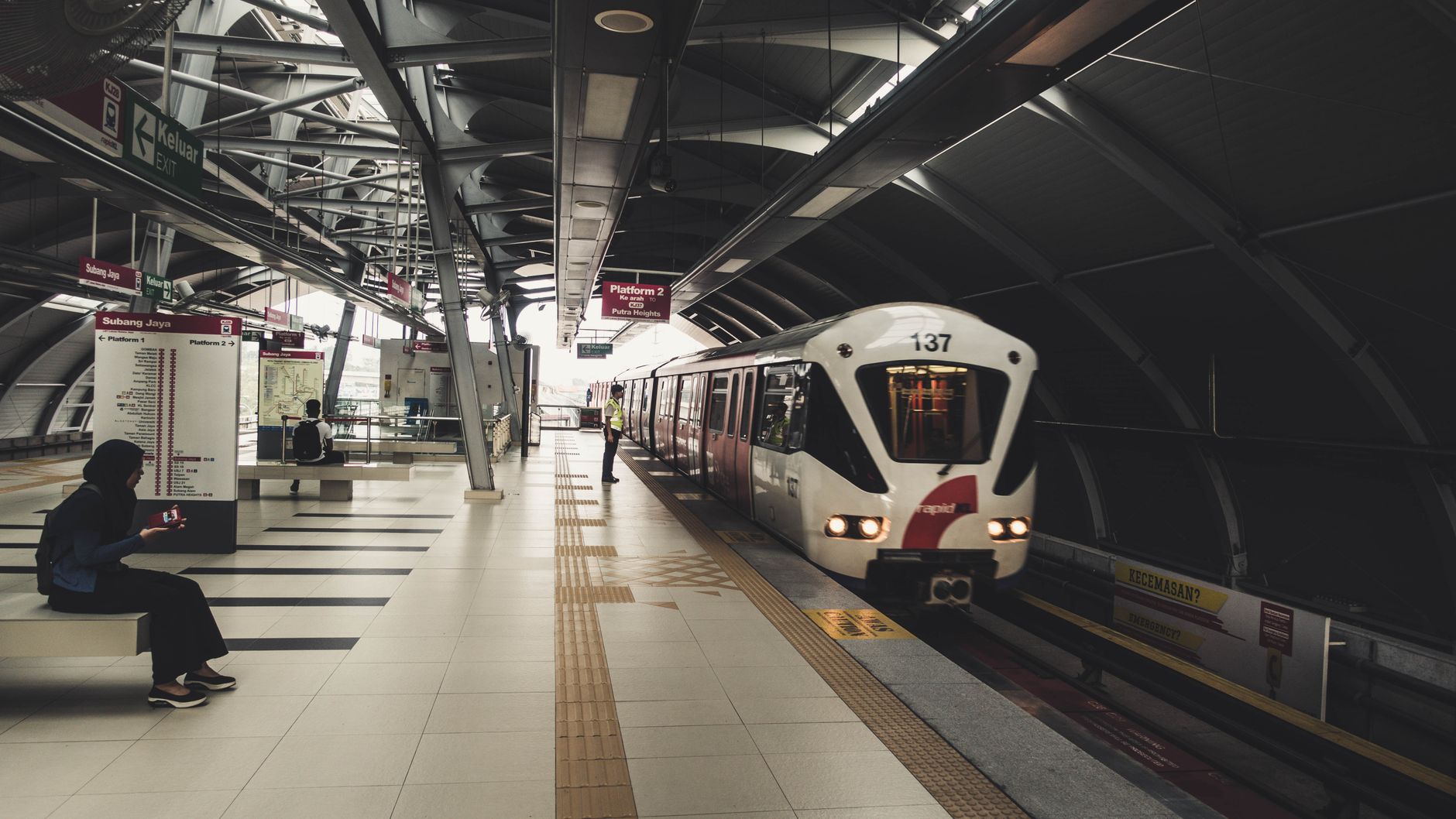
Budget and Costs
Malaysia is one of Asia’s strongest value destinations because food, ride-hailing, casual hotels, and domestic transport can be affordable, while luxury hotels and resorts often cost less than comparable properties in Singapore, Japan, or Western Europe. The budget risk is not daily food; it is over-flying, island transfers, premium lodges, and poorly planned logistics.
Daily Budget Ranges
These are broad planning ranges in Malaysian ringgit, excluding international flights and major shopping.
| Traveler type | Daily estimate | What it means |
|---|---|---|
| Shoestring | RM100–RM180 | Hostel/simple guesthouse, hawker meals, buses/trains, limited paid attractions. Harder on islands/Borneo. |
| Budget comfort | RM180–RM350 | Budget hotel, local food, occasional Grab, modest attractions, intercity bus/train. |
| Mid-range | RM350–RM700 | Comfortable hotels, mixed local/café meals, domestic flights when useful, tours, some taxis/rideshare. |
| Comfortable | RM700–RM1,200 | Better hotels, private transfers where useful, curated food, good guides, resorts or lodges in selected places. |
| Luxury | RM1,200+ | High-end KL/Penang hotels, luxury island resorts, private guides, premium wildlife lodges, fine dining, spa time. |
What Is Surprisingly Affordable
- Hawker food and kopitiam meals.
- Ride-hailing in many cities.
- Good city hotels outside peak demand.
- Mall food courts.
- Local breakfasts.
- Buses and some trains.
- Laundry and basic services.
What Gets Expensive
- Luxury island resorts.
- Borneo rainforest lodges.
- Mount Kinabalu climb packages.
- Diving and marine transfers.
- Alcohol.
- Last-minute domestic flights in holidays.
- Private guides and long-distance transfers.
- Poorly located hotels that force constant cars.
Best Value Moves
- Eat local most of the time and splurge selectively.
- Use KLIA Ekspres for speed or Grab for group door-to-door value; do not blindly choose one.
- Stay in George Town rather than beach Penang if food and heritage matter.
- Choose Langkawi for easy resort value; choose Perhentian/Redang/Tioman for water when the season fits.
- Use ETS between KL, Ipoh, and Butterworth/Penang when schedules fit.
- Spend on Borneo lodge quality. A good guide can define the trip.
- Add buffer nights instead of paying to rescue rushed logistics later.
Splurge-Worthy
- A well-located KL hotel for the first two nights.
- A Penang heritage boutique stay.
- A Langkawi or Pangkor Laut resort if rest matters.
- A strong Borneo wildlife lodge.
- A private food guide in KL/Penang/Kuching early in the trip.
- Mount Kinabalu logistics if you are committed and fit.
- Direct domestic flights when they avoid exhausting overland transfers.
Usually Not Worth It
- A car in central KL.
- A fancy restaurant with a view but mediocre food when hawker food is better.
- A one-day Borneo wildlife “tick-box” experience with no time in habitat.
- East-coast island travel in monsoon simply because hotel prices look low.
- Staying far outside George Town to save money if food and walking are priorities.
- Packing the route so tightly that every rainstorm becomes a crisis.
Safety, Health, and Scams
Malaysia is generally a comfortable and manageable destination for visitors, but a good guide should be specific rather than vague.
General Safety
The U.S. State Department currently categorizes Malaysia as Level 1—exercise normal precautions—while noting increased risk for islands and maritime areas off eastern Sabah because of kidnapping.[3] Most travelers experience Malaysia as safe and easy, especially in standard tourist zones. Still, petty theft, bag snatching, traffic accidents, drink spiking, and scams can happen.
Areas and Situations Requiring More Care
- Eastern Sabah maritime areas: Check official advisories before island or boat travel from Kudat to Tawau, especially near Sandakan/Tawau and Sulu Sea-adjacent areas.[3][4]
- Urban petty theft: Watch bags and phones in busy markets, nightlife areas, transit hubs, and roadside seating.
- Road safety: Motorcycles, rain, night driving, and rural roads can raise risk.
- Nightlife: Drink-spiking, inflated bills, and illegal substances are serious concerns.
- Remote nature: Medical help can take time in national parks, islands, and rural Borneo.
- Weather: Heavy rain can disrupt ferries, roads, and outdoor activities.
Common Scams and Annoyances
| Issue | What it looks like | How to avoid it |
|---|---|---|
| Taxi overcharging | Refusing meter, quoting high fares, airport confusion. | Use official taxi counters or Grab; confirm fare. |
| Bag snatching | Motorbike grabs bag/phone near road. | Keep bags away from traffic side; do not hold phone loosely at curb. |
| Fake tour operators | Too-cheap island, diving, or wildlife deals. | Use licensed/reputable operators; verify permits and reviews. |
| Poor island transfers | Unclear boat times, weather risk, no refund clarity. | Confirm schedules, seasons, and cancellation terms. |
| Wildlife greenwashing | Claims of ethical animal encounters without substance. | Avoid hands-on wildlife experiences; prefer conservation-linked centers. |
| Overpriced souvenir stalls | Tourist zones with generic goods. | Compare prices; buy from craft cooperatives or reputable shops. |
| ATM/card issues | Skimming or blocked cards. | Use bank ATMs, shield PIN, carry backup card and cash. |
Health Practicalities
CDC traveler guidance for Malaysia includes routine vaccine and destination-specific health advice, and travelers should check current CDC or equivalent travel-clinic recommendations before departure.[14] GOV.UK health guidance highlights risks including malaria, dengue, and rabies in certain areas.[6]
Practical health issues include:
- Dengue: A real urban and rural risk. Use repellent, especially during daytime as well as evening.
- Malaria: Risk is generally more relevant in rural/forest areas and parts of Borneo; ask a travel clinic based on exact route.
- Rabies: Avoid animal bites and do not touch monkeys, dogs, cats, or wildlife.
- Heat and humidity: Hydrate, slow down, use shade, and plan AC breaks.
- Food safety: Malaysia is generally excellent for street food, but choose busy stalls, freshly cooked food, and clean-looking operations.
- Travel insurance: Important for Borneo, islands, diving, mountain trips, and medical evacuation.
- Medication: Keep prescriptions in original packaging and check legality before travel.
Emergency Numbers
GOV.UK lists police and ambulance as 999, fire as 994, and ambulance from a mobile as 112.[5]
The move: Save emergency numbers, hotel addresses, insurance details, and local operator contacts offline. In remote areas, also know who physically gets you to help.
Accessibility and Mobility
Malaysia can be manageable for travelers with mobility needs in modern urban and resort environments, but it is inconsistent. A mall, airport, or new hotel may be accessible; a heritage shophouse, hawker center, island jetty, old sidewalk, cave temple, or rainforest boardwalk may not be.
What Helps
- Modern airports and malls.
- Larger hotels and serviced apartments.
- Grab/taxis for reducing walking.
- KL’s newer MRT/LRT stations with lifts in many locations.
- Resort staff support in higher-end properties.
- Private guides and drivers for family/mobility planning.
What Is Hard
- Broken sidewalks, open drains, curbs, and uneven pavement.
- Heritage buildings with stairs and no lifts.
- Hawker centers with crowds and tight layouts.
- Island jetties and boat transfers.
- Rainforest trails, caves, canopy walks, and beaches.
- Cameron Highlands/Cave temples with stairs.
- Heavy rain causing slippery surfaces.
Lower-Walking Strategy
Stay in modern hotels connected to malls or transit where possible. Use Grab strategically. Choose fewer neighborhoods per day. Prioritize accessible museums, malls, food courts, and guided routes. In Penang and Melaka, stay inside the heritage zone but confirm lift access and step-free entry. On islands, ask specifically about jetty-to-room transfers, beach access, and restaurant distance.
Families, Solo Travelers, LGBTQ+ Travelers, and Special Considerations
Families With Children
Malaysia is strong for families: food variety, malls, pools, serviced apartments, short flights, wildlife, beaches, and generally welcoming public culture. The challenges are heat, car seats, sidewalks, mosquitoes, and overambitious routing.
Best family routes:
- Kuala Lumpur + Penang + Langkawi.
- Kuala Lumpur + Melaka + Desaru or Legoland/Johor.
- Kota Kinabalu + Kinabalu Park + Sepilok/Kinabatangan for older kids.
- Kuching + Bako/Semenggoh for nature-oriented families.
Family tips:
- Book hotels with pools.
- Use morning/late afternoon for outdoor sightseeing.
- Use malls as rain/heat recovery.
- Keep food flexible: rice, noodles, roti, fruit, eggs, and simple grilled foods are easy to find.
- Bring mosquito repellent appropriate for kids.
- Avoid tiny island properties if you need medical access, AC, or food variety.
Solo Travelers
Malaysia is very good for solo travelers. Eating alone is easy, hotels are good value, buses and flights are manageable, and cities have enough English-language support. Solo women often find Malaysia less aggressive than some destinations, but normal precautions still matter.
Solo tips:
- Stay central in KL, George Town, Melaka, Kuching, and Kota Kinabalu.
- Use Grab at night if walking routes are empty or awkward.
- Join food tours, diving trips, hikes, or Borneo lodges for social structure.
- Do not flash phones/bags curbside.
- Be conservative with alcohol and nightlife.
Women Travelers
Women can travel comfortably in Malaysia, including solo, but local norms vary. Dress can be relaxed in cities and resorts, more conservative in religious spaces and some states.
Practical guidance:
- Carry a light scarf or layer for mosques/temples and conservative areas.
- Use Grab for late-night transfers.
- Avoid isolated beaches or roads after dark.
- Choose reputable operators for diving, hikes, and rural transfers.
- Trust discomfort early; change the situation rather than rationalizing it.
LGBTQ+ Travelers
Malaysia’s laws and public attitudes are more conservative than in many Western countries, and same-sex sexual activity is criminalized under Malaysian law. Urban hospitality may be discreet and professional, but public displays of affection and identity expression need careful judgment.
The move: Be discreet in public, choose inclusive-leaning hotels where possible, research current legal/social context, and avoid assuming that Kuala Lumpur’s cosmopolitan feel equals legal protection.
Older Travelers
Malaysia can be excellent for older travelers if planned around comfort: good hotels, private transfers, food variety, and gentle sightseeing. Heat, stairs, uneven sidewalks, and rural medical distance are the main issues.
Best routes: KL + Penang + Langkawi, KL + Melaka + Penang, Kuching-based Sarawak with guided day trips, Kota Kinabalu with carefully selected lodges.
Muslim Travelers
Malaysia is one of the easiest countries in Asia for Muslim travelers. Halal food is widely available, prayer spaces are common in malls and airports, and Ramadan/Eid travel can be culturally rich. Note that some Chinese, Western, and bar-focused venues are not halal.
Vegetarian and Vegan Travelers
Vegetarian travel is very manageable if you use Indian restaurants and modern urban options, but hidden shrimp paste, anchovies, fish sauce, and stocks are common in Malay and Chinese dishes. Vegan travel requires more care outside major cities.
Culture, History, and Etiquette
Short History for Travelers
Malaysia’s travel identity comes from geography. The Malay Peninsula and Borneo sat along maritime trade routes linking the Indian Ocean, South China Sea, China, India, the Middle East, and the Indonesian archipelago.
The Malacca Sultanate made Melaka a major 15th-century port and helped shape Malay-Muslim identity in the region. Portuguese, Dutch, and British powers later controlled or influenced key ports and trading systems. Penang, Melaka, and Singapore became Straits Settlements under British rule, while tin, rubber, railways, plantations, and migration transformed the peninsula.
Chinese and Indian communities became central to commerce, labor, food, language, religion, and urban culture. In Borneo, Sabah and Sarawak followed different historical paths shaped by Indigenous societies, Brunei influence, British North Borneo, the Brooke Raj in Sarawak, Japanese occupation, and eventual formation of Malaysia in 1963.
Malaysia today is federal, multicultural, Muslim-majority, economically modern, and politically complex. For travelers, this history explains why a single street can contain a mosque, a Hindu temple, a Chinese temple, colonial shophouses, Indian Muslim restaurants, and glass towers.
Etiquette That Matters
- Remove shoes when entering homes and many religious spaces.
- Dress modestly in mosques, temples, villages, and conservative states.
- Use the right hand for eating by hand, passing food, or giving/receiving items in traditional contexts.
- Do not touch people’s heads.
- Avoid pointing with your index finger; use an open hand or thumb gesture when appropriate.
- Ask before photographing people, worshippers, monks, women in religious spaces, children, and Indigenous communities.
- Public affection should be restrained, especially in conservative areas.
- During Ramadan, be sensitive around fasting Muslims.
- Alcohol is available, but drunken public behavior is not well received.
- Malaysia has strict drug laws. Do not bring marijuana, CBD, or controlled substances.
Religious Sites
Malaysia’s religious sites are active, not merely decorative. Mosques may provide robes; Hindu temples may require shoes off and modest clothing; Chinese temples may be smoky, busy, and ritual-centered; churches and gurdwaras have their own customs.
The move: Observe first. Do not block worshippers for photos. If unsure, ask politely.
Festivals and Calendars
Malaysia’s calendar includes Islamic holidays such as Ramadan and Hari Raya Aidilfitri, Chinese New Year, Deepavali, Thaipusam, Wesak, Christmas, Gawai in Sarawak, Kaamatan in Sabah, National Day, Malaysia Day, and state holidays. These can be wonderful, but they affect closures, traffic, hotel demand, and transport.
Nature, Wildlife, Islands, and National Parks
Malaysia’s nature is a serious part of the country, not a decorative add-on. Rainforest, coral reefs, mountains, caves, rivers, mangroves, and wildlife habitats require planning and respect.
Best Nature Experiences by Interest
| Interest | Best places |
|---|---|
| Orangutans | Sepilok, Semenggoh, selected Sabah/Sarawak conservation-linked experiences. |
| River wildlife | Kinabatangan River, selected Sabah river lodges. |
| Caves | Mulu, Niah, Gua Tempurung, Batu Caves for easy city access. |
| Rainforest | Taman Negara, Bako, Mulu, Danum Valley, Royal Belum, Endau-Rompin. |
| Mountains | Mount Kinabalu, Cameron Highlands, Fraser’s Hill, Gunung Mulu treks for serious hikers. |
| Snorkeling | Perhentians, Redang, Tioman, selected Sabah islands. |
| Diving | Sipadan area with permits and advisory checks, Mabul/Kapalai, Tioman, Redang, Perhentians, Layang-Layang. |
| Mangroves | Langkawi, Kuching/Sarawak river systems, Sabah wetlands. |
| Birds | Fraser’s Hill, Taman Negara, Borneo parks, Kuala Selangor, Langkawi. |
Wildlife Ethics
Do not touch, feed, chase, bait, or crowd wildlife. Avoid selfie-style animal attractions and venues that allow unnatural handling. Choose centers and operators that prioritize habitat, rehabilitation, conservation, and distance.
Island Choice Guide
| Island | Best for | Not ideal for |
|---|---|---|
| Langkawi | Resorts, families, couples, easy flights, mangroves, broad choice. | Backpackers wanting tiny-island intimacy or best snorkeling from shore. |
| Perhentian Islands | Snorkeling, backpackers, simple beach stays, diving. | Luxury polish, monsoon travel, travelers needing medical/urban convenience. |
| Redang | Clear water, resort-style snorkeling/diving. | Low-budget flexibility and off-season travel. |
| Tioman | Jungle-island feel, diving, villages, nature. | Visitors needing highly polished resort infrastructure everywhere. |
| Pangkor | Short west-coast island break, local feel. | Turquoise-water fantasy compared with east-coast islands. |
| Pangkor Laut | Luxury private-island resort. | Budget travel. |
| Sabah islands | Diving, marine biodiversity, Kota Kinabalu day trips, Semporna area with caution. | Travelers unwilling to check advisories/logistics carefully. |
Mount Kinabalu Planning
Mount Kinabalu is Malaysia’s iconic climb. Sabah Parks says climbing can be done in 2 days, 3 days is more comfortable, and registered mountain guides are required.[13]
Need to know:
- Book permits/accommodation/guides in advance.
- Weather can affect summit attempts.
- Basic fitness is required; altitude affects people differently.
- Pack layers; the summit is cold compared with coastal Malaysia.
- Do not schedule a tight flight immediately after the climb.
Seasonal and Month-by-Month Guide
West Coast: KL, Melaka, Ipoh, Penang, Langkawi
This is the easiest first-timer region. It is visitable year-round, but December to March/April is often the most comfortable planning window for Langkawi and west-coast beach/heritage combinations. Kuala Lumpur can rain any month, so urban rain plans matter more than perfect forecasts.
East Coast: Perhentian, Redang, Tioman, Terengganu, Kelantan
This coast is much more seasonal. Many travelers should aim for roughly March/April to September/October and avoid planning small-island trips in the Northeast Monsoon unless using very current operator advice.
Sabah
Sabah requires activity-specific planning. Kota Kinabalu and Kinabalu Park can be visited much of the year, but mountain weather, river conditions, diving visibility, and eastern Sabah safety advisories need current checks.
Sarawak
Sarawak is humid and rainy year-round, with parts of western Sarawak more affected during the Northeast Monsoon. Kuching is a strong city base even with rain; parks and cave trips require more care.
Public Holiday and Festival Planning
Major holiday periods can affect hotels, roads, ferries, and food hours:
- Chinese New Year.
- Ramadan and Hari Raya Aidilfitri.
- Deepavali.
- Christmas and New Year.
- School holidays.
- Gawai Dayak in Sarawak.
- Kaamatan in Sabah.
- National Day and Malaysia Day.
- Long weekends and state holidays.
The move: Check the Malaysian public holiday calendar before finalizing transport.
Day Trips and Side Trips
From Kuala Lumpur
| Trip | Best for | Notes |
|---|---|---|
| Batu Caves | Culture, limestone, Hindu site | Easy half-day; go early. |
| Putrajaya | Architecture, mosques, planned-city contrast | Good with driver/Grab; hot midday. |
| Kuala Selangor | Fireflies, seafood, nature | Best with organized evening transfer. |
| Genting Highlands | Theme parks, casinos, cool air | Commercial, busy, family-oriented. |
| FRIM / Forest parks | Green escape | Check access/current rules. |
| Melaka | Heritage | Better as overnight than day trip. |
From Penang
| Trip | Best for | Notes |
|---|---|---|
| Penang Hill | Views, cooler air | Go early; queues can build. |
| Kek Lok Si | Temple architecture | Pair with Penang Hill/Air Itam food. |
| Balik Pulau | Rural Penang, durian in season | Better with driver. |
| Butterworth/Seberang Perai | Local food and less-touristy areas | For repeat visitors. |
From Kuching
| Trip | Best for | Notes |
|---|---|---|
| Bako National Park | Proboscis monkeys, beaches, trails | Boat/weather dependent; overnight is better if possible. |
| Semenggoh | Orangutan rehabilitation center | Sightings not guaranteed. |
| Annah Rais / cultural visits | Bidayuh longhouse/culture | Choose respectfully; avoid exploitative visits. |
| Damai/Santubong | Beach/mountain/cultural village | Useful easy break. |
From Kota Kinabalu
| Trip | Best for | Notes |
|---|---|---|
| Tunku Abdul Rahman Marine Park | Easy islands | Can be busy; choose operator carefully. |
| Kinabalu Park / Kundasang | Mountains, cooler air | Better with overnight. |
| Klias wetlands | Proboscis monkeys/fireflies | Wildlife not guaranteed; long day. |
| Poring Hot Springs | Canopy walk/hot springs | Often paired with Kinabalu Park, but can be a long day. |
Shopping and Souvenirs
Malaysia is excellent for food gifts, crafts, textiles, pewter, tea, coffee, spices, and practical shopping.
Good Souvenirs
- Batik textiles and clothing.
- Songket or woven textiles from reputable sources.
- Pewter, especially from established Malaysian makers.
- White coffee from Ipoh.
- Boh tea or Cameron Highlands tea.
- Sarawak pepper.
- Kaya, dodol, kuih-like packaged sweets where shelf-stable.
- Spices, curry pastes, sambal, belacan where import rules allow.
- Rattan, baskets, beadwork, and Indigenous crafts from fair sources.
- Malaysian cookbooks.
- Local ceramics and design goods.
Where to Shop
| Place | Best for |
|---|---|
| Kuala Lumpur malls | Fashion, electronics, books, food gifts, air-conditioned convenience. |
| Central Market KL | Souvenirs and crafts, though choose carefully. |
| George Town | Boutique crafts, books, design, food gifts, batik. |
| Melaka | Peranakan-inspired goods, antiques, snacks, crafts. |
| Kuching | Sarawak pepper, crafts, textiles, beads, baskets. |
| Langkawi | Duty-free goods, though do not over-prioritize shopping unless useful. |
What Not to Buy Thoughtlessly
- Wildlife products, shells, coral, turtle products, or anything made from protected species.
- “Tribal” crafts with unclear sourcing or disrespectful framing.
- Food products that your home country may restrict.
- Counterfeit luxury goods.
- Heavy or fragile souvenirs early in a long multi-stop route.
What to Skip
Skip: Trying to Do Peninsula and Both Borneo States in Two Weeks
It looks tempting. It is usually a bad idea.
Better alternative: Do Peninsular Malaysia plus Sabah or Sarawak. Save the other Borneo state for a second trip.
Skip: East-Coast Islands During the Wrong Season
Cheap rates do not fix rough seas, closures, poor visibility, and limited services.
Better alternative: Use Langkawi or west-coast city/food routes during Northeast Monsoon.
Skip: Treating KL as a One-Night Airport Chore
KL is often underrated because travelers run to Penang or islands too quickly.
Better alternative: Give KL at least two full days and eat widely.
Skip: Animal Attractions That Prioritize Handling Over Welfare
Malaysia has real wildlife. Do not waste time or money on exploitative animal selfies.
Better alternative: Sepilok, Semenggoh, Bako, Kinabatangan, Mulu, Danum Valley, and reputable conservation-linked operators.
Skip: Over-scheduling Food
Food research is good. Turning every meal into a famous-stall mission is exhausting.
Better alternative: Learn local formats and let each neighborhood feed you.
Skip: Renting a Car for Central KL
Traffic, parking, tolls, and navigation are not worth it for most visitors.
Better alternative: Use transit and Grab; rent only when leaving the city or on islands/highlands where it makes sense.
Skip: One-Day “See Everything” Tours
Malaysia’s best places need rhythm. A tour that promises every KL, Melaka, and Batu Caves highlight in one day will be mostly heat and traffic.
Better alternative: Choose one area and understand it.
Common Mistakes
- Ignoring the monsoon. East-coast islands are seasonal; Borneo weather is not the same as Langkawi weather.
- Trying to cover too much. Malaysia rewards route discipline.
- Forgetting passport checks for Sabah/Sarawak. Keep your passport accessible for Borneo flights.
- Treating Penang as one night. Food cities need time.
- Overlooking KL. It is one of the best places to understand modern Malaysia.
- Booking islands too close to an international flight. Boats and weather need buffers.
- Underestimating heat and humidity. Build AC breaks and slow afternoons.
- Only eating from viral lists. Busy local stalls often beat famous queues.
- Choosing Langkawi without transport planning. It is spread out; you need Grab, taxi, scooter, driver, or rental car.
- Driving in mountains after dark or rain without confidence. Not worth it.
- Assuming all vegetarian dishes are fish/shrimp-free. Ask clearly.
- Missing Ramadan effects. Food hours and travel rhythms shift.
- Skipping travel insurance for Borneo, diving, or climbing. Bad economy.
- Not checking ferry/park closures. Especially east coast and national parks.
- Packing only beachwear. Religious sites and conservative areas require modest clothing.
- Forgetting cash. Still useful at hawker stalls, markets, rural areas, and islands.
- Treating wildlife as guaranteed. Nature is not a show.
- Not checking public holidays. Roads, buses, ferries, and hotels can fill.
- Using unofficial visa/MDAC sites unknowingly. Start with official immigration channels.
- Not leaving slack. Rain, traffic, and transfers are part of Malaysia.
Responsible Travel
Malaysia’s best travel assets—reef, rainforest, wildlife, heritage streets, Indigenous cultures, and food traditions—are also vulnerable.
Do
- Support local guides, hawkers, markets, and community-linked tourism.
- Dress respectfully in religious spaces and conservative areas.
- Ask before photographing people.
- Use reef-safe practices: no touching coral, no standing on reefs, no feeding fish.
- Choose ethical wildlife operators.
- Reduce plastic where possible, especially on islands.
- Respect Ramadan and religious observances.
- Stay on marked trails in parks.
- Tip or pay fairly where guide service is central, even if tipping is not mandatory.
- Learn a few Malay phrases: terima kasih (thank you), selamat pagi (good morning), maaf (sorry), tolong (please/help).
Do Not
- Treat mosques, temples, longhouses, villages, or markets as photo sets.
- Feed monkeys or wildlife.
- Buy wildlife products.
- Litter on beaches or in rainforest.
- Complain loudly about conservative norms in places where you are a guest.
- Pressure small operators to travel in unsafe weather.
- Geotag fragile or private places without thinking.
- Use “tribal” language lazily for Indigenous communities.
Local Logic
Malaysia’s hospitality is real, but it is not a license to be careless. Good visitors adapt: to heat, to rain, to food rhythms, to religious norms, to family spaces, to nature’s limits, and to the fact that different Malaysian communities live differently.
Packing List
Essentials
- Lightweight breathable clothing.
- Modest layer or scarf for religious sites.
- Comfortable walking sandals/shoes.
- Rain jacket or compact umbrella.
- Mosquito repellent.
- Sunscreen and hat.
- Reusable water bottle with filter if preferred.
- Portable battery pack.
- Type G plug adapter.
- Swimwear, plus cover-up for beach towns.
- Dry bag for islands/rainforest.
- Small towel or handkerchief.
- Cash wallet for small notes.
- Basic medications and oral rehydration salts.
- Travel insurance details offline.
- Passport accessible for Sabah/Sarawak travel.
For Islands
- Reef-safe sunscreen.
- Rash guard.
- Dry bag.
- Motion sickness tablets.
- Waterproof phone pouch.
- Cash.
- Earplugs if staying in simple beach areas.
- Backup snacks if traveling with kids.
For Rainforest/Borneo
- Quick-dry long sleeves and pants.
- Leech socks where relevant.
- Strong repellent.
- Headlamp.
- Waterproof bags.
- Trail shoes with grip.
- Lightweight binoculars if interested in wildlife.
- Copies of permits and lodge confirmations.
For Mount Kinabalu/Highlands
- Warm layer.
- Rain shell.
- Gloves/hat for summit attempts.
- Good hiking shoes.
- Headlamp.
- Small daypack.
- Personal medication.
What Not to Overpack
- Heavy formal clothes unless needed for business or luxury dining.
- Too much beachwear without modest city clothing.
- Large hard-sided luggage for island boats.
- Expensive jewelry.
- Drones without checking rules.
- Any cannabis/CBD or restricted substances.
FAQ
Is Malaysia worth visiting for a first trip to Southeast Asia?
Yes. Malaysia is one of the best first Southeast Asia countries because it combines food, cities, islands, rainforest, value, English accessibility, and strong infrastructure. It is less manic than some destinations and more diverse than many first-timers expect.
How many days should I spend in Malaysia?
Ten to fourteen days is ideal for a first trip. One week works for Kuala Lumpur plus Penang or Langkawi. Three weeks lets you add Borneo properly.
What is the best first-time Malaysia route?
Kuala Lumpur, Melaka, Penang, and Langkawi is the easiest classic. Kuala Lumpur, Ipoh, Penang, and Melaka is better for food and heritage. Sabah or Sarawak is better if Borneo nature is the priority.
Is Malaysia expensive?
Malaysia is usually good value. Food, ride-hailing, casual hotels, and many city experiences are affordable. Luxury resorts, Borneo lodges, diving, internal flights, and private transfers raise the budget.
Is Malaysia safe?
For standard travel routes, Malaysia is generally safe and manageable. Use normal urban caution, watch road safety, avoid drugs completely, check eastern Sabah maritime advisories, and carry travel insurance for nature-heavy trips.
Do I need a visa for Malaysia?
It depends on your passport and purpose of visit. Many travelers receive short-term social visit permission on arrival, but some nationalities need visas. Check Malaysian Immigration before travel, and complete MDAC if required.
Do I need MDAC?
Most foreign visitors must complete the Malaysia Digital Arrival Card before entry, subject to exemptions. Verify through official Malaysian Immigration channels before departure.
Is Penang or Langkawi better?
Penang is better for food, heritage, walking, and culture. Langkawi is better for resorts, beaches, mangroves, and relaxation. They pair well.
Should I go to Sabah or Sarawak?
Choose Sabah for Mount Kinabalu, Sepilok, Kinabatangan, islands, and classic wildlife. Choose Sarawak for Kuching, Bako, Mulu, caves, rainforest, and cultural depth. Both are excellent; do not rush both on a short trip.
When should I visit the Perhentian Islands?
Generally during the east-coast dry season, roughly March/April to September/October. Avoid Northeast Monsoon planning unless using current local operator guidance.
Is Kuala Lumpur worth more than one night?
Yes. KL deserves at least two full days, more if you care about food, architecture, museums, shopping, and understanding modern Malaysia.
Can I travel Malaysia by train?
Partly. Trains are useful on the west coast, especially KL–Ipoh–Butterworth/Penang routes. They do not replace buses, ferries, cars, or flights for much of the country.
Can I drink alcohol in Malaysia?
Yes, alcohol is available in many urban, hotel, bar, Chinese restaurant, and tourist contexts, but Malaysia is Muslim-majority, alcohol is not universal, and it can be expensive. Public drunkenness is a bad look.
What should I book ahead?
Borneo lodges, Mount Kinabalu climb logistics, popular island resorts in peak season, diving permits, holiday domestic flights, high-end restaurants, and tours involving limited permits or boats.
Source Notes
Date-sensitive details in this guide were checked against official or high-reliability sources where possible. Re-check every price, fare, schedule, visa rule, safety advisory, weather warning, park permit, ferry season, and health recommendation before publication.
- 1. Immigration Department of Malaysia, “Malaysia Digital Arrival Card (MDAC) For Foreign Visitors,” https://www.imi.gov.my/index.php/en/pengumuman/malaysia-digital-arrival-card-mdac-for-foreign-visitors-2/
- 2. Immigration Department of Malaysia, “Visa Requirement by Country,” https://www.imi.gov.my/index.php/en/main-services/visa/visa-requirement-by-country/
- 3. U.S. Department of State, “Malaysia Travel Advisory / Country Information,” https://travel.state.gov/content/travel/en/international-travel/International-Travel-Country-Information-Pages/Malaysia.html
- 4. GOV.UK, “Malaysia travel advice: Safety and security,” https://www.gov.uk/foreign-travel-advice/malaysia/safety-and-security
- 5. GOV.UK, “Malaysia travel advice: Getting help,” https://www.gov.uk/foreign-travel-advice/malaysia/getting-help
- 6. GOV.UK, “Malaysia travel advice: Health,” https://www.gov.uk/foreign-travel-advice/malaysia/health
- 7. Malaysian Meteorological Department, “Weather Phenomena,” https://www.met.gov.my/en/pendidikan/fenomena-cuaca/
- 8. KLIA Ekspres, “Train Service Between KLIA (T1 & T2) and Kuala Lumpur,” https://www.kliaekspres.com/products-fares/klia-ekspres/
- 9. KLIA Ekspres, “KL TravelPass,” https://www.kliaekspres.com/products-fares/kl-travelpass/
- 10. MyRapid, official service website for Rapid KL, Rapid Penang and Rapid Kuantan, https://myrapid.com.my/
- 11. Keretapi Tanah Melayu Berhad, “Electric Train Service (ETS),” https://www.ktmb.com.my/ETS.html
- 12. UNESCO World Heritage Centre, “Malaysia,” https://whc.unesco.org/en/statesparties/my
- 13. Sabah Parks, “Mount Kinabalu,” https://www.sabahparks.org.my/kinabalu-park/mount-kinabalu
- 14. CDC Travelers’ Health, “Malaysia,” https://wwwnc.cdc.gov/travel/destinations/traveler/none/malaysia
- 15. Tourism Malaysia corporate site, https://www.tourism.gov.my/
- 16. Visit Malaysia 2026 official site, https://www.visitmalaysia26.com/