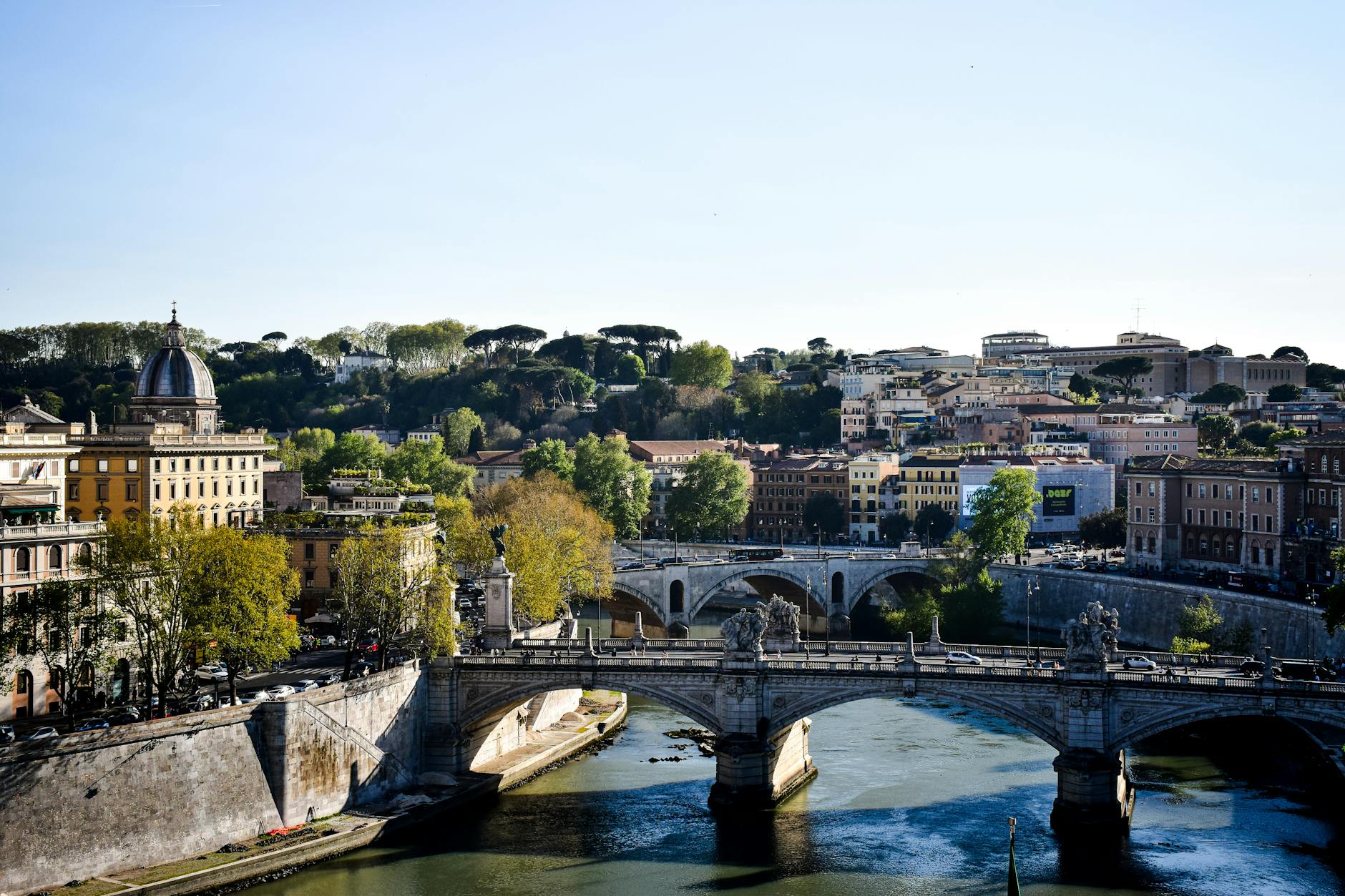
Italy is not one trip. It is a country that looks familiar before you arrive and then immediately becomes more complicated, more regional, and more rewarding than the postcard version.
Start Here
Most first-time visitors arrive with a mental slideshow already running: Rome, the Colosseum, the Vatican, Florence, Michelangelo, Venice, gondolas, Tuscany, pasta, pizza, gelato, espresso, the Amalfi Coast, Cinque Terre, Lake Como, Sicily, the Dolomites, fashion in Milan, ruins at Pompeii, wine in Chianti, and maybe a red scooter somewhere under a wash of golden light. Those images are real. They are also a trap if they make you think Italy can be planned as a greatest-hits playlist.
Italy is a route country. Rome is not Florence. Florence is not Venice. Venice is not Milan. Milan is not Naples. Naples is not Sicily. Sicily is not Sardinia. Tuscany is not Puglia. The Dolomites are not the Amalfi Coast. The north moves differently from the south; the islands are their own worlds; food changes every few hours by train; summer behaves differently on the Adriatic, in inland Rome, in the Alps, and on the islands. A great first trip is not about “doing Italy.” It is about choosing a coherent version of Italy and letting it breathe.
The most common mistake is trying to cover Rome, Florence, Venice, Cinque Terre, Milan, Lake Como, Naples, Pompeii, the Amalfi Coast, Tuscany, Pisa, Bologna, Verona, and maybe Sicily in ten days. That is not an Italian trip. That is luggage management with occasional monuments.
This guide is designed for travelers who want Italy to feel vivid rather than blurry. It explains how to choose the right route, when to go, how many days you need, when trains beat cars, when cars unlock the trip, what to book ahead, how to avoid tourist-trap eating, why regional identity matters, what to skip, how to travel with respect in crowded heritage places, and how to build an Italy trip that feels like a journey rather than a checklist.
Italy in one sentence: Italy is a country of intensely regional pleasures, layered cities, art-saturated streets, food traditions that change by province, train-friendly corridors, car-worthy countryside, fragile heritage sites, and trips that become far better when you choose one Italy at a time.
Basic data
| Population | About 59 million |
|---|---|
| Area | 301,340 km2 |
| Major religions | Roman Catholic heritage with an increasingly secular public life |
| Political system | Parliamentary republic |
| Economic system | Advanced social market economy with strong manufacturing, design, agriculture, and tourism sectors |
Quick Verdict
| Question | Answer |
|---|---|
| Best for | Art, architecture, food, wine, history, archaeology, churches, museums, fashion, design, romance, rail travel, road trips, beaches, islands, hiking, opera, family travel, slow countryside stays, and travelers who enjoy places where ordinary daily life can be as compelling as famous sights. |
| Not ideal for | Travelers who want a cheap uncrowded summer trip through the famous cities, spontaneous entry to every major museum, easy driving into historic centers, one national cuisine, one simple itinerary, or a country where July/August city heat and overtourism are minor issues. |
| Ideal first visit | 10 to 14 days. Seven days works if you choose Rome + Florence or Rome + Naples/Amalfi. Ten days can do Rome + Florence + Venice or Rome + Tuscany + Naples. Two weeks lets you add Bologna, Venice, the Amalfi Coast, or a lake without destroying the pace. |
| Best first-timer route | Rome + Florence/Tuscany + Venice is the classic art-city route. Rome + Florence/Tuscany + Naples/Pompeii/Amalfi is better for ancient history, food, and southern energy. Milan + Lakes + Verona/Venice + Dolomites works for northern Italy. Sicily, Puglia, and Sardinia deserve their own trips. |
| Best months overall | April, May, early June, late September, and October. November can be excellent for cities and food. July and August are better for mountains, lakes, islands, and beach trips than for heavy sightseeing in Rome, Florence, Venice, Naples, or inland Tuscany. |
| Best for food | Naples/Campania for pizza and southern intensity; Emilia-Romagna for pasta, cheese, cured meats, and balsamic vinegar; Sicily for Arab-Norman-Mediterranean layers; Tuscany/Piedmont/Veneto for wine; Rome for cucina romana; Puglia for vegetables, olive oil, seafood, and orecchiette; Lombardy/Piedmont for refined northern cooking. |
| Best for beaches | Sardinia for world-class water and beaches; Sicily for beach + culture; Puglia for accessible Adriatic/Ionian coast; Amalfi/Capri/Ischia for dramatic scenery; Liguria/Cinque Terre for cliffside beauty rather than sand; Calabria for under-appreciated sea; Elba and smaller islands for repeat visitors. |
| Biggest planning mistake | Treating Italy as small because the map looks compact. The train spine is excellent, but the best trips still need routing discipline, museum reservations, seasonal awareness, and fewer hotel changes. |
| One thing to book early | Vatican Museums, Colosseum special access, Uffizi/Accademia at peak times, Leonardo’s Last Supper, Venice hotels during peak dates, high-speed trains on core routes, Amalfi Coast lodging, Dolomite summer huts/hotels, and restaurant reservations for serious food cities. |
| One thing to leave unscheduled | Aperitivo, neighborhood wandering, market browsing, slow lunches, gelato stops, church interiors you discover by accident, a village evening, a train-station espresso, or an extra hour doing nothing in a piazza. |
| Best transport logic | Use high-speed trains for Milan–Bologna–Florence–Rome–Naples, Venice–Florence/Rome, Turin–Milan, and many major city pairs. Use regional trains for smaller towns where practical. Rent a car for Tuscany countryside, Umbria/Marche hill towns, Puglia, Sicily, Sardinia, rural Piedmont, parts of the Dolomites, and lesser-known villages. Fly or ferry for Sardinia and often Sicily depending route. |
| Most important warning | Do not drive casually into historic centers. Many Italian cities and towns use restricted traffic zones, parking rules, and camera enforcement. A car is freedom in the countryside and a liability in Rome, Florence, Milan, Naples, Venice, Bologna, and many hill towns. |
The Move
Choose your Italy by route family, not by fame. The classic art cities, southern food-and-ruins Italy, northern lakes-and-Dolomites Italy, Sicily, Puglia, Sardinia, and countryside slow-travel Italy are all excellent. They are not the same trip.
Who Will Love Italy?
You will probably love Italy if you want:
- A country where food, art, architecture, history, landscape, faith, fashion, family life, and regional pride overlap constantly.
- Cities where monuments are not isolated attractions but part of the street experience: Rome, Florence, Venice, Naples, Bologna, Milan, Palermo, Turin, Verona, Siena, Lecce, Ravenna, Genoa, Matera, Catania, Perugia, Lucca, Ferrara, Padua, and more.
- A trip where meals matter as much as museums: Roman pastas, Neapolitan pizza, Emilian pasta, Tuscan soups and steaks, Ligurian pesto, Venetian cicchetti, Sicilian street food, Piedmontese truffles and wine, Puglian vegetables and seafood, Sardinian breads and roasted meats.
- A place that rewards train travel between major cities but still offers road-trip magic in vineyards, hills, coastlines, mountains, and rural villages.
- A country that can be luxurious without being sterile: grand hotels, historic palazzi, agriturismi, masserie, wine estates, alpine refuges, island hotels, and family-run trattorie can all define the trip.
You may struggle with Italy if you want:
- A completely spontaneous peak-season trip to the most famous places.
- Quiet, empty Venice or Florence in June.
- Dinner at 5:30 p.m. as a normal local rhythm.
- A car-free itinerary through rural Tuscany, Puglia, Sicily, or Sardinia without compromises.
- A driving trip where old-town parking and traffic restrictions do not matter.
- Consistent English in small towns, rural restaurants, local buses, and traditional places.
- A country where restaurant service is rushed, heavily customized, or built around American-style tipping.
Italy is not difficult because it lacks infrastructure. It has excellent rail corridors, major airports, world-class tourism services, good roads, and deep experience hosting visitors. Italy is difficult because it is famous, seasonal, decentralized, and intensely local. The country asks for decisions. Make them well and Italy feels inexhaustible. Avoid them and Italy turns into lines, heat, train transfers, and overpaid meals beside monuments.
Italy at a Glance
| Practical | Detail |
|---|---|
| Country | Italy, officially the Italian Republic. It includes the mainland peninsula, the major islands of Sicily and Sardinia, and many smaller islands. Vatican City and San Marino are separate states inside or surrounded by Italy’s territory, with their own legal status. |
| Capital | Rome. |
| Language | Italian. Regional languages and dialects matter culturally. German is widely used in South Tyrol; French appears in Valle d’Aosta; Slovene is present near parts of Friuli Venezia Giulia; Sardinian, Sicilian, Neapolitan, Venetian, and other regional languages/dialects are part of local identity. English is common in major tourism areas but uneven in small towns. |
| Currency | Euro, EUR. Cards are widely used, but cash remains useful for small bars, markets, taxis in some places, tiny restaurants, local buses, and rural areas. |
| Time zone | Central European Time, UTC+1 in winter; Central European Summer Time, UTC+2 during daylight saving time.[3] |
| Entry framework | Italy is in the Schengen Area. Short-stay rules depend on nationality and travel history; Italy’s official visa portal defines short stays in the Schengen/EES context as up to 90 days in any 180-day period.[6] |
| EES / ETIAS | The EU Entry/Exit System applies to many non-EU short-stay travelers at external Schengen borders. ETIAS is a separate travel authorization for visa-exempt nationals and is scheduled to start in the last quarter of 2026.[7][8] |
| Emergency number | 112 is Italy’s single emergency number. Italy’s tourism portal also lists legacy/specialized numbers such as 113 for police, 115 for fire, and 118 for ambulance in certain contexts.[5][3] |
| Electricity | 220V, 50Hz. Italy uses Type C, Type F/Schuko in some places, and Type L sockets. Bring an adapter; voltage-sensitive devices from 110V countries need checking.[3] |
| Tap water | Generally safe to drink. Rome’s public drinking fountains are especially useful. In restaurants, bottled water is commonly ordered, but tap water safety is not usually the issue. |
| Main airports | Rome Fiumicino, Milan Malpensa and Linate, Venice Marco Polo, Naples, Bologna, Florence, Pisa, Catania, Palermo, Bari, Turin, Verona, Olbia, Cagliari, and others. Domestic flights are useful for Sicily/Sardinia and some long north–south jumps. |
| Main train operators | Trenitalia and Italo for many high-speed/intercity routes; Trenitalia also operates extensive regional services. Italia.it notes more than 300 daily high-speed connections offered by Italian railway companies.[4] |
| Best transport apps/sites | Trenitalia, Italo, local city transit apps, Google Maps, Rome2Rio as a rough planning tool only, ferry operators, official museum-ticket sites, Autostrade traffic tools, and local taxi apps where available. |
| Driving basics | Motorways are tolled; non-EU drivers may need an International Driving Permit; historic centers often use ZTL restricted zones. Italy’s tourism portal explicitly notes toll motorways and IDP needs for non-EU drivers.[4] |
| Official tourism site | Italia.it is the official national tourism portal.[1] |
| Weather source | Meteo Aeronautica, the Italian Air Force Meteorological Service, is an official national weather source.[9] |
| Major booking warnings | Vatican Museums, Colosseum special-access tickets, Uffizi, Accademia, Last Supper, Pompeii, Venice peak hotels, Amalfi Coast lodging, Dolomite summer stays, high-speed trains, ferries to islands in peak season, and restaurant reservations in food-focused cities. |
First-Timer Mistake
Do not ask, “How do I see Italy?” Ask, “Which Italy are we doing?” A ten-day Rome–Florence–Venice trip can be excellent. A ten-day Rome–Florence–Venice–Milan–Como–Cinque Terre–Pisa–Naples–Pompeii–Amalfi trip is a fast way to make Italy feel more like work than pleasure.
2026 Visitor Notes
Italy Is Schengen, But Schengen Is Not a Free-for-All
Many travelers can visit Italy visa-free for short stays; others need a Schengen visa. Either way, short-stay time is generally calculated across the Schengen Area, not only in Italy. Days spent in France, Spain, Greece, Germany, Portugal, Austria, Switzerland, and other Schengen countries can affect the same allowance.
Italy’s official visa portal frames “short stays” as up to 90 days in any 180-day period in the Schengen/EES context.[6] U.S. State Department country information also notes that U.S. citizens may enter Italy for up to 90 days for tourist or business purposes without a visa, while longer stays require visa/residence-permit planning.[20]
The move: Check rules by passport, not by hearsay. If Italy is part of a longer Europe trip, track your Schengen days before adding “just another week in Tuscany.”
EES and ETIAS Belong in Current Europe Planning
The EU Entry/Exit System is the digital border system for registering non-EU nationals crossing external Schengen borders for short stays.[7] ETIAS is a separate travel authorization for visa-exempt nationals and is scheduled to start operations in the last quarter of 2026.[8]
The move: Treat EES as a border-processing reality and ETIAS as a near-future pre-travel requirement. Once ETIAS opens, use official EU channels only. Scams and unofficial application sites are predictable.
Venice’s Access Fee Is Now a Real Planning Detail
Venice’s official access-fee site states that 2026 application dates have been set, with the fee applying on selected dates beginning April 3, 2026, during specified daytime hours.[12]
This does not mean everyone pays. Overnight guests, residents, certain categories of visitors, and others may be exempt or excluded depending the rules and documentation. But it does mean day-trippers should not treat Venice like a spontaneous train stop on peak dates.
The move: If you are day-tripping to Venice in spring or summer, check the official Venice access-fee calendar before finalizing the day. If you are staying overnight in Venice, still check what registration or exemption proof applies.
Italy’s Trains Are Excellent, But the Network Has a Logic
Italy’s national tourism portal describes Italy as having a well-developed rail network, with high-speed trains especially useful between big cities; it specifically notes that Milan to Rome can take just over three hours by high-speed train.[4] Trenitalia’s Frecciarossa routes cover the main Turin–Milan–Bologna–Florence–Rome–Naples–Salerno spine, with extensions to other cities.[10] Italo also serves core high-speed city pairs such as Rome–Florence, Milan–Rome, Florence–Venice, and Rome–Naples.[11]
That does not mean every Italy trip is a train trip. Rural Tuscany, hill towns, Puglia, Sicily, Sardinia, alpine valleys, wine estates, and many beaches often require cars, buses, ferries, or private transfers.
The move: Use trains between cities. Use a car for countryside. Do not pick one transport ideology and force the whole country to obey it.
ZTL Zones Can Turn a Rental Car Into a Fine Machine
Many Italian historic centers restrict access through Zona a Traffico Limitato systems, and enforcement can be camera-based. EU consumer guidance warns that driving into Italian ZTL zones without authorization can result in fines, and signs may not always be obvious to visitors.[13]
The move: Do not drive into old towns casually. Park outside the center, confirm hotel access rules before arrival, and never follow taxis or locals through a restricted gate assuming you are allowed.
The Famous Tickets Need Discipline
Several of Italy’s biggest experiences require early or careful booking. The Vatican Museums warn that their official online ticketing site is the only official site and to beware similar-domain scams.[14] The Colosseum ticketing portal says online tickets for the Archaeological Area of the Colosseum are sold through the official page/official reseller.[15] The Last Supper Museum says advance reservations are required for everyone, including free admissions.[17] Pompeii’s official site directs online ticket purchases through Vivaticket for the Great Pompeii sites from March 2, 2026.[18]
The move: Book the scarce things first, then let Italy breathe. A trip made of only timed entries becomes miserable; a trip with zero reservations becomes disappointing.
Italy’s Official Tourism Logic Is Regional
Italia.it emphasizes that Italy’s regions each have their own climate, landscape, food, architecture, and even language/dialect patterns.[2] That is not just marketing language. It is the core of good Italy planning.
The move: Learn your route’s regions before you go. You will eat better, move smarter, and stop expecting Sicily, Veneto, Campania, Tuscany, and Piedmont to behave the same way.
How to Understand Italy
Italy becomes easier when you stop treating it as a list of sights and start reading it as a set of regional travel systems.
The Main Italys a Visitor Meets
| Italy | Where you feel it | What it gives you |
|---|---|---|
| The art-city spine | Rome, Florence, Venice, Bologna, Milan, Naples, Verona, Padua, Ravenna, Siena, Pisa, Lucca | Museums, churches, palaces, ruins, piazzas, rail travel, famous masterpieces, and the classic first Italy route. |
| The Roman and ancient Italy | Rome, Ostia Antica, Pompeii, Herculaneum, Paestum, Naples, Sicily, Sardinia, Verona, Ravenna | Ancient ruins, imperial history, archaeology, mosaics, amphitheaters, temples, and layered cities. |
| The Renaissance and medieval Italy | Florence, Siena, Lucca, Arezzo, Urbino, Ferrara, Mantua, Verona, Assisi, Perugia, Bologna | Art, hill towns, patronage, frescoes, cathedrals, civic squares, and city-state history. |
| The northern Italy of lakes, design, and food | Milan, Turin, Lake Como, Lake Maggiore, Lake Garda, Verona, Bologna, Parma, Modena, Piedmont, Veneto | Fashion, design, opera, risotto, wine, cheese, cured meats, high-speed rail, alpine edges, and elegant cities. |
| The southern Italy of intensity and coast | Naples, Amalfi Coast, Capri, Ischia, Cilento, Puglia, Basilicata, Calabria | Pizza, street life, ancient ruins, dramatic coasts, cave towns, whitewashed villages, olive groves, seafood, and a more visceral rhythm. |
| Island Italy | Sicily, Sardinia, Aeolian Islands, Egadi, Elba, Ischia, Capri, Pantelleria, Procida | Separate pacing, ferries/flights, beaches, volcanoes, ancient sites, Arab-Norman layers, distinctive languages, and strong local identities. |
| Mountain Italy | Dolomites, South Tyrol, Valle d’Aosta, Piedmont Alps, Abruzzo, Apennines, Etna | Hiking, skiing, rifugi, alpine culture, Germanic/Italian blend in South Tyrol, wildlife, national parks, and weather-driven logistics. |
| Slow countryside Italy | Tuscany, Umbria, Marche, Piedmont, Emilia-Romagna, Puglia, Sicily, Sardinia | Agriturismi, vineyards, olive oil, villages, market towns, scenic drives, cooking classes, and the trip many people imagine but fail to pace properly. |
Local Logic
Italy is unified, but it is not culturally flat. Regional identity shapes food, language, architecture, behavior, politics, and the feel of daily life. A menu in Bologna does not look like a menu in Naples. A beach day in Sardinia does not work like a beach day in Liguria. A mountain town in South Tyrol may feel closer in rhythm to Austria than to Palermo. A Sicilian trip has different logistics, climate, and history from a Tuscany trip.
This is why “Italian food” is a useful starting phrase but a poor planning category. Carbonara belongs to Rome. Pizza’s deepest pilgrimage is Naples. Ragù alla bolognese belongs to Bologna and Emilia-Romagna. Pesto belongs to Liguria. Risotto alla milanese belongs to Milan. Arancini/arancine, caponata, cannoli, and granita sit in a Sicilian world. Orecchiette and burrata point toward Puglia. Truffles point you toward Piedmont and Umbria. Italy rewards regional eating and punishes generic restaurant selection.
Italy’s Rhythm
Italy’s daily rhythm varies by city, region, and season, but first-time visitors should understand several patterns:
- Breakfast is often light: espresso or cappuccino with a cornetto/pastry, sometimes standing at the bar.
- Lunch is still important, especially outside tourist cores, and can be the best-value serious meal.
- Dinner usually starts later than in North America or northern Europe, though tourist restaurants serve earlier.
- Many restaurants close between lunch and dinner.
- Museums often close one day a week or have unusual time-slot rules.
- Churches may close at midday and require modest dress.
- August changes local life. Some city businesses close while beaches and mountains fill.
- Sundays can be quiet for shopping but strong for family meals, religious life, and promenades.
- Aperitivo is not dinner everywhere, but in northern and central cities it can be one of the best daily rituals.
Central Contrasts
Italy is compelling because its contradictions are visible everywhere:
- Famous vs local: the same city can contain global tourist flows and intensely neighborhood-based daily life.
- Train efficiency vs village slowness: Rome–Florence is easy; a perfect hill-town lunch may require a car and patience.
- Sacred art vs selfie behavior: churches are both masterpieces and active religious spaces.
- Beauty vs fragility: Venice, Cinque Terre, Amalfi, Florence, and Rome are stunning precisely because their old fabric is delicate and heavily stressed.
- Regional pride vs national brand: visitors buy “Italy”; locals often live Tuscany, Veneto, Campania, Sicily, Lombardy, Emilia-Romagna, Puglia, Sardinia, or Piedmont.
- La dolce vita vs bureaucracy: Italy can be sensual and spontaneous, but tickets, traffic zones, strike notices, restaurant hours, and local rules still matter.
The Move
For every Italy itinerary, identify the anchor logic: art cities, food route, countryside, coast, islands, mountains, archaeology, or pilgrimage. Once you know the anchor, the right destinations and transport choices become clearer.
Best Time to Visit Italy
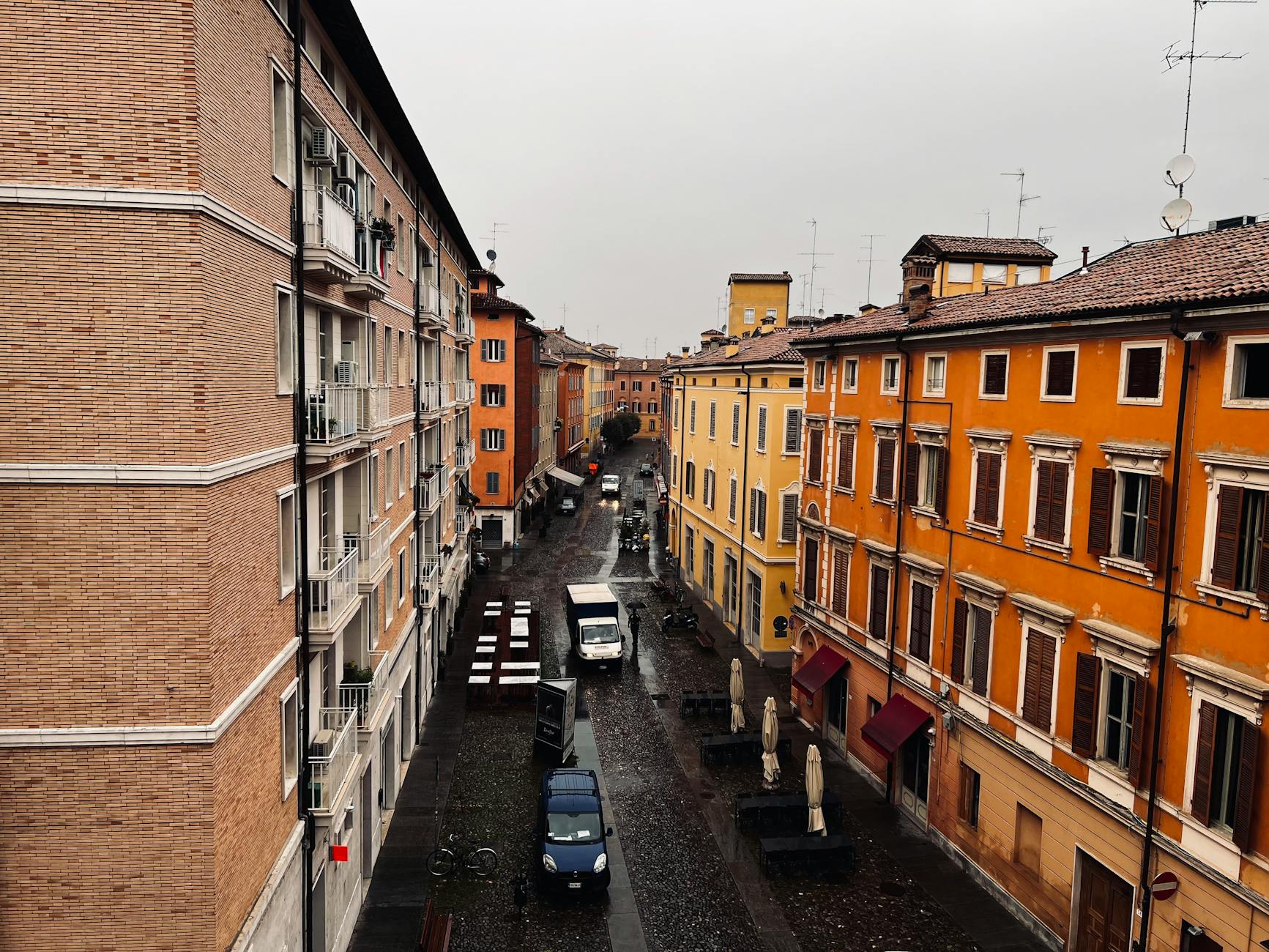
Italy is a year-round destination, but the best time depends on the route. April in Rome, July in the Dolomites, August in Sardinia, October in Piedmont, December in Naples, and February in Venice are completely different propositions.
Best Overall Months
April, May, early June, late September, and October are the easiest months to recommend for a first Italy trip. Weather is usually workable, the days are long enough for sightseeing, restaurants and hotels are active, and heat is less punishing than midsummer.
November is underrated for cities, food, museums, lower prices, and fewer crowds, though daylight is shorter and weather can be rainy.
July and August are not “bad” months, but they require the right trip: coast, islands, mountains, lakes, or a slow heat-aware city itinerary. They are often poor choices for a packed Rome–Florence–Venice sightseeing march.
December to February can be excellent for museums, food, opera, winter sales, Christmas markets, and quieter city trips. It is not ideal for every coast or countryside fantasy, and mountain/weather logistics need care.
Season-by-Season
| Season | What to expect | Best for | Watch out for |
|---|---|---|---|
| Spring: March–May | Variable weather, flowers, Easter/holiday travel, improving daylight, strong city conditions. | Rome, Florence, Venice, Tuscany, Umbria, Naples, Sicily, Puglia, art cities, countryside. | Easter crowds, rain, chilly evenings, late openings in some coastal areas. |
| Early summer: June | Warm, busy, long days, beaches opening, mountain season beginning. | Cities with early starts, lakes, coast, islands, Tuscany, hiking at lower elevations. | Heat building, rising prices, school-holiday crowds. |
| High summer: July–August | Hot cities, full beaches, Italian vacation period, busy islands/coasts, mountain peak season. | Dolomites, Alps, lakes, Sardinia, Sicily beaches, Puglia coast, seaside holidays. | Heat, crowds, limited availability, August closures in cities, wildfire risk, ferry/road congestion. |
| Autumn: September–November | September warmth, October comfort, harvest seasons, food festivals, changing weather. | Cities, wine regions, countryside, Sicily, Puglia, Naples, food trips, hiking. | Storms, shorter days later in season, harvest/event hotel spikes. |
| Winter: December–February | Cool/cold cities, snow in mountains, quieter museums, holiday atmosphere. | Rome, Florence, Venice, Naples, Milan, Turin, Bologna, skiing, opera, Christmas markets, food. | Short days, rain, mountain weather, limited coastal services, holiday closures. |
Month-by-Month Guide
| Month | Verdict |
|---|---|
| January | Good for quiet art cities, winter sales, Milan/Turin, Rome/Florence museums, and skiing. Expect short days and cold/rain in many areas. |
| February | Venice Carnival can be magical but crowded and expensive. Good for cities, opera, food, and winter mountains. |
| March | Transitional. Good for Rome, Naples, Sicily, and early spring trips, but weather can swing. Easter timing matters. |
| April | Excellent overall, especially for Rome, Florence, Tuscany, Umbria, Naples, and Sicily. Book Easter/holiday periods early. |
| May | One of the best months. Warm, green, active, and not yet peak summer. Strong for most first-time routes. |
| June | Beautiful but increasingly busy and warm. Good for city + coast combinations if you pace carefully. |
| July | Strong for mountains, lakes, beaches, and islands; tough for inland city marathons. Start early and rest midday. |
| August | Peak Italian vacation period. Beaches and mountains fill; cities can be hot and partly closed locally but still tourist-busy. Book early. |
| September | Excellent, especially after the first week. Warm sea, harvest energy, good city conditions. Very popular. |
| October | Excellent for cities, countryside, wine/food, and southern routes. Weather is less predictable late in month. |
| November | Underrated for food, museums, and lower crowds; can be rainy. Great for travelers who prioritize culture over sunshine. |
| December | Good for cities, Christmas lights, markets, opera, food, and winter atmosphere. Check holiday closures and Vatican/Rome crowd patterns around major dates. |
Rain Plan
Italy is rich in indoor and semi-indoor alternatives: museums, churches, food markets, covered arcades, wine bars, galleries, palaces, cooking classes, opera houses, historic cafés, bookshops, and long lunches. Venice, Florence, Milan, Bologna, Turin, Rome, Naples, and Palermo can all work in bad weather if you do not build every day around viewpoints and outdoor walking.
Heat Plan
In summer, especially in Rome, Florence, Naples, inland Tuscany, Sicily, Puglia, and much of the south, plan like locals do: early morning, shaded lunch, indoor museum/rest time, late afternoon/evening return. Carry water, use hats/sunscreen, avoid standing in exposed queues, and do not schedule Pompeii, the Roman Forum, or long hill-town walks at the hottest time of day.
How Many Days You Need
The Honest Answer
You need 10 to 14 days for a satisfying first Italy trip. Seven days can work beautifully if you narrow the scope. Three weeks lets you combine regions without turning the trip into a transfer calendar.
| Length | What it feels like |
|---|---|
| 3–4 days | One city only. Rome, Florence, Venice, Naples, Milan, Bologna, or Palermo. Do not call this an Italy trip; call it a city break. |
| 5–6 days | One city plus one easy extension: Rome + Florence, Florence + Tuscany, Venice + Verona/Padua, Naples + Pompeii/Amalfi, Milan + Lake Como. |
| 7 days | Two anchors. Rome + Florence; Rome + Naples/Amalfi; Florence + Venice; Milan + Lakes; Sicily east/west snapshot. Keep hotel changes minimal. |
| 10 days | Classic first trip possible: Rome + Florence + Venice. Or Rome + Tuscany + Naples/Amalfi. Or Milan + Lakes + Verona/Venice. |
| 14 days | Best first-timer length. Add Bologna, Siena, Naples/Pompeii, Amalfi, or a lake without ruining the pace. |
| 3 weeks | Italy begins to breathe: classic cities plus countryside/coast; Sicily plus Naples/Rome; north Italy plus Dolomites; Puglia plus Matera and Naples. |
| 1 month+ | Regional depth. You can slow down, rent apartments, learn local rhythms, and stop making every day justify itself. |
Minimum Worthwhile Stays by Route
| Route | Minimum | Better |
|---|---|---|
| Rome only | 3 days | 5–7 days |
| Rome + Florence | 5 days | 7–8 days |
| Rome + Florence + Venice | 8 days | 10–12 days |
| Rome + Naples + Pompeii + Amalfi | 7 days | 10–12 days |
| Tuscany countryside | 4 days | 7 days |
| Sicily | 7 days | 10–14 days |
| Puglia + Matera | 7 days | 10–12 days |
| Sardinia | 5 days | 10+ days |
| Dolomites | 4 days | 7+ days |
| Northern Italy lakes + cities | 7 days | 10–14 days |
Itinerary Philosophy
A good Italy day usually has:
- One anchor: museum, archaeological site, neighborhood, train transfer, market, cooking class, hike, beach, winery, or major church.
- One nearby pairing: piazza, café, church, garden, food stop, small museum, or viewpoint.
- One unstructured block: aperitivo, wandering, slow lunch, evening walk, or market time.
Italy punishes days that look efficient on paper but ignore heat, opening hours, train logistics, museum fatigue, and meal rhythms. It rewards days that leave room for texture.
The Move
Cut one destination from your first draft. Almost every Italy itinerary improves after subtraction.
Choose Your Italy: Route Families
1. Classic First Italy: Rome, Florence, Venice
Best for: First-timers, art, history, iconic Italy, train travel.
Minimum: 8 days. Better: 10–12 days.
Route logic: Rome gives ancient/sacred/urban Italy; Florence gives Renaissance/Tuscany; Venice gives maritime/lagoon Italy. High-speed trains make the route simple.
Watch out: It is popular for a reason, which means crowds, timed tickets, and high hotel prices. Do not add Naples, Amalfi, Cinque Terre, Milan, Lake Como, and Pisa unless you have more time.
The move: Add Bologna between Florence and Venice if you want food and porticoes without adding a major logistical burden.
2. Rome + Tuscany
Best for: Food, wine, countryside, art, couples, slower first trips.
Minimum: 7 days. Better: 10 days.
Route logic: Spend several days in Rome, train to Florence, then either stay in Florence with day trips or rent a car for Siena, Val d’Orcia, Chianti, Lucca, Arezzo, Pienza, Montepulciano, or San Gimignano.
Watch out: Rural Tuscany without a car can be limiting. Florence can be overrun in high season. Many wineries and countryside restaurants require reservations.
The move: Choose either city-based Tuscany or countryside Tuscany. Trying to do both in two rushed nights weakens the trip.
3. Rome + Naples + Pompeii + Amalfi Coast
Best for: Ancient history, food, energy, dramatic coast, southern Italy.
Minimum: 7 days. Better: 10–12 days.
Route logic: Rome to Naples by train is easy. Naples is the food/culture engine; Pompeii/Herculaneum/Paestum are the archaeology anchors; Amalfi/Capri/Ischia/Sorrento are coast/island extensions.
Watch out: Amalfi Coast logistics are crowded and slow in peak season. Naples is intense and should not be treated as only a station for the coast.
The move: Stay in Naples at least two nights if you care about food, art, archaeology, or urban life. Stay on the Amalfi Coast only if you are willing to pay for location or accept transport friction.
4. Northern Italy: Milan, Lakes, Verona, Venice, Bologna
Best for: Design, fashion, opera, lakes, rail travel, food, elegant city trips.
Minimum: 7 days. Better: 10–14 days.
Route logic: Milan anchors the north; Lake Como/Garda/Maggiore add landscape; Verona/Padua/Venice add historic cities; Bologna/Parma/Modena add food.
Watch out: Lakes are seasonal and spread out. Milan is often underrated by first-timers but less “obvious” than Rome or Florence.
The move: Use Milan as an arrival/departure base and add one lake plus one art/food city. Do not lake-hop every day unless that is the trip.
5. Emilia-Romagna Food Route
Best for: Serious food travelers, slower city trips, rail convenience.
Minimum: 5 days. Better: 7–10 days.
Route logic: Bologna, Modena, Parma, Reggio Emilia, Ravenna, Ferrara, and Rimini/Adriatic options form a compact, food-rich, train-friendly region.
Watch out: Do not reduce Emilia-Romagna to “Bologna lunch.” This region is one of Italy’s best deep-travel choices.
The move: Base in Bologna and take day trips, or split Bologna + Parma/Modena/Ravenna depending interests.
6. Sicily
Best for: Food, ancient sites, beaches, volcanoes, layered history, second-time Italy, long trips.
Minimum: 7 days. Better: 10–14 days.
Route logic: Palermo/western Sicily, Catania/Taormina/Etna/eastern Sicily, Siracusa/Noto/Ragusa/southeast Sicily, Agrigento/Valley of the Temples, Aeolian Islands.
Watch out: Sicily is large. Driving times matter. Public transport works for some city pairs but not all rural/coastal routes.
The move: For a first Sicily trip, choose either east + southeast or Palermo + west + Agrigento unless you have two weeks.
7. Puglia + Basilicata
Best for: White towns, olive groves, beaches, food, architecture, slower road trips.
Minimum: 7 days. Better: 10–12 days.
Route logic: Bari, Polignano a Mare, Monopoli, Alberobello, Valle d’Itria, Ostuni, Lecce, Otranto, Gallipoli, Matera across the Basilicata border.
Watch out: A car helps enormously. Summer beach roads and parking can be busy. Alberobello is famous but touristy.
The move: Stay in a masseria or countryside base for part of the trip. Puglia is not only towns; it is light, fields, olive trees, and slow meals.
8. Sardinia
Best for: Beaches, water, sailing, family summer trips, nature, slower island travel.
Minimum: 5 days. Better: 10+ days.
Route logic: North coast/Costa Smeralda/La Maddalena; east coast/Golfo di Orosei; west coast/Alghero/Bosa/Oristano; south/Cagliari/Villasimius/Chia.
Watch out: Sardinia is not a casual add-on. Distances are real, summer is expensive, and beach logistics need a car or boat planning.
The move: Pick one coast. Do not chase the entire island in a week.
9. Dolomites and Alpine Italy
Best for: Hiking, skiing, scenery, summer mountains, winter sports, photography.
Minimum: 4 days. Better: 7+ days.
Route logic: Bolzano, Val Gardena, Alta Badia, Cortina d’Ampezzo, Tre Cime, South Tyrol, Trentino, Lake Garda combinations.
Watch out: Weather decides mountain days. Many hikes, lifts, and roads are seasonal. Peak summer huts and hotels book early.
The move: Give the Dolomites enough nights to absorb bad weather. A one-day mountain dash from Venice is not the same thing as a Dolomites trip.
10. Slow Central Italy: Umbria, Marche, Abruzzo
Best for: Repeat visitors, hill towns, lower crowds, food, countryside, spirituality, national parks.
Minimum: 7 days. Better: 10–14 days.
Route logic: Assisi, Perugia, Spoleto, Orvieto, Gubbio, Urbino, Ascoli Piceno, Conero coast, Abruzzo mountains, villages, and national parks.
Watch out: A car is often necessary. English is less universal. The reward is fewer crowds and deeper rhythm.
The move: Pair one famous anchor, such as Assisi or Urbino, with smaller towns and countryside stays.
Where to Go: Regional Guide
Rome and Lazio
Identity: Ancient capital, sacred city, modern political center, cinematic neighborhoods, ruins layered into daily life.
Best for: First-timers, ancient history, churches, Vatican, food, museums, urban walks.
How long: 3 days minimum; 5–7 days is better.
Top experiences: Colosseum/Forum/Palatine, Vatican Museums/Sistine Chapel, St. Peter’s Basilica, Pantheon, Borghese Gallery, Trastevere, Testaccio, Jewish Ghetto, Appian Way, Ostia Antica, neighborhood food.
Why go: Rome is not optional for most first Italy trips. It gives you ancient, Catholic, baroque, cinematic, bureaucratic, chaotic, and everyday Italy at once.
Why not: It is crowded, hot in summer, full of bad restaurants near monuments, and not a city you can “finish.”
Common mistake: Booking every major site back-to-back and never letting Rome be Rome.
Perfect day: Early Colosseum/Forum, lunch in Monti or Testaccio, afternoon rest, Pantheon/piazza walk, aperitivo, dinner away from the obvious tourist lanes.
Florence and Tuscany
Identity: Renaissance art capital plus countryside fantasy: stone towns, vineyards, olive groves, cypress roads, and serious food/wine.
Best for: Art, architecture, countryside, wine, romance, first-timers, slow travel.
How long: Florence 2–4 days; Tuscany countryside 4–7 days.
Top experiences: Uffizi, Accademia, Duomo complex, Santa Croce, San Miniato al Monte, Oltrarno, Boboli/Pitti, Siena, Lucca, Pisa, Val d’Orcia, Chianti, Montepulciano, Pienza, San Gimignano, Arezzo.
Why go: Florence is one of the world’s great art cities; rural Tuscany is one of Europe’s great slow-travel regions.
Why not: Florence can feel overcrowded and museum-heavy. Tuscany without transport planning becomes frustrating.
Common mistake: Treating Florence as a two-hour stop to see David and the Duomo.
Perfect day: Morning Uffizi or Accademia, market lunch, Oltrarno workshops, sunset from San Miniato or Piazzale Michelangelo, dinner in a neighborhood trattoria.
Venice and Veneto
Identity: Maritime republic, lagoon city, fragile masterpiece, carnival mask and quiet backstreet, beauty under pressure.
Best for: Romance, architecture, art, slow wandering, photography, history, repeat visits, off-season atmosphere.
How long: Venice 2–4 days; Veneto route 5–7 days.
Top experiences: St. Mark’s Basilica, Doge’s Palace, Grand Canal vaporetto, Rialto market area, Dorsoduro, Cannaregio, Castello, lagoon islands, Accademia, Peggy Guggenheim Collection, Padua, Verona, Vicenza, Prosecco hills.
Why go: Venice is unique in the literal sense. No other city works like it.
Why not: It is crowded, expensive, fragile, and easy to experience badly as a day-tripper.
Common mistake: Visiting only from 10 a.m. to 4 p.m. with the cruise/day-trip crowd and deciding Venice is fake.
Perfect day: Sunrise near St. Mark’s, backstreets of Castello, cicchetti lunch, afternoon in Dorsoduro or Cannaregio, Grand Canal ride at dusk, dinner away from the main tourist route.
Milan, Lombardy, and the Lakes
Identity: Italy’s design, fashion, finance, and northern gateway; lakes and alpine edges nearby.
Best for: Fashion, design, opera, food, architecture, Lake Como/Garda/Maggiore, efficient northern travel.
How long: Milan 2 days; Milan + lakes 4–7 days.
Top experiences: Duomo, Galleria Vittorio Emanuele II, Brera, Last Supper, La Scala, Fondazione Prada, Navigli, Lake Como, Lake Maggiore, Bergamo, Brescia, Mantua.
Why go: Milan is underrated by travelers who only want ancient Italy. It is modern, elegant, and useful.
Why not: It is less immediately romantic than Rome/Florence/Venice and not the best choice if you only have one week for a first Italy trip.
Common mistake: Treating Lake Como as one town. The lake is a system; choose your base carefully.
Perfect day: Milan design/art morning, aperitivo in Brera or Navigli, then a lake day by train/ferry if time allows.
Naples, Campania, and the Amalfi Coast
Identity: Food, volcanoes, ruins, music, street life, faith, coastline, and one of Italy’s most intense urban cultures.
Best for: Pizza, archaeology, Pompeii/Herculaneum, Amalfi Coast, Capri/Ischia/Procida, southern Italy, travelers who like energy.
How long: Naples 2–4 days; Campania/Amalfi 5–10 days.
Top experiences: Naples historic center, National Archaeological Museum, Cappella Sansevero, Spaccanapoli, pizza, Pompeii, Herculaneum, Vesuvius, Paestum, Sorrento, Amalfi, Ravello, Positano, Capri, Ischia, Procida.
Why go: This region gives food, ruins, and coast in a way no other Italian route does.
Why not: Naples is chaotic by northern Italian standards; Amalfi logistics can be crowded and expensive.
Common mistake: Sleeping in Sorrento or Positano and never actually experiencing Naples.
Perfect day: Naples espresso and church walk, Archaeological Museum, pizza lunch, late afternoon waterfront, evening in Chiaia or historic center.
Emilia-Romagna
Identity: Italy’s food engine, porticoes, university towns, mosaics, motor culture, and under-appreciated art cities.
Best for: Food lovers, rail travelers, Bologna base trips, slow city travel.
How long: 3 days for Bologna; 5–10 days for the region.
Top experiences: Bologna porticoes and markets, Modena balsamic and Osteria Francescana culture, Parma cheese/ham, Ravenna mosaics, Ferrara, Reggio Emilia, Rimini/Ravenna coast, Imola/Modena motor heritage.
Why go: It may be the easiest region for travelers who want to eat exceptionally well without the intensity of the famous art-city circuit.
Why not: It lacks one single postcard icon for some first-timers, which is also why it feels better.
Common mistake: Doing Bologna as a quick lunch stop only.
Perfect day: Bologna market morning, long pasta lunch, portico walk to San Luca, aperitivo under the porticoes.
Liguria and Cinque Terre
Identity: Cliffs, pesto, maritime towns, Genoa’s old port power, pastel villages, narrow lanes, and coastal hiking.
Best for: Coastal scenery, train-based village hopping, pesto, Genoa, Portofino/Santa Margherita, hikers.
How long: Cinque Terre 2–3 days; Liguria 5–7 days.
Top experiences: Cinque Terre villages/trails, Genoa old town, Camogli, Santa Margherita Ligure, Portofino, San Fruttuoso, Levanto, Sestri Levante, pesto and focaccia.
Why go: Liguria delivers dramatic coast without needing the Amalfi Coast’s exact logistics.
Why not: Cinque Terre is heavily crowded and not a sandy beach trip.
Common mistake: Treating Cinque Terre as a rushed day trip from Florence in peak season.
Perfect day: Early train or trail, long seafood/focaccia lunch, late-afternoon village time after day-trippers thin, sunset over the water.
Piedmont and Turin
Identity: Alpine-backed elegance, royal history, chocolate, coffee, wine, truffles, and serious food culture.
Best for: Food/wine, repeat visitors, autumn, Turin city break, Barolo/Barbaresco, under-touristed elegance.
How long: Turin 2–3 days; Piedmont 5–7 days.
Top experiences: Turin cafés, Egyptian Museum, royal residences, aperitivo, Langhe wine towns, Alba truffles, Barolo/Barbaresco, Lake Orta, alpine valleys.
Why go: Piedmont is one of Italy’s best regions for travelers who care about food, wine, and lower crowd pressure.
Why not: It is not the classic first-Italy fantasy unless your interests fit it.
Common mistake: Skipping Turin because it lacks the obvious fame of Florence or Venice.
Perfect day: Turin museum/café morning, chocolate stop, aperitivo, then a wine-country day if based longer.
Sicily
Identity: Mediterranean crossroads: Greek temples, Roman mosaics, Arab-Norman architecture, volcanoes, street food, baroque towns, beaches, and island pride.
Best for: Food, archaeology, beaches, architecture, second-time Italy, long trips.
How long: 7 days minimum; 10–14 days is much better.
Top experiences: Palermo, Monreale, Cefalù, Trapani/Erice, Marsala, Valley of the Temples, Piazza Armerina, Catania, Etna, Taormina, Siracusa/Ortigia, Noto, Ragusa, Modica, Aeolian Islands.
Why go: Sicily can feel like a country inside a country. It is one of Italy’s most complete travel experiences.
Why not: Distances are real, driving can be demanding, and a rushed island loop is exhausting.
Common mistake: Trying to see all of Sicily in a week.
Perfect day: Palermo markets and churches, street food lunch, Monreale mosaics, evening back in Palermo.
Puglia and Basilicata
Identity: Olive groves, white towns, baroque Lecce, Adriatic/Ionian beaches, trulli, masserie, Matera’s cave city, and southern hospitality.
Best for: Road trips, food, beaches, architecture, slow travel, families, repeat visitors.
How long: 7–10 days.
Top experiences: Bari, Polignano a Mare, Monopoli, Alberobello, Locorotondo, Martina Franca, Ostuni, Lecce, Otranto, Gallipoli, Matera, Castel del Monte.
Why go: Puglia gives a warmer, slower, more rural and coastal Italy than the classic art-city route.
Why not: A car is very useful; public transit can slow you down.
Common mistake: Making Alberobello the whole point rather than one stop in a wider region.
Perfect day: Morning in a white town, long masseria lunch, late beach/swim, evening passeggiata in Lecce or Ostuni.
Sardinia
Identity: Wild island, beaches, nuraghi, mountain interior, pastoral food, clear water, and distinct Sardinian culture.
Best for: Beaches, families, boat days, nature, summer trips, repeat Italy travelers.
How long: 7–10 days for one region; 2 weeks for broader travel.
Top experiences: La Maddalena, Costa Smeralda, Golfo di Orosei, Cala Gonone, Alghero, Bosa, Cagliari, Nora, Su Nuraxi, Costa Verde, inland villages.
Why go: Sardinia has some of Europe’s most beautiful beaches and a strong identity beyond the beach.
Why not: It is expensive in summer, spread out, and poorly suited to a quick add-on.
Common mistake: Trying to drive around the entire island in a few days.
Perfect day: Early beach or boat trip, simple seafood lunch, late swim, sunset in a coastal town.
The Dolomites, South Tyrol, and Trentino
Identity: Jagged peaks, alpine villages, rifugi, German-Italian culture, hiking, skiing, and mountain weather.
Best for: Hiking, skiing, scenery, photography, families who like outdoors, active travelers.
How long: 4 days minimum; 7+ days better.
Top experiences: Val Gardena, Alta Badia, Cortina, Tre Cime di Lavaredo, Alpe di Siusi, Bolzano, Merano, Lake Braies, rifugi lunches, via ferrata, skiing.
Why go: The Dolomites are among Europe’s great mountain landscapes.
Why not: They require seasonal planning, weather flexibility, and sometimes a car or carefully chosen base.
Common mistake: Treating the Dolomites as a simple Venice day trip.
Perfect day: Early lift or trailhead, hike, rifugio lunch, afternoon rest, village dinner.
Umbria, Marche, and Abruzzo
Identity: Central Italy beyond Tuscany: hill towns, spiritual sites, mountains, coast, forests, wine, and lower crowds.
Best for: Repeat visitors, road trips, slower travel, spirituality, food, countryside, national parks.
How long: 7–10 days.
Top experiences: Assisi, Perugia, Orvieto, Spoleto, Gubbio, Montefalco, Urbino, Ascoli Piceno, Conero Riviera, Sibillini Mountains, Gran Sasso, Abruzzo villages.
Why go: This is where Italy opens up after the first famous route.
Why not: Public transport is more limited; a car helps.
Common mistake: Treating Umbria as Tuscany’s backup rather than a powerful region in its own right.
Italy Itineraries
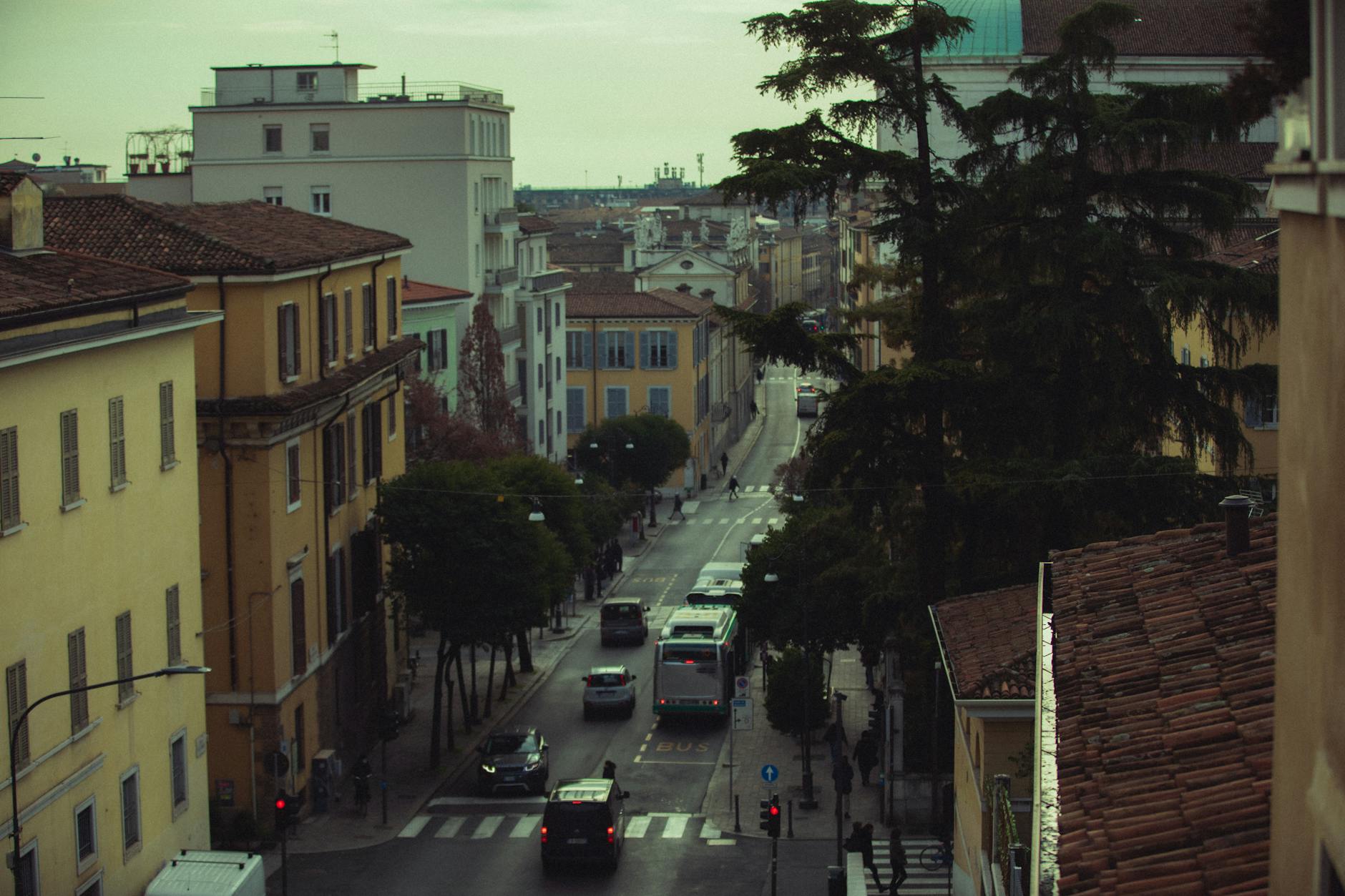
These itineraries are pacing models, not commandments. Adjust for flights, hotel availability, heat, tickets, strikes, mobility, food priorities, and whether you want a trip or an achievement list.
7 Days: Rome + Florence
Best for: First-timers with limited time who want depth over motion.
Day 1: Arrive Rome. Gentle neighborhood walk, easy dinner.
Day 2: Ancient Rome: Colosseum/Forum/Palatine, Monti or Testaccio dinner.
Day 3: Vatican Museums/St. Peter’s or Borghese Gallery + historic center walk.
Day 4: Train to Florence. Duomo exterior, Oltrarno, sunset viewpoint.
Day 5: Uffizi or Accademia, markets, Santa Croce/San Lorenzo, dinner.
Day 6: Siena, Lucca, Pisa, or a Tuscan wine/countryside day.
Day 7: Florence morning and depart, or train back to Rome for departure.
What this does well: Depth, simple logistics, art, food, train ease.
What it skips: Venice, Naples, coast, islands. That is fine.
10 Days: Classic Rome + Florence + Venice
Best for: First-time visitors who want the iconic art-city route.
Days 1–4: Rome. Ancient Rome, Vatican, Borghese or Appian Way, neighborhoods.
Days 5–7: Florence. Uffizi/Accademia, Oltrarno, Siena or Lucca day trip.
Days 8–10: Venice. St. Mark’s/Doge’s Palace, Dorsoduro, Cannaregio/Castello, lagoon islands if time allows.
Transit: High-speed trains: Rome–Florence, Florence–Venice.
The move: Do not add Cinque Terre and Amalfi to this itinerary. Add Bologna only if you have an extra night or cut something else.
10 Days: Rome + Naples + Pompeii + Amalfi
Best for: Food, archaeology, southern intensity, coast.
Days 1–4: Rome. Ancient/sacred/historic center.
Days 5–7: Naples. Food, Archaeological Museum, historic center, Herculaneum or Pompeii.
Days 8–10: Sorrento, Amalfi, Ravello, Capri/Ischia, or a coast base.
The move: Decide whether the coast is scenery or relaxation. If it is scenery, you can stay in Naples/Sorrento and day-trip. If it is relaxation, pay for a good coastal base and stop moving.
14 Days: Best First Italy
Best for: First-timers who want icons plus one deeper layer.
Days 1–4: Rome.
Days 5–7: Florence.
Day 8: Siena or Tuscany countryside.
Days 9–10: Bologna or Venice depending preference.
Days 11–13: Venice if not already, or Naples/Pompeii if choosing a southern finale.
Day 14: Depart from Venice, Milan, Rome, or Naples depending route.
Two good versions:
- Art-city version: Rome + Florence/Tuscany + Bologna + Venice.
- South version: Rome + Florence/Tuscany + Naples/Pompeii/Amalfi.
Do not try to make one itinerary do both Venice and Amalfi unless you are comfortable with fast pacing or have more than two weeks.
14 Days: Northern Italy
Best for: Design, lakes, food, Venice, mountains.
Days 1–3: Milan.
Days 4–5: Lake Como or Lake Maggiore.
Days 6–7: Verona or Lake Garda.
Days 8–10: Venice.
Days 11–14: Bologna/Emilia-Romagna or Dolomites depending season.
The move: In summer, lean Dolomites/Lakes. In autumn, lean Piedmont/Emilia food. In winter, lean Milan/Turin/Bologna/Venice museums, food, and opera.
14 Days: Sicily
Best for: Food, archaeology, beaches, island culture.
Days 1–3: Palermo and Monreale.
Days 4–5: Trapani/Erice/Marsala or Cefalù depending route.
Day 6: Agrigento/Valley of the Temples.
Days 7–9: Siracusa/Ortigia and southeast baroque towns.
Days 10–12: Catania, Etna, Taormina.
Days 13–14: Buffer, beach, Aeolian add-on, or return logistics.
The move: Do not underestimate Sicily’s driving. Build in fewer bases and longer stays.
10–12 Days: Puglia + Matera
Best for: Road trips, food, beaches, white towns, slower south.
Days 1–2: Bari/Polignano/Monopoli.
Days 3–5: Valle d’Itria: Alberobello, Locorotondo, Martina Franca, Ostuni.
Days 6–8: Lecce and Salento coast.
Days 9–10: Matera.
Days 11–12: Extra coast, masseria stay, or return via Bari/Brindisi.
The move: Rent a car, but avoid driving into old-town cores. Choose lodging with parking.
One Month: Italy With Room to Breathe
Week 1: Rome + Naples/Pompeii.
Week 2: Florence + Tuscany/Umbria.
Week 3: Bologna + Venice + Verona/Padua.
Week 4: Choose one: Sicily, Puglia/Matera, Dolomites/Lakes, or Piedmont.
The move: Even with a month, do not do everything. Italy gets better when you repeat a café, revisit a market, and learn a local rhythm.
Best Things to Do
1. Give Rome Enough Time
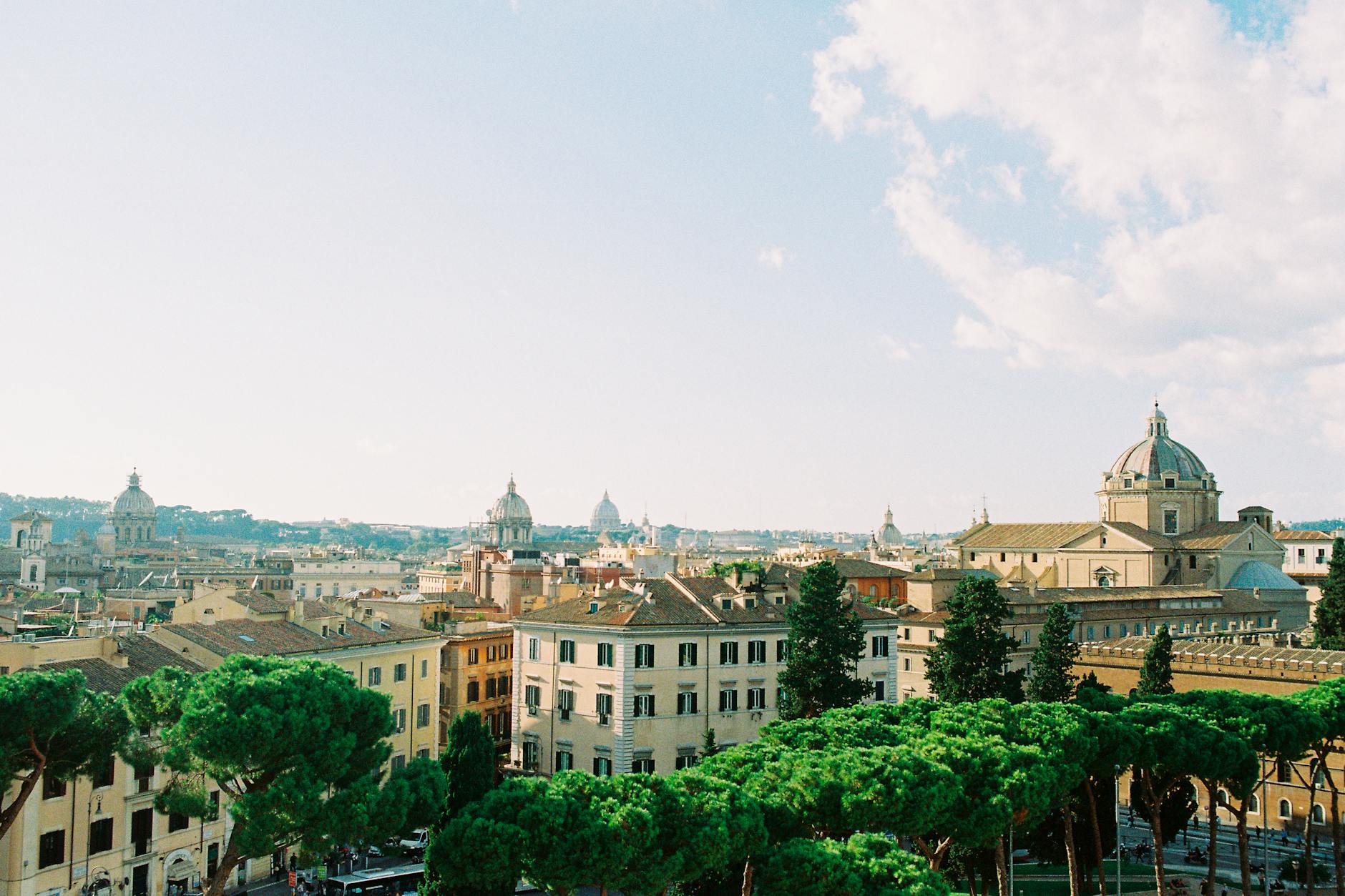
Rome is the first place where many visitors realize Italy is not just a destination but a layering system. Ancient walls, baroque churches, apartment blocks, fountains, political buildings, markets, scooters, ruins, and modern restaurants sit on top of each other.
Best for: First-timers, history, churches, food, long walks.
Time needed: 3 days minimum; 5+ better.
Book ahead: Vatican Museums, Borghese Gallery, Colosseum special access.
Worth it? Yes, but do not treat Rome as a monument checklist.
2. See Florence’s Art, Then Escape the Museum Rush
The Uffizi and Accademia matter, but Florence is not only the line to see Botticelli and David. Oltrarno workshops, hilltop views, churches, markets, cafés, and evening walks are part of the city’s value.
Best for: Renaissance art, architecture, walkable city travel.
Time needed: 2–4 days.
Book ahead: Uffizi, Accademia, and major seasonal tickets.
Common mistake: Doing two big museums in one day and forgetting to look up at the city.
3. Stay Overnight in Venice
Venice is transformed before and after the day-trip peak. Early morning and evening reveal why the city became mythic.
Best for: Romance, photography, architecture, slow wandering.
Time needed: 2 nights minimum.
Book ahead: St. Mark’s/Doge’s Palace at peak times; hotels in high season; check access-fee rules if day-tripping.
Worth it? Yes, if you stay long enough to leave the main crowd path.
4. Eat Naples Properly
Naples is not just a pizza stop. It is one of Europe’s great food cities and a powerful urban experience.
Best for: Pizza, street food, archaeology, intense cities.
Time needed: 2–4 days.
Pair it with: Pompeii, Herculaneum, Vesuvius, Capri/Ischia, Amalfi Coast.
Skip if: You need polished calm at every moment. Naples asks for attention and openness.
5. Visit Pompeii or Herculaneum With Context
Pompeii is vast and famous; Herculaneum is smaller and often easier to absorb. Both reward a guide, audio guide, or careful preparation.
Best for: Ancient history, archaeology, families with older kids, Rome/Naples route.
Time needed: Pompeii 3–5 hours; Herculaneum 2–3 hours.
Book ahead: Tickets and guides in peak season. Pompeii’s official site directs online ticketing through Vivaticket for the Great Pompeii sites.[18]
Heat warning: Summer midday can be punishing.
6. Use Bologna as More Than a Lunch Stop
Bologna has porticoes, towers, a university, markets, serious pasta, aperitivo, and excellent rail access.
Best for: Food, repeat visitors, rail trips, atmospheric cities.
Time needed: 2–4 days.
Pair it with: Modena, Parma, Ravenna, Ferrara, Florence, Venice.
The move: Base here for Emilia-Romagna rather than treating it as a transfer.
7. Drive the Countryside, But Not the Cities
Italy’s countryside can be sublime by car: Tuscany, Umbria, Puglia, Sicily, Sardinia, Piedmont, Marche, Abruzzo, and parts of the Dolomites. Italy’s cities can be miserable by car.
Best for: Villages, wineries, rural stays, beaches, mountains.
Do not: Drive into Florence, Rome, Naples, Milan, Bologna, Venice, Siena, Pisa, or many old centers without knowing ZTL/parking rules.
The move: Train to a regional base, rent a car for the countryside, return it before entering the next big city.
8. Build a Food Route
A food-first Italy trip can be stronger than a monument-first trip. Consider Bologna/Modena/Parma, Naples/Campania, Rome, Sicily, Puglia, Piedmont, or Tuscany.
Best for: Food lovers, slow travelers, couples, repeat visitors.
Time needed: 5–10 days depending route.
Book ahead: Acclaimed restaurants, cooking classes, winery visits, truffle experiences, and serious food tours.
Common mistake: Eating only beside major landmarks and then deciding Italian food is overrated.
9. Spend Real Time in Sicily
Sicily is not a beach add-on. It is a layered island with Greek temples, Arab-Norman architecture, baroque towns, volcanoes, markets, beaches, and powerful food culture.
Best for: Second-time Italy, long trips, food, beaches, archaeology.
Time needed: 10–14 days ideally.
The move: Choose west or east if you have only a week.
10. Hike or Ski the Dolomites
The Dolomites are one of Europe’s great mountain destinations, but they need proper seasonal planning.
Best for: Hiking, rifugi lunches, skiing, photography, active families.
Time needed: 4–7 days.
Book ahead: Summer hotels/rifugi, peak lifts, winter ski lodging.
Common mistake: Expecting one day to deliver the whole mountain experience.
11. Take a Vaporetto, Ferry, or Boat at the Right Moment
Italy’s water transport is part of the pleasure: Venice vaporetti, Lake Como ferries, Capri/Ischia ferries, Amalfi boats, Sicily/Sardinia ferries, Aeolian Islands, Elba, and lake routes.
Best for: Venice, lakes, islands, coast.
Watch out: Ferries are seasonal, weather-dependent, and can sell out in peak periods.
The move: Use boats for scenery as much as transport when timing and weather cooperate.
12. See a Church as a Cultural Site, Not Just a Free Museum
Many of Italy’s greatest art experiences are in churches. They are also active religious spaces.
Best for: Art, architecture, history, respectful slow travel.
Etiquette: Cover shoulders/knees where required, keep voices low, avoid flash, do not block worshippers, and check whether ticketing/chapels have specific rules.
13. Let One Small Town Matter
Italy’s small towns are not filler: Orvieto, Lucca, Siena, Assisi, Urbino, Matera, Lecce, Ragusa, Noto, Spoleto, Mantua, Ferrara, Ravenna, Bergamo, Verona, Padua, and many more can become trip highlights.
Best for: Slow travel, photography, food, history, lower pressure.
Time needed: Half-day to 2 nights depending town.
The move: Sleep in at least one smaller place if your itinerary allows. Day-trips are useful, but evenings tell you more.
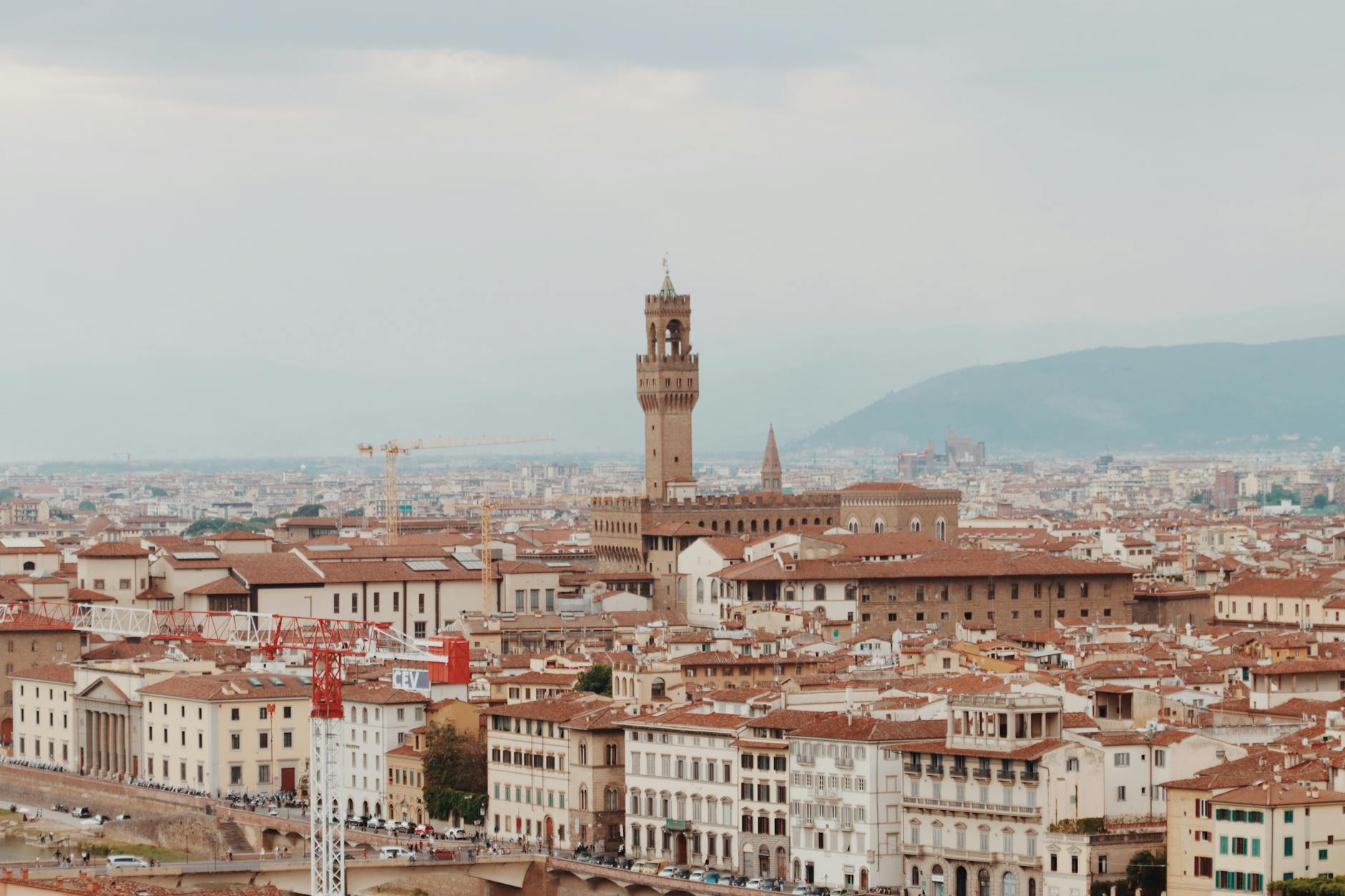
Food and Drink
Italy’s food is famous enough that visitors arrive with confidence. That confidence is often the problem. The food becomes much better when you stop ordering generic “Italian” food and start eating regionally.
Italian Food Identity
Italy’s food culture is built on locality, seasonality, technique, and restraint. It is not one cuisine. It is a network of regional cuisines connected by shared habits: pasta, bread, olive oil, wine, coffee, markets, family meals, seasonal produce, and pride in specific local products.
What to Eat by Region
| Region / City | What to look for |
|---|---|
| Rome / Lazio | Carbonara, amatriciana, cacio e pepe, gricia, supplì, carciofi alla romana/giudia, maritozzi, porchetta nearby. |
| Naples / Campania | Pizza, sfogliatella, babà, mozzarella di bufala, seafood, ragù napoletano, pasta e patate, limoncello, tomatoes. |
| Emilia-Romagna | Tagliatelle al ragù, tortellini, lasagne, Parmigiano Reggiano, Prosciutto di Parma, mortadella, balsamic vinegar, piadina. |
| Tuscany | Ribollita, pappa al pomodoro, bistecca alla fiorentina, pici, crostini, pecorino, Chianti/Brunello/Vino Nobile. |
| Veneto / Venice | Cicchetti, baccalà mantecato, risotto, bigoli, seafood, spritz, prosecco, tiramisù origin stories. |
| Liguria | Pesto, focaccia, farinata, trofie, seafood, olive oil, Vermentino. |
| Piedmont | Agnolotti, tajarin, vitello tonnato, bagna cauda, truffles, Barolo/Barbaresco, chocolate, vermouth. |
| Lombardy | Risotto alla milanese, cotoletta, polenta, pizzoccheri, lake fish, panettone, Franciacorta. |
| Sicily | Arancini/arancine, caponata, pasta alla Norma, panelle, couscous in the west, cannoli, cassata, granita, seafood, Etna wines. |
| Puglia | Orecchiette, burrata, taralli, focaccia barese, olive oil, seafood, vegetables, bombette, primitivo/negroamaro. |
| Sardinia | Pane carasau, malloreddus, fregola, porceddu, seadas, pecorino, seafood, Cannonau. |
| South Tyrol / Trentino | Speck, canederli/knödel, strudel, polenta, alpine cheeses, Gewürztraminer, Lagrein. |
Meal Rhythm
- Breakfast: Often coffee plus pastry. Cappuccino is morning-coded, though nobody will arrest you for ordering one later; it will just mark you as a visitor.
- Lunch: Often the best time for set menus or serious eating, especially outside tourist centers.
- Aperitivo: Pre-dinner drink/snack ritual, especially in northern and central cities. Milan and Turin are strong aperitivo cities.
- Dinner: Often starts around 7:30–9:30 p.m. depending region and restaurant style. Tourist restaurants open earlier.
- Coffee: Espresso after meals; cappuccino with breakfast; standing at the bar is cheaper than table service in some cafés.
Where to Eat by Situation
| Situation | Best approach |
|---|---|
| First night after arrival | Eat near your hotel but not beside the main monument. Choose a simple trattoria, pizzeria, wine bar, or neighborhood place. |
| Museum-heavy day | Plan lunch nearby but not at the exit café unless convenience matters. Use markets and bakeries strategically. |
| Budget meal | Pizza al taglio, panini, street food, market stalls, simple pasta, focaccia, arancini, piadina, casual osterie. |
| Splurge meal | Regional tasting menus, fine dining, serious seafood, Piedmont truffle meal, Bologna/Modena/Parma food route, Naples pizza pilgrimage plus one upscale dinner. |
| Family meal | Pizzerias, trattorie with outdoor seating, pasta-focused places, agriturismi, casual seafood, gelato breaks. |
| Solo meal | Wine bars, pizzerias, casual trattorie, lunch counters, markets, cafés, aperitivo bars. |
| Vegetarian | Easier than many assume if you eat regionally: pasta, vegetables, cheeses, legumes, pizza, soups. Watch hidden meat/fish stock, anchovies, guanciale, and lard. |
| Gluten-free | Italy can be surprisingly good for celiac/gluten-free dining, but research ahead and use clear Italian phrases/cards. |
How to Avoid Bad Tourist Restaurants
Be careful when a restaurant:
- Has a huge photo menu in several languages beside a famous monument.
- Has staff aggressively pulling people in from the street.
- Serves every regional dish from everywhere.
- Offers carbonara with cream in Rome, pesto in Venice, pizza everywhere as the main identity, and paella for no reason.
- Has “menu turistico” as its main pitch.
- Is empty at normal local meal times while nearby places are active.
None of these signs is proof of disaster, but several together are a warning.
Wine, Beer, Spirits, and Nonalcoholic Drinks
Italy’s wine culture is deeply regional: Chianti, Brunello, Barolo, Barbaresco, Prosecco, Etna, Nero d’Avola, Primitivo, Amarone, Franciacorta, Soave, Verdicchio, Sagrantino, Vermentino, and many more. Drink locally.
Aperitivo drinks include spritz variants, vermouth, negroni, americano, prosecco, wine, and regional bitters. Digestivi include amaro, grappa, limoncello, mirto in Sardinia, and many local liqueurs.
Nonalcoholic options include sparkling water, espresso, cappuccino, chinotto, cedrata, juices, granita in Sicily, and alcohol-free aperitivo drinks increasingly common in cities.
The Move
Build each city around one food rule. In Rome, eat Roman pasta. In Naples, eat pizza and street food. In Bologna, eat pasta and cured meats. In Sicily, eat markets and sweets. In Venice, eat cicchetti and seafood. In Puglia, eat vegetables, seafood, olive oil, and orecchiette. Stop chasing generic “best restaurants in Italy.”
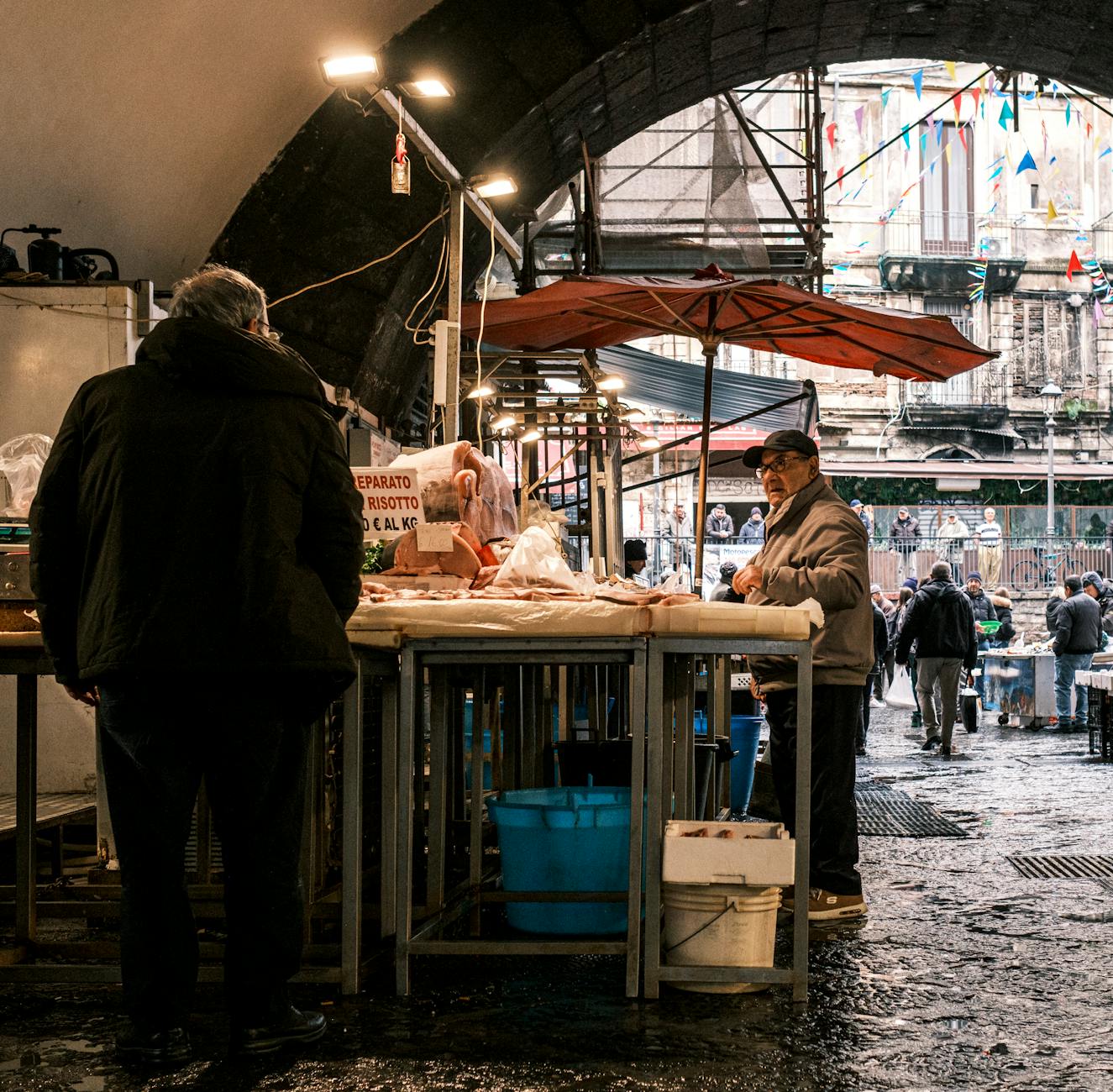
Getting Around
Italy is one of Europe’s better countries for train-based travel, but only if your itinerary fits the rail network. A train-first, car-where-needed strategy usually works best.
The Core Rule
Use trains for major cities and cars for countryside, coast, islands, and villages. Do not use a car to connect Rome–Florence–Venice unless your goal is parking stress. Do not rely on trains to wander rural Tuscany, Puglia villages, Sardinian beaches, or Sicily’s interior unless you enjoy slow logistics.
High-Speed Trains
Italy’s high-speed network is excellent for the main corridor. Trenitalia’s Frecciarossa serves the Turin–Milan–Bologna–Florence–Rome–Naples–Salerno spine, with extensions to additional cities.[10] Italo serves major high-speed routes including Rome, Florence, Venice, Milan, Naples, Salerno, Verona, and Turin.[11]
Best high-speed routes for visitors:
- Rome–Florence
- Florence–Venice
- Milan–Florence–Rome–Naples
- Bologna–Florence/Rome/Venice/Milan
- Rome–Naples
- Milan–Venice/Verona
- Turin–Milan
Book ahead? Yes for better fares and peak times. Last-minute tickets may be available but cost more.
Ticket warning: Regional trains often require validation if using paper tickets. Digital tickets may have check-in/validation rules depending operator and ticket type. Always read your ticket.
Regional Trains
Regional trains are useful for:
- Florence to Pisa/Lucca/Arezzo.
- Venice to Padua/Verona/Treviso.
- Naples to Pompeii/Herculaneum/Sorrento via local networks.
- Milan to lakes, Bergamo, Como.
- Ligurian coast/Cinque Terre.
- Bologna to Parma/Modena/Ravenna/Ferrara.
They are slower, cheaper, more local, and more sensitive to validation rules.
Renting a Car
A car is useful or essential for:
- Rural Tuscany, Val d’Orcia, Chianti.
- Umbria and Marche hill towns.
- Puglia/Valle d’Itria/Salento.
- Sicily outside main city pairs.
- Sardinia.
- Piedmont wine country.
- Abruzzo/Apennines/national parks.
- Some Dolomite bases.
- Rural agriturismi/masserie.
A car is usually a mistake for:
- Rome, Florence, Venice, Milan, Naples, Bologna, Turin.
- City-to-city travel on the high-speed rail spine.
- Amalfi Coast in peak season unless you are comfortable with narrow roads/parking.
- Day trips where trains are simpler.
ZTL and Parking
ZTL zones are restricted traffic areas common in historic centers. They may be camera-enforced. The safest strategy is to park outside the center and walk/taxi in. If your hotel is inside a ZTL, ask for explicit written instructions before arrival; hotels may be able to register license plates in certain cases, but you must follow their process.
The move: Search your destination plus “ZTL” before driving. Do not rely solely on GPS.
Flights
Domestic flights make sense for:
- Mainland to Sicily/Sardinia when time is short.
- Milan/Turin/Venice to Sicily or Sardinia.
- Rome/Milan to far southern routes if not stopping along the way.
Flights are less useful for Rome–Florence–Venice or Milan–Rome, where trains are usually easier city-center to city-center.
Ferries and Boats
Italy’s tourism portal notes that ships, hydrofoils, and ferries connect ports along the coast and large/small islands, with year-round service in many cases and vehicle transport depending the route.[4]
Ferries matter for:
- Sicily crossings and island links.
- Sardinia from mainland ports or flights into island airports.
- Capri, Ischia, Procida.
- Amalfi Coast seasonal boats.
- Aeolian Islands.
- Elba and Tuscan Archipelago.
- Venice lagoon islands.
- Lake Como/Garda/Maggiore.
Watch out: Schedules vary by season and weather. Book peak summer islands and car ferries early.
City Transit
- Rome: Metro is useful but limited; buses/trams plus walking matter. Taxis from ranks/apps.
- Florence: Mostly walking; taxis for luggage; trams connect airport/station areas.
- Venice: Walking and vaporetti; no cars in the historic city.
- Milan: Excellent metro/tram/bus system.
- Naples: Metro, funiculars, buses, walking, taxis; terrain is hilly.
- Bologna: Walking/buses; easy city center.
- Turin: Metro/trams/buses.
Taxis and Rideshare
Authorized taxis in Italy are white with a roof sign and meter. Italia.it warns travelers to be wary of people offering taxi services at airports or stations; authorized taxis are identifiable and use designated ranks or booking channels.[4]
Rideshare availability differs by city and is more regulated than in many countries. Local taxi apps and hotel-arranged transfers can be more reliable.
Strikes
Transport strikes happen in Italy. They are usually announced, sometimes with guaranteed minimum-service windows, but can disrupt trains, local transit, flights, and ferries. Check operator sites and local news before major transfers.
The Move
Book hotels based on arrival/departure logistics as much as charm. A beautiful lodging choice that turns every transfer into a taxi puzzle will wear you down.
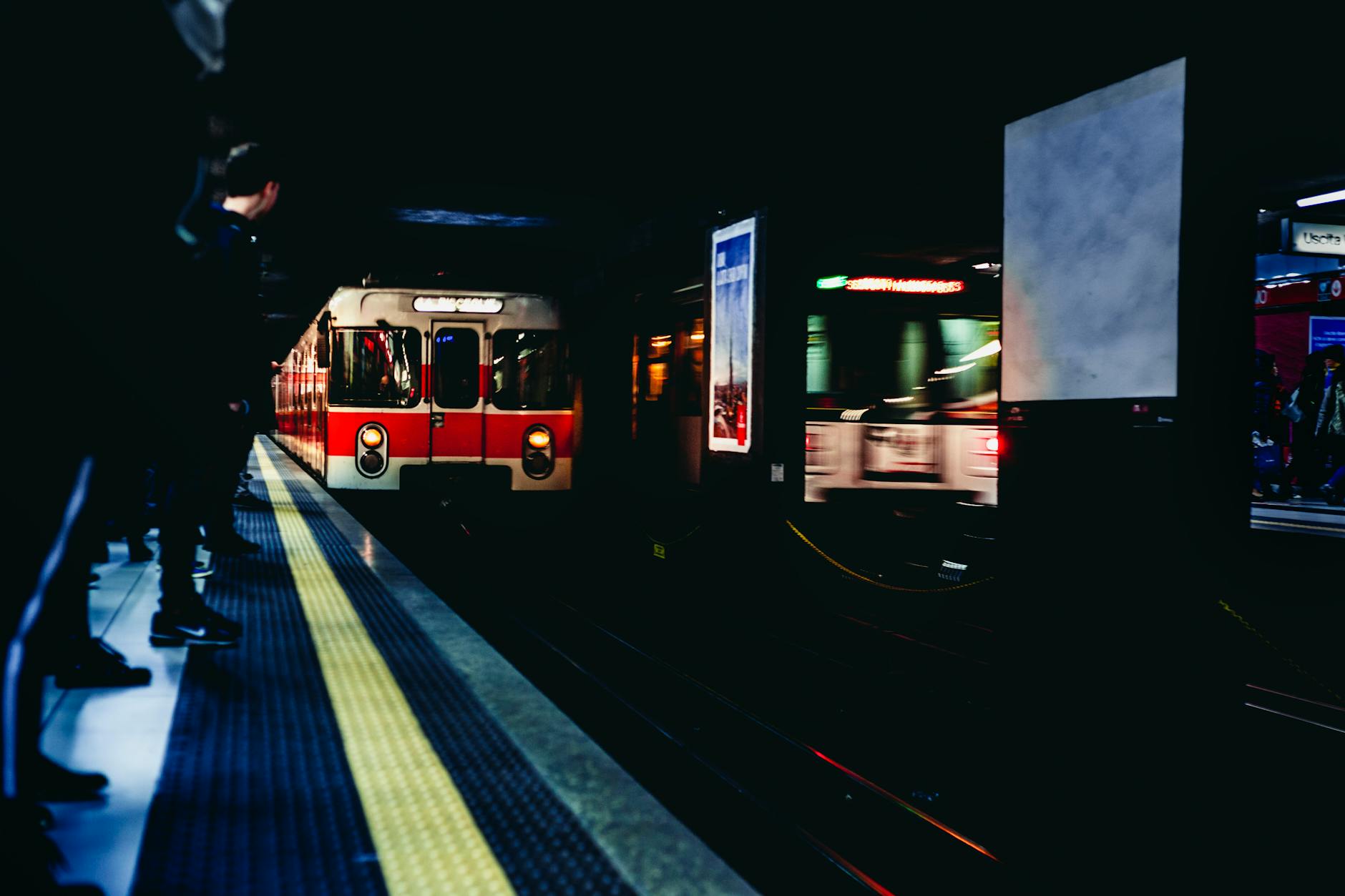
Where to Stay
Italy’s lodging landscape is one of the country’s strengths. The right stay can define the trip.
Lodging Types
| Type | Best for | Watch out for |
|---|---|---|
| City hotels | First-timers, short stays, rail trips, easy logistics. | Room sizes, elevator availability, noise, ZTL/taxi access. |
| Boutique hotels / palazzi | Romance, design, historic atmosphere. | Stairs, small rooms, limited services in old buildings. |
| Apartments | Families, longer stays, cooking, laundry. | Check legality, stairs/elevators, luggage storage, check-in logistics, neighborhood rules. |
| Agriturismi | Countryside, food, families, slow travel. | Car often required; dinner may be limited to certain nights. |
| Masserie | Puglia countryside, food, pools, design. | Car required; peak summer prices. |
| Villas | Groups, families, countryside stays. | Driving, pool rules, heating/AC costs, remote location. |
| Rifugi / mountain huts | Dolomite hiking and alpine routes. | Book early; shared facilities; weather dependence. |
| Beach hotels / resorts | Sardinia, Sicily, Puglia, Amalfi, islands. | Seasonal pricing; beach access; car/boat logistics. |
| Monastery/convent stays | Budget, simplicity, spirituality. | Curfews, basic rooms, limited amenities. |
Where to Stay by Trip Type
| Trip type | Best base logic |
|---|---|
| Classic Rome–Florence–Venice | Stay near but not necessarily beside main stations; choose walkable neighborhoods with easy train/taxi access. |
| Rome | Historic center, Monti, Prati, Trastevere, Testaccio, Campo/Parione/Pantheon areas depending style. Avoid being too far out unless transit is excellent. |
| Florence | Historic center for short stays; Oltrarno for atmosphere; near station only if doing many day trips. |
| Venice | Stay in Venice proper if budget allows, not only Mestre, unless saving money is more important than atmosphere. Cannaregio, Dorsoduro, San Polo, Castello can be calmer than San Marco. |
| Tuscany countryside | Agriturismo/wine estate with car access; choose north/south/Chianti/Val d’Orcia based on daily drives. |
| Amalfi Coast | Choose Positano/Ravello/Amalfi for scenery, Sorrento for logistics, Naples for food/ruins, Ischia for a more relaxed island base. |
| Sicily | Split bases by region: Palermo/west, Agrigento, Siracusa/southeast, Catania/Taormina/Etna. |
| Puglia | Mix Bari/Monopoli/Polignano, Valle d’Itria masseria, Lecce/Salento, Matera. |
| Dolomites | Choose one valley/base rather than moving every night. Val Gardena, Alta Badia, Cortina, Bolzano/Merano depending activity. |
Booking Mistakes
- Booking a hotel “near Florence” that is actually impractical without a car.
- Staying beside a train station for every city when atmosphere matters more than day-trip convenience.
- Booking a countryside stay without checking dinner options or roads after dark.
- Choosing Mestre for Venice without understanding the tradeoff.
- Booking Amalfi/Positano without checking luggage access, stairs, and port/road transfers.
- Ignoring air conditioning in summer.
- Ignoring elevators in historic buildings.
- Booking a rental car stay inside a ZTL old town.
- Assuming every apartment has luggage storage, daily support, or easy check-in.
The Move
For a first trip, pay for location in Rome, Florence, and Venice. Save money in less famous regions or with fewer hotel changes. A bad base costs more in time than it saves in cash.
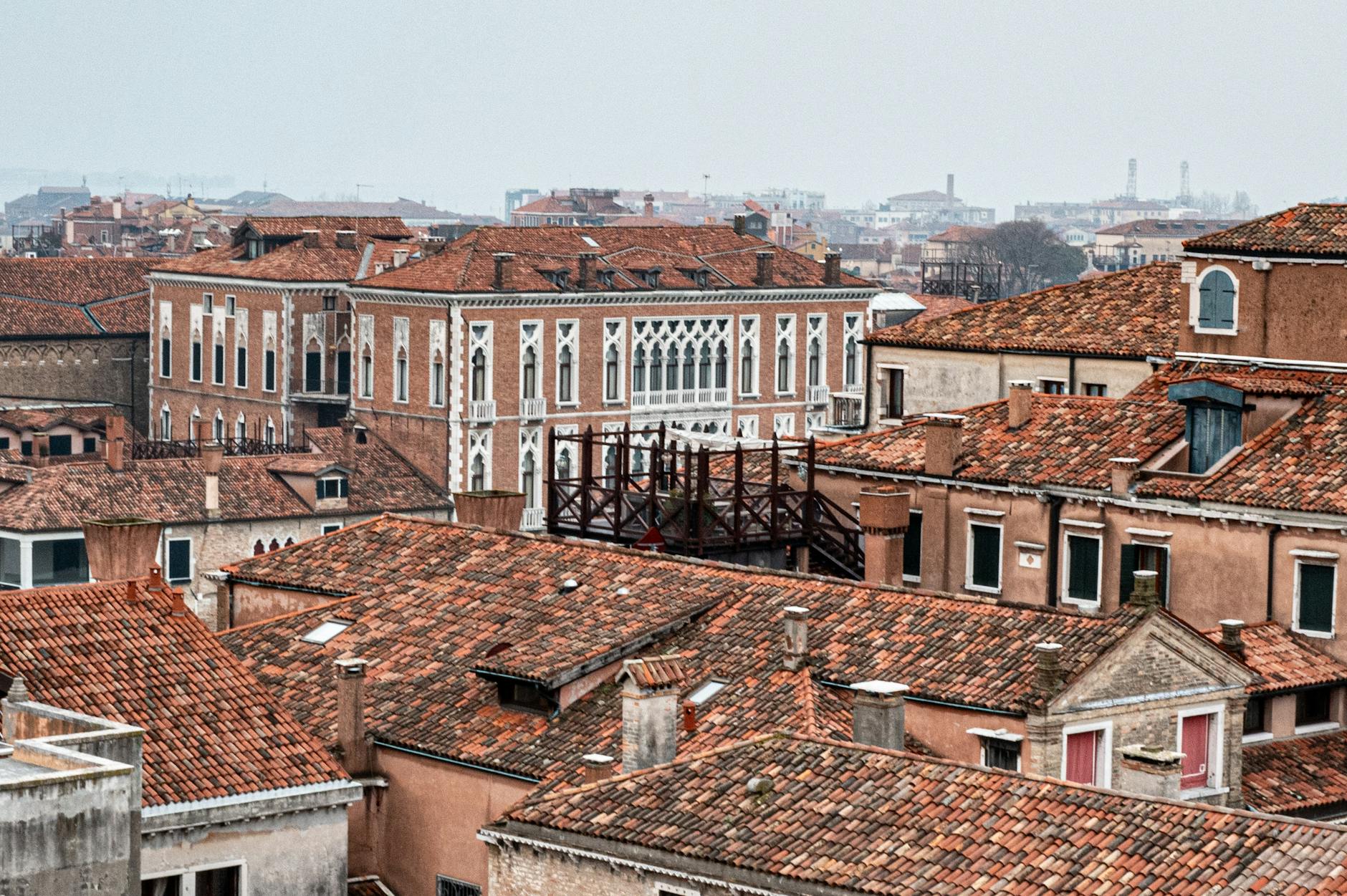
Budget and Costs
Italy can be moderate or very expensive depending season, city, and ambition. The country is not one price category. Venice in June, Positano in August, Lake Como in peak season, and Rome near a major event are different from Bologna in November, Naples in February, or Umbria in shoulder season.
Daily Budget Ranges
| Traveler type | Daily estimate excluding long-distance flights and major shopping | What it means |
|---|---|---|
| Shoestring | €55–€90 | Hostel or budget room, simple food, limited paid attractions, regional trains, careful city choices. Hard in Venice/Amalfi/peak summer. |
| Budget comfort | €90–€160 | Simple hotels/B&Bs, casual trattorie, some museums, regional/high-speed trains booked early. |
| Mid-range | €160–€300 | Good central hotel, restaurants, museums, occasional taxis, day trips, comfortable train choices. |
| Comfortable | €300–€600 | Strong hotels, private transfers where useful, guided tours, better restaurants, countryside stays, flexible transport. |
| Luxury | €600+ | Grand hotels, private guides, top restaurants, boat days, villas, luxury trains/transfers, peak coast/lake stays. |
Typical Cost Notes
| Item | Expectation |
|---|---|
| Espresso at bar | Usually cheap; table service costs more in prime locations. |
| Gelato | Affordable treat; more in tourist cores. |
| Pizza/pasta casual meal | Often good value, especially outside top tourist zones. |
| Major museum ticket | Varies widely; official sites are safest for pricing. |
| High-speed train | Good value booked early; expensive last minute on premium routes. |
| Rental car | Useful outside cities; add parking, fuel, tolls, insurance, ZTL risk. |
| Hotels | Biggest swing factor. Venice, Amalfi, Como, Rome, Florence, Dolomites, and islands can spike. |
| Guided tours | Worth it for Vatican, Colosseum, Pompeii, food tours, wine regions, and complex cities when quality is high. |
Best Value Moves
- Book high-speed trains early.
- Travel in April/May or September/October instead of peak July/August where possible.
- Use lunch for bigger meals and dinner for simpler options sometimes.
- Stay in Bologna, Turin, Naples, Palermo, Lucca, Perugia, or Verona for better value than the most famous trio.
- Use official museum sites to avoid inflated reseller prices.
- Choose one splurge hotel or meal instead of several mediocre “view” experiences.
- Rent a car only when the route truly needs it.
- Stay longer in fewer places to reduce transfer costs.
Splurge-Worthy
- Central lodging in Rome/Florence/Venice.
- A high-quality guide for the Vatican, Colosseum/Forum, Pompeii, Uffizi, or a serious food market.
- A countryside agriturismo or masseria.
- One excellent restaurant in Bologna/Modena/Parma, Piedmont, Rome, Naples, Sicily, or Florence.
- A private transfer for Amalfi Coast luggage logistics.
- A boat day in the right place: Capri/Amalfi, Lake Como, Sardinia, Aeolian Islands.
- Dolomite lodging in the right valley.
Usually Not Worth It
- Hop-on hop-off buses as a default in highly walkable historic centers.
- Overpriced restaurants with landmark views and poor food.
- Driving between high-speed rail cities.
- Day-tripping too far to claim a famous place.
- Gondola rides only because “you have to” if the price feels painful; a vaporetto ride can be more satisfying for some travelers.
- Multiple paid viewpoints in one city.
- Generic “Italy in one day” tours.
Safety, Health, and Scams
Italy is generally safe for ordinary travelers, but safe does not mean frictionless. The main risks are petty theft, scams, heat, road stress, demonstrations/strikes, medical surprises, nightlife judgment, and mountain/sea/weather hazards.
General Safety
The U.S. State Department currently advises increased caution in Italy due to terrorism risk, while its country information also covers entry and practical issues.[20][21] UK guidance says terrorist attacks in Italy cannot be ruled out and warns travelers to avoid demonstrations and follow local authorities.[22]
For most visitors, daily safety concerns are more ordinary: pickpockets in crowded transit and tourist areas, bag theft, phone snatching, taxi issues, restaurant overcharging, and distraction scams.
Pickpocket and Theft Zones
Be especially alert around:
- Rome Termini and major metro/bus routes.
- Colosseum/Forum/Vatican/Trevi/Pantheon crowds.
- Florence station and Ponte Vecchio/Duomo crowds.
- Venice station/Rialto/St. Mark’s crowd flow.
- Milan Centrale/Duomo/Galleria.
- Naples station/crowded streets/transit.
- Cinque Terre trains and platforms in peak season.
- Crowded markets, beaches, and festivals.
Common Scams and Hassles
| Scam / hassle | What it looks like | How to avoid it |
|---|---|---|
| Unofficial taxis | Someone approaches at airport/station offering a ride. | Use official taxi ranks, hotel transfers, or trusted apps. |
| Bracelet/rose/photo scams | “Gift” offered, then payment demanded. | Do not accept items from strangers in tourist areas. |
| Fake petitions/distractions | Clipboards, crowding, blocked path. | Keep moving, secure valuables. |
| Restaurant tourist traps | Aggressive menus, unclear prices, cover/service confusion. | Check menus/prices, avoid pushy places near monuments. |
| Ticket resellers/scam sites | Similar-looking domains for Vatican/Colosseum/museums. | Use official ticket sites or reputable operators. |
| ZTL fines | Rental car enters restricted zone. | Park outside historic centers and check ZTL maps/rules. |
| Beach theft | Bags left unattended while swimming. | Take minimal valuables or take turns swimming. |
| Nightlife overcharging | Unclear bar/club pricing. | Check menus/cover charges before ordering. |
Health Practicalities
- Bring travel insurance.
- Pharmacies are common and marked with a green cross.
- Emergency number: 112.
- CDC recommends travelers be current on routine vaccines, including measles/MMR; its Italy page notes measles vaccination for international travelers.[23]
- Summer heat can be serious. Use shade, water, and rest breaks.
- Mosquitoes can be annoying in warm months, especially near water/countryside.
- Mountain travel requires weather checks and proper gear.
- Beaches/coasts require attention to currents, jellyfish, rocks, and sun.
Road Safety
Italian driving can be fast, assertive, and stressful in cities. Mountain roads, Amalfi Coast roads, Sicilian rural roads, and old-town streets require confidence. Do not drive tired after a long-haul flight. Do not rely on GPS alone in ZTL towns.
Demonstrations and Strikes
Demonstrations can disrupt city centers. Transport strikes can disrupt trains, local transit, ferries, or flights. Avoid protests and check operator updates before transfer days.
Traveler-Specific Safety
- Solo travelers: Italy is good for solo travel, especially cities and trains. Watch nightlife and late-night station areas.
- Solo women travelers: Many travel comfortably, but harassment/catcalling can occur. Use normal urban caution and trusted transport late at night.
- LGBTQ+ travelers: Major cities and tourist areas are generally workable; attitudes vary by region and setting. Use discretion in conservative small towns if needed.
- Travelers of color: Experiences vary. Italy is diverse in cities but racism can occur; be prepared for unevenness rather than assuming every place behaves like Rome or Milan.
- Jewish/Muslim/religious travelers: Major cities have communities and services; dietary/religious needs require planning outside big cities.
- Disabled travelers: Italy can be rewarding but difficult due to cobblestones, stairs, old buildings, hills, bridges, and inconsistent step-free access.
Accessibility and Mobility
Italy’s beauty often comes with physical difficulty: cobblestones, stairs, bridges, hills, old buildings, small elevators, uneven sidewalks, crowds, and archaeological sites that were not designed for modern access.
Easier for Mobility
- Milan’s modern transit and flatter streets in many areas.
- Bologna’s porticoes and compact center, though cobbles still matter.
- Turin’s gridded streets and arcades.
- Some parts of Rome if planned carefully with taxis and accessible routes.
- Florence’s centrality, though crowds/cobbles are hard.
- Major museums with accessibility programs.
- Lake/luxury hotels with modern infrastructure.
Harder for Mobility
- Venice: bridges, steps, crowds, limited step-free routes, boat boarding.
- Amalfi Coast: stairs, steep villages, narrow roads.
- Cinque Terre: stairs, slopes, crowded platforms/trails.
- Hill towns: steep lanes, cobbles, limited parking.
- Pompeii/archaeological sites: uneven surfaces, exposure, distance.
- Old apartments/hotels without elevators.
Planning Rules
- Confirm elevator access in writing.
- Ask hotels about exact step-free entry, not just “accessible rooms.”
- Use taxis/private transfers for luggage and difficult transfers.
- Check official museum/accessibility pages before booking.
- Choose fewer bases and fewer daily transitions.
- Avoid peak midday crowds in narrow cities if mobility is limited.
- Consider professional accessible-travel operators for Venice, Rome archaeology, Amalfi, or multi-city trips.
Stroller Notes
Italy with a stroller is possible but often awkward in Venice, hill towns, old centers, metro stairs, and crowded sites. A lightweight stroller plus carrier can be better than a large stroller.
The Move
For accessible Italy, prioritize base quality over itinerary quantity. A well-located hotel with reliable elevators, taxis, and nearby restaurants matters more than one extra day trip.
Families, Solo Travelers, LGBTQ+ Travelers, and Special Considerations
Families With Children
Italy can be excellent for families: pasta, pizza, gelato, fountains, piazzas, trains, beaches, parks, ruins, family-oriented restaurants, and multigenerational social norms all help.
Best family routes:
- Rome + Florence + Venice at slower pace.
- Rome + Naples/Pompeii + Ischia/Sorrento.
- Tuscany agriturismo with pool.
- Puglia masseria + beach towns.
- Sardinia beach trip.
- Dolomites summer family hiking.
- Lake Garda/Como with easy boat days.
Family tips:
- Book family rooms/apartments early.
- Do not overdo museums.
- Use one big sight per day.
- Build in gelato, parks, fountains, and downtime.
- Avoid July/August city marathons.
- Choose restaurants early enough for kids where possible.
- Bring patience for cobblestones and stairs.
Teenagers
Teenagers often do well with Rome ruins, Pompeii, food tours, cooking classes, Vespa-style tours where age-appropriate and safe, beach/coast time, Dolomites hikes, fashion/design in Milan, street food in Palermo/Naples, and less museum overload.
Solo Travelers
Italy is strong for solo travelers who like walking, museums, food, and trains. Counter-style eating is less common than Japan/Spain, but solo dining is normal enough in cities.
Solo tips:
- Stay central.
- Join food/walking tours for social contact.
- Use trains to keep logistics simple.
- Avoid poorly lit station areas late at night.
- Book small-group tours for Pompeii, Vatican, food markets, wine regions.
LGBTQ+ Travelers
Rome, Milan, Bologna, Florence, Turin, Naples, and some resort areas have more visible LGBTQ+ life. Smaller towns may be more conservative. Same-sex couples travel widely in Italy, but public attitudes vary. Choose inclusive hotels and neighborhoods if comfort matters.
Older Travelers
Italy is excellent for older travelers when paced well. Avoid overpacking days, choose central hotels with elevators, use taxis for difficult links, consider private guides, and treat heat seriously. Cruises and escorted tours can simplify logistics but may flatten regional depth.
Remote Workers and Long-Stay Visitors
Italy can be wonderful for long stays, but visas/residence rules, apartment legality, seasonal pricing, heating/AC, internet quality, and language barriers matter. Bologna, Turin, Rome neighborhoods, Florence, Naples, Palermo, Catania, Trieste, Lucca, Perugia, and smaller towns can work depending style.
Shopping and Souvenirs
Italy is a serious shopping country: fashion, leather, ceramics, paper, food, wine, design, jewelry, textiles, books, kitchenware, and regional crafts.
Best Shopping by Region
| Region / City | Best for |
|---|---|
| Milan | Fashion, design, luxury, concept stores, furniture/design culture. |
| Florence/Tuscany | Leather, paper, marbled stationery, gold, ceramics, wine, olive oil. |
| Venice | Murano glass, masks, paper, textiles, artisan workshops. Beware cheap imports. |
| Rome | Fashion, religious items, books, food gifts, neighborhood boutiques. |
| Naples/Campania | Tailoring, nativity figures, coral/cameos, ceramics, food gifts. |
| Bologna/Emilia | Parmigiano Reggiano, balsamic vinegar, pasta tools, food products. |
| Sicily | Ceramics, puppets, sweets, pistachio products, capers, wine, lava-stone items. |
| Puglia | Olive oil, ceramics, linens, food products, sandals, local crafts. |
| Sardinia | Textiles, knives with rules/packing awareness, baskets, jewelry, cork, food products. |
| Piedmont | Wine, chocolate, hazelnuts, truffle products, vermouth. |
Good Souvenirs
- Region-specific food products that comply with your home customs rules.
- Olive oil, vinegar, pasta, sweets, chocolate, coffee, preserves.
- Ceramics from places known for them.
- Stationery and paper in Florence/Venice.
- Leather from reputable makers, not every street stall.
- Wine shipped or packed legally.
- Books, prints, small design objects.
- Textiles, scarves, table linens.
What Not to Buy Thoughtlessly
- Fake luxury goods. They are illegal and exploitative.
- Cheap “Murano glass” not actually made in Murano.
- Mass-produced masks or ceramics sold as artisan craft.
- Food products your home country may confiscate.
- Knives or liquids you cannot pack properly.
- Religious/cultural antiques without provenance and export legality.
VAT Refunds
Non-EU visitors may be eligible for VAT refunds above minimum purchase thresholds, but procedures change and require documentation. Leave airport time and keep goods/receipts accessible.
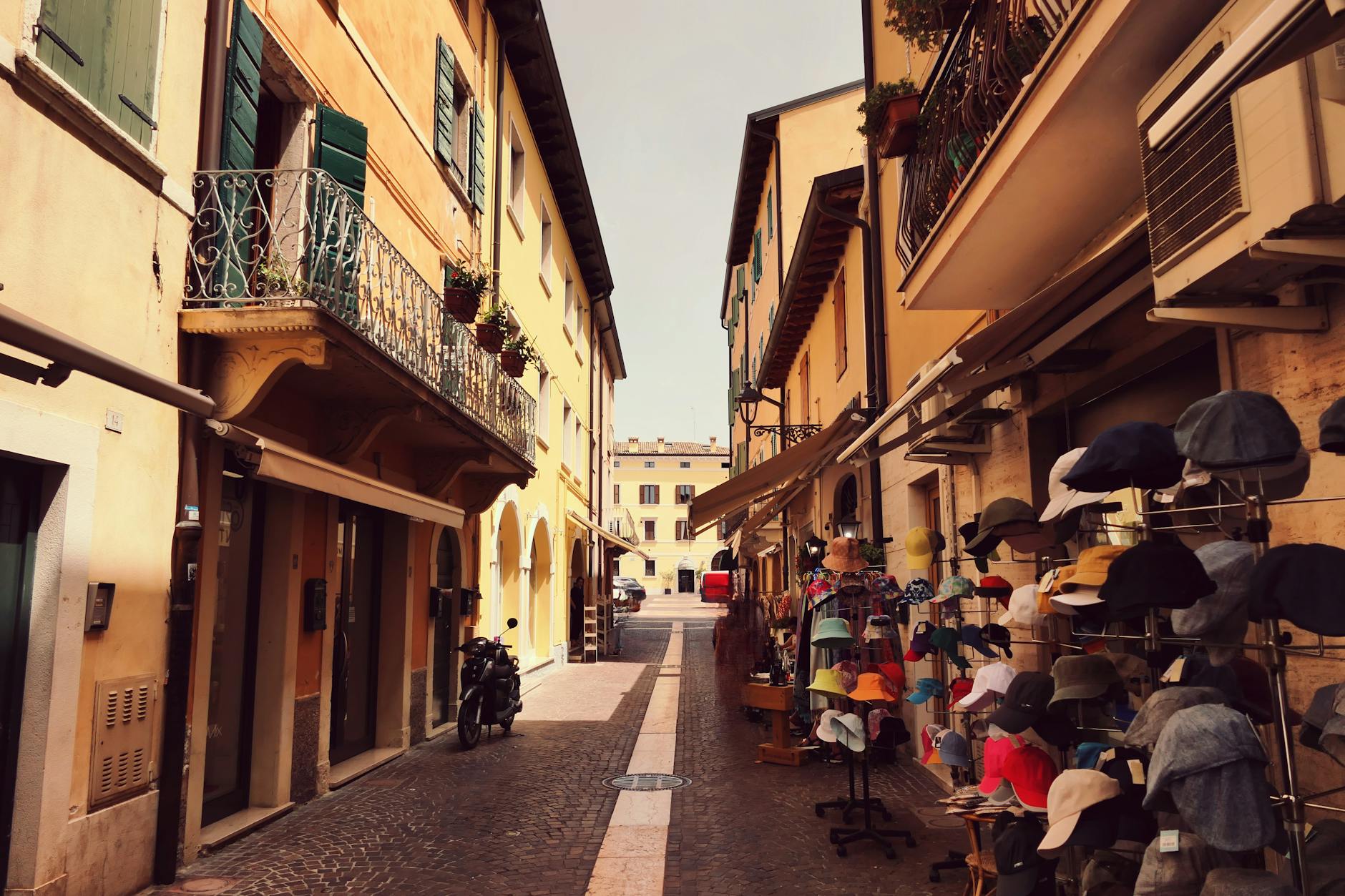
Arts, Culture, History, and Context
Italy is one of the world’s densest cultural destinations. The danger is treating it as a museum rather than a living country.
Short History for Travelers
Italy’s history is not a straight line from Rome to Renaissance to pizza. It is a mosaic.
Ancient Rome shaped law, roads, language, urbanism, architecture, military systems, and imperial imagination across Europe and the Mediterranean. But after the Western Roman Empire, the peninsula did not become a single nation. It became a patchwork of kingdoms, republics, duchies, Papal territories, maritime powers, foreign-controlled areas, city-states, and local identities.
The Middle Ages and Renaissance produced competing urban worlds: Florence, Venice, Genoa, Milan, Siena, Bologna, Ferrara, Mantua, Urbino, Naples, Palermo, and Rome each developed differently. Venice looked east across the Adriatic and Mediterranean. Florence built a banking/art/patronage machine. Rome remained sacred and political. Naples became one of Europe’s major capitals. Sicily absorbed Greek, Roman, Byzantine, Arab, Norman, Spanish, and Italian layers.
Italy unified as a modern state in the 19th century, but regional identity did not disappear. The north-south divide, local dialects, food traditions, religious practices, economic differences, and political cultures remain central to understanding the country.
Modern Italy is not only ruins and paintings. It is cinema, fashion, design, industry, football, migration, bureaucracy, regional autonomy, family businesses, agriculture, tourism pressure, climate stress, and debates over how to preserve the old while living in the present.
UNESCO and Heritage
UNESCO lists Italy as one of the world’s richest heritage countries, with an exceptional concentration of World Heritage properties.[19] The list includes globally famous places such as Rome, Florence, Venice, Pompeii/Herculaneum, the Amalfi Coast, Cinque Terre, the Dolomites, Val d’Orcia, Ravenna, Matera, Sicily’s Arab-Norman Palermo and cathedrals, Etna, and many more.
The move: Do not use UNESCO status as a checklist. Use it as a clue that Italy’s heritage is distributed across the country, not only in Rome, Florence, and Venice.
Museums Worth Prioritizing
| Museum / Site | Best for | Notes |
|---|---|---|
| Vatican Museums | Sistine Chapel, papal collections, ancient sculpture, Renaissance art | Book official tickets early; beware fake/similar sites.[14] |
| Colosseum/Forum/Palatine | Ancient Rome | Choose ticket type carefully; special access sells out.[15] |
| Borghese Gallery | Sculpture, painting, controlled museum visit | Reservations strongly recommended/required depending period. |
| Uffizi | Renaissance painting | Florence essential; book ahead in peak season.[16] |
| Accademia Florence | Michelangelo’s David | Worth it for sculpture lovers; book ahead. |
| Last Supper Milan | Leonardo | Reservations required for everyone.[17] |
| Naples Archaeological Museum | Pompeii/Herculaneum context | Pair with Pompeii/Herculaneum. |
| Pompeii / Herculaneum | Archaeology | Use guide or context; summer heat matters.[18] |
| Ravenna mosaics | Byzantine mosaics | One of Italy’s best art trips beyond the obvious. |
| Egyptian Museum Turin | Ancient Egypt | Superb museum, often overlooked by first-timers. |
| Palermo / Monreale | Arab-Norman art and architecture | Essential for Sicily depth. |
Etiquette and Cultural Norms
- Greet shopkeepers and staff: buongiorno/buonasera.
- Dress modestly in churches; shoulders/knees may need covering.
- Do not sit on church steps/monuments where prohibited.
- Do not picnic on fountains/monuments.
- Avoid swimming or wading in fountains.
- Keep voices moderate in churches, small restaurants, and residential lanes.
- Ask before photographing people closely.
- Do not touch produce at markets unless invited; vendors often select it.
- Learn basic phrases; effort matters.
- Tip modestly for good service if you want, but do not impose American tipping expectations.
- Pay attention to cover charge/service/bread line items on menus.
- Do not expect heavy menu customization in traditional restaurants.
Books, Films, Music, and Prep
A guide should include curated cultural preparation by route. Suggestions by theme:
- Ancient Rome: readable Roman history and archaeological site guides.
- Renaissance Florence: Medici history, art-history primers.
- Venice: histories of the Venetian Republic, lagoon ecology, and overtourism.
- Naples/Sicily: southern Italian history, migration, organized crime context handled responsibly, and food writing.
- Italian cinema: Fellini, Rossellini, De Sica, Visconti, Antonioni, Sorrentino, Benigni, Wertmüller, Rohrwacher, and contemporary regional films.
- Music: opera, Neapolitan songs, Italian pop, regional folk traditions.
Seasonal and Month-by-Month Guide
Spring
Spring is one of Italy’s best seasons. Cities warm up, countryside turns green, flowers appear, and outdoor dining becomes easier. Easter can be a major travel/crowd/closure factor, especially in Rome, Florence, Venice, and religious towns.
Best experiences: Rome, Florence, Tuscany, Umbria, Naples, Sicily, Puglia, gardens, countryside, early coast.
Watch out: Rain, variable temperatures, Easter crowds, holiday pricing.
Summer
Summer is beach, island, lake, mountain, and festival season. It is also heat, crowd, and price season. Inland sightseeing can be punishing in July/August.
Best experiences: Dolomites, Alps, lakes, Sardinia, Sicily beaches, Puglia beaches, island trips, evening festivals.
Watch out: Heat, wildfires, crowds, August closures in cities, booked-out coast, ferry congestion.
Autumn
Autumn is excellent for food, wine, cities, countryside, and southern routes. September still feels summery; October is often one of the best overall months; November is quieter and more food/museum-focused.
Best experiences: Piedmont truffles/wine, Tuscany harvest, Emilia food, Rome/Florence/Venice, Sicily/Puglia, hiking with caution.
Watch out: Shorter days, storms, acqua alta/seasonal flooding risk in Venice, harvest/event hotel spikes.
Winter
Winter is underrated for art cities, opera, food, shopping, and lower crowds. Mountains become ski destinations. Southern cities can be atmospheric, though weather varies.
Best experiences: Rome, Florence, Naples, Bologna, Milan, Turin, Venice, Christmas markets, skiing, museums.
Watch out: Short days, rain/cold, holiday closures, mountain weather, reduced coastal/island services.
Month-by-Month Planning
| Month | Best use |
|---|---|
| January | Museums, winter sales, skiing, quieter cities. |
| February | Venice Carnival, city breaks, opera, skiing. |
| March | Early spring cities, Naples/Sicily/Puglia, variable weather. |
| April | Excellent overall; Easter planning matters. |
| May | One of the best months for first-timers. |
| June | Long days, coast opening, warmer cities. |
| July | Mountains, lakes, beaches; heat-aware cities. |
| August | Beach/mountain high season; city closures and heat. |
| September | Excellent overall; warm sea and harvest energy. |
| October | Excellent for cities, wine, food, countryside. |
| November | Food, museums, lower crowds, rain risk. |
| December | Christmas, opera, city atmosphere, winter trips. |
Day Trips and Regional Extensions
Best Day Trips by Base
| Base | Best day trips |
|---|---|
| Rome | Ostia Antica, Tivoli, Orvieto, Frascati/Castelli Romani, Florence only if necessary but better overnight. |
| Florence | Siena, Lucca, Pisa, Arezzo, San Gimignano, Chianti, Bologna. |
| Venice | Padua, Verona, Vicenza, Treviso, Murano/Burano/Torcello, Prosecco hills. |
| Milan | Lake Como, Bergamo, Turin, Verona, Lake Maggiore, Pavia. |
| Naples | Pompeii, Herculaneum, Vesuvius, Caserta, Capri, Ischia, Procida, Sorrento. |
| Bologna | Modena, Parma, Ravenna, Ferrara, Florence, Verona. |
| Palermo | Monreale, Cefalù, Erice/Trapani, Segesta. |
| Catania | Etna, Taormina, Siracusa/Ortigia, Noto. |
| Bari/Lecce | Polignano, Monopoli, Alberobello, Ostuni, Matera, Otranto, Gallipoli. |
Day Trip Rules
- A day trip should not spend more time in transit than in the place.
- Famous does not mean practical.
- Do not day-trip to the Amalfi Coast from Rome if you want pleasure rather than proof.
- Do not day-trip Cinque Terre from Florence in peak season unless you accept crowds and a long day.
- Some places deserve overnight atmosphere: Venice, Siena, Naples, Matera, Palermo, Lecce, Bologna, Verona, and many islands.
Best Regional Extensions
| If you started with... | Add... |
|---|---|
| Rome + Florence | Venice, Bologna, Tuscany countryside, Umbria, Naples/Pompeii. |
| Rome + Naples | Amalfi Coast, Ischia, Paestum/Cilento, Sicily. |
| Florence/Tuscany | Umbria, Bologna/Emilia, Cinque Terre, Rome. |
| Venice | Verona/Padua, Dolomites, Bologna, Milan/Lakes. |
| Milan | Lakes, Piedmont/Turin, Verona/Venice, Switzerland connections. |
| Sicily | Aeolian Islands, Naples/Rome, Malta only if route/time makes sense. |
| Puglia | Matera, Basilicata, Calabria, Naples. |
What to Skip
This section is not about cynicism. It is about protecting the trip.
Skip: Trying to Do All the Icons in One Trip
Rome, Florence, Venice, Milan, Lake Como, Cinque Terre, Pisa, Naples, Pompeii, Amalfi, Capri, Tuscany, Bologna, Verona, Sicily, and the Dolomites cannot all be meaningfully experienced in two weeks.
Better alternative: Choose one route family and save the rest.
Skip: Day-Tripping Venice Only at Peak Hours
A day trip can work, but Venice is at its worst when you arrive with the crowd and leave before the city softens.
Better alternative: Stay overnight or visit in lower season/early/late.
Skip: Eating Beside the Monument Because You Are Tired
You will sometimes need convenience. But if every meal is within sight of a famous landmark, Italy’s food will disappoint you.
Better alternative: Build a shortlist by neighborhood before the day starts.
Skip: Driving Into Historic Centers
The car that feels liberating in Tuscany becomes a liability in Florence, Rome, Naples, Siena, Bologna, and many towns.
Better alternative: Park outside, train in, or choose lodging with clear parking instructions.
Skip: Pisa as a Major Stop Unless It Fits
The Leaning Tower is famous and fun, but many first-timers over-prioritize it.
Better alternative: Lucca, Siena, Bologna, or more time in Florence/Tuscany unless Pisa is genuinely on your route.
Skip: Cinque Terre as a Rushed Checkbox
Cinque Terre is beautiful but heavily pressured. It is not a beach resort and not ideal as a quick add-on in peak season.
Better alternative: Stay 2 nights, go off-peak, or consider other Ligurian towns.
Skip: Amalfi Coast in Peak Season Without Logistics
Positano is not a casual drive-by in July. Roads, ferries, buses, stairs, luggage, and prices matter.
Better alternative: Stay in Sorrento for logistics, Ischia for relaxation, Naples for food/ruins, or choose shoulder season.
Skip: Overloading Churches and Museums
Italy’s art density can numb you.
Better alternative: One major museum/church cluster per day, then outdoor life.
Common Mistakes
- Trying to do too many cities. Italy rewards depth.
- Ignoring regional food. Eat local dishes where they belong.
- Booking the wrong hotel location. Train and walking logistics matter.
- Driving in cities. ZTL, parking, traffic, stress.
- Not booking major tickets. Vatican, Colosseum, Uffizi, Last Supper, Pompeii, Borghese.
- Underestimating summer heat. Rome/Florence/Pompeii in July require strategy.
- Treating Venice as fake after visiting only at peak hours. Stay overnight.
- Doing Amalfi and Cinque Terre as quick add-ons. They need logistics and time.
- Eating in tourist traps. A little restaurant research goes far.
- Forgetting validation/check-in rules for train tickets. Read the ticket.
- Overusing taxis in cities where walking/transit is better. But use taxis strategically for luggage/mobility.
- Booking countryside stays without a car. Romantic does not mean reachable.
- Ignoring stairs/elevators. Historic buildings can be hard with luggage or mobility needs.
- Wearing the wrong shoes. Cobblestones are real.
- Not checking strike notices. Major transfer days need backup awareness.
- Treating Sicily/Sardinia as side trips. They are serious destinations.
- Assuming August city closures mean empty tourist sites. Tourist sites can still be very busy.
- Expecting dinner too early. Adjust meal rhythm.
- Forgetting church dress codes. Carry a scarf/light layer.
- Planning every hour. Italy needs unscheduled time.
Responsible Travel
Italy’s most famous places are under enormous pressure. Responsible travel here is not abstract. It affects fragile cities, housing, heritage sites, trails, beaches, islands, and daily life.
Do
- Stay longer in fewer places.
- Travel outside peak hours and peak seasons where possible.
- Use official trails and respect closures in Cinque Terre, Amalfi, Dolomites, and national parks.
- Support local restaurants and artisans away from the main monument strip.
- Learn a few Italian phrases.
- Dress and behave respectfully in churches.
- Use public transport where it works.
- Follow Venice access-fee and local rules.
- Dispose of waste properly and carry water bottles where refill fountains exist.
- Book legal accommodation and understand local housing pressure.
Do Not
- Sit, eat, climb, or swim where signs prohibit it.
- Treat churches as photo studios.
- Block bridges, lanes, or stairways for photos.
- Buy counterfeit luxury goods.
- Enter protected nature areas or closed trails.
- Drive into restricted centers because GPS says so.
- Harass service staff for content.
- Assume every picturesque residential lane exists for tourists.
Venice, Cinque Terre, Amalfi, and Florence Need Extra Care
These places are not just crowded. They are structurally fragile. Your choices matter: overnight stays instead of extractive day-trips, quieter neighborhoods, local businesses, off-season travel, respectful photography, and fewer rushed checklist visits all help.
Packing List
Essentials
- Comfortable walking shoes with support.
- Light scarf or layer for churches.
- Adapter for Italian/European sockets.
- Portable charger.
- Reusable water bottle.
- Sun hat and sunscreen in warm months.
- Rain jacket or compact umbrella in spring/autumn/winter.
- Day bag with anti-pickpocket awareness.
- Copies of passport/travel insurance.
- Medication in original packaging.
- Translation app/offline maps.
- Credit/debit cards plus some cash.
- Luggage you can carry up stairs and onto trains.
Seasonal Additions
| Season | Pack |
|---|---|
| Spring | Layers, rain jacket, comfortable shoes, light scarf, allergy meds if needed. |
| Summer | Breathable clothing, hat, sunscreen, swimwear, sandals plus walking shoes, refill bottle, light church cover-up. |
| Autumn | Layers, rain gear, light jacket, wine-country/countryside shoes. |
| Winter | Warm coat, scarf, gloves, waterproof shoes, layers, dressier outfit for opera/restaurants if relevant. |
| Mountains | Proper hiking shoes, layers, rain shell, sun protection, trail map/app, pack, water, emergency basics. |
What Not to Overpack
- Huge suitcases for Venice, trains, hill towns, or old hotels.
- High heels for cobblestone-heavy sightseeing.
- Too many dressy clothes unless the trip requires it.
- Beach gear you can buy locally.
- Appliances that may not work with voltage.
The Move
Pack for stairs and cobblestones, not just weather. Italy punishes luggage optimism.
FAQ
Is Italy good for a first trip to Europe?
Yes, if you plan realistically. Italy has excellent tourism infrastructure, trains, hotels, food, and cultural depth. It also has crowds, heat, ticketing complexity, and route decisions that punish overstuffed itineraries.
How many days should I spend in Italy?
Ten to fourteen days is ideal for a first trip. Seven days can work if you choose two anchors. Three weeks allows real regional depth.
What is the best first-time Italy itinerary?
Rome + Florence + Venice is the classic. Rome + Florence/Tuscany + Naples/Pompeii/Amalfi may be better if you care more about ancient history, food, and the south than Venice.
Is Italy expensive?
It can be. Hotels in Rome, Florence, Venice, Amalfi, Como, Sardinia, and peak-season destinations can be costly. Food and trains can be good value if planned well. Season and location matter more than the national average.
Do I need a car in Italy?
Not for Rome, Florence, Venice, Milan, Naples, Bologna, or the main rail spine. Yes or maybe for rural Tuscany, Umbria, Marche, Puglia, Sicily, Sardinia, Piedmont wine country, parts of the Dolomites, and countryside stays.
Is Italy safe?
Generally yes for ordinary travelers, but petty theft, scams, heat, road issues, strikes, and crowded-event risks matter. Use normal urban caution and current official advisories.
When is the best time to visit Italy?
April, May, early June, late September, and October are best for most first-time routes. July/August are better for beaches, islands, lakes, and mountains than for heavy city sightseeing.
Should I visit Venice?
Yes, if you can stay overnight or visit thoughtfully. A rushed midday-only Venice day trip is the worst version of the city.
Should I visit Cinque Terre or Amalfi Coast?
Both are beautiful and crowded. Cinque Terre is better as a hiking/coastal-village stay than a rushed day trip. Amalfi is better with strong logistics and enough budget/patience. Neither is mandatory for a first Italy trip.
Is Sicily worth it for a first trip?
Yes if you have enough time and want food, archaeology, beaches, and layered history. But it is better as its own 10–14 day trip than a quick add-on to Rome/Florence/Venice.
What should I book ahead?
Vatican Museums, Colosseum special tickets, Borghese Gallery, Uffizi/Accademia in peak season, Last Supper, Pompeii if you want smooth timing, high-speed trains, Venice/Amalfi/Dolomites/Sardinia hotels, ferries in peak season, and serious restaurants.
Can vegetarians eat well in Italy?
Yes. Italy has excellent vegetable, pasta, pizza, cheese, legume, and grain traditions. But check hidden meat/fish ingredients such as guanciale, anchovies, stock, and lard.
Is tap water safe?
Generally yes. Many Italians still order bottled water in restaurants, but safety is not usually the reason.
What is one thing most first-timers get wrong?
They plan Italy like a list of famous places rather than a sequence of regions and rhythms. The best Italy trip is not the one with the most stops; it is the one where the stops make sense together.
Source Notes
Date-sensitive details in this guide were checked against official or primary sources where possible. Re-check every price, schedule, visa rule, access rule, ticketing process, ferry timetable, weather warning, and local regulation close to publication.
- 1. Italia.it, official national tourism portal, https://www.italia.it/en
- 2. Italia.it, “Italian regions: where to go on holiday,” https://www.italia.it/en/italy/italian-regions
- 3. Italia.it, “Information for travelling to Italy,” https://www.italia.it/en/italy/practical-information
- 4. Italia.it, “How to get around and travel in Italy,” https://www.italia.it/en/italy/practical-information/how-to-travel-around-italy
- 5. Italia.it, “Emergency numbers and assistance in Italy,” https://www.italia.it/en/italy/practical-information/emergency-and-assistance
- 6. Italian Ministry of Foreign Affairs and International Cooperation, “Visa for Italy,” https://vistoperitalia.esteri.it/
- 7. European Union, “Entry/Exit System (EES),” https://travel-europe.europa.eu/en/ees
- 8. European Union, “European Travel Information and Authorisation System (ETIAS),” https://travel-europe.europa.eu/en/etias
- 9. Meteo Aeronautica Militare, Italian Air Force Meteorological Service, https://www.meteoam.it/
- 10. Trenitalia, “Frecciarossa,” https://www.trenitalia.com/en/frecce/frecciarossa.html
- 11. Italo Treno official website, https://www.italotreno.com/en
- 12. Comune di Venezia / Venezia Unica, official Venice Access Fee site, https://cda.ve.it/en/
- 13. European Consumer Centre / ECC Italy, “Traffic fines in restricted areas in Italy,” https://www.europe-consommateurs.eu/en/topics/vehicles/fines/ztl-italy/
- 14. Vatican Museums official website, “Prices and Tickets,” https://www.museivaticani.va/content/museivaticani/en/organizza-visita/tariffe-e-biglietti.html
- 15. Parco archeologico del Colosseo official ticketing portal, https://ticketing.colosseo.it/en/
- 16. Uffizi Galleries official tickets page, https://www.uffizi.it/en/tickets
- 17. Museo del Cenacolo Vinciano official website, “Info,” https://cenacolovinciano.org/en/info/
- 18. Pompeii Sites official website, “Buy tickets,” https://pompeiisites.org/en/buy-tickets/
- 19. UNESCO World Heritage Centre, Italy, https://whc.unesco.org/en/statesparties/it
- 20. U.S. Department of State, Italy country information / travel advisory, https://travel.state.gov/en/international-travel/travel-advisories/italy.html
- 21. U.S. Department of State, “Italy Travel Advisory,” https://travel.state.gov/en/international-travel/travel-advisories/italy.html
- 22. UK Foreign, Commonwealth & Development Office, “Italy travel advice,” https://www.gov.uk/foreign-travel-advice/italy
- 23. CDC Travelers’ Health, “Italy, including Holy See and Vatican City,” https://wwwnc.cdc.gov/travel/destinations/traveler/none/italy