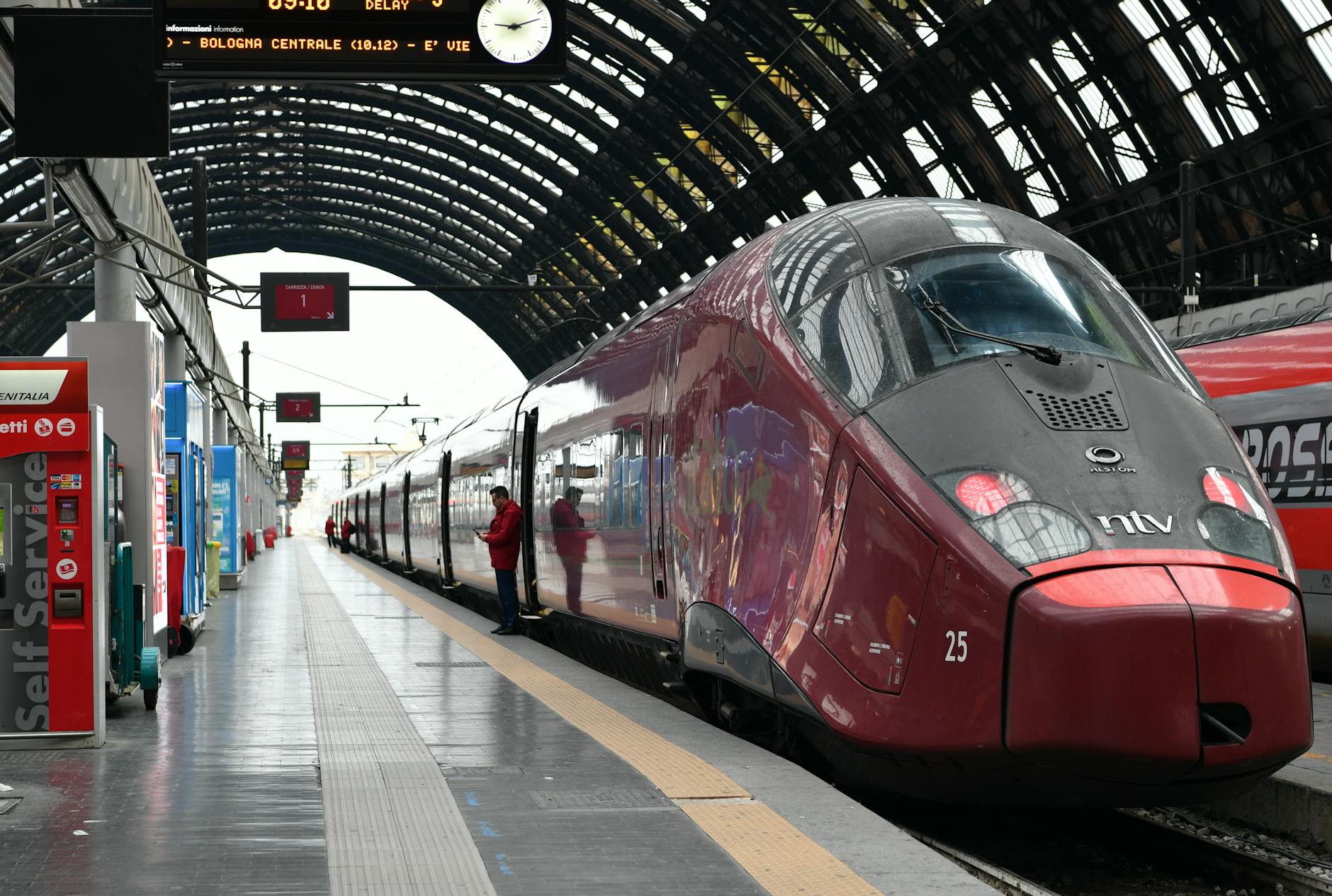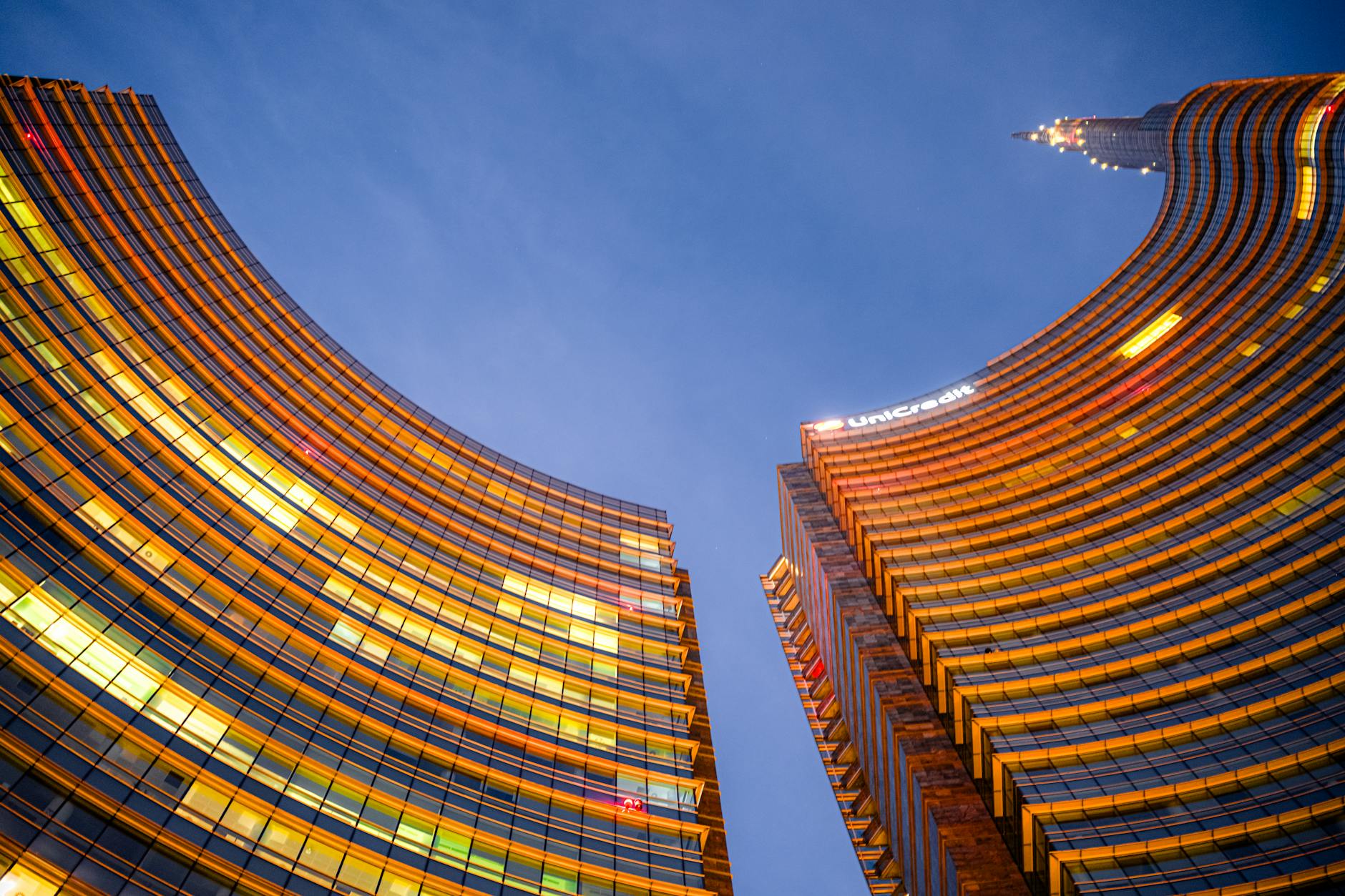
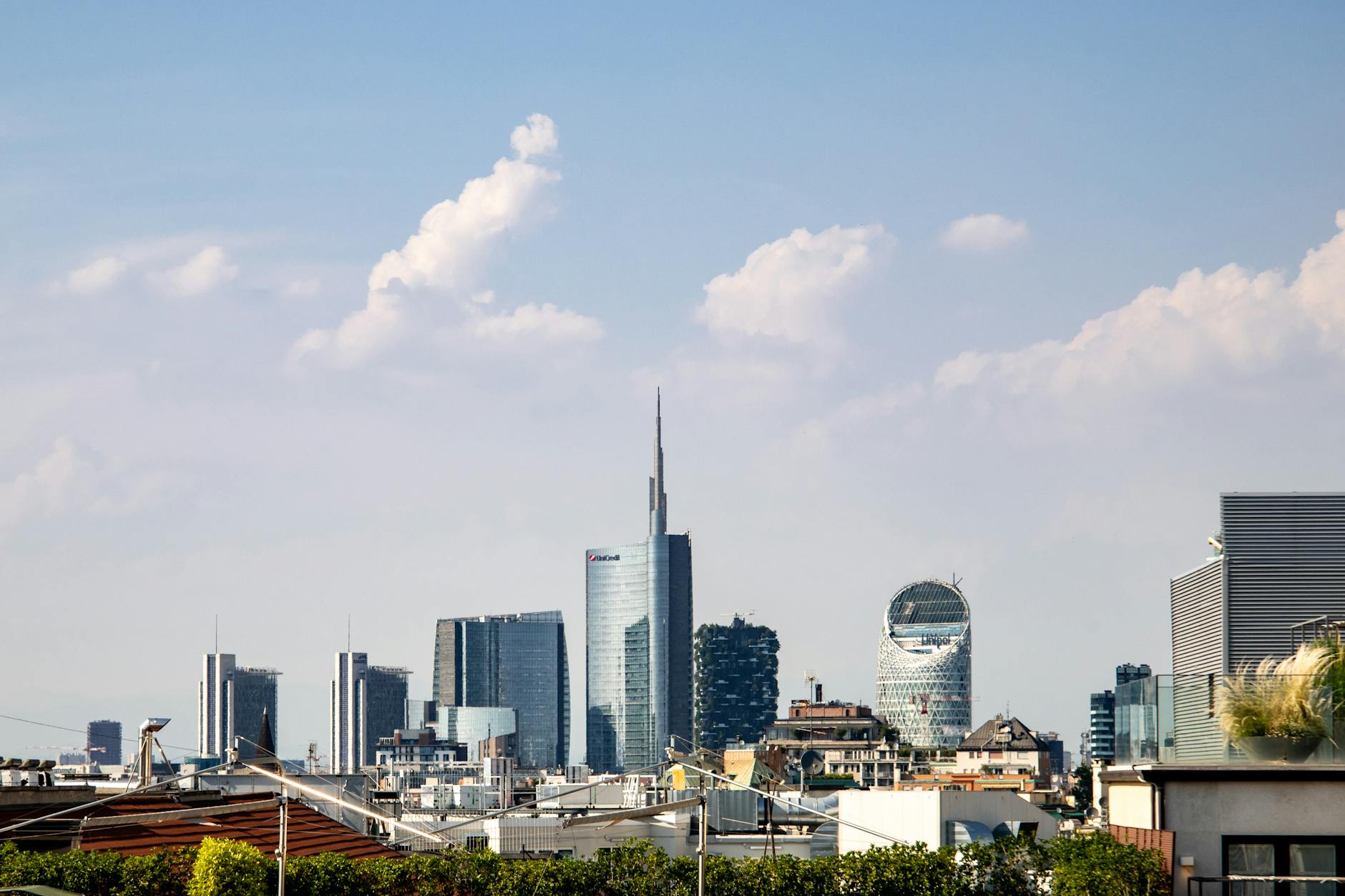
Milan is a strong business city because it is practical, connected, and commercially serious. It is also easy to misread. A visitor who thinks only in terms of the Duomo, fashion, or a vague central hotel can lose time quickly. Business Milan is distributed across Porta Nuova, Garibaldi, Brera, the historic center, CityLife, Fiera Milano, Rho, corporate offices, showrooms, universities, finance settings, design districts, and airport-linked corridors. The right answer depends on where the meetings actually are. For a short business visit, the traveler should treat Milan as a schedule-and-movement problem before treating it as a destination. Airport choice, rail access, hotel placement, taxi timing, event calendars, dinner geography, and departure margins can decide whether the trip feels controlled or constantly slightly late. Milan rewards visitors who look composed because the logistics underneath are already settled.
Start with meeting geography, not postcard Milan
The first planning question is not where the traveler wants to stay in Milan. It is where the business day actually happens. Meetings near Porta Nuova, Garibaldi, the Duomo, Brera, CityLife, Fiera Milano, Rho, Navigli, a university site, or a suburban office do not create the same hotel answer. Milan is navigable, but a short visit with back-to-back meetings leaves little room for romantic geography.
A visitor should map the first meeting, last meeting, dinner location, airport, and departure point before choosing the hotel. A base that is elegant but badly placed can turn the trip into repeated taxi pressure. A quieter, better-connected base may create a more professional day.
- Map meetings, dinner, airport, and departure before choosing the hotel.
- Separate Porta Nuova, Garibaldi, Duomo, CityLife, Fiera, Rho, and suburban-office trips.
- Do not choose a hotel only because it sounds central or stylish.
Choose the airport and transfer posture deliberately
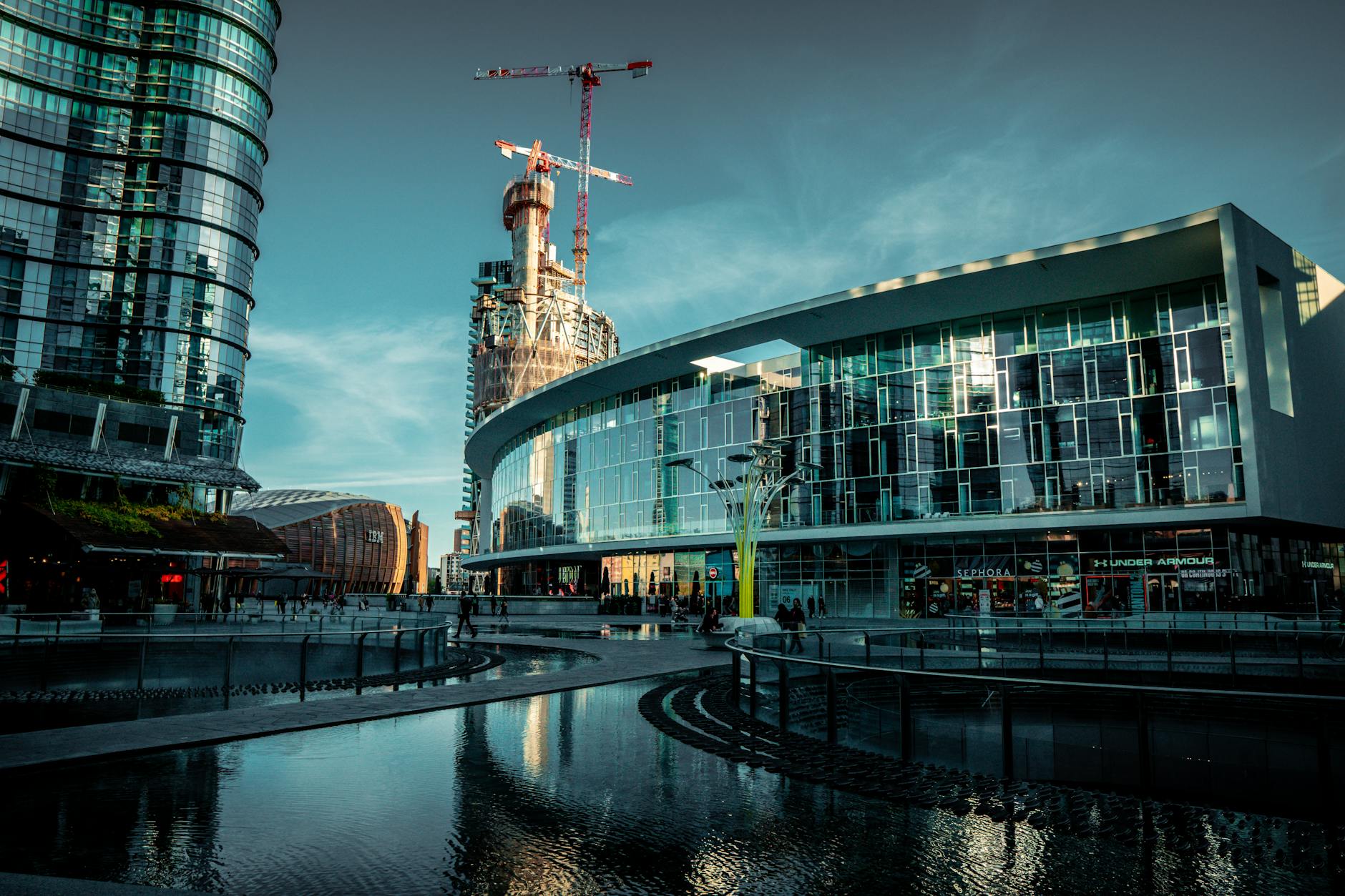
Milan airport planning is not one-size-fits-all. Linate can be highly convenient for many city trips. Malpensa may be unavoidable or more useful for long-haul routes. Bergamo can make sense for some flights but may be a poor fit for a tightly scheduled business day. The right choice depends on the meeting location, arrival time, luggage, seniority, and tolerance for transfer risk.
The traveler should decide before landing whether rail, taxi, car service, or a host-arranged pickup is the cleanest option. Late arrivals, checked baggage, multiple travelers, senior executives, and a first meeting soon after landing often justify paying for simplicity. A solo traveler with a lighter schedule may use rail well.
- Treat Linate, Malpensa, and Bergamo as different operating choices, not interchangeable Milan airports.
- Choose rail, taxi, car service, or host pickup based on arrival time, luggage, and meeting pressure.
- Protect extra margin when the first meeting follows soon after landing.
Base near the business pattern, not just the center
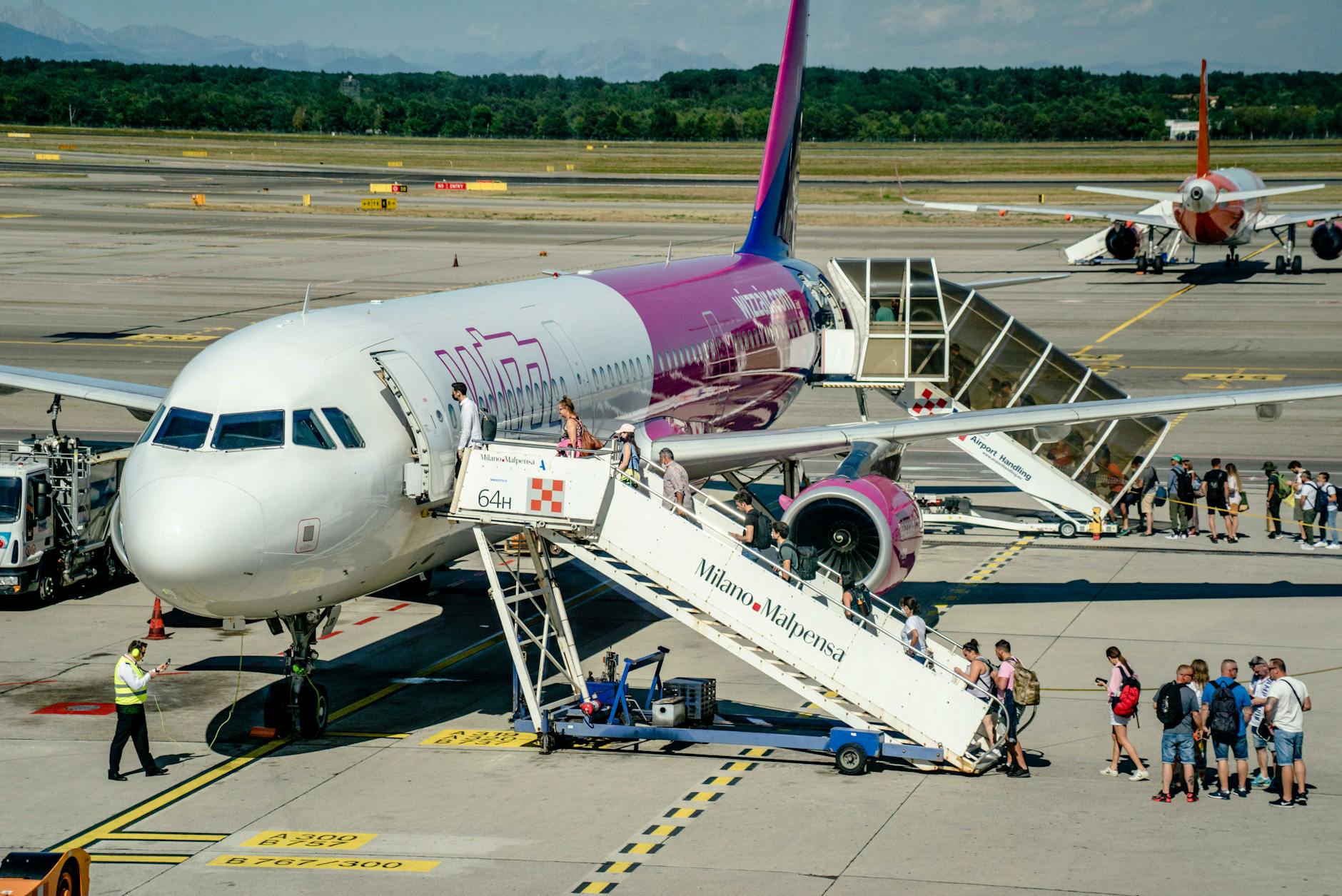
A business hotel in Milan should solve the day. For some travelers, that means the Duomo and historic center. For others, it means Porta Nuova, Garibaldi, Centrale, CityLife, the Fiera axis, or an airport-adjacent overnight before an early departure. The right base also gives the traveler a usable lobby, breakfast timing, taxi access, quiet work space, and a reliable route to the first meeting.
Centrale can be useful for rail movement but is not automatically the best business base. The most attractive district can be less useful if it forces repeated cross-city movement. Milan is a city where ten minutes saved at the start of the day can protect the tone of the entire trip.
- Choose the hotel for the first meeting, last meeting, rail need, and departure plan.
- Check taxi access, breakfast timing, lobby usability, desk quality, and quiet work space.
- Do not assume Centrale, Duomo, or Porta Nuova is best without testing the actual schedule.
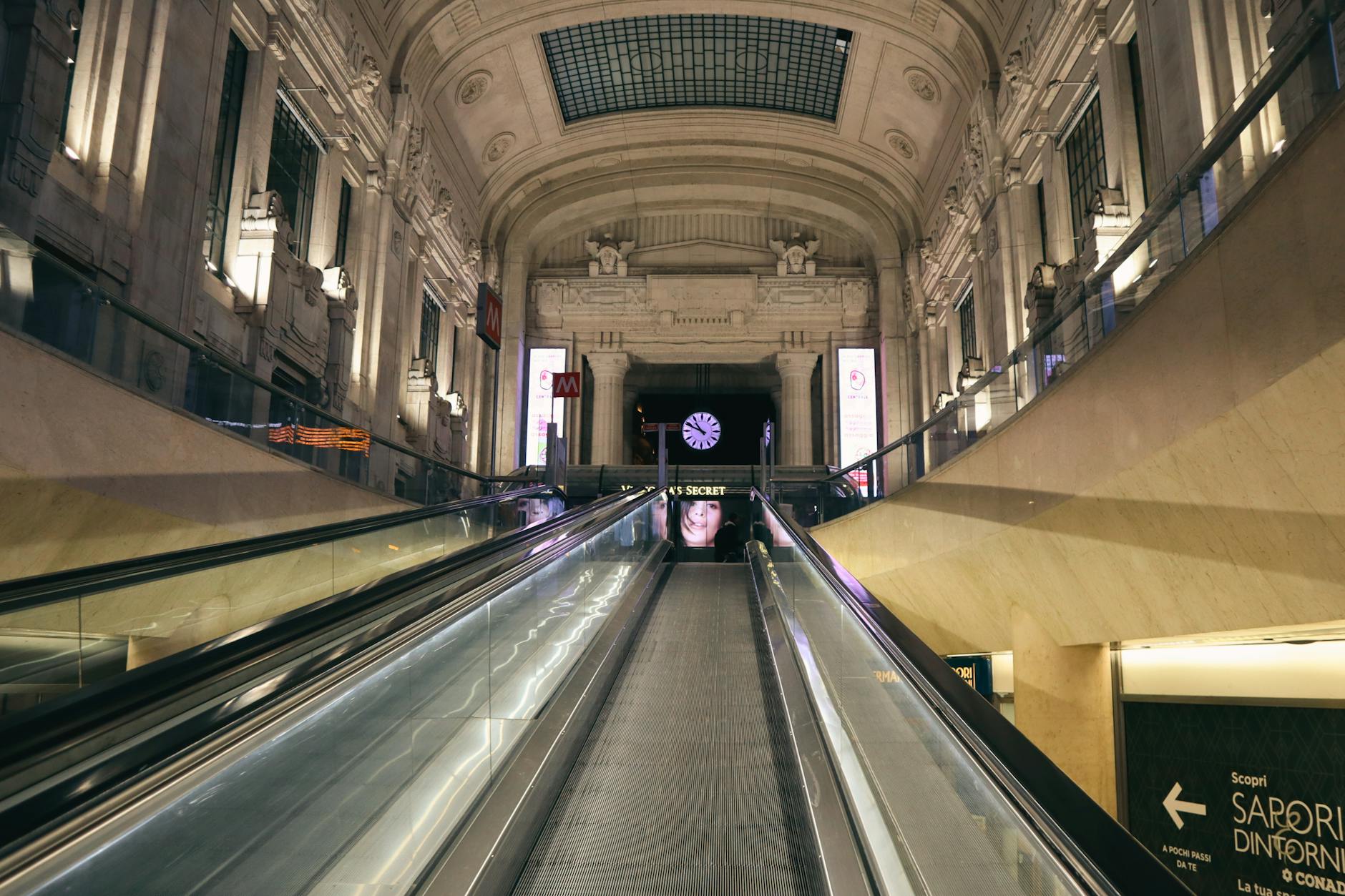
Use rail, taxis, and walking with business-day discipline
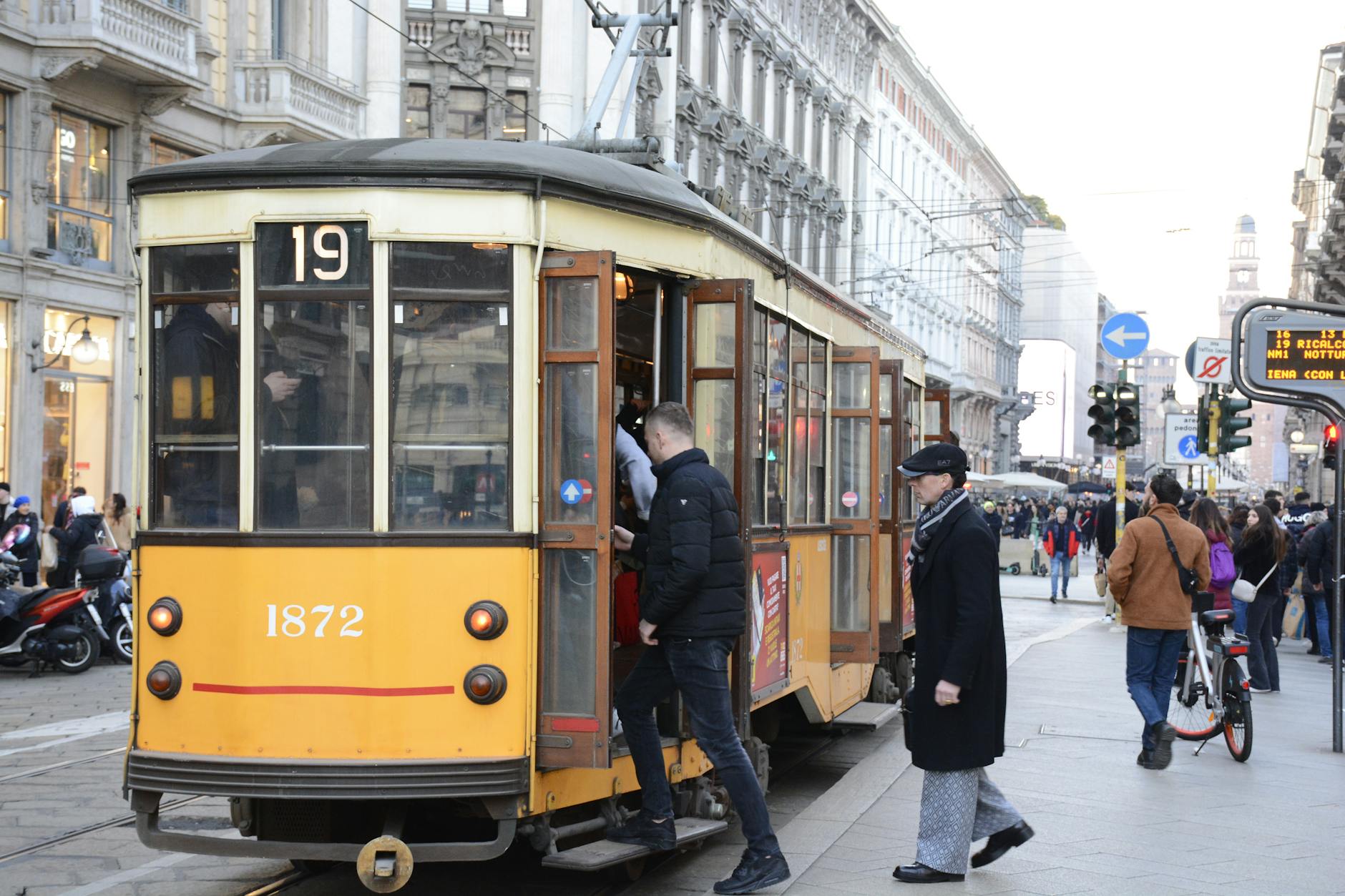
Milan's rail, metro, trams, walking routes, taxis, and cars can all work, but not for every business move. A short walk can be efficient near the center or Porta Nuova. The metro can be excellent when the route is direct. Taxis and cars can help with luggage, rain, seniority, or multi-stop days. But a visitor should not improvise transport five minutes before a meeting.
The plan should include buffer time, especially during rain, strikes, trade fairs, fashion events, football matches, and peak commuting periods. Milan usually rewards punctuality. Showing up rushed because the traveler assumed every move would be frictionless is a weak look in a city that values competence.
- Use metro or walking for direct, predictable moves; use taxis or cars when luggage, weather, or seniority matters.
- Build buffer around rain, strikes, fairs, fashion events, matches, and peak commute periods.
- Confirm the return route before accepting a distant lunch, dinner, or showroom visit.
Check fairs, fashion weeks, and event pressure
Milan's calendar can change the operating conditions quickly. Fashion weeks, Salone del Mobile, trade fairs, football, concerts, and major corporate events can affect hotel prices, taxi demand, dinner availability, and traffic. A business visitor who treats Milan as a normal Tuesday without checking the calendar can end up overpaying, staying badly, or struggling to move at the worst time.
The traveler does not need to become an events analyst. They do need to know whether the dates coincide with a high-pressure period. If they do, hotels should be booked earlier, dinner plans should be tighter, and transfer margins should be less optimistic.
- Check whether the visit overlaps with fashion weeks, Salone, trade fairs, football, concerts, or large conferences.
- Expect event pressure to affect hotels, taxis, restaurants, and transfer timing.
- Book earlier and simplify the schedule when Milan is under calendar pressure.
Keep client dinners and evening movement practical
Milan can support polished business evenings: aperitivo, serious restaurants, hotel bars, private dining, design-district events, and late conversations that feel natural rather than forced. The mistake is choosing an evening location that fights the hotel, meeting sequence, or departure plan. A good client dinner should advance the relationship without creating a transport problem at the end of a long day.
Reservations, dress, timing, language, dietary needs, taxi return, and next-morning commitments should be handled before the evening starts. Milan can feel socially easy when the logistics are clean. It can feel unnecessarily sharp when the traveler is tired, late, hungry, or trying to find a car in the rain.
- Choose dinner geography around the hotel, last meeting, and next morning's departure or first appointment.
- Confirm reservations, dress expectations, dietary needs, and return transport before the evening.
- Use aperitivo or a hotel-adjacent dinner when the day is already tight.
When to order a short-term travel report
A traveler with one flexible meeting and a relaxed overnight may not need a custom report. A report becomes useful when the trip includes multiple offices, a trade fair, a high-value client dinner, airport choice uncertainty, an early departure, senior travelers, tight meeting windows, language constraints, medical or mobility limits, or travel during a major Milan event. Business travel risk in Milan often comes from small timing errors, not from dramatic danger.
The report should test airport choice, transfer plan, hotel geography, meeting sequence, taxi and rail alternatives, event pressure, restaurant location, after-dark movement, medical fallback, strike or disruption exposure, and departure margin. The value is a Milan business day that feels calm because the operational details have been decided before arrival.
- Order when multiple meetings, fairs, client dinners, airport choices, seniority, or tight timing make the schedule consequential.
- Provide meeting addresses, airport options, arrival and departure times, hotel candidates, dinner plans, and traveler constraints.
- Use the report to align hotel, airport, transport, dinner, and contingency choices into one workable business rhythm.