Ireland looks easy on a map. That is the first trap.
Start Here
The distances are short by continental standards, the language is mostly familiar to English-speaking travelers, the roads seem to connect everything, and the country has a compact, friendly image: Dublin pubs, green fields, ruined castles, sheep, music, cliffs, Guinness, literary history, and coastal villages. All of that is real. But a good Ireland trip is not built by drawing a circle around every famous landmark and trying to drive it in a week.
Ireland is small horizontally and large experientially. Roads are slower than they look. Weather changes the day. A “quick detour” can become the best part of the trip or the thing that destroys the schedule. The west coast rewards lingering. Islands are governed by ferries and wind. Traditional music is not a performance you command; it is a local rhythm you join respectfully. Dublin is important, but it is not the whole country. And the island of Ireland is not one jurisdiction: the Republic of Ireland and Northern Ireland have different currencies, entry rules, legal systems, and political context.
The best Ireland trip is not a race around the island. It is a choice of mood.
Do you want Dublin, Georgian streets, literary history, museums, pubs, and a day trip to ancient tombs? Do you want Galway, Connemara, the Aran Islands, and Atlantic weather? Do you want Kerry, Dingle, Killarney, sea cliffs, mountain roads, and seafood? Do you want Cork, Kinsale, West Cork, markets, food, and harbor towns? Do you want Donegal, Mayo, Sligo, and a wilder, less polished northwest? Do you want castles, abbeys, monastic ruins, Newgrange, Kilkenny, Cashel, and Ireland’s Ancient East? Do you want a no-car trip by rail and guided tours? Do you want Belfast and the Causeway Coast as a separate UK add-on?
This guide is designed to help travelers choose the right Ireland rather than trying to consume all of Ireland. It explains where to go, how long you need, when to visit, whether to rent a car, how to pace the west coast, what to book ahead, how to use Dublin well, how to build routes that do not collapse under their own ambition, what to eat and drink, what to skip, and how to travel with more intelligence and respect.
Ireland in one sentence: Ireland is a country where the best trips are not measured in how many castles, cliffs, and pubs you collect, but in how well you pace the weather, roads, music, history, and local rhythms between them.
Basic data
| Population | About 5.3 million |
|---|---|
| Area | 70,273 km2 |
| Major religions | Christian heritage with a large secular population |
| Political system | Unitary parliamentary republic |
| Economic system | High-income market economy led by services, technology, pharmaceuticals, finance, and trade |
Quick Verdict
| Question | Answer |
|---|---|
| Best for | Road trips, coastal scenery, music, pubs, literature, archaeology, castles, abbeys, walking, islands, genealogy, friendly towns, seafood, whiskey, history, families, couples, first-time Europe travelers, and travelers who like atmosphere as much as sightseeing. |
| Not ideal for | Travelers who need guaranteed sunshine, low hotel prices in peak season, fast rural public transport, huge resort beaches, late-night dining everywhere, or a trip where every day can be scheduled down to the minute. |
| Ideal first trip | 7 to 10 days. Five days works for Dublin plus one region. Two weeks lets you build a proper road trip. Three days is a Dublin-focused city break with one day trip. |
| Best months | May, June, and September are the strongest all-around months for many travelers: long or decent daylight, active attractions, generally better walking conditions, and less pressure than peak July/August. July and August are lively but busier and costlier. March is festive but weather-variable. Winter is low-season pub, city, and cozy-travel territory. |
| Best first-timer route | Dublin for 2 nights, then either Galway/Connemara/Clare or Kerry/Cork for 4–6 nights. Add Kilkenny, Cashel, or Wicklow if you want ancient sites and easier driving. Do not try to do Dublin, Galway, Kerry, Cork, Donegal, Belfast, and the Causeway Coast in one short trip. |
| Best no-car trip | Dublin + Galway + Cork or Killarney by train/bus, with guided day tours to the Cliffs of Moher, Connemara, Wicklow/Glendalough, Ring of Kerry, or Giant’s Causeway. Rural flexibility drops sharply without a car, but a good no-car Ireland trip is absolutely possible. |
| Biggest planning mistake | Believing map distance equals travel time. On rural roads, scenic routes, islands, mountain passes, and coastal loops, Ireland is slower than it looks. |
| One thing to book early | Peak-season hotels in Dublin, Galway, Killarney, Dingle, and small west-coast towns; Skellig Michael landing trips; Newgrange/Brú na Bóinne access; popular restaurants; rental cars in summer; St Patrick’s Festival and major festival lodging. |
| One thing to leave unscheduled | A pub session, a dry-weather walk, a coastal detour, a village lunch, a bookstore, a beach, a local market, or simply an extra hour in the place that unexpectedly feels right. |
| Most important warning | Ireland’s charm lives in slack time. If your itinerary is too tight, you will spend the trip passing beautiful things in a rental car while rushing toward other beautiful things. |
The Move
Choose one route family before choosing individual sights. For a first trip, pick one of these: Dublin + Galway/west; Dublin + Kerry/southwest; Dublin + Ancient East; a no-car city-and-day-tour trip; or a two-week Wild Atlantic Way section. Once the route family is clear, the rest of the planning gets easier.
Ireland at a Glance
| Practical | Detail |
|---|---|
| Official name | Ireland. In travel writing, “Ireland” can mean the Republic of Ireland or the whole island. This guide focuses on the Republic of Ireland, with a separate section on Northern Ireland because it is part of the United Kingdom. |
| Capital | Dublin. It is the main air gateway, largest city, and best starting point for many first-time visitors. |
| Population pattern | Dublin dominates the urban map, but Ireland’s travel identity is highly regional: west-coast counties, small towns, islands, market towns, national parks, ancient sites, and music/pub culture matter as much as major cities. |
| Language | English is the main everyday language for most visitors. Irish is the first official language and appears on signage, place names, cultural sites, and in Gaeltacht areas, especially in parts of the west. |
| Currency | Euro in the Republic of Ireland. Pound sterling in Northern Ireland. If you cross the border, money changes even though the land border may feel physically seamless.[7] |
| Time zone | Ireland uses Irish Standard Time in summer and Greenwich Mean Time in winter. Clocks change seasonally. |
| Entry system | Ireland is in the EU but is not part of the Schengen Area; it maintains its own visa and border rules.[3][4] Short-stay Irish visas are generally for visits of up to 90 days for visa-required travelers.[1][2] |
| Northern Ireland entry note | Northern Ireland is part of the UK. Many visa-exempt travelers now need a UK Electronic Travel Authorisation if visiting or transiting the UK, including Northern Ireland. This is separate from Republic of Ireland entry rules.[5][6] |
| Electrical plugs | Type G, the same three-pin plug type used in the UK. Voltage is 230V. Travelers from North America need an adapter and should check voltage compatibility for appliances. |
| Emergency number | Call 112 or 999 in the Republic of Ireland; both are free from any phone. 112 also works across the EU.[8] |
| Main airports | Dublin Airport is the largest gateway. Shannon is useful for the west. Cork serves the south. Ireland West Airport Knock can be useful for Mayo, Sligo, and the northwest. Belfast airports are UK/Northern Ireland gateways. |
| Main transport tools | Irish Rail/Iarnród Éireann for intercity trains, Transport for Ireland for journey planning, TFI Leap Card for urban/regional public transport, Bus Éireann and private coach operators, rental cars for rural routes, ferries for islands. |
| Weather personality | Mild, changeable, windy, and wet enough to shape the trip. Met Éireann describes Irish winters as cool and windy, and summers as mostly mild and less windy.[11] |
| Best visitor mindset | Plan a route, then protect empty space. Ireland works best when you can stop for weather, music, roads, sheep, light, a view, or a conversation. |
First-Timer Mistake
A lot of visitors plan Ireland as if it were a highway country. It is not. The fastest-looking route is not always the best route, and the prettiest route is rarely fast. If you want Ireland to feel magical, do fewer counties and more time per place.
2026 Visitor Notes
Ireland Is Not Schengen
Ireland is a member of the European Union but not part of the Schengen Area. That matters. A Schengen visa or future Schengen travel authorization does not automatically cover Ireland, and Irish entry rules are separate from mainland-European short-stay rules. Citizens Information states that the Schengen Area includes EU member states except Ireland and Cyprus, along with Iceland, Liechtenstein, Norway, and Switzerland; the European Commission also notes that Ireland continues to enforce its own visa and border policies.[3][4]
The move: Check Irish entry rules for your passport, not just “Europe” rules. If you are building a London–Dublin–Paris trip, you may be dealing with UK, Irish, and Schengen systems separately.
Republic of Ireland and Northern Ireland Are Different Travel Systems
The island is shared by the Republic of Ireland and Northern Ireland. For many tourists, the border feels low-friction on the ground, but the legal differences are real. The Republic uses the euro; Northern Ireland uses pound sterling.[7] The Republic is in the EU and outside Schengen; Northern Ireland is part of the UK. The UK ETA system now affects many short-term visitors to Northern Ireland, even if they are arriving through the Republic and crossing by land.[5][6]
The move: If your route includes Belfast, Derry/Londonderry, the Giant’s Causeway, the Causeway Coast, or Game of Thrones sites in Northern Ireland, check UK entry/ETA rules. Do not assume landing in Dublin removes the need to satisfy UK rules for the Northern Ireland portion.
The Wild Atlantic Way Is Too Long To “Do” Casually
The Wild Atlantic Way is Ireland’s showcase coastal route, marketed by Discover Ireland as a 2,500 km scenic coastline from the Inishowen Peninsula in Donegal to Kinsale in Cork.[10] That length is the point: it is not a single quick drive. A proper Wild Atlantic Way trip is a sectioned journey, not a checklist.
The move: For a first trip, choose one stretch: Clare/Galway/Connemara, Kerry/Dingle, West Cork/Kinsale, Mayo/Sligo/Donegal, or a two-week south-to-north or north-to-south route. Do not try to “add the Wild Atlantic Way” as a spare afternoon.
Ireland Is Safe, But Not Risk-Free
The U.S. State Department describes Ireland as generally safe for travelers but notes that petty crime such as pickpocketing and purse snatching occurs, especially in popular tourist locations.[19] Ireland’s serious travel risks are often practical rather than dramatic: driving on narrow roads, weather exposure, cliff edges, ocean conditions, alcohol-related nightlife judgment, and theft from cars in tourist areas.
The move: Treat Ireland as a low-drama destination, not a no-risk destination. Keep normal urban caution in Dublin and Galway, do not leave luggage visible in cars, and respect cliffs, seas, and mountain weather.
Public Transport Is Useful, But Rural Ireland Still Rewards a Car
Irish Rail is the core intercity train provider for booking rail tickets, reserving seats, and checking times.[12] TFI Leap Card works across much of the public transport network and is cheaper than cash singles in many cases, while the Leap Visitor Card gives visitors unlimited travel for selected periods in Dublin city zones.[13][14] But many castles, coastal loops, trailheads, villages, beaches, and scenic viewpoints remain much easier by car or guided tour.
The move: Go car-free if your trip is Dublin, Galway, Cork, Killarney, Kilkenny, Belfast, and guided day tours. Rent a car if your trip is Dingle, Connemara backroads, Donegal, West Cork, Beara, rural Mayo, sheep-and-cliff detours, or small-town wandering.
How to Understand Ireland
Ireland is best understood as layers rather than a single travel circuit.
There is Dublin Ireland: Georgian squares, Trinity College, museums, tech wealth, literary history, pubs, politics, immigration, housing pressure, and a capital-city rhythm that is sometimes more expensive and complicated than visitors expect.
There is ancient Ireland: passage tombs older than many famous monuments elsewhere in Europe, monastic sites, round towers, high crosses, sacred hills, ruined abbeys, Norman castles, Viking towns, and landscapes where mythology and archaeology sit close together.
There is Atlantic Ireland: wet light, peninsulas, fishing towns, music, stone walls, islands, empty beaches, sheep roads, sea spray, and villages where the weather is not background but main character.
There is literary and pub Ireland: Joyce, Yeats, Heaney, Beckett, Wilde, O’Connor, O’Brien, storytelling, music sessions, snug corners, stout, conversation, and a pub culture that is much richer than drinking.
There is modern Ireland: multilingual, urbanizing, globally connected, socially changed, expensive, young in some places and aging in others, proud of culture but not frozen in tourist nostalgia.
A weak Ireland guide says: “See Dublin, Cliffs of Moher, Ring of Kerry, Blarney Castle, Guinness Storehouse.” A strong Ireland guide explains why you should not put all of those into three days and call it a country trip.
The Country’s Travel Logic
Ireland has four big travel truths.
First, the west is slow. The west coast is where many visitors find the Ireland they imagined: cliffs, coastal villages, traditional music, islands, mountains, sheep, and weather. But those landscapes are not efficient. The entire point is that they slow you down.
Second, Dublin is useful but not sufficient. Dublin has major museums, history, music, pubs, food, and airport access. But many first-time visitors either overstay it because it is easy or understay it because they think it is only a gateway. Two nights is a common sweet spot for a first trip.
Third, public transport creates a different trip. A car-free Ireland trip can be excellent, especially when built around Dublin, Galway, Cork, Killarney, Kilkenny, Belfast, day tours, and train corridors. But it becomes a town-and-tour itinerary, not a backroad itinerary.
Fourth, weather controls ambition. A dry, bright day in Connemara can be a lifetime travel memory. A sideways-rain day on a mountain road can make the same itinerary miserable. Good Ireland planning includes alternatives.
The Island vs the State
Tourism marketing often treats the island of Ireland as one visitor destination, and Ireland.com describes “one amazing island” with several regions, including Dublin, the Wild Atlantic Way, Ireland’s Ancient East, Ireland’s Hidden Heartlands, Belfast, and Northern Ireland.[9]
That makes sense for trip inspiration, but legal and practical planning requires precision.
- Republic of Ireland: EU member, not Schengen, euro, Irish entry rules, Dublin as capital.
- Northern Ireland: Part of the UK, pound sterling, UK entry rules, Belfast as regional capital, UK ETA may apply.
- Common Travel Area: The Ireland–UK relationship creates low-friction movement for certain citizens and residents, but tourists must still satisfy the rules that apply to them.
Local logic: You can physically cross from County Donegal into County Derry/Londonderry without a dramatic border moment, but that does not mean your visa/ETA obligations disappear.
The Country’s Central Contrasts
Ireland’s depth comes from tensions that are easy to feel on a trip.
| Contrast | How visitors experience it |
|---|---|
| Ancient vs modern | Newgrange, monastic ruins, and sacred hills beside modern Dublin, multinational business, contemporary food, and changing social norms. |
| Small map vs slow movement | Short distances on paper, but narrow roads, ferry schedules, coastal detours, livestock, weather, and pub stops change the clock. |
| Tourism image vs lived Ireland | Green fields, music, and castles are real, but so are housing costs, rural depopulation, urban diversity, and overtourism pressures. |
| English ease vs Irish complexity | English helps many visitors, but place names, history, identity, language, religion, and politics still require humility. |
| Pub culture vs alcohol tourism | Pubs can be community spaces, music venues, restaurants, living rooms, and memory archives; they are not just drinking backdrops. |
| Famous routes vs quiet places | The Cliffs of Moher and Ring of Kerry are popular for good reason, but some of the best days happen on less famous peninsulas, islands, and inland towns. |
Choose Your Ireland Trip
The right Ireland trip depends on how you answer five questions:
- Do you want to drive?
- Do you want cities, countryside, or coast?
- How much weather can you tolerate?
- How many nights do you actually have, not counting arrival and departure fatigue?
- Are you visiting only the Republic, or also Northern Ireland?
Trip Selector
| Choose this Ireland if you want... | Best route family |
|---|---|
| A first-time highlights trip | Dublin + Galway/Connemara/Clare or Dublin + Kerry/Cork |
| A no-car trip | Dublin + Galway + Cork/Killarney/Kilkenny by train, with guided day tours |
| A classic road trip | Dublin → Kilkenny/Cashel → Killarney/Dingle → Galway/Connemara → Dublin |
| The most dramatic coast | Kerry, Dingle, Clare, Connemara, Mayo, Donegal, or a Wild Atlantic Way section |
| Ancient sites and easier logistics | Dublin + Boyne Valley + Wicklow + Kilkenny + Cashel + Waterford/Wexford |
| Food and cities | Dublin + Cork + Kinsale + Galway + Belfast if including Northern Ireland |
| Music and pub culture | Dublin, Galway, Doolin, Dingle, Ennis, Westport, Belfast, Derry, and smaller towns with sessions |
| A slower romantic trip | Dublin briefly, then Dingle, Kinsale, Connemara, or a country-house hotel route |
| Family travel | Dublin + castles + farms + Killarney + beaches + short drives + apartment-style lodging |
| Hiking and wild landscapes | Wicklow, Kerry, Connemara, Mayo, Donegal, Burren, islands, and guided mountain days |
| Genealogy and roots travel | Build around ancestral counties, then add Dublin archives, local heritage centers, and nearby scenery |
| Northern Ireland | Dublin + Belfast + Causeway Coast + Derry/Londonderry, checking UK ETA rules |
First-Time Visitor? Start Here
For a first Ireland trip of 7 to 10 days, do this:
- Spend 2 nights in Dublin.
- Choose one western base: Galway, Killarney, Dingle, Westport, or Clifden.
- Add one heritage stop: Kilkenny, Cashel, Glendalough, Brú na Bóinne/Newgrange, or Cahir.
- Avoid doing both Donegal and Kerry unless you have at least two weeks.
- Rent a car only after Dublin if you are nervous about city driving.
- Build one rain-flexible day into the west.
- Book small-town lodging early for summer.
The Default First Trip
Dublin 2 nights → Kilkenny 1 night → Killarney or Dingle 3 nights → Galway or Connemara 3 nights → Dublin 1 night
This is not the only good first trip, but it is a strong model because it includes a capital, historic town, southwest scenery, west-coast culture, and enough structure to avoid pure chaos.
Local Logic
Ireland is not best experienced by covering more ground. It is best experienced by being present when the weather breaks, the music starts, the road opens, the ferry runs, the tide looks right, the kitchen is still serving, or the conversation gets good.
Best Time to Visit Ireland
Ireland is a year-round destination, but the trip changes by light, weather, crowds, lodging cost, road conditions, ferry reliability, festivals, and how much time you want outdoors.
Met Éireann describes Ireland’s climate as mild, moist, and strongly influenced by the Atlantic, with cool windy winters and mostly mild summers.[11] That means the visitor question is not “Will it rain?” It probably will at some point. The better question is: “How much daylight, wind, warmth, crowd pressure, and price pressure can I accept?”
Best Overall Months
May is one of the best months for many travelers: spring growth, active attractions, longer days, generally milder weather, and less peak-season intensity than July or August.
June is also excellent: long daylight, strong walking potential, festivals beginning, and a lively but not always fully peak-season feel.
September is arguably the smartest first-timer month: summer crowds thin, many attractions remain open, weather can be decent, and the west coast often feels more breathable.
July and August bring the liveliest festival and family-travel season, but also higher lodging costs, more crowds in small towns, and greater need to book ahead.
March is for St Patrick’s Day atmosphere, not reliable weather. Dublin’s official St Patrick’s Festival runs around March 17, and the 2026 programme ran March 14–17.[23]
Winter is best for Dublin, Galway, Cork, Belfast, cozy pubs, museums, lower prices outside holiday periods, and travelers who accept short days and weather interruptions.
Season-by-Season
| Season | What to expect | Best for | Watch out for |
|---|---|---|---|
| Spring: March–May | Longer days, lambs, flowers, variable weather, St Patrick’s Day in March, improving conditions by May. | First-timers, road trips, heritage sites, pubs, photography, lower-to-mid crowds. | March wind/rain, Easter holiday demand, attractions with limited early-season hours. |
| Summer: June–August | Long days, peak festivals, busiest small towns, highest lodging pressure, best island/ferry season but still weather-dependent. | Families, festivals, islands, long drives, walking, pub evenings, coastal bases. | High prices, booked-out towns, narrow roads with more traffic, tour-bus crowds. |
| Autumn: September–November | September often strong; October atmospheric and shoulder-season; November darker, quieter, wetter. | Fewer crowds, food, pubs, photography, heritage, city breaks. | Shortening days, weather volatility, some seasonal services reducing. |
| Winter: December–February | Short days, cool/windy/rainy periods, cozy interiors, city focus, holiday closures. | Dublin/Galway/Cork/Belfast, pubs, museums, literature, fireplaces, low-season romance. | Limited daylight, rural closures, stormy coasts, ferry disruptions, Christmas/New Year availability. |
Month-by-Month Guide
| Month | Verdict |
|---|---|
| January | Quiet, short days, good for Dublin museums, cozy pubs, low-season lodging outside special events. Poor for ambitious road trips unless you accept weather. |
| February | Similar to January but slowly brightening. Good for budget city breaks, not ideal for islands or remote roads. |
| March | St Patrick’s Day energy, especially in Dublin, but weather is still variable. Book Dublin early around the festival. |
| April | Spring improves; Easter can affect prices and closures. Good for heritage sites, gardens, and early road trips. |
| May | One of the best months overall. Green, active, long days, less crowded than midsummer. |
| June | Excellent for daylight and road trips. Strong first-timer month. Book small-town lodging. |
| July | Busy, lively, festival-heavy. Great if booked early; less ideal for spontaneous lodging in Galway/Kerry/Dingle. |
| August | Peak family travel. Good for festivals and islands, but expensive and busy. Weather still not guaranteed. |
| September | One of the best months: still active, usually less crowded, good for west-coast pacing. |
| October | Atmospheric, shoulder-season, good for pubs and autumn colors. Púca Festival celebrates Halloween/Samhain traditions in Ireland’s Ancient East.[25] |
| November | Darker and quieter. Better for city/pubs than wide rural loops. |
| December | Christmas atmosphere, shopping, pubs, city breaks. Watch closures and short daylight. |
Rain Plan
Ireland is one of the best places in Europe to have a rainy day if you stop fighting it. Swap exposed cliffs and mountain drives for pubs, museums, distilleries, castles, abbeys, bookstores, seafood lunches, galleries, craft shops, music sessions, spas, country-house lounges, and shorter walks between showers.
The Move
Pack for four seasons, but plan for two versions of every important day: the scenic outdoor version and the wet-weather cultural version. The best Ireland travelers do not ask for perfect weather. They stay flexible enough to exploit good weather when it appears.
How Many Days You Need
The Honest Answer
You need 7 to 10 days for a satisfying first Ireland trip. Five days can be excellent if focused. Two weeks lets you experience the country more properly. Three days is a Dublin trip, not an Ireland trip.
| Length | What it feels like |
|---|---|
| 2–3 days | Dublin city break plus maybe one day trip to Wicklow, Glendalough, Kilkenny, Newgrange, or the Cliffs of Moher by long coach tour. Good taste, not country depth. |
| 4–5 days | Dublin plus one region: Galway/Connemara, Cork/Kinsale, Killarney/Kerry, or Ancient East. Keep it tight. |
| 6–7 days | First real country trip. Dublin plus one strong western or southern region, or a compact Dublin–Kilkenny–Kerry route. |
| 8–10 days | Best first-trip range. You can include Dublin, one historic town, southwest or west-coast scenery, and Galway/Connemara/Clare without complete madness. |
| 11–14 days | Proper road-trip territory. Add Donegal, West Cork, Northern Ireland, or deeper Wild Atlantic Way sections. |
| 3 weeks | Deep Ireland: multiple coasts, islands, national parks, Northern Ireland, genealogy detours, walking days, and weather flexibility. |
Minimum Worthwhile Stay
If flying long-haul, five nights is the minimum that feels worthwhile unless you are doing a Dublin-only city break. Jet lag, arrival logistics, and rural driving fatigue make shorter country trips inefficient.
Ideal First Visit
Nine nights is a strong first-visit sweet spot:
- 2 nights Dublin
- 1 night Kilkenny or Cashel area
- 3 nights Killarney/Dingle/Kerry or Cork/Kinsale/West Cork
- 2–3 nights Galway/Connemara/Clare
- 1 final night near Dublin or airport if needed
When to Add Extra Days
Add days if you want:
- Donegal or the northwest
- Northern Ireland and the Causeway Coast
- More than one island
- Hiking or walking days
- A slower pub/music route
- Genealogy research
- A no-car trip that depends on public transport and tours
- Skellig Michael landing attempts, which are highly weather-dependent
When Not to Overstay One Place
Do not spend too many nights in a small village if you do not have a car or a clear purpose. Ireland rewards slow travel, but “slow” still needs mobility, walks, pubs, food options, and realistic weather alternatives.
Best Regions and Places to Go
Dublin
Best for: First-time orientation, museums, literature, pubs, Georgian streets, Trinity College, history, nightlife, restaurants, airport access, day trips.
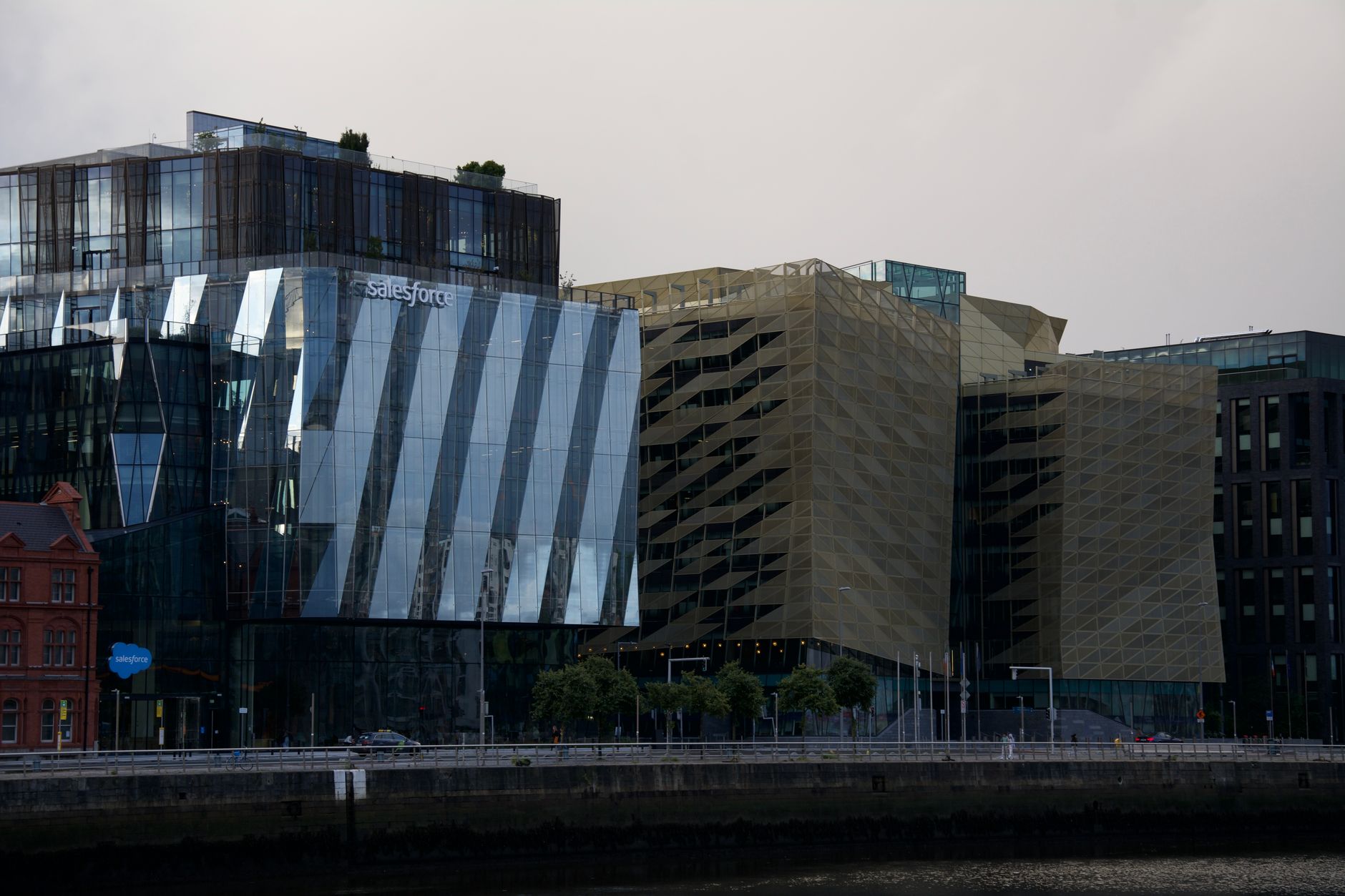
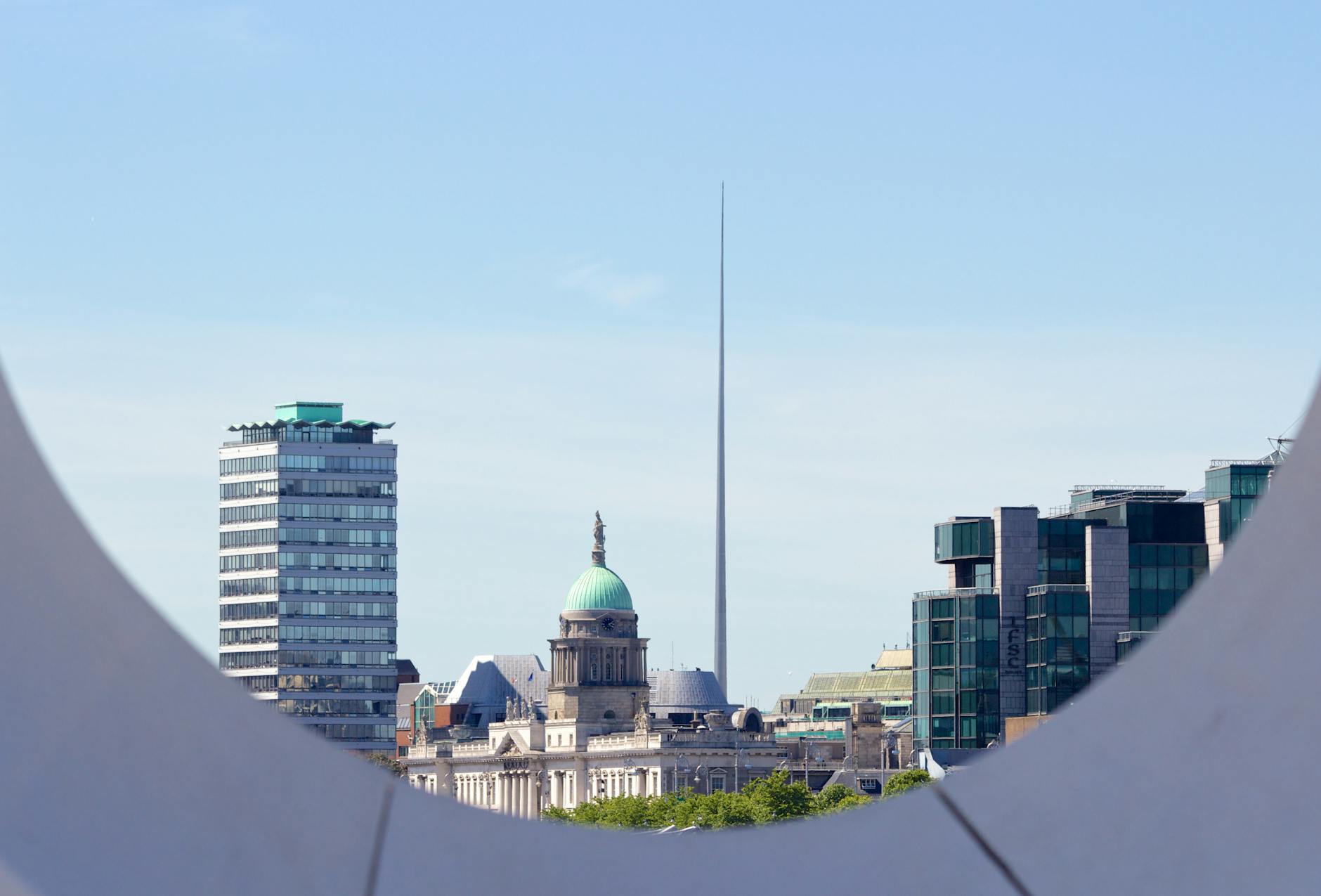
Dublin is not merely a gateway, but it is not the whole story either. It gives you the National Museum, Trinity College and the Book of Kells experience, Kilmainham Gaol, Dublin Castle, Georgian squares, the River Liffey, literary history, the Guinness Storehouse, distilleries, music, bookstores, restaurants, and strong day-trip access.
Why go: Dublin explains modern Ireland, political Ireland, literary Ireland, and urban Ireland.
Why not overstay: It is expensive, busy, and less scenic than the west. Many visitors come to Ireland for landscapes and spend too much time on city logistics.
Best length: 2 nights for most first-timers; 3 if you love museums, literature, pubs, and day trips.
The move: Start in Dublin, but rent the car only when leaving. Dublin driving and parking are unnecessary stress for most visitors.
Galway and Connemara
Best for: Music, pubs, west-coast energy, seafood, street life, Connemara landscapes, Aran Islands, couples, first-timers, no-car travelers with tours.
Galway is one of Ireland’s best bases because it combines city energy with access to the west. It has music, food, pubs, festivals, walkable streets, and day-trip routes to Connemara, Kylemore Abbey, the Aran Islands, the Burren, and the Cliffs of Moher.
Connemara is the wilder half of the pairing: bog, mountains, lakes, stone walls, beaches, Gaeltacht culture, and weather that can make the same view feel mythical or invisible.
Best length: 2 nights for Galway only; 3–4 nights if including Connemara and/or Aran Islands.
Common mistake: Staying in Galway and doing long day trips every day. If Connemara is the point, consider Clifden, Roundstone, or a countryside base.
Clare, the Burren, Doolin, and the Cliffs of Moher
Best for: Cliffs, geology, music, walking, caves, ancient sites, flowers, coastal villages.
County Clare gives you the Cliffs of Moher, the Burren’s limestone landscape, Doolin’s music reputation, Ennis, Lahinch, Loop Head, and ferry access to the Aran Islands in season. The Cliffs are famous for good reason, but they are also crowded, exposed, and weather-dependent.
Best length: 1–2 nights if passing through; 3 if walking, music, Burren exploration, or Aran ferry timing matters.
The move: Do not reduce Clare to a bus stop at the Cliffs of Moher. The Burren, coastal roads, traditional music, and smaller villages are the deeper trip.
Kerry: Killarney, Ring of Kerry, Dingle, and Beara
Best for: Big scenery, road trips, lakes, mountains, peninsulas, traditional music, families, romantic trips, first-timer landscapes.
Kerry is the postcard engine of Ireland. Killarney is practical, touristy, and superbly located for Killarney National Park, the Ring of Kerry, Muckross House, Gap of Dunloe, and day tours. Dingle is smaller, more atmospheric, music-rich, food-friendly, and close to the Slea Head Drive. Beara is less crowded and more rugged, though split between Cork and Kerry.
Best length: 3 nights minimum for Kerry if you want it to feel like more than a drive-through; 4–5 for Dingle + Killarney + slower weather-proof pacing.
Common mistake: Driving the Ring of Kerry and Dingle Peninsula too quickly in peak season. These are scenic loops, not errands.
Cork, Kinsale, Cobh, and West Cork
Best for: Food, markets, harbor towns, coastal drives, color, Irish independence history, seafood, slower southern road trips.
Cork City is a real city with a strong food identity, English Market, pubs, universities, and independent energy. Kinsale is polished, colorful, food-focused, and coastal. Cobh has emigration history and Titanic connections. West Cork offers villages, peninsulas, beaches, islands, gardens, and a gentler alternative to some of the more famous Kerry routes.
Best length: 2 nights for Cork/Kinsale; 4–5 for West Cork and peninsulas.
The move: Use Cork as a food/city base, Kinsale as a romantic coastal base, and West Cork as a slow road-trip region.
Ireland’s Ancient East: Boyne Valley, Wicklow, Kilkenny, Cashel, Waterford, Wexford
Best for: Castles, abbeys, monastic ruins, archaeology, gardens, heritage, short drives from Dublin, family travel, first-time culture.
This region is where Ireland’s historical density is easiest to combine with manageable logistics. Highlights include Brú na Bóinne/Newgrange, Glendalough, Kilkenny, Rock of Cashel, Cahir Castle, Waterford, Hook Peninsula, and Wexford beaches. It is often underused by travelers who sprint west too quickly.
Best length: 2–4 nights depending depth.
Best for first-timers who: Want history without committing to hard rural driving every day.
Ireland’s Hidden Heartlands and the Shannon/Lakeland Interior
Best for: Slow travel, boating, rivers, lakes, less crowded towns, Athlone, Lough Derg, Clonmacnoise, families, repeat visitors.
The inland center is quieter than the west and less obvious than Dublin or Kerry, but it can be rewarding for boating, cycling, waterside pubs, monastic sites, and slower family holidays. It is not the default first trip for most overseas visitors, but it is a good second-trip or slower route.
Best length: 2–4 nights if boating or relaxing; 1 night as an inland stop.
Donegal, Sligo, Mayo, and the Northwest
Best for: Wild landscapes, fewer crowds, surf, cliffs, Irish-language culture, mountains, beaches, poetry, rugged road trips.
The northwest is where Ireland feels more remote. Donegal has some of the country’s most dramatic coastline. Sligo brings Yeats country, beaches, Benbulben, surfing, and smaller-scale culture. Mayo offers Westport, Achill Island, Croagh Patrick, wild bays, and the quieter edge of the west.
Best length: 4–7 nights if coming this far.
Common mistake: Adding Donegal as a final one-night detour from Galway. It deserves its own route.
The Aran Islands and Other Islands
Best for: Slow travel, cycling, stone forts, Irish-language culture, dramatic edges, ferry days, repeat visitors, atmospheric overnights.
The Aran Islands are the most famous island group for visitors, accessible from the Galway/Clare side depending season and route. Other island experiences include Achill Island, Valentia Island, Cape Clear, the Blaskets, and offshore Cork/Kerry islands.
Best length: Day trip if weather and ferry align; overnight if the island is a priority.
The move: Stay overnight on an island if you want it to feel real. Day trips can be rewarding, but they often catch the island at its busiest and least intimate.
Where to Stay
Ireland lodging is not just about hotels. The best base depends on route style, whether you have a car, how much nightlife you want, and whether you prefer city convenience or countryside atmosphere.
The Short Answer
- First-time city base: Dublin.
- Best west-coast base: Galway.
- Best classic scenery base: Killarney or Dingle.
- Best food/coastal south base: Cork or Kinsale.
- Best historic small-city base: Kilkenny.
- Best Connemara base: Clifden, Roundstone, or countryside inns.
- Best Clare base: Doolin, Ennis, Lahinch, or Ballyvaughan depending interests.
- Best northwest base: Westport, Sligo, Donegal Town, Letterkenny, Ardara, or a coastal lodge depending route.
- Best no-car bases: Dublin, Galway, Cork, Killarney, Kilkenny, Belfast.
Base Decision Tree
| You want... | Stay in... |
|---|---|
| Museums, pubs, literature, first-arrival ease | Dublin |
| Music, day tours, west-coast base without a car | Galway |
| Killarney National Park, Ring of Kerry, family logistics | Killarney |
| Smaller-town atmosphere, music, Slea Head Drive | Dingle |
| Food, market culture, southern gateway | Cork City |
| Romantic harbor town and seafood | Kinsale |
| Castles, medieval streets, Ancient East | Kilkenny |
| Connemara landscapes | Clifden, Roundstone, Leenane, or countryside stays |
| Burren and music | Doolin, Ballyvaughan, Ennis, Lahinch |
| Wild Atlantic northwest | Westport, Sligo, Donegal Town, Ardara, Letterkenny |
| Airport night before departure | Dublin Airport, Malahide, or central Dublin depending flight time |
Lodging Types
| Lodging type | Best for | Watch out for |
|---|---|---|
| Hotels | Dublin, Galway, Cork, Killarney, business/city convenience, reliable amenities. | High summer prices; small rooms in older buildings; parking charges. |
| B&Bs / guesthouses | Countryside, small towns, local advice, breakfast culture, road trips. | Check check-in times, stairs, parking, and whether dinner is nearby. |
| Country-house hotels | Romance, slow travel, gardens, fireplaces, food, countryside atmosphere. | Often car-dependent and expensive. |
| Self-catering cottages | Families, longer rural stays, cooking, laundry, slow travel. | Not ideal for one-night hops; check heating, road access, and food shopping. |
| Hostels | Budget travelers, solo travelers, walking routes, Galway/Dublin/Killarney. | Availability and quality vary; book peak season early. |
| Castle hotels / manor stays | Splurge, honeymoon, special nights. | Some are more luxury-resort than historic immersion; location may be isolated. |
| Farm stays | Families, rural atmosphere, repeat visitors. | Car required; check seasonality and facilities. |
Booking Mistakes to Avoid
- Booking a beautiful rural stay with no dinner option nearby.
- Assuming every B&B has late check-in.
- Not checking stairs/elevators in older properties.
- Staying in Dublin with a car and paying for expensive parking.
- Booking one-night stays every night on a west-coast road trip.
- Underestimating hotel prices in Dublin, Galway, Killarney, Dingle, and festival towns.
- Assuming “near the Cliffs of Moher” means easy if you do not have a car.
- Forgetting that small towns can book out completely around festivals, bank holidays, and summer weekends.
The Move
For a road trip, plan two-night minimums in your most scenic regions. One-night hops look efficient, but they ruin the part of Ireland people come for: atmosphere, local evenings, weather windows, and the possibility of an unplanned walk or pub session.
Best Things to Do
Ireland’s best experiences are not all “attractions.” Some are rhythms: a dry-weather walk, a pub session, a slow drive, a market, a ferry, a ruined abbey, a conversation, a bookshop, a seafood lunch, or a town that becomes better after the day-trippers leave.
1. Start in Dublin, But Do Not Get Stuck There
Dublin is the practical and cultural gateway. It helps you understand Ireland through museums, architecture, pubs, literature, politics, and the tension between historic and modern Ireland.
Best for: First-timers, museums, literary travelers, nightlife, food, day trips.
Time needed: 2 full days for a solid first visit.
Best pairings: Trinity/Book of Kells, National Museum, Kilmainham Gaol, Guinness Storehouse, Dublin Castle, Georgian squares, EPIC, literary pubs, coastal DART trips.
Worth it? Yes, but not at the expense of the west if landscapes are your priority.
2. See Brú na Bóinne / Newgrange
Brú na Bóinne is one of the great ancient landscapes of Europe, with passage tombs that predate many better-known monuments. Heritage Ireland notes that Ireland has two UNESCO World Heritage Sites in the Republic: Brú na Bóinne and Skellig Michael.[16]
Best for: Archaeology, ancient history, sacred landscapes, first-time culture.
Time needed: Half-day to full day from Dublin depending transport.
Book ahead? Yes, especially in peak season and for specific access.
Common mistake: Treating it as just another stone site. It is one of Ireland’s most important historical experiences.
3. Drive or Tour a West-Coast Peninsula
Choose one: Dingle, Iveragh/Ring of Kerry, Beara, Sheep’s Head, Connemara, Achill, Inishowen, or Fanad. These routes are the Ireland of light, weather, fields, stone walls, and ocean edges.
Best for: Road trips, photography, couples, landscape lovers.
Time needed: A full day per major peninsula, more if walking or lingering.
The move: Do not do multiple scenic loops in one day. A peninsula is not a scenic box to tick; it is a day’s mood.
4. Spend a Night Where Traditional Music Happens
A traditional music session is not the same as a stage show. In the best pubs, music is social, local, and informal. The magic is often in the restraint: low conversation, listening, joining only if invited, and understanding that the musicians are not background entertainment.
Best places: Galway, Doolin, Dingle, Ennis, Westport, Dublin, Kilkenny, Belfast, smaller towns depending night.
Time needed: An evening.
Etiquette: Buy something, keep voice down near musicians, do not demand songs, do not film aggressively, and ask before joining.
5. Walk the Burren
The Burren is one of Ireland’s strangest and most rewarding landscapes: limestone pavement, rare flowers, ancient tombs, stone forts, caves, and Atlantic edges. It pairs naturally with the Cliffs of Moher but deserves its own time.
Best for: Walking, geology, archaeology, botany, slower travelers.
Time needed: Half-day to full day.
Worth it? Very, especially if you like landscapes that reveal themselves slowly.
6. See the Cliffs of Moher, But Respect the Conditions
The Cliffs of Moher are famous because they are dramatic. They are also exposed, crowded, windy, and weather-dependent.
Best for: First-timers, coastal drama, photography.
Time needed: 1.5 to 3 hours, more for walking.
Go early/late: Better light and fewer crowds.
Safety note: Stay on marked paths and respect wind and cliff edges. This is not a place for risky photos.
7. Use Killarney National Park Properly
Killarney National Park offers lakes, mountains, Muckross House, trails, waterfalls, boat trips, cycling, and access to the Gap of Dunloe. It is popular, but it is popular for good reasons.
Best for: Families, first-timers, walking, scenery, car-free-ish day options from Killarney.
Time needed: Full day minimum.
The move: Consider cycling, walking, or a boat-and-gap combination rather than only driving through.
8. Stay in Galway for Street Life and West-Coast Access
Galway is touristy and beloved at the same time. It works because it has compact streets, food, music, festivals, students, day tours, pubs, and quick access to places that feel much wilder.
Best for: First-timers, no-car visitors, music, food, day tours.
Time needed: 2–3 nights.
Common mistake: Only sleeping in Galway while spending every day on buses. Give the city an evening.
9. Choose an Island
The Aran Islands, Valentia, Achill, Cape Clear, Inishbofin, the Blaskets, or other island experiences can become the most memorable part of the trip.
Best for: Slow travel, cycling, walking, language/culture, escape.
Time needed: Day trip minimum; overnight better.
Watch out: Ferries are weather-dependent; accommodation can be limited; services may be seasonal.
10. Visit a Castle or Abbey With Context
Ireland is full of castles, abbeys, and ruins. The key is to choose well rather than collecting them randomly.
Strong options: Kilkenny Castle, Rock of Cashel, Cahir Castle, Trim Castle, Kylemore Abbey, Muckross House, Clonmacnoise, Jerpoint Abbey, Glendalough, Dun Aonghasa, Donegal Castle.
Book ahead? Some sites require or benefit from booking. OPW’s Heritage Card gives unlimited access to many state-managed heritage sites for a year.[15]
The move: Pair one major site with a town, walk, or lunch instead of doing four ruins in a blur.
11. Take a Coastal Train or DART Ride
Not every scenic experience requires a car. From Dublin, the DART coastal rail line opens up Howth, Malahide, Dún Laoghaire, Dalkey, and Bray. Intercity trains connect Dublin to Cork, Galway, Limerick, Waterford, Sligo, Belfast, and more.
Best for: No-car travelers, city breaks, easy day trips.
Time needed: Half-day to full day.
12. Eat the Coast
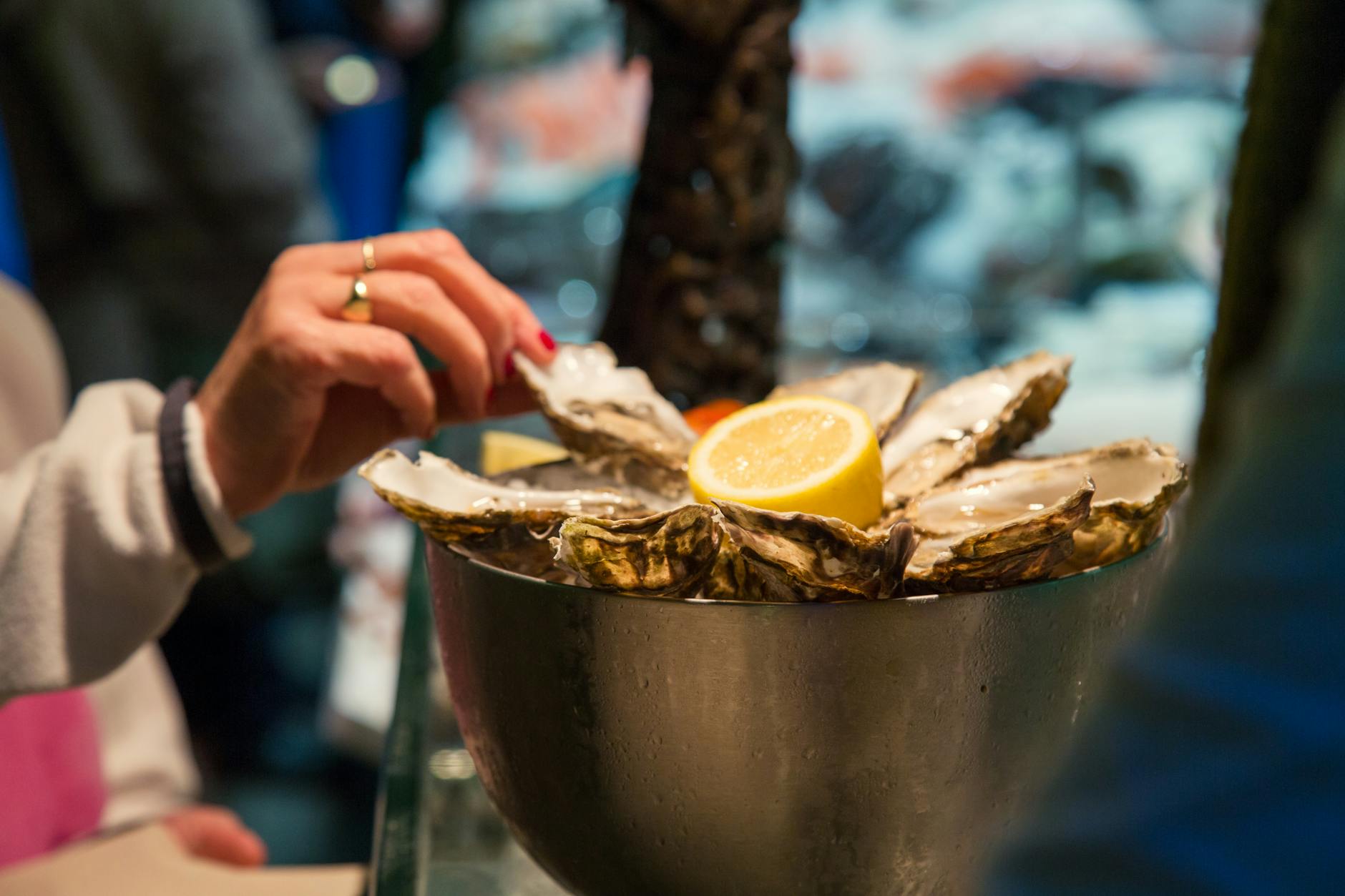
Ireland’s food scene is better than old stereotypes suggest. The west and south are strong for seafood, farmhouse cheese, soda bread, lamb, beef, oysters, smoked salmon, chowder, butter, and new Irish cooking. Ireland.com highlights traditional foods including smoked salmon, coddle, seafood chowder, cockles and mussels, and Ulster fry.[22]
Best for: Food travelers, pub lunches, coastal routes, market towns.
The move: Make lunch matter. Rural dinner options can be limited outside towns, but a well-timed seafood lunch can anchor a day.
Ireland Itineraries
These itineraries are pacing models, not commandments. Adjust for flight times, weather, car confidence, ferry schedules, and whether you include Northern Ireland.
Three Days: Dublin City Break
Day 1: Dublin core
Arrive, settle in, walk the city center, see Trinity/Book of Kells or a major museum, have an early pub dinner, and avoid overcommitting on the first night.
Day 2: History and pubs
Kilmainham Gaol, Guinness Storehouse or a distillery, Georgian Dublin, National Museum, and a traditional music pub chosen for quality rather than tourist volume.
Day 3: Day trip
Choose one: Glendalough/Wicklow, Brú na Bóinne/Newgrange, Kilkenny, Howth, Malahide, or a very long Cliffs of Moher coach trip only if you understand the travel time.
Best for: Short first taste, city/culture travelers, no-car trip.
What it misses: West-coast depth.
Five Days: Dublin + Galway/Clare
Day 1: Dublin arrival, city walk, easy dinner.
Day 2: Dublin museums/history/pubs.
Day 3: Train or drive to Galway. Evening in Galway.
Day 4: Connemara or Aran Islands, weather permitting.
Day 5: Burren/Cliffs of Moher day, return to Dublin or stay west depending flight.
Best for: First taste of the west with no-car or low-car options.
Watch out: This is compact. Do not add Kerry.
Seven Days: Dublin, Ancient East, and the Southwest
Day 1: Dublin arrival.
Day 2: Dublin.
Day 3: Pick up car, visit Kilkenny or Glendalough, overnight Kilkenny.
Day 4: Rock of Cashel/Cahir, continue to Killarney.
Day 5: Killarney National Park / Gap of Dunloe / Muckross.
Day 6: Dingle Peninsula or Ring of Kerry, overnight Killarney or Dingle.
Day 7: Return toward Dublin, with a realistic stop or final airport night.
Best for: Travelers who want history and classic scenery in one week.
Common mistake: Trying to add Galway and Cliffs of Moher too. It can be done, but the week becomes a windshield trip.
Seven Days: Dublin + Galway + Connemara + Clare
Day 1: Dublin arrival.
Day 2: Dublin.
Day 3: Train/drive to Galway. Evening pubs and food.
Day 4: Connemara day: Kylemore, mountains, beaches, Clifden/Leenane/Roundstone depending route.
Day 5: Aran Islands or Galway city + coastal relaxation.
Day 6: Burren and Cliffs of Moher; overnight Doolin/Ennis/Lahinch or return Galway.
Day 7: Return to Dublin with a stop at Clonmacnoise or another inland site if driving.
Best for: First-timers who want west-coast mood without going too far south.
Ten Days: Classic First-Time Ireland Road Trip
Day 1: Dublin arrival.
Day 2: Dublin.
Day 3: Brú na Bóinne/Newgrange or Glendalough; overnight Kilkenny.
Day 4: Kilkenny, Rock of Cashel/Cahir; overnight Killarney.
Day 5: Killarney National Park and Gap of Dunloe.
Day 6: Dingle Peninsula, overnight Dingle or Killarney.
Day 7: Drive via Clare/Burren toward Galway; stop at Cliffs of Moher if weather works; overnight Galway or Doolin/Ennis.
Day 8: Connemara or Aran Islands.
Day 9: Galway morning, return to Dublin with Clonmacnoise or Athlone stop.
Day 10: Depart or final Dublin day.
Best for: Balanced first trip with city, heritage, southwest scenery, and west-coast culture.
The move: If this feels too fast, cut either Kilkenny/Cashel or Dingle and make the west more relaxed.
Two Weeks: Wild Atlantic Way South and West
Day 1: Arrive Dublin or Cork.
Day 2: Dublin or Cork orientation.
Days 3–4: Kinsale and West Cork.
Days 5–6: Beara or Killarney/Kerry.
Days 7–8: Dingle Peninsula.
Day 9: Clare/Burren/Cliffs/Doolin.
Days 10–11: Galway and Connemara.
Days 12–13: Mayo/Westport/Achill or Sligo.
Day 14: Return to Dublin or continue north.
Best for: Road-trippers who care more about coast than cities.
Watch out: Still not the entire Wild Atlantic Way. That is fine.
Two Weeks: Full Island Highlights With Northern Ireland
Days 1–2: Dublin.
Day 3: Boyne Valley/Newgrange and Belfast.
Day 4: Belfast.
Day 5: Causeway Coast and Derry/Londonderry.
Days 6–7: Donegal.
Days 8–9: Sligo/Mayo/Westport/Achill.
Days 10–11: Galway/Connemara.
Day 12: Clare/Burren/Cliffs.
Day 13: Kilkenny or Wicklow.
Day 14: Dublin departure.
Important: Check UK ETA/entry requirements before adding Northern Ireland.[5][6]
No-Car Ireland: 8 Days
Day 1: Dublin arrival.
Day 2: Dublin.
Day 3: Day tour to Glendalough/Wicklow or Newgrange.
Day 4: Train to Galway.
Day 5: Guided Connemara or Aran Islands trip.
Day 6: Guided Cliffs of Moher/Burren trip or independent Galway day.
Day 7: Train/bus to Cork or Killarney.
Day 8: Cork/Kinsale by bus/taxi/tour, or Killarney National Park.
Best for: Travelers who dislike driving, solo travelers, budget travelers, and anyone not comfortable on the left side of narrow rural roads.
Trade-off: You gain ease and lose spontaneity.
Food and Drink
Ireland’s food is often underestimated by travelers who arrive with stale stereotypes. The country’s best eating now combines old staples, seafood, dairy, lamb, beef, bread, whiskey, stout, cider, farmers markets, immigrant influences, and serious modern cooking. The food scene is strongest when tied to place: oysters in Galway, seafood in Cork/Kerry/Clare, markets in Cork, pub lunches in villages, brown bread with butter almost anywhere, and contemporary Irish cooking in Dublin, Cork, Galway, Belfast, and destination restaurants.
Food Identity
Ireland’s food culture is shaped by:
- Atlantic seafood.
- Dairy, butter, and farmhouse cheese.
- Beef and lamb.
- Potatoes, bread, oats, and grains.
- Pub lunches and carvery traditions.
- Tea, baking, scones, and cakes.
- Whiskey, stout, porter, cider, and craft beer.
- New Irish restaurants using local products.
- Regional food festivals and markets.
- Modern multicultural food in cities.
What to Eat
| Food or drink | What it is | How to approach it |
|---|---|---|
| Irish breakfast | Eggs, bacon, sausage, black/white pudding, tomato, mushrooms, beans, toast, sometimes potato bread. | Great once or twice; not mandatory every morning. In Northern Ireland, look for an Ulster fry. |
| Seafood chowder | Creamy soup with fish/shellfish, often served with brown bread. | Try on the west or south coast. Quality varies; ask locally. |
| Brown bread / soda bread | Dense, wholesome bread often served with soup, butter, smoked salmon, or breakfast. | One of Ireland’s simple pleasures. |
| Smoked salmon | Often served with brown bread, lemon, capers, or cream cheese. | Good in coastal regions and quality restaurants. |
| Oysters and mussels | Especially strong around Galway and coastal areas. | Check season and freshness; oyster festivals can affect availability/prices. |
| Irish stew | Traditionally lamb/mutton with potatoes and onions; many modern versions exist. | Best in colder weather or traditional pubs with real kitchens. |
| Boxty | Potato pancake/dumpling associated especially with the northwest and Midlands. | Seek in regional/traditional restaurants. |
| Coddle | Dublin dish of sausages, bacon, potatoes, and onions. | More heritage dish than universal menu item. |
| Black pudding | Blood sausage, often breakfast component. | Try from a good producer. |
| Farmhouse cheese | Ireland has excellent cheeses beyond tourist clichés. | Good in markets, restaurants, and food shops. |
| Guinness / stout | Iconic stout, with many local and craft alternatives. | The best pint is usually not in the most famous tourist bar. |
| Irish whiskey | Distilleries and bars across the country. | Book distillery experiences if whiskey matters. |
Where to Eat by Situation
| Situation | Best approach |
|---|---|
| First Dublin dinner | Book a casual restaurant, gastropub, or modern Irish place near your hotel. Do not wing it in Temple Bar at peak dinner hour unless you accept tourist pricing. |
| Road-trip lunch | Pub lunch, seafood café, market, bakery, or town restaurant. Lunch is often easier than rural dinner. |
| West-coast dinner | Book ahead in Galway, Dingle, Kinsale, Killarney, Doolin, and small towns in summer. |
| Budget meal | Soup and brown bread, pub lunch, fish and chips, bakery, market, supermarket picnic, casual café. |
| Splurge meal | Dublin, Cork, Galway, Kinsale, destination country-house restaurants, seafood-focused west/south coast places. |
| Family meal | Pubs with food, hotel restaurants, casual cafés, carveries, early reservations. |
| Vegetarian/vegan | Easy in Dublin/Cork/Galway; more limited in rural pubs but improving. Research ahead outside cities. |
| Late dinner | Cities only. In small towns, kitchens may close earlier than visitors expect. |
Pub Culture
A good Irish pub is not just a bar. It can be a sitting room, restaurant, music venue, sports room, community bulletin board, and local archive. The visitor mistake is treating every pub like a tourist attraction.
Pub etiquette:
- Order at the bar unless table service is clear.
- Do not expect American-style constant table check-ins.
- Rounds are common in groups, but not compulsory for visitors.
- Keep noise respectful during music sessions.
- Do not photograph strangers closely without permission.
- Tipping for drinks alone is not usually expected the way it is in the U.S.; tipping for table service/food is more common.
- If a pub has real music, listen first and talk softer.
Drinks and Nightlife
Ireland has stout, whiskey, gin, cider, craft beer, cocktails, tea, coffee, and a growing nonalcoholic scene. Nightlife is strongest in Dublin, Galway, Cork, Limerick, Kilkenny, Belfast, and student/festival towns.
Watch out: Rural drink-driving enforcement is serious, taxis can be scarce, and staying outside town means you need a transport plan if drinking.
The Move
Eat lunch intentionally and dinner realistically. On rural road trips, the best meal of the day may be a seafood lunch by the coast, not a late dinner after you arrive tired in a small village where only one kitchen is still open.
Getting Around
Ireland’s transport question is simple: Are you building a town-and-city trip or a landscape-and-backroads trip?
If it is a town-and-city trip, trains, buses, and guided tours can work well. If it is a landscape-and-backroads trip, a car is often the difference between seeing Ireland and waiting for Ireland.
Arrival Airports
| Airport | Best for |
|---|---|
| Dublin Airport | Most international flights, Dublin city, east coast, most first trips, nationwide connections. |
| Shannon Airport | Galway, Clare, Limerick, Kerry, west-coast trips, travelers who want to avoid immediate Dublin logistics. |
| Cork Airport | Cork, Kinsale, West Cork, Kerry/southwest add-ons. |
| Ireland West Airport Knock | Mayo, Sligo, Galway, northwest/west. |
| Belfast airports | Northern Ireland and Causeway Coast; UK entry rules apply. |
Trains
Irish Rail/Iarnród Éireann is the main rail operator for the Republic, with online ticketing, seat reservations, timetables, and intercity routes.[12] Trains are useful for Dublin to Galway, Cork, Limerick, Waterford, Sligo, Belfast, and some Killarney/Kerry routes.
Best train routes for visitors:
- Dublin–Galway
- Dublin–Cork
- Dublin–Killarney/Tralee
- Dublin–Kilkenny/Waterford
- Dublin–Belfast
- Dublin–Sligo
- Cork–Killarney via connections
Train limitations:
- Trains do not reach many coastal villages, castles, peninsulas, or trailheads.
- Some routes require changes.
- Rail is Dublin-centered.
- Last-mile taxis can be costly or scarce.
Buses and Coaches
Buses fill many gaps. Bus Éireann and private coach operators connect towns, airports, and tourist routes. Coaches can be excellent for airport transfers and city-to-city movement.
Best for: Dublin airport to cities, Galway/Cork/Limerick routes, towns without trains, day tours.
Watch out: Rural frequency can be limited, especially evenings, Sundays, winter, and off-season.
TFI Leap Card and Dublin Transport
TFI Leap Card is a prepaid travel card that works on bus, train, and tram services across the TFI network and many commercial bus services; official guidance notes it often offers fares up to 30% cheaper than cash singles.[13] The Leap Visitor Card is specifically designed for visitors to Dublin and includes unlimited travel for selected periods on Dublin City Bus services, Luas, DART, and Commuter Rail in Zone 1.[14]
Useful in Dublin:
- Dublin Bus
- Luas tram
- DART coastal rail
- Commuter rail zones
- Airport-linked bus options depending product/route
Dublin Without a Car
Dublin is best without a rental car. Walk, use buses, Luas, DART, taxis, and occasional tours. Parking is expensive and driving adds stress.
Taxis and Rideshare
Taxis are useful in cities and for short hops, but scarce in rural areas late at night. Apps can help in cities, but do not rely on instant rural taxi availability after a pub session.
Ferries and Islands
Island trips are weather-dependent and seasonal. Book ahead where needed, check sailing status, and avoid building an itinerary where one canceled ferry ruins the entire route.
Major island experiences:
- Aran Islands
- Inishbofin
- Achill Island by road bridge
- Valentia Island by bridge/ferry
- Cape Clear
- Skellig Michael boats
- Blasket Islands experiences
The Move
Use public transport for the spine and a car/tour for the ribs. Trains and coaches can connect Dublin, Galway, Cork, Killarney, Kilkenny, and Belfast; local tours or rental cars can handle the landscapes around them.
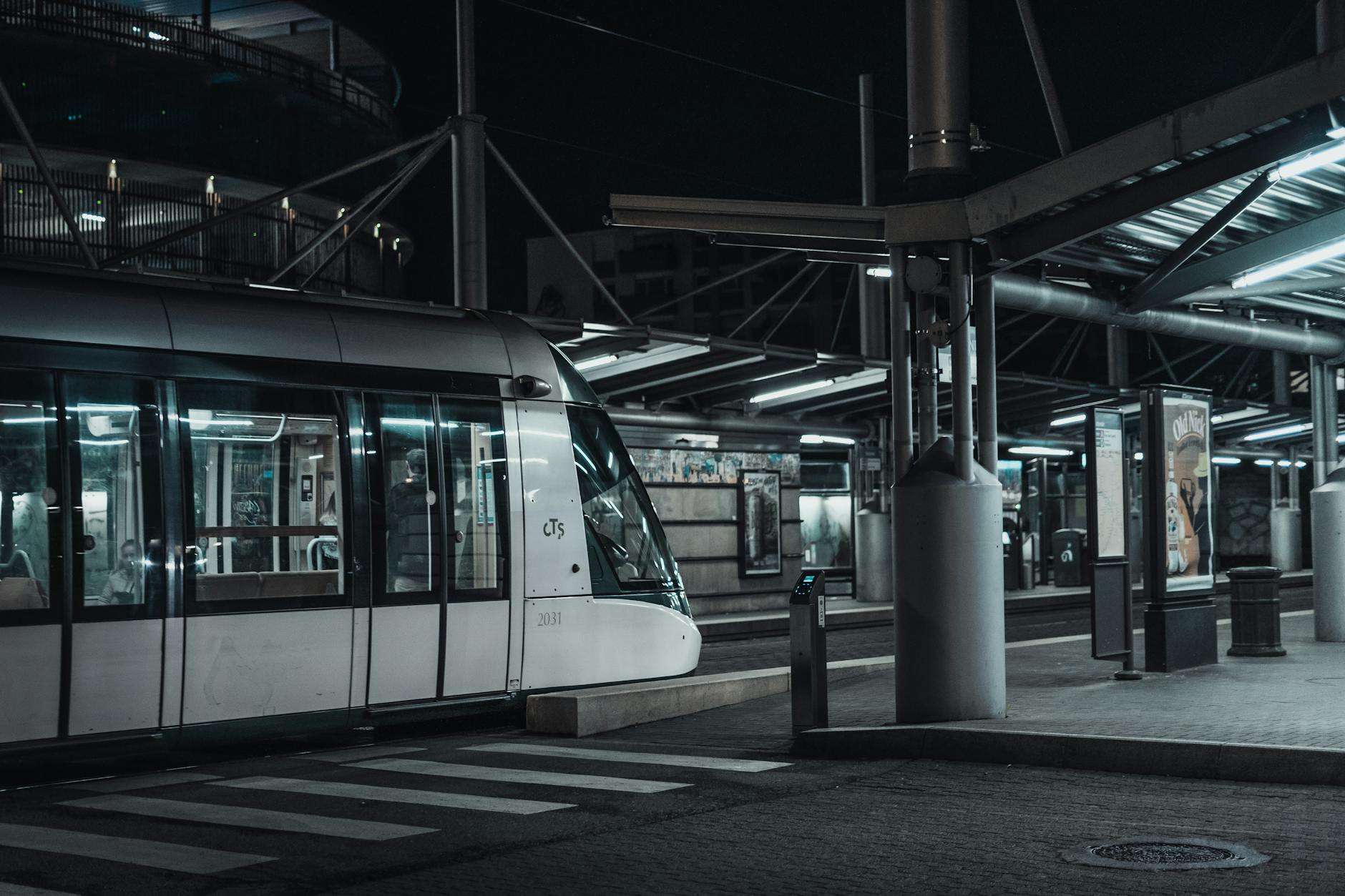
Driving in Ireland
Driving is the most misunderstood part of Ireland travel. A car opens the country beautifully, but it also introduces stress: left-side driving, narrow roads, roundabouts, stone walls, hedges, sheep, cyclists, buses, tractors, manual transmissions, parking, tolls, and weather.
Ireland.com’s official driving guidance covers practical basics including road laws in the Republic and Northern Ireland, tolls, speed limits, parking, and official links.[18]
Should You Rent a Car?
| Rent a car if... | Avoid or delay a car if... |
|---|---|
| You want Dingle, Beara, West Cork, Connemara, Donegal, rural Mayo, island ferries, backroads, and countryside B&Bs. | You are staying mostly in Dublin, Galway, Cork, Belfast, Kilkenny, or Killarney and taking tours. |
| You like stopping spontaneously. | You are anxious about left-side driving and have only a short trip. |
| You want rural lodging. | You do not want to pay for parking, fuel, insurance, and high-season rental rates. |
| You are traveling with family/luggage. | You are traveling solo on a budget and mostly visiting cities. |
Driving Realities
- Drive on the left.
- Many rental cars are manual unless you book automatic early.
- Rural roads can be narrow, winding, and bordered by walls or hedges.
- Travel times on scenic roads are longer than map apps suggest.
- Parking in cities and tourist towns can be expensive or limited.
- Toll roads exist, and payment systems vary.
- Weather can make roads more tiring.
- Livestock and tractors are part of rural driving.
- Do not drink and drive.
Smart Car Strategy
For most first-time visitors:
- Spend your first nights in Dublin without a car.
- Pick up the rental car when leaving the city.
- Return it before your final Dublin night or at the airport.
- Avoid starting with a difficult rural drive immediately after an overnight flight.
- Book an automatic early if needed.
- Buy enough insurance to sleep at night.
- Plan shorter driving days than you think.
Road Trip Pacing
A beautiful Ireland driving day might involve only 120–180 km if it includes stops, coastal roads, lunch, weather, and villages. A bad Ireland day is 350 km of “must-see” stops that turn into ten-minute photos and fast food.
Common Driving Mistakes
- Picking up a car in central Dublin.
- Booking a manual to save money when you are not comfortable shifting with your left hand.
- Planning long drives after overnight flights.
- Trusting map times on scenic roads.
- Driving big peninsulas at peak midday in summer.
- Leaving luggage visible at tourist stops.
- Assuming every rural pub has taxis available afterward.
- Forgetting that Northern Ireland has different road signs/speed units in some contexts because it is part of the UK.
The Move
If you are nervous, structure the first driving day as an easy exit from Dublin toward Kilkenny, Wicklow, or the Midlands—not a long push to Dingle on rural roads while jet-lagged.
Budget and Costs
Ireland can be expensive, especially for hotels, rental cars, fuel, dining in popular towns, and summer travel. It can also be manageable if you use public transport, book early, eat pub lunches, avoid too many one-night stays, and travel in shoulder season.
Daily Budget Ranges
These are rough planning estimates per person, excluding international flights and major shopping. Actual costs vary heavily by season, lodging style, room sharing, rental car pricing, and exchange rates.
| Traveler type | Daily estimate | What it means |
|---|---|---|
| Shoestring | €70–€110 | Hostel dorms or budget rooms, supermarket meals, pubs/cafés, public transport, free sights, limited paid attractions. Hard in peak season. |
| Budget comfort | €110–€180 | Budget hotels/B&Bs, pub meals, some attractions, buses/trains, shared costs if driving. |
| Mid-range | €180–€300 | Good B&Bs/hotels, rental car share, restaurants, castles/museums, occasional splurge. |
| Comfortable | €300–€500 | Better hotels, automatic rental car, paid tours, strong restaurants, flexible transport. |
| Luxury | €500+ | Castle/country-house hotels, private guides, fine dining, premium rooms, chauffeured transfers. |
Cost Drivers
| Cost | Notes |
|---|---|
| Hotels | The biggest swing factor. Dublin, Galway, Killarney, Dingle, and summer weekends can be expensive. |
| Rental cars | Prices vary sharply by season and vehicle type. Automatic cars and insurance increase cost. |
| Fuel and parking | Important on road trips; city parking can hurt. |
| Restaurants | Dublin and popular towns are not cheap. Pub lunches and casual cafés help. |
| Attractions | Castles, heritage sites, distilleries, tours, and special experiences add up. OPW Heritage Card can help heavy heritage-site visitors.[15] |
| Tours | Useful without a car, but repeated day tours can cost more than expected. |
| Ferries | Island ferries and boat trips add cost and depend on weather. |
Best Value Moves
- Travel in May, early June, September, or October rather than peak midsummer.
- Stay two nights in key bases to reduce logistics fatigue.
- Book small-town lodging early.
- Use trains for city-to-city routes and rent a car only for rural days.
- Eat the main meal at lunch when possible.
- Choose one or two paid visitor experiences per day, not five.
- Use free landscapes, beaches, town walks, and pubs wisely.
- Consider the OPW Heritage Card if visiting many eligible state-managed heritage sites.
Splurge-Worthy
- A well-located Dublin hotel for the first two nights.
- A country-house or castle stay for one special night.
- A private guide for archaeology, music, food, genealogy, or literary Dublin.
- A good automatic rental car if you are uncomfortable with manual shifting.
- An island overnight.
- A quality seafood dinner in Galway, Kinsale, Dingle, Cork, or the west.
Usually Not Worth It
- A rental car while staying in central Dublin.
- Overpriced tourist pubs when better pubs are nearby.
- Driving all day to spend 30 minutes at a famous sight.
- Multiple expensive visitor centers in one day if you stop absorbing anything.
- Staying far outside a town to save money if you want pub evenings and will need taxis.
Safety, Health, and Practical Risks
Ireland is generally a safe destination for visitors. The main risks are petty theft, nightlife judgment, road safety, weather exposure, water/cliff hazards, and practical health/insurance issues.
General Safety
The U.S. State Department states that Ireland is generally safe for travelers, while noting that petty crime is common in popular tourist locations and that travelers should remain aware of surroundings.[19]
Common-sense habits:
- Watch bags in Dublin, Galway, Cork, and tourist sites.
- Do not leave luggage visible in rental cars.
- Use ATM caution.
- Avoid late-night conflict around nightlife zones.
- Use licensed taxis.
- Keep valuables discreet.
- Be more cautious in crowded pubs and tourist-heavy streets.
Road Safety
Road safety is the biggest practical risk for many visitors. Driving on the left, narrow roads, unfamiliar roundabouts, fatigue, and scenic distractions all matter. Do not start a hard driving day after a long-haul flight.
Cliff, Ocean, and Weather Safety
Ireland’s cliffs, coastal paths, beaches, and mountain roads are beautiful because they are exposed. Wind, fog, rain, waves, and slippery paths can become serious quickly.
Do not:
- Cross barriers for photos.
- Turn your back on rough seas.
- Hike without layers and waterproofs.
- Assume short walks are safe in bad weather.
- Drive mountain/coastal roads in poor visibility if uncomfortable.
Health Practicalities
For emergency care, call 112 or 999.[8] HSE is the public health service, and travelers should have appropriate insurance. CDC travel health guidance for Ireland recommends routine vaccines and notes other considerations such as hepatitis A for certain travelers depending activities and exposure risks.[20]
Medical planning:
- Bring prescriptions in original packaging.
- Carry travel insurance that covers medical care and trip disruption.
- EU/EEA travelers should understand EHIC coverage; non-EU travelers should not assume public care is free.
- Pharmacies are common in towns/cities but limited in rural areas and late hours.
Tap Water
Tap water is generally safe in Ireland, but local supply notices can occur. Uisce Éireann/Irish Water monitors water supplies and publishes water quality and safety notices.[21]
Emergency Numbers
- Republic of Ireland: 112 or 999.
- Northern Ireland: 999, and 112 also works in the UK.
- Save your lodging address and Eircode/postcode offline.
The Move
Your highest-risk Ireland day is often not the city day. It is the tired, wet, late-afternoon rural driving day after too many stops. Build rest into road trips.
Accessibility and Mobility
Ireland can be rewarding for travelers with mobility needs, but accessibility is uneven. Dublin, newer hotels, major museums, some visitor centers, and modern transport are increasingly accessible. Older pubs, castles, abbeys, rural B&Bs, cobbled streets, cliff paths, islands, boats, and historic sites can be difficult.
What Helps
- Dublin has buses, Luas, DART, taxis, and many accessible museums/hotels.
- Major visitor attractions often provide accessibility information online.
- Newer hotels and larger chains are more likely to have lifts and adapted rooms.
- Guided tours can reduce logistics stress if chosen carefully.
- Country-house hotels may provide comfort but require checking stairs and grounds.
What Is Hard
- Ruined castles and abbeys often have uneven surfaces, stairs, grass, gravel, and limited access.
- Small-town B&Bs may lack elevators.
- Islands and ferries can be difficult depending tide, boat, and weather.
- Coastal paths and cliffs are exposed and uneven.
- Rural public transport may not serve accessible routes conveniently.
- Older pubs can have narrow doors, steps, and inaccessible restrooms.
Lower-Walking Strategy
Base in Dublin, Galway, Cork, Killarney, or Kilkenny. Choose hotels near restaurants. Use taxis for short hops. Prioritize accessible museums, scenic drives, gardens with good paths, and visitor centers. Build fewer stops per day and contact sites directly before committing.
The Move
Never assume a famous heritage site is accessible because it has a visitor center. The visitor center may be accessible while the actual ruin, cliff path, tower, or ancient monument is not.
Families, Solo Travelers, LGBTQ+ Travelers, and Special Considerations
Families With Children
Ireland is strong for families because it offers castles, animals, beaches, parks, easy language for many visitors, friendly B&Bs, short-ish distances, and lots of outdoor space. The challenge is pacing.
Best family bases: Dublin, Killarney, Galway, Kilkenny, Cork/Kinsale, Westport, Dingle, self-catering cottages near beaches or parks.
Family-friendly experiences:
- Dublin museums and parks.
- Dublin Zoo and Phoenix Park.
- Castles such as Kilkenny, Cahir, Bunratty, or Trim.
- Killarney National Park.
- Beaches and easy coastal walks.
- Farms and sheepdog demonstrations.
- Ferries on calm days.
- Easy hikes and gardens.
Family mistakes:
- Too many car hours.
- Changing lodging every night.
- Late pub/music expectations with young kids.
- Not booking family rooms early.
- Assuming all rural restaurants serve late.
Solo Travelers
Ireland is good for solo travelers, especially those comfortable with pubs, tours, hostels, walking, museums, and public transport. Galway, Dublin, Cork, Killarney, Dingle, and Belfast are strong solo bases.
Solo tips:
- Take guided day tours for social contact and rural access.
- Sit at the bar in pubs but read the room.
- Use hostels/guesthouses if you want conversation.
- Avoid isolated late-night walks after drinking.
- Car rental may be expensive solo; combine trains and tours.
Women Traveling Solo
Many women travel comfortably in Ireland. Use standard precautions: choose central lodging, avoid poorly lit late-night routes, watch drinks, use licensed taxis, and be cautious around nightlife-heavy streets.
LGBTQ+ Travelers
Ireland has changed significantly in recent decades and is generally comfortable for LGBTQ+ travelers, especially in Dublin, Cork, Galway, and larger towns. Rural areas can be more socially traditional, but visitors usually experience Ireland as welcoming. Choose inclusive lodging and venues if that matters to your comfort.
Older Travelers
Ireland is excellent for older travelers if the itinerary is paced well. Avoid one-night road-trip marathons, choose central lodging, use taxis, book accessible rooms, consider private drivers for rural days, and prioritize scenic drives, gardens, museums, pubs, and short walks.
Genealogy Travelers
Do not turn a roots trip into a national highlights trip unless you have enough time. Build around the county or parish you care about, then add nearby scenery. Archive/library work requires appointments, records research, and realistic expectations.
Remote Workers and Long-Stay Visitors
Ireland is appealing but expensive. Dublin’s housing pressure is serious; short-term rental choices should be legal and respectful. Galway, Cork, Limerick, Waterford, and smaller towns may be better for longer stays depending budget and transport.
Shopping and Souvenirs
Ireland souvenirs are best when they are tied to real craft, food, books, music, textiles, or place rather than generic green merchandise.
Good Souvenirs
- Aran knitwear from reputable sources.
- Donegal tweed.
- Irish linen.
- Wool blankets and scarves.
- Pottery and ceramics.
- Books by Irish writers.
- Traditional music recordings or instruments from specialist shops.
- Irish whiskey, where legally transportable.
- Chocolate, tea, preserves, sea salt, and shelf-stable food gifts.
- Prints, photography, and local art.
- Jewelry with careful attention to quality and symbolism.
Best Shopping Areas
| Area | Best for |
|---|---|
| Dublin | Books, design, clothing, whiskey shops, department stores, museum shops. |
| Galway | Crafts, jewelry, music, woolens, food gifts. |
| Kilkenny | Craft, design, ceramics, heritage gifts. |
| Cork | Food, market goods, independent shops. |
| Dingle/Kerry | Woolens, local crafts, food, music-related gifts. |
| Donegal | Tweed, knitwear, rugged regional craft. |
| Belfast/Northern Ireland | Linen, design, food, Titanic/industrial heritage gifts. |
What Not to Buy Thoughtlessly
- Cheap “Irish” souvenirs made nowhere near Ireland.
- Mass-market Aran-style sweaters without checking origin/materials.
- Whiskey or food you cannot legally bring home.
- Heavy ceramics late in a trip without packing space.
- Politically charged symbols you do not understand.
The Move
Buy fewer, better things. Ireland is a craft-and-literature destination; a good sweater, book, print, whiskey, or handmade object will age better than a bag of green plastic souvenirs.
Culture, History, and Etiquette
Ireland’s tourist image is cheerful, musical, and green. That image is not false, but it is incomplete. The country’s history includes ancient kingdoms, Christianity, monastic scholarship, Viking towns, Norman castles, English rule, plantation, famine, emigration, language loss and revival, nationalism, independence, partition, civil war, neutrality, economic transformation, EU membership, social change, and ongoing identity debates.
A serious guide should help visitors enjoy Ireland without flattening it.
Short History for Travelers
Ireland’s ancient landscapes include passage tombs such as Brú na Bóinne/Newgrange, stone forts, sacred hills, and monastic sites that shaped early medieval learning and art.
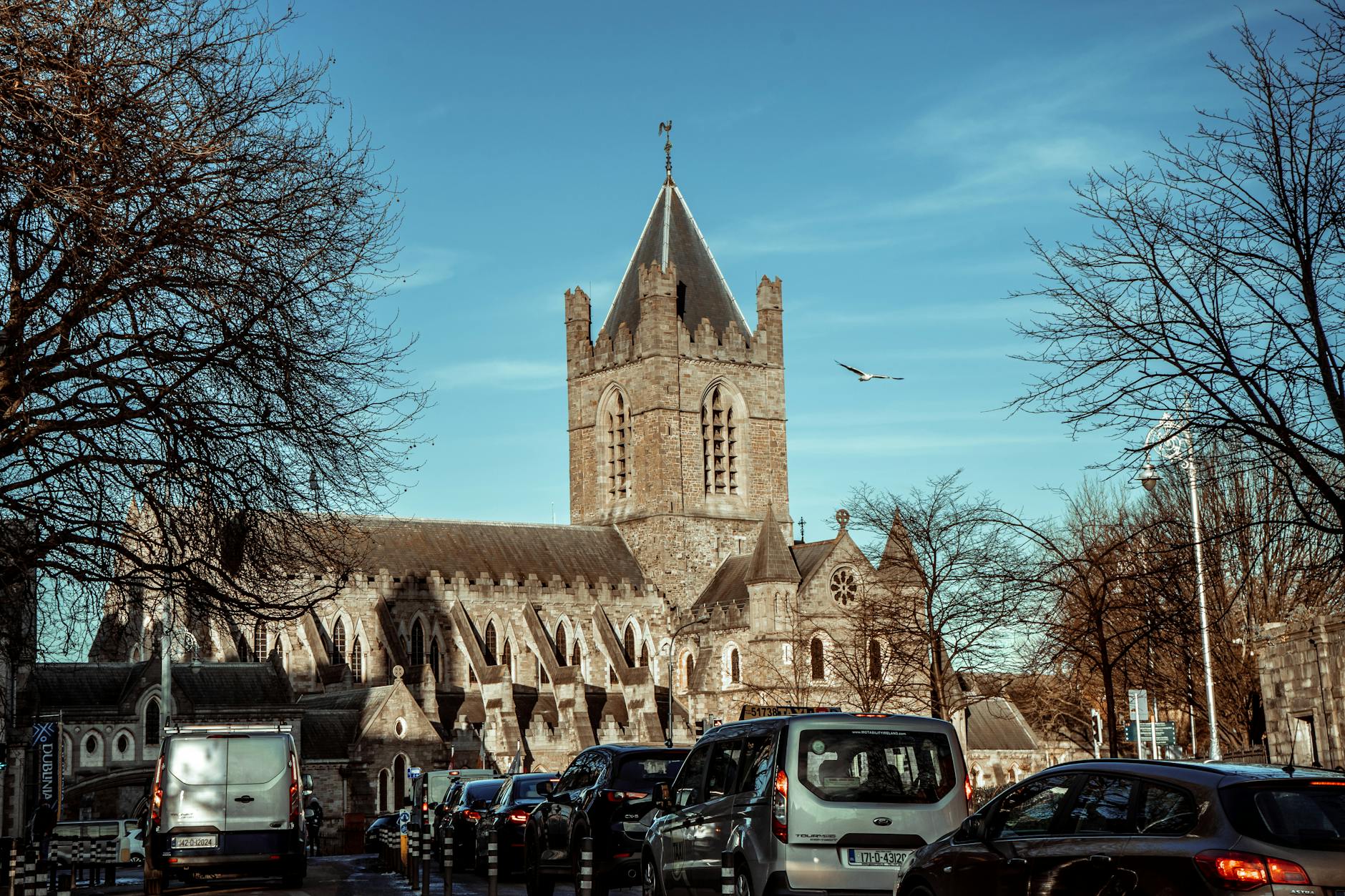
Christianity transformed the island from the fifth century onward, leaving monasteries, round towers, high crosses, manuscripts, and pilgrimage traditions. Viking settlement shaped towns such as Dublin, Waterford, Wexford, Cork, and Limerick. Norman arrival added castles, walled towns, and new power structures.
Later centuries brought English and British control, plantation, religious conflict, penal laws, land struggle, famine, emigration, and nationalist movements. The Great Famine in the 1840s remains central to Irish memory and diaspora identity. The early 20th century brought the Easter Rising, War of Independence, Anglo-Irish Treaty, partition, and civil war. The Republic’s modern identity developed alongside Northern Ireland’s separate and often painful political history.
Today Ireland is a wealthy, globally connected, culturally influential country that has changed rapidly. It is not only a rural heritage destination; it is also urban, diverse, expensive, creative, and politically engaged.
Etiquette That Matters
- Do not reduce Ireland to clichés about drinking, leprechauns, or “the luck of the Irish.”
- Be careful with jokes about politics, religion, partition, or the Troubles unless you know the context and company.
- In pubs, read the room; conversation is welcome, intrusion is not.
- Traditional music sessions deserve listening respect.
- Ask before photographing people closely.
- On narrow roads, pull in safely to let locals pass when appropriate.
- Close gates if you open them on rural walks.
- Do not trespass on farmland for photos.
- Use official trails and respect private land.
- Learn that Irish place names often have deep meaning; pronunciation humility goes far.
Irish Language and Place Names
Irish appears on road signs and in place names; Gaeltacht areas, especially in parts of Galway, Kerry, Donegal, Mayo, Cork, Meath, and Waterford, have stronger Irish-language presence. Visitors do not need Irish to travel, but respecting it matters.
Useful words:
- Fáilte — welcome.
- Sláinte — health/cheers.
- Go raibh maith agat — thank you.
- Baile — town/townland.
- Cill — church, often anglicized as Kil-.
- Dún — fort.
- Lough/Loch — lake.
Books, Music, and Films Before You Go
A guide should curate this by tone and traveler type, but useful categories include:
- A short Irish history primer.
- A novel set in Dublin.
- Poetry by Yeats, Heaney, Ní Chuilleanáin, Boland, or others.
- Memoir or diaspora writing.
- A playlist of traditional, folk, contemporary Irish, and Northern Irish artists.
- A film or documentary on modern Ireland, not only romantic rural Ireland.
The Move
Enjoy the romance of Ireland without demanding that Irish people perform an old-fashioned version of themselves for you. The best trips respect both the mythic Ireland and the modern one.
Seasonal and Month-by-Month Guide
Spring
Spring is one of the best times to visit if you like green landscapes, lambs, flowers, and increasing daylight. March is festive but unpredictable. April improves. May is a standout.
Best for: First-time road trips, heritage sites, gardens, fewer crowds, Dublin plus west.
Watch out: St Patrick’s Day lodging pressure; Easter closures/prices; early-season ferry and attraction schedules.
Summer
Summer gives you the most daylight, strongest festival calendar, and best chance for island/ferry logistics. It also brings the highest prices and crowds.
Best for: Families, islands, long drives, hiking, festivals, pub evenings.
Watch out: Booked-out small towns, tourist traffic, high car rental prices, tour-bus concentration at famous sites.
Autumn
September is one of the best months for adults without school-calendar constraints. October is atmospheric, especially for pubs, history, food, and Halloween/Samhain-linked travel.
Best for: Shoulder-season road trips, photography, food, music, fewer crowds.
Watch out: Shortening days, weather volatility, reduced island/ferry services later in season.
Winter
Winter is not ideal for big rural loops unless you accept short days and weather. It is good for city breaks, pubs, museums, literature, Christmas atmosphere, fireplaces, and low-season rates.
Best for: Dublin, Galway, Cork, Belfast, cozy trips, budget travelers.
Watch out: Holiday closures, stormy coasts, dark rural roads, limited daylight.
Key Annual Timing Issues
- St Patrick’s Day: March 17; Dublin and other cities get busy. The official Dublin festival generally spans multiple days around the date.[23]
- Easter: Dates vary; holidays and closures can affect travel.
- May/June bank holidays: Domestic travel spikes.
- Galway International Arts Festival: A major July event; 2026 dates are July 13–26.[24]
- August bank holiday: Busy domestic travel period.
- Halloween/Samhain: Ireland has deep Halloween associations; Púca Festival in County Meath is a visitor-facing celebration of Halloween’s origins.[25]
- Christmas/New Year: City atmosphere, but closures and limited transport need planning.
Day Trips and Side Trips
Best Day Trips From Dublin
| Day trip | Best for | Notes |
|---|---|---|
| Glendalough and Wicklow | Monastic ruins, mountains, lakes, scenery | Easy guided tour or car trip; weather matters. |
| Brú na Bóinne / Newgrange | Ancient history, UNESCO heritage | Book ahead; one of Ireland’s essential sites. |
| Kilkenny | Medieval city, castle, crafts | Strong train/day trip; better overnight if relaxed. |
| Howth | Coastal walk, seafood, easy DART | Great half-day from Dublin. |
| Malahide | Castle, gardens, seaside | Easy by DART/rail. |
| Belfast | Titanic, murals, city history | Possible by train, but better with overnight if adding Causeway Coast. UK rules apply. |
| Cliffs of Moher | Famous west-coast cliffs | Possible by long coach tour, but very long day. Better as part of a west stay. |
Best Day Trips From Galway
| Day trip | Best for | Notes |
|---|---|---|
| Connemara | Mountains, bogs, lakes, Kylemore Abbey, Gaeltacht | Better with car or guided tour. |
| Aran Islands | Cycling, forts, island culture | Ferry/weather dependent; overnight better if important. |
| Burren and Cliffs of Moher | Geology, cliffs, villages | Classic day; avoid rushing. |
| Cong / Lough Corrib | Village, lake, abbey, film heritage | Good slower day. |
Best Day Trips From Killarney
| Day trip | Best for | Notes |
|---|---|---|
| Killarney National Park | Lakes, Muckross, cycling, walking | Do not treat it as filler; it deserves a day. |
| Ring of Kerry | Classic scenery | Full-day loop; consider direction/traffic. |
| Dingle Peninsula | Slea Head, music, food, coastal views | Better overnight in Dingle if you can. |
| Gap of Dunloe | Walking, cycling, boat combination | Weather-dependent and memorable. |
Best Day Trips From Cork
| Day trip | Best for | Notes |
|---|---|---|
| Kinsale | Food, harbor, color, coastal forts | Easy and rewarding. |
| Cobh | Emigration/Titanic history, harbor | Good by train. |
| Blarney Castle | Famous stone/gardens | Popular; go early if you care. |
| West Cork | Villages, coast, food | Better with car and more than one day. |
The Move
Use day trips to deepen a base, not to compensate for an overstuffed route. A good day trip returns you to an evening you still enjoy.
Northern Ireland Add-On
Northern Ireland is a rewarding addition, but it is not just “more Ireland.” It is part of the United Kingdom, with different entry rules, currency, political context, and road/signage details.
Why Add It
- Belfast’s Titanic Quarter, murals, pubs, food, and political history.
- Giant’s Causeway and Causeway Coast.
- Derry/Londonderry’s walls and layered identity.
- Game of Thrones filming landscapes.
- Strong music, food, and coastal scenery.
- Good Dublin–Belfast rail/bus connections.
Entry and ETA
Many visitors who do not need a UK visa now need a UK Electronic Travel Authorisation to travel to the UK, including Northern Ireland. GOV.UK states that an ETA lets eligible travelers come to the UK for up to six months for tourism and certain other purposes, costs £20, and does not guarantee entry.[5] Tourism Ireland’s ETA guidance states that visitors need an ETA to visit Northern Ireland from 2025, whether arriving directly or via the Republic, and that an ETA is not needed to visit the Republic of Ireland.[6]
Currency
Republic of Ireland: euro. Northern Ireland: pound sterling.[7]
Best Northern Ireland Routes
| Route | Length | Best for |
|---|---|---|
| Dublin → Belfast | 1–2 nights | City, Titanic, pubs, murals, train-friendly trip. |
| Belfast + Causeway Coast | 2–3 nights | Giant’s Causeway, Carrick-a-Rede area, coastal villages, whiskey. |
| Dublin → Belfast → Causeway Coast → Derry → Donegal | 4–6 nights | Strong north/northwest road trip. |
Sensitive Context
Northern Ireland’s history and politics deserve respect. Murals, peace walls, memorials, flags, parades, neighborhood boundaries, and terminology can carry meaning. A good local guide can help visitors understand without turning conflict into spectacle.
The Move
If you include Northern Ireland, give it enough time to become more than a checkbox. Belfast plus the Causeway Coast is a strong three-day add-on; trying to do it as a rushed day from Dublin is possible but thin.
What to Skip
This section is not about cynicism. It is about protecting the trip.
Skip: Trying To Circle the Whole Island in One Week
You can physically drive a loop. You cannot absorb it. The result is usually fatigue, rushed meals, no evenings, and a lot of “we saw it through the windshield.”
Better alternative: Choose west, southwest, Ancient East, or Northern Ireland as the focus.
Skip: A Car in Dublin
A rental car in central Dublin creates parking cost, stress, and no real benefit for most visitors.
Better alternative: Use public transport/taxis in Dublin, then rent when leaving.
Skip: Cliffs of Moher as a Long Day From Dublin Unless You Understand the Trade-Off
It is a famous tour and many people do it. But it is a very long day for a weather-dependent coastal sight.
Better alternative: Stay in Galway, Clare, Doolin, Ennis, or Lahinch and see the Cliffs as part of a west-coast route.
Skip: Temple Bar as Your Whole Pub Experience
Temple Bar has atmosphere and history, but it is also tourist-heavy and expensive.
Better alternative: See it briefly, then find better pubs for music, conversation, and value.
Skip: Overloading Castle Days
A castle, abbey, tomb, and ruin can each be wonderful. Four in one day can become stone fatigue.
Better alternative: Pair one major heritage site with a walk, town, pub lunch, or scenic drive.
Skip: “Kissing the Blarney Stone” Unless You Truly Want It
Blarney Castle’s gardens are enjoyable, and the stone is famous, but it is not mandatory Ireland.
Better alternative: Go if it fits Cork/Kinsale/West Cork; otherwise choose Kilkenny, Cashel, Cahir, Trim, or a site that fits your route better.
Skip: Driving Scenic Peninsulas in Bad Weather Because the Schedule Says So
The landscape will not reward stubbornness if visibility is poor and roads are stressful.
Better alternative: Swap days, wait for clearer weather, or choose a pub/museum/market day.
Common Mistakes
- Trying to cover too much. Ireland rewards focus.
- Underestimating road times. Scenic roads are slow.
- Renting a car in Dublin. Wait until you leave the city.
- Driving after a red-eye flight. Dangerous and miserable.
- Booking one-night stays all over the west. You lose evenings and flexibility.
- Only visiting famous sights. Small towns, pubs, walks, and detours are the trip.
- Ignoring Northern Ireland entry rules. UK ETA may apply.
- Assuming Ireland is Schengen. It is not.
- Treating pubs as drinking props. Pub culture is social and local.
- Not booking summer lodging early. Small towns fill.
- Leaving luggage visible in rental cars. Theft happens at tourist sites.
- Standing too close to cliffs. Wind and edges are real risks.
- Planning island trips without weather flexibility. Ferries can change.
- Expecting late dinners in small towns. Kitchens may close earlier than expected.
- Packing for postcard Ireland instead of real weather. Waterproofs and layers matter.
- Using Dublin as a base for everything. It creates long days and weakens the west.
- Not checking bank holidays. Domestic travel and closures can affect plans. Citizens Information lists public holiday dates by year.[26]
- Mistaking friendliness for unlimited availability. Rural services still have hours, staffing, and seasonality.
Responsible Travel
Ireland’s visitor economy matters, but overtourism, housing pressure, fragile landscapes, rural roads, sacred sites, and community life deserve respect.
Do
- Stay longer in fewer places.
- Support locally owned B&Bs, restaurants, craft shops, guides, and pubs.
- Use legal accommodation.
- Respect music sessions and local pub culture.
- Stay on marked trails near cliffs and fragile landscapes.
- Close gates on rural walks.
- Take litter with you.
- Pull over safely on narrow roads when needed.
- Learn basic historical context before visiting politically sensitive places.
- Book guides for complex topics such as Belfast murals, genealogy, archaeology, and traditional music.
Do Not
- Trespass for photos.
- Block narrow roads for scenery shots.
- Fly drones where prohibited or intrusive.
- Treat famine sites, conflict sites, or memorials as casual selfie backdrops.
- Pressure musicians to perform tourist favorites.
- Leave rental-car luggage visible.
- Assume rural communities exist for visitors.
- Turn tiny villages into content sets without spending money locally.
Local Logic
Ireland’s hospitality is real, but it is not an invitation to careless travel. The best visitors add money, patience, curiosity, and respect without extracting atmosphere as if it were free.
Packing List
Essentials
- Waterproof jacket.
- Comfortable waterproof or water-resistant walking shoes.
- Layers: T-shirts, sweaters/fleece, light jacket.
- Small umbrella or packable rain shell, though wind can defeat umbrellas.
- Day pack with rain cover or dry bag.
- Type G adapter.
- Portable power bank.
- Reusable water bottle.
- Sunglasses and sunscreen; sun can surprise you.
- Warm hat or light gloves outside summer if going west/coastal.
- Medication and copies of prescriptions.
- Offline maps.
- Driving license and rental documents if driving.
- Small amount of cash; cards are widely accepted but cash can still be useful.
Seasonal Additions
| Season | Pack |
|---|---|
| Spring | Layers, waterproofs, shoes that handle mud, scarf/light hat. |
| Summer | Light layers, rain jacket, sunscreen, insect repellent for some rural/wet areas, swimwear if optimistic. |
| Autumn | Warmer layers, waterproofs, sturdy shoes, hat. |
| Winter | Warm coat, gloves, hat, waterproof shoes, reflective/visible outerwear for rural walking. |
What Not to Overpack
- Dressy clothing unless you have specific restaurants/events.
- Huge suitcases for small B&B rooms and rental cars.
- Heavy hiking boots if only doing town walks.
- Too many umbrellas.
- Appliances that do not work with 230V.
The Move
Pack for wet ground, wind, and layers—not just rain. Ireland’s weather problem is often not a dramatic storm; it is three hours of mist, wind, and damp shoes while you are trying to enjoy a view.
FAQ
Is Ireland worth visiting for a first trip to Europe?
Yes, especially if you want landscapes, music, history, pubs, road trips, and a relatively easy cultural landing. It is less ideal if you want guaranteed sun, low prices, or efficient train access to every rural attraction.
How many days do I need in Ireland?
Seven to ten days is the best first-trip range. Five days works if you focus on Dublin plus one region. Two weeks is better for a true road trip.
What is the best month to visit Ireland?
May, June, and September are the strongest general recommendations. July and August are lively but busier and more expensive. March is festive for St Patrick’s Day but weather-variable.
Do I need a car in Ireland?
Not for Dublin, and not for a city-and-day-tour trip. Yes, or at least very helpful, for Dingle, Connemara backroads, Donegal, Beara, West Cork, rural Mayo, small villages, and flexible coastal travel.
Is Ireland expensive?
It can be. Hotels, rental cars, dining, and summer travel are the biggest costs. Public transport, pub lunches, free landscapes, and shoulder-season travel help.
Is Ireland safe?
Generally yes. Petty theft occurs in tourist areas, and the more serious risks for visitors are road safety, cliffs, weather, ocean conditions, nightlife judgment, and leaving luggage visible in cars.[19]
Is Ireland in Schengen?
No. Ireland is in the EU but not in the Schengen Area, and it maintains its own visa and border policies.[3][4]
Do I need a UK ETA for Northern Ireland?
Many visitors who do not need a UK visa need a UK ETA to visit or transit the UK, including Northern Ireland. This is separate from visiting the Republic of Ireland.[5][6]
Can I visit the Cliffs of Moher from Dublin in one day?
Yes, by long coach tour, but it is a long day and weather-dependent. It is better as part of a stay in Galway, Clare, Doolin, Ennis, or Lahinch.
Dublin or Galway?
Dublin for museums, history, literature, big-city logistics, and arrival. Galway for west-coast atmosphere, music, walkability, and access to Connemara, Clare, and the Aran Islands. Most first-timers should see both if they have at least a week.
Kerry or Galway/Connemara for a first trip?
Kerry is more classic postcard scenery with Killarney/Dingle/Ring of Kerry. Galway/Connemara is better for west-coast city energy, music, and stark Atlantic landscapes. Pick one if you have limited time; both if you have 9–10 days.
Is the Wild Atlantic Way worth it?
Yes, but not as a single rushed itinerary. It is 2,500 km long, so choose a section or give it two weeks or more.[10]
What should I book ahead?
Peak-season lodging, rental cars, popular Dublin attractions, Newgrange/Brú na Bóinne, Skellig Michael boats, small-town restaurants, festival dates, and any special music/food/heritage experience.
Source Notes
Date-sensitive details in this guide were checked against official or high-reliability sources where possible. Re-check every price, schedule, booking rule, visa rule, festival date, ferry operation, safety advisory, and transport fare before publication.
- 1. Department of Foreign Affairs, Ireland, “Visas For Ireland,” https://www.ireland.ie/en/dfa/visas-for-ireland/
- 2. Irish Immigration Service, “Visit family/friend visa,” short-stay C visa information, https://www.irishimmigration.ie/coming-to-visit-ireland/how-to-apply-for-a-short-stay-c-visit-tourist-visa/visit-family-friend-visa/
- 3. Citizens Information, “The Schengen Area,” https://www.citizensinformation.ie/en/government-in-ireland/european-government/european-union/schengen-area/
- 4. European Commission, “Schengen Area,” https://home-affairs.ec.europa.eu/policies/schengen/schengen-area_en
- 5. GOV.UK, “Get an electronic travel authorisation (ETA) to visit the UK,” https://www.gov.uk/eta
- 6. Tourism Ireland, “Electronic Travel Authorisation (ETA),” https://www.ireland.com/en-us/help-and-advice/practical-information/electronic-travel-authorisation/
- 7. Tourism Ireland, “Money in Ireland,” https://www.ireland.com/en-us/help-and-advice/practical-information/money-in-ireland/
- 8. HSE, “Emergency care — adults: when to call 112 or 999,” https://www2.hse.ie/emergencies/when-to-call-112-or-999/
- 9. Tourism Ireland, “Ireland’s official holiday and travel guide,” regions overview, https://www.ireland.com/en-us/
- 10. Discover Ireland, “Explore the Magical Wild Atlantic Way,” https://www.discoverireland.ie/wild-atlantic-way
- 11. Met Éireann, “Climate of Ireland,” https://www.met.ie/climate/climate-of-ireland
- 12. Iarnród Éireann / Irish Rail, “Ireland rail travel information,” https://www.irishrail.ie/en-ie
- 13. TFI Leap Card, “About TFI Leap Card,” https://about.leapcard.ie/about
- 14. TFI Leap Card, “Leap Visitor Card,” https://about.leapcard.ie/leap-visitor-card
- 15. Heritage Ireland / OPW, “Heritage Card,” https://heritageireland.ie/visit/heritage-card/
- 16. Heritage Ireland / OPW, “UNESCO World Heritage,” https://heritageireland.ie/visit/unesco-world-heritage/
- 17. Gov.ie, “Your Parks, Your Say — the future of Ireland’s National Parks,” national parks list, https://www.gov.ie/en/department-of-housing-local-government-and-heritage/consultations/your-parks-your-say-the-future-of-irelands-national-parks/
- 18. Tourism Ireland, “Driving in Ireland,” https://www.ireland.com/en-us/plan-your-trip/travel/driving-in-ireland/
- 19. U.S. Department of State, “Ireland Travel Advisory,” https://travel.state.gov/en/international-travel/travel-advisories/ireland.html
- 20. CDC Travelers’ Health, “Ireland — Traveler view,” https://wwwnc.cdc.gov/travel/destinations/traveler/none/ireland
- 21. Uisce Éireann, “Water Quality & Drinking Safety Advice in Ireland,” https://www.water.ie/help/water-quality
- 22. Tourism Ireland, “10 to try: traditional Irish food,” https://www.ireland.com/en-us/magazine/food-and-drink/traditional-irish-food/
- 23. St Patrick’s Festival Dublin, official site, https://stpatricksfestival.ie/
- 24. Galway International Arts Festival, official site, https://www.giaf.ie/
- 25. Tourism Ireland, “Púca Festival,” https://www.ireland.com/en-us/things-to-do/events/puca-festival/
- 26. Citizens Information, “Public holidays,” https://www.citizensinformation.ie/en/employment/employment-rights-and-conditions/leave-and-holidays/public-holidays/