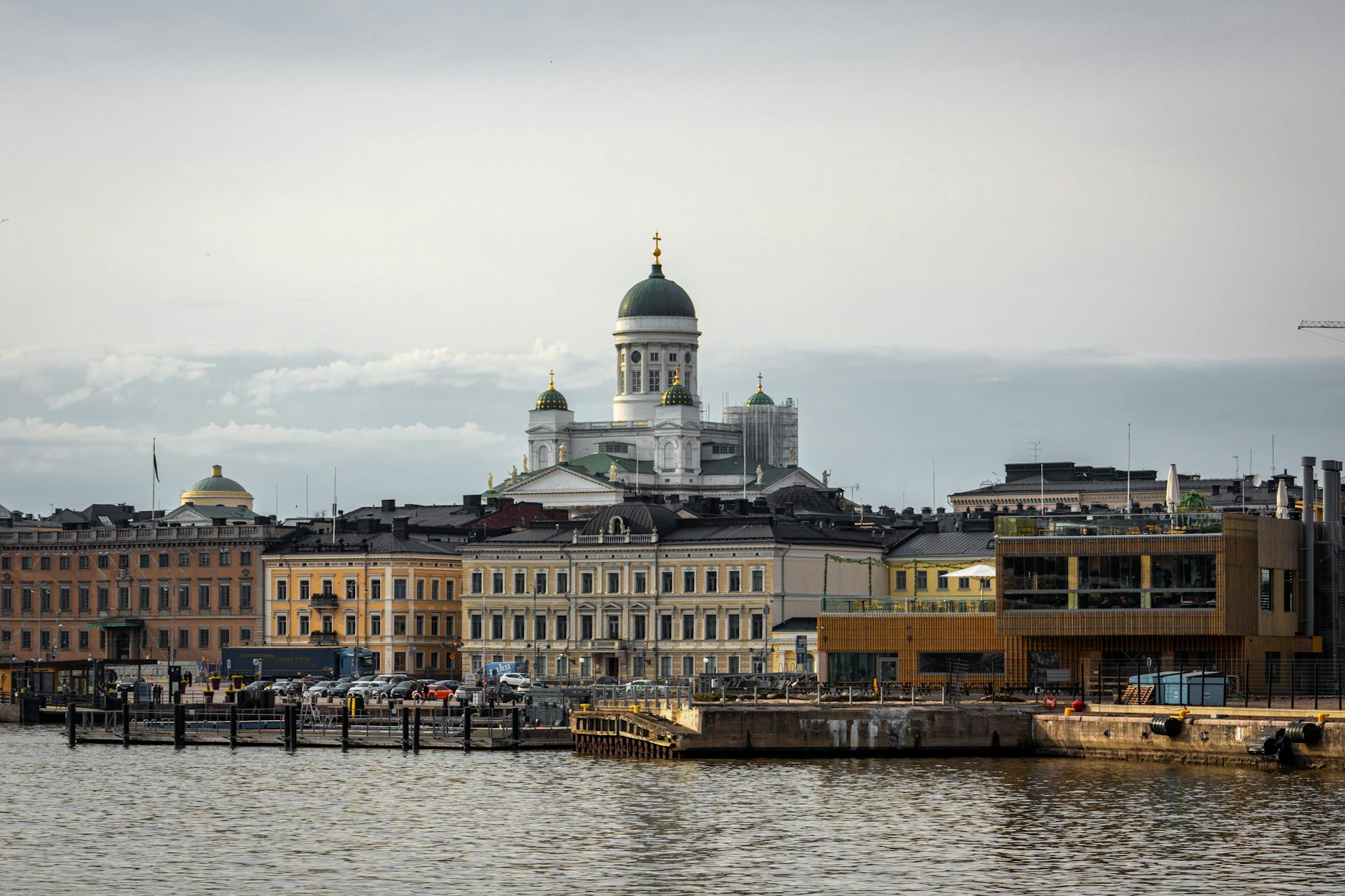
Finland looks simple on a map until you start planning the trip.
Start Here
It has one clear capital, one famous northern dreamland, one globally recognized design culture, one national relationship with sauna, one deep forest-and-lake identity, and one clean, safe, efficient reputation. But the actual country is not a single experience. Helsinki is not Lapland. Lapland is not Lakeland. Lakeland is not the archipelago. Summer Finland and winter Finland can feel like different nations. A July cottage-and-lake trip has almost nothing in common with a February aurora chase. A long weekend in Helsinki is urban, design-forward, and easy. A journey to the far north is seasonal, expensive, logistically specific, and physically demanding if you do not plan it well.
The best Finland trip starts with one decision: which Finland are you trying to experience?
There is the Helsinki version: design, architecture, ferries, islands, food halls, saunas, cafés, museums, and day trips. There is the Lapland version: snow, darkness, aurora hopes, Arctic light, reindeer, huskies, ski resorts, glass cabins, Santa tourism, and high winter prices. There is the summer-nature version: lakes, cottages, midnight light, swimming, berry forests, national parks, slow trains, and sauna rituals. There is the archipelago version: ferries, sea air, wooden towns, Åland, Turku, islands, cycling, and long golden evenings. There is the quiet-culture version: Tampere, Turku, Porvoo, Rauma, Jyväskylä, Oulu, design heritage, music, museums, and everyday Finnish life beyond the capital.
Finland rewards travelers who understand rhythm. It is not a country of constant street spectacle. Its pleasures are quieter: warm wood after a sauna, coffee and cinnamon buns, ferry wind in the harbor, clean trains, pine forest silence, summer cabins, lake water after a löyly, winter blue hour, a market hall lunch, a small-town wooden street, a train cabin heading north while snow gathers outside.
Finland in one sentence: Finland is a country of clean systems, deep quiet, seasonal extremes, design discipline, sauna ritual, forests, lakes, islands, and northern light, where the best trip comes from choosing the right season and the right version of the country rather than trying to collect everything.
Basic data
| Population | About 5.6 million |
|---|---|
| Area | 338,455 km2 |
| Major religions | Christian heritage with a large secular population |
| Political system | Unitary parliamentary republic |
| Economic system | High-income mixed market economy led by services, technology, forestry, manufacturing, and trade |
Quick Verdict
| Question | Answer |
|---|---|
| Best for | Design, architecture, saunas, safe solo travel, winter landscapes, northern lights, midnight sun, forests, lakes, slow nature trips, clean cities, families, rail travel, coffee culture, Nordic food, national parks, cottage stays, and travelers who like calm more than chaos. |
| Not ideal for | Travelers who want cheap nightlife, constant urban buzz, guaranteed auroras, warm beaches, spontaneous winter logistics, dense old-city sightseeing every day, or a budget trip during peak Lapland season. Finland can be easy, but it is not always cheap, and nature trips require seasonal realism. |
| Ideal first visit | 5–7 days for Helsinki plus one region; 8–10 days for Helsinki, Lakeland or Turku/archipelago, and Lapland or another northern extension; 10–14 days for a proper summer loop or winter northbound trip. |
| Best first trip | Helsinki + Porvoo/Turku/Tampere for a short trip; Helsinki + Lapland for winter; Helsinki + Lakeland + Turku/archipelago for summer; Helsinki + Rovaniemi/Levi/Saariselkä/Inari for a first Arctic trip. |
| Best months | June–August for lakes, cottages, islands, festivals, and long light; September–October for autumn color, quieter travel, and early aurora chances in the north; December–March for snow, Lapland, winter activities, and polar atmosphere; February–March are often better than December for daylight plus snow. |
| Biggest planning mistake | Treating Finland as “Helsinki plus quick northern lights.” Aurora viewing is never guaranteed, Lapland is far, winter activities book up, and the country’s best nature trips depend heavily on season, daylight, and distance. |
| One thing to book early | Lapland winter lodging, glass cabins, Santa-season Rovaniemi stays, husky/reindeer/snowmobile activities, sleeper train cabins to Lapland, midsummer cottage stays, and archipelago or Åland logistics in peak summer. |
| One thing to leave unscheduled | Sauna time, market hall lunches, walks by the water, ferry rides, café breaks, forest trails, and unhurried evenings. Finland is not improved by rushing. |
| Best first-timer bases | Helsinki for city/design/arrival; Turku for archipelago and old-capital history; Tampere for lakes and everyday Finnish urban culture; Rovaniemi for easy Lapland logistics; Levi/Ylläs/Saariselkä for deeper winter resort trips; Savonlinna/Kuopio/Jyväskylä for Lakeland. |
| Most important warning | Winter darkness, cold, snow driving, icy sidewalks, and long distances are real. Summer is easy and light-filled; winter can be magical, but it rewards planning and punishes casual logistics. |
The Move
For a first Finland trip, do not make the country a blur. Choose one of four clear routes: Helsinki and the south, summer Lakeland and archipelago, winter Lapland, or a longer Helsinki-to-Lapland rail journey. Finland is better when it has space, silence, and seasonal purpose.
Who Will Love Finland?
You will probably love Finland if you want:
- A safe, clean, organized country where independent travel feels manageable.
- A capital that mixes design, modern architecture, islands, markets, saunas, food halls, museums, and easy ferries.
- A nature trip that feels quiet rather than performative: forests, lakes, cabins, berries, mushrooms, trails, clean air, and water.
- A winter trip built around snow, saunas, northern lights, huskies, reindeer, skiing, snowshoeing, and Arctic light.
- A summer trip built around long days, islands, swimming, cottages, festivals, cycling, and lake culture.
- A culture where small details matter: silence, directness, punctuality, privacy, good coffee, good bread, functional design, and respect for personal space.
- A family trip where infrastructure, safety, public transport, museums, nature, and winter activities make travel easier than in more chaotic destinations.
You may struggle with Finland if you want:
- Low-cost hotels and restaurants in the Nordic peak seasons.
- Big-city nightlife on the scale of London, Berlin, Tokyo, or New York.
- Warm weather certainty.
- Northern lights on command.
- A dense checklist of globally famous monuments.
- Constant social warmth from strangers.
- A winter trip without planning cold-weather clothing, daylight, and logistics.
- To cover Helsinki, Lapland, Lakeland, Turku, Åland, and the archipelago in one short week.
Finland is not boring. It is subtle. It does not shout for attention. It asks you to slow down enough to notice why the sauna matters, why the silence feels different, why summer light changes behavior, why winter darkness has its own beauty, and why ordinary Finnish systems—trains, ferries, libraries, markets, cabins, public saunas—can become the trip.
Finland at a Glance
| Practical | Detail |
|---|---|
| Country | Finland, officially the Republic of Finland. It borders Sweden, Norway, Russia, and the Baltic Sea. |
| Capital | Helsinki. It is the main international gateway and the best first base for most trips. |
| Population pattern | Most people live in the south and west. Lapland covers a vast northern area with small populations, long distances, and strong seasonal tourism. |
| Languages | Finnish and Swedish are official languages. Sámi languages are used in parts of the north. English is widely spoken in visitor-facing settings, especially in Helsinki and tourist areas. |
| Currency | Euro. Visit Finland’s practical information identifies the euro as Finland’s currency.[4] |
| Time zone | Eastern European Time, UTC+2; Eastern European Summer Time, UTC+3 during daylight saving time. |
| Entry zone | Finland is in the Schengen Area. Many travelers can visit visa-free for short stays within the Schengen 90-days-in-180-days framework, but rules depend on nationality and purpose.[1][3] |
| Main airports | Helsinki Airport is the main international hub. Rovaniemi, Kittilä, Ivalo, Kuusamo, Oulu, Turku, Tampere, and others serve regional and seasonal travel. |
| Main rail operator | VR operates Finnish long-distance and night trains, including services toward Lapland.[9][10] |
| Emergency number | 112. Finland’s Emergency Response Centre Agency states that Finland uses one emergency number, 112, free of charge from any phone.[5] |
| Tap water | Generally safe and excellent. Carry a refillable bottle. |
| Cards vs cash | Cards and contactless payments are widely accepted. Cash is rarely necessary in major cities, though it can still be useful in rural or small seasonal contexts. |
| Driving side | Right side of the road. Winter driving can be serious and should not be treated casually. |
| Best transit tools | HSL app for Helsinki region, VR for trains, Matkahuolto/Onnibus for buses, ferry operator sites for islands, Google/Apple Maps, and local tourism/park sites. |
| Official tourism source | Visit Finland for national travel inspiration and practical information. |
First-Timer Mistake
Many visitors ask, “Can I see Helsinki and the northern lights in one quick trip?” You can combine Helsinki and Lapland, but you cannot make the aurora behave. Plan Lapland for snow, silence, saunas, winter activities, and Arctic light. Treat the northern lights as a possible gift, not a guaranteed product.
2026 Visitor Notes
Finland Is Schengen, So Entry Rules Are Nationality-Specific
Finland is part of the Schengen travel area. The Finnish Ministry for Foreign Affairs explains that a visa is generally a permit to enter for short-term or temporary residence lasting no more than 90 days, and official sources direct travelers to check whether they need a visa based on nationality and purpose.[1][2] Canadian travel guidance summarizes the common Schengen visitor rule clearly: visa-free travel, where applicable, is for stays of up to 90 days in any 180-day period and is cumulative across Schengen countries.[3]
The move: Do not treat “Finland is easy to enter” as a universal rule. Check your passport, trip purpose, length of stay, and the rest of your Schengen travel. A Finland trip after time in Denmark, France, Spain, or Germany still counts toward the same Schengen allowance for many travelers.
Finland Uses One Emergency Number: 112
Finland’s Emergency Response Centre Agency states that there is one emergency number in Finland, 112, and that it can be called free of charge from any phone without an area code.[5] Visit Finland also lists 112 as the emergency phone number for urgent medical, fire, or police help.[4]
The move: Save 112, download relevant safety/weather apps if doing nature or winter travel, and know your lodging address in Finnish/English. In remote areas, emergency response depends on location clarity.
Northern Lights Season Is Real, But Not Guaranteed
Visit Finland states that the Northern Lights season in Finland runs from late August to early April, with the best visibility in Lapland and northern Lakeland; it highlights September–October and February–March as peak months.[7] Auroras require darkness, solar activity, and clear skies.
The move: Stay at least three nights in the north if auroras matter, choose dark-sky areas outside bright centers, and book a trip you would still enjoy if clouds block the sky.
Midnight Sun Changes Summer Travel
Visit Finland describes Lapland’s summer as a period of 24/7 daylight for over two months north of the Arctic Circle, with the sun not setting from May to August; even farther south, June and July can bring nearly round-the-clock light.[8]
The move: Summer Finland is not just “warmer winter Finland.” It is lakes, cottages, islands, festivals, cycling, late-night walks, and a national mood shift. Do not sleep on summer Finland.
Lapland Rail Is Practical, But Book Winter Sleepers Early
VR describes the Santa Claus Express as a double-decker night train linking Helsinki and Turku with Rovaniemi in Lapland, with seats or sleeper cabins available.[10] For winter holidays and school-break periods, cabins and good fares can disappear early.
The move: If you want the classic overnight-train-to-Lapland experience, book the cabin as soon as your route is firm. A seat overnight is cheaper, but it is not the same experience.
How to Understand Finland
Finland has four travel personalities: southern urban Finland, lake-and-forest Finland, coastal-and-island Finland, and Arctic Finland. A good itinerary chooses among them instead of flattening them.
The Five Finlands a Visitor Actually Meets
| Finland | Where you feel it | What it gives you |
|---|---|---|
| Design-and-capital Finland | Helsinki, Espoo, Vantaa, Porvoo, Fiskars | Architecture, design shops, museums, public saunas, market halls, islands, restaurants, easy public transport. |
| Lake-and-cottage Finland | Tampere, Jyväskylä, Kuopio, Savonlinna, Saimaa, Lakeland | Forests, lakes, steamboats, cottages, saunas, summer swimming, nature, slower travel. |
| Coastal-and-archipelago Finland | Turku, Naantali, Åland, Hanko, Rauma, the Archipelago Sea | Ferries, islands, wooden towns, cycling, maritime history, Swedish-speaking culture, summer light. |
| Arctic-and-Lapland Finland | Rovaniemi, Levi, Ylläs, Saariselkä, Inari, Kilpisjärvi | Snow, northern lights, reindeer, Sámi culture, skiing, winter resorts, midnight sun, tundra landscapes. |
| Everyday Finnish city Finland | Tampere, Turku, Oulu, Lahti, Kuopio, Jyväskylä | Saunas, lakeside neighborhoods, student life, museums, music, local markets, less tourist-polished urban life. |
Local Logic
Finland is highly functional, but not hyper-social. Public systems work. People queue. Trains are comfortable. Cards are accepted. English is common. Public saunas have rules. Nature access is broad but not lawless. Silence is not hostility. Directness is not rudeness. Personal space matters.
The country’s travel difficulty comes from season and distance, not chaos. A summer Helsinki–Turku–Tampere trip is easy. A winter Lapland trip with rented car, darkness, snow, and remote lodging is a different level of planning. A summer archipelago route can be magical, but ferries dictate the rhythm. A northern lights trip can be expensive and still cloudy.
The Country’s Central Contrasts
- Silence vs design sophistication: Finland can feel quiet and understated, yet its design and architecture culture is world-class.
- Urban efficiency vs wilderness proximity: You can go from a capital tram to a forest trail, island ferry, or sauna in very little time.
- Summer abundance vs winter minimalism: Summer stretches and opens; winter compresses and intensifies.
- Privacy vs public trust: Finns may not be chatty with strangers, but the social system feels high-trust.
- Modern Nordic life vs deep forest identity: Technology, education, design, and public services coexist with cottages, foraging, lakes, and sauna rituals.
- Accessible south vs remote north: Southern Finland is easy; Lapland is extraordinary but requires more respect for distance, cost, and conditions.
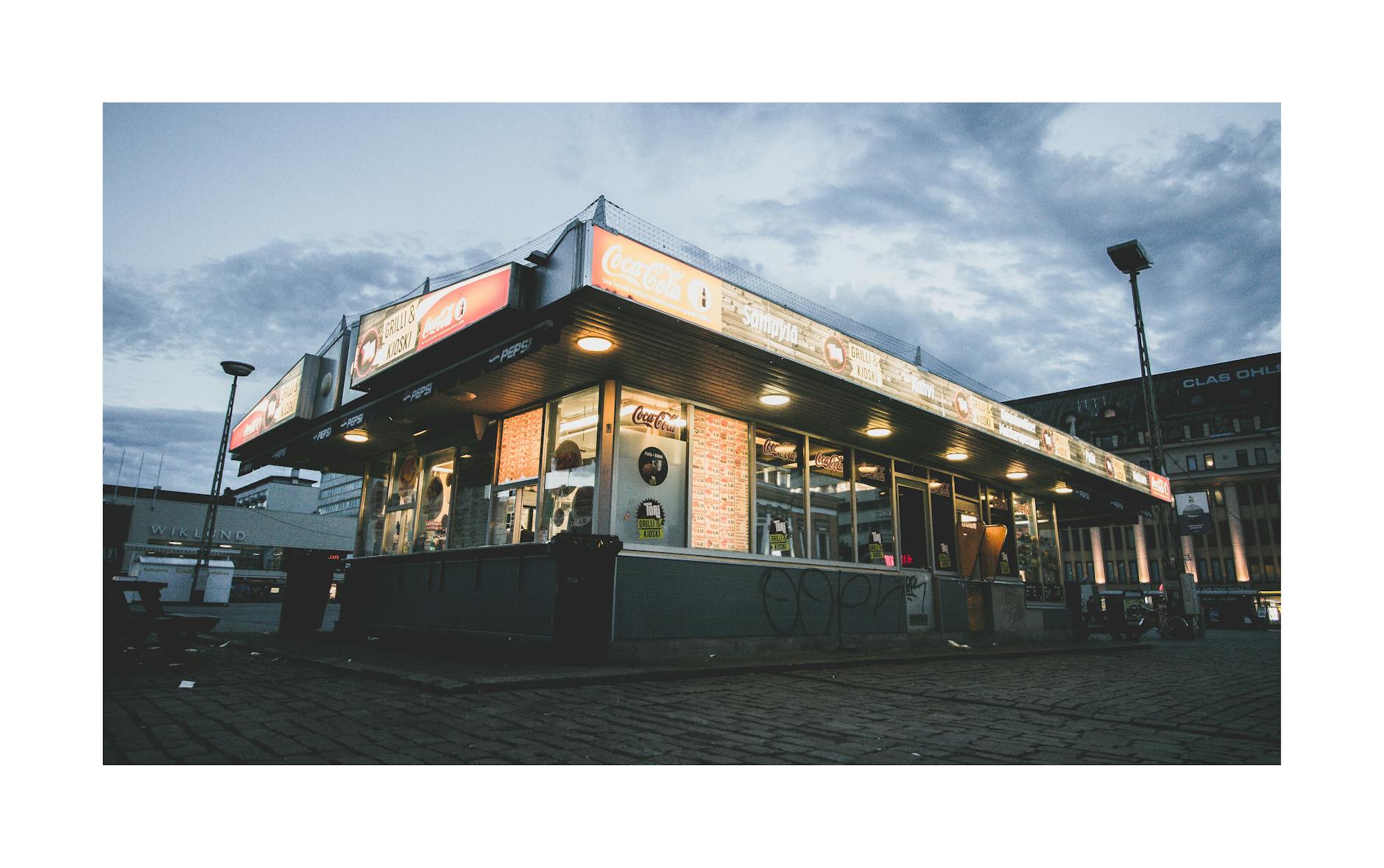
Best Time to Visit Finland
There is no single best time to visit Finland. There is only the best time for the Finland you want.
Best Overall Months
June to August are best for a first summer trip: long days, islands, lakes, cottages, outdoor dining, festivals, cycling, and easy internal travel.
February and March are often the strongest winter-Lapland months: snow is established, days are longer than December, and aurora season is still active.
September is excellent for autumn color in Lapland, fewer crowds, and early aurora chances. It is also a good shoulder-season month for southern cities.
December is atmospheric, especially in Lapland and Helsinki’s Christmas season, but it is dark, expensive in Lapland, and not always the best snow/recreation value compared with later winter.
Season-by-Season
| Season | What to expect | Best for | Watch out for |
|---|---|---|---|
| Winter: December–March | Snow in the north, cold, darkness early in season, winter sports, saunas, aurora chances. | Lapland, Christmas atmosphere, skiing, huskies, reindeer, snow hotels, winter photography. | High costs in Lapland, limited daylight, severe cold, icy streets, snow driving, fully booked activities. |
| Spring: April–May | Transition season. Snowmelt in the north, improving light, quieter cities, nature not fully green early. | City breaks, lower crowds, late winter in some northern areas, museums, sauna. | Slush, muddy trails, patchy conditions, fewer classic summer/winter experiences. |
| Summer: June–August | Long days, lake swimming, cottages, islands, festivals, green forests, lively outdoor culture. | Helsinki, archipelago, Lakeland, national parks, cycling, families, road/rail trips. | Mosquitoes in some natural areas, midsummer closures, peak cottage demand, variable weather. |
| Autumn: September–November | Fall color, cooler days, darker nights, early aurora possibilities in the north, quieter travel. | Lapland foliage, photography, food, city breaks, lower crowds. | November can be dark, gray, and in-between before reliable snow. |
Month-by-Month Guide
| Month | Verdict |
|---|---|
| January | Deep winter. Good for Lapland snow and quiet post-holiday travel, but dark and cold. Helsinki can be icy and subdued. |
| February | Excellent for winter trips. More daylight than December, strong snow conditions in the north, and aurora possibilities. |
| March | One of the best Lapland months: snow plus longer days. Good for skiing, winter activities, and aurora hunting. |
| April | Transitional. Late-season snow in parts of the north; spring emerging in the south. Good value if expectations are calibrated. |
| May | Spring city-break month. Helsinki improves, outdoor life returns, but lakes and summer cottages are not yet at full mood. |
| June | Excellent. Long light, midsummer energy, islands, cottages, festivals, and national parks. Watch midsummer closures and holiday patterns. |
| July | Peak summer. Best for lake, cottage, island, and family travel. Book popular stays early. |
| August | Still good for summer, with slightly less peak intensity late in the month. Nights begin to return, especially in the north. |
| September | Excellent for autumn color in Lapland and quieter southern travel. Early aurora chances return as nights darken. |
| October | Cooler and darker. Good for city culture and some northern shoulder-season travel, but not classic summer or winter. |
| November | Often the least appealing month for first-timers: dark, wet/slushy, and not yet reliably snowy everywhere. Good only for specific low-crowd/city purposes. |
| December | Christmas atmosphere, polar mood, Lapland demand, and very short days. Magical but expensive and dark. |
Rain, Snow, and Darkness Plan
Finland is a country where indoor and outdoor plans should pair naturally. If weather turns bad, shift to saunas, museums, market halls, libraries, cafés, design shops, concerts, and rail journeys. In winter, darkness is not a planning error; it is part of the trip. But you need daylight-aware scheduling.
How Many Days You Need
The Honest Answer
You need five to seven days for a satisfying first Finland trip if you keep the scope tight. You need ten days or more if you want Helsinki, a second southern region, and Lapland without rushing.
| Length | What it feels like |
|---|---|
| 3 days | Helsinki city break with Suomenlinna, saunas, museums, food halls, and maybe Porvoo. Do not add Lapland. |
| 4–5 days | Helsinki plus Porvoo/Turku/Tampere, or a compact winter Lapland trip if flying directly north. |
| 6–7 days | Strong first trip: Helsinki + Turku/Porvoo/Tampere, or Helsinki + Rovaniemi/Levi/Saariselkä. |
| 8–10 days | Better. Combine Helsinki, Lakeland or Turku/archipelago, and a focused Lapland or nature segment. |
| 10–14 days | Ideal for a proper summer loop or a Helsinki-to-Lapland rail trip. |
| 2–3 weeks | Lets you travel deeply: archipelago, Lakeland, Lapland, national parks, smaller towns, and slow cottage time. |
Itinerary Philosophy
A Finland itinerary should usually have:
- One urban base: Helsinki, Turku, Tampere, or Oulu.
- One nature or regional base: Lakeland, archipelago, Lapland, national park area, or cottage zone.
- One ritual anchor: sauna, ferry, lake swim, forest walk, northern lights hunt, or market hall.
- Enough slack for weather, light, ferries, trains, and quiet.
The Move
Do not add Lapland to a short Finland trip unless Lapland is the point. If you have five days and want northern lights, fly north and make peace with doing very little else. If you have five days and want Finland broadly, stay south and do Helsinki plus Turku, Porvoo, Tampere, or the archipelago edge.
Choose Your Finland Trip
If This Is Your First Time
Best default: Helsinki + Porvoo + Turku or Tampere.
This gives you the capital, design, islands, saunas, old towns, trains, food halls, and a second city without making logistics dominate the trip.
If You Want Winter Magic
Best default: Helsinki + Rovaniemi/Levi/Ylläs/Saariselkä/Inari.
Choose Rovaniemi for easiest first Lapland logistics and Santa tourism. Choose Levi or Ylläs for ski-resort infrastructure and winter activities. Choose Saariselkä or Inari for a quieter, more northern-feeling trip.
If You Want Summer Nature
Best default: Helsinki + Lakeland + cottage/sauna time.
Tampere, Jyväskylä, Kuopio, Savonlinna, and Saimaa all work depending your route. The goal is water, forest, sauna, and slowness.
If You Want Islands and Coastal Finland
Best default: Helsinki + Turku + Archipelago Sea or Åland.
This is ideal in summer. Ferries, bikes, wooden towns, sea air, and Swedish-speaking cultural layers make this a distinctive Finland.
If You Want Design and Culture
Best default: Helsinki + Fiskars/Porvoo + Turku/Tampere.
Focus on architecture, museums, libraries, markets, glass/ceramics/design, food, and public saunas.
If You Want the Arctic
Best default: Fly or take the night train north; spend 4–6 nights in one northern region.
Do not bounce around Lapland too much. Distances are large, weather matters, and activities often start from specific resorts.
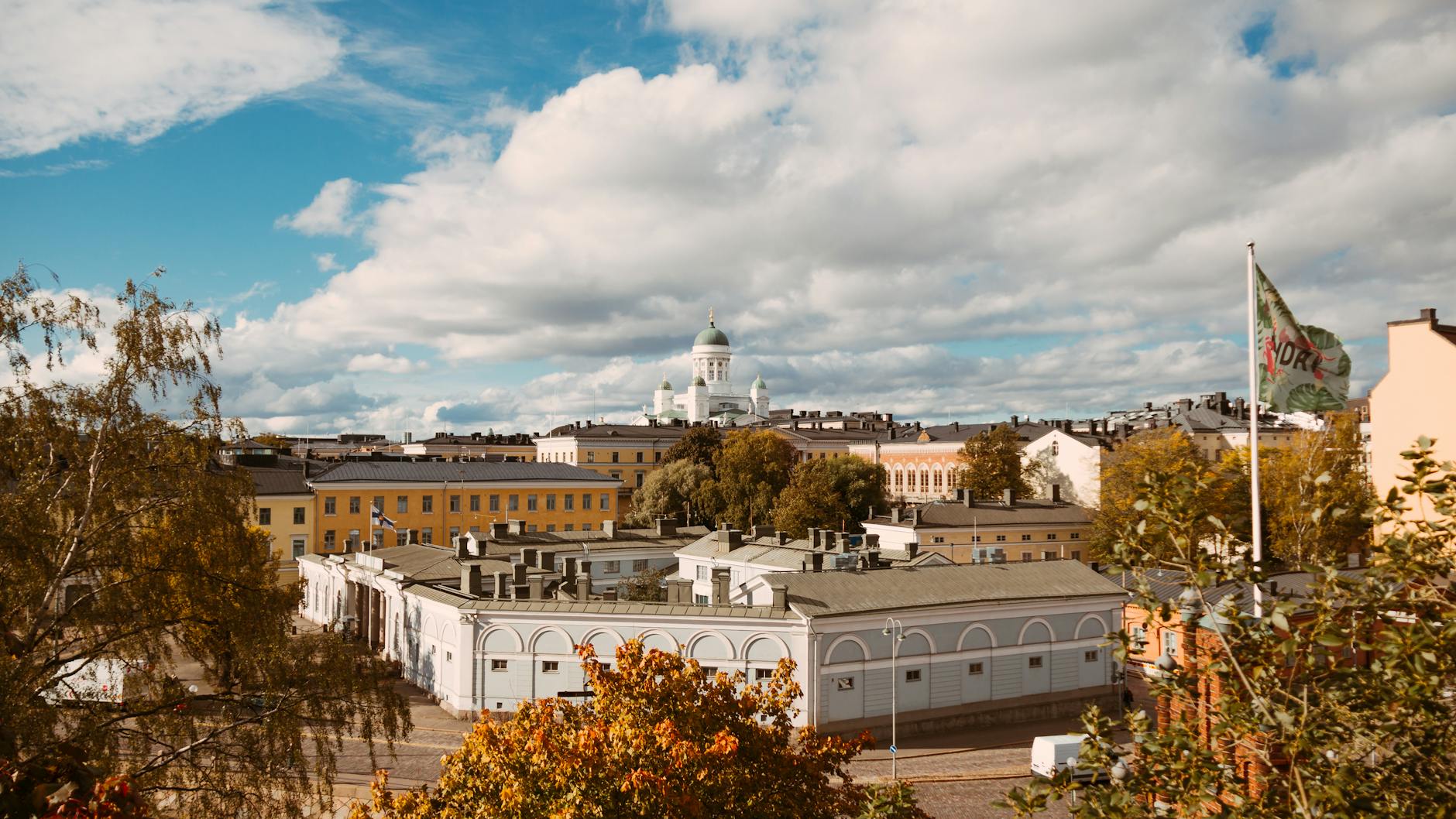
Helsinki and the Capital Region
Best for: First-timers, design, architecture, food halls, saunas, museums, islands, easy public transport.
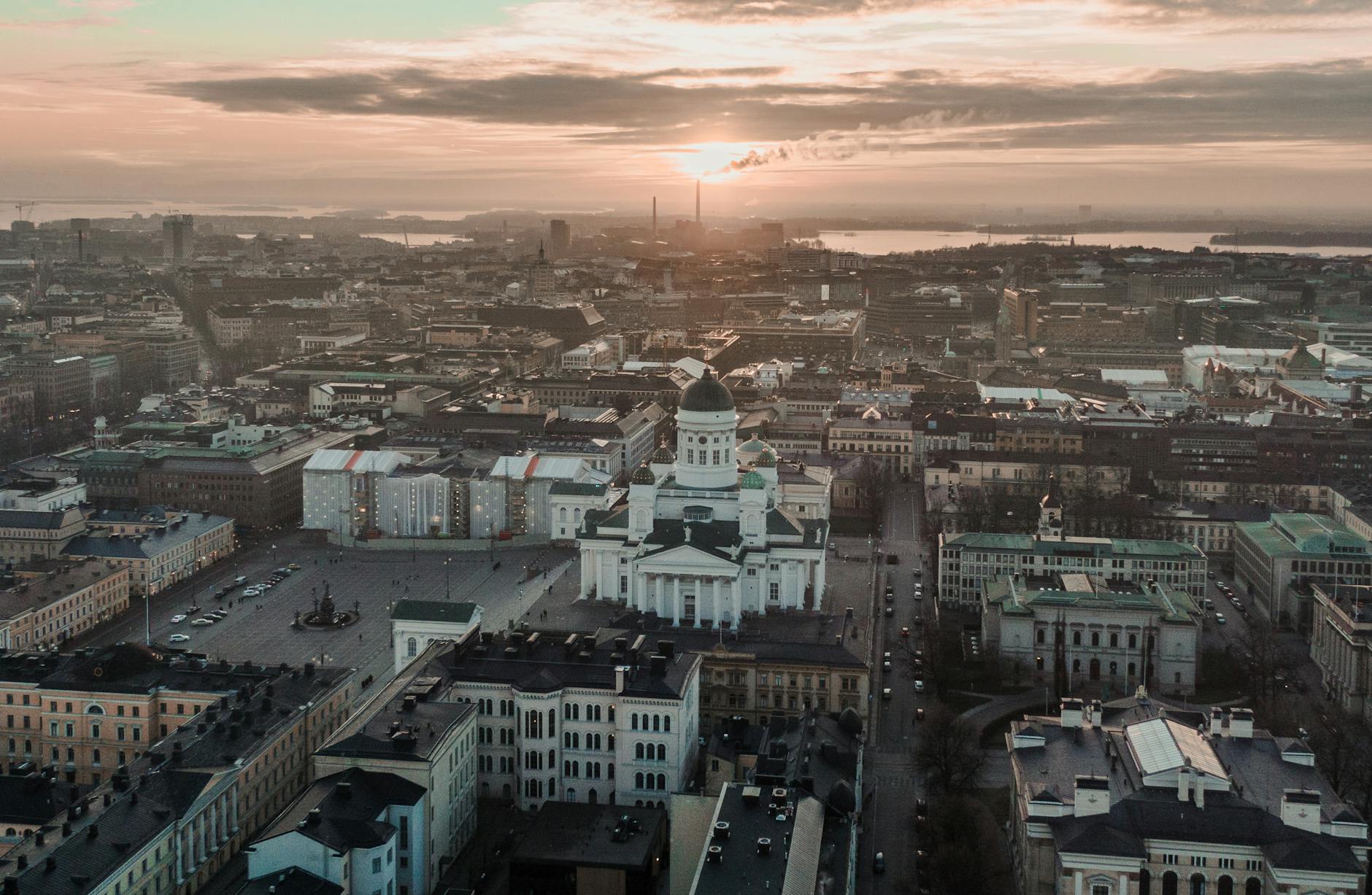
Helsinki is not a grand imperial capital in the Paris or Vienna sense. It is maritime, practical, design-conscious, low-rise in many areas, and deeply tied to water, islands, markets, public buildings, and neighborhoods. It is the best place to learn Finland’s urban logic: clean transit, restrained style, saunas, coffee, libraries, market halls, and sea air.
Do not miss: Suomenlinna, Market Square/Old Market Hall, Design District, Oodi Library, Temppeliaukio Church, Löyly or another public sauna, Kallio, Töölö, Seurasaari, Ateneum/Kiasma/Amos Rex depending interests, and island ferries in summer.
Best time: Year-round, but June–August and December have the strongest visitor mood. Winter is atmospheric but cold and dark.
How long: 2–4 days.
The move: Use Helsinki as a soft landing. Do sauna, ferry, market hall, design, and one major museum before running north.
Porvoo
Best for: Easy day trip, old wooden town, riverfront, cafés, photography.
Porvoo is one of Finland’s easiest and most attractive side trips from Helsinki. Its old town, red riverside warehouses, cafés, shops, and cathedral area give visitors historic texture without complicated logistics.
How long: Half-day to full day.
Best time: Spring through autumn; winter can be pretty but quieter.
Common mistake: Treating it as a checklist stop. Porvoo works best as wandering, lunch, and atmosphere.
Turku and the Archipelago
Best for: Old capital history, riverfront, food, islands, ferries, summer cycling.
Turku is Finland’s old capital and a natural gateway to the Archipelago Sea. It has a castle, cathedral, riverfront restaurants, museums, and ferry access. The real magic grows as you move into islands, small harbors, and ferry routes.
How long: 2–4 days, longer with archipelago/Åland.
Best time: June–August.
The move: If traveling in summer, give Turku and the archipelago real time. A ferry-and-island rhythm cannot be rushed like a city museum day.
Åland Islands
Best for: Islands, cycling, sea air, autonomy/culture, slow summer trips.
Åland is an autonomous, Swedish-speaking archipelago between Finland and Sweden. It is best for travelers who want cycling, ferries, maritime history, islands, and a slower Nordic summer.
How long: 3–5 days.
Best time: Summer.
Not ideal for: A rushed first Finland trip unless islands are the point.
Tampere
Best for: Everyday Finnish city life, lakes, public saunas, museums, families, food, industrial heritage.
Tampere is one of the best second-city choices for a first Finland trip. It sits between lakes, has strong public sauna culture, industrial brick architecture, museums, and a more lived-in feel than Helsinki.
How long: 1–3 days.
Best time: Year-round; summer for lake life, winter for sauna contrast.
The move: Tampere is an excellent “real Finland” counterpoint to Helsinki.
Finnish Lakeland
Best for: Lakes, cottages, saunas, forests, swimming, boating, summer quiet.
Lakeland is not one destination; it is a broad region of towns, lakes, forests, and routes. Possible bases include Savonlinna, Kuopio, Jyväskylä, Mikkeli, Lappeenranta, and areas around Lake Saimaa.
How long: 3–7 days.
Best time: June–August, with September also beautiful.
Common mistake: Trying to “sightsee” Lakeland too aggressively. The point is often the lake, the sauna, the cottage, the boat, the trail, and the light.
Savonlinna and Saimaa
Best for: Castle, lake scenery, opera festival season, Saimaa nature, relaxed summer travel.
Savonlinna’s Olavinlinna castle and lake setting make it one of the most distinctive Lakeland towns. In summer, it can anchor a beautiful culture-and-nature route.
How long: 1–3 days.
Best time: Summer.
Oulu and the Northern Coast
Best for: Northern city life, cycling, gateway travel, tech/student energy, less obvious itineraries.
Oulu is not usually a first-trip priority, but it is useful for travelers exploring northern Finland beyond Lapland clichés. It offers a coastal northern city, cycling culture, and a gateway to further routes.
How long: 1–2 days.
Rovaniemi
Best for: First Lapland logistics, Santa tourism, Arctic Circle, families, winter activities, easy flights/trains.
Rovaniemi is the most accessible Lapland base and the symbolic “gateway” for many visitors. It is practical, especially for families and first-timers, but not the quietest or wildest version of Lapland.
How long: 2–4 days.
Best time: December–March for winter; June–August for midnight sun; September for autumn/aurora shoulder season.
Common mistake: Assuming Rovaniemi equals remote wilderness. It is a small city with tourism infrastructure. For deeper quiet, go farther.
Levi and Ylläs
Best for: Skiing, winter resort infrastructure, families, activities, restaurants, easy packages.
Levi and Ylläs are strong choices for travelers who want ski-resort convenience, winter activities, and structured Lapland travel. Ylläs often feels a bit more nature-forward; Levi has more resort polish and nightlife.
How long: 4–7 days.
Best time: December–April.
Saariselkä and Inari
Best for: Northern atmosphere, Sámi culture, aurora trips, quieter Arctic travel, national park access.
Saariselkä and Inari take you deeper into the north. Inari is especially important for understanding Sámi culture and northern identity. This region is better for travelers who care about place, not just Santa tourism.
How long: 4–6 days.
Best time: February–March for winter; September for autumn color and aurora chances; June–August for midnight sun and hiking.
Kilpisjärvi and Far Northwest Lapland
Best for: Remote landscapes, serious northern scenery, hikers, Arctic road trips.
This is not a casual first-timer add-on. It is for travelers who want dramatic fell landscapes, remoteness, and a stronger sense of Arctic edge.
How long: 3+ days as part of a northern route.
Best time: Summer/early autumn for hiking; winter for experienced cold-weather travelers.
Best Things to Do
1. Take a Public Sauna Seriously
Sauna is not a tourist add-on in Finland. It is a central cultural practice: heat, steam, silence, washing, cooling, sometimes swimming, sometimes beer or berry juice afterward, sometimes conversation, sometimes none.
Best for: Everyone willing to learn the rules.
Where: Helsinki public saunas, Tampere lake saunas, hotel saunas, cottage saunas, Lapland saunas, lakeside saunas.
Common mistake: Treating sauna like a spa photo set. It is a ritual. Learn etiquette, follow clothing/nudity rules by venue, shower first, and behave calmly.
2. Ride the Ferry to Suomenlinna
Suomenlinna is a sea fortress and one of Helsinki’s great first-day experiences. The ferry itself is part of the pleasure: harbor, islands, wind, skyline, water.
Best for: First-timers, history, families, walking, photography.
Time needed: Half-day.
Best time: Year-round, though summer is easiest and winter can be atmospheric.
3. Eat in a Market Hall
Finland’s market halls are ideal for first-time food orientation: salmon soup, rye bread, pastries, coffee, berries, cheeses, fish, and local products.
Best for: Food lovers, rainy days, low-stress lunches.
Where: Helsinki Old Market Hall, Hakaniemi Market Hall, Turku Market Hall, Tampere Market Hall.
The move: Start with soup, bread, coffee, and a pastry. Finland makes more sense after lunch.
4. Spend a Summer Day by a Lake
The lake is not scenery. It is an institution. Cottage, sauna, swim, dock, coffee, grill, berries, mosquitoes, silence, late light: this is core Finland.
Best for: Summer travelers, families, couples, slow travelers.
Where: Lakeland, Tampere area, Saimaa, Kuopio, Jyväskylä, cottages across the country.
Common mistake: Over-scheduling. A lake day should not be optimized to death.
5. Go North for Winter, But Give It Time
Lapland winter is powerful: blue light, snow, silence, frozen trees, saunas, reindeer, huskies, skiing, aurora attempts. But it is expensive and weather-dependent.
Best for: Winter travelers, families, couples, photographers, outdoor travelers.
Time needed: At least 3 nights in the north; 5–7 better.
Book ahead: Lodging, activities, sleeper trains, rental cars, Christmas period.
6. See the Northern Lights Without Making Them the Whole Trip
Finland is a strong aurora destination, especially in Lapland and northern Lakeland from late August to early April.[7] But aurora hunting is a probability game.
Best for: Patient travelers.
The move: Build a northern trip with snowshoeing, skiing, sauna, museums, reindeer/husky experiences, and good food. Then look up.
7. Experience Midnight Sun
North of the Arctic Circle, the sun does not set for weeks in summer; Visit Finland describes 24/7 daylight for over two months in Lapland.[8]
Best for: Summer travelers, hikers, photographers, night owls.
Where: Lapland, especially Rovaniemi and northward.
Common mistake: Forgetting sleep. Bring an eye mask or ensure blackout curtains.
8. Visit Turku and the Archipelago
This is one of Finland’s best summer trips: riverfront Turku, island ferries, cycling, small harbors, maritime culture, and long evenings.
Best for: Summer, couples, cyclists, slow travelers.
Time needed: 2–5 days.
The move: Do not reduce the archipelago to a day-trip checkbox. Its beauty is the ferry rhythm.
9. Use Helsinki’s Design and Architecture as a Travel Theme
Helsinki is ideal for architecture and design: Alvar Aalto, modern public buildings, libraries, churches, shops, textiles, ceramics, glass, and everyday functional beauty.
Best for: Design lovers, urban travelers, museum people.
Pair with: Oodi Library, Finlandia Hall exterior/context, Design Museum, Arabia/Iittala interests, shops, cafés, public saunas.
10. Visit a National Park
Finland’s national parks range from easy day trips near Helsinki to remote northern wilderness. Nuuksio near Helsinki is a strong first-timer option; Lapland parks require more planning.
Best for: Nature, hiking, families, summer/autumn travel, snowshoeing in winter.
Common mistake: Assuming “safe country” means no preparation. Weather, daylight, ticks/mosquitoes, trails, cold, and phone coverage still matter.
11. Take the Night Train North
The Helsinki/Turku-to-Rovaniemi night train is a classic Finland travel experience. VR’s Santa Claus Express links the south with Lapland using double-decker night trains with seats or sleeper cabins.[10]
Best for: Rail lovers, families, sustainable travel, winter trips.
Book ahead: Sleeper cabins, especially winter and holidays.
12. Learn a Few Finnish Food Staples
Try salmon soup, rye bread, Karelian pies, cinnamon buns, bilberry pie, cloudberries if available, vendace, reindeer in the north if you eat meat, mushrooms, berries, coffee, and seasonal fish.
Best for: Anyone who wants the country to feel less abstract.
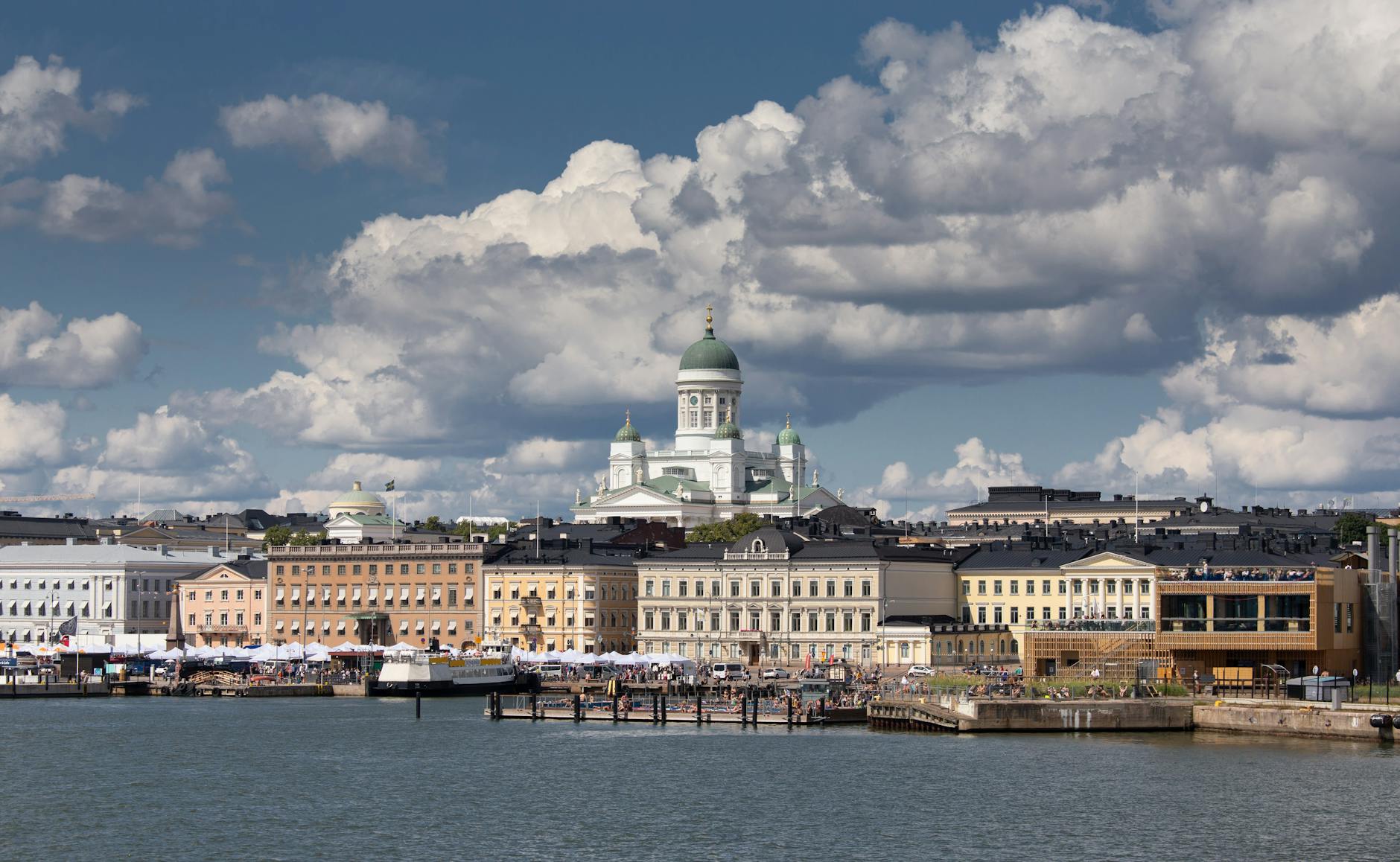
Finland Itineraries
3 Days: Helsinki Properly
Day 1: Arrive, Market Square/Old Market Hall, harbor walk, Design District, public sauna.
Day 2: Suomenlinna half-day, Oodi Library, Töölö/Temppeliaukio Church, dinner in Helsinki.
Day 3: Porvoo day trip or Helsinki museums and Kallio/Hakaniemi.
Best for: First-timers with limited time.
What it misses: Lapland, lakes, archipelago depth.
5 Days: Helsinki and Southern Finland
Day 1: Helsinki arrival, market hall, sauna.
Day 2: Suomenlinna, design/architecture, museum.
Day 3: Porvoo day trip.
Day 4: Train to Turku or Tampere.
Day 5: Turku river/castle/market hall or Tampere lakes/sauna/museums; return or depart.
Best for: A compact, realistic first Finland trip.
7 Days: Helsinki, Turku, and Tampere
Day 1–3: Helsinki with Suomenlinna, saunas, museums, food halls, design.
Day 4–5: Turku, castle, cathedral, riverfront, maybe Naantali or archipelago edge.
Day 6–7: Tampere, lakeside sauna, museums, market hall, local neighborhoods.
Best for: Culture, food, cities, easy rail.
7 Days: Winter Finland and Lapland
Day 1: Helsinki arrival, sauna, early dinner.
Day 2: Helsinki city day, then overnight train or flight north.
Day 3–6: Rovaniemi, Levi, Ylläs, Saariselkä, or Inari. Do winter activities, sauna, aurora attempts, local museums/culture.
Day 7: Return south or onward flight.
Best for: Winter, families, couples, aurora hopefuls.
The move: Spend more nights north and fewer nights changing bases.
10 Days: Summer Lakes and Islands
Day 1–3: Helsinki and Porvoo.
Day 4–5: Turku and archipelago/Naantali.
Day 6–8: Tampere or Lakeland base.
Day 9: Cottage/lake/sauna day or national park.
Day 10: Return to Helsinki.
Best for: Summer travelers who want real Finland rather than only Helsinki.
10–12 Days: Helsinki to Lapland by Rail
Day 1–3: Helsinki.
Day 4: Tampere or Oulu stop, or overnight train north.
Day 5–9: Lapland base: Rovaniemi, Levi/Ylläs, Saariselkä/Inari.
Day 10–12: Return south by train/flight, with buffer for winter weather if needed.
Best for: Rail lovers, winter travelers, slow travelers.
14 Days: The Full First Finland
Days 1–3: Helsinki and Porvoo.
Days 4–6: Turku, archipelago, or Åland if summer.
Days 7–9: Tampere/Lakeland.
Days 10–13: Lapland or northern nature.
Day 14: Return to Helsinki.
Warning: This is much better in summer/early autumn unless you are intentionally building a winter-south-plus-Lapland trip.
Food, Coffee, and Sauna Culture
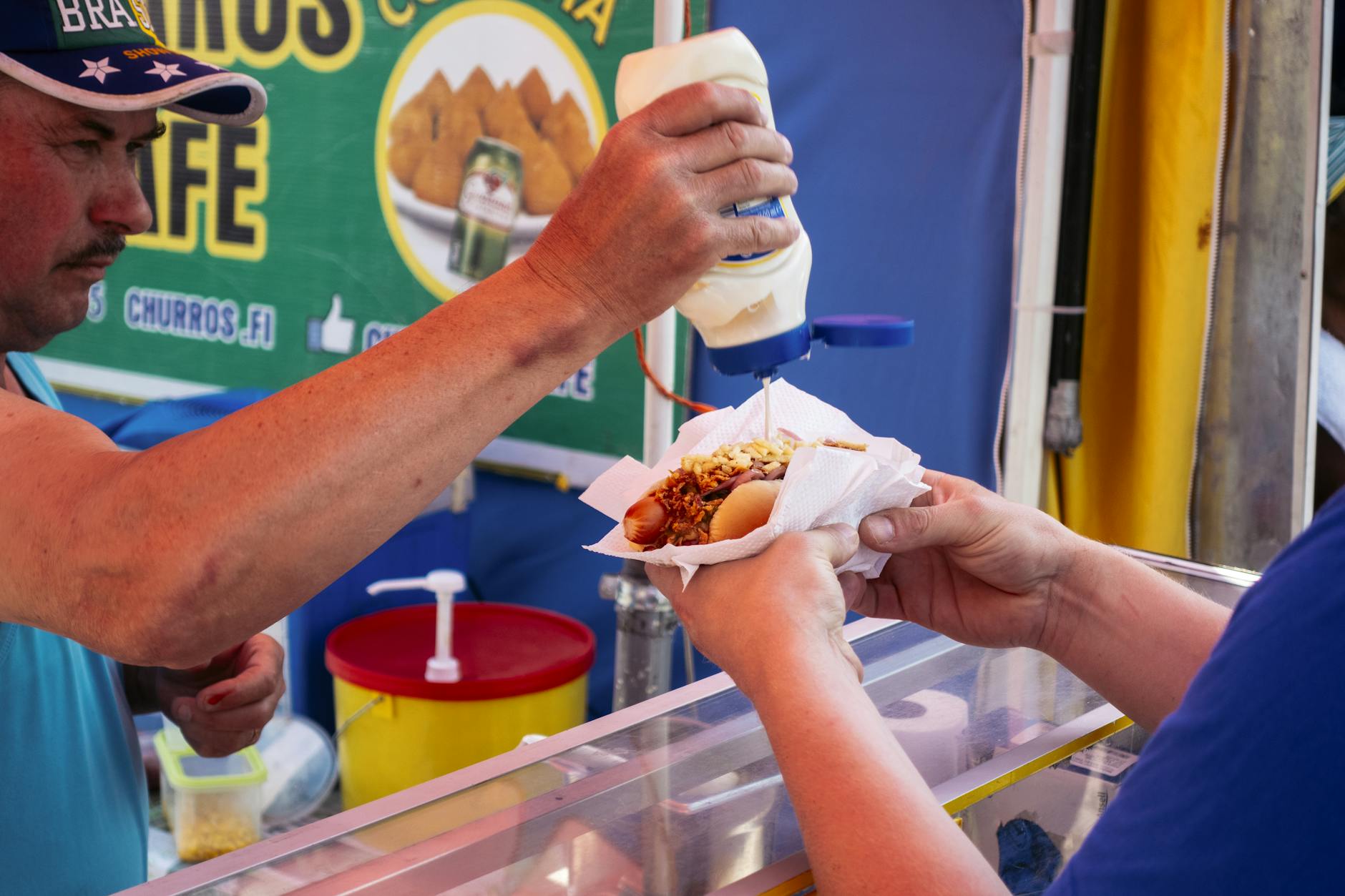
Finland’s food is understated but rewarding when you understand it as seasonal, regional, and tied to bread, fish, dairy, berries, mushrooms, coffee, and home/cottage life.
What to Eat
| Food or drink | What it is | How to approach it |
|---|---|---|
| Salmon soup | Creamy fish soup, often with potatoes, dill, and rye bread. | Perfect market hall lunch. |
| Rye bread | Dense, sour, deeply Finnish staple. | Eat with butter, cheese, fish, soup. |
| Karelian pies | Thin rye-crust pastries often filled with rice porridge, served with egg butter. | Essential snack/breakfast. |
| Korvapuusti | Finnish cinnamon bun. | Coffee-pause classic. |
| Coffee | Finland has one of the world’s great coffee cultures by consumption. | Use cafés as travel pauses, not just caffeine stops. |
| Berries | Bilberries, lingonberries, cloudberries, strawberries, sea buckthorn. | Best in season; cloudberries are prized in the north. |
| Mushrooms | Forest mushrooms appear in seasonal dishes. | Good in autumn menus. |
| Vendace and lake fish | Small freshwater fish and regional lake catches. | Try in Lakeland or market contexts. |
| Reindeer | Northern/Lapland meat dish. | Common in Lapland; choose responsibly if you eat meat. |
| Leipäjuusto | “Bread cheese,” often served with cloudberry jam. | Northern/comfort food classic. |
| Salmmiakki | Salty licorice. | Try once. You may love it or make a face. Both are acceptable. |
Where to Eat
| Situation | Best approach |
|---|---|
| First lunch | Helsinki market hall: soup, bread, pastry, coffee. |
| Casual dinner | Modern Finnish bistro, salmon soup, pizza/beer, neighborhood restaurant, or food hall. |
| Splurge meal | New Nordic/Finnish tasting menu in Helsinki, seasonal restaurant, or special Lapland dinner. |
| Budget meal | Market halls, lunch buffets, supermarkets, cafés, casual chains, bakery lunch. |
| With kids | Market halls, hotel restaurants, casual cafés, family-friendly museums, resort dining in Lapland. |
| In Lapland | Book key dinners in remote resorts; do not assume late-night choice. |
Sauna Etiquette
- Shower before entering.
- Check whether swimsuits are required, optional, or not used.
- Sit on a towel where required.
- Keep voices moderate.
- Ask before throwing water on the stones if sharing with strangers.
- Cool down between rounds.
- Hydrate.
- Do not turn the sauna into a photo shoot.
- In mixed public saunas, rules vary by venue; follow posted guidance.
The Move
Schedule sauna early in the trip, then schedule it again. Finland makes more sense after you understand that sauna is not merely relaxation. It is architecture, body culture, weather adaptation, social ritual, and national identity in one small hot room.
Getting Around Finland
Finland is easy to navigate in the south and more demanding in the north. Trains, buses, ferries, domestic flights, rental cars, and seasonal tours all play roles.
Trains
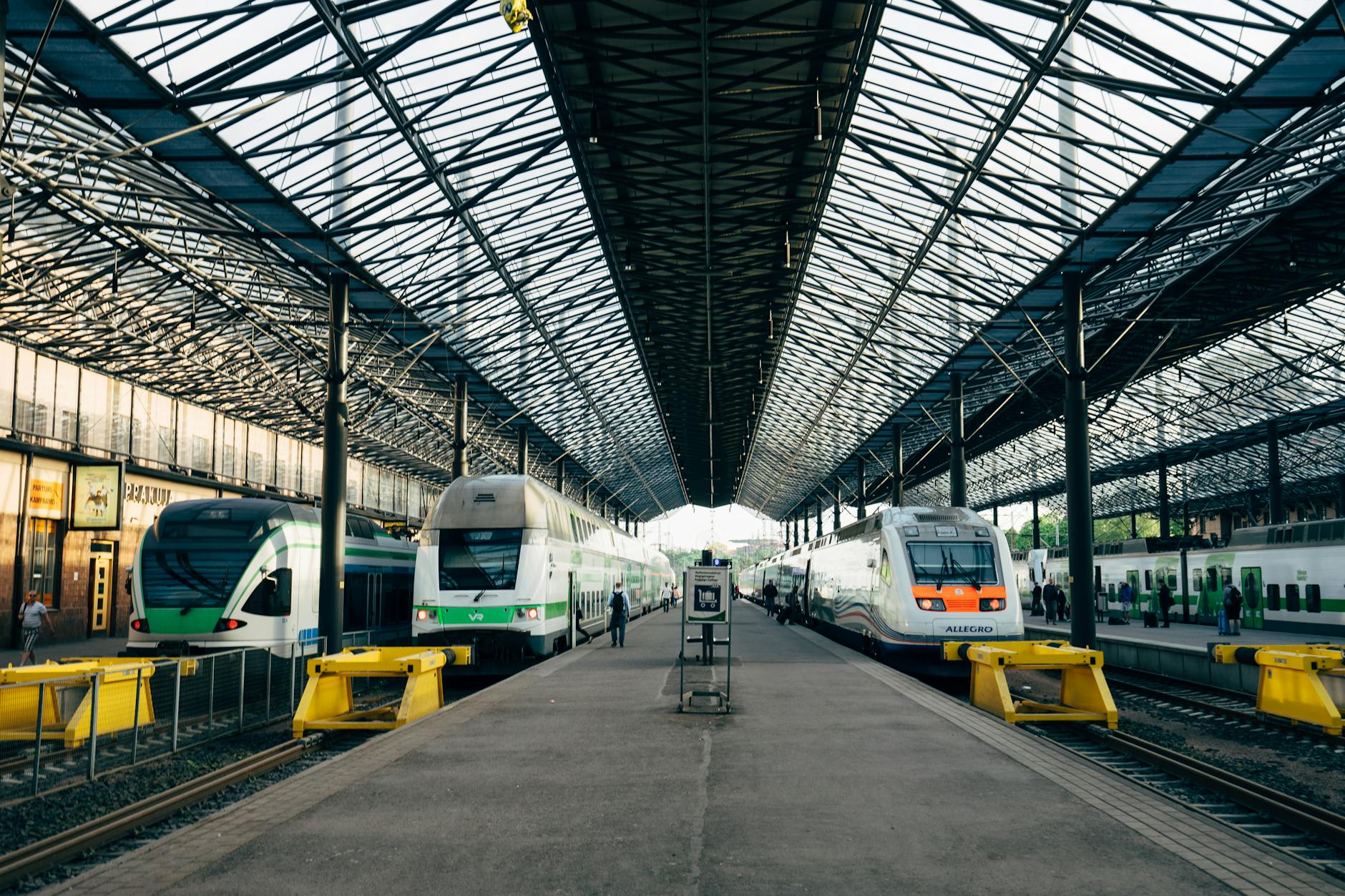
VR operates Finnish trains and is the backbone for many intercity routes.[9] Trains work well between Helsinki, Tampere, Turku, Oulu, Jyväskylä, Kuopio, Joensuu, Rovaniemi, and other cities.
Best for: Helsinki–Tampere, Helsinki–Turku, Helsinki–Oulu, night train to Rovaniemi/Lapland, city-to-city travel.
Book ahead: Long-distance trips, sleeper cabins, holidays, winter Lapland.
Night Trains
VR’s Santa Claus Express links Helsinki and Turku with Rovaniemi and Lapland, offering seats and sleeper cabins.[10] It is both transport and experience.
Worth it if: You want to save a hotel night, avoid a domestic flight, or make the journey part of the trip.
Not ideal if: You sleep badly on trains, have tight winter activity timing the next morning, or cannot get a cabin.
Buses
Buses fill gaps trains do not cover, especially smaller towns, rural routes, and some north/south connections. Use Matkahuolto, Onnibus, and local operators depending route.
Domestic Flights
Domestic flights are practical for Lapland if time is limited. Helsinki to Rovaniemi, Kittilä, Ivalo, Kuusamo, and Oulu can save a day.
The move: Fly north if you have a short winter trip. Take the train if you want the journey and have time.
Ferries and Islands
Ferries are essential for Suomenlinna, the archipelago, Åland, and some coastal/island routes. Summer ferry schedules can define the itinerary.
Common mistake: Assuming islands work like city neighborhoods. They work by timetable.
Rental Cars
A car is useful for Lakeland cottages, national parks, archipelago edges, and parts of Lapland. It is not needed for Helsinki.
Winter warning: Snow, ice, darkness, wildlife, remote roads, and weather require confidence and preparation. Do not make your first serious snow-driving experience a remote Lapland itinerary.
Helsinki Public Transport
Helsinki region public transport is excellent. Use HSL tickets/zones for trams, metro, buses, commuter rail, and ferries like Suomenlinna where applicable.
The move: In Helsinki, use transit and walking. Do not rent a car.
Budget and Costs
Finland is not a cheap destination, but it can be managed intelligently. Hotels, restaurants, Lapland winter lodging, tours, rental cars, and alcohol drive costs. Public transport, market hall lunches, supermarkets, nature, and city passes can help.
Daily Budget Ranges
| Traveler type | Daily estimate, excluding long-distance transport and major tours | What it means |
|---|---|---|
| Shoestring | €70–€110 | Hostel/budget room, supermarket meals, limited paid sights, city transit, careful spending. |
| Budget comfort | €110–€180 | Budget hotel, cafés/market halls, transit, one paid museum/activity per day. |
| Mid-range | €180–€300 | Good hotel, restaurants, trains, saunas, museums, occasional taxi/activity. |
| Comfortable | €300–€550 | Strong hotels, good dining, domestic flights or sleeper cabins, guided activities, winter gear rental. |
| Luxury/Lapland peak | €550+ | Glass cabins, private transfers, winter tours, resort dining, high-season northern lodging. |
What Is Surprisingly Expensive
- Lapland winter lodging.
- Winter activity packages.
- Alcohol and cocktails.
- Taxis.
- Last-minute hotels in peak seasons.
- Rental cars and fuel.
- Remote resort dining.
- Glass igloo/cabin stays.
What Is Surprisingly Good Value
- Market hall lunches.
- Public transit in Helsinki.
- Libraries and public architecture.
- Nature access.
- Supermarkets and bakeries.
- Some trains booked ahead.
- Public saunas compared with spa-style experiences.
- Walking, ferries, parks, and waterfronts.
Splurge-Worthy
- A proper public or lakeside sauna experience.
- A well-located hotel in Helsinki for a short trip.
- A sleeper cabin to Lapland.
- One excellent Finnish/New Nordic dinner.
- A winter activity you genuinely care about: husky sledding, snowshoeing, skiing, aurora trip, reindeer farm, or snowmobiling.
- A summer cottage stay.
Usually Not Worth It
- Glass igloo lodging if it wrecks the budget and clouds block the sky.
- A rental car in Helsinki.
- Overly short Lapland trips with multiple base changes.
- Tourist activities that reduce Sámi culture to costume or cliché.
- Expensive aurora tours that promise what nature cannot guarantee.
Safety, Health, and Weather
Finland is generally very safe for travelers. The main risks are weather, winter surfaces, remote-area preparedness, cold exposure, driving conditions, mosquitoes/ticks in season, alcohol-related nightlife issues, and ordinary travel mistakes.
General Safety
Use normal urban caution in Helsinki and other cities, especially at night around bars or transport hubs. Violent crime against tourists is not a central concern, but theft can happen anywhere. In nature, safety is about preparation.
Emergency Help
Call 112 for urgent medical, police, or fire help. Finland’s Emergency Response Centre Agency states that 112 is the single emergency number and works free of charge from any phone.[5]
Health Care
EU/EEA/Swiss/UK travelers may have access to medically necessary care through EHIC-related arrangements; Finland’s EU-healthcare information says that in emergencies travelers should call 112 and notes urgent/medically necessary care distinctions by origin country.[6] Non-European travelers should have travel insurance.
Winter Risks
- Icy sidewalks.
- Frostbite in severe cold.
- Hypothermia if underdressed.
- Darkness and fatigue.
- Snow driving.
- Wildlife on roads.
- Activity injuries.
- Remote lodging logistics.
Summer Nature Risks
- Mosquitoes, especially in the north and near wetlands.
- Ticks in some areas.
- Sunburn despite cool air.
- Cold water shock early in the season.
- Getting lost on trails.
- Underestimating distance in national parks.
Aurora Safety
Aurora hunting often means standing outside in cold darkness. Dress more warmly than for daytime walking. Use reflective gear or headlamps if near roads. Do not wander onto unsafe ice or private property.
The Move
Finland is safe enough that people relax quickly. Good. But do not confuse safety with invulnerability. Nature, winter, darkness, ice, and distance deserve respect.
Accessibility and Mobility
Finland’s cities generally have good infrastructure, but winter, ice, snowbanks, older buildings, ferries, small lodgings, and nature routes can complicate mobility.
What Helps
- Helsinki public transport and central infrastructure are relatively accessible.
- Modern museums, libraries, hotels, and public buildings often have good accessibility.
- Trains generally support assistance and accessible travel, but arrangements should be checked in advance.
- Cities are orderly and sidewalks are usually well maintained.
What Is Hard
- Winter ice and snow.
- Old wooden towns with uneven streets.
- Remote cottages and saunas.
- Island ferries and docks.
- Nature trails.
- Small restaurants or older buildings.
- Lapland activities that may not be accessible without specialist operators.
Lower-Walking Strategy
Base in central Helsinki or near a major station. Use trams, taxis, and ferries selectively. Avoid overloading the itinerary with cobbled old towns, icy winter walks, or remote nature unless accommodations and transport are confirmed.
Families, Solo Travelers, LGBTQ+ Travelers, and Special Considerations
Families
Finland is excellent for families because it is safe, organized, nature-rich, and child-friendly in many settings. Helsinki museums, Suomenlinna, libraries, parks, ferries, zoos, family saunas, winter activities, Santa tourism, and cottage trips can all work well.
Best family trips:
- Helsinki + Porvoo/Turku.
- Helsinki + Tampere.
- Rovaniemi winter.
- Summer cottage/Lakeland.
- Archipelago/Åland cycling with older kids.
Family warning: Winter Lapland is expensive and cold. Choose clothing, activities, and lodging carefully.
Solo Travelers
Finland is one of the easiest solo destinations in Europe: safe, quiet, efficient, and not socially intrusive. It is especially good for solo city breaks, design trips, sauna/food travel, and nature if prepared.
Solo tips:
- Public saunas are good social-but-not-too-social experiences.
- Counter/café dining is easy.
- Join guided nature or aurora activities in winter.
- Do not isolate yourself in remote cabins without transport or winter experience.
Women Traveling Solo
Finland is generally comfortable for solo women travelers. Use standard precautions around nightlife, taxis, and remote areas. Winter darkness may feel psychologically heavier than objectively unsafe.
LGBTQ+ Travelers
Finland is generally one of Europe’s more comfortable countries for LGBTQ+ travelers, especially in Helsinki and larger cities. Rural or older social settings may be quieter and less visibly expressive, but tourist travel is generally straightforward.
Older Travelers
Finland can be excellent for older travelers if paced well. Helsinki, Turku, Tampere, rail travel, market halls, saunas, and moderate nature routes work well. Winter ice is the main practical issue.
Remote Workers and Long Stays
Helsinki and Tampere are the strongest urban bases. Consider season carefully: summer is pleasant and light; November–February can feel dark for visitors not used to northern winters.
Shopping and Souvenirs
Finland is a strong shopping country if you care about design, textiles, ceramics, glass, outdoor gear, food products, books, and functional objects.
Good Souvenirs
- Marimekko textiles.
- Iittala glass.
- Arabia ceramics.
- Fiskars/other design tools where appropriate.
- Finnish knives or outdoor gear, packed legally.
- Wool socks, mittens, hats.
- Sauna products: towels, scents, ladles, thermometers.
- Rye crisps, chocolate, licorice, berry products, cloudberry jam.
- Coffee, tea, and pantry items.
- Moomin goods, especially from official/quality sources.
- Finnish books, design prints, music, and paper goods.
Best Shopping Areas
| Area | Best for |
|---|---|
| Helsinki Design District | Design, fashion, home goods, galleries, cafés. |
| Market halls | Food gifts, local products, casual lunches. |
| Fiskars Village | Design/craft day trip. |
| Turku | Food, books, local shops, archipelago goods. |
| Tampere | Local products, market hall, design and museum shops. |
| Lapland | Northern crafts, wool, outdoor gear, but buy respectfully and avoid fake Sámi-style souvenirs. |
What Not to Buy Thoughtlessly
- Fake or exploitative “Sámi-inspired” souvenirs not made by Sámi artisans.
- Wildlife products or natural materials that may face customs restrictions.
- Knives without checking luggage and import rules.
- Heavy glass/ceramics without safe packing.
- Aurora-themed gimmicks instead of quality local goods.
Arts, Culture, History, and Context
Short History for Travelers
Finland’s identity is shaped by geography, language, empire, independence, war, social democracy, design, and nature.
For centuries, the territory of modern Finland was tied to the Swedish realm. Swedish remains an official language, and Swedish-speaking culture is especially visible along parts of the coast and in Åland. In 1809, Finland became an autonomous Grand Duchy within the Russian Empire. Helsinki’s neoclassical center still reflects this imperial-era reshaping.
Finland declared independence in 1917. The 20th century brought civil conflict, wars with the Soviet Union, postwar reconstruction, neutrality and careful geopolitics, industrialization, education reforms, welfare-state development, technology, architecture, and design prominence. Today, Finland is a Nordic democracy known for high trust, public services, education, safety, gender equality, design, and nature access.
This history matters for travelers because Finland is neither Scandinavian in the narrow sense nor simply “like Sweden.” It is Nordic, Baltic-facing, forested, bilingual in parts, border-conscious, and deeply shaped by its eastern and western histories.
Cultural Norms That Matter
- Silence is comfortable.
- Small talk may be minimal.
- Punctuality matters.
- Personal space matters.
- Directness is normal.
- Sauna rules matter.
- Nature access comes with responsibility.
- Take shoes off in many homes/cottages.
- Do not confuse privacy with unfriendliness.
- Respect Sámi culture as living culture, not tourist decoration.
- Alcohol is expensive and regulated.
- Coffee breaks are serious.
Museums and Cultural Institutions
| Place | Best for |
|---|---|
| Ateneum | Finnish and European art. |
| Kiasma | Contemporary art. |
| Amos Rex | Contemporary exhibitions and architecture. |
| Design Museum Helsinki | Finnish design context. |
| Oodi Library | Public architecture and Finnish civic culture. |
| National Museum of Finland | National history, once fully available after renovation status should be checked. |
| Seurasaari | Open-air museum and traditional buildings. |
| Turku Castle | Medieval/early modern history. |
| Tampere museums | Industrial heritage, art, families. |
| Siida in Inari | Sámi culture and northern nature; important for deeper Lapland trips. |
Books, Films, Music, and Prep
A guide should curate:
- A short Finnish history primer.
- An Alvar Aalto/design introduction.
- A sauna etiquette guide.
- A short Sámi culture reading list for Lapland travelers.
- Finnish films and music.
- Food/cottage/summer culture explainers.
- A short guide to Finnish directness and silence.
Seasonal and Month-by-Month Guide
Winter Finland
Winter is best when you embrace it: snow, darkness, sauna, wool, soup, candles, skiing, and blue light. Do not fight winter by trying to travel like it is July.
Best: Lapland, saunas, Helsinki Christmas mood, skiing, snowshoeing, auroras, winter trains.
Watch: Cost, darkness, ice, cold, fully booked activities.
Spring Finland
Spring is transitional. It can be rewarding for city breaks but is not the iconic Finland most travelers imagine.
Best: Helsinki, museums, lower crowds, late snow in the north.
Watch: Slush, mud, patchy nature conditions.
Summer Finland
Summer is Finland in full social bloom. The country opens: lakes, islands, festivals, cottages, cycling, outdoor cafés, late light.
Best: Helsinki, Turku/archipelago, Lakeland, Åland, national parks, cottages.
Watch: Midsummer closures, mosquitoes, peak cottage demand.
Autumn Finland
Autumn is excellent, especially September. Lapland’s fall color season can be stunning; nights return for aurora viewing.
Best: Lapland ruska, city breaks, food, photography, lower crowds.
Watch: October/November darkness and shoulder-season closures.
Day Trips and Side Trips
Best from Helsinki
| Trip | Best for |
|---|---|
| Suomenlinna | Fortress, ferry, history, half-day island walk. |
| Porvoo | Old town, cafés, riverfront, easy charm. |
| Nuuksio National Park | Forest day trip, nature near the capital. |
| Fiskars Village | Design, craft, food, architecture. |
| Tallinn | International ferry day/overnight trip; not Finland, but a common pairing. |
| Hanko | Summer seaside town. |
| Tampere | Possible long day by train, better overnight. |
| Turku | Possible day by train, better 1–2 nights. |
Best Regional Extensions
| Extension | Best for |
|---|---|
| Turku + Archipelago | Summer islands, cycling, ferries. |
| Tampere + Lakeland | Sauna, lakes, second-city life. |
| Savonlinna/Saimaa | Lake scenery, castle, summer culture. |
| Rovaniemi | Easy Lapland. |
| Levi/Ylläs | Ski resort Lapland. |
| Saariselkä/Inari | Northern atmosphere and Sámi culture. |
| Åland | Slow island summer. |
What to Skip
Skip: A One-Night Lapland Aurora Dash
You might get lucky, but it is poor planning. Clouds can ruin the sky. Give the north at least three nights, preferably more.
Skip: Renting a Car in Helsinki
Public transport, walking, ferries, and trains are better. A car is a burden in the capital.
Skip: Treating Sauna Like a Novelty
Do it properly or skip it. Learn etiquette and choose a real public sauna or lakeside sauna.
Skip: Overpaying for Glass Igloos Without Understanding the Risk
They can be beautiful. They can also be cloudy, expensive rooms with no aurora. Buy the total experience, not the promise of a sky show.
Skip: Trying to Visit Every Region
Finland is larger than many travelers realize. A short trip should not include Helsinki, Turku, Lakeland, Åland, Rovaniemi, Levi, Inari, and Oulu.
Skip: November as a First-Time Nature Trip
November can be dark, wet, gray, and between seasons. It is fine for a specific city or low-cost purpose, but not the best default.
Common Mistakes
- Assuming northern lights are guaranteed.
- Adding Lapland to too short a trip.
- Booking winter activities too late.
- Underestimating winter darkness.
- Underestimating summer’s appeal.
- Trying to travel the archipelago without checking ferry schedules.
- Renting a car in Helsinki.
- Driving in winter without confidence or preparation.
- Not budgeting enough for Lapland.
- Skipping sauna because it feels intimidating.
- Forgetting mosquitoes in summer nature areas.
- Treating Finnish quiet as coldness.
- Overplanning lake/cottage days.
- Ignoring Midsummer closures and holiday patterns.
- Buying fake Sámi-style souvenirs.
- Packing fashion shoes instead of practical footwear.
- Expecting Helsinki to be a huge nightlife capital.
- Choosing remote accommodation without transport.
Responsible Travel
Do
- Respect sauna etiquette.
- Support local restaurants, cafés, markets, and artisans.
- Buy Sámi products from Sámi makers when in Sámi areas.
- Follow Leave No Trace principles.
- Check national park rules and fire restrictions.
- Respect private cottages, docks, and homes.
- Use trains and public transport where practical.
- Dress properly for weather instead of demanding indoor comfort everywhere.
- Learn a few words: kiitos means thank you.
Do Not
- Treat Sámi culture as costume.
- Trespass on private cottage property.
- Disturb wildlife.
- Walk onto unsafe ice.
- Make campfires where prohibited.
- Photograph people in saunas.
- Turn quiet nature areas into loud social media sets.
- Assume every remote road, trail, or lake is safe because Finland is “safe.”
Local Logic
Finland’s freedom to enjoy nature depends on responsibility. The country’s quiet is not empty space waiting to be consumed. Travel well by moving calmly, packing out trash, obeying fire and trail rules, and letting silence remain silent.
Packing List
Essentials
- Comfortable waterproof walking shoes.
- Layers.
- Rain jacket.
- Portable charger.
- Refillable water bottle.
- Swimwear for public saunas where required.
- Small towel if using saunas/nature.
- Eye mask for summer light.
- Sunglasses.
- Travel insurance.
- Cards/contactless payment.
- Offline maps and tickets.
- Any medication plus documentation.
Winter Additions
- Insulated boots with grip.
- Thermal base layers.
- Warm mid-layer.
- Heavy coat/parka.
- Hat covering ears.
- Gloves/mittens, ideally layered.
- Wool socks.
- Neck warmer/scarf.
- Hand warmers if cold-sensitive.
- Lip balm/moisturizer.
- Reflective gear or small light for dark roads.
- Swimsuit for sauna/hot tub contexts where needed.
Summer Nature Additions
- Mosquito repellent.
- Tick tool/check habits.
- Light long sleeves.
- Swimwear.
- Quick-dry towel.
- Sunscreen.
- Hat.
- Trail shoes.
- Picnic supplies.
- Light sleep mask.
What Not to Overpack
- Formal clothes unless dining high-end.
- Heavy city-only shoes.
- Too much cash.
- Winter gear you can rent for specialized Lapland activities, unless you need it throughout the trip.
- Unrealistic outfits for snow/ice.
FAQ
Is Finland worth visiting for a first trip to the Nordic countries?
Yes, especially if you like design, nature, saunas, safety, quiet, winter landscapes, summer light, and clean urban systems. It is less “storybook Scandinavia” than Norway’s fjords or Denmark’s cozy urban villages, but it has a deeper forest/lake/Arctic identity.
How many days should I spend in Finland?
Five to seven days is enough for Helsinki plus one region. Ten days is better if adding Lapland. Two weeks lets you do a fuller summer or winter route.
Should I visit Finland in summer or winter?
Choose summer for lakes, islands, cottages, midnight light, and easier travel. Choose winter for snow, saunas, Lapland, northern lights, skiing, and Arctic atmosphere. They are almost different trips.
Can I see the northern lights in Helsinki?
It is possible but not a sensible plan. Go north to Lapland or northern Lakeland during dark months, and still understand that auroras are not guaranteed.
What is the best first-time itinerary?
For a general first trip: Helsinki, Porvoo, Turku, and Tampere. For a winter dream trip: Helsinki plus one Lapland base. For summer nature: Helsinki plus Lakeland or the archipelago.
Is Finland expensive?
Yes by global standards, but not impossible. Hotels, restaurants, alcohol, taxis, and Lapland winter travel are expensive. Market halls, public transit, nature, supermarkets, trains booked ahead, and simple food can help control costs.
Do I need a car?
Not in Helsinki. Not for a Helsinki–Turku–Tampere trip. A car helps for cottages, Lakeland, national parks, remote Lapland, and archipelago flexibility. Winter driving requires confidence.
Is Finland good with kids?
Yes. It is safe, organized, clean, and full of nature, museums, ferries, libraries, winter activities, and family-friendly public spaces. Lapland is especially popular with families, but costly.
What should I book ahead?
Lapland winter lodging, glass cabins, husky/reindeer/snowmobile activities, sleeper train cabins, holiday-season travel, summer cottages, Åland/archipelago logistics, and popular Helsinki restaurants or saunas at peak times.
What is the biggest mistake first-timers make?
Trying to make Finland a greatest-hits sprint. The country is best when you choose a season, choose a region, and give the experience room to breathe.
Source Notes
Date-sensitive details in this guide were checked against official or high-reliability sources where possible. Re-check entry rules, transport schedules, ferry routes, prices, safety guidance, park rules, weather advisories, and opening hours before publication.
- 1. Ministry for Foreign Affairs of Finland, “A visa to visit Finland,” https://um.fi/visa-to-visit-finland
- 2. Finnish Immigration Service, “Visiting Finland (Visa),” https://migri.fi/en/visiting-finland
- 3. Government of Canada, “Travel advice and advisories for Finland,” https://travel.gc.ca/destinations/finland
- 4. Visit Finland, “Practical tips for travellers to Finland,” https://www.visitfinland.com/en/practical-tips/
- 5. Emergency Response Centre Agency Finland, “Frontpage,” https://112.fi/en/frontpage
- 6. EU-healthcare.fi, “Falling ill when travelling in Finland,” https://www.eu-healthcare.fi/healthcare-in-finland/falling-ill-when-travelling-in-finland/
- 7. Visit Finland, “Best times to see the Northern Lights in Finland,” https://www.visitfinland.com/en/articles/the-best-times-to-see-northern-lights/
- 8. Visit Finland, “Finland – land of the Midnight Sun,” https://www.visitfinland.com/en/articles/land-of-the-midnight-sun/
- 9. VR, “Welcome on a journey together with us,” https://www.vr.fi/en
- 10. VR, “Santa Claus Express Finland,” https://www.vr.fi/en/santa-claus-express