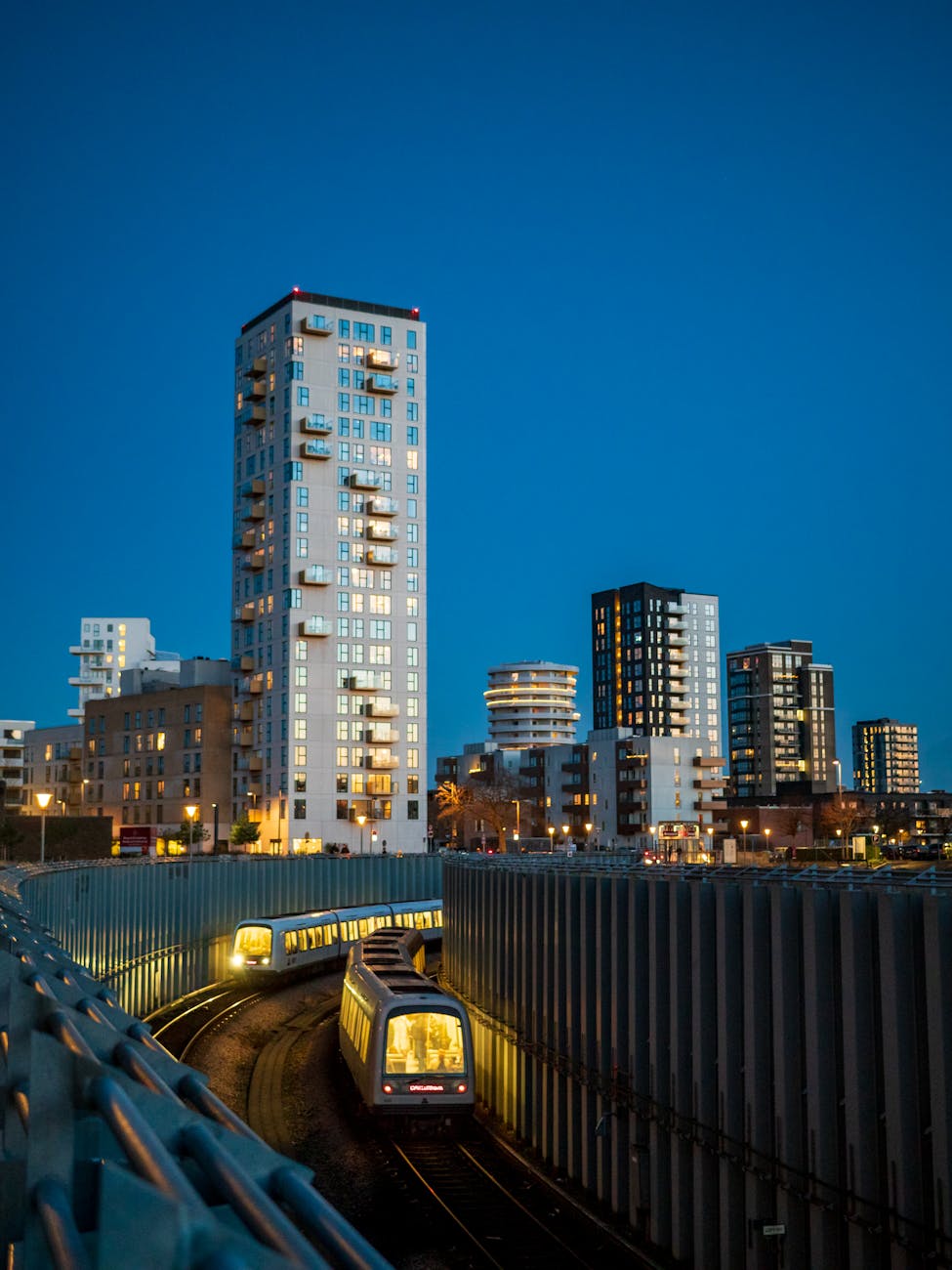
*A practical analysis for visitors, foreign residents, and local users* Prepared: April 21, 2026
Scope and audience
This paper explains how transportation works in Denmark at both the national and city scale. The first part covers the countrywide transport model: intercity rail, regional rail, metro and S-train systems, local buses, ferries, cycling, driving, airport access, fare media, accessibility, and weather or disruption patterns. The second part applies those principles to the Danish destinations we currently cover: Copenhagen, Aarhus, Odense, Aalborg, Roskilde, and Elsinore.
Denmark is one of the more legible countries in Europe to move through, but it becomes much better once the traveler understands what kind of legibility it offers. This is not a country built on theatrical transport. It is built on competence, coordination, and daily usability. The system is generally calmer and more coherent than it first appears, but it still has sharp differences between Copenhagen and the rest of the country, between city movement and smaller-town movement, and between what works beautifully by train and what only becomes elegant once cycling, walking, or short taxi use are added.
Contents
- Executive summary
- Part I - National transportation in Denmark
- 1. The Danish transportation model
- 2. The practical decision framework
- 3. National and long-distance rail
- 4. Regional rail, local rail, and the Copenhagen S-train logic
- 5. Metro, light urban rail, buses, and city transit
- 6. Ferries, harbor services, and island access
- 7. Cycling, walking, and the real everyday movement culture
- 8. Private vehicles, rental cars, roads, bridges, parking, and fuel
- 9. Taxis, ride-hailing, transfers, and airport cars
- 10. Tickets, fare media, apps, and national friction points
- 11. Accessibility, luggage, families, and older travelers
- 12. Wind, rain, winter, engineering works, and service disruption
- 13. Main concerns for residents and local users
- 14. Recommended strategies by traveler type
- Part II - City and destination analysis
- Copenhagen
- Aarhus
- Odense
- Aalborg
- Roskilde
- Elsinore
- Practical route examples
- References
Executive summary
Denmark is one of the easiest countries in Europe for travelers who like coherent systems and modest daily friction. The national network is not flashy, but it is usually intelligible. Rail matters. Local buses matter. In Copenhagen, metro and S-train matter a great deal. Cycling is not decorative and cannot be treated as decorative if the traveler is moving through central urban space. Ferries matter in selected contexts, but they are less central to the average Denmark trip than trains, buses, and bicycles.
The national travel logic is simple:
Denmark works best when travelers stay realistic about scale. The country is compact enough that people sometimes become sloppy and assume every move will be effortless. Most are manageable. Not all are equally graceful. The strongest Denmark trip groups regions intelligently, uses rail for the main skeleton, and then relies on walking, bus, bicycle, or tactical taxi use to make individual destinations feel smooth rather than overmanaged.
- Use rail first for most city-to-city movement.
- Use Copenhagen metro and S-train as the backbone of the capital-region trip.
- Use local buses and walking to complete many movements outside the biggest rail-served cores.
- Use cycling carefully and respectfully if it fits the traveler, because it is part of the actual transport culture, not merely a tourist image.
- Use cars selectively, mainly when the route widens into rural, coastal, or dispersed areas that are technically connected but operationally slower by public transport.
- Use short taxi or transfer legs tactically for luggage, weather, late-night arrivals, or poorly timed last-mile situations.
- Expect a high-quality but not perfectly unified fare experience. Denmark is usable, but not every local movement is solved by one magical national payment habit.
1. The Danish transportation model
Denmark is a small, affluent, infrastructure-conscious country whose passenger transport works through a relatively disciplined combination of rail, local transit, buses, cycling, and well-maintained roads. The system feels more human-scaled than many larger countries because distances are shorter, urban centers are compact, and public space is designed with everyday use in mind.
The national model runs on a few basic truths:
This is why Denmark often feels easy to experienced travelers but can still produce mild friction for people who arrive with a too-simple fantasy of bikes and trains doing everything automatically.
- Rail is the main intercity spine. It handles a large share of practical movement between major Danish cities.
- Copenhagen is a transport world of its own. The capital region has a much denser and more layered mobility system than the rest of the country.
- Buses and local connections matter more than outsiders assume. The polished train image is real, but many actual trips are finished by bus, foot, or bicycle.
- Cycling is structural. It is not just a lifestyle ornament. It affects street behavior, safety expectations, and how cities actually function.
- Driving remains useful outside the strongest city-and-rail patterns. Denmark is highly navigable by public transport, but private vehicles still become attractive on certain rural, coastal, or multi-stop itineraries.
2. The practical decision framework
Choose rail for national movement
For most trips between major cities, the train should be the first option. It is usually the cleanest balance of speed, central arrival, and low cognitive burden.
Choose metro, S-train, and buses inside Copenhagen
Copenhagen is where Denmark's public transport becomes most fully layered. A traveler based in the capital should think first in terms of metro, S-train, bus, and walking rather than defaulting into taxis or rental cars.
Choose buses and walking in smaller cities
Outside Copenhagen, Denmark often works through compact city centers, station-led arrivals, and modest local bus use. Many destinations become easier once the traveler accepts that not every movement needs heavy transport infrastructure behind it.
Choose cycling only if it truly fits the traveler
Cycling can be a wonderful part of a Denmark trip, but only if the user is comfortable with real bicycle culture. This is not the place to drift cluelessly through active bike lanes and assume the city will absorb the mistake.
Choose a car when the route is dispersed rather than urban
The farther the itinerary moves from major rail lines and compact city cores, the stronger the car case becomes. Denmark is small enough that driving can feel temptingly easy, but that does not mean it should be the default for city-based travel.
3. National and long-distance rail
Rail is the country's strongest national passenger mode for most intercity trips. Denmark's size makes rail especially attractive because the distances are long enough for trains to matter and short enough that they often remain practical without turning into all-day events.
For visitors, rail is strongest when:
Rail is weaker when:
Denmark rewards trains because the country itself is the right size for them. That sounds obvious, but it is the reason the system feels stronger than in larger countries where rail has to cover vast geography or weaker than in places with ultra-high-speed density. Denmark's advantage is appropriateness.
- moving between the major cities
- staying largely inside urban centers
- valuing central station arrival
- avoiding airport friction for medium-distance domestic movement
- wanting a simpler, lower-stress trip structure
- the destination sits materially away from a station and needs multiple local steps
- the traveler is making a scenic or rural route with many small detours
- late-night or early-morning timing matters more than elegance
4. Regional rail, local rail, and the Copenhagen S-train logic
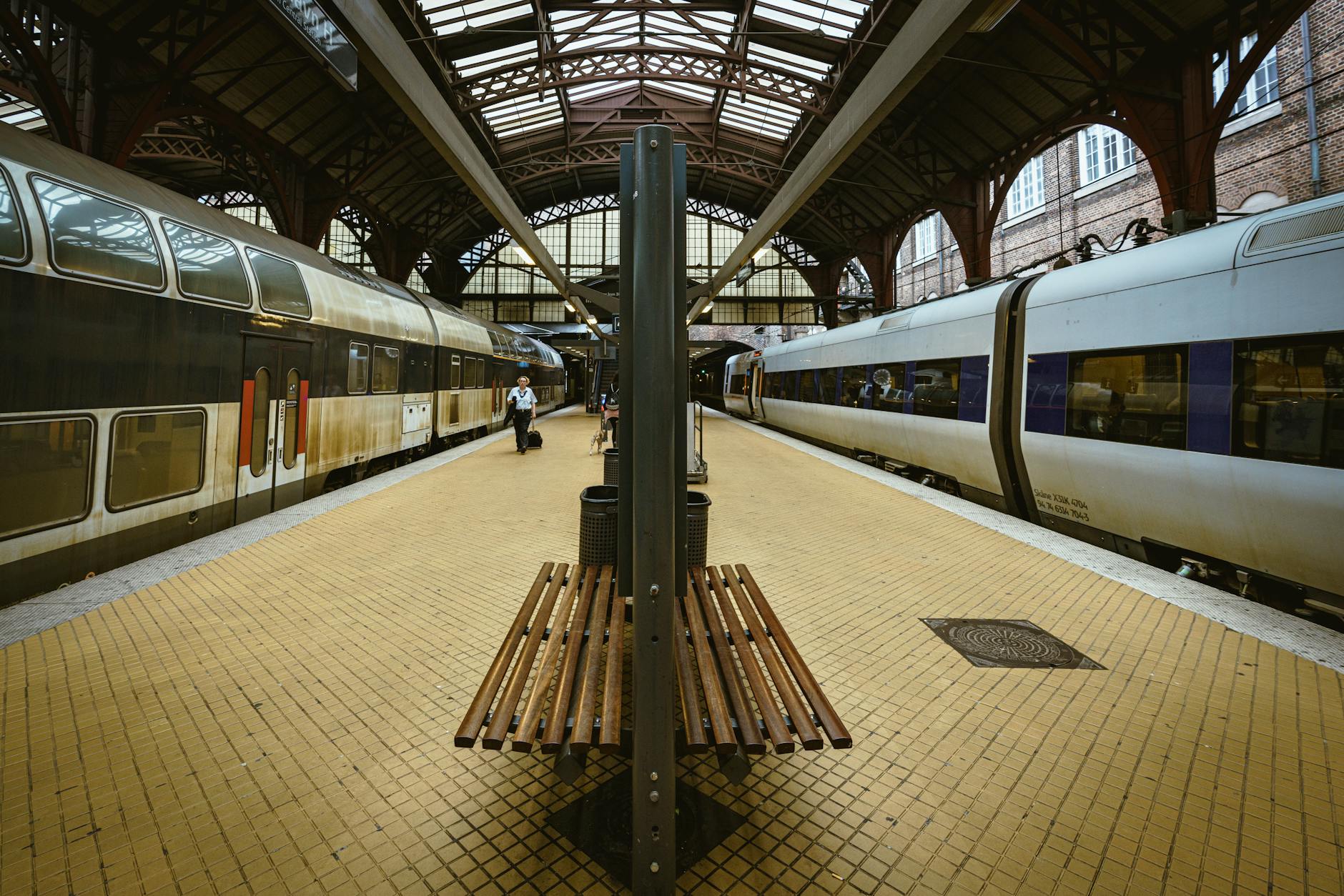
Regional rail broadens the country beyond the headline intercity routes and matters especially for connecting secondary cities, suburban areas, and smaller nodes feeding into major centers. In the Copenhagen region, the S-train system is one of the key layers that turns the capital from a single central city into a far larger, still-usable metropolitan area.
For travelers, the S-train matters because it:
Outside Copenhagen, regional rail can still be helpful, but the traveler should think more carefully about frequency, station placement, and last-mile issues. Denmark is efficient, but it does not erase geography.
- widens hotel and meeting-location options
- supports airport and suburb logic indirectly through the wider network
- makes some day-trip and outer-neighborhood movements easier than they first appear
- lets the capital feel larger without becoming unusable
5. Metro, light urban rail, buses, and city transit
Urban transit in Denmark is strongest in Copenhagen, where metro, S-train, buses, and local rail interactions create a real all-day urban mobility framework. Aarhus and Odense have meaningful local transport use as well, but the practical weight of buses, walking, and compact city geography is greater there than in the capital.
The broad pattern is:
The mistake many travelers make is overengineering Denmark. In much of the country, the trip improves when the traveler stops looking for a mega-system and instead uses the right modest combination of station, bus, foot, and short taxi ride.
- Copenhagen: a full no-car city with strong metro and S-train logic
- Aarhus: a compact city where walking, buses, and selective rail use matter
- Odense: a manageable city where local movement is usually simple rather than grand
- Aalborg: similarly compact, with bus and walking logic doing much of the work
- Roskilde and Elsinore: smaller-city and town logic, often anchored by rail arrival plus walking and buses
6. Ferries, harbor services, and island access
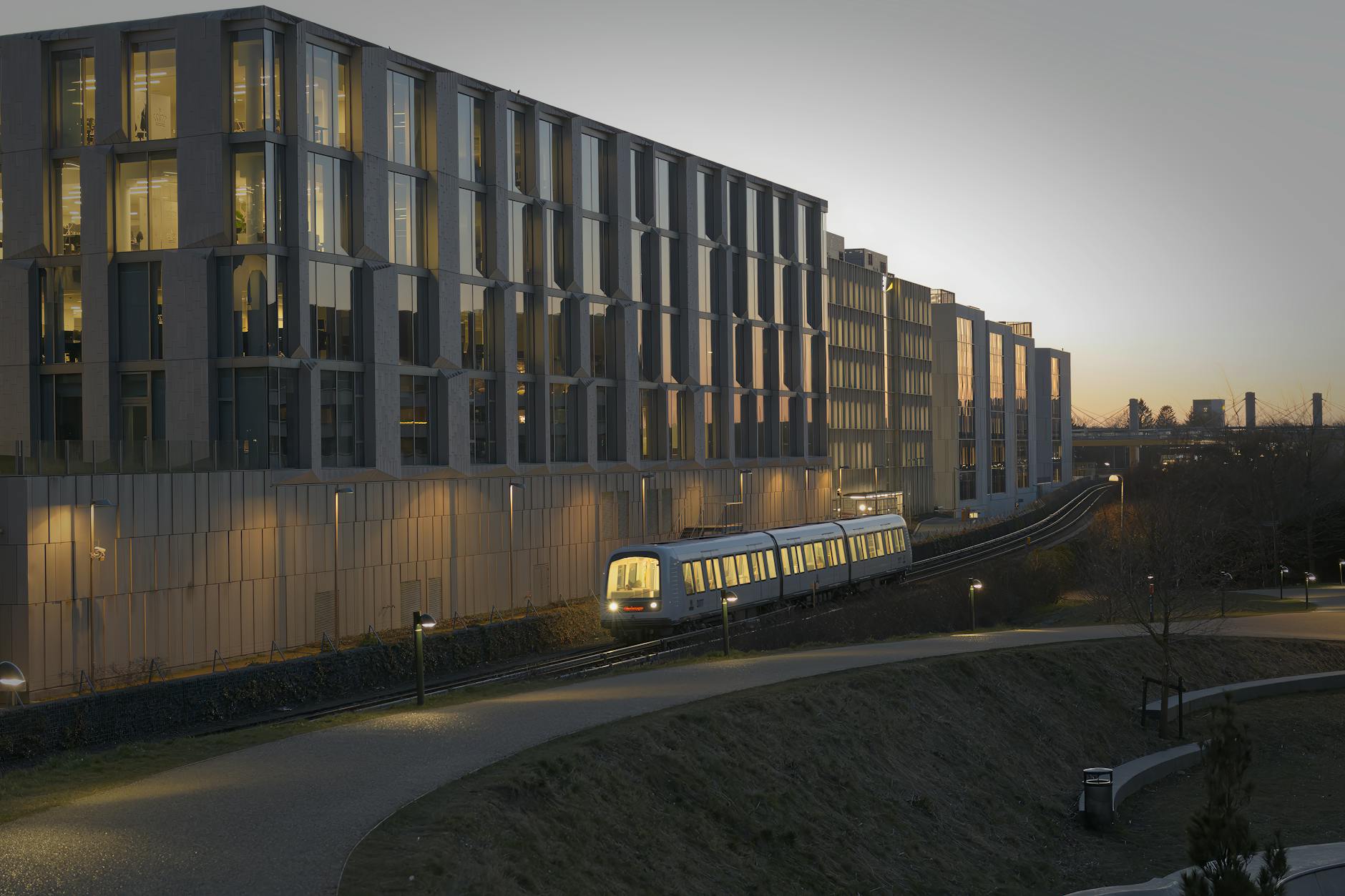
Ferries matter in Denmark, but in a more contextual way than the national bicycle image might suggest. They are essential for some island links and coastal routes, and they also shape parts of the national imagination, but they are not the dominant mode for most city-focused travelers.
For the right trip, ferries are important when:
The practical lesson is not that Denmark is a ferry country first. It is that the traveler should notice when the route quietly depends on a marine link and plan it with the same seriousness as a train departure.
- reaching smaller islands
- building coastal or maritime itineraries
- linking places where overland movement would be less graceful
- adding specific harbor or waterfront transport segments
7. Cycling, walking, and the real everyday movement culture
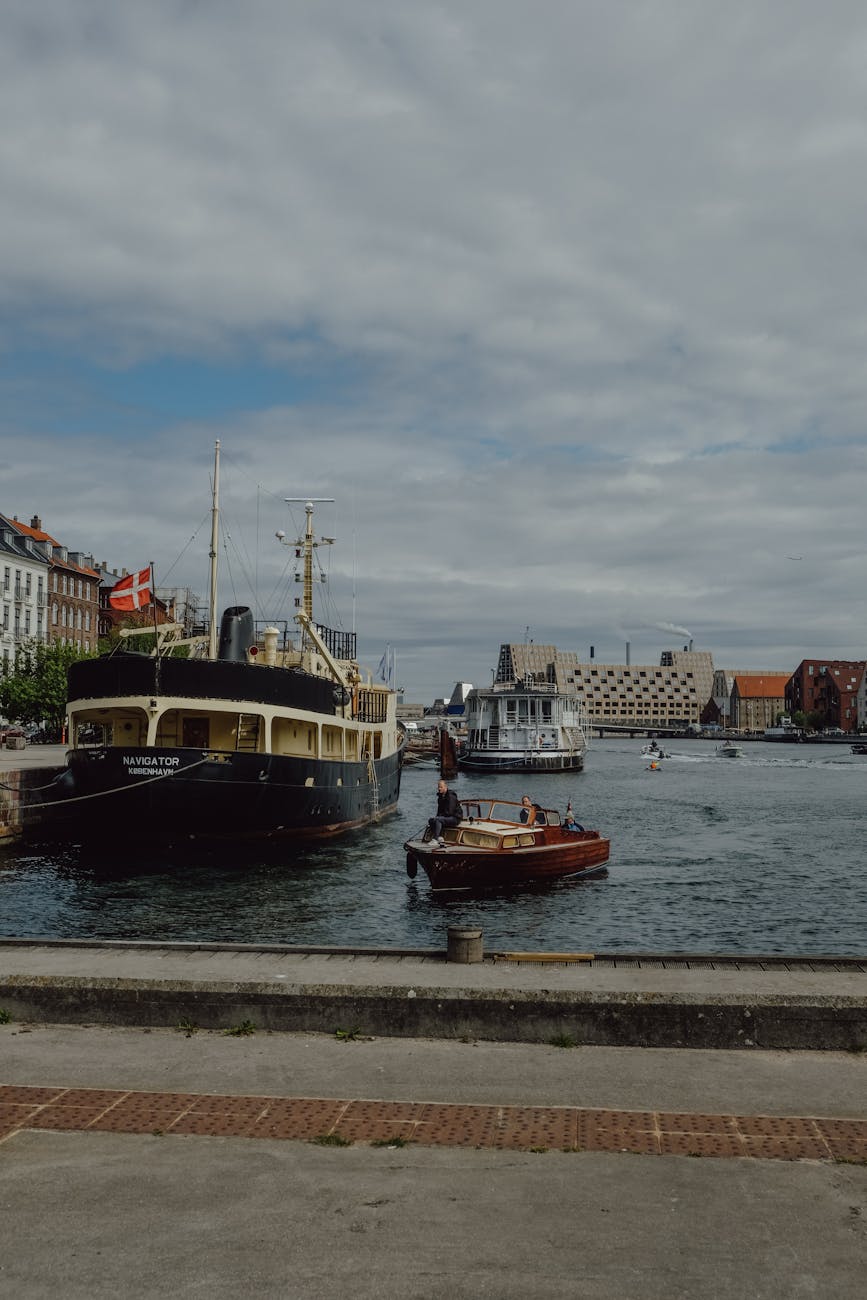
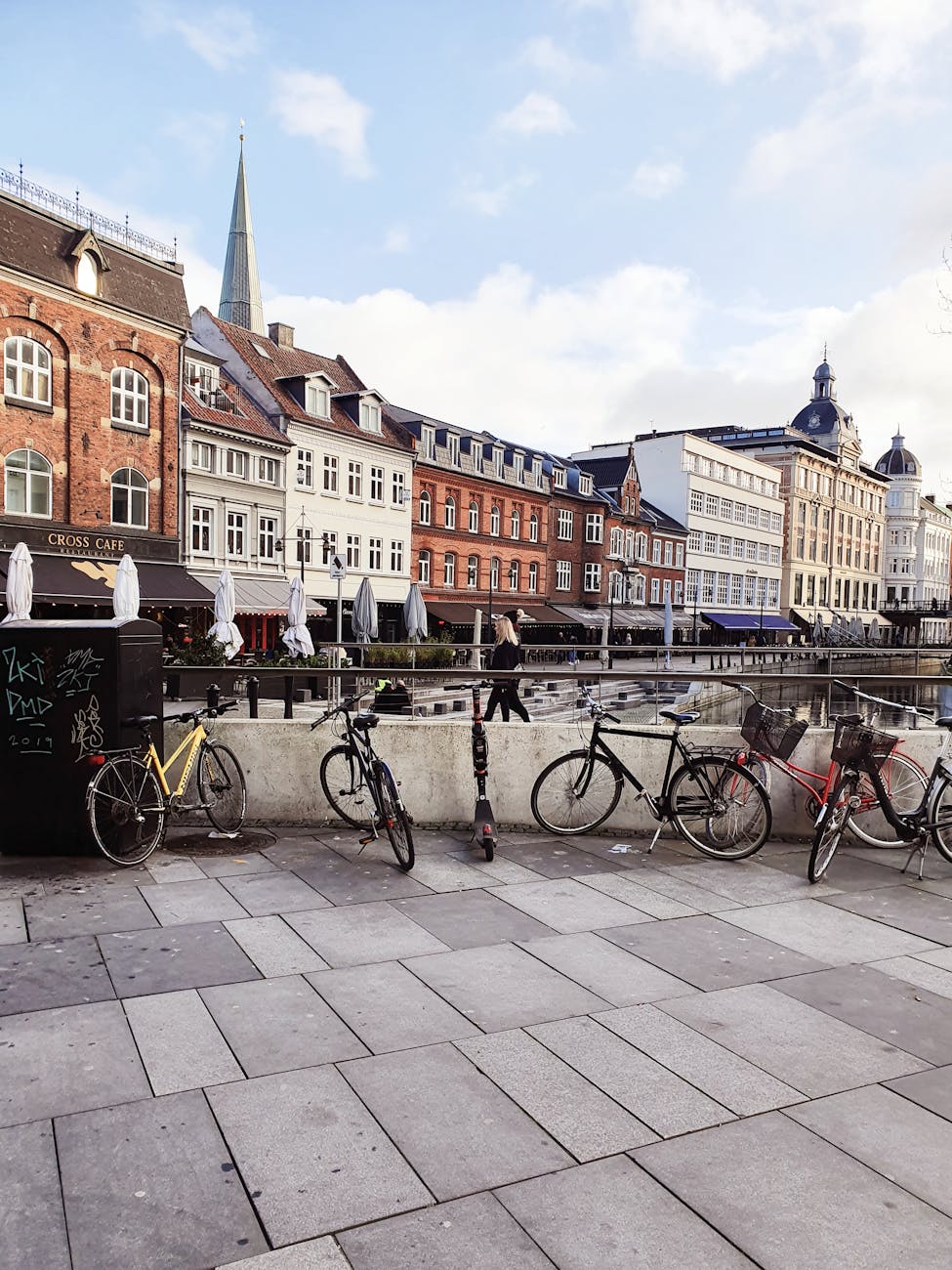
Cycling in Denmark is one of the country's defining transport realities, but it is often misunderstood by visitors. The image is charming; the actual function is disciplined. Bike lanes are used by people who know what they are doing, who are moving with purpose, and who expect pedestrians not to wander into cycling space casually.
For travelers, cycling is strongest when:
Walking, meanwhile, is central almost everywhere in Denmark because city centers are generally compact, public space quality is high, and station-to-destination distances are often manageable. This is one of the country's great hidden transport strengths. Denmark often feels easy not because the technology is spectacular, but because the urban form is humane.
- they are genuinely comfortable riding in active urban environments
- the weather is decent
- the route is short to medium in length
- the city stay is slow enough to let the bike become part of the day
8. Private vehicles, rental cars, roads, bridges, parking, and fuel
Driving in Denmark is generally orderly and technically straightforward. Roads are good, signage is clear, and the country is small enough that driving can feel efficient. But that does not make a car the best answer for every trip.
Cars are strongest for:
Cars are weakest for:
Denmark is a country where the car often works fine, but the train often works better. That distinction matters.
- rural and coastal itineraries
- small-town combinations not centered on rail
- travelers carrying gear or moving with family
- flexible scenic trips
- areas where the route is shaped by what lies between destinations rather than by the destinations alone
- central Copenhagen
- compact short city breaks
- itineraries already anchored by good rail links
- trips where parking and hotel access become dead weight
9. Taxis, ride-hailing, transfers, and airport cars
Point-to-point car services in Denmark are best understood as supplements. In the main cities they are useful for airport arrivals, luggage, weather, late-night movement, or awkward final legs. They are usually not the best primary strategy for a well-built Denmark itinerary.
The strongest uses are:
Denmark rewards tactical taxi use more than blanket taxi dependence.
- airport transfers when the traveler is tired or heavily loaded
- very early departures
- badly timed last-mile segments
- family logistics
- older travelers who want to reduce transfers
10. Tickets, fare media, apps, and national friction points
Denmark is usable, but not frictionless in one universal national sense. Different fare products, local practices, and digital expectations can create mild confusion, especially for travelers moving between national rail and city systems.
The right approach is:
The friction here is usually not dramatic. It is low-level and administrative. Denmark is good at making movement possible. The traveler still has to pay attention.
- check the local app or fare product before arriving
- do not assume the capital's easiest payment habit applies identically elsewhere
- understand whether a trip is national rail first or local transit first
- simplify your own system rather than trying to optimize every fare nuance
11. Accessibility, luggage, families, and older travelers
Denmark is generally a strong country for travelers who need reasonable urban infrastructure, but the experience depends on station design, weather, transfer count, and whether the trip has been overcomplicated.
The strongest approach for users with luggage, strollers, or mobility constraints is usually:
Families and older travelers often do well in Denmark because city centers are usually calm and manageable. The main risk is not disorder. It is fatigue from too many small movements.
- choose station-adjacent or well-located hotels
- reduce changes between modes
- avoid using cycling assumptions in place of realistic walking assumptions
- use taxis when weather or luggage degrade the public-transport experience
12. Wind, rain, winter, engineering works, and service disruption
Denmark is not a dramatic weather country in the same way as Canada or Norway, but weather still shapes movement. Wind, rain, dark winter conditions, and engineering works can change how pleasant and direct a route feels.
The most important operational realities are:
The traveler who respects weather usually finds Denmark easy. The traveler who assumes every day will behave like a summer tourism brochure can make the country feel slightly less polished than it really is.
- cycling quality drops sharply for many users in bad weather
- small increases in wind and rain can materially change walking comfort in coastal places
- rail or infrastructure works can matter because travelers are often relying on one clean national spine
- shorter winter light changes the mood and usability of some marginal routes
13. Main concerns for residents and local users
Locals in Denmark tend to think about transport through reliability, everyday cost, regional balance, and how well different modes integrate into ordinary life. The recurring concerns are not usually chaos or basic safety. They are more often:
That perspective explains the traveler experience too. Denmark often works well not because it is magical, but because it has been arranged seriously around daily life.
- delays or works on important rail lines
- local frequency and regional connection quality
- the price and practicality of car ownership
- the tension between strong capital-area mobility and thinner systems elsewhere
- weather degrading the cycling or walking experience
14. Recommended strategies by traveler type
First-time city traveler
Base in Copenhagen or combine it with one other Danish city. Use rail for the intercity skeleton and do not rent a car unless the route really requires it.
Luxury or high-comfort traveler
Use strong central hotels, airport transfers when needed, first-class rail where available, and selective taxis to preserve calm. Denmark responds well to quality, because the country is already orderly enough that comfort spending compounds quickly.
Budget traveler
Use rail, buses, and walking. Keep the route compact. Denmark is rewarding when the itinerary is regionally disciplined rather than nationally greedy.
Family traveler
Use trains for the main movements, choose hotels that reduce transfers, and add taxis tactically. A car may make sense if the family itinerary goes coastal, rural, or island-heavy.
Business traveler
Stay close to rail and metro strength. In Copenhagen especially, do not default into a car unless the meetings are geographically awkward. Protect the day from unnecessary mode-switching.
Copenhagen
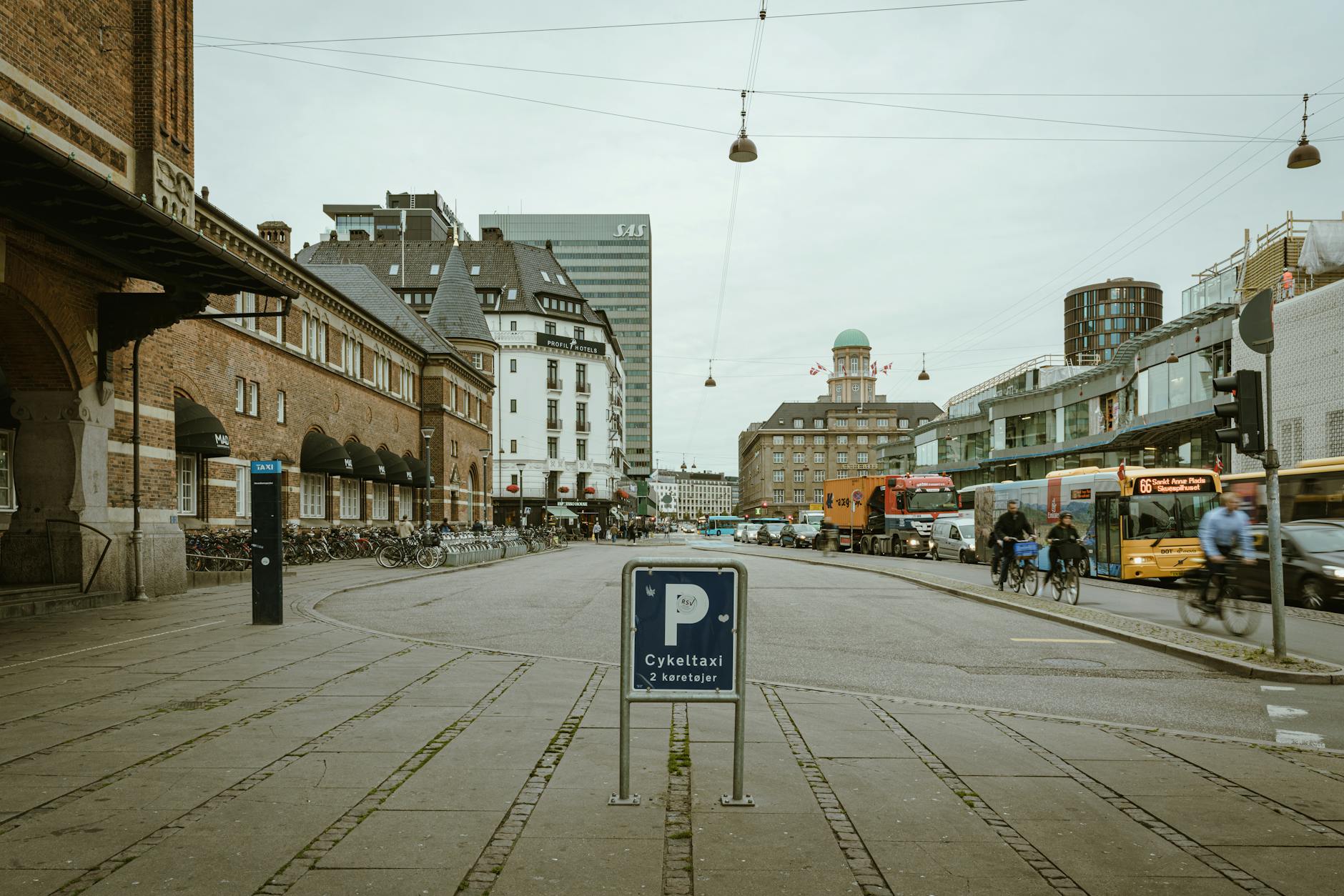
Copenhagen is the country's dominant transport environment and one of the easiest major European capitals to navigate without a car. Metro, S-train, buses, and walking combine well enough that many travelers can land, reach the city, move confidently for days, and depart again without ever thinking seriously about driving.
The capital works because its systems support the city that actually exists. Central districts are compact enough to walk, connected enough to ride transit intelligently, and dense enough that over-reliance on taxis usually makes the trip worse rather than better. Cycling is real here, but it should only be adopted by users who are comfortable participating in actual bike-lane culture rather than consuming an image of it.
Copenhagen punishes unnecessary driving. Parking, congestion, and the general pointlessness of carrying a car through a city this usable make it a weak default. The strongest Copenhagen trip is metro-and-S-train-led, with walking doing far more of the emotional work than the visitor expected.
Aarhus
Aarhus is a city where transport becomes smaller in scale and more tied to the city's own compactness. The city does not need a giant capital-style system to work well. It needs a sensible relationship between station, center, buses, waterfront, and neighborhoods. That relationship usually exists.
For most travelers, Aarhus works best through walking, local bus use, and a strong understanding of where the hotel sits relative to the center. It is the kind of place where one good base can eliminate much of the transport complexity before the trip even begins.
Driving in the city itself is usually unnecessary unless the route immediately expands into regional Denmark. Aarhus is better when handled as a walkable, rail-arrival city rather than as a mini road trip base by default.
Odense
Odense is manageable in a distinctly Danish way: not because it overwhelms the traveler with infrastructure, but because much of the city can be understood cleanly once the traveler arrives. This is a place where rail arrival, walking, and modest local transit use can do most of the work.
The strongest Odense stay is calm and compact. Travelers who choose a sensible base and accept the city's scale often find that transportation fades into the background in the best possible way. That is a compliment, not a limitation.
Odense becomes a car question only when the wider route demands it. The city itself rarely does.
Aalborg
Aalborg is another example of Danish urban practicality: a city that is more about coherence than spectacle. Local movement is generally manageable through walking, buses, and a well-chosen base. The city is large enough to feel substantive but not so large that transport dominates the trip.
For most visitors, Aalborg should be approached as a compact city stay with optional local transit support rather than as a place requiring constant motorized movement. That is one of its strengths. The place can feel composed without making the traveler work too hard for that composure.
A car can matter if Aalborg is part of a broader northern or coastal route. It is much less compelling as a city-only default.

Roskilde
Roskilde benefits from being close enough to larger systems to feel accessible while still having a smaller, calmer identity of its own. The town is best handled by rail arrival, walking, and targeted local movement rather than by overcomplicated transport planning.
What matters here is not network grandeur. It is how well the town-and-fjord experience holds together once the traveler is in place. A central or well-positioned base makes Roskilde feel much easier and more complete. That is usually more valuable than trying to solve the stay through extra transport layers.
Roskilde is a good example of a Danish destination where station logic plus local restraint produces the strongest result.
Elsinore
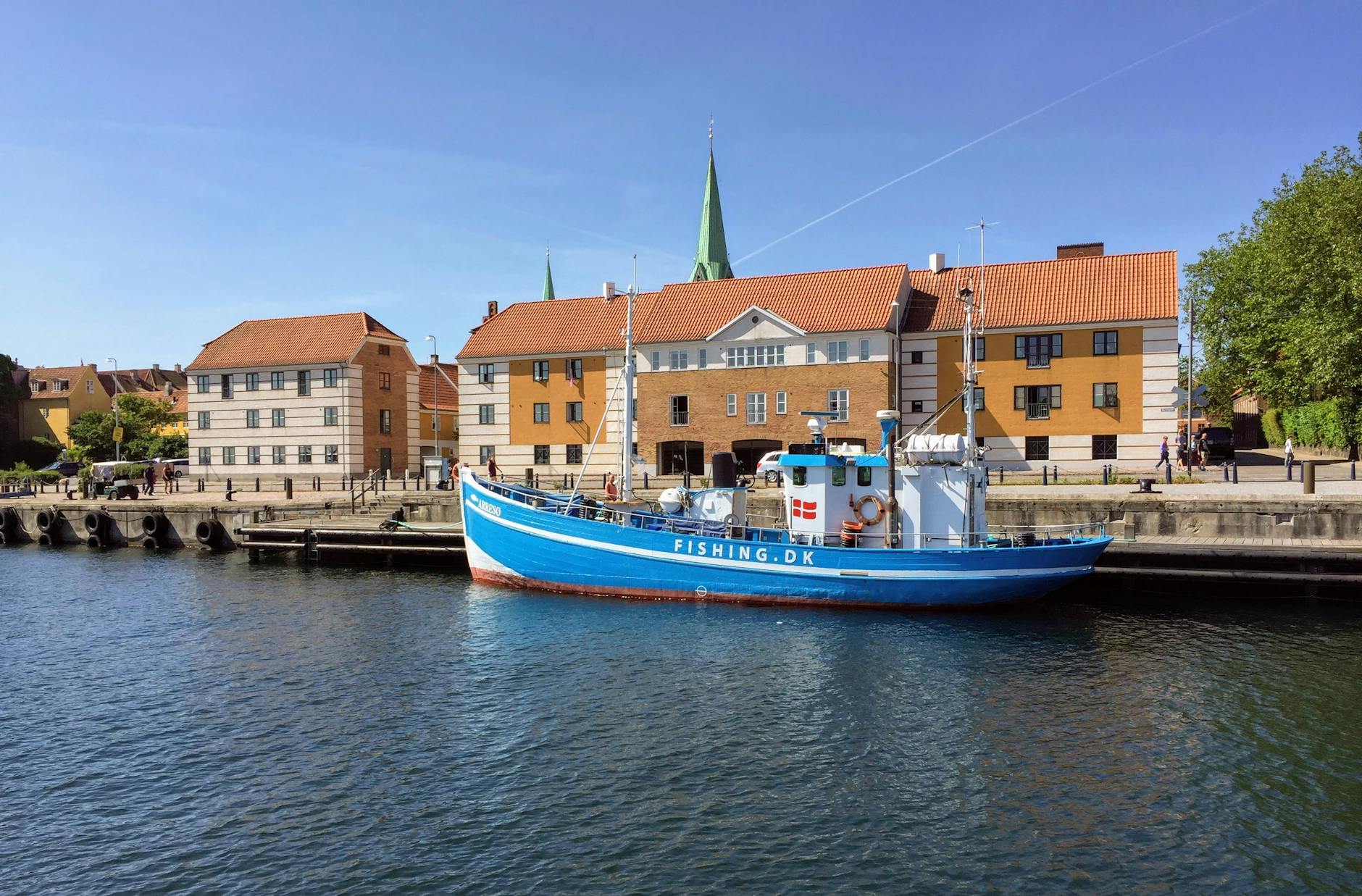
Elsinore works through rail access, coastal atmosphere, and a town scale that rewards being used patiently. This is not a destination that needs transport complexity to impress. It needs sensible arrival, a decent base, and enough time for the harbor and coastal setting to matter.
The route to Elsinore is often cleaner than travelers fear, especially when handled by rail rather than by unnecessary car dependency. Once there, walking and compact local movement usually do most of the work.
The main transport mistake in Elsinore is overbuilding the day. The town is better when the traveler lets the route stay simple.
Practical route examples
Copenhagen + Roskilde + Elsinore
This is one of the strongest public-transport combinations in Denmark. The route benefits from rail logic, manageable town scale, and low need for car intervention. It suits travelers who want cultural depth without transportation drama.
Copenhagen + Odense + Aarhus
This is a strong intercity Denmark route for travelers who want to see more than the capital while keeping the trip rail-first. It works especially well when each city is treated as its own stay rather than as a blur of quick transfers.
Aarhus + Aalborg
This combination works well for travelers interested in a northern urban Denmark route. Rail usually provides the best backbone, with local walking and buses finishing the trip.
Coastal or island-heavy Denmark
This is where the case for a car can strengthen, especially if the route leaves the big-city rail logic and becomes about flexible timing, ferries, and smaller places. Denmark is easy enough that a car can be pleasant here, but it should be earned by the itinerary rather than assumed from the start.
References
- Official rail, metro, bus, ferry, airport, and municipal sources should be checked for current service details before travel.
- In Denmark, day-to-day transport logic is usually stable, but engineering works, weather, and local service changes can still affect the practical quality of a route.