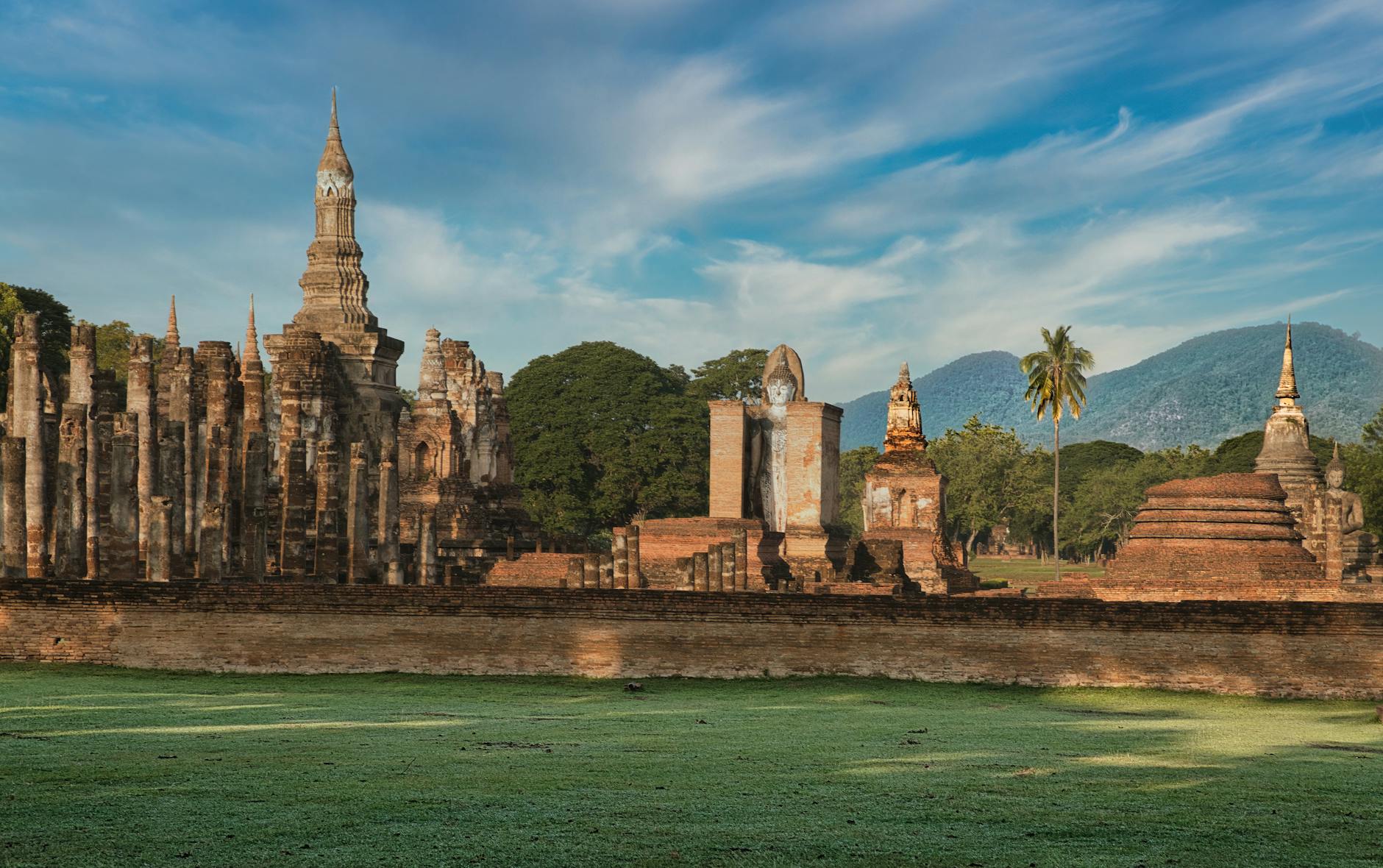
Thailand is easy to love and easy to misunderstand.
Start Here
From a distance, it looks simple: Bangkok, temples, street food, elephants, beaches, islands, massages, night markets, and maybe Chiang Mai. That version is real, but it is too flat. Thailand is a country of distinct travel systems: a river-and-megacity capital, old royal cities, Lanna mountain culture, Isan plateau food and Khmer ruins, Andaman limestone and monsoon seas, Gulf islands with a different weather calendar, rainforests, national parks, borderlands, resort towns, Buddhist ritual, nightlife economies, and some of the most generous everyday eating on earth.
The first-timer mistake is treating Thailand as one compact beach-and-temple circuit. It is better understood as a set of route families. Bangkok and Ayutthaya are one logic. Chiang Mai, Chiang Rai, Mae Hong Son, and the northern mountains are another. Phuket, Krabi, Khao Lak, Phi Phi, Koh Lanta, and the Similans are another. Koh Samui, Koh Phangan, and Koh Tao are another. Sukhothai and the lower north are another. Isan is another. The deep south and border areas require a different risk lens altogether.
A strong Thailand trip does not try to do everything. It chooses the right Thailand: the classic first-timer Thailand, the food Thailand, the island Thailand, the northern culture Thailand, the family resort Thailand, the diving Thailand, the slow-travel Thailand, the luxury wellness Thailand, the backpacker Thailand, the national-park Thailand, or the second-time Thailand that gets beyond the usual three stops.
This guide is designed to help travelers choose the right route, time it properly, avoid predictable mistakes, eat well, move intelligently, respect local culture, stay safer, and experience Thailand with pleasure rather than panic.
Thailand in one sentence: Thailand is a generous, layered, route-dependent country where the best trip comes from pairing Bangkok’s intensity, regional food, temple culture, island timing, and transport realism with enough restraint not to turn paradise into a checklist.
Basic data
| Population | About 71 million |
|---|---|
| Area | 513,120 km2 |
| Major religions | Theravada Buddhism, Islam, Christianity, and smaller Hindu and Chinese folk traditions |
| Political system | Constitutional monarchy |
| Economic system | Upper-middle-income mixed economy led by manufacturing, trade, agriculture, services, and tourism |
Quick Verdict
| Question | Answer |
|---|---|
| Best for | Food, temples, beaches, islands, markets, wellness, nightlife, diving, family resorts, budget travel, luxury hotels, soft adventure, rail journeys, national parks, Buddhist culture, warm hospitality, and travelers who like sensory richness. |
| Not ideal for | Visitors who want cool weather, empty beaches in peak season, total insulation from heat and humidity, frictionless traffic, European-style pedestrian cities, or a trip where every scenic place is reachable by train. |
| Ideal first visit | 10–14 days. Seven days can work for Bangkok plus one region. Two weeks lets you combine Bangkok, the north, and one beach area without rushing. Three weeks lets Thailand breathe. |
| Best first-timer route | Bangkok + Ayutthaya + Chiang Mai + one beach/island zone. Choose either Andaman or Gulf beaches based on season and logistics. |
| Best months overall | November to February for generally easier weather across much of the country. March to May is hot. May to October is wetter in many regions. The Gulf islands have their own rainfall pattern and can be better when the Andaman side is less reliable. |
| Biggest planning mistake | Trying to combine Bangkok, Chiang Mai, Pai, Phuket, Krabi, Phi Phi, Koh Samui, Koh Tao, Khao Sok, and Cambodia in two weeks. Thailand rewards fewer stops and better timing. |
| One thing to book early | Peak-season island hotels, Christmas/New Year beach stays, Chiang Mai during major festivals, sleeper trains, popular domestic flights, ethical elephant experiences, diving liveaboards, and high-end Bangkok restaurants or hotels. |
| One thing to leave unscheduled | Market wandering, street-food nights, temple pauses, massage time, rain buffers, ferry weather adjustments, and low-stakes evenings in Bangkok or Chiang Mai. |
| Best value | Food, massages, simple guesthouses, local transport, markets, temple wandering, and mid-range boutique hotels outside peak beach dates. |
| Most important warning | Motorbikes, alcohol, sea conditions, heat, scams, and poor route planning cause more traveler pain than Thailand’s famous chaos. Be relaxed, but not careless. |
The Move
Build Thailand around one city/culture anchor, one regional anchor, and one beach/nature anchor. For a first trip, that usually means Bangkok, Chiang Mai or Sukhothai, and either the Andaman coast or the Gulf islands. Anything more needs extra days.
Who Will Love Thailand?
You will probably love Thailand if you want:
- A country where food is central to daily life, from street noodles and grilled meats to southern curries, northern khao soi, Isan salads, seafood, tropical fruit, night markets, and high-end Thai fine dining.
- Big-city energy in Bangkok, but with temples, canals, markets, malls, riverboats, rooftop bars, heritage neighborhoods, and modern design all stacked into the same urban organism.
- Beaches and islands with very different personalities: luxury Phuket, dramatic Krabi, dive-focused Koh Tao, party-heavy Koh Phangan, resort-friendly Samui, quieter Koh Lanta, family-friendly Khao Lak, and remote-feeling Trang/Satun islands.
- A country where comfort and adventure can be tuned up or down: backpacker hostels, night trains, boutique hotels, five-star resorts, private drivers, simple bungalows, jungle camps, and spa retreats.
- Warm service and everyday kindness, provided you meet it with patience, respect, and a willingness to adapt.
You may struggle with Thailand if you want:
- Low humidity and predictable weather every day.
- A trip where public transportation solves every intercity move.
- Quiet beaches in the most famous places during high season.
- A motorbike holiday without accepting real road risk.
- A culture where confrontation, public anger, or rule-bending gets good results.
- A low-planning island trip during monsoon, holiday peaks, or ferry-disruption periods.
Thailand is not difficult in the sense that it is hostile to visitors. It is difficult because it is extremely easy to make bad decisions casually: renting a scooter without the right license or insurance, underestimating ferry weather, booking too many destinations, ignoring heat, treating sacred spaces like photo sets, or assuming every island has the same season.
Thailand at a Glance
| Practical | Detail |
|---|---|
| Official name | Kingdom of Thailand. |
| Capital | Bangkok, officially Krung Thep Maha Nakhon in Thai usage. |
| Language | Thai. English is common in major tourism zones, hotels, airports, and many restaurants, but less reliable in rural areas and local markets. Translation apps help. |
| Currency | Thai baht, written as THB or ฿. |
| Payments | Cash remains useful, especially for street food, markets, small guesthouses, temples, songthaews, rural transport, and local shops. Cards are common in hotels, malls, nicer restaurants, and many tour operators. QR payment is widespread domestically but not always easy for foreign visitors. |
| Time zone | Indochina Time, UTC+7 year-round. No daylight saving time. |
| Main international airports | Bangkok Suvarnabhumi (BKK), Bangkok Don Mueang (DMK), Phuket (HKT), Chiang Mai (CNX), Krabi (KBV), Koh Samui (USM), Hat Yai (HDY), and others. |
| Entry paperwork | Most foreign travelers must complete the Thailand Digital Arrival Card online before arrival. Visa/visa-exemption rules are nationality-specific and in transition in 2026. See [2026 Visitor Notes](#2026-visitor-notes). |
| Emergency numbers | Tourist Police 1155, police/emergency 191, medical emergency 1669, TAT tourist information 1672, immigration 1178. |
| Electricity | 220V, 50Hz. Plugs vary; Type A, B, C, and O may appear. Bring a universal adapter. |
| Tap water | Do not assume tap water is drinkable. Use bottled, filtered, or properly treated water. Ice in established restaurants and hotels is usually commercially produced, but use judgment in remote areas. |
| Driving side | Left. Road risk is serious, especially for motorbikes. |
| Useful apps | Grab, Google Maps, LINE, Bolt in some areas, official airline apps, ferry operators, hotel apps, translation tools, and weather/air-quality apps. |
| Official tourism site | Tourism Authority of Thailand. |
First-Timer Mistake
A lot of visitors ask, “Which Thai island is best?” That is the wrong starting question. Ask: What month am I traveling, how much ferry time can I tolerate, do I want nightlife or quiet, do I want diving or beaches, and am I willing to risk rough seas?
2026 Visitor Notes
Thailand Digital Arrival Card Is Now Part of the Entry Routine
Thailand’s official Digital Arrival Card system says foreign travelers are required to submit arrival-card information within three days before arrival in Thailand. The TDAC is not a visa, and the official site states that no fee is required.[1]
The move: Complete the TDAC through the official portal, not a paid lookalike site. Save a screenshot or PDF confirmation before departure. Do this even if you are entering visa-free.
Visa-Exemption Rules Are in Transition in 2026
Thailand’s visa-exemption rules are changing. TAT reported that the Cabinet approved a revision of the 60-day visa-exemption scheme and that revised entry conditions would apply 15 days after publication in the Royal Gazette. Until the revised measures take effect, current entry conditions remain in place. TAT also stated that once implemented, countries and territories previously under the 60-day scheme will revert to pre-programme entry conditions, with 54 countries/territories eligible for 30-day exemption, three eligible for 15-day exemption, separate bilateral agreements continuing, and Visa on Arrival remaining available for nationals of four countries/territories.[2]
Thailand’s Department of Consular Affairs says the Cabinet approved measures including revoking the 60-day visa-exemption scheme for all 93 countries/territories and revising the 30-day tourism visa-exemption list from 57 to 54 countries/territories.[3]
The move: For any guide, treat visa duration as a live field. Check your passport nationality and the official Royal Gazette/Thai consular updates close to departure. Do not rely on older articles saying “everyone gets 60 days.”
Safety Advice Is Region-Specific
Thailand’s classic tourist circuit is heavily traveled, but current foreign-government advisories are not uniform across the country. The U.S. State Department rates Thailand Level 2 overall and says not to travel to areas within 50 km of the Thai-Cambodian border due to armed conflict; it also highlights civil unrest associated with insurgent activity in Yala, Pattani, and Narathiwat.[10]
The move: Bangkok, Chiang Mai, Phuket, Krabi, Samui, Ayutthaya, Sukhothai, and most mainstream routes are not the same risk category as border-sensitive areas. A serious Thailand guide must separate them.
Cannabis and Vaping Require Strong Warnings
Thailand’s cannabis situation has changed repeatedly. Current UK guidance states that cannabis use in Thailand is restricted to medical purposes only, requires a Thai-issued medical prescription, and recreational use remains illegal. The same guidance warns that possession or use of vapes, e-cigarettes, pods, e-liquids, or heat-not-burn devices is illegal in Thailand and can lead to confiscation, fines, detention, and court proceedings.[11]
The move: Do not treat cannabis dispensaries, vapes, or public smoking casually. The fact that something appears available on the street does not mean it is risk-free or legal for you.
Weather Is Not One National Calendar
Thailand’s official tourism site describes the country as shaped by summer and winter monsoons, with roughly six months of wet season, three months of dry/cool breezes, and three months of heat; average temperatures range from 18°C to 38°C.[4]
The move: For beaches, choose coast by month. The Andaman coast and Gulf islands do not behave identically. If your trip depends on diving, ferries, or boat tours, weather matters more than hotel photos.
How to Understand Thailand
Thailand becomes much easier when you stop thinking of it as “Bangkok plus islands” and start reading it as a country of regions, seasons, routes, and travel speeds.
The Six Travel Thailands
| Travel Thailand | Where you feel it | What it gives you |
|---|---|---|
| Bangkok and the Central Plains | Bangkok, Ayutthaya, Kanchanaburi, floating markets, river routes | Megacity food, temples, malls, nightlife, canals, royal history, WWII sites, day trips, rail and river movement. |
| The North | Chiang Mai, Chiang Rai, Mae Hong Son, Pai, Lampang, Nan, Sukhothai | Lanna culture, mountains, temples, coffee, slow towns, trekking, hill communities, craft, cooler winter nights, smoky-season caveats. |
| Isan / Northeast Thailand | Nakhon Ratchasima, Buriram, Ubon Ratchathani, Udon Thani, Khon Kaen, Nong Khai | The country’s food soul, Khmer ruins, Mekong towns, festivals, fewer foreign tourists, strong local culture. |
| The Andaman Coast | Phuket, Krabi, Railay, Phi Phi, Koh Lanta, Khao Lak, Similan/Surin islands, Trang, Satun | Limestone cliffs, big-name islands, diving, beach resorts, dramatic scenery, monsoon-season sea issues. |
| The Gulf Coast and Islands | Koh Samui, Koh Phangan, Koh Tao, Hua Hin, Chumphon, Khanom | Resorts, diving, wellness, family beaches, party zones, a weather rhythm that differs from the Andaman side. |
| The Deep South and Borderlands | Pattani, Yala, Narathiwat, parts of Songkhla, Thai-Cambodian border zones | Rich culture and food, but safety-sensitive; not a casual first-timer add-on. |
Local Logic
Thailand is flexible, but it is not frictionless. You can often arrange things quickly through hotels, travel counters, local agents, or apps. But spontaneity has limits: ferries stop in rough weather, sleeper trains sell out, domestic flights spike around holidays, island transfers can consume a day, and road travel takes longer than map distance implies.
Thai travel also has a strong informal layer. Songthaews, tuk-tuks, longtail boats, local minivans, pier agents, and motorcycle taxis can be perfectly normal parts of the trip. The key is not to avoid them all; it is to understand when to use them, agree prices clearly where meters do not apply, and avoid putting your safety in the hands of the cheapest possible operator.
Central Contrasts
Thailand is fascinating because its contrasts are not abstract:
- Sacred and commercial: ornate temples beside malls, amulet markets, and rooftop bars.
- Relaxed and rule-bound: easy smiles and informal travel fixes alongside strict laws on monarchy, drugs, vaping, visas, drones, and public behavior.
- Tourist-polished and intensely local: luxury resorts and global cafés beside night markets, temple fairs, family shops, and neighborhood food stalls.
- Gentle and risky: warm hospitality paired with serious road risk, sea risk, heat risk, and nightlife vulnerability.
- Global and regional: Bangkok is cosmopolitan, but Thailand’s regions still have distinct languages, cuisines, identities, and rhythms.
A good Thailand trip respects all of those realities at once.
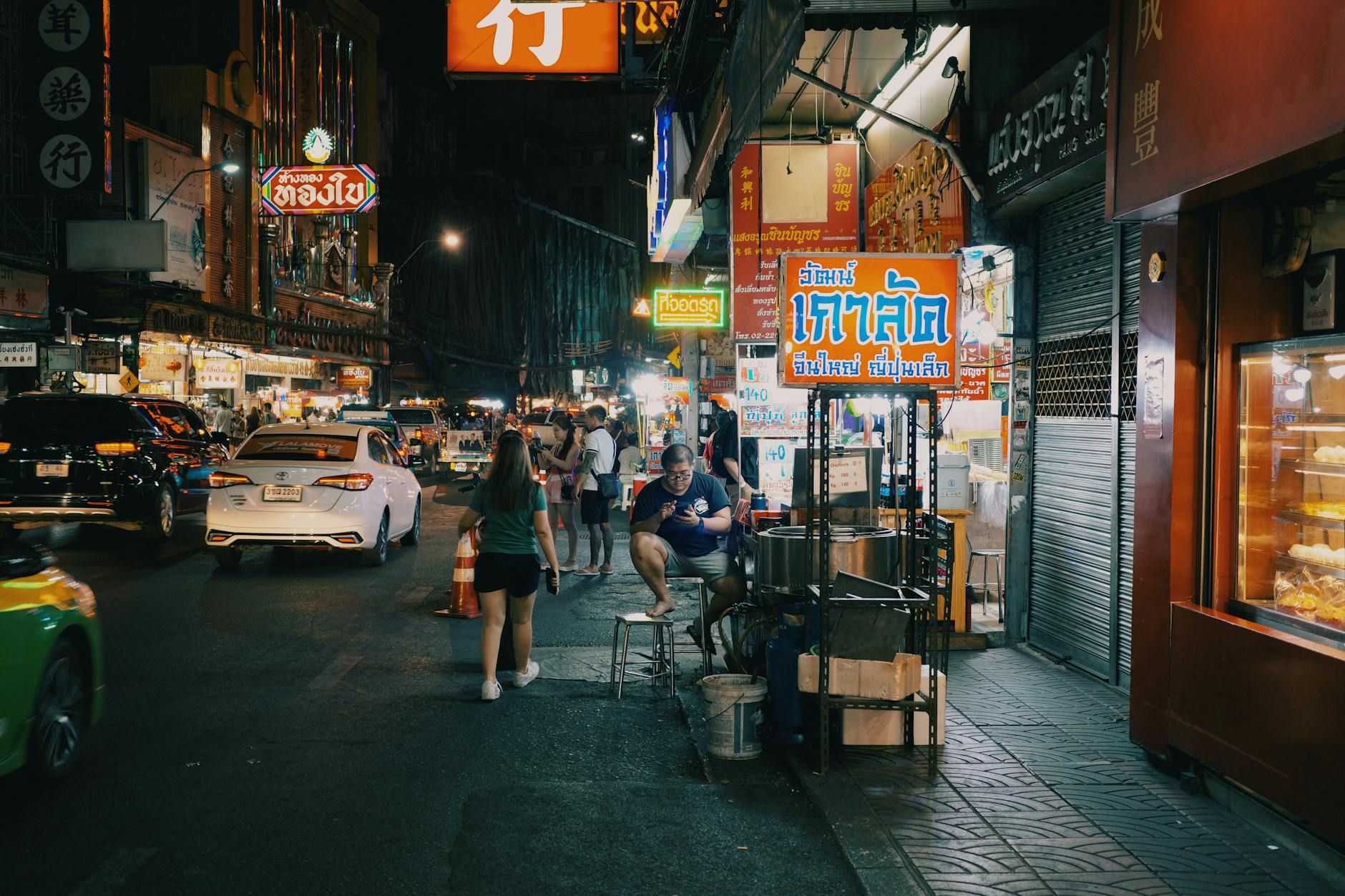
Choose Your Thailand
Choose Classic Thailand If You Want the Best First Trip
Route: Bangkok + Ayutthaya + Chiang Mai + Andaman or Gulf beach.
This is the strongest default because it gives you the capital, historic temples, northern culture, and a beach finish. It works in 10–14 days and can be adjusted by season.
Best for: First-timers, couples, families, generalists, and travelers who want variety.
Do not overcomplicate it: Skip either Phuket/Krabi or Samui/Tao/Phangan; do not do both coast families unless you have enough time.
Choose Bangkok Deep Dive If You Have Less Than a Week
Route: Bangkok + Ayutthaya + maybe Kanchanaburi or a food-focused day.
This is better than rushing to Chiang Mai or Phuket for two nights. Bangkok alone can carry a brilliant trip.
Best for: Short stopovers, food lovers, culture travelers, urban travelers, and people connecting elsewhere in Asia.
Choose Northern Thailand If You Want Culture, Mountains, and Slower Travel
Route: Chiang Mai + Chiang Rai or Mae Hong Son/Pai + Lampang/Nan/Sukhothai.
This route rewards temples, markets, craft, mountains, coffee, night bazaars, and slower days. It is strongest in the cool season and trickier during smoky months.
Best for: Culture, scenery, slow travel, cafés, craft, Buddhist temples, and inland exploration.
Choose Andaman Thailand If You Want Dramatic Scenery
Route: Phuket or Krabi + Railay + Phi Phi or Koh Lanta + Khao Lak/Similans if seasonal.
This is postcard Thailand: cliffs, turquoise water, longtail boats, beach resorts, diving, and island-hopping.
Best for: First beach trips, families, luxury, scenery, diving/snorkeling, and big resort choice.
Watch out: Monsoon season, overcrowded islands, unethical tours, and ferry/weather disruptions.
Choose Gulf Islands If You Want Diving, Wellness, or a Different Beach Calendar
Route: Koh Samui + Koh Phangan + Koh Tao, or one island done slowly.
Samui is the comfortable resort hub. Phangan ranges from wellness and quiet coves to party scenes. Tao is diving-focused.
Best for: Diving, longer beach stays, wellness, island-hopping, younger travelers, families depending location, and travelers whose dates fit the Gulf better than the Andaman.
Choose Isan If You Want Deeper Thailand
Route: Bangkok or Chiang Mai + Udon Thani/Nong Khai + Ubon Ratchathani or Buriram/Phanom Rung.
Isan is less polished for international tourism but incredibly rewarding: food, festivals, Mekong life, Khmer ruins, and local hospitality.
Best for: Repeat visitors, food lovers, cultural travelers, overland Southeast Asia travelers, and people who do not need every stop to be hotel-concierge easy.
Choose Thailand With Kids If You Want Ease and Variety
Route: Bangkok + Chiang Mai + Phuket/Khao Lak or Samui.
Keep transfers simple, avoid one-night stops, use pools, family hotels, ethical wildlife experiences, markets, easy temples, and short day trips.
Best for: Families who want culture and beach comfort without moving constantly.
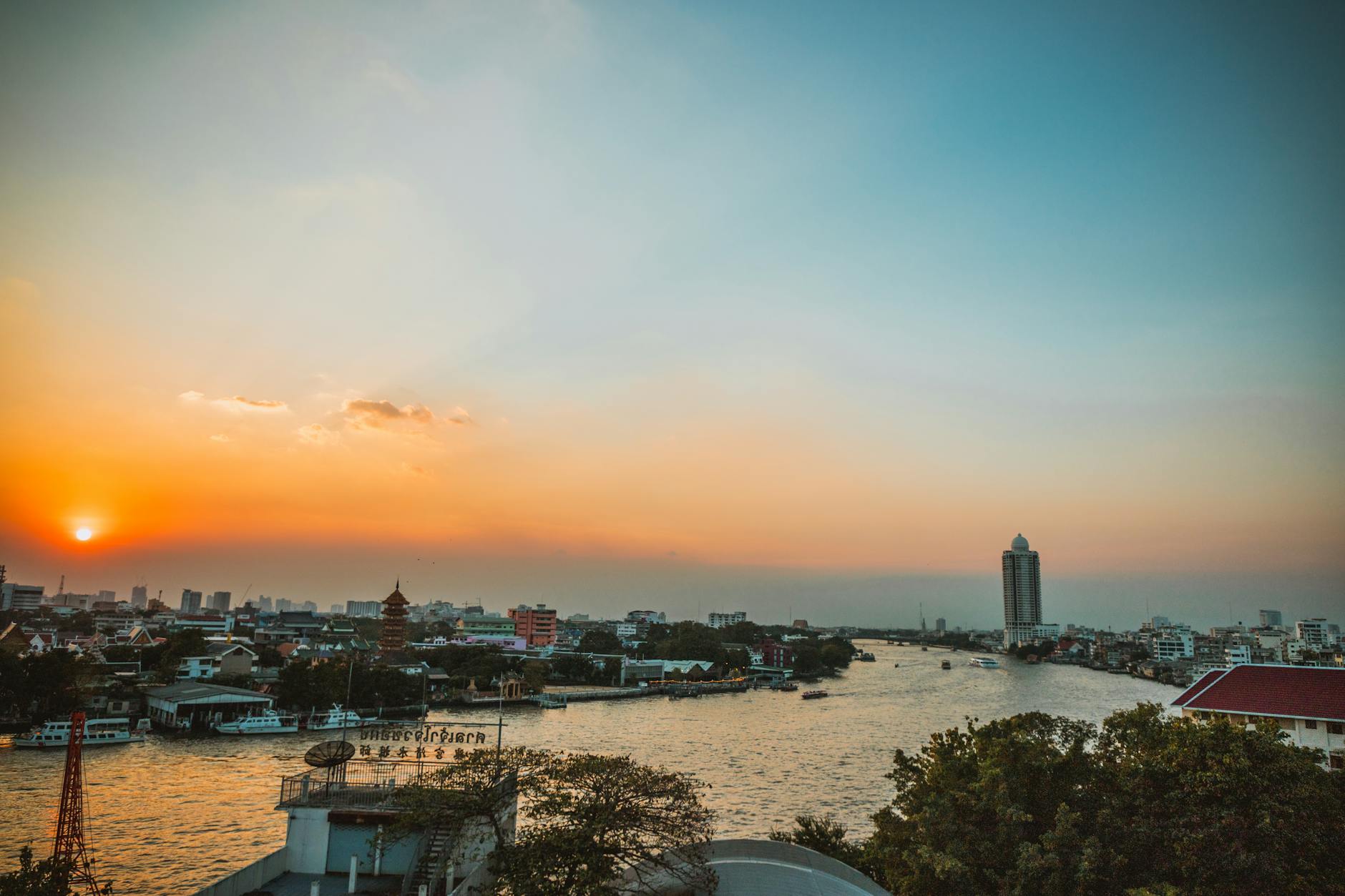
Best Time to Visit Thailand
Thailand is a year-round destination only if you choose the right region for the month and adjust expectations. “Rainy season” does not mean rain all day every day, but it does mean more humidity, disruption risk, rougher seas in some areas, and occasional flooding or landslides.
Best Overall Months
November to February is the easiest broad recommendation. Much of the country is cooler, drier, and more comfortable. This is also high season, so beaches, popular hotels, and flights cost more.
March to May can be hot and hazy, especially inland. April is festival-rich because of Songkran, but the heat is serious. Northern Thailand can face smoke/haze issues in late winter and early spring.
May to October is rainy or green season in many regions. It can be a good value period for Bangkok, northern landscapes, and less crowded travel, but island decisions require more care.
Gulf islands can be useful when the Andaman coast is wetter, but they are not rain-proof. The southeast/Gulf pattern often differs, and late-year rain can matter for Koh Samui, Koh Phangan, and Koh Tao.
Season-by-Season
| Season | Typical timing | What to expect | Best for | Watch out for |
|---|---|---|---|---|
| Cool / dry season | Roughly Nov–Feb | Most comfortable weather, high demand, cooler northern nights. | First-timers, Bangkok, north, temples, beaches, families. | Higher prices, crowds, sold-out hotels/trains. |
| Hot season | Roughly Mar–May | Heat, humidity, Songkran, lower comfort inland. | Beach resorts, pool-heavy trips, festival travelers. | Heat exhaustion, haze/smoke in parts of the north, intense sightseeing fatigue. |
| Rainy / green season | Roughly May–Oct in many areas | Lush landscapes, lower prices, showers, storms, more disruption risk. | Value travelers, repeat visitors, Bangkok food trips, green landscapes. | Rough seas, ferry disruptions, flash floods, leeches on some hikes, mosquito risk. |
| Gulf wet period | Often later than Andaman/north patterns | Koh Samui/Koh Phangan/Koh Tao can be wet when other areas improve. | Travelers who check island-specific weather rather than national summaries. | November/December beach assumptions can fail in the Gulf. |
Month-by-Month Guide
| Month | Verdict |
|---|---|
| January | Excellent overall. Peak season for beaches and cultural routes. Book early. Northern nights can be cool. |
| February | Strong weather in much of the country, but northern haze can begin to matter. Good beach month. |
| March | Hotter, often hazier in the north, still good for many beaches. Plan slower days. |
| April | Very hot. Songkran is joyful but logistically disruptive. Great if you want the festival; hard if you dislike heat and crowds. |
| May | Shoulder/transition month. Rain increases in many places. Fewer crowds, better hotel value, but island conditions vary. |
| June | Green season. Bangkok and northern trips can work with rain buffers. Some Andaman boat days may be affected. |
| July | School-holiday travel and wet-season patterns. Gulf islands can be appealing, but check current conditions. |
| August | Wet but lush. Good for value travelers; less ideal for a perfect-beach fantasy. |
| September | Often one of the wettest/most disruption-prone months in many areas. Choose carefully. |
| October | Transition month. Rain may ease in parts of the country, but not everywhere. Good value if you accept variability. |
| November | Excellent in many areas as high season begins. Gulf islands may still need careful weather checks. |
| December | Peak travel month. Good weather in many regions, high prices, and heavy holiday demand. |
Rain Plan
Thailand’s rain plan is not simply “stay indoors.” In Bangkok, lean into malls, museums, cafés, massages, food courts, covered markets, cooking classes, and riverside hotels. In Chiang Mai, use temples, cafés, craft workshops, cooking classes, and markets. On islands, keep at least one buffer day around ferries and diving.
How Many Days You Need
The Honest Answer
You need 10–14 days for a satisfying first Thailand trip. A week can be excellent if you choose one route. Three weeks opens the country properly.
| Length | What it feels like |
|---|---|
| 3 days | Bangkok only, or a beach stopover if flying directly into Phuket/Samui. Do not pretend this is Thailand. |
| 5 days | Bangkok plus Ayutthaya/Kanchanaburi, or Chiang Mai only, or one beach zone. Good for focused travelers. |
| 7 days | Bangkok plus Chiang Mai, or Bangkok plus one island/coast. Strong if you resist adding a third region. |
| 10 days | Classic first trip: Bangkok, Ayutthaya, Chiang Mai, and one beach area if flights line up. |
| 14 days | Best first-visit length: Bangkok, north, beach, and a little breathing room. |
| 21 days | Allows a proper route: central/north/beach plus Sukhothai, Khao Sok, Isan, or a second coast. |
| One month+ | Thailand becomes a slow-travel country. You can use trains, stay longer in neighborhoods, and explore beyond the obvious hubs. |
Itinerary Philosophy
A good Thailand day usually has:
- One anchor: temple cluster, market, cooking class, beach, boat trip, national park, museum, or food area.
- One heat/rain buffer: pool, massage, café, mall, hotel rest, or siesta.
- One loose evening: night market, street food, river walk, beach dinner, or early sleep before a transfer.
Thailand punishes trips that ignore transfer days. A “short” island hop may include a hotel pickup, minivan, pier wait, ferry, another transfer, and weather delay. Count travel days honestly.
Best Thailand Routes
1. Classic First-Time Thailand
Best length: 10–14 days.
Route: Bangkok → Ayutthaya → Chiang Mai → Phuket/Krabi/Koh Lanta or Samui/Phangan/Tao.
Why it works: It gives you the capital, history, northern culture, and beach time.
Best for: First-timers, couples, families, and generalists.
Common mistake: Adding too many islands after Chiang Mai. Choose one coast family.
2. Bangkok and Central Thailand
Best length: 5–8 days.
Route: Bangkok → Ayutthaya → Kanchanaburi → floating markets or river/canal neighborhoods.
Why it works: This is the best short trip and one of the best food/culture routes.
Best for: Stopovers, food lovers, urban travelers, history, and people who do not need a beach.
3. Northern Thailand Loop
Best length: 7–12 days.
Route: Chiang Mai → Chiang Rai → Mae Hong Son/Pai or Lampang/Nan → Sukhothai.
Why it works: It goes deeper than a two-night Chiang Mai add-on.
Best for: Temples, mountains, craft, coffee, slow towns, and cooler winter air.
Watch out: Smoke/haze season and twisty roads.
4. Andaman Coast and Islands
Best length: 7–14 days.
Route: Phuket or Krabi → Railay → Koh Lanta or Phi Phi → Khao Lak/Similans if seasonal.
Why it works: Thailand’s most dramatic island scenery is concentrated here.
Best for: Beaches, first island trip, families, luxury, snorkeling, diving, photography.
Common mistake: Day-tripping famous islands at peak midday with the cheapest possible boat.
5. Gulf Islands
Best length: 7–14 days.
Route: Koh Samui → Koh Phangan → Koh Tao, or choose one island and slow down.
Why it works: The Gulf offers a different island rhythm from the Andaman side.
Best for: Diving, wellness, backpackers, beach stays, family resorts, longer island time.
Common mistake: Assuming Phangan is only a party island or Tao is only for divers. Both are more nuanced, but area choice matters.
6. Food-Focused Thailand
Best length: 10–16 days.
Route: Bangkok → Chiang Mai → Isan or Phuket/Krabi → street markets and cooking classes.
Why it works: Thai cuisine is regional. Bangkok is a national food capital, but the best trip includes local food origins.
Best for: Serious eaters, market lovers, cooking-class travelers, and repeat visitors.
7. Thailand for Families
Best length: 10–14 days.
Route: Bangkok → Chiang Mai → Khao Lak/Phuket/Samui.
Why it works: It balances culture, animals, markets, pools, beach time, and direct flights.
Best for: Families who want variety without punishing transfers.
The move: Pick hotels with pools and use them as part of the itinerary, not as a failure to sightsee.
8. Second-Time Thailand
Best length: 14–21 days.
Route options: Sukhothai + Nan; Isan + Mekong; Trang/Satun islands; Khao Sok + Khanom; eastern seaboard islands; Phanom Rung + Ubon; Bangkok neighborhoods deep dive.
Why it works: The second trip is where Thailand gets richer and less generic.
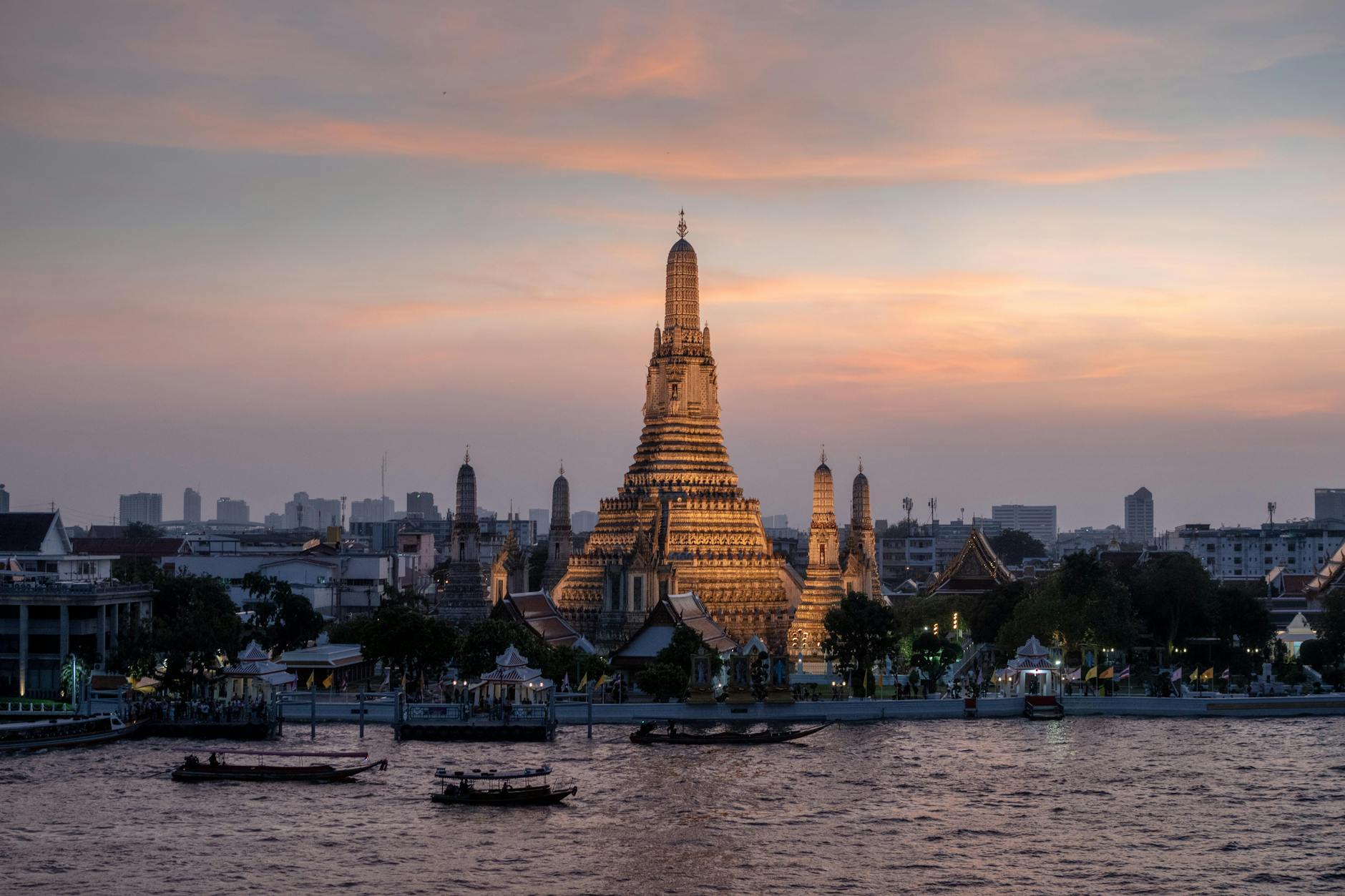
Where to Stay
The Short Answer
- Bangkok: Stay near BTS/MRT/river access, not just a famous street. Siam/Silom/Sathorn/Asok/Ari/Old Town/Riverside each create different trips.
- Chiang Mai: Old City/Nimman/Riverside are the main first-timer choices; choose based on walking, cafés, nightlife, and quiet.
- Phuket: Choose beach first, hotel second. Patong, Kata/Karon, Kamala, Bang Tao, Mai Khao, Rawai, and Cape Panwa are not interchangeable.
- Krabi: Ao Nang is practical, Railay is scenic, Krabi Town is local, Koh Lanta is slower.
- Koh Samui: Chaweng, Bophut, Maenam, Lamai, Choeng Mon, and the south coast give very different trips.
- Koh Tao: Stay by dive school, beach preference, and nightlife tolerance.
- Khao Lak: Great for families, Similan access, quieter resorts, and a calmer Andaman base.
Bangkok Area Decision Tree
| You want... | Stay in... |
|---|---|
| Best first-timer convenience | Siam, Asok/Sukhumvit, Silom/Sathorn |
| River atmosphere and luxury | Riverside |
| Temples and old Bangkok | Old Town/Rattanakosin, but check transit limitations |
| Nightlife and restaurants | Sukhumvit, Silom, Thonglor/Ekkamai depending budget |
| Shopping | Siam, Chit Lom, Phloen Chit |
| Food and local neighborhood feel | Ari, Chinatown/Yaowarat, Bang Rak, Phra Khanong, local Sukhumvit pockets |
| Family comfort | Riverside, Siam, Sathorn, serviced apartments near transit |
| Budget/backpacker scene | Khao San/Phra Athit, but understand the nightlife and transport tradeoffs |
| Airport convenience | Lat Krabang for BKK layovers; Don Mueang area for early DMK flights |
Island Booking Logic
For islands, the neighborhood often matters more than the island name. A beach can be quiet, party-heavy, family-friendly, remote, expensive, tide-sensitive, rocky, or logistically annoying. Always check:
- Whether the beach is swimmable at low tide.
- How far the hotel is from restaurants.
- Whether taxis are expensive or limited.
- Whether the area is loud at night.
- Whether ferries run reliably in your month.
- Whether boat tours depart nearby.
- Whether the hotel is up a steep road.
- Whether you are choosing seclusion or accidentally buying isolation.
Common Lodging Mistakes
- Booking Bangkok’s Old Town without realizing BTS/MRT access may be weaker.
- Staying in Patong because it is famous, then hating the nightlife.
- Booking a remote island hotel for romance and then complaining about transport costs.
- Ignoring pool quality in hot season.
- Booking a “jungle” stay without understanding insects, distance, and road access.
- Choosing one-night island stays. Ferry logistics make that exhausting.
- Assuming a cheap beach bungalow will have soundproofing, hot water, strong AC, or good Wi-Fi.
Regional Guide
Bangkok
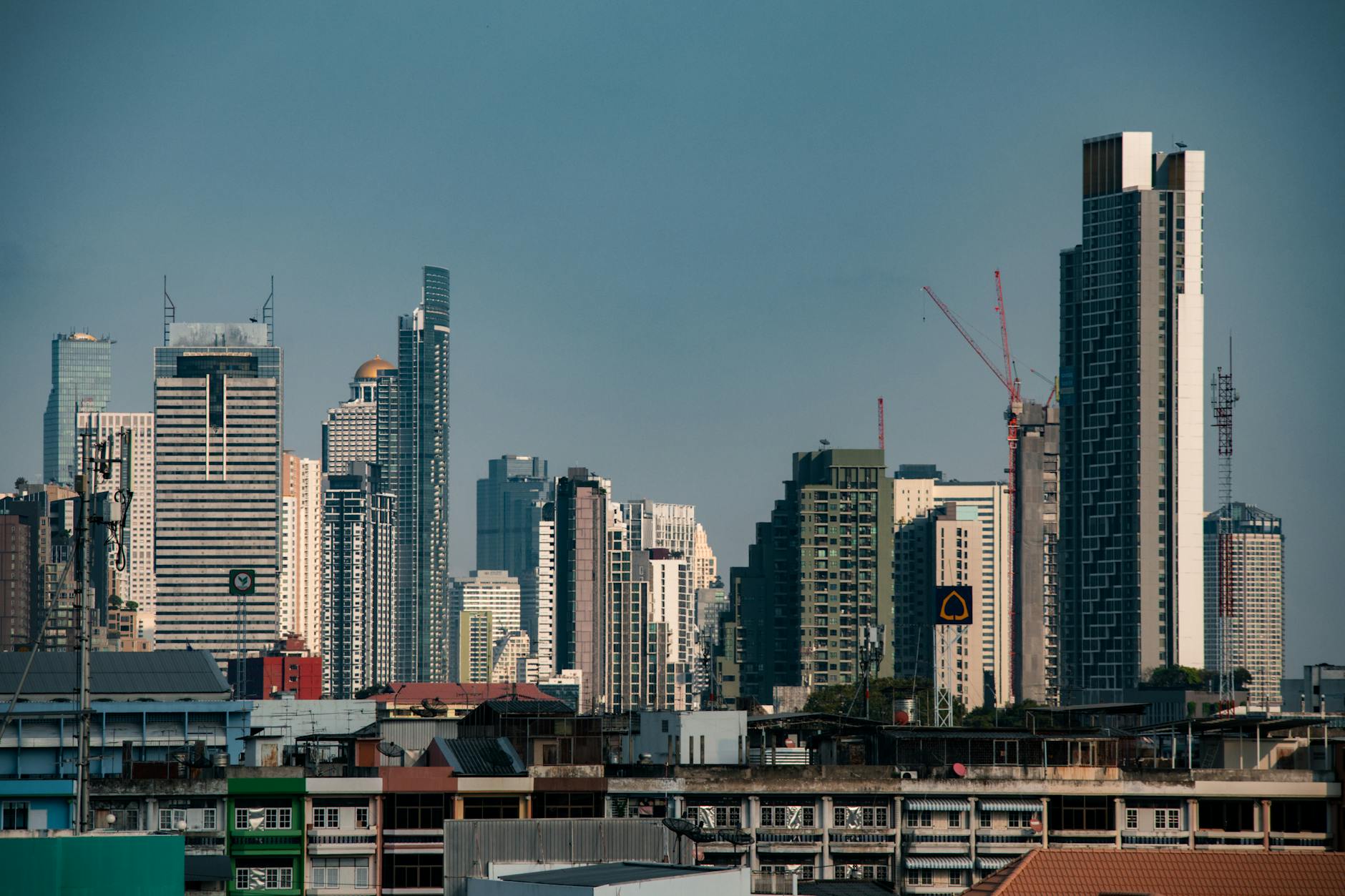
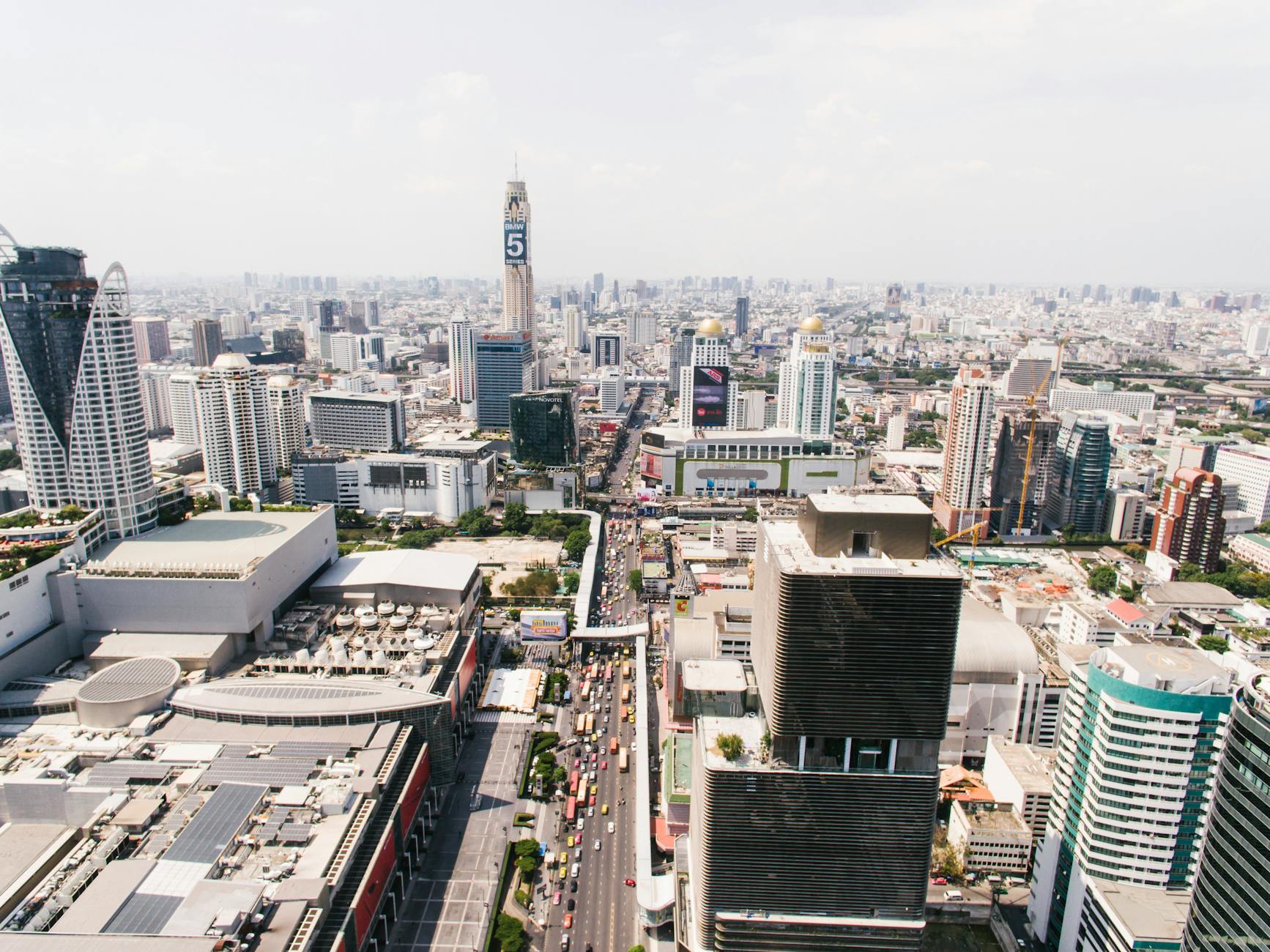
Identity: A vast, hot, generous, traffic-choked, food-obsessed capital where temples, malls, markets, canals, towers, and neighborhood rituals collide.
Best for: Food, temples, markets, shopping, nightlife, hotels, cultural introduction, street life, and airport access.
How long: Minimum 2 full days; ideal 3–5 days for first-timers; longer for food and neighborhoods.
Best things to do: Grand Palace/Wat Phra Kaew, Wat Pho, Wat Arun, Chinatown/Yaowarat, canals, Jim Thompson House, Bangkok Art and Culture Centre, Talat Noi, Bang Rak, Chatuchak weekend market, riverboats, rooftop views, night markets, malls, food courts, and local markets.
Best time of day: Temples early, malls/indoor culture midday, markets and food streets late afternoon/evening.
The move: Use the river and rail network to structure days. Do not spend your first trip sitting in taxis across town at rush hour.
Ayutthaya
Identity: Former Siamese capital, now a temple-ruin landscape reachable from Bangkok.
Best for: History, temples, photography, easy day trip, slow cycling or tuk-tuk touring.
How long: Day trip or overnight if you want quiet sunrise/sunset ruins.
Common mistake: Visiting at midday only. Heat can flatten the experience.
Pair with: Bangkok, Bang Pa-In, or a central Thailand route.
Kanchanaburi
Identity: River town associated with WWII history, the Death Railway, waterfalls, caves, and floating/riverside stays.
Best for: History, nature, families, easy extension from Bangkok.
How long: 2–3 days.
Watch out: WWII sites deserve respectful framing, not just bridge selfies.
Chiang Mai
Identity: Northern Thailand’s cultural and traveler hub: old city temples, markets, cafés, cooking classes, mountain access, craft, wellness, and day trips.
Best for: First-time north, temples, food, cooking classes, ethical elephant experiences, cafés, markets, families, digital nomads.
How long: 3–5 days.
Best areas: Old City for temples/walking, Nimman for cafés/nightlife, Riverside for quieter stays, Santitham/Ari-like local pockets for longer stays.
Watch out: Smoke/haze season, overbuilt elephant tourism claims, traffic around old town, and overtourism at famous viewpoints.
Chiang Rai and the Golden Triangle
Identity: Northern border-region travel with contemporary temples, mountain scenery, tea areas, and Mekong-adjacent history.
Best for: Second northern stop, road trips, temples, scenery.
How long: 2–3 days.
Common mistake: Treating it as a rushed day trip from Chiang Mai. It is a long day and better as an overnight if you care.
Mae Hong Son, Pai, and the Far North
Identity: Mountain roads, slow towns, viewpoints, hot springs, caves, and backpacker/nature culture.
Best for: Slow travelers, road-trip lovers, backpackers, mountain scenery.
How long: 4–7 days for a loop.
Watch out: Motion sickness, road safety, smoke season, and the fact that Pai is no longer “undiscovered.”
Sukhothai
Identity: One of Thailand’s great historical parks, quieter and more spacious than Ayutthaya.
Best for: History, cycling, photography, slower culture routes.
How long: 1–2 days.
Pair with: Chiang Mai, Lampang, Phitsanulok, or a northbound rail/bus route.
The move: Rent a bicycle in the historical park area and go early or late.
Isan / Northeast Thailand
Identity: Thailand’s most under-visited major region for international travelers, but central to Thai food, music, festivals, and everyday culture.
Best for: Repeat visitors, food, Mekong towns, Khmer ruins, festivals, local travel.
Key stops: Korat/Nakhon Ratchasima, Phimai, Buriram/Phanom Rung, Ubon Ratchathani, Khon Kaen, Udon Thani, Nong Khai, Loei, That Phanom.
How long: 5–10 days for a meaningful route.
Common mistake: Assuming Isan is “empty.” It is culturally rich; it just requires more self-direction.
Phuket
Identity: Thailand’s largest island and a major international resort ecosystem: beaches, nightlife, luxury, family resorts, old town, diving, and boat trips.
Best for: First beach trip, families, luxury, direct flights, resort infrastructure, Andaman access.
How long: 3–6 days.
Best areas: Patong for nightlife, Kata/Karon for beach/resort convenience, Kamala for families/couples, Bang Tao/Laguna for higher-end resorts, Mai Khao for quiet/airport-adjacent luxury, Rawai/Nai Harn for longer stays, Phuket Town for heritage/food.
Common mistake: Treating all Phuket as Patong. Phuket is multiple trips in one island.
Krabi, Railay, Phi Phi, and Koh Lanta
Identity: Limestone cliffs, longtail boats, island-hopping, climbing, beaches, and scenic Andaman travel.
Best for: Scenery, beaches, first island trip, climbing, families, slower Koh Lanta stays.
How long: 4–8 days.
Area logic: Ao Nang is practical, Railay is scenic but semi-isolated, Phi Phi is famous and crowded/party-oriented in parts, Koh Lanta is calmer and better for longer stays.
The move: For a less frantic trip, choose Krabi/Railay plus Koh Lanta rather than trying to sleep in every famous island.
Khao Lak and the Similan/Surin Islands
Identity: Quieter Andaman resort base north of Phuket, with access to diving/snorkeling around the Similan and Surin islands when open.
Best for: Families, divers, resort travelers, quieter beach stays.
Watch out: Marine park seasons and conservation closures. Always check current opening dates.
Khao Sok
Identity: Rainforest, limestone, lake scenery, floating raft houses, wildlife sounds, and high-rain tropical drama.
Best for: Nature, families with older kids, photographers, soft adventure.
How long: 2–3 days.
Common mistake: Expecting a luxury island-style stay in every raft house. Standards vary widely.
Koh Samui
Identity: Gulf island with strong resort infrastructure, villas, wellness, family stays, beach clubs, and airport convenience.
Best for: Families, couples, comfort, wellness, easy beach logistics.
How long: 4–7 days.
Best areas: Bophut/Fisherman’s Village for families/food, Chaweng for nightlife and beach, Lamai for a mixed scene, Maenam for quieter stays, Choeng Mon for couples/families, south/west coast for seclusion.
Koh Phangan
Identity: More than the Full Moon Party: beaches, yoga, wellness, backpacker culture, jungle roads, and quiet coves.
Best for: Younger travelers, wellness, longer stays, parties if desired, hidden beach hunting.
Watch out: Party dates, motorbike risk, steep roads, and isolation in some beach areas.
Koh Tao
Identity: Diving island with backpacker energy, viewpoints, snorkeling, small coves, and a compact traveler scene.
Best for: Diving certification, snorkeling, younger travelers, budget island stays.
Watch out: Overcrowded dive boats, motorbike injuries, and rough-sea ferry discomfort.
Hua Hin and Cha-am
Identity: Royal-resort and weekend-beach corridor reachable from Bangkok, more domestic and less island-fantasy than the south.
Best for: Families, older travelers, short beach breaks from Bangkok, golf, food, calmer resorts.
How long: 2–4 days.
Pattaya and the Eastern Seaboard
Identity: Easy-access beach/nightlife city with family attractions, islands nearby, and a reputation that requires honest expectation-setting.
Best for: Specific entertainment, nearby islands, families choosing resorts outside the nightlife core, domestic-style weekend travel.
Watch out: Nightlife areas and beach quality expectations.
Best Things to Do
1. Give Bangkok Enough Time
Bangkok is not a transit inconvenience; it is one of the world’s great cities. It deserves more than a jet-lagged night before the beach.
Best for: Food, temples, markets, design, nightlife, shopping, culture.
Time needed: 3 full days for a first taste; longer for food and neighborhoods.
The move: Build one day around the river/old city, one around Chinatown/Bang Rak/Talat Noi, and one around modern Bangkok: Siam, Sukhumvit, Ari, Thonglor, or galleries/malls.
2. Visit Wat Pho and Wat Arun Early
Wat Pho and Wat Arun are Bangkok essentials because they show the city’s sacred, artistic, and river-based logic.
Best for: First-timers, temple culture, photography, history.
Time needed: Half-day with river crossing and breaks.
Common mistake: Trying to do every major temple in one heat-heavy day.
3. Eat Your Way Through Chinatown
Yaowarat and nearby Talat Noi offer old Bangkok, Chinese-Thai food, gold shops, markets, cafés, and evening street-food energy.
Best for: Food travelers, photographers, night walks.
Time needed: Late afternoon/evening.
The move: Come hungry, but do not try to eat only from viral stalls. Explore side streets and old shophouses.
4. Take a Cooking Class
A good Thai cooking class is more than a recipe activity. It teaches ingredients, balance, market culture, and regional difference.
Best for: Food lovers, families, couples, rainy days.
Best locations: Chiang Mai, Bangkok, Phuket, Koh Lanta, Samui.
5. See Ayutthaya or Sukhothai
Thailand’s old capitals give historical depth to a trip that might otherwise become temples plus beaches.
Ayutthaya: Easier from Bangkok, more crowded, strong day trip.
Sukhothai: Quieter, more spacious, excellent by bicycle, better as part of a northern route.
6. Choose One Ethical Elephant Experience Carefully
Thailand has many elephant venues, but not all are ethical. Avoid shows, painting, bathing-as-entertainment, riding, chains, and venues that let visitors handle elephants constantly.
Better signs: Observation-first model, no riding, limited contact, transparent welfare policies, veterinary care, no breeding for tourism, and no forced performances.
The move: Treat “sanctuary” as a marketing word, not proof.
7. Ride a Train at Least Once
Thailand’s trains are not the fastest way to travel, but they are atmospheric and useful on some routes.
Best routes: Bangkok to Ayutthaya, Bangkok to Chiang Mai sleeper, Bangkok to Surat Thani for Gulf/Andaman transfers, Bangkok to Kanchanaburi, Bangkok to Hua Hin.
Book ahead: Sleeper berths and holidays.
8. Pick a Beach Zone by Season, Not Fame
A perfect Thailand beach trip is mostly good timing and good fit. Famous does not mean best for you.
The move: Decide whether you want dramatic scenery, nightlife, diving, family comfort, quiet, wellness, or budget bungalows. Then choose the coast and beach.
9. Visit a Night Market Without Making It a Checklist
Night markets are about grazing, browsing, and atmosphere. Some are tourist-focused; some are local; some are food-heavy; some are shopping-heavy.
Best for: First nights, families, food, low-pressure evenings.
Common mistake: Going only to the most famous market and expecting authenticity to announce itself.
10. Spend Time in a Thai Massage or Spa
Massage is part of Thailand’s travel pleasure, but standards vary.
Best for: Heat recovery, jet lag, budget luxury, wellness.
Etiquette: Communicate pressure, dress as instructed, keep behavior respectful, and do not confuse professional massage with sex work.
11. Take a Longtail Boat Responsibly
Longtail boats are iconic in Bangkok canals, Krabi, Phi Phi, Trang, and many islands.
Best for: Scenery, canals, island-hopping.
Safety: Use life jackets, avoid overloaded boats, and do not pressure captains to go in unsafe conditions.
12. Go Beyond Pad Thai
Pad Thai is fine, but Thai food is much broader. Seek khao soi, som tam, laab, gaeng hung lay, khanom jeen, boat noodles, moo ping, jok, southern curries, grilled fish, mango sticky rice, roti, tom yum, stir-fried morning glory, and regional sweets.
13. Explore Isan or a Less Famous Province
A second-time Thailand trip should not be only different islands. Provinces such as Nan, Loei, Ubon Ratchathani, Nakhon Si Thammarat, Trang, Songkhla, Chanthaburi, and Phatthalung can transform your understanding of the country.
Thailand Itineraries
Three Days in Thailand: Bangkok Properly
Day 1: Arrive, settle in, gentle river or neighborhood walk, easy dinner.
Day 2: Grand Palace/Wat Phra Kaew early, Wat Pho, cross to Wat Arun, river lunch, massage, Chinatown evening.
Day 3: Choose one: Ayutthaya day trip, food-focused Bangkok, canals and Jim Thompson House, Chatuchak if weekend, or Talat Noi/Bang Rak/Siam.
What this gives you: A real capital-city experience.
What it misses: North and beaches.
Five Days: Bangkok + Ayutthaya/Kanchanaburi
Day 1: Arrive Bangkok.
Day 2: Temples and river.
Day 3: Ayutthaya day trip.
Day 4: Food/neighborhood Bangkok or Kanchanaburi overnight.
Day 5: Markets, shopping, spa, depart.
Seven Days: Bangkok + Chiang Mai
Day 1: Arrive Bangkok.
Day 2: Bangkok temples/river.
Day 3: Bangkok food/neighborhoods or Ayutthaya.
Day 4: Fly or train to Chiang Mai.
Day 5: Chiang Mai temples, markets, cooking class.
Day 6: Ethical elephant observation, Doi Suthep, or craft villages.
Day 7: Return/depart.
Best for: Short first trips that value culture over beaches.
Seven Days: Bangkok + Beach
Day 1: Arrive Bangkok.
Day 2: Bangkok temples/food.
Day 3: Fly to Phuket/Krabi/Samui.
Days 4–6: Beach, boat trip, spa, market, diving/snorkeling if safe.
Day 7: Return/depart.
Best for: Travelers who want a vacation pace.
Ten Days: Classic First-Time Thailand
Day 1: Arrive Bangkok.
Day 2: Bangkok temples and river.
Day 3: Chinatown, markets, malls, canals, or Ayutthaya.
Day 4: Travel to Chiang Mai.
Day 5: Chiang Mai old city, temples, markets.
Day 6: Cooking class, Doi Suthep, elephant experience, or craft villages.
Day 7: Fly to beach zone.
Days 8–9: Beach/island time.
Day 10: Depart or return to Bangkok.
What to cut if tired: Ayutthaya or one Chiang Mai day trip, not the transfer buffer.
Fourteen Days: Best First Visit
Day 1: Arrive Bangkok.
Days 2–4: Bangkok, including temples, Chinatown, river, food, and one market/neighborhood day.
Day 5: Ayutthaya or Kanchanaburi.
Day 6: Travel to Chiang Mai.
Days 7–9: Chiang Mai with one cooking class, one temple/craft/market day, and one ethical nature/elephant/mountain day.
Day 10: Fly to beach zone.
Days 11–13: Beach/island time with one boat or diving day, one slow day, and one flexible weather day.
Day 14: Depart.
Three Weeks: Thailand With Depth
Days 1–4: Bangkok.
Days 5–6: Ayutthaya or Kanchanaburi.
Days 7–9: Sukhothai/Lampang or Chiang Rai.
Days 10–13: Chiang Mai and north.
Days 14–18: Beach/nature: Andaman or Gulf + Khao Sok if logical.
Days 19–21: Slow final beach days or Bangkok food/shopping return.
Special-Interest Itineraries
Food Lover’s Thailand
Bangkok street food and markets; Chiang Mai for northern food and cooking class; Isan for som tam, laab, grilled meats, and sticky rice; southern Thailand for curries, seafood, roti, and Muslim-influenced dishes; one high-end Bangkok Thai restaurant if budget allows.
Family Thailand
Bangkok with pool and short temple days; Chiang Mai cooking class and elephant observation; Khao Lak, Phuket, or Samui for beach/pool; avoid too many ferry moves.
Beach Thailand
Choose one coast. Do not treat every island as mandatory. Prioritize weather, beach style, and transfer ease.
Culture and History Thailand
Bangkok, Ayutthaya, Sukhothai, Chiang Mai, Lampang, Phimai/Phanom Rung, and selected museums. This route works best inland, not as an island trip with one temple day.
Diving Thailand
Koh Tao for certification; Similan/Surin liveaboards when open for stronger divers; Phuket/Khao Lak as Andaman hubs; check seasonality, operator safety, oxygen, insurance, and marine-park rules.
Food and Drink
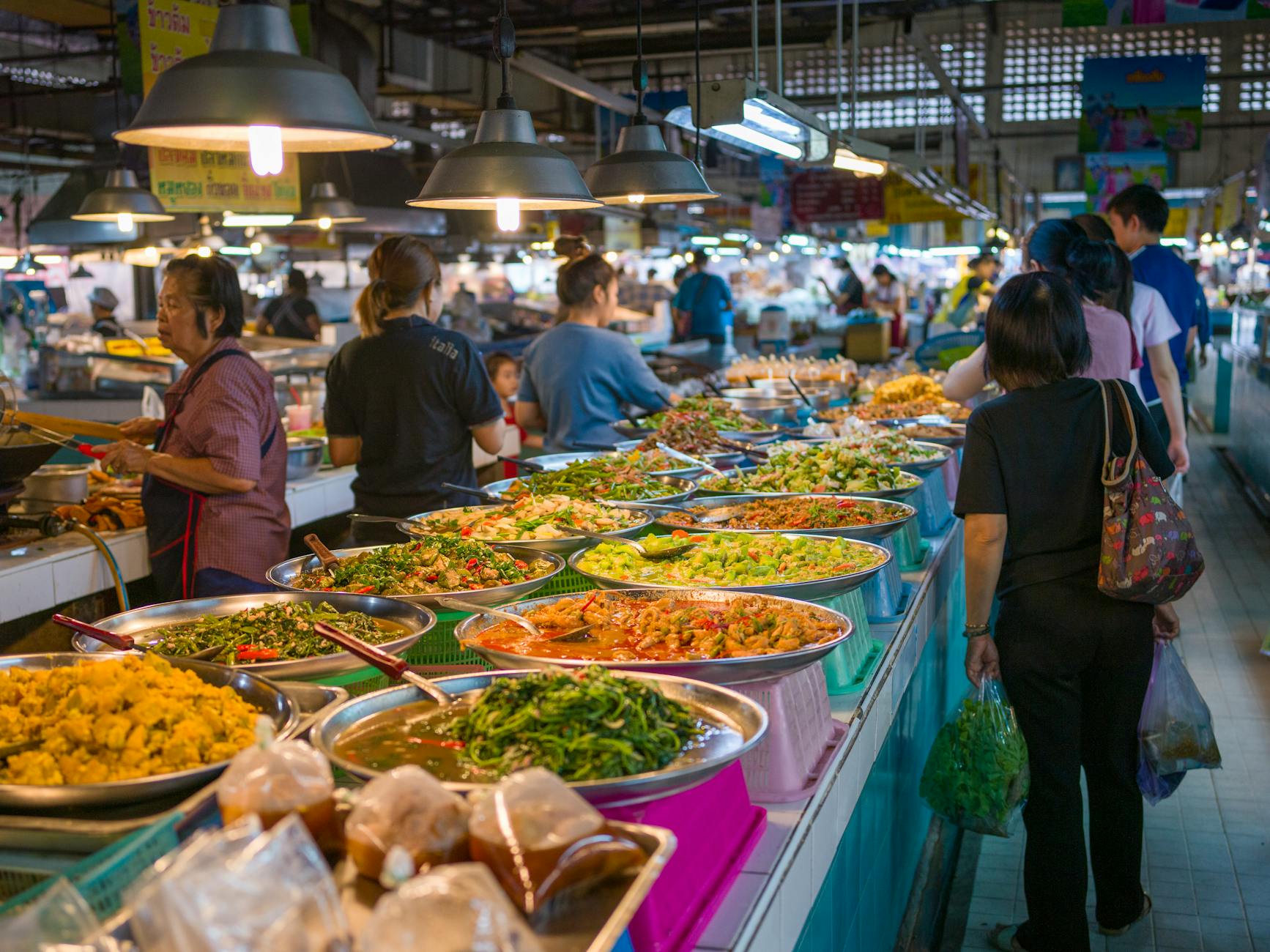
Thailand is one of the world’s greatest food countries because excellent eating happens everywhere: on sidewalks, in markets, in shophouses, in malls, in family kitchens, in resort restaurants, and in serious modern dining rooms. The danger is not going hungry. The danger is eating the same ten tourist dishes because they are familiar.
Thai Food Identity
Thai food is not one cuisine. It is regional and situational:
- Central Thai: balance, royal influence, river fish, curries, stir-fries, noodles, Bangkok market abundance.
- Northern Thai: khao soi, sai ua sausage, gaeng hung lay, nam prik, sticky rice, herbs, pork, mountain produce.
- Isan / Northeast: som tam, laab, grilled chicken, sticky rice, fermented fish, heat, sourness, herbs, and communal eating.
- Southern Thai: intense curries, seafood, turmeric, coconut, roti, Muslim influences, fermented flavors, high spice.
- Chinese-Thai: noodles, duck, dim sum, roast meats, seafood, stir-fries, sweets, and shophouse culture.
- Royal / modern Thai: refined presentations, historical recipes, regional reinterpretations, and contemporary technique.
What to Eat
| Dish or experience | What it is | Where/when to try it |
|---|---|---|
| Khao soi | Northern curry noodle soup, often with chicken or beef and crispy noodles. | Chiang Mai and the north. |
| Som tam | Green papaya salad, often spicy/sour/salty/sweet. | Isan restaurants, markets, Bangkok street food. |
| Laab / larb | Minced meat or mushroom salad with herbs, lime, chili, toasted rice. | Isan/northern restaurants. |
| Boat noodles | Small bowls of rich noodle soup traditionally linked to canal/boat culture. | Bangkok, Ayutthaya, markets. |
| Pad kra pao | Stir-fry with holy basil, chili, meat or tofu, often egg on top. | Everywhere; great casual meal. |
| Tom yum | Hot-sour soup, often with shrimp. | Seafood restaurants, central/southern menus. |
| Gaeng hung lay | Northern pork curry with Burmese influence. | Chiang Mai and northern restaurants. |
| Southern curry | Often hotter, richer, turmeric-heavy, fish/seafood-forward. | Phuket Town, Krabi, Trang, Nakhon Si Thammarat, Bangkok southern restaurants. |
| Moo ping | Grilled pork skewers, often breakfast or snack food. | Markets and street stalls. |
| Khanom jeen | Rice noodles with curry sauces and herbs. | Breakfast/lunch markets, south and central Thailand. |
| Mango sticky rice | Coconut sticky rice with ripe mango. | Dessert stalls, markets, mango season. |
| Roti | Fried flatbread, sweet or savory, often Muslim-influenced. | Southern Thailand, night markets. |
| Thai fruit | Mangosteen, rambutan, longan, mango, pineapple, durian, dragon fruit. | Markets, season-dependent. |
Where to Eat by Situation
| Situation | Best approach |
|---|---|
| First night in Bangkok | Stay near your hotel and eat somewhere easy; do not make your first meal a cross-town pilgrimage in traffic. |
| Street-food night | Chinatown, Bang Rak, local markets, or a guided food walk if you want context. |
| Family meal | Malls, hotel restaurants, food courts, casual Thai chains, beach restaurants with space. |
| Solo meal | Noodles, rice dishes, mall food courts, markets, cafés, and counter-style shophouses. |
| Splurge meal | Bangkok Thai fine dining, seafood in Phuket/Krabi, resort dinners, or private cooking/dining experiences. |
| Rainy day | Mall food courts, cafés, cooking classes, hotel restaurants, covered markets. |
| Late night | Bangkok, Chiang Mai night markets, tourist island strips, and local noodle/rice stalls. |
| Vegetarian/vegan | Possible but requires care. Fish sauce, shrimp paste, oyster sauce, and meat stocks are common. Use “jay” vegetarian restaurants where available. |
| Halal | Strong options in Bangkok, southern Thailand, Phuket, Krabi, and Muslim communities. |
Food Practicalities
- Street food can be excellent. Choose busy stalls with turnover.
- Spice levels are real. Ask for mild if needed, but mild may still be spicy.
- Many Thai dishes contain fish sauce, shrimp paste, oyster sauce, or pork unless specified.
- Food courts in malls are practical, clean, and often very good.
- Carry cash for markets and stalls.
- Tipping is appreciated but not required in many casual settings; higher-end restaurants may add service charges.
- Do not drink tap water unless it is filtered/treated.
- Ice in established venues is usually commercially made; use judgment in rural settings.
Drinks and Nightlife
Thailand’s drink culture includes iced coffee, Thai tea, fresh juices, coconut water, beer, cocktails, rum, herbal drinks, and an enormous café scene. Nightlife ranges from rooftop bars and jazz clubs to beach bars, full-moon parties, go-go districts, night markets, and quiet riverside drinks.
Nightlife safety: Watch drinks, avoid drug use, use licensed transport, do not follow aggressive touts, and do not let alcohol push you onto a motorbike.
Getting Around
Thailand is straightforward to travel in, but the best transport mode changes by route. The country has domestic flights, trains, buses, minivans, ferries, boats, taxis, songthaews, motorcycle taxis, ride-hailing apps, and private drivers. The trick is choosing the right tool rather than proving you can do everything cheaply.
Arrival Airports
Bangkok Suvarnabhumi (BKK): Main long-haul gateway, with Airport Rail Link access to the city.
Bangkok Don Mueang (DMK): Important low-cost/domestic/regional airport.
Phuket (HKT): Major beach gateway for Andaman trips.
Chiang Mai (CNX): Main northern gateway.
Krabi (KBV), Koh Samui (USM), Hat Yai (HDY), Surat Thani (URT): Important for southern/island routes.
Domestic Flights
Flights are often the right answer for Bangkok–Chiang Mai, Bangkok–Phuket/Krabi/Samui, Chiang Mai–Phuket/Krabi, and routes where trains/buses would consume a full day.
The move: For a two-week trip, fly between far-apart regions and save slower transport for short scenic or practical segments.
Trains
State Railway of Thailand’s official D-Ticket platform is the core direct booking route for many train journeys, and SRT’s hotline is 1690.[7]
Best for: Bangkok–Ayutthaya, Bangkok–Chiang Mai sleeper, Bangkok–Surat Thani, Bangkok–Hua Hin, Bangkok–Kanchanaburi.
Not best for: Travelers with very little time who need speed and certainty.
Book ahead: Sleeper trains, holidays, weekends, and peak travel periods.
Buses and Minivans
Buses and minivans fill gaps that trains do not cover. They are useful for Kanchanaburi, Sukhothai, Pai, Chiang Rai, islands via ferry packages, and many regional routes.
Risk note: Minivans can be fast but uncomfortable and sometimes driven aggressively. Choose reputable operators where possible.
Ferries and Boats
Ferries are essential for island travel. They are also weather-dependent.
The move: Do not book a same-day international flight immediately after a long ferry transfer unless the schedule has a large buffer. Rough seas, canceled boats, and pier delays are real.
Bangkok Transport
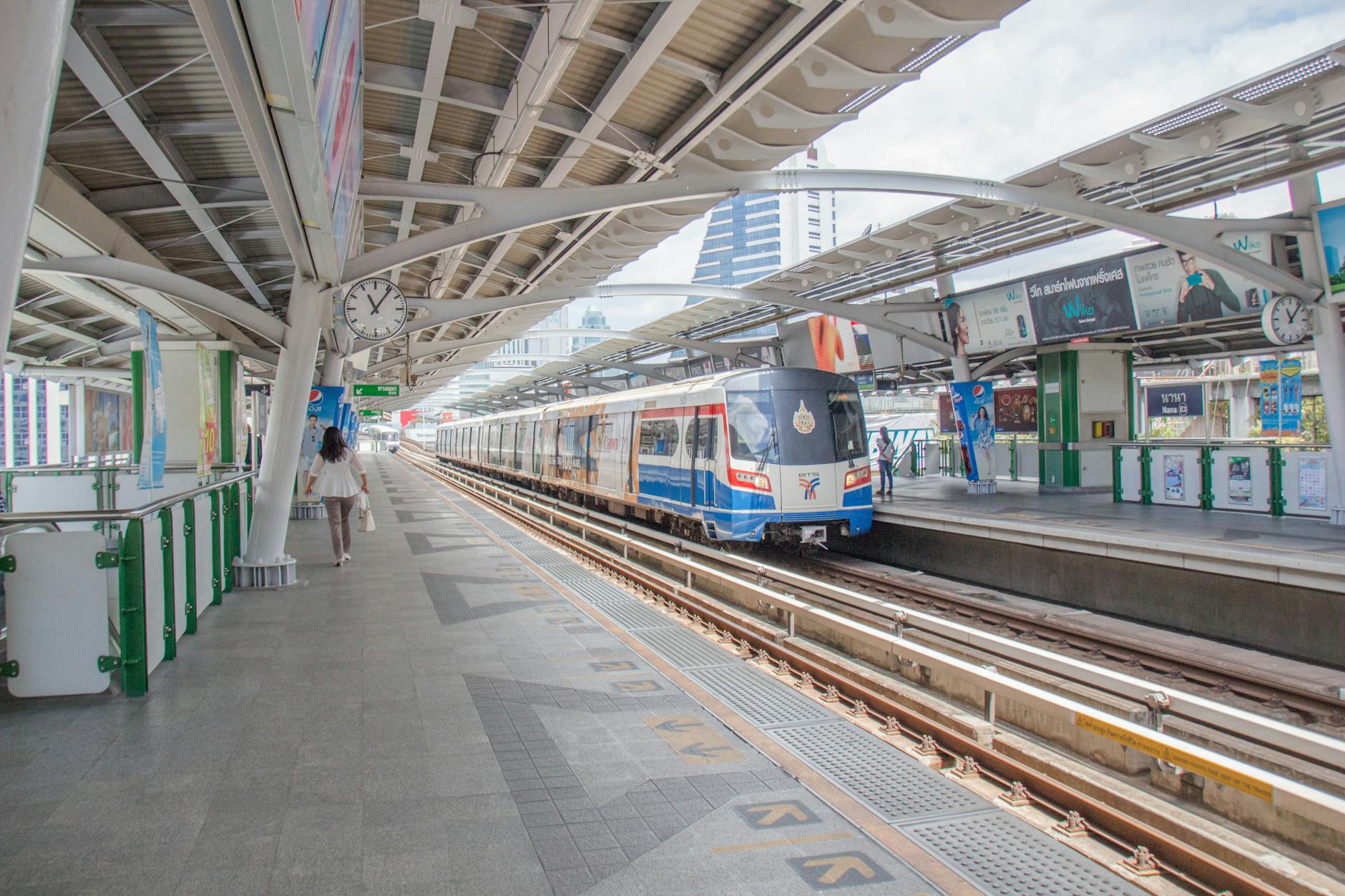
Bangkok works best when you combine rail, riverboats, walking, and selective taxis/Grab.
- BTS Skytrain: Great for Sukhumvit, Silom, Siam, and many modern-city routes. The Rabbit Card is used for BTS fare payment; BTS lists a card issuance fee and top-up options on its official page.[8]
- MRT: Useful for Old Town edges, Chinatown, Chatuchak, business districts, and rail links.
- Airport Rail Link: Useful from BKK if your hotel is convenient to the line.
- Riverboats: Excellent for old-city and riverside movement.
- Taxis/Grab: Useful but traffic-sensitive.
- Motorcycle taxis: Fast but risky; best avoided by travelers who are not comfortable with the risk.
Renting Cars and Motorbikes
A car can make sense for some regional road trips, but it is rarely necessary in Bangkok. Motorbikes are extremely common in tourist areas, but injuries are one of the biggest visitor risks.
Before renting a scooter/motorbike:
- Have the proper motorcycle license and international driving permit where required.
- Confirm your travel insurance covers the engine size and activity.
- Wear a helmet.
- Photograph the vehicle before riding.
- Never leave your passport as a deposit.
- Do not ride after drinking.
- Avoid steep island roads if inexperienced.
Budget and Costs
Thailand can be very affordable, very luxurious, or both in the same day. Food and local experiences can be excellent value; peak beach hotels and high-end resorts can be expensive.
Daily Budget Ranges
| Traveler type | Daily estimate, excluding major domestic flights and shopping | What it means |
|---|---|---|
| Shoestring | ฿900–฿1,800 | Hostels/cheap guesthouses, street food, local transport, limited paid tours, basic rooms. |
| Budget comfort | ฿1,800–฿3,500 | Simple hotels, casual restaurants, some taxis, temples, markets, occasional tours. |
| Mid-range | ฿3,500–฿7,000 | Good boutique hotels, flights or sleeper trains, guided day trips, nicer meals, massages. |
| Comfortable | ฿7,000–฿15,000 | Strong hotels/resorts, private transfers, good restaurants, boat trips, spa time. |
| Luxury | ฿15,000+ | High-end hotels, villas, fine dining, private guides, premium resorts, yachts, wellness retreats. |
What Is Surprisingly Affordable
- Street food and local restaurants.
- Massages outside luxury spas.
- Local markets.
- Domestic flights booked early.
- Simple guesthouses and mid-range hotels in non-peak areas.
- Temple wandering and neighborhood walks.
What Gets Expensive
- Christmas/New Year beach hotels.
- Phuket/Samui luxury resorts.
- Private longtail/speedboat tours.
- Taxis on some islands.
- Alcohol in upscale venues.
- International-style restaurants and cafés.
- Last-minute flights during holidays.
Best Value Moves
- Spend more on location in Bangkok and islands.
- Use street food and food courts for everyday meals, then splurge selectively.
- Fly only when it saves a painful travel day.
- Avoid one-night island hops.
- Choose Khao Lak, Koh Lanta, Hua Hin, or less-famous beaches for value in the right season.
- Book peak beach dates early.
Splurge-Worthy
- A well-located Bangkok hotel for the first nights.
- One excellent Thai tasting menu or seafood meal.
- A private guide for Bangkok food or history.
- A safe, reputable boat tour rather than the cheapest possible one.
- A good family resort with pool and easy beach access.
- A quality diving operator.
Usually Not Worth It
- A cheap speedboat tour that crams too many stops into one day.
- Paying for a far-flung resort just to spend all day transferring.
- Luxury in the wrong beach area.
- Elephant experiences centered on riding, shows, or constant visitor interaction.
- A scooter rental if your insurance/license situation is wrong.
Safety, Health, and Scams
Thailand is generally welcoming and heavily visited, but the main risks are practical: road accidents, motorbikes, water/sea conditions, heat, alcohol, scams, petty theft, poor operator safety, regional conflict zones, and legal misunderstandings.
General Safety
In mainstream tourist areas, most visitors have smooth trips. Use normal caution: watch belongings in crowded areas, use licensed transport, avoid isolated late-night walks, keep copies of your passport, and do not escalate disputes.
Regional Safety
Current U.S. advice says not to travel within 50 km of the Thai-Cambodian border due to armed conflict and highlights civil unrest connected to insurgent activity in Yala, Pattani, and Narathiwat.[10]
The move: Do not add border-sensitive areas casually. If a route takes you near a border or the deep south, check multiple current advisories and local conditions.
Common Scams and Hassles
| Scam/hassle | What it looks like | What to do |
|---|---|---|
| Temple closed scam | Someone says a major temple is closed and redirects you to shops/tours. | Check official hours or go to the entrance yourself. |
| Gem/tailor pressure | Tuk-tuk or guide routes you to shops with commission pressure. | Decline firmly and leave. |
| Taxi refusal/no meter | Driver refuses meter or quotes inflated fare. | Use Grab, official taxi queues, or negotiate clearly before entering. |
| Jet ski/motorbike damage claims | Rental operator claims you damaged equipment. | Avoid risky rentals; photograph/video before use; never hand over passport. |
| Overpriced boat tours | Vague itinerary, overloaded boat, unclear fees. | Use reputable operators and confirm inclusions. |
| Nightlife bills/touts | Aggressive invitation to bars, unclear pricing, surprise charges. | Do not follow touts; choose venues yourself. |
| Fake tour desks | Unclear operator, impossible promises, no refund clarity. | Book through reputable agencies/hotels/operators. |
Health
CDC travel-health guidance for Thailand recommends travelers discuss itinerary-specific needs with a clinician; it notes malaria prevention medication is recommended for travelers going to certain areas, especially rural forest/fringe areas in provinces bordering Myanmar, Cambodia, and Malaysia, while transmission is rare to few in cities such as Bangkok, Chiang Mai, and Chiang Rai and certain islands.[12]
Health basics:
- Use mosquito protection, especially around dawn/dusk and in rural areas.
- Dengue risk exists; there is no simple traveler shortcut around bite prevention.
- Use sun protection and hydration in hot season.
- Avoid animal bites; rabies post-exposure treatment is time-sensitive.
- Consider travel insurance that covers medical evacuation and motorbike/diving if relevant.
- Carry prescription medications in original packaging and check legality.
Road Safety
Road accidents are a major risk. Motorbikes are especially dangerous for visitors who are inexperienced, uninsured, unlicensed, intoxicated, or riding in sandals without helmets.
The move: If you would not ride a motorbike legally and confidently at home, do not learn on a Thai island road.
Sea, River, and Water Safety
Monsoon seas, rip currents, overloaded boats, jellyfish, poor dive safety, waterfall flash floods, and river currents all matter. UK guidance warns that coastal swimming can be dangerous during monsoon season, that red flags should be followed, and that jellyfish can be fatal especially during rainy season.[11]
Legal Rules Visitors Underestimate
- Do not insult or make careless public/social-media comments about the monarchy.
- Do not use or possess vapes/e-cigarettes.
- Do not assume cannabis is legal recreationally.
- Do not use illegal drugs; penalties can be severe.
- Register drones if required before using them.
- Carry passport ID or at least a copy; police may ask.
- Do not overstay your visa/entry permission.
Accessibility, Families, Solo Travelers, and LGBTQ+ Travelers
Accessibility
Thailand can be difficult for travelers with mobility needs. Sidewalks may be uneven or blocked, curbs can be high, elevators are inconsistent outside modern malls/hotels, boats are often not accessible, and temples may involve steps. Bangkok’s newer malls, some BTS/MRT stations, luxury hotels, and major airports are better, but routes can still be indirect.
Best strategy: Stay in modern hotels near accessible rail or use private drivers. Choose fewer stops, avoid remote islands with difficult piers, confirm elevator access, and ask hotels specific questions rather than accepting “accessible” as a generic label.
Families
Thailand can be excellent with children: pools, beaches, fruit, markets, cooking classes, temples in short doses, animals if ethical, friendly service, and family resorts. The challenge is heat and transfers.
Best family bases: Bangkok riverside/Siam/Sathorn, Chiang Mai Old City/Riverside, Khao Lak, Phuket family beaches, Koh Samui, Hua Hin.
Family tips:
- Build around pools and naps.
- Avoid overloading temple days.
- Use private transfers when luggage and children make public transport stressful.
- Choose beach areas with restaurants nearby.
- Pack mosquito protection and sun gear.
- Avoid motorbike transport with children unless properly equipped and legal.
Solo Travelers
Thailand is one of Asia’s classic solo travel countries. It has social hostels, easy domestic routes, counter-style eating, group tours, and a strong backpacker network.
Solo tips:
- Share tours for boat/diving/hiking days.
- Be cautious with nightlife, drink buckets, and remote late-night walks.
- Keep transfer details offline.
- Use reputable operators for trekking and diving.
- Do not let solo flexibility turn into unsafe transport choices.
Women Traveling Solo
Many women travel Thailand safely and happily, but caution still matters around nightlife, beach parties, isolated roads, and transport at night. Arrange return transport before drinking, watch drinks, stay in well-reviewed lodging, and avoid putting yourself alone with unvetted drivers or guides in remote settings.
LGBTQ+ Travelers
Thailand is one of the more LGBTQ-visible destinations in Asia, especially in Bangkok, Phuket, Pattaya, and Chiang Mai. Same-sex marriage became legal in Thailand in January 2025, according to UK travel guidance.[11] Social acceptance varies by region and context, but ordinary tourism is generally comfortable for many LGBTQ+ visitors.
Culture, History, and Etiquette
Short History for Travelers
Thailand’s modern identity is shaped by older Tai polities, Khmer influence, Buddhist kingdoms, trade, royal capitals, regional cultures, and the unusual fact that Thailand was never formally colonized by a European power. That does not mean it was isolated. Ayutthaya was one of the great cosmopolitan trading cities of early modern Asia. Sukhothai, Ayutthaya, Thonburi, and Bangkok all help explain the country’s art, politics, religion, and sense of continuity.
Bangkok became the capital in 1782 under the Chakri dynasty. The city grew around the Chao Phraya River, royal institutions, canals, Chinese-Thai commerce, temples, and later roads, rail, malls, expressways, airports, and global tourism.
Thailand’s regions remain distinct. Northern Thailand reflects Lanna history. Isan is culturally tied to Lao-speaking traditions and Khmer heritage. The south has strong Malay-Muslim and maritime influences. Bangkok concentrates people and flavors from everywhere.
UNESCO Context
UNESCO lists eight World Heritage properties in Thailand: five cultural properties, including Ayutthaya, Sukhothai, Ban Chiang, Si Thep, and Phu Phrabat; and three natural properties, including Dong Phayayen-Khao Yai Forest Complex, Kaeng Krachan Forest Complex, and Thungyai-Huai Kha Khaeng Wildlife Sanctuaries.[13]
The move: Use UNESCO sites to move beyond beach-and-market Thailand. Sukhothai, Ayutthaya, and Si Thep can completely change the historical depth of a trip.
Etiquette That Matters
- Dress modestly at temples: shoulders and knees covered, shoes off where required.
- Do not climb on Buddha images or temple ruins.
- Keep your voice calm in public conflict; anger rarely helps.
- Do not touch anyone’s head casually.
- Avoid pointing feet at people, monks, or sacred objects.
- Stand respectfully during national/royal ceremonies when appropriate.
- Do not photograph monks, ceremonies, or private moments without sensitivity.
- Women should avoid touching monks; follow local cues.
- Remove shoes before entering homes, some shops, massage rooms, and temple buildings.
- Use both hands or the right hand when giving/receiving important items.
The Wai
The wai is a Thai greeting gesture with palms together and a slight bow. Visitors do not need to wai constantly or perform it perfectly. A smile, slight nod, and respectful manner go far. Do not wai children or service workers reflexively in ways that feel theatrical; follow context.
Beaches and Islands
Thailand’s beaches are not interchangeable. The best island depends on month, personality, transfer tolerance, budget, and tolerance for crowds.
Andaman Coast
| Place | Best for | Watch out for |
|---|---|---|
| Phuket | Resorts, families, nightlife, luxury, direct flights, first-timers. | Traffic, expensive taxis, overbuilt areas, choosing the wrong beach. |
| Krabi/Ao Nang | Scenery, practical base, boat trips, Railay access. | Ao Nang is functional more than idyllic. |
| Railay | Limestone cliffs, climbing, dramatic beach scenery. | Crowds, semi-isolated logistics, limited space. |
| Phi Phi | Famous scenery, young travelers, boat trips. | Crowds, party reputation, fragile environment. |
| Koh Lanta | Slower beach stay, families, couples, longer stays. | Less dramatic beaches than some islands, seasonal quiet. |
| Khao Lak | Families, quieter resorts, Similan access. | Less nightlife, beach spread-out logistics. |
| Trang/Satun islands | Quieter, more local/remote-feeling island travel. | Less infrastructure, weather/ferry limitations. |
Gulf Islands
| Place | Best for | Watch out for |
|---|---|---|
| Koh Samui | Resorts, villas, families, wellness, airport convenience. | Expensive compared with some islands, spread-out beaches. |
| Koh Phangan | Wellness, beaches, parties, longer stays. | Full Moon Party dates, steep roads, motorbike risk. |
| Koh Tao | Diving, snorkeling, younger travelers. | Ferry conditions, motorbike injuries, dive-operator quality. |
| Khanom | Quiet coast, pink dolphins, off-beat stays. | Fewer services and less classic island glamour. |
| Hua Hin/Cha-am | Easy Bangkok beach break, families, older travelers. | Not a tropical-island fantasy. |
Island-Hopping Rules
- Two nights is the minimum for most islands; three is better.
- Do not move islands every day.
- Check ferry schedules before booking nonrefundable hotels.
- Build a buffer before flights.
- Avoid overloaded boats.
- Respect marine parks and do not touch coral.
- Check seasonal closures for marine parks.
- Bring motion-sickness medication if needed.
Seasonal and Month-by-Month Guide
Cool Season: November to February
This is the easiest first-time window. Bangkok is more comfortable, northern Thailand is pleasant, and many beaches are in strong shape. It is also high season.
Best for: First-timers, families, cultural routes, beaches, markets, temples.
Book early: Beach resorts, domestic flights, sleeper trains, Christmas/New Year, Chiang Mai festival periods.
Hot Season: March to May
This season can be punishing inland. April’s Songkran festival is culturally important and very fun if you want water fights and holiday atmosphere, but it disrupts transport and bookings.
Best for: Beach/pool trips, festival travelers, heat-tolerant visitors.
Watch out: Heat, dehydration, smoke/haze, and sightseeing fatigue.
Rainy / Green Season: May to October
Rainy season can be beautiful: lush landscapes, dramatic skies, fewer crowds, and lower prices. It can also disrupt boats, hikes, waterfalls, caves, and roads.
Best for: Value travelers, repeat visitors, Bangkok food trips, green countryside, flexible island travelers.
Watch out: Ferry disruptions, flash floods, landslides, mosquitoes, rough seas.
Festivals and Events
- Songkran: Thai New Year water festival around mid-April. Joyful but chaotic; protect electronics and book transport early.
- Loy Krathong / Yi Peng: Usually around November, especially atmospheric in Chiang Mai and Sukhothai, but exact dates vary by lunar calendar.
- Vegetarian Festival: Strong in Phuket and some Chinese-Thai communities; dates vary.
- Full Moon Party: Koh Phangan nightlife event; party dates affect hotel availability and crowd profile.
- Thai public holidays: Can reshape domestic travel, hotel prices, and transport.
Responsible Travel
Thailand’s popularity creates pressure: overtourism, reef damage, elephant exploitation, waste, short-term rental impacts, disrespectful temple behavior, and crowding in small communities.
Do
- Use ethical wildlife operators and avoid riding elephants.
- Follow marine-park rules and avoid touching coral or wildlife.
- Dress properly at temples.
- Support local restaurants, guides, and family-run lodging.
- Bring a reusable bottle and refill where safe.
- Use reef-safe sun protection where relevant.
- Respect local noise levels, especially in villages and residential beach areas.
- Learn a few Thai phrases.
- Tip fairly when service is good, especially guides and drivers.
Do Not
- Treat monks, hill communities, or market workers as props.
- Fly drones without checking registration and permissions.
- Support animal shows or tiger/selfie attractions.
- Stand on coral, feed fish, or pressure boatmen to enter closed areas.
- Rent a scooter irresponsibly.
- Bargain aggressively over small sums with low-income vendors.
- Carry cannabis, vapes, or questionable substances across borders.
Local Logic
Thailand’s hospitality is not permission to behave badly. The country gives visitors extraordinary access to food, ritual, nature, and pleasure. The least travelers can do is move through it with restraint.
Packing List
Essentials
- Passport with sufficient validity and entry paperwork.
- TDAC confirmation.
- Travel insurance documents.
- Credit/debit cards plus cash.
- Universal adapter.
- Lightweight breathable clothing.
- Modest temple clothing: covered shoulders and knees.
- Comfortable sandals and walking shoes.
- Rain jacket or compact umbrella.
- Reef-safe sunscreen where relevant.
- Mosquito repellent.
- Reusable water bottle with safe refill plan.
- Dry bag for boat days/Songkran.
- Power bank.
- Basic medications and oral rehydration salts.
- Motion-sickness medication for ferries/mountain roads.
- Copies of passport, visa/entry permission, and insurance.
Seasonal Additions
| Season | Pack |
|---|---|
| Cool season | Light layers for northern nights, sun protection, comfortable walking clothes. |
| Hot season | High-heat clothing, hat, electrolyte packets, extra shirts, strong sunscreen. |
| Rainy season | Quick-dry clothing, waterproof bag, sandals with grip, insect protection. |
| Island/diving trip | Swimwear, rash guard, reef-safe sunscreen, dry bag, waterproof phone pouch, light cover-up. |
| Northern trip | Light jacket in winter, especially for mountains and early mornings. |
What Not to Pack
- Vapes/e-cigarettes or related devices.
- Cannabis or drug products.
- Excessively revealing temple wear.
- Heavy jeans for hot weather.
- Too many shoes.
- Drone without checking registration requirements.
- Huge hard-shell luggage if you are island-hopping.
What to Skip
Skip: Trying to Do Both Major Beach Coasts on a Short Trip
Andaman plus Gulf can work with time. In a 10-day trip, it often becomes a transfer project.
Better alternative: Choose one coast and stay longer.
Skip: Riding a Scooter Without Proper License and Insurance
This is one of the fastest ways to ruin a Thailand trip.
Better alternative: Use taxis, Grab, songthaews, hotel shuttles, bicycles where safe, or private drivers.
Skip: Elephant Riding and Animal Shows
Tourism demand fuels poor animal welfare.
Better alternative: Choose observation-focused sanctuaries with transparent welfare policies.
Skip: Viral Boat Tours at Peak Crowds
Some famous places are still worth seeing, but the cheapest group speedboat at peak hour can make them miserable.
Better alternative: Choose fewer stops, better operators, early departures, or less famous alternatives.
Skip: One-Night Island Hops
Ferries, transfers, check-in, unpacking, and weather risk eat the trip.
Better alternative: Spend three nights in one well-chosen island area.
Skip: Assuming Bangkok Is Just a Gateway
Bangkok is one of the reasons to visit Thailand.
Better alternative: Give it at least two full days.
Skip: Ignoring Regional Advisories
Thailand is not one risk category.
Better alternative: Check current advisories and avoid border-sensitive areas unless you have a strong reason and current local knowledge.
Common Mistakes
- Trying to see too much. Thailand has easy tourism infrastructure, but transfer days still cost energy.
- Choosing islands by fame instead of season and style. The best island is the one that fits your month and personality.
- Underestimating Bangkok. It deserves time, not tolerance.
- Riding scooters casually. Motorbike injuries are common and insurance issues are brutal.
- Ignoring heat. Midday temple marathons are miserable in hot season.
- Booking tight ferry-to-flight connections. Weather and pier logistics can break schedules.
- Assuming every elephant sanctuary is ethical. Research carefully.
- Treating cannabis/vaping rules casually. The legal risk is real.
- Not checking visa/entry changes. Thailand’s 2026 entry rules are in transition.
- Eating only tourist dishes. Regional Thai food is the reward.
- Leaving no cash. Small vendors, markets, local transport, temples, and some guesthouses need it.
- Using only taxis in Bangkok. Rail and riverboats can save sanity.
- Ignoring smoke season in the north. Air quality can affect the trip.
- Overpaying for bad tours. Cheapest is not best for boats, diving, wildlife, or safety.
- Disrespecting temples. Dress and behavior matter.
FAQ
Is Thailand good for a first trip to Southeast Asia?
Yes. Thailand is one of the best first Southeast Asia countries because it has strong tourism infrastructure, excellent food, varied budgets, domestic flights, beaches, culture, and a deep traveler network. The main challenge is choosing a sane route.
How many days should I spend in Thailand?
Ten to fourteen days is the best first-visit range. Seven days works for Bangkok plus one region. Three weeks allows real depth.
What is the best first-time Thailand itinerary?
Bangkok, Ayutthaya, Chiang Mai, and one beach area. Choose Andaman or Gulf beaches based on month and travel style.
Is Bangkok worth visiting?
Absolutely. Bangkok is not just an airport city. It is the best place to understand Thai food, urban culture, temples, markets, shopping, river life, and modern Thailand.
Which is better: Phuket, Krabi, or Koh Samui?
Phuket is best for direct flights, resorts, nightlife, families, and infrastructure. Krabi is best for limestone scenery and island-hopping. Koh Samui is best for Gulf-island resorts, wellness, and easier comfort. The right answer depends on your month and trip style.
Is Thailand safe?
Most mainstream tourist routes are widely traveled and manageable with normal caution. Road accidents, motorbikes, sea conditions, alcohol, scams, and regional advisories are the main concerns. Check current guidance for border areas and the deep south.
Do I need a visa for Thailand?
It depends on your passport, trip purpose, and timing. Thailand’s visa-exemption framework is changing in 2026. Check official Thai consular sources before travel.
Do I need to complete the Thailand Digital Arrival Card?
Most foreign travelers need to complete TDAC online within three days before arrival. Use the official no-fee portal.
Can I drink tap water in Thailand?
Do not assume tap water is safe to drink. Use bottled, filtered, or treated water.
Is Thailand good with kids?
Yes, especially with a slower route, pool-friendly hotels, short temple days, family beach areas, and private transfers when needed.
Should I rent a scooter?
Only if you are licensed, insured, experienced, sober, helmeted, and comfortable with Thai road conditions. Many visitors should not rent scooters.
What should I book ahead?
Peak-season beach hotels, Christmas/New Year stays, sleeper trains, domestic flights, ethical elephant experiences, diving liveaboards, popular ferries during holidays, and high-end Bangkok restaurants/hotels.
Source Notes
Date-sensitive details in this guide were checked against official or high-reliability sources where possible. Re-check every entry rule, fare, ferry schedule, park closure, safety advisory, and health recommendation before publication.
- 1. Thailand Immigration Bureau, “Thailand Digital Arrival Card,” https://tdac.immigration.go.th/
- 2. Tourism Authority of Thailand Newsroom, “Thai Cabinet approves revision of 60-day visa exemption scheme pending Royal Gazette publication,” https://www.tatnews.org/2026/05/thai-cabinet-approves-revision-of-60-day-visa-exemption-scheme-pending-royal-gazette-publication/
- 3. Department of Consular Affairs, Ministry of Foreign Affairs of Thailand, “Review of visa exemption and visa-on-arrival measures,” https://consular.mfa.go.th/th/content/20-5-69-0000?cate=5ddbe42115e39c4768007e1d
- 4. Tourism Authority of Thailand, “Thailand Climate & Weather,” https://www.tourismthailand.org/Plan-Your-Trip/Weather
- 5. Thai Meteorological Department, https://www.tmd.go.th/en/
- 6. Tourism Authority of Thailand, “Travel Around Thailand FAQs,” https://www.tourismthailand.org/Faqs/3
- 7. State Railway of Thailand, D-Ticket, https://dticket.railway.co.th/
- 8. BTS Skytrain, “How to purchase a new Rabbit card,” https://www.bts.co.th/eng/tickets/ticket-rabbit-issuing.html
- 9. National News Bureau / Public Relations Department of Thailand, “Thailand’s Tourist Assistance Contact Numbers,” https://thailand.prd.go.th/en/content/category/detail/id/2078/iid/447104
- 10. U.S. Department of State, “Thailand Travel Advisory,” https://travel.state.gov/content/travel/en/traveladvisories/traveladvisories/thailand-travel-advisory.html
- 11. UK Foreign, Commonwealth & Development Office, “Thailand travel advice: Safety and security,” https://www.gov.uk/foreign-travel-advice/thailand/safety-and-security
- 12. U.S. CDC Travelers’ Health, “Thailand - Traveler View,” https://wwwnc.cdc.gov/travel/destinations/traveler/none/thailand
- 13. UNESCO World Heritage Convention, “Thailand,” https://whc.unesco.org/en/statesparties/th