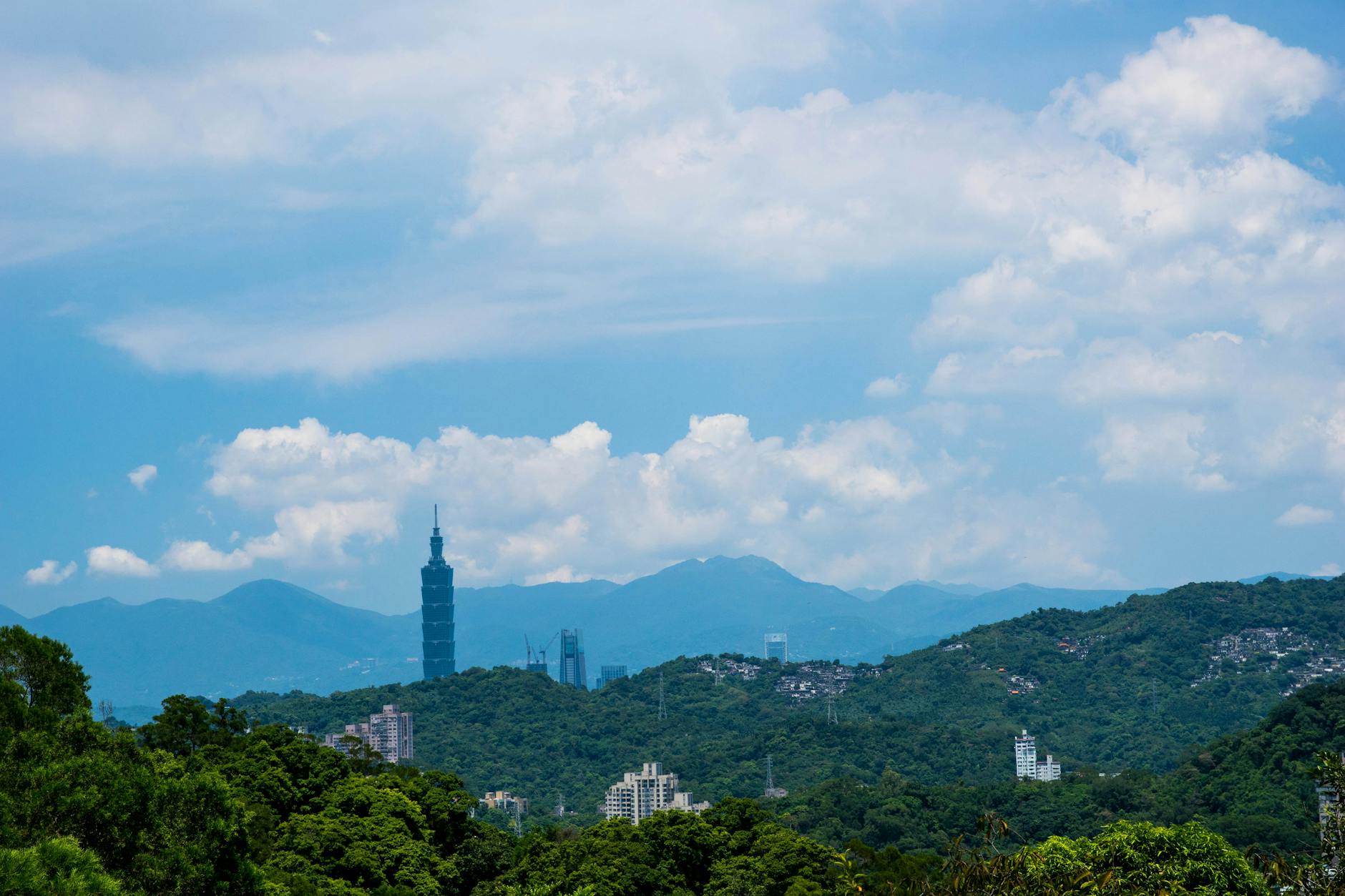
Taiwan is small enough to cross in a day and deep enough to keep defeating simple summaries.
Start Here
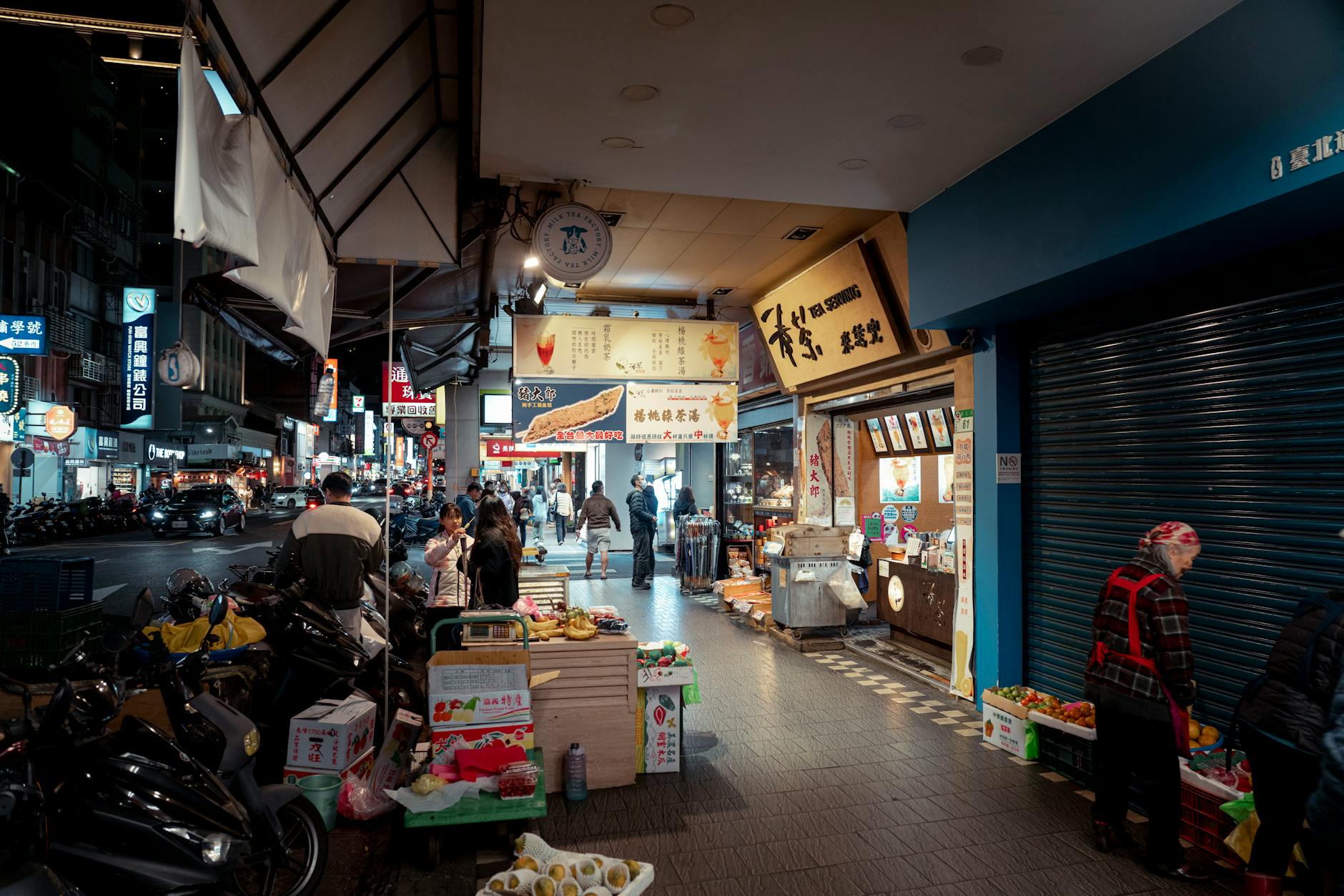
It is a night market where oyster omelets, scallion pancakes, papaya milk, stinky tofu, shaved ice, herbal soups, wheel cakes, and grilled squid compete for your attention. It is a temple courtyard glowing with incense. It is Taipei’s glass towers and back-alley breakfast shops, Tainan’s old lanes and snack culture, Kaohsiung’s harbor reinvention, Taichung’s creative districts, Hualien’s mountain-meets-Pacific drama, Taitung’s slower east-coast rhythm, Alishan’s sunrise trains and cypress forests, Sun Moon Lake’s mountain water, Penghu’s basalt islands, Kinmen’s military history, and Orchid Island’s Indigenous Tao culture facing the open sea.
Most first-time visitors underestimate Taiwan in two opposite ways. Some treat it as a short Taipei stopover and miss the food cities, mountains, east coast, hot springs, and islands. Others see the island’s compact size and try to do the whole country in a rushed loop, forgetting that weather, rail geography, mountain roads, ferry schedules, typhoons, festivals, and post-earthquake closures can reshape a trip overnight.
Taiwan is not hard because it is huge. Taiwan is hard because it is dense. The west coast is fast and urban. The east coast is slower, wilder, and more weather-exposed. The mountains rise sharply from the plains. The north can be rainy when the south is sunny. A place that looks close on a map may require a train, a bus, a mountain road, and patience. A snack stop can become the best meal of the trip. A famous scenic site can be closed after a landslide. A night market can be more memorable than a checklist landmark.
This guide is built around the decisions that actually make or break a Taiwan trip: how much time you have, whether to loop the island or focus, when to go, how to combine Taipei with the south or the east, how to use high-speed rail without misunderstanding its west-coast bias, what to do about Taroko after the 2024 earthquake, how to eat well without turning every meal into a hunt for viral stalls, when to book trains and permits, and how to respect a culture shaped by Indigenous peoples, Han migration, Hakka communities, Japanese rule, postwar change, democracy, religion, street food, and island geography.
Taiwan in one sentence: Taiwan is a compact island with the planning complexity of a much larger country, where the best trip comes from matching food cities, rail corridors, mountain weather, east-coast timing, festivals, and islands to the kind of traveler you actually are.
Basic data
| Population | About 23.5 million |
|---|---|
| Area | 36,197 km2 |
| Major religions | Buddhist, Taoist, folk religious, Christian, and secular traditions |
| Political system | Semi-presidential republic |
| Economic system | High-income export-led market economy centered on semiconductors, manufacturing, services, and trade |
Quick Verdict
| Question | Answer |
|---|---|
| Best for | Food, night markets, tea, temples, easy public transport, compact city-hopping, hot springs, cycling, rail travel, mountain scenery, coastal roads, democratic culture, design, museums, street photography, family travel, solo travel, LGBTQ+ travel, and travelers who like dense, lived-in places more than resort polish. |
| Not ideal for | Travelers who want beach-resort simplicity, dry guaranteed weather, a single iconic route that never needs adjustment, effortless English everywhere, wide sidewalks, smooth stroller travel in old districts, or dramatic nature without checking closures and weather. |
| Ideal first trip length | 10 to 14 days. One week works for Taipei plus one region. Two weeks lets you add Tainan/Kaohsiung, Alishan or Sun Moon Lake, and either the east coast or a compact loop. |
| Minimum worthwhile trip | 5 days if focused on Taipei, northern Taiwan, and one easy side trip. Three days is a good stopover, not a real country trip. |
| Best first-time route | Taipei + northern day trips + Tainan + Kaohsiung, using high-speed rail. Add Alishan, Sun Moon Lake, or the east coast only if you have enough days. |
| Best region for first-timers | Taipei and the north for ease; Tainan and Kaohsiung for food, history, and a more local southern rhythm. |
| Most underrated move | Spend more time in Tainan and the south instead of treating Taiwan as only Taipei plus Taroko. Tainan gives first-timers food, temples, old streets, and a slower cultural base with less logistical risk. |
| Best time to visit | October to December for the broadest first-trip comfort; March to April can be excellent but rain and holiday crowds matter; summer is hot, humid, typhoon-exposed, and best for specific island, festival, or tropical trips. |
| Biggest planning mistake | Trying to loop the island too quickly. Taiwan looks compact, but a good route follows transport logic and weather logic, not map ambition. |
| One thing to book early | Weekend trains, Lunar New Year travel, Alishan lodging/rail, Yushan or high-mountain permits, popular hot-spring stays, limited island ferries/flights, and hotels during major festivals. |
| One thing to leave flexible | East-coast plans, mountain hikes, beach days, night-market grazing, rain days, and anything exposed to typhoons, landslides, earthquakes, or ferry disruption. |
| Best first-timer advice | Do not make Taroko, Alishan, Sun Moon Lake, Kenting, Taipei, Tainan, Kaohsiung, and the east coast all mandatory. Pick one route family and do it well. |
The Move
For a first Taiwan trip, build around one of three clean structures:
- Urban-food Taiwan: Taipei, Taichung, Tainan, Kaohsiung by high-speed rail.
- Classic north-and-south Taiwan: Taipei and northern day trips, then Tainan and Kaohsiung, with one nature extension.
- Slow loop Taiwan: Taipei, east coast, Taitung, Kaohsiung, Tainan, central mountains, and back north — but only with 14 days or more and weather flexibility.
Who Will Love Taiwan?
You will probably love Taiwan if you want:
- A country where food is not a side activity but the organizing principle of the trip.
- Cities that are easy to move through by metro, rail, bus, bike-share, taxi, and walking.
- A place where temples, night markets, convenience stores, mountains, tea houses, hot springs, bookstores, coastlines, and democratic public life sit close together.
- A first Asia trip that feels approachable but still culturally layered.
- Solo-friendly dining, safe-feeling urban exploration, and a strong public-transport backbone.
- Strong regional contrast without the distances of Japan, India, China, Indonesia, or Australia.
- A trip where ordinary daily life — breakfast shops, scooters, markets, trains, temple rituals, tea, and convenience stores — is as interesting as the headline sights.
You may struggle with Taiwan if you want:
- Dry, predictable weather every day.
- Quiet sidewalks, low traffic intensity, and car-free old towns.
- A country where every famous nature site is always open and easy.
- Seamless English-language service outside major visitor routes.
- Resort beaches with soft infrastructure and predictable sunshine.
- A trip where you can ignore earthquakes, typhoons, landslides, heat, and mountain-road closures.
Taiwan rewards curiosity more than box-ticking. The best days are often built from small things: soy milk breakfast, a local train, a temple courtyard, a tea stop, a mountain view, a night market, and one conversation with someone who tells you where to eat next.
Taiwan at a Glance
| Practical | Detail |
|---|---|
| Political / travel name | Taiwan, officially the Republic of China. Many travel documents and official sites use “R.O.C. (Taiwan).” Political terminology can be sensitive; for travel writing, use careful, neutral language. |
| Capital and main gateway | Taipei is the practical capital and main visitor gateway. Taoyuan International Airport is the primary international airport; Taipei Songshan Airport handles domestic and some regional flights. |
| Main visitor cities | Taipei, New Taipei, Keelung, Taichung, Tainan, Kaohsiung, Hualien, Taitung, Chiayi, Yilan, and smaller bases such as Lukang, Puli, Hengchun, Magong, Jincheng, and Nangan/Beigan. |
| Language | Mandarin Chinese is the main public language, written in traditional Chinese characters. Taiwanese Hokkien, Hakka, and Indigenous languages are important parts of Taiwan’s linguistic landscape. English signage is good in major transport systems and variable elsewhere. |
| Currency | New Taiwan dollar, usually written NT$, NTD, or TWD. |
| Payment culture | Cards are common in hotels, malls, chains, rail systems, and larger restaurants. Cash remains useful for night markets, breakfast shops, temples, taxis, small restaurants, buses, local markets, rural areas, and some family-run stays. |
| Time zone | UTC+8 year-round. No daylight saving time. |
| Electricity | Commonly Type A/B plugs, 110V, 60Hz. North American and Japanese-style plugs often fit; UK/EU/Australia travelers usually need adapters, and some appliances may require voltage checks. |
| Tap water | Treated water is generally safe at source, but many locals drink boiled or filtered water. Hotels often provide kettles or filtered water. Carry a bottle but use judgment by accommodation and location. |
| Emergency numbers | Police: 110. Fire and ambulance: 119. Anti-fraud hotline: 165. Tourist information hotline: 0800-011-765. |
| Main rail systems | Taiwan High Speed Rail (THSR) on the west coast; Taiwan Railway (TRA) around the island and to smaller towns; city metro systems in Taipei/New Taipei, Taoyuan, Taichung, and Kaohsiung. |
| Best transport card | EasyCard or iPASS for metro, buses, local rail, convenience stores, some taxis, bike-share, and small payments. |
| Main travel apps | Google Maps, Taiwan Railway e-booking, THSR, Taipei Metro, Taiwan Tourist Shuttle / Taiwan Trip information, YouBike apps, ride-hailing/taxi apps where available, translation apps, and weather/earthquake alert tools. |
| Driving side | Right-hand traffic. Scooters dominate many streets. Driving can be useful for rural and coastal routes but is unnecessary and often stressful in major cities. |
| Natural hazards | Earthquakes, typhoons, landslides, flooding, extreme heat, high-mountain weather, ocean currents, and road closures. |
| Best first-time trip length | 10 to 14 days. |
First-Timer Mistake
A lot of visitors ask, “Can I go around the whole island in a week?” Technically, yes. Emotionally and practically, usually no. A rushed loop gives you transit, luggage movement, and weather anxiety. A better first trip gives you fewer bases, better meals, and space for Taiwan’s everyday rhythm.
2026 Visitor Notes
Entry Rules Are Passport-Specific, Not One-Size-Fits-All
Taiwan has visa-exempt entry for many passport holders, commonly for up to 90 days, but duration and eligibility vary by nationality and passport type. Some eligible visitors receive shorter stays, and specific temporary arrangements can have end dates. Check Taiwan’s Bureau of Consular Affairs before publication or travel rather than relying on a generic “visa-free Taiwan” statement.[1]
The move: In the guide, say “many travelers can enter visa-exempt, but rules vary by passport.” Then link readers to the official BOCA page. Do not overpromise.
Taiwan Arrival Card Is Now an Online Step
From October 1, 2025, Taiwan replaced traditional paper arrival cards with the online Taiwan Arrival Card. The National Immigration Agency states that foreign travelers may complete it online within three days before arrival, free of charge.[2]
The move: Put this in the pre-departure checklist. Travelers should complete it before flying, screenshot confirmations if relevant, and avoid unofficial paid “arrival card” services.
Taroko Gorge Is Not a Normal Evergreen Recommendation Yet
Taroko Gorge was severely damaged by the April 3, 2024 earthquake. As of the official Taroko National Park FAQ reviewed for this guide, some areas have reopened, including the Taroko Terrace and Visitor Center, parts of Tianxiang, limited sections around Lushui, Chongde Recreation Area, and some mountain/settlement areas. But major classic spots and trails remain closed for reconstruction, Highway 8 has time-restricted access, night closure, ongoing roadworks, and high rockfall risk. The park explicitly advises against entry unless necessary in some sections and tells visitors to follow only officially open areas.[3]
The move: Do not sell Taroko as a guaranteed first-time highlight. Treat it as a conditional, current-status-dependent add-on. Offer Hualien, Qixingtan, Qingshui Cliff viewpoints where open, East Rift Valley, Taitung, Alishan, Yangmingshan, and Maokong as alternatives depending trip style.
High-Speed Rail Makes the West Coast Easy, Not the Whole Island
Taiwan High Speed Rail serves the western corridor with stations including Nangang, Taipei, Banqiao, Taoyuan, Hsinchu, Miaoli, Taichung, Changhua, Yunlin, Chiayi, Tainan, and Zuoying. It is excellent for Taipei–Taichung–Chiayi–Tainan–Kaohsiung travel, but it does not run down the east coast or into mountain scenic areas.[4]
The move: Use THSR for food-city routes and west-coast efficiency. Use TRA, buses, shuttles, taxis, tours, or rental cars for Alishan, Sun Moon Lake, Hualien, Taitung, and east-coast travel.
Taiwan Tourist Shuttle Helps Non-Drivers Reach Scenic Spots
Taiwan Tourist Shuttle is designed for tourists and connects Taiwan Railway and THSR stations with major scenic spots. It is useful for travelers who do not want to drive or join a full group tour.[5]
The move: Build route notes around shuttle access instead of assuming every traveler will rent a car.
Taiwan Is Safe-Feeling, But Nature Is Serious
The U.S. State Department lists Taiwan at Level 1, “Exercise Normal Precautions,” while noting natural-disaster risks including earthquakes, tsunamis, typhoons, flooding, and extreme heat.[6] Australia’s Smartraveller also advises normal safety precautions while warning that earthquakes happen often and without warning and may disrupt train services.[7]
The move: Keep the safety section calm but real. Taiwan’s everyday urban safety is one of its strengths. The serious risks are weather, roads, mountains, sea conditions, earthquakes, and heat.
Major Festivals Can Change a Route
Taiwan’s festival calendar is rich and logistically meaningful. The 2026 Taiwan Lantern Festival was held in Chiayi County from March 3–15, while Taiwan Tourism’s events calendar lists major annual events such as the Penghu International Fireworks Festival, Lukang Dragon Boat Festival, and East Coast Land Arts Festival.[8][9]
The move: Festivals are worth planning around, but they raise hotel demand and transport pressure. Put dates and booking warnings in any guide.
How to Understand Taiwan
Taiwan becomes easier when you stop thinking of it as “a small island” and start reading it as a set of corridors and layers.
The west coast is the fast spine: Taipei, Taoyuan, Hsinchu, Taichung, Chiayi, Tainan, and Kaohsiung are linked by high-speed rail, expressways, universities, industry, food cities, and dense urban life. This is the easiest first-time route.
The east coast is the scenic spine: Hualien, Taitung, coastal highways, mountains, Indigenous communities, rice fields, surf, hot springs, and the Pacific. It is slower and more weather-exposed.
The mountains form the interior: Alishan, Yushan, Hehuanshan, Shei-Pa, central ranges, tea country, high roads, forest railways, hot springs, and weather that can change quickly. Taiwan is not flat. A large part of the island’s drama comes from mountains rising sharply from the sea and plains.
The islands add another Taiwan: Penghu, Green Island, Orchid Island, Kinmen, Matsu, Xiaoliuqiu, and smaller offshore places each have distinct histories, ferry/flight constraints, seasonal weather, and local etiquette.
The Five Taiwans a First-Timer Actually Meets
| Taiwan | Where you feel it | What it gives you |
|---|---|---|
| Urban food Taiwan | Taipei, Taichung, Tainan, Kaohsiung, Keelung | Night markets, breakfast shops, temples, cafés, malls, metro systems, museums, street food, design, easy logistics. |
| Old-lane and temple Taiwan | Tainan, Lukang, Daxi, Sanxia, Manka/Wanhua, old streets across the island | Folk religion, preserved streets, snack culture, clan temples, old trades, incense, festivals, layered history. |
| Mountain and tea Taiwan | Alishan, Maokong, Pinglin, Sun Moon Lake, Hehuanshan, Yushan, Lishan, Nantou | Tea, forest, sunrise, hiking, high roads, Indigenous and Hakka communities, cool air, mountain weather. |
| Pacific east Taiwan | Hualien, Taroko region, East Rift Valley, Taitung, Sanxiantai, Dulan, Chenggong | Big landscapes, slower towns, surf, hot springs, rice fields, Indigenous culture, coastal drives, weather risk. |
| Island Taiwan | Penghu, Green Island, Orchid Island, Kinmen, Matsu, Xiaoliuqiu | Beaches, basalt, snorkeling, diving, wartime heritage, Indigenous Tao culture, migratory birds, ferry/flight logistics. |
Local Logic
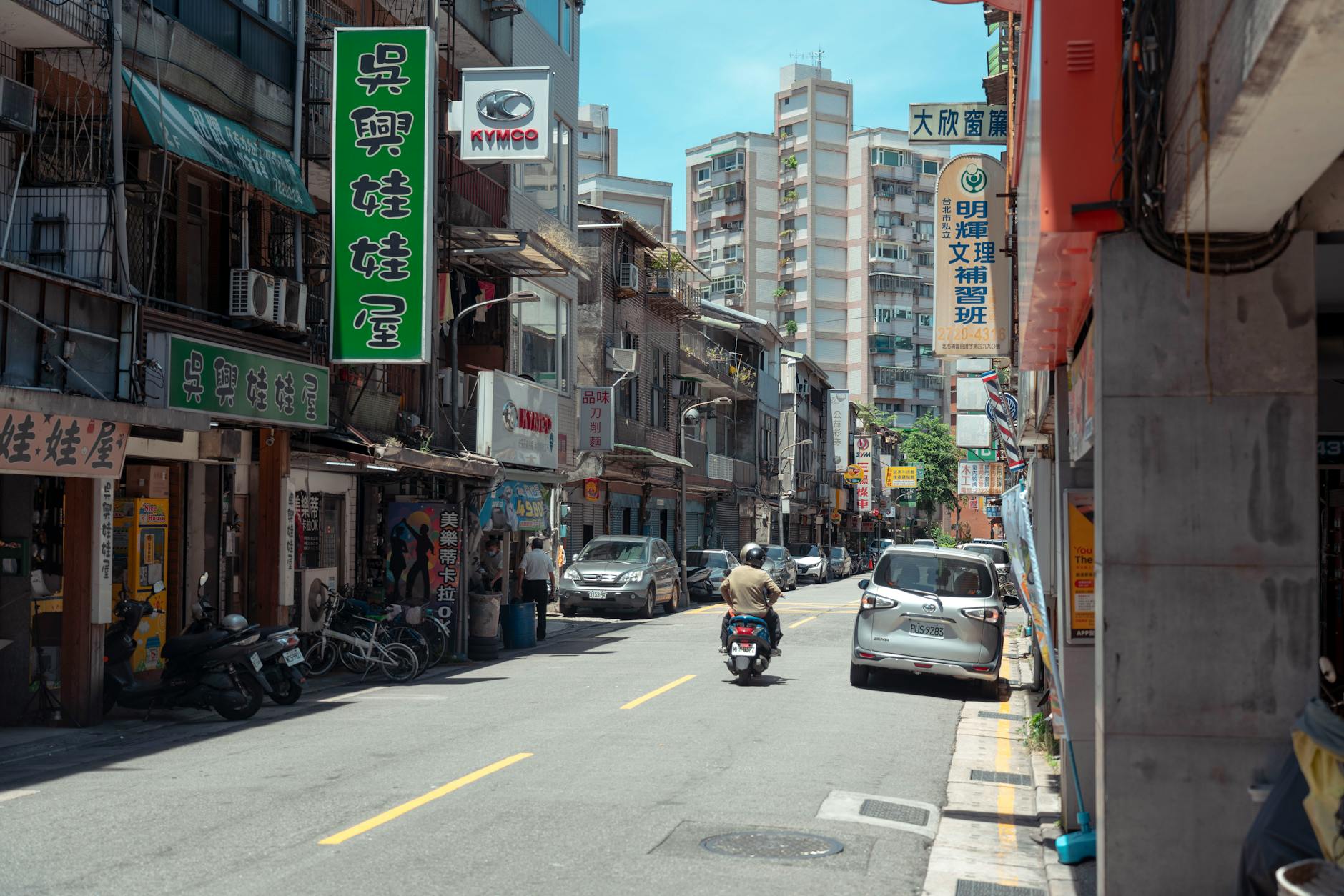
Taiwan is built around practical movement. People commute by metro, train, scooter, bus, and high-speed rail. Cities are dense, efficient, and sometimes visually messy. The streets can feel chaotic at first because scooters, signs, arcades, temple processions, shopfronts, and food stalls create an intense street layer. But beneath that is a high level of everyday convenience: convenience stores, public transport, late food, affordable taxis, easy rail, and a strong service culture.
The trick is not to impose a European old-town expectation on Taiwan. Beauty is often functional, layered, and lived-in: a temple squeezed between apartment blocks, a breakfast shop under an arcade, a night market beside traffic, a tea house above the city, a train station linking a city to mountains, a shrine from one period beside architecture from another.
The Country’s Rhythm
Taiwan starts early and eats late. Breakfast shops matter. Markets and temples have morning life. Cafés, department stores, museums, and many shops wake later. Night markets are evening institutions. Hot springs are best outside peak heat. Summer afternoons can be punishing. Rain can turn a day toward museums, tea houses, bookstores, department stores, hot springs, and food.
Public holidays matter enormously. Lunar New Year can transform transport, restaurant openings, hotel prices, family travel, and city energy. Long weekends and school holidays push demand toward islands, mountain areas, and scenic towns.
Central Contrasts
Taiwan’s travel texture comes from contradictions:
- Small island vs high mountains: the map looks simple until a road climbs into cloud forest or closes after a landslide.
- Modern democracy vs deep ritual life: elections, civic culture, LGBTQ+ visibility, and contemporary art sit beside temple festivals, incense, divination, and deity processions.
- Convenience vs complexity: trains, stores, food, and payments are easy; permits, mountain roads, ferry schedules, and weather windows are not.
- Chinese cultural inheritance vs Taiwanese identity: food, language, history, migration, Indigenous culture, Japanese influence, and postwar politics make Taiwan its own place.
- Urban density vs natural drama: you can eat breakfast in Taipei, ride a train, and be near mountains, hot springs, coast, or tea country before the day is done.
Choose Your Taiwan Trip
A definitive Taiwan guide should not pretend there is one perfect route. There are several strong Taiwan trips.
Choose This Route If You Want...
| Traveler goal | Best route family |
|---|---|
| Best first Taiwan trip | Taipei + northern day trips + Tainan + Kaohsiung, with one nature extension. |
| Food-first Taiwan | Taipei, Keelung, Taichung, Tainan, Kaohsiung, plus night markets and breakfast shops. |
| History and temples | Taipei old districts, Daxi/Sanxia/Lukang, Tainan, Kaohsiung, Kinmen if time allows. |
| Efficient public transport | West-coast high-speed rail route: Taipei, Taichung, Chiayi/Alishan access, Tainan, Kaohsiung. |
| Mountains and tea | Taipei/Maokong/Pinglin, Sun Moon Lake, Alishan, Hehuanshan, Nantou, Yushan if permitted. |
| East coast scenery | Taipei to Hualien/Taroko status-dependent, East Rift Valley, Taitung, coastal road, then Kaohsiung. |
| Cycling | Taipei urban cycling, Tamsui riverside, Sun Moon Lake, East Rift Valley, or full Route No. 1 for serious cyclists. |
| Islands and sea | Penghu in warm months, Green Island for diving, Orchid Island for careful cultural travel, Kinmen/Matsu for history. |
| Families | Taipei, Taipei Zoo/Maokong, Beitou, Tamsui, Yilan, Taichung, Tainan, Kaohsiung, Sun Moon Lake. |
| Short stopover | Taipei, Beitou, Maokong, Tamsui, Jiufen/Shifen/Pingxi, Keelung night market. |
| LGBTQ+ urban trip | Taipei, especially around Pride season and queer nightlife, with Tainan/Kaohsiung extensions. |
| Slow travel | Taipei for a week, Tainan for a week, or east-coast towns with weather flexibility. |
The Decision Tree
Have 3–5 days? Stay in Taipei. Add Beitou, Tamsui, Jiufen/Shifen/Pingxi, Keelung, Yangmingshan, or Maokong.
Have 7 days? Choose either north + south by THSR, or Taipei + east coast, or Taipei + central mountains. Do not try to do all three.
Have 10 days? Taipei + Tainan + Kaohsiung + one nature extension is the strongest default.
Have 14 days? A loop starts to make sense: Taipei, east coast, Taitung, Kaohsiung, Tainan, Alishan/Sun Moon Lake, Taichung, back to Taipei.
Have 3 weeks? Add islands, higher mountains, cycling, hot springs, and slower food exploration.
Best Time to Visit Taiwan
There is no single best time for all Taiwan trips because Taiwan has multiple weather patterns. The north can be damp, the south can be sunnier, the east can be hit by typhoons or landslides, and the mountains have their own rules.
Best Overall Months
October to December is the easiest recommendation for most first-time visitors. Heat drops, travel becomes more comfortable, many cities are pleasant for walking, and autumn into early winter suits food, temples, rail, and urban exploration. November is especially strong for many travelers.
March to April can also be excellent, especially for flowers, tea, city travel, and comfortable temperatures, but rain, holiday periods, and crowd spikes matter.
January to February can be good for city travel, hot springs, and southern Taiwan, but Lunar New Year can create closures, crowds, and high domestic demand.
May to September is the most difficult broad recommendation: hot, humid, rainy in periods, and exposed to typhoons. It can still work for specific travelers — island trips, diving, summer festivals, beaches, students, long stays — but first-timers should not sleepwalk into August expecting crisp sightseeing weather.
Season-by-Season
| Season | What to expect | Best for | Watch out for |
|---|---|---|---|
| Winter: December–February | Cooler north, mild south, hot springs, occasional damp/cold spells, major Lunar New Year disruption. | Taipei museums, hot springs, Tainan/Kaohsiung, food, temples, city travel. | Lunar New Year closures and crowding; damp northern weather; mountain cold. |
| Spring: March–May | Warming temperatures, flowers, increasing humidity and rain, good shoulder-season energy. | Cities, tea country, light hiking, festivals, food, photography. | Rain, fog, slippery trails, long weekends, early heat by May. |
| Summer: June–September | Hot, humid, tropical, storm-prone, typhoon-exposed; great for some island and sea trips if weather cooperates. | Penghu, Green Island, beaches, night markets, summer festivals, travelers who tolerate heat. | Typhoons, ferry cancellations, landslides, heat exhaustion, afternoon storms. |
| Autumn: October–November | Often the best balance: less heat, better walking, strong food season, city comfort. | First-timers, city-hopping, cycling, food, temples, mild nature days. | Typhoons can still occur early; popular weekends need booking. |
Region-by-Region Weather Logic
| Region | Planning logic |
|---|---|
| Taipei and the north | Can be rainy and humid; excellent in cooler months; easy to rescue with museums, hot springs, tea houses, and food. |
| Tainan and Kaohsiung | Warmer, often sunnier, strong winter/shoulder-season choices; summer heat is intense. |
| East coast | Beautiful but exposed to typhoons, earthquakes, landslides, road closures, and rail disruption; build flexibility. |
| Central mountains | Cooler but more variable; fog and afternoon weather matter; roads can be slow. |
| Offshore islands | Highly seasonal; ferry and flight disruption possible; check wind, sea conditions, and typhoon patterns. |
Rain Plan
Taiwan is one of the easiest countries in Asia for rainy-day food and urban wandering. Swap exposed hikes or coast trips for hot springs, National Palace Museum, Taipei bookstores, Ximending, Songshan Cultural and Creative Park, Huashan 1914, department stores, underground malls, tea houses, cafés, temples, Tainan snacks under arcades, or Kaohsiung museums and harbor districts.
How Many Days You Need
The Honest Answer
You need 10 to 14 days for a satisfying first Taiwan country trip. A week gives a strong taste. Five days is a Taipei-based visit. Two weeks lets the island’s regional logic start to make sense.
| Length | What it feels like |
|---|---|
| 1–2 days | Taipei stopover only. Choose food, one museum/temple district, and one scenic side trip. |
| 3 days | Taipei, Beitou or Maokong, one northern day trip. Not enough for the country. |
| 5 days | Strong Taipei/north trip, or Taipei + Tainan by high-speed rail. Keep it focused. |
| 7 days | Good first taste: Taipei + Tainan/Kaohsiung, or Taipei + east coast, or Taipei + central mountains. Pick one direction. |
| 10 days | Best compact country trip: Taipei/north + Tainan + Kaohsiung + Alishan, Sun Moon Lake, or east coast. |
| 14 days | Ideal first deep trip. A loop is possible if you pace it well and preserve flexibility. |
| 3 weeks | Excellent for islands, high mountains, cycling, hot springs, and slower food/culture travel. |
| 1 month+ | Taiwan becomes a lived-in travel base: language study, remote work, hiking, cycling, regional food, festivals, and repeat cities. |
Itinerary Philosophy
A Taiwan itinerary should have:
- One transport spine: west-coast HSR, east-coast rail, central mountain route, or island ferries/flights.
- One food strategy: don’t leave your best eating to chance in the wrong neighborhoods.
- One weather buffer: especially for east coast, islands, mountains, and summer.
- One slow base: Taipei, Tainan, or Kaohsiung works better when you sleep there, not just pass through.
- One nature extension, not five: Alishan, Sun Moon Lake, east coast, Yangmingshan, Kenting, Penghu, or Taroko if current status supports it.
The Move
If you have fewer than 10 days, do not build a full island loop just because blogs say “Taiwan is easy to circle.” The better flex is a north-south rail trip with deep stops.
Where to Go: Regions and Route Logic
Taipei, New Taipei, Keelung, and the North
Best for: First-timers, food, public transport, museums, hot springs, day trips, LGBTQ+ travel, solo travelers, families, rainy-day resilience.
Taipei is Taiwan’s best entry point because it teaches the country’s rhythm quickly: breakfast shops, metro etiquette, night markets, temple neighborhoods, bookshops, riverside cycling, mountain tea houses, hot springs, and major museums. New Taipei surrounds it with old streets, coastlines, waterfalls, mining towns, hiking trails, and day-trip towns. Keelung adds harbor food and a strong night-market stop.
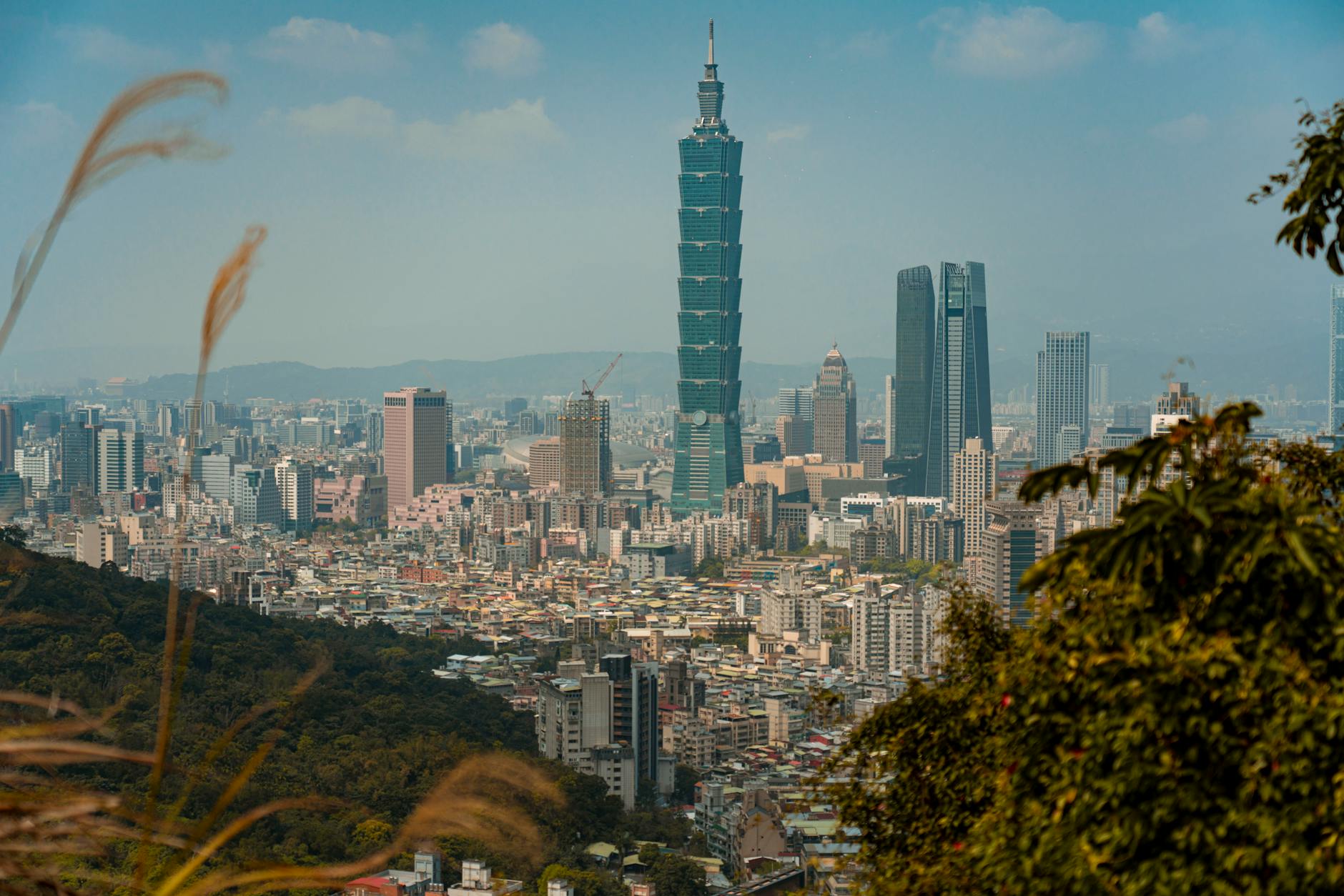
Top experiences: National Palace Museum, Longshan Temple, Dadaocheng, Dihua Street, Ximending, Beitou hot springs, Tamsui, Maokong, Elephant Mountain, Taipei 101 views, Raohe and Ningxia night markets, Jiufen, Shifen, Pingxi, Yangmingshan, Keelung Miaokou Night Market, Yehliu if the weather and crowds make sense.
Why stay longer: Taipei rewards repeat days. It is not just a gateway.
Common mistake: Making Jiufen, Shifen, Yehliu, Keelung, Beitou, Tamsui, and Yangmingshan all “quick day trips” from Taipei in too little time. They are easy individually; collectively they eat a week.
Taichung, Changhua, Lukang, Nantou, Sun Moon Lake, and Central Taiwan
Best for: Creative culture, old towns, central base logistics, Sun Moon Lake, tea, cycling, family travel, access to mountains.
Taichung is a practical central city with food, cafés, museums, and access to surrounding regions. Lukang is one of Taiwan’s best old-town and temple stops. Nantou gives you Sun Moon Lake, tea, mountain roads, and access toward highland areas.
Top experiences: National Taichung Theater, Miyahara, Second Market, Shenji New Village, Rainbow Village if relevant and open, Lukang old streets and temples, Sun Moon Lake cycling/boat views, Cingjing if you want highland scenery, Puli, tea areas, and mountain routes.
Why go: Central Taiwan bridges urban food, old temple culture, and mountain scenery.
Common mistake: Treating Sun Moon Lake as a quick photo stop. It works better as an overnight or a deliberate full day.
Chiayi, Alishan, and the Central Mountains
Best for: Forest railways, sunrise, tea, cypress forests, mountain atmosphere, photographers, hikers, slower travelers.
Chiayi is the practical rail gateway to Alishan and deserves more attention than many visitors give it. Alishan is one of Taiwan’s classic mountain experiences: forest, mist, sunrise, tea, sacred trees, and a historic railway. It is also a logistical puzzle at peak times, with limited lodging and train availability.
Top experiences: Alishan Forest Railway where available, Fenqihu, Alishan National Forest Recreation Area, sunrise viewpoints, forest walks, tea farms, Chiayi turkey rice, Southern Branch of the National Palace Museum.
Book ahead: Alishan lodging and train tickets, especially weekends, holidays, and sunrise seasons.
Common mistake: Trying to do Alishan as a rushed day trip from Taipei. It is possible in fragments but bad travel for most people.
Tainan
Best for: Food, temples, history, old streets, slow travel, photography, heritage, first-time depth.
Tainan is Taiwan’s old capital and one of the country’s best food cities. It is slower, warmer, and more atmospheric than Taipei. The pleasures are not only attractions; they are snacks, alleys, temples, old houses, night markets, breakfast shops, and a sense that Taiwan’s history is present in everyday streets.
Top experiences: Anping, Chihkan Tower, Confucius Temple area, Shennong Street, Hayashi Department Store, Tainan Art Museum, Garden Night Market or other rotating night markets, beef soup, milkfish, danzai noodles, coffin bread, shrimp rolls, fruit, temples, old lanes.
Why stay: Tainan punishes day-trippers. Its best texture comes in mornings and evenings.
Common mistake: Visiting from Kaohsiung or Taipei as a checklist day and missing breakfast, temples, and wandering time.
Kaohsiung and Southern Taiwan
Best for: Harbor-city energy, art districts, metro access, warm weather, families, food, design, southern base, Kenting access.
Kaohsiung is often underrated by first-timers. It is warmer, more spacious, easier-going, and increasingly interesting around the harbor, Pier-2, Cijin, Love River, Lotus Pond, and cultural districts. It is also the best big-city base for southern Taiwan and Pingtung.
Top experiences: Pier-2 Art Center, Cijin Island, Lotus Pond, Fo Guang Shan, Liuhe and Ruifeng night markets, Weiwuying, Love River, Hamasen, Formosa Boulevard station, day trips to Tainan, Meinong, Pingtung, or Kenting.
Why go: It balances city convenience with southern warmth and sea-harbor atmosphere.
Common mistake: Assuming Kaohsiung is only a transport stop. Give it at least two nights if the south interests you.
Pingtung and Kenting
Best for: Beaches, warm weather, scooters/driving, families, winter sun, diving/snorkeling nearby, southern nature.
Kenting is Taiwan’s best-known beach area, but it is not the same as a polished Southeast Asian resort island. It has beaches, wind, heat, crowds in peak periods, scooters, seafood, and national park landscapes. It works well when your expectations are right.
Top experiences: Kenting National Park, Hengchun old town, beaches, Eluanbi, Longpan Park, night market, diving/snorkeling when conditions fit, Xiaoliuqiu for turtles and sea activities.
Common mistake: Expecting Kenting to carry a whole Taiwan trip like Bali or Phuket. It is a fun southern add-on, not Taiwan’s main reason to visit.
Hualien, Taroko Region, and the East Coast
Best for: Big scenery, Pacific coast, Indigenous culture, slower towns, cyclists, road trips, hot springs, landscape photographers.
Hualien and the east coast are Taiwan’s dramatic side: cliffs, mountains, sea, rivers, rice fields, and the East Rift Valley. Taroko’s partial reopening status makes planning more complicated than older guidebooks suggest. Hualien remains a worthwhile base for some travelers, but the classic “Taroko day” must be checked against current closures.
Top experiences: Hualien city food, Qixingtan, open parts of Taroko region, Chongde/Qingshui views where accessible, East Rift Valley, Liyu Lake, Ruisui hot springs, Taitung rail/coast route, Dulan, Sanxiantai, Chishang rice fields, Luye, Zhiben hot springs.
Why go: The east coast shows Taiwan’s vertical geography and Indigenous cultural depth.
Common mistake: Building a fixed itinerary around Taroko without checking official park and road conditions.
Taitung and the Southeast
Best for: Slow travel, cycling, Indigenous culture, surf, hot springs, rice fields, east-coast road trips, Green Island/Orchid Island access.
Taitung is one of Taiwan’s best slow-travel regions. It is not a city you conquer with attractions. It is a base for coast, valley, hot springs, cycling, music, Indigenous culture, and island transfers.
Top experiences: Tiehua Music Village, Taitung Forest Park, Chishang, Brown Boulevard, Dulan, Sanxiantai, East Rift Valley, Zhiben hot springs, Green Island, Orchid Island.
Common mistake: Treating Taitung as an overnight transit point only. If you come this far, slow down.
Islands: Penghu, Green Island, Orchid Island, Kinmen, Matsu, Xiaoliuqiu
Best for: Repeat visitors, summer/shoulder sea trips, diving, history, wind, basalt landscapes, culture, slower travel.
Taiwan’s islands are not interchangeable.
| Island / island group | Best for | Watch out for |
|---|---|---|
| Penghu | Beaches, basalt, seafood, summer fireworks, scooters, island-hopping. | Wind, seasonal ferry/flight demand, typhoons, heat. |
| Green Island | Diving, snorkeling, hot springs, scooters, sea life. | Ferry roughness, weather, limited services. |
| Orchid Island / Lanyu | Tao Indigenous culture, dramatic coast, diving, serious cultural travel. | Cultural sensitivity, limited infrastructure, weather/ferry disruption. |
| Kinmen | Military history, Fujian-style villages, sorghum liquor, birding, cross-strait history. | Different mood from main-island Taiwan; flights/ferries need planning. |
| Matsu | Military heritage, granite villages, blue tears season, rugged islands. | Weather, fog, ferry disruption, limited frequency. |
| Xiaoliuqiu | Sea turtles, snorkeling, easy southern island add-on. | Crowds, reef etiquette, marine-life protection. |
The move: Add islands on a second trip or a longer first trip. A forced island add-on can turn a clean route into a weather hostage situation.
Best First-Time Routes
Route 1: The Best Default First Trip — Taipei, Tainan, Kaohsiung, and One Nature Extension
Best for: First-timers, food lovers, public-transport travelers, couples, solo travelers, families, culture-first visitors.
Ideal length: 10–12 days.
Route: Taipei → Tainan → Kaohsiung → Alishan or Sun Moon Lake → Taipei.
Why it works: You get Taiwan’s capital, old capital, southern harbor city, and one nature/mountain piece without overcomplicating the east coast.
The move: Use THSR for Taipei–Tainan–Kaohsiung. Add Alishan via Chiayi or Sun Moon Lake via Taichung/Nantou. Do not add Hualien unless you have extra days and current conditions support it.
Route 2: Taipei and the North Deep Dive
Best for: Short trips, stopovers, families, food lovers, travelers avoiding too much luggage movement.
Ideal length: 5–7 days.
Route: Taipei base with Beitou, Tamsui, Maokong, Jiufen/Shifen/Pingxi, Keelung, Yangmingshan, and museums.
Why it works: It gives density without logistical stress.
The move: Sleep in Taipei and day-trip. Do not change hotels constantly for northern Taiwan.
Route 3: West Coast Food and Culture
Best for: Food-first travelers, urban explorers, train travelers.
Ideal length: 8–10 days.
Route: Taipei → Taichung/Lukang → Tainan → Kaohsiung.
Why it works: It follows the THSR spine and avoids weather-sensitive mountains/east-coast risks.
The move: Make Tainan the emotional center of the route, not just a stop between bigger cities.
Route 4: East Coast Slow Route
Best for: Landscape travelers, cyclists, photographers, repeat visitors, slow travelers.
Ideal length: 10–14 days.
Route: Taipei → Yilan → Hualien/Taroko status-dependent → East Rift Valley → Taitung → Kaohsiung.
Why it works: It follows geography instead of fighting it.
The move: Keep buffers. This route is beautiful but more vulnerable to weather, roadworks, and rail disruption.
Route 5: Mountain and Tea Taiwan
Best for: Nature, tea, forest, sunrise, hikers, cooler weather.
Ideal length: 10–14 days.
Route: Taipei/Maokong/Pinglin → Taichung/Nantou → Sun Moon Lake → Alishan → Chiayi/Tainan.
Why it works: It gives the vertical Taiwan that many first-timers miss.
The move: Book mountain lodging early and avoid packing too many mountain transfers into consecutive days.
Route 6: Taiwan Island Loop
Best for: Travelers with two weeks or more, flexible schedules, and tolerance for route changes.
Ideal length: 14–18 days.
Route: Taipei → Yilan → Hualien → Taitung → Kaohsiung → Tainan → Alishan/Sun Moon Lake/Taichung → Taipei.
Why it works: It shows the full island contrast.
Why it fails: It becomes exhausting if squeezed into 7–10 days or attempted during unstable weather without buffers.
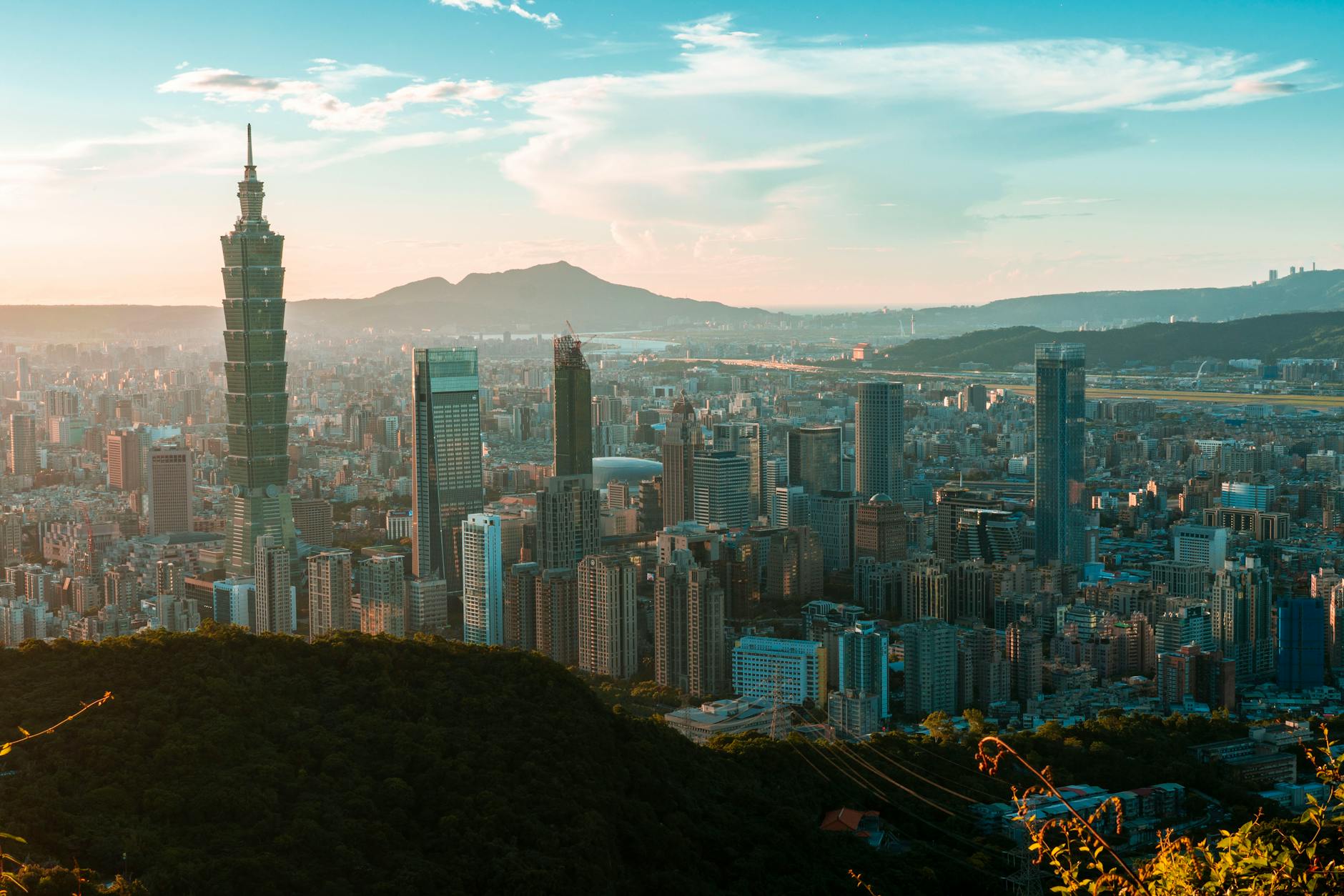
Taiwan Itineraries
5 Days: Taipei and the North
Day 1: Taipei arrival and easy food night Check in, get an EasyCard/iPASS, eat near the hotel, and take a low-pressure walk through Ximending, Dadaocheng, or a nearby night market.
Day 2: Classic Taipei Longshan Temple, Bopiliao or Wanhua, Chiang Kai-shek Memorial Hall if interested, Taipei 101/Xinyi or Elephant Mountain, Raohe or Ningxia Night Market.
Day 3: National Palace Museum, Beitou, and Tamsui Museum in the morning, hot springs in Beitou, riverside sunset in Tamsui.
Day 4: Jiufen, Shifen, Pingxi, or Keelung Choose one day-trip cluster, not all possible stops. Finish with Keelung night market if the route makes sense.
Day 5: Maokong, tea, and slow Taipei Gondola and tea houses, or Yangmingshan if weather supports it. Final evening for food.
7 Days: Taipei + Tainan / Kaohsiung
Days 1–3: Taipei and northern day trip Do the core Taipei rhythm: temples, museum, night market, hot springs or mountain tea, one northern day trip.
Day 4: THSR to Tainan Arrive by lunch. Old city walk, temples, snacks, evening night market if operating.
Day 5: Tainan deep day Anping, old streets, breakfast, art museum, temples, and a careful food plan.
Day 6: Kaohsiung Train to Kaohsiung. Pier-2, Cijin, Lotus Pond or Fo Guang Shan depending interest, night market.
Day 7: Return north or depart south Use THSR to Taoyuan/Taipei or fly onward from Kaohsiung if routing allows.
10 Days: Strong First Taiwan Trip
Day 1: Taipei arrival Easy food, neighborhood walk, no ambitious plan.
Day 2: Taipei temples, old streets, and night market Longshan/Wanhua, Dihua Street, Dadaocheng, Ningxia or Raohe.
Day 3: National Palace Museum + Beitou/Tamsui Culture, hot springs, riverside sunset.
Day 4: Northern day trip Jiufen/Shifen/Pingxi or Keelung/Yehliu depending weather and crowd tolerance.
Day 5: THSR to Tainan Slow afternoon and food evening.
Day 6: Tainan Anping, temples, breakfast shops, art, old streets.
Day 7: Kaohsiung Harbor city, Pier-2, Cijin, night market.
Day 8: Kaohsiung side trip or southern deep day Fo Guang Shan, Meinong, Tainan revisit, or Cijin/Lotus Pond at slower pace.
Day 9: Nature extension Option A: Chiayi/Alishan overnight. Option B: Sun Moon Lake. Option C: stay urban and add Taichung/Lukang.
Day 10: Return north Use THSR or rail depending route. Keep final night near Taipei/Taoyuan if flying early.
14 Days: Taiwan Properly
Days 1–4: Taipei and the North Taipei, Beitou, Tamsui, National Palace Museum, Maokong, one day trip.
Days 5–6: East Coast or Central Taiwan Choose one: Hualien/Taroko status-dependent and Qixingtan; or Taichung/Lukang/Sun Moon Lake.
Days 7–8: Taitung / East Rift Valley or Alishan If east route: slow the pace in Taitung/Chishang/Dulan. If central route: Chiayi/Alishan/Fenqihu.
Days 9–10: Kaohsiung Harbor, art, islands, temples, food.
Days 11–12: Tainan Old capital, snacks, temples, Anping, night markets.
Day 13: Taichung / Lukang / return north Add old-town or city contrast if not already done.
Day 14: Taipei final day Shopping, food, rain buffer, easy airport logistics.
Food Lover’s Taiwan
Core bases: Taipei, Keelung, Taichung, Tainan, Kaohsiung.
Build around: breakfast shops, night markets, beef noodle soup, lu rou fan, oyster omelets, scallion pancakes, hot pot, bubble tea, shaved ice, danzai noodles, Tainan beef soup, milkfish, Kaohsiung seafood, fruit, tea, bakeries, soy milk, and convenience-store snacks.
The move: Do not chase only famous stalls. In Taiwan, good eating comes from neighborhoods, timing, and local recommendations. A quiet breakfast shop can beat a viral queue.
Family Taiwan
Core bases: Taipei, Yilan, Taichung, Tainan, Kaohsiung, Sun Moon Lake.
Good fits: Taipei Zoo/Maokong, Beitou hot springs, Tamsui, National Palace Museum in short doses, children’s museums, Taichung parks/museums, Sun Moon Lake cycling, Kaohsiung Pier-2/Cijin, Tainan snacks and low-pressure wandering.
Avoid: Overloaded night-market marathons, too many train transfers, tiny restaurants at peak times, summer midday heat, and mountain roads if carsick children are a concern.
Rainy-Day Taiwan
Taipei: National Palace Museum, Taipei Fine Arts Museum, Huashan 1914, Songshan Cultural and Creative Park, Eslite-style bookstore/café browsing, hot springs, department stores, underground malls, tea houses.
Tainan: Temple interiors, art museums, cafés, old houses, snack runs under arcades.
Kaohsiung: Pier-2 indoor spaces, Weiwuying, malls, cafés, metro-based food.
The move: Rain is not a disaster in Taiwan unless you planned exposed mountains, coast, ferries, or scooter days. Build a parallel indoor food/culture plan.
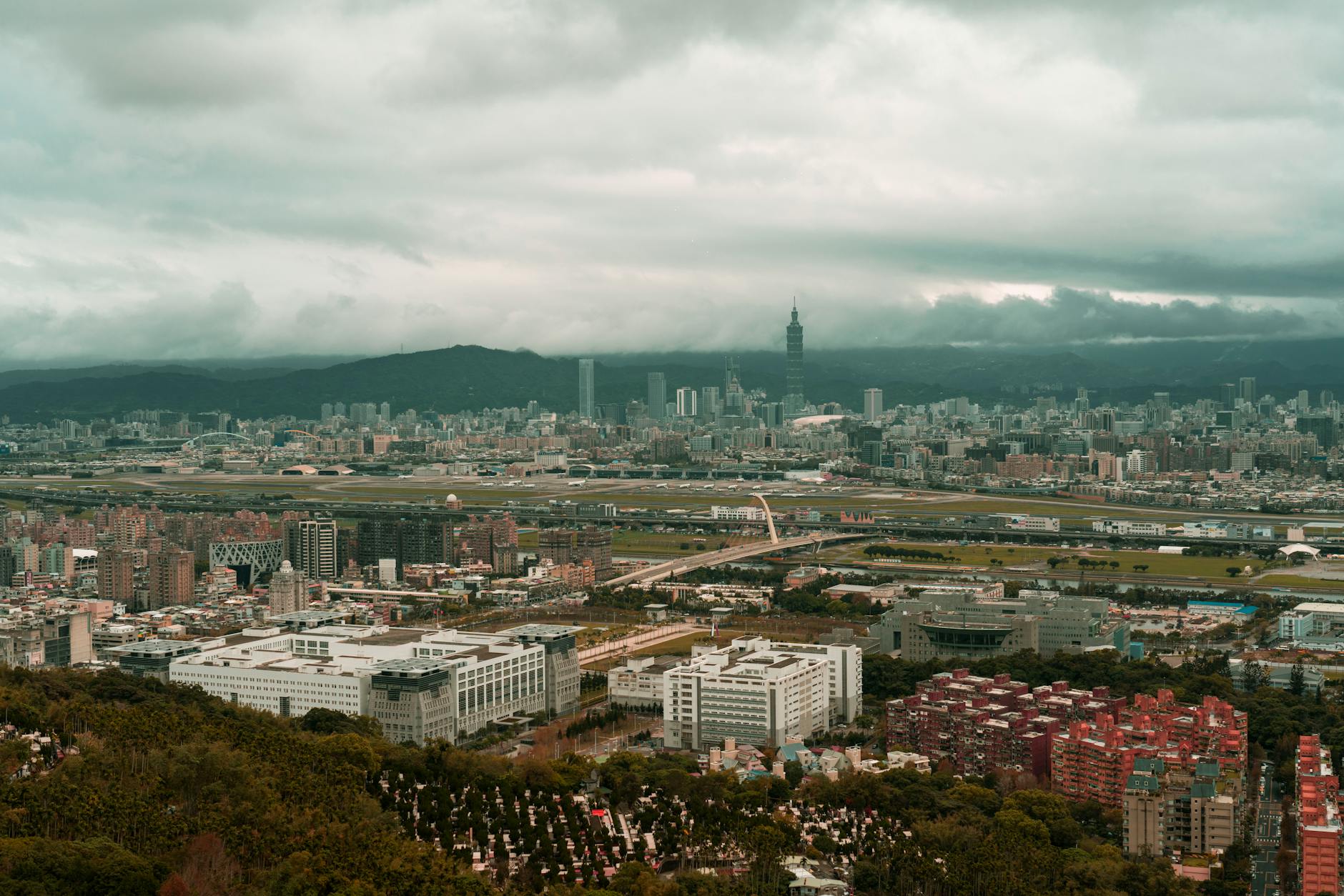
Where to Stay by Trip Type
Taiwan lodging ranges from international hotels and boutique stays to business hotels, homestays, hot-spring resorts, guesthouses, hostels, capsule-style budget options, farm stays, and island pensions. The key is choosing bases by transport logic.
Best Bases for First-Timers
| Base | Best for | Why stay |
|---|---|---|
| Taipei Main Station / Zhongshan / Daan / Xinyi / Ximending | First-timers, transit, food, shopping, nightlife, day trips. | Taipei makes the country easy; choose by metro access and evening style. |
| Tainan West Central / Anping area | Food, history, temples, slow travel. | Best base for old Taiwan texture and snacks. |
| Kaohsiung near Formosa Boulevard / Central Park / Yancheng / Sanduo | Harbor, art, southern trips, metro access. | Warm, practical, and underrated. |
| Taichung central / near station / west district | Central Taiwan, food, arts, onward trips. | Useful for Lukang, Sun Moon Lake, and central routes. |
| Chiayi | Alishan gateway, food, rail access. | Practical overnight before/after mountain trips. |
| Hualien | East coast and Taroko-status-dependent travel. | Good if current access and weather justify the east route. |
| Taitung | Slow east coast, Green Island/Orchid Island access. | Better with time and flexible plans. |
Taipei Area Decision Tree
| You want... | Stay in... |
|---|---|
| Easy transport and rail | Taipei Main Station, Zhongshan, Banqiao if rail-linked. |
| Food, cafés, central comfort | Zhongshan, Daan, Dongmen/Yongkang, Songshan. |
| Youth energy and nightlife | Ximending, Xinyi, Zhongshan, Daan. |
| Luxury and skyline | Xinyi, Daan, Zhongshan, near Taipei 101. |
| Hot springs | Beitou for a resort night, not necessarily your whole trip. |
| Old Taipei atmosphere | Dadaocheng/Dihua area or Wanhua if you understand the vibe. |
| Family convenience | Daan, Zhongshan, Xinyi, Taipei Main Station-adjacent hotels, Beitou for hot springs. |
Lodging Mistakes to Avoid
- Booking a cheap stay far from metro/rail because Taiwan “looks small.”
- Staying in a scenic mountain area without checking evening food and bus schedules.
- Booking Alishan too late and ending up with an awkward day-trip substitute.
- Assuming every homestay has English support, elevators, luggage storage, or late check-in.
- Underestimating weekend demand in hot-spring towns, islands, and mountain areas.
- Staying near a night market with children or light sleepers without checking noise.
- Booking an island trip without a weather backup or return buffer.
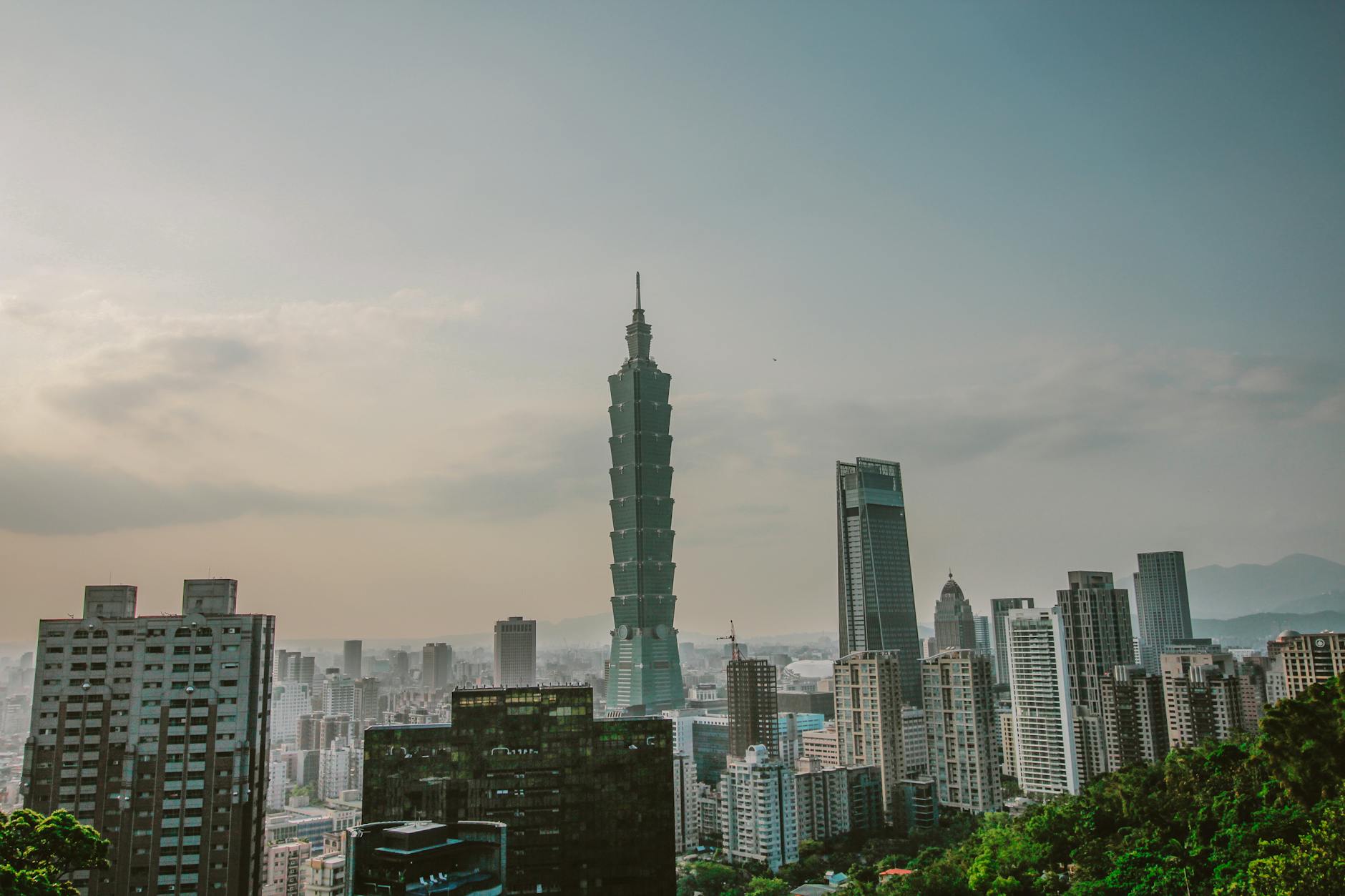
Best Things to Do
1. Eat Your Way Through a Night Market
Night markets are not a gimmick in Taiwan; they are a core social and culinary institution. Taipei’s Ningxia and Raohe, Keelung’s Miaokou, Taichung’s Fengjia, Tainan’s rotating night markets, and Kaohsiung’s Ruifeng or Liuhe each have different moods.
Best for: Food lovers, first-timers, families, budget travelers, photographers.
Time needed: 90 minutes to 3 hours.
Common mistake: Arriving starving with no strategy, then filling up on the first fried thing you see. Walk once, choose, share, then repeat.
2. Spend Several Days in Taipei, Not Just One
Taipei is not merely an arrival city. It is the country’s best orientation machine.
Best for: First-timers, culture, food, transit, day trips.
Time needed: 3 to 5 days minimum for the north.
Pair it with: Beitou, Tamsui, Maokong, Jiufen, Keelung, Yangmingshan.
3. Make Tainan a Main Stop
Tainan is where Taiwan slows down and becomes more textured: temples, old lanes, snacks, former colonial sites, old department stores, local markets, and food traditions that locals debate intensely.
Best for: Food, history, temples, slow walking, photography.
Time needed: 2 to 3 nights.
Worth it? Absolutely. Especially if you think you only need Taipei.
4. Ride the High-Speed Rail Down the West Coast
THSR makes a multi-city food and culture route easy. Taipei to Taichung, Chiayi, Tainan, and Kaohsiung becomes clean and efficient if you plan station transfers well.
Best for: First-timers, families, time-limited travelers.
Common mistake: Forgetting that some THSR stations are outside city centers. Budget time for shuttles, local rail, taxis, or metro links.
5. Visit Beitou for Hot Springs
Beitou is one of the easiest hot-spring experiences in East Asia: metro access, steam, Japanese-era architecture, public baths, private rooms, hotels, and mountain air within Taipei’s orbit.
Best for: Couples, families, rainy days, winter, first-timers.
Etiquette: Wash before bathing, understand swimsuit/nude/private bath rules, keep noise low, and follow posted instructions.
6. Explore Taiwan’s Temple Culture Respectfully
Taiwan’s temples are living institutions, not just decorative architecture. Longshan Temple, Bao’an Temple, Xingtian Temple, Tainan’s many temples, Lukang’s heritage temples, and Mazu temples across the island show ritual life, community, art, and history.
Best for: Culture, photography, history, religion, local life.
Local tip: Watch before participating. Do not block worshippers for photos.
7. Add One Mountain Experience
Choose carefully: Maokong for easy tea and views, Yangmingshan for Taipei nature, Alishan for forest and sunrise, Sun Moon Lake for lake/mountain relaxation, Hehuanshan for high-road drama, or Yushan for serious permitted hiking.
Best for: Nature, tea, photography, relief from city heat.
Common mistake: Adding three mountain areas without accounting for transport and weather.
8. Use Taiwan’s Food Cities as Anchors
Taipei, Tainan, Taichung, Kaohsiung, and Keelung each have different food identities. Build meals into the route rather than treating food as filler.
The move: Put one serious food stop each day, one flexible market, and one fallback near your hotel.
9. Travel the East Coast Slowly
The east coast can be Taiwan at its most beautiful: Pacific views, mountains, rice fields, hot springs, Indigenous culture, and slower towns. It is also the region where weather and closures matter most.
Best for: Slow travelers, cyclists, photographers, repeat visitors.
Skip if: You have a rigid short itinerary and no weather buffer.
10. Cycle at Least One Scenic Route
Taiwan has a strong cycling culture. Serious cyclists can consider long-distance Route No. 1; casual travelers can choose riverside Taipei paths, Sun Moon Lake, Chishang, East Rift Valley, or coastal routes.
Best for: Active travelers, slow travel, scenery.
Safety note: Conditions vary. Heat, traffic, tunnels, rain, and scooters require judgment.
11. Visit an Offshore Island, But Only With Enough Time
Penghu, Green Island, Orchid Island, Kinmen, Matsu, and Xiaoliuqiu add depth, but they also add logistical risk.
Best for: Repeat visitors, divers, history travelers, slow travelers.
Book ahead: Ferries/flights, scooters, lodging, and weather buffers.
12. Go to a Festival if Dates Align
Taiwan Lantern Festival, Pingxi Sky Lantern events, Mazu pilgrimages, Dragon Boat races, Ghost Month events, Mid-Autumn barbecues, Pride, fireworks festivals, and local temple events can become trip highlights.
Best for: Culture travelers, photographers, repeat visitors.
Common mistake: Treating festivals as casual add-ons without booking transport and rooms early.
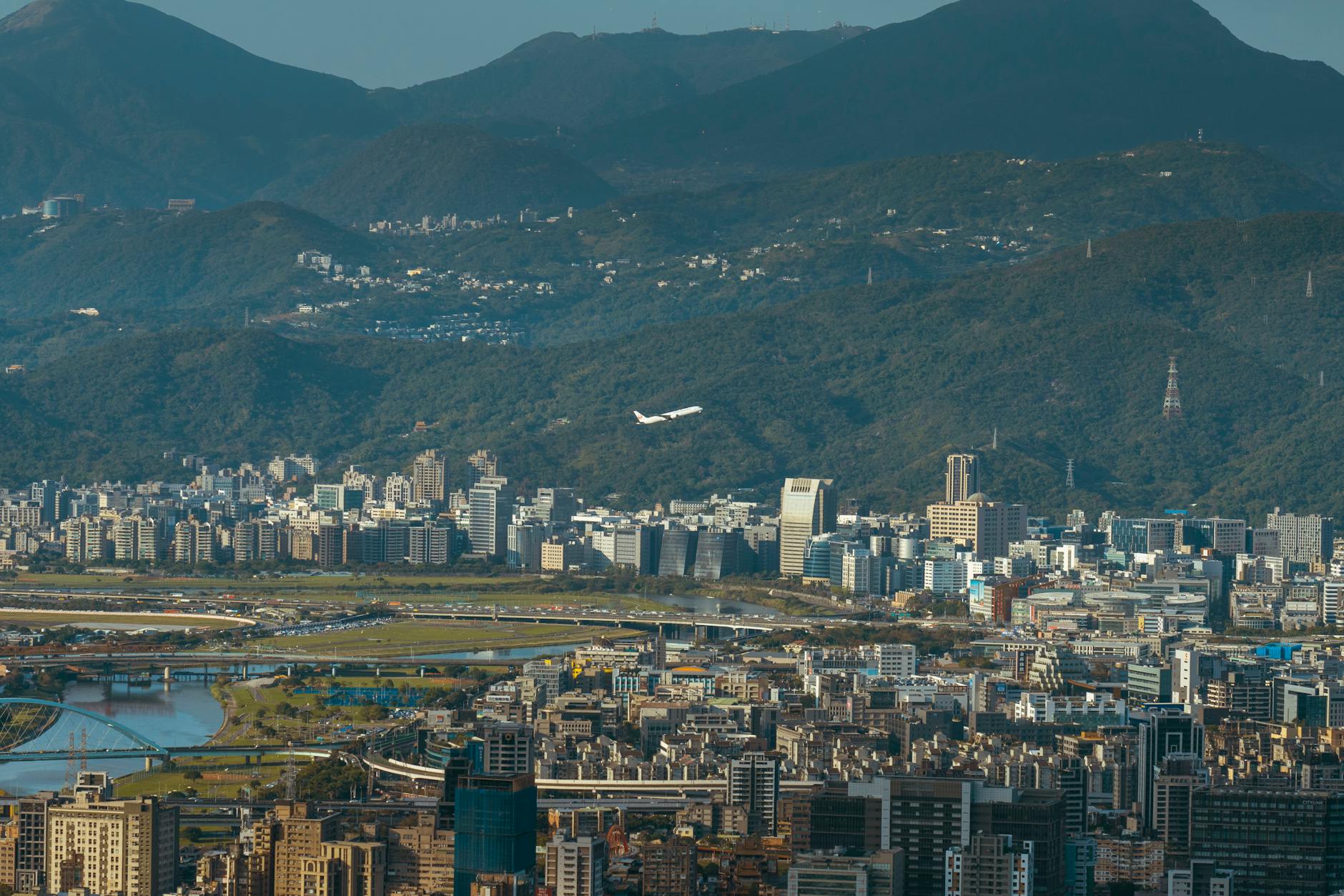
Food and Drink
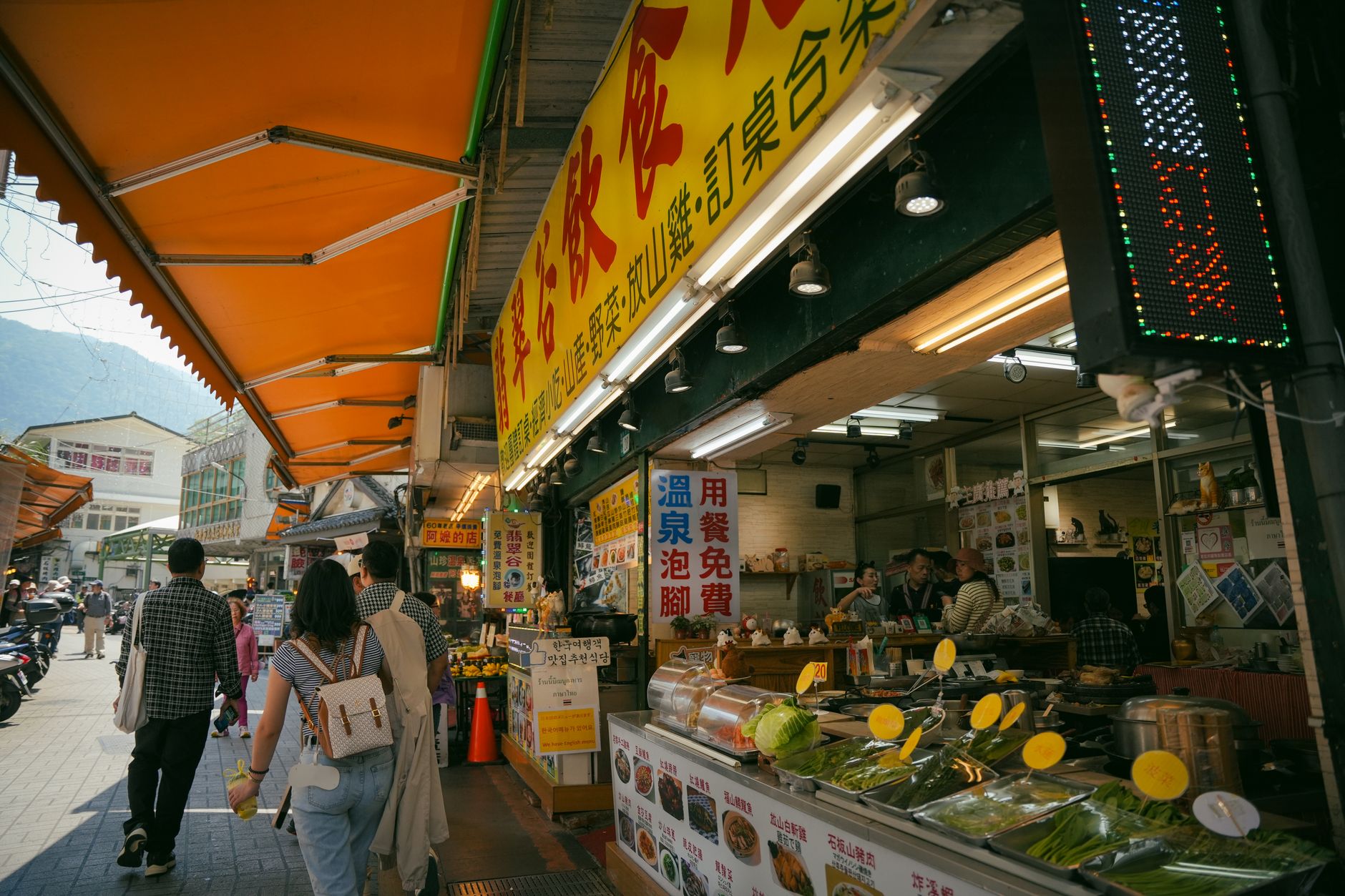
Taiwan is one of the world’s great eating destinations because food is embedded in daily life. The best meals are not limited to fine dining. They happen at breakfast shops, night markets, temple streets, train stations, old-city stalls, beef noodle shops, tea houses, bakeries, seafood restaurants, convenience stores, and family-run counters.
Food Identity
Taiwanese food is shaped by:
- Fujianese and broader Han Chinese migration.
- Hakka communities.
- Indigenous food traditions.
- Japanese colonial influence.
- Post-1949 regional Chinese cuisines.
- Tropical fruit, island seafood, pork, rice, noodles, tea, sugar, and street-stall culture.
- Night markets and breakfast culture.
- Convenience stores and bento/travel food.
- New cafés, cocktail bars, bakeries, design restaurants, and contemporary Taiwanese cuisine.
What to Eat
| Dish or experience | What it is | How to approach it |
|---|---|---|
| Beef noodle soup | Rich broth, noodles, beef, pickled greens; many regional styles. | Taipei is famous, but good bowls exist across the island. |
| Lu rou fan | Braised minced pork over rice. | Simple, cheap, comforting; a good benchmark dish. |
| Gua bao | Pork belly bun with pickled greens, peanut powder, cilantro. | Best as a snack, not a full meal. |
| Oyster omelet | Eggs, oysters, starch, greens, sauce. | Night-market classic; textures vary. |
| Scallion pancake | Fried or griddled pancake, often with egg or fillings. | Great street snack; watch queues and freshness. |
| Stinky tofu | Fermented tofu, fried or stewed. | Try once if curious; choose a busy stall. |
| Bubble tea | Tea, milk, sugar, tapioca pearls; born in Taiwan’s modern drink culture. | Adjust sugar and ice levels. |
| Soy milk breakfast | Soy milk, youtiao, egg crepes, rice rolls, buns. | Early morning institution; best before late morning. |
| Tainan beef soup | Fresh beef slices in hot broth, often breakfast/lunch. | Best in Tainan; timing matters. |
| Milkfish | Tainan/southern specialty: soup, congee, belly, skin, fish balls. | Try in Tainan for local context. |
| Danzai noodles | Small bowl noodles associated with Tainan. | Snack portion; pair with other foods. |
| Hot pot | Social dining, many styles from casual to premium. | Good rainy-day or group meal. |
| Tea | Oolong, high-mountain tea, tieguanyin, bao zhong, tea houses. | Maokong, Pinglin, Alishan, and Nantou are good entry points. |
| Shaved ice | Mango, taro balls, grass jelly, beans, fruit, milk ice. | Best in warm weather but fun year-round. |
| Fruit | Mango, pineapple, guava, wax apple, papaya, dragon fruit, custard apple. | Seasonal fruit is one of Taiwan’s great pleasures. |
| Convenience-store food | Tea eggs, rice balls, bento, drinks, snacks. | Useful, fun, and surprisingly important for travel days. |
Where to Eat by Situation
| Situation | Best approach |
|---|---|
| First dinner in Taipei | Choose a nearby night market or casual noodle/rice shop. Do not cross the city exhausted for a viral queue. |
| Breakfast | Find a local breakfast shop near your hotel; order egg crepes, soy milk, rice rolls, buns, scallion pancake, or youtiao. |
| Solo meal | Noodle shops, dumplings, beef noodle, lu rou fan, breakfast shops, hot pot counters, night markets. |
| Family meal | Department-store restaurants, dumpling shops, casual hot pot, simple noodle/rice shops, food courts. |
| Rainy day | Hot pot, beef noodle, tea house, mall food courts, cafés, department-store dining floors. |
| Tainan food day | Start with beef soup or milkfish, wander temples and old streets, snack in small portions, save room for night market. |
| Kaohsiung food day | Seafood, night markets, southern fruit, harbor-area cafés, Cijin, Ruifeng. |
| Vegetarian/vegan | Buddhist vegetarian restaurants help, but verify broths, sauces, lard, dried shrimp, and fish products. Taiwan has good vegetarian options if researched. |
| Halal/kosher/gluten-free | Plan ahead. Options exist in Taipei and major cities but spontaneous eating can be difficult. Carry translation cards. |
Night Market Strategy
- Go early enough to avoid peak crush if traveling with kids or mobility concerns.
- Walk the market once before committing.
- Share items so you can try more.
- Carry cash and small bills.
- Look for stalls with high turnover.
- Do not block stall fronts while debating.
- Bring wipes or tissues.
- Know how you will get home before late crowds.
Tea, Coffee, and Drinks
Taiwan is a serious tea destination. Maokong is easy from Taipei; Pinglin offers a tea-country day; Alishan and Nantou connect tea with mountain travel. Bubble tea is fun, but do not let it replace traditional tea culture entirely.
Coffee and café culture are also strong in Taipei, Taichung, Tainan, and Kaohsiung. Taiwan’s best cafés often combine design, old houses, local roasts, desserts, and quiet interiors.
Alcohol culture exists but is not the defining travel experience for most visitors. Craft beer, whisky bars, cocktail bars, and nightlife areas are strongest in Taipei and Kaohsiung. Kaoliang liquor in Kinmen is culturally important but potent.
Food Safety and Allergies
Taiwan is generally an easy place to eat well, but travelers with allergies should be careful. Common hidden ingredients include peanuts, sesame, shellfish, dried shrimp, pork, lard, soy, wheat, egg, and seafood-based broths. Carry allergy cards in traditional Chinese and verify patiently.
Getting Around Taiwan
Taiwan has excellent transport for its size, but each system has a role. The country becomes easy when you stop expecting one pass or one train network to solve everything.
The Core Rule
Use THSR for the west coast, TRA for around-the-island and east-coast rail, metro systems for cities, Taiwan Tourist Shuttle for scenic connections, taxis/rideshare where useful, and cars/scooters only when the route genuinely benefits from them.
Arrival Airports
Taiwan Taoyuan International Airport
Main international gateway, west of Taipei. Connected to Taipei by Taoyuan Airport MRT, buses, taxis, and hotel transfers. Good for Taipei, Taoyuan, Hsinchu, and onward THSR routes.
The move: If arriving late, stay in Taipei or near the airport depending onward plan. Do not schedule a mountain transfer the same night.
Taipei Songshan Airport
Convenient city airport for domestic and regional flights. Useful for Taipei-based trips, eastern Taiwan flights, and regional connections.
Kaohsiung International Airport
Useful for southern routes, Kaohsiung/Tainan trips, and some regional flights. Good if you can enter via Taipei and depart via Kaohsiung, or reverse.
High-Speed Rail
THSR is the fastest way down the west coast. It is excellent for Taipei–Taichung–Chiayi–Tainan–Zuoying/Kaohsiung. THSR’s official visitor passes include a 3-day pass and flexible 2-day pass for eligible overseas travelers, but value depends on your actual route.[10]
Worth it if: You will take several west-coast long-distance rides in a short period.
Not worth it if: You are mostly in Taipei, using TRA/east coast, or taking only one or two short THSR hops.
Common mistake: Confusing THSR Tainan Station and Tainan city center. Many THSR stations require a transfer to reach the main city.
Taiwan Railway
Taiwan Railway serves cities, towns, east coast, scenic routes, and many places THSR does not reach. The Tourism Administration notes that advance reservations are recommended for weekend and holiday trains in case tickets sell out.[11]
Best for: East coast, local towns, Hualien, Taitung, Yilan, Keelung, Ruifang/Jiufen access, Pingxi, local routes, and non-THSR cities.
The move: Reserve popular express trains for weekends, holidays, and east-coast routes.
City Metro Systems
Taipei/New Taipei has the most extensive metro network and is excellent for visitors. Taoyuan Airport MRT links the airport and city. Kaohsiung’s metro and light rail are useful for southern city travel. Taichung MRT is smaller but helpful in parts of the city.
Payment: EasyCard/iPASS makes city transport much easier.
EasyCard and iPASS
EasyCard is a contactless fare/payment card usable for MRT, buses, parking lots, partner stores, and top-ups at MRT stations and convenience stores. Tourism Administration materials describe it as a touch-and-pay card for MRT, buses, parking lots, and partner stores.[12]
The move: Get one on arrival. It removes friction from daily travel.
Buses and Taiwan Tourist Shuttle
Buses matter for scenic areas, mountain towns, hot springs, and places between rail stations and sights. Taiwan Tourist Shuttle routes are especially useful for non-drivers.
Common mistake: Checking only the train route and ignoring the final bus leg.
Taxis and Ride-Hailing
Taxis are useful, safe-feeling, and not outrageous by many global standards, especially for short hops, luggage, families, late nights, rain, or places where bus schedules are thin. Have addresses in Chinese or pinned in a map.
Driving and Scooters
Cars are useful for parts of the east coast, mountains, islands, and rural routes. They are unnecessary in Taipei and usually not worth it in dense cities. Scooters are common but risky for inexperienced riders; international licensing and insurance rules must be checked.
The move: Rent a car for a specific rural segment, not as a default Taiwan transport plan.
Ferries and Domestic Flights
Ferries and flights connect offshore islands. Weather can disrupt both. Build buffers if you need an international flight after an island segment.
Luggage Strategy
Pack lighter than you think. Taiwan’s rail stations, city streets, small hotel rooms, and old buildings are easier with manageable luggage. Use lockers where available, and avoid dragging large bags through night markets or tiny breakfast shops.
Budget and Costs
Taiwan offers very good value for food and public transport. Hotels can vary sharply by city, season, weekend, festival, and mountain/island demand. It is not as cheap as parts of Southeast Asia, but it is usually easier to manage than Japan, Singapore, Switzerland, or Australia for day-to-day food and transit.
Daily Budget Ranges
| Traveler type | Daily estimate, excluding international flights and major shopping | What it means |
|---|---|---|
| Shoestring | NT$1,200–2,000 | Hostel or budget guesthouse, convenience stores/breakfast shops/night markets, local transport, limited paid attractions. |
| Budget comfort | NT$2,000–3,500 | Simple hotel, casual meals, metro/rail, occasional taxi, museums, snacks. |
| Mid-range | NT$3,500–6,500 | Good hotel, intercity rail, restaurants, cafés, taxis when helpful, paid sights, comfortable pacing. |
| Comfortable | NT$6,500–10,000 | Better hotels, hot springs, private transfers in scenic areas, good restaurants, guided days, less friction. |
| Luxury | NT$10,000+ | High-end hotels, premium hot-spring resorts, private guides/drivers, fine dining, island/mountain logistics. |
What Is Surprisingly Affordable
- Night markets and casual food.
- Breakfast shops.
- Metro and city buses.
- Convenience-store snacks and drinks.
- Local trains for short journeys.
- Many temples and neighborhoods.
- Some museums compared with global capitals.
What Gets Expensive
- Peak-season hotels.
- Hot-spring resorts.
- Alishan and mountain lodging on weekends.
- Island flights/ferries plus local rentals.
- Private cars/drivers for scenic routes.
- Fine dining and international hotel restaurants.
- Last-minute festival or Lunar New Year travel.
Best Value Moves
- Use Taipei as a base for northern day trips.
- Use THSR only where it saves meaningful time.
- Eat breakfast locally.
- Stay near rail/metro rather than chasing a scenic but inconvenient hotel.
- Book mountain and island lodging early.
- Use lunch and snacks as culinary highlights.
- Share night-market dishes.
- Choose one hot-spring splurge instead of several mediocre ones.
Usually Not Worth It
- Renting a car in Taipei.
- Flying between west-coast cities served well by THSR.
- Overpaying for a generic view restaurant.
- Rushing to Taroko without checking what is open.
- Joining a one-day island or mountain tour that spends most of the day in transit.
- Staying far from metro to save a small amount.
Safety, Health, Weather, and Natural Hazards
Taiwan is generally a very safe-feeling destination for visitors. Violent crime against tourists is not a major travel theme. The practical safety issues are traffic, scooters, scams, lost items, nightlife judgment, heat, mosquitoes, earthquakes, typhoons, landslides, mountain weather, ocean conditions, and sudden closures.
General Safety
Use normal urban caution. Watch bags in crowded markets, keep phones secure, take licensed taxis or app-dispatched rides, avoid drunk late-night arguments, and be careful crossing streets. Taiwan’s traffic can surprise visitors who assume a safe-feeling country automatically means pedestrian comfort.
Natural Hazards
Earthquakes
Taiwan is seismically active. Earthquakes can happen without warning and may affect rail, roads, trails, buildings, and mountain areas. Know “drop, cover, and hold on.” After a strong quake, avoid cliffs, unstable slopes, coastal tsunami zones, and damaged buildings.
Typhoons and Heavy Rain
Typhoons and heavy rain can disrupt flights, ferries, rail, roads, mountains, and east-coast travel. Landslides and rockfall are serious in mountain and gorge areas. Do not drive or hike into warnings because a schedule says you “have to.”
Heat
Summer heat and humidity can be draining. Plan early mornings, indoor afternoons, electrolyte breaks, hats, sunscreen, and flexible pacing.
Mountains
High-mountain hikes require permits, fitness, weather checks, gear, and humility. The Hike Smart Taiwan system and national park pages should be checked for permits, route status, and safety notices.[13]
Ocean
Taiwan’s coast can have strong currents, rough surf, sharp coral/rocks, typhoon swell, and changing conditions. Swim or dive only where conditions and local guidance support it.
Health
CDC traveler guidance for Taiwan includes routine travel-health preparation and mosquito-bite precautions for risks such as dengue.[14] Dengue risk can be regionally and seasonally important, especially in warmer southern areas and after rains. Use repellent, cover skin when necessary, and avoid mosquito-heavy areas at dusk/dawn where relevant.
Travel insurance should cover medical care, mountain activities, diving, scooter use, and typhoon-related disruption if those apply to your trip.
Common Scams and Friction Points
Taiwan is not scam-heavy compared with many destinations, but watch for:
- Taxi misunderstandings or unclear routes.
- Overpriced tourist goods in heavily visited old streets.
- Unofficial paid services for free official procedures.
- Online ticket/reservation confusion.
- Rental scooter/car damage disputes.
- Nightlife overcharging in any large city.
- Fake or poor-quality “local craft” souvenirs.
Emergency Practicalities
Police: 110. Fire/ambulance: 119. Anti-fraud hotline: 165. Tourist information hotline: 0800-011-765. Keep your hotel address in Chinese, travel-insurance details offline, and emergency contacts accessible.
Accessibility and Mobility
Taiwan is mixed for accessibility. Major transport hubs, metro systems, airports, newer hotels, museums, and malls can be quite manageable. Old neighborhoods, temple steps, narrow sidewalks, night markets, small restaurants, older hotels, mountain areas, islands, and rural buses can be challenging.
What Helps
- Taipei Metro accessibility is generally strong compared with many cities.
- Major stations often have elevators, though routes can be indirect.
- Department stores and newer museums are useful restroom/rest stops.
- Taxis are plentiful in cities.
- THSR stations are modern and easier than many older rail stations.
- Taipei is easier than old districts in Tainan or rural/mountain towns.
What Is Hard
- Narrow sidewalks and scooter parking.
- Arcades with uneven surfaces.
- Night-market crowds.
- Older guesthouses without elevators.
- Temple stairs and thresholds.
- Mountain viewpoints, forest trails, and gravel/steep paths.
- Rural bus schedules and step access.
- Heat and rain, which increase fatigue.
Lower-Walking Strategy
Base in Taipei near an accessible metro station, then use THSR for west-coast city travel. Choose hotels with elevators and room photos that prove space. Use taxis for short hops. Avoid overloading night-market visits. Pick one old district per day. For Tainan, choose a central hotel and use taxis between clusters.
Stroller Strategy
Taiwan can be stroller-friendly in malls, museums, metros, and newer areas, but old streets, night markets, temple areas, and uneven sidewalks can be tough. A compact foldable stroller plus carrier is often better than a large stroller.
Families, Solo Travelers, LGBTQ+ Travelers, and Special Considerations
Families With Children
Taiwan is strong for families because it is safe-feeling, convenient, food-rich, transit-connected, and full of small rewards. The challenge is heat, walking surfaces, crowds, and food decision fatigue.
Best family bases: Taipei, Yilan, Taichung, Tainan, Kaohsiung, Sun Moon Lake.
Good family experiences: Taipei Zoo and Maokong, Beitou hot springs, Tamsui riverside, children’s museums, night markets in short doses, Kaohsiung Cijin, Pier-2, Sun Moon Lake cycling, Alishan forest walks if logistics are calm.
Family mistakes: Too many late night markets, no hotel rest breaks, summer midday sightseeing, tiny restaurants with strollers, and mountain-road days after a poor night’s sleep.
Solo Travelers
Taiwan is excellent for solo travel. Eating alone is easy, transport is safe-feeling, hostels and simple hotels are common, and cities reward independent wandering.
Solo tips: Learn a few Mandarin phrases, carry a power bank, use EasyCard/iPASS, avoid late-night scooter risks, and book one food walk or local tour if you want social contact.
Women Traveling Solo
Many women find Taiwan comfortable for solo travel. Use normal precautions around nightlife, accommodation, taxis, and isolated rural areas. Keep transport plans clear after late nights and trust your instincts.
LGBTQ+ Travelers
Taiwan is one of Asia’s strongest LGBTQ+ destinations. Same-sex marriage became legal in 2019, and Taipei Pride is a major regional event. Taipei’s official tourism site describes Taiwan LGBT Pride as held in Taipei on the last Saturday of October and as the largest gay pride event in Asia.[15]
The move: Taipei is the easiest base for LGBTQ+ nightlife, community, and events. Outside major cities, public affection and visibility may feel more context-dependent, as anywhere.
Older Travelers
Taiwan can work very well with good pacing. Favor Taipei, Tainan, Kaohsiung, Sun Moon Lake, and high-speed rail. Avoid too many hotel changes. Use taxis more. Book hotels with elevators, seating, and breakfast. Be careful with heat and uneven sidewalks.
Vegetarian and Religious Travelers
Taiwan has strong Buddhist vegetarian traditions, but not every “vegetarian-looking” dish is vegetarian. Learn key phrases and check for lard, broth, dried shrimp, and fish sauce. Halal, kosher, and other religious needs require research, especially outside Taipei.
Remote Workers and Long-Stay Visitors
Taipei is the strongest base for infrastructure, cafés, coworking, transport, and international comfort. Tainan and Kaohsiung are better for lower-key living and food. Check visa rules, lodging legality, workspace quality, and summer weather before committing.
Culture, History, Religion, and Etiquette
Taiwan’s culture cannot be reduced to one inheritance. It is Indigenous, Austronesian, Hakka, Hoklo/Taiwanese, Chinese, Japanese-influenced, postwar, democratic, religiously plural, and globally connected.
Short History for Travelers
Taiwan’s Indigenous peoples have lived on the island for thousands of years and are central to any serious understanding of the place. Han migration, especially from Fujian and Guangdong, shaped much of Taiwan’s language, food, religion, and settlement patterns. Dutch and Spanish colonial presence affected earlier coastal history. Qing rule integrated Taiwan into imperial administration. Japanese rule from 1895 to 1945 left deep marks on infrastructure, architecture, education, railways, hot-spring culture, urban planning, and food. After World War II, the Republic of China government relocated to Taiwan after the Chinese Civil War, bringing new communities, institutions, tensions, and political change. Taiwan later democratized and developed a vivid civic culture.
For travelers, this history shows up in temples, Japanese-era buildings, military dependents’ villages, Indigenous communities, night-market foods, language politics, museums, railways, public holidays, memorials, and debates over identity.
Religion and Temples
Folk religion, Buddhism, Taoism, ancestor worship, Mazu devotion, Guanyin worship, local deities, and temple festivals are important parts of everyday Taiwan. Temples are active community spaces. You may see offerings, fortune sticks, incense, processions, opera, firecrackers, chanting, and ritual objects.
Etiquette:
- Do not photograph worshippers intrusively.
- Do not block entrances or altars.
- Follow posted incense rules; some temples restrict incense for air quality.
- Dress respectfully but not necessarily formally.
- Ask before photographing ceremonies closely.
- Watch locals before copying rituals.
Social Norms
- Queue in transit systems.
- Keep voices moderate on trains and metros.
- Give priority seats to those who need them.
- Stand to the side on escalators according to local signs and behavior.
- Carry your trash if bins are scarce.
- Use both hands or a polite gesture when giving/receiving items in formal contexts.
- Avoid heated political arguments unless invited into a thoughtful conversation.
- Respect Indigenous communities as living cultures, not performance sets.
Language Tips
A little Mandarin helps. Useful phrases:
| English | Mandarin pronunciation | Notes |
|---|---|---|
| Thank you | Xie xie | Common and useful. |
| Excuse me / sorry | Bu hao yi si | Extremely useful in crowds and shops. |
| Hello | Ni hao | Basic greeting. |
| How much? | Duo shao qian? | Markets and stalls. |
| I don’t eat... | Wo bu chi... | Use with allergy/food cards. |
| Is there an English menu? | You Yingwen caidan ma? | Helpful in cities. |
Taiwan uses traditional Chinese characters, not simplified Chinese. Translation apps should be set accordingly when possible.
Books, Films, Music, and Cultural Prep
A guide should curate this carefully. Consider including:
- A short Taiwan history primer.
- A novel or memoir set in Taiwan.
- A documentary or film from Taiwanese cinema.
- A playlist that includes Taiwanese pop, indie, Hokkien-language music, Indigenous artists, and classic Mandopop.
- A short primer on temple etiquette and night-market foods.
- A reading note on Indigenous Taiwan and Japanese-era history.
Seasonal and Month-by-Month Guide
January
Cooler, sometimes damp in the north, pleasant in the south. Good for hot springs, Taipei museums, Tainan, Kaohsiung, and city travel. Watch Lunar New Year timing if it falls in late January or February.
Verdict: Good, especially outside holiday pressure.
February
Lunar New Year may dominate travel. Many businesses close or change hours; hotels and transport can fill. Lantern Festival follows the lunar calendar and can be spectacular.
Verdict: Great culturally if planned; frustrating if unplanned.
March
Comfortable shoulder month with flowers, festivals, and improving weather, though rain is possible. Good for cities and light nature.
Verdict: Strong.
April
Often one of the better months, with warmth, spring atmosphere, and good travel energy. Long weekends can be busy. Rain increases in some areas.
Verdict: Strong.
May
Warmer, more humid, rainier, and moving toward summer patterns. Still workable, but not as easy as March/April or October/November.
Verdict: Mixed.
June
Hotter and humid. Dragon Boat Festival may fall around this period depending lunar calendar. Rain and storms can affect plans.
Verdict: Best for specific interests, not default first trip.
July
Hot, humid, school holiday period, typhoon exposure. Islands and beaches can be appealing if weather cooperates, but disruption risk rises.
Verdict: Challenging.
August
Very hot and typhoon-exposed. Good for resilient travelers with flexible plans, island/diving goals, or family holiday constraints.
Verdict: Challenging.
September
Still hot, still storm-exposed, but can improve later in the month. Mid-Autumn Festival may affect travel.
Verdict: Transitional and weather-dependent.
October
One of the best months. Comfortable, lively, and good for cities, food, cycling, and region-hopping. Pride season in Taipei adds major cultural energy.
Verdict: Excellent.
November
Arguably the best all-around month for many visitors. Good walking weather, strong food travel, and lower summer weather stress.
Verdict: Excellent.
December
Comfortable for cities, cool north, warmer south, festive mood, and good for food, hot springs, and urban travel. Popular travel month for some markets.
Verdict: Very good.
Major Event Types to Track
- Lunar New Year.
- Lantern Festival and Pingxi sky lantern events.
- Taiwan Lantern Festival host city.
- Dajia Mazu Pilgrimage and other temple processions.
- Dragon Boat Festival.
- Ghost Month events and temple rituals.
- Penghu International Fireworks Festival.
- East Coast Land Arts Festival and Moonlight Sea Concert.
- Taipei Pride.
- Mid-Autumn Festival.
- National Day around October 10.
- Local harvest, Indigenous, Hakka, tea, and temple events.
Nature, Hiking, Cycling, and Islands
Hiking
Taiwan has everything from easy city hikes to serious alpine routes above 3,000 meters. Do not treat all trails as casual. High mountains can require permits, lodge reservations, weather checks, gear, and route knowledge.
Easy / moderate visitor options: Elephant Mountain, Yangmingshan routes, Maokong walks, Teapot Mountain, Pingxi area trails, Tamsui/riverside walks, some Sun Moon Lake paths, open parts of Alishan forest walks.
Serious hiking: Yushan, Shei-Pa, high-mountain routes, multi-day traverses, and some Taroko-region trails require permits and experience.
The move: Use Hike Smart Taiwan and national park official pages for permits and route status. Do not rely on old blog posts after earthquakes or typhoons.
Cycling
Taiwan is one of Asia’s best cycling destinations. Official cycling materials describe Route No. 1 as a round-island route of about 960.8 kilometers with rest stations every 20 kilometers and around nine days needed for the full ride.[16]
Casual cycling: Taipei riverside paths, Tamsui, Sun Moon Lake, Chishang/Brown Boulevard, East Rift Valley.
Serious cycling: Full Route No. 1, east-coast routes, mountain climbs, multi-day tours.
Safety: Heat, tunnels, scooters, rain, traffic, and mountain descents require preparation.
Hot Springs
Taiwan’s hot springs are a major strength: Beitou, Wulai, Jiaoxi, Ruisui, Zhiben, Guanziling, and others. Rules vary by facility: public/private, nude/swimsuit, gender-separated/mixed, indoor/outdoor.
Islands
Choose islands by purpose, not fame.
Penghu: beaches, basalt, summer fireworks, scooters. Green Island: diving, snorkeling, hot springs. Orchid Island: Tao culture and dramatic scenery; requires cultural respect and slower travel. Kinmen: villages, military history, sorghum liquor, battlefield heritage. Matsu: military history, granite villages, seasonal blue tears. Xiaoliuqiu: turtles, snorkeling, easy southern island add-on.
The island rule: Never put a tight international flight immediately after an island return if ferries/flights could be disrupted.
Shopping and Souvenirs
Taiwan is excellent for edible gifts, tea, design, stationery, ceramics, craft, books, beauty products, and local specialty foods.
Good Souvenirs
- High-mountain oolong tea.
- Pineapple cakes and regional pastries.
- Nougat, sun cakes, mochi, taro snacks.
- Coffee beans or tea accessories.
- Ceramics from Yingge or local studios.
- Temple-inspired paper goods and incense where appropriate.
- Hakka floral textiles and local crafts.
- Indigenous-made crafts from ethical sources.
- Books, zines, design objects, stationery.
- Kinmen kaoliang liquor if customs rules and personal taste support it.
Where to Shop
| Place | Best for |
|---|---|
| Dihua Street / Dadaocheng | Dry goods, tea, old shops, fabric, herbs, New Year market energy. |
| Yongkang / Daan / Zhongshan | Design, cafés, boutiques, tea, gifts. |
| Ximending | Youth culture, pop, cosmetics, snacks. |
| Yingge | Ceramics. |
| Tainan old streets | Food gifts, local craft, old shops. |
| Kaohsiung Pier-2 / Yancheng | Design shops, cultural spaces, creative goods. |
| Airports and HSR stations | Last-minute food gifts, but less character. |
Tax Refund
Taiwan’s Tourism Administration states that foreign travelers who purchase at least NT$2,000 on the same day from the same designated “Taiwan Tax Refund” store may be eligible to request a VAT refund form and must apply at departure within 90 days of purchase while taking the goods out of the country.[17]
The move: Do not count on refunds for night-market and small-stall shopping. Use official designated stores and keep receipts/passport handy.
What to Skip
This section is not about being negative. It is about protecting the trip.
Skip: A Full Island Loop in One Week
You can technically circle Taiwan quickly. You cannot meaningfully experience it that way.
Better alternative: Taipei + Tainan/Kaohsiung, or Taipei + east coast, or Taipei + central mountains.
Skip: Taroko as a Fixed Must-Do Without Current Checks
Taroko’s older reputation is deserved, but post-earthquake access is conditional.
Better alternative: Check official status, then decide. If access is limited, consider Hualien alternatives, East Rift Valley, Alishan, Yangmingshan, Maokong, or Sun Moon Lake.
Skip: Chasing Every Famous Night Market
Night markets are great, but too many can blur together and exhaust you.
Better alternative: Choose one or two by city, then add breakfast shops and local restaurants.
Skip: Kenting as a Forced Beach Finale
Kenting can be fun, but it disappoints travelers expecting a polished tropical resort.
Better alternative: Go if you want Taiwan’s southern beach/cape atmosphere. Otherwise use Kaohsiung, Xiaoliuqiu, Penghu, Green Island, or skip beaches entirely.
Skip: Mountain Hikes Without Permits or Weather Checks
Taiwan’s mountains are serious.
Better alternative: Pick a trail suited to your experience and check official conditions.
Skip: Too Many Day Trips From Taipei
The north is rich, but constant day trips can prevent you from actually experiencing Taipei.
Better alternative: Choose two side trips and spend the rest of the time in the city’s neighborhoods.
Skip: Renting a Scooter Because It Looks Fun
Scooters are part of Taiwan’s rhythm, but they are not a beginner toy.
Better alternative: Use metro, rail, buses, taxis, drivers, or bikes unless you are licensed, insured, experienced, and comfortable.
Common Mistakes
- Trying to do the whole island too fast. Compact does not mean simple.
- Ignoring the west/east transport divide. THSR is west coast only.
- Treating Taroko information from before 2024 as current. Always verify official closures.
- Visiting Tainan as a quick day trip. Stay overnight.
- Overloading Taipei day trips. Northern Taiwan can fill a whole trip.
- Underestimating summer heat. Build indoor breaks.
- Ignoring typhoons and heavy rain. Weather can cancel ferries, hikes, roads, and rail plans.
- Booking Alishan too late. Lodging and rail can be limited.
- Not reserving weekend/holiday trains. East-coast and express trains can sell out.
- Relying only on cards. Carry cash for small food and rural travel.
- Expecting English everywhere. Signage is good; spoken English varies.
- Using old shuttle/bus schedules. Scenic routes change.
- Forgetting Lunar New Year. It can reshape everything.
- Assuming all vegetarian food is obvious. Hidden ingredients matter.
- Taking photos inside temples without awareness. Respect worshippers.
- Packing only city clothes for mountains. Weather changes quickly.
- Leaving island returns too close to flights. Weather can disrupt transport.
- Ignoring pedestrian/traffic reality. Taiwan is safe-feeling but streets require attention.
- Skipping Kaohsiung. It is more than an exit point.
- Only eating viral foods. Taiwan rewards everyday local places.
Responsible Travel
Taiwan is welcoming, but good travel behavior matters.
Do
- Support small food stalls respectfully.
- Learn basic Mandarin courtesy phrases.
- Carry cash for small businesses.
- Follow temple etiquette.
- Respect Indigenous communities and local rules.
- Use public transport where practical.
- Check trail and road closures.
- Avoid entering closed or unstable areas for photos.
- Reduce single-use plastics where possible.
- Be careful around reefs, turtles, and marine life.
- Book legal, locally respectful accommodations.
- Keep noise down in residential lanes and guesthouses.
Do Not
- Release sky lanterns casually without considering environmental impact and local regulations.
- Treat temples as photo sets.
- Geotag fragile spots that cannot handle crowd surges.
- Harass stall owners or worshippers for content.
- Ride scooters without proper licensing and insurance.
- Ignore typhoon, earthquake, landslide, or trail warnings.
- Treat Indigenous culture as exotic performance.
- Touch sea turtles or coral.
- Enter closed Taroko or mountain areas.
Local Logic
Taiwan’s warmth is real. So is its vulnerability: earthquakes, typhoons, landslides, reefs, mountains, and small communities all require restraint. The best visitor participates in Taiwan’s everyday respectfulness rather than extracting content from it.
Packing List
Essentials
- Comfortable walking shoes with grip.
- Light rain jacket or umbrella.
- Portable battery pack.
- EasyCard/iPASS after arrival.
- Cash wallet for small bills and coins.
- Translation app with traditional Chinese support.
- Offline hotel addresses in Chinese.
- Reusable bottle.
- Wipes/tissues/hand sanitizer.
- Sunscreen and hat.
- Mosquito repellent.
- Travel insurance details.
- Adapter if your plugs are not Type A/B.
- Any prescription documentation required for travel.
Seasonal Additions
| Season | Pack |
|---|---|
| Winter | Light jacket, layers, rain gear for the north, warmer clothes for mountains. |
| Spring | Rain jacket, breathable layers, shoes that handle wet streets. |
| Summer | Lightweight breathable clothing, serious sun protection, extra shirts, electrolytes, sandals for appropriate settings, mosquito repellent. |
| Autumn | Comfortable walking clothes, light layers, rain option, sun protection. |
Mountain / Nature Additions
- Warmer layers.
- Headlamp for sunrise starts.
- Trail shoes.
- Offline maps.
- Snacks/water.
- Permit copies where required.
- Emergency contact info.
- Motion-sickness medicine for mountain roads if needed.
What Not to Overpack
- Too many formal clothes.
- Heavy luggage for train/station transfers.
- Large umbrellas if you prefer buying locally.
- Bulky appliances that may not match voltage.
- Every toiletry; convenience stores and drugstores are excellent.
FAQ
Is Taiwan worth visiting for a first trip to Asia?
Yes. Taiwan is approachable, food-rich, safe-feeling, transport-friendly, and culturally deep. It is especially good for travelers who want cities, food, temples, mountains, and public transport without overwhelming distances.
How many days do I need in Taiwan?
Ten to fourteen days is best for a first country trip. Five days works for Taipei and the north. Seven days is enough for Taipei plus Tainan/Kaohsiung or one nature region. A full loop needs about two weeks or more.
Is Taipei enough for a first visit?
Taipei is enough for a short visit, not for understanding Taiwan. Add Tainan or Kaohsiung if you can. Add mountains or the east coast if you have more time and the season supports it.
What is the best first-time route?
Taipei + northern side trips + Tainan + Kaohsiung, with one extension to Alishan, Sun Moon Lake, or the east coast if time allows.
Is Taroko Gorge open?
Partially, but not in the old fully open sense. Major classic areas and trails remain subject to closure and reconstruction after the 2024 earthquake. Check Taroko National Park’s official status immediately before planning.
Is Taiwan safe?
Taiwan is generally very safe-feeling for visitors. The main travel risks are natural hazards, traffic, heat, mosquitoes, mountain/weather conditions, and occasional scams or misunderstandings.
Do I need a visa for Taiwan?
Many passport holders are eligible for visa-exempt entry, often up to 90 days, but rules vary by nationality and passport type. Check Taiwan’s Bureau of Consular Affairs before travel.
Do I need the Taiwan Arrival Card?
Foreign travelers generally need to complete the online Taiwan Arrival Card within three days before arrival under the current system. Use the official free site.
Is Taiwan expensive?
Taiwan is good value for food and public transport. Hotels, hot springs, mountain stays, islands, and private transfers can raise costs. It is not dirt cheap, but it is manageable with smart routing.
Should I rent a car?
Not for Taipei or standard west-coast city travel. Consider a car for rural east coast, mountains, islands, or specific scenic routes if you are comfortable driving and rules/insurance are clear.
Can I travel Taiwan by train?
Yes, especially along the west coast and around the island. Use THSR for west-coast speed and TRA for east coast, local towns, and non-THSR routes. Buses and shuttles fill many scenic gaps.
Is Taiwan good for vegetarians?
Yes, with planning. Buddhist vegetarian restaurants are common, but hidden animal products can appear in broths and sauces. Learn key phrases and use translation cards.
What should I book ahead?
Alishan lodging/rail, weekend and holiday trains, major festival hotels, Yushan/high-mountain permits, hot-spring resorts, island ferries/flights, and Lunar New Year travel.
What should I skip on a short trip?
Skip a full loop, multiple islands, too many mountain areas, and any famous natural site whose current access is uncertain. Focus beats coverage.
Source Notes
Date-sensitive details in this guide were checked against official or high-reliability sources where possible. Re-check every price, schedule, visa rule, trail status, festival date, and warning before publication.
- 1. Bureau of Consular Affairs, Ministry of Foreign Affairs, R.O.C. (Taiwan), “Visa-Exempt Entry,” https://www.boca.gov.tw/cp-149-4486-7785a-2.html
- 2. National Immigration Agency / Ministry of the Interior, online Taiwan Arrival Card announcement and official TWAC portal, https://www.immigration.gov.tw/5475/5478/141457/142068/398041 and https://twac.immigration.gov.tw/
- 3. Taroko National Park, “Is Taroko Gorge safe to visit after the April 3rd, 2024 earthquake?” https://www.taroko.gov.tw/en/listicle/faq/532
- 4. Taiwan Tourism Administration, “Taiwan High Speed Rail,” https://eng.taiwan.net.tw/m1.aspx?sNo=0029047
- 5. Taiwan Tourism Administration, “Taiwan Tourist Shuttle,” https://eng.taiwan.net.tw/m1.aspx?sNo=0024041
- 6. U.S. Department of State, “Taiwan Travel Advisory,” https://travel.state.gov/content/travel/en/traveladvisories/traveladvisories/taiwan-travel-advisory.html
- 7. Australian Government Smartraveller, “Taiwan Travel Advice & Safety,” https://www.smartraveller.gov.au/destinations/asia/taiwan
- 8. Taiwan Tourism Administration, “2026 Taiwan Lantern Festival,” https://eng.taiwan.net.tw/m1.aspx?lid=081739&sNo=0002019
- 9. Taiwan Tourism Administration, “Taiwan Tourism Events,” https://eng.taiwan.net.tw/m1.aspx?sNo=0002019
- 10. Taiwan High Speed Rail, “THSR Pass,” https://pass.thsrc.com.tw/
- 11. Taiwan Tourism Administration, “Taiwan Railway,” https://eng.taiwan.net.tw/m1.aspx?sNo=0029052
- 12. Taiwan Tourism Administration, “Taipei Metro / EasyCard,” https://eng.taiwan.net.tw/m1.aspx?sNo=0029048
- 13. Hike Smart Taiwan Service, https://hike.taiwan.gov.tw/en/web_index.aspx
- 14. U.S. CDC Travelers’ Health, “Taiwan,” https://wwwnc.cdc.gov/travel/destinations/traveler/none/taiwan
- 15. Taipei Travel, “Travel by Rainbow,” https://www.travel.taipei/en/must-visit/rainbow
- 16. Taiwan Bike, “Cycling Route No.1,” https://taiwanbike.tw/en/travel/country
- 17. Taiwan Tourism Administration, “VAT Refund,” https://eng.taiwan.net.tw/m1.aspx?sNo=0024567