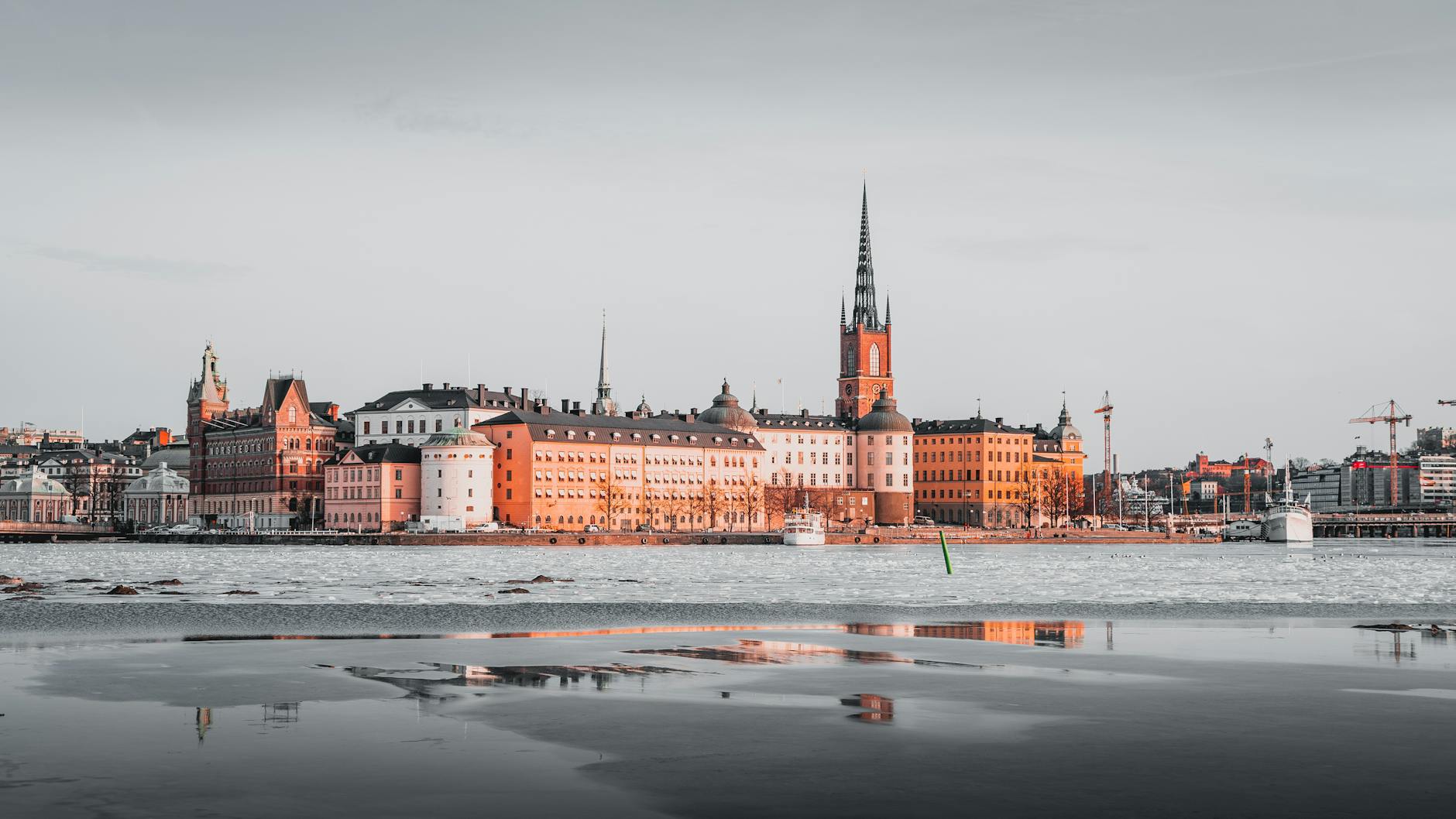
Sweden looks easy from far away: Stockholm, clean design, cinnamon buns, forests, islands, northern lights, ABBA, Vikings, meatballs, and a reputation for order.
Start Here
Then you start planning, and the country gets more interesting.
Sweden is long. Very long. The trip from Malmö in the south to Kiruna in the Arctic north is not a casual detour; it is a shift in landscape, climate, daylight, culture, and logistics. Stockholm is one of Europe’s great capitals, but Sweden is not just Stockholm with a few pine trees around it. Gothenburg and the west coast feel saltier, more relaxed, and more seafood-driven. Skåne has a softer, southern, almost continental feeling, with beaches, farms, design hotels, and easy links to Copenhagen. Dalarna is the red-cottage, midsummer, lake-and-folk-culture Sweden many visitors imagine. Gotland is a medieval island world in the Baltic. Swedish Lapland is Arctic, Sámi, dark-sky, winter-expensive, and seasonally specific. The Stockholm archipelago alone could absorb a week if you let it.
The best Sweden trip starts with one decision: which Sweden are you trying to experience?
There is the Stockholm version: islands, museums, design, royal history, ferries, restaurants, neighborhoods, and archipelago day trips. There is the west-coast version: Gothenburg, seafood, trams, smooth granite islands, fishing villages, sailing, and summer light. There is the southern version: Malmö, Lund, Skåne, beaches, food, castles, cycling, and Copenhagen add-ons. There is the classic-countryside version: Dalarna, red cottages, lakes, forests, folk traditions, midsummer, hiking, and small towns. There is the Arctic version: Abisko, Kiruna, Icehotel, dog sledding, snowmobiling, Sámi culture, northern lights, midnight sun, and the practical question of whether to fly or take the night train.
Sweden rewards travelers who understand distance, season, and restraint. It is not a country to conquer by checklist. It is a country to sequence: a capital, a coast, an island, a lake district, a northern extension, or a slow road-and-rail route. The mistake is trying to make Sweden small. The joy is letting it stay spacious.
Sweden in one sentence: Sweden is a long, highly ordered, nature-rich country of islands, forests, design, fika, public trust, seasonal extremes, and regional moods, where the best trip comes from choosing the right slice of the country instead of trying to compress Stockholm, the west coast, Skåne, Gotland, Dalarna, and Lapland into one rushed itinerary.
Basic data
| Population | About 10.5 million |
|---|---|
| Area | 450,295 km2 |
| Major religions | Christian heritage with a large secular population and Muslim minorities |
| Political system | Unitary parliamentary constitutional monarchy |
| Economic system | High-income mixed market economy led by services, manufacturing, technology, life sciences, and trade |
Quick Verdict
| Question | Answer |
|---|---|
| Best for | Design, islands, clean cities, archipelagos, Nordic food, fika, museums, families, solo travel, rail travel, cycling, swimming, saunas, lakes, forests, hiking, winter activities, northern lights, slow travel, music, history, and travelers who like cities with nature close by. |
| Not ideal for | Travelers who want a cheap destination, guaranteed warm weather, guaranteed auroras, dense old-town sightseeing every day, spontaneous peak-summer island lodging, or a quick trip that includes both Stockholm and Arctic Lapland without major transit time. |
| Ideal first visit | 7 days for Stockholm plus one region; 10 days for Stockholm, Gothenburg/west coast or Skåne, and one countryside/island add-on; 12–14 days for Stockholm, west/south Sweden, and Swedish Lapland or Gotland without rushing. |
| Minimum worthwhile trip | 3–4 days for Stockholm only; 5 days for Stockholm plus Uppsala/Sigtuna/archipelago; 6–7 days for Stockholm plus Gothenburg or Skåne. Do not add Lapland to a short first trip unless Lapland is the point. |
| Best first-time route | Stockholm for 3–4 nights, then either Gothenburg/west coast, Skåne/Malmö/Lund, Dalarna, Gotland, or Swedish Lapland depending season and interest. |
| Best months | June–August for islands, archipelagos, swimming, road trips, long light, and Midsummer; May and September for cities, lower crowds, and pleasant shoulder-season travel; December–March for Swedish Lapland, snow, winter activities, and aurora chances. |
| Best first-timer base | Stockholm for most travelers. Add Gothenburg for food/coast, Malmö/Lund/Skåne for southern Sweden and Copenhagen pairing, Visby/Gotland for medieval island atmosphere, or Kiruna/Abisko for Arctic travel. |
| Most underrated region | West Sweden beyond Gothenburg: Bohuslän islands, seafood, granite coast, car-free archipelago villages, and summer sea culture. Dalarna is also underrated for travelers who want classic Swedish landscapes and traditions. |
| Biggest planning mistake | Treating Sweden as compact. Stockholm to Lapland, Stockholm to Gotland, Stockholm to the west coast, and Stockholm to Skåne are all different route decisions. Choose a coherent trip rather than collecting map pins. |
| One thing to book early | Peak-summer archipelago and Gotland lodging, Midsummer stays, high-demand trains, Lapland winter lodging and activities, Icehotel-style stays, northern lights tours, and ferries where reservations matter. |
| One thing to leave unscheduled | Fika breaks, island walks, ferries, neighborhood wandering, swimming, sauna time, food halls, markets, and weather-dependent outdoor time. |
| Best first-timer advice | Build the trip around one strong axis: Stockholm + islands, Stockholm + west coast, Stockholm + Skåne/Copenhagen, Stockholm + Dalarna, or Stockholm + Lapland. Do not try to do all of them. |
The Move
For a first Sweden trip, treat Stockholm as the gateway and then choose one complementary Sweden: archipelago Sweden, west-coast seafood Sweden, southern design-and-farm Sweden, classic lake-and-cottage Sweden, Baltic island Sweden, or Arctic Lapland Sweden. Sweden gets better when you give each region enough space.
Who Will Love Sweden?
You will probably love Sweden if you want:
- A country where cities, water, forests, and public transport fit together cleanly.
- A capital that feels both urban and island-based: bridges, ferries, museums, old streets, design shops, food halls, parks, and swimming spots.
- A summer trip shaped by long days, archipelagos, cottages, wild swimming, seafood, bicycles, ferries, and outdoor eating.
- A winter trip built around snow, northern lights, Arctic landscapes, dog sledding, reindeer, Sami culture, skiing, and night trains.
- A food culture that goes far beyond meatballs: cinnamon buns, cardamom buns, herring, seafood, cloudberries, berries, crispbread, open sandwiches, modern Nordic cooking, coffee, fika, and regional produce.
- A safe-feeling solo or family trip where trains, ferries, museums, public spaces, and English-language travel are generally manageable.
- Design, music, fashion, architecture, photography, literature, and clean everyday systems.
- Outdoor access with responsibility: forests, lakes, trails, islands, and the Swedish right of public access.
You may struggle with Sweden if you want:
- Low-cost Nordic travel. Sweden is not always as expensive as its reputation suggests, but hotels, restaurants, trains booked late, drinks, and Arctic experiences can add up quickly.
- Guaranteed sun. Swedish weather is variable, even in summer.
- A single “must-see” route that covers the whole country. Sweden does not work that way.
- Late-night urban chaos. Stockholm and Gothenburg have nightlife, but Sweden is not Berlin, Madrid, or Bangkok.
- Spontaneous peak-season island travel without reservations.
- Northern lights on command. Swedish Lapland is excellent for auroras, but clouds and solar activity decide.
- A winter trip without proper clothing, daylight awareness, and logistics.
Sweden is not loud about itself. Its pleasures are often deliberate: the ferry pulling away from Stockholm, a cinnamon bun still warm from the oven, pine forest after rain, cold water after sauna, a summer evening that refuses to get dark, a tram rattling through Gothenburg, a medieval lane in Visby, a red cottage against a lake, a snowy blue hour in Kiruna, the way good public space quietly changes the mood of a trip.
Sweden at a Glance
| Practical | Detail |
|---|---|
| Country | Sweden, officially the Kingdom of Sweden. It borders Norway and Finland and is connected to Denmark by the Öresund Bridge between Malmö and Copenhagen. |
| Capital | Stockholm. It is the main international gateway and the best first base for most trips. |
| Population pattern | Most residents live in the south and around major cities. Northern Sweden is vast, sparsely populated, and highly seasonal for travelers. |
| Languages | Swedish is the main language. Minority languages include Sami languages, Finnish, Meänkieli, Romani Chib, and Yiddish. English is widely spoken in visitor-facing settings, especially in cities. |
| Currency | Swedish krona, abbreviated SEK or written as kr. Sweden uses its own currency, not the euro. Visit Sweden identifies the Swedish krona as the official currency.[5] |
| Cards vs cash | Sweden is strongly card-forward, and many places prefer or require card/mobile payment. Carrying a small amount of cash can still be useful for edge cases, but this is not a cash-heavy destination. |
| Time zone | Central European Time, UTC+1, and Central European Summer Time, UTC+2, during daylight saving time. |
| Main airports | Stockholm Arlanda is the main international airport. Other useful airports include Gothenburg Landvetter, Malmö, Kiruna, Luleå, Umeå, and Visby depending route. |
| Entry basics | Sweden is in the Schengen Area. Many short-stay visitors can stay up to 90 days in any 180-day period, while some nationalities need a Schengen visa. Always check by passport nationality.[1] |
| EES and ETIAS | The EU Entry/Exit System affects non-EU travelers entering and exiting Schengen. ETIAS is scheduled to start in the last quarter of 2026 for visa-exempt travelers to participating European countries.[3][4] |
| Electricity | 230V, 50Hz, Type C and F plugs. Travelers from North America, the UK, Australia, and many other regions need an adapter; some appliances may need voltage compatibility. |
| Tap water | Tap water is safe and high quality. Bring a reusable bottle. |
| Emergency number | 112 for urgent emergency help when there is danger to life, property, or the environment.[6] |
| Useful non-emergency numbers | Police non-emergency: 114 14. Healthcare advice: 1177. Visitors should verify local access and language options. |
| Main transport logic | Trains are excellent for Stockholm–Gothenburg–Malmö and many south/central routes. Ferries matter for archipelagos and Gotland. Domestic flights and night trains become practical for the far north. |
| Best travel apps | SJ for rail, local transit apps such as SL in Stockholm, Västtrafik in Gothenburg/West Sweden, Skånetrafiken in Skåne, ferry/operator apps where relevant, Google Maps/Apple Maps, and weather/aurora tools for the north. |
| Official tourism source | Visit Sweden is the national tourism site and is useful for seasonal, regional, and practical planning.[17] |
First-Timer Mistake
A lot of first-time visitors ask, “Can I do Stockholm, Gothenburg, Gotland, Swedish Lapland, and Copenhagen in a week?” Technically, with enough planes and bad sleep, maybe. As travel, no. Sweden’s distances are part of the destination. Choose a route that respects them.
2026 Visitor Notes
Sweden Is Schengen, But Passport Rules Depend on Nationality
The Swedish Migration Agency states that a Schengen visa can be issued for a maximum of 90 days during a 180-day period, and visa requirements depend on citizenship.[1] Visit Sweden’s passport and visa guidance also highlights the 90-days-in-180-days framework for many short-stay visitors and points travelers toward official rules.[2]
The move: Do not write or rely on a generic “Sweden is visa-free” sentence. Check passport nationality, Schengen days already used, onward travel, passport validity, and whether the trip overlaps with newer EU border systems.
EES Is Live; ETIAS Is Coming
The EU’s Entry/Exit System is designed to register non-EU nationals entering and exiting participating European countries for short stays; the EU says it replaces passport stamping and helps detect overstays.[3] ETIAS, the separate travel authorization for visa-exempt travelers to 30 European countries, is scheduled to start operations in the last quarter of 2026.[4]
The move: For travel after late 2026, update this section before publication. EES and ETIAS are not the same thing. EES is a border registration system; ETIAS is a pre-travel authorization for certain visa-exempt travelers once active.
Sweden Uses Krona, Not Euro
Visit Sweden identifies the Swedish krona as Sweden’s official currency.[5] Cards and mobile payments are extremely common, but travelers should still use Swedish kronor rather than euros for normal spending.
The move: Bring a good no-foreign-transaction-fee card, pay in SEK when prompted, and avoid assuming cash will solve every payment issue. In Sweden, the bigger risk is often being unable to pay with cash at a cashless venue.
Emergency Number Is 112
SOS Alarm states that 112 should be used for urgent emergencies when there is danger to life, property, or the environment.[6]
The move: Save 112, your hotel address, and your embassy/consulate contact. For non-urgent healthcare questions, learn about 1177 before you need it.
Weather Changes by Region More Than Visitors Expect
Visit Sweden describes southern Sweden as having a temperate oceanic climate, central Sweden as a mix of oceanic and continental influences, and the north as more Arctic/subarctic in character, with major seasonal contrasts.[7] A June city break in Stockholm and a March trip to Abisko require completely different packing and expectations.
The move: Plan Sweden by region and season, not just country. Summer can be glorious and still rainy. Winter can be magical and still dark, cold, icy, and expensive.
Trains Are a Strong Default, But Not the Whole Answer
Visit Sweden highlights popular train routes such as Malmö–Stockholm and Stockholm–Gothenburg, and SJ is the main site many travelers use to plan and book train journeys.[8][9] Public transport in Swedish cities is generally app-based and regional; Visit Sweden notes that cities have their own buses, metros, trams, and ticket options.[10]
The move: Use trains for the Stockholm–Gothenburg–Malmö triangle and many south/central routes. Use ferries for islands. Consider flights or night trains for Lapland unless the rail journey itself is part of the trip.
The Right of Public Access Is Powerful, But Not Permission to Be Careless
Sweden’s right of public access, allemansrätten, gives broad freedom to roam in nature, but it comes with responsibility and restrictions.[11] The Swedish Environmental Protection Agency notes that off-road driving is not covered, hunting and fishing are excluded, and nature reserves/national parks may have their own regulations.[12]
The move: The Swedish phrase to internalize is often summarized as “do not disturb, do not destroy.” Camp and roam respectfully, check local rules, and do not treat private land or protected nature as a free-for-all.
Northern Lights Are Seasonal, Not Guaranteed
Visit Sweden says the skies above Arctic Sweden can come alive with northern lights from September to March, and northern Sweden is one of the best places to experience them.[13]
The move: If auroras matter, go north, stay multiple nights, choose dark-sky areas, and book a winter trip you will still enjoy if clouds win.
Midsummer Is a Major Travel Moment
Visit Sweden describes Midsummer as one of Sweden’s most widely celebrated holidays, traditionally involving maypoles, flowers, singing, dancing, and summer food.[14]
The move: Midsummer is magical, but it is also when many Swedes travel to family, friends, cottages, and countryside celebrations. Book lodging early and expect some city businesses to close or slow down.
How to Understand Sweden
Sweden is easiest when you stop thinking of it as one destination and start reading it as a north-south sequence of urban, coastal, lake, forest, island, and Arctic worlds.
The Six Swedens a Visitor Actually Meets
| Sweden | Where you feel it | What it gives you |
|---|---|---|
| Capital-and-island Sweden | Stockholm, Drottningholm, Vaxholm, Sandhamn, the Stockholm archipelago | Museums, royal history, design, ferries, food halls, water views, old town, neighborhoods, island day trips. |
| West-coast Sweden | Gothenburg, Bohuslän, Marstrand, Smögen, Fjällbacka, the Gothenburg archipelago | Seafood, trams, granite islands, sailing, fishing villages, relaxed urban culture, summer coast. |
| Southern Sweden | Malmö, Lund, Skåne, Ystad, Österlen, Helsingborg, the Öresund region | Copenhagen access, farms, beaches, cycling, castles, design, food, softer landscapes, continental feel. |
| Classic countryside Sweden | Dalarna, Lake Siljan, Falun, Mora, Värmland, Småland | Red cottages, lakes, forests, midsummer traditions, crafts, hiking, cabins, folk culture, family roots. |
| Baltic island Sweden | Gotland, Visby, Fårö, Öland | Medieval walls, sea stacks, beaches, cycling, summer nightlife, limestone landscapes, island pace. |
| Arctic and northern Sweden | Kiruna, Abisko, Jukkasjärvi, Luleå, Jokkmokk, Åre, Swedish Lapland | Northern lights, midnight sun, Sami culture, winter activities, mountains, national parks, night trains, remote scale. |
Local Logic
Sweden works through systems: trains, queues, digital tickets, card payments, trust-based public space, local transit apps, clear signage, and a cultural preference for personal space and modest behavior. It is easy to travel independently, but it is not always spontaneous in the way visitors imagine. Peak trains sell out or become expensive. Archipelago ferries shape your day. Restaurants can book up. Winter Lapland activities require reservations. Midsummer changes opening hours. A remote cabin is romantic until you realize the bus runs rarely.
The country is also outdoorsy without being careless. The right of public access makes nature feel unusually open, but it depends on respect. Swimming in a lake, picking berries, hiking through forest, and camping simply can be part of a normal Swedish trip, but so can reading the rules, closing gates, avoiding private gardens, carrying out trash, and not lighting fires during bans.
The Country’s Central Contrasts
- Urban polish vs raw nature: Stockholm’s museums and design hotels sit close to islands, forests, and cold-water swimming.
- Southern softness vs northern severity: Skåne can feel gentle and agricultural; Swedish Lapland can be dark, icy, vast, and unforgettable.
- Public openness vs private reserve: Sweden has accessible nature and strong public services, but social life can be understated and privacy-conscious.
- Summer release vs winter inwardness: Summer stretches outward into cottages, lakes, ferries, and daylight. Winter turns toward candles, saunas, snow, skiing, and interiors.
- Minimalism vs tradition: Clean contemporary design coexists with folk costumes, Midsummer rituals, red cottages, Sami craft, and deep regional identities.
- Easy infrastructure vs expensive mistakes: Sweden is organized, but poor routing, late booking, and overambitious distances can make it costly fast.
Local Rhythm
Swedish cities often start calmly and finish early by Mediterranean standards. Coffee breaks matter. Lunch can be practical and good value. Dinners may require reservations in better restaurants. Summer evenings stay bright late, especially as you move north. Winter daylight becomes the organizing constraint. Sundays can be quiet outside big-city centers. July is vacation season, which can mean joyful summer energy in coastal/island areas and quieter business districts in cities.
The move: Plan one anchor per day, then let Sweden’s softer pleasures fill in: fika, ferry, park, sauna, swimming, market, museum, neighborhood walk, or train window.
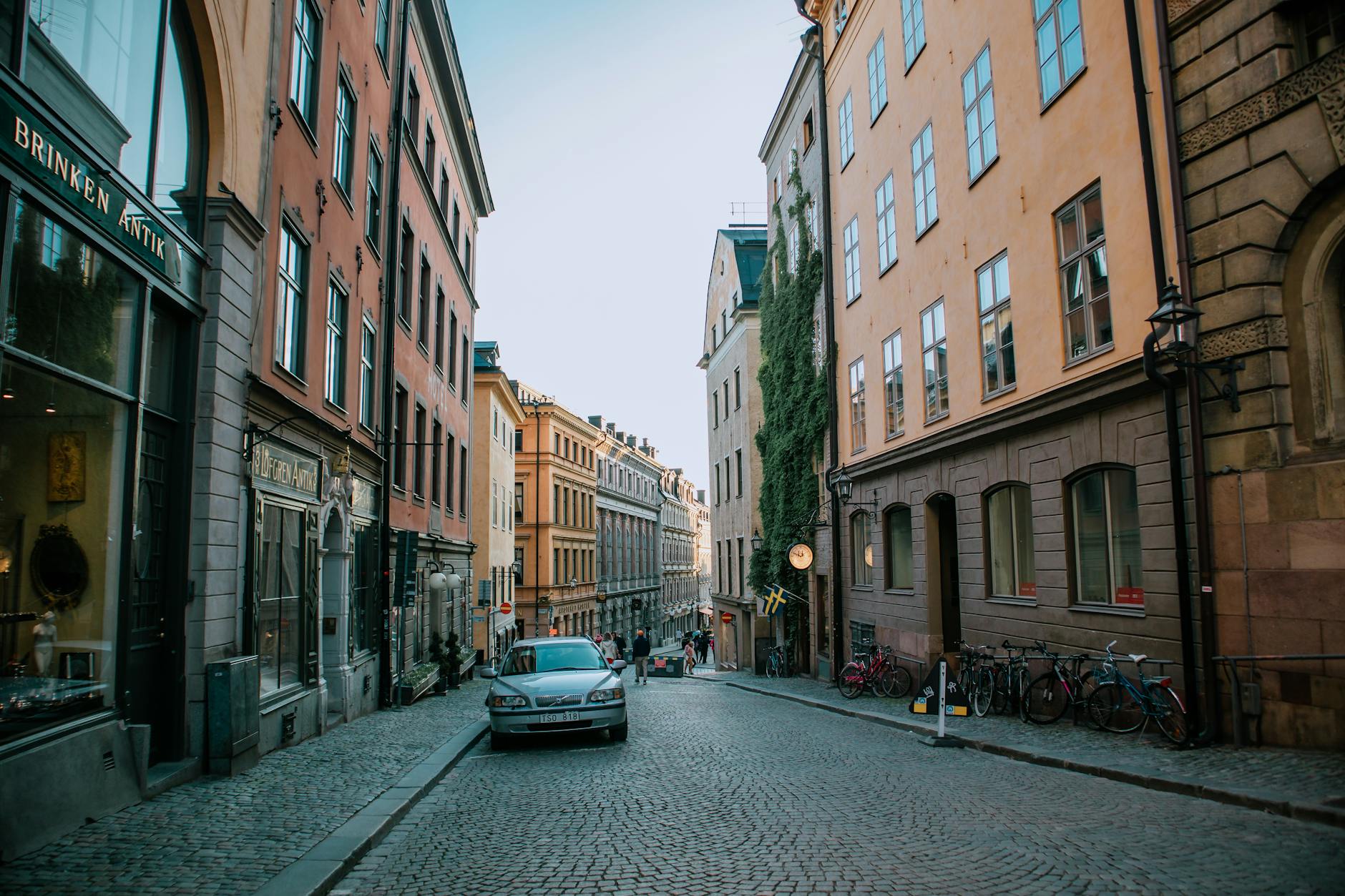
Best Time to Visit Sweden
There is no single best time to visit Sweden. There is a best time for Stockholm and archipelagos, a best time for west-coast swimming, a best time for Skåne cycling, a best time for Gotland, a best time for Dalarna traditions, and a best time for Lapland snow and auroras.
Best Overall Months
June to August are the classic Sweden months: long light, islands, summer houses, swimming, outdoor eating, Midsummer, ferries, coastal towns, and a national mood that feels open and celebratory. This is the best time for archipelagos, Gotland, west-coast islands, lake trips, and family travel.
May and September are excellent for city-focused first trips. Stockholm, Gothenburg, Malmö, Lund, and Uppsala are easier, prices can be gentler, and crowds are lower. May brings spring energy; September can still be pleasant, especially early.
December to March are the best months for a winter Sweden trip, especially Swedish Lapland, ski resorts, snow activities, and northern lights. December has Christmas atmosphere but short daylight and high holiday demand. February and March often give a better balance of snow and daylight.
Late September to March is the broad aurora season in the north, with best odds requiring darkness, clear skies, solar activity, and multiple nights.
Season-by-Season
| Season | What to expect | Best for | Watch out for |
|---|---|---|---|
| Spring: April–May | Longer days, city life reawakening, variable weather, flowers in the south, lingering snow in the north. | Stockholm city breaks, Gothenburg, Malmö/Lund, museums, lower crowds, shoulder-season value. | Cold snaps, rain, muddy trails, some summer islands not fully open yet. |
| Summer: June–August | Long days, Midsummer, swimming, islands, ferries, cottages, outdoor restaurants, festivals. | Archipelagos, Gotland, west coast, Skåne, Dalarna, lakes, families, cycling, road trips. | Peak demand, higher prices, July vacation closures in some business districts, rain risk, mosquitoes in some inland/northern areas. |
| Autumn: September–November | Cooler air, color, harvest, shorter days, early aurora possibilities in the north. | City culture, food, photography, hiking early in autumn, quieter travel. | November can be gray, dark, and in-between before proper snow. |
| Winter: December–March | Snow in the north and mountains, short daylight, Christmas markets, winter sports, auroras, saunas. | Swedish Lapland, skiing, Icehotel-style stays, dog sledding, reindeer, northern lights, cozy cities. | Cold, darkness, icy sidewalks, expensive Lapland stays, weather delays, need for proper gear. |
Month-by-Month Guide
| Month | Verdict |
|---|---|
| January | Deep winter. Good for Lapland, skiing, aurora trips, and quiet post-holiday cities. Dark and cold; not ideal for casual first-timers unless winter is the point. |
| February | Strong winter month. Better daylight than December, good snow in the north, winter activities, and aurora chances. Book school-holiday periods early. |
| March | One of the best winter-sport and Lapland months: snow plus longer days. Good for Åre, Kiruna, Abisko, and northern light trips. |
| April | Transition month. Southern cities improve; northern/mountain areas may still offer late winter. Expect mixed conditions. |
| May | Excellent shoulder month for Stockholm, Gothenburg, Malmö, Lund, Uppsala, and museums. Outdoor life returns, but archipelago summer season is not fully at peak. |
| June | Excellent. Long days, Midsummer, ferries, islands, flowers, and early summer mood. Book Midsummer and island stays early. |
| July | Peak Swedish summer. Best for archipelagos, Gotland, west coast, lakes, cottages, and family trips. Expensive and busy in desirable summer areas. |
| August | Still strong for summer travel, especially early. Late August becomes calmer as schools resume and evenings darken slightly. |
| September | Excellent for cities, food, early autumn, and lower crowds. In the north, darker skies bring early aurora possibilities and fall color. |
| October | Good for city culture, museums, design, and food. Weather is cooler and wetter; outdoor plans need flexibility. |
| November | Often the weakest first-timer month: dark, damp, and not reliably snowy in much of the south. Good only for specific city, food, or low-crowd trips. |
| December | Atmospheric: Christmas markets, lights, winter mood, Lapland demand. Beautiful but dark and expensive in peak winter areas. |
Rain, Snow, and Darkness Plan
Sweden handles bad weather better than many destinations because indoor culture is strong: museums, cafés, saunas, libraries, food halls, design shops, concerts, hotels, and trains. The trick is not to fight the season. In summer, keep a rain layer and a flexible ferry/island day. In winter, plan daylight carefully and do not schedule long remote drives casually. In the north, cloudy skies can cancel aurora hopes; book a trip that has snow, food, sauna, and landscape value even without lights.
How Many Days You Need
The Honest Answer
You need seven days for a satisfying first Sweden trip if you keep the scope tight. You need ten to fourteen days if you want Stockholm, a second major region, and either an island/countryside or Arctic extension.
| Length | What it feels like |
|---|---|
| 3 days | Stockholm city break: Gamla Stan, Djurgården museums, Södermalm, food halls, ferries, and maybe one short archipelago taste. Do not add another region. |
| 4–5 days | Stockholm plus Uppsala, Sigtuna, Drottningholm, Vaxholm, or a focused archipelago day. Alternatively, a Gothenburg or Malmö/Copenhagen city break. |
| 6–7 days | Strong first trip: Stockholm plus Gothenburg/west coast, Stockholm plus Skåne/Malmö/Lund, Stockholm plus Dalarna, or Stockholm plus Gotland if seasonally right. |
| 8–10 days | Better. Stockholm plus one major region and one side region, such as Gothenburg + Bohuslän, Malmö/Lund + Österlen, or Dalarna + Uppsala. |
| 10–14 days | Ideal for a fuller route: Stockholm, west coast, Skåne, and one island/countryside component; or Stockholm plus Swedish Lapland with breathing room. |
| 2–3 weeks | Lets you travel Sweden properly: Stockholm, archipelago, Gothenburg, Bohuslän, Skåne, Gotland/Öland, Dalarna, and maybe Lapland depending season. |
Itinerary Philosophy
A Sweden itinerary should usually have:
- One urban anchor: Stockholm, Gothenburg, Malmö/Lund, Uppsala, or Kiruna/Luleå depending route.
- One nature or water anchor: archipelago, west coast, Gotland, lake district, Dalarna, national park, ski area, or Lapland.
- One slow day: ferry, fika, sauna, swimming, neighborhood walking, or scenic train.
- One weather buffer if the trip depends on islands, hiking, auroras, or snow activities.
Sweden punishes map-pin collecting. It rewards clean route lines.
The Move
If you have one week, choose Stockholm + one region. If you have ten days, choose Stockholm + one region + one side trip. If you have two weeks, choose Stockholm + west/south Sweden + one seasonal specialty. Add Lapland only when you are ready to give it real time or make it the centerpiece.
Choose Your Sweden Trip
The Classic First-Timer Trip: Stockholm + Archipelago
Best for: First-time visitors, short trips, design, museums, food, ferries, old town, and urban nature.
Route: Stockholm for 4–5 nights with day trips to Drottningholm, Vaxholm, Sigtuna, Uppsala, or an archipelago island.
Why it works: Stockholm gives you the strongest Swedish introduction without heavy logistics. You get city, water, history, museums, design, food, and island life in one base.
Watch out: Do not spend the whole trip in Gamla Stan and Djurgården. Stockholm’s neighborhoods matter.
The Food-and-Coast Trip: Stockholm + Gothenburg + West Coast
Best for: Seafood, trams, city culture, archipelago, relaxed coast, summer travel, couples, and repeat Nordic travelers.
Route: Stockholm → Gothenburg → Marstrand/Bohuslän/Gothenburg archipelago.
Why it works: Gothenburg gives a different urban mood from Stockholm, and the west coast is one of Sweden’s best summer regions.
Watch out: West-coast villages and islands book early in July and August. A car can help for Bohuslän, though some islands are reachable by public transport/ferry.
The Southern Sweden Trip: Stockholm + Malmö/Lund/Skåne + Copenhagen
Best for: Design, food, beaches, cycling, castles, easier weather, rail travel, and travelers who want to combine Sweden with Denmark.
Route: Stockholm → Malmö → Lund → Ystad/Österlen/Helsingborg → Copenhagen.
Why it works: Skåne feels different from central Sweden: flatter, agricultural, coastal, and connected to Denmark.
Watch out: Do not treat Malmö as just a Copenhagen hotel suburb. It has its own food, design, immigrant culture, seaside parks, and urban personality.
The Classic Countryside Trip: Stockholm + Dalarna
Best for: Lakes, red cottages, midsummer, folk culture, crafts, family heritage, road/rail travel, and slower Sweden.
Route: Stockholm → Uppsala or Sigtuna → Falun → Lake Siljan/Mora/Tällberg/Leksand.
Why it works: Dalarna delivers the Sweden many visitors picture: lakes, wooden houses, forests, crafts, folk traditions, and summer rituals.
Watch out: Public transport exists, but a car gives more freedom for countryside stays and lake villages.
The Island Trip: Stockholm + Gotland
Best for: Medieval atmosphere, summer, beaches, cycling, photography, food, romantic travel, and second-time visitors.
Route: Stockholm → ferry or flight to Visby → Gotland and Fårö.
Why it works: Gotland is one of Sweden’s most distinctive places: walled Visby, limestone landscapes, sea stacks, beaches, farms, and summer energy.
Watch out: Peak summer, especially around major events, is expensive and crowded. Outside summer, Gotland is quieter and more atmospheric but less fully open.
The Arctic Trip: Stockholm + Swedish Lapland
Best for: Winter activities, northern lights, snow, Icehotel, dog sledding, reindeer, Sami culture, Arctic landscapes, midnight sun, and serious nature travelers.
Route: Stockholm → Kiruna/Jukkasjärvi/Abisko or Luleå/Jokkmokk; optionally by night train.
Why it works: Swedish Lapland is not a side trip; it is a different journey. In winter it gives snow, darkness, aurora chances, and Arctic activities. In summer it gives hiking, midnight sun, rivers, and remote landscapes.
Watch out: Expensive activities, long distances, cold, darkness, weather, and limited public transport. Book early and respect conditions.
The Cross-Scandinavia Trip
Best for: Travelers combining Sweden with Denmark, Norway, or Finland.
Route options: Copenhagen → Malmö → Stockholm; Stockholm → Gothenburg → Oslo; Stockholm → Kiruna/Abisko → Narvik; Stockholm → ferry to Helsinki/Turku/Tallinn.
Why it works: Sweden is a natural Nordic connector.
Watch out: Cross-border routes can tempt you into speed-running Scandinavia. Build in rest days and avoid too many one-night stays.
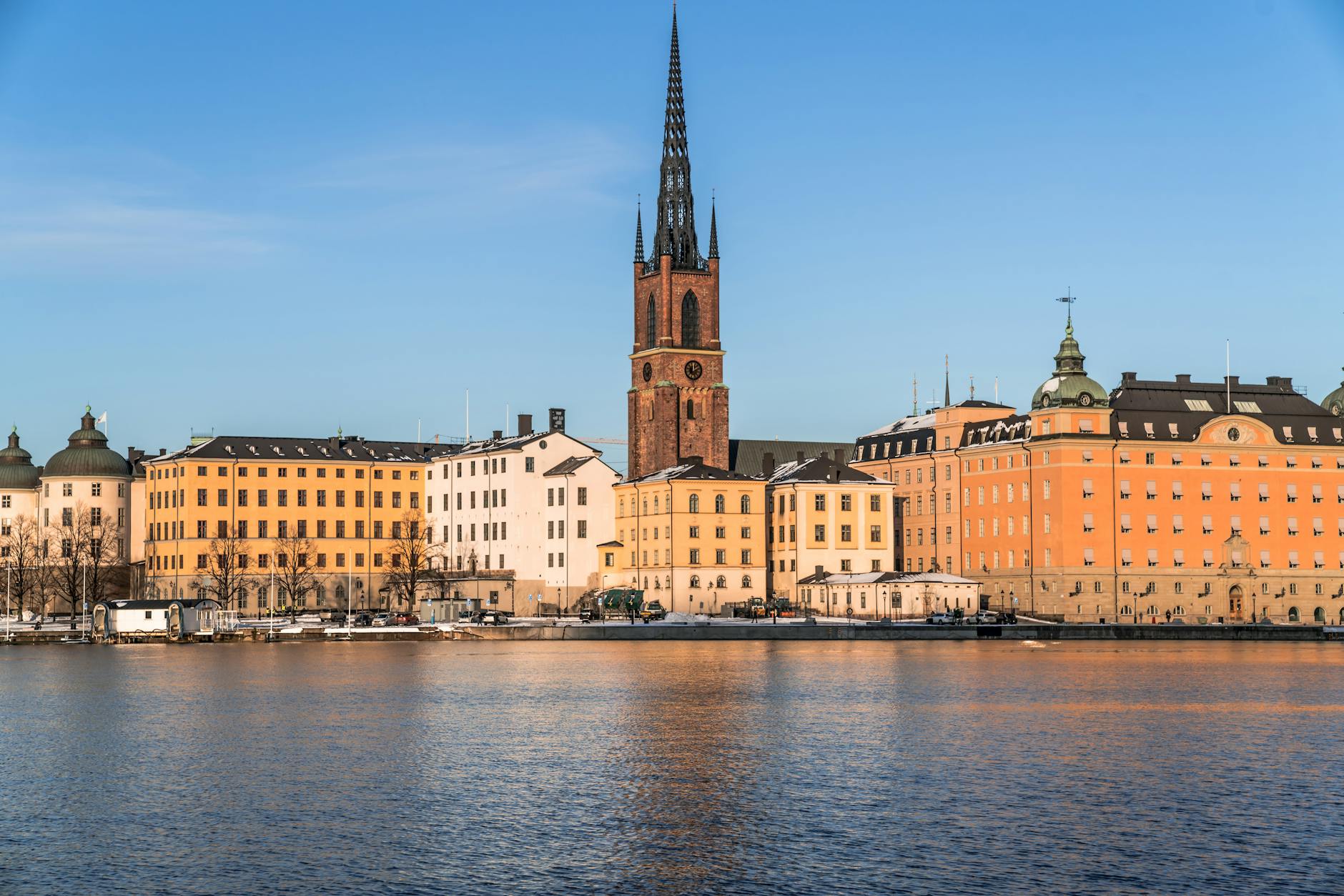
Regions and Places to Go
Stockholm and the Stockholm Archipelago
Best for: First-timers, museums, water, design, food, history, families, solo travelers, and short trips.
Stockholm is Sweden’s best introduction because it condenses so much of the country’s appeal into one place: islands, bridges, ferries, old streets, royal history, modern design, food halls, cold-water swims, parks, and serious museums. It is beautiful without being museum-frozen and organized without feeling sterile.
What to do: Gamla Stan, the Royal Palace, Stockholm City Hall, Vasa Museum, Skansen, Fotografiska, Moderna Museet, ABBA The Museum if interested, Djurgården, Södermalm, Östermalm food hall, Norrmalm shopping, ferries, and archipelago trips.
Where to base: Norrmalm for transport, Östermalm for polish, Södermalm for restaurants and neighborhood energy, Gamla Stan for atmosphere, Vasastan for calmer local life, Djurgården only for specific quiet/luxury stays.
The Move: Use ferries as part of the city experience, not just transport. Stockholm makes more sense from the water.
Stockholm Archipelago
Visit Sweden describes the Stockholm archipelago as 30,000 islands, skerries, and rocks stretching 80 kilometers east from the city into the Baltic Sea.[15]
Best for: Summer day trips, island stays, swimming, kayaking, seafood, photography, and a softer version of Stockholm.
Good first islands: Vaxholm for an easy taste, Grinda for nature, Sandhamn for classic outer-archipelago atmosphere, Fjäderholmarna for a quick city-close outing, Möja for a deeper summer stay.
Watch out: Ferry schedules matter. In shoulder season, service and openings vary.
Gothenburg and West Sweden
Best for: Seafood, relaxed urban travel, trams, contemporary food, music, design, families, and west-coast islands.
Gothenburg is Sweden’s second city, but it should not be treated as second-best. It is less grand than Stockholm and easier to settle into. The city has canals, trams, parks, cafés, indie culture, seafood, museums, and quick access to islands. Visit Sweden highlights Gothenburg’s modern food culture and seafood position thanks to its ocean setting.[16]
What to do: Haga, fish market/seafood dining, Gothenburg Museum of Art, Universeum for families, Liseberg amusement park, Slottsskogen, Röda Sten, archipelago ferries, cafés, and restaurants.
Where to base: City center for convenience, Haga/Linné for neighborhood feeling, Avenyn for nightlife and central access, waterfront/newer areas for hotels.
The Move: Add at least one island or coastal day. Gothenburg without the archipelago misses the point.
Bohuslän and the West Coast
Best for: Summer, road trips, seafood, sailing, kayaking, granite coast, fishing villages, and romantic coastal stays.
Places to consider: Marstrand, Smögen, Fjällbacka, Lysekil, Grebbestad, Käringön, Tjörn, Orust, Koster Islands, and the southern Gothenburg archipelago.
Watch out: July and August are peak. A car helps for a coastal road trip, but ferries and buses can work for selected islands.
Malmö, Lund, and Skåne
Best for: Southern Sweden, Copenhagen combinations, food, design, beaches, cycling, castles, university-town atmosphere, and travelers who want a gentler landscape.
Skåne is Sweden’s southernmost region and often feels more open, agricultural, and continental than Stockholm or the north. Malmö is diverse, creative, and connected to Copenhagen. Lund is historic, academic, and compact. The countryside offers beaches, farms, manor hotels, coastal villages, and cycling routes.
What to do: Malmö old town and waterfront, Ribersborg beach, Moderna Museet Malmö, Lund Cathedral, university neighborhoods, Ystad, Österlen, Kullaberg, Sofiero, Ven, Ales Stenar, and food-focused countryside stays.
Where to base: Malmö for urban/Copenhagen access, Lund for calmer history, Ystad or Österlen for countryside/coast, Helsingborg for northwest Skåne.
The Move: Pair Malmö and Copenhagen, but give Malmö at least one real day. It is not just an airport or bridge stop.
Uppsala and Sigtuna
Best for: Easy history day trips from Stockholm, university atmosphere, cathedrals, Viking/early Swedish history, and calmer pacing.
Uppsala is one of Sweden’s most important historic and academic cities, with a major cathedral, university life, botanical gardens, and links to older royal and religious history. Sigtuna is smaller and more storybook, often described as Sweden’s oldest town.
Best as: Day trips or one-night additions from Stockholm.
The Move: Use Uppsala if you want a substantial day with history and city life. Use Sigtuna if you want a quieter small-town stroll.
Dalarna
Best for: Classic Swedish countryside, lakes, Midsummer, folk traditions, crafts, red cottages, family heritage, and slow summer travel.
Dalarna sits deep in the Swedish imagination. It is the region many people picture without knowing it: red wooden houses, lake villages, folk costumes, crafts, midsummer poles, forests, and Lake Siljan. It is a strong antidote to a too-urban Sweden trip.
Places to consider: Falun, Lake Siljan, Leksand, Tällberg, Mora, Rättvik, Nusnäs, and surrounding villages.
What to do: Falun Mine, lake walks, Midsummer events, craft workshops, Dala horse culture, cycling, swimming, hiking, and cabin stays.
Watch out: A car improves access to villages, lakeside stays, and countryside. Peak Midsummer requires planning.
Gotland and Fårö
Best for: Medieval towns, island atmosphere, beaches, cycling, photography, summer energy, food, romance, and slower travel.
Gotland is Sweden’s great Baltic island experience. Visby, with its medieval walls and lanes, is the obvious anchor, but the island’s deeper reward is outside the walls: limestone landscapes, sea stacks, farms, beaches, church ruins, and Fårö’s austere beauty.
What to do: Visby walls and old town, Fårö sea stacks, Tofta beach, Lummelunda Cave, cycling, farm cafés, coastal drives, and sunset walks.
Watch out: Summer is high demand. Ferries and lodging should be booked early. Outside peak season, check opening days carefully.
Öland
Best for: Families, beaches, cycling, birding, royal summer atmosphere, and a quieter island alternative.
Öland is long, narrow, sunny by Swedish standards, and connected to the mainland by bridge from Kalmar. It has beaches, windmills, ruins, birding, and open landscapes.
Best as: Part of a southern Sweden road trip, often paired with Kalmar and Småland.
Småland
Best for: Forests, lakes, glassworks, family travel, design roots, literary/cultural nostalgia, and countryside.
Småland is associated with forests, lakes, small farms, red cottages, glassmaking, and the world of Astrid Lindgren. It is less flashy than Stockholm or the west coast, but excellent for families and travelers interested in rural Sweden.
Places to consider: Växjö, Kalmar, Glasriket glass kingdom, Vimmerby, and lake/cabin stays.
Swedish Lapland and the Far North
Best for: Northern lights, midnight sun, snow, dog sledding, reindeer, Sami culture, wilderness, hiking, skiing, and travelers willing to plan seriously.
Northern Sweden is not a single experience. Kiruna/Jukkasjärvi/Abisko are classic first Lapland bases. Luleå offers coastal northern Sweden and access to the Gammelstad Church Town area. Jokkmokk is important for Sami culture and winter market traditions. Åre is more of a mountain/ski resort world in Jämtland than Arctic Lapland, but it is one of Sweden’s major outdoor destinations.
What to do: Abisko National Park, northern lights tours, Icehotel in Jukkasjärvi, dog sledding, reindeer experiences, Sami cultural learning, snowmobiling, snowshoeing, cross-country skiing, Kungsleden hiking, Luleå archipelago/ice roads when conditions allow, and midnight sun trips.
Watch out: Book winter lodging and activities early. Dress properly. Understand that distances are long, weather can disrupt plans, and auroras are never guaranteed.
The Move: Choose one northern base and do it well. Do not string together every Arctic name unless you have time, budget, and transport solved.
Åre and Jämtland
Best for: Skiing, hiking, mountain biking, food, spa hotels, and a more resort-based mountain trip.
Åre is Sweden’s best-known mountain resort, useful in winter for skiing and in summer for hiking and biking. It pairs naturally with Östersund and Jämtland food/outdoor culture.
Best as: A winter sports trip or summer mountain extension, not a casual day trip from Stockholm.
Luleå and the Bothnian Coast
Best for: Northern coast, winter sea ice, summer islands, Gammelstad, design/nature combinations, and a less obvious northern route.
Luleå can be a good alternative to the more famous Kiruna/Abisko axis, especially for travelers interested in coastal northern life, winter ice experiences, and summer archipelagos.
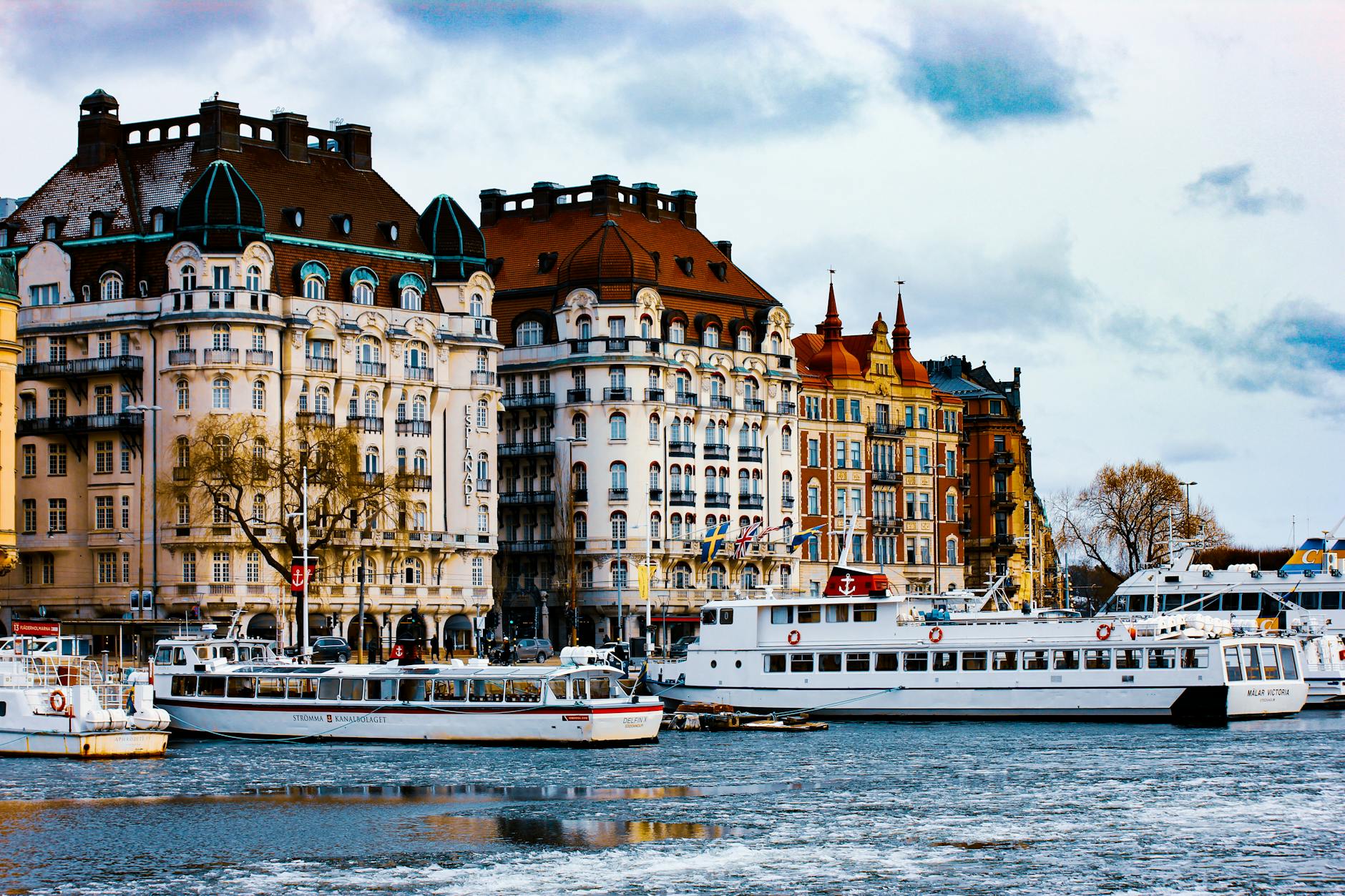
Best Things to Do
1. Use Stockholm as an Island City, Not Just a Museum City
Stockholm is built on water, and the best first impression often comes from moving across it. Walk between islands, use ferries, visit Djurgården, look back at the city from the water, and understand that the city’s beauty is not just buildings but geography.
Best for: First-timers, photographers, families, design travelers, and short trips.
Time needed: 3–5 days for a satisfying first Stockholm visit.
Pair it with: Archipelago day trip, Drottningholm, Uppsala, or Sigtuna.
2. Visit the Vasa Museum
The Vasa Museum is one of Europe’s most memorable single-object museums: a preserved 17th-century warship that sank on its maiden voyage and became a powerful lesson in ambition, engineering, politics, and preservation.
Best for: History, families, museum skeptics, first-timers.
Time needed: 90 minutes to 3 hours.
Worth it? Yes. It is one of the rare “everyone says go” museums that usually deserves the praise.
3. Take a Stockholm Archipelago Ferry
Even a simple ferry ride changes your understanding of Stockholm. The archipelago scales from quick city-adjacent islands to deeper summer stays.
Best for: Summer, slow travel, photography, couples, families.
Time needed: Half-day to several days.
Common mistake: Choosing an island without checking ferry time, return schedule, food options, and seasonal openings.
4. Spend a Proper Evening in Södermalm
Södermalm gives Stockholm a more lived-in, creative, local-feeling counterweight to royal and museum Stockholm. It has views, cafés, restaurants, bars, vintage shops, parks, and residential streets.
Best for: Food, nightlife, views, neighborhoods, second-day Stockholm.
The Move: Start with Monteliusvägen or a waterside view, then move toward dinner and bars.
5. Eat Seafood in Gothenburg or on the West Coast
Gothenburg and the Bohuslän coast are the strongest places to understand Sweden’s seafood side: shrimp, oysters, mussels, herring, crayfish, fish soup, and coastal restaurants.
Best for: Food travelers, summer, couples, west-coast routes.
Time needed: 2–4 days for Gothenburg plus coast.
Worth it? Yes, especially if your Sweden picture is currently all Stockholm and cinnamon buns.
6. Experience Fika Seriously
Fika is not just “coffee and cake.” It is a social pause, a workplace ritual, a date, a family habit, and one of Sweden’s best low-cost cultural experiences.
Best for: Everyone.
What to try: Cinnamon bun, cardamom bun, princess cake, chokladboll, semla in season, small cookies, filter coffee.
Common mistake: Treating fika as a snack you rush. The pause is the point.
7. Swim or Sauna Like a Swede
In summer, swimming off city docks, island rocks, lakeshores, and beaches is one of Sweden’s great pleasures. In colder seasons, sauna plus cold plunge or cold-water swimming becomes a different kind of ritual.
Best for: Summer trips, wellness, families, locals-at-play observation.
Where: Stockholm swimming spots, archipelagos, Gothenburg coast, lakes, hotels, public saunas, winter bathing clubs where visitor access exists.
Etiquette: Follow posted rules about showers, swimwear, gendered spaces, noise, and alcohol.
8. Go to Gotland If the Season Fits
Gotland is worth the effort when you have time and season on your side. Visby is beautiful, but the island’s larger mood comes from the coast, limestone, Fårö, beaches, and farm cafés.
Best for: Summer, cycling, romance, medieval history, photography.
Time needed: 3–5 days.
Book ahead: Ferries, cars, lodging, and peak summer restaurants.
9. Learn the Right of Public Access by Using It Well
A simple forest walk, berry-picking outing, lake swim, or one-night camping experience can teach you more about Sweden than another museum if you do it respectfully.
Best for: Outdoor travelers, families, budget travelers, slow travelers.
Local logic: Freedom depends on responsibility. Do not disturb, do not destroy.
10. Visit Dalarna for Classic Sweden
Dalarna is where Sweden’s folk imagery becomes real: red cottages, lakes, crafts, Midsummer, forests, and Lake Siljan.
Best for: Summer, family roots, countryside, crafts, slow trips.
Time needed: 2–4 days.
Pair it with: Uppsala, Falun, or Stockholm.
11. Take the Night Train North
A night train to northern Sweden is not always the fastest choice, but it is one of the most atmospheric. It turns distance into part of the travel experience.
Best for: Rail lovers, lower-carbon travel, Lapland trips, slow travelers.
Watch out: Book sleeper cabins early in peak seasons. Seats are cheaper but less restful.
12. See the Northern Lights in Swedish Lapland
Abisko, Kiruna, Jukkasjärvi, and other northern areas are among Sweden’s best aurora bases. The experience is weather-dependent, but the landscape itself is strong enough to justify the trip.
Best for: Winter, photography, nature, bucket-list travel.
Time needed: At least 3 nights in aurora territory if the lights matter.
Skip if: You would be angry if clouds block the show. Aurora travel requires emotional flexibility.
13. Understand Sweden Through Design
Swedish design is not just shopping. It is public space, furniture, glass, textiles, lighting, signage, everyday objects, fashion, hotel interiors, and the relationship between beauty and function.
Best for: Design travelers, shoppers, architects, photographers.
Where: Stockholm, Malmö, Gothenburg, Småland glassworks, design museums, boutique hotels, shops, cafés.
14. Pair Malmö and Copenhagen Without Erasing Malmö
The Öresund region is one of the easiest cross-border city pairings in Europe. Malmö is close to Copenhagen, but it has its own personality: diverse, design-minded, food-forward, coastal, and less formal.
Best for: Rail travelers, city breaks, food, Denmark/Sweden combos.
The Move: Sleep in either Copenhagen or Malmö depending flight, budget, and interest—but give Malmö its own day.
15. Follow the Light
Sweden’s light changes the trip. Summer evenings barely end in much of the country. Winter blue hour can be astonishing. The far north has midnight sun and polar-night moods. Photography, meals, walks, and sleep all feel different.
Best for: Everyone, but especially photographers and slow travelers.
Local logic: In Sweden, season is not background. It is the main character.
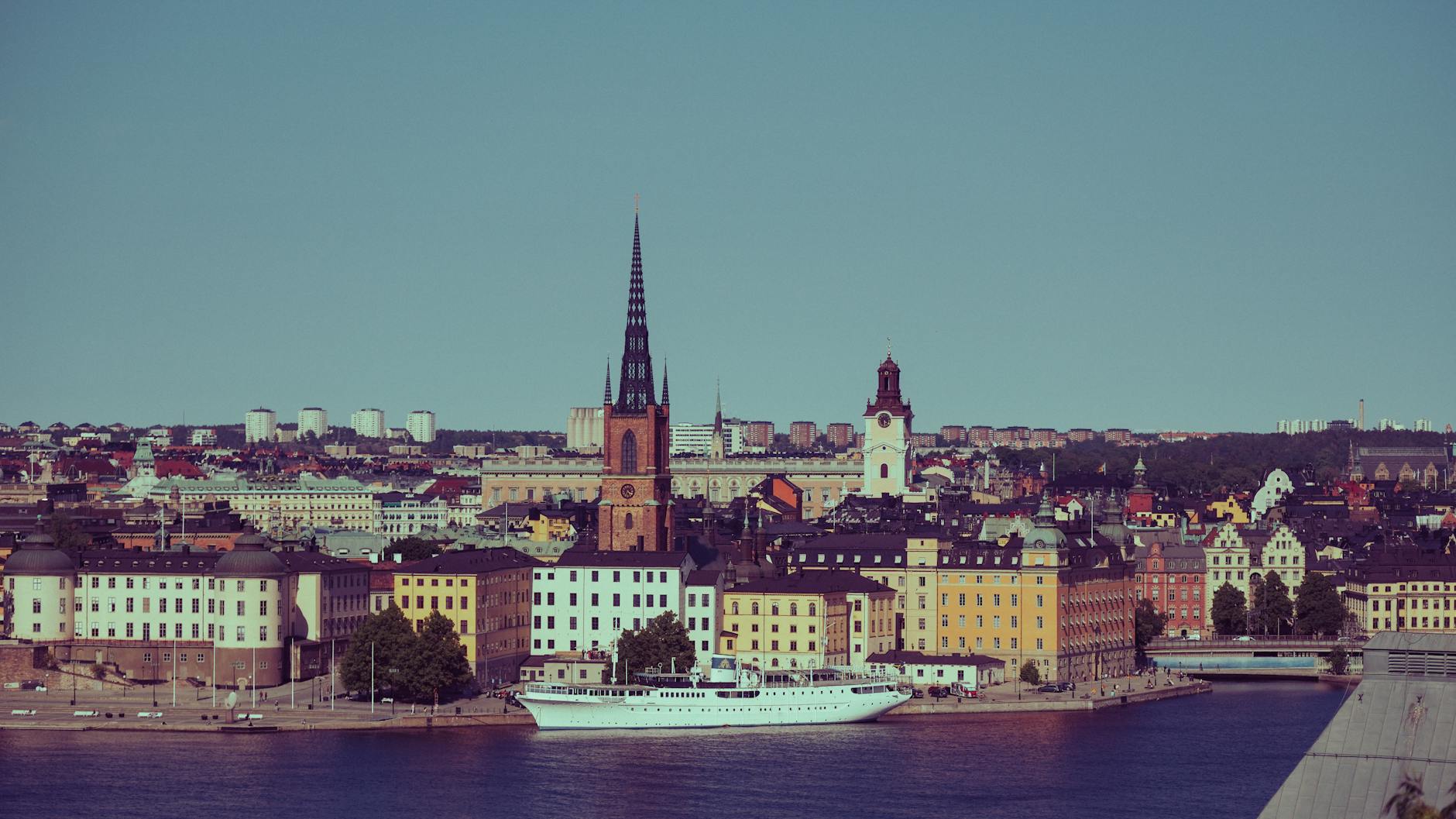
Sweden Itineraries
These itineraries are pacing models, not commandments. Adjust by season, train/ferry schedules, lodging availability, weather, and how much you like one-night stays.
Three Days: Stockholm First Taste
Day 1: Old Town, central Stockholm, and water orientation
Arrive, settle in, walk Gamla Stan early or late, see the Royal Palace exterior or selected rooms, cross to Norrmalm, and take a short ferry or waterfront walk. Dinner in Södermalm, Norrmalm, or Östermalm.
Day 2: Djurgården museums and fika
Visit the Vasa Museum. Add Skansen, Nordic Museum, ABBA The Museum, or a park walk depending interest. Fika in the afternoon. Evening in Södermalm or Vasastan.
Day 3: Neighborhoods and views
Explore Södermalm, Fotografiska, Monteliusvägen, Östermalm Market Hall, Stockholm Public Library area, or Moderna Museet. If weather is good, take a short archipelago-style ferry outing.
What this trip gives you: Stockholm’s core identity: water, history, museums, food, design, neighborhoods.
What it misses: Gothenburg, countryside, Gotland, Lapland, and real archipelago depth.
Five Days: Stockholm + Nearby History and Islands
Days 1–3: Stockholm as above, but slower.
Day 4: Choose Uppsala, Sigtuna, Drottningholm, or Vaxholm.
Day 5: Full Stockholm archipelago day in season, or a food/design/neighborhood day if weather is poor.
Best for: First-timers with limited time.
The Move: Do not leave Stockholm too quickly. The city has enough layers for five days if you include islands and day trips.
Seven Days: Stockholm + Gothenburg
Days 1–4: Stockholm, Djurgården, Södermalm, archipelago or Uppsala.
Day 5: Train to Gothenburg. Evening in Haga/Linné or central Gothenburg.
Day 6: Gothenburg museums, cafés, seafood, trams, parks, and food.
Day 7: Gothenburg archipelago or Marstrand-style coastal day if logistics allow.
Best for: First-timers who want the two-city contrast.
What to cut if tired: Skip a minor museum and keep the island/coast day.
Seven Days: Stockholm + Skåne/Copenhagen
Days 1–3: Stockholm.
Day 4: Train to Malmö. Explore Malmö old town, waterfront, food, and Ribersborg.
Day 5: Lund and southern Skåne or Copenhagen day/evening.
Day 6: Österlen/Ystad/Ales Stenar or Helsingborg/Sofiero depending season.
Day 7: Depart via Copenhagen or return north by train.
Best for: Travelers who want Sweden plus Denmark or a softer southern route.
Seven Days: Stockholm + Gotland
Days 1–3: Stockholm.
Day 4: Travel to Gotland by ferry or flight; evening in Visby.
Day 5: Visby walls, lanes, ruins, beaches, and food.
Day 6: Fårö and northern Gotland if you have a car; or cycling/coastal day.
Day 7: Return or continue.
Best for: Summer, couples, island lovers, medieval atmosphere.
Watch out: This route depends on ferry/flight and lodging availability.
Ten Days: Stockholm + Gothenburg + West Coast
Days 1–4: Stockholm and nearby archipelago/history.
Day 5: Train to Gothenburg. Dinner and evening walk.
Days 6–7: Gothenburg, museums, food, trams, and southern archipelago.
Days 8–9: Bohuslän coast: Marstrand, Tjörn/Orust, Fjällbacka, Smögen, or a selected island.
Day 10: Return or depart from Gothenburg.
Best for: Summer and seafood-focused travelers.
The Move: Rent a car only for the west-coast stretch if it improves access; do not keep it in city centers unnecessarily.
Ten Days: Stockholm + Dalarna + Uppsala
Days 1–4: Stockholm.
Day 5: Uppsala or Sigtuna.
Day 6: Falun and Dalarna arrival.
Days 7–9: Lake Siljan, Tällberg, Mora, Rättvik, crafts, swimming, hikes, or Midsummer events.
Day 10: Return to Stockholm.
Best for: Classic Sweden, heritage, families, summer slow travel.
Ten Days: Stockholm + Swedish Lapland Winter
Days 1–3: Stockholm winter city break: museums, food, fika, saunas, old town.
Day 4: Fly or take night train north.
Days 5–8: Kiruna/Jukkasjärvi/Abisko or Luleå/Jokkmokk route: dog sledding, snowshoeing, Sami cultural learning, Icehotel visit, aurora nights, snow landscapes.
Day 9: Buffer day or return south.
Day 10: Depart.
Best for: Winter bucket-list travelers.
Watch out: You need proper gear and activity reservations. Do not make every night an aurora chase without rest.
Fourteen Days: Sweden Properly
Days 1–4: Stockholm and archipelago.
Day 5: Uppsala or Sigtuna, or train west.
Days 6–8: Gothenburg and west coast.
Days 9–11: Malmö, Lund, Skåne, and/or Copenhagen.
Days 12–14: Choose Gotland, Dalarna, Öland/Småland, or a northern flight depending season.
Best for: A broad first Sweden trip without trying to hit every extreme.
The Move: Choose one final specialty. Do not add Gotland and Lapland and Dalarna and Skåne unless you have more time.
Special-Interest Itineraries
Food and Fika Sweden
Stockholm food halls and bakeries; Gothenburg seafood; Malmö’s contemporary food scene; Skåne farm restaurants; west-coast shellfish; fika in every region; seasonal berries and mushrooms; one splurge modern Nordic meal.
Design Sweden
Stockholm design shops and museums; Stockholm metro art; architecture walks; Malmö and Lund for contemporary/southern design; Småland glassworks; Gothenburg boutiques; hotel and café interiors; public libraries and civic spaces.
Family Sweden
Stockholm with Vasa, Skansen, Junibacken if age-appropriate, ferries, parks, swimming; Gothenburg with Universeum and Liseberg; Astrid Lindgren-related Småland; easy archipelago days; manageable train hops.
Outdoor Summer Sweden
Stockholm archipelago, Dalarna lakes, Bohuslän kayaking, Skåne cycling, Kungsleden or mountain hiking if experienced, Gotland/Öland beaches, cabin stays, swimming, saunas.
Winter Sweden
Stockholm winter museums and saunas, Åre skiing, Kiruna/Abisko auroras, Jukkasjärvi Icehotel, dog sledding, reindeer experiences, snowshoeing, and night train travel.
Lower-Walking Sweden
Stockholm and Gothenburg with central hotels, ferries, trams, taxis, major museums, food halls, and fewer transfers. Avoid remote nature logistics unless accessibility is confirmed.
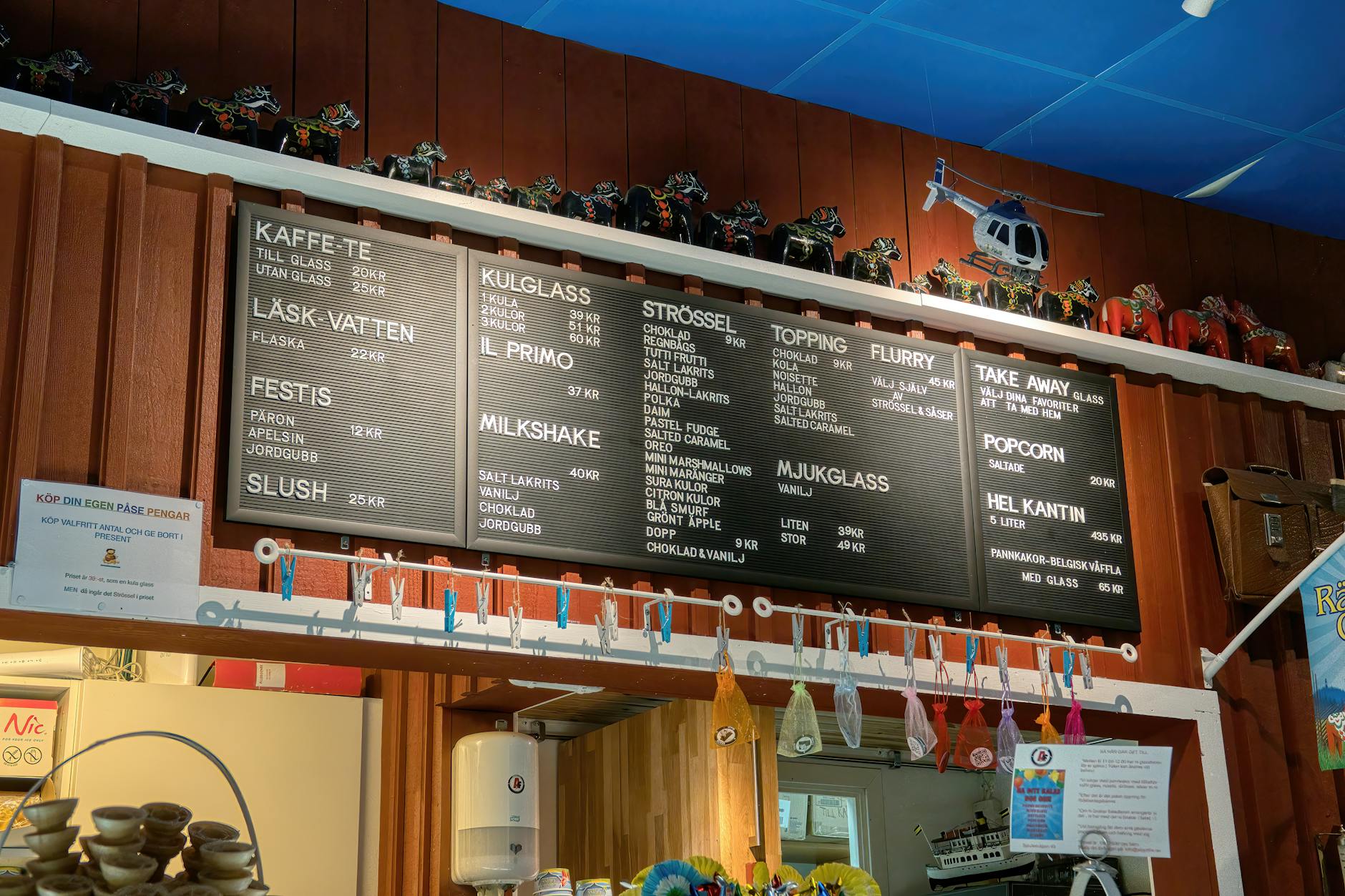
Food, Fika, and Drink
Swedish food is often reduced to meatballs and cinnamon buns. That is a mistake. Sweden’s food culture is seasonal, regional, and shaped by sea, forest, dairy, grains, preserving, baking, coffee, and a modern restaurant scene that values locality and design.
Swedish Food Identity
Sweden’s food culture is shaped by:
- The sea: herring, salmon, shrimp, crayfish, cod, mussels, oysters, and west-coast seafood.
- The forest: mushrooms, lingonberries, blueberries, cloudberries, game, herbs, and foraging traditions.
- The farm: potatoes, dairy, rye, oats, root vegetables, pork, beef, lamb, cheese, and seasonal produce.
- Preservation: pickling, curing, smoking, fermenting, drying, jams, and crispbread.
- Baking and coffee: cinnamon buns, cardamom buns, princess cake, semla, cookies, and fika.
- Modern Nordic cooking: clean flavors, seasonal menus, fermentation, local produce, and careful presentation.
- Immigration and global influence: especially visible in Malmö, Stockholm, and Gothenburg.
What to Eat
| Food or drink | What it is | How to approach it |
|---|---|---|
| Kanelbulle | Cinnamon bun, a fika staple. | Try several bakeries. Freshness matters more than fame. |
| Kardemummabulle | Cardamom bun, often more aromatic than cinnamon. | Essential if you like baking. Many visitors prefer it. |
| Fika | Coffee-and-pastry pause, social ritual, daily rhythm. | Slow down. The pause is the experience. |
| Meatballs | Often served with potatoes, cream sauce, lingonberries, and cucumber. | Worth trying, but do not make it your whole Swedish food plan. |
| Herring | Pickled or prepared in many styles. | Best with potatoes, sour cream, chives, crispbread, or as part of festive meals. |
| Toast Skagen | Shrimp salad on toast, often with roe/dill/lemon. | A classic restaurant lunch or starter. Excellent in seafood regions. |
| Gravlax | Cured salmon with dill/mustard sauce. | Try in a good traditional restaurant or food hall. |
| Räksmörgås | Open shrimp sandwich. | Especially good on the west coast and in classic cafés/restaurants. |
| Crayfish | Seasonal late-summer party food. | Best in August with a kräftskiva-style setting if invited or at restaurants. |
| Cloudberries | Tart golden berries associated with the north. | Try as jam, dessert, or with waffles/ice cream when available. |
| Västerbotten cheese | Strong northern Swedish cheese. | Try in pie or with simple accompaniments. |
| Semla | Cardamom bun with almond paste and cream, traditionally before Lent. | Seasonal winter treat; do not expect it everywhere year-round. |
| Princess cake | Layer cake with sponge, cream, jam, and green marzipan. | Classic bakery choice. |
| Crispbread | Dry rye-based bread. | Better than it sounds when paired with butter, cheese, fish, or spreads. |
| Sill and snaps | Herring with aquavit/snaps, especially festive. | Traditional, but drink moderately and understand the ritual context. |
Where to Eat by Situation
| Situation | Best approach |
|---|---|
| First dinner in Stockholm | Choose a Swedish bistro, modern Nordic restaurant, food hall, or neighborhood place near your hotel. Do not cross the city after a long flight for a reservation. |
| Budget lunch | Look for dagens lunch, the daily lunch special, often a better value than dinner. |
| Fika | Good bakeries and cafés in every city. Build it into the day, not as an afterthought. |
| Seafood meal | Gothenburg, Bohuslän, west-coast villages, and Stockholm food halls/restaurants. |
| Family meal | Food halls, casual restaurants, hotel restaurants, museum cafés, and early dinners. |
| Vegetarian/vegan | Good in major cities, especially Stockholm, Gothenburg, and Malmö; plan more carefully in rural areas. |
| Solo dining | Easy in cafés, food halls, casual restaurants, bars, and hotel restaurants. Fine-dining solo may require advance booking. |
| Splurge meal | Stockholm, Gothenburg, Malmö/Skåne, and selected destination restaurants. Book early and check cancellation policies. |
Restaurant Practicalities
- Reservations are useful for popular restaurants, especially weekends.
- Lunch specials can be good value.
- Tap water is usually available and good.
- Tipping is not obligatory in the U.S. sense; rounding up or adding a modest amount for good service is common but not required.
- Many places are card-first or card-only.
- Alcohol is expensive compared with many countries.
- Grocery stores are useful for budget travelers, picnics, and island days.
- Opening hours can be shorter outside big cities and in shoulder seasons.
- In summer, book restaurants in popular coastal/island destinations.
Drinks and Nightlife
Sweden’s drinking culture is shaped by high alcohol prices, regulated retail alcohol sales, design-conscious bars, beer culture, aquavit, cider, and seasonal traditions.
Where to go: Stockholm for cocktail bars and varied nightlife; Gothenburg for beer, music, and relaxed evenings; Malmö for creative bars and food; university towns for student energy; west-coast towns for summer terrace drinks.
Local logic: Drinking can be expensive. Pre-book restaurants, understand closing hours, and do not assume every small town has late-night options.
The Move
Make fika part of the editorial spine of the guide. It is one of the easiest ways for visitors to feel Swedish rhythm without needing a reservation, guide, or big budget.
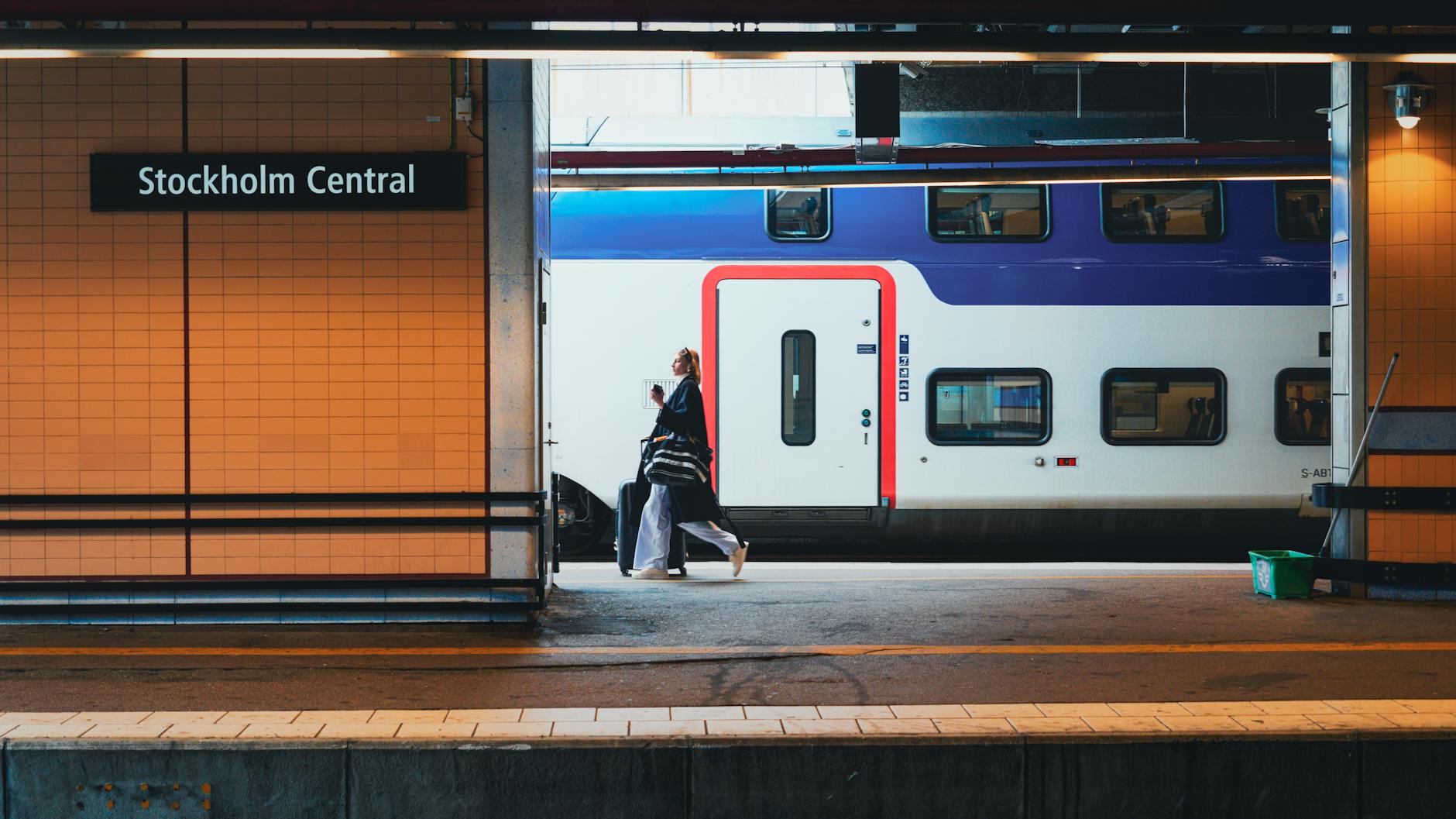
Getting Around Sweden
Sweden is easy to move around when your route fits the transport network. It becomes frustrating when you pretend distance does not matter.
The Core Rule
Use trains for Stockholm, Gothenburg, Malmö, Lund, Uppsala, and much of south/central Sweden. Use ferries for archipelagos, Gotland, and island travel. Use domestic flights or night trains for the far north when time is limited. Use cars for countryside, coast, Dalarna, Skåne villages, Småland, and flexible nature travel.
Trains
Sweden’s main intercity train corridors are highly useful for travelers. Stockholm–Gothenburg and Stockholm–Malmö are classic routes, and Visit Sweden highlights both as popular train lines.[8] SJ is a primary rail-booking source for Swedish train journeys.[9]
Best for: Stockholm–Gothenburg, Stockholm–Malmö/Lund, Stockholm–Uppsala, Stockholm–Dalarna, Gothenburg–Malmö, Copenhagen–Malmö–Stockholm, and selected northern routes.
Book ahead if: Traveling on weekends, holidays, summer, Christmas/New Year, ski periods, or popular long-distance routes.
Common mistake: Assuming trains are always cheap last minute. Swedish trains can be excellent value booked ahead and expensive booked late.
Night Trains
Night trains are useful for Stockholm to northern Sweden and can make Lapland feel like a journey rather than a flight transfer.
Best for: Kiruna, Abisko, Luleå, Umeå, and travelers who value lower-carbon travel or the romance of rail.
Watch out: Sleeper cabins should be booked early in peak periods. Check arrival times, luggage, and onward transfers.
Domestic Flights
Domestic flights make sense when distance is large and time is short, especially for Kiruna, Luleå, Umeå, and other northern destinations.
Best for: Short trips to Swedish Lapland, business-style routes, or travelers with limited vacation time.
Tradeoff: Faster but less scenic and less climate-friendly than rail.
Ferries and Boats
Ferries are central to Sweden travel. In Stockholm and Gothenburg, ferries can function as public transport, day trips, or the main activity. Gotland usually requires a ferry or flight. The Stockholm archipelago, Gothenburg archipelago, west-coast islands, and Gotland all run on seasonal schedules.
Best for: Stockholm archipelago, Gothenburg islands, Gotland, coastal trips, and summer travel.
Book ahead: Gotland ferries, peak-summer island lodging, car spots where relevant, and special boat tours.
Public Transport in Cities
Visit Sweden notes that Swedish cities have their own networks of buses, metro, trams, ferries, and app-based ticket options.[10]
Stockholm: Metro, commuter rail, buses, trams, and ferries; SL app/tickets.
Gothenburg: Trams, buses, ferries; Västtrafik app/tickets.
Malmö/Skåne: Trains and buses; Skånetrafiken app/tickets; easy Copenhagen connection.
The Move: Download the local transit app before arrival. Do not expect to buy paper tickets from every driver.
Driving
Driving is useful outside major cities, especially for Dalarna, Skåne countryside, Bohuslän, Småland, Öland, Gotland, national parks, and rural stays. It is less useful in central Stockholm or Gothenburg.
Best for: Countryside, coast, islands where cars are allowed, rural hotels, family trips, photographers, and nature travelers.
Watch out: Winter driving, wildlife, speed cameras, parking costs, ferry reservations, alcohol limits, and rural distances.
Never assume: That the right of public access lets you drive or park anywhere. Off-road driving on natural land is not covered and is generally illegal.[12]
Cycling
Cycling is excellent in southern Sweden, cities, islands, and selected trails. Malmö and parts of Skåne are particularly bike-friendly. Gotland, Öland, and archipelagos can be rewarding for cycling if wind and distance are respected.
Best for: Skåne, Malmö, Gotland, Öland, Stockholm parks/islands, Gothenburg islands, and summer trips.
Watch out: Weather, wind, ferry schedules, helmets, traffic rules, and e-bike availability.
Walking
Swedish cities are walkable by district, and many towns reward slow walking. The issue is not terrain in most cities but weather, ice, and distance between areas.
Footwear: Bring comfortable shoes. In winter, bring traction-aware footwear for ice.
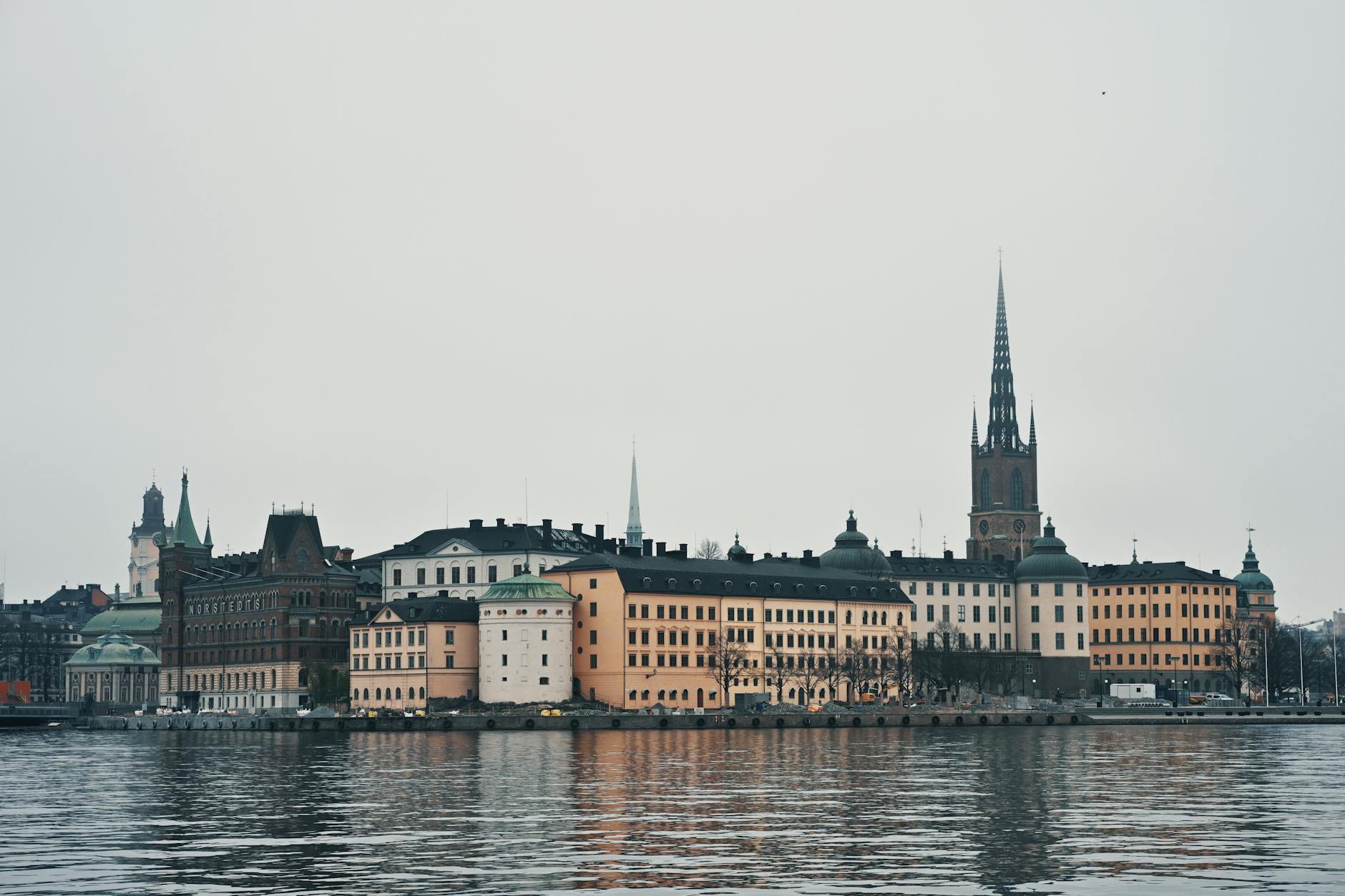
Budget and Costs
Sweden is not a bargain destination, but it is controllable if you plan well. The most expensive mistakes are late hotel bookings, late train bookings, too many taxis, too much alcohol, peak-summer island travel without reservations, and winter Lapland activities piled back-to-back.
Daily Budget Ranges
These are planning ranges for one person, excluding long-distance flights, major shopping, and very expensive specialty experiences. Verify prices before publication.
| Traveler type | Daily estimate | What it means |
|---|---|---|
| Shoestring | 700–1,100 SEK | Hostel or budget room share, grocery breakfasts, lunch specials, public transport, free museums/walks/swims, limited paid attractions. |
| Budget comfort | 1,100–1,800 SEK | Simple hotel or private hostel room, casual meals, fika, transit, one paid museum/activity, careful alcohol spending. |
| Mid-range | 1,800–3,200 SEK | Good city hotel, restaurants, museums, trains booked ahead, occasional drinks, day trips. |
| Comfortable | 3,200–5,500 SEK | Better hotels, strong restaurants, taxis when useful, guided tours, archipelago/coastal stays, occasional splurges. |
| Luxury | 5,500+ SEK | High-end hotels, destination restaurants, private guides, premium Lapland activities, design hotels, spa/coastal/island stays. |
What Costs More Than Visitors Expect
- Hotels in Stockholm and peak-summer coastal/island areas.
- Alcohol in bars and restaurants.
- Last-minute intercity trains.
- Taxis.
- Winter Lapland lodging and activities.
- Peak Midsummer or July archipelago/Gotland stays.
- Guided activities in remote areas.
What Can Be Better Value
- Dagens lunch daily specials.
- Public transport instead of taxis.
- Ferries as scenic experiences.
- Free outdoor swimming, parks, viewpoints, and walks.
- Grocery picnics in summer.
- Museums with bundled or family-friendly value.
- Shoulder-season city trips.
- Trains booked early.
Splurge-Worthy
- A well-located Stockholm hotel for a short trip.
- A proper seafood meal in Gothenburg or on the west coast.
- One destination restaurant if food matters.
- A summer island stay rather than just a rushed day trip.
- Sleeper cabin on a long northern train route.
- Quality winter gear or guided Arctic activities.
- A car for a short rural/coastal stretch when it saves time and opens better places.
Usually Not Worth It
- Renting a car for central Stockholm.
- Flying between Stockholm and Gothenburg if the train fits your schedule.
- Paying for a “northern lights guarantee” mindset. No one controls clouds.
- Overpriced tourist menus in the most obvious old-town streets.
- Too many one-night stops across a long country.
- A cheap hotel far from transport that burns time every day.
The Move
Spend money on location, season, and logistics. Sweden is expensive when you fight the country: late trains, bad hotels, unnecessary taxis, remote places without plans. It feels much better value when you route cleanly and book the scarce pieces early.
Safety, Health, and Weather
Sweden is generally a safe and well-organized destination for travelers, but no country is risk-free. The most relevant risks for visitors are petty theft in busy areas, nightlife judgment, weather, cold, ice, rural/northern conditions, water safety, ticks/mosquitoes in nature, and terrorism-related public vigilance.
General Safety
The U.S. State Department currently advises travelers to exercise increased caution in Sweden due to terrorism risk.[18] Canada and Australia also advise heightened vigilance in public spaces because of terrorism risk.[19][20]
This does not mean Sweden is unsafe in ordinary travel terms. It means visitors should stay aware in crowded public areas, follow local alerts, and use normal urban judgment.
Practical safety habits:
- Watch bags and phones in stations, tourist streets, bars, and crowded events.
- Use licensed taxis or app-based services where available.
- Avoid drunk confrontations late at night.
- Stay alert around demonstrations or major public gatherings.
- Follow police and official instructions.
- In winter, take ice and cold seriously.
Common Scams and Annoyances
Sweden has fewer tourist scams than many major destinations, but travelers can still encounter:
- Pickpocketing in crowded stations or tourist areas.
- Overpriced tourist restaurants in obvious locations.
- Fake ticket/resale issues for events.
- Taxi pricing confusion if using unregulated or unclear services.
- Rental-car damage disputes.
- Nightlife overcharging in unclear bars or clubs.
The move: Use official ticket platforms, verify taxi pricing, keep your phone secure, and avoid deals that rely on pressure.
Health Basics
The CDC traveler page for Sweden emphasizes routine vaccination considerations such as measles/MMR for international travel and notes that rabies in dogs is not commonly found in Sweden.[21]
Practical health notes:
- Tap water is safe.
- Pharmacies are common in cities and towns.
- Healthcare is high quality, but travelers should carry insurance.
- 1177 is the general Swedish healthcare advice service.
- Ticks can be an issue in some natural areas; check yourself after forest/grass exposure.
- Mosquitoes and midges can be annoying in summer, especially inland/northern nature areas.
- Cold exposure, slips on ice, and winter driving are real risks.
Weather Risks
Summer: Rain, wind, chilly evenings, sun exposure, cold water, and mosquitoes.
Autumn: Shortening daylight, wet conditions, slippery trails.
Winter: Ice, snow, darkness, cold, transit delays, whiteout conditions in mountain/northern areas.
Spring: Snowmelt, mud, cold water, unstable weather.
Outdoor and Water Safety
Sweden’s access to nature can make visitors too casual. Lakes, rivers, sea, winter ice, and remote trails require judgment.
- Do not swim alone in unfamiliar cold water.
- Respect local warnings about currents, algae blooms, or ice safety.
- Do not walk on sea/lake ice unless you know conditions or are with a qualified guide.
- Carry layers, food, water, and offline maps in remote areas.
- Follow fire bans and camping rules.
- In mountains or Lapland, use local guidance and do not overestimate your ability.
Traveler-Specific Safety
Solo travelers: Sweden is one of Europe’s easier solo destinations, especially in cities and by rail. Normal nightlife caution still applies.
Solo women travelers: Many women find Sweden comfortable and safe-feeling. Use standard precautions around bars, late-night transit, and isolated areas.
LGBTQ+ travelers: Sweden is broadly LGBTQ+ friendly by global standards, with visible queer life especially in Stockholm, Gothenburg, and Malmö. Rural/social contexts can vary, but legal and urban environments are generally supportive.
Families: Sweden is strong for families: museums, parks, transit, swimming, ferries, family-friendly hotels, and outdoor space. Watch winter cold and stroller logistics.
Older travelers: Good infrastructure helps, but winter ice, long walking days, stairs, and rural distances require planning.
Accessibility and Mobility
Sweden is generally better than many destinations for accessibility in public infrastructure, but it is not effortless. Older buildings, cobblestones, winter ice, island ferries, rural lodging, and nature trails can create barriers.
What Helps
- Modern public transport in major cities.
- Elevators and step-free routes in many stations and museums.
- Good signage and English-language support in many visitor settings.
- Accessible taxis in larger cities when booked properly.
- High-quality museums, hotels, and civic spaces.
- Ferries and newer public spaces that often consider accessibility.
What Is Hard
- Cobblestones and slopes in Gamla Stan and older towns.
- Winter ice and snow.
- Older boutique hotels without full accessibility.
- Small restaurants in historic buildings.
- Island ferries/docks depending vessel and weather.
- Remote cabins and rural nature stays.
- Outdoor trails, gravel paths, and beaches.
Lower-Walking Strategy
Stay near central stations or well-connected transit. In Stockholm, choose Norrmalm, Östermalm, or a transit-convenient Södermalm location rather than a charming but awkward hillside or old-town stay. Use ferries, trams, taxis, and museums strategically. In winter, prioritize hotels with easy access to restaurants and transit.
The Move
Do not accept “Sweden is accessible” as enough. Check the exact hotel entrance, station elevator route, ferry boarding, museum access page, and winter conditions for your dates.
Families, Solo Travelers, LGBTQ+ Travelers, and Special Considerations
Families With Children
Sweden is excellent with children if you pace the trip properly. The country offers safe-feeling cities, clean public transport, parks, ferries, islands, family museums, swimming, playgrounds, and nature without extreme logistical stress in the south.
Best family bases: Stockholm, Gothenburg, Malmö/Lund, Gotland in summer, Småland for Astrid Lindgren-related travel, Dalarna for lakes/countryside, Åre for mountain resorts, Lapland for winter activities.
Family highlights: Vasa Museum, Skansen, Junibacken, Stockholm ferries, Gothenburg’s Universeum and Liseberg, beaches in Skåne/Gotland/Öland, swimming lakes, archipelago picnics, train rides, Dalarna, and winter snow activities.
Family tips:
- Avoid too many one-night stays.
- Book family rooms early in summer.
- Use apartments or aparthotels if eating out every meal gets expensive.
- Keep winter days short and warm-up-friendly.
- Check stroller access in old towns and ferries.
- Do not overload kids with long museums every day when ferries and parks may be the real hit.
Solo Travelers
Sweden is an easy solo country if you enjoy independence. Trains, museums, cafés, food halls, and city walks work well alone. Stockholm and Gothenburg have enough English-language infrastructure to reduce friction.
Solo tips:
- Stay central to reduce late-night transport stress.
- Use cafés, food halls, museum restaurants, and casual bars for easy solo meals.
- Join guided walks, food tours, outdoor tours, or northern lights activities if you want social contact.
- In rural/nature areas, tell someone your plans and respect conditions.
LGBTQ+ Travelers
Sweden is one of the more LGBTQ+ friendly destinations in Europe by legal and social standards, especially in major cities. Stockholm, Gothenburg, and Malmö have queer venues and Pride events.
Practical note: Public affection is generally safer than in many countries, but social norms are not identical everywhere. Use the same judgment you would in any unfamiliar place.
Older Travelers
Sweden can be very comfortable for older travelers: good hotels, clean transport, museums, ferries, and safe-feeling cities. The main planning issues are walking distances, winter ice, remote nature, luggage on trains, and hotel room size/location.
Best approach: Stay central, use trains, avoid overpacking, book elevators and accessible rooms explicitly, and choose fewer regions.
Remote Workers and Long-Stay Visitors
Sweden is attractive for longer stays if budget and visa status work: good connectivity, safe cities, cafés, libraries, coworking, and high quality of life. Stockholm is the obvious base; Gothenburg and Malmö may offer better value and a more relaxed daily rhythm.
Watch out: Schengen rules, rental availability, high costs, dark winters, and the difference between visiting Sweden and building a social life there.
Shopping and Souvenirs
Sweden is a strong shopping country if you care about design, textiles, food, books, outdoor gear, music, and everyday objects.
What Sweden Is Known For
- Furniture and home design.
- Lighting and glassware.
- Textiles, blankets, linens, and wool items.
- Ceramics and tableware.
- Outdoor clothing and gear.
- Fashion and minimalist clothing.
- Children’s books and toys.
- Swedish food gifts: crispbread, jam, chocolate, coffee, candy, herring if transport rules allow, cloudberry products, and licorice.
- Music, vinyl, and pop-culture items.
- Sami handicraft, where purchased ethically from authentic makers.
Best Shopping Areas
| Area | Best for |
|---|---|
| Stockholm: Norrmalm/City | Department stores, fashion, design, mainstream shopping. |
| Stockholm: Östermalm | Luxury, food halls, design, antiques, refined gifts. |
| Stockholm: Södermalm | Vintage, independent shops, cafés, records, local fashion. |
| Gothenburg: Haga/Linné/central | Cafés, local boutiques, design, food, music, secondhand. |
| Malmö | Contemporary design, food, fashion, multicultural shops. |
| Småland/Glasriket | Glassware and craft traditions. |
| Dalarna | Dala horses, crafts, textiles, folk-inspired goods. |
| Lapland/Sami areas | Sami handicraft, only from authentic and respectful sources. |
What to Buy Carefully
- Sami-inspired items that are not made by Sami artisans.
- Mass-produced “Nordic” souvenirs with no local connection.
- Food products that may be restricted by your home country.
- Fragile glassware without proper packing.
- Wool/outdoor gear you could buy cheaper at home unless it is distinctive.
The Move
Use Sweden for things you will actually live with: a wool blanket, glass, lighting, kitchen tools, coffee, books, functional clothing, or a simple object whose design improves daily life.
Arts, Culture, History, and Context
Sweden’s appeal is not just pretty towns and clean trains. The country’s travel texture comes from centuries of monarchy, Lutheran culture, maritime power, rural hardship, industrial transformation, social democracy, migration, design, music, environmental politics, and its relationship with the far north and the Sami people.
Short History for Travelers
Sweden’s Viking-era past is part of the story, but it is not the whole story. Medieval Sweden developed through kingdoms, Christianity, trade, agriculture, and Baltic connections. Stockholm grew into a political and commercial center. In the 17th century, Sweden became a major European power, with military reach around the Baltic and beyond. The Vasa ship, now preserved in Stockholm, is a dramatic symbol of that era’s ambition and failure.
Over time, Sweden shifted from empire to a more inward-building nation. Rural poverty, emigration, industrialization, labor movements, neutrality policies, welfare-state development, and modern design all shaped the country visitors see today. The red cottages that look picturesque now also connect to rural history, resource use, and the famous Falu red pigment linked to Falun’s copper mining heritage.
Modern Sweden is wealthy, innovative, and globally influential in music, design, technology, and social policy, but it also faces contemporary pressures: housing, integration, gang violence, climate change, tourism concentration, energy politics, and debates around identity and security.
Sami Context
The Sami are an Indigenous people whose traditional homelands stretch across northern Norway, Sweden, Finland, and Russia’s Kola Peninsula. In Sweden, Sami culture is central to understanding the north, but it should not be consumed as a costume or performance detached from real people, rights, land use, and history.
Responsible approach: Choose Sami-led or Sami-approved experiences when possible, ask questions respectfully, avoid fake handicrafts, and remember that reindeer herding, language, land, tourism, and culture are living issues.
Museums and Cultural Institutions
| Place | Best for | Notes |
|---|---|---|
| Vasa Museum, Stockholm | Maritime history, families, first-timers | One of Sweden’s strongest museums. |
| Skansen, Stockholm | Open-air history, families, seasonal traditions | Good for context, especially with kids. |
| Nordic Museum, Stockholm | Swedish cultural history | Pairs well with Djurgården. |
| Moderna Museet, Stockholm/Malmö | Modern and contemporary art | Strong for art/design travelers. |
| Fotografiska, Stockholm | Photography, evening culture | Good flexible city option. |
| ABBA The Museum, Stockholm | Pop music fans | Worth it if you care; skippable if not. |
| Gothenburg Museum of Art | Nordic art, culture | Strong Gothenburg anchor. |
| Universeum, Gothenburg | Families, science | Useful family/rain plan. |
| Falun Mine, Dalarna | Industrial heritage, UNESCO context | Strong countryside/history stop. |
| Gotland Museum, Visby | Island history | Good grounding before exploring Gotland. |
| Ájtte Museum, Jokkmokk | Sami and mountain culture | Important northern cultural context. |
Books, Films, Music, and Cultural Prep
A Sweden guide should include a curated cultural prep section by interest rather than a random list.
Possible angles:
- Swedish crime fiction and Nordic noir.
- Astrid Lindgren for family/countryside imagination.
- Ingmar Bergman and Fårö/Gotland for film travelers.
- ABBA, Roxette, Robyn, Max Martin, Swedish pop, metal, and electronic music.
- Design and architecture books on Scandinavian modernism.
- Sami culture and northern history from Sami voices.
- Food writing on fika, fermentation, seafood, and Nordic cooking.
Etiquette and Cultural Norms
- Queue properly.
- Keep voices moderate in public transport and shared spaces.
- Respect personal space.
- Be punctual.
- Do not assume strangers want small talk, but do not mistake reserve for rudeness.
- Remove shoes in private homes unless told otherwise.
- Follow sauna and swimming rules exactly.
- Ask before photographing people closely.
- Keep nature clean and quiet.
- Do not treat the right of public access as a party license.
- Use first names in many settings; Swedish formality is often low, but respect is still expected.
- Learn basic words: hej, tack, ursäkta, hej då.
Seasonal and Month-by-Month Guide
Spring
Spring arrives unevenly. Skåne and southern cities wake up earlier; northern and mountain areas may remain snowy or muddy. May is often the best spring month for travelers because days are long and city life feels open again.
Best experiences: Stockholm and Gothenburg city breaks, parks, museums, cafés, Malmö/Lund, early cycling in the south, shoulder-season food trips.
Watch out: April can be in-between. Trails may be muddy, islands may not be fully active, and weather swings are normal.
Summer
Summer is Sweden’s headline season. It is when the country moves outward: cottages, islands, lakes, boats, beaches, flowers, long evenings, festivals, and Midsummer.
Best experiences: Stockholm archipelago, Gotland, Öland, Gothenburg archipelago, Bohuslän, Skåne beaches, Dalarna, lakes, Kungsleden/mountain hiking later in season, outdoor dining, swimming.
Watch out: Book early for July, Midsummer, Gotland, west-coast villages, and island stays. Some city restaurants/offices may close for vacation periods.
Autumn
Autumn begins beautifully, especially September. Food, color, cooler air, and fewer crowds make it a smart city-and-countryside season. Later autumn becomes darker and wetter.
Best experiences: Stockholm/Gothenburg/Malmö food and culture, Dalarna color, northern fall color, early aurora attempts, museums, design travel.
Watch out: November can feel bleak for first-timers unless you are focused on cities and interiors.
Winter
Winter transforms Sweden. Stockholm can be beautiful but icy and dark. The north becomes the main character: snow, auroras, skiing, dog sledding, frozen rivers, blue light, and serious cold.
Best experiences: Swedish Lapland, Åre, Christmas markets, saunas, winter bathing, museums, cozy restaurants, northern lights, snow activities.
Watch out: Darkness, cold, weather disruption, high costs in Lapland, and winter driving.
Key Annual Timing Issues
- Midsummer: Late June; major holiday and travel period.
- July vacation: Many Swedes take summer holidays; coastal/island areas peak.
- Crayfish season: Late summer, especially August.
- Lucia: December 13; atmospheric candlelit tradition.
- Christmas/New Year: Festive but closures and peak travel can affect plans.
- Winter sport holidays: School breaks can raise demand in ski and Lapland areas.
- Northern lights: Broadly September–March in Arctic Sweden, conditions permitting.
- Midnight sun: Northern Sweden in summer; exact dates vary by latitude.
Month-by-Month Planning Table
| Month | Weather and mood | Best uses | Caution |
|---|---|---|---|
| January | Dark, cold, snowy north. | Lapland, skiing, saunas, quiet cities. | Short days and cold. |
| February | Winter with improving light. | Lapland, Åre, snow activities. | Book holidays early. |
| March | Snow north, longer days. | Winter sports, auroras, late winter. | Slush in some southern areas. |
| April | Transition. | City breaks, museums, lower crowds. | In-between outdoors. |
| May | Spring, long days. | Stockholm, Gothenburg, Malmö, Lund. | Not full summer island season. |
| June | Early summer, Midsummer. | Islands, ferries, Dalarna, outdoor dining. | Midsummer closures/bookings. |
| July | Peak summer. | Gotland, west coast, archipelago, lakes. | High demand and prices. |
| August | Late summer. | Crayfish, islands, city culture returning. | Weather shifts late month. |
| September | Shoulder season. | Cities, food, autumn, early auroras north. | Cooler evenings. |
| October | Autumn, shorter days. | Museums, design, food, photography. | Rain and darkness increase. |
| November | Dark shoulder. | Low-crowd city trips only. | Weak first-timer month. |
| December | Christmas and winter. | Markets, Lucia, Lapland, cozy cities. | Closures, darkness, peak costs. |
Day Trips and Side Trips
From Stockholm
| Destination | Best for | Time needed | Notes |
|---|---|---|---|
| Drottningholm Palace | Royal history, architecture, gardens | Half-day | Easy classic day trip. |
| Uppsala | Cathedral, university, history | Half-day/full day | Strongest substantial city day trip. |
| Sigtuna | Small-town charm, early history | Half-day | Pretty and calm. |
| Vaxholm | Archipelago taste | Half-day/full day | Easy first island/coastal outing. |
| Sandhamn | Outer archipelago atmosphere | Full day/overnight | Better in summer with ferry planning. |
| Birka | Viking history | Full day/seasonal | Check boat schedules. |
| Mariefred/Gripsholm | Castle, small town | Full day | Good slower history day. |
| Tyresta National Park | Nature, forest, hiking | Half-day/full day | Good outdoor break from the city. |
From Gothenburg
| Destination | Best for | Time needed | Notes |
|---|---|---|---|
| Southern archipelago | Car-free islands, swimming, walks | Half-day/full day | Easy by tram/ferry planning. |
| Marstrand | Fortress, sailing, coastal atmosphere | Full day | Classic west-coast day. |
| Tjörn/Orust | Coast, art, villages | Full day/overnight | Easier with car. |
| Bohuslän villages | Seafood, granite coast | 1–3 days | Better as overnight than rushed. |
| Alingsås | Cafés/fika | Half-day | Good low-key trip. |
| Trollhättan | Locks, industrial/nature | Full day | Niche but interesting. |
From Malmö/Lund
| Destination | Best for | Time needed | Notes |
|---|---|---|---|
| Copenhagen | Cross-border city pairing | Full day+ | Easy by train across Öresund. |
| Lund | Cathedral, university, calm streets | Half-day/full day | Easy from Malmö. |
| Ystad | Coast, old town, Wallander associations | Full day | Good southern outing. |
| Österlen | Food, farms, beaches, art | Full day/overnight | Better with car. |
| Ales Stenar | Ancient stone ship, sea views | Full day | Weather matters. |
| Helsingborg/Sofiero | Coast, gardens, Denmark views | Full day | Good northwest Skåne route. |
| Ven | Island cycling | Full day/seasonal | Check ferries. |
Regional Extensions
Best 3-day extension from Stockholm: Gotland, Dalarna, Gothenburg, or Swedish Lapland by flight if winter-focused.
Best 5-day extension: Gothenburg + Bohuslän, Malmö/Lund + Skåne, Gotland + Fårö, or Kiruna/Abisko.
Best one-week extension: Stockholm + west coast; Stockholm + Skåne/Copenhagen; Stockholm + Dalarna; Stockholm + Lapland winter route.
The Move
Treat day trips as relief, not obligation. Sweden’s best side trips are often slow: a ferry, a small town, a swim, a café, a museum, a walk back to the station.
What to Skip
This is not about dismissing Sweden’s famous places. It is about protecting the trip.
Skip: Trying to Include Lapland as a Casual Add-On
Swedish Lapland is extraordinary, but it is far, seasonal, and expensive. A one-night northern lights attempt is often more stress than magic.
Better alternative: Give Lapland at least 3–4 nights or save it for a dedicated winter/summer Arctic trip.
Skip: Staying Only in Gamla Stan
Gamla Stan is beautiful, but if you only see Stockholm’s old town you miss the living city.
Better alternative: Add Södermalm, Djurgården, Östermalm, Vasastan, ferries, and the archipelago.
Skip: Treating Gothenburg as Optional If Food and Coast Matter
Stockholm is more famous, but Gothenburg and the west coast may be the better route for seafood, relaxed travel, and summer island life.
Better alternative: Add Gothenburg for two or three nights if your trip has room.
Skip: Peak Gotland Without Reservations
Gotland is magical in summer and frustrating when everything is booked or overpriced.
Better alternative: Book early, go shoulder season, or choose a different island/coast route.
Skip: Renting a Car for City Days
A car in central Stockholm or Gothenburg is usually a nuisance.
Better alternative: Use rail and public transport in cities, then rent only for a countryside/coast stretch.
Skip: Aurora Obsession
Northern lights can be unforgettable, but planning every night around them can turn a trip into weather anxiety.
Better alternative: Book activities, food, sauna, snow, and landscapes you want regardless of aurora outcome.
Skip: Overpriced Old-Town Tourist Meals
Some old-town restaurants are fine; others are coasting on location.
Better alternative: Eat in Södermalm, Vasastan, Östermalm, food halls, or well-reviewed neighborhood restaurants.
Skip: Assuming “Nature Is Free” Means “No Rules”
Allemansrätten is a privilege with obligations.
Better alternative: Learn the basics, check protected-area rules, avoid private homes, carry out trash, and respect fire bans.
Common Mistakes
- Trying to see too much of a long country. Sweden is not compact.
- Adding Lapland without enough time. It deserves a real plan.
- Booking trains too late. Fares and availability can punish procrastination.
- Ignoring ferry schedules. Islands run on timetables, not vibes.
- Underestimating summer demand. Gotland, west coast, archipelagos, and Midsummer book up.
- Assuming Sweden uses the euro. It uses Swedish krona.
- Carrying too much cash. Sweden is card-forward and some places are cashless.
- Staying in a pretty but inconvenient location. Transport access matters.
- Treating fika as just dessert. It is a rhythm and social pause.
- Eating only meatballs. Swedish food is broader, especially seafood, baking, berries, and modern Nordic cooking.
- Visiting Stockholm but skipping ferries. Water is central to the city.
- Not packing layers in summer. Swedish weather changes.
- Not packing proper gear in winter. Cold and ice are real.
- Assuming auroras are guaranteed. They are not.
- Driving in winter casually. Snow, ice, darkness, and wildlife require respect.
- Misusing the right of public access. It has limits and responsibilities.
- Skipping Malmö because Copenhagen is nearby. Malmö has its own value.
- Underestimating alcohol costs. Drinks can distort the budget.
- Overplanning every day. Sweden rewards pauses: water, woods, coffee, sauna.
- Thinking Sweden is boring because it is orderly. The subtlety is the point.
Responsible Travel
Sweden gives visitors unusual access to public space and nature. The bargain is that visitors must behave in ways that preserve it.
Do
- Learn the basics of allemansrätten.
- Carry out trash.
- Stay away from private homes and gardens.
- Respect fire bans.
- Use marked trails in sensitive areas.
- Choose Sami-led experiences and authentic Sami handicraft where relevant.
- Support local bakeries, cafés, guides, ferries, and small hotels.
- Use trains and ferries where practical.
- Book legal accommodation.
- Keep noise low in residential areas, islands, and nature.
- Swim, camp, and picnic with care.
Do Not
- Treat islands or forests as party zones.
- Light fires during bans or on fragile rock/soil.
- Drive off-road on natural land.
- Buy fake Sami souvenirs.
- Geotag fragile nature spots without thinking.
- Enter private yards because the view is nice.
- Ignore ferry and local community constraints in small islands.
- Assume every tradition exists for tourist entertainment.
Local Logic
Sweden works because public trust is high. Visitors benefit from that trust every time they use a clean train, swim from a city dock, walk through a forest, or board a ferry. The right response is not fear of doing something wrong; it is care.
Packing List
Essentials
- Comfortable walking shoes.
- Waterproof or water-resistant jacket.
- Layers, even in summer.
- Adapter for Type C/F outlets.
- Credit/debit cards with low fees.
- Small backup cash in SEK if desired, but do not rely on cash.
- Reusable water bottle.
- Day bag.
- Portable battery pack.
- Swimwear.
- Sunglasses and sunscreen for summer.
- Hat and gloves for shoulder/winter seasons.
- Offline maps and transport apps.
- Travel insurance.
Summer Additions
- Light layers for cool evenings.
- Rain shell.
- Swimwear and quick-dry towel.
- Insect repellent for inland/northern nature.
- Sleep mask if long daylight bothers you.
- Picnic blanket or compact sit pad.
- Cycling clothes if relevant.
Winter Additions
- Insulated waterproof boots with good grip.
- Thermal base layers.
- Warm mid-layer.
- Serious winter coat for Lapland.
- Hat, gloves/mittens, scarf/neck gaiter.
- Wool socks.
- Hand warmers for aurora nights.
- Lip balm and moisturizer.
- Traction cleats if icy sidewalks worry you.
- Camera batteries kept warm.
Lapland Additions
- Arctic-rated outerwear if not provided by tour operators.
- Headlamp for dark areas.
- Power bank.
- Ski goggles or sunglasses for snow glare/wind.
- Medication and essentials in carry-on if flights/trains are delayed.
What Not to Overpack
- Too many dressy clothes. Sweden is stylish but not overly formal in most settings.
- Large amounts of cash.
- Heavy shoes you will not wear.
- Bulky winter gear if your tour/operator provides outerwear; confirm first.
- A rigid itinerary with no weather flexibility.
FAQ
Is Sweden worth visiting for a first trip to Scandinavia?
Yes. Sweden is one of the best introductions to Scandinavia because it combines a major capital, efficient trains, archipelagos, design, food, history, islands, forests, and access to the far north. Denmark may be easier for a compact first Nordic city trip; Norway may be more dramatic for fjords; Finland may feel quieter and more eastern/northern. Sweden sits well between city, coast, nature, and culture.
How many days should I spend in Sweden?
Spend at least 3–4 days for Stockholm only, 7 days for Stockholm plus one region, and 10–14 days for a broader first trip. Add more if you want Lapland, Gotland, and the west coast in one journey.
What is the best first-time itinerary?
Stockholm for 4 nights plus either Gothenburg/west coast, Skåne/Malmö/Lund, Dalarna, Gotland, or Swedish Lapland depending season. The safest default is Stockholm + Gothenburg or Stockholm + archipelago/Uppsala/Sigtuna for shorter trips.
Is Stockholm enough for a first Sweden trip?
For a short trip, yes. Stockholm plus a few day trips can be excellent. For a deeper country guide, though, Sweden becomes much richer when you add one other region.
Is Sweden expensive?
Yes, compared with many destinations, especially for hotels, restaurants, alcohol, taxis, peak-summer islands, and winter Lapland. It is manageable with lunch specials, public transport, grocery picnics, early train bookings, and shoulder-season travel.
Does Sweden use the euro?
No. Sweden uses the Swedish krona, abbreviated SEK or kr.[5]
Do I need cash in Sweden?
Usually not much. Sweden is heavily card-oriented, and some places are cashless. Carry a card that works reliably, and keep a small cash backup only for edge cases.
Is Sweden safe?
Sweden is generally safe and organized for visitors, but travelers should stay aware in public spaces, watch for petty theft, use nightlife judgment, and follow current official security guidance. The U.S. State Department currently advises increased caution due to terrorism risk.[18]
What is the best month to visit Sweden?
June is excellent for long light and early summer; July is peak summer for islands and coast; August is still strong and slightly calmer late in the month; May and September are great for cities; February and March are strong for winter/Lapland.
Can I see the northern lights in Sweden?
Yes, especially in Arctic Sweden from September to March, but they are never guaranteed.[13] Stay multiple nights in the north and choose a trip you would enjoy even without auroras.
Should I rent a car in Sweden?
Not for Stockholm or most city-to-city travel. Rent a car for rural Skåne, Bohuslän, Dalarna, Småland, Gotland, Öland, and selected nature routes. In winter, only rent if you are comfortable with snow, ice, darkness, and local driving rules.
Is Gothenburg worth visiting?
Yes, especially for seafood, a more relaxed city mood, trams, museums, cafés, and access to the west-coast archipelago. It pairs naturally with Stockholm by train.
Is Malmö worth visiting?
Yes. Malmö is diverse, food-forward, design-minded, and easy to combine with Copenhagen and Lund. It should not be dismissed as only a transit stop.
Is Gotland worth it?
Yes, if you have the time and season. Gotland is distinctive, atmospheric, and beautiful, especially in summer and early shoulder season. Book early for peak periods.
What should I book ahead?
Peak-summer lodging in Gotland, archipelagos, and west-coast towns; Midsummer stays; long-distance trains; Lapland winter lodging and activities; Icehotel-style experiences; popular restaurants; and ferries where timing matters.
What is the biggest mistake first-timers make?
Trying to make Sweden smaller than it is. Build one clean route and leave space for fika, ferries, islands, weather, and slow moments.
Source Notes
Date-sensitive details in this guide were checked against official or high-reliability sources where possible. Re-check every visa rule, ETIAS/EES status, transport fare, rail schedule, ferry timetable, opening hour, activity price, safety advisory, and seasonal condition before publication.
- 1. Swedish Migration Agency, “Apply for a Schengen visa (visiting Sweden for up to 90 days),” https://www.migrationsverket.se/en/you-want-to-apply/visiting-sweden/visiting-sweden-for-up-to-90-days-entry-visa.html
- 2. Visit Sweden, “Passport and visa information for travelling to Sweden,” https://visitsweden.com/about-sweden/passport-and-visas/
- 3. European Union, “Entry/Exit System (EES),” https://home-affairs.ec.europa.eu/policies/schengen/smart-borders/entry-exit-system_en
- 4. European Union, “European Travel Information and Authorisation System (ETIAS),” https://travel-europe.europa.eu/en/etias
- 5. Visit Sweden, “Currency, credit cards and cash in Sweden,” https://visitsweden.com/about-sweden/currency-prices/
- 6. SOS Alarm, “112 – in case of urgent emergencies,” https://www.sosalarm.se/en/112-and-other-important-numbers/important-phone-numbers/112--swedens-emergency-number-for-urgent-assistance/
- 7. Visit Sweden, “Swedish weather and climate,” https://visitsweden.com/about-sweden/weather-and-climate/
- 8. Visit Sweden, “Travelling around Sweden by train,” https://visitsweden.com/about-sweden/getting-around-sweden-train/
- 9. SJ, “Buy tickets for trains in Sweden on sj.se,” https://www.sj.se/en
- 10. Visit Sweden, “Public transport in Sweden – buses, trams, ferries & more,” https://visitsweden.com/about-sweden/public-transportation/
- 11. Visit Sweden, “Allemansrätten – Sweden’s right of public access,” https://visitsweden.com/what-to-do/nature-outdoors/nature/sustainable-and-rural-tourism/the-right-of-public-access/
- 12. Swedish Environmental Protection Agency, “The right of public access,” https://www.naturvardsverket.se/499a9c/globalassets/vagledning/allemansratten/material/2025-handbok-engelska-latt-att-gora-allemansratt-a4-enskilda-sidor.pdf
- 13. Visit Sweden, “When and where to see the magical Northern Lights in Sweden,” https://visitsweden.com/where-to-go/northern-sweden/arctic-sweden/abisko-and-northern-lights/
- 14. Visit Sweden, “Celebrate Midsummer in Sweden,” https://visitsweden.com/what-to-do/culture-history-and-art/swedish-traditions/midsummer-tradition/midsummer/
- 15. Visit Sweden, “Explore the Stockholm archipelago,” https://visitsweden.com/where-to-go/middle-sweden/stockholm/stockholm-archipelago/
- 16. Visit Sweden, “Gothenburg (Göteborg), Sweden’s second biggest city,” https://visitsweden.com/where-to-go/southern-sweden/goteborg/
- 17. Visit Sweden, “Sweden’s official website for tourism and travel information,” https://visitsweden.com/
- 18. U.S. Department of State, “Sweden Travel Advisory,” https://travel.state.gov/content/travel/en/traveladvisories/traveladvisories/sweden-travel-advisory.html
- 19. Government of Canada, “Travel advice and advisories for Sweden,” https://travel.gc.ca/destinations/sweden
- 20. Australian Government Smartraveller, “Sweden Travel Advice & Safety,” https://www.smartraveller.gov.au/destinations/europe/sweden
- 21. U.S. CDC Travelers’ Health, “Sweden - Traveler view,” https://wwwnc.cdc.gov/travel/destinations/traveler/none/sweden