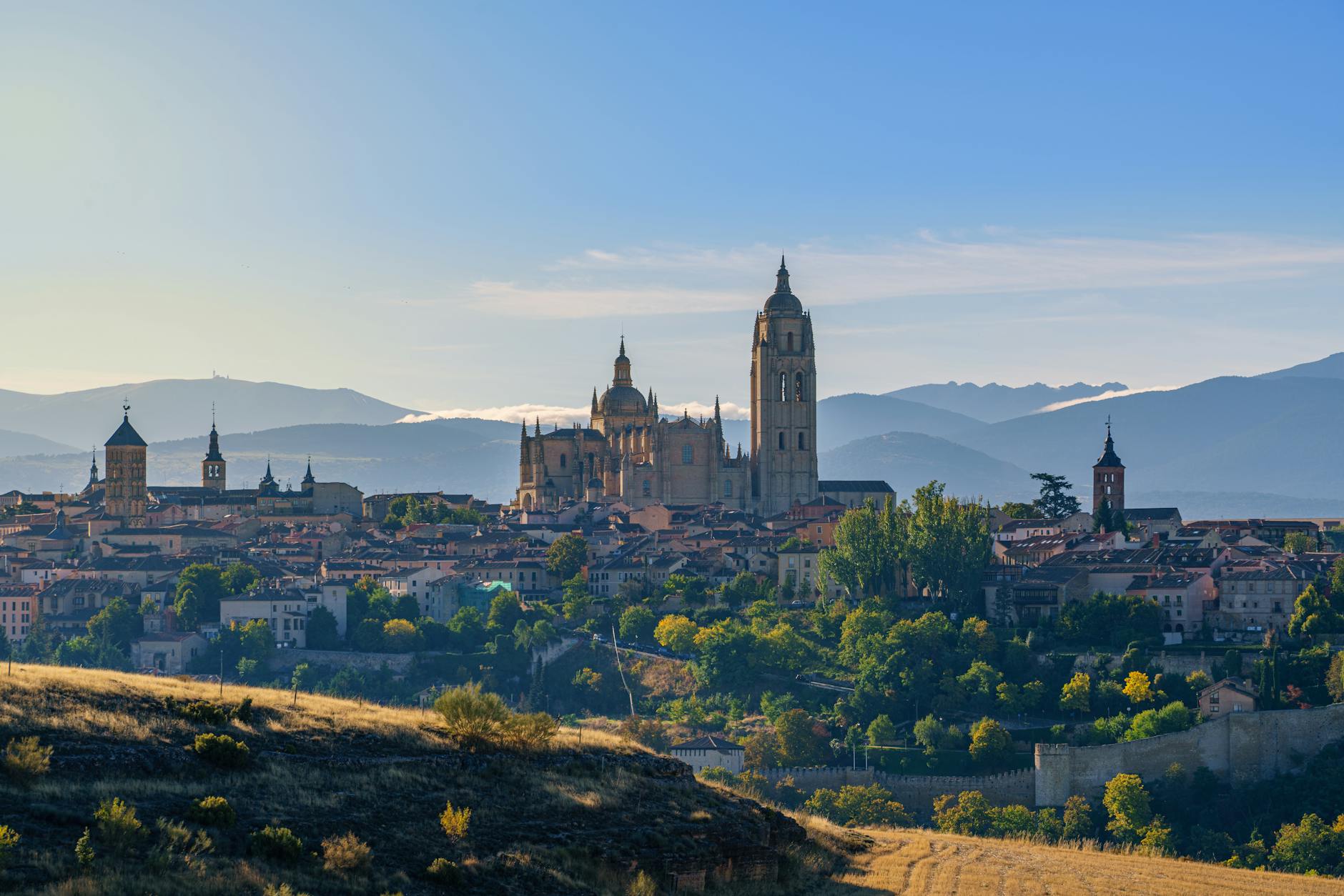
Spain is easy to recognize and surprisingly hard to plan well.
Start Here
Most first-time visitors arrive with a vivid set of images already in their head: Barcelona’s Gaudí curves, Madrid’s grand museums, Seville’s orange trees, Granada’s Alhambra, tapas bars, flamenco, beaches, sangria, paella, football, white villages, bullrings, pilgrims, islands, late dinners, and long summer evenings. Those images are real enough, but they are also incomplete. Spain is not a single postcard culture with one climate, one cuisine, one rhythm, or one trip shape.
Spain is a country of regions. Catalonia is not Andalusia. Madrid is not Barcelona. The Basque Country is not Valencia. Galicia is not the Balearic Islands. The Canary Islands are not a casual beach add-on to Seville. The north is green and Atlantic; the south is sun-baked and Moorish-layered; the center is high, dry, monumental, and art-rich; the Mediterranean coast is both overbuilt and beautiful; the islands are separate travel systems; and the food changes so much between San Sebastián, Córdoba, Valencia, Santiago de Compostela, and Cádiz that “Spanish food” is almost too broad to be useful.
The most common mistake is trying to make Spain behave like a small country. It is compact enough that the train network tempts you into adding one more city, then one more region, then one more island. But Spain rewards selection, not accumulation. A great first trip usually means choosing a few connected regions and experiencing them properly: Madrid and Andalusia; Barcelona and Catalonia; Madrid, Barcelona, and one southern anchor; Basque Country and La Rioja; Galicia and the north coast; or an island trip that does not pretend the island is an afterthought.
This guide is designed for travelers who want Spain to feel coherent rather than rushed. It explains how to choose the right route, when to go, how many days you need, what to book ahead, when trains beat cars, when cars unlock the trip, how to think about regions, how to eat well, what to skip, how to avoid the classic first-timer mistakes, and how to travel with more respect for Spain’s regional identities, local rhythms, heat, water, housing pressure, and crowded heritage sites.
Spain in one sentence: Spain is a country of intense regional identities, late-day urban pleasures, deep food cultures, historic cities, hard sunlight, high-speed rail corridors, and landscapes that reward travelers who choose a route instead of chasing every famous place.
Quick Verdict
| Question | Answer |
|---|---|
| Best for | Art, architecture, food, wine, history, beaches, road trips, rail travel, city breaks, festivals, football, islands, walking holidays, pilgrimage routes, family travel, nightlife, design, countryside inns, and travelers who like culturally rich regions with strong local identities. |
| Not ideal for | Travelers who want one simple national culture, early dinners everywhere, a low-heat July city trip, a fully walkable country itinerary, spontaneous access to every famous monument, or a beach trip that ignores seasonal crowds and overtourism issues. |
| Ideal first visit | 10 to 14 days. Seven days works if you choose one region or two cities. Two weeks lets you combine Madrid, Andalusia, and Barcelona or build a deeper north/south route. Three weeks lets Spain breathe. |
| Best first-timer route | Madrid + Córdoba + Seville + Granada is the cleanest culture-and-history route. Madrid + Barcelona + Seville/Granada is the classic greatest-hits route. Barcelona + Madrid + San Sebastián is better for art, food, and city travelers. |
| Best months overall | April, May, early June, late September, and October. November can be excellent for cities and food. July and August are best handled as beach, island, mountain, or northern trips, not heavy sightseeing in Seville, Córdoba, Madrid, or Granada. |
| Best for beaches | Balearic Islands and Mediterranean coast from late May through September; Canary Islands year-round, with regional variation; Atlantic north in summer; Costa de la Luz and Galicia for wilder beach culture. |
| Best for food | Basque Country, Madrid, Barcelona, Valencia, Andalusia, Galicia, Asturias, La Rioja, Catalonia, and the Balearics. Choose by eating style: pintxos, tapas, seafood, rice, cider, market cuisine, wine, or regional home cooking. |
| Biggest planning mistake | Trying to cover Madrid, Barcelona, Seville, Granada, Valencia, San Sebastián, Bilbao, Mallorca, and the Camino in one trip. Spain is too rewarding for that kind of blur. |
| One thing to book early | Alhambra tickets in Granada, Sagrada Família in Barcelona, popular Madrid museums at peak times, high-speed trains on core routes, Semana Santa/Feria hotels in Andalusia, San Fermín in Pamplona, island ferries and rental cars in summer, and serious restaurants in San Sebastián, Barcelona, Madrid, and the Basque Country. |
| One thing to leave unscheduled | Tapas or pintxos hopping, late-afternoon wandering, market visits, plazas at sunset, beach time, neighborhood cafés, aperitivo, and a slow lunch. Spain is not at its best when every hour is pre-booked. |
| Best transport logic | Use high-speed trains for Madrid–Barcelona, Madrid–Valencia, Madrid–Córdoba/Seville/Málaga/Granada, and many major corridors. Use a car for villages, mountains, national parks, Galicia/Asturias/Cantabria routes, white villages, vineyards, islands, and rural stays. Fly for Canary Islands, often the Balearics, and some long cross-country jumps. |
| Most important warning | Summer heat is not a small inconvenience in much of Spain. July and August can make inland sightseeing punishing. Build a siesta-paced day, start early, avoid mid-afternoon exposure, hydrate, and take heat warnings seriously. |
The Move
Choose one Spain first. Then build the itinerary. A Madrid-and-Andalusia trip, a Barcelona-and-Catalonia trip, a Basque-and-Rioja trip, a Galicia-and-Asturias trip, a Balearic island trip, and a Canary island trip are all excellent. They are not interchangeable.
Who Will Love Spain?
You will probably love Spain if you want:
- A country where cities, food, art, and daily life are as important as monuments.
- A trip that can be built around museums, tapas, beaches, wine, football, pilgrimage, architecture, hiking, islands, or slow regional culture.
- Historic cities that feel lived-in rather than museum-like: Madrid, Barcelona, Seville, Granada, Córdoba, Toledo, Salamanca, Santiago de Compostela, Segovia, Girona, Cádiz, Málaga, Valencia, Bilbao, San Sebastián, Zaragoza, León, and more.
- Food that changes radically by region: pintxos in the Basque Country, seafood in Galicia, cider and fabada in Asturias, rice in Valencia, jamón and sherry in Andalusia, pa amb tomàquet and modern Catalan cooking, roast lamb in Castile, sobrasada in Mallorca, mojo sauces in the Canaries, and tapas culture almost everywhere.
- A country where trains can make major city travel easy, but where cars still unlock some of the most beautiful rural routes.
- A travel rhythm where late lunches, long evenings, plazas, terraces, markets, neighborhood bars, and social life matter.
You may struggle with Spain if you want:
- A single national culture that behaves the same everywhere.
- Dinner at 6 p.m. as a normal local rhythm.
- Cool summer city sightseeing in Andalusia or Madrid.
- The cheapest possible Mediterranean beach holiday in peak August without crowds.
- A trip where English is always enough in small towns, rural areas, traditional bars, and local buses.
- A car-free itinerary that includes remote villages, natural parks, and multiple islands.
Spain is not hard in the way some countries are hard. It has strong infrastructure, excellent trains, good roads, a major tourism economy, reliable medical care, and a deep hospitality culture. The challenge is choosing. The country is dense enough to tempt bad planning and regional enough to punish superficiality.
Spain at a Glance
| Practical | Detail |
|---|---|
| Country | Spain, officially the Kingdom of Spain. It includes mainland Spain, the Balearic Islands in the Mediterranean, the Canary Islands in the Atlantic, and the autonomous cities of Ceuta and Melilla in North Africa. |
| Capital | Madrid. It is the political capital, a major art city, a transport hub, and the cleanest first-timer base for Castile and Andalusia routes. |
| Main visitor cities | Madrid, Barcelona, Seville, Granada, Córdoba, Valencia, Bilbao, San Sebastián, Málaga, Toledo, Santiago de Compostela, Zaragoza, Palma de Mallorca, Cádiz, Salamanca, Girona, Alicante, and Las Palmas/Santa Cruz de Tenerife for the Canaries. |
| Language | Spanish/Castilian is the national language. Catalan, Basque, Galician, Valencian, and other regional languages matter in their regions. Respecting local names and signage goes a long way. |
| Currency | Euro. Cards are widely accepted, but carry some cash for small bars, rural businesses, markets, tips, taxis in smaller places, and backup. |
| Time zones | Mainland Spain and the Balearics use Central European Time/Central European Summer Time. The Canary Islands are one hour behind. |
| Main airports | Madrid-Barajas, Barcelona-El Prat, Málaga-Costa del Sol, Palma de Mallorca, Alicante-Elche, Valencia, Seville, Bilbao, Gran Canaria, Tenerife South, Tenerife North, Santiago de Compostela, Ibiza, and others. |
| Entry framework | Spain is in the Schengen Area. Short-stay rules depend on nationality, visa status, and travel history in the Schengen zone. Many short tourist stays are governed by the 90-days-in-any-180-days framework. Check official Spain/EU sources before travel.[1][2] |
| Border systems | The EU Entry/Exit System records short-stay non-EU nationals at external Schengen borders. ETIAS is scheduled to begin in the last quarter of 2026 for visa-exempt travelers to participating European countries; do not use unofficial ETIAS sellers.[3][4] |
| Emergency number | 112. Spain’s official tourism safety page notes it is free and available throughout Spain, with location tracking and multilingual support.[8] |
| Electricity | 230V, 50Hz. Type C and F plugs. Travelers from North America, the UK, Australia, and many other regions need adapters; voltage-sensitive devices may need checking. |
| Tap water | Generally safe in Spain. Taste varies by region; bottled water is common but not usually necessary for safety in cities. |
| Main transport tools | Renfe, Iryo, Ouigo, local metro/bus apps, Google Maps, city transit apps, AENA for airports, ferry operators for islands, and route planners for buses. |
| Main booking warnings | Alhambra, Sagrada Família, Park Güell, Prado time slots, high-speed trains, peak-season hotels, island rental cars, San Sebastián restaurants, Semana Santa/Feria hotels, and summer island ferries. |
| Official tourism site | Spain.info is the national tourism portal.[9] |
| Weather source | AEMET, Spain’s State Meteorological Agency, is the official weather source.[11] |
First-Timer Mistake
Do not ask, “Should we do Spain?” Ask, “Which Spain are we doing?” A seven-day trip to Madrid and Andalusia can be excellent. A seven-day trip that tries to include Madrid, Barcelona, Seville, Granada, Valencia, and Mallorca is a punishment disguised as ambition.
2026 Visitor Notes
Spain Is Schengen, But Schengen Is Not “No Rules”
Many travelers can enter Spain for short tourist stays without a visa, while others need a Schengen visa. In either case, the short-stay framework is usually about time inside the Schengen Area, not just time inside Spain. If you spent time in France, Italy, Portugal, Germany, Greece, or other Schengen countries before Spain, those days can matter for your allowance.
Spain’s official tourism information describes short-stay visas as allowing stays of up to 90 days for tourists from countries outside the Schengen Area, while Spanish consular guidance highlights passport validity requirements, including validity for at least three months after planned departure from Schengen territory.[1][2]
The move: Check rules by passport, not by rumor. If you are doing a long Europe trip, track your Schengen days before adding “just two more weeks in Spain.”
EES and ETIAS Belong in Current Europe Planning
The EU Entry/Exit System is the biometric/digital border system for registering many non-EU nationals crossing external borders for short stays. It records travel-document data, biometric data, and entry/exit information.[3] ETIAS is a separate travel authorization for visa-exempt nationals and is scheduled to start in the last quarter of 2026; the official EU ETIAS site states that no action is required from travelers before launch.[4]
The move: Treat EES as a border-processing reality and ETIAS as a near-future pre-travel requirement. Use only official EU sites when ETIAS applications open.
Spain’s 2026 Total Solar Eclipse Will Affect Travel
Spain’s official tourism site highlights a total solar eclipse at sunset on 12 August 2026, with the path crossing much of the northern half of the country and the Balearic Islands.[17] That is not a normal summer travel date. Accommodation, roads, trains, rural viewing areas, island logistics, and regional events may be heavily affected.
The move: If traveling in northern Spain, Castilla y León, Aragón, Catalonia, Valencia’s north, Madrid’s north, La Rioja, Asturias, Cantabria, Galicia, or the Balearics around August 12, 2026, plan early and check local crowd/road/safety information.
Spain’s High-Speed Rail Is Excellent, But Not Universal
Spain.info describes Spain as having the second-longest high-speed rail network in the world and promotes 35 destinations connected by high-speed train.[5] Spain.info also notes examples such as Madrid–Valencia in about 100 minutes and Madrid–Barcelona in about two and a half hours.[6]
That does not mean every good Spain trip is a rail trip. High-speed rail is strongest on major corridors radiating from Madrid and connecting big cities. The north coast, mountain villages, white villages, vineyards, natural parks, and many island routes still depend on cars, buses, ferries, or slower regional transport.
The move: Use trains for major city jumps. Rent a car only when it truly improves the trip.
Low-Emission Zones Matter for Drivers
Spain uses environmental badges to classify vehicles by emissions, and official Spanish guidance notes that municipalities set driving restrictions based on those badges within their areas.[12] This matters in places such as Madrid, Barcelona, and other cities with low-emission zones.
The move: If renting or driving into Spanish cities, ask the rental company about emissions eligibility and check city-specific ZBE rules before entering restricted zones. In major cities, it is often smarter to park outside the center or skip the car entirely.
Book the Scarce Monuments Early
The Alhambra has timed/limited ticketing and the official ticket site sells specific visit types.[14] Sagrada Família’s official site emphasizes official ticket vendors and advance ticketing.[15] The Prado uses timed access for museum tickets.[16]
The move: Book Granada’s Alhambra as soon as your dates are firm. Then book Barcelona’s Sagrada Família/Park Güell and Madrid museum slots if traveling in peak season. Do not build a Spain itinerary around “we’ll sort it out when we arrive” for the monuments people cross oceans to see.
How to Understand Spain
Spain becomes easier when you stop thinking of it as a list of cities and start thinking of it as a set of strong regional systems.
The Main Spains a Visitor Meets
| Spain | Where you feel it | What it gives you |
|---|---|---|
| The capital-and-Castile Spain | Madrid, Toledo, Segovia, Salamanca, Ávila, El Escorial, Valladolid, León, Burgos | Art, royal history, Castilian plazas, dry landscapes, roast meats, medieval towns, cathedrals, central rail logic. |
| Andalusia | Seville, Granada, Córdoba, Málaga, Cádiz, Jerez, Ronda, white villages, Sierra Nevada | Moorish/Islamic-Christian-Jewish layers, flamenco, tapas, patios, heat, olive groves, sherry, beach/city combinations, late evenings. |
| Catalonia and the northeast | Barcelona, Girona, Tarragona, Costa Brava, Montserrat, Lleida, Catalan Pyrenees | Modernisme, beaches, mountains, Catalan identity, design, architecture, Dalí, markets, gastronomy, coastal villages. |
| Mediterranean rice and coast Spain | Valencia, Alicante, Murcia, Costa Blanca, Costa del Azahar | Paella/rice culture, beaches, light, festivals, orange groves, city beaches, family resort travel. |
| Basque/Navarra/Rioja Spain | San Sebastián, Bilbao, Vitoria-Gasteiz, Hondarribia, Pamplona, La Rioja | Pintxos, txakoli, cider, Michelin dining, Guggenheim-era Bilbao, green hills, vineyards, strong Basque identity, San Fermín. |
| Green Spain | Galicia, Asturias, Cantabria, northern Castile, Camino routes | Atlantic coast, seafood, cider, pilgrimage, cliffs, rain, Picos de Europa, Celtic echoes, Romanesque churches, slower road trips. |
| Island Spain | Balearic Islands and Canary Islands | Mediterranean coves, nightlife, family beach travel, volcanic landscapes, winter sun, hiking, marine life, separate flight/ferry logic. |
| Deep interior Spain | Extremadura, Aragón, Castilla-La Mancha, inland Catalonia, rural Andalusia | Under-visited heritage cities, Roman ruins, castles, wine, birding, wide spaces, dry heat, and lower crowd pressure. |
Local Logic
Spain is unified politically but intensely regional culturally. Food, language, festivals, architecture, climate, opening hours, and identity can change within a few train stops. A good guide does not flatten this. It helps travelers understand that regional pride is not decorative. It is the structure of the trip.
Barcelona is not simply “Spain’s second city.” It is the capital of Catalonia and has its own language politics, design tradition, food culture, and overtourism pressures. San Sebastián is not just a beach town; it is a Basque food capital. Seville is not interchangeable with Granada. Madrid is not coastal, not provincial, and not just a stopover between Barcelona and Andalusia. Galicia is not rainy Spain by accident; its Atlantic landscape and seafood culture are the point.
Spain’s Rhythm
Spain’s daily rhythm varies by region and season, but visitors should expect a later day than in much of northern Europe or North America.
- Breakfast can be light: coffee, toast, pastry, tortilla, churros, or something simple.
- Lunch is often the main meal and may run from about 1:30 to 3:30 p.m.
- Dinner often starts late by foreign standards, especially in Madrid and Andalusia.
- In hot regions, midday is for indoor museums, long lunches, hotel rest, or shade.
- Sunday can be quiet for shopping in some places, lively for restaurants in others.
- August can empty parts of big-city local life while filling beaches and islands.
- Semana Santa, Feria de Abril, Las Fallas, San Fermín, Christmas/New Year, local fiestas, and football matches can reshape hotels, transport, and streets.
Central Contrasts
Spain is compelling because its contradictions are real:
- Regional identity vs national image: the Spain in advertising is not the same as the Spain locals debate and inhabit.
- Late-night sociability vs early-morning monuments: the best trip often needs both.
- World-class rail vs car-dependent countryside: high-speed trains are superb, but not magic.
- Tourism wealth vs local pressure: Barcelona, Balearics, Canaries, Málaga, and parts of Andalusia face real housing and overtourism tensions.
- Mediterranean ease vs climate stress: beaches and terraces are part of the pleasure; heat, drought, wildfire, and water pressure are part of the responsibility.
- Grand history vs everyday life: cathedrals, palaces, and museums are essential, but so are markets, bars, plazas, and lunch.
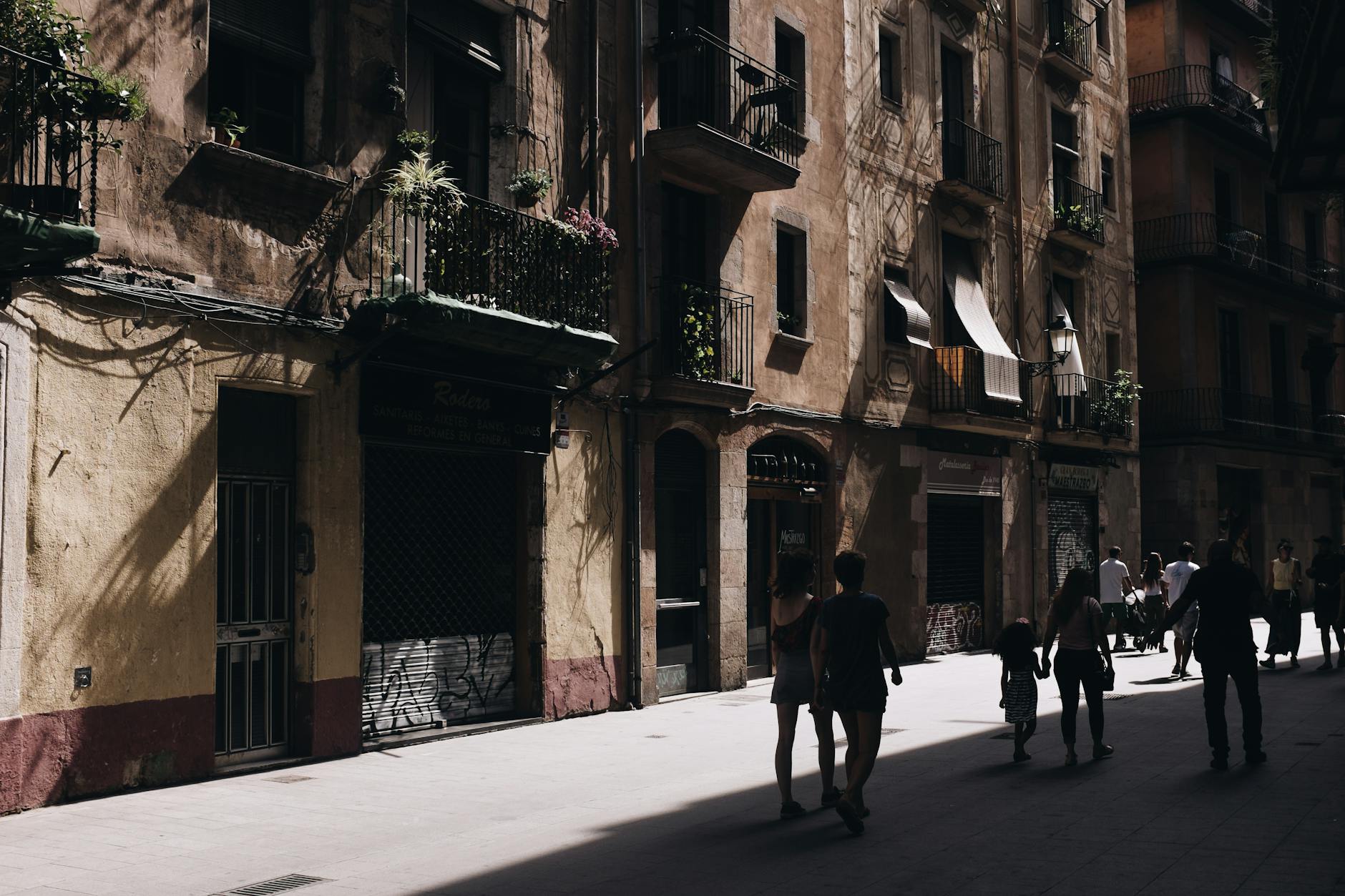
Best Time to Visit Spain
Spain is a year-round destination only if you match the trip to the region. There is no single best month for all of Spain.
Best Overall Months
April, May, early June, late September, and October are the most broadly useful months for a first Spain trip. They offer a better balance of weather, daylight, crowds, food, and walking comfort than peak summer.
March and November can be excellent for cities, museums, food, and lower crowds, but weather is more variable.
July and August are not bad months for Spain; they are bad months for the wrong Spain. They can work for beaches, islands, mountains, the north coast, and festival-focused travel. They are rough for heavy sightseeing in Seville, Córdoba, Granada, Toledo, Madrid, and other hot inland areas.
Winter is underrated for Madrid, Barcelona, Seville, Córdoba, Granada, Bilbao, San Sebastián, Valencia, and the Canary Islands. It is less ideal for beach trips in mainland Spain or small coastal towns outside season.
Season-by-Season
| Season | What to expect | Best for | Watch out for |
|---|---|---|---|
| Spring: March–May | Mild to warm, flowers, festivals, variable rain, strong city weather. | Andalusia, Madrid, Barcelona, Castile, Valencia, hiking, road trips, patios, Semana Santa if planned. | Semana Santa hotel spikes, rainy north, unpredictable early spring, sold-out monuments. |
| Early summer: June | Long days, beach season begins, heat rises inland. | Beaches, cities with early starts, festivals, islands, north coast. | Growing heat in south/center, rising prices, school-holiday buildup. |
| Peak summer: July–August | Hot inland, crowded coasts/islands, lively beach culture, late nights. | Balearics, Canaries, north coast, mountains, beach resorts, nightlife. | Heat waves, wildfire risk, crowded beaches, expensive islands, closed small businesses in some big-city neighborhoods. |
| Autumn: September–November | Warm early, then comfortable; strong food/wine season. | Cities, Andalusia, wine regions, Basque Country, Galicia, hiking, cultural routes. | September can still be hot; storms possible; harvest and festival weekends book up. |
| Winter: December–February | Cool cities, snow in mountains, mild south, winter sun in Canaries. | Museums, food, Madrid, Seville, Barcelona, Granada, ski trips, Canaries, Christmas lights. | Shorter daylight, closures in small beach towns, cold interiors, rain in north. |
Month-by-Month Guide
| Month | Verdict |
|---|---|
| January | Good for Madrid, Barcelona, Andalusia, museums, food, and the Canaries. Cold in the interior and mountains; quiet after holidays. |
| February | Good value in cities, with carnival season in places like Cádiz and the Canaries. Weather varies widely. |
| March | Strong city month, especially Madrid, Barcelona, Valencia, Seville, and Córdoba. Valencia’s Fallas can dominate prices and crowds. |
| April | Excellent but event-heavy. Semana Santa can be extraordinary in Andalusia and Castile, but you must plan. |
| May | One of Spain’s best overall months: patios, terraces, parks, warm days, and pre-summer energy. Córdoba and Andalusia shine. |
| June | Great for beaches before peak crowds and long city evenings. Heat can already be serious in the south. |
| July | Best for beaches, islands, north coast, mountains, and nightlife. Avoid packed midday sightseeing inland. |
| August | Peak domestic and international holiday month. Coastal/island crowds; inland heat. Plan carefully or choose the north/Canaries. |
| September | Excellent for beaches and cities, though early September can stay hot. Food and wine season begins to improve. |
| October | One of the best months for first-timers: cities, Andalusia, wine regions, and walking routes are all strong. |
| November | Underrated for cities, museums, food, and lower crowds. Northern rain increases; daylight shortens. |
| December | Good for city breaks, Christmas lights, food, skiing, and the Canaries. Holiday periods require reservations. |
The Move
For a first trip, choose May or October unless you have a specific reason not to. For beaches, choose June or September before choosing August. For Andalusia, avoid July and August unless you are heat-hardened and build your day around mornings, long lunches, shade, and nights.
How Many Days You Need
The Honest Answer
You need 10 to 14 days for a satisfying first Spain trip if you want more than one region. Seven days is enough for one focused route. Three weeks is when Spain becomes genuinely deep.
| Length | What it feels like |
|---|---|
| 3–4 days | One city break: Madrid, Barcelona, Seville, Valencia, Bilbao/San Sebastián, Málaga/Granada, or Palma. Do not pretend it is a Spain trip. |
| 5–7 days | One region or two cities: Madrid + Toledo/Segovia; Barcelona + Girona/Costa Brava; Seville + Córdoba/Granada; Basque Country; Mallorca; Tenerife/Gran Canaria. |
| 8–10 days | A coherent first route: Madrid + Andalusia, Barcelona + Madrid + Valencia, Basque Country + Rioja, or Catalonia + Barcelona + Costa Brava. |
| 11–14 days | Best first-visit range. Combine Madrid, Andalusia, and Barcelona; or Madrid/Barcelona/Basque Country; or a deep Andalusia plus beach route. |
| 15–21 days | You can add a third region, slow down, include a road trip, or build a north-south contrast. |
| One month | Spain becomes a country of stays rather than stops. You can do multiple regions, islands, food routes, and slower countryside. |
Minimum Worthwhile Stays
| Route type | Minimum | Better |
|---|---|---|
| Madrid only | 3 days | 4–5 days with day trips |
| Barcelona only | 3 days | 4–5 days with Girona/Montserrat/Costa Brava |
| Seville + Córdoba + Granada | 5 days | 7–8 days |
| Madrid + Andalusia | 7 days | 10–12 days |
| Madrid + Barcelona | 6 days | 8–9 days with day trips |
| Madrid + Barcelona + Andalusia | 10 days | 14 days |
| Basque Country + Rioja | 5 days | 7–9 days |
| Galicia/Asturias/Cantabria road trip | 7 days | 10–14 days |
| Mallorca or Tenerife | 5 days | 7–10 days |
| Canary Islands multi-island | 7 days | 10–14 days |
Itinerary Philosophy
A good Spain itinerary has:
- A clear regional spine.
- No more than one major travel move every two or three days.
- At least two nights in most stops, three in major cities.
- One or two big-ticket monuments per city, not five.
- Space for long meals, late evenings, and neighborhoods.
- Climate logic: indoor midday in hot regions, outdoor mornings and evenings.
- Transport logic: trains where strong, cars where useful, flights/ferries for islands.
First-Timer Mistake
Do not use a map’s physical size to judge travel effort. Seville, Granada, and Córdoba look close enough to “do quickly,” but each has a different rhythm and deserves real time. Likewise, Mallorca, Ibiza, Tenerife, and Gran Canaria are not spare beach afternoons attached to a Madrid-Barcelona trip.
Choose Your Spain: Route Families
1. Classic First Spain: Madrid + Andalusia
Best for: First-timers, art, history, architecture, tapas, Islamic-Christian-Jewish heritage, dramatic cities.
Core stops: Madrid, Toledo or Segovia, Córdoba, Seville, Granada. Optional Málaga, Ronda, Cádiz, Jerez.
Ideal length: 10 to 12 days.
Why it works: Madrid is a strong arrival point and rail hub. Andalusia gives Spain’s most iconic historic cities and a vivid cultural contrast.
Watch out for: Summer heat, Alhambra tickets, Semana Santa/Feria hotel spikes, trying to add Barcelona too quickly.
2. Greatest-Hits Spain: Madrid + Barcelona + Andalusia
Best for: Travelers who may only visit Spain once and want the biggest cultural contrast.
Core stops: Barcelona, Madrid, Seville, Córdoba, Granada.
Ideal length: 12 to 15 days.
Why it works: It gives Gaudí/Barcelona, Prado/Madrid, and Moorish-Andalusian Spain.
Watch out for: Too many hotel changes. Fly into Barcelona and out of Madrid or Málaga/Seville if possible, or reverse.
3. Catalonia and the Mediterranean Northeast
Best for: Barcelona lovers, design, architecture, beaches, gastronomy, day trips, coastal villages.
Core stops: Barcelona, Girona, Costa Brava, Montserrat, Tarragona, Priorat/Penedès wine, Catalan Pyrenees.
Ideal length: 7 to 12 days.
Why it works: It goes beyond Barcelona without abandoning Catalonia’s coherence.
Watch out for: Barcelona overtourism, summer Costa Brava crowds, rental-car needs for villages/coast.
4. Andalusia Deep Dive
Best for: History, atmosphere, food, flamenco, architecture, patios, white villages, slow travel.
Core stops: Seville, Córdoba, Granada, Málaga, Cádiz, Jerez, Ronda, Úbeda/Baeza, Sierra de Grazalema, white villages.
Ideal length: 10 to 14 days.
Why it works: Andalusia is not one city. A deeper route makes Seville, Granada, Córdoba, Cádiz, and rural landscapes speak to each other.
Watch out for: July/August heat and rushing Granada as a day trip.
5. Basque Country + La Rioja + Navarra
Best for: Food, wine, contemporary architecture, coast, green hills, pintxos, design, road trips.
Core stops: Bilbao, San Sebastián, Hondarribia, Getaria, Vitoria-Gasteiz, La Rioja, Pamplona.
Ideal length: 7 to 10 days.
Why it works: Compact, food-rich, culturally distinct, and excellent for travelers who care about meals as much as monuments.
Watch out for: San Sebastián hotel prices, rainy weather, restaurant reservations, San Fermín crowds in Pamplona.
6. Green Spain: Galicia, Asturias, Cantabria, and the North Coast
Best for: Road trips, seafood, cliffs, pilgrimage, rural stays, mountains, cooler summer travel.
Core stops: Santiago de Compostela, A Coruña, Rías Baixas, Lugo, Oviedo, Gijón, Picos de Europa, Santander, Santillana del Mar, Comillas.
Ideal length: 10 to 14 days.
Why it works: It is a different Spain: greener, wetter, more Atlantic, slower, and often less crowded than the Mediterranean.
Watch out for: Public transport gaps, variable weather, underestimating driving time on coastal/mountain roads.
7. Valencia and the East Coast
Best for: Rice, beaches, modern architecture, family travel, festivals, Mediterranean city life.
Core stops: Valencia, Albufera, Alicante, Dénia/Jávea, Peñíscola, Murcia, Cartagena, Castellón coast.
Ideal length: 5 to 10 days.
Why it works: Valencia is one of Spain’s best city-beach-food combinations, and the region works well as a slower Mediterranean trip.
Watch out for: Peak coastal crowds, assuming all paella is equal, overbuilt beach resorts.
8. The Islands: Balearics and Canaries
Best for: Beaches, hiking, winter sun, family trips, nightlife, water sports, volcanic landscapes.
Core stops: Mallorca, Menorca, Ibiza, Formentera; Tenerife, Gran Canaria, Lanzarote, Fuerteventura, La Palma, La Gomera, El Hierro.
Ideal length: 5 to 10 days per island group; longer for multi-island Canaries.
Why it works: Spain’s islands are not side trips. They are self-contained destinations.
Watch out for: Summer prices, rental-car shortages, overtourism concerns, water pressure, island-specific weather.
9. Camino and Walking Spain
Best for: Pilgrimage, slow travel, community, landscapes, introspection.
Core routes: Camino Francés, Camino Portugués, Camino del Norte, Camino Primitivo, Camino Inglés, Camino Finisterre.
Ideal length: 5 days to 6 weeks depending route/section.
Why it works: The Camino is not just a hike. It is an infrastructure of towns, albergues, rituals, and daily rhythm.
Watch out for: Overcrowded peak sections, heat, blisters, carrying too much, not understanding pilgrim accommodation norms.
Where to Go: Regional Guide
Madrid and Central Spain
Identity: Spain’s capital, museum powerhouse, rail hub, nightlife city, and gateway to Castilian day trips.
Best for: Art, food, royal history, plazas, day trips, nightlife, first-timers, train-based routes.
Essential places: Prado, Reina Sofía, Thyssen-Bornemisza, Royal Palace, Retiro, Gran Vía, La Latina, Malasaña, Chamberí, Salamanca, Literary Quarter, Matadero, markets, Toledo, Segovia, El Escorial, Aranjuez, Alcalá de Henares.
Vibe: Madrid is less immediately postcard-pretty than Barcelona or Seville, but it is one of Europe’s best lived-in capitals. It is about museums, meals, neighborhoods, parks, late nights, and energy.
How long: 3 days minimum; 5 days with day trips.
The move: Use Madrid as a launchpad, not just a transit point. Toledo and Segovia are two of Europe’s great day trips, and Madrid’s food/nightlife is better than many rushed visitors realize.
Barcelona and Catalonia
Identity: Mediterranean capital of Catalan culture, Modernisme, design, beaches, markets, and overtourism tension.
Best for: Architecture, design, food, city-beach travel, day trips, art, families, nightlife.
Essential places: Sagrada Família, Park Güell, Casa Batlló, La Pedrera, Gothic Quarter, El Born, Eixample, Montjuïc, Barceloneta, Gràcia, Sant Antoni, Poblenou, Girona, Montserrat, Tarragona, Costa Brava, Dalí Theatre-Museum.
Vibe: Beautiful, busy, creative, crowded, and politically/culturally distinct. Barcelona needs neighborhood strategy and respect for local pressure.
How long: 3 days minimum; 5–7 days with day trips.
The move: Book Gaudí sights early, avoid staying only on Las Ramblas, and leave the most crowded old-town streets for early morning or short passes.
Andalusia
Identity: Spain’s most iconic historical region for many visitors: Moorish palaces, flamenco, tapas, patios, heat, white villages, olive groves, and late nights.
Best for: Seville, Granada, Córdoba, Málaga, Cádiz, sherry, flamenco, Islamic architecture, Semana Santa, patios, road trips.
Essential places: Seville Cathedral/Alcázar, Granada’s Alhambra, Córdoba’s Mosque-Cathedral, Málaga museums, Cádiz old town, Jerez bodegas, Ronda, white villages, Úbeda/Baeza, Sierra Nevada.
Vibe: Sensual, historical, social, atmospheric, and climate-intense. Andalusia is at its best when you stop treating it like a monument circuit and start giving evenings to neighborhoods.
How long: 7 days minimum for Seville/Córdoba/Granada; 10–14 days for a deeper route.
The move: Do Seville, Córdoba, and Granada in a sane sequence, then decide whether you want coastal Málaga/Cádiz or rural Ronda/white villages. Do not cram everything.
Basque Country, Navarra, and La Rioja
Identity: Green, food-obsessed, proudly distinct northern Spain with a serious pintxos culture, beaches, museums, and wine.
Best for: San Sebastián, Bilbao, pintxos, Michelin dining, Rioja wine, coast, contemporary architecture, road trips.
Essential places: Bilbao Guggenheim, San Sebastián’s old town and beaches, Getaria, Hondarribia, Vitoria-Gasteiz, Pamplona, Laguardia, Haro, Rioja Alavesa.
Vibe: Polished, proud, culinary, Atlantic, and less “Spanish cliché” than many first-timers expect.
How long: 5 days minimum; 7–10 days better.
The move: Spend nights in both Bilbao and San Sebastián if you care about food and mood. Add Rioja if wine matters.
Valencia and the Eastern Mediterranean
Identity: Rice, oranges, futuristic architecture, beaches, festivals, Mediterranean light, and a more livable city rhythm than many first-timers expect.
Best for: Paella, city beach, families, festivals, design, warmer shoulder seasons.
Essential places: Valencia old town, City of Arts and Sciences, Central Market, Turia Gardens, Albufera, beaches, Alicante, Cartagena, Dénia/Jávea, Peñíscola.
Vibe: Sunny, social, easier than Barcelona, and heavily shaped by rice culture.
How long: 3 days for Valencia; 5–8 days with coast and inland day trips.
The move: Eat paella at lunch, not as a random dinner near a tourist sight.
Galicia
Identity: Atlantic, green, seafood-rich, pilgrim-linked, rain-softened, and culturally distinct.
Best for: Santiago de Compostela, seafood, coastal drives, Rías Baixas, Camino, slower travel.
Essential places: Santiago, A Coruña, Pontevedra, Vigo/Cíes Islands, Rías Baixas, Lugo walls, Ourense thermal baths, Costa da Morte.
Vibe: Moist, atmospheric, oceanic, less crowded, and excellent for people who want seafood and weather rather than guaranteed sun.
How long: 5 days minimum; 10 days for a strong road trip.
The move: Do not come to Galicia expecting Mediterranean Spain. Come for octopus, albariño, granite towns, pilgrimage energy, and Atlantic weather.
Asturias and Cantabria
Identity: Mountain-meets-sea northern Spain: cider, dairy, cliffs, Picos de Europa, fishing towns, and green landscapes.
Best for: Road trips, hiking, cooler summer, family nature, food, small towns.
Essential places: Oviedo, Gijón, Cudillero, Llanes, Picos de Europa, Covadonga, Santander, Santillana del Mar, Comillas, Altamira area.
Vibe: Natural, hearty, slower, and ideal for travelers who like coast and mountains in the same day.
How long: 5–10 days.
The move: Rent a car and accept that weather is part of the beauty.
Castile and León / Castilla-La Mancha / Extremadura
Identity: Monumental inland Spain: cathedrals, Roman ruins, medieval walls, university cities, castles, broad plains, and under-visited heritage.
Best for: History, road trips, lower crowds, old towns, food, paradores.
Essential places: Salamanca, Segovia, Ávila, Burgos, León, Zamora, Valladolid, Toledo, Cuenca, Consuegra, Mérida, Cáceres, Trujillo, Guadalupe.
Vibe: Grand, dry, historic, and often overlooked by first-timers racing between Madrid and Andalusia.
How long: 3 days for day trips; 7–14 days for a deep interior route.
The move: Use Spain’s paradores and historic hotels to turn interior towns into a road-trip strength.
Aragón and the Pyrenees
Identity: Zaragoza, Mudéjar heritage, high mountains, monasteries, medieval towns, and one of Spain’s less obvious but rewarding regions.
Best for: Pyrenees, Zaragoza, hiking, skiing, monasteries, road trips.
Essential places: Zaragoza, Huesca, Jaca, Ordesa y Monte Perdido, Alquézar, Teruel, Albarracín.
Vibe: Under-visited, rugged, architectural, and good for travelers who like mountains and medieval towns without coastal crowds.
How long: 4–8 days.
Balearic Islands
Identity: Mediterranean islands with coves, nightlife, rural interiors, cycling, family resorts, and serious crowd/overtourism pressures.
Best for: Beaches, coves, sailing, family trips, cycling, nightlife, shoulder-season island travel.
Essential places: Mallorca, Menorca, Ibiza, Formentera.
Vibe: Not one thing. Mallorca can be mountain villages, Palma culture, beach resorts, and cycling. Menorca is quieter and family-friendly. Ibiza is nightlife and beautiful rural/coastal travel. Formentera is beach-focused and fragile.
How long: 5–7 days for one island; 10+ for multiple.
The move: Do not treat the Balearics as a single day on a Spain itinerary. Choose an island and respect it.
Canary Islands
Identity: Atlantic volcanic Spain with winter sun, hiking, beaches, wind, forests, dunes, mountains, and island-by-island personalities.
Best for: Winter sun, hiking, volcanoes, beaches, family travel, remote work, nature.
Essential places: Tenerife, Gran Canaria, Lanzarote, Fuerteventura, La Palma, La Gomera, El Hierro.
Vibe: Subtropical, volcanic, varied, and more geographically African-Atlantic than Mediterranean.
How long: 5–7 days for one island; 10–14 days for two or three.
The move: Choose the island by interest: Tenerife for Teide and variety, Gran Canaria for dunes/cities/mountains, Lanzarote for volcanic design, Fuerteventura for beaches/wind, La Palma/La Gomera/El Hierro for hiking and quieter nature.
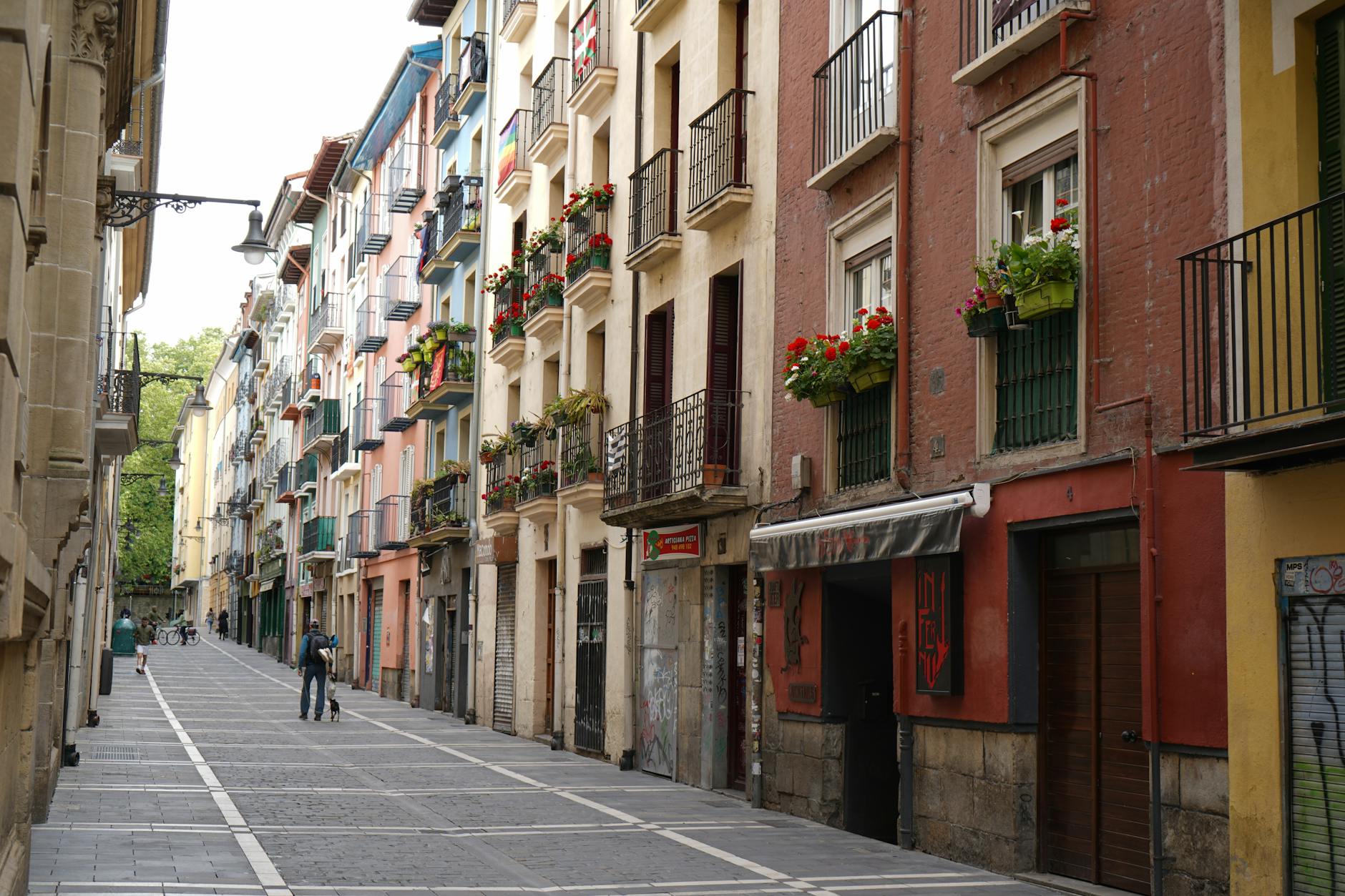
Spain Itineraries
One Week in Spain: Best Focused Options
Option A: Madrid + Andalusia Taste
Day 1: Arrive Madrid, Prado/Retiro or neighborhood walk. Day 2: Madrid museums and tapas. Day 3: Toledo or Segovia day trip. Day 4: Train to Córdoba, Mosque-Cathedral, old town; continue to Seville or sleep Córdoba. Day 5: Seville Alcázar/Cathedral/Santa Cruz/Triana. Day 6: Train/bus to Granada, Albaicín evening. Day 7: Alhambra, depart or overnight.
Best for: First-timers who care about history and can handle a fast pace.
Better with: 9–10 days.
Option B: Barcelona + Catalonia
Day 1: Barcelona arrival, Eixample and early tapas. Day 2: Sagrada Família, Modernisme, Gràcia. Day 3: Gothic Quarter/El Born/Montjuïc. Day 4: Montserrat or Girona. Day 5: Costa Brava or Tarragona. Day 6: Barcelona food/markets/beach/Poblenou. Day 7: Flexible museum/shopping/departure.
Best for: Architecture, food, design, and lower hotel-change stress.
Option C: Basque Country + Rioja
Day 1: Bilbao arrival, old town. Day 2: Guggenheim and riverfront. Day 3: Coast day: Getaria or Hondarribia. Day 4: San Sebastián. Day 5: San Sebastián food/beach. Day 6: Rioja wine towns. Day 7: Vitoria-Gasteiz/Pamplona or return.
Best for: Food and wine travelers.
Ten Days in Spain: Classic Culture Route
Day 1: Arrive Madrid. Day 2: Prado, Retiro, old Madrid. Day 3: Toledo or Segovia. Day 4: Córdoba. Day 5: Seville. Day 6: Seville. Day 7: Granada. Day 8: Alhambra and Granada. Day 9: Málaga or return to Madrid. Day 10: Depart.
Why it works: It is coherent, train-friendly, and culturally dense.
What it misses: Barcelona, north Spain, islands, and beaches.
Two Weeks in Spain: Madrid + Andalusia + Barcelona
Day 1: Arrive Barcelona. Day 2: Sagrada Família, Eixample, Gràcia. Day 3: Gothic Quarter, El Born, Montjuïc. Day 4: Girona or Montserrat day trip. Day 5: Train to Madrid. Day 6: Prado/Reina Sofía/Retiro. Day 7: Toledo or Segovia. Day 8: Train to Córdoba. Day 9: Córdoba morning, Seville afternoon. Day 10: Seville Alcázar/Cathedral/Triana. Day 11: Seville slow day or Cádiz/Jerez. Day 12: Granada. Day 13: Alhambra and Albaicín. Day 14: Depart via Málaga/Madrid/Granada depending flights.
The move: Use open-jaw flights. Do not backtrack to Barcelona if you can avoid it.
Two Weeks in Northern Spain
Day 1: Bilbao. Day 2: Bilbao/Guggenheim. Day 3: San Sebastián. Day 4: San Sebastián/coast. Day 5: La Rioja or Pamplona. Day 6: Santander/Cantabria. Day 7: Santillana del Mar/Comillas. Day 8: Picos de Europa. Day 9: Oviedo/Gijón. Day 10: Asturian coast. Day 11: Lugo or Ribeira Sacra. Day 12: Santiago de Compostela. Day 13: Rías Baixas or A Coruña. Day 14: Depart Santiago/A Coruña/Bilbao.
Best with: A car for much of the route.
Food Lover’s Spain
Core idea: Do not chase Michelin alone. Spain’s food greatness lives in markets, counters, bars, bakeries, seafood houses, rice restaurants, cider houses, pintxos streets, taverns, sherry bodegas, and local lunch menus.
Route: Madrid → San Sebastián/Bilbao → La Rioja → Barcelona → Valencia → Seville/Córdoba/Granada or Galicia.
Anchor meals:
- Madrid: markets, tapas, cocido, modern Spanish cooking.
- Basque Country: pintxos, cider houses, seafood, tasting menus.
- La Rioja: wine, grilled lamb, vineyard towns.
- Barcelona/Catalonia: markets, Catalan cuisine, seafood, modern dining.
- Valencia: paella and rice at lunch.
- Andalusia: tapas, sherry, fried fish, jamón, gazpacho/salmorejo.
- Galicia: seafood, octopus, albariño.
Family Spain
Best route families: Barcelona + beach/day trips; Madrid + Toledo/Segovia + parks/museums; Andalusia with slow pacing; Valencia + beaches; Mallorca/Menorca; Tenerife/Gran Canaria.
Family rules:
- Stay longer in fewer places.
- Choose apartments or family rooms near transit/beaches.
- Avoid July/August heat-heavy city itineraries.
- Book major sights at child-friendly times.
- Use parks, beaches, playgrounds, markets, and short museum visits.
- In Spain, late dinners can be hard with young kids; plan snacks and earlier casual options.
No-Car Spain
Best route: Madrid → Córdoba → Seville → Granada → Málaga, or Barcelona → Madrid → Valencia, or Madrid → Barcelona → Zaragoza.
Best for: City travelers, museum travelers, first-timers, lower stress.
Hard without a car: White villages, Picos de Europa, rural Galicia/Asturias, many beaches, islands beyond main towns, vineyards, and national parks.
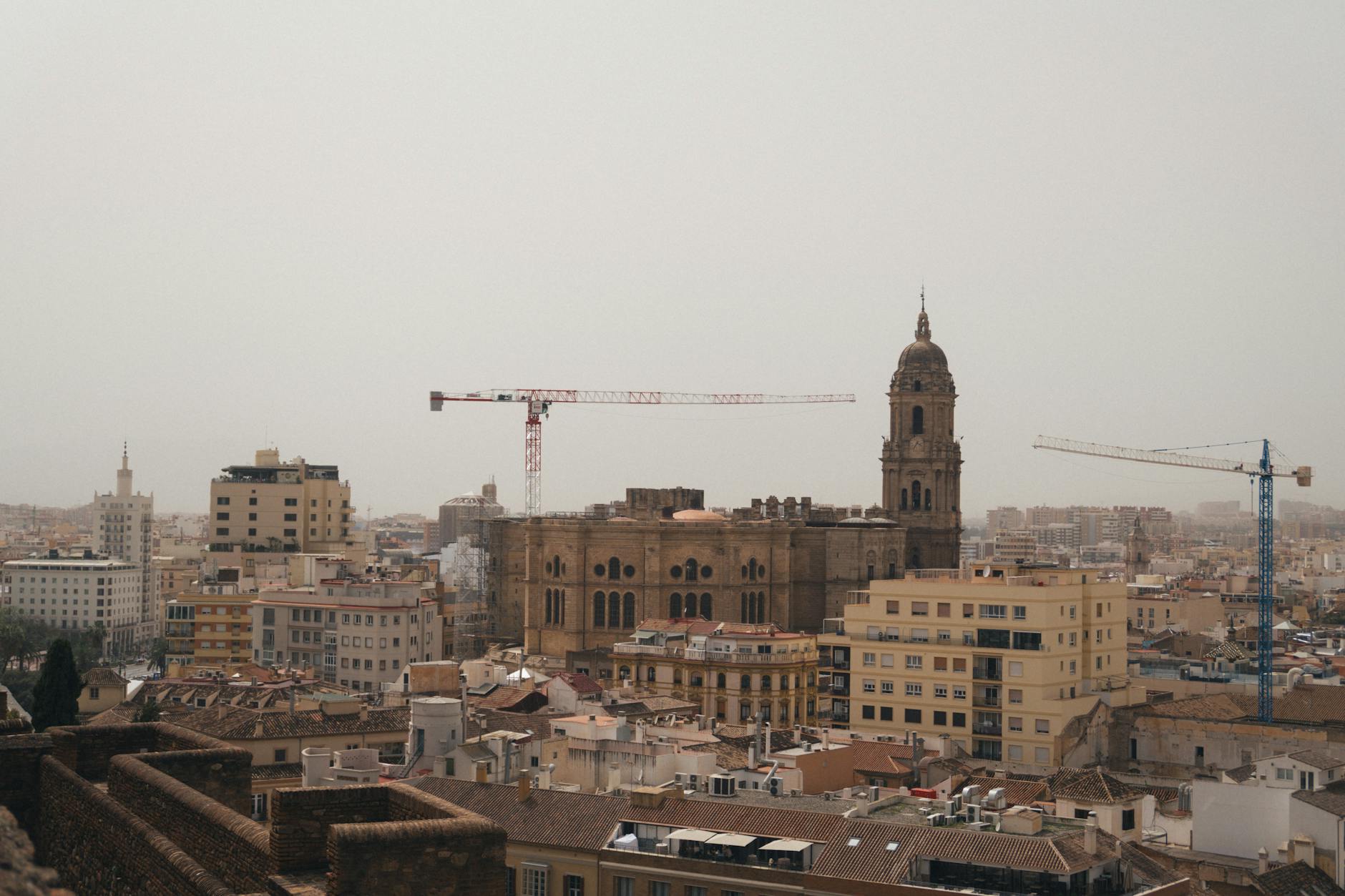
Best Things to Do
1. See the Alhambra Properly
The Alhambra is not just another palace. It is the emotional and architectural climax of many Spain trips: Nasrid palaces, courtyards, gardens, water, inscriptions, views of Granada, and layers of Islamic and Christian history.
Best for: First-timers, architecture, history, gardens, photography.
Time needed: Half-day minimum; full day if you include Granada neighborhoods.
Book ahead? Yes. This is one of Spain’s most important advance-ticket sights.
Common mistake: Visiting Granada as a rushed day trip and missing the Albaicín/Sacromonte evening view of the Alhambra.
2. Build a Madrid Art Day Around the Prado
Madrid’s museum triangle is a serious art destination. The Prado alone can justify a trip for art lovers, while the Reina Sofía and Thyssen-Bornemisza add modern, contemporary, and broader European context.
Best for: Art, rainy days, winter trips, serious culture.
Time needed: 2–4 hours for Prado; longer if art-focused.
Book ahead? Timed tickets are smart, especially in peak periods.
The move: Do not schedule Prado, Reina Sofía, Thyssen, Royal Palace, and a day trip all in one day. Art fatigue is real.
3. Experience Barcelona’s Modernisme Beyond One Building
Sagrada Família is essential, but Barcelona’s Modernisme is a citywide language: Casa Batlló, La Pedrera, Palau de la Música Catalana, Hospital de Sant Pau, Park Güell, Eixample blocks, and private facades.
Best for: Architecture, design, photography, first-timers.
Time needed: Two days if architecture is central.
Book ahead? Yes for major Gaudí sights.
Common mistake: Spending all of Barcelona inside timed attractions and never enjoying neighborhoods.
4. Spend Two Nights in Seville
Seville is not a checklist. It is a city of heat, shade, scent, sound, food, religion, performance, patios, and night movement.
Best for: Atmosphere, tapas, architecture, flamenco, slow evenings.
Time needed: Two full days minimum; three better.
The move: See the Alcázar/Cathedral, then stop pushing. Cross to Triana, wander Santa Cruz early or late, sit in plazas, and eat slowly.
5. Treat Córdoba as More Than a Stopover
Córdoba’s Mosque-Cathedral is one of Europe’s most extraordinary buildings, but the city’s patios, Jewish quarter, riverside, old streets, and evening mood deserve time.
Best for: Architecture, history, Andalusia routes.
Time needed: One night is better than a few hours.
Common mistake: Seeing only the Mezquita and leaving before the city changes temperature and light.
6. Eat Pintxos in San Sebastián
San Sebastián is a food city disguised as a beach city. Pintxos are not just small plates; they are a local social system.
Best for: Food travelers, couples, solo travelers, city-beach trips.
Time needed: Two nights minimum.
Etiquette: Order a drink, choose a few bites, move on, and do not treat one bar like an all-night table unless it is that kind of place.
7. Take a Real Spanish Train Trip
Spain’s high-speed rail is one of the country’s great planning gifts. Madrid to Barcelona, Valencia, Córdoba, Seville, Málaga, and other destinations can be easier by train than by air.
Best for: City-to-city travel, lower stress, sustainable routes.
Time needed: Build around station locations and security-style boarding procedures.
The move: Book major high-speed routes early for better fares and better times.
8. Walk a Camino Section
You do not need six weeks to understand the Camino. A 5–7 day section can still provide rhythm, community, and a different relationship to Spain.
Best for: Slow travelers, walkers, pilgrims, reflective trips.
Time needed: 5 days to 6 weeks.
Common mistake: Overpacking. The Camino punishes heavy bags.
9. Choose One Island Properly
Mallorca, Menorca, Ibiza, Tenerife, Lanzarote, Gran Canaria, and La Palma are each different enough to deserve individual planning.
Best for: Beaches, hiking, family trips, winter sun, cycling, water sports.
Time needed: 5–7 days per island.
The move: Do not fly to Mallorca for two nights between Madrid and Barcelona unless the point is just to say you went.
10. Visit a Market, Then Eat Nearby
Markets are one of Spain’s best windows into regional food: Madrid’s neighborhood markets, Valencia’s Central Market, Barcelona’s Boqueria and Santa Caterina, Seville’s Triana market, Málaga’s Atarazanas, Santiago’s market, and many more.
Best for: Food travelers, photographers, families, rainy mornings.
Common mistake: Treating markets as only photo stops. Go early enough to see actual shopping, then eat in or near the market.
11. Road-Trip the Under-Visited Interior
Extremadura, inland Castile, Aragón, Castilla-La Mancha, and rural Andalusia can be extraordinary for travelers who want less crowded heritage.
Best for: Repeat visitors, road trippers, history lovers, parador stays.
Time needed: One week or more.
The move: Use historic towns as overnight bases, not drive-by photo stops.
12. Learn the Difference Between Flamenco and Tourist Flamenco
Flamenco is deeply associated with Andalusia, especially Seville, Jerez, Cádiz, and Granada. A staged show can still be worthwhile, but context matters.
Best for: Music, dance, Andalusian culture, evening experiences.
Book ahead? Yes for respected venues.
Common mistake: Assuming every dinner-show with a poster is equally meaningful.
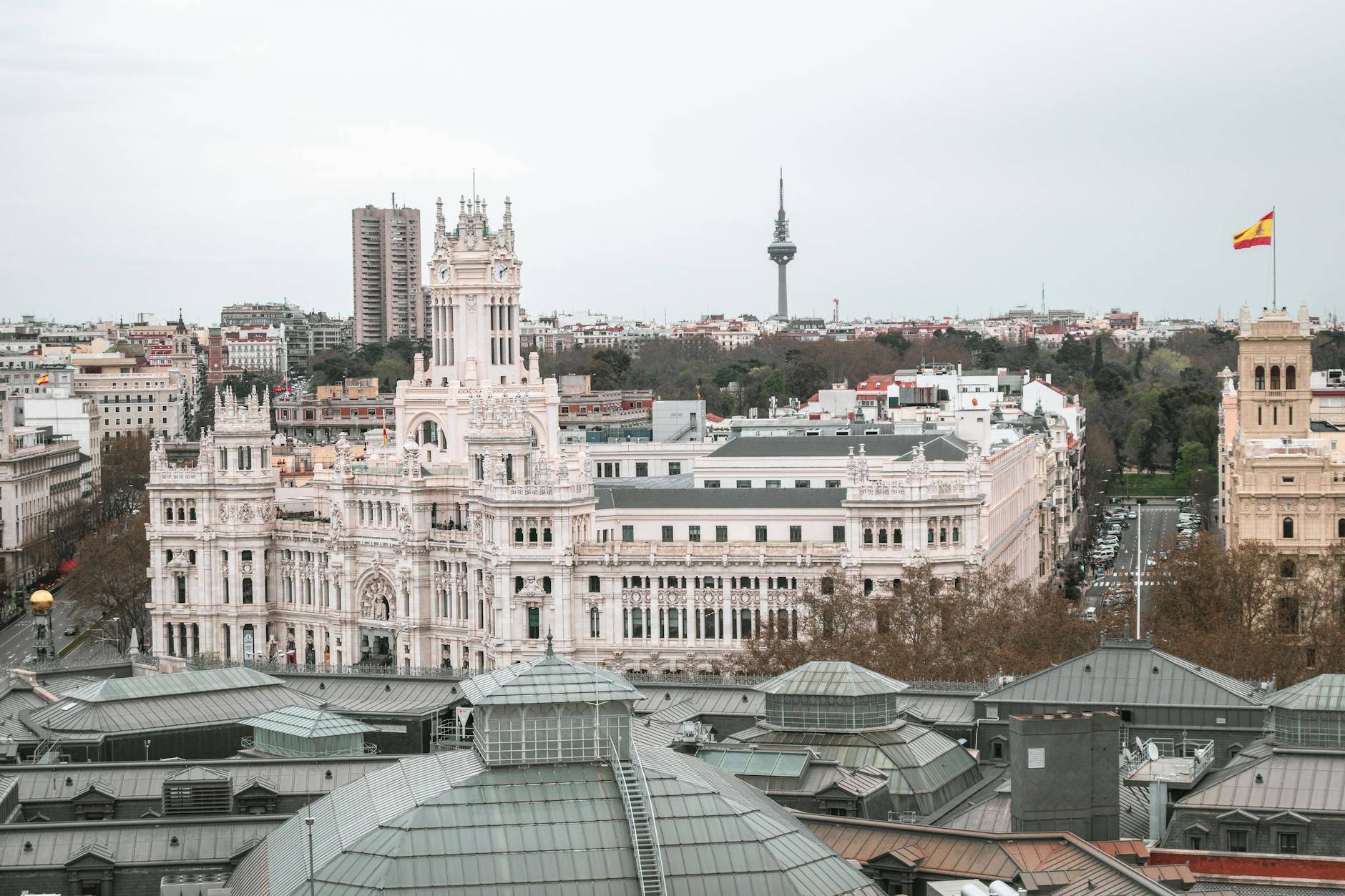
Food and Drink
Spain is one of the world’s great eating countries because its food culture is local, social, and specific. The mistake is ordering “Spanish food” as if the country had one menu.
Food Identity
Spain’s food culture is shaped by:
- Regional ingredients: seafood, rice, olive oil, pork, lamb, beans, vegetables, peppers, saffron, almonds, citrus, cheese, mushrooms, game, and wine.
- Bar culture: tapas, pintxos, raciones, montaditos, vermouth, sherry, cider, beer, and neighborhood rituals.
- Meal timing: breakfast light, lunch important, dinner late.
- Markets and daily shopping.
- Long regional traditions: Valencian rice, Basque pintxos, Galician seafood, Andalusian frying and cold soups, Catalan sauces and market cooking, Castilian roasts, Asturian cider, Canarian mojos.
- New cooking: Spain remains a major force in modern gastronomy, but the best trip balances innovation with ordinary bars and lunch menus.
What to Eat by Region
| Region | What to seek out |
|---|---|
| Madrid | Cocido madrileño, tortilla, callos if adventurous, tapas, churros, markets, roast meats, modern Spanish restaurants. |
| Catalonia | Pa amb tomàquet, escalivada, fideuà, seafood, suquet, crema catalana, calçots in season, cava, Priorat/Montsant wines. |
| Valencia | Paella valenciana, arroz a banda, arroz negro, horchata, fartons, orange/citrus, market seafood. |
| Andalusia | Gazpacho, salmorejo, jamón, pescaíto frito, tortilla de camarones, sherry, tapas, rabo de toro, flamenquín, olive oil. |
| Basque Country | Pintxos, txuleta, kokotxas, bacalao, marmitako, cheesecake, cider, txakoli, serious tasting menus. |
| Galicia | Pulpo a feira, percebes if available, scallops, octopus, empanada gallega, albariño, Ribeiro, seafood rice/stews. |
| Asturias/Cantabria | Fabada, cider, cabrales cheese, seafood, cachopo, mountain stews. |
| Castile | Roast lamb, suckling pig, morcilla, beans, game, hearty stews, Ribera del Duero wines. |
| Canary Islands | Papas arrugadas with mojo, gofio, grilled fish, goat cheese, tropical fruits, volcanic wines. |
| Balearics | Sobrasada, ensaimada, tumbet, seafood, local wines, lobster stew in Menorca. |
How to Eat Well
- Eat the main meal at lunch when possible.
- Learn the difference between tapas, raciones, pintxos, menú del día, and tasting menus.
- Avoid restaurants with huge multilingual photo menus beside major sights unless you have a reason.
- In Valencia, eat paella at lunch and book a proper rice restaurant.
- In San Sebastián, pintxos hopping is usually better than camping at one bar.
- In Andalusia, leave space for spontaneous tapas bars.
- In Galicia, prioritize seafood quality over fancy decor.
- In Madrid and Barcelona, book serious restaurants early but do not over-reserve every meal.
Meal Times
| Meal | Typical visitor reality |
|---|---|
| Breakfast | Often light: coffee, toast, pastry, tortilla, churros, or hotel breakfast. |
| Mid-morning | Coffee/snack break can be useful, especially if lunch is late. |
| Lunch | Often the main meal, roughly 1:30–3:30 p.m.; later on weekends. |
| Aperitivo / merienda | Late afternoon drink or snack; useful bridge to late dinner. |
| Dinner | Often 8:30–10:30 p.m. in many places, earlier in tourist/family zones and smaller towns. |
| Late drinks | Spain’s evenings can run late, especially in Madrid, Andalusia, Barcelona, and summer beach towns. |
Drinks
Spain is excellent for:
- Wine: Rioja, Ribera del Duero, Priorat, Rías Baixas, Jerez, Txakoli, Cava, Canary volcanic wines, Bierzo, Rueda, Toro, Jumilla, Montilla-Moriles, and many more.
- Sherry: especially Jerez, Sanlúcar de Barrameda, and El Puerto de Santa María.
- Cider: Asturias and Basque Country.
- Vermouth: Madrid, Barcelona, and many tapas cities.
- Beer: casual and social, often ordered small and cold.
- Coffee: not always third-wave, but deeply woven into daily rhythm.
- Horchata: Valencia.
The Move
Do one food route by local logic: pintxos in San Sebastián, rice lunch in Valencia, tapas in Seville or Granada, seafood in Galicia, cider house in Asturias/Basque Country, sherry in Jerez, market crawl in Madrid or Barcelona. That is better than a generic “best restaurants in Spain” checklist.
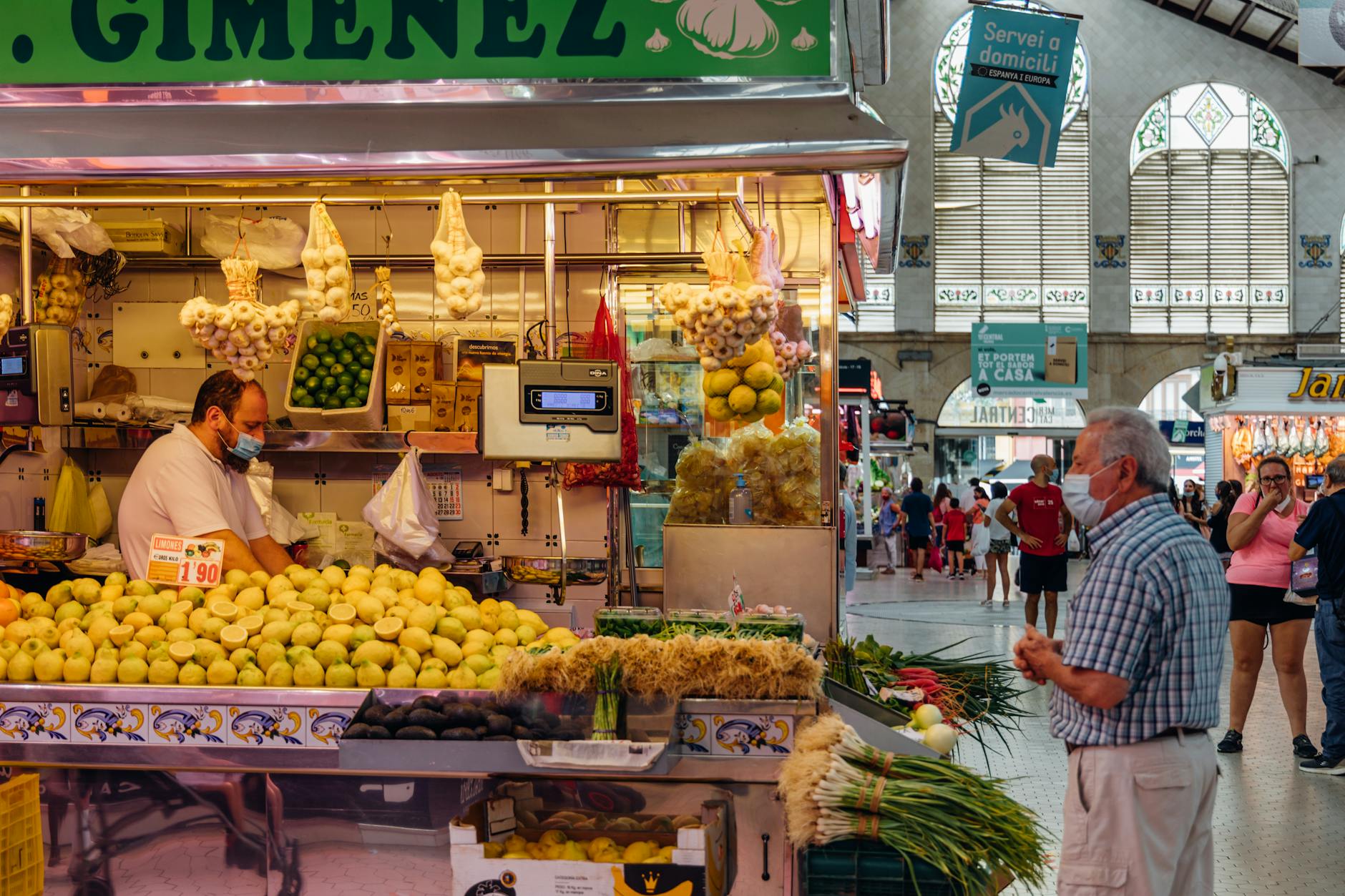
Getting Around
Spain is one of Europe’s easiest countries for major city-to-city travel, but rural and island logistics still require thought.
Trains
High-speed trains are the backbone of many Spain itineraries. Renfe operates AVE and Avlo, while Iryo and Ouigo also operate on some high-speed routes. Spain.info highlights the country’s extensive high-speed network and major city connections, including Madrid–Barcelona, Madrid–Valencia, and Madrid–Andalusia routes.[6][5]
Best train routes for visitors:
- Madrid ↔ Barcelona
- Madrid ↔ Valencia
- Madrid ↔ Córdoba ↔ Seville
- Madrid ↔ Málaga
- Madrid ↔ Granada
- Madrid ↔ Zaragoza
- Madrid ↔ Alicante
- Barcelona ↔ Girona/Figueres
- Barcelona ↔ Valencia
- Madrid ↔ León/Burgos/Valladolid
Train tips:
- Book high-speed tickets early for better prices.
- Arrive ahead of departure; major stations may have luggage/security checks and boarding gates.
- Use official operators or trusted booking platforms.
- Check station names carefully. Some cities have high-speed stations outside the historic center.
- Do not assume a rail pass saves money; compare actual fares.
Buses
Buses are essential for many towns and regions that trains do not serve well. They can be comfortable, cheap, and frequent on major routes.
Best for: Smaller towns, coastal routes, northern Spain, Andalusian towns, airport transfers, places without rail, and budget travel.
Watch out for: Bus station locations, limited evening service, summer demand, and regional operator differences.
Driving
A car is useful in Spain when you are doing a trip that trains cannot do elegantly.
A car makes sense for:
- White villages of Andalusia.
- Picos de Europa.
- Galicia/Asturias/Cantabria coast.
- Rural Extremadura/Castile/Aragón.
- La Rioja wineries.
- Costa Brava villages.
- Mallorca/Menorca/Tenerife/Gran Canaria/Lanzarote outside main resorts.
- National parks and rural hotels.
A car is a mistake for:
- Madrid city stay.
- Barcelona city stay.
- Seville/Granada/Córdoba old centers.
- A train-friendly city route.
- Drivers uncomfortable with narrow streets, parking garages, or urban restrictions.
Driving warnings:
- Check low-emission zones.
- Do not enter historic centers casually.
- Book parking with hotels.
- Avoid leaving luggage visible in parked cars.
- Toll roads and fuel costs can add up.
- Rural roads may be slower than maps suggest.
Domestic Flights
Domestic flights can be useful when distances are long or islands are involved.
Best for: Canary Islands, Balearic Islands, Barcelona ↔ Galicia/Andalusia if time is tight, Madrid ↔ Canaries/Balearics, and some long north-south jumps.
Not usually needed for: Madrid ↔ Barcelona, Madrid ↔ Valencia, Madrid ↔ Seville/Córdoba/Málaga if train timing works.
Ferries
Ferries matter for:
- Balearics: Mallorca, Menorca, Ibiza, Formentera.
- Canary inter-island travel.
- Mainland to Balearics in some routes.
- Short coastal/island excursions.
The move: For islands, decide early whether you are flying, ferrying, or combining both. Ferry timetables can be seasonal, and car ferries/rental cars require more planning.
City Transport
Madrid and Barcelona have strong metro/bus systems. Valencia, Seville, Bilbao, Málaga, Palma, and other cities have useful local transit. Taxis and rideshare-like services can be useful late at night or with luggage, but trains/metros are often faster in big cities.
The move: Stay near a metro/train stop in Madrid and Barcelona. In Seville, Granada, Córdoba, and many smaller cities, walkability and old-town access matter more.

Where to Stay
Spain lodging is highly varied: luxury hotels, paradores, boutique hotels, pensions, hostels, apartments, rural houses, beach resorts, farm stays, wine estates, and island villas.
The Short Answer by Trip Type
| Trip type | Best lodging strategy |
|---|---|
| First-time city route | Stay central and walkable, near transit, with air conditioning. |
| Madrid | Centro/Las Letras/Retiro/Chamberí/Salamanca/Malasaña depending style. |
| Barcelona | Eixample, Gràcia, El Born edge, Sant Antoni, Poblenou; avoid relying only on Las Ramblas. |
| Seville | Santa Cruz/Arenal/Centro/Alameda/Triana depending nightlife and quiet needs. |
| Granada | Centro/Realejo/Albaicín edge; avoid luggage misery on steep lanes unless prepared. |
| Beach trip | Prioritize beach access, parking, and air conditioning over vague “centrality.” |
| Road trip | Use rural inns, paradores, and hotels with parking outside historic cores. |
| Family trip | Apartments or suites near parks/beaches/transit; avoid steep old-town locations with strollers. |
| Food trip | Stay within walking distance of dinner neighborhoods. Late-night taxi needs add friction. |
Lodging Types
Hotels: Range from simple to spectacular. City hotels can be compact; air conditioning matters in summer.
Paradores: State-run historic or scenic hotels, often in castles, monasteries, convents, palaces, or landmark buildings. Excellent for interior Spain and road trips.
Pensiones / hostales: Budget-friendly smaller lodgings. Quality varies; check air conditioning, elevator, private bathroom, and noise.
Apartments: Useful for families and long stays, but short-term rentals are politically sensitive in high-pressure areas. Book legal, registered accommodation.
Rural houses: Good for countryside, wine, mountain, and interior trips; usually need a car.
Beach resorts: Practical for families but can be seasonal and crowded in summer.
Agroturismos / fincas: Especially useful in Balearics, Andalusia, Catalonia, and rural areas.
Common Booking Mistakes
- Booking a beautiful old-town hotel without elevator/parking/luggage access.
- Ignoring air conditioning in summer.
- Staying too far outside city centers to save money, then wasting time and taxis.
- Booking apartments in neighborhoods under pressure from overtourism without checking legality.
- Assuming beach-town hotels are lively year-round.
- Choosing a rental car route without hotel parking.
- Staying in Barcelona’s most crowded tourist areas when a better neighborhood would improve the trip.
- Not checking local tourist taxes, which can be charged separately in some destinations.
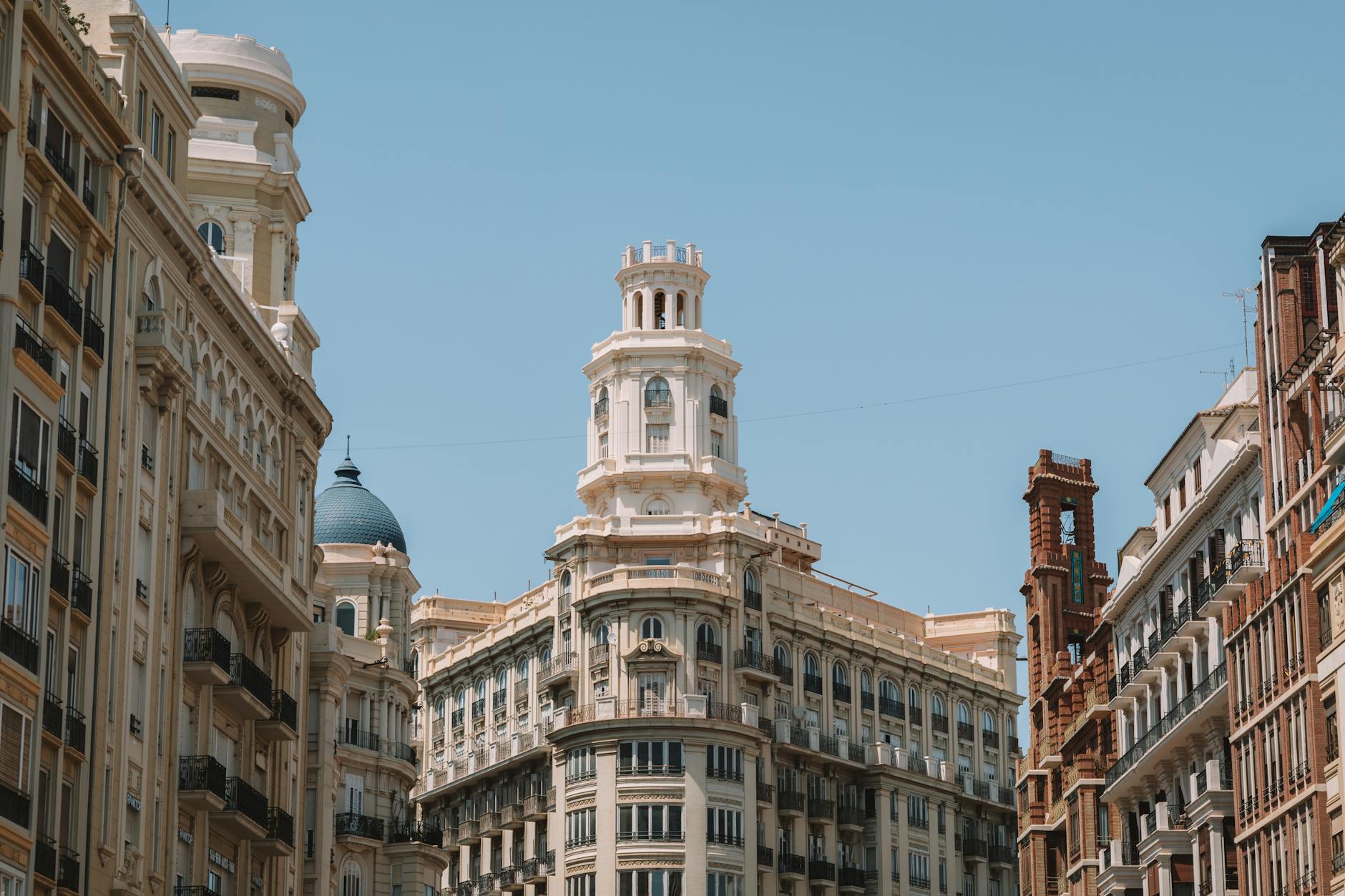
Budget and Costs
Spain can be excellent value compared with some western European countries, but costs vary dramatically by city, season, island, and travel style. Barcelona, San Sebastián, Ibiza, Mallorca in summer, and prime Madrid hotels can be expensive. Tapas, markets, trains booked early, pensions, menu del día lunches, and off-season travel can be very good value.
Daily Budget Ranges
| Traveler type | Daily estimate, excluding long-distance travel and major shopping | What it means |
|---|---|---|
| Shoestring | €50–€85 | Hostel bed, simple meals, limited paid sights, public transport, careful city choices. |
| Budget comfort | €85–€150 | Budget hotel/pension, casual meals, some museums, booked-ahead trains, few splurges. |
| Mid-range | €150–€275 | Good hotel, restaurant meals, major sights, comfortable trains, occasional taxis. |
| Comfortable | €275–€500 | Strong hotel locations, better restaurants, guided tours, taxis/transfers where useful. |
| Luxury | €500+ | Top hotels, fine dining, private guides, premium rooms, island villas, wine estates. |
Cost Variables
| Cost driver | Why it matters |
|---|---|
| Season | Summer islands/coasts and major festivals can spike hard. |
| City | San Sebastián, Barcelona, Ibiza, and Mallorca can be expensive; many interior cities are better value. |
| Train timing | High-speed fares are often much better when booked early. |
| Restaurants | Spain offers excellent casual food, but fine dining and famous restaurants require planning and money. |
| Attractions | Major monuments add up; book only what matters. |
| Car rental | Useful but includes parking, fuel, tolls, insurance, and low-emission-zone hassle. |
| Tourist taxes | Some regions/cities charge lodging taxes; amounts and rules vary. |
Best Value Moves
- Travel in May, early June, late September, October, or winter city season.
- Use Madrid as a rail hub.
- Eat the menú del día lunch where quality is good.
- Book trains early.
- Stay in neighborhoods that are convenient but not hyper-tourist.
- Choose one or two paid monuments per day.
- Use paradores or rural inns in interior Spain for memorable value.
- Do a focused route instead of paying to move constantly.
Splurge-Worthy
- Alhambra/timed heritage sights and a good guide where context matters.
- A well-located hotel in Madrid/Barcelona/Seville/Granada during a short stay.
- One serious meal in San Sebastián, Madrid, Barcelona, Valencia, or the Basque Country.
- A private or small-group food tour early in the trip.
- A car for regions where it genuinely improves access.
- A parador night in a historic town.
- A proper rice lunch in Valencia or seafood meal in Galicia.
Usually Not Worth It
- A rental car for Madrid-Barcelona-Andalusia city travel.
- Tourist-trap paella at dinner beside a major sight.
- Generic flamenco dinner packages with mediocre food.
- Staying far outside Barcelona/Madrid for minor savings.
- Visiting Granada without confirmed Alhambra tickets.
- Overpriced rooftop drinks when the view is the only point.
- A rushed day trip to a place that deserves a night.
Safety, Health, and Scams
Spain is generally safe for ordinary travelers, but petty theft and heat are real issues. The safest-feeling trip still requires practical habits.
General Safety
Use normal urban awareness, especially in crowded areas of Barcelona, Madrid, Seville, Valencia, Málaga, beaches, major train stations, metros, markets, festivals, and tourist zones. Pickpocketing and bag theft are the main visitor risks.
Spain’s emergency number is 112, and the official tourism safety page also points travelers toward safe-tourism resources and AlertCops.[8]
Common Scams and Problems
| Issue | What it looks like | How to avoid it |
|---|---|---|
| Pickpocketing | Crowded metro, train stations, Las Ramblas, Puerta del Sol, beaches, markets, festivals. | Use zipped bags, avoid back pockets, stay alert during distractions. |
| Bag theft at terraces | Phone or bag disappears from table/chair. | Keep bags attached to your body; do not leave phones on tables. |
| Fake petition / distraction | Someone approaches with clipboard or request while another person targets belongings. | Keep moving and protect valuables. |
| Unofficial ticket sellers | “Skip-line” offers near monuments or online reseller confusion. | Use official ticket sites when possible. |
| Taxi/ride confusion | Unclear routes, airport misunderstandings, wrong pickup points. | Use official taxis/apps and confirm destination. |
| Beach theft | Belongings taken while swimming. | Do not leave valuables unattended. |
| Restaurant traps | Photo menus, aggressive touting, surprise bread/service charges where unclear. | Check menu/prices, avoid pushy venues, eat away from landmark front doors. |
| Car break-ins | Luggage visible in rental cars at viewpoints/parking. | Never leave luggage visible; use secure parking. |
Heat and Sun
Heat is a major Spain planning issue. In summer, especially inland and southern Spain, plan around mornings and evenings. Use midday for lunch, museums, rest, and shade. Hydrate, wear sun protection, and take heat warnings seriously.
High-risk areas in summer: Seville, Córdoba, Granada, Madrid, Toledo, Extremadura, Castilla-La Mancha, inland Andalusia, and exposed archaeological sites.
Beaches and Water
Spain’s beaches range from calm coves to Atlantic surf. Pay attention to flags, currents, jellyfish warnings, rocks, boat zones, and lifeguard instructions. Northern beaches and Atlantic/coastal areas can have serious surf.
Mountains and Nature
Picos de Europa, the Pyrenees, Sierra Nevada, Teide, La Palma, and other hiking areas require real preparation. Weather changes, altitude, heat, dehydration, snow, and trail exposure can create risk.
The move: Use official park/weather sources, start early, carry water, and do not treat mountain hikes like city walks.
Health Practicalities
- Tap water is generally safe.
- Pharmacies are common and useful.
- Travel insurance is sensible, especially for adventure, islands, rental cars, and medical needs.
- Bring prescription medication in original packaging and check rules if carrying controlled substances.
- Mosquitoes can be seasonal in some areas; use repellent where needed.
- For allergies, carry written Spanish phrases and regional-language support where useful.
Accessibility and Mobility
Spain is improving accessibility, but historic cities can be difficult. Old quarters often mean cobblestones, hills, steps, narrow sidewalks, uneven paving, and limited elevator access in older buildings.
Easier Destinations
- Madrid: strong metro/bus/taxi infrastructure, but not all stations/routes are equally easy.
- Barcelona: good transit in many areas, but old quarters and hills can be difficult.
- Valencia: flatter, with accessible urban spaces and long park routes.
- Málaga: relatively manageable center and waterfront.
- Seville: flat in many parts but cobblestones and heat matter.
- Bilbao: modern infrastructure in many areas.
Harder Destinations
- Granada’s Albaicín and Sacromonte.
- Toledo’s steep old town.
- Segovia/Ávila historic centers in parts.
- White villages.
- Hill towns and old paradores without modern retrofits.
- Some beaches without accessible boardwalks.
- Rural accommodations without elevators.
Accessibility Strategy
- Book hotels with confirmed elevator, step-free access, shower type, room dimensions, and nearby taxi access.
- Use taxis strategically in hilly old cities.
- Avoid peak heat if mobility is limited.
- Choose fewer neighborhoods per day.
- Check official museum/monument accessibility pages before booking timed tickets.
- In Granada, plan the Alhambra carefully; distances, slopes, and surfaces matter.
Stroller Strategy
Spain can be good with children, but old-town paving, metro elevators, stairs, and late dinners complicate stroller travel. Lightweight foldable strollers are useful; carriers may be better in hill towns.
Families, Solo Travelers, LGBTQ+ Travelers, and Special Considerations
Families With Children
Spain can be excellent with kids: plazas, beaches, parks, markets, trains, churros, ice cream, football, aquariums, interactive museums, short tapas meals, and family-friendly apartments.
Best family routes:
- Barcelona + beach/day trips.
- Madrid + Toledo/Segovia + Retiro/museums.
- Valencia + beaches + City of Arts and Sciences.
- Seville/Granada/Córdoba with slow pacing.
- Mallorca or Menorca.
- Tenerife or Gran Canaria.
- Basque Country with beaches and food.
Family tips:
- Book central lodging with air conditioning.
- Avoid mid-afternoon summer sightseeing.
- Plan earlier casual dinners or substantial lunches.
- Choose one major sight per day.
- Use parks and plazas as pressure valves.
- Beaches require sun and theft awareness.
Solo Travelers
Spain is strong for solo travelers, especially Madrid, Barcelona, Seville, Granada, Valencia, Bilbao, San Sebastián, Málaga, Santiago, and Camino routes.
Solo tips:
- Eat at bars/counters without hesitation.
- Join a food tour or walking tour early if you want context and company.
- Use normal nightlife caution.
- Keep valuables secure in crowded transport.
- Hostels and small guesthouses can be social in major cities and Camino towns.
Women Traveling Solo
Many women travel comfortably in Spain, but standard city and nightlife caution applies. Be mindful of late-night routes, drink safety, pickpockets, and isolated beaches/trails.
The move: Spain’s social street life can make cities feel lively late, but “busy” does not mean “risk-free.” Know your route home.
LGBTQ+ Travelers
Spain is generally one of Europe’s more LGBTQ+-friendly destinations for visitors, especially Madrid, Barcelona, Sitges, Valencia, Málaga/Torremolinos, Ibiza, and major cities. Rural areas may be more traditional, but ordinary travel is usually straightforward.
Major LGBTQ+ travel anchors: Madrid Pride, Barcelona Pride, Sitges, Torremolinos, Ibiza, and city nightlife districts.
Older Travelers
Spain is excellent for older travelers if paced well. Favor central hotels, taxis in hill towns, air conditioning, elevators, shorter train days, guided visits for major monuments, and shoulder seasons.
Religious Travelers
Spain has active Catholic traditions, Jewish heritage, Islamic heritage, pilgrimage routes, and growing religious diversity. Dress and behave respectfully in churches, mosques/historic Islamic sites, synagogues/memory sites, and religious processions.
Shopping and Souvenirs
Spain is good for food, craft, leather, ceramics, wine, olive oil, fashion, books, design, shoes, espadrilles, tiles, fans, and regional products.
Best Shopping by Region
| Region | Good buys |
|---|---|
| Madrid | Fashion, books, gourmet food, ceramics, leather goods, museum shops. |
| Barcelona/Catalonia | Design objects, espadrilles, cava, ceramics, fashion, Gaudí/Modernisme books, Catalan food products. |
| Andalusia | Olive oil, ceramics, fans, flamenco-related items, sherry, leather, tiles, textiles. |
| Valencia | Ceramics, rice, saffron, horchata-related products, local design. |
| Basque Country | Txakoli, cider, food products, berets, culinary tools, design. |
| Galicia | Albariño, ceramics, lace/textiles, seafood conservas, Camino items. |
| Mallorca/Menorca | Ensaimada, sobrasada, leather, sandals, ceramics, local salt, gin from Menorca. |
| Canary Islands | Mojo sauces, gofio, volcanic wine, aloe products, local crafts. |
Food Souvenirs
- Olive oil.
- Tinned seafood/conservas.
- Saffron.
- Paprika/pimentón.
- Sherry, Rioja, cava, txakoli, albariño, Priorat, Ribera del Duero.
- Jamón and cured meats only if import rules allow in your home country.
- Cheese only if import rules and travel time allow.
- Turrón, chocolate, pastries, and sweets.
- Salt, spices, and regional sauces.
What Not to Buy Thoughtlessly
- Animal products you cannot legally import.
- Cheap “flamenco” souvenirs with no craft value.
- Mass-produced ceramics sold as local craft.
- Large liquids if you only have carry-on luggage.
- Fake designer goods.
- Cultural or antique items without understanding export restrictions.
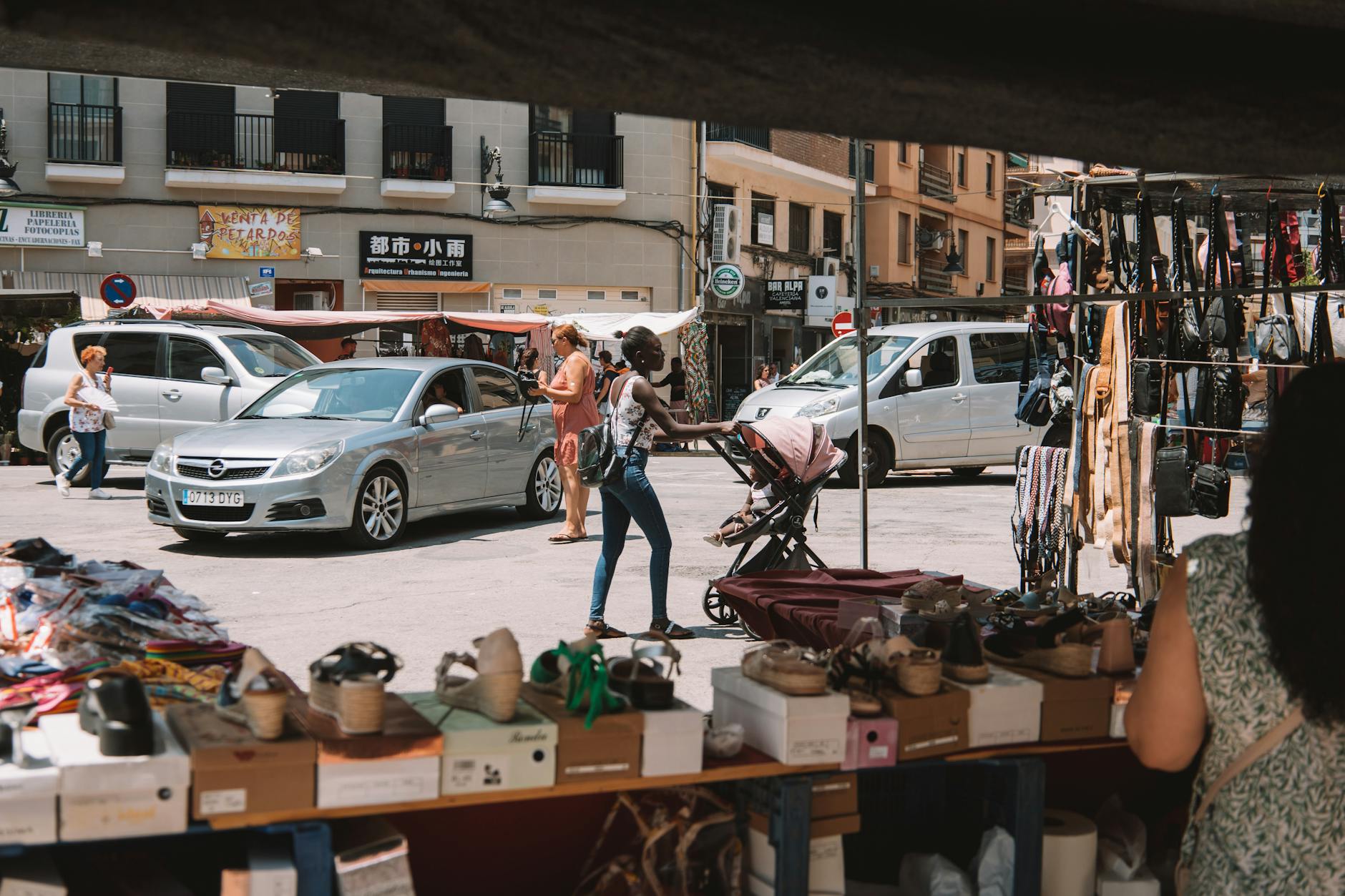
Arts, Culture, History, and Context
Spain’s depth comes from layers: Iberian, Celtic, Roman, Visigothic, Islamic, Jewish, Christian, imperial, regional, modern, republican, Franco-era, democratic, European, and contemporary.
Short History for Travelers
Spain’s history is not a straight line. The Iberian Peninsula has been shaped by Phoenicians, Greeks, Carthaginians, Romans, Visigoths, Islamic emirates and caliphates, Jewish communities, Christian kingdoms, dynastic unions, empire, civil war, dictatorship, democracy, and regional autonomy.
Roman Spain left roads, aqueducts, theaters, walls, and urban structures. Islamic al-Andalus left some of Europe’s most extraordinary architecture, especially in Córdoba, Granada, and Seville, as well as agricultural, linguistic, scientific, and cultural legacies. Jewish Spain was central to medieval intellectual and commercial life before persecution, forced conversion, and expulsion. Christian kingdoms pushed south over centuries, creating layered cities where mosques, synagogues, churches, palaces, and fortresses tell complicated stories.
The early modern Spanish empire made Spain globally powerful and wealthy, but also tied it to conquest, extraction, missionary activity, slavery, conflict, and immense cultural exchange. The 19th and early 20th centuries brought political upheaval, regional tensions, industrialization, and artistic revolutions. The Spanish Civil War and Franco dictatorship still shape memory, politics, monuments, families, and public debate. Contemporary Spain is democratic, European, regionally complex, creative, and still negotiating how to balance tourism, housing, climate, identity, and memory.
UNESCO and Heritage
UNESCO lists 50 World Heritage properties in Spain, making heritage travel central to the country’s appeal.[13] The list includes famous sites such as the Alhambra, Córdoba, Toledo, Segovia, Santiago de Compostela, Works of Antoni Gaudí, Old City of Salamanca, Seville’s Cathedral/Alcázar/Archivo de Indias, Mérida, Tarragona, Doñana, Ibiza, Teide, the Camino de Santiago, and many others.
Cultural Norms That Matter
- Greet people when entering small shops, bars, and elevators.
- Do not reduce Spain to stereotypes about flamenco, bullfighting, sangria, and siesta.
- Respect regional languages and identities.
- Dress modestly enough in churches and religious sites.
- Keep voices controlled in residential areas late at night.
- Do not block narrow streets or private doorways for photos.
- Understand that lunch and dinner times may be later than you are used to.
- At crowded bars, order confidently but patiently.
- Tipping is appreciated but not expected at U.S. levels.
- Public drinking rules vary by municipality; do not assume street drinking is legal.
Books, Films, and Listening Before You Go
A guide should curate this carefully by region, but useful categories include:
- A short Spanish history overview.
- A book on al-Andalus for Andalusia routes.
- A Civil War/history memory primer for Madrid, Barcelona, and the north.
- Regional food guides.
- Spanish cinema across eras.
- Flamenco listening for Andalusia.
- Catalan Modernisme and Gaudí architecture references for Barcelona.
- Camino memoirs and practical route guides for pilgrims.
Seasonal and Month-by-Month Guide
Spring
Spring is one of the best seasons for Spain. Andalusia’s patios, Seville’s Semana Santa/Feria season, Madrid’s terraces, Barcelona’s architecture walks, Valencia’s festival calendar, and Castilian day trips all work well.
Best experiences: Seville/Córdoba/Granada, Madrid and day trips, Barcelona and Catalonia, Valencia, walking routes, patios, early beach days in the south.
Watch out: Semana Santa can make hotels expensive and streets crowded. Weather can still be rainy in the north.
Summer
Summer is a beach, island, mountain, and late-night season. It is not the best time for a heavy inland city itinerary.
Best experiences: Balearics, Canaries, Costa Brava, Basque coast, Galicia, Asturias, Cantabria, Pyrenees, Sierra Nevada, beach towns, festivals.
Watch out: Heat waves, wildfire risk, expensive islands, crowded coasts, sold-out rental cars, tourist pressure, and midday exposure.
Autumn
Autumn is excellent. September keeps beach energy; October is ideal for cultural routes; November lowers crowds and brings food/wine depth.
Best experiences: Madrid, Barcelona, Andalusia, Basque Country, La Rioja, Galicia, wine harvest regions, Camino sections, city breaks.
Watch out: September heat, northern rain, festival weekends, shorter daylight later in autumn.
Winter
Winter Spain is underrated. Madrid, Barcelona, Seville, Córdoba, Granada, Valencia, Málaga, Bilbao, San Sebastián, and the Canary Islands can be very rewarding.
Best experiences: Museums, food, Christmas lights, skiing, Canaries, Andalusia without brutal heat, lower crowds.
Watch out: Cold interior nights, rain in the north, closed beach-town businesses, shorter days.
Major Annual Timing Issues
| Event/period | Planning impact |
|---|---|
| Semana Santa | Huge in Seville, Málaga, Granada, Castile, and many towns; hotels and streets affected. |
| Feria de Abril / local ferias | Seville and Andalusian festival travel requires early lodging and local context. |
| Las Fallas | Valencia becomes festival-dominated in March. |
| San Fermín | Pamplona in July is crowded and expensive; not a casual add-on. |
| La Tomatina | Buñol event requires planning; not for everyone. |
| August holidays | Coasts/islands fill; some city businesses close; heat peaks inland. |
| Christmas/New Year | City lights and traditions are good; closures and peak dates require planning. |
| 2026 total solar eclipse | Northern Spain and the Balearics may experience major accommodation/traffic pressure around August 12. |
Day Trips and Side Trips
From Madrid
| Destination | Best for | Notes |
|---|---|---|
| Toledo | History, medieval streets, art, religious layers | One of Spain’s best day trips; better with an overnight if you want evenings. |
| Segovia | Roman aqueduct, castle, old town, food | Easy, beautiful, and less intense than Toledo. |
| El Escorial | Royal monastery, history, mountain edge | Good for history travelers. |
| Ávila | Medieval walls | Works as part of a Castile route. |
| Cuenca | Hanging houses, dramatic landscape | Better as overnight if time allows. |
| Salamanca | University city, plazas, architecture | Long day possible; overnight better. |
From Barcelona
| Destination | Best for | Notes |
|---|---|---|
| Girona | Old town, Jewish quarter, food, walls | One of the best Barcelona day trips. |
| Montserrat | Monastery, mountain scenery, hiking | Go early; weather matters. |
| Tarragona | Roman history, beach/city mix | Strong heritage day. |
| Figueres | Dalí Theatre-Museum | Best for Dalí fans; pair with Girona only if efficient. |
| Costa Brava | Beaches, coves, villages | Often better with a car and an overnight. |
| Sitges | Beach, LGBTQ+ travel, easy coast | Easy and popular. |
From Seville
| Destination | Best for | Notes |
|---|---|---|
| Córdoba | Mosque-Cathedral, patios, old town | Easy by train; overnight recommended if possible. |
| Cádiz | Atlantic old town, seafood, beaches | Great contrast to Seville. |
| Jerez | Sherry, horses, flamenco culture | Best if you care about sherry/Andalusian culture. |
| Ronda | Gorge, white-town atmosphere | Better as part of a road trip than rushed day trip. |
| Itálica | Roman ruins | Easy half-day for history lovers. |
From Granada
| Destination | Best for | Notes |
|---|---|---|
| Sierra Nevada | Mountains, skiing, hiking | Season-dependent. |
| Alpujarras | Villages, mountain culture | Better with car/overnight. |
| Córdoba/Seville/Málaga | City connections | Possible, but do not turn Granada into a one-night pass-through. |
From Bilbao/San Sebastián
| Destination | Best for | Notes |
|---|---|---|
| Getaria/Zarautz | Coast, seafood, txakoli | Excellent food/coast day. |
| Hondarribia | Old town, border/coast atmosphere | Beautiful and manageable. |
| Vitoria-Gasteiz | Basque capital, green urbanism | Under-visited. |
| La Rioja | Wine towns | Better with car/driver and overnight. |
| Pamplona | History, San Fermín context | Good add-on outside festival chaos. |
The Move
Do not treat every side trip as a day trip. Toledo, Córdoba, Girona, Cádiz, Ronda, Salamanca, and La Rioja often become much better with one night.
What to Skip
Skip: A One-Day Granada From Seville or Madrid If the Alhambra Is Your Main Goal
It is possible. It is usually not wise. Granada deserves an evening and a morning.
Better alternative: Sleep in Granada at least one night; two if you can.
Skip: Paella From a Tourist Menu at Dinner
Paella is tied to Valencia and traditionally a lunch dish. Bad paella is everywhere.
Better alternative: Book a proper rice restaurant in Valencia or a reputable restaurant elsewhere that treats rice seriously.
Skip: Renting a Car for Madrid, Barcelona, Seville, Córdoba, and Granada
The car will become parking, stress, and low-emission-zone risk.
Better alternative: Use trains between cities; rent a car only for rural segments.
Skip: Las Ramblas as Your Barcelona Base by Default
It is famous and central, but often crowded and theft-prone.
Better alternative: Eixample, Gràcia, Sant Antoni, El Born edge, Poblenou, or another neighborhood that fits your style.
Skip: July/August Heavy Inland Sightseeing
You can do it, but it will shape the entire day around heat avoidance.
Better alternative: Choose north Spain, islands, mountains, beaches, or travel in shoulder season.
Skip: “Spain in 7 Days” Multi-Region Checklists
Madrid, Barcelona, Seville, Granada, Valencia, and San Sebastián in a week is a logistics exercise, not a trip.
Better alternative: One region or two major cities.
Skip: Generic Flamenco Dinner Shows Without Checking Quality
Some are designed for bus-tour convenience more than performance quality.
Better alternative: Research respected venues in Seville, Jerez, Cádiz, Granada, or Madrid.
Skip: Overloading Barcelona With Paid Timed Attractions
Barcelona’s architecture is essential, but too many ticket windows can turn the city into a queue.
Better alternative: Choose the top two or three, then walk neighborhoods.
Common Mistakes
- Trying to see the whole country in one trip. Spain is a route country.
- Underestimating heat. Summer inland Spain can be punishing.
- Not booking the Alhambra early. Granada without Alhambra tickets is still good, but most first-timers will be disappointed.
- Eating by tourist menus near landmarks. Spain rewards a little food research.
- Assuming dinner happens early. Adapt or plan carefully with kids.
- Renting a car unnecessarily. Trains are better for major city routes.
- Not renting a car when needed. Rural/coastal/natural Spain often requires one.
- Ignoring regional languages and identities. This is not a detail; it is part of the place.
- Only visiting Barcelona and assuming you understand Spain. Barcelona is wonderful, but it is not a national summary.
- Rushing Seville, Córdoba, and Granada. They are close, but not identical.
- Choosing August beaches without booking early. Islands and coasts fill fast.
- Leaving valuables on café tables or beach towels. Petty theft is preventable.
- Driving into old towns or low-emission zones blindly. Check rules and parking.
- Scheduling museums back-to-back without breaks. Madrid art fatigue is real.
- Expecting every beach town to be charming. Some are beautiful; some are overbuilt.
- Using sangria as a food compass. Locals often drink wine, beer, vermouth, sherry, cider, or regional drinks depending place.
- Treating the Camino as a casual stroll. Even short sections require foot care and packing discipline.
- Ignoring strikes/local holidays. Transport, museums, and services can be affected.
- Overlooking the north. Green Spain is one of the best answers to summer heat and overfamiliar itineraries.
- Assuming the islands are interchangeable. They are not.
Responsible Travel
Spain’s tourism success creates pressure. Barcelona, the Balearics, the Canaries, Málaga, parts of Andalusia, and beach regions face concerns around housing, water, waste, crowding, cruise traffic, and cultural flattening. Responsible travel in Spain is not about guilt. It is about being a better guest.
Do
- Stay in legal accommodation.
- Respect local noise rules, especially in residential areas.
- Use public transport and trains where practical.
- Carry a refillable bottle, especially in heat.
- Eat at local businesses beyond the most crowded tourist streets.
- Book major sights at less crowded times where possible.
- Learn basic Spanish phrases and regional greetings where appropriate.
- Follow beach, trail, fire, and park rules.
- Support local craft rather than cheap imported souvenirs.
- Treat religious processions and worship spaces with respect.
Do Not
- Turn residential neighborhoods into party zones.
- Block streets, doors, or markets for photos.
- Assume short-term rentals are harmless in housing-stressed areas.
- Waste water casually in drought-prone/island regions.
- Drive into restricted urban zones without checking rules.
- Treat flamenco, regional dress, bullfighting, or local festivals as costume props.
- Ignore fire bans, trail closures, or heat warnings.
Local Logic
Spain is generous with visitors, but generosity should not be mistaken for permission to overwhelm. The better trip is usually slower, more regional, less extractive, and more aware of local life.
Packing List
Essentials
- Comfortable walking shoes.
- Light layers for spring/autumn.
- Sun hat, sunglasses, sunscreen.
- Refillable water bottle.
- Phone charger and portable battery.
- Type C/F plug adapter.
- Secure day bag.
- Light scarf or cover-up for churches.
- Medications in original packaging.
- Copies of passport/travel insurance.
- Cards plus some cash.
- Swimwear if coastal/island route.
- Earplugs for city nightlife or old buildings.
Seasonal Additions
| Season | Pack |
|---|---|
| Spring | Layers, light rain jacket, comfortable shoes, allergy medication if sensitive. |
| Summer | Breathable clothing, serious sun protection, sandals plus walking shoes, swimwear, light evening clothes, electrolyte support if heat-sensitive. |
| Autumn | Layers, rain jacket for north, comfortable city clothes, warmer evening layer. |
| Winter | Coat, scarf, warm layers for interior/north, lighter layers for Andalusia/Canaries, rain gear where relevant. |
Region-Specific Additions
| Region | Add |
|---|---|
| Andalusia in warm months | Sun hat, linen/breathable clothing, refillable bottle, anti-chafe support, heat discipline. |
| North coast/Galicia/Asturias | Rain jacket, layers, waterproof shoes if hiking. |
| Islands | Swimwear, reef-safe sun protection, rental-car phone mount, beach shoes where rocky. |
| Camino | Broken-in shoes, blister care, quick-dry clothes, lightweight pack, rain cover, pilgrim credential. |
| Mountains | Hiking shoes, layers, rain shell, sun protection, offline maps. |
What Not to Overpack
- Heavy formal clothes unless you have fine-dining/nightlife plans.
- Too many shoes.
- Large suitcases for old-town hotels without elevators.
- Beach gear that is cheap to buy locally.
- Hair appliances that may not work with voltage.
- A rigid schedule that leaves no space for Spanish meals and evenings.
FAQ
Is Spain worth visiting for a first trip to Europe?
Yes. Spain is one of Europe’s best first-trip countries because it combines major cities, food, art, beaches, trains, history, nightlife, and strong regional variety. The key is not trying to see all of it at once.
How many days do I need in Spain?
For one city, 3–4 days. For one region, 5–7 days. For a strong first Spain trip, 10–14 days. For a deep multi-region trip, 3 weeks or more.
What is the best first-time Spain itinerary?
Madrid + Córdoba + Seville + Granada is the cleanest culture route. Madrid + Barcelona + Andalusia is the classic greatest-hits route if you have 12–14 days.
Should I visit Madrid or Barcelona?
Both are excellent, but they are different. Madrid is better for art museums, central Spain, food/nightlife, and rail logic. Barcelona is better for Gaudí, design, Mediterranean energy, and Catalonia. Do not use one as a substitute for the other.
Is Andalusia worth it?
Yes. Seville, Córdoba, and Granada are central to many of Spain’s best first trips. Avoid rushing and avoid peak summer heat if possible.
Is Spain expensive?
Spain can be good value, especially outside peak season and outside the most expensive cities/islands. Barcelona, San Sebastián, Ibiza, Mallorca in summer, and peak Madrid hotels can be expensive.
Do I need a car in Spain?
Not for Madrid, Barcelona, Valencia, Seville, Córdoba, Granada, or major rail corridors. Yes or maybe for white villages, Galicia/Asturias/Cantabria, Picos de Europa, rural Castile/Extremadura/Aragón, vineyards, and many island routes.
Is Spain safe?
Spain is generally safe for visitors, but petty theft is common in crowded tourist areas. Heat, beach conditions, mountain weather, driving, and nightlife judgment matter.
When is the best time to visit Spain?
May and October are the easiest all-around answers. April, early June, late September, and November can also be excellent. July/August are best for beaches, islands, mountains, and northern Spain rather than heavy inland sightseeing.
What should I book ahead?
Alhambra, Sagrada Família, Park Güell, major Madrid museum times in peak periods, high-speed trains, island rental cars/ferries, San Sebastián restaurants, Semana Santa/Feria hotels, and special festival travel.
Is Spain good with kids?
Yes, especially Barcelona, Madrid, Valencia, Andalusia with slow pacing, Mallorca/Menorca, Tenerife/Gran Canaria, and beach-city combinations. Heat and late meal times require planning.
Can I visit Portugal and Spain together?
Yes, but do not underestimate logistics. Lisbon/Porto combine better with Galicia, Madrid, Seville, or Extremadura than with a rushed all-Spain checklist. Flight, train, and bus choices depend heavily on the exact route.
Is the Camino de Santiago only for religious pilgrims?
No. Many people walk for spiritual, cultural, athletic, reflective, or social reasons. Respect the pilgrim infrastructure and local communities even if your reason is not religious.
What is Spain’s most overrated destination?
No major destination is universally overrated, but several are overused in bad itineraries. Barcelona is often planned badly, Granada is rushed, Mallorca is stereotyped, and Ibiza is reduced to nightlife. The problem is usually not the place; it is the way people use it.
Source Notes
Date-sensitive details in this guide were checked against official or primary sources where possible. Re-check every price, fare, schedule, visa rule, ticketing procedure, safety advisory, and event date before publication.
- 1. Spain.info, “Visa and passport. Entry requirements for Spain,” https://www.spain.info/en/travel-tips/visa-passport/
- 2. Embassy/Consulates of Spain in the United States, “Conditions for entry into Spain,” https://www.exteriores.gob.es/Consulados/washington/en/ServiciosConsulares/Paginas/Consular/Condiciones-de-entrada-en-Espana.aspx
- 3. European Commission, “Entry/Exit System (EES),” https://home-affairs.ec.europa.eu/policies/schengen/smart-borders/entry-exit-system_en
- 4. European Union, “What is ETIAS,” https://travel-europe.europa.eu/etias/about-etias/what-is-etias
- 5. Spain.info, “Spain by train: 35 destinations connected by high-speed rail networks,” https://www.spain.info/en/top/spain-by-train/
- 6. Spain.info, “Explore Spain on its high-speed trains,” https://www.spain.info/en/route/explore-spain-on-high-speed-trains/
- 7. Renfe official site, https://www.renfe.com/es/en
- 8. Spain.info, “Advice on safety in Spain,” https://www.spain.info/en/travel-tips/safety/
- 9. Spain.info official tourism portal, https://www.spain.info/en/
- 10. Spain.info, “The climate in Spain,” https://www.spain.info/en/weather/
- 11. AEMET, Spain’s State Meteorological Agency, https://www.aemet.es/en/portada
- 12. Administración.gob.es, “Traffic: Emissions badges,” https://administracion.gob.es/pag_Home/en/Tu-espacio-europeo/derechos-obligaciones/ciudadanos/vehiculos/normas-trafico-viales/distintivos-emisiones.html
- 13. UNESCO World Heritage Centre, “Spain,” https://whc.unesco.org/en/statesparties/es
- 14. Patronato de la Alhambra y Generalife, official tickets, https://tickets.alhambra-patronato.es/en/
- 15. Sagrada Família official tickets, https://sagradafamilia.org/en/tickets
- 16. Museo Nacional del Prado, “Opening times and prices,” https://www.museodelprado.es/en/visit/opening-times-and-prices
- 17. Spain.info, “Eclipse Hunters,” https://www.spain.info/en/eclipses/