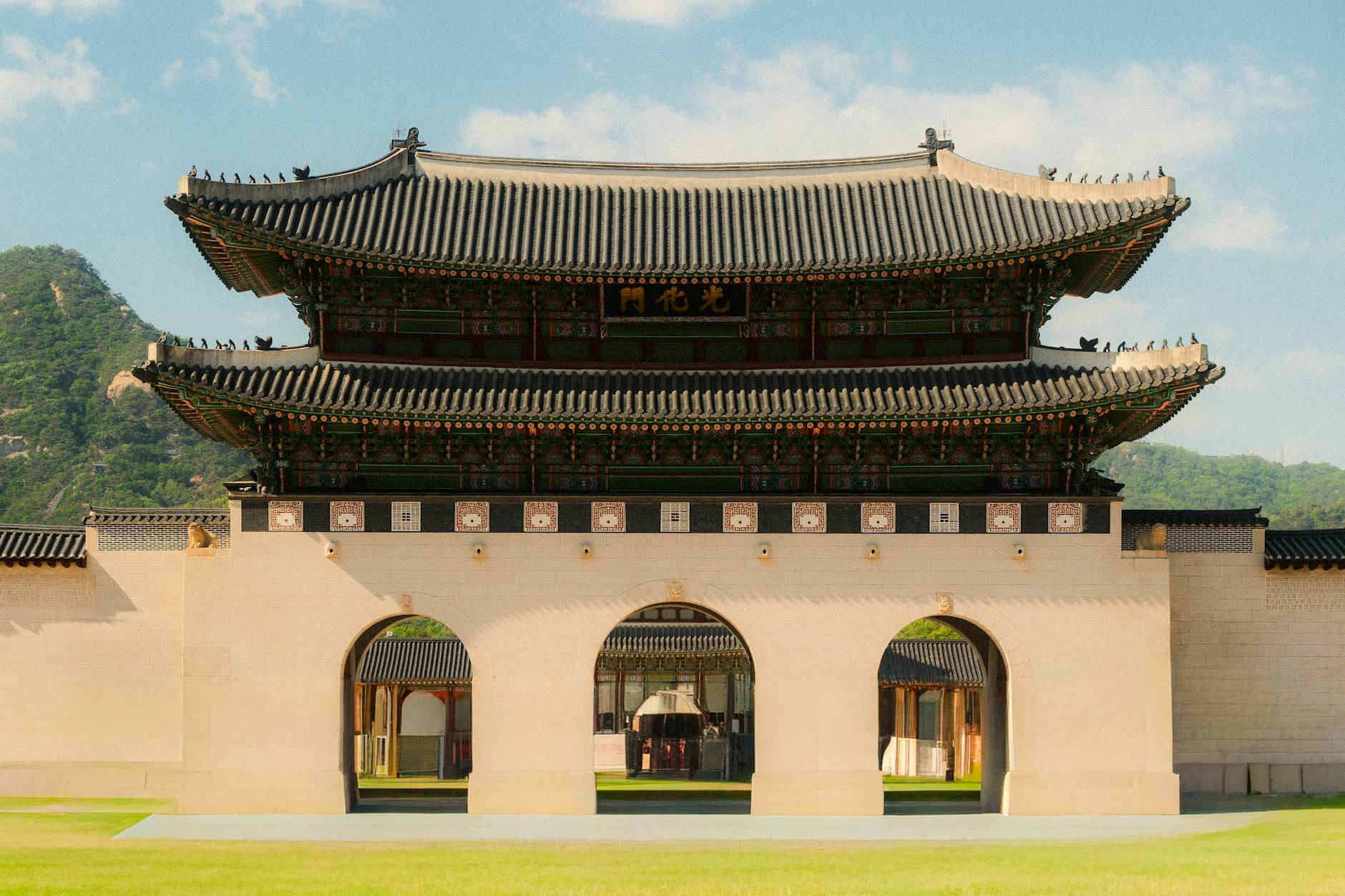
South Korea is compact enough to tempt overplanning and rich enough to punish it.
Start Here
On a map, it looks manageable: Seoul in the northwest, Busan in the southeast, Gyeongju nearby, Jeonju in the southwest, Gangwon mountains to the east, Jeju Island off the southern coast. High-speed trains make the country feel smaller than it is. Domestic flights make Jeju easy to add. Subways make Seoul legible. Convenience stores, cafés, night markets, rail stations, and phone apps make travel feel frictionless.
But a good Korea trip is not a race across a checklist. The country’s real pleasure comes from contrast: royal palaces against glass towers, old market alleys under LED signs, mountain temples above fast cities, seafood towns a short train ride from megacity shopping streets, Buddhist rituals beside K-pop retail, quiet hanok lanes beside late-night barbecue smoke, coastal hikes beside spa resorts, and neighborhoods that change personality by subway exit.
Most first-time visitors make one of two mistakes. They either stay only in Seoul and assume they have “done Korea,” or they try to stitch Seoul, Busan, Gyeongju, Jeonju, Jeju, the DMZ, Nami Island, Gangwon, and a ski resort into one exhausting trip. South Korea is not huge, but it is dense. The right question is not “How do I see everything?” It is: Which Korea do I want first?
This guide is built around that decision. It explains where to go, how to choose a route, when to travel, how to use trains and transit cards, what to book ahead, how holidays change movement, how to eat well, how to avoid shallow “viral Korea,” and how to experience the country with curiosity instead of just consumption.
South Korea in one sentence: South Korea is a fast-moving, mountain-and-coast country where the best trip pairs Seoul’s modern intensity with regional food, historic capitals, temple landscapes, coastal cities, seasonal nature, and logistics sharp enough to keep the journey from becoming a blur.
Basic data
| Population | About 51.7 million |
|---|---|
| Area | 100,210 km2 |
| Major religions | Largely secular, with Christian and Buddhist communities plus Confucian and shamanic heritage |
| Political system | Unitary presidential republic |
| Economic system | Advanced export-led mixed market economy centered on manufacturing, technology, services, and trade |
Quick Verdict
| Question | Answer |
|---|---|
| Best for | Food, cities, cafés, shopping, design, beauty and wellness, K-pop and Hallyu culture, temples, palaces, hiking, autumn color, cherry blossoms, modern transit, night markets, solo travel, friend trips, family trips, and travelers who like places where old and new sit close together. |
| Not ideal for | Travelers who dislike dense cities, language friction, reservation and app-based logistics, cold winters, humid summers, spicy/fermented food, late dining energy, or trips where many things require choosing the right neighborhood rather than simply following a monument trail. |
| Ideal first visit | 7–10 days. Five days works for a Seoul-focused trip. Seven days gives Seoul plus Busan/Gyeongju or Jeju. Ten days lets the country breathe. Two weeks allows Seoul, Busan, Gyeongju, Jeju or Jeolla/Gangwon without rushing. |
| Best first-timer route | Seoul for 4–5 nights, then Gyeongju and Busan for 3–4 nights. Add Jeju only if you have at least 10 days or are willing to skip another region. |
| Best time to visit | April–May and October–early November for most travelers. Cherry blossom timing usually favors late March into April by region. Autumn is often the easiest season for comfort, food, hiking, and photography. Summer is hot, humid, and rainy; winter is cold but excellent for food, cafés, ski trips, and lower crowds outside holidays. |
| Biggest planning mistake | Trying to cover Seoul, Busan, Gyeongju, Jeonju, Jeju, DMZ, and multiple “famous” day trips in one week. Korea is efficient, but every transfer still costs attention. |
| One thing to book early | KTX/SRT trains around Seollal and Chuseok, popular hotels in cherry blossom/autumn weekends, DMZ tours, Jeju rental cars in peak season, ski/resort stays, and any high-demand restaurant, beauty appointment, performance, or concert. |
| One thing to leave unscheduled | Neighborhood wandering, cafés, markets, food courts, riverside walks, convenience-store snacks, spontaneous barbecue, and evenings in Hongdae, Seongsu, Euljiro, Haeundae, Seomyeon, or Jeonju’s hanok lanes. |
| Best first-timer base in Seoul | Myeongdong/Euljiro for convenience, Jongno/Insadong/Anguk for palaces and traditional texture, Hongdae/Yeonnam for youth energy, Gangnam for business/beauty/shopping, Itaewon/Hannam for international dining, or Seoul Station/Yongsan for rail logistics. |
| Most important warning | Do not rely on Google Maps alone. Install Naver Map or KakaoMap, Papago for translation, and the relevant rail/transit apps before arrival. |
The Move
For a first trip, choose one of three clean structures:
- Seoul + Gyeongju + Busan for the strongest classic route.
- Seoul + Jeju for city plus island nature.
- Seoul deep dive + day trips for travelers who care more about food, fashion, cafés, palaces, markets, nightlife, and modern culture than countrywide movement.
Anything more ambitious needs at least 10–14 days.
Who Will Love South Korea?
You will probably love South Korea if you want:
- A country where you can pair polished megacity life with mountains, temples, beaches, islands, historic towns, and food regions.
- A food trip that ranges from barbecue, stews, market snacks, banchan, seafood, noodles, street food, temple cuisine, fried chicken, café desserts, convenience-store meals, and regional specialties.
- Efficient public transport: subways, buses, KTX high-speed trains, airport rail, intercity buses, and domestic flights.
- A city trip with layers: palaces, museums, department stores, design districts, underground malls, river parks, night markets, hanok villages, university neighborhoods, and late-night eating.
- Seasonal travel: cherry blossoms, lotus lanterns, beach season, monsoon-green mountains, autumn foliage, winter food, ski resorts, and holiday rituals.
- A trip that can be done without a car for most classic routes.
You may struggle with South Korea if you want:
- A completely frictionless English-language environment.
- Rural spontaneity without Korean-language tools.
- Vegetarian or gluten-free eating without planning.
- Summer sightseeing without heat/humidity tolerance.
- A trip where every major attraction is ancient, slow, and preserved. Korea’s appeal is often the living collision of commerce, tradition, pop culture, food, and urban systems.
- A country where Google Maps, Apple Pay, and international booking platforms solve everything.
South Korea is easy in many ways. It is safe-feeling, clean, organized, connected, and compact. The challenge is not danger or chaos. The challenge is choosing well.
South Korea at a Glance
| Practical | Detail |
|---|---|
| Official name | Republic of Korea. In travel writing, “South Korea” is usually clearer for readers. |
| Capital | Seoul. The Seoul Capital Area is the country’s main arrival, business, cultural, shopping, and transit hub. |
| Language | Korean. Hangul, the Korean alphabet, is logical and worth learning to read at a basic level even if you do not speak Korean. English signage is good in airports, major stations, subways, and tourist zones; spoken English varies. |
| Currency | South Korean won, written as KRW or ₩. |
| Cards vs cash | Cards are widely accepted in cities, but cash remains useful for transit-card top-ups, markets, older restaurants, street food, lockers, small rural businesses, and some buses or local situations. |
| Time zone | Korea Standard Time, UTC+9. No daylight saving time. |
| Main international airport | Incheon International Airport (ICN), west of Seoul. Gimpo Airport (GMP) handles many domestic flights plus some regional international flights. Busan’s Gimhae Airport (PUS) and Jeju Airport (CJU) are also important. |
| Entry basics | Visa, K-ETA, and e-Arrival Card rules are passport-specific. Some travelers enter visa-free, some need K-ETA unless exempt, and some need a visa. Korea’s e-Arrival Card is a separate online entry declaration. Check official rules before travel.[1][2][3] |
| Electricity | 220V, Type C/F plugs. Bring an adapter if needed. |
| Emergency numbers | Police: 112. Fire/ambulance: 119. Infectious disease/medical information: 1339. Korea Travel Hotline: 1330.[12] |
| Transport cards | Tmoney, EZL, WOWPASS, Climate Card, and other rechargeable cards are used for public transport and some payments. Options vary by city and traveler need.[7] |
| Best map apps | Naver Map and KakaoMap. Google Maps is useful for broad orientation but is often weaker for Korean navigation. |
| Best translation app | Papago, plus Google Translate as backup. Camera translation is useful for menus and ticket machines. |
| Best rail source | KORAIL’s official foreigner site and app for KTX and other KORAIL trains; SRT is a separate high-speed rail operator from Suseo Station.[9][8] |
| Best official tourism source | VISITKOREA, the Korea Tourism Organization’s official site.[20] |
| Tap water | Treated tap water is generally safe, but many locals and travelers use filtered or bottled water because of taste or building plumbing concerns. |
| Driving side | Right side of the road. |
| Tipping | Not customary in ordinary restaurants, taxis, and cafés. Service charges may appear in hotels or higher-end contexts. |
| Best default trip length | 7–10 days for a first trip. |
First-Timer Mistake
Do not build a Korea trip around “top 20 things to do.” Build it around movement corridors:
- Seoul and nearby day trips.
- Seoul–Gyeongju–Busan by high-speed rail.
- Seoul or Busan plus Jeju by flight.
- Seoul plus Gangwon coast/mountains by rail/bus.
- Jeolla food/heritage by KTX/intercity bus.
Once the corridor is clear, the trip becomes easy.
2026 Visitor Notes
K-ETA and e-Arrival Card Are Not the Same Thing
K-ETA is Korea’s electronic travel authorization for eligible visa-free travelers. The official K-ETA site lists eligible passports, allowed stay periods, required documents, exemptions, and the application fee.[1] Korea has also extended a temporary K-ETA exemption through December 31, 2026 for designated eligible travelers, but this should never be treated as universal. Passport, purpose of travel, length of stay, age, visa status, and exemption category matter.[2]
The e-Arrival Card is different. It is an online entry declaration run through Korea’s official e-government portal. The official site says it is free and can be submitted within three days before arrival in Korea.[3] VISITKOREA notes that visitors entering Korea are required to submit an arrival card except for categories such as valid residence-card holders, K-ETA holders, and e-group visa holders.[4]
The move: Check your passport and status on the official K-ETA and e-Arrival Card sites. Do not use paid lookalike sites unless you have intentionally chosen a third-party service.
Holidays Can Break an Otherwise Good Itinerary
Seollal and Chuseok are Korea’s biggest family-travel periods. VISITKOREA notes that offices and banks close during official holidays, and that millions of people visit hometowns during Seollal and Chuseok.[6] This does not mean the country shuts down completely—many tourist sites, malls, amusement parks, and restaurants may operate—but rail tickets, highways, domestic flights, and family-oriented destinations can become extremely busy.
The move: If your trip overlaps Seollal or Chuseok, book long-distance trains and hotels early, keep schedules flexible, and avoid planning major same-day intercity moves at peak travel times.
Rail Is Excellent, But Korea Is Not One Rail System
KTX, SRT, ITX, regular trains, airport rail, subways, buses, and domestic flights all have roles. VISITKOREA describes KTX as a high-speed express train running up to 300 km/h, with routes from Seoul/Yongsan/Cheongnyangni toward Busan, Mokpo, and other cities; SRT is also high-speed and departs from Suseo Station toward Busan or Mokpo.[8]
The move: For first-timers, KTX from Seoul to Gyeongju/Busan is usually simpler than flying. For Jeju, fly. For smaller towns, compare KTX plus local bus against direct intercity bus. Do not assume every worthwhile destination has a perfect train link.
Airport Arrival Is Straightforward, But Pick the Right Transfer
VISITKOREA’s airport guide lists Airport Railroad Express travel from Incheon Airport Terminal 1 to Seoul Station at about 43 minutes and from Terminal 2 to Seoul Station at about 51 minutes.[11] Limousine buses, taxis, private transfers, and all-stop trains may be better depending on hotel location, luggage, arrival time, and fatigue.
The move: If staying near Seoul Station, Hongdae/Hongik Univ., Gongdeok, or other Airport Railroad stops, the train is strong. If staying near a hotel served directly by airport limousine bus, the bus may be easier with luggage.
Korea Is Safe-Feeling, But Not Risk-Free
The U.S. State Department currently rates South Korea at Level 1, “Exercise Normal Precautions,” while also noting that violent crime and property crime are rare for most visitors and that demonstrations are common.[13] The practical risks for travelers are usually nightlife overcharging, petty theft in crowded areas, traffic, heat/cold, air quality, hiking/weather hazards, and mistakes around local laws.
The move: Use ordinary big-city caution, avoid nightlife touts, watch your belongings in crowded markets and subway areas, and treat hikes, beaches, and winter roads as real safety contexts.
Korea’s Nature Is Close, But It Is Not Casual
Korea is a mountain country. National parks, coastal walks, island roads, ski areas, and volcanic landscapes are easy to reach but still weather-dependent. Korea National Park Service resources and park-specific updates matter because trails can close for weather, fire prevention, ecological protection, maintenance, and seasonal safety.[18]
The move: Check trail status before hiking, especially in winter, after heavy rain, during heat, or around dry-season closure periods. Wear real shoes. Korean hikers dress seriously for a reason.
How to Understand South Korea
South Korea is often described through pop culture: K-pop, K-drama, beauty, fashion, food, and Seoul nightlife. That is real, but incomplete. The country is also shaped by mountains, dynastic capitals, Japanese colonial history, war and division, rapid industrialization, Confucian social patterns, Buddhist landscapes, regional food cultures, and an intensely urban present.
The best first trip should let you feel at least four Koreas:
| Korea | Where you feel it | What it gives you |
|---|---|---|
| Royal and historic Korea | Seoul palaces, Jongmyo, Suwon Hwaseong, Gyeongju, Andong Hahoe, Gongju/Buyeo, Jeonju Hanok Village | Dynasties, temples, old capitals, hanok architecture, Confucian and Buddhist heritage, UNESCO sites. |
| Urban modern Korea | Seoul, Busan, Daegu, Daejeon, Incheon, Gangnam, Seongsu, Hongdae, Euljiro, Haeundae, Seomyeon | Transit, shopping, cafés, design, nightlife, department stores, tech, pop culture, work rhythm. |
| Food Korea | Seoul markets, Jeonju, Busan, Gwangju/Jeolla, Andong, Chuncheon, Jeju, coastal towns | Banchan, barbecue, stews, noodles, seafood, street snacks, drinking culture, regional specialties. |
| Mountain/coast Korea | Seoraksan, Bukhansan, Gangwon coast, Jeju, Suncheon Bay, Yeosu, Tongyeong, national parks | Hiking, autumn color, temples, volcanic landscapes, beaches, islands, sunrise spots, slow travel. |
| Border and memory Korea | DMZ/Paju, War Memorial of Korea, Seodaemun Prison, Jeju 4·3 sites, modern history museums | Division, colonial history, war memory, democracy movements, national identity, political tension. |
Local Logic
South Korea works through nodes. In Seoul, the station exit matters. In Busan, the beach district, market district, and nightlife district are not interchangeable. In Jeju, the town you stay in shapes whether you are doing beaches, Hallasan, waterfalls, cafés, or east-coast sunrise trips. In Gyeongju, the mistake is treating it as a drive-by museum instead of a landscape of tombs, temples, ponds, observatories, and night walks.
Distances look short until you account for:
- Subway transfers.
- Station exits.
- Reservation windows.
- Holiday crowds.
- Mountain roads.
- Jeju driving distances.
- Last train or bus timing.
- Restaurant break times.
- Whether a destination is designed for domestic car travelers.
South Korea is efficient, but it rewards people who plan by clusters, not wish lists.
The Country’s Central Contrasts
Korea’s travel appeal comes from tensions you can feel in one day:
- Ancient capitals vs new consumer culture: Gyeongju tombs and temple courtyards, then a Seoul café built for social media.
- Ritual vs speed: Buddhist temple stays and palace ceremonies beside same-day delivery, subway precision, and all-night entertainment districts.
- Collective order vs personal style: Quiet subway norms, orderly queues, and social etiquette beside fashion-forward neighborhoods and pop-cultural intensity.
- Mountain restraint vs urban abundance: Hiking trails and temple food, then barbecue, fried chicken, craft coffee, and beauty megastores.
- Memory vs reinvention: War, division, colonization, and democracy movements against one of Asia’s most visibly future-facing societies.
A shallow Korea guide tells you where to take photos. A serious one explains why the photo sits inside a deeper story.
Best Time to Visit South Korea
South Korea has four distinct seasons. VISITKOREA describes the country as a mid-latitude region with an overall temperate climate, clear and mild spring/fall weather, hot and humid summer, and cold, dry winter.[5]
Best Overall Months
April, May, October, and early November are the easiest months to recommend.
- April brings cherry blossoms, spring flowers, mild weather, palace walks, and major demand.
- May is often more comfortable and less blossom-obsessed, with greener landscapes and good city weather.
- October is arguably the best all-around month: clear air, festivals, food, hiking, and comfortable temperatures.
- Early November can be excellent for autumn foliage, especially if the year runs late.
Season-by-Season
| Season | What to expect | Best for | Watch out for |
|---|---|---|---|
| Spring: March–May | Blossoms move northward, weather improves, cafés and parks get lively. | Cherry blossoms, palaces, Seoul walks, Gyeongju, Jeonju, Busan, first trips. | Crowds, hotel prices, yellow dust/fine dust days, temperature swings. |
| Summer: June–August | Hot, humid, rainy, green, festival-heavy, beach-friendly in the right places. | Busan beaches, Jeju, indoor Seoul, cafés, nightlife, summer festivals. | Monsoon rain, heat fatigue, typhoons, sweaty subway transfers, overambitious sightseeing. |
| Autumn: September–November | Comfortable air, strong food season, hiking, foliage, festivals. | First-timers, hiking, photography, Gyeongju, national parks, Seoul neighborhoods. | Chuseok travel disruption, popular foliage weekends, early September heat. |
| Winter: December–February | Cold and dry, with ski trips, hot stews, cafés, illuminations, and fewer crowds. | Food, shopping, museums, ski resorts, jjimjilbang, winter photography. | Sharp cold, icy paths, Lunar New Year closures/travel, short daylight. |
Month-by-Month Guide
| Month | Verdict |
|---|---|
| January | Cold, dry, good for museums, cafés, food, shopping, ski resorts, and lower crowds outside holiday periods. Seoul can feel severe if you are not prepared for wind and cold. |
| February | Still winter. Seollal may fall in January or February, affecting transport and closures. Good for winter food and ski trips. |
| March | Transitional. Early March can feel wintery; late March brings blossoms in southern regions and Jeju. Fine dust can be an issue. |
| April | Peak spring for many first-timers. Cherry blossoms, palace walks, Gyeongju, Seoul neighborhoods, and festivals. Book early. |
| May | One of the best months. Warm but not brutal, green landscapes, strong café/park weather, and less bloom anxiety than April. |
| June | Warm and increasingly humid. Good early in the month; rain risk rises later. Fine for Seoul/Busan if you build indoor breaks. |
| July | Hot, humid, and rainy. Better for beaches, cafés, indoor culture, and nightlife than heavy outdoor sightseeing. |
| August | Hot and humid, with possible typhoon disruption. Good for beach-focused trips if you accept weather risk. |
| September | Still warm early, then improves. Chuseok can dramatically affect movement depending date. |
| October | Excellent. Comfortable weather, festivals, hiking, food, Seoul walks, and Gyeongju/Busan routes. Book autumn weekends early. |
| November | Strong early-to-mid month for foliage and city walks; colder by late month. A very good value period when timed well. |
| December | Cold but lively in cities. Good for shopping, lights, food, cafés, museums, and ski season starts. |
Rain Plan
Korea is unusually strong in bad weather because urban indoor life is excellent. Swap outdoor plans for museums, department stores, underground shopping, markets, cafés, jjimjilbang, cooking classes, temple-cuisine meals, performance venues, and rail-connected neighborhoods.
The Move
If this is your first trip and you can choose freely, choose late April/May or October/early November. If you want lower prices and do not mind cold, winter can be rewarding. If you hate heat and humidity, do not make July/August your first Korea trip.
How Many Days You Need
The Honest Answer
South Korea’s classic first trip needs 7–10 days. Five days is a Seoul trip. Seven days is Seoul plus one regional add-on. Ten days gives you enough time to understand the country’s contrasts. Two weeks lets you make a real route rather than a highlight reel.
| Length | What it feels like |
|---|---|
| 3 days | Seoul only. Palaces, one market, one nightlife area, cafés/shopping, and maybe a half-day DMZ or Suwon trip. Do not leave Seoul unless you have a very specific reason. |
| 5 days | A strong Seoul-focused trip with one day trip. Good for food, fashion, cafés, palaces, markets, and museums. Not a countrywide trip. |
| 7 days | Seoul plus Busan/Gyeongju, or Seoul plus Jeju, or Seoul plus Gangwon. This is the minimum for a proper first-timer route. |
| 10 days | Best first-visit length. Seoul, Gyeongju, Busan, and either Jeju, Jeonju, or a Gangwon/DMZ add-on. |
| 14 days | Excellent. Seoul, Gyeongju, Busan, Jeju, and one deeper region such as Jeolla, Gangwon, Andong, or additional Seoul day trips. |
| 3 weeks | A genuine country journey: Seoul deep dive, central heritage towns, southern coast, Busan, Jeju, Gangwon mountains/coast, and specialized food/culture days. |
Minimum Worthwhile Stays
| Destination | Minimum | Better |
|---|---|---|
| Seoul | 3 full days | 5–7 days |
| Busan | 2 days | 3–4 days |
| Gyeongju | 1 overnight | 2 nights |
| Jeonju | 1 overnight | 2 nights if food/hanok/culture matters |
| Jeju | 3 nights | 4–5 nights |
| Gangwon coast / Seoraksan | 1 overnight | 2–3 nights |
| DMZ | Half/full day | Day trip from Seoul |
| Andong / Hahoe | 1 overnight | 2 nights if slow heritage travel matters |
| Jeolla coast / Suncheon / Yeosu / Mokpo | 2 nights | 4–5 nights for a real southern route |
The Move
Do not add Jeju to a seven-day trip unless you are willing to cut Busan/Gyeongju or make Seoul shorter. Jeju is not just a scenic checkbox; it is an island that needs time, weather flexibility, and transport planning.
Choose Your South Korea Trip
A country guide should help readers choose their version of the trip before drowning them in attractions.
Trip Archetypes
| Trip type | Best length | Best route |
|---|---|---|
| Classic first-timer | 7–10 days | Seoul → Gyeongju → Busan, with DMZ/Suwon optional. |
| Seoul deep dive | 5–7 days | Seoul neighborhoods plus DMZ, Suwon, Incheon, or Bukhansan. |
| City + island | 7–10 days | Seoul → Jeju, with Busan optional only if 10+ days. |
| Food route | 7–12 days | Seoul → Jeonju/Gwangju → Busan → Jeju or Andong. |
| Heritage route | 7–12 days | Seoul → Suwon → Gongju/Buyeo or Andong → Gyeongju → Busan. |
| Nature and hiking | 7–14 days | Seoul/Bukhansan → Seoraksan/Gangwon → Jeju or Jirisan/Suncheon. |
| K-pop/Hallyu/fashion/café trip | 5–8 days | Seoul-focused, with Busan or Gangneung as a secondary mood. |
| Winter trip | 5–10 days | Seoul + ski resort/Gangwon + Busan or Jeju for milder contrast. |
| Family trip | 7–10 days | Seoul + Busan or Jeju; fewer transfers, more parks, aquariums, trains, and easy food. |
| No-car trip | 7–12 days | Seoul → Gyeongju → Busan → Jeonju/Gangneung by rail/bus; Jeju only with tours/taxis or a hired driver. |
| Slow Korea | 2–3 weeks | Seoul + one heritage region + one food region + one nature/island region. |
First-Time Visitor? Start Here
For most first-time visitors, the clean default is:
- 4 nights Seoul
- 1–2 nights Gyeongju
- 2–3 nights Busan
- Add Jeju only if you have 10+ days or make Jeju the main nature add-on.
- Add DMZ or Suwon as a day trip from Seoul, not as an extra overnight unless specialized.
This gives you palace Korea, modern Seoul, train Korea, Silla heritage, coastal Busan, markets, food, temples, beaches, and nightlife without needing a car.
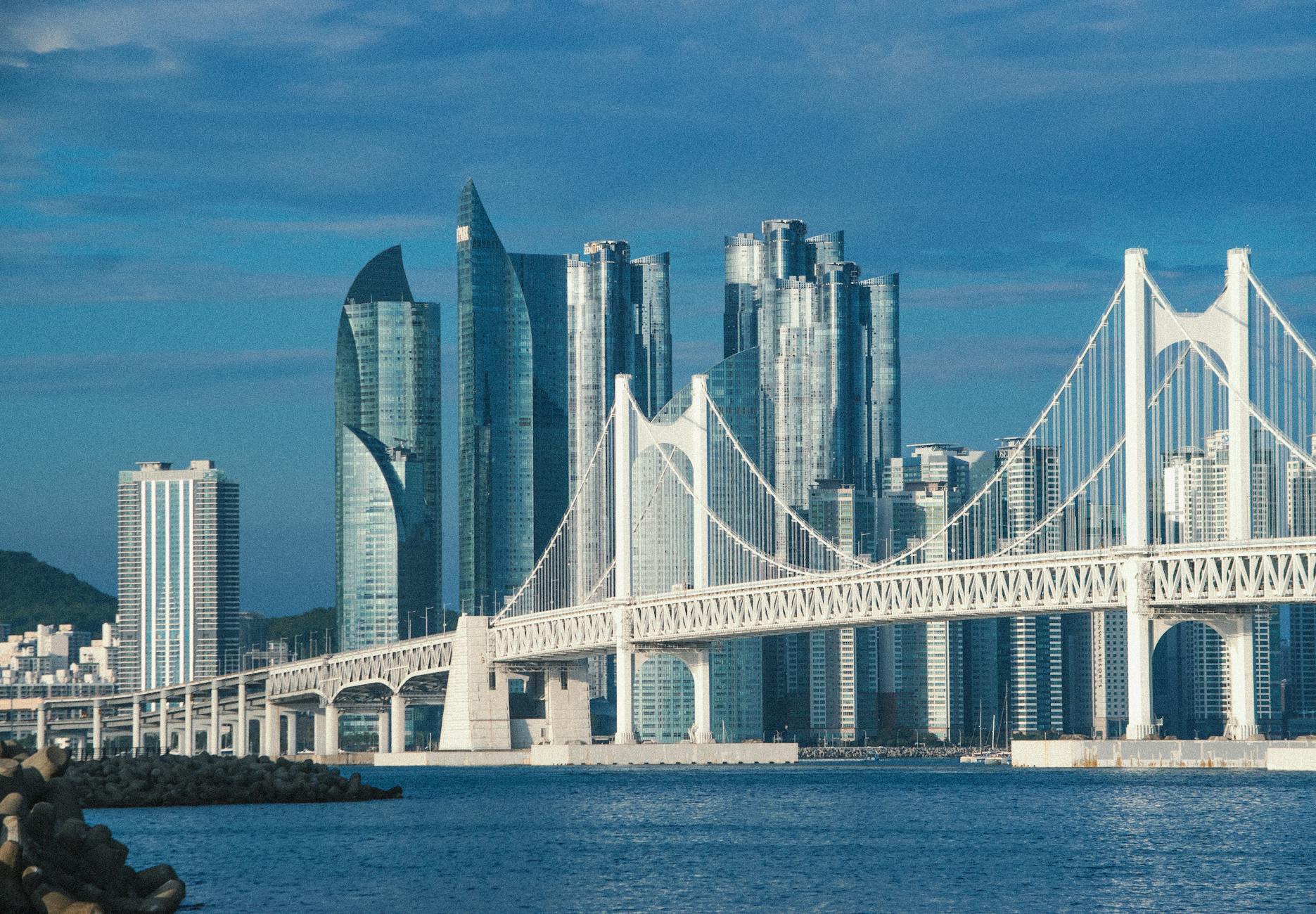
Regions and Route Logic
Mental Map
South Korea is best understood as several travel systems:
| Region / system | Main places | Travel role |
|---|---|---|
| Seoul Capital Area | Seoul, Incheon, Suwon, Paju/DMZ, Gapyeong/Nami, Bukhansan | Entry point, palaces, modern culture, food, shopping, museums, day trips. |
| Southeast / Gyeongsang | Busan, Gyeongju, Daegu, Andong, Ulsan, Tongyeong, Geoje | Classic rail route, heritage, seafood, beaches, historic capitals, markets. |
| Jeolla / Southwest | Jeonju, Gwangju, Suncheon, Yeosu, Boseong, Mokpo, Damyang | Food depth, hanok, democratic history, gardens/wetlands, tea fields, slower travel. |
| Gangwon / East Coast | Sokcho, Seoraksan, Gangneung, Yangyang, Pyeongchang, Donghae | Mountains, beaches, winter sports, coffee coast, hiking, surfing, scenic rail/bus. |
| Jeju Island | Jeju City, Seogwipo, east/west coast, Hallasan, oreum, beaches | Volcanic landscapes, road trips, island food, beaches, waterfalls, hiking. |
| Chungcheong / Central Korea | Daejeon, Gongju, Buyeo, Cheongju, national parks | Baekje history, central transit, quieter heritage, food stops. |
Route Families
1. Seoul → Gyeongju → Busan
The strongest first-timer route. It works because the geography is clean and the variety is real.
Best for: First-timers, rail travelers, food, heritage, city/coast contrast.
Minimum: 7 days.
Ideal: 9–10 days.
Why it works: Seoul introduces modern and royal Korea. Gyeongju adds ancient Silla heritage. Busan gives coast, seafood, markets, beaches, and a different city rhythm.
2. Seoul + Jeju
A simple city-plus-island structure.
Best for: Couples, nature travelers, photographers, road trips, people who want Seoul but not a long mainland circuit.
Minimum: 7 days.
Ideal: 9–10 days.
Why it works: Seoul gives urban intensity; Jeju gives volcanic landscapes, beaches, cliffs, waterfalls, island food, and slower pacing.
Watch out: Jeju is better with a car, driver, or carefully chosen tours. Bus service exists but can slow the trip.
3. Seoul Deep Dive + Day Trips
For travelers who care about Seoul as the main event.
Best for: Food, cafés, shopping, K-pop/Hallyu, museums, design, nightlife, first-time Asia city travelers, shorter trips.
Minimum: 4–5 days.
Ideal: 7 days.
Good day trips: DMZ, Suwon Hwaseong, Incheon, Bukhansan, Nami/Garden of Morning Calm, Gangneung by KTX if ambitious.
4. Seoul → Jeonju → Gwangju/Suncheon/Yeosu → Busan
A richer food and southern-culture route.
Best for: Food lovers, repeat visitors, slow travelers, regional culture.
Minimum: 10 days.
Ideal: 12–14 days.
Why it works: Jeolla is often underweighted by first-timers but has some of Korea’s strongest food culture and good slow-travel texture.
5. Seoul → Gangwon Coast/Mountains → Busan or Back to Seoul
A mountain-and-sea route.
Best for: Hiking, coast, coffee culture, beaches, winter trips, travelers who want nature without flying to Jeju.
Minimum: 6–8 days.
Ideal: 10 days.
Watch out: Some links are better by bus than train; weather matters.
6. Heritage Korea
Route: Seoul → Suwon → Gongju/Buyeo or Andong → Gyeongju → Busan.
Best for: History, temples, UNESCO sites, culture-focused travelers.
Minimum: 8–10 days.
Ideal: 12–14 days.
UNESCO lists many Korean World Heritage properties, including Changdeokgung, Jongmyo, Hwaseong Fortress, Gyeongju Historic Areas, Seokguram and Bulguksa, Haeinsa, Hahoe and Yangdong villages, Baekje Historic Areas, and more.[17]
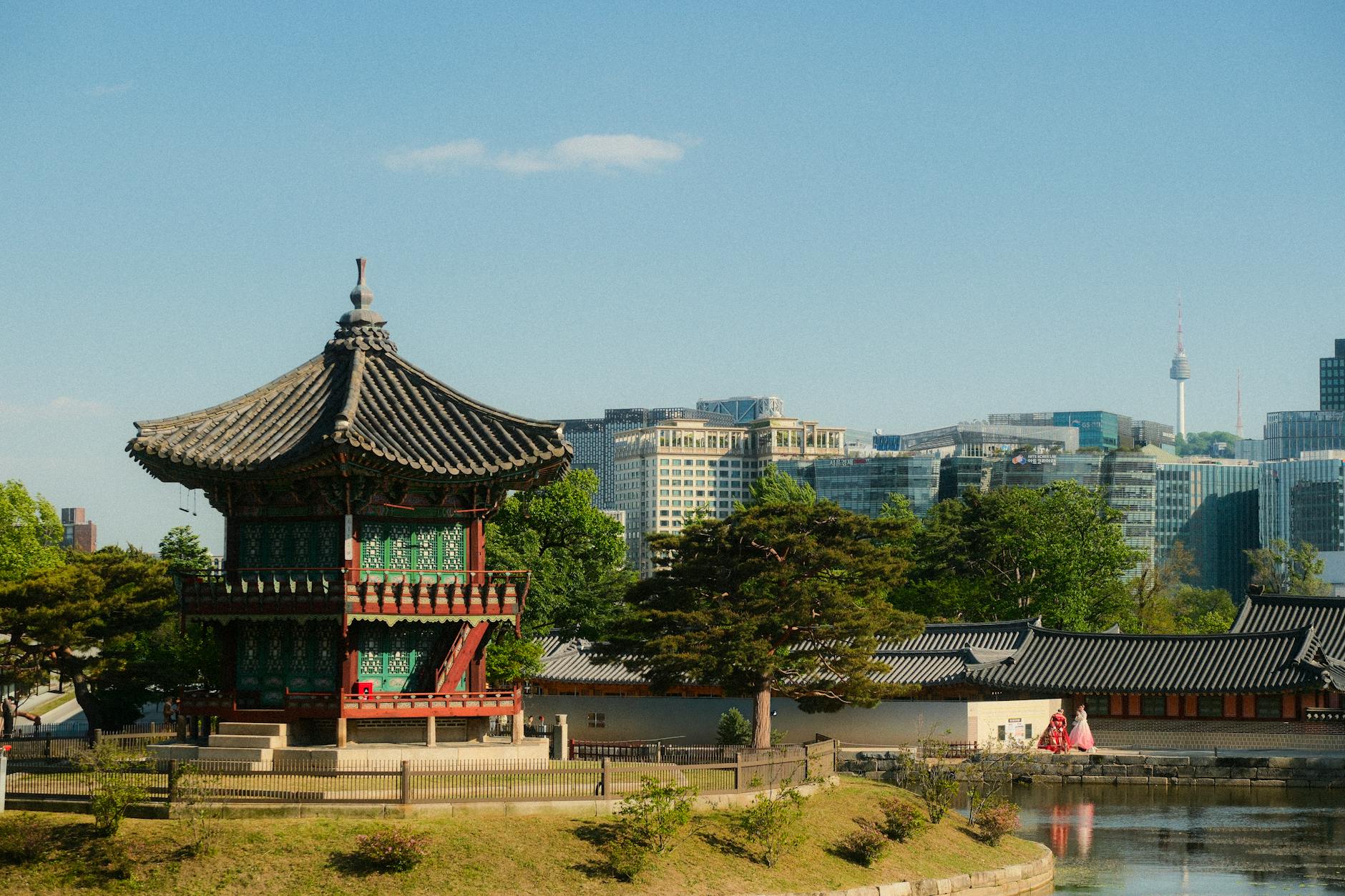
Where to Go
Seoul
Identity: Korea’s capital, cultural engine, transit hub, royal city, consumer laboratory, food ecosystem, and neighborhood machine.
Best for: First-timers, food, shopping, cafés, palaces, museums, nightlife, beauty, design, K-pop/Hallyu, family travel, solo travel.
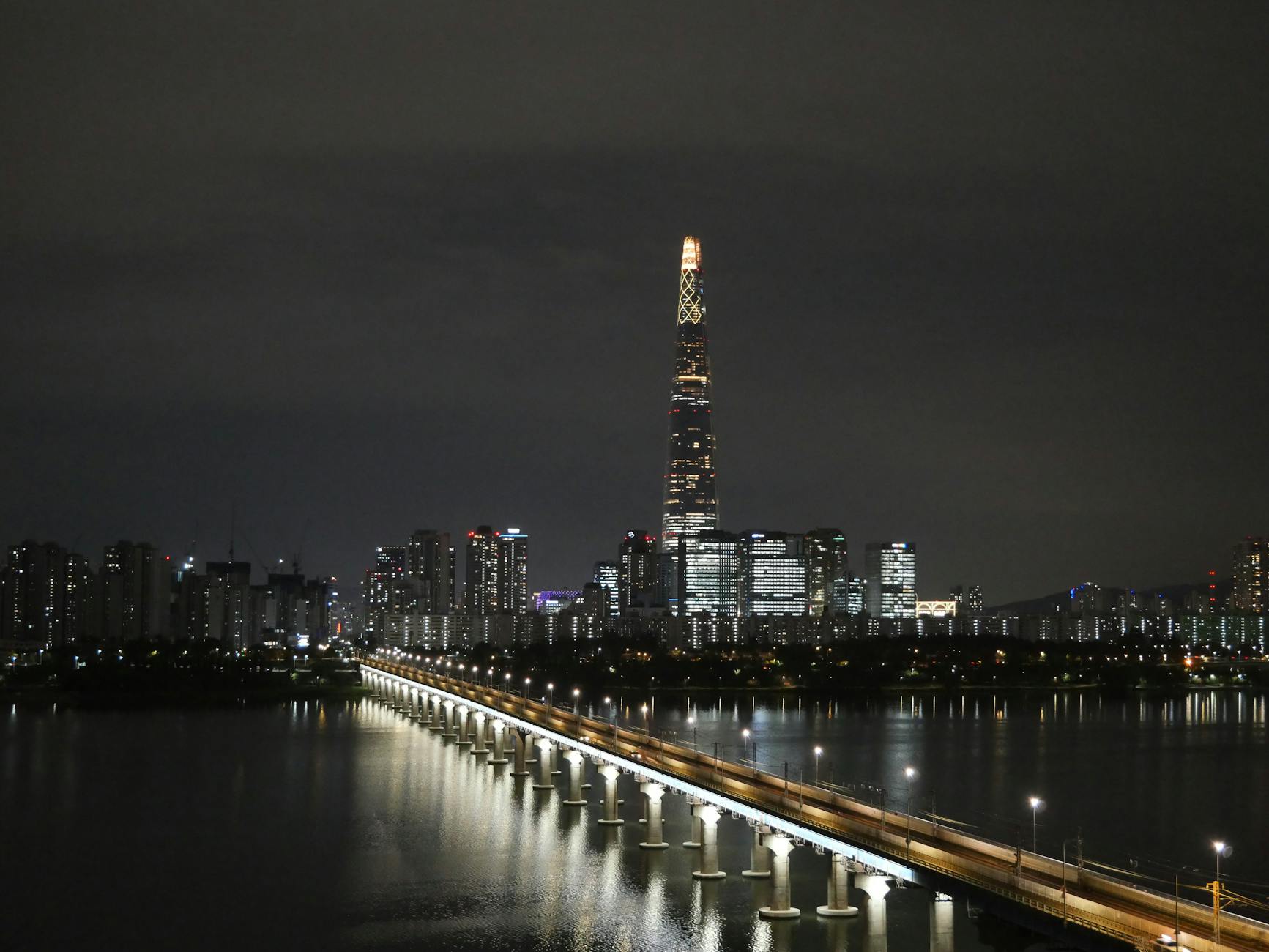
Why go: Seoul is not optional for most first trips. It contains royal palaces, traditional neighborhoods, mountains, river parks, markets, modern districts, universities, cafés, underground shopping, museums, nightlife, and the country’s strongest transport base.
Why not: It can overwhelm travelers who want quiet, old, or rural Korea. It is not the whole country.
How long: 3 days minimum, 5 days better, a week if Seoul is the main trip.
Best neighborhoods for visitors:
| Area | Best for | Notes |
|---|---|---|
| Myeongdong / Euljiro | Convenience, shopping, food, first-timers | Central, busy, touristy, practical. |
| Jongno / Insadong / Anguk | Palaces, hanok, tradition, museums | Best for royal Seoul and walkable historic texture. |
| Hongdae / Yeonnam / Hapjeong | Youth culture, nightlife, cafés, music | Strong for younger travelers and evenings. |
| Gangnam / Apgujeong / Sinsa | Beauty, business, shopping, upscale dining | Less historic; more polished and car/subway-spread. |
| Itaewon / Hannam | International dining, bars, expat-friendly areas | Useful for dietary diversity and nightlife. |
| Seoul Station / Yongsan | Rail logistics, day trips | Practical if moving around the country. |
| Seongsu | Cafés, design, pop-ups, fashion | Great for modern Seoul, less central for palaces. |
Common mistake: Thinking Myeongdong is “real Seoul” or “fake Seoul.” It is both touristy and useful. Stay there if convenience matters, but do not eat and shop only there.
Busan
Identity: Port city, beach city, seafood city, market city, and Korea’s best urban coast.
Best for: Beaches, seafood, markets, coastal temples, city views, nightlife, family travel, travelers who want a different rhythm from Seoul.
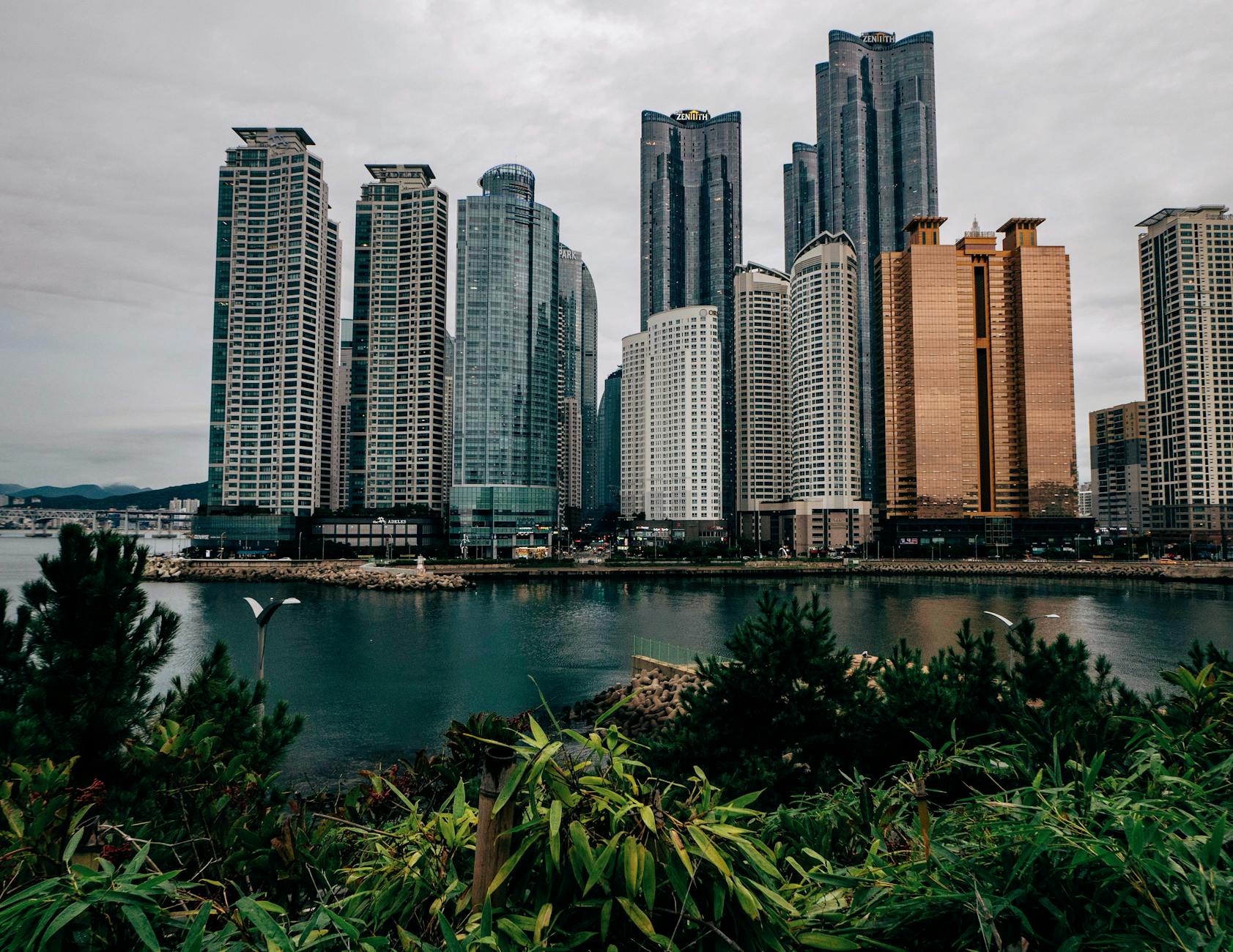
Why go: Busan gives Korea a coastal counterweight: Haeundae and Gwangalli beaches, Jagalchi Fish Market, BIFF Square, Gamcheon Culture Village, Taejongdae, Songdo, coastal trains, and Haedong Yonggungsa Temple.
Why not: Busan is spread out. If you stay in the wrong area or try to cross the city repeatedly, it can feel inefficient.
How long: 2 days minimum, 3–4 days better.
Best bases:
- Haeundae: beach, hotels, families, coastal attractions.
- Gwangalli: beach views, nightlife, bridge views, cafés.
- Seomyeon: central transport, nightlife, shopping, food, practical base.
- Nampo/Jagalchi: markets, old port energy, BIFF, seafood, Busan Tower.
- Busan Station: logistics, KTX, not the most atmospheric base for everyone.
The move: Choose either beach Busan or central-market Busan as your base. You can visit the other, but do not pretend the city is compact.
Gyeongju
Identity: Ancient Silla capital, open-air heritage landscape, tombs, temples, ponds, observatories, and quiet night walks.
Best for: History, UNESCO sites, temple architecture, couples, families, photographers, slow travelers.
Why go: Gyeongju is the best historical counterweight to Seoul. It is not just one attraction; it is a whole city landscape of royal tombs, ancient sites, Bulguksa Temple, Seokguram Grotto, Donggung Palace and Wolji Pond, Cheomseongdae, museums, and hanok-style streets.
Why not: It may feel sleepy if you only want nightlife, shopping, or modern cafés—though it has grown much more stylish in parts.
How long: One night minimum, two nights better.
Common mistake: Doing Gyeongju as a rushed stop between Seoul and Busan. Stay overnight so you can see the heritage core at night and visit Bulguksa/Seokguram without stress.
Jeju Island
Identity: Volcanic island, road-trip Korea, beaches, cliffs, waterfalls, oreum volcanic cones, black pork, seafood, cafés, and weather-dependent nature.
Best for: Nature, couples, road trips, families, photographers, beaches, slower travel, second-time visitors, honeymoon-style trips.
Why go: Jeju adds a completely different Korea: Hallasan, Seongsan Ilchulbong, Manjanggul cave when open, waterfalls near Seogwipo, coastal drives, lava landscapes, tea fields, beaches, haenyeo culture, black pork, abalone, tangerines, and island cafés.
Why not: It is less frictionless without a car, driver, or tours. Bad weather can flatten the experience. It deserves more than two nights.
How long: 3 nights minimum, 4–5 nights better.
Best bases:
- Jeju City: airport access, restaurants, transit, practical first/last night.
- Seogwipo: waterfalls, south coast, quieter base, good for nature.
- Aewol / west coast: cafés, sunsets, beaches.
- Seongsan / east coast: sunrise, Seongsan Ilchulbong, Udo access.
- Jungmun: resorts, families, beaches, comfort.
The move: Do not treat Jeju as “Korea’s Hawaii” and expect only beaches. It is a volcanic rural island with weather, driving time, wind, rugged coast, and scattered sights.
Jeonju
Identity: Hanok, bibimbap, makgeolli, food culture, crafts, and traditional atmosphere.
Best for: Food lovers, first-timers with extra time, couples, slow travelers, hanok stays.
Why go: Jeonju Hanok Village can be touristy, but the city’s food identity is real. It is one of Korea’s best easy add-ons for travelers who want regional texture without complex logistics.
Why not: The most famous hanok streets can feel crowded and commercial on weekends. It is better overnight than as a photo stop.
How long: One night minimum, two nights if food and slow wandering matter.
Gangwon Coast and Seoraksan
Identity: Mountain-and-sea Korea: national parks, winter sports, beaches, coffee streets, surfing, and dramatic east-coast landscapes.
Best for: Hiking, autumn color, winter trips, beaches, coffee culture, nature breaks from Seoul.
Main places: Sokcho, Seoraksan National Park, Gangneung, Yangyang, Pyeongchang, Donghae.
Why go: Seoraksan is one of Korea’s great mountain landscapes; Gangneung has beaches and coffee culture; Yangyang has surfing; Pyeongchang has winter sports infrastructure.
Why not: Weather and trail closures matter. Some travel is more bus-oriented, and not every itinerary is seamless by rail.
How long: 2–3 nights for a proper region visit.
DMZ / Paju
Identity: Division, border memory, security tourism, and geopolitical context.
Best for: Modern history, political context, travelers who want to understand the Korean Peninsula beyond pop culture.
Why go: A DMZ tour can be one of the most sobering and context-rich parts of a Korea trip. Sites such as the Third Tunnel have specific schedules and closures; VISITKOREA lists operational details for DMZ Peace Tour-related sites, including closures on Mondays and certain holidays.[19]
Why not: Access can change due to security conditions. It is not entertainment. Some travelers find the tour structure commercialized.
How long: Half day to full day from Seoul.
The move: Book through a reputable operator, bring your passport, and check access close to the date.
Andong and Hahoe
Identity: Confucian heritage, mask dance culture, preserved village landscapes, traditional houses, and slower inland Korea.
Best for: Culture-focused travelers, repeat visitors, photographers, traditional architecture.
Why go: Andong and Hahoe offer a different heritage feeling from palaces and tourist hanok villages. It is more rural, slower, and better for travelers willing to overnight.
Why not: It is not as effortless as Seoul/Gyeongju/Busan. English can be more limited.
How long: 1–2 nights.
Gwangju, Suncheon, Yeosu, Boseong, and Mokpo
Identity: Southwest Korea: food, democratic memory, gardens, wetlands, coast, islands, tea fields, and slower regional travel.
Best for: Food lovers, repeat visitors, slow travelers, history, southern coast.
Why go: This region is underrated by first-timers. Jeolla is famous for generous, flavorful food; Gwangju adds modern history and art; Suncheon brings wetlands and gardens; Yeosu brings coast; Boseong brings tea fields; Mokpo is a gateway to islands and maritime history.
Why not: Requires more time and more careful logistics than the classic route.
How long: 4–5 days if treated seriously.
Daegu
Identity: Inland city, markets, medicine/herbal culture, fashion, heat, food, and regional transit.
Best for: Repeat visitors, food, markets, travelers linking Andong/Gyeongju/Busan.
Why go: Daegu is not a must for everyone, but it has good markets, food, and a different urban personality. It works well as a regional connector.
How long: 1–2 nights.
Suwon
Identity: Walled fortress city near Seoul.
Best for: Easy day trip, UNESCO heritage, walking, families.
Why go: Hwaseong Fortress is one of the best day trips from Seoul, giving historic architecture and a city-wall walk without a long transfer.
How long: Half day to full day.
Incheon
Identity: Port city, airport gateway, Chinatown, islands, modern developments, and arrival/departure add-on.
Best for: Airport-adjacent days, Chinatown, architecture, travelers with a night near ICN.
Why go: Incheon is usually treated as “the airport,” but it has day-trip value if your timing works.
How long: Half day to 1 night if linked to flights.
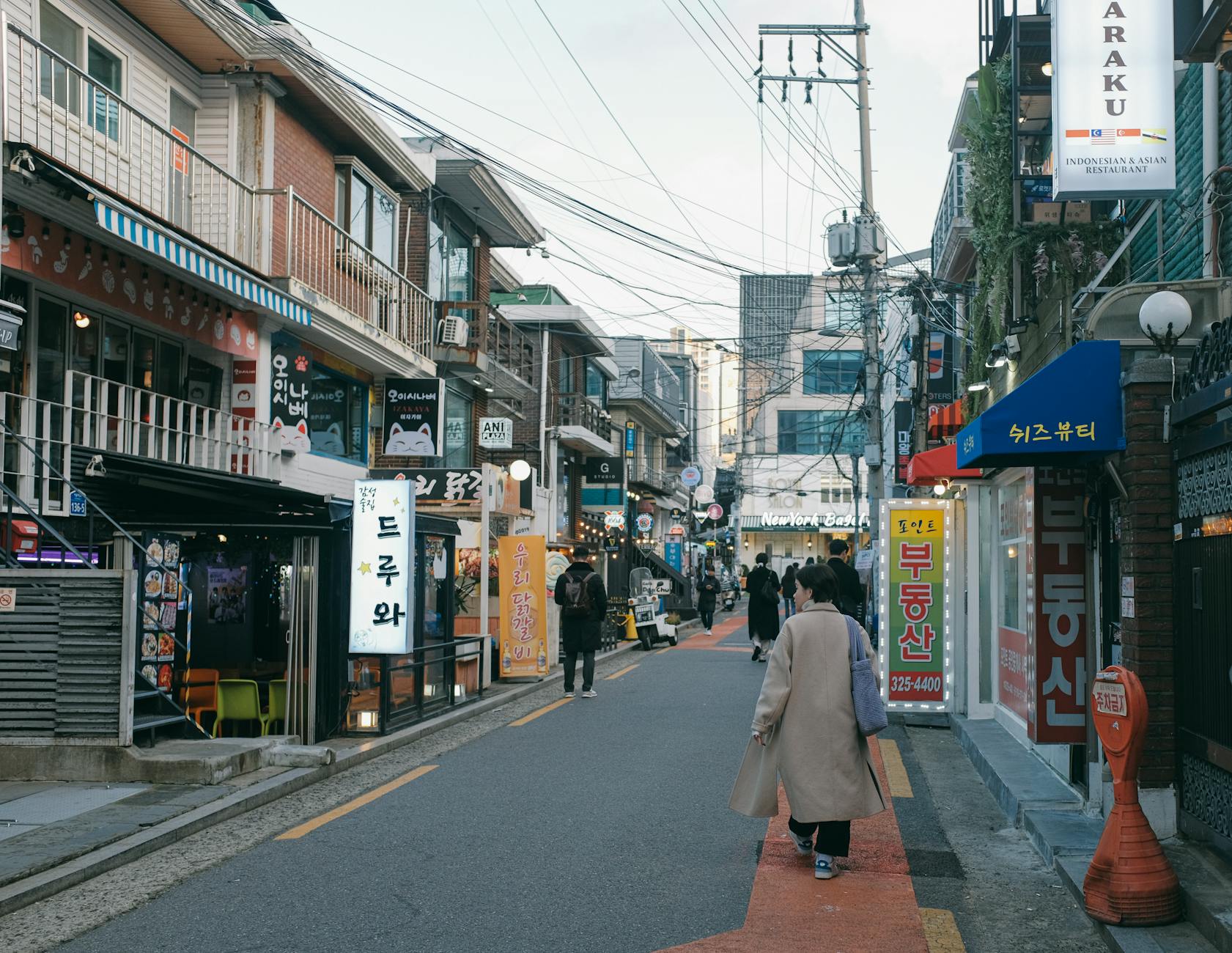
Where to Stay
The Short Answer
For a first trip:
- Stay in Jongno/Anguk/Insadong if you want palaces, hanok, history, and walkability.
- Stay in Myeongdong/Euljiro if you want maximum convenience and centrality.
- Stay in Hongdae/Yeonnam if nightlife, youth culture, and cafés matter.
- Stay in Gangnam/Sinsa/Apgujeong if beauty, business, upscale shopping, and south-Seoul dining matter.
- Stay in Seomyeon in Busan for practical transit, or Haeundae/Gwangalli for beaches.
- Stay overnight in Gyeongju rather than rushing it.
- Stay in Seogwipo or Jeju City depending whether you prioritize nature or logistics.
Seoul Area Decision Tree
| You want... | Stay in... |
|---|---|
| Palaces, hanok, museums | Jongno, Anguk, Insadong, Bukchon edge |
| First-timer convenience | Myeongdong, Euljiro, City Hall |
| Youth nightlife and cafés | Hongdae, Yeonnam, Hapjeong |
| Rail access | Seoul Station, Yongsan |
| Beauty clinics and upscale shopping | Gangnam, Sinsa, Apgujeong |
| International dining and bars | Itaewon, Hannam |
| Modern cafés/pop-ups | Seongsu, Seoul Forest |
| Quieter local base | Yeonnam, Mangwon, Seochon, Mapo, parts of Yongsan |
| Family convenience | Myeongdong, Jongno, Yongsan, Jamsil, Haeundae in Busan |
| Short airport-heavy stay | Hongdae/Gongdeok/Seoul Station for Airport Railroad, or Incheon airport hotels |
Lodging Types
South Korea offers:
- Business hotels.
- International luxury hotels.
- Boutique lifestyle hotels.
- Guesthouses.
- Hostels.
- Hanok stays.
- Pensions and small inns.
- Resorts, especially Jeju and beach/ski areas.
- Temple stays.
- Serviced apartments.
- Motels, which vary widely and require discernment.
Booking Mistakes
- Choosing a Seoul hotel based only on distance to “city center.”
- Staying near a subway station but far from the useful exit.
- Booking a hanok stay without understanding bedding, soundproofing, bathrooms, or luggage access.
- Staying in Haeundae when most Busan plans are around Nampo/Jagalchi/central areas, or vice versa.
- Booking Jeju without a transport plan.
- Ignoring Chuseok/Seollal and cherry blossom/autumn weekends.
- Assuming every hotel room is large.
- Forgetting that some smaller accommodations have limited English support.
Best Things to Do
1. Walk Seoul’s Palace Axis
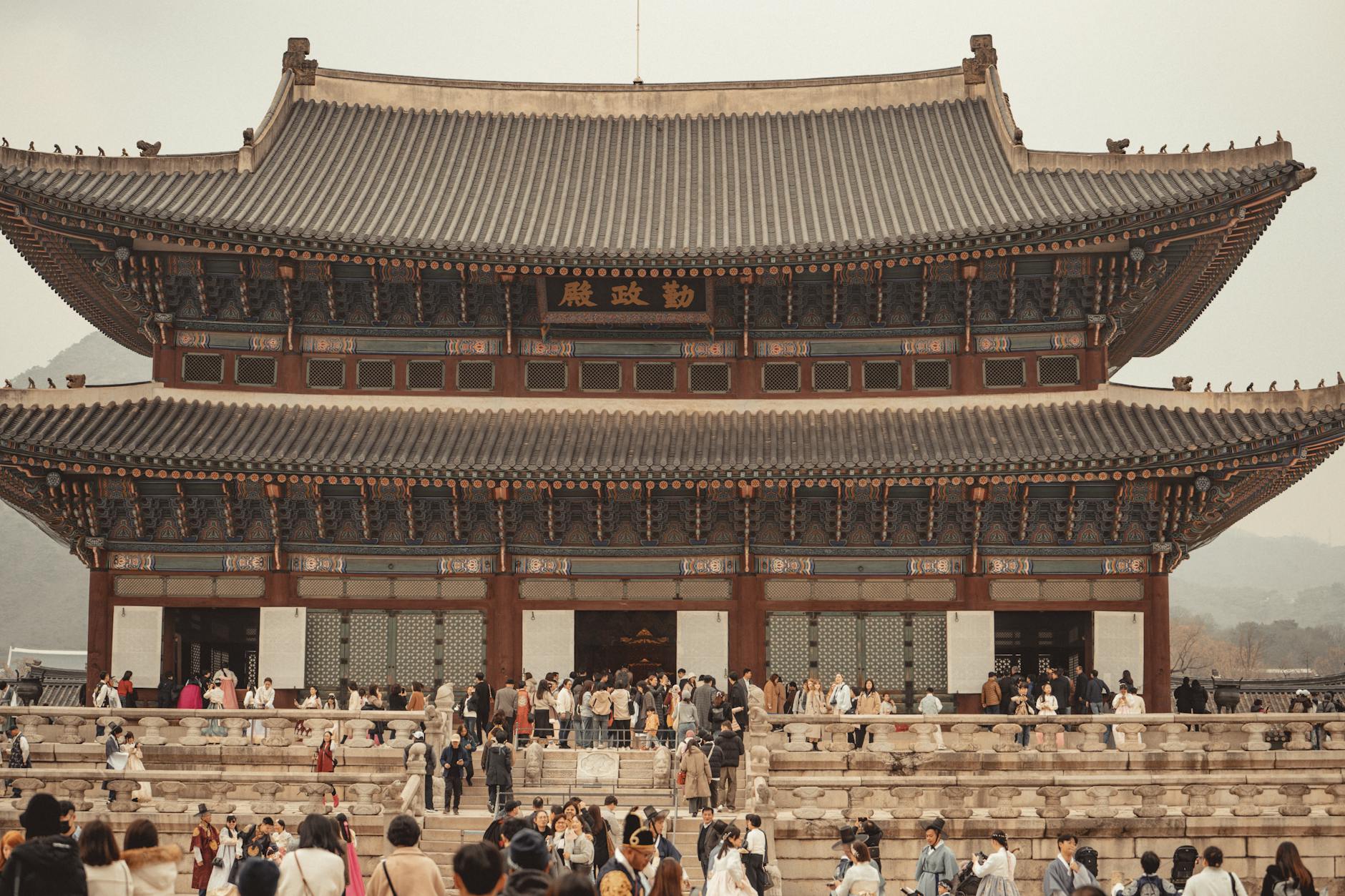
Gyeongbokgung, Changdeokgung, Deoksugung, Changgyeonggung, and Jongmyo form a royal-Seoul layer that anchors the city. Changdeokgung and Jongmyo are UNESCO-listed, and Gyeongbokgung is the most iconic first-timer palace.
Best for: First-timers, history, photography, culture.
Time needed: Half day to full day depending depth.
Best pairing: Bukchon, Insadong, Ikseon-dong, Seochon, Gwanghwamun, National Museum of Korean Contemporary History.
Worth it? Yes, but pick two rather than exhausting yourself at every palace.
2. Spend a Night in a Korean Food Market
Gwangjang Market in Seoul, Mangwon Market, Namdaemun, Jagalchi in Busan, and regional markets teach you more about Korean everyday life than another generic attraction.
Best for: Food, photography, casual eating, rainy days.
Time needed: 1–3 hours.
Common mistake: Treating markets like a feeding zoo. Be respectful, order clearly, do not block stalls for photos, and pay attention to seating norms.
3. Take the KTX to Gyeongju and Busan
The Seoul–Gyeongju–Busan corridor is the easiest way to feel Korea as a country, not just Seoul. Gyeongju gives heritage; Busan gives coast.
Best for: First-timers, train travelers, families, car-free travel.
Time needed: 3–5 nights beyond Seoul.
Book ahead? Yes around weekends and major holidays.
4. Eat Regional Food, Not Just “Korean Food”
A great Korea trip should include regional identity: Jeonju bibimbap and makgeolli tables, Busan seafood and dwaeji gukbap, Gyeongju breads and traditional meals, Andong jjimdak, Chuncheon dakgalbi, Jeju black pork and seafood, Jeolla banchan culture.
Best for: Food lovers.
The move: Build at least one stop around food rather than treating food as something that happens after attractions.
5. Visit a Temple Properly
Jogyesa is easy in central Seoul, but mountain and regional temples are often more powerful: Bulguksa near Gyeongju, Beomeosa in Busan, Haeinsa, Tongdosa, Magoksa, or temples in national parks.
Best for: Culture, architecture, quiet, Buddhist heritage.
Time needed: 1–3 hours; overnight for templestay.
Etiquette: Dress respectfully, keep voices low, avoid intrusive photos of worshippers, and observe before participating.
6. Walk Seoul by Neighborhood
Seoul is not one center. Build days around neighborhoods:
- Jongno/Anguk/Insadong for palace and hanok Seoul.
- Euljiro for industrial-chic bars, old workshops, and food alleys.
- Seongsu for cafés, design, pop-ups, and renovated industrial spaces.
- Hongdae/Yeonnam for youth culture, music, cafés, and nightlife.
- Itaewon/Hannam for international restaurants and hillside views.
- Gangnam/Sinsa/Apgujeong for beauty, fashion, and polished Seoul.
- Mangwon/Hapjeong for markets, cafés, and local-feeling west Seoul.
- Yeouido/Han River parks for open space and seasonal picnics.
The move: Stop crossing Seoul three times in one day. Choose one or two connected neighborhoods and go deeper.
7. Hike, Even Lightly
Korea is a mountain country. You do not need a hardcore trek to feel it. Bukhansan, Namsan, Inwangsan, Achasan, Seoraksan, Hallasan, and countless local hills make hiking a normal part of travel.
Best for: Nature, views, autumn, fitness, local life.
Safety note: Check trail status, weather, and daylight. Winter and wet trails require real caution.
8. Experience Korean Café Culture
Korea’s café scene is not just about coffee; it is interior design, dessert, social life, study/work culture, pop-ups, branding, and neighborhood identity.
Best for: Rainy days, design lovers, slow travelers, remote workers.
Best areas: Seongsu, Yeonnam, Hannam, Ikseon-dong, Mangwon, Jeonju, Busan’s Jeonpo/Cheongsapo/Gwangalli, Jeju coastal café routes.
Common mistake: Trying to visit every viral café. Pick areas, not TikTok addresses.
9. Go to a Jjimjilbang or Spa
Korean bathhouse/spa culture can be restorative, especially in winter or after long walking days. Facilities range from neighborhood baths to large spa complexes.
Best for: Relaxation, winter, families, cultural experience.
Etiquette: Understand nude bathing areas, shower before soaking, keep quiet, and check tattoo/house rules where relevant.
10. Take a DMZ Tour with Context
A DMZ visit can add necessary geopolitical context, but it should be approached seriously.
Best for: Modern history, political context.
Book ahead? Yes, and check security-related availability.
Common mistake: Treating it as a gimmick. The peninsula is still divided; people’s families and histories are attached to this border.
11. See Busan From the Coast
Busan is best when you let it be coastal: Gwangalli at night, Haeundae, coastal walks, Songdo, Taejongdae, Haedong Yonggungsa, Cheongsapo, and seafood markets.
Best for: Coast, city views, couples, families.
The move: Do not judge Busan only by its KTX station area.
12. Give Jeju Enough Time
Jeju is for slow loops, weather flexibility, and choosing sides of the island.
Best for: Nature, road trips, island food, scenic drives.
Time needed: 4–5 nights if possible.
Skip if: You have only one or two nights and no plan.
South Korea Itineraries
5 Days: Seoul Properly
Day 1: Arrival and soft landing
Stay close to your hotel area. Get a transport card, cash, and apps working. Eat a low-pressure meal nearby.
Day 2: Royal Seoul
Gyeongbokgung or Changdeokgung, Bukchon/Anguk, Insadong, Ikseon-dong, Cheonggyecheon, Euljiro dinner.
Day 3: Modern Seoul
Seongsu or Gangnam/Sinsa by day; Hongdae/Yeonnam or Itaewon/Hannam by night.
Day 4: Day trip
Choose DMZ, Suwon Hwaseong, Bukhansan/Inwangsan, or Incheon depending interest.
Day 5: Food, markets, and departure
Gwangjang or Mangwon Market, museum or shopping, final café, airport transfer.
7 Days: Classic First Korea
Day 1: Arrive Seoul.
Day 2: Palaces, Bukchon, Insadong, Euljiro.
Day 3: Seongsu/Gangnam/Hongdae or DMZ/Suwon day trip.
Day 4: KTX to Gyeongju, tombs, Wolji Pond at night.
Day 5: Bulguksa, Seokguram, Gyeongju heritage core; transfer to Busan or stay second night.
Day 6: Busan markets, Nampo/Jagalchi, Gamcheon or Taejongdae.
Day 7: Haeundae/Gwangalli/coastal temple; depart Busan or return Seoul.
10 Days: Seoul, Gyeongju, Busan, and Jeju
Days 1–4: Seoul
Palaces, neighborhoods, markets, modern Seoul, one day trip.
Days 5–6: Gyeongju
Ancient sites, Bulguksa, night heritage walk.
Days 7–8: Busan
Markets, beaches, coastal walks, seafood.
Days 9–10: Jeju
This is compressed. Use Jeju City or Seogwipo, choose one island side, and do not try to loop everything.
Better version: Add two more days for Jeju or replace Jeju with Jeonju/Gangwon.
10 Days: Seoul, Gyeongju, Busan, and Jeonju
Days 1–4: Seoul.
Day 5: Suwon or DMZ day trip.
Days 6–7: Gyeongju.
Days 8–9: Busan.
Day 10: Jeonju or return Seoul.
Better version: Put Jeonju before Gyeongju/Busan if using rail/bus logistics that fit your chosen dates.
14 Days: A Rich First Country Route
Days 1–5: Seoul
Palaces, markets, neighborhoods, museums, day trip.
Days 6–7: Jeonju
Hanok, food, makgeolli, slow wandering.
Days 8–9: Gyeongju
Silla heritage, temples, tombs, night walks.
Days 10–12: Busan
Markets, seafood, beaches, coastal temple, Gwangalli night.
Days 13–14: Jeju or Gangwon
Choose one. Jeju needs flights and strong logistics. Gangwon gives mountains/coast and easier Seoul return.
Food Lover’s Route
Seoul: Gwangjang, Mangwon, barbecue, stews, cafés, fine dining, convenience stores, traditional tea.
Jeonju: Bibimbap, makgeolli, hanjeongsik, street snacks.
Gwangju/Jeolla: Banchan-rich meals, tteokgalbi, kimchi, market food.
Busan: Seafood, dwaeji gukbap, milmyeon, fish cake, Jagalchi.
Jeju: Black pork, abalone, seafood stews, tangerines, island cafés.
Heritage Route
Seoul palaces and Jongmyo → Suwon Hwaseong → Gongju/Buyeo Baekje sites or Andong/Hahoe → Gyeongju → Busan temples.
Nature and Hiking Route
Seoul/Bukhansan → Seoraksan/Sokcho → Gangneung/Yangyang → Jeju or Jirisan/Suncheon.
Family Route
Seoul 4 nights → Gyeongju 1–2 nights → Busan 3 nights. Add Jeju only if you have more time and low-stress transport.
Family logic: Fewer transfers, bigger rooms, earlier dinners, department-store food halls, aquariums, parks, trains, beaches, and palaces in small doses.
No-Car Route
Seoul → Suwon/DMZ day trip → Gyeongju by KTX/bus → Busan by train/bus → Jeonju or Gangneung by rail/bus. Jeju without a car is possible but should use tours, taxis, or a very selective bus-based plan.
Food and Drink
Korea is one of the world’s great food countries because meals are social, regional, textural, fermented, spicy, seasonal, and built around contrast. The best meals are not always the most expensive. A market stall, a soup restaurant, a barbecue table, a department-store food court, a temple meal, or a regional specialty shop can matter more than a tasting menu.
Food Identity
Korean food culture is shaped by:
- Banchan: small side dishes that make meals varied and communal.
- Fermentation: kimchi, doenjang, gochujang, ganjang, jeotgal, makgeolli.
- Rice and soup/stew logic: meals often center around rice, soup, stew, grilled meat/fish, and sides.
- Regional specialties: Jeonju, Busan, Jeju, Andong, Chuncheon, Gwangju, Gangneung, and coastal towns all have food identities.
- Drinking food: anju, barbecue, fried chicken, pancakes, stews, and late-night sharing plates.
- Café culture: coffee, desserts, design, study/work spaces, and neighborhood identity.
- Convenience-store culture: not a replacement for restaurants, but a real travel tool.
What to Eat
| Dish / experience | What it is | Where it shines |
|---|---|---|
| Korean barbecue | Grilled meat at the table, often pork belly, galbi, beef cuts, or specialty meats. | Seoul, Busan, Jeju black pork, local neighborhoods. |
| Bibimbap | Rice bowl with vegetables, sauce, egg/meat variations. | Jeonju is the classic association. |
| Kimchi jjigae / doenjang jjigae / sundubu jjigae | Stews based on kimchi, soybean paste, or soft tofu. | Everywhere; excellent comfort food. |
| Bulgogi / galbi | Marinated beef or ribs. | Seoul, Suwon, traditional restaurants. |
| Samgyetang | Ginseng chicken soup. | Summer “fight heat with heat” meals and traditional restaurants. |
| Naengmyeon | Cold noodles, often in chilled broth or spicy sauce. | Seoul, barbecue restaurants, specialty shops. |
| Tteokbokki | Spicy rice cakes, often street/snack food. | Markets, snack shops, school-food-style chains. |
| Gimbap | Rice rolls with fillings. | Travel days, casual lunches, picnics. |
| Bindaetteok / jeon | Savory pancakes, good with makgeolli. | Gwangjang Market, rainy days, traditional pubs. |
| Dwaeji gukbap | Pork-and-rice soup. | Busan. |
| Milmyeon | Cold wheat noodles. | Busan. |
| Jagalchi seafood | Fish market and seafood restaurants. | Busan. |
| Andong jjimdak | Braised chicken with soy-based sauce and noodles. | Andong. |
| Chuncheon dakgalbi | Spicy stir-fried chicken. | Chuncheon. |
| Jeju black pork | Grilled local pork specialty. | Jeju. |
| Abalone / seafood stews | Island and coastal seafood meals. | Jeju, Busan, southern coast. |
| Temple cuisine | Buddhist vegetarian-influenced food with seasonal restraint. | Temple stays, specialized restaurants. |
| Korean fried chicken | Crisp fried chicken, often with beer. | Everywhere; great casual evening. |
| Bingsu | Shaved ice dessert. | Summer, cafés. |
| Hotteok / hodu-gwaja / regional sweets | Street and regional snacks. | Busan, Gyeongju, markets, highway stops. |
Where to Eat by Situation
| Situation | Best approach |
|---|---|
| First night | Stay near the hotel: soup, barbecue, fried chicken, noodle shop, department-store food court, or market. |
| Solo meal | Gimbap, noodles, gukbap, stews, market stalls, cafés, department-store food halls, casual chains. |
| Group dinner | Barbecue, dakgalbi, jjimdak, seafood, fried chicken, jeon/makgeolli, hot pot. |
| Budget meal | Gimbap, market food, convenience stores, soups, noodles, university neighborhoods, food courts. |
| Food splurge | Modern Korean, hanjeongsik, beef barbecue, seafood, fine dining, premium omakase-style Korean/Japanese restaurants. |
| Vegetarian/vegan | Temple cuisine, vegan restaurants, international areas, researched spots. Avoid assuming vegetable dishes are fish-free. |
| Halal/kosher | Plan ahead. Seoul has the most options, especially around Itaewon and major tourist districts. |
| Gluten-free | Harder than it looks because soy sauce, noodles, batters, and hidden wheat appear often. Bring translation cards. |
Food Etiquette
- Do not tip in normal restaurants.
- Many restaurants specialize in one category. Order what the restaurant is built for.
- In barbecue restaurants, staff may help grill; observe before taking over.
- Use shared utensils or tongs where provided.
- Banchan refills may be possible, but do not waste food.
- Water, utensils, napkins, and side dishes may be self-service.
- Some restaurants require one serving per person.
- Peak meal times can involve waiting lists.
- Small restaurants may not love large suitcases.
- If drinking with Koreans, pouring etiquette can matter; as a visitor, politeness and attentiveness go far.
Vegetarian, Vegan, and Allergy Reality
Korea is improving for vegetarian and vegan travelers, especially in Seoul, but spontaneous eating can be hard. Fish broth, anchovy stock, shrimp paste, beef stock, pork, egg, and seafood seasonings can appear in dishes that look vegetable-based. Gluten-free travel is also challenging because soy sauce and wheat-based noodles or batters are common.
The move: Use researched restaurants, temple cuisine, vegan Korean restaurants, international neighborhoods, and Korean-language allergy cards. Do not rely on “no meat” alone.
Drinks and Nightlife
Korean nightlife ranges from quiet tea houses to makgeolli bars, barbecue-and-soju dinners, fried chicken and beer, cocktail bars, clubs, karaoke rooms, craft beer, wine bars, and pojangmacha-style drinking.
Main drinking areas:
- Seoul: Hongdae, Euljiro, Itaewon, Gangnam, Jongno, Seongsu, Yeonnam, Apgujeong.
- Busan: Seomyeon, Gwangalli, Haeundae, Nampo.
- Jeonju: Hanok Village and local makgeolli houses.
- Jeju: Jeju City and Seogwipo dining areas.
Safety note: Korea is generally safe, but nightlife can involve heavy drinking. Watch drinks, avoid aggressive touts, check menu/cover pricing, and use official taxis or reliable transport home.
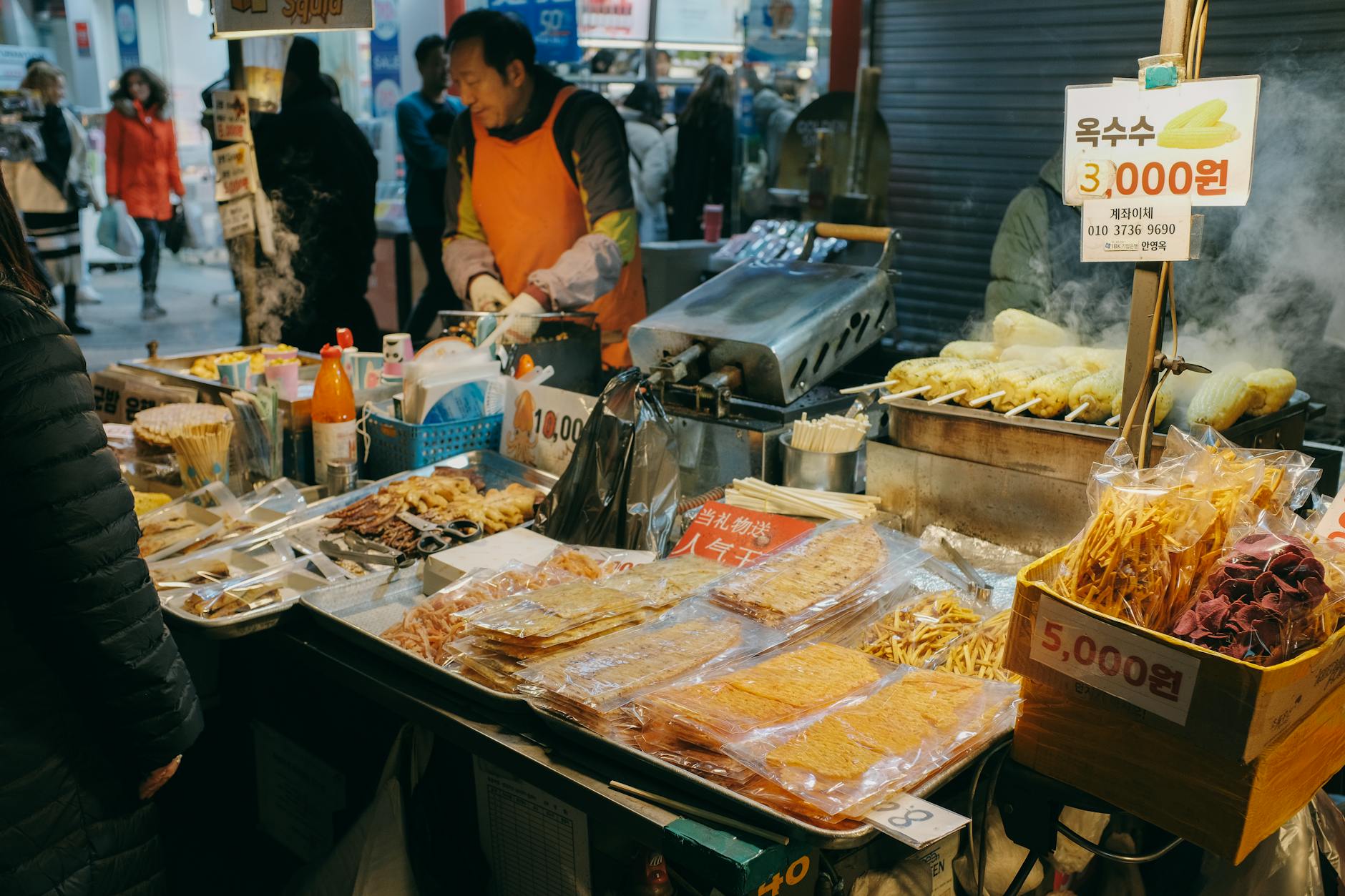
Getting Around
South Korea is one of the easiest countries in Asia to travel without a car if you choose the right route. The challenge is not lack of transport. It is knowing when to use train, subway, bus, taxi, domestic flight, or car.
Airports
Incheon International Airport (ICN)
Main international gateway. Best for Seoul and international arrivals.
Into Seoul:
- AREX Express Train to Seoul Station.
- Airport Railroad all-stop train.
- Airport limousine buses.
- Taxi/private transfer.
VISITKOREA lists Airport Railroad Express travel at roughly 43 minutes from Terminal 1 to Seoul Station and 51 minutes from Terminal 2 to Seoul Station.[11]
Gimpo Airport (GMP)
Useful for domestic flights, especially Jeju, and some regional international routes. Closer to central Seoul than Incheon.
Busan Gimhae Airport (PUS)
Useful for Busan, southeast Korea, and some international routes.
Jeju Airport (CJU)
One of the country’s key domestic air hubs. Most Jeju trips begin here.
Trains
Korea’s train system is strong on major corridors. KTX is the main high-speed rail brand operated by KORAIL; SRT is a separate high-speed operator from Suseo Station. KORAIL’s official foreigner website supports booking KTX and other tickets online.[9] KORAIL’s ticket guide notes that tickets can be booked up to one month before travel.[10]
Use trains for:
- Seoul ↔ Busan.
- Seoul ↔ Gyeongju area.
- Seoul ↔ Daejeon/Daegu.
- Seoul ↔ Gangneung.
- Seoul ↔ Jeonju/Mokpo/Gwangju where routes fit.
- Seoul ↔ Suwon.
Train tips:
- Book early for Fridays, Sundays, holidays, cherry blossom weekends, and autumn foliage periods.
- Know your station. Seoul Station, Yongsan, Cheongnyangni, Suseo, and other stations serve different routes.
- KTX and SRT are not identical systems.
- Do not buy a rail pass automatically. Do the math against point-to-point tickets.
Buses
Intercity and express buses are essential for places trains do not serve cleanly. Some routes are better by bus than by train.
Use buses for:
- Smaller towns.
- Some Gangwon/coastal routes.
- National parks.
- Jeonju/Gyeongju connections depending route.
- Late-planned trips when train tickets are sold out.
Watch out: Booking platforms can be less foreigner-friendly than rail. Terminals can have multiple names. Bring station names in Korean.
Subways and City Transit
Seoul, Busan, Daegu, Daejeon, and Gwangju have urban rail systems. Seoul’s subway is huge but legible once you use Naver/Kakao maps and station exit numbers.
VISITKOREA recommends transportation cards such as Tmoney, EZL, WOWPASS, and Climate Card because they reduce the hassle of buying tickets or paying cash repeatedly and can offer transfer benefits.[7]
The move: Get a transit card on arrival and keep a small cash reserve for top-ups and street/market situations.
Taxis and Ride Apps
Taxis are useful late at night, with luggage, in rain, or for awkward short hops. Kakao T is widely used, but foreign-phone/payment integration can vary. Hotel staff can help call taxis.
Taxi tips:
- Have your destination in Korean.
- Pin the exact location.
- Do not assume every driver speaks English.
- In Seoul, subway may be faster than taxi during traffic.
Domestic Flights
Domestic flights are most useful for:
- Seoul ↔ Jeju.
- Busan ↔ Jeju.
- Some long cross-country hops when time is limited.
For the Seoul–Busan corridor, train is often more convenient door-to-door.
Rental Cars
Do not rent a car for Seoul. Consider a car for:
- Jeju.
- Rural Gangwon.
- Southern coast/island routes.
- Travelers with mobility needs or family logistics.
- Remote accommodation.
Car cautions: International Driving Permit rules, parking, Korean navigation, tolls, cameras, mountain roads, winter weather, and insurance matter.
Apps to Install
- Naver Map or KakaoMap for navigation.
- Papago for translation.
- KORAIL / LetsKorail for train planning.
- Kakao T for taxis.
- VISITKOREA resources.
- Airline apps for Jeju flights.
- Hotel and booking apps.
- Weather/air-quality apps.
Budget and Costs
South Korea can be good value for transit, casual food, convenience stores, markets, and mid-range hotels outside peak periods. It can become expensive through shopping, beauty services, cafés, nightlife, taxis, premium hotels, peak-season Jeju, and last-minute rail/flight changes.
Daily Budget Ranges
These are rough planning estimates in KRW per person, excluding international flights and major shopping.
| Traveler type | Daily estimate | What it means |
|---|---|---|
| Shoestring | ₩45,000–₩80,000 | Hostel/guesthouse, markets, convenience stores, subway/bus, free sights. |
| Budget comfort | ₩80,000–₩150,000 | Budget hotel or guesthouse, casual meals, transit, a few paid attractions. |
| Mid-range | ₩150,000–₩280,000 | Good hotel, restaurants, cafés, intercity transport, museums, occasional taxi. |
| Comfortable | ₩280,000–₩500,000 | Strong hotel locations, better restaurants, shopping, taxis, guided tours, beauty/wellness. |
| Luxury | ₩500,000+ | High-end hotels, private guides, fine dining, premium shopping, resort stays, hired drivers. |
What Is Surprisingly Affordable
- Subway and bus rides.
- Casual soups/noodles/gimbap.
- Convenience-store meals.
- Many museums and parks.
- Some guesthouses and business hotels.
- Train travel compared with equivalent domestic flights in many countries.
- Street snacks.
What Gets Expensive
- Seoul hotels in peak periods.
- Jeju rental cars and resorts in peak season.
- Specialty cafés if repeated all day.
- Beauty/wellness shopping and treatments.
- Taxis across Seoul in traffic.
- Premium barbecue.
- Concerts, performances, events, and fan-related experiences.
- Last-minute domestic flights around holidays.
Best Value Moves
- Stay near transit, not necessarily in the trendiest neighborhood.
- Eat casual Korean meals often; splurge selectively.
- Use lunch for nicer meals where possible.
- Avoid taxis for cross-city Seoul travel.
- Book KTX early for peak travel.
- Use department-store food halls and markets.
- Choose one or two destination cafés per day, not six.
- Stay in Busan/Jeonju/Gyeongju to balance Seoul hotel costs.
Money Basics
Korea Customs states that travelers entering Korea with means of payment not exceeding USD 10,000 do not need permission or declaration, while amounts above USD 10,000 or equivalent must be reported to Customs.[15] Restricted and prohibited goods also have specific rules.[16]
The move: Use cards broadly, carry some cash, and do not arrive with large undeclared cash amounts.
Safety, Health, and Scams
South Korea is generally safe for visitors. The biggest practical issues are not usually violent crime; they are transportation mistakes, nightlife situations, weather, hiking, air quality, scams around tourism/payment, and local-law misunderstandings.
General Safety
The U.S. State Department rates South Korea Level 1 and notes that, for most visitors, violent crime and property crime are rare.[13] Still, use ordinary urban habits:
- Watch your phone/wallet in crowds.
- Be aware in nightlife zones.
- Avoid confrontations with intoxicated people.
- Keep hotel address offline.
- Know emergency numbers.
- Stay away from demonstrations if they become crowded or tense.
Common Scams and Annoyances
| Issue | What it looks like | How to avoid |
|---|---|---|
| Nightlife overcharging | Unclear pricing, touts, “special” bars, inflated bills. | Avoid touts. Check menus and cover charges. Choose bars yourself. |
| Unofficial K-ETA/e-arrival sites | Paid lookalike sites charging unnecessary fees. | Use official government portals. |
| Taxi confusion | Wrong destination, language issues, circuitous routes. | Use mapped destination in Korean and ride apps where possible. |
| Street sales pressure | Beauty, fashion, or tourist goods pushed aggressively in busy areas. | Walk away politely. |
| Fake “cultural” experiences | Low-quality tours or costume-photo experiences sold as heritage. | Choose reputable operators and read current reviews. |
| Ticket/reservation confusion | Third-party markups or outdated opening hours. | Check official sites for scarce attractions and tours. |
| Religious or cult recruitment | Friendly strangers inviting travelers to events or studies. | Decline politely and leave if uncomfortable. |
Health
CDC travel guidance for South Korea includes routine vaccine advice and notes that certain travelers to certain areas may need malaria prevention depending on itinerary.[14] Check a travel-health professional for your specific route, health history, season, and planned activities.
Health considerations:
- Summer heat and humidity.
- Fine dust/yellow dust days.
- Winter cold and ice.
- Hiking injuries.
- Food allergies and dietary communication.
- Mosquitoes in some seasons/areas.
- Travel insurance.
- Prescription medication rules.
Air Quality
Fine dust can affect Seoul and other regions, especially in spring. Sensitive travelers should monitor air-quality apps, pack masks if useful, and plan indoor alternatives.
Hiking and Outdoor Safety
- Check weather and trail status.
- Start early.
- Carry water and layers.
- Wear proper shoes.
- Avoid risky trails after heavy rain or ice.
- Respect closures.
- In winter, assume mountain conditions are colder and more dangerous than the city.
Beach and Water Safety
Busan, Jeju, Gangwon, and southern coasts have beaches and coastal walks. Watch currents, weather, lifeguard seasons, slippery rocks, and typhoon advisories.
DMZ Safety
DMZ access is controlled and can change. Follow guide instructions exactly, carry your passport, and do not treat military areas as casual photo sets.
Accessibility and Mobility
South Korea is modern and infrastructure-rich, but accessibility is uneven.
What Helps
- Major subway stations often have elevators, though not always at the most convenient exit.
- Airports and KTX stations are generally modern.
- Large hotels, malls, museums, and department stores often have accessible facilities.
- Taxis can help reduce transfers.
- Seoul and Busan have many barrier-free improvements.
What Is Hard
- Older neighborhoods with steep lanes and uneven surfaces.
- Hanok stays with floor seating, steps, and traditional bedding.
- Palaces and temple grounds with gravel, thresholds, and slopes.
- Small restaurants in basements or upper floors.
- Crowded subway transfers.
- Jeju without a car or driver.
- Some regional bus terminals and rural attractions.
Lower-Walking Strategy
Stay near a major station with elevators. Cluster days tightly. Use taxis for short awkward gaps. Prioritize large museums, palaces with easier routes, river parks, department stores, and station-connected dining. Avoid trying to cover three major neighborhoods in one day.
Strollers
Korea can be family-friendly, but strollers face stairs, crowds, small restaurants, and older streets. Department stores and malls are useful for restrooms, nursing rooms, elevators, and food.
Families, Solo Travelers, LGBTQ+ Travelers, and Special Considerations
Families
South Korea can be excellent with kids: safe-feeling streets, trains, parks, aquariums, theme parks, beaches, character shops, food courts, convenience stores, and family-friendly hotels.
Best family areas:
- Seoul: Myeongdong, Jongno, Yongsan, Jamsil, Hongdae with older kids.
- Busan: Haeundae, Gwangalli, Seomyeon for transit.
- Jeju: resorts or Seogwipo/Jungmun for car-based family trips.
- Gyeongju: good with school-age children interested in open-air sites.
Family tips:
- Avoid rush-hour subway with strollers and luggage.
- Use department stores for restrooms and food.
- Keep restaurant expectations flexible.
- Book larger rooms early.
- Use parks and cafés as recovery stops.
- Reduce transfers.
Solo Travelers
South Korea is one of Asia’s best solo travel countries, especially Seoul and Busan. Solo dining is possible, but barbecue and some shared dishes are easier with two or more people. Soups, noodles, markets, gimbap, cafés, food courts, and counter-style meals work well.
Solo tips:
- Base near transit.
- Use casual restaurants for one-person meals.
- Join food tours or cooking classes if you want social time.
- Use nightlife judgment.
- Keep hotel address in Korean.
Women Traveling Solo
Many women find Korea safe and comfortable. Still, be cautious with nightlife, heavy drinking environments, late-night taxis, and isolated streets. Use the same judgment you would in any major city.
LGBTQ+ Travelers
Seoul has LGBTQ+ nightlife and community spaces, especially around Itaewon/Homo Hill and selected queer-friendly venues. Social attitudes vary, and public discretion can still be common. Same-sex couples generally travel without major issues in tourist contexts, but legal and social recognition differs from some countries.
Older Travelers
South Korea can work very well for older travelers if paced properly: strong trains, taxis, museums, hotels, food, and medical infrastructure. The main challenge is walking volume, subway stairs, spicy food, and hard bedding/floor seating in traditional stays.
Muslim Travelers
Halal options are most available in Seoul, especially around Itaewon, and in some tourist zones. Outside major cities, plan carefully and use official Muslim-friendly restaurant resources where available. Seafood and vegetarian-looking dishes may still involve non-halal ingredients or alcohol-based sauces.
Remote Workers
Seoul and Busan are good work bases with strong internet and cafés, but visa/work rules matter. Do not assume tourist entry permits remote work. Also note that many cafés are busy and not every stylish café welcomes long laptop sessions.
Shopping, Beauty, and Souvenirs
South Korea is one of the world’s great shopping destinations because it combines cosmetics, fashion, design, stationery, food, character goods, electronics, markets, department stores, and regional crafts.
Best Shopping Areas
| Area | Best for |
|---|---|
| Myeongdong | Beauty, skincare, tourist shopping, street food, convenience. |
| Hongdae / Yeonnam | Youth fashion, music, accessories, cafés, street energy. |
| Seongsu | Pop-ups, design, fashion, cafés, contemporary Korean brands. |
| Gangnam / Sinsa / Apgujeong | Beauty clinics, upscale fashion, cosmetics, luxury. |
| Dongdaemun | Wholesale/retail fashion, late shopping, design plaza. |
| Insadong / Anguk | Crafts, tea, ceramics, traditional gifts. |
| Namdaemun / Gwangjang / Mangwon | Markets, food, everyday goods. |
| The Hyundai Seoul / department stores | Contemporary brands, food halls, premium shopping. |
| Busan Nampo / Seomyeon / Haeundae | Markets, underground shopping, beach-area retail. |
| Jeju | Tangerine products, tea, local foods, island crafts. |
Good Souvenirs
- Skincare and sunscreen.
- Sheet masks and cosmetics.
- Korean teas.
- Gochujang, doenjang, or packaged sauces where customs-legal.
- Seaweed snacks.
- Stationery.
- Socks and small fashion accessories.
- Ceramics and tableware.
- Traditional crafts from reputable shops.
- Korean cookbooks.
- Market snacks.
- K-pop albums/merch from official shops.
- Jeju tangerine products.
- Gyeongju or regional sweets with suitable shelf life.
What Not to Buy Thoughtlessly
- Too many liquid cosmetics if flying carry-on.
- Food items restricted by your home country.
- Counterfeit goods.
- Fragile ceramics without packing.
- Heavy beauty hauls before considering luggage weight.
- “Traditional” tourist trinkets from generic shops when better craft stores are nearby.
Beauty and Wellness
Korea is famous for skincare, beauty clinics, hair salons, spas, and medical/wellness tourism. This can be a real trip focus, but it needs practical caution.
The move: Research licensed providers, understand recovery time, avoid scheduling procedures right before long flights or sun-heavy activities, and do not let social media choose your clinic.
Culture, History, and Context
Short History for Travelers
Korean history is long, layered, and politically important. A useful first-trip frame:
- Three Kingdoms period: Goguryeo, Baekje, and Silla shaped early Korean state formation, with Gyeongju as the Silla capital.
- Unified Silla and Goryeo: Buddhist art, temples, trade, and cultural development.
- Joseon Dynasty: Confucian statecraft, palaces, royal shrines, literati culture, social hierarchy, and much of the architecture visitors associate with “traditional Korea.”
- Japanese colonial period (1910–1945): Deeply important to modern Korean identity, memory, and politics.
- Division and Korean War: The peninsula remains divided; the DMZ is not just a tourist site.
- Postwar development: South Korea transformed rapidly into an industrial, technological, cultural, and democratic society.
- Contemporary Korea: Pop culture, technology, beauty, design, food, and global influence coexist with demographic pressure, housing issues, work culture, regional inequality, and political memory.
Key Cultural Norms
- Use both hands or a supporting hand when giving/receiving something in formal contexts.
- Remove shoes where required.
- Keep subway voices low.
- Queue properly.
- Do not sit in priority seats when inappropriate.
- Tipping is not expected.
- Avoid loud public confrontation.
- At temples and memorials, dress and behave respectfully.
- Ask before photographing people closely.
- Be careful around politically sensitive topics unless the conversation invites it.
- Understand that age and hierarchy can matter socially, especially in Korean-language contexts.
Books, Films, Music, and Preparation
A guide should curate specific works, but useful categories include:
- A short modern Korean history primer.
- A Korean War and division explainer.
- A film or drama list split by Seoul, Busan, Jeju, and historical settings.
- A K-pop/Hallyu primer that treats culture beyond fan consumption.
- A food guide to common dishes and ordering etiquette.
- A basic Hangul reading guide.
Museums Worth Prioritizing
| Museum / site | Best for |
|---|---|
| National Museum of Korea, Seoul | Broad cultural and historical grounding. |
| War Memorial of Korea, Seoul | Modern history, Korean War context. |
| Seoul Museum of History | Urban development and city context. |
| National Folk Museum of Korea | Everyday culture and traditions. |
| Leeum Museum of Art | Traditional and contemporary art. |
| MMCA Seoul | Contemporary art. |
| Gyeongju National Museum | Silla history and artifacts. |
| Busan Museum / Busan Modern History Museum | Regional and port-city context. |
| May 18th National Cemetery / Gwangju history sites | Democracy movement and modern Korean history. |
| Jeju 4·3 Peace Park | Jeju’s modern historical trauma and memory. |
Seasonal and Month-by-Month Guide
Spring
Spring is Korea’s most photogenic first-timer season. Blossoms move from south to north, palaces are beautiful, university neighborhoods are lively, and cafés spill into walking districts.
Best experiences: Seoul palaces, Gyeongju, Jinhae cherry blossoms if timed well, Yeouido, Seokchon Lake, Jeju flowers, river parks.
Watch out: Crowds, variable weather, fine dust, and blossom timing uncertainty.
Summer
Summer is not the easiest season, but it has beach and festival energy. Busan, Jeju, and Gangwon beaches come alive. Seoul becomes a café/museum/nightlife city.
Best experiences: Busan beaches, Jeju, summer festivals, bingsu, indoor shopping, evening Han River outings.
Watch out: Heat, humidity, monsoon rain, typhoons, and midday fatigue.
Autumn
Autumn is probably Korea’s most reliable travel season. Foliage, hiking, clear skies, food, and city walks align well.
Best experiences: Seoul neighborhoods, Bukhansan, Seoraksan, Gyeongju, Jeonju, Busan, temples, national parks.
Watch out: Chuseok travel and popular foliage weekends.
Winter
Winter Korea is cold but rewarding: hot stews, cafés, shopping, jjimjilbang, ski resorts, snow in mountain areas, and lower crowds outside holidays.
Best experiences: Seoul museums/food/shopping, ski resorts, Gangwon, winter festivals, jjimjilbang, Busan for slightly milder city weather.
Watch out: Severe cold, icy paths, shorter daylight, Lunar New Year closures and travel pressure.
Day Trips and Side Trips
Best Day Trips From Seoul
| Day trip | Best for | Notes |
|---|---|---|
| DMZ / Paju | Modern history, division context | Book tour; access can change. |
| Suwon Hwaseong | Fortress walk, UNESCO heritage | Easy and rewarding. |
| Bukhansan / Inwangsan / Achasan | Hiking, views | Choose difficulty carefully. |
| Nami Island / Gapyeong | K-drama scenery, gardens, family trips | Popular and often crowded. |
| Incheon | Chinatown, port history, airport-adjacent day | Good with flight timing. |
| Gangneung | Coffee coast, beaches, KTX day | Better as overnight if relaxed. |
| Chuncheon | Dakgalbi, lakes, light nature | Good food-and-day-trip option. |
Best Side Trips From Busan
| Side trip | Best for | Notes |
|---|---|---|
| Gyeongju | Heritage | Better overnight, but possible as a day trip. |
| Tongyeong / Geoje | Coast, islands, views | Best with time and weather. |
| Jinhae | Cherry blossoms | Seasonal and crowded. |
| Daegu | Markets, food, inland city | Good connector. |
| Ulsan | Industrial/coastal mix, nearby sites | Niche for first-timers. |
Best Jeju Side Routes
Jeju is not built around day trips from one city in the same way. Think in island zones:
- East: Seongsan, Udo, beaches, sunrise.
- South: Seogwipo, waterfalls, cliffs, Jungmun.
- West: Aewol, beaches, cafés, sunsets.
- Center: Hallasan, forests, oreum.
Better Overnight Than Day Trip
- Gyeongju from Seoul.
- Jeonju from Seoul if you want food and atmosphere.
- Seoraksan/Sokcho.
- Jeju, obviously.
- Jeolla coast.
- Andong/Hahoe.
What to Skip
Skip: Trying to Cover the Whole Country in One Week
A seven-day trip should not include Seoul, DMZ, Nami Island, Jeonju, Gyeongju, Busan, and Jeju.
Better alternative: Seoul + Gyeongju + Busan, or Seoul + Jeju.
Skip: Jeju as a Two-Night Add-On
Two nights often becomes airport, hotel, one rainy day, and a rushed bus/car loop.
Better alternative: Give Jeju four nights or save it for a second trip.
Skip: Eating Only in Myeongdong
Myeongdong is useful, but it is not Korea’s whole food scene.
Better alternative: Add Jongno, Euljiro, Mangwon, Hongdae/Yeonnam, Gwangjang, local barbecue neighborhoods, and regional cities.
Skip: Nami Island Unless It Fits Your Taste
Nami can be pretty, especially seasonally, but it is often crowded and tourism-heavy.
Better alternative: Choose it if you care about the specific scenery/K-drama association. Otherwise consider Suwon, Bukhansan, Gangneung, or a palace/neighborhood day.
Skip: Renting a Car in Seoul
It will add stress, not freedom.
Better alternative: Use subway, bus, taxi, and trains. Rent a car only for Jeju or rural regions where it truly helps.
Skip: Treating Cafés as the Whole Trip
Korean café culture is excellent. A trip built only around viral cafés becomes shallow fast.
Better alternative: Use cafés as neighborhood anchors, then add markets, museums, walks, meals, and local streets.
Skip: DMZ Without Interest in Context
If you only want a novelty photo, you may find the tour strange or uncomfortable.
Better alternative: Go if modern history matters to you. Pair it with the War Memorial of Korea or a Korean history museum.
Skip: Overbuying Beauty Products on Day One
You will see better products, prices, and stores after you understand the landscape.
Better alternative: Browse first, buy later, track luggage limits.
Common Mistakes
- Relying on Google Maps only. Use Naver or Kakao maps.
- Booking too many regions. Korea is compact, not tiny.
- Adding Jeju without enough time. It needs weather and logistics.
- Not booking trains around holidays. Seollal and Chuseok change everything.
- Choosing Seoul accommodation by name recognition only. Station exits and neighborhood purpose matter.
- Ignoring cash. Cards are common, but cash remains useful.
- Assuming vegetarian food is easy because there are vegetables. Broths and sauces often contain animal products.
- Eating only viral food. Regional staples and ordinary restaurants are the point.
- Underestimating summer. Heat and humidity can wreck overpacked days.
- Underestimating winter. Seoul cold is serious.
- Treating the DMZ like entertainment. It is a controlled border/memory site.
- Not checking attraction closure days. Museums, palaces, and DMZ sites can close on specific days.
- Trying to shop, sightsee, and eat across Seoul in one day. Cluster by neighborhood.
- Using taxis across Seoul at bad traffic times. Subway may be faster.
- Bringing giant luggage into tiny restaurants or rush-hour transit.
- Not learning basic Hangul. Even reading station names helps.
- Assuming all Korean food is spicy. It is not, but many staples are; ask and plan.
- Thinking Korea is only Seoul. Seoul is essential, not sufficient.
- Forgetting air quality. Spring fine dust can affect plans.
- Ignoring hiking safety. Mountains are close but real.
Responsible and Respectful Travel
Do
- Learn a few Korean phrases: annyeonghaseyo, gamsahamnida, juseyo, joesonghamnida.
- Use quiet voices on transit.
- Respect priority seating.
- Follow temple and palace etiquette.
- Ask before photographing people closely.
- Support small restaurants and regional businesses.
- Treat memorial sites and DMZ areas seriously.
- Stay on marked trails.
- Dispose of waste properly.
- Avoid crowding residents in hanok villages.
Do Not
- Turn hanbok, temples, or memorials into mockery.
- Block market stalls or streets for photos.
- Harass idols, performers, staff, or locals for content.
- Follow nightlife touts.
- Assume every café, shop, or neighborhood exists for tourists.
- Bring huge luggage into tiny restaurants.
- Ignore local signs just because they are not in English.
- Geotag fragile small businesses or residential alleys without thinking.
Local Logic
Korea’s public spaces work because people follow shared norms: queueing, quiet transit, fast restaurant turnover, neighborhood courtesy, and respect for age/status contexts. Visitors do better when they observe before acting.
Practical Life Admin
SIM Cards, eSIMs, and Wi-Fi
Korea has excellent connectivity. eSIMs, SIM cards, pocket Wi-Fi, and airport pickup options are common. Check phone compatibility and activation before departure.
Public Restrooms
Subway stations, malls, museums, department stores, parks, cafés, and tourist sites are useful restroom anchors. Carry tissues/sanitizer in smaller towns or outdoor areas.
Laundry
Hotels may have laundry rooms; guesthouses often do. Coin laundries exist in cities, especially near universities and residential areas.
Luggage Storage
Major stations and airports have lockers or storage services. Availability can be tight in peak hours. Do not assume every small station has large lockers.
Pharmacies and Clinics
Pharmacies are common, but language varies. Bring essential medication and documentation. For urgent help, 119 and hospitals are the route; 1330 can help with interpretation and tourism assistance, and 1339 is relevant for medical/infectious disease information.[12]
Opening Hours
Many cafés and shops open late morning. Museums and palaces often have closure days. Restaurants may break between lunch and dinner. Nightlife starts late.
Holidays
Seollal and Chuseok are the big ones. Book transport early and check closures.
Useful Apps and Sites
- Naver Map / KakaoMap.
- Papago.
- KORAIL.
- Kakao T.
- VISITKOREA.
- e-Arrival Card official site.
- K-ETA official site.
- Airline apps for domestic flights.
- Weather/air-quality apps.
- National park resources for hiking.
Packing List
Essentials
- Passport and entry documents.
- e-Arrival Card/K-ETA/visa proof as applicable.
- Credit/debit cards plus some cash.
- Type C/F adapter.
- Comfortable walking shoes.
- Portable battery pack.
- Phone with Naver/Kakao Map and Papago installed.
- Light day bag.
- Weather-appropriate layers.
- Reusable water bottle.
- Medication and documentation.
- Small umbrella or rain shell depending season.
- Mask if sensitive to fine dust.
- Basic Korean phrases or translation cards.
Spring
- Layers.
- Light jacket.
- Rain protection.
- Allergy/fine-dust supplies.
- Comfortable shoes for blossoms and palace walks.
Summer
- Breathable clothing.
- Sun protection.
- Umbrella/rain jacket.
- Extra socks.
- Electrolytes if heat-sensitive.
- Sandals for beach days, but real shoes for city walking.
Autumn
- Light-to-medium jacket.
- Layers.
- Hiking shoes if visiting mountains.
- Camera/phone storage for foliage-heavy days.
Winter
- Warm coat.
- Thermal layers.
- Gloves, scarf, hat.
- Moisturizer/lip balm.
- Shoes with grip.
- Heat packs if desired.
What Not to Overpack
- Too many cosmetics; you may buy them there.
- Large heavy suitcases if using subways and trains.
- Dressy clothes unless you have specific fine-dining/nightlife plans.
- Appliances incompatible with 220V.
- Bulky hiking gear unless you are truly hiking.
FAQ
Is South Korea good for a first trip to Asia?
Yes, especially for travelers who want safety, transport, food, shopping, modern cities, and strong infrastructure. Language and app friction exist, but the country is very navigable with preparation.
How many days should I spend in South Korea?
Seven to ten days is the best first-trip range. Five days should stay mostly in Seoul. Two weeks is ideal if you want Seoul, Gyeongju, Busan, Jeju, and one additional region.
Is Seoul enough?
Seoul is worth a full trip, but it is not the whole country. Add Gyeongju/Busan or Jeju if you want a broader first-time understanding.
Seoul or Busan?
Seoul is the essential first base. Busan is the best second city for coast, seafood, markets, and a different mood. Do both if you have at least seven days.
Should I visit Jeju on a first trip?
Yes if you have enough time and want nature/island travel. No if adding it turns your route into airport-hopping. Jeju deserves at least three nights, preferably four or five.
Is Korea expensive?
It can be moderate. Transit and casual food are good value. Hotels, shopping, beauty, cafés, taxis, and peak-season travel can add up quickly.
Is South Korea safe?
Generally yes. Use normal big-city caution, avoid nightlife scams/touts, monitor weather and air quality, and take hiking seriously.
Do I need a K-ETA?
It depends on your passport, status, age, visa, and whether a temporary exemption applies. Check the official K-ETA site close to travel.[1][2]
Do I need the e-Arrival Card?
Many foreign visitors must submit an arrival card unless exempt, and Korea’s official e-Arrival Card site lets travelers submit online within three days before arrival. Check the official navigator and your status.[3][4]
What should I book ahead?
KTX/SRT trains around holidays and weekends, DMZ tours, Jeju rental cars, peak-season hotels, ski resorts, popular restaurants, concerts, performances, beauty appointments, and limited-capacity experiences.
What is the best month to visit?
October is the easiest answer for most travelers. April is best for spring blossoms but crowded. May is excellent. Early November can be beautiful.
Can I travel without a car?
Yes for Seoul, Busan, Gyeongju, Jeonju, Suwon, many rail corridors, and some day trips. A car helps most on Jeju and in rural/nature-heavy regions.
What apps should I install?
Naver Map or KakaoMap, Papago, KORAIL, Kakao T, VISITKOREA resources, airline apps, and weather/air-quality apps.
Is Korea good for vegetarians?
It can be, but it requires planning. Hidden fish, seafood, beef, pork, and anchovy broth are common. Seoul has the best vegan/vegetarian options.
What is the biggest Korea planning mistake?
Adding too much. A good Korea trip is clustered, seasonal, and route-aware. The country rewards depth more than checklist speed.
Source Notes
Date-sensitive details in this sample should be rechecked before publication. The following official or high-reliability sources were used for the practical backbone:
- 1. K-ETA official application guide, Korea Immigration Service / Ministry of Justice, https://www.k-eta.go.kr/portal/guide/viewetaalification.do?locale=EN
- 2. Korea Tourism Organization, “K-ETA Exemption Period Extended Until 2026,” https://english.visitkorea.or.kr/svc/contents/contentsView.do?vcontsId=251923
- 3. Korea Electronic Arrival Card official portal, https://www.e-arrivalcard.go.kr/portal/main/index.do?locale=EN
- 4. VISITKOREA, “Immigration,” https://english.visitkorea.or.kr/svc/contents/contentsView.do?vcontsId=140627
- 5. VISITKOREA, “Climate,” https://english.visitkorea.or.kr/svc/contents/contentsView.do?vcontsId=140636
- 6. VISITKOREA, “Public Holidays,” https://english.visitkorea.or.kr/svc/contents/contentsView.do?vcontsId=140038
- 7. VISITKOREA, “Transportation Cards,” https://english.visitkorea.or.kr/svc/contents/contentsView.do?vcontsId=140663
- 8. VISITKOREA, “Train,” https://english.visitkorea.or.kr/svc/contents/contentsView.do?vcontsId=140656
- 9. KORAIL Official Website for Foreigners, https://www.korail.com/global/eng/main
- 10. KORAIL, “KTX Ticketing Guide,” https://www.korail.com/global/eng/passengerGuide/ticketTypes/tickets
- 11. VISITKOREA, “Airport Transportation Guide,” https://english.visitkorea.or.kr/svc/contents/infoBscView.do?vcontsId=140654
- 12. VISITKOREA, “Emergency Situations,” https://english.visitkorea.or.kr/svc/contents/contentsView.do?vcontsId=140042
- 13. U.S. Department of State, “South Korea Travel Advisory,” https://travel.state.gov/en/international-travel/travel-advisories/destination.kor.html
- 14. CDC Travelers’ Health, “South Korea,” https://wwwnc.cdc.gov/travel/destinations/traveler/none/south-korea
- 15. Korea Customs Service, “Declaration of Foreign Currency,” https://www.customs.go.kr/english/cm/cntnts/cntntsView.do?cntntsId=5500&mi=10800
- 16. Korea Customs Service, “Customs clearance of prohibited and restricted goods,” https://www.customs.go.kr/english/cm/cntnts/cntntsView.do?cntntsId=2743&mi=8069
- 17. UNESCO World Heritage Centre, “Republic of Korea,” https://whc.unesco.org/en/statesparties/kr
- 18. Korea National Park Service visitor guide, https://kparksguide.co.kr/
- 19. VISITKOREA, “The 3rd Tunnel,” https://english.visitkorea.or.kr/svc/whereToGo/locIntrdn/rgnContentsView.do?vcontsId=107395
- 20. Korea Tourism Organization / VISITKOREA, https://english.visitkorea.or.kr/svc/main/index.do