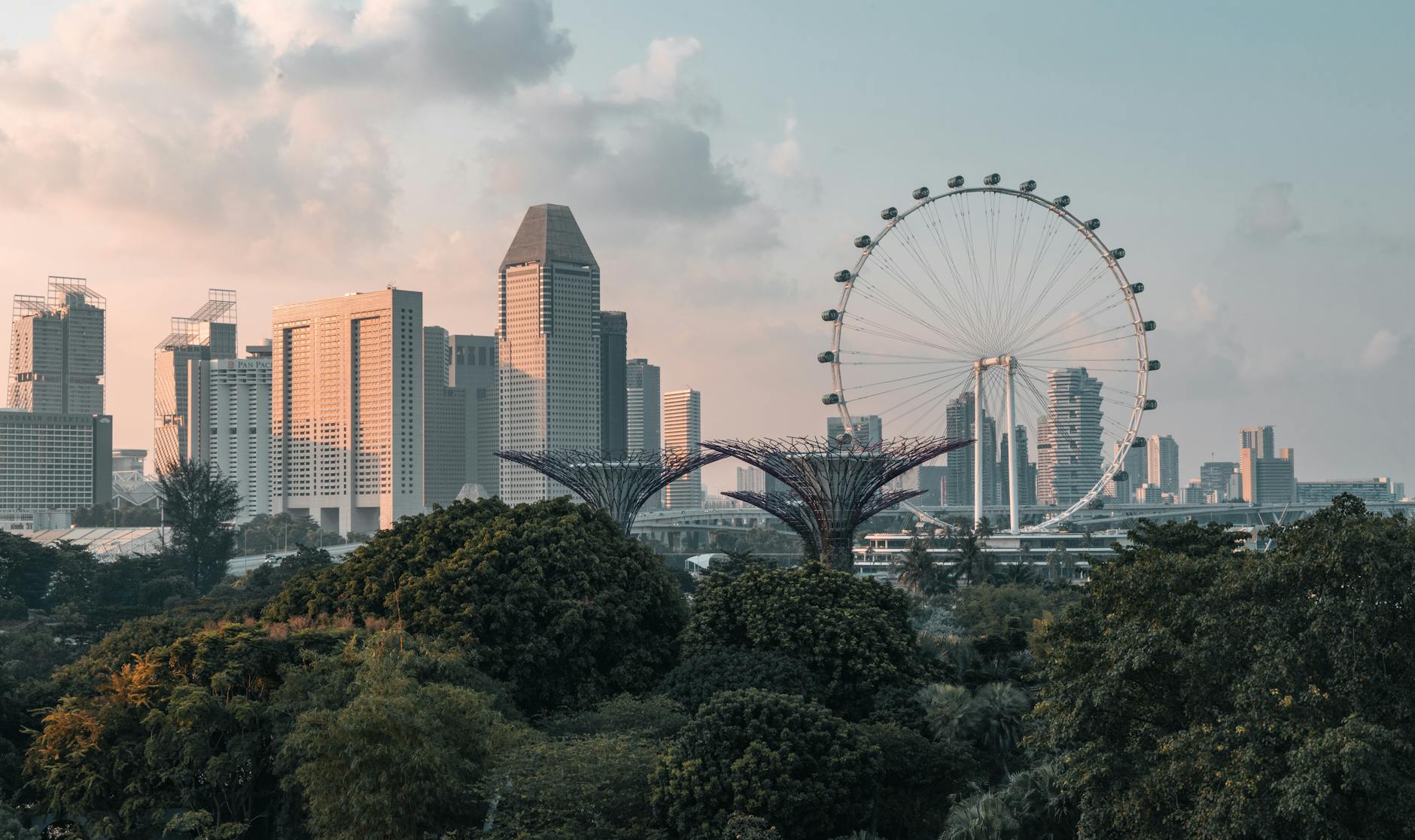
Singapore is tiny on the map and much bigger in practice.
Start Here
A first-time visitor may imagine a hyper-efficient stopover: Changi Airport, Marina Bay Sands, Gardens by the Bay, a spotless MRT, a hawker meal, maybe a cocktail at a rooftop bar, then onward to Bali, Thailand, Australia, or Europe. That version is real. It is also too small.
Singapore is a country, a city, an island, a port, a food civilization, a transit machine, a tropical garden experiment, a multicultural society, a business hub, a shopping capital, a family playground, and one of the easiest places in Asia to visit badly because everything looks so easy. The country is orderly enough to make visitors complacent, humid enough to punish overambition, expensive enough to reward careful planning, and food-rich enough that eating randomly can still be good but eating intelligently can be exceptional.
The best Singapore trip is not about racing through attractions. It is about understanding how the city-state works: which neighborhood gives you which version of Singapore, when to move indoors, when to go out early, how to use the MRT, how to eat at hawker centres, where to stay if you want convenience versus atmosphere, how laws and social norms shape the visitor experience, and how to balance polished icons with lived-in places.
A great Singapore guide has to do two jobs at once. It must be as practical as an airport manual and as textured as a cultural essay. It must explain the mechanics — SG Arrival Card, Changi transfers, contactless fares, taxis, heat, rain, prohibited items, entry documents — while also helping the reader feel the difference between Kampong Gelam at night, Tiong Bahru in the morning, Chinatown at lunch, Little India on a festival weekend, Orchard Road in a thunderstorm, Marina Bay at blue hour, Joo Chiat before dinner, Pulau Ubin by bicycle, and a hawker centre when the lunch crowd knows exactly which queue matters.
Singapore in one sentence: Singapore is a compact tropical city-state where food, transit, rules, gardens, commerce, and multicultural neighborhoods form a highly efficient system — and the best trip comes from using that system well without mistaking polish for the whole story.
Quick Verdict
| Question | Answer |
|---|---|
| Best for | Food lovers, first-time Asia travelers, stopovers, families, architecture, shopping, gardens, museums, urban design, aviation fans, solo travelers, safe-feeling city breaks, luxury hotels, public transport, and travelers who like cities that are dense but highly organized. |
| Not ideal for | Travelers seeking cheap Southeast Asia, empty beaches, wild nightlife without rules, long mountain hikes, spontaneous chewing-gum/vape/drug customs flexibility, cool weather, or a sprawling country road trip. Singapore is easy, but it is not loose. |
| Ideal first trip length | 3–5 full days. Two days works for a stopover. Four days gives first-timers the best balance. Five to seven days lets you go deeper into food, neighborhoods, nature reserves, museums, Sentosa, Mandai, Pulau Ubin, and slower evenings. |
| Best first-timer route | Marina Bay and Civic District; Chinatown and Telok Ayer; Kampong Gelam and Little India; Tiong Bahru or Joo Chiat/Katong; Gardens by the Bay and Singapore Botanic Gardens; one serious hawker-food day; optional Sentosa, Mandai, or Pulau Ubin depending interests. |
| Best time to visit | Singapore is year-round, but February to early April and July to September can be easier for many travelers than the wettest Northeast Monsoon months. There is no truly cool season; plan around humidity, thunderstorms, haze risk, major holidays, and hotel-price spikes. |
| Biggest planning mistake | Treating Singapore as a small checklist and scheduling everything outdoors in the middle of the day. Distances are short, but heat, humidity, rain, crowds, malls, museums, meals, and transit time shape the day. |
| One thing to book early | Hotels during major events, Marina Bay luxury stays, top restaurants, National Day / Grand Prix / major concert periods, popular fine dining, Mandai wildlife parks during holiday periods, and specific attraction time slots when required. |
| One thing to leave unscheduled | Hawker-centre wandering, neighborhood walks, mall cooling breaks, coffee, rain delays, Changi/Jewel time, and a second visit to a neighborhood that surprises you. |
| Best value move | Use MRT/buses and contactless payment; eat often at hawker centres; splurge selectively on one view, one cocktail, one hotel, or one special meal rather than trying to make every experience luxury. |
| Most important warning | Singapore’s laws are not travel folklore. Customs restrictions, drug laws, vaping rules, public-order rules, and everyday fines deserve real respect. Do not bring prohibited items and do not assume “tourist ignorance” will help. |
The Move
Build a first Singapore trip around district clusters and heat management. Do Marina Bay and Gardens together; Civic District with the river and museums; Chinatown/Telok Ayer/Ann Siang with hawker food; Kampong Gelam with Little India; Joo Chiat/Katong or Tiong Bahru as a neighborhood half-day; and save Sentosa, Mandai, or Pulau Ubin for a dedicated block rather than squeezing them between city sights.
Who Will Love Singapore?
You will probably love Singapore if you want:
- One of the easiest major Asian destinations for first-time visitors: English is widely used, transit is clean and legible, and the airport is exceptional.
- A serious food trip where Chinese, Malay, Indian, Peranakan, Eurasian, Indonesian, regional Asian, and global cuisines meet in hawker centres, coffee shops, malls, fine-dining rooms, bakeries, bars, and neighborhood restaurants.
- A city where public transport and urban planning are part of the travel experience.
- A safe-feeling solo trip where you can eat alone, take trains at night, walk between neighborhoods, and use rideshare/taxis with relatively low friction.
- A family trip with wildlife parks, aquariums, gardens, beaches, malls, clean bathrooms, reliable taxis, strollers in many areas, and kid-friendly food options.
- A tropical city that balances skyscrapers, malls, colonial-era civic buildings, shophouses, heritage districts, gardens, wetlands, reservoirs, offshore islands, and elevated park connectors.
- A stopover that can work in 24–48 hours but rewards three to five days.
You may struggle with Singapore if you want:
- Southeast Asia on a shoestring. Singapore is expensive for hotels, alcohol, taxis, attractions, and luxury experiences.
- A chaotic, bargain-heavy, anything-goes city. Singapore is orderly and regulated.
- Cool-weather walking. The heat and humidity are constant enough to structure the whole trip.
- A beach holiday in the Thai, Indonesian, or Philippine sense. Sentosa has beaches, but Singapore is not primarily a beach destination.
- Late-night spontaneity without cost. Bars, clubs, taxis, and alcohol are expensive.
- A country where you can ignore customs rules, public-order rules, or smoking/vaping restrictions.
Singapore is best for travelers who enjoy precision with texture. The mistake is thinking precision means sterility. The texture is there: hawker queues, temple smoke, kopitiam breakfasts, Peranakan tiles, HDB void decks, wet markets, mosque calls, South Indian vegetarian meals, Malay kueh, shopping-mall rituals, old shophouse bars, families eating at 10 p.m., rain hammering a covered walkway, orchids in a colonial-era garden, and the strange pleasure of a country that makes ordinary movement unusually smooth.
Singapore at a Glance
| Practical | Detail |
|---|---|
| Country | Singapore, officially the Republic of Singapore. It is a sovereign island city-state in Southeast Asia. |
| Capital | Singapore. The country and the city are functionally the same destination for most travelers, but the guide should treat it as a country-style destination because entry rules, customs, airport logic, islands, borders, and regional add-ons matter. |
| Main travel zones | Marina Bay/Civic District; Chinatown/Telok Ayer; Tanjong Pagar/Duxton/Ann Siang; Orchard Road; Kampong Gelam; Little India; Bugis/Bras Basah; Tiong Bahru; Joo Chiat/Katong/East Coast; Sentosa; Mandai; Singapore Botanic Gardens/Dempsey; MacRitchie/Central Catchment; Pulau Ubin; Changi/Jewel. |
| Languages | English is widely used and is the easiest visitor language. Malay, Mandarin, and Tamil are also official languages; many residents speak additional Chinese dialects, regional languages, or Singlish in everyday contexts. |
| Currency | Singapore dollar, abbreviated SGD and often written as S$ to distinguish it from other dollars. |
| Cards and cash | Cards, contactless payment, and mobile wallets are widely accepted in malls, hotels, restaurants, attractions, and transport. Carry some cash for older hawker stalls, small shops, wet markets, and backup. |
| Time zone | Singapore Standard Time, UTC+8 year-round. Singapore does not use daylight saving time. |
| Main airport | Singapore Changi Airport (SIN), one of the world’s major international hubs. Jewel Changi Airport is a mall/attraction complex connected to the airport and can be treated as a real stopover activity if timing allows. |
| Entry basics | Non-Singapore passport holders should have at least six months of passport validity. Visa requirements depend on passport. The SG Arrival Card is required for most travelers before arrival but is not a visa.[1][2][3] |
| SG Arrival Card | Submit within three days, including the day of arrival, before arriving in Singapore. Submission is free via official ICA channels; beware paid lookalike sites.[2] |
| Emergency numbers | Police emergency: 999. Ambulance and fire: 995. Non-emergency ambulance: 1777. Police emergency SMS: 70999.[7] |
| Electrical plugs | Type G is the main visitor-relevant plug; Singapore operates on 230V/50Hz. Some sources also note types C and M in limited contexts. Bring a Type G adapter and check device voltage.[19] |
| Tap water | Safe to drink directly from the tap without further filtration according to Singapore’s national water agency.[18] |
| Best transport tools | Google Maps, Apple Maps, Citymapper where available, MyTransport.SG, SimplyGo app, Grab, Gojek, Zig, TADA, Changi Airport apps/sites, Mandai app for wildlife parks, and official attraction pages. |
| Official tourism site | Visit Singapore, run by the Singapore Tourism Board, is the broad official tourism portal.[20] |
First-Timer Mistake
The biggest first-timer mistake is thinking Singapore’s compact size means you can ignore sequencing. You can cross the country quickly by global-city standards, but a bad day still hurts: Marina Bay in the noon heat, Sentosa in the rain, a hawker lunch after the best stalls sell out, Orchard Road during a thunderstorm with no plan, then a late taxi back from Mandai. Singapore rewards smart timing more than heroic stamina.
2026 Visitor Notes
SG Arrival Card Is Mandatory for Most Travelers, But It Is Not a Visa
ICA requires most travelers to submit the SG Arrival Card within three days, including the day of arrival, before entering Singapore. It is free through official ICA channels. ICA also states clearly that the SG Arrival Card is not a visa; visa-required travelers must still handle visa requirements separately.[1][2][3]
The move: Submit SGAC only through ICA’s official e-Service or MyICA Mobile app. Do not pay a third-party site unless you intentionally use a service provider and understand it is not the official requirement.
Entry Permission Is Decided at the Checkpoint
A Singapore entry visa, when required, is pre-entry permission to travel and seek entry; it does not guarantee entry. ICA says the length of stay is determined by the Visit Pass issued at the checkpoint and is not tied to visa validity.[3] Short-term visitors should have sufficient funds, onward/return travel proof, and should not overstay their Visit Pass.[1]
The move: After arrival, check the e-Pass / Visit Pass validity rather than assuming your passport nationality or visa validity equals your approved stay.
Changi Airport Is Part of the Trip, But Do Not Let It Eat the Trip
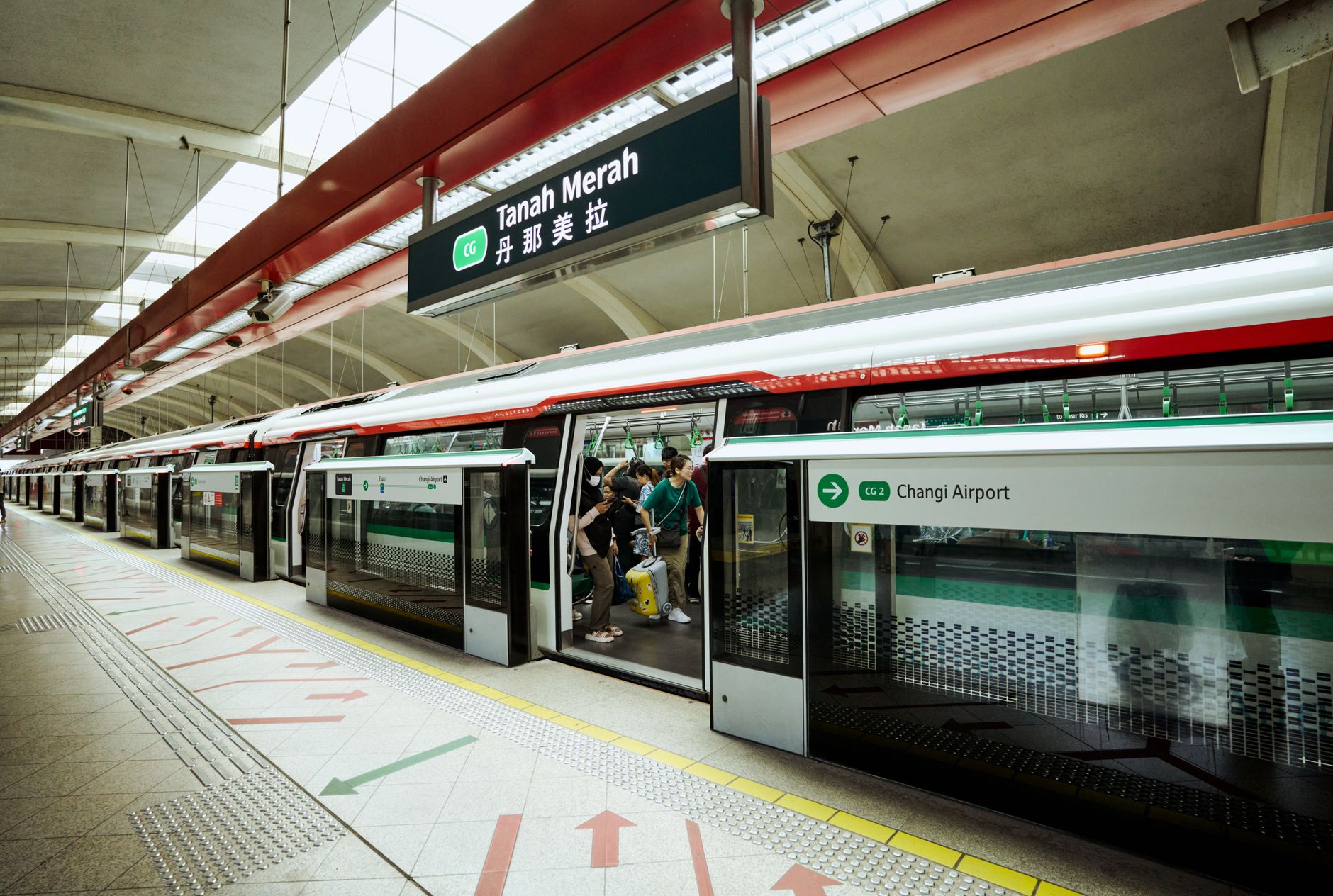
Changi is unusually pleasant, and Jewel can be worth time if you have a long connection or arrival/departure buffer. But Singapore itself is too good to spend a short stay wandering only an airport mall. Changi’s official airport guidance lists MRT, taxis, and private-hire cars as options; the airport train route requires a transfer at Tanah Merah for many city-bound trips, and taxis to the city are metered, typically around 30 minutes and S$25–S$45 before applicable surcharges.[8][9]
The move: Use Jewel on arrival if your room is not ready or before departure if you have spare time. Do not sacrifice a proper hawker meal, neighborhood walk, or garden visit merely to stay airside.
Public Transport Is Easy, But Payment Choice Matters
Singapore’s Land Transport Authority says buses and MRT/LRT rides can be paid for by contactless bank cards, mobile wallets, stored-value cards, concession cards, or cash in some contexts.[10] Singapore’s SimplyGo system allows contactless bank cards and mobile wallets to be tapped directly at bus readers or train gates.[11] Tourist passes exist, but they are not automatically better value than pay-as-you-go. The Singapore Tourist Pass offers unlimited travel on MRT, LRT, and basic bus services during its validity, but excludes premium services and costs S$17 for one day, S$24 for two days, S$29 for three days, S$37 for four days, and S$45 for five days at the time checked.[12]
The move: For most visitors, contactless card/mobile wallet or a stored-value transit card is simpler. Buy a tourist pass only if your ride volume makes sense.
Heat, Humidity, Thunderstorms, and Haze Shape Real Itineraries
Singapore is hot and humid year-round. The Meteorological Service Singapore notes that April and May are climatologically among the warmest months, and its 2026 monsoon update highlighted daily maximum temperatures exceeding 35°C on some days during the April–May period.[13] Thunderstorms can be intense, especially during inter-monsoon periods. Haze risk varies by year and regional fire conditions.
The move: Plan mornings and evenings outdoors; put museums, malls, cafés, hotels, and indoor attractions in the hottest or stormiest parts of the day. Carry an umbrella even when the morning looks clear.
Customs Rules Are Serious
ICA lists prohibited items that are not allowed to be imported into Singapore, including chewing gum, chewing tobacco and imitation tobacco products such as electronic cigarettes, controlled drugs and psychotropic substances, obscene materials, and certain other prohibited publications or items.[4] Singapore Customs also lists chewing gum as prohibited except for HSA-approved oral dental and medicinal chewing gum.[5]
The move: Do not pack gum, vapes, controlled substances, or questionable items “just in case.” Singapore’s border systems are efficient because they are enforced.
Vaping Rules Have Become Even More Prominent
Singapore’s Health Sciences Authority states that possession and use of vaporisers have been prohibited since 2018 and that enhanced penalties under the Tobacco and Vaporisers Control Act apply to possession, use, import, and supply of vaporisers, with the renamed Act taking effect from May 1, 2026.[6]
The move: Do not bring vaping devices or e-vaporisers into Singapore. This is not a soft rule.
Singapore Is Safe-Feeling, But Local Laws Still Matter
The U.S. State Department currently rates Singapore at Level 1, “Exercise normal precautions,” and describes it as generally safe for travelers.[14] That does not mean visitors can ignore public-order rules, drug laws, customs, alcohol behavior, traffic, scams, or weather. Singapore’s Ministry of Home Affairs says police permits are required for public assemblies/processions that demonstrate support for or opposition to views/actions, publicise a cause/campaign, or mark/commemorate an event; rules for non-Singaporeans are especially restrictive.[17]
The move: Treat Singapore as low-crime, not law-light.
Hawker Culture and the Botanic Gardens Are Core, Not Side Notes
Singapore’s hawker culture was inscribed as Singapore’s first element on UNESCO’s Representative List of the Intangible Cultural Heritage of Humanity in 2020.[24] Singapore Botanic Gardens was inscribed as a UNESCO World Heritage Site in 2015 and is described by NParks as the first and only tropical botanic garden on the UNESCO World Heritage List.[22]
The move: Do not reduce Singapore to skyline and malls. Eat in hawker centres and visit a serious green space. Those are not lesser experiences; they are central to the country.
How to Understand Singapore
Singapore is often described with shorthand: clean, efficient, expensive, safe, strict, futuristic. Those words are partly true and partly lazy. The better way to understand Singapore is as a system built on scarcity: limited land, no large hinterland, intense trade, ethnic diversity, tropical climate, high-density housing, a major port, a major airport, and a political culture that prizes order, planning, and performance.
That system produces a visitor experience unlike anywhere else in Southeast Asia. You can eat a few-dollar plate of chicken rice at a hawker centre, then walk into a luxury mall with global fashion, then take a driverless MRT line, then visit a Hindu temple, mosque, Chinese clan association, colonial-era museum, or futuristic greenhouse, then end the night at a cocktail bar inside a restored shophouse. The shifts are fast because Singapore compresses categories that other countries spread across regions.
The Six Singapores a Visitor Actually Meets
| Singapore | Where you feel it | What it gives you |
|---|---|---|
| The skyline Singapore | Marina Bay, Raffles Place, Sands, Gardens by the Bay, the riverfront | Architecture, views, light shows, luxury hotels, water, financial-district energy, and the postcard image. |
| The food Singapore | Maxwell, Chinatown Complex, Old Airport Road, Tiong Bahru Market, Tekka Centre, East Coast, hawker centres, coffee shops, kopitiams | Hawker culture, queues, breakfast rituals, multicultural eating, kopi, kaya toast, laksa, biryani, chicken rice, satay, char kway teow, rojak, nasi lemak, prata, and more. |
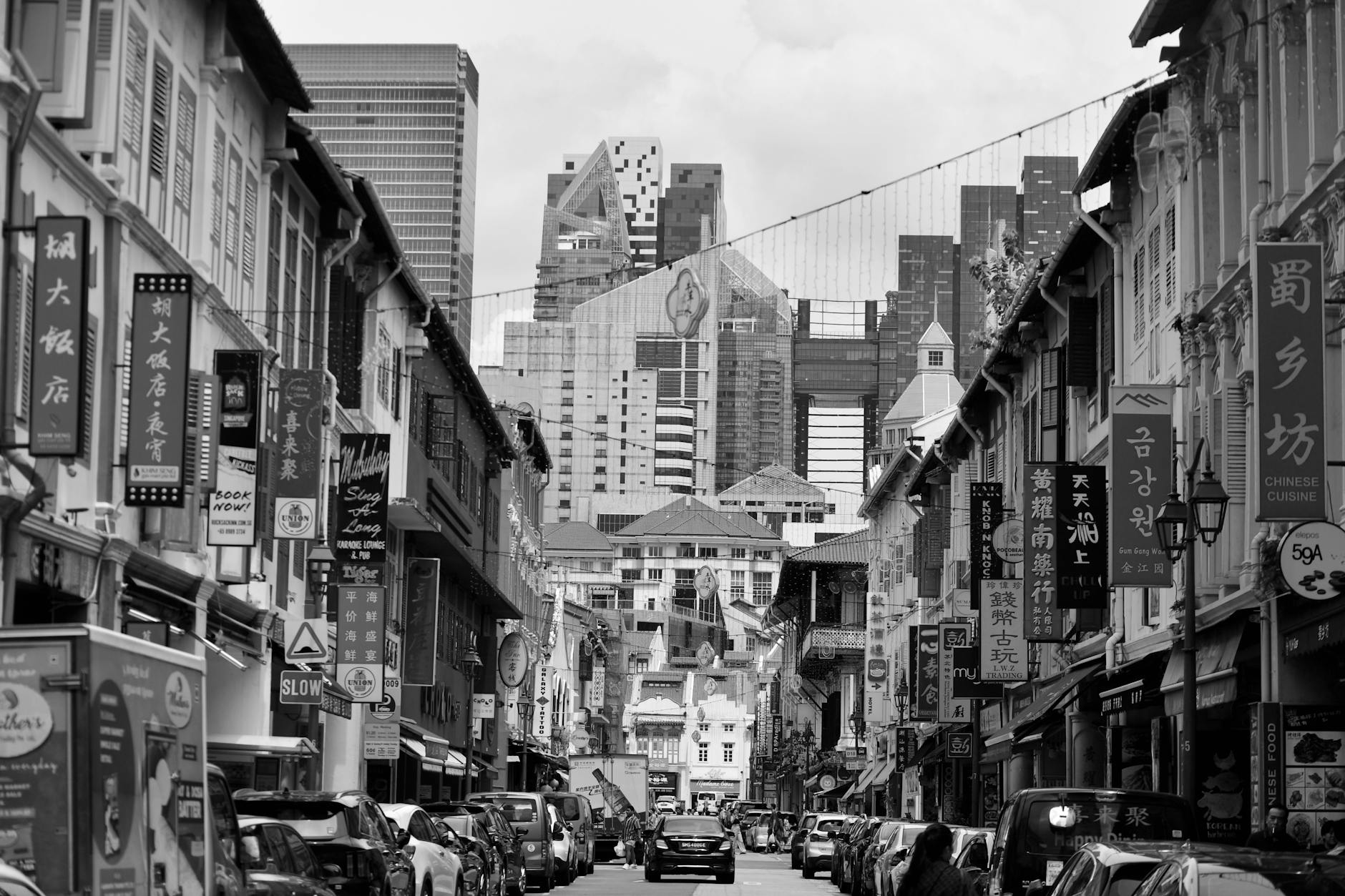
| The heritage Singapore | Chinatown, Kampong Gelam, Little India, Joo Chiat/Katong, Telok Ayer, Civic District | Shophouses, temples, mosques, churches, clan history, colonial-era institutions, Peranakan culture, textiles, spice shops, and religious diversity. |
| The garden Singapore | Singapore Botanic Gardens, Gardens by the Bay, MacRitchie, Southern Ridges, Sungei Buloh, Pulau Ubin, East Coast Park | Tropical greenery, orchids, wetlands, reservoirs, park connectors, city-in-nature planning, monitor lizards, otters, birds, shade, and humidity. |
| The mall Singapore | Orchard, Marina Bay Sands, VivoCity, Jewel, Bugis, Suntec, City Hall, integrated developments | Air conditioning, shopping, food courts, restaurants, rain shelters, transit connections, family logistics, and everyday urban life. |
| The regional gateway Singapore | Changi, HarbourFront, Tanah Merah Ferry Terminal, Woodlands/Tuas, cruise terminals | Stopovers, Malaysia add-ons, Indonesia ferries, cruises, business travel, and Southeast Asia routing. |
Local Logic
Singapore is not difficult. It is specific.
- Food is everywhere, but the best hawker stalls may sell out early, close on odd days, or have long queues.
- Transit is easy, but Sentosa, Mandai, Pulau Ubin, and some nature areas require more planning than central MRT districts.
- The city is walkable in pieces, but heat changes the meaning of distance.
- Malls are not just shopping; they are cooling stations, food hubs, transit connectors, rain shelters, and social infrastructure.
- Rules are visible and invisible: queueing, tray return, no smoking outside allowed areas, no eating/drinking on MRT, no vaping, customs restrictions, and strong norms around public order.
- “Central” can mean Marina Bay, City Hall, Orchard, Clarke Quay, Bugis, Chinatown, or Tanjong Pagar depending your trip.
Singapore’s Central Contrasts
- Polish vs texture: Marina Bay is polished; the best food and neighborhood life often live in less cinematic places.
- Efficiency vs humidity: systems work, but the climate still slows you down.
- Luxury vs hawker value: a single cocktail can cost more than several excellent meals.
- Small island vs global hub: the country is compact, but its airport, port, finance, food, and diaspora links are global.
- Heritage vs redevelopment: shophouse districts survive inside a city that constantly rebuilds.
- Multicultural harmony vs sensitive norms: Singapore’s diversity is real, but visitors should be careful around religion, race, politics, public assemblies, and photography in sacred or private spaces.
What Visitors Misunderstand
Visitors often call Singapore “sterile” because they only see Marina Bay, Orchard, and the airport. That is self-inflicted. Singapore’s lived texture is in hawker centres, markets, old coffee shops, HDB estates, shophouse streets, religious sites, parks, and neighborhood food clusters.
The better critique is not that Singapore has no texture. It is that the texture requires leaving the easiest postcard route.
Best Time to Visit Singapore
Singapore is a year-round destination because it has no cold season, no true dry Mediterranean-style summer, and no winter tourism shutdown. But “year-round” does not mean every month feels the same.
The real question is not “When is Singapore open?” It is “When will heat, rain, haze, hotel prices, festivals, school holidays, and major events make my style of trip easier or harder?”
Best Overall Months
For many first-time visitors, February to early April and July to September can work well, depending on event calendars and haze conditions. February to March often follows the wettest Northeast Monsoon period and can be pleasant by Singapore standards, though still hot. July to September can be manageable for city travel, but haze risk and major-event pricing should be watched.
December and January are popular for holidays but can be wetter. April and May can feel especially hot. October and November can bring more rain as the year turns toward the wetter period.
There is no month when you should pack as though you are escaping humidity. Singapore is near the equator. You manage heat; you do not avoid it entirely.
Season-by-Season
| Period | What to expect | Best for | Watch out for |
|---|---|---|---|
| Northeast Monsoon: roughly Dec–early Mar | Wetter season, especially earlier; heavy showers; slightly cooler-feeling rainy days at times. | Museums, food, shopping, Christmas/New Year city trips, indoor attractions. | Rainy periods, holiday crowds, hotel spikes, outdoor-plan disruption. |
| Inter-monsoon: roughly Apr–May | Hot, humid, thunderstorms can be intense; April/May are climatologically warm. | Short stopovers, indoor/outdoor mix, early-morning gardens. | Heat stress, afternoon thunderstorms, walking fatigue. |
| Southwest Monsoon: roughly Jun–Sep | Often somewhat drier than year-end but still hot; brief showers; haze risk varies. | First trips, food, shopping, neighborhoods, family trips. | Haze, heat, school holidays, event pricing. |
| Inter-monsoon: roughly Oct–Nov | Thunderstorms and increasing rainfall; humid and unsettled. | Food, museums, city breaks, indoor culture. | Rain, lightning, outdoor interruptions. |
Month-by-Month Guide
| Month | Verdict |
|---|---|
| January | Holiday-season demand can linger early. Often wet. Good for indoor Singapore, food, shopping, museums, and shorter outdoor windows. |
| February | Often one of the better months for first-timers, depending Chinese New Year timing. Some closures or surcharges may occur around the holiday, but the festive atmosphere is strong. |
| March | Good all-purpose month by Singapore standards. Still humid; plan rain breaks. |
| April | Hot. Good if you pace carefully. Early mornings and evenings matter. |
| May | Often very warm and humid. Use hotels, malls, museums, and late-day outdoor blocks. |
| June | Family travel and school-holiday periods may affect crowds. Good for a mixed indoor/outdoor trip if you avoid midday overexposure. |
| July | Strong city-break month if no major event or haze issue disrupts plans. National Day build-up begins later in the season. |
| August | National Day month. Festive, patriotic, and busy around key dates. Heat and storms remain. |
| September | Often viable, but watch haze and major event pricing. Formula 1 season, when scheduled, can transform hotel rates. |
| October | Rain and thunderstorms can increase. Good for food, museums, neighborhoods, and indoor planning. |
| November | Wetter trend continues. Good for travelers who accept rain and prioritize culture/food over perfect outdoor conditions. |
| December | Holiday lights, shopping, hotel demand, and rain. Strong for festive city trips, not ideal for “dry tropical escape” expectations. |
Rain Plan
Singapore is one of the easiest rainy-day cities in Asia because the city is full of covered walkways, malls, museums, food courts, MRT links, cafés, and indoor attractions. A rainy afternoon can become National Gallery, Asian Civilisations Museum, Jewel, Orchard, Bugis, Marina Bay Sands, ArtScience Museum, a hawker-centre crawl under cover, or a long Peranakan/heritage museum block.
Heat Plan
A good Singapore day has an outdoor morning, an indoor midday, a late-afternoon/evening outdoor block, and meals that are destinations rather than afterthoughts.
The move: Do Singapore like a local commuter, not like a backpacker racing through a dry old town. Shade, air conditioning, hydration, and timing are part of the itinerary.
How Many Days You Need
The Honest Answer
You need four full days for a satisfying first Singapore trip. Two days is a good stopover. Three days covers the essentials. Five to seven days lets Singapore stop being a checklist and become a country of neighborhoods, food, nature, museums, and slower rituals.
| Length | What it feels like |
|---|---|
| 8–12 hours | A real layover if you have enough buffer: Jewel, Marina Bay, one hawker meal, or a short city loop. Only leave the airport if immigration, luggage, onward timing, and fatigue make sense. |
| 1 day | A fast city sample: Marina Bay/Gardens, one hawker meal, Chinatown or Kampong Gelam, and a view. Good, but thin. |
| 2 days | A strong stopover: Marina Bay/Gardens, Civic District, Chinatown, Kampong Gelam/Little India, one serious food plan, and maybe Orchard or Jewel. |
| 3 days | Good first-timer minimum. Add Botanic Gardens, Joo Chiat/Katong or Tiong Bahru, and a more intentional hawker/restaurant rhythm. |
| 4 days | Ideal first visit. Lets you balance icons, neighborhoods, food, gardens, museums, and either Sentosa, Mandai, Pulau Ubin, or a nature block. |
| 5–7 days | Deeper Singapore. Add Pulau Ubin, MacRitchie/Southern Ridges, Mandai wildlife parks, East Coast, Peranakan culture, cocktail bars, more hawker centres, and slow neighborhood revisits. |
| 10+ days | Best for remote work, family stays, food research, medical/business travel add-ons, or using Singapore as a base for Malaysia/Indonesia side trips. |
Itinerary Philosophy
A good Singapore day should usually have:
- One outdoor anchor: gardens, neighborhood walk, heritage district, park connector, Pulau Ubin, Sentosa, or Marina Bay.
- One food anchor: hawker centre, kopitiam breakfast, special restaurant, Peranakan meal, Indian meal, Malay meal, or night-market-style casual dinner.
- One cooling anchor: museum, mall, hotel pool, café, indoor attraction, or nap.
- One evening plan: Marina Bay, Kampong Gelam, Ann Siang/Duxton, Joo Chiat, riverfront, cocktail bar, night safari, or late hawker supper.
Singapore punishes days that treat humidity as a character flaw. It rewards days that work with the climate.
Choose Your Singapore Trip
Singapore is compact enough that visitors can combine multiple trip styles. But it still helps to choose a dominant lens.
Classic First-Time Singapore
Best for: First-timers, couples, stopover travelers, urban explorers.
Core places: Marina Bay, Gardens by the Bay, Civic District, Chinatown, Telok Ayer, Kampong Gelam, Little India, Singapore Botanic Gardens, Orchard or Jewel.
Trip length: 3–5 days.
Why it works: It gives the big skyline, green infrastructure, multicultural neighborhoods, hawker food, museums, and transit confidence without overcomplicating the trip.
Food Singapore
Best for: Food lovers who care more about meals than monuments.
Core places: Maxwell, Chinatown Complex, Old Airport Road, Tekka Centre, Tiong Bahru Market, Amoy Street, Hong Lim, Geylang/East Coast, Joo Chiat/Katong, Little India, Kampong Gelam, fine-dining/cocktail clusters.
Trip length: 4–7 days.
Why it works: Singapore’s food is not one cuisine; it is a system. A food trip should include hawker centres, coffee shops, wet markets, Peranakan food, Indian food, Malay food, Chinese regional dishes, kopi/kaya toast, and modern restaurants.
Family Singapore
Best for: Families with children, multigenerational trips, heat-sensitive travelers.
Core places: Gardens by the Bay, Singapore Zoo/Night Safari/River Wonders/Bird Paradise, Sentosa, Jewel, Botanic Gardens, East Coast Park, ArtScience Museum, National Gallery family programs, malls, hotel pools.
Trip length: 4–6 days.
Why it works: Singapore is one of the easiest major cities in Asia with children: clean bathrooms, good transit, taxis, stroller-friendly malls, safe-feeling streets, and abundant food.
Nature-in-the-City Singapore
Best for: Urban nature lovers, birders, runners, walkers, repeat visitors.
Core places: Singapore Botanic Gardens, MacRitchie, Southern Ridges, Sungei Buloh, Pulau Ubin, East Coast Park, Fort Canning, Rail Corridor, Gardens by the Bay, Marina Barrage.
Trip length: 4–7 days.
Why it works: Singapore’s “City in Nature” ambition is visible in how green space is woven into a dense urban system.[21]
Luxury Singapore
Best for: High-end city breaks, special occasions, business travelers extending a trip.
Core places: Marina Bay, Raffles, Orchard, Dempsey, Sentosa resorts, fine dining, cocktail bars, spa hotels, private guides, galleries, and shopping.
Trip length: 3–5 days.
Why it works: Singapore does luxury extremely well, but the guide should still push travelers toward hawker food and neighborhoods so the trip does not become generic global affluence.
Stopover Singapore
Best for: Travelers transiting through Changi.
Core places: Jewel, Marina Bay, Gardens by the Bay, one hawker centre, Chinatown or Kampong Gelam, airport hotel if needed.
Trip length: 8 hours to 2 days.
Why it works: Singapore is probably one of the world’s best stopover cities. But immigration time, baggage, heat, and jet lag should determine how ambitious the plan is.
Regional Gateway Singapore
Best for: Travelers combining Singapore with Malaysia, Indonesia, cruises, or a Southeast Asia itinerary.
Core add-ons: Johor Bahru, Malacca, Kuala Lumpur, Penang, Bintan, Batam, Tioman, Bali, regional flights, cruises.
Trip length: 3–5 Singapore days plus extension.
Why it works: Singapore’s airport and ferry/border connections are excellent, but cross-border trips require separate entry, customs, transport, and timing logic.
Where to Stay
Singapore hotel choice matters because the country is compact but hotel prices are high, weather is hot, and your base determines whether you spend the trip flowing through MRT lines or escaping heat by taxi.
The Short Answer
- Stay in Marina Bay / Civic District if you want the postcard skyline, luxury hotels, museums, Gardens by the Bay, and easy first-timer orientation.
- Stay in Chinatown / Telok Ayer / Tanjong Pagar if you want food, shophouses, central MRT access, nightlife, and atmosphere.
- Stay in Bugis / Bras Basah / Kampong Gelam if you want culture, food, museums, value relative to Marina Bay, and good transit.
- Stay on Orchard Road if you want shopping, malls, family convenience, taxis, and easy central access.
- Stay in Little India / Farrer Park / Jalan Besar if you want value, food, color, and strong MRT connections, while accepting busier street life.
- Stay in Sentosa if your trip is resort/family/theme-park/beach-focused, not if you want to explore central Singapore every day.
- Stay near Changi/Jewel only for airport timing, a very short stopover, or early/late flights.
Neighborhood Decision Tree
| You want... | Stay in... |
|---|---|
| Best first-time convenience | Marina Bay, Civic District, City Hall, Chinatown/Telok Ayer, Bugis |
| Luxury skyline stay | Marina Bay, Fullerton/Raffles area, Sentosa resorts |
| Best food access | Chinatown/Telok Ayer/Tanjong Pagar, Bugis/Kampong Gelam, Little India, Joo Chiat/Katong if you accept being farther east |
| Best shopping convenience | Orchard Road, Marina Bay, Bugis |
| Best family base | Orchard, Marina Bay, Sentosa, City Hall, Bugis |
| Best value central base | Bugis, Jalan Besar, Little India, Chinatown edges, Lavender, Bencoolen |
| Best nightlife and restaurants | Tanjong Pagar, Duxton, Ann Siang, Telok Ayer, Clarke Quay/Boat Quay if you want river nightlife, Kampong Gelam for casual evenings |
| Best resort feel | Sentosa |
| Best airport convenience | Changi/Jewel, eastern hotels, or hotels near East-West/Downtown Line connections depending flight timing |
| Best neighborhood atmosphere | Chinatown, Kampong Gelam, Joo Chiat/Katong, Tiong Bahru |
Area Profiles
Marina Bay and Civic District
Best for: First-timers, luxury, views, museums, skyline, couples, short stays.
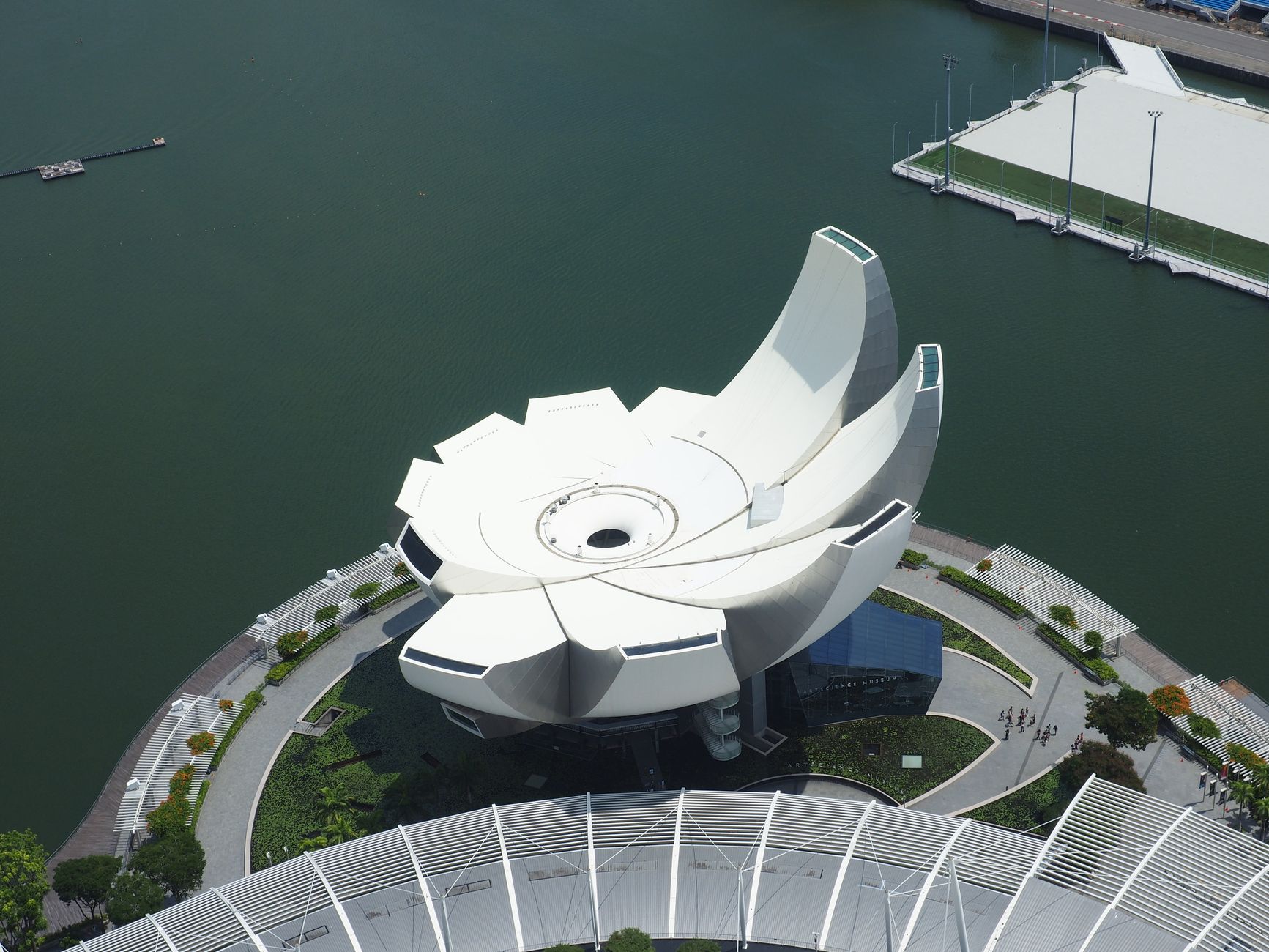
Marina Bay is the cinematic Singapore: water, skyline, Marina Bay Sands, Gardens by the Bay, the Merlion, ArtScience Museum, Esplanade, and polished public space. The Civic District adds National Gallery, Asian Civilisations Museum, Victoria Theatre, the Padang, colonial-era buildings, and the river.
Why stay here: Maximum icon access, excellent views, luxury hotels, easy taxi/MRT movement, excellent for short trips.
Why not: Expensive, less neighborhood texture, food can skew mall/hotel unless you deliberately go elsewhere.
Perfect for: First-timers with a higher budget, couples, business travelers, and stopovers that need efficiency.
Local logic: Stay here for the view, but eat beyond the view.
Chinatown, Telok Ayer, Tanjong Pagar, Duxton, and Ann Siang
Best for: Food, nightlife, shophouses, centrality, solo travelers, couples.
This is one of the strongest visitor bases because it gives you MRT access, hawker centres, temples, bars, restaurants, shophouse streets, and walking access toward the CBD and river.
Why stay here: Excellent food access, atmospheric streets, good transit, nightlife, central without being purely corporate.
Why not: Some streets can be noisy, hotel room sizes vary, and certain nightlife pockets can feel more expat/business than local.
Perfect for: Travelers who want a food-and-neighborhood base.
Bugis, Bras Basah, Bencoolen, and Kampong Gelam
Best for: Culture, value, museums, transit, casual food, first-timers.
This zone sits between the Civic District, Kampong Gelam, Little India, and Orchard/Marina Bay access. It is often more affordable than Marina Bay while still highly practical.
Why stay here: Good MRT connections, museums, Haji Lane/Kampong Gelam, food, shopping, useful mid-range hotels.
Why not: It lacks the immediate skyline drama of Marina Bay and the polished shopping focus of Orchard.
Perfect for: Smart first-timers who want convenience without paying Marina Bay prices.
Orchard Road
Best for: Shopping, family convenience, malls, taxis, reliable hotels.
Orchard is not the most atmospheric Singapore, but it is practical: malls, food courts, hotels, taxis, medical clinics, family logistics, and easy movement.
Why stay here: Shopping, comfort, air-conditioned convenience, large hotel inventory, family-friendly.
Why not: It can feel generic if you never leave the mall corridor.
Perfect for: Families, shoppers, business travelers, and heat-sensitive visitors.
Little India, Farrer Park, and Jalan Besar
Best for: Value, food, color, culture, transit, budget-to-midrange hotels.
Little India is one of Singapore’s most sensory neighborhoods: temples, spice shops, gold stores, textile shops, flower garlands, vegetarian restaurants, biryani, prata, and busy sidewalks. Nearby Farrer Park and Jalan Besar can be strong value bases.
Why stay here: Food, cultural texture, better value, good transit.
Why not: Street life can be busy, some hotels are basic, and first-timers seeking polished calm may prefer Bugis or City Hall.
Perfect for: Food-first travelers and visitors who want more color than corporate Singapore.
Joo Chiat, Katong, and East Coast
Best for: Peranakan culture, food, neighborhood walks, repeat visitors, longer stays.
This eastern zone gives you pastel shophouses, Peranakan heritage, laksa, kueh, cafés, and access toward East Coast Park. It feels more residential and less tourist-central.
Why stay here: Strong food, beautiful shophouses, local atmosphere, East Coast access.
Why not: Less convenient for quick first-time sightseeing; MRT/taxi planning matters depending exact location.
Perfect for: Repeat visitors, food lovers, slower travelers, and people who do not need skyline outside the door.
Sentosa
Best for: Resorts, families, theme parks, beach clubs, Universal Studios, resort-style stays.
Sentosa is Singapore’s leisure island. It works well for families and resort travelers, but it is not the best base for exploring central Singapore every day.
Why stay here: Pools, beaches, attractions, family logistics, resort feeling.
Why not: More isolated, pricier, less hawker/neighborhood texture, extra transfers for city exploration.
Perfect for: Families or couples who intentionally want a resort layer.
Changi and Jewel
Best for: Early flights, late arrivals, aviation fans, transit stopovers.
Changi-area hotels make sense when timing drives the trip. Jewel is genuinely worth seeing, but Changi should not become your only Singapore.
Why stay here: Airport convenience, Jewel, stress reduction for late/early flights.
Why not: Farther from central neighborhoods and evening culture.
Perfect for: One-night airport stays or long layovers.
Booking Mistakes to Avoid
- Booking Marina Bay luxury, then eating only in expensive malls and missing hawker culture.
- Staying in Sentosa for a city-focused trip.
- Choosing the cheapest hotel without checking MRT distance, room size, window quality, and reviews.
- Underestimating hotel prices during major events, concerts, holidays, and school breaks.
- Ignoring humidity and booking a base that requires long uncovered walks.
- Assuming “near Orchard” means atmospheric. It usually means convenient.
- Booking an airport hotel for multiple nights unless airport timing truly matters.
Neighborhood and District Guide
Singapore neighborhoods are not just sightseeing zones. They are the best way to keep the country from feeling like a skyline-and-mall circuit.
Marina Bay
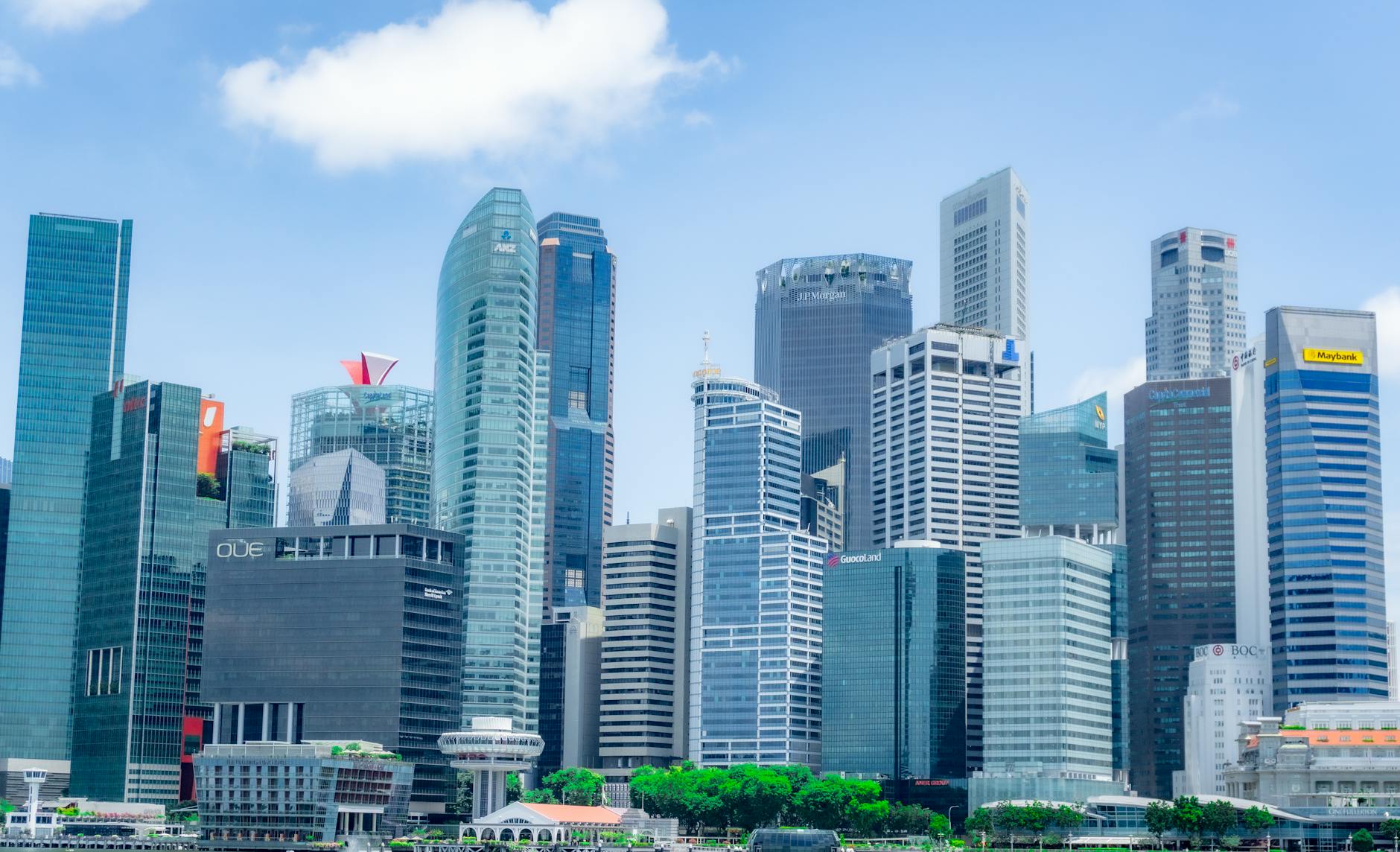
Identity: Singapore’s global postcard: skyline, water, spectacle, architecture, and evening views.
Best things to do: Gardens by the Bay, Marina Bay Sands SkyPark, ArtScience Museum, Helix Bridge, Merlion area, Esplanade, bayfront walks, light shows.
Best time: Late afternoon into evening. Morning works for cooler walking, but the skyline is more dramatic at sunset and night.
How long: Half-day to full day, depending Gardens and museum plans.
Skip if: You have only a few hours and hate polished environments; choose a hawker/neighborhood loop instead.
Perfect walk: Start at the Civic District, cross toward the Merlion, loop around Marina Bay, visit Gardens by the Bay, cool down indoors, then return for blue-hour views.
Civic District and Singapore River
Identity: Colonial-era civic architecture, museums, the old port/riverside story, and polished city-center walks.
Best things to do: National Gallery Singapore, Asian Civilisations Museum, Victoria Theatre/Concert Hall, the Padang, St Andrew’s Cathedral, Boat Quay, Clarke Quay, Fort Canning nearby.
Best time: Morning for museums and heritage, evening for riverfront energy.
How long: Half-day, longer if museum-heavy.
The move: Pair National Gallery with a river walk and dinner somewhere more interesting than the most obvious riverfront tourist strip.
Chinatown, Telok Ayer, and Amoy Street
Identity: Temples, clan associations, shophouses, hawker food, offices, bars, and layered Chinese/Singaporean history.
Best things to do: Buddha Tooth Relic Temple exterior/interior if respectful, Sri Mariamman Temple, Thian Hock Keng, Chinatown Complex, Maxwell Food Centre, Amoy Street, Telok Ayer, Ann Siang Hill.
Best time: Morning for temples and breakfast, lunch for hawker food, evening for bars and restaurants.
How long: Half-day to full day with food stops.
Common mistake: Eating at the first tourist-facing restaurant on the main drag and missing the hawker centres.
Kampong Gelam and Bugis
Identity: Malay-Muslim heritage, Sultan Mosque, textiles, Haji Lane, cafés, murals, bars, and nightlife-light energy.
Best things to do: Sultan Mosque area, Arab Street, Bussorah Street, Haji Lane, Malay Heritage Centre area if open/available, textiles, coffee, casual restaurants.
Best time: Late afternoon into evening. Respect prayer times and mosque etiquette.
How long: Two to four hours; half-day with Bugis/Bras Basah museums.
The move: Come before sunset, walk respectfully around Sultan Mosque, browse side streets, then stay for dinner.
Little India and Farrer Park
Identity: One of Singapore’s most vivid districts: temples, flowers, spices, gold, textiles, vegetarian meals, biryani, prata, and market life.
Best things to do: Sri Veeramakaliamman Temple area, Tekka Centre, Mustafa Centre, Serangoon Road, Race Course Road restaurants, flower garland shops, Indian sweets.
Best time: Morning for market/food, evening for energy. Festival periods can be extraordinary but crowded.
How long: Two to four hours; longer if food-focused.
Common mistake: Treating it as a photo backdrop rather than a living religious/commercial neighborhood.
Tiong Bahru
Identity: Art deco-ish low-rise housing, bakeries, cafés, bookstores, market food, and a calmer neighborhood rhythm.
Best things to do: Tiong Bahru Market, cafés, small shops, architecture walks, bookstore browsing, nearby river/Great World access depending route.
Best time: Morning to lunch.
How long: Two to three hours.
The move: Use Tiong Bahru as a slow morning after a big skyline day.
Joo Chiat and Katong
Identity: Peranakan shophouses, food, pastel architecture, neighborhood restaurants, kueh, laksa, and East Coast access.
Best things to do: Koon Seng Road shophouses, Katong food, Peranakan food, bakeries, cafés, East Coast Park pairing.
Best time: Late morning to dinner.
How long: Half-day.
The move: Come hungry, but do not reduce the neighborhood to one laksa queue. Walk the side streets.
Orchard Road
Identity: Shopping corridor, malls, hotels, clinics, restaurants, food courts, and air-conditioned practicality.
Best things to do: Shopping, food courts, department stores, ION Orchard, Emerald Hill nearby, rainy-day wandering.
Best time: Afternoon, especially in heat or rain.
How long: Two hours to all day if shopping.
Skip if: You dislike malls and have limited time. Use it as a tool, not an obligation.
Singapore Botanic Gardens and Dempsey
Identity: Heritage garden, orchids, tropical greenery, morning walks, and nearby dining.
Best things to do: Singapore Botanic Gardens, National Orchid Garden, early walks, swan lake, rainforest area, Dempsey restaurants/shops if pairing.
Best time: Early morning or late afternoon.
How long: Two to four hours.
Worth it? Yes. The Botanic Gardens is not filler; it is one of Singapore’s defining places.
Sentosa
Identity: Leisure island: beaches, theme parks, resorts, aquariums, beach clubs, family attractions.
Best things to do: Universal Studios Singapore, S.E.A. Aquarium if relevant/current, beach time, Fort Siloso, cable car, resort pools, beach clubs.
Best time: Dedicated half-day or full day.
How long: Half-day for a beach/attraction sample; full day for families.
Common mistake: Going because “Singapore has beaches” and expecting a remote island. Sentosa is managed leisure, not wild tropical escape.
Mandai
Identity: Wildlife district: Singapore Zoo, Night Safari, River Wonders, Bird Paradise, and related attractions.
Best things to do: Singapore Zoo by day, Night Safari by evening, Bird Paradise, River Wonders, family wildlife day.
Best time: Morning for zoo; evening for Night Safari. Do not underestimate travel time.
How long: Half-day to full day; Night Safari is a dedicated evening.
Book ahead? Time slots may matter, especially for Night Safari and busy periods.[26]
Pulau Ubin
Identity: Offshore-island Singapore: bicycles, kampong memory, mangroves, Chek Jawa wetlands, slower rhythm.
Best things to do: Bumboat from Changi Point Ferry Terminal, bike rental, Chek Jawa, seafood meal near Changi Village, birding and nature.
Best time: Morning; avoid thunderstorms.
How long: Half-day to full day.
The move: Pulau Ubin is excellent for repeat visitors or first-timers with five or more days. It is a different Singapore.
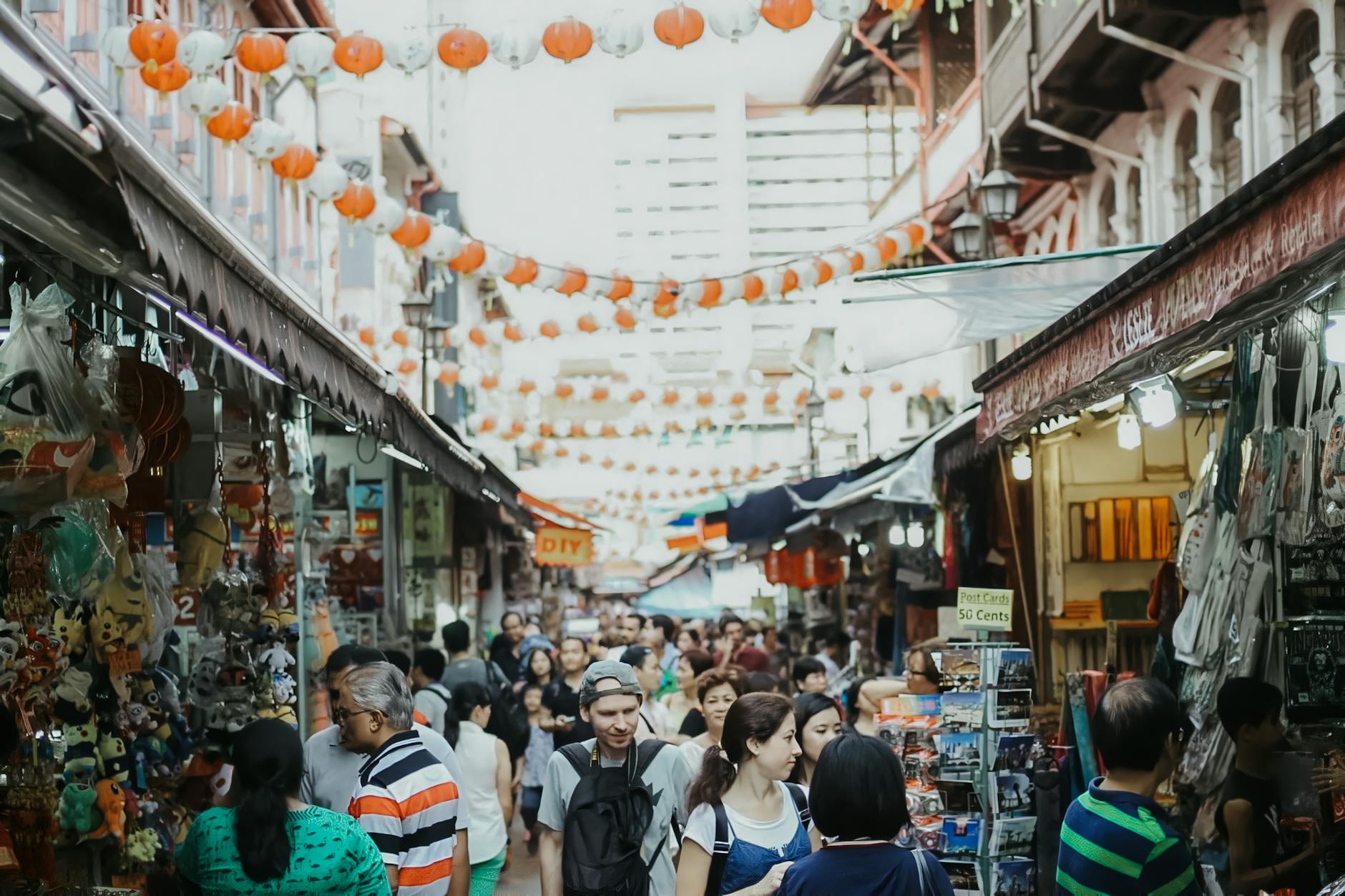
Best Things to Do
Singapore’s best experiences fall into four categories: skyline icons, food culture, heritage neighborhoods, and green/blue spaces. A good guide should not over-rank one category. The country only makes sense when they are combined.
1. Walk Marina Bay at Blue Hour
Marina Bay is the obvious Singapore, but it is obvious for a reason. The skyline, water, bridges, public spaces, Marina Bay Sands, Gardens by the Bay, and towers create one of the world’s most legible modern cityscapes.
Best for: First-timers, photography, couples, short stays.
Time needed: 90 minutes to half-day.
Best time: Late afternoon to evening.
Pair it with: Gardens by the Bay, ArtScience Museum, Merlion, Esplanade, Civic District.
Worth it? Yes. Just do not mistake it for all of Singapore.
2. Visit Gardens by the Bay Properly
Gardens by the Bay is more than a photo stop. It is part showpiece, part botanical attraction, part climate-controlled tropical fantasy, part public park. The official opening-hours page lists major ticketed attractions such as Cloud Forest, Flower Dome, OCBC Skyway, and Supertree Observatory, with outdoor gardens open much longer than the paid conservatories.[25]
Best for: First-timers, families, architecture, gardens, rainy/heat management.
Time needed: Two to four hours, longer if doing multiple attractions.
Best time: Late afternoon plus evening for Supertree atmosphere.
Book ahead? Useful in busy periods; check closure/maintenance dates.
Common mistake: Visiting only at noon for a quick photo. It is better near evening.
3. Eat at Hawker Centres as a Main Activity
Hawker centres are not just cheap food courts. They are Singapore’s communal dining infrastructure and one of the country’s core cultural experiences. Hawker culture was inscribed on UNESCO’s Representative List of the Intangible Cultural Heritage of Humanity in 2020.[24]
Best for: Everyone, unless dietary needs require careful planning.
Time needed: 45 minutes to several meals across the trip.
Best places for visitors: Maxwell, Chinatown Complex, Amoy Street, Hong Lim, Tekka Centre, Tiong Bahru Market, Old Airport Road, Lau Pa Sat for convenience/atmosphere, East Coast Lagoon for evening satay/seafood vibe.
Local tip: Bring tissues/wet wipes, cash backup, and patience. Return your tray.
4. Spend a Morning at Singapore Botanic Gardens
Singapore Botanic Gardens is Singapore’s first UNESCO World Heritage Site and a rare tropical botanic garden on the World Heritage List.[22] NParks says the Gardens are free to enter and open daily from 5 a.m. to midnight, with the National Orchid Garden as the ticketed attraction.[23]
Best for: Nature, history, families, runners, early risers, heat management.
Time needed: Two to four hours.
Best time: Early morning.
Pair it with: Dempsey, Orchard, National Orchid Garden.
Worth it? Absolutely. It is one of the best ways to understand Singapore’s garden-city identity.
5. Explore Chinatown Beyond Souvenirs
Chinatown has tourist shops, but it also has temples, clan history, hawker food, bars, offices, and shophouses. Telok Ayer and Amoy Street add older immigrant and mercantile layers.
Best for: History, food, photography, bars, first-timers.
Time needed: Half-day.
Best time: Morning to lunch, or late afternoon to evening.
Common mistake: Only doing Pagoda Street and leaving.
6. Pair Kampong Gelam and Little India
These districts show Singapore’s religious, commercial, textile, food, and migration layers more vividly than many polished downtown blocks.
Best for: Culture, food, photography, textile shopping, street atmosphere.
Time needed: Half-day to full day with meals.
Best time: Late afternoon into evening, or morning market time in Little India.
Etiquette: Dress and behave respectfully around mosques and temples; do not block worshippers or treat rituals as content.
7. Visit National Gallery Singapore or Asian Civilisations Museum
Singapore’s museums help connect the shiny city-state to its regional and historical context. National Gallery is strong for art and architecture; Asian Civilisations Museum is strong for trade, material culture, and Asian crossroads context.
Best for: Rain, heat, history, art, families, slow travelers.
Time needed: Two to four hours.
Pair it with: Civic District, river walk, Marina Bay.
The move: Put a museum in the hottest part of the day.
8. Do Joo Chiat/Katong for Peranakan Texture
Joo Chiat and Katong are among the best counters to the idea that Singapore is only skyscrapers. The shophouses, food, kueh, laksa, and Peranakan references give texture that short-stay visitors often miss.
Best for: Food, architecture, repeat visitors, photography, neighborhood walks.
Time needed: Half-day.
Best time: Late morning to dinner.
Common mistake: Standing in one photo queue on Koon Seng Road and ignoring the food and side streets.
9. Go to Mandai If Wildlife or Kids Matter
Mandai’s wildlife parks are major visitor draws. Night Safari describes itself as the world’s first nocturnal wildlife park, with evening hours and time-slot planning.[26]
Best for: Families, animal lovers, evening activity, repeat visitors.
Time needed: Half-day to full day.
Best time: Zoo in the morning; Night Safari in the evening.
Book ahead? Yes in busy periods.
Skip if: You have only two days and are not wildlife-focused.
10. Use Malls Intelligently
In Singapore, malls are not simply consumer traps. They are transit-linked, climate-managed, food-filled, bathroom-equipped urban infrastructure. Orchard, Marina Bay Sands, Jewel, VivoCity, Bugis Junction, Suntec, Raffles City, and ION all serve planning purposes.
Best for: Heat, rain, families, shopping, logistics.
Time needed: As needed.
The move: Use malls as cooling corridors and food backups, but do not let them replace neighborhoods.
11. Ride a Bumboat to Pulau Ubin
Pulau Ubin offers a looser, greener, more rustic Singapore: bicycles, mangroves, wetlands, kampong memory, and offshore-island pacing.
Best for: Nature, cycling, repeat visitors, five-day trips.
Time needed: Half-day to full day.
Best time: Morning.
Weather note: Do not go deep into trails in thunderstorm conditions.
12. Walk the Southern Ridges or MacRitchie
Singapore’s nature is not wilderness in the remote sense, but it is serious urban nature. Southern Ridges gives elevated park connectors and city/nature transitions. MacRitchie gives reservoir and rainforest-style walking.
Best for: Walkers, runners, nature lovers, repeat visitors.
Time needed: Two to four hours.
Best time: Early morning.
Common mistake: Underestimating heat and monkeys. Carry water; do not feed wildlife.
13. Have a Proper Kopi and Kaya Toast Breakfast
A Singapore morning should include kopi, kaya toast, soft-boiled eggs, and the ritual of ordering at a kopitiam or classic coffee shop.
Best for: Food culture, budget travelers, first-timers.
Time needed: 30–60 minutes.
Local tip: Learn basic kopi/teh language before ordering. It is part of the fun.
14. See the City From Above, But Pick One View
Marina Bay Sands SkyPark, rooftop bars, hotel lounges, and other viewpoints offer skyline drama. The official SkyPark page lists peak and non-peak hours and ticketing details that can vary.[27]
Best for: First-timers, couples, photographers.
Time needed: 45–90 minutes.
Worth it? Pick one paid view or one rooftop drink. You do not need every viewpoint.
15. Make Time for Changi/Jewel — Strategically
Jewel is a rare airport-adjacent attraction that is actually worth seeing if timing works. But it is still airport-adjacent. Use it for transitions, not your whole Singapore identity.
Best for: Stopovers, families, late check-ins, early departures, rainy buffers.
Time needed: One to three hours.
The move: Pair Jewel with an arrival/departure day rather than a prime city day.
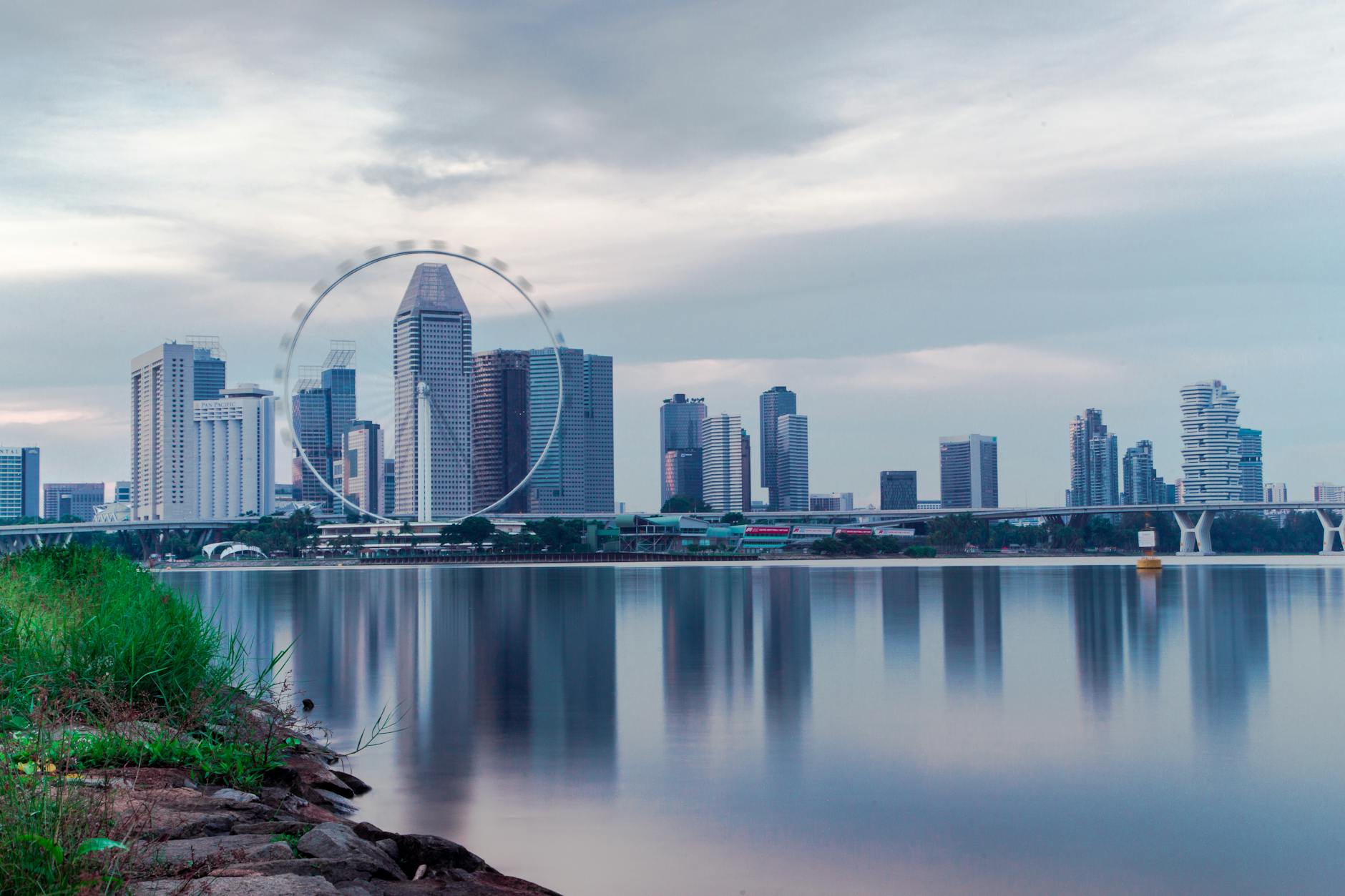
Singapore Itineraries
These itineraries are pacing models. Adjust for heat, rain, hotel location, reservation times, and energy.
One Perfect Day in Singapore
Morning: Start at Singapore Botanic Gardens or Chinatown/Telok Ayer, depending where you stay. If you choose Botanic Gardens, go early and visit the National Orchid Garden if interested. If you choose Chinatown, do temples and hawker breakfast/lunch.
Lunch: Maxwell, Chinatown Complex, Amoy Street, Tekka Centre, or another hawker centre that fits your route.
Afternoon: National Gallery Singapore or Asian Civilisations Museum for heat/rain protection, then walk the Civic District.
Evening: Marina Bay and Gardens by the Bay. Stay through blue hour and evening lights. Dinner can be Satay by the Bay, a hawker centre, or a proper restaurant reservation.
What this day gives you: Gardens, culture, food, skyline.
What it misses: Little India/Kampong Gelam depth, Sentosa, Mandai, Pulau Ubin, Joo Chiat, and slow food exploration.
Two Days in Singapore
Day 1: Skyline, Gardens, and Civic Singapore
Morning: Civic District: National Gallery or Asian Civilisations Museum, river walk, old civic buildings.
Lunch: Chinatown/Telok Ayer hawker centre.
Afternoon: Hotel rest or mall cooling break, then Gardens by the Bay.
Evening: Marina Bay loop, skyline view, dinner near Chinatown/Tanjong Pagar or Marina Bay depending budget.
Day 2: Heritage and Food Singapore
Morning: Little India and Tekka Centre.
Lunch: Indian meal or hawker centre.
Afternoon: Kampong Gelam, Sultan Mosque area, Haji Lane, Bugis/Bras Basah.
Evening: Chinatown/Tanjong Pagar/Duxton/Ann Siang for dinner and drinks, or Joo Chiat/Katong for a food-neighborhood evening.
Three Days in Singapore
Day 1: Marina Bay, Civic District, Gardens
Build around the bay, museums, and Gardens by the Bay. Do not over-walk at noon.
Day 2: Chinatown, Little India, Kampong Gelam
This is the multicultural core. Eat carefully. Respect religious sites. Use MRT between districts if heat is heavy.
Day 3: Botanic Gardens, Orchard or Tiong Bahru, Joo Chiat/Katong
Start early at Botanic Gardens. Cool down around Orchard or your hotel. Spend late afternoon/evening in Tiong Bahru or Joo Chiat/Katong for neighborhood texture and dinner.
Four Days in Singapore: Ideal First Visit
Day 1: Arrival and Gentle Orientation
Check in, set up payment/transport, eat near your hotel, and take a short evening walk. If staying near Marina Bay, do an easy bayfront loop. If arriving early, use Jewel as a buffer.
Day 2: Civic District, Chinatown, Marina Bay
National Gallery or Asian Civilisations Museum; Chinatown/Telok Ayer; hawker lunch; hotel rest; Gardens by the Bay and Marina Bay evening.
Day 3: Little India, Kampong Gelam, Bugis/Bras Basah
Tekka Centre, Little India walk, South Indian lunch, Kampong Gelam late afternoon, Bugis/Bras Basah museums or shopping, dinner around Kampong Gelam or Tanjong Pagar.
Day 4: Choose Your Singapore
Pick one:
- Food and neighborhoods: Tiong Bahru morning, Joo Chiat/Katong afternoon/evening.
- Family/wildlife: Singapore Zoo or Bird Paradise by day, Night Safari if energy allows.
- Resort/leisure: Sentosa.
- Nature: Botanic Gardens plus Southern Ridges or MacRitchie.
- Offshore: Pulau Ubin and Changi Village.
- Shopping/city comfort: Orchard, Dempsey, spa, cocktail bar.
Five to Seven Days in Singapore
Add two or three of the following:
- Pulau Ubin by bicycle.
- Mandai wildlife parks.
- Sentosa at a relaxed pace.
- MacRitchie or Southern Ridges.
- Joo Chiat/Katong food crawl.
- Tiong Bahru morning plus river/Robertson Quay.
- Dempsey and Botanic Gardens.
- A serious hawker-centre comparison day.
- A Peranakan culture day.
- Changi Village/East Coast Park.
- A Malaysia or Indonesia side trip only if border/transport timing is sensible.
Special-Interest Itineraries
Food Lover’s Singapore
Day 1: Kopi/kaya toast, Maxwell/Chinatown Complex lunch, Chinatown/Telok Ayer food walk, Tanjong Pagar dinner.
Day 2: Little India breakfast/lunch at Tekka or South Indian restaurants, Kampong Gelam/Malay food, late-night supper.
Day 3: Tiong Bahru Market, Joo Chiat/Katong Peranakan/laksa/kueh, East Coast evening.
Day 4: Old Airport Road or other serious hawker centre, wet-market morning if available, modern Singapore restaurant or cocktail bar.
Rule: Do not schedule three heavy hawker meals in one day unless your stomach is trained. Singapore’s food abundance can defeat you.
Family Singapore
Day 1: Gardens by the Bay, hotel pool, easy food court/hawker dinner.
Day 2: Singapore Zoo or Bird Paradise, rest, early dinner.
Day 3: Sentosa, aquarium/theme park/beach depending ages.
Day 4: Botanic Gardens, National Gallery family-friendly block, Jewel or Orchard rainy-day backup.
Rule: The best family itinerary alternates outdoor excitement with cooling time. Singapore is easy with kids when you slow down.
Design, Architecture, and Urbanism Singapore
Marina Bay, Gardens by the Bay, the Civic District, HDB neighborhoods with a guide or respectful self-guided walk, Tiong Bahru, Joo Chiat shophouses, Jewel, park connectors, the Southern Ridges, and modern public buildings.
Nature Singapore
Botanic Gardens, MacRitchie, Southern Ridges, Sungei Buloh, Pulau Ubin, East Coast Park, Gardens by the Bay, Fort Canning, Rail Corridor sections.
Luxury Singapore
Marina Bay hotel, spa/pool time, National Gallery, Gardens by the Bay, private food guide, fine dining, cocktail bar, shopping, Dempsey, Sentosa resort day, airport VIP logistics if appropriate.
Rainy-Day Singapore
National Gallery, Asian Civilisations Museum, Peranakan Museum if open/current, Jewel, Orchard, Bugis, Marina Bay Sands, ArtScience Museum, hawker centres under cover, cafés, bookstores, hotel spa, and mall-linked dinners.
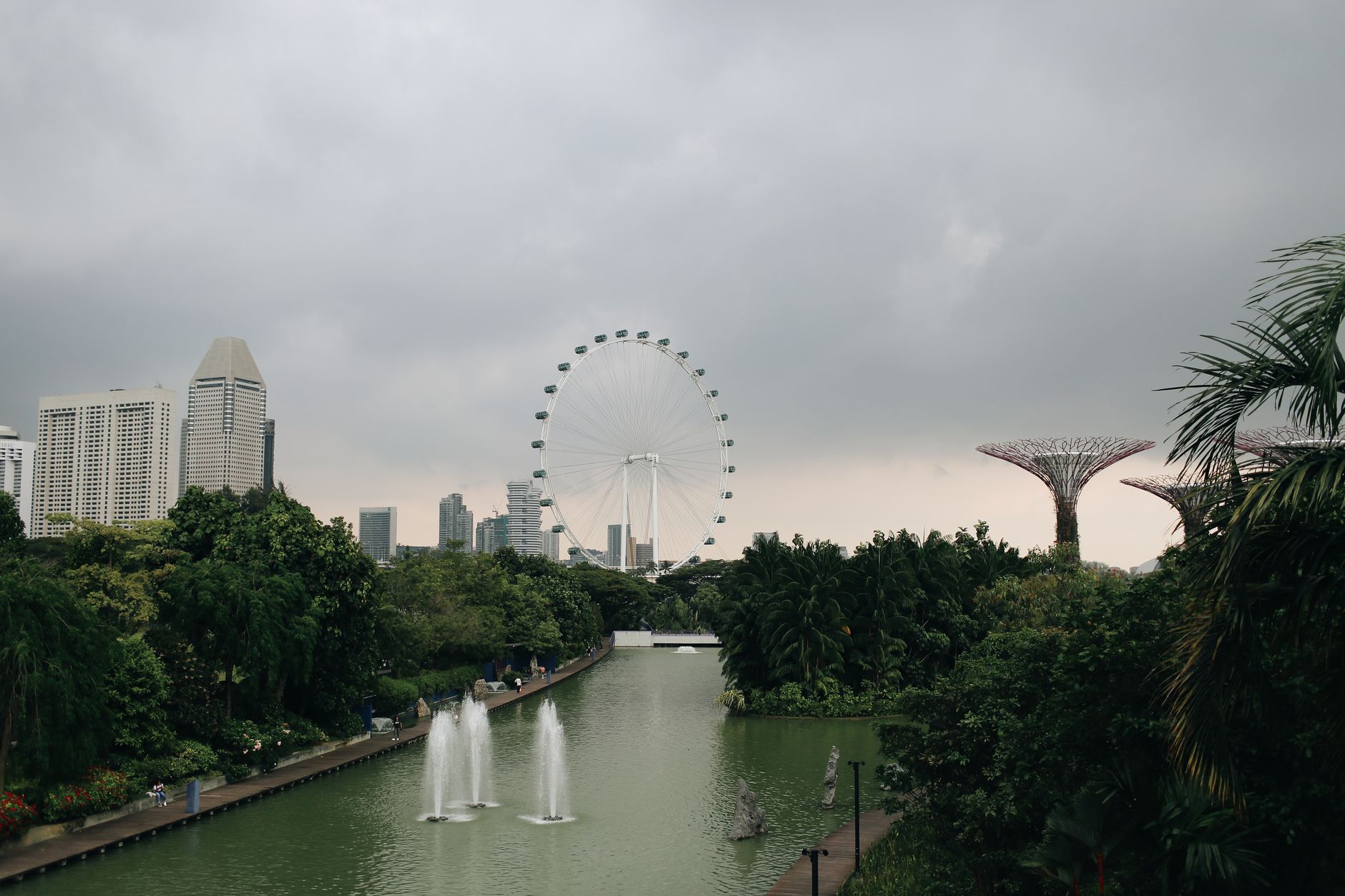
Food and Drink
Singapore is one of the world’s great eating destinations because it treats food as infrastructure, memory, status, craft, comfort, and national identity at the same time.
A weak Singapore guide lists famous dishes. A strong guide explains how Singapore eats: hawker centres, coffee shops, wet markets, kopitiams, mall food courts, heritage restaurants, hotel buffets, fine dining, supper culture, queuing, cash/card quirks, tray return, and the way Chinese, Malay, Indian, Peranakan, Eurasian, Indonesian, and global influences coexist without becoming one bland fusion.
Singapore Food Identity
Singapore’s food culture is shaped by:
- Hawker centres as communal dining spaces and affordable food infrastructure.
- Migration and trade: southern Chinese, Malay, Indian, Arab, Indonesian, Peranakan, Eurasian, and global influences.
- Breakfast rituals: kopi, teh, kaya toast, soft-boiled eggs, nasi lemak, prata, economic bee hoon.
- Lunch crowds: office workers, hawker queues, quick rice/noodle meals.
- Supper culture: prata, dim sum, noodles, satay, late-night coffee shops.
- Shopping malls and food courts as climate-controlled eating spaces.
- Fine dining and cocktail culture layered on top of hawker foundations.
What to Eat
| Dish or experience | What it is | How to approach it |
|---|---|---|
| Hainanese chicken rice | Poached or roasted chicken with fragrant rice, chili, ginger, and broth. | Try a hawker version. The rice and chili matter as much as the chicken. |
| Laksa | Coconut-rich spicy noodle soup, often associated with Katong-style versions. | Joo Chiat/Katong is a natural place to try it. |
| Char kway teow | Stir-fried flat rice noodles with dark sauce, egg, seafood, sausage, and wok hei. | Heavy but essential if you like smoky fried noodles. |
| Hokkien mee | Prawn-and-noodle dish with seafood stock and sambal. | Best eaten fresh; queue length can matter. |
| Nasi lemak | Coconut rice with sambal, egg, anchovies, peanuts, cucumber, and optional meats/fish. | Good for breakfast or lunch. Malay versions and Chinese-style versions differ. |
| Roti prata | Flaky flatbread served with curry; sweet and savory versions exist. | Excellent breakfast, late-night, or casual meal. |
| Biryani | Spiced rice with meat, fish, or vegetables, common in Indian Muslim restaurants. | Little India and Kampong Gelam are strong areas. |
| Satay | Skewered grilled meat with peanut sauce, rice cake, cucumber, and onion. | Evening food. Lau Pa Sat is convenient; other centres may feel more local. |
| Carrot cake / chai tow kway | Fried radish cake, black or white versions. Not a Western carrot cake. | Try both black and white if curious. |
| Bak kut teh | Pork rib soup, often peppery Teochew style in Singapore. | Good lunch or dinner if you eat pork. |
| Fish head curry | South Indian/Singaporean dish, often shared. | Bring appetite and company. |
| Chili crab / black pepper crab | Famous seafood dishes. | Expensive and messy. Best as a planned group meal, not a casual snack. |
| Kaya toast and kopi | Toast with coconut-egg jam and butter, usually with soft-boiled eggs and coffee. | Essential breakfast ritual. Learn basic kopi ordering. |
| Kueh | Colorful traditional snacks/sweets, often Malay/Peranakan/Nyonya. | Good in Katong/Joo Chiat, markets, and specialty shops. |
| Peranakan meal | Nyonya cooking with Chinese-Malay influences: ayam buah keluak, babi pongteh, chap chye, kueh. | Worth a dedicated restaurant meal. |
Hawker Centre Basics
- Bring cash backup. Many stalls accept digital payments, but visitors should not assume every stall takes foreign cards.
- Queue where locals queue, but know what you are queuing for. A long queue can be worth it or simply famous.
- Use tissue packets politely. “Chope” culture — reserving seats with tissue packets or small items — exists, but visitors should not abuse it.
- Return your tray. Singapore has strong norms and rules around tray return.
- Do not hold up a stall while deciding. Step aside if unsure.
- Share tables when appropriate. Hawker seating is communal.
- Go at the right time. Some stalls sell out early; some are lunch-only; some close certain days.
Where to Eat by Situation
| Situation | Good choice |
|---|---|
| First meal after arrival | Hawker centre near hotel, kaya toast, chicken rice, laksa, food court, or simple local chain. Do not make first meal a hard-to-find reservation if jet-lagged. |
| Best first hawker centre | Maxwell or Chinatown Complex for centrality; Tiong Bahru for a calmer morning; Old Airport Road for deeper food travelers. |
| Best Indian food start | Tekka Centre, Race Course Road, Little India restaurants, banana-leaf meals. |
| Best Malay/Muslim food start | Kampong Gelam, Geylang Serai area if comfortable, nasi padang, nasi lemak, murtabak, biryani. |
| Best Peranakan direction | Joo Chiat/Katong or a dedicated Peranakan restaurant. |
| Best rainy-day meal | Mall food courts, food halls, covered hawker centres, hotel restaurants, Chinatown/Tanjong Pagar. |
| Best family meal | Food courts, hawker centres with easy seating, mall restaurants, casual chains, Sentosa/Mandai dining if there for attractions. |
| Best splurge | Modern Singaporean tasting menu, Peranakan restaurant, seafood, high-end Japanese/Chinese/French, cocktail bar, hotel dining. |
| Best late-night food | Prata, dim sum, supper spots, some coffee shops, selected restaurants around Tanjong Pagar, Geylang, Little India, and nightlife zones. |
Drinks and Nightlife
Singapore drinking is expensive because alcohol is heavily taxed and rents are high. That does not mean the scene is weak. The city has excellent cocktail bars, hotel bars, wine bars, craft-beer spots, speakeasy-style venues, and neighborhood drinking areas.
Best nightlife/drink areas: Tanjong Pagar, Duxton, Ann Siang, Telok Ayer, Boat Quay/Clarke Quay for obvious nightlife, Kampong Gelam for casual evenings, Joo Chiat for neighborhood bars/restaurants, Marina Bay for views, Orchard for hotel bars.
The move: Choose one or two strong bars rather than drifting into the most touristy riverfront pitch. A rooftop drink can be worth it if you treat it as your paid viewpoint.
Dietary Notes
Singapore is better than many destinations for diverse diets, but it still requires attention.
- Vegetarian: Easy in Indian contexts; mixed elsewhere because stocks, shrimp paste, lard, and fish sauce may appear.
- Vegan: Possible but research ahead; Indian vegetarian is helpful but not always vegan due to ghee/dairy.
- Halal: Strong availability, especially Malay/Muslim, Indian Muslim, and many certified restaurants.
- Kosher: Limited; plan carefully.
- Gluten-free: Possible in restaurants that understand it; hawker centres can be challenging due to soy sauce, noodles, shared equipment.
- Allergies: Carry written explanations. Hawker stalls may not be able to guarantee no cross-contact.
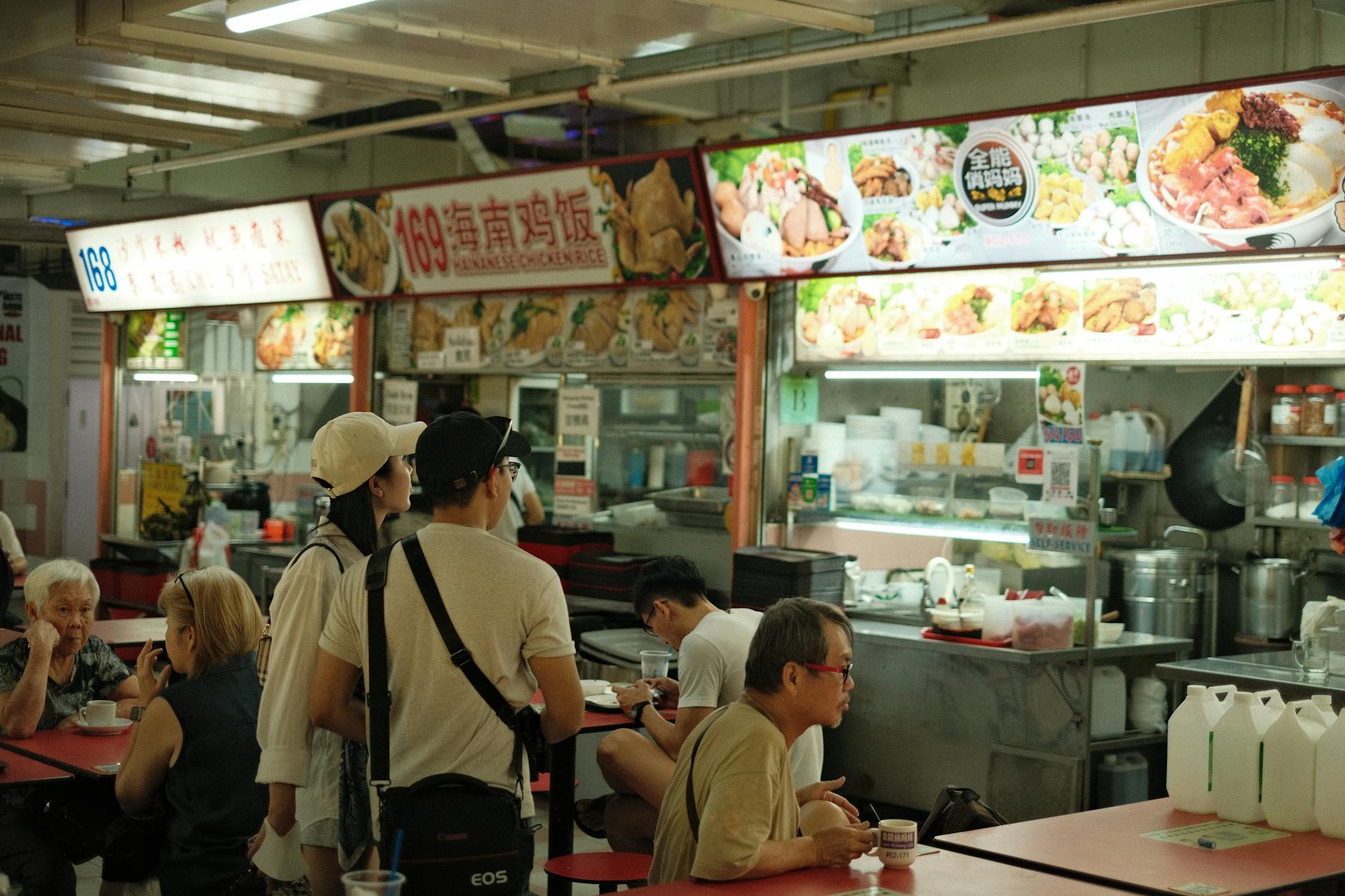
Getting Around Singapore
Singapore is one of the easiest countries in the world to navigate without a car. The MRT is clean, safe-feeling, frequent, and legible. Buses fill gaps. Taxis and private-hire cars are useful for families, heat, rain, luggage, late nights, and places like Mandai or some nature areas.
Arrival: Changi Airport to the City
MRT
Changi Airport’s official guidance says city-bound passengers can take the train from Changi Airport MRT Station to Tanah Merah, then transfer to the East West Line toward the city; an alternative route goes via Expo to the Downtown Line.[8]
Best for: Budget travelers, light luggage, daytime arrivals, solo/couple travelers.
Watch out for: Transfers, late-night timing, crowded periods, and hotel distance from the station.
Taxi
Changi states that taxis are available at arrival taxi stands in Terminals 1–4; a ride to the city takes about 30 minutes and costs around S$25–S$45, with airport, midnight, and peak-hour surcharges applying.[9]
Best for: Families, luggage, late arrivals, heat/rain, first-time convenience.
Private-hire cars
Changi lists private-hire car booking via apps such as Grab, Gojek, Zig, TADA Mobility, and Ryde, with designated pickup points.[9]
Best for: App users, fare estimates, cashless payment.
Watch out for: Pickup-point confusion at the airport; follow signs/app instructions.
MRT and Buses
LTA says public transport can be paid for with contactless bank cards, mobile wallets, stored-value cards, concession cards, or cash in some contexts.[10] SimplyGo lets commuters tap contactless bank cards or mobile wallets on buses and train gates.[11]
The move: Use contactless payment or a stored-value transit card. Download SimplyGo if you want to track fare deductions.
Singapore Tourist Pass
The Singapore Tourist Pass offers unlimited travel on MRT, LRT, and basic bus services during validity, excluding premium services and some special transport. At the time checked, the official FAQ lists options from one to five days with prices from S$17 to S$45.[12]
Worth it if: You will take many rides in one day, prefer a fixed-cost pass, and understand exclusions.
Usually not worth it if: You take a few rides, use taxis, stay central, or walk less due to heat.
Walking
Singapore is walkable in districts, not always pleasant across districts. Covered walkways help, but humidity is constant. A 20-minute walk that looks easy on a map can feel rough at 2 p.m.
Best walking areas: Marina Bay, Civic District, Chinatown/Telok Ayer, Kampong Gelam, Little India, Tiong Bahru, Joo Chiat/Katong, Southern Ridges, Botanic Gardens.
Walking advice: Use shade, carry water, wear breathable clothes, and do not treat midday heat as a test of character.
Taxis and Private Hire
Taxis are regulated and useful. Private-hire apps are widely used. They are more expensive than MRT but often rational in rain, heat, late nights, family travel, and luggage situations.
Use taxis/private hire for: Mandai, late nights, Sentosa transfers with kids, airport luggage, heavy rain, mobility needs, restaurant hops, or when the MRT route is awkward.
Sentosa Transport
Sentosa can be reached by monorail, cable car, walking boardwalk, bus, taxi/private hire, or driving. Once on the island, internal transport varies by current operations; check official Sentosa information before publishing. The key editorial point: Sentosa is easy, but it is a separate leisure zone. Plan it as a block.
Ferries and Borders
Singapore has ferry links to Indonesian islands such as Batam and Bintan and land links to Malaysia via Woodlands and Tuas. These are international border crossings, not simple local excursions. Immigration, customs, ferry schedules, traffic, passport validity, visa rules, and return timing all matter.
The move: Do not casually add Johor Bahru, Batam, or Bintan to a short Singapore trip unless the logistics are the point.
Budget and Costs
Singapore is expensive by Southeast Asian standards but not uniformly expensive. Hotels, alcohol, taxis, attractions, and luxury experiences can be costly. Hawker food, public transport, parks, gardens, and many neighborhood walks can be excellent value.
Daily Budget Ranges
| Traveler type | Daily estimate, excluding major shopping | What it means |
|---|---|---|
| Shoestring | S$70–S$120 | Hostel or very budget room, hawker meals, MRT/bus, free sights, limited paid attractions. |
| Budget comfort | S$120–S$220 | Budget/midrange hotel, hawker + casual meals, transit, one paid attraction every day or two. |
| Mid-range | S$220–S$450 | Good hotel, hawker/casual restaurants, taxis when useful, museums/attractions, occasional drinks. |
| Comfortable | S$450–S$800 | Strong hotel location, restaurants, taxis/private hire, cocktails, paid attractions, shopping. |
| Luxury | S$800+ | Marina Bay/Sentosa luxury hotel, fine dining, spa, private guide, premium bars, high-end shopping. |
Typical Cost Logic
| Category | Cost personality |
|---|---|
| Hotels | Biggest swing factor. Marina Bay, Sentosa, and event periods can be very expensive. |
| Hawker meals | Excellent value; one of the best reasons Singapore can be budget-friendly day to day. |
| Restaurants | Range from reasonable casual to extremely expensive fine dining. |
| Alcohol | Expensive. Cocktails, wine, and beer add up quickly. |
| Public transport | Excellent value. MRT/bus should be the default for most visitors. |
| Taxis/private hire | Useful but can add up, especially during peak/rainy periods. |
| Attractions | Gardens, wildlife parks, observation decks, museums, theme parks, and Sentosa experiences can become expensive if stacked. |
| Shopping | From budget markets to luxury malls; the city can absorb any shopping budget. |
Best Value Moves
- Stay near an MRT station rather than paying only for a famous address.
- Eat many meals at hawker centres and coffee shops.
- Use one high-view experience instead of several paid viewpoints.
- Use museums and gardens strategically in heat/rain.
- Skip a rental car completely.
- Use taxis only when they materially improve the trip.
- Choose a hotel with a pool if traveling with kids or during hot periods.
- Book accommodation early around big events and holidays.
- Treat Jewel as a transition activity, not a special paid tour.
Splurge-Worthy
- A well-located hotel for a short first trip.
- One Marina Bay view or rooftop experience.
- One serious Peranakan, modern Singaporean, or fine-dining meal.
- A good private food guide if you want depth and context.
- Mandai wildlife parks for families or animal lovers.
- A hotel pool if traveling with children or heat-sensitive companions.
Usually Not Worth It
- Renting a car for ordinary sightseeing.
- Staying in Sentosa if you mostly want central Singapore.
- Taking taxis everywhere when MRT is faster and cheaper.
- Eating all meals in luxury malls.
- Overpaying for generic sightseeing tours that only duplicate easy MRT routes.
- Scheduling too many paid attractions in one day.
Safety, Health, Laws, and Scams
Singapore is generally one of the safest-feeling major destinations in the world for ordinary visitors. The U.S. State Department rates Singapore at Level 1, Exercise Normal Precautions, and describes it as generally safe for travelers.[14]
The bigger visitor risk is not violent crime. It is complacency: ignoring strict laws, underestimating heat, misunderstanding customs, slipping on wet pavements, getting scammed by unofficial websites, losing money to avoidable hotel/event spikes, or making poor late-night decisions.
General Safety
Common risks: petty theft in crowded areas, phone/bag loss, scams, nightlife overcharging, road crossings, heat exhaustion, dehydration, lightning, haze, and rare but possible crime.
Practical habits: watch belongings in crowds, use official apps/sites, avoid unlicensed services, use marked taxi/private-hire pickup areas, hydrate, and have travel insurance.
Emergency Numbers
- Police emergency: 999
- Ambulance and fire: 995
- Non-emergency ambulance: 1777
- Police emergency SMS: 70999[7]
Health Practicalities
CDC advises travelers to Singapore to be up to date on routine vaccines and consult a healthcare provider at least a month before travel for vaccines/medicines that may be needed.[15]
Common health concerns: heat exhaustion, dehydration, mosquito bites/dengue risk, food allergies, haze, sun exposure, and slips/falls during rain.
Tap water: Safe to drink directly from the tap according to PUB.[18]
Mosquitoes: Use repellent, especially near parks, reservoirs, and outdoor evenings. Dengue is an urban mosquito-borne risk in tropical Singapore.
Heat: Schedule indoor breaks. Carry water. Be careful with children, older travelers, and anyone with cardiovascular or heat sensitivity.
Laws Visitors Should Respect
This section should be direct because vague “Singapore is strict” language is not enough.
Drugs
Do not bring, use, buy, or transport illegal drugs. Penalties are severe. Singapore also treats some drug-related situations differently from many countries, and foreign travelers should not assume leniency.
Vaping
HSA states that possession and use of vaporisers have been prohibited since 2018 and that enhanced penalties apply to possession, use, import, and supply under the Tobacco and Vaporisers Control Act framework.[6]
Practical rule: Do not bring vapes into Singapore.
Prohibited imports
ICA lists prohibited items including chewing gum, electronic cigarettes/imitation tobacco products, controlled drugs and psychotropic substances, obscene materials, and certain other items.[4]
Practical rule: Check before packing, especially if coming from another Southeast Asian country where items are easily available.
Public assemblies and political activity
Singapore’s Ministry of Home Affairs states that police permits are required for certain public assemblies/processions; rules around non-Singaporean involvement are especially limited.[17] Canada’s travel advice warns that unauthorized demonstrations and gatherings are illegal and that foreigners may need special permission even to attend as observers.[16]
Practical rule: Avoid protests, demonstrations, and politically sensitive public gatherings.
Smoking and alcohol
Smoking is restricted to permitted areas. Alcohol is expensive and regulated. Behave conservatively in public spaces, on transit, and around religious sites.
Scams and Tourist Traps
Singapore has fewer obvious street scams than many cities, but travelers can still lose money.
| Scam / trap | What it looks like | How to avoid it |
|---|---|---|
| Fake SG Arrival Card sites | Paid websites mimicking official SGAC submission. | Use ICA official channels only. |
| Unofficial attraction tickets | Resellers with unclear terms, invalid dates, or poor refund policies. | Buy from official sites or reputable platforms. |
| Taxi/private-hire confusion | Going to wrong pickup area, accepting unofficial approaches. | Use official taxi stands or app instructions. |
| Overpriced tourist restaurants | Mediocre food near major sights priced for convenience. | Eat at hawker centres or researched restaurants nearby. |
| Event-price shock | Hotels surge during F1, concerts, conferences, holidays. | Check event calendars before booking flights. |
| Shopping assumptions | Assuming every “sale” is a good deal. | Compare prices; know tax refund rules before buying big-ticket items. |
Nightlife Safety
Singapore nightlife is generally manageable, but alcohol is expensive, and common sense still applies.
- Watch drinks.
- Use taxis/private hire late at night.
- Avoid arguments in public.
- Do not get disorderly on transit or in hotel areas.
- Check cover charges and minimum spends.
- Know how you are getting back before the last train.
Accessibility and Special Traveler Types
Singapore is better than many Asian destinations for accessibility, but it is not perfect. New malls, MRT stations, hotels, museums, and major attractions are often well equipped. Older shophouses, hawker centres, temples, side streets, and nature areas may be harder.
Accessibility
What helps:
- Step-free access in many MRT stations and malls.
- Elevators, escalators, tactile paving, and accessible toilets in many modern areas.
- Taxis/private hire for difficult links.
- Smooth pavements in many central districts.
- Major museums and attractions often publish accessibility information.
What can be hard:
- Older shophouses with stairs.
- Crowded hawker centres with tight seating.
- Uneven five-foot ways and curb transitions.
- Heavy rain making surfaces slippery.
- Nature trails with steps, boardwalks, or slopes.
- Heat fatigue while navigating step-free routes.
Lower-walking strategy: Stay near an MRT station and a mall/food court. Use taxis in rain/heat. Cluster each day. Prioritize Botanic Gardens, museums, Marina Bay, and malls with accessible links. Check official accessibility pages for each attraction.
Families With Children
Singapore is excellent with children if paced well.
Best family bases: Orchard, Marina Bay, Sentosa, Bugis/City Hall, and hotels near MRT with pools.
Best family activities: Gardens by the Bay, Botanic Gardens, Mandai wildlife parks, Sentosa, Jewel, East Coast Park, ArtScience Museum, National Gallery family programs, hotel pool time, malls.
Family tips:
- Avoid midday outdoor overload.
- Use taxis strategically.
- Choose hotels with pools.
- Bring light rain gear and stroller cover.
- Use malls for bathrooms, cooling, and meals.
- Do not schedule Night Safari after an overfull day with young children.
Solo Travelers
Singapore is one of the easiest solo destinations in Asia. Counter/casual dining, hawker centres, public transit, safety, and English usage make it straightforward.
Solo tips:
- Hawker centres are ideal solo meals.
- Stay central to reduce late-night transit complexity.
- Join a food walk if you want social context.
- Use nightlife judgment.
- Carry ID and respect local laws.
Women Traveling Solo
Many women find Singapore comfortable for solo travel. Still use normal precautions around late-night drinking, isolated paths, rides, and crowded areas.
LGBTQ+ Travelers
Singapore has LGBTQ+ venues and communities, but public attitudes can be more reserved than in some Western cities. Same-sex sexual activity between men was decriminalized in 2022, but marriage equality and broader social/legal frameworks differ from more liberal destinations. Travelers should be aware of local norms around public affection and political advocacy.
Older Travelers
Singapore can be excellent for older travelers because logistics are smooth, medical care is strong, and taxis are reliable. The main challenge is heat. Stay central, use hotels with good facilities, and build long indoor breaks.
Business and Remote Work Travelers
Singapore is a major business hub. Business travelers should separate ordinary tourism from work permissions, immigration status, and tax/employment questions. Do not assume a short-term visitor pass permits business, professional, or paid employment activities; ICA states short-term visitors are not permitted to engage in business, professional, or paid employment activities when in Singapore.[1]
Culture, History, and Context
Singapore’s history is often compressed into a neat success story: fishing village, British port, independence, rapid growth. That arc is too simplified, but it helps explain why Singapore feels like a city-state of systems.
Short History for Travelers
Singapore’s location near the southern tip of the Malay Peninsula made it strategically important long before the modern skyline. Its modern colonial story accelerated in 1819, when Stamford Raffles established a British trading post. The port grew as part of British imperial trade routes, drawing Malay, Chinese, Indian, Arab, Eurasian, European, and other communities into a rapidly changing settlement.
During World War II, Japanese occupation left deep trauma and reshaped the region’s political future. After the war, Singapore moved through decolonization, self-government, merger with Malaysia in 1963, and separation into full independence in 1965.
Since independence, Singapore has transformed through industrialization, public housing, port/airport development, education, finance, technology, land reclamation, and intense state planning. The result is not simply a wealthy city. It is a country built to survive constraints: land scarcity, ethnic diversity, lack of natural resources, regional competition, and global exposure.
Cultural Norms That Matter
- Queue properly.
- Keep public transport orderly; do not eat or drink on MRT.
- Return trays at hawker centres.
- Respect religious spaces; dress and behave modestly when entering temples/mosques.
- Ask before photographing people closely.
- Do not block sidewalks, temple entrances, hawker queues, or shophouse corridors for photos.
- Keep noise moderate in residential areas.
- Follow smoking/vaping rules strictly.
- Be careful discussing local politics, race, religion, and public-order issues.
- Do not treat fines and laws as jokes.
Books, Films, Music, and Cultural Prep
A Singapore guide should include a curated cultural preparation section, not a random list. Good categories:
- A short modern Singapore history.
- A food-culture primer.
- A book or essay collection on housing, planning, and identity.
- A Peranakan culture resource.
- Films or documentaries about Singapore’s development, multicultural identity, or food.
- Music/playlists spanning pop, indie, Malay, Tamil, Chinese-language, and regional influences.
- A phrase primer for kopi ordering and hawker-centre etiquette.
Etiquette at Religious Sites
Singapore has active temples, mosques, churches, and shrines embedded in everyday neighborhoods. Visitors should treat them as living spaces, not décor.
- Dress modestly where required.
- Remove shoes if instructed.
- Do not photograph worshippers without permission.
- Keep voices low.
- Avoid blocking entrances.
- Respect gendered spaces or prayer areas.
- If unsure, watch respectfully or ask staff/volunteers.
Seasonal and Month-by-Month Guide
Singapore’s year is structured by monsoon patterns, heat, rain, haze risk, school holidays, religious/cultural festivals, and major events.
Major Annual Timing Issues
- Chinese New Year: Major festive period; dates vary by lunar calendar. Some businesses close; Chinatown is lively; prices and crowds can rise.
- Ramadan and Hari Raya: Malay/Muslim food and cultural rhythms shift; bazaars may appear; respect fasting communities.
- Deepavali: Little India becomes especially vivid and crowded around the holiday.
- National Day: August 9. Parades, rehearsals, fireworks, road closures, and hotel demand can affect plans.
- Formula 1 Singapore Grand Prix: Usually a major hotel-price and road-closure event when scheduled; verify current dates.
- Christmas/New Year: Orchard lights, festive hotel pricing, shopping crowds, and wetter weather.
- School holidays: Family attractions and hotels can be busier.
- Haze: Varies by regional conditions; check air-quality advisories if sensitive.
Month-by-Month Breakdown
| Month | Weather and travel logic | Verdict |
|---|---|---|
| January | Often wet. Holiday demand early. Good for indoor attractions, food, museums, and shopping. | Good if rain is acceptable. |
| February | Can be one of the better first-visit windows, but Chinese New Year timing matters. | Strong, with holiday planning caveat. |
| March | Hot but manageable with pacing. Good city-break month. | Strong. |
| April | Warmest-period feel. Afternoon thunderstorms possible. | Good with heat discipline. |
| May | Hot and humid. More indoor breaks needed. | Fine for stopovers; harder for heavy walking. |
| June | School-holiday/family travel. Still hot; some rain. | Good for families if booked. |
| July | Often workable for first-timers; National Day build-up later. | Strong. |
| August | National Day atmosphere; event rehearsals/closures possible. | Good if you enjoy national energy. |
| September | Watch haze and event pricing; Grand Prix periods can be expensive. | Good with calendar checks. |
| October | Rainier/inter-monsoon feel. | Good for food/museums, less ideal for outdoor-heavy trips. |
| November | Wet-season transition. | Manageable with rain plan. |
| December | Festive, popular, wetter. | Good for city/holiday travel, not dry-weather guarantee. |
Festival and Event Guidance
A good Singapore guide should update annual events every year. Do not rely on old festival dates for lunar/calendar holidays. For use, verify:
- Chinese New Year dates and closures.
- Ramadan/Hari Raya timing.
- Deepavali dates and Little India crowd plans.
- National Day road closures and parade/fireworks access.
- Singapore Grand Prix dates and road closures.
- Major concerts/conferences affecting hotels.
- School holiday periods.
Regional Extensions and Cross-Border Add-Ons
Singapore is often paired with Malaysia, Indonesia, Thailand, Vietnam, Australia, or long-haul stopovers. That is smart, but only when handled as border-crossing travel rather than casual local commuting.
Johor Bahru, Malaysia
What it is: The nearest Malaysian city across the causeway.
Best for: Food, shopping, family activities, travelers curious about the Singapore-Malaysia contrast.
Good for first-timers? Maybe, but not essential. Border delays can erase the value of a short trip.
Common mistake: Treating JB as a quick lunch across town. Immigration and traffic can be unpredictable.
Malacca / Melaka, Malaysia
What it is: Historic Malaysian city with Peranakan, Portuguese, Dutch, British, Malay, and Chinese heritage layers.
Best for: History, food, culture, a meaningful extension after Singapore.
Best as: Overnight, not a rushed same-day trip.
Kuala Lumpur, Malaysia
What it is: Malaysia’s capital, a different kind of multicultural city with stronger car dependence and broader national context.
Best for: Singapore + Malaysia first trip.
Transport: Flight, bus, or train/bus combinations depending itinerary. High-speed rail remains a future/periodic planning topic; verify current status.
Bintan and Batam, Indonesia
What they are: Indonesian islands reachable by ferry.
Best for: Resort escapes, golf, short beach/resort breaks, regional contrast.
Watch out for: Separate immigration/visa rules, ferry schedules, weather, resort isolation, and expectations. These are not Singapore beaches.
Bali, Thailand, Vietnam, Australia, and Beyond
Singapore’s main power as a regional gateway is Changi. It pairs well with almost anywhere in Southeast Asia. A classic structure is:
- Singapore + Bali: city/food/gardens plus beach/resort/culture.
- Singapore + Malaysia: city-state plus peninsula food/history/nature.
- Singapore + Thailand/Vietnam: efficient stopover plus longer country trip.
- Singapore + Australia: break long-haul flights and add a polished Asian city.
The Move
For trips under five days, stay in Singapore. For trips of a week or more, add Malaysia or an Indonesian island only if the extension has a clear purpose. Singapore is compact, but it is not too small to deserve the whole trip.
Responsible Travel
Responsible travel in Singapore is less about avoiding obvious wilderness damage and more about behaving well in a dense, shared, multicultural city-state.
Do
- Return trays at hawker centres.
- Keep public spaces clean.
- Respect religious sites and worshippers.
- Support hawkers and small businesses, not only malls and hotel restaurants.
- Avoid wasting food when ordering widely.
- Use public transport when practical.
- Carry a reusable water bottle; tap water is safe.
- Follow smoking, vaping, littering, and public conduct rules.
- Avoid geotagging or crowding tiny businesses that cannot handle viral attention.
- Be careful with wildlife: do not feed monkeys, birds, otters, or monitor lizards.
Do Not
- Treat hawker centres as exotic props.
- Photograph people closely without permission.
- Block queues or seating while filming.
- Bring prohibited items through customs.
- Attend or film unauthorized protests/gatherings.
- Assume strict rules are only for locals.
- Feed wildlife.
- Treat Sentosa beaches or Pulau Ubin trails as disposable party spaces.
Local Logic
Singapore works because many people share limited space. The visitor’s job is to move through that space without adding friction.
Packing List
Essentials
- Lightweight breathable clothes.
- Comfortable walking shoes or sandals with grip.
- Compact umbrella.
- Light rain jacket if you tolerate wearing one in humidity.
- Reusable water bottle.
- Sunscreen.
- Sunglasses and hat.
- Mosquito repellent.
- Portable charger.
- Type G power adapter.
- Swimwear if hotel pool/Sentosa are planned.
- Small day bag.
- Wet wipes/tissues for hawker meals.
- Hand sanitizer.
- Any prescription medications in original packaging with documentation where appropriate.
- A light layer for aggressive air conditioning.
What Not to Pack
- Vapes or e-vaporisers.
- Chewing gum unless it falls clearly under permitted medicinal/dental exceptions and you have checked rules.
- Controlled substances or questionable medications without checking requirements.
- Heavy formal clothing unless needed for business/fine dining.
- Too many shoes; Singapore is casual but polished.
- Large amounts of cash beyond declaration thresholds.
Clothing Notes
Singapore is casual, but neatness helps. Malls, hotels, and restaurants are air-conditioned. Religious sites may require shoulders/knees coverage or shoe removal. Fine dining and rooftop bars may have dress codes.
The Move
Pack for heat outside and cold air-conditioning inside. That means breathable clothes plus one light layer, not a heavy travel wardrobe.
What to Skip
This section protects the trip. Singapore has too many good options for lazy obligation tourism.
Skip: Seeing Only Marina Bay and Orchard
They are easy and impressive, but they can make Singapore feel like a mall with a skyline.
Better alternative: Add Chinatown/Telok Ayer, Little India, Kampong Gelam, a hawker centre, and either Botanic Gardens or Joo Chiat.
Skip: Sentosa If You Do Not Want a Leisure Island
Sentosa is good for families, resorts, theme parks, beach clubs, and attractions. It is not mandatory Singapore.
Better alternative: Use that day for food neighborhoods, Botanic Gardens, Pulau Ubin, or Mandai depending interests.
Skip: Eating Only at Famous Viral Stalls
A famous queue can be worthwhile, but turning every meal into a queue removes joy.
Better alternative: Mix one or two famous stalls with nearby alternatives and broader hawker-centre exploration.
Skip: Midday Outdoor Marathon Walks
The heat will win.
Better alternative: Outdoor morning, indoor midday, outdoor evening.
Skip: Generic Sightseeing Bus Tours If You Can Use MRT
Singapore is easy to navigate. Some guided tours are excellent; generic loops are often unnecessary.
Better alternative: Spend on a serious food, history, architecture, or neighborhood guide.
Skip: Bringing Borderline Customs Items
This is not worth the risk.
Better alternative: Check ICA/HSA/Customs before packing.
Skip: Overfilling a Stopover
A 10-hour layover is not a five-stop city tour if you need immigration, baggage, security, transit time, and rest.
Better alternative: Choose Jewel + one city anchor, or a focused Marina Bay/hawker loop.
Common Mistakes
- Thinking Singapore is too small to need planning. It is compact, but timing matters.
- Doing everything outdoors at noon. Heat and thunderstorms shape the trip.
- Staying in Sentosa for a city trip. Great if intentional, inefficient if accidental.
- Eating only in malls. Malls are useful, but hawker centres and neighborhoods are essential.
- Ignoring SG Arrival Card timing. Submit within the official window and use official channels.
- Confusing SG Arrival Card with a visa. They are separate.
- Not checking Visit Pass validity after entry. Your allowed stay is what the e-Pass grants.
- Packing vapes or gum. Do not do it unless you have verified a specific legal exception.
- Buying a Tourist Pass without doing fare math. Contactless pay-as-you-go is often simpler.
- Assuming every hawker stall takes foreign cards. Carry cash backup.
- Not returning trays. This is a basic local expectation.
- Overpaying for average riverfront food. Go one or two blocks smarter.
- Underestimating hotel spikes. F1, concerts, conferences, holidays, and school breaks can change rates.
- Treating religious sites as photo sets. They are active places of worship.
- Trying to add Malaysia or Indonesia casually. Border crossings need time and documents.
- Skipping Botanic Gardens. It is one of Singapore’s defining places.
- Assuming “safe” means “no rules.” Singapore is low-crime and high-enforcement.
- Not planning for rain. Always have a covered/indoor backup.
- Not hydrating. The climate is relentless.
- Only seeing polished Singapore. The best guide should pull readers into lived Singapore, not just brochure Singapore.
FAQ
Is Singapore worth visiting beyond a stopover?
Yes. Singapore works brilliantly as a stopover, but three to five days lets you experience food culture, heritage neighborhoods, gardens, museums, night views, and nature areas rather than only Changi and Marina Bay.
How many days should I spend in Singapore?
Four full days is ideal for a first visit. Two days is a good stopover. Three days covers essentials. Five to seven days is excellent if you love food, nature, wildlife parks, or slower neighborhoods.
Is Singapore expensive?
Hotels, alcohol, taxis, and attractions can be expensive. Hawker food and public transport are excellent value. Singapore can be a budget-conscious city if you spend like a local on transport and many meals, but accommodation remains the main cost challenge.
Where should I stay for my first time?
Marina Bay/Civic District for views and convenience; Chinatown/Telok Ayer/Tanjong Pagar for food and atmosphere; Bugis/Bras Basah/Kampong Gelam for value and culture; Orchard for shopping and family convenience; Sentosa only for resort/family/leisure-focused trips.
Do I need a visa for Singapore?
It depends on your passport. ICA lists visa-required countries and states that a Singapore entry visa is not an immigration pass; entry and stay duration are determined at the checkpoint.[3]
Do I need to submit the SG Arrival Card?
Most travelers entering Singapore must submit the SG Arrival Card within three days, including the day of arrival, before arriving. It is free through official ICA channels and is not a visa.[1][2]
Is Singapore safe?
Singapore is generally very safe for visitors and is currently rated Level 1 by the U.S. State Department.[14] Still use normal caution, respect laws, watch heat/rain, and avoid prohibited items.
Can I drink tap water?
Yes. PUB states that Singapore’s tap water is suitable for drinking directly from the tap without further filtration.[18]
Is the MRT easy to use?
Yes. MRT and buses are among Singapore’s biggest visitor advantages. LTA lists contactless bank cards, mobile wallets, stored-value cards, and other payment options for public transport.[10]
Should I buy a Singapore Tourist Pass?
Only if your ride volume makes it worthwhile. Contactless pay-as-you-go or a stored-value card is often simpler. The Tourist Pass can be useful for heavy transit days, but it excludes certain premium services.[12]
Is Sentosa worth visiting?
Yes if you want resorts, beaches, theme parks, family attractions, or beach clubs. It is skippable if you have a short city/food/culture trip.
What should I book ahead?
Book hotels during major events and holidays, high-demand restaurants, some attraction time slots, Mandai wildlife experiences during busy periods, Marina Bay/Sentosa luxury stays, and any private guide you care about.
What should I not bring to Singapore?
Do not bring prohibited items such as chewing gum, imitation tobacco products/e-cigarettes, controlled drugs, psychotropic substances, obscene materials, or other restricted goods without checking official rules.[4]
What is the best food area for first-timers?
Chinatown/Telok Ayer is the easiest central start because it combines hawker centres, temples, bars, and transit. Little India, Kampong Gelam, Tiong Bahru, Joo Chiat/Katong, and Old Airport Road should follow if you have more time.
Can I combine Singapore with Malaysia or Indonesia?
Yes, but treat it as international travel. Johor Bahru, Malacca, Kuala Lumpur, Bintan, and Batam can all make sense depending time and interest, but immigration, visas, ferries/buses, traffic, and customs matter.
Source Notes
Date-sensitive details in this guide were checked against official or high-reliability sources where possible. Re-check every entry rule, SG Arrival Card instruction, visa list, attraction hour, price, transport fare, public-order rule, customs restriction, and health/safety advisory before publication.
- 1. Immigration & Checkpoints Authority, “Entering Singapore,” https://www.ica.gov.sg/enter-transit-depart/entering-singapore
- 2. Immigration & Checkpoints Authority, “SG Arrival Card (SGAC) with Electronic Health Declaration,” https://www.ica.gov.sg/enter-transit-depart/entering-singapore/sg-arrival-card
- 3. Immigration & Checkpoints Authority, “Check if You Need an Entry Visa,” https://www.ica.gov.sg/enter-transit-depart/entering-singapore/visa_requirements
- 4. Immigration & Checkpoints Authority, “What You Can Bring,” https://www.ica.gov.sg/enter-transit-depart/entering-singapore/what-you-can-bring
- 5. Singapore Customs, “Controlled and Prohibited Goods for Imports,” https://www.customs.gov.sg/doing-business/import-operations/import-procedures/controlled-and-prohibited-goods-for-imports/
- 6. Health Sciences Authority, “Vaping enforcement,” https://www.hsa.gov.sg/tobacco-regulation/vaping-enforcement
- 7. gov.sg, “Contact Us: Emergency Contacts,” https://www.gov.sg/contact-us/
- 8. Singapore Changi Airport, “Leaving Changi Airport: Train,” https://www.changiairport.com/en/at-changi/transport-and-directions/leaving-the-airport.html
- 9. Singapore Changi Airport, “Leaving Changi Airport: Taxi and Private Hire Car,” https://www.changiairport.com/en/at-changi/transport-and-directions/leaving-the-airport.html
- 10. Land Transport Authority, “Plan Your Journey,” https://www.lta.gov.sg/content/ltagov/en/getting_around/public_transport/plan_your_journey.html
- 11. Ministry of Transport Singapore, “Fares, payment structure, journey planning,” https://www.mot.gov.sg/what-we-do/public-transport/fares-payment-structure-journey-planning/
- 12. Singapore Tourist Pass, “FAQs,” https://thesingaporetouristpass.com.sg/faq/singapore-tourist-pass/
- 13. Meteorological Service Singapore, “Monsoon Update,” https://www.weather.gov.sg/weather-forecast-monsoon-update/
- 14. U.S. Department of State, “Singapore Travel Advisory,” https://travel.state.gov/en/international-travel/travel-advisories/singapore.html
- 15. U.S. Centers for Disease Control and Prevention, “Singapore - Traveler View,” https://wwwnc.cdc.gov/travel/destinations/traveler/none/singapore
- 16. Government of Canada, “Travel advice and advisories for Singapore,” https://travel.gc.ca/destinations/singapore
- 17. Ministry of Home Affairs Singapore, “Maintaining Public Order,” https://www.mha.gov.sg/what-we-do/maintaining-law-and-order/maintaining-public-order/
- 18. PUB, Singapore’s National Water Agency, “Water Quality,” https://www.pub.gov.sg/Public/WaterLoop/Water-Quality
- 19. Electrical Safety First, “Travel Adaptor for Singapore,” https://www.electricalsafetyfirst.org.uk/guidance/advice-for-you/when-travelling/travel-adaptor-for-singapore/
- 20. Singapore Tourism Board, “Visit Singapore,” https://www.visitsingapore.com/
- 21. Singapore Green Plan 2030, “City in Nature,” https://www.greenplan.gov.sg/key-focus-areas/city-in-nature/
- 22. National Parks Board, “Singapore’s First UNESCO World Heritage Site,” https://www.nparks.gov.sg/sbg/about/singapore-s-first-unesco-world-heritage-site
- 23. Singapore Botanic Gardens, “Visit Us,” https://www.nparks.gov.sg/sbg/visit-us
- 24. National Heritage Board, “Hawker Culture in Singapore,” https://www.nhb.gov.sg/what-we-do/our-work/sector-development/unesco/hawker-culture-in-singapore
- 25. Gardens by the Bay, “Opening Hours & Closures,” https://www.gardensbythebay.com.sg/en/plan-your-visit/opening-hours.html
- 26. Mandai Wildlife Reserve, “Night Safari,” https://www.mandai.com/en/night-safari.html
- 27. Marina Bay Sands, “SkyPark Observation Deck,” https://www.marinabaysands.com/attractions/skypark-observation-deck.html