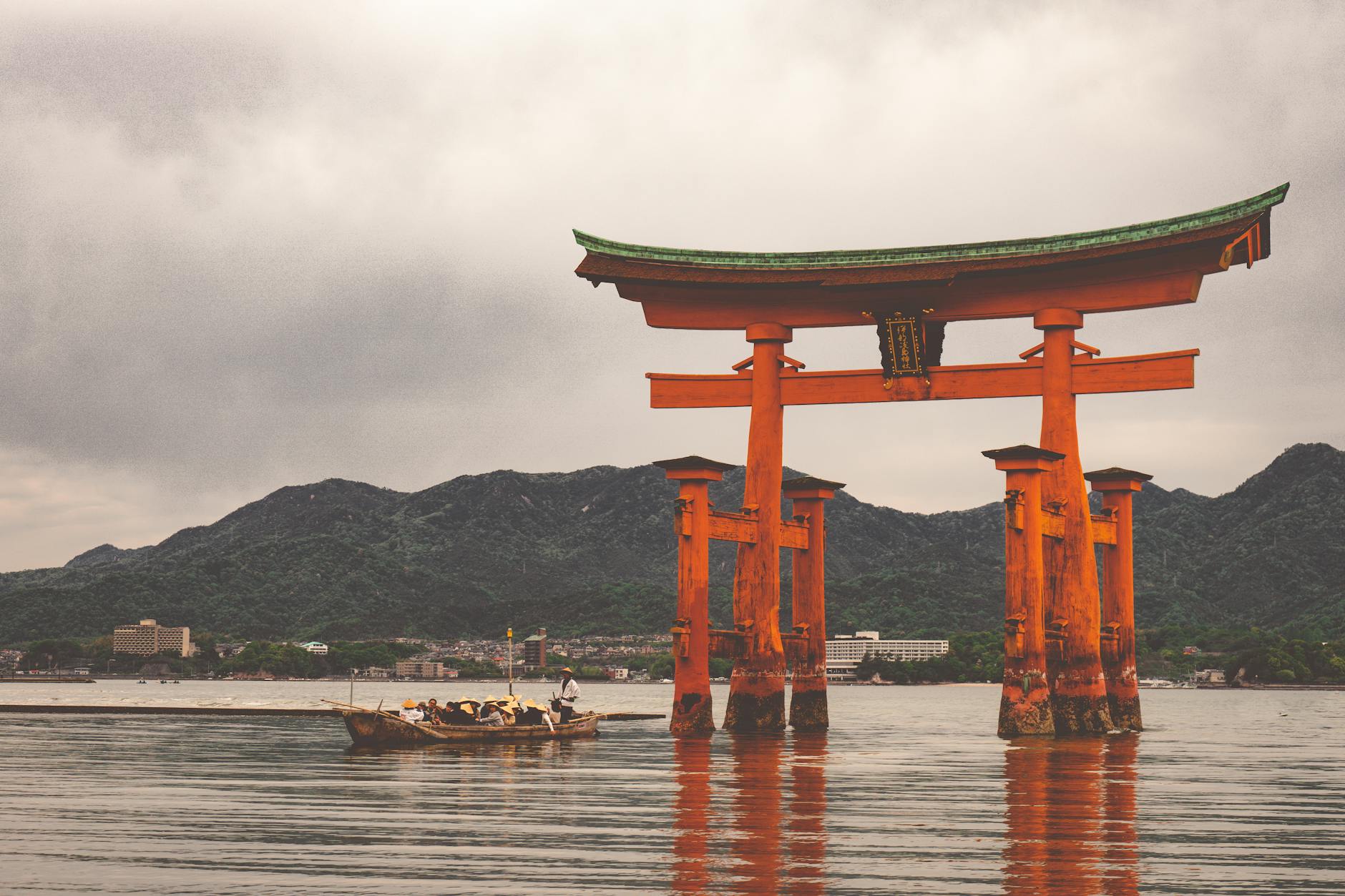
Japan is easy to travel and difficult to understand quickly.
Start Here
It is a country where a first-time visitor can land at a hyper-efficient airport, tap into a train system that feels impossibly ordered, eat better from a convenience store than from many restaurants elsewhere, and reach Tokyo, Kyoto, Osaka, Hiroshima, Hokkaido, Kyushu, Okinawa, alpine villages, pilgrimage routes, hot-spring towns, ski resorts, islands, forests, temples, art museums, and neon neighborhoods with a level of infrastructure that makes overambition dangerously tempting.
That temptation is the problem. Japan looks like a country you can “do” by stringing together famous names: Tokyo, Kyoto, Osaka, Nara, Hiroshima, Hakone, Fuji, Kanazawa, Takayama, Hokkaido, Okinawa, maybe a ryokan and a bullet train. The trains make this seem rational. The internet makes every place look mandatory. The result is one of the most common bad Japan trips: too many cities, too much luggage, too little context, and no time to let any place settle.
The better approach is to treat Japan as a set of route families. There is classic Japan: Tokyo, Kyoto, Osaka, Nara, Hiroshima, Miyajima, Hakone, and perhaps Kanazawa or Takayama. There is food Japan: Tokyo counters, Osaka street food, Kyoto kaiseki and markets, Fukuoka ramen and yatai, Sapporo seafood and miso ramen, Kanazawa fish, Hiroshima okonomiyaki, and regional specialties that change every few hours by train. There is seasonal Japan: cherry blossoms, autumn color, summer festivals, winter snow, ski powder, hydrangeas, plum blossoms, firefly evenings, alpine openings, and typhoon-season disruption. There is spiritual and rural Japan: Koyasan, Kumano Kodo, Shikoku pilgrimage routes, mountain temples, ryokan towns, farm stays, forest shrines, and national parks. There is modern Japan: Tokyo, Osaka, Fukuoka, Yokohama, Nagoya, architecture, design, fashion, anime, games, trains, department stores, music, cafés, and pop culture. There is island Japan: Setouchi art islands, Naoshima, Teshima, Shodoshima, Yakushima, Amami, Okinawa, Ishigaki, Miyako, and remote coasts that do not behave like Kyoto.
A great Japan trip starts by choosing the right version of Japan for the time you have. The country rewards precision: not rigidity, but intelligent sequencing. You should know when a Japan Rail Pass makes sense and when it does not. You should know why Kyoto needs more time than a checklist suggests. You should know when to send luggage ahead, when to fly domestically, when to reserve a restaurant, when to leave dinner unscheduled, when to book a ryokan, when a day trip should become an overnight, and when a famous place is not worth adding to your first route.
This guide is designed to solve that problem. It explains how Japan works as a travel country: the regional logic, seasonal logic, rail logic, food logic, etiquette logic, and pacing logic. It is not a list of everything. It is a guide to choosing well.
Japan in one sentence: Japan is a long, mountainous, island country where the best trip combines rail-savvy routing, seasonal awareness, regional food, cultural respect, and the discipline to choose one coherent journey instead of chasing every famous image.
Basic data
| Population | About 123 million |
|---|---|
| Area | 377,975 km2 |
| Major religions | Shinto and Buddhist traditions; largely secular in daily public life |
| Political system | Parliamentary constitutional monarchy |
| Economic system | Advanced mixed market economy led by manufacturing, technology, services, and finance |
Quick Verdict
| Question | Answer |
|---|---|
| Best for | Food, trains, cities, temples, shrines, gardens, design, shopping, museums, pop culture, history, skiing, hot springs, hiking, islands, ryokan stays, craft, architecture, family travel, solo travel, photography, and travelers who enjoy systems, details, rituals, and regional variety. |
| Not ideal for | Travelers who dislike rules, crowds, small hotel rooms, language friction, restaurant reservation norms, cash/card complexity, hot humid summers, early closures in small towns, or trips where cultural etiquette matters. Japan is visitor-friendly, but it is not a theme park. |
| Ideal first visit | 10–14 days. Seven days gives a useful taste if you focus tightly. Ten days is the best minimum for Tokyo + Kyoto/Osaka + one extension. Two weeks allows Tokyo, Kansai, Hiroshima/Miyajima, and one slower region. Three weeks lets Japan breathe. |
| Best first-timer route | Tokyo for 4–5 nights, Kyoto for 3–4 nights, Osaka or Nara for 1–2 nights or day trips, Hiroshima/Miyajima for 1–2 nights, and Hakone/Fuji Five Lakes/Kanazawa/Takayama as a carefully chosen extension. |
| Best time to visit | Late March to April for cherry blossoms if you accept crowds and price spikes; May after Golden Week for comfort; October and November for the easiest first trip; December for crisp urban travel and winter food. January–February are excellent for snow, onsen, and skiing. Summer is festival-rich but hot, humid, rainy, and typhoon-prone. |
| Biggest planning mistake | Trying to combine Tokyo, Kyoto, Osaka, Nara, Hiroshima, Miyajima, Hakone, Kanazawa, Takayama, Shirakawa-go, Hokkaido, Kyushu, and Okinawa into one two-week trip. The trains are good. Your nervous system still has limits. |
| One thing to book early | Popular ryokan, cherry blossom/autumn hotels, Ghibli Museum, teamLab, Shibuya Sky sunset slots, Tokyo Disney Resort, Studio Ghibli Park, high-demand restaurants, Mount Fuji climbing reservations, ski lodging, and domestic flights to Hokkaido/Okinawa during peak periods. |
| One thing to leave unscheduled | Wandering after dinner, depachika food halls, convenience-store snacks, train-station bento, neighborhood cafés, shrine mornings, small shopping streets, and unplanned second stops in cities you already like. |
| Best first-timer bases | Tokyo, Kyoto, Osaka, Hiroshima, Fukuoka, Kanazawa, Takayama, Sapporo, Hakodate, Naha, and carefully chosen ryokan towns such as Hakone, Kinosaki Onsen, Beppu/Yufuin, Kaga Onsen, or Noboribetsu depending route. |
| Most important warning | Do not buy a nationwide Japan Rail Pass automatically. Do the route math. After price increases, many first-timer routes are better with individual tickets, regional passes, or a shorter pass window. |
The Move
For a first trip, choose one clean structure:
- Classic first Japan: Tokyo + Kyoto + Osaka/Nara + Hiroshima/Miyajima.
- Classic plus mountain/onsen: Tokyo + Hakone/Fuji + Kyoto + Osaka/Nara + Kanazawa/Takayama.
- Food and city Japan: Tokyo + Osaka + Kyoto + Hiroshima + Fukuoka.
- Nature and seasonal Japan: Tokyo + Japanese Alps/Hokuriku or Hokkaido, depending season.
- Island Japan: Kansai or Fukuoka + Setouchi islands, Kyushu, or Okinawa.
Do not try to combine all five on one first visit.
Who Will Love Japan?
You will probably love Japan if you want:
- A country where logistics, design, food, transit, packaging, service, and small rituals are part of the experience.
- A food trip at every budget level: convenience-store breakfasts, ramen counters, sushi, soba, udon, curry, yakitori, izakaya, tempura, tonkatsu, okonomiyaki, kaiseki, ekiben, market seafood, wagashi, matcha, sake, shochu, whisky, craft beer, kissaten coffee, and regional specialties.
- Cities that are not interchangeable: Tokyo’s scale, Kyoto’s historic texture, Osaka’s food energy, Hiroshima’s memory and island access, Fukuoka’s relaxed urban confidence, Sapporo’s northern breadth, Kanazawa’s craft and gardens, Naha’s Ryukyu island culture.
- A trip where trains are not just transport but part of the pleasure.
- Seasonal travel that changes the country dramatically.
- A place that rewards quiet attention: how people queue, how a meal is arranged, how a garden frames a view, how a shop wraps a purchase, how a station melody announces a line, how a neighborhood shifts from morning to night.
You may struggle with Japan if you want:
- Large hotel rooms at low prices in major cities.
- Last-minute access to every famous restaurant or attraction.
- A casual attitude toward loud public behavior, trash, shoes, queues, bathing etiquette, or shrine/temple photography.
- A single “old Japan” preserved everywhere. Japan is intensely modern, repeatedly rebuilt, regionally varied, and not reducible to Kyoto lanes.
- A low-planning trip in cherry blossom season, Golden Week, Obon, autumn foliage weekends, New Year, ski season, or island/beach peak periods.
- Vegetarian, vegan, halal, kosher, gluten-free, or allergy-safe travel without advance planning.
Japan is one of the world’s most rewarding travel countries, but it is not a place to conquer. It is a place to sequence.
Japan at a Glance
| Practical | Detail |
|---|---|
| Official name | Japan. The country is an archipelago with 47 prefectures and several major travel regions. |
| Capital | Tokyo. Most first-time visitors arrive through Tokyo or Osaka/Kansai. |
| Language | Japanese. English signage is strong in major stations, airports, and tourist areas; spoken English varies. Translation apps help, but simple courtesy phrases matter. |
| Currency | Japanese yen, written as JPY or ¥. |
| Cards vs cash | Cards are widely accepted in hotels, department stores, chains, major attractions, and larger restaurants. Cash remains useful for small restaurants, temples, shrines, markets, lockers, rural buses, older shops, and some ticket machines. |
| Time zone | Japan Standard Time, UTC+9. No daylight saving time. |
| Main international airports | Tokyo Haneda (HND), Tokyo Narita (NRT), Kansai International Airport near Osaka/Kyoto (KIX), Chubu Centrair near Nagoya (NGO), Fukuoka (FUK), New Chitose/Sapporo (CTS), and Naha/Okinawa (OKA). |
| Entry basics | Visa rules are passport-specific. Japan has visa-exemption arrangements with many countries and regions, but others require visas or eVISAs. Short-term tourism generally excludes paid work. Check official rules before booking. |
| Arrival procedures | Visit Japan Web allows travelers to complete immigration/customs procedures and connect to tax-free shopping services online. It is useful even when not strictly required. |
| Electricity | 100V, Type A/B plugs. North American two-prong plugs usually fit; many other travelers need an adapter, and voltage-sensitive devices should be checked. |
| Emergency numbers | Police: 110. Fire/ambulance: 119. Japan Visitor Hotline: 050-3816-2787 inside Japan, +81-50-3816-2787 from overseas. |
| Best transport tools | Google Maps, Apple Maps, Japan Travel by NAVITIME, official railway apps, SmartEX for some shinkansen routes, IC cards/mobile IC, and regional transport sites. |
| Best payment/transit tool | Suica, PASMO, ICOCA, or another compatible IC card/mobile IC where available. IC cards work for many trains, buses, vending machines, convenience stores, lockers, and small payments, but not everything. |
| Tap water | Generally safe to drink. |
| Driving side | Left side of the road. |
| Tipping | Not customary in ordinary restaurants, taxis, and hotels. High-end ryokan or private guides may have different norms, but tipping is not the default. |
| Best default first trip length | 10–14 days. |
First-Timer Mistake
A lot of travelers ask, “Should I buy a JR Pass?” before asking the better questions: Which route am I taking? How many shinkansen rides are in one pass window? Am I using Nozomi/Mizuho trains? Would a regional pass or individual tickets be cheaper? Am I actually moving too much?
The Japan Rail Pass can be useful. It is not a badge of a good itinerary.
2026 Visitor Notes
Japan Entry Rules Are Passport-Specific
Japan’s Ministry of Foreign Affairs lists reciprocal visa-exemption arrangements with 74 countries and regions as of its September 2025 update, but exemption period and conditions vary by nationality.[1] The Ministry also runs a Japan eVISA system for eligible short-term tourism applicants residing in listed countries and regions.[2]
The move: Do not write or rely on “Japan is visa-free” without checking passport nationality, residence, length of stay, re-entry plans, work restrictions, and medication rules. A first-time tourist from a visa-exempt country and a traveler who needs an eVISA are planning different arrivals.
Visit Japan Web Is Worth Setting Up
Visit Japan Web is Japan’s official digital service for arrival procedures including immigration, customs, and tax-free shopping services.[3]
The move: Complete Visit Japan Web before departure, save your QR codes, and keep your passport details consistent. Airport Wi-Fi is usually workable, but nobody wants to troubleshoot login details after a long-haul flight.
Japan’s Departure Tax and Tax-Free Shopping Rules Are Changing
JNTO states that Japan’s international tourist tax increases to ¥3,000 as of July 1, 2026.[4] Japan’s National Tax Agency has also published guidance that the tax-free shopping system shifts to a refund method from November 1, 2026.[5]
The move: Any Japan guide should recheck tax-free shopping rules close to travel. Shopping-heavy visitors should understand passport requirements, consumables/sealed goods rules, customs confirmation, and whether refunds happen at point of sale or after departure checks under the current system.
The Japan Rail Pass Needs Route Math
The official Japan Rail Pass site lists ordinary adult passes at ¥50,000 for 7 days, ¥80,000 for 14 days, and ¥100,000 for 21 days; Green Car passes cost more.[6] JNTO notes that the pass does not include Nozomi and Mizuho trains on the relevant shinkansen routes unless additional ticketing applies, and that the pass is most useful when covering a lot of ground rather than staying mostly in Tokyo or Osaka.[7]
The move: For a classic Tokyo–Kyoto–Osaka one-way route, individual tickets may beat a pass. For Tokyo–Kyoto–Hiroshima–Fukuoka–Tokyo inside seven days, a pass may become more plausible. Regional passes can be better if your route is concentrated.
IC Cards Are Essential, But Physical Card Availability Can Change
JR East’s Welcome Suica and Welcome Suica Mobile are visitor-friendly IC options, and JR East describes Suica as prepaid electronic money usable for trains, buses, shopping, and more.[8][9]
The move: Use a mobile IC card if your phone supports it. If not, check current physical card options at arrival airports/stations. Carry some cash because top-up and small-business acceptance can vary.
Mount Fuji Is No Longer a Casual “Just Show Up” Climb
The official Mount Fuji climbing site states that a ¥4,000 hiking fee and advance registration/payment system are used to preserve the environment and improve safety.[10]
The move: Seeing Mount Fuji and climbing Mount Fuji are different trips. For views, go to Hakone, Fuji Five Lakes, or a shinkansen window seat in good weather. For climbing, plan season, route, gear, hut reservation, altitude, weather, and official entry rules.
Luggage Rules Matter on Shinkansen
JR Central states that passengers carrying oversized baggage with total dimensions over 160 cm on the Tokaido, Sanyo, Kyushu, and Nishi-Kyushu Shinkansen need to reserve a seat with an oversized baggage area.[11]
The move: Pack smaller than you think, reserve luggage space when needed, and use luggage forwarding between cities. Japan is easy with modest luggage and annoying with giant suitcases.
Japan Is Safe, But Nature and Rules Are Serious
The U.S. State Department currently rates Japan Level 1, “Exercise Normal Precautions.”[12] JNTO’s emergency guidance emphasizes earthquake, tsunami, weather, and disaster preparedness, and operates a 24-hour Japan Visitor Hotline.[13][14]
The move: Treat Japan as low-crime but not low-risk. The real risks are earthquakes, typhoons, heat, mountain weather, ocean conditions, ski avalanches, medication rules, nightlife touts, and ordinary exhaustion.
How to Understand Japan
Japan becomes easier when you stop thinking of it as Tokyo + Kyoto + “extras.” It is a long island country with enormous regional differences. The rail network is excellent along major corridors, but mountains, seas, remote islands, and weather still control the trip.
The Japan Most First-Timers Actually Meet
| Japan | Where you feel it | What it gives you |
|---|---|---|
| Modern urban Japan | Tokyo, Osaka, Yokohama, Nagoya, Fukuoka, Sapporo | Trains, food halls, design, shopping, nightlife, museums, pop culture, architecture, business districts, cafés. |
| Historic and spiritual Japan | Kyoto, Nara, Koyasan, Nikko, Kamakura, Ise, Kumano Kodo, Hiraizumi | Temples, shrines, gardens, pilgrimage routes, court culture, Buddhism, Shinto, old capitals, sacred mountains. |
| Food Japan | Tokyo, Osaka, Kyoto, Fukuoka, Sapporo, Hiroshima, Kanazawa, Nagoya, Hakodate, Kochi, Kagoshima | Regional specialties, markets, counters, izakaya, ramen, seafood, street food, wagashi, sake, shochu, tea. |
| Mountain and onsen Japan | Hakone, Fuji Five Lakes, Nagano, Matsumoto, Takayama, Kamikochi, Kurobe, Kusatsu, Beppu, Yufuin, Kinosaki, Noboribetsu | Ryokan, baths, alpine scenery, hiking, ski resorts, old post towns, seasonal landscapes. |
| Rural and craft Japan | Kanazawa, Takayama, Shirakawa-go, Tottori, Matsue, Mashiko, Arita, Tamba-Sasayama, Kiso Valley | Folk architecture, ceramics, lacquerware, textiles, gardens, tea, farm stays, slow towns. |
| Island and coast Japan | Setouchi, Naoshima, Teshima, Shodoshima, Miyajima, Yakushima, Amami, Okinawa, Ishigaki, Miyako | Ferries, beaches, art islands, subtropical culture, forests, coral, island food, slower pacing. |
| Snow Japan | Hokkaido, Tohoku, Nagano, Niigata, Hakuba, Niseko, Furano, Zao | Skiing, powder snow, winter festivals, hot springs, seafood, snow monsters, winter rail journeys. |
Local Logic
Japan is a country of systems, but each system has a correct way to use it. Train platforms have markings. Restaurants have ordering norms. Baths have etiquette. Shrines and temples have behavior expectations. Trash disposal is structured. Luggage has rules. Queues matter. Silence matters in some places. Slurping noodles may be fine; talking loudly on a train is not.
This does not mean Japan is hostile to visitors. It means the country becomes much easier when you observe before acting.
The Route Logic
Most first-time Japan routes follow one of these shapes:
| Shape | Typical route | Best for | Risk |
|---|---|---|---|
| Linear Golden Route | Tokyo → Hakone/Fuji → Kyoto/Osaka → Hiroshima/Miyajima → fly/train onward | First-timers, efficient rail, icons | Too rushed if you add too many extras. |
| Tokyo + Kansai deep dive | Tokyo + Kyoto + Osaka + Nara + day trips | First-timers with 7–10 days | Under-sees regional Japan but works well. |
| Tokyo + one region | Tokyo + Tohoku, Hokkaido, Kyushu, Alps, or Okinawa | Repeat visitors or focused first trips | Skips some famous classics. |
| Food corridor | Tokyo → Kyoto/Osaka → Hiroshima → Fukuoka | Food lovers, urban travelers | Can become too city-heavy without nature pauses. |
| Mountain/onsen arc | Tokyo → Hakone/Fuji → Matsumoto/Takayama/Kanazawa → Kyoto | Scenery, ryokan, craft towns | Transport is slower and luggage needs planning. |
| Western Japan | Osaka/Kyoto → Hiroshima/Miyajima → Setouchi → Fukuoka/Kyushu | Repeat visitors, food, islands, history | Less Tokyo time. |
| Seasonal north/south | Hokkaido winter/summer, Tohoku autumn, Okinawa beach/islands | Nature, snow, flowers, beaches | Domestic flights and weather become central. |
The Central Contrasts
Japan’s power as a travel country comes from contrasts you can feel within one trip:
- Precision vs impermanence: perfect train timing beside seasonal blossoms that may last a few days.
- Modernity vs ritual: digital ticketing and neon beside shrine etiquette, tea, bathing, and seasonal foods.
- Crowds vs solitude: Kyoto’s busiest temples and a quiet morning side street ten minutes away.
- Urban scale vs tiny specialization: Tokyo’s vastness and a six-seat counter devoted to one noodle style.
- Convenience vs rules: vending machines everywhere, but trash bins hard to find; seamless trains, but luggage sizing matters.
- National identity vs regional difference: ramen, dialects, festivals, sake, crafts, climate, architecture, and pacing change dramatically by region.
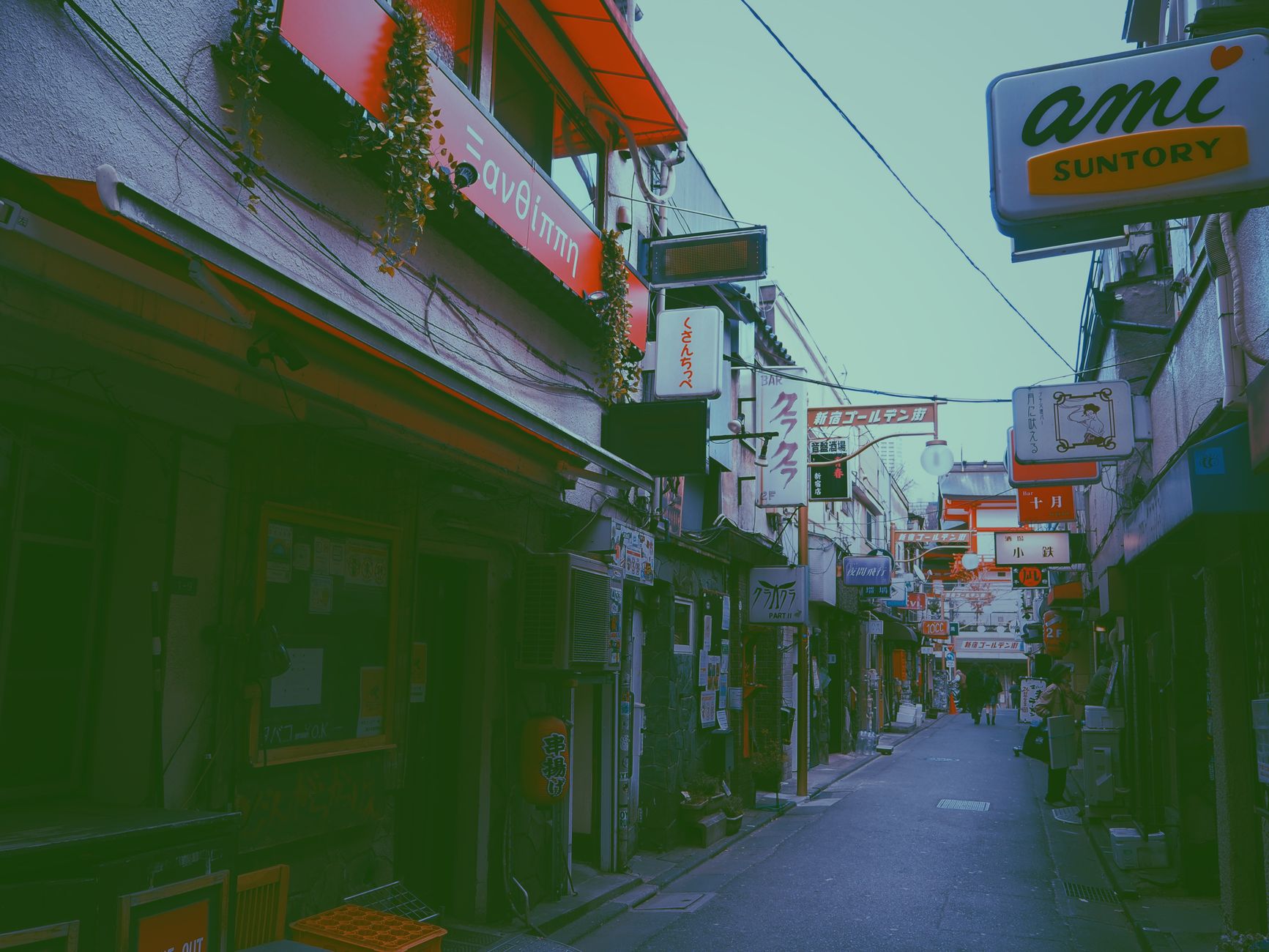
Best Time to Visit Japan
Japan has four distinct seasons and climates ranging from subarctic Hokkaido to subtropical Okinawa.[15] The best time depends on your route. “Best month for Japan” is too broad; Hokkaido, Tokyo, Kyoto, Kyushu, and Okinawa do not share the same travel calendar.
Best Overall Months
October and November are the safest recommendation for most first-time visitors. Weather is comfortable, walking is pleasant, humidity drops, food is excellent, and autumn color moves gradually through the country. Kyoto and popular foliage sites can be crowded, but autumn is less fragile than cherry blossom season.
May after Golden Week is one of the best underappreciated windows. The weather is warm but not yet brutal, gardens are green, and travel is easier once the domestic holiday surge passes.
Late March and April are famous for cherry blossoms. They can be magical. They are also crowded, expensive, weather-dependent, and emotionally risky if your dates miss peak bloom.
December is excellent for cities, food, illuminations, clear views, and early winter atmosphere. It is not ideal for lush gardens, but it is a strong urban Japan month.
Season-by-Season
| Season | What to expect | Best for | Watch out for |
|---|---|---|---|
| Spring: March–May | Plum blossoms, cherry blossoms, green landscapes, mild weather, high demand. | First-timers, gardens, temples, walking, photography. | Sakura crowds/prices, variable bloom timing, Golden Week. |
| Summer: June–August | Rainy season, heat, humidity, festivals, fireworks, alpine openings, Hokkaido summer, beach trips. | Festivals, Hokkaido, Japanese Alps, Okinawa if typhoon risk is acceptable, summer energy. | Heat exhaustion, rain, typhoons, mosquitoes, sweat-soaked city days. |
| Autumn: September–November | September can stay hot; October/November are excellent. Autumn color arrives north to south. | First trips, food, hiking, temples, gardens, city walking. | Typhoons in early autumn, foliage weekend crowds. |
| Winter: December–February | Cold cities, snow regions, ski season, onsen, illuminations, New Year customs. | Skiing, snow festivals, hot springs, food, clear views, fewer city crowds outside holidays. | New Year closures, snow transport disruption, cold rural travel. |
Month-by-Month Guide
| Month | Verdict |
|---|---|
| January | Cold, clear in many cities, snowy in the north and mountains. Good for onsen, skiing, winter food, and shrine visits, but New Year closures affect early January. |
| February | Excellent for ski regions, snow festivals, onsen, plum blossoms in some areas, and winter seafood. Cold but rewarding. |
| March | Transitional. Early March is quieter; late March may bring sakura in warmer regions and sharp hotel demand. Pack layers. |
| April | Beautiful, famous, and busy. Cherry blossoms move north; spring flowers expand; Kyoto/Tokyo hotel prices can spike. |
| May | Excellent after Golden Week. Green, comfortable, and strong for cities, gardens, and countryside. |
| June | Rainy season in much of Japan. Good for hydrangeas, museums, food, and quieter travel if you accept rain. Hokkaido is a useful alternative. |
| July | Hot and humid in cities. Festivals and fireworks begin; alpine hiking and Hokkaido become attractive. |
| August | Hot, humid, festive, and busy around Obon. Typhoon risk matters. Good for Hokkaido, mountains, festivals, and beach/island trips with flexibility. |
| September | Still hot in many regions and typhoon-prone, but crowds ease. Hokkaido cools earlier. |
| October | One of the best months. Comfortable, eventful, good for walking, food, cities, and early foliage in north/mountains. |
| November | Excellent. Autumn color, crisp weather, strong food season, good city and temple travel. Popular foliage sites book early. |
| December | Great for cities, illuminations, winter food, and clear views. Check year-end closures and ski-season opening dates. |
Seasonal Traps
- Cherry blossom season: Worth it, but do not build the entire trip around one forecast.
- Golden Week: Late April to early May domestic travel surge. Book early or avoid major movement.
- Rainy season: Often June into July in much of Japan; not necessarily all-day rain, but it changes the mood.
- Summer heat: Tokyo, Kyoto, Osaka, and Hiroshima can be punishing in July/August.
- Typhoon season: Late summer into autumn; flights, ferries, trains, hikes, and islands can be disrupted.
- New Year: Atmospheric but closure-heavy. Many museums, restaurants, and small shops close.
- Winter mountains: Beautiful but serious. Do not treat snow country, alpine roads, or backcountry skiing casually.
The Move
If you are unsure, choose late October to November. If you want cherry blossoms, choose late March to mid-April but accept uncertainty. If you hate crowds, choose February, early March, June, or early December and plan around weather.
How Many Days You Need
The Honest Answer
You need 10–14 days for a satisfying first Japan trip. Seven days is workable only if you focus. Three weeks is not too much if you enjoy cities, food, trains, temples, islands, and regional travel.
| Length | What it feels like |
|---|---|
| 3–4 days | A city stopover: Tokyo or Kyoto/Osaka only. Do not pretend this is “Japan.” |
| 5–6 days | Tokyo + Kyoto/Osaka, or Tokyo deep dive with day trips. Good taste, not a full country route. |
| 7 days | Focused first route: Tokyo + Kyoto + Osaka/Nara. Hiroshima/Miyajima becomes rushed. |
| 10 days | Strong first trip: Tokyo + Kyoto/Osaka + Nara + Hiroshima/Miyajima or Hakone/Fuji. |
| 14 days | Ideal first country trip: Tokyo, Kyoto, Osaka/Nara, Hiroshima/Miyajima, plus Kanazawa/Takayama/Hakone/Kyushu depending interests. |
| 21 days | Excellent. Add Hokkaido, Kyushu, Shikoku, Setouchi islands, Japanese Alps, or slower regional stays. |
| One month | You can stop chasing icons and start understanding regional Japan. |
When to Add Days
Add days if you want:
- A ryokan/onsen stay without rushing.
- Hiroshima and Miyajima at a humane pace.
- Kanazawa, Takayama, Shirakawa-go, or the Japanese Alps.
- Kyushu, Hokkaido, Okinawa, or Shikoku.
- Food reservations and slower city nights.
- Children, older travelers, or mobility considerations.
- A luggage-forwarding, lower-stress trip.
When Not to Add Destinations
Do not add a destination just because it is famous. Japan is full of places that are better with one night and disappointing as a forced day trip. Miyajima, Hakone, Kinosaki Onsen, Koyasan, Takayama, Kurokawa Onsen, and many island/rural destinations deserve enough time for evening and morning atmosphere.
Choose Your Japan Trip
Classic First Japan
Best route: Tokyo → Hakone or Fuji Five Lakes → Kyoto → Osaka/Nara → Hiroshima/Miyajima.
Best for: First-timers who want a balanced mix of cities, temples, food, history, trains, and one scenic/onsen element.
Ideal length: 10–14 days.
Common mistake: Treating Kyoto as a two-day checklist and Osaka as only a dinner stop. Both deserve more thoughtful pacing.
Tokyo and Kansai Deep Dive
Best route: Tokyo → Kyoto → Osaka → Nara, with day trips to Kamakura, Nikko, Uji, Himeji, Kobe, or Koyasan depending time.
Best for: Seven to ten days, families, city lovers, temple/garden travelers, first-timers who do not want constant luggage moves.
Ideal length: 8–12 days.
Common mistake: Moving hotels too often. Stay longer in Tokyo and Kyoto/Osaka; use day trips.
Food Japan
Best route: Tokyo → Kyoto → Osaka → Hiroshima → Fukuoka, with Kanazawa/Sapporo/Nagoya/Kochi/Kagoshima depending focus.
Best for: Travelers who care about regional cuisine, markets, counters, street food, izakaya, ramen, seafood, and drinking culture.
Ideal length: 12–18 days.
Common mistake: Overbooking famous restaurants and leaving no room for simple meals, station food, neighborhood finds, or local specialties.
Japan Alps and Craft Towns
Best route: Tokyo → Matsumoto/Nagano → Takayama → Shirakawa-go → Kanazawa → Kyoto.
Best for: Scenery, small cities, craft, folk architecture, gardens, ryokan, mountain air, autumn foliage.
Ideal length: 12–16 days when combined with Tokyo/Kyoto.
Common mistake: Underestimating bus schedules, winter conditions, and luggage logistics.
Hokkaido Japan
Best route: Sapporo → Otaru → Noboribetsu/Lake Toya → Hakodate, or Sapporo → Furano/Biei → Asahikawa → national parks; in winter, ski/onsen route.
Best for: Summer nature, winter snow, seafood, skiing, wide landscapes, road trips.
Ideal length: 7–14 days as its own trip or 5–7 days as an add-on.
Common mistake: Adding Hokkaido to a packed Tokyo/Kyoto trip without enough days. Hokkaido is not a quick detour.
Kyushu Japan
Best route: Fukuoka → Nagasaki → Kumamoto/Aso → Beppu/Yufuin → Kagoshima, or a northern Kyushu food/onsen route.
Best for: Food, onsen, volcanoes, history, ceramics, nature, less-crowded travel.
Ideal length: 7–12 days.
Common mistake: Trying to do all of Kyushu by rail only. Some nature/onsen routes are easier with a car or careful bus planning.
Setouchi and Art Islands
Best route: Osaka/Kyoto → Okayama/Kurashiki → Naoshima/Teshima → Takamatsu → Hiroshima/Miyajima.
Best for: Art, islands, slower travel, ferries, architecture, cycling, inland sea scenery.
Ideal length: 7–10 days as a focused route; longer if adding Shikoku.
Common mistake: Ignoring museum closures, ferry schedules, and luggage storage.
Okinawa and Island Japan
Best route: Naha → Okinawa main island → Kerama Islands, Ishigaki, Taketomi, Iriomote, or Miyako depending interests.
Best for: Beaches, snorkeling/diving, subtropical culture, Ryukyu history, island pacing.
Ideal length: 5–10 days.
Common mistake: Treating Okinawa like mainland Japan. Flights, ferries, rental cars, typhoons, and beach seasons matter.
Spiritual and Pilgrimage Japan
Best route: Kyoto/Nara → Koyasan → Kumano Kodo → Ise, or Shikoku pilgrimage segments.
Best for: Temples, walking, forest routes, spirituality, slower travel, traditional lodging.
Ideal length: 7–14 days as a focused trip or extension.
Common mistake: Booking too late. Rural lodgings and luggage transfers can fill, and weather changes walking conditions.
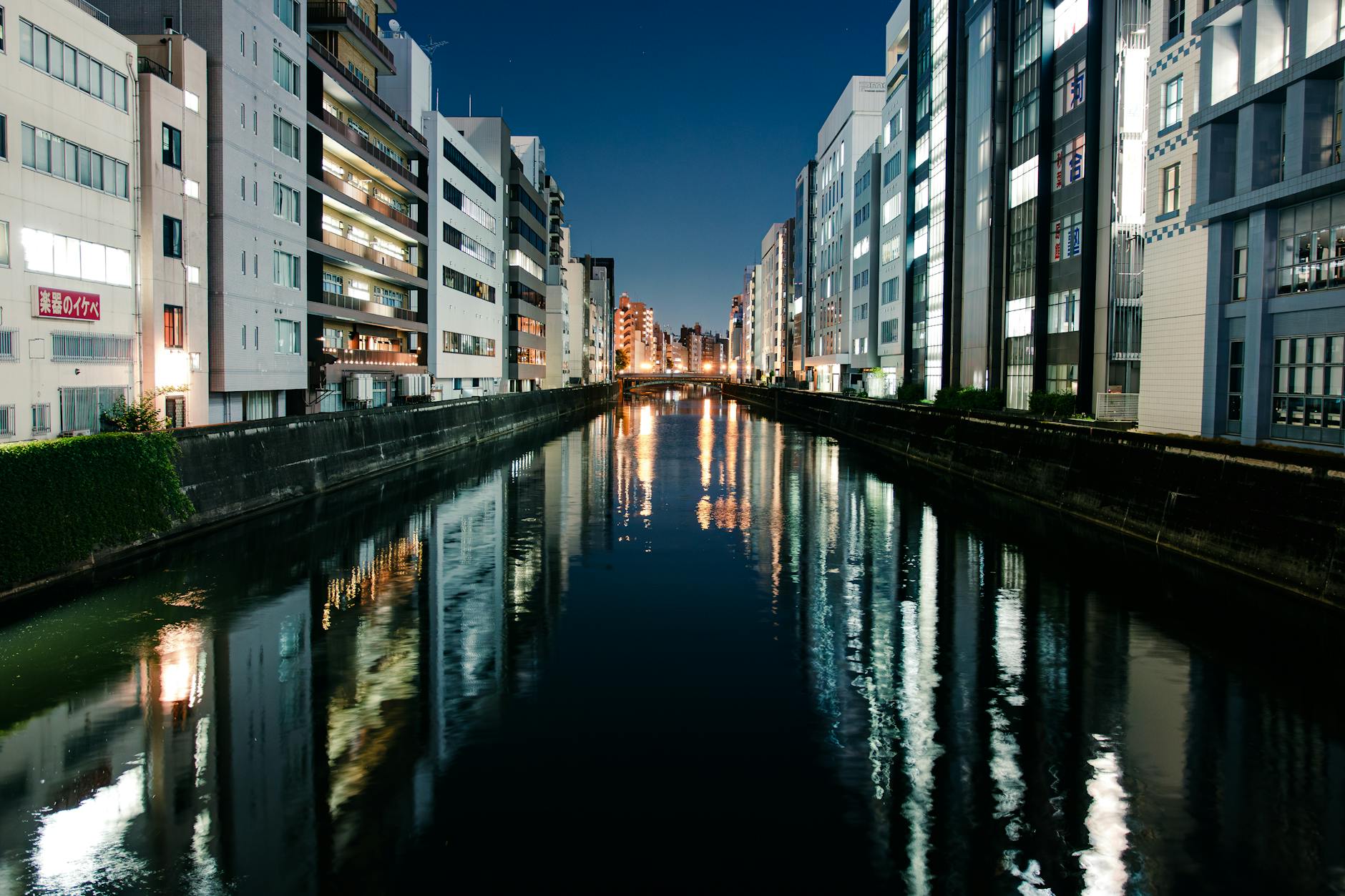
Regions and Route Logic
Kanto: Tokyo, Yokohama, Kamakura, Nikko, Hakone
Kanto is most visitors’ entry into Japan. Tokyo is the main gravity well, but the region also offers coastal temples in Kamakura, international port-city energy in Yokohama, grand shrine history in Nikko, and hot springs/Fuji views around Hakone.
Best for: First arrivals, city travel, day trips, food, pop culture, museums, design, efficient rail.
Good bases: Tokyo, Yokohama, Hakone, Nikko.
Time needed: 4–7 days for Tokyo/Kanto in a first trip; more if deep-diving Tokyo.
Kansai: Kyoto, Osaka, Nara, Kobe, Himeji, Uji, Koyasan
Kansai is the cultural core of many first Japan trips. Kyoto gives temples, shrines, gardens, machiya lanes, tea culture, and seasonal beauty. Osaka gives food, nightlife, comedy, shopping, and urban energy. Nara gives ancient Buddhist monuments and parkland. Himeji has Japan’s most famous surviving castle. Koyasan offers temple lodging and mountain Buddhist atmosphere.
Best for: First-timers, history, temples, gardens, food, nightlife, day trips.
Good bases: Kyoto, Osaka, Nara, Kobe, Koyasan.
Time needed: 4–7 days minimum; 8–10 days if you love temples, food, and side trips.
Chugoku and Setouchi: Hiroshima, Miyajima, Okayama, Kurashiki, Naoshima, Matsue
Western Honshu and the Seto Inland Sea are ideal for travelers who want history, islands, gardens, art, ferries, and a slower pace after Tokyo/Kyoto. Hiroshima and Miyajima are the standard first-timer pairing. Naoshima/Teshima and Shodoshima add art and island texture. Okayama and Kurashiki work well en route.
Best for: Hiroshima Peace Memorial Park, Miyajima, art islands, gardens, cycling, inland sea scenery.
Good bases: Hiroshima, Miyajima, Okayama, Kurashiki, Takamatsu, Matsue.
Time needed: 2–5 days as an extension; 7–10 days for a Setouchi-focused route.
Hokuriku and Japanese Alps: Kanazawa, Toyama, Takayama, Shirakawa-go, Matsumoto, Nagano
This region is perfect for travelers who want craft, gardens, mountains, preserved towns, snow-country atmosphere, and a slower counterpoint to the Golden Route. Kanazawa pairs well with Kyoto. Takayama and Shirakawa-go add folk architecture and mountain culture. Matsumoto and Nagano connect to alpine routes, castles, temples, and ski areas.
Best for: Craft, gardens, mountain towns, ryokan, autumn, winter scenery.
Good bases: Kanazawa, Takayama, Matsumoto, Nagano, Toyama.
Time needed: 3–6 days as an extension; longer for hiking/skiing.
Tohoku: Sendai, Aomori, Akita, Iwate, Yamagata, Fukushima
Tohoku is one of Japan’s most rewarding under-visited regions. It offers snow country, hot springs, festivals, samurai towns, coastal recovery stories, mountain temples, cherry blossoms later than Tokyo/Kyoto, and autumn color.
Best for: Second-time visitors, slow travel, winter snow, summer festivals, rural landscapes, onsen.
Good bases: Sendai, Aomori, Morioka, Akita, Yamagata.
Time needed: 5–10 days.
Hokkaido
Hokkaido is Japan’s northern island: wider, colder, more spacious, and more nature-driven than the main Golden Route. It is famous for winter snow and skiing, but summer is also excellent for flowers, national parks, cycling, road trips, and seafood.
Best for: Skiing, winter festivals, seafood, summer landscapes, national parks, road trips.
Good bases: Sapporo, Otaru, Hakodate, Asahikawa, Furano/Biei, Niseko, Noboribetsu, Kushiro, Shiretoko.
Time needed: 5–14 days.
Kyushu
Kyushu is warm, volcanic, food-rich, onsen-heavy, and historically layered. Fukuoka is one of Japan’s best food cities. Nagasaki has international and Christian history. Beppu and Yufuin are onsen anchors. Aso and Sakurajima bring volcanic landscapes. Kagoshima, Kumamoto, and ceramics towns round out the region.
Best for: Food, onsen, volcanoes, ceramics, less-crowded regional travel.
Good bases: Fukuoka, Nagasaki, Kumamoto, Beppu, Yufuin, Kagoshima, Karatsu, Arita/Imari.
Time needed: 5–12 days.
Shikoku
Shikoku is slower, greener, and more pilgrimage-oriented than many first-timer routes. It is best known for the 88-temple pilgrimage, Iya Valley, Kochi food, Matsuyama and Dogo Onsen, Takamatsu, and access to Setouchi islands.
Best for: Pilgrimage, rural travel, river valleys, onsen, slower routes, repeat visitors.
Good bases: Takamatsu, Matsuyama, Kochi, Tokushima, Iya Valley.
Time needed: 5–10 days.
Okinawa and the Southwest Islands
Okinawa is not mainland Japan with beaches. It has Ryukyu history, subtropical climate, coral seas, island culture, U.S. military presence, distinct food, and its own travel rhythm. Naha is a useful base, but the real appeal often lies in smaller islands.
Best for: Beaches, diving/snorkeling, island culture, warmer winter escapes, subtropical food.
Good bases: Naha, Onna, Nago, Kerama Islands, Ishigaki, Taketomi, Iriomote, Miyako.
Time needed: 4–10 days.
The Move
For a first Japan trip, think in two anchors plus one extension:
- Tokyo + Kyoto/Osaka + Hiroshima/Miyajima.
- Tokyo + Kyoto/Osaka + Kanazawa/Takayama.
- Tokyo + Kyoto/Osaka + Hakone/Fuji.
- Tokyo + Hokkaido + one Kansai city.
- Osaka/Kyoto + Setouchi + Kyushu.
More anchors usually means less pleasure.
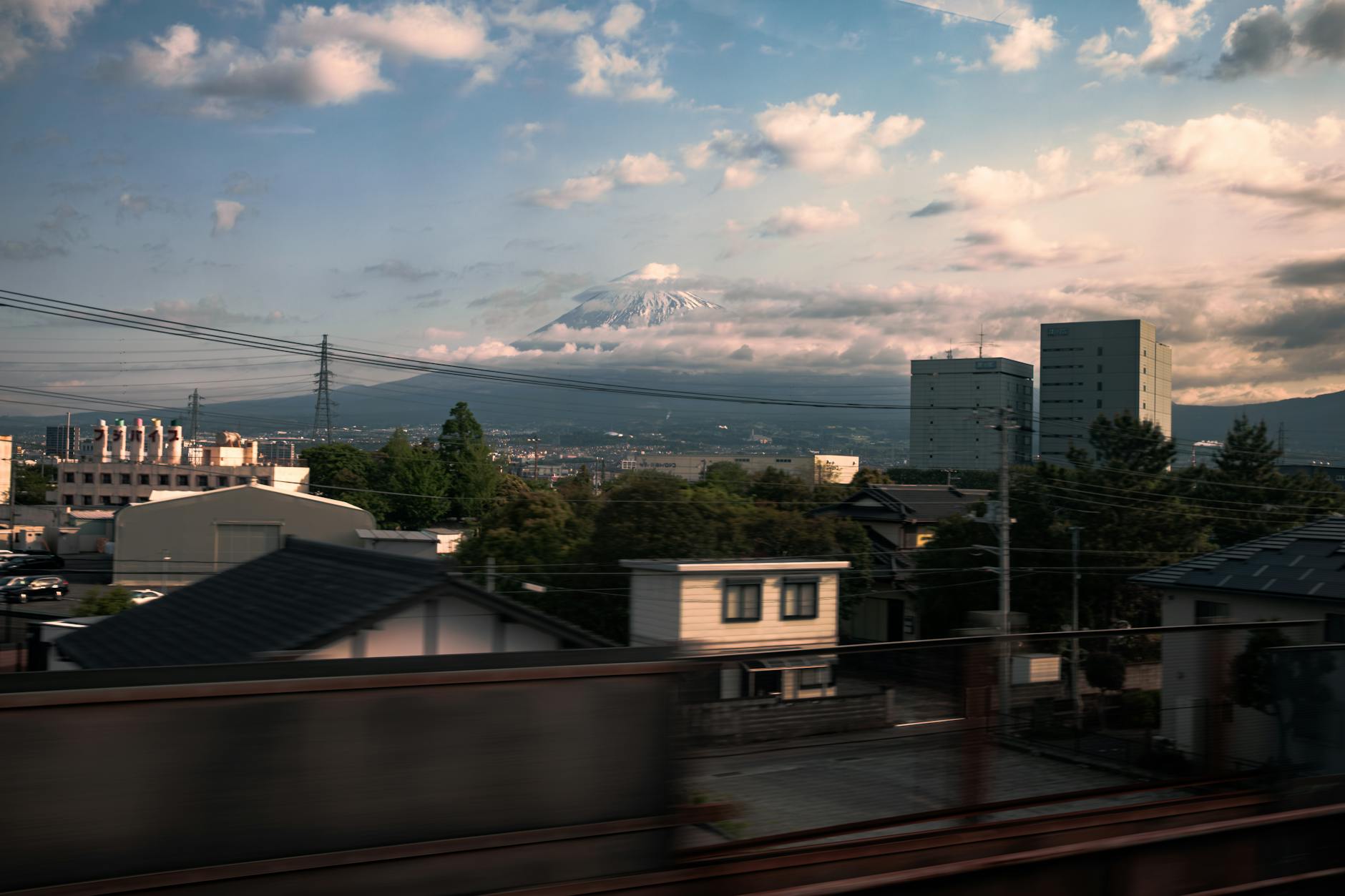
Where to Go
Tokyo
Identity: A constellation of station-based worlds: food, design, trains, subcultures, shopping, museums, gardens, business districts, neon, and quiet residential lanes.
Best for: First-timers, food lovers, solo travelers, families, pop culture, design, shopping, museums, nightlife, day trips.
How long: 4–5 nights minimum for a first trip; a week is easy.
Top experiences: Meiji Shrine, Senso-ji, Tokyo National Museum, Shibuya/Shinjuku, Ginza/Nihonbashi, depachika, gardens, counter dining, teamLab/Ghibli if booked, neighborhoods such as Yanesen, Kagurazaka, Daikanyama, Kichijoji, Shimokitazawa.
Common mistake: Treating Tokyo like a list of landmarks scattered across a map instead of station clusters.
Kyoto
Identity: Historic capital, temple city, garden city, craft city, and overtourism pressure point.
Best for: Temples, shrines, gardens, tea, craft, walks, seasonal beauty, traditional lodging, culture.
How long: 3–5 nights. Two nights is not enough for most first-timers.
Top experiences: Fushimi Inari early/late, Kiyomizu-dera and Higashiyama, Arashiyama beyond the busiest bamboo path, Gion and southern Higashiyama, Philosopher’s Path, Ryoan-ji/Kinkaku-ji, Daitoku-ji, Nishiki Market, tea, craft shops, seasonal temple openings.
Common mistake: Visiting only the most photographed sites at peak hours and concluding Kyoto is “too crowded.” Kyoto requires timing and neighborhood discipline.
Osaka
Identity: Food city, merchant city, nightlife city, comedy city, transport hub, and Kansai’s energetic counterweight to Kyoto.
Best for: Food, nightlife, shopping, families, Universal Studios Japan, day trips, casual energy.
How long: 2–3 nights, or more if using as a Kansai base.
Top experiences: Dotonbori, Shinsekai, Kuromon Market with judgment, Osaka Castle exterior/park, Umeda, Namba, retro shopping streets, okonomiyaki/takoyaki/kushikatsu, izakaya nights.
Common mistake: Treating Osaka only as a place to sleep cheaper than Kyoto. It has its own personality.
Nara
Identity: Ancient capital with monumental Buddhist sites, deer-filled parkland, and some of Japan’s most important early history.
Best for: Temples, families, history, park walks, easy Kansai day trip.
How long: Full day from Kyoto/Osaka; overnight if you want quieter mornings/evenings.
Top experiences: Todai-ji, Kasuga Taisha, Nara Park, Isuien Garden, Nigatsu-do, old town walks.
Common mistake: Only feeding deer and leaving before the deeper temple landscape.
Hiroshima and Miyajima
Identity: Hiroshima is a city of memory, reconstruction, food, rivers, and peace education; Miyajima is a sacred island and one of Japan’s classic views.
Best for: History, reflection, okonomiyaki, island atmosphere, first-timer western Japan extension.
How long: 1–2 nights. A day trip from Kansai is possible but less humane.
Top experiences: Peace Memorial Park and Museum, Atomic Bomb Dome, Hiroshima-style okonomiyaki, Miyajima/Itsukushima Shrine, Mt. Misen, evening/morning island walks.
Common mistake: Doing Hiroshima and Miyajima as a rushed same-day checklist with no emotional space.
Hakone and Fuji Five Lakes
Identity: Scenic/onsen areas near Tokyo associated with Mount Fuji views, ryokan, museums, lakes, and mountain transport.
Best for: Ryokan, hot springs, Fuji views, first-time scenic extension.
How long: 1–2 nights.
Top experiences: Ryokan stay, onsen, Hakone Open-Air Museum, Lake Ashi, Fuji Five Lakes views, Kawaguchiko, Chureito Pagoda if timed well.
Common mistake: Expecting guaranteed Fuji views. Fuji is weather-dependent.
Kanazawa
Identity: Garden, craft, seafood, samurai/merchant districts, and a refined alternative or complement to Kyoto.
Best for: Gardens, craft, food, art, slower city travel, Hokuriku route.
How long: 1–3 nights.
Top experiences: Kenrokuen, 21st Century Museum of Contemporary Art, Higashi Chaya, Nagamachi, Omicho Market, gold leaf, ceramics, sushi/seafood.
Common mistake: Squeezing Kanazawa into a single afternoon between long train rides.
Takayama and Shirakawa-go
Identity: Mountain town and folk-village architecture gateway in the Japanese Alps.
Best for: Old streets, markets, ryokan, mountain atmosphere, folk houses, autumn/winter scenery.
How long: 2–3 nights if including Shirakawa-go.
Top experiences: Takayama morning markets, Sanmachi Suji, Hida beef, festival floats, Hida Folk Village, Shirakawa-go.
Common mistake: Day-tripping Shirakawa-go at peak hours and missing the region’s slower rhythm.
Fukuoka
Identity: Relaxed, food-forward gateway to Kyushu with ramen, yatai stalls, seaside districts, shopping, and easy regional access.
Best for: Food, urban comfort, Kyushu routes, repeat visitors, compact city travel.
How long: 2–4 nights.
Top experiences: Hakata ramen, yatai, Canal City, Ohori Park, Dazaifu, seafood, day trips to Itoshima/Karatsu.
Common mistake: Treating Fukuoka only as a transit point. It is one of Japan’s easiest cities to enjoy.
Sapporo and Hokkaido
Identity: Northern Japan: snow, seafood, open space, beer, miso ramen, skiing, flower fields, national parks.
Best for: Winter sports, summer road trips, seafood, nature, repeat visitors, families.
How long: 5–10 days for a meaningful Hokkaido trip.
Top experiences: Sapporo food, Otaru, Hakodate, Noboribetsu, Furano/Biei, Niseko/Hakuba-style ski comparison, Shiretoko, Daisetsuzan, Kushiro wetlands.
Common mistake: Thinking Hokkaido is one quick stop. It is large and transport planning matters.
Okinawa
Identity: Ryukyu island culture, subtropical seas, coral, beaches, war memory, island food, and a travel rhythm distinct from mainland Japan.
Best for: Beaches, diving, snorkeling, island stays, winter sun, slow travel.
How long: 5–10 days.
Top experiences: Shuri Castle area, Okinawa Churaumi Aquarium, Kerama Islands, Ishigaki, Taketomi, Iriomote, Miyako, local food, beaches, caves, cultural sites.
Common mistake: Visiting only Naha and expecting a full island experience.
Where to Stay
Country-Level Base Strategy
For Japan, the lodging question is not only “Which neighborhood?” It is which bases reduce luggage moves and support your route.
| Trip type | Best bases |
|---|---|
| Classic first trip | Tokyo, Kyoto or Osaka, Hiroshima or Miyajima, one ryokan/onsen stop. |
| Kansai-focused | Kyoto for temples/gardens, Osaka for food/nightlife/day trips, optional Nara/Koyasan overnight. |
| Tokyo deep dive | Shinjuku, Ginza/Tokyo Station/Nihonbashi, Shibuya, Ueno/Asakusa, Roppongi/Akasaka, Ebisu/Daikanyama depending style. |
| Hokuriku/Alps | Kanazawa, Takayama, Matsumoto/Nagano, Toyama depending route. |
| Kyushu | Fukuoka, Nagasaki, Beppu/Yufuin, Kumamoto/Aso, Kagoshima. |
| Hokkaido | Sapporo, Otaru, Hakodate, Furano/Biei, Niseko, Noboribetsu, Asahikawa, Kushiro depending season. |
| Okinawa | Naha for city/access, Onna/Nago for resort/coast, Kerama/Ishigaki/Miyako/Taketomi/Iriomote for island trips. |
Lodging Types
| Type | Best for | Notes |
|---|---|---|
| Business hotels | Cities, budget/mid-range, solo travelers, rail convenience | Compact rooms, efficient service, often excellent locations. |
| Boutique/design hotels | Tokyo, Kyoto, Kanazawa, Osaka, Naoshima | More atmosphere but often higher prices. |
| Ryokan | Onsen towns, Kyoto, Hakone, Kinosaki, Beppu, Yufuin, Kaga, Noboribetsu | Book early; understand meal times, bathing etiquette, check-in windows. |
| Minshuku/guesthouses | Rural areas, islands, walking routes | Simpler, personal, sometimes cash-based. |
| Temple lodging | Koyasan, pilgrimage routes | Spiritual/cultural experience; not always luxury. |
| Machiya/townhouse stays | Kyoto/Kanazawa | Atmospheric; stairs and heating/cooling may matter. |
| Hostels/capsule hotels | Budget, solo, short stays | Good in cities; not ideal with lots of luggage. |
| Apartment-style hotels | Families, longer stays | Useful for laundry and space; check legality and support. |
| Resorts | Okinawa, Hokkaido ski areas, onsen regions | Best when the resort itself is the point. |
Booking Mistakes
- Choosing hotels far from stations to save a small amount.
- Staying in a ryokan without understanding dinner/check-in timing.
- Booking tiny rooms with huge luggage.
- Moving hotels every night because the rail network makes it possible.
- Staying in Kyoto’s most crowded zones without a plan for early/late sightseeing.
- Booking a mountain or island stay without checking transport frequency.
- Assuming all hotels can forward luggage or store bags for long periods.
- Ignoring smoking/non-smoking room categories.
- Ignoring public bath rules, tattoo policies, and room meal plans.
The Move
Use Japan’s luggage forwarding culture. Travel light between cities, send big bags ahead, and overnight with a small bag for ryokan, islands, pilgrimage routes, or mountain towns.
Best Things to Do
1. Ride the Shinkansen, But With a Purpose
The bullet train is one of Japan’s great pleasures, but the point is not to spend the whole trip in transit. Use it to connect strong bases: Tokyo–Kyoto, Kyoto/Osaka–Hiroshima, Tokyo–Kanazawa, Tokyo–Sendai, Fukuoka–Kagoshima.
Best for: First-timers, rail lovers, efficient routes.
Common mistake: Buying a pass and adding train rides to “get value.” Your vacation is not a spreadsheet.
2. Give Tokyo Enough Time
Tokyo is not one city. It is a web of station-based worlds. A country guide should not flatten it into Shibuya Crossing, Shinjuku, and sushi.
Best for: Food, shopping, design, museums, pop culture, neighborhoods.
Time needed: 4–7 days.
The move: Build Tokyo days by clusters: Asakusa/Ueno/Yanesen, Shibuya/Harajuku/Omotesando, Ginza/Tokyo Station/Nihonbashi, Shinjuku, Roppongi/Aoyama, Kichijoji/Mitaka, Daikanyama/Nakameguro/Ebisu.
3. See Kyoto Early, Late, and Slowly
Kyoto is not ruined by crowds. Bad Kyoto planning is ruined by crowds. The city is best early in the morning, late in the afternoon, along side streets, in subtemples, and through seasonal timing.
Best for: Temples, gardens, shrines, craft, tea, walking.
Time needed: 3–5 days.
The move: Pick fewer temples and see them well. Pair one famous place with one quieter area.
4. Eat Through Osaka
Osaka is one of Japan’s great food cities: okonomiyaki, takoyaki, kushikatsu, udon, sushi, casual izakaya, markets, department-store food halls, and late-night eating.
Best for: Food lovers, nightlife, families, budget travelers.
Time needed: 2–3 nights.
Skip if: You want only polished historic atmosphere. Osaka is energetic and commercial, not Kyoto-lite.
5. Visit Hiroshima and Miyajima With Respect
Hiroshima requires emotional space. The Peace Memorial Museum and Park should not be crammed between brunch and a ferry selfie.
Best for: History, memory, reflection, food, island scenery.
Time needed: 1–2 nights.
The move: Stay overnight in Hiroshima or Miyajima if possible.
6. Stay in a Ryokan and Use an Onsen Properly
A ryokan/onsen stay can be the highlight of a Japan trip if you understand the rhythm: arrive on time, remove shoes, settle in, bathe before dinner, eat the included meal, sleep on futon where relevant, bathe again in the morning.
Best for: Couples, older travelers, food, relaxation, cultural immersion.
Common mistake: Booking a ryokan as if it were a normal hotel and arriving late after dinner.
7. Use Food Halls and Train Stations Like a Local Traveler
Depachika and station food are serious travel tools. Bento, sweets, seafood, tempura, fruit, prepared dishes, and regional snacks can rescue tired nights and make train travel memorable.
Best for: Food lovers, families, budget-conscious travelers, rainy days.
The move: Buy an ekiben before a long train ride. It is part of the trip.
8. Add One Garden or Museum Day
Japan is rich in gardens and museums: Tokyo National Museum, Miho Museum, Adachi Museum of Art, 21st Century Museum of Contemporary Art, Naoshima/Teshima museums, Kyoto gardens, Kenrokuen, Korakuen, Ritsurin Garden, and more.
Best for: Rainy days, cultural depth, slower travel.
Common mistake: Treating gardens as quick photo stops. Sit down.
9. Choose One Sacred or Pilgrimage Experience
Koyasan, Kumano Kodo, Nikko, Ise, Dewa Sanzan, Shikoku’s pilgrimage routes, and mountain temples offer a different Japan from the Golden Route. The Kumano Kodo is a thousand-year-old World Heritage pilgrimage network on the Kii Peninsula.[27]
Best for: Walkers, spiritual travel, rural stays, repeat visitors.
Common mistake: Not allowing enough time for transport and lodging.
10. Go Beyond the Golden Route Only When You Can Give It Time
Hokkaido, Kyushu, Okinawa, Shikoku, Tohoku, and Setouchi are not “extras.” They are full trips.
Best for: Second-time visitors or first-timers with at least two weeks and clear priorities.
The move: Replace, do not just add. If you want Hokkaido, maybe skip Hiroshima. If you want Kyushu, maybe shorten Tokyo/Kyoto.
Japan Itineraries
7 Days: Focused First Japan
Best for: Travelers with limited time who want Tokyo and Kansai.
Day 1: Arrive Tokyo. Easy neighborhood dinner.
Day 2: Tokyo old/new cluster: Asakusa/Ueno or Meiji Shrine/Harajuku/Shibuya.
Day 3: Tokyo second cluster: Ginza/Nihonbashi, Shinjuku, museums, or food day.
Day 4: Shinkansen to Kyoto. Afternoon/evening Higashiyama or central Kyoto.
Day 5: Kyoto temples/gardens. Early start, fewer stops.
Day 6: Nara day trip or Osaka food evening.
Day 7: Return via Osaka/Kansai or Tokyo depending flights.
What this misses: Hiroshima, Miyajima, ryokan, Alps, Kyushu, Hokkaido, Okinawa.
10 Days: Classic First Japan
Day 1: Arrive Tokyo.
Day 2: Tokyo: Asakusa/Ueno/Yanesen or Shibuya/Harajuku.
Day 3: Tokyo: Ginza/Shinjuku/museums/food.
Day 4: Day trip to Kamakura, Nikko, or Hakone; or stay in Tokyo.
Day 5: Shinkansen to Kyoto. Afternoon Kyoto walk.
Day 6: Kyoto temples/gardens.
Day 7: Nara day trip; Osaka evening.
Day 8: Hiroshima. Peace Memorial Park/Museum.
Day 9: Miyajima, then overnight Hiroshima/Miyajima or continue Osaka.
Day 10: Depart from Osaka/Kansai or return to Tokyo if necessary.
The move: Open-jaw flights into Tokyo and out of Osaka/Kansai make this route much cleaner.
14 Days: Best First Japan
Days 1–4: Tokyo, with one day trip or deeper neighborhood day.
Day 5: Hakone or Fuji Five Lakes ryokan/scenic night.
Days 6–9: Kyoto, with Nara and/or Uji.
Days 10–11: Osaka, including food and Himeji or Kobe if interested.
Days 12–13: Hiroshima and Miyajima.
Day 14: Depart from Osaka/Kansai or continue to Fukuoka.
Variation: Replace Hakone with Kanazawa/Takayama if you prefer craft towns and mountains.
14 Days: Tokyo, Alps, Kyoto, Hiroshima
Days 1–4: Tokyo.
Day 5: Matsumoto or Nagano.
Days 6–7: Takayama and Shirakawa-go.
Days 8–9: Kanazawa.
Days 10–12: Kyoto/Osaka/Nara.
Days 13–14: Hiroshima/Miyajima or Himeji/Kobe depending pace.
Best for: Travelers who want mountains, craft, gardens, and old towns alongside the classic route.
14 Days: Food Japan
Days 1–4: Tokyo food and neighborhoods.
Days 5–7: Kyoto and Osaka.
Days 8–9: Hiroshima/Miyajima.
Days 10–13: Fukuoka and northern Kyushu: yatai, ramen, seafood, Dazaifu, Nagasaki or Beppu/Yufuin.
Day 14: Depart Fukuoka or fly/train onward.
Best for: Food travelers who want a city-forward route without too many rural transfers.
3 Weeks: Japan With Breathing Room
Days 1–5: Tokyo.
Days 6–7: Hakone/Fuji or Nikko.
Days 8–11: Kyoto, Nara, Uji.
Days 12–13: Osaka, Himeji, Kobe.
Days 14–15: Hiroshima/Miyajima.
Days 16–20: Choose one: Kyushu, Shikoku/Setouchi islands, Kanazawa/Takayama, Hokkaido, or Okinawa.
Day 21: Depart from the nearest logical international airport or return to Tokyo/Osaka.
Itinerary Philosophy
- Build around bases, not one-night hops.
- Use one anchor per half day.
- Avoid crossing large cities repeatedly in one day.
- Use luggage forwarding before ryokan, rural, island, or mountain segments.
- Book scarce tickets; leave food and neighborhood time loose.
- Do not schedule a major temple/shrine day after a late-night Osaka food crawl.
- Do not make Kyoto a peak-hour temple marathon.
- Do not make Hiroshima a rushed day trip if you care about history.
Food and Drink
Japan is one of the world’s great food countries because quality exists at every level: convenience stores, station bento, department-store basements, tiny counters, markets, izakaya, regional shops, temple cuisine, ryokan dinners, and Michelin-level restaurants.
The mistake is treating Japanese food as one category. Tokyo is not Osaka. Kyoto is not Fukuoka. Sapporo is not Hiroshima. Nagoya is not Kanazawa. Kyushu is not Hokkaido. Food is one of the best reasons to build a regional route.
Food Identity by Region
| Region | What to look for |
|---|---|
| Tokyo | Sushi, ramen, soba, tempura, tonkatsu, yakitori, curry, depachika, kissaten, global fine dining. |
| Kyoto | Kaiseki, obanzai home-style dishes, tofu, yudofu, wagashi, matcha, tea, pickles, Nishiki Market. |
| Osaka | Okonomiyaki, takoyaki, kushikatsu, udon, street snacks, izakaya, casual nightlife. |
| Hiroshima | Hiroshima-style okonomiyaki, oysters, anago, Setouchi citrus, local sake. |
| Fukuoka/Kyushu | Tonkotsu ramen, yatai, motsunabe, mentaiko, shochu, chicken, pork, onsen-region foods. |
| Hokkaido | Seafood, crab, uni, scallops, miso ramen, soup curry, dairy, corn, potatoes, lamb jingisukan. |
| Kanazawa/Hokuriku | Seafood, sushi, crab in season, wagashi, sake, gold-leaf sweets, Kaga cuisine. |
| Nagoya | Miso katsu, hitsumabushi, kishimen, tebasaki wings, morning café sets. |
| Okinawa | Goya champuru, Okinawa soba, pork dishes, sea grapes, awamori, tropical fruit. |
What to Eat
| Food | What it is | How to approach it |
|---|---|---|
| Sushi | Edo-style counters, casual standing sushi, conveyor belts, regional seafood. | Book high-end counters; be flexible for casual shops. Avoid expecting every sushi meal to be omakase theater. |
| Ramen | Noodle soup with regional styles. | Ticket machines are common; eat and move on at small counters. |
| Soba and udon | Buckwheat/wheat noodles, hot or cold. | Great for lunch; regional styles vary. |
| Tempura | Fried seafood and vegetables, casual to refined. | Counter tempura is a worthy splurge. |
| Yakitori | Grilled chicken skewers. | Book good places; understand small-shop etiquette. |
| Izakaya | Drinking/eating pubs with small plates. | Best with groups but possible solo; smoking policies vary. |
| Okonomiyaki | Savory pancake/griddle dish, especially Osaka/Hiroshima. | Try both regional styles if food matters. |
| Kaiseki | Multi-course seasonal cuisine. | Best in Kyoto or ryokan contexts; book and arrive on time. |
| Ekiben | Train-station boxed meals. | Buy before shinkansen/limited express rides. |
| Depachika | Department-store basement food halls. | Excellent for casual dinners, gifts, sweets, and food education. |
| Wagashi | Traditional sweets. | Seasonal, often beautiful; pair with tea. |
| Onsen ryokan dinner | Multi-course meal tied to lodging. | Arrive before dinner time; do not treat it as flexible room service. |
Food Practicalities
- Reservations: High-demand restaurants, omakase, kaiseki, tempura, yakitori, and small counters often require advance booking.
- Meal times: Lunch and dinner windows matter. Many restaurants close between services.
- Cash: Still useful for small shops, ramen counters, markets, and rural areas.
- Tipping: Not customary.
- Water/tea: Often provided, but norms vary.
- Allergies: Language cards are essential. Dashi, soy sauce, bonito, wheat, egg, shellfish, pork, and hidden ingredients are common.
- Vegetarian/vegan: Improving but still planning-heavy. JNTO notes that simply requesting vegetarian meals may not be sufficient because the term can be understood broadly in Japan.[20]
- Halal/kosher: Options exist, especially in major cities, but require research; JNTO notes Japan has increasing Muslim-friendly resources while also warning there is no central halal accreditation agency.[21]
Drinks
| Drink | Where it matters |
|---|---|
| Sake | Niigata, Hiroshima, Kyoto/Fushimi, Hyogo/Nada, Akita, Yamagata, Ishikawa, nationwide. |
| Shochu | Kyushu, especially Kagoshima and Miyazaki. |
| Japanese whisky | Tokyo/Osaka bars, distillery trips where available. |
| Beer | Sapporo, craft-beer bars, izakaya. |
| Tea/matcha | Kyoto, Uji, Shizuoka, tea houses, wagashi pairings. |
| Coffee/kissaten | Tokyo, Kyoto, Osaka, Nagoya morning culture, specialty cafés. |
The Move
Book one or two special meals. Let the rest of Japan feed you. Some of the best trip memories come from train-station bento, a department-store food hall, a neighborhood soba shop, a rainy-night ramen counter, or a ryokan breakfast you did not over-research.
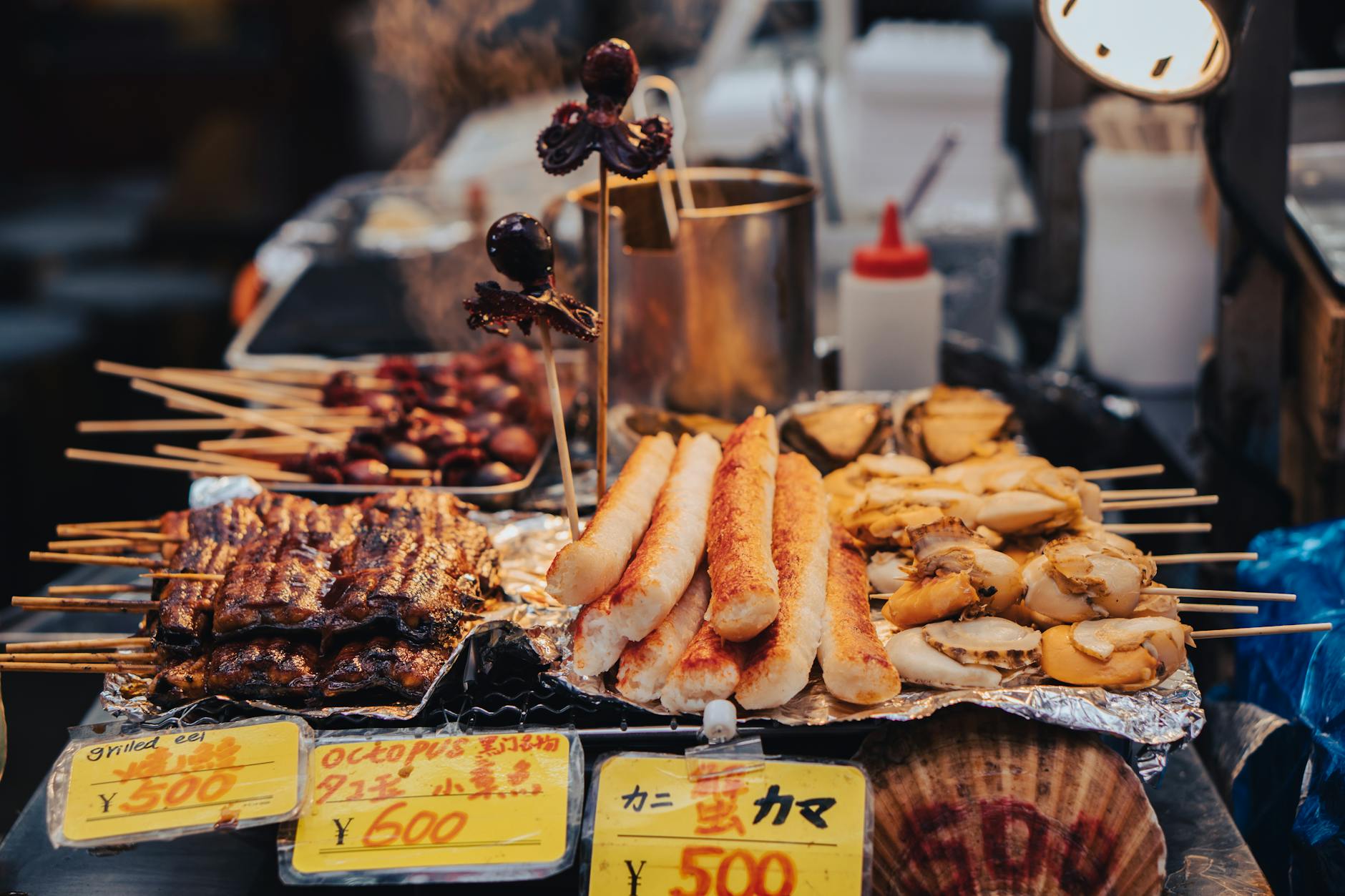
Getting Around
Japan’s transport is extraordinary, but not simple. The country has JR companies, private railways, subways, buses, trams, ferries, domestic airlines, ropeways, highway buses, taxis, rental cars, and local transport systems. The right answer depends on route.
Arrival Airports
| Airport | Best for |
|---|---|
| Haneda (HND) | Tokyo, Yokohama, late/early arrivals, easier city access. |
| Narita (NRT) | Tokyo region, some long-haul routes, budget airlines; farther from central Tokyo. |
| Kansai (KIX) | Osaka, Kyoto, Nara, Kobe, western Japan. |
| Chubu Centrair (NGO) | Nagoya, Ise, Takayama via connections, central Japan. |
| Fukuoka (FUK) | Kyushu and western Japan; unusually convenient airport-city connection. |
| New Chitose (CTS) | Sapporo/Hokkaido. |
| Naha (OKA) | Okinawa main island and island connections. |
Rail
Japan’s rail network is the backbone of most first trips. Shinkansen connect major city corridors; limited express trains reach regional towns; local trains fill gaps; private railways are essential around Tokyo, Kansai, Nagoya, Fukuoka, and tourist areas.
Key idea: You do not need to understand every operator. You need to understand your route and payment method.
Japan Rail Pass
The nationwide JR Pass is useful only for certain long-distance, multi-city routes. It is not useful for every visitor, and it is usually not the right tool for staying in Tokyo, Kyoto, or Osaka with a few short trips.
Consider it if: You are making several expensive JR long-distance trips within a 7/14/21-day window, especially round-trips or wide zigzags.
Skip it or calculate carefully if: You are doing Tokyo → Kyoto/Osaka one-way, staying mostly in two cities, flying domestically, or using private railways/buses more than JR.
Regional Passes
Regional passes can be much better than the nationwide pass when your route is concentrated: Kansai, Hokuriku, Kyushu, Hokkaido, Tohoku, Nagano/Niigata, Setouchi, and others. JNTO explicitly notes that a nationwide pass may not be the most economical choice for all travelers and that regional passes can be better for exploring one area.[16]
The move: Decide route first, pass second.
IC Cards
IC cards make local travel much easier. Tap in/out for many trains and buses, use them at vending machines and convenience stores, and reduce ticket-machine friction. They do not replace all limited express/shinkansen tickets.
The move: Use IC for urban/local travel; buy reserved tickets for long-distance trains.
Shinkansen Booking
SmartEX allows online booking for Tokaido/Sanyo/Kyushu Shinkansen routes and lets travelers book from outside Japan where available.[17] For many routes, station machines and ticket offices also work.
Tips:
- Reserve seats in peak seasons.
- Reserve oversized luggage space if needed.
- On Tokyo → Kyoto/Osaka, sit on the right side for potential Fuji views.
- Bring food/drink before boarding if service is limited.
- Keep your ticket/QR/IC setup organized; Japanese ticketing can involve base fare + limited express/reserved seat components.
Domestic Flights
Domestic flights are useful for Hokkaido, Kyushu, Okinawa, long north-south routes, and time-limited trips. JNTO notes that low-cost carriers serve airports across the country from Hokkaido to Okinawa.[18]
Best for: Tokyo/Osaka ↔ Sapporo, Fukuoka, Kagoshima, Naha, Ishigaki/Miyako, and sometimes Tohoku/Kyushu combinations.
Common mistake: Assuming trains are always better because “Japan rail.” For Okinawa, Hokkaido, and some Kyushu routes, flying is practical.
Buses
Highway buses save money and reach places trains do not. Local buses matter in Kyoto, Hakone, Fuji Five Lakes, Takayama/Shirakawa-go, rural Kyushu, islands, and national parks.
Watch out for: Cash/IC/payment variation, limited schedules, seat reservations, luggage holds, and language friction.
Ferries
Ferries matter for Miyajima, Naoshima/Teshima/Shodoshima, Setouchi routes, Okinawa islands, remote islands, and some long-distance overnight routes.
The move: Check ferry schedules before booking hotels. Island trips can collapse if you assume ferries run constantly.
Rental Cars
Cars are unnecessary and annoying for Tokyo/Kyoto/Osaka. They are useful in Hokkaido, Kyushu, Okinawa, rural Tohoku, Shikoku, some national parks, and certain island routes. JNTO notes that Japan requires a booklet-type paper International Driving Permit; card-type and smartphone versions are not valid, and some license-holders need official Japanese translations instead.[19]
Common mistake: Renting a car in Kyoto or Tokyo. Usually a bad idea.
Luggage Forwarding
Luggage forwarding is one of Japan’s great travel advantages. Use it between hotels, to airports, and before rural/onsen/island segments.
Best use cases:
- Tokyo → Kyoto while you overnight in Hakone.
- Kyoto/Osaka → Hiroshima while you overnight on Miyajima.
- Big bag to Fukuoka while you carry a small bag in Koyasan/Kumano/Setouchi.
- Airport delivery before final night.
The Move
Travel with one manageable suitcase and a daypack. Japan is designed for travelers who move cleanly. Giant luggage turns stations, buses, ryokan, and small hotel rooms into needless stress.
Budget and Costs
Japan can be surprisingly good value for food and transit, and expensive for peak hotels, ryokan, domestic flights at busy times, ski resorts, private guides, and high-end dining. Exchange rates can change the feel dramatically.
Daily Budget Ranges
| Traveler type | Daily estimate, excluding long-distance rail and major shopping | What it means |
|---|---|---|
| Shoestring | ¥8,000–¥14,000 | Hostel/capsule, convenience-store breakfasts, ramen/curry/soba, limited paid sights, walking/local transit. |
| Budget comfort | ¥14,000–¥25,000 | Business hotels, casual meals, IC transit, a few paid attractions, occasional café/bar. |
| Mid-range | ¥25,000–¥45,000 | Good-location hotels, casual-to-nice meals, museums, occasional taxis, one or two special experiences. |
| Comfortable | ¥45,000–¥80,000 | Better hotels, ryokan night, good restaurants, luggage forwarding, taxis when useful, paid views/tours. |
| Luxury | ¥80,000+ | Luxury hotels/ryokan, fine dining, private guides, taxis/transfers, premium shopping, high-end ski/resort stays. |
What Is Surprisingly Affordable
- Ramen, curry, soba, udon, casual sushi, convenience-store food.
- Local trains and subways compared with many global cities.
- Department-store food hall meals relative to quality.
- Many shrines, temples, parks, and neighborhood walks.
- Business hotels outside peak periods.
What Is Surprisingly Expensive
- Hotels in Tokyo/Kyoto during cherry blossom and autumn.
- High-quality ryokan with dinner/breakfast.
- Ski resorts and peak Hokkaido lodging.
- Taxis over long distances.
- High-end sushi/kaiseki/tempura.
- Theme parks and popular ticketed attractions.
- Last-minute domestic flights during holidays.
Best Value Moves
- Use open-jaw flights into Tokyo and out of Osaka/Kansai or Fukuoka when route supports it.
- Stay near strong stations, not necessarily the most famous neighborhood.
- Use lunch for higher-end meals where possible.
- Use depachika/ekiben for low-effort quality.
- Calculate rail passes before buying.
- Book peak hotels early.
- Add one ryokan night instead of several mediocre hotel upgrades.
- Use luggage forwarding instead of taxis caused by bad packing.
Splurge-Worthy
- A well-located hotel in Tokyo/Kyoto.
- One strong ryokan/onsen stay.
- A private guide in Kyoto, Tokyo food, architecture, craft, or history.
- One serious sushi/tempura/kaiseki/yakitori meal if food matters.
- Good seats for theater, baseball, sumo, or a performance.
- A scenic rail or ferry route that fits the itinerary.
Usually Not Worth It
- A nationwide JR Pass for a simple one-way Tokyo–Kyoto–Osaka route.
- Taxis across Tokyo/Osaka at rush hour unless necessary.
- Poorly located hotels to save a small amount.
- Animal cafés with questionable welfare.
- Overstuffed day tours that spend most of the day in transit.
- “Must-do” viral restaurants that require crossing the city when you are tired.
Safety, Health, and Scams
Japan is generally very safe for visitors. Violent crime is rare, transit is orderly, and solo travel is common. That said, the phrase “Japan is safe” can make travelers careless. The risks are different, not nonexistent.
General Safety
The U.S. State Department currently advises travelers to exercise normal precautions in Japan.[12]
Practical concerns include:
- Lost belongings.
- Nightlife overcharging and touts in some districts.
- Earthquakes and tsunami risk.
- Typhoons and transport shutdowns.
- Summer heat and dehydration.
- Mountain hiking and ski risks.
- Ocean currents, jellyfish, and typhoon surf.
- Medication import restrictions.
- Cultural misunderstandings around rules and police.
Emergency Numbers
- Police: 110.
- Fire/ambulance: 119.
- Japan Visitor Hotline: 050-3816-2787 inside Japan, +81-50-3816-2787 from overseas; JNTO lists 24-hour support in English, Chinese, and Korean.[14]
Natural Disasters
Japan is earthquake-, tsunami-, typhoon-, volcanic-, flood-, landslide-, and heavy-snow country. JNTO’s emergency guidance advises moving to higher ground near the coast after a large earthquake and staying informed during disasters.[13]
The move: Download Safety Tips or another reliable alert app, keep a charged battery pack, know your hotel’s evacuation route, and avoid rigid travel plans during typhoon season.
Heat
Summer heat is serious, especially in Tokyo, Kyoto, Osaka, Hiroshima, and inland basins. Use early starts, indoor breaks, hydration, hats, and realistic walking plans.
Medication Rules
Japan has strict rules for medications and controlled substances. MHLW states that personal-use medicines can be brought into Japan only once certain procedures are completed, and controlled substances may require separate permission.[22] The CDC warns that some medicines legal elsewhere may be illegal in Japan even with a prescription.[23]
The move: Check active ingredients, not just brand names. Apply for import confirmation where required before departure.
Common Scams and Problems
| Issue | Where | How to avoid it |
|---|---|---|
| Nightlife touts/overcharging | Kabukicho, Roppongi, some nightlife areas | Do not follow street touts; choose bars yourself; confirm cover charges. |
| Ticket resale/third-party markups | Popular attractions, theme parks, museums | Use official sites or reputable platforms. |
| Restaurant misunderstanding | Small restaurants | Read signs, ask politely, do not assume cards/English/seating. |
| Taxi expense | Big cities | Use trains when possible; use taxis strategically late/night/rain/luggage. |
| Lost items | Stations, trains, restaurants | Keep receipts/tickets; use station lost-and-found; Japan is good at returns but not magic. |
| Heat exhaustion | Summer cities, festivals, hikes | Slow down, drink water, avoid peak midday walking. |
Health Practicalities
- Tap water is generally safe.
- Pharmacies are common in cities; rural access varies.
- Travel insurance is sensible.
- Mask-wearing is common in some settings and useful during pollen/cold seasons.
- Allergies require Japanese-language cards.
- CDC recommends travelers be up to date on routine vaccines and specifically highlights measles vaccination for international travel.[24]
Accessibility and Mobility
Japan has made major accessibility improvements, especially in airports, large stations, museums, hotels, and newer developments. JNTO notes that Japan has been working to develop accessible travel for people with disabilities or special needs.[25]
But accessibility is uneven. The country is easier than many older destinations in some ways and harder in others.
What Helps
- Elevators and escalators in many stations.
- Tactile paving.
- Accessible toilets in many stations, malls, museums, and public buildings.
- High service standards.
- Wheelchair spaces on shinkansen and many trains.
- Taxis and station staff assistance.
- Barrier-free information for major attractions.
What Is Hard
- Huge stations with indirect elevator routes.
- Old temples, shrine gravel, stairs, and hills.
- Kyoto buses and crowded routes.
- Tiny restaurants, bars, and shops.
- Ryokan with steps, futon bedding, and shared baths.
- Historic towns with uneven streets.
- Rural buses and islands.
- Luggage plus mobility constraints.
Lower-Walking Strategy
- Stay near major stations with elevator access.
- Choose fewer bases.
- Use taxis for short links when station transfers are harder than the distance.
- Prioritize museums, gardens with accessible routes, department stores, and station-connected dining.
- Verify every hotel’s actual room/bathroom accessibility; do not rely on generic “accessible” language.
- Use luggage forwarding.
The Move
Japan can work well for mobility-conscious travelers, but only with precision. In Tokyo and Kyoto, “near the station” is not enough. You need to know the exit, elevator, transfer path, and surface route.
Families, Solo Travelers, LGBTQ+ Travelers, and Special Considerations
Families With Children
Japan can be excellent with children: safe-feeling streets, trains, convenience stores, clean restrooms in department stores, parks, character goods, aquariums, museums, theme parks, and kid-friendly food. The challenge is pacing.
Best family routes: Tokyo + Kyoto/Osaka, Tokyo + Hakone, Kansai + Hiroshima/Miyajima, Hokkaido summer, Okinawa beach trip, Kyushu onsen/nature route.
Tips:
- Avoid rush-hour trains with strollers.
- Use department stores for restrooms and baby rooms.
- Keep one anchor per half day.
- Book family rooms early.
- Use luggage forwarding.
- Do not overload children with temple after temple.
- Mix trains, parks, snacks, aquariums, castles, and hands-on experiences.
Solo Travelers
Japan is one of the world’s best solo travel countries. Counter dining, trains, capsule/business hotels, museums, cafés, and safe-feeling streets make independence easy.
Solo tips:
- Eat at counters without hesitation.
- Book one guided walk or food tour if you want social contact.
- Use caution in nightlife districts.
- Keep your hotel near strong transport.
- Learn basic phrases.
Women Traveling Solo
Many women find Japan comfortable for solo travel. Still, use normal precautions: watch drinks, avoid empty late-night areas if uncomfortable, choose lodging carefully, and be aware that women-only train cars operate on some lines/times.
LGBTQ+ Travelers
Japan is generally safe for LGBTQ+ visitors, especially in major cities, but public attitudes and legal recognition differ from some countries. Tokyo, Osaka, Kyoto, Fukuoka, and Sapporo have visible queer spaces to varying degrees. Public displays of affection are generally subdued for everyone.
Older Travelers
Japan works well for older travelers if paced properly. Stay near stations, avoid one-night hops, use taxis strategically, book comfortable hotels, minimize luggage, and choose ryokan carefully if floor seating/futon/bathing setups are difficult.
Dietary and Religious Travelers
Vegetarian, vegan, halal, kosher, gluten-free, and allergy-safe travel is possible but requires planning. Dashi and hidden ingredients are the biggest issue for many travelers. Major cities have options; rural areas may not.
Shopping and Souvenirs
Japan is a dangerous country for people who like beautiful objects. The best souvenirs are often small, useful, regional, and tied to craft or food.
Best Shopping Categories
| Category | Where to look |
|---|---|
| Stationery | Tokyo, Kyoto, Osaka, specialty shops, department stores. |
| Ceramics | Arita/Imari, Mashiko, Kyoto, Kanazawa, Seto, Mino, Tamba, Karatsu. |
| Kitchenware/knives | Tokyo Kappabashi, Osaka Doguyasuji, Kyoto shops, Sakai knives. |
| Textiles | Kyoto, Tokyo, Kanazawa, Okinawa, indigo regions, tenugui/furoshiki shops. |
| Tea and sweets | Kyoto/Uji, Shizuoka, department stores, regional omiyage shops. |
| Anime/game goods | Tokyo Akihabara/Ikebukuro/Nakano, Osaka Nipponbashi, official stores. |
| Fashion/design | Tokyo, Osaka, Kyoto, Fukuoka, Daikanyama, Aoyama, Harajuku, Ginza. |
| Food gifts | Depachika, airports, train stations, regional shops. |
| Beauty/drugstore | Major cities, drugstores, department stores. |
What Not to Buy Thoughtlessly
- Knives without checking airline/customs rules.
- Fresh foods or plants restricted by your home country.
- Fragile ceramics without packing strategy.
- Tax-free goods if you do not understand current export/refund rules.
- Mass-produced “traditional” souvenirs when better local versions are nearby.
- Large purchases before a long multi-city route.
Tax-Free Shopping
Tax-free shopping rules are changing in 2026. See current official guidance before publishing or traveling. Keep your passport available, understand departure confirmation requirements, and leave time at airports if refunds/customs checks apply under the active system.
Culture, History, and Context
Short History for Travelers
Japan’s travel landscape makes more sense when you understand a few layers.
Ancient capitals such as Nara and Kyoto explain the deep concentration of temples, shrines, court culture, Buddhist institutions, gardens, and traditional arts in Kansai. Samurai-era castles, post towns, merchant districts, and pilgrimage routes explain places like Himeji, Kanazawa, Takayama, Matsumoto, Nikko, Koyasan, and Kumano. Edo, now Tokyo, became the Tokugawa shogunate’s political center and grew into one of the world’s great cities.
The Meiji era opened and modernized Japan rapidly, bringing railways, industry, imperial ambition, Western-style institutions, and new urban forms. The twentieth century brought war, devastation, occupation, reconstruction, high-speed rail, mass consumer culture, and the rise of the globally recognizable Japan of electronics, design, anime, cars, fashion, and food.
But Japan is not only national history. Regional identity matters: Ryukyu history in Okinawa, Ainu heritage in Hokkaido, merchant culture in Osaka, court culture in Kyoto, samurai memory in Kanazawa/Aizu/Kakunodate, volcanic landscapes in Kyushu, pilgrimage cultures in Kii and Shikoku, and snow-country life in Tohoku/Hokuriku/Hokkaido.
UNESCO and Heritage
UNESCO’s World Heritage list for Japan includes major cultural and natural sites such as Kyoto, Nara, Himeji-jo, Shirakawa-go/Gokayama, Hiroshima Peace Memorial, Itsukushima Shrine, Nikko, Yakushima, Shiretoko, Ogasawara, Mount Fuji, and more.[28] MOFA states that Japan had 26 World Heritage properties as of August 2024, 21 cultural and 5 natural.[29]
The move: Use UNESCO status as a clue, not a checklist. Some sites are logistically easy; others require serious planning.
Etiquette That Matters
- Queue properly.
- Keep voices low on trains.
- Do not talk loudly on phones in train cars.
- Stand aside and follow local escalator signs/customs.
- Remove shoes where required.
- Wash before entering an onsen bath.
- Do not put towels in bath water.
- Do not tip casually.
- Use cash trays when offered.
- Avoid eating while walking except in appropriate festival/market contexts.
- Take trash with you when bins are absent.
- Ask before photographing people closely.
- Respect shrine/temple worshippers.
- Do not block streets or private doorways for photos.
- Be especially careful in Kyoto’s residential lanes and geisha districts.
Books, Films, Music, and Prep
A guide should curate this section by traveler type. Good prep categories include:
- A concise history of Japan.
- A Kyoto/Nara cultural primer.
- A food guide explaining regional cuisines.
- A book or film about postwar Tokyo.
- A Hiroshima/Nagasaki memory resource.
- A guide to Shinto/Buddhist basics.
- A contemporary novel set outside Tokyo.
- A playlist covering city pop, jazz kissaten, anime soundtracks, enka, J-pop, indie, and regional music.
Do not stuff the list with famous titles. Curate it.
Seasonal and Month-by-Month Guide
Spring
Spring is Japan’s most famous travel season. Cherry blossoms dominate the image, but spring also includes plum blossoms, fresh greenery, wisteria, azaleas, tea, temple openings, and pleasant walking weather.
Best experiences: Tokyo parks, Kyoto temples, Himeji Castle, Yoshino, Nara, Kanazawa, Hirosaki later in the season, spring menus, garden walks.
Watch out: Peak demand, high prices, rain, unpredictable bloom timing, Golden Week.
Summer
Summer is Japan at its most energetic and physically demanding. Festivals, fireworks, mountain openings, Hokkaido flowers, and beach trips are real rewards. So are heat, humidity, rain, and typhoons.
Best experiences: Hokkaido, Japanese Alps, festivals, fireworks, Gion Matsuri, Aomori Nebuta, alpine routes, Okinawa/beaches with typhoon flexibility.
Watch out: Heat exhaustion, sweat-heavy city days, mosquitoes, storms, ferry/flight disruptions.
Autumn
Autumn is arguably the best first-timer season. Weather improves, food gets richer, and foliage moves from north/mountains to Kyoto/Tokyo later in the season.
Best experiences: Kyoto gardens, Nikko, Japanese Alps, Tohoku foliage, Kanazawa, Nara, temples, hiking, food.
Watch out: November weekends in Kyoto/Nikko and famous foliage spots.
Winter
Winter Japan is not one thing. Tokyo/Kyoto can be crisp and dry; Hokkaido and the Alps become snow worlds; onsen towns shine; New Year changes closures.
Best experiences: Skiing, Sapporo Snow Festival, Zao snow monsters, onsen, winter seafood, illuminations, clear Fuji views.
Watch out: New Year closures, snow transport delays, cold ryokan corridors, mountain safety.
Annual Timing Issues
- Cherry blossoms: Usually late March/early April in Tokyo/Kyoto/Osaka, but varies by year and region.
- Golden Week: Late April to early May; book early or avoid major movement.
- Rainy season: Often May/June to July depending region; Okinawa starts earlier.
- Obon: Mid-August domestic travel surge.
- Typhoon season: Late summer into autumn, especially affecting islands/coasts.
- Autumn foliage: Hokkaido/northern mountains earlier; Kyoto/Tokyo often November into early December.
- New Year: Major closures around January 1 and surrounding days.
- Ski season: Varies by region; often strongest January–February.
Side Trips, Day Trips, and Regional Extensions
From Tokyo
| Trip | Best for | Notes |
|---|---|---|
| Kamakura | Temples, coast, easy history | Great first day trip; can pair with Enoshima. |
| Nikko | Shrines, forest, mountains | Best as a full day or overnight. |
| Hakone | Onsen, ryokan, museums, Fuji views | Better overnight than rushed day trip. |
| Fuji Five Lakes | Fuji views, photography, lakes | Weather decides whether Fuji appears. |
| Yokohama | Port city, Chinatown, waterfront | Easy half/full day. |
| Kawagoe | Edo-style warehouse town | Easy history day. |
| Mt. Takao | Light hiking | Popular weekends; simple nature escape. |
From Kyoto/Osaka
| Trip | Best for | Notes |
|---|---|---|
| Nara | Ancient temples, deer park | Full day; overnight for calm. |
| Uji | Tea, Byodo-in, riverside | Easy half/full day from Kyoto. |
| Himeji | Castle | Pair with Kobe or continue west. |
| Kobe | Food, port, hills | Easy from Osaka/Kyoto. |
| Koyasan | Temple lodging, Buddhist mountain | Best overnight. |
| Kinosaki Onsen | Onsen town | Best overnight. |
| Kumano Kodo | Pilgrimage walking | Multi-day, not a casual day trip. |
From Hiroshima/Setouchi
| Trip | Best for | Notes |
|---|---|---|
| Miyajima | Shrine island, scenery | Overnight if possible. |
| Onomichi/Shimanami Kaido | Cycling, islands | Excellent in good weather. |
| Okayama/Kurashiki | Garden, historic canal town | Good west-Japan route stop. |
| Naoshima/Teshima | Art islands | Check ferry/museum closures. |
From Fukuoka/Kyushu
| Trip | Best for | Notes |
|---|---|---|
| Dazaifu | Shrine, easy culture | Half day from Fukuoka. |
| Nagasaki | History, food, port city | Better overnight. |
| Beppu/Yufuin | Onsen | Overnight. |
| Kumamoto/Aso | Castle, volcano landscapes | Car/bus planning helps. |
| Kagoshima/Sakurajima | Volcano, food, southern Japan | Good 1–2 nights. |
The Move
Use day trips for places within 30–90 minutes that do not require evening atmosphere. Use overnights for onsen, islands, pilgrimage routes, mountain towns, and emotionally heavy places.
What to Skip
Skip: Buying a JR Pass Before You Know Your Route
Better alternative: Build the route, price individual tickets, compare regional passes, then decide.
Skip: Kyoto at Peak Hours Only
Better alternative: Start early, go late, choose quieter temples, and spend more than two nights.
Skip: One-Night Hopping Across Famous Cities
Better alternative: Fewer bases, more depth. Japan rewards repetition: a morning shrine, an afternoon market, an evening counter, a second neighborhood.
Skip: A Ryokan You Cannot Arrive To On Time
Better alternative: Choose a ryokan night when you can arrive by 3–5 p.m. and enjoy the bath/dinner rhythm.
Skip: Adding Hokkaido or Okinawa as a Token Stop
Better alternative: Give them their own trip segment or save them for next time.
Skip: Animal Cafés With Questionable Welfare
Better alternative: Ethical wildlife/nature experiences, aquariums with care, cat-themed goods, character cafés, or parks.
Skip: Viral Food Cross-City Chases
Better alternative: Keep a neighborhood shortlist and trust Japan’s ordinary food quality.
Skip: Mount Fuji Climbing Without Proper Planning
Better alternative: View Fuji from Hakone/Fuji Five Lakes or plan a real climbing trip with official rules, hut booking, gear, and altitude awareness.
Common Mistakes
- Trying to see all of Japan in two weeks. Japan is too rich for checklist travel.
- Underestimating Kyoto. It needs timing, pacing, and more than one famous-temple day.
- Buying the JR Pass reflexively. Do the math.
- Packing too much luggage. Stations and small rooms punish overpacking.
- Not using luggage forwarding. This is one of Japan’s best travel tools.
- Booking ryokan like hotels. Meal times and check-in matter.
- Forgetting cash. Cards are common, but cash remains useful.
- Ignoring restaurant reservations. Some places require planning; many casual places do not.
- Eating only from viral lists. Japan’s everyday food is exceptional.
- Underestimating summer heat. It can wreck ambitious itineraries.
- Assuming every attraction is spontaneous. Ghibli, teamLab, Disney, Ghibli Park, popular restaurants, Fuji climbing, and peak ryokan stays need early action.
- Treating onsen etiquette casually. Wash before bathing; follow tattoo and towel rules.
- Bringing restricted medication without checking. This can be serious.
- Relying on one map app. Use reliable transit/navigation tools.
- Ignoring holidays. Golden Week, Obon, New Year, and peak foliage/sakura weekends change everything.
- Not checking museum/temple closure days. Especially on Mondays or around holidays.
- Assuming Fuji will appear. Weather controls visibility.
- Making every day a transit day. Good trains do not eliminate fatigue.
Responsible and Respectful Travel
Japan’s visitor numbers create pressure in places such as Kyoto, Mount Fuji, popular rural villages, small restaurants, photo streets, and residential neighborhoods. A good Japan guide should help readers behave well, not just consume efficiently.
JNTO’s Responsible Travel Guide encourages visitors to embrace traditions and customs and travel mindfully.[26]
Do
- Learn basic courtesy phrases.
- Follow local signage and queue behavior.
- Keep noise low on trains and in residential areas.
- Use public transport well and do not block station flows.
- Respect shrine/temple worshippers.
- Support local businesses beyond the same viral spots.
- Stay longer in pressured destinations rather than day-tripping only for photos.
- Take trash with you.
- Use luggage forwarding instead of dragging huge suitcases through crowded buses/streets.
- Book legal accommodation.
- Check local photography rules.
- Visit famous places early/late and add lesser-known neighborhoods.
Do Not
- Trespass for photos.
- Harass geisha/maiko or photograph people closely without permission.
- Block sidewalks, alleys, train platforms, or temple paths.
- Eat, film, or behave loudly in inappropriate settings.
- Treat small restaurants as content studios.
- Ignore bathing etiquette.
- Support animal cafés where welfare appears poor.
- Climb mountains or enter nature areas outside safe/legal conditions.
Local Logic
Japan works because people cooperate with shared rules. Visitors enjoy it more when they join that cooperation instead of treating it as optional.
Practical Life Admin
Connectivity
Use an eSIM, physical SIM, or pocket Wi-Fi. eSIMs are easiest for many modern phones; pocket Wi-Fi can work for families/groups but requires charging and pickup/return.
Money
Carry a debit card, credit card, and some cash. Seven Bank and Japan Post ATMs are useful for many foreign cards. Keep coins organized.
Laundry
Business hotels often have coin/card laundry. Pack lighter and do laundry mid-trip.
Luggage Storage
Major stations have coin lockers, but large lockers fill in peak areas. Luggage storage counters/apps can help. Avoid dragging bags into tiny restaurants.
Pharmacies
Drugstores are common in cities. For specific medications, check legality and availability before travel.
Public Restrooms
Generally clean and available in stations, department stores, museums, parks, and convenience stores, but toilet paper/hand towels/dryers can vary. Carry a small hand towel.
Smoking
Smoking rules vary by city and area. Many places restrict street smoking and provide designated smoking areas. Restaurant smoking policies vary.
Trash
Public trash bins can be scarce. Carry a small bag for your trash until you find a proper bin.
Apps to Consider
- Google Maps / Apple Maps.
- Japan Travel by NAVITIME.
- SmartEX where relevant.
- Mobile IC/Suica/PASMO/ICOCA where supported.
- Translation app with camera mode.
- Weather/disaster alert app.
- Airline and hotel apps.
Packing List
Essentials
- Comfortable walking shoes.
- Lightweight daypack.
- Portable battery pack.
- Plug adapter.
- Passport and backup copies.
- Credit/debit cards plus cash.
- Medication documentation and import approval if needed.
- Translation app downloaded.
- Transit/navigation apps.
- Small hand towel.
- Coin purse or small wallet.
- Reusable water bottle.
- Packable umbrella or rain shell.
- Layering pieces.
Seasonal Additions
| Season | Pack |
|---|---|
| Spring | Layers, light rain jacket, allergy medication, comfortable shoes. |
| Summer | Breathable clothing, hat, sunscreen, extra shirts, insect repellent, cooling towel/fan if useful. |
| Autumn | Layers, light jacket, rain gear, comfortable walking clothes. |
| Winter | Warm coat, scarf, gloves, thermal layers, moisturizer, lip balm; snow gear for northern/mountain regions. |
| Onsen/ryokan | Easy-to-remove shoes, modest sleepwear if desired, small overnight bag. |
| Hiking/mountains | Real footwear, layers, rain gear, headlamp for serious hikes, route map, emergency plan. |
| Okinawa/islands | Swimwear, reef-safe sun protection, sandals, dry bag, motion-sickness tablets if ferry-prone. |
What Not to Overpack
- Huge suitcases.
- Too many dressy outfits unless fine dining/nightlife demands it.
- Bulky toiletries easily bought locally.
- Appliances incompatible with 100V.
- Shoes that are hard to remove in shoe-off settings.
- Restricted medications or CBD/THC products.
The Move
Pack for trains, stairs, and small rooms. Japan is one of the best countries in the world for buying things you forgot and one of the worst for dragging too much through stations.
FAQ
Is Japan good for a first international trip?
Yes, if you are comfortable with some language friction and rules. Japan is safe-feeling, organized, clean, and transport-rich, but it rewards preparation.
How many days should I spend in Japan?
Ten to fourteen days is the best first-trip range. Seven days works for Tokyo + Kyoto/Osaka. Three weeks allows a richer regional route.
Should I buy a Japan Rail Pass?
Only after pricing your actual route. It can be useful for wide, fast, multi-city travel within a pass window. It is often not worth it for a simple Tokyo–Kyoto–Osaka one-way trip.
What is the best first-time route?
Tokyo + Kyoto + Osaka/Nara + Hiroshima/Miyajima is the strongest classic route. Add Hakone/Fuji or Kanazawa/Takayama only if you have enough days.
Is Japan expensive?
Hotels, ryokan, peak seasons, theme parks, and high-end dining can be expensive. Casual food, local transit, convenience stores, and business hotels can be good value.
Is Japan safe?
Japan is generally very safe for visitors, but natural disasters, heat, mountain weather, medication rules, nightlife touts, and normal travel fatigue still matter.
Do I need cash?
Yes. Cards are widely accepted in many contexts, but cash remains useful for small restaurants, temples, shrines, markets, lockers, rural buses, and older shops.
Is Japan good for vegetarians or vegans?
Yes with planning, especially in major cities. Spontaneous eating can be hard because dashi and hidden animal products are common.
Can I visit Japan without speaking Japanese?
Yes. Major travel corridors are manageable with English signage, apps, and patience. Learning basic phrases and etiquette improves the trip greatly.
Is Kyoto too crowded?
Kyoto is crowded in famous places at famous times. It is still extraordinary if you start early, go late, choose quieter temples, and stay long enough.
Should I fly within Japan?
For Okinawa, Hokkaido, and some long north-south routes, yes. For Tokyo–Kyoto/Osaka, the train is usually easier.
When should I book hotels?
As early as possible for cherry blossoms, autumn foliage, Golden Week, New Year, ski season, popular ryokan, Kyoto, Tokyo, Naoshima, and festival periods.
What should I book ahead?
Ryokan, high-demand restaurants, Ghibli Museum, Studio Ghibli Park, teamLab, Tokyo Disney Resort, Shibuya Sky sunset, Mount Fuji climbing, ski lodging, and special trains/tours.
What should I skip on a first trip?
Skip anything that forces too many one-night stays. Hokkaido, Okinawa, Kyushu, and Shikoku are wonderful, but they need time.
Source Notes
Date-sensitive details in this guide were checked against official or high-reliability sources where possible. Re-check every price, fare, entry rule, ticketing system, opening hour, pass condition, weather/disaster advisory, attraction rule, and transport schedule before publication.
- 1. Ministry of Foreign Affairs of Japan, “Exemption of Visa (Short-Term Stay),” https://www.mofa.go.jp/j_info/visit/visa/short/novisa.html
- 2. Ministry of Foreign Affairs of Japan, “The JAPAN eVISA system,” https://www.mofa.go.jp/j_info/visit/visa/visaonline.html
- 3. Digital Agency of Japan, “Visit Japan Web,” https://services.digital.go.jp/en/visit-japan-web/
- 4. Japan National Tourism Organization, “International Tourist Tax,” https://www.japan.travel/en/plan/international-tourist-tax/
- 5. National Tax Agency of Japan, “Tax-Free Shopping System will be shifted to the Refund Method from November 2026,” https://www.nta.go.jp/publication/pamph/shohi/menzei/202506/pdf/0025006-106.pdf
- 6. Japan Rail Pass official site, “Types and prices,” https://japanrailpass.net/en/purchase/price/
- 7. Japan National Tourism Organization, “Japan Rail Pass,” https://www.japan.travel/en/guide/jr-rail-pass/
- 8. JR East, “Welcome Suica,” https://www.jreast.co.jp/en/multi/welcomesuica/welcomesuica.html
- 9. JR East, “Welcome Suica Mobile,” https://www.jreast.co.jp/en/multi/welcomesuicamobile/
- 10. Official Website for Mt. Fuji Climbing, https://www.fujisan-climb.jp/en/
- 11. JR Central, “Luggage information / oversized baggage,” https://global.jr-central.co.jp/en/info/oversized-baggage/
- 12. U.S. Department of State, “Japan Travel Advisory,” https://travel.state.gov/en/international-travel/travel-advisories/japan.html
- 13. Japan National Tourism Organization, “Staying Safe in Japan,” https://www.japan.travel/en/plan/emergencies/
- 14. Japan National Tourism Organization, “Japan Visitor Hotline,” https://www.japan.travel/en/plan/hotline/
- 15. Japan National Tourism Organization, “Weather & Geography,” https://www.japan.travel/en/plan/weather/ and National Parks of Japan, “Seasons and Climate,” https://www.japan.travel/national-parks/plan-your-visit/seasons-and-climate/
- 16. Japan National Tourism Organization, “Regional JR Rail Passes,” https://www.japan.travel/en/plan/jr-rail-passes/
- 17. SmartEX official site, https://smart-ex.jp/en/
- 18. Japan National Tourism Organization, “Domestic Air Travel,” https://www.japan.travel/en/plan/getting-around/domestic-air-travel/
- 19. Japan National Tourism Organization, “Things to know when renting a car,” https://www.japan.travel/en/plan/getting-around/cars/
- 20. Japan National Tourism Organization, “A Vegetarian and Vegan Guide to Japan,” https://www.japan.travel/en/guide/vegetarian-guide/
- 21. Japan National Tourism Organization, “Muslim Travelers in Japan,” https://www.japan.travel/en/guide/muslim-travelers/
- 22. Ministry of Health, Labour and Welfare, “Information for those who are bringing medicines for personal use into Japan,” https://www.mhlw.go.jp/stf/seisakunitsuite/bunya/kenkou_iryou/iyakuhin/kojinyunyu/topics/tp010401-1_00001.html
- 23. CDC Yellow Book, “Traveling with Prohibited or Restricted Medications,” https://www.cdc.gov/yellow-book/hcp/travelers-with-additional-considerations/traveling-with-prohibited-or-restricted-medications.html
- 24. CDC Travelers’ Health, “Japan - Traveler View,” https://wwwnc.cdc.gov/travel/destinations/traveler/none/japan
- 25. Japan National Tourism Organization, “Traveling With a Disability,” https://www.japan.travel/en/plan/traveling-with-disability/
- 26. Japan National Tourism Organization, “Responsible Travel Guide,” https://www.japan.travel/en/responsible-travel-guide/
- 27. Tanabe City Kumano Tourism Bureau, “Kumano Kodo,” https://www.tb-kumano.jp/en/kumano-kodo/ and JNTO, “Kumano Kodo Pilgrimage Route,” https://www.japan.travel/en/spot/979/
- 28. UNESCO World Heritage Centre, “Japan,” https://whc.unesco.org/en/statesparties/jp and World Heritage List, https://whc.unesco.org/en/list/
- 29. Ministry of Foreign Affairs of Japan, “World Heritage,” https://www.mofa.go.jp/policy/culture/coop/unesco/c_heritage/w_heritage/index.html