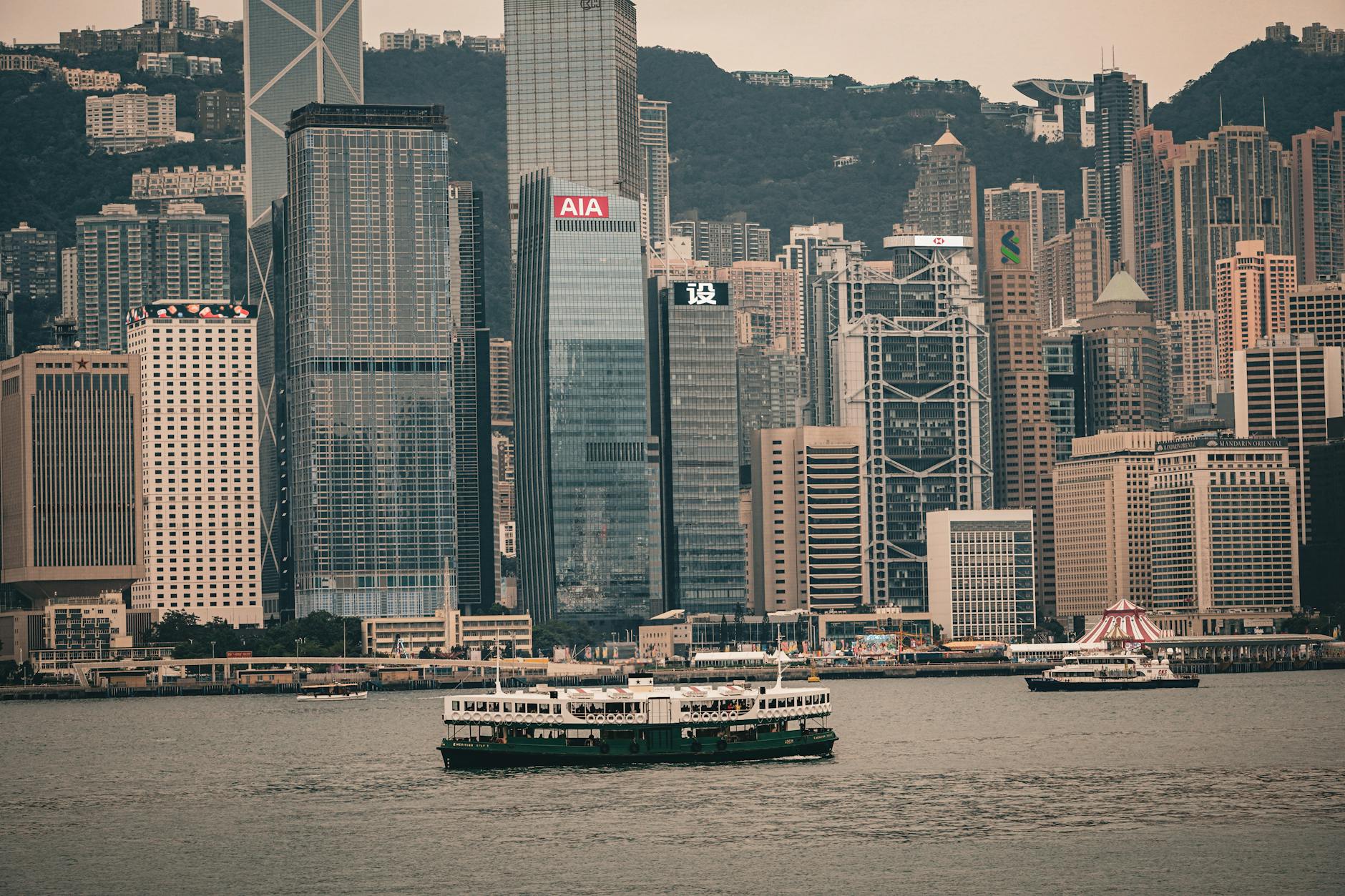
Hong Kong is not a skyline. It is a system of layers.
Start Here
It is a ferry crossing at dusk with a wall of glass behind you and mountains ahead. It is a bowl of wonton noodles eaten in eight minutes under fluorescent light. It is a double-decker tram moving at the pace of memory through one of the most expensive cities on earth. It is a wet market, a finance tower, a shrine, a mall, a fishing village, a beach, a neon sign, a hillside cemetery, a bamboo steamer, a typhoon signal, an escalator, a Cantonese opera stage, a rooftop bar, a country park trail, and a subway network that makes a steep, dense, island-and-peninsula territory feel almost effortless.
Most first-time visitors make one of two mistakes. Some treat Hong Kong as a two-night stopover and only see The Peak, Tsim Sha Tsui, a market, and a dim sum meal. Others treat it like a generic large Asian city and miss the parts that make it singular: the harbour geography, the vertical neighbourhoods, the outlying islands, the way nature presses against density, the Cantonese food culture, the old-new street life, the ferry-and-tram romance, and the separate border logic that makes Mainland China, Macao, and Hong Kong three different practical travel systems.
Hong Kong is compact, but it is not simple. The map is short; the layers are deep. A hotel that looks central can be wrong for your trip. A short walk can mean stairs, humidity, overpasses, and a hill. A rainy season day can turn a hike into a bad idea and a museum-and-noodle day into a triumph. A cross-border day trip can be brilliant or impossible depending on your visa, passport, and route. A restaurant with no view can be better than the expensive place facing the harbour. A ferry can be both transportation and the best sightseeing ride in town.
This guide is built around the decisions that actually make or break a Hong Kong trip: how many days you have, whether you want skyline Hong Kong, food Hong Kong, island Hong Kong, hiking Hong Kong, family Hong Kong, art-and-design Hong Kong, or Greater Bay Area Hong Kong; where to stay; when to visit; how to use MTR, ferries, trams, taxis, and Octopus; how to avoid bad weather decisions; what to book; what to skip; and how to understand a place shaped by Cantonese culture, British colonial history, Chinese sovereignty, global finance, migration, protest, law, commerce, sea routes, mountains, and extraordinary urban compression.
Hong Kong in one sentence: Hong Kong is a vertical harbour city where the best trip comes from pairing dense neighbourhood life, Cantonese food, ferries, hills, islands, transit precision, and weather awareness instead of treating the city as a skyline checklist.
Basic data
| Population | About 7.5 million |
|---|---|
| Area | 1,104 km2 |
| Major religions | Largely secular public life with Buddhist, Taoist, Christian, and folk religious traditions |
| Political system | Special Administrative Region of China with a separate legal and administrative system |
| Economic system | High-income service economy centered on finance, logistics, trade, real estate, and professional services |
Quick Verdict
| Question | Answer |
|---|---|
| Best for | Food, skyline views, public transport, ferries, dense urban walks, Cantonese culture, shopping, museums, family travel, solo travel, short stopovers, hiking, beaches, islands, photography, design, nightlife, and travelers who like cities where nature and density collide. |
| Not ideal for | Travelers who want quiet resort relaxation, cheap spacious hotels in the center, dry guaranteed weather, easy stroller movement everywhere, beach simplicity without humidity, nightlife without price awareness, or a politically neutral-feeling destination where local laws can be ignored. |
| Ideal first trip length | 4 to 5 full days. Three days is a strong first-timer taste. One or two days works for a stopover. A week lets you add islands, hikes, museums, food depth, and Macao or Shenzhen if paperwork fits. |
| Best first-time base | Tsim Sha Tsui for harbour views and first-timer convenience; Central/Sheung Wan/Admiralty for Hong Kong Island access, dining, bars, and transport; Wan Chai/Causeway Bay for energy and shopping; Jordan/Yau Ma Tei/Mong Kok for Kowloon food and markets; West Kowloon for culture and rail convenience. |
| Best time to visit | October to December is the cleanest first-time recommendation: lower humidity, better walking, clearer skies, and less rain than summer. January and February can be cool and festive but may bring Lunar New Year closures and crowds. March and April are pleasant but can be misty and humid. May to September is hot, wet, and typhoon-exposed. |
| Best first-timer route | Harbour + Central/Sheung Wan + The Peak + Tsim Sha Tsui + Kowloon food streets + one temple/garden + one island or Lantau day + one museum/art or hiking half-day. |
| Biggest planning mistake | Staying or scheduling by map distance instead of transit, elevation, weather, and neighbourhood logic. In Hong Kong, ten minutes can mean MTR ease, escalator convenience, humid stairs, or a frustrating overpass maze. |
| One thing to book early | Peak Tram or popular viewpoint slots if timing matters, special restaurants, M+ or major exhibitions when busy, Disneyland/Ocean Park if you want a theme-park day, and hotels around major conventions, holidays, or peak autumn weekends. |
| One thing to leave flexible | Hikes, island days, outdoor viewpoints, beach time, ferries in rough weather, and anything during typhoon or heavy rain warnings. |
| Most underrated move | Spend a half-day in Sham Shui Po, Sai Ying Pun, Kennedy Town, North Point, or Tai Hang instead of only orbiting Central, Tsim Sha Tsui, and Mong Kok. |
| Most important warning | Hong Kong is easy to visit day to day, but it has strict local laws and current foreign-government advisories call out arbitrary enforcement and national-security concerns. Avoid protests, do not photograph sensitive situations, and keep political/legal risk separate from normal tourist safety. |
The Move
For a first Hong Kong trip, do not build around attractions first. Build around corridors:
- Harbour corridor: Central, Star Ferry, Tsim Sha Tsui, West Kowloon, Avenue of Stars.
- Old-and-new Hong Kong Island corridor: Sheung Wan, Central, Mid-Levels, SoHo, Wan Chai, Causeway Bay, North Point.
- Kowloon street-life corridor: Jordan, Yau Ma Tei, Mong Kok, Sham Shui Po, Wong Tai Sin, Chi Lin Nunnery.
- Nature-and-islands corridor: The Peak, Dragon’s Back, Lantau, Tai O, Cheung Chau, Lamma, Sai Kung.
A good trip touches at least three of these. A shallow trip only photographs the harbour.
Who Will Love Hong Kong?
You will probably love Hong Kong if you want:
- A city where transportation itself is part of the trip: Star Ferry, trams, MTR, escalators, minibuses, ferries, Airport Express, hill roads, and outlying-island boats.
- Cantonese food at every level, from cha chaan teng breakfasts and roast-meat shops to dim sum, wonton noodles, seafood, claypot rice, dai pai dong, milk tea, desserts, and polished fine dining.
- A compact destination with serious variety: skyscrapers, temples, beaches, malls, fishing villages, hiking trails, markets, museums, islands, and neon streets.
- A short Asia trip or stopover that can still feel deep.
- A city that rewards walking, transit confidence, and curiosity.
- A place where old colonial infrastructure, Cantonese street culture, Chinese temples, global finance, and subtropical nature are all visible in the same day.
You may struggle with Hong Kong if you want:
- Large hotel rooms at moderate prices in the most central areas.
- Quiet streets, wide pavements, and low crowd pressure.
- A trip without stairs, escalators, overpasses, station corridors, or humidity.
- Beach weather that is predictable and dry.
- A low-cost city. Hong Kong has affordable food and transit, but hotels and drinks can be expensive.
- A destination where you never need to think about politics, laws, demonstrations, or digital/privacy risks.
Hong Kong rewards travelers who accept its compression. It is not relaxing in a resort sense. It is exhilarating, efficient, layered, and often more beautiful from motion than from a fixed viewpoint.
Hong Kong at a Glance
| Practical | Detail |
|---|---|
| Official travel name | Hong Kong Special Administrative Region of the People’s Republic of China. For travelers, Hong Kong has its own immigration, currency, legal system, public transport system, and border formalities separate from Mainland China and Macao. |
| Best mental map | Hong Kong Island, Kowloon, New Territories, Lantau, and outlying islands, all organized around Victoria Harbour, MTR lines, ferries, hills, tunnels, and bridges. |
| Languages | Chinese and English are official languages. Cantonese is the primary spoken language. English signage and transport announcements are widespread, and many menus are bilingual in visitor-heavy areas.[5] |
| Currency | Hong Kong dollar, HKD. Credit cards and mobile payments are common, but cash remains useful for small shops, markets, minibuses, older eateries, taxis, and island vendors. The official tourism guide describes Octopus as essential for transit and small purchases.[4] |
| Main payment tool | Octopus, available as physical tourist cards and mobile versions. It works across much of public transport and many stores. Tourist Octopus sold versions are available without a deposit; remaining value can be refunded, but the card is then deactivated.[6] |
| Time zone | Hong Kong Time, UTC+8 year-round. No daylight saving time. |
| Main airport | Hong Kong International Airport, on Chek Lap Kok beside Lantau Island. |
| Airport to city | Airport Express links the airport with the city, with the journey to Central/Hong Kong Station taking as little as 24 minutes.[7] |
| Entry rules | Nationals of about 170 countries and territories may visit Hong Kong visa-free for stays ranging from 7 to 180 days, depending on passport. Work, study, residence, business establishment, or staying beyond the visa-free period requires a visa/entry permit.[1][2] |
| Indian nationals | Indian nationals generally need successful online pre-arrival registration before visiting visa-free for up to 14 days, unless exempt. The notification slip and the same passport used for registration must be presented for boarding and arrival clearance.[3] |
| Electricity | 220V, 50Hz. Type G three-square-pin plug, similar to the UK. Travelers from North America, Japan, Europe, Australia, and many other places need an adapter and should check voltage compatibility.[5] |
| Tap water | Hong Kong’s Water Supplies Department states that drinking water is fully treated and complies with Hong Kong Drinking Water Standards; older building plumbing can still be a practical consideration.[13] |
| Emergency number | 999 for police, fire, or ambulance. 992 emergency SMS is available for people with speech or hearing impairment.[12] |
| Best local transport app | HKeMobility, an all-in-one app from Hong Kong’s Transport Department for routes, fares, journey times, arrivals, and traffic conditions across MTR, buses, minibuses, trams, ferries, and water taxis.[8] |
| Natural hazards | Typhoons, rainstorms, heat, humidity, landslides, rough seas, hill fires in dry season, and hiking accidents. Tropical cyclones normally occur from May to November and are especially prevalent in September.[10] |
| Best first-time trip length | 4 to 5 full days. |
First-Timer Mistake
A lot of visitors ask, “Should I stay on Hong Kong Island or Kowloon?” That is incomplete. Ask instead: Do I want harbour views, food streets, nightlife, museums, MTR convenience, airport ease, island ferries, theme parks, or lower hotel prices? Hong Kong is too compact for a single “right side,” but too vertical and crowded to ignore location.
2026 Visitor Notes
Hong Kong Is Not Mainland China for Entry Purposes
Hong Kong is part of the People’s Republic of China, but it has separate immigration rules from Mainland China and Macao. A traveler who can enter Hong Kong visa-free may still need a Mainland China visa or other authorization for Shenzhen, Guangzhou, or other Mainland destinations. Macao is also a separate immigration jurisdiction.
The move: Treat Hong Kong, Macao, and Mainland China as three separate border systems. Do not plan a Shenzhen or Macao day trip until you have checked passport-specific entry rules and return requirements.
Visa-Free Does Not Mean Visa-Free for Everyone
Hong Kong Immigration says nationals of about 170 countries and territories may visit without a visa or entry permit for periods ranging from 7 to 180 days. The exact stay depends on nationality and document type, and some travelers need a visa even for transit. Visitors must generally have adequate funds and onward/return travel unless transiting to Mainland China or Macao.[1][2]
The move: A guide should never say “Hong Kong is visa-free” without qualification. Say: “Many passport holders can visit visa-free, but permitted stay varies by nationality.” Then point to Immigration Department rules.
Indian Nationals Need Special Attention
Indian nationals generally need to complete Hong Kong’s Pre-arrival Registration before visiting visa-free for up to 14 days, unless they fall into an exempt category. The Immigration Department warns that travelers must present both the notification slip and the same passport used to register, and that the notification slip is not a guarantee of entry.[3]
The move: Put this in any pre-departure checklist for Indian travelers. Avoid unofficial paid sites when the official process is available through the Hong Kong government.
Airport Express Is the Default Easy Arrival
The Airport Express is one of the simplest arrival systems in Asia: airport to Hong Kong Station can take as little as 24 minutes. It is not always the cheapest option, and taxis can be better late at night or with heavy luggage to some addresses, but for Central, Admiralty, Wan Chai by transfer, Tsim Sha Tsui by transfer, or Kowloon Station hotels, it is a clean default.[7]
The move: Use Airport Express if your hotel is near Hong Kong Station, Central, Admiralty, Tsim Sha Tsui by MTR/taxi transfer, or Kowloon Station. Use a taxi or bus when your hotel is awkward from the rail stations, you arrive late, or your group splits costs well.
Octopus Still Makes the Trip Easier
Hong Kong is card- and mobile-payment friendly, but Octopus remains the friction-reducer: MTR, buses, trams, ferries, convenience stores, vending machines, and many small purchases. Tourist Octopus sold versions are designed for visitors and can be kept as souvenirs or refunded for remaining stored value, though refunded cards are deactivated.[6][4]
The move: Get Octopus early, keep a small amount of cash, and do not assume every taxi or older restaurant will behave like a global chain.
Weather Is a Real Planning Factor
The Hong Kong Observatory says about 80 percent of Hong Kong’s rain falls between May and September, with June and August usually the wettest months. Tropical cyclones normally occur from May to November and are especially prevalent in September.[9][10]
The move: October to December is the most reliable first-timer window. Summer can still be fun, but it should be planned as heat/rain/typhoon-aware Hong Kong, not as carefree hiking-and-harbour-weather Hong Kong.
Hong Kong Is Safe-Feeling, But Local-Law Risk Is Not Imaginary
Street crime risk is generally manageable with normal city precautions, but multiple foreign governments currently advise caution because of arbitrary enforcement of local laws and national-security-related concerns. The U.S. State Department advises increased caution for Hong Kong due to arbitrary enforcement of local laws, while UK, Canadian, and Australian advice also emphasizes legal and national security risks.[14][15][16][17]
The move: Do not overstate danger for normal tourism, and do not pretend this issue is irrelevant. Avoid demonstrations, do not photograph protests or police activity, respect local law, and keep sensitive political/legal activities out of a leisure trip.
Electronic Smoking Products Are a Serious Legal Issue
Hong Kong has strict rules on alternative smoking products. The Tobacco and Alcohol Control Office states that no person may import, manufacture, sell, promote, or possess alternative smoking products for commercial purposes, and from April 30, 2026, possession of specified alternative smoking products in public places is prohibited.[18]
The move: Do not bring vapes, heated tobacco products, e-cigarette liquids/capsules, or similar products into Hong Kong. This is not a casual airport nuisance; it is a legal-risk issue.
Hiking Safety Needs Real Treatment
Hong Kong’s hikes are close to the city, but they are not theme-park paths. The Agriculture, Fisheries and Conservation Department warns that May to November can bring thunderstorms, typhoons, heavy showers, flooding, flash floods, landslides, heat stroke, and heat exhaustion; it also tells visitors to stay on designated trails and avoid cliff edges, coastal fringes, steep slopes, and dangerous terrain.[19][20]
The move: In Hong Kong, “urban hike” does not mean “no preparation.” Carry water, check weather, avoid exposed trails during heat/rain/typhoon warnings, and do not hike in street shoes just because the trailhead is near a bus stop.
How to Understand Hong Kong
Hong Kong becomes easier when you stop thinking of it as one city center and start reading it as a harbour-and-hills system.
The core is Victoria Harbour. Hong Kong Island sits to the south, pressed between waterfront towers and steep green slopes. Kowloon sits to the north, denser, flatter in parts, more street-food and market-heavy, and brilliant for harbour views back toward the Island skyline. The New Territories stretch north and east into towns, country parks, wetlands, villages, beaches, and the Mainland border. Lantau and the outlying islands add an entirely different rhythm: airports, monasteries, fishing villages, beaches, ferries, Disney, hiking, and quiet evenings.
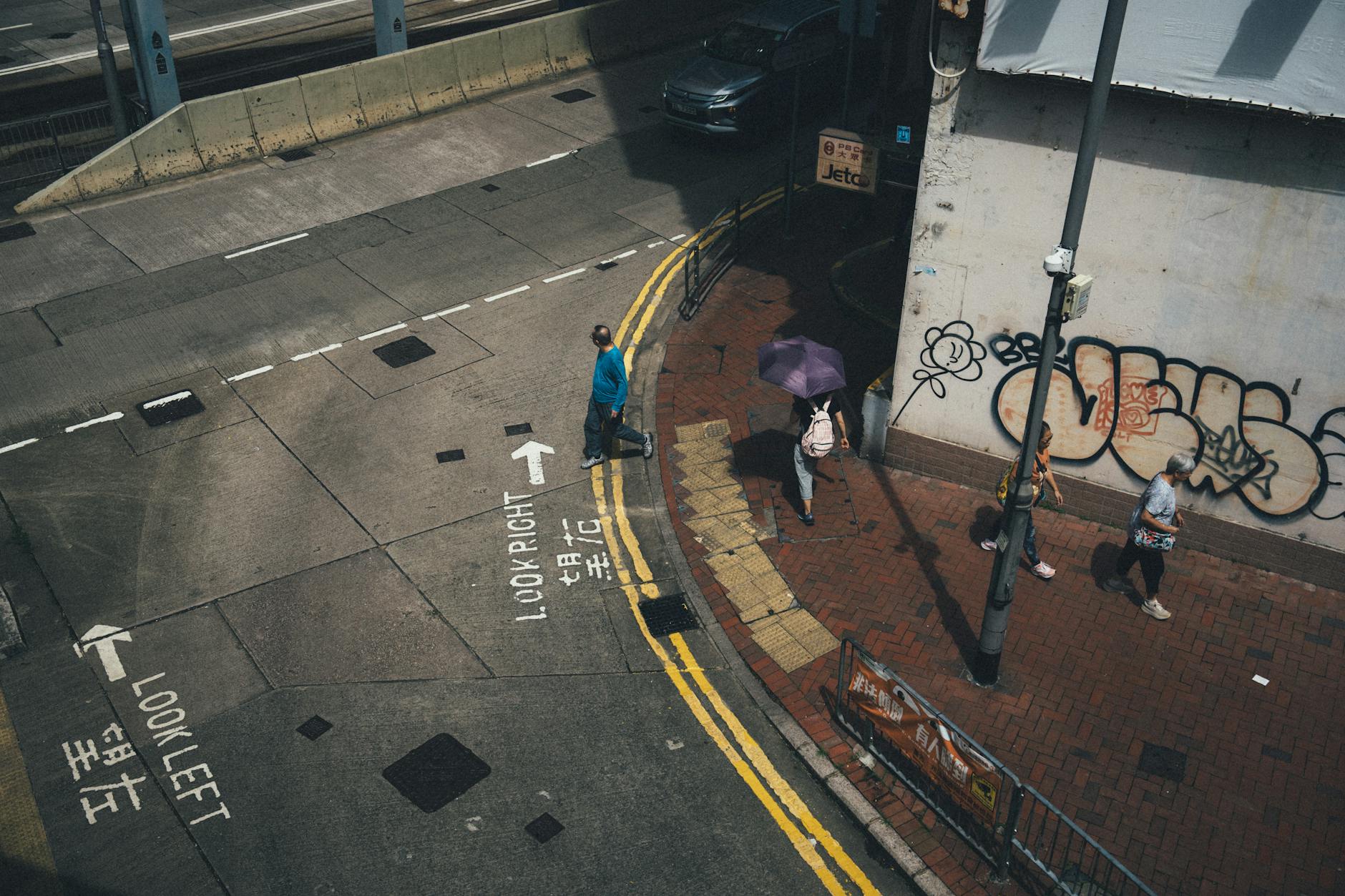
The city works through vertical movement. Escalators, footbridges, tunnels, malls, stations, ferries, hill roads, stairs, and elevated walkways are part of the urban language. “Nearby” can mean close horizontally but inconvenient vertically. “Central” can mean finance towers, old markets, nightlife, ferries, or hillside apartments depending which exit you take.
The Five Hong Kongs a First-Timer Actually Meets
| Hong Kong | Where you feel it | What it gives you |
|---|---|---|
| Harbour Hong Kong | Central, Star Ferry, Tsim Sha Tsui, West Kowloon, Wan Chai waterfront, Avenue of Stars | Skyline, ferries, museums, promenades, sunsets, fireworks/event views, orientation. |
| Street-food Kowloon | Jordan, Yau Ma Tei, Mong Kok, Prince Edward, Sham Shui Po, To Kwa Wan | Markets, cha chaan teng, roast meats, noodles, neon fragments, old shops, fabric/electronics/toy streets, everyday density. |
| Vertical Hong Kong Island | Central, Sheung Wan, Mid-Levels, SoHo, Sai Ying Pun, Wan Chai, Causeway Bay, The Peak | Finance towers, temples, bars, galleries, steep streets, trams, restaurants, colonial remnants, old-and-new compression. |
| Cultural and design Hong Kong | West Kowloon, M+, Hong Kong Palace Museum, Tai Kwun, PMQ, Sham Shui Po, Wong Tai Sin/Chi Lin | Museums, heritage reuse, contemporary art, architecture, temples, design shops, craft, old industrial districts. |
| Nature and islands Hong Kong | Dragon’s Back, Lantau, Tai O, Cheung Chau, Lamma, Peng Chau, Sai Kung, beaches, country parks | Hikes, beaches, fishing villages, seafood, ferries, monasteries, big sky, subtropical landscape within easy reach. |
Local Logic
Hong Kong’s power is adjacency. A five-star hotel can sit above a subway station. A Michelin-starred restaurant can be around the corner from a wet market. A forested trail can begin after a bus ride from a dense shopping district. A temple can sit between apartment blocks. A ferry can be a commute and a view ride. A mall can be a transit corridor, air-conditioning refuge, restaurant complex, and wayfinding system at the same time.
The city rewards practical fluency: knowing when to use MTR, when to walk, when to ferry, when to take a taxi, when to avoid the hill, when to eat early, when to book, when to escape the rain indoors, and when not to force a hike.
The Territory’s Rhythm
Hong Kong wakes in layers. Wet markets, bakeries, breakfast shops, and commuters start early. Malls and many shops wake later. Lunch is efficient. Afternoon tea is real. Dinner can be early by some Asian standards but restaurants stay busy through the evening. Bars and nightlife cluster around Central, SoHo, Lan Kwai Fong, Wan Chai, Tsim Sha Tsui, and neighbourhood-specific pockets. Ferries and buses shape island days. Typhoon and rainstorm warnings can alter everything quickly.
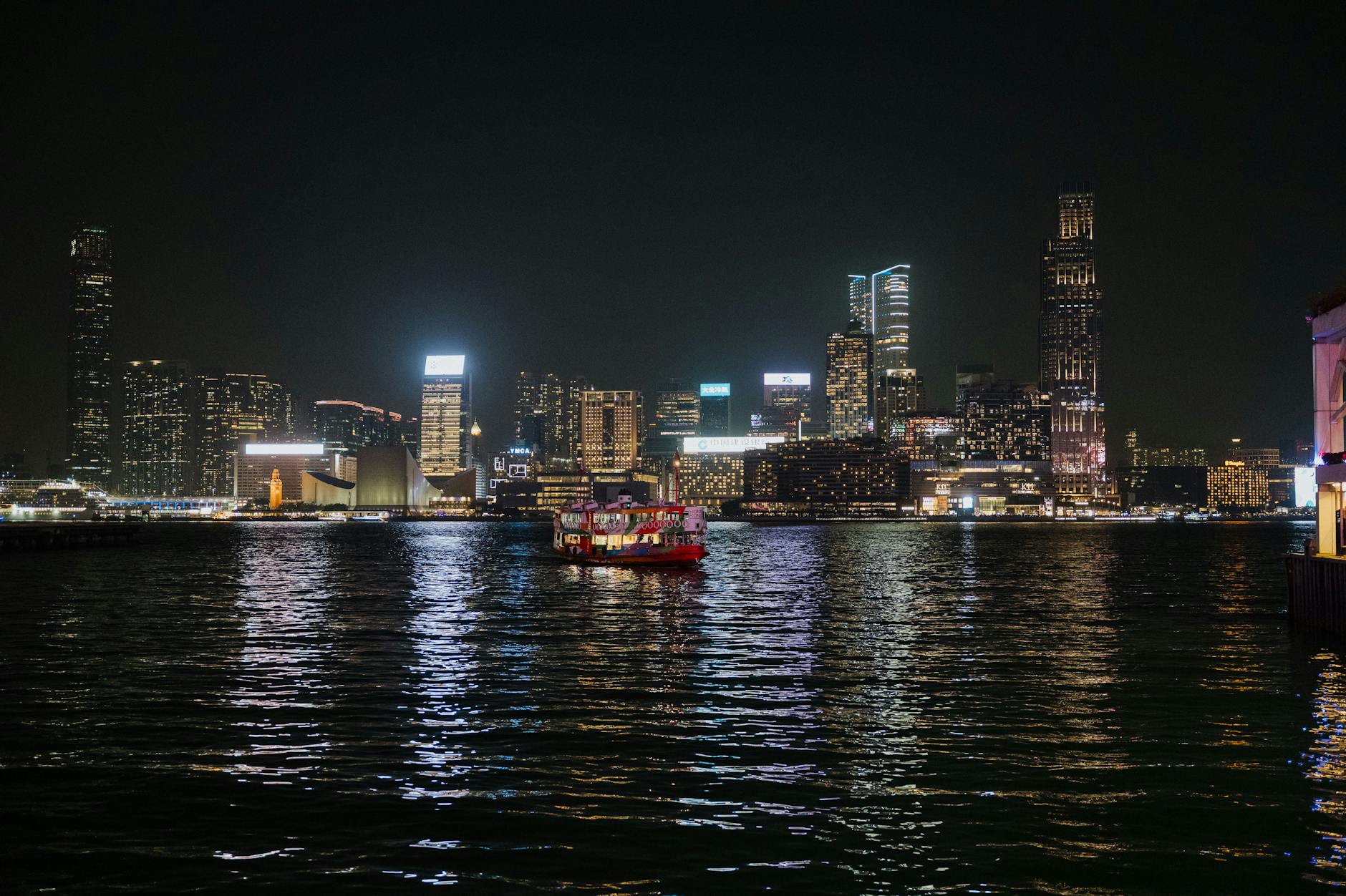
The move: Use mornings for markets, temples, The Peak, hiking, or ferries. Use afternoons for museums, neighbourhood walks, trams, shopping, and air-conditioned breaks. Use evenings for harbour views, food streets, rooftop drinks, or a Star Ferry crossing.
Central Contrasts
Hong Kong is compelling because its contradictions are visible:
- Vertical density vs wild nature: skyscrapers and country parks within minutes of each other.
- Global finance vs local food ritual: banks, luxury malls, roast-meat counters, and tea restaurants in the same blocks.
- Cantonese street culture vs international polish: wet markets, herbal shops, art fairs, hotel bars, and designer boutiques.
- Harbour romance vs infrastructure pragmatism: ferries, tunnels, bridges, MTR lines, footbridges, and escalators all solving geography.
- Compact map vs complex movement: short distances complicated by hills, humidity, crowds, and station exits.
- Tourist ease vs legal seriousness: an easy city to navigate, but not a place to treat local laws casually.
Choose Your Hong Kong Trip
Hong Kong is small enough that you can combine styles, but a better trip still has a dominant logic.
| Trip style | Best for | Base | Core plan |
|---|---|---|---|
| First-timer Hong Kong | Iconic views, food, transit, neighbourhoods | Tsim Sha Tsui, Central/Sheung Wan, Admiralty, Wan Chai | Harbour, Star Ferry, Peak, Kowloon food, one temple/garden, one island or Lantau day. |
| Food Hong Kong | Dim sum, noodles, roast meats, cha chaan teng, seafood | Jordan/Yau Ma Tei, Mong Kok, Sheung Wan, Wan Chai, North Point | Kowloon street food, Hong Kong Island classics, seafood or island meal, afternoon tea, dessert, markets. |
| Art/design Hong Kong | Museums, architecture, galleries, heritage reuse | West Kowloon, Tsim Sha Tsui, Central/Sheung Wan | M+, Palace Museum, Tai Kwun, PMQ, Sham Shui Po, galleries, design shops. |
| Nature/islands Hong Kong | Hikes, beaches, ferries, fishing villages | Central/Sheung Wan, Tsim Sha Tsui, Sai Ying Pun, Lantau if focused | Dragon’s Back, Lamma or Cheung Chau, Lantau/Tai O, Sai Kung if time. |
| Family Hong Kong | Transit ease, theme parks, animals, views, museums | Tsim Sha Tsui, Admiralty/Wan Chai, Kowloon Station, Lantau/Disney | Star Ferry, Peak, trams, Ocean Park or Disneyland, museums, easy food, island half-day. |
| Stopover Hong Kong | 24–48 hours, no wasted movement | Central/Sheung Wan, Tsim Sha Tsui, airport/Lantau for short layover | Airport Express, harbour, Peak or tram, one food street, ferry crossing, one market. |
| Greater Bay Area Hong Kong | Hong Kong + Macao/Shenzhen/Guangzhou | West Kowloon, Tsim Sha Tsui, Central/Sheung Wan | Hong Kong core plus Macao ferry/bridge or high-speed rail to Mainland, with separate entry planning. |
The Move
Do not schedule Hong Kong as “shopping day, food day, sightseeing day.” That wastes the city’s natural overlap. A better day is: tram + market + lunch + museum + ferry + dinner + harbour view. Hong Kong works best when transit, food, and urban texture are built into the day instead of treated as separate categories.
Best Time to Visit Hong Kong
Hong Kong is year-round in the sense that it is always open and always functional. It is not year-round in the sense that every kind of trip works equally well every month. Heat, humidity, rain, typhoons, haze, Lunar New Year, festivals, school holidays, and convention demand all matter.
Best Overall Months
October to December is the most reliable first-time window. Humidity drops, skies are often clearer, walking becomes more pleasant, and rain is less disruptive than in summer. This is the strongest recommendation for first-timers who want food, views, islands, neighbourhood walks, and outdoor time.
January and February can be good for cool-weather urban travel, hiking, food, and festivals, but Lunar New Year can change restaurant openings, hotel demand, family travel patterns, and crowd levels.
March and April can be pleasant but often turn humid, misty, and changeable. Views may not be as crisp, but temperatures are manageable.
May to September is for travelers who can handle heat, humidity, rain, and typhoon risk. It can still be vivid and fun, but it should be planned with indoor alternatives.
Season-by-Season
| Season | What to expect | Best for | Watch out for |
|---|---|---|---|
| Autumn: October–December | Lower humidity, better walking weather, often clearer skies. | First-timers, food, ferries, views, hikes, islands, photography. | Popular weekends, hotel demand, occasional late-season storms. |
| Winter: January–February | Cool to mild, sometimes windy or damp, festive around Lunar New Year. | Hiking, food, museums, city walks, family travel. | Lunar New Year closures/crowds, cool hotel rooms, cloudy days. |
| Spring: March–April | Warmer, humid, sometimes misty or showery. | Food, museums, temples, gardens, moderate walking. | Hazy views, humidity, rain, Easter/holiday demand. |
| Summer / rainy season: May–September | Hot, humid, wet, typhoon-exposed; 80 percent of annual rain falls May–September. | Indoor culture, food, nightlife, shopping, determined beach/hike travelers who monitor weather. | Heat exhaustion, heavy rain, typhoon signals, ferry disruption, landslides, poor views. |
Month-by-Month Guide
| Month | Verdict |
|---|---|
| January | Cool, relatively dry, good for walking and hiking. Lunar New Year may fall in late January or February, changing openings and prices. |
| February | Cool to mild; festive if Lunar New Year falls here. Good city month, but check holiday closures and hotel demand. |
| March | Transitional. Comfortable temperatures but more humidity and haze. Good for food and neighbourhoods; views can be variable. |
| April | Warm, humid, and often pleasant between showers. Good if you want spring energy without full summer heat. |
| May | Heat and rain build. Outdoor days are possible, but indoor backups become important. Tropical cyclone season begins. |
| June | One of the wettest months. Good for museums, food, malls, trams, and flexible urban plans. Outdoor-first itineraries need caution. |
| July | Hot and humid. Good for nightlife, shopping, indoor culture, and beach days only when weather cooperates. |
| August | Hot, wet, and often storm-sensitive. Not ideal for first-timers unless dates are fixed. |
| September | Still hot and typhoon-exposed; tropical cyclones are especially prevalent. Late September can improve but flexibility matters. |
| October | Excellent. One of the best months for a first trip. Great for views, walks, food, ferries, and hikes. |
| November | Excellent. Probably the safest all-around recommendation. Comfortable, generally drier, and strong for outdoor/urban balance. |
| December | Very good. Cooler, festive, often clear, strong for shopping, food, views, and city walks. |
Rain Plan
Hong Kong handles rain well if you stop fighting it. Swap hikes and island days for M+, Hong Kong Palace Museum, Tai Kwun, PMQ, Chi Lin/Nan Lian if rain is light, department-store dining, covered markets, trams, malls, cafés, dim sum, noodle shops, tea houses, and hotel-bar views.
How Many Days You Need
The Honest Answer
You need 4 to 5 full days for a satisfying first Hong Kong trip. Three days works if you are disciplined. Two days is a good stopover. A week gives you the city properly: food, islands, hikes, museums, beaches, temples, and one cross-border or theme-park day.
| Length | What it feels like |
|---|---|
| 1 day | A layover taste: Airport Express, Central, Star Ferry, Tsim Sha Tsui, Peak or harbour, one strong meal. Do not attempt islands or deep Kowloon. |
| 2 days | A strong stopover: Hong Kong Island + harbour one day, Kowloon + food/temples or Peak the next. |
| 3 days | Good first-timer sprint: harbour, Peak, Central/Sheung Wan, Kowloon street food, one museum/temple/garden, one half-day island/hike/Lantau if weather cooperates. |
| 4 days | Best minimum for depth: add Lantau/Tai O or Cheung Chau/Lamma, plus West Kowloon or Sham Shui Po. |
| 5 days | Ideal first visit: city, food, Peak, ferry, museum, Kowloon, one island, one hike or Lantau, and flexible weather space. |
| 7 days | Excellent: add Sai Kung, Macao, Shenzhen if eligible, theme parks, serious eating, or a slower neighbourhood day. |
| 10+ days | For repeat visitors, remote workers, family travel, food research, hiking, regional cross-border travel, or deep neighbourhood exploration. |
Itinerary Philosophy
A good Hong Kong day usually has:
- One anchor: The Peak, West Kowloon, Lantau, a hike, a museum, an island, or a neighbourhood cluster.
- One movement pleasure: Star Ferry, tram, ferry, escalator, waterfront walk, or MTR-to-walk route.
- One food purpose: dim sum, noodles, roast meat, dessert, milk tea, seafood, dai pai dong, afternoon tea, or fine dining.
- One weather escape: museum, mall, café, hotel bar, tram, market, or transit-connected restaurant.
Hong Kong punishes days that pretend humidity, hills, ferry schedules, and crowds do not exist. It rewards days that let the city’s transport and food do some of the work.
Where to Go: Districts, Islands, and Route Logic
Hong Kong Island
Hong Kong Island is the most vertical version of the city: finance towers, colonial remnants, steep streets, nightlife, trams, hillside escalators, harbourfront promenades, old markets, luxury hotels, and the easiest access to The Peak.
Central, Admiralty, and The Peak
Best for: First-timer convenience, finance-tower Hong Kong, bars, hotels, transport, Peak access, ferries.
Central is not warm and charming in a simple sense. It is powerful, efficient, expensive, and layered. You can move from IFC and the ferries to old market streets, from the Mid-Levels escalator to SoHo restaurants, from luxury malls to Tai Kwun heritage, and from crowded pavements to Peak views.
Perfect day: Morning Peak or tram ride, Central market streets, Tai Kwun, PMQ/Sheung Wan, Star Ferry at sunset, dinner in Central or Kowloon.
Sheung Wan and Sai Ying Pun
Best for: Old-new texture, cafés, dried seafood streets, temples, galleries, restaurants, stylish local base.
Sheung Wan and Sai Ying Pun show Hong Kong’s transitions: old trades, hip cafés, Chinese medicine shops, design stores, temples, apartment blocks, slopes, and restaurants. This is one of the best areas for travelers who want Hong Kong Island without only seeing corporate Central.
The move: Walk west from Central through Sheung Wan and Sai Ying Pun, then take the tram or MTR back when the hills and humidity win.
Wan Chai
Best for: Nightlife, heritage pockets, restaurants, convention access, tram rides, old market streets.
Wan Chai is complicated and useful: nightlife history, old tenements, markets, design corners, hotels, bars, and business travel infrastructure. It can be atmospheric or generic depending which streets you choose.
Best time: Late afternoon into evening.
Causeway Bay and Tai Hang
Best for: Shopping, dining, local energy, sports events, families, urban intensity.
Causeway Bay is dense retail Hong Kong. Tai Hang nearby is smaller, calmer, and good for cafés and dinner. Stay here if shopping and eating matter more than harbour romance.
North Point and Quarry Bay
Best for: Everyday Hong Kong, trams, food, photography, lower prices, repeat visitors.
North Point is excellent for local texture, markets, tram life, and food. Quarry Bay has the famous dense apartment-block imagery, business districts, and access toward the east side. This is not the default first-timer base, but it is rewarding.
Kennedy Town
Best for: Waterfront cafés, slower Hong Kong Island evenings, repeat visitors, food and bars.
Kennedy Town has become a popular western-end neighbourhood with restaurants, cafés, sunset corners, and good MTR access. It is less convenient for classic sights than Central or Tsim Sha Tsui but more livable.
Kowloon
Kowloon is where many visitors find the Hong Kong they imagined: views across the harbour, food streets, markets, malls, neon fragments, old shops, museums, and density.
Tsim Sha Tsui
Best for: First-timers, harbour views, museums, shopping, transit, families, short stays.
Tsim Sha Tsui is obvious because it works. The waterfront, Star Ferry, hotels, museums, malls, restaurants, and MTR access make it one of the easiest first-time bases. It can feel touristy, but the convenience is real.
Perfect day: Morning Kowloon Park, Tsim Sha Tsui waterfront, Star Ferry, Central/Sheung Wan, return for sunset and dinner.
West Kowloon
Best for: Art, museums, rail convenience, waterfront space, modern hotels.
West Kowloon is Hong Kong’s newer cultural anchor, with M+, Hong Kong Palace Museum, performance venues, harbourfront space, and West Kowloon high-speed rail station nearby. It is not as street-life rich as older Kowloon, but it is valuable for culture-focused trips.
Jordan, Yau Ma Tei, and Mong Kok
Best for: Food, markets, street life, affordable hotels, night walks, photography.
This corridor is where Hong Kong becomes denser, louder, more food-driven, and more local. Expect restaurants, markets, signage, crowds, buses, small shops, and a sense of everyday intensity.
The move: Eat here, but do not carry giant luggage through the busiest market streets if you can avoid it.
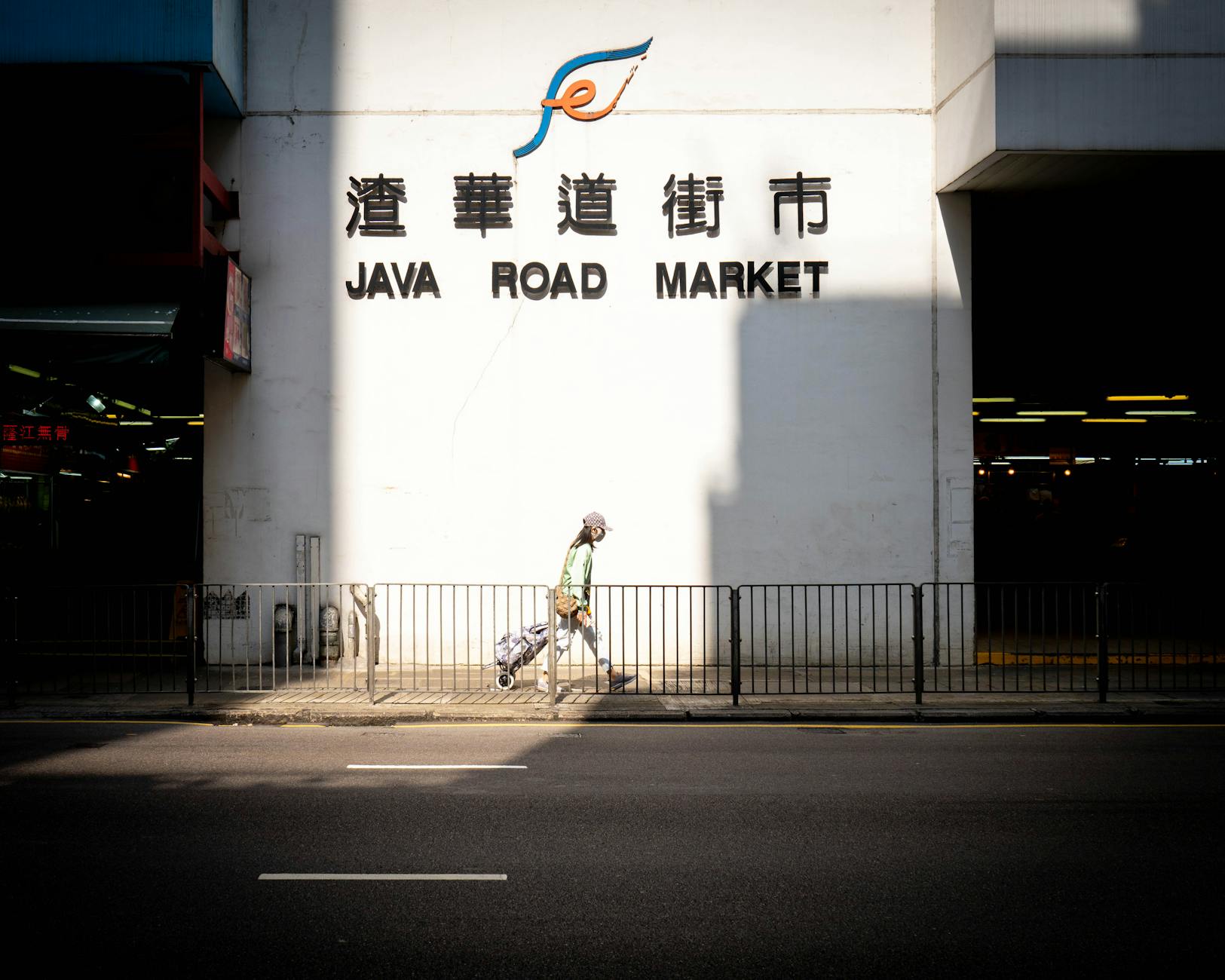
Sham Shui Po
Best for: Old Hong Kong, fabric, electronics, street snacks, creative reuse, budget culture.
Sham Shui Po is one of the most rewarding neighbourhoods for curious visitors. It is not polished. That is the point. You get old shops, fabric markets, electronics, toy streets, public housing context, cafés, design stores, and some of the city’s best low-cost eating.
Perfect for: Second-time visitors, food people, photographers, design travelers, and anyone who wants texture over postcard polish.
Wong Tai Sin and Diamond Hill
Best for: Temples, gardens, culture, calmer sightseeing.
Wong Tai Sin Temple and Chi Lin Nunnery/Nan Lian Garden make a strong half-day cultural pairing. This is one of the best ways to add spiritual and garden context without leaving urban Hong Kong.
New Territories
The New Territories are where Hong Kong becomes more regional: new towns, old villages, wetlands, country parks, beaches, hiking, and the Mainland border.
Sai Kung
Best for: Seafood, boat trips, beaches, hiking, geopark scenery.
Sai Kung is a major nature-and-seafood escape. It deserves planning: transport is slower than MTR-core Hong Kong, weather matters, and boat trips are seasonal/weather-dependent.
Sha Tin and Tai Po
Best for: Monasteries, cycling, museums, local life, families.
These areas are not default first-timer priorities, but they are useful for repeat travelers, families, and anyone interested in New Territories life.
Yuen Long, Tuen Mun, and the northwest
Best for: Food, wetlands, local markets, repeat visitors.
This is deeper Hong Kong, less polished for first-timers but interesting for travelers who want beyond-core life.
Lantau and the Outlying Islands
Lantau
Best for: Airport, Ngong Ping, Big Buddha, Po Lin Monastery, Tai O, Disneyland, beaches, hiking.
Lantau can be a travel day, a family day, a hiking day, or an airport-linked stop. The Big Buddha and Tai O are popular for good reason, but the day is best when paced carefully.
Common mistake: Trying to do Ngong Ping, Tai O, Disneyland, and airport logistics in one rushed day.
Cheung Chau
Best for: Ferry day, seafood, small-town island life, beaches, bun festival context, families.
Cheung Chau is one of the easiest island escapes. It is busy on weekends and holidays, but the ferry ride and car-light streets make it feel like a different Hong Kong.
Lamma
Best for: Easy hiking, seafood, low-key island mood, couples, repeat visitors.
Lamma is a strong half-day or full-day for walkers and seafood eaters. It is less packed with headline sights than Lantau, which is part of its appeal.
Peng Chau
Best for: Quiet island texture, short ferry escape, cafés, slow wandering.
Peng Chau is a good second-visit island or low-key day when Cheung Chau and Lamma feel too obvious.
Best First-Time Routes
Route 1: The Classic First Hong Kong Trip, 4 Days
Best for: First-timers, couples, solo travelers, food and skyline.
- Day 1: Central, Sheung Wan, Mid-Levels escalator, Tai Kwun, Star Ferry, Tsim Sha Tsui sunset.
- Day 2: The Peak early, Hong Kong Island tram ride, Wan Chai/Causeway Bay, dinner in Kowloon.
- Day 3: West Kowloon museums or Chi Lin/Nan Lian, Sham Shui Po or Mong Kok food, Temple Street/Jordan evening.
- Day 4: Lantau and Tai O, or Cheung Chau/Lamma, depending weather and energy.
Route 2: Food-First Hong Kong, 5 Days
Best for: Travelers who care more about meals than attractions.
- Day 1: Cha chaan teng breakfast, Central/Sheung Wan food streets, dim sum, milk tea, dessert.
- Day 2: Kowloon noodles, roast meats, markets, claypot rice or dai pai dong.
- Day 3: Seafood day: Lamma, Cheung Chau, Lei Yue Mun, Sai Kung, or Aberdeen depending logistics.
- Day 4: High-low day: wet market, bakery, afternoon tea, fine dining or hotel bar.
- Day 5: Sham Shui Po snacks, North Point or Wan Chai local eating, final harbour meal.
Route 3: Art, Design, and Heritage Hong Kong, 4–5 Days
Best for: Museum, architecture, design, and cultural travelers.
- West Kowloon: M+, Hong Kong Palace Museum, waterfront.
- Central/Sheung Wan: Tai Kwun, PMQ, Man Mo Temple, galleries, old trades.
- Kowloon: Chi Lin Nunnery, Nan Lian Garden, Wong Tai Sin, Sham Shui Po.
- Optional: Hong Kong Museum of History, Maritime Museum, heritage walks, Tai O, or architecture-focused tram day.
Route 4: Nature and Islands Hong Kong, 5–7 Days
Best for: Hikers, repeat visitors, families with older children, active travelers.
- Urban nature: The Peak, Bowen Road, Hong Kong Park.
- Iconic hike: Dragon’s Back if weather is safe.
- Island day: Lamma or Cheung Chau.
- Lantau day: Ngong Ping, Po Lin Monastery, Tai O.
- Sai Kung day: Seafood, boat trip, beach, or geopark route if conditions allow.
Route 5: Hong Kong + Macao or Shenzhen, 5–7 Days
Best for: Travelers with regional curiosity and correct paperwork.
- Hong Kong core: 3–4 days.
- Macao: 1 day or overnight for Portuguese-Chinese heritage, casinos if interested, food, old streets.
- Shenzhen or Guangzhou: Only if entry rules work. High-speed rail from West Kowloon connects Hong Kong to the Mainland network, but Mainland entry is separate from Hong Kong entry.[25]
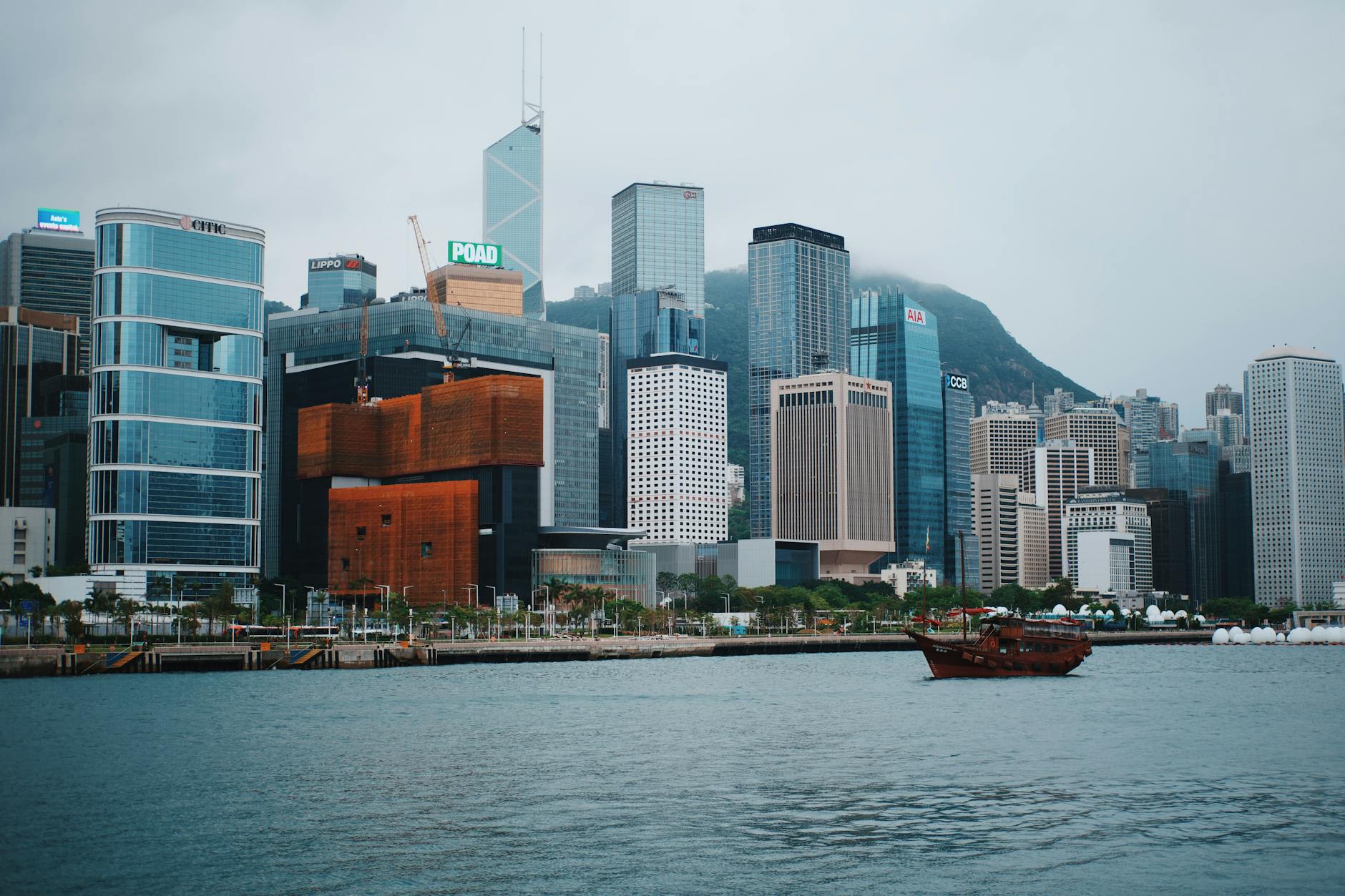
Hong Kong Itineraries
One Perfect Day in Hong Kong
Morning: Airport Express or hotel start. Go to Central, ride or walk toward The Peak early if the weather is clear. If views are poor, save The Peak and start with Sheung Wan.
Lunch: Dim sum, wonton noodles, roast goose, or cha chaan teng on Hong Kong Island.
Afternoon: Sheung Wan, Man Mo Temple, Tai Kwun, PMQ, Mid-Levels escalator, or tram east toward Wan Chai/Causeway Bay.
Sunset: Star Ferry from Central to Tsim Sha Tsui.
Evening: Tsim Sha Tsui waterfront, then dinner in Jordan, Yau Ma Tei, or Tsim Sha Tsui.
What this day gives you: Harbour, skyline, ferry, hill city, food, old-new Hong Kong.
What it misses: Islands, serious Kowloon depth, hiking, museums, Lantau.
Two Days in Hong Kong
Day 1: Hong Kong Island and Harbour
Central, Sheung Wan, Mid-Levels, Tai Kwun, Peak if weather works, Star Ferry, Tsim Sha Tsui sunset.
Day 2: Kowloon, Temple/Garden, and Food
Tsim Sha Tsui waterfront or West Kowloon, Chi Lin/Nan Lian or Wong Tai Sin, Sham Shui Po or Mong Kok, Jordan/Yau Ma Tei dinner.
Three Days in Hong Kong
Day 1: Island Core and Star Ferry
Central, Sheung Wan, Man Mo Temple, Tai Kwun, PMQ, tram ride, Star Ferry, Tsim Sha Tsui.
Day 2: Peak, Kowloon, and Night Food
Peak early if clear, tram or bus back, West Kowloon or Avenue of Stars, Sham Shui Po/Mong Kok, Jordan dinner.
Day 3: Choose Your Escape
Pick one:
- Lantau: Ngong Ping, Big Buddha, Po Lin Monastery, Tai O.
- Island: Cheung Chau or Lamma.
- Nature: Dragon’s Back if weather is safe.
- Culture: M+, Hong Kong Palace Museum, Chi Lin/Nan Lian.
- Family: Ocean Park, Disneyland, or a lighter ferry-and-tram day.
Five Days in Hong Kong
Day 1: Arrival and Harbour Orientation
Stay near your hotel, set up Octopus, take a short tram/ferry/waterfront walk, eat close by, and do not overcommit after a long flight.
Day 2: Central, Sheung Wan, The Peak, and Star Ferry
Old streets, temples, heritage reuse, Peak if clear, Star Ferry, Tsim Sha Tsui evening.
Day 3: Kowloon Street Life and Culture
Tsim Sha Tsui, West Kowloon or Hong Kong Museum of History, Sham Shui Po, Mong Kok, Jordan/Yau Ma Tei dinner.
Day 4: Lantau or Island Day
Choose Lantau/Tai O for iconic sightseeing or Cheung Chau/Lamma for ferry, seafood, and slower island life.
Day 5: Food, Design, or Nature
Choose one: Dragon’s Back, Sai Kung, M+, Chi Lin/Nan Lian, North Point/Wan Chai food day, or a deeper shopping/design day.
One Week in Hong Kong
Add two or three of the following:
- Sai Kung seafood and coast.
- Macao day trip or overnight.
- Shenzhen day trip if visa/entry rules work.
- Disneyland or Ocean Park.
- Cheung Chau and Lamma on separate slower days.
- Deeper Kowloon: Sham Shui Po, To Kwa Wan, Kowloon City.
- Deeper Hong Kong Island: North Point, Quarry Bay, Kennedy Town, Tai Hang.
- More serious hiking: Lantau Trail sections, Dragon’s Back, Peak to Pok Fu Lam, or Sai Kung routes with weather planning.
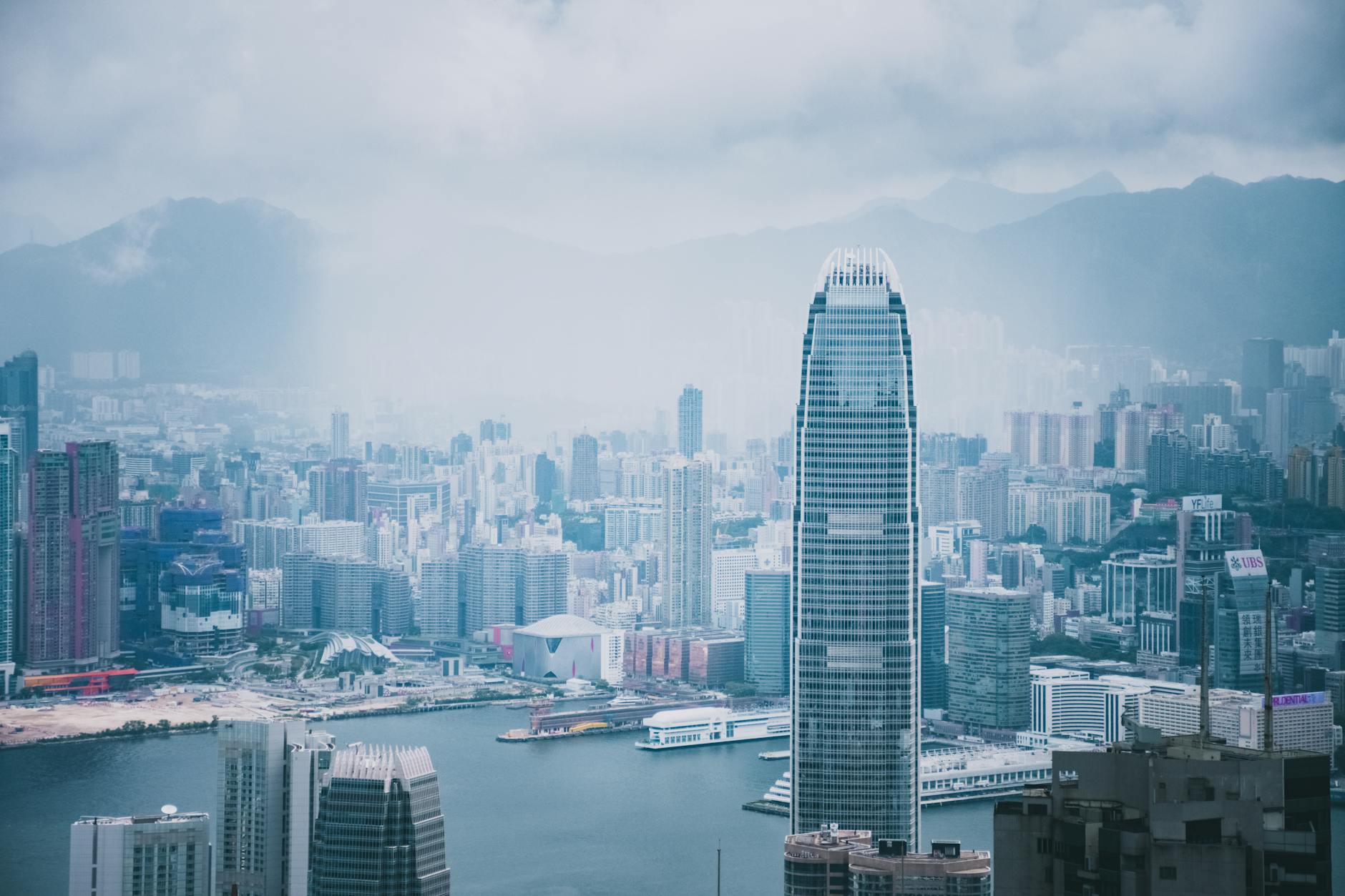
Where to Stay
Hong Kong hotel choice is less about “best district” and more about what kind of movement you want every day. Rooms can be small. Harbour views cost money. MTR access matters. Taxi convenience matters with luggage. A great neighbourhood for dinner may not be the best neighbourhood for a family base.
The Short Answer
- Stay in Tsim Sha Tsui for the easiest first-time harbour-and-Kowloon base.
- Stay in Central/Admiralty/Sheung Wan for Hong Kong Island access, dining, bars, ferries, and business/polish.
- Stay in Wan Chai/Causeway Bay for shopping, food, nightlife, and good MTR/tram convenience.
- Stay in Jordan/Yau Ma Tei/Mong Kok for food, markets, lower prices, and street-life Kowloon.
- Stay in West Kowloon/Kowloon Station for museums, rail, airport convenience, and modern hotels.
- Stay in Sai Ying Pun/Kennedy Town for stylish, slower Hong Kong Island evenings and repeat-visitor energy.
- Stay on Lantau only for Disneyland, airport convenience, a resort-style stay, or a Lantau-specific trip.
Area Decision Tree
| You want... | Stay in... |
|---|---|
| Best first-time convenience | Tsim Sha Tsui, Central/Sheung Wan, Admiralty, Wan Chai |
| Best harbour views | Tsim Sha Tsui, West Kowloon, Central waterfront, Wan Chai waterfront |
| Best food access | Jordan/Yau Ma Tei/Mong Kok, Sheung Wan, Wan Chai, North Point, Sham Shui Po |
| Best nightlife | Central/SoHo/Lan Kwai Fong, Wan Chai, Tsim Sha Tsui, Causeway Bay |
| Best luxury hotels | Central, Admiralty, Tsim Sha Tsui, West Kowloon, Wan Chai waterfront |
| Best family base | Tsim Sha Tsui, Admiralty/Wan Chai, Kowloon Station, Lantau/Disneyland for park trips |
| Best airport ease | Kowloon Station, Hong Kong Station/Central, airport/Lantau hotels |
| Best art/culture | West Kowloon, Tsim Sha Tsui, Central/Sheung Wan |
| Best budget-ish base | Jordan, Yau Ma Tei, Mong Kok, North Point, Tin Hau, parts of Wan Chai |
| Best repeat-visitor base | Sai Ying Pun, Kennedy Town, Tai Hang, North Point, Sham Shui Po |
| Best low-stress transit | Near an MTR station with elevators and direct lines to your priorities |
Area Profiles
Tsim Sha Tsui
Best for: First-timers, harbour views, families, museums, shopping, short stays.
Tsim Sha Tsui is touristy because it is useful. You get the waterfront, Star Ferry, Avenue of Stars, museums, MTR, restaurants, malls, and views across the harbour to Hong Kong Island.
Why stay here: Easy orientation, strong transport, great views, convenient for Kowloon food and West Kowloon.
Why not: Busy, expensive for views, parts feel tourist-commercial, some hotel rooms are small for the price.
Central, Admiralty, and Sheung Wan
Best for: Hong Kong Island access, dining, bars, business travel, ferries, first-timers who like convenience.
Central and Admiralty are polished and powerful. Sheung Wan adds texture. This area is excellent if you want Hong Kong Island evenings, ferries, the escalator, Tai Kwun, PMQ, galleries, and easy transit.
Why stay here: Transit, food, bars, ferries, Peak access, airport rail.
Why not: Expensive, hilly, businesslike in parts, nightlife pockets can be noisy.
Wan Chai and Causeway Bay
Best for: Shopping, restaurants, nightlife, trams, mid-range hotels, convention access.
Wan Chai has grit and heritage; Causeway Bay has retail energy. Together they make a strong practical base for travelers who want Hong Kong Island without Central hotel prices.
Why stay here: Food, shopping, MTR, trams, nightlife, more hotel variety.
Why not: Crowded, noisy, less romantic than harbourfront stays, pavements can be intense.
Jordan, Yau Ma Tei, and Mong Kok
Best for: Food, street life, markets, budget travelers, photographers.
This is practical, dense Kowloon. It is one of the best areas for eating and walking at night, but it can feel intense with luggage or small children.
Why stay here: Food, markets, MTR, lower hotel prices, real street energy.
Why not: Crowds, small rooms, noise, less polished surroundings.
West Kowloon and Kowloon Station
Best for: Museums, modern hotels, airport rail, high-speed rail, harbourfront space.
West Kowloon is clean, modern, and convenient for culture and rail. It is not as atmospheric as older Kowloon, but it works well for families, culture travelers, and airport convenience.
Why stay here: M+, Palace Museum, Airport Express, high-speed rail station, luxury hotels.
Why not: Less old-street texture, mall-linked environment, sometimes expensive.
Sai Ying Pun and Kennedy Town
Best for: Repeat visitors, food, cafés, quieter evenings, Hong Kong Island life.
These western neighbourhoods are good when you want a local-feeling base with MTR access and good dining without sleeping in Central.
Why stay here: Cafés, restaurants, waterfront pockets, calmer nights, good for longer stays.
Why not: Less convenient for Kowloon and first-time sightseeing than Tsim Sha Tsui/Central.
Lantau, Airport, and Disneyland Area
Best for: Airport stopovers, families doing Disneyland, Lantau-focused trips, resort hotels.
This is not the best base for exploring central Hong Kong every day, but it is useful for specific trips.
Why stay here: Airport convenience, Disneyland, space, some resort feel.
Why not: Far from core city neighbourhoods, less street life, repeated transit time.
Booking Mistakes to Avoid
- Booking a “central” hotel that is far from MTR or requires awkward stairs with luggage.
- Paying for a harbour view but spending every evening away from the room.
- Choosing Mong Kok street energy when you need quiet family sleep.
- Staying near the airport to save money on a multi-day city trip.
- Assuming all rooms fit large suitcases comfortably.
- Ignoring humidity and hills when booking a hotel “only 10 minutes” from the station.
- Booking during a major convention, fair, holiday, or event without checking price spikes.
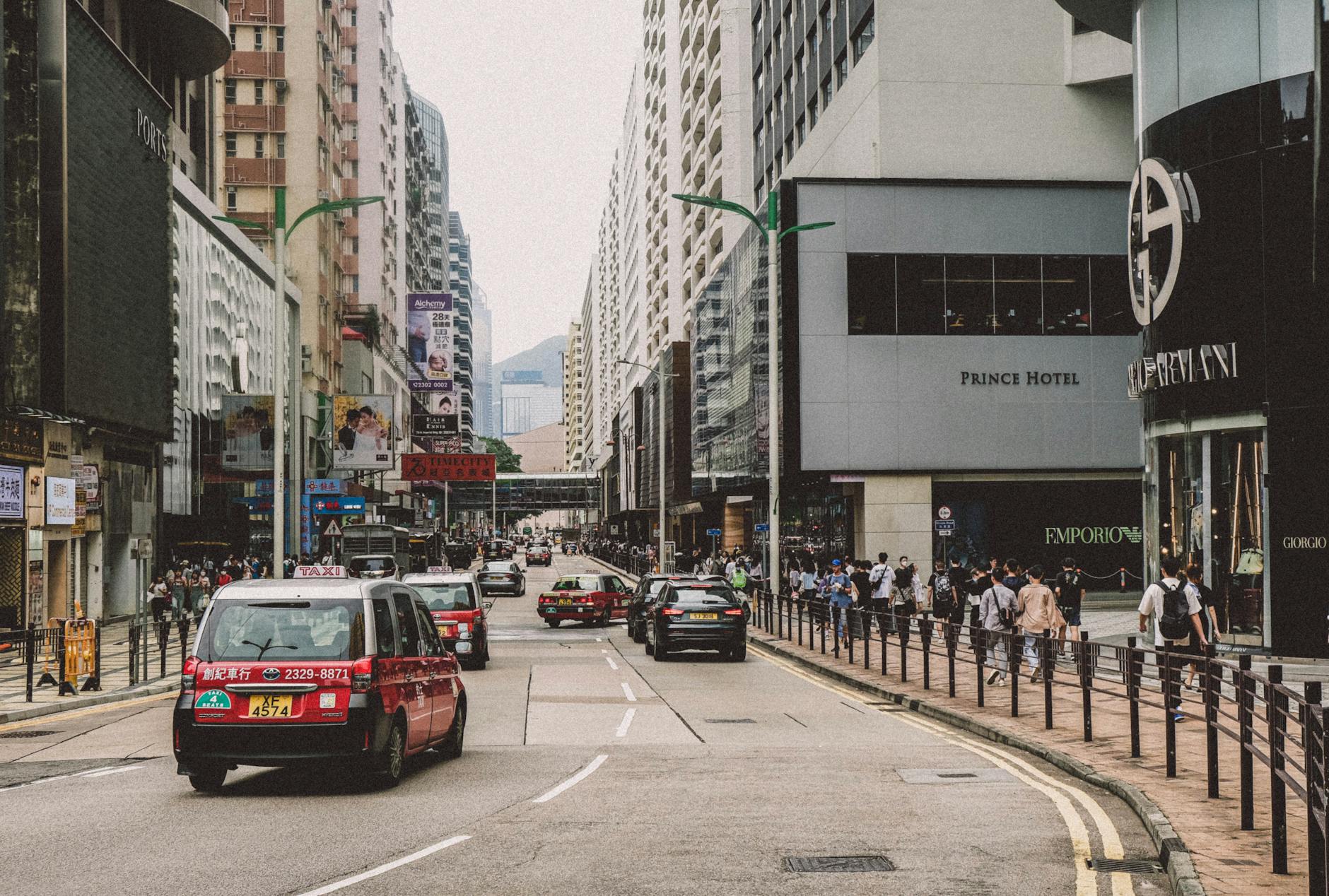
Best Things to Do
Hong Kong’s best experiences are not just attractions. Many are movements: ferry, tram, escalator, market, meal, hike, harbour crossing, island boat.
1. Cross Victoria Harbour by Star Ferry
The Star Ferry is both transportation and ritual. It gives skyline, scale, breeze, harbour history, and emotional orientation for a tiny fare.
Best for: First-timers, photographers, families, romantics, budget travelers.
Time needed: 20 to 45 minutes, more if you linger on both waterfronts.
Best time: Late afternoon, sunset, or night.
Worth it? Completely. Do it even if MTR is faster.
2. Go to The Peak, But Only When It Makes Sense
The Peak is the obvious view for a reason. But haze, clouds, rain, queues, and crowds can turn it into an expensive disappointment.
Best for: First-timers, views, orientation, families.
Time needed: 2 to 4 hours depending queues and route.
Go early or late: Early for lower crowds and cooler air; evening for lights if visibility is good.
Skip if: The weather is socked in. Save time and choose a lower harbour view.
3. Ride the Tram on Hong Kong Island
The double-decker tram is slow, cheap, atmospheric, and one of the best ways to watch everyday Hong Kong unfold.
Best for: Street photography, older travelers who want a seated city ride, first-timers, transit lovers.
Best route: Sheung Wan/Central through Wan Chai and Causeway Bay toward North Point or Quarry Bay.
Common mistake: Taking it when you are in a rush. The tram is for mood, not speed.
4. Eat Dim Sum Properly
Dim sum is a Hong Kong essential, but the experience varies from old-school tea houses to polished restaurants and hotel dining rooms.
Best for: Food lovers, families, first-timers.
Time needed: 60 to 90 minutes.
The move: Go with enough people to order variety. If solo, choose a smaller dim sum spot or accept that you will not taste everything.
5. Walk Central, Sheung Wan, and the Mid-Levels
This is old-new vertical Hong Kong: Man Mo Temple, dried seafood streets, steep lanes, PMQ, Tai Kwun, galleries, bars, escalators, and dense city texture.
Best for: First-timers, design, history, food, photography.
Time needed: Half-day.
Rain plan: Tai Kwun, PMQ, cafés, galleries, and restaurants make this one of the easier districts in bad weather.
6. Spend Time in Kowloon Beyond Tsim Sha Tsui
Tsim Sha Tsui is a gateway, not the whole Kowloon story. Jordan, Yau Ma Tei, Mong Kok, Prince Edward, and Sham Shui Po give you food, markets, density, and everyday Hong Kong.
Best for: Food, street life, markets, budget travelers, photographers.
Time needed: Half-day to full day.
Local logic: Eat as you go. Do not schedule this like museum sightseeing.
7. Visit M+ and West Kowloon
M+ gives Hong Kong a major contemporary visual-culture anchor, while West Kowloon adds open harbourfront space that feels different from the older urban core.
Best for: Art, design, architecture, rainy days, families with older children.
Time needed: 2 to 4 hours, more with waterfront and other museums.
Pair it with: Tsim Sha Tsui, Jordan dinner, or high-speed rail logistics.
8. See Chi Lin Nunnery and Nan Lian Garden
This pairing offers one of Hong Kong’s most graceful cultural breaks: timber architecture, garden design, water, stone, and calm within dense Kowloon.
Best for: Culture, gardens, families, older travelers, rainy-but-not-stormy days.
Time needed: 1.5 to 3 hours.
Pair it with: Wong Tai Sin, Kowloon City, Sham Shui Po, or West Kowloon.
9. Take an Island Day
Cheung Chau, Lamma, Peng Chau, and Lantau each show a different Hong Kong. Ferries make the city feel maritime again.
Best for: Families, couples, repeat visitors, seafood, slow travel.
Time needed: Half-day to full day.
Watch out: Weekend crowds, ferry schedules, heat, rough weather, and holiday demand.
10. Go to Lantau and Tai O
Lantau combines airport infrastructure, monastery landscapes, Big Buddha, Disney, beaches, hiking, and Tai O fishing-village culture.
Best for: First-timers with 4+ days, families, culture, light nature.
Time needed: Full day for Ngong Ping + Tai O at a sane pace.
Common mistake: Treating Tai O as a quick photo add-on after a rushed cable-car day. It deserves time.
11. Hike Dragon’s Back
Dragon’s Back is popular because it gives the urban-hike fantasy: ridge views, coast, forest, and beach access within reach of the city. The tourism board describes it as one of Hong Kong’s iconic scenic hikes, ending near Big Wave Bay.[21]
Best for: Active travelers, clear-weather days, second/third day after acclimating.
Time needed: Half-day.
Skip if: Heat, thunderstorms, rainstorm warnings, typhoon signals, or poor footwear make it unsafe.
12. Explore Sham Shui Po
Sham Shui Po is the antidote to over-polished Hong Kong. It has fabric, electronics, old shops, markets, public housing texture, street snacks, and emerging creative spaces.
Best for: Food, design, photography, second-time visitors, budget travelers.
Time needed: 2 to 4 hours.
Local tip: This is a working neighbourhood. Be respectful with photos and do not block shopfronts.
13. Watch the City From the Waterfront
Tsim Sha Tsui, West Kowloon, Central, Wan Chai, and the Avenue of Stars all offer different harbour experiences.
Best for: Everyone.
Best time: Sunset into night.
The move: Do not chase one single “best view.” Cross the harbour more than once and let the city change angles.
14. Eat in a Cha Chaan Teng
Tea restaurants are everyday Hong Kong: milk tea, pineapple buns, macaroni soup, French toast, egg sandwiches, baked rice, efficiency, noise, and speed.
Best for: Breakfast, lunch, solo travelers, cultural texture.
Etiquette: Order decisively, expect fast service, share tables when necessary, and do not linger for ages during peak times.
15. Visit a Market Without Turning It Into a Checklist
Temple Street, Ladies’ Market, wet markets, flower markets, bird/goldfish streets, fabric markets, and electronics streets each have a role. Some are touristy, some functional, some best for photos, some for real shopping.
Worth it? Yes if you choose by interest. No if you try to “do all the markets” in one night.
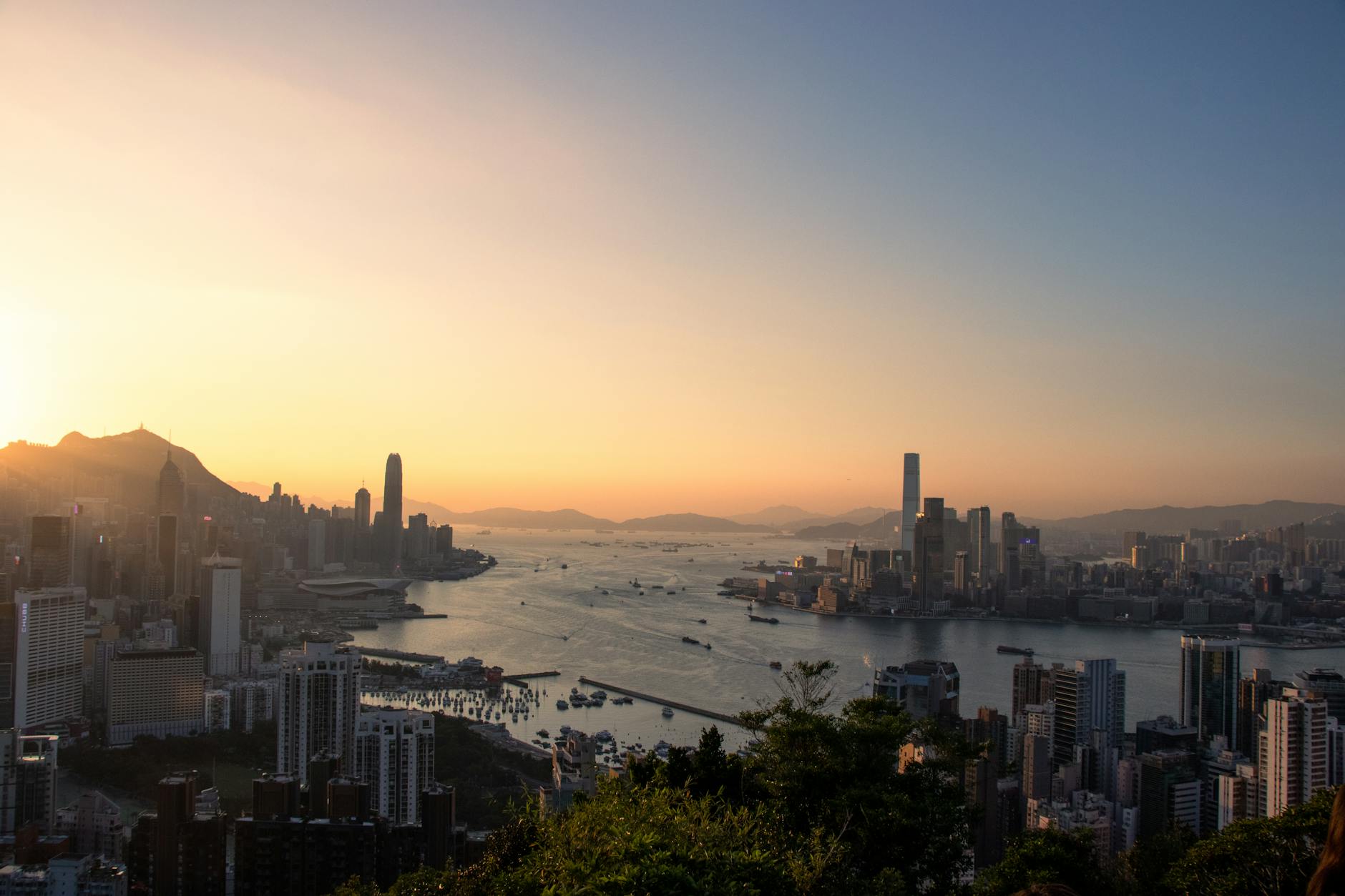
Food and Drink
Hong Kong is one of the world’s great food cities because it compresses Cantonese technique, street efficiency, British-colonial hangovers, regional Chinese migration, global finance, port-city openness, and relentless restaurant turnover into a small territory.
The danger is eating only famous things from viral lists. Hong Kong’s best food trip includes classics, neighbourhood eating, bakeries, markets, tea, seafood, and at least one meal chosen because it is convenient, local, and good rather than famous.
Hong Kong Food Identity
Hong Kong food is shaped by:
- Cantonese cooking: dim sum, roast meats, seafood, soups, wok technique, noodles, rice, congee, desserts.
- Tea-restaurant culture: milk tea, pineapple buns, sandwiches, baked rice, macaroni soup, egg tarts, French toast.
- Port-city practicality: fast meals, late meals, small spaces, efficient service.
- Colonial history: afternoon tea, bakeries, Western-Cantonese hybrids, club/hotel dining.
- Street and market eating: dai pai dong, cooked-food centers, wet markets, snack stalls.
- Luxury dining: hotel restaurants, fine Cantonese, sushi, French, Italian, bars, and high-end tasting menus.
- Regional influence: Shanghainese, Chiu Chow, Hakka, Sichuan, Taiwanese, Southeast Asian, Japanese, Korean, and international food.
What to Eat
| Dish / experience | What it is | How to approach it |
|---|---|---|
| Dim sum | Small Cantonese dishes served with tea: dumplings, buns, rolls, cakes, and more. | Go with a group if possible. Book polished places; queue for old-school places. |
| Wonton noodles | Springy egg noodles with shrimp/pork wontons in clear broth. | A perfect solo meal. Portions can be smaller than visitors expect. |
| Roast goose / roast meats | Cantonese siu mei: goose, duck, pork, char siu, soy chicken. | Good for lunch or casual dinner. Look for specialist shops. |
| Cha chaan teng breakfast | Milk tea, eggs, buns, sandwiches, macaroni soup, fast service. | Essential cultural experience; do not expect leisurely brunch energy. |
| Hong Kong milk tea | Strong black tea with evaporated/condensed milk depending style. | Try at tea restaurants and bakeries; it is more serious than it looks. |
| Egg tarts | Custard tart with flaky or cookie-style crust. | Eat fresh. Compare bakery styles. |
| Pineapple bun | Sweet-topped bun, often served with butter. No pineapple inside. | Best warm with milk tea. |
| Congee | Rice porridge with fish, pork, preserved egg, or other additions. | Great breakfast or comfort meal. |
| Claypot rice | Rice cooked in a clay pot with meats and toppings, especially in cooler months. | Best when you have time; often seasonal/popular in winter. |
| Dai pai dong / cooked food centers | Open-air or semi-open casual dining with wok dishes and beer. | Go with friends, expect noise, check hygiene/comfort expectations. |
| Seafood | Steamed fish, typhoon shelter crab, clams, prawns, squid, island seafood. | Sai Kung, Lamma, Cheung Chau, Lei Yue Mun, and other areas; confirm prices before ordering. |
| Cantonese desserts | Mango pomelo sago, tofu pudding, black sesame soup, egg waffles, herbal desserts. | Great after a Kowloon food walk. |
| Hotpot | Shared boiling broth with meats, seafood, vegetables, noodles. | Better with groups and cooler weather. |
Where to Eat by Situation
| Situation | Best approach |
|---|---|
| First breakfast | Cha chaan teng near hotel, bakery plus milk tea, congee, or noodle shop. |
| First dinner | Keep it near your hotel: roast meats, wonton noodles, dim sum, casual Cantonese, or a reliable mall restaurant if jet-lagged. |
| Solo meal | Wonton noodles, roast-meat rice, congee, cha chaan teng, ramen, casual dim sum, cooked-food center if comfortable. |
| Group meal | Dim sum, seafood, hotpot, dai pai dong, Cantonese banquet-style restaurant. |
| Family meal | Dim sum, mall restaurants, hotel restaurants, noodles, congee, Disneyland/Ocean Park food where practical. |
| Late-night eating | Mong Kok, Jordan, Yau Ma Tei, Tsim Sha Tsui, Causeway Bay, Wan Chai, Central/SoHo. |
| Splurge meal | Fine Cantonese, hotel dining, harbour-view restaurant if food is actually strong, sushi, French, cocktail bar. |
| Rainy day | Malls, department-store restaurants, West Kowloon, hotel dining, tea restaurants, indoor food courts/cooked-food centers. |
| Vegetarian/vegan | Buddhist vegetarian restaurants, Indian restaurants, modern plant-based spots, temple-area options. Confirm broths and sauces. |
| Halal | Options exist, and the tourism board includes Muslim travel resources, but plan rather than assuming every Cantonese kitchen can accommodate. |
Restaurant Etiquette
- Tea may be served automatically; it is both drink and ritual.
- In busy casual places, table-sharing is normal.
- Service can be fast and blunt, not necessarily rude.
- Do not occupy a table long after finishing during peak times.
- Tipping is not universal; many restaurants include a service charge, while casual places may not expect tips.
- Confirm seafood prices before ordering by weight.
- Bring cash or Octopus for smaller places.
- Popular restaurants may require queues, bookings, or local-language systems.
- Allergies and vegetarian needs should be written in Traditional Chinese if serious.
Drinks and Nightlife
Hong Kong nightlife ranges from hotel bars and cocktail rooms to Lan Kwai Fong, SoHo, Wan Chai pubs, Tsim Sha Tsui bars, craft beer, hidden upstairs bars, live music, and neighbourhood drinking. It can be expensive quickly.
Best nightlife areas: Central/SoHo/Lan Kwai Fong, Wan Chai, Tsim Sha Tsui, Causeway Bay, Kennedy Town, Tai Hang, Mong Kok/Jordan for food-first nights.
The move: Choose one expensive view drink if you want the skyline, then eat somewhere better value. A mediocre harbour-view dinner is one of Hong Kong’s classic money-wasting moves.
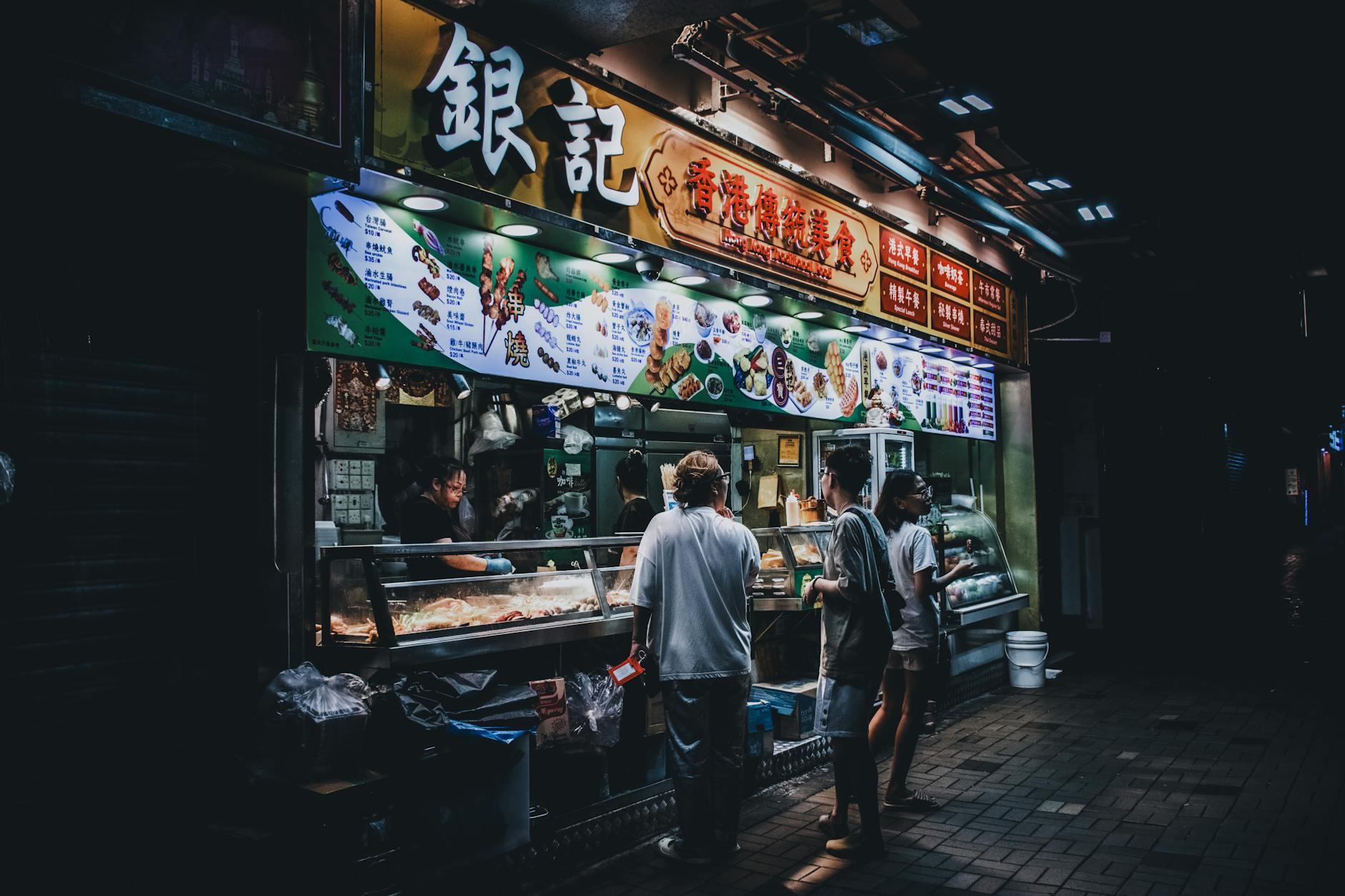
Getting Around Hong Kong
Hong Kong is one of the easiest dense cities in the world to navigate once you understand the transport stack: MTR for speed, trams for atmosphere, ferries for harbour and islands, buses/minibuses for hills and beaches, taxis for luggage and late nights, escalators and footbridges for vertical movement.
Arrival From the Airport
Airport Express
The Airport Express links Hong Kong International Airport with the city in as little as 24 minutes to Hong Kong Station. It is fast, clean, luggage-friendly, and excellent for Central, Admiralty, Tsim Sha Tsui by transfer, Kowloon Station, and Airport Express hotel shuttles/taxis where available.[7]
Best for: First-timers, business travelers, luggage, Central/Tsim Sha Tsui/Kowloon Station/West Kowloon.
Not always best for: Hotels far from Airport Express stations, large groups where taxi is cost-effective, late-night arrivals outside rail hours.
Airport Buses
Airport buses can be cheaper and sometimes more direct to hotels than Airport Express, especially for areas not close to Airport Express stations. They are slower but scenic and luggage-friendly.
Taxis
Taxis are useful with luggage, late arrivals, families, or awkward addresses. Have the hotel name/address in Traditional Chinese if possible.
MTR
MTR is the backbone. It is fast, clean, extensive, and the default for most trips. Station exits matter enormously. Use Google Maps, MTR maps, and HKeMobility.
Tips:
- Check the exact exit, not just the station.
- Avoid rush hour with luggage.
- Stand aside on escalators according to local flow.
- Use Octopus or accepted contactless options, but Octopus is simplest across modes.
- Large interchange stations can require walking.
Trams
Hong Kong Island’s double-decker trams are slow and wonderful. Use them between Western District, Central, Wan Chai, Causeway Bay, North Point, and beyond when you have time.
Best for: Atmosphere, street views, low-cost sightseeing.
Not for: Tight schedules.
Star Ferry and Harbour Ferries
The Star Ferry between Central/Wan Chai and Tsim Sha Tsui is an essential first-timer ride. Other ferries connect Central with outlying islands such as Cheung Chau, Lamma, Peng Chau, and Mui Wo.
The move: Treat ferries as experiences, not just transfers. Check schedules for island trips, especially evenings, weekends, and weather days.
Buses and Minibuses
Buses reach beaches, hiking trailheads, South Island, Stanley, Sai Kung, Lantau, and many places MTR does not serve. Minibuses are useful but can be intimidating because routes and stops may be less obvious.
Best for: Stanley, Repulse Bay, Shek O, Sai Kung, Lantau, hills, trailheads.
Tip: Use HKeMobility for route planning and real-time information.[8]
Taxis and Ride-Hailing
Taxis are metered, color-coded by operating area, and generally reliable. Hong Kong Island/Kowloon urban taxis are red; green taxis serve the New Territories; blue taxis serve Lantau.
Best for: Late night, families, rain, luggage, short hill climbs, mobility breaks.
Watch out: Some drivers may prefer cash; English varies. Use a map pin and Chinese address.
Walking
Hong Kong is walkable by district but not always easy. The obstacles are hills, humidity, footbridges, road crossings, crowds, and station exits.
Best walking areas: Central/Sheung Wan, Tsim Sha Tsui waterfront, West Kowloon, Sham Shui Po, Mong Kok/Yau Ma Tei, Kennedy Town, Wan Chai, Sai Kung, islands.
Footwear: Bring serious walking shoes. Hong Kong steps counts can be absurd even on “transit” days.
Cross-Border Transport
High-speed rail runs from Hong Kong West Kowloon into the Mainland high-speed rail network; the Hong Kong section connects to the Mainland’s extensive national high-speed network.[25] Hong Kong International Airport also has cross-boundary coach and ferry connections to Mainland/Macao destinations.[26][27]
Critical caveat: Transport availability does not equal immigration eligibility. Check visa/entry rules first.
Budget and Costs
Hong Kong is expensive for hotels and cocktails, moderate-to-expensive for attractions, and often excellent value for transport and casual food. A budget traveler can eat well and move cheaply. A comfort traveler can spend heavily without trying.
Daily Budget Ranges
| Traveler type | Daily estimate, excluding major shopping | What it means |
|---|---|---|
| Shoestring | HK$450–800 | Hostel or small budget room, MTR/tram/ferry, cha chaan teng, noodles, bakeries, free views, markets. |
| Budget comfort | HK$800–1,500 | Simple hotel, casual meals, one paid attraction or view, Octopus transit, occasional taxi. |
| Mid-range | HK$1,500–3,000 | Better hotel, dim sum/seafood, museums, bars, Airport Express, taxis when useful. |
| Comfortable | HK$3,000–6,000 | Strong hotel location, nicer restaurants, cocktails, premium views, private transfers or tours. |
| Luxury | HK$6,000+ | Harbour-view hotel, fine dining, hotel bars, private guides, premium shopping, spa/theme-park add-ons. |
What Is Surprisingly Affordable
- MTR, trams, ferries, and buses.
- Wonton noodles, congee, roast-meat rice, bakeries, cha chaan teng meals.
- Harbour views from public promenades.
- Some museums and cultural sites relative to global city prices.
- Tram and ferry rides as “sightseeing.”
What Is Surprisingly Expensive
- Hotels in central areas and rooms with harbour views.
- Cocktails, hotel bars, and rooftop drinks.
- Theme parks for families.
- Taxis across tunnels or in traffic.
- Shopping in luxury malls.
- Seafood if you do not confirm prices.
Best Value Moves
- Use trams and ferries as experiences.
- Stay near MTR rather than paying only for a famous address.
- Eat casual Cantonese brilliantly instead of defaulting to view restaurants.
- Choose one expensive skyline drink, not every night.
- Visit public harbourfronts instead of paying for every viewpoint.
- Use Airport Express when it saves time, airport buses when they go directly to your area.
- Build rain days around museums and eating, not taxis and forced sightseeing.
Splurge-Worthy
- A genuinely good harbour-view hotel if the view is part of the dream.
- One excellent Cantonese meal.
- A private food walk with a serious local guide.
- A special bar or afternoon tea with a view.
- A family theme-park day if children care.
- A good hotel location on a short trip.
Usually Not Worth It
- Generic “see all Hong Kong in one day” tours that turn the city into traffic.
- Mediocre harbour-view restaurants.
- Paying heavily for The Peak when visibility is bad.
- Taxis when MTR/ferry is faster and more enjoyable.
- Staying near the airport for a multi-day city trip.
- Buying souvenirs from the first tourist stall without comparing quality.
Safety, Health, Weather, and Local Laws
Hong Kong is generally safe-feeling for ordinary visitors, with strong infrastructure, clear transport, and low levels of violent street crime compared with many global cities. The serious travel issues are not usually muggings. They are local-law risk, weather, heat, hiking mistakes, typhoons, petty theft in crowded places, and medical/insurance readiness.
General Safety
Use normal big-city precautions: secure bags in crowded markets, MTR stations, tourist areas, and hotel lobbies; watch phones; avoid leaving belongings unattended; be careful late at night around bar districts; and use licensed taxis or clear routes.
Canada’s travel advice notes petty crime such as pickpocketing and purse snatching can occur at the airport, on public transport, in shopping areas and markets, hotel lobbies, crowded streets, and tourist attractions.[16]
Local Laws and National Security
This section needs calm clarity. Hong Kong is not unsafe in the typical tourist-crime sense, but foreign-government advisories highlight legal risks. The U.S. State Department advises increased caution due to arbitrary enforcement of local laws and says Hong Kong authorities have restricted civil liberties since the 2020 National Security Law and the 2024 Safeguarding National Security Ordinance.[14] UK, Canadian, and Australian advice also covers local laws, national security, and legal differences.[15][16][17]
Practical traveler guidance:
- Avoid demonstrations and large political gatherings.
- Do not photograph police activity, protests, or sensitive security situations.
- Assume online/social media activity may be relevant to authorities.
- Be careful carrying politically sensitive materials.
- Follow local instructions at borders, stations, and public events.
- Check your own government’s advisory before travel, especially if you have Hong Kong, Mainland Chinese, dual-national, journalist, NGO, academic, activist, or government connections.
Electronic Devices and Password Risk
Foreign-government sources have warned about device-access powers under national-security implementation rules. Travelers whose work or personal background creates higher legal or political sensitivity should review their own government’s current advice and consider traveling with minimal devices/data.
The move: For ordinary leisure visitors, this may not change the daily trip. For journalists, researchers, activists, NGO staff, political travelers, and business travelers with sensitive data, it matters a lot.
Vapes and Alternative Smoking Products
Do not bring e-cigarettes, heated tobacco products, vape liquids, capsules, heat sticks, herbal cigarettes, or similar alternative smoking products into Hong Kong. The legal framework is strict, and from April 30, 2026, possession of specified alternative smoking products in public places is also prohibited.[18]
Typhoons and Rainstorms
Typhoon signals and rainstorm warnings are part of Hong Kong life. The Hong Kong Observatory is the authority to watch. When higher signals or rain warnings are active, transport, ferries, flights, shops, attractions, workplaces, schools, and events can be disrupted.
Practical guidance:
- Check HKO before hikes, ferries, beaches, and flights.
- Do not hike during typhoon/rainstorm warnings.
- Keep food, water, battery bank, and hotel flexibility during storm season.
- Allow buffer for flights in summer/early autumn.
- Respect closures; do not chase storm photos.
Heat and Humidity
Summer heat can be punishing. Plan indoor breaks, carry water, avoid exposed midday hikes, use sunscreen, and take heat exhaustion seriously.
Hiking and Outdoor Safety
Hong Kong’s country parks are real terrain. AFCD’s hiking safety guidance calls out seasonal risks including hypothermia in winter cold snaps, hill fire risk in dry low-humidity periods, fog in March/April, and flooding, landslides, heat stroke, and heat exhaustion from May to November.[19]
The move: Hike early, check weather, carry water, stay on trails, avoid cliff edges, and turn around before pride makes the decision for you.
Health Practicalities
- Tap water: Treated water complies with standards, though building plumbing can affect taste/comfort.[13]
- Hospitals/clinics: Hong Kong has high-quality medical care, but costs can be high for visitors. Travel insurance matters.
- Vaccines: CDC’s Hong Kong traveler page should be checked for current health notices and vaccine recommendations before travel.[29]
- Mosquitoes: Use repellent in warmer months, especially around parks, wetlands, and rural areas.
- Air quality: Can vary. Sensitive travelers should check AQHI and plan indoor alternatives.
Accessibility and Mobility
Hong Kong is efficient but not effortless for mobility needs. MTR stations often have elevators, many malls are accessible, major museums and hotels are modern, and taxis can help. But hills, stairs, crowded pavements, footbridges, old buildings, tiny restaurants, ferries, markets, and station detours can be challenging.
What Helps
- MTR accessibility at many stations.
- Modern malls and museums with elevators and accessible restrooms.
- Taxis for hills and bad weather.
- Harbourfront promenades such as parts of Tsim Sha Tsui, West Kowloon, Central, and Wan Chai.
- Major hotels with accessibility standards.
- Clear signage in English and Chinese.
What Is Hard
- Mid-Levels, Sheung Wan slopes, old stair streets, and hillside routes.
- Crowded streets in Mong Kok, Causeway Bay, and Central at peak times.
- Small restaurants with steps and tight seating.
- Old buildings without lifts.
- Ferry gangways and island streets depending tide, vessel, and pier.
- Footbridge-heavy routes that force detours.
- Heat and humidity, which multiply mobility fatigue.
Lower-Walking Strategy
Stay near an MTR station with elevators or near Airport Express if luggage matters. Choose fewer districts per day. Use trams for low-effort Hong Kong Island sightseeing. Use taxis for hill climbs. Prioritize West Kowloon, Tsim Sha Tsui waterfront, Central harbourfront, Tai Kwun, major museums, and mall-connected dining on difficult mobility days.
Strollers
Hong Kong is stroller-possible but not always stroller-friendly. MTR elevators may require detours, pavements are crowded, and older restaurants are tight. Families should use carriers where appropriate, plan elevator routes, and avoid peak-hour transit with strollers when possible.
Families, Solo Travelers, LGBTQ+ Travelers, and Special Considerations
Families With Children
Hong Kong can be excellent with kids: ferries, trams, MTR, skyline, parks, beaches, aquariums/theme parks, snacks, museums, malls, and short travel distances. The challenge is crowds, small hotel rooms, humidity, stairs, and busy restaurants.
Best family bases: Tsim Sha Tsui, Admiralty/Wan Chai, West Kowloon/Kowloon Station, Lantau/Disneyland for theme-park trips.
Family-friendly activities: Star Ferry, Peak, tram ride, Hong Kong Park, West Kowloon, M+, Science Museum, Space Museum, Ocean Park, Disneyland, Lantau, Cheung Chau, beaches in safe weather.
Family tips:
- Book larger rooms early.
- Use malls and department stores for restrooms and cooling breaks.
- Avoid rush-hour MTR with strollers.
- Keep one outdoor anchor per day in hot months.
- Use taxis strategically.
- Do not overdo markets with tired children.
Solo Travelers
Hong Kong is strong for solo travel. Transit is easy, casual dining is normal, street lighting is good, and there is enough activity to feel engaged without joining groups.
Solo tips:
- Eat at noodle shops, roast-meat counters, cha chaan teng, dim sum places with smaller portions, and cafés.
- Take ferries and trams for low-pressure exploration.
- Use bar districts carefully late at night.
- Join a food walk or hike if you want company.
Women Traveling Solo
Many women find Hong Kong easier than other large cities for solo exploration, but normal precautions still matter: choose a good hotel location, watch drinks, avoid isolated late-night areas, use taxis when tired, and do not follow aggressive bar touts.
LGBTQ+ Travelers
Hong Kong has visible LGBTQ+ communities, nightlife, and events, and many visitors travel comfortably. Social attitudes vary, and public displays may be received differently depending context. Choose inclusive hotels/bars if comfort matters and check current event/legal context before publication.
Older Travelers
Hong Kong can be excellent for older travelers if paced well. Stay near transit, use trams and ferries, avoid unnecessary hills, take taxis in rain/heat, and choose hotels with larger rooms and good elevators.
Business Travelers Extending a Trip
Hong Kong is one of the easiest cities to extend from a work trip. Add two nights for harbour, food, and The Peak; four nights for Kowloon, museums, and an island; a week for Macao or nature.
Culture, History, Language, and Etiquette
Hong Kong’s identity cannot be reduced to East-meets-West cliché. It is Cantonese, southern Chinese, colonial, postcolonial, global, maritime, commercial, migrant, legal, financial, and increasingly shaped by political change under Chinese sovereignty.
Short History for Travelers
Before becoming a global financial center, Hong Kong was a set of fishing villages, market towns, clans, temples, farms, and maritime routes along the South China coast. Britain took Hong Kong Island after the First Opium War in 1842, Kowloon was added in 1860, and the New Territories were leased in 1898. The colonial port grew through trade, migration, manufacturing, refugees, finance, shipping, and regional upheaval.
Japanese occupation during World War II, postwar industrial growth, waves of migration from Mainland China, export manufacturing, public housing, banking, cinema, Cantonese pop culture, and real estate all shaped modern Hong Kong. In 1997, sovereignty transferred from Britain to China under the “one country, two systems” framework. Since 2019, political protest, the National Security Law, electoral changes, emigration, and new security legislation have reshaped civic life and international perceptions.
For travelers, this history explains why Hong Kong feels both familiar and distinct: English signs and British infrastructure sit beside Cantonese street life; Chinese temples sit beside colonial courts; global finance sits beside street markets; public order and commercial speed sit beside political sensitivity.
Language
Cantonese is the primary spoken language. English is widely used in transport, business, hotels, and visitor areas, but not universal in small restaurants, markets, taxis, and older neighbourhoods. Mandarin may be understood by some people but should not be assumed as the local language.
Useful phrases:
- M̀h'gōi: please / excuse me / thank you for service.
- Dōjeh: thank you for a gift or favor.
- Jo san: good morning.
- Gei dō chin?: how much?
- Mai daan: bill, please.
Etiquette
- Stand aside and keep queues orderly.
- Keep voices moderate on transit.
- Do not block narrow pavements for photos.
- Ask before photographing people closely, especially in markets and temples.
- Let passengers exit before boarding MTR.
- Share tables in busy casual restaurants when asked.
- Be efficient in high-turnover eateries.
- At temples, be respectful of worshippers, incense, offerings, and photography restrictions.
- Avoid political arguments with strangers unless you understand the context and risk.
- Respect no-smoking rules and alternative smoking product laws.
Books, Films, and Cultural Prep
A strong guide should curate a Hong Kong reading/watching section across:
- Hong Kong cinema: action, romance, crime, Wong Kar-wai, Johnnie To, Ann Hui, Stephen Chow, and contemporary works.
- Cantonese pop music and film culture.
- Colonial and post-1997 history.
- Food writing on Cantonese cuisine.
- Architecture, public housing, neon, and urban design.
- Memoir and fiction about migration, identity, and political change.
Do not stuff this section with random famous titles. Curate by traveler intent: food, history, cinema, politics, architecture, family, and first-timer context.
Seasonal and Month-by-Month Guide
Autumn: October to December
Autumn is Hong Kong at its easiest. Walking improves, ferries feel better, hiking becomes more appealing, and harbour views are often clearer.
Best for: First-timers, food, views, hikes, islands, photography, family travel.
Book early: Popular hotels, weekends, major events, year-end periods.
Winter: January to February
Winter is cool to mild, often good for hiking and food. Lunar New Year can be spectacular but logistically disruptive.
Best for: Hikes, urban walks, food, festivals, shopping.
Watch out: Closures and family travel around Lunar New Year; cooler windy evenings.
Spring: March to April
Spring is changeable: mist, humidity, light rain, and warming temperatures. It can be a fine time for food and culture but not always great for views.
Best for: Museums, temples, neighbourhood walks, food, moderate outdoor plans.
Watch out: Haze/mist and humidity.
Summer and Rainy Season: May to September
Summer is intense: heat, humidity, heavy rain, storms, and typhoon risk. It can still be rewarding for food, indoor culture, nightlife, shopping, and beaches when weather cooperates.
Best for: Travelers with fixed dates, indoor culture, food, nightlife, malls, short stopovers.
Watch out: Heat, rainstorm warnings, typhoons, ferry disruption, hiking danger.
Major Events and Festivals
Hong Kong’s annual calendar includes Lunar New Year, Lantern Festival, Cheung Chau Bun Festival, Dragon Boat Festival, Mid-Autumn Festival, art fairs, film events, food events, sporting events, and major conventions. The tourism board maintains events and festival information and describes Dragon Boat Festival as a major summer celebration with races and cultural rituals.[23][24]
The move: Festivals can be wonderful, but check exact dates and logistics. Lunar-calendar events move each year.
Nature, Hiking, Beaches, and Islands
Hong Kong’s nature is not an afterthought. It is one of the reasons the territory is world-class for travel. The city can feel like pure density until you take a bus, ferry, or trail and suddenly see ridges, beaches, reservoirs, villages, and open sea.
Best Easy Nature Experiences
| Experience | Best for | Notes |
|---|---|---|
| The Peak / Lugard Road | First-timers, views, light walking | Go when visibility is good. |
| Dragon’s Back | Iconic urban hike | Avoid heat, thunderstorms, and typhoon/rain warnings. |
| Cheung Chau | Families, ferry day, seafood | Busy on weekends and holidays. |
| Lamma Island | Light hiking, seafood, slower mood | Good half-day/full-day route. |
| Lantau + Tai O | Culture, village, monastery, scenery | Full day if combining Ngong Ping and Tai O. |
| Sai Kung | Seafood, boat trips, beaches, geopark | More logistics; weather matters. |
| Repulse Bay / Stanley / Shek O | Beaches, South Island scenery | Best in good weather, crowded on holidays. |
| Nan Lian Garden | Urban calm | Good for lower-effort culture/nature. |
Hiking Safety
Hong Kong’s closeness to the city can create false confidence. Trails can be exposed, rocky, steep, hot, slippery, and remote enough to create problems. AFCD advises hikers to pay close attention to weather, stay on designated trails, avoid dangerous terrain, and prepare for seasonal hazards.[19][20]
Bring: Water, sun protection, real shoes, offline map, battery, snacks, rain protection depending season, and enough humility to turn back.
Beaches
Hong Kong beaches can be lovely, but beach quality, water quality, lifeguard status, jellyfish, currents, crowds, and weather vary. Repulse Bay, Shek O, Big Wave Bay, Stanley, Lantau beaches, and Sai Kung beaches all serve different trip styles.
The move: Check lifeguard and weather conditions. Do not assume every pretty bay is safe for swimming.
Islands
Discover Hong Kong describes the outlying islands as serene places with landscapes, villages, and cultural experiences away from the city’s hustle.[22]
Choose:
- Cheung Chau for the easiest classic island day.
- Lamma for a walk-and-seafood day.
- Peng Chau for quieter wandering.
- Lantau for Big Buddha, Tai O, beaches, hiking, Disneyland, and airport linkage.
Shopping and Souvenirs
Hong Kong shopping ranges from luxury malls to street markets, old trade streets, design stores, electronics, tea, Chinese medicine, snacks, books, and jewellery. The best shopping is specific, not generic.
Best Shopping Areas
| Area | Best for |
|---|---|
| Central / Admiralty | Luxury, malls, design, hotel shops, high-end fashion. |
| Sheung Wan | Tea, dried goods, Chinese medicine streets, design shops, PMQ, galleries. |
| Causeway Bay | Department stores, fashion, cosmetics, youth retail, bookstores. |
| Tsim Sha Tsui | Luxury, malls, watches, jewellery, souvenirs, harbour-linked shopping. |
| Mong Kok | Sneakers, electronics, markets, youth shopping, street energy. |
| Sham Shui Po | Fabric, electronics, toys, local design, budget finds. |
| Stanley Market | Easy souvenir shopping, though touristy. |
| Temple Street / Ladies’ Market | Night-market browsing, souvenirs, low-expectation fun. |
| PMQ / Tai Kwun / West Kowloon | Design, museum shops, books, cultural gifts. |
Good Souvenirs
- Tea and teaware.
- Sauces and pantry items, checking customs rules.
- Bakery goods with suitable shelf life.
- Hong Kong milk tea products or local snacks.
- Design objects from PMQ, museums, or independent shops.
- Books, film posters, photography, zines.
- Small ceramics, chopsticks, incense, paper goods.
- Tailored clothing if you have enough time and a reputable tailor.
- Vintage Hong Kong graphics or transport-themed gifts.
What Not to Buy Thoughtlessly
- Wildlife products, questionable dried seafood, ivory-like items, protected species, or anything with customs restrictions.
- Fake luxury goods.
- Cheap electronics without warranty clarity.
- Tea or herbs you cannot identify.
- Bulky souvenirs in a city of small hotel rooms.
- Alternative smoking products or anything that could create legal trouble.
Day Trips and Cross-Border Side Trips
Hong Kong day trips fall into two categories: internal Hong Kong escapes and cross-border trips. The second category requires immigration planning.
Best Internal Day Trips
| Day trip | Best for | Logistics |
|---|---|---|
| Lantau + Tai O | First-timers, culture, monastery, village, scenery | MTR/cable car/bus/ferry combinations; full day. |
| Cheung Chau | Families, seafood, island streets, beach | Ferry from Central; half-day/full-day. |
| Lamma Island | Hike, seafood, slower mood | Ferry from Central/Aberdeen depending route. |
| Sai Kung | Seafood, coast, boat trips, hiking | MTR + bus/minibus/taxi; weather-sensitive. |
| Stanley and South Island | Beach, market, relaxed lunch | Bus/taxi from Hong Kong Island. |
| Dragon’s Back + Shek O | Classic hike and beach | Bus/taxi trailhead logistics; clear weather only. |
Macao
Macao is a strong day trip or overnight from Hong Kong: Portuguese-Chinese heritage, old streets, churches, temples, casinos, egg tarts, pork chop buns, and UNESCO-listed historic areas. Ferries and bridge buses connect the two SARs, but Macao has separate entry rules.
Best as: Long day or overnight. Overnight is better if food and old streets matter.
Common mistake: Treating Macao as only casinos or only a quick photo stop.
Shenzhen
Shenzhen can be fascinating: design, technology, malls, food, contemporary China, theme parks, and creative districts. But it is Mainland China, not Hong Kong.
Best for: Travelers with correct Mainland entry authorization and curiosity about contemporary China.
Common mistake: Assuming a Hong Kong visa-free stay lets you enter Shenzhen. It may not.
Guangzhou and Beyond
High-speed rail from West Kowloon connects Hong Kong to Mainland rail routes, including Guangzhou and other destinations via the Mainland high-speed rail network.[25]
Best for: Longer regional itineraries, not casual first-time Hong Kong trips unless paperwork and schedule are clean.
What to Skip
Skip: The Peak When Visibility Is Bad
The Peak is not magic if you are inside a cloud.
Better alternative: Tai Kwun, M+, tram ride, dim sum, Chi Lin/Nan Lian, or Star Ferry later if skies clear.
Skip: Trying to See Every Market
Temple Street, Ladies’ Market, Flower Market, Goldfish Market, Jade Market, Stanley Market, and Sham Shui Po’s specialized streets are not all mandatory.
Better alternative: Pick by interest: food, flowers, fabric, electronics, souvenirs, or street photography.
Skip: Harbour-View Dining That Exists Only for the View
Hong Kong has too much good food to waste dinner on a mediocre restaurant with glass walls.
Better alternative: Eat well elsewhere, then take a view walk or one drink with the skyline.
Skip: Hiking During Heat, Storms, or Rain Warnings
Hong Kong’s trails are accessible, not invincible.
Better alternative: Museum, tram, island ferry only if safe, food walk, temple/garden in manageable weather.
Skip: A Shenzhen Day Trip Without Entry Planning
Transport is easy; immigration may not be.
Better alternative: Macao if entry works, Lantau/Tai O, Sai Kung, or deeper Kowloon.
Skip: Staying at the Airport for a City Trip
The airport is efficient, but it is not where most visitors want to spend a Hong Kong trip.
Better alternative: Use Airport Express and sleep in Kowloon, Central, Wan Chai, or Sheung Wan.
Skip: Treating Hong Kong as Only a Stopover
Two days is enjoyable. Four or five days reveals the place.
Better alternative: Add one island, one Kowloon food night, one museum or garden, and one tram/ferry day.
Common Mistakes
- Scheduling by map distance instead of transit, hills, and exits. Hong Kong is vertical and layered.
- Ignoring typhoon/rainstorm warnings. Weather can shut down plans quickly.
- Eating only in malls and view restaurants. The best food is often street-level and specific.
- Skipping Kowloon beyond Tsim Sha Tsui. You miss much of the city’s food and street life.
- Skipping Hong Kong Island’s tram. It is one of the best cheap experiences in town.
- Overloading a stopover. One great harbour-and-food day beats six rushed attractions.
- Assuming all taxis/cards/payments work like home. Keep cash and Octopus.
- Forgetting Mainland China and Macao have separate entry rules. Transport does not equal permission.
- Carrying vapes or alternative smoking products. This can create legal trouble.
- Choosing the cheapest hotel without checking room size and MTR access. Bad hotels drain Hong Kong trips.
- Going to The Peak in poor visibility. Check the weather first.
- Taking children through crowded markets at peak tiredness. Use ferries, trams, parks, and malls strategically.
- Photographing people, protests, police, or sensitive situations without thinking. Be respectful and risk-aware.
- Hiking in street shoes with too little water. Urban proximity does not remove outdoor risk.
- Not checking restaurant hours around Lunar New Year. Closures and demand can surprise visitors.
Responsible Travel
Hong Kong’s density makes visitor behavior visible. Good travel here is not complicated: move well, eat respectfully, photograph carefully, and do not treat lived-in neighbourhoods as sets.
Do
- Support small restaurants, bakeries, tea shops, and local businesses.
- Queue properly and avoid blocking narrow pavements.
- Ask before close-up photos in markets or temples.
- Use public transit, ferries, and walking where practical.
- Bring a reusable bottle and reduce disposable waste.
- Stay on designated hiking trails.
- Respect island communities and ferry queues.
- Choose legal accommodation.
- Learn a few Cantonese courtesy words.
- Check current laws and travel advisories before travel.
Do Not
- Treat political sensitivity as entertainment.
- Photograph protests, police activity, or people in distress.
- Bring banned alternative smoking products.
- Litter on trails, beaches, or islands.
- Feed wildlife.
- Block shopfronts or market aisles for photos.
- Haggle aggressively where it is inappropriate.
- Assume every neighbourhood wants to become a tourist attraction.
Local Logic
Hong Kong functions because millions of people negotiate density every day. Visitors do best when they move with the flow rather than fighting it.
Packing List
Essentials
- Comfortable walking shoes with grip.
- Light day bag.
- Portable battery pack.
- Type G adapter.
- Passport and entry documents.
- Octopus setup or plan to buy one.
- Credit/debit cards plus some HKD cash.
- Reusable water bottle.
- Light rain jacket or compact umbrella.
- Sun protection.
- Translation app.
- Hotel address in English and Traditional Chinese.
- Any prescription medication in original packaging, with documentation if needed.
Seasonal Additions
| Season | Pack |
|---|---|
| October–December | Light layers, comfortable walking clothes, sun protection, light jacket for evenings. |
| January–February | Sweater or light coat, especially for windy evenings and cool snaps. |
| March–April | Breathable clothes, rain protection, layers for humid/cool swings. |
| May–September | Breathable quick-dry clothes, extra shirts, serious sun protection, umbrella, waterproof bag, electrolytes, insect repellent. |
For Hiking / Islands
- Real walking shoes.
- Water.
- Hat and sunscreen.
- Mosquito repellent.
- Offline map.
- Battery pack.
- Small towel.
- Swimwear where appropriate.
- Dry bag or zip bag for phone during rain/ferries.
What Not to Pack
- Vapes, e-cigarettes, heated tobacco products, cartridges, or related alternative smoking products.
- Too many formal clothes unless business/fine dining requires them.
- Large hard-sided luggage if staying in tiny rooms or moving often.
- Heavy shoes you will not wear.
- Appliances that do not support 220V.
FAQ
Is Hong Kong a country?
Hong Kong is a Special Administrative Region of the People’s Republic of China, not a sovereign country. For travelers, it has separate immigration, currency, public transport, and legal systems from Mainland China and Macao.
How many days should I spend in Hong Kong?
Four to five full days is ideal for a first trip. Three days is a good first-timer sprint. One or two days works for a stopover. A week lets you add islands, hikes, museums, theme parks, or Macao.
What is the best time to visit Hong Kong?
October to December is the best broad recommendation. January and February can be good but check Lunar New Year. May to September is hot, wet, humid, and typhoon-exposed.
Where should I stay for my first time?
Tsim Sha Tsui for harbour views and easy orientation; Central/Sheung Wan/Admiralty for Hong Kong Island access and dining; Wan Chai/Causeway Bay for shopping and energy; Jordan/Yau Ma Tei/Mong Kok for food and markets; West Kowloon for culture and rail convenience.
Is Hong Kong safe for tourists?
Hong Kong is generally safe-feeling for ordinary tourists, but current foreign-government advisories highlight arbitrary enforcement of local laws and national-security concerns. Use normal city precautions and avoid protests, sensitive political activity, and legal-risk behavior.
Do I need a visa for Hong Kong?
It depends on your passport. Nationals of many countries can visit visa-free for 7 to 180 days, but some travelers need a visa or entry permit. Indian nationals generally need pre-arrival registration for visa-free short visits. Check the Immigration Department before travel.
Do I need a visa for Shenzhen from Hong Kong?
Maybe. Shenzhen is Mainland China, not Hong Kong. Hong Kong entry permission does not automatically allow Mainland entry. Check Mainland China entry rules for your passport before planning.
Is Octopus necessary?
It is not always technically necessary, but it makes Hong Kong much easier. It works across most public transport and many small purchases.
Can I drink the tap water?
Hong Kong’s treated drinking water meets official standards, but older building plumbing can affect taste or confidence. Many visitors drink bottled, filtered, or boiled water by preference.
What should I book ahead?
Book popular restaurants, special hotel rooms, Peak Tram/viewing plans if timing matters, theme parks, major exhibitions, and hotels during holidays, conventions, and autumn weekends.
What should I skip on a short trip?
Skip long cross-border day trips, every market, multiple paid viewpoints, airport-area hotels for city stays, and The Peak in bad visibility. Spend that time on harbour crossings, food, Kowloon, and one strong neighbourhood walk.
Is Hong Kong good with kids?
Yes, if paced well. Ferries, trams, MTR, parks, views, museums, Disneyland, Ocean Park, and snacks work well. The main challenges are small hotel rooms, crowds, humidity, stairs, and stroller logistics.
What is the best first thing to do?
Take the Star Ferry across Victoria Harbour, ideally around sunset or early evening. It gives you the city’s geography, romance, and scale in under half an hour.
Source Notes
Date-sensitive details in this guide were checked against official or primary sources where possible. Re-check every entry rule, fare, opening hour, ferry schedule, hotel policy, law, weather warning, and advisory before publication.
- 1. Hong Kong Immigration Department, “Visit/Transit,” https://www.immd.gov.hk/eng/services/visas/visit_transit.html
- 2. Hong Kong Immigration Department, “Visit Visa / Entry Permit Requirements for the Hong Kong Special Administrative Region,” https://www.immd.gov.hk/eng/services/visas/visit-transit/visit-visa-entry-permit.html
- 3. Hong Kong Immigration Department, “Pre-arrival Registration for Indian Nationals,” https://www.immd.gov.hk/eng/services/visas/pre-arrival_registration_for_indian_nationals.html
- 4. Hong Kong Tourism Board, “Travel Guide,” https://www.discoverhongkong.com/eng/travel-guide.html
- 5. Hong Kong Tourism Board, “Traveller Essentials,” https://www.discoverhongkong.com/eng/travel-guide/traveller-essentials.html
- 6. Octopus Hong Kong, “Tourist Octopus (Sold version),” https://www.octopus.com.hk/en/consumer/octopus-cards/products/sold-tourist/index.html
- 7. MTR, “Airport Express Services,” https://www.mtr.com.hk/en/customer/services/airport_express_index.html
- 8. Hong Kong Tourism Board / Transport Department, “Getting Around Hong Kong with HKeMobility,” https://www.discoverhongkong.com/eng/travel-guide/traveller-essentials/getting-around.html
- 9. Hong Kong Observatory, “Climate of Hong Kong,” https://www.hko.gov.hk/en/cis/climahk.htm
- 10. Hong Kong Observatory, “Precautionary Measures when Tropical Cyclone Warning Signals are in force,” https://www.hko.gov.hk/en/informtc/precaution.htm
- 11. Hong Kong Observatory, “Tropical Cyclone Main Page,” https://www.hko.gov.hk/en/informtc/tcMain.htm
- 12. GovHK, “Getting Emergency Help,” https://www.gov.hk/en/nonresidents/visitinghk/usefulinfo/emergency.htm
- 13. Water Supplies Department / GovHK, “Drinking Water Quality,” https://www.gov.hk/en/residents/environment/water/water/drinkingwater.htm
- 14. U.S. Department of State, “Hong Kong International Travel Information / Travel Advisory,” https://travel.state.gov/content/travel/en/international-travel/International-Travel-Country-Information-Pages/HongKong.html
- 15. UK Foreign, Commonwealth & Development Office, “Hong Kong travel advice,” https://www.gov.uk/foreign-travel-advice/hong-kong
- 16. Government of Canada, “Travel advice and advisories for Hong Kong,” https://travel.gc.ca/destinations/hong-kong
- 17. Australian Government Smartraveller, “Hong Kong Travel Advice & Safety,” https://www.smartraveller.gov.au/destinations/asia/hong-kong
- 18. Tobacco and Alcohol Control Office, Department of Health, “Ban on Alternative Smoking Products,” https://www.taco.gov.hk/t/english/legislation/legislation_asp.html
- 19. Agriculture, Fisheries and Conservation Department, “Country Park Hiking Safety Guidelines,” https://www.afcd.gov.hk/english/country/cou_vis/cou_vis_gac/cou_wha_whe_sat.html
- 20. HKSAR Government Press Release, “AFCD reminds visitors to pay attention to hiking safety,” https://www.info.gov.hk/gia/general/202603/30/P2026033000319.htm
- 21. Hong Kong Tourism Board, “Dragon’s Back,” https://www.discoverhongkong.com/eng/place-to-go/travel.guide-dragon-s-back.html
- 22. Hong Kong Tourism Board, “Outlying Islands,” https://www.discoverhongkong.com/eng/neighbourhoods/outlying-islands.html
- 23. Hong Kong Tourism Board, “Events & Festivals,” https://www.discoverhongkong.com/eng/events.html
- 24. Hong Kong Tourism Board, “Festival Highlights,” https://www.discoverhongkong.com/eng/events/festival-highlights.html
- 25. MTR High Speed Rail, “High Speed Rail Hong Kong,” https://www.highspeed.mtr.com.hk/en/main/index.html
- 26. Hong Kong International Airport, “Chinese Mainland / Macao Coaches,” https://www.hongkongairport.com/en/transport/mainland-connection/mainland-coaches/
- 27. Hong Kong International Airport, “SkyPier Terminal Ferry Transfer,” https://www.hongkongairport.com/en/transport/mainland-connection/ferry-transfer.page
- 28. Hong Kong-Zhuhai-Macao Bridge, “Cross-boundary Public Transport Services,” https://www.hzmb.gov.hk/en/cross-boundary.html
- 29. CDC Travelers’ Health, “Hong Kong (China),” https://wwwnc.cdc.gov/travel/destinations/traveler/none/hong-kong-sar