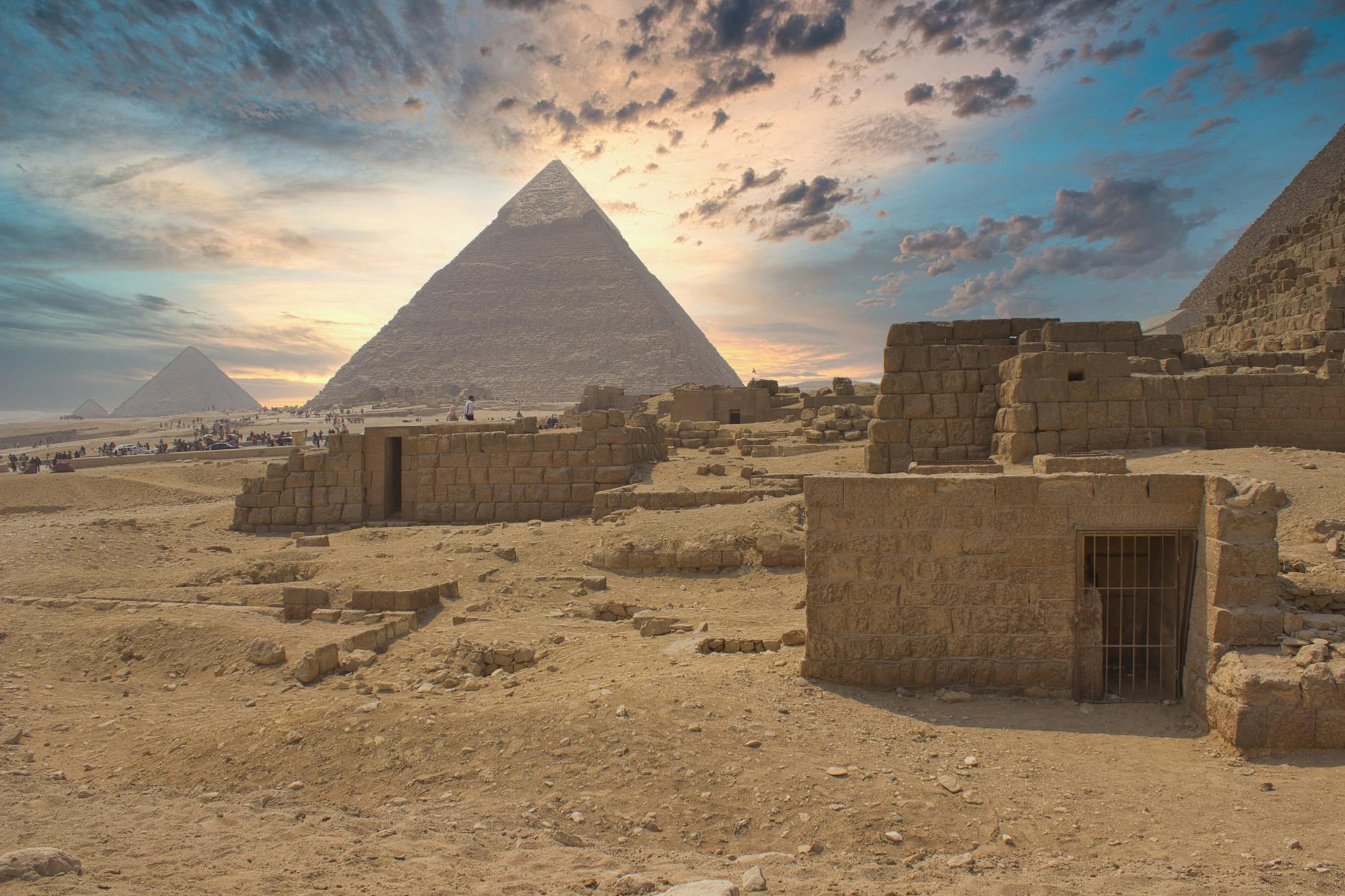
Egypt is not just pyramids.
Start Here
It is the Nile cutting a green line through desert, a morning call to prayer echoing over Cairo rooftops, a donkey cart passing a luxury coach outside Luxor, a felucca drifting at sunset in Aswan, a tomb wall still bright after three thousand years, a church built over older stone, a mosque courtyard glowing after dark, a desert road checkpoint, a Red Sea reef alive below flat blue water, a Nubian guesthouse painted with color, a hotel lobby full of guides at dawn, a market negotiation that lasts longer than expected, and a country where travel can feel both astonishingly rewarding and unusually demanding.
Most visitors arrive with a simple idea: see the Pyramids, cruise the Nile, maybe add Abu Simbel or the Red Sea. That is a good start, but it is not enough to plan Egypt well. Egypt rewards travelers who understand its route logic. The main trip is not a free-form wander. It is a sequence of corridors: Cairo and Giza, the ancient Memphis necropolis, the Nile Valley from Luxor to Aswan, Lake Nasser and Abu Simbel, the Red Sea, Sinai, Alexandria and the Mediterranean, and the Western Desert oases. Each has different rules, seasons, safety considerations, transport methods, guide needs, and energy level.
The best Egypt trip is not about seeing every famous thing. It is about choosing the right version of Egypt for your time, season, budget, tolerance for heat, interest in history, and comfort with guided logistics. A rushed five-day trip that tries to include Cairo, Luxor, Aswan, Abu Simbel, and the Red Sea will feel like airport management. A better seven- to ten-day trip can feel like one of the great cultural journeys on earth.
This guide is designed for travelers who want Egypt to make sense before they arrive. It explains where to go, how to route the country, how many days you need, when to visit, where to stay, how to handle Cairo, how to choose between Nile cruise and land travel, what to book ahead, how to use guides wisely, what to skip, how to manage cash and tipping, how to avoid predictable scams, how to travel respectfully, and how to keep a sense of wonder without surrendering your judgment.
Egypt in one sentence: Egypt is a river civilization wrapped in desert, where the best trip comes from choosing a coherent route, respecting heat and security realities, using guides strategically, and giving ancient sites enough time to feel human rather than merely famous.
Basic data
| Population | About 114 million |
|---|---|
| Area | 1,001,450 km2 |
| Major religions | Sunni Islam and Coptic Christianity |
| Political system | Unitary semi-presidential republic |
| Economic system | Mixed emerging economy centered on the Nile corridor, logistics, industry, energy, and tourism |
Quick Verdict
| Question | Answer |
|---|---|
| Best for | Ancient history, archaeology, monumental architecture, Nile scenery, desert landscapes, Islamic and Coptic heritage, Red Sea diving and snorkeling, photography, winter sun, guided cultural travel, luxury history trips, family wonder, and travelers who like places with intensity and texture. |
| Not ideal for | Visitors who want frictionless independent travel, quiet minimalist cities, easy self-driving, low-hassle street wandering, cool summer sightseeing, spontaneous desert exploration, or a trip where every interaction feels transparent and low-pressure. Egypt is magnificent, but it is not effortless. |
| Ideal first visit | 8 to 10 days for Cairo/Giza, Luxor, Aswan, and Abu Simbel. Add 3 to 5 days for the Red Sea. Add another 3 to 5 days for Alexandria, Siwa, deeper desert travel, or slower Cairo. |
| Minimum worthwhile trip | 5 full days if you accept a focused highlights route: Cairo/Giza plus Luxor, or Cairo/Giza plus Aswan/Abu Simbel. Four days is possible but thin. |
| Best first-timer route | Cairo/Giza + Luxor + Aswan + Abu Simbel. This is the classic because it works. Add the Red Sea only if you have enough time to slow down after the temples. |
| Best months | October to April for most cultural travel. November to March is generally best for Luxor, Aswan, Abu Simbel, and desert travel. Spring and autumn can be excellent but still hot in the south. Summer is difficult for heavy sightseeing in Upper Egypt. |
| Best first-timer bases | Cairo/Giza for the Pyramids and museums; Luxor for temples and tombs; Aswan for Nubian culture, Philae, feluccas, and Abu Simbel; Hurghada, El Gouna, Marsa Alam, Sharm el-Sheikh, or Dahab for the Red Sea, depending style and advisory status. |
| Biggest planning mistake | Trying to cover too much of Egypt in one trip. The country looks straightforward on an itinerary map, but heat, early starts, security checkpoints, long drives, temple fatigue, Cairo traffic, and airport logistics add up quickly. |
| One thing to book early | Grand Egyptian Museum tickets, popular Nile cruises or dahabeyas, domestic flights around high season, Abu Simbel logistics, good Egyptologists/guides, Red Sea resorts in peak holiday periods, and any desert or oasis travel requiring permits or specialist operators. |
| One thing to leave unscheduled | A quiet Nile sunset, a slow café or tea break, a second visit to one Cairo district, a morning in Aswan, or a free afternoon after several temple days. Egypt is better when the itinerary has breathing space. |
| Most important warning | Treat safety advisories and regional access seriously. Most classic tourist circuits operate normally, but North/Middle Sinai, border zones, parts of the Western Desert, and certain roads require current advice, licensed operators, or avoidance. Do not improvise remote travel. |
| Best low-cost pleasures | Cairo street food with a trusted local, Nile corniche walks, felucca rides, wandering Islamic Cairo with a guide, sunset in Aswan, early mornings at temple sites, local bakeries, tea houses, ferry crossings, and watching the Nile from a hotel terrace. |
The Move
Build Egypt around route families, not bucket-list fragments. Choose one of these: classic Nile civilization, Cairo-plus-Red-Sea, deep archaeology, desert and oases, Sinai diving and mountains, Mediterranean Egypt, or a luxury slow Nile trip. Then protect the route from bloat.
Who Will Love Egypt?
You will probably love Egypt if you want:
- A country where ancient history is not confined to museums; it stands in the open air, carved into cliffs, painted on tomb walls, and embedded in daily life.
- A trip with a strong narrative arc: pyramids near Cairo, temples and tombs in Luxor, Nubian landscapes in Aswan, the monumental remoteness of Abu Simbel, and the option to end beside the Red Sea.
- Travel that feels alive, intense, imperfect, funny, loud, and human rather than polished into total predictability.
- Excellent value for many guides, transport services, food, and mid-range hotels compared with Western Europe, while still having serious luxury options.
- Warm winter sun, desert horizons, river travel, underwater life, and archaeological density that few countries can match.
You may struggle with Egypt if you want:
- Seamless solo logistics without negotiation, tipping, haggling, or repeated offers of services.
- A trip where every major attraction is relaxing and uncrowded.
- Full comfort in extreme heat.
- Easy self-driving between major destinations.
- A low-pressure environment around tourist sites.
- A country where political sensitivities, photography rules, drones, borders, and social-media behavior can be ignored.
Egypt is not difficult because nothing works. Much works extremely well when arranged correctly: guided site days, drivers, domestic flights, cruises, hotels, resorts, and major museum ticketing. Egypt is difficult when visitors assume it will behave like a compact European city break or a self-drive road trip. It will not.
Egypt at a Glance
| Practical | Detail |
|---|---|
| Official name | Arab Republic of Egypt. |
| Capital | Cairo. For travelers, Greater Cairo includes Cairo proper, Giza, New Cairo, and expanding satellite-city zones. |
| Main visitor regions | Cairo/Giza, the Nile Valley, Luxor, Aswan, Abu Simbel/Lake Nasser, the Red Sea coast, Sinai, Alexandria/Mediterranean coast, Western Desert oases, Faiyum, and selected Delta towns. |
| Language | Arabic. Egyptian Arabic is the everyday spoken language. English is widely used in major hotels, tourist sites, airports, tour operations, and Red Sea resorts, but less so in ordinary neighborhoods and rural areas. |
| Currency | Egyptian pound, abbreviated EGP or LE. Egypt is cash-heavy for taxis, tips, markets, bathrooms, small restaurants, and informal services, even though major hotels, museums, and many restaurants take cards. |
| Time zone | Eastern European Time, with daylight-saving rules subject to change; verify close to travel. |
| Main airports | Cairo International, Sphinx International near Giza, Luxor, Aswan, Hurghada, Marsa Alam, Sharm el-Sheikh, Borg El Arab near Alexandria, and others depending route. Egypt’s official tourism site lists several international airports and domestic operators.[2] |
| Entry basics | Many visitors need a visa. Egypt has an official e-Visa portal for eligible nationalities, and the official tourism site describes visa-on-arrival options for many travelers. Passport, nationality, arrival point, and itinerary matter.[1][2] |
| South Sinai stamp | Travelers arriving directly to Sharm el-Sheikh, Nuweiba, or Taba for a limited South Sinai stay may be eligible for a free entry permission stamp, but anyone traveling beyond that area or staying longer needs the correct visa. Verify before relying on it.[2] |
| Electricity | 220V, 50Hz. Type C and F plugs are common. Bring an adapter and check voltage for devices. |
| Emergency numbers | Ambulance 123, Tourist Police 126, Fire 180, tourism information 19654, according to Egypt’s official tourism site. Some foreign advisories simplify this to “dial 123 for emergencies,” but keep the specialized numbers saved.[2][7] |
| Tap water | Generally not recommended for short-term visitors to drink. Use sealed bottled water or properly filtered water; avoid ice where hygiene is uncertain. |
| Drones | Do not bring a drone unless you have explicit Egyptian government permission. Foreign advisories warn that bringing drones can lead to confiscation and severe penalties.[7] |
| Photography | Personal photography is broadly allowed at many public places and sites, but restrictions apply: no flash indoors where prohibited, no military/police/security facilities, no photographing children, and written permission is required before photographing Egyptian citizens according to the official tourism site.[2] |
| Best planning apps/tools | Ride-hailing apps in Cairo/Alexandria, Google Maps for broad orientation, WhatsApp for guides and hotels, airline apps, official museum/ticket sites, and offline translation. Do not rely on one app for every form of transport. |
| Best planning mindset | Egypt works best with a mix of independent time and professional help: use licensed guides, drivers, cruise operators, and approved desert specialists where they add value or are required. |
First-Timer Mistake
Many travelers ask, “Can I do Cairo, Luxor, Aswan, Abu Simbel, Alexandria, and the Red Sea in one week?” Technically, with flights and brutal pacing, maybe. But the better question is: What do I want Egypt to feel like at the end of the trip — a chain of early alarms, or a coherent journey?
Current Visitor Notes
Use the Official Visa Channels
Egypt’s official e-Visa portal describes the e-Visa as an official document permitting entry and travel in Egypt for citizens of listed countries, issued electronically after registration and payment.[1] Egypt’s official tourism site says eligible travelers can use the e-Visa system, Egyptian consulates, or visa on arrival in some cases, and currently describes a USD 30 visa-on-arrival option at airport passport-control bank counters.[2]
The move: Use the official e-Visa portal or your nearest Egyptian consulate for nationality-specific rules. Avoid unofficial “e-Visa” resellers charging inflated fees. Carry print and digital copies of your e-Visa or visa confirmation, your hotel details, onward ticket information if relevant, and enough cash if you plan to use visa on arrival.
Regional Safety Advice Is Part of the Itinerary
Egypt’s classic tourist circuit — Cairo/Giza, Luxor, Aswan, Abu Simbel, Nile cruises, and major Red Sea resorts — is not the same planning category as remote borders, North Sinai, or unsupervised Western Desert travel. Foreign-government advisories differ in wording, but they consistently warn about terrorism, border areas, North/Middle Sinai, and parts of the Western Desert. The U.S. State Department lists Egypt at Level 2 overall and says not to travel to the Northern and Middle Sinai Peninsula, the Western Desert unless with a professionally licensed tour company, and Egyptian border areas due to military zones.[7] The UK FCDO gives detailed area-specific restrictions, including North Sinai, parts of South Sinai, areas east of the Suez Canal, border zones, and parts of the Western Desert, while listing exceptions for major Nile tourism areas and some oases/routes.[6]
The move: Build the guide with a live “check current advisories” box. Do not tell readers that “Egypt is safe” as a blanket statement. Say which route, which region, which operator standard, and which date.
The Grand Egyptian Museum Changes Cairo Planning
The Grand Egyptian Museum is now a central planning anchor for Giza-area trips. The official ticketing site states it is the only official site for GEM tickets, and says a visit includes access to the Tutankhamun Galleries, Main Galleries, Grand Hall, Grand Stairs, Khufu’s Boats Museum, commercial area, and exterior gardens.[3] It lists regular gallery hours and extended hours on Wednesday and Saturday.[3]
The move: Do not treat GEM as an optional add-on after the Pyramids unless the reader has little interest in museums. For many travelers, GEM plus the Giza Plateau is a full, high-impact day. The Egyptian Museum on Tahrir and the National Museum of Egyptian Civilization still matter, but Cairo museum planning now needs more deliberate choices.
Egypt Is Still Cash-Heavy
Egypt’s official tourism site says credit cards are accepted in major cities and tourist destinations, but Egypt remains cash-based for taxis, small shops, and many everyday transactions.[2]
The move: Carry small EGP notes constantly. You need them for bathroom attendants, tips, short taxis, market purchases, small snacks, luggage help, and the social machinery of travel. Large bills are useful but not enough.
Nile Cruises Are Logistics, Not Just Romance
Dozens of cruise ships operate between Luxor and Aswan, and official tourism guidance describes common three- to seven-night cruise formats plus luxury dahabeyas.[2] A Nile cruise can be the easiest way to package temples, meals, transport, and a scenic rhythm. It can also feel too scheduled, too group-oriented, or too insulated if chosen badly.
The move: Choose cruise type carefully: large ship for convenience and value, dahabeya for slower atmosphere, land-based Luxor/Aswan for flexibility, or Lake Nasser cruise for remoter Nubian monuments.
Guides Matter More Than in Many Countries
Egypt has many sites where an excellent guide transforms the day: the Giza Plateau, Saqqara, Karnak, Valley of the Kings, Deir el-Bahari, Edfu, Kom Ombo, Philae, Abu Simbel, Islamic Cairo, Coptic Cairo, and museum visits. A weak guide turns the same day into dates, dynasties, and souvenir stops.
The move: Spend money on the right guide, not just on the right hotel. Ask for subject expertise, licensing, language skill, pacing style, and whether shopping stops are included or avoidable.
How to Understand Egypt
Egypt becomes easier when you stop seeing it as a single country-shaped checklist and start seeing it as a set of travel corridors.
The Five Egypts Most Travelers Meet
| Egypt | Where you feel it | What it gives you |
|---|---|---|
| Ancient Egypt | Giza, Saqqara, Dahshur, Luxor, Abydos, Dendera, Edfu, Kom Ombo, Aswan, Philae, Abu Simbel | Pyramids, tombs, temples, royal iconography, museum collections, and the main historical arc of the first visit. |
| Nile Egypt | Luxor, Esna, Edfu, Kom Ombo, Aswan, feluccas, Nile cruises, dahabeyas | River rhythm, green banks, villages, boats, sunsets, and the best way to understand why Egyptian civilization clustered around the Nile. |
| Cairo Egypt | Downtown, Zamalek, Giza, Islamic Cairo, Coptic Cairo, Khan el-Khalili, Garden City, New Cairo | Museums, traffic, mosques, churches, restaurants, street life, modern Egypt, and overwhelming urban energy. |
| Desert Egypt | Western Desert, White Desert, Black Desert, Siwa, Bahariya, Dakhla, Kharga, Faiyum, Sinai mountains | Oases, dunes, chalk formations, fossils, Bedouin/Nubian/Siwan cultures, remote camps, and strict logistical/safety requirements. |
| Sea Egypt | Hurghada, El Gouna, Marsa Alam, Sharm el-Sheikh, Dahab, Nuweiba, Taba, Mediterranean coast | Diving, snorkeling, winter sun, resort travel, coral reefs, beaches, wind sports, and a different pace after the temples. |
Local Logic
Egypt’s visitor infrastructure is strongest where travel has been channeled for decades: major sites, airports, guide networks, cruises, Red Sea resorts, and big hotels. The more you leave those channels, the more planning shifts toward permits, operators, checkpoints, weather, road quality, and current security advice.
That does not mean independent travel is impossible. It means independent travelers need better judgment than in countries where you can casually rent a car and follow a map.
Route Logic
Most first trips are built around one of three spines:
- Cairo/Giza + Nile Valley: The core history route.
- Cairo/Giza + Nile Valley + Red Sea: The classic culture-plus-rest route.
- Cairo/Giza + desert/oasis or Sinai add-on: The more specialized route that requires current safety checking.
The country is large, but the tourist route is relatively linear. The challenge is not simply distance. It is sequencing, heat, early starts, fatigue, transport reliability, and deciding when to fly instead of drive or train.
The Country’s Rhythm
Egypt often starts early. Pyramids, tombs, temples, and Abu Simbel are best at or near opening, especially in warm months. Cairo comes alive late. Meals can be late, traffic has its own logic, and museum days can stretch longer than expected. Nile cruises operate on schedules tied to locks, temple stops, and group departures. Red Sea resorts slow everything down.
The move: Use early mornings for major outdoor sites. Use afternoons for museums, rest, hotel pools, transfers, and cafés. Use evenings for Nile views, mosque districts with a guide, restaurants, markets, or soft exploration. Do not put heavy temple days back-to-back without recovery unless you are a true archaeology obsessive.
Central Contrasts
Egypt’s depth comes from tension:
- Ancient monumentality vs everyday hustle: The Pyramids may be sublime, but the approach can involve vendors, camels, traffic, and negotiation.
- River order vs desert vastness: The Nile Valley feels fertile and linear; the desert feels open, severe, and conditional.
- Sacred sites vs visitor pressure: Mosques, churches, temples, and tombs are not just photo backdrops.
- Luxury logistics vs local realities: A five-star hotel day and a Cairo street crossing can exist in the same hour.
- National pride vs tourism fatigue: Many Egyptians are proud of their heritage; many tourist zones also produce repetitive sales pressure.
A good guide helps readers hold both truths at once. Egypt is extraordinary. Egypt can be exhausting. Pretending only one is true helps nobody.
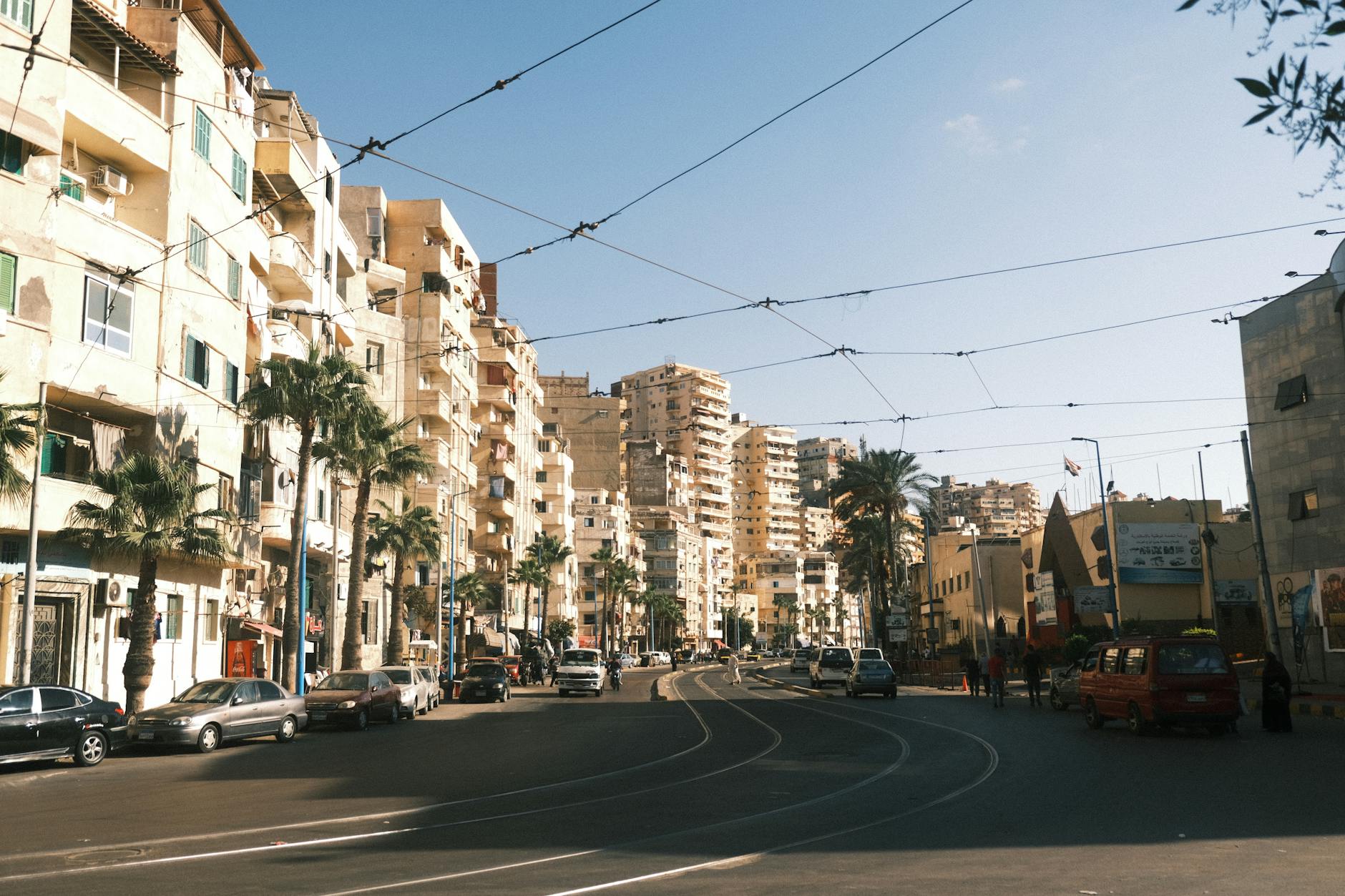
Choose Your Egypt Trip
The Classic First Trip: Cairo, Luxor, Aswan, Abu Simbel
Best for: First-timers, ancient history, families with older kids, couples, guided cultural travel.
Ideal length: 8 to 10 days.
Route: Cairo/Giza → Luxor → Aswan → Abu Simbel → Cairo or Red Sea.
Why it works: It gives the Pyramids, GEM or Cairo museums, Saqqara/Dahshur if time allows, Karnak, Luxor Temple, Valley of the Kings, Hatshepsut, Nile scenery, Philae, and Abu Simbel.
What to avoid: Compressing it into too few days or treating Luxor as a one-night stop.
The Classic Plus Red Sea
Best for: Travelers who want history first, then rest, diving, snorkeling, or beach time.
Ideal length: 12 to 14 days.
Route options: Cairo/Giza → Luxor → Aswan/Abu Simbel → Hurghada/El Gouna/Marsa Alam; or Cairo/Giza → Luxor → Red Sea → Cairo.
Why it works: Egypt can be intense. Ending beside the Red Sea lets the trip settle.
What to avoid: Adding the Red Sea if you have only seven days and no real beach time.
Deep Ancient Egypt
Best for: Archaeology lovers, Egyptology readers, museum people, second-time visitors.
Ideal length: 10 to 16 days.
Add: Saqqara, Dahshur, Memphis, Abydos, Dendera, Medinet Habu, Deir el-Medina, Valley of the Queens, nobles’ tombs, Esna, Edfu, Kom Ombo, Philae, Abu Simbel, possibly Amarna or Minya with proper guidance.
Why it works: It turns Egypt from a famous-sites trip into a civilizational study.
What to avoid: Doing every tomb and temple without rest. Temple fatigue is real.
Cairo Deep Dive
Best for: Urban travelers, food travelers, Islamic art, Coptic history, museums, photography, architecture, and people who do not want to rush south.
Ideal length: 4 to 6 days in Cairo alone.
Base: Zamalek, Garden City, Downtown, Giza near GEM/Pyramids, or New Cairo depending priorities.
Add: GEM, Giza Plateau, Saqqara/Dahshur, Egyptian Museum, NMEC, Coptic Cairo, Islamic Cairo, Citadel, Mosque-Madrasa of Sultan Hassan, Ibn Tulun, Khan el-Khalili, Nile islands, food walks, contemporary galleries.
What to avoid: Staying far from daily plans without understanding traffic.
Red Sea and Sinai
Best for: Diving, snorkeling, winter sun, families, easy resorts, wind sports, independent beach towns.
Ideal length: 4 to 10 days.
Route families: Hurghada/El Gouna for easy resorts; Marsa Alam for reefs and quieter nature; Sharm el-Sheikh for resorts and flights; Dahab for a more informal diving/backpacker feel; Sinai mountain/St Catherine only with current advisory checks and proper arrangements.
What to avoid: Treating all Red Sea destinations as the same. They differ dramatically by vibe, reef access, flights, nightlife, family facilities, and security context.
Desert and Oases
Best for: Adventure, landscape photographers, geology, solitude, slow travel, repeat visitors.
Ideal length: 3 to 10 days depending route.
Possible areas: Faiyum/Wadi Al-Hitan, White Desert/Black Desert, Bahariya, Farafra, Dakhla, Kharga, Siwa.
What to avoid: Improvised desert driving. Use licensed operators and check current access. Advisories matter here.
Mediterranean Egypt
Best for: Alexandria, Greco-Roman history, cafés, seafood, sea air, slower urban contrast.
Ideal length: 1 to 3 days.
Route: Cairo → Alexandria, with optional Rosetta/Rashid or north-coast extensions when appropriate.
What to avoid: Overselling Alexandria as a polished beach escape. It is atmospheric and historic, but not a simple resort replacement for the Red Sea.
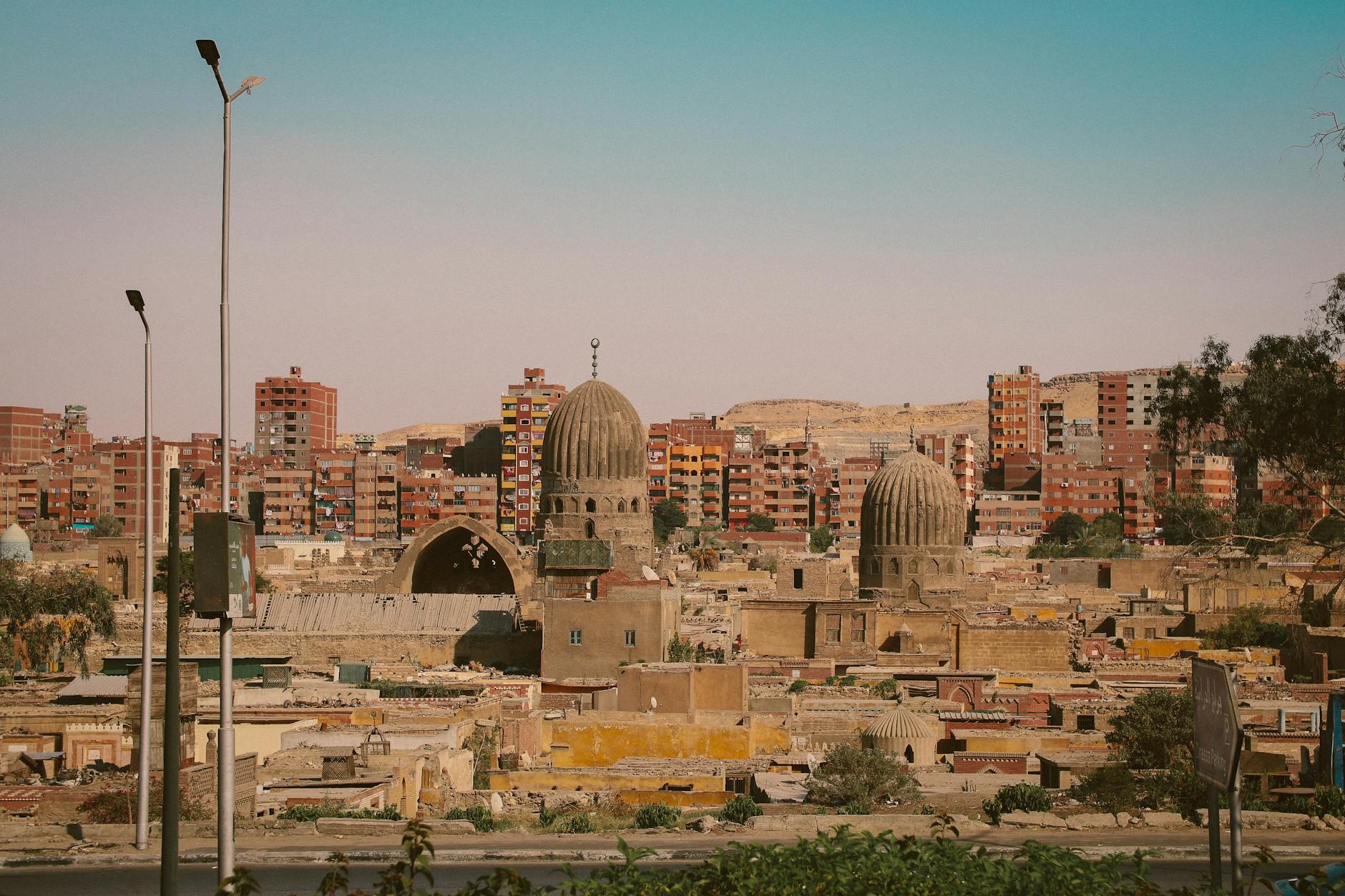
Best Time to Visit Egypt
Egypt is a year-round destination only if you match the route to the season. A Red Sea resort trip in summer is not the same as a Luxor tomb-heavy trip in summer.
Best Overall Months
November to March is the safest recommendation for classic cultural travel. Cairo is manageable, Upper Egypt is much more comfortable, desert trips are easier, and outdoor sites do not require the same level of heat discipline.
October and April are excellent shoulder months, though southern sites can still be hot.
May and September can work for travelers who tolerate heat and plan early starts, but they are not ideal for everyone.
June to August is difficult for heavy sightseeing in Luxor, Aswan, Abu Simbel, and the desert. Red Sea resort travel remains possible, but daytime site touring inland becomes punishing.
Season-by-Season
| Season | What to expect | Best for | Watch out for |
|---|---|---|---|
| Winter: December-February | Mild to warm days, cool nights, high cultural season. | Cairo, Luxor, Aswan, Abu Simbel, desert, older travelers, families. | Peak prices, crowds at major sites, cool evenings, holiday demand. |
| Spring: March-May | Warmer days, shoulder-season value early, rising heat later. | Cairo, Red Sea, Nile trips, photography. | Khamsin winds/dust, heat in the south, Ramadan/Eid timing when relevant. |
| Summer: June-August | Very hot inland, especially Upper Egypt and desert. | Red Sea resorts, diving, low-season deals for heat-tolerant travelers. | Extreme heat, shorter sightseeing windows, dehydration, temple fatigue. |
| Autumn: September-November | Improving temperatures, strong cultural season by late October. | First-time trips, Nile Valley, Red Sea, desert from later autumn. | September heat, rising prices in peak months. |
Egypt’s official tourism site describes winter as November to March and summer as May to September, with hot, dry summers and cooler winters.[2] World Bank climate material also supports the basic reality of Egypt’s strong seasonality and aridity.[10]
Month-by-Month Guide
| Month | Verdict |
|---|---|
| January | Excellent for classic travel. Cool mornings and evenings, comfortable sites, high demand. Good for Cairo, Luxor, Aswan, Abu Simbel, and desert. |
| February | Excellent. Similar to January, often one of the best months for southern Egypt. Book guides and cruises early. |
| March | Very good, but warming. Dust/wind can affect comfort. Good for Cairo, Nile Valley, and Red Sea. |
| April | Good to very good, but heat increases in Luxor/Aswan. Early starts matter. Ramadan/Eid timing changes annually. |
| May | Mixed. Red Sea can be strong; Upper Egypt becomes hot. Better for travelers who can handle heat and use early/late schedules. |
| June | Hard for cultural sightseeing. Consider Red Sea, museum-heavy Cairo, or serious heat-management planning. |
| July | Very hot inland. Not recommended for first-time temple-heavy trips unless budget or schedule forces it. |
| August | Similar to July. Red Sea resort travel is feasible, but ancient sites require discipline and stamina. |
| September | Transitional but still hot. Better later in the month. |
| October | Strong month. Warm, increasingly comfortable, and good for combined culture and sea trips. |
| November | Excellent. One of the best all-around months. |
| December | Excellent but busy around holidays. Cool evenings; book popular hotels and cruises early. |
Ramadan and Eid
Ramadan moves earlier each solar year. It can be a fascinating time to visit, especially after sunset, but it changes restaurant hours, traffic patterns, working hours, site energy, and holiday demand around Eid. A guide must check the exact dates for the travel year.
The move: During Ramadan, plan daytime sightseeing carefully, avoid assuming restaurants will operate normally outside hotels/tourist zones, and use evenings to appreciate iftar energy with a guide or local recommendation.
How Many Days You Need
The Honest Answer
You need 8 to 10 days for a strong first Egypt trip. You need 12 to 14 days if you want Cairo, Luxor, Aswan, Abu Simbel, and real Red Sea downtime. You need two to three weeks if you want to add Siwa, Western Desert, Alexandria, Sinai, or deep archaeology without making the trip miserable.
| Length | What it feels like |
|---|---|
| 3 days | A Cairo/Giza city break only. Possible for the Pyramids, GEM, and one Cairo district. Do not add Luxor. |
| 5 days | Cairo/Giza plus Luxor, or Cairo/Giza plus Aswan/Abu Simbel. Fast but meaningful if focused. |
| 7 days | The minimum for a classic Cairo + Luxor + Aswan route, but pacing will be tight. |
| 8-10 days | Best first visit. Allows Cairo/Giza, Saqqara or GEM, Luxor, Aswan, and Abu Simbel with some breathing room. |
| 12-14 days | Ideal if adding Red Sea or a slower Nile cruise. Good for families and couples. |
| 15-21 days | Lets Egypt open up: Alexandria, Siwa, Faiyum, White Desert, Abydos/Dendera, Marsa Alam, Dahab, or deeper Cairo. |
| One month | Best for repeat or slow travelers who can mix cities, ancient sites, desert, sea, and downtime while respecting permits/advisories. |
Itinerary Philosophy
A good Egypt day usually has:
- One anchor site: Pyramids, GEM, Karnak, Valley of the Kings, Philae, Abu Simbel, or a desert excursion.
- One supporting experience nearby: lunch, museum, mosque, market, felucca, temple at night, or hotel rest.
- One recovery window: pool, Nile view, café, nap, or unstructured evening.
Egypt punishes itinerary greed. You can technically fit many things into one day because drivers and guides make it possible. That does not mean you will remember them well.
The Move
For a first trip, protect two nights in Luxor and two nights in Aswan if possible. One-night stops create a string of bags, alarms, and transfers. Egypt’s best places need at least one morning when you wake up already there.
Where to Stay
Where you stay in Egypt shapes the trip differently in each region. In Cairo, traffic and museum/site access matter. In Luxor, East Bank vs West Bank changes the whole mood. In Aswan, Nile views and boat access matter. At the Red Sea, resort style and reef access matter more than town name alone.
Cairo and Giza
Zamalek
Best for: First-time Cairo comfort, restaurants, Nile views, embassies, cafés, centrality.
Zamalek is one of the easiest bases for travelers who want a softer landing in Cairo. It is leafy by Cairo standards, restaurant-rich, and relatively central.
Why stay here: Good hotels/apartments, restaurants, Nile views, easier evenings, good base for Downtown, Islamic Cairo, and Giza by car.
Why not: Traffic still matters; it is not next to the Pyramids or GEM.
Perfect for: First-timers who want Cairo without sleeping beside the Pyramids.
Giza / Pyramids / GEM Area
Best for: Pyramids, Grand Egyptian Museum, pyramid-view hotels, early starts.
This is the right base if the Pyramids and GEM are your top priority or if you want one or two nights with pyramid views.
Why stay here: Easy early Pyramids access, close to GEM, strong photo payoff from some hotels.
Why not: Less pleasant for Cairo nightlife, Islamic Cairo, Zamalek restaurants, and general city wandering; some streets around pyramid-view lodgings can be gritty and vendor-heavy.
Perfect for: A first or last night centered on Giza sites.
Downtown / Garden City
Best for: Egyptian Museum, old hotels, central Cairo history, budget-to-classic stays.
Downtown can be atmospheric and convenient, especially for museum-focused travelers, but traffic and street conditions vary.
Why stay here: Historic hotels, centrality, access to Tahrir, cafés, architecture.
Why not: Noise, traffic, sidewalks, and less polished surroundings.
Perfect for: Urban travelers who want the city, not a resort bubble.
New Cairo / Airport Side
Best for: Business, late arrivals, early flights, quieter modern hotels.
This can be useful for logistics but is often poor for sightseeing.
Why stay here: Airport access, newer hotels, malls, quieter roads.
Why not: Far from classic Cairo, Giza, Islamic Cairo, and the Nile.
Perfect for: Transit nights and business, not a first-time sightseeing base.
Luxor
East Bank
Best for: First-timers, restaurants, train station, Luxor Temple, Karnak access, easy services.
The East Bank is the practical base. Most hotels, restaurants, cruise docks, and urban services are here.
Why stay here: Convenient, lively, easier guide/driver pickups, walkable pockets near Luxor Temple.
Why not: More traffic and urban bustle.
Perfect for: Most first-time visitors.
West Bank
Best for: Quiet, rural atmosphere, tomb access, longer stays, independent travelers.
The West Bank feels calmer and more village-like. It is close to Valley of the Kings, Hatshepsut, Medinet Habu, nobles’ tombs, and rural landscapes.
Why stay here: Peace, early access to tombs, local atmosphere, sunset views.
Why not: Fewer restaurants/services, more reliance on ferries/drivers, less convenient for some travelers.
Perfect for: Repeat visitors, slow travelers, photographers, and people who want Luxor to breathe.
Aswan
Best areas: Nile-facing hotels, Elephantine Island, central Aswan, Nubian guesthouse areas.
Why stay here: Aswan is slower, warmer, and more river-oriented than Luxor. The best stays are about Nile views, boat rides, sunsets, Philae logistics, and Abu Simbel access.
The move: Stay at least two nights. One night plus Abu Simbel is too rushed for many travelers.
Red Sea
| Destination | Best for | Watch out for |
|---|---|---|
| Hurghada | Easy flights, resorts, value, families, diving, quick Luxor connection. | Sprawl and variable resort quality. |
| El Gouna | Polished resort town, couples, families, restaurants, marina, kitesurfing. | More curated and expensive; less local texture. |
| Marsa Alam | Reefs, diving, quieter resorts, nature, turtles/dugong possibilities. | More remote; choose resort carefully. |
| Sharm el-Sheikh | Big resorts, flights, diving/snorkeling, conferences, families. | Sinai advisory context; resort zones differ from wider peninsula. |
| Dahab | Informal diving town, cafés, backpacker/independent feel, wind sports. | Simpler infrastructure; check current road/advisory context. |
| Nuweiba/Taba | Quiet coast, camps, Gulf of Aqaba scenery. | More sensitive border/Sinai planning; check current advice. |
Alexandria
Stay near the Corniche, old central areas, or higher-end coastal hotels depending priorities. Alexandria is best as a one- or two-night contrast to Cairo, not as a replacement for Red Sea beaches.
Siwa and Oases
Choose lodging through operators who understand current permits, road conditions, local customs, and desert logistics. Siwa can be magical, but it is not a casual day trip from Cairo.
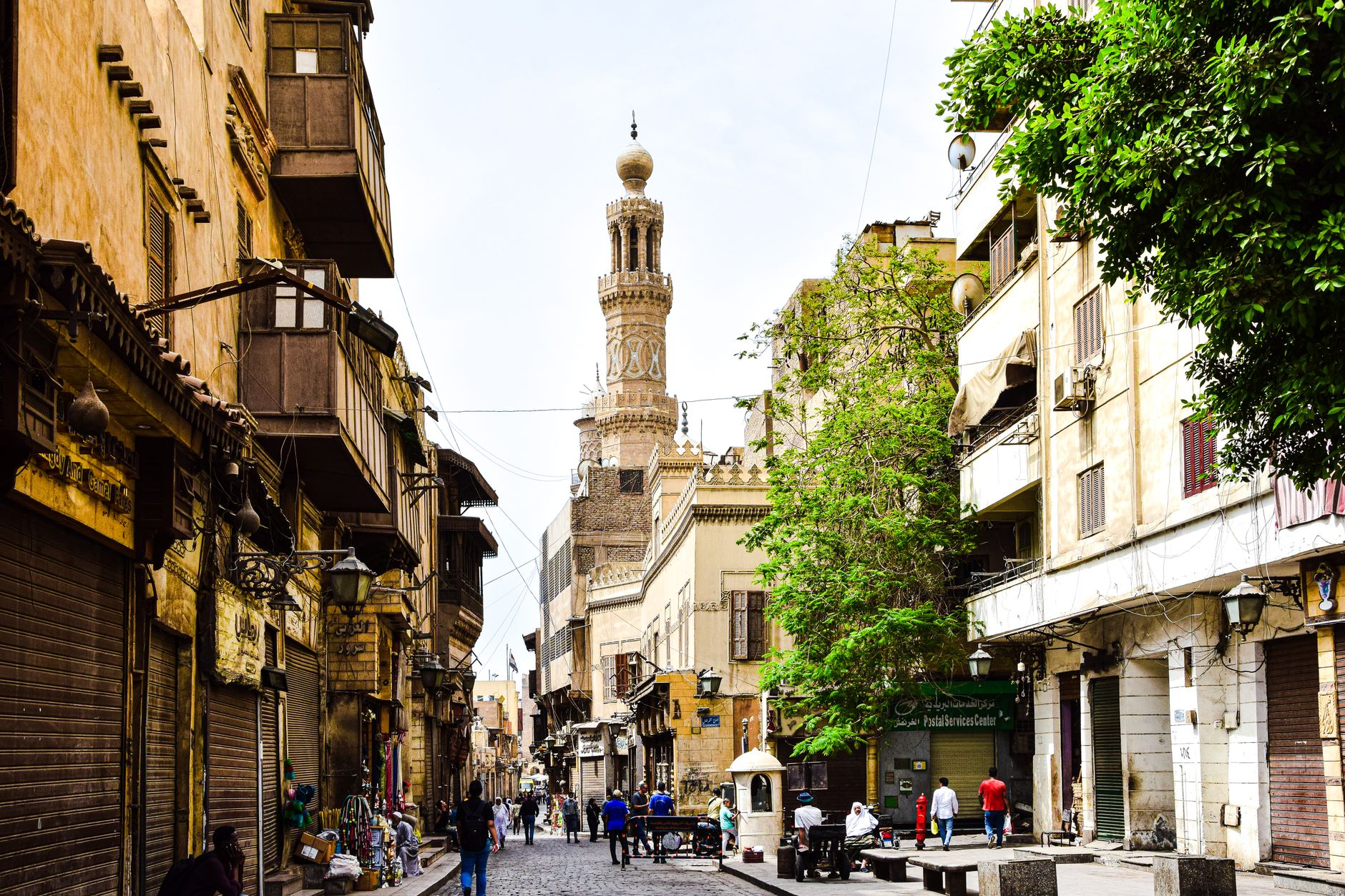
Regional Guide
Cairo and Giza
Identity: Overwhelming capital, museum city, gateway to the Pyramids, Islamic and Coptic heritage, food, traffic, and modern Egypt.
Best for: First arrival, museums, Pyramids, Saqqara/Dahshur, Islamic Cairo, Coptic Cairo, food walks.
How long: Minimum 2 full days; better 3 to 5.
Essential experiences:
- Giza Plateau at opening or late afternoon.
- Grand Egyptian Museum.
- Saqqara and Dahshur with a guide.
- Islamic Cairo walk with a guide.
- Coptic Cairo and NMEC.
- One good Cairo food evening.
Common mistake: Only seeing Giza and leaving. Cairo is difficult, but it is not optional context.
Luxor
Identity: Open-air ancient capital: temples, tombs, royal necropolises, Nile scenery.
Best for: Archaeology, guided site days, hot-air balloons, Nile cruise starts/ends, deep ancient Egypt.
How long: Minimum 2 nights; better 3 to 4 if you care about history.
Essential experiences:
- Karnak Temple.
- Luxor Temple, ideally at night.
- Valley of the Kings.
- Hatshepsut Temple.
- Medinet Habu.
- Colossi of Memnon.
- Optional: Valley of the Queens, Deir el-Medina, nobles’ tombs, Ramesseum, Luxor Museum.
Common mistake: Doing Luxor as a rushed cruise stop only. Luxor deserves more time than most itineraries give it.
Aswan
Identity: Softer Nile city, Nubian culture, granite islands, feluccas, Philae, gateway to Abu Simbel.
Best for: Slower river travel, sunset, Nubian guesthouses, Philae, Abu Simbel, feluccas.
How long: 2 nights minimum; 3 nights if adding Abu Simbel without feeling rushed.
Essential experiences:
- Philae Temple.
- Felucca at sunset.
- Nubian village/guesthouse experience done respectfully.
- Unfinished Obelisk or Nubian Museum.
- Abu Simbel day trip or overnight.
Common mistake: Treating Aswan as only a launchpad for Abu Simbel.
Abu Simbel and Lake Nasser
Identity: Monumental, remote, theatrical.
Best for: Ancient Egypt lovers, photographers, travelers who want the “scale” moment.
How long: Long day trip from Aswan, one overnight if you want less rushed atmosphere, or part of a Lake Nasser cruise.
Common mistake: Day-tripping from Luxor. That is a punishing day. Use Aswan.
Red Sea Coast
Identity: Reef, resort, diving, snorkeling, wind, winter sun, decompression after the Nile.
Best for: Families, divers, snorkelers, couples, low-effort rest.
How long: 3 to 5 nights after a cultural route.
Common mistake: Booking a resort without checking house reef, beach quality, food quality, transfer distance, and whether you want town access or isolation.
Sinai
Identity: Reefs, mountains, Bedouin culture, monasteries, desert coast.
Best for: Diving, Dahab-style slow travel, Sharm resorts, St Catherine/Mt Sinai with current guidance.
How long: 3 to 7 nights.
Common mistake: Ignoring the difference between Sharm resort corridors and wider Sinai travel restrictions. Current advisories matter.
Alexandria and the Mediterranean
Identity: Sea-facing Egyptian city with Greco-Roman memory, cafés, seafood, libraries, faded grandeur.
Best for: Cairo contrast, seafood, history, urban atmosphere.
How long: 1 to 2 nights.
Common mistake: Expecting Alexandria to behave like a resort city.
Western Desert and Oases
Identity: White chalk formations, black volcanic hills, palm oases, fossil landscapes, remote roads, desert camps.
Best for: Adventure, landscape, photography, geology, second-time travelers.
How long: 2 to 7+ days.
Common mistake: Planning without licensed operators and current access checks. Desert travel is conditional.
Faiyum and Wadi Al-Hitan
Identity: Easy-ish Cairo escape with lake, desert, pottery villages, waterfalls, fossils, and Whale Valley.
Best for: Short desert taste, families, geology, photography.
How long: Day trip or overnight.
Common mistake: Treating it as a simple taxi outing. Use someone who knows the roads and site logistics.
Best Things to Do
1. See the Pyramids of Giza Properly
The Giza Plateau is famous enough to survive bad planning. That does not mean you should plan it badly.
What it is: The Pyramid complex of Khufu, Khafre, Menkaure, the Sphinx, tombs, causeways, and desert viewpoints.
Why it matters: Giza is part of the UNESCO-listed Memphis and its Necropolis property, the surviving monumental emblem of Old Kingdom Egypt.[11]
Who will love it: Everyone, if paced well.
Who can skip it: Almost nobody on a first trip.
How long to spend: 3 to 5 hours; longer with interior pyramid entry, photography, or GEM pairing.
Best time: Opening or late afternoon. Avoid midday heat where possible.
Do you need a guide? Strongly recommended for first-timers, not because you cannot physically enter without one, but because the site is large, layered, and vendor-heavy.
Common mistake: Arriving midday, hiring services impulsively at the gate, and then blaming the Pyramids for poor logistics.
2. Treat the Grand Egyptian Museum as a Main Event
What it is: A major museum near Giza dedicated to ancient Egypt, with official ticketing and galleries that include Tutankhamun-related access according to the official ticketing site.[3]
Why it matters: It changes Cairo planning. Visitors no longer have to choose between only the old Egyptian Museum and site visits; the Giza museum axis is now a destination in itself.
How long to spend: 3 to 5 hours, or more for serious museum travelers.
Best pairing: Giza Plateau if energy allows; otherwise Saqqara/Dahshur on a separate day.
Book ahead? Yes, especially in high season.
Common mistake: Making GEM a post-Pyramids afterthought when everyone is already exhausted.
3. Go Beyond Giza to Saqqara and Dahshur
What it is: The Step Pyramid of Djoser, tombs, pyramid fields, and earlier/later experiments in pyramid building.
Why it matters: Giza is the headline; Saqqara and Dahshur explain the evolution.
How long: Half-day to full day.
Best for: History lovers, photographers, travelers who want fewer crowds.
Guide? Yes.
Common mistake: Skipping it because “we already saw pyramids.” That is like visiting Rome and skipping the Forum because you saw the Colosseum.
4. Spend Real Time in Luxor
What it is: Ancient Thebes and its necropolis: Karnak, Luxor Temple, West Bank tombs and mortuary temples.
Why it matters: UNESCO lists Ancient Thebes with its Necropolis as one of Egypt’s World Heritage properties.[11]
How long: 2 to 4 days.
Best time: Early morning starts; Luxor Temple is beautiful after dark.
Guide? Essential if you want the sites to connect.
Common mistake: Trying to do Karnak, Luxor Temple, Valley of the Kings, Hatshepsut, Medinet Habu, and more in one rushed day.
5. Visit Karnak Before You Think You Are “Templed Out”
Karnak is not one building. It is a vast religious complex shaped over centuries. It should be one of the first big Luxor sites, not the last stop after fatigue.
Time needed: 2 to 3 hours.
Best for: Scale, columns, inscriptions, architecture, history.
The move: Go early with a good guide, then take a break. Do not stack too many temple complexes immediately afterward.
6. Do the West Bank of Luxor Slowly
The Valley of the Kings is only part of the West Bank story. Add Hatshepsut, Medinet Habu, nobles’ tombs, Deir el-Medina, Valley of the Queens, or Ramesseum depending interest.
Best for: Tomb painting, royal ideology, funerary landscapes, photography.
Time needed: One full day for a strong first visit; two days for deep travelers.
Common mistake: Paying for a tomb ticket without understanding which tombs are included, which require special tickets, and whether photography rules have changed.
7. See Philae by Boat
Philae is one of Egypt’s most graceful temples because the arrival is part of the experience: boat, water, island, columns, sky.
Best for: Couples, families, photographers, Aswan days.
Time needed: 2 to 3 hours including transport.
Common mistake: Rushing Philae immediately after a punishing Abu Simbel return.
8. Go to Abu Simbel From Aswan
Abu Simbel is worth it for many travelers, but it is a serious logistical commitment.
Best for: Monumentality, ancient Egypt, Ramses II, Nubian route, photographers.
Time needed: Long half-day to full day from Aswan; overnight if you want a slower approach.
Better alternative: Lake Nasser cruise if you want remoter Nubian monuments.
Common mistake: Adding Abu Simbel simply because everyone says “must-see,” even when your itinerary has no room. It is worth it, but not at the cost of ruining the trip.
9. Take a Felucca at Sunset
A felucca ride in Aswan or Luxor can be one of the trip’s simplest pleasures. No lecture, no checklist, just river, sail, light, and silence.
Best for: Recovery after site days.
Time needed: 1 to 2 hours.
Common mistake: Negotiating in a rush. Agree on price, duration, route, and return point before boarding.
10. Choose the Right Nile Cruise
A Nile cruise can be efficient, scenic, and memorable. It can also be generic.
Best for: First-timers who want bundled logistics, older travelers, families, couples, and travelers who like unpacking once.
Choose carefully:
- Large cruise ship: easiest and often best value.
- Dahabeya: slower, more atmospheric, smaller scale.
- Land-based route: more flexible and often better for deep archaeology.
- Lake Nasser cruise: quieter and more specialized.
Common mistake: Choosing based only on price and star rating.
11. Add the Red Sea for Recovery
After Cairo and Upper Egypt, the Red Sea can feel like medicine.
Best for: Diving, snorkeling, families, couples, rest.
Choose by style: Hurghada for ease, El Gouna for polish, Marsa Alam for reefs and quiet, Sharm for resorts and diving access, Dahab for informal independent energy.
Common mistake: Staying only one night. Beach decompression needs time.
12. Walk Islamic Cairo With a Guide
Islamic Cairo is one of Egypt’s great urban experiences: mosques, gates, madrasas, markets, alleys, craft shops, and layered medieval history.
Best for: Architecture, photography, urban texture, culture.
Guide? Strongly recommended. The district is dense, and a guide helps with route, context, and social friction.
Common mistake: Going only to Khan el-Khalili to shop and missing the architecture.
13. Visit Coptic Cairo and NMEC
Coptic Cairo and the National Museum of Egyptian Civilization help widen the trip beyond pharaohs. NMEC lists its Royal Mummies Gallery, main gallery, and Fustat location, with opening hours and ticketing information on its official site.[5]
Best for: Religious history, continuity, Cairo context.
Time needed: Half-day to full day.
Common mistake: Treating Egypt’s Christian heritage as a minor footnote.
14. Consider Abydos and Dendera
These two sites are excellent for travelers with deeper ancient Egypt interest. Dendera has extraordinary preserved color and astronomical imagery; Abydos has major royal and religious significance.
Best for: Second-time visitors, serious first-timers, temple enthusiasts.
Time needed: Long day from Luxor with a good driver/guide.
Common mistake: Adding them to a too-short Luxor stay.
15. See the Desert Carefully
The White Desert, Black Desert, Siwa, and Faiyum can be unforgettable. They are also not casual self-drive playgrounds.
Best for: Landscape, camping, geology, photography, silence.
Guide/operator? Yes. Use licensed operators and current advice.
Common mistake: Treating desert access as static. Roads, permits, checkpoints, advisories, and local rules can change.
Itineraries
Five Days: Cairo and Luxor Highlights
Best for: Tight schedules that still want substance.
Day 1: Arrive Cairo. Settle in. Short Nile or Zamalek/Downtown evening.
Day 2: Giza + GEM. Start at the Pyramids, then GEM if energy allows. Keep dinner easy.
Day 3: Saqqara/Dahshur or Islamic/Coptic Cairo. Choose ancient deepening or urban religious context. Fly to Luxor in the evening if schedule works.
Day 4: Luxor East Bank. Karnak early, rest, Luxor Temple at night.
Day 5: Luxor West Bank. Valley of the Kings, Hatshepsut, Medinet Habu. Depart late or overnight.
What this misses: Aswan, Abu Simbel, Red Sea, desert, Alexandria.
Seven Days: Classic Fast Egypt
Day 1: Arrive Cairo.
Day 2: Giza Plateau + GEM.
Day 3: Saqqara/Dahshur or Islamic/Coptic Cairo. Fly to Luxor.
Day 4: Luxor East Bank: Karnak, Luxor Temple.
Day 5: Luxor West Bank. Optional afternoon transfer/cruise start.
Day 6: Aswan: Philae, felucca, Nubian Museum or village experience.
Day 7: Abu Simbel early. Depart via Aswan or Cairo connection.
Warning: This is efficient but not restful.
Ten Days: Best First Visit
Day 1: Arrive Cairo/Giza.
Day 2: Giza Plateau + GEM.
Day 3: Saqqara/Dahshur + Memphis or Cairo museum/urban day depending priorities.
Day 4: Islamic Cairo + Coptic Cairo or NMEC. Fly to Luxor.
Day 5: Karnak + Luxor Temple.
Day 6: Luxor West Bank: Valley of the Kings, Hatshepsut, Medinet Habu.
Day 7: Optional deeper Luxor: Valley of the Queens, Deir el-Medina, nobles’ tombs, Luxor Museum; or begin cruise/transfer south.
Day 8: Aswan: Philae, felucca, Nubian Museum or Elephantine Island.
Day 9: Abu Simbel from Aswan. Slow evening.
Day 10: Depart Aswan via Cairo or continue to Red Sea.
Fourteen Days: Classic Plus Red Sea
Days 1-4: Cairo/Giza: Pyramids, GEM, Saqqara/Dahshur, Islamic/Coptic Cairo, NMEC or Egyptian Museum.
Days 5-7: Luxor: East Bank, West Bank, optional Abydos/Dendera or deeper tombs.
Days 8-9: Aswan: Philae, felucca, Nubian culture, Abu Simbel.
Days 10-13: Red Sea: Hurghada/El Gouna/Marsa Alam/Sharm/Dahab depending route.
Day 14: Depart.
The move: Put Red Sea at the end. Do not put the beach in the middle unless flight logistics demand it.
Two to Three Weeks: Deep Egypt
Add two or three modules:
- Alexandria for 1-2 nights.
- Faiyum/Wadi Al-Hitan for 1-2 nights.
- White Desert for 1-2 nights with licensed operator.
- Siwa for 3-4 nights with careful route planning.
- Abydos/Dendera from Luxor.
- Lake Nasser cruise.
- Marsa Alam for reefs.
- Dahab/Sharm for Sinai diving and coast, subject to current travel advice.
- More Cairo for food, architecture, museums, and Islamic art.
Food-Focused Egypt
Cairo: koshary, taameya, fuul, molokhia, grilled meats, hawawshi, Egyptian breakfast, desserts, street food with a trusted local.
Alexandria: seafood, liver sandwiches, ice cream, cafés.
Luxor/Aswan: Nile-view meals, Nubian food experiences, simple local grills.
Red Sea: resort dining varies; leave resort bubbles where safe and appropriate for better meals.
Family Egypt
Best route: Cairo/Giza + Luxor + Aswan + Red Sea.
Pacing: One major ancient site per day, pool/rest windows, private guide/driver, domestic flights where useful.
Avoid: Long unbroken temple days, extreme heat, too many museums, and late-night transfers.
Accessible / Lower-Walking Egypt
Best approach: Private driver, carefully chosen hotels, fewer sites, museums with better infrastructure, select tombs/temples based on terrain, and realistic heat planning.
Avoid: Overpromising access at ancient sites. Sand, ramps, stairs, uneven stones, boats, and crowds can be serious barriers.
Food and Drink
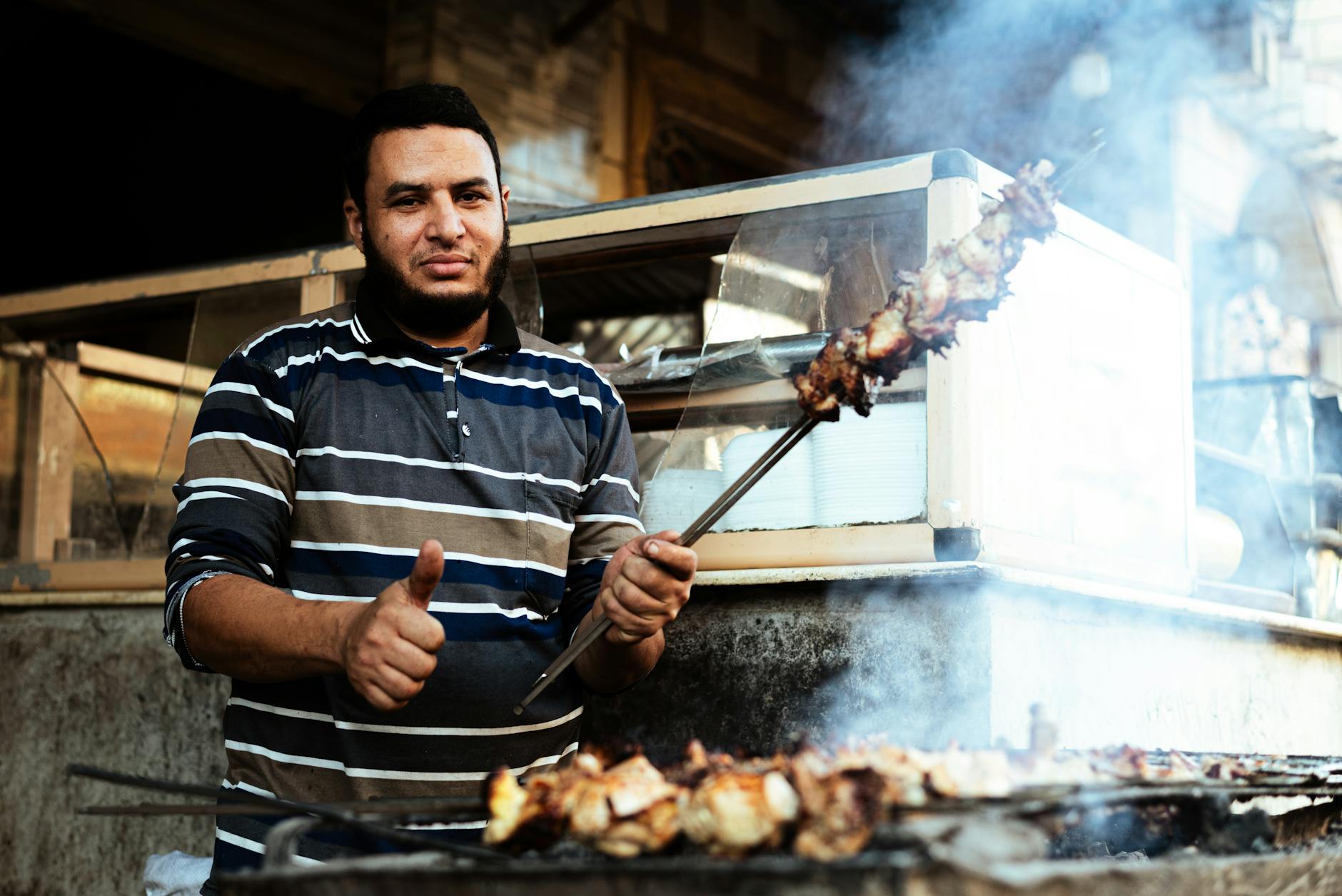
Egyptian food is comforting, filling, and often underrated by visitors who spend too much of the trip in hotel buffets. The best food experiences usually come from trusted local recommendations, guided food walks, simple neighborhood restaurants, bakeries, and specialist shops.
Food Identity
Egyptian food reflects the Nile, the Mediterranean, the Middle East, North Africa, Ottoman influence, Coptic traditions, street-food culture, and everyday working-city life. It is strong on legumes, bread, rice, pasta, vegetables, herbs, grilled meats, stews, pickles, sweets, and tea.
What to Eat
| Dish or drink | What it is | How to approach it |
|---|---|---|
| Koshary | Rice, lentils, pasta, chickpeas, tomato sauce, garlic vinegar, fried onions. | Essential Cairo comfort food; choose busy specialist shops. |
| Fuul | Slow-cooked fava beans, often breakfast. | Try with bread, oil, lemon, spices, vegetables. |
| Taameya | Egyptian falafel made with fava beans. | Best fresh and hot at breakfast or lunch. |
| Hawawshi | Spiced meat stuffed in bread and baked or grilled. | Great casual meal. |
| Molokhia | Green mallow-leaf soup/stew often served with rice and meat. | Texture surprises some visitors; worth trying. |
| Feteer | Flaky layered pastry, sweet or savory. | Good shared meal or snack. |
| Mahshi | Stuffed vegetables with rice/herbs. | Common home-style dish. |
| Grilled pigeon | Traditional specialty, especially for adventurous eaters. | Try in a trusted restaurant. |
| Seafood | Especially Alexandria, Red Sea, and coastal towns. | Choose fresh displays and agree prices if applicable. |
| Om Ali | Bread-pudding-like dessert with milk, nuts, pastry. | Good end to a traditional meal. |
| Sugarcane juice | Fresh cane juice. | Choose busy stands with good hygiene. |
| Tea and coffee | Strong tea, Turkish-style coffee, café culture. | A social pause more than a caffeine stop. |
Where to Eat by Situation
| Situation | Best approach |
|---|---|
| First night in Cairo | Keep it simple: hotel restaurant, trusted local spot, Zamalek/Garden City restaurant, or guide-recommended place. |
| Food adventure | Book a Cairo food walk early in the trip. It pays off immediately. |
| Ancient-site day lunch | Use guide/driver recommendations, but be clear if you want local food rather than a tourist buffet. |
| Luxor/Aswan dinner | Nile-view restaurants, hotel terraces, simple grills, or trusted local spots. |
| Red Sea resort | Choose resort quality carefully; dining can be a major difference between good and mediocre stays. |
| Families | Hotels, casual Egyptian restaurants, bakeries, rice/grill options, and familiar resort meals when needed. |
| Vegetarian | Easier than many meat-heavy countries because fuul, taameya, koshary, mahshi, salads, bread, and lentils are common; still check broth, meat, and cross-contamination. |
| Gluten-free/celiac | Harder. Wheat bread and pasta are common, and cross-contamination can be difficult to control. Use translation cards and higher-end restaurants/hotels. |
Food Safety
- Drink bottled or properly filtered water.
- Be careful with raw salads and unpeeled fruit if hygiene is uncertain.
- Choose busy restaurants with turnover.
- Pack oral rehydration salts.
- Do not turn the first day into a street-food marathon after a long flight.
- Use a food guide if you want street food confidently.
Tipping and Service
Tipping, often called baksheesh, is part of Egyptian travel life. It applies to guides, drivers, hotel staff, bathroom attendants, boatmen, luggage handlers, and small services. It can feel constant if you are not prepared.
The move: Carry small notes, decide your tipping style ahead of time, and do not let small baksheesh moments ruin a trip. Use guides/hotels to understand reasonable current norms.
Alcohol
Alcohol is available in many hotels, resorts, bars, and licensed restaurants, but not everywhere. Public drunkenness is disrespectful and can create trouble. During Ramadan and religious holidays, availability and social norms can feel different.
Getting Around
Egypt transport is not one system. A smart route may combine domestic flights, private drivers, trains, cruise boats, buses, ferries, ride-hailing, and walking.
Arrival Airports
Egypt’s official tourism site lists multiple international airports including Cairo International, Sphinx International, Hurghada, Marsa Alam, Sharm el-Sheikh, Taba, Luxor, Aswan, Borg el-Arab, and others.[2]
Cairo International: Main long-haul gateway.
Sphinx International: Useful for Giza, GEM, and some regional/charter routes.
Luxor/Aswan: Useful for skipping long overland journeys.
Hurghada/Marsa Alam/Sharm: Useful for Red Sea routes.
Domestic Flights
Domestic flights often make sense because Egypt is large and classic routes can be long by road or train. Egypt’s official tourism site names EgyptAir, Nile Air, and Air Cairo as domestic operators.[2]
Use flights for:
- Cairo-Luxor.
- Cairo-Aswan.
- Cairo-Abu Simbel via Aswan routing where schedules allow.
- Cairo-Hurghada/Sharm/Marsa Alam.
- Red Sea-Cairo returns.
Watch out: Delays, schedule changes, luggage limits, and early departures. Do not book tight international connections after domestic flights.
Trains
Egypt’s official tourism guidance describes air-conditioned trains between Cairo, Alexandria, the Delta, Canal Zone, Luxor, and Aswan, and says schedules/online tickets are available through Egyptian Railways, with seats often reservable up to seven days in advance.[2] It also describes sleeper cars with two-bed cabins and dining.[2] The Egyptian National Railways site has official booking functions, though foreign-passenger booking availability can vary.[12] Abela operates Egypt’s sleeper-train services according to its official site.[13]
Best train use:
- Cairo-Alexandria.
- Cairo-Luxor/Aswan for travelers who enjoy rail or want sleeper experience.
- Shorter Nile Valley segments, where schedules and ticketing work.
Common mistake: Assuming the train is always simpler than flying. It may be atmospheric, but flights can save energy.
Nile Cruises and Boats
Cruises usually operate between Luxor and Aswan, with stops at major sites. Feluccas are excellent for short river experiences. Local ferries matter in Luxor and Aswan. Luxury dahabeyas give a slower river trip.
The move: Choose boat type based on desired pace. Do not book a cruise only because “that’s what Egypt trips do.”
Private Drivers and Guides
Private drivers are often the most practical way to manage Cairo day trips, Luxor West Bank, Aswan sites, airport transfers, Abydos/Dendera, and some Red Sea transfers. Guides add value at major historical and urban sites.
Book through: Trusted hotels, reputable operators, licensed guides, or vetted local recommendations.
Agree on: Route, start time, inclusions, shopping stops, entrance tickets, lunch, tipping expectations, and whether the guide is Egyptology-specialized.
Buses
Egypt’s official tourism site describes long-distance buses connecting Cairo with the Nile Valley, Faiyum, oases, Red Sea, Sinai, Suez Canal zone, Delta, Alexandria, Marsa Matruh, and Siwa through several major bus companies.[2] Private operators such as Go Bus and Blue Bus sell intercity tickets online for many common routes.[15][16]
Best for: Budget travel, Cairo-Hurghada, Cairo-Sharm/Dahab, Cairo-Alexandria/Marsa Matruh, and some Red Sea-Luxor links.
Watch out: Long drives, checkpoints, night travel, station locations, comfort variability.
Ride-Hailing and Taxis
Ride-hailing apps are widely used in Greater Cairo and Alexandria, according to Egypt’s official tourism site.[2] They reduce negotiation friction but do not eliminate traffic. Traditional taxis should use meters; confirm before moving.
The move: Use ride-hailing for city point-to-point trips, but use private drivers for site days where waiting, routing, and timing matter.
Car Rental and Self-Driving
Most first-time visitors should not self-drive in Cairo or on major intercity routes. Foreign advisories warn about road conditions, high-speed traffic, unlit vehicles, pedestrians, animals, wrong-way drivers, and poor conditions during rare rains.[7]
When a car may make sense: Red Sea resort areas, small towns, or very specific routes for experienced drivers, but a hired driver is usually better.
Walking
Walking is excellent inside specific zones: Zamalek, parts of Downtown, Islamic Cairo with a guide, Luxor riverside, Aswan corniche, resort towns, and archaeological sites. It is not pleasant everywhere. Sidewalks, crossings, heat, traffic, and harassment vary.

Budget and Costs
Egypt can be excellent value, but the range is wide. You can travel cheaply using local food, trains, simple hotels, and group tours. You can also spend heavily on luxury hotels, private guides, dahabeyas, high-end Nile cruises, Red Sea resorts, and domestic flights.
Because exchange rates and entrance fees change frequently, use the ranges below as editorial planning categories, not fixed prices.
Daily Budget Ranges
| Traveler type | Daily estimate excluding major flights and big shopping | What it usually means |
|---|---|---|
| Shoestring | Low budget, highly variable | Hostels/simple hotels, trains/buses, local food, limited paid guides, bargaining tolerance, slower pacing. |
| Budget comfort | Moderate | Basic private rooms, some guides/shared tours, ride-hailing, local restaurants, selective domestic flights. |
| Mid-range | Comfortable | Good hotels, private transfers for site days, licensed guides, domestic flights, casual-to-good restaurants. |
| Comfortable / upper-mid | High-comfort | Better hotels, private guides most days, Nile cruise or boutique stays, airport transfers, stronger restaurants. |
| Luxury | Very high | Historic/luxury hotels, dahabeya or premium cruise, expert Egyptologists, private airport assistance, fine dining, top Red Sea resorts. |
What Is Surprisingly Affordable
- Local food.
- Many ride-hailing trips by international standards.
- Private drivers compared with Western Europe/North America.
- Mid-range hotels outside peak demand.
- Some guided experiences.
What Is Surprisingly Expensive
- High-quality Nile cruises/dahabeyas.
- Luxury hotels in high season.
- Domestic flights booked late.
- Special tomb tickets and major archaeological-site ticket stacks.
- Red Sea resorts during peak holidays.
- Good guides during peak periods.
Best Value Moves
- Use a private guide for Giza/Saqqara and Luxor rather than overspending on random extras.
- Stay in a practical Cairo area, not just the cheapest far-flung hotel.
- Use domestic flights to save energy when time is short.
- Eat local food with trusted guidance.
- Add one strong museum day instead of rushing every site.
- Choose a Red Sea resort based on reef/food/location, not just star rating.
- Carry small cash to avoid awkward tipping moments.
Splurge-Worthy
- An excellent guide in Cairo/Giza and Luxor.
- GEM plus Pyramids day with proper pacing.
- A well-chosen Nile cruise or dahabeya.
- A Nile-view room in Aswan or Luxor.
- One or two nights at a historic Cairo or Luxor hotel if budget allows.
- A quality Red Sea resort after heavy touring.
- Private transfers on long, hot, or logistically awkward days.
Usually Not Worth It
- Camel/horse rides arranged impulsively under pressure at Giza.
- A poor-quality Nile cruise chosen only by low price.
- Overpriced souvenir stops inserted into tours.
- Long day trips that leave no time at the destination.
- Self-driving to “save money” if it increases stress and risk.
- Paying extra for a pyramid view hotel if the hotel quality is otherwise poor and you are never there during daylight.
Safety, Health, and Scams
Egypt safety needs a calm, specific tone. Fearmongering is lazy. So is breezy reassurance.
General Safety
Many visitors complete classic Egypt trips without serious problems. Tourist policing, hotel security, bag checks, checkpoints, and guide networks are visible. That said, foreign advisories cite terrorism risk, regional tension, crime, health, demonstrations, and area-specific travel restrictions.[7][6][8]
The right message: Egypt’s mainstream tourist route is highly traveled, but not risk-free. The risk profile changes sharply by region and behavior. Follow current advisories, use reputable operators, avoid demonstrations, stay alert in tourist areas, and do not improvise remote or border travel.
Areas Requiring Special Caution or Avoidance
Current official advice must be checked before publication, but recurring high-concern categories include:
- North and Middle Sinai.
- Border areas with Libya, Sudan, Gaza/Israel, and military zones.
- Parts of the Western Desert without licensed operators.
- Roads and areas where advisories prohibit or discourage travel.
- Demonstration sites and politically sensitive gatherings.
- Security and military facilities.
The UK FCDO gives detailed warnings and exceptions by region; the U.S. State Department says not to travel to Northern/Middle Sinai, Western Desert unless with professionally licensed tour companies, and Egyptian border areas.[6][7]
Common Scams and Hassles
| Situation | What it looks like | How to handle it |
|---|---|---|
| “Free” help | Someone offers unsolicited guidance, then demands payment. | Use official staff or your guide; decline early and firmly. |
| Camel/horse pressure | Attractive low price becomes unclear ride duration, extra fees, or pressure for tips. | Arrange through trusted guide/operator; agree all terms before mounting. |
| Ticket confusion | Unofficial sellers or “closed site” claims near entrances. | Buy from official counters/sites where possible. |
| Taxi overcharging | No meter, inflated price, “broken” meter. | Use ride-hailing or agree price before entering. |
| Shopping detours | Tour includes perfume/papyrus/alabaster/carpet stops. | State no shopping stops when booking. |
| Bathroom tips | Attendant expects small note for tissue/access. | Carry small notes; do not overreact. |
| Photo tip demands | People pose, offer animals, or appear in frame then ask for money. | Ask before photographing people; avoid staged situations if unwanted. |
| Fake officials | Person claims authority to redirect or sell. | Look for uniforms, official counters, and your guide. |
Women Travelers and Harassment
Women may experience staring, comments, persistent offers, or harassment, especially in crowded areas and around tourist sites. Many women travel successfully in Egypt, including solo, but tactics matter: modest dress in urban/religious contexts, confident body language, ride-hailing/private drivers at night, reputable guides, and avoiding isolated streets after dark.
Foreign advisories also note special health and safety concerns for women and limited assistance for sexual-assault victims.[7]
Health
The CDC recommends travelers be up to date on routine vaccines and gives Egypt-specific guidance including typhoid for many travelers, yellow fever requirements only for travelers arriving from countries with yellow-fever risk, and standard water/food precautions.[9]
Practical health moves:
- Buy medical insurance that covers evacuation.
- Bring prescriptions in original packaging and documentation.
- Avoid bringing CBD/medical marijuana products; foreign advisories warn of arrests/convictions for such products.[7]
- Use bottled/filtered water.
- Pack oral rehydration salts.
- Manage heat aggressively.
- Bring sunscreen, hat, and breathable clothing.
- Know that urgent medical options may be limited outside major cities and tourist areas.[7]
Heat
Heat is one of Egypt’s biggest practical risks. It affects decision-making, hydration, patience, and enjoyment.
Rules:
- Start outdoor sites early.
- Carry water everywhere.
- Use hats and shade.
- Do not stack tombs/temples endlessly.
- Rest midday in hot months.
- Treat children, older travelers, and heat-sensitive travelers carefully.
Photography, Social Media, and Law
Egypt is not a place to be casual about sensitive photography or political commentary. Do not photograph military, police, government, security, checkpoints, or infrastructure where prohibited. The official tourism site says photographing children is forbidden and Egyptian citizens may be photographed only after written permission.[2] Foreign advisories warn that people have been detained for social-media posts seen as critical of Egypt or its allies.[7]
Accessibility and Mobility
Egypt can be difficult for travelers with mobility limitations, but some trips can be designed well with private support.
What Helps
- Private drivers and guides.
- High-end hotels with elevators and staff support.
- Some major museums and newer facilities.
- Cairo/Giza planning with fewer stops.
- Nile cruises where cabins, dining, and transfers are manageable.
- Red Sea resorts with accessible rooms if confirmed directly.
- Wheelchair or mobility support arranged in advance at airports and hotels.
What Is Hard
- Sand, gravel, uneven stone, ramps, tomb stairs, boats, docks, and heat.
- Crowds at major sites.
- Older hotels and small guesthouses.
- Cairo sidewalks and crossings.
- Temple sites with long walking distances.
- Ferries and feluccas without step-free access.
- Restrooms at archaeological sites.
Lower-Walking Strategy
Build a slower route: Cairo/Giza with GEM, one carefully paced Pyramids visit, fly to Luxor, use a private guide/driver, choose fewer tombs, stay at accessible hotels, use Nile-view rest days, and add a Red Sea resort with verified accessible rooms. Avoid promising universal accessibility.
Families, Solo Travelers, Women Travelers, LGBTQ+ Travelers, and Special Considerations
Families
Egypt can be spectacular with children: pyramids, mummies, boats, animals, temples, desert, snorkeling, and stories that feel bigger than schoolbooks. But kids can also be overwhelmed by heat, crowds, sellers, early starts, and long drives.
Best family route: Cairo/Giza → Luxor → Aswan → Red Sea.
Family tips:
- Use private guides who are good with children.
- Stay in hotels with pools.
- Avoid long lecture-heavy site days.
- Bring snacks and water.
- Use domestic flights when time is short.
- Make one major site per day the rule.
- Add the Red Sea at the end.
Solo Travelers
Solo travel is possible, but Egypt is often easier with selective support. Cairo food walks, guided Islamic Cairo, group or private site days, and pre-arranged drivers reduce friction.
Best solo bases: Zamalek, Downtown/Garden City, East Bank Luxor, central Aswan, Dahab or El Gouna depending style.
Solo tip: Spend your independence where it is pleasant — cafés, museums, Nile walks, resort towns — and pay for help where friction is predictable.
Women Traveling Solo
Many solo women visit Egypt successfully, but it demands situational awareness. Choose hotels carefully, use ride-hailing/private drivers at night, book guides for high-pressure sites, dress modestly in cities and religious areas, and avoid engaging with persistent strangers.
LGBTQ+ Travelers
Egypt is socially conservative, and LGBTQ+ travelers should be discreet. Public displays of affection are generally modest across the board, and same-sex couples should carefully choose hotels and operators. A guide should reference current legal and human-rights context without sensationalism.
Older Travelers
Egypt is excellent for older travelers when well paced: private guides, drivers, domestic flights, cruise logistics, strong hotels, and winter travel. It is hard when done as a budget endurance test.
Religious Travelers
Egypt has profound Islamic, Coptic Christian, Jewish, ancient religious, and pilgrimage histories. Dress modestly at active religious sites, remove shoes where required, and do not treat worshippers as scenery.
Shopping and Souvenirs
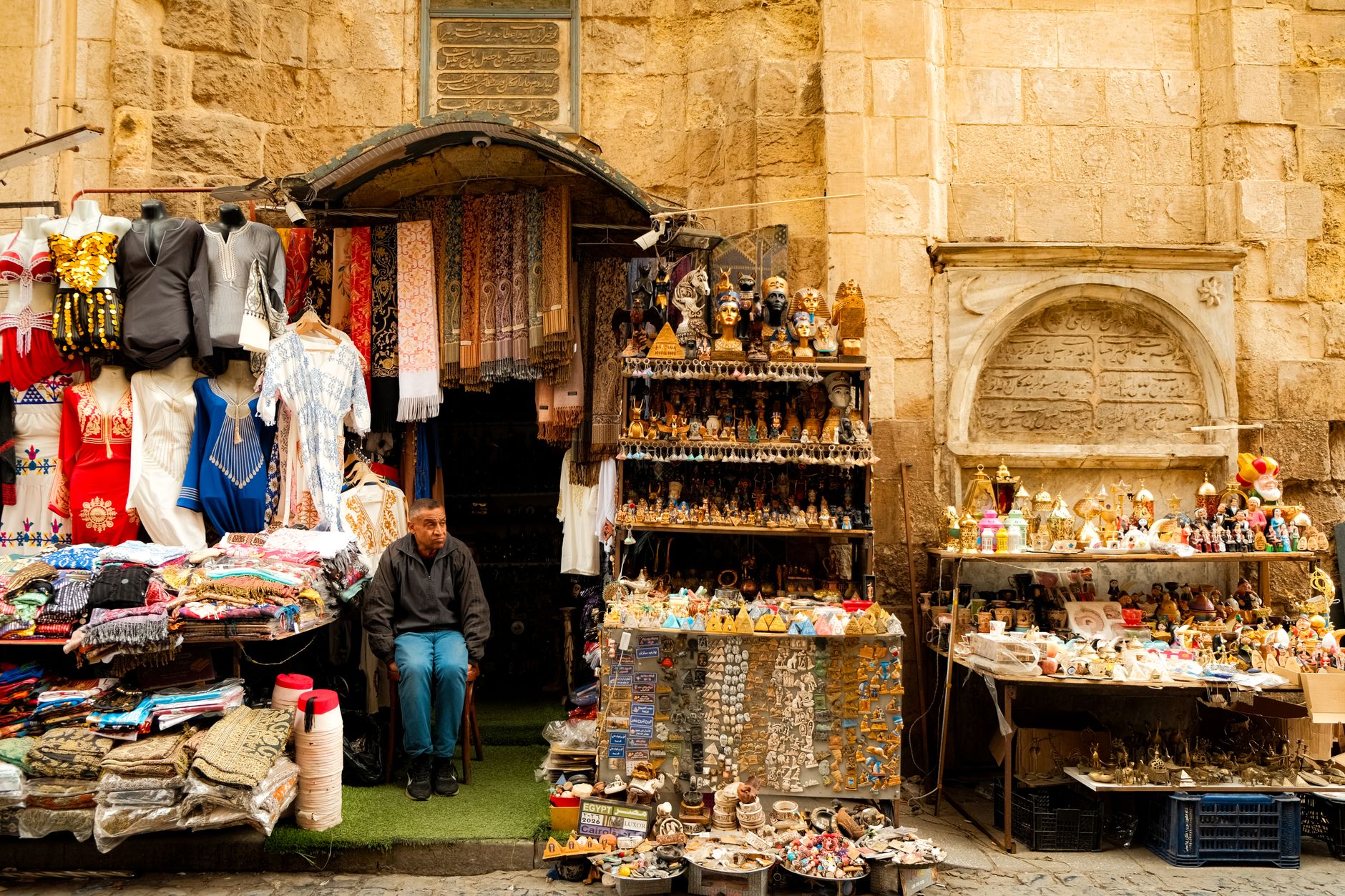
Egypt can be wonderful for shopping if you avoid formulaic tourist traps.
Good Souvenirs
- Cotton textiles.
- Brass/copper items.
- Handmade ceramics.
- Spices and hibiscus.
- Dates.
- Egyptian cookbooks.
- Jewelry from reputable shops.
- Papyrus only from trustworthy sources.
- Alabaster/stone items only if you know what you are buying.
- Nubian crafts bought respectfully.
- Museum shops and certified replicas.
What to Be Careful With
- “Ancient” artifacts. Do not buy antiquities or anything that could be cultural property.
- Papyrus demonstrations tied to commission tours.
- Perfume oil shops with inflated pricing.
- Camel leather or animal products with import restrictions.
- Counterfeit goods.
- Items made from coral, shells, or wildlife products.
- Anything sold under pressure.
Bargaining
Bargaining is normal in markets, but not in all shops. Keep it friendly. Decide your maximum price before beginning. Walking away is part of the process. Do not bargain aggressively over tiny amounts with people who have less money than you.
Arts, Culture, History, and Context
Short History for Travelers
Egypt’s travel story begins with geography. The Nile created a fertile ribbon through desert, enabling agriculture, settlement, religious systems, state formation, and monumental building. Ancient Egypt’s dynastic history stretched over millennia, from early unification through Old Kingdom pyramids, Middle Kingdom statecraft, New Kingdom imperial power, and later periods of Libyan, Nubian, Assyrian, Persian, Greek, Roman, Byzantine, Arab, Ottoman, and modern Egyptian rule.
The pyramids belong mostly to the Old Kingdom world of Memphis. Luxor belongs to Thebes and the New Kingdom. Aswan and Abu Simbel connect Egypt to Nubia, empire, trade, and the politics of the southern frontier. Coptic Cairo connects Roman, Byzantine, and early Christian Egypt. Islamic Cairo reflects Fatimid, Ayyubid, Mamluk, Ottoman, and modern layers. Alexandria carries Greek, Roman, Mediterranean, cosmopolitan, and modern Egyptian histories.
A good Egypt guide should not flatten this into “pharaohs.” Egypt is not one ancient era. It is a long argument between river, desert, empire, religion, trade, colonialism, nationalism, modern city life, and tourism.
UNESCO World Heritage Sites
UNESCO lists seven World Heritage properties in Egypt: Abu Mena, Ancient Thebes with its Necropolis, Historic Cairo, Memphis and its Necropolis from Giza to Dahshur, Nubian Monuments from Abu Simbel to Philae, Saint Catherine Area, and Wadi Al-Hitan.[11]
| Site | Best for travelers |
|---|---|
| Memphis and its Necropolis | Giza, Saqqara, Dahshur, pyramid evolution. |
| Ancient Thebes | Luxor, Karnak, West Bank tombs, temples. |
| Nubian Monuments | Philae, Abu Simbel, Lake Nasser route. |
| Historic Cairo | Islamic Cairo, monuments, mosques, medieval urban fabric. |
| Saint Catherine Area | Monastery and mountain pilgrimage, subject to Sinai travel advice. |
| Wadi Al-Hitan | Whale fossils, desert landscapes, Faiyum. |
| Abu Mena | Early Christian archaeology near Alexandria, but access/planning may be specialized. |
Etiquette and Cultural Norms
- Dress modestly in cities, villages, and religious sites.
- Cover shoulders/knees at mosques, churches, monasteries, and conservative areas.
- Remove shoes where required.
- Ask before photographing people.
- Avoid photographing children.
- Do not photograph security/military/police infrastructure.
- Use right hand or both hands when giving/receiving items where possible.
- Learn basic Arabic greetings: salaam alaikum, shukran, min fadlak/fadlik.
- During Ramadan, be discreet about eating, drinking, and smoking in public during daylight outside tourist/hotel contexts.
- Respect queues, family spaces, and gender norms in conservative settings.
- Do not touch temple walls, reliefs, or tomb paintings.
Seasonal and Month-by-Month Guide
Winter
Winter is Egypt’s high season for a reason. This is the most comfortable time for classic cultural travel.
Best experiences: Pyramids, GEM, Saqqara, Luxor West Bank, Karnak, Aswan, Abu Simbel, desert trips, Nile cruises.
Book early: Guides, cruises, dahabeyas, luxury hotels, Red Sea resorts around holiday periods.
Packing: Layers, light jacket, scarf, sun protection.
Spring
Spring is beautiful but warmer and can bring dust/wind. Ramadan timing can reshape daily rhythms.
Best experiences: Cairo, Red Sea, Nile cruises, photography.
Watch out: Heat in Upper Egypt, dust, late spring fatigue.
Summer
Summer is low season for a reason in Upper Egypt. It can still work for Red Sea resorts, divers, and travelers on strict budgets.
Best experiences: Diving, snorkeling, resort stays, museum-heavy Cairo if you can handle heat.
Watch out: Extreme heat, dehydration, site closures/hours, uncomfortable transport.
Autumn
Autumn is one of the best periods, especially from late October onward.
Best experiences: Full classic route, Red Sea, desert, Cairo.
Book early: November guides/cruises/hotels.
Responsible and Respectful Travel
Egypt’s ancient sites are not indestructible. Its living neighborhoods are not stage sets. Its people are not props.
Do
- Use licensed guides and reputable operators.
- Pay fair prices and tip appropriately.
- Respect photography rules.
- Stay off ancient stones and do not touch reliefs.
- Use reef-safe practices in the Red Sea.
- Avoid animal rides where welfare or handling seems poor.
- Support local restaurants and craftspeople directly.
- Dress respectfully outside resort zones.
- Ask permission before photographing people.
- Use refill/large-water systems where safe to reduce plastic, but do not risk illness.
Do Not
- Bring drones.
- Buy antiquities.
- Climb on monuments.
- Photograph security facilities.
- Treat baksheesh as a personal insult every time it appears.
- Book exploitative animal experiences.
- Travel independently into restricted desert or border areas.
- Turn mosques, churches, and villages into content backdrops.
Local Logic
Egypt’s tourism economy depends on visitors, but visitors do not have the right to flatten Egypt into consumption. The best travelers are firm about boundaries, generous where appropriate, and humble in sacred or fragile places.
What to Skip
Skip: Trying to See All of Egypt in One Trip
Cairo, Giza, Saqqara, Luxor, Aswan, Abu Simbel, Alexandria, Siwa, White Desert, Hurghada, Sharm, Dahab, Marsa Alam, and Sinai mountains do not belong in one rushed first trip.
Better alternative: Choose one main spine and one add-on.
Skip: The Cheapest Nile Cruise You Can Find
A bad cruise can mean weak food, poor guiding, tired cabins, rushed stops, and generic group pacing.
Better alternative: Choose based on itinerary, vessel, guide quality, reviews, docking patterns, and trip style.
Skip: Pyramid Camel Rides Arranged Under Pressure
Camel rides can be memorable when ethical and transparent. They can also become the most annoying part of the day.
Better alternative: Arrange through your guide or skip entirely.
Skip: Abu Simbel From Luxor as a Day Trip
It is too long for most travelers.
Better alternative: Go from Aswan or stay overnight near Abu Simbel.
Skip: Driving Yourself in Cairo
Cairo driving is not a fun cultural immersion for first-timers.
Better alternative: Ride-hailing, private drivers, or hotel transfers.
Skip: Tourist-Trap Shopping Stops
Papyrus, perfume, alabaster, carpet, and jewelry stops may be fine if you want them. They are not fine when they hijack your day.
Better alternative: Tell operators no shopping stops before booking.
Skip: Treating Alexandria as a Beach Substitute
Alexandria is atmospheric, historic, and food-rich, but not the same as a Red Sea resort.
Better alternative: Visit Alexandria for city/sea/history; visit Red Sea for beach/reef/rest.
Common Mistakes
- Underestimating Cairo traffic. Distance on a map is not travel time.
- Booking too few nights in Luxor. Luxor is the heart of ancient-site travel.
- Doing GEM and Pyramids too aggressively. They can fill a day.
- Skipping Saqqara/Dahshur. These sites explain the pyramids.
- Adding the Red Sea without enough time. One exhausted night at the beach is not recovery.
- Ignoring heat. Summer Upper Egypt is not normal sightseeing weather.
- Not carrying small cash. Tipping and small purchases become irritating fast.
- Hiring guides only on price. Guide quality shapes the trip.
- Letting shopping stops dominate site days. Set boundaries early.
- Bringing a drone. Do not.
- Photographing sensitive sites or people casually. Rules and norms matter.
- Self-driving remote routes. Use drivers/operators.
- Forgetting current advisories. Egypt’s safety picture is regional.
- Overpacking temple days. Tomb and temple fatigue is real.
- Expecting total transparency at tourist sites. Prepare for negotiation and pressure.
- Drinking tap water because locals do. Short-term visitors should be cautious.
- Treating Egypt only as ancient Egypt. Cairo, Coptic history, Islamic art, Nubian culture, food, desert, and sea matter too.
Packing List
Essentials
- Passport valid for required period, visa/e-Visa documents, and printed copies.
- Travel insurance with medical evacuation.
- Credit/debit cards plus cash backup.
- Comfortable walking shoes with grip.
- Breathable modest clothing.
- Sun hat, sunglasses, sunscreen.
- Scarf or light cover-up for religious sites and sun.
- Reusable bottle if using filtered water; otherwise buy sealed water responsibly.
- Oral rehydration salts.
- Basic stomach medication after medical advice.
- Hand sanitizer and tissues.
- Power adapter.
- Portable battery.
- Offline maps and hotel addresses.
- Translation app.
- Small flashlight/headlamp for poorly lit paths or early starts.
- Swimwear for Red Sea/hotel pools.
- Light jacket for winter evenings or air-conditioned transport.
Do Not Pack
- Drone.
- CBD or medical marijuana products.
- Camouflage-style clothing.
- Unnecessary valuables.
- Heavy formal clothing unless needed.
- Revealing clothing for urban/religious contexts.
- Too much luggage if using trains, cruises, or frequent domestic flights.
Season-Specific
| Season | Add |
|---|---|
| Winter | Light jacket, layers, scarf, warmer sleepwear for desert/older hotels. |
| Spring | Dust protection, sunglasses, layers, allergy medication if needed. |
| Summer | Extra breathable clothes, electrolyte packets, strong sun protection, sandals for resort use. |
| Autumn | Light layers, sun protection, hat. |
The Move
Pack for heat, dust, modesty, and uneven ground — not for Instagram. Egypt rewards clothing that lets you last the whole day.
FAQ
Is Egypt worth visiting?
Yes. Egypt is one of the world’s great travel countries if you care about history, archaeology, rivers, deserts, culture, and monumental sites. It is not always easy, but the payoff is enormous.
How many days do I need in Egypt?
Eight to ten days is the best first-visit answer. Seven days can work but is tight. Twelve to fourteen days is better if adding the Red Sea. Two to three weeks lets you add desert, Alexandria, Sinai, or deeper archaeology.
What is the best first-time itinerary?
Cairo/Giza, Saqqara/Dahshur or Cairo museums, Luxor, Aswan, and Abu Simbel. Add Red Sea only if you have enough time.
Is Egypt safe for tourists?
Classic tourist routes are widely traveled, but Egypt has region-specific risks. Check current government advisories, avoid restricted areas, use reputable operators, stay away from demonstrations, and do not improvise remote travel.
Do I need a visa for Egypt?
Many travelers do. Egypt has an official e-Visa portal for eligible nationalities, and some travelers can obtain visa on arrival. Rules vary by nationality, entry point, and itinerary, so check official sources before travel.
Is the Grand Egyptian Museum open?
The official GEM ticketing site sells tickets and lists access to major museum areas including Tutankhamun Galleries, Main Galleries, Grand Hall, Grand Stairs, Khufu’s Boats Museum, commercial area, and exterior gardens. Verify hours and ticket availability before visiting.
Should I stay in Cairo or Giza?
Stay in Giza if the Pyramids/GEM are your main focus or you want a pyramid-view hotel. Stay in Zamalek, Garden City, or Downtown if you want Cairo restaurants, museums, and city access. Many travelers split: one Giza night, then Cairo.
Should I take a Nile cruise?
A Nile cruise is useful if you want packaged logistics between Luxor and Aswan. Choose carefully. Travelers who want more flexibility may prefer land-based Luxor and Aswan stays.
Is Abu Simbel worth it?
Usually yes for first-timers interested in ancient Egypt, but it is a long trip. Go from Aswan, not Luxor, unless on a special itinerary.
Can I visit the Red Sea after the Nile?
Yes, and it is often the best way to end the trip. Hurghada/El Gouna are easiest from Luxor; Marsa Alam is better for quieter reefs; Sharm/Dahab require Sinai-specific planning.
Can I travel independently in Egypt?
Yes in parts, but selective use of guides and drivers makes the trip much better. Use professional help for Giza/Saqqara, Luxor, Islamic Cairo, Abu Simbel logistics, and desert/oasis travel.
Should I tip in Egypt?
Yes. Tipping is part of travel life. Carry small EGP notes and ask trusted guides/hotels for current norms.
Can I bring a drone to Egypt?
No, not without explicit government permission. Do not bring one casually.
What should I book ahead?
GEM tickets, strong guides, Nile cruises/dahabeyas, domestic flights, Red Sea resorts in peak periods, Abu Simbel logistics, and desert/oasis operators.
What is the biggest Egypt planning mistake?
Trying to do too much. Egypt becomes much better when you stop racing and start sequencing the country intelligently.
Source Notes
Date-sensitive details in this guide were checked against official or high-reliability sources where possible. Re-check every visa rule, fee, safety advisory, museum opening hour, ticket rule, flight schedule, road permit, and border-crossing status before publication.
- 1. Arab Republic of Egypt, Electronic Visa Portal, FAQ, https://www.visa2egypt.gov.eg/eVisa/FAQ
- 2. Egyptian Tourism Authority / Ministry of Tourism and Antiquities, Experience Egypt, Useful Information, https://www.experienceegypt.eg/en/usefulinfo
- 3. Grand Egyptian Museum official ticketing website, https://tickets.gem.eg/
- 4. Ministry of Tourism and Antiquities, official monuments ticketing and information portal, https://egymonuments.com/
- 5. National Museum of Egyptian Civilization official site, https://nmec.gov.eg/
- 6. UK Foreign, Commonwealth & Development Office, Egypt Travel Advice, https://www.gov.uk/foreign-travel-advice/egypt
- 7. U.S. Department of State, Egypt Travel Advisory / Country Information, https://travel.state.gov/en/international-travel/travel-advisories/egypt.html
- 8. Australian Government Smartraveller, Egypt Travel Advice & Safety, https://www.smartraveller.gov.au/destinations/africa/egypt
- 9. U.S. Centers for Disease Control and Prevention, Egypt - Traveler View, https://wwwnc.cdc.gov/travel/destinations/traveler/none/egypt
- 10. World Bank Climate Change Knowledge Portal, Egypt Country Overview, https://climateknowledgeportal.worldbank.org/country/egypt-arab-republic
- 11. UNESCO World Heritage Centre, Egypt State Party page, https://whc.unesco.org/en/statesparties/eg
- 12. Egyptian National Railways official site, https://enr.gov.eg/
- 13. Abela Trains official site, https://abelatrains.com/
- 14. EGYPTAIR official website, https://www.egyptair.com/
- 15. Go Bus official website, https://go-bus.com/en
- 16. Blue Bus Egypt official website, https://bluebus.com.eg/en