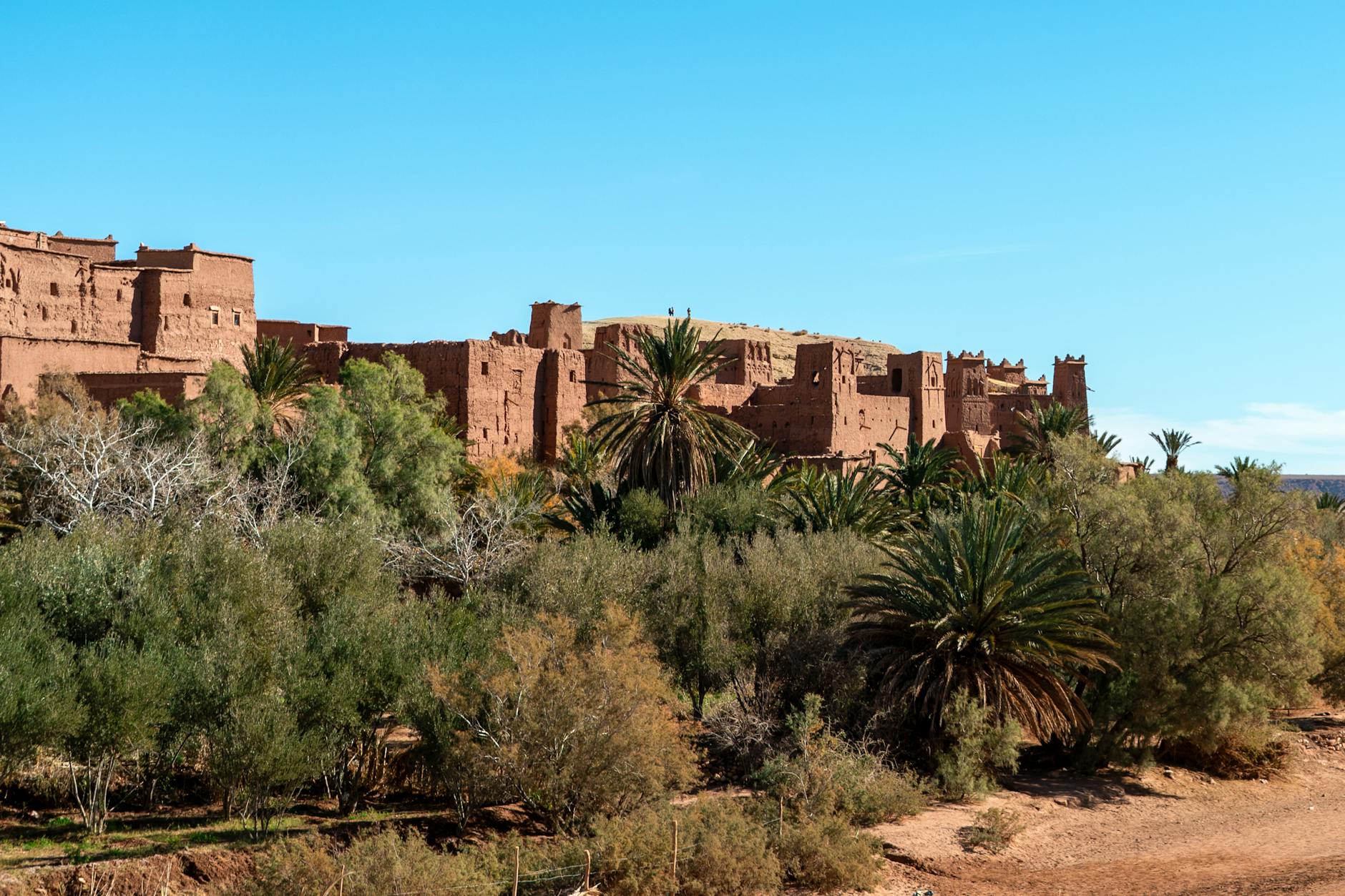
Morocco is close enough to Europe to be a weekend flight, but it does not travel like a weekend afterthought.
Start Here
It is the call to prayer echoing across a medina at dusk, cedar doors inside a riad courtyard, blue alleys in the Rif, Roman stones at Volubilis, Atlantic wind in Essaouira, surfboards in Taghazout, tiled fountains in Fez, palm groves beyond the High Atlas, a train sliding north toward Tangier, a desert camp under stars, a mountain road that looks short on the map but takes half a day, and a bargaining ritual that is less about the final number than the social choreography around it.
Most first-time visitors arrive with a handful of images: Marrakech, camels, blue Chefchaouen, Fez tanneries, spices, tiles, lanterns, dunes, mint tea, maybe Casablanca because of the movie. Morocco contains all of that, but the country is more interesting than the postcard. It is not a single exotic set piece. It is a layered North African kingdom shaped by Amazigh, Arab, Andalusi, Jewish, Saharan, sub-Saharan, Mediterranean, Atlantic, French, Spanish, and modern global influences. It is also a logistics country. The difference between a great Morocco trip and an exhausting one often comes down to sequencing: which city first, how many nights in each medina, whether the Sahara is worth the drive, whether to combine north and south, whether to rent a car, whether to use trains, whether to hire a driver, and how much heat, haggling, walking, dust, and stimulation you actually want.
The first-timer mistake is trying to make Morocco both compact and complete. It is neither. Marrakech, Fez, the High Atlas, the Sahara dunes, Chefchaouen, Tangier, Rabat, Casablanca, Essaouira, Agadir, the Anti-Atlas, and the Atlantic surf coast can all belong to a Morocco trip, but they do not all belong to the same short Morocco trip. Morocco rewards travelers who choose a coherent route family and give each place enough time to reveal its rhythm.
This guide is built for that decision. It explains how Morocco works, which version of Morocco fits your trip, where to begin, how to sequence the cities, when the desert is worth it, when the coast is better, how to use trains and drivers intelligently, what to book ahead, how to behave in medinas, how to eat well, how to avoid common scams, what to skip, and how to travel with respect in a country where hospitality is real but tourism pressure is also real.
Morocco in one sentence: Morocco is a country of thresholds — between city and desert, mountain and coast, Africa and Europe, ritual and commerce — where the best trip comes from choosing one clear route and letting texture matter more than mileage.
Quick Verdict
| Question | Answer |
|---|---|
| Best for | Medinas, architecture, riads, food, textiles, ceramics, photography, Islamic art, Jewish heritage, Amazigh culture, desert landscapes, mountain villages, Atlantic towns, surf, hammams, gardens, craft shopping, road trips, rail travel between major northern cities, and travelers who like sensory cities with strong local identity. |
| Not ideal for | Visitors who dislike bargaining, persistent sales attention, crowds, heat, uneven walking surfaces, conservative social norms, long road days, or destinations where logistics sometimes require negotiation. Morocco is rewarding, but it is not frictionless. |
| Ideal first trip | 9 to 12 days. One week can work if you choose either Marrakech + coast/Atlas or Fez + north. Ten days gives you a classic Marrakech–Atlas–Sahara–Fez or Marrakech–Essaouira–Fez/north route. Two weeks lets Morocco breathe. |
| Best months | March to May and September to November for most first-timers. Winter is excellent for cities and desert but can be cold in mountains. Summer is best treated as coast-focused unless you tolerate heat well. Official tourism guidance emphasizes Morocco’s climatic contrasts: coasts are usable year-round, inland areas become more continental, and the Sahara is best approached in spring and autumn.[5] |
| Best first route | For the classic first trip: Marrakech + High Atlas/Aït Ben Haddou + desert route + Fez, with either Casablanca/Rabat/Tangier depending flights. For a lower-stress first trip: Marrakech + Essaouira + Fez by rail/driver. |
| Best first base | Marrakech if you want energy, riads, gardens, souks, and access to Atlas/coast. Fez if you want deep history and medieval urban texture. Tangier if you want northern Morocco and Spain-facing atmosphere. Rabat if you want calm, polish, and rail convenience. |
| Biggest planning mistake | Underestimating road time and overvaluing the Sahara as a one-night box to check. The dunes can be magical, but the drive is long. If you do the desert, do it properly. If you do not have time, choose Agafay, the Atlas, Essaouira, or southern kasbah country instead of pretending a rushed desert run is effortless. |
| One thing to book early | Peak-season riads in Marrakech and Fez, good desert camps, private drivers for south/desert routes, Toubkal or High Atlas guides, cooking classes, popular restaurants, and train tickets for key intercity legs if your schedule is fixed. |
| One thing to leave unscheduled | Tea on a rooftop, slow souk wandering, a hammam, a sunset walk in Essaouira, extra time in a medina, a market breakfast, a conversation with an artisan, or an unplanned garden/café break after sensory overload. |
| Best low-cost pleasures | Medina wandering, mint tea on rooftops, street food, public hammams, train travel, coastal walks, kasbah views, local markets, small museums, gardens, blue-hour photography, and watching daily life from a café. |
| Most important warning | Do not treat every friendly approach as friendship and do not treat every sales interaction as a threat. Morocco works through social interaction. Be warm, firm, clear, and patient. Say no calmly, use official guides when useful, and do not follow strangers into shops, tanneries, or “closed” routes unless you have chosen that interaction. |
The Move
Choose one Morocco for your first trip: imperial-city Morocco, Marrakech-and-south Morocco, Fez-and-north Morocco, coastal Morocco, desert Morocco, or food/craft Morocco. Trying to do all of them in seven days is the fastest way to turn a beautiful country into a blur of transfers.
Who Will Love Morocco?
You will probably love Morocco if you want:
- A destination where the built environment is part of the trip: medinas, riads, fountains, tilework, carved cedar, kasbahs, ramparts, courtyards, mosques, madrasas, synagogues, hammams, gardens, and earthen villages.
- Food that feels both familiar and deeply specific: tagines, couscous, pastilla, harira, msemen, rfissa, grilled meats, sardines, olives, dates, oranges, almonds, mint tea, amlou, preserved lemon, and regional variations that shift from Fez to Marrakech to the coast to the Sahara.
- A country where one itinerary can move from medieval city to mountain pass to palm oasis to dunes to Atlantic wind.
- Craft culture that is still visible: leather, brass, carpets, pottery, zellige tile, woodwork, metal lanterns, baskets, textiles, slippers, argan products, and ceramics.
- Strong first-trip variety without needing long-haul internal flights, if you route carefully.
- A place that rewards guides, conversations, and context rather than just self-guided sightseeing.
You may struggle with Morocco if you want:
- A destination where you can avoid all bargaining, solicitation, and informal guidance.
- Perfectly predictable logistics at every step.
- Easy accessibility in old towns with smooth sidewalks, elevators, curb cuts, and step-free streets.
- Alcohol-forward nightlife or a highly permissive public social culture.
- A trip that feels quiet all day. Medina cities are intense.
- A Sahara experience without long travel time.
- Summer city sightseeing without heat management.
Morocco is not difficult because nothing works. Much works well: trains on key routes, tourism infrastructure, riads, guides, drivers, restaurants, airports, and long-distance buses. The challenge is that Morocco asks visitors to participate in a more relational travel culture. You have to choose guides, agree prices, read social cues, ask questions, check routes, and manage attention without becoming either gullible or hostile. Done well, that interaction is part of the trip.
Morocco at a Glance
| Practical | Detail |
|---|---|
| Official name | Kingdom of Morocco. Morocco also administers most of Western Sahara, a disputed territory; travel planning and advisories for that region should be treated separately and checked carefully. |
| Capital | Rabat. Casablanca is the largest city and main international business/air hub. Marrakech and Fez are the most famous visitor cities. |
| Languages | Arabic and Amazigh are official. Moroccan Arabic, or Darija, is the everyday spoken Arabic. French is widely used in business, tourism, menus, and administration. Spanish is useful in parts of the north. English is increasingly common in tourism but not universal. |
| Currency | Moroccan dirham, usually written MAD or DH. Morocco is cash-friendly. Cards work at many hotels, better restaurants, shops, and petrol stations, but cash remains essential for taxis, markets, tips, small restaurants, guides, hammams, and rural areas. |
| Entry basics | Visa rules depend on nationality. Morocco’s official tourism site says eVisa or electronic authorization applications can be handled through Accès Maroc, and gives 90 days as the maximum tourist-trip duration, with possible extension through a police station.[2] |
| Official eVisa portal | Accès Maroc is the official portal connected to the Moroccan foreign ministry for visas/eVisas and electronic authorizations.[3] |
| Time zone | Morocco generally uses UTC+1, but time changes around Ramadan can occur. Always check local time close to travel, especially for flights, trains, ferries, and Ramadan-period travel. |
| Electricity | 220V, 50Hz. Type C and E plugs are common. Travelers from North America, the UK, Australia, and many other regions need an adapter; voltage-sensitive appliances need checking. |
| Main airports | Casablanca Mohammed V, Marrakech Menara, Agadir Al Massira, Tangier Ibn Battouta, Rabat-Salé, Fez-Saïss, Essaouira, Ouarzazate, Nador, Oujda, Laayoune, Dakhla, and others depending routes. |
| Best rail cities | Tangier, Rabat, Casablanca, Marrakech, Fez, Meknes, Kenitra. The high-speed Al Boraq route serves Tangier, Kenitra, Rabat, and Casablanca, with Tangier–Casablanca listed by Morocco’s official tourism site at about 2h10.[6] |
| Emergency numbers | UK FCDO lists ambulance 150, fire 150, police 190, and gendarmerie 177.[11] Save them offline and ask your hotel which number is most relevant locally. |
| Tap water | Use caution. U.S. State Department country information says tap water is not potable in many areas, bottled water is generally safe, and ice may be made from tap water.[9] |
| General safety level | Morocco is heavily visited and most classic routes are straightforward with normal precautions, but current U.S. advice is Level 2, “Exercise Increased Caution,” due to terrorism.[8] Canada also advises high caution and flags Western Sahara, Berm, and Algeria-border risks separately.[10] |
| Best planning apps/sites | ONCF/ONCF Voyages for trains, Google Maps, Maps.me/offline maps, WhatsApp, your riad/hotel contact, airline apps, and weather sources for mountains/desert. Local map accuracy varies inside medinas. |
| Official tourism source | Visit Morocco, the Moroccan National Tourist Office site, is the main official visitor source.[1] |
First-Timer Mistake
A lot of travelers ask, “Can I do Marrakech, Fez, Chefchaouen, the Sahara, Essaouira, and Casablanca in one week?” Technically, yes. Intelligently, no. Morocco is not a country to win by touching every pin. The real question is: What kind of Morocco trip do you want, and how much transfer time are you willing to pay for it?
Current Visitor Notes
Visa Rules Are Nationality-Specific, and 90 Days Is Not a Universal Planning License
Morocco’s official tourism site says the need for a visa depends on nationality and that eVisa/AEVM applications can be submitted through Accès Maroc. It also states that the maximum duration of a tourist trip is 90 days, with the possibility of applying for an additional 90 days at a police station.[2] Do not turn that into a casual assumption. Your passport nationality, purpose of travel, airline rules, passport validity, prior travel, and visa/eVisa category can change what you need.
The move: Check your passport on the official Morocco/embassy/consulate route before booking nonrefundable travel. Print or save confirmations. Use a six-month passport-validity buffer even if a minimum-duration rule appears more flexible; airlines can be stricter than the border desk.
Morocco’s eVisa System Exists, But Eligibility Is Not for Everyone
Accès Maroc is the official portal for visa, eVisa, event eVisa, and electronic authorization procedures.[3] Morocco’s foreign ministry has described eVisa processing for concerned nationals through that platform.[4] Eligibility and conditions vary. Some travelers are visa-exempt; some need an eVisa; some need a consular visa; some may qualify because they hold valid residence or visas from certain countries.
The move: Do not use a random visa blog as your source of truth. Use Accès Maroc and the Moroccan embassy/consulate that covers your nationality or residence.
The Train Network Is a Major Planning Advantage, But It Does Not Cover the Whole Country
Morocco’s rail system is very useful for Tangier, Rabat, Casablanca, Marrakech, Fez, Meknes, and Kenitra. The official tourism site says the high-speed train currently serves Tangier, Kenitra, Rabat, and Casablanca, with Tangier–Casablanca in about 2h10, Rabat–Tangier in about 1h20, and Kenitra–Tangier in about 50 minutes.[6] But there is no train to Essaouira, Chefchaouen, Merzouga, Zagora, Agadir, or most mountain/desert areas.
The move: Use trains for the north/imperial-city spine. Use buses, drivers, rental cars, or tours for the coast, mountains, and desert.
The Sahara Is Not a Quick Add-On From Marrakech
The famous dunes around Merzouga and Erg Chebbi are far east of Marrakech. Zagora/M’Hamid routes are also long. Desert trips can be wonderful, but a one-night “Marrakech to desert and back” itinerary is usually too much driving for too little desert.
The move: If the Sahara matters, give it at least three days from Marrakech and preferably connect onward toward Fez instead of backtracking. If you only have one spare night, consider the High Atlas, Essaouira, Agafay Desert, Ouarzazate/Aït Ben Haddou, or a slower Marrakech stay.
High Atlas Travel Needs Local Status Checks
The 2023 Al Haouz earthquake seriously affected parts of the High Atlas. Many routes and tourism services are operational, but rebuilding, local access, road conditions, and village readiness can vary. Morocco’s mountains also have real altitude, weather, road, and guide considerations.
The move: Use local, responsible operators for High Atlas stays and treks. Ask specifically about current road status, accommodation status, guide requirements, weather, and whether your visit supports rather than strains local recovery.
Western Sahara and Border Areas Require Separate Treatment
Dakhla is promoted as a major kitesurfing and lagoon destination, and many travelers visit without incident. That said, Western Sahara’s political status and security geography are separate from normal Marrakech/Fez/Essaouira travel. Canada advises avoiding all travel within 30 km west of the Berm and areas between the Berm and neighboring countries, avoiding the Algeria border area, and avoiding nonessential travel to Western Sahara overall due to terrorism and unexploded landmines.[10]
The move: Do not casually attach Dakhla, Laayoune, or southern desert routes to a standard Morocco itinerary without current advisory checks and operator vetting.
The 2030 World Cup Will Reshape Some Travel Planning Before It Happens
Morocco is co-hosting the 2030 FIFA World Cup with Spain and Portugal. Reuters reported in May 2026 that Morocco is building a major stadium near Casablanca and that infrastructure links are part of the plan.[14] Even before 2030, construction, hotel development, flight capacity changes, and event-related pricing may affect major cities.
The move: For 2026–2030 travel, recheck stadium/construction/event calendars for Casablanca, Rabat, Marrakech, Tangier, Agadir, and Fez if your dates overlap football or major events.
How to Understand Morocco
Morocco is easiest to plan when you stop thinking in terms of “top attractions” and start thinking in terms of travel systems.
There is the rail-linked north and imperial-city system: Tangier, Rabat, Casablanca, Fez, Meknes, Marrakech. There is the Marrakech-and-south system: High Atlas, Aït Ben Haddou, Ouarzazate, Skoura, Dadès, Todra, Merzouga, Zagora, the Anti-Atlas, Taroudant, Agadir, and Essaouira. There is the Atlantic system: Casablanca, El Jadida, Essaouira, Safi, Oualidia, Agadir, Taghazout, Mirleft, Sidi Ifni, and Dakhla if you go far south. There is the northern system: Tangier, Tetouan, Chefchaouen, the Rif, Mediterranean beaches, and Spanish-facing history. There is the city-and-craft system: Fez, Marrakech, Rabat, Meknes, Safi, Essaouira, and small craft towns.
A first trip becomes much easier once you choose which system you are actually traveling.
The Six Moroccos a Visitor Actually Meets
| Morocco | Where you feel it | What it gives you | Planning warning |
|---|---|---|---|
| Medina Morocco | Fez, Marrakech, Meknes, Tetouan, Essaouira, Rabat’s old city | Alleys, crafts, mosques, madrasas, markets, riads, food, sensory intensity | Wonderful but exhausting if you stack too many medina days without breaks. |
| Imperial Morocco | Fez, Marrakech, Rabat, Meknes | Dynastic history, gates, palaces, madrasas, city walls, royal-capital identity | Casablanca is not an imperial city; do not confuse airport logistics with heritage priority. |
| Atlantic Morocco | Essaouira, Casablanca, Rabat, El Jadida, Oualidia, Agadir, Taghazout, Mirleft, Dakhla | Wind, seafood, surf, relaxed towns, Portuguese/Atlantic history, beaches | Coastal weather can be windy and cooler than inland expectations. Swimming conditions vary. |
| Mountain Morocco | High Atlas, Middle Atlas, Rif, Anti-Atlas | Amazigh villages, trekking, passes, valleys, walnut groves, snow peaks, kasbah approaches | Roads can be slow; weather and post-earthquake recovery need local checks. |
| Desert Morocco | Merzouga/Erg Chebbi, M’Hamid/Erg Chigaga, Zagora, Draa Valley, Tafilalet | Dunes, oasis routes, stars, kasbahs, desert camps, long horizons | The desert takes time. Cheap rushed tours often trade magic for road fatigue. |
| Modern Morocco | Casablanca, Rabat, Tangier, Marrakech suburbs, high-speed rail corridor | Contemporary art, business, cafés, boulevards, rail, design, beach clubs, malls | Do not expect every famous Moroccan city to look medieval. Modern Morocco is part of the story. |
Local Logic
Morocco is a country of thresholds. The doorway matters: from street into riad, city into medina, medina into courtyard, plain into mountain pass, mountain into oasis, oasis into desert, Atlantic wind into tiled interior. Many of the best experiences happen after a transition: walking from chaotic streets into a quiet garden, leaving a crowded souk for a rooftop, driving over Tizi n’Tichka into southern kasbah country, stepping from Fez’s bright alleys into a madrasa courtyard, or moving from Marrakech heat into Essaouira wind.
This is also why pacing matters. Morocco can feel overwhelming if you never give yourself thresholds: morning sightseeing, afternoon rest, evening rooftop; city day, road day, coast day; medina time, garden time, hammam time. A good Morocco itinerary alternates intensity and release.
The Country’s Rhythm
Morocco starts early in markets, transport hubs, bakeries, and mosques, but visitor-oriented cities do not fully open all at once. Many shops wake gradually. Lunch can be slower. Heat matters. Evenings are often the most atmospheric time in medinas and squares. Friday is the main congregational prayer day. Ramadan changes eating patterns, opening hours, and evening energy. Summer shifts life toward evenings and coasts. Winter shortens desert and mountain daylight but makes cities comfortable.
The move: Use mornings for sights, markets, road departures, and photography. Use hot afternoons for riad rest, museums, hammams, cooking classes, or cafés. Use evenings for squares, rooftops, food, and atmosphere.
Central Contrasts
Morocco’s appeal comes from tension:
- Hospitality vs commerce: kindness is real, and so is selling. Learn to distinguish invitation, salesmanship, and pressure.
- Medina intimacy vs urban sprawl: Fez and Marrakech feel ancient inside their walls, but Moroccan cities are modern, expanding, and practical outside them.
- Amazigh roots vs Arab-Islamic capitals: Morocco’s identity is not one culture in costume. Mountains, deserts, language, music, crafts, and food carry deep Amazigh presence alongside Arab, Andalusi, Saharan, and Mediterranean layers.
- Conservative norms vs cosmopolitan cities: Casablanca, Rabat, Tangier, Marrakech, and tourist zones can feel modern and international, but public behavior, dress, alcohol, and relationships still sit inside Moroccan social norms.
- Proximity vs distance: Spain is just across the Strait, and yet the Sahara is a long road away. Morocco is easy to reach and easy to underestimate.
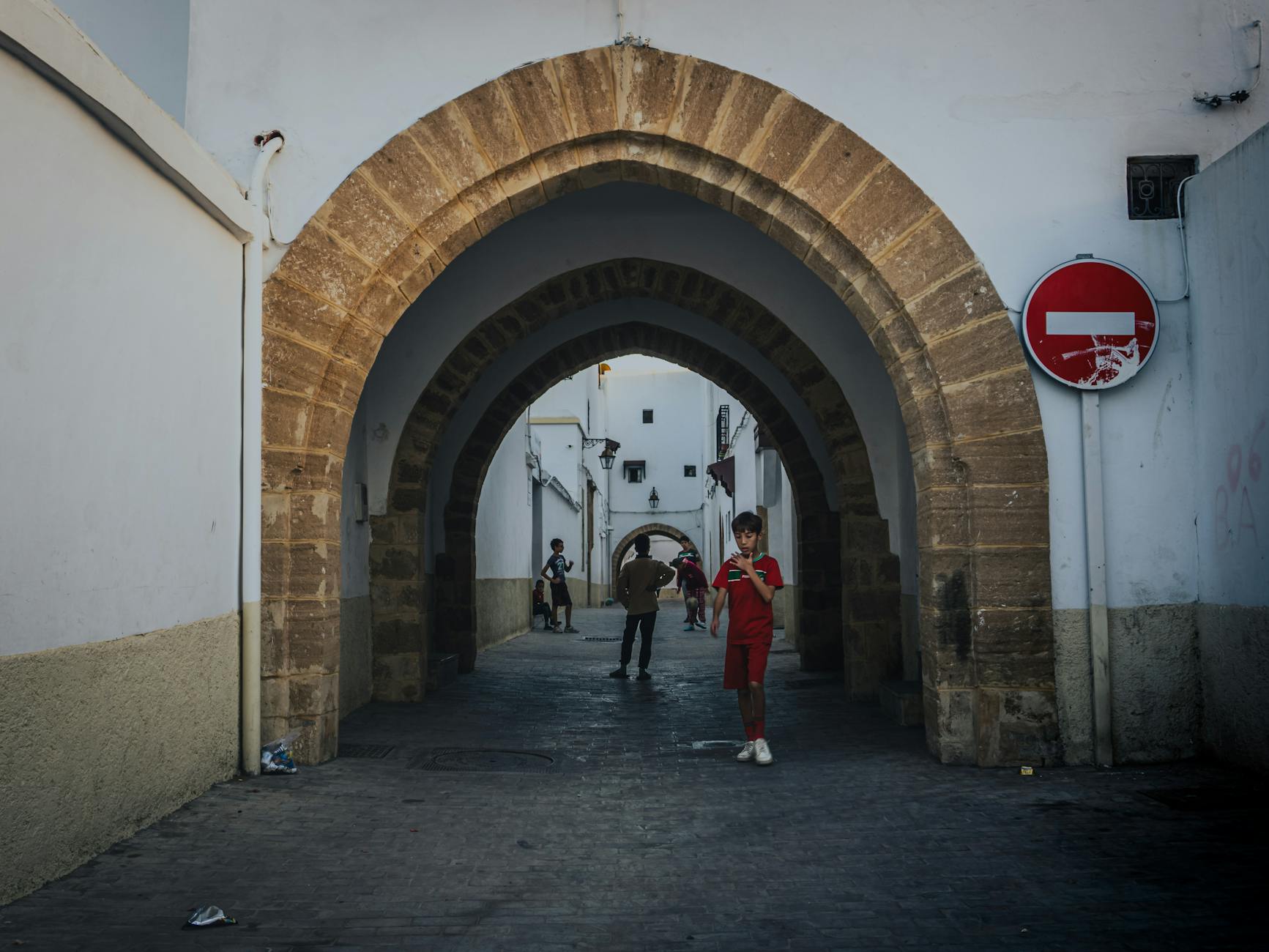
Choose Your Morocco Trip
This is the most important planning section. Start here before booking hotels.
Route Family Selector
| Choose this route if you want... | Best route family | Typical length |
|---|---|---|
| The classic first Morocco trip | Marrakech + High Atlas/Aït Ben Haddou + Sahara route + Fez | 9–12 days |
| A less rushed first trip with strong culture | Marrakech + Essaouira + Fez/Rabat by rail and driver | 8–10 days |
| Deep medina and heritage travel | Fez + Meknes/Volubilis + Rabat + Marrakech | 7–10 days |
| A northern Morocco trip | Tangier + Tetouan + Chefchaouen + Fez or Rabat | 6–9 days |
| Food, craft, and riads | Marrakech + Fez + Essaouira + Safi/Rabat optional | 8–12 days |
| Desert as the priority | Marrakech or Fez + Draa/Tafilalet + 2 nights near dunes | 7–10 days |
| Coast and ease | Marrakech + Essaouira + Agadir/Taghazout or Casablanca/Rabat | 7–10 days |
| Surf and beach | Taghazout/Agadir + Essaouira + Mirleft/Sidi Ifni | 7–14 days |
| Mountains and trekking | Marrakech + Imlil/High Atlas + Aït Bouguemez or Toubkal route | 5–10 days |
| Photography and atmosphere | Marrakech + Fez + Chefchaouen + desert or Essaouira | 10–14 days |
| Family-friendly Morocco | Marrakech riad/resort + Essaouira + light Atlas day + Rabat/Fez depending kids | 7–10 days |
| Slow luxury Morocco | Marrakech + private Atlas lodge + Essaouira or desert camp | 7–12 days |
First-Time Visitor? Start Here
For most first-timers, choose one of these:
Option 1: Classic Morocco, properly paced Marrakech → High Atlas/Aït Ben Haddou → Skoura/Dadès/Todra → Merzouga or Erg Chigaga → Fez → Rabat/Casablanca/Tangier exit. Best in 10–12 days.
Option 2: Culture without the longest desert drive Marrakech → Essaouira → Casablanca/Rabat → Fez → Meknes/Volubilis → Tangier or Casablanca exit. Best in 8–10 days.
Option 3: North and imperial cities Tangier → Chefchaouen/Tetouan → Fez → Meknes/Volubilis → Rabat → Casablanca. Best in 7–9 days.
Option 4: Marrakech-based short trip Marrakech → High Atlas day/overnight → Essaouira → Marrakech. Best in 5–7 days.
The move: For a first trip under 10 days, choose either north/imperial cities or Marrakech/south/desert, not both plus the coast. The map will tempt you. Resist it.
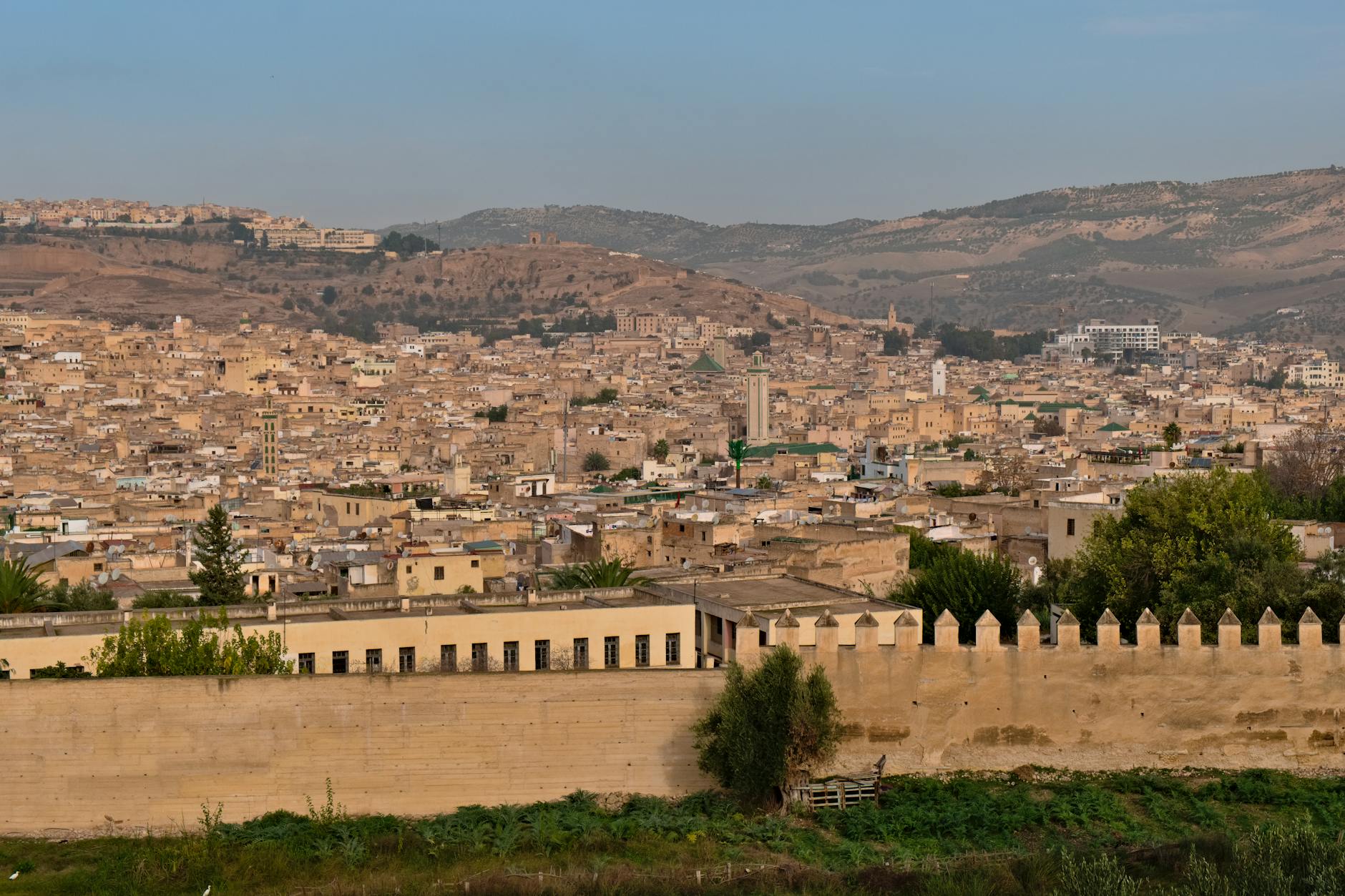
Best Time to Visit Morocco
Morocco’s best time depends on whether you mean medinas, desert, mountains, coast, surf, beach, or photography. A generic answer is not enough.
Best Overall Months
March, April, May, September, October, and November are the easiest recommendations for most first-time visitors. These months usually balance city walking, desert travel, mountain scenery, and outdoor comfort better than peak summer or deep winter.
December to February can be excellent for Marrakech, Fez, Rabat, Essaouira, and desert routes, but nights are cold in riads, mountains, and desert camps. Snow can affect high passes and trekking.
June to August is hot inland. Marrakech, Fez, and desert routes can be punishing. The Atlantic coast becomes more attractive, especially Essaouira, Agadir, Taghazout, and other beach/surf towns.
Season-by-Season
| Season | What to expect | Best for | Watch out for |
|---|---|---|---|
| Spring: March–May | Green countryside, comfortable cities, strong all-around conditions, flowers in valleys, popular season. | First-timers, city + desert, Atlas foothills, photography, gardens. | Peak demand around holidays; mountain weather still variable. |
| Summer: June–August | Very hot inland; coast more pleasant; long days; European holiday demand in some areas. | Surf/coast, Essaouira, Agadir, Taghazout, northern beaches, resort trips. | Marrakech/Fez heat, desert heat, midday fatigue, road heat, higher coast demand. |
| Autumn: September–November | Excellent all-around travel window; heat eases; desert and cities become comfortable. | Classic routes, Sahara, medinas, food, hiking, road trips. | Some late heat in September; rain begins later in season. |
| Winter: December–February | Mild days in cities/coast, cold nights, snow in mountains, good desert daylight, fewer crowds outside holidays. | Marrakech/Fez, Sahara, photography, lower hotel rates, cozy riads. | Cold riads/desert camps, mountain snow/road issues, shorter daylight. |
Best Time by Trip Type
| Trip type | Best window | Notes |
|---|---|---|
| Classic cities + desert | March–May, September–November | Best balance of road comfort and outdoor sightseeing. |
| Marrakech and gardens | March–May, October–November, winter | Summer afternoons can be harsh. |
| Fez and northern cities | March–May, September–November | Winter works too, but can be cool and damp. |
| Sahara dunes | October–April | Spring/autumn easiest; winter nights cold; summer heat serious. |
| High Atlas trekking | Spring, early summer, autumn | Winter requires mountain skills; summer heat affects lower valleys. |
| Essaouira | Year-round, best spring/autumn for balance | Wind is part of the city’s identity. Summer is cooler than inland. |
| Agadir/Taghazout beach/surf | Autumn–spring for surf; summer for beach | Conditions depend on surf level and beach goals. |
| Chefchaouen/Rif | Spring and autumn | Summer is busier; winter can be damp and cool. |
| Dakhla/kitesurf | Often promoted year-round | Treat it as a distinct trip with current advisory checks. |
Ramadan and Religious Calendar
Ramadan moves earlier each year because the Islamic calendar is lunar. During Ramadan, many locals fast during daylight; opening hours, food availability, road behavior near sunset, and evening atmosphere change. Tourist restaurants and hotels usually adapt, especially in major destinations, but visitors should be respectful: avoid eating, drinking, or smoking conspicuously in public during fasting hours.
The move: Ramadan can be a beautiful time to visit if you are patient and culturally curious. It is a bad time if your trip depends on constant daytime snacking, full daytime restaurant choice, or frictionless service.
How Many Days You Need
The Honest Answer
You need 10 to 12 days for a satisfying first Morocco trip that includes Marrakech, Fez, a southern route, and the desert. You can enjoy Morocco in less time, but you must cut something.
| Length | What it feels like |
|---|---|
| 3 days | A city break. Choose Marrakech, Fez, Tangier, or Essaouira — not a country tour. |
| 5 days | One city plus one nearby contrast: Marrakech + Essaouira/Atlas, Fez + Meknes/Volubilis, Tangier + Chefchaouen/Tetouan. |
| 7 days | A strong short route if you avoid the deep Sahara: Marrakech + Essaouira + Atlas, or Tangier + Chefchaouen + Fez, or Marrakech + Fez by transfer/rail. |
| 9–10 days | Best minimum for classic Morocco with Marrakech, southern kasbah route/desert, and Fez. Still paced, not leisurely. |
| 12–14 days | Ideal for a first deep trip: cities, desert, mountains/coast, and recovery time. |
| 3 weeks | Allows north and south, coast, desert, mountains, slow medinas, craft shopping, and a more honest sense of the country. |
Minimum Worthwhile Stays
| Destination | Minimum | Better |
|---|---|---|
| Marrakech | 2 nights | 3–4 nights |
| Fez | 2 nights | 3 nights |
| Essaouira | 1 night | 2–3 nights |
| Chefchaouen | 1 night | 2 nights if you want slow mornings/evenings |
| Tangier | 1 night | 2 nights |
| Rabat | Half-day/1 night | 2 nights for a calmer city break |
| Casablanca | Half-day/1 night | 2 nights only with specific architecture/business/food interest |
| Sahara dunes | 1 night | 2 nights in/near dunes plus sensible route days |
| High Atlas | Day trip | 1–3 nights |
Itinerary Philosophy
A good Morocco day usually has one anchor and one release valve.
- Anchor: guided medina walk, garden, museum, road transfer, cooking class, palace, ruins, hike, market, hammam, desert camp, beach afternoon.
- Release valve: rooftop tea, riad rest, coastal walk, pool time, slow dinner, hammam, sunset, shopping pause, no-plan wandering.
Morocco punishes travelers who stack too many anchors. Two medinas plus a long drive plus a shopping mission plus a late dinner is not ambitious. It is bad pacing.
Regions and Route Logic
Marrakech and the High Atlas
Role in a trip: The most common first base and the gateway to gardens, souks, riads, the High Atlas, Agafay, Essaouira, Ouarzazate, and southern Morocco.
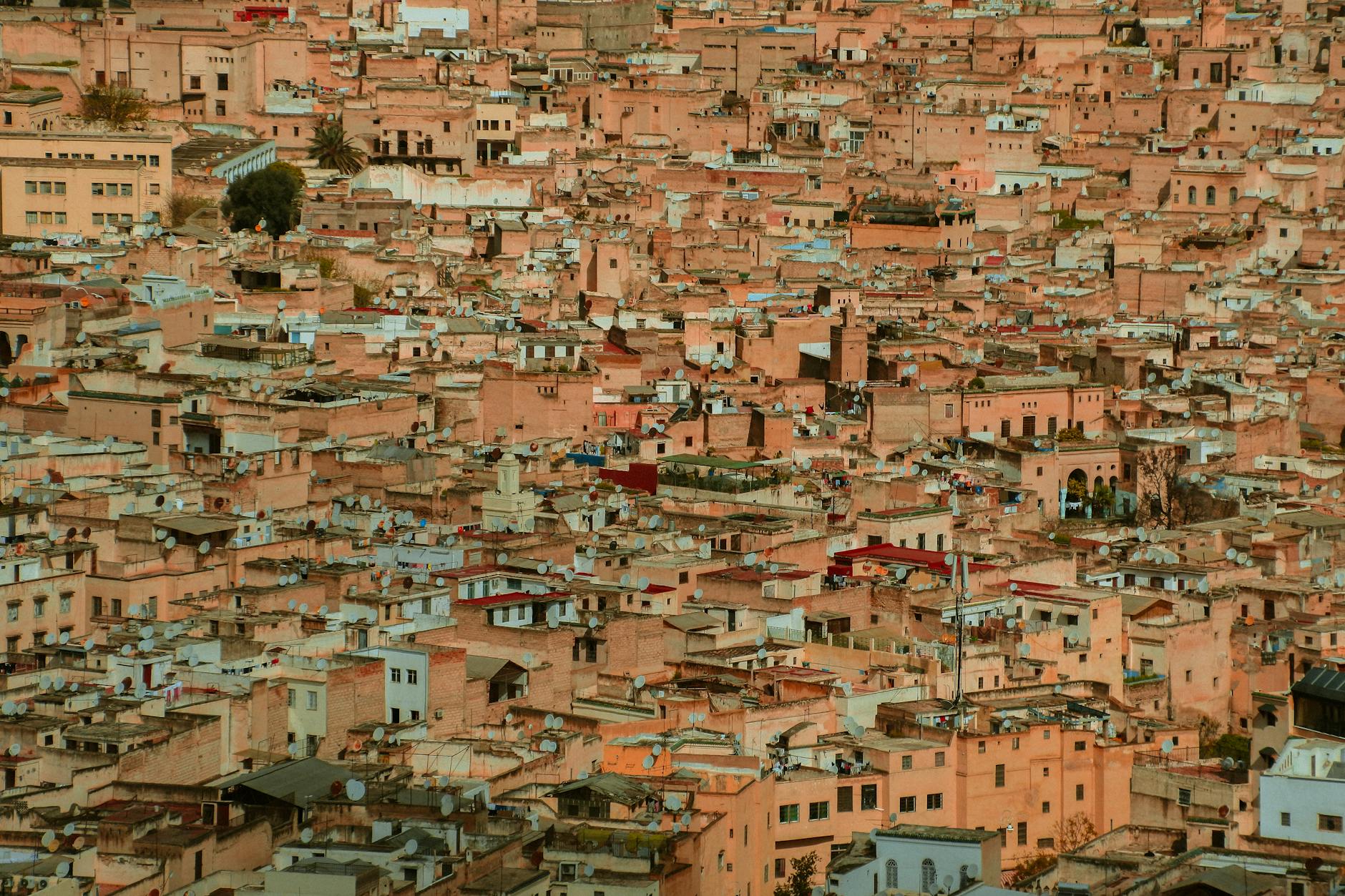
Marrakech is not subtle. It is theatrical, commercial, beautiful, exhausting, and unforgettable. It gives visitors the Moroccan image they think they came for: red walls, riads, souks, tiled courtyards, rooftop restaurants, lanterns, gardens, hammams, and Jemaa el-Fnaa at night. It also gives them touts, traffic, negotiation, heat, and sensory overload.
Best for: First-timers, short trips, riads, gardens, shopping, food, hammams, Atlas access, private-driver routes.
Not ideal for: Travelers who want Morocco at its calmest. Marrakech needs pacing.
Pair it with: Essaouira, High Atlas/Imlil, Agafay, Aït Ben Haddou/Ouarzazate, Skoura, desert routes, or a train/driver connection to Casablanca/Rabat/Fez.
The move: Stay inside or near the medina for atmosphere if you can handle walking and porter access. Stay in Hivernage/Gueliz/Palmeraie/resort zones if you need car access, pools, quieter nights, or modern hotel logistics.
Fez and the Middle/Northern Interior
Role in a trip: Morocco’s deepest historic city experience and the best place to understand medieval urban form, craft, religious scholarship, and old-city density.
Fez is less performative than Marrakech and more immersive. The medina can be confusing in the best and worst ways. It is one of the places where a good licensed guide can transform the trip from “we got lost and hassled” into “we understood the city’s structure.” Fez is also a strong base for Meknes, Volubilis, and Moulay Idriss.
Best for: History, medinas, craft, Islamic architecture, food traditions, photography, cultural depth.
Not ideal for: Travelers who want easy self-guided navigation or nightlife-forward travel.
Pair it with: Meknes, Volubilis, Rabat, Chefchaouen, Tangier, or desert-route arrival/departure.
The move: Do not rush Fez as a one-night stop. Give it at least two nights, ideally three.
Rabat, Casablanca, and the Atlantic Rail Spine
Role in a trip: Arrival/departure logistics, modern Morocco, coastal architecture, rail convenience, and a useful buffer between Fez/Marrakech/Tangier.
Rabat is underrated. It is calmer, greener, more orderly, and more polished than many first-timer cities. Casablanca is frequently overrated by visitors expecting romance from the movie and underrated by travelers who ignore its modern architecture, Hassan II Mosque, business energy, and food scene. Neither should automatically outrank Marrakech or Fez on a short first trip, but both matter.
Best for: Flight logistics, rail connections, architecture, modern Morocco, calmer pacing, business travel, day-one recovery.
Not ideal for: Travelers with only five days who want maximum old-city atmosphere.
Pair it with: Fez, Marrakech, Tangier, El Jadida, or as a stop between routes.
The move: If flying through Casablanca, either treat it as a practical overnight with one strong sight or skip into Rabat/Marrakech/Fez by train. Do not spend three nights in Casablanca by accident.
Tangier, Tetouan, Chefchaouen, and the Rif
Role in a trip: Northern Morocco, Mediterranean/Andalusian influence, blue-washed hill towns, ferry/Spain connections, and a different mood from the Marrakech/Fez circuit.
Tangier is having a moment: renovated, literary, breezy, and connected by high-speed rail. Tetouan offers Andalusian medina texture. Chefchaouen is beautiful and heavily photographed, but it is not a deep destination for everyone. The Rif gives mountain scenery and a cooler northern rhythm.
Best for: Travelers arriving from Spain, rail fans, photographers, slower north trips, Andalusian/Mediterranean atmosphere.
Not ideal for: Anyone who expects Chefchaouen alone to justify a huge detour on a short trip.
Pair it with: Fez, Rabat, Tangier ferry, Tetouan, Asilah, Mediterranean coast.
The move: Chefchaouen is better with an overnight. Midday day-trip crowds flatten it. Sunrise and evening are the point.
Essaouira and the Central Atlantic Coast
Role in a trip: The release valve for Marrakech and one of Morocco’s easiest atmospheric coastal stays.
Essaouira is wind, whitewashed walls, blue boats, seafood, ramparts, Gnawa music, galleries, cafés, and a medina that is much easier to navigate than Fez or Marrakech. It is not a classic beach-swimming town for everyone because the wind can be strong, but it is one of Morocco’s best places to exhale.
Best for: Couples, families, artists, food, seafood, walking, slower travel, wind sports, post-Marrakech reset.
Not ideal for: Guaranteed sunbathing or still-water beach expectations.
Pair it with: Marrakech, Safi, Oualidia, Agadir/Taghazout.
The move: Stay two nights if you can. One night is a taste; two gives you the rhythm.
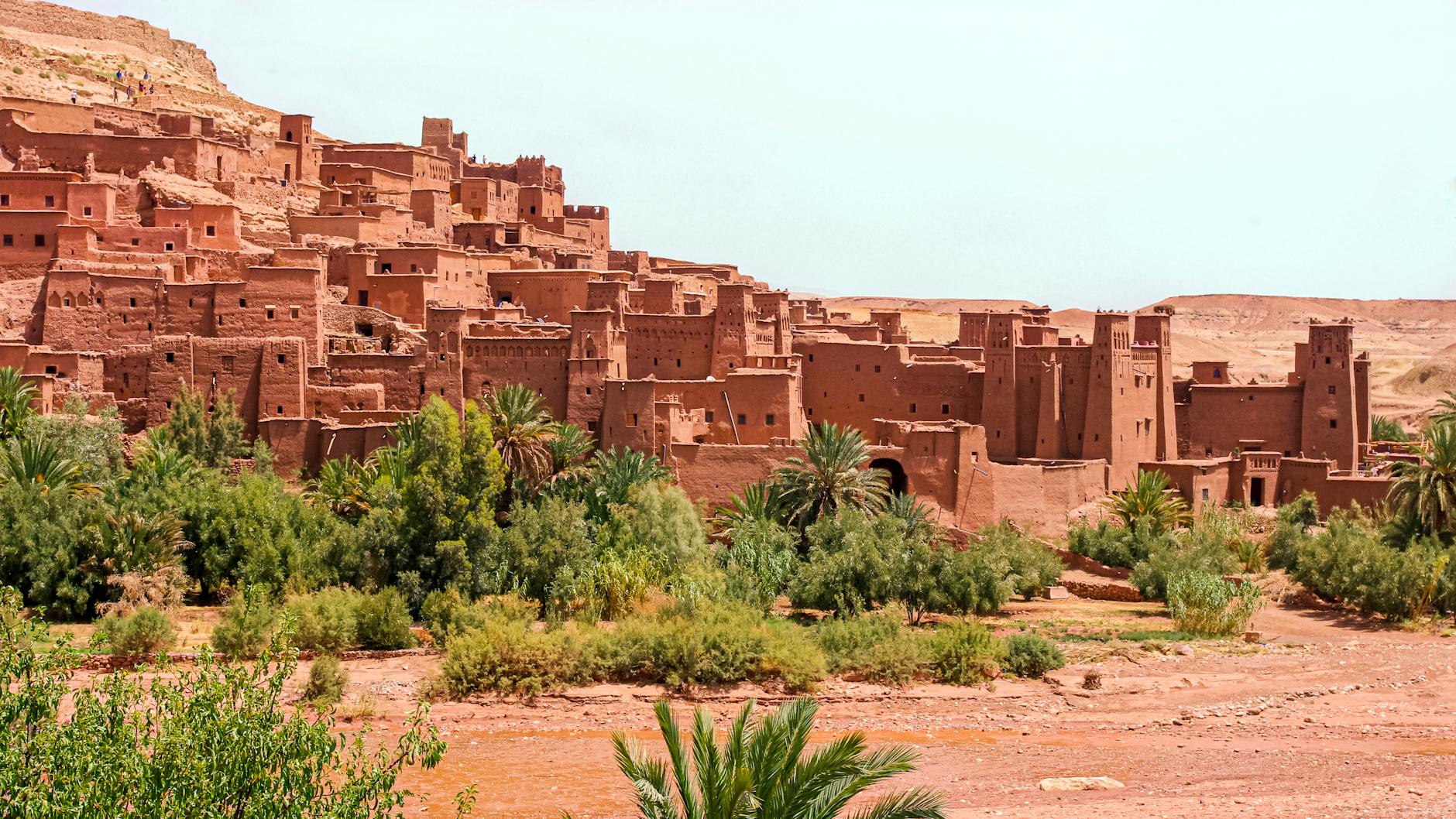
Ouarzazate, Aït Ben Haddou, Skoura, Dadès, Todra, and the Kasbah Route
Role in a trip: The road between Marrakech and the desert, and a destination in its own right.
The southern route is not just a transfer to dunes. It is High Atlas passes, earthen kasbahs, palm valleys, oasis towns, film locations, rose valleys, gorges, and the architectural transition into pre-Saharan Morocco. Aït Ben Haddou is famous, but the wider route matters.
Best for: Road trips, photography, architecture, desert approaches, kasbah stays, slower southern Morocco.
Not ideal for: Travelers who hate long drives or winding roads.
Pair it with: Marrakech, Merzouga, Zagora, Fez, Taroudant, Anti-Atlas.
The move: If you are driving to Merzouga, treat the kasbah route as part of the trip, not dead time.
Sahara: Merzouga, Erg Chebbi, M’Hamid, Erg Chigaga, and the Draa Valley
Role in a trip: Dunes, desert camps, stars, oasis culture, and one of Morocco’s most logistically misunderstood experiences.
Merzouga/Erg Chebbi is the most common dune experience because it is relatively accessible and tourism infrastructure is developed. M’Hamid/Erg Chigaga feels more remote and often requires more serious 4x4 logistics. Zagora is easier but not the same big-dune experience many travelers imagine. The Draa Valley itself is highly worthwhile.
Best for: Travelers who can spare time and want desert landscapes, stargazing, camel/4x4 experiences, and southern route texture.
Not ideal for: One-night checklists from Marrakech, midsummer heat, or travelers expecting solitude from cheap group camps.
Pair it with: Marrakech-to-Fez route, Skoura/Dadès/Todra, Draa Valley, Ouarzazate.
The move: Spend two nights in the desert region if the Sahara is the emotional centerpiece of the trip. One night can work, but two changes the experience.
Agadir, Taghazout, Mirleft, Sidi Ifni, and the Southwest Coast
Role in a trip: Beach, surf, winter sun, relaxed travel, and a different Morocco from medinas and desert roads.
Agadir is modern and resort-oriented because it was rebuilt after the 1960 earthquake. Taghazout is surf-focused and increasingly developed. Mirleft and Sidi Ifni are slower, more local-feeling, and better for travelers who want a road-trip coast rather than polished resort infrastructure.
Best for: Surf, winter sun, beach, digital-nomad stays, easier family breaks, post-desert decompression.
Not ideal for: Travelers who want old-medina intensity or historic architecture.
Pair it with: Marrakech, Essaouira, Taroudant, Anti-Atlas, Tafraoute.
The move: Choose Agadir for ease, Taghazout for surf/social energy, Mirleft/Sidi Ifni for a slower coastal road trip.
Anti-Atlas, Tafraoute, Taroudant, and Southern Valleys
Role in a trip: Second-time Morocco, hiking, quiet landscapes, village life, almond blossoms, red granite, and less crowded southern culture.
This region is a reward for travelers who already know the main route or want to avoid the heaviest tourist corridors. It is best with a car/driver and patience.
Best for: Slow travel, photographers, hikers, repeat visitors, quiet roads, spring blossoms.
Not ideal for: Travelers without time, transport confidence, or interest in landscapes over famous sights.
Pair it with: Agadir, Taroudant, Tafraoute, Marrakech, Ouarzazate.
The move: Put this on a second Morocco trip unless you are already drawn to mountain/desert fringe landscapes.
Dakhla and Far South
Role in a trip: Kitesurfing, lagoons, remote Atlantic desert, and a completely separate travel logic.
Dakhla can be excellent for wind sports and remote resort-style stays, but it is not a simple add-on to Marrakech/Fez. It is far away, usually reached by flight, and sits in a politically sensitive region that requires current advisory checks.
Best for: Kitesurfing, wind sports, specialized beach/desert trips.
Not ideal for: Casual first-timers trying to “see Morocco” quickly.
The move: Treat Dakhla as its own trip, not as the final pin on a general itinerary.
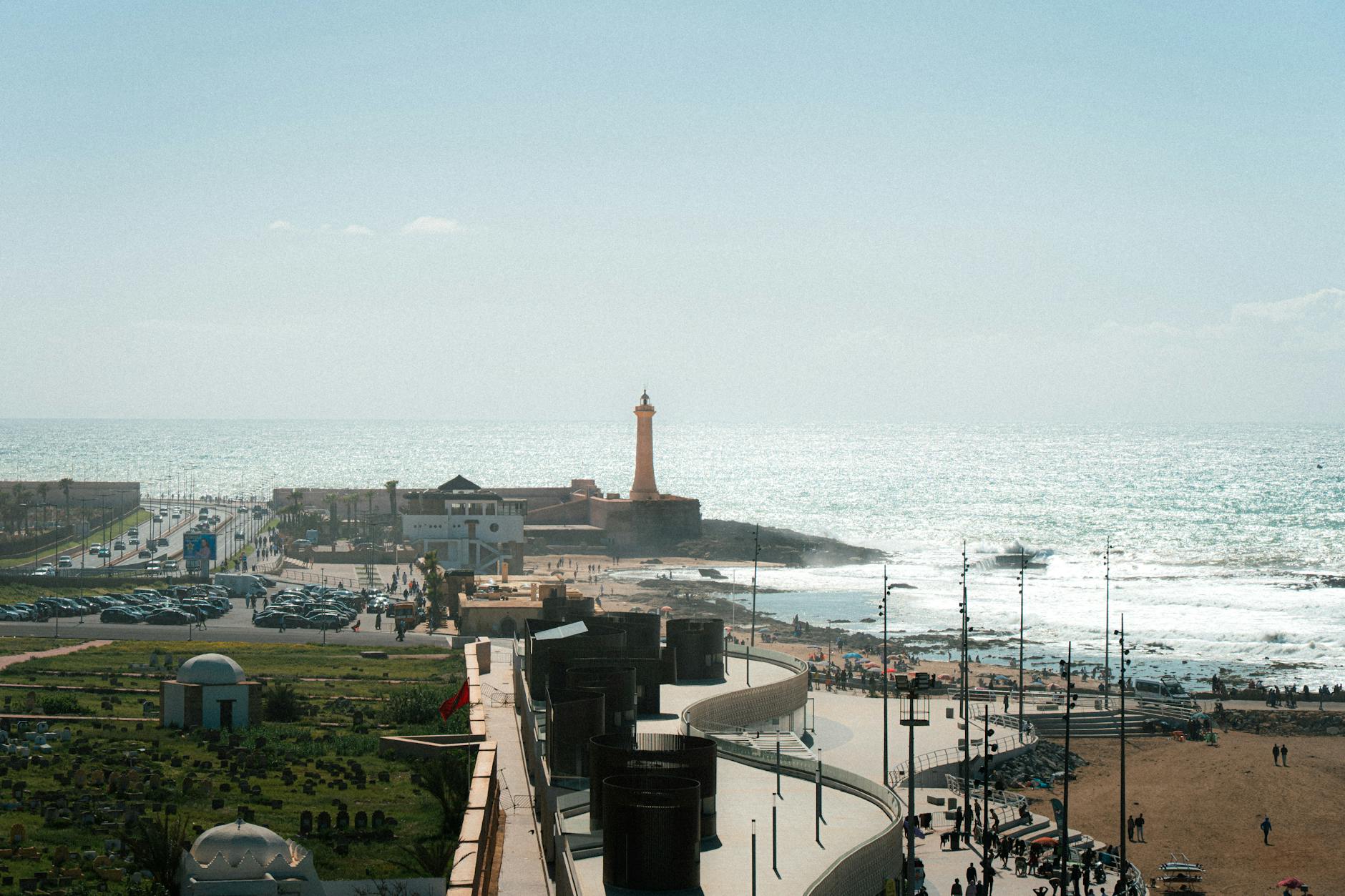
Where to Stay
Where you stay in Morocco shapes your experience. A riad inside a medina, a resort outside a city, a kasbah lodge, a desert camp, a business hotel, and a surf guesthouse are different trip types.
The Short Answer
- In Marrakech: stay in a medina riad for atmosphere; Gueliz/Hivernage for modern restaurants, easier taxis, and less sensory intensity; Palmeraie/resort areas for pools and families; near the medina edge if you want both charm and easier access.
- In Fez: stay in or near Fez el-Bali if you want history; choose a riad with good porter/arrival support; consider outside-medina hotels if mobility, luggage, or navigation are concerns.
- In Essaouira: stay inside the medina or just outside near the beach, depending whether you want atmosphere or sea access.
- In Tangier: stay near the medina/kasbah for atmosphere or in newer areas for easier taxis and modern hotels.
- In Rabat: stay near the medina/kasbah, Hassan district, or Agdal depending trip style.
- In Casablanca: stay near Casa Voyageurs if rail logistics matter, city-center/Anfa/Gauthier for restaurants, or near the airport only for early flights.
- In desert regions: book carefully. Camp quality, bathroom setup, heat/cold, distance into dunes, transport, and authenticity vary wildly.
Lodging Types
| Lodging type | Best for | Watch out for |
|---|---|---|
| Riad | Atmosphere, courtyards, traditional architecture, couples, design lovers | Stairs, no elevators, hard-to-find entrances, noise from courtyards, cold winter rooms, porter needs. |
| Dar | Smaller traditional guesthouse, often more intimate and budget-friendly | Service levels vary; confirm room heating/cooling. |
| Medina boutique hotel | Atmosphere plus more amenities | Still may involve walking/porters. |
| Modern city hotel | Business, families, transit, elevators, pools, predictable service | Less Moroccan atmosphere. |
| Kasbah lodge | Southern route, Atlas, valleys, landscape stays | Remote dining/logistics, road access, heating/cooling. |
| Desert camp | Dunes, stars, bucket-list experience | Quality varies; cheap camps can be crowded, cold/hot, or staged. Ask about bathrooms and access. |
| Surf guesthouse | Taghazout, Tamraght, coast, budget/community | Noise, shared spaces, variable comfort. |
| Resort | Families, pools, heat management, beach stays | Can isolate you from local life. |
| Apartment rental | Longer stays, families, kitchens | Check legality, location, arrival support, elevator, and neighborhood norms. |
Booking Mistakes to Avoid
- Booking a beautiful riad without checking whether taxis can reach it.
- Arriving late at night to a medina without arranging porter/pickup instructions.
- Assuming every riad room has strong heating, air conditioning, or soundproofing.
- Booking a desert camp based only on staged photos.
- Staying too far outside Marrakech/Fez to save money, then spending the savings on taxis and frustration.
- Choosing Casablanca for multiple nights because of flight arrival without understanding what you want to do there.
- Booking an Atlas lodge without checking road status and transfer time.
- Assuming a “pool” is useful in winter or a “beach hotel” means good swimming conditions.
The Move
For your first Morocco trip, mix lodging types: riad + coastal stay + desert/kasbah lodge or modern hotel. Staying only in medina riads can be magical but claustrophobic. Staying only in modern hotels can make Morocco feel flatter than it is.
Best Things to Do
Morocco’s best experiences are not only sights. They are spaces, rituals, routes, meals, and changes in atmosphere.
1. Sleep in a Riad
A riad turns Moroccan architecture into lived experience: courtyard, fountain, tile, carved wood, rooftop, filtered light, inward-facing calm. It is the strongest way to understand why Moroccan beauty often hides behind plain exterior walls.
Best for: First-timers, couples, design lovers, photographers.
Time needed: At least two nights in one riad to appreciate it.
Common mistake: Booking the prettiest room without checking access, stairs, bathroom privacy, heating/cooling, and noise.
2. Take a Guided Walk in Fez
Fez is not a city to “solve” with GPS. A good licensed guide explains neighborhoods, crafts, religious history, food, doors, fountains, funduqs, tanneries, madrasas, and how the medina functions.
Best for: History, craft, first-time Fez visitors.
Time needed: Half-day to full day.
Worth it? Yes. This is one of the places where a guide is not a luxury but an interpretive key.
3. Experience Marrakech Without Letting Marrakech Run You
Marrakech is gardens, palaces, souks, rooftops, hammams, food, shopping, and Jemaa el-Fnaa. It is also the city where first-timers are most likely to get overstimulated.
Best for: Energy, riads, gardens, souks, design, shopping, food.
Time needed: 3 nights ideal for a first visit.
The move: Do one major sight early, rest in the afternoon, go out again at golden hour.
4. Drive the High Atlas and Kasbah Route
The road from Marrakech over the High Atlas toward Aït Ben Haddou, Ouarzazate, Skoura, Dadès, Todra, and the desert is one of Morocco’s great travel transitions.
Best for: Road-trip travelers, photographers, architecture, landscape.
Time needed: 2–4 days before the dunes, depending depth.
Common mistake: Treating it as a transfer rather than a route.
5. Spend Real Time in the Sahara Region
The Sahara experience is not just a camel photo. It is the approach through oases, the cold/hot air shifts, the darkness, the silence if you get away from crowds, the stars, and the way desert scale resets the trip.
Best for: Landscape, photography, romance, families with older kids, bucket-list travel.
Time needed: Minimum 3-day route from Marrakech; better with 2 nights in/near desert.
Skip if: You only have one spare night and hate long drives.
6. Use Essaouira as a Reset
Essaouira is one of Morocco’s best pacing tools. The medina is manageable, the air is cooler, seafood is central, and the city has a breezy artistic rhythm.
Best for: Couples, families, slow travelers, food, coast, low-stress wandering.
Time needed: 2 nights.
The move: Go after Marrakech, not before, if you want the full exhale.
7. See Volubilis and Meknes From Fez
Volubilis adds Roman Morocco to the story, and Meknes adds imperial architecture with a less tourist-saturated feel than Fez or Marrakech. Together, they make one of the best cultural day trips.
Best for: History, archaeology, imperial-city context.
Time needed: Full day from Fez.
Pair it with: Moulay Idriss if timing and access fit.
8. Visit Rabat Properly
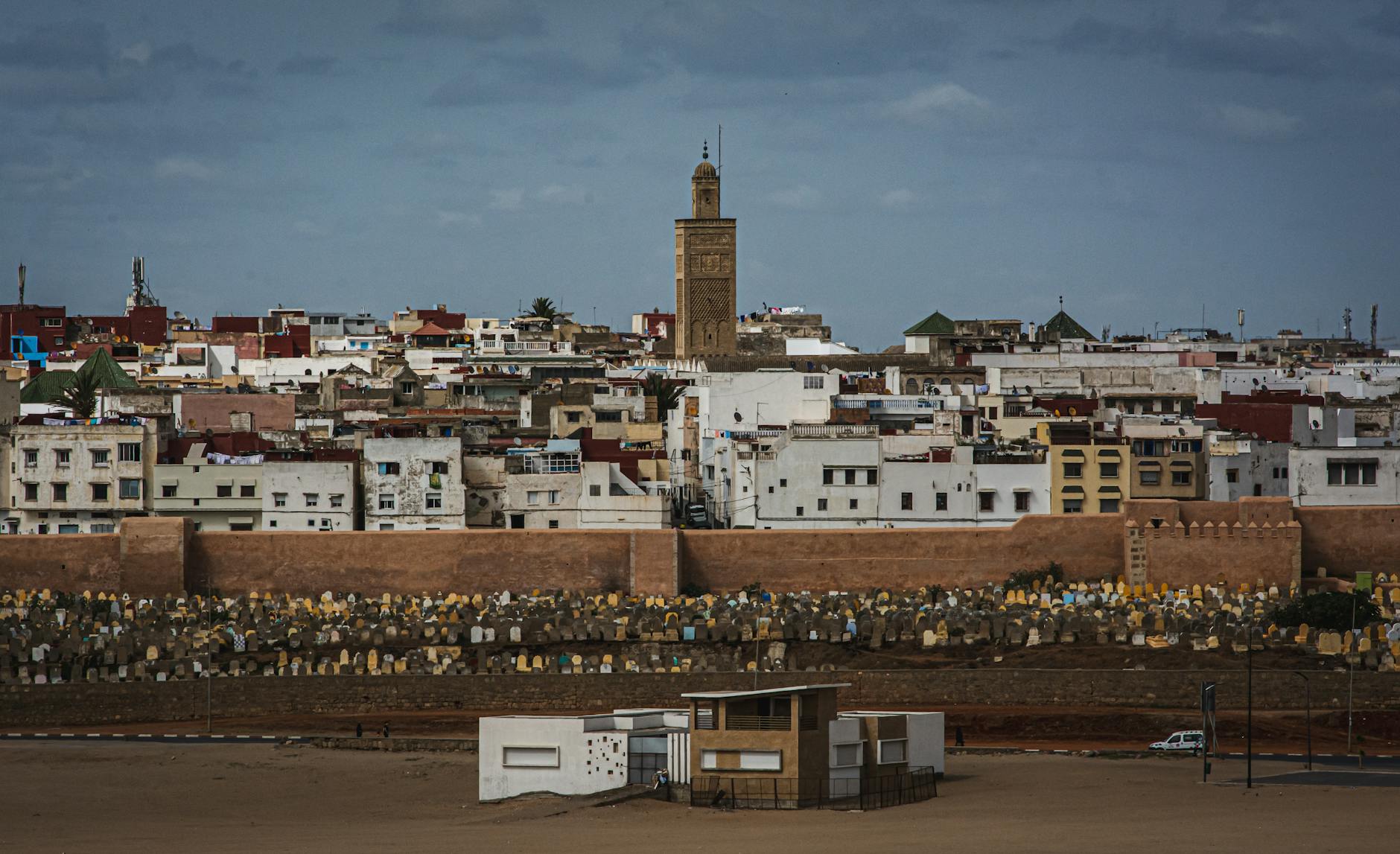
Rabat is often reduced to a transit stop. That is a mistake. It gives you Morocco’s modern capital, Atlantic air, the Kasbah of the Udayas, Hassan Tower, Mohammed V Mausoleum, medina, museums, and calmer streets.
Best for: Calmer pacing, architecture, families, transit buffer.
Time needed: Half-day to 2 nights.
The move: Use Rabat as a reset between Fez and Marrakech or Tangier and Casablanca.
9. Shop With Standards
Morocco’s craft scene is a reason to travel. But quality varies enormously. Good ceramics, rugs, leather, brass, wood, textiles, and lamps take time to identify.
Best for: Design, craft, home goods, textiles.
Time needed: Slow time, not last-hour panic.
Common mistake: Buying heavy or fragile items on day one without knowing price/quality.
10. Go to a Hammam
A hammam can be public, local, spa-like, luxurious, social, or deeply cleansing depending where you go. It is one of Morocco’s most important everyday rituals.
Best for: Cultural immersion, relaxation, recovery from road days.
Time needed: 1–2 hours.
The move: Choose a spa hammam for comfort on a first trip; try a public hammam only if you understand etiquette and modesty expectations.
11. Eat Breakfast Seriously
Moroccan breakfasts can be one of the quiet pleasures of the trip: msemen, baghrir, bread, olives, jam, honey, amlou, eggs, cheese, mint tea, coffee, orange juice.
Best for: Everyone.
The move: Do not rush riad breakfast every day. It is part of the experience.
12. See the North If It Fits Your Route
Tangier, Tetouan, and Chefchaouen give Morocco a different angle: Mediterranean, Andalusian, literary, Spanish-influenced, blue-white, and rail/ferry connected.
Best for: Spain add-ons, photographers, return visitors, cooler routes.
Time needed: 3–5 days minimum for a meaningful northern section.
Skip if: You only have a week and are already trying to do Marrakech, Fez, and the desert.
13. Explore Moroccan Gardens
Marrakech’s gardens, Rabat’s gardens and coastal spaces, Fez’s courtyard worlds, and mountain/oasis greenery all show another Morocco. Gardens are not filler; they are release valves.
Best for: Heat management, design, photography, families, slower days.
The move: Use gardens in Marrakech to avoid souk burnout.
14. Learn Moroccan Food by Cooking It
A cooking class, market visit, or food walk gives structure to the cuisine. The best classes explain spices, preserved lemon, seasonal vegetables, breads, tea, and how home cooking differs from restaurant menus.
Best for: Food lovers, families, couples, rainy/hot afternoons.
Time needed: Half-day.
15. Spend a Night Outside the Famous Cities
A kasbah lodge, Atlas guesthouse, desert camp, surf house, or coastal riad can deepen the trip. Morocco is not only medinas.
Best for: Travelers who want texture and pacing.
The move: Build at least one non-city night into trips longer than a week.
Morocco Itineraries
These are pacing models, not commandments. Adjust by flight city, season, heat, Ramadan, road status, and personal tolerance.
3 Days: Marrakech City Break
Day 1: Arrive, riad check-in, light medina walk, rooftop dinner.
Day 2: Guided medina/souks in the morning, Bahia Palace or a museum, afternoon rest, Jemaa el-Fnaa and dinner.
Day 3: Majorelle/Yves Saint Laurent Museum or gardens, hammam, focused shopping, depart or final dinner.
What this gives you: A strong taste of Morocco.
What it misses: Fez, coast, desert, mountains beyond a possible glimpse.
5 Days: Marrakech + Essaouira
Day 1: Arrive Marrakech.
Day 2: Marrakech medina and gardens.
Day 3: Transfer to Essaouira, sunset ramparts, seafood.
Day 4: Essaouira slow day: medina, beach walk, port, galleries, hammam.
Day 5: Return Marrakech or depart via Marrakech/Casablanca.
Best for: Couples, families, low-stress first trip, heat escape.
The move: Do not make Essaouira a rushed day trip if you can sleep there.
7 Days: Fez + North Morocco
Day 1: Arrive Tangier or Casablanca/Rabat, continue to Tangier or Rabat.
Day 2: Tangier medina/kasbah, café culture, coastal views.
Day 3: Transfer to Chefchaouen, evening and overnight.
Day 4: Morning Chefchaouen, transfer to Fez.
Day 5: Fez guided medina.
Day 6: Meknes/Volubilis day trip.
Day 7: Train to Rabat/Casablanca for departure or extra night.
Best for: Travelers who want history and northern atmosphere without the desert drive.
8 Days: Marrakech, Fez, and Essaouira Without Sahara
Day 1: Arrive Marrakech.
Day 2: Marrakech guided medina/gardens.
Day 3: Marrakech food, hammam, shopping, or Atlas day trip.
Day 4: Transfer to Essaouira.
Day 5: Essaouira.
Day 6: Transfer via Marrakech/Casablanca or driver/rail combination toward Fez.
Day 7: Fez guided medina.
Day 8: Depart from Fez/Casablanca or extend.
Best for: Travelers who want Morocco’s strongest city/coast contrast without desert-road fatigue.
10 Days: Classic Marrakech to Fez via Sahara
Day 1: Arrive Marrakech.
Day 2: Marrakech medina, gardens, rooftops.
Day 3: Marrakech deeper day: cooking class, hammam, shopping, or Palmeraie/Agafay evening.
Day 4: Drive over High Atlas to Aït Ben Haddou/Ouarzazate/Skoura.
Day 5: Skoura, Dadès, Todra, or valley/gorge route.
Day 6: Continue to Merzouga/Erg Chebbi; desert camp.
Day 7: Desert morning, second desert-region night or long route toward Midelt depending style.
Day 8: Drive to Fez via Ziz Valley/Middle Atlas.
Day 9: Fez guided medina.
Day 10: Depart Fez/Casablanca or add Rabat.
Best for: First-timers who want the big Morocco arc and accept road time.
The move: If possible, make this 11 or 12 days. Ten is workable but tight.
12 Days: Morocco Properly
Day 1: Arrive Casablanca/Rabat, overnight Rabat or Casablanca.
Day 2: Train to Fez, evening riad.
Day 3: Fez guided medina.
Day 4: Meknes/Volubilis day trip or second Fez craft/food day.
Day 5: Drive toward Midelt/Errachidia or fly/route depending desert plan.
Day 6: Sahara region, desert camp.
Day 7: Second desert/valley day or start west via Todra/Dadès.
Day 8: Kasbah route: Skoura/Aït Ben Haddou.
Day 9: Cross High Atlas to Marrakech.
Day 10: Marrakech medina/gardens.
Day 11: Essaouira day/overnight or Marrakech deeper day.
Day 12: Depart Marrakech/Casablanca.
Best for: The classic first trip with enough room to breathe.
14 Days: North, Imperial Cities, Desert, and Coast
Day 1: Arrive Tangier.
Day 2: Tangier.
Day 3: Chefchaouen/Tetouan route.
Day 4: Fez.
Day 5: Fez guided medina.
Day 6: Meknes/Volubilis.
Day 7: Fez to Midelt/Errachidia.
Day 8: Sahara.
Day 9: Sahara to Dadès/Todra/Skoura.
Day 10: Aït Ben Haddou/Ouarzazate to Marrakech.
Day 11: Marrakech.
Day 12: Marrakech.
Day 13: Essaouira.
Day 14: Return/depart.
Best for: Travelers who want Morocco’s range and can handle a big but logical route.
Special-Interest Itineraries
Food and Craft Morocco
Marrakech for markets, food classes, and design; Fez for traditional cooking and craft depth; Safi for ceramics if routed; Essaouira for seafood; Rabat/Casablanca for modern dining; Meknes/olive/wine areas where relevant.
Family Morocco
Marrakech riad/resort with pool, gardens, short souk time, cooking class, Atlas day/overnight, Essaouira, and maybe Rabat. Avoid long Sahara drives with young children unless they are unusually road-tolerant.
Luxury Morocco
Marrakech luxury riad/resort, private High Atlas lodge, desert luxury camp or kasbah route, Fez palace riad, Essaouira boutique stay, private guides/drivers, hammams, and one excellent dining splurge.
No-Car / Low-Drive Morocco
Tangier → Rabat → Casablanca → Marrakech → Fez/Meknes by train where possible. Add Essaouira by bus/private transfer. Skip deep desert or use a flight/driver combination.
Outdoor Morocco
Marrakech + High Atlas trek, Aït Bouguemez, Toubkal region with qualified guides, Anti-Atlas/Tafraoute, surf coast, then Essaouira/Taghazout. Season and guide quality matter more than sightseeing lists.
Food and Drink
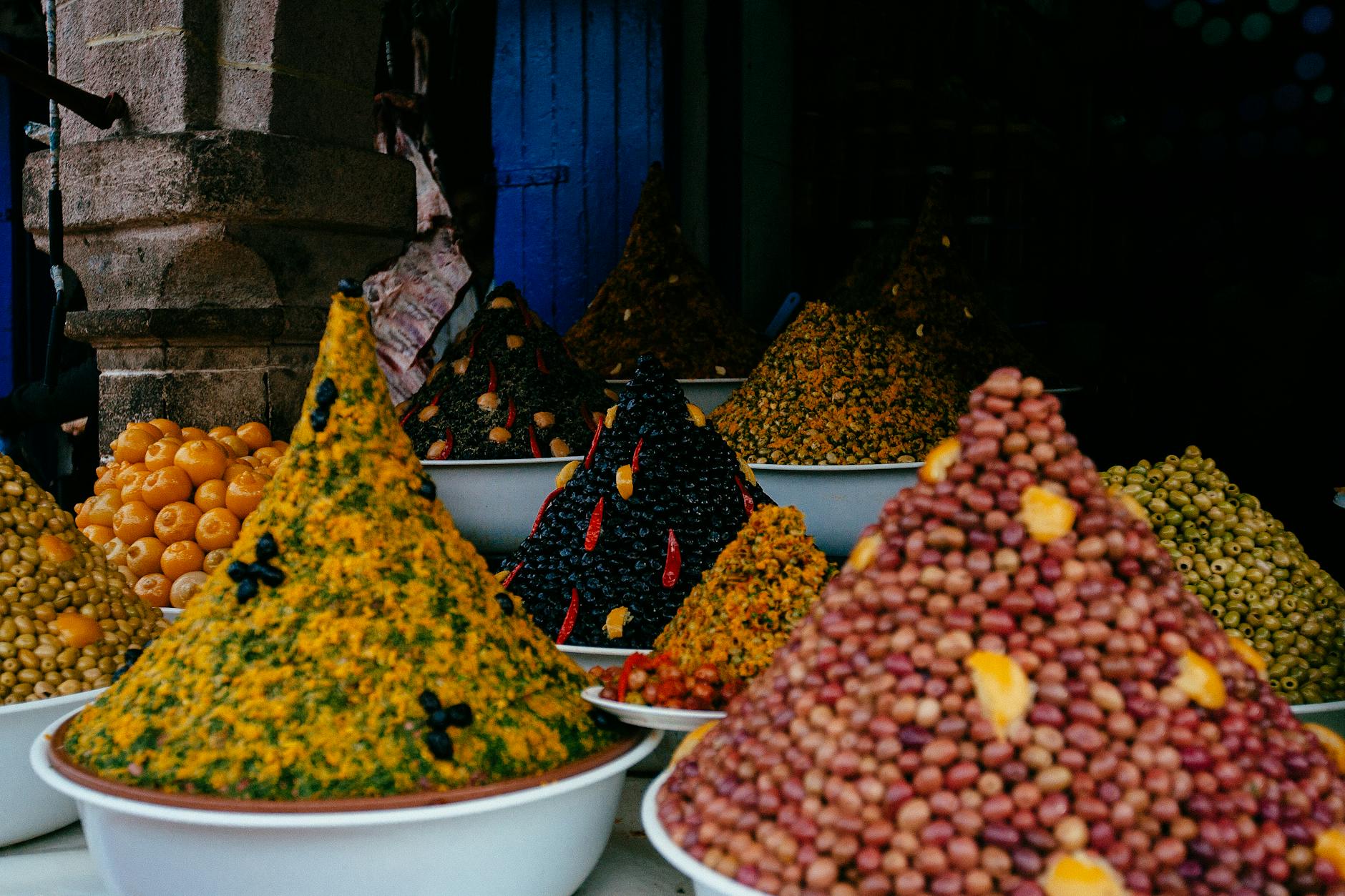
Moroccan food is often reduced abroad to “tagine and couscous.” That is like calling Italian food “pasta and pizza.” Morocco’s cuisine is regional, seasonal, home-centered, and shaped by markets, slow cooking, bread, spices, preserved ingredients, and hospitality.
The official tourism site highlights mint tea, tajine, couscous, and pastilla as core culinary delights, and points to Marrakech, Fez, Agadir, and Rabat as tempting culinary destinations.[7]
Food Identity
Moroccan food is built around:
- Bread culture: khobz, msemen, baghrir, harcha, and breads used as tools, breakfast, and social glue.
- Slow cooking: tagines, tanjia, rfissa, couscous, stews, and home dishes.
- Preserved and layered flavors: preserved lemon, olives, dried fruit, almonds, sesame, honey, spices, herbs, saffron, cumin, cinnamon, paprika, ginger, turmeric.
- Regional seafood: sardines, grilled fish, oysters in Oualidia, port towns, Atlantic influences.
- Tea ritual: mint tea as hospitality, negotiation pause, sugar delivery system, and social act.
- Market eating: olives, dates, nuts, fruit, breads, soups, grilled meats, sweets, juices.
- Home vs restaurant gap: many great Moroccan dishes are home dishes; a cooking class or family-style guesthouse meal can beat a tourist restaurant.
What to Eat
| Dish or experience | What it is | How to approach it |
|---|---|---|
| Tagine | Slow-cooked stew named for the conical clay vessel. Meat, vegetables, fruit, olives, preserved lemon, or fish depending region. | Try different versions; do not assume one tagine defines the dish. |
| Couscous | Steamed semolina with vegetables, meat, broth; traditionally Friday family food. | Best at lunch and often on Fridays; tourist restaurants serve it daily but quality varies. |
| Pastilla / bastilla | Sweet-savory pastry, traditionally pigeon or chicken with almonds/spices; seafood versions exist. | Strong in Fez and festive restaurants. |
| Harira | Tomato-lentil-chickpea soup, especially important during Ramadan. | Great starter or light meal. |
| Msemen / rghaif | Layered griddled flatbread, often breakfast or snack. | Eat with honey, cheese, jam, or savory fillings. |
| Baghrir | Spongy “thousand-hole” pancakes. | Breakfast with honey/butter. |
| Tanjia | Marrakech slow-cooked meat dish, traditionally cooked in communal ovens. | Best in Marrakech; heavy and rich. |
| Rfissa | Chicken, lentils, fenugreek, and shredded msemen/trid; comfort food. | Often home-style; seek out food tours/classes. |
| Zaalouk | Eggplant/tomato cooked salad. | Common starter. |
| Briouats | Small fried pastries with savory or sweet fillings. | Good starter/snack. |
| Grilled sardines/fish | Coastal staple, especially Atlantic towns. | Better near ports and coastal restaurants. |
| Oysters | Oualidia is known for oysters. | Best as a coastal detour if you love seafood. |
| Amlou | Argan oil, almonds, honey spread. | Breakfast/souvenir; buy from reputable sources. |
| Mint tea | Green tea with mint and sugar. | Accepting tea can be hospitality or a sales opening; enjoy it without losing your boundaries. |
Where to Eat by Situation
| Situation | Best approach |
|---|---|
| First dinner in Marrakech | Riad dinner or a well-reviewed nearby restaurant. Do not arrive jet-lagged and wander into the most aggressive tourist-menu zone. |
| Fez food experience | Book a food walk or cooking class; the medina is rich but hard to decode alone. |
| Coastal meal | Essaouira grilled fish/seafood, port-adjacent restaurants, or a reputable seafood restaurant. |
| Budget meal | Soup, sandwiches, brochettes, local grills, market stalls, simple tagine places, bakeries. |
| Family meal | Riad dinner, hotel restaurant, garden restaurant, or casual place with space and simple dishes. |
| Solo meal | Rooftop restaurants, cafés, riad meals, casual grills, food tours. Solo dining is possible but evening medina navigation can feel easier near your lodging. |
| Romantic meal | Riad courtyard dinner, rooftop sunset, Essaouira seafood, Marrakech/Fez restored palace restaurants. |
| Vegetarian meal | Possible, but clarify stock, meat juices, and whether a “vegetable tagine” is cooked separately. Fez/Marrakech/Essaouira easiest. |
| Alcohol | Available in hotels, bars, some restaurants, and larger cities/resorts, but not part of everyday public culture. Plan rather than expect. |
Food Practicalities
- Wash/sanitize hands before eating, especially after markets and cash handling.
- Use bottled or treated water if you have a sensitive stomach; tap water is not potable in many areas according to U.S. travel information.[9]
- Be cautious with ice unless you trust the venue.
- Street food can be excellent, but choose busy stalls and cooked-to-order food.
- Restaurants in tourist areas may have inflated prices and mediocre food; ask your riad for specific recommendations.
- During Ramadan, daytime options may be more limited outside hotels and tourist zones.
- Tipping is customary in restaurants and for guides/drivers/porters, though amounts vary by service and context.
- Bread may be placed directly on the table or used communally; follow local rhythm.
- Eat with the right hand in traditional contexts when eating communally.
Drinks and Nightlife
Morocco is not a nightlife-first destination for most travelers, but larger cities have bars, clubs, hotel lounges, music venues, and restaurants serving alcohol. Marrakech, Casablanca, Rabat, Tangier, and Agadir have the most options. Essaouira has music, cafés, and a mellow evening scene.
The move: Build your Morocco evenings around rooftops, food, music, tea, hammams, and strolls rather than expecting a European bar-crawl template.
Getting Around
Morocco has better transport infrastructure than many first-timers expect, but the correct mode depends on your route.
The Core Rule
Use trains for the major north/central spine. Use drivers, buses, or rental cars for the coast, mountains, and desert. Use petit taxis inside cities. Use walking inside medinas. Use porters for luggage in medinas when needed.
Trains
Morocco’s railway operator ONCF connects many major cities. The high-speed Al Boraq service links Tangier, Kenitra, Rabat, and Casablanca; the official tourism site lists Tangier–Casablanca at about 2h10 and Rabat–Tangier at about 1h20.[6] Conventional trains connect cities including Marrakech, Fez, Meknes, Rabat, Casablanca, and Tangier, but not much of the deep south or coast beyond major nodes.
Best rail routes:
- Tangier ↔ Rabat ↔ Casablanca
- Casablanca ↔ Marrakech
- Casablanca/Rabat ↔ Fez/Meknes
- Tangier ↔ Fez via connection routes depending schedule
- Casablanca airport ↔ Casa Voyageurs/Casa Port via local rail where relevant
Train tips:
- Book fixed long-distance routes ahead in peak periods.
- First class can be worth it for comfort and luggage space.
- Watch your bags in stations and on trains.
- Confirm which Casablanca station you need: Casa Voyageurs, Casa Port, or airport rail station.
- Stations may be easier than medina arrivals; arrange onward taxi/pickup.
Buses and Coaches
Intercity buses fill the gaps to places like Essaouira, Chefchaouen, Agadir, and smaller towns. CTM and Supratours are commonly used by visitors, and the official tourism site notes coaches as a way to reach more remote areas.[6]
Best for: Essaouira, Chefchaouen, Agadir, smaller towns, budget travelers.
Watch out for: Bus-station confusion, luggage handling, arrival outside the old city, and variable comfort on local buses.
Private Drivers and Tours
A private driver is often the smartest way to do the High Atlas, kasbah route, desert, Aït Ben Haddou, Dadès/Todra, and remote southern areas. It is more expensive than buses but reduces friction and lets you stop intelligently.
Worth it for: Marrakech to desert/Fez route, family trips, photography, short schedules, remote lodges, travelers with luggage.
Not worth it for: Rail-friendly city hops where the train is simpler.
Ask before booking:
- Exact vehicle type and seatbelts.
- Whether the driver speaks your language.
- Daily driving hours.
- What is included: fuel, tolls, driver lodging/meals, parking.
- Whether you are being taken to commission shops.
- Cancellation policy.
- Mountain/desert road experience.
Rental Cars
Renting a car can be useful for confident drivers exploring the coast, Anti-Atlas, rural areas, or independent road trips. It is not necessary for Marrakech/Fez medinas and can be a burden in old cities.
Best for: Essaouira–Agadir–Mirleft, Anti-Atlas, Ouarzazate/Skoura if comfortable, rural exploration.
Avoid if: You are nervous in chaotic traffic, planning mostly medinas, driving at night, or crossing remote areas without local knowledge.
U.S. travel information warns that traffic accidents are a significant hazard in Morocco, that mountain roads can be steep, narrow, and dangerous, and that flash flooding can affect rural roads during the rainy season.[9]
Taxis
Morocco has petit taxis for city rides and grand taxis for longer/shared routes. Petit taxi colors vary by city; Morocco’s official tourism site notes examples such as red for Casablanca and Agadir, blue for Rabat, Tangier, and Asilah, and orange for Marrakech.[6]
Taxi tips:
- Ask for the meter where meters exist; agree price if not.
- Have small bills.
- Confirm whether the price is per taxi or per person.
- Avoid accepting unclear airport/medina approaches from unofficial drivers.
- Your riad/hotel can arrange reliable transfers.
- Rideshare legality and taxi-driver conflicts can be tricky; U.S. information notes caution around rideshare apps in Morocco.[9]
Walking in Medinas
Medinas are best on foot, but they are uneven, narrow, crowded, and confusing. Google Maps helps only partly. In Fez especially, a guide can save time.
Footwear: Closed-toe or secure walking shoes are best. Streets can be dusty, wet, slippery, or uneven.
The move: On arrival day, ask your riad to mark one or two reliable routes and landmarks. Save the entrance door location offline.
Airports and Flights
Casablanca is the main long-haul hub. Marrakech has strong European and regional connections. Tangier, Fez, Agadir, Rabat, Ouarzazate, Essaouira, Dakhla, and others can be useful depending route. Domestic flights can save time for far-south or distant combinations, but check reliability, baggage rules, and transfer times.
Ferries
Tangier connects Morocco to Spain through ferry routes, especially via Tangier Med and Tangier Ville depending route. Ferry travel can be useful but requires schedule, port, and immigration planning. Do not confuse Tangier city port with Tangier Med, which is farther from the city.
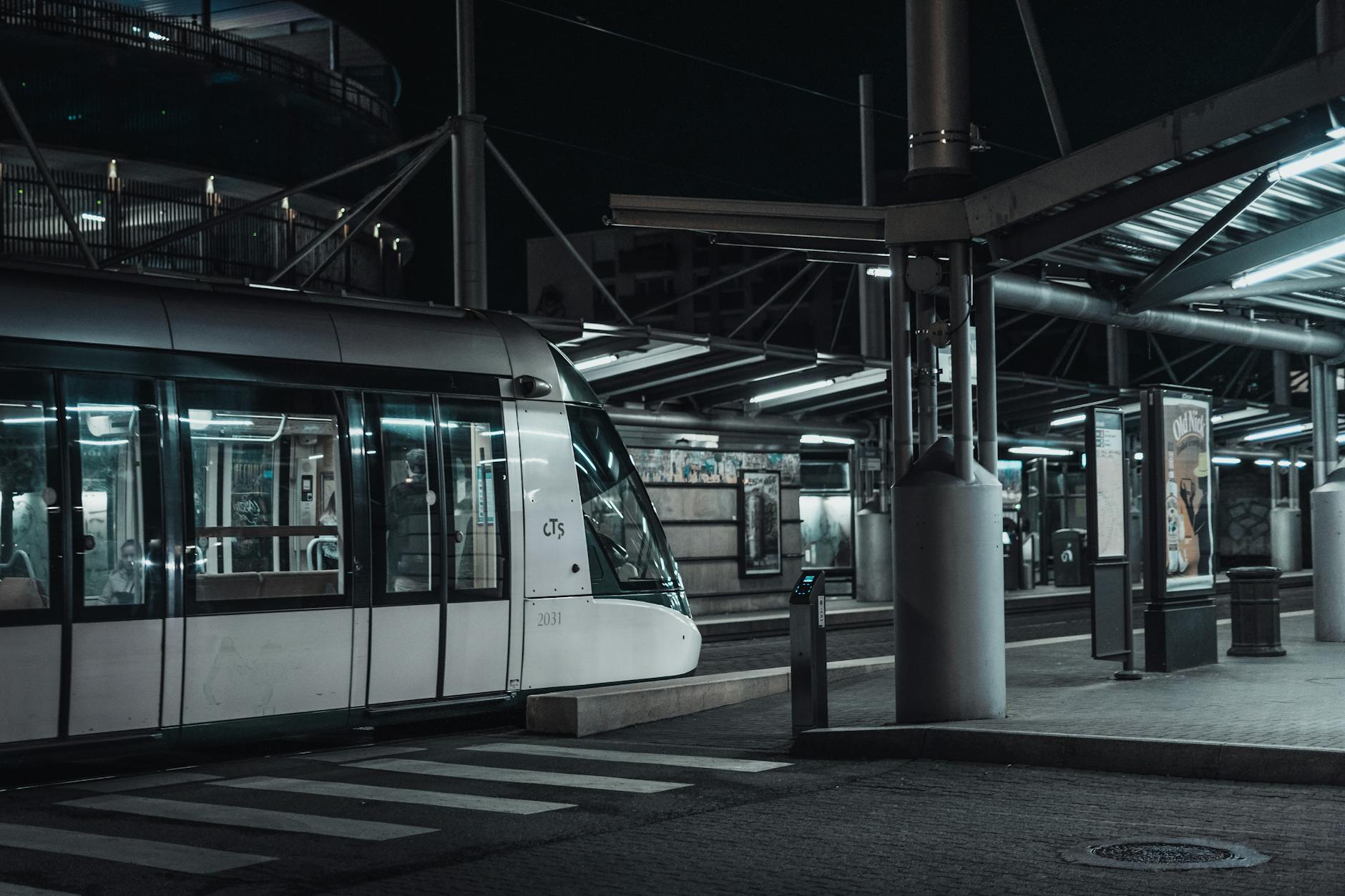
Budget and Costs
Morocco can be excellent value, but it is easy to overspend on boutique riads, private drivers, desert camps, shopping, and guide/commission chains. The trick is to spend on logistics and context, not on avoidable friction.
Daily Budget Ranges
| Traveler type | Daily estimate, excluding international flights and major shopping | What it means |
|---|---|---|
| Shoestring | $35–$60 | Hostels/basic guesthouses, buses, street/simple meals, limited paid sights, self-guided medinas. |
| Budget comfort | $60–$110 | Simple riads, trains/buses, casual restaurants, some guides, occasional taxi. |
| Mid-range | $110–$220 | Good riads, better meals, intercity trains, selected private transfers, guides, hammam. |
| Comfortable | $220–$450 | Strong riads/hotels, private driver days, quality desert camp, good guides, nicer restaurants. |
| Luxury | $450+ | Luxury riads/resorts, private touring, high-end camps/lodges, spa experiences, premium dining. |
These ranges vary by city, season, route, and exchange rate. Marrakech and desert luxury can swing high; local food and trains can remain good value.
Common Cost Categories
| Item | Rough expectation |
|---|---|
| Riad room | Wide range: budget guesthouse to luxury palace. Location and season matter heavily. |
| Hostel bed | Good value in major tourist cities. |
| Train tickets | Generally good value; first class often worth the modest premium. |
| Private driver day | Major expense, especially on long southern routes. Worth it when it saves bad logistics. |
| Desert camp | Huge range. Ask what is included and how remote/comfortable it really is. |
| Licensed guide | Worth budgeting in Fez and sometimes Marrakech. |
| Meals | Cheap simple meals are easy; tourist restaurants and rooftop dining cost more. |
| Hammam/spa | Public hammams are low-cost; riad/spa hammams can be mid-range to luxury. |
| Shopping | Unlimited. Set a budget before entering carpet/lantern/leather mode. |
Best Value Moves
- Use trains for major city hops instead of private drivers.
- Hire guides where they add real value, especially Fez.
- Spend on a good desert route rather than the cheapest group tour.
- Eat some riad/hotel meals, but do not eat every meal in tourist restaurants.
- Stay near medina access points if luggage/mobility matter.
- Visit Essaouira or Rabat to reset instead of paying for more luxury just to recover from overstimulation.
- Buy craft slowly after comparing quality.
- Choose one or two high-quality souvenirs instead of many mediocre ones.
Splurge-Worthy
- A beautiful riad in Marrakech or Fez for at least two nights.
- A licensed Fez guide.
- A reliable private driver for the south/desert.
- A strong desert camp or kasbah lodge if the desert route matters.
- Hammam/spa after long road days.
- Cooking class or food tour.
- A High Atlas lodge that supports local communities.
Usually Not Worth It
- Cheapest possible desert tour if it means endless driving, weak accommodation, forced shopping, and one rushed camel photo.
- Overpriced “view” restaurants with mediocre food near main squares.
- Buying a carpet under pressure on day one.
- Private cars for rail-friendly routes unless you need door-to-door access.
- Day-tripping Chefchaouen from far away just for photos.
- Staying far outside the medina with no shuttle/taxi plan.
Safety, Health, and Scams
Morocco is one of North Africa’s most visited countries, and most travelers on classic routes have safe, rewarding trips. But safety advice should be specific. The main issues for ordinary visitors are petty theft, scams, harassment, road safety, food/water, heat, mountain/desert conditions, and region-specific security risks.
General Safety
The U.S. State Department currently advises travelers to exercise increased caution in Morocco due to terrorism, noting that attacks could target tourist locations, transportation hubs, markets, shopping malls, and government facilities.[8] Canada advises a high degree of caution and provides additional regional warnings for Western Sahara border regions, the Algeria border, and Western Sahara.[10]
For classic routes like Marrakech, Fez, Rabat, Casablanca, Tangier, Essaouira, and standard desert trips with reputable operators, the practical day-to-day issues are usually scams, theft, traffic, heat, and navigation rather than high drama.
Common Scams and Frictions
| Situation | What it looks like | How to avoid it |
|---|---|---|
| “The road is closed” | Someone tells you the medina route is closed and offers to guide you another way. | Keep walking, use offline map, ask a shopkeeper/official, or call your riad. |
| Unofficial guide | Friendly person walks with you, then demands payment. | Do not accept guidance unless you have agreed terms. Use licensed guides. |
| Tannery/shop pressure | “Free view” leads to sales pressure. | Decide in advance whether you want the visit. Tip/leave politely if not buying. |
| Taxi overcharge | No meter, unclear fare, inflated tourist price. | Ask hotel for fare estimate; agree price before departure; use official taxis. |
| Henna/photo animal pressure | Someone grabs your hand for henna or pushes animals/photos. | Keep hands close, say no early, avoid animal photo setups. |
| Restaurant/menu traps | Unclear prices or surprise charges. | Check menu and prices before ordering. |
| Carpet/antique pressure | Tea and hospitality become a long sales session. | Be polite but firm; do not buy under pressure. |
| Fake “student” or “festival” claim | A friendly person says there is a special market/event today. | Treat as a sales path unless verified independently. |
Medina Safety
- Keep valuables secure and avoid phones loosely held near scooters.
- Do not carry your passport unless necessary; use a copy when appropriate.
- Avoid empty alleys late at night, especially alone.
- Let your riad arrange late arrivals and returns if the route is confusing.
- In Fez, strongly consider a guide for first orientation.
- Do not panic if lost. Step into a café, shop, museum, or hotel and reset.
Road Safety
Road safety is one of the bigger real risks. U.S. travel information notes serious hazards from driving practices, night driving, mountain roads, animals/scooters/pedestrians, and rainy-season flooding.[9]
Rules for travelers:
- Avoid night driving, especially outside cities.
- Use seatbelts and ask about vehicle quality.
- Do not force a driver into unsafe speeds to satisfy a bad itinerary.
- Build buffer time for mountain roads.
- Check weather before passes and desert roads.
- Avoid remote off-road travel without proper vehicles, water, and local knowledge.
Health Practicalities
- Use bottled/treated water if sensitive; U.S. country information notes tap water is not potable in many areas.[9]
- Bring oral rehydration salts and stomach medication.
- Use sun protection even in winter.
- Desert and mountain nights can be cold.
- Heat exhaustion is a real risk in summer cities and desert areas.
- Ask a travel clinic about vaccines, medication, and personal health needs; CDC traveler pages should be checked before travel.[13]
- In the Atlas, be aware of altitude, weather, and trail conditions.
- Travel insurance with medical evacuation is smart, especially for mountain/desert trips.
Women Travelers
Women travel Morocco solo and in groups every day, but harassment and unwanted attention can occur. Canada’s travel advice notes that women traveling alone may face verbal harassment.[10]
Practical moves:
- Dress with local context in mind: shoulders/chest/upper legs covered in conservative areas.
- Avoid isolated streets after dark.
- Use riad-arranged transfers for late arrivals.
- Be firm and brief with unwanted attention.
- Sit near families/women on transport when it feels better.
- Do not let politeness override discomfort.
LGBTQ+ Travelers
Morocco is socially conservative, and same-sex sexual activity is criminalized under Moroccan law. Many LGBTQ+ travelers visit without incident, especially in major cities and tourist contexts, but discretion is important. Public displays of affection should be conservative for all couples.
Terrorism, Demonstrations, and Regional Risks
Stay alert in crowded tourist areas, transport hubs, markets, and public spaces. Avoid demonstrations and large political gatherings. Treat border areas, remote southern routes, and Western Sahara with separate advisory checks. Morocco’s border with Algeria is closed, and Canada specifically warns not to attempt crossing by land or water near the Algeria border.[10]
The Calm Version
You do not need to be afraid of Morocco. You do need to travel awake. The safest Morocco travelers are not paranoid; they are prepared, routed sensibly, and clear with boundaries.
Accessibility and Mobility
Morocco can be difficult for travelers with mobility needs. That does not mean impossible, but a good guide should be honest.
What Helps
- Modern hotels in Casablanca, Rabat, Marrakech, Tangier, and Agadir.
- Private drivers and door-to-door transfers.
- Some newer museums, malls, and city infrastructure.
- Resorts and modern coastal hotels.
- Rail stations with some accessible services; U.S. information notes the national rail system offers wheelchair ramps, accessible bathrooms, and designated seating areas.[9]
- Guides/porters who can help with medina logistics.
What Is Hard
- Medina streets: uneven, narrow, crowded, stepped, and sometimes slippery.
- Riads: many have stairs, no elevators, raised thresholds, and small bathrooms.
- Fez medina: physically and navigationally challenging.
- Marrakech souks: crowded and uneven.
- Desert camps: sand, low lighting, uneven paths, cold nights, limited facilities.
- Kasbahs and historic monuments: stairs and uneven surfaces.
- Public toilets: limited accessibility.
- Sidewalks: inconsistent in many cities.
Lower-Walking Strategy
- Stay in modern hotels or riads near taxi-accessible edges.
- Use private guides and drivers.
- Choose Rabat, Essaouira, Casablanca, and modern Marrakech/Agadir areas for easier pacing.
- Limit Fez medina intensity or choose a carefully planned guided visit.
- Ask hotels for exact accessibility photos, not just “accessible room” claims.
- Avoid desert camps unless facilities and access are clearly confirmed.
Stroller-Friendliness
Strollers are challenging in medinas. Baby carriers are often easier. Modern districts, resorts, gardens, and coastal promenades are more manageable.
Families, Solo Travelers, Women Travelers, LGBTQ+ Travelers, and Special Considerations
Families With Children
Morocco can be excellent with kids because of riads, animals, trains, gardens, beaches, cooking classes, deserts, pools, and warm hospitality. The challenge is pacing.
Best family areas: Marrakech with pool access, Essaouira, Rabat, Agadir/Taghazout, selected desert camps for older children, High Atlas lodges with short walks.
Family tips:
- Choose hotels/riads with pool or courtyard space.
- Keep medina time short with children.
- Avoid long desert drives with young kids unless they handle road days well.
- Book drivers with good vehicles and seatbelts.
- Carry snacks, water, sunscreen, and toilet paper.
- Use trains for city hops when practical.
- Build in beach/garden/pool resets.
Solo Travelers
Morocco is rewarding solo, especially if you like cities, food, photography, and guided experiences. Solo travel can also increase attention in medinas.
Solo tips:
- Book arrival transfers for late arrivals.
- Use guided walks to create structure.
- Stay in well-reviewed riads/hostels with clear access.
- Eat near your lodging at night until oriented.
- Keep boundaries warm but firm.
- Join food tours/cooking classes/desert tours if you want company.
Women Travelers
Women can travel Morocco successfully, but unwanted attention is a real planning factor. Clothing does not eliminate harassment, but dressing respectfully can reduce friction and feels appropriate in many contexts.
Practical clothing: Loose trousers, long skirts, shirts covering shoulders/chest, scarf for sun/modesty, layers for evenings. Beach/surf areas are more relaxed; rural and religious contexts are more conservative.
Older Travelers
Morocco works well for older travelers with smart lodging and private transfers. Avoid overstuffed medina days, choose riads with minimal stairs or modern hotels, and do the desert only with comfort-focused logistics.
LGBTQ+ Travelers
Exercise discretion. Choose reputable hotels, avoid public displays of affection, and research current legal/social conditions before travel. Marrakech, Casablanca, Tangier, and Essaouira may feel more cosmopolitan than rural areas, but local law and norms still apply.
Remote Workers and Long-Stay Visitors
Marrakech, Essaouira, Taghazout, Agadir, Rabat, and Casablanca attract longer stays. Check visa duration, internet reliability, workspace, neighborhood noise, summer heat, and housing ethics. Do not assume a medina riad is a good work base unless you like stairs, courtyard noise, and variable desk setups.
Shopping and Souvenirs
Morocco is one of the world’s great shopping destinations if you care about craft. It is also one of the easiest places to overpay for something mediocre.
What Morocco Is Known For
- Rugs and textiles.
- Leather slippers, bags, poufs, belts.
- Ceramics and pottery, especially Fez and Safi traditions.
- Zellige tilework and mosaic objects.
- Brass, copper, and metal lanterns.
- Woodwork and carved cedar.
- Baskets and palm-fiber goods.
- Argan oil, amlou, rose products, spices, orange blossom water.
- Jewelry, especially Amazigh styles.
- Djellabas, kaftans, scarves, embroidered textiles.
Best Shopping Areas
| Place | Best for |
|---|---|
| Marrakech | Wide variety, design boutiques, rugs, lanterns, leather, fashion, contemporary Moroccan design. |
| Fez | Traditional crafts, leather, ceramics, zellige, metalwork, more historic craft context. |
| Essaouira | Thuya wood, art, jewelry, relaxed browsing, coastal design. |
| Safi | Pottery and ceramics. |
| Rabat | More relaxed medina shopping and modern boutiques. |
| Tangier/Tetouan | Northern styles, textiles, antiques, Andalusian influence. |
| Tafraoute/Taroudant/Anti-Atlas | Amazigh jewelry, local products, less mass-tourist feel. |
How to Shop Well
- Compare before buying.
- Ask what is handmade, machine-made, antique, vintage, or new.
- Do not believe every “family cooperative” story without evidence.
- Learn basic quality markers for rugs, leather, and ceramics.
- Bargain respectfully, not performatively.
- Walk away if pressured.
- Take photos only with permission.
- Check airline/customs rules for food, wood, leather, oils, and large objects.
- Leave luggage space.
What Not to Buy Thoughtlessly
- Heavy ceramics on day one.
- Leather with chemical smell you cannot tolerate.
- “Antiques” without export clarity.
- Wildlife products or questionable fossils.
- Cheap argan oil from unclear sources.
- Rugs under emotional pressure.
- Anything that feels like a guilt purchase.
The Move
Set a shopping budget before you enter serious rug/leather territory. Morocco shopping can be joyful, but only when you remain in charge of your own yes.
Culture, History, and Etiquette
Short History for Travelers
Morocco’s story begins long before the Arab-Islamic dynasties that shaped its famous cities. Amazigh peoples are foundational to the country’s identity, languages, mountains, deserts, crafts, and rural cultures. Phoenician, Roman, and later Islamic routes connected the region to Mediterranean and Saharan trade worlds. Volubilis remains the most famous Roman archaeological site.
Arab-Islamic dynasties shaped the imperial cities: Fez, Marrakech, Rabat, and Meknes. Fez became a center of learning, craft, and religion. Marrakech became a southern capital and trading hub. Meknes became an imperial showpiece under Moulay Ismail. Rabat later developed as the modern capital.
Andalusi and Jewish histories are central. Waves of migration from Iberia influenced architecture, music, cuisine, and urban life, especially in northern cities and Fez. Jewish communities lived across Morocco for centuries, leaving mellahs, synagogues, cemeteries, crafts, music, and culinary traces that serious guides should include.
In the 20th century, Morocco was shaped by French and Spanish protectorate periods, independence in 1956, modernization, migration, tourism, and ongoing debates over identity, development, language, regional inequality, and Western Sahara.
This is why Morocco is not a single cultural aesthetic. It is a layered country whose famous surfaces — tile, tea, tagine, carpets, medinas — sit on deep histories of trade, faith, migration, adaptation, and regional difference.
UNESCO Context
UNESCO lists nine World Heritage properties in Morocco: the Archaeological Site of Volubilis, Historic City of Meknes, Ksar of Aït Ben Haddou, Medina of Essaouira, Medina of Fez, Medina of Marrakesh, Medina of Tétouan, Portuguese City of Mazagan/El Jadida, and Rabat as a modern capital and historic city.[12]
The move: Use UNESCO sites as route anchors, not a checklist. Fez, Marrakech, Essaouira, Rabat, Volubilis/Meknes, and Aït Ben Haddou can form a deeply coherent cultural route.
Etiquette That Matters
- Greet people before asking direct questions. “Salam” or “Bonjour” goes a long way.
- Dress modestly in medinas, rural areas, and religious contexts.
- Non-Muslims generally cannot enter most mosques in Morocco; Hassan II Mosque in Casablanca is a major exception through official visits/tours.
- Ask before photographing people, artisans, or interiors.
- Use your right hand in traditional eating/greeting contexts.
- Bargaining is normal in souks, but not in every shop or restaurant.
- Do not insult Islam, the monarchy, or sensitive political subjects.
- During Ramadan, be discreet with public eating/drinking/smoking during daylight.
- Public displays of affection should be conservative.
- Tipping is part of the service culture; carry small notes.
- Accepting tea can imply willingness to talk or shop; you may still decline buying.
Useful Phrases
| Phrase | Meaning |
|---|---|
| Salam alaikum | Peace be upon you / hello. |
| Wa alaikum salam | Reply to greeting. |
| Shukran | Thank you. |
| La shukran | No, thank you. |
| Afak | Please. |
| Bslama | Goodbye. |
| Safi | Enough / OK / done. Useful but context-dependent. |
| Bshhal? | How much? |
| Ghali بزاف | Too expensive. |
| Inshallah | God willing; can also soften plans. |
| Bonjour / merci | French is widely useful, especially in tourism/business contexts. |
Seasonal and Month-by-Month Guide
January
Cool and often excellent for Marrakech, Fez, Rabat, Essaouira, and desert routes. Nights can be cold, especially in riads, mountains, and desert camps. Snow may affect high mountains.
Best for: Cities, desert, photography, lower crowds.
Pack: Layers, warm sleepwear, jacket.
February
Still cool, with improving light and possible almond blossoms in some southern/Anti-Atlas areas. Good for desert and cities; mountain weather variable.
Best for: Desert, southern valleys, cities, early spring feel.
March
One of the best months. Spring begins, countryside greens, cities are comfortable, and desert travel is strong.
Best for: First-timers, classic routes, Marrakech, Fez, Sahara.
Watch out: Popular season; book good lodging.
April
Excellent, often peak spring. Strong for gardens, valleys, mountains, cities, and desert. Easter/spring holidays can raise demand.
Best for: Almost everything.
May
Still very good, though heat increases inland. Strong for city/coast/desert if you manage afternoons.
Best for: Marrakech, Fez, Essaouira, Atlas, coast.
June
Heat builds inland; coast becomes more attractive. Desert trips require caution.
Best for: Essaouira, Agadir, Taghazout, northern coast, early summer trips.
July
Hot in Marrakech, Fez, and desert regions. Coast, surf towns, and beach resorts are better. Domestic and European holiday patterns affect demand.
Best for: Coast and resorts.
Avoid: Ambitious midday medina sightseeing.
August
Very hot inland and busy in some resort/coastal areas. Travel is possible but requires serious heat strategy.
Best for: Atlantic coast, beach, surf, relaxed resort travel.
September
Heat eases gradually. A good transition month, especially late September.
Best for: Classic routes returning, coast, cities with heat caution.
October
One of the best months in Morocco. Cities, desert, and mountains align well.
Best for: First-timers, Sahara, Marrakech, Fez, road trips.
November
Still strong for cities and desert. Evenings cool; rain begins to matter more.
Best for: Desert, medinas, cultural trips.
December
Cool, atmospheric, and good for city/desert travel. Holiday demand can rise. Nights cold.
Best for: Marrakech, Fez, Essaouira, desert, winter sun.
Event and Holiday Planning
- Ramadan: Dates shift; verify. Daytime routines change, evenings become lively.
- Eid holidays: Transport and closures can be affected.
- Gnaoua and World Music Festival in Essaouira: Major cultural draw when scheduled; book early.
- Marrakech International Film Festival: Check dates and hotel demand.
- Rose festival near Kelaat M’Gouna: Spring timing varies.
- Moussem/festivals: Local religious/cultural festivals can be excellent but require respectful behavior and current-date checks.
- Football events: Morocco’s football calendar and World Cup 2030 preparations may affect travel in major cities.
Desert, Mountains, and Outdoor Travel
Desert Travel
A good desert trip is about timing, operator quality, and expectations.
Merzouga / Erg Chebbi
Best for: First-time dune experience, easier logistics, established camps.
Pros: Big orange dunes, tourism infrastructure, accessible from Fez/Marrakech routes.
Cons: Popular, can feel commercial, long drive.
Best approach: 3–4 days as part of a Marrakech-to-Fez route or 2 nights in the desert region.
M’Hamid / Erg Chigaga
Best for: More remote desert feel, 4x4 routes, adventurous travelers.
Pros: Less developed, more expedition-like.
Cons: Longer/rougher logistics, more need for reliable operators.
Zagora
Best for: Draa Valley and a lighter desert-edge experience.
Pros: Easier from Marrakech than Merzouga.
Cons: Not the same big-dune Sahara fantasy many travelers expect.
Desert Questions to Ask
- How long is each driving day?
- Is the camp in/near actual dunes?
- Private or shared bathroom?
- Heating/cooling? Blankets?
- How many tents/guests?
- Camel ride length and animal welfare standards?
- Can you walk rather than ride if preferred?
- What meals are included?
- Is there music? Is it local-led or tourist-staged?
- What happens in sandstorm, heat, or road disruption?
High Atlas Travel
The High Atlas can be a simple day trip or a serious mountain undertaking. The difference matters.
Good beginner options: Imlil with guide, Ourika Valley, Ouirgane, day/overnight Atlas lodge, short village walks, guided mule-supported walks.
Serious options: Toubkal trek, multi-day High Atlas routes, winter snow routes, remote valley treks.
Safety rules:
- Use qualified guides for treks.
- Check current road/trail status.
- Respect local communities and photography boundaries.
- Carry layers even when Marrakech is warm.
- Avoid hiking alone in remote areas.
- Watch altitude, weather, and post-earthquake route status.
Coast and Ocean Safety
Atlantic beaches can have strong currents and wind. Canada’s advice notes that swimming on some Atlantic beaches can be dangerous due to strong currents and tides, and recommends designated beaches.[10]
The move: Do not treat every beautiful beach as a swimming beach. Ask locally.
What to Skip
This section is not about cynicism. It is about protecting the trip.
Skip: A One-Night Sahara Blitz From Marrakech
Long drives, short camp time, and backtracking often leave travelers exhausted.
Better alternative: 3-day minimum, preferably Marrakech-to-Fez route, or choose Agafay/Atlas/Essaouira if time is short.
Skip: Casablanca as a Multi-Night Default
Casablanca has real interest, but it is not the Morocco most first-timers are chasing.
Better alternative: One targeted night for Hassan II Mosque/architecture/food, or continue by train to Rabat/Marrakech/Fez.
Skip: Chefchaouen as a Far-Away Photo Errand
Chefchaouen is beautiful, but a rushed detour can eat a day or two.
Better alternative: Overnight if doing the north; skip if your short route is Marrakech/south.
Skip: Following Strangers Who Tell You Where to Go
Some are helpful. Many are steering you to paid guidance or shops.
Better alternative: Use a licensed guide or ask your riad/hotel.
Skip: Buying Under Pressure
Good shopping requires comparison and calm.
Better alternative: Browse first, buy later, and walk away from pressure.
Skip: Summer Inland Overplanning
Marrakech and Fez in July/August can be brutally hot.
Better alternative: Early starts, afternoon rest, coast-focused route, pool lodging.
Skip: Too Many Medina Nights in a Row
Medinas are magical and draining.
Better alternative: Alternate with Rabat, Essaouira, Atlas lodge, desert, or modern hotel nights.
Skip: Treating Desert Camps as All Equal
They are not. Quality, ethics, comfort, crowding, and location vary sharply.
Better alternative: Ask specific questions and pay for quality if the desert matters.
Common Mistakes
- Trying to see all of Morocco in one week. You will mostly see roads.
- Treating the Sahara as close to Marrakech. It is not.
- Not booking medina arrival help. Late-night riad arrivals can be stressful.
- Skipping Fez because Marrakech seems enough. Fez is a different depth of Morocco.
- Overloading medina days. Build in gardens, hammams, rooftops, and coast/mountain resets.
- Renting a car for city sightseeing. Medinas are not car-friendly.
- Not using trains where they work well. Rail is one of Morocco’s planning strengths.
- Assuming every friendly approach is free help. Agree terms or decline.
- Buying major souvenirs too early. Learn quality and prices first.
- Ignoring Ramadan. It can reshape the day.
- Ignoring heat. Summer inland travel requires a different schedule.
- Expecting every riad to be accessible. Stairs and narrow alleys are common.
- Taking photos of people without permission. Ask, pay when appropriate, or don’t shoot.
- Being too timid to say no. Firmness is not rude when done calmly.
- Being too suspicious to enjoy hospitality. Morocco requires boundaries, not cynicism.
- Not carrying cash. Cards are not enough.
- Forgetting small notes for tips and taxis. Change matters.
- Underestimating cold desert/mountain nights. Bring layers.
- Driving at night on rural/mountain roads. Avoid it.
- Treating Western Sahara like a casual beach add-on. Check advisories and logistics.
Responsible Travel
Morocco’s beauty is not a theme park. Its medinas are lived-in neighborhoods, its mountains are homes, its desert camps affect fragile environments, and its craft economy can support or exploit depending how travelers spend.
Do
- Hire licensed guides and responsible local operators.
- Ask before photographing people.
- Dress respectfully, especially in rural and religious contexts.
- Support artisans directly when possible.
- Use refill/treatment strategies where safe to reduce plastic, while prioritizing health.
- Tip fairly for service.
- Respect Ramadan and prayer times.
- Stay in legal, well-managed accommodation.
- Avoid overburdening recovering High Atlas communities; ask how your visit helps.
- Choose desert camps with good waste, water, labor, and animal-welfare practices.
- Learn a few Arabic/Darija/French greetings.
Do Not
- Treat people as props.
- Photograph children without explicit permission.
- Support animal photo setups that look exploitative.
- Wander into religious/private spaces without permission.
- Haggle cruelly over tiny amounts with low-income sellers.
- Buy suspicious antiques, wildlife products, or fake “ancient” items.
- Leave trash in desert/mountain areas.
- Use drones without understanding legal restrictions.
- Assume every local wants tourism in their neighborhood.
The Move
The best Morocco travelers are warm and clear. They greet people, ask permission, pay fairly, say no firmly, and understand that hospitality and commerce often sit side by side.
Packing List
Essentials
- Comfortable closed-toe walking shoes.
- Loose, breathable clothing.
- Light scarf or shawl.
- Sun hat and sunglasses.
- Sunscreen.
- Reusable bottle plus purification plan if using refills.
- Hand sanitizer and tissues/toilet paper.
- Small bills/coin pouch.
- Crossbody bag or secure day bag.
- Portable battery pack.
- Offline maps.
- Adapter for Type C/E plugs.
- Layers for evenings.
- Basic medication kit and oral rehydration salts.
- Copies of passport/visa/insurance.
Seasonal Additions
| Season | Pack |
|---|---|
| Spring | Layers, light rain jacket, comfortable shoes, scarf. |
| Summer | Breathable clothing, sun protection, electrolyte packets, sandals for coast, modest light layers. |
| Autumn | Layers, light jacket, walking shoes, sun protection. |
| Winter | Warm jacket, sweater, socks, sleep layers for riads/desert, rain layer. |
Desert / Mountain Additions
- Warm layer for night.
- Headlamp.
- Buff/scarf for wind and sand.
- Lip balm.
- Moisturizer.
- Sturdy shoes.
- Motion-sickness medication if mountain roads affect you.
- Small daypack.
- Personal snacks.
What Not to Overpack
- Revealing clothing you will not feel comfortable wearing outside beach/resort zones.
- Heavy luggage for medina riads.
- Too many shoes.
- Fragile items before shopping.
- Drones unless you have confirmed current rules and permissions.
- Expensive jewelry that draws attention.
The Move
Pack lighter than you think, but leave serious room if you like ceramics, textiles, leather, spices, or design objects. Morocco will test your suitcase discipline.
FAQ
Is Morocco good for a first trip to North Africa?
Yes. Morocco has strong tourism infrastructure, varied landscapes, major airports, rail links, excellent lodging, and well-developed visitor routes. It is also culturally distinct enough that first-timers should prepare for medina intensity, bargaining, conservative norms, and route logistics.
How many days should I spend in Morocco?
Ten to twelve days is ideal for a first classic trip. Seven days is enough if you choose one route family. Five days is best as a city plus nearby contrast. Two weeks is excellent.
Should I start in Marrakech or Fez?
Start in Marrakech if you want energy, gardens, riads, souks, and access to the Atlas/coast/south. Start in Fez if you want deeper history and a less performative medina experience. If doing a one-way desert route, Marrakech-to-Fez or Fez-to-Marrakech both work.
Is the Sahara worth it?
Yes, if you give it enough time and choose a good operator. No, if you only have one spare night and hate long drives. The Sahara is best treated as a route centerpiece, not a box to tick.
Is Casablanca worth visiting?
Yes for Hassan II Mosque, modern architecture, business/food culture, and flight logistics. No as a default multi-night first-trip base unless you have specific interests.
Is Chefchaouen worth it?
Yes if you are already doing northern Morocco or want an overnight photography/slow-town experience. Not if it forces a huge detour into a short Marrakech/desert itinerary.
Is Morocco safe?
Most classic visitor routes are manageable with normal urban precautions, but current advisories recommend increased caution due to terrorism and specific regional warnings. Petty theft, scams, road safety, harassment, heat, water/food issues, and remote-area risks are the more common practical concerns. Check current official advisories before travel.[8][10]
Do I need a guide?
You do not need a guide everywhere. A guide is highly useful in Fez, often helpful in Marrakech, and important for mountain/desert routes. Use licensed or reputable guides rather than accepting random street guidance.
Can I travel Morocco by train?
Partly. Trains are excellent for Tangier, Rabat, Casablanca, Marrakech, Fez, Meknes, and Kenitra. You need buses, drivers, rental cars, or tours for Essaouira, Chefchaouen, Agadir, the Atlas, and the desert.
Is Morocco good with kids?
Yes, if paced well. Choose pools, gardens, short medina sessions, trains, Essaouira/coast, and private transfers. Avoid overlong desert drives with young kids unless they are road-trip tolerant.
Can vegetarians eat well in Morocco?
Yes, especially in major tourist cities, but clarify whether dishes use meat broth or shared cooking bases. Vegetable tagines, salads, breads, eggs, lentils, soups, couscous, and modern vegetarian restaurants help.
What should I book ahead?
Peak-season riads, good Fez/Marrakech guides, desert camps, private drivers, Atlas guides/lodges, cooking classes, popular restaurants, and key train tickets when your schedule is fixed.
What should I skip on a first trip?
Skip the one-night Sahara blitz, too many cities in one week, Casablanca by accident, Chefchaouen as a far-away photo stop, and any shopping interaction that feels coercive.
Source Notes
This guide uses current/official or high-reliability sources for date-sensitive facts. Recheck all facts before publication.
- 1. Moroccan National Tourist Office, Visit Morocco official site, https://www.visitmorocco.com/en
- 2. Moroccan National Tourist Office, “Travel formalities in Morocco,” https://www.visitmorocco.com/en/formalities
- 3. Accès Maroc official portal, https://www.acces-maroc.ma/
- 4. Ministry of Foreign Affairs, African Cooperation and Moroccan Expatriates, “Launch of electronic visa eVisa,” https://diplomatie.ma/en/launch-electronic-visa-evisa
- 5. Moroccan National Tourist Office, “Useful information / Climate and seasons,” https://www.visitmorocco.com/en/useful-information?id=modalclimats1247
- 6. Moroccan National Tourist Office, “Travel info - Getting around Morocco,” https://www.visitmorocco.com/en/travel-info/getting-around-morocco
- 7. Moroccan National Tourist Office, “Travel info - Moroccan Food & Drink,” https://www.visitmorocco.com/en/travel-info/food-drinks
- 8. U.S. Department of State, “Morocco Travel Advisory,” https://travel.state.gov/content/travel/en/traveladvisories/traveladvisories/morocco-travel-advisory.html
- 9. U.S. Department of State, “Morocco International Travel Information,” https://travel.state.gov/content/travel/en/international-travel/International-Travel-Country-Information-Pages/Morocco.html
- 10. Government of Canada, “Morocco travel advice,” https://travel.gc.ca/destinations/morocco
- 11. UK Foreign, Commonwealth & Development Office, “Morocco travel advice: Getting help,” https://www.gov.uk/foreign-travel-advice/morocco/getting-help
- 12. UNESCO World Heritage Centre, “Morocco,” https://whc.unesco.org/en/statesparties/ma
- 13. U.S. CDC Travelers’ Health, “Morocco - Traveler View,” https://wwwnc.cdc.gov/travel/destinations/traveler/none/morocco
- 14. Reuters, “Morocco aims to complete stadium for World Cup final bid by end of 2027, official says,” May 23, 2026, https://www.reuters.com/sports/soccer/morocco-aims-complete-stadium-world-cup-final-bid-by-end-2027-official-says-2026-05-23/