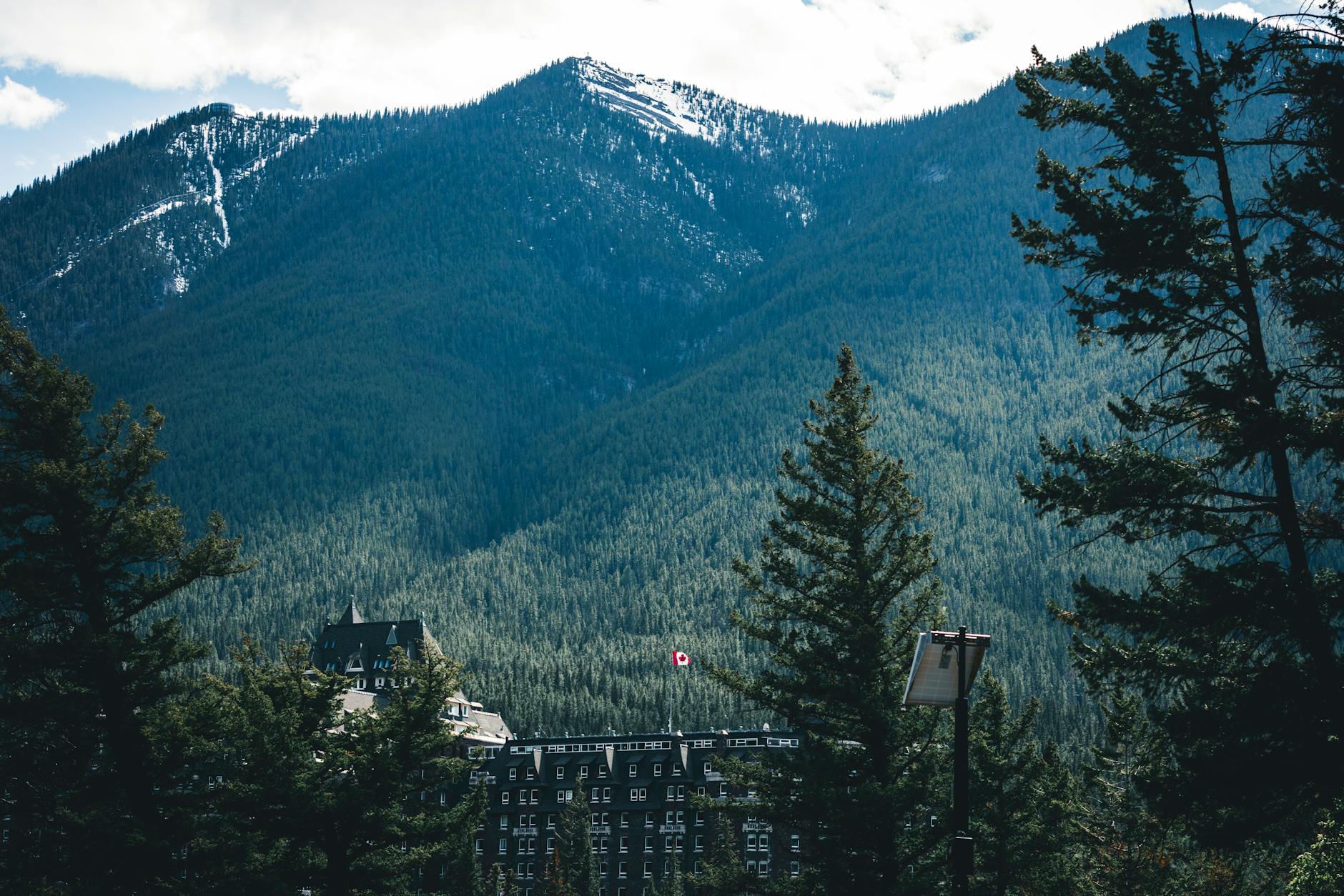
Canada is not one trip. It is a continent-sized country that happens to fit inside one border.
Start Here
It is a cedar-scented rainforest trail on Vancouver Island, a glassy skyline at the edge of the Pacific, a prairie highway running under a sky that seems too large, a French-speaking café terrace in Montréal, a winter carnival in Québec City, a red-sand beach on Prince Edward Island, a fishing village in Newfoundland, a turquoise lake below a wall of Rockies, a polar-bear town on Hudson Bay, a subway ride through Toronto’s global food map, a canoe route in Ontario cottage country, an Acadian kitchen party, a whale breach in the St. Lawrence, a ferry pulling away from the coast, and an aurora sky over a frozen northern lake.
Most first-time visitors underestimate Canada in exactly the same way: they think the map is generous. It is not. Vancouver, Banff, Toronto, Montréal, Québec City, Halifax, Newfoundland, and the Yukon do not combine into a normal two-week holiday unless the holiday is mostly airports. The country rewards travelers who choose a region, a season, and a style of movement. It punishes the national checklist.
The best Canada trip is not about “seeing Canada.” It is about choosing a coherent Canada: the Pacific Canada of Vancouver, Victoria, islands, rainforest, and mountains; the Rockies Canada of Banff, Lake Louise, Jasper, and alpine roads; the urban-culture Canada of Toronto, Ottawa, Montréal, and Québec City; the Atlantic Canada of Halifax, Cape Breton, PEI, Fundy, and Newfoundland; the northern Canada of Yukon, Northwest Territories, Nunavut, aurora, tundra, and Indigenous-led travel; the winter Canada of ski towns, frozen rivers, festivals, and northern lights; or the slow-road-trip Canada of ferries, lakes, forests, and small towns.
This guide is designed for travelers who want more than a list of “best places in Canada.” It explains how the country works, how to choose the right route, where a car is useful, where trains make sense, where flights are unavoidable, what to book early, when weather changes the trip, what to skip, how to handle national parks responsibly, how to think about Indigenous tourism, and how to avoid wasting time and money in a country where distance is the main hidden cost.
Canada in one sentence: Canada is a vast, seasonal, region-first country where the best trip comes from choosing one strong route, respecting distance and weather, and letting landscapes, cities, cultures, and local rhythms unfold instead of forcing them into a checklist.
Basic data
| Population | About 41 million |
|---|---|
| Area | 9.98 million km2 |
| Major religions | Christian heritage, large secular population, and Muslim, Hindu, Sikh, Buddhist, and Jewish communities |
| Political system | Federal parliamentary constitutional monarchy |
| Economic system | High-income mixed market economy led by services, energy, manufacturing, technology, and trade |
Quick Verdict
| Question | Answer |
|---|---|
| Best for | National parks, road trips, mountains, lakes, islands, wildlife, skiing, hiking, paddling, fall foliage, urban food, multicultural cities, French-Canadian culture, family travel, rail journeys, coastal drives, Indigenous-led experiences, whale watching, northern lights, and travelers who like nature with serious logistics. |
| Not ideal for | Short trips that try to cross the country, budget travelers in peak-summer mountain or coastal destinations, visitors who dislike driving, travelers expecting warm weather everywhere, anyone who wants guaranteed wildlife or aurora sightings, and people who prefer dense countries where major attractions are close together. |
| Ideal first visit | 10 to 14 days for one strong route. Seven days works for one region or city-plus-nature trip. Three weeks lets you combine two distant regions if you use flights. A true coast-to-coast trip needs far more time or a willingness to treat travel days as the experience. |
| Best first-timer routes | East: Toronto, Niagara, Ottawa, Montréal, Québec City. West: Vancouver, Victoria or Whistler, Banff, Lake Louise, Jasper or Calgary. Atlantic: Halifax, Bay of Fundy, Cape Breton, PEI, or Newfoundland. Choose one, not all three. |
| Best months overall | June to September for broad outdoor travel. September is often the best all-purpose month: good weather, fewer families than peak summer, strong hiking, harvest food, and early fall color in some regions. October is excellent for eastern fall foliage and city trips. Winter is best for skiing, winter festivals, and aurora-focused northern trips. |
| Biggest planning mistake | Underestimating distance. Toronto to Vancouver is not a scenic afternoon transfer; it is a cross-continent flight or a multi-day rail journey. Even within a province, drives can be longer, emptier, and more weather-dependent than they look. |
| One thing to book early | Banff/Lake Louise/Jasper lodging, national-park camping, Parks Canada shuttles, Vancouver Island ferries in peak periods, Newfoundland ferries and rental cars, Churchill polar bear trips, northern lights lodges, VIA Rail sleeper berths, and peak-summer hotels in small coastal or mountain towns. |
| One thing to leave unscheduled | Weather buffers. Canada’s best experiences often depend on clear skies, road conditions, ferry timing, wildlife movement, smoke, tides, and energy. Leave room for a second mountain day, a ferry delay, a rainy museum day, or a spontaneous lake stop. |
| Best car-free trip | Toronto, Niagara Falls, Ottawa, Montréal, and Québec City by train/bus; Vancouver + Victoria without a car if you keep the plan urban; Montréal/Québec City as a compact culture trip. |
| Best road-trip country logic | Canada is excellent for road trips, but not every road trip is practical. Plan around corridors: Vancouver Island, Icefields Parkway, Québec/Charlevoix/Gaspé, Nova Scotia/Cape Breton, Newfoundland, or the Yukon. |
| Most important warning | Nature is not a backdrop. Weather, cold, heat, smoke, wildlife, tides, avalanches, road closures, and remoteness are real planning factors. Treat Canadian nature with the same seriousness you would bring to a city’s transit system or a country’s visa rules. |
The Move
Pick one route family before you pick attractions. A first Canada trip should be “Vancouver Island and the Rockies,” “Toronto to Québec City,” “Nova Scotia and PEI,” “Newfoundland,” “Yukon summer,” or “Banff winter,” not “a little bit of everything.” Canada gets better when the itinerary gets narrower.
Who Will Love Canada?
You will probably love Canada if you want:
- Big landscapes with real variety: Pacific rainforest, Rockies, prairie, boreal forest, Great Lakes, Arctic tundra, Atlantic coast, red-sand beaches, fjords, glaciers, and thousands of lakes.
- Cities that are easy to enjoy without feeling like museum pieces: Toronto for global food and neighborhoods, Montréal for culture and nightlife, Vancouver for ocean-and-mountain urbanism, Québec City for historic atmosphere, Ottawa for national institutions, Calgary and Edmonton for western gateways, Halifax for maritime character, and St. John’s for edge-of-continent personality.
- A trip where outdoors and culture combine naturally: food markets after hikes, ferry rides to islands, Indigenous cultural centers, local breweries after national parks, art museums in rainy cities, and winter festivals after cold days.
- Rail travel in the right places: the Ontario–Québec corridor is genuinely useful, while long-distance trains are better treated as experiences than as fast transport.
- A road trip with space, wildlife, small towns, and scenic stops.
- Winter done properly: skiing, skating, snowshoeing, hot drinks, northern lights, snowy cities, and cozy interiors.
You may struggle with Canada if you want:
- A small-country itinerary where each major region is a short train ride away.
- Cheap hotels in peak summer, especially in Vancouver, Toronto, Banff, Lake Louise, Jasper, Victoria, Tofino, and small Atlantic towns.
- Guaranteed wildlife. Bears, whales, moose, polar bears, and aurora are not zoo exhibits or stage lighting.
- Easy rural travel without a car. Some regions are possible car-free with careful planning; many are not.
- Warm weather everywhere. Canada can be hot in summer, brutally cold in winter, rainy on the Pacific coast, windy on the Atlantic coast, smoky in wildfire season, and snowy in mountain shoulder seasons.
- A national culture that can be reduced to Mounties, maple syrup, and politeness. Those images exist, but the real country is more complex: Indigenous nations, French and English histories, immigration, regional identities, extractive industries, environmental tensions, urban diversity, and small-community life.
Canada is not hard because it is chaotic. Canada is hard because it is large, seasonal, and deceptively easy-looking. Once you respect those three facts, it becomes one of the most rewarding countries in the world to plan.
Canada at a Glance
| Practical | Detail |
|---|---|
| Country structure | Canada has ten provinces and three territories, stretching from the Pacific to the Atlantic to the Arctic. The capital is Ottawa. Each province and territory has its own government and visitor logistics can differ significantly.[1] |
| Official languages | English and French federally. French is dominant in Québec and important in parts of New Brunswick and other regions. Many Indigenous languages are spoken across the country; place names and local protocols matter. |
| Currency | Canadian dollar, written as CAD, C$, or $. Cards are widely accepted, but keep some cash for small towns, tips, markets, rural businesses, ferries, and backup. |
| Time zones | Canada spans multiple time zones. Cross-country itineraries can involve serious jet lag even without leaving the country. Newfoundland has its own half-hour time zone. |
| Entry basics | Most travelers need either a visitor visa or an electronic travel authorization, depending on passport and travel method. U.S. citizens traveling with a valid U.S. passport do not need a visa or eTA. Check official requirements before booking.[2][3] |
| Arrival procedures | Advance Declaration in ArriveCAN is optional and lets eligible air arrivals submit customs and immigration information up to 72 hours before arrival at participating airports.[7][8] |
| Main international airports | Toronto Pearson (YYZ), Vancouver (YVR), Montréal-Trudeau (YUL), Calgary (YYC), Ottawa (YOW), Edmonton (YEG), Halifax (YHZ), Winnipeg (YWG), Québec City (YQB), Victoria (YYJ), St. John’s (YYT). |
| Electricity | 120V, 60Hz. Type A and B plugs, similar to the United States. |
| Emergency number | 911 is the standard emergency number for police, fire, and ambulance in most of Canada.[10] |
| Healthcare for visitors | Canada does not pay for hospital or medical services for visitors. Buy travel health insurance before arrival, especially if hiking, skiing, driving remotely, or visiting the North.[11] |
| Tipping | Common in restaurants, bars, taxis, tours, and personal services. Restaurant tipping norms vary, but 15–20% before tax or on subtotal is a common expectation in many situations. |
| Driving | Drive on the right. Distances are in kilometers, fuel is sold by the liter, speed limits are posted in km/h, and winter driving requires real preparation. Transport Canada recommends winter tires for cold, snowy, or icy conditions.[12] |
| Transit apps | Google Maps, Apple Maps, Transit app, city transit apps, VIA Rail, airline apps, ferry apps, Parks Canada, WeatherCAN, provincial road-condition tools, and the Government of Canada Air Quality Health Index. |
| Tap water | Generally safe in cities and most towns, but remote communities, campsites, parks, and rural areas may have local advisories. Follow posted boil-water notices. |
| Cannabis | Cannabis is legal under Canadian law, with provincial rules, but it remains illegal to bring cannabis or cannabis products across the Canadian border in either direction.[13] |
| Best planning mindset | Treat Canada like several countries for itinerary purposes. One region done well beats five regions done badly. |
First-Timer Mistake
Many visitors ask, “Can I do Vancouver, Banff, Toronto, Montréal, Québec City, Niagara, and maybe Halifax in two weeks?” Technically, yes, with enough flights. Experientially, no. You will spend too much of the trip transferring between versions of Canada instead of understanding any one of them.
2026 Visitor Notes
Entry Rules Are Passport-Specific, Not Vibes-Specific
Canada’s visitor-entry system depends on citizenship, travel document, residency status, and method of arrival. Most travelers need either a visitor visa or an eTA to fly to or transit through a Canadian airport.[4] Visa-exempt foreign nationals usually need an eTA when flying to Canada, while visa-required travelers need a visitor visa. U.S. citizens traveling with a valid U.S. passport do not need a Canadian visa or eTA.[2]
An eTA costs CAD $7 and is valid for up to five years or until the passport expires, whichever comes first.[3] Visitor visa fees start from CAD $100, and many applicants must provide biometrics.[5]
The move: Check the official “what you need to enter Canada” tool for your exact passport and travel method. A U.S. visa does not automatically give you the right to enter Canada.[6]
Advance Declaration Can Save Time at Major Airports
The Canada Border Services Agency lets eligible travelers use Advance Declaration to submit customs and immigration information before flying into Canada. CBSA says the feature is optional and can be completed up to 72 hours before arrival; participating airports include major gateways such as Toronto, Vancouver, Montréal, Calgary, Edmonton, Ottawa, Québec City, Halifax, Winnipeg, and Billy Bishop Toronto City Airport.[7][9]
The move: Use Advance Declaration if flying into a participating airport, especially during peak periods. Also remember that travelers carrying CAD $10,000 or more in currency or monetary instruments must declare it.[8]
FIFA World Cup 2026 Will Affect Toronto and Vancouver
Canada is co-hosting the 2026 FIFA World Cup, with Canadian matches in Toronto and Vancouver. The Government of Canada identifies Toronto and Vancouver as Canadian host cities, and travel advisories warn that host cities and popular tourist destinations may be busier than usual during the tournament window.[14][15]
The move: For June and early July 2026 travel, book Vancouver and Toronto accommodation early, expect higher prices, and leave extra transit time on match days. A match ticket does not replace normal entry requirements.
Parks Canada Reservations Matter
Parks Canada launches reservations for the 2026 visitor season in January, with launch dates varying by location.[16] For 2026, some Parks Canada pages also note temporary Canada Strong Pass benefits, including free admission and discounted overnight stays from June 19 to September 7, 2026; verify details directly because this is a date-specific program.[17]
The move: If your Canada dream includes camping in Banff, Jasper, Pacific Rim, Gros Morne, Fundy, Cape Breton Highlands, or other popular parks, treat the reservation launch like buying concert tickets. Create your account early and have backup dates.
Moraine Lake Is Not a Casual Parking Lot Anymore
In Banff National Park, Parks Canada states that Moraine Lake Road is closed to personal vehicles year-round and that Parks Canada shuttle reservations are required for most visitors; 2026 shuttle reservations launched April 15 with additional seats released two days before departure.[18]
The move: Do not plan a “we’ll just drive to Moraine Lake at sunrise” day. Build Lake Louise and Moraine Lake around shuttles, commercial transport, cycling/hiking rules, or accommodation logistics.
Wildfire Smoke Is Now a Planning Factor
The Government of Canada says wildfire season typically runs from early April to late October and that wildfire smoke can be a major source of air pollution.[19] Smoke can affect destinations far from active fires, including cities and parks.
The move: Check air quality as well as weather during summer and early fall. Use the Air Quality Health Index, keep flexible plans, and have indoor alternatives for smoky days.[20]
Canada Is Safe, But Nature and Distance Are Serious
The U.S. State Department describes Canada as generally safe for travelers, while still recommending ordinary caution abroad.[21] That is the right tone. Tourist crime is usually not the issue. The bigger risks are road conditions, cold, heat, smoke, bears, water, tides, cliffs, avalanches, remoteness, alcohol-related nightlife problems, and underprepared outdoor plans.
The move: Plan Canada like an outdoor country even when the trip includes cities. Insurance, layers, road-condition checks, and weather buffers are not overkill.
How to Understand Canada
Canada becomes easier when you stop thinking of it as one destination and start thinking of it as a set of travel systems.
The Six Canadas Most Visitors Actually Plan Around
| Canada | Where you feel it | What it gives you |
|---|---|---|
| Pacific Canada | Vancouver, Victoria, Vancouver Island, Whistler, Sunshine Coast, Gulf Islands | Ocean, rainforest, mountains, ferries, food, Indigenous culture, mild winters, summer crowds, rain, and expensive lodging. |
| Rocky Mountain Canada | Banff, Lake Louise, Jasper, Canmore, Yoho, Kootenay, Icefields Parkway, Calgary | Glacial lakes, alpine hikes, wildlife, ski towns, scenic drives, national-park infrastructure, high prices, and crowded icons. |
| Urban Corridor Canada | Toronto, Niagara, Ottawa, Montréal, Québec City | Trains, museums, food, neighborhoods, history, nightlife, multiculturalism, French/English cultural contrast, and the easiest car-free route. |
| Atlantic Canada | Halifax, Cape Breton, PEI, New Brunswick, Bay of Fundy, Newfoundland and Labrador | Coastal drives, fishing towns, music, seafood, cliffs, ferries, slower roads, weather, and deep regional personality. |
| Prairie and Interior Canada | Manitoba, Saskatchewan, Alberta outside the Rockies, interior BC | Big sky, lakes, grain fields, Indigenous and Métis history, small cities, dinosaur badlands, festivals, and long distances. |
| Northern Canada | Yukon, Northwest Territories, Nunavut, northern Manitoba, northern Québec, Labrador | Aurora, tundra, midnight sun, Arctic and subarctic cultures, fly-in logistics, high costs, serious weather, and Indigenous-led travel. |
Local Logic
Canada’s travel geography is organized less by national borders than by corridors:
- The Ontario–Québec corridor is a train-and-city corridor.
- The Rockies are a car/shuttle/tour corridor.
- The BC coast is a ferry-and-road corridor.
- Atlantic Canada is a road-and-ferry corridor.
- The North is a fly-in, winter-road, guide, and weather corridor.
- The Prairies are a long-drive or flight corridor.
A good Canada itinerary respects the corridor it is using. A bad one fights the corridor.
The Country’s Rhythm
Canada has four travel rhythms, but they do not hit every region in the same way.
Summer is the broad-access season. Parks open fully, ferries run more frequently, patios fill, trails thaw, lakes warm, and cities hold festivals. It is also when prices rise, hotels sell out, campgrounds book, traffic grows, mosquitoes appear in many regions, and wildfire smoke can disrupt plans.
Fall is the sophisticated season. September is often excellent almost everywhere. October is especially strong in Ontario, Québec, and Atlantic Canada for foliage, food, cool walking weather, and lower crowds. In the mountains and North, weather can turn earlier.
Winter is not dead season; it is a different country. Ski resorts, Québec winter culture, northern lights, frozen lakes, snowshoeing, skating, and cozy urban trips can be exceptional. But rural driving, daylight, cold, storms, and closures require planning.
Spring is the awkward season in many places. April can be too late for winter and too early for summer in mountain and rural areas. May is much better for cities, gardens, early road trips, and shoulder-season value, though high-elevation hikes may still be snowbound.
Canada’s Central Contrasts
Canada’s best travel writing uses tension because the country is full of it:
- Wilderness vs infrastructure: Canada markets wilderness, but most visitors experience it through roads, shuttles, ferries, lodges, rail, and parks systems.
- Huge country vs small-town intimacy: A cross-country map feels massive; a fishing village, mountain town, or neighborhood café can feel intensely local.
- English Canada vs French Canada: Montréal and Québec City are not “Europe in North America” as a lazy slogan; they are living French-speaking North American cities with their own histories and politics.
- Indigenous presence vs settler tourism: Many iconic landscapes are Indigenous homelands. Good travel acknowledges this and seeks Indigenous-owned or Indigenous-led experiences when possible.
- Urban diversity vs national clichés: Toronto, Vancouver, Calgary, Montréal, Winnipeg, and Edmonton are not postcard stereotypes; immigration and Indigenous resurgence have shaped contemporary Canada.
- Summer ease vs winter identity: Many visitors come in summer, but winter reveals a defining part of the country’s culture.
The Move
Before building the itinerary, write one sentence: “This trip is about ___.” If the blank says “the Rockies,” “French Canada,” “Atlantic coast,” “Vancouver Island,” “northern lights,” or “Toronto-to-Québec culture,” you are on track. If it says “Canada,” the plan is still too vague.
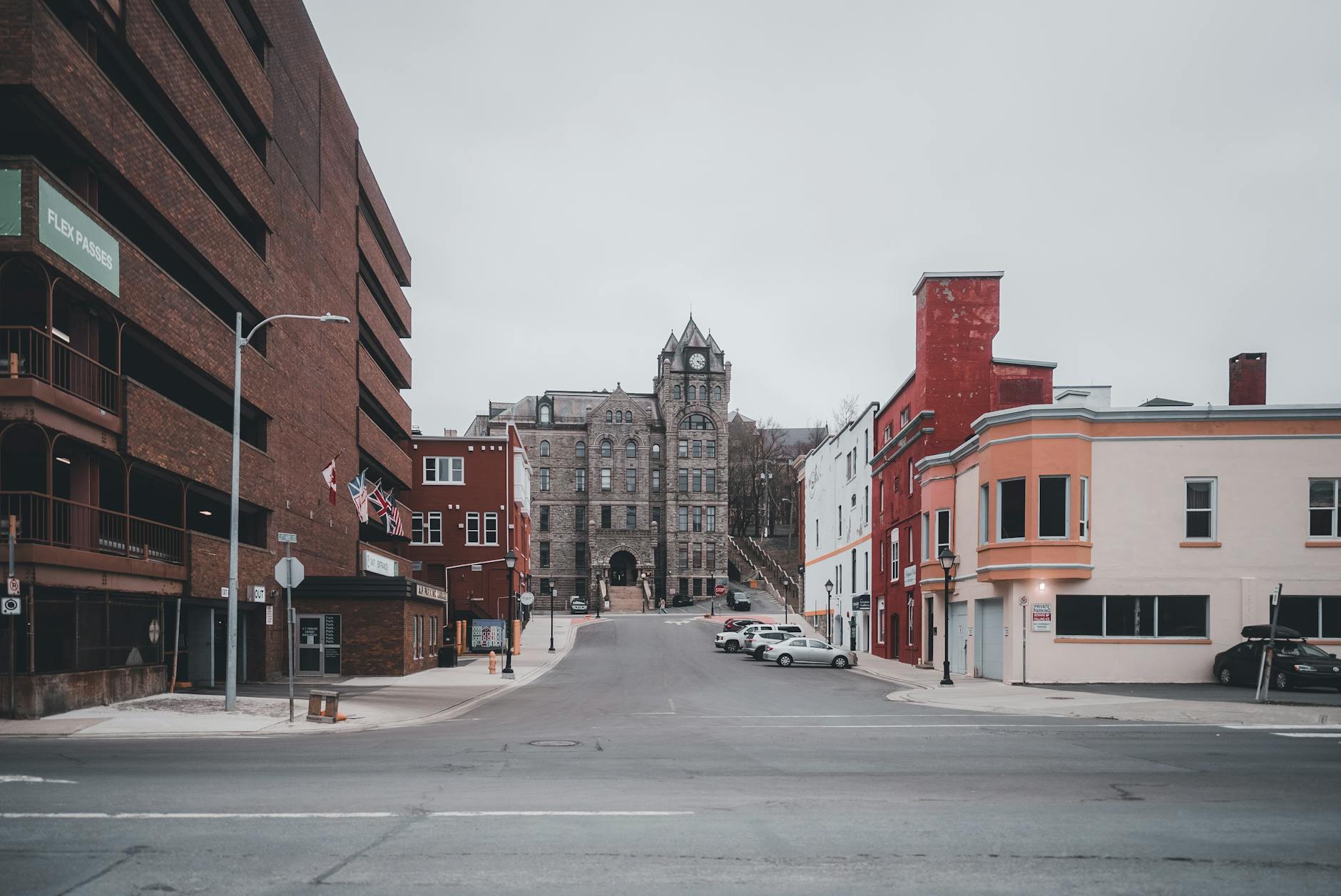
Choose Your Canada Trip
Best Route Families
| Route family | Best for | Ideal length | Car needed? | Core places |
|---|---|---|---|---|
| Toronto to Québec City Corridor | First-timers, food, cities, museums, history, no-car travel | 10–14 days | No | Toronto, Niagara, Ottawa, Montréal, Québec City |
| Vancouver + Rockies | Mountains, national parks, scenic drives, first western Canada trip | 10–14 days | Usually yes outside cities | Vancouver, Victoria or Whistler, Banff, Lake Louise, Jasper or Calgary |
| Vancouver Island and BC Coast | Ocean, rainforest, food, ferries, slow travel | 7–14 days | Helpful | Vancouver, Victoria, Tofino/Ucluelet, Gulf Islands, Whistler/Sunshine Coast optional |
| Rockies Deep Dive | Hiking, lakes, ski towns, photography, road trips | 7–12 days | Yes or organized transport | Calgary, Canmore, Banff, Lake Louise, Yoho, Icefields Parkway, Jasper |
| Québec Properly | French culture, food, winter, history, villages, road trips | 7–14 days | No for city pair; yes for regions | Montréal, Québec City, Charlevoix, Eastern Townships, Gaspé, Saguenay |
| Atlantic Canada Classic | Coast, seafood, music, road trips, smaller towns | 10–18 days | Yes | Halifax, Cape Breton, PEI, Fundy, New Brunswick, optional Newfoundland |
| Newfoundland Focus | Rugged coast, hiking, geology, music, remote beauty | 10–14 days | Yes | St. John’s, Avalon, Bonavista, Twillingate, Gros Morne, Western Newfoundland |
| Yukon and the North | Wilderness, road trips, aurora, midnight sun, Indigenous culture | 7–14 days | Yes/guides/flights | Whitehorse, Dawson City, Kluane, Dempster Highway, Yellowknife optional |
| Winter Canada | Skiing, festivals, northern lights, snow culture | 5–12 days | Depends | Whistler, Banff/Lake Louise, Montréal/Québec City, Charlevoix, Yellowknife, Whitehorse |
| Wildlife Canada | Bears, whales, birds, polar bears, marine life | 7–14+ days | Often guided | Churchill, Vancouver Island, St. Lawrence, Bay of Fundy, Newfoundland, Rockies |
First-Time Visitor? Start Here
For a first Canada trip, choose one of these three:
1. The Easy Cultural First Trip: Toronto to Québec City
This is the best first Canada trip for travelers who want cities, history, food, public transport, and minimal logistics. Use trains and buses between Toronto, Niagara, Ottawa, Montréal, and Québec City. It gives you Anglophone Canada, Francophone Canada, Niagara Falls, national museums, global food, old streets, and strong urban variety without a car.
Best length: 10 to 14 days.
Best season: May, June, September, October, or winter if you want snow and festivals.
Main risk: Treating Toronto as just a gateway and not giving Montréal/Québec enough time.
2. The Classic Nature First Trip: Vancouver and the Rockies
This is the best first Canada trip for mountains, ocean, forests, ferries, and big scenic impact. Start in Vancouver, add Victoria or Whistler, then fly or drive to Calgary/Banff, or structure the Rockies around Calgary.
Best length: 10 to 14 days.
Best season: June to September; winter for skiing.
Main risk: Underbooking Banff/Lake Louise/Jasper lodging and underestimating crowd management.
3. The Coastal Character First Trip: Atlantic Canada
This is the best first Canada trip for slower travelers who prefer coastal drives, small cities, music, seafood, ferries, cliffs, and local personality over famous big-city icons.
Best length: 10 to 18 days.
Best season: June to September; September is excellent.
Main risk: Trying to include Newfoundland as an afterthought. Newfoundland deserves its own trip or a major extension.
The Move
Do not mix east and west on a first trip unless you have at least two weeks and are comfortable flying. Toronto + Montréal + Québec City + Vancouver + Banff is possible. It is also a lot of airports, transfers, and climate shifts. A tighter trip will feel richer.
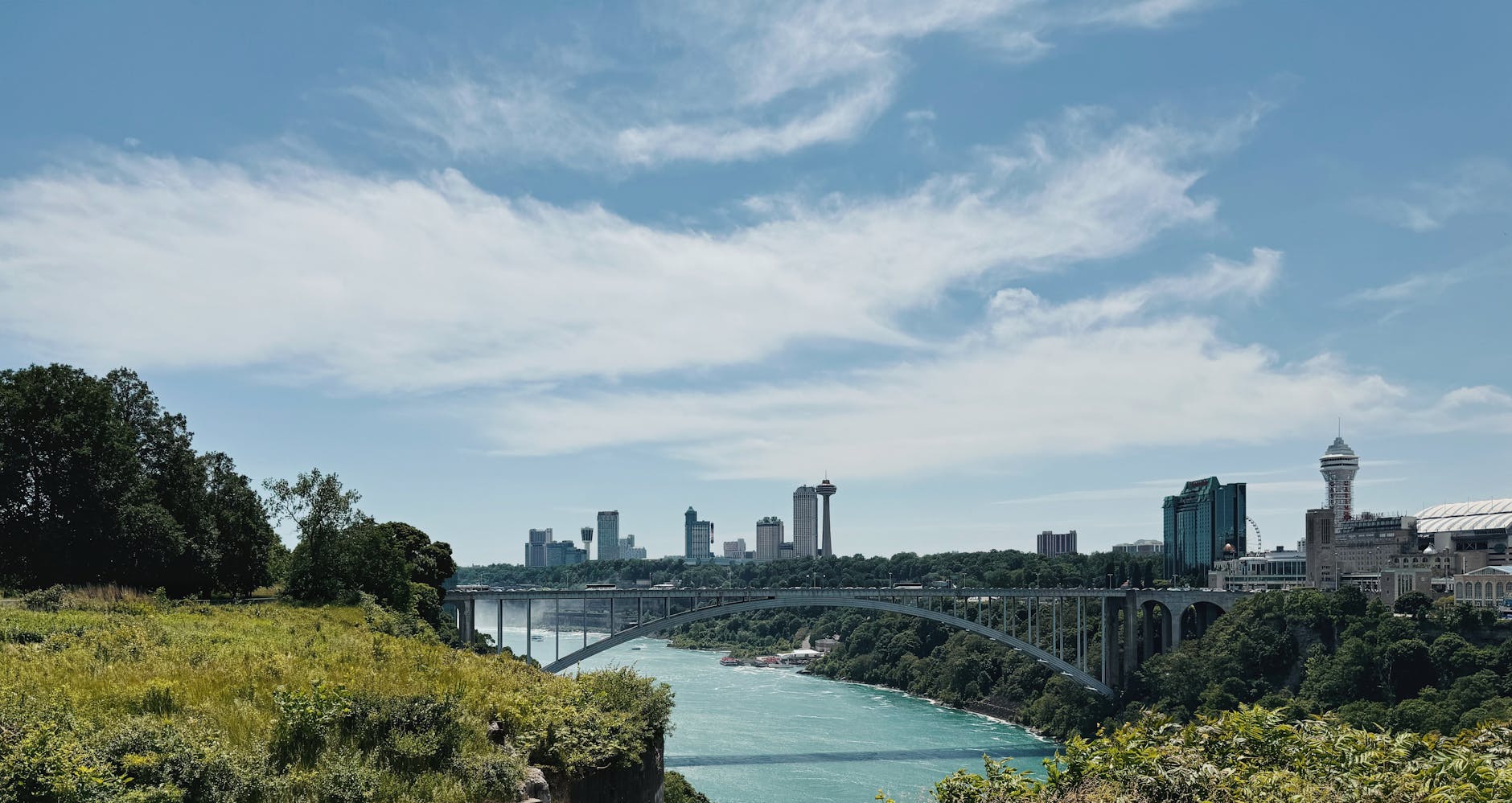
Best Time to Visit Canada
There is no single best month for Canada. The best time depends on region and purpose.
Best Overall Months
September is the easiest all-purpose recommendation. Summer services are often still operating, major parks are open, cities are active, weather is usually comfortable, and crowds are lighter than July and August. In the Rockies, September can be magnificent but nights cool quickly. In Atlantic Canada, September is often excellent. In Ontario and Québec, late September begins the fall-color arc.
June is a strong early-summer month. Days are long, cities are lively, and many outdoor destinations are open. Some high mountain trails may still have snow, northern bugs can be intense, and glacial lakes may still be thawing or very cold, but June often has better value than peak July/August.
July and August are peak access months. Everything is open, families travel, ferries and parks run full schedules, and weather is warmest. They are also the most expensive and crowded months in many famous areas.
October is excellent for city trips, eastern Canada, food, fall color, and lower prices. It is weaker for high-elevation hiking, remote northern travel, and some seasonal coastal services.
January to March is best for ski trips, Québec winter culture, and northern lights trips. It is not a fallback season; it is a trip type.
Season-by-Season
| Season | What to expect | Best for | Watch out for |
|---|---|---|---|
| Winter: December–March | Snow, cold, ski season, frozen lakes, winter festivals, short days in the north. | Skiing, Québec City, Montréal winter, Banff/Lake Louise, Whistler, aurora, winter photography. | Extreme cold, storms, winter driving, limited daylight, avalanche risk, closures. |
| Spring: April–May | Shoulder season, city flowers, thaw, mud, variable weather, fewer crowds. | City trips, museums, early coastal travel, value, spring food. | Snowbound trails, closed attractions, wet weather, muddy parks, unstable mountain conditions. |
| Summer: June–August | Broad access, long days, festivals, peak national parks, warm weather. | Road trips, camping, hiking, paddling, Atlantic Canada, BC coast, Rockies, family travel. | High prices, crowds, mosquitoes, wildfire smoke, limited availability. |
| Fall: September–October | Cooler air, harvest, foliage, fewer crowds, excellent walking. | Eastern Canada, cities, road trips, hiking, food, photography. | Early snow in mountains/North, shorter days, some seasonal closures. |
| Late fall: November | Low season, gray weather in many regions, early snow in others. | City value, museums, food, quiet trips. | Not yet full winter, no longer summer; many outdoor trips feel in-between. |
Month-by-Month Guide
| Month | Verdict |
|---|---|
| January | Deep winter. Excellent for skiing, Québec winter atmosphere, northern lights, snowshoeing, skating, and cozy cities. Not a casual road-trip month unless you know winter conditions. |
| February | Strong winter month. Québec City and Montréal can be cold but atmospheric. Ski resorts are active. Aurora trips are strong in the North. |
| March | Spring skiing and longer days. Still winter in much of the country, but cities begin to shift. Good for those who want snow with slightly more daylight. |
| April | Awkward in many outdoor regions. Good for museums, food, urban trips, and value. Not ideal for mountain hiking or classic national-park scenery. |
| May | Good shoulder month for cities, Vancouver Island, early Atlantic travel, and lower crowds. Some seasonal services are still ramping up. |
| June | Excellent in many regions. Long days, fewer crowds than July/August, good city festivals, strong road-trip start. Some high trails and northern routes remain seasonal. |
| July | Peak summer. Best broad-access month, but expensive and busy. Book lodging, ferries, campgrounds, rental cars, and national-park shuttles early. |
| August | Peak summer continues. Warm water, family travel, long days. Wildfire smoke and heat can matter. Great for Atlantic Canada, BC coast, lakes, and mountains if planned well. |
| September | Perhaps the best all-around month. Strong weather, fewer crowds, good hiking, harvest food, and early fall color. Book popular weekends. |
| October | Excellent for Ontario, Québec, Maritimes, cities, food, and fall foliage. Weaker for high mountains and remote areas where seasons close. |
| November | Low season. Good for city breaks and lower prices; poor for many scenic-road ambitions. Weather can be gray, wet, or early-winter. |
| December | Holiday lights, winter markets, skiing begins in earnest, and cold-weather travel returns. Check holiday closures and high Christmas/New Year prices. |
Regional Timing
| Region | Best window | Notes |
|---|---|---|
| Vancouver and Victoria | May–October; winter for mild-city escapes | Winters are milder but wet. Summer is beautiful and expensive. |
| Vancouver Island / Tofino | June–September for summer; winter for storm watching | Ferry and lodging reservations matter. |
| Canadian Rockies | June–September for hiking; December–March for skiing | Lake Louise and Moraine Lake access requires planning. High trails can hold snow into summer. |
| Toronto/Ottawa/Montreal/Québec City | May–October; December–March for winter culture | The easiest year-round first Canada route. |
| Atlantic Canada | June–September; October for some foliage and quiet | Weather is variable; ferries and rental cars need early planning. |
| Newfoundland | June–September | June can bring icebergs and spring conditions; summer is prime for hiking and coastal routes. |
| Yukon/NWT/Nunavut | Summer for access and midnight sun; winter/fall for aurora | The North is expensive and logistics-heavy. Do not improvise remote travel. |
| Churchill, Manitoba | Summer for belugas; fall for polar bears; winter for aurora | Travel Manitoba frames Churchill as year-round: summer belugas, fall polar bears, winter northern lights.[22] |
Rain, Smoke, and Weather Plan
Canada rewards flexible travelers. A rainy day in Vancouver can become a food-market and museum day. A smoky day in Banff can become a lower-effort town day. A windy Atlantic day can become a lighthouse drive instead of a whale tour. A storm in Newfoundland can change ferries and hiking. A cold snap in Québec can turn a casual walk into a café-and-museum day.
The move: Build every outdoor-heavy itinerary with one weather buffer day. It is not wasted time; it is insurance against the country behaving normally.
How Many Days You Need
The Honest Answer
You need 10 to 14 days for a satisfying first Canada trip if the trip includes both cities and nature. Seven days works if you choose one region. Three weeks lets you combine two major regions with a flight between them. A coast-to-coast trip is possible in two weeks only if you accept that the trip is mostly a highlights sampler.
| Length | What it can do well |
|---|---|
| 3–4 days | One city and a nearby day trip: Vancouver + Victoria/Whistler, Toronto + Niagara, Montréal + Québec City, Halifax + nearby coast, Calgary + Banff taste. |
| 5–7 days | One focused region: Vancouver Island, Banff/Lake Louise/Canmore, Montréal/Québec City, Toronto/Ottawa/Montreal, Nova Scotia, Newfoundland Avalon/Bonavista, Yukon Whitehorse/Kluane. |
| 8–10 days | A strong route family: Toronto–Ottawa–Montréal–Québec City, Vancouver + Victoria + Whistler, Calgary–Banff–Lake Louise–Jasper, Halifax–Cape Breton–PEI. |
| 10–14 days | Ideal first Canada trip. Lets you combine urban and natural experiences without rushing. |
| 2–3 weeks | Two regions with a flight or one deep regional road trip. Good for West Coast + Rockies, Ontario/Québec + Atlantic, or Newfoundland done properly. |
| 1 month+ | Cross-country travel becomes meaningful. Rail, road, and flights can be mixed without turning every day into logistics. |
Minimum Worthwhile Stays by Trip Type
| Trip type | Minimum | Better | Why |
|---|---|---|---|
| Toronto + Niagara | 3 days | 4–5 days | Toronto deserves more than a pass-through. |
| Montréal + Québec City | 5 days | 7 days | Culture, food, neighborhoods, and day trips need time. |
| Toronto to Québec City corridor | 8 days | 10–14 days | Trains make it easy, but each city has depth. |
| Vancouver + Victoria | 5 days | 7 days | Ferries and weather make rushed plans less fun. |
| Banff/Lake Louise | 4 days | 6–7 days | Weather and shuttle logistics matter. |
| Banff to Jasper | 7 days | 9–10 days | The Icefields Parkway deserves time, not a drive-through. |
| Atlantic Canada sampler | 10 days | 14–18 days | Coastal roads, ferries, and small towns slow the pace. |
| Newfoundland | 7 days | 10–14 days | Distances are large and weather buffers are essential. |
| Yukon summer | 7 days | 10–14 days | Road trips and wilderness access are not quick. |
| Northern lights trip | 4 nights | 5–7 nights | More nights improve odds. |
Itinerary Philosophy
A good Canada itinerary should usually have:
- One anchor region.
- One movement style: train corridor, road trip, ferry route, flight-and-base, or guided wilderness.
- One weather buffer.
- One rest day after a major transfer.
- One booked scarcity item: park lodging, ferry, shuttle, special tour, wildlife viewing, or rail sleeper.
- Enough space to enjoy small places instead of treating them as mileage.
Canada punishes “one-nighting” in scenic regions. A two-night stay is often the minimum; three nights is usually when the place starts working.
Region-by-Region Guide
British Columbia: Pacific Cities, Rainforest, Islands, and Mountains
Core identity: Ocean, mountains, rain, food, Indigenous culture, ferries, mild winters, expensive summers.
Best for: Vancouver, Victoria, Vancouver Island, Tofino/Ucluelet, Whistler, Sunshine Coast, Gulf Islands, Okanagan wine, Sea-to-Sky drives, kayaking, whales, rainforest walks.
Why go: British Columbia is Canada’s most immediately cinematic region: city skylines framed by mountains, forest trails that start near transit, islands reached by ferry, storm-watching beaches, and a food scene shaped by the Pacific Rim.
Why not: It can be expensive, rainy, and logistically busy. Vancouver Island and coastal routes depend on ferry timing. Tofino and Victoria book out in summer. A car helps beyond Vancouver and central Victoria.
Best bases: Vancouver, Victoria, Tofino/Ucluelet, Whistler, Kelowna, Squamish, Nelson for interior BC, Prince Rupert for northern coast routes.
Best time: June to September for classic summer. May and October for fewer crowds. Winter for Whistler, storm watching, and mild city travel.
Perfect first BC trip: Vancouver 3 nights, Victoria 2 nights, Tofino/Ucluelet 3 nights, Whistler or Squamish 2 nights.
The move: Do not treat BC Ferries like a city bus in peak season. BC Ferries advises booking in advance when possible, especially during long weekends and holidays.[29]
Alberta and the Canadian Rockies: Big Scenery, Park Logistics, and Western Gateways
Core identity: Rockies, big skies, national parks, energy cities, prairie-to-mountain contrast.
Best for: Banff, Lake Louise, Jasper, Canmore, Yoho, Kananaskis, Calgary, Edmonton, Drumheller, skiing, hiking, scenic drives, wildlife, photography.
Why go: This is the Canada that appears on postcards for a reason. Turquoise lakes, glaciers, peaks, mountain roads, and well-developed park towns make the Rockies spectacular and accessible.
Why not: Summer crowds can be intense, prices can be high, and many famous sights require shuttles, timed planning, or early reservations. Wildlife should not be treated casually. Winter driving and avalanche conditions are serious.
Best bases: Calgary for arrival, Canmore for practical access, Banff for atmosphere, Lake Louise for iconic scenery, Jasper for a quieter northern park feel, Edmonton for festivals and northern gateway travel.
Best time: June to September for hiking and lakes. December to March for skiing. May/October are quieter but transitional.
Perfect first Rockies trip: Calgary 1 night, Banff/Canmore 3 nights, Lake Louise/Yoho 2 nights, Icefields Parkway, Jasper 3 nights, return to Edmonton or Calgary.
First-timer mistake: Booking one night in Banff and trying to see Lake Louise, Moraine Lake, Icefields Parkway, and Jasper in a single scenic blur.
Saskatchewan and Manitoba: Prairie, Lakes, Indigenous and Métis History, Churchill
Core identity: Big sky, prairie, lakes, northern wildlife, Indigenous and Métis histories, under-visited parks.
Best for: Grasslands, Riding Mountain, Prince Albert National Park, Winnipeg museums and food, Saskatoon, Regina, Churchill polar bears/belugas/aurora, lake country, birding.
Why go: The Prairies are not filler between Ontario and the Rockies. They offer distinctive landscapes, powerful skies, Indigenous and Métis history, under-visited parks, and some of Canada’s most memorable wildlife experiences in Churchill.
Why not: Distances are long, public transport is limited, and the famous experiences are often seasonal or remote. Churchill requires advance planning and is expensive.
Best bases: Winnipeg, Saskatoon, Regina, Churchill, Riding Mountain, Prince Albert, Grasslands.
Best time: Summer for lakes, parks, and festivals; fall for prairie color and Churchill polar bears; winter for aurora and cold-weather experiences.
The move: Use Winnipeg as more than a transfer if going to Churchill. The Canadian Museum for Human Rights, The Forks, Indigenous and Métis context, and food scene deserve time.
Ontario: Great Lakes, Toronto, Ottawa, Niagara, Cottage Country, and the North
Core identity: Canada’s most populous province, with global-city energy, lakes, national institutions, waterfalls, wine regions, and huge northern landscapes.
Best for: Toronto, Niagara Falls, Ottawa, Algonquin Provincial Park, Thousand Islands, Prince Edward County, Stratford, Bruce Peninsula, Manitoulin Island, Lake Superior, canoeing, multicultural food.
Why go: Ontario is the easiest starting point for many international visitors. Toronto offers global food and neighborhoods; Niagara is iconic; Ottawa adds national museums; and the province’s lakes and parks create a nature layer beyond the cities.
Why not: Southern Ontario traffic can be frustrating, Niagara’s tourist zone can feel commercial, and distances to northern Ontario are much larger than visitors expect.
Best bases: Toronto, Ottawa, Niagara-on-the-Lake, Kingston, Prince Edward County, Huntsville/Algonquin area, Thunder Bay for Lake Superior.
Best time: May to October for broad travel; September/October for foliage; winter for skating and museums if you like cold.
Perfect first Ontario add-on: Toronto 3 nights, Niagara day or overnight, Ottawa 2 nights, optional Kingston/Thousand Islands.
Better alternative: If Niagara Falls feels too touristy, stay in Niagara-on-the-Lake or pair the falls with wine country and the Niagara Parkway.
Québec: French Canada, Old Cities, Food, Winter, and Vast Regions
Core identity: French-speaking North America, historic cities, food, festivals, winter culture, river landscapes, villages, northern scale.
Best for: Montréal, Québec City, Charlevoix, Eastern Townships, Saguenay, Gaspé Peninsula, Laurentians, whale watching, winter carnival, sugar shacks, food, music, road trips.
Why go: Québec gives Canada its strongest cultural contrast for many visitors. Montréal is creative, food-driven, multilingual, and energetic. Québec City is atmospheric and historic. Beyond the cities, Charlevoix, Gaspé, Saguenay, and the Eastern Townships show a different rural and coastal Québec.
Why not: If you only speak English you can travel comfortably in major visitor areas, but deeper rural travel benefits from basic French. Winter is beautiful but cold. Gaspé and northern Québec are not casual add-ons.
Best bases: Montréal, Québec City, Baie-Saint-Paul, Tadoussac, Magog/Sherbrooke, Percé, Mont-Tremblant, Saguenay.
Best time: May to October; January/February for winter culture; March/April for sugar-shack season in some regions.
Perfect first Québec trip: Montréal 4 nights, Québec City 3 nights, Charlevoix or Eastern Townships 3 nights.
Local logic: Québec is not just a European-looking old town. Its identity is North American, French-speaking, Indigenous, immigrant, rural, urban, political, and seasonal.
New Brunswick and Prince Edward Island: Fundy, Acadian Culture, Red Sand, and Slow Coasts
Core identity: Tides, beaches, Acadian culture, small towns, covered bridges, seafood, and low-key coastal travel.
Best for: Bay of Fundy, Hopewell Rocks, Fundy National Park, Saint John, Fredericton, Moncton, Acadian Peninsula, PEI beaches, Charlottetown, Green Gables landscapes, cycling, seafood.
Why go: These provinces are ideal for travelers who want coastal variety without giant cities. The Bay of Fundy adds drama; PEI adds pastoral softness and beaches; Acadian regions add language, food, and music.
Why not: Public transport is limited, towns are quiet, and the experience is subtle compared with the Rockies or Toronto. PEI can be busy and expensive in summer.
Best bases: Saint John, Fredericton, Moncton, Alma/Fundy, Charlottetown, Cavendish/North Shore, Souris/Eastern PEI.
Best time: June to September, with September especially appealing.
The move: Plan tides for Fundy, not just weather. A wrong-tide visit can flatten the experience.
Nova Scotia: Halifax, Cape Breton, Seacoasts, Music, and Road Trips
Core identity: Maritime city life, fishing villages, rugged coasts, Celtic/Acadian/Black Nova Scotian histories, seafood, music, lighthouses, and scenic drives.
Best for: Halifax, Peggy’s Cove, Lunenburg, Annapolis Valley, Bay of Fundy, Cape Breton, Cabot Trail, coastal hikes, whale watching, lobster, small towns.
Why go: Nova Scotia is one of the best provinces for a first Atlantic Canada trip because it combines a useful city gateway with road-trip variety. Halifax works as a base; Cape Breton can be a separate trip within the trip.
Why not: Cape Breton is farther than many visitors think. Weather can change quickly. The most scenic roads deserve slow pacing.
Best bases: Halifax, Lunenburg/Mahone Bay, Wolfville, Baddeck, Ingonish, Chéticamp, Yarmouth.
Best time: June to October, with September excellent.
Perfect first Nova Scotia trip: Halifax 2 nights, South Shore 2 nights, Annapolis Valley/Fundy 2 nights, Cape Breton 4 nights.
Newfoundland and Labrador: Edge-of-Continent Canada
Core identity: Cliffs, fog, music, geology, fishing communities, icebergs, whales, fjords, colorful towns, and deep local character.
Best for: St. John’s, Signal Hill, Cape Spear, Bonavista Peninsula, Twillingate, Fogo Island, Gros Morne, L’Anse aux Meadows, Labrador for remote travelers, hiking, music, geology, photography.
Why go: Newfoundland feels unlike anywhere else in Canada. It is rugged, funny, musical, windswept, geologically fascinating, and full of travel moments that come from weather, people, and place rather than checklist attractions.
Why not: Distances are large, weather is moody, rental cars book out, ferries need planning, and a week is not enough for the whole island.
Best bases: St. John’s, Trinity/Bonavista, Twillingate, Rocky Harbour/Gros Morne, St. Anthony, Fogo Island if budget allows.
Best time: June to September. Early summer can bring icebergs in some areas; summer is best for hiking and road conditions.
The move: Choose east or west Newfoundland if you only have a week. Do not drive from St. John’s to Gros Morne and back just to say you did.
The North: Yukon, Northwest Territories, Nunavut, and Northern Edges
Core identity: Vastness, aurora, midnight sun, Indigenous cultures, expensive logistics, serious weather, and remote landscapes.
Best for: Whitehorse, Dawson City, Kluane, Dempster Highway, Yellowknife, Great Slave Lake, aurora, Iqaluit, Arctic cultural travel, guided wilderness, tundra, paddling, flightseeing.
Why go: Northern Canada offers experiences that cannot be replicated in the south: aurora seasons, midnight sun, tundra, northern Indigenous cultures, Arctic/subarctic landscapes, and the feeling of scale becoming physical.
Why not: It is expensive, remote, weather-dependent, and not suitable for improvising without preparation. Some communities have limited visitor infrastructure and should not be treated as attractions.
Best bases: Whitehorse, Dawson City, Yellowknife, Iqaluit for specific trips, Churchill in northern Manitoba as a subarctic wildlife gateway.
Best time: Summer for road access and long daylight; fall/winter for aurora. Northwest Territories Tourism describes two aurora seasons: mid-August to late September and mid-November to early April.[23]
Responsible note: Prioritize Indigenous-owned, locally guided, and community-supported experiences. Ask before photographing people, homes, ceremonies, or private places.
Best Things to Do in Canada
This section is not a ranked checklist. Canada’s best experiences depend on route and season.
1. Build a Real Rockies Day, Not Just a Lake Photo Day
The Canadian Rockies are astonishing, but the best trip is not just Lake Louise, Moraine Lake, and a hurried drive. Hike, use shuttles correctly, sit by a lake after the tour buses leave, visit less famous valleys, respect wildlife, and include weather buffers.
Best for: First-timers, hikers, photographers, families, road trippers.
Time needed: At least 4 days; 7–10 is better.
Book ahead? Yes: lodging, campgrounds, shuttles, rental cars, some tours.
Common mistake: Treating Banff as a spontaneous summer destination.
2. Travel the Toronto–Montréal–Québec City Corridor by Train
This is the easiest Canada route for car-free travelers. Toronto gives scale and food; Ottawa gives national context; Montréal gives culture and nightlife; Québec City gives historic atmosphere and French-Canadian texture. VIA Rail’s Ontario–Québec corridor connects major cities between Québec City and Windsor.[25]
Best for: First-timers, city travelers, no-car trips, food, museums, history.
Time needed: 8–14 days.
Book ahead? Yes for lower fares, holiday periods, and business-class seats.
Worth it? Strongly, especially for travelers who do not want to drive.
3. Take a Ferry Somewhere
Ferries are part of Canada’s travel identity: Vancouver Island, Gulf Islands, Sunshine Coast, Newfoundland, PEI/Nova Scotia options, coastal Québec, and smaller island routes. They slow the trip in a good way—unless you fail to reserve in peak season.
Best for: Coastal travelers, families, road trips, slow travel.
Time needed: Varies from short crossings to overnight logistics.
Book ahead? Yes for busy vehicle routes and Newfoundland.
The move: Build the day around the ferry, not the ferry around the day.
4. Experience Montréal Properly
Montréal is one of North America’s great city breaks: food, music, neighborhoods, bilingual culture, design, festivals, winter resilience, and late-night energy. It is not just a stop between Toronto and Québec City.
Best for: Food, nightlife, culture, festivals, neighborhoods, solo travelers.
Time needed: 3–5 days.
Best season: June–October, or winter if you like cold-weather culture.
Skip if: You only want mountains and wilderness. Otherwise, do not skip it.
5. See Québec City Beyond the Postcard
Old Québec is beautiful, but the city is better when you add lower town, food, winter culture, nearby waterfalls, Île d’Orléans, Charlevoix, and the St. Lawrence River.
Best for: History, romance, winter, architecture, food, first-timers.
Time needed: 2–4 days.
Common mistake: Visiting as a rushed day trip from Montréal.
6. Slow Down in Atlantic Canada
Atlantic Canada works through coastal pacing: drives, ferries, seafood, local music, weather, small museums, beaches, lighthouses, and conversations. The famous view is rarely the whole point.
Best for: Road trips, seafood, small towns, music, coastal scenery.
Time needed: 10–18 days for a regional sampler.
Book ahead? Yes for peak-summer lodging, rental cars, ferries, and Cape Breton/Newfoundland.
7. Go to Vancouver Island for More Than Victoria
Victoria is charming, but Vancouver Island’s real pull includes rainforest, beaches, surf towns, Indigenous culture, whale watching, small communities, and Pacific Rim National Park Reserve.
Best for: Coastal nature, food, families, slow travel, storm watching.
Time needed: 5–10 days.
Book ahead? Ferries, Tofino/Ucluelet lodging, rental cars, tours.
8. Watch the Northern Lights Where They Actually Belong
Do not plan an aurora trip to Toronto or Vancouver. Go north: Yellowknife, Whitehorse, Churchill, northern Alberta, northern Saskatchewan, northern Manitoba, or other dark-sky northern areas. Yellowknife’s visitor information highlights mid-November to early April as strong winter aurora timing, with late summer to early autumn also offering chances.[24]
Best for: Winter travelers, photographers, bucket-list nature.
Time needed: 4–7 nights for better odds.
Common mistake: Expecting one clear night to guarantee a show.
9. Take Canadian Food Seriously
Canada’s food is not one national dish. It is regional and urban: Montréal bagels and smoked meat, Québec sugar shacks, Toronto global food, Vancouver Asian dining and seafood, prairie grains and Ukrainian/Indigenous/Métis influences, Atlantic lobster and fish, Newfoundland cod and bakeapple, Okanagan wine, cider, craft beer, and northern country foods.
Best for: Food travelers, city travelers, market lovers.
Time needed: Built into every itinerary.
The move: Eat regionally. Do not look for poutine everywhere and call it Canadian cuisine.
10. Spend Time on a Lake
Canada’s lake culture is not just scenery; it is a way of life. Canoeing in Ontario, swimming in BC lakes, paddling in the Yukon, cottage-country weekends, lake beaches in Manitoba and Saskatchewan, and alpine lakes in the Rockies all reveal a national rhythm.
Best for: Families, summer travelers, slow travel, outdoors.
Time needed: Half-day to one week.
Safety note: Cold water, currents, wind, and remote access matter. Wear life jackets.
11. Visit an Indigenous-Owned or Indigenous-Led Experience
Destination Indigenous, launched by the Indigenous Tourism Association of Canada, connects travelers with Indigenous tourism experiences from coast to coast to coast, including cultural sharing, nature and wildlife tours, accommodation, food, and shopping.[33]
Best for: Travelers who want deeper context, responsible tourism, living culture, and better interpretation of landscapes.
Time needed: Half-day to multi-day.
Common mistake: Treating Indigenous culture as historical only. Indigenous cultures are living, contemporary, diverse, and place-specific.
12. Use Winter as a Feature, Not a Problem
Canada in winter is not just a colder version of summer. It has its own travel grammar: skating, skiing, snowshoeing, winter festivals, frozen rivers, northern lights, cozy restaurants, sugar shacks later in the season, and serious clothing.
Best for: Skiers, photographers, festival travelers, aurora chasers, cold-weather lovers.
Time needed: 5–10 days.
Warning: Winter driving is not optional expertise. Use trains, transfers, or urban bases if you are not comfortable with snow and ice.
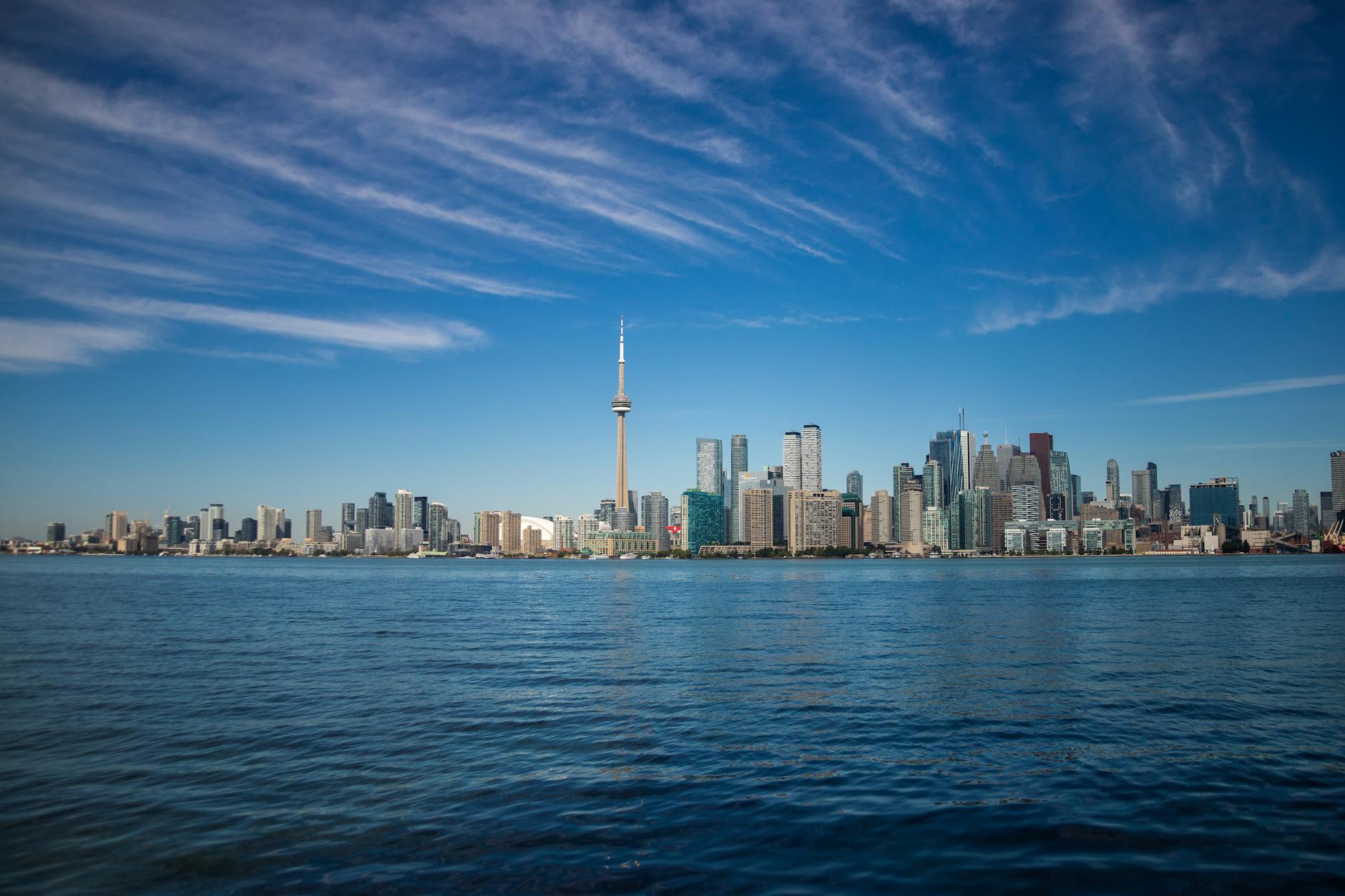
Canada Itineraries
One Week in Canada: Pick One Region
Option A: Montréal and Québec City
Day 1: Arrive Montréal, easy neighborhood dinner.
Day 2: Old Montréal, waterfront, food market, evening in Plateau or Mile End.
Day 3: Museum, Mount Royal, food crawl, live music or bar.
Day 4: Train to Québec City, Old Québec walk, dinner.
Day 5: Québec City: lower town, fortifications, museums, St. Lawrence views.
Day 6: Day trip to Montmorency Falls, Île d’Orléans, or Charlevoix if using a tour/car.
Day 7: Return or depart.
Best for: Culture, food, history, no-car travel.
Option B: Vancouver and Victoria
Day 1: Arrive Vancouver, waterfront walk.
Day 2: Stanley Park, Granville Island, neighborhoods.
Day 3: North Shore mountains or food/culture day.
Day 4: Ferry to Victoria, Inner Harbour, gardens or museums.
Day 5: Victoria neighborhoods, coastal walk, optional whale watching.
Day 6: Return to Vancouver or add Whistler/Squamish.
Day 7: Depart.
Best for: First western Canada taste, mild climate, no heavy mountain logistics.
Option C: Banff and Lake Louise
Day 1: Arrive Calgary, transfer to Canmore/Banff.
Day 2: Banff town, gondola or nearby lake, easy hike.
Day 3: Lake Louise and Moraine Lake by shuttle.
Day 4: Yoho National Park or Bow Valley hike.
Day 5: Icefields Parkway day, overnight Jasper if possible.
Day 6: Jasper or return south slowly.
Day 7: Calgary departure.
Best for: Mountains and iconic scenery.
Warning: Seven days is enough for a taste, not a full Rockies deep dive.
Ten Days: Best First-Time Routes
Toronto to Québec City
Day 1: Arrive Toronto.
Day 2: Toronto neighborhoods and food.
Day 3: Niagara Falls and Niagara-on-the-Lake.
Day 4: Train to Ottawa, national museums, ByWard Market.
Day 5: Ottawa museums and canal/Parliament area.
Day 6: Train to Montréal, evening food.
Day 7: Montréal neighborhoods, markets, Mount Royal.
Day 8: Montréal culture day or day trip.
Day 9: Train to Québec City, Old Québec.
Day 10: Québec City and depart or add a night.
What this trip gives you: Canada’s easiest first-timer blend of urban culture, French/English contrast, food, history, and transport sanity.
Vancouver and the Rockies
Day 1: Arrive Vancouver.
Day 2: Vancouver city and food.
Day 3: North Shore or day trip to Victoria/Whistler.
Day 4: Fly to Calgary or drive/transfer east if making a longer road journey.
Day 5: Banff/Canmore.
Day 6: Lake Louise/Moraine Lake by shuttle.
Day 7: Yoho or Banff hiking.
Day 8: Icefields Parkway.
Day 9: Jasper or return south.
Day 10: Calgary departure.
What this trip gives you: Two of Canada’s strongest travel images: Pacific city and Rocky Mountain landscape.
What it misses: The east, French Canada, Atlantic Canada, and the North. That is fine.
Two Weeks: Stronger Canada Trips
Atlantic Canada Sampler
Days 1–2: Halifax.
Days 3–4: South Shore: Lunenburg, Mahone Bay, coastal stops.
Days 5–6: Annapolis Valley and Bay of Fundy.
Days 7–10: Cape Breton and Cabot Trail.
Days 11–13: PEI, Charlottetown, beaches, North Shore.
Day 14: Return via Halifax/Moncton or continue.
Best for: Slow roads, seafood, coastal towns, music, landscapes.
The move: Do not add Newfoundland unless extending the trip significantly.
Newfoundland Properly
Days 1–3: St. John’s, Signal Hill, Cape Spear, Quidi Vidi, food and music.
Days 4–6: Bonavista Peninsula: Trinity, Bonavista, coastal hikes, puffin/iceberg season if timing works.
Days 7–8: Twillingate or central coast.
Days 9–12: Gros Morne National Park.
Days 13–14: Western Newfoundland or return.
Best for: Rugged scenery, music, geology, photography, road-trip depth.
Warning: Weather buffers are essential.
Québec Deep Dive
Days 1–4: Montréal.
Days 5–7: Québec City.
Days 8–10: Charlevoix and/or Tadoussac.
Days 11–14: Eastern Townships, Laurentians, Saguenay, or Gaspé extension depending season.
Best for: Culture, food, French Canada, winter or fall trips.
Three Weeks: Combine Two Canadas
West + East with Flights
Days 1–6: Vancouver, Victoria, Whistler/Squamish.
Days 7–12: Rockies: Banff, Lake Louise, Icefields, Jasper.
Day 13: Fly Calgary/Edmonton to Toronto or Montréal.
Days 14–21: Toronto, Niagara, Ottawa, Montréal, Québec City.
Best for: First-timers with enough time who want both landscape and culture.
Warning: Even three weeks will feel selective.
Cross-Country Rail as Experience
Use VIA Rail’s long-distance trains as part of the journey, not a time-saving method. The Canadian between Toronto and Vancouver and The Ocean between Montréal and Halifax are experiences in themselves, but schedules, delays, sleeper availability, and cost require planning.[26][27]
Best for: Rail lovers, slow travelers, scenic travel, people who enjoy the journey itself.
Not ideal for: Travelers trying to maximize attractions per day.
Special-Interest Itineraries
Food Canada
Toronto, Montréal, Québec City, Vancouver, Richmond, Halifax, PEI, Newfoundland, Okanagan, and Winnipeg. Build the route around markets, neighborhoods, regional dishes, seafood, wine/cider/beer, Indigenous-owned food experiences, and immigrant cuisines.
Winter Canada
Montréal + Québec City for urban winter, then Charlevoix or Mont-Tremblant; or Banff/Lake Louise/Canmore for ski and mountain winter; or Whitehorse/Yellowknife/Churchill for aurora.
Family Canada
Vancouver/Victoria, Toronto/Ottawa/Montreal, Calgary/Banff with careful pacing, Halifax/Nova Scotia, or PEI. Keep drives short, book lodging with space, and avoid moving every night.
No-Car Canada
Toronto, Niagara, Ottawa, Montréal, Québec City by rail/bus is the strongest no-car country route. Vancouver/Victoria also works if you accept ferry and transit planning. Banff can be done without a car using transfers and shuttles, but flexibility is lower.
Wildlife Canada
Churchill for polar bears/belugas/aurora by season; Vancouver Island and BC coast for whales and bears with ethical operators; St. Lawrence and Bay of Fundy for whales; Rockies for wildlife viewing from safe distances; Newfoundland for seabirds and whales.
Food and Drink
Canada’s food story is regional, urban, Indigenous, immigrant, seasonal, and often underestimated. Do not look for one national cuisine. Look for local logic.
Canadian Food Identity
Canada’s food is shaped by:
- Indigenous foodways, including salmon, game, berries, corn, beans, squash, wild rice, bannock/frybread histories, country foods in the North, and regional food sovereignty movements.
- French-Canadian cooking: tourtière, maple, pâté chinois, cretons, sugar shacks, cheeses, pastries, and Montréal/Québec restaurant culture.
- Atlantic seafood: lobster, scallops, oysters, mussels, cod, chowder, smoked fish, and regional fish cakes.
- Prairie grain, beef, bison, Ukrainian and Eastern European influences, Métis history, and lake fish.
- West Coast seafood, Asian cuisines, Pacific Rim influence, farm-to-table ingredients, and wine/cider regions.
- Urban immigration: Toronto, Vancouver, Montréal, Calgary, Edmonton, Winnipeg, and Ottawa are food cities because they are global cities.
- Comfort foods and regional icons: poutine, butter tarts, Nanaimo bars, Montréal bagels, smoked meat, donairs, Saskatoon berries, Caesar cocktails, craft beer, ice wine, maple syrup, and ketchup chips.
What to Eat by Region
| Region | What to try |
|---|---|
| Vancouver/BC | Salmon, spot prawns in season, sushi, Chinese food in Richmond/Vancouver, craft beer, Okanagan wine, Nanaimo bars, Indigenous-owned food experiences. |
| Alberta/Rockies | Beef, bison, mountain-town breweries, Calgary food halls, Ukrainian and prairie influences, hearty après-ski food. |
| Saskatchewan/Manitoba | Saskatoon berries, perogies, bannock, pickerel/walleye, Winnipeg global food, Métis and Ukrainian influences. |
| Ontario | Toronto global food, Niagara wine, butter tarts, peameal bacon in Toronto, lake fish, Ottawa markets, Prince Edward County wine/cider. |
| Québec | Poutine, tourtière, Montréal bagels, smoked meat, maple, cheeses, sugar-shack meals, pâtisseries, cider, old-school diners, fine dining. |
| Atlantic Canada | Lobster, oysters, mussels, scallops, chowder, donairs in Halifax, PEI potatoes, Acadian dishes, fiddleheads in season. |
| Newfoundland and Labrador | Cod, fish and brewis, toutons, bakeapple, Jiggs dinner, moose where served, craft beer, strong pub culture. |
| North | Arctic char, bannock, berries, country foods where appropriate and offered by local hosts, northern cafés and community food traditions. |
Where to Eat by Situation
| Situation | Best approach |
|---|---|
| First night after a long flight | Stay near your hotel: a neighborhood restaurant, food hall, brewpub, casual noodle place, or hotel bar. Do not chase a cross-town reservation after an international arrival. |
| Best urban food city if you only pick one | Toronto for global variety; Montréal for distinctive food culture; Vancouver for Asian cuisines and seafood. |
| Best regional seafood trip | Nova Scotia, PEI, New Brunswick, Newfoundland, BC coast, or Québec’s maritime regions. |
| Best market strategy | Use public markets for breakfast/lunch: Granville Island, St. Lawrence Market, Jean-Talon, ByWard Market, Halifax Seaport, and regional farmers’ markets. |
| Best splurge | Montréal tasting menu, Vancouver seafood/Asian fine dining, Québec City/Charlevoix, Toronto global fine dining, Atlantic seafood lodge, Indigenous-owned culinary experience. |
| Best budget move | Bakeries, diners, food trucks, Asian food courts, university neighborhoods, grocery picnics, breweries with casual food, and lunch specials. |
Drinks
Canada’s drinks scene includes:
- Wine: Niagara, Prince Edward County, Okanagan, Similkameen, Nova Scotia sparkling, Québec cider and wine pockets.
- Beer: strong craft scenes in almost every major city and small tourism town.
- Cider: especially BC, Ontario, Québec, Nova Scotia.
- Whisky and spirits: Canadian whisky, craft distilleries, gin, fruit brandies, and local liqueurs.
- Nonalcoholic: coffee culture, tea, kombucha, sparkling waters, and cold-weather hot drinks.
- The Caesar: Canada’s tomato-clam cocktail, beloved in many bars and brunches.
Restaurant Practicalities
- Reservations matter in major cities on weekends and in small tourist towns during peak season.
- Kitchens can close earlier than visitors expect in smaller towns.
- Tipping is expected in sit-down restaurants and bars.
- Taxes are added at checkout and vary by province.
- Dietary restrictions are generally manageable in big cities but require more planning in rural areas.
- In Québec, French menus are common; English is widely understood in major tourist areas, less so in rural places.
- In the North and remote regions, grocery and restaurant prices can be very high due to transport costs.
The Move
Plan meals by region, not by national stereotypes. A Canada food itinerary built only around poutine and maple syrup misses the country’s best food.

Getting Around Canada
Canada’s transport question is not “train or car?” It is “which corridor are you in?”
Flights
Domestic flights are often necessary for cross-country travel. Vancouver to Toronto, Toronto to Calgary, Montréal to Halifax, and southern Canada to the North are flight routes, not casual surface transfers for most travelers.
Best for: Cross-country combinations, short trips, northern access, connecting distant regions.
Watch out for: High fares in peak periods, weather delays, baggage fees, and long airport transfers.
The move: Fly between regions, then slow down within one region.
Rail
VIA Rail is most useful in the Ontario–Québec corridor, where trains connect major cities such as Toronto, Ottawa, Montréal, and Québec City.[25] Long-distance trains like The Canadian and The Ocean are scenic and memorable but should be treated as experiences, not the fastest transport. VIA’s Winnipeg–Churchill train is a serious remote journey: VIA lists an average duration of 1 day 20 hours 55 minutes, 1,694 km, and two departures per week.[28]
Best for: Toronto–Ottawa–Montréal–Québec City, rail lovers, long scenic journeys, no-car city trips.
Not ideal for: Fast cross-country transportation or flexible national-park access.
Driving
Driving is the key to many of Canada’s best trips: Rockies, Vancouver Island, Nova Scotia, Newfoundland, Gaspé, Yukon, cottage country, PEI, Bay of Fundy, and rural Québec.
What to know:
- Distances are posted in kilometers.
- Fuel is sold by the liter.
- Parking in major cities can be expensive.
- Winter driving can be dangerous if you are inexperienced.
- Some provinces require winter tires on certain roads or seasons; check local rules.
- In remote areas, fuel up before you need to.
- Wildlife collisions are a real risk, especially dawn/dusk.
- Cell service is not guaranteed in rural and mountain areas.
Transport Canada recommends winter tires on all wheels for cold, snowy, or icy conditions because they provide better traction than all-season tires.[12]
Ferries
Ferries are essential in coastal Canada. BC Ferries connects Vancouver Island and coastal BC routes; Marine Atlantic connects Nova Scotia and Newfoundland, with routes such as North Sydney–Port aux Basques and North Sydney–Argentia.[29][30]
Best for: Vancouver Island, Sunshine Coast, Gulf Islands, Newfoundland, PEI/Nova Scotia, coastal Québec.
Book ahead? Yes, especially with a vehicle in summer, on long weekends, and for Newfoundland.
Common mistake: Scheduling a long drive immediately after a ferry arrival without accounting for delays, check-in times, fatigue, and weather.
Buses and Shuttles
Buses and shuttles fill gaps: airport transfers, Banff/Canmore shuttles, city-to-city routes, ski buses, park shuttles, and regional services. They are useful but route-specific.
Public Transit
Major cities have useful transit: Toronto, Montréal, Vancouver, Ottawa, Calgary, Edmonton, Winnipeg, Québec City, Halifax, and Victoria. Use city passes or contactless payments where available, but do not assume rural or national-park transport works like a city network.
The Car-Free Canada Strategy
Best car-free route: Toronto → Niagara → Ottawa → Montréal → Québec City.
Possible with planning: Vancouver + Victoria; Banff using shuttles; Montréal/Québec City; Toronto/Ottawa/Montreal; city-based winter trips.
Hard without a car: Newfoundland, Cape Breton, rural Nova Scotia, PEI beyond Charlottetown, Gaspé, Yukon road trips, many national parks, small wine regions, cottage country.
Where to Stay
Accommodation in Canada is not just a comfort decision. In parks, islands, the North, and small towns, it determines what the trip can actually do.
The Short Answer
- Cities: Stay in walkable neighborhoods near transit rather than chasing the cheapest suburban hotel.
- National parks: Book early and stay close enough to avoid wasting peak scenic hours in traffic.
- Road trips: Use two- or three-night bases rather than moving every night.
- Small coastal towns: Book early in summer; options can be limited.
- The North: Accommodation is part of the trip logistics; confirm transfers, meal availability, and weather policies.
- Families: Apartment-style hotels, suites, cabins, and lodges can be better than standard rooms.
Lodging Types
| Type | Best for | Watch out for |
|---|---|---|
| City hotels | Transit, restaurants, museums, short stays | High taxes/fees, parking costs, peak event pricing. |
| Boutique inns | Québec, Atlantic Canada, wine regions, small towns | Limited elevators, stairs, early check-in restrictions. |
| Cabins and cottages | Lakes, parks, families, slow travel | Minimum stays, cleaning fees, remote grocery needs. |
| National-park lodges | Scenery, location, early starts | Expensive, limited availability, old buildings, seasonal rules. |
| Campgrounds | Budget, parks, nature | Reservations, gear, weather, bears, fire bans. |
| Hostels | Budget travelers, solo travelers | Limited in small towns, book early in park areas. |
| Ski lodges | Winter, families, mountain trips | Peak pricing, resort fees, shuttle dependence. |
| B&Bs | Atlantic Canada, Québec, small towns | Set breakfast times, shared spaces, limited privacy. |
| Remote lodges | Fishing, aurora, wildlife, wilderness | High cost, weather delays, strict cancellation policies. |
Common Booking Mistakes
- Staying outside Banff/Canmore/Lake Louise to save money, then losing hours to driving and parking.
- Booking a Vancouver hotel far from transit and paying heavily for parking.
- Assuming every charming inn has an elevator or air conditioning.
- Leaving Newfoundland or Cape Breton rental cars and lodging too late.
- Booking PEI or Tofino in July/August without understanding scarcity.
- Treating ski-town winter lodging like a last-minute city hotel.
- Booking remote cabins without checking grocery access, road type, heating, Wi-Fi, and cell signal.
- Assuming “near the park” means near the trailhead.
The Move
In Canada, good location often saves more money than a cheaper room. A well-placed hotel can remove rental-car days, parking fees, taxi rides, shuttle stress, and fatigue.
Budget and Costs
Canada is not a cheap destination, but costs vary dramatically by region, season, and movement style. Cities can be manageable if you use transit and casual food. National parks, peak-summer coastal towns, domestic flights, car rentals, remote lodges, and the North can be expensive.
Daily Budget Ranges
These are rough per-person estimates in CAD, excluding international flights and major shopping.
| Traveler type | Daily estimate | What it means |
|---|---|---|
| Shoestring | CAD $90–$160 | Hostel/camping, grocery meals, transit, limited paid attractions, off-season or shared costs. Hard in peak parks. |
| Budget comfort | CAD $160–$280 | Budget hotel or simple private room, casual meals, transit or shared car, a few paid attractions. |
| Mid-range | CAD $280–$550 | Good location hotel, restaurants, rental car for part of trip, museum/tour budget, occasional splurge. |
| Comfortable | CAD $550–$900 | Better hotels, rental car, tours, strong restaurants, park/tour logistics handled smoothly. |
| Luxury / remote | CAD $900+ | Top hotels, remote lodges, private guides, wildlife trips, helicopter/floatplane, premium rail, high-end dining. |
What Is Surprisingly Expensive
- Hotels in Vancouver, Toronto, Banff/Lake Louise, Jasper, Victoria, Tofino, and peak Atlantic destinations.
- Rental cars in smaller markets and peak summer.
- Domestic flights, especially last-minute.
- Remote northern travel.
- Guided wildlife trips such as Churchill polar bears.
- Ferries with vehicles and cabins.
- Parking in major cities and national-park towns.
- Eating out after tax and tip.
What Can Be Good Value
- City transit.
- Public markets and casual food.
- Hiking once transport and lodging are handled.
- Museums compared with major European capitals.
- Shoulder-season city hotels.
- Parks if you camp or book early.
- The Toronto–Ottawa–Montréal–Québec train route when booked ahead.
Best Value Moves
- Choose one region rather than paying for cross-country flights.
- Travel in June, September, or October instead of peak July/August when appropriate.
- Stay near transit in cities and skip the car until needed.
- Use grocery breakfasts and picnic lunches on road trips.
- Book national-park lodging/camping early.
- Book ferries and rental cars early in constrained markets.
- Use trains in the Ontario–Québec corridor.
- Choose Canmore over Banff when it fits your plan.
- Choose one expensive wildlife or flightseeing experience rather than many mediocre add-ons.
Splurge-Worthy
- A well-located hotel in Vancouver, Montréal, Toronto, or Québec City.
- Banff/Lake Louise/Jasper lodging that reduces driving stress.
- A guide for Indigenous culture, wildlife, paddling, hiking, or winter safety.
- Churchill polar bear or beluga trips if wildlife is a true priority.
- A scenic rail sleeper if the journey is the point.
- A Newfoundland, Yukon, or Vancouver Island rental car booked early.
- Whale watching with a responsible operator.
- One excellent regional meal in Montréal, Vancouver, Toronto, Halifax, Québec City, or Atlantic Canada.
Usually Not Worth It
- Flying cross-country just to spend one day in a region.
- A rental car for downtown Toronto, Montréal, or Vancouver city days.
- Generic “see all of Canada” bus tours that spend most of the trip in transit.
- Poorly located suburban hotels without transit.
- Overpaying for Niagara Falls rooms if you dislike tourist zones and can stay nearby.
- Trying to save money by staying far from national parks while paying in time, fuel, and parking frustration.
Safety, Health, Nature, and Weather
Canada is generally safe, but the risks that matter most are often environmental and logistical.
General Safety
Canada is a low-risk destination for most visitors, but use normal urban habits: watch bags in crowded areas, do not leave valuables visible in cars, be cautious late at night, and avoid escalating conflicts around nightlife.
The U.S. State Department describes Canada as generally safe for travelers.[21]
Healthcare
Visitors are not covered by Canada’s public healthcare system. IRCC states that Canada does not pay for hospital or medical services for visitors and advises travelers to get health insurance before coming.[11]
The move: Buy travel insurance that covers emergency care, evacuation, skiing/hiking if relevant, rental-car incidents, pre-existing conditions if needed, and remote travel.
Weather Risks
Canada can involve:
- Winter storms and extreme cold.
- Summer heat and humidity in central/eastern cities.
- Wildfire smoke from early April to late October.[19]
- Hurricanes or post-tropical storms affecting Atlantic Canada.
- Flooding, especially during spring melt or severe storms.
- Avalanches in mountain terrain.
- Tides and cold water on coasts.
- Fog in Newfoundland and Atlantic regions.
- Road closures in mountains and remote areas.
Wildlife Safety
Parks Canada’s bear-safety guidance recommends keeping distance, never feeding bears, and carrying bear spray in mountain parks when hiking, camping, biking, trail running, or paddling.[31] Parks Canada also says visitors should remain at least 100 meters from bears when observing from vehicles.[32]
Basic rules:
- Never feed wildlife.
- Keep food locked and campsites bare.
- Use bear spray where appropriate and know how to use it.
- Stay in groups in bear country.
- Make noise on trails where visibility is poor.
- Do not approach elk, moose, bison, bears, coyotes, whales, seals, or any animal for photos.
- Use responsible operators for wildlife tours.
Water, Tides, and Cold
Many Canadian waters are cold even in summer. Alpine lakes can be dangerously cold. Ocean tides can move fast, especially in the Bay of Fundy. Wear life jackets when paddling or boating. Check tide tables for coastal hikes and beaches.
Winter Driving
Winter driving can be dangerous if you are inexperienced. Roads may be icy, snowy, remote, and dark. Mountain passes can close. Weather can change quickly. Transport Canada recommends winter tires in cold, snowy, or icy conditions.[12]
The move: In winter, build trips around cities, trains, ski shuttles, and transfers unless you are confident driving in snow and ice.
Cannabis, Alcohol, and Borders
Cannabis rules vary by province, but the border rule is simple: do not carry cannabis or cannabis products into or out of Canada. CBSA states that it remains illegal to take cannabis across the border.[13]
Alcohol purchase and consumption laws vary by province and territory. Do not assume rules from one province apply in another.
Accessibility and Mobility
Canada can be very accessible in cities and difficult in nature. Newer hotels, museums, airports, and urban transit systems often provide good access; older historic buildings, small inns, snowy sidewalks, remote trails, ferries, and gravel viewpoints can be harder.
What Helps
- Major airports are generally accessible.
- Most large museums and major city attractions provide accessibility information.
- Urban transit in cities such as Toronto, Vancouver, Montréal, Ottawa, and Calgary has accessible components, though not every station or route is equally easy.
- Modern hotels often offer accessible rooms, but confirm details directly.
- Many national parks have accessible viewpoints, boardwalks, visitor centers, and programs, but accessibility varies by site.
- Car travel can improve control if the vehicle and route are suitable.
What Is Hard
- Snow, ice, and slush in winter.
- Hills in Québec City, St. John’s, Vancouver, and some coastal towns.
- Gravel paths, beaches, trails, boardwalk gaps, and rustic campgrounds.
- Small historic inns without elevators.
- Remote areas with limited medical or mobility support.
- Ferries with vehicle decks, gangways, or older facilities depending route.
- Long distances between accessible rest stops in rural areas.
Lower-Walking Strategy
Choose fewer bases, stay central, use taxis/rideshare strategically, book accessible hotel rooms directly, check museum and park accessibility pages, avoid one-night road-trip pacing, and build rest time into scenic days. In winter, prioritize cities with reliable snow clearance and indoor cultural options.
The Move
Do not rely on generic “accessible” labels. Ask specific questions: step-free entrance? roll-in shower? elevator dimensions? parking? distance to transit? snow removal? shuttle access? gravel or paved paths? accessible restroom at trailhead?
Families, Solo Travelers, LGBTQ+ Travelers, and Special Considerations
Families With Children
Canada can be excellent for families because it offers safe-feeling cities, parks, lakes, beaches, museums, animals, trains, ferries, and outdoor space. The challenge is distance.
Best family routes:
- Vancouver + Victoria.
- Toronto + Niagara + Ottawa/Montreal.
- Calgary + Banff/Canmore with careful pacing.
- Halifax + Nova Scotia coast.
- PEI in summer.
- Montréal + Québec City.
- Whistler or Mont-Tremblant for activity-based trips.
Family tips:
- Do not move every night.
- Book suites, cabins, apartments, or lodges when possible.
- Use parks and markets as low-stress anchors.
- Keep drives realistic.
- Bring layers even in summer.
- Avoid difficult hikes unless children are trail-ready.
- Use ferries as part of the fun, not just transport.
- Keep snacks and water in the car; distances between stops can be long.
Solo Travelers
Canada is generally good for solo travelers, especially in cities, hostels, guided outdoor trips, rail routes, and small-group tours. Solo costs can be high because rooms and cars are not shared.
Best solo routes: Montréal/Québec City, Toronto/Ottawa/Montreal, Vancouver/Victoria, Halifax, Banff hostels/shuttles, organized northern lights trips.
Solo tips: Book guided outdoor activities when heading into remote areas, tell someone your route when hiking or driving remotely, and avoid risky wildlife/photo behavior.
Women Traveling Solo
Many women travel Canada comfortably, but normal precautions apply. Choose central lodging, be careful with nightlife, watch drinks, use rideshare/taxis when needed, and avoid isolated trails alone without experience. In remote areas, safety is more about weather, wildlife, navigation, and emergency communication than street crime.
LGBTQ+ Travelers
Canada is generally LGBTQ+ friendly in major cities and many tourism areas. Toronto, Montréal, Vancouver, Ottawa, Halifax, Winnipeg, and other cities have visible queer communities and events. Rural and remote comfort can vary. Choose inclusive lodging and operators when it matters to you.
Travelers of Color
Canada’s major cities are diverse, and many travelers of color feel comfortable there. Experiences can vary in rural areas, small towns, border crossings, and remote regions. Urban Canada is not the whole country; regional demographics differ sharply.
Older Travelers
Canada can work very well for older travelers with good pacing. Use trains in the Ontario–Québec corridor, stay central in cities, avoid excessive winter driving, choose scenic bases over daily moves, and use guided tours for national parks and wildlife.
Remote Workers and Long Stays
Canada is attractive for longer stays, but costs, visas, healthcare, weather, and accommodation matter. Vancouver, Victoria, Montréal, Toronto, Ottawa, Calgary, Halifax, and Québec City can work well, but short-term rental rules vary. Check entry status carefully if working remotely.
Culture, History, and Etiquette
Canada is often flattened into politeness and wilderness. A better guide gives travelers context.
Short History for Travelers
Canada’s history begins long before the Canadian state. Indigenous Peoples—including First Nations, Inuit, and Métis peoples—have lived across these lands for millennia, with distinct languages, governance, trade networks, spiritual practices, foodways, and relationships to land and water.
European colonization brought French and British imperial competition, fur trade networks, missionary activity, settler expansion, displacement, disease, treaties, conflicts, resource extraction, and the creation of the Canadian state in 1867. The consequences of colonization remain present, especially through land disputes, residential schools, language loss, governance issues, and ongoing reconciliation work.
French-speaking Canada, especially Québec, has its own political and cultural history. The Atlantic provinces have deep Mi’kmaq, Wolastoqiyik, Beothuk, Acadian, Black Loyalist, Gaelic, and maritime histories. The Prairies are central to Métis history and treaty relationships. British Columbia’s coast is home to powerful Indigenous nations with rich artistic and maritime traditions. The North is shaped by Inuit, First Nations, and Métis communities as well as resource, sovereignty, and climate issues.
Modern Canada is also a country of immigration. Toronto, Vancouver, Montréal, Calgary, Edmonton, Winnipeg, Ottawa, and other cities are shaped by Asian, Caribbean, African, Middle Eastern, Latin American, European, and other communities.
A good Canada trip sees the country as living and layered, not empty wilderness waiting for photographs.
Etiquette and Cultural Norms
- Queue politely.
- Say hello/bonjour where appropriate, especially in Québec.
- Do not make jokes about Indigenous culture, residential schools, language politics, or national tragedies.
- In Québec, using a few French greetings is respectful even if the conversation switches to English.
- Ask before photographing people, especially in Indigenous communities, markets, ceremonies, or private businesses.
- Keep distance from wildlife and other people’s property.
- Tip in restaurants and bars unless service was genuinely poor.
- Respect quiet hours in campgrounds, lodges, and residential neighborhoods.
- Do not assume every Canadian is comfortable being treated as interchangeable with Americans or British people.
- Follow posted signs in parks; they usually exist because people got hurt, wildlife got stressed, or ecosystems were damaged.
Books, Films, Music, and Preparation
A guide should curate this section by region. Useful preparation themes include:
- Indigenous history and contemporary Indigenous writing.
- Québec history and French-Canadian culture.
- Canadian immigration and urban food culture.
- Newfoundland and Atlantic music.
- Nature writing about the North, boreal forest, oceans, and climate.
- Canadian film and literature beyond stereotypes.
- Regional playlists: Montréal indie, Atlantic folk, Indigenous artists, Toronto hip-hop/R&B, prairie country, Vancouver scenes.
The Move
When traveling in Canada, ask “whose land, whose language, whose story?” This simple habit makes the trip deeper and keeps the country from becoming a pretty backdrop.

Wildlife, Parks, and Responsible Outdoor Travel
Canada’s parks and wildlife are a privilege, not a theme park.
National Parks
Parks Canada manages national parks, national historic sites, and national marine conservation areas. Popular parks such as Banff, Jasper, Pacific Rim, Cape Breton Highlands, Fundy, Gros Morne, Prince Edward Island, Kootenay, Yoho, Waterton Lakes, and others require planning in peak season.
Book ahead for:
- Camping.
- Shuttle access.
- Backcountry permits.
- Guided activities.
- Lodging near park entrances.
- High-demand trailheads.
- Ferry-linked parks or remote areas.
Wildlife Experiences
| Wildlife | Good regions | Planning notes |
|---|---|---|
| Bears | Rockies, BC coast, Yukon, northern Manitoba, many forested regions | Use distance and guides; never approach or feed. |
| Polar bears | Churchill, Manitoba | Peak polar bear activity is fall; use reputable operators.[22] |
| Belugas | Churchill, Manitoba | Summer is the classic beluga season.[22] |
| Whales | Vancouver Island, St. Lawrence, Bay of Fundy, Newfoundland, Nova Scotia | Choose responsible operators and check seasonality. |
| Moose | Newfoundland, Algonquin, northern areas, Atlantic Canada | Watch for road collisions, especially dawn/dusk. |
| Birds | Newfoundland seabird colonies, prairie wetlands, Point Pelee, Atlantic coasts | Season matters. |
| Elk/deer/bison | Rockies, Elk Island, prairie parks | Keep distance; large herbivores injure people. |
Outdoor Safety Basics
- Check weather and trail conditions.
- Carry water, layers, snacks, map, and charged phone/power bank.
- Tell someone your route for remote hikes.
- Do not rely on cell service.
- Carry bear spray where recommended and know how to use it.
- Respect closures and fire bans.
- Use life jackets on water.
- Understand tide timing on coasts.
- Do not go onto glaciers, avalanche terrain, or remote winter trails without the right skill and gear.
Responsible Wildlife Photography
If your photo requires the animal to change behavior, you are too close. Use zoom. Stay in the car where appropriate. Do not create bear jams or block roads. Do not feed animals for a better shot.
Shopping and Souvenirs
Canada’s best souvenirs are regional and useful.
Good Souvenirs
- Maple syrup and maple products.
- Indigenous art and crafts from Indigenous-owned sources.
- Inuit prints and carvings from reputable galleries with proper provenance.
- Canadian design, ceramics, textiles, and local clothing.
- Books by Canadian and Indigenous authors.
- Regional food: smoked fish, preserves, mustard, honey, tea, coffee, chocolate, spices, ice wine, cider, craft spirits where legal to transport.
- Montréal bagels or baked goods for short trips.
- Atlantic sea salt, woolens, and local craft.
- BC and Ontario wine where import rules allow.
- Outdoor gear from Canadian brands.
What Not to Buy Thoughtlessly
- Indigenous-style goods that are not Indigenous-made.
- Wildlife products with customs restrictions.
- Cannabis products if crossing an international border.
- Food products restricted by your home country.
- Fragile art without proper packing.
- Souvenirs made from questionable animal materials.
The Move
For Indigenous art, buy from Indigenous-owned galleries, co-ops, cultural centers, or artists directly. Ask about artist name, Nation/community, materials, and provenance.
Responsible and Respectful Travel
Canada has overtourism pressure in some famous places and undertourism in others. Good travel choices matter.
Do
- Book Indigenous-owned or Indigenous-led experiences when appropriate.
- Respect land acknowledgments by learning what they refer to.
- Stay on trails and boardwalks in fragile environments.
- Use shuttles and public transport in congested parks when available.
- Support local restaurants, guides, shops, and accommodations.
- Follow fire bans and campground rules.
- Keep campsites clean and wildlife-safe.
- Pack out trash.
- Respect bilingual and Indigenous place names.
- Travel slower in small communities.
- Check whether short-term rentals are legal and welcomed in the area.
Do Not
- Trespass for photos.
- Feed wildlife.
- Fly drones where prohibited.
- Geotag fragile or culturally sensitive places without care.
- Treat Indigenous communities as open-air museums.
- Block roads for wildlife photos.
- Ignore smoke, fire, avalanche, tide, or weather warnings.
- Assume “public land” means no rules.
Indigenous Tourism
Destination Indigenous and the Indigenous Tourism Association of Canada are useful starting points for finding Indigenous-owned and Indigenous-led experiences.[33][34]
Respectful approach: Pay for experiences, listen more than you talk, ask before photographing, do not pressure hosts to share sacred or private knowledge, and understand that protocols vary by Nation and community.
Packing List
Canada packing depends heavily on season and region.
Year-Round Essentials
- Passport and entry documents.
- Travel insurance details.
- Credit/debit cards plus some Canadian cash.
- Phone with roaming/eSIM and offline maps.
- Portable battery pack.
- Layers.
- Comfortable walking shoes.
- Rain jacket.
- Reusable water bottle.
- Sunglasses and sunscreen.
- Medications and prescriptions.
- Daypack.
- Swimsuit for pools, lakes, spas, and hot springs.
- Travel adapter only if your plugs differ from Type A/B.
Summer Additions
- Bug spray, especially for northern, lake, and forest regions.
- Hat and sun protection.
- Light layers for cool evenings.
- Hiking shoes if doing trails.
- Swimsuit and quick-dry towel.
- N95/KN95 mask for wildfire smoke-sensitive travelers.
- Refillable water bottle.
Fall Additions
- Warm layers.
- Rain gear.
- Gloves/hat for mountains or northern regions.
- Waterproof shoes for wet trails.
- Camera protection for rain and cold.
Winter Additions
- Insulated coat.
- Thermal base layers.
- Hat, gloves/mittens, scarf or neck warmer.
- Waterproof winter boots with traction.
- Wool socks.
- Hand warmers for northern lights or winter festivals.
- Lip balm and moisturizer.
- Sunglasses for snow glare.
- Ski gear if not renting.
- Ice cleats/microspikes for icy sidewalks/trails where appropriate.
Road-Trip Additions
- Car charger.
- Offline maps.
- Snacks and water.
- Emergency blanket.
- Flashlight/headlamp.
- Tire and roadside assistance info.
- Winter emergency kit if relevant.
- Printed reservation details for remote areas.
What Not to Overpack
- Dressy clothes unless you have specific restaurants/events.
- Heavy winter gear for a summer city trip.
- Camping gear if you have not reserved campsites.
- Drones without checking rules.
- Cannabis or CBD products across the border.
- Too many one-use outfits; laundry is easier in cities.
What to Skip
This section protects the trip.
Skip: Trying to See Both Coasts on a Short Trip
Vancouver and Halifax are not neighboring scenic stops. Crossing Canada is a major travel commitment.
Better alternative: Choose west, east, Atlantic, or North. Save the other Canada for the next trip.
Skip: One Night in Every Scenic Town
A Canada road trip with a new bed every night looks efficient and feels exhausting.
Better alternative: Use two- and three-night bases.
Skip: Banff Icons Without Logistics
Lake Louise and Moraine Lake are famous for a reason, but the experience can be miserable if you ignore parking, shuttles, crowds, and timing.
Better alternative: Book shuttles, go early or late, add less famous areas, and stay long enough for weather.
Skip: Treating Niagara Falls as Only the Tourist Strip
The falls are extraordinary; the surrounding commercial zone is not for everyone.
Better alternative: See the falls, then add Niagara Parkway, Niagara-on-the-Lake, wine country, or a night away from the loudest zone.
Skip: A Car in Downtown Toronto, Montréal, or Vancouver
A rental car can become an expensive burden in dense city centers.
Better alternative: Use transit and walking in cities; rent the car when leaving.
Skip: Long Scenic Drives After Overnight Flights
Canada’s roads can be long, monotonous, mountainous, or weather-affected. Jet lag plus a rental car is a bad combination.
Better alternative: Sleep near the arrival city, then begin the drive the next morning.
Skip: Wildlife Selfies
No photo is worth stressing an animal or getting injured.
Better alternative: Use guides, zoom lenses, and distance.
Skip: Assuming Summer Means No Jacket
Mountains, coasts, ferries, and the North can be chilly even in July.
Better alternative: Pack layers year-round.
Common Mistakes
- Underestimating distance. Canada is huge, and map scale lies emotionally.
- Trying to combine too many regions. One route family beats a national checklist.
- Booking parks too late. Lodging, camping, shuttles, and rental cars disappear early.
- Assuming trains go everywhere. Rail is useful in the Ontario–Québec corridor and scenic as an experience elsewhere, but not a universal solution.
- Renting a car too early in city trips. Pay for cars when you need them, not while they sit in parking garages.
- Ignoring weather buffers. Smoke, rain, snow, tides, and ferries change plans.
- Treating wildlife as guaranteed. It is not.
- Misjudging winter driving. Snow tires, road conditions, daylight, and confidence matter.
- Not buying travel insurance. Visitors pay for medical care.
- Crossing the border with cannabis. Legal in Canada does not mean legal at the border.
- Not checking ferry logistics. Coastal Canada depends on schedules and reservations.
- Overlooking Québec’s language and cultural distinctiveness. Learn basic French greetings and local context.
- Treating Indigenous culture as a museum topic. Indigenous peoples and cultures are living and contemporary.
- Packing for the calendar instead of the region. July in Vancouver Island rain, Rockies evenings, and Toronto humidity are different realities.
- Expecting northern lights without darkness and time. Go north, stay multiple nights, and accept uncertainty.
FAQ
Is Canada worth visiting for a first international trip?
Yes, especially if you want a safe-feeling, English/French-speaking, nature-and-city destination with strong infrastructure. It is not the easiest country to “cover,” but it is very rewarding when you choose one route.
How many days do I need in Canada?
Ten to fourteen days is ideal for a first trip. Seven days works for one region. Three weeks lets you combine two major regions with a flight.
What is the best first Canada itinerary?
For culture and ease: Toronto, Niagara, Ottawa, Montréal, and Québec City. For nature and iconic scenery: Vancouver plus Banff/Lake Louise/Jasper. For slower coastal character: Halifax, Cape Breton, PEI, and/or Newfoundland.
Is Canada expensive?
It can be. Hotels, rental cars, domestic flights, national-park lodging, ferries, and remote tours are the main cost drivers. Casual food, transit, hiking, museums, and shoulder-season city trips can be reasonable.
Do I need a car?
Not for Toronto–Ottawa–Montréal–Québec City. Not for central Vancouver/Victoria city trips. Yes or probably yes for Newfoundland, Cape Breton, PEI beyond Charlottetown, the Rockies with flexibility, rural Québec, Yukon road trips, and many national parks.
Is Canada safe?
Generally, yes. The most important safety issues for travelers are often environmental: winter roads, cold, heat, wildfire smoke, wildlife, water, tides, avalanches, and remote distances.
What should I book ahead?
National-park lodging and camping, Banff/Lake Louise shuttles, ferries with vehicles, Newfoundland rental cars, Churchill trips, northern lights packages, rail sleepers, peak-summer city hotels, and major festival/event stays.
What is the best month to visit Canada?
September is the best all-purpose month for many travelers. June is also strong. July and August have maximum access but higher prices and crowds. Winter is best for skiing, aurora, and cold-weather culture.
Can I see the northern lights in Canada?
Yes, but go north and allow multiple nights. Yellowknife, Whitehorse, Churchill, northern Manitoba, northern Alberta, and other dark northern regions are better bets than southern cities.
Can I visit Canada without a visa?
It depends on your passport and travel method. Many visitors need either an eTA or visitor visa. U.S. citizens with valid U.S. passports do not need a visa or eTA. Check official Canadian rules before booking.[2]
Is healthcare free for tourists in Canada?
No. Canada does not pay for hospital or medical services for visitors, and travel health insurance is strongly advised.[11]
Can I bring cannabis into Canada?
No. It is illegal to bring cannabis or cannabis products across the Canadian border, even though cannabis is legal under Canadian law.[13]
What should I skip on a first trip?
Skip the urge to see everything. Do not combine Vancouver, Banff, Toronto, Montréal, Québec City, Halifax, and Newfoundland unless you have a long trip and a clear flight plan.
Source Notes
Date-sensitive details in this guide were checked against official or high-reliability sources where possible. Re-check every entry rule, fee, schedule, reservation window, road condition, ferry timetable, weather warning, event detail, and park policy before publication.
- 1. Government of Canada, “Discover Canada — Canada’s Regions,” https://www.canada.ca/en/immigration-refugees-citizenship/corporate/publications-manuals/discover-canada/read-online/canadas-regions.html
- 2. Immigration, Refugees and Citizenship Canada, “What you need to enter Canada,” https://www.canada.ca/en/immigration-refugees-citizenship/services/visit-canada/entry-requirements-country.html
- 3. Immigration, Refugees and Citizenship Canada, “Electronic travel authorization (eTA): How to apply,” https://www.canada.ca/en/immigration-refugees-citizenship/services/visit-canada/eta/apply.html
- 4. IRCC Help Centre, “Do I need a visa to visit Canada?” https://ircc.canada.ca/english/helpcentre/answer.asp?qnum=416&top=16
- 5. Immigration, Refugees and Citizenship Canada, “Visitor visa,” https://www.canada.ca/en/immigration-refugees-citizenship/services/visit-canada/visitor-visa.html
- 6. IRCC Help Centre, “Do I need a Canadian visa if I have a United States visa?” https://ircc.canada.ca/english/helpcentre/answer.asp?qnum=1020&top=16
- 7. Canada Border Services Agency, “Advance Declaration,” https://www.cbsa-asfc.gc.ca/multimedia/declaration/menu-eng.html
- 8. Canada Border Services Agency, “Border information for visitors to Canada,” https://www.cbsa-asfc.gc.ca/travel-voyage/ivc-rnc-eng.html
- 9. Canada Border Services Agency, “Border reminder checklist,” https://www.cbsa-asfc.gc.ca/travel-voyage/checklist-aidememoire-eng.html
- 10. UK Foreign, Commonwealth & Development Office, “Canada travel advice — Getting help,” https://www.gov.uk/foreign-travel-advice/canada/getting-help
- 11. IRCC Help Centre, “If I get sick or have an accident while visiting Canada, will the Government of Canada pay for my medical treatment?” https://ircc.canada.ca/english/helpcentre/answer.asp?qnum=424&top=16
- 12. Transport Canada, “Driving safely in winter,” https://tc.canada.ca/en/road-transportation/stay-safe-when-driving/winter-driving/driving-safely-winter
- 13. Canada Border Services Agency, “Travellers: Cannabis at the border,” https://www.cbsa-asfc.gc.ca/travel-voyage/cannabis-eng.html
- 14. Government of Canada, “Canada welcomes the FIFA World Cup 2026,” https://www.canada.ca/en/canadian-heritage/campaigns/soccer-2026.html
- 15. UK Foreign, Commonwealth & Development Office, “Canada travel advice — World Cup 2026,” https://www.gov.uk/foreign-travel-advice/canada/world-cup-2026
- 16. Parks Canada, “Parks Canada reservations — Plan your visit,” https://parks.canada.ca/voyage-travel/reserve
- 17. Parks Canada, “Camping and overnight accommodations at Parks Canada,” https://parks.canada.ca/voyage-travel/hebergement-accommodation
- 18. Parks Canada, “Visiting Lake Louise and Moraine Lake,” https://parks.canada.ca/pn-np/ab/banff/visit/parkbus/louise
- 19. Government of Canada, “Wildfire smoke, air quality and your health,” https://www.canada.ca/en/services/health/healthy-living/environment/air-quality/wildfire-smoke.html
- 20. Government of Canada, “Local Air Quality Health Index,” https://weather.gc.ca/airquality/pages/index_e.html
- 21. U.S. Department of State, “Canada Travel Advisory,” https://travel.state.gov/en/international-travel/travel-advisories/canada.html
- 22. Travel Manitoba, “A Churchill Calendar: When to See What,” https://www.travelmanitoba.com/blog/a-churchill-calendar-when-to-see-what/
- 23. Northwest Territories Tourism, “Aurora,” https://spectacularnwt.com/activities/aurora/
- 24. City of Yellowknife, “Aurora Forecast,” https://www.yellowknife.ca/en/exploring-yellowknife/aurora-forecast.aspx
- 25. VIA Rail Canada, “Travel Ontario and Québec: Corridor train routes,” https://www.viarail.ca/en/explore-our-destinations/trains/ontario-and-quebec
- 26. VIA Rail Canada, “Explore Canada: Train Map & Routes,” https://www.viarail.ca/en/explore-our-destinations/trains
- 27. VIA Rail Canada, “Montréal to Halifax train — The Ocean,” https://www.viarail.ca/en/explore-our-destinations/trains/atlantic-canada/montreal-halifax-ocean
- 28. VIA Rail Canada, “Travel by train from Winnipeg to Churchill,” https://www.viarail.ca/en/explore-our-destinations/trains/regional-trains/winnipeg-churchill
- 29. BC Ferries, “Travel tips,” https://www.bcferries.com/travel-boarding/travel-tips
- 30. Marine Atlantic, “Reservations and Check-In Time,” https://www.marineatlantic.ca/sailing-information/travel-information/reservations-and-check-time
- 31. Parks Canada, “Bear safety — Bears in the mountain national parks,” https://parks.canada.ca/pn-np/mtn/ours-bears/securite-safety
- 32. Parks Canada, “Safe travel in bear country,” https://parks.canada.ca/pn-np/mtn/ours-bears/securite-safety/ours-humains-bears-people
- 33. Destination Indigenous, “Canadian Vacation Planner,” https://destinationindigenous.ca/
- 34. Indigenous Tourism Association of Canada, https://indigenoustourism.ca/