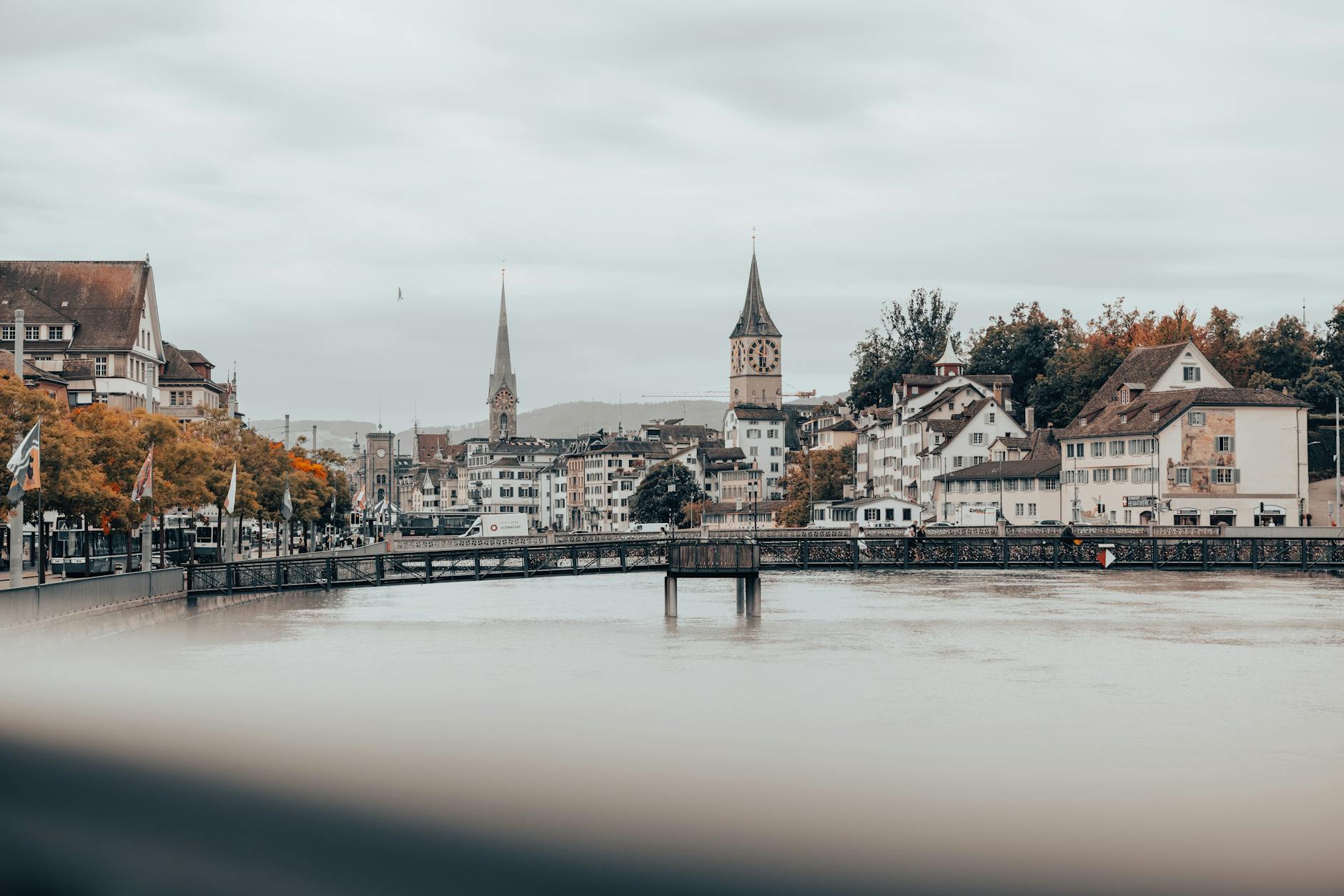
Zurich is often misunderstood because it is too easy to reduce it to money.
Start Here
People hear “Zurich” and think banks, watches, chocolate, trains that run on time, quiet wealth, and painfully high prices. None of that is false. But it is not enough. Zurich is also a lake city where people swim before work, a Reformation city with austere churches and radical intellectual history, a design city where public infrastructure is almost a civic art, a university city with hillside views and youthful energy, a city of guild rituals and techno parades, a city where old town lanes empty into tram stops with absurd efficiency, and a city where the Alps are not a backdrop so much as a standing invitation.
The trick is not to treat Zurich as a place to “check off” before rushing to Lucerne, Interlaken, Zermatt, or the Bernese Oberland. Zurich can work as a one-night arrival city, yes, and many travelers use it that way. But if you give it two or three days, it becomes something much more interesting: a compact, elegant, deeply livable city where water, transit, food, art, and neighborhood life are unusually easy to combine.
Zurich is not a city of obvious drama. It is a city of precision, texture, and small rewards. The best day might include a morning walk through the Altstadt, coffee under arcades, a climb up Grossmünster’s tower, lunch near the river, an afternoon at Kunsthaus or Museum Rietberg, a swim at a lake bath, a tram ride through leafy residential streets, sunset on Uetliberg, and dinner in a former industrial quarter that now feels like the city’s creative workshop.
This guide is designed for travelers who want more than “visit the old town and eat chocolate.” It explains where to stay, how to use Zurich’s public transport without overthinking zones, how to choose between lake, old town, nightlife, museums, and mountain views, what is worth the money, what is overhyped, how to avoid a budget shock, and how to experience Zurich as a real city rather than a polished transit lounge.
Zurich in one sentence: Zurich is a lake-and-river city of high prices, low friction, serious culture, public bathing, exact transport, restrained beauty, and surprisingly varied neighborhoods, best experienced by pairing old-town walks with water, trams, art, food, and at least one hilltop view.
Basic data
| Population | About 440,000 in the city; metro about 1.6 million |
|---|---|
| Area | 88 km2 |
| Major religions | Christian heritage, Islam, Hinduism, Buddhism, Judaism, and a large secular population |
| Political system | Municipal government inside a federal republic |
| Economic system | High-income mixed economy led by finance, technology, services, trade, and education |
Quick Verdict
| Question | Answer |
|---|---|
| Best for | First-time Switzerland arrivals, lake walks, public transport fans, art museums, design, chocolate, clean urban logistics, safe solo travel, families, couples, business-plus-leisure trips, summer swimming, Christmas markets, and travelers who want an elegant base for day trips. |
| Not ideal for | Visitors looking for low prices, wild street life, late-night chaos, huge landmark density, cheap dining, or a city where you can improvise every mountain plan without checking weather and transport. |
| Ideal first visit | 2 full days for Zurich itself; 3 days if you want museums, lake time, Uetliberg, and one relaxed neighborhood evening; 4–5 days if using Zurich as a base for Rhine Falls, Lucerne, Rapperswil, Winterthur, or nearby mountain trips. |
| Best months | May, June, September, and early October for comfortable walking; July and August for lake swimming and outdoor life; late November to December for Christmas atmosphere; January to March if pairing Zurich with ski or winter mountain travel. |
| Best first-timer base | Altstadt/Lindenhof for historic charm; Bahnhofstrasse/Paradeplatz for polish and centrality; Niederdorf for old-town energy; Seefeld for lake access; Enge for calm and museums; Langstrasse/Europaallee for nightlife and contemporary city life; Zurich West for design, restaurants, and converted-industrial atmosphere. |
| Biggest planning mistake | Treating Zurich as only an airport city, then either rushing through it or booking a hotel far from useful tram/train lines just to save a little. In Zurich, transport convenience is worth real money. |
| One thing to book ahead | Lindt Home of Chocolate, popular restaurants, Kunsthaus special exhibitions, summer lake-view hotels, Christmas-season hotels, and any mountain day trip with paid lifts or reserved scenic trains. |
| One thing to leave unscheduled | A long lakefront walk, a spontaneous tram ride, a swim in summer, browsing food halls and chocolate shops, or sitting by the Limmat with no agenda. |
| Best free pleasures | Lindenhof views, lakeside promenades, ETH terrace views, Old Town lanes, Polybahn if covered by your ticket/pass, riverside swimming culture, window-shopping on Bahnhofstrasse, and sunset on the Quaibrücke. |
| Most important warning | Zurich is expensive in a way that can feel absurd if you do not plan. Decide where you will spend — hotel, one good meal, museum, chocolate, lake cruise — and where you will save — grocery breakfasts, water fountains, trams, picnics, casual lunch, and walking. |
The Move
For a first Zurich trip, build each day around one water element, one cultural element, and one neighborhood walk. Zurich works beautifully when you mix lake, river, tram, hill, museum, and café rather than stacking formal attractions back-to-back.
Who Will Love Zurich?
You will probably love Zurich if you want:
- A city that is easy to arrive in, easy to navigate, and easy to use as a launchpad for the rest of Switzerland.
- A high-quality urban experience without the scale or stress of London, Paris, Berlin, or Rome.
- A city where public transport is part of the pleasure rather than merely a tool.
- Walks that shift quickly from medieval lanes to lakefront promenades, grand shopping streets, hillside universities, leafy residential districts, and converted industrial spaces.
- A food scene that combines Swiss classics, elegant cafés, immigrant cooking, modern European restaurants, vegetarian history, chocolate, bakeries, and excellent casual lunch options if you know where to look.
- Museums that are stronger than many visitors expect: major art at Kunsthaus, Swiss history at the National Museum, non-European art at Museum Rietberg, design, architecture, clocks, finance, Dada history, and smaller specialist institutions.
- A safe, calm, polished base for families, solo travelers, older travelers, and anyone who likes cities that work.
You may be underwhelmed if you want:
- Monumental spectacle around every corner.
- A cheap weekend city break.
- A late-night metropolis where clubs, bars, and transit all run with effortless spontaneity.
- A city whose rough edges are visible immediately.
- A place where famous “must-sees” fill five full days by themselves.
Zurich is not trying to seduce you loudly. It rewards people who notice systems, light, water, ritual, and quality. It is less “wow” than “of course this works this well.” That sounds like a small compliment until you spend a few days moving through it.
Zurich at a Glance
| Practical | Detail |
|---|---|
| Country | Switzerland. Zurich is in the German-speaking part of the country and is the largest city in Switzerland, though not the capital. |
| Canton | Canton of Zurich. Swiss cantons matter: rules, taxes, holidays, and local systems can vary. |
| Language | Swiss German in daily life; standard German in writing and formal contexts. English is widely understood in hotels, museums, restaurants, transport, and visitor-facing services, but a few German basics are appreciated. |
| Currency | Swiss franc, written CHF. Switzerland is not in the eurozone, though some tourist businesses may accept euros at poor exchange rates. Use CHF. |
| Cards vs cash | Cards are widely accepted, including contactless. Still carry a little cash for small purchases, older cafés, markets, church tower tickets, tips, lockers, and the occasional cash-preferred place. |
| Time zone | Central European Time, UTC+1; Central European Summer Time, UTC+2 in daylight saving months. |
| Main airport | Zurich Airport, often written Zürich Flughafen or ZRH. It is one of Europe’s easiest large airports for city access. |
| Main station | Zürich Hauptbahnhof, usually written Zürich HB. It is the main rail hub for city, national, and international trains. |
| Entry rules | Switzerland is part of the Schengen area but not the European Union. Many visitors can enter visa-free for short stays, while others need a Schengen visa. The standard short-stay limit for third-country nationals is up to 90 days in any 180-day period, subject to nationality and visa status. |
| Schengen systems | The EU Entry/Exit System is being introduced across Schengen, and ETIAS is scheduled to begin in the last quarter of 2026 for visa-exempt travelers. Check official sources before travel and do not use unofficial paid ETIAS sites before the system is live. |
| Electricity | 230V, 50Hz. Switzerland uses Type J sockets. Type C two-pin European plugs often fit, but Type E/F Schuko plugs may not. Bring a Switzerland-compatible adapter. |
| Tap water | Excellent and safe. Zurich’s public fountains are one of the city’s underrated luxuries. |
| Emergency numbers | 112 general emergency; 117 police; 118 fire; 144 ambulance; 1414 Rega air rescue. |
| Best transport apps | SBB Mobile for national rail and much city travel; ZVV app for Zurich local transport; Google Maps/Apple Maps for walking and transit; Zürich City Guide app for visitor information and Zürich Card use. |
| Transit style | Trams, buses, S-Bahn trains, boats, funiculars, and cable/cogwheel connections operate inside an integrated zone system. The system is excellent, but tickets must cover the correct zones and class. |
| Main visitor pass | Zürich Card, valid for 24 or 72 hours, includes 2nd-class public transport in designated Zurich-area zones, airport-city transfer, Uetliberg, selected lake/river cruises, and free or reduced museum/attraction benefits. |
Local Logic
Zurich is easier if you stop thinking of it as “downtown plus suburbs” and start thinking of it as water, hills, trams, and Kreise. The old center sits around the Limmat River where it leaves Lake Zurich. The lakefront pulls the city south. The main station and Bahnhofstrasse anchor the commercial center. The university and ETH climb the east bank. Zurich West and Langstrasse pull the city into its more contemporary, nightlife, and creative zones. Uetliberg rises to the west as the local mountain.
2026 Visitor Notes
Travel logistics change, especially in Switzerland where systems are reliable but precise. These are the notes a 2026 visitor should check before publishing or traveling.
Entry and Schengen
Switzerland participates in Schengen border rules. For many non-EU visitors, the key number is 90 days in any 180-day period across the Schengen area, not 90 days in each country. Some nationalities need a Schengen visa before arrival. Others are visa-exempt for short stays. Always check official Swiss or Schengen sources for your nationality, passport validity, visa status, and transit plans.
The Entry/Exit System, often called EES, is being introduced across the Schengen area and can involve biometric registration at external borders. ETIAS, the European travel authorization for visa-exempt travelers, is scheduled to begin in the last quarter of 2026. Until it is officially live, avoid unofficial sites claiming to sell ETIAS.
Zurich Airport Rail Works and Timetables
Zurich Airport is normally exceptionally simple: trains to Zürich HB run frequently and take about 15 minutes. But construction, maintenance, strikes elsewhere in Europe, weather, or rail changes can still affect specific dates. Use the SBB app or the official airport transport page on travel day.
Zürich Card Value
The Zürich Card can be excellent for visitors who will use airport transport, city trams, Uetliberg, a lake/river cruise, and at least one or two museums. It is less necessary if you are staying in the Old Town for one night and plan to walk almost everywhere. The adult prices checked for 2026 were CHF 29 for 24 hours and CHF 56 for 72 hours, with lower child prices.
Major Attraction Booking
Lindt Home of Chocolate is popular enough that online advance booking is the safe move. Kunsthaus special exhibitions can change pricing and crowd patterns. Most Zurich churches and small museums do not require complex planning, but Monday closures are common for museums.
Event Spikes
Street Parade, Zurich Film Festival, Sechseläuten, Christmas markets, major conferences, international sports events, and summer weekends can raise hotel prices or make central rooms scarce. Zurich is already expensive; event compression makes it sharper.
The 2026 Event Note
For 2026, Street Parade is scheduled for August 8, and Zurich Film Festival is scheduled for September 24 to October 4. Sechseläuten is Zurich’s signature spring ritual, usually centered on the third Monday in April, with processions and the burning of the Böögg. Treat these as atmosphere if you want to join them and as hotel-price warnings if you do not.
How to Understand Zurich
Zurich is compact by global-city standards, but it has several distinct identities layered tightly together.
1. The Water City
The Limmat River runs out of Lake Zurich through the historic center. The Sihl River comes in from the west. The lake opens southward toward villages, wooded slopes, swimming areas, ferry stops, and, on clear days, distant Alpine silhouettes.
Water is not scenery here; it is infrastructure and social life. People commute beside it, eat beside it, sit with takeaway lunches along it, swim in it in summer, take short boat trips on it, and use it as a mental compass.
The move: Start your first morning at Zürich HB, walk through the Old Town to the Limmat, continue to the lake basin at Bellevue/Bürkliplatz, and then choose a lakeside path. In one walk, the city explains itself.
2. The Old Town City
Zurich’s Altstadt is divided by the Limmat. On the east bank, Niederdorf is narrow, lively, student-adjacent, and visitor-heavy. On the west bank, Lindenhof, Schipfe, Augustinergasse, St. Peter, and Münsterhof feel calmer, more patrician, and more polished.
The Old Town is not huge. You do not need a full day just to “see” it. But it is worth returning at different times: morning for quiet lanes, afternoon for shops and churches, evening for lights on the river, and late night for Niederdorf’s bars and restaurants.
3. The Banking and Luxury City
Bahnhofstrasse runs from Zürich HB toward the lake. Around Paradeplatz, Zurich’s finance and luxury identity becomes visible: banks, watch boutiques, chocolate, grand department stores, business lunches, and serious window displays.
Do not dismiss it as only expensive shopping. Bahnhofstrasse is also one of the city’s main ceremonial axes, and it is useful for orientation. But do not spend your whole visit here unless luxury retail is your point.
4. The Learning and Reformation City
Grossmünster, Fraumünster, St. Peter, the Reformation, Zwingli, ETH Zurich, the University of Zurich, libraries, museums, and hillside campuses all give Zurich a cerebral current. It is not just capital and consumption. Ideas matter here, sometimes in austere forms.
The ETH terrace is one of the best free views in town, and the Polybahn ride up from Central is one of those tiny Zurich pleasures that combines practicality and charm.
5. The Creative and Nightlife City
Langstrasse and Zurich West are the corrective to Zurich’s tidy stereotype. Langstrasse has nightlife, bars, immigration layers, red-light history, cafés, late food, and a rougher edge by Swiss standards. Zurich West, especially around Viadukt, Hardbrücke, Schiffbau, and Löwenbräu, is the former-industrial city remade into restaurants, design, clubs, offices, galleries, and event spaces.
These areas are not “gritty” by Berlin or New York standards, but they make Zurich feel less like a postcard and more like a living city.
6. The Bathing City
In summer, Zurich changes. The lake and river become public living rooms. Badis — organized swimming baths — structure days and evenings. Some turn into bars after swim hours. Office workers swim at lunch. Locals meet at lakeside lawns. Visitors who skip swimming in July or August miss a key part of Zurich’s personality.
7. The Gateway City
Zurich is one of Europe’s great base cities for rail travel. From Zürich HB, you can reach Lucerne, Bern, Basel, Rhine Falls, Winterthur, Zug, Rapperswil, and many mountain gateways easily. The danger is overusing Zurich as a base and spending all your time on trains. The opportunity is to pair urban polish with day-trip variety.
Local Logic
Zurich is not cheap, loud, or sprawling. Its pleasure comes from compression: a major station beside a historic center, a swimmable lake beside finance, a mountain train inside a city pass, a design district one tram from old churches, a national rail network sitting under a city that already works on foot.
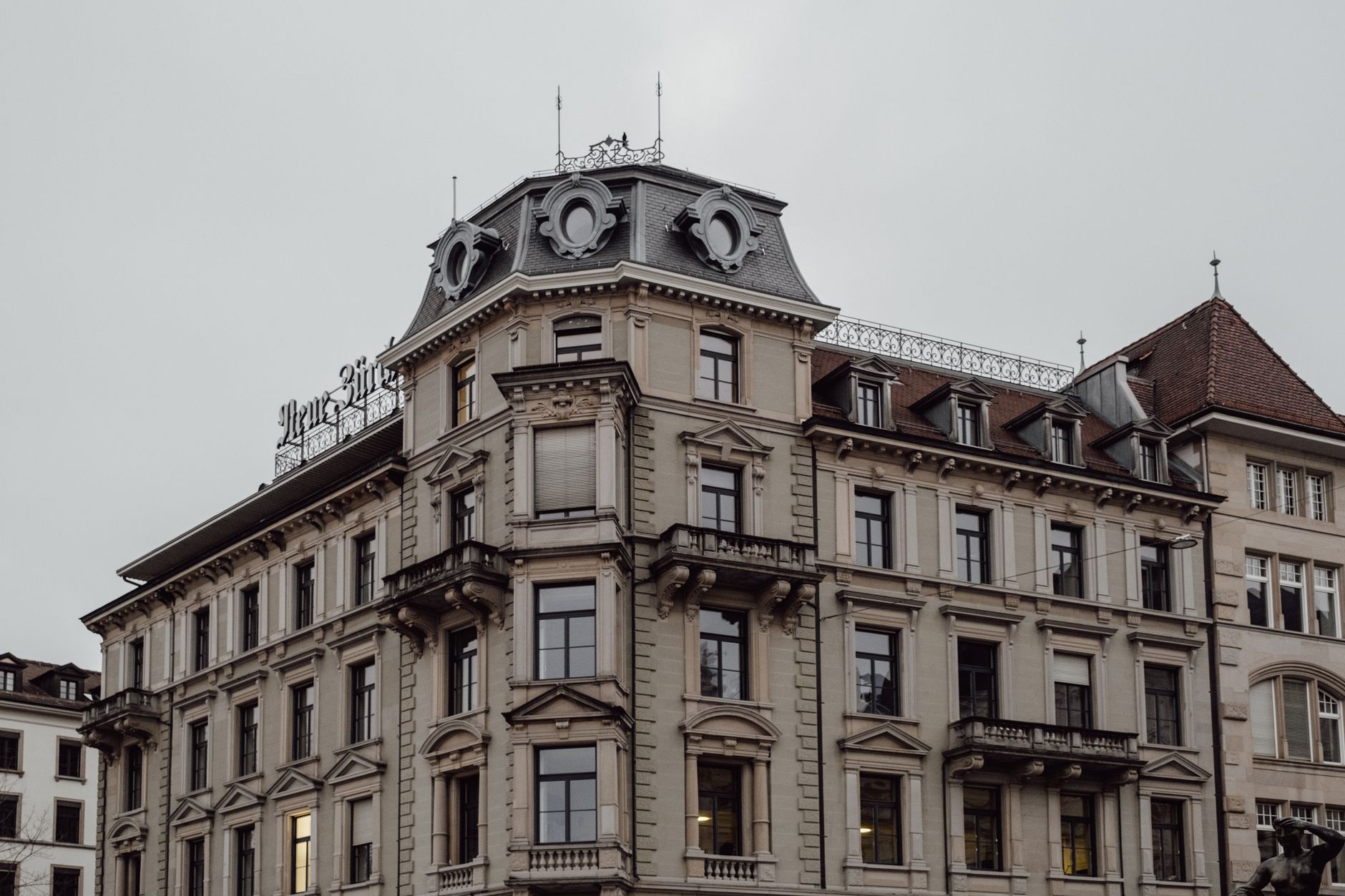
Best Time to Visit Zurich
Zurich is a year-round city, but the experience changes significantly by season.
The Short Answer
For most visitors, the best months are May, June, September, and early October. For swimming and outdoor lake culture, choose July or August. For Christmas atmosphere, choose late November through December. For lower prices and fewer crowds, consider January, February, or March, especially if Zurich is part of a broader winter Switzerland trip.
Spring: March to May
Spring starts unevenly. March can still feel wintry, gray, or damp. April is transitional and can deliver almost anything: sun, rain, cold, blossoms, and sharp changes in a single day. May is usually one of the best months: green parks, pleasant walking, outdoor tables, and lighter crowds than peak summer.
Best for: city walks, museums, mild weather, blossoms, lower shoulder-season pressure.
Watch out for: variable weather, Easter/holiday closures, Sechseläuten crowds and road closures in April, and mountain conditions that may still be wintry at elevation.
Summer: June to August
Summer is Zurich at its most social. Lake swimming, river baths, outdoor bars, open-air cinema, evening walks, boat rides, and long daylight make the city feel generous. June is often excellent; July and August are warm, occasionally hot, and sometimes stormy.
Best for: swimming, lake cruises, families, outdoor dining, Uetliberg, lakeside neighborhoods, festivals.
Watch out for: high hotel prices, thunderstorms, occasional heat, crowded bathing areas, and event spikes. Street Parade in August is either a major draw or a weekend to avoid.
Autumn: September to November
September is a strong contender for the best month: still warm enough for lakeside life, but less intensely summer. October is beautiful for crisp walks and cultural travel. November is quieter and often gray, but it leads into Christmas season.
Best for: museums, food, walking, photography, lower heat, Zurich Film Festival, autumn color.
Watch out for: shorter days, rain, reduced boat schedules, and shoulder-season mountain maintenance.
Winter: December to February
Winter Zurich is not just a gateway to ski country. The city has Christmas markets, lights, cafés, museums, concerts, and a calm urban elegance. Snow in the city is possible but not guaranteed. Fog and gray skies are common; the Alps may be sunny above the cloud layer.
Best for: Christmas markets, museums, chocolate, fondue, cozy cafés, opera/concerts, winter day trips.
Watch out for: holiday closures, shorter daylight, icy sidewalks, expensive festive hotels, and weather-dependent mountain visibility.
Month-by-Month Snapshot
| Month | Verdict |
|---|---|
| January | Quiet, cold, good for museums and winter Switzerland connections. Zurich itself can be gray; mountain day trips may be beautiful above cloud. |
| February | Similar to January, with a slightly brighter feel. Good value by Zurich standards unless major events are on. |
| March | Transitional. Fine for culture and lower crowds, less ideal for lake life. Pack layers. |
| April | Unpredictable but lively, especially around Sechseläuten. Good for visitors who like traditions and do not mind weather shifts. |
| May | One of the best months: fresh, green, walkable, less crowded than summer. |
| June | Excellent for lake walks, terraces, long evenings, and early summer energy. |
| July | Peak outdoor Zurich. Great for swimming, expensive for hotels, occasionally hot. |
| August | Big summer atmosphere and Street Parade. Excellent if you like energy; avoid the parade weekend if you want quiet. |
| September | Possibly the best all-around month: warm, clear, cultural, and not quite peak-summer intense. |
| October | Crisp, handsome, museum-friendly. Great for food, walking, and photography. |
| November | Gray but calmer; late month brings Christmas setup. Good if you are price-sensitive and culture-focused. |
| December | Festive, atmospheric, expensive around holidays, excellent for markets and lights. |
Rain Plan
Zurich is easy in rain. Do Kunsthaus, the National Museum, Museum Rietberg, food halls, Sprüngli or another confiserie, covered shopping, cafés, churches, and trams. Save Uetliberg, lake cruises, and long waterfront walks for clearer windows.
How Many Days You Need
Zurich is often given too little time. It does not require a week for a first visit, but it deserves more than a groggy overnight before a train to the mountains.
1 Day
One day gives you the essentials: Old Town, river, lake, Bahnhofstrasse, one viewpoint, one good meal, maybe one museum or church interior.
Best plan: Old Town walk, Lindenhof, Grossmünster or Fraumünster, Bahnhofstrasse, lakefront, evening in Niederdorf or Seefeld.
Do not try: Kunsthaus, Lindt, Uetliberg, Rhine Falls, and a lake cruise all in the same day. That turns Zurich into logistics.
2 Days
Two days is the best minimum for Zurich itself. You can do the Old Town and lake on day one, then add Kunsthaus or National Museum, Zurich West, Uetliberg, or Lindt on day two.
Best for: first-timers who want a real sense of the city before moving on.
3 Days
Three days lets Zurich breathe. Add Museum Rietberg, a badi/swim in summer, a proper lake cruise, a food-focused evening, Zurich West, and Uetliberg at sunset.
Best for: couples, families, culture travelers, and people arriving jet-lagged who need a sane start to Switzerland.
4–5 Days
Four or five days works if Zurich is your base for day trips. You can do 2–3 days in Zurich plus Rhine Falls, Lucerne, Rapperswil, Winterthur, Baden, Zug, or a light mountain day.
Best for: travelers who prefer one hotel base, families, rail travelers, and business travelers extending a trip.
1 Week
A week in Zurich is not too long if you like slow city travel, but most first-time visitors to Switzerland will want to split the week with another region. Zurich plus Lucerne, Bernese Oberland, Ticino, or Graubünden is stronger than seven straight days in Zurich unless you have local reasons or a remote-work rhythm.
The Move
Give Zurich your first two nights rather than just your last airport night. It is a soft landing: easy transit, safe streets, good food, clean logistics, and enough culture to reset after a long flight.
Where to Stay in Zurich
Zurich hotel choice is mostly about three things: transport, price, and mood. The city is compact and transit is excellent, so you do not need to be directly beside every sight. But you should be close to a useful tram, S-Bahn, or main walking route.
The Short Answer
For a first visit, stay in Altstadt/Lindenhof/Niederdorf if you want historic charm and walkability; near Zürich HB/Europaallee if transport matters most; Seefeld if you want lake access and a polished residential feel; Enge if you want calm, museums, and lake proximity; Langstrasse/Kreis 4 if you want nightlife and better value; Zurich West if you want design, restaurants, and a less postcard version of the city.
Neighborhood Decision Guide
| Traveler Type | Best Area |
|---|---|
| First-timer who wants charm | Altstadt, Lindenhof, Niederdorf |
| First-timer with trains/day trips | Zürich HB, Europaallee, Central |
| Luxury traveler | Bahnhofstrasse, Paradeplatz, lakefront, Seefeld |
| Couple/romantic trip | Lindenhof, Seefeld, Enge, lakeside hotels |
| Family | Enge, Seefeld, around HB if transit-heavy, Oerlikon for value and space |
| Nightlife | Langstrasse, Kreis 4, Zurich West |
| Food and design | Zurich West, Kreis 4, Wiedikon, Seefeld |
| Budget-sensitive visitor | Oerlikon, Wiedikon, Zurich West, airport-area hotels with good rail links |
| Museum-focused | Old Town/Kunsthaus area, Enge for Rietberg, HB for National Museum |
| Mobility concerns | Near Zürich HB, Sechseläutenplatz/Bellevue, lower Old Town west bank, Seefeld. Avoid steep lanes if stairs/cobblestones are difficult. |
| Airport convenience | Zürich HB if you still want the city; Zurich Airport/The Circle only if you have a very early flight or business nearby. |
Altstadt, Lindenhof, and Niederdorf
Best for: first-timers, walkers, romantic weekends, historic atmosphere, short stays.
The Old Town is the obvious base because it places you close to churches, river views, restaurants, cafés, shops, the lake, and Zürich HB. The west-bank side around Lindenhof and St. Peter is calmer and prettier for sleeping. Niederdorf on the east bank has more evening energy and tourist foot traffic.
Why stay here: You can walk out the door and immediately feel Zurich. Great for one- or two-night stays.
Why not: Older buildings may have smaller rooms, stairs, less soundproofing, and higher prices. Niederdorf can be noisy late.
Perfect first evening: Check in, walk to Lindenhof for the view, cross to Grossmünster, follow the Limmat to Bellevue, then return through Niederdorf for dinner.
Zürich HB, Central, and Europaallee
Best for: rail travelers, day trips, business travelers, short stays, early departures.
Zürich HB is one of Europe’s great stations. Staying near it makes airport arrivals, Swiss rail connections, and day trips easy. Europaallee, the redeveloped area beside the tracks, is modern, practical, and less atmospheric than the Old Town but extremely convenient.
Why stay here: Minimal friction. Excellent if Zurich is part of a larger Switzerland itinerary.
Why not: Some blocks feel businesslike rather than charming. Choose carefully if you want romance.
The move: Stay near HB for the first two nights of a Switzerland trip, then use the train system aggressively without dragging luggage across cobblestones.
Bahnhofstrasse, Paradeplatz, and the Lakefront
Best for: luxury, shopping, polished hotels, business, grand Zurich.
This is Zurich’s money-and-retail corridor. Around Paradeplatz and the lakefront, hotels can be very expensive, but the location is excellent for walking, trams, shopping, chocolate, and lake access.
Why stay here: Central, elegant, safe, and convenient.
Why not: High prices and a more formal feel. Budget travelers should not force it.
Seefeld and Riesbach
Best for: lake access, couples, families, longer stays, calmer evenings.
Seefeld stretches along the east side of the lake south of Bellevue. It is polished, residential, walkable, restaurant-rich, and close to parks and swimming areas. It feels like a local’s version of a comfortable Zurich life.
Why stay here: You get lake walks without losing city access. Trams make the center easy.
Why not: Less old-town atmosphere. Hotels can be pricey.
Perfect morning: Coffee, lakeside walk to Zürichhorn, stop by Pavillon Le Corbusier in season, then tram back toward Bellevue.
Enge, Wollishofen, and the West Lake Side
Best for: calm, lake access, Museum Rietberg, families, repeat visitors, Lindt access.
Enge is close to the lake and Rieterpark, with a quieter, well-heeled feel. Wollishofen is farther south and more residential but useful for lake access and trips toward Kilchberg/Lindt.
Why stay here: Peaceful, scenic, and good for visitors who do not need nightlife outside the door.
Why not: Less central for first-timers who want to step directly into the Old Town.
Langstrasse and Kreis 4
Best for: nightlife, bars, younger travelers, food, lower prices, people who dislike sterile districts.
Langstrasse is Zurich’s most visibly mixed, late-night, and edgy central area. It has red-light history, immigrant food, bars, clubs, hostels, budget-to-midrange hotels, and a little more street noise than the rest of Zurich.
Why stay here: Good value by Zurich standards, strong nightlife, close to HB and Zurich West.
Why not: Not as polished or quiet. Families and noise-sensitive travelers should choose carefully.
Zurich West
Best for: design, restaurants, nightlife, architecture, repeat visitors, conference/business travelers near Hardbrücke.
Former industrial Zurich has been reworked into a district of viaduct arches, restaurants, galleries, towers, clubs, offices, and design shops. It feels more contemporary than the Old Town.
Why stay here: Less postcard, more modern city. Good restaurants and bars.
Why not: Not ideal if you want historic Zurich outside the door.
Oerlikon and Airport Area
Best for: value, business, airport access, large hotels, families who want space.
Oerlikon is a practical northern district with strong rail connections. It is not scenic, but it is useful. Airport/The Circle hotels are polished and extremely convenient for early flights but should not be your Zurich base unless logistics dominate.
Why stay here: Lower rates, bigger rooms, fast airport and city train links.
Why not: You will not feel like you are “in Zurich” in the romantic sense.
Common Booking Mistakes
- Booking the cheapest hotel without checking tram/train access.
- Staying at the airport for a city trip because “Zurich is small.” Stay in the city unless your flight timing demands otherwise.
- Assuming Old Town hotels are quiet. Check street, bar, and church-bell noise.
- Ignoring air conditioning in summer. Zurich can get hot, and older buildings vary.
- Booking an apartment up steep lanes with heavy luggage.
- Paying luxury prices for a location that is technically central but not pleasant.
- Forgetting that Swiss hotel rooms can be smaller than expected at midrange price points.
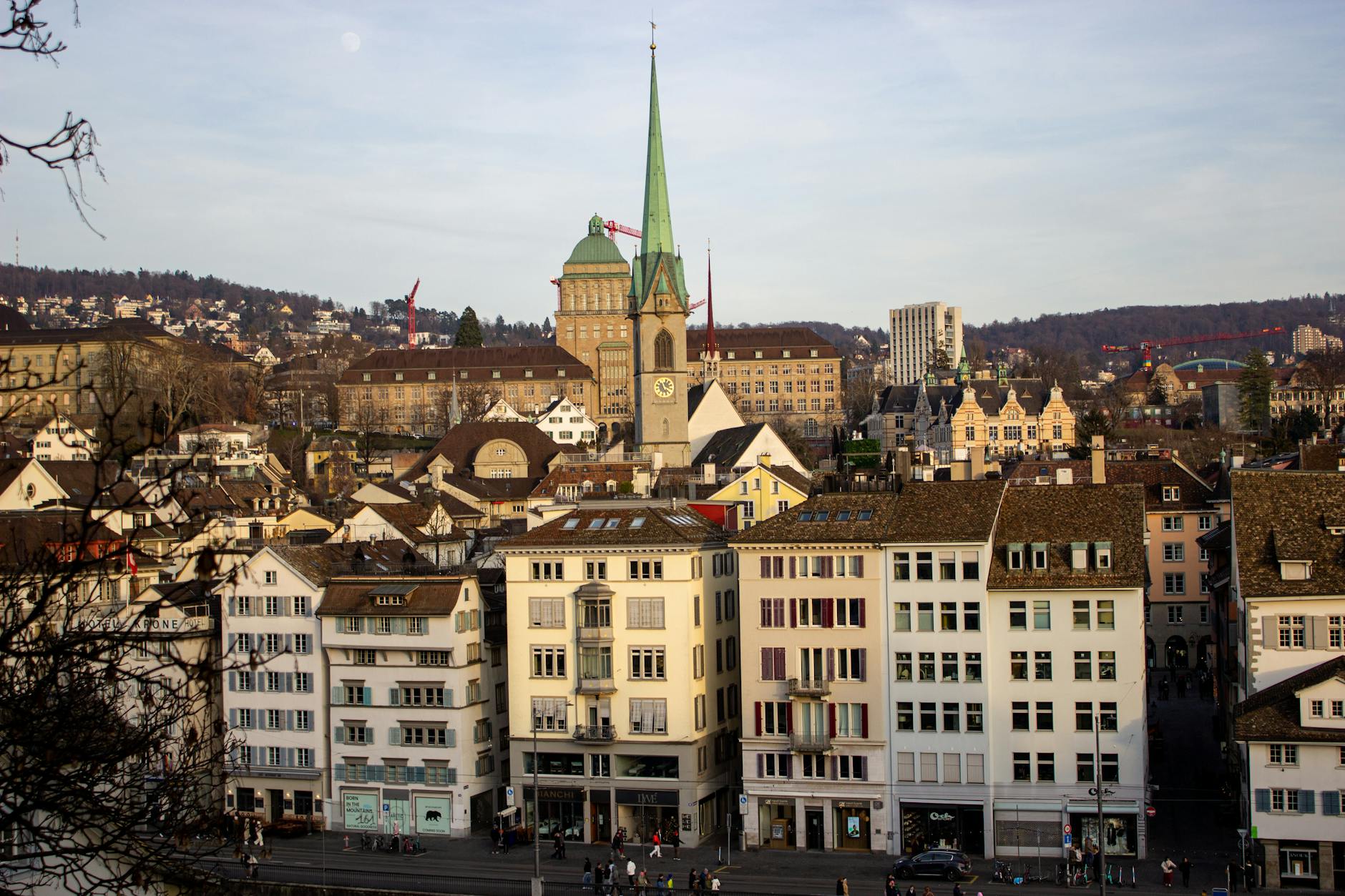
Neighborhood Guide
Altstadt and Lindenhof
One-sentence identity: Zurich’s historic heart, split by the Limmat, with church towers, guild houses, lanes, river views, and the city’s most convenient first-timer walks.
What it feels like: Polished, old, compact, sometimes touristy, often beautiful. The west bank feels calmer and more patrician; the east bank around Niederdorf feels livelier and younger.
Best things to do: Lindenhof, Grossmünster, Fraumünster, St. Peter, Münsterhof, Schipfe, Augustinergasse, Cabaret Voltaire, riverside walks.
Best time: Early morning for quiet; late afternoon for light; evening for river atmosphere.
How long: 3–5 hours for a good first walk; longer if adding churches and museums.
One perfect walk: Start at Zürich HB, cross into the Old Town, climb to Lindenhof, drop to Schipfe, visit St. Peter and Münsterhof, step into Fraumünster, cross Münsterbrücke toward Grossmünster, climb Karlsturm if weather is clear, then wander Niederdorf toward Central.
Skip if: You are only interested in contemporary Zurich. Even then, do one short walk.
Niederdorf
One-sentence identity: The livelier east-bank Old Town, full of narrow lanes, casual restaurants, bars, students, visitors, and late-evening energy.
Best for: first-night wandering, casual dinners, bars, budget-ish meals, old-town atmosphere with noise.
Why go: It is fun, central, and easy. It gives first-timers an immediate sense of Zurich’s historic fabric.
Watch out for: Tourist menus and late noise. Do not assume every restaurant here is good because the lane is charming.
The move: Walk Niederdorf, but eat one or two blocks off the most obvious tourist drag or choose a place with a specific reputation.
Bahnhofstrasse and Paradeplatz
One-sentence identity: Zurich’s luxury, finance, shopping, chocolate, and business axis.
Best for: window-shopping, watches, chocolate, department stores, polished cafés, rainy-day strolling.
Why go: Even if you are not shopping, Bahnhofstrasse is part of Zurich’s identity. It links the station to the lake and shows the city’s restrained wealth in full.
What to pair it with: Lindenhof, Old Town, Bürkliplatz, Sprüngli, Globus/Jelmoli-style food halls depending on current offerings, and the lakefront.
Skip if: You dislike luxury retail and have limited time. Walk it once; do not overcommit.
Bellevue, Sechseläutenplatz, and the Opera House
One-sentence identity: The hinge between Old Town, lakefront, trams, opera, and public gathering space.
Best for: lake views, tram connections, opera, people-watching, seasonal events, starting lake walks.
Why go: This is where Zurich opens up. After the tight Old Town, the lake basin feels expansive.
Perfect moment: Sunset on Quaibrücke, with the river behind you and the lake opening ahead.
Seefeld and Zürichhorn
One-sentence identity: Zurich’s polished east-lake neighborhood, where residential life, parks, cafés, swimming, and lake paths converge.
Best for: families, couples, runners, lake lovers, summer travelers, relaxed dinners.
Things to do: Lakeside promenade, Zürichhorn, Chinagarten, Pavillon Le Corbusier, Strandbad Tiefenbrunnen in summer, cafés and restaurants along side streets.
Best time: Morning for walks; late afternoon for summer swimming and lake light.
One perfect walk: Start at Bellevue, follow the lake promenade past Sechseläutenplatz and the Opera House, continue toward Zürichhorn, detour to Pavillon Le Corbusier if open, then return by tram or keep walking toward Tiefenbrunnen.
Enge and Rieterpark
One-sentence identity: Calm west-lake Zurich, home to Museum Rietberg, leafy streets, parks, and easy access to the lake.
Best for: museums, families, peaceful stays, longer visits.
Things to do: Museum Rietberg, Rieterpark, lakefront walks, Sukkulenten-Sammlung, nearby Enge station architecture, easy transit south toward Wollishofen/Kilchberg.
The move: Pair Museum Rietberg with a lake walk and a quiet dinner rather than squeezing it between Old Town sights.
Langstrasse and Kreis 4
One-sentence identity: Zurich’s densest nightlife and mixed-culture corridor, a little rougher, louder, and more interesting than the city’s polished stereotype.
Best for: bars, clubs, late food, budget stays, younger travelers, repeat visitors.
Things to do: Langstrasse bars, Helvetiaplatz, Kanzlei flea market if timing works, cafés, casual international food, evening wandering.
Safety note: Normal urban awareness is enough for most visitors, but this is one of the few central areas where late-night intoxication, petty crime, or discomfort is more plausible.
Skip if: You want tranquil postcard Zurich.
Zurich West
One-sentence identity: Former industrial Zurich remade into design shops, restaurants, galleries, clubs, offices, and one of the city’s most contemporary districts.
Best for: design, food, nightlife, photography, architecture, second-time visitors.
Things to do: Im Viadukt, Freitag Tower, Frau Gerolds Garten, Schiffbau, Löwenbräu area, Hardbrücke, Prime Tower area, clubs and bars.
Best time: Late afternoon into evening.
One perfect walk: Start at Hardbrücke, browse Im Viadukt, climb or photograph the Freitag Tower, pause at Frau Gerolds Garten, continue toward Schiffbau, then have dinner in Zurich West or head to Langstrasse.
Wiedikon and Sihlfeld
One-sentence identity: Residential, practical, increasingly food-focused Zurich west of the center, useful for visitors who want local life without leaving the city.
Best for: repeat visitors, longer stays, value, casual dining, calmer apartments.
Why go: Less scenic than the Old Town, but a good window into livable Zurich.
What to pair with: Uetliberg connections, Langstrasse, Zurich West, or a low-key neighborhood dinner.
Oerlikon
One-sentence identity: A pragmatic northern district with strong rail links, offices, events, and better-value hotels.
Best for: business, airport access, budget-conscious travelers, events at Hallenstadion or Messe Zürich.
Why stay/go: It is convenient, not romantic.
The move: If hotel rates are brutal in central Zurich, Oerlikon can be a sane compromise because rail/tram links are strong.
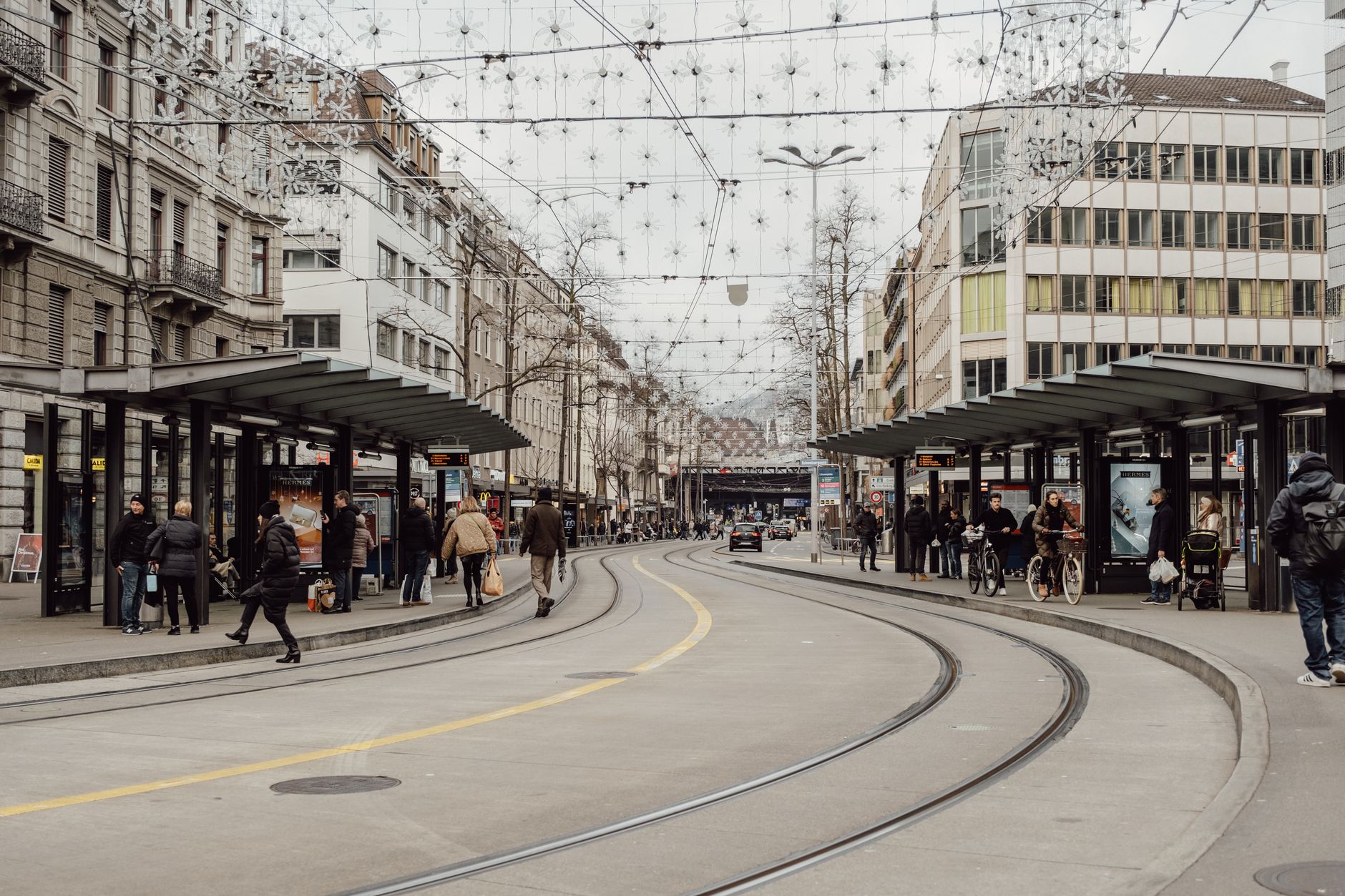
Best Things to Do
Zurich rewards a mixed approach. Do not turn the city into only museums, only shopping, only lake views, or only chocolate. The best trip layers them.
Walk the Old Town on Both Sides of the Limmat
What it is: The essential first Zurich experience: lanes, towers, guild houses, riverfronts, bridges, and small squares.
Why it matters: Zurich’s history and geography make sense once you walk the river.
Time needed: 2 hours for a quick version, 4–5 hours with churches and stops.
Best time: Morning or late afternoon.
Worth it? Absolutely. This is Zurich’s foundation.
Common mistake: Only walking Niederdorf and missing Lindenhof, Schipfe, and the quieter west bank.
Climb Grossmünster’s Karlsturm
What it is: A tower climb at one of Zurich’s landmark churches.
Why it matters: The view gives you the old town, river, lake, rooftops, and hills in one sweep.
Time needed: 30–60 minutes.
Best for: First-timers, photographers, people who like orientation views.
Skip if: Stairs are difficult or the weather is poor.
Local tip: Pair it with Fraumünster across the river and the Münsterbrücke view.
Visit Fraumünster for the Windows
What it is: A historic church best known to visitors for its stained glass, including Marc Chagall’s windows.
Why it matters: It combines medieval Zurich with modern sacred art in a compact visit.
Time needed: 30–60 minutes.
Worth it? Yes if you like churches, art, or Chagall. Skippable if you are not interested in interiors.
Sit at Lindenhof
What it is: A quiet elevated square and former Roman/castle site above the Limmat.
Why it matters: It is one of Zurich’s best free views and a gentle pause in the Old Town.
Time needed: 15–45 minutes.
The move: Go early, then return near sunset if the weather is good.
Walk or Cruise Lake Zurich
What it is: Zurich’s lakefront is the city’s daily reset button. You can walk, sit, swim in summer, or take mini/short/long cruises.
Why it matters: Without the lake, Zurich’s personality is incomplete.
Time needed: 1 hour for a mini walk, 90 minutes for a short cruise, half a day for a fuller lake plan.
Best time: Late afternoon, summer evenings, or clear winter days.
Worth it? Yes. A short cruise is enough for most first-timers; the long cruise to Rapperswil is more of a day-trip choice.
Spend Time at Kunsthaus Zürich
What it is: Zurich’s major art museum, with collections spanning medieval to modern and contemporary art, plus major exhibitions.
Why it matters: Kunsthaus is one of Zurich’s strongest cultural anchors and far more substantial than many first-time visitors expect.
Time needed: 2–4 hours.
Best for: Art lovers, rainy days, culture travelers, anyone who wants Zurich beyond lake and chocolate.
Book ahead? Usually not essential for the permanent collection, but wise for major exhibitions or timed plans.
Common mistake: Trying to “pop in” for 45 minutes and then judging it as small. Give it time.
Visit the Swiss National Museum
What it is: A major museum near Zürich HB focused on Swiss cultural history.
Why it matters: It helps visitors understand Switzerland as more than mountains, neutrality, banks, and chocolate.
Time needed: 90 minutes to 3 hours.
Best for: First-day arrivals near the station, families, history-minded travelers, rainy days.
Pair it with: Zürich HB, Old Town, Platzspitz/Park, or a low-effort arrival afternoon.
Go to Museum Rietberg
What it is: A museum of non-European art in a park setting in Enge.
Why it matters: It is one of Zurich’s more rewarding second-layer cultural experiences and gives you a calmer side of the city.
Time needed: 2–3 hours plus park time.
Best for: Art lovers, repeat visitors, rainy days, travelers who want a less obvious museum.
Take the Train to Uetliberg
What it is: Zurich’s local mountain, reachable by public transport, with trails and views over the city, lake, and Alps on clear days.
Why it matters: It gives you the Swiss hilltop experience without making a full mountain day trip.
Time needed: 2–4 hours, depending on hiking.
Best time: Clear morning or late afternoon. Avoid if the city is socked in and you want views.
Worth it? Yes, especially with a Zürich Card or if you want nature without leaving the metro area.
Common mistake: Going in bad visibility and expecting Alpine drama.
Visit Lindt Home of Chocolate
What it is: A popular chocolate museum and visitor center in Kilchberg, south of Zurich.
Why it matters: Swiss chocolate is a cliché for a reason, and Lindt makes it accessible, family-friendly, and photogenic.
Time needed: 90 minutes to 2.5 hours, plus transit.
Book ahead? Yes. Admission is often only guaranteed with a valid online ticket.
Worth it? Very good for families, chocolate lovers, and first-time Switzerland visitors. Less essential for travelers who prefer small artisanal food experiences.
Better alternative: For a lower-effort chocolate moment, build a confiserie crawl into the Old Town/Bahnhofstrasse area.
Explore Zurich West
What it is: Converted-industrial Zurich, full of viaduct shops, restaurants, design spaces, bars, and modern architecture.
Why it matters: It prevents Zurich from feeling only old, rich, and pretty.
Time needed: 2–4 hours, best late afternoon/evening.
Pair it with: Langstrasse, dinner, drinks, or a design/shopping walk.
Swim at a Badi in Summer
What it is: Public bathing areas on the lake and river.
Why it matters: Summer Zurich lives in its badis. This is local life, not just recreation.
Time needed: 1–3 hours.
Best for: Summer visitors, families, couples, solo travelers comfortable with public swimming culture.
Bring: Swimsuit, towel, sunscreen, small lock if needed, and respect for local rules.
Skip if: You dislike open-water swimming or are visiting outside warm months.
See Cabaret Voltaire
What it is: The birthplace of Dada in Niederdorf.
Why it matters: It adds an avant-garde, anti-bourgeois layer to a city often stereotyped as conservative and financial.
Time needed: 30–60 minutes unless attending an event.
Worth it? Essential for modern art/literary history fans; a quick curiosity for others.
Ride the Polybahn to the ETH Terrace
What it is: A short funicular ride from Central up toward ETH Zurich.
Why it matters: It is one of Zurich’s best small transit pleasures and leads to a fine city view.
Time needed: 30–60 minutes.
Best for: View seekers, transport lovers, families, low-effort breaks.
The move: Use it as a bridge between Niederdorf/Central and the university quarter.
Watch Sunset from Quaibrücke or Bürkliplatz
What it is: The lake-river threshold with views to the lake, city, and sometimes mountains.
Why it matters: It is Zurich at its simplest and best.
Time needed: 15–45 minutes.
Cost: Free.
Worth it? Always, if the weather cooperates.
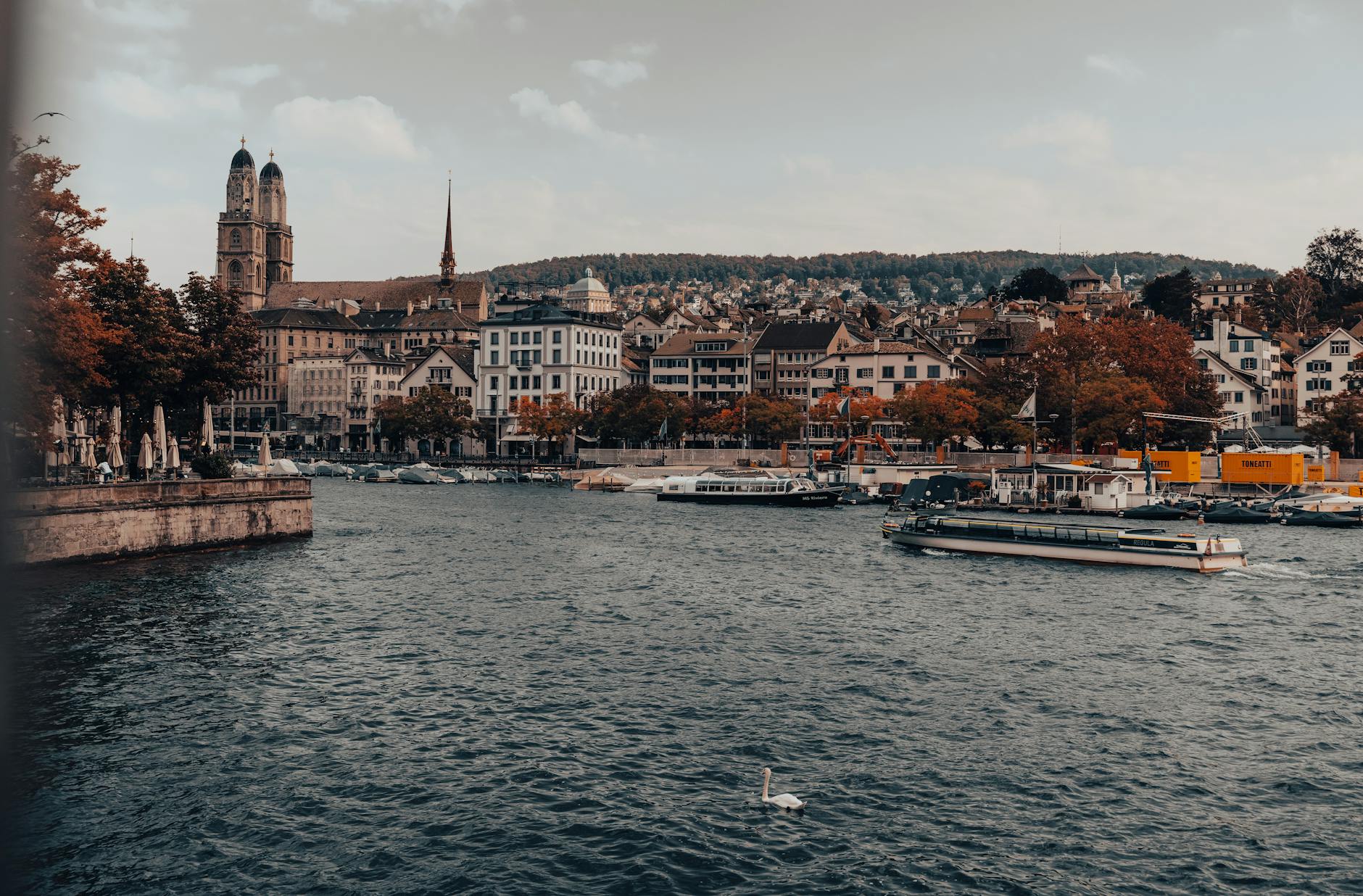
Zurich Itineraries
One Perfect Day in Zurich
Morning: Old Town and Lindenhof
Start at Zürich HB. Walk toward Bahnhofstrasse but turn into the west-bank Old Town. Climb to Lindenhof for orientation, then wander down through Schipfe, St. Peter, Augustinergasse, and Münsterhof. Visit Fraumünster if the windows interest you.
Lunch: Classic or casual
Choose a traditional Swiss lunch if you want the full first-day experience, or save money with a bakery, department-store food hall, market-style lunch, or casual counter meal.
Afternoon: Grossmünster, river, and lake
Cross to Grossmünster, climb Karlsturm if visibility is good, then walk along the Limmat to Bellevue. Continue to Sechseläutenplatz and the lake. If the weather is good, take a short lake cruise or walk toward Seefeld.
Evening: Niederdorf or Seefeld
For old-town energy, eat in or near Niederdorf. For a calmer evening, choose Seefeld and walk by the lake after dinner.
Cut if tired: The tower climb or cruise.
Rain swap: Kunsthaus instead of the lake walk.
2 Days in Zurich
Day 1: Classic Zurich
Old Town, Lindenhof, Fraumünster, Grossmünster, Bahnhofstrasse, lakefront, dinner in Niederdorf or the west bank.
Day 2: Culture and contemporary Zurich
Morning at Kunsthaus or the Swiss National Museum. Lunch near the center. Afternoon in Zurich West: Im Viadukt, Freitag Tower, Frau Gerolds Garten, Schiffbau area. Dinner and drinks in Zurich West or Langstrasse.
Alternative Day 2: Uetliberg in the morning, lake cruise in the afternoon, Museum Rietberg or Seefeld in the evening.
3 Days in Zurich
Day 1: Old Town, churches, Lindenhof, Bahnhofstrasse, lake sunset.
Day 2: Kunsthaus or National Museum, ETH terrace/Polybahn, Zurich West, Langstrasse dinner.
Day 3: Choose your Zurich: Lindt Home of Chocolate plus lake walk; Museum Rietberg plus Enge; Uetliberg plus casual dinner; or Rhine Falls/Lucerne/Rapperswil as a day trip.
4–5 Days in Zurich
Use Zurich as a base:
- Day 1: Old Town and lake.
- Day 2: Museums and Zurich West.
- Day 3: Uetliberg, Seefeld, swim/lake cruise.
- Day 4: Rhine Falls and Schaffhausen or Lucerne.
- Day 5: Rapperswil by boat/train, Winterthur museums, or a weather-dependent mountain day.
Food-Lover Version
- Breakfast: bakery or café with good bread, butter, jam, and coffee.
- Morning: Old Town chocolate/confiserie walk.
- Lunch: Swiss classic or vegetarian institution.
- Afternoon: market/food hall and lake walk.
- Evening: modern Swiss/European dinner, wine bar, or Zurich West restaurant.
- Late: Langstrasse bar or quiet digestif near the Old Town.
Family Version
- Keep lodging near tram/S-Bahn access.
- Mix Old Town with lake time rather than too many museums.
- Add Lindt Home of Chocolate, Zoo Zurich if animals are a priority, a boat ride, Uetliberg, and summer swimming.
- Use grocery stores and bakeries to control costs.
- Do not overbook dinner. Zurich with kids is much easier when you eat early and keep evenings simple.
Rainy-Day Version
- Swiss National Museum near HB.
- Covered lunch/food hall.
- Kunsthaus or Museum Rietberg.
- Confiserie/café break.
- Tram ride through the city.
- Concert, opera, cinema, or cozy dinner.
Summer Heat Version
- Early Old Town walk.
- Late morning museum or café.
- Afternoon swim at a badi.
- Lake picnic or boat ride.
- Dinner outdoors after the heat eases.
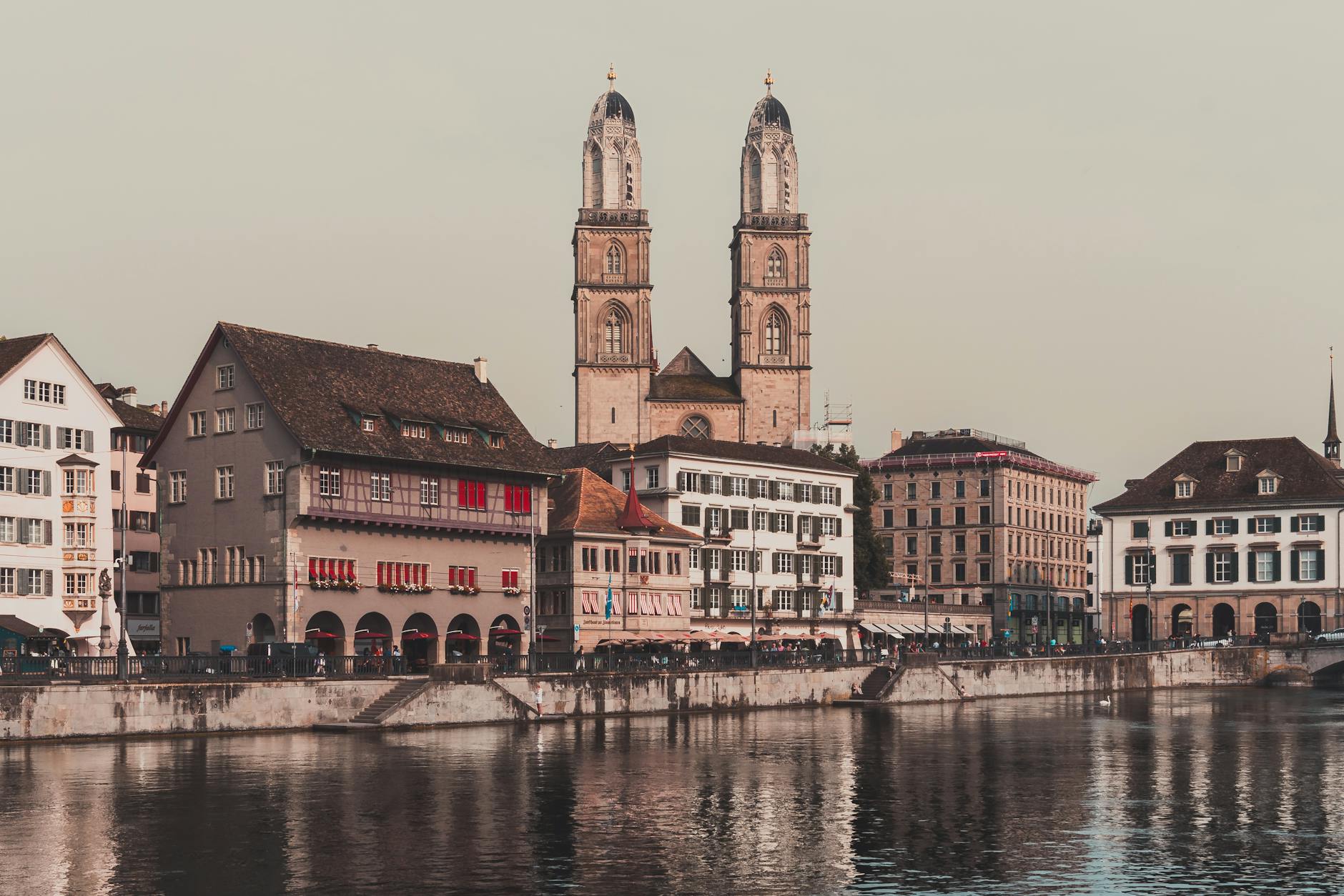
Food and Drink
Zurich is expensive, but eating well does not have to mean only white tablecloths. The city’s food identity is a mix of Swiss-German comfort, Alpine ingredients, elegant cafés, chocolate, bakeries, global migration, vegetarian history, modern European cooking, and the pragmatic joy of excellent grocery and takeaway options.
The Zurich Food Thesis
Zurich is not a street-food city in the Bangkok or Mexico City sense. It is a city of quality-controlled pleasures: bread, dairy, chocolate, rösti, veal, sausages, fondue, pastries, good coffee, clean markets, seasonal menus, lake fish, precise service, and increasingly international casual dining.
The challenge is value. Mediocre meals can cost a lot. Choose deliberately.
What to Eat
Zürcher Geschnetzeltes
Sliced veal in a creamy white wine and mushroom sauce, often served with rösti. This is the city’s signature dish.
Try it if: You want a classic Zurich meal.
Skip if: You avoid veal, cream, or heavy dishes.
Rösti
Crisp shredded potato, served as a side or main, often with egg, cheese, bacon, vegetables, or meat.
Best for: Budget-conscious comfort if you choose the right place.
Fondue and Raclette
Cheese classics associated more broadly with Switzerland than Zurich specifically, but widely available.
Best season: Winter, though tourist restaurants serve them year-round.
Common mistake: Making fondue your only “Swiss food” experience in summer, then wondering why it feels heavy.
Bratwurst and Sausages
Quick, satisfying, and more affordable than a sit-down restaurant. The Bellevue area is famous for sausage stands.
The move: A sausage and bread by the lake can be a better Zurich lunch than an overpriced tourist menu.
Swiss Chocolate
Sprüngli, Läderach, Lindt, small confiseries, pralines, Luxemburgerli, truffles, and chocolate bars all matter. Zurich is a chocolate city even if not every chocolate shop is unique.
Worth it: Buy smaller amounts of better chocolate rather than large souvenir bundles you could buy at the airport.
Birchermüesli
A Swiss invention associated with physician Maximilian Bircher-Benner. Yogurt/oats/fruit breakfast culture is common and useful for travelers.
Zopf and Swiss Breads
Zopf, a braided bread often eaten on Sundays, and good bakery bread more generally are key Swiss pleasures.
Lake Fish
Freshwater fish appears on menus, especially around the lake. It can be expensive but fits the city’s geography.
Vegetarian Zurich
Zurich has a serious vegetarian history, including long-running vegetarian institutions. Modern vegetarian and vegan options are relatively easy for a European city of its size.
Where to Eat by Situation
Best First Swiss Meal
Choose a traditional restaurant with Zürcher Geschnetzeltes, rösti, sausages, or seasonal Swiss dishes. Book if it is central or well known. Expect high prices.
Best Budget Lunch
Bakeries, grocery stores, department-store food areas, casual takeaway, university-adjacent cafés, and sausage stands. Picnic by the lake or river if weather allows.
Best Splurge
A classic Zurich dining room, a lake-view restaurant, or a refined modern Swiss/European meal. Splurge on one memorable dinner, not three merely expensive ones.
Best with Kids
Casual Swiss restaurants, Italian places, food halls, bakeries, and lakefront picnics. Lindt is an obvious family treat but not a substitute for real meals.
Best Solo Dining
Cafés, bars with food, casual counters, ramen/Asian spots, vegetarian restaurants, food halls, and early dinners. Zurich is safe and comfortable for solo diners, though fine restaurants may feel formal.
Best Old-School Café Moment
Choose a confiserie or café near Bahnhofstrasse/Old Town and order coffee with a pastry or Luxemburgerli. It may not be cheap, but it is part of the city’s rhythm.
Restaurant Practicalities
- Reservations: Smart for dinner, essential for popular or traditional restaurants, and wise on weekends.
- Meal times: Lunch often runs roughly midday to early afternoon. Dinner can be earlier than in southern Europe; many kitchens are active by 6–7 pm.
- Tipping: Service is generally included. Rounding up or leaving a small extra for good service is appreciated but not mandatory in the American sense.
- Water: Tap water is excellent, but restaurants may charge for bottled or sometimes for service/carafe depending on practice. Ask clearly.
- Cards: Widely accepted, but small places can vary.
- Sunday: Some restaurants and shops close; plan ahead.
- Monday: Museums are often closed and some restaurants may be closed too.
- Dress: Smart casual works almost everywhere. Zurich can be understated but polished.
- Vegetarian/vegan: Good availability, especially in central and modern districts.
- Allergies: Explain clearly; English is usually understood in visitor-facing restaurants, but carry translated allergy text for serious allergies.
Drinks and Nightlife
Zurich drinks well, but not cheaply.
Wine: Swiss wine can be excellent and under-exported. Try local/regional whites and reds by the glass.
Beer: Swiss and German-style beers are common; craft beer exists but costs add up quickly.
Cocktails: Available in hotel bars, Zurich West, Langstrasse, and central lounges, often expensive.
Coffee: Good, though prices can surprise visitors. Café culture is more restrained than Italian bar culture.
Nightlife areas: Langstrasse for bars/clubs; Zurich West for design-conscious nightlife; Niederdorf for casual old-town evenings; lakefront venues in summer.
Night transport: Zurich has night buses/trains on weekends, but do not assume all lines run late. Check the app before going out.
The Move
Use Zurich’s food scene strategically: one classic Swiss meal, one chocolate/confiserie moment, one bakery/picnic lunch, one international or modern dinner, and one lake/river casual meal. That gives you range without draining the budget on repetitive expensive dinners.
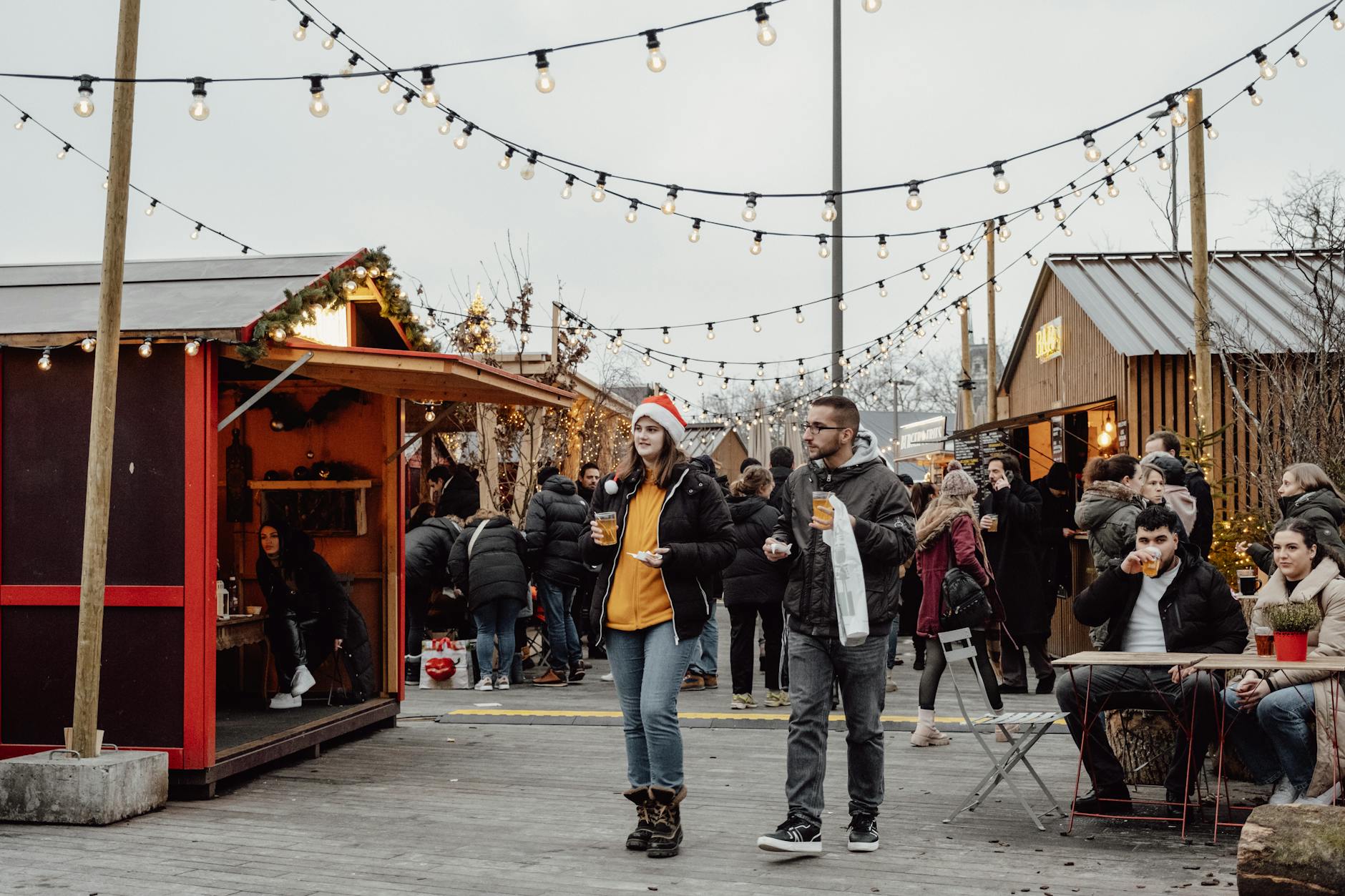
Getting Around
Zurich is one of the easiest cities in Europe to navigate, provided you respect the ticket system.
Arrival: Zurich Airport to the City
Zurich Airport is connected directly to the rail network. Trains to Zürich HB normally run very frequently and take about 15 minutes. This is the default best choice for most visitors.
Best overall: Train to Zürich HB.
Best with heavy luggage: Train if your hotel is near HB or a tram/S-Bahn connection; taxi if door-to-door matters more than cost.
Taxi: Official airport guidance puts city-center taxi rides roughly around CHF 65, with tourism sources generally quoting around CHF 50–70 depending on destination and conditions.
Tram: Tram 10 connects the airport with parts of the city but is slower than the train for central Zurich. Useful for specific northern/university-area destinations.
The move: Unless you have mobility constraints or a lot of luggage, take the train. Zurich’s airport-city rail setup is exactly what other cities wish they had.
Zürich HB
Zürich HB is the central nerve point. It handles S-Bahn, long-distance Swiss trains, international trains, trams, buses, underground shopping, food, and quick links to the Old Town.
First-timer tip: HB can feel large, but signage is good. Know your platform, watch for underground levels, and give yourself time for luggage transfers.
Public Transport: Trams, Buses, S-Bahn, Boats, Funiculars
Zurich’s local transport is integrated through ZVV zones. A ticket covers the zones and time/class you purchased, and it works across eligible modes in those zones: tram, bus, train, boat, and some funicular/cable connections.
Key points:
- Zurich city is Zone 110, which counts as two zones for fare calculation.
- Zurich Airport is outside the city zone, so airport-city travel needs the appropriate zones or a pass/card that includes it.
- Tickets are generally proof-of-payment; you may not pass through gates, but inspectors check tickets.
- Validate tickets where required before travel.
- Use SBB Mobile or the ZVV app to avoid zone mistakes.
- 2nd class is fine for almost all city travel.
Zürich Card
The Zürich Card is designed for visitors staying 1–3 days. It includes 2nd-class travel in specified Zurich-area zones, airport-city transfer, Uetliberg, mini/short lake cruises and Limmat river cruises, plus free or reduced admission at many museums and discounts for tours/shops/restaurants.
Adult prices checked: CHF 29 for 24 hours; CHF 56 for 72 hours.
Good value if: You arrive by airport, use transit multiple times, visit museums, take a lake/river cruise, or go to Uetliberg.
Not necessary if: You are in Zurich for one night, staying central, walking mostly, and not visiting museums.
Common mistake: Buying it automatically without comparing your actual plans. The Card is convenient, but convenience is not always savings.
Walking
Zurich is extremely walkable in the center. The Old Town, Bahnhofstrasse, lake basin, and riverfront are best on foot.
Watch out for: Cobblestones, hills in the Old Town/university areas, stairs, slick surfaces in rain/snow, and surprisingly long station corridors.
Footwear: Bring shoes that can handle cobblestones and lakefront distance. Zurich is polished, but it still rewards real walking shoes.
Bikes and Scooters
Cycling exists, but visitors should not assume Zurich is as easy as Amsterdam or Copenhagen. Traffic, tram tracks, hills, and local rules matter. Use bike-share or rentals only if you are confident.
Taxis and Rideshare
Taxis are clean and expensive. Use them for late nights, mobility needs, heavy luggage, or direct hotel transfers, not because you are too lazy to understand the tram.
Rideshare availability and rules can vary; check current app options.
Renting a Car
Do not rent a car for Zurich. Parking is expensive, traffic is controlled, old streets are inconvenient, and public transport is better. Rent a car only if you are leaving the city for rural/mountain routes where rail is not the better option.
Transit Strategy for Visitors
- Stay near a tram/S-Bahn stop.
- Use Zürich HB as your rail anchor.
- Use trams for atmosphere and surface orientation.
- Use S-Bahn for airport, Oerlikon, Uetliberg, and regional trips.
- Use boats for pleasure, not speed.
- Check zones when leaving the city center.
- Do not dodge fares. Swiss ticket fines are not a souvenir.
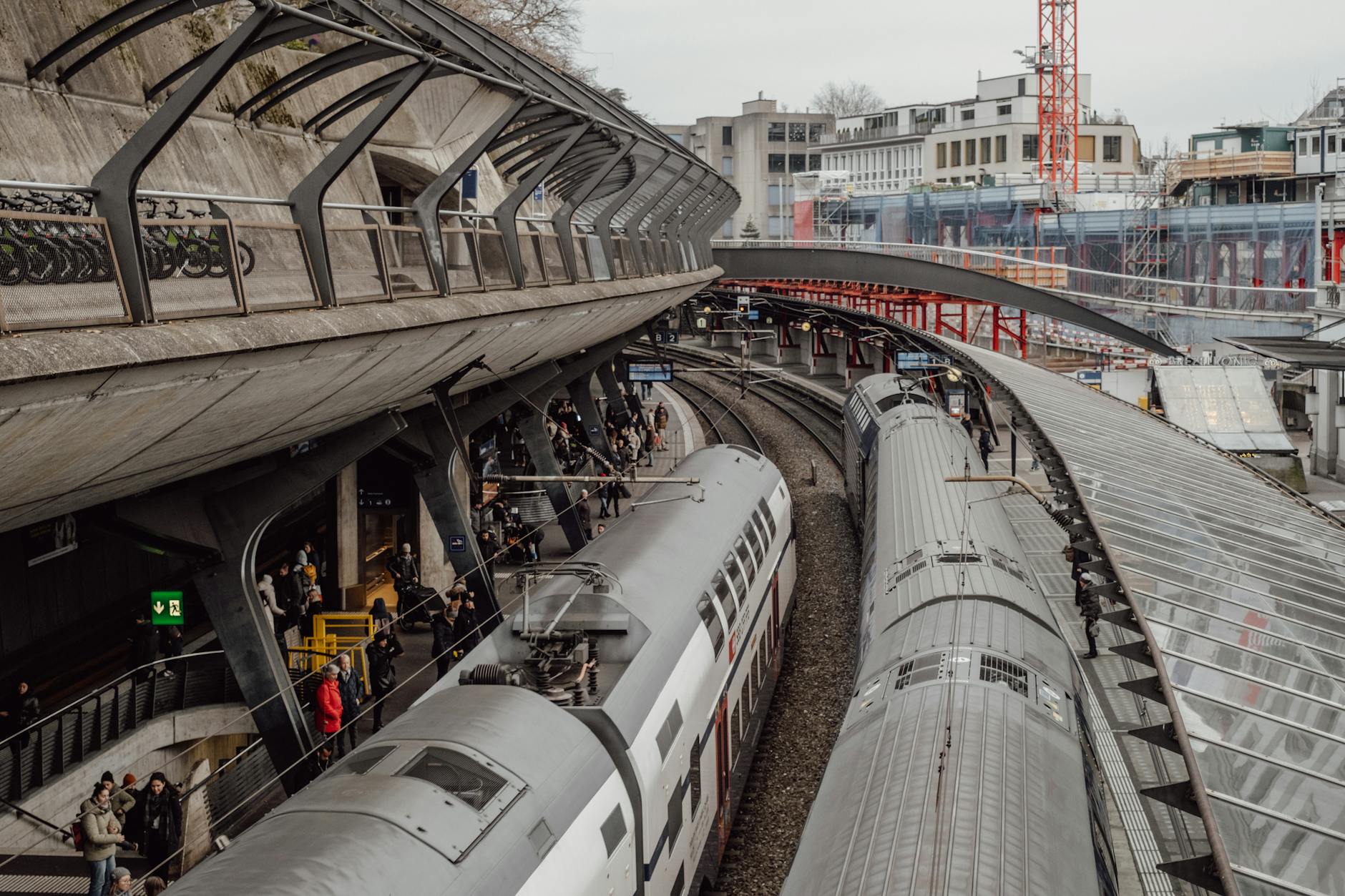
Budget and Costs
Zurich is expensive. There is no honest guide that softens this too much. But it is also a city where high public quality gives you a lot for free: clean water, safe streets, lake access, parks, walking, reliable transit, and public space.
Daily Budget Ranges
These are rough planning ranges per person, excluding long-distance travel and major shopping.
| Style | Daily Range | What It Looks Like |
|---|---|---|
| Shoestring | CHF 90–150 | Hostel or budget room outside the center, grocery meals, bakeries, walking, few paid attractions. Difficult but possible. |
| Budget-conscious | CHF 160–250 | Modest hotel/guesthouse, transit pass, casual meals, one museum or paid activity. |
| Mid-range | CHF 250–450 | Comfortable hotel, restaurants, museums, lake cruise, occasional taxi. |
| Comfortable | CHF 450–750 | Better central hotel, good dinners, cocktails, several museums/activities, less concern over transit/taxi choices. |
| Luxury | CHF 750+ | High-end hotel, fine dining, lakefront rooms, private transfers, shopping, premium experiences. |
Typical Cost Expectations
- Coffee: Often CHF 4–7.
- Bakery breakfast: CHF 8–18 depending on choices.
- Casual lunch: CHF 15–30.
- Sit-down dinner: CHF 35–70+ before serious wine.
- Classic Swiss restaurant meal: Often CHF 40–80+.
- Cocktail: Frequently CHF 18–25+.
- Museum: Often CHF 10–30+, depending on institution/exhibition.
- Hotel: The biggest variable. Central midrange rooms can feel expensive relative to size.
Best Ways to Save Without Ruining the Trip
- Stay near transit rather than paying for the most famous street.
- Use bakeries, grocery stores, and picnics for breakfast/lunch.
- Drink tap water and refill at fountains.
- Choose one classic Swiss dinner instead of several mediocre expensive meals.
- Use public transport instead of taxis.
- Buy the Zürich Card only if it matches your plans.
- Visit free viewpoints: Lindenhof, ETH terrace, lakefront, Uetliberg trails if your transport is covered.
- Avoid hotel breakfasts unless included or genuinely good value.
- Travel outside peak event dates.
Worth the Splurge
- A central hotel for a short first visit.
- One classic Zurich meal or refined modern Swiss dinner.
- Kunsthaus if you care about art.
- Lindt Home of Chocolate if traveling with children or chocolate lovers.
- A lake-view drink or meal if the weather is beautiful.
- A good rail pass or ticket strategy for broader Switzerland.
Usually Not Worth It
- Taxis for routine central trips.
- Generic bus tours if you can walk and use trams.
- Overpriced tourist menus in the prettiest lanes.
- Staying at the airport for a city stay.
- First-class local transit unless you specifically need it.
- Souvenir chocolate bought without comparing quality and price.
Safety, Health, and Scams
Zurich is one of the safer major cities most visitors will encounter. That does not mean “no risk.” It means the risks are usually manageable and ordinary: petty theft, nightlife discomfort, weather, water safety, transit fines, and expensive mistakes.
General Safety
Zurich is generally safe for solo travelers, families, and nighttime walking in central areas. Use normal city awareness around Zürich HB, crowded trams, Bahnhofstrasse, tourist lanes, nightlife areas, and events.
Common Risks
Pickpocketing and Bag Theft
Possible around Zürich HB, crowded trams, tourist areas, festivals, and busy shopping streets.
Avoid it: Keep bags zipped, do not hang bags on chair backs, watch phones on café tables, and stay alert during distractions.
Nightlife Overconfidence
Langstrasse and some club areas are safe by global standards but can feel rowdier late. Alcohol, drugs, sex work, and petty crime exist.
Avoid it: Stay aware, travel with friends if out very late, check night transit, and use licensed taxis if needed.
Transit Fines
Zurich’s proof-of-payment system can trick visitors because there are no gates. If inspectors check and you have the wrong ticket or zones, “I did not know” is not much help.
Avoid it: Use the app, buy the right zones, validate when required, and keep the ticket until your trip is done.
Weather and Water
Summer storms can arrive quickly. Lake/river swimming is wonderful but demands common sense.
Avoid it: Swim only where allowed, respect currents and badi rules, do not swim drunk, and watch children closely.
Mountain-Day Complacency
Uetliberg is easy, but broader Swiss mountain day trips involve weather, footwear, last trains/lifts, and elevation changes.
Avoid it: Check forecasts, lift status, and return times.
Health Practicalities
- Tap water is safe and excellent.
- Pharmacies are good but can have limited hours; know the nearest one if you need medication.
- Medical care is high quality and expensive. Travel insurance is sensible.
- In summer, carry sunscreen and water.
- In winter, watch for icy surfaces.
- For serious emergencies: 112 general, 117 police, 118 fire, 144 ambulance.
Traveler-Specific Safety
Solo travelers: Zurich is excellent, especially if you like walking and public transport.
Solo women travelers: Generally comfortable; use standard late-night caution around nightlife corridors and stations.
LGBTQ+ travelers: Zurich is broadly LGBTQ+ friendly by regional standards, with queer nightlife and events. Public displays of affection are generally safer than in many destinations, though context always matters.
Families: Very manageable; high costs and restaurant formality are bigger issues than safety.
Older travelers: Good transit and safety, but cobblestones, stairs, hills, and station distances matter.
Disabled travelers: The city is better than many old European centers but not perfect. See accessibility section.
Accessibility and Mobility
Zurich is a mixed but generally strong accessibility city. Public transport is modern and organized, but the Old Town has cobblestones, slopes, narrow lanes, and older buildings.
Public Transport Accessibility
Many trams, buses, trains, and stations are accessible or partially accessible, but details vary by stop, vehicle, and route. Use official ZVV/SBB accessibility information before travel. Low-floor trams and buses are common, but not every transfer is equally easy.
Best Areas for Mobility-Conscious Visitors
- Near Zürich HB for rail access and flat central routes.
- Bellevue/Sechseläutenplatz for lake access and tram connections.
- Seefeld for flatter lakefront walking.
- Enge/lakefront for parks and museums, depending on hotel location.
- Modern hotels near Europaallee or Zurich West for elevators and contemporary design.
More Difficult Areas
- Steep Old Town lanes.
- Cobblestone-heavy streets around Lindenhof/Niederdorf.
- Older boutique hotels without full elevator access.
- Uetliberg trails if mobility is limited.
- Busy station underpasses at peak commute times.
Museums and Attractions
Major museums generally provide accessibility information and facilities, but always check current pages. Churches and older towers can be limited: Grossmünster’s tower climb is not accessible for many visitors due to stairs.
Strollers
Zurich is stroller-friendly in modern areas, lakefronts, and transit, but old-town cobbles and stairs can be annoying. Families should prioritize hotels with elevators and easy tram access.
The Honest Assessment
Zurich is more accessible than many historic European cities, less barrier-free than a fully modern grid city, and easiest if you build the trip around flat lake/river routes, modern transit stops, and verified hotel access.
Families, Solo Travelers, LGBTQ+ Travelers, and Special Considerations
Families with Kids
Zurich is excellent with children if you plan for cost and pacing.
Best family activities:
- Lakefront walks and playgrounds.
- Boat rides.
- Lindt Home of Chocolate.
- Zoo Zurich.
- Swiss National Museum.
- Uetliberg for easy nature.
- Summer badis.
- Tram rides and short funiculars.
- Parks around Seefeld, Enge, and the lake.
Family hotel advice: Prioritize room size, elevator, breakfast value, air conditioning in summer, and transit. Consider Enge, Seefeld, Oerlikon, or modern hotels near HB/Europaallee.
Common family mistake: Spending too much on restaurants kids do not care about. Use bakeries, picnics, casual Italian/Asian options, and grocery stores.
Solo Travelers
Zurich is a strong solo city: safe, legible, walkable, and comfortable for museums, cafés, lake walks, and rail trips.
Best solo areas: Old Town, Seefeld, Zurich West, museums, lakefront, cafés, day trips by train.
Tip: Book one structured activity — food tour, walking tour, museum tour, or day trip — if you want social contact.
LGBTQ+ Travelers
Zurich is generally welcoming and has LGBTQ+ bars, events, and community spaces, especially around central/nightlife districts. As in any city, late-night street context varies, but Zurich is a relatively comfortable destination.
Business Travelers Adding Leisure
Zurich is one of the easiest business-extension cities in Europe. Add one night for Old Town/lake and one for museum/Uetliberg/Zurich West. Stay near HB, Paradeplatz, Enge, Oerlikon, or Zurich West depending on meetings.
Older Travelers
Choose hotels near trams and avoid luggage-heavy Old Town climbs. Zurich’s calm, cleanliness, and transit are major advantages. The main issues are cost, cobblestones, stairs, and winter ice.
Remote Workers and Longer Stays
Zurich is livable and efficient, but expensive. For longer stays, consider Wiedikon, Oerlikon, Enge, Seefeld, or areas with grocery access and transit. Coffee-shop work culture exists but is not the same as in some cheaper digital-nomad cities; co-working spaces may be more reliable.
Shopping and Souvenirs
Zurich shopping is polished, high-quality, and dangerous for your budget.
What Zurich Is Known For
- Chocolate and confectionery.
- Watches and clocks.
- Swiss design objects.
- Knives and practical Swiss goods.
- Textiles, scarves, and understated fashion.
- Books, stationery, and museum-shop design.
- Food gifts: chocolate, biscuits, jams, specialty pantry items.
Best Shopping Areas
Bahnhofstrasse: Luxury, watches, department stores, chocolate, established brands.
Old Town: Boutiques, souvenirs, small shops, confiseries, books, antiques.
Zurich West / Im Viadukt: Design, local labels, food, contemporary shopping.
Seefeld: Boutiques and polished neighborhood shops.
Markets: Check current market days for food, flowers, flea markets, and seasonal stalls.
Best Souvenirs
- Small-box premium chocolates or Luxemburgerli.
- Swiss chocolate bars from brands you cannot easily buy at home.
- A useful Swiss pocketknife, where legal to bring home.
- Design objects from museum shops.
- Swiss tea/herbal products.
- Local food items with customs-safe packaging.
- A beautiful postcard or print instead of bulky generic souvenirs.
What Not to Buy
- Generic “Swiss” souvenirs made nowhere near Switzerland.
- Chocolate you can buy in your home airport supermarket.
- Watches without research.
- Oversized cowbells unless you genuinely want them.
- Food items that violate your home country’s customs restrictions.
VAT Refunds
Switzerland is outside the EU VAT system. Tax-free shopping rules and thresholds can change. Ask stores at purchase time and keep documents organized.
Arts, Culture, History, and Context
Zurich’s cultural depth is easy to miss because the city is so efficient. Under the surface are Roman traces, medieval guild structures, the Protestant Reformation, Enlightenment currents, finance, exile communities, Dada, modern design, universities, migration, counterculture, techno, and a strong civic belief in infrastructure.
Short History for Travelers
Zurich began as a Roman customs station and grew into a medieval town around the Limmat and lake. Its religious and political identity changed dramatically during the Protestant Reformation under Huldrych Zwingli in the 16th century. The churches you see in the Old Town are not just pretty landmarks; they were part of a major religious and civic transformation.
Guilds shaped Zurich’s urban society for centuries, and echoes remain in architecture, traditions, and Sechseläuten. Finance and industry later made Zurich powerful, but the city also became a home for intellectual, artistic, and political movements, including Dada at Cabaret Voltaire during World War I.
Modern Zurich is one of the world’s high-functioning urban centers: finance, insurance, universities, technology, creative industries, and transport systems all overlap with lake culture and a strong quality-of-life identity.
Major Museums
Kunsthaus Zürich: The city’s major art museum and a must for art-minded visitors.
Swiss National Museum: Best for understanding Swiss history and culture near Zürich HB.
Museum Rietberg: Excellent non-European art in a park setting.
Museum für Gestaltung: Design, posters, graphics, and applied arts.
FIFA Museum: Best for football fans and families.
Cabaret Voltaire: Dada history and contemporary programming.
Beyer Clock and Watch Museum: Niche but fitting for Zurich.
Pavillon Le Corbusier: Architecture/design stop near the lake, seasonal.
Tram Museum: Good for transport enthusiasts and families.
Churches and Sacred Sites
Grossmünster: Reformation landmark, city symbol, tower views.
Fraumünster: Chagall windows, crypt, art-historical value.
St. Peter: Large clock face and old-town setting.
Wasserkirche: Historic site by the river.
Respect these as sacred spaces, not just photo stops.
Books, Films, Music, and Pre-Trip Context
Prepare for Zurich with:
- A short history of the Swiss Reformation.
- Background on Dada and Cabaret Voltaire.
- Swiss design and typography references.
- Swiss railway/travel documentaries if you are using Zurich as a rail base.
- Music or club-culture context if visiting for Street Parade or nightlife.
- Swiss literature in translation if you want the quieter cultural layer.
Etiquette and Cultural Norms
- Be punctual.
- Keep voices lower on public transport than in many countries.
- Queue and board efficiently.
- Do not block tram doors or station escalators.
- Recycle and dispose of waste properly.
- Ask before photographing people closely.
- Respect swimming-area rules.
- Do not assume Swiss German is the same as standard German in everyday speech.
- Sunday is quieter; plan shopping accordingly.
- Rules are not theatrical in Zurich. People often expect them to be followed.
Local Logic
Zurich’s culture is not about flamboyance. It is about competence, restraint, civic order, seasonal ritual, and the right to enjoy water and public space well. Once you understand that, the city becomes more interesting.
Seasonal and Month-by-Month Guide
Spring Events and Feel
Spring brings blossoms, outdoor tables, returning lake life, and Sechseläuten. The city is awakening but weather can be inconsistent.
Pack: Layers, light rain jacket, comfortable shoes.
Best activities: Old Town walks, Kunsthaus, museum days, Uetliberg if clear, cafés, early lake walks.
Summer Events and Feel
Summer is the strongest outdoor season. Badis open, lake life peaks, outdoor bars fill, and festivals/event weekends matter.
Pack: Swimsuit, sunscreen, sunglasses, breathable clothes, light jacket for evenings.
Best activities: Swimming, boat trips, Seefeld/Zürichhorn, Uetliberg, Zurich West evenings, outdoor dining.
Major warning: Street Parade can transform the city for a weekend. Book early or avoid if it is not your scene.
Autumn Events and Feel
Autumn is elegant and culturally rich. September and October are particularly strong for walking and museums.
Pack: Layers, light coat, umbrella.
Best activities: Zurich Film Festival, museums, lake walks, food, day trips, photography.
Winter Events and Feel
Winter is quieter and atmospheric. Christmas markets and lights bring warmth; January and February are calmer.
Pack: Warm coat, gloves, waterproof shoes, scarf, layers.
Best activities: Christmas markets, fondue, museums, concerts, cafés, chocolate, winter day trips.
Major Annual Events to Know
- Sechseläuten: Zurich’s spring festival with guild processions and the burning of the Böögg.
- Street Parade: Massive electronic music parade around the lake basin, scheduled for August 8 in 2026.
- Zurich Film Festival: Major fall film event, scheduled for September 24–October 4 in 2026.
- Swiss National Day: August 1, with fireworks/events varying by location.
- Christmas markets: Late November through December, with lights and seasonal stalls across the city.
- Knabenschiessen: Traditional September event/festival with local closures and atmosphere.
The Move
Choose Zurich’s season based on the version of the city you want: summer for water, September for balance, December for festive polish, and May for fresh walking weather.
Day Trips and Side Trips from Zurich
Zurich is a superb day-trip base, but the best choice depends on weather, interests, and your larger Switzerland itinerary.
Rhine Falls and Schaffhausen
Best for: dramatic waterfall, easy rail trip, families, first-time Switzerland visitors.
Travel time: Roughly under an hour to the area depending on route.
Why go: Rhine Falls is one of Europe’s most famous waterfalls, and Schaffhausen adds an attractive historic town.
Best season: Spring/summer for water volume and boat options; also fine in other seasons if weather is decent.
Common mistake: Treating it as a full-day epic when it can be a half-to-two-thirds-day trip depending on pace.
Lucerne
Best for: classic Swiss scenery, lake/mountain combination, covered bridge, day-trip variety.
Travel time: Around 45–60 minutes by train.
Why go: Lucerne is more obviously “storybook Switzerland” than Zurich and pairs beautifully with lake or mountain excursions.
Better as overnight? If adding Pilatus, Rigi, or a slow lake day, yes.
Rapperswil
Best for: lake cruise, relaxed town, families, rose gardens, castle views.
Travel style: Train one way, boat one way if schedules align.
Why go: It extends the Lake Zurich experience without making you leave the region mentally.
Best season: Late spring to early autumn.
Winterthur
Best for: museums, photography, art, quieter urban day.
Why go: Strong cultural institutions and a less touristy feel.
Best for: repeat visitors or museum lovers.
Zug
Best for: pretty old town, lake, sunset, low-effort half day.
Why go: It is close, calm, and scenic.
Common mistake: Expecting a huge sightseeing list. Zug is for atmosphere.
Baden
Best for: thermal baths, old town, relaxed half day.
Why go: A restorative side trip if you want water without a lake swim.
Bern
Best for: Swiss capital, arcades, old town, bears, museums.
Travel time: Easy by train, often around an hour.
Better as overnight? Not necessary, but Bern deserves a full day if you like historic cities.
Basel
Best for: art museums, architecture, Rhine, design, Christmas markets.
Why go: Basel is culturally rich and different from Zurich.
Better as overnight? If museum-focused, yes.
Mount Rigi or Pilatus
Best for: mountain views from a Zurich base, usually via Lucerne.
Why go: A more iconic Swiss mountain day than Uetliberg.
Weather rule: Do not go if visibility is poor. Swiss mountain transport is too expensive to waste on clouds unless you enjoy atmospheric fog.
Appenzell or Eastern Switzerland
Best for: folk traditions, landscapes, cheese, charming towns.
Why go: Distinctive regional feel.
Better as overnight? Often yes if adding hikes or Säntis/Ebenalp.
The Day-Trip Ranking
| Goal | Best Choice |
|---|---|
| One classic easy trip | Lucerne |
| Waterfall | Rhine Falls + Schaffhausen |
| Lake extension | Rapperswil |
| Art/museums | Winterthur or Basel |
| Thermal relaxation | Baden |
| Capital/history | Bern |
| Mountain views | Rigi/Pilatus if weather is clear; Uetliberg if staying local |
| Low-effort half day | Zug or Rapperswil |
Common Day-Trip Mistake
Do not book a far mountain day just because it looks good in photos. In Switzerland, weather is the itinerary. Check webcams and forecasts, then decide.
What to Skip
A trustworthy guide should tell you what not to prioritize.
Skip Staying at the Airport Unless You Need To
Zurich Airport is convenient, but central Zurich is so easy to reach that airport hotels are unnecessary for most city stays.
Go if: You have an early flight, business at The Circle, or a late-night arrival with children.
Skip Generic “Swiss” Tourist Menus in the Prettiest Lanes
Charming streets do not guarantee good food. If the menu looks designed mainly for visitors and prices are vague or inflated, move on.
Skip First-Class Local Transit
For most visitors, 2nd class is entirely fine in the Zurich urban area.
Skip Over-Scheduling Museums
Kunsthaus plus National Museum plus Rietberg in one day is possible but joyless. Pick one major museum per day unless it is raining and you love museums.
Skip Long Lake Cruises if You Are Short on Time
A mini or short lake cruise gives most first-timers enough. Save the long cruise to Rapperswil for a relaxed day.
Skip Uetliberg in Bad Weather
If the view is gone and you are not hiking for exercise, choose a museum or café instead.
Skip Zurich as a Pure Checklist City
If your plan is “Old Town, Bahnhofstrasse, chocolate, done,” you will see the surface and miss why the city works. Add water, transit, one museum, and one neighborhood beyond the Old Town.
Common Mistakes
- Giving Zurich only an exhausted airport night. The city deserves at least one clear day.
- Underestimating costs. Zurich is not “a bit expensive.” It is structurally expensive.
- Not checking transport zones. The system is easy but precise.
- Eating every meal in the most touristy Old Town lanes. Mix central meals with neighborhoods, bakeries, and food halls.
- Missing the lake. Zurich without the lake is half a city.
- Skipping Zurich West because it is not old. It adds needed contrast.
- Going to Uetliberg or mountain day trips without checking visibility. Weather decides.
- Not booking Lindt ahead. Popular dates sell out.
- Choosing a hotel by map distance instead of transit. A good tram stop beats a theoretically central but awkward location.
- Assuming Sundays are normal shopping days. They are not. Stations and some tourist areas help, but plan.
- Forgetting swim gear in summer. Zurich’s bathing culture is a major pleasure.
- Trying to make Zurich feel like Paris, Rome, or Berlin. It is none of those. Let it be precise, watery, restrained, and livable.
Responsible Travel
Zurich is wealthy and orderly, but responsible travel still matters.
- Use public transport, walking, and trains instead of taxis or cars.
- Respect quiet hours in residential neighborhoods and apartment rentals.
- Do not treat fountains, badis, churches, or parks as private photo sets.
- Support local cafés, bakeries, restaurants, museums, and shops rather than only global brands.
- Swim only where allowed and follow badi rules.
- Dispose of waste properly and recycle where possible.
- Be considerate during festivals and nightlife, especially near residential buildings.
- Avoid short-term rental choices that remove housing from local residents when good hotels/guesthouses are available.
- Learn a few German greetings: Grüezi, Danke, Bitte, Entschuldigung.
Local Logic
Zurich gives visitors an unusually high level of public order and infrastructure. The fair exchange is simple: use it well, follow the rules, and do not mistake cleanliness for permission to behave carelessly.
Packing List
Year-Round Essentials
- Comfortable walking shoes for cobblestones and lake paths.
- Switzerland-compatible Type J adapter.
- Light day bag with secure closure.
- Refillable water bottle.
- Compact umbrella or rain shell.
- Layers, because weather changes quickly.
- Sunglasses.
- Card plus small amount of CHF cash.
- Travel insurance details.
- Medications and translated prescriptions if needed.
Summer
- Swimsuit.
- Quick-dry towel.
- Sunscreen.
- Hat.
- Light breathable clothes.
- Light jacket for evenings.
- Sandals/flip-flops for swimming areas.
Winter
- Warm coat.
- Gloves, scarf, hat.
- Waterproof shoes or boots.
- Warm socks.
- Lip balm/moisturizer.
- Layers for indoor/outdoor temperature shifts.
Spring/Autumn
- Light jacket.
- Sweater or fleece.
- Rain layer.
- Shoes that handle wet cobblestones.
What Not to Pack
- A car-based mindset.
- Too many formal clothes unless you have fine dining/business plans.
- Heavy luggage if staying in the Old Town.
- Only euro cash. Use CHF.
- A huge itinerary with no weather flexibility.
FAQ
Is Zurich worth visiting?
Yes, especially if you appreciate walkable cities, lakes, public transport, museums, food, safety, and easy rail access. It is not the most dramatic city in Europe, but it is one of the most usable and quietly rewarding.
How many days do I need in Zurich?
Two full days is the best first-visit minimum. One day covers the essentials. Three days lets you add museums, Uetliberg, lake time, and Zurich West. Four or five days works if using Zurich as a base for day trips.
Is Zurich expensive?
Yes. Hotels, restaurants, taxis, drinks, and attractions can be costly. You can control spending with transit, walking, bakeries, grocery meals, picnics, and selective splurges.
What is the best area to stay in Zurich for a first visit?
Altstadt/Lindenhof/Niederdorf for historic atmosphere; Zürich HB/Europaallee for transport; Seefeld or Enge for lake access and calmer stays.
Do I need a car in Zurich?
No. A car is a liability in the city. Use trains, trams, buses, boats, and walking.
Is Zurich safe?
Generally very safe. Watch for petty theft around stations, crowded trams, tourist areas, and nightlife districts. Use normal urban awareness.
Is the Zürich Card worth it?
It can be if you use airport transport, trams, Uetliberg, a lake/river cruise, and museums. It is less useful if you are staying central for one night and mostly walking.
Can I visit the Alps from Zurich?
Yes, but Zurich is not itself an Alpine town. For a light local view, go to Uetliberg. For bigger mountain scenery, consider Lucerne/Rigi/Pilatus or longer routes, but check weather first.
What should I book ahead?
Lindt Home of Chocolate, popular restaurants, special exhibitions, central hotels in high season or during events, and mountain transport/experiences where reservations are needed.
What is Zurich’s best free experience?
Walk from Zürich HB through the Old Town to Lindenhof, down to the Limmat, across to Grossmünster, then along the lake at sunset. It costs nothing and explains the city.
Is Zurich good with kids?
Yes. It is safe, clean, transit-friendly, and full of lake/park options. Budget carefully because family restaurant meals and hotels add up quickly.
Is Zurich better in summer or winter?
Summer is best for swimming and lake life. Winter is best for Christmas atmosphere, museums, fondue, and pairing the city with snowy mountain travel. May, June, September, and October are best overall for balanced city travel.
Final Planning Shortcuts
Best First-Timer Plan
Stay in Altstadt, HB/Europaallee, Seefeld, or Enge. Spend day one on Old Town, churches, Lindenhof, Bahnhofstrasse, and the lake. Spend day two on Kunsthaus or National Museum, ETH terrace, Zurich West, and a strong dinner. Add Uetliberg or Lindt if you have a third day.
Best Romantic Plan
Stay near Lindenhof, Seefeld, or a lakefront hotel. Do slow Old Town walks, chocolate, Fraumünster, sunset on the lake, Museum Rietberg or Kunsthaus, and one polished dinner. Avoid overstuffing the itinerary.
Best Family Plan
Stay near transit in Enge, Seefeld, HB, Oerlikon, or a modern central hotel. Do Old Town in short pieces, add a boat ride, Lindt, Zoo Zurich or Uetliberg, lake parks, and summer swimming. Use bakeries and grocery picnics to control costs.
Best Budget-Conscious Plan
Stay in Oerlikon, Wiedikon, Zurich West, or a well-connected modest hotel. Walk the Old Town and lake, use public transport smartly, picnic, choose one paid museum, and skip taxis. Zurich will still not be cheap, but it can be sane.
Best Culture Plan
Kunsthaus, Swiss National Museum, Museum Rietberg, Cabaret Voltaire, Grossmünster/Fraumünster, ETH terrace, and Zurich West. Add Zurich Film Festival if visiting in late September/early October.
Best Summer Plan
Old Town early, lake swim midday/afternoon, short cruise, Seefeld/Zürichhorn, sunset at Quaibrücke, outdoor dinner, and one badi-to-bar evening if available.
Best Winter Plan
Christmas markets or museums by day, café/chocolate stops, Kunsthaus/National Museum, fondue or classic Swiss dinner, lights along Bahnhofstrasse, and a weather-dependent day trip to snowy mountain areas.
Source Notes
Current logistics were checked against official or primary sources in May 2026, including:
- Swiss State Secretariat for Migration and ch.ch for Switzerland/Schengen entry rules and stay calculations.
- European Union ETIAS and Entry/Exit System information pages for Schengen border-system timing.
- Zürich Tourism for the Zürich Card, public transport guidance, event information, and visitor planning.
- ZVV for Zürich Card validity zones, prices, ticket notes, zone rules, and public transport structure.
- Zurich Airport for airport-city rail frequency/time and taxi guidance.
- Kunsthaus Zürich for admission structure and visitor information.
- Swiss National Museum for admission and opening-hour information.
- Lindt Home of Chocolate for advance-booking, admission, and visitor information.
- Fraumünster and Grossmünster official church visitor pages for admission/tower information.
- ZSG Lake Zurich Navigation Company for cruise types, timetables, and ticket guidance.
- U.S. State Department and UK FCDO travel advice for safety framing.
- Street Parade and Zurich Film Festival official pages for 2026 event timing.
This sample is written as an editorial travel article rather than a live database. Before publication, refresh all prices, hours, closures, ticketing policies, restaurant recommendations, hotel notes, event dates, weather guidance, and accessibility details.