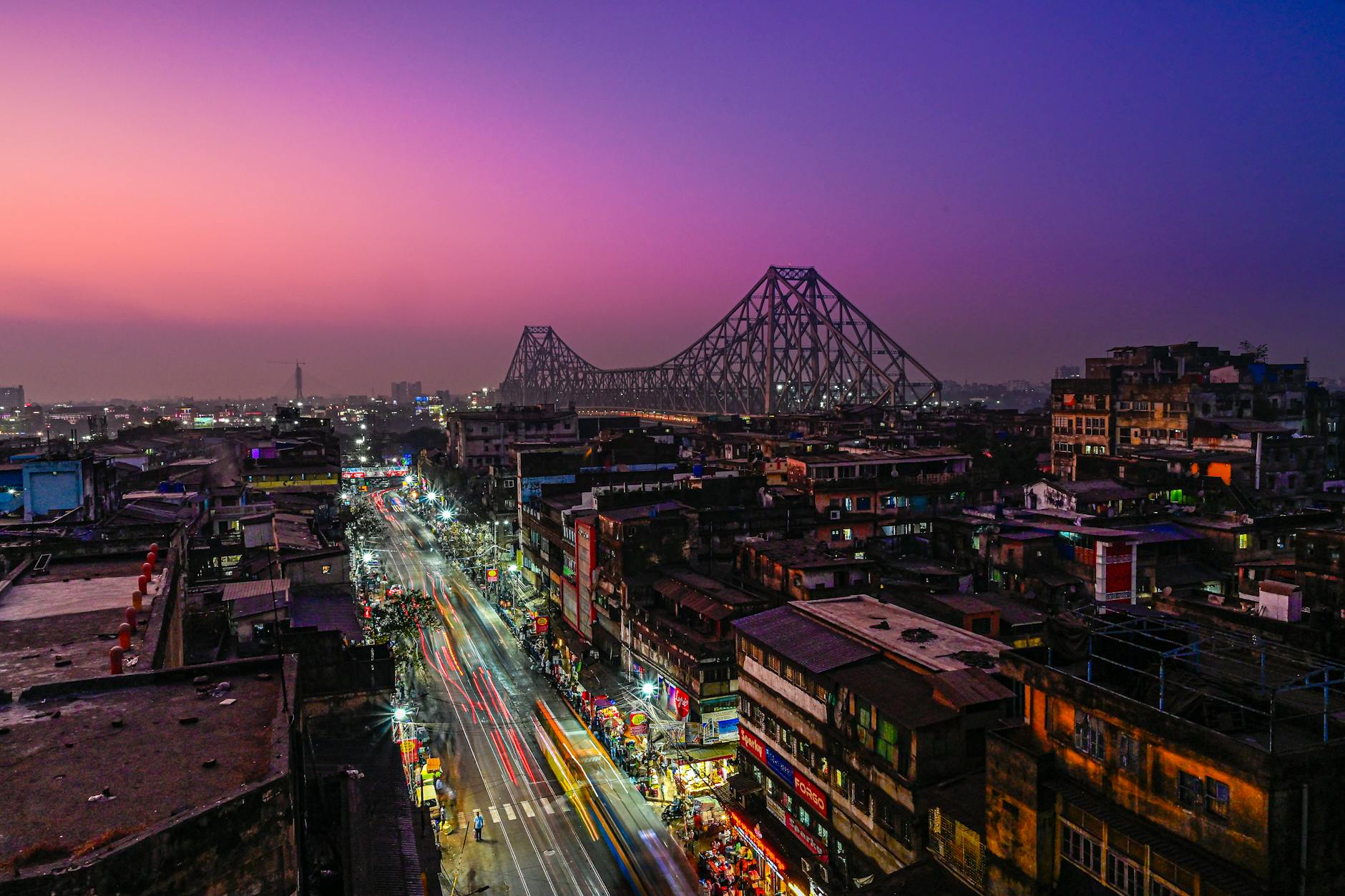
Kolkata is one of the few big cities in India that improves when you stop asking it to impress you cleanly.
Start Here
Many travelers arrive with the wrong expectation. They want a city that turns colonial architecture into an elegant heritage package, serves up easy literary romance, gives them a few obvious monuments, and leaves them feeling culturally sophisticated with minimal friction. Kolkata can certainly supply monuments, old institutions, and atmosphere, but it does not do them in a polished, visitor-first way. The streets are busy, the weather can be punishing, the city can feel worn, and parts of it ask for patience. That is not a failure of the destination. It is one of the reasons the place still feels alive.
What makes Kolkata powerful is not one landmark. It is the relationship between river and city, between imperial residue and Bengali self-definition, between public argument and private routine, between book culture and commerce, between old clubs, markets, trams, tea, sweets, and civic heaviness. This is a city that has been over-described for more than a century and still resists simplification.
The weak Kolkata trip tries to polish away that resistance. It turns the city into a nostalgic loop of Victoria Memorial, a photo of Howrah Bridge, one meal on Park Street, and some vague remarks about literature and decay. The stronger trip accepts Kolkata as a neighborhood city: you choose a district, shape a day around one or two serious stops, eat properly, allow for weather, and let the city accumulate in layers rather than collecting it like souvenirs.
That matters because Kolkata does not function as one seamless urban product. Central Kolkata, BBD Bagh, the Maidan, Park Street, College Street, Ballygunge, the southern residential belts, Salt Lake, and New Town are all different decisions. Some answer cultural questions. Some answer hotel and meeting questions. Some answer neither and should not be chosen just because the map suggests convenience. Like Chennai, Kolkata punishes vague hotel logic.
The city also benefits from realistic pacing. Heat and humidity can be intense. Monsoon can be dramatic and beautiful, but also messy. Even in cooler weather, Kolkata works best when one part of the day is edited rather than expanded. A morning walk, one museum, one neighborhood meal, one market or book district, and an evening return to a well-chosen base will often produce a better memory than a heroic all-city sweep.
What Kolkata does exceptionally well is hold cultural seriousness inside everyday life. The food is not decorative. The book culture is not performative. The political and intellectual residue is not a museum reconstruction. You feel it in old college corridors, in addas, in tea stalls, in the scale of the institutions, and in how naturally the city treats argument, appetite, and memory as parts of ordinary existence. That makes Kolkata one of India's richest city stays for the traveler who values depth over finish.
The city in one sentence: Kolkata is a large, humid, river-facing Bengali city whose best first trip comes from choosing the right district, respecting the weather, and using food, books, museums, and neighborhood texture to understand a place that is richer in atmosphere and cultural weight than in polish.
Quick Verdict
Best for: culture travelers, repeat India travelers, first-time eastern India routes, food travelers, book lovers, museum visitors, and anyone who likes big cities with intellectual and emotional residue.
Not ideal for: travelers who need polish, compact sightseeing, or easy visual consumption, and people who mistake unevenness for lack of value.
Ideal first visit: 3 full days.
Minimum worthwhile stay: 2 nights.
Best overall months: November through February.
Best shoulder-season logic: late October or early March if you can handle some warmth but want the city more operationally usable than peak summer.
Biggest planning mistake: choosing a hotel based only on price or airport distance instead of the Kolkata you actually want.
One thing to prioritize: district fit.
One thing to leave flexible: walking-heavy blocks and river-edge time, because weather and energy should shape them.
The blunt version: Kolkata is one of India's best city stays for interested travelers, but it is almost never rewarding when approached lazily.
Who Will Love Kolkata?
Kolkata suits travelers who like cities that think as much as they show. If you enjoy places where literature, institutions, food, political memory, and ordinary street life are part of the travel experience, Kolkata offers enormous value.
It is especially strong for people who want to understand Indian urban culture outside the usual northern or western circuits. Kolkata does not feel interchangeable with Delhi, Mumbai, Jaipur, or Chennai. It has its own tempo, textures, and emotional weather.
Food travelers also do very well here because the city's argument is not only architectural or historical. Meals, sweets, tea, old cafés, kathi rolls, and Bengali restaurant culture are central to how Kolkata should be used. The same is true for book and college-district travelers. College Street is not just a "sight." It is part of the city's nervous system.
Kolkata is also excellent for travelers who can accept contradiction: grandeur and fatigue, beauty and grime, ceremonial memory and lived density. The city often feels more human than smoother destinations precisely because it has not been fully converted into visitor theater.
It is less ideal for travelers who want every day to feel easy. Kolkata is not hard in the most punishing Indian sense, but it does require editing and tolerance.
Kolkata at a Glance
| Question | Practical Answer |
|---|---|
| Main airport | Netaji Subhas Chandra Bose International Airport |
| Best first-time cultural base | central Kolkata near Park Street/Maidan zone or a strong south-central base |
| Best first-time practical base | depends on obligations; Salt Lake and New Town are practical but not always emotionally rich |
| Main monumental anchor | Victoria Memorial |
| Main museum anchor | Indian Museum |
| Main city logic | district by district |
| Main transport reality | metro helps, cars and taxis still matter |
| Main environmental challenge | humidity and heat |
| River role | central to city image and mood |
| Car needed? | no, but often useful |
| Emergency number | 112 |
| Tap water | normal visitor caution applies |
| Currency | Indian rupee |
| Power plugs | Type C, D, and M are common |
2026 Visitor Notes
The Airport Is North Of The Traditional City Core
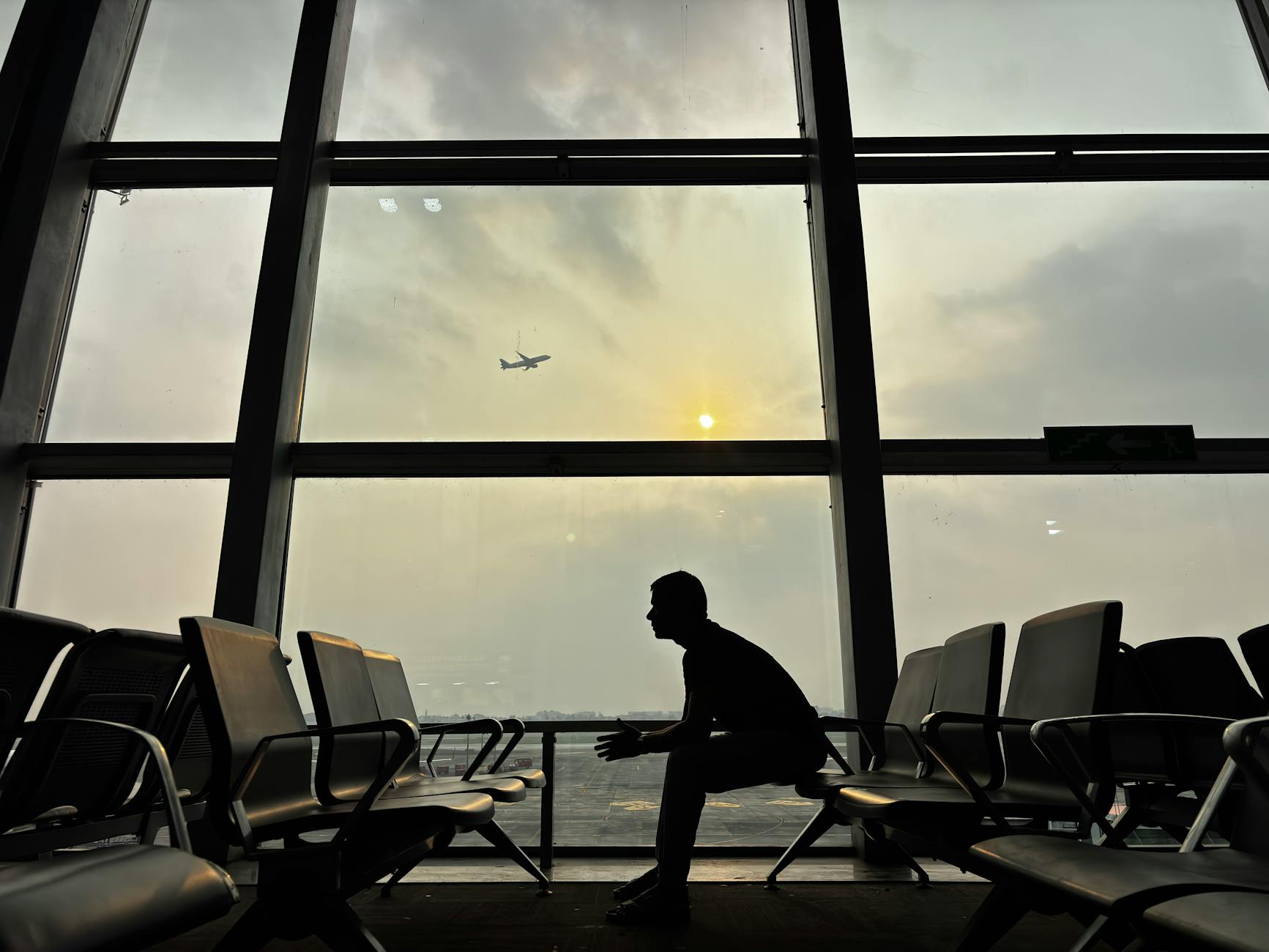
AAI's official Kolkata transport pages make the basic reality clear: the airport sits outside the classic central city and connects by bus, taxi, rail-related routes, and other ground transport.[1][2] That means airport convenience and culture convenience are not the same decision.
Metro Usefulness Has Improved, But Geography Still Leads
Metro Railway Kolkata's official portal and map pages show a more meaningful network than many outsiders assume, including the historic north-south spine, Green Line extension, Orange Line, Yellow Line, and system map updates through 2025.[3][4] This helps a lot, but it does not eliminate the need to plan by district.
Esplanade Matters More Than Visitors Often Realize
Metro Railway's official Green Line press material makes Esplanade's role as a meeting point between Blue and Green corridors explicit.[5] For visitors, that reinforces an old truth in modern form: the center still matters.
Victoria Memorial Remains A Real Anchor, Not Just A Photo
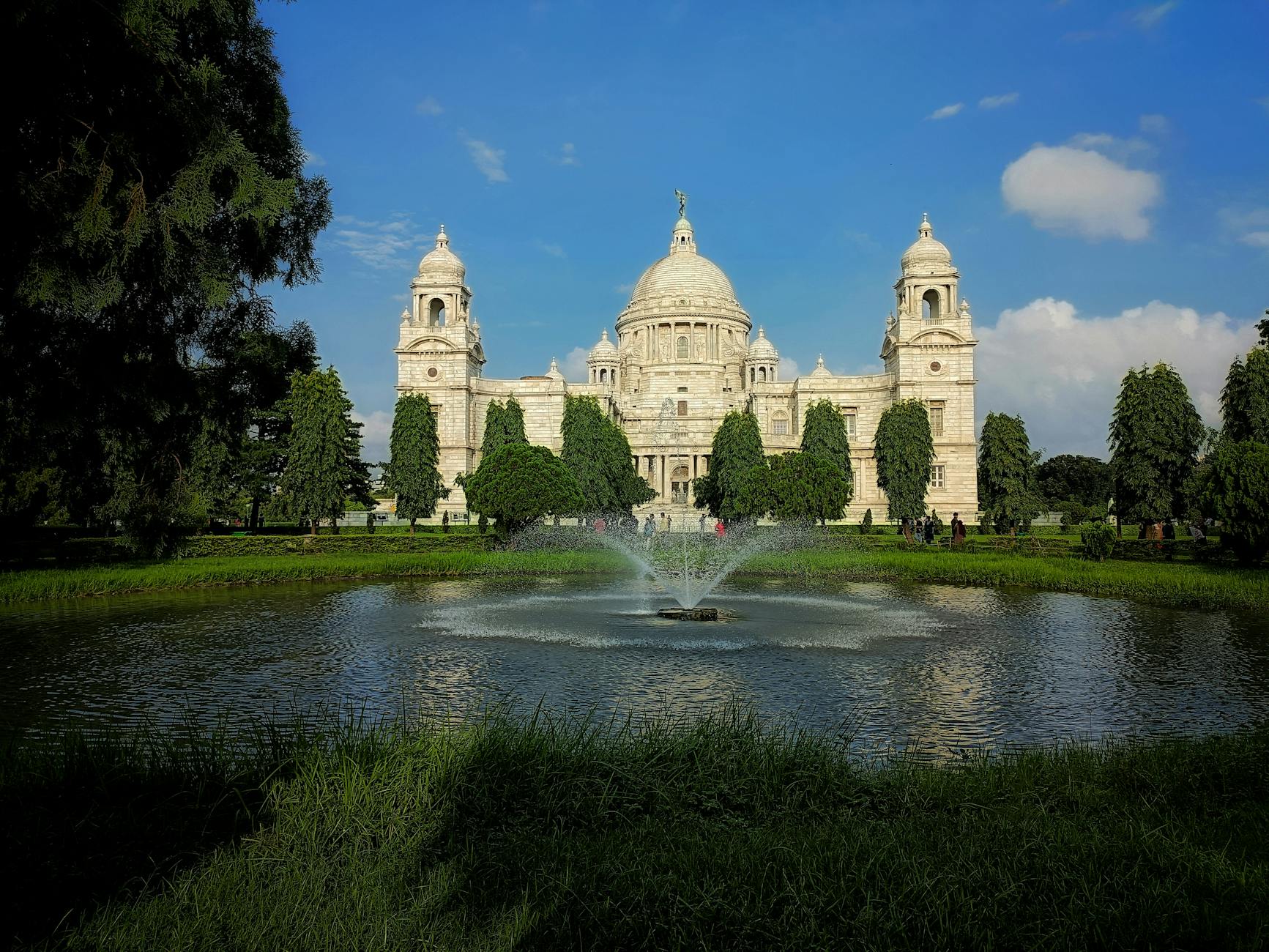
Victoria Memorial Hall's official visitor information still shows it operating as a major museum-and-garden site with separate museum and garden hours.[7] This matters because the memorial is at its best when used as part of a slower Maidan day, not as a drive-by monument.
The Indian Museum Still Gives The City Intellectual Weight
The Indian Museum's current official visitor information confirms both its scale and seriousness, with extensive galleries and a substantial museum experience at the Park Street side of central Kolkata.[8] It remains one of the clearest ways to feel the city's institutional depth.
QR Ticketing And Multi-Line Use Are Making Metro More Visitor-Friendly
Metro Railway's official 2025 press material notes that QR ticketing was extended across the entire network.[6] That is a useful sign of system usability, especially for travelers who do not want to rely exclusively on cabs.
How to Understand Kolkata
Kolkata works through five forces.
The first is river orientation. The Hooghly is not just scenery. It is part of the city's emotional and historical frame.
The second is Bengali cultural density. Food, books, politics, music, education, and argument remain visible in daily life.
The third is district contrast. BBD Bagh, Park Street, College Street, Ballygunge, Salt Lake, and New Town answer different questions.
The fourth is institutional gravity. Museums, memorials, courts, old colleges, and civic structures are part of the experience, not secondary garnish.
The fifth is weather discipline. Kolkata can be glorious in winter and exhausting in heavy heat. Planning should admit that.
The Five Kolkatas A Visitor Actually Meets
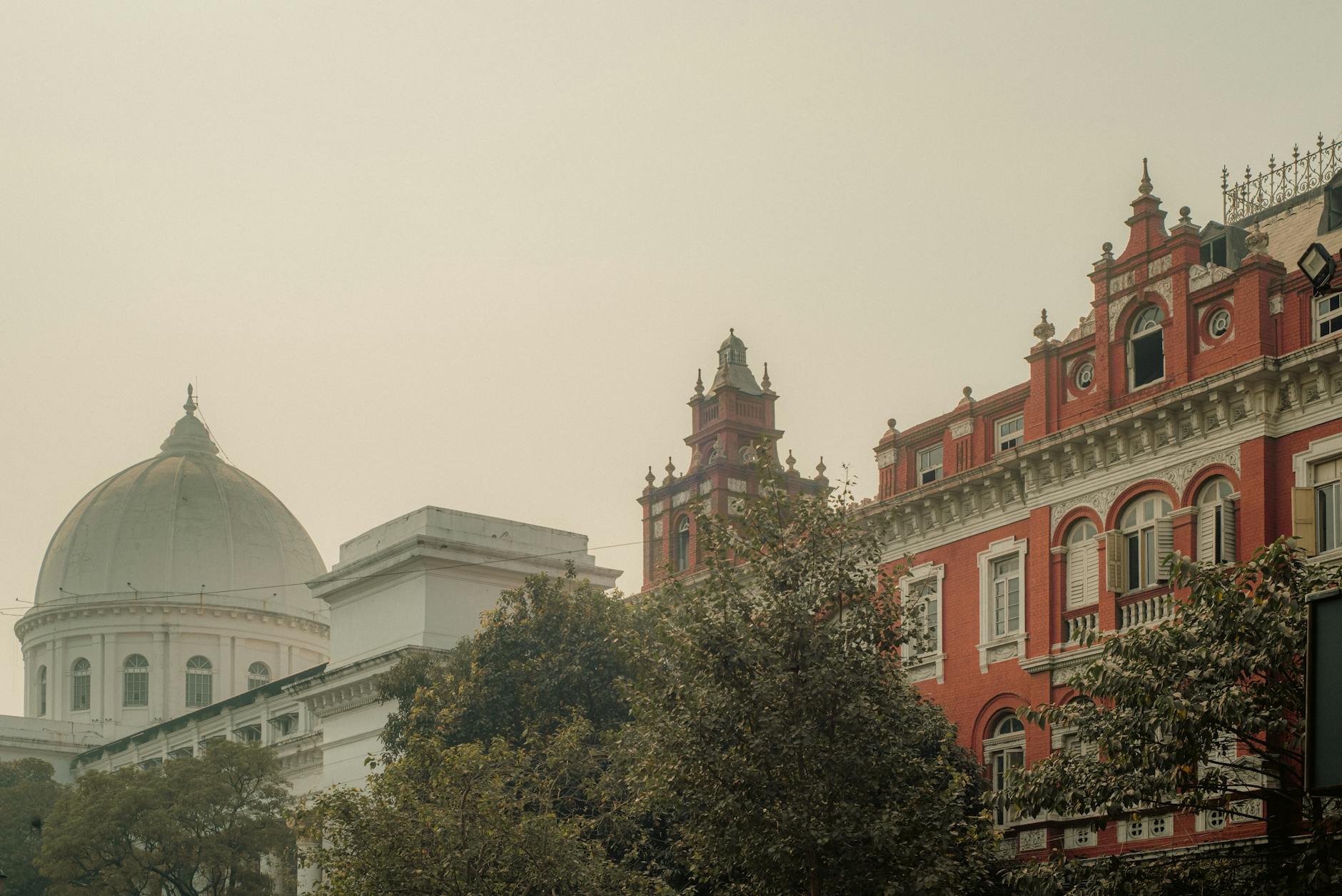
Imperial Kolkata: Victoria Memorial, the Maidan, BBD Bagh, and the city that still wears its colonial scale visibly.
Bengali Kolkata: books, neighborhoods, sweets, colleges, conversation, and the parts of the city that feel lived rather than exhibited.
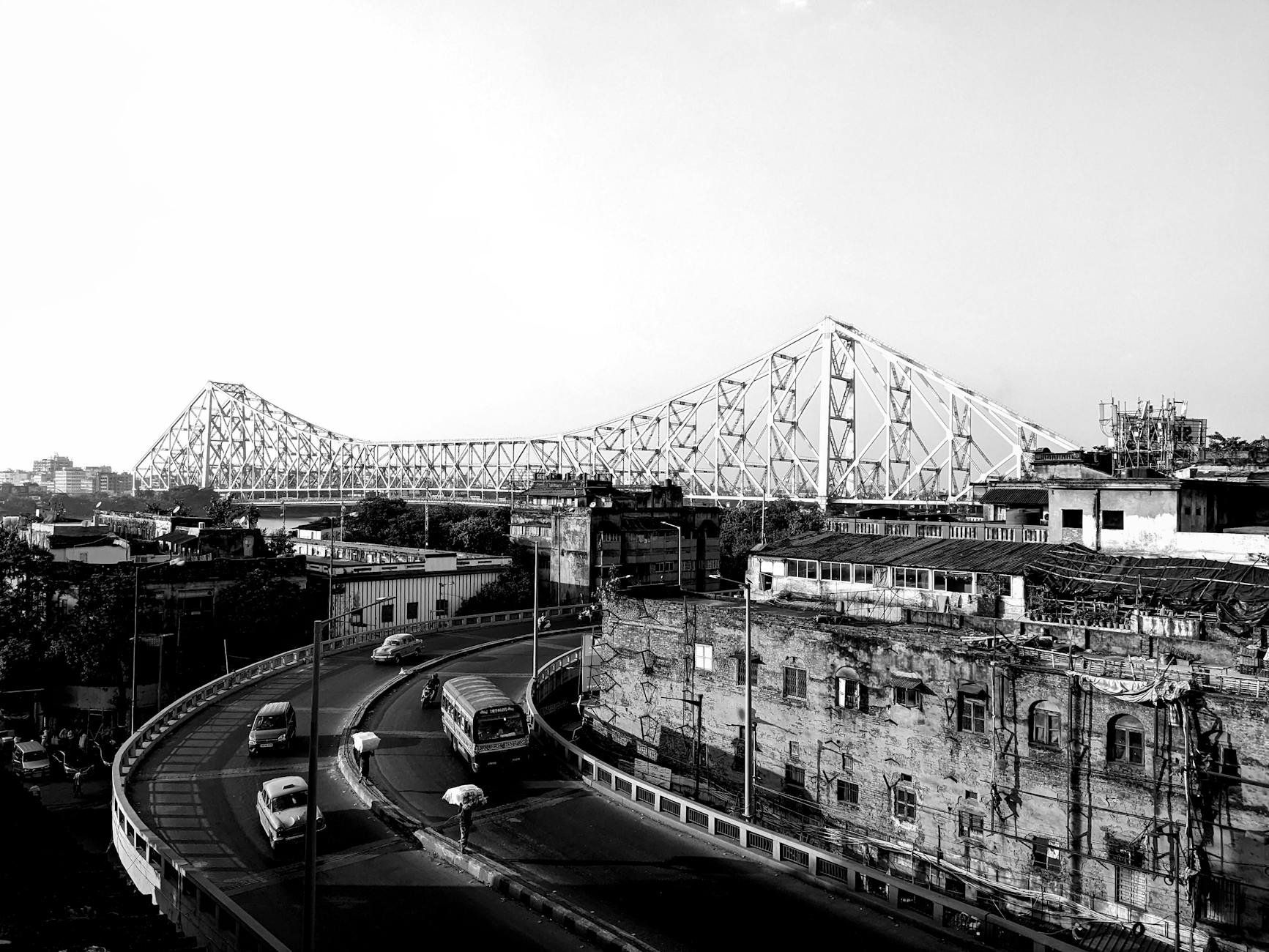
River Kolkata: Howrah-facing movement, ghats, the bridge image, and the wider sense that this is still a river city.
Commercial Kolkata: Park Street, old mercantile traces, central hotels, and the city as a practical urban engine.
Outer-Corridor Kolkata: Salt Lake and New Town, where work and planned-city functionality may matter more than atmosphere.
The Main Mental Shift
Do not ask, "What are the top attractions in Kolkata?" Ask, "Which Kolkata is the point of this trip, and which one must still be given time so the city does not flatten?" That is the better planning question.
What Kolkata Does Better Than People Think
Kolkata is better than people think at holding intellectual atmosphere. Many cities have book districts or university areas. Kolkata lets that mood leak into the wider city more naturally.
It is also better than people think at food-as-city-logic. Meals here are not merely breaks between sights. They are part of how the city reveals itself.
Another underrated strength is central emotional coherence. Even though Kolkata is large and various, the Park Street-Maidan-BBD Bagh-river axis still gives the visitor a usable sense of civic center.
The city is stronger than people think at museum and institutional seriousness. Victoria Memorial and the Indian Museum are not minor supporting stops. They are major interpretive anchors.[7][8]
Finally, Kolkata is better than people think at evening payoff. When based correctly, the city becomes more persuasive after the heat drops.
Where Kolkata Fits in an India Trip
Kolkata fits an India trip best as the city that proves cultural density is not the same thing as heritage polish.
That matters because many first-time itineraries still rank Indian cities by how quickly they convert their history into visitor comfort. Kolkata resists that conversion. The result is not a weaker city. It is a deeper one. You come here less for polished extraction than for immersion in a city where institutions, food, books, politics, memory, and weather all remain intertwined.
Used properly, Kolkata works in four especially strong ways.
The first is as a first eastern-India city. It introduces the region through scale, appetite, and civic weight rather than through a single monument.
The second is as a repeat-India city. Once you stop demanding that every major stop behave like a tourism product, Kolkata becomes much easier to appreciate.
The third is as a food-and-culture city. Meals, museums, books, and old streets can all belong to the same trip without feeling artificially assembled.
The fourth is as a slower big-city stay. Kolkata rewards travelers who can let one or two decisions per day matter more than maximum throughput.
What it is not is merely the faded-colonial city of imagination. It is too alive, argumentative, and culturally dense for that reduction.
Kolkata Versus Mumbai
This comparison matters because both cities are often treated as culturally major Indian metros with strong colonial residue and equally strong contemporary life.
Mumbai usually wins on immediacy. The sea edge, the concentration of South Mumbai, the financial energy, and the city’s sense of motion are all easier for outsiders to read quickly.
Kolkata is slower to reveal itself but often denser in cultural atmosphere. It is less sectional in the Mumbai sense and more accumulative. Books, sweets, old institutions, tea stalls, neighborhoods, and intellectual residue carry more of the city’s force. The result is less polished, often less efficient, and frequently more absorbing.
If you want a city that declares itself quickly, Mumbai is stronger. If you want one that deepens through argument, appetite, and memory, Kolkata may be better.
First-Time Visitors Versus Repeat Visitors
First-time visitors often spend too much of the trip deciding what Kolkata is supposed to be. Is it colonial, Bengali, literary, political, nostalgic, decaying, or delicious? The answer is yes, and that uncertainty can flatten the first stay.
Repeat visitors usually do better because they stop asking the city to summarize itself. They choose one district more decisively. They know which heat hours to protect. They let food, books, and conversations matter more. They stop evaluating the city and start using it.
This is one reason Kolkata often improves on a second visit. The first may still be translating the place. The second begins living in it.
Best Time to Visit Kolkata
Kolkata is deeply seasonal in terms of comfort.
Best Overall Months
November through February are the clearest first-time recommendation. This is when walking, markets, central districts, and river-facing time are easiest to enjoy.
Winter
Winter is the obvious high-value season. The city becomes more breathable, more walkable, and more forgiving of long days.
Pre-Summer
March remains workable, but the body starts noticing the climate more clearly. Editing becomes more important.
Summer
April and May can be difficult for leisure-heavy first visits. Kolkata is still usable, but the city demands shorter outdoor windows and stronger hotel discipline.
Monsoon
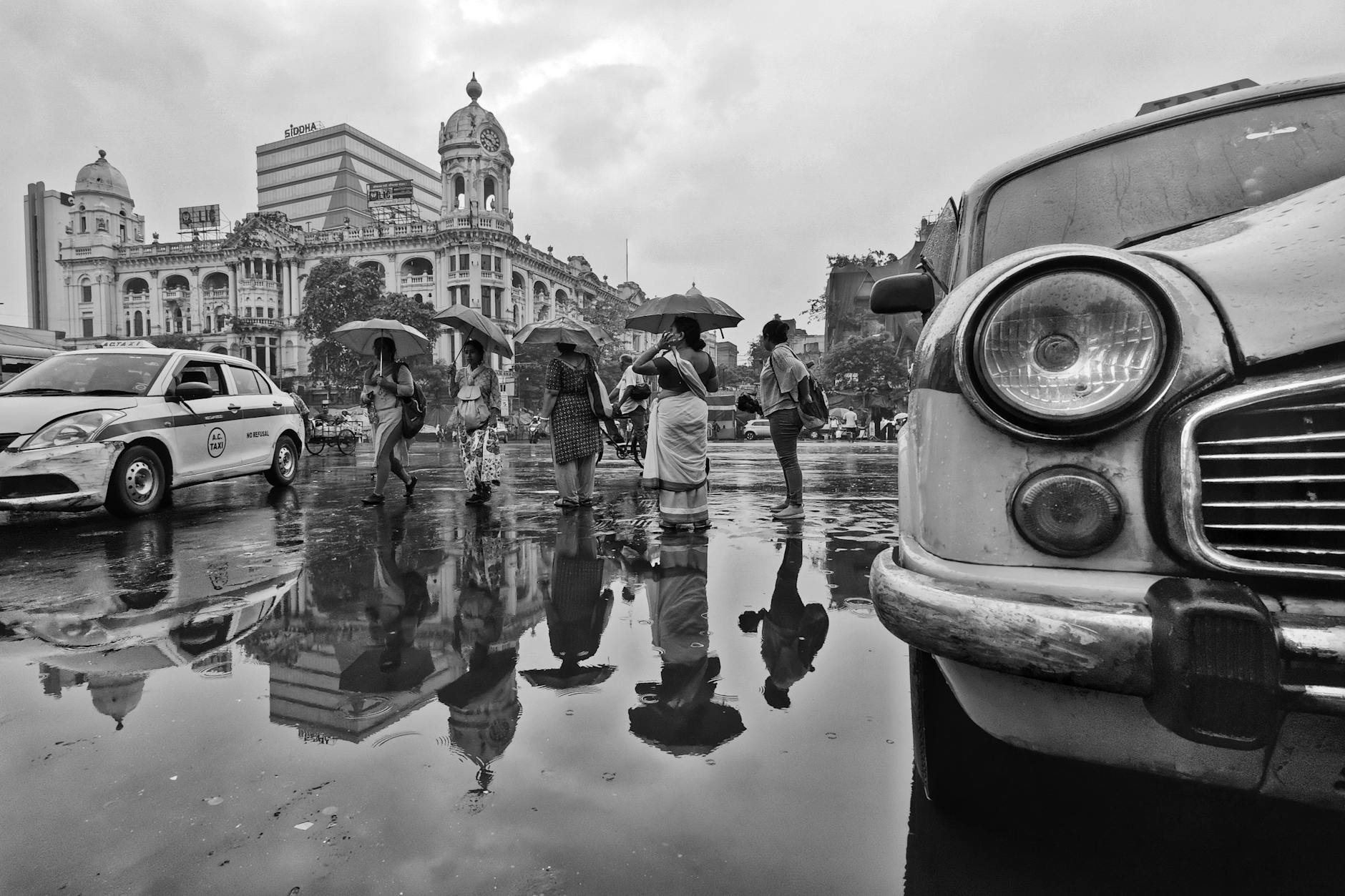
Monsoon can make Kolkata atmospheric and visually rich, but it also raises operational cost: rain, street conditions, and slower movement all matter more.
Winter Kolkata Versus Hot-Season Kolkata
Winter Kolkata is the city at its most generous. The climate loosens the route. Museums, markets, central walks, and book districts stop feeling like tests of stamina. The city becomes more breathable and more willing to reward curiosity.
Hot-season Kolkata can still be valuable, especially for experienced India travelers or obligation-led trips, but it changes everything. The middle of the day becomes more expensive physically. The wrong lunch location can ruin the afternoon. A hotel with better recovery value starts buying you a better city. In Kolkata, weather is not scenery. It is structure.
How Many Days You Need
One Night
Enough for a necessary stop. Not enough for a real first reading.
Two Nights
The minimum good version if you shape one central cultural day carefully.
Three Nights
Ideal for most first-time visitors. This gives you one central-imperial day, one Bengali-neighborhood/food day, and some margin around arrival or departure.
Four Days Or More
Useful if you want deeper food routing, more museums, business obligations plus culture, or a softer pace.
Why One Proper City Day Matters
Travelers sometimes assume that because Kolkata is large and layered, no single day can ever feel complete. That is not true.
One proper city day means a day where Kolkata itself carries the argument. One strong district block, one museum or institutional anchor, one meal that belongs to the route, and one evening that lets the city become more persuasive after the heat drops. Without that day, Kolkata can remain a set of references. With it, the city starts organizing itself.
Where to Stay in Kolkata
Hotel choice should follow the city you want to feel.
Fast Answer
For most first-time cultural travelers, stay in central Kolkata near Park Street/Maidan logic or in a strong south-central base that still keeps the classic core workable. Stay in Salt Lake or New Town only if work, meetings, or institutions genuinely justify it.
Neighborhood Decision Table
| Traveler Type | Best Area |
|---|---|
| First-time culture traveler | central Kolkata near Park Street/Maidan |
| Food-and-neighborhood traveler | south-central or well-chosen central base |
| Business traveler | near actual meetings, often Salt Lake or New Town |
| Airport-heavy short stay | practical north/east logic may matter more |
| Repeat traveler | can split between central and southern neighborhood rhythms |
Park Street / Central Core
Best for: first-time visitors, dining, old-city access, and classic Kolkata energy. Why it works: it keeps the Maidan, museums, and evening culture emotionally and logistically close. Tradeoff: traffic, noise, and less residential softness. Best use: the strongest all-purpose leisure base.
South-Central Kolkata
Best for: travelers who want a little more neighborhood life without fully losing central access. Why it works: it can feel more livable and less performative. Tradeoff: depends heavily on exact location and daily route. Best use: longer stays or visitors who value meals and routine as much as classic sights.
Salt Lake / New Town
Best for: business and institution-led stays. Why it works: cleaner fit for meetings, offices, and newer planned-city needs. Tradeoff: you may leave feeling you never really met Kolkata if you do not cross westward intentionally. Best use: only when obligations clearly dominate.
Why The Base Matters More Than Visitors Expect
Kolkata is one of those cities where “reasonably central” is not enough. The base determines which Kolkata will keep appearing around you.
A Park Street or central-core hotel gives the city immediate emotional authority. A good south-central base can make routine, meals, and neighborhood life feel more natural. Salt Lake or New Town may be exactly right for work and exactly wrong for a culture-led first stay. The wrong hotel can make Kolkata feel like weather, traffic, and effort. The right one can make the city feel dense and coherent.
This is why the base matters. In Kolkata, hotel choice is one of the main interpretive decisions.
Area Profiles
BBD Bagh and old core: best for civic and colonial history, daytime exploration, and understanding the old commercial heart.
Park Street and Maidan zone: best for first-time hotel logic, dining, Victoria Memorial, and evening value.
South Kolkata: best for neighborhood life, food, and a less formal rhythm.
Salt Lake / New Town: best for work and planned-city practicality.
Neighborhood Guide: Where to Explore, Not Just Sleep
The old central city around BBD Bagh, the Maidan, and Park Street gives many first-time visitors the most immediately legible Kolkata. Here the city's scale, institutions, and old mercantile weight still show.
Victoria Memorial is strongest when paired with the Maidan and nearby urban space instead of treated as one quick ticketed monument.[7] This part of the city benefits from slower movement.
Park Street matters because it joins hotel practicality, eating, and old Kolkata social memory in one zone. It is not the whole city, but it is often the right first anchor.
The southern and bookish parts of the city matter because they restore Bengali everydayness to a trip that might otherwise become overly imperial or nostalgic. Kolkata has to be felt as inhabited, not merely remembered.
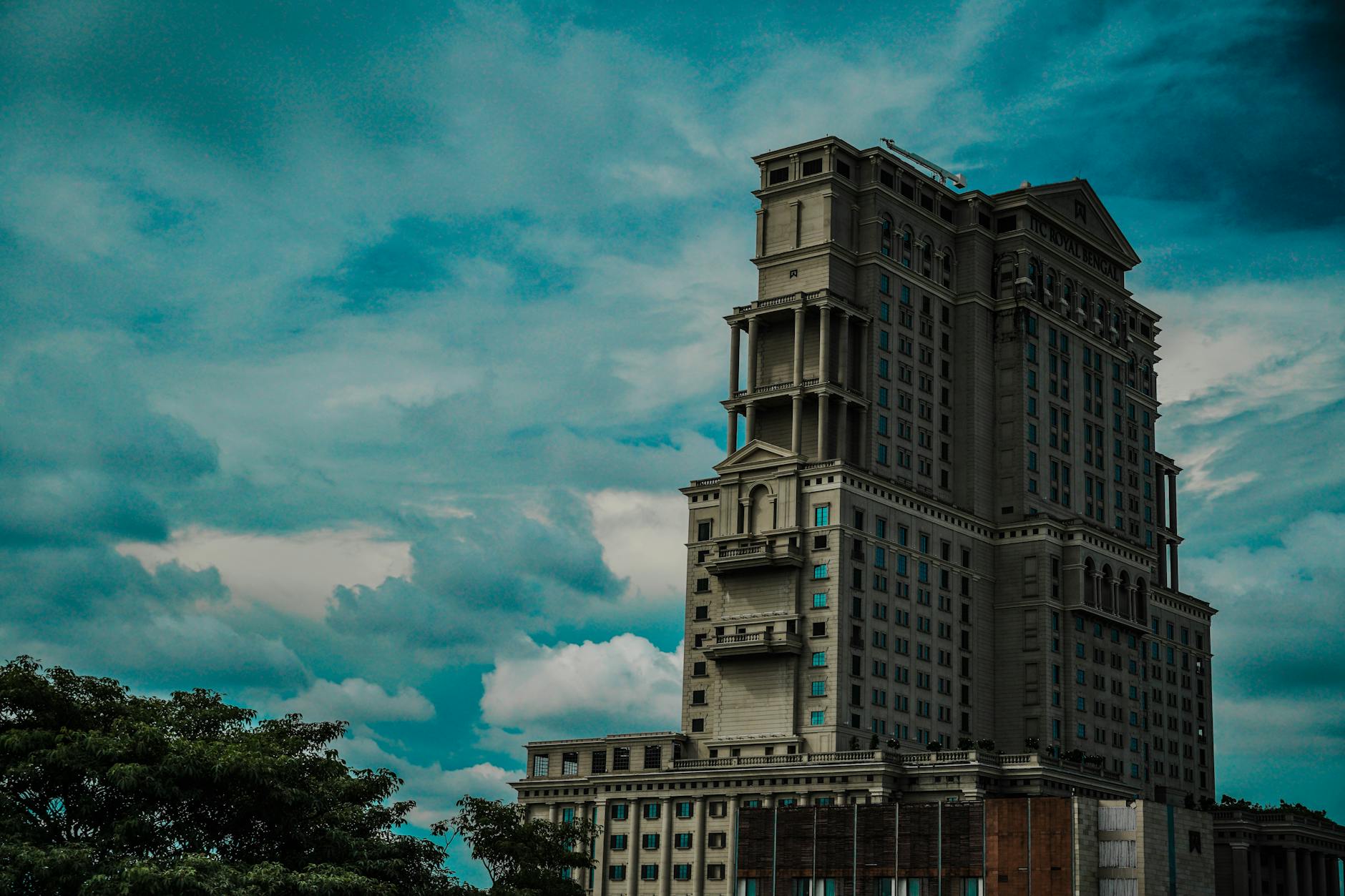
Day Kolkata Versus Evening Kolkata
Daytime Kolkata is where the city’s scale and weather are most obvious. Streets are heavier, movement can be slower, and the wrong route shows its flaws quickly. This is when weak planning gets punished.
Evening Kolkata is often the corrective. The temperature drops slightly, Park Street and nearby zones become more persuasive, food becomes central again, and the city’s social intelligence starts doing more of the work. This is one reason shallow Kolkata trips underperform: they understand the city during its hardest hours and miss it during some of its best ones.
Why The River Should Not Be Reduced To A Photo
The Hooghly matters to Kolkata, but many first-time visitors use it only as a bridge image or a symbolic frame. That is too small a reading.
The river helps explain the city’s scale, mercantile history, colonial posture, and eastern-Indian geography. It is one of the reasons Kolkata feels outward-looking and heavy with memory at the same time. Even if your actual river time is brief, the city improves when you remember that this is a river metropolis and not only a collection of old institutions inland.
The Best Things to Do in Kolkata
- Build one real day around central Kolkata, not just individual monuments.
- Visit Victoria Memorial as part of a larger Maidan-centered block.[7]
- Use the Indian Museum if you want the city's institutional seriousness to become visible.[8]
- Eat deliberately: Bengali food, snacks, sweets, tea, and at least one classic central meal.
- Give a serious block to books or markets instead of treating them as incidental.
- Let evening be part of the city experience rather than retreating too early.
Itineraries
If You Have One Full Day
Use central Kolkata well: Victoria Memorial and Maidan in the morning, one museum or old-core block, a proper lunch, and an evening that lets the city soften rather than forcing one last dash.
If You Have Two Full Days
Keep one day for central-imperial Kolkata and one for food, books, neighborhoods, and a less monumental Bengali reading of the city.
If You Have Three Full Days
Add one slower or more selective day. Kolkata rewards a day built around two or three good decisions, not ten acceptable ones.
Itineraries By Traveler Type
Culture-first traveler: Victoria Memorial, Indian Museum, one book district or literary block, and a food-led evening.
Food-and-city traveler: central hotel, one daytime cultural anchor, then let meals, sweets, markets, and evening streets carry more of the experience.
Business traveler: stay near work if necessary, but rescue at least one central evening or half-day so the city does not collapse into commutes.
Eastern-India gateway traveler: give Kolkata enough room to become itself before using it only as a regional hub.
Food and Drink
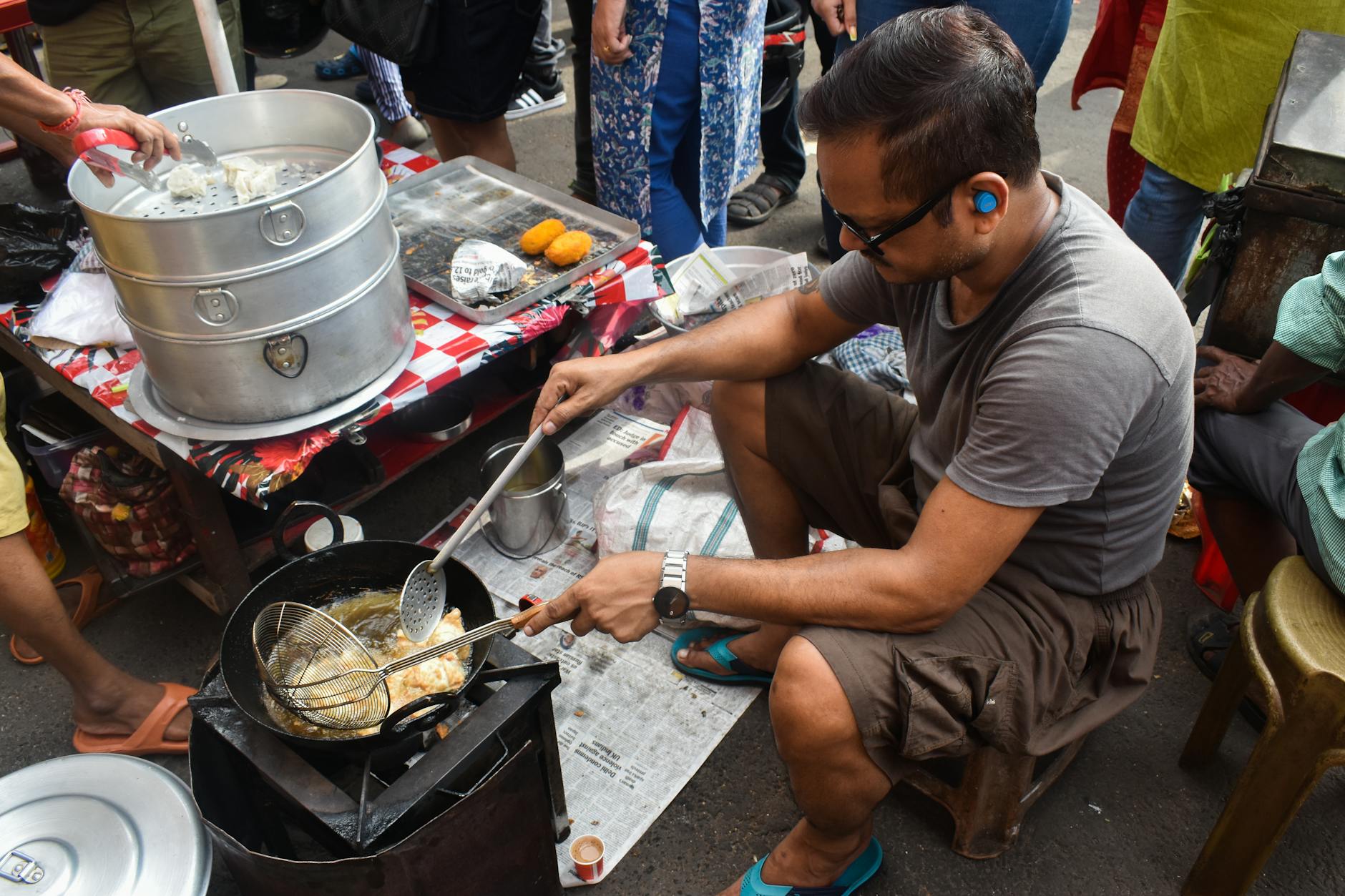
Kolkata is one of the cities where food can legitimately carry the trip. Bengali meals, sweets, tea, old restaurants, rolls, and district-specific habits explain the place as much as museums do.
The key is not to overreach. Too many distant food targets can turn the day into transport. Better to eat well, locally, and in rhythm with the district you are already using.
Why Food Is Structural, Not Decorative
In Kolkata, food is not what happens between museums and monuments. It is one of the main ways the city becomes legible.
Tea, sweets, snacks, Bengali meals, old cafés, and central dinner corridors all do different cultural work. The wrong food plan can turn the city into a chase. The right food plan makes each district feel more complete. This is why Kolkata rewards appetite disciplined by geography rather than by list-making.
Getting Around
Kolkata is more manageable now than many outsiders think, but it still requires judgment.
The airport is not central, and transfer choice matters.[1][2] The metro has become a more serious tool, especially with map clarity, line growth, and QR ticketing across the network.[3][4][6] Even so, cars and taxis remain useful, particularly when humidity or timing makes indirect movement unattractive.
Use the metro where it simplifies the day. Use cars where they reduce strain. Do not make transport ideology part of the trip.
Why Kolkata Often Works Better Than It Sounds
If you describe Kolkata lazily, it can sound like a tired old city full of institutions, humidity, books, sweets, and faded grandeur. That summary misses the thing that makes the stay so strong.
Kolkata works because its food, institutions, neighborhoods, and arguments reinforce each other. The city feels culturally inhabited at almost every scale. You are not moving between isolated attractions. You are moving through a civic world that still takes its own books, museums, meals, and conversations seriously.
Why Kolkata Often Improves On The Second Visit
On a first visit, many travelers are still deciding whether Kolkata is romantic, difficult, overrated, essential, or exhausting. That evaluative mindset weakens the stay.
On a second visit, the pressure drops. You know which district you want as a base. You know that one museum and one bookish block may be enough. You know the weather will win if challenged directly. Once those lessons are internalized, Kolkata can become one of the most rewarding urban stays in India.
How Kolkata Changes Over The Course Of A Stay
On arrival, Kolkata can feel larger, heavier, and less immediately flattering than expected. The airport is not central, the weather may press hard, and the city’s charm is not packaged for first contact.
By the second day, if the route is well shaped, the city starts separating into more meaningful registers. Park Street and the Maidan stop feeling like generic “central Kolkata.” BBD Bagh begins to read historically. Food stops being filler and starts explaining the place. The hotel begins to matter as a real urban decision.
By the third day, Kolkata often feels more persuasive precisely because it has stopped trying to impress. Its value lies in thickness: cultural, atmospheric, culinary, and historical.
Why Movement Changes The Meaning Of Kolkata
In Kolkata, movement is not only a transport question. It is one of the things that determines whether the city feels coherent or punishing.
If every transfer is long, hot, and unnecessary, Kolkata starts becoming a story about fatigue. If the route is grouped intelligently, the same city begins to feel rich rather than sprawling. Moving within one strong district and then changing tone in the evening often works far better than trying to collect the whole metropolis in one day.
That is why transport choices should follow the shape of the day rather than ideology. The metro is excellent when it clearly simplifies the route. Cars are useful when they protect energy. Walking works when the weather and district genuinely support it. In Kolkata, good movement is part of good interpretation.
Why Kolkata Should Not Be Overprogrammed
Because Kolkata is full of names, memories, museums, restaurants, and historical references, travelers can start treating the city like a list that ought to be completed quickly. That is one of the fastest ways to flatten it.
Too many stops in one day make the city feel thinner, not richer. One museum, one serious neighborhood block, one meal that belongs properly to the district, and one evening that lets the city exhale will usually produce a stronger Kolkata than ten acceptable but rushed decisions. The better trip is edited, not maximal.
Why Kolkata Rewards A Chosen Lane
Kolkata does not require every traveler to want the same city. In fact, it becomes much stronger once you admit that different visits should privilege different versions of it.
A culture-first traveler may want museums, Park Street, BBD Bagh, books, and one carefully chosen Bengali meal. A food-led traveler may care more about sweets, snacks, restaurant culture, and neighborhood rhythm than about monument count. A business traveler may need Salt Lake or New Town first and then one protected block of real Kolkata so the trip does not collapse into offices. A repeat India traveler may care less about seeing “the sights” and more about how the city thinks, eats, and remembers.
The point is not to build the perfectly balanced Kolkata. The point is to choose your lane and let the city support it. Once that happens, Kolkata stops feeling like a difficult old metropolis and starts feeling like one of India’s richest urban stays.
What To Skip
Skip trying to turn Kolkata into a polished colonial fantasy.
Skip staying in an outer business district unless your real obligations are there.
Skip overloading hot afternoons.
Skip treating food as filler between monuments.
Common Mistakes
The first mistake is hotel mismatch.
The second is underestimating weather.
The third is trying to collect the city too fast.
The fourth is reducing Kolkata to nostalgia and not enough contemporary life.
The fifth is failing to build one real evening into the stay.
My Blunt Advice
If this is your first Kolkata trip, choose a base that gives you the classic center easily and then let the city prove itself through rhythm rather than spectacle. Eat properly. Walk selectively. Give one museum serious time. Let one neighborhood or bookish block breathe.
Kolkata is not supposed to be frictionless. It is supposed to feel thick with history, appetite, thought, and weather. Once you stop trying to clean it up in your head, it becomes one of the most rewarding urban stays in India.
Source Notes
- 1. Airports Authority of India, official Kolkata airport transport page: [https://www.aai.aero/en/airports/transport/kolkata](https://www.aai.aero/en/airports/transport/kolkata)
- 2. Airports Authority of India, official Kolkata airport bus-service details page: [https://www.aai.aero/en/airports/transport-details/kolkata/Bus](https://www.aai.aero/en/airports/transport-details/kolkata/Bus)
- 3. Metro Railway Kolkata / Indian Railways official portal: [https://mtp.indianrailways.gov.in/index.jsp?lang=0](https://mtp.indianrailways.gov.in/index.jsp?lang=0)
- 4. Metro Railway Kolkata / Indian Railways official system map page: [https://mtp.indianrailways.gov.in/view_section.jsp?id=0%2C1%2C285&lang=0](https://mtp.indianrailways.gov.in/view_section.jsp?id=0%2C1%2C285&lang=0)
- 5. Metro Railway Kolkata official press release on Blue Line and Green Line interchange access at Esplanade: [https://mtp.indianrailways.gov.in/view_detail.jsp?dcd=4080&id=0%2C4%2C268&lang=0](https://mtp.indianrailways.gov.in/view_detail.jsp?dcd=4080&id=0%2C4%2C268&lang=0)
- 6. Metro Railway Kolkata official press release on QR ticketing across all lines: [https://mtp.indianrailways.gov.in/view_detail.jsp?dcd=5174&id=0%2C4%2C268&lang=0](https://mtp.indianrailways.gov.in/view_detail.jsp?dcd=5174&id=0%2C4%2C268&lang=0)
- 7. Victoria Memorial Hall, official visitor information page: [https://victoriamemorial-cal.org/visit-us/](https://victoriamemorial-cal.org/visit-us/)
- 8. Indian Museum, official visitor information page: [https://indianmuseumkolkata.org/visitors-information/](https://indianmuseumkolkata.org/visitors-information/)