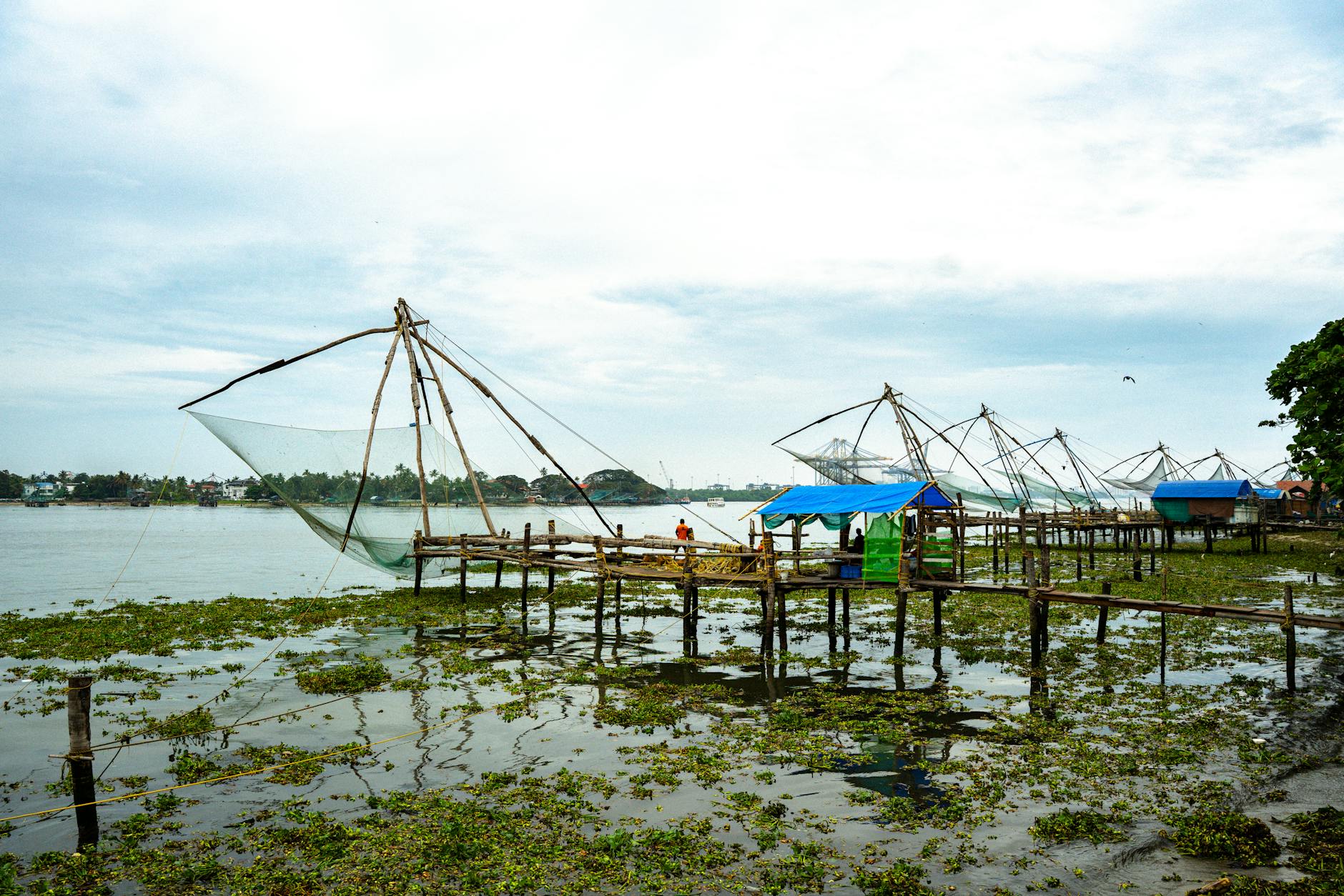
Kochi is one of India's most commonly misused cities.
Start Here
Travelers often meet it in itinerary form rather than city form. It becomes the airport for Kerala, the first hotel after a long flight, the place before the backwaters, the place after Munnar, or the half-day heritage stop on the way to somewhere supposedly more essential. Even people who genuinely like it often describe it as "a good base," which is true but insufficient. Kochi can be a base. It is also a real port city with its own shape, tensions, and pleasures, and the trip improves immediately once that is taken seriously.
What makes Kochi distinct is not one monument or one neighborhood. It is the layered relationship between Fort Kochi, Mattancherry, Ernakulam, the islands and waterways, and the centuries of trade, religion, migration, empire, and reinvention that still hang in the air. You feel it in the churches and synagogue quarter, in the spice-market residue, in the sea-facing promenades, in the ferry logic, in the way contemporary cafés and art spaces sit beside warehouses and old compounds, and in the fact that the modern business city and the visitor-facing historic quarters are not the same place at all.
The weak Kochi trip mistakes atmosphere for structure. People book two nights in Fort Kochi because it looks romantic online, then complain about transfer friction, heat, or the distance from everything else they need. Others stay in Ernakulam because it is efficient, then wonder why the city never felt memorable. Both reactions come from failing to understand that Kochi is not one seamless urban product. It is a set of linked places, each solving a different travel problem.
That is why Kochi rewards clarity. Decide whether your trip is primarily about old port-city texture, practical Kerala routing, a softer landing in India, contemporary art and café culture, or some combination of those things. Then choose the right base and rhythm. Fort Kochi is the emotional center for many first-time visitors, but it is not the most practical answer for every stay. Ernakulam is not the place to fall in love with Kochi quickly, but it can be the correct operational choice. Mattancherry is where the city gets denser, older, and more layered. The water is not decoration; it is part of the city's logic.
Kochi also asks for a particular kind of pacing. The climate matters. Humidity matters. The city is slower and more outward-facing than some first-time India stops, but that does not mean friction disappears. Short distances can still take time. Waterfront wandering works better in the morning or later afternoon. Lunch and shade matter. Transfers deserve attention. If you accept those terms, Kochi becomes one of India's most rewarding introductory cities because it offers history, visual texture, and cultural density without the full physical assault of some larger metros.
The city in one sentence: Kochi is a layered Indian port city where Fort Kochi atmosphere, Mattancherry trade history, Ernakulam practicality, and the water-bound structure of the place only make sense when you stop treating it as a gateway label and start treating it as a real destination.
Quick Verdict
Best for: first-time Kerala itineraries, couples, solo travelers, art-and-history travelers, soft landing or recovery days in India, and anyone who likes old port cities with mixed colonial, commercial, and local texture.
Not ideal for: travelers who want one neatly unified district, people who dislike humidity and transfer planning, or visitors who expect Kochi to behave like a compact heritage quarter and a fully efficient modern city at the same time.
Ideal first visit: 2 to 3 full days.
Minimum worthwhile stay: 2 nights.
Best overall months: December through February, with November and early March still workable for many travelers.
Best shoulder-season logic: late November or early March if you want slightly less crowd pressure without the full force of monsoon or peak summer heaviness.
Biggest planning mistake: choosing a hotel before deciding whether your stay is about atmosphere or logistics.
One thing to prioritize: the right base.
One thing to leave flexible: waterfront and walking time. Kochi gets better when you let the day breathe around heat and ferries.
The blunt version: Kochi is one of the strongest first stops in India if you route it intelligently; it is also one of the easiest places to flatten into a transfer hub if you do not.
Who Will Love Kochi?
Kochi suits travelers who like cities that reveal themselves through layers rather than scale. This is not a city that overwhelms by monument count or sheer urban drama. It works by accumulation: church facades, spice lanes, ferry crossings, synagogue-quarter streets, old harbor light, slow breakfasts, and the odd feeling that trade history still determines the atmosphere even when the trade itself has changed.
It is especially good for people entering Kerala for the first time because it introduces many of the things that make the state appealing without demanding that the visitor jump immediately into hills, backwaters, or long internal transfers. Kochi gives you the time to adjust to climate, food, pace, and rhythm while still feeling culturally rich.
Couples usually do well here because Fort Kochi and nearby Mattancherry create a naturally slow, walkable, photogenic version of the city. Solo travelers also tend to do well because Kochi is easier to navigate emotionally than some denser Indian arrivals. You can move through it independently without feeling that the city is constantly trying to outmuscle you.
Kochi is also strong for travelers who care about ports, trade, layered religion, and mixed urban identity. It is one of the places in India where Christian, Jewish, Hindu, Muslim, colonial, and commercial histories remain visibly interwoven rather than compartmentalized in museum form.
It is less ideal for travelers who want instant payoff from one perfect central district. Kochi requires slightly more interpretation than that. Its best pieces are connected, but they are not identical.
Kochi at a Glance
| Question | Practical Answer |
|---|---|
| Main airport | Cochin International Airport |
| Distance from downtown Kochi | about 28 km from central Kochi |
| Best first-time leisure base | Fort Kochi |
| Best first-time practical base | central Ernakulam, if logistics dominate |
| Main historical anchor | Fort Kochi and Mattancherry together |
| Main church anchor | St. Francis Church |
| Main palace anchor | Mattancherry Palace |
| Main market-texture anchor | Jew Town and the Mattancherry side streets |
| Main transit wild card | water routes can help, but only if they match your day |
| Car needed? | No, but cars and taxis are often useful |
| Main city challenge | base mismatch |
| Emergency number | 112 |
| Tap water | Do not assume it is suitable for visitors without normal caution |
| Currency | Indian rupee |
| Power plugs | Type C, D, and M are common |
2026 Visitor Notes
The Airport Is Not Close To Fort Kochi
Cochin International Airport's official material places the airport 28 kilometers from central Kochi.[1] That is not disastrous, but it is enough distance that your first and last day should not be planned carelessly if you are staying on the Fort Kochi side.
Official Airport Transport Still Matters
CIAL's passenger information continues to present bus information, pre-paid taxi, and an airport-metro connection bus as the core official surface options.[2] This is helpful because airport improvisation is rarely where you want to be expending judgment after arrival.
Fort Kochi Is Still The Strongest First-Time Leisure Base
Fort Kochi remains the best emotional introduction to the city because it combines sea edge, old streets, church history, visitor services, and a pace that lets the city land gradually.[3][4] It is not the only sensible base, but it is the one that makes Kochi feel most like Kochi quickly.
Mattancherry Still Supplies The City's Densest Historical Texture
Kerala Tourism's official Mattancherry and palace material continues to frame the area through spice-trade history, royal history, and the palace-synagogue-Jew Town sequence.[5][6][7] That remains the right way to use it: not as a detached side trip, but as part of Kochi's main argument.
The Water-Metro Layer Is Real, But It Does Not Remove All Friction
Kochi Water Metro's official project material describes a growing citywide network integrated into the broader public-transport system, while Fort Kochi and Mattancherry terminal pages position those historic districts inside that larger transport logic.[8][9][10] This is useful, but it should not be romanticized into a magic solution for every movement in town.
Kochi Is Better When You Treat It As A City, Not A Transfer
The city still suffers from being too often introduced through airport arrival, Biennale timing, or onward Kerala routing. Those are valid entry points. They are not a full explanation of what the place offers.
How to Understand Kochi
Kochi works through five forces.
The first is water. Harbor edges, ferries, islands, and crossing logic are part of how the city is organized and felt.
The second is trade memory. Spice, shipping, exchange, and migration shaped Kochi deeply, and the city still carries that inheritance.
The third is district contrast. Fort Kochi, Mattancherry, and Ernakulam are not interchangeable. They are different products.
The fourth is climate. Humidity is not background. It changes how you should use mornings, afternoons, and transfers.
The fifth is layered belief and empire. Churches, synagogues, palaces, temples, and colonial remnants do not appear here as isolated curiosities. They belong to the same port-city story.
The Five Kochis A Visitor Actually Meets
Fort Kochi: sea breeze, churches, old houses, art cafés, lanes, and the visitor's most immediately atmospheric version of the city.
Mattancherry: palace, Jew Town, spice residue, tighter streets, denser heritage, and a more commercial historical texture.
Ernakulam: the modern operating city, better for commerce, errands, medical and business practicality, and certain hotel strategies.
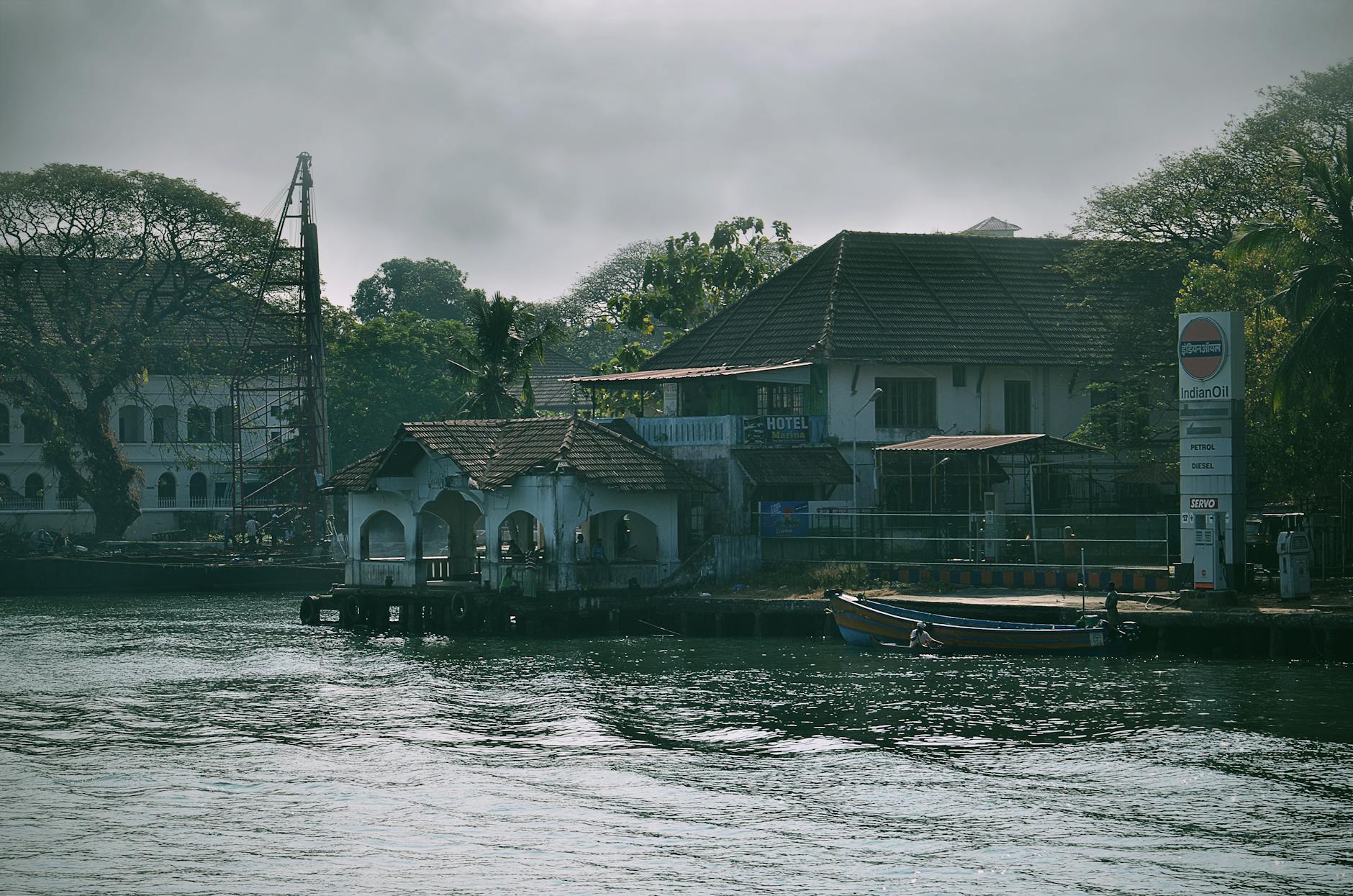
Water Kochi: ferries, terminals, harbor logic, islands, and the part of the city that explains why land routes alone never fully describe it.
Kerala-Gateway Kochi: airport, station, onward car transfers, and the practical role the city plays in larger state itineraries.
The Main Mental Shift
Do not ask, "What are the sights in Kochi?" Ask, "Which Kochi do I need on this trip, and which Kochi do I still want to understand?" Good planning comes from reconciling those two answers.
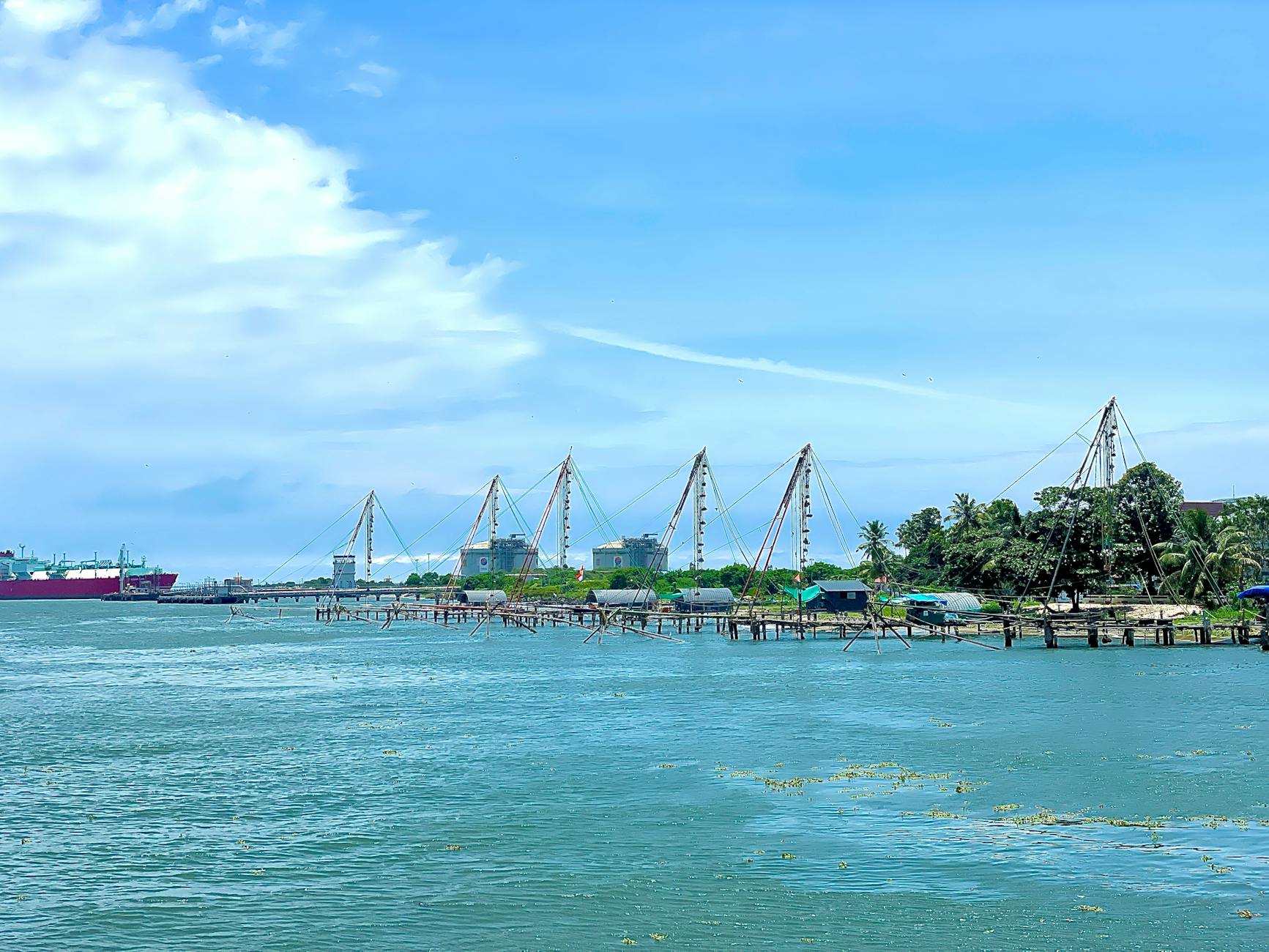
What Kochi Does Better Than People Think
Kochi is better than people think at first-day India adjustment. It gives many travelers a gentler arrival into the country than some larger or harder-edged gateways while still feeling genuinely Indian rather than softened into abstraction.
It is also better than people think at historical mix. Many cities can show you colonial remnants or local religion or trade memory. Kochi does all three in visible relation to one another.
Another underrated strength is urban calm without dullness. Fort Kochi especially can feel pleasantly low-pressure while still being rich in visual and historical interest. That is a rare combination.
The city is also stronger than people think at recovery value. After harder travel elsewhere in India, Kochi can absorb a slower day beautifully without feeling wasted.
Finally, Kochi is better than people think at explaining Kerala. Not completely, of course, but enough that the rest of the state often makes more sense after a well-used stay here.
Best Time to Visit Kochi
Kochi is usable throughout the year, but the experience changes sharply with heat, humidity, and rain.
Best Overall Months
December through February are the safest first recommendations for most travelers. The air is still warm, but the city is easier to walk and the days feel more cooperative.
Winter
This is the clearest first-time window. Fort Kochi and Mattancherry are more comfortable to explore on foot, harbor-facing time is easier to enjoy, and hotel choice matters slightly less because the climate is doing less damage.
Pre-Summer
March begins to feel heavier. The city is still workable, but you need more discipline around shade, timing, and afternoon expectations.
Monsoon
Monsoon can make Kochi beautiful, saturated, and moodier, but it also makes the trip more operational. Streets flood, plans slip, and the city becomes less about free-ranging walks and more about selective movement.
Month-by-Month Guidance
December to February: best overall balance. March: workable, but heavier. April and May: hot, humid, and more draining than many first-timers expect. June to September: monsoon logic; atmospheric but operationally different. October and November: transitional and often appealing if you accept some weather uncertainty.
How Many Days You Need
One Night
Possible, but too short for most first-time visitors unless Kochi is only a necessary transition.
Two Nights
The minimum good version. This gives you one full old-city day and enough room not to reduce the place to check-in and check-out logistics.
Three Nights
Ideal for many travelers. You can give Fort Kochi and Mattancherry proper time, use one slower or more practical day, and still keep onward Kerala movement under control.
Four Days Or More
Useful if Kochi is anchoring a gentler Kerala route, an art-focused stay, or a trip with significant downtime built in.
Where to Stay in Kochi
Base choice is the main strategic decision here.
Fast Answer
For most first-time leisure travelers, stay in Fort Kochi. If your trip is primarily about meetings, hospital access, shopping, or minimizing travel friction across modern Kochi, stay in Ernakulam instead. Do not pretend those are the same choice.
Neighborhood Decision Table
| Traveler Type | Best Area |
|---|---|
| First-time leisure visitor | Fort Kochi |
| Couple trip | Fort Kochi |
| Business-led stay | Ernakulam |
| Medical or appointment-led stay | Ernakulam |
| History-focused itinerary | Fort Kochi or Fort Kochi edge toward Mattancherry |
| One-night gateway stop | depends on next-day transfer, but practicality may beat atmosphere |
Fort Kochi
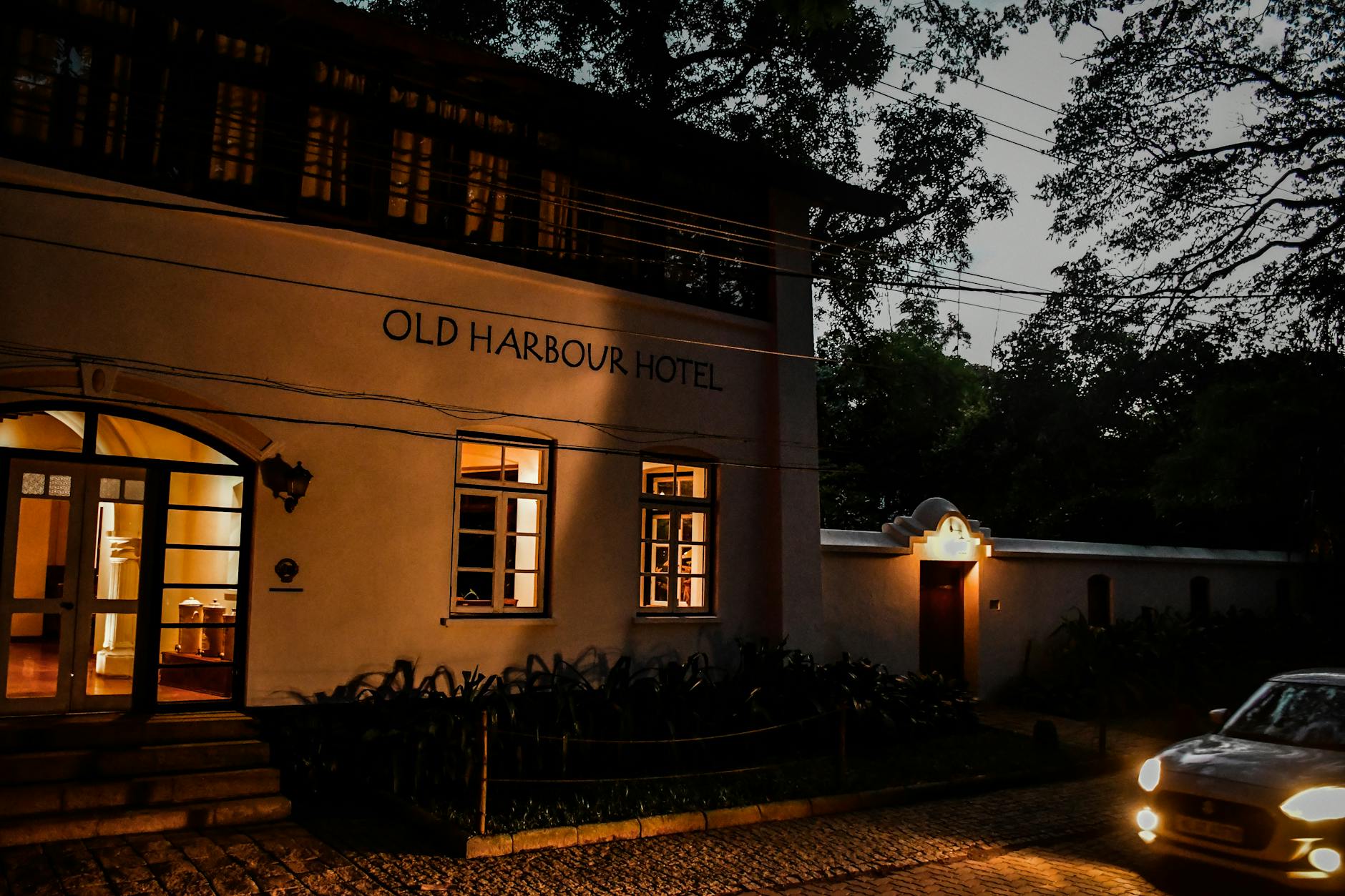
Best for: first-time visitors, couples, atmosphere, heritage walking, and café-led days. Why it works: it gives Kochi emotional shape fast. Tradeoff: transfers can be slower, and the district is not ideal for every practical need. Best use: the default leisure answer.
Mattancherry Edge
Best for: travelers who want denser historical texture and proximity to Jew Town and the palace side. Why it works: it pushes the trip deeper into Kochi's trade-history core. Tradeoff: less polished, less evenly visitor-friendly, and not always the easiest first base. Best use: repeat visitors or confident first-timers with the right hotel.
Ernakulam
Best for: logistics-heavy stays, modern comforts, business travel, and certain family or medical contexts. Why it works: practical city functions are concentrated here. Tradeoff: you may leave without feeling you actually understood Kochi if you do not intentionally cross to the historic side. Best use: when practicality clearly dominates.
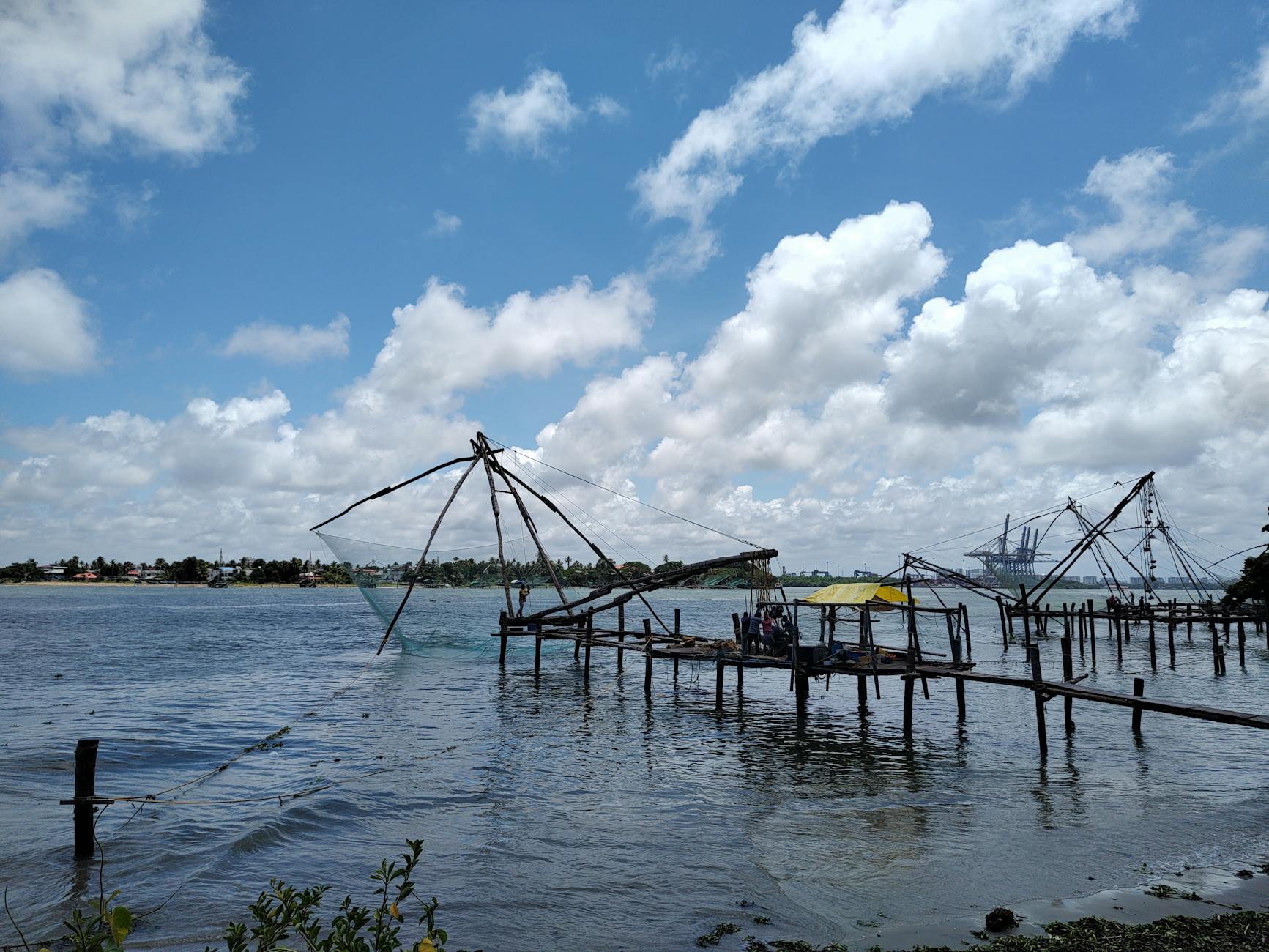
Area Profiles
Fort Kochi: best for atmosphere, walking, heritage, and food-café rhythm.
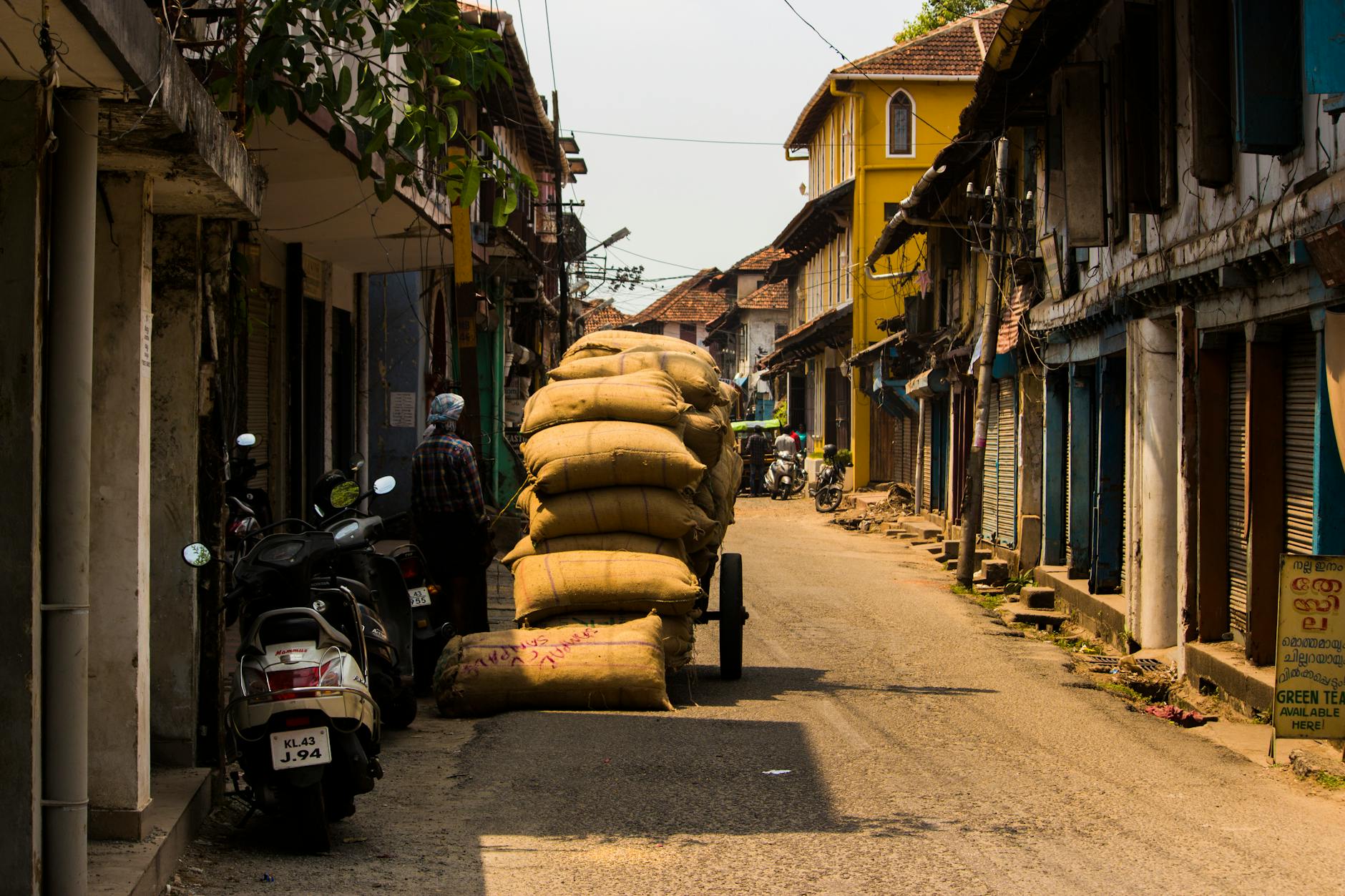
Mattancherry: best for old trade-city texture, palace-and-synagogue sequencing, and denser historical feeling.
Ernakulam: best for transport, business, larger city services, and less romantic but more efficient lodging.
Willingdon and water-facing intermediates: best when the hotel itself is part of the stay or the route.
Neighborhood Guide: Where to Explore, Not Just Sleep
Fort Kochi is where most travelers correctly begin because it offers a readable face of the city. St. Francis Church, old streets, low-rise compounds, cafés, promenades, and the sea edge all help new arrivals feel the place rather than decode it abstractly.[4]
Mattancherry is where Kochi becomes denser and more historically mixed. The palace, Jew Town, and market energy belong together. If Fort Kochi is where the city becomes photogenic, Mattancherry is where it becomes textural.[6][7]
Ernakulam is necessary to understand even if you do not stay there. It explains how present-day Kochi operates. But it is rarely the place that gives a first-time visitor the richest emotional memory. Think of it as the modern city that supports the older and more atmospheric one.
The water routes are not just scenic supplements. They remind you that Kochi is an island-and-harbor city as much as a road city. Use them when they fit, but do not build your day on transit romanticism alone.[8]
The Best Things to Do in Kochi
- Stay in Fort Kochi if your trip is primarily leisure and first-time exploration.
- Visit St. Francis Church early, before the district becomes only a postcard in your head.[4]
- Pair Mattancherry Palace with Jew Town instead of doing either in isolation.[6][7]
- Walk enough of Fort Kochi and Mattancherry that the city reads as a port, not just a monument cluster.
- Use one ferry or water route if it genuinely improves your understanding or your movement.
- Eat seafood and Kerala food slowly enough that meals become part of the city's rhythm rather than a break from sightseeing.
Itineraries
If You Have One Full Day
Base yourself in Fort Kochi, start with church-and-street walking, move toward Mattancherry by late morning, do the palace and Jew Town, then return toward the waterfront later when the heat softens. This is the minimum coherent Kochi day.
If You Have Two Full Days
Use the first day for Fort Kochi and Mattancherry. Use the second for a slower city block: cafés, galleries, a water crossing, or a more practical Ernakulam contrast depending on your route. This is where Kochi stops feeling like an errand and starts feeling like a stay.
If You Have Three Full Days
Let one day remain deliberately lighter. Kochi benefits from a day that is about lingering, eating, adjusting, and seeing the city as habitat rather than task list.
Itineraries By Traveler Type
History-first traveler: Fort Kochi church layer, Mattancherry Palace, Jew Town, and slower walking between them.
Couple trip: Fort Kochi hotel, morning heritage block, long lunch, evening waterfront, and one loose café-art block the next day.
Kerala gateway itinerary: first night in Kochi to settle, one real city day, then onward movement to hills or backwaters.
Practical but culture-aware traveler: stay in Ernakulam if necessary, but carve out one substantial Fort Kochi-Mattancherry day so the city is not reduced to traffic and hotel lobbies.
Food and Drink
Kochi's food value lies less in formal restaurant theater than in the way seafood, Kerala flavors, old port atmosphere, and café culture can shape a day. Fort Kochi is the easiest district for this because eating and walking support each other naturally there. Mattancherry can be stronger for feeling the city. Ernakulam can be stronger for convenience.
Do not overcomplicate the food thesis. Eat local seafood. Try Kerala meals. Allow for cafés and slower breakfasts. Let humidity influence appetite and timing. Kochi is one of those cities where a shaded lunch or a late coffee can change the entire memory of the day.
Getting Around
Kochi is not difficult, but it is easy to misjudge.
The airport is far enough away that arrival planning matters.[1][2] Inside the city, taxis and cars remain useful, especially when heat, bags, or timing matter. Walking is best in Fort Kochi and Mattancherry, not citywide as a general assumption.
Ferries and water-metro routes can be part of a good Kochi day because they express the city's physical logic, but they are tools, not obligations.[8] The right question is not "Can I do this by water?" but "Does doing this by water make today's version of Kochi better?"
What To Skip
Skip the instinct to stay in Ernakulam for convenience and never properly cross into the old city if this is your first leisure trip.
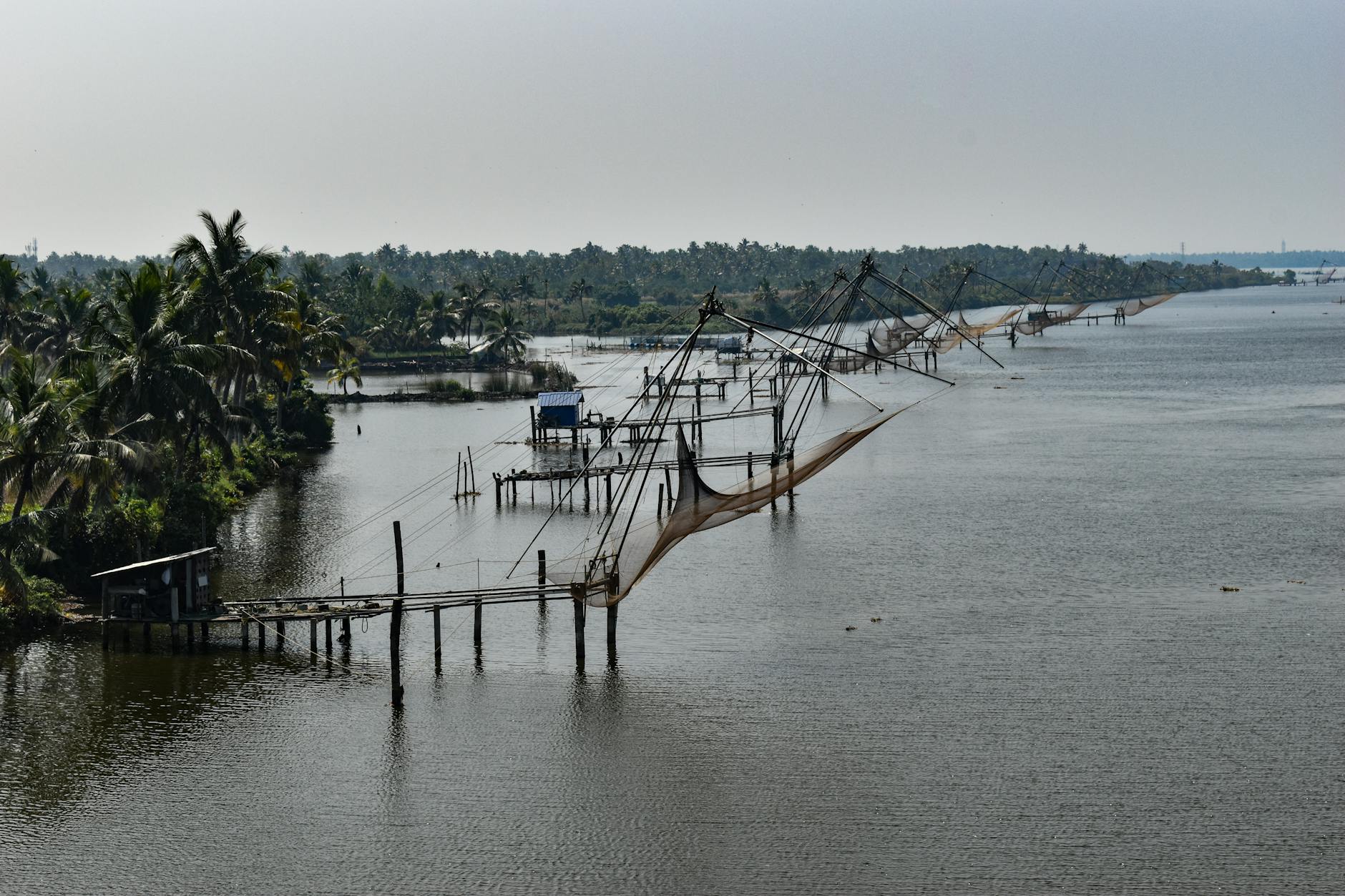
Skip treating Chinese fishing nets and a church exterior as if that alone were Kochi.
Skip overpacking the first or last day when the airport transfer is already doing real work.
Skip pretending humidity is a detail rather than a structural part of the destination.
Common Mistakes
The first mistake is booking a Fort Kochi hotel without understanding the transfer implications.
The second is staying in Ernakulam without intentionally building old-city time into the stay.
The third is trying to "cover Kochi" in midday heat as if walking cost nothing.
The fourth is using the city only as an airport before or after the backwaters.
The fifth is mistaking romantic historic imagery for a complete understanding of the city.
My Blunt Advice
If you are a first-time leisure traveler, start by making Fort Kochi your base unless you have a clear reason not to. Let the old port city do its work on you first. Then decide how much practicality and how much texture you need from the rest of the stay.
Kochi does not demand that you race. It demands that you place things correctly. Put the wrong hotel in the wrong district for the wrong purpose and the city becomes frustrating. Put the right hotel in the right district with the right amount of slack and Kochi becomes one of the most satisfying, intelligent, and manageable first stops in India.
Where Kochi Fits in an India Trip
Kochi matters in an India itinerary because it is one of the clearest places where a traveler can move from arrival into comprehension without immediately being overwhelmed. It is not soft in the sense of being simplified for outsiders, but it is more navigable, more coastal, and more structurally layered than some first-time India gateways. That makes it an unusually strong introductory city.
It also matters because it shows a different India than the one many first-time visitors imagine. This is not a north Indian monument route, nor a giant inland metropolis, nor a pure beach destination. It is a port city whose identity was shaped by trade, religion, migration, colonial contact, and water movement. If you want an India trip that includes maritime history and Kerala texture instead of only imperial or metropolitan narratives, Kochi is one of the best openings available.
In a wider Kerala route, the city works best either at the beginning as an acclimatization stop or later as a decompression point after more transfer-heavy or nature-heavy segments. It is less effective when treated as an afterthought between airport and backwaters. Kochi improves when it gets to be the first thing you understand, not merely the thing you pass through.
Kochi Versus Mumbai
This comparison is useful because both cities are western-coast port cities with colonial layers, religious diversity, and trade history. But they ask completely different things of a traveler.
Mumbai is scale, pressure, and sectional planning inside a huge metropolis. Kochi is much smaller, slower, more fragmented by district identity, and less demanding in purely physical terms. Mumbai overwhelms through abundance and contradiction. Kochi persuades through placement and atmosphere.
If Mumbai is the city of movement that rarely stops, Kochi is the city where movement needs to be chosen. You do not conquer Kochi by range. You understand it by deciding whether today belongs to Fort Kochi, Mattancherry, Ernakulam, or the water itself. The city’s rewards are therefore less explosive and more situational.
Travelers who want a first Indian city that still feels historically deep but does not require metropolitan endurance often do much better in Kochi than in Mumbai. The tradeoff is that Kochi’s value is quieter and easier to understate.
First-Time Visitors Versus Repeat Visitors
Kochi is unusually kind to first-time visitors provided they make one correct decision early: the base. Once that is right, the city often feels manageable, visually rich, and properly different from other Indian stops. That makes the first visit rewarding fast.
But first-time travelers still tend to compress the city too aggressively. They assume Fort Kochi and Mattancherry are a single walkable heritage zone that can be exhausted in one straight sweep, or they stay in Ernakulam for efficiency and never really let the older port-city layers take hold. The result is a stay that was competent but not fully formed.
Repeat visitors tend to do better because they understand the city’s split identity more clearly. They know when practicality should win and when atmosphere should. They use the water routes more selectively. They stop expecting one district to explain all of Kochi. They also allow more empty time, which helps the city feel less like a sequence of points and more like a coastal habitat.
The best first-time traveler can borrow that mindset. Do not try to force totality. Try to place the city correctly in your route and in your day.
Cooler-Season Kochi Versus Hotter-Season Kochi
Season changes Kochi more than some first-time visitors expect, not because the city becomes impossible in hotter or wetter periods, but because the cost of movement rises. In cooler months, Fort Kochi and Mattancherry can feel genuinely pleasurable on foot for longer stretches. In hotter months, the same routes become something you have to manage actively.
This matters because Kochi’s value is tied to wandering, ferries, small streets, and slower observation. If the climate is working against those activities, the city risks flattening into hotel-to-car-to-sight logistics. That does not mean you should never come outside the ideal window. It means you should accept a different version of the trip.
Monsoon and high-humidity periods can make Kochi moodier and more atmospheric, but also more operational. You may get richer air and softer light, but you also get less spontaneous range. The right hotel and the right expectations matter more. In good winter weather, the city feels more forgiving and more legible.
For first-timers, the safer window remains the cooler season because it lets the place be walked rather than merely reached.
Why One Proper Kochi Day Matters
Kochi suffers from being broken into fragments. Airport arrival here, half-day there, one transfer day later. Because the city often sits at the edge of a larger Kerala route, it is unusually vulnerable to being experienced only in leftovers.
One proper Kochi day changes the whole read. A real day lets Fort Kochi settle, gives Mattancherry enough time to feel like more than an add-on, and allows the harbor-city logic to emerge. It also reduces the risk that every movement becomes a negotiation between heat, distance, and time pressure.
This matters because Kochi’s strengths are relational. St. Francis Church means more when it belongs to an older waterfront city rather than a random colonial stop. Mattancherry Palace and Jew Town mean more when they are read as port history, not just as heritage tokens. Even lunch means more when it sits inside a coherent district day.
Without one proper day, Kochi is easy to admire and easy to forget. With one, it often becomes a genuinely memorable first or last chapter in Kerala.
Why the Base Matters More Than Visitors Expect
Kochi may be the clearest case in this whole queue where the hotel decision determines almost everything. Because the city is not one unified product, the wrong base can make the whole stay feel misframed. Staying in Fort Kochi when you primarily need Ernakulam convenience can create transfer fatigue. Staying in Ernakulam when what you really wanted was old-port atmosphere can make the city feel anonymous.
The right base does more than shorten travel time. It aligns the city with the trip’s real purpose. Fort Kochi works because it lets the historic and atmospheric version of the city meet you at the door. Ernakulam works when you need urban practicality more than romance. The mistake is not choosing one or the other. The mistake is pretending they are interchangeable.
This is why Kochi rewards clarity more than optimism. If you know what the stay is for, the base becomes obvious. If you do not, you can easily end up with a technically efficient hotel and a weak memory of the city.
Day Kochi Versus Evening Kochi
By day, Kochi often feels warm, diffuse, and slightly effortful. Streets can be slower, humidity can dull judgment, and movement between districts can feel more operational than beautiful. This is not failure. It is the city reminding you that climate and transfer logic are part of the product.
By evening, Fort Kochi especially improves. The light softens, the waterfront becomes more appealing, cafés and seafood restaurants begin to make more sense, and the city’s older-port atmosphere regains emotional advantage. The same streets that felt merely practical at midday can become deeply memorable later.
This is one reason an overnight matters so much. Kochi is not a city whose whole argument is available at noon. It needs evening air, a slower dinner, and the sense that you are not rushing to the next state itinerary item.
Why Kerala Should Not Own the Whole Trip
Kerala is full of strong narrative magnets: backwaters, tea hills, Ayurveda, beaches, houseboats, and greener landscapes than many first-time visitors expect in India. Those magnets can make Kochi seem like the administrative preface rather than one of the actual chapters.
That is a mistake, because Kochi is the place where many of those wider Kerala stories first become intelligible. Trade, coast, climate, colonial contact, modern movement, and hospitality all meet here. If every thought is already about where you are going tomorrow, the city never gets to perform that function.
The better logic is to let Kochi have enough authority to frame the rest of Kerala. Once it has done that, the backwaters and hills make more sense. Before that, you are often just moving from product to product.
Why Food Is Structural, Not Decorative
Food in Kochi does not need to become a prestige chase to matter. Its real role is structural. A slow breakfast in Fort Kochi can set the pace of the entire day. A seafood lunch can keep the port-city identity present. A shaded café break can turn an overhot afternoon from mistake into rhythm. Dinner by the waterfront can make the city feel whole instead of merely historic.
This is especially important because Kochi’s climate punishes careless timing. Meal choices are not only about taste. They are about how the body moves through the day. Travelers who eat and pause well often feel the city is generous. Travelers who push through and then eat wherever they collapse often conclude that Kochi was merely humid and scattered.
The city’s food value is therefore not only culinary. It is tactical and atmospheric at the same time.
Why Kochi Often Works Better Than It Sounds
Kochi can sound slightly vague in summary. Fort Kochi, Chinese fishing nets, old churches, spice trade, gateway to Kerala. None of that is false, but it can make the city seem like a collection of thematic modules instead of a real urban place.
In practice, Kochi often works better than it sounds because those modules still belong to a functioning port-city logic. The old quarters, the water, the palace, the synagogue area, the church layer, and the practical modern city are all pieces of the same story. Once that becomes visible, the city gains depth fast.
Travelers who expected only a soft landing often leave with a stronger sense that they have actually been somewhere distinct. That is Kochi’s real win.
Why Kochi Often Improves on the Second Visit
The first visit to Kochi is usually dominated by basic orientation: where to stay, how long to stay, what counts as “the city,” and how to fit it into Kerala at all. That alone can consume some of the attention the city deserves.
On a second visit, those questions are quieter. You can choose the right base on purpose. You can spend more time in Mattancherry. You can use Ernakulam more intelligently. You can decide whether the water routes are enhancing the day or only complicating it. The city becomes more legible because you are no longer using it defensively.
This does not mean Kochi is weak on first contact. It means it belongs to the class of places that become better when you stop asking them to justify themselves instantly.
How Kochi Changes Over the Course of a Stay
On arrival, Kochi can feel a little unresolved. Depending on where you land and how you enter the city, it may seem more humid and more operational than romantic. This is especially true if the airport transfer is long, the day is heavy, or the first hotel choice was overly practical.
Then the city starts to sort itself out. Fort Kochi begins to soften. Mattancherry gives density and trade memory. The waterfront starts reading less like a tourism backdrop and more like the edge of a working port history. A slower meal helps. The evening helps.
By the second day or second evening, Kochi often feels much more coherent than it did on arrival. That is its essential move: from gateway to city, provided you gave it enough time and the correct frame.
Source Notes
- 1. Cochin International Airport, official about page: [https://www.cial.aero/About-Us](https://www.cial.aero/About-Us)
- 2. Cochin International Airport, official passenger transportation page: [https://test.cial.aero/contents/viewcontent.aspx?linkId=127](https://test.cial.aero/contents/viewcontent.aspx?linkId=127)
- 3. Kochi Water Metro, official Fort Kochi terminal page: [https://watermetro.co.in/terminal/Fort-Kochi](https://watermetro.co.in/terminal/Fort-Kochi)
- 4. Kerala Tourism, official St. Francis CSI Church page: [https://www.keralatourism.org/christianity/st-francis-church/77](https://www.keralatourism.org/christianity/st-francis-church/77)
- 5. Kerala Tourism, official Mattancherry area page: [https://www.keralatourism.org/kochi/mattancherry-kochi.php](https://www.keralatourism.org/kochi/mattancherry-kochi.php)
- 6. Kerala Tourism, official Mattancherry Palace page: [https://www.keralatourism.org/destination/mattancherry-palace-kochi/178/](https://www.keralatourism.org/destination/mattancherry-palace-kochi/178/)
- 7. Kerala Tourism, official Jew Town page: [https://www.keralatourism.org/kochi/jew-street-mattancherry.php](https://www.keralatourism.org/kochi/jew-street-mattancherry.php)
- 8. Kochi Water Metro, official project overview: [https://watermetro.co.in/about](https://watermetro.co.in/about)
- 9. Kochi Water Metro, official Fort Kochi terminal page: [https://watermetro.co.in/terminal/Fort-Kochi](https://watermetro.co.in/terminal/Fort-Kochi)
- 10. Kochi Water Metro, official Mattancherry terminal page: [https://watermetro.co.in/terminal/Mattancherry](https://watermetro.co.in/terminal/Mattancherry)