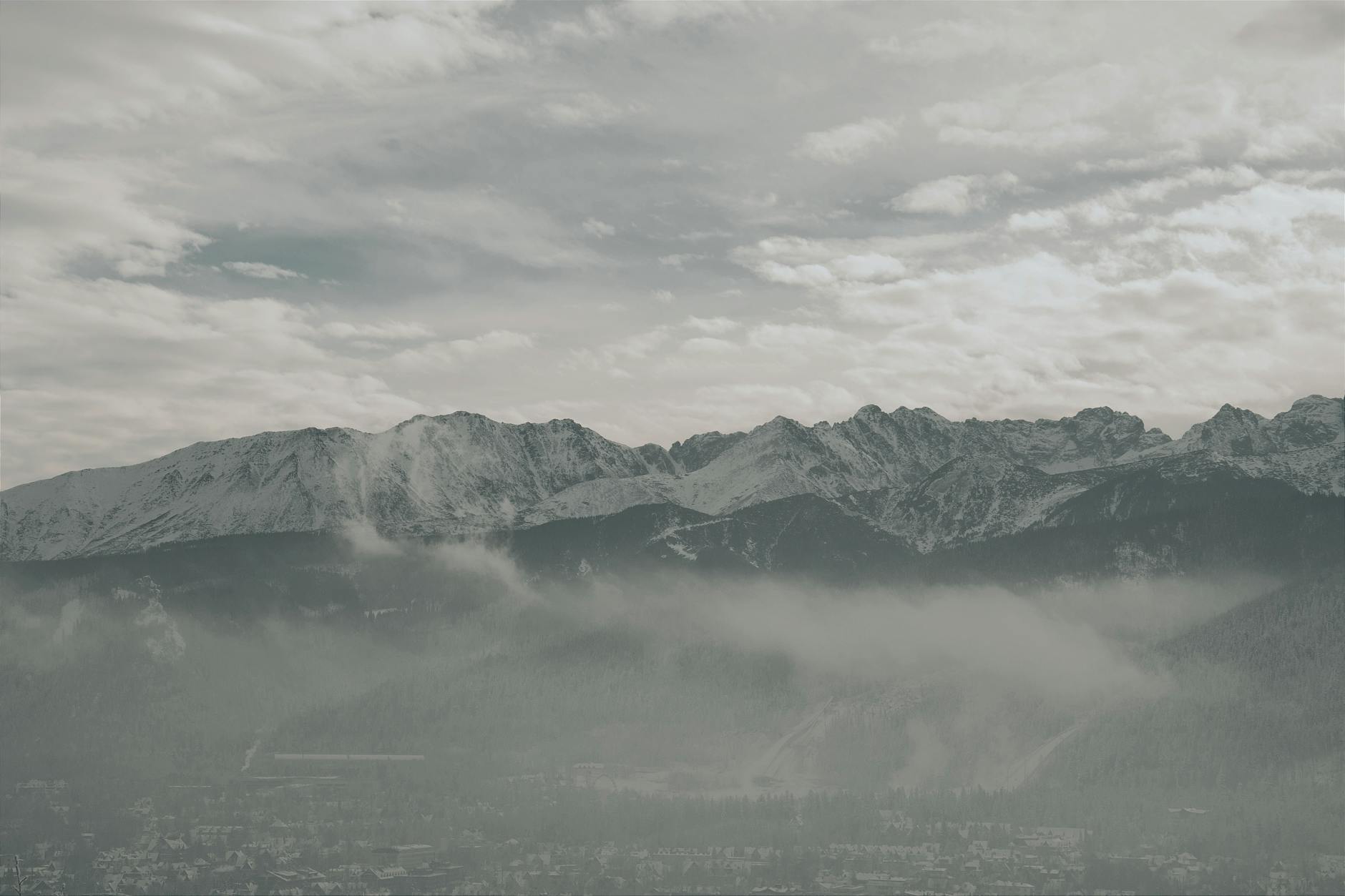
Zakopane is one of those destinations where the town and the idea of the town are constantly fighting each other.
Start Here
The idea is clean and seductive: wooden villas, mountain air, folk style, dramatic Tatras, long walks, hearty food, and a dramatic Polish alpine base with immediate access to high landscapes. The reality is more uneven. Zakopane is beautiful, useful, crowded, theatrical, tourist-heavy, and often badly paced by first-time visitors. People arrive expecting a seamless mountain idyll and end up surprised by the traffic, commercial pressure, and the difference between “being in Zakopane” and “being properly in the Tatras.”
That is not a failure of the place. It is the central planning challenge. The official city tourism site still describes Zakopane as the highest-located town in Poland, set between the Gubałówka hillside and the Tatra range, with the town functioning as an obvious base for mountain trips, culture, galleries, and ropeways.[1] That remains exactly right. Zakopane is not the mountains themselves. It is the threshold to them, plus a complicated resort town that has grown around that role.
Zakopane in one sentence: it is a mountain gateway that only works well once you stop asking the town to behave like untouched mountain silence.
Basic data
| Population | About 27,000 |
|---|---|
| Area | 84 km2 |
| Major religions | Roman Catholic heritage with a broadly secular visitor culture |
| Political system | Town government inside a parliamentary republic |
| Economic system | Tourism-led mountain economy supported by hospitality, recreation, and services |
Quick Verdict
Best for: first-time southern Poland travelers, walkers, mountain-oriented visitors, winter sports travelers, and anyone who understands that resort towns can be useful without being pure.
Less ideal for: travelers who want quiet alpine atmosphere at all hours or who dislike heavy tourist infrastructure.
Ideal first use: two to three nights, with one town day and one or two mountain-structured days.
Can justify more time: yes, especially if weather forces flexibility or if you genuinely hike.
Biggest planning mistake: trying to make Zakopane town and Tatra mountains happen at full intensity in the same undifferentiated day.
One thing to prioritize: pacing.
One thing to keep under control: attraction accumulation.
The blunt version: Zakopane is much better when you treat the town as a base and not as an all-day fantasy set.
Who Will Love Zakopane?
Zakopane works for travelers who want mountain access but are realistic about infrastructure. If you like the idea of waking up in a lively resort town and then moving into bigger landscapes with purpose, it can be excellent.
It is especially rewarding for visitors who can enjoy two different registers at once: a crowded, commercial center and a much more serious mountain environment beyond it.
It is also strong for travelers who like places where geography is not just beautiful but structuring. Zakopane is not interesting because it has “nice views.” It is interesting because the Tatras dictate how the trip has to be built.
Zakopane at a Glance
| Question | Practical Answer |
|---|---|
| Best visit style | base town plus well-planned mountain days |
| Main urban mood | busy resort, not quiet village |
| Main scenic payoff | Tatras and their edge |
| Best first easy ascent | Gubałówka |
| Main planning risk | confusing viewpoint tourism with mountain travel |
| Main physical challenge | weather, trail realism, and crowd timing |
| Core payoff | direct access to one of Poland’s most dramatic landscapes |
| Main mistake | asking the town to behave like the mountains |
2026 Visitor Notes
Zakopane Still Functions as a High Mountain Gateway, Not Just a Resort Town
The official city tourism site continues to define Zakopane through its altitude, location between the Gubałówka hillside and the Tatra range, and its role as a tourism base.[1] This remains the most useful way to understand it. The town matters, but mostly because of what it gives access to.
Trail Planning Still Requires Real Respect
Zakopane’s official tourism information continues to stress route planning, weather awareness, difficulty assessment, and the fact that Tatra trails are closed from dusk till dawn.[1] This is one of the most important practical notes for first-time visitors. The mountains here are not decorative.
Gubałówka Is Still the Fastest Big-View Shortcut
The official Zakopane site continues to present the Gubałówka funicular as a year-round lift from town to one of the easiest panoramic vantage points above Zakopane.[2] This remains a valid first move, provided you do not confuse it with an actual mountain day.
Tourist Information Remains Centralized and Useful
The city’s official information pages continue to maintain a tourist information center on Chramcówki with published contact details and hours.[3] For a place as weather-sensitive and seasonally variable as Zakopane, that still matters.
How to Understand Zakopane
Zakopane works through five different layers.
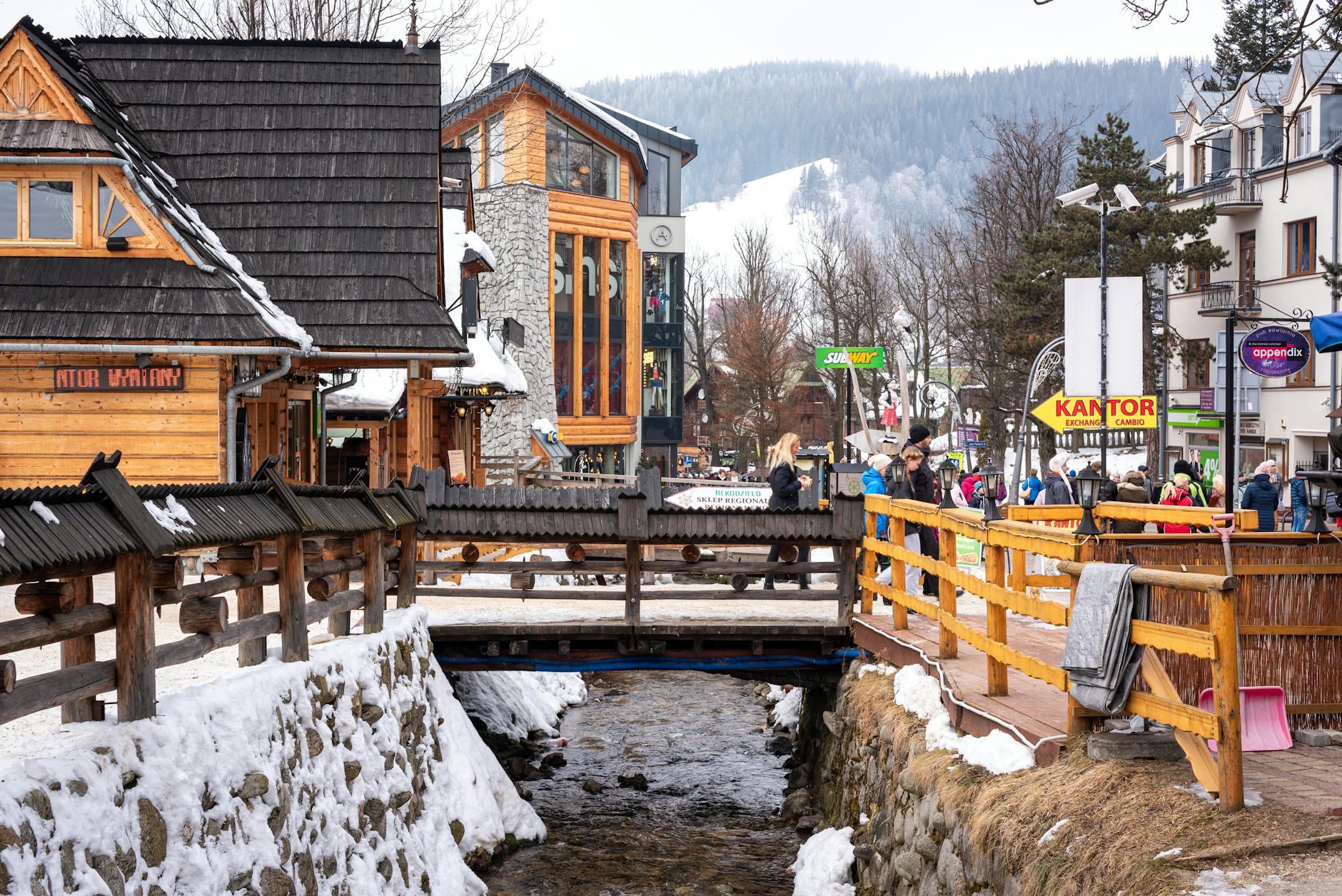
The first is the resort town: Krupówki, restaurants, shops, traffic, pensions, hotel life, and the crowded center.
The second is the scenic threshold: Gubałówka, villa districts, promenades, edge views, and the immediate sense of being under mountains even before you are in them.
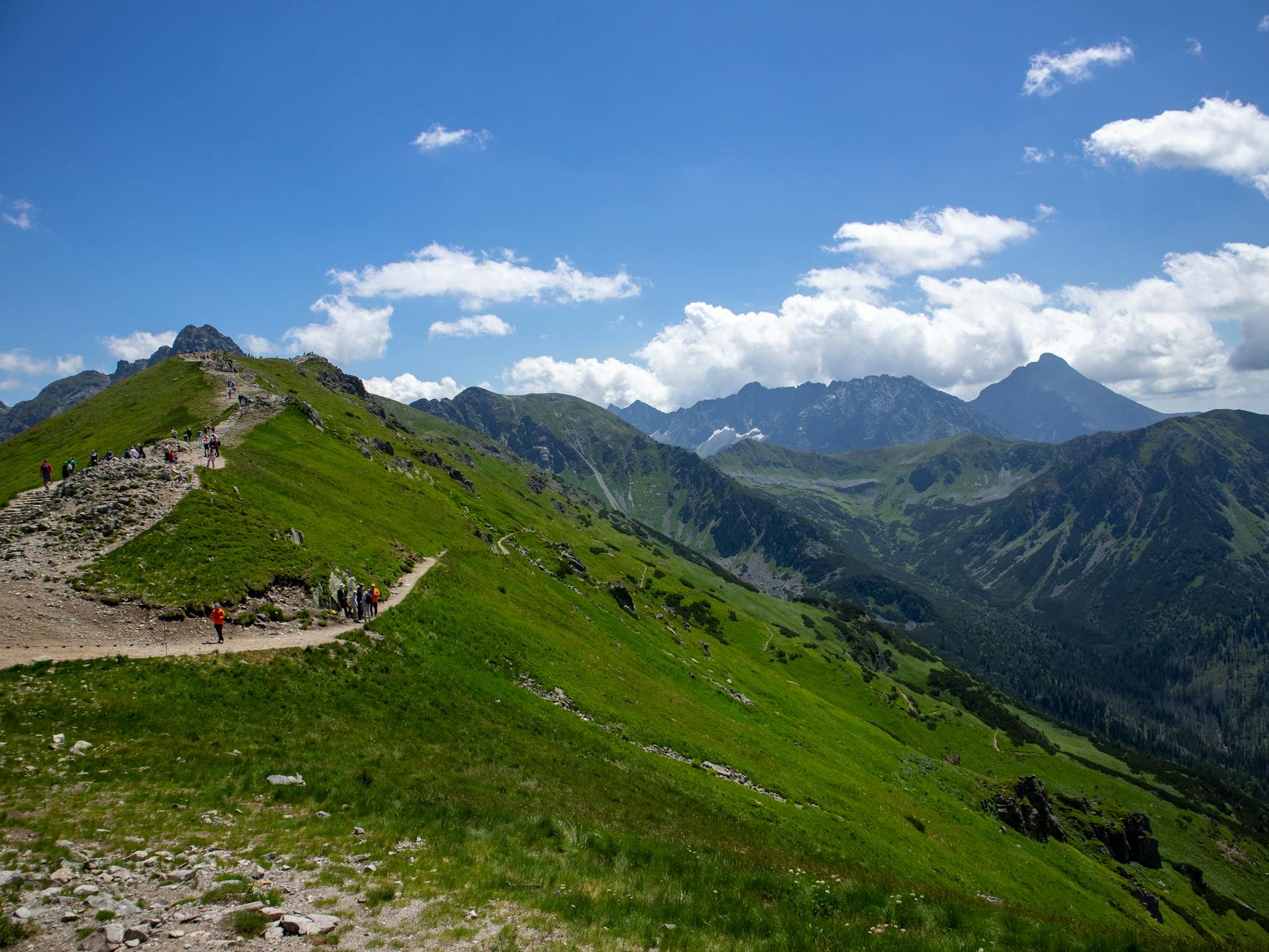
The third is the actual Tatra environment: routes, weather, trail time, Kuźnice-side departures, and the serious mountain logic beyond town.
The fourth is seasonal reinvention: Zakopane can behave like a hiking base, winter sports town, rainy-day refuge, or domestic resort depending on the month.
The fifth is expectation management: many people come here wanting one destination that is simultaneously authentic town, silent mountain village, and adventure platform. It is not that.
The Main Mental Shift
Do not ask, “What are the things to do in Zakopane?” Ask, “Which of these belong to the town, and which belong to the mountains?” Once you separate those two, the trip becomes far easier to shape.
What Makes Zakopane Distinct
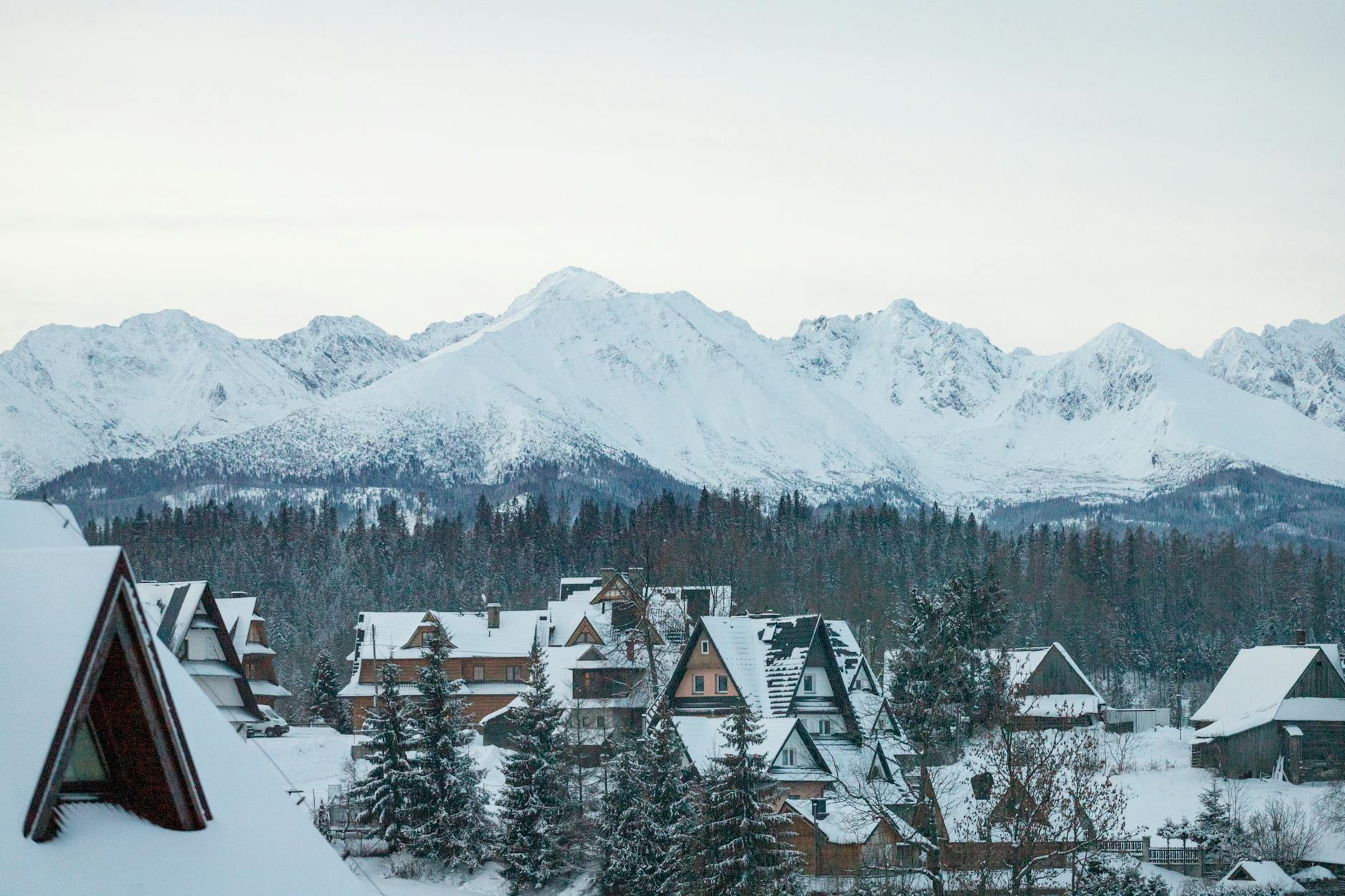
Zakopane is distinct because it gives Poland a very specific kind of mountain threshold: not an isolated alpine village, but a culturally loud, heavily touristed, historically important mountain town with immediate visual access to the Tatras.
That combination matters. The town can be charming, yes, but it is not subtle. Its value lies in the contrast between crowd-heavy resort life and the larger, more disciplined landscapes just beyond it. If you understand that split, Zakopane becomes much more defensible and much more enjoyable.
Many places claim to be “gateways” to mountains. Zakopane actually behaves like one. That means compromise, service infrastructure, queues, appetite, mixed quality, and logistical usefulness. None of those things are glamorous. All of them are real.
Best Time to Visit
Zakopane is strongest when your expectations match the season.
Summer and shoulder seasons are best for walking and range views if weather cooperates. Winter can be compelling for snow atmosphere and sports, but it also increases infrastructure pressure and can make the town feel even more overfull. In any season, clear weather transforms the place. Flat weather or rain can reduce the Tatras to absence.
This means flexibility is not optional. In Zakopane, weather is part of the itinerary, not just background.
It also means “best time” depends on what you actually want:
- if you want long mountain days, shoulder or warm-season clarity matters most
- if you want snow mood and winter identity, the town can still be rewarding, but crowd expectations need adjusting
- if you want mixed town-and-view travel, a flexible two- or three-night stay is more important than an exact month
How Much Time You Need
One Night
Possible, but too thin for most first visits unless Zakopane is only a scenic stop.
Two Nights
The minimum serious answer: enough for one town-focused stretch and one mountain-or-view day.
Three Nights
Often the best first-time balance, especially if you want weather backup.
Longer
Reasonable if hiking, weather variability, or winter-use actually justify it. Zakopane can absorb longer stays, but only if you are using it as a living mountain base rather than as an overgrown promenade.
Arrival Strategy
Zakopane should begin with a base decision.
Do you want to be close to Krupówki for easy evening walking, or slightly removed from it for a calmer stay? The town is easiest when you can dip into the center without being imprisoned by it. The official city material still emphasizes Zakopane’s function as a tourist hub with broad access to attractions and routes.[1] That is useful, but it also means the center can become noisy and overcommitted if you sleep too deeply inside its commercial logic.
If you are here for mountains, choose your lodging like a mountain traveler, not like someone booking only for souvenir access.
Where to Stay
This matters more in Zakopane than some first-time visitors realize.
Near Krupówki
Best for: people who want to walk out into food, evening movement, and the city’s most obvious social spine. Tradeoff: more noise, more crowd spillover, and a greater chance that Zakopane feels like a permanent fairground.
Slightly Removed from the Core
Best for: travelers who want the town to function as a base instead of an atmosphere machine. Tradeoff: a little more daily movement, less instant access to the main center.
The Practical Rule
For many first-time visitors, just-off-center is better than dead-center. You still want access, but you do not necessarily want Krupówki outside your window from breakfast to late evening.
The Two Zakopanes
This is the single most useful framing device for the town.
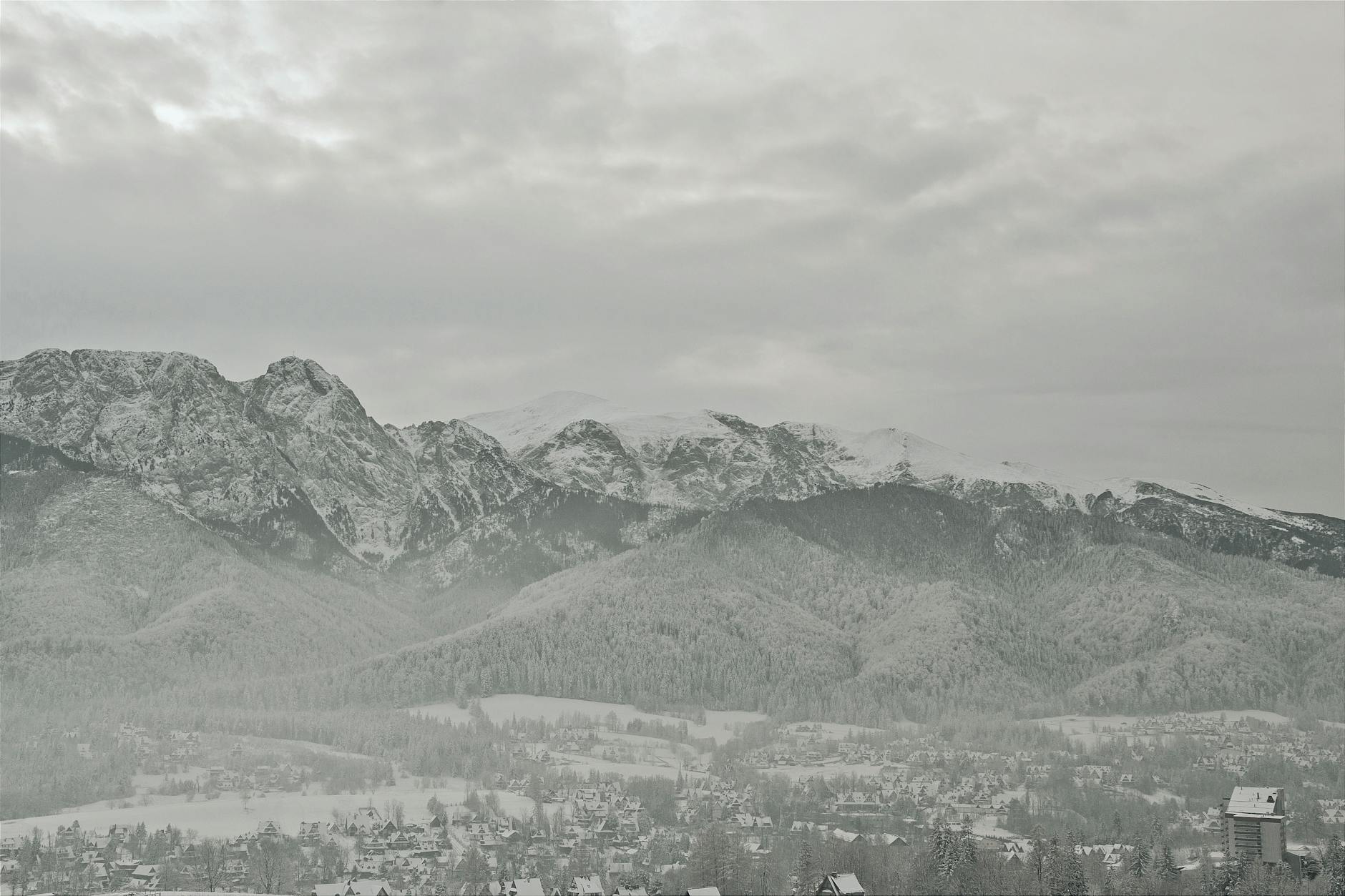
There is town Zakopane and there is mountain Zakopane.
Town Zakopane is about:
- strolling
- eating
- shopping
- people-watching
- timber architecture
- easy viewpoint infrastructure
Mountain Zakopane is about:
- weather
- route commitment
- stamina
- elevation
- return timing
- safety and restraint
The city only works well once you stop trying to blur those two into one seamless fantasy. They can relate well. They should not be mistaken for the same mode of travel.
Krupówki and the Center, Properly Used
Krupówki matters because it is the town’s social and commercial spine. But it is also where many first visits go wrong.
The center is useful for orientation, food, people-watching, and understanding Zakopane’s resort identity. It is not where the soul of the trip should live all day. Too much time here and Zakopane starts to feel noisy, overpackaged, and less distinctive than it really is.
The right move is to use the center, not surrender to it.
In practice that means:
- walk it early or at transitional hours
- use it for orientation and appetite
- do not measure the worth of the town only by how enchanting Krupówki feels at peak crowd levels
Krupówki is one of the reasons people come. It is not the reason Zakopane endures.
Why Krupówki Feels Worse Than the Brochure
This is worth naming because it surprises people.
The mountain-town fantasy suggests that the main promenade will feel atmospheric, wooden, folkloric, and somehow alpine in a quiet, almost literary way. Sometimes it does, briefly. More often, especially at peak times, it feels like a commercial artery under pressure.
That does not mean it is bad. It means it belongs to a working resort town. Once you accept that, Krupówki becomes easier to use correctly and less disappointing.
Gubałówka: Real View, Easy Reward, Limited Meaning
The official city site still presents the Gubałówka funicular as a year-round route from Zakopane to broad Tatra panoramas, with the ride taking only a few minutes.[2]
That makes it one of the most efficient scenic moves in town, and for many first-time visitors it absolutely belongs. But it should be understood for what it is: a fast scenic platform and orientation tool. It is not a substitute for mountain time, and it should not be mistaken for a full Tatras experience.
Gubałówka is strongest when:
- the weather is clear
- you want an opening orientation move
- your trip cannot support a harder mountain day
- you need a scenic answer on an otherwise compromised schedule
It is weakest when people insist on treating it as proof that they have “done the mountains.”
Kuźnice and the Threshold Effect
Every serious Zakopane trip eventually confronts threshold space: the zone where town logic ends and mountain logic begins. Kuźnice is part of that emotional transition even when visitors do not name it.
This threshold matters because it changes your behavior. In town, you can improvise. In the mountains, you should not. In town, appetite leads. In the mountains, time leads. Zakopane is a stronger place once you notice where that handoff happens.
Even if your trip is modest, recognizing the threshold gives the destination its proper scale.
Mountain Days and the Need for Discipline
Zakopane’s official tourism guidance is unusually clear about mountain planning: choose routes honestly, understand conditions, carry maps or navigation, and remember that trails close from dusk till dawn.[1]
This is not overcautious bureaucracy. It is what makes the destination work. Zakopane improves once you stop thinking of the Tatras as something you casually sample between lunch and shopping. Mountain days here should be their own days.
A good mountain day from Zakopane usually means:
- leaving with intent
- understanding your route before you start
- not stacking too many ambitions after return
- accepting that weather can reduce your plan
That last point is critical. In mountain destinations, the trip improves when you stop demanding total obedience from conditions.
The Error of “One More Thing”
This is one of the most common route failures in Zakopane.
Because the town itself looks so accessible, visitors often keep adding “one more thing”:
- one more viewpoint
- one more ropeway
- one more food stop
- one more walk
- one more hill
In an ordinary city, this can be harmless. In Zakopane, where mountain time and town time already compete, “one more thing” is often what breaks the day.
The correct response is not ascetic minimalism. It is sequence. Decide what type of day it is and let the rest of the town support that choice.
The Third Zakopane: Viewpoint Zakopane
There is also a third version of the destination that deserves its own category: viewpoint Zakopane.
This is the Zakopane of:
- scenic lifts
- quick panoramas
- accessible high-ground views
- “we saw the Tatras” satisfaction without a full mountain commitment
This version is not fake. It is completely legitimate, especially for shorter stays, mixed-ability groups, poor weather windows, or travelers who want visual reward without a full hiking day. The problem comes only when viewpoint Zakopane gets confused with mountain Zakopane.
Once you understand the difference, the trip becomes more honest and much more enjoyable. Gubałówka can be wonderful. It just should not be asked to stand in for everything beyond town.
Town Culture, Wooden Style, and Why the Built Environment Still Matters
Even if mountains are the main point, Zakopane’s built environment should not be ignored. The city’s official tourist area still presents galleries, cultural spaces, and attractions as part of the visitor identity.[1]
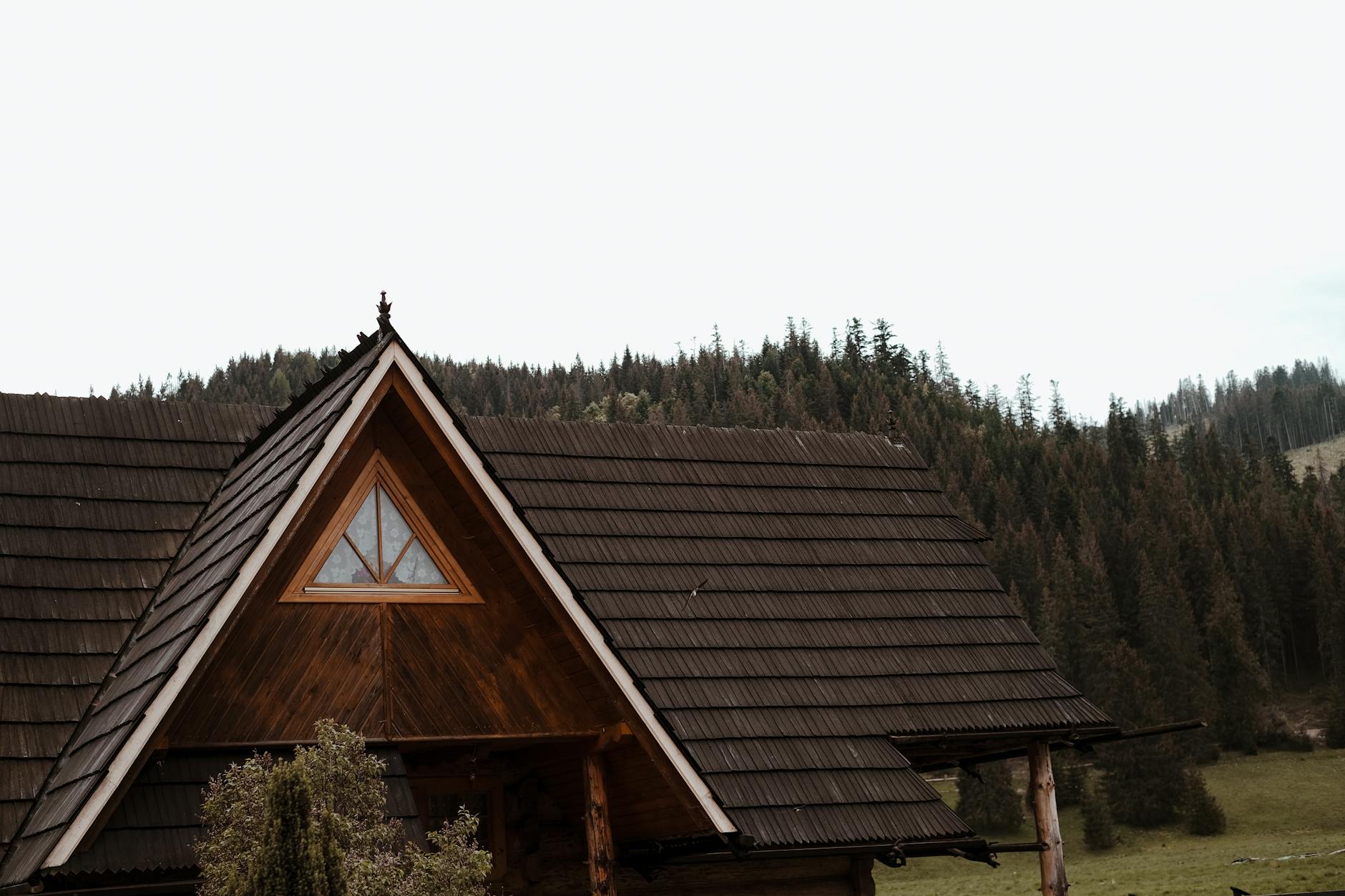
That matters because Zakopane is not just a logistics platform. The wooden architecture, villa history, and cultural self-presentation give the town more depth than its busiest commercial strip suggests. The trick is to look slightly beyond the most crowded frontage.
The reward is that the town stops feeling like an oversized souvenir corridor and starts feeling like a place with a specific regional and aesthetic memory.
Why the Town Needs Its Own Day
Many first-time itineraries implicitly deny this, but Zakopane often works best when the town gets at least one partially independent day or half-day.
Why? Because if you use every daylight hour only for outward mountain effort, the town becomes a blur of exhaustion-management. That produces a very partial experience:
- you see the center only when it is busiest or most irritating
- you never read the architecture calmly
- you never discover whether the town itself has any hold on you
- the whole trip becomes purely functional
A town day does not mean doing nothing. It means allowing Zakopane’s built environment, food rhythm, and social life to count as part of the destination instead of leftover time.
Food, Heaviness, and Timing
Zakopane food is part of the place, but timing matters a great deal.
This is not a destination where every hearty meal belongs in the middle of a mountain-plan day. Heavy food is more useful:
- after a hard day
- on a dedicated town day
- during colder-weather travel
It is less useful when it is stacked carelessly into a day that still requires alertness and physical effort. The town’s food identity can support the trip beautifully, but only if it is matched to what the day is actually doing.
The Resort-Town Problem, Properly Understood
Some travelers use “resort town” as a dismissive label, but it is more useful to treat it as a planning fact.
Being a resort town means Zakopane is built to absorb:
- short-stay appetite
- family traffic
- seasonal surges
- souvenir demand
- mixed seriousness of purpose
This creates two reactions. Some people resent it immediately and declare the town too commercial. Others lean into it so hard that the trip becomes nothing but promenade, snacks, and scenic shortcuts.
Both readings are too simple. The right move is to accept the resort infrastructure as part of what makes the mountains accessible, while refusing to let it replace the larger reason you came.
Weather, Rest Days, and the Usefulness of Imperfect Time
Zakopane is one of those places where a “failed” mountain day does not have to become a failed trip day. If the weather closes in, use the town, the lower walks, the cultural side, or a shorter view-based outing instead of stubbornly demanding a full alpine performance.
This is where having more than one night helps. The town makes more sense when it is allowed to absorb some imperfect weather.
Bad-weather Zakopane can still support:
- architecture and slower district walking
- one controlled scenic outing
- an intentionally food-forward day
- recovery before a stronger mountain attempt
The town improves the moment you stop declaring every compromised-weather day a failed day.
In fact, bad weather often teaches the destination correctly. It reminds you that Zakopane is not only about idealized summit conditions. It is also about flexibility, shelter, timing, and the ability to let a mountain place be variable without declaring the day ruined.
Morning Zakopane Versus Evening Zakopane
The town changes character markedly across the day.
Morning
Morning is often the best time to see the town with some dignity. Streets are calmer, views may be clearer, and the resort machinery has not yet reached its most exhausting pitch.
Midday
Midday can be the town’s weakest face if crowds and weather both turn against you. This is where over-romanticized expectations usually fail.
Evening
Evening can restore the place somewhat. Lights, appetite, and post-walk atmosphere help the town become more legible and more forgiving again.
The implication is simple: do not judge Zakopane entirely from one crowded midday pass through the center.
The One-Night Trap
Zakopane is especially vulnerable to the one-night trap because it photographs like a destination you could “sample.”
What usually happens in a one-night trap:
- arrival is late or crowded
- evening is spent in the noisiest part of town
- the next morning tries to combine a viewpoint, a walk, and departure
- the visitor leaves unsure whether the town was overrated or just mishandled
Sometimes one night is all you have. That is fine. But the shorter the stay, the more careful you need to be about not asking the town and the mountains to do the same job.
How to Build a Day in Zakopane
The most practical way to improve a Zakopane trip is to design the day by intensity level.
There are really only three successful day types:
1. Town Day
This is the day for:
- Krupówki in controlled doses
- architecture and slower walking
- scenic but not strenuous movement
- meals and pauses that define the rhythm
2. Scenic Infrastructure Day
This is the day for:
- Gubałówka or similar easy-access viewpoint logic
- one major visual reward
- less physical commitment
- protecting energy while still getting mountain context
3. Mountain Day
This is the day for:
- route seriousness
- weather-led decisions
- leaving with purpose
- coming back tired and allowing the town to be recovery
The day becomes weak when you try to stack all three into one itinerary. Zakopane rarely rewards that kind of enthusiasm.
Let the Town Be Recovery
One of Zakopane’s best uses is as recovery that still feels like travel.
After a serious mountain effort, you do not always need another attraction. You need:
- a walkable center
- warm food
- enough activity that the day still feels alive
- a sense of return
Zakopane can do this very well. In fact, that may be one of its deepest strengths. The town is not only a springboard. It is also a landing place.
This is why the town should not be judged only by whether it feels picturesque at noon. It should also be judged by whether it receives you well after effort. Often, it does.
A Good Two-Night Zakopane
If you only want one practical model, this is the strongest first-timer version.
Day 1
- arrive and settle
- use Krupówki for orientation, not overconsumption
- decide whether the trip is mountain-dominant or mixed
- keep the evening pleasant but not overfull
Day 2
- dedicate the day either to a real mountain route or to a consciously easier scenic plan such as Gubałówka plus town structure
- do not dilute this day with too many competing errands
- let the evening be restful and food-forward
Day 3
- use the morning for a calmer architectural or urban read
- depart without trying to cram in one more full outing
This is often enough for Zakopane to make sense.
If the Weather Is Excellent, Resist Overreaching
This sounds counterintuitive, but perfect weather can make people use Zakopane worse.
Why? Because clear skies create appetite inflation. Suddenly every view, every walk, every lift, every side plan seems possible. Visitors start adding rather than editing.
But mountain destinations are still governed by time, return, and fatigue even on beautiful days. The right response to excellent weather is not maximalism. It is choosing the strongest thing the day can support and doing it properly.
That is how good conditions become memorable instead of merely busy.
A Better Three-Night Zakopane
Three nights is where the destination becomes fair to itself.
That extra margin gives you:
- weather backup
- a real town day
- a real mountain day
- one lighter scenic or transitional day
This is often the ideal first-time balance because it stops the town and the mountains from having to cannibalize each other.
What a Good First-Time Zakopane Trip Feels Like
This is worth describing because it helps separate success from noise.
A good first-time Zakopane trip usually feels like this:
- the town was lively but not oppressive
- one easy scenic move clarified the geography
- one harder or more serious mountain-facing day gave the place weight
- food supported the rhythm instead of hijacking it
- weather was accounted for instead of cursed
- departure felt like leaving a base, not escaping a crowd
That emotional shape matters more than ticking every named attraction in the area.
What Zakopane Does Better Than More Polished Alpine Destinations
Zakopane is not the tidiest mountain town in Europe, and that is part of its value.
It does a few things especially well:
- it makes mountain access feel socially alive rather than sterilized
- it keeps strong regional identity visible
- it provides a real threshold to major mountain landscapes, not just decorative proximity
- it has enough friction to avoid becoming blandly premium
That friction is not always pleasant minute to minute. It is often useful in memory.
Why Zakopane Often Works Better for Return Visitors
First-timers often carry the heaviest expectations, and that can distort the place. Return visitors usually arrive with a more realistic frame:
- they know Krupówki is a tool, not a revelation
- they understand the value of town-versus-mountain separation
- they stop asking every view to prove something
- they use the destination more tactically
This is one reason Zakopane often gains stature after an initially mixed impression. Once stripped of fantasy, it can become a very effective base.
What Zakopane Teaches About Scale
One of the more interesting things about Zakopane is that it teaches scale through frustration.
At first, many visitors think the town is small enough to compress endlessly. Then the destination pushes back:
- crowd pressure slows the center
- weather reshapes the day
- mountains refuse to be treated like background
- food and fatigue alter what is possible after return
That pushback is not a flaw in the destination. It is how scale gets reintroduced into a place that looked deceptively manageable.
In this sense, Zakopane is educational. It reminds travelers that “small town” and “easy destination” are not the same thing. A mountain base can be compact in map terms and still demand adult planning.
That is part of why the place stays interesting. It keeps teaching proportion.
What Zakopane Does Worse Than the Fantasy
It is worth stating the weaknesses directly.
Zakopane does not always provide:
- quiet elegance
- flawless crowd management
- perfect curation
- pure alpine serenity
If you demand those things, the town may disappoint. If you accept that Zakopane is a functional, messy, historically layered mountain resort, it becomes much easier to like.
Why This Guide Needed a Second Pass
Zakopane is exactly the kind of place that suffers from short-guide treatment. A compressed version can hit the factual marks and still miss the central truth: that the destination is about separation and sequencing.
If you only say “mountains, Krupówki, Gubałówka, weather, stay two nights,” you are technically fine and practically underexplaining the place. Zakopane needs more room because it contains multiple travel modes that are constantly confused with one another.
That is why the second pass matters here. Without enough depth, a guide to Zakopane risks reproducing the same planning mistakes travelers already arrive with.
Why Zakopane Improves After the First Visit
The first visit is often about managing contradiction. The second is when the place becomes more legible.
You already know:
- Krupówki will not save the trip by itself
- the mountains need their own day logic
- Gubałówka belongs in its place, not at the center of the mythology
- weather can reshape everything
Once those lessons are learned, the destination becomes freer. You stop asking it to perform innocence and start using it for what it is actually good at.
That is usually when people begin to understand why the town remains so durable in Polish travel imagination.
How to Leave Zakopane Without Flattening It
Departure matters more here than people think.
The worst exit is the rushed one where you try to squeeze in one last major scenic move, one last heavy meal, and one last souvenir pass before leaving annoyed and overextended. That turns the final memory into crowd management.
A better departure usually means:
- using the morning lightly
- letting the town close on a calmer register
- preserving some dignity for the destination instead of draining it dry
Zakopane is not a place that benefits from “one last squeeze.” It benefits from knowing when the trip has said enough.
Town Mood Is Not the Same as Mountain Meaning
This may be the single most important interpretive point in the whole destination.
Zakopane can feel emotionally full even when you have not done very much. The wooden architecture, mountain weather, food smells, crowds, views, and constant Tatra presence give the town a strong mood. But mood is not the same as meaning.
Mountain meaning usually comes from:
- time
- commitment
- route choice
- weather awareness
- the discipline to let one good day be enough
Town mood usually comes from:
- promenade life
- restaurants
- architecture
- atmosphere
- the sense of being in a famous mountain place
Both matter. The mistake is letting the second replace the first without admitting that substitution. Once you separate them, Zakopane becomes a more truthful and therefore more rewarding destination.
Why the Friction Is Part of the Place
Zakopane would be easier if it were quieter, emptier, flatter, and less popular. It would also be less itself. Some of the destination’s value lies in the very friction people initially resist: pressure, appetite, tourism, weather, and imperfect pacing. Those things are not accidental noise. They are part of what makes the town a real gateway rather than a fantasy stage set.
Common Mistakes
Treating Krupówki as the Whole Destination
It is the center, not the meaning of the trip.
Confusing Gubałówka with the Tatras
It is scenic and worthwhile, but it is not the same thing as a real mountain day.
Underestimating Trail Planning
The official city guidance is careful for a reason.
Booking Too Little Time
Zakopane usually needs one more night than rushed itineraries want to give it.
Expecting Quiet Everywhere
The town is a resort hub. It is allowed to be busy.
Asking One Day to Do Everything
Zakopane punishes mixed-intensity itineraries more than people expect.
My Blunt Advice
Use Zakopane in two parts. Let the town be the town: useful, busy, slightly theatrical, good for food, orientation, and evening life. Then let the mountains be the mountains: weather-dependent, time-consuming, and deserving of their own discipline. If you mix those two registers intelligently, Zakopane works very well.
If you ask the town itself to be endlessly authentic and serene, you may end up disappointed. If you use it honestly as a threshold to the Tatras, you will probably understand why people keep coming back.
Zakopane is not best when it pretends to be pure. It is best when it accepts its role: a vivid, compromised, culturally specific mountain base that gives serious access to serious landscapes. That is more than enough.
Source Notes
- 1. Official Zakopane tourist-area page. Used for current city framing, location between Gubałówka and the Tatras, and official mountain-planning guidance including trail realism and dusk-to-dawn closure. https://www.zakopane.pl/en/tourist-area
- 2. Official Zakopane page for the Gubałówka funicular railway. Used for current year-round operation framing, travel time, panorama description, and operator reference. https://www.zakopane.pl/en/tourist-area/tourism/mountain-ropeways/gubalowka-funicular-railway
- 3. Official Zakopane site search/information page. Used for current tourist information center contact details and hours. https://www.zakopane.pl/strefa-turystyczna/wyszukiwarka