Xi'an is often sold in a single sentence: Terracotta Warriors, city wall, Muslim Quarter, done. That summary misses why the city works. Xi'an is not only a checklist of imperial China. It is a city where deep historical prestige, northwestern food culture, intact urban structure, and a still-usable old-new divide can combine into a trip that feels much richer than a quick heritage stop. It rewards travelers who want history that still has street life around it. The trick is not to let the trip collapse into archaeology plus crowds. Xi'an is strongest when the historical material is given dignity, the food scene is taken seriously, and the route stays compact enough that the city still feels inhabited rather than only interpreted.
How Xi'an works
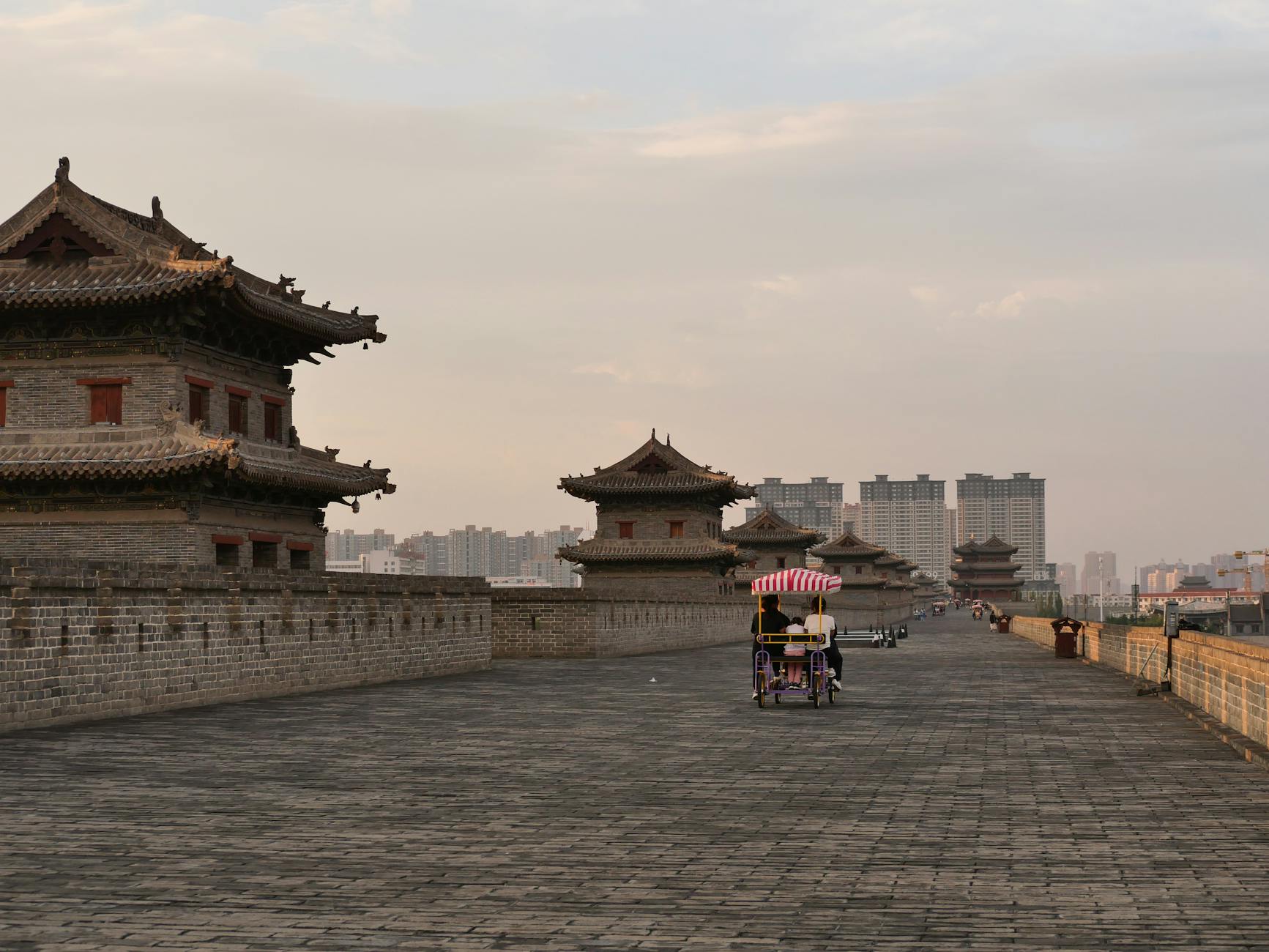
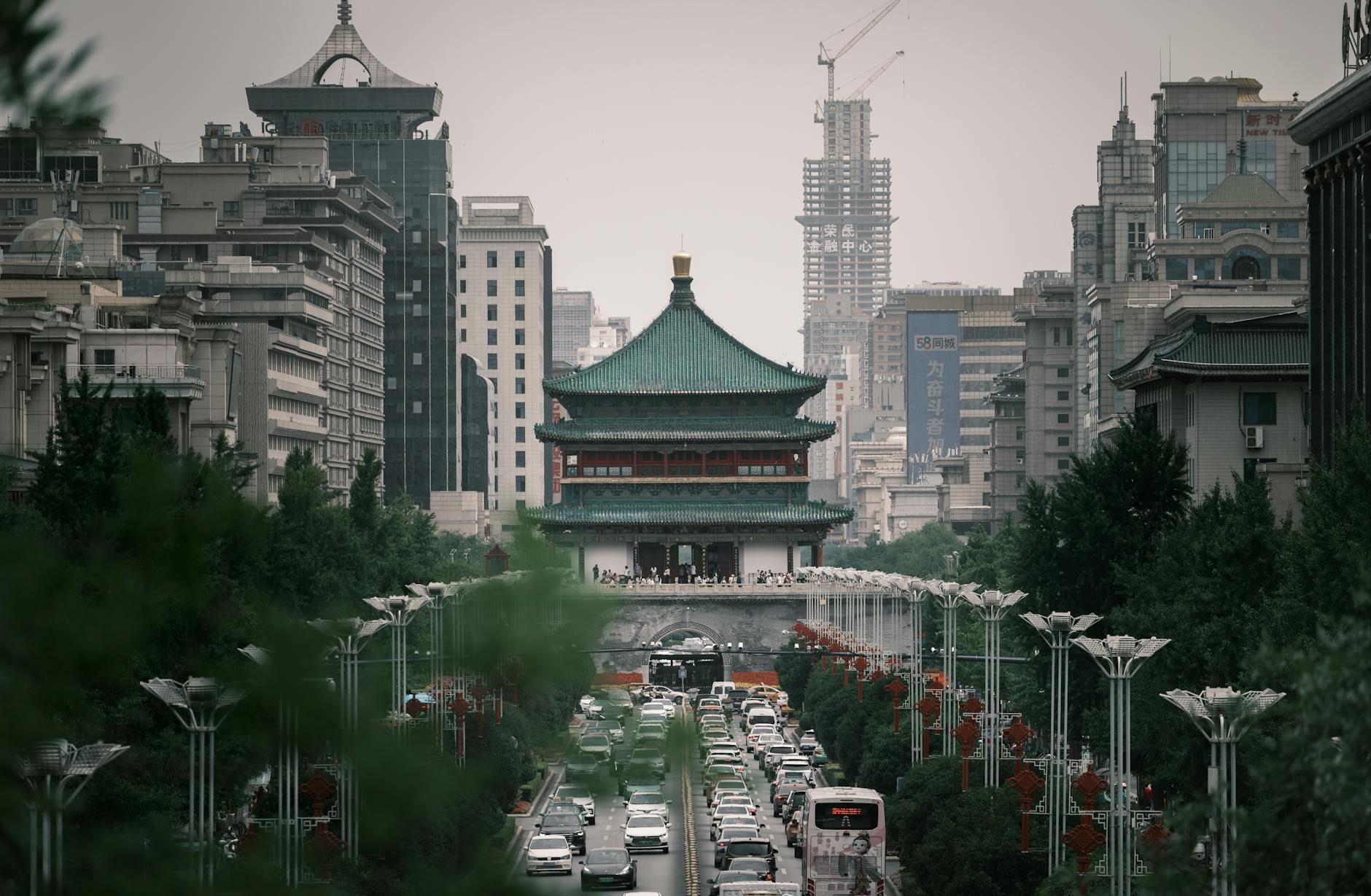
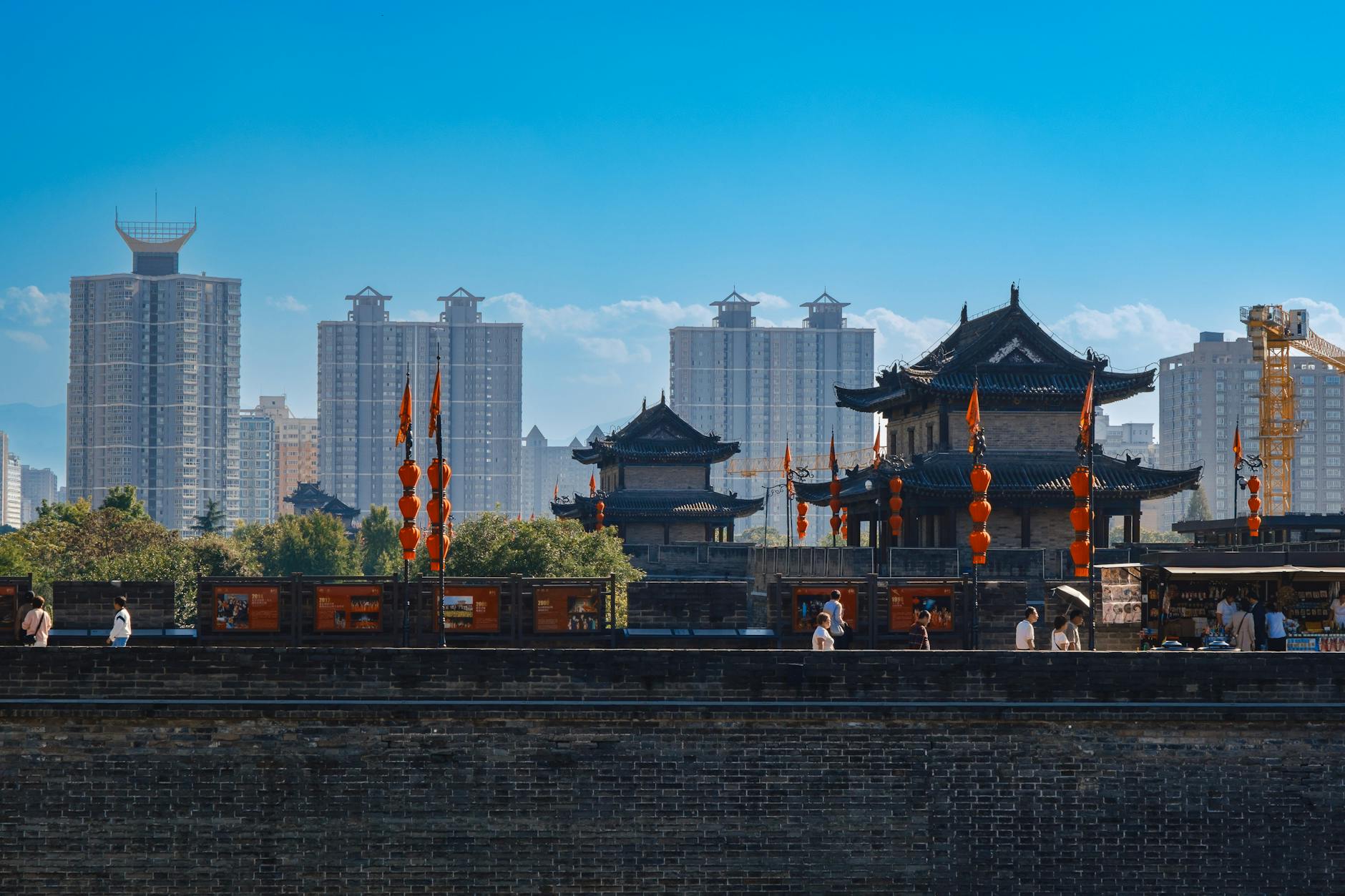
Xi'an works through a strong old-city frame. The wall gives the city an unusual sense of orientation, and many of the most meaningful visitor experiences are tied to the historic center and its immediate orbit. At the same time, the city is not frozen. There is a modern Xi'an around the historical core, and the trip benefits when the traveler uses that modern layer for hotel comfort and clean movement while keeping the old city central to the emotional logic. Xi'an becomes much better when it is treated as a real city with a historical center, not as an open-air museum.
- The wall is more than a sight; it gives the city coherence.
- Old Xi'an and modern Xi'an should support each other in the trip.
- The city rewards concentration rather than scatter.
Basic data
| Population | About 13 million |
|---|---|
| Area | 10,108 km2 |
| Major religions | Largely secular public life with Buddhist, Muslim, Christian, and Daoist communities |
| Political system | Sub-provincial city inside a socialist one-party state |
| Economic system | Upper-middle-income mixed economy led by manufacturing, technology, education, logistics, and tourism |
Best time to visit
Spring and autumn are often the best Xi'an windows because they let the city's outdoor historical material, food wandering, and wall-oriented movement all work at once. Summer can still be rewarding, but heat and crowd density make the old city heavier to use. Winter can be atmospheric and very good for travelers who care more about historical seriousness and food than about lingering outdoors for long stretches. Xi'an is not difficult seasonally, but the quality of walking and pacing changes a great deal with the weather.
- Autumn is often the smoothest all-round Xi'an season.
- Heat raises the burden of old-city sightseeing quickly.
- Winter Xi'an can be excellent for travelers who prefer mood and history over comfort-led strolling.

Arriving and getting around
Xi'an is manageable once the traveler understands that the historical layer should guide the route. Arrival is usually simpler than in China's largest megacities, but the placement of the hotel still matters because a weak base can make the old city feel less integrated into the stay. Local transport is workable, yet many of the best Xi'an days are partly walk-driven. The city rewards travelers who cluster their major historical moves and leave enough energy for food and evening atmosphere.
- Use the old city as the route anchor.
- Xi'an is easier than Beijing or Shanghai, but still rewards a good first base.
- A cleaner route improves both the history and the food side of the trip.

Where to stay
Hotel choice in Xi'an should be about access to the historical core without sacrificing too much comfort. A base near or inside the wider old-city orbit helps the city make emotional sense quickly. More modern hotel districts can suit certain travelers, but if they put too much distance between you and the historical heart, Xi'an loses force. This is one of those destinations where convenience and atmosphere should be aligned rather than traded against one another.
- Stay with the historical core in mind.
- The right base helps Xi'an feel cohesive rather than fragmented.
- A slightly stronger hotel near the old city usually pays off.
The old wall city and what should actually anchor the trip
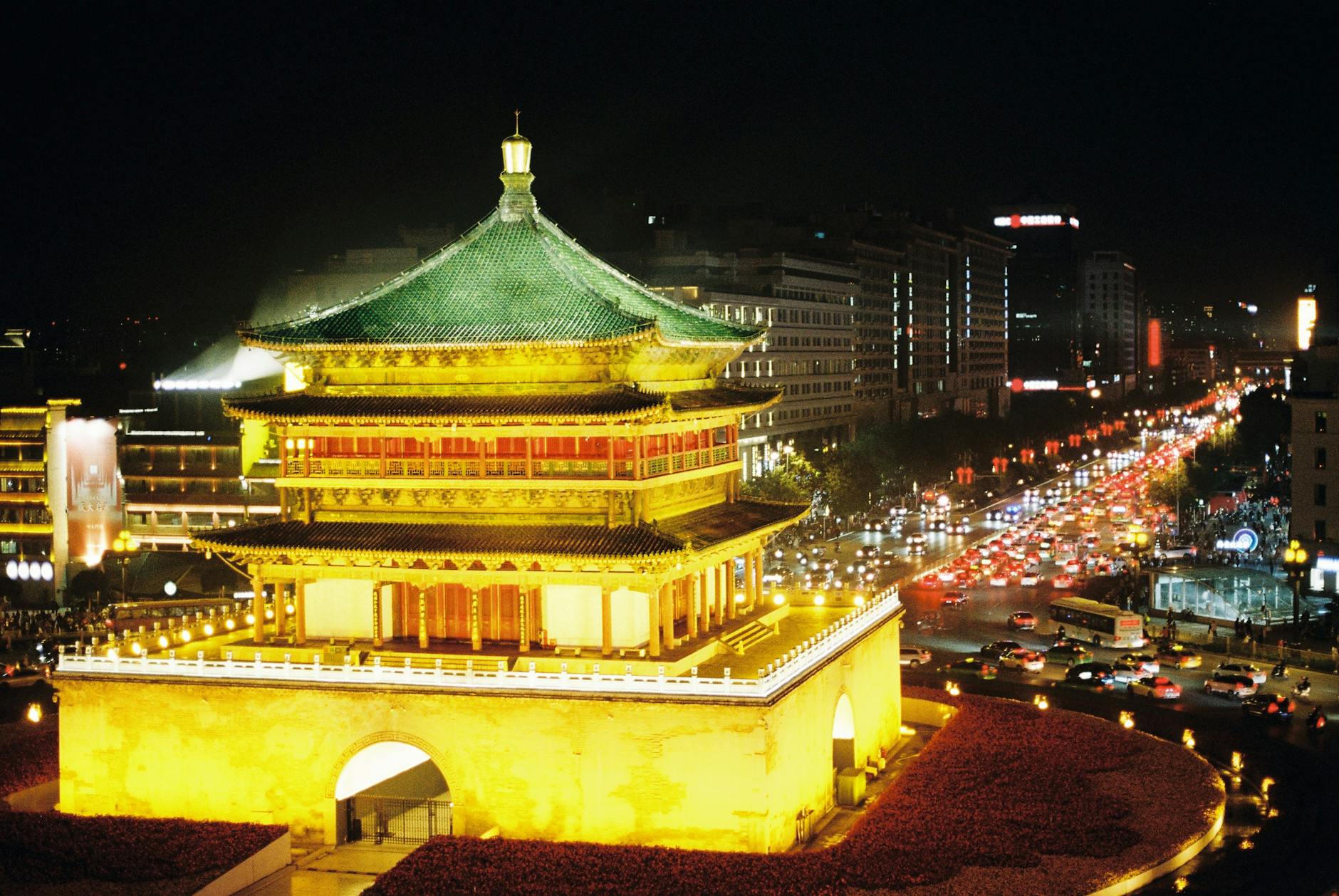
Xi'an rewards travelers who let the wall do more than serve as a photo opportunity. It creates orientation, rhythm, and a sense of contained historical gravity that many other old cities have lost. The strongest stays usually let the wall, one or two major historical compounds, and one food-heavy district structure the whole map. Once the city starts behaving this way, Xi'an stops feeling like a side excursion and starts feeling like an actual center.
- The wall should organize the stay, not just decorate it.
- Xi'an is strongest when the old city sets the emotional tone.
- A smaller map usually makes the city feel bigger in memory.
What Xi'an does better than many heritage cities
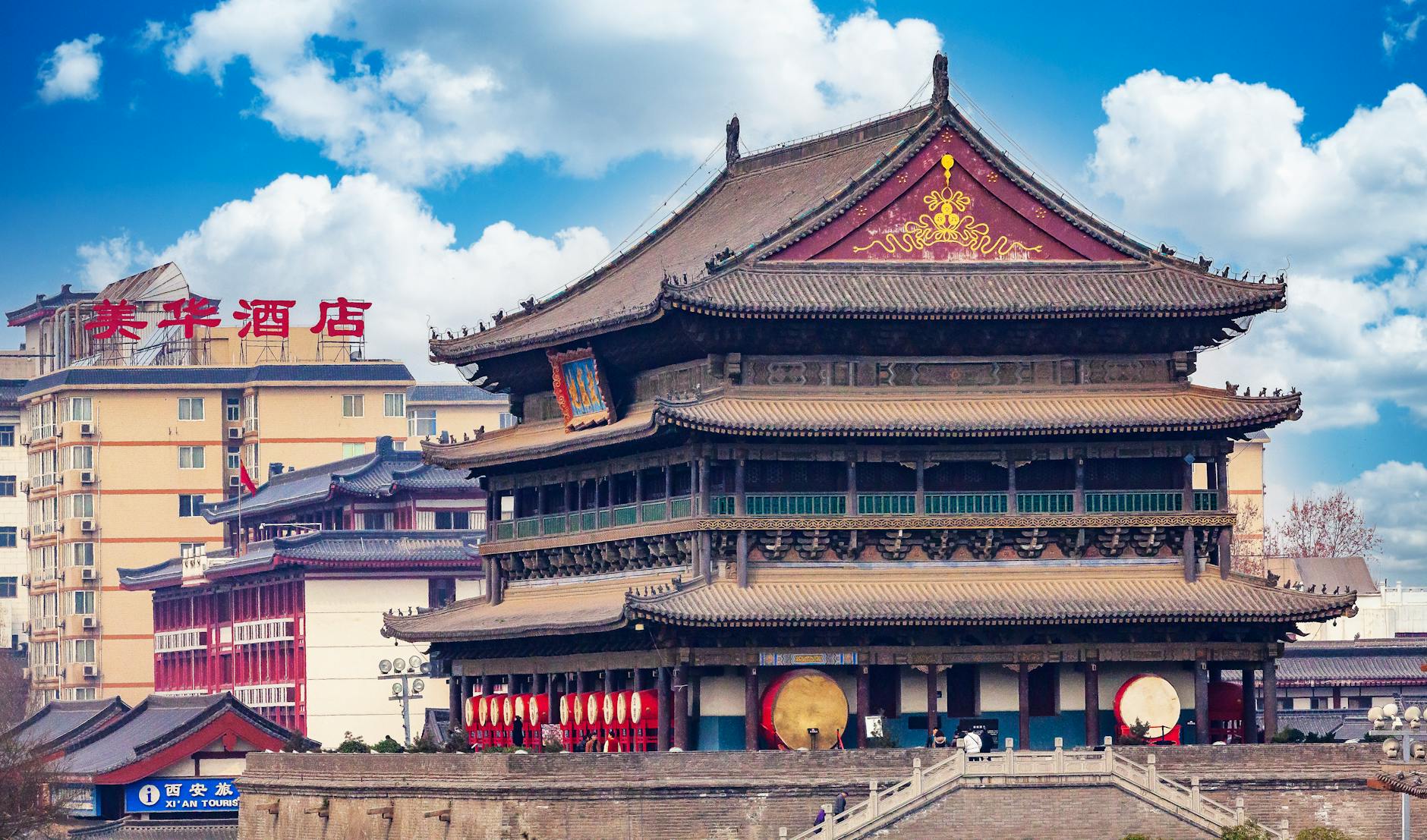
Xi'an is unusually good at making major history feel city-sized rather than remote. The Terracotta Warriors are the headline, but the city's deeper value lies in the way walls, gates, pagodas, food streets, and the memory of imperial centrality still structure the trip. It is particularly strong for travelers who like historical destinations but do not want the modern city around them to feel generic or purely service-oriented.
- Xi'an gives history structural presence, not just museum presence.
- The city feels like an old center of gravity, which is part of the appeal.
- It rewards travelers who want heritage without total urban deadness.
The Terracotta Warriors without letting the whole city collapse into them
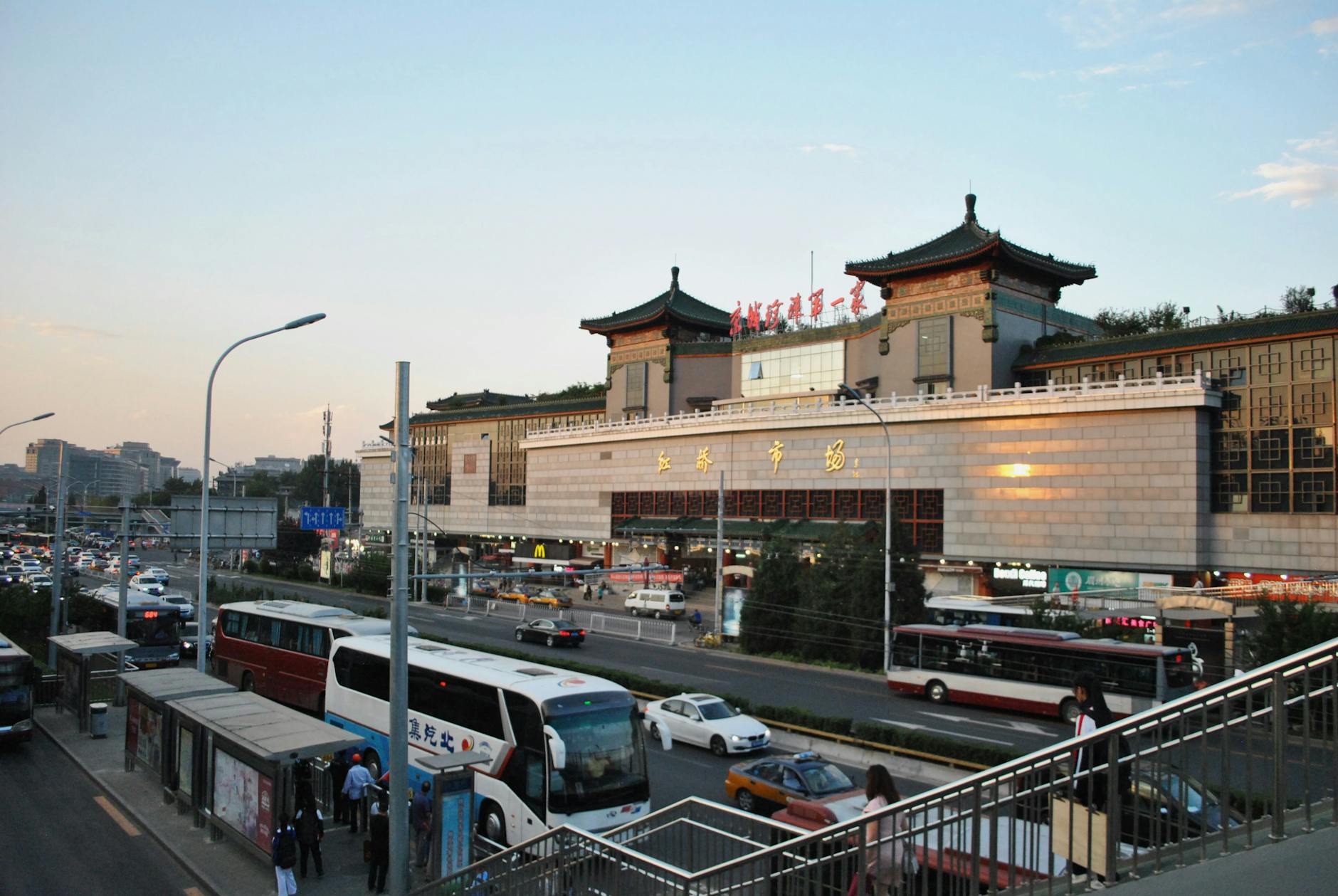
The Warriors matter. They are one of the great archaeological sights in the world. But a weak Xi'an trip turns them into the sole narrative and reduces the city to prelude and aftermath. The stronger move is to treat them as one heavyweight cultural day inside a broader urban stay that still has walls, pagodas, eating, and evening atmosphere of its own. Xi'an gets much better once the headline sight stops monopolizing the imagination.
- The Warriors should dominate one day, not the whole trip.
- A strong Xi'an still exists before and after the headline excursion.
- The city becomes richer when the archaeological layer is balanced by urban life.
Food and the northwestern appetite of the city
Xi'an is a serious food destination, and the trip weakens if that is treated as background. Muslim Quarter eating, noodles, breads, skewers, soups, dumplings, and the broader northwestern flavor of the city all matter. The famous streets can become crowded and overperformed, so the stronger move is often to use them selectively while also finding calmer meals that let the food speak without too much tourist theater. Xi'an is one of those places where appetite should be part of the route design from the beginning.
- Food is one of Xi'an's real reasons to come, not a bonus.
- Use famous food areas selectively rather than surrendering every meal to them.
- The city is strongest when history and appetite are allowed equal weight.

Etiquette and local norms
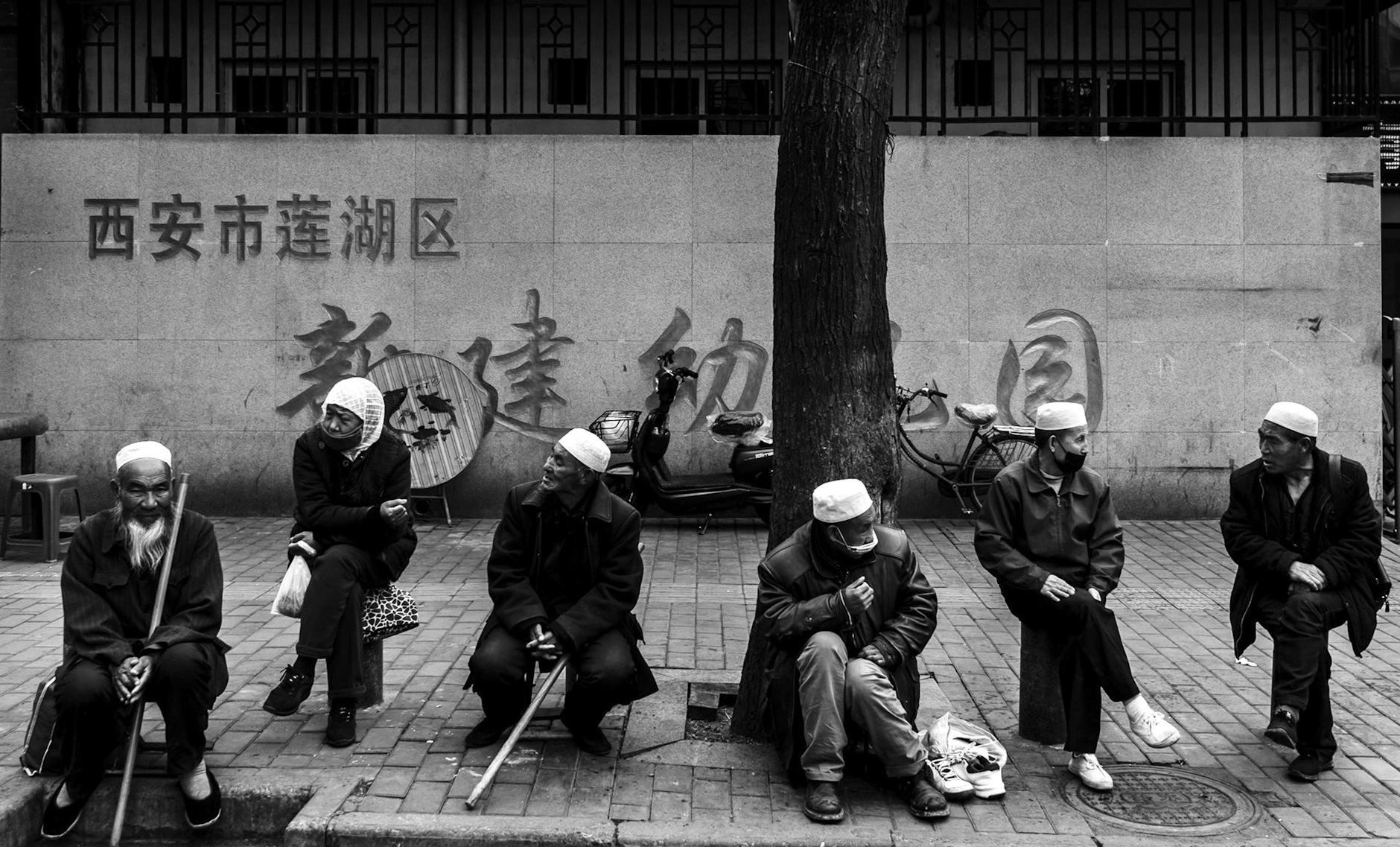
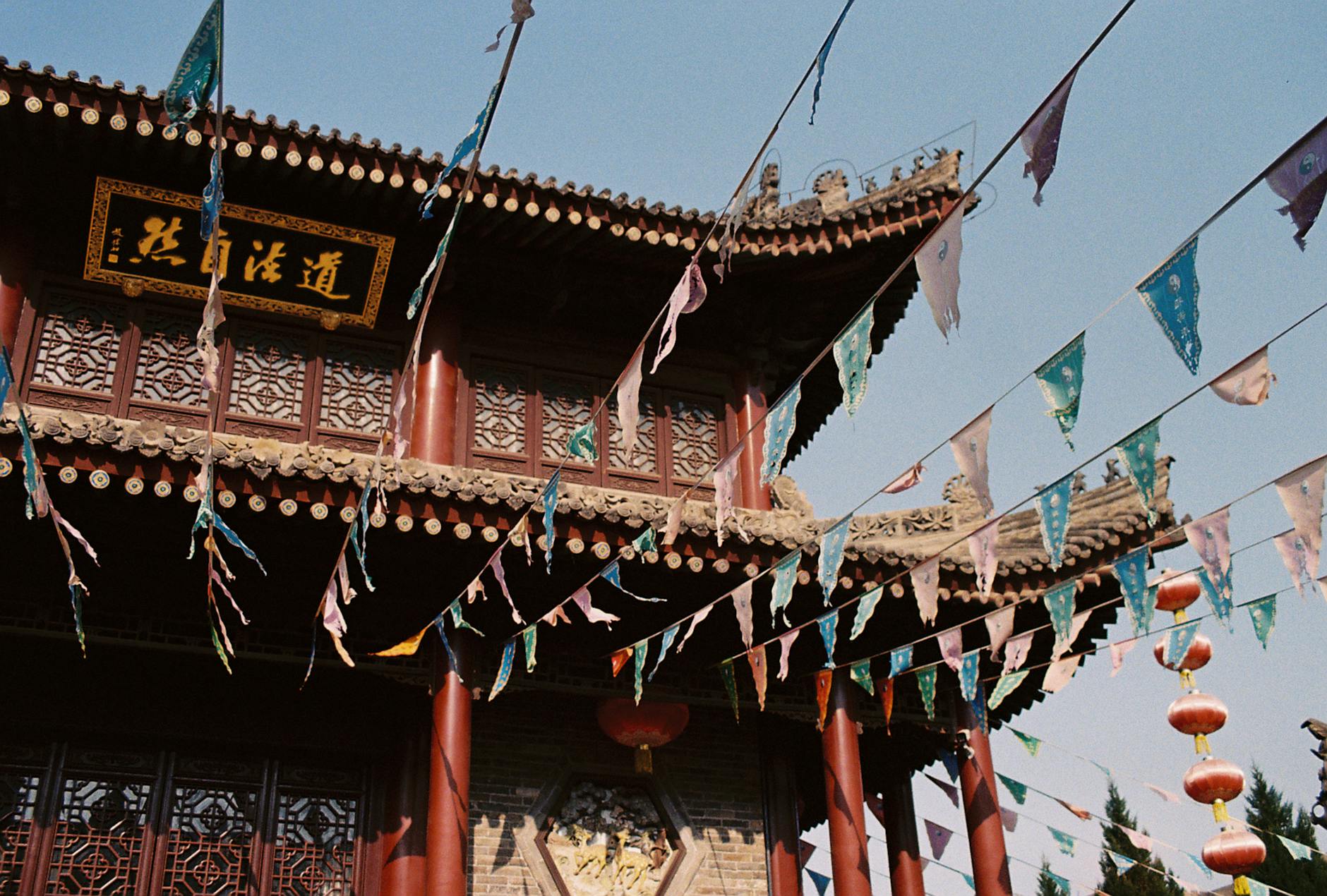
Xi'an is not a difficult city socially, but its historical and religious layers mean that context matters. In mosque areas, pagoda complexes, temple spaces, and older quarters, a little more awareness and restraint improves the experience immediately. The city generally rewards calm, courteous movement more than loud sightseeing energy. Xi'an is easier to enjoy when the traveler behaves as though living culture is still present around the heritage, because it is.
- Respect religious and historical settings as living spaces, not only visitor spaces.
- Composure reads better than performance in Xi'an.
- The city responds well to travelers who can be curious without becoming clumsy.
My blunt advice
The biggest Xi'an mistake is turning it into a one-and-done history errand. The second is eating badly because the obvious food streets looked easier than making one or two smarter choices. Xi'an is not a city that requires maximal complication. It requires the right seriousness. Give the history proper time, let the wall and old city organize the stay, and make the food count. If you do that, Xi'an can hit far harder than many more famous urban stops.
- Do not rush Xi'an just because the attraction list looks short.
- The city needs both history and food to land properly.
- A smaller, sharper Xi'an is usually the right Xi'an.