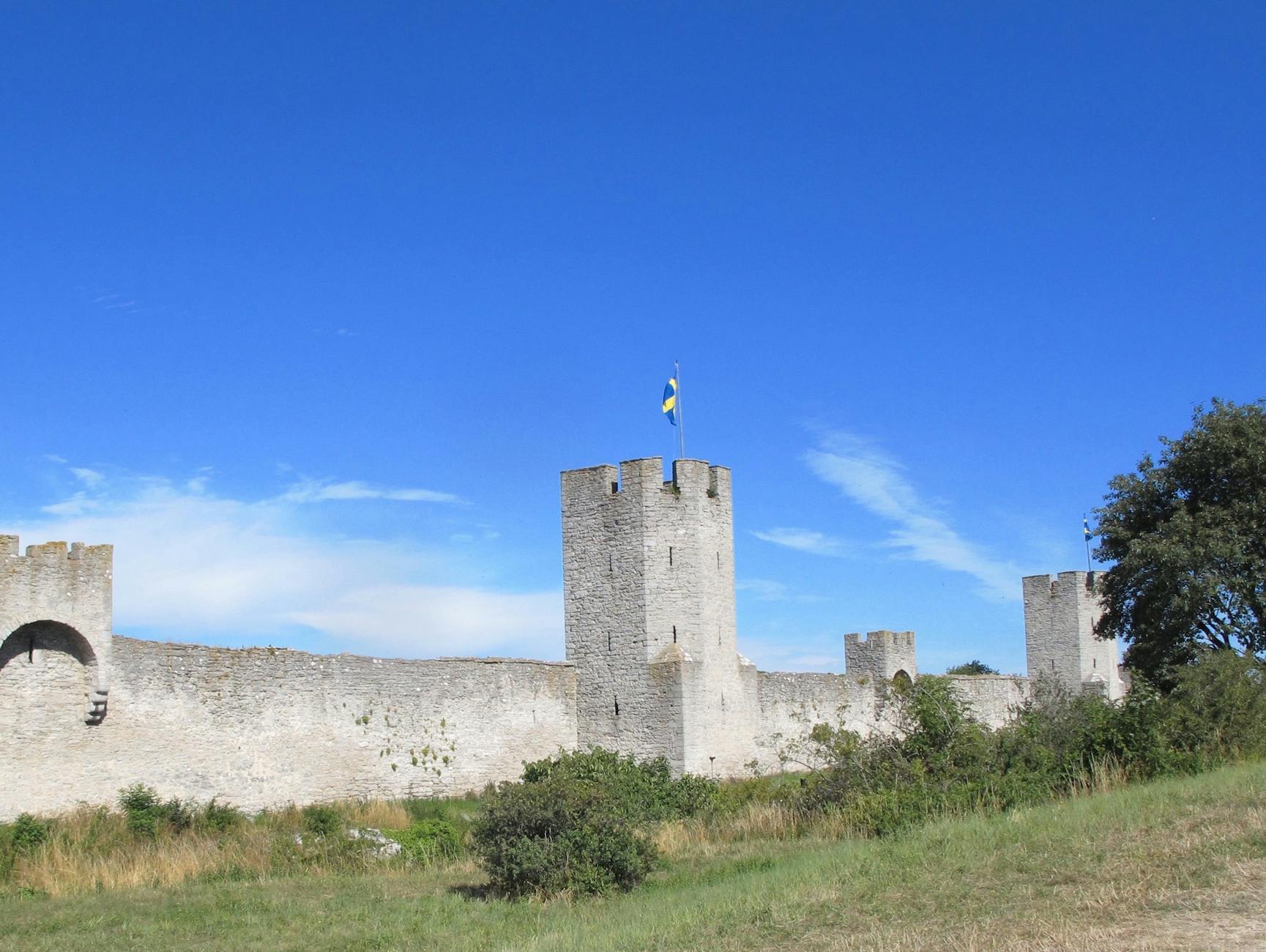
Visby is one of those places that can be ruined by its own beauty.
Start Here
The walls, church ruins, rose-covered lanes, sea light, and medieval stonework are so instantly persuasive that many travelers stop thinking the moment they arrive. The city seems to explain itself in a single glance. It must be romantic, complete, and simple. Just walk through it, take the right photographs, perhaps sit under a ruined wall with a drink, and let the place do the rest.
That is the weak version of the trip.
The stronger version begins by admitting that Visby is not only picturesque. It is seasonal, uneven, and highly sensitive to timing. It is a walled island town whose mood changes dramatically depending on ferry arrival patterns, cruise pressure, summer events, weather, and the hour of the day. The same street that feels dreamlike at eight in the morning can feel overhandled by midday. The same town that seems over-romanticized in peak summer can become exact, intelligent, and almost severe once the obvious middle hours pass.
That is why Visby needs to be used rather than merely admired. This is not only a preserved medieval city. It is also a functioning island center, a ferry town, a town of ramps and levels, a town where the walls do not only decorate the scene but organize the walking. It has museums that matter, gardens and ruins that change in meaning with the light, and enough life beyond the postcard loop that one or two well-shaped days can feel full rather than repetitive.
It also helps to understand what Visby is not. It is not a generic “old town” attached to a modern city. The old town is the city’s main identity. Nor is it simply a party-season island stop, though certain summer weeks can make it feel that way. And it is not best used as a box-tick between Stockholm and elsewhere. Visby is strongest when the traveler accepts that this small town can carry an entire short stay on its own terms.
This means hotel choice matters. Season matters. Arrival method matters. Your willingness to walk the wall, use the museum, linger after day traffic thins, and notice the island-town rhythms matters. The city is too beautiful to be left at the level of admiration.
The city in one sentence: Visby is a walled island town whose best first trip comes from balancing ring-wall atmosphere, sea light, museum depth, timing, and seasonal awareness instead of treating the place as a medieval fantasy that automatically works at every hour.
Basic data
| Population | About 25,000 |
|---|---|
| Area | Historic walled town on Gotland |
| Major religions | Christian heritage with a strongly secular contemporary public culture |
| Political system | Town inside a parliamentary constitutional monarchy |
| Economic system | Tourism-led local economy supported by services, regional trade, and culture |
Quick Verdict
Best for: couples, solo travelers, first-time Sweden routes, medieval-town lovers, photographers, slow walkers, short island breaks, and anyone who likes places where atmosphere deepens through timing rather than sheer quantity of sights.
Not ideal for: travelers who need big-city variety, people who hate seasonal crowd variation, or anyone expecting Visby to behave identically in high summer and shoulder season.
Ideal first visit: 2 full days.
Minimum worthwhile stay: 1 night and 1 full day.
Best overall months: late May, June, late August, September, and the calmer edges of early October.
Best summer case: if you want long light, open walls and gardens, and the town at its most visually generous, but are willing to manage the busiest middle hours intelligently.
Biggest planning mistake: confusing Visby’s beauty with ease and assuming one generic daytime loop is enough.
One thing to prioritize: the base. Staying inside or immediately at the edge of the old town changes the whole trip.
One thing to leave flexible: wall-and-ruin time. Visby’s strongest moments often depend on light, quiet, and when the streets empty.
The blunt version: Visby is one of Scandinavia’s best short stays if you shape the days around timing and mood. If you do not, it can collapse into a beautiful but slightly overused image.
Who Will Love Visby?
Visby works especially well for travelers who like small places with a very strong identity. The city does not need scale to feel memorable. It needs attention. If you like walls, ruins, stone lanes, sea air, gardens, and history that still shapes the daily experience of a town, Visby can be extraordinary.
Couples tend to do very well here because the city is made for atmospheric repetition. One evening walk is never enough. The walls, sea edge, and ruined churches do different work in different light. A well-timed dinner, a strong central hotel, and a second pass through the old lanes often matter more than adding more “activities.”
Solo travelers also do well because Visby is highly walkable, emotionally legible, and unusually good for unstructured observation. The town can be enjoyed alone without ever feeling like you have somehow bought the lesser version of the trip. In fact, many parts of Visby are arguably better when walked at an individual pace.
The city is also good for travelers who like old places that have not become entirely decorative. Gotlands Museum, the wall, the ruins, and the island-ferry logic all keep Visby tied to real history and real infrastructure. That matters because pure prettiness can wear thin. Visby is stronger than that.
It is less ideal for someone who wants nonstop novelty. Visby does not operate through constant revelation. It operates through layers, returns, and atmosphere.
Visby at a Glance
| Question | Practical Answer |
|---|---|
| Main arrival routes | Ferry to Visby or flight to Visby Airport |
| Main ferry operator | Destination Gotland |
| Airport public transport | Region Gotland bus route 61 |
| Main local transport node | Visby busstation, with hamnterminal connections |
| Best first-time base | Inside the old town or immediately beside the wall |
| Signature urban structure | The ring wall |
| Best historical anchor | Gotlands Museum / Fornsalen |
| Best heritage walk | A serious wall-and-ruins circuit |
| Car needed? | No, not for Visby itself |
| Emergency number | 112 |
| Tap water | Safe to drink |
| Currency | Swedish krona |
| Power plugs | Type C and F |
2026 Visitor Notes
Arrival Method Strongly Shapes The Mood Of The Trip
Destination Gotland’s current travel information and terminal pages make clear that the ferry remains a central way of reaching Visby, while Swedavia confirms that route 61 serves Visby Airport year-round.[1][2] That matters because a ferry arrival and a flight arrival produce different emotional starts to the stay.
Local Transit Is Simple Enough, And The Port Link Is Built In
Region Gotland’s current bus guidance notes that route 6 connects Visby hamnterminal and Visby busstation, with the busstation acting as the island network’s key interchange.[3] For most first-time visitors this is enough: the town is mainly walked, and the transport system only needs to remove the few awkward edges.
The Ring Wall Is Still The City’s Defining Fact
Gotland’s official inspiration material and heritage pages continue to present Visby ringmur as one of the city’s central reasons to come, while Swedish heritage sources emphasize the UNESCO significance of the old town inside the walls.[4][5] The wall is not background. It is the city’s operating frame.
Gotlands Museum Is A Real Anchor, Not A Rain Backup
Gotlands Museum’s current visitor pages show clear year-round access, strong opening-hour structure, and the useful fact that major museum interpretation in Visby is not scattered randomly but concentrated through Fornsalen and related sites.[6] This is one of the main tools for making the town feel historical rather than simply photogenic.
Walking The City Properly Requires Accepting Slopes And Uneven Ground
Gotlands Museum’s own walking-tour information explicitly notes steep slopes and uneven surfaces in Visby.[7] This matters because Visby is not a flat museum set. The town’s shape is part of the experience.
Softer Seasons Often Produce The Better Urban Reading
Visby is famous in summer for good reasons, but the strongest first visit often comes when there is enough life to keep the town open and enough calm to let the walls, lanes, and sea light become precise rather than performative.
How to Understand Visby
Visby works through five forces.
The first is the wall. Ringmuren is not merely a monument. It determines the town’s psychological boundary.
The second is the sea. Light, wind, arrival, and the whole feeling of being on Gotland all come through the water.
The third is timing. Morning, midday, evening, and shoulder season produce almost different towns.
The fourth is ruin and survival together. Visby’s churches, lanes, and preserved buildings are powerful partly because the city still feels incomplete in the most interesting way.
The fifth is island-town reality. Ferries, bus links, event cycles, and practical infrastructure keep the place from becoming only myth.
The Five Visbys A Visitor Actually Meets
Wall Visby: towers, gates, outer paths, and the physical edge that keeps the town coherent.
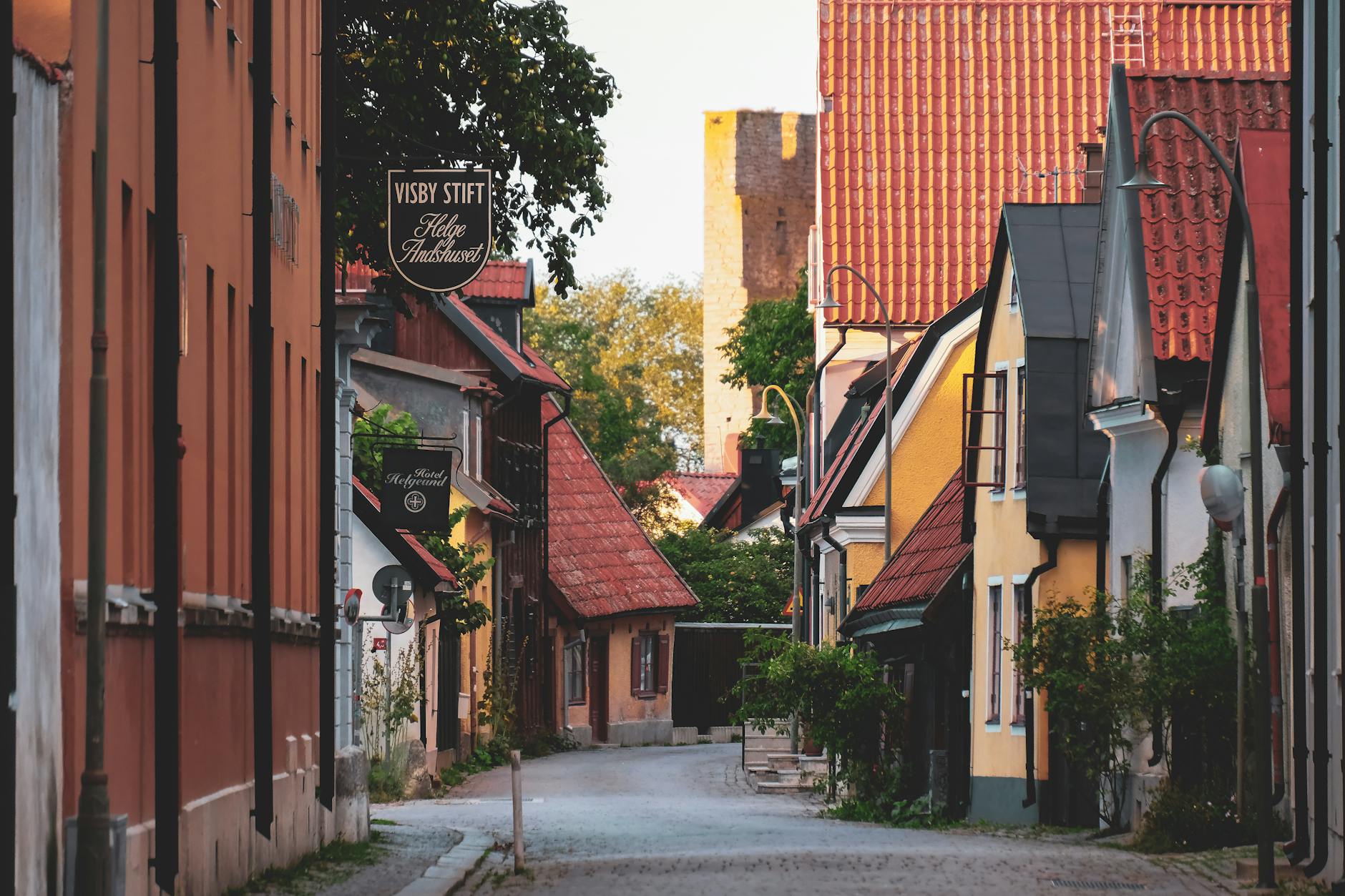
Lane Visby: roses, stone alleys, steps, façades, and the small-scale beauty that usually makes the first impression.
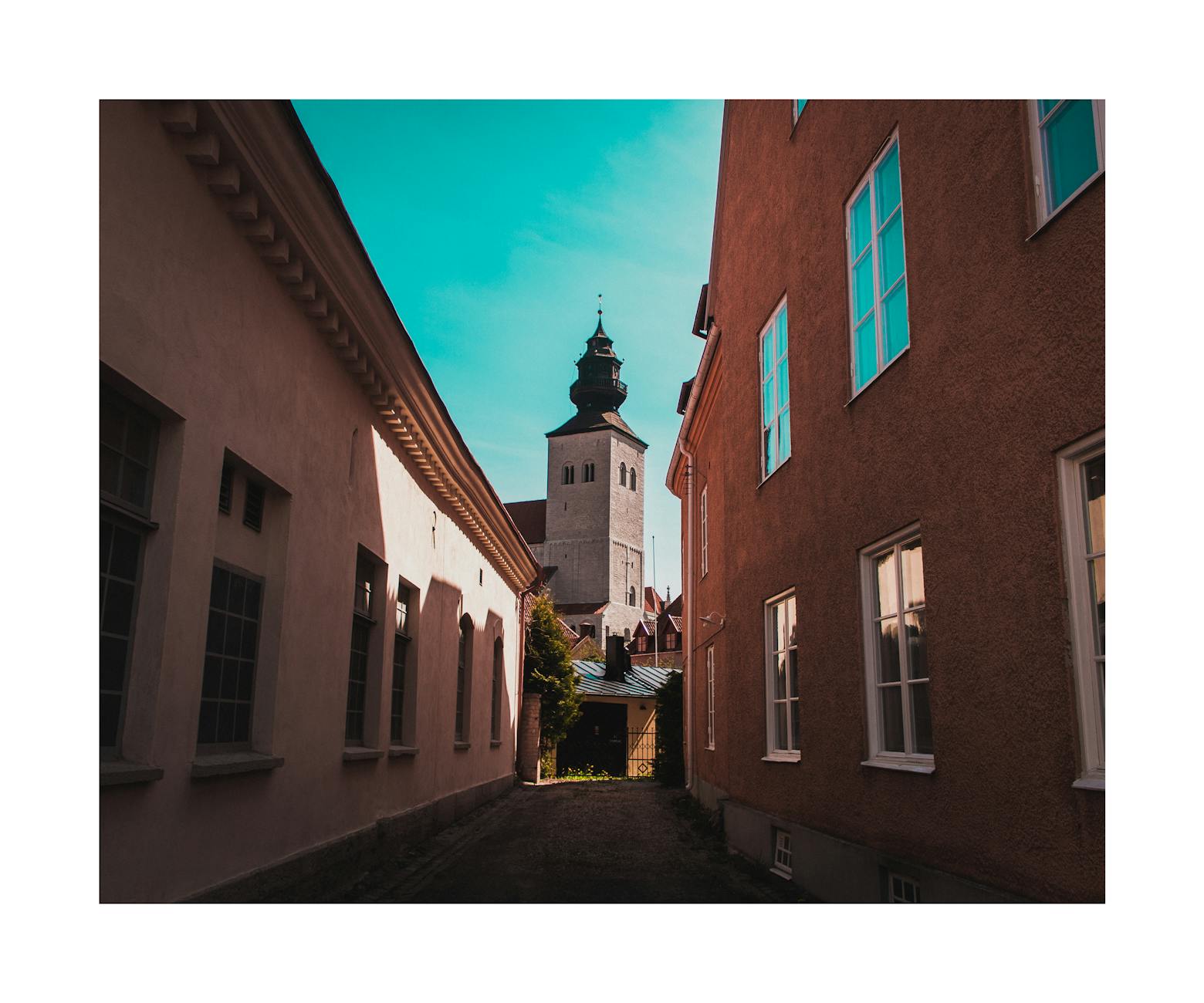
Ruin Visby: church remains, open air, and the city’s unusually visible historical fracture lines.
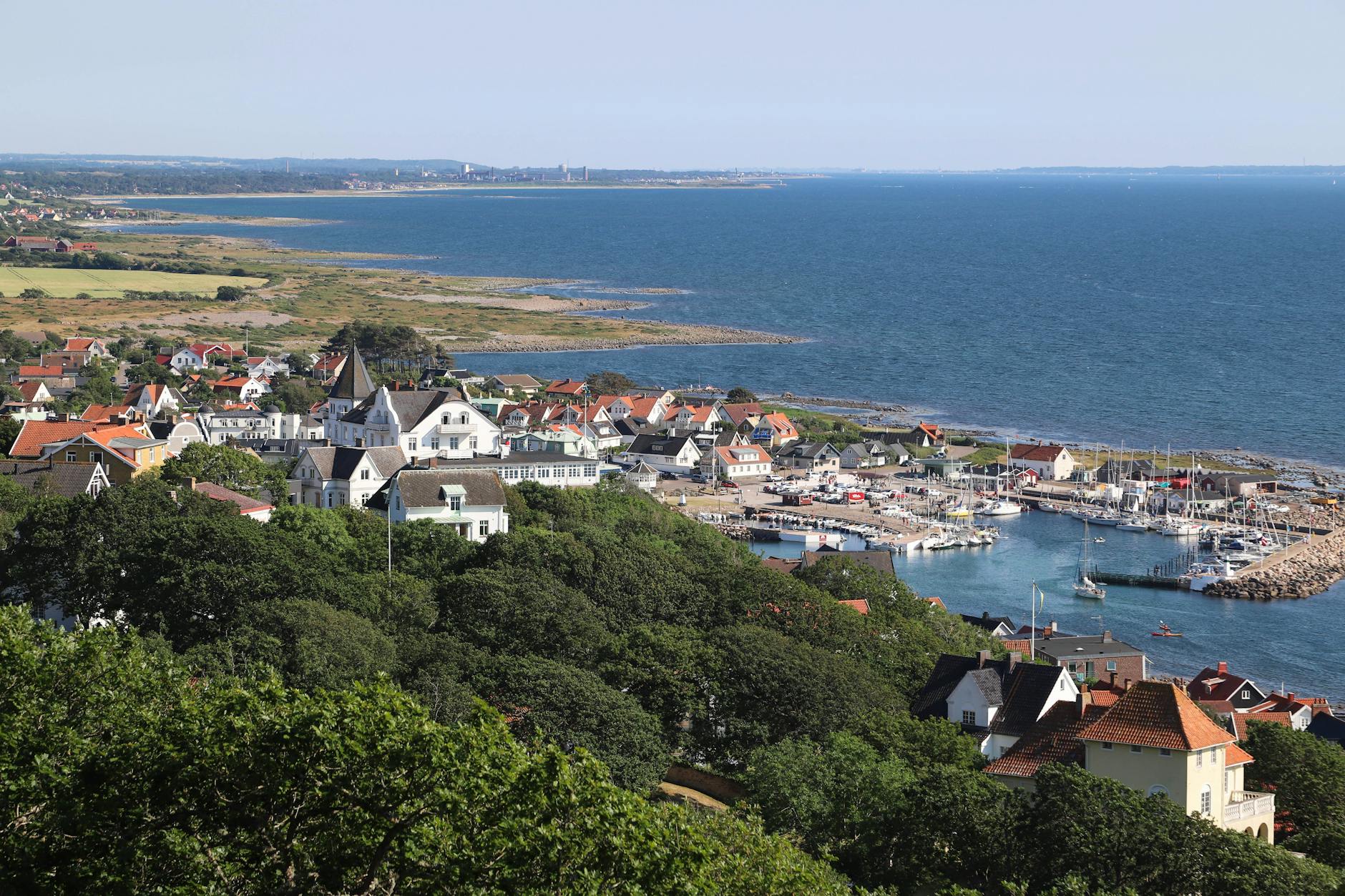
Sea Visby: harbor, light, wind, and the constant reminder that this is an island town, not a sealed inland relic.
Seasonal Visby: the version of the town created by crowd pressure, event weeks, ferry pulses, and time of day.
The Main Mental Shift
Do not ask, “What are the sights in Visby?” Ask, “When is this town at its best, and how do I meet it then?” That is the question that improves everything.
What Visby Does Better Than People Think
Visby is better than people think at rewarding repetition. This is not a one-pass town. You usually understand it better on the second or third walk.
It is also better than many visitors expect at supporting a full short stay. The fear with very beautiful small towns is often that they run out quickly. Visby usually does not, provided you use museum time and wall time correctly.
Another underrated strength is mood variation. Sea light, cloud, early morning emptiness, and off-peak streets all transform the town without changing its basic structure.
The city is also excellent at integrating heritage with daily life. It still feels like a place people use, not simply a preserved shell.
Finally, it is very good at making one or two days feel larger than they are. Few towns of this size have so much atmospheric authority.
Visby Versus Tallinn
This comparison matters because both cities are often praised for their old-town atmosphere, walls, and highly photogenic medieval fabric.
Tallinn is more urban, more complex, and stronger if you want a larger city wrapped around the historical center. It gives you more friction, more contrast, and more neighborhood range beyond the heritage core.
Visby is smaller, calmer, more seasonal, and more dependent on timing. It feels less like a city that contains an old town and more like an old town that still functions as the city. That makes it weaker only if you believe scale is the main source of urban value.
If you want a more layered capital-scale experience, Tallinn is stronger. If you want a smaller island city where mood, light, walls, and repetition do the main work, Visby may be better.
First-Time Visitors Versus Repeat Visitors
First-time visitors often make one of two mistakes in Visby. Either they assume the town will do all the work for them because it is so beautiful, or they overcompensate by trying to “cover” it too quickly.
Repeat visitors tend to do better because they stop asking the town for proof. They know the wall must be walked, not only seen. They know the middle hours can be weaker than morning and evening. They know the museum changes the entire reading of the town. They know that returning to the same lane in different light is not redundancy but the whole point.
This is one reason Visby often improves on a second stay. The first may still be evaluating the image. The second begins using the town.
Best Time to Visit Visby
Visby is extremely season-sensitive. This is one of the most important planning facts about the town.
Best Overall Months
Late May, June, late August, and September are the strongest broad recommendations. These months often give the best combination of open facilities, softer crowd levels, and enough weather to let the town breathe.
Peak Summer
Peak summer is visually wonderful and socially active. The danger is that too many visitors meet Visby only during its busiest, least subtle hours and then wonder why it feels slightly overhandled. Summer is good; it just needs timing discipline.
Early Autumn
Early autumn may be the smartest window for many travelers. The town still functions, the sea still matters, but the place often regains some exactness.
Winter
Winter Visby is not for everyone, but it can be beautiful, quiet, and almost severe in the best way. The city becomes more about walls, weather, and interior culture than about the full island-town product.
Spring
Spring is one of Visby’s most attractive periods because the town reopens while still retaining some of its composure.
Peak-Season Visby Versus Shoulder-Season Visby
Peak-season Visby is generous, photogenic, and highly alive. The problem is not that summer is bad. The problem is that travelers often meet the town only during its busiest and least exact hours and assume that is the whole story.
Shoulder-season Visby is often better for actual reading. The walls feel sharper. The streets recover some silence. The sea matters more. The town stops performing so hard for the daytime visitor and begins behaving more like itself. For many first-timers, this calmer version is actually the stronger one.
How Many Days You Need
Half A Day
Enough for admiration, not enough for understanding.
One Full Day
Enough for a first real read if handled well, though you will still want the evening and morning either side of it.
Two Full Days
Ideal for most first-timers. One day should be mostly town-and-wall Visby. The second should add museum depth and a slower island-town rhythm.
Three Days
Very good if you want some room to absorb Gotland more broadly while still keeping Visby central.
Why One Proper City Day Matters
Travelers often assume Visby is so small that it does not need a real day of its own. That is one of the main ways the town gets flattened.
One proper city day means a day in which Visby itself carries the argument. The wall gets serious time. The museum gets used before the town becomes only visual charm. The sea-facing edge matters. Evening returns to the old town after the middle hours thin out. Without that day, Visby can remain an exquisite image. With it, the town becomes historically and emotionally coherent.
Where to Stay in Visby
Where you stay matters enormously because the town’s best hours are early and late.
Fast Answer
For most first-time visitors, stay inside the wall or immediately beside it. In Visby, proximity to the old town is not a luxury detail. It is the whole mechanism by which the trip improves.
Neighborhood Decision Table
| Traveler Type | Best Area |
|---|---|
| First-time visitor | Inside the old town |
| Couple weekend | Inside the wall or just beside the sea-facing edge |
| Practical short stay | Near the wall with easy terminal access |
| Atmosphere-first traveler | Deep inside the old center, if luggage/access allow |
| Ferry-heavy route | Near the harbor but still clearly Visby-led |
Inside The Wall
Best for: first-timers, atmosphere, and anyone who wants Visby to feel real before and after peak hours. Why it works: proximity to the lanes, walls, and late-evening / early-morning town mood. Tradeoff: uneven streets, luggage friction, and variable hotel practicality. Best use: the classic strong Visby stay.
Edge Of The Wall / Harbor Approach
Best for: travelers who want easier arrivals without losing the old town. Why it works: better balance of logistics and atmosphere. Tradeoff: slightly less immediate immersion. Best use: ferry arrivals, shorter stays, and travelers who value operational ease.
Why The Base Matters More Than Visitors Expect
Visby is one of those places where location affects not only convenience but quality of light, quiet, and timing.
Stay inside the wall and the city can become yours early and late, when it is strongest. Stay just outside the wall and you often gain easier arrivals while still preserving almost all of the atmosphere. Stay too far away and one of Visby’s greatest strengths disappears, because the town’s best hours stop being naturally available.
This is why the base matters. In Visby, the hotel is not just where you sleep. It determines whether the city can become intimate before and after the middle of the day.
Area Profiles
Inside the wall: best for maximum Visby atmosphere.
Wall edge: best for balanced logistics and old-town access.
Harbor side: best for arrival simplicity, but only if still close enough to keep Visby central.
Neighborhood Guide: Where to Explore, Not Just Sleep
The old town inside the wall is the obvious center, and rightly so. But even here, it matters how you move. The point is not to hit every lane. The point is to understand how lanes, ruins, slopes, and sightlines toward the sea keep changing the mood.
The wall paths matter because they turn Visby from a lovely set of streets into a whole urban organism.[4] Walking them helps you understand both the containment and the openness of the town.
The harbor side matters because it reminds you that Visby is an island town first and a medieval fantasy second. Ferries, bus links, and sea movement keep the place honest.
Gotlands Museum and the ruin system matter because they stop the city from flattening into pure aesthetic charm.[6][7] They are part of how the town acquires weight.
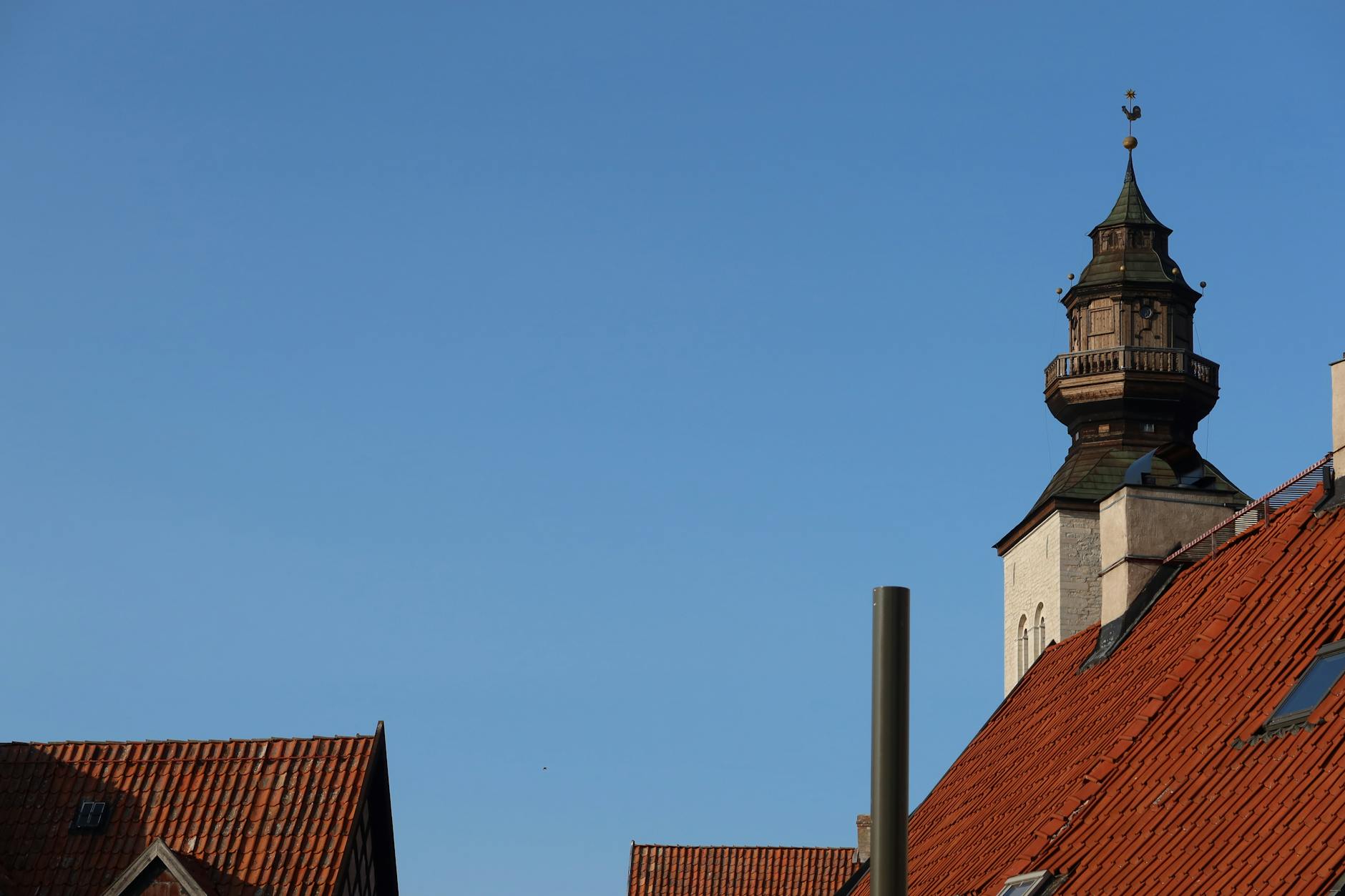
Day Visby Versus Evening Visby
Daytime Visby is often the town at its most legible and, in the busiest periods, at its least subtle. You see the walls, the ruins, the rose-covered façades, and the sea-facing slopes very clearly, but you may also meet the town in its most externally consumed state.
Evening Visby is usually stronger. The streets regain proportion. The stone begins reflecting light differently. The walls feel less like landmarks and more like structure. Meals and slower walks start making the town feel used rather than merely viewed. This is one reason overnight stays are so much better than fast visits.
Why The Image Should Not Own The Whole Trip
Visby’s greatest risk is that the image takes over. If every decision is made for the photograph, then the town starts becoming flat despite being beautiful.
The stronger trip uses the image as an invitation, not a conclusion. The walls should lead you into a walk. The ruined churches should lead you into historical curiosity. The harbor should remind you that this is an island center, not only a stage set. Once the image stops owning the whole trip, the town gets better fast.
The Best Things to Do in Visby
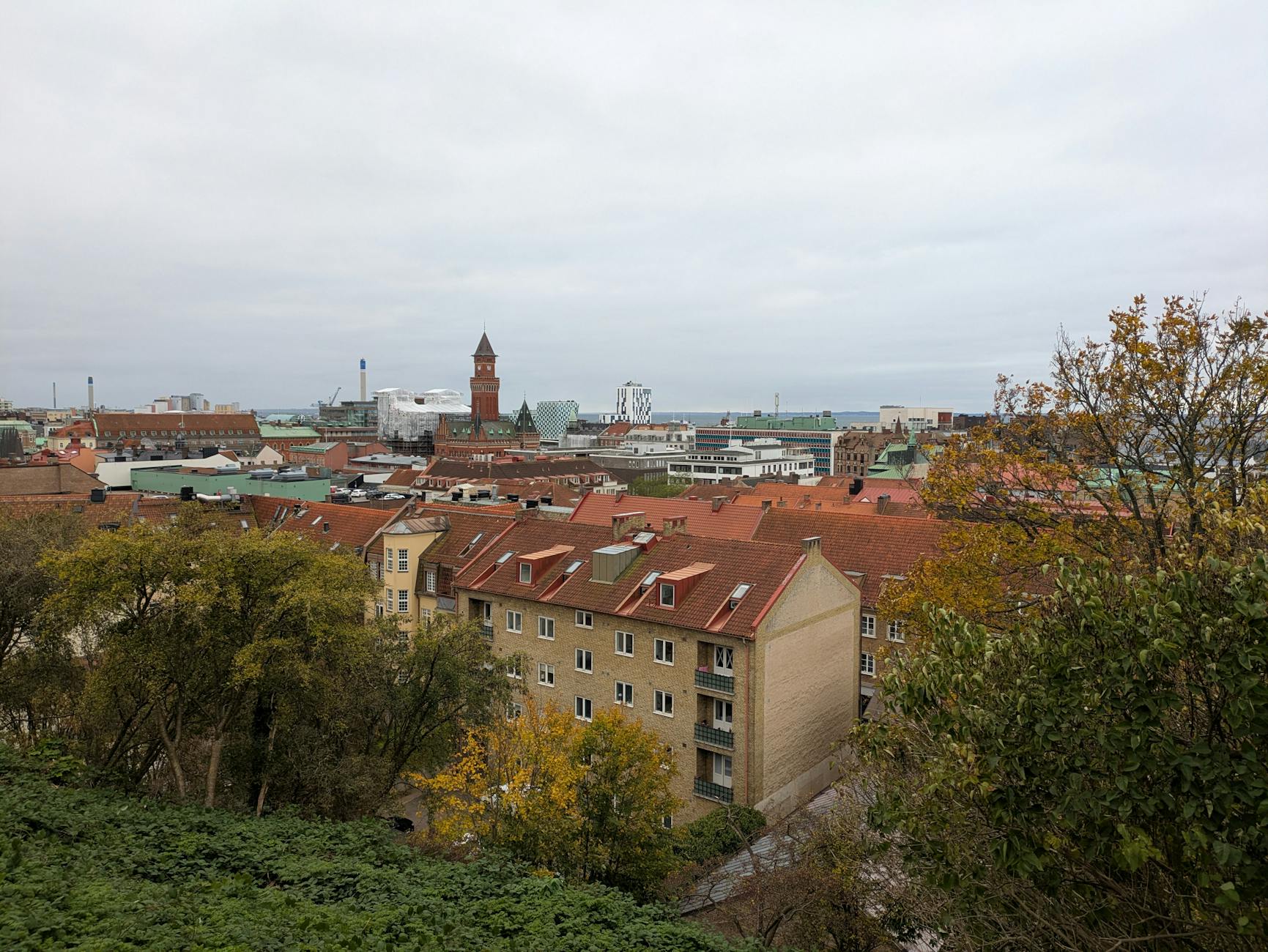
- Walk a meaningful stretch of the ring wall, not just a symbolic fragment.[4]
- Use Gotlands Museum early enough in the trip that the town’s beauty starts reading historically rather than just visually.[6]
- Return to the lanes after the middle of the day, when Visby often becomes more itself.
- Treat the harbor and sea light as part of the city’s structure, not scenery outside it.
- Leave one block of time unprogrammed so the town can work through mood rather than checklisting.
Itineraries
If You Have One Full Day
Use the morning for the wall and quieter old-town streets. Put the museum in the middle of the day. Use evening for a second pass through the city when the town softens again.
If You Have Two Full Days
This is the strongest first-time pattern. Keep one day mostly inside the city. Use the second for deeper museum-and-ruin time plus slower sea-facing or wall-edge walking.
If You Have Three Days
Add wider Gotland only after Visby has already become the center of the trip and not merely the accommodation base.
Itineraries By Traveler Type
For Couples
Stay inside the wall if possible, walk early and late, and let one dinner and one long evening walk do the work. Visby does not need much embellishment.
For Solo Travelers
Walk at your own pace, use the museum well, and treat the town’s repeated routes as a feature rather than a lack.
For Sweden First-Timers
Do not use Visby only as a “pretty medieval place.” Use it as a working island town with one of the strongest historical atmospheres in the region.
For Shoulder-Season Travelers
Lean into the calmer version of the town. Visby often gets better as it gets slightly quieter.
Food and Drink
Visby is not a city that demands conquest through reservations. It is a city where timing and placement matter more than quantity. One well-timed lunch, one strong dinner, and one slower stop for coffee, wine, or something small can do more for the trip than a frantic list of “best” places.
The key is to eat in relation to the town’s rhythm. Midday can be busy and slightly external. Early evening and later evening often feel more like Visby. The town rewards meals that make you feel still inside its atmosphere rather than briefly outside it.
Why Food Is Structural, Not Decorative
Visby is not a city that asks you to build a competitive food itinerary, but meals still shape the stay. A lunch placed badly can coincide with the town’s weakest hours and make everything feel overhandled. A well-timed dinner can return the town to you. A slower café stop can keep the day from becoming one long scenic march.
That is why food matters structurally here. In a place this small and timing-sensitive, meals are not filler. They help regulate the town’s rhythm.
Getting Around
Visby itself is primarily a walking town. Region Gotland’s bus guidance matters when connecting the terminal, airport, or wider island network, but for the old town the feet are the right instrument.[3][2]
The practical rule is simple: use transport to arrive, depart, or widen the frame. Walk for almost everything that makes Visby Visby.
Why Visby Often Works Better Than It Sounds
If you describe Visby lazily, it can sound like a very pretty old town with a wall, a ferry, and some church ruins. That summary misses what actually makes the stay powerful.
Visby works because the components reinforce one another. The wall gives the town structure. The sea gives it light and exposure. The museum gives it depth. The ruins keep it from becoming too polished. The ferry and harbor keep it honest as an island town. It is a place of atmosphere, yes, but also of interpretation.
Why Visby Often Improves On The Second Visit
On a first visit, many travelers are still deciding whether Visby is mainly image, mainly heritage, or mainly seasonal tourism. That uncertainty can make the stay too observational.
On a second visit, the town often gets better quickly. You know which hours to protect. You know the museum belongs early. You know whether you want to stay deep inside the wall or nearer the harbor approach. You stop trying to extract everything in one pass and start trusting repetition.
How Visby Changes Over The Course Of A Stay
On arrival, Visby can seem almost too complete. The walls are obvious, the lanes are beautiful, and the whole town appears to explain itself instantly. That makes it easy to underestimate.
By the second day, if the trip is built well, the town separates into more meaningful pieces. The wall becomes more than scenery. The harbor begins to matter as infrastructure. The museum gives the streets a different kind of authority. The slope and church ruins begin to feel structural rather than decorative.
By the third day, Visby often feels stronger precisely because it no longer needs to impress through first glance. Its power comes from return, timing, and a growing sense that the beauty is held in place by real history and real island life.
Why Movement Changes The Meaning Of Visby
In Visby, movement is not just a way to connect sights. It is one of the things that makes the town legible. Walking the inside of the wall, then outside it, then back through a gate changes the whole understanding of the place. Climbing and descending the slopes changes the relationship between sea, harbor, and town. Even the short practical moves from terminal to hotel or hotel to museum remind you that Visby is not simply a preserved object. It is an island town still being used.
That is why Visby rewards walking more than rushing. If every move is treated as a transit problem, the town becomes flatter. If movement is allowed to reveal walls, levels, and changing views, the whole place deepens.
Why Visby Should Not Be Overprogrammed
Because Visby is small, travelers often assume they should pack the stay tightly. One more gate, one more ruin, one more wall section, one more café, one more museum room, one more island errand. On paper, all of it seems manageable.
In practice, overprogramming weakens one of the town’s central strengths, which is atmosphere. Visby works best when there is room for return, weather, and light to change the meaning of familiar places. Another pass through the lanes at the right hour is often more valuable than one more nominal attraction. The stronger stay is edited, not maximized.
Why Visby Rewards A Chosen Lane
Visby does not require every traveler to want the same town. In fact, it becomes stronger once you admit that different visits should privilege different versions of it.
A couple may want long evening walks, one strong hotel, one museum visit, and minimal pressure to do more than inhabit the walls and sea light properly. A history-minded traveler may want the museum, the ruins, the wall, and the upper-lower town structure to take precedence over generic relaxation. A shoulder-season traveler may care most about quiet and exactness. A summer traveler may need to use the busy middle hours pragmatically and preserve the early and late hours for the real emotional reading of the town.
The point is not to build the perfectly balanced Visby. The point is to choose your lane and let the town support it. Once that happens, Visby stops feeling like a beautiful old setting and starts feeling like one of the most intelligently atmospheric small urban stays in northern Europe.
What To Skip
Skip assuming one daytime pass is enough. Skip choosing a remote hotel just because the town is “small.” Skip reducing Visby to roses, ruins, and a single wall photo. Skip arriving in peak summer and then judging the town only by the busiest central hours. Skip leaving the museum out if you want the place to carry any real historical weight.
Common Mistakes
- Treating Visby as a beautiful but empty shell.
- Underestimating how much the hour of day changes the experience.
- Staying too far from the old town.
- Ignoring the harbor and island infrastructure.
- Failing to return to the same places when the town has changed mood.
My Blunt Advice
Use Visby as an island town with timing, not as a permanent postcard. Stay close to the wall. Walk the lanes more than once. Put the museum into the structure of the trip. Let the sea and the ferry logic remind you where you are. Avoid judging the town solely by the middle hours of the busiest days. If you can, give Visby one evening and one morning of real calm.
If you do that, Visby becomes what it actually is: one of northern Europe’s most atmospheric small urban stays, not because it is merely pretty, but because its walls, ruins, slopes, light, and island rhythms keep working together long after the first impression.
That is the right first Visby. Not admiration alone. Use.
Source Notes
- 1. Destination Gotland, official ferry-terminal information page: [https://www.destinationgotland.se/allt-om-resan/farjeterminaler/oskarshamn/](https://www.destinationgotland.se/allt-om-resan/farjeterminaler/oskarshamn/)
- 2. Swedavia, official Visby Airport bus page: [https://www.swedavia.com/visby/bus/](https://www.swedavia.com/visby/bus/)
- 3. Region Gotland, official bus timetables and line maps page: [https://gotland.se/busstider](https://gotland.se/busstider)
- 4. Gotland’s official inspiration site, Visby Ringmur page: [https://gotland.com/visby-ringmur/](https://gotland.com/visby-ringmur/)
- 5. Länsstyrelsen Gotland, official Visby innerstad heritage page: [https://www.lansstyrelsen.se/gotland/besoksmal/kulturmiljoer/visby-innerstad.html](https://www.lansstyrelsen.se/gotland/besoksmal/kulturmiljoer/visby-innerstad.html)
- 6. Gotlands Museum, official entrance and opening-hours page: [https://www.gotlandsmuseum.se/planera-ditt-besok/entre-och-oppettider/](https://www.gotlandsmuseum.se/planera-ditt-besok/entre-och-oppettider/)
- 7. Gotlands Museum, official city-walk information page: [https://www.gotlandsmuseum.se/planera-ditt-besok/stadsvandring/](https://www.gotlandsmuseum.se/planera-ditt-besok/stadsvandring/)