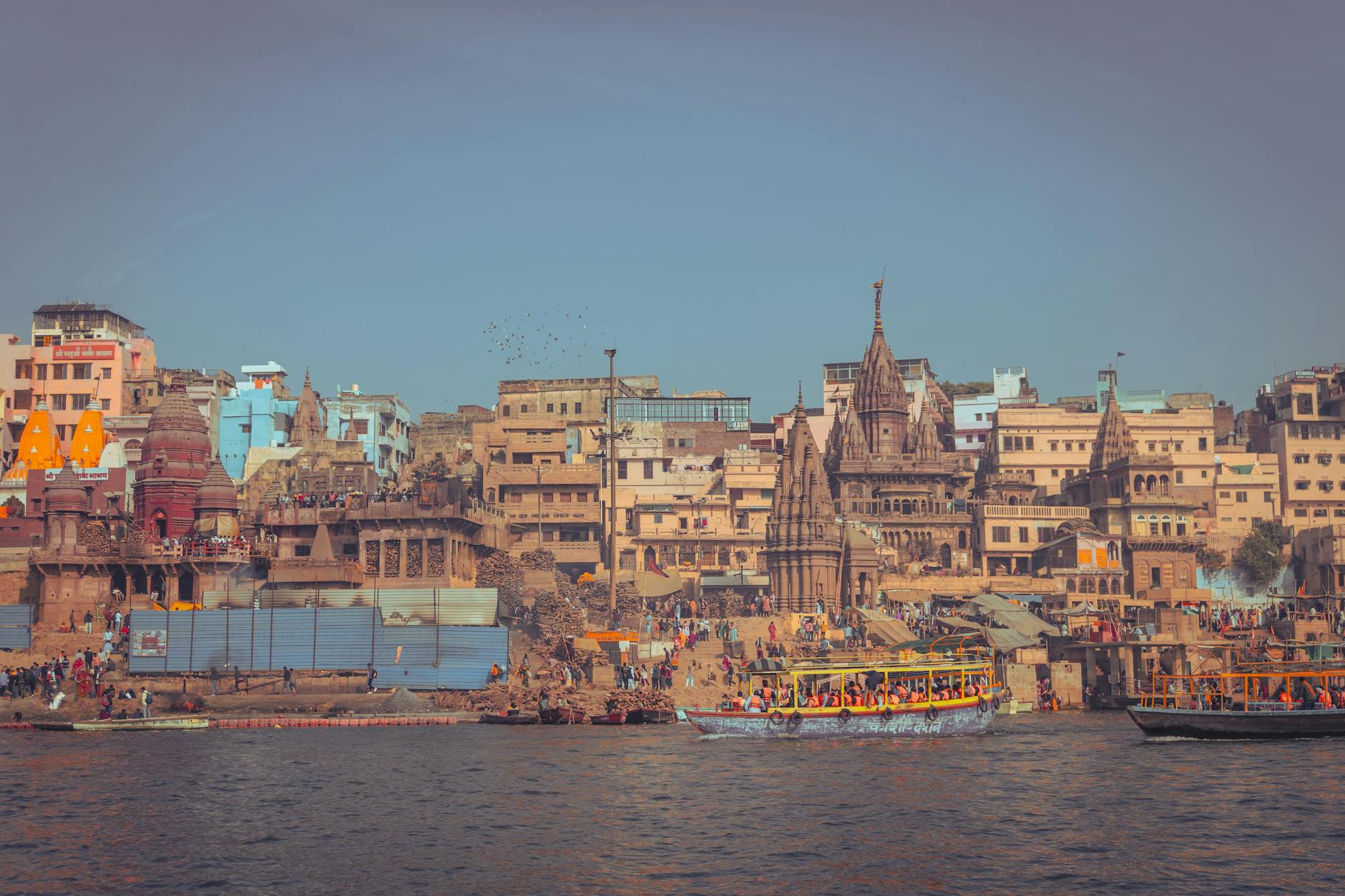
Varanasi is one of the easiest places in the world to approach with the wrong instincts.
Start Here
People arrive wanting intensity, revelation, and atmosphere, which is understandable. The city has all three. But Varanasi is not a spectacle that exists to satisfy the visitor’s hunger for significance. It is a living sacred city whose power comes partly from the fact that so much of what matters there is not organized for outsiders at all. Cremation grounds, temple movement, morning baths, chants, narrow lanes, silk shops, ash, bells, dogs, flowers, priests, pilgrims, and tourists all occupy the same compressed geography. If you come wanting to "cover" Varanasi, the city often closes emotionally. If you come with patience, timing, and restraint, it can become one of the strongest experiences in India.
That is why the usual sightseeing language breaks down a little here. The point is not simply to collect ghats, ceremonies, and boats. Dawn on the river matters because it reveals the city before the day’s density fully hardens. Evening matters because ritual and light gather differently after the heat. Walking matters because the lanes change the scale of understanding. Sarnath matters because it offers a necessary intellectual and emotional counterpoint to the density of the sacred city. Even the hotel matters unusually strongly because Varanasi can become unbearable if access, stairs, noise, or physical recovery have been romanticized instead of planned.
The city in one sentence: Varanasi is a sacred river city whose best first visit depends on timing, humility, and hotel realism more than on attraction count.
Quick Verdict
Best for: thoughtful first-time India travelers, repeat India travelers, spiritually curious travelers, photographers with discipline, and anyone able to tolerate density without trying to master it.
Less ideal for: travelers who need cleanliness, ease, privacy, or emotional distance from what they are seeing.
Ideal first stay: 2 to 3 nights.
Still worthwhile: 1 night if handled carefully.
Worth more time? Yes, but only if "more" means deeper pacing, not more extraction.
Main planning mistake: confusing immersion with indiscriminate exposure.
One thing to prioritize: the base and its access.
One thing to edit hard: midday ambition.
Who Will Love Varanasi?
Varanasi is for travelers who can accept that a city may be meaningful without being comfortable in the ordinary tourism sense. If you value ritual, layered time, river cities, religious intensity, and the idea that travel sometimes requires restraint rather than consumption, Varanasi can be remarkable.
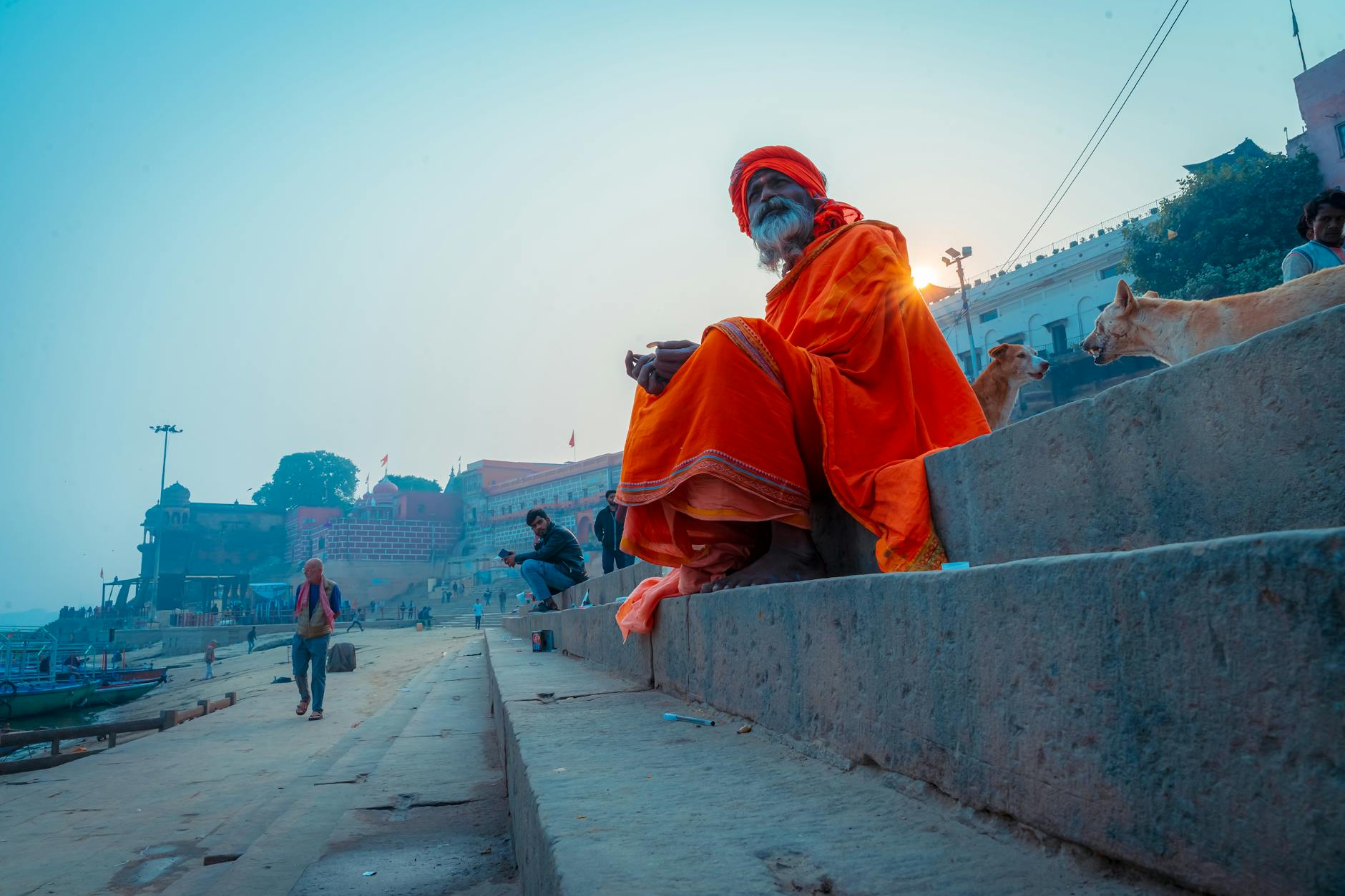
It is especially strong for people who like early mornings, because dawn on the ghats is not merely scenic. It is one of the city’s clearest forms of self-revelation. The river becomes the organizing text before the lanes, traffic, and crowds fully assert themselves.
It is also strong for travelers who can tolerate partial understanding. Varanasi is not a place you neatly decode in one visit. If you need quick interpretive closure, the city may feel frustrating. If you can accept that some of its force lies in remaining larger than your explanation of it, you are far more likely to leave with respect instead of exhaustion alone.
Varanasi at a Glance
| Question | Practical Answer |
|---|---|
| Main gateway | Lal Bahadur Shastri International Airport |
| Best first-time stay | 2 to 3 nights |
| Core city logic | river, ghats, and old lanes |
| Strongest daily anchors | dawn and evening |
| Best major counterpoint | Sarnath |
| Main planning issue | access, density, and physical fatigue |
| Biggest mistake | turning the city into emotional content collection |
| Most important practical choice | where exactly you sleep and how you reach it |
2026 Visitor Notes
The Kashi Vishwanath Corridor Has Changed Temple Access Logic
The official Kashi portal continues to describe the Shri Kashi Vishwanath Dham corridor as the major project linking the temple zone more directly to the Ganga and widening access for pilgrims.[3] This matters because old assumptions about the temple approach are no longer entirely correct.
Kashi Vishwanath Remains the Spiritual Center for Many Visitors
The official Shri Kashi Vishwanath portal continues to frame the temple as one of the most important Shiva temples in India and the core devotional axis for many Varanasi pilgrims.[2]
Sarnath Still Belongs in the Serious First Trip
The Archaeological Survey of India continues to maintain official museum and site resources for Sarnath, reinforcing its role as a major Buddhist and archaeological counterpoint to Varanasi proper.[4]
Airport Planning Still Matters More Than It Should
Airports Authority of India’s Varanasi airport material remains the key official passenger-information reference for the air gateway into the city.[1] In practical terms, the harder issue is still the last-mile movement into the old-city and ghat zone.
The Main Mental Shift
Do not ask, "What are all the famous ghats?"
Ask instead, "What is my relationship to the river today?"
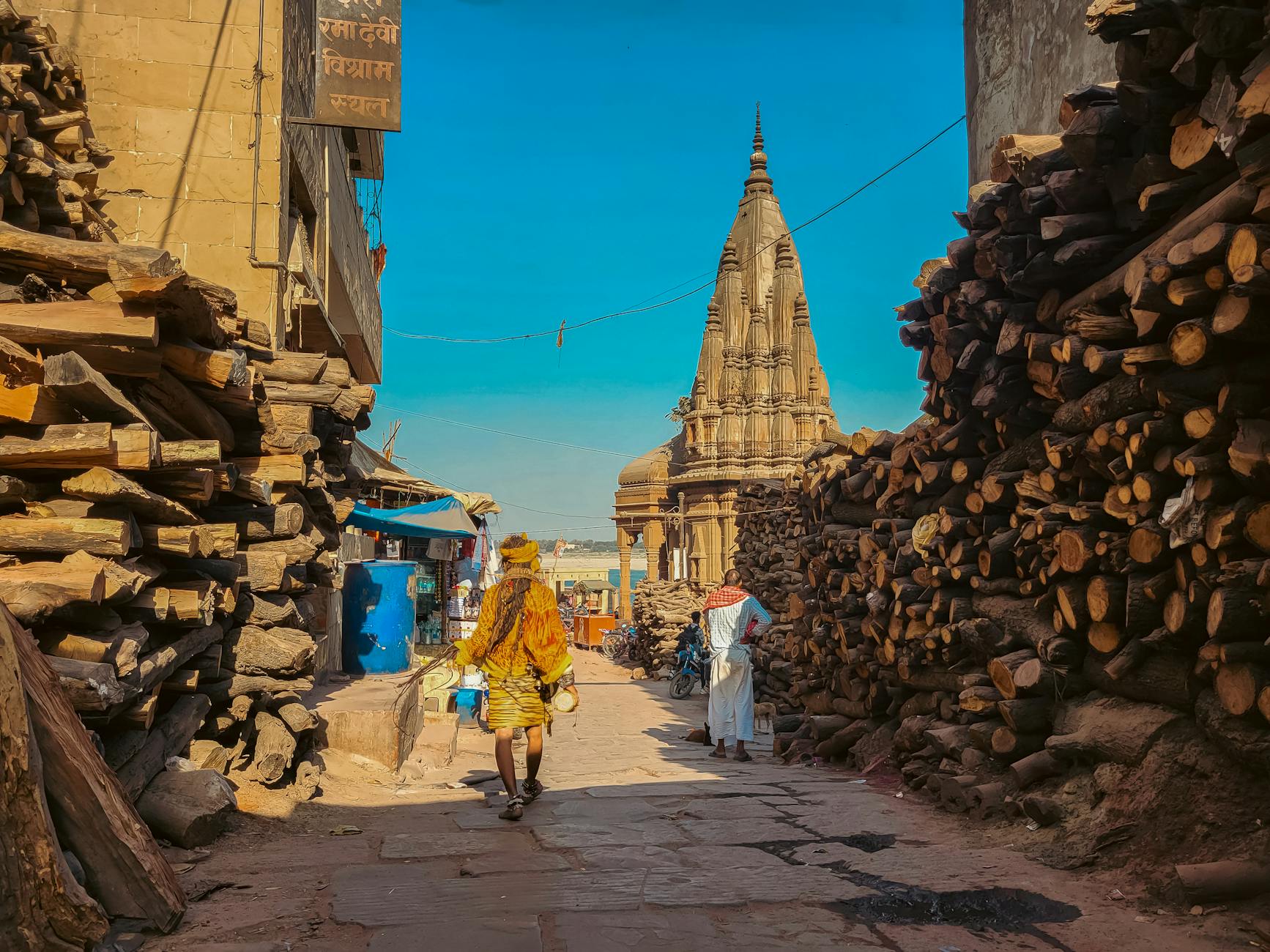
That question leads to better pacing, better behavior, and usually a better trip. It moves the traveler away from checklist logic and toward daily rhythm. Some hours belong to boats. Some belong to walking. Some belong to stillness. Some should belong to the hotel because the city’s compression has already done enough.
Varanasi rewards this shift because it is not a place that improves through sheer accumulation. It improves when the river begins to organize your day rather than the other way around.
What Makes Varanasi Distinct
Varanasi’s distinction lies in continuity.
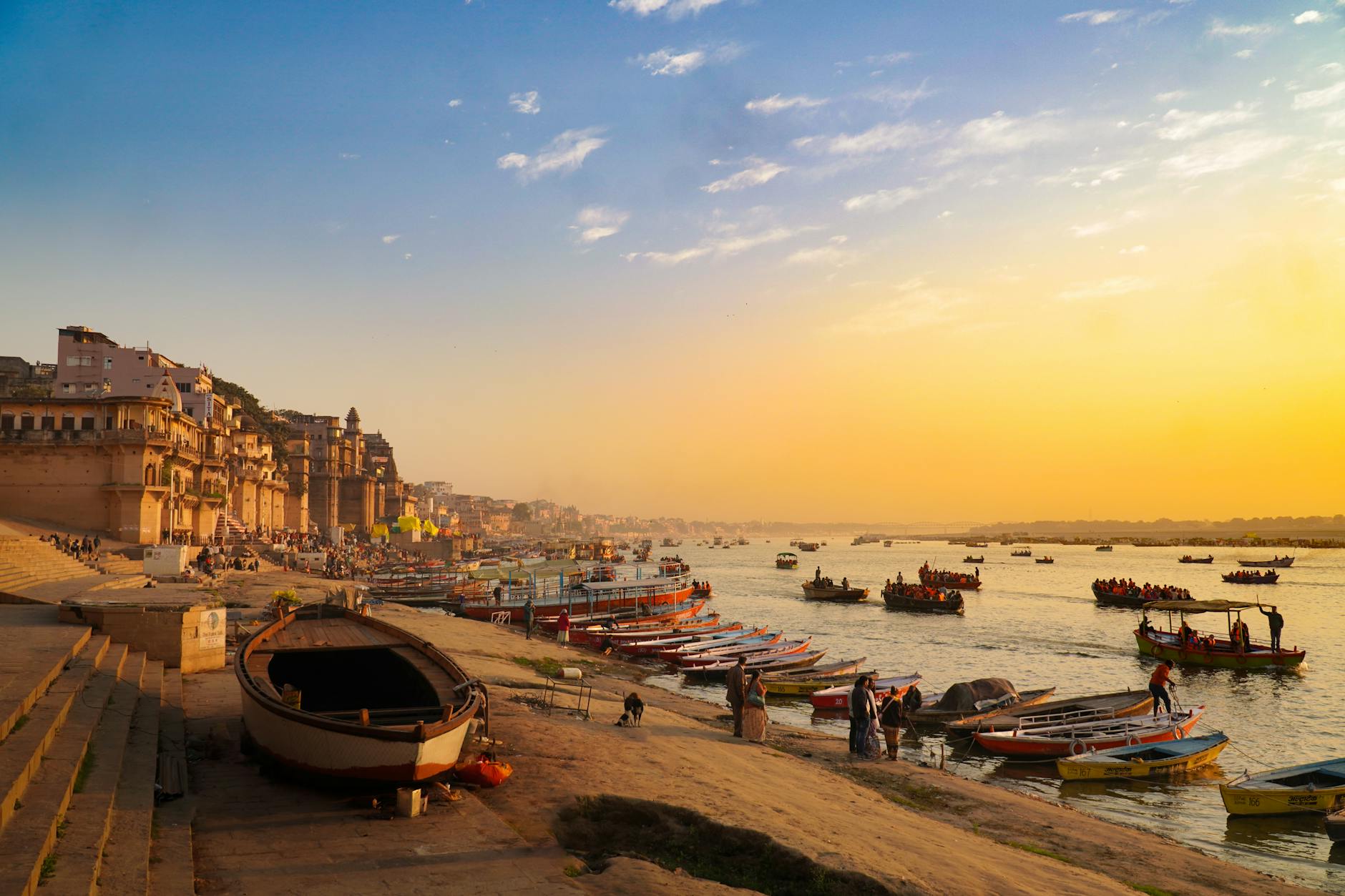
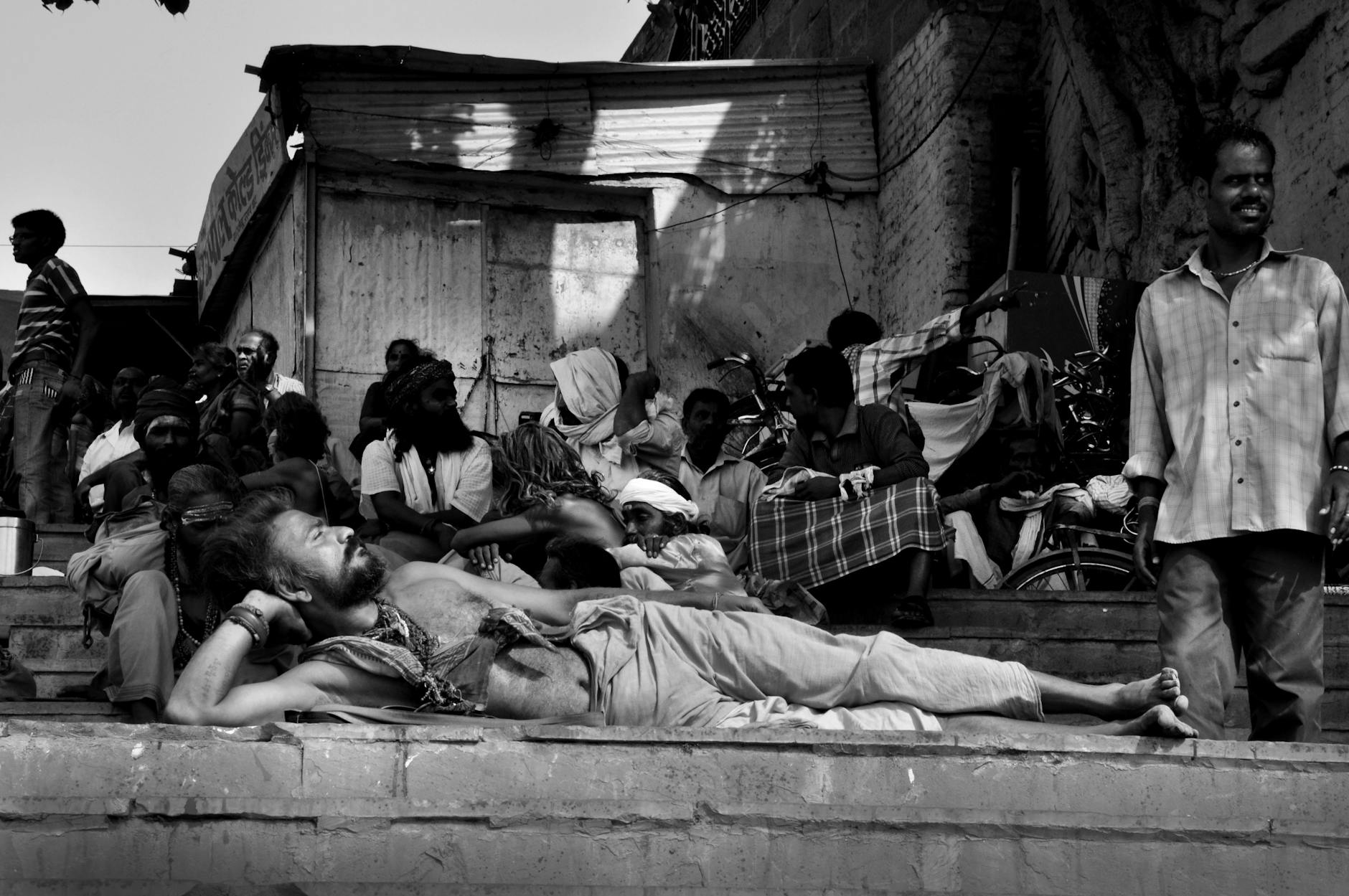
Other Indian cities may contain stronger monuments, cleaner plans, or easier elegance. Varanasi feels different because the sacred and the ordinary are inseparable there. Laundry, death, prayer, tea, ash, bargaining, devotion, flowers, pilgrims, and tourists coexist in one river-facing system. The city does not stage itself for tourists, though tourists are everywhere. That is why it can feel so overwhelming and so compelling at once.
Its other great distinction is that it rewards rhythm more than coverage. One well-timed boat ride and one careful ghat walk can tell you more than a day of indiscriminate motion. Varanasi is a city where sequence matters. Dawn is not exchangeable with noon. A quiet tea after a lane walk is not exchangeable with one more compulsory sight.
Why Varanasi Requires Editing
Most first-time travelers are afraid that editing Varanasi means missing it.
Usually the opposite is true.
The city is dense enough, sacred enough, and physically demanding enough that excess quickly becomes noise. If you try to absorb every ritual, every ghat, every lane cluster, every ceremony, and every temple-adjacent moment in one aggressive rush, the city will flatten into pressure. What should have felt profound begins to feel merely relentless.
Editing is therefore not timidity. It is the only way to preserve meaning. The best Varanasi trip often contains fewer explicit "activities" than the visitor expected. That is usually a sign that the stay is improving.
The Difference Between Contact and Consumption
One useful way to think about Varanasi is to distinguish contact from consumption.
Contact means allowing the city to affect you without insisting that every effect be converted into proof that you have understood it. Consumption means forcing experience into ownership: I saw this, I covered that, I reached here, I collected that ritual, I captured that image.
Varanasi strongly resists the second mode. The more aggressively you consume it, the thinner it tends to feel. Contact, by contrast, usually deepens with repetition: one dawn, one evening, one respectful lane walk, one return to the river with slightly different eyes.
This is why the city improves so much when visitors stop trying to win at it.
Best Time to Visit
Cooler months are the easiest answer. Heat and humidity make the lanes and riverside physically harder, and monsoon changes access, edges, and mood. In Varanasi, weather matters because the city is already demanding before climate is added.
More important than season, however, is day structure. The best Varanasi trip leans heavily on early and late hours. Midday can be for rest, interior visits, or deliberately reduced ambition. A city this compressed should not be fought at its hardest hour just to prove endurance.
This is another reason hotel quality matters so much. Varanasi asks a lot from the nervous system. A recoverable base is not a luxury extra here. It is a trip design decision.
How Many Days You Need
One Night
Enough for a first contact, especially if you secure one dawn and one evening.
Two Nights
The shortest strong answer. One day can belong mostly to river and old-city rhythm; another can include Sarnath or a more deliberate temple-and-lanes structure.
Three Nights
The best first-time balance. This gives room for repetition, which matters here. A second dawn or a calmer second evening often produces deeper understanding than one more minor sight ever could.
Arrival Strategy
Varanasi should feel more controlled on arrival than it often does.
The airport itself is not the main problem; the transition into the city is.[1] The crucial question is not merely how you arrive in Varanasi, but how close a car can actually get to your hotel, how much luggage-carrying or stair navigation follows, and whether your first encounter with the city is going to be a sacred impression or a logistical mess.
This is one of the few cities where confirming the final hundred meters matters almost as much as booking the room. A romantic-sounding riverside stay can become punishing if it involves confusing lane access, difficult luggage hauling, poor communication, or late-night arrival through a maze you are not yet mentally ready to handle.
The best first arrival is therefore humble and practical. Arrive, reach the room with the least drama available, settle, and let the city begin once you are physically stable.
Access Reality
Varanasi is one of the few destinations where the phrase "close to the main sights" can conceal as much as it reveals.
A property may be close in distance but hard in reality. Vehicles may stop far away. Lanes may be crowded or confusing. Stairs may be steeper than expected. Noise may be constant. The walk that seemed atmospheric in daylight may feel punishing with luggage or after a late arrival.
That is why access reality shapes the whole trip. If getting back to the room is difficult, the city becomes harder to pace well. If returning for a midday reset is unrealistic, you are more likely to overstay in the least rewarding hours. If dawn departure is awkward, you may skip one of the city’s best experiences.
In Varanasi, access is not administrative detail. It is a first-order part of the experience.
Where to Stay
Ghat-Adjacent Heritage Stay
Best for travelers who want immediacy, river views, and a strong sense of place. This can be magical, but only if you understand the access tradeoffs. Many first-timers over-romanticize this option and under-plan the approach.
Slightly Removed but Still Central Stay
Best for many first-time visitors who want easier arrival, less physical friction, and the ability to recover better between river sessions. This often turns out to be the wiser first choice.
Modern Outer Stay
Best only if comfort or logistics overwhelmingly outweigh immersion. Otherwise, it can make Varanasi feel thinner than it is by placing too much distance between you and the city’s sacred core.
The Main Rule
Never book the most romantic-sounding property without understanding how you and your luggage actually reach it.
Hotel Realism
This deserves its own section because the wrong hotel decision can distort the whole trip.
Varanasi is one of the cities where visitors are especially vulnerable to beautiful descriptions. A rooftop, a river view, a heritage façade, a lane-side address, or proximity to a famous ghat can sound irresistible. But if your room is noisy, your access is painful, or your stairs are relentless, what sounded atmospheric may become exhausting.
The right Varanasi hotel is not just photogenic. It is a recovery mechanism. It should make dawn possible, midday retreat possible, and evening return possible. It should reduce the sense that every encounter with the city must be total. That is why some slightly less romantic properties produce far better first experiences.
What Recovery Means Here
Recovery in Varanasi is not only about sleep. It is about decompression.
The city asks for sensory, physical, and ethical attention all at once. A recoverable hotel gives you somewhere to let the nervous system settle. It gives you the option to stop receiving input before the city becomes too much. It also lets the strongest moments keep their shape. Without recovery, even meaningful hours begin to blur together.
This is one reason first-time travelers should be suspicious of the most totalizing version of Varanasi. Total exposure often feels less profound than it sounds.
The Varanasis That Matter Most
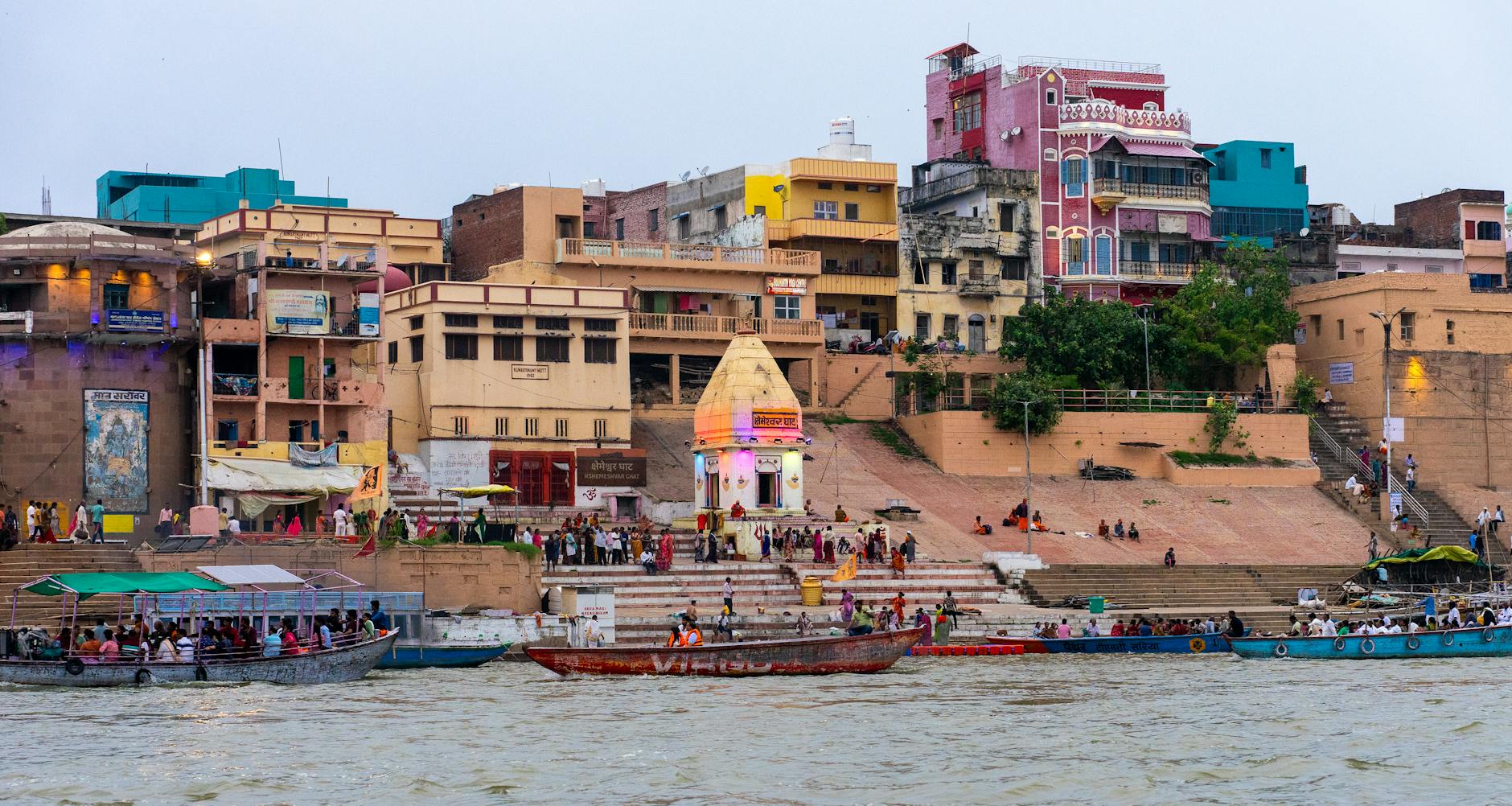
River Varanasi: boats, ghats, dawn, ritual, and the city’s main spiritual axis.
Lane Varanasi: the compressed old-city fabric where the city becomes intimate, disorienting, and human.
Temple-Corridor Varanasi: the Kashi Vishwanath zone reshaped by the corridor and intensified pilgrim movement.[3][2]
Counterpoint Varanasi: Sarnath, where the density releases and a different civilizational register enters the trip.[4]
Recovering Varanasi: the hotel, the pauses, and the hours in which you choose not to do more.
Dawn on the Ghats
Dawn is the single clearest first-time argument for Varanasi.
At that hour, the city has not yet entirely hardened into congestion. The river becomes legible. Bathing, prayer, laundry, light, and movement gather without the same level of tourist pressure as later in the day. Dawn is also when a boat ride often makes the most sense, because it introduces the ghats compositionally rather than forcing you immediately into lane-level confusion.
If you miss dawn in Varanasi, you have not failed. But you have likely missed the city’s most coherent introduction. A first-time visitor should treat dawn not as an optional flourish but as one of the main structuring tools of the trip.
Why Dawn Works So Well
Dawn works because it reduces conflict.
The city is still itself, fully, but the competing claims on attention have not yet reached their peak. Light simplifies form. The ghats read more clearly. The rhythm of prayer, washing, boat movement, and river use feels less buried in friction. You can look, think, and notice before you must also navigate constant interruption.
This does not make dawn pure or quiet in an absolute sense. It makes dawn readable. For a first-time visitor, readability is a gift.
Boats and River Perspective
The river teaches proportion.
From the lanes, Varanasi can feel so compressed that the sacred geography becomes hard to read. From the water, the ghats begin to arrange themselves. You can see sequence, scale, repetition, and the layered life of the riverfront in one continuous frame. This is why boats matter so much: they are not only scenic. They are interpretive.
Distance can also be more ethical than closeness. From the water, you may understand something of the city’s scale without forcing yourself into every intimate edge. In Varanasi that can matter a great deal.
That said, a boat ride should not be treated as an entitlement to view everything without thought. The river is not an observation deck for spectacle-hunting. It is still part of the city’s sacred life. Go, but go with a little quiet in you.
The Ghats: What First-Time Visitors Should Stop Trying to Do
Many first-time visitors behave as though the ghats are a list and that a good day means moving across as many as possible.
That instinct is unhelpful.
The point is not numerical familiarity. It is developing a feel for how the riverfront works: how ritual concentrates, how the light changes, how some ghats feel more active, some more intimate, some more overwhelming, and some more suited to simple sitting than to constant forward movement.
You do not need to "finish" the ghats. In fact, the desire to finish them is often the precise thing that prevents real understanding.
Kashi Vishwanath and the Corridor Reality
The official Kashi sources make clear that the corridor has changed the experience of reaching and navigating the temple zone.[3][2] This matters because Varanasi’s sacred center is no longer approached only through the older, narrower assumptions many travelers still carry.
That does not mean the experience has become simple. It means it has become differently organized. The key advice remains the same: approach with patience, low ego, and no entitlement. Temple movement in Varanasi is not a normal sightseeing line. It is part of a living devotional system in which you are not the central reference point.
If the corridor has made some flows more legible, it has not changed the underlying rule: humility still matters more than efficiency.
Temple Ambition and First-Time Wisdom
Many first-time visitors overestimate how much temple-side complexity they can meaningfully absorb.
They arrive with a high abstract interest in Varanasi’s sacred center, which is understandable. But abstract interest does not remove the realities of crowding, access, ritual priority, security arrangements, or the fact that this is not a neutral cultural complex designed around visitor comprehension.
The wiser approach is to let the temple zone occupy the right amount of space in the trip rather than trying to make it the sole measure of success. Varanasi is not only the temple, even if the temple is central.
The Lanes and the Ethics of Presence
Varanasi’s lanes are part of its force. They bring shrines, homes, tea stalls, animals, pilgrims, and sudden sacred intensity into extremely close proximity.
This is also where many visitors behave worst. The city is not asking to be "captured" at every turn. Be careful with cameras. Be especially careful around cremation zones, worship, and intimate ritual life. Varanasi becomes ethically ugly very quickly when the visitor treats people’s religious and mortal realities as aesthetic supply.
The right presence here is alert, observant, and slightly self-limiting. In a city like this, self-limitation is often what preserves dignity.
Cremation Zones and Respect
This requires absolute clarity.
Varanasi’s cremation ghats are not alternative tourism sites. They are places of death, ritual, grief, and religious continuity. If you do not understand how to behave there, the safest choice is to behave with distance and restraint. Do not photograph what should not be photographed. Do not perform fascination. Do not narrate other people’s mourning back to yourself as if it were travel theater.
If Varanasi asks anything special of the visitor, it is seriousness at precisely these edges.
Sacred Etiquette Is Not Optional
In some destinations, etiquette is largely a matter of politeness. In Varanasi, it is closer to interpretive competence.
If you move through the city as though every threshold were available for casual crossing, every ritual available for visual use, and every lane available for unreflective curiosity, you will not merely be rude. You will misunderstand the city.
Seriousness here does not require religious participation. It requires behavioral modesty. That is enough.
Why Midday Often Needs to Shrink
Travelers often assume that because Varanasi is dense, midday should be packed. Usually midday is exactly when the stay most needs to narrow.
By then the heat, crowds, lane friction, and sensory load are often all working at once. This is where a strong hotel, a deliberate lunch, a pause, or a quieter interior stop can save the trip from becoming punishing. You lose very little by stepping back in the middle of the day. You often gain back the energy needed for the evening, which matters far more.
Varanasi is a city that punishes visitors who try to behave heroically in the least rewarding hours.
The Midday Retreat Is Part of the Trip
This is especially important for travelers who are used to maximizing urban days.
In Varanasi, retreat can be structural. A return to the hotel, a calmer interior meal, a long pause, or even a deliberate period of doing almost nothing can preserve the part of the day that matters most. If the evening riverfront, the second walk, or the next dawn is where understanding deepens, then protecting those hours is not laziness. It is intelligent composition.
Sarnath and Why It Matters
Sarnath belongs in the serious first trip because it changes the entire emotional register.
The Archaeological Survey of India’s continued official museum and site presence confirms what most strong itineraries already know: Sarnath is not a mere side trip but a major civilizational companion to Varanasi.[4] After the density of the ghats and lanes, Sarnath introduces space, archaeology, Buddhist memory, and a cooler intellectual calm.
It is often exactly the right second-day move. The point is not that Sarnath is "quieter" and therefore easier. The point is that it lets the trip breathe differently. It gives Varanasi contrast, and contrast is what keeps intensity from turning monotonous.
Varanasi Needs a Counterweight
Every strong Varanasi trip needs one.
For many first-time visitors, Sarnath is the best answer because it brings space, history, and a different spiritual register. But the broader principle matters too: Varanasi should not be approached as unbroken sacred density. If every hour is equally intense, the city becomes less legible. Counterweight restores meaning.
In practical terms, this means deliberately designing the stay so that not every segment is asking for the same emotional response.
Sarnath as Emotional Relief
Sarnath is not valuable only because it is historically important. It is valuable because it relieves the trip without thinning it.
After Varanasi proper, the mind often needs more space than the body has admitted. Sarnath provides that space. The shift into archaeological and Buddhist registers changes the pace of thought. The city’s sacred density is answered not by trivial leisure but by a different kind of seriousness.
That is what makes Sarnath such a strong counterweight. It rebalances without trivializing.
Food, Tea, and Physical Honesty
Varanasi is not the place to become reckless out of enthusiasm.
The city has strong food traditions and memorable tea rhythms, but physical honesty matters. Eat where hygiene and judgment align, not where excitement alone sends you. The best Varanasi days are not fueled by overreach. They are stabilized by well-timed tea, simple meals, and a respect for your own limits.
This is also part of treating the city respectfully. If you turn your own body into a crisis through bad choices, the city itself becomes harder to receive with patience.
What a Good First Varanasi Day Actually Feels Like
A good first day in Varanasi usually has fewer explicit items than many travelers expect.
It may begin before sunrise.
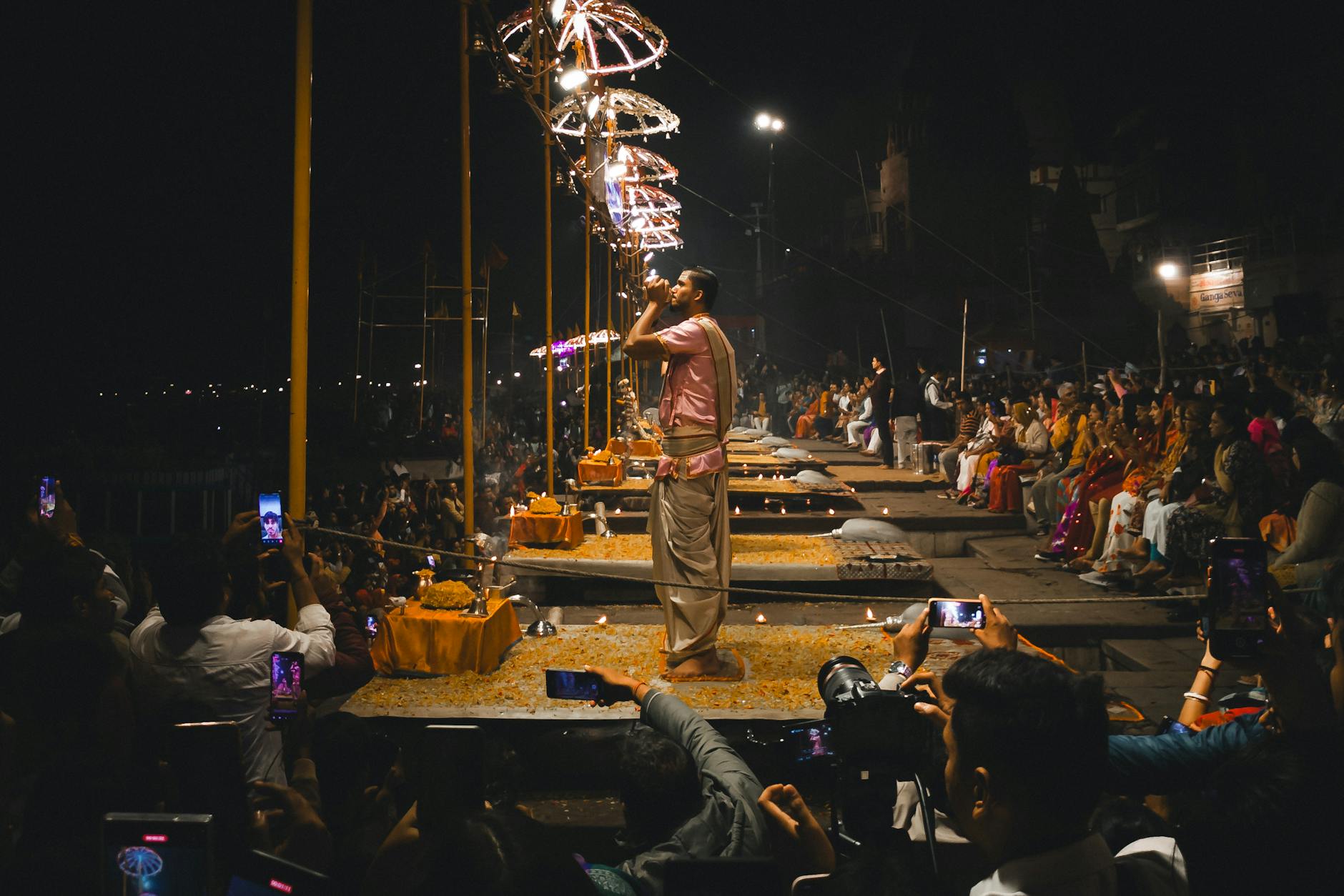
It may include one boat session, one meaningful walk, one pause that feels almost too long, one meal that is more restorative than exciting, and one evening return to the river or ritual zone.
It should probably not include every temple ambition, every market impulse, and every ghat curiosity all in one compressed span.
Varanasi becomes intelligible through rhythm. That is what a good day preserves.
What a Bad First Day Usually Looks Like
A bad first day in Varanasi often has all the famous ingredients and none of the right sequence.
Late arrival followed by immediate riverside ambition. Too much lane walking in heat. One boat session with no time to absorb it. One temple ambition layered on top of physical fatigue. One overcrowded midday. One hotel chosen for view but not for recovery. One evening ritual encountered in a state of depletion rather than attention.
From the outside, this can still look like a "full" day. Internally, it often produces confusion and irritability. That is why the city needs structure more than bravado.
Why Varanasi Often Improves on the Second Morning
The first morning gives you shock, beauty, density, and uncertainty.
The second morning often gives you orientation.
You know what the river smells like at dawn. You know how quickly the lanes tire you. You know whether your hotel is actually helping or hurting the trip. You know how much of the city you want close and how much you want from a distance. That second-morning knowledge is extremely valuable. It is one of the reasons two nights is so much stronger than one.
Varanasi is often a better city once you stop trying to conquer your first impression of it.
Why Repetition Matters Here
Varanasi is one of the places where doing something twice can be far more valuable than doing something new once.
A second dawn is often more revealing than a brand-new minor stop. A second river approach can feel less chaotic and more intelligible. A second lane walk can show you how much of the first was raw overload. Repetition is not redundancy here. It is clarification.
This is one of the reasons a two-night stay is such a strong minimum. It allows the city to become more than first contact.
Common Mistakes
Romanticizing the Hotel Without Checking Access
This is one of the most avoidable Varanasi failures.
Treating Every Ritual Scene as Viewable Content
The city closes ethically when you do this.
Overloading the Middle of the Day
Varanasi is better when you work around dawn and dusk.
Ignoring Sarnath
For many first-time visitors, it is the exact counterweight the trip needs.
Expecting Comfort to Arrive Automatically
Varanasi rewards intentional structuring, not passivity.
Mistaking Intensity for Depth
More pressure is not automatically more understanding.
Why Some People Leave Varanasi Without Understanding It
Usually because they asked the wrong thing of it.
They asked it to produce immediate revelation.
They asked it to behave like a city of attractions rather than a city of ritual.
They asked it to become comfortable before they had learned how to pace it.
They asked it to flatter their emotional appetite instead of correcting it.
Varanasi is rarely improved by those demands. The city becomes clearer once the visitor relaxes the need to possess it.
Why Varanasi Improves in Memory
Varanasi often becomes more coherent after you leave.
At the time, the city may feel like too much: too much ritual, too much density, too much symbolism, too much human closeness, too much physical negotiation. But later, if the trip was paced well, certain structures remain. The dawn light. The river’s line. The ethical caution around cremation. The relief of Sarnath. The sound of the lanes. The fact that the city never quite belonged to the visitor.
That last fact is part of its power. Varanasi is one of the rare destinations that can remain greater than your use of it. The best trips do not defeat that truth. They accept it.
The Real Success Condition
The real success condition in Varanasi is not that you saw everything you had imagined.
It is that the city became more intelligible without becoming smaller. It is that you learned how to move more carefully on the second day than on the first. It is that the river began to organize your sense of the place. It is that you understood why the hotel mattered, why dawn mattered, why Sarnath mattered, and why restraint was not a failure of courage but a form of respect.
That is a different measure of success than many destinations ask for. It is also a more serious one.
It usually leaves you with less triumph than gratitude, which is exactly the right proportion for a first Varanasi stay.
And that gratitude is often the clearest sign that the city was approached correctly. Varanasi is not asking for mastery. It is asking for conduct, pacing, and a willingness to let the place remain larger than your summary of it. If the trip leaves you with that understanding, then it has already given more than many easier destinations ever do.
That is also why the city can feel stronger in retrospect than it did in the moment. Once the pressure to interpret everything falls away, what remains is often a very clear sense of sequence: the river at dawn, the lanes at human scale, the pressure of the sacred center, the relief of Sarnath, and the knowledge that some places are best approached through respect rather than appetite.
That sequence is the real souvenir.
If You Only Remember Five Things
- Get up early.
- Choose the hotel for access and recovery, not only romance.
- Let the river organize the day.
- Treat Sarnath as a serious counterweight, not an optional extra.
- Practice visible restraint around ritual and cremation.
My Blunt Advice
Get up early.
Respect the river more than your itinerary.
Choose a hotel for access and recovery, not just romance.
Use the Kashi Vishwanath zone with humility.
Let Sarnath rebalance the trip.
Do not ask Varanasi to become easy. Ask it to become intelligible. That is the far better goal.
Used properly, the city does not give you a neat story. It gives you something harder and more lasting: a disciplined encounter with a sacred place that never belonged to tourism in the first place.
That is why even a well-planned first visit should end with some unanswered space still left inside it.
That unfinished quality is not a flaw in the trip. It is part of the city’s truth.
You are supposed to leave with some reverent incompletion, not with the smug feeling that the place has been exhausted.
Source Notes
- 1. Airports Authority of India, Varanasi airport passenger material and official airport brochure references. Used for current airport-side orientation and gateway planning. https://www.aai.aero/sites/default/files/airport_brochures/Varanasi-Broucher.pdf
- 2. Shri Kashi Vishwanath Official Web Portal. Used for current official framing of the temple and visitor orientation. https://www.shrikashivishwanath.org/
- 3. Kashi official portal, "Shri Kashi Vishwanath Corridor Project." Used for the corridor’s official access framing, benefits, and temple-to-river linkage. https://kashi.gov.in/project-details/shri-kashi-vishwanath-corridor
- 4. Archaeological Survey of India, Sarnath Museum and site resources. Used for the continuing official archaeological and museum framing of Sarnath as a major companion site to Varanasi. https://asi.nic.in/monumentsmuseums/museum-sarnath/