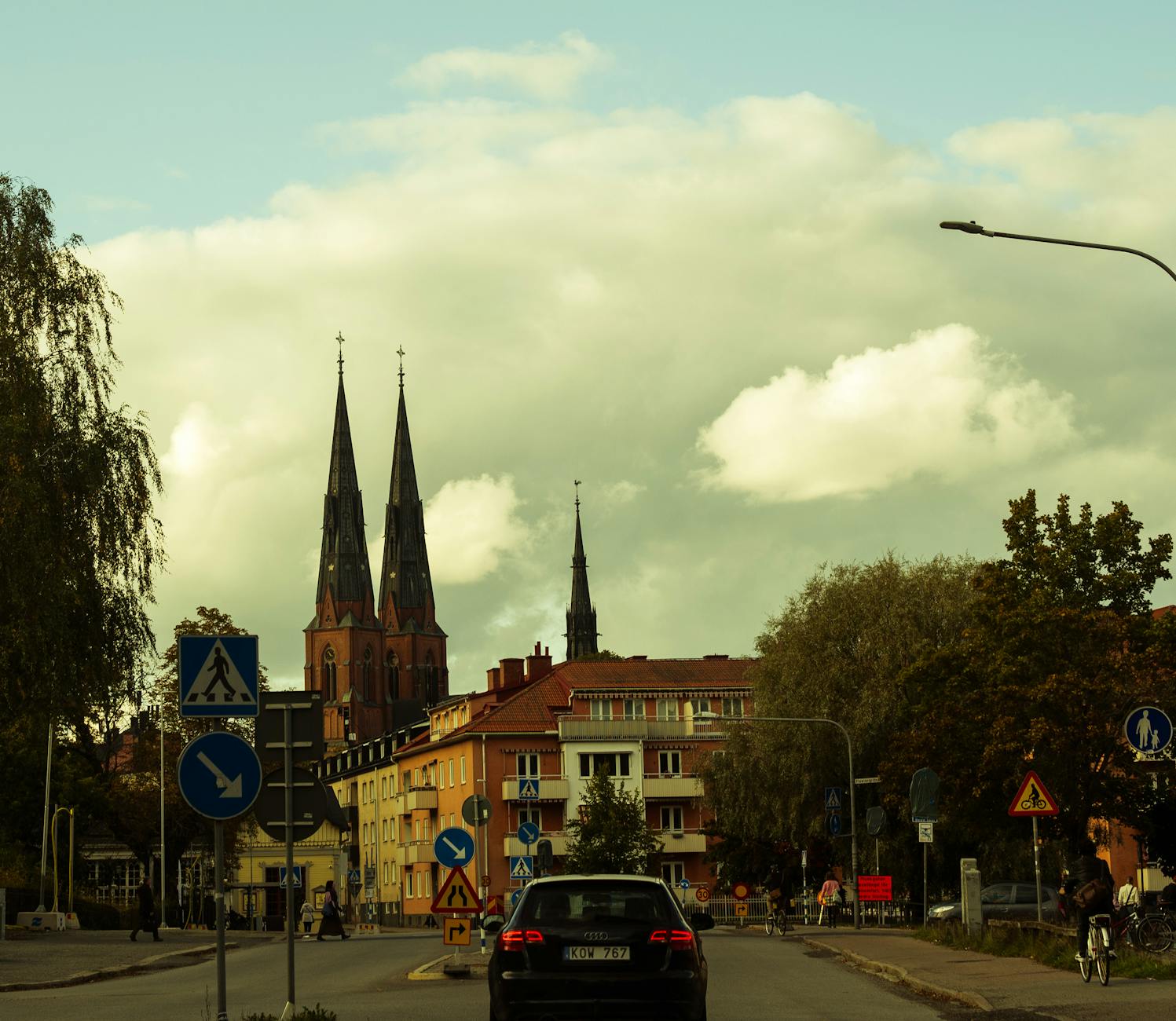
Uppsala is one of those cities that gets diminished by convenience. Because it is so easy to reach from Stockholm and Arlanda, many travelers mentally demote it before they arrive. It becomes “that day trip with the cathedral and the university,” which is not wrong, exactly, but it is radically incomplete.
Start Here
This is one of Sweden’s most satisfying smaller-city stays because it offers a rare combination of intelligence, calm, and actual urban cohesion. Uppsala is a city of cathedral towers, university courtyards, river walks, gardens, libraries, museums, bicycles, cafés, and the kind of daily rhythm that makes a place feel inhabited rather than merely attractive. It does not need to compete with Stockholm on capital-city drama. It wins on clarity, scale, and depth.
The first mistake is to think of Uppsala as mainly historical. The second is to think of it as mainly academic. Both are true, and both are insufficient. Uppsala works because history, scholarship, and everyday life sit close together in a walkable frame. You can go from medieval church gravity to students on bikes to a serious museum to a quiet lunch to a riverside evening walk without the city ever losing coherence. That is harder to build than spectacle.
The strongest Uppsala trips come from giving the city enough time to become itself. Stay centrally. Walk a lot. Use transit or taxis only when they materially improve the route. Let the cathedral, Gustavianum, Carolina Rediviva, Linnaeus, Gamla Uppsala, and the neighborhoods around the center become parts of one argument rather than separate things to tick off. Uppsala is not about adrenaline. It is about intelligence, texture, and proportion.
The city in one sentence: Uppsala is a scholarly, historical, quietly beautiful Swedish city where the best trip comes from combining the cathedral core, university life, museums, gardens, and neighborhood rhythm rather than treating the place as a quick excursion from Stockholm.
Basic data
| Population | About 170,000 in the city |
|---|---|
| Area | 48 km2 in the urban core |
| Major religions | Christian heritage with growing secular and minority-faith communities |
| Political system | Municipal government inside a parliamentary constitutional monarchy |
| Economic system | High-income mixed economy led by education, life sciences, services, and public sector activity |
Quick Verdict
Best for: couples, solo travelers, first-time Sweden itineraries, history-and-museum travelers, readers, walkers, and anyone who likes calm cities with genuine intellectual weight.
Not ideal for: travelers who need nonstop metropolitan energy, people who want nightlife to carry the whole trip, or anyone who refuses to value a city unless it performs obvious grandeur on demand.
Ideal first visit: 2 to 3 full days.
Minimum worthwhile stay: 2 full days, if one of them is not immediately given away to Stockholm or onward travel.
Best overall months: May, June, September, and early October.
Best winter case: December for dark-season atmosphere and candlelit Swedish city mood, or late winter if you want museums, cafés, and a cleaner, quieter urban stay.
Biggest planning mistake: treating Uppsala as a “while we’re nearby” outing instead of as a real city that rewards staying over.
One thing to prioritize: a central base that keeps the cathedral, university, river, and station all practically usable.
One thing to leave flexible: your green and outdoor time. Uppsala improves fast when the weather allows for gardens, riverside walks, and slower movement.
The blunt version: Uppsala is one of Scandinavia’s best underused small-city stays, but only if you stop treating it like an appendage to Stockholm.
Who Will Love Uppsala?
Uppsala suits travelers who like cities for how they think as much as for how they look. It is very good for people who enjoy old universities, books, scientific history, churches, gardens, and places where culture is integrated into ordinary life rather than staged for tourists alone. If that sounds too quiet, this may not be your city. If it sounds restorative and intelligent, it probably is.
It works extremely well for couples because the city offers atmosphere without strain. A good Uppsala day can be breakfast in the center, a cathedral visit, a museum, a walk by the river, an afternoon garden or library block, and a serious dinner, all without requiring much tactical effort. That is a genuine travel luxury.
It is also excellent for solo travelers. The center is legible, the city is socially comfortable, English is no obstacle, and the rhythm of museums, cafés, shops, parks, and university streets suits a solitary pace unusually well. Uppsala is strong for people who want to move at their own speed and still feel rewarded.
Uppsala is especially good for travelers who want a version of Sweden that is not just Stockholm or “cute countryside.” It shows another register of the country: academic, ecclesiastical, historical, inventive, and quietly prosperous. That makes it a much more complete stop in a Swedish itinerary than many first-timers expect.
It is less ideal for the traveler who wants constant friction or extroversion. Uppsala is not boring, but it is not trying to entertain the visitor every minute. It expects some curiosity back.
Uppsala at a Glance
| Question | Practical Answer |
|---|---|
| Main airport gateway | Stockholm Arlanda Airport (ARN) |
| Distance from Arlanda | Around 18 minutes by direct train |
| Best airport transfer | Direct train from Arlanda to Uppsala Central |
| Best first-time base | Center / cathedral-university core / central station balance |
| Best way to understand the city | Walking first, bike or local transit second |
| Best major landmark | Uppsala Cathedral |
| Best major museum anchor | Gustavianum for many first-time visitors |
| Best historical extension | Gamla Uppsala |
| Best green-city block | Botanical Garden or Linnaeus-linked sites |
| Best local feel | Center plus adjacent residential and university streets |
| Public transport operator | UL |
| Airport train note | UL tickets apply between Uppsala and Arlanda, but adults also need the Arlanda passage supplement at Arlanda C |
| Emergency number | 112 |
| Tap water | Safe to drink |
| Currency | Swedish krona |
| Power plugs | Type C and F |
| Car needed? | No |
2026 Visitor Notes
Arlanda Access Is A Major Advantage
Destination Uppsala's current guidance makes one of the city's strongest practical points very clear: the trip from Arlanda to central Uppsala takes about 18 minutes by direct train.[1] That is one of the cleanest airport-to-city relationships in Scandinavia and one of the reasons Uppsala is so easy to under-rate. It is accessible enough that people assume it must therefore be secondary.
Train Tickets Need One Small Piece Of Attention
UL guidance is useful here. UL tickets apply between Uppsala and Arlanda on the SL commuter connection, but adults using Arlanda C still need the Arlanda passage supplement unless it is already included in the fare product.[2] This is not complicated, but it is the kind of detail that rewards not free-styling your arrival.
The City Is Short On Distances, Long On Meaning
Destination Uppsala is right to emphasize that distances in the city are short and that it is easy to walk or bike between sights. What matters is not the mileage. What matters is allowing the city’s intellectual and historical layers to register.
Gustavianum Is A Real Anchor Again
Gustavianum's current hours and museum presentation make it one of the best contemporary anchors for first-time visitors.[3] It is not just "the old university museum." It helps turn Uppsala's scholarly reputation into an actual lived visit.
Gamla Uppsala Deserves Deliberate Time
Gamla Uppsala should not be treated as a rushed afterthought. Official tourism material frames it correctly as one of Scandinavia's most significant cultural environments, and that is the right scale of seriousness.[4]
Uppsala Rewards Staying Overnight
The city is often diminished by the day-trip frame. Once you stay the night, have one real evening and one real morning, Uppsala’s quality becomes much easier to read.
How to Understand Uppsala
Uppsala works through five forces.
The first is the university. Not as branding, but as atmosphere. The city is shaped by scholarship, students, collections, and centuries of learning.
The second is the cathedral and church layer. Uppsala Cathedral is not just a big building. It is part of the city’s historical gravity.
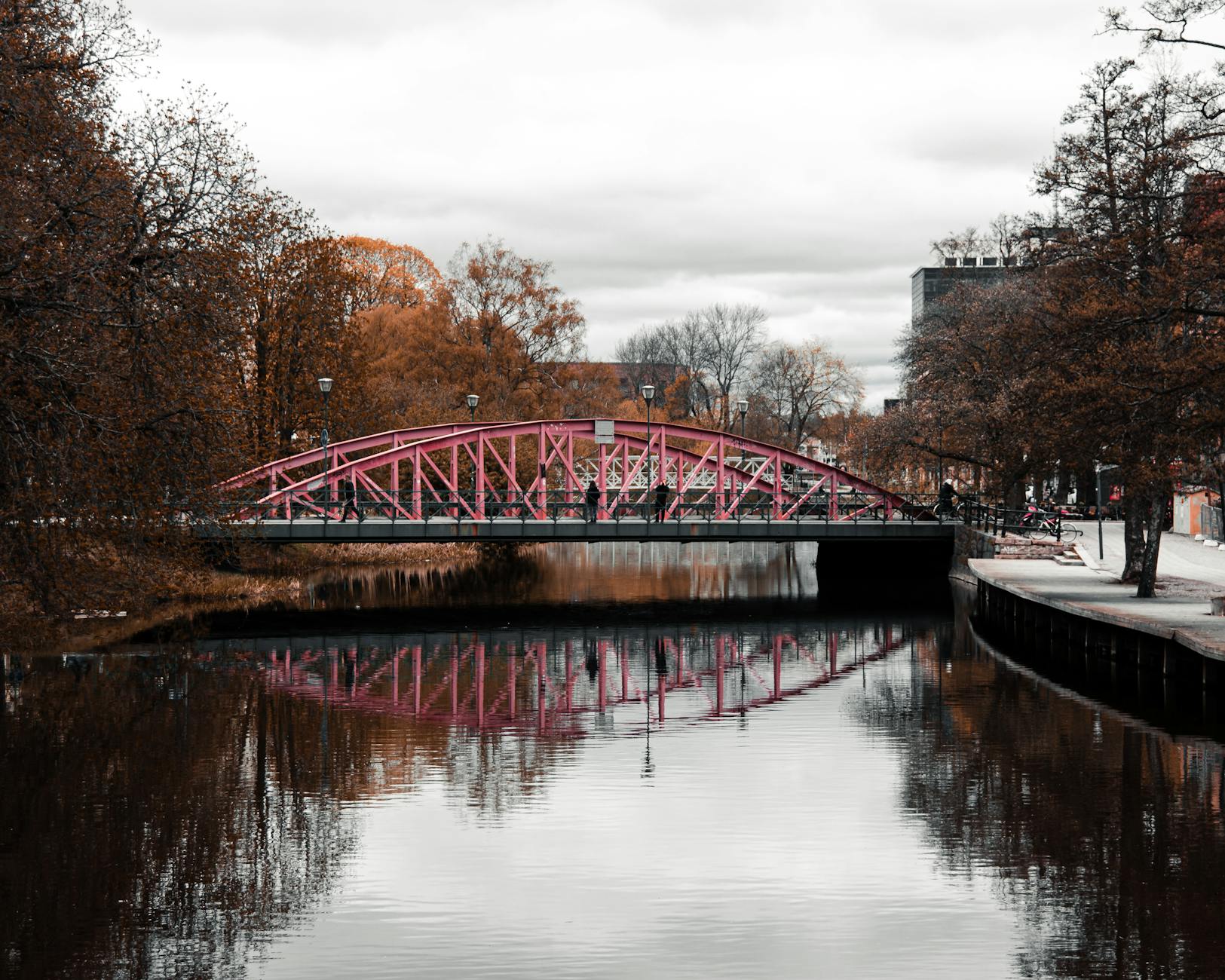
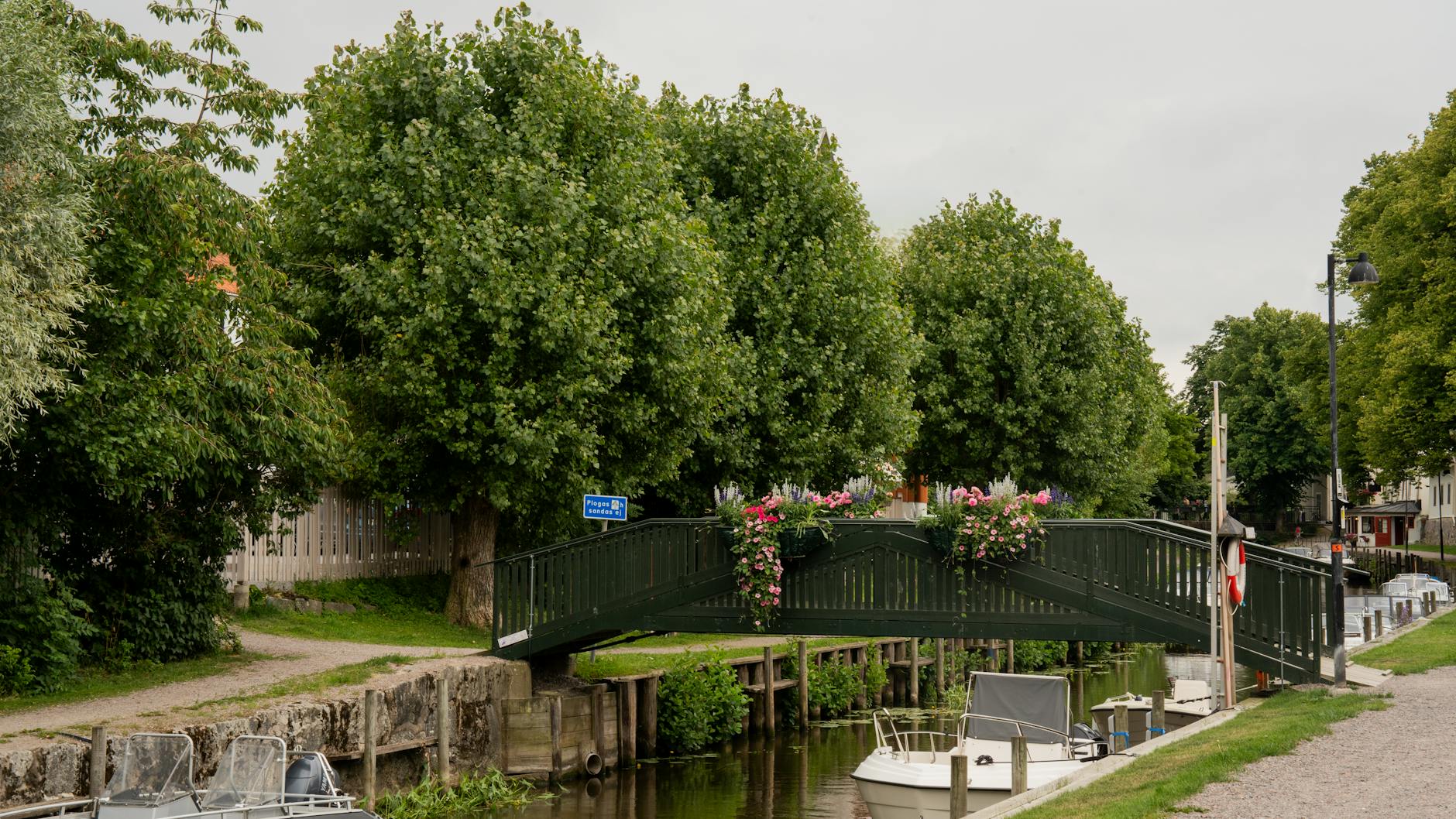
The third is the river and green spaces. Uppsala is not a dramatic river city, but the Fyris and the city’s gardens help soften and organize it.
The fourth is the small-city coherence. Uppsala’s attractions are close enough together that the city can actually feel whole within a short stay.
The fifth is time depth. From medieval and ecclesiastical history to scientific modernity, Uppsala keeps folding different eras into the present.
The Five Uppsalas A Visitor Actually Meets
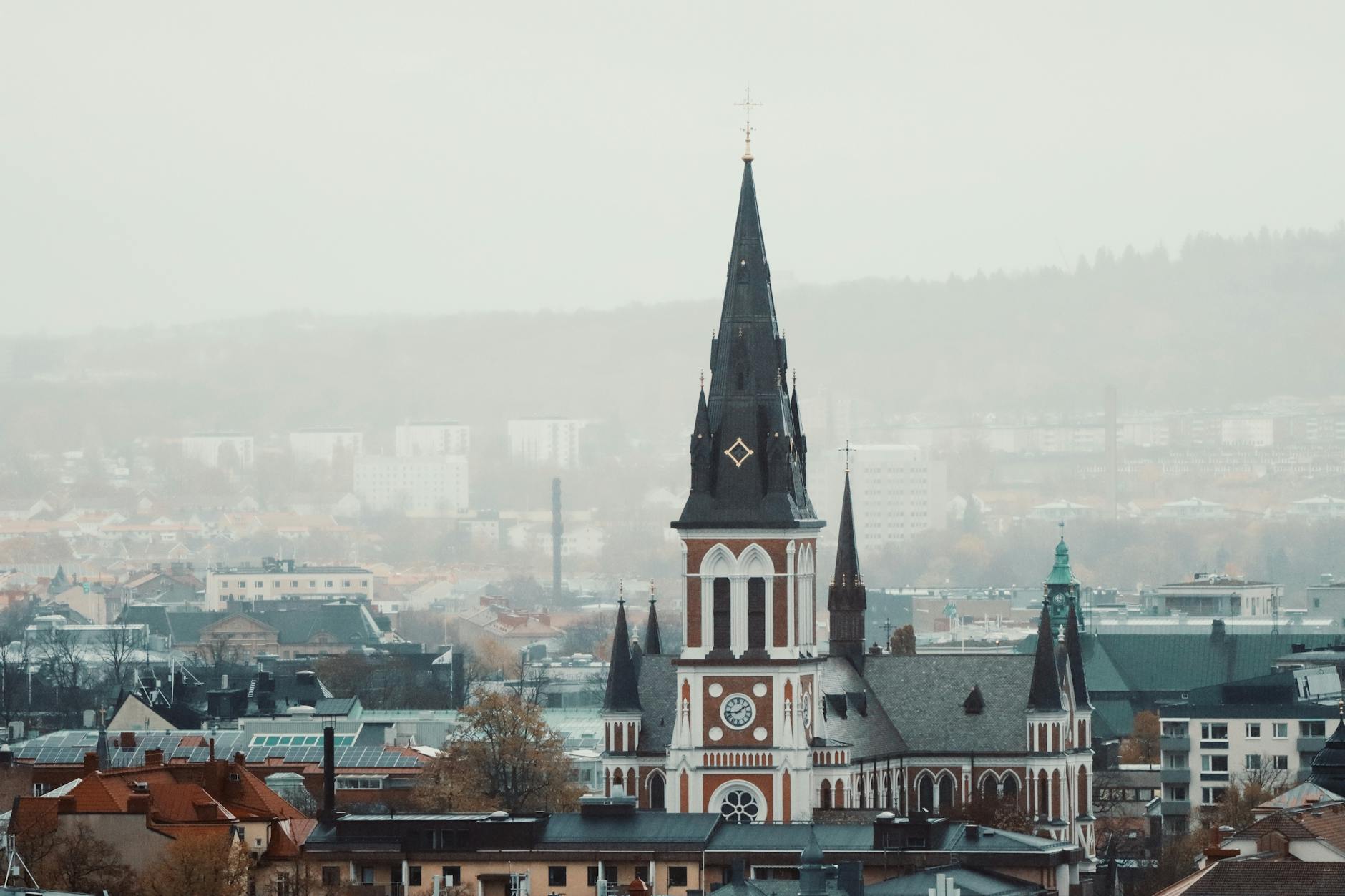
Cathedral Uppsala: the great church, old streets, and the city’s clearest visual and symbolic center.
University Uppsala: Gustavianum, Carolina Rediviva, classrooms, collections, and the intellectual frame of the place.
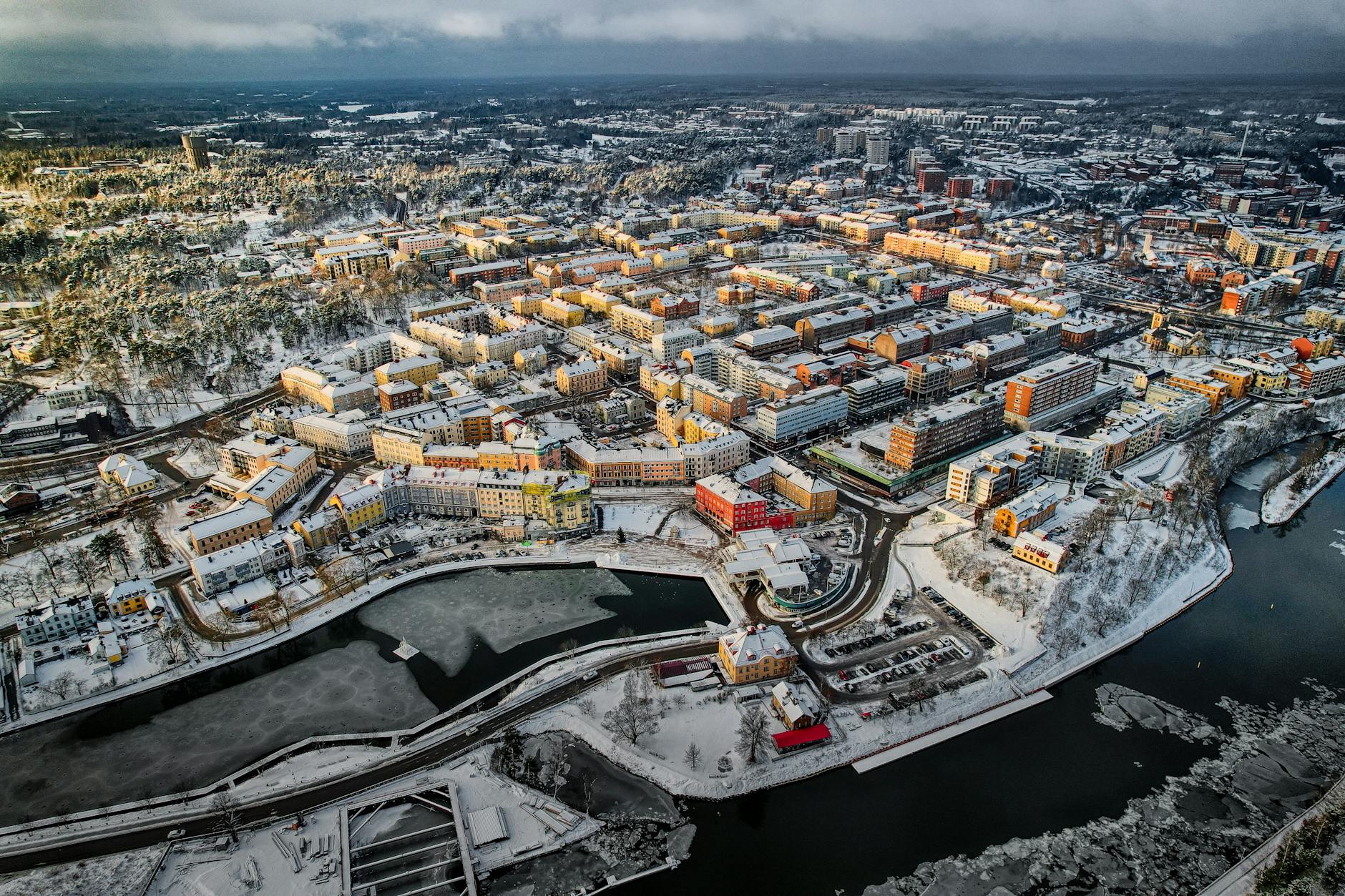
River Uppsala: the Fyris, central walks, bridges, and the city’s softer everyday movement.
Garden Uppsala: Linnaeus, botanical spaces, parks, and the quieter scientific-natural side of the city.
Old Uppsala: Gamla Uppsala’s mounds, myths, and pre-Christian historical depth just beyond the main center.
The Main Mental Shift
Do not ask, “What are the sights in Uppsala?” Ask, “How does this city think and live?” That is the better question. The answer usually involves curiosity, walking, and giving the city enough room to be more than a short scenic errand.
What Uppsala Does Better Than People Think
Uppsala is excellent at intellectual atmosphere without pretension. A lot of university cities trade too heavily on their reputations. Uppsala often feels more natural than that. Learning and daily life actually belong to each other here.
It is also better than many first-time visitors expect at calm beauty. The city does not shock with obvious spectacle, but it accumulates beauty through church spires, brick and stone, gardens, the river, well-kept streets, and the way everything fits together.
Another underrated strength is small-city depth. Uppsala is not large, but it is layered enough that a lazy day-trip version misses much of what matters.
Uppsala is also strong at human-scale culture. Museums, books, botany, archives, cathedrals, old student life, and scientific history all live within a frame that remains easy to use.
Finally, it is very good at making a visitor feel sane. There is little unnecessary friction here. That matters more than many travelers admit.
Best Time to Visit Uppsala
Uppsala is a year-round city, but the balance between walking, gardens, cafés, and dark-season atmosphere changes meaningfully.
Best Overall Months
May, June, September, and early October are the strongest broad-appeal windows for most first-time visitors. The city feels open, green, and easy to read on foot.
Summer
Summer gives Uppsala long light, usable gardens, outdoor café life, and the easiest entry point for first-timers. The risk is that the city can look almost too gentle if you only skim the surface. You still need to engage with its deeper layers.
Autumn
Early autumn is one of the smartest times to visit. The city remains attractive outdoors, but the pace often feels slightly sharper and more serious in a way that suits Uppsala.
Winter
Winter gives you a different product: candles, coats, church interiors, museums, and the pleasure of a composed Swedish city in cold weather. It is not the season for maximum garden or river payoff, but it can still be excellent.
Spring
Spring is very good because the city’s gardens and outdoor life begin to animate again, and the university city starts feeling outward rather than enclosed.
Month-by-Month Guidance
January: quiet, cold, and best for low-season urban travelers. February: similar, but with a slightly improving psychological light. March: transitional and workable if you understand the season’s limits. April: increasingly pleasant, especially for walking and museums. May: one of the best first-time months. June: excellent for a full short stay. July: long light and easy outdoor movement. August: very good, with strong everyday city life. September: one of the best-balanced months. October: rewarding, especially early in the month. November: grayer and more interior-led. December: atmospheric and strong for winter city travelers.
How Many Days You Need
One Day
Enough for a first impression, not enough to understand why the city matters.
Two Days
The minimum respectable stay. One day for the cathedral-university core, one for deeper historical or garden/museum life.
Three Days
Ideal for a first visit. This gives enough time for the center, Gustavianum, Cathedral, Gamla Uppsala or Linnaeus-related sites, and at least one slower city block.
Four To Five Days
Very good if you want a slower rhythm, more museums, or one or two regional extensions without flattening Uppsala itself.
One Week
More than enough for the city alone, but useful if Uppsala is anchoring a wider central-Sweden route.
Where to Stay in Uppsala
Base choice matters because Uppsala’s main luxury is coherence. The right hotel lets that quality work immediately.
Fast Answer
For most first-time visitors, stay in the central core, the cathedral-university zone, or the best station-to-center balance area. Stay farther out only if you have a very specific reason. Uppsala is best when you can move through it almost by instinct.
Neighborhood Decision Table
| Traveler Type | Best Area |
|---|---|
| First-time visitor | Center / cathedral-university core |
| Couple weekend | Central historic core or a polished center-adjacent stay |
| Practical short stay | Center-station balance |
| Museum-and-history trip | Center with easy access to cathedral and university sites |
| Longer calmer stay | Center edge with green-space access |
| Rail-heavy traveler | Near station only if still clearly central |
Cathedral-University Core
Best for: first-timers, history travelers, and anyone who wants Uppsala to feel immediately like itself.
Why it works: atmosphere, walkability, museum access, and the city’s strongest symbolic geography.
Tradeoff: hotel choices can be fewer or more variable than pure commercial-center zones.
Center / River Balance
Best for: most travelers who want practicality without losing city character.
Why it works: easy movement, dining, cafés, shopping, and sensible access to the whole core.
Tradeoff: less obviously grand than the cathedral side.
Station Balance Zone
Best for: late arrivals, early departures, and travelers who want smooth rail logistics.
Why it works: convenience without necessarily losing the city, if chosen carefully.
Tradeoff: too station-heavy a location can make Uppsala feel more generic than it is.
Area Profiles
Cathedral And Old Center
This is the heart of Uppsala’s historical and visual authority. It gives the city its vertical and symbolic center.
University Core
The institutional and intellectual spine of the city, essential to understanding why Uppsala feels different from a generic small Swedish city.
River-Center Uppsala
The softer, more everyday side of the central city. Useful for cafés, walks, and the modern rhythm of the place.
Linnaeus / Garden Side
Important because it expands Uppsala beyond churches and classrooms into the botanical and scientific imagination.
Gamla Uppsala
Not central, but crucial if you want the city’s longer historical arc.
Neighborhood Guide: Where to Explore, Not Just Sleep
Around The Cathedral
Do not rush this zone. Let the church, surrounding streets, and university buildings create a sense of historical density.
Gustavianum And Nearby University Streets
This area is key to understanding Uppsala as a place of minds as much as monuments.
The Fyris River Corridor
Useful for stitching the city together and giving it breathing room.
Linnaeus Garden And Nearby Blocks
This is where Uppsala’s scientific and domestic histories feel unusually close.
Jeweled Everyday Center
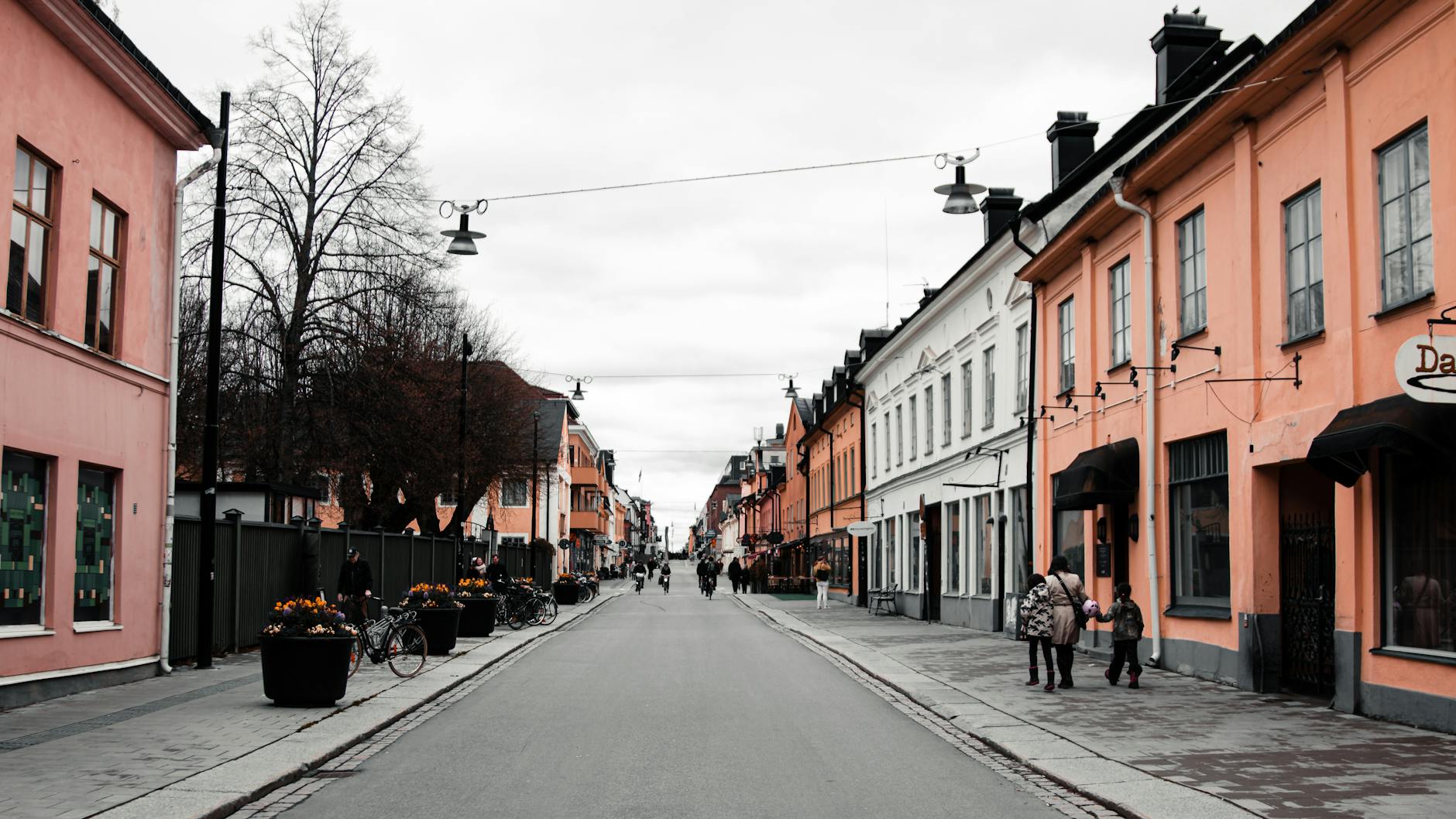
Cafés, bakeries, bookshops, and ordinary streets matter here more than in cities that rely on one or two icons alone.
The Best Things to Do in Uppsala
1. Give The Cathedral Real Time
It is the largest cathedral in the Nordic region and one of the city’s clearest statements of seriousness.
2. Visit Gustavianum
This is one of the best ways to translate Uppsala’s academic prestige into a lived experience.
3. Walk The University Core
Uppsala should be read through its institutions and streets, not just through isolated attractions.
4. Use Linnaeus Thoughtfully
The gardens and related sites are part of the city’s identity, not optional decoration.
5. Go To Gamla Uppsala If History Matters To You
This is where the city’s deeper, older gravity becomes clear.
6. Spend Time By The River
The Fyris is not dramatic, but it helps make Uppsala feel habitable and whole.
7. Let The City Be Quiet
Uppsala rewards attention more than urgency.
8. Stay Overnight
This sounds basic, but it is one of the most important choices you can make.
9. Build At Least One Bookish Or Museum-Led Afternoon
This city earns that kind of time.
10. End One Day Well
A good dinner, a good bar, or a long evening walk improves Uppsala considerably.
Itineraries
One Excellent Day In Uppsala
Start at the cathedral and university core, visit Gustavianum, take lunch in the center, use the river and surrounding streets late, and finish with a slower evening rather than rushing back to Stockholm.
Two Days
Day 1: cathedral, university, center, and river. Day 2: Gamla Uppsala or Linnaeus/garden and museum depth.
Three Days
Day 1: core Uppsala and cathedral-university life. Day 2: museums and deeper historical context. Day 3: greener, slower, more neighborhood-led Uppsala or a carefully chosen extension.
Four To Five Days
Add more scholarly or green-city depth, or a modest regional movement, but keep Uppsala itself at the center of the plan.
One Week
Useful if Uppsala anchors a broader route, though the city itself rarely needs that much time unless you actively want to live in its pace.
Itineraries By Traveler Type
First-Timer
Stay central, do the cathedral and university core first, then deepen with Gustavianum and either Gamla Uppsala or the Linnaeus side.
Couple Weekend
Good hotel, cathedral and river walks, one strong museum, one strong dinner, and enough time to let the city’s quiet confidence come through.
Solo Traveler
Excellent fit: safe-feeling, compact, intelligent, and rewarding without pressure.
History Traveler
Cathedral, Gustavianum, Carolina Rediviva, and Gamla Uppsala should frame the trip.
Bookish Or Academic Traveler
This is one of the better Scandinavian cities to simply inhabit for a few days with museums, cafés, and slow walking.
Food and Drink
Uppsala is not a maximalist food city, but it is a very satisfying one when approached correctly. The point is not excess. It is quality, calm, and places that fit the city’s tone.
What To Prioritize
Prioritize places that feel anchored in the city rather than generic hotel food or anonymous chain convenience. Uppsala benefits from a slightly more deliberate dining style.
Best Food Zones
Center and cathedral-adjacent core: strongest for first-timers. River-adjacent central streets: useful for atmosphere and easier evenings. Neighborhood and university edges: better if you want a more local everyday read on the city.
Restaurant Strategy
Book the meals that matter, especially on weekends. Uppsala is not impossible to improvise, but the better places are better for a reason.
Drinks
The city is stronger at civilized drinks than at scene-chasing. Wine bars, beer, and calm late evenings all fit.
Coffee and Mornings
Mornings matter here. Uppsala often opens most beautifully through coffee, bakery logic, and a good first walk.
Getting Around Uppsala
Arlanda To Uppsala
The direct train is the default best choice for most visitors. It is one of the simplest airport-to-city moves in the region.
Walking
Walking is the best way to read Uppsala and should do most of the work on a first stay.
Local Transit
UL buses and related links are useful for extensions and bad-weather corrections, but the city’s core is best absorbed on foot.
Taxis
Useful when weather, luggage, or a trip to Gamla Uppsala makes directness the intelligent answer.
Bike
Very Swedish, very natural here, and often a good fit if you are comfortable cycling in a city.
Car Hire
Not needed for a city stay and usually unnecessary friction.
Budget and Costs
Uppsala is not a bargain city, but it often feels like good value within Sweden because it gives a lot back in quality and ease.
What Costs More Than Some Visitors Expect
Hotels, dining, and casual everyday purchases can still feel distinctly Swedish in price.
What Feels Worth It
A strong central room, one or two thoughtful meals, and not compromising on location in a city whose main strength is coherence.
What Feels Like Better Value
Walking, museums, gardens, public space, and a trip structure that avoids needless transport corrections.
Worth The Splurge
A polished central hotel, a good dinner, or a room that genuinely helps the city unfold well.
Usually Not Worth It
Staying too far out to save a little money and then giving away the city’s central ease.
Safety, Weather, and Practical Reality
Uppsala is broadly one of Europe’s easier cities for visitors, but that should not translate into laziness.
The Main Risk Is Underbuilding The Trip
Most travelers will find the city very easy. The greater danger is deciding that because it is easy, it does not require real time or attention.
Weather Changes The Green And River Payoff
The city still works in poor weather, but gardens and riverside routes matter more on good days than many first-timers anticipate.
General Urban Safety
Standard awareness is enough for most visitors. Uppsala is not a city that tends to create stress for the attentive traveler.
Accessibility
Uppsala can work relatively well for travelers with accessibility needs, though older historical areas and winter conditions require planning.
Easier Areas
Modern central hotels, larger museums, main center streets, and much of the practical core.
Harder Areas
Some older buildings, heritage thresholds, uneven surfaces, and winter ice conditions.
Practical Moves
Choose the base carefully, use short taxi moves when needed, and confirm accessibility specifics for older institutions in advance.
Families, Solo Travelers, and Special Considerations
Families
Uppsala works well for families who like museums, outdoor space, and low-stress city movement, though it is not a city of constant kid-targeted spectacle.
Solo Travelers
Very strong fit. The city is calm, compact, and easy to use alone.
Couples
One of Uppsala’s strongest categories. The city does quiet romance very well.
Winter Travelers
Winter can be excellent if you want atmosphere, museums, and good interiors rather than maximum outdoor abundance.
Shopping and Souvenirs
Uppsala is not about grand shopping. Shop for books, design, thoughtful Swedish goods, and museum-connected objects rather than generic “Sweden” filler.
What To Buy
Books, stationery, Swedish design objects, museum-shop finds, and gifts that relate to science, history, botany, or local craft.
Best Shopping Zones
Center streets, museum shops, and selected independent stores rather than a pure mall logic.
What To Avoid
Souvenirs that flatten the city into vague Scandinavian minimalism with no actual connection to Uppsala.
Culture, History, and Local Context
Uppsala matters to Sweden in a foundational way. It is tied to the church, the monarchy, the early university system, scientific thought, state formation, and the shaping of national intellectual life. That makes it much more than a pleasant regional city.
The cathedral and old university institutions matter because they explain the city’s historical authority. Linnaeus and the university museums matter because they explain the scientific and educational side of its identity. Gamla Uppsala matters because it pushes the story even further back, into pre-Christian and mythic ground important to Swedish historical imagination.
At the same time, none of this makes the city stiff. Uppsala remains a living place full of students, cyclists, cafés, quiet commerce, and ordinary Swedish daily life. That combination of weight and use is one of the city’s greatest strengths.
Day Trips and Side Trips
The Main Advice
On a first short stay, do not day-trip away from Uppsala too fast. The city is too often shortchanged by its own convenience.
Gamla Uppsala
Technically an extension rather than a major trip, but important enough to feel like a separate directional choice in your day.
Stockholm
Obviously accessible, but if you are already staying in Uppsala, resist letting Stockholm reclaim all your attention.
Central Sweden Extensions
Possible, but not necessary on a first proper stay.
Where Uppsala Fits In A Sweden Trip
Uppsala is one of the most useful cities in Sweden because it breaks the false choice between Stockholm and “the rest.” Stockholm gives capital scale, island drama, and the country’s most internationally legible urban identity. Uppsala answers with another Swedish register: scholarly rather than governmental, more compact, more reflective, and often easier to inhabit over a short stay. If a Sweden itinerary includes both, the country usually feels more complete.
That matters because many first-time Sweden trips are too centralized. Travelers sleep in Stockholm, day-trip mechanically, and leave thinking the country is either capital-city life or rural calm. Uppsala adds a third category: a real historical and academic city with its own internal rhythm. It shows how much of Sweden’s intellectual and ecclesiastical history can still be felt in daily urban life.
It is also one of Scandinavia’s best “quiet strength” cities. You do not come here for shock or scale. You come here because it allows culture, history, and ordinary life to stay close enough together that a few days can feel unusually coherent.
Uppsala Versus Stockholm, Lund, And Oxford-Style Expectations
Compared with Stockholm, Uppsala is smaller, calmer, and much more concentrated around a single intellectual-historical frame. Stockholm wins on range, waterfront drama, and capital complexity. Uppsala wins on legibility and proportion. It is easier to understand quickly, but it is not shallow because of that.
Compared with Lund, Uppsala generally feels weightier and more visibly national in historical significance. Lund is rewarding and elegant, but Uppsala often carries a stronger sense of long institutional continuity and a bigger scholarly shadow in the imagination of visitors.
Compared with generalized “old university city” expectations shaped by Oxford or Cambridge, Uppsala is less theatrical and more Scandinavian in temperament. It is quieter in display, less inclined to turn learning into a pageant, and more integrated into a normal small-city rhythm. That makes it less instantly spectacular than some travelers expect and often more convincing once they slow down enough to read it properly.
This is why Uppsala matters. It is not an academic theme park. It is a living city whose intellectual life still shapes its form.
First-Time Visitors Versus Repeat Visitors
First-time visitors usually arrive wanting quick proof that staying over was the right choice. The easiest proof is the cathedral and the university core, and that is fine as a beginning. The mistake is stopping there. A first visit gets much better once Gustavianum, the river, a garden block, and either Gamla Uppsala or a slower neighborhood stretch enter the picture.
Repeat visitors often do better because they stop looking for one defining landmark and start using the city in mood-based ways. One return trip may lean fully into museums and books. Another may be almost entirely about green spaces, cafés, and slow walks. Another may treat Uppsala as a winter city of interiors and evening calm. The city is flexible enough to support these readings precisely because it is so coherent.
This is also why Uppsala improves on return. It is not exhausted by first-sight beauty. In fact, its first-sight beauty is not the main argument at all.
Why One Proper Uppsala Day Matters
A weak Uppsala visit often looks efficient: arrive from Arlanda or Stockholm, walk the cathedral zone, have lunch, perhaps see one museum, then move on. Because the city is so easy, this can feel sufficient. Usually it is not. One proper Uppsala day is what turns the place from a handsome stop into a convincing city.
That full day lets the cathedral and university core establish the city’s main tone without monopolizing it. It creates room for Gustavianum or another institution to convert reputation into substance. It allows the river and green spaces to do their quiet connective work. It gives time for one slower meal and one slower walk, which matter more here than in cities built on constant visual escalation.
Most importantly, a full day lets Uppsala reveal how well its parts cooperate. That cooperation is the essence of the city.
Why The Cathedral Should Not Own The Whole Trip
Uppsala Cathedral is central, magnificent, and completely worthy of being a first emotional anchor. The problem is not spending time there. The problem is allowing it to stand in for the entire city.
If you do that, Uppsala can seem like a very handsome ecclesiastical stop with an attached university. The rest of the city is what gives the cathedral proportion. Gustavianum translates scholarship into experience. Carolina Rediviva and the library culture deepen the academic frame. The river and gardens soften the city into daily life. Gamla Uppsala expands the historical arc far beyond the current center.
The cathedral should begin the reading, not end it. Uppsala is much richer once the city starts pressing back against its largest symbol.
How Uppsala Changes Over The Course Of A Stay
On arrival, Uppsala often feels almost instantly agreeable. The center is readable, the cathedral is obvious, the university presence is legible, and the whole city appears to fit neatly into the idea of a calm Swedish historic center. By the second day, it often starts feeling more particular. You notice how much the city is shaped by institutions, how the river and green spaces organize movement, and how the quieter streets matter as much as the headline sites.
By the third day, many travelers stop asking whether Uppsala is enough and begin trusting the pace. They revisit the center at a different hour, spend longer in a museum, let a café or bookstore sit at the center of an afternoon, or treat Gamla Uppsala as part of the city’s long argument rather than as an optional appendage. That is when Uppsala often becomes most persuasive.
This is one of the city’s deepest strengths. It often leaves a stronger final impression than first impression because it reveals its coherence gradually.
What To Skip, or Treat Carefully
Skip Treating Uppsala As Only A Day Trip
That is the single most common mistake.
Skip Building The Stay Around One Landmark
The cathedral matters, but the city needs more than that.
Skip Sleeping Somewhere Generic Just Because The Train Is Easy
Uppsala’s whole value is that it can feel complete and graceful if you stay in the right place.
Skip Leaving Before Evening
The city often becomes much more convincing once the day winds down.
Skip Underestimating Gamla Uppsala
If history matters to you, it is not optional filler.
Common First-Timer Mistakes
- Treating Uppsala as a side trip rather than a stay.
- Seeing only the cathedral and the station.
- Skipping Gustavianum.
- Ignoring the gardens and river entirely.
- Failing to connect the city’s historical and academic sides.
- Staying too briefly.
- Underusing the calm of the place.
- Spending no meaningful time outside the obvious central axis.
- Assuming small city means little depth.
- Returning to Stockholm before the city has had time to register.
Responsible and Respectful Travel
Use Uppsala thoughtfully. Respect the fact that this is a living university city and not simply an open-air historical campus. Move quietly in residential and scholarly areas, and treat museums, churches, and collections with the seriousness they deserve.
Support the city through cafés, museums, bookshops, and institutions that reflect its actual intellectual and cultural life. Let curiosity, not just completionism, shape the visit.
Term Time Versus Quiet Time
One of the subtler things that shapes Uppsala is the difference between when the city is fully inhabited by student life and when that rhythm relaxes. During active term periods, Uppsala can feel more youthful, more socially energized, and more visibly like a living university city. Cafés are fuller, streets feel slightly quicker, and the city’s intellectual identity becomes less abstract because you can watch it happening.
In quieter periods, especially outside the heaviest student rhythm or during darker parts of winter, Uppsala becomes more interior and more reflective. That does not make it worse. In some ways it becomes more itself. Museums, churches, libraries, and slow walks through the center feel even more legible when the city is not being animated as insistently by term-time movement.
The useful point for visitors is that both versions are valid. You just need to understand which one you are getting. A lively student-season Uppsala and a quieter winter Uppsala are not the same product, but both can be excellent if expectations are aligned.
Why Staying Over Matters So Much
There are cities where a day trip genuinely gives you most of what you need. Uppsala is not one of them. Not because the city is huge, but because its quality reveals itself through rhythm. A hurried arrival, quick cathedral visit, fast lunch, and return train can prove that Uppsala is attractive. It cannot show why people who stay longer often find it memorable.
The overnight stay changes everything. Evening makes the city calmer and more atmospheric. Morning makes it feel more intimate and less touristed. You begin to notice that this is not only a collection of important institutions, but a functioning small city where those institutions still shape everyday life. The overnight stay also gives you enough emotional space to let Uppsala’s quieter attractions work: a second museum, a slower café, a river walk, a garden, or a well-timed trip to Gamla Uppsala.
That is why Uppsala is one of the clearest examples in Scandinavia of a city harmed by being too accessible. Because it is easy to visit quickly, people do. Because people visit quickly, they often underread it. The solution is simple: stay.
FAQ
Is Uppsala worth visiting on its own?
Yes, absolutely.
How many days should I spend in Uppsala?
Three days is ideal for a first proper stay. Two is the minimum that still respects the city.
Is Uppsala walkable?
Yes, very much so.
Do I need a car?
No.
Is Uppsala expensive?
It is Swedish in price, but usually returns value well.
Is Gamla Uppsala worth it?
Yes, especially if history matters to you.
What is the best area to stay?
Central core or cathedral-university balance for most first-timers.
When is the best time to go?
May, June, September, and early October are the strongest broad-appeal windows.
Final Planning Shortcuts
Best First-Timer Plan
Stay central, use one full day for cathedral and university Uppsala, one for deeper museum and historical context, and one for gardens, neighborhoods, and a slower city rhythm.
Best Couple Plan
Good central hotel, cathedral and river walks, one strong museum, one excellent dinner, and enough time to let the place stay quiet.
Best Short-Stay Plan
Do not commute back immediately. Stay the night and let morning and evening do some of the work.
Best History Plan
Cathedral, Gustavianum, Carolina Rediviva, and Gamla Uppsala should frame the whole trip.
Best Calm-City Plan
Use cafés, gardens, museums, and slow walking rather than trying to force the city into a louder mode than it naturally has.
Source Notes
- 1. Destination Uppsala, "Stockholm Arlanda Airport." https://destinationuppsala.se/en/good-to-know/travelling-to-uppsala/stockholm-arlanda-airport/
- 2. UL, "Travel to and from Arlanda." https://www.ul.se/en/travel-info/travel-to-and-from-arlanda/
- 3. Uppsala University, "Visit Gustavianum." https://www.uu.se/en/visit/gustavianum
- 4. Gamla Uppsala Museum. https://gamlauppsalamuseum.se/en/