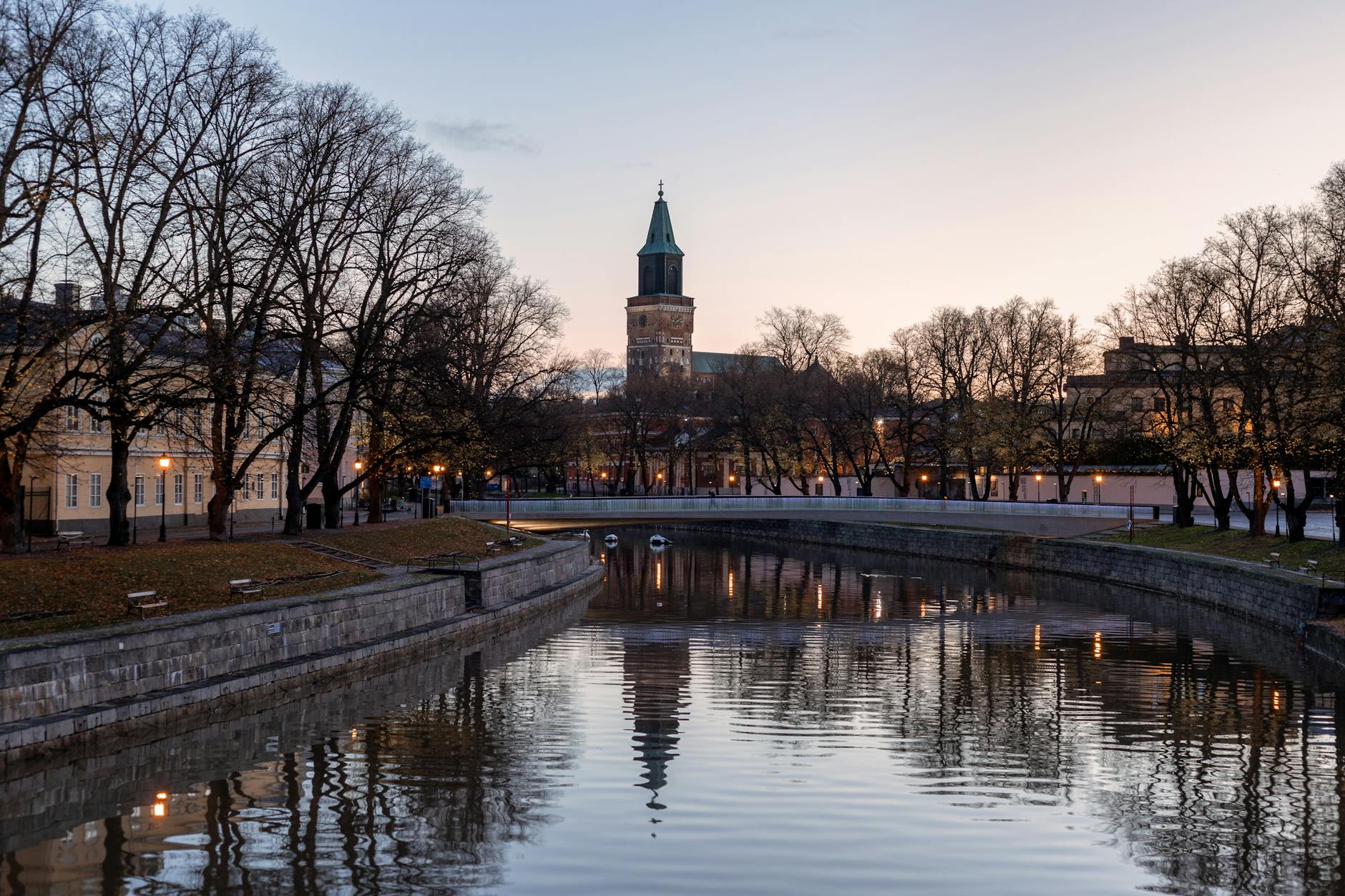
Turku is one of those cities that suffers from being both good-looking and easy to describe.
Start Here
People call it Finland’s oldest city, say something about the river, mention the castle, and then move on. Or they treat it as a softer counterpart to Helsinki, or as a stopping point before the archipelago properly begins. None of those descriptions are false, but they are all incomplete. What they miss is the way Turku actually works as a place to stay. The city is not just historic. It is structured. The Aura is not just scenic. It is the city’s main organizing line. The maritime edge is not just symbolic. It changes the whole emotional scale of the place. And the food and bar life along the river are not ornamental add-ons. They are a big part of why Turku feels better in person than it often sounds in a plan.
This is the central thing first-time visitors need to understand: Turku is persuasive through use, not prestige. It does not overwhelm. It settles in. The river walks better than you expect. The old core and cathedral side give the city historical credibility without turning it into a museum set. The castle gives weight to the western end of the urban story. Market Hall grounds the city in daily appetite instead of abstract culture. And small details, like Föri crossing the Aura in under two minutes for free, remind you that Turku’s urban life is built around habits as much as attractions.[3]
The best Turku trip is not a frantic effort to “cover” Finland’s old capital. It is a stay that lets the city’s riverfront logic, food culture, and maritime orientation do the work. Once you stop asking why Turku is not Helsinki, the city gets much better.
The city in one sentence: Turku is a river-and-sea city whose best first stay balances the Aura riverside, castle, market, museums, and quieter maritime confidence rather than treating it as a secondary Finnish stop.
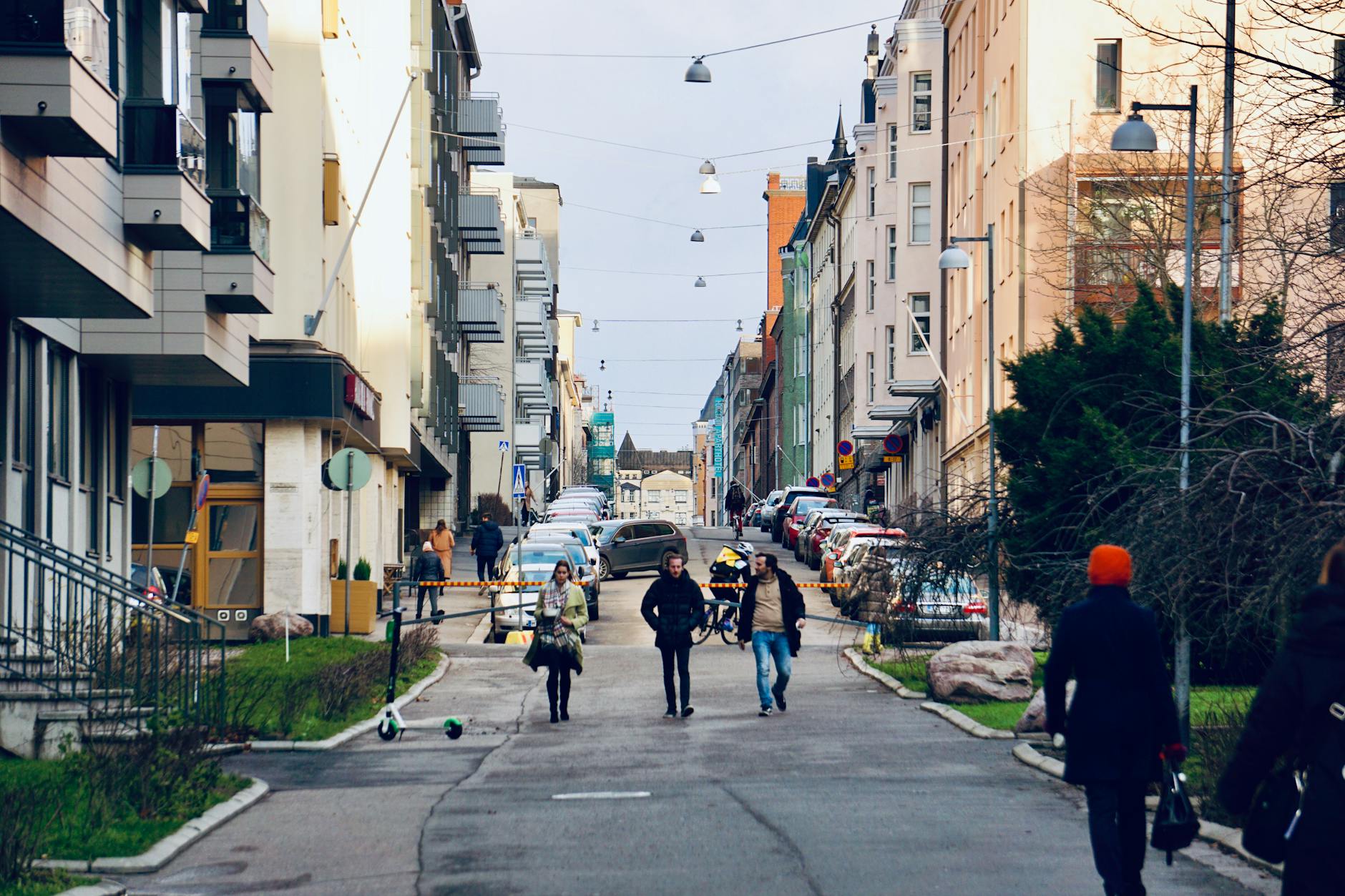
Basic data
| Population | About 200,000 in the city |
|---|---|
| Area | 245 km2 of land; the city also includes islands and maritime approaches |
| Major religions | Christian heritage with a strongly secular contemporary public culture |
| Political system | Municipal government inside a parliamentary republic |
| Economic system | High-income mixed economy led by services, maritime industries, education, tourism, and technology |
Quick Verdict
Best for: couples, solo travelers, Nordic repeaters, food-first travelers, summer city-break travelers, and anyone who likes smaller cities with strong internal logic.
Not ideal for: travelers who need capital-city intensity, people who want nonstop blockbuster sights, or anyone who plans to spend the whole visit comparing Turku to Helsinki.
Ideal first stay: 2 nights.
Better stay: 3 nights if you want the river, museums, and one more maritime or archipelago-facing day without thinning the city itself.
Minimum worthwhile stay: 1 night.
Best overall months: May to September.
Biggest planning mistake: using Turku only as a transit point.
One thing to prioritize: a base on or very near the central river zone.
One thing to keep flexible: how much the trip leans historic-cultural versus riverfront-food-led after arrival.
The blunt version: Turku is excellent when you let the river organize the stay and stop treating the city as prelude.
Who Will Love Turku?
Turku works especially well for travelers who like cities that feel settled rather than performative. If you enjoy walking a riverfront, moving between cafés and museums without much friction, and having a city reveal itself through atmosphere, meals, and urban structure rather than through constant landmark escalation, Turku is strong.
It is also good for travelers who like maritime cities without full port-city harshness. Turku has that slight sea-facing breadth in its bones, but it carries it with more calm than swagger.
Turku at a Glance
| Question | Practical Answer |
|---|---|
| Main gateway | Turku Central / Kupittaa / local airport |
| Simplest local transit | walking first, Föli buses second |
| Best first-time base | central Aura riverside |
| Main historic anchor | Turku Castle |
| Main urban line | Aura River |
| Main daily-life anchor | Turku Market Hall |
| Main small iconic crossing | Föri |
| Car needed? | No |
| Best trip length | 2 to 3 days |
2026 Visitor Notes
The Aura River Is Still the Core of the City
Visit Turku’s river article says it plainly: the Aura and the existence of Turku are inseparable, and the riverbanks remain a lively meeting place for locals.[1] That is the right place to begin. Turku is not a city where the river is background scenery. It is the main urban organizer.
Föli Keeps Local Movement Simple
Turku’s city transport page explains that Föli runs the public transport system across Turku and nearby municipalities, and that you can pay with app, travel card, cash, or contactless card on debit or credit card.[2] That is enough for most visitors.
Föri Is Small but Important
The official Visit Turku listing for Föri notes that the orange city ferry has served the Aura since `1904`, takes around `1.5` minutes to cross, and is free.[3] That sounds minor, but it says a lot about how Turku actually lives.
Market Hall Still Grounds the City
Visit Turku’s Market Hall page says the hall was completed in `1896`, stretches the length of an entire block, and still combines traditional counters with restaurants and cafés.[4] That is exactly the kind of detail that keeps Turku from becoming only an abstract heritage city.
Turku Castle Still Gives the City Weight
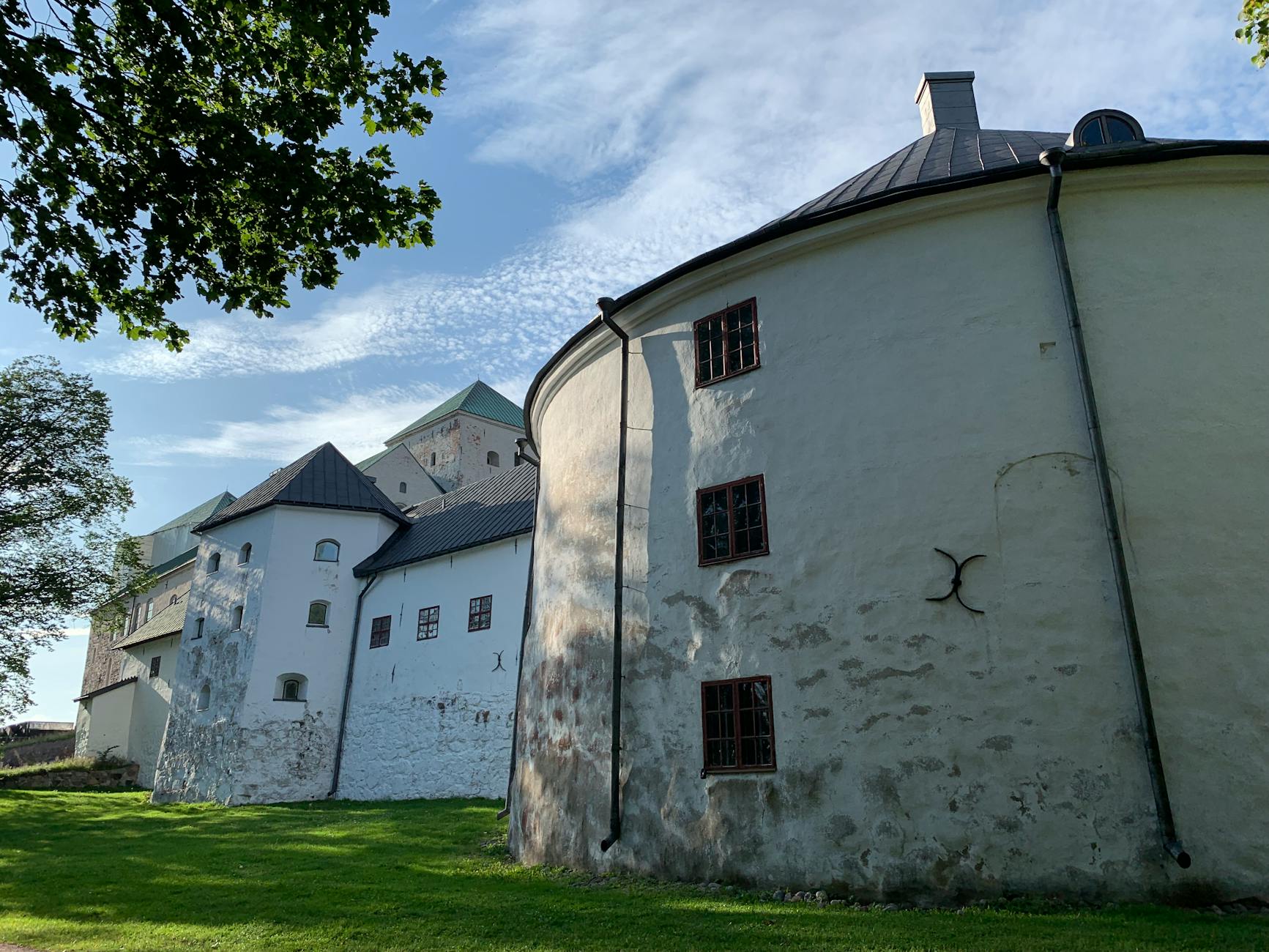
The official Visit Turku listing describes the castle as guarding the Aura since the `1280s`.[5] For first-time visitors, that matters less as a date than as a reminder that Turku’s western edge is not decorative. It has genuine historical mass.
How to Understand Turku
Turku works through four layers.
The first is the river. It is the city’s social, visual, and practical spine.
The second is east-west balance. Cathedral and older-center life on one side, maritime weight and castle logic on the other.
The third is food and everyday ease. Turku is one of those places where market, cafés, bars, and riverside dinners do a lot of the trip’s work.
The fourth is maritime perspective. Even when you stay in the center, the city feels oriented toward water and outward movement.
The Main Mental Shift
Do not ask, “What are the top sights in Turku?” Ask, “How do the river, castle, market, and museums combine into one city day?” That is a much better question.
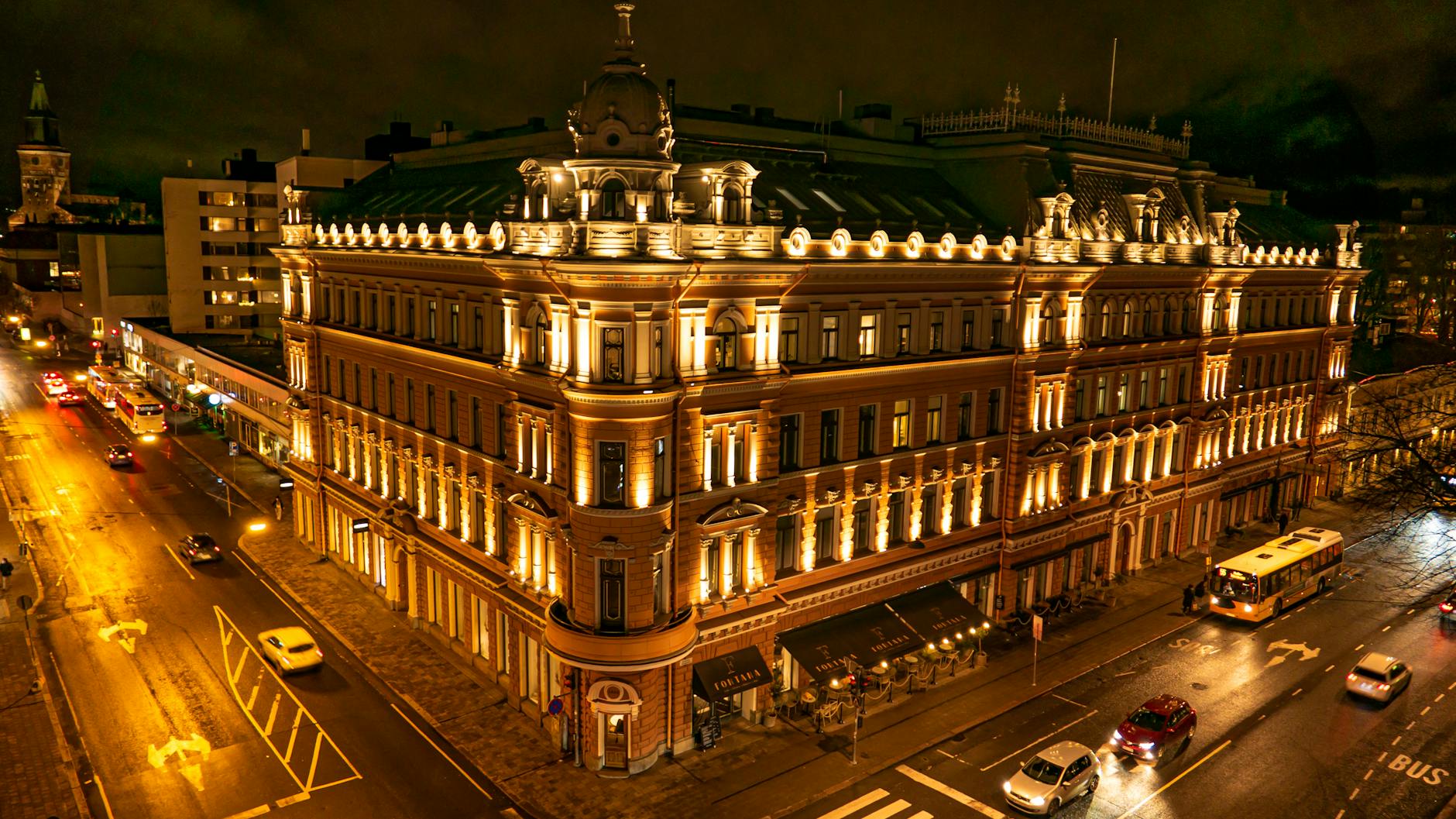
What Turku Does Better Than People Think
Turku is better than people think at food. It is better than people think at giving a smaller city real structural depth. It is better than people think at mixing old and contemporary without forcing the contrast. And it is better than people think at providing a complete overnight stay rather than a respectable half-day.
The city’s own tourism material explicitly leans into these strengths. Turku is described not only through history but through easy riverfront movement, culinary culture, and a style that is relaxed rather than stiffly formal.[6]
Where Turku Fits in a Finland Trip
Turku often enters a Finland itinerary as an afterthought. People come from Helsinki, note that it is the old capital, perhaps connect it mentally to ferries or the archipelago, and assume the city’s real job is to bridge one larger idea to another. That is exactly the framing that makes Turku seem smaller than it is.
The better way to use Turku is as a self-contained river-and-sea city that happens to connect elegantly to larger Finnish routes. As a contrast to Helsinki, it works very well because the city feels older, softer, and more scaled to walking rather than capital ambition. As an archipelago gateway, it also works well, but only if the city itself still gets room to matter. As a short Nordic city break, Turku may be one of the strongest understated choices in the region because it has enough culture, food, and river life to feel complete without needing capital-city intensity.
It is less successful when treated as a transit obligation. Turku gains meaning from at least one evening and one morning beside the Aura. Without that, the city can feel merely competent instead of memorable.
First-Time Visitors Versus Repeat Visitors
First-time visitors often approach Turku with the wrong question: is there enough here? That question tends to produce defensive planning. People add extra museums, force longer walks, or try to stitch in outlying elements too quickly because they fear the city might prove too light.
Repeat visitors usually do the opposite. They trust the river, trust the market, trust one museum instead of three, trust a slower meal, and trust the city to reveal itself through reuse rather than novelty. They know that Turku improves when one riverside district is allowed to hold more weight, when Föri is taken not because it is “famous” but because it is exactly how the city behaves, and when the castle is understood as the far end of a long urban line rather than as a detached medieval object.
This is one reason Turku often becomes more charming in retrospect than it first sounded in a plan. It does not try to overwhelm. It tends to settle into memory.
Why Sleeping in Turku Changes the City
Turku is one of those places that can look politely attractive as a day trip and then become genuinely convincing once you sleep there.
The reason is simple. The city is not only about what you see. It is about how the Aura changes the day. Late light on the river, the return to a central hotel after dinner, the market or café rhythm the next morning, and the sense that the city has an evening register and then a second, calmer register the next day all matter here. Without that overnight arc, Turku can feel like a good-looking collection of components. With it, the city becomes a whole.
This is another reason “Turku as prelude” is such a weak frame. The city does some of its best work when you are no longer borrowing it for a few hours, but actually letting it organize your time.
Best Time to Visit
Late spring through early autumn is the best overall window. This is when the Aura riverside, terraces, market life, and maritime tone all show most clearly. Summer is the easiest first version of Turku because the river is fully social then, and the city’s calm becomes an advantage rather than a question.
Shoulder season can also be excellent. Turku’s coherence survives cooler weather better than resort-style coastal places do. Winter can work, but it shifts the trip indoors and asks more from your hotel and restaurant choices.
How Many Days You Need
One Night
Enough to make the city feel real and not like a stopover.
Two Nights
The strongest first answer. One day can lean old core, cathedral side, market, and museums. Another can lean castle, river, and longer meals.
Three Nights
Best if you want to let the riverfront rhythm breathe or include a stronger maritime or summer-water element without weakening the city itself.
Longer
Reasonable if the trip genuinely leans food, museums, summer river life, or archipelago-facing slowness. Less necessary if your main goal is simply confirming Turku’s structure once.
Why Sleeping in Turku Matters
Turku is one of those cities that improves noticeably once you stop borrowing it for a few hours and actually sleep there.
As a day trip, you can certainly see the river, visit the castle, maybe use Market Hall, and conclude that the city is pleasant. But that version misses the thing Turku does best: it becomes more coherent across time. The Aura in late afternoon is not the same as the Aura in the morning. A hotel return on foot after dinner changes how the center feels. A breakfast or coffee near the river the next day makes the city seem less like an attraction set and more like a lived place.
This matters because Turku’s strengths are cumulative rather than explosive. The city does not necessarily seize you at once. It often persuades through a second pass, a repeated walk, or the simple pleasure of realizing you do not need to rush.
Arrival Strategy
Arrive and go to the river early.
That is the cleanest advice for Turku. The city starts making sense once you have physically walked the Aura and seen how much of its life is aligned along it. If you go first only to a hotel or a single museum, Turku can seem smaller than it is. If you go first to the river, the city’s structure becomes obvious.
This is also why a central base matters so much. In Turku, a well-placed hotel changes the whole quality of the stay.
Where to Stay
For most first-time visitors, stay on or very near the central Aura riverside.
Central Riverside
Best for: first-time stays, easy meals, walkability, and the city’s strongest atmosphere. Tradeoff: depending on season, the social side of the river can be livelier than some travelers expect. Best use: strongest default by far.
Cathedral / Older Center Side
Best for: historical tone, museum access, and a slightly more rooted version of the stay. Tradeoff: less of the river’s restaurant energy directly outside the door, depending on exact location.
Castle / Port-Leaning Side
Best for: travelers deliberately leaning maritime. Tradeoff: weaker for a first stay unless you specifically want that feel. Best use: more selective, less universal.
Turku Versus Helsinki
The comparison is inevitable, but it helps only if handled carefully.
Helsinki is larger, more capital-like, more institutionally authoritative, and more legible as Finland’s national center. Turku is smaller, older in feeling, more river-bound, and often more immediately livable as a short stay. If you ask why Turku is not Helsinki, you will reduce it before it gets a chance to work. If you ask what kind of Finnish city becomes possible once the pressure of being the capital is removed, Turku becomes much more interesting.
This difference matters because many travelers instinctively use capitals as the standard for seriousness. Turku’s seriousness is different. It sits in age, maritime orientation, and the quiet confidence with which the city lets the river, castle, market, and food life carry the trip.
Helsinki often impresses first and settles later. Turku often does the reverse.
The Turkus That Matter Most
River Turku: the Aura as the city’s living room and central route.[1]
Historic Turku: the cathedral side, old square logic, and the city’s deep age without overstatement.[6]
Castle Turku: the westward, maritime, weightier version of the city.[5]
Market Turku: the hall, appetite, and everyday urban grounding.[4]
Museum Turku: archaeology, art, and city history used with restraint rather than accumulation.[7]
The Aura Riverside
If you understand the river, you understand Turku.
Visit Turku literally calls the Aura riverside Turku’s living room.[1] That phrasing is accurate. The river is where the city socializes with itself. Walk it in both directions. Use it in daylight and again later. Let meals happen beside it. Let the city stretch out across it. This is not optional atmosphere. It is the city’s central mechanism.
One of the reasons Turku works so well is that the river makes a smaller city feel broader. You are not simply moving from one attraction to the next. You are moving along the thing that binds them together.
Why the Castle Needs the River and the River Needs the Castle
Turku Castle works better when it is understood as the western end of a city line, not just as a medieval object sitting near water.
The Aura gives the castle context. The castle gives the Aura weight. Without the river, the castle could feel like a detached historical errand. Without the castle, the river might risk feeling too pleasant and socially complete in a contemporary sense. Together they make the city older, broader, and more maritime than a simple center-only visit would suggest.
This is part of why a westward day in Turku can feel so satisfying. You are not merely “going to the castle.” You are following the city to one of its deepest points.
Morning Turku Versus Evening Turku
Morning Turku is often clearer than first-time visitors expect. The river feels broader, the city seems older, and the relationship between the cathedral side, market areas, and quieter streets becomes easier to read. This is the best time for understanding structure.
Evening Turku is where the city becomes warmer. Riverside dinners, bars, café terraces in season, and the general social movement along the Aura make the place feel more inhabited and less abstractly historic. This is another reason staying centrally matters. A good Turku night should end with a short walk back along or near the river, not with a logistical retreat to some anonymous outer zone.
The city’s best version usually includes both registers: one where you understand it and one where you simply enjoy it.
Why Turku Often Improves on the Second Day
The first day in Turku is frequently spent decoding scale. How much is there? How long does the river really take? Is the castle a separate excursion or part of the city? Does the market hall matter as much as it sounds? Is the city actually distinct enough from Helsinki to justify the stop?
By the second day, those questions usually quiet down. You know how the river works. You know where the city opens out and where it tightens. You know whether your hotel choice was smart. The result is that Turku stops being evaluated and starts being used.
That is usually the turning point. The city can seem merely pleasant on arrival and then become unexpectedly strong once its coherence has had time to prove itself. This is why short stays sometimes undersell it. Turku’s second impression is often more accurate than its first.
Turku Castle and the Maritime Edge
Turku Castle matters because it gives the city real historical force at the western end of the river story.
Visit Turku’s official listing says the castle has guarded the Aura since the `1280s`.[5] That alone tells you how old and strategic this place is. But the more useful visitor point is that the castle shifts the emotional tone of the trip. It takes Turku out of the category of “pleasant northern river city” and reminds you that this was a power center with maritime stakes.
The castle is also best used as part of a longer westward day, not as an isolated ticketed duty.
Market Hall and Food
Turku becomes much more convincing when you use its food life properly.
The Market Hall helps because it gives the city a daily center of gravity. Visit Turku notes that the hall dates from `1896`, runs the length of an entire block, and combines traditional counters with restaurants and cafés.[4] That is exactly the kind of place that turns a city from something you observe into something you inhabit.
Turku’s wider food reputation also matters. The city’s official discover page explicitly describes Turku as a place where full-course dining can be enjoyed in a relaxed and stylish way rather than through overblown formality.[6] That is the right frame. Eat seriously, but not ceremonially.
Why Turku Lingers in Memory
Turku is not always the city people talk about first after a Nordic trip. Quite often it is the one they remember later with disproportionate fondness.
That usually happens because the city is built out of good transitions rather than spectacle. A river walk leads to a hall, then a café, then a museum, then a castle line, then a dinner, then a simple walk back. The city rarely demands admiration loudly. Instead it keeps proving that it knows how to hold a day together.
That aftereffect matters. Turku is not only a city you can respect. It is a city that often becomes more persuasive once the trip is over and you realize how complete it felt without ever shouting.
Why Turku Feels Larger Than It Is
This is one of the city’s quiet tricks.
On paper, Turku is modest. In practice, the combination of river line, maritime horizon, older streets, museums, market culture, and the castle makes it feel broader than its size suggests. The city never becomes huge, but it does become layered. That is the difference between a place that fills an afternoon and a place that fills a stay.
Travelers often discover this only after sleeping there. During the day, Turku can seem compact. Across one evening and one morning, it starts to feel like a whole city.
Museums and the City’s Depth
Turku’s museums give the city more weight than its size first suggests.
Aboa Vetus Ars Nova is especially useful because it combines archaeology and contemporary art in a way that echoes the city itself: old ground, current life. Visit Turku describes it as Finland’s only archaeological museum and emphasizes the way past and present meet on the riverside.[7]
This is also a good example of how Turku should be used. One well-chosen museum deepens the city. Too many institutions in one trip can make the stay feel smaller and more dutiful than it needs to.
One Good River Day Is Better Than Scattered Sampling
Turku rewards continuity more than range.
Visitors sometimes assume that because the city is manageable, they should be able to sample every mood quickly: castle, cathedral, market, museums, archipelago hints, bars, and the whole length of the river in one compressed stay. The result is often a city that feels thinner than it is.
Turku gets better when one day is allowed to belong largely to the river. Start somewhere central, move with the Aura, use one museum or market stop to deepen the route, let a meal happen naturally, and finish where the city wants to finish. The same is true of the westward line toward the castle. The route matters almost as much as the endpoint.
This is not a city where maximum coverage creates maximum value. It is a city where one coherent line often creates the strongest memory.
Who Turku Handles Especially Well
Turku is especially good for travelers who do not need a city to constantly insist on its importance.
It works well for solo travelers because the river provides shape without pressure. It works well for couples because the city naturally supports long walks, market stops, dinners, and evening returns that feel complete without much production. It works well for food-first travelers because the culinary side feels integrated into the city rather than staged apart from it. It also works very well for travelers who are simply tired of capitals and want a place that still has real structure without the same scale of demand.
This is one of Turku’s most understated virtues. It can feel complete without feeling difficult. Many cities can do one or the other. Turku does both.
Why One More Museum Is Usually the Wrong Instinct
Because Turku is culturally respectable and compact, visitors sometimes respond by stacking institutions too tightly. One more museum, one more hall, one more heritage site, one more historic room. In practice, this often makes the city feel smaller and more dutiful than it really is.
Turku usually improves when one museum is allowed to deepen a river day rather than multiply into a whole separate cultural marathon. The city is strong because daily life, food, and history are interwoven. If you isolate culture too aggressively, you accidentally strip away the atmosphere that made the city distinctive in the first place.
This is another way of saying that Turku is not a checklist city. It is a city of balance.
Why Turku Rarely Needs Defending
One of the oddest things about Turku is how often visitors feel they need to justify liking it. That usually means they were using the wrong standard. Turku is not trying to dominate a Finland trip. It is trying to complete it well.
Once you accept that, the city stops needing defense and starts feeling quietly obvious.
That is usually when it works best.
Turku rarely needs more than that.
It needs time, proportion, and the river.
That is enough.
For Turku, it really is.
Föri and Everyday City Character
Föri is tiny, but it tells you an enormous amount about Turku.
The ferry has been in service since `1904`, crosses in about `1.5` minutes, and is free.[3] Those are practical facts, but what matters more is what they imply: the city has long treated small water crossings as part of ordinary urban life, not just as scenic novelty.
Take it. Not because it is an attraction in the grand sense, but because it makes the city legible.
Getting Around
Turku is a walk first, bus second city.
Föli is straightforward when you need it, and the city explicitly notes that contactless payment works on buses alongside the app and other payment methods.[2] But for a short first stay, the real virtue of Turku is that much of what matters can be connected on foot if you stay centrally.
That is one of the city’s great strengths: the best version of Turku is not machinery-heavy.
Who Turku Handles Especially Well
Turku is especially good for travelers who do not need a city to constantly prove its importance.
Solo travelers often do well because the river provides shape without pressure. Couples often do well because the city supports long walks, dinners, and a gentle sense of occasion without demanding elaborate plans. Food-first travelers do well because Turku’s culinary life feels integrated into the city rather than staged apart from it. Even travelers who are simply tired of larger capitals often do well here, because Turku gives them real urban structure with far less noise.
This is one of the city’s understated strengths. It can feel complete without feeling difficult.
Why Turku Works Better Than “Weekend Break” Suggests
Turku is often marketed or imagined as a neat weekend city, which is not wrong, but the phrase can make the place sound lighter than it is. A weekend break city is often assumed to be decorative, easy, and slightly disposable. Turku is easy in some of the right ways, but it is not disposable.
The city has enough age, enough river structure, enough culinary seriousness, and enough maritime breadth to support more than a quick stylish visit. Even if you do only come for a weekend, the stay is better when you approach Turku as a real city with a complete internal argument rather than as a polished side note.
That shift in attitude usually improves everything else: the hotel choice, the meal pacing, the willingness to use the market hall, and the patience to walk the river again instead of chasing one more secondary stop.
How Turku Changes Over the Course of a Stay
On arrival, Turku can seem almost too simple. There is a river, a castle, an old core, a market, and some museums. It may not look like much more than that.
By the second day, if the trip is built well, the city starts separating into clearer layers. The river becomes not just scenic but practical. The castle starts to feel like the weighted western end of the urban story. Market Hall begins to seem less like a “thing to see” and more like proof of daily life. The city’s maritime orientation becomes easier to feel.
By the third day, Turku often becomes more persuasive emotionally. It no longer needs to compete with Helsinki or justify itself through size. It has already become itself. That is usually when visitors realize the city was stronger than the itinerary language initially suggested.
Common Mistakes
Treating Turku as Helsinki’s Smaller Relative
This reduces the city before it starts.
Using It Only as Archipelago Logistics
That can be practical, but it wastes the city.
Staying Too Far from the River
You lose Turku’s main organizing advantage.
Ignoring the Market Hall
You miss one of the clearest ways to make the stay feel grounded.
Doing the Castle as an Isolated Errand
It works better as part of a larger westward river day.
My Blunt Advice
Stay by the Aura.
Walk the river more than once.
Use Market Hall early in the trip.
Go to the castle, but let the route there matter too.
Take Föri because it tells you how Turku behaves.
And stop asking whether the city is big enough. The better question is whether you are using it with enough patience.
Source Notes
- 1. Visit Turku. "The Aura Riverside – Turku’s Living Room." Official tourism feature describing the river as central to Turku’s identity and daily life. https://en.visitturku.fi/the-aura-riverside---turku--s-living-room
- 2. City of Turku. "Bus lines." Official transport page explaining Föli coverage, payment methods, routes, and summer services. https://www.turku.fi/en/traffic-streets-and-maintenance/bus-lines
- 3. Visit Turku. "Föri - city ferry." Official tourism listing with service history, crossing time, and free-fare note. https://en.visitturku.fi/kohdekortit/fori--city-ferry
- 4. Visit Turku. "Turku Market Hall." Official tourism listing with historical background, structure, and food-offer description. https://en.visitturku.fi/kohdekortit/turku-market-hall
- 5. Visit Turku. "Turku Castle." Official tourism listing describing the castle’s long history and location by the Aura. https://en.visitturku.fi/kohdekortit/turku-castle
- 6. City of Turku. "Discover Turku." Official city guide describing food culture, getting around, and core historic areas. https://www.turku.fi/en/discover-turku
- 7. Visit Turku. "Aboa Vetus Ars Nova." Official tourism listing describing the archaeology and contemporary art museum on the riverside. https://en.visitturku.fi/kohdekortit/aboa-vetus-ars-nova