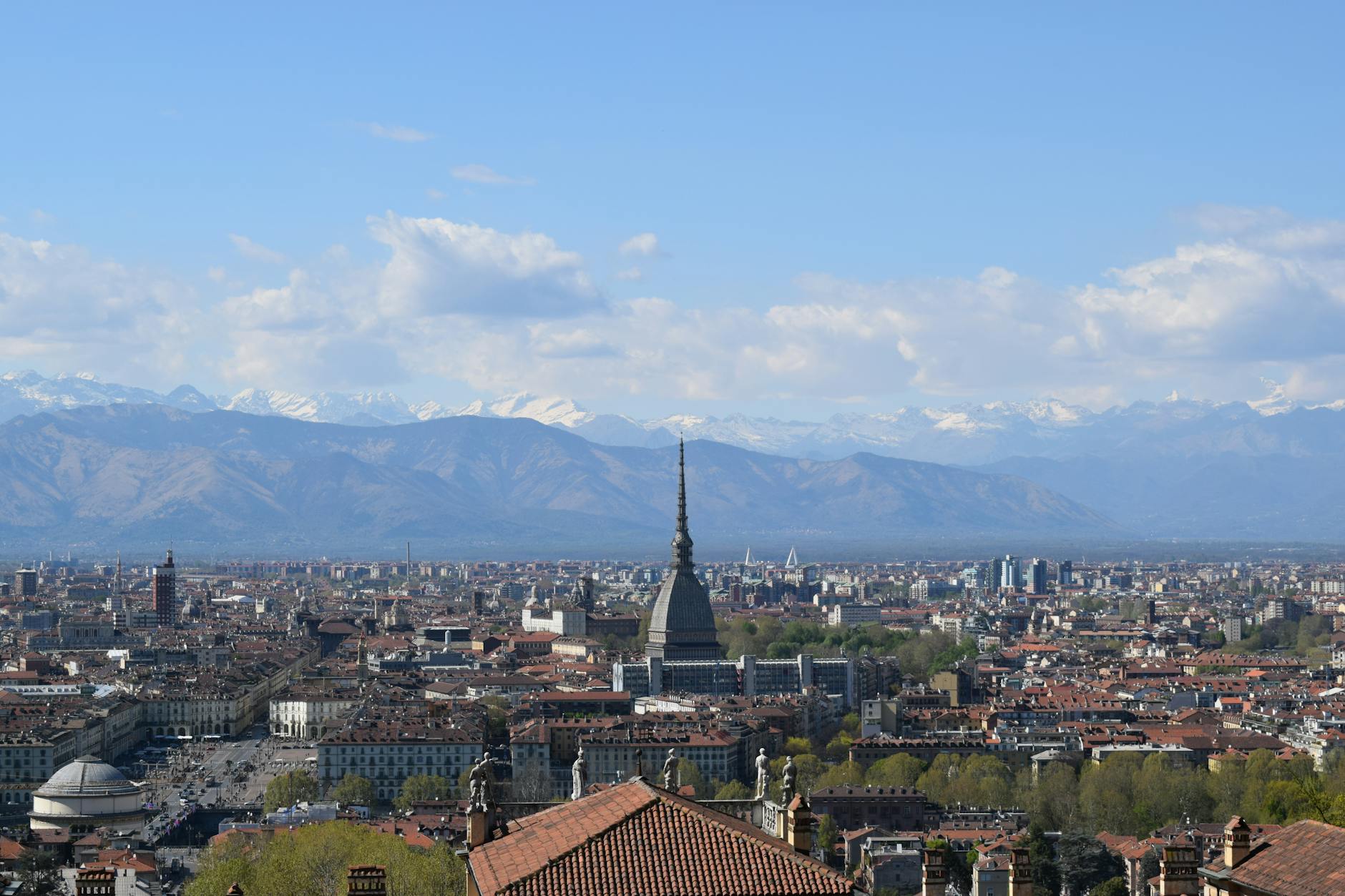
Turin is one of Italy's easiest cities to underrate because it does not perform itself loudly enough for people who arrive looking for instant seduction.
Start Here
Rome announces empire. Venice stages enchantment. Florence overwhelms through concentrated cultural authority. Turin does something subtler. It gives you long porticoed walks, restrained royal grandeur, serious cafés, thoughtful museums, elegant piazzas, and a city plan that seems to ask the visitor to calm down and pay attention. That lower temperature makes many first-time visitors hesitate. They assume Turin will be competent, tasteful, maybe even interesting, but not essential.
That is the wrong way to approach it.
Turin is one of Italy's most coherent city breaks because so much of its pleasure depends on tone rather than isolated highlights. The point is not that the city lacks sights. It has major ones. The Egyptian Museum is world class. The Mole Antonelliana is one of the most distinctive urban symbols in Europe. The Royal Museums and the Savoy legacy give Turin a level of ceremonial architecture that would dominate the identity of many lesser-known cities. But Turin is better when those pieces are used inside a broader understanding of the place.
This is a city of arcades, symmetry, chocolate, vermouth, and controlled appetite. It likes order, but not dead order. It likes elegance, but not flimsy prettiness. It likes coffee bars and aperitivo, but with a more adult self-possession than many Italian cities that sell sociability more aggressively. Even its streets teach the lesson: you are invited to walk, but in a more measured way, under cover, through framed perspectives, across squares that often feel less theatrical than they do composed.
That is why Turin works best when chosen deliberately. If you arrive asking it to be a lesser Florence, it will disappoint you. If you arrive wanting a sophisticated northern Italian city where museums, cafés, shopping, and stately urban form all reinforce each other, Turin can feel unusually high-value.
The weak Turin trip usually goes wrong in one of two ways. Either the traveler rushes through the city because nothing screams for attention loudly enough, or they flatten Turin into a list of sensible activities without ever letting the city’s particular mood gather around them. The stronger trip uses the center properly, gives time to at least one major museum, understands the importance of Piazza Castello and Via Po, sees the difference between Centro and San Salvario or Quadrilatero, and lets food and café culture shape the pace.
Turin does not reward frenzy. It rewards discernment.
The city in one sentence: Turin is a composed, museum-rich northern Italian city where the best first trip comes from balancing royal-center grandeur, porticoed walking, café and aperitivo rhythm, and carefully chosen districts instead of waiting for the city to perform obvious spectacle for you.
Quick Verdict
Best for: couples, repeat Italy travelers, museum travelers, winter and shoulder-season city breaks, design-and-shopping travelers, and anyone who likes elegance without tourism hysteria.
Not ideal for: travelers who need instant theatricality, people who mistake composure for dullness, or anyone who wants every day to feel like a cinematic historical fever dream.
Ideal first visit: 2 to 3 full days.
Minimum worthwhile stay: 2 full days.
Best overall months: April, May, September, October, and early December.
Best winter case: excellent for cafés, museums, food, arcaded walking, and a denser urban mood.
Biggest planning mistake: treating Turin like background between better-known Italian cities.
One thing to prioritize: the base.
One thing to leave flexible: how much time belongs to museums versus just letting the city’s rhythm work on you.
The blunt version: Turin is one of Italy’s smartest short city breaks if you understand that poise is part of the attraction, not evidence that something is missing.
Who Will Love Turin?
Turin suits travelers who appreciate cities that reveal themselves through accumulation rather than seduction-at-first-sight. If you like returning to a café, using the same elegant route twice in a day, walking under porticoes in changing light, and noticing how much a city can express through restraint, Turin can be deeply satisfying.
It works especially well for couples because it supports a polished kind of urban leisure. The center is walkable. The museums are serious without requiring the heroic cultural stamina of Florence. The aperitivo and café culture are not decorative extras. The city’s visual order gives even ordinary movement a kind of grace.
Solo travelers also tend to do very well here. Turin is legible, calm without being inert, and rich in ways that reward attention. It is easy to build a day around one major museum, one long walk, one market or shopping district, and one properly chosen evening.
The city is particularly strong for travelers interested in how urban form shapes mood. Arcades, squares, river edges, and long sightlines are not merely scenic assets here. They are the operating system of the stay.
Turin at a Glance
| Question | Practical Answer |
|---|---|
| Main airport | Torino Airport |
| Best simple airport move | airport bus or rail link to city centre |
| Best first-time base | Centro / Piazza Castello side / Porta Nuova seam |
| Main symbolic monument | Mole Antonelliana |
| Main world-class museum | Museo Egizio |
| Main ceremonial anchor | Piazza Castello / Royal Museums |
| Best market-led counterpoint | Porta Palazzo |
| Main practical challenge | under-reading the city |
| Public transport backbone | walking plus tram, bus, and metro |
| Car needed? | No |
| Currency | Euro |
| Emergency number | 112 |
| Tap water | Safe to drink |
| Power plugs | Type C, F, and L |
2026 Visitor Notes
The Airport Connection Is Better Than Many People Assume
Turismo Torino’s current transport guidance states that the airport is 16 kilometres from the city centre and connected by both bus and a newer rail link into the city and the Lingotto area.[1] That means Turin works well even for short stays.
The Airport Bus Remains A Clean Default
Torino Airport’s official transport page still presents the Arriva Italia service from Porta Nuova / Porta Susa to the airport, with direct runs and a simple fare structure.[2] For many first-time visitors, that is all the arrival strategy they need.
Museo Egizio Is A Real Major Anchor
The museum’s official visitor-information materials continue to show long opening hours and online ticketing expectations.[3] That matters because this is not a casual filler museum. It is one of the city’s strongest reasons to come.
The Mole Is Both Symbol And Actual Visit
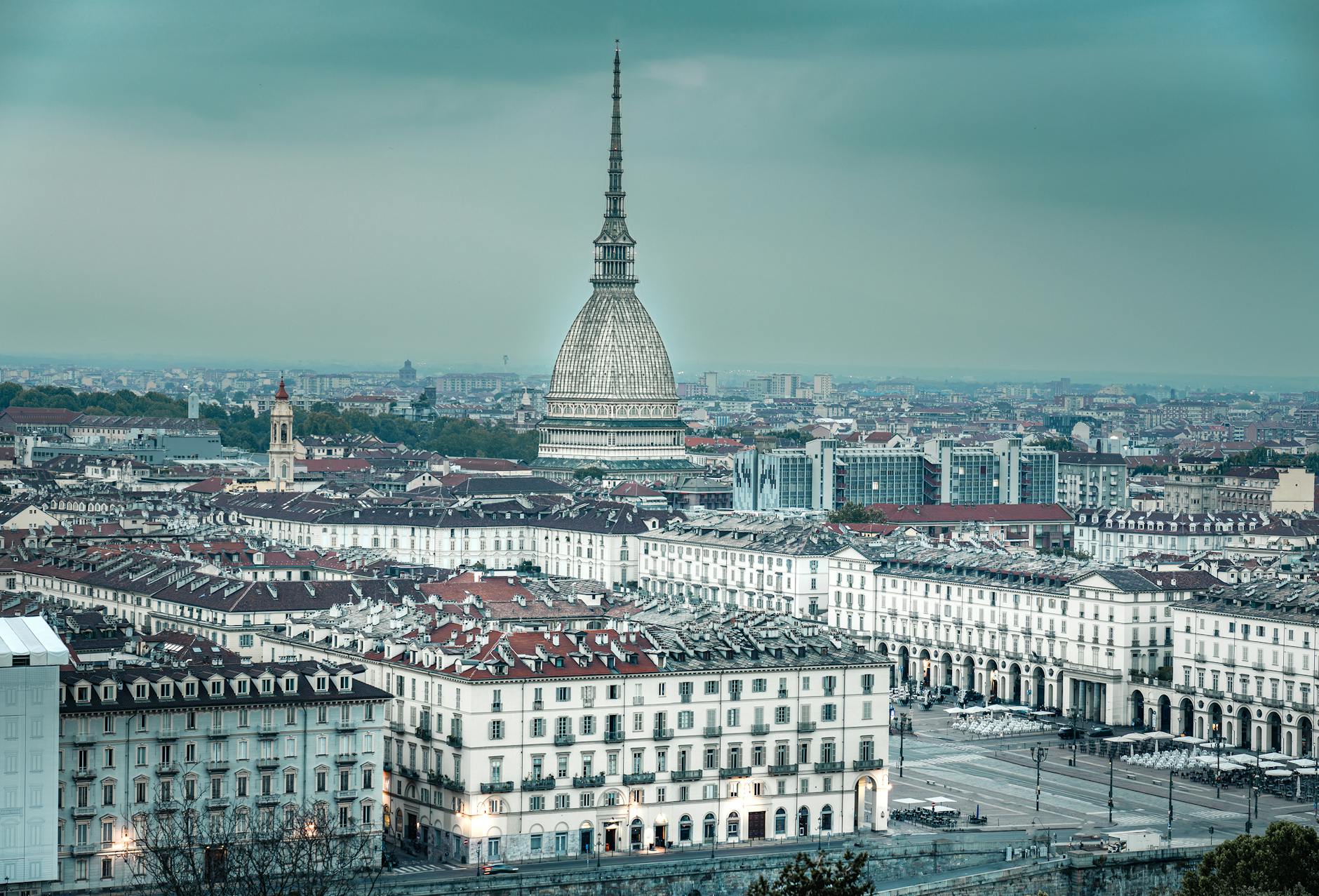
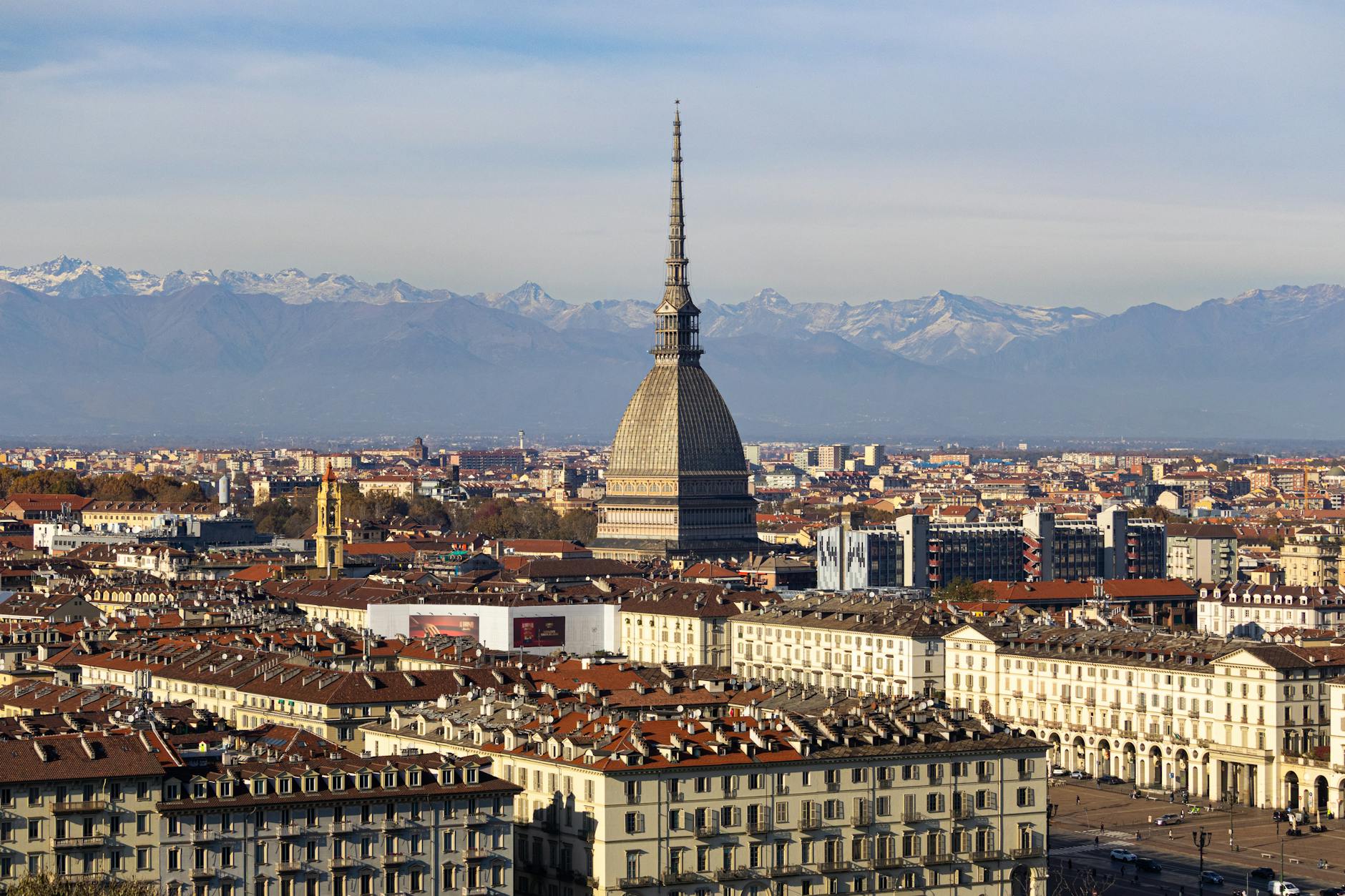
Turismo Torino and the museum’s own materials both make clear that the National Museum of Cinema inside the Mole Antonelliana is one of the city’s defining experiences, and that the panoramic lift and dome ascent require practical attention.[4][5]
Piazza Castello Still Explains The Whole City
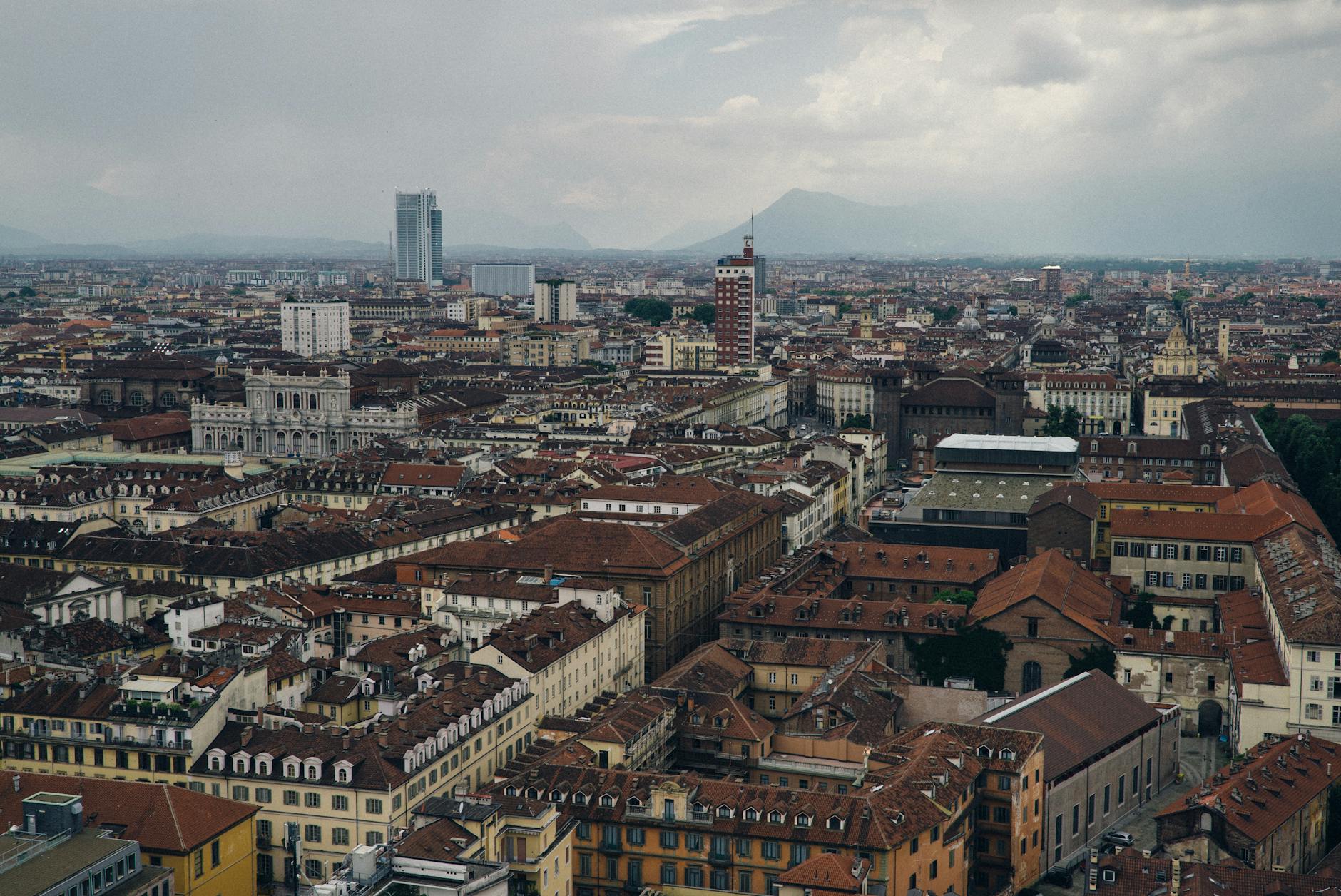
Turismo Torino’s own materials keep returning to Piazza Castello because it really is the city’s civic and spatial center.[6][7] If you understand this square and the axes that radiate from it, Turin becomes much easier to read.
How to Understand Turin
Turin works through five forces.
The first is ceremonial order. The Savoy legacy gave the city a real sense of urban hierarchy and composure.
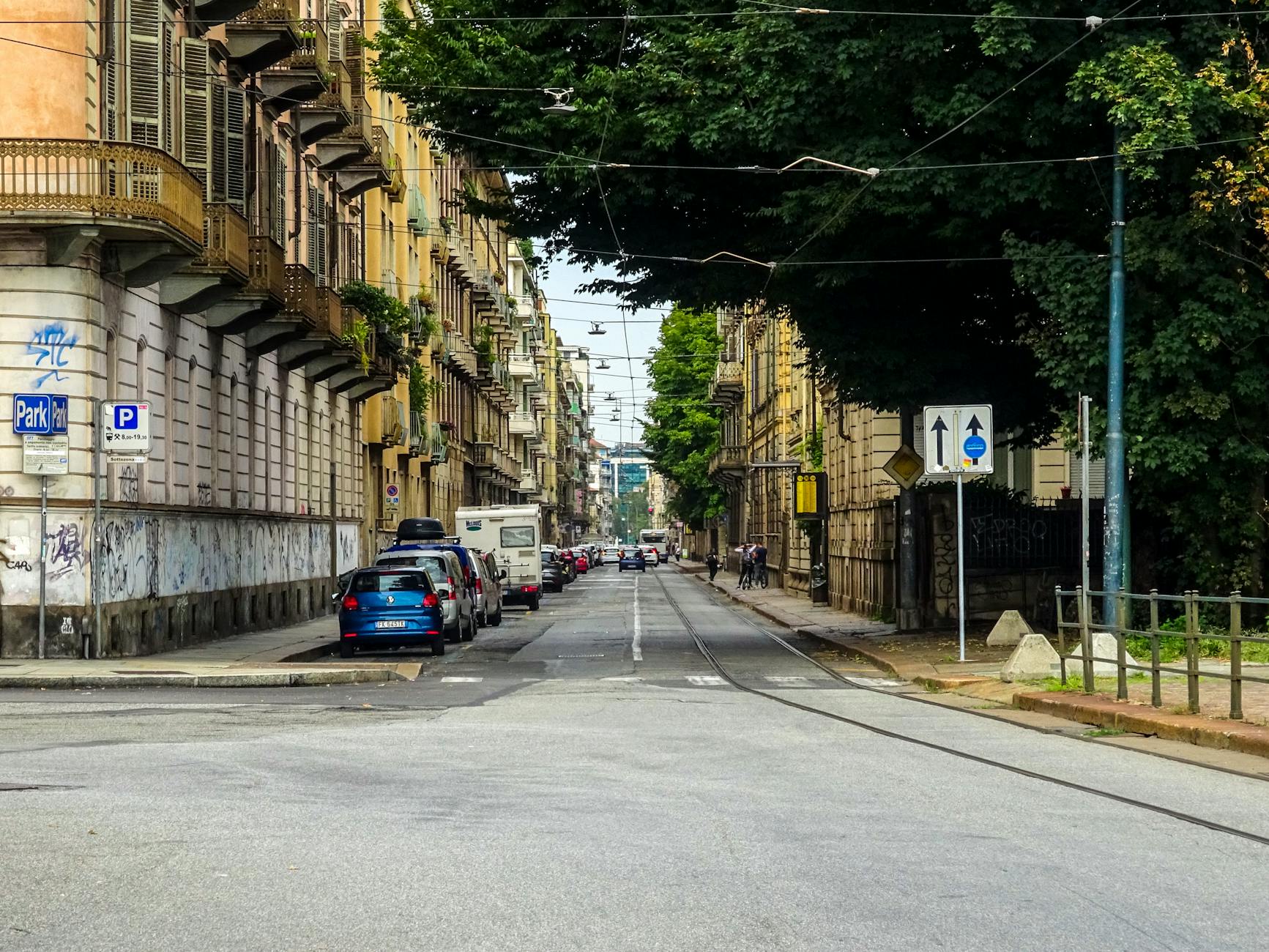
The second is porticoed movement. Walking here is shaped by covered, framed, elegant progression.
The third is café and aperitivo rhythm. Turin is not merely a museum city; it is a city of pauses.
The fourth is museum seriousness. Museo Egizio, the Mole, and the Royal Museums give the city real cultural weight.[3][4][7]
The fifth is district nuance. Centro, Quadrilatero, San Salvario, Chiesa-side calm, and market Turin do not feel identical.
The Five Turins A Visitor Actually Meets
Royal Turin: Piazza Castello, palaces, museums, and the civic center.
Arcade Turin: porticoes, Via Roma, Via Po, and the city as a walking experience.
Café Turin: historic cafés, chocolate, vermouth, and the version of the city that lives through pause rather than rush.
Market Turin: Porta Palazzo and the more vivid everyday city.[8]
Evening Turin: aperitivo, wine, and a city that becomes warmer socially without losing its discipline.
The Main Mental Shift
Do not ask, “What are the top sights in Turin?” Ask, “Which Turin is this part of the day for?” Royal Turin, café Turin, market Turin, evening Turin. That shift protects the stay from becoming neat but emotionally flat.
What Turin Does Best
Turin is better than people think at giving a short trip elegance without strain. The city does not have to prove itself through exhaustion.
It is also better than people think at using formality as pleasure. Grand squares, arcades, and the Savoy framework could feel stiff in another city. Here they feel inhabitable.
Another underrated strength is museum density without cultural overload. Compared with Florence, Turin often feels easier to digest without feeling second-rate.
The city is also excellent at weather resilience. Porticoes, cafés, and strong museums make it a very smart shoulder-season and winter destination.
Finally, Turin does adult urban pleasure unusually well. Coffee, aperitivo, books, chocolate, arcades, and measured walking all matter here.
Where Turin Fits in an Italy Trip
Turin fits best in an Italy trip as the city that restores calibration.
Many first-time visitors build Italian itineraries around places that declare themselves immediately: Rome, Venice, Florence, perhaps Naples or Milan. Turin then appears in planning conversations as something adjacent to those names rather than equal to them, a city that may be elegant or competent but surely not central. That is exactly why it is so often undervalued.
Turin is not trying to win through density of spectacle. It is trying to offer one of Italy’s most coherent urban experiences. This makes it especially strong for travelers who have already learned that a trip does not improve simply because every hour feels louder than the last. After enough famous Italian cities, Turin can feel almost corrective. It reintroduces proportion, urban logic, and a form of pleasure that depends on repetition, not only revelation.
Used properly, Turin fits a trip in at least three strong ways.
The first is as a two- or three-day northern Italian city break for travelers who want museums, food, shopping, and elegant streets without the emotional overload of the more touristed classics.
The second is as a repeat-Italy city. Once you stop requiring every stop to prove itself with world-famous postcard drama, Turin becomes much easier to rank highly.
The third is as a weather-smart cultural stop. Because the city is so good in cooler months, it can outperform supposedly more glamorous places when the season is wrong for them.
What Turin is not, at least not for most first trips, is a city to insert casually between larger names and assume it will take care of itself. If you give it leftover time, it can seem merely polished. If you choose it on purpose, it becomes one of Italy’s smartest urban stays.
Turin Versus Milan
This comparison appears often because both cities sit in northern Italy, both can look more formal than the postcard south, and both are sometimes described in shorthand as cities of style and work. But they operate very differently.
Milan is sharper, faster, more commercial, and more fashion-forward in a way that can sometimes feel almost abstracted from physical comfort. It is a city that can reward ambition and appetite, but it can also exhaust or flatten travelers who are not aligned with its tempo.
Turin is more composed and more architecturally unified. It is less interested in velocity and more interested in civic order. Its pleasures feel older, slower, and more integrated into the streets themselves. Cafés matter differently. Porticoes matter differently. Even the museums feel less like entries in a global capital’s schedule and more like parts of a city with a consistent internal tone.
That means the better question is not which city is “better,” but which kind of northern Italy you want. If you want pressure, scale, and the possibility of urban intensity, Milan may be right. If you want elegance, thought, and a city that asks you to settle into it rather than chase it, Turin may fit better.
This is also why many travelers who are initially lukewarm on Turin end up remembering it more fondly than they expected. Its satisfactions tend to arrive later and stay longer.
First-Time Visitors Versus Repeat Visitors
First-time visitors usually need Turin to prove something.
They need it to prove that quietness is not dullness, that order is not stiffness, and that a city can be stately without becoming remote. Those are fair demands, because Turin is not a self-explanatory city at first glance. A first visit therefore needs enough structure to keep the city from becoming an elegant blur: one major museum, one major axis like Via Po, one center-defining square like Piazza Castello, and one food or market chapter that gives the place more daily life.
Repeat visitors can relax into the city much more easily. They already know that one café can matter, that a second walk under the arcades is not a failure of imagination, and that the city’s pleasures are cumulative rather than competitive. They stop asking Turin to reveal itself dramatically and begin using it in the way it prefers to be used.
This is why Turin often improves after the first stay. On the first trip, people are still evaluating the temperature of the city. On the second, they accept the temperature and begin to notice how rich it actually is.
Best Time to Visit Turin
Turin is a year-round city, but not a season-neutral one.
Best Overall Months
April, May, September, and October are the easiest first answers. The city is comfortable to walk, the squares and cafés work beautifully, and the Alps still sit at the edge of the imagination.
Spring
Spring is one of Turin’s strongest seasons. The city feels open without becoming overrun, and its measured elegance lands quickly.
Summer
Summer can still work, especially if you lean into museums, evening life, and early walks, but it is not the city’s most convincing season.
Autumn
Autumn suits Turin very well. The city gets denser, more atmospheric, and especially strong for café, vermouth, and museum-led stays.
Winter
Winter is underrated. If you want an urban trip based on interiors, arcades, serious meals, and a more introspective mood, Turin is excellent.
Why Winter Often Suits Turin Better Than Summer
Turin is one of those cities whose climate should shape your expectations more than first-time visitors often realize.
In summer, the city can still work very well, especially if you plan early walks, long lunches, and later evenings. But its core pleasures are not designed around heat. Turin’s greatest strengths are museums, arcades, café pauses, aperitivo, measured walking, and ceremonial streets that look particularly persuasive in cooler light and denser air. Summer does not destroy those strengths, but it does not sharpen them either.
Winter, by contrast, often clarifies the whole place. The porticoes become more than picturesque infrastructure. They become practical luxury. The café culture feels necessary rather than decorative. The museums gain weight. The evenings grow denser and more adult. The city’s elegance stops competing with weather and starts collaborating with it.
This is one reason Turin can outperform many more obviously famous Italian cities in late autumn or winter. It does not need bright-season seduction to justify itself.
How Many Days You Need
One Full Day
Enough to glimpse why the city matters, not enough to settle into it.
Two Full Days
The minimum strong version. One day should belong to the royal center and one major museum. The second should handle another museum or district shift plus proper evening Turin.
Three Full Days
Ideal for many first-time visitors. This gives you room for Museo Egizio, the Mole or Royal Museums, and a slower district-and-food day.
Four Days Or More
Very good if you like museums, shopping, café life, or want to include Venaria or another Savoy extension without weakening the city.
The Real Question
The real question is not how many days Turin “needs” in the abstract. It is whether you are giving the city enough time to express more than one of its selves. If all you do is one museum, one symbolic site, and a fast dinner, the city stays under-read. If you also experience the center, a second district register, and the evening social rhythm, Turin starts to feel complete.
Where to Stay in Turin
The hotel decision here is less about risk than tone.
Fast Answer
For most first-time visitors, stay in Centro, around the Piazza Castello / Via Roma / Porta Nuova seam, or in a carefully chosen nearby district that keeps the royal center walkable. Stay farther out only if a specific neighborhood mood matters more than first-time efficiency.
Neighborhood Decision Table
| Traveler Type | Best Area |
|---|---|
| First-time couple | Centro / Piazza Castello seam |
| Museum-first traveler | Centro |
| Rail-aware traveler | Porta Nuova side |
| Food-and-evening traveler | Centro edge or San Salvario edge |
| Market-and-local-life traveler | near Quadrilatero or Porta Palazzo edge |
Centro / Piazza Castello Seam
Best for: most first-time visitors. Why it works: it keeps the city’s major urban logic immediately legible. Tradeoff: less neighborhood variation at the doorstep. Best use: the strongest all-round base.
Porta Nuova Side
Best for: short stays and train-conscious travelers. Why it works: practical arrival and departure plus easy access to central arcades. Tradeoff: slightly less ceremonial than staying deeper in the royal center. Best use: efficient first-time routing.
Quadrilatero / Porta Palazzo Edge
Best for: travelers who want a little more local market and evening texture. Why it works: stronger contrast and appetite. Tradeoff: not quite as stately or cleanly ordered. Best use: second-day exploration and, for some travelers, a slightly more vivid base.
Why The Base Matters More Here Than In Louder Italian Cities
In louder cities, a weak hotel area can sometimes be overcome by the force of the destination around it. Turin is less forgiving in that sense.
Because so much of the city’s pleasure lies in tone, your base affects the entire reading of the trip. A hotel that keeps Piazza Castello, Via Po, and the central arcades easy to use can make the city feel immediately coherent. A hotel that is merely convenient on paper but detached from the center’s emotional logic can flatten the stay. You may still see the same monuments, but the city will feel more like a sequence of competent errands than an actual atmosphere.
This is one reason Turin rewards centrality of the right kind. Not because the city is hard to navigate, but because the transitions between museum, café, shopping street, and evening route matter so much. The better those transitions feel, the stronger Turin becomes.
Area Profiles
Piazza Castello / Centro: best for first-time coherence.
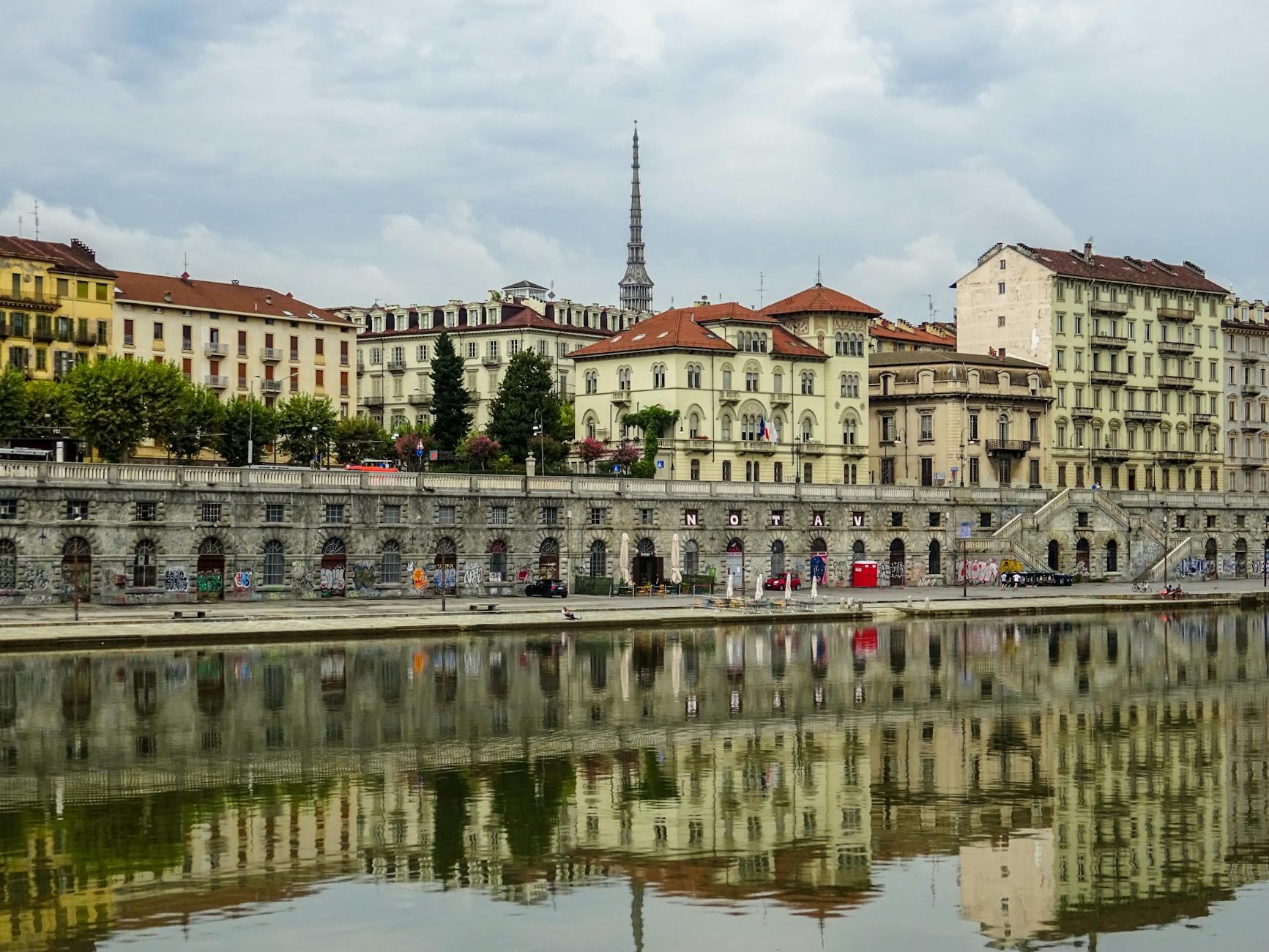
Via Po / Mole side: best for symbolic Turin and long framed walks.[4]
Quadrilatero Romano: best for aperitivo and evening texture.
Porta Palazzo edge: best for market energy and the everyday city.[8]
San Salvario side: best for a more lived-in counterpoint.
Why One Proper City Day Matters
Some travelers build Turin around one headline museum and then wonder why the city itself remained oddly muted.
The reason is simple. Turin usually needs one proper city day that belongs mainly to Turin itself rather than to one institution. That day lets Piazza Castello, Via Roma, Via Po, a café, one market or shopping chapter, and one evening route all register as parts of the same urban system. Without it, the city can look like a set of fine assets suspended inside a city you never really met.
This is especially important because Turin is so good at movement-based pleasure. The arcades, squares, and framed perspectives are not secondary scenery. They are the connective tissue of the whole stay. A proper city day allows them to count.
Neighborhood Guide: Where to Explore, Not Just Sleep
Piazza Castello is the city’s command center. It is where Turin becomes conceptually simple and emotionally persuasive.[6][7]
Via Po matters because it shows how Turin likes to guide the body through the city: under cover, toward a destination, with a grand endpoint.
Quadrilatero works as a social counterpoint to the city’s more formal spaces. It keeps Turin from becoming too museum-and-palace heavy.
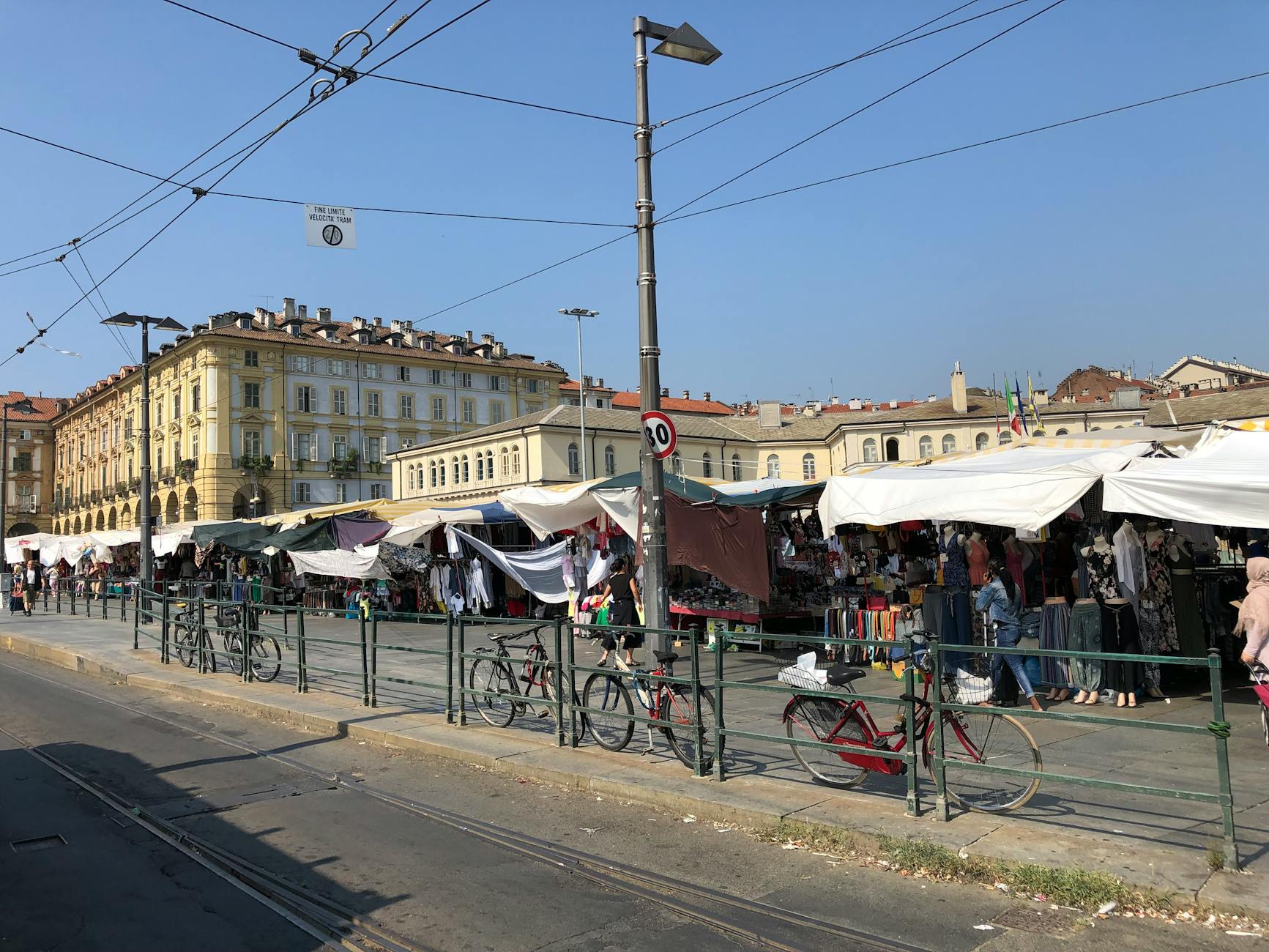
Porta Palazzo matters because it shows the city’s scale and daily life in a less polished register.[8]
San Salvario and nearby southern central areas can be useful for travelers who want evenings and a more local-feeling urban texture.
Day Turin Versus Evening Turin
Daytime Turin is formal, legible, and often more restrained than first-time visitors expect. It is when the city’s geometry, museums, and Savoy logic explain themselves most clearly. If the trip is badly planned, this can make Turin seem a little too proper, as if the city were waiting for a performance of admiration rather than inviting one.
Evening changes that. Aperitivo softens the edges. Quadrilatero and San Salvario can bring in more sociability and appetite. Even the central arcades seem less ceremonial and more lived. Turin rarely becomes chaotic, but it does become warmer.
This is one reason a weak Turin trip is often all museum hours and no evening. The city wants at least a little dusk and nighttime in order to stop reading merely as a carefully organized cultural object.
The Best Things to Do in Turin
- Give Piazza Castello and the royal center enough time to explain the city.[7]
- Visit Museo Egizio as a real anchor, not a filler museum.[3]
- Use the Mole and National Museum of Cinema deliberately, especially if you also want the panoramic lift.[4][5]
- Let one morning belong to cafés and one evening belong to aperitivo.
- Use Porta Palazzo or another market zone to see the city loosen up.[8]
- Walk under the arcades until the city’s rhythm starts to make sense.
Why Museo Egizio Needs The Rest Of The City
Museo Egizio is strong enough to dominate the memory of a short stay if you let it. That is praise, not criticism. But it also creates a risk.
When one museum is this good, travelers can unconsciously let the city become a container around it. They remember the museum as the substance and the rest of Turin as the wayfinding problem that happened before and after. That is exactly what a strong first itinerary must avoid.
The city helps you solve this if you let it. A museum morning can flow into café Turin, then into porticoed walking, then into another district register, then into aperitivo. The result is not that the museum becomes less important. It is that Turin becomes more important.
Itineraries
If You Have One Full Day
Do the royal center plus one major museum, then finish with a café-to-aperitivo progression. Do not try to turn Turin into a checklist sprint.
If You Have Two Full Days
Use one day for Piazza Castello, the Royal Museums or Museo Egizio, and evening Centro. Use the second for the Mole, Via Po, a district shift, and a market or food chapter.
If You Have Three Full Days
This is the ideal first pattern. One day for royal Turin, one for a major museum and arcaded walking, and one for market or neighborhood Turin plus a slower culinary rhythm.
Itineraries By Energy Level
High-energy first trip: Museo Egizio, Piazza Castello, Via Po, Mole, one market or shopping chapter, then evening aperitivo. This works only if you still protect pauses.
Balanced first trip: one major museum per day, a center walk that is allowed to breathe, and one evening district with appetite. This is the best version for most travelers.
Low-energy or winter trip: central base, serious cafés, one museum anchor, one royal-center walk, and more emphasis on mood than coverage. Turin handles this better than many Italian cities.
Itineraries By Traveler Type
Museum-first traveler: Museo Egizio, Royal Museums, and the Mole in a carefully paced sequence.
Café-and-elegance traveler: central base, long porticoed walks, chocolate, and aperitivo-led pacing.
First-time Italy traveler wanting something quieter: use Turin as a city of form, not spectacle.
Food-and-evening traveler: Centro edge plus Quadrilatero and market chapters.
Why Turin Often Works Better Than It Sounds
If you describe Turin lazily, it can sound almost too sensible: a royal square, a famous museum, some arcades, chocolate, aperitivo, a market, a symbolic tower. None of that sounds especially volcanic. And that is exactly why the city is easy to underrate before you go.
In practice, Turin works through sequencing. A major museum is corrected by a long walk. The royal center is softened by a café. The city’s discipline is loosened by a market or evening district. The porticoes turn ordinary movement into part of the pleasure. One element keeps the others from becoming too stiff, too busy, too decorative, or too thin.
That is why the city can feel more satisfying than its summary. It is not that the ingredients are secret. It is that they are unusually well composed.
Food
Turin rewards appetite, but in a less obvious way than Naples or Bologna. Here the city’s food pleasure comes through cafés, chocolate, aperitivo, vermouth, and disciplined restaurant choices rather than pure culinary noise.
The point is not to overbook meals. The point is to let eating and drinking support the city’s measured pace.
Why Café Culture Is Structural, Not Cute
In some cities, historic cafés are charming add-ons that visitors can enjoy or ignore without changing the basic reading of the place. In Turin they are more structural.
The city’s social rhythm depends on pause. The museum-to-square-to-café sequence is not accidental. Turin is built to support a kind of urban life in which stopping counts as much as moving. Coffee, chocolate, and aperitivo are therefore not merely indulgences. They are part of the way the city teaches you how to use it.
This is also why rushing Turin tends to fail. The city is telling you to stop more often than you think you need to. If you obey, the place gets better.
Nightlife
Nightlife in Turin is less about all-out performance and more about extending the city’s elegance into the evening. Aperitivo matters. So do bars and streets where the formality loosens without disappearing.
Why Turin Handles Repeat Behavior So Well
Some cities punish repetition by making a second pass feel like wasted time. Turin often does the opposite.
This can be as small as returning to the same café, walking Via Po again in different light, or revisiting Piazza Castello after the museums have closed. It can also be larger: using the same route from hotel to center twice a day until the city stops feeling like a place you are decoding and starts feeling like a place you are inhabiting.
Turin’s urban form supports this unusually well. Because so much of the pleasure lies in proportion and rhythm, the second pass can be richer than the first rather than emptier. This is one of the reasons the city often stays in memory longer than more aggressively spectacular destinations.
Common Mistakes
The first mistake is waiting for Turin to become louder instead of paying attention to what it is already doing.
The second is seeing only the museums and none of the rhythm between them.
The third is staying somewhere merely convenient but emotionally bland.
The fourth is treating the city as a single flat center instead of as several related tones.
The fifth is overloading the stay with too many “worthy” institutions and too little urban pleasure.
The sixth is failing to give the city an evening.
Etiquette and Local Norms
Turin responds well to steadiness. It is a city where quiet confidence reads better than spectacle. Respect the museums, do not confuse composure with coldness, and let the city’s social life unfold at its own pace.
Why Turin Often Improves On The Second Visit
On a first visit, many travelers are still deciding whether Turin is great or merely proper. They see the order, the symmetry, the museums, the coffee, and the royal architecture, but they are still unconsciously waiting for a louder signal that they have arrived somewhere essential.
On a second visit, that need usually disappears. The city no longer has to prove itself. You already know that the central walks matter, that one museum can be enough, that aperitivo is not filler, and that a return to the same street is not a failure of imagination. Once that pressure drops, Turin can become much more persuasive.
This is one of the city’s quiet strengths. It wears in rather than wearing out.
How Turin Changes Over The Course Of A Stay
On arrival, Turin can seem almost too controlled. The streets are composed, the porticoes are disciplined, the squares are stately, and the center is easy to read. Some travelers mistake this first impression for emotional flatness.
By the second day, if the trip is built properly, the city begins to separate into more distinct registers. Royal Turin no longer feels like generic grandeur. Café Turin starts to matter as a rhythm, not just a treat. Market Turin and evening Turin begin to loosen the city’s formal image. The whole place starts to feel less like a polite façade and more like a fully inhabited urban culture.
By the third day, Turin often becomes more persuasive precisely because it no longer needs to signal so hard. It is simply the city you are in now: square, museum, walk, coffee, market, aperitivo, repeat. That is when many travelers realize they like it much more than they first thought.
Blunt Advice
If this is your first Turin trip, do not apologize for choosing a city that is quieter on the surface than Italy’s headline names. That quietness is often what makes the stay more intelligent.
Stay central, use one or two major museums seriously, walk the arcades until the urban logic clicks, give cafés and aperitivo real weight, and let the city’s elegance accumulate. Turin is not filler. It is simply less needy than the cities that shout first.
Source Notes
- 1. Turismo Torino e Provincia, official “How to get to the city” page: [https://turismotorino.org/en/convention-bureau/why-torino/how-to-get-to-the-city](https://turismotorino.org/en/convention-bureau/why-torino/how-to-get-to-the-city)
- 2. Torino Airport, official bus transport page: [https://www.aeroportoditorino.it/en/tomove/parking-transport/by-bus](https://www.aeroportoditorino.it/en/tomove/parking-transport/by-bus)
- 3. Museo Egizio, official visitor information page: [https://museoegizio.it/en/pages/french](https://museoegizio.it/en/pages/french)
- 4. Turismo Torino e Provincia, official National Museum of Cinema / Mole Antonelliana page: [https://turismotorino.org/en/visit/things-to-do-and-things-to-see/museums-and-heritage/museo-nazionale-del-cinema-mole-antonelliana](https://turismotorino.org/en/visit/things-to-do-and-things-to-see/museums-and-heritage/museo-nazionale-del-cinema-mole-antonelliana)
- 5. Museo Nazionale del Cinema, official Mole Antonelliana page: [https://www.museocinema.it/en/museum-and-ma-prolo-foundation/mole-antonelliana](https://www.museocinema.it/en/museum-and-ma-prolo-foundation/mole-antonelliana)
- 6. Turismo Torino e Provincia, official Piazza Castello tourist office page: [https://turismotorino.org/en/visit/plan-your-trip/tourist-offices/torino-piazza-castellovia-garibaldi-tourist-information](https://turismotorino.org/en/visit/plan-your-trip/tourist-offices/torino-piazza-castellovia-garibaldi-tourist-information)
- 7. Turismo Torino e Provincia, official Royal Museums page: [https://turismotorino.org/en/visit/things-to-do-and-things-to-see/royal-residences/musei-reali-torino](https://turismotorino.org/en/visit/things-to-do-and-things-to-see/royal-residences/musei-reali-torino)
- 8. Turismo Torino e Provincia, official shopping and markets page: [https://turismotorino.org/en/visit/things-to-do-and-things-to-see/shopping](https://turismotorino.org/en/visit/things-to-do-and-things-to-see/shopping)