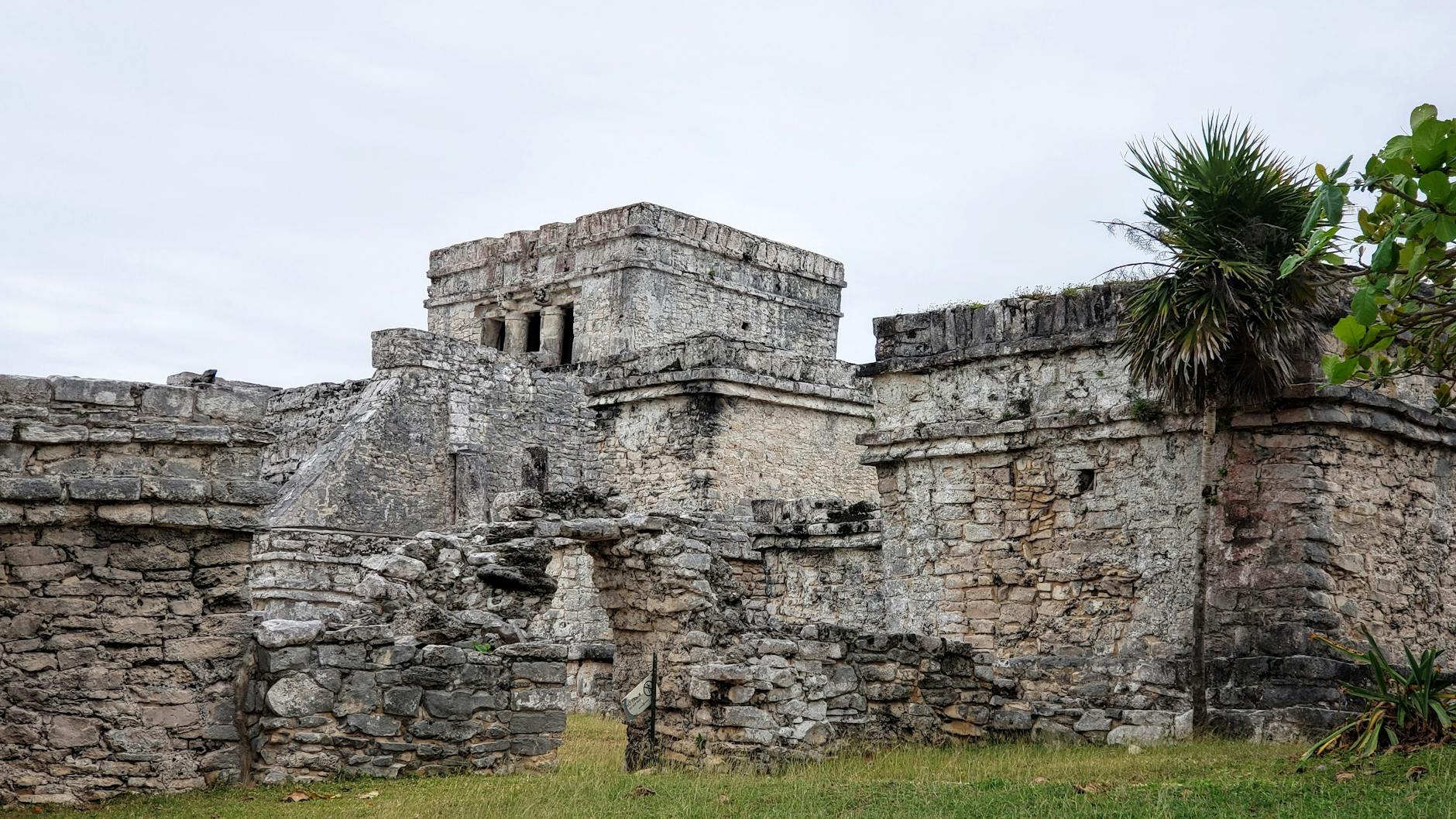
Tulum attracts demand because the fantasy is easy to market: beach, design hotels, restaurants, wellness, and a social scene that looks frictionless from a distance. The reality is more conditional. The quality of the trip depends heavily on where you stay, how you move, and whether you understand that different parts of Tulum create entirely different products. Tulum can feel beautiful, overhyped, polished, annoying, restorative, or logistically foolish depending on how honestly the stay has been built. It works best when the traveler stops treating Tulum like some naturally perfect tropical answer and starts treating it as a high-friction base-choice destination with real tradeoffs.
How Tulum works
Tulum works only when the traveler accepts that it is not one unified place. The beach road, the town, the more design-heavy hotel strips, and the more practical bases all create materially different trips. This matters because Tulum’s marketing encourages people to imagine one seamless tropical experience when the reality is a set of operational and emotional tradeoffs. The strongest stays choose a lane early and let the hotel and zone carry real weight. Tulum gets worse the more it is asked to be everything at once.
- Tulum is several different destinations hiding under one name.
- A clean lane matters more here than in easier beach towns.
- Aesthetics do not erase logistics, price, or movement burden.

Best time to visit
The cleaner weather windows are usually the easiest answer because they support beach time, easier movement, and a broader range of day shapes. Better conditions make the whole destination feel more worth its costs and inconveniences. Other periods can still work, but they raise the value of a stronger hotel and a lighter itinerary because Tulum’s frictions become much more noticeable when climate is not helping. Timing shapes the whole stay in a very direct way here.
- Better weather widens Tulum’s upside considerably.
- Weaker weather raises the value of the hotel and lowers the value of aggressive plans.
- Timing shapes the whole trip, not just the beach portion.
Arriving and getting around
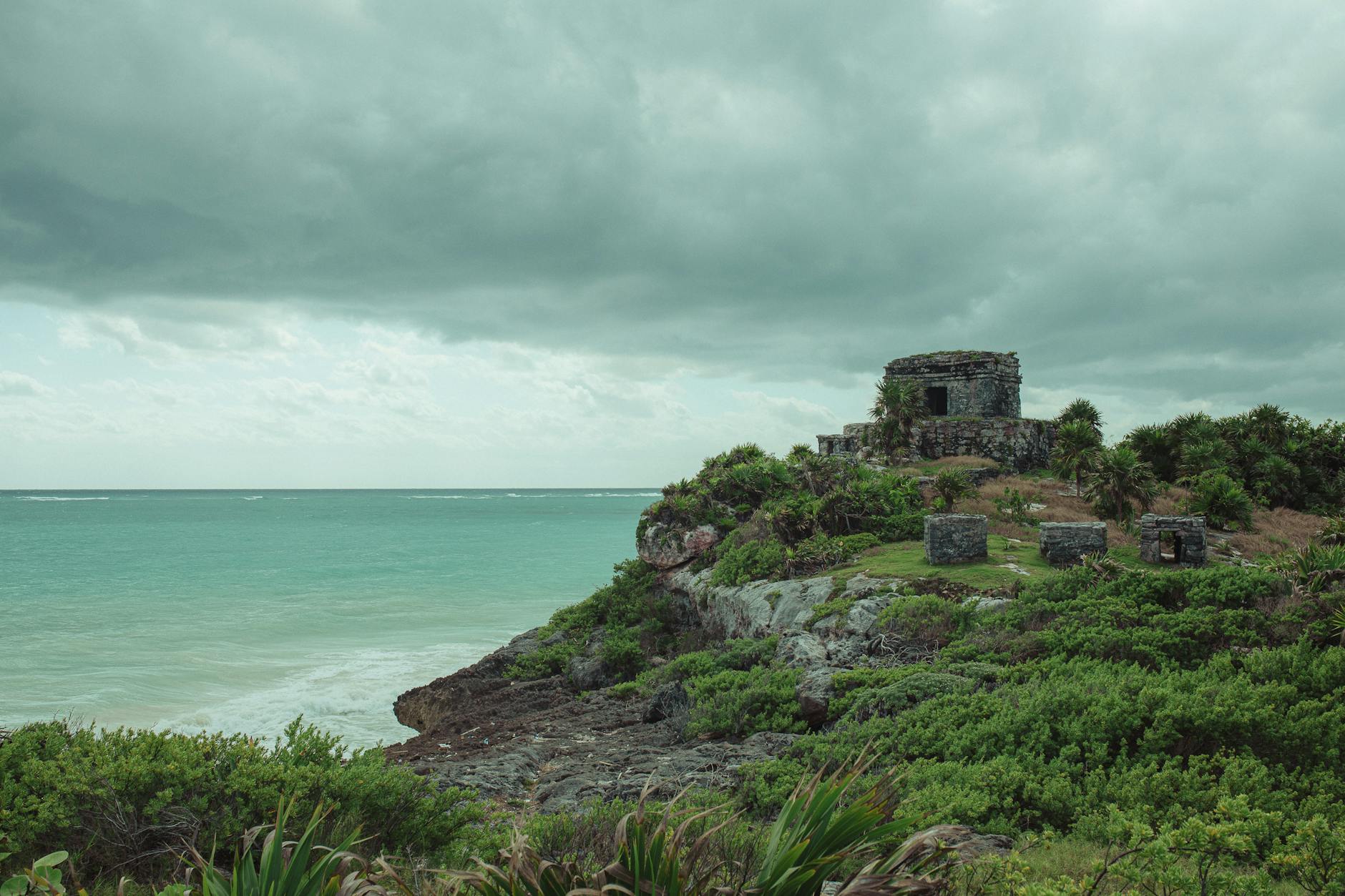
Arrival into Tulum should be treated as part of the destination decision because transfer burden and day-to-day movement vary a lot by base. The strongest stays keep movement narrower than the fantasy itinerary first suggests. Tulum often disappoints travelers who imagined seamless beauty and discover that every extra move costs more than expected in time, energy, money, or patience. A cleaner Tulum usually comes from protecting the radius of the stay, not from expanding it.
- Treat the first leg seriously in Tulum.
- Choose the base with transfer burden in mind.
- Do not fix a weak base with more movement.
Where to stay
Different hotel zones and stay styles solve very different Tulums: more polished, more social, more beach-heavy, or more practical. The right answer depends on the actual trip type and on the traveler’s tolerance for friction. A photogenic hotel is not automatically a good operational choice. In Tulum, the room and its zone determine not just the look of the trip but also the cost, convenience, and psychological cleanliness of each day.
- Zone choice is the real hotel decision in Tulum.
- Different bases create meaningfully different stays.
- A stronger base often matters more than one more outing.
The Tulums that matter most
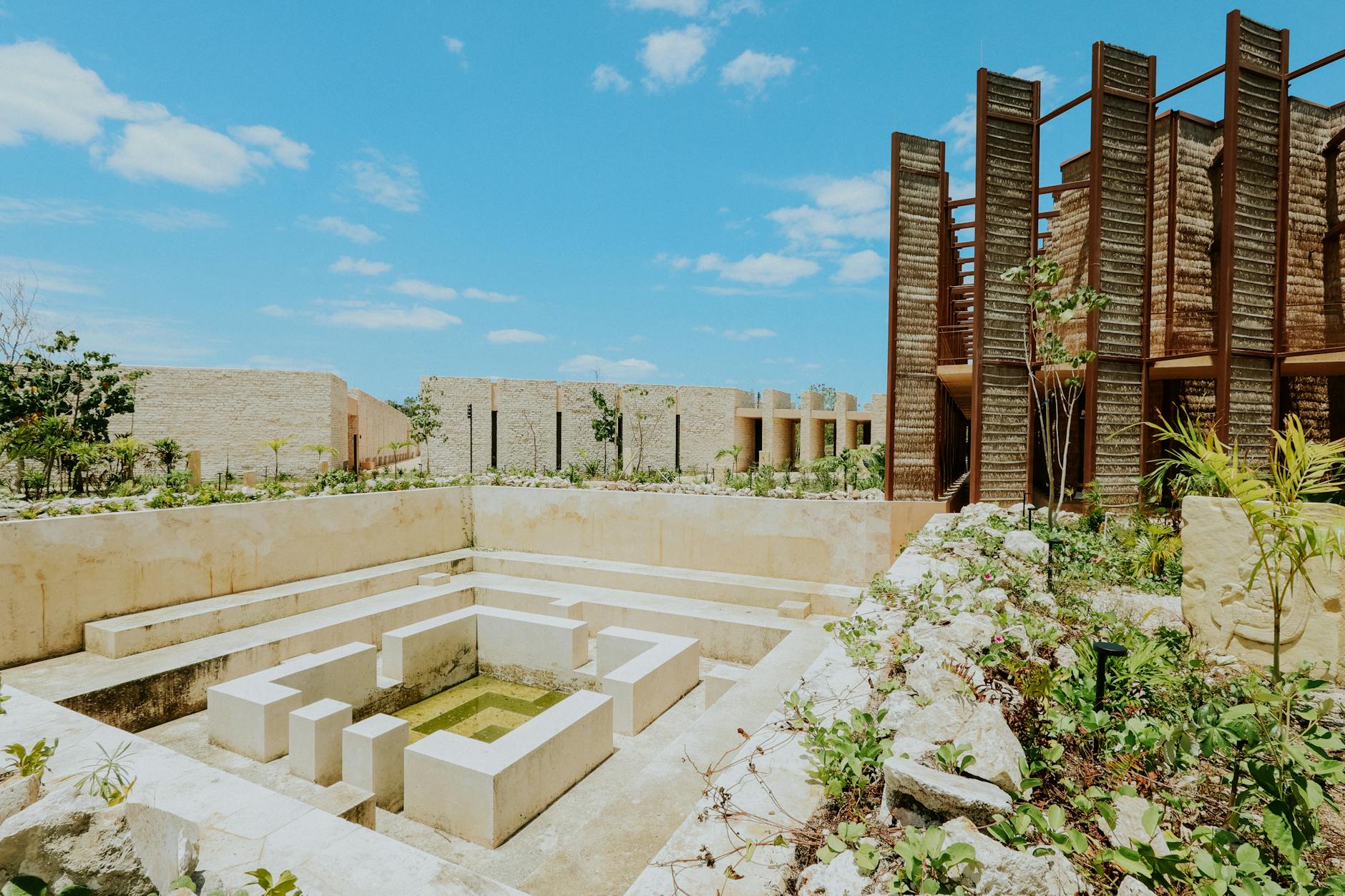
There is design-beach Tulum, where the point is atmosphere, aesthetics, and a more curated version of tropical leisure. There is practical Tulum, where the traveler wants cost control and cleaner logistics. There is also social Tulum, where the trip leans more into restaurants, bars, and a livelier scene. These are not interchangeable. Tulum improves when the traveler decides which version they are actually buying instead of expecting one reservation to deliver all of them at once.
- Each base creates a different Tulum.
- Not every zone solves the same traveler problem.
- Choose the version of Tulum you actually want.
What Tulum does best
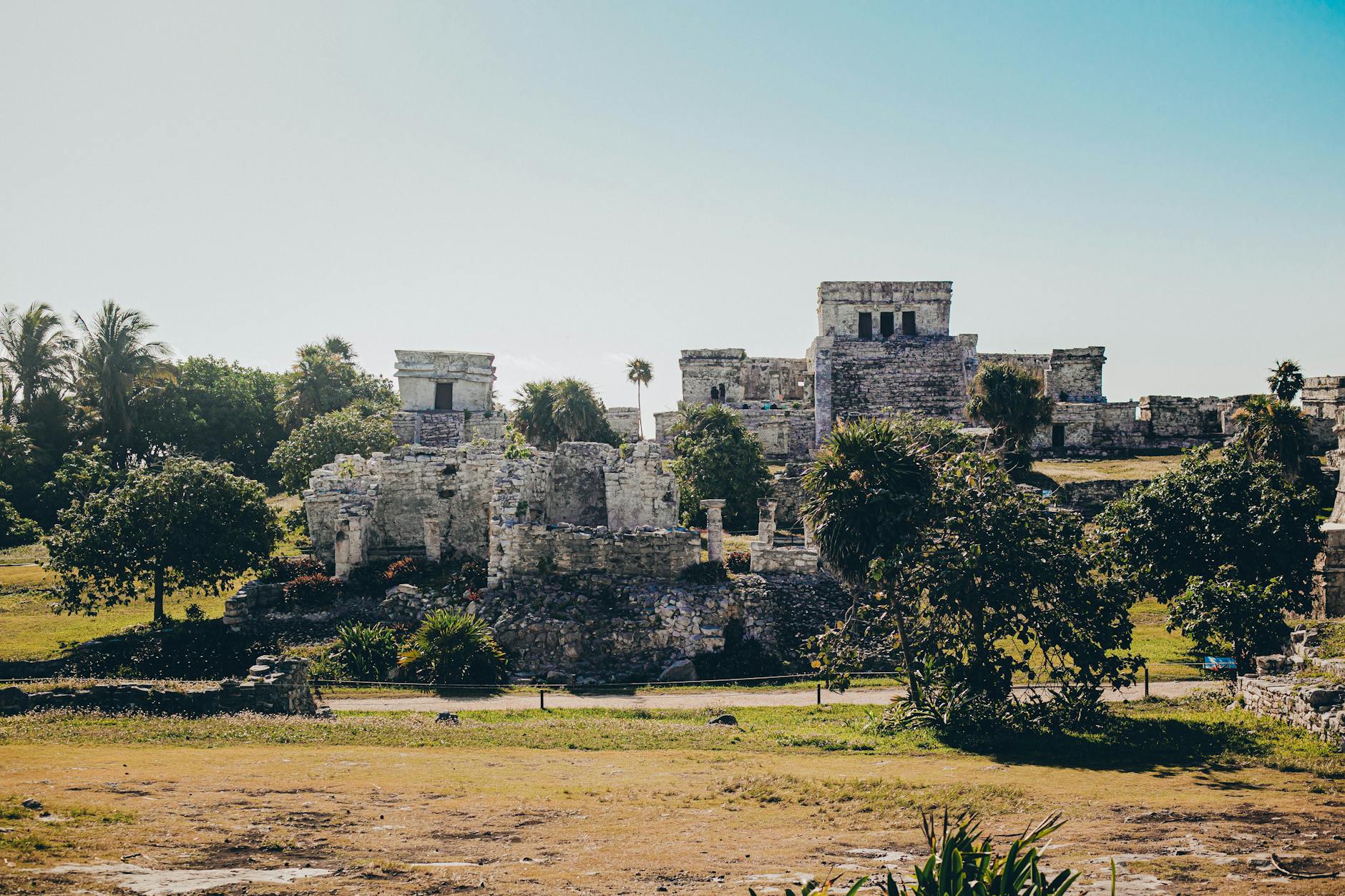
Tulum excels when it is treated as a stylized, hotel-led tropical stay rather than a casual beach town. It is especially good for travelers who genuinely want design, mood, dining, and a more curated version of beach life and who are willing to plan around the cost and the friction that come with that. Tulum fails when it is asked to be cheap, easy, luxurious, bohemian, and low-maintenance at the same time. It succeeds when the traveler buys one version of the place and builds the stay around that version honestly.
- Tulum is strongest when the traveler wants its actual product, not a fantasy hybrid.
- Its upside is style and mood, not operational ease.
- The destination only feels worthwhile when the stay stays coherent.

Food
Tulum works best when meals align with the base and the route of the stay rather than becoming one more reason to bounce around unnecessarily. The destination can support memorable dining, but it rarely rewards random crisscrossing. The better Tulum food day usually comes from keeping the dining plan inside the chosen corridor of the trip and letting the style of the stay dictate the table, not the other way around.
- Meals should support the stay’s rhythm in Tulum.
- The base affects dining quality and convenience a lot.
- Keep dining aligned with the route rather than turning it into extra friction.
Nightlife
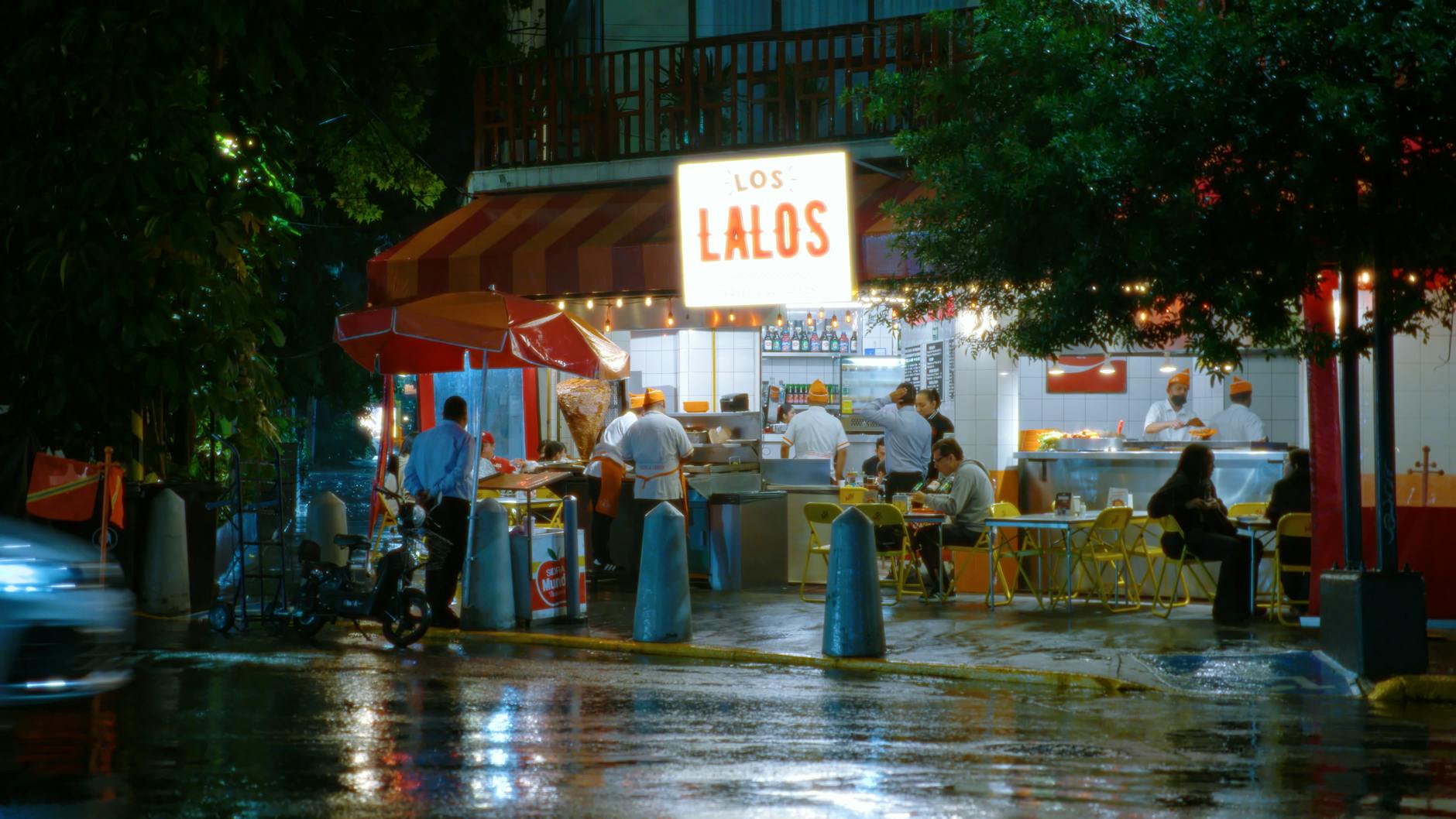
Tulum nightlife is highly base-dependent and should not be assumed to define the whole destination. Some stays want it and others do not. For travelers who do want it, the exact hotel zone matters enormously because the city is not forgiving of badly planned after-dark movement. The best Tulum nights are usually the ones already embedded in the right base.
- Not every Tulum trip wants nightlife.
- The base determines the evening more than many first-timers expect.
- A clean base improves the whole night.

Etiquette and local norms
Tulum is easygoing in some ways, but travelers still do better when they keep context in mind and do not let leisure turn into careless, one-note resort behavior. Tulum can already feel overperformed. The visitor who arrives with some restraint, patience, and situational awareness usually has a better time than the one trying to act out a tropical persona.
- Context still matters in Tulum.
- Leisure should not become sloppiness.
- A measured posture improves the stay.
Blunt advice
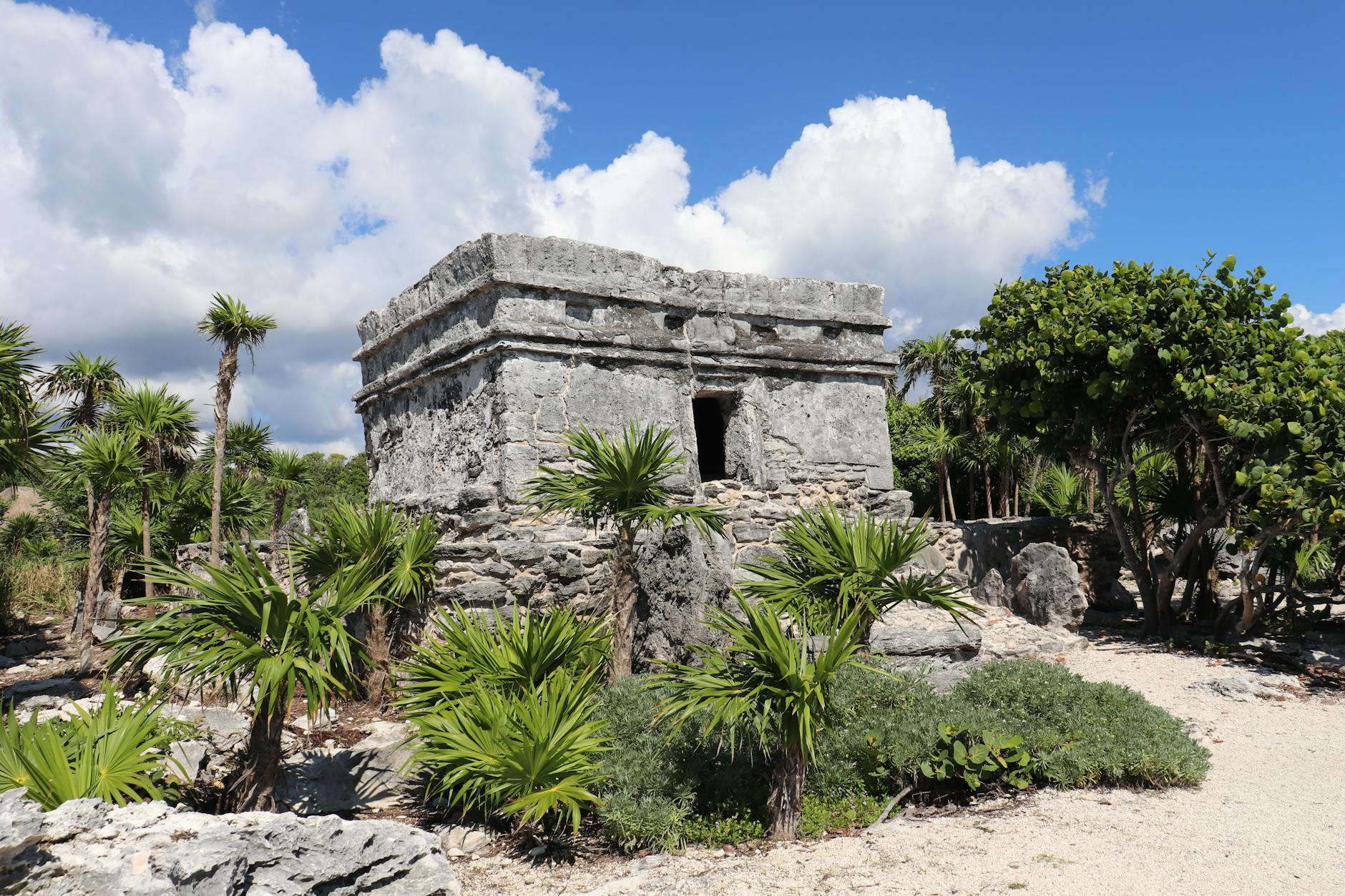
The biggest Tulum mistake is believing the photography more than the geography. Travelers choose the wrong zone because they think the destination’s look will somehow smooth out price, distance, dust, traffic, and mood mismatch. The second mistake is trying to repair a weak setup with more motion. Tulum is best when the stay is narrower, cleaner, and more realistic than the fantasy version wants it to be.
- The base decision determines almost everything in Tulum.
- Do not repair a weak setup with endless movement.
- Tulum rewards realism more than wishful aesthetic thinking.