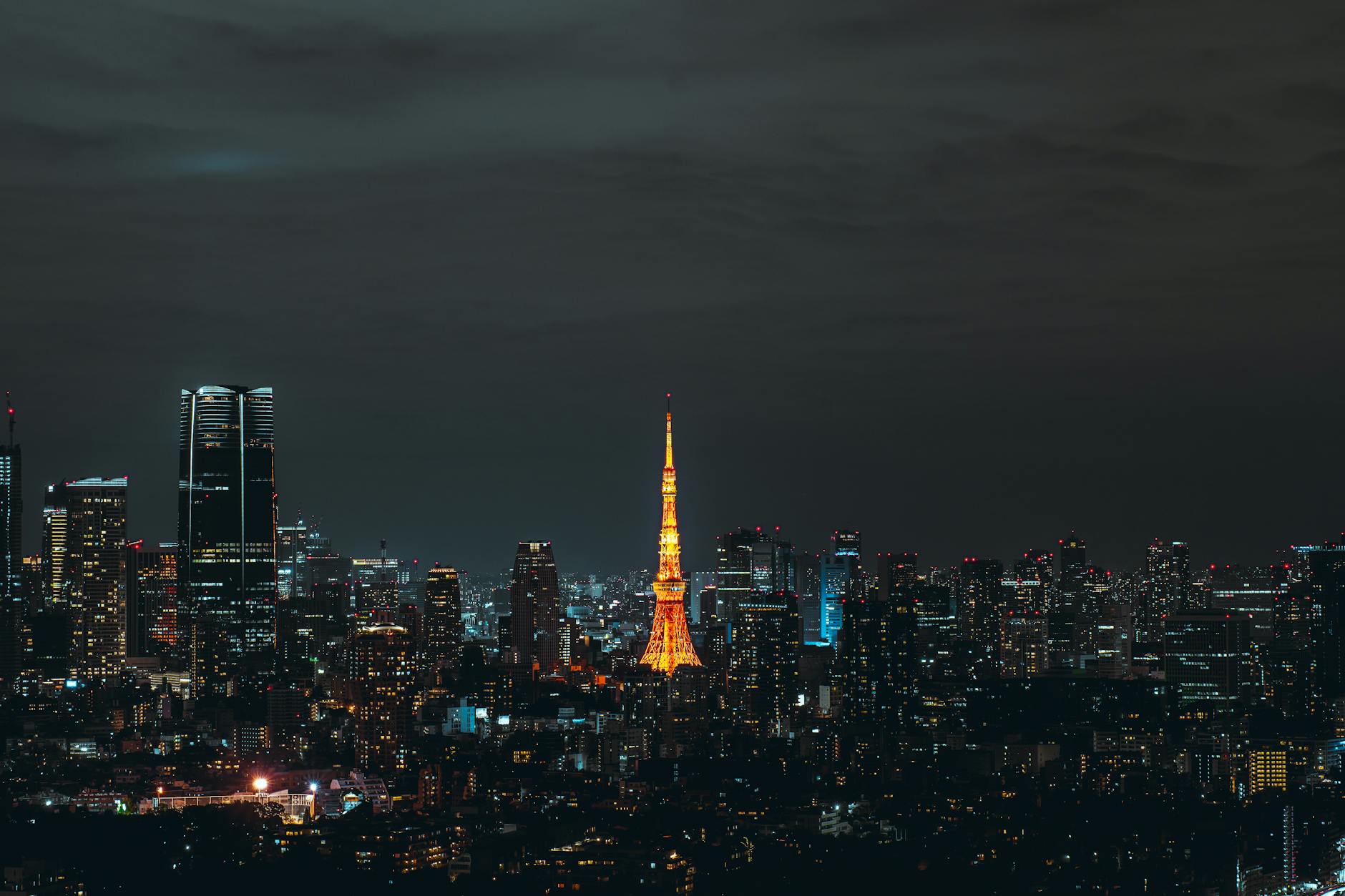
Tokyo is not one city. It is a system of worlds.
Start Here
It is a shrine at dawn in a pocket of cedar shade, a packed commuter train under fluorescent light, a ramen counter where no one speaks above a murmur, a department-store food hall arranged with almost ceremonial precision, a neon intersection pulsing until midnight, a baseball crowd singing in unison, a backstreet bar up three floors in a building you almost missed, a stationery shop that treats paper like treasure, a garden pond reflecting pine branches, a train platform where the signage is clearer than many airports, and a residential lane so quiet you wonder if you are still inside the largest metropolitan area on earth.
Most first-time visitors arrive with a mental slideshow: Shibuya Crossing, Shinjuku lights, sushi, anime, temples, vending machines, bullet trains, cherry blossoms, maybe Mount Fuji in the distance. Tokyo gives you all of that, but it also resists summary. It is not a city that reveals itself from one grand square or riverfront promenade. It works through nodes, layers, habits, stations, seasonal rituals, commercial micro-worlds, and neighborhood identities. The best Tokyo trip is not about “doing Tokyo.” It is about learning how to move through several Tokyos without flattening them into a checklist.
This is the first-timer mistake: treating Tokyo like a list of attractions scattered on a map. Tokyo is better understood as a set of station-based neighborhoods, each with its own logic. Shinjuku is not Shibuya. Ginza is not Harajuku. Asakusa is not Ueno. Daikanyama is not Akihabara. Kichijoji is not Roppongi. The trains connect them, but the mood changes every time you surface.
A world-class Tokyo guide has to do more than say where to go. It has to help you decide which Tokyo you want: the food Tokyo, the design Tokyo, the old-town Tokyo, the pop-culture Tokyo, the garden Tokyo, the family Tokyo, the luxury Tokyo, the subculture Tokyo, the train-and-day-trip Tokyo, the quiet Tokyo hiding behind the loud one.
This guide is designed for travelers who want more than a greatest-hits list. It explains where to stay, how to think about neighborhoods, how to use trains without panic, what to book ahead, where Tokyo rewards spontaneity, how to eat well without overplanning, what to skip, how to avoid common mistakes, and how to make a first trip feel deep rather than merely busy.
Tokyo in one sentence: Tokyo is a city of precise systems and infinite subcultures, where the best trip comes from pairing rail-savvy logistics with slow attention to neighborhoods, food rituals, seasonal details, and the quiet order beneath the scale.
Basic data
| Population | About 14.2 million |
|---|---|
| Area | 2,194 km2 |
| Major religions | Shinto and Buddhist traditions; largely secular daily life |
| Political system | Metropolitan government inside a parliamentary constitutional monarchy |
| Economic system | High-income market economy led by services, technology, and finance |
Quick Verdict
| Question | Answer |
|---|---|
| Best for | Food, design, shopping, trains, pop culture, contemporary art, gardens, museums, neighborhoods, nightlife, architecture, family travel, solo travel, photography, craft, stationery, fashion, baseball, day trips, and travelers who enjoy cities with both intensity and order. |
| Not ideal for | Visitors who want a compact old European-style center, easy late-night transit, spontaneous access to every famous restaurant, large hotel rooms at modest prices, or a city where every major sight is within walking distance. Tokyo is easy once you learn the system, but it is not small. |
| Ideal first visit | 5 full days. Three days gives you a useful taste. Four days works well if you are efficient. Five or six days lets Tokyo breathe. A week lets you add a day trip, slower neighborhoods, museums, shopping, food, and a second version of the city. |
| Best months | Late March to April for cherry blossoms, May for mild weather after Golden Week, October to November for comfortable walking and autumn color, and December for crisp skies and illuminations. June is rainy. July to early September can be hot and humid. Late December to early January is atmospheric but affected by holiday closures. |
| Best first-timer base | Shinjuku for transport and nightlife; Ginza/Tokyo Station/Nihonbashi for polish, convenience, and train access; Shibuya for youth culture and energy; Asakusa/Ueno for old-Tokyo atmosphere and value; Roppongi/Akasaka/Azabudai for dining, art, and international comfort; Ebisu/Daikanyama/Nakameguro for stylish, calmer evenings. |
| Biggest planning mistake | Booking a hotel based only on price or map distance, then discovering that your “central” location is awkward for the lines you use every day. In Tokyo, station access matters more than vague centrality. |
| One thing to book ahead | Ghibli Museum, teamLab, Shibuya Sky sunset slots, Tokyo Disney Resort, popular omakase or fine-dining meals, baseball tickets for key games, high-end hotels in cherry blossom season, and any serious day-trip lodging around Hakone, Nikko, or Fuji. |
| One thing to leave unscheduled | Wandering after dinner, browsing depachika food halls, exploring a shotengai shopping street, sitting in a kissaten, getting lost in a bookstore or stationery shop, or riding one extra stop because a neighborhood looks interesting. |
| Best free or low-cost pleasures | Meiji Shrine, Senso-ji grounds, Ueno Park, Yanesen backstreets, Tokyo Metropolitan Government Building views, department-store food halls, neighborhood walks, convenience-store snacks, public parks, river paths, and watching city life from a train platform. |
| Most important warning | Do not overpack your days. Tokyo’s transit is excellent, but station transfers, crowds, decision fatigue, and long walking distances inside large complexes can drain you. Plan one anchor per half-day, then let the neighborhood carry the rest. |
The Move
Build your first Tokyo trip around station clusters, not isolated landmarks. A strong five-day structure might be: old Tokyo and Ueno; Shibuya/Harajuku/Omotesando; Shinjuku and west-side nightlife; Ginza/Tokyo Station/Nihonbashi plus a garden or museum; and one flexible day for food, art, shopping, or a day trip.
Who Will Love Tokyo?
You will probably love Tokyo if you want:
- A city where logistics, design, service, food, transit, and everyday details are part of the pleasure.
- A place where you can eat brilliantly at every price level, from convenience-store onigiri to counter sushi, tempura, ramen, izakaya, kaiseki, yakitori, curry, soba, tonkatsu, French-Japanese fine dining, and tiny specialty shops that do one thing obsessively well.
- Neighborhoods that feel like different cities: Shinjuku, Shibuya, Ginza, Asakusa, Ueno, Akihabara, Roppongi, Aoyama, Daikanyama, Nakameguro, Shimokitazawa, Kichijoji, Kagurazaka, Yanesen, Toyosu, Odaiba, and more.
- Shopping that ranges from luxury maisons and department stores to vintage clothing, camera shops, ceramics, knives, anime goods, records, stationery, food halls, outdoor gear, design objects, and one-of-a-kind specialty stores.
- A city that rewards quiet observation: how people queue, how train melodies sound, how meals are arranged, how seasonal packaging changes, how a garden hides behind a traffic artery.
- Safe-feeling solo exploration, especially if you like walking, browsing, eating at counters, and moving independently by train.
You may struggle with Tokyo if you want:
- A single charming old town where all the sights are walkable.
- Late-night public transit after clubbing without taxi planning.
- Large hotel rooms in the middle of the city at low prices.
- A dining scene where every great place is easy to reserve in English.
- A culture where loud public behavior, improvised rule-breaking, or “winging it” always works.
- Minimal screen time. Tokyo becomes much easier with maps, translation, transit apps, reservation platforms, and digital payment tools.
Tokyo is not difficult in the way some cities are difficult. It is legible, safe, signed, and efficient. The challenge is abundance. There are too many good choices. The goal is not to see everything. The goal is to choose a few versions of Tokyo and experience them properly.
Tokyo at a Glance
| Practical | Detail |
|---|---|
| Country | Japan. Tokyo is both a city in the popular sense and a metropolitan prefecture made up of special wards, cities, towns, villages, and islands. Most first-time visitors spend most of their time in the 23 special wards. |
| Language | Japanese. English signage is excellent in major stations, airports, and visitor areas. Spoken English varies. Translation apps are useful, but politeness, patience, and simple phrases go far. |
| Currency | Japanese yen, written as ¥ or JPY. Japan remains more cash-friendly than many visitors expect, though cards and IC/mobile payments are increasingly common. |
| Cards vs cash | Major hotels, department stores, chains, larger restaurants, stations, and attractions usually accept cards. Carry cash for small restaurants, shrines, temples, older shops, markets, lockers, and places with cash-only ticket machines. Seven Bank and Japan Post ATMs are useful for foreign cards. |
| Time zone | Japan Standard Time, UTC+9 year-round. Japan does not use daylight saving time. |
| Main airports | Haneda Airport (HND), much closer to central Tokyo; Narita Airport (NRT), farther east in Chiba Prefecture but well connected by express train and bus. |
| Entry rules | Japan has visa-exemption arrangements with many countries and regions, but allowed length varies. Most short-term tourist stays are up to 90 days; some nationalities have shorter or different arrangements. Check official Ministry of Foreign Affairs and JNTO pages before travel.[1][2] |
| Arrival procedures | Visit Japan Web lets travelers complete arrival procedures such as immigration and customs online; JNTO notes that registration is not required, but can make procedures and tax-free shopping more convenient.[3][2] |
| Electricity | 100V, 50/60Hz. Type A and B plugs. North American two-prong plugs often fit, but voltage-sensitive appliances may need checking. Travelers from Europe, the UK, Australia, and many other regions need an adapter. |
| Tap water | Safe to drink. Carrying a bottle is useful, though public refill stations are not as ubiquitous as in some cities. |
| Emergency numbers | Police: 110. Ambulance and fire: 119. JNTO operates a 24-hour Japan Visitor Hotline for tourist information and assistance during accidents, illness, and disasters.[22] |
| Best transit tools | Google Maps, Apple Maps, Japan Travel by NAVITIME, official rail apps where useful, and an IC card or mobile IC setup. For complex intercity routes, check official railway sites. |
| Most useful visitor phrases | “Sumimasen” means excuse me/sorry/attention-getter. “Arigatou gozaimasu” means thank you. “Eigo menu wa arimasu ka?” asks if there is an English menu. “Gochisousama deshita” is a polite phrase after a meal. |
First-Timer Mistake
A lot of first-time visitors ask, “Should I stay in central Tokyo?” That is the wrong question. Tokyo has multiple centers. Ask instead: Which station will I use every day, how many lines serve it, how far is the hotel from the entrance, and how annoying will the transfer be with luggage?
2026 Visitor Notes
Japan Entry Rules Are Mostly Straightforward, But Nationality-Specific
Japan’s Ministry of Foreign Affairs lists reciprocal visa-exemption arrangements with 74 countries and regions as of its September 2025 update, and it notes that the period of stay granted on landing is 15 days for Indonesia and Thailand, 30 days for Brunei and Qatar, and 90 days for other listed countries and regions.[1] JNTO’s visitor information also notes that most short-term stays allow up to 90 days, while some nationalities may be granted 15, 30, or 180 days.[2]
The move: Do not rely on a generic “Japan is visa-free” statement. Check your passport nationality, permitted stay, and whether you need an eVisa or paper visa. If you are transiting, traveling on a nonstandard passport, staying long term, working remotely, bringing medication, or entering multiple times, check official rules carefully.
Visit Japan Web Is Worth Setting Up Even When It Is Not Strictly Required
Visit Japan Web is Japan’s digital service for arrival procedures including immigration and customs, and also connects to tax-free shopping services.[3] JNTO states that advance registration through Visit Japan Web is not required, but that it can make procedures like tax-free shopping more convenient.[2]
The move: Complete Visit Japan Web before departure, screenshot or save your QR codes, and keep your passport details consistent. Airport Wi-Fi is usually fine, but nobody’s best travel self appears after a long-haul flight while searching for confirmation emails at immigration.
Tourist Tax and Tax-Free Shopping Are Changing Around 2026
JNTO states that Japan’s international tourist tax will be 3,000 yen as of July 1, 2026.[4] Japan’s National Tax Agency has also published guidance that the tax-free shopping system will shift to a refund method from November 1, 2026, meaning guides that describe the older instant tax-free model may need rewriting for late-2026 travel.[5]
The move: If shopping is a major part of the trip, check current tax-free procedures close to travel. Keep your passport accessible while shopping, understand whether consumables must remain sealed, and leave airport time if refund/customs confirmation procedures apply.
Tokyo’s Transit Is Excellent, But Ticket Choice Matters
GO TOKYO describes Tokyo as having a “peerless public transportation network,” with JR, subway, buses, waterbuses, taxis, and bicycles all part of the visitor toolkit.[6] For city travel, Tokyo Metro’s visitor-oriented Tokyo Subway Ticket covers all Tokyo Metro and Toei Subway lines for 24, 48, or 72 hours, with current adult prices listed at ¥1,000, ¥1,500, and ¥2,000 respectively.[8] Regular Tokyo Metro fares are listed from ¥180 to ¥330, while GO TOKYO notes Toei fares range from ¥180 to ¥430.[9][7]
The move: Use a mobile IC card or tourist IC card for frictionless everyday riding, then consider a 72-hour subway ticket only for days when your itinerary is subway-heavy. Do not buy a pass reflexively. Tokyo has multiple operators, and a subway pass does not cover JR lines such as the Yamanote Line.
Airport Choice Really Matters
Haneda is much closer to central Tokyo and is usually the easier airport if flight price and schedule are comparable. Narita is farther away but well connected. GO TOKYO lists discount Keisei Skyliner e-tickets for foreign visitors at ¥2,310 adult one-way and ¥1,150 child one-way, with the fastest access between Nippori and Narita Airport Terminal 2・3.[11] GO TOKYO also notes that transfers between Haneda and Narita generally take 75 to 120 minutes, with bus and rail options; a taxi between the two is very expensive.[12]
The move: If you are flying into one airport and out of the other, budget transfer time seriously. Do not book a tight Narita-to-Haneda connection unless the airline protects it and the timing is sane.
Book the Scarce Stuff Early
Some Tokyo experiences are easy; others are a ticketing sport. Ghibli Museum tickets require advance reservation and cannot be bought at the museum.[14] teamLab Planets is officially scheduled through the end of 2027, with adult entrance tickets listed from ¥3,600 on the official store.[15] Tokyo Skytree, Shibuya Sky, Tokyo Disney Resort, popular baseball games, and many restaurant counters are also better booked ahead.[17][18]
The move: Book one or two genuinely scarce experiences, then leave the rest loose. Tokyo is too rich to run like a military schedule.
How to Understand Tokyo
Tokyo becomes easier when you stop looking for one historic center and start reading it as a rail-linked collection of urban villages, commercial districts, old-town pockets, office zones, subculture clusters, and residential worlds.
The city is not built around a single monumental axis. The Imperial Palace sits at the symbolic center, but most visitors do not orient their daily life around it. Instead, Tokyo works through stations: Shinjuku, Shibuya, Tokyo, Ueno, Ikebukuro, Shinagawa, Akihabara, Asakusa, Ginza, Roppongi, Ebisu, Kichijoji, and dozens more. Each station has exits that can feel like separate neighborhoods. A ten-minute walk from the wrong exit can be the difference between efficient and miserable.
The Five Tokyos a First-Timer Actually Meets
| Tokyo | Where you feel it | What it gives you |
|---|---|---|
| The neon megacity | Shinjuku, Shibuya, Akihabara, Ikebukuro, parts of Roppongi | Lights, crowds, nightlife, giant stations, shopping, game centers, pop culture, big-city adrenaline. |
| The old-town city | Asakusa, Ueno, Yanesen, Kagurazaka, Kanda, Ningyocho, Nihonbashi pockets | Temples, shrines, shotengai streets, traditional sweets, craft shops, small restaurants, Edo echoes. |
| The refined capital | Ginza, Marunouchi, Tokyo Station, Nihonbashi, Aoyama, Roppongi, Azabudai | Luxury hotels, museums, architecture, fine dining, department stores, business districts, design. |
| The neighborhood city | Nakameguro, Daikanyama, Ebisu, Kichijoji, Shimokitazawa, Koenji, Sangenjaya | Cafés, indie shops, vintage, local bars, parks, bakeries, everyday life, better evening strolling. |
| The excursion city | Toyosu, Odaiba, Kichijoji/Mitaka, Mt. Takao, Yokohama, Kamakura, Nikko, Hakone | Waterfronts, museums, markets, theme parks, gardens, mountains, temples, sea air, and rail day trips. |
Local Logic
Tokyo is big, but it is not chaotic in the way many large cities are chaotic. It is highly ordered at the surface level. People queue. Trains are signed. Stations have numbering systems. Cash trays, ticket gates, platform markings, convenience-store routines, and restaurant ordering machines all create rules.
The friction comes from scale and specificity. A station may have dozens of exits. A restaurant may be on the fourth floor with no English sign. A great bar may seat eight people. A train route may be technically correct but involve a long underground transfer. A department store may have six restaurant floors and a basement food hall, each with its own system. Tokyo is not hard because nothing works. Tokyo is hard because everything works, but each thing has a correct way to use it.
The City’s Rhythm
Tokyo wakes early but does not become fully interesting everywhere at the same time. Fish-market areas and commuter zones are active early. Temples and shrines are best early. Many shops open around 10 or 11. Museums often open around 9:30 or 10 and close one day a week. Restaurants have lunch and dinner windows. Department-store food halls become especially fun in the late afternoon and evening. Last trains usually fall around midnight, though exact timing depends on the line and station.
The move: Use mornings for temples, parks, markets, day trips, and major sights. Use afternoons for shopping, museums, neighborhoods, cafés, and gardens. Use evenings for food, views, bars, and strolling. Do not schedule obscure shopping streets at 8 a.m. and do not schedule a temple visit as your only plan for 9 p.m.
Central Contrasts
Tokyo is fascinating because its contradictions are not theoretical. You feel them in a single day.
- Scale vs intimacy: one of the world’s largest urban areas, filled with eight-seat counters and tiny specialty shops.
- Futurism vs ritual: digital art museums and robots beside shrine etiquette, seasonal sweets, and tea practice.
- Commercial overload vs quiet restraint: department stores, ads, and neon, then a residential lane where everyone lowers their voice.
- Global capital vs hyperlocal habits: international luxury next to neighborhood bathhouses, bakeries, and train-platform routines.
- Precision vs improvisation: scheduled trains and immaculate packaging beside subcultures that constantly remake fashion, music, food, and nightlife.
This is why Tokyo can feel both overwhelming and calming. The city is huge, but many experiences inside it are small, focused, and controlled.
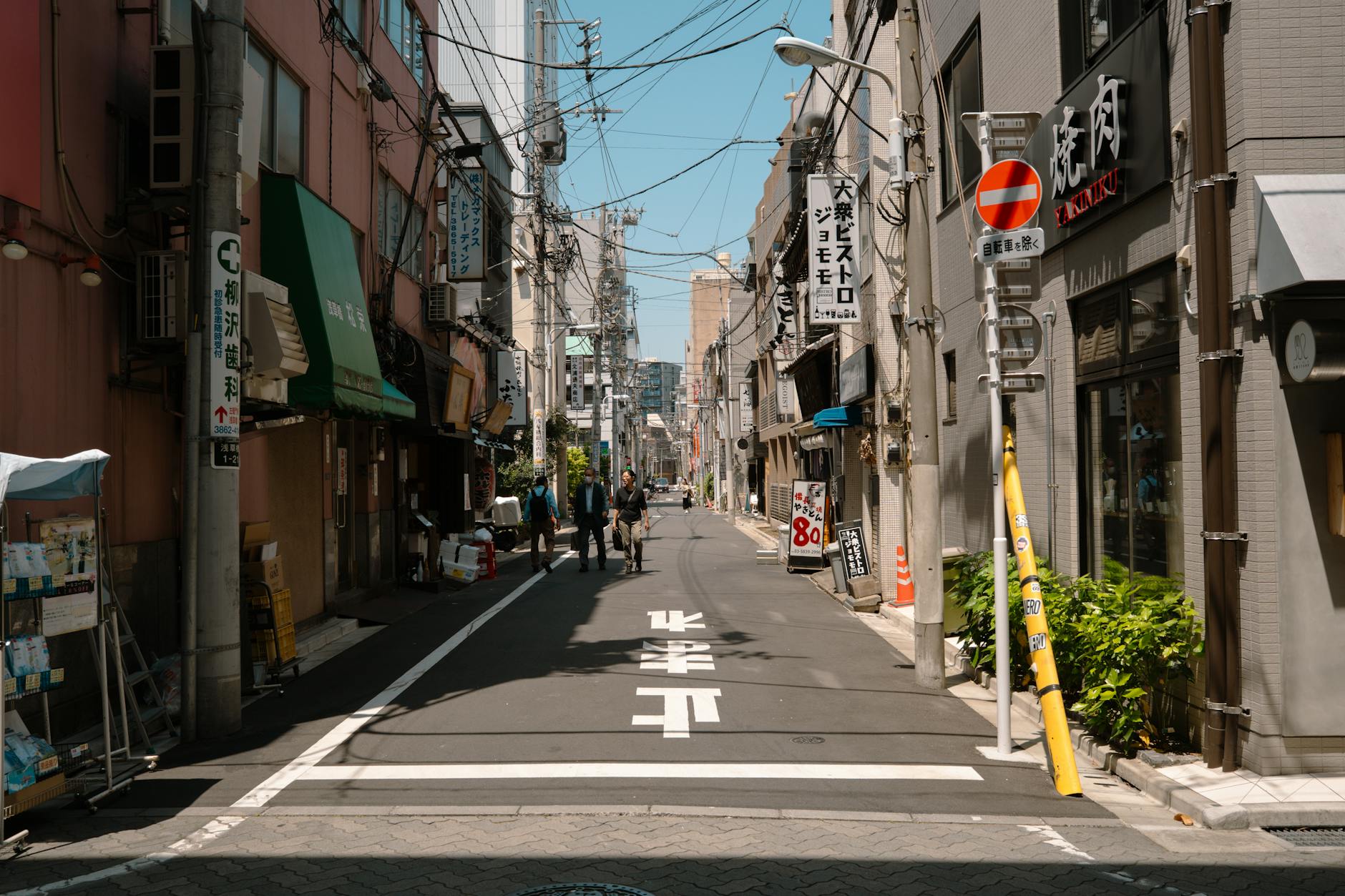
Best Time to Visit Tokyo
Tokyo is a year-round city, but the trip changes dramatically by season. The best months are not simply the prettiest months; they are the months when walking, transit, crowds, hotel prices, seasonal events, and restaurant availability align with your tolerance.
Best Overall Months
October and November are the easiest recommendation for most visitors. Weather is usually comfortable, humidity drops, walking is pleasant, and autumn color gradually appears. Cherry blossom season gets more attention, but autumn often makes a better first trip because it is less fragile and less obsessed over.
Late March and early April can be magical if cherry blossoms align, but they are crowded, expensive, and emotionally risky if your dates miss peak bloom or rain knocks petals down. It is still worth doing once, but do not build your entire trip around a single bloom forecast.
May is excellent after Golden Week, with warm weather and lush parks. Early May can be busy because of domestic holidays.
December is underrated: crisp air, clear skies, illuminations, winter food, and a festive city mood. It is not ideal if you want gardens at their lushest, but it is great for eating, shopping, museums, and urban walks.
Season-by-Season
| Season | What to expect | Best for | Watch out for |
|---|---|---|---|
| Spring: March–May | Cherry blossoms, mild days, variable weather, high demand. | First-time romance, parks, gardens, walking, photography. | Sakura crowds, hotel prices, rain, Golden Week travel congestion. |
| Summer: June–August | Rainy season in June, then heat and humidity. Festivals and fireworks. | Nightlife, summer festivals, shaved ice, indoor museums, people who tolerate heat. | Heat exhaustion, typhoons later in season, sweaty transit, midday fatigue. |
| Autumn: September–November | September can still be hot and storm-prone; October/November are excellent. | Walking, food, design, gardens, day trips, comfortable exploring. | Typhoon risk in early autumn, busy fall foliage weekends. |
| Winter: December–February | Cool to cold, often clear, lower humidity, illuminations. | Food, shopping, museums, views, lower crowds outside holidays. | New Year closures, shorter daylight, cold evenings, dry air. |
Month-by-Month Guide
| Month | Verdict |
|---|---|
| January | Quiet after New Year, crisp, good for museums, shopping, shrines, and clear views. Expect closures around the first days of the month and cold nights. |
| February | Cold but manageable. Plum blossoms begin, hotels can be better value, and popular restaurants may be easier than in sakura season. |
| March | Early March is transitional; late March may bring cherry blossoms. Demand rises sharply as bloom approaches. Pack layers. |
| April | Beautiful but busy. Cherry blossoms may continue early in the month, then parks and neighborhoods become green. Excellent walking weather. |
| May | One of the best months after Golden Week. Warm, green, comfortable, and lively. Book around domestic holiday periods. |
| June | Rainy season. Good for museums, food, shopping, cafés, and hydrangeas, but less ideal for packed outdoor itineraries. |
| July | Hot, humid, energetic. Fireworks and summer events begin, but midday sightseeing can be punishing. Choose hotels with strong air conditioning. |
| August | Heat and humidity continue. Good for indoor culture and night outings; challenging for heavy walking. Watch typhoon forecasts. |
| September | Still hot early; typhoon risk. Late September improves. Good food season begins to turn. |
| October | Excellent. Comfortable, eventful, and ideal for first-timers. Book popular weekends early. |
| November | Excellent. Autumn color, clear air, comfortable days, and strong food season. One of the most reliable months. |
| December | Great urban month: illuminations, shopping, restaurants, views, and year-end atmosphere. Check holiday closures after Christmas and around New Year. |
Rain Plan
Tokyo is one of the easiest major cities in the world for rain because indoor life is so strong. Swap outdoor walks for department-store food halls, museums in Ueno or Roppongi, stationery and bookstore browsing, covered shopping arcades, underground malls, kissaten, ramen, sento, and train-connected neighborhoods.
How Many Days You Need
The Honest Answer
You need five full days for a satisfying first Tokyo trip. Three days is enough to taste the city. Four days is workable if you are focused. A week is better if you want a day trip and multiple versions of Tokyo without rushing.
| Length | What it feels like |
|---|---|
| 1 day | A layover taste: pick one or two clusters only. Shibuya/Harajuku, Asakusa/Ueno, or Ginza/Tokyo Station. Do not try to “see Tokyo.” |
| 2 days | Icons plus one mood: old Tokyo one day, west-side neon/shopping one day. You will leave wanting more. |
| 3 days | A solid first-timer sprint: Asakusa/Ueno, Shibuya/Harajuku, Shinjuku/Ginza/Roppongi depending on interests. No real day trip. |
| 4 days | Good if you plan by clusters. Add a museum, a garden, a food-focused evening, or a pop-culture half-day. |
| 5 days | Ideal first visit. Lets you do old Tokyo, west Tokyo, polished central Tokyo, food/shopping, and one flexible or niche day. |
| 6–7 days | Best for deeper travelers. Add Kichijoji/Mitaka, Shimokitazawa/Koenji, Toyosu/Odaiba, a full day trip, or slower food exploration. |
| 10+ days | Tokyo becomes livable. You can repeat neighborhoods at different times of day, book special meals, take day trips, and stop treating the city as a task. |
Itinerary Philosophy
A Tokyo day should usually have:
- One anchor: a museum, major neighborhood, restaurant booking, attraction, park, shopping district, or day trip.
- One nearby pairing: a garden, shrine, food hall, café, bookstore, market, or view.
- One loose evening: dinner plus a neighborhood walk or bar.
Tokyo punishes days that cross the city repeatedly. It rewards days built around clusters.
The Move
Do not schedule more than two “big” neighborhoods in one day unless they are naturally connected. Shibuya + Harajuku + Omotesando works. Asakusa + Odaiba + Shinjuku + Roppongi is a mess unless you enjoy transit more than travel.
Where to Stay in Tokyo
Where you stay in Tokyo shapes the trip more than many first-timers realize. The city is not dangerous if you pick the “wrong” area, but it can become inefficient, dull at night, or exhausting if your hotel is poorly connected.
The Short Answer
For most first-time visitors:
- Stay in Shinjuku if you want the easiest all-purpose base with nightlife, food, and transit.
- Stay in Ginza/Tokyo Station/Nihonbashi if you want polish, transport, luxury hotels, department stores, and easy train access.
- Stay in Shibuya if you want youth energy, shopping, nightlife, music, fashion, and west-side access.
- Stay in Asakusa/Ueno if you want value, old-Tokyo atmosphere, parks, temples, and easier access to Narita.
- Stay in Roppongi/Akasaka/Azabudai if you want art, dining, international hotels, nightlife, and central comfort.
- Stay in Ebisu/Daikanyama/Nakameguro if you want a stylish, food-forward, calmer trip after dark.
Neighborhood Decision Tree
| You want... | Stay in... |
|---|---|
| Best first-timer convenience | Shinjuku, Ginza/Tokyo Station, Shibuya |
| Best nightlife | Shinjuku, Shibuya, Roppongi, Ebisu |
| Best luxury hotels | Ginza/Marunouchi/Tokyo Station, Roppongi/Akasaka/Azabudai, Otemachi, Nihonbashi |
| Best food access | Shinjuku, Ginza, Ebisu, Shibuya, Akasaka, Ueno, Nihonbashi |
| Best value | Ueno, Asakusa, Ikebukuro, parts of Akasaka, Gotanda, Hamamatsucho, eastern Tokyo |
| Best old-Tokyo feeling | Asakusa, Ueno, Yanesen, Kagurazaka, Nihonbashi pockets |
| Best for families | Ginza/Tokyo Station, Ueno, Asakusa, Roppongi/Akasaka, Odaiba/Toyosu for specific family plans |
| Best for a short rail-heavy Japan trip | Tokyo Station/Marunouchi, Shinagawa, Ueno, Shinjuku depending onward direction |
| Best for fashion/design | Shibuya, Harajuku/Omotesando, Aoyama, Daikanyama, Ginza |
| Best for anime/gaming | Akihabara, Ikebukuro, Ueno/Asakusa for value nearby, Shinjuku for general convenience |
| Best for quieter stylish evenings | Ebisu, Daikanyama, Nakameguro, Kagurazaka |
| Best if flying from Haneda | Shinagawa, Hamamatsucho, Ginza, Tokyo Station, Shimbashi, parts of Odaiba/Toyosu |
| Best if flying from Narita | Ueno, Asakusa, Tokyo Station, Ginza, Nippori, Shinjuku with Narita Express |
Area Profiles
Shinjuku
Best for: First-timers, nightlife, transport, food, day trips, people who want Tokyo intensity.
Shinjuku is a full Tokyo ecosystem: one of the world’s busiest stations, skyscraper districts, department stores, nightlife zones, ramen alleys, camera shops, parks, hotels, and endless food choices. It can be overwhelming, but it is incredibly useful.
Why stay here: Excellent transport, restaurants at every price, easy nights out, good access to west-side neighborhoods and day trips toward Hakone or Mt. Fuji.
Why not: The station is enormous, Kabukicho can feel seedy late at night, and some hotels are farther from useful exits than they look.
Perfect for: First-timers who want a practical, energetic base and do not mind crowds.
Local logic: Choose a hotel based on the exact exit and line, not just “near Shinjuku Station.” Ten minutes through Shinjuku Station can feel like a small expedition.
Ginza, Marunouchi, Tokyo Station, and Nihonbashi
Best for: Luxury, restaurants, department stores, trains, business travelers, couples, older travelers, first-timers who prefer polish.
This is Tokyo at its most composed: broad avenues, department stores, polished hotels, art spaces, basement food halls, high-end sushi, cocktail bars, and direct access to Tokyo Station. Nihonbashi adds older merchant-city texture and excellent food.
Why stay here: Superb transport, high hotel standards, great shopping, easy taxis, good airport and shinkansen access.
Why not: Less gritty nightlife, fewer cheap hotel options, and some areas can feel businesslike after hours.
Perfect for: Travelers who want convenience and comfort more than youth-culture chaos.
The move: Use Ginza as a calm base, then go to Shinjuku/Shibuya for energy rather than sleeping in the middle of it.
Shibuya
Best for: Nightlife, fashion, music, youth culture, shopping, first-timers who want the Tokyo image in their head.
Shibuya is the cinematic Tokyo: crossing, screens, crowds, department stores, youth fashion, cafés, bars, and constant motion. It has become more polished with redevelopment, but it remains a strong base for west-side exploring.
Why stay here: Great access to Harajuku, Omotesando, Daikanyama, Nakameguro, Shimokitazawa, and Shinjuku; lively nights; excellent shopping.
Why not: Crowded, confusing station construction and exits, higher hotel prices, noisy pockets.
Perfect for: Younger travelers, nightlife, shoppers, music lovers, and people who want energy outside the door.
Asakusa
Best for: Old-Tokyo atmosphere, Senso-ji, value hotels, river views, first-time visitors who prefer traditional texture.
Asakusa is one of Tokyo’s most visitor-friendly old-town districts. Senso-ji and Nakamise-dori draw crowds, but the area still has side streets, traditional sweets, craft shops, casual restaurants, and access to the Sumida River.
Why stay here: Atmosphere, value, easy access to Senso-ji at quiet hours, good Narita connections depending route, river walks.
Why not: Farther from Shibuya/Shinjuku nightlife, very touristy near the temple, less useful for late-night west-side plans.
Perfect for: Families, value seekers, temple lovers, first-timers who want a gentler base.
Ueno
Best for: Museums, parks, value, casual food, rail access, families, Narita convenience.
Ueno gives you Ueno Park, Tokyo National Museum, Ameyoko market streets, easy rail links, and a more everyday feel than Ginza or Shibuya. It is one of the smartest value bases in the city.
Why stay here: Museums, parkland, food, good rail, better value, old-town access.
Why not: Less glamorous, some streets are busy or rough-edged by Tokyo standards, nightlife is casual rather than stylish.
Perfect for: Museum-heavy first trips, families, budget-conscious travelers, and people who want practical transit.
Roppongi, Akasaka, and Azabudai
Best for: Art, dining, international comfort, nightlife, luxury, embassies, central access.
Roppongi’s reputation as a nightlife zone is only part of the story. The area also has major museums, international dining, luxury hotels, architecture, and newer development around Azabudai Hills. Akasaka is more businesslike but practical and food-rich.
Why stay here: Art museums, restaurants, centrality, international hotels, easy taxis, good nightlife.
Why not: Less traditional atmosphere, nightlife pockets can feel generic or tout-heavy, some subway transfers are less straightforward than JR-based areas.
Perfect for: Couples, art travelers, business travelers extending a trip, and visitors who want polished central comfort.
Ebisu, Daikanyama, Nakameguro, and Meguro
Best for: Food, cafés, design, stylish local evenings, second-time visitors, couples.
These west/southwest neighborhoods are less frantic than Shinjuku or Shibuya but still well connected. They are good for travelers who want restaurants, coffee, boutiques, bookstores, and a more residential after-dinner atmosphere.
Why stay here: Great dining, stylish walks, calmer nights, close to Shibuya without sleeping in Shibuya.
Why not: Fewer major sights at the doorstep, hotel selection can be smaller, some areas are less ideal for a first-timer who wants maximum transit simplicity.
Perfect for: Food-focused couples, design travelers, repeat visitors, and people who want Tokyo to feel more local.
Ikebukuro
Best for: Value, anime/pop culture, shopping, transport, families on a budget.
Ikebukuro is a major west/northwest hub with department stores, Sunshine City, anime and character shopping, and strong transit. It is less fashionable than Shibuya and less polished than Ginza, but it is practical.
Why stay here: Good value, major station, shopping, pop culture, family-friendly indoor options.
Why not: It can feel hectic and less atmospheric, and some nightlife pockets are not especially charming.
Perfect for: Budget-conscious travelers who still want strong connections.
Odaiba and Toyosu
Best for: Families, waterfront views, teamLab Planets, shopping malls, specific event or conference stays.
Odaiba and Toyosu offer bay views, malls, museums, digital-art attractions, and family-friendly space. They can be fun, but they are not ideal bases for most first-time city explorers.
Why stay here: Space, views, family attractions, Toyosu Market access, some airport convenience.
Why not: Less traditional street life, more transit time to classic neighborhoods, can feel separated from central Tokyo.
Perfect for: Families prioritizing bay attractions, repeat visitors, or specific event stays.
Booking Mistakes to Avoid
- Booking far from a station because the hotel room is bigger.
- Staying near a minor station with only one line when a better-connected area costs slightly more.
- Assuming “Shinjuku” means the hotel is easy from Shinjuku Station.
- Choosing a hotel near nightlife when you are traveling with small children or light sleepers.
- Ignoring room size. Tokyo hotel rooms can be compact even at mid-range prices.
- Ignoring luggage. A cheap hotel with stairs, tiny rooms, or no luggage storage may make the trip harder.
- Assuming Airbnb-style rentals are always easier. Check legality, check-in support, luggage forwarding, and neighborhood rules.
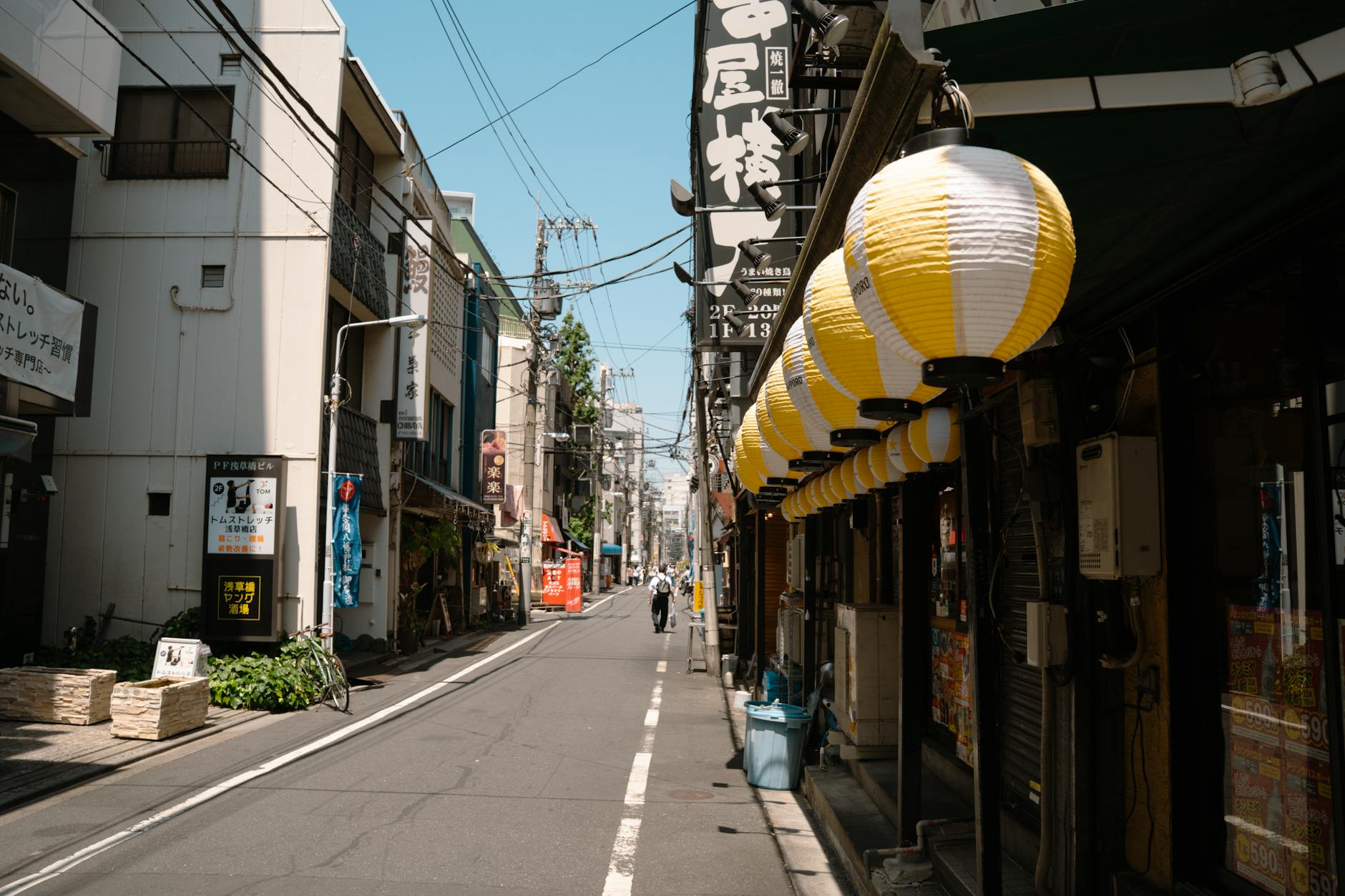
Neighborhood Guide
Tokyo neighborhood travel works best when you give each area a role. Some are good bases. Some are better half-days. Some are perfect at night. Some are best early.
Shibuya
Identity: Youthful, vertical, redeveloped, commercial, energetic, and constantly changing.
Best things to do: Shibuya Crossing, Shibuya Sky, Center-gai, record shops, department stores, Miyashita Park, Nonbei Yokocho, nearby Harajuku/Omotesando/Daikanyama.
Best time: Late afternoon into evening. Morning is calmer but less atmospheric.
How long: Half-day to full day if combined with Harajuku and Omotesando.
Skip if: You hate crowds and screens. You can still pass through briefly for the crossing and a view.
Perfect walk: Start at Meiji Shrine in the morning, continue through Harajuku and Omotesando, browse toward Aoyama, then finish in Shibuya for sunset at Shibuya Sky and dinner.
Shinjuku
Identity: Tokyo turned up: transport hub, skyscrapers, nightlife, department stores, food, and controlled chaos.
Best things to do: Shinjuku Gyoen, Tokyo Metropolitan Government Building views, department-store food halls, Omoide Yokocho, Golden Gai, Kabukicho, camera shops, east/west station contrast.
Best time: Afternoon through late evening. Shinjuku Gyoen is a daytime anchor; Golden Gai and Omoide Yokocho are evening experiences.
How long: Half-day plus evening, or multiple nights if staying nearby.
Common mistake: Treating Kabukicho as all of Shinjuku. The district has many moods.
Perfect walk: Start at Shinjuku Gyoen, browse Isetan food hall, cross to the west-side skyscrapers for the government-building view, then return east for dinner and a late walk through Omoide Yokocho or Golden Gai.
Ginza and Marunouchi
Identity: Elegant, orderly, expensive, and surprisingly rich for food, design, and architecture.
Best things to do: Department stores, flagship architecture, Kabuki-za exterior or performance, Ginza Six, depachika, Tokyo Station, Marunouchi brick and glass, Imperial Palace outer moat, Nihonbashi nearby.
Best time: Afternoon and early evening; Sundays can be pleasant when main streets become pedestrianized, depending schedule.
How long: Half-day, or longer if shopping and food are priorities.
The move: Do not dismiss Ginza as “just luxury shopping.” Its food halls, stationery, architecture, cocktail bars, and proximity to Tokyo Station make it one of Tokyo’s easiest polished days.
Asakusa
Identity: Temple-town Tokyo: historic, festive, crowded around the main approach, quieter in side streets.
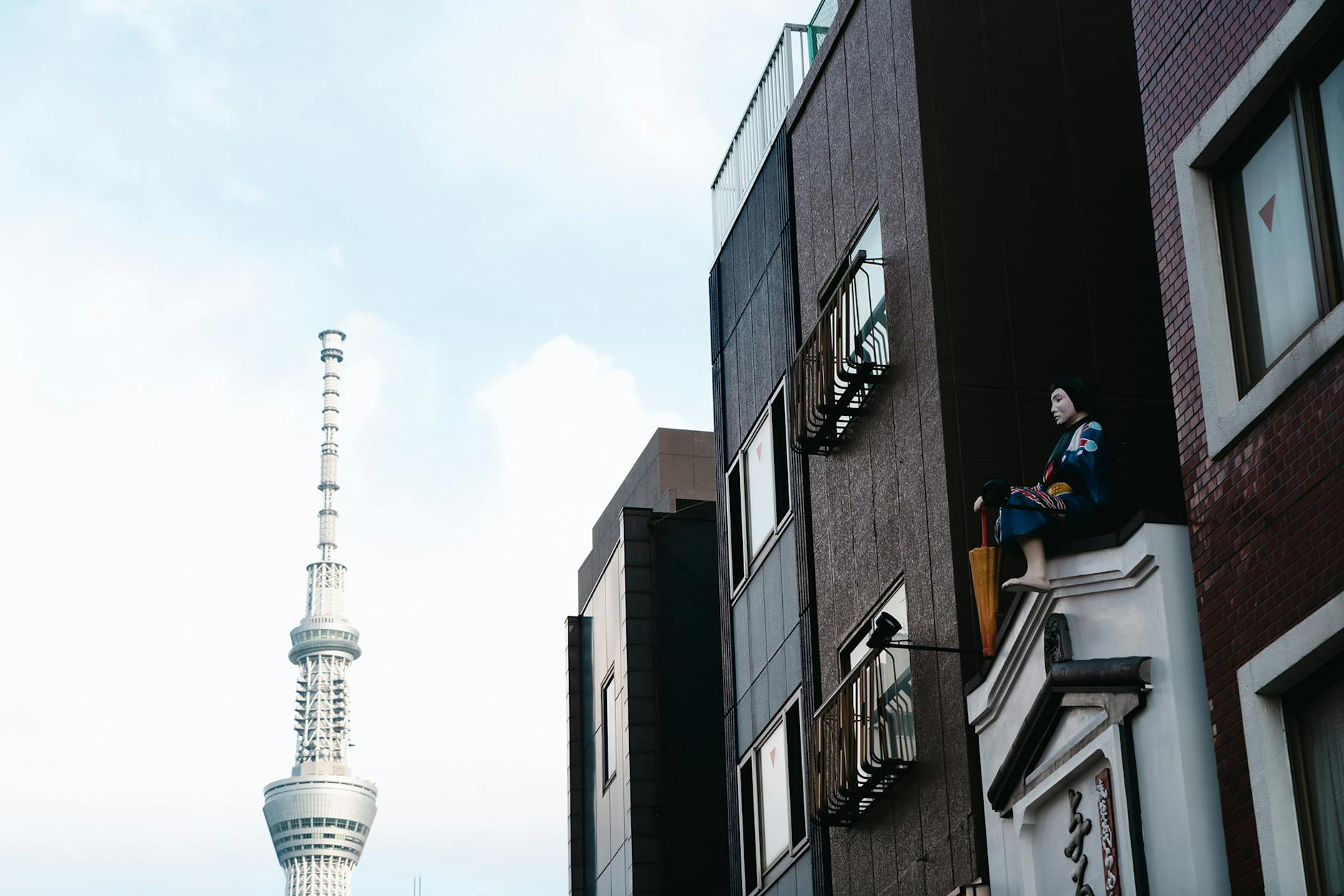
Best things to do: Senso-ji, Kaminarimon, Nakamise-dori, side-street snacks, Kappabashi kitchenware nearby, Sumida River walks, Tokyo Skytree views across the river.
Best time: Early morning for Senso-ji before crowds, evening for illuminated atmosphere after tour groups thin out.
How long: Half-day; full day with Ueno or Skytree/Kappabashi.
Common mistake: Only walking Nakamise-dori and leaving. The side streets matter.
Ueno
Identity: Park, museums, market streets, casual food, and practical old-Tokyo energy.
Best things to do: Tokyo National Museum, Ueno Park, National Museum of Western Art, Ameyoko, Shinobazu Pond, nearby Yanesen.
Best time: Morning for museums and park, late afternoon/evening for Ameyoko food and drink.
How long: Half-day to full day.
Pair it with: Asakusa, Yanesen, Akihabara, or Kappabashi depending interests.
Yanesen: Yanaka, Nezu, and Sendagi
Identity: Low-rise, old-neighborhood Tokyo with temples, cats, sweets, small shops, cemetery paths, and a slower pace.
Best things to do: Yanaka Ginza, Nezu Shrine, cemetery lanes, small galleries, cafés, craft shops, traditional snacks.
Best time: Late morning through afternoon. Many small shops close earlier than big-city retail.
How long: Half-day.
The move: Come here when Tokyo feels too big. Yanesen is a pressure valve.
Akihabara
Identity: Electronics, anime, games, hobby shops, arcades, figure stores, maid cafés, and subculture tourism.
Best things to do: Electronics shops, retro games, anime/figure shopping, arcades, themed cafés if genuinely interested, Kanda Myojin Shrine nearby.
Best time: Afternoon and evening. Shops open later than temples and markets.
How long: Two hours to half-day depending interest.
Skip if: You have no interest in electronics, games, anime, or hobby retail. It is not mandatory Tokyo.
Harajuku, Omotesando, and Aoyama
Identity: Youth fashion, shrine forest, luxury boulevard, design, cafés, architecture, and side-street shopping.
Best things to do: Meiji Shrine, Takeshita Street, Cat Street, Omotesando architecture, Aoyama boutiques, design shops, cafés.
Best time: Morning for Meiji Shrine, late morning/afternoon for shopping.
How long: Half-day; full day with Shibuya.
Common mistake: Judging Harajuku only by Takeshita Street. The more interesting adult version often sits in the side streets toward Omotesando and Aoyama.
Roppongi, Azabudai, and Akasaka
Identity: Art, nightlife, embassies, international restaurants, new development, and polished central Tokyo.
Best things to do: Mori Art Museum, National Art Center Tokyo, Suntory Museum of Art, Azabudai Hills, Tokyo Midtown, restaurants, bars, Tokyo Tower views from nearby areas.
Best time: Afternoon into evening; many art spaces have evening hours depending exhibition.
How long: Half-day to full day if art-focused.
The move: Use Roppongi for a rainy day or an art-and-dinner evening, not just nightlife.
Ebisu, Daikanyama, Nakameguro, and Meguro
Identity: Stylish residential Tokyo with strong restaurants, cafés, bookstores, boutiques, and evening walks.
Best things to do: Daikanyama boutiques, T-Site, Nakameguro canal, Ebisu restaurants, Meguro River, cafés, bars.
Best time: Afternoon into evening. Nakameguro is famous in sakura season but lovely outside it too.
How long: Half-day or dinner-focused evening.
Perfect for: Travelers who want Tokyo to feel less like sightseeing and more like urban living.
Shimokitazawa and Koenji
Identity: Vintage clothes, music, small theaters, bars, cafés, youth culture, and slightly scruffier creativity.
Best things to do: Vintage shopping, record shops, live music, curry, cafés, indie bars.
Best time: Afternoon into night.
How long: Half-day or evening.
Skip if: You only want classic temples, towers, and luxury shopping. These are mood neighborhoods.
Kichijoji and Mitaka
Identity: Park, neighborhood shopping, cafés, Ghibli Museum access, and one of Tokyo’s most livable-feeling areas.
Best things to do: Inokashira Park, Kichijoji shopping streets, Harmonica Yokocho, cafés, Ghibli Museum in Mitaka if ticketed.
Best time: Late morning through evening.
How long: Half-day to full day if visiting Ghibli Museum.
The move: If you get Ghibli tickets, build the day around Kichijoji rather than treating it as an isolated museum errand.
Toyosu and Odaiba
Identity: Bay Tokyo: markets, digital art, malls, waterfront, family attractions, and open space.
Best things to do: Toyosu Market, teamLab Planets, Toyosu Senkyaku Banrai, Odaiba waterfront, Miraikan, Rainbow Bridge views.
Best time: Morning for Toyosu Market; afternoon/evening for teamLab and waterfront views.
How long: Half-day to full day for families or digital-art fans.
Common mistake: Going only because a list says Odaiba is “futuristic.” It is best for specific attractions, not random wandering.
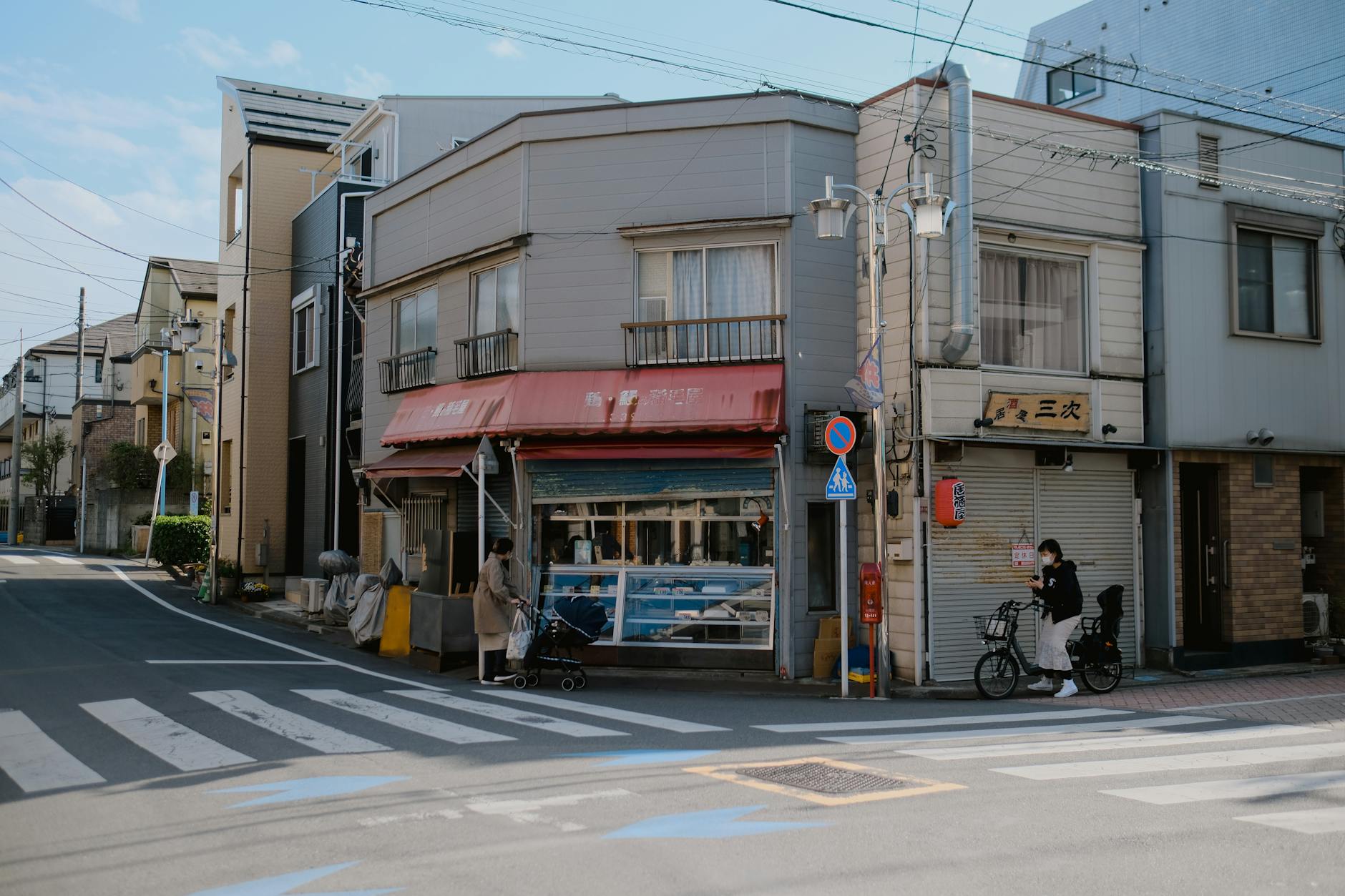
Best Things to Do
Tokyo’s best experiences are not all attractions. Many are systems: trains, food halls, seasonal displays, shop rituals, museum clusters, and neighborhood rhythms.
1. Start Early at Meiji Shrine
Meiji Shrine is one of Tokyo’s great first-morning experiences. The walk through the forested approach resets the city’s scale. You move from trains and retail into gravel, torii gates, trees, and ritual order.
Best for: First-timers, culture, calm, photography, shrine etiquette.
Time needed: 60 to 90 minutes.
Best pairing: Harajuku, Omotesando, Yoyogi Park, Shibuya.
Go early: The shrine is most powerful before the shopping streets wake up.
2. See Senso-ji Twice: Early and at Night
Senso-ji is Tokyo’s oldest and most famous temple. The main approach can be crowded and commercial, but early morning and evening change the experience.
Best for: First-timers, old-Tokyo atmosphere, temple culture, street snacks.
Time needed: 90 minutes to half-day with Asakusa side streets.
Best pairing: Kappabashi, Ueno, Tokyo Skytree, Sumida River.
Worth it? Absolutely, but do not judge it only at peak midday.
3. Use a Department-Store Food Hall Like a Museum
Tokyo depachika are basement food halls that turn shopping for dinner into theater: bento, fruit, wagashi, tempura, sushi, prepared foods, sweets, sake, bakery counters, seasonal packaging, and immaculate display.
Best for: Food lovers, rainy days, budget dinners, design observation.
Time needed: 45 minutes to 2 hours.
Best areas: Ginza, Shinjuku, Tokyo Station/Marunouchi, Nihonbashi, Ikebukuro, Shibuya.
The move: Go in the late afternoon, buy a few things, and eat them back at the hotel or in an appropriate public area. Do not eat while walking through the department store.
4. Visit Tokyo National Museum
Tokyo National Museum in Ueno is the country’s oldest and largest national museum, and it is the best single museum for grounding yourself in Japanese art, craft, and material culture. It is also a useful correction to the idea that Tokyo is only modern.
Best for: Culture, history, art, craft, rainy days.
Time needed: 2 to 4 hours.
Best pairing: Ueno Park, Ameyoko, Yanesen.
Book ahead? Usually not for regular collection, but check special exhibitions. Official hours and closures vary by date.[19]
5. Watch Tokyo From Above
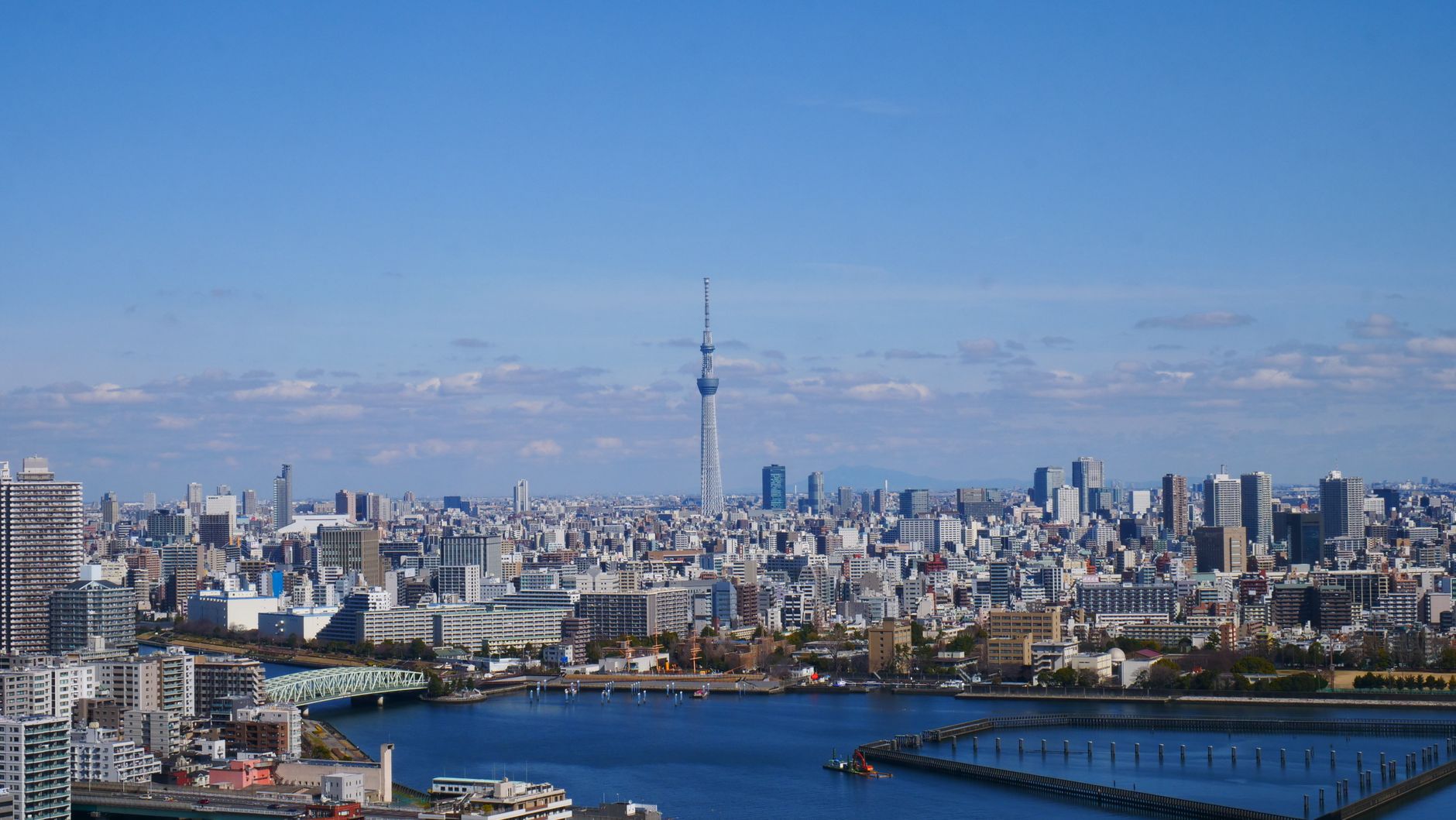
Tokyo’s skyline is so vast that a viewpoint helps you understand the city physically. Options include Shibuya Sky, Tokyo Skytree, Tokyo Tower, Mori Tower/Tokyo City View, and the free Tokyo Metropolitan Government Building observation areas.
Best for: First-timers, photographers, orientation, sunset.
Time needed: 1 to 2 hours.
Book ahead? Yes for popular paid sunset slots. Shibuya Sky and Skytree can sell out at peak times.[17][18]
Worth it? Pick one paid view, not all of them. The free government-building view is strong if you are in Shinjuku.
6. Eat at a Counter
Tokyo is one of the world’s great counter cities: sushi, ramen, tempura, yakitori, tonkatsu, curry, soba, udon, kissaten breakfasts, and tiny bars. Counter dining is efficient, intimate, and ideal for solo travelers.
Best for: Food lovers, solo travelers, budget and splurge meals.
Etiquette: Keep your voice moderate, order clearly, do not linger after finishing in very small places, and do not treat staff like performers.
7. Walk Yanesen
Yanaka, Nezu, and Sendagi offer lower-rise Tokyo: temples, cemetery paths, cats, old shops, sweets, and a gentler pace. It is not dramatic; that is the point.
Best for: Slow travelers, photographers, second-time visitors, people needing a break from neon.
Time needed: Half-day.
Best pairing: Ueno or Tokyo National Museum.
8. Explore Harajuku Beyond Takeshita Street
Takeshita Street is crowded and famous, but Harajuku’s better travel value often lies in the wider area: Meiji Shrine, Yoyogi Park, Cat Street, Omotesando architecture, Aoyama shops, and small fashion/design boutiques.
Best for: Fashion, design, architecture, youth culture.
Time needed: Half-day.
Skip if: Your only goal is quiet. Come early or avoid weekend afternoons.
9. Spend an Evening in Shinjuku
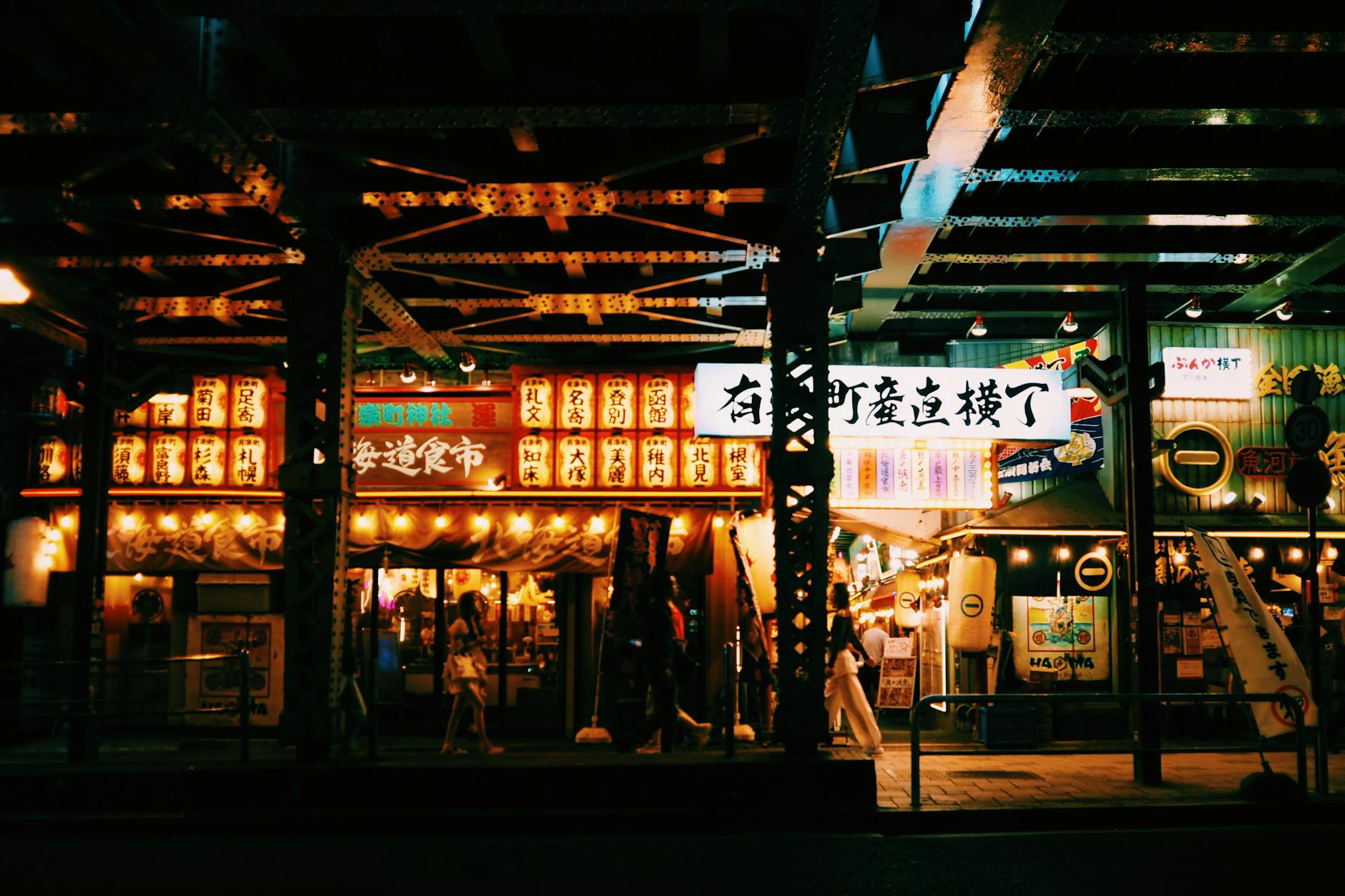
Shinjuku at night is a Tokyo essential, but it requires judgment. Omoide Yokocho is photogenic and crowded. Golden Gai is tiny and bar-specific. Kabukicho is bright and complicated. Department-store dining floors are easier. The station is huge.
Best for: Nightlife, food, lights, first-time Tokyo energy.
Time needed: 3 hours to all evening.
Safety note: Avoid aggressive touts and do not follow people into bars or clubs promising deals.
10. Visit teamLab, But Choose the Right One
Tokyo has had multiple teamLab experiences over the years, and visitors often confuse them. teamLab Planets is in Toyosu and is officially scheduled through the end of 2027.[15] teamLab Borderless reopened in Azabudai Hills and is described by the official site as a “museum without a map.”[16]
Best for: Digital art, families, couples, social-media-friendly experiences.
Time needed: 1.5 to 3 hours.
Book ahead? Yes.
Skip if: You dislike immersive installations, crowds, or highly photographed experiences.
11. Go to a Baseball Game
Tokyo baseball is one of the best ways to see communal city life. The cheering, food, songs, uniforms, and ritualized crowd energy are as interesting as the sport itself.
Best for: Families, sports fans, culture, evening plans.
Time needed: Full evening.
The move: Check schedules early and choose the stadium experience that fits your trip. Baseball can be a far better night than another random bar crawl.
12. Browse Kappabashi for Kitchenware
Kappabashi is Tokyo’s kitchenware district: knives, ceramics, lacquerware, pans, noren curtains, plastic food models, chopsticks, and restaurant supplies.
Best for: Cooks, design shoppers, souvenir hunters.
Time needed: 1.5 to 3 hours.
Best pairing: Asakusa or Ueno.
Local tip: Not every knife can be carried home easily in hand luggage. Pack checked luggage appropriately and understand your airline rules.
13. Take a Garden Break
Tokyo’s gardens help you reset. Consider Hama-rikyu, Koishikawa Korakuen, Rikugien, Kiyosumi Garden, Shinjuku Gyoen, or Imperial Palace East Gardens depending where you are.
Best for: Walking, seasonal color, slower days, couples, older travelers.
Time needed: 60 to 120 minutes.
Pair it with: Nearby food halls, museums, or neighborhoods.
14. Experience a Sento or Onsen-Style Bath
A public bath can be one of the most memorable parts of a Tokyo trip if you are comfortable with Japanese bathing etiquette. Sento are everyday neighborhood baths; onsen use natural hot-spring water where available.
Best for: Cultural immersion, relaxation, rainy days, winter trips.
Etiquette: Wash thoroughly before entering the bath, do not put towels in the water, keep noise low, and check tattoo policies.
15. Ride the Yamanote Line With Purpose
The Yamanote Line is the JR loop connecting many major Tokyo stations. It is not an attraction by itself, but understanding it helps the whole city click.
Best for: Orientation, efficient planning.
The move: Learn which major neighborhoods sit on or near the loop: Shinjuku, Shibuya, Harajuku, Ebisu, Shinagawa, Tokyo, Akihabara, Ueno, Ikebukuro. Once you understand the loop, Tokyo feels less infinite.
Tokyo Itineraries
These itineraries are not commandments. They are pacing models. Adjust by hotel location, weather, ticket availability, and personal energy.
One Perfect Day in Tokyo
Morning: Meiji Shrine before crowds. Walk to Harajuku and Omotesando. Coffee or snack nearby.
Lunch: Casual lunch in Omotesando, Aoyama, or Shibuya.
Afternoon: Shibuya: crossing, shopping, record stores, department stores, or Shibuya Sky if booked.
Evening: Shinjuku for dinner, lights, and a short walk through Omoide Yokocho or Golden Gai. Use judgment around touts.
What this day gives you: Shrine calm, fashion/design, city energy, views, and neon.
What it misses: Old Tokyo, museums, Ginza, and food depth.
Two Days in Tokyo
Day 1: Old Tokyo and Ueno
Morning: Senso-ji early, Asakusa side streets, maybe Kappabashi.
Lunch: Ueno or Asakusa.
Afternoon: Tokyo National Museum or Ueno Park and Ameyoko.
Evening: Ginza or Ueno casual food, depending mood.
Day 2: West-Side Tokyo
Morning: Meiji Shrine, Harajuku, Omotesando.
Lunch: Aoyama, Harajuku, or Shibuya.
Afternoon: Shibuya shopping and view.
Evening: Shinjuku, Ebisu, or Roppongi.
Three Days in Tokyo
Day 1: Asakusa, Ueno, and Tokyo National Museum
Start early at Senso-ji, continue to Kappabashi or Ueno, spend the afternoon in Tokyo National Museum, then eat casually around Ueno or move to Ginza for a polished dinner.
Day 2: Meiji Shrine, Harajuku, Omotesando, Shibuya
A classic west-side day. Go slow. The main trap is shopping fatigue. Build in a café break and do not try to see every store.
Day 3: Ginza, Tokyo Station, Imperial Palace Edges, and Shinjuku Night
Use the morning for Tokyo Station/Marunouchi/Nihonbashi or Imperial Palace East Gardens if open. Spend the afternoon in Ginza, then shift to Shinjuku for views, food halls, and night lights.
Five Days in Tokyo
Day 1: Arrival and Gentle Orientation
Stay near your hotel area. Set up IC card, cash, and connectivity. Take a short neighborhood walk, eat something easy, and sleep. Do not schedule a major prepaid dinner after a long-haul arrival.
Day 2: Old Tokyo
Asakusa early, Kappabashi, Ueno Park, Tokyo National Museum, Ameyoko, casual dinner.
Day 3: West-Side Icons
Meiji Shrine, Harajuku, Omotesando, Shibuya, Shibuya Sky if booked, dinner in Shibuya/Ebisu/Daikanyama.
Day 4: Ginza, Nihonbashi, and Shinjuku
Ginza and Tokyo Station food/shopping by day; Shinjuku Gyoen or government-building view; Shinjuku dinner and lights.
Day 5: Choose Your Tokyo
Pick one:
- Art/design: Roppongi, Azabudai, Aoyama.
- Food: Toyosu/Tsukiji, depachika, specialty shops, izakaya.
- Pop culture: Akihabara and Ikebukuro.
- Slow neighborhoods: Yanesen and Kagurazaka.
- Family: Ueno + Odaiba/Toyosu or Tokyo Disney Resort.
- Day trip: Kamakura, Yokohama, Mt. Takao, Nikko, or Hakone.
One Week in Tokyo
Add two of the following:
- Kichijoji/Mitaka, especially if you get Ghibli Museum tickets.
- Shimokitazawa and Koenji for vintage, music, and youth culture.
- Toyosu Market, teamLab Planets, and Odaiba waterfront.
- A serious day trip to Kamakura or Nikko.
- A food-reservation day built around a special lunch or dinner.
- A garden-and-museum day with Koishikawa Korakuen, Rikugien, or Hama-rikyu.
- A shopping day for Ginza, Nihonbashi, Kappabashi, Daikanyama, and depachika.
Special-Interest Itineraries
Food Lover’s Tokyo
Day 1: Depachika orientation in Ginza or Shinjuku, easy izakaya dinner.
Day 2: Toyosu Market or Tsukiji Outer Market, sushi or seafood lunch, Kappabashi shopping, Asakusa sweets.
Day 3: Ramen/tonkatsu/tempura lunch, kissaten afternoon, yakitori or izakaya evening.
Day 4: Specialty neighborhoods: Nihonbashi for old shops, Kagurazaka for refined dining, Ebisu/Nakameguro for stylish restaurants.
Day 5: One splurge meal, plus low-key konbini and food-hall grazing so the whole trip does not become a reservation treadmill.
Design and Shopping Tokyo
Ginza, Omotesando, Aoyama, Daikanyama, Nakameguro, Kappabashi, Nihonbashi, and selected museum shops. Build days around opening hours; many boutiques do not open early.
Anime, Games, and Pop Culture Tokyo
Akihabara for electronics/games/figures; Ikebukuro for character/anime shopping; Nakano Broadway for collectibles; Shibuya/Harajuku for fashion; Odaiba or Toyosu for specific attractions. Be disciplined or you will spend the whole trip in stores.
Family Tokyo
Ueno Park, Tokyo National Museum in short doses, Tokyo Skytree, Sumida Aquarium, Odaiba/Toyosu, teamLab if age-appropriate, trains, parks, character cafés only if children care, and a slower schedule. Avoid overloading kids with long station transfers.
Rainy-Day Tokyo
Tokyo National Museum, Mori Art Museum, teamLab, depachika, underground shopping, stationery stores, bookstores, cafés, sento, and department-store restaurant floors.
Accessible / Lower-Walking Tokyo
Base near a major station with elevators and taxis, choose fewer neighborhoods, use department stores and museums connected to stations, avoid long shrine/temple gravel approaches when mobility is limited, and check official accessibility pages for each attraction. Tokyo is better than many cities for elevators in stations, but routes can be indirect.
Food and Drink
Tokyo is one of the best eating cities in the world because excellence exists at every scale. A ¥200 rice ball can be perfect. A ¥1,200 bowl of ramen can be life-changing. A department-store bento can beat many restaurant meals elsewhere. A 10-seat counter can define a trip. A convenience-store breakfast can make a jet-lagged morning easier.
The danger is overplanning. Some travelers turn Tokyo into a reservation spreadsheet and forget that the city’s everyday food is extraordinary. Book the special things you truly care about, then leave room for impulse.
Tokyo Food Identity
Tokyo’s food culture is shaped by:
- Edo-period fast foods: sushi, soba, tempura, eel, street snacks.
- Department-store and station food culture: bento, sweets, prepared foods, omiyage.
- Counter specialization: ramen, tonkatsu, yakitori, sushi, tempura, curry, udon, soba.
- Seasonal aesthetics: sakura sweets, autumn chestnuts, winter oden, summer kakigori.
- Regional Japan concentrated in one city: Hokkaido seafood, Kyushu ramen, Okinawan food, Kyoto-style meals, and more.
- International influence: French, Italian, Chinese, Korean, Indian, Southeast Asian, and modern fusion at high levels.
- Convenience culture: konbini, vending machines, station kiosks, and chain restaurants that are genuinely useful.
What to Eat
| Dish or experience | What it is | How to approach it |
|---|---|---|
| Sushi | Edo-style sushi ranges from casual standing counters to elite omakase. | Book high-end meals early. Casual sushi can be spontaneous. Do not assume expensive equals better for your needs. |
| Ramen | Noodle soup with countless styles: shoyu, shio, miso, tonkotsu, tsukemen, tantanmen, and more. | Ticket machines are common. Choose by style and line length tolerance. Do not linger after finishing at tiny counters. |
| Soba | Buckwheat noodles, hot or cold, often elegant and seasonal. | Great lunch option. Learn basic hot/cold ordering. |
| Tempura | Lightly fried seafood and vegetables, from casual bowls to refined counters. | Counter tempura is a worthy splurge if you love technique. |
| Tonkatsu | Breaded pork cutlet, often served with shredded cabbage and rice. | Queue-worthy but accessible. Some shops offer premium pork types. |
| Yakitori | Grilled chicken skewers, from casual drinking food to serious counters. | Book good places; try a range of cuts if comfortable. |
| Izakaya | Drinking-and-eating pubs with shared plates. | Best with groups but possible solo. Expect smoking policies to vary. |
| Curry rice | Japanese curry, often richer and milder than South Asian curries. | Great casual meal. Specialty curry shops can be excellent. |
| Unagi | Grilled eel over rice. | Traditional, usually pricier, worth trying if interested. |
| Okonomiyaki / monjayaki | Griddle foods, especially associated with Osaka/Hiroshima and Tokyo’s Tsukishima for monjayaki. | Fun group meal; check whether staff cook or you cook. |
| Kissaten breakfast | Old-school coffee-shop breakfast or toast set. | Great for a slower morning. Smoking policies vary by venue. |
| Wagashi | Traditional sweets, often seasonal and beautiful. | Pair with tea; good souvenirs if shelf-stable. |
| Depachika dinner | Basement food-hall grazing. | One of the best budget-luxury Tokyo moves. |
| Konbini snacks | Convenience-store onigiri, sandwiches, desserts, drinks. | Not a substitute for Tokyo dining, but better than emergency food in most countries. |
Where to Eat by Situation
| Situation | Best approach |
|---|---|
| First dinner after arrival | Keep it close to the hotel: ramen, soba, tonkatsu, izakaya, department-store dining floor, or a good chain. Do not book a hard-to-find counter on arrival night. |
| Solo lunch | Ramen, sushi counter, soba, curry, tonkatsu, tempura bowl, standing sushi, department-store restaurants. |
| Budget dinner | Depachika, ramen, curry, gyudon, kaiten sushi, casual izakaya, train-station restaurants. |
| Splurge meal | Sushi, tempura, kaiseki, yakitori, French-Japanese, wagyu, or seasonal Japanese cuisine. Book early and respect cancellation rules. |
| Family meal | Department-store restaurant floors, chains, hotel restaurants, casual soba/udon, kaiten sushi, food courts in major complexes. |
| Rainy day | Ginza/Shinjuku/Tokyo Station department stores, underground malls, hotel restaurants, museum cafés. |
| Late night | Shinjuku, Shibuya, Roppongi, Ebisu, and major station areas. Check last trains. |
| Vegetarian/vegan | Research ahead. Tokyo is improving, but dashi, bonito, pork, chicken stock, and hidden fish products are common. Use specialty restaurants and translation cards. |
| Halal/kosher/gluten-free | Plan carefully. Options exist, especially in central and tourist areas, but spontaneous eating can be hard. Carry written explanations in Japanese. |
Restaurant Etiquette
- Wait to be seated unless it is clearly self-service.
- Many small restaurants expect each person to order a main item.
- Water or tea is often served automatically, but not always.
- Tipping is not customary and may confuse staff.
- Avoid strong perfume at sushi, tempura, and kaiseki counters.
- Do not cancel serious reservations casually. Cancellation fees are common.
- Keep voices moderate in small spaces.
- At ramen shops, buy from the ticket machine, give the ticket to staff, eat, and move on.
- In busy cafés and food halls, do not occupy seats long after finishing if others are waiting.
The Reservation Problem
Tokyo dining can feel split in two. On one side, there are thousands of good places where you can walk in or queue. On the other side, there are famous counters and fine-dining rooms that require advance booking, hotel concierge help, Japanese-language systems, or reservation platforms.
The move: Book one or two important meals. Let the rest of Tokyo feed you. You will eat better by staying flexible than by spending every afternoon chasing viral restaurants across town.
Drinks and Nightlife
Tokyo drinking culture ranges from tiny bars to craft cocktail temples, jazz kissa, izakaya, beer halls, tachinomi standing bars, sake bars, hotel bars, clubs, karaoke, and neighborhood pubs.
Best nightlife areas: Shinjuku, Shibuya, Ebisu, Roppongi, Ginza, Koenji, Shimokitazawa, Nakameguro, and local station areas.
Golden Gai: Atmospheric but tiny and touristy in parts. Some bars welcome visitors; others are regular-oriented. Look for signs, cover charges, and seating rules.
Kabukicho: Bright and famous. Also where visitors should avoid touts, unclear pricing, and aggressive invitations.
Hotel bars: Expensive, controlled, often excellent for views and service.
Karaoke: Great with friends, easy to arrange, and more fun than another generic bar if you want a late night.
Getting Around
Tokyo transit is intimidating for about one day, then liberating. Once you understand the basics, you can move through the city with extraordinary precision.
The Core Rule
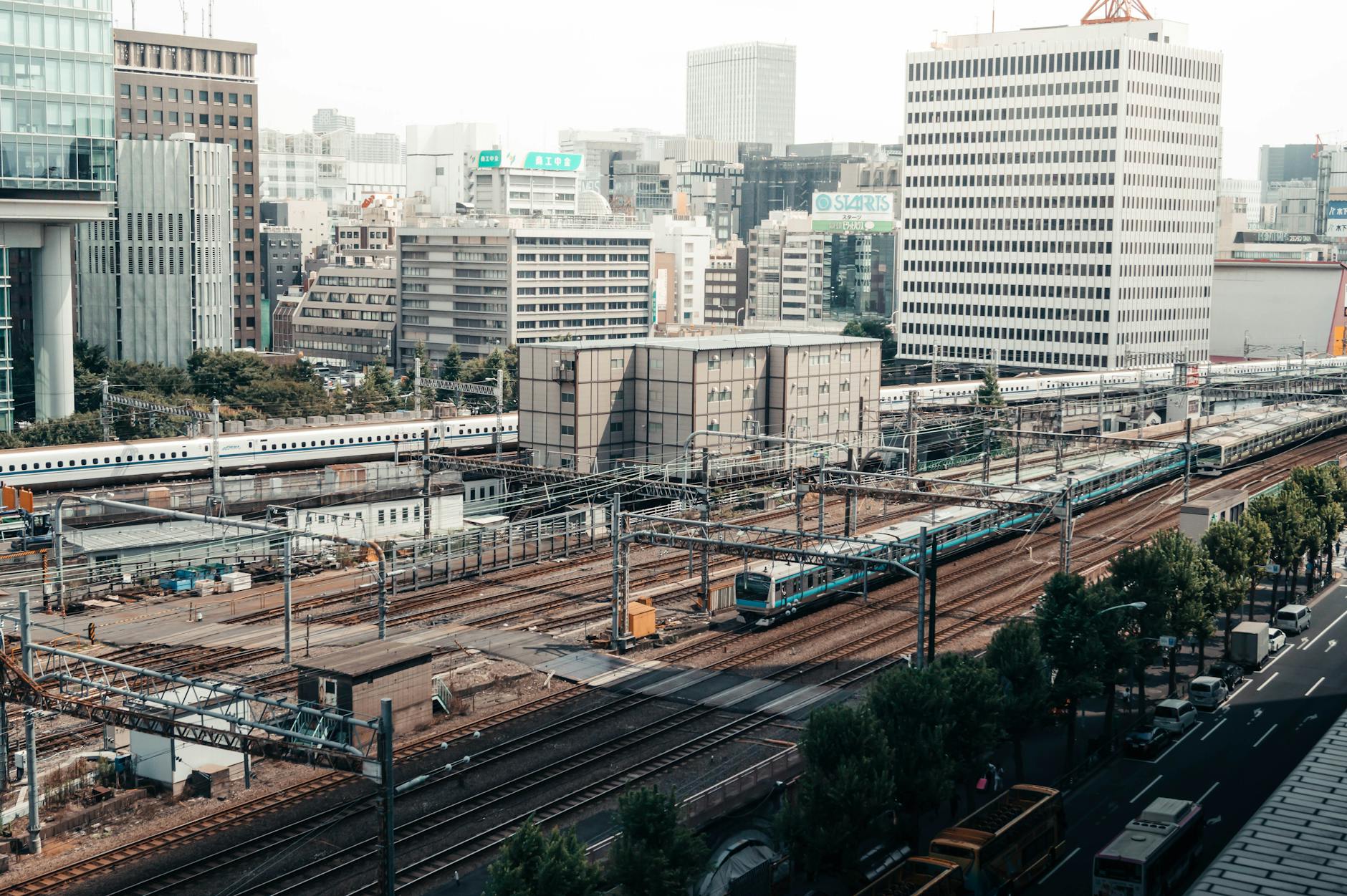
Tokyo is not one train system. It is multiple operators working together: JR East, Tokyo Metro, Toei Subway, private railways, monorails, airport express services, buses, and more. IC cards make this complexity feel simple because you tap in and tap out without buying operator-specific tickets for most normal city journeys.
IC Cards
Suica and PASMO are rechargeable IC cards used for trains, subways, buses, vending machines, convenience stores, lockers, and many shops. GO TOKYO describes Suica and PASMO as Tokyo’s two main rechargeable IC cards and notes they can be used at ticket barriers and places such as vending machines and convenience stores.[7] JR East’s Welcome Suica information states that the card can be used on Tokyo metropolitan rail lines, subways, buses, and the Tokyo Monorail between Haneda and Tokyo.[10]
The move: Set up a mobile IC card before or soon after arrival if your phone supports it. If not, get a tourist IC option or paper tickets as needed. Keep some cash because not every top-up method accepts foreign cards.
Subway Passes
The Tokyo Subway Ticket is useful when you plan multiple Tokyo Metro/Toei rides in a short period. It covers Tokyo Metro and Toei Subway, not JR. Current official adult prices are listed as ¥1,000 for 24 hours, ¥1,500 for 48 hours, and ¥2,000 for 72 hours.[8]
Worth it if: You will take several subway rides per day and your itinerary is subway-heavy.
Not worth it if: You mostly use JR, walk a lot, take taxis, or only make two short subway trips per day.
JR and the Yamanote Line
JR lines are crucial for many visitors. The Yamanote Line loops through major nodes like Shinjuku, Shibuya, Harajuku, Ebisu, Shinagawa, Tokyo, Akihabara, Ueno, and Ikebukuro. It is often the simplest mental map for Tokyo.
A nationwide Japan Rail Pass is not worth buying for Tokyo alone. It may or may not make sense if your wider Japan itinerary includes expensive long-distance shinkansen travel. Do the math using official routes and prices.
Airport Access
Haneda Airport
Haneda is close enough that it often feels like the sensible choice for Tokyo. Depending on your hotel, you may use the Tokyo Monorail, Keikyu Line, limousine bus, taxi, or hotel transfer. GO TOKYO notes that Keikyu and Toei Subway line stations allow credit-card tap-to-ride on trains from Haneda into the city center.[13]
Best for: Ginza, Shinagawa, Hamamatsucho, Tokyo Station, Shimbashi, Roppongi/Akasaka by transfer, and many central stays.
Late-night note: If arriving after trains, buses or taxis may be necessary. Check schedules before departure.
Narita Airport
Narita is farther but efficient. Main options include Keisei Skyliner to Nippori/Ueno, JR Narita Express to Tokyo/Shinjuku/Shibuya and other major stations, airport buses, and taxis. GO TOKYO lists discount Skyliner e-tickets for foreign visitors at ¥2,310 adult one-way.[11]
Best for: Ueno, Asakusa, Tokyo Station, Ginza, Shinjuku by Narita Express, and travelers who value a clear airport rail route.
Taxi warning: A taxi from Narita to central Tokyo is expensive and usually unnecessary unless you have special circumstances.
Last Trains
Many central trains stop around midnight or a bit after, though exact times vary. If you miss the last train, your choices are taxi, late-night bus in limited cases, staying out until first trains around 5 a.m., or walking if nearby.
The move: Before a late night, check the last route back to your hotel. Screenshots help after drinks.
Taxis and Rideshare
Tokyo taxis are clean, safe, and professional, but not cheap. They are useful late at night, with luggage, in heavy rain, for accessibility, or for short hops that avoid awkward transfers.
Taxi etiquette: Rear doors are often opened/closed by the driver; do not pull them. Have your destination in Japanese or pinned on a map. Some drivers speak English, many do not.
Walking
Tokyo is a superb walking city by district, not across the whole city. You can walk for hours in Shibuya/Harajuku/Omotesando or Asakusa/Ueno/Yanesen, but crossing from one major cluster to another on foot may waste time.
Footwear: Bring genuinely comfortable shoes. Station corridors, stairs, underground malls, museums, and shopping days add more steps than expected.
Luggage
Japan’s luggage forwarding and storage culture is a major advantage. JNTO describes “Hands-Free” travel as a way to safely transport and store luggage so visitors do not have to carry heavy bags through crowded cities.[24]
The move: Use luggage forwarding between Tokyo and Kyoto/Osaka or between hotels when practical. Keep an overnight kit because bags may arrive later or the next day depending service.
Budget and Costs
Tokyo can be surprisingly good value for food and transit, and brutally expensive for hotels, luxury dining, peak-season rooms, and some attraction tickets. The weak/strong yen also changes the city’s feel for foreign travelers.
Daily Budget Ranges
| Traveler type | Daily estimate, excluding long-distance rail and major shopping | What it means |
|---|---|---|
| Shoestring | ¥8,000–¥14,000 | Hostel/capsule or budget room share, convenience-store breakfasts, ramen/curry/soba, limited paid attractions, lots of walking. |
| Budget comfort | ¥14,000–¥25,000 | Budget hotel, casual meals, IC transit, one or two paid attractions, occasional café or bar. |
| Mid-range | ¥25,000–¥45,000 | Good hotel, casual-to-nice restaurants, cafés, drinks, museums, one viewpoint or ticketed experience. |
| Comfortable | ¥45,000–¥80,000 | Strong hotel location, better meals, taxis when useful, special tickets, shopping, cocktail bars. |
| Luxury | ¥80,000+ | High-end hotel, fine dining, concierge reservations, taxis, private guide, premium shopping, spa or ryokan-style extensions. |
Typical Cost Notes
| Item | Rough expectation |
|---|---|
| Subway/JR city ride | Often a few hundred yen depending distance/operator. Tokyo Metro regular tickets are officially listed from ¥180 to ¥330.[9] |
| Tokyo Subway Ticket | ¥1,000/¥1,500/¥2,000 adult for 24/48/72 hours on Tokyo Metro and Toei Subway.[8] |
| Convenience-store breakfast/snack | Very affordable; useful but do not let it replace Tokyo’s food scene. |
| Ramen/curry/soba lunch | Often excellent value. |
| Casual dinner | Can be affordable if you avoid tourist traps and drink lightly. |
| Cocktail bar | Often expensive, especially with cover/service charges. |
| Fine dining/omakase | Ranges widely; book early and understand cancellation policy. |
| Hotels | The biggest swing factor. Cherry blossom and autumn weekends can spike hard. |
Best Value Moves
- Stay near a strong station rather than in the most famous neighborhood.
- Use lunch for higher-end meals when available.
- Use depachika for an excellent low-friction dinner.
- Choose one paid viewpoint instead of several.
- Use subway passes only on subway-heavy days.
- Book hotels early for sakura, autumn, and major event periods.
- Eat brilliantly at casual counters rather than chasing every viral fine-dining spot.
- Use luggage forwarding strategically rather than paying for taxis because bags are annoying.
Splurge-Worthy
- A well-located hotel for your first trip.
- One serious sushi/tempura/yakitori/kaiseki meal if food matters to you.
- Shibuya Sky or another viewpoint at the right time of day.
- A private guide for a deep food, architecture, craft, or neighborhood walk.
- A ryokan/onsen extension outside Tokyo rather than forcing a pseudo-ryokan experience inside the city.
Usually Not Worth It
- A car rental for Tokyo sightseeing.
- Taxis across the city at rush hour unless you have a specific reason.
- Overpriced animal cafés with questionable welfare.
- Generic “Tokyo in one day” bus tours that spend too much time in traffic.
- Staying far outside the city to save money if it costs you two hours a day.
Safety, Health, and Scams
Tokyo is one of the safest-feeling large cities many visitors will ever experience. Violent crime against tourists is uncommon. The real risks are less cinematic: lost property, nightlife overcharging, weather, heat, earthquakes, medication rules, train crowding, and simple exhaustion.
General Safety
The U.S. State Department notes that crime against U.S. citizens in Japan is low and usually involves personal disputes, petty theft, or vandalism.[23] That does not mean nothing can happen. Keep normal urban habits: secure your phone and wallet, avoid leaving bags unattended, watch drinks, and be careful late at night.
Nightlife Scams
Be cautious in nightlife zones such as parts of Kabukicho and Roppongi. Avoid touts, “free drink” promises, unclear cover charges, and invitations to upstairs bars where pricing is not transparent.
The move: Choose bars yourself. If someone on the street is trying hard to bring you in, walk away.
Disaster Preparedness
Japan is earthquake- and typhoon-prone. Tokyo infrastructure is prepared, but visitors should know basics. JNTO’s Safety Tips app provides push alerts for earthquake early warnings, tsunami warnings, weather warnings, and other alerts in multiple languages.[21] JNTO’s Japan Visitor Hotline operates 24 hours a day, 365 days a year in English, Chinese, and Korean for tourist information and emergency assistance.[22]
Before you go: Download Safety Tips, know your hotel’s evacuation route, keep a small battery pack, and have offline access to your hotel address.
Heat and Weather
Summer heat and humidity are serious. Plan indoor breaks, carry water, use sun protection, and avoid ambitious midday walking in July and August. Typhoons can disrupt flights and trains, especially late summer and early autumn.
Medication Rules
Japan has strict medication rules, and some medicines common elsewhere may be restricted or illegal. Check official Japanese embassy/consulate and health ministry guidance before bringing prescription or over-the-counter medication.
Food Safety
Food hygiene is generally high. Travelers with allergies or dietary restrictions face a communication challenge more than a safety challenge. Dashi, soy sauce, wheat, bonito, pork, shellfish, and hidden ingredients can appear in unexpected places.
The move: Carry allergy cards in Japanese. Do not rely on “vegetarian” meaning the same thing in every kitchen.
Accessibility and Mobility
Tokyo is better than many older cities for transit accessibility, but it is not effortless. Elevators exist in many stations, yet they may be far from your ideal exit. Large stations can require long detours. Temples, shrines, gardens, older restaurants, tiny bars, and backstreet shops may have steps, gravel, narrow doors, or no accessible restroom.
What Helps
- Major stations increasingly have elevators, escalators, tactile paving, signage, and accessible toilets.
- Many museums, department stores, large hotels, and new developments are accessible.
- Taxis are clean and useful for mobility breaks.
- Station staff can often assist, though language may vary.
- Major attractions usually have accessibility information online.
What Is Hard
- Giant stations with indirect elevator routes.
- Crowded trains at rush hour.
- Small restaurants and bars above/below street level.
- Shrine gravel paths.
- Older neighborhoods with narrow sidewalks.
- Last-minute changes when an elevator is under maintenance.
Lower-Walking Strategy
Stay near a major station with multiple lines and elevators. Choose fewer neighborhoods per day. Use taxis for short links when station transfers are worse than the distance. Build in department-store and museum breaks. Do not assume “500 meters from the station” means easy if the route involves stairs, overpasses, or huge underground corridors.
Families, Solo Travelers, LGBTQ+ Travelers, and Special Considerations
Families With Children
Tokyo can be wonderful with kids because it is safe, clean, transit-rich, and full of small delights: trains, parks, character goods, snacks, aquariums, museums, toy floors, observation decks, and themed experiences. The challenge is scale.
Best family areas: Ueno, Asakusa, Ginza/Tokyo Station, Roppongi/Akasaka, Odaiba/Toyosu for specific plans, and Shinjuku if the family is city-confident.
Family tips:
- Avoid rush-hour trains with strollers if possible.
- Use department stores for clean restrooms and baby rooms.
- Keep meals simple and early when needed.
- Do not overdo temples, shops, and transfers in one day.
- Use coin lockers and luggage forwarding.
- Build in parks: Ueno Park, Yoyogi Park, Shinjuku Gyoen, Inokashira Park, Hama-rikyu.
Solo Travelers
Tokyo is one of the world’s best solo travel cities. Counter dining, safe-feeling streets, efficient transit, cafés, museums, shopping, and solo hotel rooms make independence easy.
Solo tips:
- Eat at counters without hesitation.
- Keep your hotel near strong transit.
- Use nightlife judgment; do not follow touts.
- Book one guided walk if you want social contact.
- Learn a few phrases and use translation tools respectfully.
Women Traveling Solo
Many women find Tokyo easier than other large cities, especially because street harassment is less common than in many places. Still, use normal precautions: avoid empty late-night streets if uncomfortable, watch drinks, choose lodging carefully, and be cautious around nightlife districts.
LGBTQ+ Travelers
Tokyo has visible LGBTQ+ nightlife and community spaces, especially around Shinjuku Ni-chome, but public attitudes can be reserved. Same-sex couples generally travel safely, though legal recognition and social norms differ from some countries. Choose inclusive hotels and bars if that matters to your comfort.
Older Travelers
Tokyo can be excellent for older travelers if paced well. Stay near a station, avoid excessive transfers, use taxis strategically, choose hotels with larger rooms and seating, and prioritize gardens, museums, food halls, and views over cramming in every youth-culture area.
Remote Workers and Long-Stay Visitors
Tokyo is a strong work base if your budget allows. Choose neighborhoods by daily life rather than sightseeing: Ebisu, Meguro, Nakameguro, Kichijoji, Koenji, Shimokitazawa, Kagurazaka, Ueno, or quieter parts of central Tokyo. Check visa rules, housing legality, workspace quality, and time-zone realities.
Shopping and Souvenirs
Tokyo shopping is not one category. It is luxury, craft, design, electronics, anime, ceramics, stationery, knives, fashion, vintage, records, food, tea, beauty products, and hyper-specific hobby retail.
Best Shopping Areas
| Area | Best for |
|---|---|
| Ginza | Luxury, department stores, cosmetics, stationery, design, food halls. |
| Nihonbashi | Traditional shops, department stores, food, craft, refined gifts. |
| Shibuya | Youth fashion, records, lifestyle stores, music, big retail. |
| Harajuku/Omotesando/Aoyama | Fashion, streetwear, architecture, design, boutiques. |
| Daikanyama/Nakameguro | Books, cafés, boutiques, design, stylish gifts. |
| Akihabara | Electronics, games, anime, hobby goods. |
| Ikebukuro | Anime, character goods, department stores, family shopping. |
| Kappabashi | Knives, ceramics, kitchenware, restaurant supplies. |
| Shimokitazawa/Koenji | Vintage clothing, records, youth culture. |
| Ueno/Ameyoko | Casual market shopping, snacks, discount goods. |
Good Souvenirs
- Stationery and notebooks.
- Ceramics and chopsticks.
- Kitchen knives, if packed legally and safely.
- Tea and tea tools.
- Wagashi or regional sweets with suitable shelf life.
- Department-store food gifts.
- Tenugui cloths, furoshiki wrapping cloths, incense, small crafts.
- Records, books, zines, and design objects.
- Anime/game goods from official shops.
- Beauty products and drugstore finds.
What Not to Buy Thoughtlessly
- Large fragile ceramics if your luggage is already full.
- Knives without checking airline and customs rules.
- Food restricted by your home country.
- “Traditional” goods that are mass-produced tourist filler when better versions are nearby.
- Tax-free goods you may need to keep sealed or show at departure under current rules.
Tax-Free Shopping Note
Tax-free shopping is date-sensitive in 2026. Japan’s National Tax Agency has published guidance on a shift to a refund-method system from November 1, 2026.[5] A guide should update this section close to travel dates.
Arts, Culture, History, and Context
Tokyo is often marketed as futuristic, but its present only makes sense with the old layers underneath.
Short History for Travelers
Tokyo began as Edo, a fishing village that became the seat of the Tokugawa shogunate in 1603. For more than two and a half centuries, Edo grew into one of the largest cities in the world, organized around the castle, samurai districts, merchant quarters, temples, waterways, and strict social hierarchies.
In 1868, after the Meiji Restoration, the emperor moved from Kyoto to Edo, which was renamed Tokyo: “Eastern Capital.” Modernization reshaped the city: railways, brick districts, Western-style institutions, industry, and imperial power.
Tokyo has also been repeatedly destroyed and rebuilt. The Great Kanto Earthquake of 1923 devastated the city. Firebombing in 1945 destroyed large areas. Postwar growth, Olympic development, high-speed rail, expressways, office towers, subcultures, and constant redevelopment created the layered city visitors see today.
This history explains why Tokyo does not look like Kyoto. It is not a preserved old capital. It is a rebuilt, adaptive, commercial, infrastructural capital where fragments of the past survive inside a constantly changing urban machine.
Museums Worth Prioritizing
| Museum | Best for | Notes |
|---|---|---|
| Tokyo National Museum | Japanese art, craft, history, archaeology | Best first cultural museum in Tokyo. Check official hours and special exhibitions.[19] |
| National Museum of Western Art | Western art, architecture, Ueno pairing | Good with Ueno Park and Tokyo National Museum. |
| Mori Art Museum | Contemporary art, views, evening culture | Strong for Roppongi/Azabudai days; hours vary by exhibition.[20] |
| National Art Center Tokyo | Rotating exhibitions, architecture | No permanent collection; check current shows. |
| Edo-Tokyo Open Air Architectural Museum | Historic buildings, architecture | Excellent but outside the central tourist circuit. |
| Sumida Hokusai Museum | Hokusai, print culture | Good for art-focused travelers. |
| Nezu Museum | Art, garden, refined atmosphere | Excellent with Aoyama/Omotesando. |
| teamLab Borderless / Planets | Immersive digital art | Book ahead; choose based on location and interest.[16][15] |
| Ghibli Museum | Animation, family, Studio Ghibli fans | Advance reservation only; no tickets at museum.[14] |
Cultural Norms That Matter
- Keep voices low on trains.
- Queue where indicated.
- Stand aside on escalators according to local custom, but safety campaigns may encourage standing on both sides; follow posted signs and local behavior.
- Do not eat while walking in most streets unless clearly a festival/market context.
- Take trash with you if you cannot find a bin.
- Remove shoes when required.
- At shrines, bow lightly at the torii if you wish, purify hands where appropriate, and do not block worshippers for photos.
- Ask before photographing people closely, especially staff, children, geisha/maiko-style performers, or private events.
- Do not tip in normal restaurants.
- Respect quiet in residential neighborhoods, especially at night.
Books, Films, and Listening Before You Go
A deeper Tokyo guide should include a curated cultural prep section. Possibilities include:
- A short Edo/Tokyo history book.
- A contemporary novel set in Tokyo.
- A film night pairing old and new Tokyo.
- A playlist covering city pop, jazz kissaten culture, J-pop, indie scenes, and film scores.
- A short primer on shrine and temple etiquette.
- A food guide explaining ramen styles, sushi etiquette, izakaya ordering, and regional cuisines represented in Tokyo.
For a version, this section should be carefully curated and updated rather than stuffed with famous titles.
Seasonal and Month-by-Month Guide
Spring
Spring is Tokyo’s most famous season because of cherry blossoms. The city becomes softer, parks fill, food packaging turns pink, seasonal sweets appear, and even routine commutes feel cinematic when petals drift across rivers and moats.
Best experiences: Ueno Park, Chidorigafuchi, Meguro River, Shinjuku Gyoen, Yoyogi Park, Aoyama Cemetery, neighborhood sakura streets.
Watch out: Peak bloom is unpredictable. Crowds are intense at famous spots. Hotel prices rise. Weather can still be cool or rainy.
Summer
Summer is festival season, fireworks season, kakigori season, and heat-management season. Tokyo can be difficult in July and August, especially for visitors from cooler climates.
Best experiences: Evening festivals, fireworks if schedules align, shaved ice, indoor museums, night views, beer gardens, early morning walks.
Watch out: Heat, humidity, typhoons, dehydration, and overambitious walking.
Autumn
Autumn is arguably Tokyo’s best first-visit season. October and November bring comfortable days, seasonal food, clearer air, and fall color that arrives later than many expect.
Best experiences: Gardens, parks, day trips, food, walking neighborhoods, museums, shopping.
Watch out: September can still be hot and stormy. Popular foliage weekends book up.
Winter
Winter Tokyo is crisp, urban, and excellent for food, shopping, museums, and views. Snow is not common in central Tokyo, but cold rain can feel raw.
Best experiences: Illuminations, hot ramen, oden, sento, clear-sky viewpoints, New Year shrine visits if you understand closures and crowds.
Watch out: New Year closures, dry air, shorter days, cold hotel rooms if accommodation is older.
Key Annual Timing Issues
- Cherry blossoms: Usually late March to early April, but variable.
- Golden Week: Late April to early May; domestic travel demand rises.
- Rainy season: Often June into July.
- Obon / summer holidays: Mid-August travel patterns can affect domestic movement.
- Typhoon season: Late summer into autumn; monitor forecasts.
- Autumn foliage: Often November into early December in Tokyo.
- New Year: Major closures and shrine crowds around January 1.
Day Trips and Side Trips from Tokyo
Tokyo day trips are excellent, but not all are equal. Some are easy half-day extensions. Others are long days that become better as overnight trips.
Best Day Trips by Purpose
| Purpose | Best choice |
|---|---|
| Best easy culture day | Kamakura |
| Best quick urban contrast | Yokohama |
| Best mountain light day | Mt. Takao |
| Best historic grand day | Nikko |
| Best old merchant town | Kawagoe |
| Best onsen/ryokan extension | Hakone, preferably overnight |
| Best Fuji views | Fuji Five Lakes, weather-dependent and often better overnight |
| Best seaside day | Enoshima + Kamakura |
| Best aviation/temple preflight side trip | Narita town if flying from Narita and timing works |
Kamakura
What it is: A former political capital by the sea, with temples, shrines, the Great Buddha, hills, cafés, and beach-town atmosphere.
Best for: First-time day trip, temples, history, sea air, walking.
Travel time: Roughly about an hour from central Tokyo depending departure point.
Common mistake: Trying to see every temple. Choose a route and leave room for wandering.
Best as: Full day.
Yokohama
What it is: A port city south of Tokyo with waterfront promenades, Chinatown, museums, modern architecture, and a different urban rhythm.
Best for: Easy day or half-day, families, food, waterfront, less-traditional urban contrast.
Travel time: Often 30–45 minutes from major Tokyo stations depending route.
Best as: Half-day to full day.
Nikko
What it is: A major shrine and temple area in the mountains north of Tokyo, known for Toshogu Shrine and forested scenery.
Best for: History, architecture, forests, autumn color.
Travel time: Long enough to require an early start.
Common mistake: Treating Nikko as a casual late-morning outing. It deserves a full day or overnight.
Hakone
What it is: Mountain/onsen region southwest of Tokyo, with ryokan, hot springs, views of Fuji when weather cooperates, museums, lake boats, and ropeways.
Best for: Onsen, ryokan, nature, couples, first Japan trip extension.
Best as: Overnight. A day trip is possible but can feel rushed.
Common mistake: Expecting guaranteed Fuji views. Weather decides.
Fuji Five Lakes
What it is: Lake region north of Mt. Fuji with views, seasonal flowers, amusement parks, ryokan, and photography spots.
Best for: Fuji views, photography, seasonal landscapes.
Best as: Overnight if Fuji matters to you.
Common mistake: Going on a cloudy day and being disappointed. Check forecasts.
Mt. Takao
What it is: A mountain on Tokyo’s western edge with hiking trails, temple stops, and city escape energy.
Best for: Light hiking, families, nature, lower-effort mountain day.
Best as: Half-day to full day.
Common mistake: Expecting solitude on popular weekends.
Kawagoe
What it is: A historic merchant-town area in Saitama with clay-walled warehouses, sweets, shrines, and Edo-period atmosphere.
Best for: Easy history day, shopping, snacks, old-town streets.
Best as: Half-day to full day.
The Move
For a first Tokyo trip under five days, skip long day trips unless you have a specific passion. For a seven-day trip, add one. For a ten-day Japan trip, consider whether Hakone, Nikko, or Fuji works better as an overnight rather than a rushed day.
What to Skip
This section is not about being cynical. It is about protecting the trip.
Skip: Trying to See Every Famous Neighborhood
Shinjuku, Shibuya, Harajuku, Ginza, Asakusa, Ueno, Akihabara, Roppongi, Odaiba, Toyosu, Daikanyama, Nakameguro, Kichijoji, Shimokitazawa, Koenji, Kagurazaka, Yanesen, Ikebukuro, and Tokyo Station cannot all be meaningfully experienced in three or four days.
Better alternative: Choose three anchor zones and one flexible day.
Skip: Overplanning Every Meal
Reservations are useful, but Tokyo’s casual food scene is too good to leave no room for discovery.
Better alternative: Book one or two key meals; make a neighborhood shortlist for the rest.
Skip: Long Cross-City Itinerary Chains
Asakusa breakfast, Shibuya shopping, Toyosu lunch, Ghibli afternoon, Roppongi dinner, and Shinjuku nightlife is not ambitious. It is bad planning.
Better alternative: Cluster by rail geography.
Skip: Animal Cafés With Poor Welfare
Some animal cafés raise serious welfare concerns. Do not support experiences where animals seem stressed, handled constantly, nocturnal, exotic, or kept in poor conditions.
Better alternative: Cat-themed shopping, character cafés, aquariums, parks, or ethical animal experiences outside the city.
Skip: Robot/Theme Experiences Only Because They Are Viral
Tokyo has many staged “only in Japan” attractions that are fun for the right traveler and embarrassing for the wrong one.
Better alternative: Choose weirdness you genuinely enjoy, not weirdness you feel obligated to document.
Skip: Staying Far Out To Save a Little
A cheap room 45 minutes from the neighborhoods you want may cost you more in time and energy than it saves.
Better alternative: Stay in a value area with strong rail connections: Ueno, Asakusa, Ikebukuro, Akasaka, Gotanda, Hamamatsucho, or eastern Tokyo near a useful line.
Common Mistakes
- Choosing a hotel without checking the station and line. Tokyo is station-first.
- Trying to do too many neighborhoods per day. Transfers are easy but not weightless.
- Ignoring last trains. Late-night taxis are safe but expensive.
- Assuming every restaurant has English, cards, or space for luggage. Many do not.
- Standing in the wrong place with luggage during rush hour. Avoid peak commuting when possible.
- Eating only from viral lists. Tokyo’s everyday food is too good for that.
- Skipping cash. Cards are common, but cash remains useful.
- Overbooking cherry blossom season. Sakura is beautiful but unpredictable.
- Underestimating summer heat. July and August can be punishing.
- Ignoring medication rules. Some common drugs elsewhere are restricted in Japan.
- Buying every transit pass. Passes are only valuable when matched to your actual routes.
- Treating Tokyo Disney, Ghibli, and teamLab as spontaneous visits. Book ahead.
- Taking photos without noticing context. Respect worshippers, commuters, private businesses, and residential streets.
- Eating while walking everywhere. It is often frowned upon outside specific contexts.
- Trying to make Tokyo into Kyoto. Tokyo’s traditional side exists, but the city’s beauty is in its layering, not preserved old-town perfection.
Responsible Travel
Tokyo handles huge visitor numbers, but good behavior still matters.
Do
- Keep noise low in residential streets, trains, and small restaurants.
- Queue properly.
- Follow shrine and temple etiquette.
- Support small shops respectfully; do not turn them into photo sets.
- Use public transit well and avoid blocking station flows.
- Take trash with you when bins are absent.
- Book legal, properly managed accommodation.
- Learn basic Japanese courtesy phrases.
- Be careful with geotagging tiny bars, cafés, and residential spots that cannot handle sudden tourist surges.
Do Not
- Harass staff for content.
- Photograph people closely without permission.
- Block sidewalks for group photos.
- Bring huge luggage into tiny restaurants.
- Treat cultural rules as optional because you are on vacation.
- Follow touts into nightlife venues.
- Assume every local neighborhood wants to become a visitor attraction.
Local Logic
Tokyo’s hospitality is not an invitation to be careless. The city works because people cooperate with shared rules. Visitors enjoy Tokyo more when they participate in that order rather than fighting it.
Packing List
Essentials
- Comfortable walking shoes.
- Portable battery pack.
- Universal adapter or Type A/B adapter.
- Passport and copies.
- Credit/debit cards plus cash.
- Medication documentation if needed.
- Light day bag.
- Translation app downloaded for offline use.
- Transit apps and hotel address saved offline.
- Reusable water bottle.
- Small hand towel; many public restrooms have dryers or towels, but not always.
- Coin purse or small wallet for yen coins.
Seasonal Additions
| Season | Pack |
|---|---|
| Spring | Layers, light rain jacket, comfortable shoes, allergy medication if pollen-sensitive. |
| Summer | Breathable clothing, sun hat, sunscreen, portable fan if desired, moisture-wicking socks, extra shirts. |
| Autumn | Layers, light jacket, umbrella, comfortable walking clothes. |
| Winter | Warm coat, scarf, gloves, lip balm, moisturizer, layers for indoor/outdoor temperature changes. |
What Not to Overpack
- Too many dressy clothes unless dining high-end.
- Large hard-sided suitcases if using small hotels and trains frequently.
- Items easily bought at convenience stores or drugstores.
- Heavy shoes you will not wear.
- Appliances that do not work with Japan’s voltage.
The Move
Pack lighter than you think, then shop in Tokyo. But leave suitcase space if you love stationery, ceramics, clothes, records, beauty products, knives, snacks, or books.
FAQ
Is Tokyo worth visiting for a first trip to Japan?
Yes. Tokyo is not the “traditional Japan” many first-timers imagine, but it is the best introduction to contemporary Japan, food culture, transit, design, neighborhoods, shopping, museums, and day-trip logistics. Pair it with Kyoto, Osaka, Kanazawa, Hakone, Nikko, or another region if you want contrast.
How many days should I spend in Tokyo?
Five full days is the best first-visit answer. Three is a taste. Four is workable. A week lets you add a day trip and slow neighborhoods.
Is Tokyo expensive?
Hotels and luxury dining can be expensive. Transit and casual food can be excellent value. Tokyo is cheaper day-to-day than some global capitals if you eat casually, use trains, and avoid peak hotel pricing.
Where should I stay for my first time?
Shinjuku, Ginza/Tokyo Station, Shibuya, Asakusa/Ueno, or Roppongi/Akasaka depending your style. For most first-timers, Shinjuku is the most versatile; Ginza/Tokyo Station is the most polished; Asakusa/Ueno is the best value-old-Tokyo compromise.
Is Tokyo safe?
Tokyo is generally very safe for visitors, but use normal urban caution. Watch nightlife pricing, avoid touts, know emergency numbers, and prepare for earthquakes/weather alerts.
Do I need a JR Pass in Tokyo?
No, not for Tokyo alone. Use an IC card and consider subway passes only when they fit your routes. A JR Pass is an intercity rail calculation, not a city-ticket default.
Should I use Suica or PASMO?
Either works for most visitor purposes. Mobile options are convenient if your phone supports them. Tourist IC options and paper tickets can fill gaps if physical card availability changes.
Can I do Mount Fuji as a day trip from Tokyo?
Yes, but Fuji views are weather-dependent and the day can be long. If Fuji matters deeply, consider an overnight in Hakone or Fuji Five Lakes and build in weather flexibility.
Is Tokyo good with kids?
Yes, if you slow down. Use parks, trains, character shops, aquariums, food halls, and family-friendly neighborhoods. Avoid excessive transfers and tiny restaurants with strollers.
Can vegetarians and vegans eat well in Tokyo?
Yes, with planning. Spontaneous vegetarian eating can be hard because fish stock and hidden animal products are common. Use specialized restaurants, translation cards, and research.
What should I book ahead?
Ghibli Museum, teamLab, Tokyo Disney Resort, Shibuya Sky sunset, popular omakase/fine dining, peak-season hotels, and baseball games if schedules matter.
What is the best thing to do on the first morning?
Go to Meiji Shrine or Senso-ji early, depending where you stay. Both help you begin with rhythm instead of retail overwhelm.
Source Notes
Date-sensitive details in this guide were checked against official or primary sources where possible. Re-check every price, fare, schedule, visa rule, and ticketing procedure before publication.
- 1. Ministry of Foreign Affairs of Japan, “Exemption of Visa (Short-Term Stay),” https://www.mofa.go.jp/j_info/visit/visa/short/novisa.html
- 2. Japan National Tourism Organization, “Japan Visa Requirements,” https://www.japan.travel/en/plan/visa-info/
- 3. Digital Agency of Japan, “Visit Japan Web,” https://services.digital.go.jp/en/visit-japan-web/
- 4. Japan National Tourism Organization, “International Tourist Tax,” https://www.japan.travel/en/plan/international-tourist-tax/
- 5. National Tax Agency of Japan, “Tax-Free Shopping System will be shifted to the refund method,” https://www.nta.go.jp/publication/pamph/shohi/menzei/202506/pdf/0025006-106.pdf
- 6. GO TOKYO, “Transportation in Tokyo,” https://www.gotokyo.org/en/plan/getting-around/index.html
- 7. GO TOKYO, “How to use the Tokyo subway system,” https://www.gotokyo.org/en/plan/getting-around/subways/index.html
- 8. Tokyo Metro, “Tokyo Subway Ticket,” https://www.tokyometro.jp/en/ticket/travel/index.html
- 9. Tokyo Metro, “Regular Tickets,” https://www.tokyometro.jp/en/ticket/regular/index.html
- 10. JR East, “Welcome Suica,” https://www.jreast.co.jp/en/multi/welcomesuica/welcomesuica.html
- 11. GO TOKYO, “Cheap Tickets & IC Cards,” section on Skyliner E-Ticket, https://www.gotokyo.org/en/plan/getting-around/ic-card/index.html
- 12. GO TOKYO, “Haneda Airport,” https://www.gotokyo.org/en/plan/airport-access/haneda-airport/index.html
- 13. GO TOKYO, “Getting to Tokyo,” https://www.gotokyo.org/en/plan/getting-to-tokyo/index.html
- 14. Ghibli Museum, Mitaka, “Tickets,” https://www.ghibli-museum.jp/en/tickets/
- 15. teamLab Planets TOKYO official ticket store / official site, https://teamlabplanets.dmm.com/en and https://www.teamlab.art/e/planets/
- 16. teamLab Borderless TOKYO official site, https://www.teamlab.art/e/tokyo/
- 17. Tokyo Skytree official ticket page, https://en.tokyo-skytree.jp/ticket/
- 18. GO TOKYO, “SHIBUYA SKY,” https://www.gotokyo.org/en/spot/1749/index.html
- 19. Tokyo National Museum, “Visitor Information: Getting Here, Admission & Hours,” https://www.tnm.jp/modules/r_free_page/index.php?id=113&lang=en
- 20. Mori Art Museum official site, https://www.mori.art.museum/en/
- 21. Japan National Tourism Organization, “Safety tips for travelers,” https://www.jnto.go.jp/safety-tips/eng/app.html
- 22. Japan National Tourism Organization, “Japan Visitor Hotline,” https://www.japan.travel/en/plan/hotline/
- 23. U.S. Department of State, “Japan Travel Advisory,” https://travel.state.gov/en/international-travel/travel-advisories/japan.html
- 24. Japan National Tourism Organization, “Luggage & Storage,” https://www.japan.travel/en/plan/getting-around/luggage-storage/