Tainan is one of those cities that gets praised accurately and still gets used badly.
Start Here
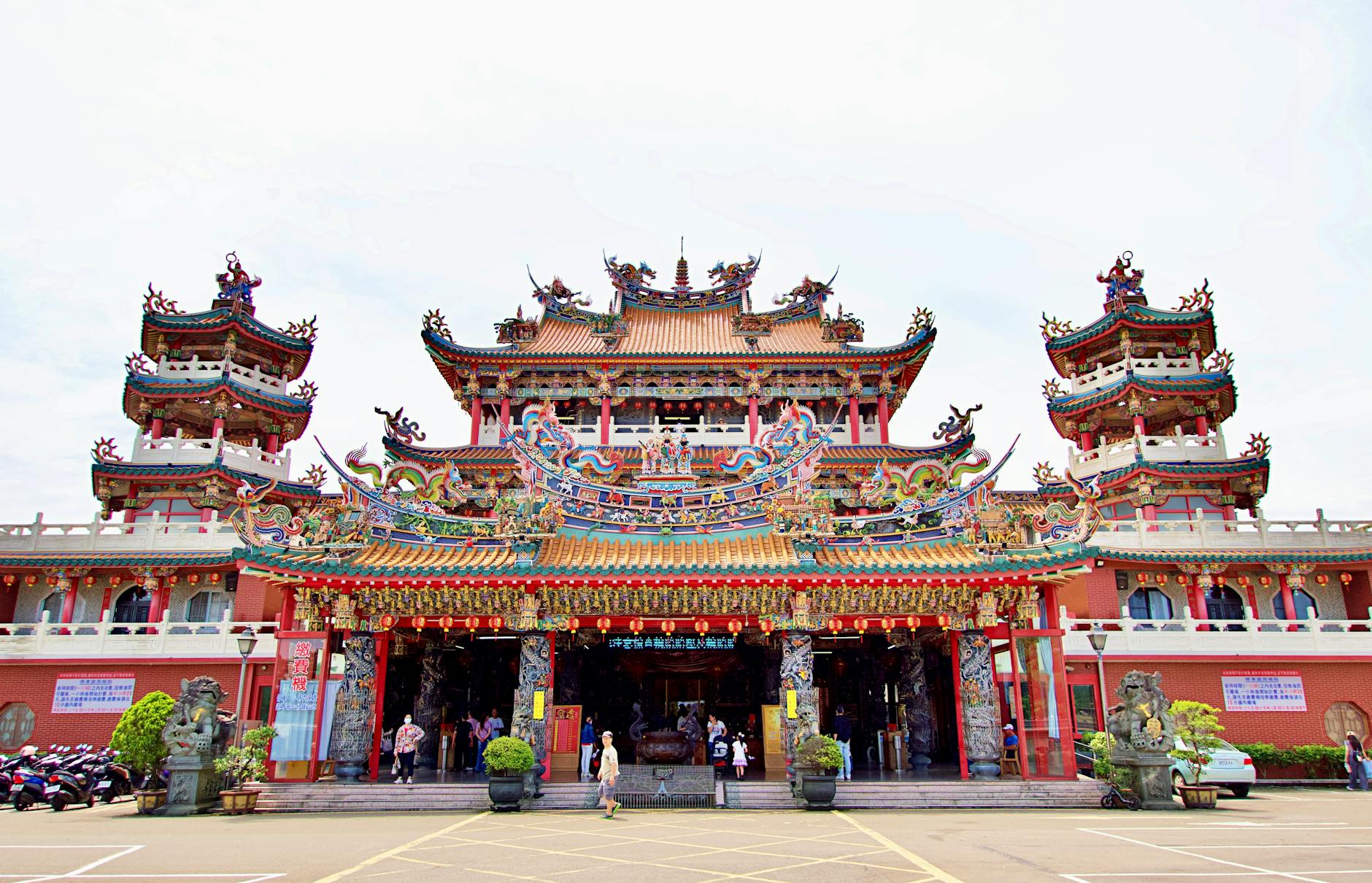
People say it is older, slower, warmer, more traditional, and more food-obsessed than Taipei. All of that is true. But those descriptions can still flatten the city if they become shorthand for “pleasant but secondary” or “the place where you eat between more important destinations.” Tainan is not simply the gentle chapter in a Taiwan itinerary. It is one of the deepest urban stays in the country precisely because it does not announce itself through skyline power or transport efficiency. It persuades through repetition, temple density, breakfast rhythm, old streets, humidity, sweets, small returns to the same blocks, and the way ordinary life remains visible around places that would be isolated monuments elsewhere.
This is what first-time visitors need to understand: Tainan is not built to be consumed fast. The more aggressively you try to “do” it, the thinner it becomes. If you run from one famous snack shop to another, if you treat the temple-rich historic core as a set of boxes to tick, or if you try to force the city into a Taipei-like tempo, Tainan can feel sticky, crowded, and slightly overhyped. If you slow down, choose a useful base, accept that climate matters, and let mornings, temple fronts, side streets, and repeated neighborhood returns shape the stay, it becomes one of Taiwan’s most satisfying city experiences.
The Taiwan Tourism Administration still describes Tainan as Taiwan’s oldest city and a place of deep historical and cultural roots.[1] That official framing is correct, but it should not lead you toward a monument harvest. It should push you toward patience. Historic cities like this do not merely contain sights. They contain accumulated ways of moving, eating, praying, waiting, and returning. Tainan’s strength is that those ways are still present tense.
The city in one sentence: Tainan is a slower, temple-rich, food-led southern city whose best first stay comes from patience, climate honesty, and repeated neighborhood use rather than aggressive sightseeing.
Basic data
| Population | About 1.85 million in the special municipality |
|---|---|
| Area | 2,192 km2; the historic visitor core is much smaller |
| Major religions | Buddhism, Taoism, folk religion, Christianity, and a large secular population |
| Political system | Special municipality inside a semi-presidential republic |
| Economic system | High-income mixed economy led by manufacturing, services, culture, agriculture, and technology |
Quick Verdict
Best for: repeat Taiwan travelers, food-first travelers, history-minded travelers, solo travelers, couples, and anyone who values atmosphere over speed.
Less ideal for: travelers who want big-city transit smoothness, dislike humidity, or approach every destination as a challenge to cover as much as possible.
Ideal first stay: 2 nights.
Better stay: 3 nights if you want food, temples, and Anping without making the trip extractive.
Minimum worthwhile stay: 1 night, if your expectations are modest.
Best overall months: November to March.
Biggest planning mistake: treating Tainan as a race.
One thing to prioritize: a central base in or near West Central District.
One thing to keep flexible: how much food ambition you can honestly carry in the weather.
The blunt version: Tainan is better when you do less, better.
Who Will Love Tainan?
Tainan works especially well for travelers who like cities that feel historically dense without turning into open-air museums. If you enjoy walking from one temple frontage to another, stopping for coffee or a bowl of something small, drifting down an older lane, and letting a day unfold through smaller episodes instead of headline attractions, Tainan is very strong.
It is also excellent for travelers who understand that food is part of urban structure, not just something to chase from list to list. Tainan’s appetite is woven into its mornings and afternoons as much as its evenings. This is not a city that asks to be conquered through one huge dinner. It asks to be noticed while it is living.
Travelers who want hard infrastructure, easy transit abstraction, and neat compression may find Tainan a little less immediately satisfying than Taipei. That is fine. Tainan is not trying to be a cleaner capital. It is trying to remain itself.
Tainan at a Glance
| Question | Practical Answer |
|---|---|
| Main gateway | Tainan Station or THSR Tainan with onward local transit |
| Simplest local movement | walking in the core, buses selectively |
| Best first-time base | West Central District / central historic core |
| Main historic-urban anchor | Chihkan / temple-rich central district |
| Main coastal-historic anchor | Anping |
| Main planning issue | overpacking heat-sensitive days |
| Car needed? | No |
| Best trip length | 2 to 3 days |
2026 Visitor Notes
Tainan Is Still Officially Framed as Taiwan’s Oldest City
The Taiwan Tourism Administration continues to describe Tainan as Taiwan’s oldest city and the island’s earliest cultural root system, with historic sites spread through the city and warm weather year-round.[1] That framing remains useful because it explains why Tainan should be approached as a thick urban field rather than a narrow attraction set.
Chihkan Still Anchors the Historic Core
The official tourism listing still notes that Chihkanlou began in `1653` as Dutch Provintia and long functioned as an administrative center.[3] For a visitor, the more important point is that the area around it remains one of the best introductions to central Tainan’s layered urban logic.
Anping Still Carries the Coastal Origin Story
Official Taiwan tourism materials still describe Anping as a district tied to the naming of Taiwan itself, and as an area rich in old forts, old streets, coastal atmosphere, and sunsets.[4] That is why it belongs in a first trip, but also why it should not swallow the whole city.
Tainan’s Bus Reality Still Matters
The official Travel Tainan app page still highlights dynamic bus information and route support for visitors, which is helpful precisely because the city is not organized like Taipei.[2] Buses are useful. They do not remove distance, weather, or the value of clustering your day intelligently.
Temples Are Still Structure, Not Decoration
The official tourism pages for Tainan’s Confucius Temple, Martial Temple, Grand Mazu Temple, and related sites continue to show just how dense the religious and civic-historic fabric of central Tainan remains.[6][7][8] Tainan is not merely a place with temples. It is a city whose atmosphere is partly made from them.
How to Understand Tainan
Tainan works through five forces.
The first is historical layering. Dutch, Ming, Qing, Japanese, and modern Taiwan all sit close enough together that memory becomes spatial.
The second is food as daily rhythm. Tainan’s food culture is not only about “best” places. It is about when and how the city eats.
The third is climate reality. Heat and humidity shape the route whether you acknowledge them or not.
The fourth is soft urbanism. Tainan persuades through temple fronts, small lanes, street corners, old façades, and repeated returns, not through skyline drama.
The fifth is proportion. Tainan is strongest when one district or one idea leads the day instead of everything competing at once.
The Main Mental Shift
Do not ask, “How much of Tainan can I cover?” Ask, “Which part of Tainan deserves my best attention while I still have energy?” That question produces a much better city.
What Tainan Does Better Than People Think
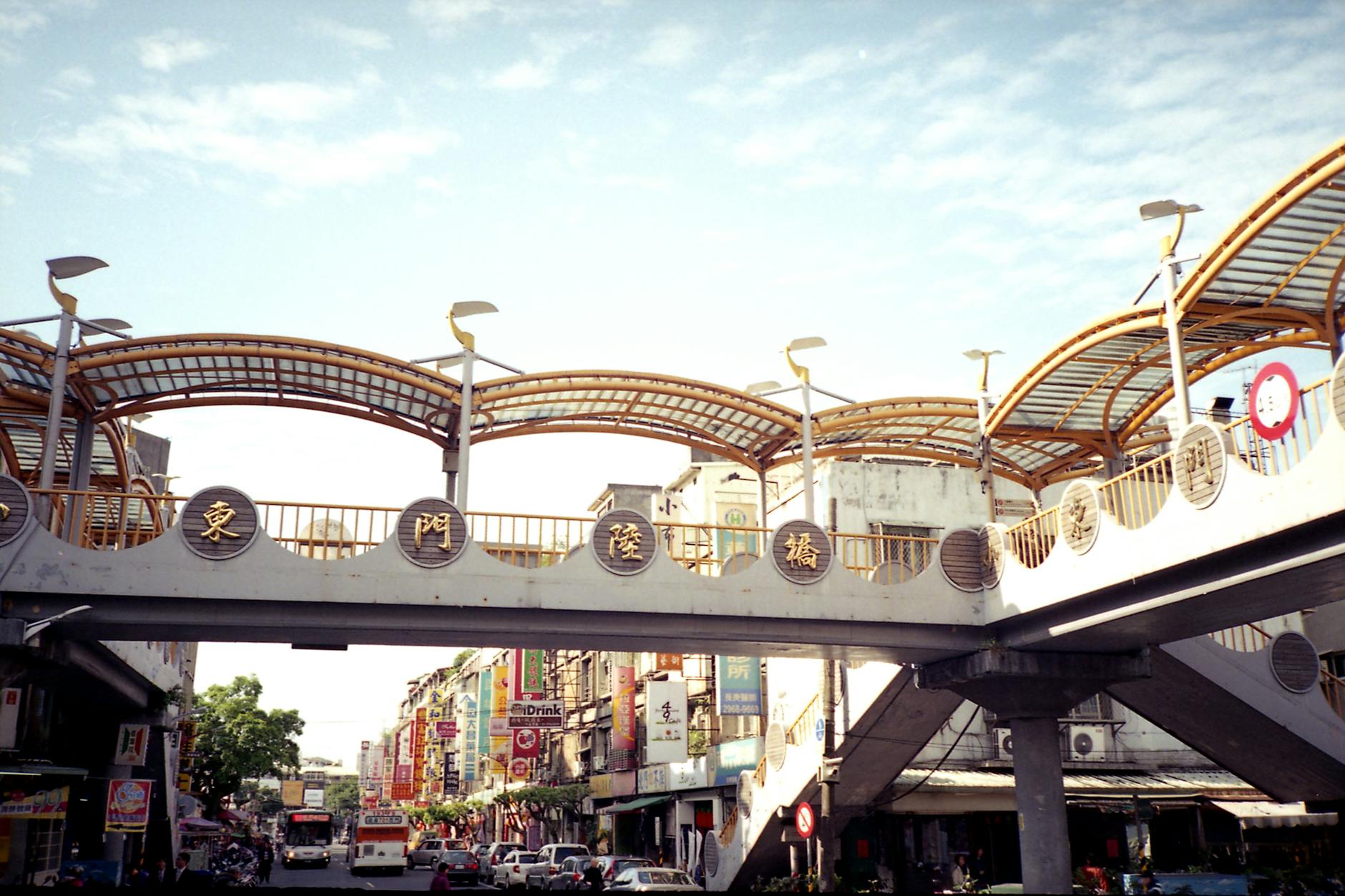
Tainan is better than people think at making small acts of city use feel meaningful. A breakfast. A shaded detour. A walk between one temple and another. A return to the same street in a different light. A sweets stop in the afternoon. A coffee just to get out of the heat. These things matter here more than they do in many faster cities.
It is also better than people think at balancing “old” and “alive.” The point is not that Tainan is historic. The point is that its historicity still sits inside ordinary use. That is why the city can feel richer than places with larger monuments but weaker daily texture.
Finally, Tainan is very good at rewarding second looks. The first pass through a district may feel charming. The second is often when it starts making sense.
Where Tainan Fits in a Taiwan Trip
Tainan is often described as Taiwan’s historic south or Taiwan’s food capital. Those labels are useful, but they can accidentally make the city sound niche. In practice, Tainan works in several different ways.
As a Taipei contrast, it is excellent. The slower pace, temple density, older street logic, and heavier reliance on walking and selective buses make it feel immediately different. As a southern-city anchor inside a longer trip, it is also excellent because it gives the itinerary one base that asks for patience instead of efficiency. As a food trip, it works if you care about rhythm and place. As a pure speed-stop, it works less well, not because the city lacks attractions but because compression strips away what makes it distinctive.
Tainan is also a good test of what kind of traveler you are. If you need visible productivity every hour, you may find it too soft. If you understand that good cities often reveal themselves through sequence rather than volume, you may love it.
First-Time Visitors Versus Repeat Visitors
First-time visitors often build Tainan too aggressively. They arrive with overlapping obligations: famous breakfasts, famous sweets, famous temples, famous old streets, famous Anping views, famous market corridors, and maybe a vague sense that all of this should fit neatly into one or two days. That is too much.
Repeat visitors usually do less and enjoy more. They know which neighborhoods are worth returning to. They stop trying to eat on command every ninety minutes. They let one temple or one block hold their attention longer. They treat Tainan as a city with chapters, not as an answer sheet.
This is a good sign. Some places peak on shock. Tainan usually improves on a second or third contact, once the pressure to extract visible value from every hour drops.
Best Time to Visit
Cooler months are still the best overall answer. Southern Taiwan’s winter is often the closest thing Tainan has to ideal urban weather: warm enough to feel relaxed, cool enough to keep the day coherent. That is why November through March remains the strongest general recommendation.
Hotter months are still viable, but they require honesty. Early starts, longer indoor pauses, shorter walking arcs, and a willingness to stop are not compromises here. They are method. In Tainan, climate is not background. It is part of the itinerary.
Visitors who ignore this usually misdiagnose the city. They think Tainan is tiring, or vaguely repetitive, or not as magical as promised. Often what they are feeling is simply heat plus overbuilding.
How Many Days You Need
One Night
Enough to understand the city’s atmosphere and get one good evening and one good morning. Not enough to claim real depth.
Two Nights
The best first answer. One day can belong to the central historic core and food rhythm. Another can belong to Anping and a slower coastal-historic arc, with room left over for one or two central returns.
Three Nights
Best if you want the city to stop feeling extractive. This is the right length for deeper food wandering, repeat neighborhood use, climate-aware pacing, and at least one half-day that is not driven by obligation.
Longer
Reasonable for travelers explicitly interested in food culture, historical layers, or slower southern-Taiwan pacing. Less necessary if your interest is mainly checklist tourism.
Arrival Strategy
Arrive and simplify.
Tainan is not a city where you want a distant cheap hotel that turns every outing into a tactical problem. Stay central. Drop the bag. Walk a short loop first. Let the scale, street texture, humidity, and temple presence reveal themselves before you start chasing specifics.
The second arrival rule matters just as much: do not begin with maximum food ambition. Tainan’s food culture is stronger when you leave room for it. An arrival day that consists of one contained district, one temple or older-street anchor, and one easy dinner is usually a better start than a forced list of “must eat” stops.
Tainan rewards beginnings that feel modest rather than extractive.
Where to Stay
For most first-time visitors, stay in or near West Central District.
West Central / Historic Core
Best for: first-timers, walkability, temple-and-street texture, and easier food rhythm. Tradeoff: some streets are more atmospheric than convenient, and vice versa. Best use: strongest default by far.
This is the part of Tainan that lets the city explain itself. Walking begins to matter more. Temple density becomes obvious. Returning to the hotel during the day is easier, which matters more here than many travelers expect.
Slightly Outside the Core
Best for: travelers who want calmer surroundings or more modern hotel comfort. Tradeoff: more transport friction and an easier path to wasting energy before the city gets to use it.
This can work, but only if you understand that Tainan’s value often lies in friction reduction, not in maximizing room quality at the expense of urban access.
Anping-Leaning Bases
Best for: travelers deliberately focusing on the coastal-historic side or returning visitors who already know the central core. Tradeoff: weaker for a first trip if it separates you too much from everyday central Tainan.
The Main Rule
Choose the base that makes returning easy. In Tainan, the ability to pause and resume is one of the city’s biggest strengths.
The Tainans That Matter Most
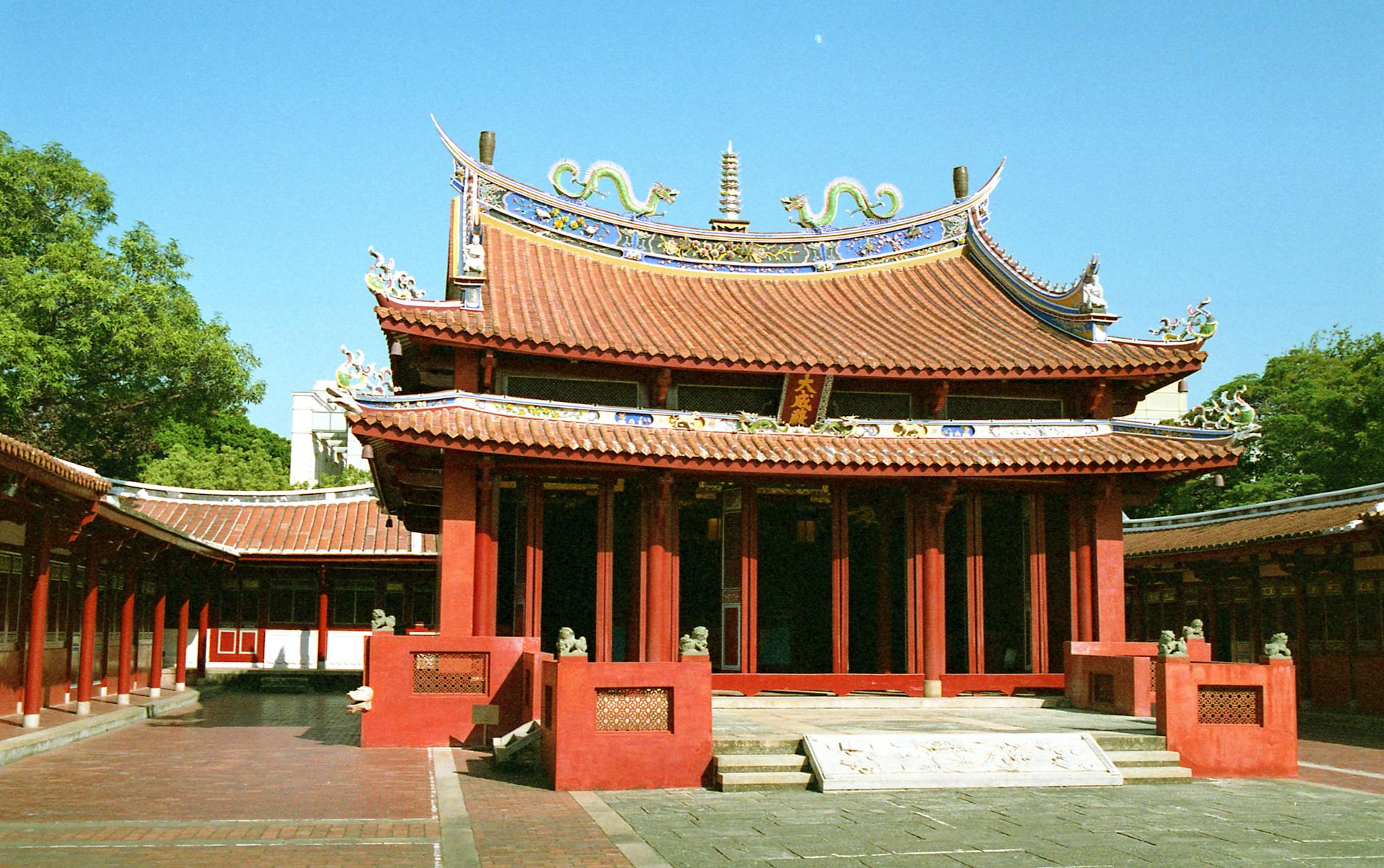
Central Historic Tainan: Chihkan, temple density, older commercial texture, and the city’s most important first-time walking zone.[3][7][8]
Confucian Tainan: the older civic and scholarly layer around the Confucius Temple.[6]
Anping Tainan: coastal origin-story Tainan, with fortifications, old streets, estuary air, and sunset logic.[4][5]
Food Tainan: breakfasts, sweets, smaller meals, and repeated eating rather than one giant nightly event.
Return Tainan: the version of the city that emerges only when you go back through the same blocks and stop demanding novelty every hour.
Central Tainan: Chihkan, Temples, and Street Texture
This is where the city teaches you how to use it.
Chihkan matters not only because of its Dutch and later administrative history, but because the area around it demonstrates how temple fronts, snack culture, older commercial texture, and daily movement interlock.[3] Nearby places such as the Martial Temple and Grand Mazu Temple reinforce that density rather than functioning as isolated stops.[7][8]
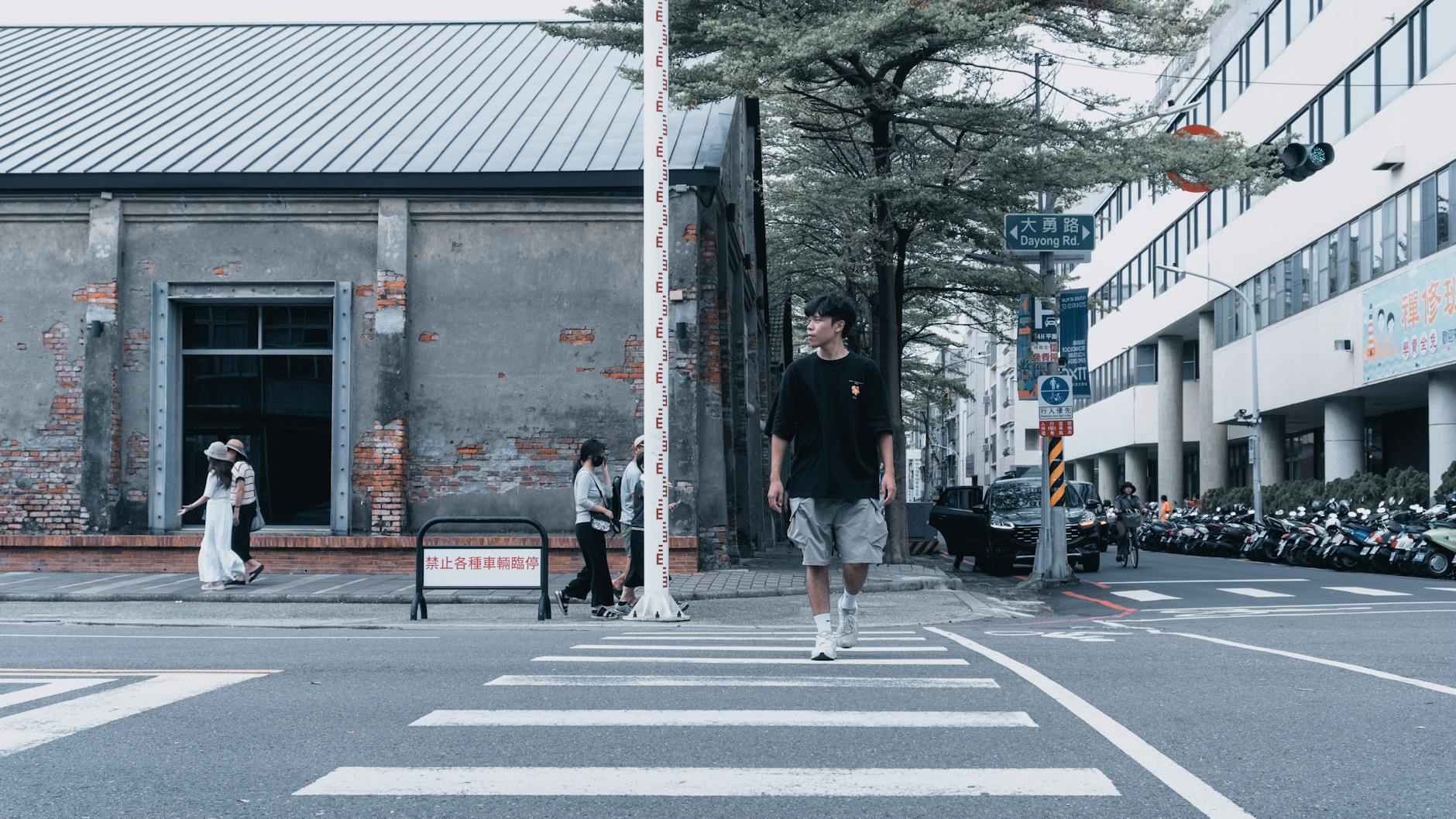
The mistake is to treat this whole zone like a museum campus. It is better to use it as an urban rhythm district: walk, stop, look, sit, cool down, eat something small, keep moving, and let the repeated textures build up. This is how Tainan becomes deep rather than cute.
The district also teaches proportion. Not every block is extraordinary. That is fine. The city’s value lies in accumulation, not constant climax.
Anping and the Coastal-Historic Edge
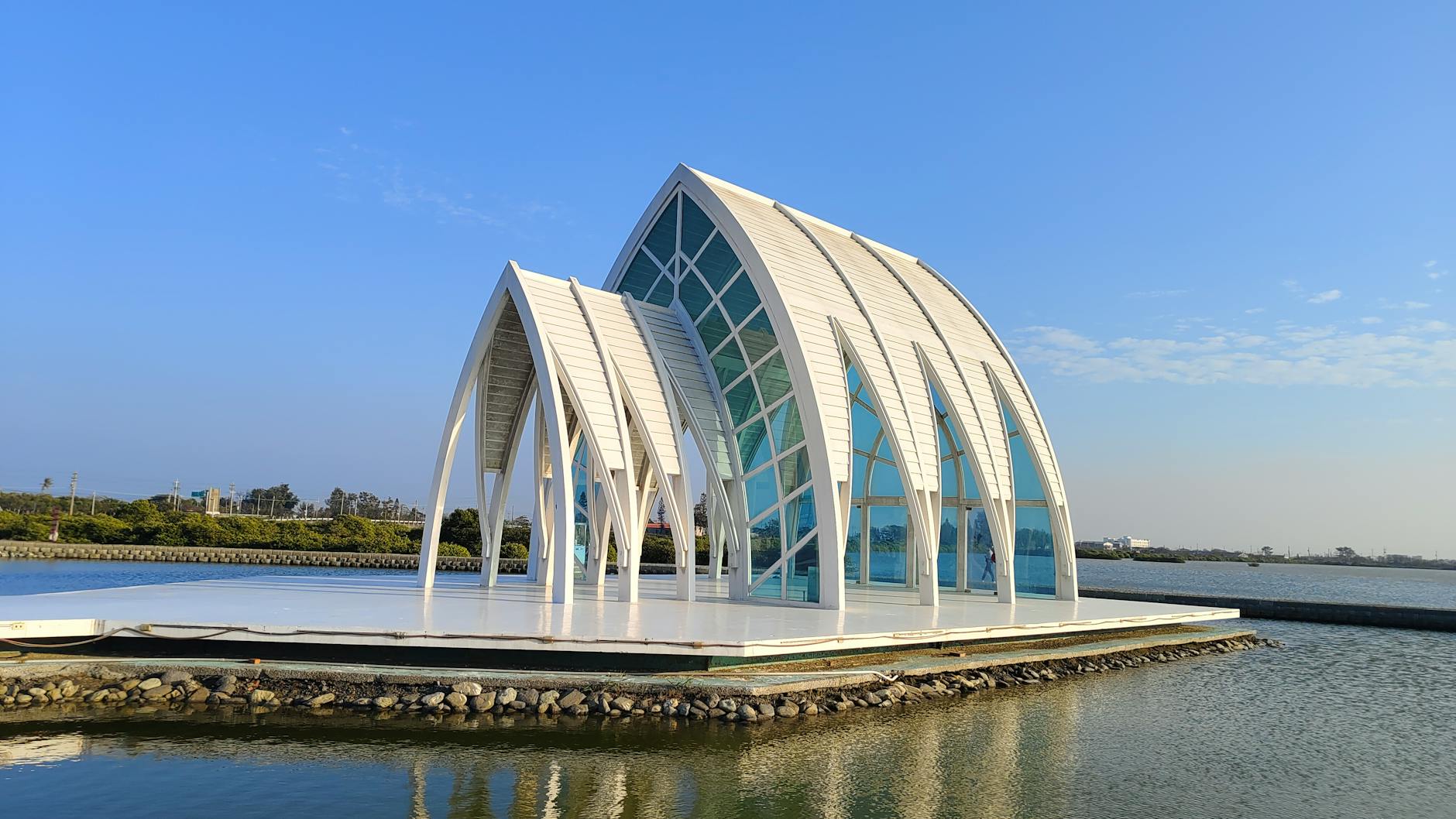
Anping should be part of a first trip, but it should not become a substitute for Tainan itself.
Official tourism materials continue to emphasize Anping’s role in Taiwan’s naming history and its concentration of forts, old streets, cuisine, and sunset views.[4] The Anping Old Fort listing continues to trace the site back to the Dutch Fort Zeelandia of `1624`.[5] That history matters, but the practical lesson is simpler: Anping is the city’s coastal-historic chapter, not its total identity.
This is why Anping is most effective when given one clean half-day or day with realistic scope. It should feel breezier, more outward-facing, and more maritime than the center. Then you should come back to central Tainan so the trip still reads as one city rather than two unrelated excursions.
Visitors who mistake Anping for the entire answer often leave understanding Tainan only in scenic outline.
Temples, Memory, and Civic Depth
Tainan’s temples are not just beautiful pauses. They are part of the city’s logic of memory.
The Confucius Temple, established in `1666`, still carries the educational and cultural gravity of Taiwan’s first Confucian temple.[6] The Martial Temple and Grand Mazu Temple continue to represent older civic-religious continuity, ritual life, and central placement within the city.[7][8] This density is why Tainan feels different from cities where religious buildings function mostly as heritage exhibits.
Here they still seem to belong to the city’s present tense. Even if you are not religious, that changes the atmosphere. Streets feel watched differently. Intersections feel layered. Certain blocks feel as though they carry social memory more actively than ordinary tourist districts.
This is why Tainan’s core often feels emotionally older than its size would suggest.
Food, Mornings, and Restraint
Tainan’s food culture is real. The problem is that many visitors turn that truth into a self-defeating strategy.
The better approach is to think in waves. Morning foods matter. Small early stops matter. Sweets matter. Light returns later in the day matter. A city like this does not ask you to prove appetite through force. It asks you to preserve enough room to respond to what the day offers.
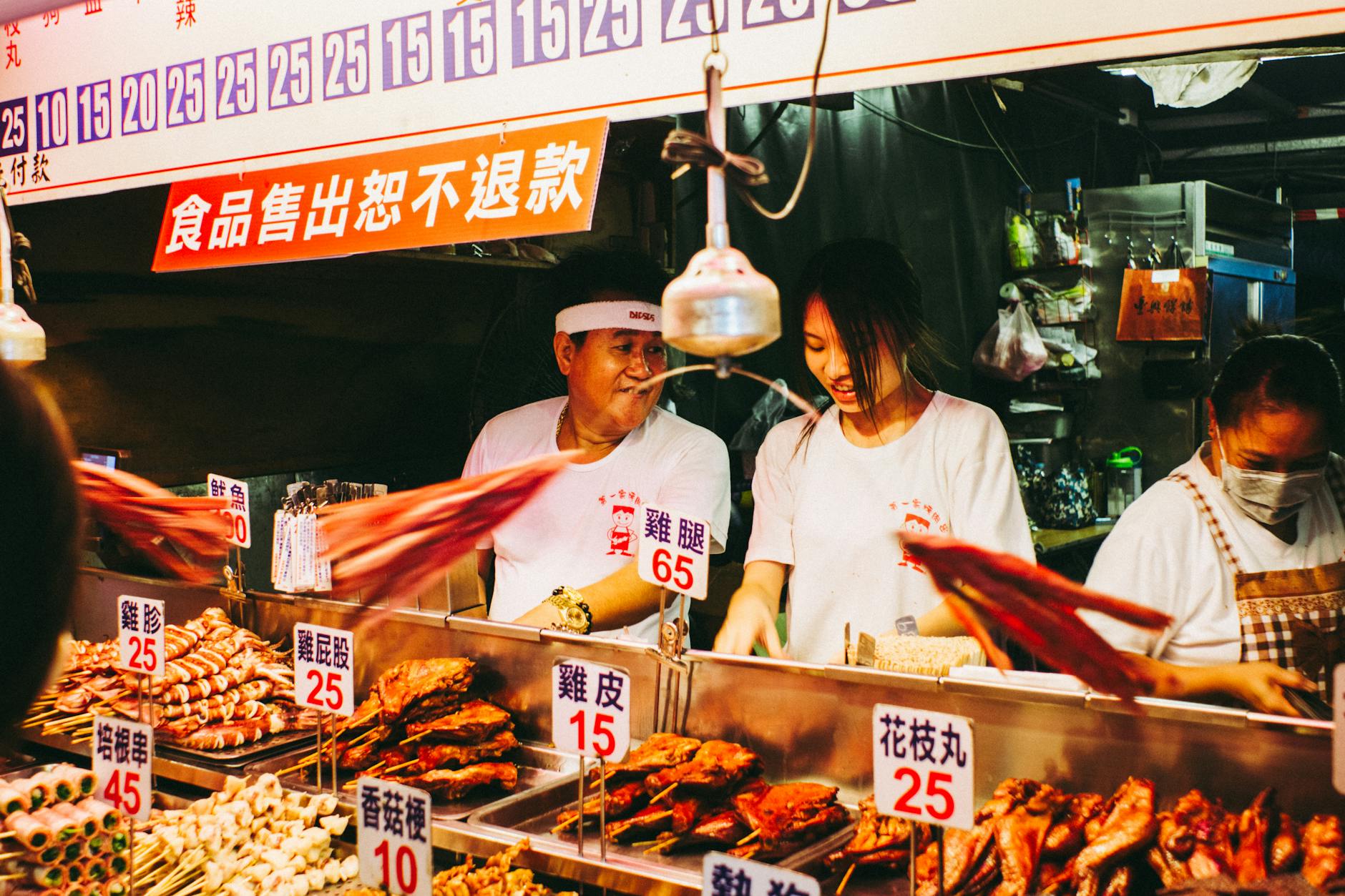
This is also why mornings are so important here. Tainan often feels clearest before the heat settles and before the city’s food fame turns every decision into a task. Breakfast in Tainan is not only a meal. It is part of how the city reveals itself.
The biggest food mistake is quantity without rhythm. A short trip with a few well-timed stops is better than a long list that converts the whole city into digestive labor.
Tainan as a Breakfast City
Many first-time visitors underestimate how much Tainan is a morning city.
This matters because cities that are famous for food are often imagined primarily through the evening. Tainan does have good evenings, but some of its sharpest urban identity emerges much earlier. The city wakes through breakfasts, early wandering, temple-front movement, and the gradual recognition that this place is not organized around the same daytime assumptions as faster Taiwanese cities.
If you oversleep every day and begin around lunch, you will still have a trip, but not the best version of Tainan. Morning is when the city feels most itself and least overinterpreted.
Daytime Tainan Versus Evening Tainan
Morning Tainan is clear, generous, and capable of holding serious attention. This is the best time for temple corridors, Chihkan-adjacent walking, older lanes, and one or two purposeful food stops.
Afternoon Tainan is where the city tests whether you planned honestly. Heat rises, distances begin to feel longer, appetite gets more fragile, and the charm of “just one more stop” starts to degrade. If your day was overloaded from the beginning, this is when it shows.
Evening Tainan can be lovely, but usually in a softer register than the morning. A good evening might mean a slower walk, a temple front by different light, a deliberate dinner, a dessert, or a return to a district that felt too busy earlier. The mistake is expecting nighttime to solve a day that was misbuilt. Tainan rewards pacing more than rescue.
Why Tainan Feels Different From Taipei
Many first-time visitors understand Tainan best by comparing it, carefully, to Taipei.
Taipei tends to distribute effort through infrastructure. The city absorbs mistakes. You can recover from a bad routing decision with rapid transit, denser convenience, and a broader late-day second chance. Tainan is different. It distributes effort through planning and patience. If you choose the wrong hotel, the wrong district sequence, or the wrong amount of walking in bad weather, the city will not automatically rescue you.
This does not make Tainan worse. In many ways it makes it more intimate. But it does mean that visitors coming from Taipei should reset their assumptions. Tainan is not slower because it lacks options. It is slower because its options are embedded in street life, weather, and neighborhood rhythm rather than in metropolitan speed.
That difference is precisely why many travelers remember Tainan more fondly than they expect. Once you stop asking it to operate like a capital, it becomes much more coherent.
One Strong District Is Better Than Three Partial Ones
This is one of the most important Tainan rules.
Visitors often imagine that because the city is not huge, they should be able to combine central Tainan, Anping, a distant food target, and some extra detour all in one day. On paper it can look plausible. In practice it usually produces tiredness without depth.
Tainan rewards strong clustering. A central-core day that moves between Chihkan, temple streets, one or two food stops, and a slower evening can feel full in the best way. An Anping-centered day that respects the district’s coastal history, old-fort logic, and sunset atmosphere can also feel complete. The trip gets weaker when those different city logics are forced into the same schedule without enough weather, appetite, or return time.
When in doubt, choose fewer districts and spend more attention inside them. Tainan almost always gives better memories that way.
The Value of Returning to the Same Block
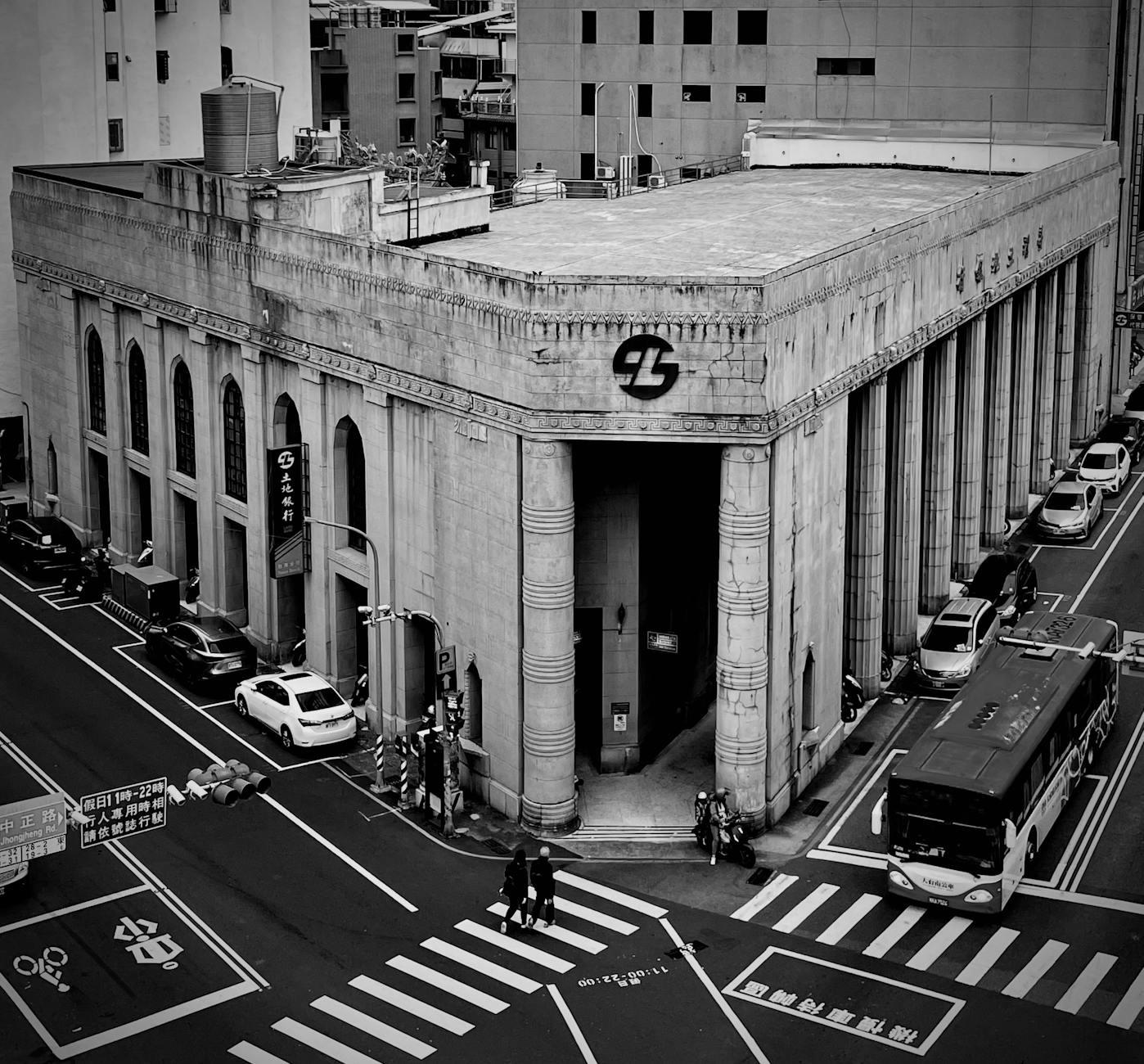
Some cities reward constant novelty. Tainan rewards recurrence.
A street that feels merely attractive at 9 a.m. may feel meaningful at 5 p.m. A temple frontage you photographed once may make more sense after lunch, when you have seen three other temples and begun to understand how they differ. A food lane you passed through too early may become the right place to stop later when your appetite matches the city’s timing better.
This is why repeated neighborhood use matters so much here. It is not inefficiency. It is method. Tainan’s identity is cumulative, and cumulative cities often become clearer through return rather than expansion.
If you find yourself walking back through the same district and enjoying it more the second time, that is not proof you ran out of ideas. It is proof you are finally using the city properly.
Getting Around
Tainan is a walk selectively, bus pragmatically city.
The official Travel Tainan app still emphasizes dynamic bus information and visitor route support.[2] That is useful, but it should not create false expectations. Public transport helps. It does not erase the value of clustering your day. Nor does it make cross-city zigzags wise in bad weather.
The right transport mindset is modest. Use buses where they clearly reduce strain. Walk where the district rewards walking. Avoid heroic, heat-heavy backtracking. Tainan is not hard to move through, but it punishes route vanity.
Family, Solo, and Low-Energy Tainan
Tainan is good for travelers who do not need every hour to look productive.
Solo travelers often do well because the city supports wandering, repeated returns, and small meals without social awkwardness. Couples often do well because the city’s slower tempo rewards shared noticing more than shared conquering. Families can do well if expectations are right: one anchor, one food stop, one break, one softer return. Low-energy travelers also tend to appreciate Tainan because the city can still feel worthwhile on a half-day.
This is one of Tainan’s underrated strengths. It does not collapse if you are tired. It simply asks you not to lie about your energy.
Why Tainan Often Becomes a Favorite Later
Tainan is not always the city people name first when they describe a Taiwan trip. Quite often it is the city they keep thinking about afterward.
That usually happens because the city lodges itself in memory differently from more efficient destinations. You may not remember one single overwhelming monument or one perfect skyline moment. Instead you remember the temple soundscape of a block, the texture of a morning lane, the feeling of turning a corner into unexpected shade, the fact that breakfast mattered, the way Anping felt like another chapter without feeling like another country, or the strange pleasure of going back through the same district and liking it more.
This is an important clue for first-time visitors. If Tainan feels a little elusive while you are inside it, that does not mean the trip is weak. It often means the city is working on a slower register than you are used to. Tainan is remembered through accumulation. That is why restraint helps so much. If you leave room for the city’s smaller effects to settle, they often last longer than the bigger tourist gestures.
A Good Tainan Day Versus a Bad One
A Good Day
It starts early enough to use the city before the weather hardens. It clusters one central district or one coastal-historic district rather than trying to splice the whole city together. It leaves room for a break. It treats food as rhythm instead of conquest. It allows one or two temples or historic sites to do real work rather than assigning equal weight to everything.
A Bad Day
It begins late, asks the weather for mercy, zigzags between central Tainan and Anping, chases too many “must eat” stops, confuses humidity with atmosphere, refuses rest, and ends with the complaint that Tainan was charming but somehow vague.
The city is usually not the problem. Over-extraction is.
Common Mistakes
Turning Tainan Into a Food Competition
This is the fastest way to ruin both the food and the city.
Underestimating the Heat
Tainan punishes unrealistic midday ambition.
Treating Anping as the Whole Story
It is essential, but central Tainan is where the city becomes itself.
Staying Too Far from the Core
You spend your energy before the city gets to use it.
Confusing Slowness With Lack
Tainan is slow by design. That is not the same thing as empty.
Refusing Repetition
Some of the city’s best understanding comes from going back through a district rather than constantly demanding a new one.
Why Tainan Improves on a Return Visit
Some cities win by scale or shock. Tainan often wins by return.
On a first trip, you are still sorting out how much is “important,” how much is merely famous, and how much appetite and walking the weather will really let you sustain. On a second trip, you stop trying to solve the city and start using it. You revisit a street. You stay longer in one neighborhood. You understand that a second breakfast district may matter more than a fifth headline site.
This is why repeat visitors are often so loyal to Tainan. The city becomes more articulate once you stop demanding that it summarize itself all at once.
How the City Changes Over the Course of a Stay
On arrival, Tainan can feel instantly likable but not yet fully legible. You notice temples, scooters, lane textures, humidity, and the promise of food. It is easy to think you have understood the city already.
By the second day, if the trip is built well, the city starts to separate into clearer layers. You understand why the center matters. You understand why Anping is one chapter, not the whole book. You understand that temple density is not merely scenic. You understand that mornings are not optional.
By the third day, Tainan often becomes calmer and more precise. The city no longer feels like a list of atmospheric fragments. It feels like a place with internal logic. That is when it gets harder to leave and easier to imagine returning.
This is one reason short stays can undersell it. Tainan’s second impression is often more accurate than its first.
My Blunt Advice
Stay central.
Take mornings seriously.
Do less in the afternoon.
Use one or two temples as anchors and let the streets between them matter.
Go to Anping, but come back.
Stop trying to “win” at Tainan.
Most importantly, do not use the city as a reduced Taipei or a food-content challenge. It is older, softer, more repetitive, more humid, and in many ways deeper than that framing allows.
Tainan is better when you let it set the pace.
If you leave the city feeling that you did not “finish” it, that is usually a good sign. Tainan is not a city to finish. It is a city to enter accurately enough that you would want to come back.
That is the correct standard here: not total coverage, but a stay with enough clarity that the next breakfast, next temple lane, and next return to the old core already make intuitive sense.
That kind of clarity is Tainan’s real souvenir.
Source Notes
- 1. Taiwan Tourism Administration. "Tainan City." Official overview page describing Tainan as Taiwan’s oldest city with long historical and cultural roots and major scenic and culinary appeal. https://eng.taiwan.net.tw/m1.aspx?sno=0002119
- 2. Tourism Bureau of Tainan City Government. "Travel Tainan APP." Official page describing itinerary planning and one-click dynamic bus information for visitors. https://www.twtainan.net/en/statics/app
- 3. Taiwan Tourism Administration. "Chikanlou." Official tourism listing describing the former Dutch administrative site, its 1653 origins, and current access context. https://eng.taiwan.net.tw/m1.aspx?id=471&sNo=0000208
- 4. Taiwan Tourism Administration. "Anping District, Tainan City: Namesake of Taiwan." Official tourism listing describing Anping’s history, sunsets, cuisine, and major sites. https://eng.taiwan.net.tw/m1.aspx?id=A12-00104&sNo=0002119
- 5. Taiwan Tourism Administration. "Anping Old Fort." Official tourism listing describing the former Fort Zeelandia and its historical evolution. https://eng.taiwan.net.tw/m1.aspx?id=147&sNo=0002119
- 6. Taiwan Tourism Administration. "Tainan Confucius Temple." Official tourism listing describing the temple’s 1666 founding and cultural status. https://eng.taiwan.net.tw/m1.aspx?id=78&sno=0002040
- 7. Taiwan Tourism Administration. "Sacrificial Rites Martial Temple (Official God of War Temple)." Official tourism listing describing one of Tainan’s oldest and best-preserved temples. https://eng.taiwan.net.tw/m1.aspx?id=2117&sno=0002119
- 8. Taiwan Tourism Administration. "Grand Mazu Temple." Official tourism listing describing the government-built Mazu temple in Tainan and its central historic placement. https://eng.taiwan.net.tw/m1.aspx?id=r16&sno=0002119