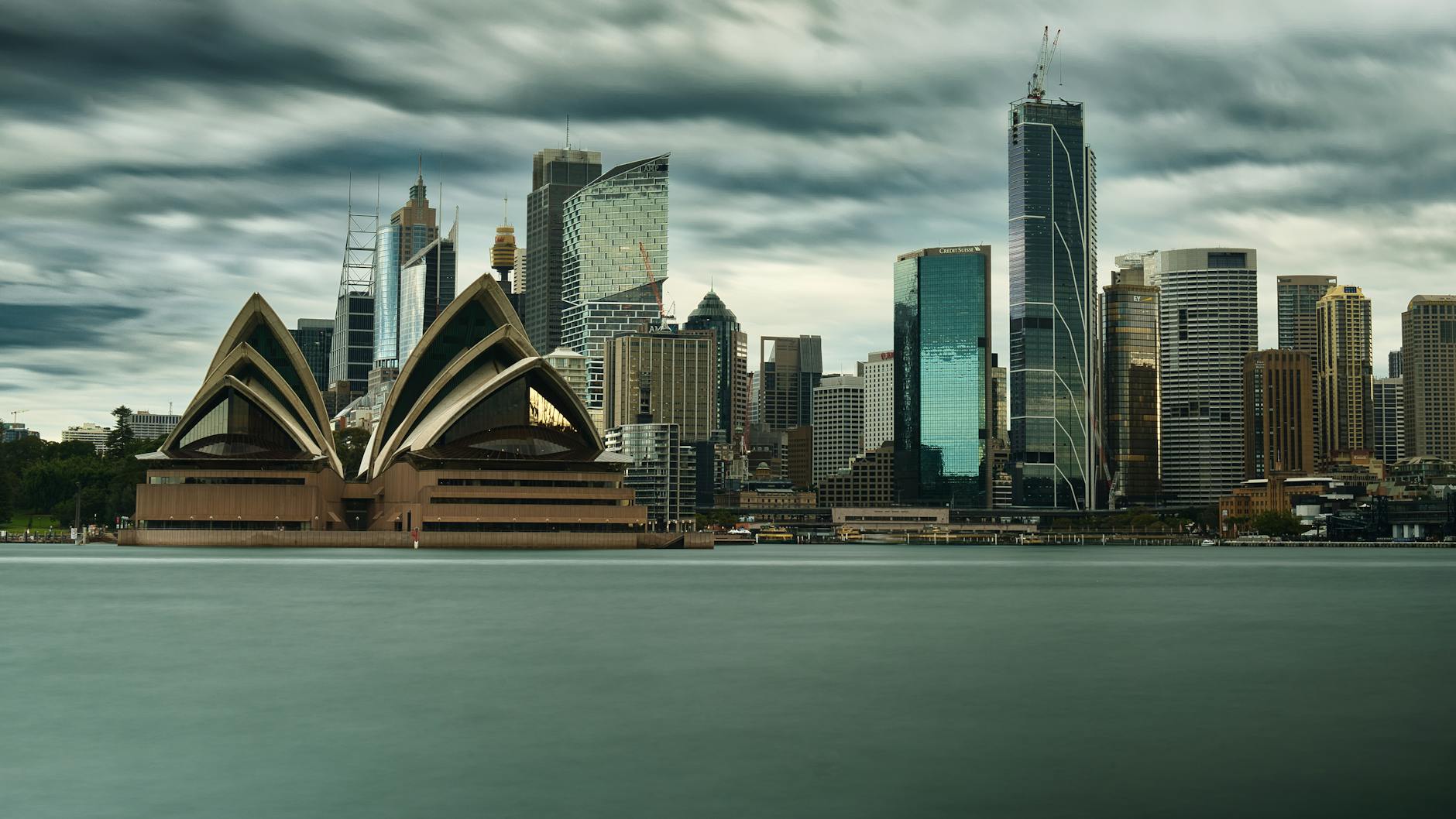
Sydney is easy to underestimate because its postcard is so famous. Opera House, bridge, blue water, surf beach: done. But that is only the surface. The real city is a chain of harbours, coves, sandstone ridges, ferry routes, ocean pools, immigrant food districts, old pubs, glassy new waterfronts, working-class suburbs, parklands, and beaches that change personality from sunrise to nightfall.
Start Here
The mistake is to treat Sydney like a compact European city with a few monuments. It is not that. Sydney is a city of water and distance. You experience it best by choosing a strong base, using ferries whenever possible, grouping days by geography, and resisting the urge to cross the city three times before dinner.
The city in one sentence: Sydney is a harbour city disguised as a metropolis, where the best days move from water to sandstone to food to sunset, not from checklist to checklist.
Basic data
| Population | About 5.4 million in the metro area |
|---|---|
| Area | 12,000 km2 in Greater Sydney; the visitor core is far smaller |
| Major religions | Christianity, Islam, Hinduism, Buddhism, and a large secular population |
| Political system | State capital city inside a federal parliamentary constitutional monarchy |
| Economic system | High-income mixed economy led by finance, technology, media, tourism, education, and services |
Quick Verdict
Best for: first-time Australia trips, harbour views, beaches, coastal walks, ferries, outdoor dining, coffee, seafood, family travel, active travelers, design hotels, LGBTQ+ visitors, and people who like cities with nature stitched directly into daily life.
Not ideal for: travelers who hate expensive hotels, people who want a dense walkable city where every major sight is in one compact center, visitors who dislike sun exposure, and anyone who thinks beaches are all the same.
Ideal first visit: 4 to 5 days.
Minimum worthwhile stay: 2 full days, if you stay near Circular Quay or the CBD and accept that you are getting a taste.
Best overall months: March, April, May, September, October, and November.
Best beach months: December through March, with February and March often excellent for warm water.
Best festival windows: January for Sydney Festival, February/March for Mardi Gras, May/June for Vivid Sydney, October/November for Sculpture by the Sea.
Biggest planning mistake: staying far from the harbour or transport to save money, then losing the savings in time, rideshares, and fatigue.
One thing to book early: Sydney Opera House performances, BridgeClimb, popular restaurants, NYE viewing areas, and high-season beach-area accommodation.
One thing to leave unscheduled: ferry time. Sydney’s ferries are not just transport; they are part of the trip.
Fast Planning Snapshot
| Question | Practical Answer |
|---|---|
| Main airport | Sydney Kingsford Smith Airport, usually called Sydney Airport or SYD |
| Distance from city | Around 9 km from the city center |
| Fastest airport transfer | Airport Link train, about 13 minutes to the city in normal service |
| Transport payment | Opal card or contactless Visa, Mastercard, or American Express on most public transport |
| Best base for first-timers | Circular Quay, The Rocks, northern CBD, or Barangaroo if budget allows |
| Best base for beaches | Bondi for iconic surf-city energy; Manly for beach-town feel plus ferry access |
| Best base for food/nightlife | Surry Hills, Darlinghurst, Potts Point, Newtown, or Chippendale |
| Best family base | Darling Harbour, Circular Quay, Manly, or serviced apartments near the CBD |
| Best no-car strategy | Stay near train, metro, ferry, or light rail; use ferries deliberately |
| Emergency number | 000 for police, fire, or ambulance |
| Beach rule | Swim between the red and yellow flags at patrolled beaches |
| Tipping | Appreciated but not required; round up or tip 10% for excellent service |
| Power plugs | Type I, 230V |
| Currency | Australian dollar, AUD |
| Tap water | Safe to drink |
| Language | English, with an extremely multilingual population |
How to Understand Sydney
Sydney has three maps layered on top of one another.
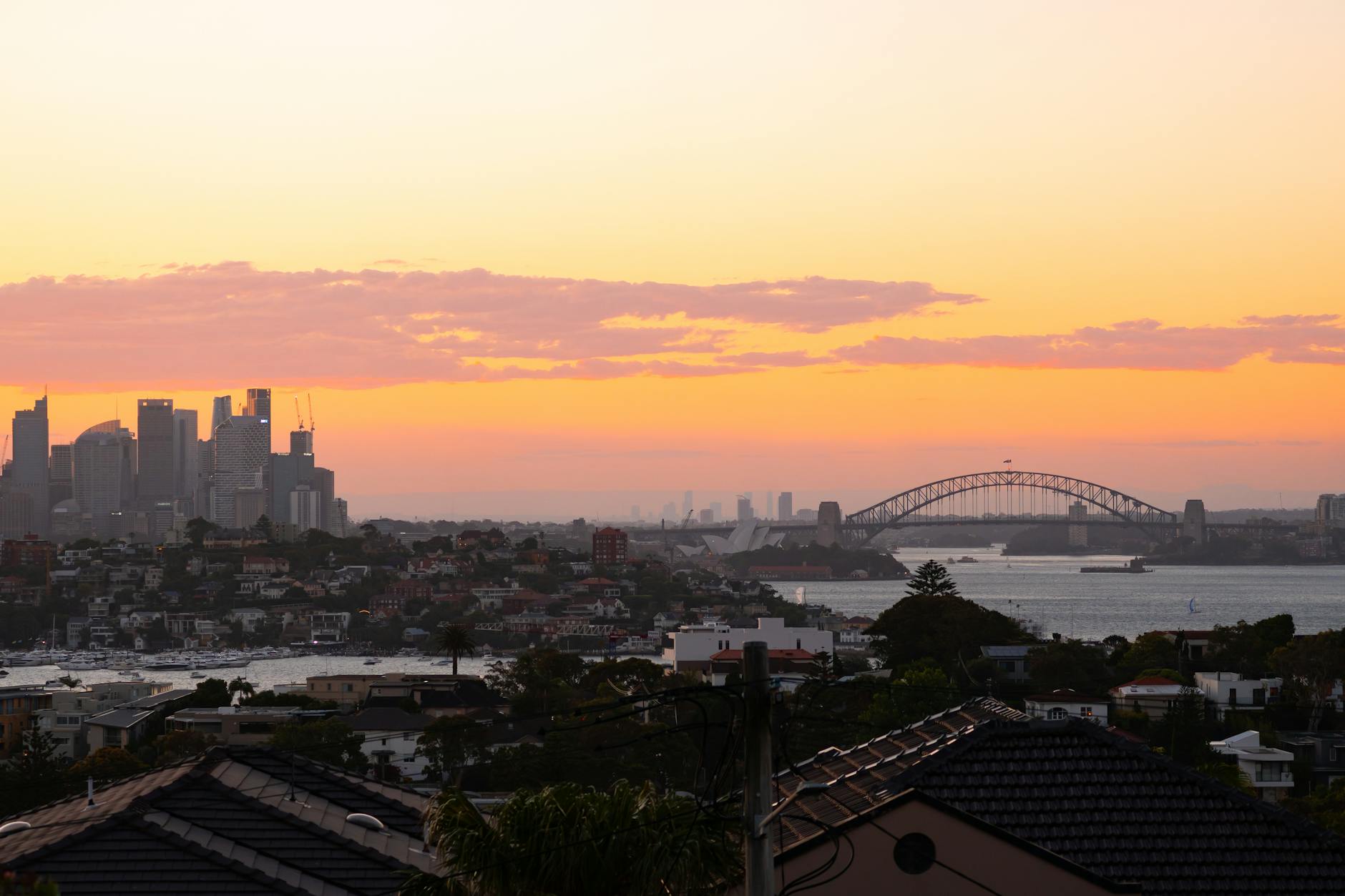
The first is the harbour map: Circular Quay, the Opera House, Harbour Bridge, The Rocks, Barangaroo, North Sydney, Kirribilli, Watsons Bay, Manly, and Taronga Zoo. This is the Sydney most visitors imagine. It is spectacular, expensive, and absolutely worth your time.
The second is the beach map: Bondi, Tamarama, Bronte, Clovelly, Coogee, Manly, Shelly Beach, Freshwater, Balmoral, Watsons Bay, and the northern beaches. This Sydney runs on surf conditions, sunscreen, cafés, ocean pools, and coastal walks.
The third is the suburban food-and-culture map: Surry Hills, Darlinghurst, Potts Point, Newtown, Enmore, Marrickville, Haymarket, Cabramatta, Harris Park, Parramatta, Lakemba, Leichhardt, and beyond. This is where Sydney stops being just beautiful and starts becoming interesting.
A strong Sydney trip uses all three maps. The harbour gives you awe. The beaches give you rhythm. The suburbs give you life.
Local Logic
Sydney is not arranged around a single central square. It is arranged around water, ridges, rail lines, ferry routes, and old village centers that have become neighborhoods. On a map, two places can look close but be awkward because the harbour, a bay, or a ridge sits between them.
The move: plan each day by zone. Do not do Bondi in the morning, Manly at lunch, Newtown in the afternoon, and Barangaroo for dinner unless you enjoy commuting as a hobby.
Entry, Arrival, and Current Visitor Logistics
Most international visitors need an Australian visa or electronic travel authority before arrival. Eligible passport holders may use the Electronic Travel Authority subclass 601 or eVisitor subclass 651, both commonly used for short tourism visits and both allowing repeated visits within a 12-month period with stays of up to three months each entry. Other travelers may need a Visitor visa subclass 600, which can allow longer tourist stays depending on grant conditions.
Australia attaches visas electronically to the passport used in the application. Bring the correct passport, and do not assume you can simply arrive and sort it out at the airport.
All arriving passengers should also expect border and biosecurity formalities. Australia is strict about food, plant material, animal products, outdoor equipment, and anything that could carry soil, seeds, pests, or disease. Declare honestly. If you are not sure whether to declare something, declare it.
Airport Arrival
Sydney Airport is close to the city by global standards. The train is usually the fastest option into the CBD, especially during weekday traffic. The catch is the airport station access fee, which makes the train more expensive than a normal urban rail trip. For one or two people, it is still often worth it. For three or four people with luggage, a taxi or rideshare may be competitive, depending on destination and traffic.
Airport Link train: fast, frequent, and direct to Central, Museum, St James, Circular Quay, Wynyard, and Town Hall depending on routing. Taxi/rideshare: useful for late arrivals, families, heavy luggage, or hotels not close to stations. Public bus workaround: possible for budget travelers, but not the easiest first move after a long flight. Terminal transfers: Sydney Airport has separate international and domestic terminals. Do not assume you can walk between international and domestic; use the airport transfer bus, train, taxi, or airline transfer if eligible.
First-timer mistake: booking a tight domestic-to-international connection because the airport looks small on a map. Build in real transfer time, baggage time, security time, and terminal movement.
Best Time to Visit Sydney
Sydney is a year-round city, but the best trip depends on what you want.
Best Overall: March to May
Autumn is Sydney at its most balanced. The ocean can still be warm, beach days remain possible, humidity eases, prices begin to relax after peak summer, and walking becomes more pleasant. March is especially good if you want beaches plus restaurants plus outdoor exploring.
Best for Beaches: December to March
This is the classic Sydney summer: beach mornings, long evenings, outdoor dining, ferries, cricket, ocean swims, rooftop bars, and holiday energy. It is also peak season. Expect higher hotel prices, sun intensity, occasional storms, and busy beaches.
Best for Walking and Culture: September to November
Spring brings flowers, lighter crowds than high summer, good walking weather, and the beginning of beach season. October/November can be excellent for the Bondi-to-Coogee walk and outdoor dining. Sculpture by the Sea usually turns the Bondi-to-Tamarama coast into an open-air sculpture route.
Best for Value: June to August
Winter in Sydney is mild compared with much of the northern hemisphere. You may not get classic beach-lounging weather, but you can still walk, ferry, eat well, visit museums, and enjoy clearer cool days. Vivid Sydney brings light installations, music, ideas, and night-time crowds to the harbour in late May and June.
Month-by-Month Guide
January: hot, festive, expensive, lively. Sydney Festival fills the city with performance and public art. Beaches are crowded. Book early. February: hot and humid at times, excellent for swimming. Mardi Gras season begins. Restaurants and bars are active after the January holiday haze. March: one of the best months. Warm water, better walking weather, strong food and nightlife energy. April: excellent for walking, ferries, museums, and day trips. Easter can raise prices and crowds. May: cooler evenings, good value, Vivid begins late month in 2026. June: winter starts, Vivid continues, whale-watching season is underway, and outdoor days can still be beautiful. July: coolest month, good for museums, pubs, galleries, and Blue Mountains if you pack layers. August: still winter, often clear, with early signs of spring by month’s end. September: spring energy, good walking, good gardens, fewer beach crowds than summer. October: one of the best months for coastal walks, jacarandas, and outdoor dining. November: warm without full holiday-season intensity. Great for a first visit. December: festive, expensive, crowded, high-energy. NYE planning must be serious.
How Many Days You Need
One Day
You can see the postcard: Circular Quay, Opera House, Royal Botanic Garden, The Rocks, Harbour Bridge views, and one ferry ride. It will be beautiful but shallow.
Two Days
Enough for one harbour day and one beach or neighborhood day. This is the minimum for a satisfying short stopover.
Three Days
The best short first visit: harbour icons, Bondi or Manly, one food/nightlife neighborhood, and a museum or coastal walk.
Four to Five Days
The ideal first visit. You can include both Bondi and Manly, take ferries without rushing, eat properly, see a performance, and do one day trip or deeper neighborhood day.
One Week
Excellent if you want Sydney as a base: Blue Mountains, northern beaches, Royal National Park, Parramatta or Cabramatta, and enough slow time to understand the city beyond the harbour.
The move: if you have fewer than four days, do not sacrifice Sydney itself for too many day trips. The Blue Mountains are worthwhile, but not if they eat the only day you had for the harbour or coast.
Where to Stay in Sydney
Sydney accommodation is expensive, and your area choice matters. A hotel that looks like a bargain can become annoying if it is far from trains, ferries, or the places you actually want to visit.
The Short Answer
For a first visit, stay near Circular Quay, The Rocks, the northern CBD, Barangaroo, or Darling Harbour if you can afford it. Stay in Surry Hills, Darlinghurst, or Potts Point if you want food, bars, and a more lived-in urban feel. Stay in Bondi or Manly only if beach life is central to the trip and you accept longer journeys to some city sights.
Neighborhood Decision Tree
| Traveler Type | Best Area |
|---|---|
| First-time visitor with budget | CBD near Wynyard, Town Hall, or Central |
| First-time visitor with splurge budget | Circular Quay, The Rocks, Barangaroo |
| Family | Darling Harbour, Circular Quay, Manly, serviced apartments near Town Hall |
| Beach traveler | Bondi, Coogee, or Manly |
| Food and nightlife | Surry Hills, Darlinghurst, Potts Point, Newtown |
| Luxury | Circular Quay, Barangaroo, Woolloomooloo, Double Bay |
| Budget | Central, Chippendale, Newtown, Glebe, some Inner West areas |
| Ferry lover | Circular Quay, The Rocks, Milsons Point, Kirribilli, Manly |
| Long stay | Surry Hills, Potts Point, Glebe, Newtown, Manly, Neutral Bay |
| Mobility-conscious traveler | CBD, Darling Harbour, Barangaroo, Circular Quay, newer hotels near metro/light rail |
Area Profiles
Circular Quay and The Rocks
Best for: first-timers, harbour views, luxury, short stays, ferry access. Vibe: historic sandstone lanes, cruise-ship bustle, postcard views, big-ticket hotels. Why stay here: you can walk to the Opera House, Harbour Bridge, ferries, The Rocks, Royal Botanic Garden, and Barangaroo. Why not: expensive, tourist-heavy, less local at night outside pubs and hotel bars. Perfect day: coffee near The Rocks, Opera House tour, Royal Botanic Garden walk, ferry to Manly, dinner back near the harbour.
Worth it? Yes for a first trip, especially if time is short.
CBD and Town Hall
Best for: practical travelers, shopping, transit, business, families who want centrality without full harbour pricing. Vibe: commercial, vertical, busy, useful. Why stay here: excellent access to trains, metro, light rail, shopping, Hyde Park, Darling Harbour, and restaurants. Why not: not as atmospheric as the harbour, and some streets feel quiet after office hours. Perfect day: Queen Victoria Building, Hyde Park, Australian Museum, Chinatown lunch, Darling Harbour evening.
The move: stay near Wynyard, Town Hall, Martin Place, or Central if you plan to use transit daily.
Barangaroo and Walsh Bay
Best for: restaurants, waterfront walks, modern hotels, theatre, design-minded travelers. Vibe: new Sydney: polished, expensive, waterfront, corporate by day, dining-focused by night. Why stay here: easy walk to The Rocks and Circular Quay, plus excellent restaurants and harbour paths. Why not: can feel manufactured if you want grit or old Sydney. Perfect day: Barangaroo Reserve, Walsh Bay, Harbour Bridge views, dinner on the waterfront.
Darling Harbour
Best for: families, convention visitors, easy sightseeing, aquarium/zoo-style attractions, casual dining. Vibe: family-friendly, touristy, bright, accessible. Why stay here: lots of hotels, easy access to ferries/light rail, good for children. Why not: restaurants are often convenience-first rather than city-best, and it lacks the emotional force of Circular Quay. Perfect day: Australian National Maritime Museum, playgrounds, ferry, Chinatown dinner.
Surry Hills
Best for: food, bars, coffee, urban style, travelers who want a central but less touristy base. Vibe: terrace houses, wine bars, restaurants, design shops, cafés, creative offices. Why stay here: great eating and drinking, walkable to Central, close to CBD and Oxford Street. Why not: not on the harbour, and some streets are hilly. Perfect day: brunch, boutique browsing, walk to Art Gallery or Chinatown, dinner and small bars.
Darlinghurst and Potts Point
Best for: nightlife, LGBTQ+ travelers, restaurants, solo travelers, city-with-character energy. Vibe: dense, lively, sometimes edgy, full of old apartments, bars, and late-night food. Why stay here: access to Oxford Street, Kings Cross/Potts Point restaurants, Hyde Park, galleries, and the eastern suburbs. Why not: nightlife noise and uneven street atmosphere can surprise quiet travelers. Perfect day: coffee in Potts Point, walk to Woolloomooloo, Art Gallery, Oxford Street dinner.
Bondi
Best for: beach-first travelers, surfers, fitness culture, brunch, iconic Sydney energy. Vibe: international, sunny, expensive, health-conscious, social. Why stay here: you can wake up and swim, surf, or walk the coast before breakfast. Why not: no train station at the beach; buses and traffic can be annoying. Perfect day: sunrise swim, Bondi to Coogee walk, lunch in Bronte or Coogee, sunset drinks.
First-timer mistake: staying in Bondi because it is famous, then realizing most harbour sights are across town.
Manly
Best for: beach travelers who still want a beautiful commute to the city. Vibe: beach town with ferry access, families, surfers, pubs, coastal walks. Why stay here: the ferry to Circular Quay is one of Sydney’s great pleasures. Why not: you are across the harbour; late-night returns require planning. Perfect day: ferry from Circular Quay, Manly Corso, Shelly Beach, North Head, sunset ferry back or dinner by the beach.
Newtown and the Inner West
Best for: music, casual food, bars, students, vintage shopping, budget-conscious travelers. Vibe: alternative, scruffy-polished, queer-friendly, food-rich. Why stay here: great casual eating, bars, breweries nearby, and train access to the city. Why not: not harbour Sydney, and accommodation options are thinner. Perfect day: King Street browsing, Thai or vegan lunch, Enmore show, late-night gelato or drinks.
Chippendale and Central
Best for: budget-ish central hotels, galleries, students, transport access, food. Vibe: old warehouses, university edge, creative precincts, Central Station practicality. Why stay here: very useful for trains, airport, Chinatown, Surry Hills, and day trips. Why not: less scenic; choose the right street and hotel. Perfect day: White Rabbit Gallery or local art spaces, Spice Alley, Central Park, Surry Hills dinner.
North Sydney, Milsons Point, and Kirribilli
Best for: bridge views, quieter nights, ferry/train access, business travelers. Vibe: office towers mixed with harbour villages. Why stay here: great views back to the city, easy train/ferry access, close to Luna Park and Wendy’s Secret Garden. Why not: not as food-rich or lively late as inner-city neighborhoods. Perfect day: walk across the Harbour Bridge, picnic at Wendy’s Secret Garden, ferry to Circular Quay.
Neighborhood Guide: Where to Explore, Not Just Sleep
The Rocks
The Rocks is touristy because it deserves attention. It is the oldest European-settlement precinct in central Sydney, with sandstone lanes, old pubs, weekend markets, convict-era stories, bridge views, and a sense of layered harbour history.
Best time: early morning before crowds, or late afternoon into evening. Pair with: Circular Quay, Opera House, Harbour Bridge walk, Barangaroo. Skip if: you only want local neighborhoods; this is firmly visitor territory. The move: do the historic lanes before lunch, then leave the most obvious pub-and-souvenir strip for the quieter edges.
Circular Quay and Bennelong Point
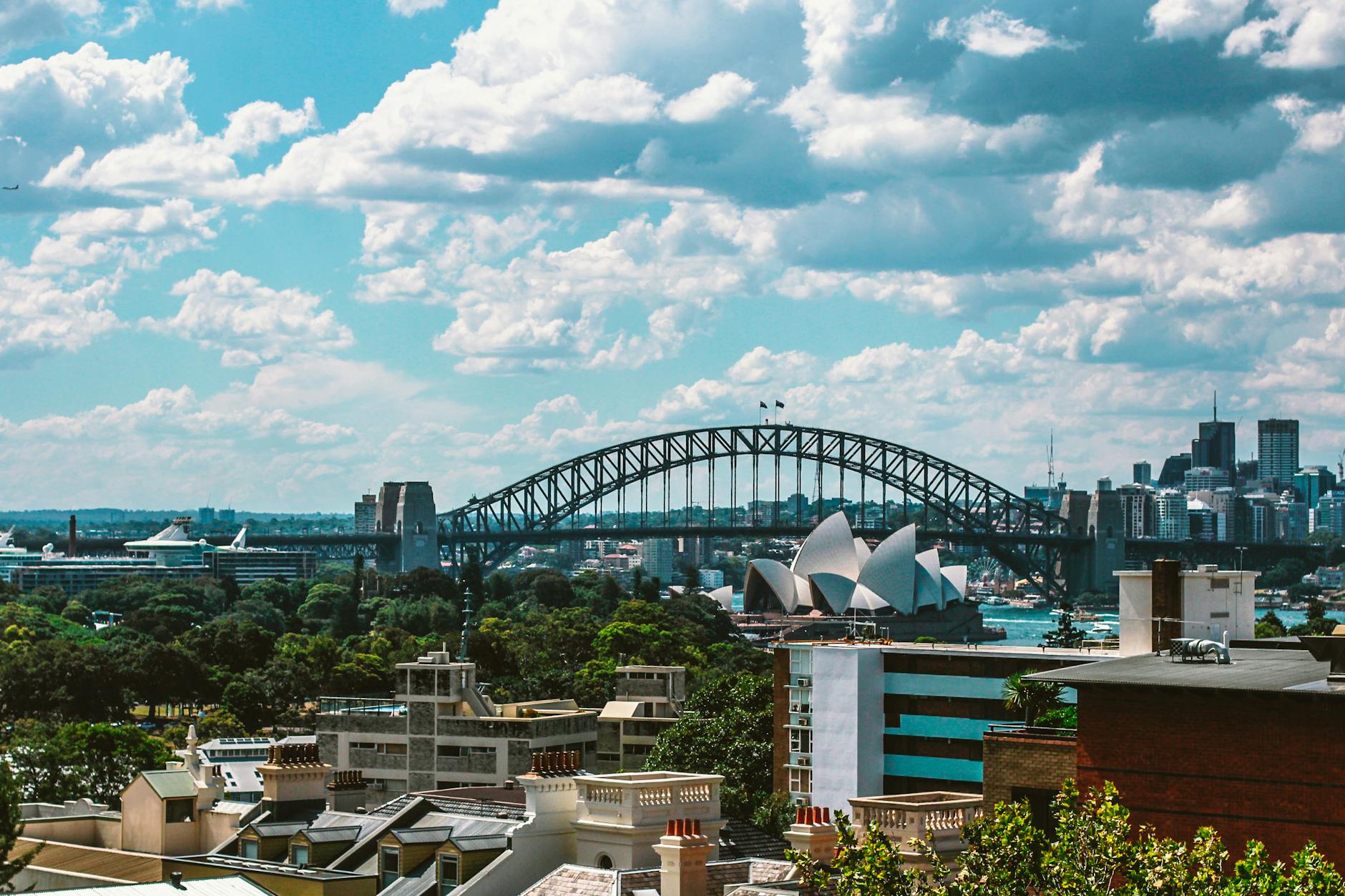
This is the city’s emotional front door. The Opera House sits to one side, the Harbour Bridge to the other, ferries pull in and out, and the whole harbour acts like a stage.
Best time: sunrise, golden hour, and after dark. Pair with: Royal Botanic Garden, The Rocks, ferry to Manly or Watsons Bay. Common mistake: eating at the most obvious tourist restaurants without checking quality or price.
Royal Botanic Garden and Mrs Macquarie’s Chair
This is one of the easiest high-reward walks in Sydney. Start near the Opera House, curve around Farm Cove, and end at Mrs Macquarie’s Chair for the classic Opera House-plus-Bridge view.
Time needed: 60 to 120 minutes. Best for: first-timers, photographers, families, low-cost planning. Rain plan: nearby Art Gallery of NSW or Australian Museum.
Barangaroo and Walsh Bay
Barangaroo is the city’s new waterfront face: polished restaurants, harbourside paths, Barangaroo Reserve, office towers, and high-end hotels. Walsh Bay adds theatres, piers, and bridge drama.
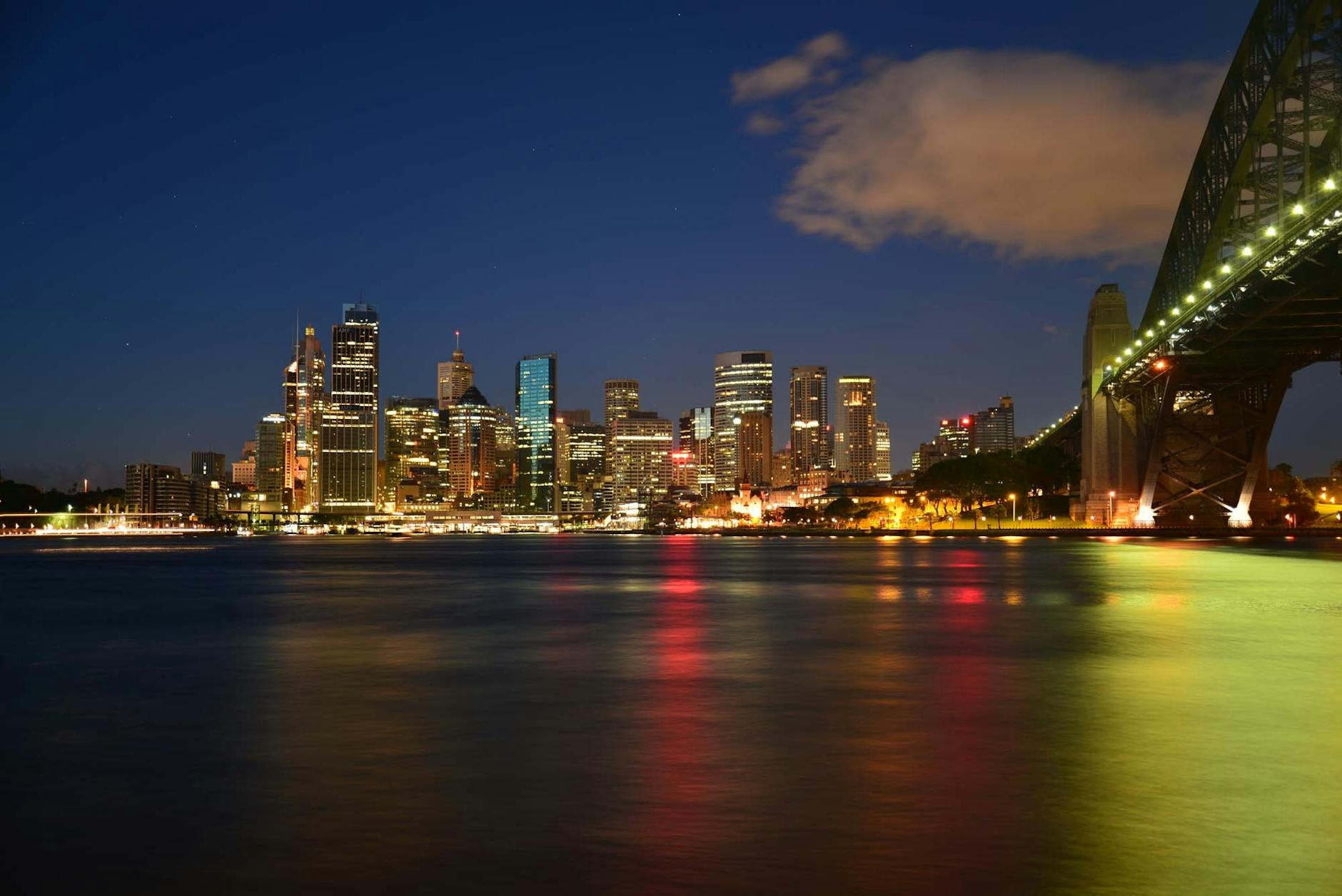
Best time: late afternoon into dinner. Pair with: The Rocks, Millers Point, Harbour Bridge, Circular Quay. Worth it? Yes, especially for dinner or a sunset walk.
Surry Hills
Surry Hills is one of the best neighborhoods for Sydney food culture. The pleasures are not monument-based; they are in cafés, bakeries, wine bars, terrace streets, and restaurants.
Best time: brunch, dinner, or drinks. Pair with: Central, Chippendale, Darlinghurst, Oxford Street. The move: come hungry and leave room for a second stop.
Paddington and Woollahra
Paddington gives you Victorian terraces, boutiques, galleries, pubs, and Oxford Street/William Street shopping. Woollahra is leafier and wealthier, with village-like streets and upscale dining.
Best time: Saturday if you want Paddington Markets; otherwise late morning into lunch. Pair with: Centennial Park, Surry Hills, Bondi Junction. Skip if: you are short on time and not interested in shopping, architecture, or cafés.
Newtown and Enmore
This is the Inner West’s best first stop: live music, bookstores, tattoo studios, Thai restaurants, vintage shops, pubs, vegan food, and late-night energy.
Best time: afternoon into night. Pair with: Marrickville, Erskineville, Chippendale. The move: book a show at the Enmore Theatre or a smaller venue, then build dinner around it.
Marrickville
Marrickville is less polished and more interesting. It is known for Vietnamese food, bakeries, breweries, creative studios, and a mix of old industrial and residential streets.
Best time: lunch through evening. Pair with: Newtown, Enmore, Sydenham, brewery hopping. Worth it? Very, for second-time visitors or food-focused travelers.
Haymarket and Chinatown
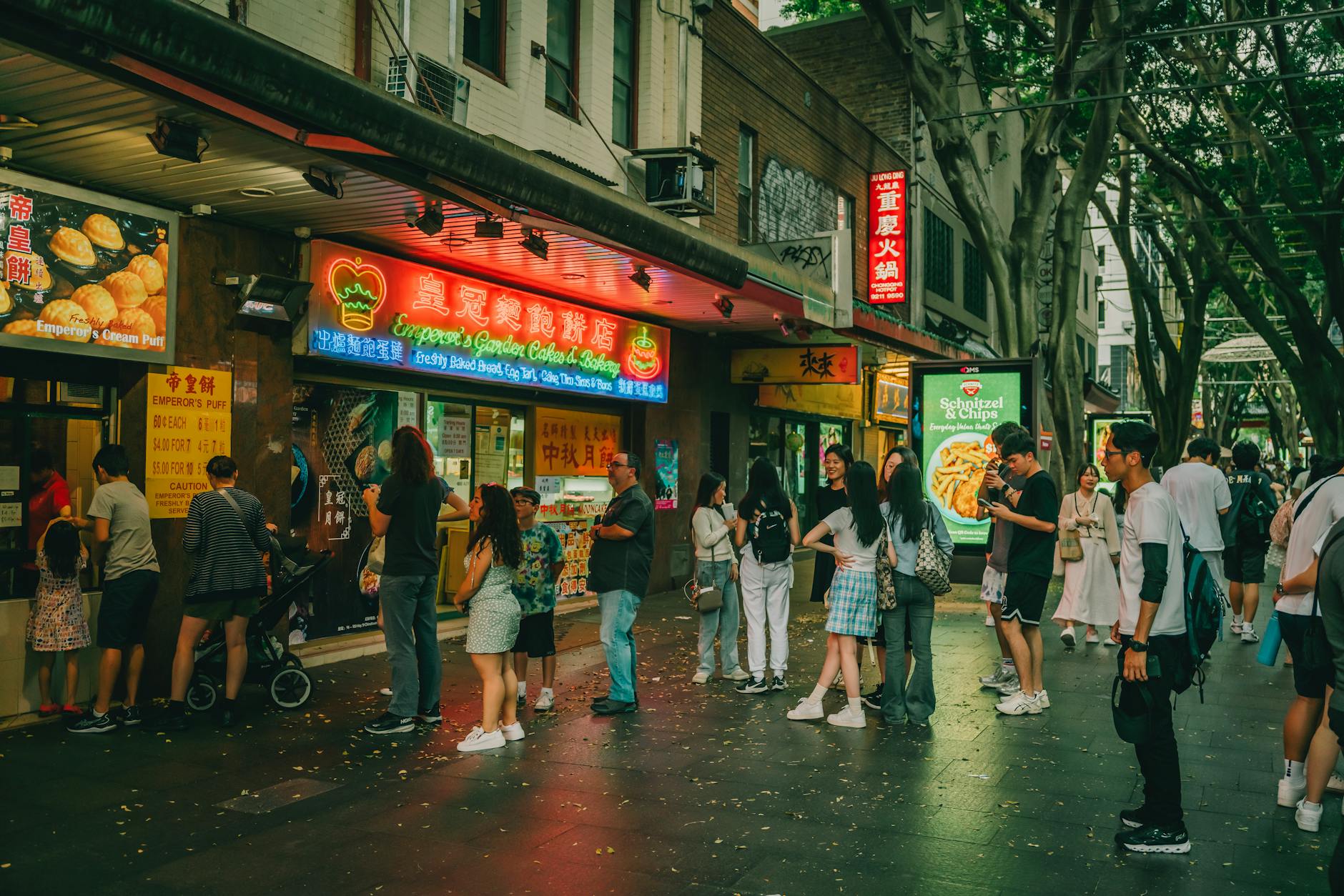
Haymarket is central, chaotic, delicious, and evolving. It is a good place for dumplings, noodles, hotpot, desserts, bubble tea, late-night eating, and budget-friendly meals.
Best time: dinner and evening. Pair with: Darling Harbour, Central, World Square, Capitol Theatre. First-timer mistake: treating Chinatown as one restaurant street. Wander the arcades, food courts, side streets, and Thai Town edges.
Bondi, Bronte, and Coogee
This is the famous coastal Sydney. The Bondi-to-Coogee walk is popular for a reason: beaches, cliffs, ocean pools, headlands, and constant water views.
Best time: early morning or late afternoon. Time needed: 2 to 4 hours depending on stops. Skip if: you dislike stairs, sun, crowds, or exposed walks. The move: start early, swim at a patrolled beach, eat away from the most obvious beachfront strip if quality matters.
Manly and the Northern Beaches
Manly gives you two Sydneys at once: a harbour ferry arrival and an ocean beach. It is also a gateway to Shelly Beach, North Head, Freshwater, and the northern beaches.
Best time: full day or at least afternoon into sunset. Pair with: ferry from Circular Quay, Shelly Beach walk, North Head. Worth it? Yes, even if you do not swim. The ferry alone is part of the experience.
Parramatta and Western Sydney
Many visitors never see Western Sydney, which is a shame. Parramatta has colonial history, riverside walks, South Asian and Middle Eastern food nearby, and a very different urban rhythm from the harbour. Harris Park is a strong choice for Indian food; Cabramatta is a serious food destination for Vietnamese eating if you are willing to travel.
Best for: second visits, food travelers, longer stays, people interested in Sydney beyond the postcard. Not ideal for: very short first trips.
The Best Things to Do in Sydney
1. See the Opera House Properly
Do not just photograph it from Circular Quay. Walk around it, see it from the Royal Botanic Garden, look at it from a ferry, and if possible attend a performance. A tour adds architectural and backstage context, but a performance gives the building life.
Time needed: 30 minutes outside; 1 hour for a tour; 2 to 3+ hours for a show. Book ahead: yes for tours and performances. Worth it? Absolutely. Better alternative to only taking a selfie: see a performance, even if it is not opera.
2. Walk the Harbour Bridge or Climb It
You can walk across the pedestrian path for free and get major views. BridgeClimb is expensive but memorable, with guided routes over the structure and views across the harbour.
Time needed: 45 to 90 minutes for the free walk; several hours for a climb experience. Best time: morning for cooler weather; sunset for drama if booking a climb. Skip if: you have severe height anxiety. The move: walk from The Rocks to Milsons Point, then reward yourself with views from the north side.
3. Ride a Ferry Like You Mean It
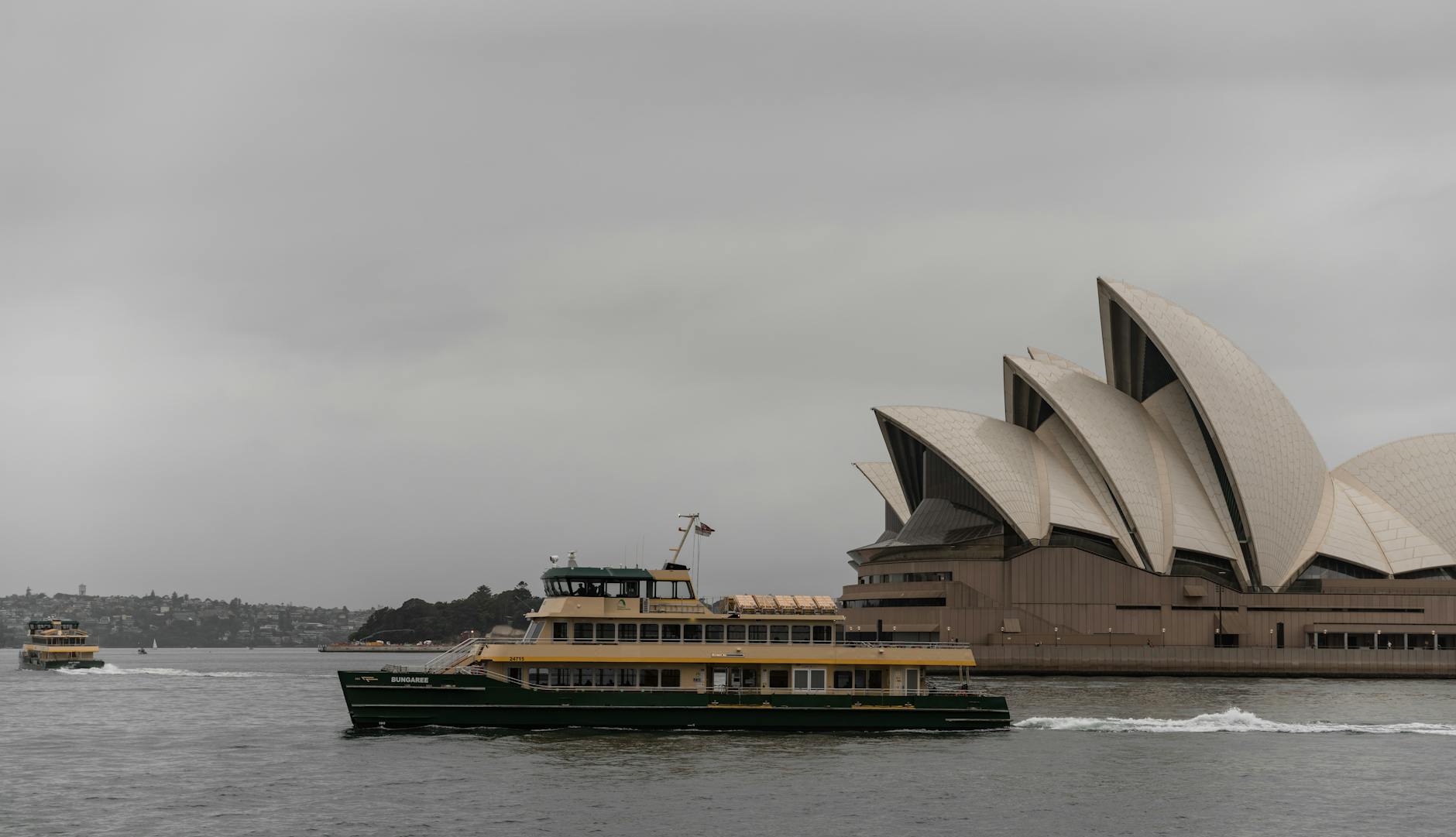
A ferry is not filler. It is core Sydney. The Manly ferry is the classic, but Watsons Bay, Taronga Zoo, Parramatta River, Balmain, and Cockatoo Island can also be rewarding.
Best first ferry: Circular Quay to Manly. Best short scenic ferry: Circular Quay to Milsons Point or Watsons Bay. Best with children: Taronga Zoo ferry. Common mistake: taking all your photos at the beginning and missing the changing views.
4. Walk Bondi to Coogee
The city’s most famous coastal walk earns its fame. You pass Bondi, Tamarama, Bronte, Clovelly, Gordon’s Bay, and Coogee, with cliffs, surf, rock pools, and beach culture throughout.
Time needed: 2 to 4 hours. Best time: early morning, especially in summer. Bring: water, sunscreen, hat, swimsuit, and patience for crowds. Skip if: heat, stairs, or sun exposure are a problem. Better alternative: Bondi to Bronte for a shorter version.
5. Spend a Day in Manly
Manly works for almost everyone. The ferry is beautiful, the beach is broad, Shelly Beach is calmer, and North Head adds history and views.
Time needed: half day to full day. Best for: families, swimmers, walkers, ferry lovers. The move: take the ferry from Circular Quay, walk to Shelly Beach, swim if conditions allow, then return around sunset.
6. Visit the Royal Botanic Garden
It is free, central, beautiful, and practical. It also gives some of the city’s best views and a much-needed pause between icons.
Time needed: 1 to 2 hours. Pair with: Opera House, Art Gallery of NSW, Mrs Macquarie’s Chair. Best for: first-timers, families, budget travelers, photographers.
7. Explore The Rocks Without Getting Trapped by It
The Rocks is worth seeing, but do not let it become your entire understanding of old Sydney. Walk the lanes, visit a pub, look for historic interpretation, then continue to Millers Point or Barangaroo.
Time needed: 1 to 3 hours. Best time: morning or evening. First-timer mistake: spending too long in souvenir shops and too little time on the backstreets.
8. See Art and Museums
Sydney’s museum scene is stronger than many visitors expect.
Art Gallery of NSW: major art museum near the Domain and Royal Botanic Garden, with strong Australian, First Nations, Asian, European, and contemporary collections. Australian Museum: natural history, culture, Pacific collections, dinosaurs, and family-friendly exhibits, with free general entry. Museum of Contemporary Art Australia: contemporary art at Circular Quay, now ticketed for general museum admission with some free-entry categories and occasional free days. Powerhouse: check current status and venue programming, as Sydney’s museum landscape has been undergoing significant change.
Rain plan: combine the Australian Museum, Art Gallery, cafés, and Chinatown dinner.
9. Eat the City, Not Just the View
Sydney is one of the world’s great casual dining cities. Its food identity comes from migration, produce, seafood, coffee culture, and neighborhoods rather than one single canonical dish.
Prioritize:
- Vietnamese food in Marrickville or Cabramatta
- Thai food around Haymarket/Thaitown and the Inner West
- Cantonese, hotpot, noodles, and desserts around Haymarket
- Lebanese and Middle Eastern food in western and southwestern suburbs
- Indian food in Harris Park and beyond
- seafood at the new Sydney Fish Market or strong restaurants
- brunch and bakeries in Surry Hills, Potts Point, Newtown, and Marrickville
- pub meals in The Rocks, Balmain, Paddington, and the Inner West
The move: schedule at least one dinner outside the obvious harbour zones.
10. Visit the New Sydney Fish Market
The new Sydney Fish Market opened in January 2026 at Blackwattle Bay, turning one of the city’s long-running food institutions into a larger waterfront market and dining destination.
Best for: seafood lovers, market people, architecture-curious travelers, families. Best time: morning or lunch. Pair with: Glebe, Pyrmont, Darling Harbour, Blackwattle Bay foreshore. First-timer mistake: treating it as only a quick photo stop. Go hungry.
11. Take an Aboriginal Cultural Experience
Sydney/Warrane sits on Country with deep Aboriginal history and living culture. Good Aboriginal-led experiences can change the way you understand the harbour, plants, place names, and city history.
Look for: Aboriginal-owned or Aboriginal-led tours, gallery programs, cultural walks, performance, and exhibitions. Approach: respectful curiosity, not souvenir hunting.
12. Swim in an Ocean Pool
Ocean pools are one of Sydney’s great civic pleasures. They let you swim beside the sea with more structure than open surf.
Good options include Bondi Icebergs, Bronte Baths, Wylie’s Baths near Coogee, McIver’s Ladies Baths, and many northern beaches pools.
Best time: morning. Bring: towel, goggles, sunscreen, and small cash/card depending on pool. Etiquette: lap swimmers have rhythm; do not drift across lanes.
13. Go to a Show
Sydney’s performing arts scene includes Opera House programs, theatre at Walsh Bay, musicals around Capitol Theatre/Lyric Theatre, comedy, live music in Enmore/Newtown, and smaller venues.
The move: choose a show, then build your dinner around the venue.
14. Walk a Less Famous Harbour Route
If the Bondi walk is crowded, Sydney has many alternatives:
- Spit Bridge to Manly
- Hermitage Foreshore Walk
- Bradleys Head to Chowder Bay
- Barangaroo to Walsh Bay and The Rocks
- North Head Sanctuary walks
- Cremorne Point loop
- Glebe Foreshore Walk
Worth it? Often more than another museum, if weather is good.
Itineraries
One Perfect Day in Sydney
Morning: Start at Circular Quay. Walk around the Opera House, then continue through the Royal Botanic Garden to Mrs Macquarie’s Chair. Late morning: Return toward The Rocks and walk the historic lanes. Lunch: Eat in The Rocks, Barangaroo, or the CBD. Afternoon: Take a ferry to Manly or Watsons Bay. If Manly, walk to Shelly Beach. If Watsons Bay, walk to South Head. Evening: Return by ferry near sunset. Dinner in Surry Hills, Potts Point, Barangaroo, or Circular Quay if you want convenience.
Cut if tired: The Rocks deep dive. Rain plan: Opera House tour, Australian Museum or Art Gallery, covered dining, and a shorter ferry if weather allows.
Two Days
Day 1: Harbour Sydney
Circular Quay, Opera House, Royal Botanic Garden, The Rocks, Harbour Bridge walk, Barangaroo dinner.
Day 2: Coast Sydney
Bondi morning swim or surf lesson, Bondi to Coogee walk, lunch near Bronte/Coogee, rest, dinner in Surry Hills or Newtown.
Alternative Day 2: Manly ferry, Shelly Beach, North Head, return at sunset.
Three Days
Day 1: Icons and Harbour
Opera House, Royal Botanic Garden, Circular Quay, The Rocks, Bridge walk, Barangaroo.
Day 2: Beach and Coastal Walk
Bondi to Coogee, ocean pool, eastern suburbs dinner or Surry Hills evening.
Day 3: Manly or Food Sydney
Option A: Manly ferry, Shelly Beach, North Head, sunset return. Option B: Art Gallery/Australian Museum, Haymarket lunch, Newtown/Enmore evening.
Five Days
Day 1: The Harbour
Circular Quay, Opera House, Royal Botanic Garden, The Rocks, ferry.
Day 2: Bondi to Coogee
Coastal walk, swims, late lunch, Surry Hills dinner.
Day 3: Culture and Food
Art Gallery, Australian Museum or MCA, Haymarket/Chinatown, small bars.
Day 4: Manly and North Head
Ferry, beach, walk, dinner in Manly or back in the city.
Day 5: Day Trip or Western Sydney Food
Blue Mountains if you want nature; Cabramatta/Harris Park/Parramatta if you want food and a less tourist-centered Sydney.
One Week
Add:
- Blue Mountains day trip or overnight
- Royal National Park or Ku-ring-gai Chase
- New Sydney Fish Market and Glebe/Blackwattle Bay
- Paddington/Woollahra shopping and Centennial Park
- Marrickville/Newtown food and breweries
- A performance night
- A second ferry day
The move: with a week, slow down. Sydney rewards repeat swims, repeat ferries, and neighborhood dinners more than another rushed attraction.
Itineraries by Traveler Type
Food Lover
Base in Surry Hills, Potts Point, Chippendale, or Newtown. Eat brunch seriously. Do one Chinatown/Haymarket night, one Inner West night, one seafood lunch, and one splurge dinner. Add Harris Park, Cabramatta, or Marrickville if you want deeper food geography.
Family
Base in Darling Harbour, Circular Quay, or Manly. Prioritize ferries, Taronga Zoo, Australian Museum, playgrounds, gentle beaches, and short walks. Do not overpack beach and museum days together; children need transition time.
Beach Trip
Split between Bondi/Coogee and Manly/northern beaches. Do Bondi to Coogee early, Manly/Shelly Beach as a full day, and one quieter harbour beach like Balmoral or Camp Cove.
Luxury
Stay at Circular Quay, Barangaroo, Woolloomooloo, or Double Bay. Book Opera House tickets, BridgeClimb or private harbour charter, high-end dining, a spa, and a car or driver for beaches/day trips where transit is awkward.
Budget
Stay near Central, Chippendale, Glebe, Newtown, or farther along train lines. Use Opal/contactless caps, free walks, beaches, gardens, free museum collections, and food courts/casual restaurants. Avoid unnecessary taxis and view restaurants.
Rainy-Day
Opera House tour, Australian Museum, Art Gallery of NSW, MCA, State Library, Queen Victoria Building, Chinatown, theatre, long lunch, small bars.
Accessible
Base in newer hotels near Darling Harbour, Barangaroo, CBD, or Circular Quay. Use Transport for NSW’s “accessible services only” trip planning, check ferry wharf access before relying on a route, and choose step-free tours such as the Opera House Mobility Access Tour where appropriate.
Food and Drink
Sydney’s food is not one cuisine. It is a conversation between Pacific produce, British colonial inheritance, Aboriginal ingredients and knowledge, Asian migration, Mediterranean migration, Middle Eastern communities, café culture, and Australian comfort with outdoor casual dining.
What to Prioritize
Seafood: Sydney rock oysters, prawns, fish and chips, sashimi, grilled fish, and market seafood. Café breakfast: avocado toast may be a cliché, but Sydney brunch culture is genuinely strong. Bakeries: excellent pastries, sourdough, pies, sausage rolls, and sweets. Asian food: Thai, Vietnamese, Chinese regional cuisines, Japanese, Korean, Malaysian, Indonesian, and more. Pub culture: old pubs in The Rocks, Balmain, Paddington, and the Inner West are part of the city’s social architecture. Coffee: flat whites, long blacks, cold brews, and serious espresso culture. Wine bars: natural wine, Australian producers, small plates, and intimate rooms are a major part of modern Sydney dining.
Food Neighborhoods
| Area | Eat Here For |
|---|---|
| Surry Hills | restaurants, wine bars, bakeries, cafés |
| Potts Point | bistros, wine bars, date-night restaurants |
| Haymarket/Chinatown | noodles, dumplings, hotpot, desserts, late-night meals |
| Newtown/Enmore | Thai, vegan, pubs, casual food, music-night dinners |
| Marrickville | Vietnamese, bakeries, breweries, casual gems |
| Cabramatta | Vietnamese food and market energy |
| Harris Park | Indian food |
| Leichhardt | Italian-Australian history and casual dining |
| Bondi | brunch, beach cafés, drinks, casual global food |
| Manly | beach dining, pubs, cafés, seafood |
| Barangaroo | polished waterfront restaurants |
Restaurant Strategy
Sydney restaurants can book out, especially Thursday through Saturday. For serious dinners, book ahead. For casual meals, keep a shortlist by neighborhood and be willing to eat early or late.
The move: if you want a harbour-view meal, choose carefully. A view can be wonderful; it can also be a tax on mediocre food. Sydney’s best eating is often one or two neighborhoods away from the postcard.
Drinks and Nightlife
Sydney’s nightlife has recovered and diversified after years of regulatory pressure and change. The best nights are usually neighborhood-based.
Good first areas: Surry Hills, Darlinghurst, Potts Point, Newtown/Enmore, Barangaroo, and The Rocks for pubs. LGBTQ+ nightlife: Oxford Street/Darlinghurst remains central, especially during Mardi Gras season, though queer venues and events are spread wider now. Live music: Enmore/Newtown and Marrickville are especially strong. Cocktails and wine bars: Surry Hills, CBD laneways, Potts Point, Barangaroo, and Newtown. Safety move: plan your transport home before midnight if you are staying outside the inner city.
Getting Around Sydney
Sydney’s public transport is broad and useful, but the city is spread out. The best strategy is to combine trains/metro for distance, ferries for harbour movement, light rail for specific corridors, and walking within neighborhoods.
Opal and Contactless Payment
You can pay adult fares with an Opal card or contactless card/device across much of Sydney’s public transport network. Contactless payments can be used on public transport in Sydney and surrounding regions such as the Blue Mountains, Central Coast, Hunter, and Illawarra. Tap on and tap off with the same card or device.
Adult fare caps currently make public transport more manageable: daily caps differ between Monday–Thursday and Friday/weekends/public holidays, and there is a weekly cap. Airport station access fees are a special extra cost, so airport trips are not priced like normal city rail trips.
First-timer mistake: tapping on with your phone and tapping off with the physical card linked to the same account. Use the same physical card or same device consistently.
Trains and Metro
Heavy rail is useful for the airport, Central, Town Hall, Wynyard, Circular Quay, suburbs, and day trips. Sydney Metro is modern, fast, and useful for parts of the north, CBD, Barangaroo, Martin Place, Gadigal, Central, Waterloo, and Sydenham, with further southwest expansion planned.
Ferries
Ferries are practical and scenic. Routes from Circular Quay can take you to Manly, Watsons Bay, Taronga Zoo, Balmain, Barangaroo, Parramatta River stops, and more.
The move: use ferries outside peak commute times when possible, and build at least one day around them.
Light Rail
Light rail is useful for the CBD, Circular Quay, Town Hall, Chinatown, Darling Harbour, Surry Hills/Central edges, Randwick, Kingsford, and the Inner West line toward Glebe and Dulwich Hill.
Buses
Buses are essential for Bondi, Coogee, many eastern suburbs beaches, and areas that rail does not serve well. They are useful but can be delayed by traffic.
Walking
Sydney is very walkable in sections, not as a whole. Excellent walking zones include Circular Quay/The Rocks/Royal Botanic Garden, Barangaroo/Walsh Bay, CBD/Hyde Park, Surry Hills/Darlinghurst/Paddington, Newtown/Enmore, Bondi-Coogee, and Manly/Shelly Beach.
Taxis and Rideshare
Useful late at night, with luggage, for families, and for cross-harbour or beach trips where transit is awkward. Traffic can make them slower and more expensive than expected.
Renting a Car
Do not rent a car for central Sydney unless you have a very specific plan. Parking, tolls, traffic, and one-way streets make it more trouble than it is worth. Rent a car only for regional trips, national parks, coastal drives, or multi-day travel beyond the city.
Budget and Costs
Sydney is expensive, but not impossible. The big costs are accommodation, restaurant dining, and premium attractions.
Daily Budget Ranges
Shoestring: A$90–150 per day if using hostel beds, cheap eats, free attractions, and public transport. Budget: A$160–250 per day with basic private lodging or budget hotel deals, casual meals, and selective paid sights. Mid-range: A$300–500 per day with a decent hotel, restaurants, transit, and a paid attraction or two. Comfortable: A$500–800+ per day with strong hotel choice, good meals, rideshares, and ticketed experiences. Luxury: A$900+ per day, easily, if staying near the harbour and booking premium dining or private experiences.
What Is Surprisingly Expensive
- Harbour-view hotels
- Beach-area accommodation in summer
- Airport train trips compared with normal rail trips
- BridgeClimb
- Taxis/rideshares during traffic or surge
- Casual restaurant meals once drinks are added
- NYE accommodation and events
What Is Surprisingly Good Value
- Ferries
- Royal Botanic Garden
- Harbour Bridge pedestrian walk
- Coastal walks
- General-entry museum collections at some institutions
- Public beaches
- Food courts and casual Asian dining
- Opal/contactless caps for heavy transit days
Worth the Splurge
- A great hotel location if your trip is short
- A performance at the Opera House
- BridgeClimb if it has personal appeal
- A very good seafood meal
- A harbour cruise or private boat if budget allows
- A guide for Aboriginal cultural context
Usually Not Worth It
- Generic harbour-view restaurants with mediocre food
- Staying far out to save a small amount
- Renting a car for the city
- Cramming both Blue Mountains and Hunter Valley into a short Sydney stay
- Paying for every view when walking and ferries give you many for less
Safety, Health, and Beach Reality
Sydney is generally safe for visitors by big-city standards, but it is not risk-free. The main visitor issues are theft, nightlife judgment, traffic, sun exposure, surf conditions, heat, and occasional major-event crowd management.
General Safety
Use normal urban precautions: watch bags in busy areas, avoid leaving valuables in cars, be aware around nightlife zones late at night, and use licensed transport or reputable rideshare. Crowded tourist areas such as Circular Quay, major stations, festivals, and beaches require basic pickpocket awareness.
Beach Safety
This is the non-negotiable rule: swim between the red and yellow flags at patrolled beaches. Do not swim at unpatrolled beaches, do not swim alone at night, and ask lifeguards about conditions. Rips are not always obvious, and calm-looking water can be dangerous.
First-timer mistake: assuming strong pool swimming equals surf competence. It does not.
Sun and Heat
Australian UV can be fierce even when the air temperature feels comfortable. Use sunscreen, hat, sunglasses, and water. Reapply after swimming. On hot days, do coastal walks early or late.
Bushfire, Storm, and Flood Awareness
For day trips and national parks, check local conditions. Heat, wind, bushfire risk, storms, and track closures can affect plans. Do not start exposed walks late in the day without water and phone battery.
Emergency Numbers
Call 000 for police, fire, or ambulance in a serious or urgent emergency. For non-emergency police assistance, ask locally or use official NSW police channels.
Accessibility
Sydney is mixed. Newer transport, hotels, attractions, and waterfront precincts can be very good; older lanes, ferries/wharves, beaches, heritage buildings, and hilly neighborhoods can be challenging.
Easier Areas
- Darling Harbour
- Barangaroo
- modern parts of the CBD
- Circular Quay promenade areas
- newer metro stations
- large museums and galleries
- parts of Manly beachfront
Harder Areas
- The Rocks backstreets
- older pubs and heritage buildings
- Bondi-to-Coogee stairs and narrow sections
- steep streets in Potts Point, Paddington, and some harbour suburbs
- older ferry wharves or routes during service disruptions
- beach sand access unless accessible equipment is available
Practical Moves
- Use Transport for NSW’s trip planner with accessible services selected.
- Check ferry wharf access, not just ferry vessel access.
- Book accessible rooms directly with hotels and confirm details in writing.
- Consider the Sydney Opera House Mobility Access Tour if you want a step-free version of the tour.
- For Bondi, check Waverley Council’s Access Bondi information for beach wheelchair and matting availability.
- Build extra time into itineraries. Sydney’s beauty often comes with gradients, stairs, sand, and distance.
Families and Kids
Sydney is excellent with children if you pace it well.
Best Family Bases
- Darling Harbour
- Circular Quay
- Manly
- serviced apartments near Town Hall/CBD
- Bondi or Coogee for beach-centered families
Best Family Activities
- Taronga Zoo by ferry
- Australian Museum
- Darling Harbour playgrounds and attractions
- Manly ferry and Shelly Beach
- Bondi or Coogee beach with patrolled swimming
- Royal Botanic Garden
- ferry rides
- Sydney Fish Market
- Powerhouse or children-friendly exhibitions, depending on current programming
Family Mistakes to Avoid
- Doing Bondi-to-Coogee in midday summer heat with small children
- Underestimating stroller difficulty on stairs and coastal paths
- Booking a nightlife district hotel with young kids
- Choosing a beach base without thinking through rainy days
- Trying to do a full Blue Mountains day after a late arrival
The move: one anchor activity per day, then one flexible outdoor element.
Shopping and Souvenirs
Sydney shopping works best when you know what you are looking for.
Best Shopping Areas
Queen Victoria Building and CBD: classic architecture, brands, easy access. Paddington: boutiques, fashion, galleries, Saturday market energy. Surry Hills: design, homewares, small shops, food gifts. Newtown: vintage, records, books, alternative fashion. Bondi: beachwear, activewear, surf-adjacent brands. The Rocks: souvenir-heavy but convenient; choose carefully. Marrickville/Inner West: breweries, food, studios, local makers.
Good Souvenirs
- Australian wine or spirits, checked against duty rules
- local design items
- Aboriginal art from reputable galleries or Aboriginal-owned sellers
- coffee beans
- local cookbooks
- beach towels or swimwear
- quality food gifts that comply with customs rules for your return country
What Not to Buy Thoughtlessly
- mass-produced “Aboriginal-style” souvenirs with no artist attribution
- shells, coral, plant material, or wildlife products that may cause customs problems
- cheap boomerangs or didgeridoos with unclear origin
- anything that exploits culture rather than supporting artists
Culture, History, and Context
Sydney is beautiful, but it is not innocent. Any serious guide has to hold several truths at once.
This is Gadigal Country in the central harbour area, part of a much wider Aboriginal landscape with continuing cultural connection across what is now Greater Sydney. It is also the site where British colonization began in 1788, with catastrophic consequences for Aboriginal people. The city’s harbour beauty sits alongside histories of dispossession, convict labor, maritime trade, immigration, class division, public health, urban redevelopment, and cultural reinvention.
A Very Short History for Travelers
Long before the British arrived, Aboriginal communities lived with, navigated, named, and cared for the lands and waters of the Sydney region. The harbour was not empty scenery; it was Country, food source, ceremony, memory, and home.
British colonization began at Sydney Cove in 1788. The Rocks and Circular Quay still carry traces of early colonial Sydney, though much has been rebuilt, cleaned up, or repurposed. The city grew around the harbour, then through railways, suburbs, industry, migration, and postwar expansion.
Twentieth-century Sydney became increasingly multicultural, shaped by waves of migration from Europe, Asia, the Middle East, the Pacific, and beyond. Modern Sydney is both a global city and a network of suburbs with distinct food cultures, religious communities, languages, and local identities.
Today, Sydney’s central tension is beauty versus access: it is one of the world’s most desirable urban settings, and that desirability makes housing, hospitality, and cultural space expensive. Visitors should enjoy the city generously but understand that the postcard sits inside real debates about affordability, development, heritage, environment, and public space.
Etiquette and Local Norms
- Say thanks to bus drivers when exiting, especially in suburban areas.
- Do not litter at beaches or parks.
- Follow lifeguard instructions without debate.
- Queue normally; Australians are informal but not chaos-loving.
- Do not stand on the right of escalators if people are trying to pass.
- Keep noise down in residential streets late at night.
- Tip for excellent service if you want, but it is not required like in the U.S.
- Do not treat Aboriginal culture as decorative. Ask, listen, buy ethically, and respect restricted knowledge or sacred places.
Seasonal Events Worth Planning Around
January: Sydney Festival
A major arts festival bringing theatre, music, installations, performance, and public events across the city. Good for culture travelers, but hotels can be busy because January is already high season.
February/March: Sydney Gay and Lesbian Mardi Gras
One of Sydney’s defining annual events and one of the world’s major LGBTQ+ celebrations. It includes parties, community events, performance, and the famous parade. Book accommodation early.
April: Easter and School Holidays
The Sydney Royal Easter Show is a major family/agricultural event at Sydney Olympic Park when scheduled around Easter. Expect school holiday travel and higher prices.
May/June: Vivid Sydney
Light installations, projections, music, ideas, food, and large night-time crowds around the harbour and other precincts. In 2026, Vivid Sydney runs from 22 May to 13 June. Book restaurants, stay near transport, and expect crowd control around Circular Quay.
June–November: Whale Season
Humpback whales migrate along the coast. You may see them from headlands such as North Head, South Head, Cape Solander, and coastal walks, or book a whale-watching cruise.
October/November: Sculpture by the Sea
The Bondi-to-Tamarama coastal walk becomes a free outdoor sculpture exhibition, drawing big crowds and giving one of Sydney’s best walks a different texture.
December 31: New Year’s Eve
Sydney NYE is world-famous and logistically serious. Accommodation is expensive, transport changes, viewing areas may require tickets or early arrival, and crowd management is intense. Do not wing it.
Day Trips and Side Trips
Blue Mountains
Best for: cliffs, eucalyptus haze, bushwalks, lookouts, waterfalls, cooler air. Transport: train from Central to Katoomba is about two hours; driving can be useful for wider exploring. Time needed: full day minimum; overnight is better. Main stops: Katoomba, Echo Point/Three Sisters, Leura, Wentworth Falls, Blackheath, Scenic World if it appeals. Mistake: trying to see everything in one day without checking track closures or weather.
Royal National Park
Best for: coastal walks, beaches, forest, cliffs, active travelers. Transport: car is easiest for many plans; train/ferry combinations can work for specific routes. Time needed: full day. Note: conditions, fire danger, and track closures matter.
Ku-ring-gai Chase National Park and Palm Beach
Best for: bushland, Aboriginal heritage sites where accessible and appropriate, waterways, northern beaches, views. Transport: car helps. Time needed: full day. Pair with: Palm Beach, Barrenjoey Lighthouse walk, northern beaches stops.
Hunter Valley
Best for: wine, long lunch, countryside. Transport: tour or car with a designated driver. Time needed: long day; overnight better. Mistake: doing it as a rushed day trip if you do not particularly care about wine.
Southern Highlands
Best for: gardens, villages, cool-climate food, slower travel. Transport: train to some towns or car. Time needed: day or overnight.
Wollongong and Grand Pacific Drive
Best for: coastal drive, Sea Cliff Bridge, beaches, casual day out. Transport: car best. Time needed: full day.
Canberra
Possible by day, better overnight. Worthwhile for national museums and politics, but too far for most first-time Sydney visitors unless you have a specific interest.
Packing for Sydney
Year-Round Essentials
- comfortable walking shoes
- swimwear
- sunscreen
- sunglasses
- hat
- reusable water bottle
- light day bag
- power adapter, Type I
- light jacket or layer for evenings
- clothes suitable for casual restaurants
- rain jacket or compact umbrella
- phone battery pack
Summer Additions
- high-SPF sunscreen
- breathable clothes
- sandals plus walking shoes
- rash vest if swimming often
- after-sun care
- extra water bottle
- patience for heat and crowds
Winter Additions
- light coat or warm jacket
- sweater
- jeans or trousers
- layers for Blue Mountains
- closed shoes
- scarf if you chill easily
Do Not Overpack
Sydney is casual. You do not need formal clothing unless you have specific fine dining, business, wedding, or event plans. Good restaurants often expect neat casual rather than formal.
What to Skip, or Treat Carefully
Skip the Lowest-Effort Harbour Cruises
Some cruises are worthwhile. Some are expensive ways to see views you could get from ferries. Compare carefully.
Better alternative: take public ferries deliberately, or book a higher-quality small-group/private harbour experience.
Skip Overloading Darling Harbour
Darling Harbour is useful and family-friendly, but it is not the soul of Sydney. Do not let aquarium-style attractions replace the actual harbour, beaches, and neighborhoods.
Skip Renting a Car for the City
You will not enjoy parking, tolls, traffic, or hotel garage fees.
Skip Midday Summer Coastal Walks
The Bondi-to-Coogee walk is not a heat endurance test. Go early or late.
Skip Mediocre View Restaurants
Sydney has too much good food to spend a major meal on a bad one with a view.
Skip “Doing” Western Sydney Without a Plan
Western Sydney is huge. Go for a reason: food, Parramatta history, a specific event, Cabramatta, Harris Park, a family visit, or a sporting match. Do not treat it as one quick attraction.
Skip Over-Mythologizing Bondi
Bondi is famous, scenic, and fun. It is also crowded, commercial, and not the only beach. Visit, but do not stop there.
Common First-Timer Mistakes
- Staying far from transit to save money.
- Treating Sydney as only Opera House + Bondi.
- Underestimating distances.
- Forgetting that Bondi has no train station at the beach.
- Renting a car too early.
- Not booking restaurants for Friday/Saturday dinner.
- Ignoring sun exposure in spring and autumn.
- Swimming outside the flags.
- Trying to do too many beaches in one day.
- Taking taxis across town during peak traffic when trains would be faster.
- Visiting The Rocks only at the most touristy time and calling it done.
- Skipping ferries.
- Booking a tight airport connection.
- Planning NYE too casually.
- Spending all food money on harbour views and missing the neighborhoods.
Responsible and Respectful Travel
Sydney’s public spaces are under pressure from crowds, events, development, and high housing costs. Be a visitor who adds more than noise.
- Use public transport, ferries, and walking where practical.
- Support independent restaurants, cafés, bars, galleries, and shops.
- Buy Aboriginal art and cultural products from reputable, artist-supporting sources.
- Respect beach safety rules and lifeguards.
- Do not leave rubbish at beaches or parks.
- Refill water bottles.
- Keep noise down in residential neighborhoods.
- Be mindful with short-term rentals in housing-stressed areas.
- Choose wildlife and nature experiences with conservation standards.
- Stay on marked tracks in national parks and coastal areas.
- Check fire, weather, and track conditions before bushwalks.
FAQ
Is Sydney worth visiting?
Yes. It is one of the world’s great urban-natural cities. The harbour, beaches, ferries, coastal walks, food, and outdoor rhythm make it much more than a gateway to Australia.
How many days should I spend in Sydney?
Four to five days is ideal for a first visit. Three days works if you plan well. One or two days is a stopover, not a full Sydney experience.
Is Sydney expensive?
Yes, especially for hotels and premium attractions. But many of the best experiences—beaches, walks, ferries, gardens, harbour viewpoints, some museums—are free or relatively affordable.
Do I need a car?
No for central Sydney, beaches, and most first-visit plans. A car helps for national parks, regional day trips, or deeper northern/southern beaches.
What is the best area to stay for a first visit?
Circular Quay, The Rocks, northern CBD, Barangaroo, or Darling Harbour. For more local food and nightlife, choose Surry Hills, Darlinghurst, or Potts Point.
Bondi or Manly?
Bondi is the iconic surf-and-scene beach. Manly is the better all-around day trip because the ferry is spectacular and the area combines harbour arrival, ocean beach, Shelly Beach, and North Head.
Is the Blue Mountains day trip worth it?
Yes, if you have at least four or five days in Sydney or a strong nature interest. If you only have two days, focus on Sydney.
Is Sydney safe?
Generally yes for visitors using normal precautions. The bigger practical risks are surf, sun, heat, road awareness, theft in crowded areas, and nightlife judgment.
Can I drink tap water?
Yes.
What should I book ahead?
Opera House performances and tours, BridgeClimb, popular restaurants, NYE plans, high-season accommodation, and some guided day trips.
Final Planning Shortcuts
Best First-Timer Plan
Stay near Circular Quay or CBD. Do one harbour day, one Bondi/coastal walk day, one Manly ferry day, and one culture/food neighborhood day.
Best Romantic Plan
Stay at Circular Quay, Barangaroo, Potts Point, or Manly. Do a sunset ferry, a great dinner, a harbour walk, a beach morning, and a show.
Best Family Plan
Stay at Darling Harbour, Circular Quay, or Manly. Do Taronga Zoo, ferries, Australian Museum, Royal Botanic Garden, one beach, and one flexible day.
Best Budget Plan
Stay near Central, Chippendale, Glebe, or Newtown. Use public transport caps, free walks, beaches, gardens, casual Asian food, and select only one major paid attraction.
Best Food Plan
Stay in Surry Hills or Potts Point. Eat in Haymarket, Marrickville, Newtown, Harris Park or Cabramatta, and one strong seafood destination.
Best Active Plan
Bondi-to-Coogee, Manly/Shelly/North Head, Spit-to-Manly, harbour walks, ocean pools, Blue Mountains, and possibly Royal National Park.
Source Notes for Current Logistics
The following official or primary sources were checked while preparing this guide:
- Australian Department of Home Affairs: Electronic Travel Authority subclass 601, eVisitor subclass 651, Visitor visa subclass 600, and entering Australia guidance.
- Australian Border Force and Department of Agriculture, Fisheries and Forestry: Incoming Passenger Card, biosecurity declaration, and food/plant/animal-product rules.
- Tourism Australia: Sydney visitor guide, Aboriginal name/context, access notes, and seasonal travel guidance.
- Sydney Airport: airport train, transport options, taxi/rideshare procedures, and terminal transfer information.
- Transport for NSW: Opal/contactless fares, adult fare caps, airport station access fee, trip planning, ferry, light rail, and metro information.
- Sydney Opera House: tour availability, pricing, and mobility access tour information.
- BridgeClimb Sydney: climb types and visitor information.
- Taronga Zoo Sydney: visitor and animal information.
- Royal Botanic Garden Sydney: opening hours, free entry, and safety guidance.
- Australian Museum: free general entry, opening hours, and accessibility information.
- Museum of Contemporary Art Australia: ticketing and visitor information.
- NSW Government and Sydney Fish Market: new Sydney Fish Market opening and visitor details.
- Vivid Sydney, Sydney Festival, Sydney Gay and Lesbian Mardi Gras, Sculpture by the Sea, and Sydney New Year’s Eve official/event pages for 2026 timing and planning notes.
- NSW National Parks and Tourism Australia: Blue Mountains visitor information.
- Royal Life Saving Australia and NSW emergency sources: beach safety and emergency number guidance.