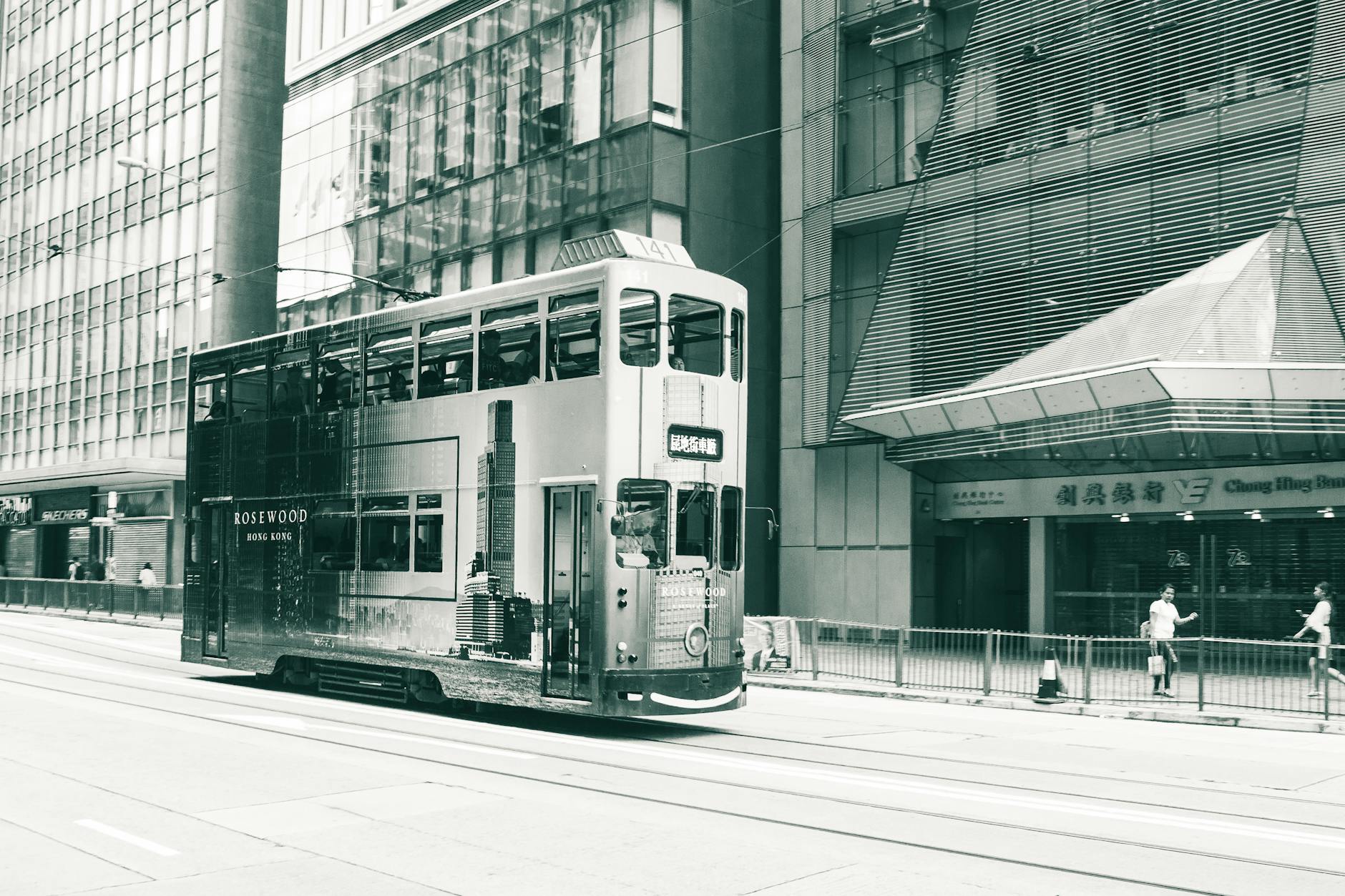
Sheung Wan is one of the easiest districts in Hong Kong to pass through without properly noticing.
Start Here
That is partly because it is so useful. Visitors arrive here through MTR, trams, airport transfer chains, and the Hong Kong–Macao Ferry Terminal. They pass Western Market on the way somewhere else. They drift through a block or two of dried-food streets, think, “Ah, this feels more like old Hong Kong,” and then keep moving. They climb one of the uphill streets toward coffee or galleries, or they cut across from Central and assume they have simply reached a blurrier version of the same place.
All of that produces a real but incomplete impression. Sheung Wan is not Central’s leftover edge, nor is it a heritage district that exists mainly for atmospheric walking and photo texture. It is one of the most revealing pieces of Hong Kong Island because it still shows commercial use at street level. The district continues to move goods, people, and intent through a grain of roads and shopfronts that has not been polished into generic global-city smoothness. That fact gives it weight.
Hong Kong Tourism Board still places Sheung Wan inside the larger Central & Western district, which is officially framed as an area where historical character and contemporary city life intersect.[1] That is true in the abstract. But Sheung Wan is where the claim starts to become specific. Here the “historical character” is not mostly a story told on plaques. It is the continuing presence of specialty retail, old market infrastructure, sloped street systems, residual ferry logic, and small-scale urban uses that have not been entirely replaced by prestige offices and destination branding.
MTR still treats Sheung Wan as a substantial station-and-tunnels environment.[2] Marine Department still lists the Hong Kong–Macao Ferry Terminal here.[3] Hong Kong Tourism Board still treats Dried Seafood Street, Tonic Food Street, and Western Market as meaningful visitor references.[4][5] Put those together and the district’s actual role becomes clear. Sheung Wan is not a quaint pause before something better. It is one of the clearest ways to understand how Hong Kong handles continuity: trade persists, transit persists, slope persists, and the city keeps building around them rather than erasing them completely.
Sheung Wan in one sentence: it is one of Hong Kong’s strongest districts for seeing how commerce, transit, and older urban grain still shape daily life beyond Central’s polished front.
Basic data
| Population | Dense mixed-use district inside Hong Kong Island |
|---|---|
| Area | Compact older commercial and hotel district |
| Major religions | Buddhism, Taoism, Christianity, Islam, folk religion, and a large secular population |
| Political system | District inside a special administrative region |
| Economic system | High-income services economy led by commerce, hospitality, retail, and business services |
Quick Verdict
Best for: return Hong Kong visitors, street-life walkers, urban photographers, market-and-shopfront travelers, architecture watchers, and anyone who prefers texture over prestige.
Less ideal for: travelers who want major headline attractions every twenty minutes or who need a district with one obvious sightseeing spine and zero ambiguity.
Ideal first use: half a day to one full district session within a wider Hong Kong trip.
Still worthwhile: even as a shorter walk if you stay focused and do not treat it like a transfer corridor.
Can justify more time: yes, especially if linked thoughtfully with Central, Sai Ying Pun, a Macau ferry move, or a tram-led cross-island day.
Biggest planning mistake: using the district only as transit.
One thing to prioritize: older mercantile street texture.
One thing to keep simple: the uphill/downhill route.
The blunt version: Sheung Wan is not glamorous, and that is exactly its advantage.
Who Will Love Sheung Wan?
Sheung Wan works for travelers who enjoy cities when they still look materially specific. If you like districts where what gets sold, stored, moved, and cooked still affects the street, this is one of the better places on Hong Kong Island to pay attention. It suits visitors who would rather understand a city block by block than collect only icons.
It is especially strong for people who like:
- tram corridors and road-based urban movement
- neighborhood change over short walking distances
- older commercial typologies that are still active rather than curated
- mixed-use districts that are not trying to flatter the visitor every second
- the feeling that a place is useful to its own city before it is useful to tourism
It is less ideal for people who need every district to deliver obvious spectacle. Sheung Wan is not short on interest, but it often asks you to read context rather than wait for attractions to announce themselves.
Sheung Wan at a Glance
| Question | Practical Answer |
|---|---|
| Best visit style | half-day or full district walk |
| Main access anchor | Sheung Wan MTR |
| Main practical edge | Hong Kong–Macao ferry terminal |
| Best first landmark anchor | Western Market |
| Most distinctive street zone | dried-seafood and tonic-food streets |
| Main physical challenge | slope and heat |
| Main conceptual challenge | understanding why the district matters |
| Main risk | treating it as a route between more famous districts |
2026 Visitor Notes
Sheung Wan Still Sits in Hong Kong’s Most Layered Urban Band
Hong Kong Tourism Board continues to frame the wider Central & Western district as the place where historical charm meets modern urban life.[1] Sheung Wan remains one of the clearest examples of that overlap because the district has not been smoothed into one consistent register. It still feels like overlapping uses rather than a fully resolved identity.
Sheung Wan Station Remains the Main Entry Device
MTR continues to present Sheung Wan as a station-and-tunnels complex with the kind of infrastructural significance that affects how a district is entered and crossed.[2] This matters because Sheung Wan is easiest when approached deliberately rather than discovered accidentally while trying to reach somewhere else.
The Ferry-Terminal Edge Still Gives the District Outward Motion
Marine Department continues to list the Hong Kong–Macao Ferry Terminal at Sheung Wan among Hong Kong’s marine ferry terminals.[3] Even if you never use the terminal, its presence changes the district. Sheung Wan still looks outward toward movement and departure rather than collapsing inward into a sealed neighborhood identity.
Specialty Streets Remain One of the District’s Defining Features
Hong Kong Tourism Board still highlights Dried Seafood Street and Tonic Food Street in Sheung Wan.[4] This is not an incidental tourist flourish. These streets continue to embody the district’s strongest public claim to distinctiveness.
Western Market Still Anchors the District Historically Even During Closure
Hong Kong Tourism Board continues to present Western Market as a historic landmark while noting its temporary closure for renovation.[5] That means the building still matters as an orienting idea and district marker even if you cannot currently use it fully as an interior destination.
How to Understand Sheung Wan
Sheung Wan works through five forces.
The first is mercantile continuity. Older trade patterns still shape what the streets feel like.
The second is transit usefulness. MTR, terminal, trams, buses, and walk-through routes all matter here.
The third is slope. Lower Sheung Wan, mid-slope Sheung Wan, and the upper edges are different walking experiences.
The fourth is adjacency. The district gets strength from sitting between more heavily branded sections of the island without becoming interchangeable with them.
The fifth is incomplete reinvention. Sheung Wan has cafés, galleries, and upgraded residential-commercial pockets, but they coexist with older commercial systems instead of replacing them cleanly.
The Main Mental Shift
Do not ask, “What are the Sheung Wan sights?” Ask, “What kind of city work is still visible here?” That question makes the district much easier to appreciate. Once you start looking at use rather than attraction count, Sheung Wan becomes unusually satisfying.
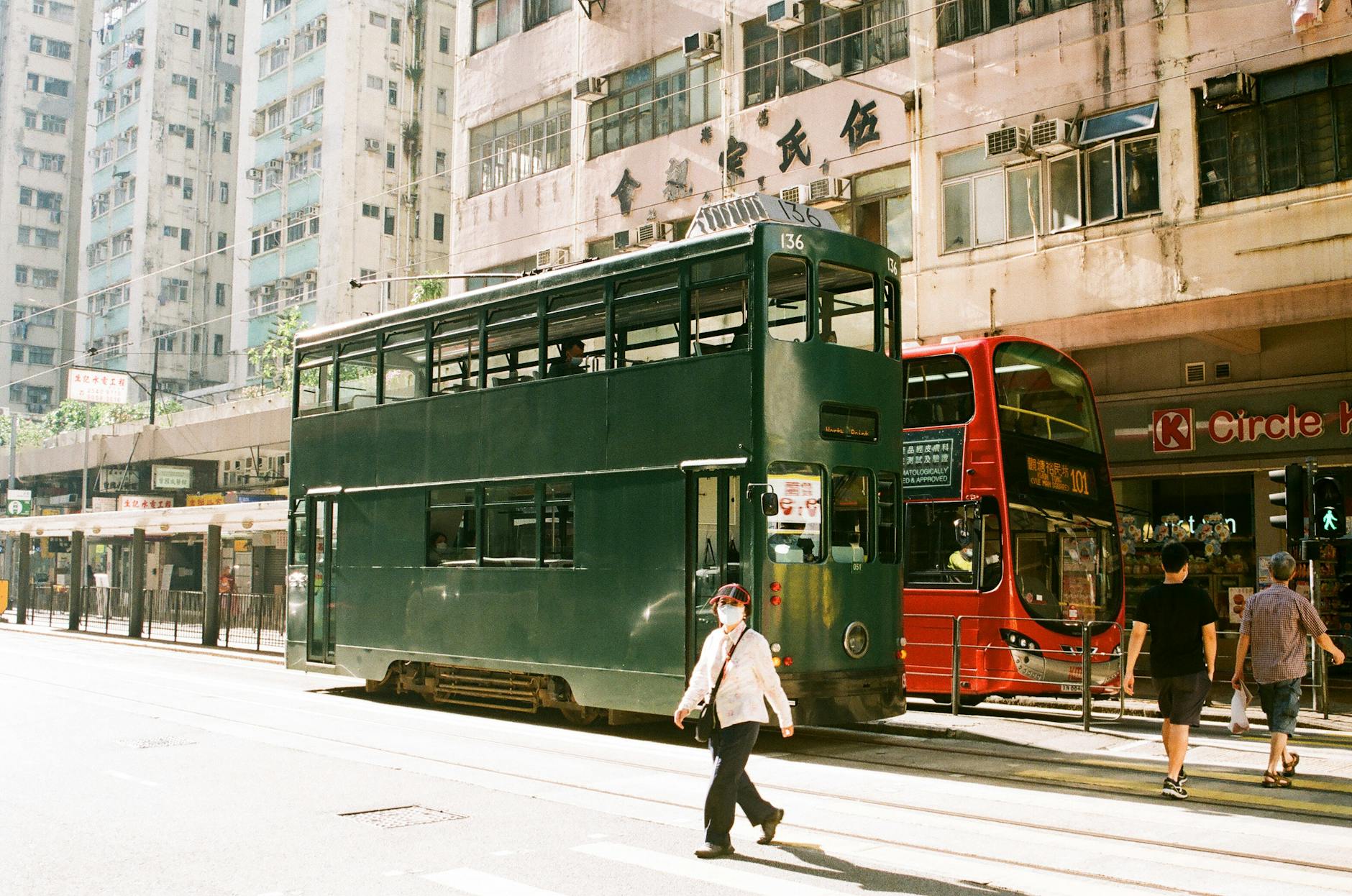
What Makes Sheung Wan Distinct
Sheung Wan is distinct because it still feels commercially specific.
Where Central often feels like corporate power, hotel infrastructure, and financial presentation, Sheung Wan feels like transaction, storage, handoff, adaptation, and layered street survival. That does not make it morally superior or more “authentic” in some cheap travel sense. It makes it legible. You can still see what kinds of businesses shape the block. You can still smell what gets sold. You can still feel how the streets respond to older patterns of goods movement, market access, and port logic.
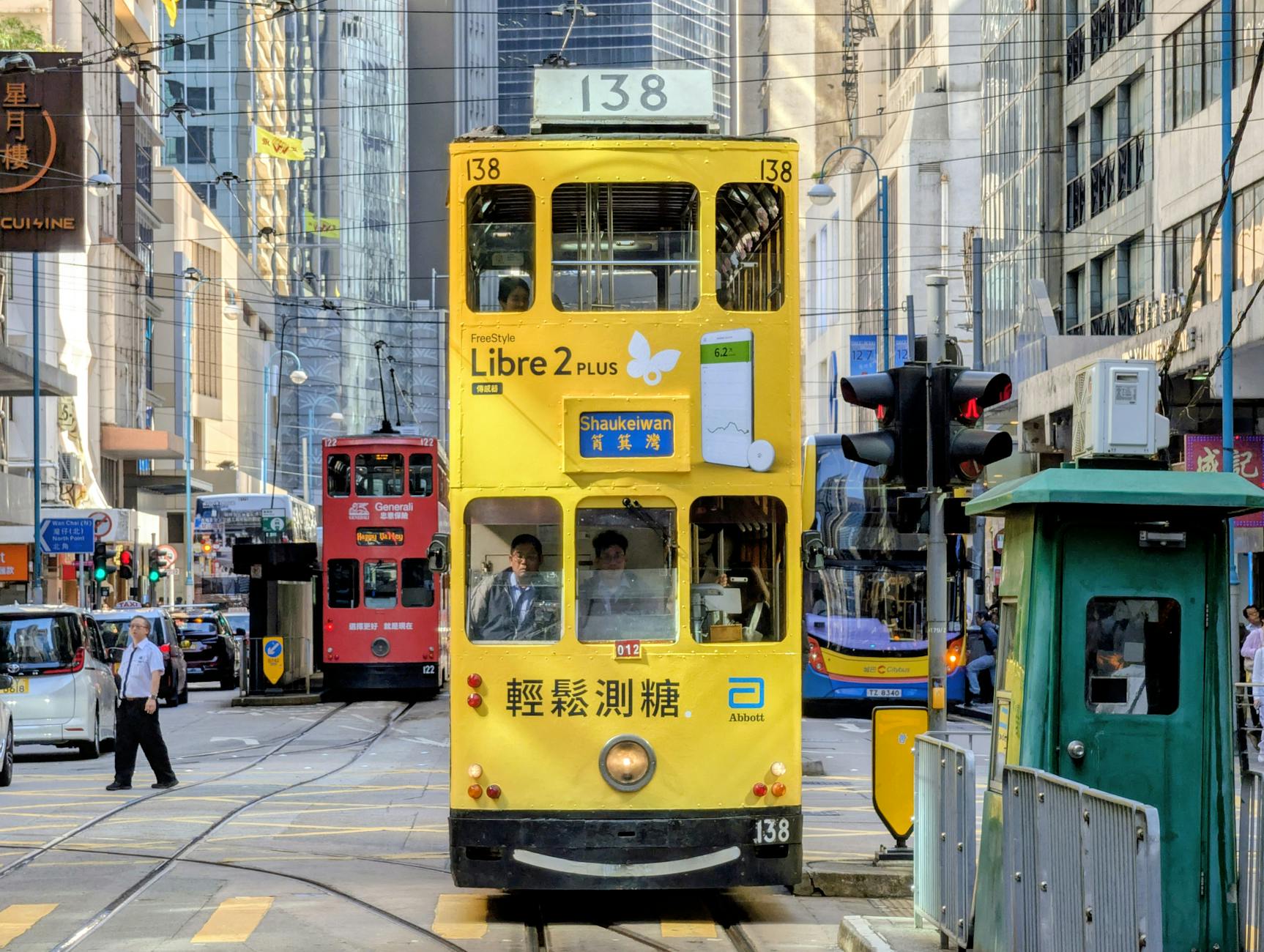
It is also one of those districts where the city’s vertical and horizontal systems still collide in visible ways. Sheung Wan has tram lines, market roads, terminal connections, and steep upward shifts that put commerce and residential or lifestyle change directly against each other. Few districts on the island show this transition quite as clearly.
Best Time to Visit
Sheung Wan is best when walked with climate and slope in mind.
Morning works well if you want lower-district market and trade texture before the day gets too hot. Later afternoon also works, especially if you want to watch the district change from practical business movement into a more mixed social rhythm. Midday is still usable, but you should think in tighter sequences: a lower-district walk, a market-street pass, an interior stop, then an uphill move only if you still have energy.
The district is rarely ruined by bad timing, but it is very easy to flatten with bad pacing. If you do all your climbing at the wrong hour or bounce constantly between lower and upper streets, Sheung Wan becomes tiring faster than it becomes interesting.
How Much Time You Need
Short Visit
Enough for Western Market, one specialty-street pass, and a low-district walk. This can work surprisingly well if you stay disciplined.
Half Day
The best first answer if Sheung Wan is one district among several. This gives you enough room to see both lower and rising parts of the neighborhood.
Full Day
Reasonable if paired thoughtfully with food, Central spillover, a tram sequence, or a Macau-linked ferry logic. But a full day only works if the district is being used as one part of a broader urban rhythm rather than being overburdened.
Arrival Strategy
Sheung Wan should begin with one clear anchor point and one intended direction.
MTR’s official station reference is minimal but useful enough to remind you that the district is easier when you know your exit logic in advance.[2] Western Market, the ferry-terminal side, or the lower Des Voeux corridor all work as starting anchors. What matters is not which one you choose but that you choose it knowingly.
The practical decision is whether your walk is:
- lower district first, then uphill
- trade streets first, then terminal edge
- terminal edge first, then low corridor and gradual climb
What you should avoid is arriving with no sense of whether the district is being read bottom-up or top-down. Sheung Wan punishes vagueness not because it is huge, but because its changes in mood are compressed tightly together.
Lower Sheung Wan: The Part That Explains the Rest
Lower Sheung Wan is where the district’s structural meaning becomes obvious. This is the zone where transit, market scale, tram movement, and mercantile frontage sit closest together. It is not visually clean. That is part of the point.
You should pay attention to:
- tram-road rhythm
- older block proportions
- loading, unloading, carrying, and shopfront logistics
- the mixture of tourist curiosity and ordinary working patterns
- how quickly the district can shift from useful to obscure over one or two streets
This is the part many visitors skip in their rush toward either the ferry terminal or the more lifestyle-branded uphill streets. That is a mistake. Lower Sheung Wan gives the rest of the district context.
Western Market and the District’s Older Face
Western Market remains the easiest landmark through which to read Sheung Wan correctly.
Hong Kong Tourism Board still frames it as an Edwardian-style landmark and one of the district’s older structures while noting its temporary renovation closure.[5] Even without a fully open visitor function, it still matters in three ways.
First, it marks the district physically. If you are trying to orient yourself between Central, Sheung Wan, and the lower western side of the island, Western Market is a reliable mental hook.
Second, it clarifies the district historically. Sheung Wan’s old market logic is not a vague mood. It had built forms, and this building is one of the clearest survivals of that city-making period.
Third, it prevents the district from being reduced entirely to specialty streets and contemporary cafés. It reminds you that Sheung Wan’s older public-commercial identity was formal as well as improvised.
Do not over-romanticize it. Western Market is useful because it anchors a real district, not because it floats above one as an isolated monument.
Dried Goods, Smell, and Commercial Texture
Dried Seafood Street and Tonic Food Street are not decorative curiosities. They are the district’s strongest argument.
Hong Kong Tourism Board still treats them as visitor-worthy elements of Sheung Wan.[4] That matters because official tourism bodies often smooth districts into generic “explore the neighborhood” language; here they still acknowledge the specificity of the trade.
These streets are important for three reasons.
They Preserve Real Specialization
A lot of global city centers eventually lose their narrow commercial identities and become interchangeable retail corridors. Sheung Wan’s dried goods and tonic-food zones resist that flattening. You are seeing a district where particular product types still claim visible territory.
They Give the District a Sensory Signature
The smell matters. The textures matter. The stacked packaging, hanging signage, shop density, and distinct retail formats all matter. These are not incidental impressions; they are how the district announces what it is.
They Force Slower Walking
Unlike prestige retail, which encourages windowed drift, these streets demand observation. You stop because the goods are unfamiliar, because the street is dense, because the shops feel specific, because the whole thing looks built for regular use rather than aesthetic consumption.
If you rush these blocks, you will still get the photo. You will miss the district.
Tonic Food, Herbal Logic, and Everyday Hong Kong
One of the more useful things about Sheung Wan is that its food-and-remedy culture does not present itself as lifestyle branding first. Tonic Food Street is still one of the ways the district exposes a more everyday, health-linked, culturally embedded side of commerce.[4]
You do not need specialist knowledge to appreciate it. What matters is noticing that these streets are not “theme streets” in the empty urban-planning sense. They still feel attached to habits, seasonal needs, and continuing consumer practices.
For a traveler, this provides one of the cleanest reminders that Hong Kong is not only a city of finance, skyline, and famous dim sum rooms. It is also a place where district-level commerce still has memory.
Ferries, Outward Motion, and the Macau Edge
Marine Department still lists the Hong Kong–Macao Ferry Terminal at Sheung Wan.[3] That fact is easy to treat as merely practical, but it changes the district’s identity.
Sheung Wan is not fully inward-looking. It remains a point of exchange and outward movement. Even if you never board the ferry, the terminal’s presence means:
- people are arriving here with onward purpose
- the district still belongs to a harbor network
- “departure” remains part of its atmosphere
- the neighborhood never quite settles into self-contained localism
This is one reason Sheung Wan feels different from a purely residential old district. Its edge still belongs to circulation and connection.
If Macau is part of your trip, the best version is to let Sheung Wan frame that move rather than simply endure it as terminal logistics. Walk the district first or after. Let the ferry reinforce what Sheung Wan already is: a place where movement matters.
Slope Sheung Wan: Why the District Changes So Fast
One of the district’s biggest strengths is how quickly it changes once you start rising away from the tram-road and terminal logic.
The lower streets feel transactional. Move uphill and you begin to encounter:
- quieter blocks
- café and design drift
- residential-commercial overlap
- more deliberate walking and less constant flow
- a different kind of observer, not just a different kind of shopper
This does not mean the upper edges are “better.” It means Sheung Wan compresses several urban moods into a short walk, and the slope is the mechanism.
The practical lesson is simple: do not spend all your energy at one level of the district. The contrast between lower and upper Sheung Wan is part of what justifies the visit.
Sheung Wan and Central: Close but Not Interchangeable
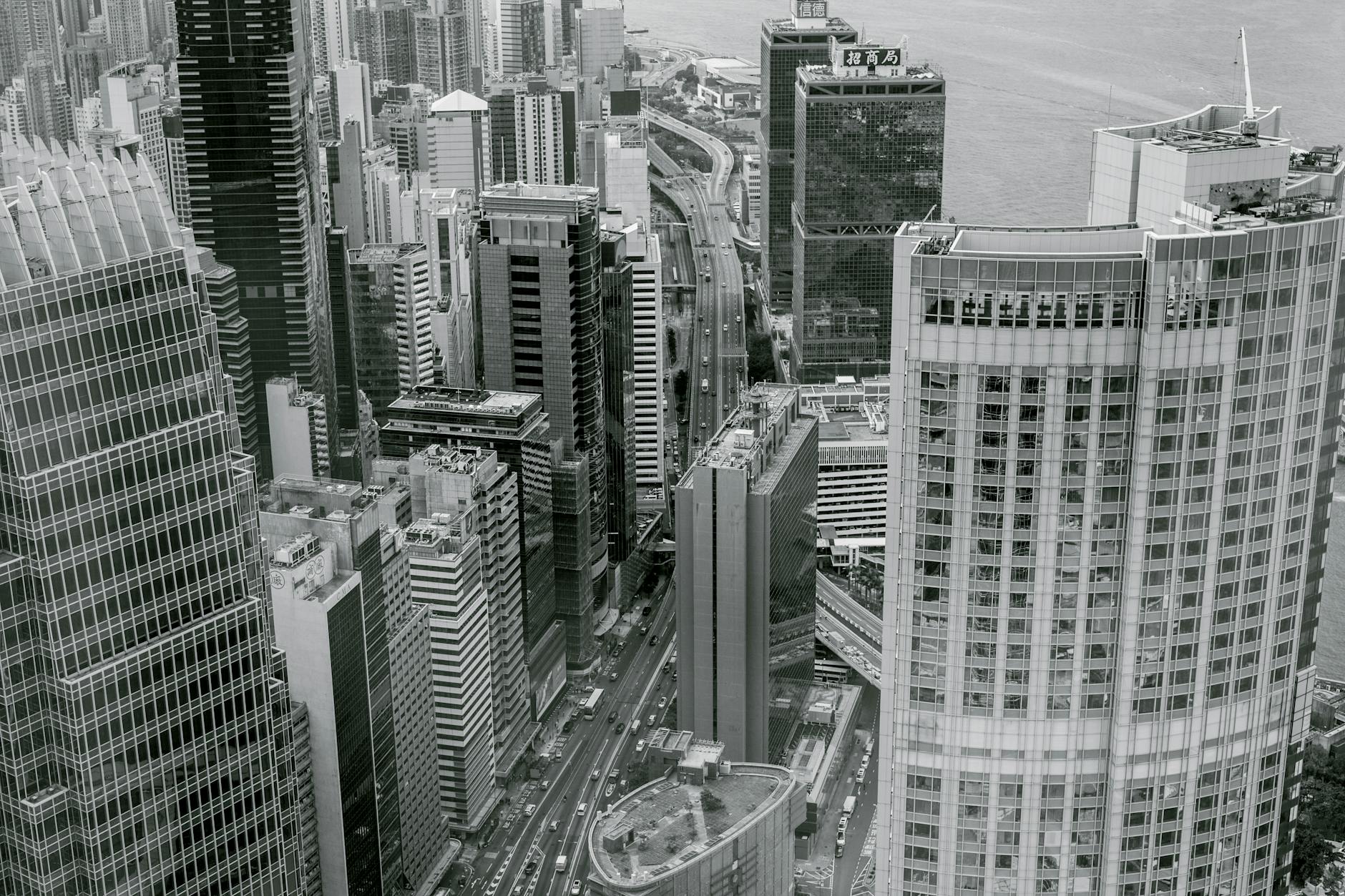
Visitors often drift between Central and Sheung Wan without recognizing that the border between them matters. The distance is small. The psychological difference is not.
Central tends to feel:
- more formal
- more polished
- more office-and-hotel structured
- more overtly prestigious
Sheung Wan tends to feel:
- more materially mixed
- more trade-facing
- less narratively resolved
- more useful to ordinary daily movement
The mistake is thinking Sheung Wan matters because it offers “a break” from Central. That understates it. Sheung Wan matters because it reveals a different mode of city-making. It is not simply Central at lower rent. It still has its own logic.
Sheung Wan and Sai Ying Pun: The Western Pull
If Central is the district Sheung Wan gets compared to too often, Sai Ying Pun is the district that reveals its continuity best. Moving west from Sheung Wan can make Hong Kong Island feel less like a sequence of sights and more like a living corridor of changing neighborhood forms.
You do not need to pair them every time. But for visitors with enough time, Sheung Wan becomes even clearer when understood as a transition district rather than a standalone curiosity.
Coffee, Design Drift, and the Risk of Misreading the District
Sheung Wan has enough cafés, galleries, design-led storefronts, and small hospitality polish to tempt visitors into thinking they have found a “cool neighborhood” version of Hong Kong. There is truth in that. There is also a trap.
The trap is reading the district entirely through the newer lifestyle layer and using that to overwrite the older commercial logic that still defines it. If you only do brunch, coffee, and uphill browsing, Sheung Wan will seem pleasant but smaller than it is. You will have used only one surface.
The better way is to let the lifestyle layer arrive after you have already walked the trade streets and lower commercial edge. Then it reads as one part of the district’s adaptation rather than as the district’s whole story.
Food in Sheung Wan: What Actually Works
Sheung Wan is not the district I would sell first on the basis of one iconic restaurant fantasy. It works better as a food district in a more practical sense.
What you want here is:
- something that fits the walk
- something tied to the district’s daily rhythm
- a pause that supports the next leg rather than ending the day too early
This often means keeping your food choices modest and strategic instead of trying to make Sheung Wan your formal culinary showcase. The district’s strength is not that every meal here will be unforgettable. It is that food can be woven naturally into a street-led day.
Shopping in Sheung Wan: Buy with Eyes Open
This is a district where shopping can still mean observation rather than consumption. You are not here primarily for luxury concentration or obvious mall dominance. You are here for commercial specificity.
Useful mindset:
- look for materials, formats, and products you would not notice elsewhere
- treat the shopping as district reading
- resist buying generic “old Hong Kong” souvenirs just because the setting encourages the fantasy
If you buy something in Sheung Wan, ideally it should feel like it belonged to the district before you arrived.
Where to Stay: Usefulness Versus Mood
Sheung Wan can work very well as a base, but not for everyone.
It suits travelers who want:
- strong transport
- easier access to Central without sleeping in it
- more texture outside the hotel door
- a district that still feels useful in the morning
It is less ideal if you want classic first-timer hotel glamour or if your whole trip revolves around being at the harbor promenade. Sheung Wan’s case as a base is practical and urban, not theatrical.
For many return visitors, that is exactly why it becomes attractive.
One Good Half-Day in Sheung Wan
If you have only a half day, do this:
- Arrive by MTR with Western Market or the lower district as your entry anchor.
- Walk the lower corridor first while your attention is sharp.
- Spend real time on Dried Seafood Street and Tonic Food Street.
- Pause for food or coffee only after you have seen the district’s trade layer.
- Climb gradually into the quieter uphill blocks.
- End with either a tram continuation, a return toward Central, or a ferry-linked move if that fits the day.
This is enough to give Sheung Wan shape without exhausting it.
One Stronger Full-Day Version
If you have longer, the better full-day version is not “more Sheung Wan” in a narrow sense. It is Sheung Wan as anchor inside a wider western-Hong-Kong day.
A good full-day concept:
- morning in lower Sheung Wan
- slower trade-street exploration
- mid-route food or café pause
- uphill stretch and quieter lanes
- link outward toward either Central or westward island movement
- if relevant, let the ferry terminal or tram system structure the second half
The point is to let Sheung Wan set the tone rather than requiring it to generate nonstop attractions by itself.
What Sheung Wan Does Better Than More Famous Districts
It is useful to be explicit here, because Sheung Wan often gets overshadowed by districts that are louder, more prestigious, or easier to summarize.
Sheung Wan does several things better than some of its more famous neighbors.
It Shows Commercial Memory More Clearly Than Central
Central still communicates power, access, and institutional Hong Kong beautifully. But Sheung Wan shows commercial memory more clearly. You can still feel what kinds of businesses settled here, how streets specialized, and how older patterns of movement shaped the block structure.
It Feels Less Scripted Than Tsim Sha Tsui
Tsim Sha Tsui is brilliant at introducing the visitor to Hong Kong’s harbor spectacle. It is not where you go for subtlety. Sheung Wan, by contrast, is less dependent on monumentally obvious experiences. It reveals itself through use rather than performance.
It Is More Grounded Than Some “Cool” Neighborhood Readings
There are districts across major cities that get praised mainly for cafés, concept stores, and a general sense of tastefulness. Sheung Wan has some of that layer, but it remains sturdier and more grounded because the older commercial substrate still has force.
It Rewards Repeat Walking
Some places are powerful once and then essentially solved. Sheung Wan is not like that. The district improves when rewalked at different times, at different speeds, and with slightly different route choices. That is usually the sign of a strong urban district.
This is why Sheung Wan matters in a guidebook context even if it is not the district you would put on the front cover. It makes Hong Kong feel structurally richer.
If You Stay Here: What the District Feels Like at Different Times
One reason Sheung Wan works well as a base for some travelers is that it changes register without losing coherence.
Early Morning
Early morning Sheung Wan feels practical first. This is one of the best times to understand the district’s use-value. Deliveries, smaller commercial motions, morning food, and the lower roads all feel more legible before the day thickens.
Midday
Midday can be the district’s least flattering time if you are careless. Heat, slope, and the loss of morning sharpness can flatten the experience. This is when you should use shorter route segments, interior breaks, or a more controlled itinerary.
Late Afternoon
Late afternoon is often the best compromise. Trade streets still have enough life to feel meaningful, but the district begins to loosen. The climb uphill becomes more pleasant. The walk toward neighboring districts becomes easier.
Evening
Evening Sheung Wan is not silent, but it does become more interpretive. The district reads less as active logistics and more as an inhabited urban texture. This is often when first-time visitors finally understand why people choose to stay here.
That time-of-day variation is important. It is another reason not to judge Sheung Wan from a single rushed pass.
Sheung Wan in Bad Weather
This district actually handles imperfect weather better than some more scenic or more waterfront-dependent parts of Hong Kong.
If the day is wet, gray, or unstable:
- keep the route tighter and lower
- use the trade streets as the core rather than the backdrop
- break more often
- avoid making the district prove itself through long uphill wandering
Rain can even help a little with mood if you are already inclined to appreciate density and texture. The district’s commercial grit often reads more clearly when it is not competing with a postcard idea of bright sun and perfect visibility.
This does not mean Sheung Wan becomes ideal in heavy rain. It means it remains more viable than a district that depends primarily on open views or one giant outdoor landmark.
Pairing Sheung Wan with Other Hong Kong Days
One of the reasons Sheung Wan deserves a longer guide is that it pairs unusually well with several different kinds of Hong Kong day.
Sheung Wan Plus Central
This is the most obvious pairing, but it only works well if you preserve the distinction between them. Let Central do the formal and symbolic work. Let Sheung Wan do the material and transitional work.
Sheung Wan Plus Sai Ying Pun
This is stronger for repeat visitors or for travelers who like neighborhood continuity more than attraction variety. The western movement along the island makes Hong Kong feel like a living corridor rather than a stack of named districts.
Sheung Wan Plus Macau Ferry Logic
If Macau is in the plan, Sheung Wan can help turn what might otherwise feel like bare transportation into part of the urban story. Walk before you depart or after you return.
Sheung Wan Plus Tram-First Hong Kong
Some visitors want a city day shaped by road-level movement rather than icon chasing. Sheung Wan is excellent inside that structure because its lower roads and surrounding connections make it legible from the tram logic outward.
In all these cases, Sheung Wan works best as the district that gives the day texture and transition, not just as a filler between bigger set pieces.
The Route Discipline That Makes Sheung Wan Better
Sheung Wan is one of those districts where route discipline creates enjoyment.
Bad Sheung Wan walk:
- arrive without a clear anchor
- drift too long on one lower road
- climb abruptly in the hottest part of the day
- skip the specialty streets
- finish feeling vaguely unconvinced
Good Sheung Wan walk:
- start with one lower anchor
- give the trade streets real attention
- let the district explain itself before you climb
- use one intentional pause
- make the uphill shift gradual
- leave along a route that reinforces the district’s relationship to the rest of the island
This is worth stating because Sheung Wan is not a district that forgives lazy sequencing as generously as some others do. The reward for intention is disproportionate.
Why the District Stays With You
The strongest districts often are not the ones that impress most instantly. They are the ones that keep producing explanation after the visit is over.
Sheung Wan tends to linger for that reason.
You remember:
- the smell of dried seafood before you remember a specific intersection
- the way a market block suddenly gave way to a steeper, quieter street
- how close the district felt to Central while still refusing to become Central
- that Western Market helped orient the neighborhood even if you never used it as a full attraction
- that the Macau-facing terminal edge made the district feel outward-looking rather than sealed
That is high praise for an urban neighborhood. It means the district did more than host you. It taught you something about how the city is put together.
Common Mistakes
Using Sheung Wan Only as Transit
This is the biggest and most common failure. It turns a strong district into anonymous logistics.
Treating the Specialty Streets Like a Quick Photo Strip
They make more sense when walked slowly and read for function, not just atmosphere.
Missing the Lower District Entirely
If you go straight uphill or straight to coffee, you skip the part that explains the rest.
Planning Too Much Uphill Too Fast
The district is steeper than it first appears, especially in heat and humidity.
Letting Central Define the Mood
Sheung Wan gets better when allowed to be its own thing.
Expecting Heritage-Neighborhood Cleanliness
This is not a manicured old quarter. Its roughness is part of its honesty.
Trying to Turn It into a “Secret” District
Sheung Wan is not secret. It is just easier to underread than to understand.
My Blunt Advice
Start low. Walk through the trade streets properly. Use Western Market as an orienting landmark whether or not it is open. Notice how the district changes block by block as the streets lift away from the harbor. If Macau is part of the trip, let the ferry terminal reinforce the district’s role rather than swallowing it.
Do not demand immediate charm. Sheung Wan often does not flatter the first glance. It accumulates.
That is exactly why it tends to improve in memory. It is one of those districts where the details do the real work: the smell of dried goods, the slant of the roads, the market logic, the shift from terminal energy to uphill pause, the realization that Hong Kong still contains places where commercial identity has not yet been flattened into brand language.
Sheung Wan does not need to impress you quickly. It needs to make sense slowly. If you give it that chance, it becomes one of the island’s most persuasive districts.
Source Notes
- 1. Hong Kong Tourism Board page for Central & Western District. Used for the current official framing of the wider district context that contains Sheung Wan. https://www.discoverhongkong.com/eng/neighbourhoods/central-and-western-district.html
- 2. MTR page for Sheung Wan station. Used for current official station-map and tunnel-layout reference. https://www.mtr.com.hk/en/corporate/operations/station_url_sw.html
- 3. Marine Department page for marine ferry terminals. Used for current official listing of the Hong Kong–Macao Ferry Terminal at Sheung Wan. https://www.mardep.gov.hk/en/public-services/port-services/terminal/index.html
- 4. Hong Kong Tourism Board page for Dried Seafood Street & Tonic Food Street. Used for current official visitor framing of Sheung Wan’s specialty trade streets. https://www.discoverhongkong.com/us/interactive-map/dried-seafood-street-and-tonic-food-street.html
- 5. Hong Kong Tourism Board page for Western Market. Used for current official framing of the building as a historic Sheung Wan landmark and note of temporary renovation closure. https://www.discoverhongkong.com/hk-eng/interactive-map/western-market.html