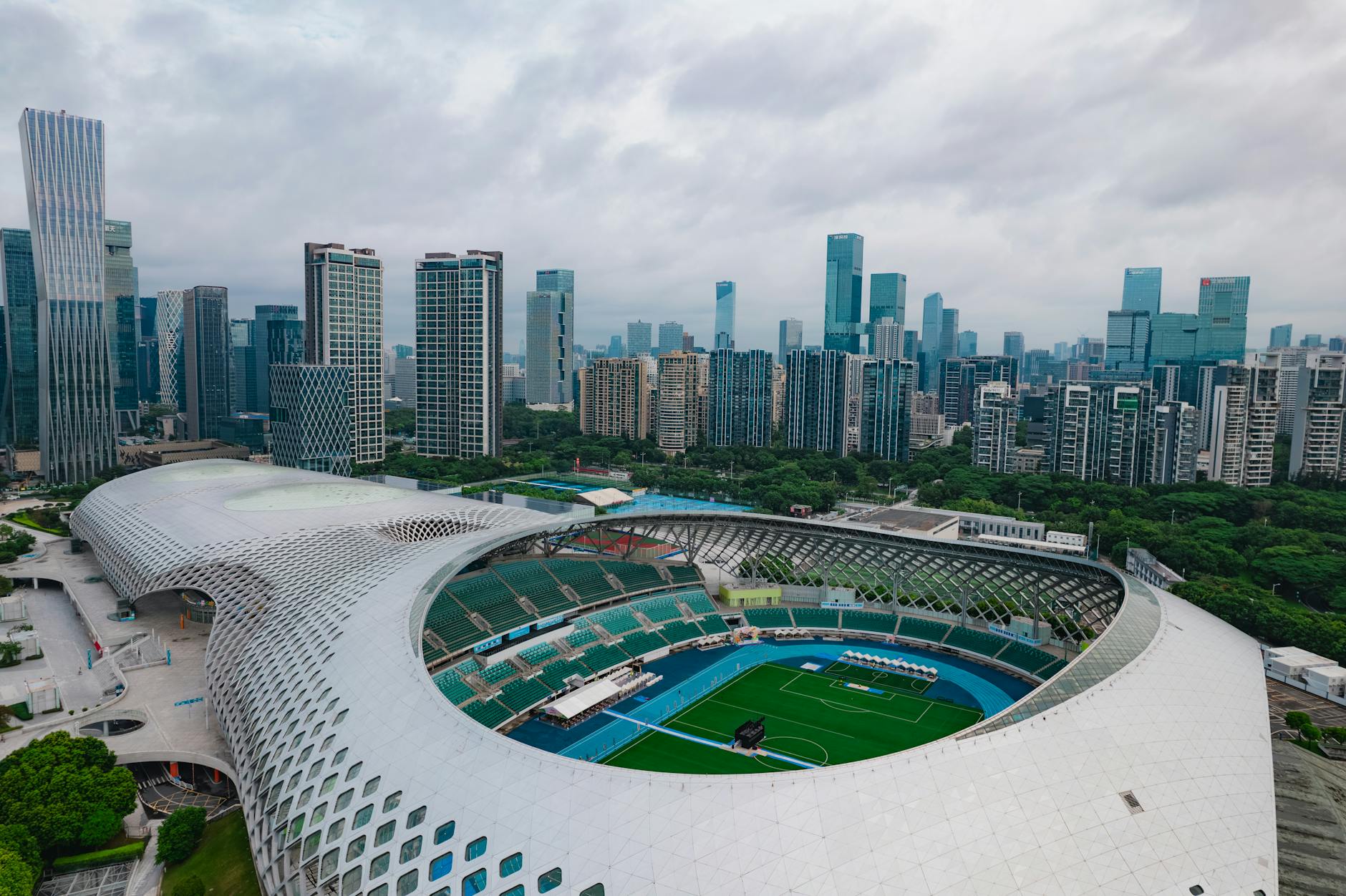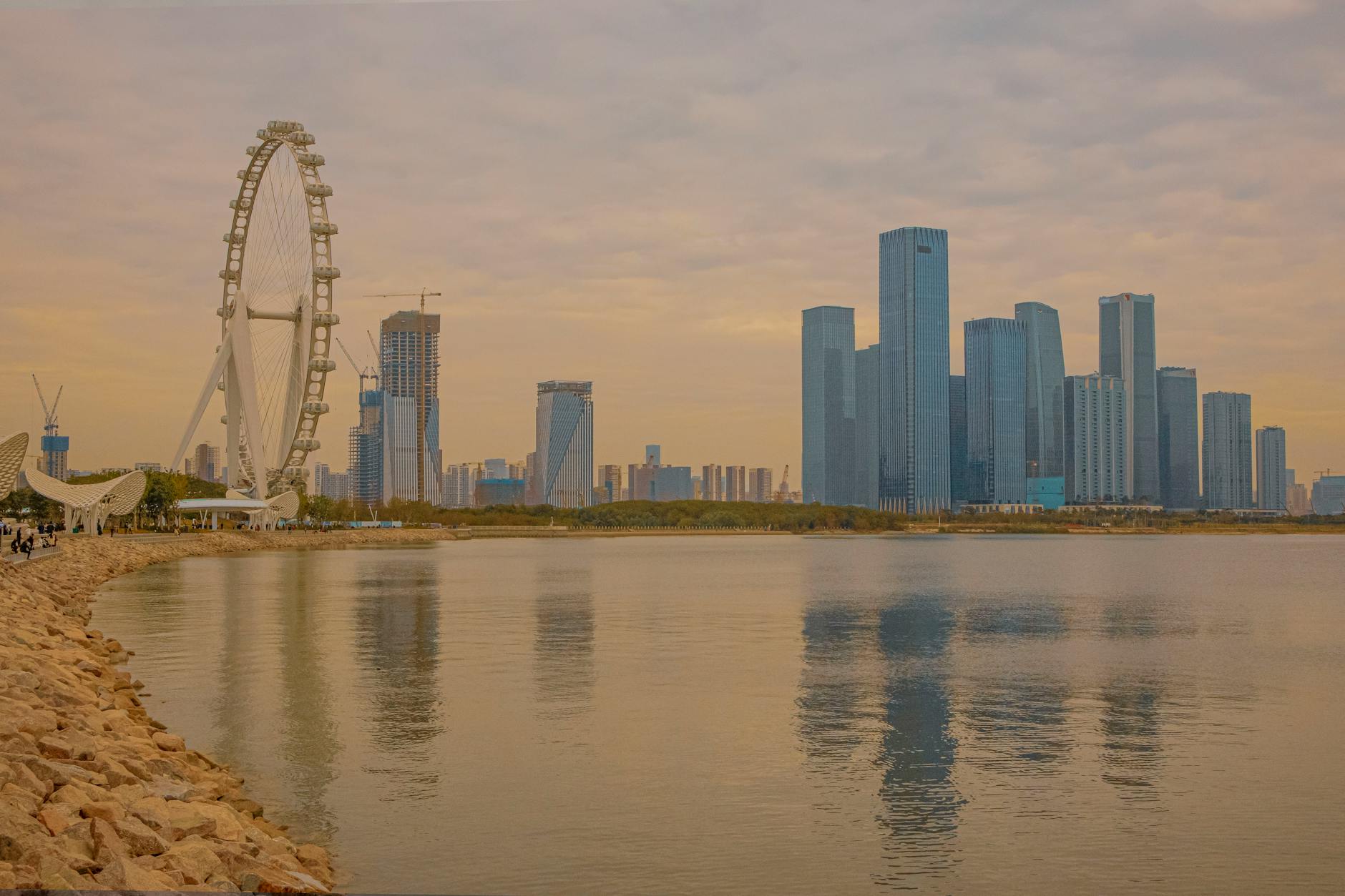
Shenzhen is easy to misunderstand because many travelers keep asking it to prove a kind of historical romance it was never built to deliver. That is the wrong test. Shenzhen is one of the region's great cities for modern China in motion: design, technology, parks, malls, hotels, quick movement, business energy, and a southern urban confidence that feels different from both Guangzhou and Shanghai. It can seem too new to some visitors. Usually that judgment comes from not using the city correctly. A strong Shenzhen trip is rarely about nostalgia. It is about clarity, modernity, comfort, and the forms of urban pleasure that a young, wealthy, fast-evolving city can provide when the traveler approaches it on its own terms.
How Shenzhen works
Shenzhen works through district function. Some areas are business and technology first. Others are retail, dining, and big-hotel city. Others show the city's greener, park-led, bay-facing side. The city is too broad and too young to be flattened into one center. That is why the hotel district matters so much. A good Shenzhen trip usually means choosing the right version of modernity and then letting that district carry the stay.
- Shenzhen is a function-driven city, not a one-center city.
- The right district determines whether the city feels dynamic or generic.
- Use Shenzhen for the version of modern urban China it actually excels at.
Basic data
| Population | About 18 million |
|---|---|
| Area | 1,997 km2 |
| Major religions | Largely secular public life with Buddhist, Christian, Muslim, and Daoist communities |
| Political system | Sub-provincial city inside a socialist one-party state |
| Economic system | Upper-middle-income mixed economy led by technology, finance, logistics, trade, and advanced manufacturing |
Best time to visit
Autumn and winter are often the easiest Shenzhen seasons because humidity eases and the city's parks, waterfronts, and broader walkable stretches become more usable. Spring can also be pleasant. Summer is workable but heavy, and it increases the value of malls, good hotels, and more edited outdoor movement. Shenzhen remains competent year-round, but not equally pleasurable at street level in every season.
- Cooler months give Shenzhen its cleanest urban rhythm.
- Humidity changes how much the city rewards walking.
- Season matters mainly through comfort and park or waterfront usability.
Arriving and getting around
Shenzhen is generally efficient to enter and straightforward by large-city standards, but district placement still matters because the city is long enough and broad enough that weak daily routing becomes tedious fast. Transit is strong, taxis and cars are useful, and the stronger move is often to organize the day around one district cluster rather than to force the whole map into a short stay. Shenzhen rewards decisiveness.
- Efficiency at entry does not remove the need for district discipline.
- A cleaner cluster-based day usually beats a wider, weaker one.
- The city is easy once the traveler stops trying to cover everything.
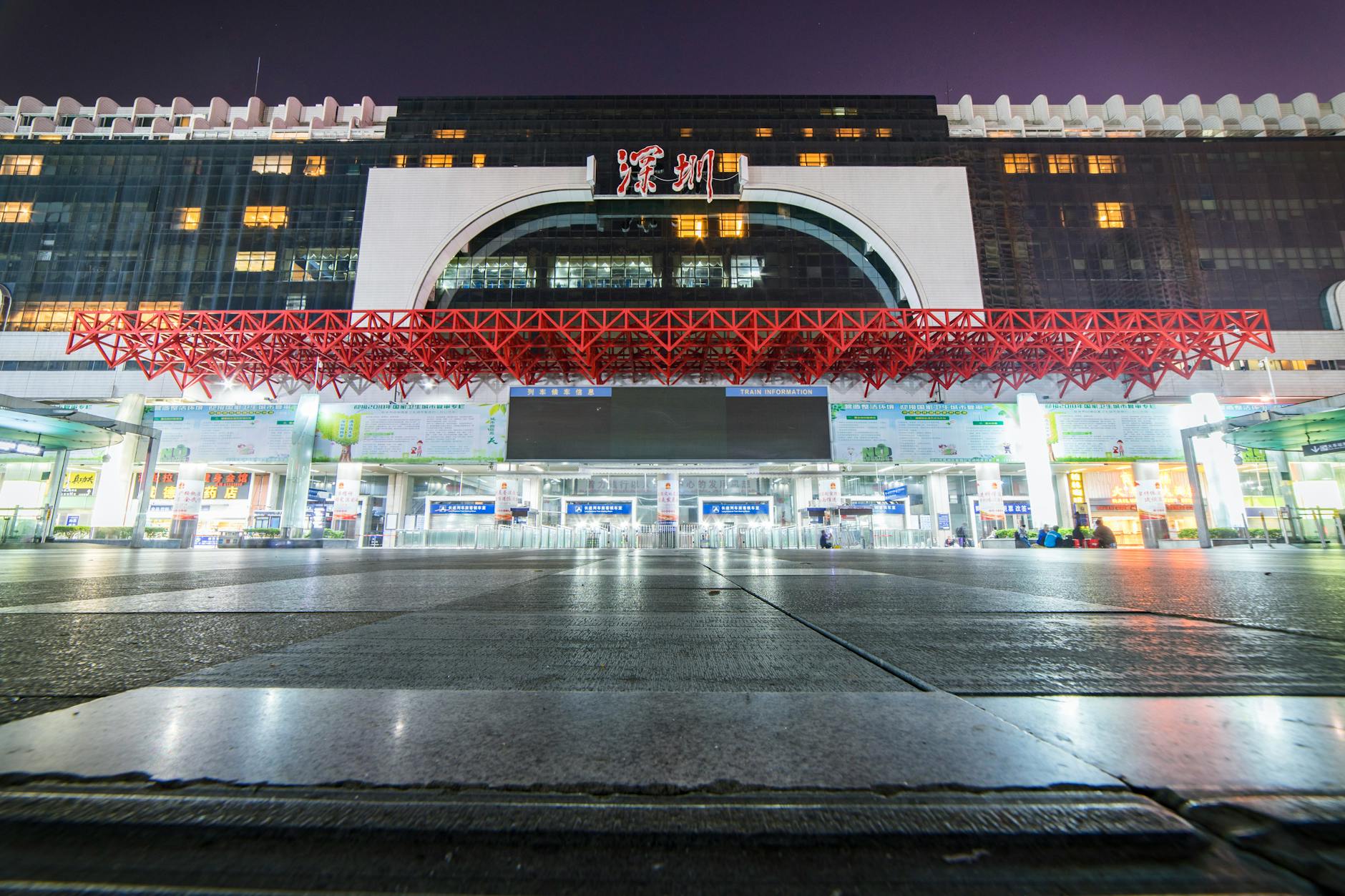
Where to stay
Hotel choice in Shenzhen is almost entirely about what kind of trip this is. Business travelers may want different infrastructure from leisure travelers chasing shopping, design, or bay-facing city life. The city can support both polished global hotels and sharper modern stays, but the wrong district can make even a strong property feel detached from the trip. Shenzhen is a city where the base should reduce the abstraction of the urban scale.
- The hotel must match the trip's actual purpose.
- A weak district can neutralize a strong property quickly.
- Choose whether the stay is business-led, design-led, or lifestyle-led.
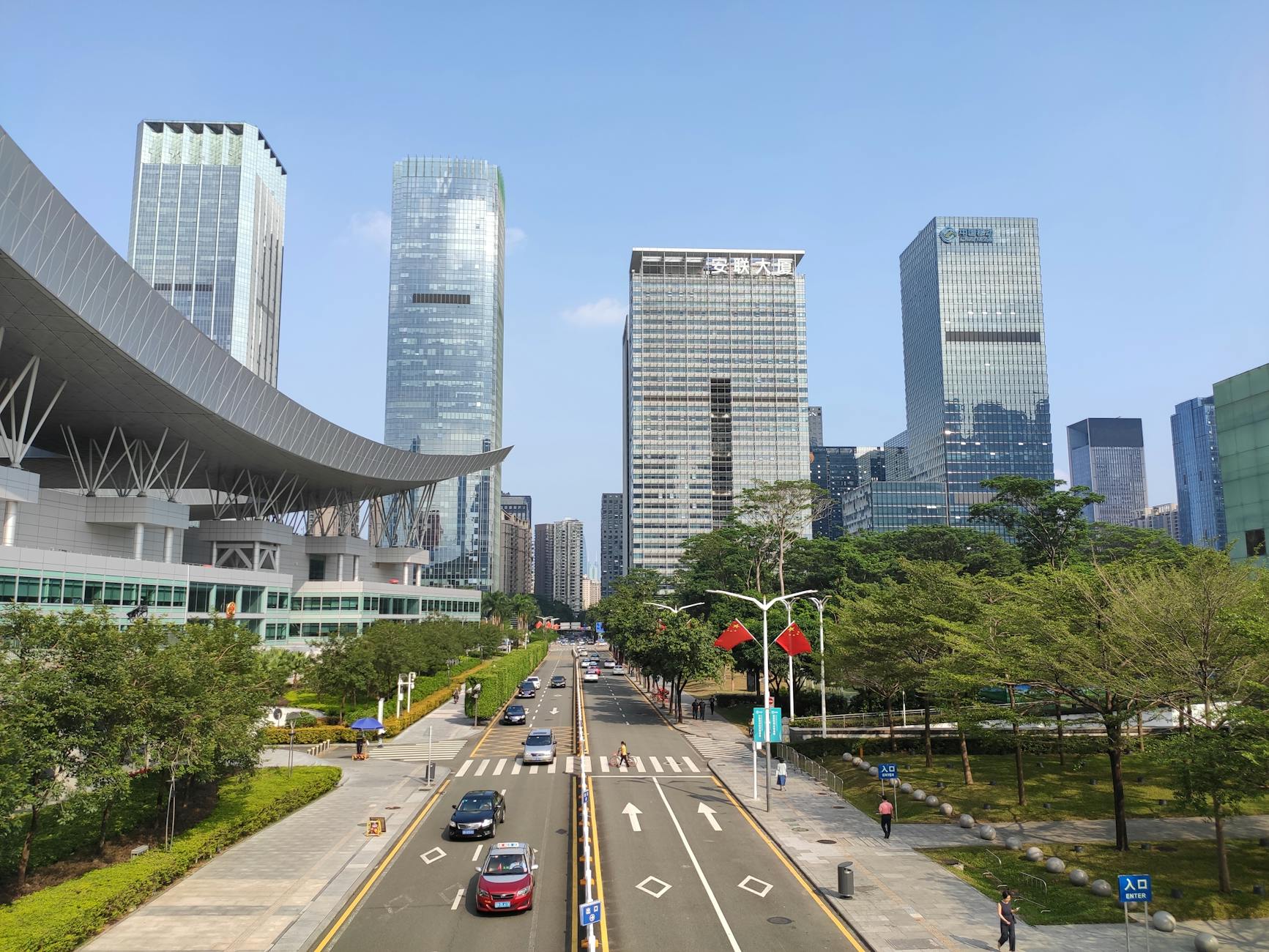
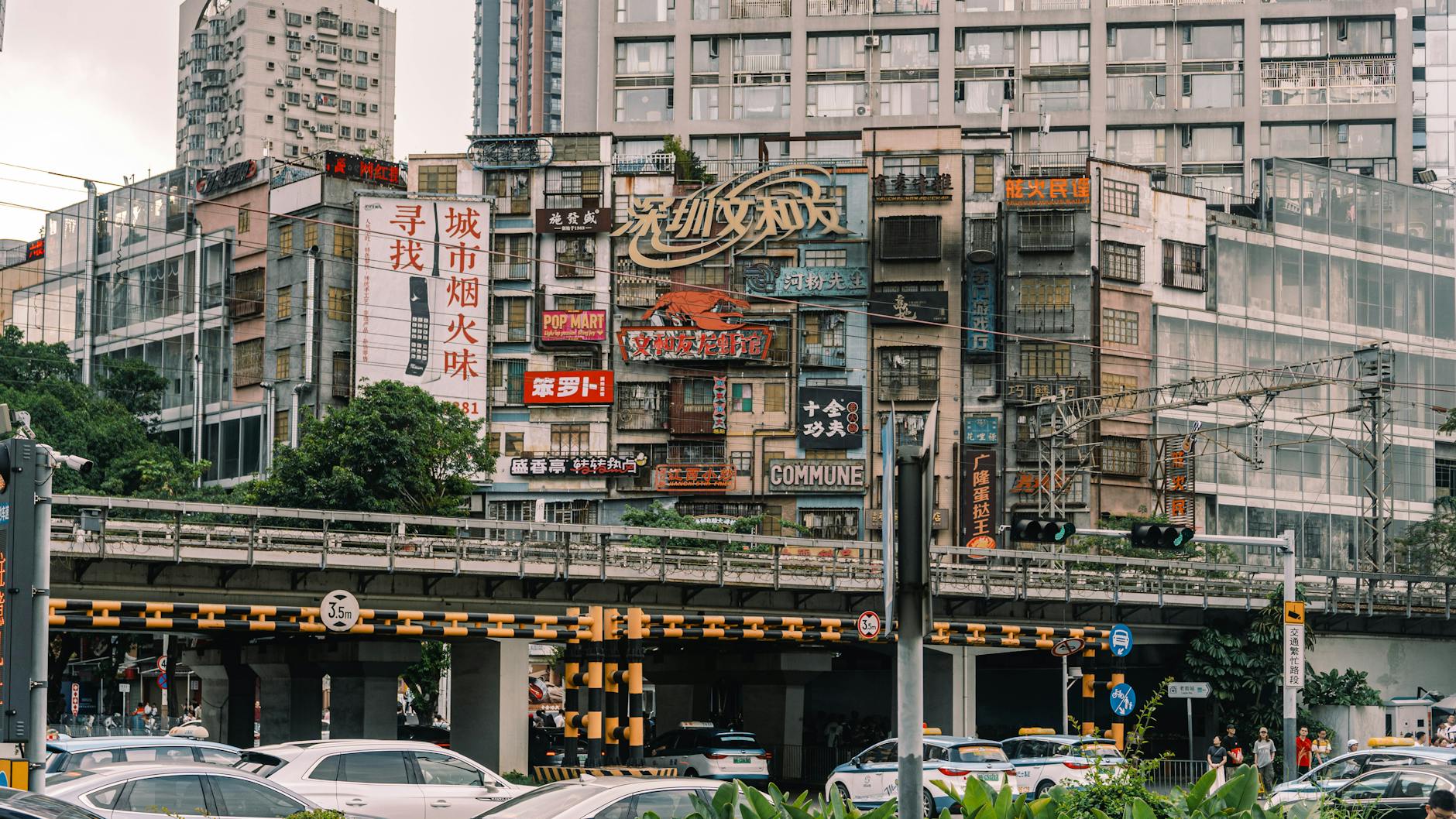
The danger of demanding historical charm from a city built for now
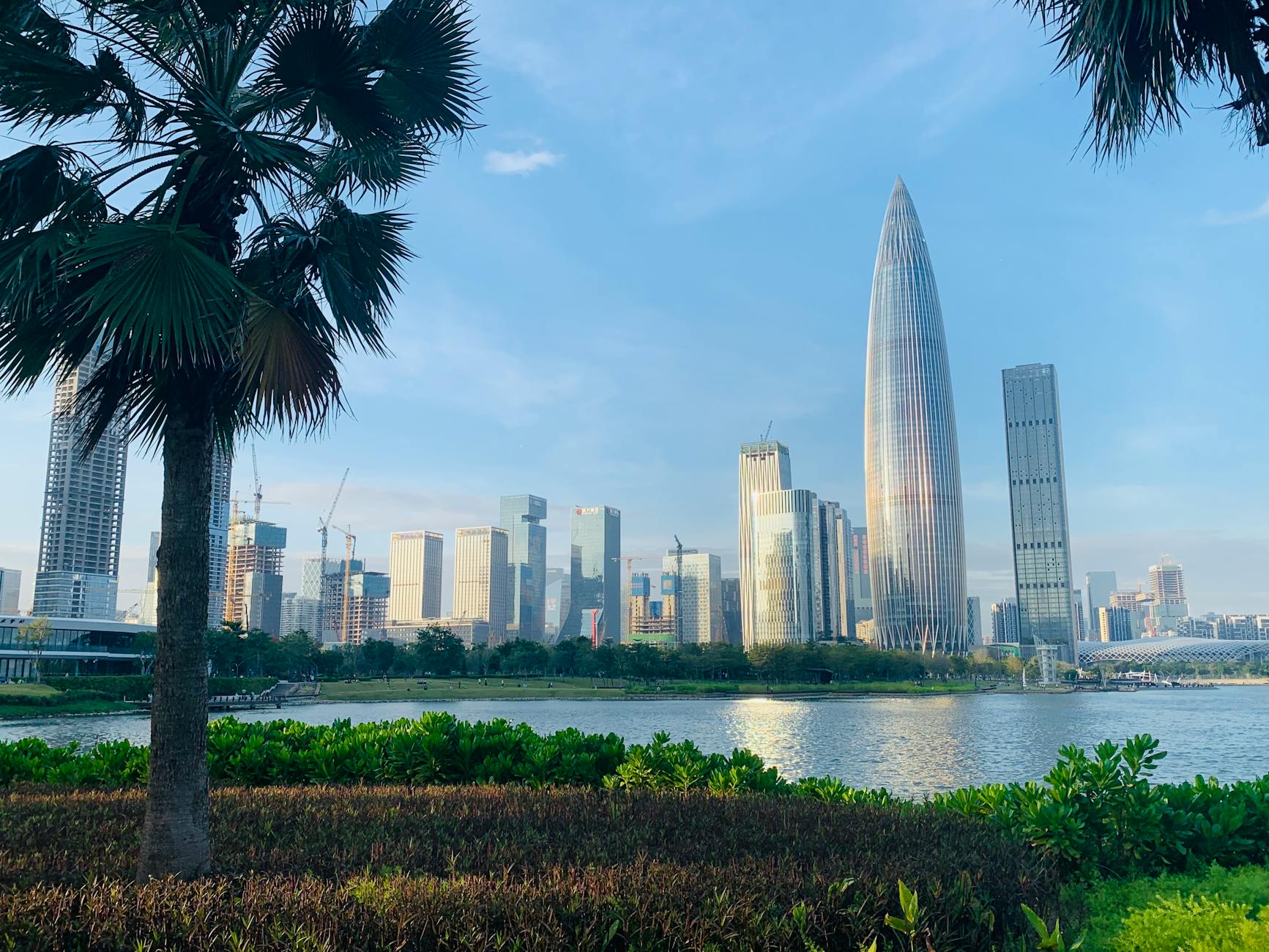
Shenzhen often gets judged by travelers who keep scanning for an old quarter capable of legitimizing the rest of the stay. That is a category error. The city is persuasive precisely because it is unapologetically contemporary. Towers, malls, waterfronts, public parks, technology wealth, and carefully designed convenience are not consolation prizes here. They are the point. The trip improves as soon as the traveler stops asking Shenzhen to apologize for its youth.
- Shenzhen should be evaluated as a modern city, not as a failed old one.
- The lack of deep historical romance is part of the city's clarity.
- A better trip starts with the right criteria.
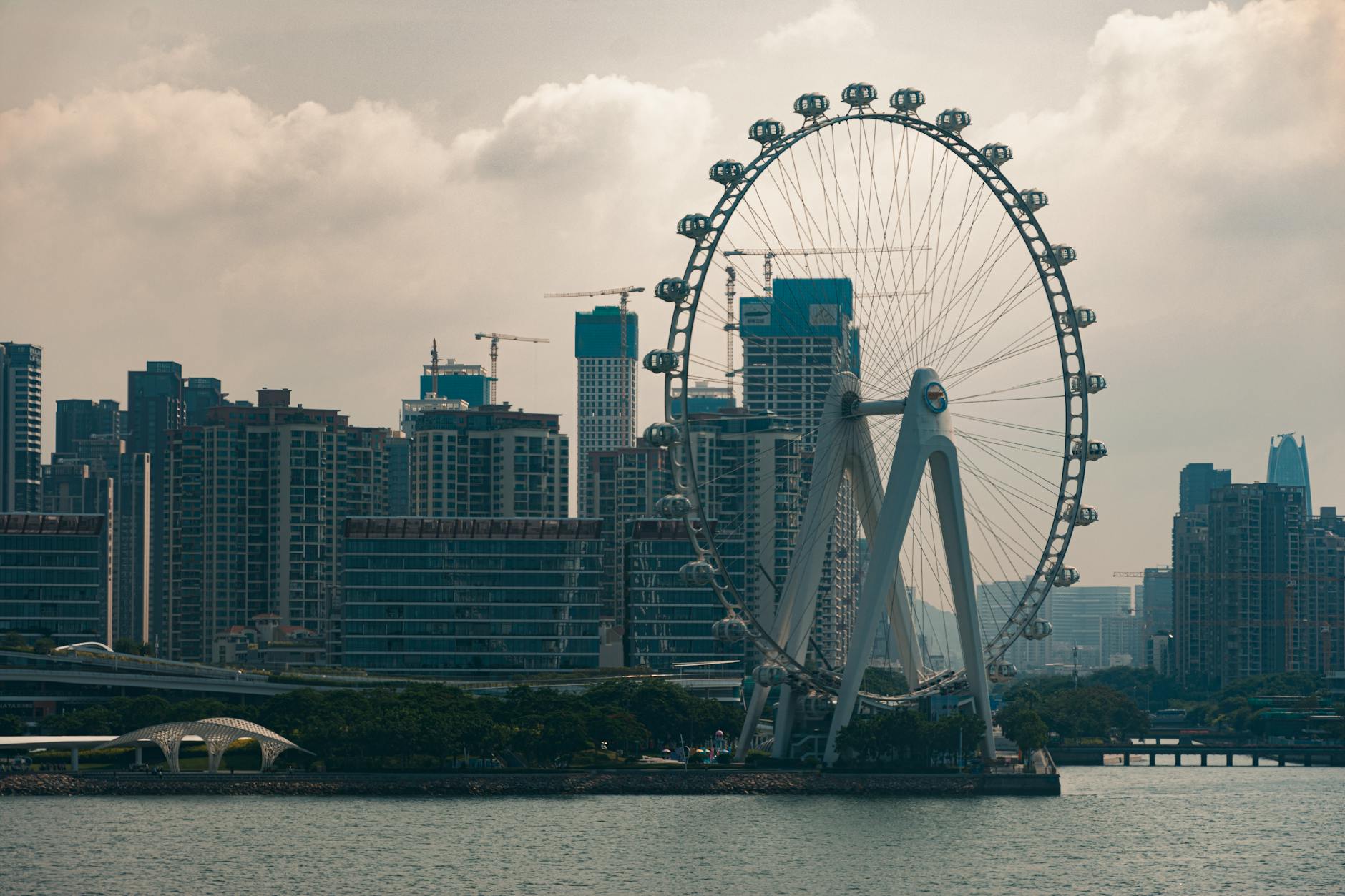
What Shenzhen does better than many Chinese cities
Shenzhen does modern ease better than many cities that try harder to perform it. It is strong for business travel, cross-border or regional travel, design and retail, parks, hotels, and the kind of urban experience where competence itself is part of the pleasure. It is particularly good for travelers who like contemporary Asia and do not need every city to justify itself through deep historical symbolism.
- Shenzhen is one of the strongest modern-city answers in China.
- Its pleasure comes from competence, cleanliness, and momentum.
- It suits travelers who like contemporary urban life as a destination in itself.
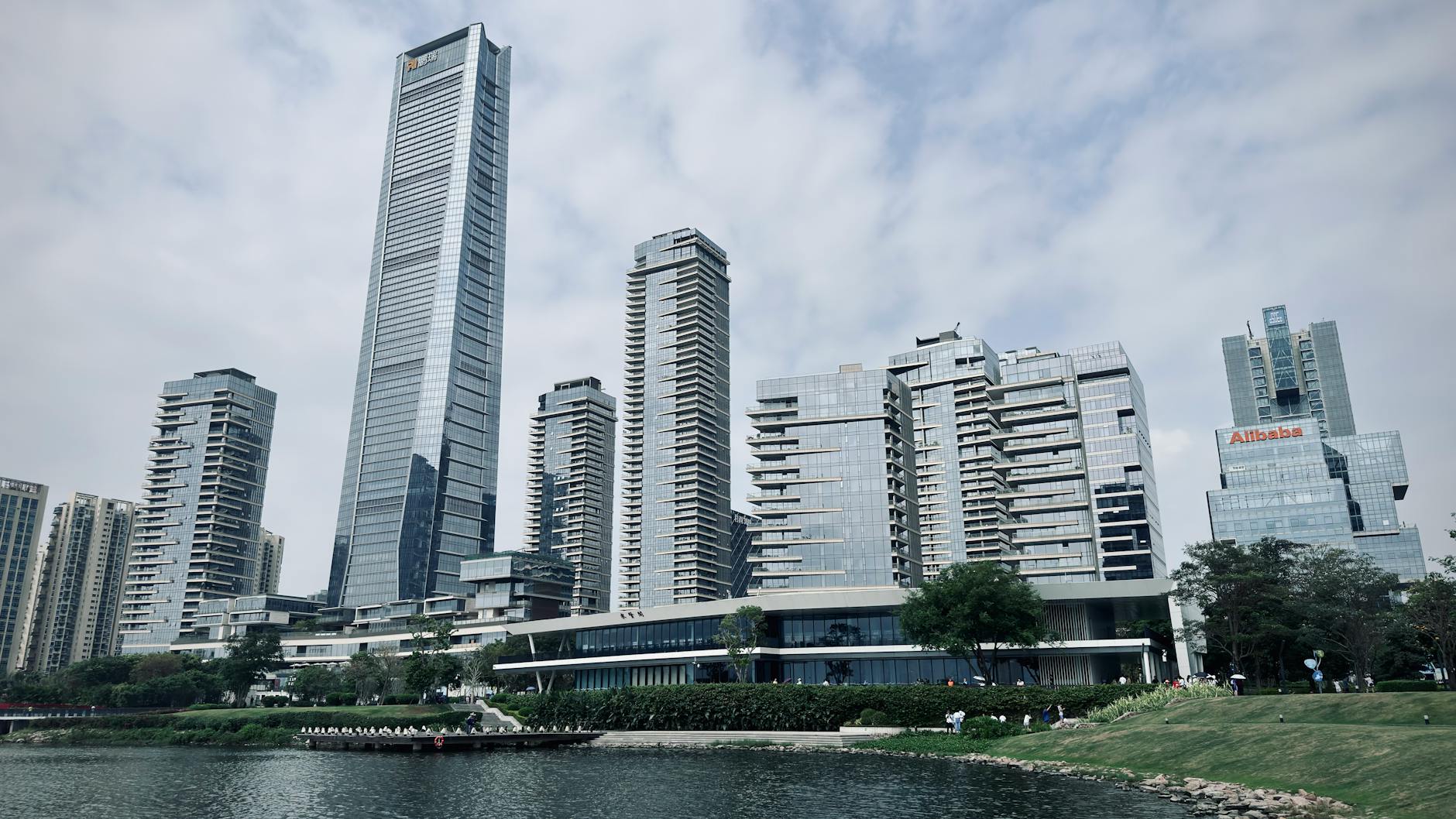
Food, retail, and the polished side of the city
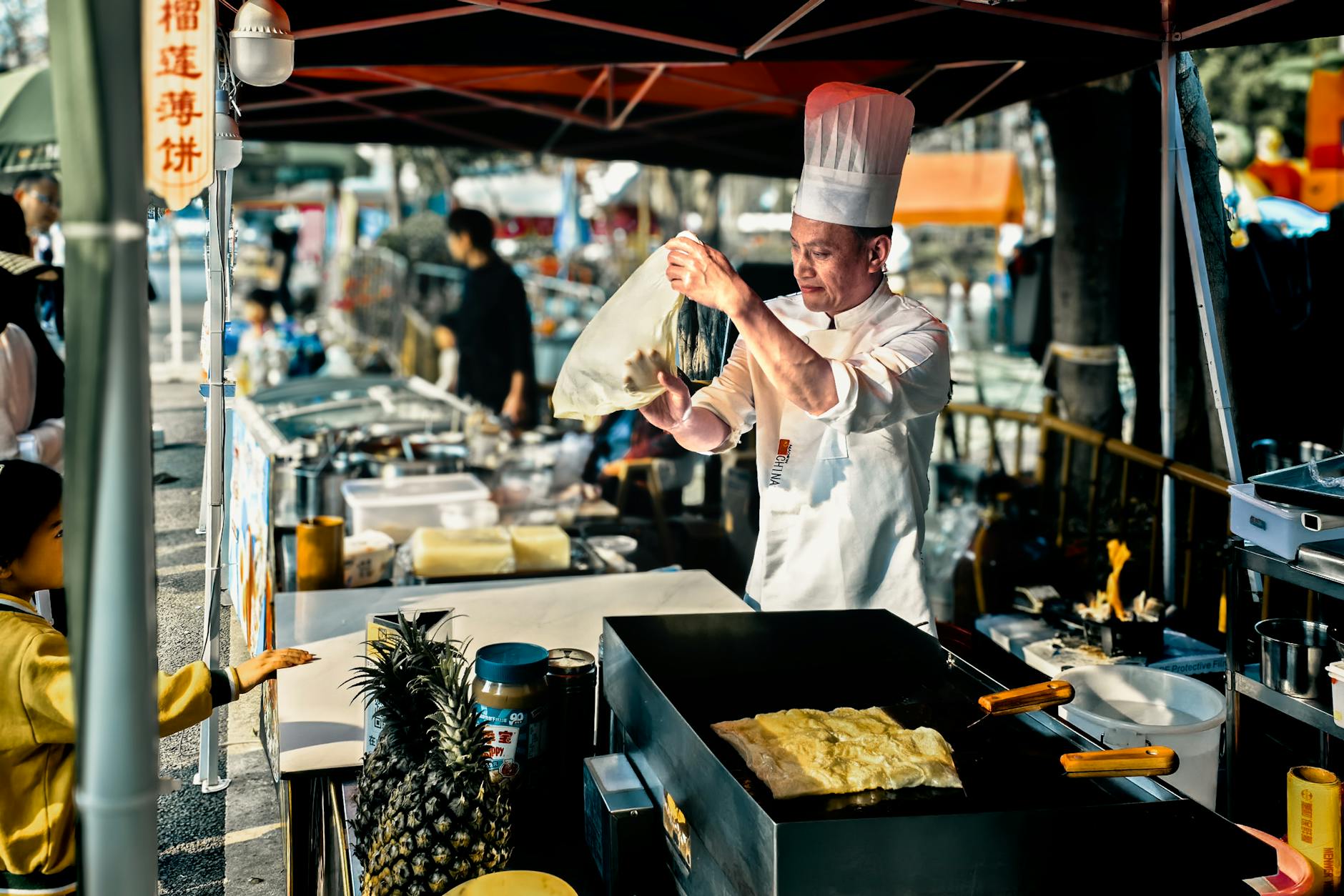
Shenzhen's food case is not the same as Guangzhou's, but the city can still be deeply satisfying through a mix of Cantonese influence, regional Chinese dining, polished restaurants, mall-led convenience, and newer neighborhood food scenes. Retail also matters here in a real way. Shenzhen can deliver a highly usable city day where shopping, dining, and hotel life all reinforce one another without feeling trivial.
- Food in Shenzhen is about range and usability more than one canonical cuisine.
- Retail and dining are both part of the city's pleasure structure.
- The city works well for travelers who like polished, low-friction urban living.
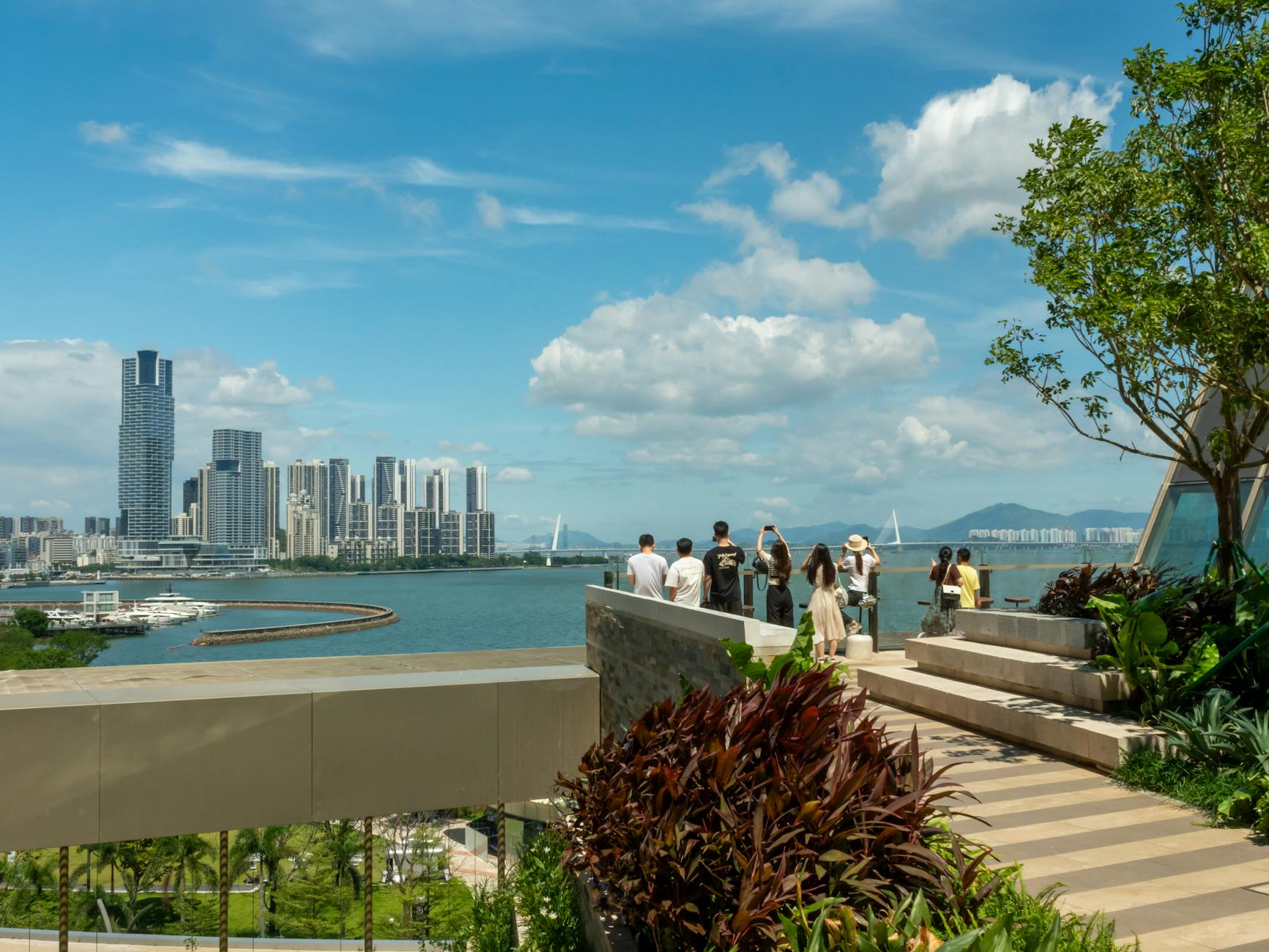
Parks, waterfronts, and the city's cleaner kind of luxury
One of Shenzhen's underrated strengths is that it offers a version of modern Chinese wealth that is not only interior. Bay edges, greener districts, broad promenades, and park-led relief all help the city feel more breathable than some of its peers. This matters because it gives the trip a second register beyond malls and towers. Shenzhen can be sleek without becoming claustrophobic, which is a real advantage on a longer stay.
- Outdoor relief is one of the city's real quality markers.
- Waterfront and park space help modern Shenzhen feel livable rather than merely impressive.
- The city is stronger when the itinerary includes some air and horizon.
Etiquette and local norms
Shenzhen is relaxed by the standards of a major modern city, but it still rewards awareness in transit, malls, restaurants, and shared spaces. The city is fast enough that public-space competence matters. Visitors usually have an easier time when they match that pace without becoming aggressive. Shenzhen is efficient, not careless.
- Modern ease still depends on shared-space awareness.
- Move quickly, but not clumsily.
- The city works best when visitors participate in its efficiency.
My blunt advice
The biggest Shenzhen mistake is criticizing it for not being old enough. The second is staying in the wrong district and then assuming the whole city feels generic. Shenzhen is not trying to be Beijing, Xi'an, or even Shanghai. It is trying to be a very good contemporary city, and much of the time it succeeds. Use it for modern China, not for historical compensation, and it becomes much more convincing.
- Do not ask Shenzhen to prove the wrong things.
- District choice decides whether the city feels empty or impressive.
- Modernity is the point here, not the apology.