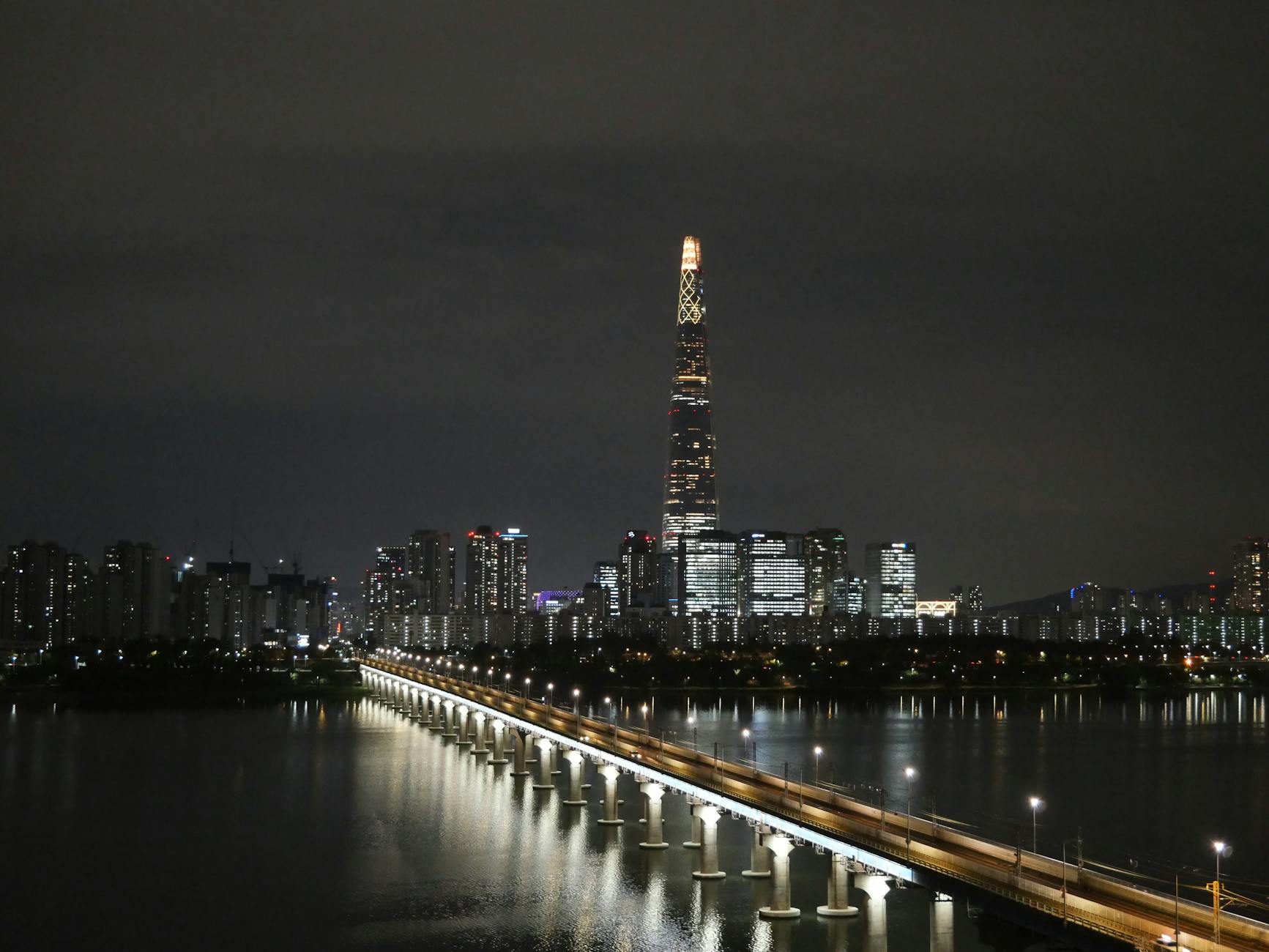
Seoul is a city of acceleration and memory.
Start Here
It is a palace gate facing a glass office tower, a Buddhist temple below apartment blocks, a coffee bar designed like a gallery, a subway transfer that feels like an underground city, a late-night barbecue table clouded with smoke, a hanok lane where residents still ask visitors to keep their voices down, a cosmetics shop glowing until midnight, a hiking trail that starts at the edge of the metro system, a riverside park full of picnics and delivery chicken, a museum quietly holding the story of a divided peninsula, and a pop-culture machine that can make a neighborhood famous overnight.
Many visitors arrive with a few images already loaded: palaces, K-pop, skincare, street food, barbecue, neon, maybe a DMZ tour, maybe a glassy skyline over the Han River. Those images are real, but they are only the surface. Seoul is not just a city of sights. It is a city of systems: subway lines, food rituals, shopping streets, university districts, palace axes, mountain ridges, river parks, underground malls, nightlife clusters, apartment megablocks, corporate campuses, and tiny neighborhood restaurants that might serve one perfect dish for 40 years.
The first-timer mistake is treating Seoul as a quick stopover between Japan, Southeast Asia, or a broader Korea itinerary. Seoul rewards more time. It is compact enough to be manageable but layered enough to deserve a week. One day gives you the postcard. Three days gives you a city break. Five days gives you the city’s logic. A week lets you understand why Seoul can feel ancient in the morning, hypermodern at lunch, stylish in the afternoon, exhausted at rush hour, and wildly alive after dark.
This guide is for travelers who want to go beyond a palace-and-shopping checklist. It explains where to stay, how to think about neighborhoods, how to build days around transit and geography, what to book ahead, how to eat well, when to use the subway versus taxis, how to handle the DMZ question, what to skip, and how to experience Seoul with energy without letting the city turn into a blur.
Seoul in one sentence: Seoul is a fast, mountain-framed, food-obsessed capital where royal history, postwar reinvention, beauty culture, pop culture, technology, nightlife, and everyday neighborhood life collide at subway speed.
Basic data
| Population | About 9.4 million |
|---|---|
| Area | 605 km2 |
| Major religions | Largely secular, with Christian and Buddhist communities |
| Political system | Special city government inside a unitary presidential republic |
| Economic system | Advanced urban economy led by technology, finance, media, retail, and services |
Quick Verdict
| Question | Answer |
|---|---|
| Best for | Food, street snacks, café culture, palaces, design, shopping, skincare, fashion, pop culture, nightlife, museums, hiking, contemporary art, river parks, solo travel, family travel, and travelers who like cities that run late and move fast. |
| Not ideal for | Travelers who want a slow historic old town, beach-city ease, quiet boutique calm everywhere, or a city where Google Maps alone solves every logistics problem. Seoul is efficient, but it rewards people who use local map and transit tools. |
| Ideal first visit | 4 to 5 full days. Three days works for a strong first taste. A week is excellent if you want food, neighborhoods, museums, hiking, shopping, and one day trip without rushing. |
| Best months | April to May for spring weather and blossoms; October to early November for crisp air, color, and walking; December for lights and winter atmosphere if you can handle cold. July and August are hot, humid, and rainy. January and February are cold but clear and less crowded. |
| Best first-timer base | Myeongdong/Euljiro for convenience; Jongno/Insadong/Anguk for palace access and traditional texture; Hongdae/Mapo for nightlife and youth culture; Gangnam/COEX for business, shopping, clinics, and south-of-Han plans; Itaewon/Hannam/Yongsan for restaurants, international ease, and nightlife. |
| Biggest planning mistake | Staying in an area that looks central but is awkward for your actual plans. In Seoul, pick a base near a useful subway line and build days by district. Crossing the city repeatedly wastes time and energy. |
| One thing to book ahead | Changdeokgung Secret Garden, popular restaurants, major beauty/clinic appointments, Lotte World, high-demand exhibitions, DMZ tours, and any special palace night opening or festival program. |
| One thing to leave unscheduled | Cafés, markets, river parks, backstreet restaurants, shopping streets, late-night walks, and spontaneous neighborhood wandering. Seoul is at its best when one fixed plan gives way to three good discoveries nearby. |
| Best free or low-cost pleasures | Gyeongui Line Forest Park, Cheonggyecheon Stream, Han River parks, Seoul Museum of History, National Museum of Korea permanent galleries, temple visits, palace grounds on cultural free-admission days, Namsan walks, neighborhood markets, and people-watching in Hongdae, Seongsu, and Ikseon-dong. |
| Most important warning | Seoul feels very safe, but do not let that make you careless with alcohol, nightlife, personal belongings, or dating-app meetups. Also take summer heat, winter cold, air quality, and long subway transfers seriously. |
The Move
Build Seoul around zones: one palace/Jongno day, one west-side Hongdae/Mapo day, one south-of-Han Gangnam/Jamsil day, one museum/river/Yongsan day, and one flexible day for food, hiking, Seongsu, markets, shopping, or a day trip. Seoul punishes random crisscrossing. It rewards clustering.
Who Will Love Seoul?
You will probably love Seoul if you want:
- A city where a single day can include a palace, a mountain view, a museum, a fashion street, barbecue, karaoke, and a 2 a.m. convenience-store snack.
- Serious food at every level: market dumplings, knife-cut noodles, barbecue, fried chicken, cold noodles, stews, temple food, café desserts, fine dining, soy-marinated crab, street tteokbokki, jokbal, gimbap, bingsu, and regional Korean food brought into the capital.
- Shopping that ranges from skincare and eyewear to luxury fashion, streetwear, stationery, home design, K-pop merchandise, ceramics, beauty clinics, department stores, underground malls, and neighborhood boutiques.
- A city where public transportation is cheap, frequent, and powerful enough to shape your whole trip.
- A place where modern Korea is not hidden behind heritage. Seoul is a capital of conglomerates, pop culture, political protest, education pressure, military tension, beauty standards, youth style, and extremely serious coffee.
- A city that gives solo travelers plenty to do: counter restaurants, cafés, shopping, museums, safe-feeling streets, public transit, and late-night options.
You may struggle with Seoul if you want:
- A single walkable center where every major sight is close.
- A relaxed restaurant culture where every place seats walk-ins whenever you arrive.
- English everywhere. Central Seoul is navigable in English, but menus, clinic forms, ticket rules, and smaller restaurants can still require translation apps.
- A city without social rules. Seoul is not stiff, but it has expectations around quiet on transit, trash, queues, dining, shoes, hierarchy, and public behavior.
- Mild weather year-round. Seoul has real seasons: humid summers, icy winters, yellow dust/fine-dust episodes, spring blossoms, and autumn color.
Seoul is often described as “easy,” and in many ways it is. The subway works. Crime is relatively low. Convenience stores are everywhere. Payment is modern. The airport connection is strong. But the city’s ease can be deceptive. Great trips still require judgment: where to stay, what to book, how late to go out, when to avoid the heat, how to use local apps, and how not to reduce Seoul to shopping and a few palaces.
Seoul at a Glance
| Category | Details |
|---|---|
| Country | South Korea, officially the Republic of Korea. |
| Language | Korean. English is common in airports, major hotels, tourist areas, subway signs, major museums, and younger-oriented businesses, but less reliable in traditional restaurants and local markets. |
| Currency | Korean won, abbreviated KRW or ₩. |
| Payment | Cards are widely accepted, but a little cash is still useful for markets, older restaurants, street snacks, transit-card top-ups, small vendors, and emergencies. |
| Time zone | Korea Standard Time, UTC+9. No daylight saving time. |
| Main airports | Incheon International Airport (ICN) for most international flights; Gimpo International Airport (GMP) for many domestic flights and some regional international routes. |
| Main rail stations | Seoul Station, Yongsan Station, Cheongnyangni Station, Suseo Station, and Gangnam-area terminals depending on destination. |
| Best map apps | Naver Map and KakaoMap. Google Maps can be useful for place discovery, but local routing is often better in Korean map apps. |
| Best communication apps | KakaoTalk is deeply embedded in Korean life. Translation apps are useful for menus, signs, and taxi details. |
| Best transit tools | Naver Map, KakaoMap, Seoul subway apps, T-money, and the Climate Card where it fits your itinerary. |
| Emergency numbers | Police 112; fire and ambulance 119; medical help 1339; Korea Travel Hotline 1330. |
| Tap water | Generally safe to drink, though many locals prefer filtered water. Restaurants often serve water from dispensers. |
| Tipping | Not customary in most situations. Upscale hotels and international services may have their own norms, but daily tipping is not expected. |
| Dress code | Casual but put-together. For clubs, fine dining, upscale hotel bars, or beauty clinics, dress sharper. For palaces and temples, modest, respectful clothing is wise. |
| Power | South Korea uses 220V and Type C/F plugs. Bring an adapter if needed. |
| Core planning principle | Choose your base by subway access, then plan each day by neighborhood cluster. |
Fast First-Timer Plan
For a first visit, stay in Myeongdong/Euljiro if you want maximum convenience, Jongno/Anguk/Insadong if you want palaces and old Seoul, Hongdae/Mapo if you want nightlife and youth culture, Itaewon/Hannam/Yongsan if you want restaurants and international ease, or Gangnam/COEX if your trip leans business, beauty, shopping, clinics, or south-of-Han nightlife.
A strong three-day first visit could look like this:
- Day 1: Gyeongbokgung, Gwanghwamun, Bukchon/Seochon, Insadong or Ikseon-dong, and a traditional dinner.
- Day 2: National Museum of Korea or Leeum, Itaewon/Hannam, Namsan or N Seoul Tower, Myeongdong/Euljiro at night.
- Day 3: Hongdae/Yeonnam/Mapo by day and evening, or Gangnam/COEX/Jamsil if your interests are shopping, clinics, or views.
For five days, add Changdeokgung Secret Garden, Seongsu, Han River time, Gwangjang Market, a hike or fortress-wall walk, and one day trip or second-time neighborhood.
2026 Visitor Notes
This section is the practical update layer. Before publishing a live Seoul guide, verify everything here directly.
K-ETA, e-Arrival Card, and Entry Formalities
South Korea’s visitor-entry rules vary by nationality. Many short-term visitors can enter visa-free for tourism or business, but the usual K-ETA system and temporary exemptions must be checked by passport. Korea Tourism Organization notes that visa-exempt travelers are generally required to obtain K-ETA before boarding, but that designated countries and regions are temporarily exempt from K-ETA until December 31, 2026.[1] A Korean Ministry of Foreign Affairs mission notice states that the temporary K-ETA exemption was extended through December 31, 2026.[2]
The practical advice is simple: do not rely on a travel blog’s generic “Korea is visa-free” line. Check your passport nationality, purpose of travel, permitted stay, and whether K-ETA is required or temporarily waived. If you are visiting for work, teaching, study, long stays, repeated entries, or non-tourism purposes, check official visa rules.
Foreign nationals entering South Korea may also submit an e-Arrival Card online within 72 hours before arrival instead of a paper arrivals card, according to UK government guidance. The same guidance notes that travelers from strict quarantine inspection areas, or travelers with relevant symptoms from quarantine inspection required areas, may need to submit Q-Code or a paper health questionnaire.[3]
The move: Check official entry rules two weeks before travel and again the week you fly. Complete digital forms early, screenshot confirmation pages, and use only official government websites for K-ETA or e-Arrival processes.
Transit Fares and the Climate Card
Seoul’s subway base fare increased in 2025; Seoul Metropolitan Government lists the adult base subway fare at ₩1,550 with a transit card and ₩1,650 for a single-ride cash ticket as of June 28, 2025.[4]
For visitors who ride often, the Climate Card can be a good deal. Seoul Metropolitan Government lists short-term Climate Card passes at ₩5,000 for 1 day, ₩8,000 for 2 days, ₩10,000 for 3 days, ₩15,000 for 5 days, and ₩20,000 for 7 days. The service range includes Seoul-based subway lines and Seoul-licensed buses, but excludes the Sinbundang Line, subway lines outside the service range, intercity/airport buses, and non-Seoul-licensed buses.[5]
The move: Use a T-money card for simple, flexible travel. Consider a short-term Climate Card only if your trip is Seoul-heavy and you will ride enough within its service area. Do not assume it covers every airport trip, every regional line, or every day trip.
Getting from Incheon Airport
Incheon International Airport is excellent but far from central Seoul. Visit Seoul lists the AREX Express Train as a direct train between Incheon Airport and Seoul Station, with the All Stop Train cheaper but slower and useful for Hongdae and other west-side stops.[6] Airport limousine buses are often better if your hotel is near a bus stop or you have heavy luggage; Airport Limousine lists central Seoul Incheon routes around ₩17,000 for adults on key direct luxury routes.[7]
The move: Take the AREX if you are staying near Seoul Station or can handle a transfer. Take a limousine bus if it stops near your hotel. Take a taxi or private transfer if you arrive very late, have children, or carry too much luggage. Do not choose “fastest” without considering where your hotel actually is.
Palace Ticketing and the Secret Garden
Seoul’s royal palaces remain some of the city’s best-value attractions, but details matter. Changdeokgung’s palace-building area has adult general admission listed at ₩3,000, while the Secret Garden requires an additional ticket; the same official source lists adult Secret Garden admission at ₩5,000 plus general admission and notes session limits.[8]
A Royal Palace Pass covering the four main palaces and Jongmyo Shrine is listed at ₩6,000, excluding Changdeokgung Secret Garden.[8]
The move: If you have time for only one palace, choose Changdeokgung plus Secret Garden if you can get a slot, or Gyeongbokgung if you want scale, ceremony, and the classic first-visit image. For a palace-heavy trip, buy the pass. Wear hanbok if you want the photo ritual, but remember these are heritage sites, not just backdrops.
Seoul’s Museum Scene Is Getting Even Bigger
Seoul has long had serious museums, but its art scene continues to expand. Centre Pompidou says Centre Pompidou Hanwha is scheduled to open in Seoul on June 4, 2026, at 50 63-ro in Yeouido, with an opening exhibition on Cubism.[13]
The move: If you are visiting after June 2026, check Yeouido’s new museum listings before locking your itinerary. Seoul’s art map changes quickly, and the best current exhibitions may not be in the city’s traditional tourist core.
DMZ and Panmunjeom Access Change Often
DMZ visits are not like ordinary day trips. VisitKorea notes that Panmunjeom/Joint Security Area is in a civilian-controlled area and that individual tours are not permitted; visits must be arranged in advance through designated tour operators.[10] Access, routing, identity requirements, and whether a tour includes JSA/Panmunjeom can change based on security conditions.
The move: Do not book a generic “DMZ tour” assuming it includes the blue conference buildings or a specific border experience. Read the itinerary carefully, confirm passport requirements, check cancellation rules, and decide whether the historical value is worth the half-day or full-day time cost.
How to Understand Seoul
Seoul becomes much easier when you stop thinking of it as a single downtown and start thinking of it as a capital shaped by mountains, the Han River, palace axes, subway lines, universities, corporate districts, and nightlife clusters.
The old symbolic city sits north of the Han, around Gwanghwamun, Jongno, the palaces, Bukchon, Insadong, and the old city gates. Modern commercial Seoul stretches through Myeongdong, Euljiro, City Hall, Seoul Station, Yongsan, Yeouido, and Dongdaemun. The youth and nightlife west is around Hongdae, Yeonnam, Hapjeong, Sangsu, and Mapo. South of the Han, Gangnam, Apgujeong, Cheongdam, Sinsa, COEX, and Jamsil represent a newer, glossier, more corporate, more beauty-and-shopping-driven Seoul.
But those labels are too simple. Seoul’s charm is in the overlaps: an old market below a new high-rise, a traditional tea house beside a selfie café, a mountain trail above apartment towers, a hyper-polished department store where the food court may be the best lunch choice, and a quiet residential hanok lane a few steps from crowds.
The Seven Seouls a First-Timer Actually Meets
| Seoul | Where you feel it | What it gives you |
|---|---|---|
| Royal and historic Seoul | Gwanghwamun, Jongno, Gyeongbokgung, Changdeokgung, Bukchon, Insadong, Seochon, Jongmyo | Palaces, hanok lanes, shrines, craft, tea, old city geography, Joseon history. |
| Shopping and hotel Seoul | Myeongdong, Euljiro, City Hall, Namdaemun, Seoul Station | Hotels, cosmetics, department stores, central transit, food alleys, night snacks, easy orientation. |
| Youth and nightlife Seoul | Hongdae, Yeonnam, Hapjeong, Sangsu, Sinchon, Mapo | Music, clubs, bars, fashion, cafés, university energy, creative restaurants, street performance. |
| International and dining Seoul | Itaewon, Hannam, Yongsan, Haebangchon, Gyeongnidan | International restaurants, galleries, bars, embassies, queer nightlife pockets, hillside streets. |
| Glossy south-of-Han Seoul | Gangnam, Sinsa, Apgujeong, Cheongdam, COEX, Jamsil | Luxury shopping, clinics, offices, K-beauty, nightlife, malls, Seoul Sky, Lotte World, business hotels. |
| Creative new Seoul | Seongsu, Seoul Forest, Ttukseom, parts of Euljiro and Mullae | Converted warehouses, cafés, pop-ups, design shops, galleries, young brands, industrial texture. |
| Everyday outdoor Seoul | Han River parks, Namsan, Bukhansan, Seoul City Wall, Cheonggyecheon, Seoul Forest | Picnics, biking, hiking, evening walks, skyline views, seasonal festivals, local leisure. |
Local Logic
Seoul looks vertical and modern, but the city is still deeply shaped by older geography. Mountains define sightlines and weather. The Han River divides mental maps. Old palace gates orient central Seoul. Subway lines determine whether a hotel is truly convenient. University neighborhoods set nightlife tone. Apartment complexes create local commercial streets. Department stores and malls are not just shopping sites; they are air-conditioned food, restroom, transit, and meeting hubs.
The city also runs on intensity. People work hard, study hard, eat with intention, and socialize in rounds. Dinner may lead to drinks, then karaoke, then convenience-store snacks, then a taxi. Shopping districts are bright late. Cafés are not afterthoughts; they are major social spaces. Beauty and presentation matter, but Seoul is not only polished. It can be blunt, tired, loud, funny, warm, and deeply practical.
The City’s Rhythm
Seoul is not a dawn-to-dusk city. It is more like a series of overlapping shifts.
- Early morning: commuters, hikers, markets, older neighborhood restaurants, palace grounds, river paths.
- Late morning: museums, palaces, shops, cafés, department stores, tourist sites.
- Lunch: office districts and traditional food alleys are strongest; some restaurants close between lunch and dinner.
- Afternoon: cafés, galleries, shopping, palace gardens, neighborhoods, beauty appointments.
- Evening: barbecue, chicken and beer, izakaya-style drinking, river parks, observatories, markets, hotel bars.
- Late night: Hongdae, Itaewon, Gangnam, Euljiro, and parts of Jongno stay lively; subway service winds down around midnight, so late-night plans need taxi awareness.
The move: Do palaces and markets earlier, cafés and shopping in the afternoon, food neighborhoods at night, and nightlife after dinner. Do not schedule traditional markets too late or trendy cafés too early.
Seoul’s Central Contrasts
Seoul is compelling because its contradictions are visible in ordinary movement.
- Dynastic capital vs pop-culture factory: palaces and ancestral shrines exist in the same city as K-pop agencies, fan events, and TikTok-famous cafés.
- Mountain city vs subway city: hiking ridges are never far, but daily life runs underground.
- Conformity vs self-styling: social norms are strong, yet street fashion and beauty culture are inventive.
- Collective ritual vs individual ambition: group dining, company dinners, and family obligations coexist with hypercompetitive education and work culture.
- Memory vs reinvention: the Korean War, division, dictatorship, democratization, and rapid development are not distant abstractions; they explain the city’s urgency.
This is why Seoul can feel both efficient and emotional. It is not merely “modern.” It is modern because it had to rebuild, compete, remember, export, and keep moving.
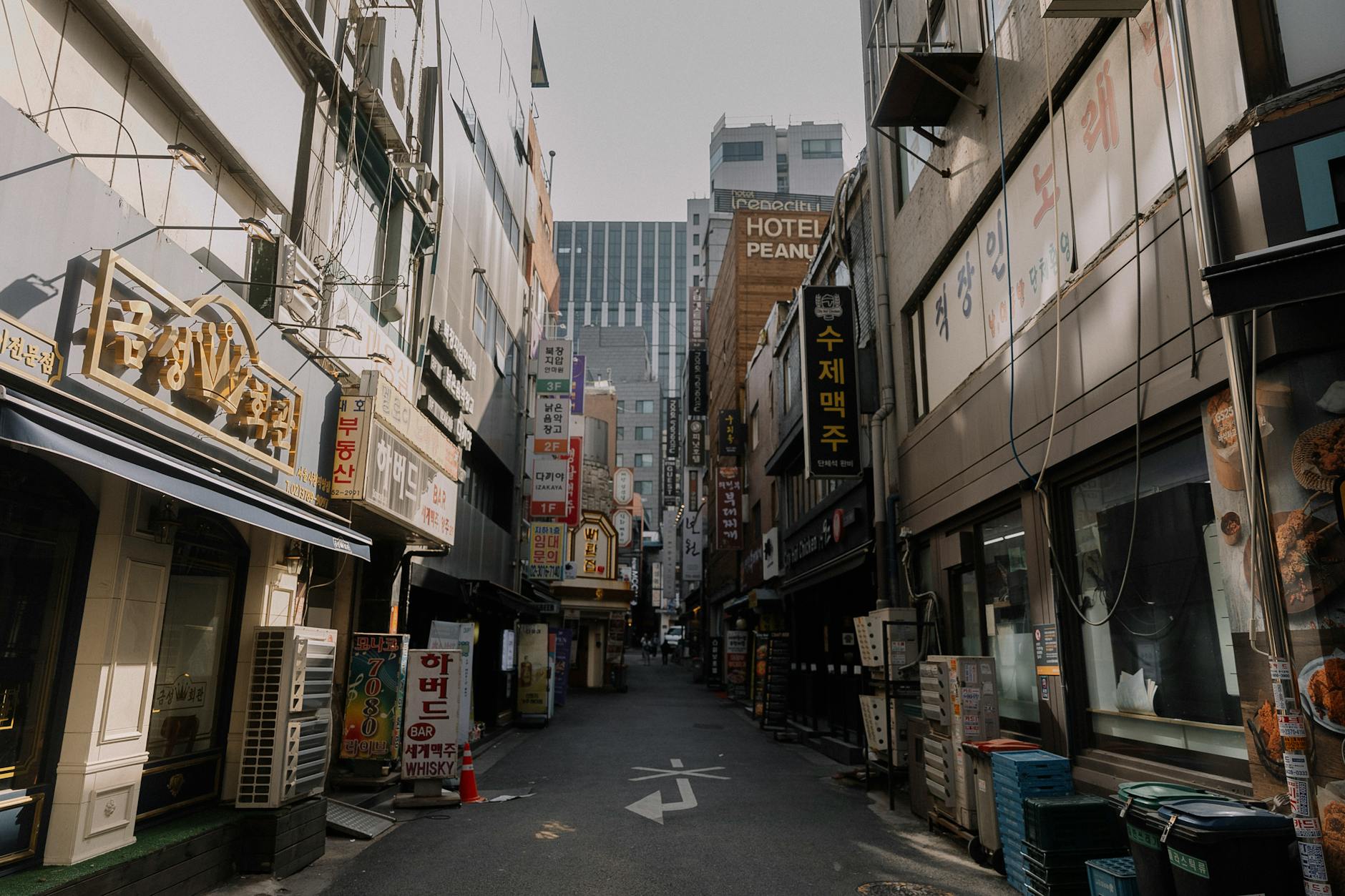
Best Time to Visit Seoul
Seoul has four real seasons. Choose dates based on weather, crowds, prices, festivals, and what kind of city you want.
Best Overall Months
April, May, October, and early November are the easiest recommendations. The city is walkable, colors are strong, outdoor dining and parks feel good, and you can build full days without fighting extreme heat or cold.
April brings blossoms and spring energy, but exact bloom timing moves. May is often more reliable for comfortable weather. October is ideal for walking, hiking, and palaces. Early November can be beautiful for autumn leaves, especially around palace gardens, university campuses, Namsan, Bukhansan, and Seoul Forest.
Best by Traveler Type
| Traveler type | Best timing |
|---|---|
| First-time sightseeing | April-May or October-early November. |
| Food-focused trip | Year-round, but autumn is especially pleasant for markets, barbecue, and walking between meals. |
| Shopping and beauty | Year-round; summer and winter are fine if your trip is mall, clinic, department-store, and café heavy. |
| Hiking and outdoor walks | April-May and October-November. Avoid peak summer heat unless starting very early. |
| Budget travelers | Winter outside major holidays and late summer shoulder periods can be cheaper, but weather trade-offs matter. |
| Families | May, June before peak heat, September, October, or December if children tolerate cold and like lights. |
| Nightlife | Year-round, with spring, autumn, and early winter best for moving between venues comfortably. |
Season by Season
Spring: March to May
Spring is Seoul’s emotional reset. Blossoms appear, cafés open terraces, palace grounds brighten, and people flood parks. Early March can still be cold. Late March and early April bring cherry-blossom attention. May is often the better month for first-timers because the weather is warmer and less bloom-dependent.
Best for: palaces, parks, street walks, Han River picnics, café neighborhoods, hiking, first-time itineraries.
Watch out for: air quality, blossom crowds, hotel spikes, and weather swings.
Summer: June to August
Summer can be punishing. June may begin manageable but grows humid. July and August bring heat, monsoon rains, thunderstorms, and the kind of humidity that makes an ambitious walking itinerary feel foolish. Seoul is still visitable, but you need indoor anchors, mall breaks, museums, cafés, and conservative pacing.
Best for: shopping, museums, spas, cafés, nightlife, indoor food crawls, families using malls and amusement parks strategically.
Watch out for: dehydration, slippery streets, heavy rain, heat exhaustion, and subway fatigue.
Autumn: September to November
Autumn is Seoul at its most persuasive. September can still be warm and humid, but October is excellent. November turns crisp and colorful. Hiking, palace gardens, fortress-wall walks, food markets, and river parks are all strong.
Best for: first-time trips, hiking, photography, markets, long walks, day trips, museum-and-food combinations.
Watch out for: peak foliage weekends and popular Secret Garden slots.
Winter: December to February
Winter is cold, dry, and often clear. It can be beautiful: palace roofs under snow, hot stews, jjimjilbangs, cafés, lights, clear views, and lower tourist pressure outside holidays. But the cold is real, and icy sidewalks can make long wandering less romantic.
Best for: food, museums, spas, shopping, winter lights, budget travel, indoor culture.
Watch out for: freezing temperatures, wind, dry skin, shorter outdoor patience, and Lunar New Year closures.
Month-by-Month Snapshot
| Month | Verdict |
|---|---|
| January | Cold and clear. Good for museums, stews, shopping, spas, and lower crowds. Poor for casual wandering unless you dress well. |
| February | Still cold, with occasional early spring hints. Good value, but not the prettiest month. Lunar New Year can affect closures. |
| March | Transitional. Late March can be lovely, but early March is still chilly. Blossom timing is uncertain. |
| April | High-demand spring month. Blossoms, parks, palaces, and crowds. Book early. |
| May | One of the best months. Warm, green, walkable, and less bloom-obsessed than April. |
| June | Pleasant early, humid later. Good if you plan indoor breaks. |
| July | Hot, humid, rainy. Plan museums, malls, cafés, and taxis when needed. |
| August | Still hot and humid. Nightlife and indoor culture are better than heavy daytime sightseeing. |
| September | Improving but often still warm. A good late-month option. |
| October | Excellent. One of the best months for first-timers. |
| November | Crisp and beautiful, especially early to mid-month. Strong for palaces and hiking. |
| December | Cold but atmospheric. Good for lights, shopping, food, and winter city energy. |
How Many Days You Need
Seoul is a better long-weekend city than many capitals because transit is strong and major neighborhoods are distinct. But it is also a better weeklong city than people realize.
| Time | What it gives you |
|---|---|
| 1 day | A palace, one food stop, one shopping/nightlife area, and a quick impression. Worthwhile only as a layover or stopover. |
| 2 days | A classic first-timer hit: palace/Jongno day plus Hongdae, Myeongdong, or Gangnam. Fast but satisfying. |
| 3 days | The minimum good first visit. You can do historic Seoul, food/market Seoul, and one modern/nightlife/shopping Seoul. |
| 4 days | Much better. Adds Secret Garden, museum time, Han River, Seongsu, or a deeper food plan. |
| 5 days | Ideal for a first visit. Enough for palaces, neighborhoods, food, shopping, one hike or river day, and one flexible day. |
| 7 days | Excellent. Add a day trip, slower mornings, beauty appointments, galleries, cafés, a second market, and a stronger sense of everyday Seoul. |
| 10+ days | Best if you are using Seoul as a base for regional Korea, remote work, language study, shopping/beauty, or deep cultural travel. |
The Best First Visit Length
Five full days is the sweet spot. It lets you avoid the most damaging behavior in Seoul travel: cramming a palace, a market, a museum, a south-of-Han mall, a river park, and nightlife into one overloaded day.
A five-day structure might look like:
- Old Seoul: Gyeongbokgung, Gwanghwamun, Bukchon, Seochon, Insadong.
- Palace and market Seoul: Changdeokgung Secret Garden, Ikseon-dong, Gwangjang Market, Euljiro.
- West Seoul: Hongdae, Yeonnam, Hapjeong, Mangwon or Mapo dinner.
- Yongsan and river Seoul: National Museum, Itaewon/Hannam, Namsan, Han River.
- Choose your Seoul: Gangnam/Jamsil, Seongsu/Seoul Forest, Bukhansan, DMZ, Suwon, or beauty/shopping.
When Not to Add More Days
Do not add days just to accumulate more cafés or malls. Add days if you will use them for distinct experiences: a mountain walk, a day trip, a food neighborhood, museums, a palace garden, a beauty appointment, or a slower second pass through a favorite district.
Where to Stay in Seoul
Where you stay shapes the trip. Seoul’s subway is excellent, but the city is wide, and hotel geography matters. Do not simply choose the cheapest hotel with a Seoul address. Choose a base that matches your itinerary, bedtime, luggage situation, and transit comfort.
The Short Answer
For a first visit, choose one of these:
- Myeongdong/Euljiro: easiest all-purpose base, especially for first-timers who want central transit, shopping, food, and hotel choice.
- Jongno/Insadong/Anguk: best for palaces, Bukchon, traditional atmosphere, craft, tea, and a calmer historic center.
- Hongdae/Mapo: best for nightlife, cafés, youth culture, music, budget/midrange lodging, and airport-rail access.
- Itaewon/Hannam/Yongsan: best for restaurants, international comfort, nightlife, museums, and central-ish flexibility.
- Gangnam/COEX/Sinsa: best for business, clinics, beauty, luxury shopping, south-of-Han nightlife, and travelers who do not mind being farther from palaces.
Neighborhood Decision Tree
| You want... | Stay in... |
|---|---|
| Maximum first-time convenience | Myeongdong, Euljiro, City Hall, Jongno. |
| Palaces and traditional streets | Anguk, Insadong, Jongno, Seochon. |
| Nightlife and youth culture | Hongdae, Hapjeong, Sangsu, Mapo. |
| International restaurants and bars | Itaewon, Hannam, Yongsan. |
| Beauty clinics and luxury shopping | Gangnam, Apgujeong, Sinsa, Cheongdam. |
| Business and conference access | Gangnam, COEX/Samseong, Yeouido, Seoul Station, City Hall. |
| Family-friendly malls and amusement | Jamsil or COEX/Samseong. |
| Airport convenience | Hongdae/Mapo or Seoul Station for AREX; Myeongdong if using airport bus. |
| Quieter style and cafés | Yeonnam, Seochon, Hannam, Seongsu, Daehangno. |
| Lowest friction for first trip | Myeongdong/Euljiro or Jongno. |
| Best overall food access | Jongno/Euljiro, Mapo/Hongdae, Itaewon/Hannam, or Gangnam depending on food style. |
Area Profiles
Myeongdong and Euljiro
Best for: first-timers, shoppers, central logistics, hotel choice, food access, cosmetics, easy taxis, and people who want Seoul to feel immediately busy.
Myeongdong is not subtle. It is bright, commercial, touristy, convenient, and useful. You can buy skincare at 10 p.m., find food stalls, walk to Namdaemun or Namsan, ride multiple subway lines nearby, and reach palaces, markets, and shopping districts quickly. Euljiro, just to the north and east, adds older alleys, print-shop grit, hip bars, and a more interesting local-meets-trendy feeling.
Why stay here: convenience, transit, food, shopping, first-timer ease.
Why not: Myeongdong can feel touristy and crowded; it is not the deepest version of Seoul.
The move: Stay here if you want a low-friction first visit, then use transit to explore stronger neighborhood personalities by day and night.
Jongno, Insadong, Anguk, Bukchon, and Seochon
Best for: palaces, history, hanok streets, tea houses, craft shops, museums, calmer evenings, and first-timers who want atmosphere over neon.
This is the heart of old Seoul. Gyeongbokgung, Changdeokgung, Jongmyo, Bukchon, Insadong, Ikseon-dong, Seochon, and Gwanghwamun are all nearby. You can wake up and walk to palace gates before tour groups arrive. You can spend afternoons in tea rooms, small galleries, and traditional craft shops.
Why stay here: the best historic base; beautiful walking; strong cultural access.
Why not: fewer late-night options than Hongdae or Gangnam; some hanok stays have thin walls and luggage inconveniences.
The move: Stay here if your first Seoul trip is about palaces, neighborhoods, museums, and food rather than clubs.
Hongdae, Yeonnam, Hapjeong, Sangsu, and Mapo
Best for: nightlife, music, university culture, cafés, bars, casual food, younger travelers, budget/midrange lodging, and easy airport-rail access.
Hongdae is Seoul’s youth engine. It can be loud and chaotic, but it is also one of the easiest places to feel the city’s contemporary energy. Yeonnam is café-heavy and calmer. Hapjeong and Sangsu are excellent for bars and restaurants. Mapo is strong for barbecue and local food.
Why stay here: nightlife, food, cafés, late energy, airport access via AREX stops.
Why not: less convenient for palaces and Gangnam; weekend crowds can be intense.
The move: Stay near Hongik University Station for maximum transport, or Yeonnam/Hapjeong if you want west-side energy with slightly less chaos.
Itaewon, Hannam, Haebangchon, and Yongsan
Best for: international restaurants, bars, galleries, nightlife, English-friendlier services, Leeum, National Museum access, and travelers who like a mixed, hillier, more global Seoul.
Itaewon has long been one of Seoul’s most international areas. It is not as simple as its nightlife reputation. Hannam has galleries, boutiques, and polished dining. Haebangchon has hillside bars and small restaurants. Yongsan is increasingly important for museums, transit, development, and central geography.
Why stay here: dining variety, international feel, central-ish taxi geography, nightlife, museums.
Why not: hills, uneven walking, less direct subway coverage in parts, and nightlife areas that require basic caution.
The move: Stay here if restaurants and evening life matter more than immediate palace access.
Gangnam, Sinsa, Apgujeong, Cheongdam, Samseong, and COEX
Best for: business, beauty clinics, luxury shopping, department stores, south-of-Han dining, clubs, offices, COEX, and travelers who want glossy Seoul.
Gangnam is not just one neighborhood. Sinsa and Garosu-gil are shopping/café-focused. Apgujeong and Cheongdam are luxury, clinics, and entertainment-industry adjacent. Samseong/COEX is business, convention, mall, and aquarium territory. Jamsil is close enough to consider with Lotte World and Seoul Sky.
Why stay here: clinics, shopping, business, south-side nightlife, polished hotels.
Why not: farther from palaces, old Seoul, and many first-timer sights; traffic can be rough.
The move: Stay south of the Han only if your itinerary is genuinely south-heavy. Otherwise, visit Gangnam as a day/evening plan.
Dongdaemun
Best for: late shopping, design plaza, budget/midrange hotels, fashion markets, and access to both central and east Seoul.
Dongdaemun is useful and visually dramatic around Dongdaemun Design Plaza. It is not always charming in the classic sense, but it gives you late-night shopping, hotels, markets, transit, and proximity to Euljiro, Jongno, and eastern neighborhoods.
Why stay here: value, transit, fashion-market access, DDP, late energy.
Why not: not as atmospheric as Jongno or as fun as Hongdae for many travelers.
Jamsil
Best for: families, Lotte World, Seoul Sky, malls, lake walks, and travelers with a south/east Seoul focus.
Jamsil is polished, organized, family-friendly, and good for amusement, views, shopping, and lakeside walking. It is not the best base for old Seoul, but it works for repeat visitors and families.
Yeouido
Best for: business, financial district stays, Han River access, spring cherry blossoms, and the expanding museum scene around 63 Building.
Yeouido is useful but not the obvious first-time base unless your hotel deal, work, or interests put you there. It is excellent for Han River parks and increasingly relevant for art.
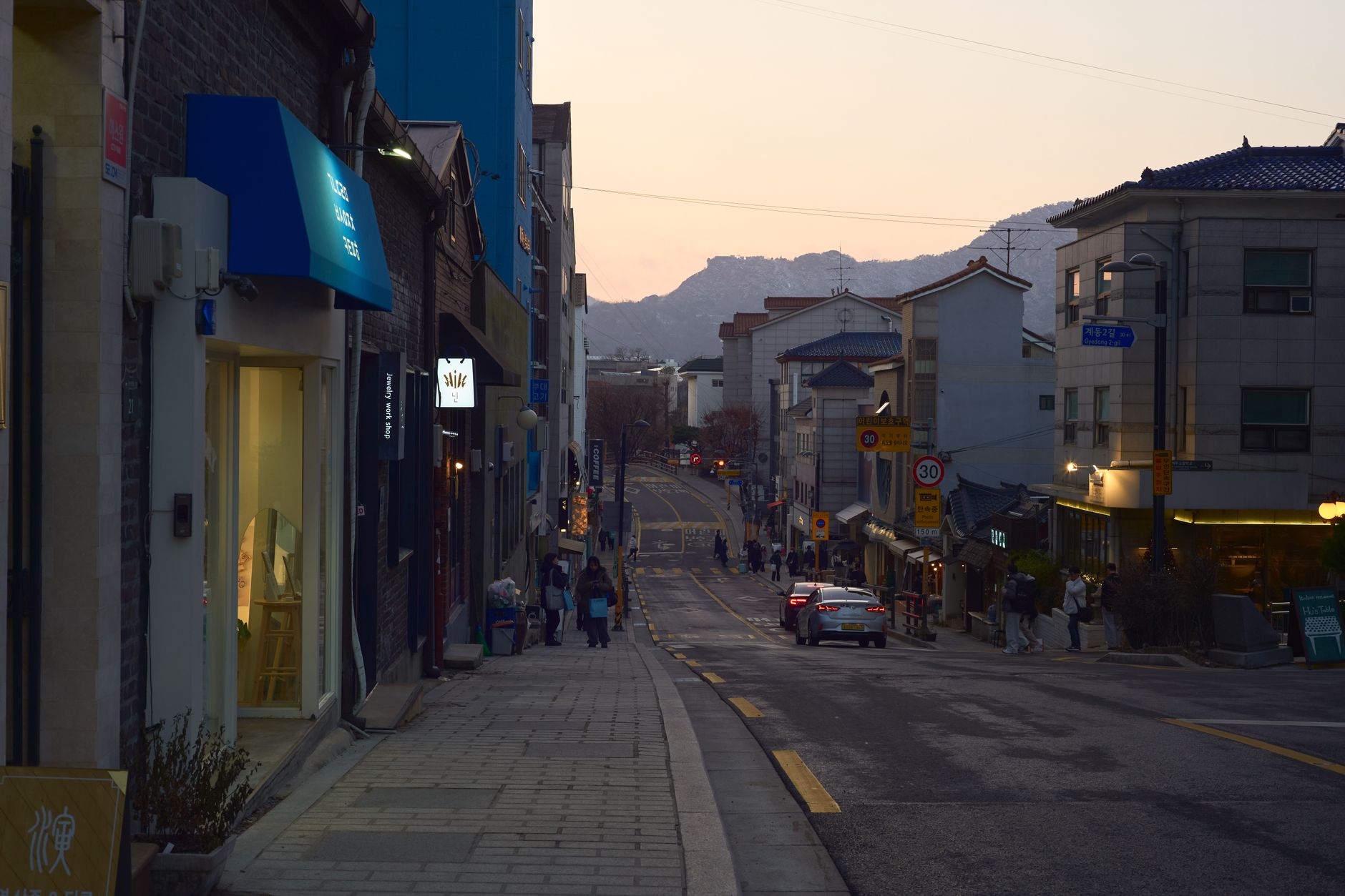
Neighborhood Guide
Gwanghwamun, Gyeongbokgung, and Seochon
This is Seoul’s ceremonial face. Gwanghwamun Square opens toward Gyeongbokgung, with mountains behind the palace if the air is clear. Seochon, west of the palace, is one of the best areas for a slower walk: small restaurants, galleries, bookshops, old lanes, and a more lived-in feel than parts of Bukchon.
Best for: first palace day, history, photos, cafés, bookstores, quiet wandering.
Best time: morning for Gyeongbokgung; late afternoon for Seochon.
Pair it with: National Folk Museum, Tongin Market, Cheongwadae area, Insadong, or Seoul Museum of History.
Perfect walk: Start at Gwanghwamun Square, enter Gyeongbokgung, exit toward the National Folk Museum, walk into Seochon, stop for lunch or tea, browse small shops, then continue to Cheongwadae-side streets or return toward Jongno.
Bukchon, Anguk, Insadong, and Ikseon-dong
This is the prettiest and most pressured historic visitor zone. Bukchon’s hanok lanes are photogenic, but they are also residential. Insadong is traditional-craft and tea-house territory, although tourist shops vary in quality. Ikseon-dong is a former hanok area turned into a dense café, restaurant, and photo-heavy maze.
Best for: hanok atmosphere, tea, craft, first-time walks, cafés.
Caution: Bukchon residents deal with heavy visitor traffic. Keep quiet, do not photograph into homes, and stay out of private alleys.
Perfect walk: Anguk Station, Bukchon viewpoint lanes early, descend toward Insadong, tea or craft shopping, then Ikseon-dong for a snack or evening atmosphere.
Changdeokgung, Changgyeonggung, and Jongmyo
This is one of Seoul’s richest historic clusters. Changdeokgung is more intimate and landscape-sensitive than Gyeongbokgung; its Secret Garden is one of the city’s best heritage experiences if you can get a slot. Changgyeonggung is calmer and especially nice in spring or autumn. Jongmyo is solemn and best for travelers interested in ritual, Confucian culture, and royal ancestral rites.
Best for: serious history, gardens, architecture, slower palace travel.
The move: Book Changdeokgung Secret Garden, then leave time for either Changgyeonggung or a walk to Ikseon-dong/Jongno.
Myeongdong, Namdaemun, and Namsan
Myeongdong is shopping, cosmetics, snacks, currency exchange, hotels, and crowds. Namdaemun is older market Seoul. Namsan gives you a mountain-in-the-middle-of-the-city experience and N Seoul Tower views.
Best for: first-timer convenience, skincare, street snacks, market energy, central evening walks.
Better alternative: For better food than Myeongdong’s most obvious stalls, use Myeongdong as a snack and shopping stop, then eat in Euljiro, Jongno, or Mapo.
Perfect walk: Late afternoon Myeongdong shopping, walk toward Namsan cable car or trail, sunset view, dinner in Euljiro or Myeongdong if you need easy logistics.
Euljiro
Euljiro is where Seoul’s industrial past, small workshops, hidden bars, old restaurants, and young creative energy overlap. It can feel rough around the edges compared with Gangnam, which is exactly the point. Some of Seoul’s best nights begin in an alley that looks like it closes at 6 p.m. and then lights up after dark.
Best for: bars, older food institutions, design grit, photography, second-time Seoul energy.
Caution: It is easy to miss places because many are upstairs, behind unassuming doors, or poorly signed in English.
The move: Go with a few saved spots but leave room to follow the alley energy.
Gwangjang Market and Jongno Food Alleys
Gwangjang Market is famous for bindaetteok, mayak gimbap, mung-bean pancakes, dumplings, noodles, and busy food stalls. It is touristy now, but still worth visiting if you approach it as a market experience rather than the final word on Korean cuisine.
Best for: snacks, market photos, rainy-day food, first-timer energy.
Skip if: you hate crowds, tight seating, or food stalls where ordering is hectic.
Better alternative: Pair Gwangjang with a real sit-down meal elsewhere rather than trying to make the entire day a market-grazing marathon.
Hongdae, Yeonnam, Hapjeong, and Sangsu
West Seoul is where the city feels young, musical, messy, stylish, and caffeinated. Hongdae itself is loud and crowded, especially on weekends. Yeonnam is better for daytime cafés and walks. Hapjeong and Sangsu have excellent restaurants and bars. Mangwon Market and Mangwon-dong add local-food and neighborhood texture.
Best for: nightlife, cafés, street performance, indie shops, bars, young fashion, casual food.
Best time: late afternoon through late night.
Perfect walk: Start in Yeonnam near Gyeongui Line Forest Park, drift toward Hongdae shops, eat in Hapjeong or Sangsu, then choose bars, karaoke, or clubs depending on your energy.
Itaewon, Hannam, Haebangchon, and Gyeongnidan
This cluster is international, hilly, uneven, and full of dining variety. Hannam is polished and gallery-oriented. Itaewon is nightlife and global food. Haebangchon and Gyeongnidan are hillside pockets with small bars and restaurants. The area has layers of military history, expat culture, queer nightlife, tragedy, gentrification, and reinvention.
Best for: restaurants, bars, international ease, galleries, Leeum, nightlife, hillside views.
Caution: Nightlife areas require normal big-city judgment. Stick with friends, watch drinks, and know how you are getting home.
Perfect walk: Leeum in the afternoon, Hannam boutiques or cafés, dinner in Itaewon/Hannam, then a bar in Haebangchon or Itaewon.
Yongsan and Ichon
Yongsan is important because it gives you the National Museum of Korea, War Memorial of Korea, major transport links, electronics history, and a rapidly changing urban-development story. Ichon is calmer and good for museum access.
Best for: museums, history, families, rainy days, central transit.
The move: Pair the National Museum of Korea with Ichon lunch, then taxi or subway to Itaewon/Hannam for evening.
Seongsu and Seoul Forest
Seongsu is one of Seoul’s most talked-about creative districts, full of converted industrial spaces, cafés, pop-ups, fashion brands, and design shops. It can feel manufactured in places, but the best version is still fun: warehouse cafés, young brands, Seoul Forest, and the feeling that the neighborhood is being remade in real time.
Best for: cafés, design, shopping, pop-ups, Seoul Forest, second-time visitors.
Best time: afternoon and early evening.
Common mistake: Going only for one viral café. The neighborhood is better as a half-day wander.
Gangnam, Sinsa, Apgujeong, and Cheongdam
This is Seoul’s glossy south: clinics, luxury shops, department stores, offices, nightlife, K-beauty, and entertainment-industry proximity. It is less “historic,” but it is very Seoul. Ignoring Gangnam entirely can leave a first-timer with an incomplete picture of the city.
Best for: beauty appointments, luxury shopping, restaurants, clubs, clinics, K-pop/entertainment-adjacent browsing, modern city contrast.
Best time: afternoon into night.
The move: Do not go to Gangnam for “old Korea.” Go for the Seoul that exports beauty, style, brands, and aspiration.
COEX, Samseong, and Bongeunsa
COEX is a huge mall and convention complex, famous with visitors partly because of Starfield Library. Bongeunsa Temple sits nearby, creating a classic Seoul contrast: Buddhist calm across from offices and shopping.
Best for: rainy days, shopping, family logistics, business travel, temple-modern contrast.
Skip if: you dislike malls and only have two days.
Jamsil and Songpa
Jamsil is big, clean, family-friendly, and dominated by Lotte World, Lotte World Tower, Seokchon Lake, and mall complexes. It is useful for families, view seekers, and visitors who want Seoul Sky.
Best for: families, views, amusement, lake walks, shopping, weather-proof days.
The move: If you go to Seoul Sky, pair it with Seokchon Lake and dinner nearby rather than crossing the city again.
Yeouido and the Han River
Yeouido is Seoul’s financial district, but it is also one of the best Han River bases, especially in cherry-blossom season. The river is essential to understanding Seoul’s leisure culture: picnics, bikes, ramen machines, delivery food, evening walks, and skyline views.
Best for: river parks, business stays, cherry blossoms, finance, major new exhibitions after 2026.
Perfect evening: Buy snacks or chicken, sit at a Han River park, watch the skyline, and do less than your itinerary says you should.
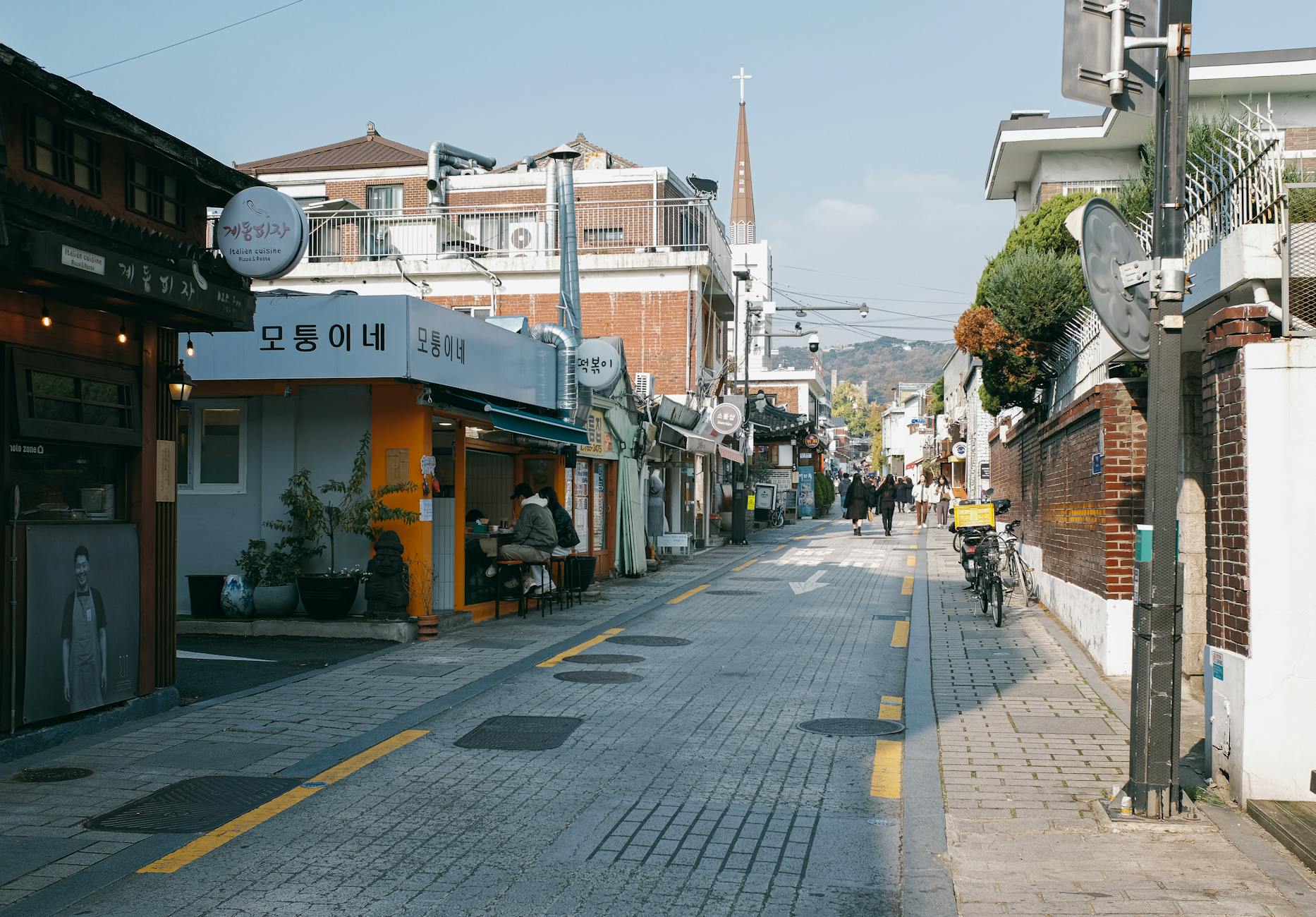
Best Things to Do
1. Visit Gyeongbokgung and Gwanghwamun
Gyeongbokgung is the grand first palace, and it makes sense to begin here. The setting is dramatic: gate, courtyard, palace roofs, mountains, and the state axis of Seoul. The changing-of-the-guard ceremony is touristy but worthwhile if timed well.
Worth it? Yes for first-timers. It is the classic opening image of Seoul.
Time needed: 1.5 to 2.5 hours, longer if adding the National Folk Museum.
Best time: early morning or late afternoon.
Common mistake: Renting hanbok and spending the entire visit taking photos without learning anything about the palace.
2. Book Changdeokgung Secret Garden
Changdeokgung is more subtle than Gyeongbokgung and, for many travelers, more rewarding. The Secret Garden is especially beautiful in autumn, but it is good in all seasons if you enjoy landscape, architecture, and quiet.
Worth it? Absolutely if you can get a slot.
Time needed: 2 to 3 hours including palace and garden.
Book ahead? Yes, especially in spring and autumn.
Skip if: you only care about quick photos and do not want a timed garden visit.
3. Walk Bukchon, But Behave
Bukchon is visually beautiful and socially delicate. It is a residential hanok area affected by overtourism. Go early, keep quiet, avoid doorways, and do not treat private homes like film sets.
Worth it? Yes, with restraint.
Better alternative: Seochon is often less pressured and more pleasant for lingering.
4. Eat Your Way Through Gwangjang Market
Gwangjang is one of Seoul’s most famous markets, with stalls serving mung-bean pancakes, noodles, dumplings, gimbap, and more. It is busy, direct, and fun.
Worth it? Yes for the first visit, but do not confuse it with Seoul’s whole food scene.
Time needed: 60 to 90 minutes for grazing; 2 hours if you combine with nearby neighborhoods.
Common mistake: Going at peak crowd times and expecting a relaxed meal.
5. Spend Real Time at the National Museum of Korea
This is one of Seoul’s best cultural anchors. It is spacious, serious, and good for understanding Korean history and aesthetics beyond palaces and pop culture. The permanent collection is free, with special exhibitions charged separately.[9]
Worth it? Yes, especially for history, ceramics, Buddhist art, and rainy days.
Time needed: 2 to 4 hours.
Pair it with: Ichon lunch, War Memorial, Itaewon/Hannam, or Namsan.
6. See Seoul From Namsan or N Seoul Tower
Namsan is more important than the tower itself. The hill gives you a mental map: palace city, river city, mountain city, apartment city, tower city. The tower observatory is fine, but the walk and view terraces may be enough.
Worth it? The Namsan view is worth it. The paid observatory is optional.
Best time: sunset or blue hour.
Common mistake: Taking every possible paid view in Seoul. Choose one or two.
7. Use the Han River Like Locals Do
The Han River is not just scenery. It is Seoul’s decompression zone. Go to Yeouido, Banpo, Ttukseom, Mangwon, or Jamsil river parks. Rent bikes, sit on mats, buy convenience-store snacks, order fried chicken, or simply watch the city breathe.
Worth it? Essential in good weather.
Best time: late afternoon to evening.
Rain plan: Replace with a jjimjilbang, museum, mall, or café crawl.
8. Explore Hongdae, Yeonnam, and Hapjeong After Dark
This is not the most traditional Seoul, but it is one of the most alive. Street performances, clubs, bars, cafés, shops, casual restaurants, university energy, and creative youth culture make the area ideal for evening.
Worth it? Yes if you like nightlife, cafés, and youth culture.
Skip if: you hate crowds or late-night noise.
The move: Eat in Hapjeong or Sangsu, then walk into Hongdae instead of starting directly in the loudest streets.
9. Spend an Afternoon in Seongsu
Seongsu is the café/design/pop-up version of contemporary Seoul. The neighborhood can be overhyped, but it is still useful for understanding how fast Seoul turns industrial texture into style.
Worth it? Yes for second-time visitors, café people, shoppers, and design travelers.
Time needed: 2 to 4 hours.
Pair it with: Seoul Forest, Ttukseom Han River Park, or Konkuk University nightlife.
10. Cross the River to Gangnam
Gangnam is not just a song or a punchline. It is a major part of modern Seoul’s self-image: beauty, wealth, clinics, offices, fashion, clubs, luxury shopping, education pressure, and entertainment culture.
Worth it? Yes if you want to understand contemporary Seoul.
Best plan: Sinsa/Apgujeong/Cheongdam by afternoon, Gangnam dinner or clubs by night, or COEX/Bongeunsa/Jamsil as a separate day.
11. Visit a Jjimjilbang or Korean Spa
A jjimjilbang can be a terrific cultural experience: baths, saunas, heated rooms, snacks, resting areas, and family/social life. Choose carefully, learn etiquette, and do not treat it like a novelty stunt.
Worth it? Yes if you are comfortable with bathhouse norms.
Best for: winter, rainy days, recovery after long walks, families, couples, solo travelers.
Caution: Bathing areas are typically gender-separated and nude; rules vary by facility.
12. Hike or Walk a Fortress Wall
Seoul is one of the world’s great hiking capitals because mountains sit so close to daily urban life. Bukhansan is the big one, but there are easier Namsan and Seoul City Wall routes for visitors who want views without a major hike.
Worth it? Yes if weather and fitness allow.
Time needed: 2 hours for an easy wall/Namsan walk; half-day for Bukhansan.
Common mistake: Hiking in fashion shoes or starting too late in summer.
13. Consider the DMZ Carefully
A DMZ tour can be moving and educational, especially if you are interested in the Korean War, division, geopolitics, and modern Korean identity. But it is not mandatory for every visitor, and access details change.
Worth it? Worth it for history and geopolitics travelers; not worth it if you only want a dramatic border selfie.
Book ahead? Yes.
Caution: Confirm whether the tour includes JSA/Panmunjeom, what ID is needed, dress rules, cancellation policies, and current restrictions.
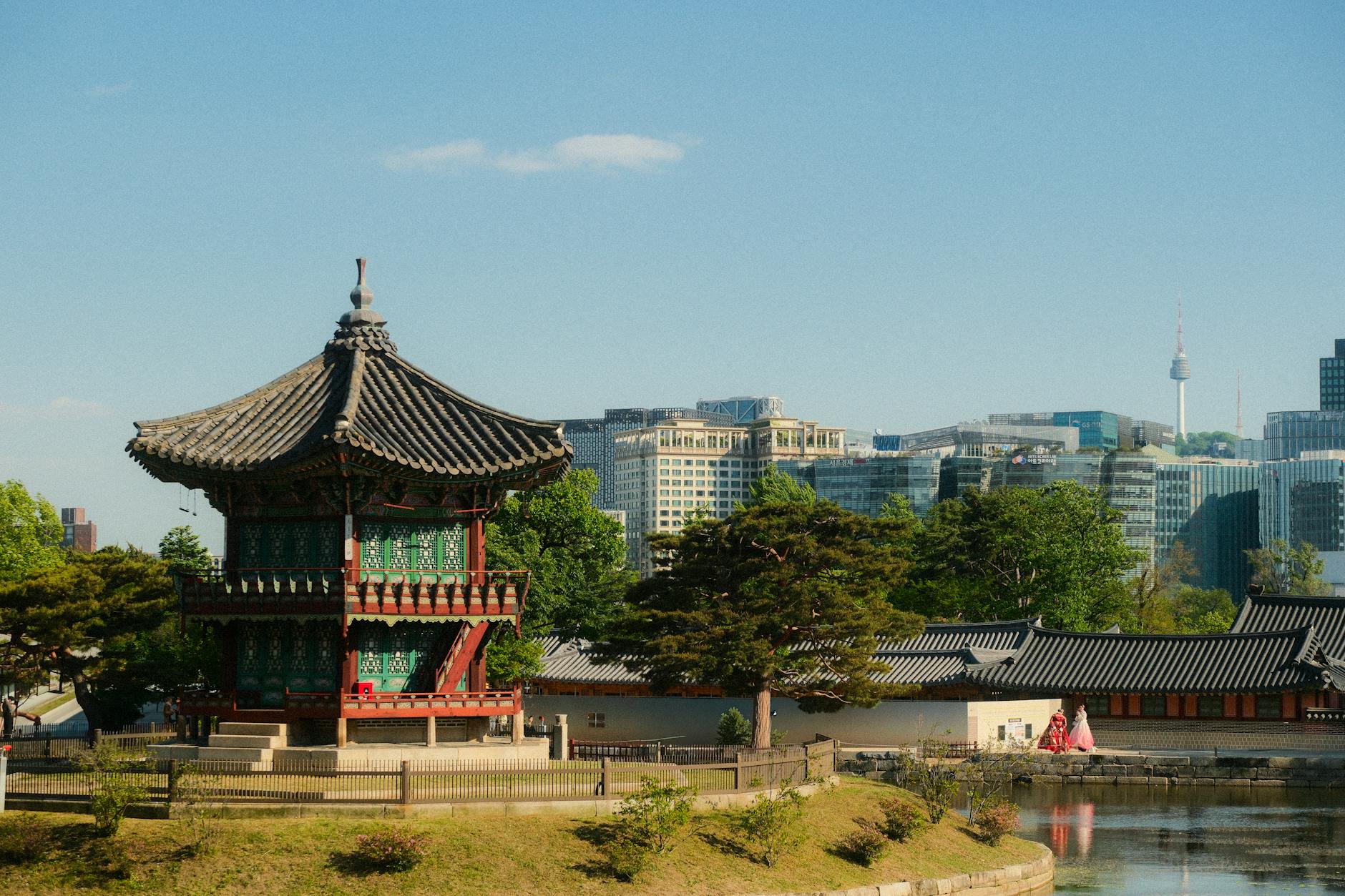
Seoul Itineraries
One Perfect First Day in Seoul
Morning: Start at Gwanghwamun Square and Gyeongbokgung. Arrive early, see the palace before the worst crowds, and take time to look north toward the mountains.
Lunch: Eat in Seochon, Tongin Market, or near Anguk/Insadong.
Afternoon: Walk Bukchon carefully or choose Insadong for craft shops and tea. If Bukchon feels too crowded, pivot to Seochon.
Evening: Head to Euljiro or Jongno for dinner. If you still have energy, walk Cheonggyecheon or go to Myeongdong for snacks and shopping.
The move: Do not try to add Gangnam or Hongdae on the same day unless you are only doing a quick night visit.
Two Days in Seoul
Day 1: Old Seoul
Gyeongbokgung, Gwanghwamun, Seochon or Bukchon, Insadong, Ikseon-dong, dinner in Jongno/Euljiro.
Day 2: Modern Seoul
Choose one:
- Food/nightlife version: Gwangjang Market, Euljiro, Hongdae/Yeonnam/Hapjeong.
- Museum/river version: National Museum, Itaewon/Hannam, Namsan, Han River.
- South-of-Han version: Gangnam/Sinsa/Apgujeong, Bongeunsa/COEX, Jamsil/Seoul Sky.
Three Days in Seoul
Day 1: Palaces and Old City
Gyeongbokgung, Bukchon/Seochon, Insadong, Ikseon-dong, Jongno dinner.
Day 2: Markets, Museums, and Night Seoul
Gwangjang Market, National Museum or War Memorial, Itaewon/Hannam dinner, Namsan or Euljiro drinks.
Day 3: Choose Your Contemporary Seoul
Hongdae/Yeonnam/Hapjeong for youth culture and nightlife, or Gangnam/Sinsa/Jamsil for shopping, beauty, malls, and views.
Five Days in Seoul
Day 1: Gwanghwamun, Gyeongbokgung, Seochon, Insadong
A classic opening day. Keep it historical and central.
Day 2: Changdeokgung, Secret Garden, Jongmyo or Changgyeonggung, Euljiro
A deeper heritage day, ending in one of Seoul’s best old-meets-new food and bar districts.
Day 3: National Museum, Itaewon/Hannam, Namsan
Culture, international dining, and skyline orientation.
Day 4: Hongdae, Yeonnam, Mangwon, Hapjeong
West Seoul for cafés, food, markets, music, bars, and youth energy.
Day 5: Gangnam/Jamsil or Seongsu/Han River or Bukhansan
Choose based on interest:
- Glossy Seoul: Sinsa, Apgujeong, COEX, Bongeunsa, Jamsil.
- Creative Seoul: Seongsu, Seoul Forest, Ttukseom, Han River.
- Outdoor Seoul: Bukhansan or Seoul City Wall.
- Historical day trip: Suwon Hwaseong.
- Geopolitics: DMZ tour.
One Week in Seoul
A week lets you slow down and stop treating Seoul like a task list.
- Day 1: Gyeongbokgung, Seochon, Insadong.
- Day 2: Changdeokgung Secret Garden, Changgyeonggung, Jongmyo, Euljiro.
- Day 3: National Museum, Yongsan, Itaewon/Hannam.
- Day 4: Hongdae, Yeonnam, Mangwon, Hapjeong.
- Day 5: Gangnam, Sinsa, Apgujeong, COEX, Jamsil.
- Day 6: Seongsu, Seoul Forest, Han River.
- Day 7: Suwon, DMZ, Bukhansan, Incheon, or a rest-and-shopping day.
Rainy-Day Itinerary
Start at the National Museum of Korea or Seoul Museum of History. Eat a proper lunch nearby. Spend the afternoon in COEX, The Hyundai Seoul, a department-store food hall, or a café neighborhood like Seongsu if rain is light. Finish with barbecue, jjimjilbang, or a performance.
Family Itinerary
Use Jamsil, COEX, National Museum, Seoul Forest, Han River parks, Lotte World, Seoul Children’s Grand Park, and palace grounds. Keep transfers fewer. Children may enjoy hanbok photos, market snacks, the subway, and convenience-store novelty as much as major sights.
Food-Lover Itinerary
Build around meals, not monuments:
- Day 1: Jongno, Gwangjang, Euljiro.
- Day 2: Mapo barbecue, Mangwon Market, Hongdae/Hapjeong bars.
- Day 3: Traditional lunch, tea, and palace walk around Insadong/Anguk.
- Day 4: Gangnam/Sinsa/Apgujeong for modern restaurants, cafés, and dessert.
- Day 5: Noryangjin, seafood, jjimjilbang, or a cooking class.
Second-Time Visitor Itinerary
Skip the pressure to redo every palace. Focus on Seochon, Mullae, Seongsu, Mangwon, Euljiro, Daehangno, Buam-dong, Seoul City Wall, Bukhansan, specialty museums, small galleries, and better restaurants.
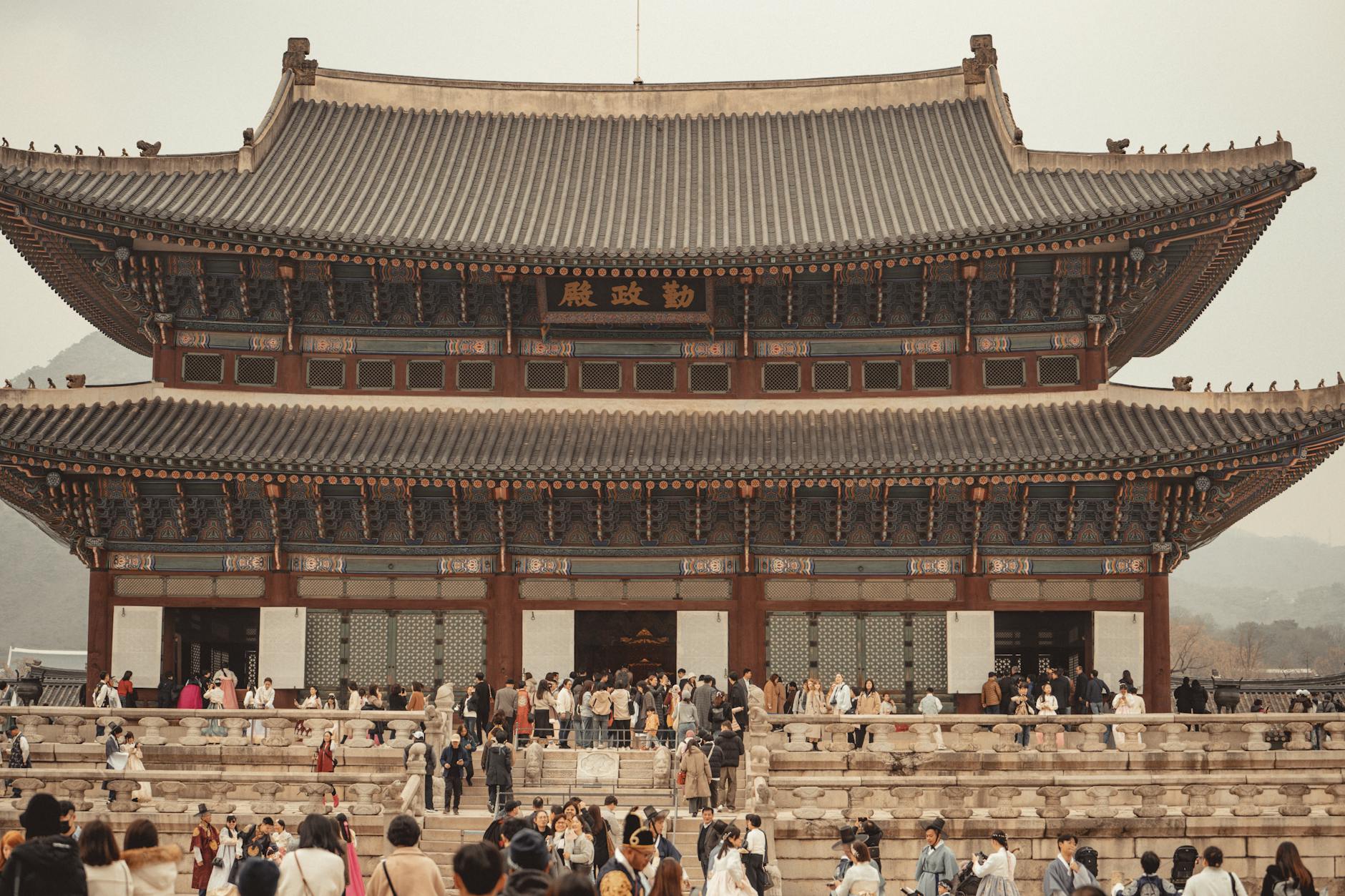
Food and Drink
Seoul is a food city in the most practical sense: people talk about food, travel for food, queue for food, photograph food, argue about food, and remember neighborhoods by what they ate there. But Seoul food is not just barbecue and street snacks. It includes royal-court traditions, Buddhist temple cuisine, regional Korean cooking, working-class markets, postwar dishes, modern fine dining, café desserts, delivery culture, convenience-store snacking, and a drinking culture that can turn dinner into a sequence.
What Seoul Eats Well
Korean Barbecue
Barbecue is a social ritual as much as a meal. Pork belly, beef cuts, galbi, sauces, lettuce wraps, garlic, kimchi, stews, and alcohol often build the table. Many restaurants expect groups, though solo-friendly options exist.
Where to look: Mapo, Jongno, Euljiro, Gangnam, Hongdae/Hapjeong, and local neighborhood restaurants.
The move: Do not obsess only over famous names. A busy neighborhood barbecue restaurant can beat a social-media-famous one.
Kalguksu and Mandu
Knife-cut noodles and dumplings are perfect lunch foods, especially in winter or rain. Seoul has famous versions around Myeongdong, Gwangjang, and older food districts.
Naengmyeon
Cold noodles are especially good in summer, but serious diners eat them year-round. Pyongyang-style naengmyeon can be subtle if you expect intense flavor; give it attention.
Tteokbokki, Gimbap, and Street Snacks
Spicy rice cakes, seaweed rice rolls, fish cakes, hotteok, egg bread, tornado potatoes, and skewers are part of street-food Seoul. They are fun, but they should not be your only food plan.
Fried Chicken and Beer
Chimaek is an essential Seoul night, whether in a restaurant, by the Han River, or delivered to a park. It is social, casual, and often better than visitors expect.
Stews and Soups
Kimchi jjigae, doenjang jjigae, sundubu, seolleongtang, samgyetang, gamjatang, haejangguk, and other soups explain Seoul’s comfort-food side. These are often better in humble restaurants than in stylish ones.
Seafood and Markets
Noryangjin Fish Market is the classic choice, but it can be intimidating. Know prices, understand how preparation charges work, and go with a plan. For many first-timers, a seafood restaurant is easier than self-navigating the market.
Temple Food
Temple food offers a completely different register: seasonal, plant-forward, restrained, and rooted in Buddhist practice. It is one of the best counters to Seoul’s barbecue-and-booze stereotype.
Cafés and Desserts
Seoul treats cafés as destinations. Expect elaborate interiors, specialty coffee, seasonal desserts, bingsu, pastries, concept cafés, rooftop cafés, and neighborhood café clusters. Some are style over substance; many are genuinely good.
Food Neighborhoods
| Area | Best for |
|---|---|
| Jongno/Euljiro | Old restaurants, barbecue, noodles, bars, pocha-style energy, classic Seoul nights. |
| Gwangjang Market | Market snacks, pancakes, noodles, dumplings, first-time grazing. |
| Mapo/Gongdeok | Barbecue, local dinner streets, casual drinking. |
| Hongdae/Hapjeong/Sangsu | Casual restaurants, bars, cafés, fried chicken, young food culture. |
| Itaewon/Hannam | International restaurants, wine bars, modern dining, galleries and dinner pairings. |
| Gangnam/Sinsa/Apgujeong | Polished restaurants, cafés, dessert, beauty-trip dining, upscale options. |
| Seongsu | Cafés, pop-ups, bakeries, design-driven restaurants. |
| Myeongdong | Street snacks, tourist convenience, noodles, cosmetics breaks. |
| Namdaemun | Market food, dumplings, noodles, older shopping streets. |
Restaurant Practicalities
- Many restaurants specialize in one dish. That is often a good sign.
- Some barbecue restaurants prefer two-person minimums, especially for grill tables.
- Peak meal times can involve waits; go early or late.
- Some traditional restaurants close between lunch and dinner.
- Many places use tablets, kiosks, or QR ordering; translation apps help.
- Banchan are side dishes, usually included and refillable, but use common sense.
- Water and utensils may be self-serve.
- Tipping is not customary.
- Food allergies can be difficult to communicate because broths, sauces, and shared kitchens are complex. Carry a Korean allergy card if needed.
- Vegetarian and vegan travel is possible but requires planning; kimchi, broths, and sauces often contain seafood or meat products.
Drinks and Nightlife
Seoul drinking culture can be joyful, intense, and layered. Soju, beer, makgeolli, cocktails, wine bars, whisky bars, pocha tents, convenience-store drinks, and café-to-bar hybrids all exist. Nightlife clusters include Hongdae, Itaewon, Gangnam, Euljiro, Jongno, Apgujeong, and parts of Hapjeong/Sangsu.
The move: Choose a nightlife district and stay there for the night. Do not bounce from Hongdae to Gangnam to Itaewon after 11 p.m. unless you enjoy taxi logistics.
Food Mistakes to Avoid
- Eating only in Myeongdong and thinking you understand Seoul food.
- Going to famous restaurants without checking waits, closures, or minimum orders.
- Assuming all Korean food is spicy or meat-heavy.
- Treating market food as automatically better than restaurants.
- Forgetting that lunch can be the best-value meal.
- Drinking heavily without a clear plan for getting home.
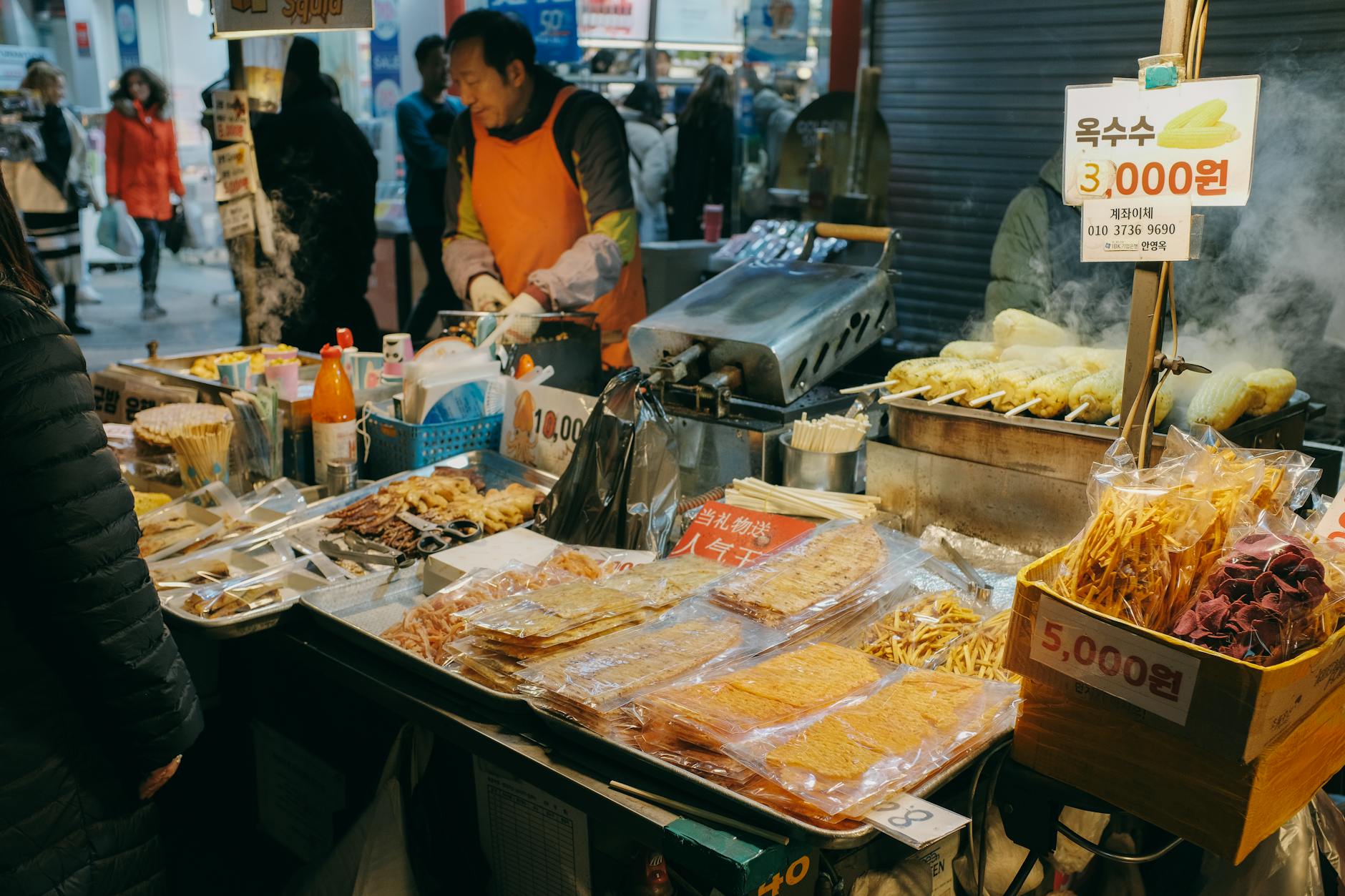
Getting Around
Seoul’s transport is one of its great advantages. The subway is extensive, cheap, and usually the right answer. Buses fill gaps. Taxis are useful late at night and for awkward routes. Walking is pleasant in some districts and miserable between others. Driving is usually a mistake for visitors.
Arrival: Incheon International Airport
AREX Express Train: Best if you are going to Seoul Station or can transfer easily. Fast, direct, and luggage-friendly.
AREX All Stop Train: Cheaper and useful for Hongdae/Hongik University, Digital Media City, Gimpo Airport, and other west-side stops.
Airport limousine bus: Often best if your hotel is near a stop. Good with luggage, children, or no desire to transfer.
Taxi/private transfer: Useful late at night, with heavy luggage, or for groups, but much more expensive and subject to traffic.
The move: Choose the option based on your hotel door, not on the theoretical city center.
Arrival: Gimpo International Airport
Gimpo is closer to Seoul and connected by subway/rail lines. It is much easier than Incheon for domestic arrivals and some regional routes. If your hotel is in western, central, or south-of-Han Seoul, public transit may be simple.
Subway
The subway is the default. It is cheap, extensive, clean, and signed well enough for visitors. Transfers can be long, stations can be huge, and rush hour can be intense.
Use it for: most daytime sightseeing, airport rail, cross-city travel, palaces, museums, shopping, and major neighborhoods.
Avoid it when: you have heavy luggage at a station without easy elevators, you are exhausted late at night, or your route requires several long transfers.
First-timer tip: Pay attention to exit numbers. In Seoul, the right exit can save 10 to 15 minutes and a lot of confusion.
T-money
A T-money card is the simplest reusable transit card for most travelers. It works across subway and bus networks and can be used in many taxis and convenience stores. Top up with cash or available station/convenience-store options depending on current systems.
Climate Card
The Climate Card can be excellent for visitors riding frequently within Seoul, especially on dense sightseeing days. But it has service-range limits, and it does not automatically cover regional trips or all airport/intercity transport.
Worth it if: you will take multiple rides per day within Seoul for 3, 5, or 7 days.
Skip if: you are doing many day trips, using airport buses, staying outside the service range, or only riding twice per day.
Buses
Seoul buses are useful but less intuitive for first-timers than the subway. They are especially good for hillier neighborhoods, direct local routes, and places where subway stations are not convenient. Local map apps make them much easier.
Taxis and Rideshare
Taxis are useful, especially late at night, in rain, with luggage, or after dinner. Drivers may not speak English. Have your destination ready in Korean, ideally from Naver Map or KakaoMap. Hotel cards help.
Kakao T is the major taxi app, but foreign-card and account functionality can vary. Uber has operated in Korea in different forms, but app availability and dispatch options should be checked before relying on it.
The move: Save your hotel address in Korean. Screenshot destinations. Do not assume you can verbally pronounce everything correctly at midnight.
Walking
Seoul is walkable by district, not as a whole. Jongno, Seochon, Insadong, Bukchon, Hongdae/Yeonnam, Seongsu, Myeongdong/Euljiro, and Han River parks are good walking areas. Crossing between distant districts on foot is usually a bad use of time.
Watch for hills, long crossings, underpasses, stairs, icy winter sidewalks, summer heat, scooters, and uneven older alleys.
Bikes and River Paths
Biking along the Han River can be excellent. Ttareungi, Seoul’s public bike system, is useful for confident riders, but traffic riding in central Seoul may not suit every visitor. River paths are much more relaxing than street cycling.
Driving
Do not rent a car for Seoul. Traffic, parking, signage, tolls, and dense urban driving make it unnecessary. Rent only for specific regional trips where public transport is genuinely weak.
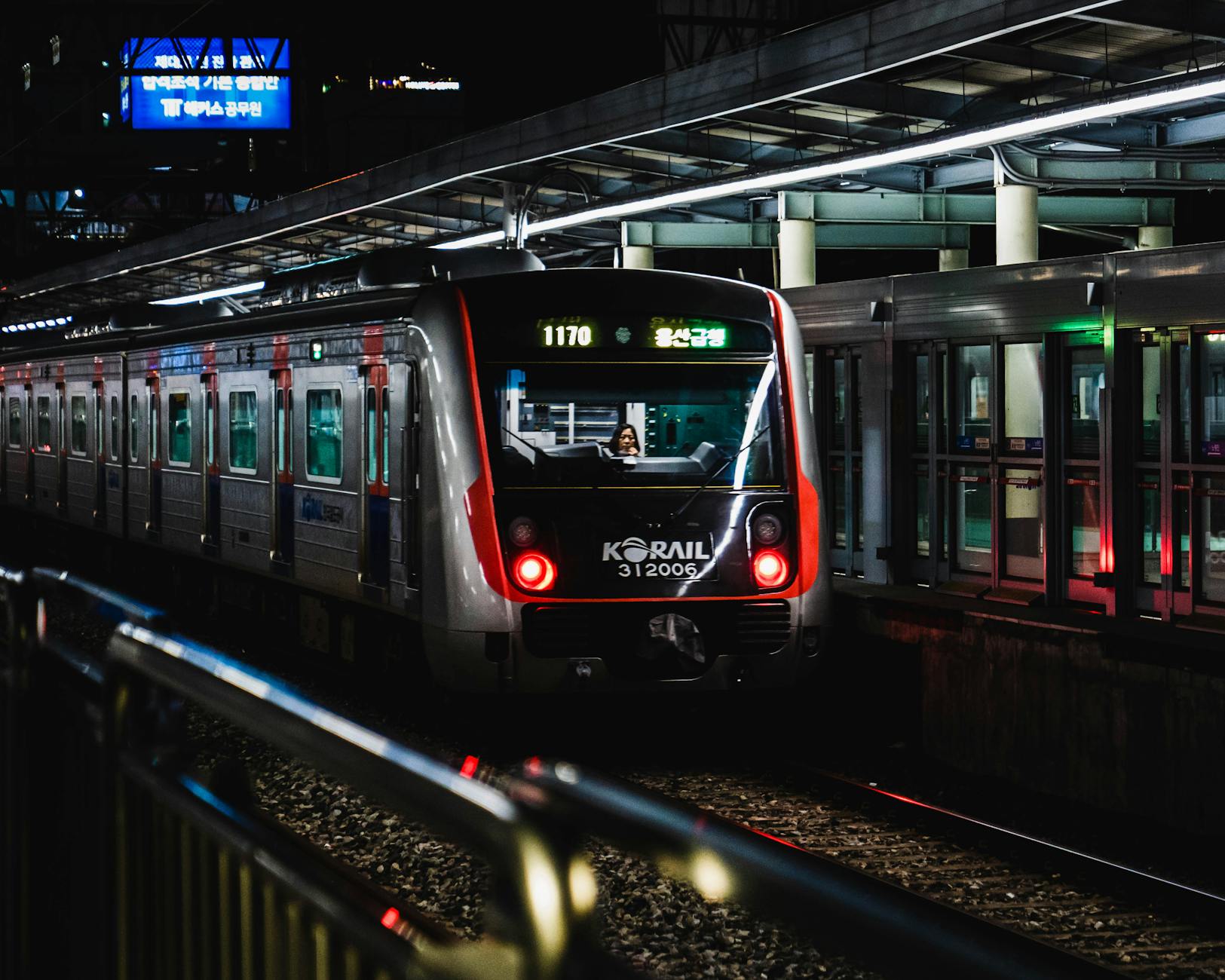
Budget and Costs
Seoul can be good value compared with Tokyo, Singapore, London, or Paris, but it is not automatically cheap. Hotels, cafés, cocktails, shopping, clinics, and popular restaurants can add up quickly.
Daily Budget Ranges
| Style | Daily estimate excluding flights | What it looks like |
|---|---|---|
| Shoestring | ₩60,000-₩100,000 | Hostel, convenience-store breakfasts, markets, subway, free museums, simple meals. |
| Budget | ₩100,000-₩180,000 | Budget hotel/guesthouse, casual restaurants, snacks, subway, a few paid sights. |
| Mid-range | ₩180,000-₩350,000 | Good hotel, strong food plan, cafés, taxis sometimes, paid attractions, shopping. |
| Comfortable | ₩350,000-₩650,000 | Better hotel, nicer restaurants, cocktails, taxis, clinics or shopping, guided experiences. |
| Luxury | ₩650,000+ | Five-star hotel, fine dining, private guides, luxury shopping, premium spa/clinic, car transfers. |
These ranges are rough. Hotel season and shopping habits can change everything.
Typical Costs
| Item | Rough range |
|---|---|
| Subway base fare with transit card | Around ₩1,550 for adults as of current listed fare. |
| Coffee | ₩4,000-₩8,000, higher at destination cafés. |
| Convenience-store breakfast/snack | ₩3,000-₩8,000. |
| Casual lunch | ₩8,000-₩18,000. |
| Market grazing | ₩10,000-₩25,000. |
| Barbecue meal | ₩20,000-₩60,000+ per person depending on meat and drinks. |
| Cocktail | ₩15,000-₩30,000+. |
| Budget hotel | ₩70,000-₩150,000 depending on season/location. |
| Midrange hotel | ₩150,000-₩300,000+. |
| Luxury hotel | ₩400,000+ and much higher in peak periods. |
| Major observatory | Often in the tens of thousands of won; check current official pricing. |
| Palace admissions | Usually very affordable; palace pass can be excellent value. |
Best Value Moves
- Stay near a good subway station instead of chasing a famous hotel street.
- Eat Korean lunches as your main meal when possible.
- Use free museums and palace grounds strategically.
- Buy a Climate Card only if your ride count justifies it.
- Use department-store food halls for high-quality, low-friction meals.
- Mix one or two splurge dinners with casual neighborhood meals.
- Use convenience stores intelligently, not as a substitute for the whole food scene.
- Avoid taking taxis across the city at peak traffic unless necessary.
Worth the Splurge
- A well-located hotel near a useful station.
- A great barbecue, fine-dining, temple-food, or modern Korean meal.
- Changdeokgung Secret Garden if the season is right.
- A guide for history-heavy palace/Jongno exploration.
- A DMZ tour if the topic matters to you.
- A beauty or spa appointment from a reputable provider.
- A room with proper air conditioning in summer and heating in winter.
Usually Not Worth It
- Multiple paid observatories on a short trip.
- A poor hotel far from transit just to save a small amount.
- Overpriced, low-quality food in the most touristy lanes.
- Generic “K-pop tours” with weak access or vague promises.
- DMZ tours booked without understanding what is actually included.
- Renting a car for Seoul.
Safety, Health, and Scams
Seoul is generally a safe city for visitors, with low violent-crime anxiety compared with many large capitals. That does not mean nothing happens. The most relevant risks for visitors are nightlife judgment, alcohol, scams, traffic, weather, air quality, and medical/communication friction.
General Safety
- Keep normal awareness in crowded shopping streets, nightlife areas, and markets.
- Be careful with alcohol; Korean drinking culture can escalate quickly.
- Watch drinks in bars and clubs.
- Use licensed taxis or known apps, especially late at night.
- Avoid political demonstrations as a foreign visitor.
- Be careful crossing roads; drivers and scooters can be assertive.
- In summer, treat heat and humidity seriously.
- In winter, watch for ice on sidewalks and steps.
U.S. government travel guidance specifically warns that South Korea’s low overall crime rate can create a false sense of security and notes risks around alcohol, social/dating apps, and sexual assault reporting/support inconsistencies.[12]
Common Scams and Annoyances
Seoul is not scam-heavy compared with many global tourist cities, but these issues occur:
- Overpriced or poor-quality tourist restaurants.
- Nightlife overcharging in unclear bars or clubs.
- Cult/religious recruiters approaching foreigners with surveys or “cultural” invitations.
- Unofficial tour promises around DMZ/JSA access.
- Beauty-clinic upselling or unclear treatment packages.
- Online ticketing or K-ETA lookalike sites charging unnecessary fees.
- Taxi miscommunication if the destination is unclear.
Health Practicalities
- Pharmacies are common; look for 약 signs.
- Hospitals and clinics are modern, but English support varies.
- Bring important prescriptions in original packaging and check drug-import rules, especially for controlled medications.
- Fine dust can affect sensitive travelers; check air-quality apps.
- Summer heat and humidity require water, shade, and pacing.
- Winter cold requires proper layers, gloves, and shoes.
- Tap water is safe, but bottled and filtered water are easy to find.
Emergency Numbers
- Police: 112
- Fire/Ambulance: 119
- Medical information: 1339
- Korea Travel Hotline: 1330, with tourist information, interpretation, and complaint support.[11]
The move: Save these numbers before arrival. Also save your hotel address in Korean and English.
Accessibility and Mobility
Seoul is improving but still uneven. The subway has elevators in many stations, but transfers can be long, elevators can be far from the best exit, and some older neighborhoods are full of slopes, steps, narrow sidewalks, and uneven paving.
Easier Areas
- Myeongdong main streets
- City Hall and Gwanghwamun axes
- COEX and Jamsil mall areas
- Yeouido and major Han River paths
- National Museum of Korea
- Seoul Museum of History
- Major department stores and malls
- Parts of Gangnam and Samseong
Harder Areas
- Bukchon and Seochon slopes
- Haebangchon and Gyeongnidan hills
- Older market alleys
- Some palace paths and stone surfaces
- Underground shopping areas with stairs or confusing exits
- Nightlife streets with crowds and uneven pavements
- Winter icy sidewalks
Tips
- Check elevator exits before setting out.
- Use taxis for hill neighborhoods or after long museum/palace days.
- Choose hotels close to accessible station exits, not just near a station on the map.
- Avoid hanok stays if stairs, floor bedding, low furniture, or luggage handling are concerns.
- For strollers, plan around elevators and avoid peak subway crowding.
Honest verdict: Seoul can be excellent for mobility in modern districts and museums, but difficult in older neighborhoods and hill areas. A careful accessible itinerary should prioritize Gwanghwamun, major museums, malls, Han River parks, taxis, and hotels with verified step-free access.
Families, Solo Travelers, LGBTQ+ Travelers, and Special Considerations
Families with Kids
Seoul is strong for families because transit is good, food is flexible, convenience stores are everywhere, and there are many indoor options. The challenge is pacing.
Best family areas: Jamsil, COEX/Samseong, Myeongdong, Yongsan/Itaewon, and apartment-style stays near parks.
Best family activities: Lotte World, Seoul Sky, COEX Aquarium, National Museum of Korea, Children’s Grand Park, Seoul Forest, Han River parks, palaces with hanbok, markets in small doses, jjimjilbangs if the family is comfortable.
Family mistakes: too many transfers, too much palace time, late-night Hongdae with young children, and summer days without indoor breaks.
Solo Travelers
Seoul is excellent for solo travel. It feels safe, transit is easy, cafés are welcoming, and many casual restaurants suit one person. The harder parts are barbecue minimums, nightlife judgment, and language barriers in smaller restaurants.
Solo-friendly moves: counter dining, museum mornings, café afternoons, market snacks, guided food tours, group hikes, and staying in Hongdae, Myeongdong, or Jongno.
Solo Women Travelers
Many women travel comfortably in Seoul, but do not let the safe feeling remove normal caution. Be careful around heavy drinking, dating apps, secluded late-night streets, and clubs or bars where you do not know people. Use taxis when tired. Tell someone where you are going if meeting a stranger.
LGBTQ+ Travelers
Seoul has LGBTQ+ communities and nightlife, especially around Itaewon, but South Korea remains socially conservative in many settings. Public affection that feels ordinary elsewhere may draw attention outside queer-friendly areas. Research current venues and events before arrival, and use discretion depending on context.
Older Travelers
Seoul can be rewarding but physically demanding. Prioritize station-adjacent hotels, taxis for hill districts, museum-heavy days, and fewer neighborhood jumps. Palaces, museums, food, Namsan views, and Han River evenings can work well without late-night intensity.
Remote Workers and Long-Stay Travelers
Seoul has strong connectivity, cafés, coworking spaces, and urban convenience. Long-stay friction comes from housing, language, registration rules, delivery/app ecosystems, and the temptation to live entirely between cafés and malls. Choose a neighborhood with groceries, transit, parks, and local restaurants, not just nightlife.
Shopping and Souvenirs
Shopping in Seoul can become a trip by itself. The key is to distinguish useful shopping from endless consumption. Seoul is excellent for skincare, cosmetics, eyewear, fashion, stationery, ceramics, snacks, tea, design objects, K-pop goods, books, and home goods.
Best Shopping Areas
| Area | Best for |
|---|---|
| Myeongdong | Skincare, cosmetics, snacks, tourist-friendly shopping, late hours. |
| Hongdae/Yeonnam | Young fashion, accessories, gifts, cafés, creative boutiques. |
| Seongsu | Pop-ups, young brands, design, cafés, concept stores. |
| Insadong | Crafts, tea, paper, traditional gifts, ceramics, calligraphy items. |
| Garosu-gil/Sinsa | Fashion, beauty, cafés, eyewear, lifestyle shops. |
| Apgujeong/Cheongdam | Luxury, designer fashion, clinics, high-end beauty. |
| COEX/Jamsil | Mall shopping, family-friendly retail, weather-proof browsing. |
| Namdaemun/Dongdaemun | Markets, accessories, fabrics, fashion supplies, late-night wholesale energy. |
| The Hyundai Seoul/Yeouido | Department-store retail, food, design, pop-ups, weather-proof shopping. |
What to Buy
- Skincare and sunscreen from reputable retailers.
- Sheet masks if you will use them, not just because they are cheap.
- Korean snacks: seaweed, honey butter products, rice crackers, tea, coffee, packaged sweets.
- Stationery, notebooks, pens, stickers, paper goods.
- Ceramics and tea ware from quality shops.
- Eyewear, if you have time for prescriptions and fitting.
- K-pop albums and merchandise from legitimate shops.
- Korean fashion basics, streetwear, socks, bags, and accessories.
- Traditional crafts from vetted stores, not mass-produced souvenirs posing as handmade.
What to Avoid
- Buying huge skincare hauls before testing products.
- Fake luxury goods.
- Overpriced tourist souvenirs in the first shop you enter.
- Food items you may not be allowed to bring home.
- Fragile ceramics without safe packing.
- Clinic packages or treatments chosen impulsively because of a discount.
The Move
Make a shopping list before the trip. Seoul is engineered to make you buy more than planned. Decide what you actually want: skincare, fashion, food gifts, art/design, or K-pop. Then build one or two focused shopping blocks instead of letting shopping eat every day.
Arts, Culture, History, and Context
Seoul’s depth comes from its history: dynastic capital, colonized city, war-scarred city, divided-peninsula capital, dictatorship-era development engine, democratization site, corporate powerhouse, and global culture exporter.
A Short History for Travelers
Seoul became the capital of the Joseon dynasty in the late 14th century. The palaces, gates, Jongmyo Shrine, and old city layout still reflect that Confucian royal world. Japanese colonial rule in the early 20th century reshaped the city brutally and politically. The Korean War devastated Seoul, changing hands and suffering major destruction. Postwar Seoul rebuilt at extraordinary speed, especially from the 1960s onward, as South Korea industrialized, urbanized, and transformed from poverty into a major economy.
Democratization movements, student politics, labor struggles, and public protest are part of the modern city’s identity. So are chaebol corporations, apartment development, education pressure, beauty culture, mandatory military service for many men, and the unresolved reality of North Korea just beyond the metropolitan region.
This context matters. Seoul’s speed is not random. Its skyline, work culture, food habits, family pressures, youth expression, and appetite for reinvention all make more sense when you understand how quickly the city changed.
Museums Worth Prioritizing
| Museum | Why go |
|---|---|
| National Museum of Korea | The best broad introduction to Korean history, art, ceramics, Buddhist sculpture, and cultural continuity. |
| Seoul Museum of History | Strong for understanding Seoul’s urban transformation; free admission and central location. |
| War Memorial of Korea | Important for Korean War context, military history, and division. Large and sobering. |
| Leeum Museum of Art | Traditional and contemporary art in a major architectural setting; especially good with Hannam/Itaewon plans. |
| National Folk Museum | Useful with Gyeongbokgung for everyday life and traditions. |
| DDP exhibitions | Variable but good for design, fashion, and architecture. |
| Centre Pompidou Hanwha | New Yeouido art institution scheduled/opening in 2026; check current exhibition status. |
Etiquette and Cultural Norms
- Be quiet on subway cars. Phone calls are frowned upon.
- Queue where marked.
- Offer and receive things with two hands in formal situations.
- Do not stick chopsticks upright in rice.
- At some restaurants, remove shoes if entering floor-seating areas.
- At temples and palaces, dress and behave respectfully.
- Do not photograph people closely without permission.
- Separate trash and recycling where required; public trash cans can be scarce.
- Avoid loud behavior in residential hanok areas.
- Tipping is not expected.
- Group dining often involves shared dishes; ask before taking the last piece.
Books, Films, and Shows to Prepare
Rather than treating Seoul only through K-dramas, prepare with a mix:
- A modern Korean history overview.
- A book or documentary on the Korean War and division.
- Korean cinema from different eras, not just recent streaming hits.
- Music beyond idol pop: indie, hip-hop, trot, ballads, pansori, and contemporary classical/crossover.
- Food writing or video focused on Korean regional cuisines.
The move: Use K-drama and K-pop as doors, not as the whole house.
Seasonal and Month-by-Month Guide
Cherry Blossom Season
Seoul’s blossoms are beautiful but overplanned by visitors. Yeouido, Seokchon Lake, palace grounds, university campuses, and parks become crowded. Bloom timing varies by year and weather. Build flexible spring plans rather than making blossoms the entire purpose of the trip.
Better strategy: Use blossoms as a bonus. Book the trip for broader spring weather and city life.
Autumn Foliage
Autumn is more forgiving. Bukhansan, Namsan, palace gardens, Seoul Forest, university campuses, and day trips all become stronger. Changdeokgung Secret Garden is especially popular.
Book ahead: garden slots, good hotels, and weekend day trips.
Summer Heat and Rain
Summer itineraries need indoor anchors. Do one outdoor activity early, take a long indoor lunch or museum/mall break, and save outdoor walks for evening. Carry water and use shade.
Winter City
Winter is for soups, stews, hotteok, jjimjilbangs, museums, lights, shopping, and crisp skyline views. Dress properly and plan shorter outdoor segments.
Day Trips and Side Trips from Seoul
DMZ
Best for: history, geopolitics, Korean War context, and travelers interested in division.
Travel style: guided tour only for many areas.
Caution: access changes. Confirm itinerary details and ID requirements.
Worth it? Yes for context; no if you are only chasing a border selfie.
Suwon Hwaseong Fortress
Suwon is one of the best easy day trips from Seoul. Hwaseong Fortress offers walls, gates, history, and a manageable old-city experience. It is especially good in mild weather.
Best for: history, walking, fortress architecture, lower-stress day trip.
Time: half to full day.
Incheon, Chinatown, and Songdo
Incheon gives you port history, Chinatown, old settlement areas, and Songdo’s planned-city contrast. It is less obviously beautiful than some day trips, but interesting if you like urban history and modern development.
Best for: repeat visitors, food/history, architecture, airport-adjacent planning.
Bukhansan National Park
Technically within the metropolitan area but it feels like a day trip if you hike properly. Choose a route based on fitness and season.
Best for: hikers, views, autumn, spring.
Caution: summer heat and winter ice.
Korean Folk Village
A useful family and culture-oriented outing outside Seoul, especially for travelers who want staged traditional architecture, performances, and a more interpretive heritage experience.
Nami Island and Garden of Morning Calm
Popular with visitors and tours, especially in certain seasons. Romantic and photogenic, but can feel highly commercial. Best if the scenery or drama associations appeal to you.
Jeonju
Possible as a long day by train, better as an overnight. Known for hanok village tourism and food culture. Consider it a side trip rather than a casual Seoul day if you want to enjoy it properly.
Busan, Gyeongju, and Beyond
Korea is not just Seoul. If you have more than a week, consider:
- Busan: coast, markets, beaches, seafood, hills.
- Gyeongju: ancient Silla history, tombs, temples.
- Jeonju: food and hanok tourism.
- Sokcho/Seoraksan: mountains and coast.
- Jeju: island landscapes, best as a separate flight-based extension.
What to Skip
This is not a list of bad places. It is a list of things many visitors over-prioritize.
Skip Multiple Observatories on a Short Trip
N Seoul Tower, Seoul Sky, hotel bars, mountain viewpoints, and river bridges all compete for skyline time. Choose one paid view and one free/natural view.
Skip a DMZ Tour If You Are Not Actually Interested
A DMZ tour can be powerful, but it costs time. If your interest is superficial, use that day for museums, palaces, food, or Suwon.
Skip Myeongdong as Your Main Food Plan
Myeongdong is convenient and fun for snacks, cosmetics, and hotels. It is not where you should eat every serious meal.
Skip Bukchon at Peak Crowd Times
Go early or choose Seochon, Ikseon-dong, or other hanok-adjacent areas. Bukchon is residential; the over-touristed version is not the best version.
Skip Overloaded K-pop Tourism
Unless you have a specific fandom goal, many K-pop tourism experiences are more retail than insight. Choose a real performance, store, exhibition, or neighborhood instead of vague agency-stalking.
Skip Random Beauty Clinics
Beauty and skincare can be a legitimate Seoul interest. But do not choose treatments impulsively, especially invasive ones. Research providers, risks, language support, recovery time, and aftercare.
Skip Trying to “Do Korea” in Seoul Alone
Seoul is not all of Korea. It is the capital, megacity, cultural engine, and gateway. But regional Korea has distinct food, dialects, landscapes, temples, coastlines, and histories.
Common Mistakes
- Booking a hotel too far from a good subway line. A cheap hotel with awkward transit becomes expensive in time.
- Crossing the city too many times in one day. Cluster plans by area.
- Assuming Google Maps is enough. Use Naver Map or KakaoMap.
- Eating only barbecue and street food. Add soups, noodles, markets, temple food, cafés, and regional dishes.
- Not booking Secret Garden or high-demand activities. Some things are not walk-up friendly.
- Underestimating summer humidity. Build indoor breaks.
- Underestimating winter cold. Bring proper layers.
- Treating Bukchon as a theme park. People live there.
- Assuming every DMZ tour includes JSA. Confirm exactly what is included.
- Over-shopping on day one. Seoul’s retail is endless; pace yourself.
- Planning too many late nights. Seoul is fun late, but exhaustion ruins daytime sightseeing.
- Forgetting last trains. Know when the subway stops and how to taxi home.
- Not carrying any cash. Cards are common, but cash still solves small problems.
- Ignoring air quality. Check fine-dust levels if sensitive.
- Choosing Gangnam as a base without a south-of-Han reason. It is useful, but not automatically best for first-timers.
Responsible and Respectful Travel
Seoul is built for visitors in many places, but it is also a dense city where tourist behavior affects residents.
In Hanok Villages
- Keep voices low.
- Do not photograph inside homes or through windows.
- Stay on public paths.
- Do not block doorways.
- Visit early and move on if crowds are heavy.
In Markets and Restaurants
- Order clearly and do not occupy seats after finishing during peak times.
- Be patient with language barriers.
- Do not photograph vendors closely without permission.
- Avoid wasting banchan.
In Palaces and Temples
- Respect signs and barriers.
- Keep costumes and photos respectful.
- Do not climb on heritage structures.
- Avoid loud behavior during ceremonies or worship.
In Nightlife Areas
- Drink responsibly.
- Keep groups together.
- Respect local residents.
- Do not treat clubs, bars, or queer spaces like spectacles.
In the City Generally
- Learn basic greetings and thanks.
- Sort trash where required.
- Use public transit considerately.
- Support local businesses beyond global chains.
- Do not make North Korea or war into a joke at serious sites.
Packing List
Year-Round Essentials
- Comfortable walking shoes.
- Type C/F plug adapter.
- Portable battery.
- Transit card or plan for buying one.
- Small amount of cash.
- Translation app and Korean address screenshots.
- Reusable water bottle.
- Day bag with secure pockets.
- Medications in original packaging.
- Skincare and moisturizer, especially in winter.
Spring
- Light jacket.
- Layers for changing temperatures.
- Allergy medication if needed.
- Mask if sensitive to dust or pollen.
Summer
- Breathable clothing.
- Umbrella or rain shell.
- Sweat towel or handkerchief.
- Sunscreen.
- Extra socks.
- Anti-chafe products if needed.
- Electrolytes for heat-heavy days.
Autumn
- Light to medium jacket.
- Comfortable walking shoes for long days.
- Layers for cool evenings.
Winter
- Warm coat.
- Gloves, hat, scarf.
- Thermal layers.
- Good socks.
- Shoes with grip for icy days.
- Lip balm and moisturizer.
What Not to Pack Too Much Of
- Excess toiletries; Seoul sells everything.
- Too many dressy outfits unless your trip is luxury/nightlife-focused.
- Heavy luggage if staying in hanok or older guesthouses.
- Every skincare product from home if you plan to shop.
FAQ
Is Seoul worth visiting?
Yes. Seoul is one of Asia’s great city trips: food, history, shopping, transit, nightlife, museums, mountains, and modern culture in one dense capital.
How many days do I need in Seoul?
Three days is the minimum good first visit. Five days is ideal. A week is excellent if you want a day trip, shopping, food, and slower neighborhood time.
What is the best area to stay in Seoul for a first visit?
Myeongdong/Euljiro for convenience, Jongno/Insadong/Anguk for historic Seoul, Hongdae/Mapo for nightlife, and Itaewon/Hannam/Yongsan for restaurants and international ease.
Is Seoul safe?
Generally yes, but use normal judgment in nightlife areas, with alcohol, dating apps, and late-night taxis. Watch weather, air quality, and traffic.
Do I need cash?
Yes, carry some. Cards are widely accepted, but cash is useful for markets, small vendors, transit-card situations, older restaurants, and emergencies.
Is Seoul expensive?
It can be moderate or expensive depending on hotels, shopping, dining, and clinics. Transit and many attractions are good value; hotels and retail can add up.
Do I need a car?
No. A car is unnecessary and usually inconvenient in Seoul.
Is the DMZ worth it?
Worth it if you care about Korean history and geopolitics. Not essential if your first Seoul trip is short and your interest is casual.
Can I visit Seoul without speaking Korean?
Yes, especially in major visitor areas. But local map apps, translation tools, saved Korean addresses, and patience will improve the trip enormously.
What should I book ahead?
Changdeokgung Secret Garden, DMZ tours, popular restaurants, major exhibitions, Lotte World, special palace night openings, beauty/clinic appointments, and peak-season hotels.
What should I skip on a short trip?
Multiple observatories, far-flung malls unless you love shopping, generic K-pop tours, a DMZ tour if you are not interested in history, and crossing the city repeatedly for isolated viral spots.
Source Notes for Live Fact-Checking
These are the current-source anchors used for this sample. A live published guide should refresh them before publication and again on a fixed update schedule.