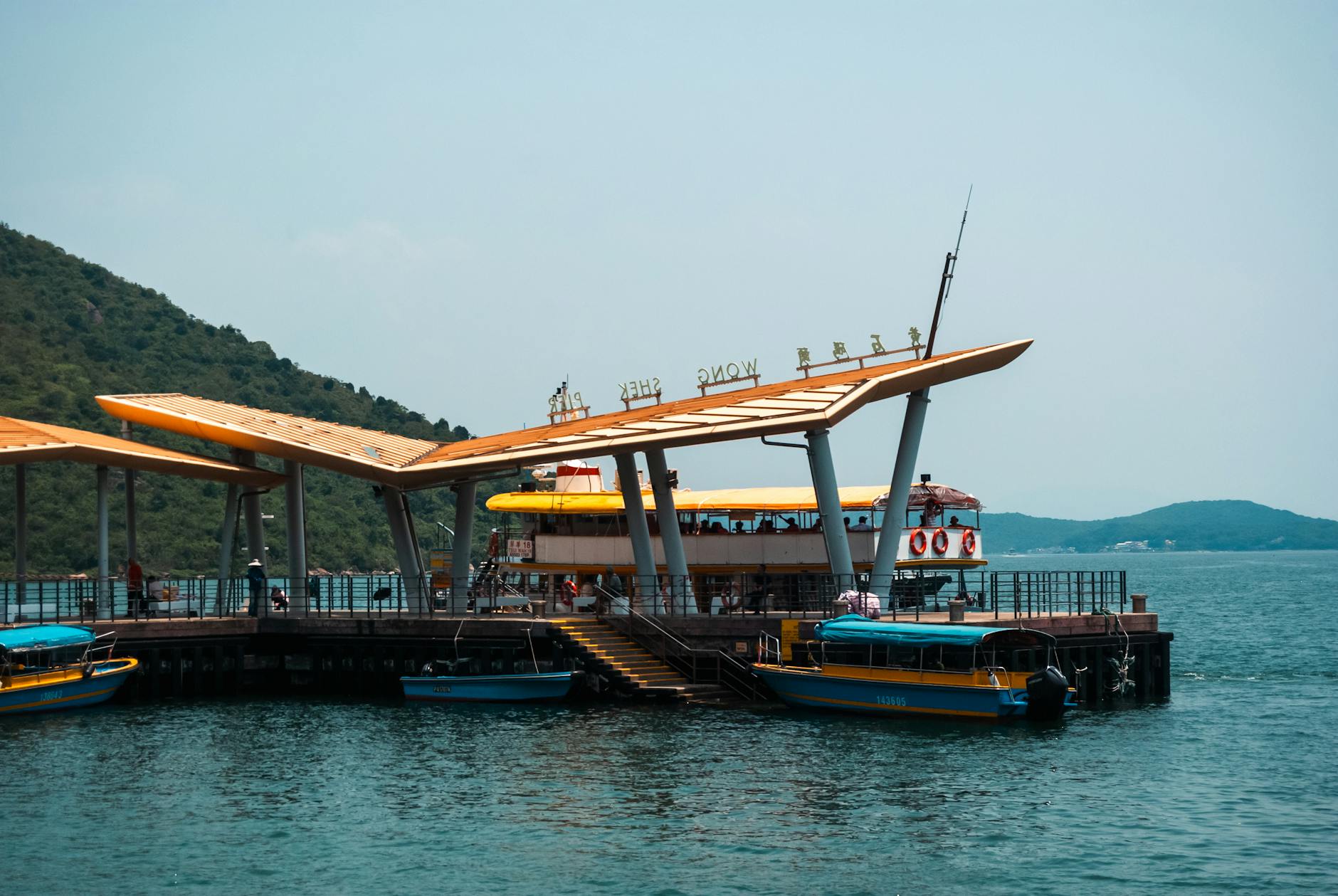
Sai Kung is one of the most pleasant places in Hong Kong and one of the easiest to overuse.
Start Here
People hear that it is Hong Kong’s “back garden” and immediately start trying to make it do everything: seafood town, promenade walk, island hop, beach day, geopark outing, junk-boat fantasy, hiking base, and scenic reset from the city. The result is often a visit that contains too many moves and not enough actual enjoyment.
That is a mistake, because Sai Kung is at its best when you understand what kind of day it is supposed to be. Hong Kong Tourism Board continues to describe the district as Hong Kong’s “back garden,” defined by fishing-village traces, scenic landscapes, beaches, islands, geological formations, and a slower way of life than the city core.[1] That official framing is useful because it gets the essential point right: Sai Kung is not one attraction. It is a transition zone between town and open landscape.
Sai Kung in one sentence: it is where Hong Kong loosens its collar, but only if you stop trying to consume all of its scenery at once.
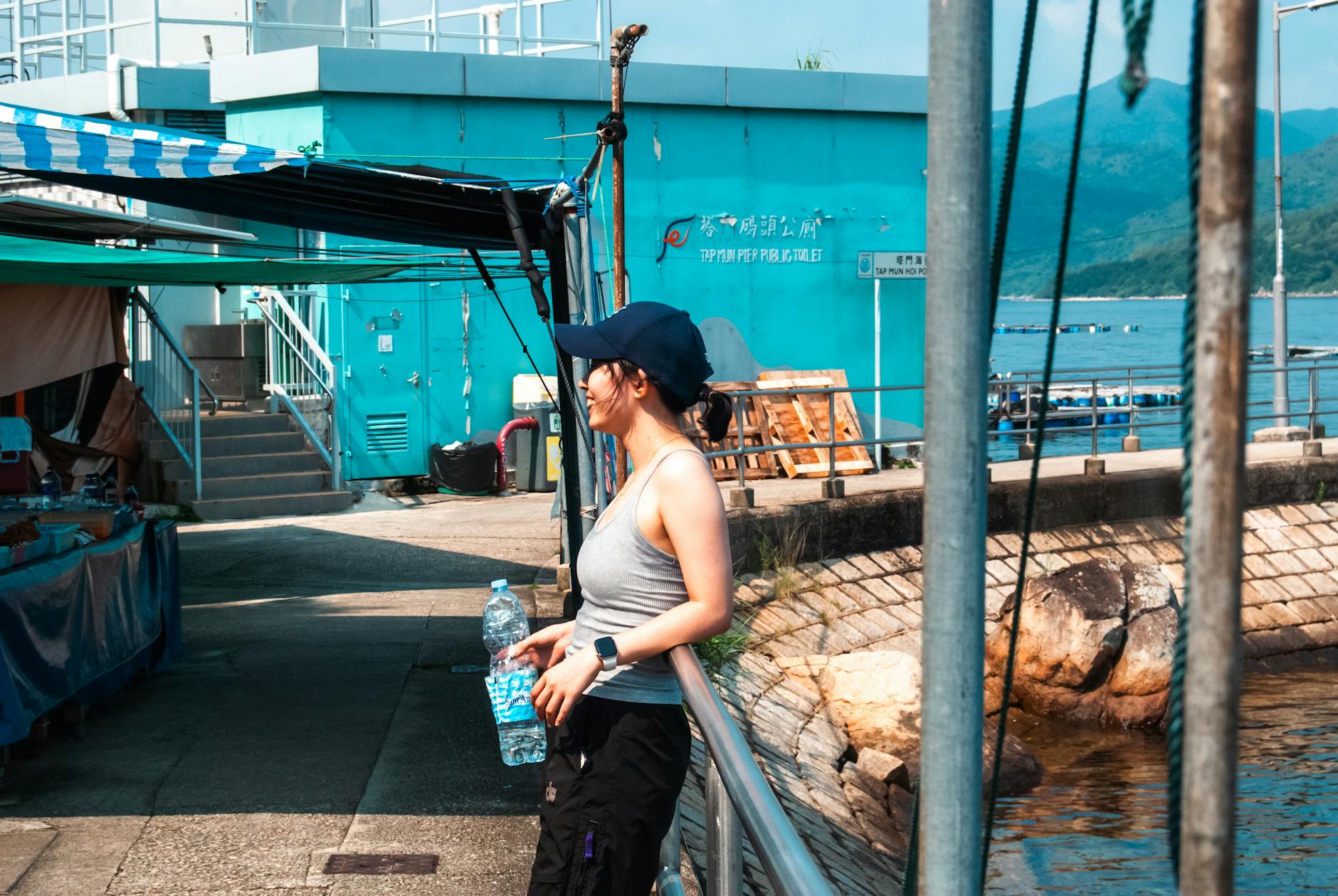
Basic data
| Population | Coastal town and district area inside Hong Kong |
|---|---|
| Area | Harbor town within a larger district and country-park region |
| Major religions | Buddhism, Taoism, Christianity, folk religion, and a large secular population |
| Political system | District inside a special administrative region |
| Economic system | High-income services economy led by hospitality, seafood trade, recreation, and local services |
Quick Verdict
Best for: first-time Hong Kong visitors with extra time, repeat visitors needing relief from the city, waterfront walkers, seafood travelers, and anyone who likes urban edge meeting open nature.
Less ideal for: travelers trying to cram every famous Hong Kong district into one short trip, or anyone who assumes nature automatically means easy logistics.
Ideal first use: a strong half-day or full day with one main natural add-on, not three.
Can justify more time: yes, especially if you split town time from island, beach, or geopark time.
Biggest planning mistake: treating Sai Kung Town as a quick lunch stop before a much bigger overbuilt itinerary.
One thing to prioritize: selectivity.
One thing to keep simple: how many “outside town” moves you attempt.
The blunt version: Sai Kung is better as a well-edited day than as an ambition test.
Who Will Love Sai Kung?
Sai Kung works for travelers who want Hong Kong to become less vertical and more expansive without losing local life completely. If you like promenades, fishing-boat traces, seafood, ferries and launches, country-park edges, and a general sense of urban release, it is excellent.
It is especially good for visitors who already know that a successful travel day is often defined by what you intentionally leave out. Sai Kung can absorb a lot of visitor ambition, but it rarely rewards all of it at once. The travelers who like it best tend to be the ones willing to let a harbor walk, a seafood lunch, and one outward natural move count as enough.
It also suits people who want contrast more than conquest. In a Hong Kong itinerary full of dense urban neighborhoods, steep streets, towers, and transit pace, Sai Kung offers something different: sea air, lower-rise movement, piers, and a sense that the city has abruptly remembered its edges.
Sai Kung at a Glance
| Question | Practical Answer |
|---|---|
| Best visit style | town plus one natural extension |
| Main mood | waterfront ease with active excursion pressure |
| Best first anchor | Sai Kung Town promenade and piers |
| Best upgrade | one carefully chosen island or geopark add-on |
| Main physical challenge | logistics and weather more than terrain |
| Main visitor trap | too many onward moves |
| Core payoff | contrast with dense urban Hong Kong |
| What makes the day work | choosing one scale and sticking to it |
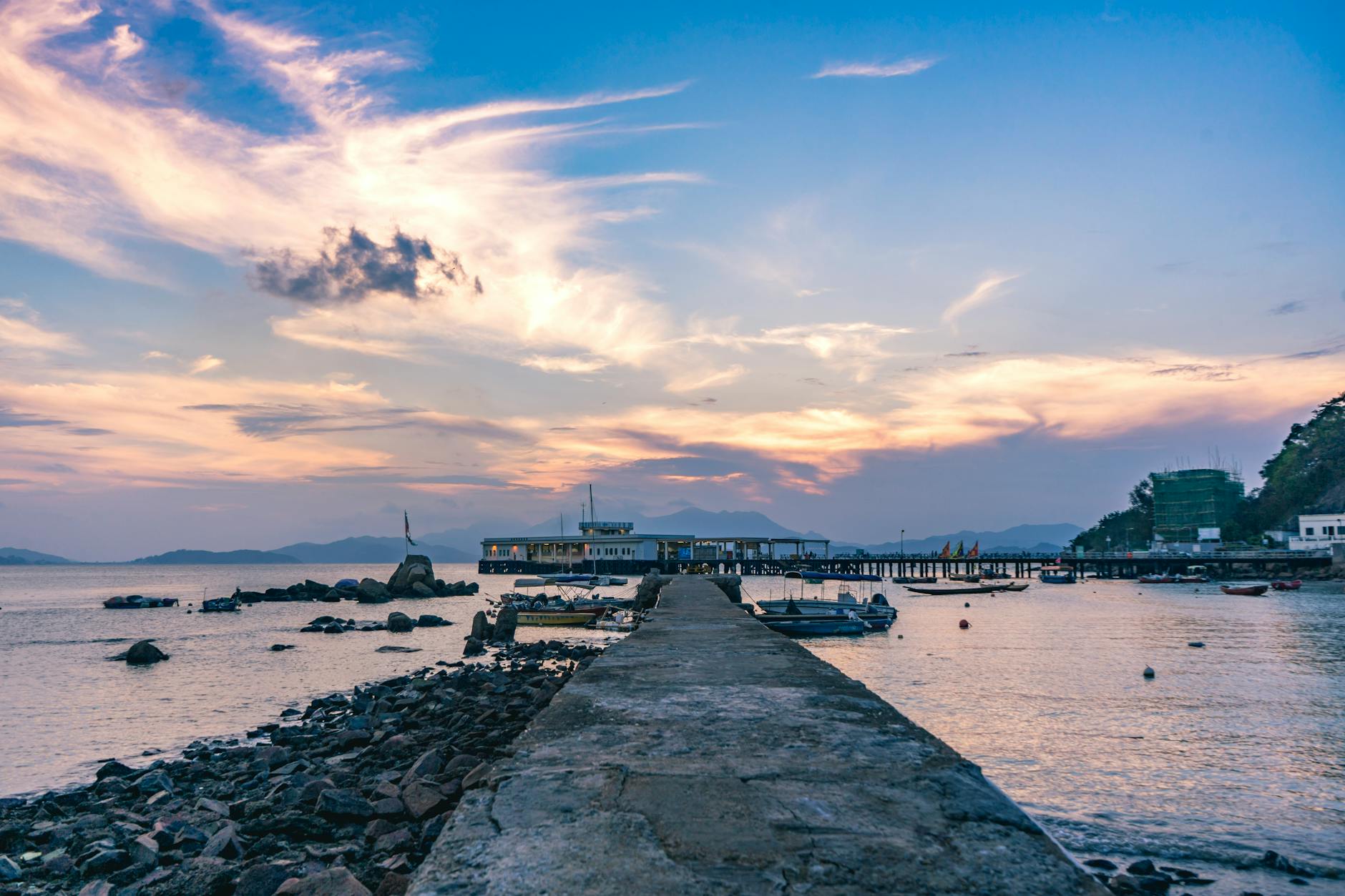
2026 Visitor Notes
Sai Kung Still Functions as Hong Kong’s “Back Garden”
Hong Kong Tourism Board continues to frame Sai Kung as a district of fishing villages, beaches, islands, hiking trails, geological formations, and lower-key living, with activity concentrated around Sai Kung Town before extending outward into country parks and marine landscapes.[1] That remains the right way to think about it.
Town and Nature Are Still the Two Necessary Halves
HKTB still emphasizes that to really understand Sai Kung, you need both the town itself and the wider country-park or island setting beyond it.[1] This matters because many visitors do only one half and then feel either underwhelmed or overextended.
The Seafood Identity Is Still Central
Sai Kung Seafood Street remains one of the district’s most recognizable official reference points, and HKTB still presents it as a place to pick from tanks and eat along the waterfront.[2] This is still a real part of the visit, but it should be treated as a district texture, not as the whole reason to come.
The Natural Extensions Still Need Active Choice
HKTB continues to highlight places like Sharp Island and High Island as accessible ways to reach the district’s marine and geological character, while AFCD continues to maintain Sai Kung East Country Park as one of the major protected landscapes in the area.[3][4][5] That tells you what still matters here: nature is close, but not generic. You need to choose your version of it.
The Main Mental Shift
Do not ask, “How much of Sai Kung can I fit in?”
Ask instead, “Which Sai Kung am I here for?”
Town Sai Kung, island Sai Kung, seafood Sai Kung, or geopark Sai Kung are all valid. Confusing them into one huge day is what makes the district feel more complicated than it needs to be. The town and its outward landscapes support each other best when one of them is allowed to lead and the other is allowed to support.
Sai Kung is not difficult. It becomes difficult when visitors refuse to choose a scale.
What Makes Sai Kung Distinct
Sai Kung is distinct because it gives Hong Kong room without giving up local texture.
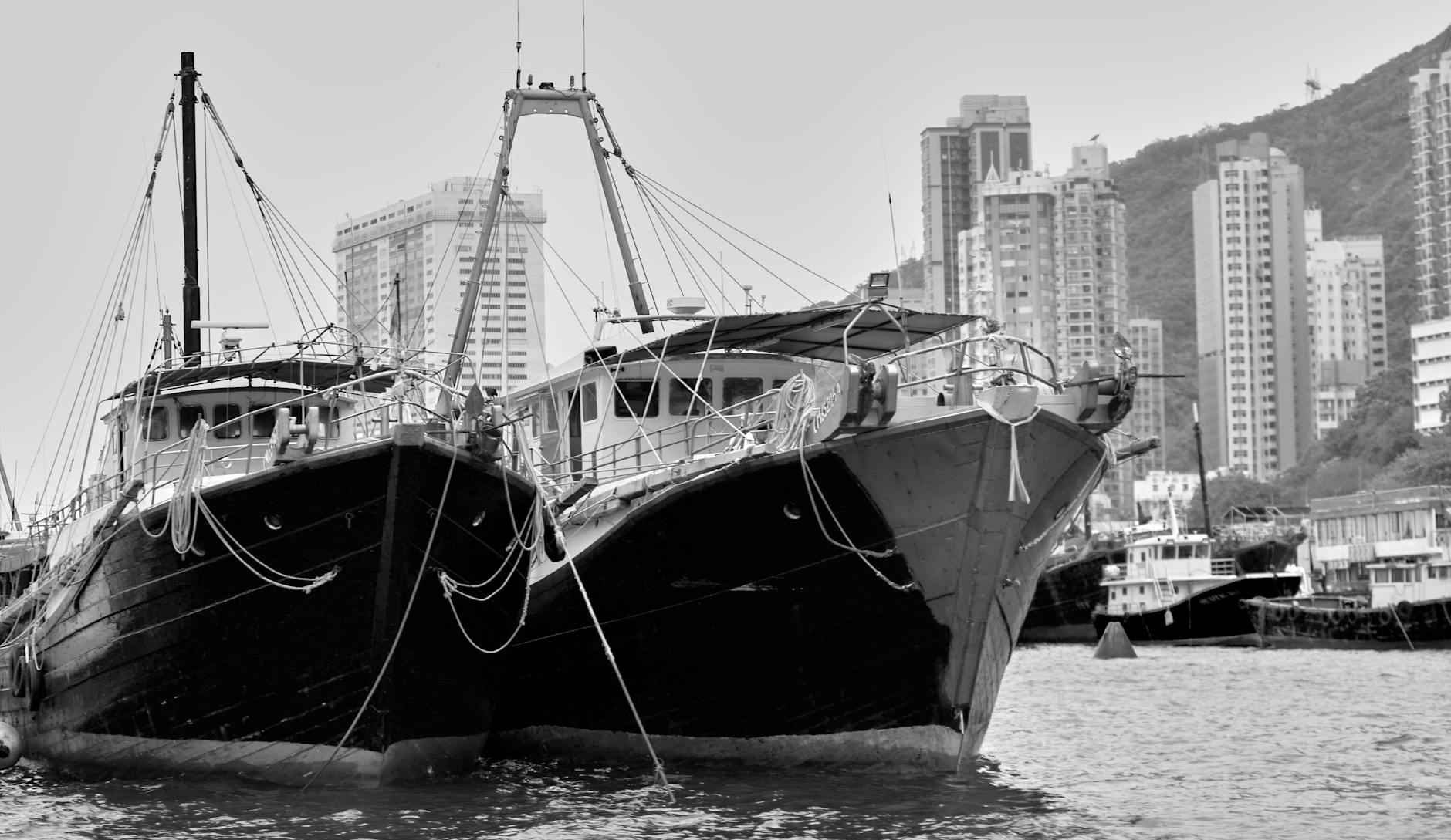
This is not a sterile escape hatch from the city. Fishing boats still matter visually, seafood still structures much of the waterfront economy, and the district still feels lived-in rather than merely scenic. At the same time, the surrounding area opens quickly into islands, beaches, marine settings, and protected landscapes that would feel implausible if you had only seen Hong Kong’s central districts first.
That shift from compression to openness is Sai Kung’s real subject.
It is also why the place often feels more generous than other “nature breaks” at the edge of major cities. You are not leaving urban life entirely. You are loosening it.
Why Sai Kung Feels So Different From Central Hong Kong
This is worth naming directly because it is one of the district’s strongest pleasures.
Most of the famous first-time Hong Kong experience is about upward pressure: towers, stairs, escalators, slopes, compressed transit, tight pavements, dense signage, concentrated consumption. Sai Kung releases that pressure horizontally. You get waterfront, piers, air, marine movement, lower horizons, and a sense that there is finally space for the eye to travel farther than the next block.
That release is part of the reason the district feels restorative even before you do anything “natural” in a formal sense. The promenade already changes the body’s pace. The boats and water already change the city’s sound.
Best Time to Visit
Sai Kung is strongest when weather, appetite, and logistics all line up.
Clearer days matter more here than in dense urban districts because the whole point is space, water, and outward visibility. Late morning into afternoon works well for town time plus one extension. Early arrival is useful if you are taking a boat or making a longer country-park move. Evening is pleasant for waterfront eating, but weaker if the whole point was landscape and light.
If conditions are gray, wet, or unstable, Sai Kung can still work, but it becomes much more of a town day and much less of a scenic one. That is not failure. It is just a different reading of the district.
Weather Changes the District More Than People Expect
In a dense urban area, bad weather can be annoying without changing the whole meaning of the place. Sai Kung is different.
Cloud, haze, rougher water, rain, or unstable conditions change the value of outward movement dramatically. A day that looked like islands or geopark geometry may need to become promenade, lunch, and town texture instead. The district can still be enjoyable, but only if you are not overly attached to the grandest version of the day.
This is one reason Sai Kung rewards travelers who make one clear plan and keep the rest flexible.
How Much Time You Need
Short Visit
Enough for the promenade, a seafood or café stop, and a basic harbor read. Useful, but incomplete.
Half Day
A solid first answer if you stay disciplined and choose either town or one modest extension.
Full Day
The best option for most first visits, provided you do not spend it all in transit chains.
Half-Day Sai Kung Versus Full-Day Sai Kung
These are not the same district experience.
A half day usually means either Sai Kung Town with food and waterfront time, or Sai Kung Town plus one modest outward move. It is often the smartest choice for a broader Hong Kong itinerary because it preserves the district’s contrast without overpromising.
A full day, by contrast, should usually mean you are deliberately giving the district space. That allows for town orientation, one more serious natural extension, and a return to the waterfront at a slower pace.
What does not work especially well is pretending you have a full day while actually slicing it into too many small commitments.
Arrival Strategy
Sai Kung should begin with a decision about scale.
Are you visiting Sai Kung Town and staying mostly local? Are you heading out toward Sharp Island? Are you choosing a geological or country-park angle? HKTB’s own material makes clear that Sai Kung is both town and outward landscape.[1] The practical implication is that you should decide what kind of day it is before you arrive, not after you are already standing at the waterfront trying to improvise.
This matters more here than in districts where wandering is harmless. In Sai Kung, wandering often turns into logistical drift.
Town First, Then Decide
For most first-time visitors, the smartest move is to let Sai Kung Town orient the day before any bigger move is made.
Walk the promenade. Look at the piers. Notice the weather. Check how lively or compressed the waterfront feels. Use that information. The town itself often tells you whether today is really an island day, a geological day, or a calmer seafood-and-air day.
Sai Kung works much better when the outward ambition grows from the town instead of overwhelming it from the start.
Sai Kung Town, Properly Used
Sai Kung Town is not just where you pass through on the way to the “real” scenery. It is one of the reasons the district works.
The promenade, piers, seafood tanks, boat traffic, and general civic looseness give the area a very different register from central Hong Kong. This is where you should orient yourself, assess conditions, and decide whether the day is about staying near town or moving farther out.
If the town feels enough, it often is.
Town Sai Kung Is a Real Destination
This needs to be said because many itineraries treat the town as a prelude.
Town Sai Kung is a valid Hong Kong experience in its own right. The harbor atmosphere, seafood presence, waterfront sociability, and visual contrast with the city’s denser districts are already enough to justify the visit for many travelers. Once you accept that, the day becomes more relaxed and much less prone to overbuilding.
The district’s easiest pleasures often happen before the first boat leaves.
Seafood, Piers, and Waterfront Appetite
HKTB continues to present Sai Kung Seafood Street as a signature district experience, with restaurants and fresh seafood displays anchoring the waterfront identity.[2]
This matters, but visitors should calibrate expectations. Seafood in Sai Kung is not a revelation merely because it is near the water. The real value is situational: eating here makes sense because it belongs to the district’s working harbor atmosphere. It is strongest when it punctuates a waterfront day rather than when it becomes the entire point of the outing.
That is the difference between a district texture and an entire travel rationale.
Sharp Island and the Value of a Single Island Move
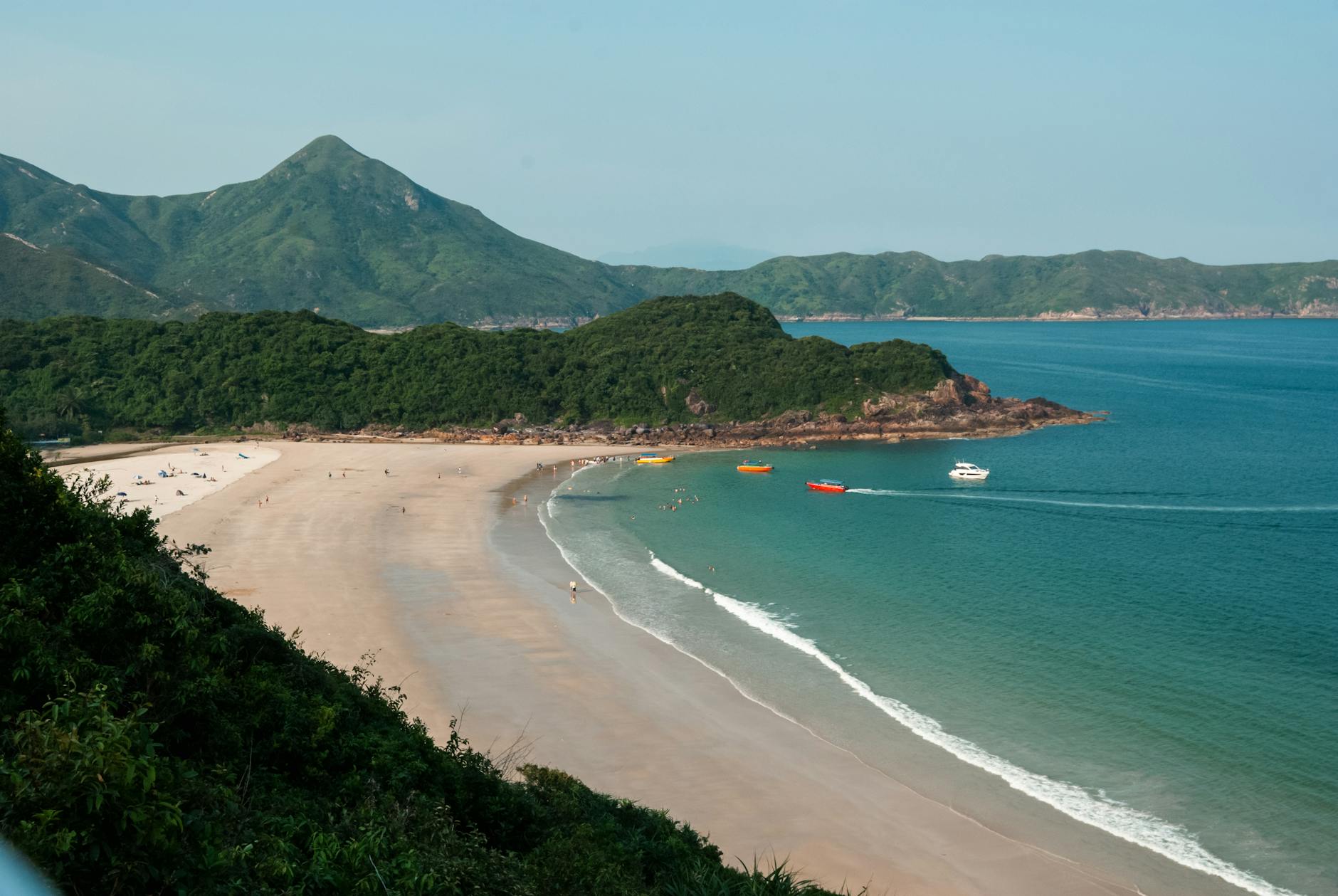
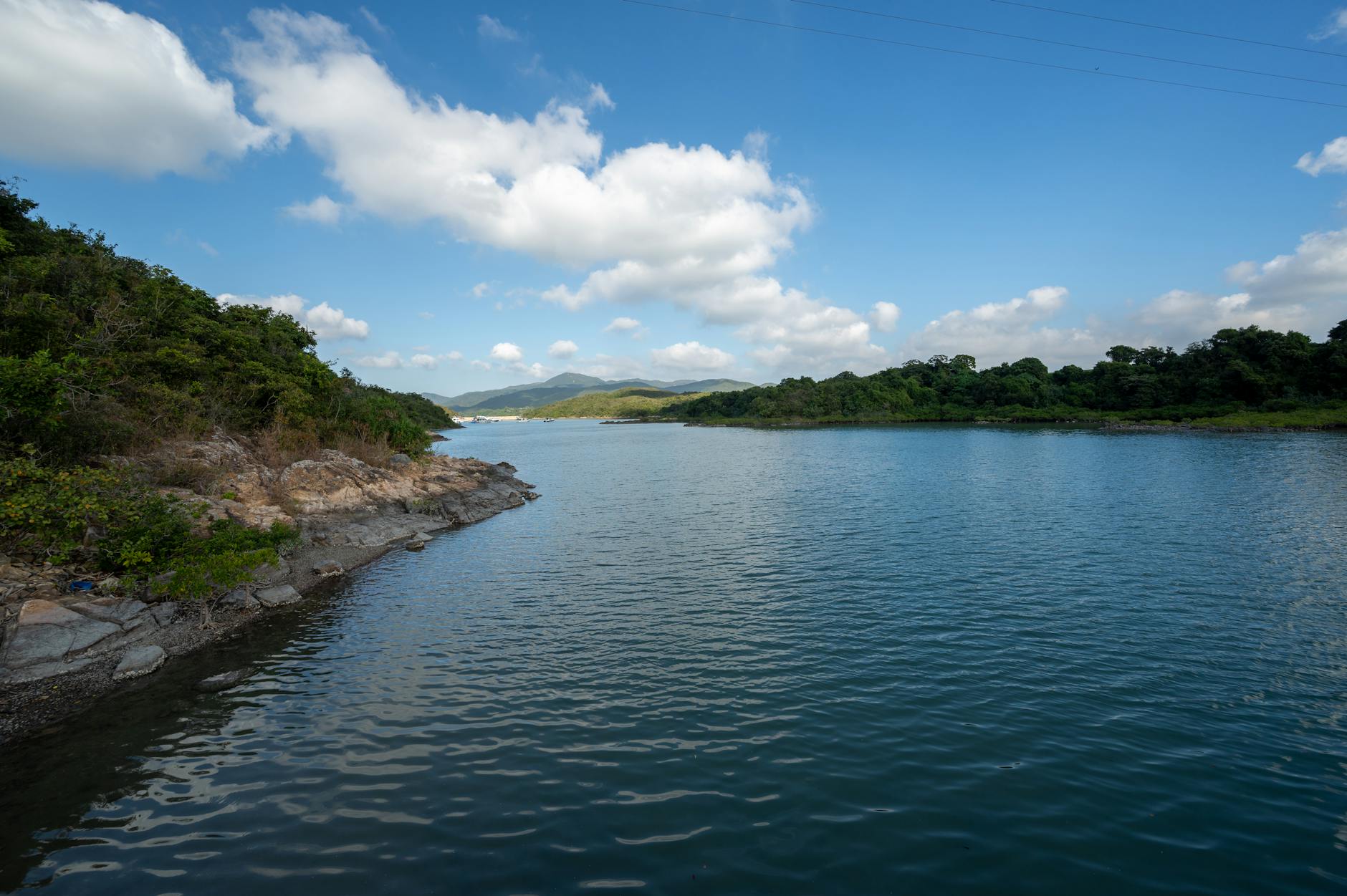
Sharp Island remains one of the clearest “outward” Sai Kung moves, and HKTB still presents it through beaches, coral, geology, and the famous tombolo-like sand connection at low tide.[3]
This is useful because it represents the right scale of first-time Sai Kung extension. One island move can make the district feel expansive. Too many outward hops make it feel fragmented. If you go beyond town, doing one thing well is almost always better than trying to prove range.
High Island, Geology, and the Danger of Overbuilding the Day
HKTB continues to highlight High Island and the East Dam area as one of the easiest places to see the Hong Kong UNESCO Global Geopark’s volcanic-column landscapes.[4]
This is a real draw, but it should be respected for what it is: a specific geological outing, not a casual “also add this” after lunch in town and before some other island stop. High Island belongs in a day with clear scenic intent.
If you treat it as an extra, the whole district starts to feel like transit rather than release.
Country Park Logic
AFCD continues to describe Sai Kung East Country Park as part of the broader preserved landscape that gives the district its scale and range.[5]
For travelers, the main lesson is simple: Sai Kung’s value is not exhausted by the promenade. But neither does every protected landscape need to be activated on the same visit. Nature here should be used as depth, not as volume.
A single country-park or marine-facing choice usually gives you what you came for. The rest should be left for another day, another visit, or not at all.
Why Sai Kung Is Better as Contrast Than as Coverage
One of Sai Kung’s main jobs in a Hong Kong itinerary is to provide contrast.
That means you do not need to make it carry every possible form of leisure. If the district gives you one strong shift away from density, that is already a success. Too many visitors make the mistake of turning contrast into coverage. They feel that because Sai Kung is more open, they must now pack it with beaches, boats, geology, trails, and seafood to justify the trip.
This is backwards. The openness is itself part of the justification.
What a Good Sai Kung Day Actually Feels Like
A good day here usually feels lighter than the planning notes that preceded it.
It begins with a sense that the day has narrowed rather than expanded. It gives you enough waterfront to feel the district’s rhythm. It asks for one decisive outward move, not many. It leaves you time to eat well, sit down, and return through town without feeling that the “real” part is already over.
What it should not feel like is one long string of outward logistics.
Where Sai Kung Fits in a Hong Kong Trip
Sai Kung is rarely the emotional center of a first Hong Kong itinerary, but it is often one of the days people remember most clearly afterward.
That is because it performs a specific job very well. It breaks the rhythm of tower districts, shopping streets, museum blocks, escalator systems, and packed ferry routes. If most of your trip is built around Hong Kong Island, Kowloon, and one or two major outlying experiences, Sai Kung can act as the day that lets everything breathe again.
In practical terms, that usually means Sai Kung belongs after you have already spent meaningful time in denser districts. It lands better once you have felt Central, Wan Chai, Tsim Sha Tsui, or Causeway Bay in your body. Then the harbor air, the lower skyline, the boats, and the outward view have contrast. If you come too early in the trip, Sai Kung can still be pleasant, but its full value is harder to register because you have not yet built up enough urban pressure for the release to matter.
This is also why Sai Kung is often more successful on a four- to seven-day Hong Kong visit than on a hyper-compressed first timer schedule. If you only have a couple of days, the district may be worth sacrificing. If you have enough time to let one day do something different, Sai Kung becomes a strong candidate.
Should You Stay in Sai Kung?
For most first-time visitors, no. For the right traveler, maybe.
The case against staying in Sai Kung is straightforward: most first-time Hong Kong itineraries are still better based in a more central district with easier access to multiple parts of the city. If your priorities include museums, classic harbor crossings, major shopping districts, or late evenings that move between neighborhoods, staying in Sai Kung adds friction.
But there is a narrower argument in favor of it. If you are a repeat visitor, or if the entire point of this part of the trip is to reduce pace and live at the water’s edge, then staying in or near Sai Kung can make sense. In that mode, the district stops being a day trip and becomes a rhythm: early promenade, slower breakfast, one outward natural move, return, dinner, air, and quiet.
The important distinction is between using Sai Kung as a base for Hong Kong and using it as a temporary corrective inside Hong Kong. It is much better at the second.
Sai Kung for First-Time Visitors Versus Repeat Visitors
First-time visitors and repeat visitors should not use the district the same way.
On a first visit, Sai Kung is best approached as a controlled contrast day. You want the district to widen your sense of Hong Kong without stealing disproportionate time from the city’s central experiences. Town plus one natural extension is usually enough. You are learning how the place behaves.
Repeat visitors can be much looser. Once you already know the city’s more obvious layers, Sai Kung becomes a place to settle into rather than sample. You can spend more time simply walking, eating, sitting, or choosing a single specific outward move without worrying that you are “missing Hong Kong.” That is when the district often gets better.
This pattern is common in waterfront districts and edge-of-city leisure zones. On the first trip, they feel optional. On later trips, they start to feel essential because they restore scale and patience.
Sai Kung With Family, Older Travelers, or Low-Energy Days
Sai Kung is often a smart answer for mixed-energy groups, but only if expectations are edited.
Families tend to do well here because the district has visible activity without demanding constant formal sightseeing. Boats, promenades, seafood tanks, and room to move all help. Older travelers often appreciate the lower-pressure pace compared with the city core. Anyone who is simply tired after several dense Hong Kong days may find that Sai Kung gives them a recovery day that still feels like travel rather than collapse.
What does not work is assuming that “nature day” means effortless day. Heat, boat timing, transport changes, uneven weather, and the temptation to add too much can still create fatigue. Sai Kung is friendlier than many big-city edge outings, but it is not frictionless.
The version that works best for mixed groups is usually town-first, lunch-led, and modestly ambitious. Let people feel that the day was successful before anyone tries to enlarge it.
Crowd Patterns and Why Timing Matters
Sai Kung’s crowd logic is more important than many people expect.
Because the district is both easy to love and easy to market, a lot of visitors arrive with roughly the same assumptions: late morning, waterfront walk, seafood, then some outward move or vice versa. The result is that the district can feel slightly performative at the exact hours when everyone is trying to extract the same Instagram-friendly version of it.
That does not make the place fake. It just means timing matters. If you arrive early enough to see town before it fully swells, the harbor and promenade read more clearly as place rather than backdrop. If you stay a little later and let the day settle after peak motion, you get a calmer read again. Middle hours can be lively and enjoyable, but they are often the least subtle version of Sai Kung.
This is part of why overnight value exists here even when many people visit only for the day. Early and late Sai Kung often feels more like a town. Midday Sai Kung can feel more like an activity board.
Food Strategy Beyond “Eat Seafood”
Visitors talk about Sai Kung food as though one instruction solves the district: eat seafood by the waterfront. That is not wrong. It is just incomplete.
Seafood is part of the area’s identity, and using it as a meal anchor makes sense. But food strategy here should match the kind of day you are having. If the district is mostly about promenade, town texture, and a slower harbor mood, then a longer seafood lunch or early dinner can become the day’s emotional center. If the district is more outward-facing and physically active, a huge heavy meal too early can blunt the rest of the outing.
It is also worth separating appetite from symbolism. Some travelers choose seafood because it seems obligatory rather than because it suits the weather, budget, or energy level. That can produce a strangely dutiful meal. There is no rule saying the district only works if your main act is shellfish and tanks. The real goal is to eat in a way that belongs to the waterfront rhythm.
Sai Kung is less about culinary revelation than about culinary placement. The pleasure comes from eating the right amount, at the right time, in a place that makes the district feel more coherent.
How to Choose Between Town, Island, and Geopark Sai Kung
If you are unsure what version of Sai Kung to choose, start with the following filter: what do you actually want your memory of the day to be?
If you want boats, promenade atmosphere, seafood, marine air, and a low-stress outing, choose town Sai Kung with maybe one modest adjunct. If you want the feeling of actually leaving the urban edge and touching water or beach more directly, choose one island-oriented move and build the rest of the day lightly around it. If you want geological drama and wider protected-landscape atmosphere, choose the geopark or country-park direction and accept that town becomes supporting texture rather than the star.
What you should not do is choose all three versions because they are all “there.” Availability is not obligation. Sai Kung offers multiple identities, but a good visit depends on deciding which identity gets to dominate.
A Strong Half-Day Template
For many travelers, this is the right first answer.
Arrive with enough time to walk the promenade before lunch. Use the waterfront and piers to read the district. Sit somewhere with a view, or at least do not rush the first circuit. If the day feels good and the weather is stable, make one modest outward move, or stay in town and let lunch run longer. Walk again afterward. Watch the harbor shift slightly as the day progresses. Leave before the district begins to feel like a series of tasks.
This template works because it protects the town from being swallowed by logistics. It gives you a genuine sense of place without asking the district to carry too much narrative weight.
The main discipline is emotional, not physical: you must be willing to let “enough” count as enough.
A Strong Full-Day Template
A full day in Sai Kung should still be edited, just more spaciously.
Begin in town. Orient with the promenade, piers, and harbor movement. Eat lightly or late, depending on your outward plan. Then make one meaningful natural extension: island, beach, geopark, or country-park edge. Return with time left for the town to matter again. That last step is important. The day should not end at the most distant point. It should return to Sai Kung’s social and civic center so the district feels whole.
Done correctly, a full day here feels like a widening arc and then a gathering back in. Done badly, it feels like departure, transfer, queue, transfer, queue, and a tired meal.
The difference is almost always whether you preserved a second town moment.
The Second Walk Matters
One of the least obvious truths about Sai Kung is that the second waterfront walk is often better than the first.
The first walk is for orientation. You are still figuring out the district’s scale, energy, and possibility. The second walk happens after you have eaten, or after you have gone outward and come back, or after the weather has changed slightly. By then the place often feels less like an assignment and more like a setting you understand.
This is the sort of thing people miss when they treat Sai Kung purely as a springboard. They never allow the district to repeat. But repetition is part of how waterfront places work. The value is not just what you saw. It is how the same harbor reads differently before and after the rest of the day.
What Sai Kung Is Not Good At
It helps to say this plainly.
Sai Kung is not especially good at being an efficient add-on to an already overpacked Hong Kong day. It is not good at proving that you can optimize every leisure possibility on the eastern edge of the territory. It is not good at rewarding people who only value dramatic highlights and have no patience for air, pacing, or return.
It also is not the best answer for travelers who want everything to be easy once they leave the dense city. Sai Kung is easier than many more remote landscape outings, but it still asks for choices. You may need to rethink the day based on weather. You may decide not to push outward as far as you first imagined. You may have to accept that the town itself is the main event.
None of that is a flaw. It is just a sign that the district behaves like a real place rather than a theme park edge.
Why Some People Leave Underwhelmed
When people say Sai Kung was “nice but not amazing,” the cause is usually predictable.
Either they came with the wrong mental model, expecting some singular blockbuster payoff, or they arrived too tired, too late, or too overplanned to notice the district’s actual strengths. Sai Kung does not really operate like a monument or a single iconic sight. Its quality is distributed: air, promenade, marine texture, outward possibility, selective nature, slower civic rhythm.
If you are waiting for one instant that justifies the district, you may miss it. Sai Kung is more cumulative than explosive. It earns itself through sequence.
That is also why the place tends to improve once travelers stop asking whether it was “worth it” in attraction terms and start asking whether it changed the trip’s overall rhythm in a useful way.
Why Sai Kung Often Improves on a Second Visit
Many districts peak the first time because novelty does so much of the work. Sai Kung often does the opposite.
On a second visit, you are less tempted to panic about what else the district might contain. You already know that the promenade is enough to start with, that town can matter, that not every outward move has to happen now, and that weather has a legitimate vote. With those anxieties reduced, the place becomes more legible.
You may choose a narrower day and enjoy it more. You may stay longer over lunch. You may go back to the waterfront after doing very little. In other words, you start using Sai Kung as Sai Kung rather than as a solution to itinerary insecurity.
That is often the moment when the district really clicks.
Common Mistakes
Trying to See Too Much
Town, seafood, island, geopark, and trail do not all need to happen at once.
Treating Town as a Mere Transit Stage
Sai Kung Town is part of the pleasure, not a holding pen before the “real” activity.
Underestimating Weather
This district depends heavily on conditions. Gray or unstable weather changes the day meaningfully.
Assuming Seafood Automatically Solves the Day
It helps, but only as part of a broader district rhythm.
Improvising Outward Logistics Too Late
Once the waterfront gets busy, indecision has a cost.
Mistaking Optional Nature for Mandatory Nature
You do not have to leave town dramatically for Sai Kung to work.
Why Sai Kung Often Feels Better in Retrospect
Sai Kung often becomes more satisfying in memory because what stays with you is not the ambition you cut, but the contrast you gained.
You remember the harbor opening out after the city. You remember the fish tanks, the piers, the air, the one island or beach or geological segment that was enough. What fades is the anxiety that you might not be doing enough. That is usually a sign that the district was used correctly.
Sai Kung’s real power is not that it offers infinite options. It is that it makes one good option feel sufficient.
My Blunt Advice
Use Sai Kung for contrast, not for conquest. Start in town. Read the promenade. Decide if you genuinely want an island, a beach, a geological viewpoint, or just a slower harbor district with good seafood and air around it. Then do one of those things properly.
Sai Kung is one of Hong Kong’s easiest places to enjoy once you stop demanding that it perform every version of leisure simultaneously. That is when the district finally feels like what it is supposed to be: not an itinerary pile, but a release valve.
Source Notes
- 1. Hong Kong Tourism Board page for Sai Kung. Used for current official framing of Sai Kung as Hong Kong’s “back garden,” covering Sai Kung Town, fishing-village atmosphere, beaches, islands, country parks, and geological landscapes. https://www.discoverhongkong.com/eng/explore/neighbourhoods/sai-kung.html
- 2. Hong Kong Tourism Board page for Sai Kung Seafood Street. Used for current official reference to the district’s waterfront seafood identity. https://www.discoverhongkong.com/eng/place-to-go/travel.guide-sai-kung-seafood-street.html
- 3. Hong Kong Tourism Board page for Sharp Island. Used for current official framing of the island through beaches, geology, coral, and marine access. https://www.discoverhongkong.com/eng/place-to-go/travel.guide-sharp-island.html
- 4. Hong Kong Tourism Board page for High Island. Used for current official reference to the East Dam area, volcanic columns, and geopark geology. https://www.discoverhongkong.com/eng/interactive-map/high-island.html
- 5. Agriculture, Fisheries and Conservation Department page for Sai Kung East Country Park. Used for current official protected-landscape reference. https://www.afcd.gov.hk/english/country/cou_vis/cou_vis_cou/cou_vis_cou_ske/cou_vis_cou_ske.html