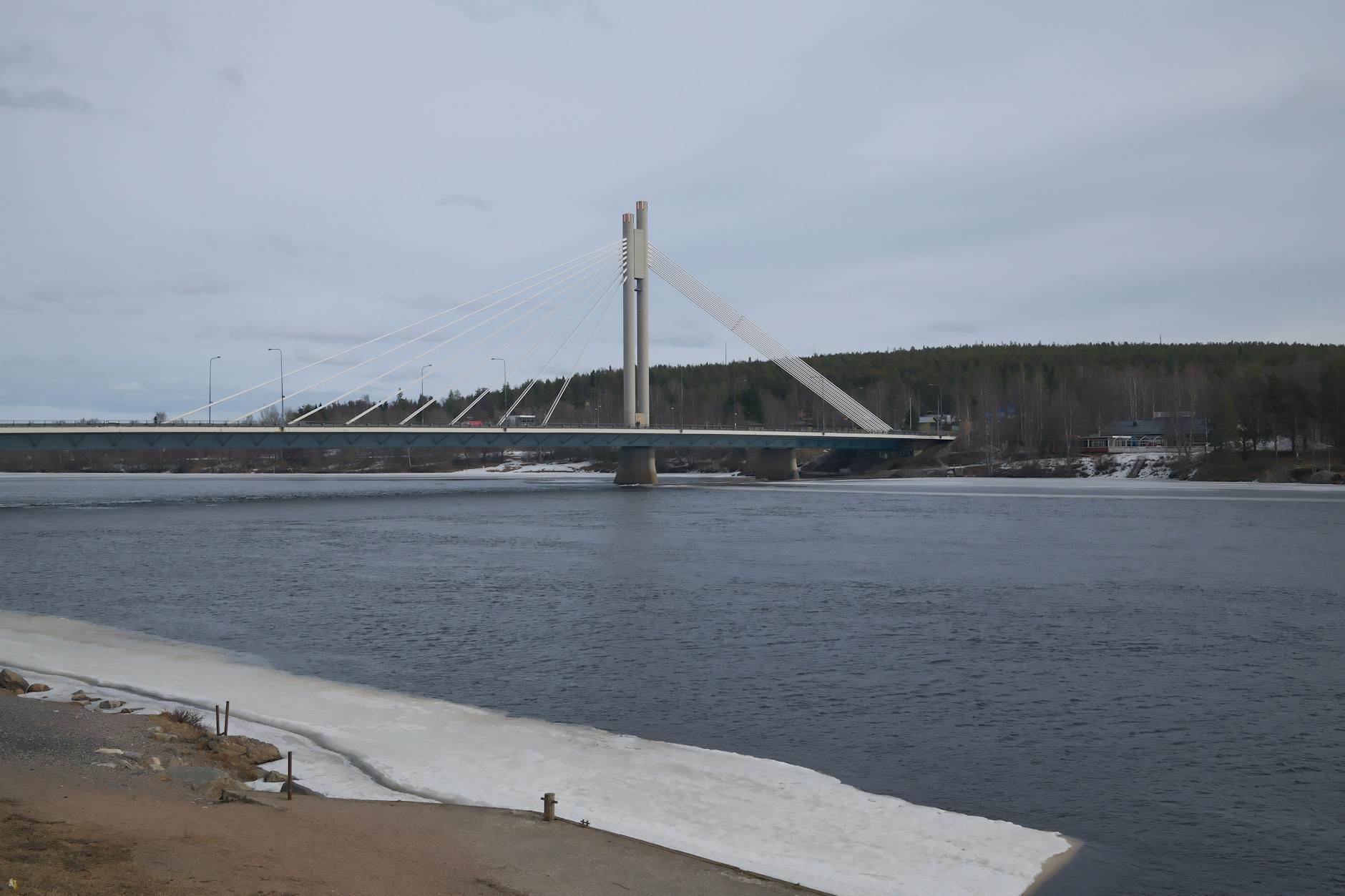
Rovaniemi is a place where branding can make good trips worse.
Start Here
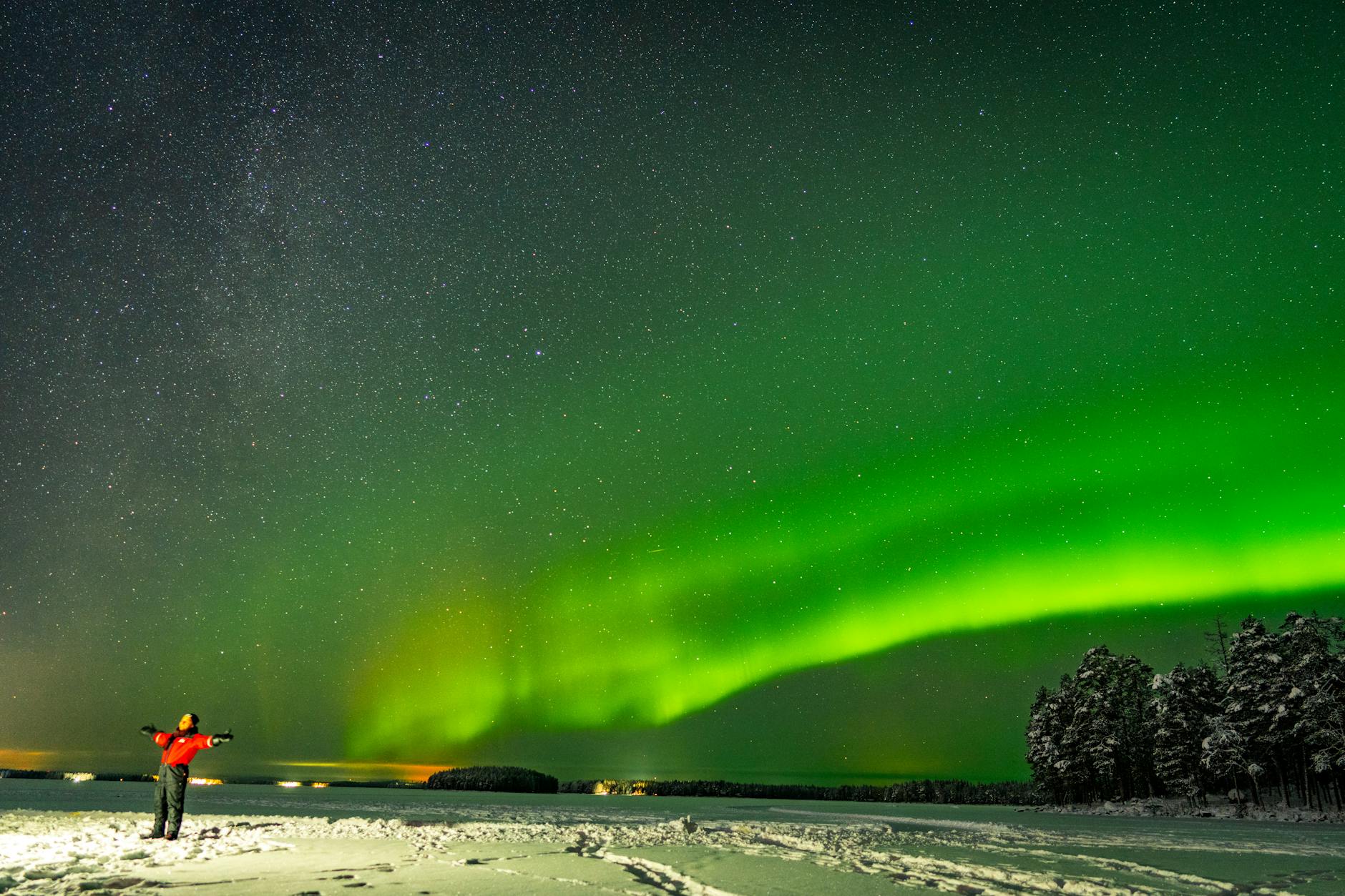
People arrive expecting northern lights, snow, reindeer, Santa Claus, huskies, sleigh rides, and a kind of perfect Arctic enchantment that looks pre-edited for postcards. Some of that expectation is fair. Rovaniemi really is one of the cleanest-entry Arctic destinations in Europe, and the city has built an unusually coherent tourism product around that fact. But the branding also creates a problem: first-time visitors often mistake a highly seasonal gateway city for a single magical mood.
That is not what Rovaniemi is.
Rovaniemi is a practical Lapland base with a small, usable center, a serious winter economy, strong family-tourism infrastructure, and a surrounding landscape that becomes meaningful only when you understand what season you have actually bought. Visit Rovaniemi continues to market the place as the Official Hometown of Santa Claus, which is commercially brilliant and not entirely misleading.[2][3] But the destination becomes much stronger when that label is treated as one layer of the experience rather than the whole reason for being there.
The best Rovaniemi trip therefore begins with a colder question than fantasy usually allows: what version of the north do you want? Deep winter darkness and snow? Shoulder-season quiet? Summer light and river landscape? Santa-centric family travel? A general Lapland base with a few carefully chosen excursions? Once that is answered, Rovaniemi becomes far easier to use well.
Rovaniemi in one sentence: it is one of Europe’s most accessible Arctic gateway cities, but it only feels magical when the stay is structured around season, light, and restraint rather than wishful overbooking.
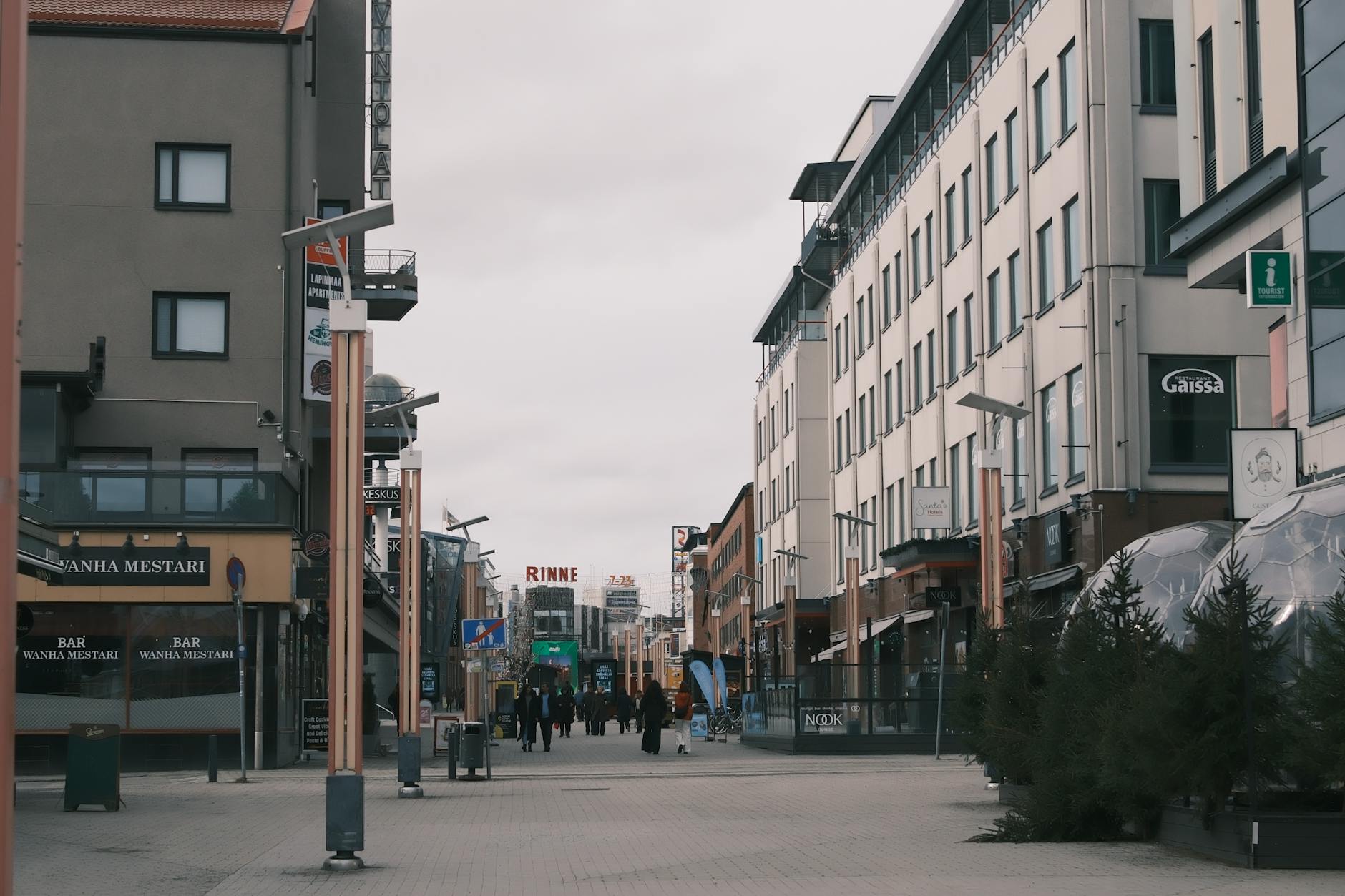
Basic data
| Population | About 65,000 in the municipality |
|---|---|
| Area | 7,582 km2; the urban core is much smaller |
| Major religions | Christian heritage with a strongly secular contemporary public culture |
| Political system | Municipal government inside a parliamentary republic |
| Economic system | Mixed northern economy led by tourism, services, education, logistics, and public sector activity |
Quick Verdict
Best for: first-time Lapland travelers, families, winter-seeking travelers, and visitors who want an Arctic base that is easy to enter without being fully remote.
Less ideal for: travelers who want untouched wilderness immediately outside the hotel door, or anyone expecting the town center itself to deliver nonstop wonder.
Ideal first stay: 2 to 3 nights.
Still worthwhile: with 1 night, but mostly as a transit-plus-one-experience stay.
Can justify longer: yes, if the hotel and excursions are chosen carefully.
Biggest planning mistake: stacking too many excursions into too little daylight or too little energy.
One thing to prioritize: season clarity.
One thing to keep simple: Santa-themed activity planning.
The blunt version: Rovaniemi works when you use it as a northern base, not when you ask it to behave like a permanent Christmas set.
Who Will Love Rovaniemi?
Rovaniemi works for travelers who want an Arctic trip without the operational friction of going much deeper into the north. If you like the idea of snow, darkness, cold-weather excursions, and Lapland atmosphere, but you also want a functioning airport, bookable infrastructure, and a center you can understand quickly, Rovaniemi is strong.
It is especially good for visitors who accept that northern travel is not purely scenic. Timing, clothing, hotel comfort, and recovery are part of the destination.
Rovaniemi at a Glance
| Question | Practical Answer |
|---|---|
| Main arrival airport | Rovaniemi Airport (RVN) |
| Best first stay length | 2 to 3 nights |
| City scale | Small, easy center |
| Core transport logic | Walk in the center; buses or booked transport outside it |
| Main family icon | Santa Claus Village |
| Main cultural counterweight | Arktikum |
| Main planning risk | Confusing winter fantasy with actual itinerary design |
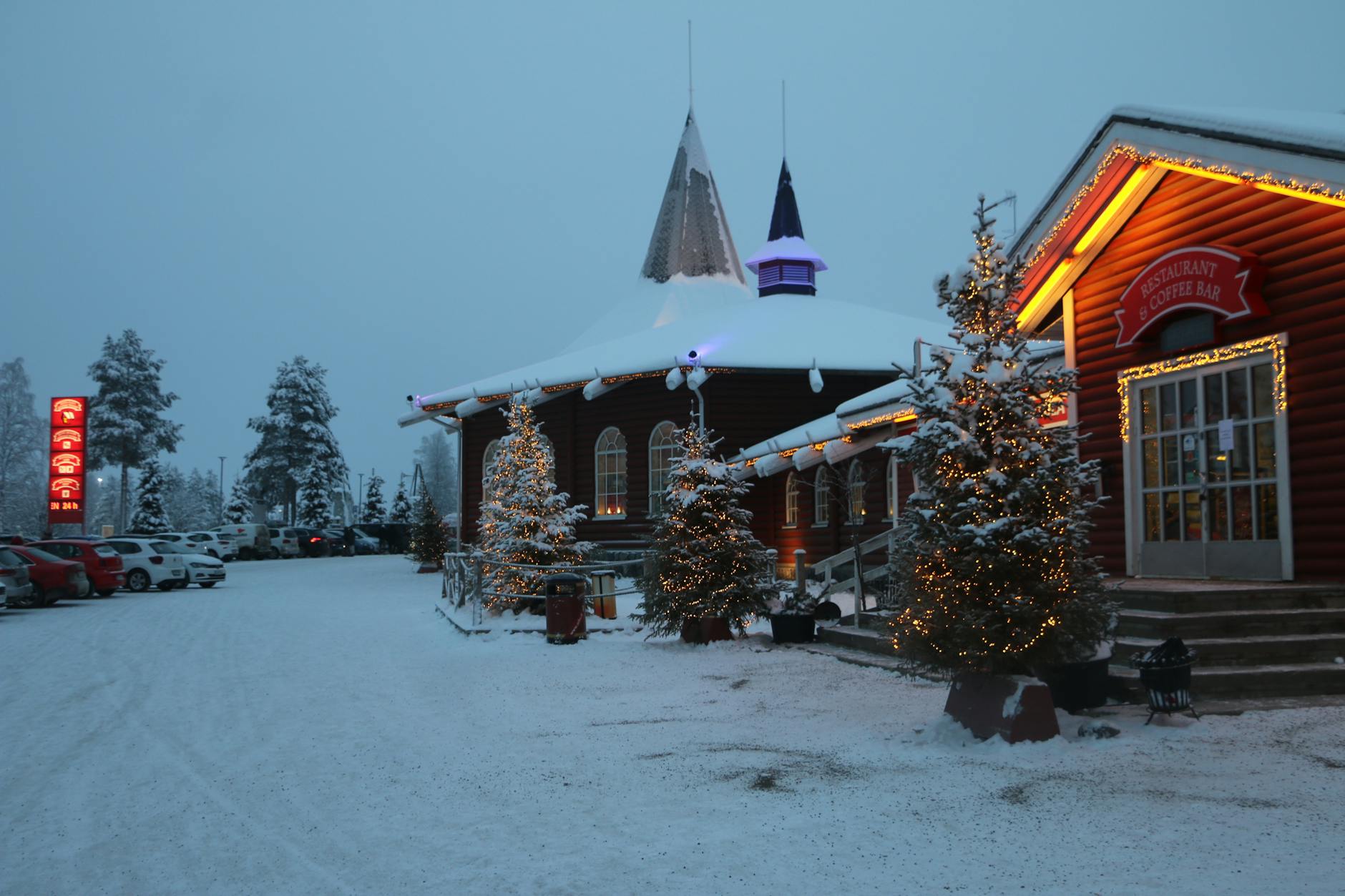
2026 Visitor Notes
Rovaniemi Airport Still Makes Arctic Arrival Unusually Easy
Finavia continues to present Rovaniemi Airport as the gateway to Finland’s Arctic capital, with direct winter-season links from multiple European cities and daily connections from Helsinki.[1] That matters because Rovaniemi’s biggest structural advantage is still accessibility.
The Official Santa Branding Is Still Central
Visit Rovaniemi continues to market the destination as the Official Hometown of Santa Claus, and Santa Claus Village continues to present itself as a year-round Christmas destination at the Arctic Circle.[2][6] That framing is real, but visitors still need to decide how much of their trip they want organized around it.
Local Movement Is Still Mostly Bus, Walking, or Excursion Transport
Visit Rovaniemi’s current getting-around material continues to emphasize that the town is small, walking works in the center, and buses are the main public-transport option.[4] The Santa Claus Bus listing also continues to show a direct practical link between the city center, Santa Claus Village, and the airport in the relevant seasons.[5]
Arktikum Still Matters Because It Broadens the Destination
Arktikum remains one of the clearest non-theme-park anchors in Rovaniemi, and its official visitor material still places it right on the edge of the city center.[8][9] That matters because Rovaniemi needs at least one serious cultural lens alongside the experience economy.
How to Understand Rovaniemi
Rovaniemi works through four forces.
The first is seasonal transformation. The same destination becomes functionally different in winter, shoulder season, and summer.
The second is gateway logic. This is not the deepest wilderness product in Lapland; it is the easiest strong entry point into it.
The third is brand versus base. Santa, Arctic Circle imagery, and snow enchantment are part of the place, but the trip succeeds because the city is usable.
The fourth is energy management. Cold, darkness, and excursion travel can flatten travelers faster than they expect.
The Main Mental Shift
Do not ask, “How do I fit every famous Lapland activity into Rovaniemi?” Ask, “What kind of Arctic stay should this base support?” That question leads to a much better trip.
What Makes Rovaniemi Distinct
Rovaniemi’s distinction is not that it is the wildest place in Finnish Lapland. It is not.
Its distinction is that it compresses access, branding, and Arctic atmosphere into one of the most logistically approachable northern-city products in Europe. You can fly in efficiently, reach the center quickly, move between town and the Santa/Arctic Circle layer without much friction, and still step into real winter conditions and serious northern light.
That combination is rare. Many places are more remote. Few are easier to use well on a first Arctic trip.
Best Time to Visit
Rovaniemi is not one destination year-round. It is several.
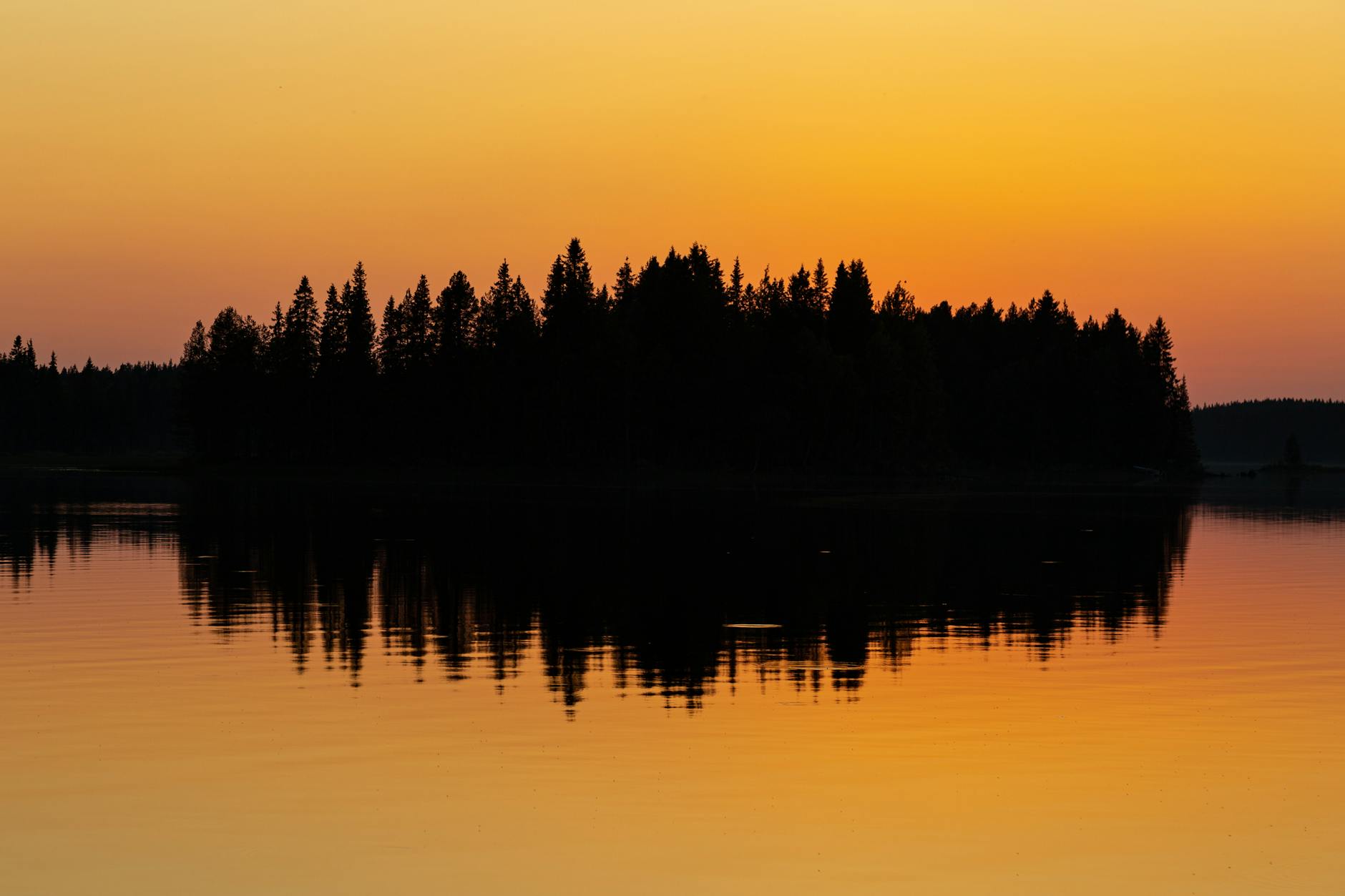
Winter gives you darkness, snow reliability, peak pricing, Santa pressure, and the clearest northern-lights narrative. Shoulder seasons can feel quieter, thinner, and more honest, but also less cinematic. Summer brings the midnight-sun logic and a greener, less brand-dominated version of the city.[2]
The practical point is simple: do not book “Rovaniemi” as though the season were a detail. In this destination, season is the product.
How Many Days You Need
One Night
Enough for a transitional stop, a Santa visit, or one short northern experience, but not enough to settle into the place.
Two Nights
A strong first answer for many travelers. This gives you one activity day and one layer beyond the obvious.
Three Nights
Better if the trip is truly about Lapland and not just about checking the Arctic Circle off a list.
Arrival Strategy
Rovaniemi arrival is one of the destination’s biggest strengths.
Finavia’s official airport material continues to present RVN as an active Arctic gateway with daily Helsinki links and broader winter access.[1] That means the arrival can be clean, but the next question matters more: are you staying in the center, at Santa Claus Village, or in a more resort-like outer property?
That decision changes the whole trip. The airport does not feel far away. The wrong base, however, can make the stay feel more fragmented than it needs to be.
Where to Stay
Base choice in Rovaniemi is not cosmetic. It is strategic.
City Center
Best for: first-timers, short stays, walkability, easy access to restaurants, and a more grounded version of Rovaniemi. Tradeoff: less immediate fantasy than some travelers expect from Lapland marketing.
Santa Claus Village / Arctic Circle Area
Best for: families, explicitly Santa-centered trips, and travelers who want that branded layer close at hand.[6][7] Tradeoff: the stay can feel more productized and less like a town-based trip.
Outer Design or Nature-Led Stays
Best for: privacy, scenery, and travelers willing to trade spontaneity for atmosphere. Tradeoff: more transport dependence and less flexibility.
The Main Rule
On a first trip, choose the base that matches the emotional center of the stay. Do not pretend one hotel can deliver every version of Lapland at once.
The Rovaniemi That Matters Most
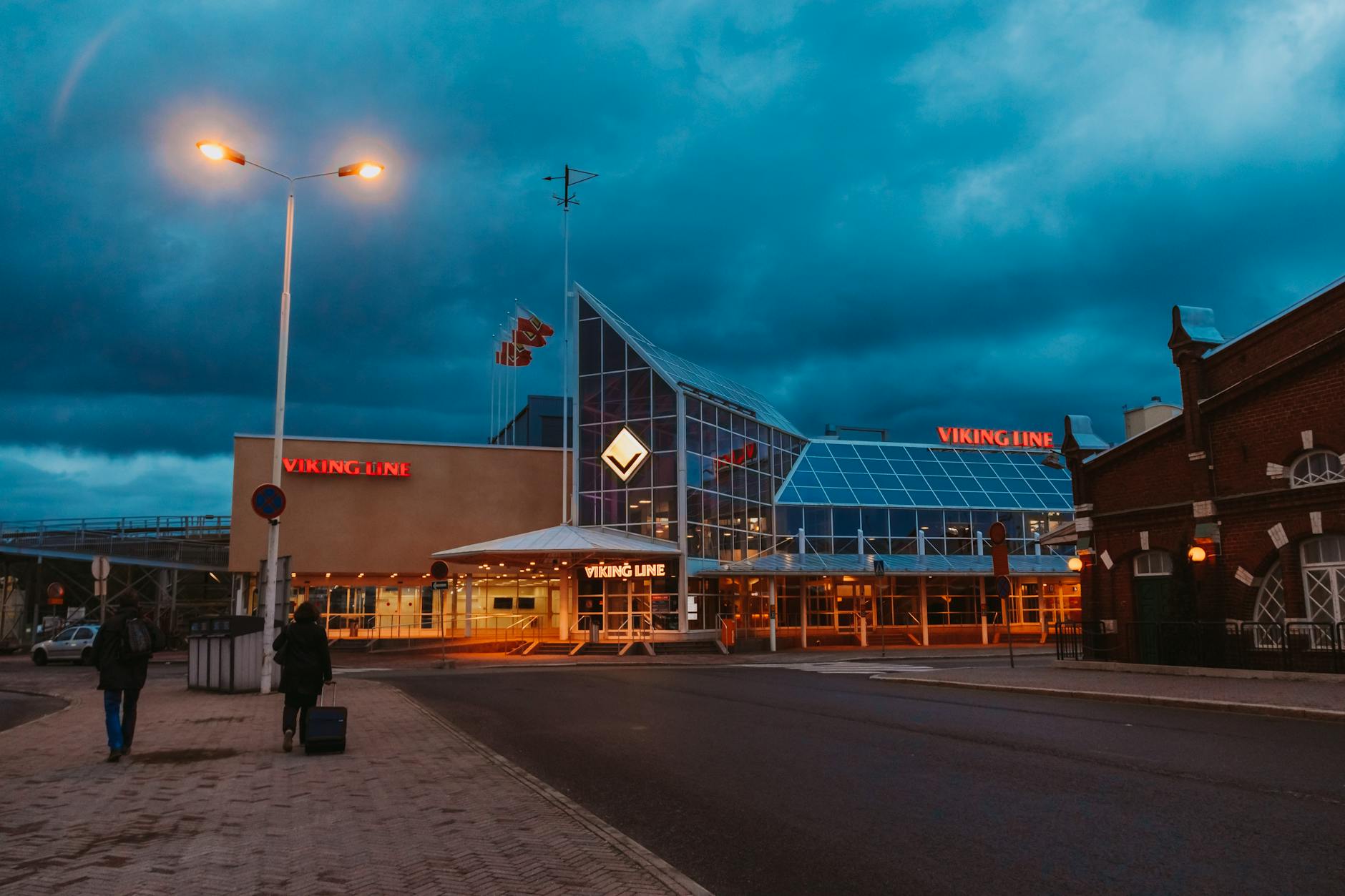
Center-city Rovaniemi: compact, practical, and better for adult travelers than some marketing implies.
Santa Rovaniemi: Santa Claus Village, the Arctic Circle line, and the high-visibility family-tourism layer.[6][7]
Excursion Rovaniemi: huskies, snowmobiles, aurora chasing, reindeer, forests, and transport-based movement outward.
Cultural Rovaniemi: Arktikum and the more serious understanding of Arctic life, nature, and history.[8][9]
Santa Claus Village and the Need for Proportion
Santa Claus Village is official, active, and easy to reach.[6][7] It also carries a lot of emotional weight for families and for first-time Arctic visitors.
The mistake is not going. The mistake is letting it define the whole stay if that was never really the point of the trip. Santa Claus Village works best when it is treated as a legitimate themed-and-symbolic layer of Rovaniemi, not as proof that you have “done” Lapland.
In other words: use it properly, enjoy it if it belongs, then let the rest of the destination breathe.
Arktikum and Why It Matters
Arktikum is one of the pieces that keeps Rovaniemi from collapsing into tourism branding.
Its official material continues to present it as a science center and museum, and its location on the edge of the center makes it easy to use without turning the day into logistics.[8][9] That matters because the best Rovaniemi trip needs at least one moment that explains the north rather than merely selling it.
If Santa Claus Village is the emotional shorthand, Arktikum is part of the corrective.
Excursion Discipline
Rovaniemi tempts travelers into overbooking because so many activities look equally iconic online.
That is exactly why restraint matters. Two good excursions with margin are usually better than four rushed ones. Darkness, cold, dressing time, transfer time, and simple tiredness all add up here. Arctic travel is not lazy travel, even when the city makes access look easy.
The better trip preserves surprise by leaving room for it.
Walking, Transport, and Scale
Visit Rovaniemi’s current guidance remains useful on one simple point: the center is small and walkable, while movement beyond it depends on buses, booked transport, and activity operators.[4]
That means you should not imagine Rovaniemi as a big city. It is not. It is a compact service center whose main travel logic is that the interesting things are close enough to organize, but not always close enough to improvise badly.
Where Rovaniemi Fits in a Lapland Trip
Rovaniemi often succeeds not because it is the purest form of Lapland, but because it is the easiest place from which to begin understanding Lapland.
That distinction matters. Many first-time northern itineraries are built around image rather than structure: aurora, snow, huskies, Santa, forest cabins, icy rivers, and perfect blue dusk. Those images may all be valid. But without a stable base and an honest sense of what the season permits, they remain fantasies more than plans. Rovaniemi turns them into something workable.
This makes the city especially valuable at the start of a Lapland trip. It lets you arrive, acclimate, rent or test clothing, recover from travel, and understand the rhythm of the north before moving into heavier wilderness or more isolated resort settings. It can also serve the opposite role at the end of a trip, functioning as the place where you decompress back into ordinary travel after more remote experiences.
In both cases, Rovaniemi is doing more than offering hotel rooms near an airport. It is providing a transition layer between everyday Europe and the Arctic imagination.
The Difference Between Rovaniemi and “Real Wilderness”
Some travelers make themselves unhappy in Rovaniemi by asking it to behave like deep wilderness the moment they arrive.
That is not what the destination is for. Rovaniemi is a working town, a logistics base, a family-tourism engine, and a gateway. It has snow, darkness, forest edges, and northern atmosphere, but it also has buses, supermarkets, apartment hotels, traffic, signage, and airport transfers. None of that invalidates the north. It simply means you are meeting it through infrastructure.
This is one of the destination’s great strengths if you use it honestly. The city allows you to enter Arctic travel without demanding total operational competence from minute one. But it becomes a weakness if you insist that every block of the center should look like a wilderness postcard. That expectation makes the town feel less magical than it is, because it is being judged against the wrong standard.
Rovaniemi is not the opposite of wilderness. It is the interface.
First-Time Visitors Versus Repeat Visitors
First-time visitors usually need clarity. Repeat visitors often need selectivity.
On a first trip, the main work is deciding what kind of Arctic stay you are actually trying to build. Is this a Santa-centered family trip? A northern-lights trip with some winter activities? A brief Lapland sampler? A cultural and atmospheric winter break with only one or two excursions? Once that is answered, Rovaniemi becomes much easier to use.
Repeat visitors often enjoy the destination more because they stop asking it to represent the whole north. They may skip Santa Claus Village entirely, choose one strong excursion instead of several, spend more time in the center than expected, or simply use the city as a stable base while taking a more patient approach to weather and activity choice.
That difference is revealing. Rovaniemi often improves once the traveler has stopped trying to extract every recognizable Arctic symbol from a single stay.
Daytime Rovaniemi Versus Evening Rovaniemi
The destination changes sharply depending on hour and season.
In winter, “daytime” may already feel compressed, and its limited light becomes a resource to spend well. This is the time for outdoor excursions, movement, and any activity whose value depends on seeing the landscape clearly. In darker months especially, daylight should not be wasted on poor sequencing.
Evening Rovaniemi works differently. This is when the center often feels more atmospheric than functional, when restaurant and hotel choices start to matter more, and when travelers feel either rewarded for their planning or exposed by it. If the day has been overpacked, evening can become pure recovery. If the day has been shaped well, evening becomes one of the destination’s best phases: warm interiors, cold exteriors, lit snow, and the feeling that the north is finally settling around you.
The strongest first trip usually preserves some energy for evening rather than spending everything by mid-afternoon.
The Center Is More Useful Than It Is Beautiful
This is worth saying directly because it can save a lot of disappointment.
Rovaniemi’s center is not its most photogenic layer. It is its most functional one. That function matters enormously. The center gives you restaurants, shopping, services, practical accommodation, walkability, and a place to return to between or after excursions. It is not supposed to be the whole dream.
Once you accept that, the center becomes easier to appreciate. It is the part of the destination that keeps the stay from becoming a sequence of pickups and drop-offs with nowhere to land between them. The center’s modesty is part of its value. It lets the bigger experiences stay bigger by not competing with them.
Travelers who insist that the center must itself feel spectacular often end up undervaluing one of the very things making their Arctic trip run smoothly.
Family Rovaniemi Versus Adult Rovaniemi
Rovaniemi can support both, but the design principles are different.
Family Rovaniemi often leans more heavily into Santa Claus Village, clear transportation, a slightly more theatrical hotel or resort environment, and activities that convert the north into something visible and emotionally legible for children.[6][7] In that version, the branding is not a distortion. It is part of the point.
Adult Rovaniemi is often stronger when it becomes a little less branded and a little more edited. Travelers may still enjoy Santa Claus Village, but they usually benefit from making it one layer rather than the whole frame. Arktikum, seasonal walks, one well-chosen excursion, and a more reflective use of light and weather often produce a better trip than piling up every iconic activity.
The mistake is to let the family product define the entire destination for travelers who are not actually seeking that product.
Excursions: Why Fewer Are Usually Better
Rovaniemi’s biggest trap is not lack of options. It is too many options that all sound equally central.
Husky ride, reindeer encounter, northern-lights hunt, snowmobile outing, ice-fishing experience, Santa Claus Village, Arctic Circle crossing, museum, sauna, forest walk, maybe a design hotel on top of that. The itinerary can become overloaded before the traveler even notices. Because the excursions are branded so clearly, they all feel compulsory.
They are not. Two carefully chosen experiences often produce a better northern memory than five hurried ones. The reason is not just fatigue, though fatigue is real. It is also dilution. When every day is packed with “iconic” elements, none of them are given enough emotional space to matter. The trip starts feeling more processed than magical.
Rovaniemi rewards people who preserve blankness in the schedule. In the north, rest is not dead time. It is part of the atmosphere.
The Role of Arktikum in a Better Trip
Many itineraries treat Arktikum as the rainy-day or low-energy substitute for “the real” Arctic experiences. That is too small a role.
Arktikum matters because it gives interpretive weight to the destination.[8][9] Without it, or something like it, the trip risks becoming a bundle of sensations disconnected from any deeper understanding of the region. The museum and science-center framing helps explain ecology, people, climate, and the north as lived reality rather than just as a visitor fantasy.
This makes Arktikum especially valuable early in a stay. It can orient everything that follows. It also works well late in a stay, when it helps consolidate impressions that might otherwise remain scattered. In either position, it improves the trip not by replacing excursions, but by helping them mean more.
Weather, Light, and the Need for Honesty
Rovaniemi rewards honest planning more than almost any other mainstream European destination.
That means asking what the actual light window is, what temperatures you are likely to face, how much energy cold weather consumes, and how easily transfers can swallow time. It also means admitting that even in a highly structured tourism product, some of the most desired phenomena, especially northern lights, remain uncertain.
Honesty makes the trip better. If you treat aurora as possibility rather than entitlement, you can still have an excellent stay without it. If you understand that darkness is a feature, not a failure of the itinerary, then winter becomes richer. If you know that a snowy day can still be tiring and administratively dense, you plan more realistically and enjoy more of what happens.
The north punishes fantasy only when fantasy is mistaken for logistics.
Rovaniemi With Low-Energy Travelers
Rovaniemi can work quite well for low-energy travelers, but only if the trip is designed around recovery as much as around activity.
The destination’s accessibility is an advantage here. You do not need long overland transfers to enter the region. The center is manageable. Many experiences are sold in packaged forms that reduce planning friction. Hotels can be chosen for comfort and not only for novelty. All of this helps.
But the city also makes it dangerously easy to overbook under the illusion that everything is simple because everything is packaged. Cold, dressing routines, vehicle transfers, and odd daylight patterns can still be tiring. Low-energy travelers usually do best when the trip contains one real anchor per day, not three.
In this sense, Rovaniemi can be gentle, but only if you refuse to let the catalogue drive the plan.
Why Some People Leave Disappointed
When travelers say Rovaniemi felt too touristy or not magical enough, the cause is usually not that the destination failed. It is that the traveler expected branding to eliminate reality.
Rovaniemi is a highly developed Arctic product. That is exactly what makes it accessible and useful. But accessibility means buses, parking, queues, organized experiences, and a town center that supports tourism rather than dissolves into wilderness. Visitors who expected a permanent snow-globe sometimes resent that practical layer instead of recognizing it as the reason they were able to have the trip at all.
The other common failure is overpacking. When the itinerary becomes too dense, the north stops feeling expansive and starts feeling processed. That is when even beautiful things begin to feel thin.
Why Rovaniemi Often Improves on Revisit
Rovaniemi can be much better the second time because the traveler no longer mistakes the destination for the totality of Lapland.
Once that pressure drops, you can use the city more intelligently. You may book fewer excursions, choose a better hotel for your real needs, give Arktikum proper time, or let the center and the seasonal mood carry more of the experience. The trip becomes less about harvesting symbols and more about building a coherent Arctic stay.
That is often when the destination’s strengths become clearest. Rovaniemi is not at its best as a fantasy test. It is at its best as a stable northern frame.
A Good Rovaniemi Day Versus a Bad One
A good Rovaniemi day has a clear seasonal purpose, enough recovery built into it, and at least one moment when the north is allowed to feel spacious rather than scheduled.
You know what the light is for. You know whether the day’s main event is an excursion, a Santa-oriented family block, or a cultural-and-city day. You do not ask too much of the center, but you use it well. You leave some energy for evening and do not let logistics eat the whole day.
A bad Rovaniemi day is just one branded activity after another, with too much transit clothing drama, not enough pause, and an evening that feels like collapse. That version is common because the destination makes overbooking look easy. It is still avoidable.
How the Destination Changes Over the Course of a Stay
Rovaniemi is often more convincing on the second full day than on the first.
On arrival, many visitors are still comparing reality to the mental picture they bought. By the next day, the base has started to make sense. You understand how the center works, how much time dressing and transfers require, what the season actually feels like, and whether your hotel choice supports the trip or merely decorates it. The destination becomes less abstract and more usable.
That shift is important because Rovaniemi is a place of interfaces: town and wilderness, branding and reality, excitement and fatigue, family fantasy and adult pragmatism. It grows clearer once you stop trying to force one layer to absorb them all.
Winter Rovaniemi Versus Summer Rovaniemi
Rovaniemi is one of the clearest examples in Europe of a destination that should almost be treated as two different places depending on season.
Winter Rovaniemi is what most people are buying, whether they say so directly or not. Snow cover, darkness, aurora possibility, Santa Claus Village, and the general feeling of entering a structured Arctic tourism zone all dominate the imagination. In that version, the destination’s strengths are access, packaged activity, and emotional legibility.
Summer Rovaniemi is much quieter in branding terms and often more revealing in geographical ones. The rivers matter more, the center feels less overshadowed by Christmas symbolism, and the relationship between town and landscape is easier to read without the constant overlay of winter expectation. Visit Rovaniemi’s own seasonal framing still makes clear that summer and winter are not merely the same city in different temperatures.[2]
This matters because some travelers choose Rovaniemi believing they are buying “the Arctic” in a generic sense. They are not. They are buying a very specific seasonal product. Once you understand that, the city becomes easier to judge fairly.
Base Choice Is the Emotional Center of the Trip
Hotel choice in Rovaniemi is not just practical. It is interpretive.
Stay in the center, and the trip is likely to feel more adult, flexible, and grounded. Stay around Santa Claus Village, and it will likely feel more branded, more family-shaped, and more narratively direct.[7] Stay farther out in a design-forward or nature-led property, and the trip may feel more atmospheric but also more transport-dependent and less forgiving of bad sequencing.
Because these choices are so consequential, travelers often make trouble for themselves by trying to split the difference psychologically. They book a center stay while hoping for constant forest-lodge feeling, or they book a Santa-heavy base while imagining an understated Arctic retreat. The mismatch then gets blamed on the city.
The better approach is to decide what emotional center the trip really needs. If the answer is flexibility, pick the center. If it is family symbolism, pick the Santa layer. If it is privacy and atmosphere, accept the transport consequences of going farther out. Clarity here improves everything that follows.
How Not to Let the Destination Become Too Productized
Rovaniemi’s strength is also one of its risks: it is very good at turning the north into something bookable.
That efficiency helps first-time visitors enormously. But it can also make the trip feel thinner than expected if every hour is mediated through package language, pickup schedules, branded promises, and interchangeable “iconic” activities. The north then starts to feel like a catalogue rather than a place.
The antidote is not to reject the system. It is to use the system selectively. Book what genuinely needs booking. Leave room for walks, light, meals, rest, and one unforced return to the center or hotel. Let at least one part of the day remain unmonetized enough that the destination can breathe.
This is especially important in Rovaniemi because so much of the trip’s emotional success depends on atmosphere. Atmosphere cannot be fully scheduled. It has to be encountered between the scheduled elements.
The Best Memory to Aim For
If a Rovaniemi trip goes well, the memory you keep is rarely a single product.
It is more often a combination: the shock of the cold on arrival, one carefully chosen excursion, the feeling of the light window being precious, a museum or cultural stop that made the region feel real, a warm return indoors, and at least one evening when the destination felt less like a brochure and more like an actual northern place.
That is the standard worth aiming for. Not total activity coverage. Not maximum Christmas symbolism. Not every recognizable Lapland image in two or three days. A coherent Arctic stay is the goal, and Rovaniemi is good at giving you one if you let it. That coherence is more valuable than one extra booking.
Common Mistakes
Booking the Idea of Lapland Instead of a Real Itinerary
This is the main failure mode.
Choosing the Wrong Base
Center, Santa area, and outer lodge-style stays do different jobs.
Overpacking the Days
Northern travel punishes false efficiency.
Expecting the Center to Feel More Dramatic Than It Is
The city’s value is usability, not theatrical beauty on every block.
Ignoring the Cultural Layer
Rovaniemi improves when it is more than snow and Santa.
My Blunt Advice
Decide what season you are buying before you book anything else.
Choose a hotel that fits the actual point of the trip. Use Santa Claus Village if it belongs. Use Arktikum if you want the destination to feel fuller. Keep the number of excursions lower than your first draft suggests. And remember that Rovaniemi is strongest not because it is pure fantasy, but because it gives fantasy just enough real structure to work.
That is why it succeeds.
Source Notes
- 1. Finavia page for Rovaniemi Airport. Used for current official gateway framing, direct-flight positioning, and Helsinki connection context. https://www.finavia.fi/en/airports/rovaniemi
- 2. Visit Rovaniemi official homepage. Used for current official destination positioning, seasonal framing, and tourism-brand context. https://www.visitrovaniemi.fi/
- 3. Visit Rovaniemi facts page. Used for current official framing of Rovaniemi as the Official Hometown of Santa Claus and as a destination at the confluence of the Kemijoki and Ounasjoki rivers. https://www.visitrovaniemi.fi/professionals/media/rovaniemi-facts/
- 4. Visit Rovaniemi getting-around page. Used for current official guidance that the city center is compact and that buses are the main form of public transport. https://www.visitrovaniemi.fi/plan/getting-around/
- 5. Visit Rovaniemi Santa Claus Bus page. Used for current official listing of the bus link between the city center, Santa Claus Village, and the airport in the relevant seasons. https://www.visitrovaniemi.fi/transportation/santa-claus-bus/
- 6. Santa Claus Village official homepage. Used for current official year-round positioning of Santa Claus Village and its Arctic Circle address. https://santaclausvillage.info/
- 7. Visit Rovaniemi attraction page for Santa Claus Village. Used for current official guidance that the village is about 8 km north of central Rovaniemi and reachable by local bus and airport-linked services. https://www.visitrovaniemi.fi/attraction/santa-claus-village/
- 8. Arktikum official homepage. Used for current official framing of Arktikum as a science center and museum in Rovaniemi. https://arktikum.fi/en/
- 9. Arktikum arrival and accessibility page. Used for current official placement of Arktikum on the edge of Rovaniemi city center. https://arktikum.fi/en/info-2/arrival-accessibility/