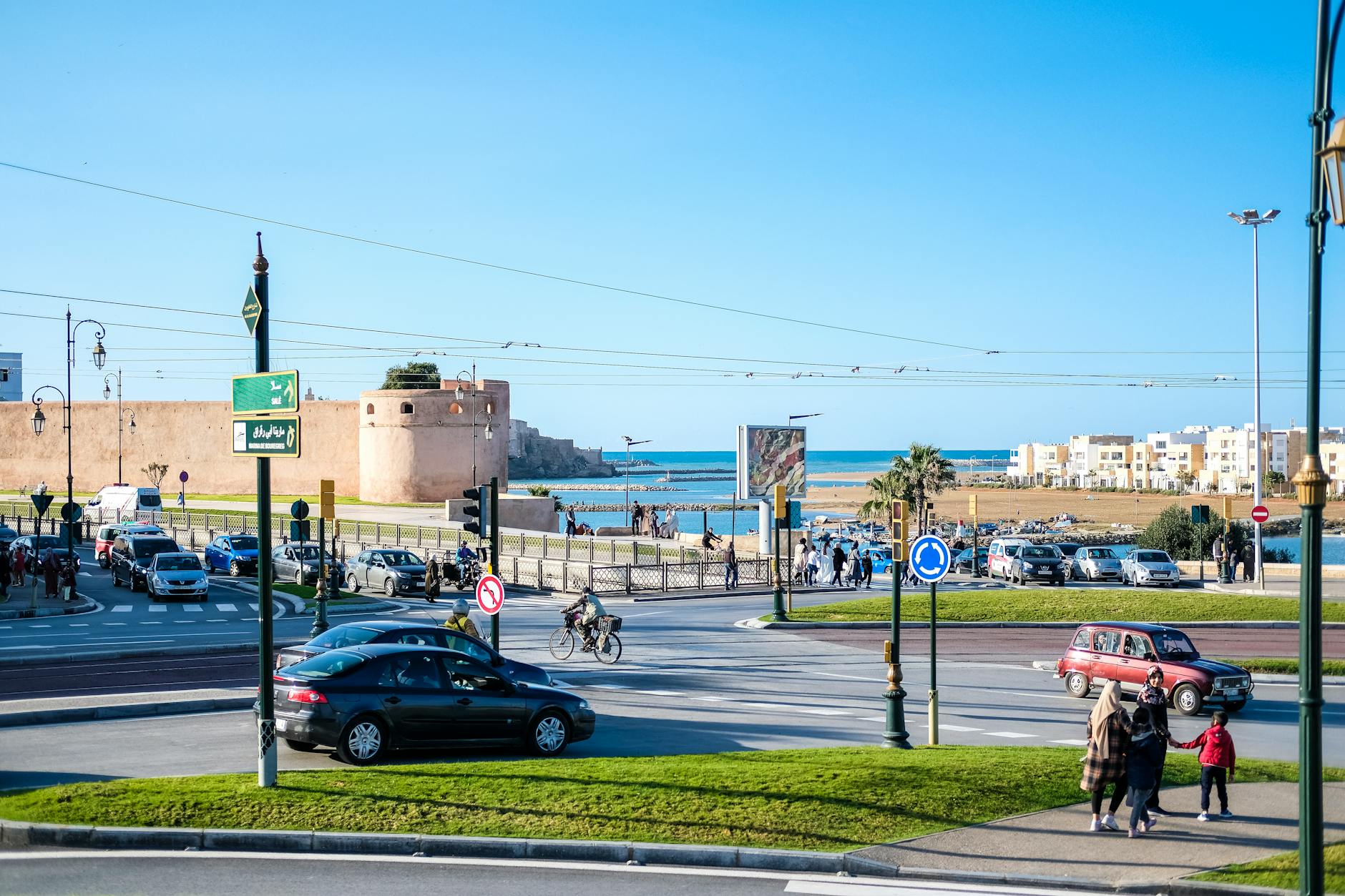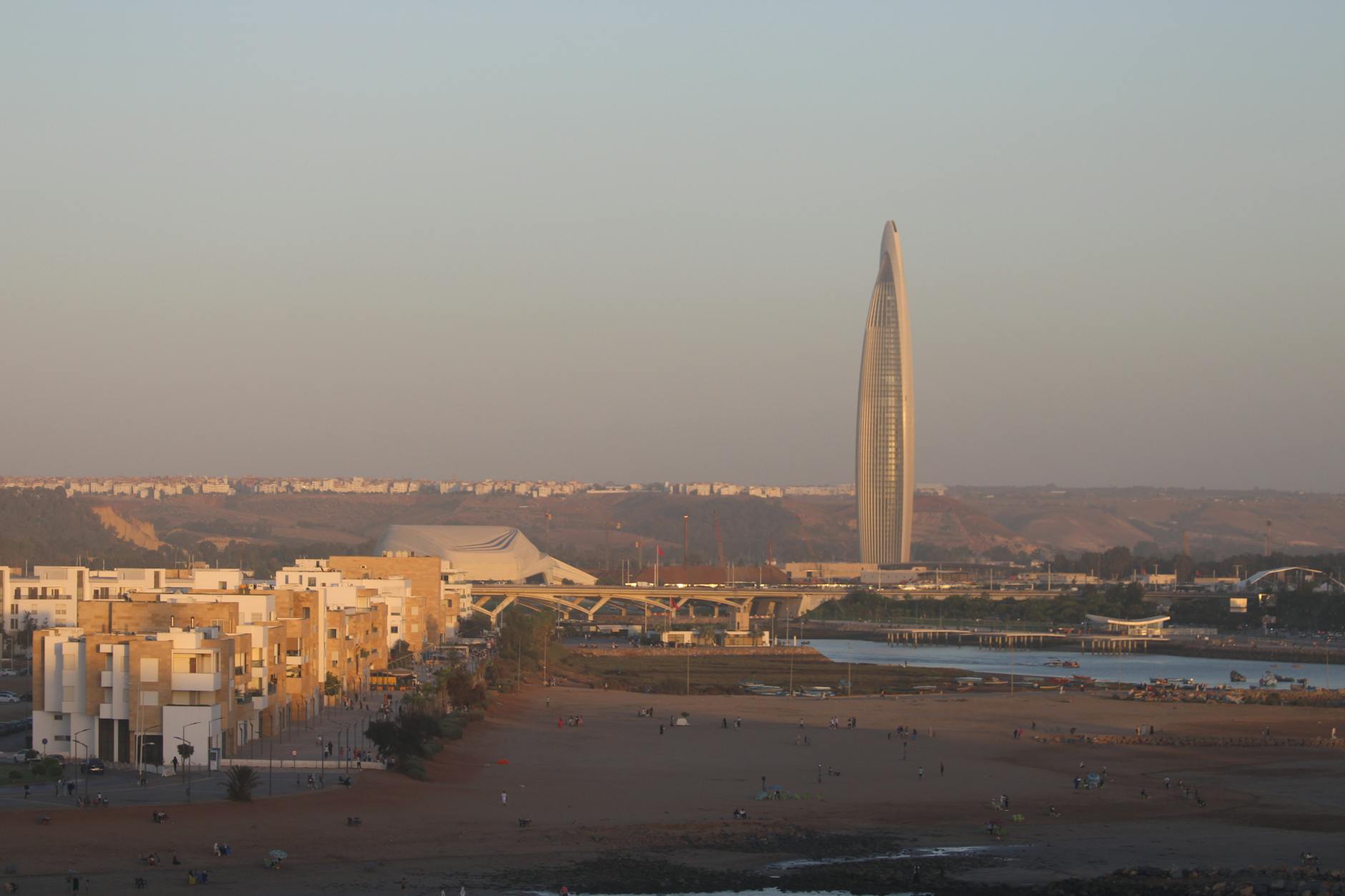
Rabat is often skipped because it does not advertise itself with the same theatrical force as Marrakech or the same commercial pressure as Casablanca. That is also exactly why some travelers end up liking it more than expected. The city can feel composed, civil, and unusually usable by Moroccan capital standards, especially for travelers who want less sensory wrestling and more control over the day. It offers a version of Morocco shaped by boulevards, government weight, coastal moderation, gardens, and a steadier pace. But Rabat is not interesting simply because it is calmer. It is interesting when the traveler understands the kind of calm it offers: administrative, coastal, lower-pressure, and dependent on base quality and route honesty. It is a city whose virtues can disappear under lazy planning because understatement is easy to miss.
How Rabat works
Rabat works through restraint. It is not trying to overwhelm the traveler. It is trying to function, and to function with a degree of grace. That matters because visitors arriving from louder versions of Morocco sometimes misread the city as flat when it is actually composed. The reward here is a trip that can feel cleaner, more orderly, and less negotiated from hour to hour, provided the base is right and the route is not built around forcing unnecessary excitement into it. Rabat reveals itself through civic calm, coastal moderation, and the confidence of a capital that does not need to prove itself theatrically.
- Rabat is quieter than Morocco’s more theatrical cities, but not less intentional.
- The city rewards travelers who understand polish and ease as real value.
- Its appeal depends heavily on route quality and base quality.
Best time to visit
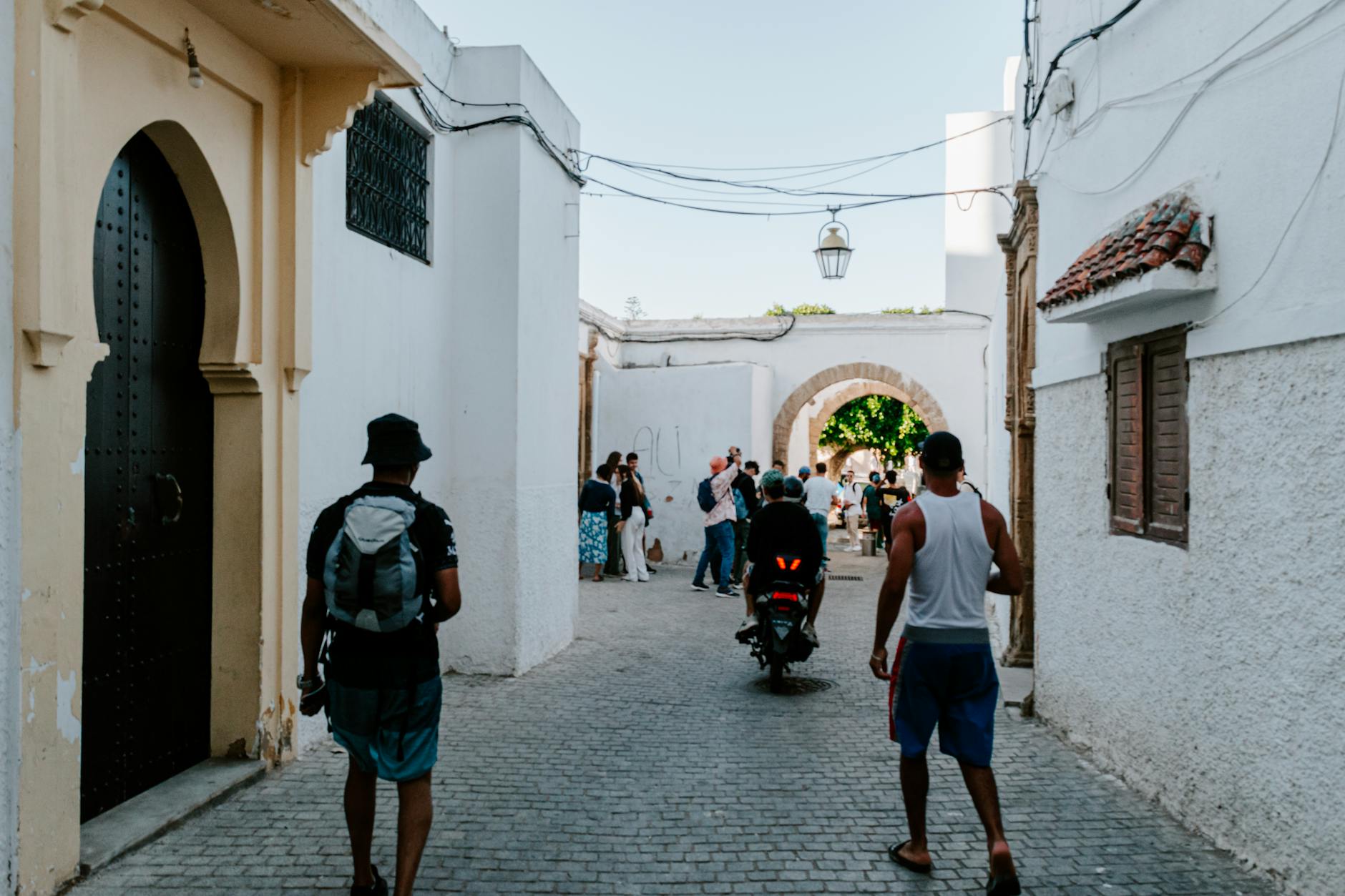
Rabat’s coastal moderation makes it more forgiving than several inland Moroccan cities, but season still matters because wind, sun, and the shape of the day affect how much the city invites lingering. Milder periods are usually the cleanest answer because walks, terraces, and Rabat’s lower-pressure rhythm can actually be enjoyed rather than merely tolerated. Hotter periods remain workable, especially with a strong hotel, but they push the trip more toward indoor pacing and careful midday planning. Rabat is not a weather-obsessed destination, but it absolutely becomes better when comfort supports the city’s calmer style.
- Milder periods make Rabat’s low-friction appeal much easier to feel.
- Hotter stretches increase the value of a better hotel and a tighter route.
- Climate shapes comfort more than viability here, but comfort matters.
Arriving and getting around
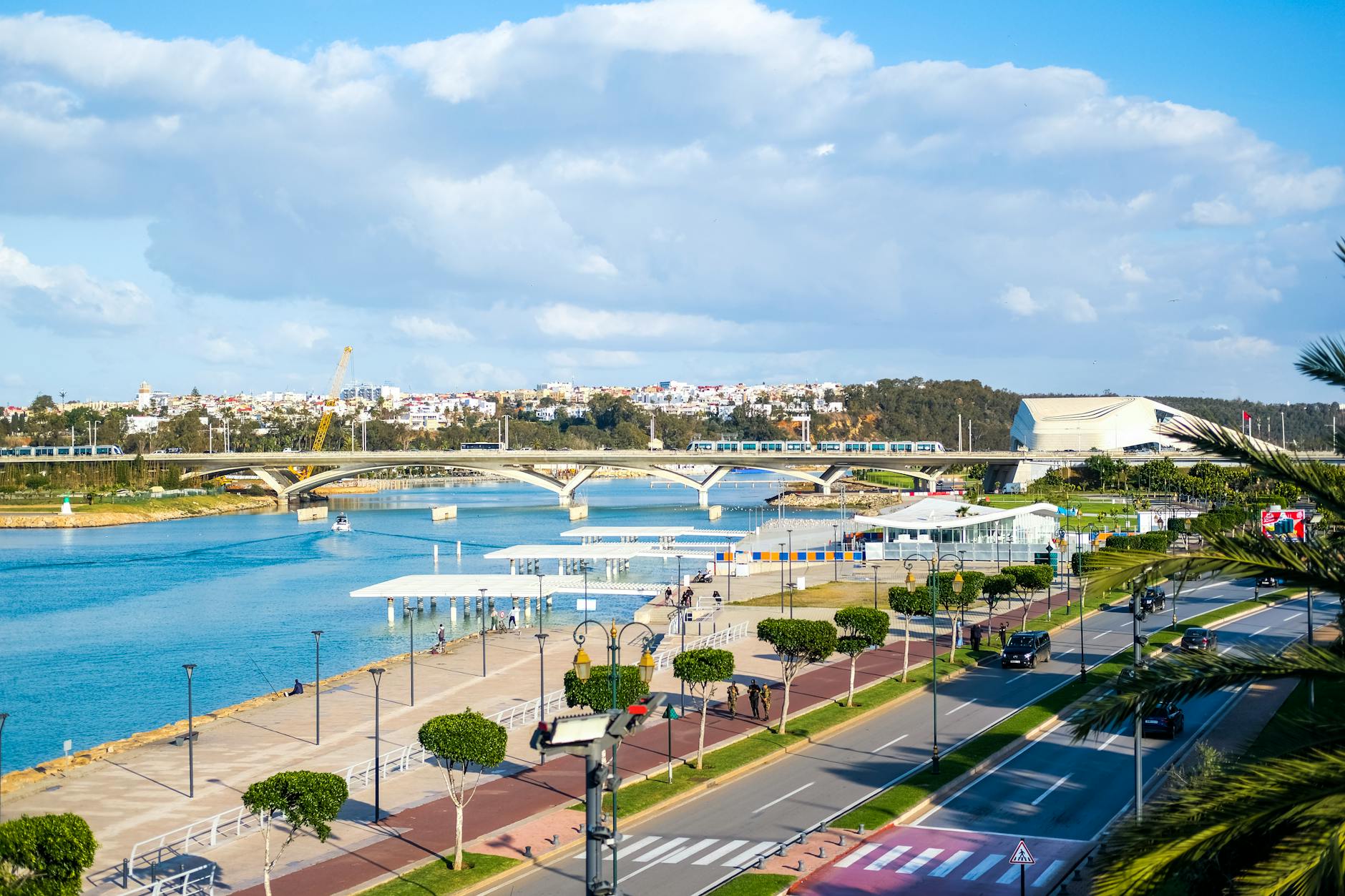
Rabat arrival is generally one of the city’s strengths. It is one of the easier Moroccan capitals to settle into if the hotel and first leg are handled well. After that, the city works best when the traveler accepts its scale and uses it in coherent pieces. This is not the place to overdesign the day or prove how much geography can be covered. Rabat’s advantage is precisely that it can stay legible. Movement should protect that legibility rather than erode it. A city this measured gets worse quickly when treated like a conquest problem.
- A clean arrival helps Rabat immediately feel like itself.
- The city rewards coherent clusters rather than ambitious map coverage.
- Do not overcomplicate one of Morocco’s more naturally usable capitals.
Where to stay
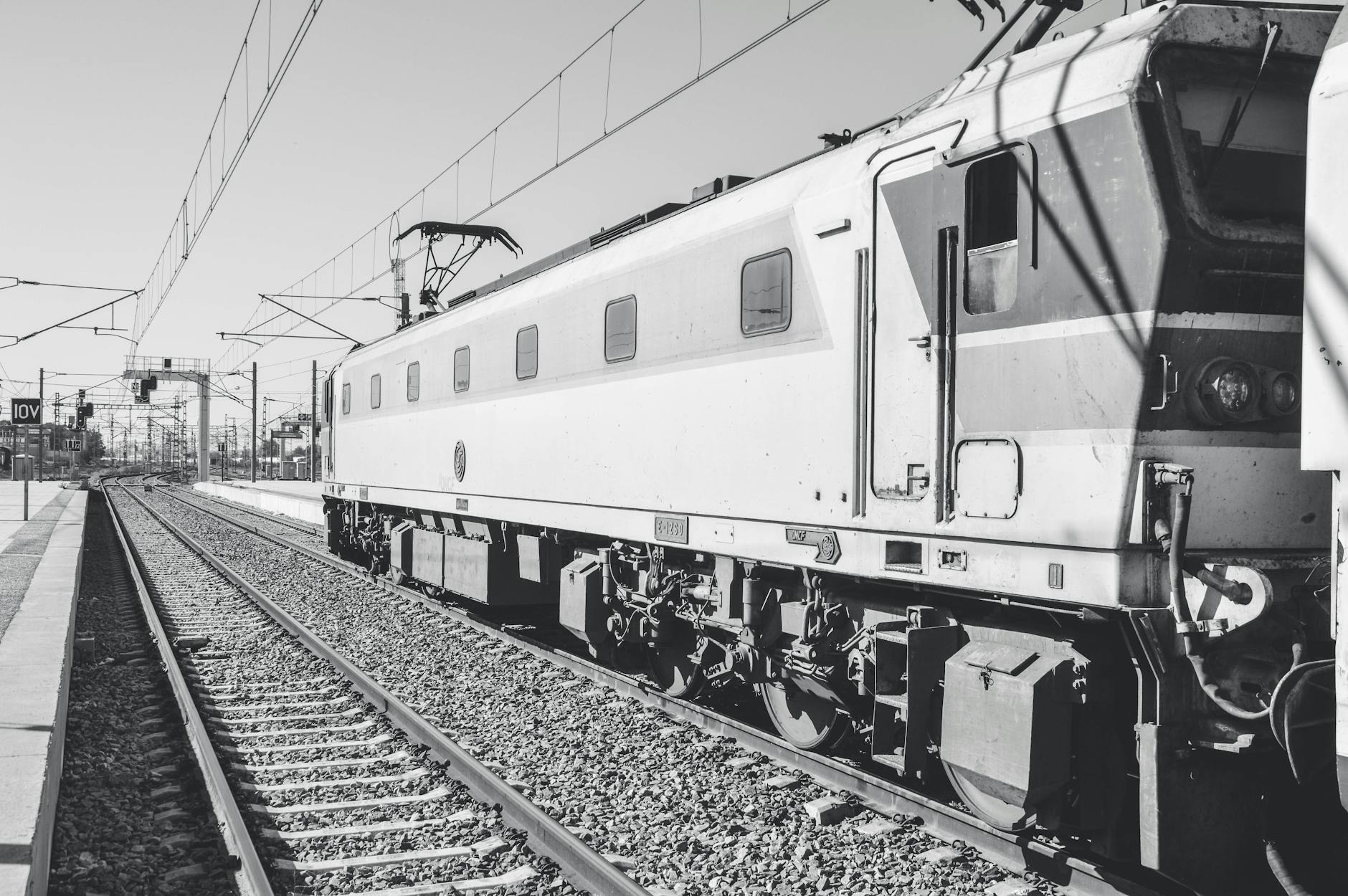
The strongest Rabat stays usually come from polished, well-run bases in districts that support easier dining, clearer movement, and a cleaner evening rhythm. The question is not only luxury level. It is what tone the trip needs. A more formal base can suit business or executive travel very well. A more atmospheric or coastal-leaning choice may suit leisurely travelers better. But the rule is consistent: Rabat becomes much more attractive when the room and district reinforce its composure rather than undermining it with inconvenience or weak service.
- District and hotel quality matter more here than the city’s understatement suggests.
- The best Rabat base is usually the one that preserves calm instead of chasing performative atmosphere.
- A stronger hotel often unlocks the city’s actual value.
The Rabats that matter most
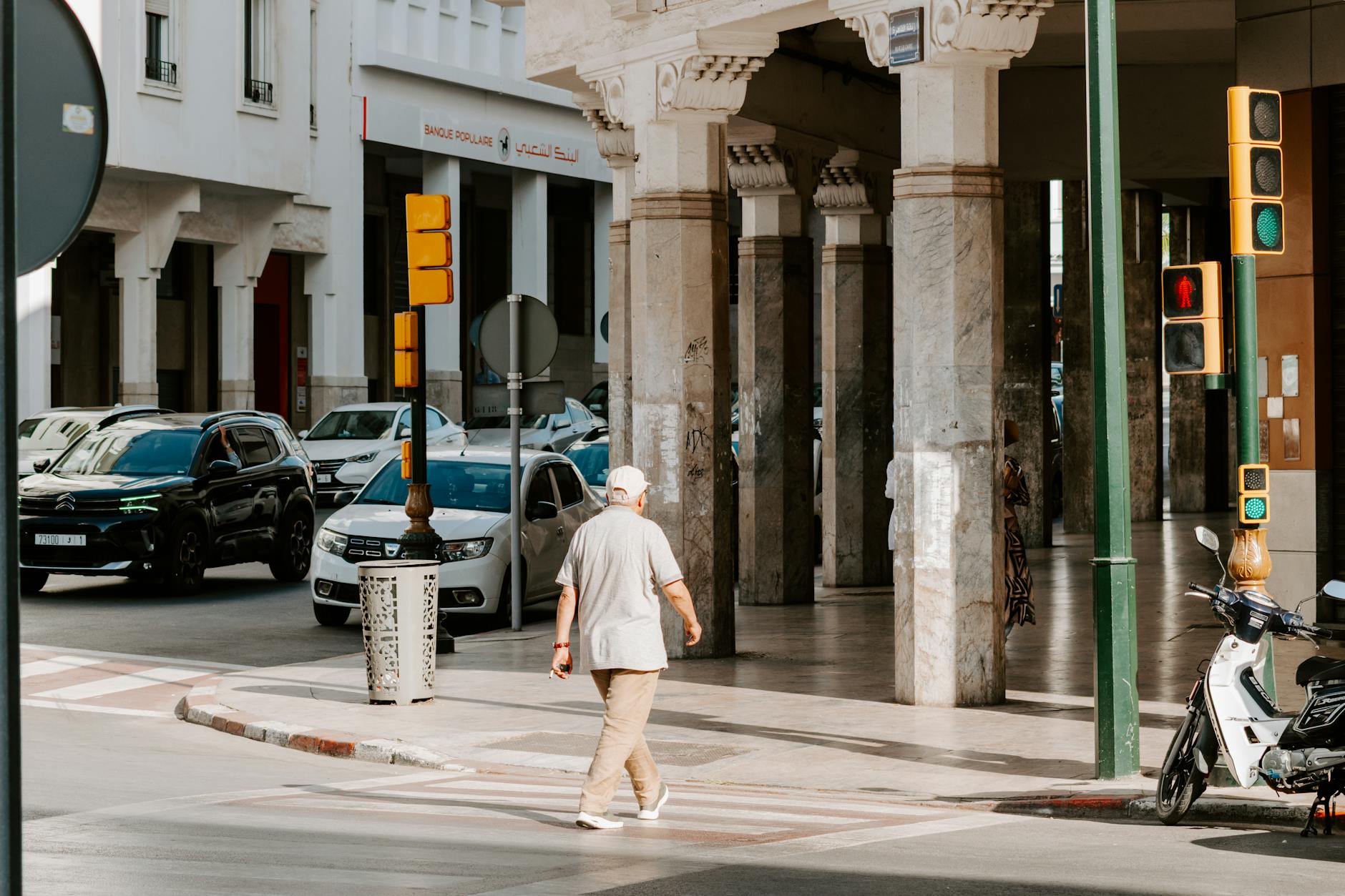
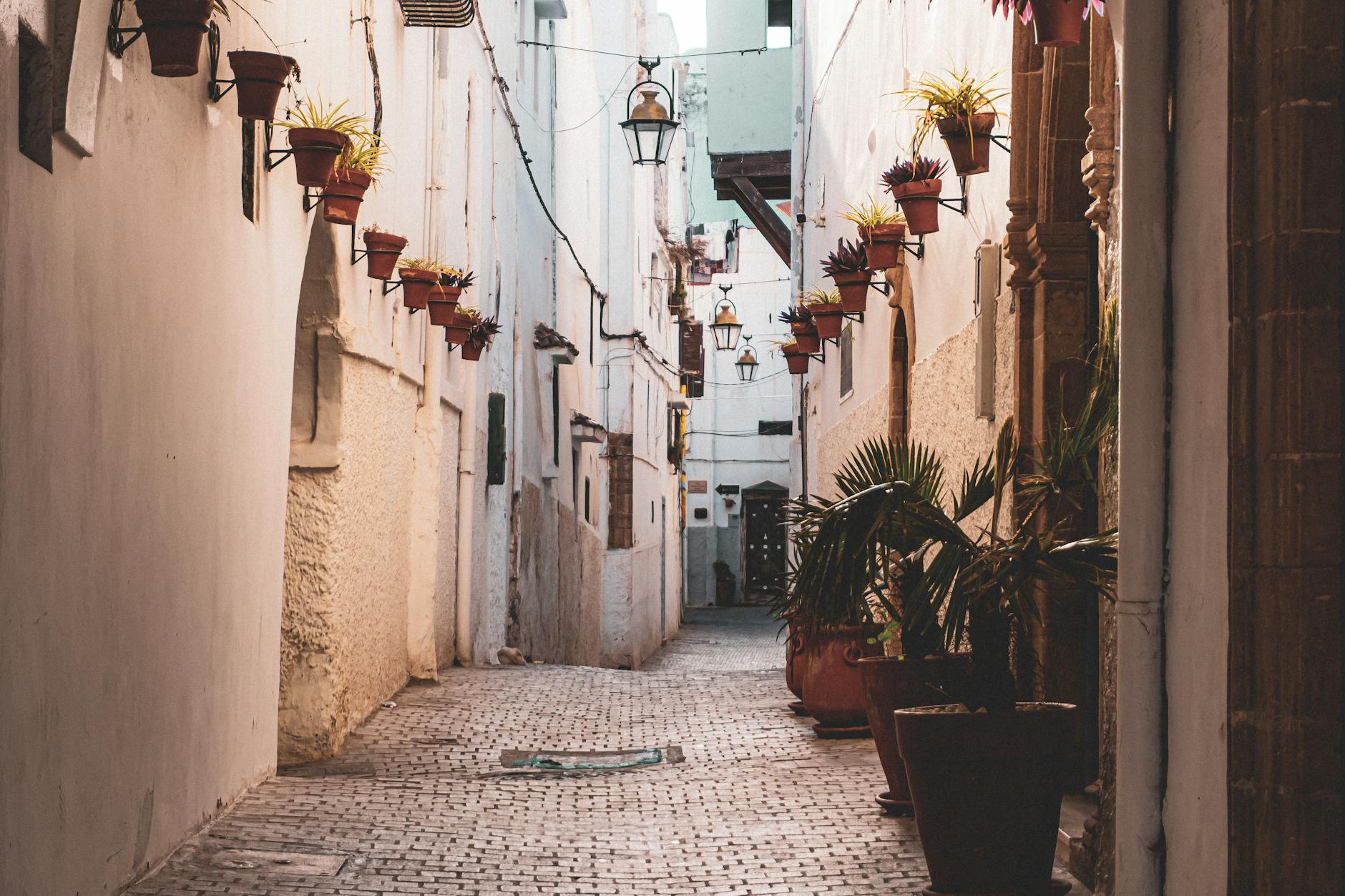
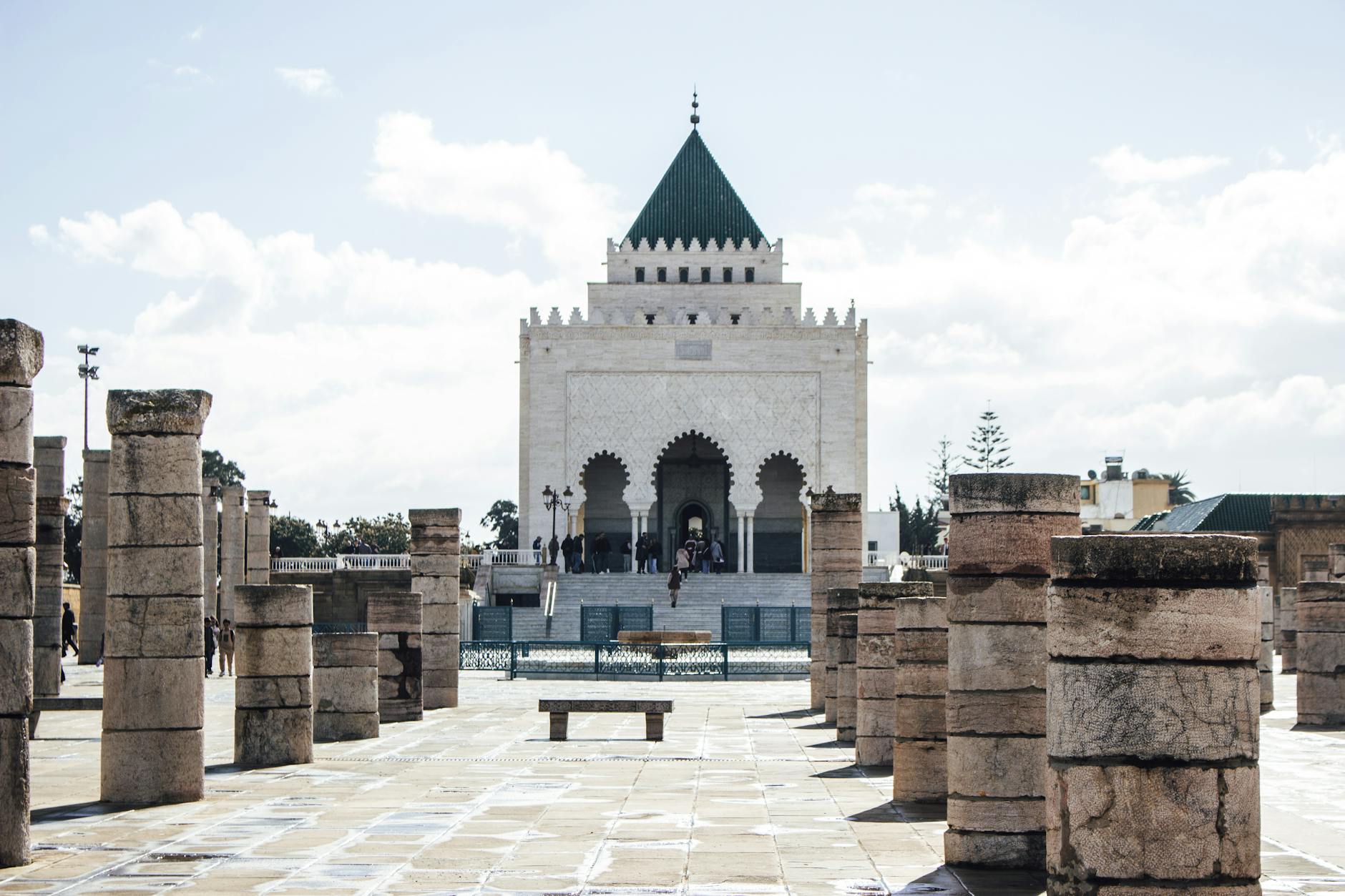
There is official Rabat, where the city reads as administrative, orderly, and useful. There is coastal Rabat, where the breeze, sea, and slightly more relaxed rhythm soften the capital energy. There is historic Rabat, where older textures and urban memory still matter, though in a less overwhelming way than in some of Morocco’s denser heritage cities. And there is hotel Rabat, which for some travelers is the real point: a cleaner Moroccan urban stay with solid rooms, better rest, and easier movement. The city becomes more interesting once you stop asking why it is not Marrakech and start asking which Rabat you actually want.
- Rabat contains several distinct moods despite its quieter reputation.
- Administrative, coastal, historic, and hotel-forward Rabat can feel quite different.
- Choosing the right Rabat is part of the trip design.
What Rabat does better than many Moroccan cities
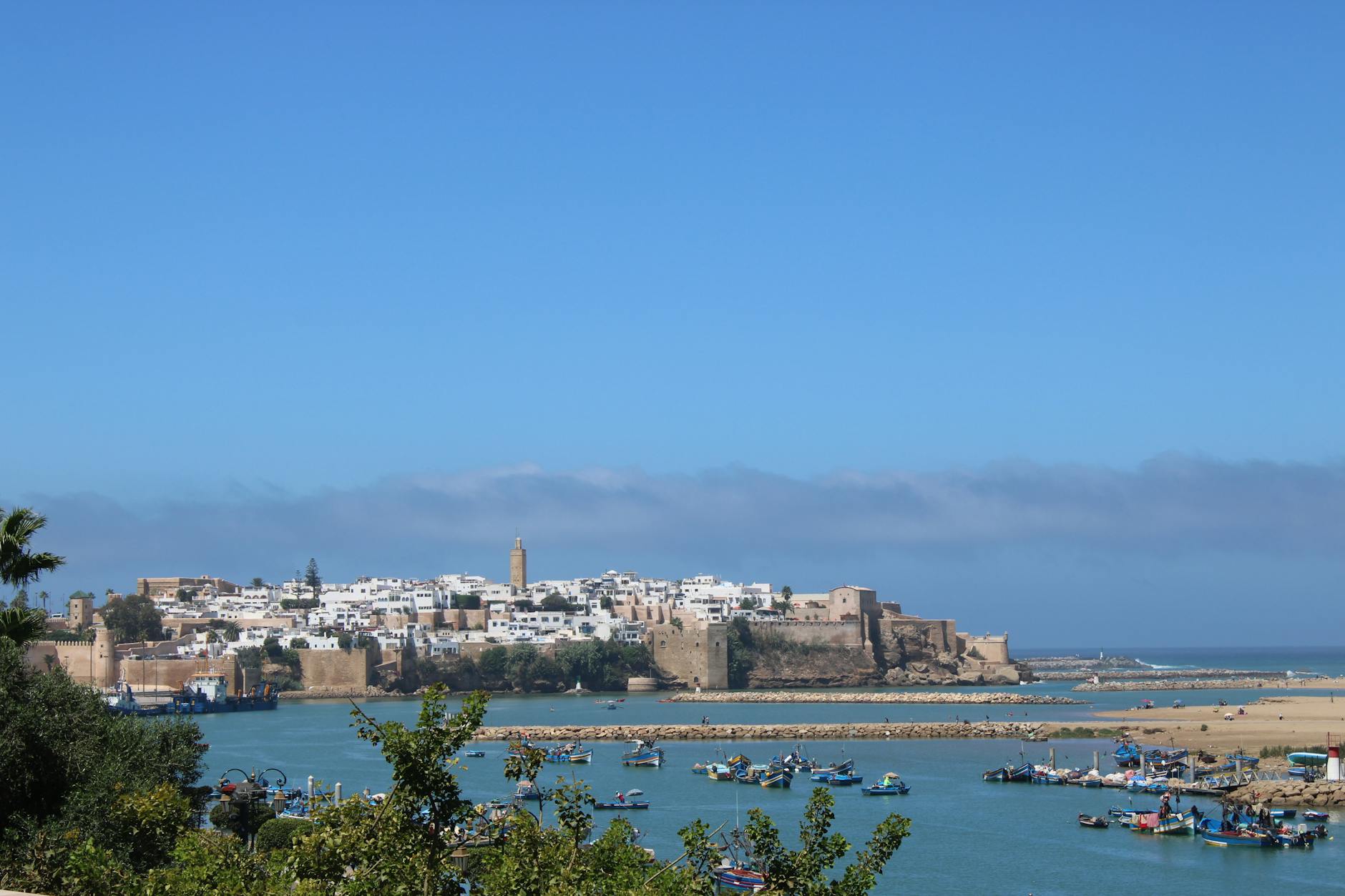
Rabat does controlled urban travel unusually well. It offers a version of Morocco that can feel grown-up, breathable, and orderly without becoming sterile. That makes it especially good for travelers who want the country’s texture without placing every hour under pressure. The city’s best quality is not that it is exciting in the obvious sense. It is that it can make a trip feel composed. In a country where travelers sometimes spend too much of their energy managing intensity, Rabat’s steadiness can be a real luxury.
- Rabat is one of Morocco’s strongest lower-friction urban stays.
- Its value lies in composure, not spectacle.
- The city is particularly good for travelers who want Morocco with less operational drag.
Food, cafes, and the city’s quieter appetite
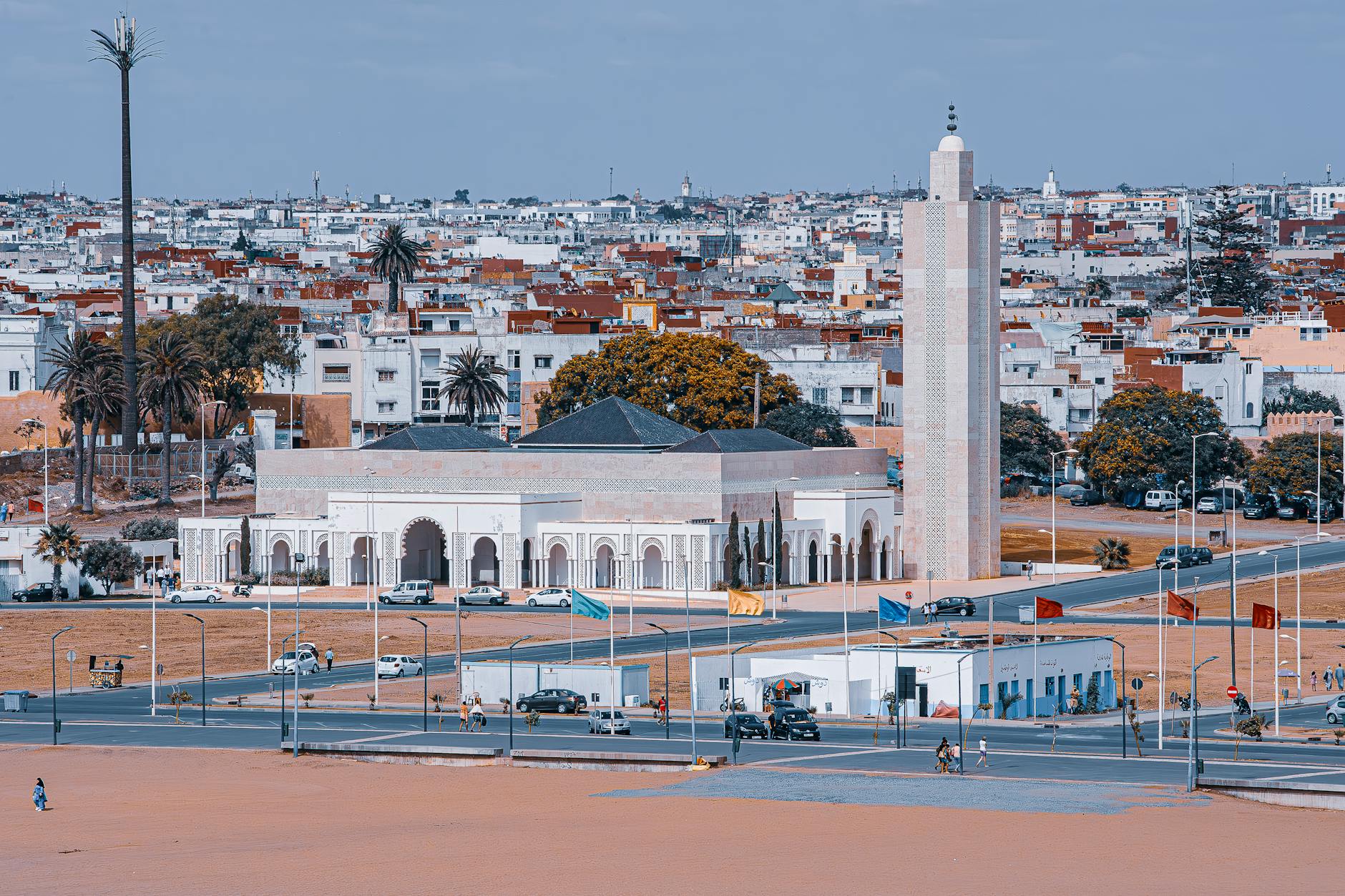
Rabat’s food life works best when it follows the city’s measured rhythm. This is usually not a destination where every meal should be a tactical expedition. It is a city where terraces, polished dining rooms, calmer lunches, and district-appropriate dinners can make the stay feel settled and adult. The traveler who keeps dining aligned with the base and the day often gets more from Rabat than the one who keeps trying to manufacture drama. The city’s appetite is quieter, but it can be very satisfying if you let it stay that way.
- Meals should fit Rabat’s calmer district logic rather than fight it.
- The city rewards polished, coherent dining more than cross-city food missions.
- A good meal here should stabilize the trip, not complicate it.

Nightlife and evening Rabat
Rabat after dark is usually cleaner and calmer than some travelers expect, which is part of its appeal. Evenings often work best as a continuation of the city’s polished daytime logic: dinner, a drink, a walk, a quieter return to a strong hotel. This is not a city whose nightlife needs to justify the trip on its own. It is a city where a good evening can make the whole stay feel easier. The route home still matters, of course, but Rabat’s nights are most rewarding when they remain proportionate to the city rather than trying to become something louder than it is.
- Rabat’s evening strengths are polish and ease, not sheer volume.
- A strong base makes the city after dark feel notably cleaner.
- The best nights here usually continue the trip’s calm rather than interrupt it.
Etiquette and local norms
Rabat rewards the same measured, observant travel that works well across Morocco, but perhaps even more clearly because the city’s tone is a little more controlled from the start. Public courtesy, a little formality in the right settings, and simple contextual awareness go a long way. Visitors usually get more from Rabat when they stop performing tourism and start behaving like competent guests in a functioning capital.
- Context and composure matter in Rabat.
- The city rewards measured behavior more than theatrical visitor energy.
- A little formality in the right places improves the stay.
My blunt advice
The biggest Rabat mistake is dismissing the city because it is not trying to seduce you loudly. The second is booking a weak base and then missing the fact that the city’s main value is exactly how cleanly it can operate. Rabat is not a consolation prize. It is a specific kind of Moroccan city experience, and a very good one, as long as you stop asking it to be noisier than it wants to be.
- Do not mistake low drama for low quality.
- The hotel and district matter because composure is the point.
- Rabat rewards travelers who value control, ease, and clarity.