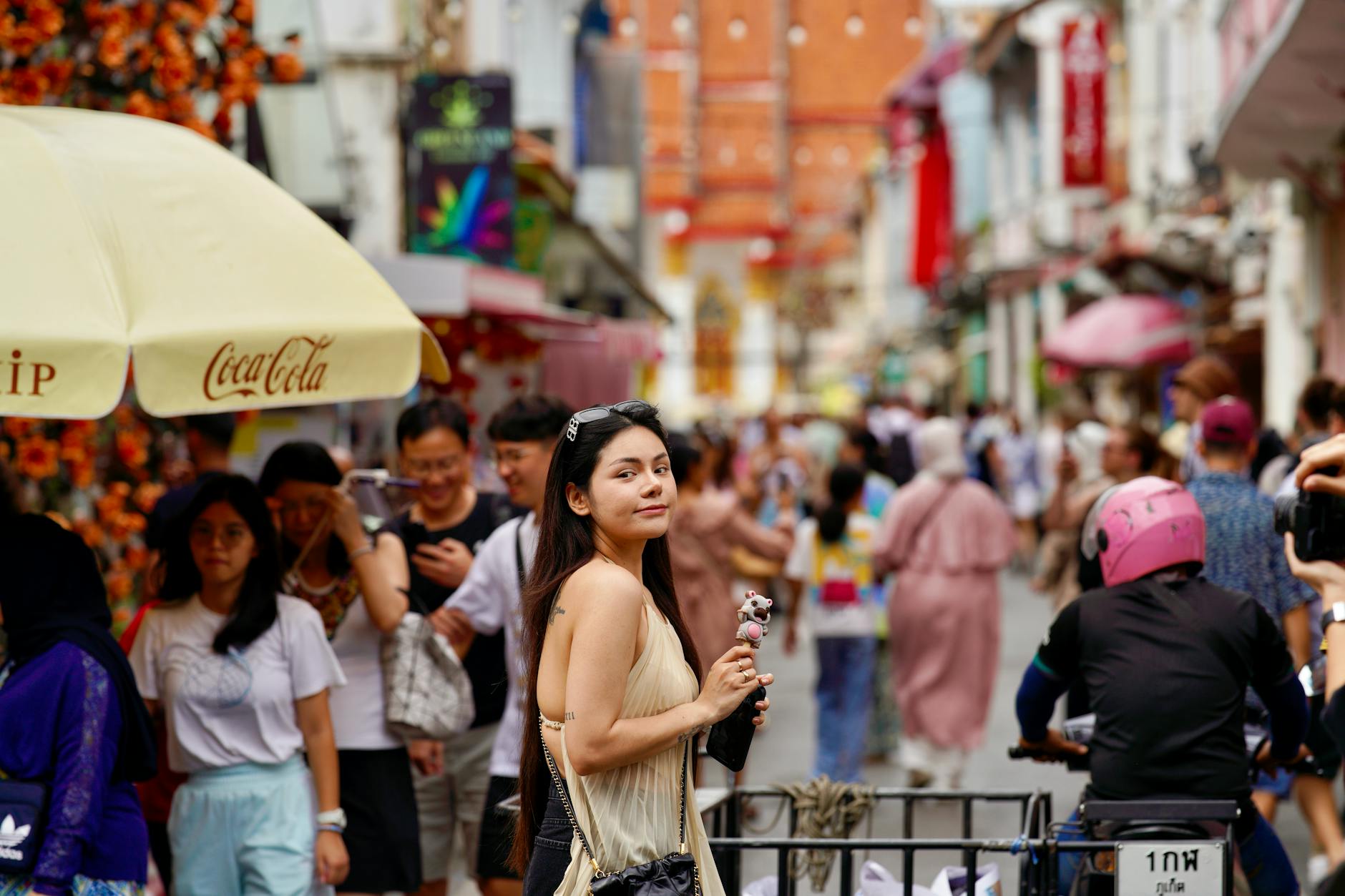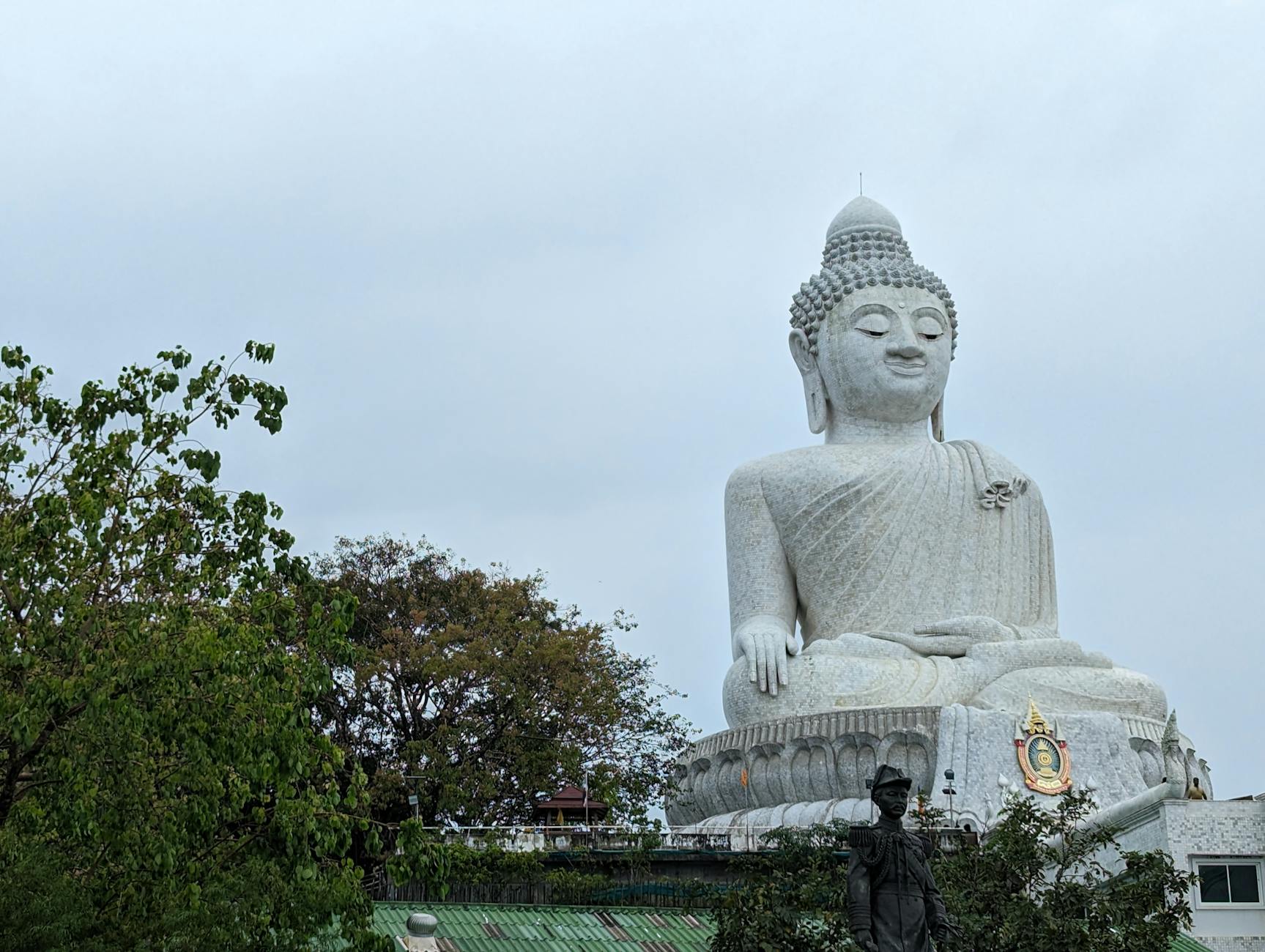
Phuket suffers from being both famous and vague. People say they are going to Phuket as if that alone describes a coherent experience, when in reality the island contains several different products layered uneasily together: polished resort escapes, louder nightlife zones, family beach stays, wellness-heavy retreats, marina-and-day-trip itineraries, and a more town-and-food version of the island that many visitors barely notice. When those versions are mixed carelessly, Phuket can feel overbuilt, overdriven, and strangely impersonal. When they are chosen with precision, the island can feel easy, warm, and deeply restorative. The essential discipline is to stop treating Phuket like a place that should do everything equally well. It should not. It should do one or two things very well for the trip you are actually taking. Once you accept that, the island improves immediately.
How Phuket works
Phuket is not a unified island experience. It is a loose federation of beaches, hotel zones, marinas, and town areas that solve different desires at different quality levels. Some parts are best for polished resorts and controlled ease. Some are built for louder nights and heavier foot traffic. Some fit families and longer, slower beach days. Some are gateways to boat excursions rather than destinations in themselves. The island improves when the traveler stops asking one base to do all of it. Phuket is best when the hotel zone, the dining rhythm, and the outing pattern all point in the same direction.
- Phuket is a set of distinct island products, not one homogeneous destination.
- The stay gets cleaner once the traveler chooses a lane and stops overcombining.
- Hotel zone and trip identity are effectively the same decision.
Best time to visit
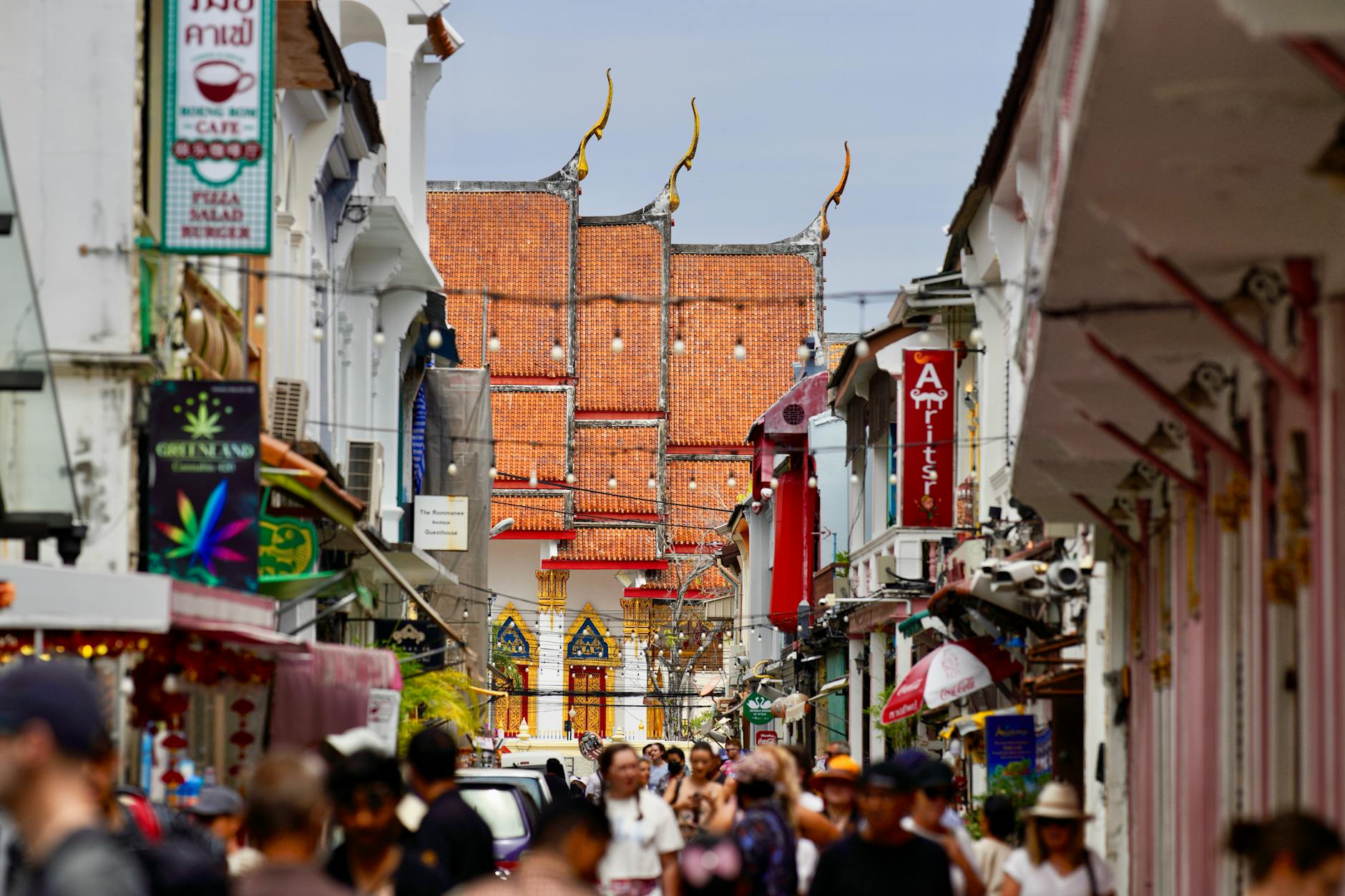
Weather matters in Phuket because so much of the island’s value is tied to sea conditions, beach usability, and the simple pleasure of moving through open-air environments without the day becoming a negotiation. Cleaner seasonal windows make it easier to justify the broader resort-and-outing fantasy. Less reliable periods can still work, but then the hotel has to be better and the traveler has to be less emotionally dependent on perfect beach conditions every day. Phuket does not become worthless in weaker weather; it simply becomes more exposed if the base is mediocre or the itinerary too demanding.
- Good weather expands the island’s range dramatically.
- Weaker periods shift more of the trip’s success onto the hotel.
- Season should be matched to the type of Phuket stay you actually want.

Arriving and getting around
Arrival in Phuket is not trivial because the airport-to-hotel transfer is the first proof of whether the chosen base makes sense. Some parts of the island feel much farther away than newcomers expect once traffic, road shape, and timing are factored in. After check-in, movement should stay selective. Phuket is one of those places where trying to sample the whole island can produce days that are all transfer and no pleasure. The smart approach is to let the base carry most of the trip and treat outside movement as a few specific, high-return decisions rather than a daily habit.
- Airport distance and traffic should influence the hotel choice from the start.
- A smaller number of better movements usually beats broad island coverage.
- If the transfer burden is constant, the base is probably wrong.

Where to stay
The real Phuket choice is the base, and the base is really a decision about lifestyle. Some travelers need a polished resort that can carry the stay even if they barely leave it. Some want proximity to restaurants and more visible activity. Some need family-friendly calm and easy beach time. Some want a nightlife-adjacent zone and should admit that openly rather than pretending they are booking for serenity. The island does not reward compromise nearly as much as travelers think. Better to choose the right Phuket than a compromised one positioned in the middle of several weaker answers.
- The hotel zone determines whether Phuket feels relaxing, noisy, glamorous, family-friendly, or tiring.
- A resort that truly matches the trip can reduce the need for almost everything else.
- Trying to split the difference between incompatible trip types often produces a mediocre stay.
Neighborhoods that matter most
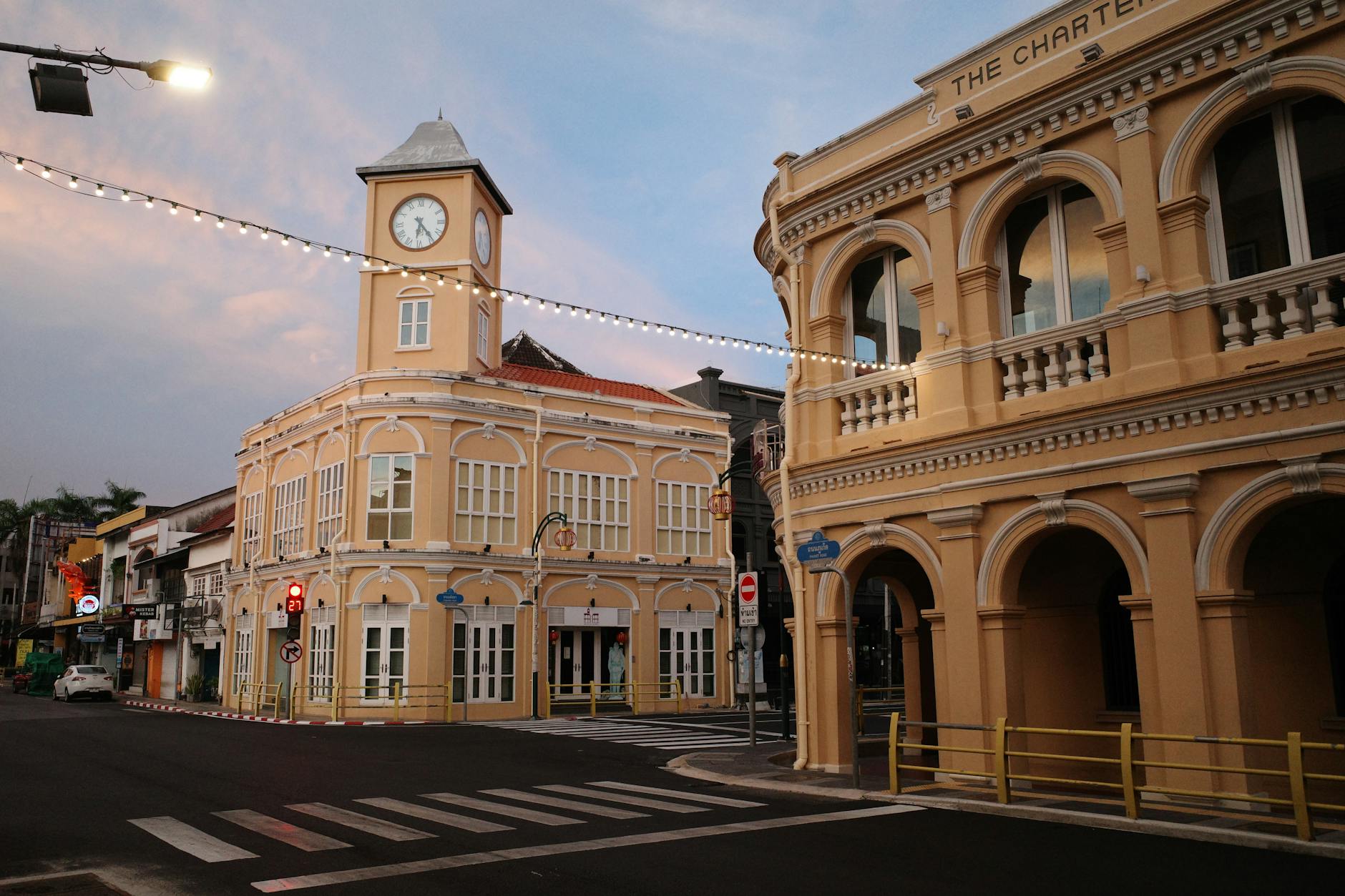
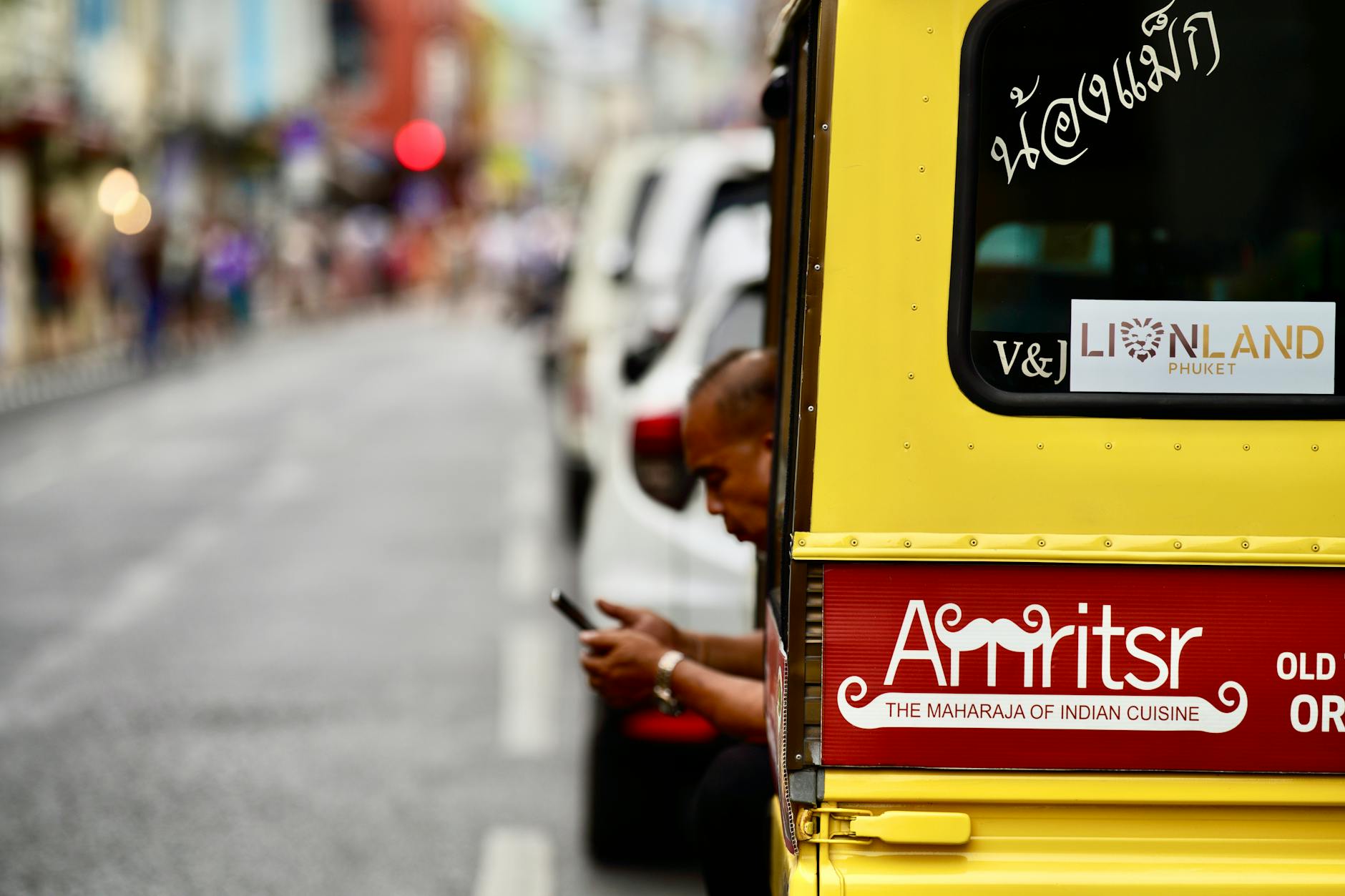
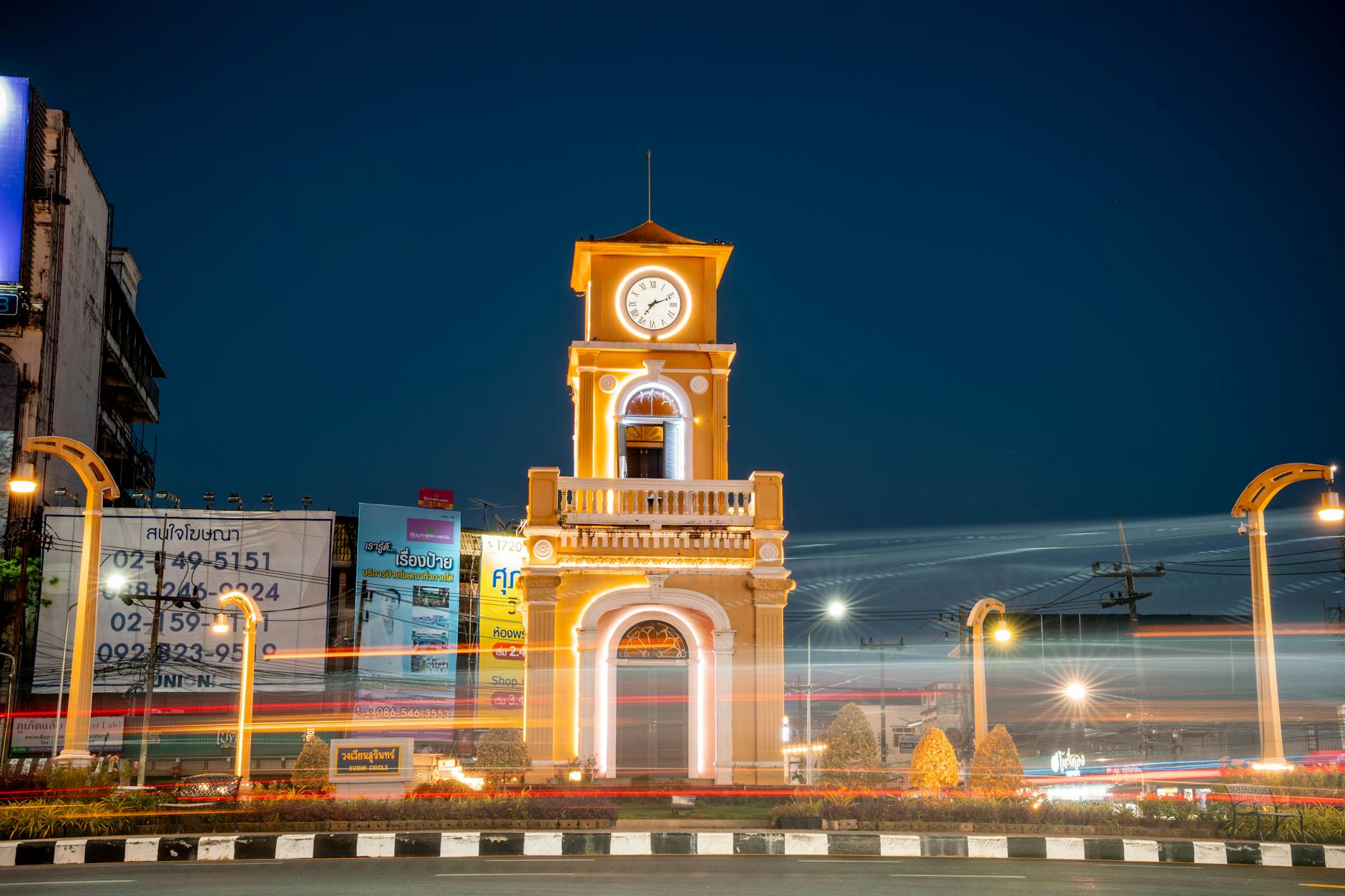
Patong remains the clearest example of why Phuket has to be chosen carefully: for some travelers it delivers exactly the level of nightlife, density, and movement they want, and for others it destroys the very qualities they flew for. Kata and Karon can work for travelers seeking a more balanced beach stay, though they are not interchangeable in tone. Bang Tao and nearby luxury-resort zones often create a more polished Phuket with stronger property-led travel. Phuket Old Town can enrich a broader island stay, especially for food or design interest, but it is usually not the same product as a beach base. The key is to stop pretending these are all minor variations of one island holiday.
- Patong is a specific answer, not a default answer.
- Resort-forward areas and activity-forward areas create fundamentally different trips.
- Phuket Old Town can add texture, but it should not automatically displace the right beach base.
What Phuket does best
Phuket is strongest as a warm-weather, hotel-led, low-complexity leisure destination where beach time, pool time, easy dining, spa hours, and a limited number of strategic excursions support each other. It can be very good for couples, families, celebratory trips, and travelers who want Southeast Asia without constant urban intensity. The island is less convincing when handled as a roam-everywhere, prove-you-did-it-all destination. Its real gift is that the right base can make the trip feel almost frictionless.
- Phuket is best when ease is the product, not something fought for.
- The island can deliver very high comfort if the base is doing real work.
- Selective excursions usually outperform broad island ambition.
Food
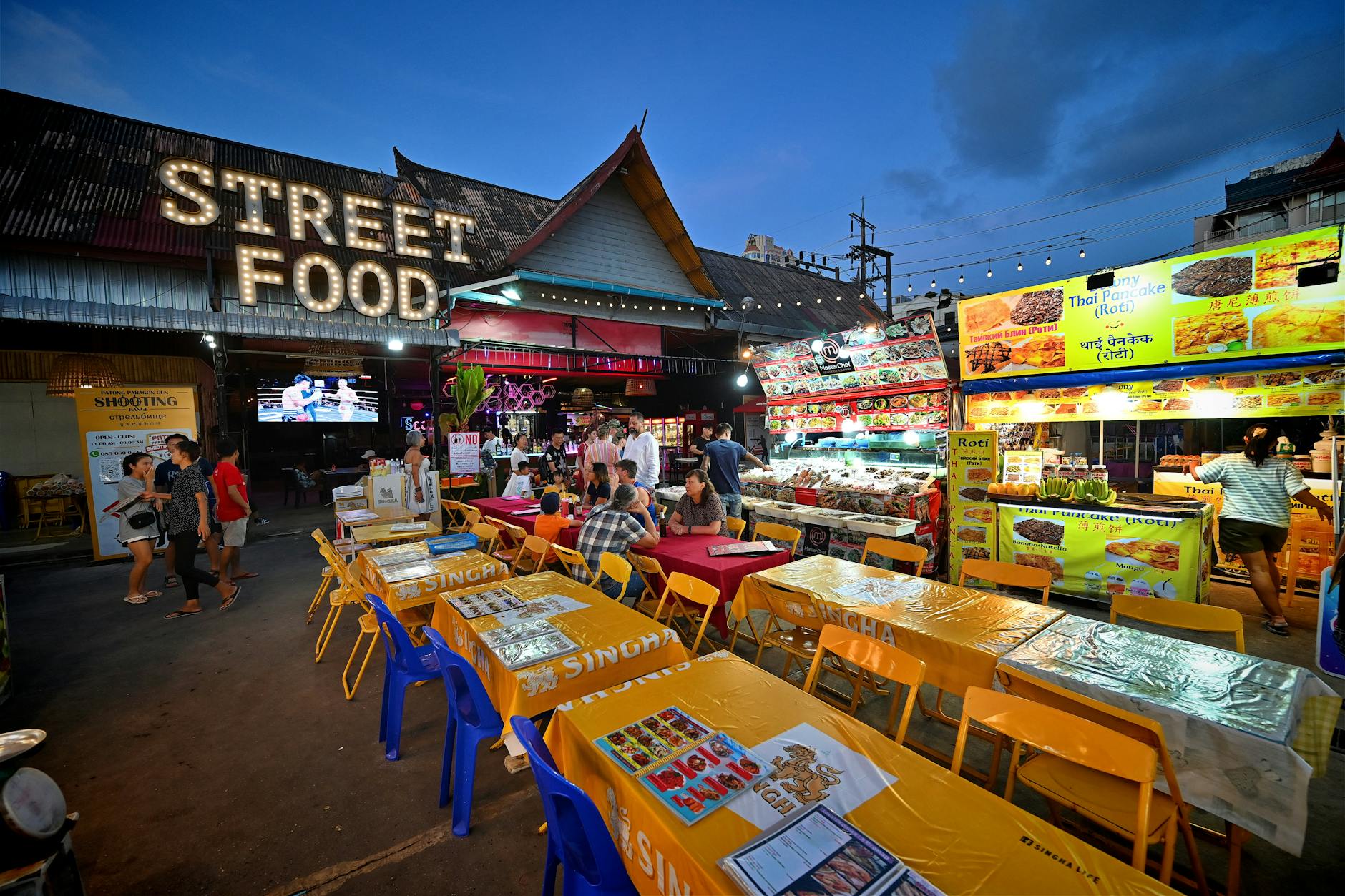
Phuket food is better than some resort-first travelers expect, but it works best when it stays aligned with the chosen part of the island. Beach-zone meals, polished resort dining, seafood, and occasional forays toward stronger local food scenes can all be part of a good trip, but the island is not improved by forcing every meal into a transport puzzle. Phuket rewards travelers who accept that a good dinner is one that suits the mood and geography of the stay, not merely one with the loudest online reputation.
- The best food plan follows the base rather than constantly rebelling against it.
- Resort dining can be part of a good Phuket trip, not a failure of imagination.
- One or two smart local-food plays are often enough to deepen the stay without fracturing it.
Nightlife
Phuket nightlife is highly localized and should be treated that way. Some trips genuinely want it and should book accordingly. Others should stay well away from it. The problem begins when travelers pretend they want both full resort calm and immediate nightlife access from the same base. The island is too fragmented for that fantasy to work cleanly. If nightlife matters, choose a zone built for it. If it does not, protect the evening from it and let the island’s other strengths take over.
- Nightlife is a lane in Phuket, not the definition of the whole island.
- Trying to combine party access with total calm often produces the worst compromise.
- The base determines whether the evening feels easy or irritating.
Etiquette and local norms
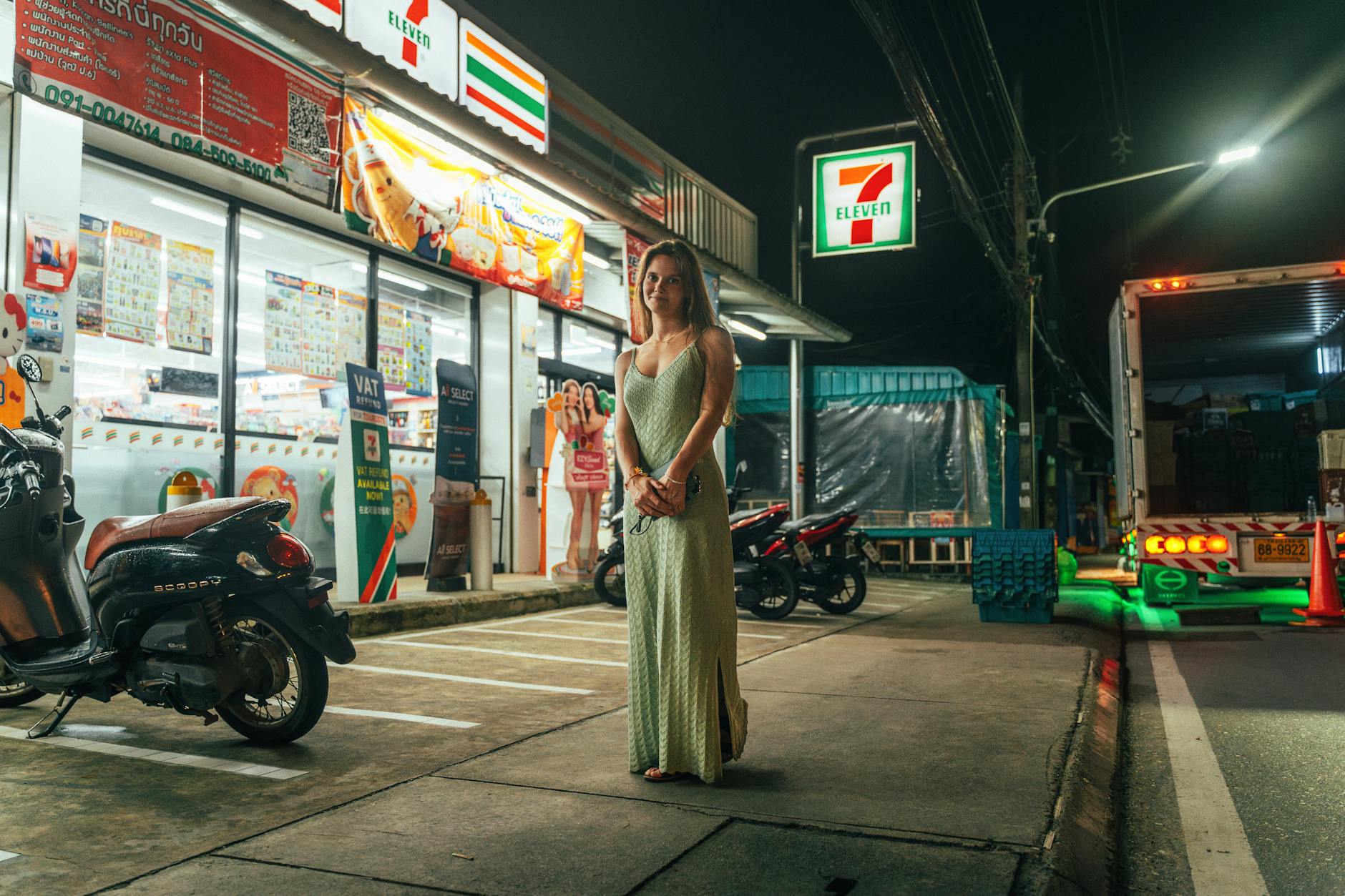
Phuket is relaxed, but visitors still do better when they remember that beaches, towns, hotel spaces, temples, and local neighborhoods are not socially identical. Good behavior here is mostly about range: knowing when to be casual, when to be quieter, and when a little more respect for shared space improves the island for everyone. Phuket tends to reveal traveler sloppiness quickly because leisure can make people less observant than they should be.
- Do not let vacation mode erase context.
- Beach ease does not apply equally everywhere on the island.
- A measured traveler usually ends up with a cleaner, better Phuket.

Blunt advice
The biggest Phuket mistake is choosing the wrong base and then trying to repair the trip with more transport, more booking, and more forced enthusiasm. The second is refusing to admit what kind of trip you actually want. Phuket is only messy when the traveler is messy. Pick the right zone, invest in the hotel, narrow the outing list, and let the island succeed on the terms it is actually good at.
- The hotel zone is the main strategic choice on the island.
- Do not use movement to compensate for a weak base.
- Phuket rewards honesty about trip type more than fantasy about doing everything.