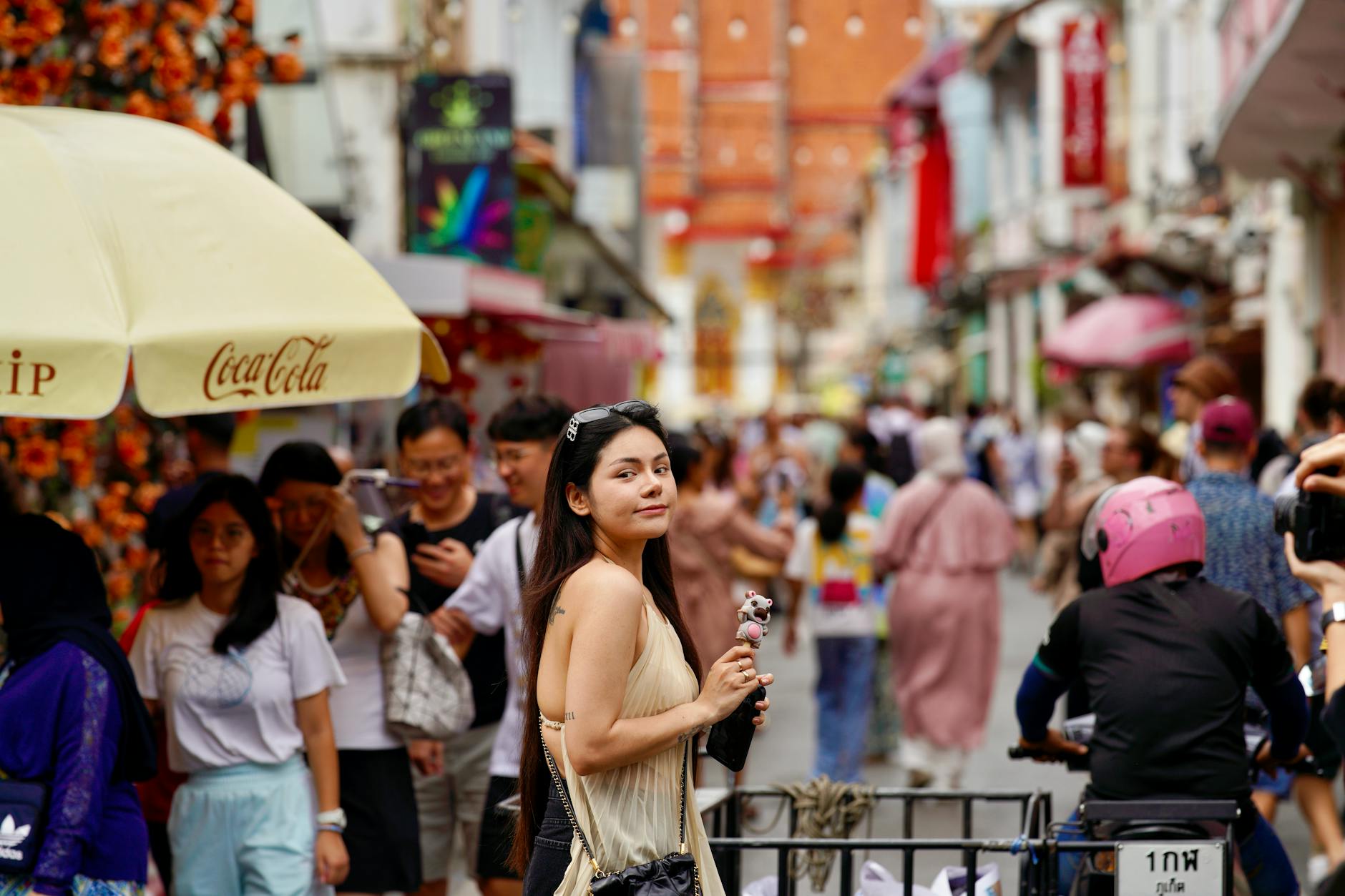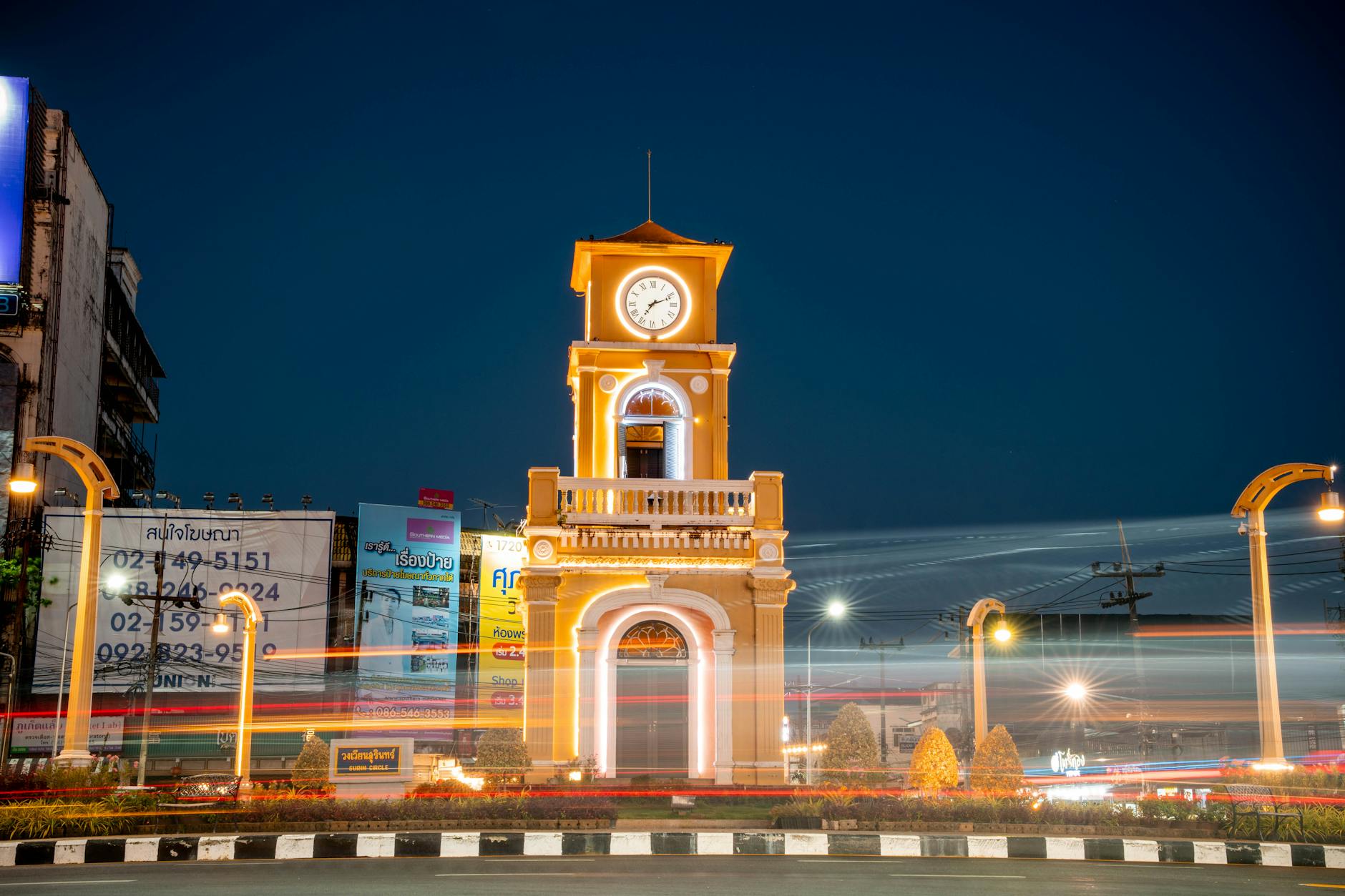
Phuket is too often discussed as if it were one long resort strip with minor variations in beach quality. That reading misses one of the island’s more interesting options entirely. Phuket Old Town offers a different kind of stay: more urban, more food-led, more architectural, and often more revealing for travelers who want Phuket to feel like a place instead of just a lineup of hotel zones. It can make the island feel legible in a way beach-only itineraries often do not. Old Town works best when the traveler chooses it as the point, not as a consolation prize for not staying on the sand. Treated properly, it is one of the sharper, smarter ways to use Phuket.
How Phuket Old Town works
Phuket Old Town works when the traveler wants urban texture to lead the island stay. The strongest version is not beach denial. It is a deliberate decision to prioritize food, streets, shopfronts, local movement, and a more civic version of Phuket over resort choreography. That makes the base decision especially important because Old Town is only rewarding when the traveler is willing to let its slower, more local logic shape the trip. It fails when used as a half-hearted correction to a beach itinerary that never made sense in the first place.
- Old Town works best as a deliberate urban base, not a fallback.
- Its appeal is texture, food, and structure rather than beach imitation.
- The trip improves when the city logic is allowed to lead.
Best time to visit
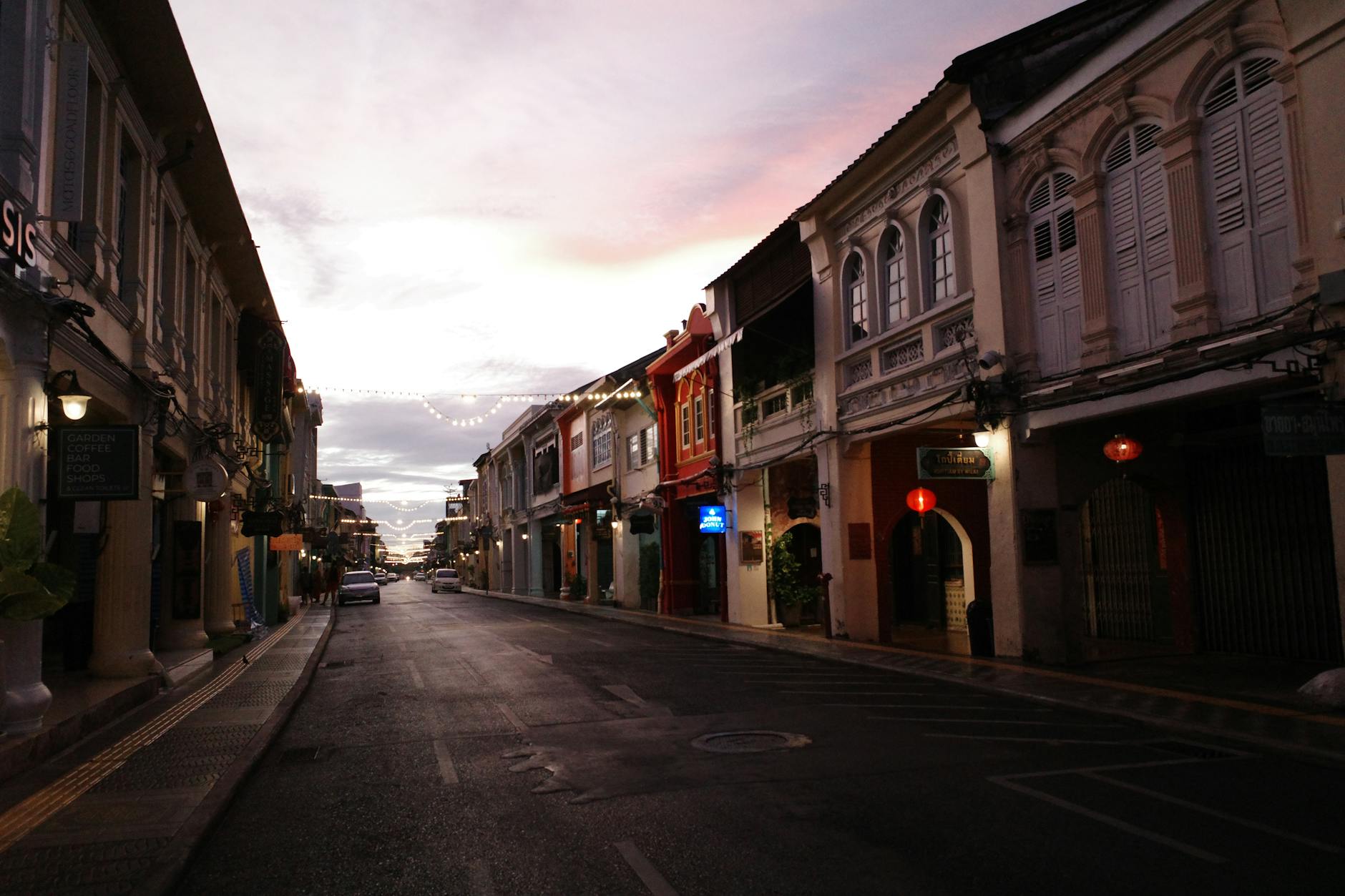
The cleaner weather windows are generally the easiest answer because they support walking, easier movement, and a broader range of day shapes. Better conditions widen the value of Old Town because streets, cafes, and local movement become much easier to enjoy. Other periods can still work if the base is strong enough and expectations are cleaner, but the destination is less forgiving of weak hotels and overbuilt cross-island movement when the weather turns on you.
- Better weather widens Phuket Old Town’s strengths.
- Weaker weather raises the value of the hotel and cleaner expectations.
- Timing shapes the whole stay.
Arriving and getting around
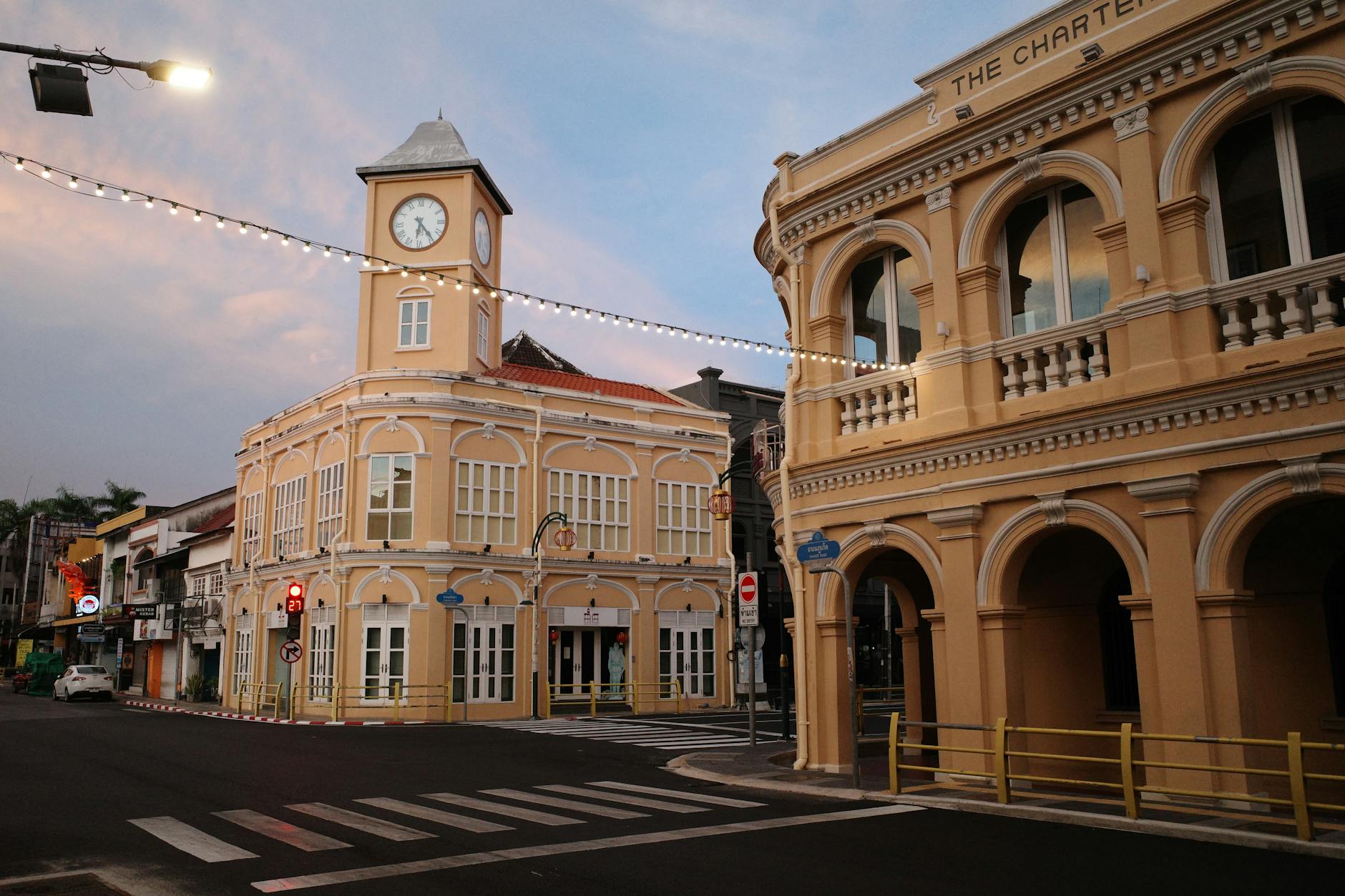
Arrival should be planned with the actual hotel and wider Phuket movement in mind. The strongest stays keep the route lighter than the first all-purpose fantasy itinerary usually suggests. Phuket Old Town is best when it is being used as a real urban base, not when it is constantly being broken apart by long beach-oriented detours meant to rescue a mismatched concept of the trip.
- Treat the first leg seriously in Phuket Old Town.
- Choose the base with transfer burden in mind.
- Do not overcomplicate a destination that rewards simplicity.
Where to stay
The hotel decision is the main Phuket Old Town decision. Different properties and nearby zones create different versions of the stay: more polished, more design-led, more food-heavy, or more practical. A stronger hotel usually pays back immediately because the destination works by texture and rhythm. If the base is right, Old Town can feel sharp and intentional. If it is wrong, it can feel like an awkward compromise between better-located ideas.
- The hotel is half the trip in Phuket Old Town.
- Different bases create very different stays.
- A stronger hotel usually pays back immediately.
The Phuket Old Towns that matter most
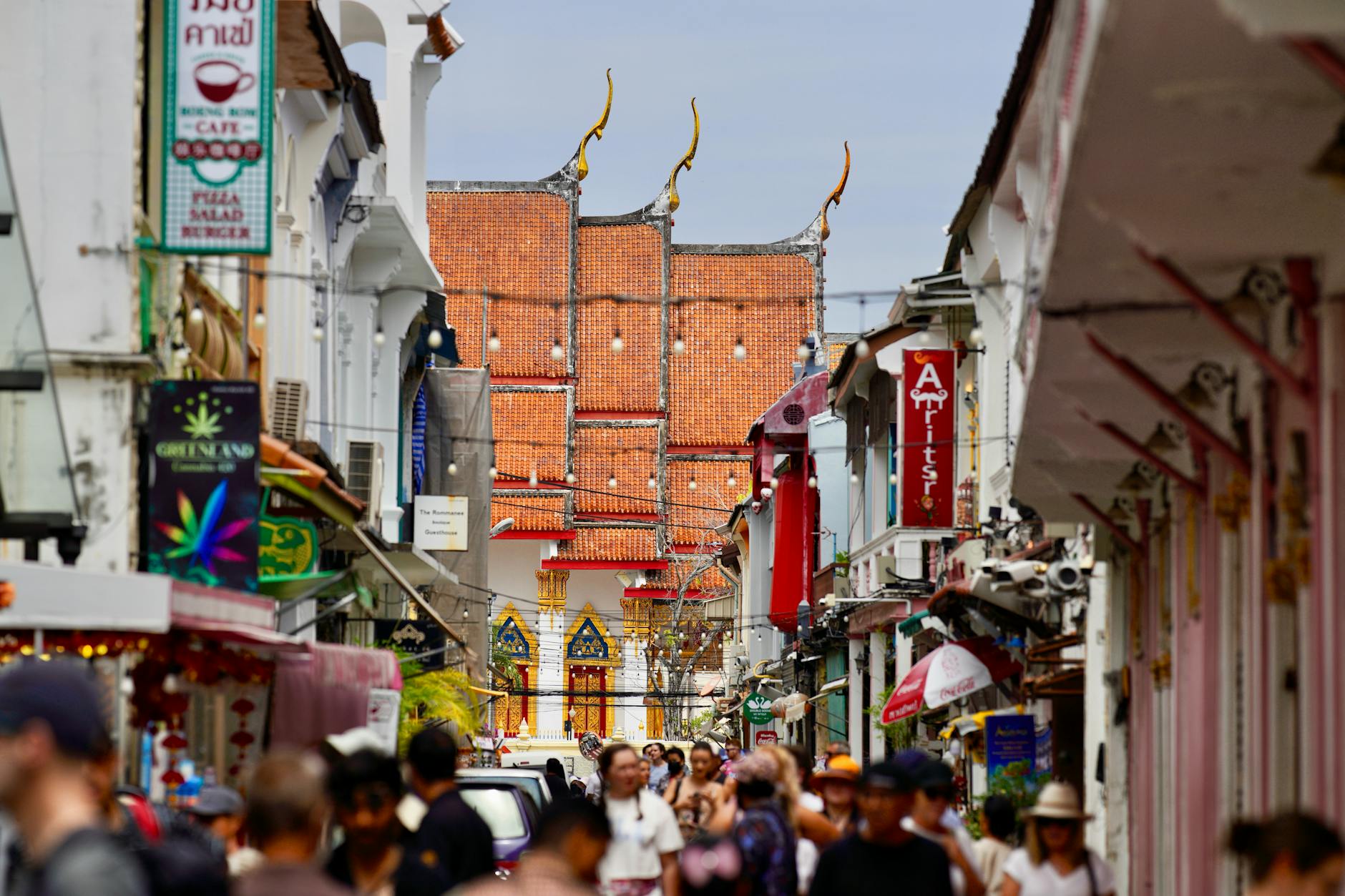
There is design-forward Old Town, where the point is architecture, boutique hotels, and visual character. There is food-led Old Town, where markets, street life, and easier walking matter more. There is also practical Old Town for travelers using it as a smarter operational base on Phuket. These are not identical stays. The destination improves once the traveler decides which one is leading.
- Each base creates a different Old Town stay.
- Not every zone solves the same trip.
- Choose the version of the stay you actually want.
What Phuket Old Town does best
Phuket Old Town excels at giving the island a center of gravity. It offers personality, better food logic, easier walking, and a sense of place that many beach-only stays never quite achieve. That makes it especially valuable for travelers who want Phuket to feel specific rather than interchangeable. The destination is not trying to outperform a beach holiday on beach terms. It is trying to give the island more character, more structure, and more memory. On those terms, Old Town can be an excellent choice.
- Old Town is one of the best ways to make Phuket feel like a place rather than a product.
- Its value is specificity, not beach substitution.
- The stay works best when judged on urban texture and food, not on resort criteria.

Food
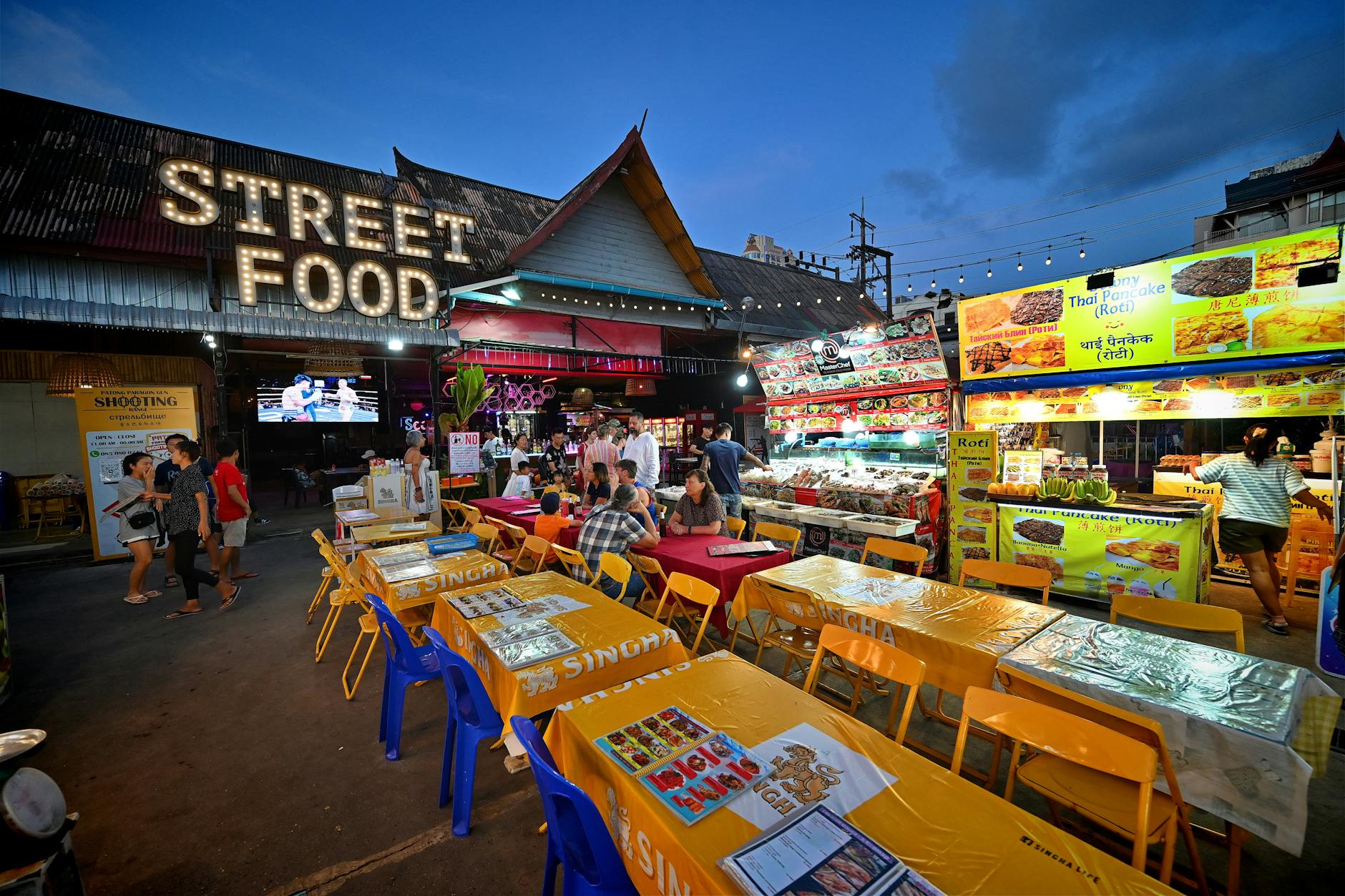
Phuket Old Town works best when meals align with the base and the route of the stay rather than becoming one more reason to bounce around unnecessarily. Food is one of the main reasons to choose it, but it still needs route discipline. The better Old Town day usually comes from letting one neighborhood and one walking pattern carry the eating rather than scattering the trip across the island.
- Meals should support the stay’s rhythm in Phuket Old Town.
- The base affects dining quality a lot.
- Keep dining aligned with the route.
Nightlife
Phuket Old Town is not best approached with the same nightlife expectations as every other Thailand beach destination. The evening pattern should fit the base and the trip type rather than imported assumptions. Old Town often works better at bars, dinners, and urban evening life than at louder beach-scene imitation. That is part of the appeal.
- Know what kind of evening Phuket Old Town actually supports.
- The base still matters at night.
- Use the stay for what it is.
Etiquette and local norms
Phuket Old Town rewards context-aware behavior, especially around public tone and how the stay is carried through urban and local settings. Ease does not remove norms. The traveler who treats the place like a real town instead of a themed backdrop usually gets a better stay in return.
- Context matters in Phuket Old Town.
- Leisure should not become sloppiness.
- A measured posture improves the stay.

Blunt advice
The biggest Phuket Old Town mistake is booking it while still emotionally committed to a beach resort fantasy. The second is choosing a weak base and then trying to repair the stay with constant island-crossing. Old Town is best when the traveler accepts that urban Phuket can be the point and then builds a route worthy of that choice. If you want sand-first ease, stay near the beach. If you want a sharper island experience, let Old Town lead properly.
- Do not judge Old Town by beach-first expectations.
- The hotel choice still matters enormously here.
- Phuket Old Town rewards clarity of intent more than compromise.