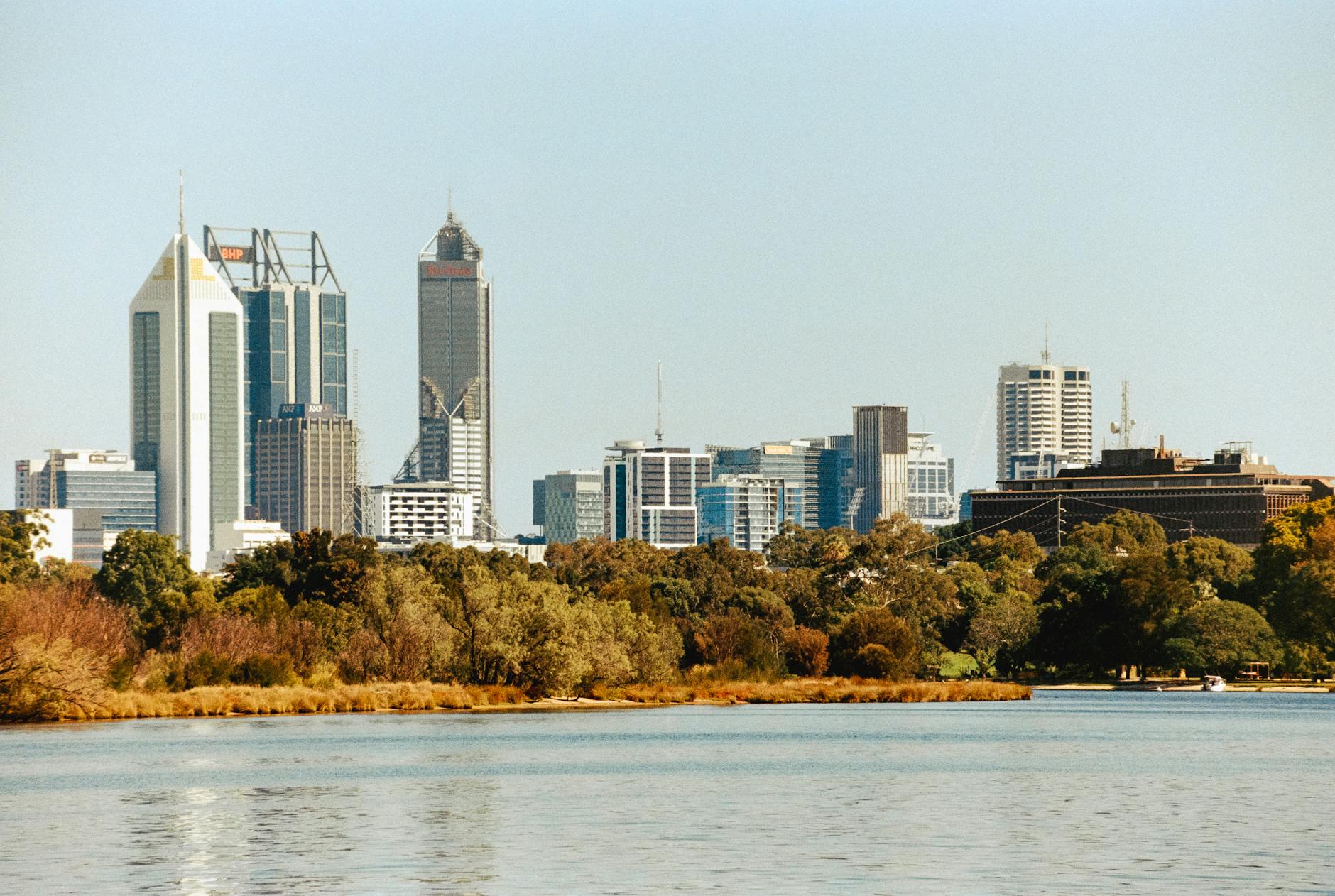
Perth is one of those cities that gets misread before the traveler even arrives. The first mistake is to reduce it to remoteness. The second is to turn that remoteness into a backhanded compliment: yes, it is far away, but pleasantly surprising. Both reactions are lazy. Perth deserves a more serious read than that.
Start Here
This is a western-edge capital shaped by huge light, dry air, a wide river, clean beaches, a real downtown, suburban sprawl, resource wealth, Indian Ocean evening culture, and an unusual sense of openness for a city of its size. It is not trying to imitate Sydney. It is not trying to perform Melbourne-style cultural self-consciousness. It is not a consolation prize for people who failed to get to the east coast. It is a city with its own geometry and its own tempo.
The strongest Perth trips come from understanding that the city works in long arcs rather than constant compression. A good stay here is not about sprinting from icon to icon. It is about sequencing the river, the CBD, Northbridge, Kings Park, Fremantle, a beach session, one serious food day, and perhaps Rottnest or the Swan Valley without turning the whole thing into a logistical argument. The city rewards people who can think spatially and who understand that openness is part of the product, not evidence that something is missing.
Perth also gets better when the traveler stops asking whether it is "worth the flight" and starts asking what kind of urban life it does unusually well. The answer is: river-and-coast days, high-quality light, serious weather advantage for much of the year, low-friction movement in the center, good coffee, stronger food than many first-timers expect, and a certain western-Australian spaciousness that feels less cluttered than other big-city itineraries.
The city in one sentence: Perth is a sunlit western capital where the best trip comes from combining river, coast, neighborhoods, food, and one or two well-chosen excursions rather than forcing it into an east-coast checklist model.
Basic data
| Population | About 2.3 million in Greater Perth |
|---|---|
| Area | 6,418 km2 in the metro area |
| Major religions | Christianity, Islam, Hinduism, Buddhism, and a large secular population |
| Political system | State capital city inside a federal parliamentary constitutional monarchy |
| Economic system | High-income mixed economy led by mining services, technology, education, logistics, and business services |
Quick Verdict
Best for: first-time Western Australia trips, couples, long weekends with weather, food travelers, beach-and-city hybrids, families, road-trip starters, and anyone who likes cities that feel broad, bright, and breathable.
Not ideal for: travelers who need dense European-style street life from morning to midnight, people who want iconic monument concentration, visitors who hate heat or long distances, or anyone who expects the city to reveal itself in two hurried half-days.
Ideal first visit: 3 to 4 full days.
Minimum worthwhile stay: 2 full days, if one is city-led and one is either beach, Fremantle, or Rottnest rather than all three.
Best overall months: March, April, October, and November.
Best winter case: June through August if you want milder days than much of the northern hemisphere and do not mind some rain and softer beach conditions.
Biggest planning mistake: underestimating how much hotel location, sun exposure, and daily geography matter in a city this spread out.
One thing to prioritize: a strong base in the CBD, Elizabeth Quay side of the center, or a deliberate Fremantle or beach stay if that is truly your trip.
One thing to leave flexible: your coast and island timing. Perth looks eternally sunny in photography, but good beach and ferry days still benefit from weather judgment.
The blunt version: Perth can be one of Australia’s most pleasant city breaks, but only if the traveler respects scale, light, and routing instead of treating the city as a vague western backdrop.
Who Will Love Perth?
Perth suits travelers who like cities with room to breathe. It is very good for people who want urban life without constant urban pressure, and especially good for travelers who enjoy a mix of clean public space, water, neighborhoods, and meals that do not require fighting through endless density first. Couples tend to do well here. Families often do well here. Solo travelers who like walking, coffee, public transport, and straightforward day structuring also tend to do well here.
It is an especially strong destination for travelers who are building a broader Western Australia route. Perth gives you a civilized landing point before a Margaret River drive, a northern coast itinerary, a Rottnest detour, or a longer loop through the state. It also works as a standalone city break for travelers who want coast access and excellent weather windows without committing to a pure beach holiday.
Perth is less ideal for travelers who confuse urban quality with urban compression. If you need constant street spectacle, perpetual nightlife spill, or the feeling that every block is overloaded with heritage drama, Perth may feel too measured. Its pleasures are more atmospheric and structural. Light on the river. A clean train arrival. A proper afternoon in Fremantle. A beach sunset that is actually easy to reach. A strong modern museum. A park with real scale. A meal that tastes like Western Australia rather than generic Australian hospitality.
It is also a city that rewards travelers who know how to spend time. Perth can look easy enough to improvise badly. That is when people end up staying too far out, wasting half their trip in cars, or trying to combine the CBD, Fremantle, Scarborough, Rottnest, the Swan Valley, and Kings Park in one exhausted blur. Travelers who do not make that mistake usually leave with a much higher opinion of the city.
Perth at a Glance
| Question | Practical Answer |
|---|---|
| Main airport | Perth Airport (PER) |
| Distance from city | Around 15 to 25 minutes by rail or road in normal conditions, depending on terminal and destination |
| Best public airport transfer | Airport Line for T1/T2; Airport Line plus Route 292 shuttle if using T3/T4 |
| Fastest rail note | Airport Central is about 18 minutes from Perth Station |
| Best first-time base | CBD or Elizabeth Quay side of central Perth |
| Best food-and-nightlife zone | Northbridge and selected CBD pockets |
| Best heritage-and-port extension | Fremantle |
| Best city-beach add-on | Cottesloe for classic polish, Scarborough for a more energetic beachfront scene |
| Best major park | Kings Park and Botanic Garden |
| Best signature day trip | Rottnest Island, if you actually have enough time |
| Public transport operator | Transperth |
| Useful free transport note | CAT buses in central Perth are free |
| Emergency number | 000 |
| Tap water | Safe to drink |
| Currency | Australian dollar |
| Power plugs | Type I |
| Car needed? | No for a city trip; often useful for a wider Western Australia trip |
2026 Visitor Notes
Airport Access Is Better Than Many First-Timers Expect
Perth is no longer a city where airport transfer automatically means taxi arithmetic. For T1 and T2 travelers, the Airport Line is the cleanest public move into town, with Airport Central linked to the terminal precinct and Perth Station about 18 minutes away.[1] This is one of the simplest big-city airport arrivals in Australia when your hotel location fits it.
T3 and T4 Require Slightly Better Attention
The system is still straightforward, but not identical. T3 and T4 connect to the Airport Line via Redcliffe Station rather than a direct terminal train platform. The useful part is that Route 292 is a free circular shuttle between Redcliffe and the terminals, and official guidance notes peak frequency of about every 12 minutes.[2] It is manageable. It is just not as frictionless as the T1/T2 setup.
The CBD CAT Buses Are Genuinely Useful
Perth's free CAT buses are not decorative visitor gimmicks. They are one of the easiest ways to move around the CBD and nearby areas without burning patience or money on short hops.[3] The Blue CAT is especially useful because it links the city center, Elizabeth Quay side of town, and Kings Park access.
Rottnest Needs A Real Time Block
Rottnest is not a thing you "fit in." Official island guidance makes the transport reality clear: the ferry is approximately 25 minutes from Fremantle, 45 from Hillarys, and 90 from Perth's Barrack Street Jetty.[4] That means a Perth-city departure is scenic but long. For many short-stay travelers, it is smarter to route the island through Fremantle.
Boola Bardip Is A Serious Museum, Not A Rain Backup
WA Museum Boola Bardip is close to Perth Station in the Cultural Centre, open daily from 9.30 am to 5 pm, and far better than the "maybe if we have time" treatment many visitors give it.[5] It can anchor a city day, especially when paired with Northbridge, the State Buildings side of the CBD, or a late river walk.
Perth’s Light Can Fool You About Effort
This city often looks calm, clean, and easy in a way that disguises the practical load of heat, distance, and sun exposure. A walk that sounds simple at 9 am may feel foolish at 2 pm in high summer. Perth rewards sensible sequencing more than tourists expect.
Fremantle Deserves More Than Leftover Time
Many Perth itineraries treat Fremantle as a half-day bolt-on. That is usually too thin. Fremantle works best as either most of a day or the center of a two-base route where Perth and Fremantle each get their own proper rhythm.
How to Understand Perth
Perth works through five forces.
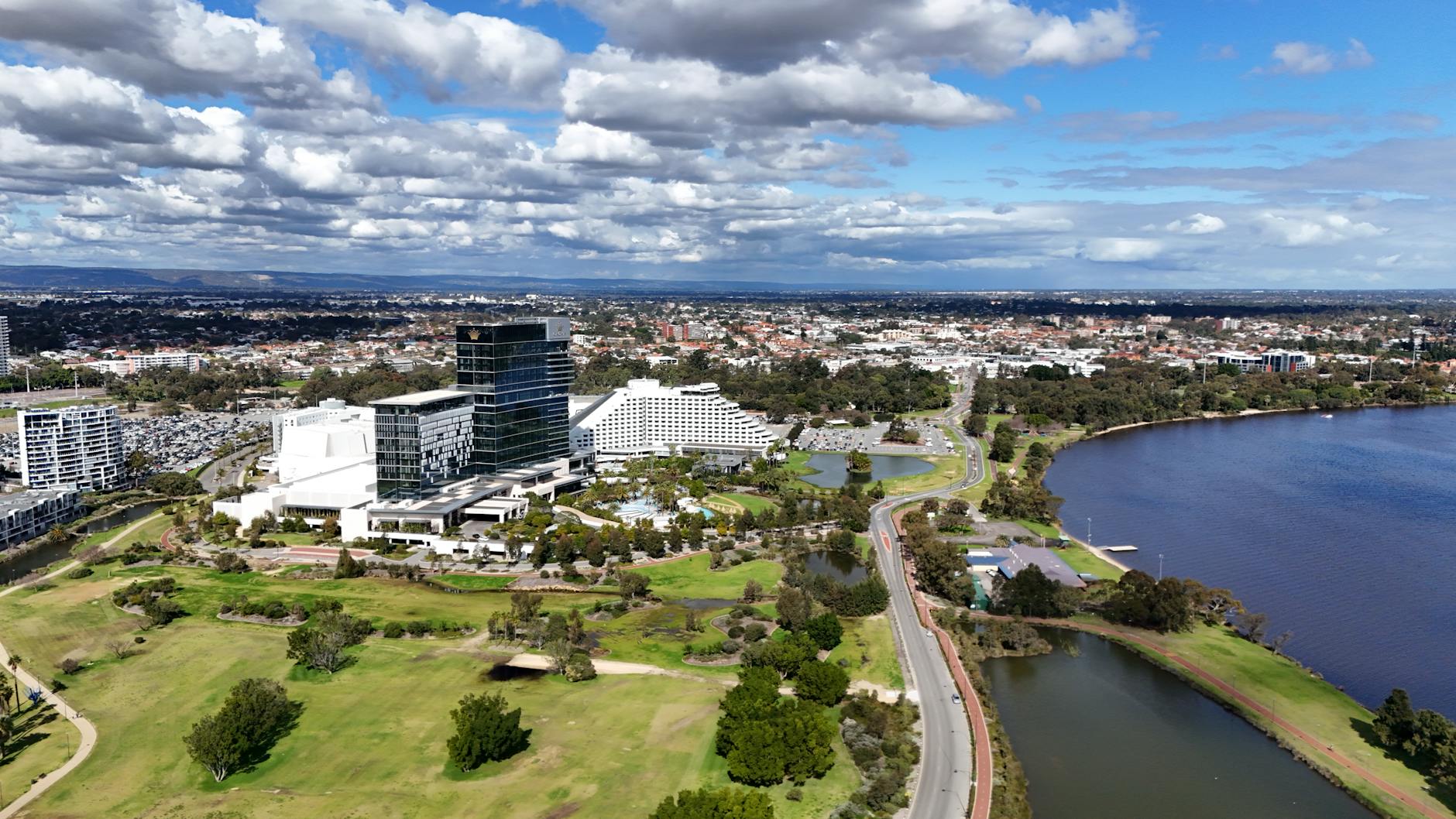
The first is the river. The Swan River is not just a pretty urban edge. It determines prestige, orientation, recreation, skyline logic, and the emotional structure of the city. If you ignore the river, Perth can feel oddly abstract. If you use it properly, the city becomes legible.
The second is the coast. Perth is not just inland central business district plus suburbs. The Indian Ocean coastline is part of the city’s identity, whether you touch it through Cottesloe, Scarborough, City Beach, or simply sunset logic.
The third is space. Perth’s scale is part of what makes it attractive and part of what makes it easy to use badly. Broad roads, spread-out neighborhoods, and long development lines can feel generous or inconvenient depending on whether the traveler has made intelligent choices.
The fourth is the western orientation. Perth feels culturally different from eastern Australia. There is less performative urgency, less inherited comparison anxiety, and often more straightforward enjoyment of weather, water, and good living. That does not make the city unserious. It gives it a different confidence.
The fifth is excursion gravity. Fremantle, Rottnest, the Swan Valley, and larger Western Australia routes all pull on the city. This can enrich the trip or dilute it. The quality question is whether Perth remains a destination or gets demoted to accommodation.
The Five Perths A Visitor Actually Meets
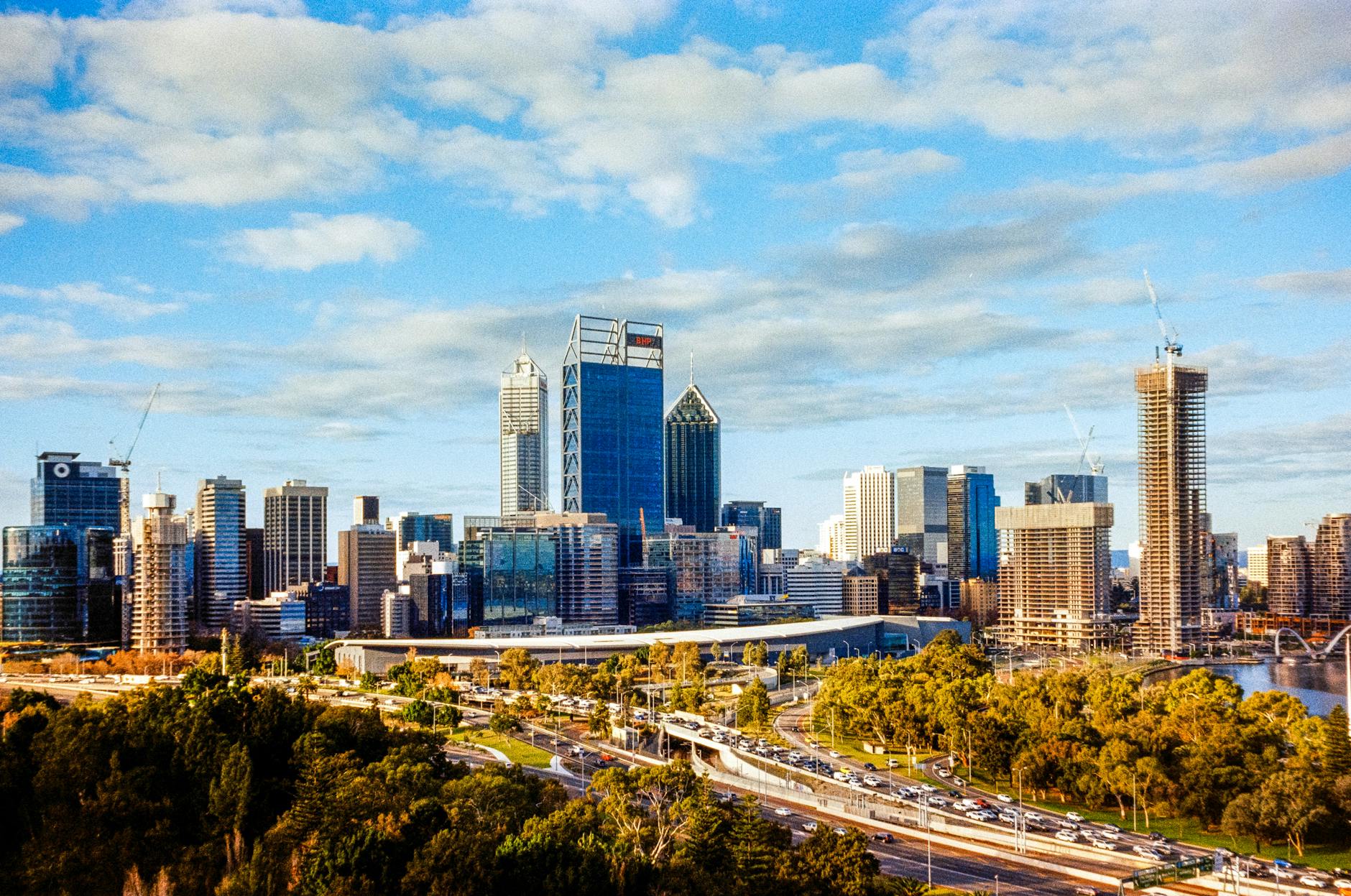
Central Perth: office towers, riverfront edges, Elizabeth Quay, the State Buildings, shopping core, and the practical heart of most first stays.
Northbridge Perth: food, bars, late-night energy, galleries, the Cultural Centre, and the part of the city that feels most visibly social.
Park Perth: Kings Park, river views, open air, memorials, and the spacious civic side of the city.
Coastal Perth: beaches, sunset culture, surf-adjacent public life, and the looser edge of the metropolitan identity.
Port Perth: Fremantle, maritime history, markets, prison history, and a more textured, older, saltier extension of the main city story.
The Main Mental Shift
Do not ask, "How quickly can I cover Perth?" Ask, "What kind of western-Australia city days does Perth do especially well?" That is the right framing. The answer usually involves one river day, one culture-and-food day, one coast or Fremantle day, and at least one stretch where the city is allowed to feel easy rather than conquered.
What Perth Does Better Than People Think
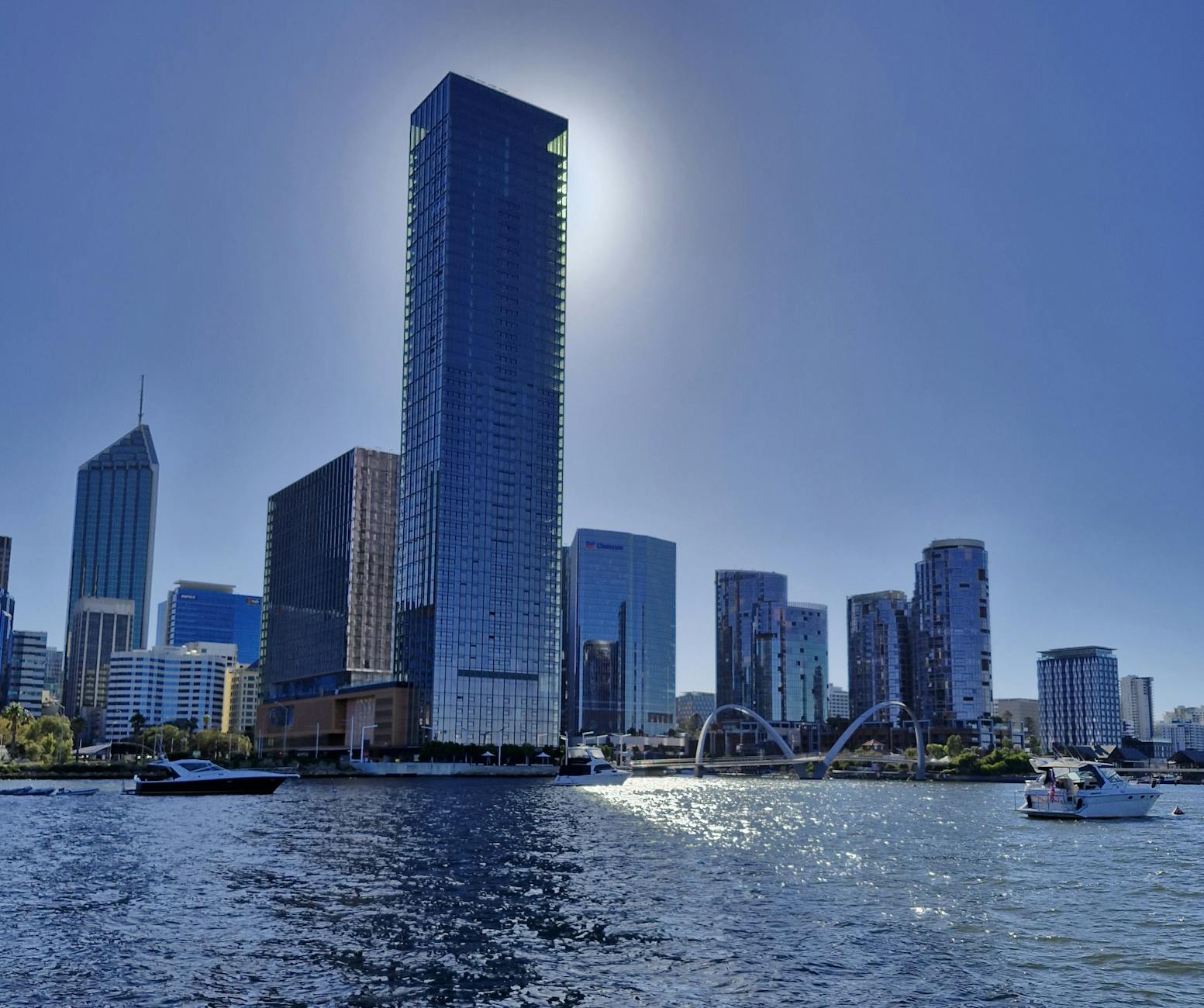
Perth is very good at clarity. The city often feels physically and mentally cleaner than larger Australian counterparts. Streets are broader, the sky is bigger, public areas breathe, and the traveler can often understand the day without spending half of it untangling transit or crowd friction. That matters more than many guidebooks admit.
It is also excellent at sunset urbanism. Some cities are morning cities, some are deep-night cities. Perth is one of the world’s more naturally gifted late-afternoon and sunset cities. Beaches, river edges, rooftop bars, and the whole mood of the place improve as the day leans west.
Another underrated strength is city-plus-nature integration without total wilderness theater. You can get a serious park, a real beach, a river walk, a ferry to an island, and a port district with strong identity, all without pretending you are doing some heroic outdoor expedition. Perth is great for people who like natural elements built into urban life rather than set apart from it.
Perth is also better than many first-time visitors expect at casual luxury. The city does not always shout about refinement, but good hotels, good seafood, strong wine programs, polished service, and expensive real estate logic are all there. It is a city that can do laid-back well-appointed travel without becoming fussy.
Finally, Perth is strong at being restorative. That sounds soft, but it is real. Travelers coming off harder itineraries often feel better here. The city gives back energy rather than constantly taking it.
Best Time to Visit Perth
Perth is a year-round destination, but it is not season-neutral. The relationship between city, coast, and comfort changes a lot over the year.
Best Overall Months
March, April, October, and November are usually the most rewarding months for first-timers. You get warmth, light, and outdoor usability without the heaviest summer penalty or the wettest winter rhythms.
Summer
Summer brings the classic Perth image: beach weather, long light, outdoor evenings, and extremely photogenic coastal life. The tradeoff is heat. Dry heat can still be draining, especially if you have designed the trip as though it were a cool-weather walking capital. Summer Perth works best when mornings are active, middays are paced intelligently, and evenings do the emotional heavy lifting.
Autumn
Autumn is one of Perth’s smartest seasons. The city usually keeps much of its brightness and outdoor ease, but the temperature burden drops. This is a very strong time for city-and-coast hybrids, Fremantle days, and visitors who want Perth to feel polished rather than punishing.
Winter
Winter is milder than many international travelers expect, but it is also wetter and less beach-centered. If your trip is food, city walking, Kings Park, museum time, and a broader Western Australia route, winter can still work very well. If your main dream is endless Indian Ocean swim culture, it is not the optimal season.
Spring
Spring is another excellent period: warmth returns, the city opens up again, and Perth often feels especially balanced. For many travelers this is the cleanest mix of comfort and atmosphere.
Month-by-Month Guidance
December: bright, festive, increasingly hot, and often fun if you build around evenings. January: strong beach season, but serious heat can flatten weak itineraries. February: still very summery, slightly easier than January for some travelers. March: one of the best all-round months. April: excellent for mixed city, coast, and excursion planning. May: cooler, calmer, often strong for city travelers. June: mild but wetter; good for low-key urban routes and road-trip openers. July: winter mode, best for travelers who care more about comfort than swimming. August: still wintery but often very usable. September: transitional, often appealing, increasingly pleasant outdoors. October: one of the strongest first-time months. November: another excellent broad-appeal choice.
How Many Days You Need
One Day
Enough for a first impression of the CBD, Kings Park, or Fremantle, but not enough to understand Perth as a city rather than a postcard sequence.
Two Days
The minimum respectable stay. One day should be city-led. The second can be Fremantle, Rottnest, or a coast-focused plan, but not all at once.
Three Days
Very good for a first visit. This gives space for central Perth, one extension day, and one river-or-coast day without making everything feel squeezed.
Four To Five Days
The sweet spot if Perth is the real destination. You can do the city, Fremantle, one beach session, one major excursion, and still leave room for meals, weather, and slowdown.
One Week
Excellent if Perth is the anchor for a wider Western Australia route or if you want both Perth and Fremantle to breathe as separate experiences.
Where to Stay in Perth
Where you stay matters more than first-time visitors think. A strong Perth base creates elegance. A weak Perth base creates car dependence, sun exposure, and the constant feeling that everything interesting is one more transfer away.
Fast Answer
For most first-time visitors, stay in the CBD, especially on the Elizabeth Quay, St Georges Terrace, or State Buildings side of the center. Stay in Northbridge if nightlife and restaurant density matter more than polished urban calm. Stay in Fremantle if your trip is really about the port and coast rather than central Perth. Stay in Cottesloe or Scarborough only if you are intentionally building a beach-forward trip.
Neighborhood Decision Table
| Traveler Type | Best Area |
|---|---|
| First-time visitor | CBD or Elizabeth Quay side of central Perth |
| Couple weekend | CBD luxury core, riverside central stay, or polished Fremantle |
| Food-and-bars trip | Northbridge or central Perth with easy Northbridge access |
| Family | CBD, East Perth edge, or apartment-style lodging with easy transit |
| Beach-first stay | Cottesloe or Scarborough |
| Perth plus Fremantle split stay | 2 nights Perth, 1 to 2 nights Fremantle |
| Car-heavy wider WA trip | Practical CBD fringe or East Perth with parking |
CBD
Best for: first-timers, short stays, polished city breaks, and travelers who want easy public transport.
Why it works: airport rail access, river proximity, shopping, hotel range, walkability, and the cleanest route to Elizabeth Quay, the State Buildings, and Northbridge.
Tradeoff: some parts can feel businesslike, and not every block has evening personality.
Elizabeth Quay / Riverside Side
Best for: travelers who want Perth to feel immediately scenic and legible.
Why it works: river views, easy orientation, sunset access, and a more obviously leisure-facing version of central Perth.
Tradeoff: can feel a little less textured than older city fabric.
Northbridge
Best for: food, nightlife, and travelers who want the social version of Perth.
Why it works: restaurant density, bars, Cultural Centre access, and more visible evening energy than much of the CBD.
Tradeoff: not every visitor needs to sleep in the most active part of town to enjoy it.
East Perth
Best for: slightly quieter stays, apartment options, and some parking practicality.
Why it works: good for longer stays and some families, with decent access into the center.
Tradeoff: less atmospheric for a first-timer who wants immediate Perth identity.
Fremantle
Best for: heritage, maritime atmosphere, markets, and a distinct place-based stay.
Why it works: Fremantle feels like a destination, not just a suburb. It can support a real stay.
Tradeoff: if you sleep here without understanding how much city time you are giving away, Perth itself can become thinner than intended.
Cottesloe and Scarborough
Best for: travelers whose main relationship to Perth is beach, not downtown.
Why they work: ocean access, sunset culture, and a cleaner vacation tone.
Tradeoff: less efficient for central-city sightseeing and museum or dining circuits.
Area Profiles
Central Perth
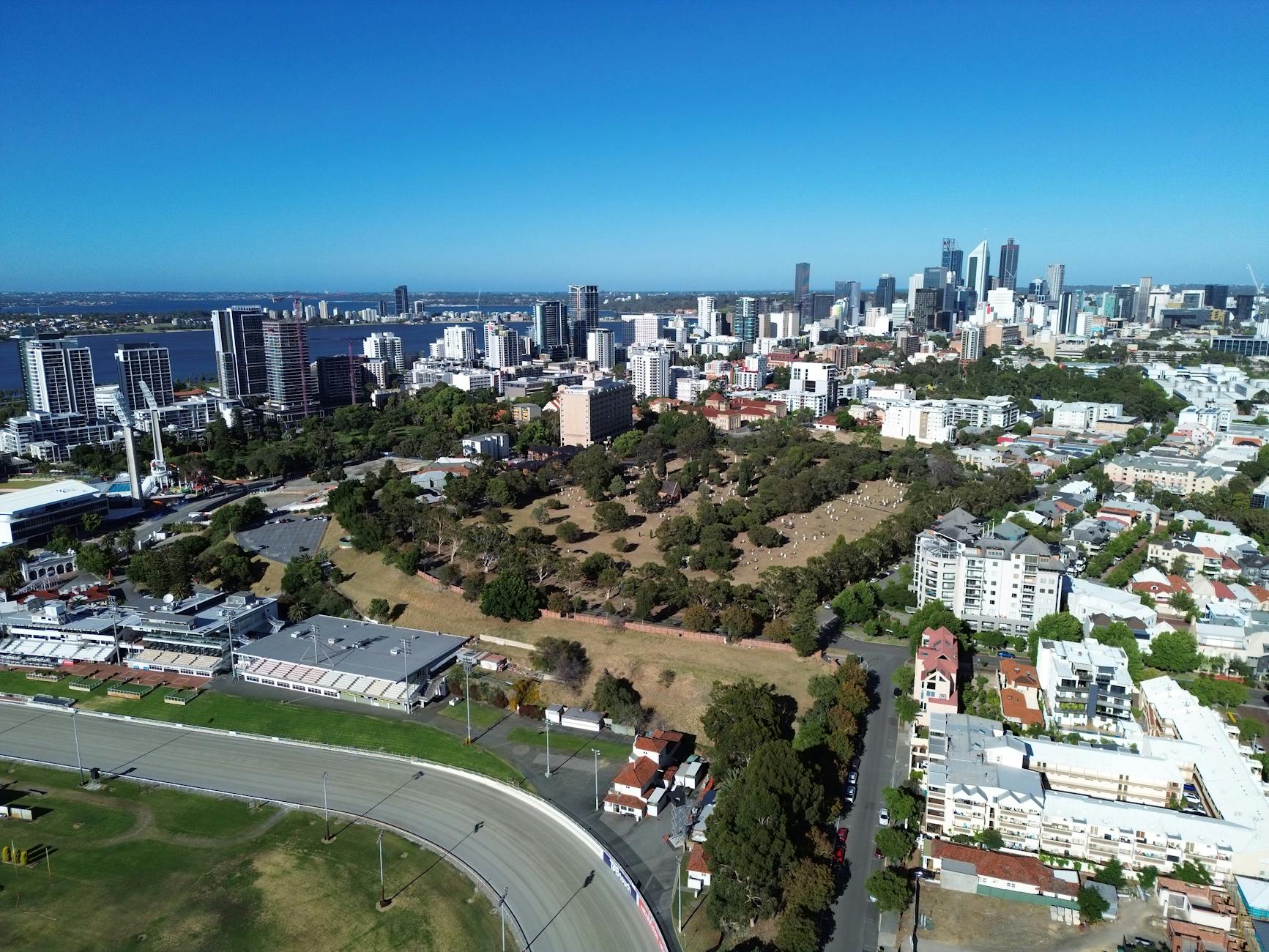
The CBD is more usable than romantic, but in the right pockets it works very well. It is cleaner and less chaotic than many major downtowns, and it gives you the practical spine of the trip.
Elizabeth Quay
This is the river-facing, visitor-legible front room of Perth. It can feel a little master-planned, but it is still useful and often beautiful at the right time of day.
Northbridge
The city’s easiest concentration of food, bars, and cultural spill. More energy, more character, and often the best zone for evening decisions.
Kings Park
Not a side note. This is one of Perth’s defining civic landscapes and one of the clearest explanations of why the city feels the way it does.
Fremantle
A historic port city with enough identity to deserve its own gravity. Maritime, cultural, slightly rougher-edged than polished central Perth, and often the most memorable part of a first trip.
Coastal Perth
Less one neighborhood than a category of experience: beach walks, surf-adjacent life, sunset drinking, and a reminder that Perth is an Indian Ocean city, not merely a downtown.
Neighborhood Guide: Where to Explore, Not Just Sleep
State Buildings and Cathedral Precinct
This part of the CBD gives Perth more depth than casual visitors expect. Hotels, dining, restored architecture, and civic presence all come together well here.
Northbridge
Use it deliberately, especially for dinner and drinks. It is the part of Perth most likely to make first-time visitors revise the idea that the city lacks urban pulse.
Perth Cultural Centre
Anchor this with Boola Bardip, the Art Gallery side of town, and an understanding that Perth does have meaningful institutional culture if you actually show up for it.
Elizabeth Quay and Riverside Walks
Strong for orientation, river light, and opening or closing a day. Less interesting if treated as a standalone attraction.
Kings Park and Fraser Avenue Side
Best approached slowly. Perth needs at least one moment where the city, river, and bigger western landscape relationship become visually obvious.
Fremantle Core
Markets, prison history, port atmosphere, old streets, and one of the most fully formed urban districts in Western Australia. Give it time.
Cottesloe
Elegant, beach-polished, and easy to understand. Good for travelers who want the classic Perth coast without too much edge.
Scarborough
More energetic and overtly beachfront. Better if you want visible beach culture rather than just a refined coastal interlude.
The Best Things to Do in Perth
1. Build One River-City Day Properly
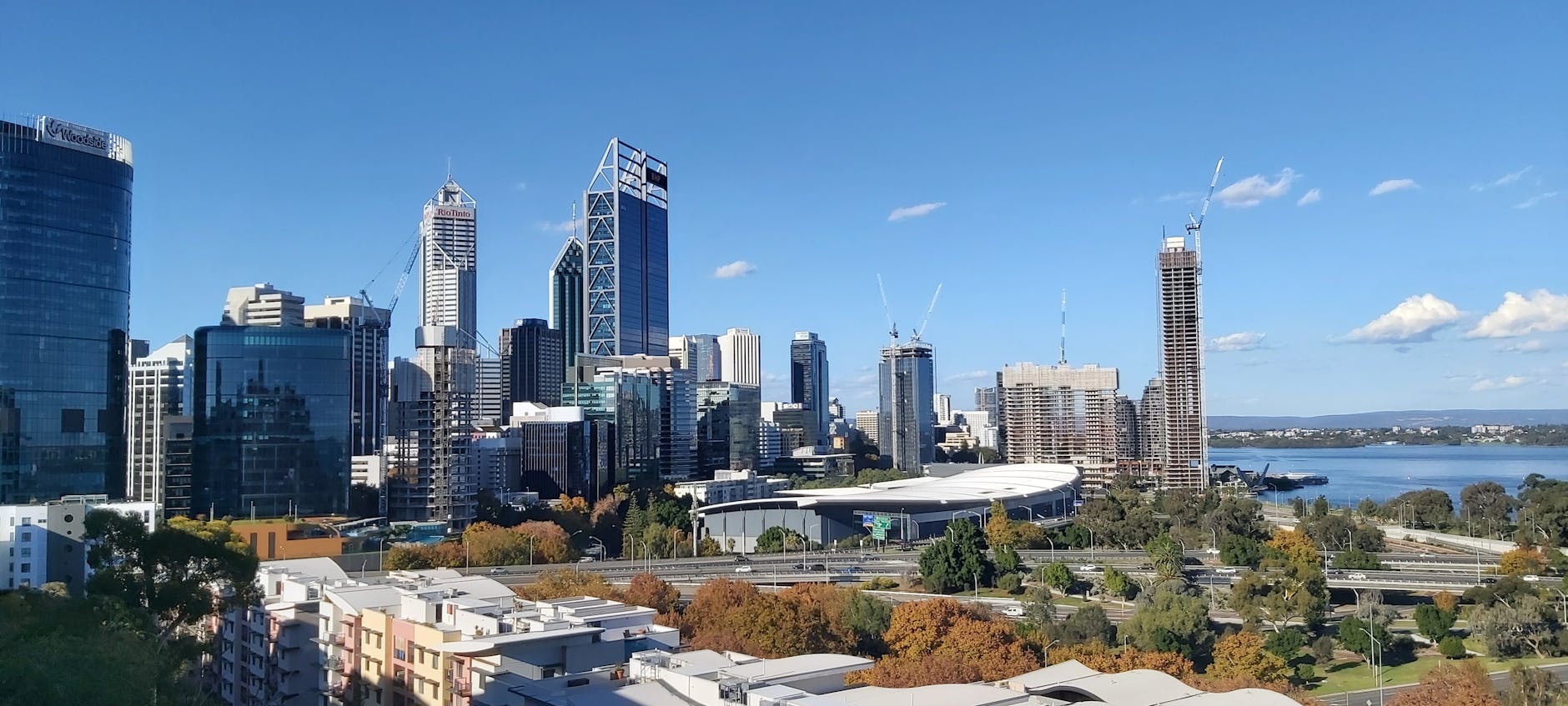
Use the CBD, Elizabeth Quay, a river walk, a good lunch, and a well-timed evening. Perth often makes the most sense when the river is part of the day’s structure.
2. Go To Kings Park With Real Attention
Do not just tick it off from a lookout. This is one of the best big inner-city parks in Australia and one of the clearest expressions of Perth’s spaciousness.
3. Give Fremantle Most Of A Day
Fremantle is not a decorative add-on. It is one of the strongest urban experiences in the metro orbit.
4. Use WA Museum Boola Bardip Intelligently
This museum is excellent for orientation, culture, and understanding Western Australia beyond beaches and mining headlines.
5. Do One Proper Beach Session
Even if you are not building a beach holiday, Perth deserves at least one coast block, ideally late afternoon into sunset.
6. Take Rottnest Seriously If You Go
Rottnest can be superb, but it needs enough time and a realistic departure plan. A badly planned Rottnest day mostly teaches you how long ferry logistics take.
7. Eat In Northbridge Or Nearby With Intention
Perth’s food scene is better than its old reputation. Northbridge is one of the fastest ways to feel that.
8. Let Sunset Matter
This sounds obvious, but Perth is unusually good at end-of-day. Design at least one or two evenings around it.
9. Use Public Transport In The Center
The Airport Line and free CAT buses make the city easier than many people assume. Use what the city gives you.
10. Consider A Two-Base Perth And Fremantle Split
For longer stays, this can be one of the smartest ways to stop either side of the metro area from feeling diluted.
Itineraries
One Excellent Day In Perth
Start in the CBD or State Buildings precinct, move through Boola Bardip or Kings Park depending on weather and mood, use Elizabeth Quay or the riverfront late, then finish with dinner in Northbridge or central Perth.
Two Days
Day 1: central Perth, Kings Park, river, and a serious evening meal. Day 2: Fremantle, or Rottnest if that is the clear priority and you accept that it takes the whole day.
Three Days
Day 1: central Perth and river logic. Day 2: Fremantle plus coastal time if energy allows. Day 3: Kings Park, museum, or beach-led day depending on season and weather.
Four To Five Days
Add Rottnest or the Swan Valley, and perhaps one split-base night in Fremantle or at the coast if your hotel strategy supports it.
One Week
Use Perth as a generous anchor with Fremantle, Rottnest, one beach block, and either Swan Valley or the front end of a longer Western Australia road route.
Itineraries By Traveler Type
First-Timer
Stay central. Do one Perth city day, one Fremantle day, one coast or Kings Park and museum day, and one optional excursion day if you have time.
Couple Weekend
Choose a polished hotel, build one good sunset, one great dinner, one Fremantle block, and one river-or-coast afternoon with no hurry.
Food Traveler
Northbridge, selected CBD dining, one market or produce-driven meal, and perhaps Fremantle for a different flavor of Western Australian hospitality.
Family
Keep the hotel practical. Use Kings Park, the museum, river edges, and either a calm beach or ferry day. Avoid overbuilding the schedule.
Wider WA Starter
Use Perth to reset from the flight, get one real read on the city, then expand outward once you have actually landed mentally.
Food and Drink
Perth’s food scene is stronger than the old stereotypes suggest. The city benefits from Western Australia’s produce, seafood, wine regions, and a population that expects good casual dining rather than ceremonially difficult dining.
What To Prioritize
Prioritize places that feel grounded in Western Australian product and climate. Prioritize lunch and dinner in districts that actually support a mood, not just a table. Prioritize one or two thoughtful meals instead of chasing volume.
Best Food Zones
Northbridge: the most obvious concentration of restaurant variety and evening energy. CBD and State Buildings orbit: better than many visitors expect, especially for polished meals and bars. Fremantle: worthwhile for a different, saltier, more port-oriented feel. Beach precincts: best when the weather and timing are on your side, not automatically because there is a sea view.
Restaurant Strategy
Book key dinners on weekends, particularly in stronger seasons. Perth is not a city where the entire market is infinite. Good places fill, especially when weather drives everyone outdoors at once.
Drinks
Perth is good at clean, civilized drinking rather than maximalist nightlife performance. Wine, cocktails, beer gardens, and sunset-adjacent bars all make sense here. The best move is usually one strong bar stop rather than a long crawl.
Coffee and Mornings
The coffee culture is competent enough that you should not settle for bad mornings. Perth is often at its calmest and most attractive in the earlier part of the day before heat or excursion churn takes over.
Getting Around Perth
Airport To City
If you are arriving at T1 or T2, the Airport Line is usually the best public option. If you are arriving at T3 or T4, use the free 292 shuttle to connect with the Airport Line at Redcliffe rather than assuming you need a taxi by default.
Walking
Walking works well in focused zones such as the CBD, Northbridge, riverside stretches, and Fremantle core. Walking fails when visitors underestimate distance and sun.
CAT Buses
One of the most useful visitor tools in Perth. Free, central, and ideal for reducing friction inside the city center.
Regular Trains And Buses
Perth’s network is useful for Fremantle, airport access, and some coastal or suburban connections, but city quality still depends on staying in the right place and not asking transit to compensate for a poor base.
Taxis And Rideshare
Useful when weather, timing, or suburban spread starts to make purity about public transport feel performative.
Car Hire
Not necessary for a short central Perth stay. Very useful if your actual trip is broader Western Australia, multiple beaches, the Swan Valley, or a southbound regional route.
Budget and Costs
Perth can be expensive, especially for quality accommodation and anything that leans on water views, beach prestige, or polished service. That said, the city often feels like decent value once you judge it by ease and atmosphere rather than by raw sticker prices.
What Costs More Than Some Visitors Expect
Good hotels, better dining, and coast-adjacent or river-adjacent premium experiences.
What Feels Worth It
A strong central or Fremantle base, one very good meal, a well-timed island or coast day, and not having to repair a weak location choice with constant transport spending.
What Feels Like Better Value
Public space, Kings Park, river walks, CAT buses, and the city’s ability to deliver clean urban pleasure without charging admission every hour.
Worth The Splurge
Riverside or central luxury hotel rooms, a serious dinner, a smart split stay, or a carefully chosen Rottnest day with the right departure point.
Usually Not Worth It
Saving money by sleeping in a place that hollows out the trip, booking the wrong beach district for your real goals, or trying to "do it all" with expensive day-to-day transport corrections.
Safety, Weather, and Practical Reality
Perth is broadly easy and broadly safe, but its practical challenges are environmental and spatial more than urban-crime driven.
Sun Is The Main Operational Fact
This matters. Perth’s brightness can make people feel more comfortable than they should. Water, hats, shade planning, and midday realism matter much more than many first-time visitors expect.
Heat Changes Ambition
In hotter months, a good itinerary is often less ambitious on paper and much better in lived experience.
Distances Are Real
You can waste a lot of time in Perth by behaving as though all attractive things sit next to each other. They do not.
General Urban Safety
Standard city awareness is enough for most travelers. Perth’s bigger risk to trip quality is tiredness, sun, overdriving, and bad sequencing, not constant threat.
Accessibility
Perth can work relatively well for travelers with accessibility needs, especially in the center and at larger institutions, but some heritage and coast areas require more deliberate planning.
Easier Areas
Central Perth, Elizabeth Quay side spaces, large hotels, Boola Bardip, and many modern public areas.
Harder Areas
Some beach access points, older Fremantle fabric, certain long walks in Kings Park, and any plan that assumes the city is flat and compact everywhere.
Practical Moves
Choose location carefully, do not hesitate to use short rides instead of forcing difficult transfers, and check attraction-specific accessibility details in advance for beaches, ferries, and heritage sites.
Families, Solo Travelers, and Special Considerations
Families
Perth works well for families because it offers space, parks, museums, beaches, and clear routing. It is strongest for families who like varied days rather than nonstop children’s entertainment infrastructure.
Solo Travelers
Very good fit. Central Perth is navigable, public transport is useful, and the city is comfortable for people who want to eat, walk, and explore alone without friction.
Couples
One of Perth’s strongest categories. River light, coast, Fremantle, strong hotels, and sunset-driven dining all combine well.
Winter Travelers
Winter can still be rewarding if your image of Perth is city ease rather than constant ocean swimming.
Shopping and Souvenirs
Perth is not the place to chase vast retail drama. Shop for local relevance, design, produce, books, and objects that feel Western Australian rather than globally interchangeable.
What To Buy
Wine, local food products, design goods, books, ceramics, indigenous art from reputable sources, and practical objects that actually suit the region.
Best Shopping Zones
Central Perth, selective Northbridge pockets, Fremantle, and refined precincts rather than anonymous mall-only logic.
What To Avoid
Filler souvenirs purchased because the city’s clean aesthetic made them seem more meaningful than they are.
Culture, History, and Local Context
Perth stands on Whadjuk Noongar Country and is widely known by the Noongar name Boorloo. Any serious understanding of the city should begin there rather than with colonial riverside narratives alone.
The colonial city that developed here was shaped by isolation, river geography, prison and port histories, resource wealth, migration, and the long logic of being the capital of an enormous state. Perth’s relationship to mining and extraction is part of its built form, money, and confidence, but so are migration, education, tourism, and a civic investment in public landscapes that gives the city more grace than outsiders sometimes expect.
Fremantle adds another layer: maritime trade, labor history, colonial imprisonment, and one of the more textured old urban districts in Australia. Meanwhile central Perth has grown into a cleaner, more modern business city that can initially look less romantic than it is. That is why institutions like Boola Bardip matter. They help reveal that Western Australia’s story is bigger, more varied, and more intellectually serious than a surface reading of the skyline suggests.
Perth is also one of those cities where indigenous naming and public language are increasingly visible in ways visitors should notice respectfully. Boorloo is not a branding flourish. It is part of the city’s older truth.
Beaches and Water
Perth’s water life is part of the point. The city is not complete without some relationship to either the river or the ocean, and ideally both.
Best First Beach Choice
Cottesloe is the easiest classic answer. It is elegant, accessible, and gives many first-time visitors exactly the version of Perth’s beach life they came hoping to find.
Best More Energetic Beach Choice
Scarborough is stronger if you want a visibly active beachfront with more scene.
River Versus Ocean
Do not force a false choice. The river explains the city. The ocean explains the western edge. A strong Perth trip uses both.
Sunset Rule
Try not to waste your best sunset on an administrative errand or mediocre indoor dinner. Perth is too good at west-facing evening light for that.
Day Trips and Side Trips
Fremantle
Technically within the metro network, but strong enough to count as one of the city’s essential extensions.
Rottnest Island
Excellent if you have the day and route it properly. Less excellent if you are trying to prove efficiency instead of actually enjoying the island.
Swan Valley
A useful wine-and-produce option for travelers who want a softer, closer regional outing.
Cottesloe Or Scarborough As Half-Day Coastal Plays
Not every extension needs to be a full expedition. Perth’s best shorter add-ons are often just strategic coast time.
Broader Southbound Or Northbound WA
Perth is an effective launch city for larger state travel, but that should be a reason to respect the city, not erase it.
What To Skip, or Treat Carefully
Skip Treating Perth As Empty Because It Is Spacious
That is one of the most common outsider mistakes.
Skip Handing Every Good Day To Excursions
If Perth itself only gets sleep and breakfast, then you did not really take a Perth trip.
Skip Underestimating The Sun
The weather is part of the luxury and part of the threat to weak planning.
Skip Sleeping In The Wrong Place To Save A Little Money
Perth punishes poor base decisions through distance more than many visitors expect.
Skip Forcing Rottnest Into A Too-Short Stay
It is better to leave Rottnest for next time than to let it flatten everything else.
Skip Assuming The Beach Is Always The Best Perth Answer
Sometimes the best version of Perth is actually river, park, museum, and evening dining.
Common First-Timer Mistakes
- Staying too short and then calling the city thin.
- Designing a trip around map logic instead of lived distance.
- Underestimating heat and sun.
- Treating Fremantle as a decorative half-day.
- Using Rottnest as a reflex rather than a choice.
- Sleeping too far from the city or coast you actually want to use.
- Forgetting that Perth often peaks late in the day.
- Assuming the CBD alone explains the city.
- Ignoring Kings Park or reducing it to a five-minute lookout.
- Trying to make Perth behave like Sydney or Melbourne.
Responsible and Respectful Travel
Respect Country, water, and climate. Learn enough about Whadjuk Noongar Country and the name Boorloo to understand that Perth’s public landscapes sit within a much older story than its colonial architecture or business district.
At beaches and islands, travel gently. Follow local guidance, respect conditions, and avoid treating fragile or culturally meaningful spaces as mere lifestyle backdrops. Support local producers, indigenous-owned or indigenous-led cultural work where appropriate, and operators that actually reflect the place rather than generic tourism packaging.
The Three Perths Most Travelers Need To Choose Between
One reason people sometimes leave Perth unconvinced is that they accidentally try to take three different trips at once. The first is central Perth, which means the CBD, river, Kings Park, Northbridge, and the city’s clean modern urban core. The second is coastal Perth, which means Cottesloe, Scarborough, sunset logic, and a more overtly leisure-driven version of the metro area. The third is Fremantle-and-beyond Perth, which means the port, maritime texture, and the whole west-coast idea of branching into island or regional movement.
The important thing is not that you pick only one. It is that you know which one is leading. If central Perth is leading, then your hotel, museum time, dining, and river structure should reflect that, and the beach becomes a smart supporting move. If the coast is leading, your stay should admit that and stop pretending the CBD is the emotional center of the trip. If Fremantle is leading, then Perth itself may need either a split stay or at least a more disciplined understanding of how much time the port and ferry logic actually consume.
The weak Perth itinerary treats all three as though they were one compact unit. They are not. The strong Perth itinerary lets one version of the city dominate, then uses the others selectively. That makes the whole metro area feel coherent rather than scattered.
What Makes Perth Distinct Within Australia
Perth is not just another Australian city with a river and a few beaches. It feels different from the east in ways that are both obvious and hard to summarize. Some of that is geography. The city’s isolation changes its temperament. Some of it is climate and light. The west-facing evening and the dry clarity of many days give the city a visual register that feels more spacious and less humidly compressed than Brisbane or more theatrically scenic than parts of Sydney.
But the deeper difference is psychological. Perth is less argument-driven than Melbourne, less icon-driven than Sydney, and less eager to prove itself than many outside observers expect. That can look like passivity from a distance. In person it often feels like confidence. The city does not need to manufacture density to convince you it exists. It assumes that weather, water, comfort, and steady prosperity are part of the value proposition.
That is also why Perth can be so good for people coming off harder itineraries. The city gives back energy. It lets travelers recover without dropping into total dullness. You can still have strong meals, good hotels, real neighborhoods, and proper cultural stops, but the overall urban metabolism is less punishing. That restorative quality is one of Perth’s most distinctive strengths and one of the reasons it tends to improve on repeat visits rather than disappoint once the novelty wears off.
FAQ
Is Perth worth visiting on its own?
Yes, especially for 3 to 5 days done intelligently.
How many days should I spend in Perth?
Three full days is a strong first stay. Four or five is better if Perth is the real destination.
Is Perth walkable?
In selected districts, yes. As a whole-city concept, not in the lazy sense many first-timers imagine.
Do I need a car?
Not for a central city stay. Often yes for a broader Western Australia trip.
Is Fremantle worth it?
Absolutely. For many travelers it becomes one of the highlights.
Is Rottnest worth it?
Yes, if you give it enough time and use the right departure logic.
What is the best area to stay?
CBD or Elizabeth Quay side of central Perth for most first-timers.
What is the best beach for first-timers?
Cottesloe is the safest classic answer.
When is the best time to go?
March, April, October, and November for broad first-time appeal.
Final Planning Shortcuts
Best First-Timer Plan
Stay central, give one day to Perth itself, one to Fremantle, and one to coast, park, or museum depth depending on season.
Best Couple Plan
Choose a strong hotel, one sunset beach or river evening, one excellent dinner, one Fremantle block, and one low-pressure central city day.
Best Short-Stay Plan
Do not attempt Perth, Fremantle, Rottnest, and every beach in two days. Choose depth over coverage.
Best Family Plan
Use a practical central base, favor Kings Park and the museum, and add either Fremantle or a beach, not an entire metropolitan conquest.
Best WA Starter Plan
Land, reset, understand Perth for at least one real day, then begin the longer route once the trip actually feels underway.
Source Notes
- 1. Perth Airport, "Public Transport." https://www.perthairport.com.au/to-and-from-the-airport/transport-options/public-transport
- 2. Transperth, "Transit Zones." https://www.transperth.wa.gov.au/Tickets-Fares/Free-Travel/Transit-Zones
- 3. Transperth, "CAT Timetables." https://www.transperth.wa.gov.au/timetables/cat-timetables
- 4. Rottnest Island, "Getting Here By Ferry." https://www.rottnestisland.com/visit/getting-here/by-ferry
- 5. WA Museum Boola Bardip, "Plan Your Visit." https://visit.museum.wa.gov.au/boolabardip/