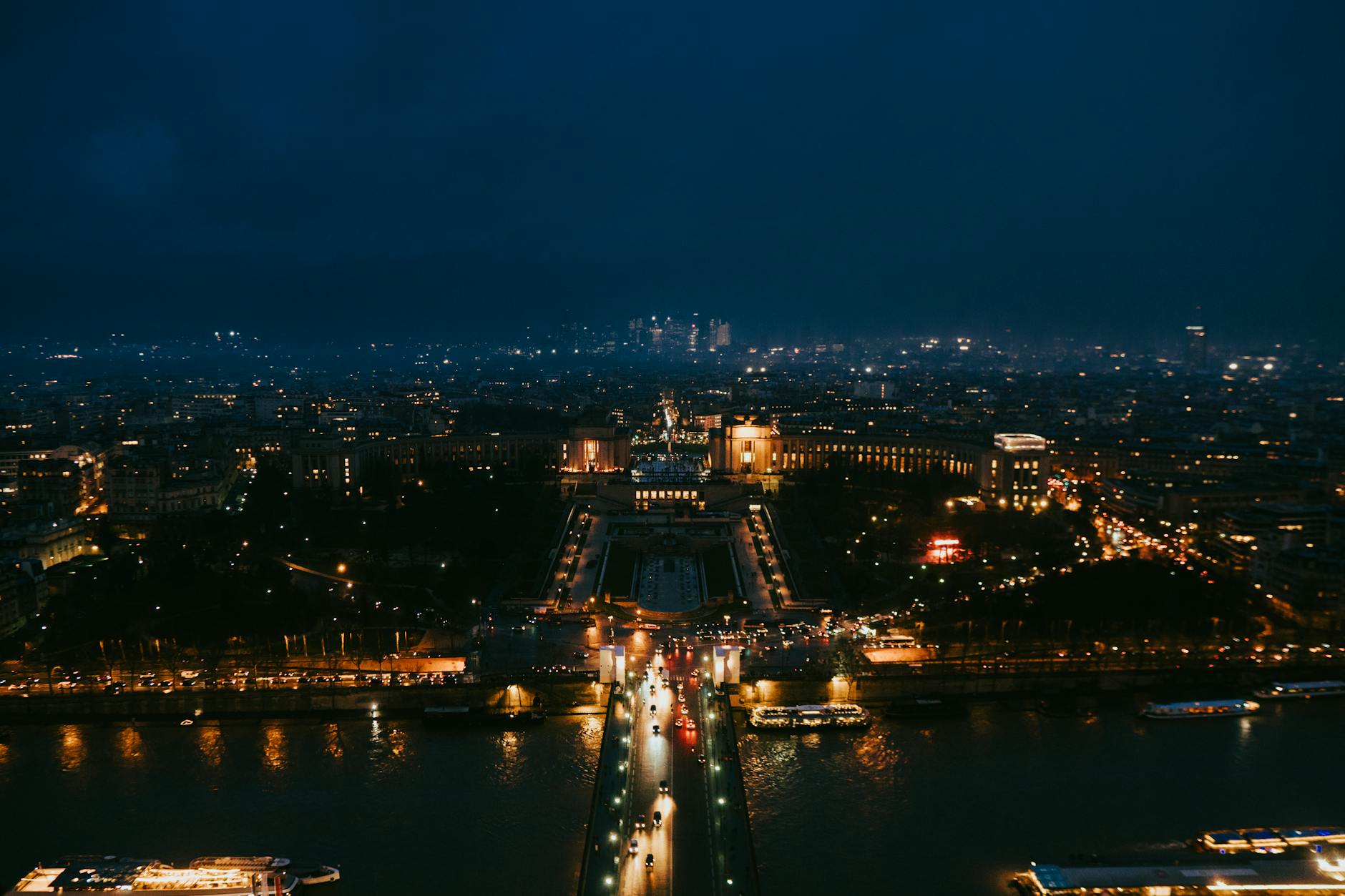
An opinionated, practical, culturally literate guide to the city: where to stay, how to plan your days, what is worth booking, what to eat, what to skip, and how to experience Paris as more than a set of monuments.
Start Here
Paris is not difficult because it lacks things to do. Paris is difficult because it has too many versions of itself: imperial Paris, medieval Paris, literary Paris, fashion Paris, food Paris, revolutionary Paris, museum Paris, village Paris, cinematic Paris, and everyday Paris, where people are just trying to get to work, buy bread, drink coffee, argue about politics, and get through the day without another tourist stopping dead in a doorway.
The wrong way to visit Paris is to treat it like a checklist. Eiffel Tower. Louvre. Notre-Dame. Montmartre. Versailles. Macarons. Done. That trip will produce photographs, but it may not produce much feeling.
The better way is to build each day around one major anchor, one neighborhood, one meal, and one unscheduled walk. Paris rewards focus. It punishes overreach. The city is dense, layered, and emotionally precise. You do not need to see all of it. You need to choose your Paris and give it room to work on you.
The city in one sentence: Paris is a city of grand public beauty and private daily rituals, best understood by pairing its monuments with its streets, markets, cafés, gardens, and neighborhoods.
Basic data
| Population | About 2.1 million |
|---|---|
| Area | 105 km2 |
| Major religions | Christian heritage, Muslim communities, and a strongly secular public culture |
| Political system | Mayor-council city government inside a unitary semi-presidential republic |
| Economic system | Advanced market economy built on luxury, tourism, finance, and services |
Quick Verdict
Best for: art, architecture, food, fashion, romance, walking, museums, history, parks, literary atmosphere, café culture, shopping, photography, and slow urban wandering.
Not ideal for: travelers who hate crowds, high prices, restaurant planning, compact hotel rooms, occasional service brusqueness, stairs, strikes, and the need to reserve major sights.
Ideal first visit: 4 to 5 days. Three days can work if you are disciplined. A week is better if you want museums, food, neighborhoods, Versailles or Giverny, and unhurried evenings.
Best time to visit: late April to June and September to early October for the best balance of light, weather, and city life. January, February, and November are better for lower hotel prices and museums. July and August can be beautiful but crowded, expensive, hot, and more uneven for restaurants because of summer closures.
Best first-time base: Saint-Germain, the northern Latin Quarter, the Marais, the 1st/2nd near the Louvre and Palais-Royal, or the 9th around South Pigalle / Saint-Georges if you want a livelier, more local-feeling base.
Biggest first-timer mistake: planning Paris by landmarks instead of by neighborhoods. You can waste an absurd amount of time crossing the city for isolated sights that would have been better grouped into coherent walking days.
One thing to book early: the Eiffel Tower if you want a summit ticket, the Louvre for a timed slot, Sainte-Chapelle during peak season, a serious restaurant, and Versailles if you are going on a fountain-show day.
One thing to leave unscheduled: the late-afternoon walk. Paris is at its best when you give yourself time to drift from a museum into a garden, from a garden to an apéro, from an apéro to dinner.
The move: Think of Paris days as small constellations, not scavenger hunts. Louvre + Palais-Royal + Tuileries + dinner in the 2nd is a real day. Eiffel Tower + Montmartre + Père Lachaise + Latin Quarter is not a plan; it is a subway endurance test.
How to Understand Paris
Paris Is Not One City
Paris is small by global-city standards, but it is dense with distinct worlds. A visitor can move from the Louvre’s ceremonial axis to the medieval streets of the Marais, from the academic Left Bank to the nightlife of the 11th, from village-like Montmartre to polished Saint-Germain, from the fashion houses of the 8th to the Chinese and Vietnamese restaurants of the 13th, from old aristocratic courtyards to canal-side picnics, all without leaving the city limits.
That density is both the pleasure and the trap. Everything looks close on the map. Not everything belongs in the same day.
The best Paris trips use three mental tools:
- The Seine: Paris is organized emotionally and geographically by the river. The Right Bank is larger, more commercial, more varied, and often more energetic. The Left Bank is smaller, more literary in myth, more academic in parts, and more residential in feeling once you move away from the monuments.
- The arrondissements: Paris is divided into 20 numbered districts spiraling clockwise from the center. Lower numbers are central, but “central” does not always mean “best.”
- The neighborhood day: The most satisfying days combine nearby sights with food, walking, and atmosphere.
Local logic: In Paris, distance is not the only question. Ask: Which side of the river? Which metro line? Is there a transfer? Is the walk pleasant? Is this area better in the morning, afternoon, or evening?
Paris Is Monumental and Intimate at the Same Time
The monuments are real. The Eiffel Tower really does have the power to stop you. The Louvre is not overhyped; it is just badly visited by people who try to “do” it in the wrong way. Notre-Dame still matters. Sainte-Chapelle can feel like being inside a jewel box. Versailles is an astonishing expression of state power and aesthetic control.
But Paris becomes addictive because of smaller things: zinc rooftops after rain, the sound of chairs scraping on café terraces, a good baguette still warm from the oven, the way a florist’s shop spills color onto the sidewalk, the calm geometry of the Luxembourg Gardens, the sudden view from Pont Alexandre III, the covered passages, the evening light on the Seine, the first sip of wine after a long museum visit.
A great Paris trip gives both scales their due.
Paris Has a Rhythm
Paris is not a 24-hour city in the way New York or Tokyo can be. Mornings can be quiet. Cafés and bakeries wake up first. Museums open mid-morning. Lunch still matters. Many shops and smaller restaurants close Sunday or Monday. Dinner is later than in the United States but usually earlier than Madrid. The city often feels most itself in the late afternoon and early evening, when work ends, terraces fill, and the light softens.
Museums have closure days. Restaurants have closure days. Strikes happen. Demonstrations happen. Public transportation is excellent but can be crowded, delayed, or rerouted. August can feel partly empty in local neighborhoods because many Parisians leave, while the monument zones remain full of visitors.
First-timer mistake: Booking every meal, museum, and attraction so tightly that there is no room for weather, fatigue, strikes, jet lag, or the simple pleasure of staying somewhere longer because it is good.
Paris Rewards Repetition
You do not need to constantly seek novelty. Some of the best Paris days repeat a pattern: walk, café, museum, garden, apéro, dinner, nighttime stroll. The city is built for this. A visitor who has one perfect morning in the Marais and one perfect afternoon in Saint-Germain may understand Paris better than someone who powers through twelve “must-sees.”
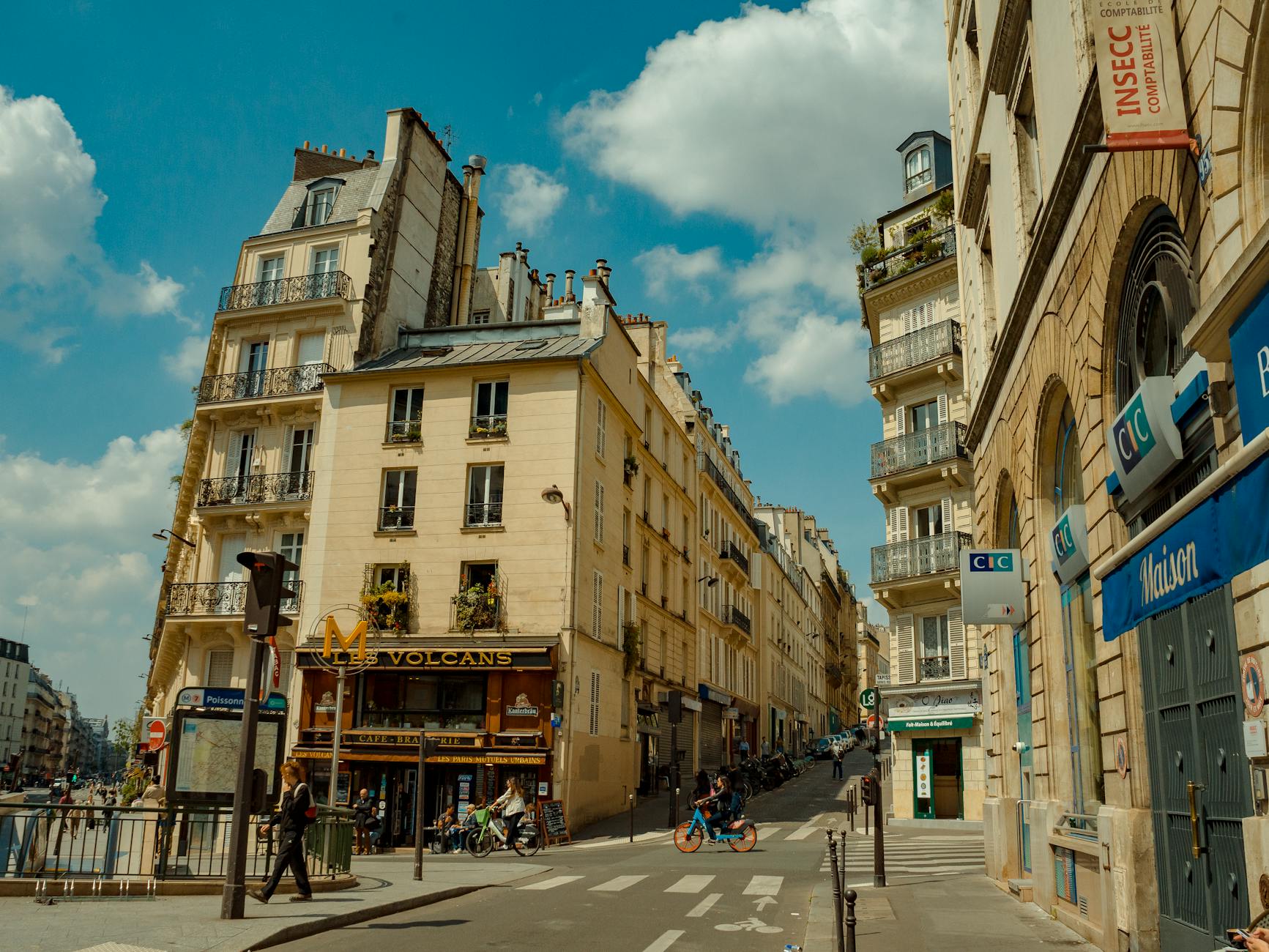
Paris at a Glance
| Category | Practical Answer |
|---|---|
| Country | France |
| Region | Île-de-France |
| Language | French; English is widely used in tourist-facing settings, but basic French courtesy helps |
| Currency | Euro |
| Payment | Cards are widely accepted; keep some cash for markets, small bakeries, tips, and emergencies |
| Emergency number | 112 works across the EU; 15 for medical emergency, 17 police, 18 fire |
| Tap water | Safe to drink |
| Main airports | Charles de Gaulle (CDG) and Orly (ORY); Beauvais is much farther and mainly used by low-cost carriers |
| Main train stations | Gare du Nord, Gare de l’Est, Gare de Lyon, Gare Montparnasse, Gare Saint-Lazare, Gare d’Austerlitz, Gare de Bercy |
| Best transport app | Île-de-France Mobilités, Bonjour RATP, Citymapper, Google Maps |
| Transit ticketing | Paper tickets are being phased out; use Navigo Easy or mobile tickets where possible |
| Typical first visit | 4–5 days |
| Best months | May, June, September, early October |
| Most crowded periods | Easter/spring breaks, May holidays, June, July, late December, major fashion/event weeks |
| Do you need a car? | No. A car is a liability inside Paris. Rent only for certain rural extensions. |
| Dress code | Casual-smart is safest. Parisians dress practically but rarely sloppily. Comfortable shoes matter. |
Entry and Border Basics
France is part of the Schengen Area. Visa requirements depend on your nationality and trip length. For short tourism visits, many travelers can enter visa-free for up to 90 days in a 180-day period, while others need a Schengen visa. France’s official visa site notes that border police may ask for a passport issued less than 10 years before and valid at least three months after the planned departure, plus proof of accommodation, sufficient funds, return/onward travel, and medical insurance where applicable.
As of this guide’s update, the EU Entry/Exit System has replaced manual passport stamping for many short-stay non-EU travelers at participating external borders, using biometric registration. ETIAS, the EU’s travel authorization for visa-exempt travelers, is expected to start in the last quarter of 2026. Do not pay third-party “ETIAS” sites before the official system opens.
The move: Check entry rules by nationality shortly before booking nonrefundable flights. France is easy for many visitors, but “easy” is not the same as “paperwork-free.”
Best Time to Visit
Paris is a year-round city, but the experience changes dramatically by season.
Best Overall: Late April to June
This is Paris in full seduction mode: long days, garden flowers, terrace life, spring light, and enough warmth to walk for hours. The trade-off is crowding and higher hotel prices. May has many public holidays and can create local closures or demand spikes. June is glorious but busy.
Best for: first-timers, couples, photographers, garden lovers, museum-plus-walking trips.
Watch out for: peak prices, popular sites booking out, and occasional rain.
Best Balance: September to Early October
September may be the best month in Paris if you like city life. Parisians are back from summer holidays, restaurants reopen, cultural programming resumes, and the weather is usually walkable. Early October can be superb, with autumn light and fewer summer crowds.
Best for: food, art, fashion, adult trips, long walks, first or second visits.
Watch out for: fashion-week hotel spikes, conference periods, and shorter days by October.
Best Value: January, February, and November
Paris is still Paris in winter. The museums are easier, restaurants feel cozier, hotel prices often soften, and the city’s gray beauty can be deeply atmospheric. The downside is short daylight, cold rain, and less garden life.
Best for: museum-heavy trips, repeat visitors, budget travelers, writers, solo travelers, and people who want Paris without the full crowd pressure.
Watch out for: closures, damp cold, and lower energy in some outdoor spaces.
Summer: July and August
Summer in Paris can be magical: long evenings, picnics along the Seine, open-air events, and late sunsets. It can also be hot, crowded, expensive, and surprisingly awkward if your favorite small restaurants or shops take August holidays.
Best for: families tied to school schedules, first-time visitors who can tolerate crowds, outdoor evenings, and travelers combining Paris with Normandy, Provence, or the Riviera.
Watch out for: heat waves, air-conditioning limitations in older hotels, restaurant closures in August, and crowded monument zones.
December
Paris in December is festive, beautiful, and expensive around Christmas and New Year. The lights help compensate for short days. Museums, shopping, and winter meals work well. The weather is not the point.
Best for: holiday atmosphere, couples, shopping, families, winter city breaks.
Watch out for: high hotel prices late in the month and holiday closures.
Month-by-Month Snapshot
| Month | Verdict | Notes |
|---|---|---|
| January | Great for museums and value | Cold, quiet, lower prices, winter sales |
| February | Underrated | Romantic, gray, good for indoor culture |
| March | Transitional | Spring hints, uneven weather, fewer crowds than April |
| April | Very good | Blossoms, showers, spring breaks |
| May | Excellent but busy | Public holidays, garden season, high demand |
| June | Beautiful and crowded | Long days, expensive hotels, book ahead |
| July | Lively but intense | Heat, crowds, Bastille Day, summer events |
| August | Mixed | Some local closures, tourist-heavy center, quieter residential streets |
| September | Excellent | Cultural season returns, great weather balance |
| October | Very good | Autumn mood, shorter days, fewer crowds |
| November | Best low-season sleeper | Gray but atmospheric, strong museum month |
| December | Festive | Holiday lights, shopping, high late-month prices |
Rain plan: Paris is one of the world’s best bad-weather cities. Pair a museum with a covered passage, long lunch, bookshop, department-store food hall, or neighborhood café crawl.
Seasonal Events and Planning Notes
Paris has no single event season. It has overlapping calendars: school holidays, fashion weeks, museum exhibitions, political demonstrations, public holidays, summer closures, Christmas markets, and major sporting or cultural events. A world-class Paris plan checks not only weather, but also what the city is doing while you are there.
Public Holidays and Closure Patterns
French public holidays can affect museums, restaurants, shops, transit frequency, and hotel pricing. The major ones visitors often feel include New Year’s Day, Easter Monday, May Day, Victory Day, Ascension, Whit Monday, Bastille Day, Assumption Day, All Saints’ Day, Armistice Day, and Christmas Day.
May is especially tricky because several holidays can cluster with long weekends. Paris may be beautiful in May, but you should not assume every restaurant, shop, or small museum will operate normally.
Fashion Weeks and Trade Events
Paris Fashion Week periods can spike hotel prices and make certain restaurants harder to book. The city remains visitable, but luxury hotels, taxis, and high-end dining can feel tighter. If you are not coming for fashion, check dates before assuming a random week in March, June, September, or October will be normally priced.
Bastille Day: 14 July
Bastille Day can be spectacular, with national ceremonies and evening fireworks around the Eiffel Tower. It also creates crowds, road closures, security controls, and transport pressure. Book lodging early and do not plan a delicate dinner transfer across the city that night.
Nuit Blanche and Museum Nights
Paris occasionally opens cultural sites late or programs special night events. These can be magical, but popular ones draw serious crowds. Treat them as a bonus, not the foundation of your trip.
Summer Along the Seine
In summer, the riverbanks, canals, and parks become central to the city’s evening life. This is when Paris feels most public: picnics, open-air cinema, music, terraces, and long walks. Heat waves are the trade-off.
Christmas and New Year
December brings lights, department-store windows, festive menus, concerts, and high prices near the holidays. Book restaurants for Christmas Eve, Christmas Day, New Year’s Eve, and New Year’s Day if you want anything specific. Many smaller places close.
Exhibition Planning
Paris’s major museums often have temporary exhibitions that change crowd patterns. A blockbuster at the Louvre, Orsay, Fondation Louis Vuitton, Grand Palais, or Bourse de Commerce can sell out or make a normally manageable museum much more crowded. Check exhibitions before finalizing your itinerary.
Planning move: Before locking dates, check three calendars: French public holidays, fashion/trade events, and major museum exhibitions. Weather is only one part of the trip.
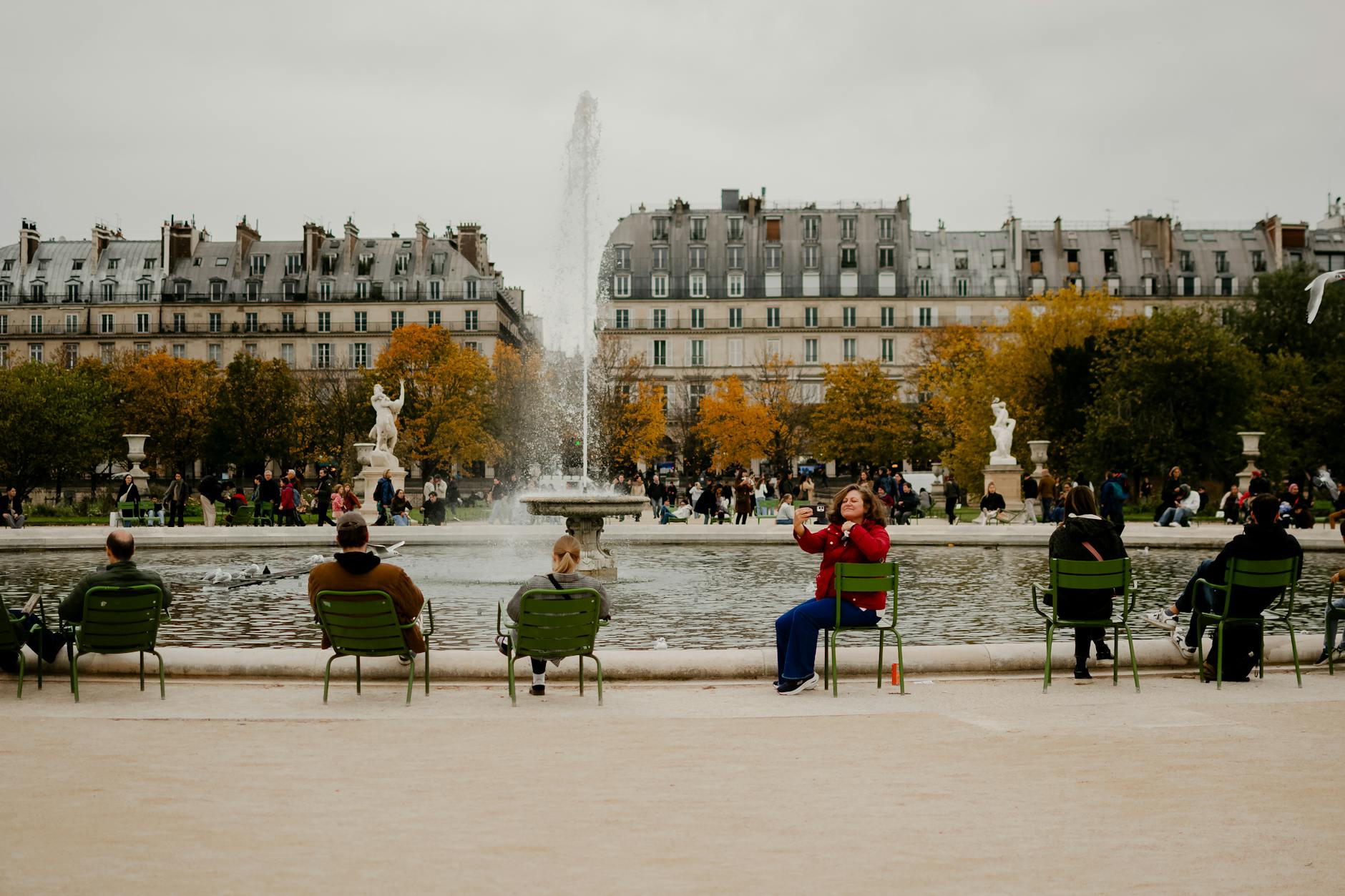
How Many Days You Need
One Day
One day is a taste, not a visit. Choose either the historic core and Left Bank or the Louvre/Tuileries/Eiffel axis. Do not try to “see Paris.” Try to have one coherent Paris day.
Best one-day plan: Île de la Cité, Notre-Dame exterior/interior if timing works, Sainte-Chapelle, walk the Seine, Louvre courtyard/Tuileries, late afternoon in Saint-Germain, dinner nearby.
Two Days
Two days gives you one classic day and one neighborhood day. You can see the major central landmarks, one museum, and one atmospheric district.
Best for: stopovers, Eurostar add-ons, first-taste trips.
Three Days
Three days is the minimum satisfying first visit. You can do a major museum, the historic center, Eiffel/Invalides or Montmartre, and at least one proper food/neighborhood evening.
Best for: efficient first-timers.
Four to Five Days
This is the ideal first visit. You can build days by district, avoid frantic movement, book one or two major museums, eat better, and add either Versailles or a second-tier neighborhood.
Best for: most travelers.
One Week
A week lets Paris breathe. You can include Versailles, a second day trip, deeper museums, markets, parks, shopping, and different dinner neighborhoods without feeling like you are failing at the main sights.
Best for: museum lovers, food travelers, families, couples, and repeat visitors.
Longer
Paris rewards longer stays if you stop behaving like a tourist every day. Choose a local base, repeat cafés and markets, learn transit patterns, and take regional trips by train.
The move: For a first trip, do not give Versailles one of only two Paris days unless Versailles is the main reason you came. Versailles is extraordinary, but it is not Paris.
Budget and Costs
Paris can be brutally expensive, but it is not impossible to do well on a moderate budget. The key is to avoid paying premium prices for mediocre versions of Paris.
Daily Budget Ranges
These are broad, realistic planning ranges per person, excluding international flights.
| Style | Daily Range | What It Looks Like |
|---|---|---|
| Shoestring | €70–€120 | Hostel/dorm or budget room, bakeries, supermarkets, free sights, careful transit |
| Budget | €120–€220 | Simple hotel or shared apartment, casual meals, selective paid sights |
| Mid-range | €220–€400 | Good 3-star/4-star hotel, bistros, museums, occasional taxis |
| Comfortable | €400–€700 | Better hotel location, strong restaurants, reservations, private transfer/taxi when useful |
| Luxury | €700+ | Palace hotels, fine dining, private guides, premium shopping and experiences |
What Is Worth Paying For
- A well-located hotel, especially for a first visit.
- A good bed and air conditioning in summer.
- Timed museum tickets that reduce uncertainty.
- One serious meal instead of three mediocre “view” meals.
- A private or small-group guide for the Louvre, Versailles, or architectural/history walks if you want context.
- A taxi from the airport if you are jet-lagged, carrying heavy luggage, or arriving late with children.
What Is Often Not Worth Paying For
- Generic “skip-the-line” resellers with vague benefits.
- Restaurants beside major landmarks with laminated multi-language menus and aggressive hosts.
- A hotel far outside the city to save money unless it has excellent transit and you understand the time cost.
- A rental car inside Paris.
- A river dinner cruise if the food matters more to you than the view.
- The cheapest possible room in summer if it lacks air conditioning.
Budget move: Make lunch your bigger meal, use bakeries and markets for breakfast or picnic lunches, and save dinner splurges for places that actually matter.
Where to Stay
The Short Answer
For a first visit, stay in Saint-Germain, the northern Latin Quarter, the Marais, the 1st/2nd near the Louvre and Palais-Royal, or the 9th around Saint-Georges / South Pigalle.
- Stay in Saint-Germain for classic Left Bank Paris, cafés, galleries, romance, and central walks.
- Stay in the Marais for atmosphere, shopping, Jewish history, LGBTQ+ nightlife, small museums, and good wandering.
- Stay in the 1st/2nd for maximum centrality, Louvre/Tuileries access, and elegant convenience.
- Stay in the northern Latin Quarter for history, student energy, bookshops, and good access to Notre-Dame, Luxembourg Gardens, and Saint-Germain.
- Stay in the 9th for better value, restaurants, nightlife, and a more local-feeling base with strong transit.
Avoid choosing your hotel only because it is “near the Eiffel Tower.” The Eiffel Tower area is beautiful in parts, but it is not automatically the best base for eating, nightlife, or exploring the city as a whole.
Neighborhood Decision Tree
Want the easiest first visit? Stay in Saint-Germain, the Marais, or the 1st/2nd.
Want romance? Saint-Germain, Île Saint-Louis, parts of the 6th, or a polished Right Bank hotel near Palais-Royal.
Want nightlife and restaurants? 9th, 10th, 11th, South Pigalle, Bastille, Canal Saint-Martin.
Want museums and classic sights? 1st, 6th, 7th, northern Latin Quarter.
Want families and calm? 6th near Luxembourg Gardens, 7th, 15th, 16th, or parts of the 5th.
Want fashion and luxury shopping? 1st, 2nd, 8th, Saint-Honoré, Madeleine, Opéra, Golden Triangle.
Want lower prices with good transit? 9th, 10th, 11th, 12th, 14th, parts of the 15th.
Want Montmartre charm? Stay there only if you are comfortable with hills, crowds around Sacré-Cœur, and a less central base.
Have mobility concerns? Avoid steep Montmartre, metro-only plans with stairs, and charming but elevator-less older hotels.
Best Areas to Stay: Profiles
Saint-Germain-des-Prés and the 6th
Best for: first-timers, couples, literary Paris, cafés, galleries, elegant walks, Luxembourg Gardens.
Saint-Germain is the Paris many people imagine before they arrive: cafés, churches, galleries, patisseries, bookshops, polished streets, and easy walks to the Seine. It is not undiscovered and it is not cheap, but it remains one of the best first-visit bases because it puts you in the center of the city’s emotional map.
Why stay here: Beautiful, walkable, central, atmospheric, good for evenings, easy access to the Louvre/Orsay/Latin Quarter/Notre-Dame.
Why not: Expensive, sometimes too polished, not the city’s most exciting nightlife, and some restaurants coast on location.
Perfect day from here: Morning in Luxembourg Gardens, coffee near Saint-Sulpice, Musée d’Orsay or the Louvre, late-afternoon Seine walk, dinner in the 6th or across the river in the 2nd.
The Marais
Best for: style, shopping, nightlife, small museums, Jewish history, LGBTQ+ travelers, first-time or repeat visitors.
The Marais is one of Paris’s great walking neighborhoods: medieval streets, aristocratic mansions, falafel counters, boutiques, galleries, bars, and some of the city’s best small museums. It is also crowded, especially on weekends.
Why stay here: Atmosphere, centrality, restaurants, nightlife, independent shops, easy access to the Seine and Centre Pompidou area.
Why not: Hotel rooms can be small, streets can be noisy, and the most famous lanes are packed during the day.
Perfect day from here: Place des Vosges, Musée Carnavalet, Rue des Rosiers, small galleries, apéro near the northern Marais, dinner in the 3rd or 11th.
Louvre, Palais-Royal, and the 1st/2nd
Best for: first-timers who want central convenience, museum trips, luxury hotels, elegant walks, short stays.
This is the ceremonial heart of Paris: Louvre, Tuileries, Palais-Royal, Place Vendôme, Opéra nearby, and direct access to the Seine. The area is incredibly convenient but can feel more visitor-oriented than residential.
Why stay here: Maximum centrality, easy walks, high-end hotels, good for short trips.
Why not: Expensive, less neighborhood-y in parts, and some dining is mediocre unless chosen carefully.
Perfect day from here: Louvre at opening or late slot, lunch near Palais-Royal, Tuileries and Place Vendôme, covered passages in the 2nd, dinner around Sentier or Vivienne.
Northern Latin Quarter and the 5th
Best for: history, bookshops, Notre-Dame, Sainte-Chapelle, students, families, good transit, Left Bank character.
The Latin Quarter can be touristy near the worst restaurant streets, but the better parts are wonderful: Roman remnants, old colleges, independent cinemas, the Panthéon, Rue Mouffetard, the Jardin des Plantes, and quick access to Île de la Cité.
Why stay here: Central, historic, lively, good for walking, often better value than Saint-Germain.
Why not: Some streets are tourist traps; choose carefully.
Perfect day from here: Sainte-Chapelle, Notre-Dame, Shakespeare and Company, lunch away from the most obvious lanes, Panthéon, Luxembourg Gardens, wine bar evening.
Eiffel Tower, Invalides, and the 7th
Best for: families, calm, classic views, older travelers, luxury stays, Eiffel-focused trips.
The 7th is beautiful, grand, and residential. It gives you the Eiffel Tower, Champ de Mars, Rue Cler, Les Invalides, Musée Rodin, and easy access to the Seine. It is not the city’s most vibrant night district.
Why stay here: Safe-feeling, elegant, scenic, good for families, close to big monuments.
Why not: Quieter at night, expensive, not ideal for nightlife or the most interesting dining.
Perfect day from here: Eiffel Tower early or evening, Rue Cler breakfast, Musée Rodin, Invalides, Seine walk, dinner across the river or in Saint-Germain.
The 9th: Saint-Georges, South Pigalle, Opéra Fringe
Best for: restaurants, nightlife, value, repeat visitors, travelers who want charm without maximum tourist density.
The 9th is one of the best practical bases in Paris. It has good transit, beautiful streets, strong food options, easy access to Montmartre and the Grands Boulevards, and better value than the most central districts.
Why stay here: Lively, local, good hotels, strong dining, easy transit.
Why not: Not as postcard-central, some streets near Pigalle can feel rowdy late.
Perfect day from here: Morning near Rue des Martyrs, Musée de la Vie Romantique, covered passages, late afternoon in Montmartre, dinner in the 9th or 10th.
Canal Saint-Martin and the 10th
Best for: younger travelers, bars, casual food, canal walks, lower prices, repeat visitors.
The 10th is not the Paris of polished postcard fantasy. That is part of its appeal. Around Canal Saint-Martin, you get cafés, boutiques, bakeries, natural-wine bars, and an everyday urban energy. Gare du Nord and Gare de l’Est are convenient but require street-by-street hotel judgment.
Why stay here: Lively, good value, excellent food/drink, useful for train arrivals.
Why not: Less polished, mixed feel around stations, not ideal for nervous first-timers.
Bastille, Oberkampf, and the 11th
Best for: dining, nightlife, bars, repeat visitors, younger travelers, good-value hotels.
The 11th is one of Paris’s best eating and drinking areas. It is not full of famous landmarks, which is exactly why it works as a base for people who want evenings to feel local and alive.
Why stay here: Restaurants, bars, energy, better value, easy access to Marais.
Why not: Not visually “classic” on every block; nightlife noise can matter.
Montmartre
Best for: village atmosphere, views, romance, photography, repeat visitors who understand the trade-offs.
Montmartre is beautiful, but it is also two places at once: the overrun Sacré-Cœur/Place du Tertre circuit and the quieter residential slopes away from it. Stay here only if you like hills and are comfortable being slightly removed from the central museum axis.
Why stay here: Atmosphere, views, village streets, lower prices in some pockets.
Why not: Hills, crowds, tourist traps, less convenient for some first-time itineraries.
Montparnasse and the 14th
Best for: value, families, train access, quieter stays, longer trips.
Montparnasse lacks the romantic branding of Saint-Germain, but it is practical, connected, and more affordable. The 14th offers residential calm, good restaurants, and access to the Catacombs and Parc Montsouris.
Why stay here: Value, transit, calmer nights, bigger rooms for the money.
Why not: Less postcard atmosphere; some areas feel businesslike.
The 15th and 16th
Best for: families, quiet stays, repeat visitors, longer trips, safer-feeling residential bases.
These western districts are calmer and more residential. They are useful if you want space and quiet, but less ideal for first-timers who want to step outside into immediate Paris intensity.
La Défense
Best for: business travelers, conference trips, certain budget hotel deals.
La Défense is efficient but not Paris in the emotional sense. Stay here only for a clear reason.
Airport Hotels
Best for: very early departures, late arrivals, overnight connections.
Do not stay at the airport for a Paris visit unless you are sacrificing one night for logistics.
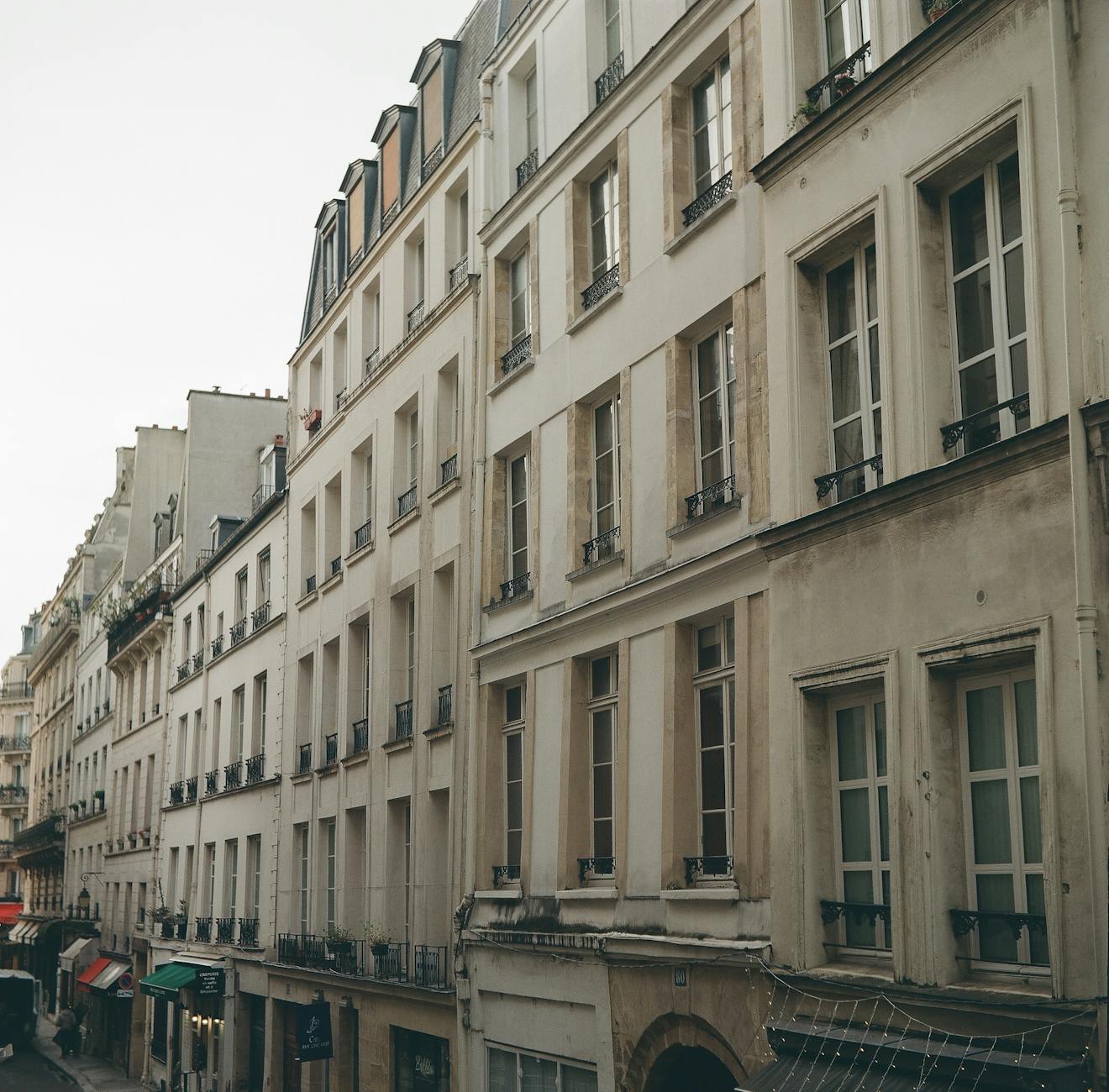
Hotel Booking Mistakes to Avoid
Paris hotels can be charming, tiny, expensive, romantic, inconvenient, or all of those at once. The best hotel is not necessarily the highest-rated property you can afford. It is the place that matches your actual trip.
Mistake 1: Booking for the View Instead of the Day
An Eiffel Tower view is lovely, but you will spend most of your waking hours outside the room. A hotel with a postcard view but weak transit, poor food nearby, and tiny rooms may not serve you as well as a better-located hotel in Saint-Germain, the Marais, the 9th, or the 2nd.
Mistake 2: Ignoring Room Size
Paris hotel rooms can be very small, especially in older buildings. For solo travelers and couples this may be fine. For families, long stays, large luggage, or work trips, square footage matters. Read room categories carefully; “classic” often means compact.
Mistake 3: Assuming Air Conditioning Is Strong
In summer, air conditioning can be the difference between a romantic Paris trip and a sleepless one. Confirm that your room has real air conditioning, not just a fan or “climate control” with limited seasonal operation.
Mistake 4: Not Checking Elevators
Many charming older hotels have tiny elevators or no elevator at all. A fifth-floor walk-up can be quaint until you are carrying luggage after an overnight flight.
Mistake 5: Choosing “Near Gare du Nord” Without Street Research
Gare du Nord is convenient for Eurostar, Thalys/Eurostar continental services, RER B, and airport access, but the area varies block by block. It can be practical, but nervous first-timers may prefer the 9th, Marais, Saint-Germain, or another base after arrival.
Mistake 6: Staying Outside Paris Without Understanding the Commute
A hotel just outside the périphérique can be fine if it is near a good metro or RER line. But “20 minutes from Paris” can mean 20 minutes to the edge of the city, not 20 minutes to the Louvre, your dinner, or your hotel bed after midnight.
Mistake 7: Booking an Apartment Without Understanding Building Rules
Apartments can be useful for families and longer stays, but short-term rentals are politically and legally sensitive in Paris. Choose legal, responsible lodging, respect neighbors, and remember that apartment buildings are not hotels.
Mistake 8: Prioritizing Star Rating Over Location
A well-located 3-star can outperform a poorly located 5-star for a first visit. Paris is a city you experience by stepping outside often. Your doorway matters.
Hotel move: Choose your base by evening behavior. After dinner, do you want to walk home through pretty streets, take one simple metro, call a taxi, or make a complicated transfer? That answer matters more than a marginally larger room far away.
Neighborhood Field Guide
Île de la Cité and Île Saint-Louis
Identity: the historic and symbolic core of Paris.
The islands are where Paris began to feel like Paris. Île de la Cité holds Notre-Dame, Sainte-Chapelle, the Conciergerie, and some of the city’s most intense visitor flows. Île Saint-Louis is smaller, more residential, and better for a slow stroll.
Best things to do: Notre-Dame, Sainte-Chapelle, Conciergerie, Marché aux Fleurs, Pont Neuf, Square du Vert-Galant, Berthillon-style ice cream stroll on Île Saint-Louis.
Best time: early morning or late afternoon. Sainte-Chapelle is especially beautiful when sunlight comes through the stained glass.
Pair it with: Latin Quarter, Marais, Saint-Germain, Louvre exterior/Tuileries.
The move: Visit Sainte-Chapelle with a timed ticket, then walk out to the river instead of immediately chasing the next monument. The view from the bridges is part of the sight.
Louvre, Tuileries, and Palais-Royal
Identity: royal, imperial, artistic, grand.
This is Paris at its most formal. The Louvre is not just a museum; it is a palace, a city within a city, and one of the great human accumulations of art and power. The Tuileries extend the axis west toward the Champs-Élysées. Palais-Royal is calmer and more elegant, a perfect decompression after the Louvre.
Best things to do: Louvre, Palais-Royal, Tuileries Garden, Musée de l’Orangerie, Place Vendôme, covered passages nearby.
Best time: Louvre at opening or evening; Palais-Royal in the morning; Tuileries late afternoon.
Pair it with: 2nd arrondissement restaurants, Opéra, Seine walk, Orsay across the river.
Le Marais
Identity: medieval bones, aristocratic courtyards, Jewish history, queer nightlife, boutiques, museums.
The Marais is one of the most rewarding neighborhoods for wandering. Do not reduce it to a falafel line or one shopping street. Give it time: Place des Vosges, Musée Carnavalet, Hôtel de Sully, small galleries, the northern Marais, and the side streets around the 3rd.
Best things to do: Place des Vosges, Musée Carnavalet, Picasso Museum, Rue des Rosiers, Marché des Enfants Rouges, Archives area, small design shops.
Best time: weekday mornings for calmer streets; evenings for energy.
Pair it with: Bastille, Canal Saint-Martin, Île Saint-Louis, Centre Pompidou exterior/Beaubourg area.
Saint-Germain and the 6th
Identity: literary myth, café culture, galleries, churches, polished Left Bank beauty.
Saint-Germain can feel expensive and mythologized, but it still works because the bones are so good. The trick is to avoid treating famous cafés as the whole story. Walk the streets around Saint-Sulpice, drift toward Luxembourg Gardens, visit galleries, and cross the Seine when the light is right.
Best things to do: Saint-Sulpice, Luxembourg Gardens, cafés, galleries, Musée Delacroix, boutique shopping, riverside walks.
Best time: morning for cafés and Luxembourg Gardens; late afternoon for wandering.
Pair it with: Orsay, Latin Quarter, Louvre, Montparnasse.
Latin Quarter and the 5th
Identity: old universities, Roman traces, bookshops, student life, medieval streets, gardens.
The Latin Quarter is tricky: sublime in parts, tacky in others. Avoid the restaurant-trap streets near the busiest tourist lanes and head toward the Panthéon, Rue Mouffetard, the Jardin des Plantes, and quieter academic blocks.
Best things to do: Panthéon, Shakespeare and Company, Sorbonne area, Arènes de Lutèce, Jardin des Plantes, Grande Mosquée de Paris tea garden, Rue Mouffetard.
Best time: morning and early evening.
Pair it with: Notre-Dame, Saint-Germain, Luxembourg Gardens.
Eiffel Tower, Invalides, and the 7th
Identity: monumental, residential, elegant, military-historical, scenic.
The Eiffel Tower is the celebrity, but the 7th has more range than first-timers realize: Invalides, Musée Rodin, Rue Cler, the Seine, and grand embassies and ministries. It is calmer than the Right Bank nightlife districts.
Best things to do: Eiffel Tower, Champ de Mars, Trocadéro views from across the river, Musée Rodin, Les Invalides, Rue Cler.
Best time: Eiffel Tower early or night; Rodin in good weather; Trocadéro early if you want photographs.
Pair it with: Orsay, Saint-Germain, Arc de Triomphe, Seine cruise.
Champs-Élysées, Arc de Triomphe, and the 8th
Identity: ceremonial Paris, luxury, national symbolism, fashion, traffic.
The Arc de Triomphe is better than many expect; the Champs-Élysées itself is often worse than people expect. The avenue is famous but heavily commercialized. The better move is to visit the Arc, enjoy the view, then drift toward Parc Monceau, Avenue Montaigne, or back toward the Seine.
Best things to do: Arc de Triomphe rooftop, Parc Monceau, Petit Palais, Grand Palais area, Avenue Montaigne window-shopping.
Best time: Arc near sunset or evening; Parc Monceau in the morning.
Pair it with: Eiffel Tower/Trocadéro, 7th, 16th, or a Seine walk.
Opéra, Grands Boulevards, and the 9th
Identity: theaters, department stores, covered passages, restaurants, nightlife.
This is a fantastic practical zone. You get the Palais Garnier, department stores, the old boulevard culture, covered passages, and a food scene that is often more useful than the ultra-central tourist zones.
Best things to do: Palais Garnier, Galeries Lafayette rooftop, Printemps, Passage des Panoramas, Passage Jouffroy, Musée de la Vie Romantique, Rue des Martyrs.
Best time: weekday afternoon for shopping; evening for restaurants.
Pair it with: Montmartre, Louvre/Palais-Royal, South Pigalle.
Montmartre
Identity: hilltop village, artists’ myth, sacred views, tourist crush, residential backstreets.
Montmartre is worth visiting, but it demands tactics. Go early for Sacré-Cœur and quiet streets, or go late for atmosphere. Avoid eating on the most obvious tourist squares. Walk beyond Place du Tertre.
Best things to do: Sacré-Cœur, Rue de l’Abreuvoir, Place Dalida, Musée de Montmartre, Lamarck-Caulaincourt area, cemetery, backstreet walks.
Best time: early morning or late afternoon into evening.
Pair it with: 9th, Pigalle, covered passages, Canal Saint-Martin.
Canal Saint-Martin and the 10th
Identity: casual, young, mixed, café-and-bar Paris.
The canal is ideal for travelers who want less monument and more present-day city. It is best as a food, coffee, walking, and evening-drinks area.
Best things to do: canal walk, cafés, bakeries, République, side streets, casual dinner.
Best time: late afternoon and evening, especially in good weather.
Pair it with: Marais, 11th, Belleville.
Bastille, Oberkampf, and the 11th
Identity: restaurants, bars, nightlife, modern Parisian energy.
The 11th is where many visitors should eat more often. It is less about monuments and more about evenings. The area around Bastille, Charonne, Faidherbe, and Oberkampf has excellent dining and drinking options.
Best things to do: food crawl, bars, Marché d’Aligre nearby, Atelier des Lumières, Bastille/Viaduc des Arts walk.
Best time: evening.
Pair it with: Marais, Père Lachaise, Canal Saint-Martin.
Belleville and Ménilmontant
Identity: working-class history, immigration, street art, views, edge, energy.
This is not polished postcard Paris. That is why it matters. Belleville and Ménilmontant show a more layered, contemporary, multicultural city.
Best things to do: Parc de Belleville view, street art, casual food, bars, Père Lachaise nearby.
Best time: afternoon into evening.
Pair it with: Père Lachaise, Canal Saint-Martin, Buttes-Chaumont.
The 13th, Butte-aux-Cailles, and BnF
Identity: Asian restaurants, street art, modern Paris, village pockets.
The 13th is a strong repeat-visitor district. It lacks the instant drama of the center but has excellent food and a sense of Paris as a living, changing city.
Best things to do: Butte-aux-Cailles, Asian restaurants around Avenue de Choisy/Avenue d’Ivry, street art, Bibliothèque François-Mitterrand area.
Best time: lunch or dinner.
Pair it with: Jardin des Plantes, Latin Quarter, Seine east-side walks.
The 19th: Buttes-Chaumont and La Villette
Identity: parks, canals, families, music, contemporary culture.
The 19th is a good place to see Paris breathe. Parc des Buttes-Chaumont is one of the city’s best parks, while La Villette offers cultural venues and open space.
Best things to do: Parc des Buttes-Chaumont, Canal de l’Ourcq, Philharmonie area, La Villette.
Best time: sunny afternoon.
Pair it with: Belleville, Canal Saint-Martin.
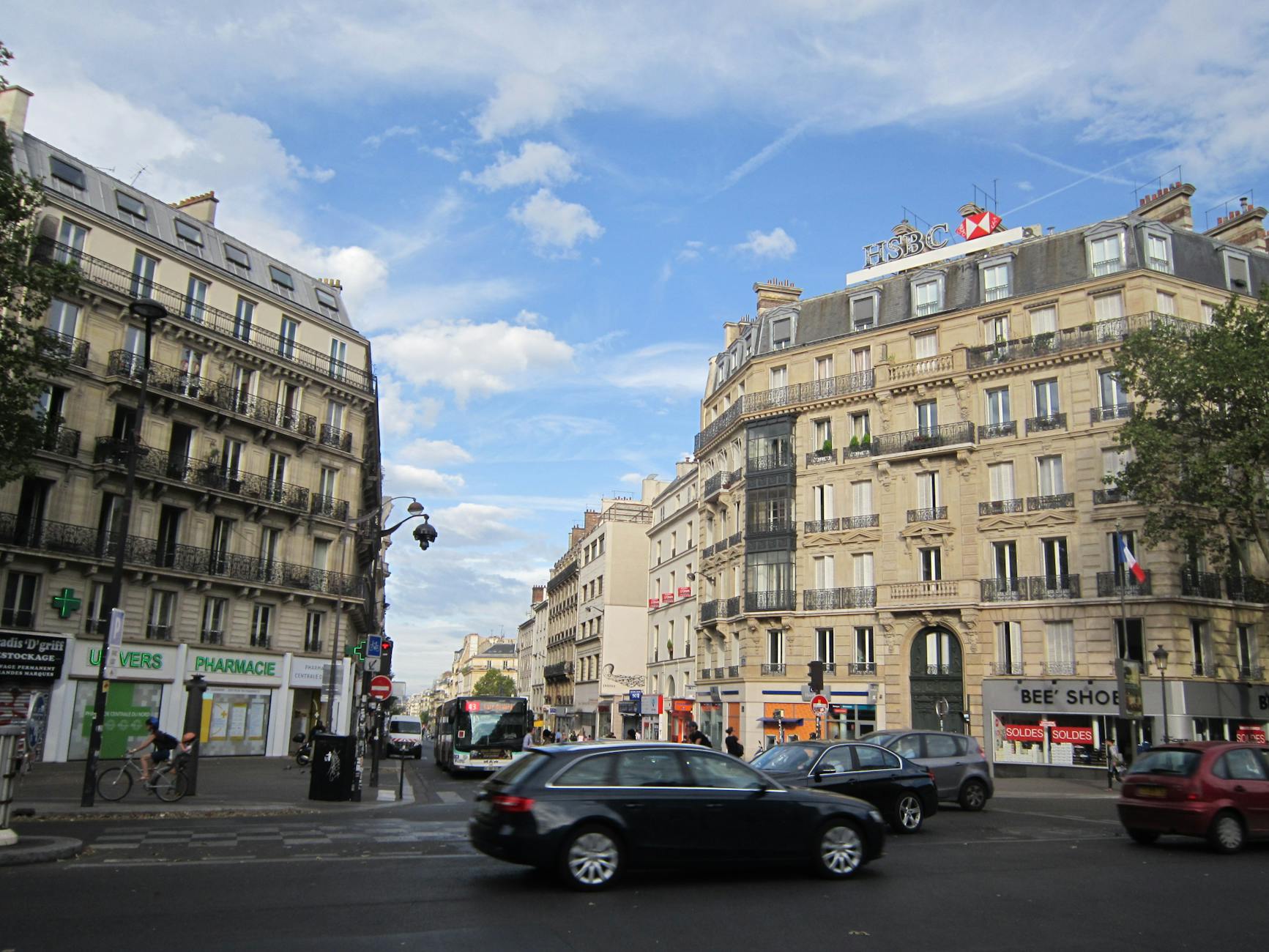
Signature Paris Walks
Paris is best learned on foot. These walks are not meant to be rushed. Each one can be shortened, expanded, or turned into a half-day by adding a museum or meal.
Walk 1: The Historic Core
Best for: first-timers, history, river views, Notre-Dame, Sainte-Chapelle.
Start: Pont Neuf or Cité metro. End: Saint-Germain or the Luxembourg Gardens. Time: 2–4 hours depending on stops.
Begin at Pont Neuf, the oldest standing bridge in Paris despite its name. Drop down to Square du Vert-Galant if open and look back at the river splitting around the island. Walk toward the Conciergerie and Sainte-Chapelle, then continue to Notre-Dame. Cross to Île Saint-Louis for a quieter loop, then return toward the Left Bank. End with the bookshops and cafés around the northern Latin Quarter or continue to Saint-Germain.
Add-ons: Sainte-Chapelle, Conciergerie, Notre-Dame interior, Shakespeare and Company, Musée de Cluny, Luxembourg Gardens.
Food move: Do not eat on the most touristy lanes just because you are hungry. Walk a little deeper into the 5th or 6th.
Walk 2: Louvre to the 2nd via Palais-Royal and the Passages
Best for: architecture, covered passages, shopping, rainy days.
Start: Louvre Pyramid or Palais-Royal. End: Grands Boulevards or Opéra. Time: 2–3 hours without the Louvre; half-day with a museum.
Start in the Louvre courtyard, then step into Palais-Royal for one of Paris’s most elegant enclosed spaces. Continue north into the 2nd for Galerie Vivienne and the covered passages. This route shows how Paris moves from royal theater to commercial theater: arcades, print culture, old restaurants, shop windows, and boulevard life.
Add-ons: Louvre, Bourse de Commerce, Galerie Vivienne, Passage des Panoramas, Passage Jouffroy, Palais Garnier.
Rain move: This is one of the best rainy-day walks in the city.
Walk 3: Saint-Germain to Luxembourg Gardens
Best for: classic Left Bank Paris, cafés, gardens, churches, literary mood.
Start: Saint-Germain-des-Prés church. End: Luxembourg Gardens or Panthéon. Time: 2–4 hours.
Start at the church of Saint-Germain-des-Prés, then wander toward Saint-Sulpice. Continue through side streets, galleries, and bookshops before entering Luxembourg Gardens. If you have energy, climb toward the Panthéon or loop back toward the Seine.
Add-ons: Musée Delacroix, Saint-Sulpice, Luxembourg Gardens, Panthéon, Odéon, cafés.
Local logic: This walk is better if you stop. It is not a route to complete; it is a mood to enter.
Walk 4: Montmartre Without the Worst Crowds
Best for: views, village streets, photography, repeat visitors.
Start: Lamarck-Caulaincourt or Abbesses. End: South Pigalle or the 9th. Time: 2–3 hours.
Start away from the main tourist ascent. Walk through quieter northern and western Montmartre streets, then approach Sacré-Cœur either early or late. Avoid spending too long around Place du Tertre unless you enjoy the spectacle. Descend toward Rue des Martyrs or South Pigalle for food and drinks.
Add-ons: Musée de Montmartre, Sacré-Cœur, Rue de l’Abreuvoir, Place Dalida, Montmartre Cemetery.
Food move: Eat below the hill unless you have a specific researched place.
Walk 5: Marais to Bastille and the 11th
Best for: shopping, city history, Jewish heritage, queer culture, restaurants.
Start: Hôtel de Ville or Saint-Paul. End: Bastille, Charonne, or Oberkampf. Time: 3–5 hours depending on museums and meals.
Begin near Hôtel de Ville or Saint-Paul, then wander through Rue des Rosiers, Place des Vosges, and the northern Marais. Add Musée Carnavalet if you want city history. Continue toward Bastille and the 11th for dinner.
Add-ons: Musée Carnavalet, Place des Vosges, Picasso Museum, Marché des Enfants Rouges, Bastille, Atelier des Lumières.
The move: This is one of the best routes for a day that ends with a strong dinner.
Walk 6: Canal Saint-Martin to Belleville
Best for: contemporary Paris, casual food, bars, street life, repeat visitors.
Start: République or Jacques Bonsergent. End: Belleville or Parc des Buttes-Chaumont. Time: 3–4 hours.
Walk the canal, stop for coffee or a snack, then continue east toward Belleville. The city becomes less polished and more layered. End with the view from Parc de Belleville or continue north to Buttes-Chaumont.
Add-ons: Canal Saint-Martin, République, Belleville street art, Parc de Belleville, Buttes-Chaumont.
Best time: late afternoon into evening.
Walk 7: Eiffel, Seine, and the Grand View
Best for: first-timers, photography, classic Paris.
Start: Trocadéro. End: Invalides, Rodin, or the Seine near Pont Alexandre III. Time: 2–4 hours.
Start at Trocadéro for the Eiffel Tower view, cross the river, walk under or around the tower, then continue along the Seine toward Pont Alexandre III. If you have time, add Musée Rodin or Invalides.
Add-ons: Eiffel Tower, Champ de Mars, Musée du Quai Branly, Invalides, Rodin, Pont Alexandre III.
Crowd move: Do the Trocadéro portion early, then leave before the full photo crowd arrives.
The Best Things to Do
The True Icons
Eiffel Tower
The Eiffel Tower is famous because it deserves to be. It can be crowded, commercialized, and logistically annoying, but the structure itself still has power. The question is not whether to see it. The question is how.
Worth it? Yes, especially for first-timers. The summit is not mandatory. Many people are satisfied with the second floor or with viewing the tower from Trocadéro, Champ de Mars, Pont d’Iéna, Avenue de Camoëns, or the Seine.
Best time: early morning for fewer crowds around it, evening for atmosphere, blue hour for photographs.
Book ahead? Yes if you want lift access, especially summit access.
Skip if: you hate queues, heights, security checks, and crowded viewing platforms. In that case, enjoy it from the ground and use Arc de Triomphe or Montparnasse Tower for views.
The move: See the tower twice: once from Trocadéro early, and once from the Seine or Champ de Mars after dark. Going up is optional. Seeing it at different times is not.
Louvre
The Louvre is too large to “complete.” A good Louvre visit is an edited experience, not a conquest. Choose a route: ancient civilizations, Italian Renaissance, French painting, sculpture, Islamic art, decorative arts, or palace history. If you go only to see the Mona Lisa, expect a crowd and a brief, chaotic moment.
Worth it? Absolutely, but only with a plan.
Time needed: 2.5–3 hours for a focused first visit; 5+ hours for serious art lovers; multiple visits if you actually care about the collection.
Book ahead? Yes. Timed tickets are recommended.
Common mistake: Entering tired, hungry, and planless.
The move: Pick three priorities before arrival. When those are done, leave before museum fatigue turns wonder into resentment.
Notre-Dame de Paris
Notre-Dame is central not just geographically, but emotionally. Its reopening after the 2019 fire made it a renewed pilgrimage site. Entry to the cathedral is free, and optional free reservations can help reduce waiting.
Worth it? Yes, with patience and respect.
Best time: early morning or later in the day; check official schedules for services and closures.
Warning: Do not buy paid “Notre-Dame entry” tickets from third parties. Entry is free.
Sainte-Chapelle
Sainte-Chapelle is one of the most beautiful interiors in Europe. The stained glass is the reason to go. It is small, security-heavy, and often crowded, but still extraordinary.
Worth it? Yes, especially on a bright day.
Time needed: 30–60 minutes, plus security time.
Book ahead? Yes in peak season.
Pair it with: Notre-Dame, Conciergerie, Île Saint-Louis, Latin Quarter.
Musée d’Orsay
If the Louvre is too vast, the Orsay is often more immediately lovable. Housed in a former railway station, it offers one of the world’s great collections of 19th- and early 20th-century art, especially Impressionism and Post-Impressionism.
Worth it? Yes. For many first-timers, it is the most satisfying major museum in Paris.
Time needed: 2–3 hours.
Pair it with: Saint-Germain, Tuileries, Orangerie, Seine walk.
Musée de l’Orangerie
Small, powerful, and centered on Monet’s Water Lilies rooms, the Orangerie is one of the best short museum experiences in Paris.
Worth it? Yes, especially if paired with the Tuileries or Orsay.
Time needed: 60–90 minutes.
Arc de Triomphe
The Arc is more emotionally powerful in person than many expect, and the rooftop view is one of the best in Paris because the Eiffel Tower is in the view rather than under your feet.
Worth it? Yes, especially near sunset or at night.
Common mistake: Spending too much time on the Champs-Élysées afterward.
Montmartre and Sacré-Cœur
Montmartre is absolutely worth visiting, but not lazily. Go beyond the busiest circuit. Sacré-Cœur gives a grand view; the neighborhood’s quieter streets give the better memory.
Worth it? Yes, if you go early, late, or explore beyond the obvious.
Skip if: you have limited mobility and do not want hills.
Luxembourg Gardens
One of the best public spaces in Paris. Go not because it is a “sight,” but because it shows Parisian leisure at its finest.
Worth it? Always.
Best time: morning, lunch, late afternoon.
Père Lachaise Cemetery
A beautiful, melancholy, atmospheric landscape of memory. Famous graves draw visitors, but the real experience is walking its lanes.
Worth it? Yes for repeat visitors, walkers, history lovers, and anyone needing a break from central crowds.
Pair it with: 11th, Belleville, Ménilmontant.
Seine Walk or Cruise
Paris from the Seine makes sense of the city’s monumental geography. A simple boat cruise can be touristy and still worthwhile.
Worth it? Yes, especially for first-timers and families.
Best time: sunset or evening.
Choose carefully: If you care about food, eat before or after rather than choosing a mediocre dinner cruise.
Excellent Second-Layer Sights
These often produce better memories than the most famous stops.
- Musée Rodin: sculpture, garden, and one of the loveliest museum settings in Paris.
- Musée Carnavalet: the history of Paris, especially useful for understanding the city.
- Petit Palais: beautiful building, strong collection, often calmer than the blockbuster museums.
- Palais Garnier: astonishing opera-house interior; good even if you do not attend a performance.
- Musée Jacquemart-André: mansion-museum elegance, especially good for repeat visitors.
- Musée de la Vie Romantique: charming and manageable, near the 9th/Montmartre axis.
- Musée Marmottan Monet: important Monet collection, farther west but rewarding for enthusiasts.
- Fondation Louis Vuitton: architecture, contemporary exhibitions, Bois de Boulogne setting.
- Bourse de Commerce – Pinault Collection: contemporary art in a striking central building.
- Atelier des Lumières: immersive digital art; fun, accessible, and popular with families.
- Parc des Buttes-Chaumont: one of Paris’s most dramatic parks.
- Promenade Plantée / Coulée Verte: elevated green walk that inspired later urban park projects.
- Covered passages: Passage des Panoramas, Galerie Vivienne, Passage Jouffroy, and others.
Better alternative: If the Louvre feels too much for your mood, go to Carnavalet, Rodin, Orangerie, Petit Palais, or Jacquemart-André. A smaller excellent museum beats a famous museum you are too tired to absorb.
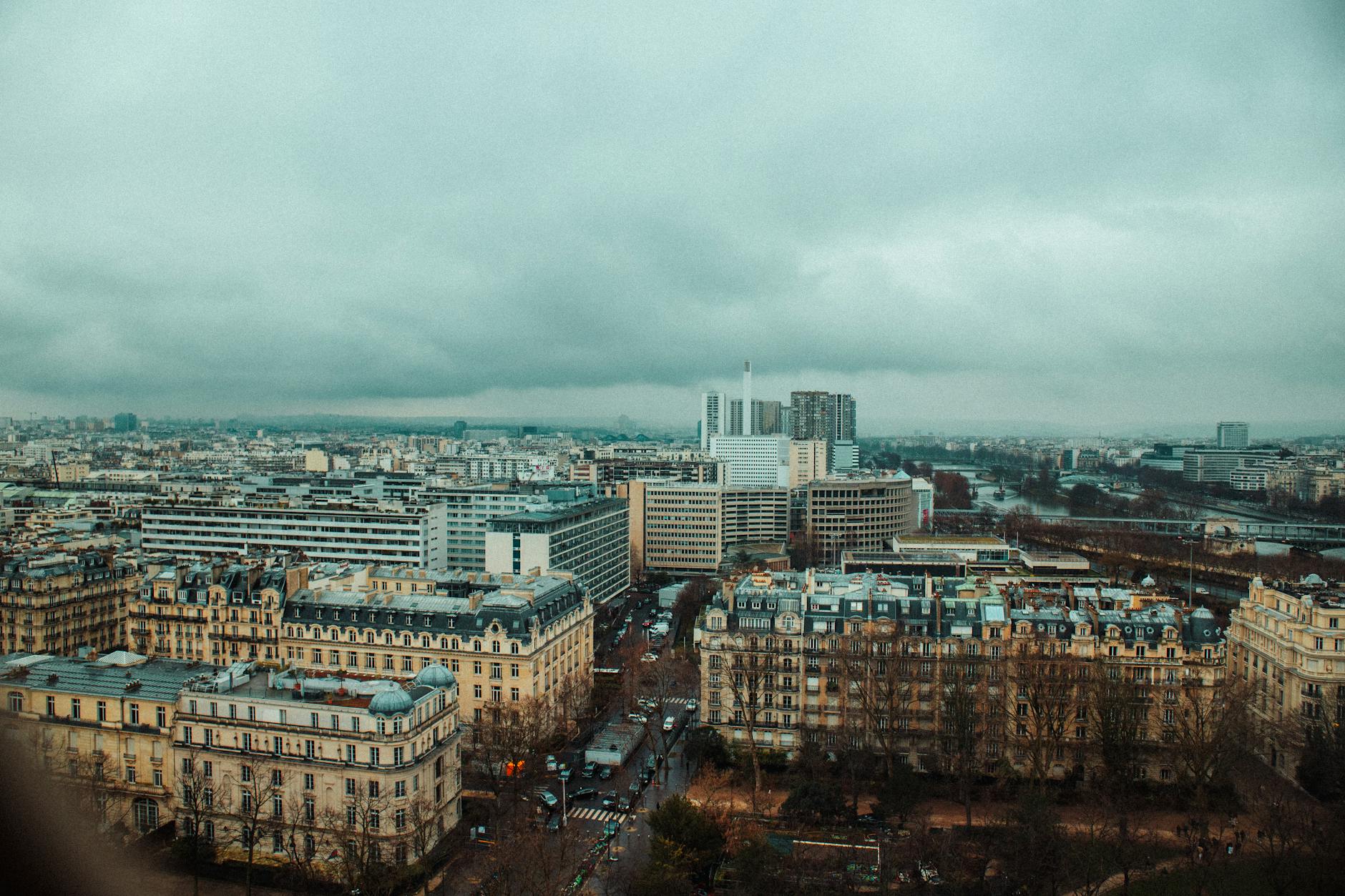
Museums and Monuments Strategy
Paris is one of the world’s great museum cities. That does not mean every trip should become museum homework.
The Best First-Visit Museum Pairings
If you have one major museum slot: Musée d’Orsay or the Louvre, depending on your interests.
If you have two: Louvre + Orsay.
If you have three: Louvre + Orsay + Orangerie or Rodin.
If you love city history: Carnavalet.
If you love Impressionism: Orsay + Orangerie + Marmottan.
If you love sculpture and gardens: Rodin.
If you love fashion: Palais Galliera, plus shopping districts.
If you love contemporary art: Bourse de Commerce, Palais de Tokyo, Fondation Louis Vuitton, and Pompidou’s off-site/partner programming while the main Beaubourg building is closed.
Current Major Museum Notes
- Centre Pompidou: the main Beaubourg building is closed for a major renovation project, with reopening planned for 2030. Do not build a 2026 Paris plan around visiting the main Pompidou building.
- Louvre: timed booking is the smart move. Do not buy “magic” skip-the-line tickets from suspicious resellers.
- Notre-Dame: cathedral entry is free. Optional free reservations are released close to the visit date and are not mandatory.
- Sainte-Chapelle: reserve a time slot and allow for security.
- Catacombs: book online; capacity is limited and the site is physically demanding.
- Versailles: book ahead, especially for high season and fountain-show days.
Is the Paris Museum Pass Worth It?
The Paris Museum Pass can be worth it for a museum-heavy trip, but it is not automatically a good deal. It is best if you will visit several included sites in a compact period and you are willing to plan carefully.
It is less useful if you prefer slow days, long lunches, shopping, neighborhood walks, or only one major museum every day or two. The pass also does not solve every reservation requirement, and it does not include every major attraction.
Worth considering if you plan to visit: Louvre, Orsay, Orangerie, Arc de Triomphe, Sainte-Chapelle, Conciergerie, Panthéon, Rodin, Versailles, and multiple smaller museums.
Often not worth it if: you want Eiffel Tower, Catacombs, food tours, Seine cruises, fashion shopping, and one or two museums total.
The move: Price the exact sights you want before buying a pass. A pass is a tool, not a personality.
Food and Drink
Paris is one of the world’s great eating cities, but it is also easy to eat badly here. The concentration of visitors creates an enormous market for mediocre restaurants in great locations. The goal is not to find the single best restaurant. The goal is to understand how to eat in Paris without wasting meals.
The Food Thesis
Paris is not just “French food.” It is bakeries, bistros, brasseries, markets, wine bars, crêperies, North African couscous, Vietnamese pho, Japanese ramen, Lebanese sandwiches, West African cooking, natural-wine counters, pastry temples, cheese shops, casual neo-bistros, palace dining rooms, and neighborhood lunch spots.
A good Paris food trip balances four things:
- Bakeries and pastry
- Classic bistro/brasserie cooking
- Markets and casual neighborhood meals
- One or two serious reservations
What to Eat
Baguette and Bread
A real baguette tradition from a strong bakery is not background food; it is part of the trip. Buy one while it is fresh and eat it with butter, cheese, ham, or nothing at all.
Croissants and Viennoiserie
Croissants vary wildly. Do not assume every corner bakery is excellent. Look for signs of actual baking, turnover, and local customers.
Pastry
Paris is a pastry capital. Try a mix of classics and modern patisserie: éclair, Paris-Brest, tarte citron, mille-feuille, Saint-Honoré, flan, madeleine, macaron, and seasonal fruit tarts.
Cheese
Visit a fromagerie and ask for a small selection. You do not need deep expertise. You need curiosity and a picnic plan.
Steak Frites, Duck, Terrines, Onion Soup, Sole, Roast Chicken
Classic dishes can be wonderful when cooked well and boring when served as tourist bait. Choose restaurants carefully.
Crêpes and Galettes
Breton crêperies are useful for casual meals, families, and budget travelers.
Oysters and Seafood
Excellent in the right places, especially in cooler months. Seafood platters are a classic splurge.
Couscous and North African Food
A major part of Paris’s food story. Do not leave the city thinking French food is only butter sauces and duck.
Vietnamese, Chinese, Japanese, and Other Global Paris
The 13th is particularly important for Asian food; the city also has strong Japanese, Lebanese, West African, and modern international scenes.
How Parisians Eat: Practical Rhythm
Breakfast: often light: coffee, bread, pastry, yogurt, fruit. Hotel breakfasts can be overpriced unless genuinely good.
Lunch: important and often better value than dinner. Many restaurants offer weekday lunch formulas.
Apéro: early evening drink/snack hour. This is one of Paris’s great rituals.
Dinner: commonly around 7:30–9:30 p.m. Serious restaurants require reservations. Many kitchens close earlier than visitors expect.
Sunday and Monday: closures are common. Plan meals more carefully on these days.
First-timer mistake: Waiting until you are starving beside a major landmark and then choosing the restaurant with the best view and the worst menu.
Where to Eat by Situation
Best First Dinner
Choose somewhere near your hotel, not across the city. After arrival, convenience beats ambition. A good neighborhood bistro, wine bar, or brasserie is better than a high-stakes reservation you are too tired to enjoy.
Best Casual Meal
Bakeries, crêperies, market counters, casual wine bars, and simple bistros. Paris is excellent at small pleasures.
Best Splurge
A tasting menu, historic dining room, or serious modern bistro. Book ahead and protect the evening around it.
Best Food Neighborhoods
- 11th: modern bistros, wine bars, lively dinners.
- 9th: restaurants, bakeries, cafés, cocktail bars.
- Marais: varied, lively, good for casual and stylish meals.
- 10th/Canal: casual food, coffee, bars.
- Saint-Germain: classic and polished, but choose carefully.
- 13th: Asian food and more local exploration.
- Montmartre/18th: good food exists, but avoid the obvious tourist traps.
Markets
Markets make Paris easier to love. They also solve budget problems.
Good market experiences include: Marché d’Aligre, Marché Bastille, Marché des Enfants Rouges, Rue Cler, Rue Montorgueil, Rue Mouffetard, and neighborhood street markets depending on your base.
How to use markets well: buy fruit, cheese, bread, charcuterie, picnic supplies, flowers, and snacks. Do not block stalls while taking photos. Greet vendors. Point politely if your French is limited.
Bakeries, Patisseries, and Chocolate
Make this part of your daily structure. Instead of hunting every viral pastry, choose a strong bakery near your hotel and return. The best bakery is often the one that becomes yours for five days.
Classic categories to seek out: boulangerie for bread, pâtisserie for pastry, chocolaterie for chocolate, fromagerie for cheese, épicerie fine for specialty foods.
Coffee
Traditional Paris café coffee is not always great by specialty-coffee standards. The specialty scene is much better than it used to be, especially in the Marais, 10th, 11th, 9th, and parts of the Left Bank.
Wine Bars and Apéro
Wine bars are one of the most enjoyable ways to eat casually in Paris. Order a glass, ask for guidance, add cheese or charcuterie, and avoid turning every night into a formal three-course meal.
Tipping
Service is generally included, but rounding up or leaving a small extra amount for good service is appreciated. Do not apply American tipping percentages automatically.
Food Etiquette
- Say bonjour when entering a shop or restaurant.
- Do not sit at a restaurant table without being seated unless clearly casual.
- Do not expect long menu modifications.
- Learn s’il vous plaît, merci, and l’addition, s’il vous plaît.
- At bakeries, be ready when it is your turn.
- Dinner reservations matter.
- If you will be late or cancel, tell the restaurant.
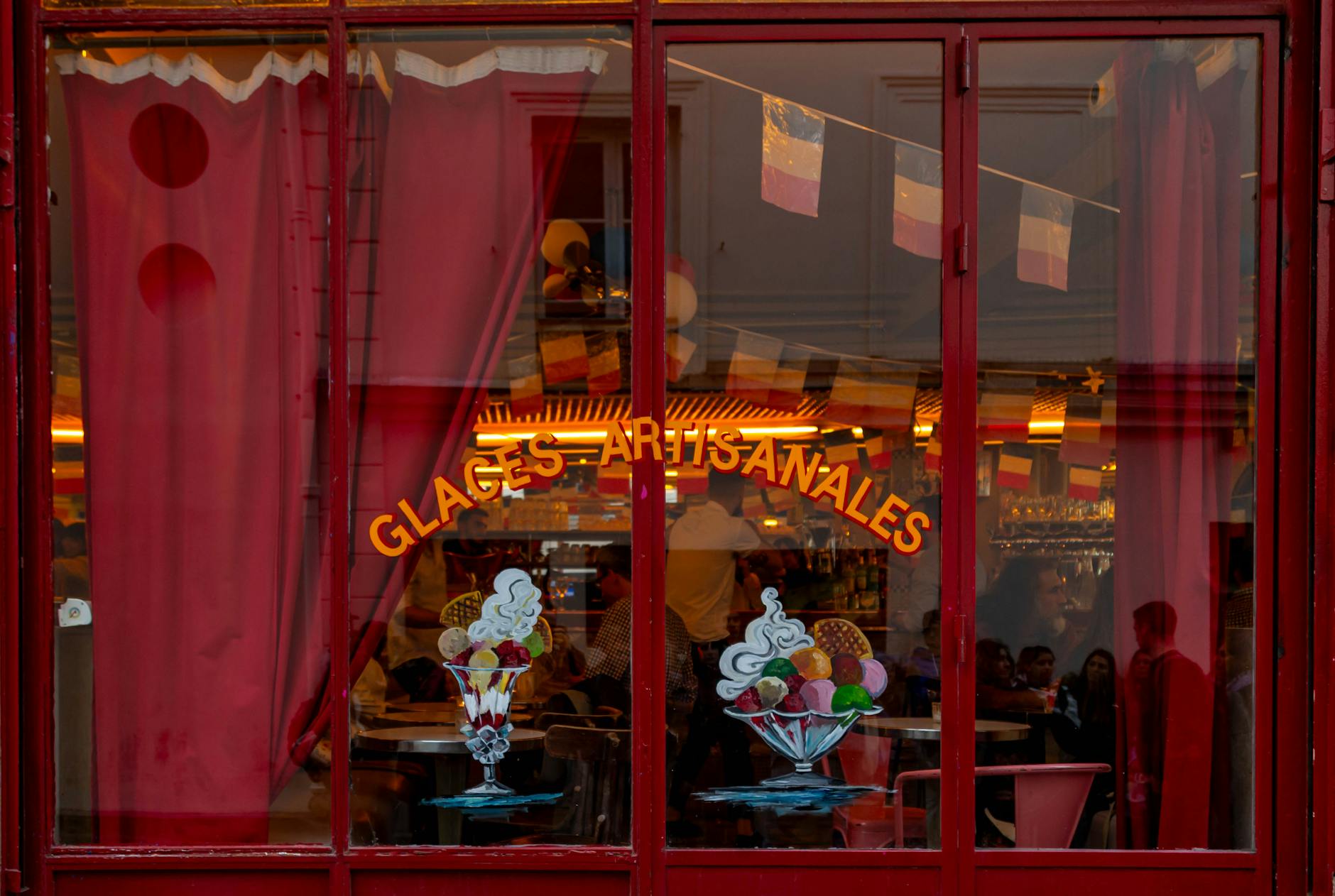
Itineraries
These itineraries are intentionally realistic. They do not try to cover everything. They are designed to preserve energy and create memorable days.
One Perfect First Day in Paris
Morning: Historic Core
Start early on Île de la Cité. See Notre-Dame, then visit Sainte-Chapelle with a timed slot. Walk to Pont Neuf and Square du Vert-Galant.
Lunch: Left Bank
Cross toward the Latin Quarter or Saint-Germain. Avoid the worst tourist lanes. Choose a simple bistro, crêperie, bakery picnic, or café lunch.
Afternoon: Louvre Exterior, Tuileries, or Orsay
If you are museum-ready, choose either a focused Louvre visit or Musée d’Orsay. If not, walk the Seine to the Louvre courtyard and Tuileries.
Evening: Saint-Germain or the 2nd
Have an apéro, then dinner in Saint-Germain, the 2nd, or the Marais depending on where you are staying.
Cut if tired: the museum. Paris is still Paris if you sit in a garden.
Rain alternative: Louvre or Orsay plus covered passages.
Two Days in Paris
Day 1: The Historic Heart and Left Bank
Notre-Dame, Sainte-Chapelle, Île Saint-Louis, Latin Quarter, Luxembourg Gardens, Saint-Germain dinner.
Day 2: Louvre, Tuileries, Eiffel, Seine
Louvre in the morning, Palais-Royal/Tuileries after, late afternoon Eiffel Tower/Trocadéro, evening Seine cruise or riverside walk.
The logic: Day 1 is old Paris and the Left Bank. Day 2 is grand Paris and the river axis.
Three Days in Paris
Day 1: Île de la Cité, Latin Quarter, Saint-Germain
Use the first day to orient yourself around the river and historic core.
Day 2: Louvre, Palais-Royal, Tuileries, Orangerie or Orsay
Make this your major art day. Do not do Louvre and Orsay back-to-back unless you truly love museums and have stamina.
Day 3: Montmartre, 9th, Covered Passages, Evening in the 11th
Start early in Montmartre. Walk down toward the 9th, Rue des Martyrs, and the covered passages. Dinner in the 9th or 11th.
Optional swap: If the Eiffel Tower matters deeply, put it on Day 3 late afternoon and move Montmartre to the morning only.
Five Days in Paris
Day 1: Arrival and Gentle Orientation
Hotel check-in, neighborhood walk, Seine or Luxembourg Gardens depending on your base, easy dinner near your hotel.
Day 2: Historic Paris
Notre-Dame, Sainte-Chapelle, Conciergerie if interested, Île Saint-Louis, Latin Quarter, Saint-Germain.
Day 3: Louvre and Grand Axis
Louvre, Palais-Royal, Tuileries, Orangerie if desired, Place Vendôme, covered passages, dinner in the 2nd or 9th.
Day 4: Eiffel, Invalides, Rodin, Seine
Eiffel/Trocadéro, Rue Cler or 7th lunch, Musée Rodin, Invalides if interested, evening Seine cruise or walk.
Day 5: Choose Your Paris
Pick one:
- Montmartre + 9th + Pigalle for atmosphere and restaurants.
- Marais + Bastille + 11th for shopping, history, and food.
- Versailles for a full-day royal-power excursion.
- Orsay + Saint-Germain for art and Left Bank pleasure.
- Canal + Belleville + Buttes-Chaumont for contemporary Paris.
One Week in Paris
Day 1: Arrival, Seine, Easy Dinner
Day 2: Historic Core and Latin Quarter
Day 3: Louvre, Tuileries, Palais-Royal
Day 4: Eiffel, Rodin, Invalides, Seine Cruise
Day 5: Montmartre, 9th, Covered Passages
Day 6: Versailles or Giverny
Day 7: Marais, Bastille, 11th Food Evening
Optional Day 8 if extending: Belleville, Père Lachaise, Buttes-Chaumont, or a Champagne/Reims day trip.
Food-Lover Itinerary
Day 1: Bakery, Market, Bistro
Start with a strong bakery near your hotel. Visit a market late morning. Lunch casually. Dinner in the 11th or 9th.
Day 2: Classic Paris
Choose a classic brasserie or bistro lunch, pastry stop in the afternoon, wine bar dinner.
Day 3: Global Paris
Explore the 13th, Belleville, or another multicultural food area. End with a modern reservation.
Day 4: Splurge
Keep the day light, walk a lot, and protect your appetite for a serious dinner.
Family-Friendly Itinerary
Paris can work very well with children if you slow down.
Good family anchors: Luxembourg Gardens, Jardin des Plantes, Eiffel Tower from the ground or second floor, Seine cruise, Natural History Museum, Cité des Sciences, playgrounds, carousels, bakeries, parks, and shorter museum visits.
Avoid: too many long lines, back-to-back museums, late dinners every night, and hotel rooms too small for recovery.
Rainy-Day Itinerary
Morning at Orsay or Louvre. Lunch somewhere nearby but researched. Afternoon covered passages and department stores. Hot chocolate, pastry, or wine bar pause. Evening performance, cinema, or long dinner.
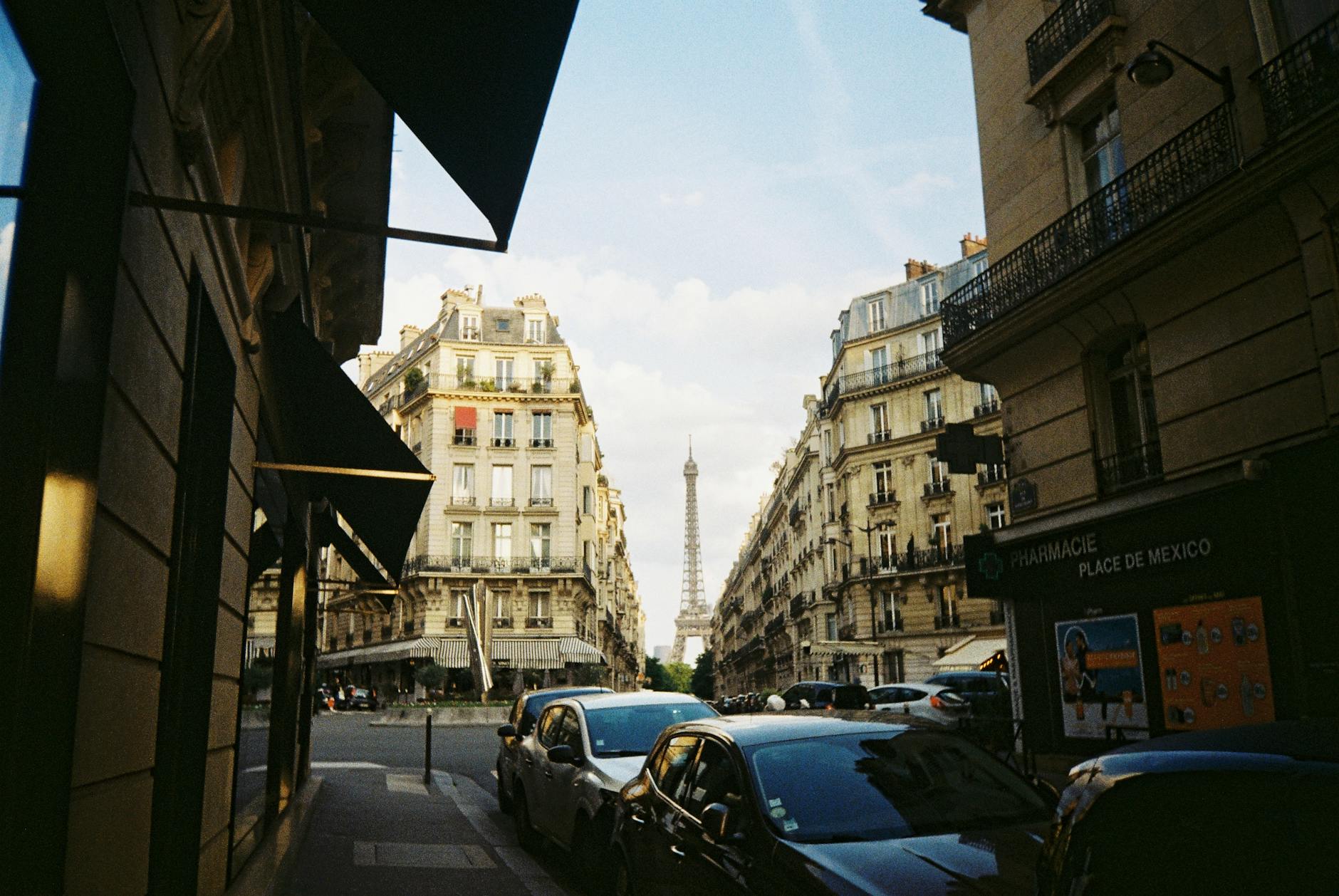
Day Trips
Paris has superb day trips, but not every famous place should be forced into a day. Choose based on transport time and what you are giving up in Paris.
Versailles
Best for: first-timers with 5+ days, history, gardens, royal architecture, families with stamina.
Versailles is magnificent and exhausting. The palace is crowded, the gardens are huge, and the estate is best treated as a full-day excursion. The Hall of Mirrors is famous for a reason, but the broader story is power: how monarchy staged itself, controlled space, and made politics architectural.
Time needed: most of a day.
Best strategy: book ahead, arrive early, understand garden/fountain schedules, wear real walking shoes, and do not schedule a major Paris dinner too tightly afterward.
Common mistake: treating Versailles as a quick morning add-on.
Giverny
Best for: Monet lovers, gardens, spring/summer trips, photography.
Giverny is seasonal. It is best when the gardens are alive. It can be crowded, but for Monet enthusiasts it is deeply worthwhile.
Time needed: half to full day.
Best season: spring through early autumn, depending on blooms.
Fontainebleau
Best for: palace lovers who want a less crowded alternative to Versailles, forest, history.
Fontainebleau is one of the great French royal residences and often a more manageable day than Versailles. The town and forest add appeal.
Chartres
Best for: cathedral architecture, stained glass, medieval history.
Chartres Cathedral is one of the greatest Gothic buildings in Europe. This is a strong day trip for travelers who care about architecture and sacred art.
Reims and Champagne
Best for: champagne houses, cathedral, wine-region day.
Reims can work as a high-speed train day trip. Book champagne tastings ahead.
Rouen
Best for: medieval streets, cathedral, Normandy preview, Joan of Arc history.
Rouen is a good city day trip if you want a different urban texture without committing to a full Normandy itinerary.
Disneyland Paris
Best for: families, Disney fans, theme-park travelers.
Do not treat this as “seeing Paris.” It is its own thing and works best if everyone actually wants a Disney day.
Loire Valley
Possible but often better as an overnight or longer trip. A rushed châteaux day from Paris can become more transport than pleasure.
Day-trip rule: If you have only three days in Paris, think hard before leaving the city. Paris itself is not filler.
Getting Around
Paris has one of the world’s best urban transit systems, but it is not frictionless. Learn the basics and you will save time, money, and irritation.
Arriving by Air
Charles de Gaulle Airport (CDG)
CDG is the main international airport and is connected to Paris by RER B. Airport-region rail travel uses a specific airport fare. Taxis between CDG and Paris have fixed city fares by Right Bank/Left Bank, but always use the official taxi rank and ignore solicitors inside the terminal.
Best for most solo travelers: RER B if your hotel is convenient to a stop and you are not overloaded.
Best for families/heavy luggage/late arrivals: official taxi or pre-booked transfer.
Watch out for: unofficial taxi approaches, RER disruptions, pickpockets, and stairs/transfers with luggage.
Orly Airport (ORY)
Orly is closer to Paris and is now connected by metro Line 14 using the Paris Region airport ticket. Orlyval also connects to the regional rail network. Taxis have fixed city fares by bank.
Best for many travelers: Line 14 if your hotel is convenient.
Best with luggage or family: official taxi.
Beauvais Airport
Beauvais is far from Paris. It can be economical for low-cost flights, but it is not convenient. Price your total time and transfer before assuming it is a bargain.
Public Transport Tickets
The Paris transit system has moved away from the old paper-ticket logic. As of current 2026 fare structures, occasional visitors should understand the main categories:
- Metro-Train-RER Ticket: for metro, train, and RER trips, with fare rules by network.
- Bus-Tram Ticket: for buses and trams.
- Paris Region <> Airports Ticket: for rail/metro travel to or from CDG and Orly.
- Navigo Easy or mobile tickets: the practical way for many visitors to load tickets.
- Paris Visite / Navigo Day / Navigo Week: useful only if the math works for your trip pattern.
Important: Airport travel has special rules. Do not assume a normal city ticket covers CDG or Orly rail/metro airport trips.
Metro
The metro is dense, frequent, and usually the fastest way around central Paris. It is also crowded, full of stairs, and not always accessible.
Good for: cross-city movement, bad weather, evenings, saving walking time.
Bad for: wheelchairs, heavy luggage, stroller-heavy travel, people who dislike stairs, scenic orientation.
RER
RER trains are faster regional lines that cross Paris and serve airports, Versailles, Disneyland, and suburbs. They are useful but require more attention to direction, branch, and ticket validity.
Buses
Buses are slower but more scenic and often better for travelers who struggle with metro stairs. They are useful for short cross-neighborhood trips and for seeing the city above ground.
Walking
Paris is a walking city, but you need good shoes and realistic expectations. A “short” walk can become long if you are museum-tired, jet-lagged, or dealing with heat.
Best walks: Seine quays, Marais loops, Saint-Germain to Luxembourg, Palais-Royal to covered passages, Montmartre backstreets, Canal Saint-Martin, Luxembourg to Panthéon and Rue Mouffetard.
Taxis and Ride-Hailing
Official taxis are useful at night, in rain, with luggage, or for airport trips. Ride-hailing exists, but regulated taxi ranks are often simpler at airports and train stations.
Taxi rule: At airports, use the official queue. Ignore anyone approaching you inside the terminal offering a ride.
Bikes and Scooters
Vélib’ and bike lanes can be useful for confident urban cyclists. Paris has improved cycling infrastructure significantly, but traffic awareness is essential. Visitors should not learn city cycling under pressure.
Do You Need a Car?
No. A car inside Paris is a burden. Parking, traffic, restricted zones, and stress outweigh any benefit. Rent a car only for rural extensions where train access is poor.
Safety, Scams, and Strikes
Paris is generally safe for visitors who use normal city awareness, but petty theft is a real issue in crowded tourist zones and on transit. The goal is not paranoia; it is competence.
Main Risks
- Pickpocketing and phone theft.
- Bag snatching in cafés or on terraces.
- Distraction scams near major sights.
- Taxi scams from unofficial drivers.
- Street games such as the cup-and-ball/three-card-style setups.
- Petition scams and bracelet/string approaches.
- Metro and RER crowd theft.
- Demonstration or strike disruption.
High-Alert Areas
- Eiffel Tower / Trocadéro.
- Louvre and Tuileries.
- Sacré-Cœur / Montmartre tourist circuit.
- Gare du Nord and major stations.
- RER B airport route.
- Crowded metro lines and platforms.
- Champs-Élysées.
- Busy terraces where phones sit on tables.
Practical Safety Rules
- Keep phones off café tables near the street.
- Use a zipped bag, worn in front in crowds.
- Do not put wallets in back pockets.
- Be extra alert when boarding or exiting trains.
- Ignore unsolicited help at ticket machines unless from uniformed staff.
- Use official taxi ranks.
- Step away from street games and petition approaches.
- Carry a copy/photo of passport details separately.
- Leave your passport in a secure place unless you need it for ID or tax-free shopping.
- Monitor transit news during strikes.
Strikes and Demonstrations
Strikes are part of French civic life and can affect transit, museums, garbage collection, flights, and public services. Demonstrations are usually avoidable if you monitor local news and avoid protest routes.
Travel strategy: build slack into airport and train days, especially during national strike periods. Do not schedule a same-day intercity train, museum booking, and flight connection with no buffer.
Terrorism and Security Checks
France maintains heightened security awareness. Bag checks at major monuments, museums, department stores, and public buildings are normal. Build in extra time and do not carry unnecessary large items.
The move: Paris is not a dangerous city for most visitors; it is a city where distracted visitors are profitable. Stay aware, and you remove most of the easy opportunities.
Accessibility
Paris is beautiful but often difficult for travelers with mobility needs. Older metro stations, narrow sidewalks, cobblestones, small hotel elevators, stairs, and historic buildings can create real barriers.
What Helps
- Buses are often more accessible than the metro.
- Newer metro and tram infrastructure is better than old lines.
- Major museums usually have accessibility services, but routes can be indirect.
- Taxis or private transfers can be worth the money for airport and evening logistics.
- Staying central reduces transit strain.
- Choosing a hotel with confirmed elevator dimensions and step-free access is essential.
More Difficult Areas
- Montmartre because of hills and stairs.
- Older metro stations without elevators.
- Small boutique hotels in historic buildings.
- Cobblestone streets around some old districts.
- Crowded museum entries and security queues.
Better Areas for Mobility
- Parts of the 6th, 7th, 15th, and 16th.
- Near bus lines and accessible RER/metro stations.
- Hotels close to major sights if walking distance matters.
Planning Advice
Contact hotels directly. Do not rely only on generic “accessible” filters. Ask about entrance steps, elevator size, bathroom layout, shower access, air conditioning, distance to transit, and whether taxis can stop directly outside.
Families, Solo Travelers, and Special Interests
Paris With Kids
Paris is better with children when you stop pretending they will appreciate five-hour museum days.
Best family activities: Luxembourg Gardens, Eiffel Tower views, Seine cruise, Jardin des Plantes, Natural History Museum, playgrounds, carousels, bakeries, parks, Cité des Sciences, Atelier des Lumières, Disneyland if desired.
Best family bases: 6th near Luxembourg, 7th, 15th, 16th, parts of the 5th, or apartment-style lodging near good transit.
Food strategy: bakeries, crêperies, casual brasseries, markets, early dinners where possible.
Avoid: late-night dining every night, too many lines, small rooms with no recovery space, and hotel locations that require multiple transfers.
Solo Travelers
Paris is excellent solo. Museums, cafés, bookshops, walking, cinemas, and wine bars all work alone.
Best solo bases: Marais, 9th, Saint-Germain, Latin Quarter, 10th/Canal for more experienced travelers.
Solo dining: wine bars, counter seating, lunch menus, casual bistros, crêperies, and bakeries make it easy.
Couples
Paris is obvious for romance, but the best couples’ trip is not all clichés. Mix one or two classic moments with quiet neighborhoods.
Best romantic moves: evening Seine walk, Luxembourg Gardens, Île Saint-Louis, Musée Rodin garden, Saint-Germain cafés, Montmartre at off-hours, one serious dinner, one picnic.
LGBTQ+ Travelers
Paris is broadly welcoming, with the Marais historically central to LGBTQ+ nightlife and culture. As in any major city, use normal awareness late at night and when leaving bars or clubs.
Older Travelers
Choose lodging carefully, prioritize elevators and taxis when needed, avoid overpacked days, and use buses or taxis to reduce stair fatigue.
Remote Workers and Long Stays
Paris can be wonderful for longer stays but expensive. Look beyond the most central districts, build routines around a market and café, and choose lodging with real workspace and air conditioning if needed.
Shopping and Souvenirs
Paris shopping is not just luxury fashion. It is food, paper, perfume, books, vintage, design, pharmacy products, cookware, and small objects chosen well.
Best Shopping Areas
- Saint-Honoré / Place Vendôme / Avenue Montaigne: luxury fashion and jewelry.
- Le Marais: boutiques, design, fashion, gifts, vintage.
- Saint-Germain: books, galleries, home goods, fashion.
- Grands Magasins: Galeries Lafayette and Printemps for department-store shopping and food halls.
- Rue des Martyrs / 9th: food shops, small boutiques, neighborhood shopping.
- Canal Saint-Martin: casual boutiques and younger brands.
- Flea markets: best for serious browsing, but research and go with patience.
Best Food Souvenirs
- Chocolate.
- Caramels.
- Tea.
- Mustard.
- Salt.
- Jams.
- Tinned fish.
- Biscuits.
- Specialty pantry items.
- Carefully packed cheese only if allowed by your destination rules.
Best Non-Food Souvenirs
- Scarves.
- Stationery.
- Art books.
- Perfume.
- French pharmacy skincare.
- Vintage prints.
- Small ceramics.
- Museum-shop objects.
What Not to Buy
- Cheap Eiffel Tower trinkets from aggressive sellers unless you knowingly want a cheap trinket.
- “French” souvenirs made with no connection to France.
- Food items that customs will confiscate.
- Luxury goods from suspicious unofficial sellers.
Culture, Etiquette, Books, and Films
Etiquette That Matters
Paris is not as rude as its stereotype. But it is formal in small rituals.
Say bonjour. This is nonnegotiable. Say it when entering a shop, bakery, small restaurant, or approaching someone for help.
Use basic French courtesy. Bonjour, s’il vous plaît, merci, au revoir.
Do not start with English at full speed. A simple “Bonjour, parlez-vous anglais?” goes a long way.
Respect the meal. Restaurants are not always built around fast table-turning or endless substitutions.
Keep your voice down indoors and on transit. The loud tourist stereotype is real and avoidable.
Do not block sidewalks, doorways, stairs, or metro gates. Step aside before checking your phone.
Dress with some care. You do not need fashion-week clothing. You do need practical, neat clothing that works beyond the gym.
A Short History for Travelers
Paris began on and around the Seine, with the Île de la Cité as a central settlement point. Roman Lutetia left traces on the Left Bank. Medieval Paris grew around churches, markets, guilds, and the university. Royal power expanded the city’s symbolic role. The Louvre shifted from fortress to palace to museum. Notre-Dame became a spiritual and civic anchor.
The French Revolution transformed Paris into a theater of political modernity. Napoleon and later regimes reshaped its monuments. In the 19th century, Baron Haussmann’s urban redesign cut broad boulevards through older neighborhoods, creating much of the Paris visitors now consider timeless, while also displacing communities and making the city easier to police and circulate.
The Belle Époque, world wars, occupation, liberation, postwar migration, student revolts, modern planning, fashion, cinema, and contemporary debates over tourism, housing, climate, and identity all sit inside today’s Paris. The city is not a museum, even when it looks like one.
Books to Read Before or During a Trip
- A Moveable Feast by Ernest Hemingway — mythic expat Paris; read with skepticism and pleasure.
- Down and Out in Paris and London by George Orwell — poverty and labor behind the romance.
- The Flâneur by Edmund White — walking and literary Paris.
- Parisians by Graham Robb — historical vignettes.
- The Invention of Paris by Eric Hazan — radical geography and urban history.
- Suite Française by Irène Némirovsky — wartime France.
- The Elegance of the Hedgehog by Muriel Barbery — contemporary literary Paris.
- The Belly of Paris by Émile Zola — markets and modern city life.
Films and Shows
- Cléo from 5 to 7 — one of the great Paris walking films.
- Amélie — whimsical Montmartre myth, charming but not documentary.
- Ratatouille — playful and surprisingly effective for family Paris dreams.
- Before Sunset — conversation, walking, and the Seine.
- Paris, je t’aime — uneven but useful as a mosaic.
- La Haine — essential for understanding that “Paris” and the Paris region are not the same social world.
- Midnight in Paris — fantasy Paris, useful mostly as a warning about nostalgia.
Music
Paris has chanson, jazz, classical, electronic, hip-hop, North African influences, West African scenes, and global music. Look for concerts, small jazz clubs, Philharmonie programming, opera, church concerts, and neighborhood venues.
Responsible Travel
Paris is not a theme park. It is a dense city with residents, housing pressure, labor issues, crowding, climate concerns, and public-space tensions.
Visit Better
- Stay in legal, responsible lodging.
- Do not treat residential streets as photo sets.
- Support bakeries, markets, bookstores, and independent shops beyond the most famous addresses.
- Use public transit and walking instead of unnecessary cars.
- Respect churches as religious sites, not just interiors.
- Do not buy from illegal street sellers if it contributes to enforcement and exploitation problems.
- Be patient with staff; Paris hospitality workers deal with enormous visitor pressure.
- Learn basic French greetings.
- Keep noise down in apartment buildings and residential streets.
- Avoid blocking sidewalks for photos.
Responsible move: Spend money in neighborhoods where you spend time. Do not just extract images from a place and leave your trash behind.
What to Skip
A trustworthy Paris guide has to say this plainly: not everything famous deserves your limited time.
Skip or Deprioritize: The Champs-Élysées as a Main Activity
See the Arc de Triomphe. Enjoy the view. But the avenue itself is often a chain-store, traffic-heavy disappointment. Walk a section if you want, then move on.
Better alternative: Arc rooftop, Parc Monceau, Petit Palais, Avenue Montaigne, or a Seine walk.
Skip: Restaurants Directly Beside Major Landmarks Without Research
Some are good. Many are not. Do not reward location-only mediocrity.
Better alternative: walk 10–15 minutes away or reserve in a nearby real neighborhood.
Skip: Trying to See the Entire Louvre
You cannot. Not in one visit. Not enjoyably.
Better alternative: focused route, guided tour, or smaller museum.
Skip: Montmartre’s Most Obvious Tourist Restaurants
The neighborhood is worth visiting. The worst menus around the most crowded squares are not.
Better alternative: eat downhill in the 9th or choose researched backstreet places.
Skip: A Car in Paris
Unless there is a special mobility or business reason, a car makes Paris harder.
Skip: Overpriced “Skip-the-Line” Claims
Many major sites require time slots or security checks regardless. Buy from official sources when possible.
Skip: Too Many Day Trips
If you are using Paris as a base for five day trips, ask whether you actually want to visit Paris.
Common Mistakes
1. Staying Too Far Out to Save Money
A cheaper hotel can become expensive when you pay with time, transfers, fatigue, and missed evening pleasure.
2. Booking Near the Eiffel Tower Automatically
It is a landmark, not necessarily the best base.
3. Planning by Icons Instead of Geography
Group sights by neighborhood. Paris punishes zigzags.
4. Eating at the Moment of Desperation
Plan meals just enough to avoid tourist traps.
5. Forgetting Museum Closure Days
Many museums close one day a week. Check before assigning days.
6. Underestimating the Louvre
It is huge, crowded, and tiring. Plan a route.
7. Not Booking the Eiffel Tower Early
Summit lift tickets can sell out. If it matters, book.
8. Wearing Bad Shoes
Paris is a walking city with hard surfaces.
9. Assuming Everyone Will Speak English Happily
Many people can speak English. Courtesy still matters.
10. Ignoring Strikes
Check transit and flight conditions near travel dates.
11. Overpacking the First Day
Jet lag plus Paris logistics can humble anyone.
12. Treating August Like Every Other Month
Some restaurants and shops close for summer holidays. Monuments stay busy.
13. Putting Your Phone on a Café Table
It can disappear quickly.
14. Buying Fake or Third-Party Notre-Dame Entry
Cathedral entry is free. Optional reservations are free.
15. Trying to Make Paris Perfect
Paris is too alive to be perfect. Let it be difficult sometimes. The friction is part of the city.
Packing Guide
Paris packing is about three realities: you will walk more than you expect, weather changes quickly, and you may want to look presentable without carrying too much.
Year-Round Essentials
- Comfortable walking shoes that are already broken in.
- A compact umbrella or light rain shell.
- Layers, even in warmer months.
- A small crossbody or zipped day bag.
- Portable phone charger.
- Universal power adapter or Type C/E-compatible plug.
- Reusable water bottle.
- A nicer outfit for dinner, opera, cocktails, or a special hotel bar.
- Copies of passport, insurance, and booking confirmations.
- Any medications in original packaging.
Spring
Bring layers, a rain jacket, and shoes that can handle wet pavement. Spring can feel like three seasons in one day.
Summer
Prioritize breathable clothes, sun protection, and hotel air conditioning. Bring one light layer for evenings and museums. Do not underestimate heat waves.
Autumn
Pack layers, a light coat, and good walking shoes. September can still feel summery; November can feel damp and cold.
Winter
Bring a warm coat, scarf, gloves, waterproof shoes or boots, and clothes that work for long indoor museum days. Paris winter cold is often damp rather than extreme.
What Not to Pack
- New shoes.
- Huge luggage if your hotel has stairs or a tiny elevator.
- Too many formal outfits unless your plans require them.
- A rental-car mindset.
- A rigid itinerary printed as if weather and strikes do not exist.
Easy to Buy Locally
Toiletries, pharmacy items, umbrellas, scarves, notebooks, snacks, and basic clothing.
Harder or More Expensive to Fix
Comfortable shoes, prescription medications, specialized chargers, specific medical supplies, and summer air conditioning if your hotel lacks it.
Photography and Visual Planning
Paris is heavily photographed, which makes it harder—not easier—to photograph well. The most famous views are crowded because they are good. The trick is timing and restraint.
Best Classic Photo Spots
- Trocadéro for the Eiffel Tower, ideally early.
- Pont Alexandre III for Seine grandeur.
- Rue de l’Université and Avenue de Camoëns for Eiffel compositions.
- Louvre courtyard early or evening.
- Palais-Royal arcades.
- Luxembourg Gardens.
- Montmartre backstreets away from peak crowds.
- Île Saint-Louis and bridges around sunset.
- Seine quays after rain.
Better Photo Philosophy
Do not spend the trip reproducing images you have already seen online. Photograph texture: café chairs, market stalls, doorways, rooftops, metro signs, bookstalls, rain on stone, garden chairs, shadows in passages, and the way people use public space.
Etiquette
Avoid photographing people intrusively, especially in markets, churches, cafés, and residential streets. Do not block sidewalks, traffic, or shop entrances. Tripods may be restricted in many places.
Photo move: Wake early once, not every day. One dawn session near the Seine or Trocadéro is enough. Spend the rest of the trip living inside the city rather than hunting it.
FAQ
Is Paris worth visiting?
Yes. Paris remains one of the world’s great cities for art, architecture, food, fashion, history, and walking. It is also crowded, expensive, and occasionally frustrating. Go with curiosity, not entitlement.
How many days should I spend in Paris?
Four to five days is ideal for a first visit. Three days is workable. A week is excellent if you want day trips and deeper neighborhoods.
What is the best area to stay in Paris for a first visit?
Saint-Germain, the Marais, the northern Latin Quarter, the 1st/2nd near the Louvre and Palais-Royal, or the 9th for a more local-feeling base.
Is Paris safe?
Generally yes for visitors, but pickpocketing and phone theft are common in crowded areas and on transit. Stay alert, especially around major sights and stations.
Do I need to speak French?
No, but basic courtesy in French makes a meaningful difference. Always start with bonjour.
Is the Eiffel Tower worth going up?
For many first-timers, yes. But it is not mandatory. The best views of Paris often include the Eiffel Tower, which means you are not standing on it.
Is the Louvre worth it?
Yes, if you plan it. No, if you wander in tired and expect to complete it.
Should I buy the Paris Museum Pass?
Only if your planned included sites exceed the pass cost and you are comfortable with a museum-heavy pace. It is not automatically worth it.
Is Versailles worth a day trip?
Yes if you have at least four or five days in Paris or a strong interest in French history, architecture, and gardens. It is not ideal for a two-day first visit.
What should I book before arriving?
Eiffel Tower tickets if going up, Louvre timed entry, Sainte-Chapelle in peak season, Versailles, Catacombs, major restaurants, and special exhibitions.
Can I use contactless payment everywhere?
Cards are widely accepted, but carry some cash for small purchases, markets, tips, and backup.
Do I need a car?
No. Do not rent a car for Paris itself.
What is the biggest Paris travel secret?
Stop chasing secrets. The best Paris experiences are often obvious things done with better timing: a garden in the morning, a museum with a plan, a good bakery near your hotel, a neighborhood walk before dinner, and the Seine at dusk.
Final Planning Shortcuts
Best First-Timer Plan
Stay in Saint-Germain, Marais, northern Latin Quarter, or the 1st/2nd. Spend 4–5 days. Book Louvre, Eiffel, Sainte-Chapelle, and one serious dinner. Build days by neighborhood.
Best Romantic Plan
Stay in Saint-Germain or a beautiful Right Bank boutique hotel. Prioritize Seine walks, Rodin garden, Luxembourg Gardens, Île Saint-Louis, one splurge dinner, and late apéros.
Best Food Plan
Stay in the 9th, Marais, or 11th. Build around bakeries, markets, wine bars, one classic bistro, one modern reservation, and one global Paris meal.
Best Family Plan
Stay near Luxembourg Gardens, the 7th, the 15th, or the 5th. Use parks, Seine cruise, short museum visits, bakeries, and early dinners. Do not over-schedule.
Best Budget Plan
Stay near good transit in the 9th, 10th, 11th, 12th, 14th, or 15th. Use bakeries, markets, lunch menus, free sights, parks, and selective paid museums.
Best Repeat-Visitor Plan
Skip the first-timer checklist. Choose Belleville, the 13th, Buttes-Chaumont, small museums, outer arrondissements, markets, specialty shops, and one day trip you actually care about.
Current Logistics Source Notes
This guide was drafted with current logistics checked on 2026-05-23. Always re-check official sources before booking because fares, hours, access rules, and closure dates change.
Entry and Border Rules
- France-Visas: arrival documents, passport validity, accommodation/funds/insurance notes, and EES explanation.
- European Commission / EU Travel to Europe: EES operational status and ETIAS timing.
Public Transport and Airports
- Île-de-France Mobilités: 2026 fares for Metro-Train-RER, Bus-Tram, and airport tickets.
- RATP: airport access by RER, metro Line 14 to Orly, Orlyval, buses, and ticket rules.
- Île-de-France Mobilités network updates: RoissyBus ended on 1 March 2026; RER B and bus alternatives.
- Service-Public.fr: regulated Paris taxi flat fares to/from CDG and Orly, current official fare framework.
Major Attractions
- Eiffel Tower official site: ticket categories, prices, opening notes, summit weather restrictions, baggage restrictions.
- Louvre official site: 2026 ticket prices, EEA/non-EEA pricing, free-admission categories, fraud warning, free first-Friday evening policy outside July/August.
- Paris Museum Pass official site: 48/96/144-hour prices and included-site structure.
- Notre-Dame de Paris official site: free entry and optional free reservation rules.
- Sainte-Chapelle / Centre des monuments nationaux: 2026 prices, hours, security notes.
- Château de Versailles: 2026 ticketing, Passport pricing, high/low season rates, EEA discounted prices.
- Musée d’Orsay: current ticket pricing and access notes.
- Centre Pompidou: main Paris building closure and 2030 renovation timeline.
- Paris Catacombs official site: 2026 prices, opening hours, booking recommendation.
Safety
- U.S. State Department and other government travel advisories: petty theft, pickpocketing, demonstrations, strikes, and terrorism-risk framing.
Editorial Note
This is a sample city guide, not a live booking engine. A finished publication-quality version should add a map layer, hotel shortlists, restaurant shortlists verified within the last 90 days, seasonal event updates, accessibility confirmations, and photography.
The core editorial rule should remain: Paris is not a checklist. Paris is a sequence of well-chosen days.