
Odense is one of those cities that gets praised too vaguely to be understood properly.
Start Here
People call it charming, easy, compact, and calm. All of that is true. None of it is enough. Those words describe the surface of the experience, not the logic of it. Odense is not rewarding because it is merely pleasant. It is rewarding because it gives you a coherent smaller-city stay with real cultural weight, a strong relationship between old streets and new urban redevelopment, and enough parks, river space, and everyday civic life to feel complete rather than decorative.
The problem is that first-time visitors often arrive with a narrowing frame. They know Hans Christian Andersen was born here, so they assume the city is basically a literary footnote with a museum attached. Or they treat Odense as a secondary Danish stop that must justify itself with quick cuteness. That is the wrong posture. Odense does not need to compete with Copenhagen on scale or with Aarhus on urban breadth. It works best when you let it behave like what it is: a compact Danish city that has recently remade parts of its center, preserved enough of its older texture to feel rooted, and kept enough greenery and calm to make two or three days feel sane.
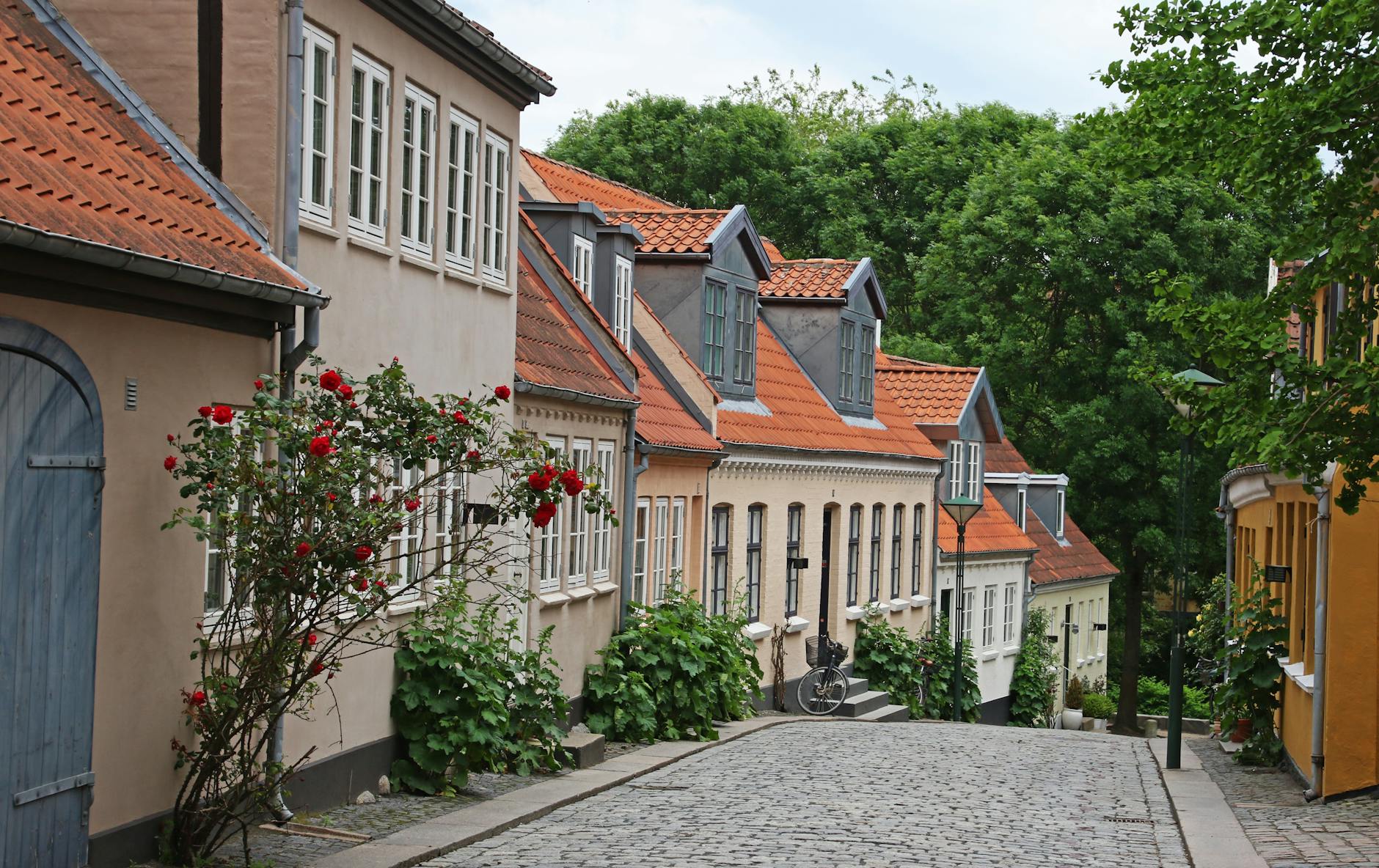
That combination is what makes Odense useful. The center is walkable. The H.C. Andersen material is real, but no longer the whole story. The new tram and the reworked city center have made movement easier and cleaner.[1][2] Munke Mose and the wider river-and-park spaces stop the city from feeling over-composed.[5] The older quarter gives you the half-timbered, cobbled Denmark people expect, but in a way that still feels attached to a living city.[6] And if you shape the stay well, Odense becomes not a compromise, but a very satisfying scale.
The city in one sentence: Odense is a compact Danish city whose best first stay balances Andersen, the historic quarter, green space, and the rebuilt modern center instead of reducing the place to one famous name.
Basic data
| Population | About 180,000 in the city |
|---|---|
| Area | 304 km2 in the municipality; the visitor core is much smaller |
| Major religions | Christian heritage with a strongly secular contemporary public culture |
| Political system | Municipal government inside a parliamentary constitutional monarchy |
| Economic system | High-income mixed economy led by services, robotics, education, healthcare, and culture |
Quick Verdict
Best for: couples, solo travelers, Denmark repeaters, literary travelers who still want a real city, and anyone who likes coherent, walkable smaller-city stays.
Not ideal for: travelers who need nonstop big-city energy, people who only want iconic monuments, or anyone who thinks a city this size should be “done” in two rushed hours.
Ideal first stay: 2 nights.
Better stay: 3 nights if you want the museums, parks, and evening rhythm without compressing the trip.
Minimum worthwhile stay: 1 night.
Best overall months: May to September.
Biggest planning mistake: treating Odense as a symbolic day-trip errand.
One thing to prioritize: a central base with easy walking access to both the historic quarter and the newer center.
One thing to keep flexible: how much the trip leans literary-historic versus park-and-city rhythm after arrival.
The blunt version: Odense is far better when you sleep there and let the city have an evening.
Who Will Love Odense?
Odense works especially well for travelers who like manageable cities with a real internal rhythm. If you enjoy places where you can walk from a museum to a park, from older lanes to newer urban design, and from a calm afternoon to a quietly social dinner without ever turning the day into transport management, Odense is strong.
It is also good for travelers who are tired of cities that demand performance. Odense does not force you into constant sightseeing behavior. It is a city that rewards steadiness: one strong cultural anchor, one good walk, a meal that reflects the city rather than a tourist script, and enough time to notice how well the place holds together.
Odense at a Glance
| Question | Practical Answer |
|---|---|
| Main gateway | Odense Station |
| Simplest local transit | walking first, tram second |
| Best first-time base | central city / historic quarter edge |
| Main cultural anchor | Hans Christian Andersen House |
| Main green reset | Munke Mose and river-side park space |
| Main old-city texture | historic quarter / Andersen Quarter |
| Main modern-city clue | rebuilt center and light rail |
| Car needed? | No |
| Best trip length | 2 to 3 days |
2026 Visitor Notes
The Center Has Changed More Than Many Visitors Realize
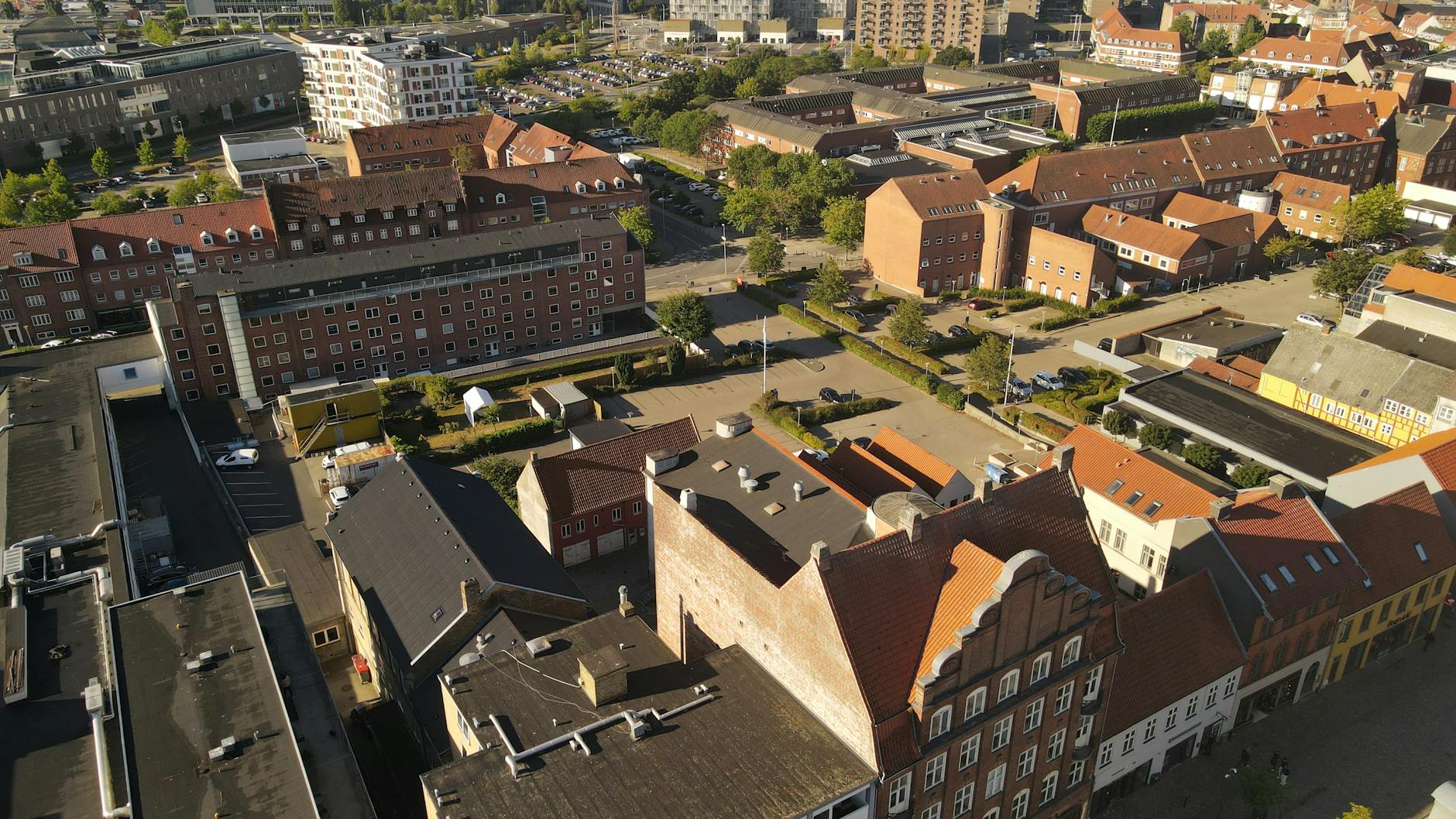
VisitOdense’s current welcome page is direct about the point: Odense has changed quickly, with a reimagined city center where Thomas B. Thriges Gade once cut through, plus the light rail and redeveloped harbor area.[1] That matters because older mental pictures of Odense are often out of date.
The Tram Is Part of the New Odense
Odense Letbane’s English page frames the system simply: ticket, timetable, and tourist information are all integrated into the tram setup for visitors.[2] Even if you mostly walk, the tram helps explain the city’s current shape and makes the newer center feel connected rather than improvised.
Hans Christian Andersen’s House Is Now a Real Destination-Level Museum
VisitOdense describes the current museum as an immersive architectural and storytelling experience, not a static memorial. The listing also gives practical details: advance booking is encouraged, June opening hours are typically `10:00 AM` to `5:00 PM`, and standard adult pricing is listed around `165-175 DKK`, with children under `18` free.[3]
The Historic Quarter Is Still Essential
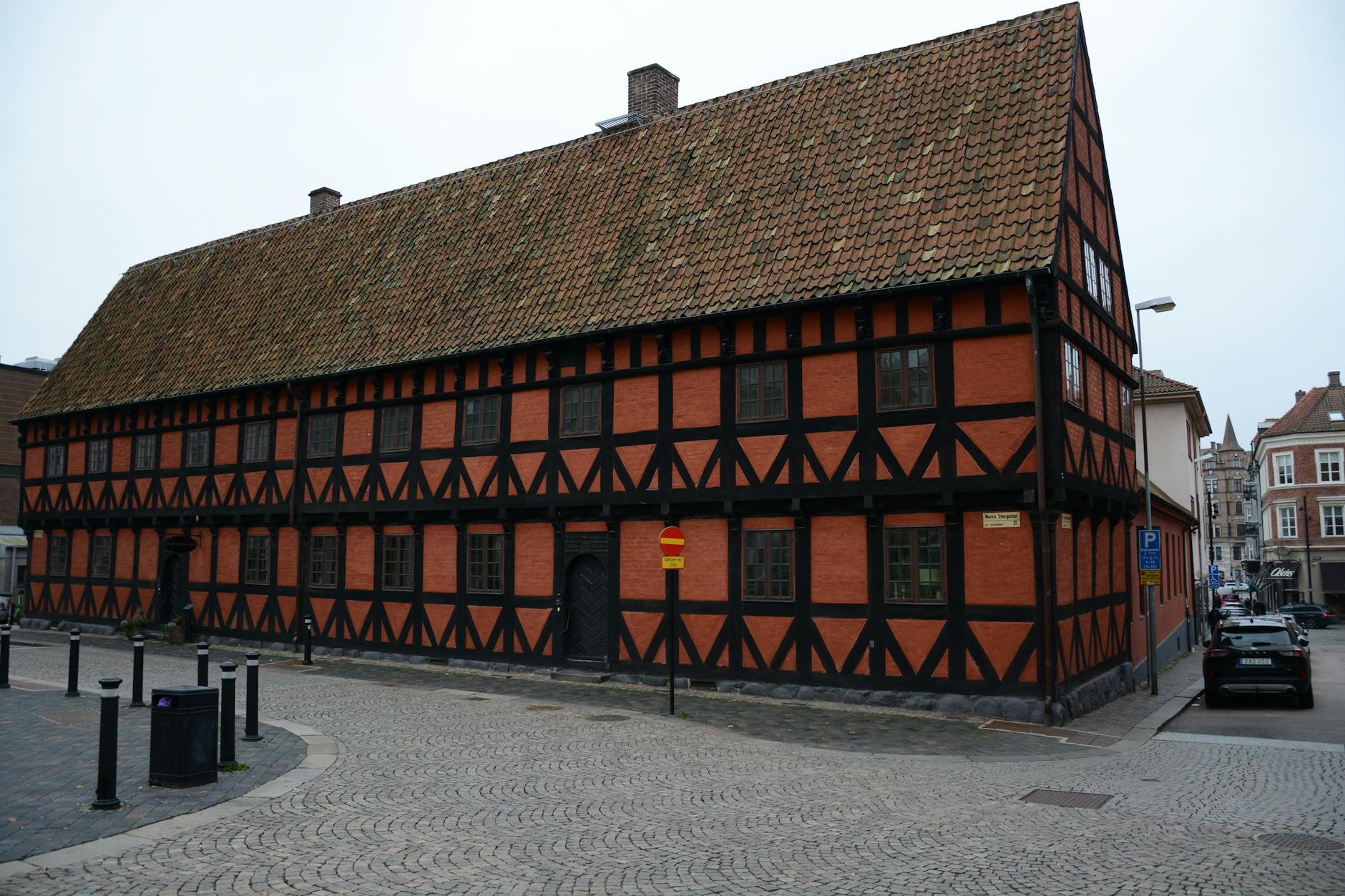
VisitOdense’s neighborhood guide describes the historic quarter as the original part of the city, with cobbled streets, half-timbered facades, and a concentration of shops, restaurants, and museums.[6] That is still the emotional starting point for most first-time visitors.
The Parks Are Not Decorative Extras
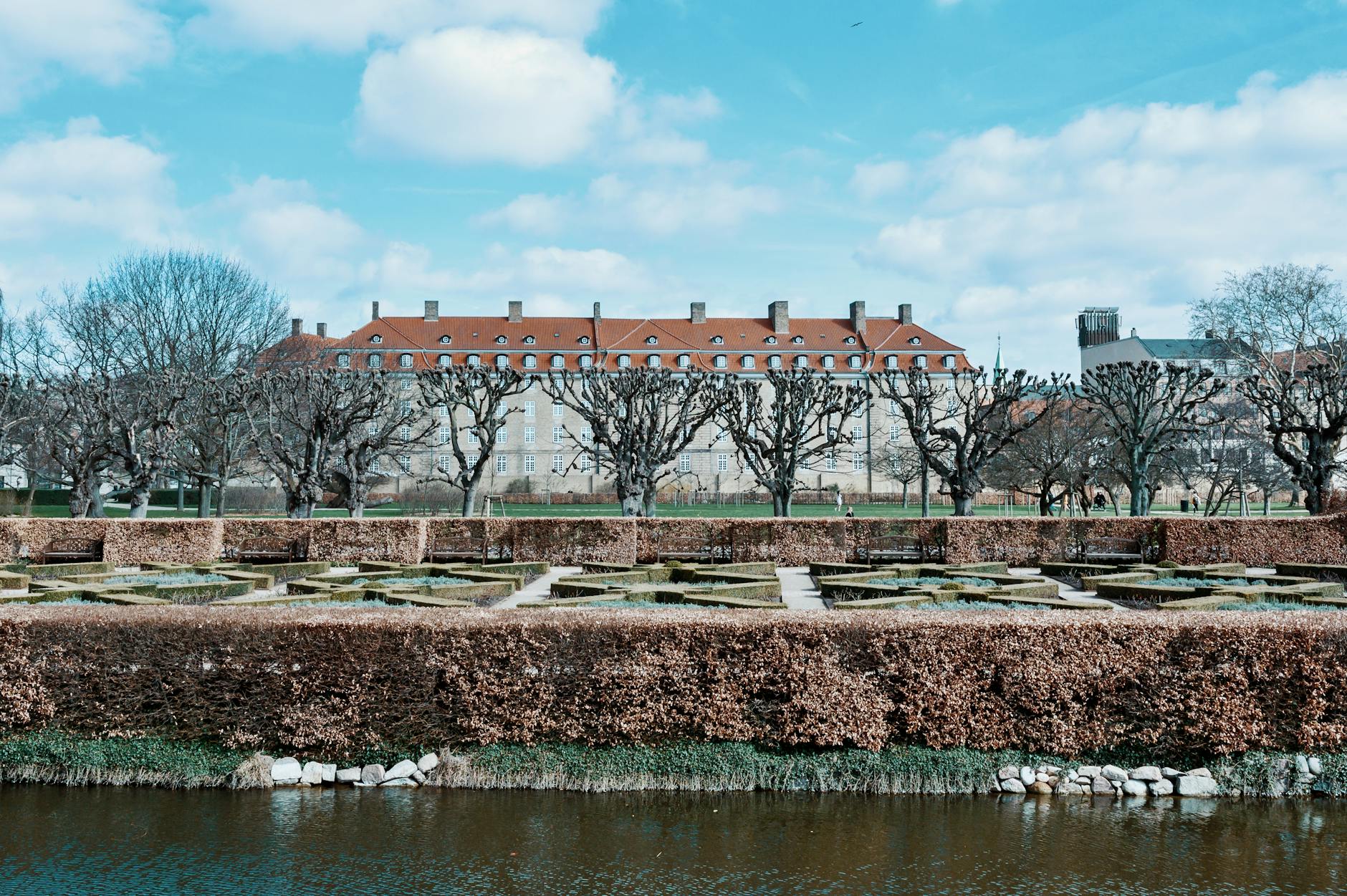
Munke Mose matters because it gives the city air. VisitOdense notes that the park includes Odense Aafart boats, pedal boats, canoes, sculpture, and river life right in the center-side green zone.[5] It is one of the reasons Odense feels broader than it is.
How to Understand Odense
Odense works through four layers.
The first is small-city coherence. The scale is modest, but the city feels joined up.
The second is Andersen without total dependence on Andersen. He matters deeply here, but the city is better when he is treated as one major strand, not the only one.
The third is old core plus new center. Odense is at its most interesting where preserved streets and newer urban redevelopment sit close enough to read against each other.[1][6]
The fourth is green calm. The parks and river keep the trip from becoming a museum walk with snacks.
The Main Mental Shift
Do not ask, “What is the minimum I need to see in Odense?” Ask, “What combination of old quarter, museum, center, and green space makes the city feel whole?” That question produces a much better trip.
What Odense Does Better Than People Think
Odense is better than people think at feeling contemporary. It is better than people think at handling visitors who want more than heritage. And it is definitely better than people think at delivering a complete urban stay without needing scale to prove itself.
The city’s tourism material emphasizes exactly those strengths: the new Andersen museum, the rebuilt center, the light rail, green oases, and a wider cultural identity that runs from Vikings to present-day civic design.[1] That is the right lens. Odense should not be sold only as old Denmark. It is old Denmark plus a recently reworked, modernized center that actually functions.
Where Odense Fits in a Denmark Trip
Odense fits best in a Denmark itinerary as the city that restores proportion.
Many first-time visitors build Denmark around Copenhagen and then start scanning the map for one or two secondary stops that will feel different without becoming logistically annoying. Aarhus often enters the conversation because it is larger and more obviously urban. Smaller coastal places enter because they promise atmosphere. Odense is sometimes treated as the compromise choice in between: convenient, respectable, literary, perhaps a little too safe.
That reading misses the point.
Odense is not valuable because it splits the difference between bigger and smaller Danish experiences. It is valuable because it offers a highly coherent stay in its own right. It gives you an actual city center, a meaningful cultural anchor, enough green space to keep the trip humane, and a scale that makes short stays feel satisfying rather than thin. This makes it particularly strong for travelers who no longer need every stop to be “the biggest” or “the most scenic.” What they want instead is fit.
Used properly, Odense works in three especially strong ways.
The first is as a two-night or three-night urban counterweight to Copenhagen. After the capital’s broader scale, Odense can feel clarifying rather than small.
The second is as a central Denmark rail stop that is actually worth sleeping in. This matters because too many travelers still use it as a pass-through.
The third is as a repeat-traveler city. Once you care less about headline collection and more about how a place works over the course of a day, Odense becomes much easier to appreciate.
The city is weaker when treated as symbolic literature plus lunch. It is stronger when given enough time to become itself.
Odense Versus Aarhus
This comparison matters because both cities often compete for the same “second Danish city” slot.
Aarhus has more immediate metropolitan breadth. It feels larger, more plural, and more overtly contemporary in some ways. It can support a wider range of neighborhoods, museums, and urban itineraries. For travelers who want a second large-scale Danish city, Aarhus often makes sense.
Odense offers something different. It is more compact, more composed, and more dependent on internal coherence. It does not try to impress through range. It works through how cleanly its pieces connect: the Andersen material, the older quarter, the rebuilt center, the tram, the river-side calm, and the evening city at a smaller scale.
That means the better question is not “Which city is superior?” but “Which city shape do you want?” If you want more breadth, Aarhus likely wins. If you want a city that can feel complete without becoming demanding, Odense may fit better.
Odense also has one advantage that matters more than people admit: it is easier to use well quickly. A good first Odense stay is not hard to build once you stop expecting it to perform like a larger city.
First-Time Visitors Versus Repeat Visitors
First-time visitors usually arrive with one of two distortions.
Either they come with the Andersen distortion, where everything is filtered through literary expectation, or they come with the small-city distortion, where they assume the place will be easy enough that structure does not matter. Both create weak trips. The first makes the city too thematic. The second makes it too casual.
A strong first visit usually needs just enough discipline to correct both. That means letting Andersen anchor the stay without monopolizing it, and letting the city’s small scale simplify the day without encouraging carelessness.
Repeat visitors can be much freer. Once you already know that the city’s newer center matters, that Munke Mose is not filler, and that the evening belongs to the place as much as the museum does, the trip can loosen. A repeat stay can lean more into parks, food, neighborhood rhythm, or simply the satisfaction of a compact city that does not exhaust you.
This is one reason Odense often improves after the first stay. On the first visit, people are deciding what kind of place it is. On the second, they start using it.
Best Time to Visit
Late spring through early autumn is the easiest overall window. This is when the parks, the river spaces, and the city’s unforced outdoor life feel most available. Summer is the simplest first version of Odense because the streets, courtyards, and green areas all read more clearly.
Shoulder season can be excellent too. Odense’s virtues are not dependent on heat. In fact, travelers who care more about city atmosphere than picnic weather may prefer the quieter edges of spring or early autumn.
Winter is workable, but the trip becomes more interior and more dependent on the quality of your hotel, cafés, and museum pacing.
Summer Odense Versus Cooler-Season Odense
Summer makes Odense more generous. The river-side spaces open up, the parks become part of the day rather than optional scenery, and the city’s walkability starts to feel expansive rather than merely convenient. This is the easiest season in which to understand why the place can be more satisfying than its modest scale suggests.
Cooler seasons can still work very well, but the trip changes character. It becomes more museum-and-café oriented, more dependent on where you stay, and a little more reliant on the quality of the city center rather than the generosity of the parks. That is not a problem so much as a reweighting. Odense remains coherent; it just becomes more interior.
What does not change is the city’s basic requirement for proportion. Odense is always better when the day alternates between one strong cultural anchor and one calmer city register. In summer, that might be green space. In colder weather, it might be a slower café stretch or an easier evening.
How Many Days You Need
One Night
Enough to make Odense feel real instead of symbolic.
Two Nights
The best first answer. One day can belong to Andersen and the older quarter. Another can belong to the newer center, a park-heavy walk, and the city’s food and evening rhythm.
Three Nights
Best if you want one slower day without padding the schedule, or if you plan to include several museums and long walks.
Four Nights or More
Four nights is not necessary for most travelers, but it can be very good for people who specifically want a low-pressure Denmark stay. At that length, Odense stops behaving like a city break and starts behaving like a temporary routine. You begin repeating routes, returning to the same streets at different times, and allowing smaller pleasures to count.
That is where the city can become especially persuasive. It is not that more attractions suddenly appear. It is that the place becomes more legible as a lived city rather than a well-organized visitor stop.
The Real Question
The real question is not how many days Odense “needs” in an abstract sense. It is whether you are giving the city enough time to show more than one of its selves. If all you see is Andersen and a quick historic-quarter walk, the answer is no. If you also experience the newer center, the parks, and an evening that belongs to the city, the answer is usually yes.
Arrival Strategy
Odense rewards calm arrival.
Do not land, tick the Andersen museum, and vanish. Arrive, put your bag down, and walk immediately. Let the city show you its scale. Odense becomes more convincing once you have physically connected the station side, the older quarter, and at least one green zone.
The city is especially good for travelers who arrive by train and stay central. A central base allows you to walk almost everything that matters and use the tram only selectively.
Why The Overnight Matters More Than People Expect
Odense is one of those cities that many travelers assume can be handled by passing through. The station is central, the core is compact, the museum is famous, and the distances are not frightening. So the temptation is obvious: arrive, see the Andersen material, walk the old streets, maybe have lunch, then move on.
That plan is not disastrous. It is simply much weaker than sleeping in the city.
The overnight matters because it gives Odense an evening and a second morning, which are precisely the moments when the city stops feeling like a literary or heritage assignment. In the evening, the center settles into itself. Distances feel lighter. Dinner belongs to the city rather than to itinerary maintenance. On the second morning, you can see how the historic and newer parts of the center coexist without the whole visit being forced to justify itself at once.
This is also where the city’s small scale turns from liability into advantage. In larger cities, one night can feel arbitrary. In Odense, one night often unlocks the whole trip.
Where to Stay
For most first-time visitors, stay in the central city, ideally between the station side and the historic quarter.
Historic Quarter Edge
Best for: atmosphere, evening walks, and a stronger sense of Odense’s old fabric. Tradeoff: some properties may feel more charming than practical. Best use: excellent if you want the city’s historic tone close at hand.
Central Modernized Core
Best for: station access, easy movement, and a balanced first stay. Tradeoff: not every block has character. Best use: strongest default, especially for short trips.
Farther-Out Calm Stays
Best for: travelers deliberately prioritizing quiet. Tradeoff: easier to thin out the trip and lose the city’s center-based logic. Best use: only if that distance is intentional.
Why The Base Matters In A Smaller City
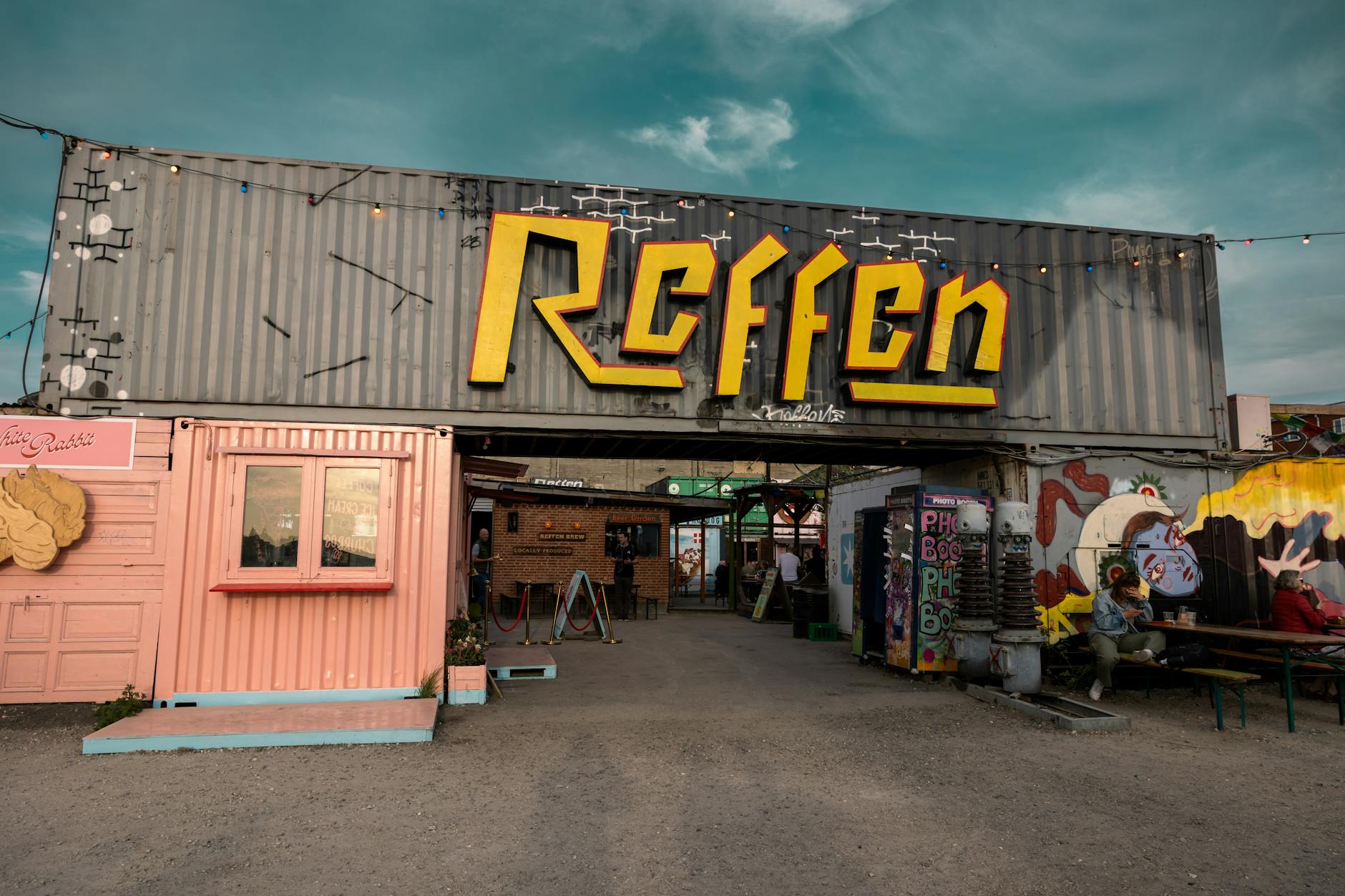
In smaller cities, travelers often become careless about hotel choice because they assume distance barely matters. Odense is a good example of why that assumption fails.
The city’s value lies in how easy it is to connect different parts of the center without friction. If you stay in the wrong place, you weaken precisely that advantage. The walk back after dinner becomes less pleasant. The second-morning route becomes less obvious. The shift between the older quarter and the newer center becomes something you manage rather than something you inhabit.
The right base in Odense does not need to be luxurious. It needs to reinforce the city’s compact logic. A good central stay turns Odense into a place where you move almost without thinking. That is one of the city’s main strengths and should be protected.
The Odenses That Matter Most
Andersen Odense: the museum, the quarter, and the city’s best-known cultural inheritance.[3][4]
Historic Odense: the cobbled core and older streets that still give the city its rooted identity.[6]
Green Odense: Munke Mose and the river-side spaces that keep the stay from feeling compressed.[5]
New Odense: the rebuilt center, tram, and contemporary city logic that many visitors still do not expect.[1][2]
Everyday Odense: the quieter civic life that makes the city stronger as an overnight stay than as a heritage errand.
Why One Proper City Day Matters
Some visitors give Odense just enough time to confirm that it is pleasant and then leave before the city becomes persuasive.
What usually changes that is one proper city day. This does not mean a frantic checklist. It means one day in which the city itself, rather than only Andersen, gets to be the subject. That day lets the historic quarter, newer center, park space, and evening rhythm all register as parts of the same urban experience.
Without that day, Odense can feel like a museum with a supporting town. With it, the city becomes more balanced and more modern. That balance is essential if you want to understand why people who know Denmark well often speak more highly of Odense than rushed first-time visitors do.
Hans Christian Andersen Without the Cliche
Yes, Andersen matters. He should. But the right Odense trip uses him intelligently.
The current Hans Christian Andersen House is not a dusty shrine. VisitOdense presents it as an immersive museum where architecture, storytelling, and landscape are part of one designed experience, and the practical note that tickets should be booked ahead tells you it functions like a major attraction, not a minor literary house.[3]
The mistake is making Andersen both the reason you come and the only thing you do. Better to let the museum anchor the trip, then let the rest of the city answer it. Once you leave the museum and walk the quarter, the city becomes more interesting because Andersen starts to feel local again instead of monumental.
Why The Andersen Museum Needs The Rest Of The City
The better the current Andersen museum becomes, the more this point matters.
Because the museum is now immersive and architecturally assertive, it can dominate the whole visit if you let it. That sounds like praise, and partly it is. But it also creates a risk: the city gets reduced to the supporting landscape for one excellent institution.
Odense improves when the museum is answered by streets, parks, meals, and another kind of city time. The quarter around it helps. So does the contrast with the newer center. So does simply walking without asking every corner to perform a literary function.
This is the main reason Odense should not be sold as “the Andersen city” alone. It makes the museum too isolated and the city too small.
The Historic Quarter and Andersen Quarter
Odense’s historic quarter is what gives the city its immediate emotional credibility.
VisitOdense’s neighborhood guide describes the area as the original part of the city, full of cobbles, half-timbered facades, restaurants, and museums.[6] That is accurate, but the important point is that the quarter still feels usable rather than embalmed.
Within that, the Andersen Quarter sharpens the tone. VisitOdense identifies Bangs Boder, Hans Jensens Stræde, Rosengade, Ramsherred, and Overstræde as part of the area, with the museum and smaller details like workshops and old shopfronts giving it more texture than a simple “author birthplace district” label suggests.[4]
This is the part of Odense that people come expecting. The trick is to enjoy it without letting it consume the whole stay.
Why The Historic Quarter Works
The historic quarter works because it is scaled correctly.
It gives visitors the Denmark they hoped to find, but not in such overwhelming quantity that the city turns into a theatrical set. The old streets are enough to establish tone, enough to reward walking, and enough to make the place emotionally legible. Then they yield. They do not have to carry the entire experience.
That restraint is part of the city’s strength. Odense understands that heritage is more persuasive when it remains connected to ordinary city life.
The New Center and Why It Matters
If you have not been to Odense in recent years, the changed center is one of the main reasons the city feels more convincing now.
VisitOdense explicitly highlights the reworked city center where Thomas B. Thriges Gade once ran, along with the light rail and harbor redevelopment.[1] That line matters because it explains why Odense no longer reads as a historical core with disconnected outer pieces. The new center helps the city feel joined up.
This is also why Odense rewards walking. The city is not just small. It is increasingly stitched together.
Why The New Center Changes The Reading Of The City
Without the newer center’s interventions, Odense could easily be read as a heritage city with a few modern conveniences attached. The rebuilt center changes that. It gives the city a contemporary civic spine and prevents the whole experience from depending on nostalgia.
This matters because a lot of small European cities become visually appealing but conceptually repetitive. Odense avoids some of that repetition by making its redesign part of the story. The city asks to be read in two directions at once: backward into its older quarter and forward into a more coherent modern center.
That double reading is one reason it feels more complete than many visitors expect.
Munke Mose and the River
Munke Mose is one of the places that turns Odense from “pleasant” into “worth staying.”
VisitOdense notes that the park includes Odense Aafart boats, pedal boats, canoes, a fish ladder, sculpture, and a playground, all in a central green setting.[5] That tells you something important: this is not ornamental greenery at the edge of town. It is part of how Odense breathes.
Use Munke Mose for a pause, not a task. Walk there after the museum. Or begin a quieter morning there before the city fully starts. Smaller cities need places that widen their emotional range, and this is one of Odense’s best.
Why Green Space Matters More Here Than In A Bigger City
In a larger city, a park can be one attractive district among many. In Odense, green space plays a more structural role.
Munke Mose and the wider river-side calm give the city elasticity. They stop the historic and museum-centered parts of the visit from becoming overly composed. They give you somewhere to absorb, not only to look. This matters because Odense’s strength is not monumentality. Its strength is proportion. The parks are part of that proportion.
If you remove them from the trip, the city becomes flatter. If you use them properly, the whole place gains air.
Food and Evening Rhythm
Odense is not a food-capital city, but that does not mean it is dull.
What matters here is not an endless pursuit of “the best place,” but a stay shaped around the city’s size. Eat centrally. Keep walks short. Let dinner belong to the older quarter or to the newer center depending on mood. Odense is best in the evening when the scale starts to feel like an advantage and not a limitation.
This is also why sleeping in the city matters. A visitor who leaves before evening sees a respectable provincial cultural city. A visitor who stays overnight sees how the place actually settles into itself.
Day Odense Versus Evening Odense
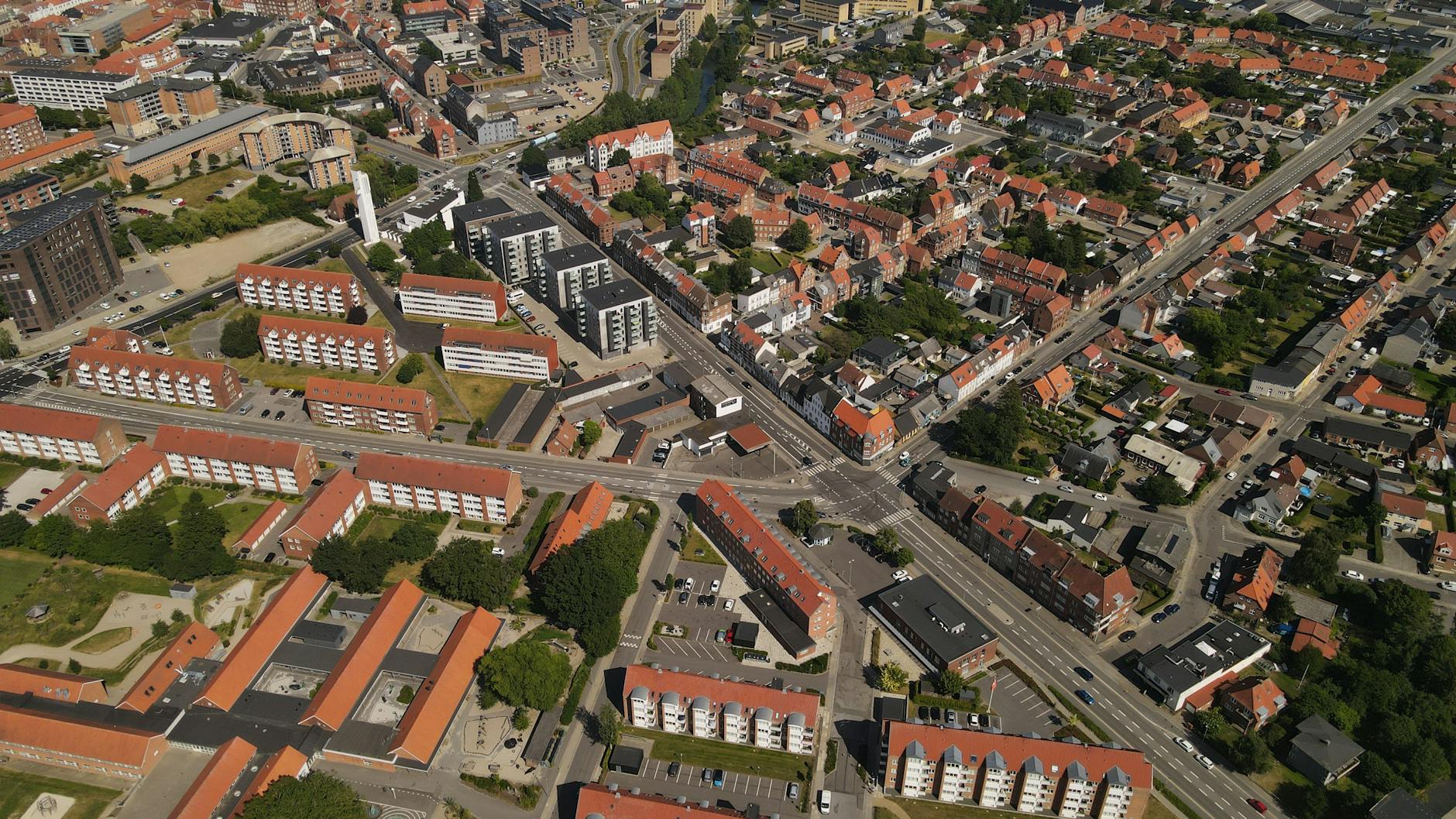
Daytime Odense is clear, easy, and often gentler than travelers expect. It shows you the city’s structure quickly: station access, center, quarter, parks, tram, and museum. That clarity is useful, but it can also make the place seem too solvable if you leave too soon.
Evening changes the register. The city becomes less explanatory and more inhabited. Distances feel easier. The older streets soften. Dinner matters more. The trip starts to feel less like cultural compliance and more like a stay. Odense rarely becomes dramatic at night, but it does become more convincing.
This is one reason weak Odense visits are often all midday and no evening. The city needs at least a little time after the museum-and-walking phase in order to feel whole.
Optional Attractions and Selective Add-ons
Odense is strong when edited.
If you are traveling with children or simply want a more varied second day, Odense Zoo is a serious option rather than a filler activity. VisitOdense presents it as a substantial year-round attraction with varied habitats, canopy walking, and a strong family appeal.[7] But it should be an intentional choice, not something added because you think the core city is too small.
Likewise, smaller museums and side attractions can enrich the trip, but the city only needs a handful of anchors. More than that, and the stay starts to feel like a scavenger hunt.
Why Odense Often Works Better Than It Sounds
If you describe Odense badly, it can sound almost trivial: a fairy-tale author museum, some old streets, a park, a tram, a rebuilt center. None of that sounds particularly forceful. And that is precisely why the city is easy to underestimate.
In practice, Odense works through sequencing. The museum makes more sense because the quarter follows it. The quarter feels less precious because the newer center corrects it. The center feels less abstract because the parks relax it. The whole day feels less performative because the city is small enough to let you stop trying so hard.
That is why Odense can be more satisfying than more “important” cities in a short trip. It does not require spectacle to feel complete.
Getting Around
Odense is a walk first, tram second city.
The city center is compact enough that most first-time visitors can do almost everything important on foot. The tram matters less because you will constantly need it and more because it helps the city function as a modern urban system.[2]
That balance is ideal. Odense never asks you to think too hard about movement, which is one of the reasons it makes such a good short stay.
Who Odense Handles Especially Well
Odense is especially good for travelers who prefer a place to feel coherent instead of overwhelming.
Solo travelers do well because the city supports low-friction days and comfortable repetition. Couples do well because the city alternates naturally between culture and calm. Rail travelers do well because arrival and departure can be clean. Literary travelers do well if they are willing to let literature become one strand among several rather than the entire frame.
The city is less ideal for travelers who need constant novelty or who only trust destinations that announce themselves at full volume. Odense is more persuasive than loud.
Common Mistakes
Doing Odense as a Half-Day Obligation
This is the central error. It reduces the city to one museum and a few picturesque lanes.
Letting Andersen Crowd Out Everything Else
He is the anchor, not the totality.
Ignoring the New Center
Odense is more interesting now precisely because it has changed.
Skipping the Parks
Munke Mose and the wider green spaces are part of the city’s temperament, not optional scenery.
Sleeping Somewhere Too Detached
You weaken the city’s compact strengths and lose the evening.
Why Odense Often Improves On The Second Visit
On a first visit, many travelers are still deciding how seriously to take the city. They are pleased by it, but they are also measuring it against larger places or against the idea that Andersen should somehow be enough by himself. That evaluative mindset limits the trip.
On a second visit, the city usually becomes easier. The pressure to prove anything disappears. You already know that the scale works. You already know which part of the center suits you. You can repeat routes without guilt. And because the place is so coherent, repeat behavior often improves the trip rather than flattening it.
This is one of Odense’s quiet strengths. It wears well.
How Odense Changes Over The Course Of A Stay
On arrival, Odense can seem almost too manageable. The distances are short. The center is legible. The famous cultural anchor is obvious. Some travelers mistake this first impression for thinness.
By the second day, if the trip is built properly, the city begins to separate into clearer layers. The museum stops being the whole reason for being there. The historic quarter feels more like a district and less like a set piece. The newer center becomes more than an improvement project. The parks start to matter as part of the city’s emotional logic.
By the third day, Odense often becomes more persuasive precisely because it no longer needs to prove itself. It is simply the city you are in now: breakfast, walk, quarter, park, dinner, repeat. That is when its small scale starts feeling like precision rather than lack.
My Blunt Advice
Stay central.
See the Andersen museum, but do not build the whole trip around proving that you saw it.
Walk the historic quarter slowly enough that it feels like a district and not a set piece.
Give Munke Mose actual time.
And resist the urge to ask whether Odense is “enough.” When handled properly, it is more than enough for the scale it promises.
Source Notes
- 1. VisitOdense. "Welcome to Odense." Official tourism page describing the reimagined city center, light rail, redeveloped harbor area, and the city’s mix of culture, history, and green spaces. https://www.visitodense.com
- 2. Odense Letbane. "How to use the tram." Official English tram page with tickets, timetable, and tourist information. https://www.odenseletbane.dk/english
- 3. VisitOdense. "Hans Christian Andersen House." Official tourism listing with opening hours, price information, advance-booking guidance, museum description, and location. https://www.visitodense.com/hans-christian-andersen-house-gdk1122804
- 4. VisitOdense. "Hans Christian Andersen Quarter." Official guide to the quarter around the museum, including the streets and cultural elements that define the area. https://www.visitodense.com/tourist/what-do/andersen-quarter
- 5. VisitOdense. "Munke Mose Park." Official tourism listing describing the central park, Odense Aafart, pedal boats, canoes, sculptures, and fish ladder. https://www.visitodense.com/munke-mose-park-gdk736110
- 6. VisitOdense. "Odense’s neighbourhoods." Official guide describing the historic quarter as the original part of the city and outlining the newer center’s Carl Nielsen quarter. https://www.visitodense.com/tourist/see-do/odenses-neighbourhoods
- 7. VisitOdense. "Odense ZOO - Zoological gardens." Official tourism listing describing the zoo’s scale, year-round opening, and major visitor features. https://www.visitodense.com/odense-zoo-zoological-gardens-gdk612923