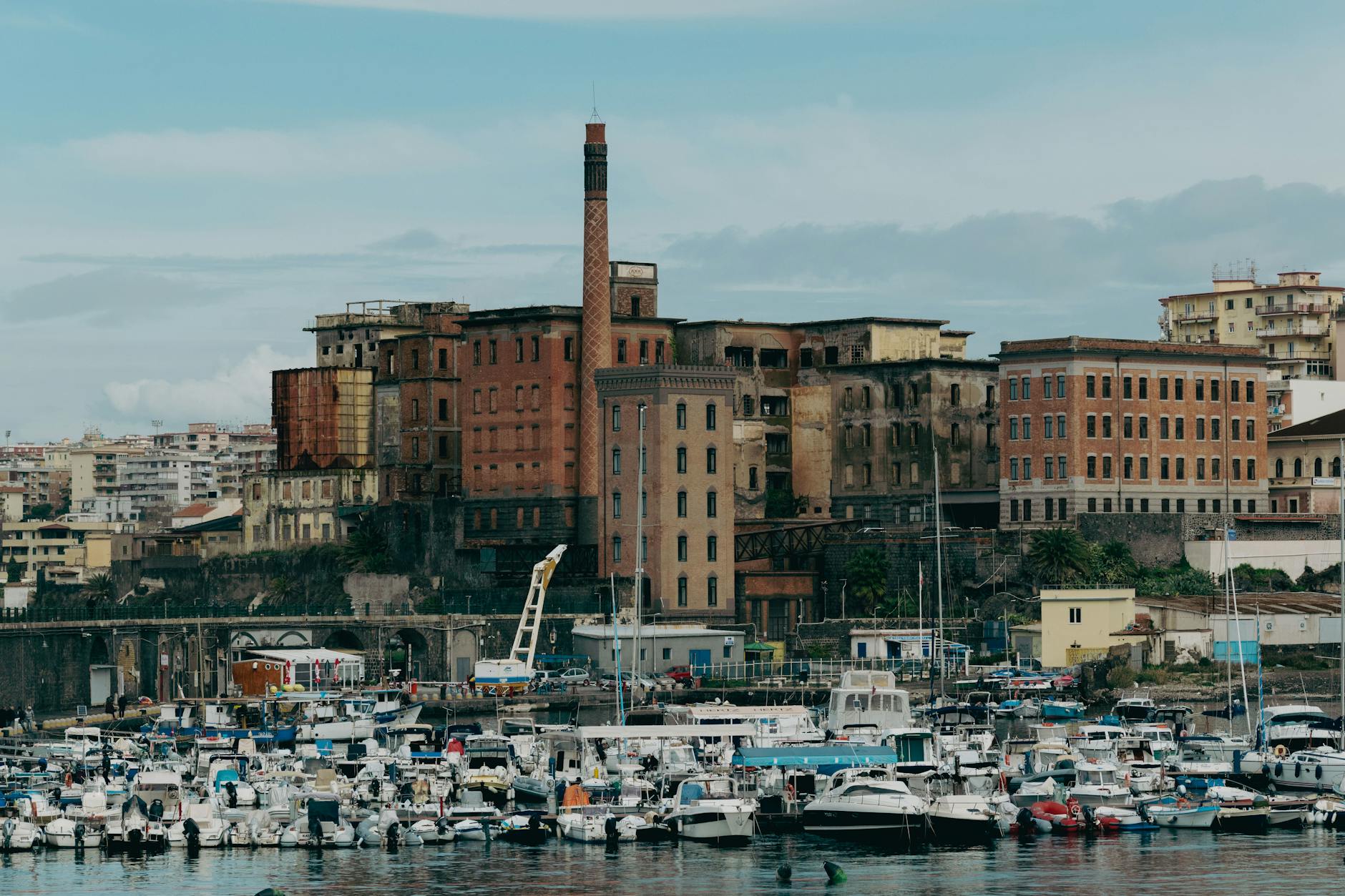
Naples is one of the few cities in Europe that can overwhelm a traveler before the traveler has even properly arrived.
Start Here
The noise, the shrines, the scooters, the laundry, the churches, the graffiti, the grand facades in varying states of grace and decay, the smell of frying things and espresso and stone and diesel, the sea glimpsed at the edge of the frame, the sudden view lines toward Vesuvius, the constant pressure of street life: all of it hits at once. This is a large part of the city's appeal, but it also causes a common mistake. People think Naples explains itself through force.
It does not.
Naples rewards structure much more than its reputation suggests. In fact, the city is often visited badly precisely by the people most eager for "authenticity." They arrive wanting to be brave, open, improvisational, unfiltered. They book the wrong hotel in the name of atmosphere, let fatigue choose their route, use the historic center and the Spanish Quarter as one giant emotional blur, eat well but move badly, and end up concluding that Naples was unforgettable but also oddly exhausting. It was exhausting because they confused intensity with wisdom.
The better Naples trip is more edited. Not sanitized, not over-curated, and certainly not fearful. Edited. It understands that Naples is a city of distinct urban registers. There is historic-core Naples: Spaccanapoli, churches, shrines, chapels, crowds, and old fabric so dense it can feel like a whole civilization compressed into a few streets. There is museum Naples: the Archaeological Museum, a city that suddenly becomes legible in a more classical and intellectual way. There is ceremonial Naples: Piazza del Plebiscito, the Royal Palace, and the broad civic waterfront. There is lived Naples: markets, bars, everyday local friction, station logic, and the ordinary business of being a very large southern Italian city. There is also more polished Naples: Chiaia, sea-facing walks, and a version of the city that many first-timers secretly need at least part of the time.
That last point matters. Naples does not become less real because you give yourself a cleaner base or a more breathable afternoon. It becomes more usable, and therefore more intelligible. The city is too rich to be consumed only in high-stress mode.
Food, of course, is central, but pizza alone is not the argument. Naples is about appetite in a larger sense: street appetite, visual appetite, historical appetite, and the appetite to stay in the city rather than fleeing to the islands or the Amalfi Coast the moment things become intense. The city is often used as a gateway for elsewhere. That is understandable, but it can make travelers miss one of Europe's deepest urban experiences.
Naples is not tidy. It is not even consistently graceful. What it offers instead is density of life. The trick is to shape that density into powerful, coherent pieces rather than trying to inhale it all at once.
The city in one sentence: Naples is a high-intensity southern Italian city where the best first trip comes from balancing the historic center, the museum-and-monument core, the waterfront, the right district base, and food-led movement instead of trusting atmosphere to run the whole stay for you.
Quick Verdict
Best for: repeat Italy travelers, first-time southern Italy trips, food travelers, museum travelers, couples who can handle urban intensity, and anyone who likes cities with genuine force.
Not ideal for: travelers who need calm and polish all day, people who want a frictionless short break, or anyone who expects Naples to behave like a smaller, cleaner Italian city with a little extra grit for character.
Ideal first visit: 3 full days.
Minimum worthwhile stay: 2 full days.
Best overall months: April, May, October, and November.
Best winter case: very strong for city-led travelers who care about museums, churches, food, and urban life more than coast fantasy.
Biggest planning mistake: letting the city's atmosphere replace actual district and route planning.
One thing to prioritize: the base.
One thing to leave flexible: how much of your time belongs to central Naples versus the waterfront or Chiaia side.
The blunt version: Naples is one of Europe's highest-reward city trips once you stop romanticizing disorder and start organizing the city into strong daily pieces.
Who Will Love Naples?
Naples suits travelers who want a city with real voltage. If you like places that feel inhabited, argued over, improvised, historical, and intensely local all at once, Naples can be extraordinary.
It works especially well for people who already know that urban beauty does not have to be smooth to be convincing. Naples can be magnificent, but it is not a city that performs magnificence politely. It has to be met on its own terms.
Couples can do very well here if they choose the base correctly. A better hotel, a walkable but sane location, and the willingness to divide the city into coherent chapters often turn Naples from chaotic to thrilling.
Solo travelers also tend to find the city memorable because there is so much to notice and so much public life. The caveat is that Naples rewards alertness more than drift. This is not the place to be sloppy simply because the city looks photogenic.
The city is especially strong for travelers interested in historical layering. Greek and Roman Naples, Bourbon Naples, church-filled Naples, port Naples, and contemporary Naples all remain legible if you give them shape.
Naples at a Glance
| Question | Practical Answer |
|---|---|
| Main airport | Naples International Airport |
| Best simple airport move | Alibus |
| Best first-time base | Centro Storico edge, Toledo/Quartieri Spagnoli edge, or Chiaia depending style |
| Main museum anchor | MANN |
| Main chapel anchor | Sansevero Chapel |
| Main ceremonial anchor | Piazza del Plebiscito / Royal Palace |
| Main practical challenge | overconcentration and fatigue |
| Main transport habit | walking plus Metro Line 1 and tactical taxis |
| Best polished counterweight | Chiaia / waterfront |
| Car needed? | No |
| Currency | Euro |
| Emergency number | 112 |
| Tap water | Safe to drink |
| Power plugs | Type C, F, and L |
2026 Visitor Notes
The Airport Bus Is Still The Right Default Arrival Tool
Naples Airport's official transport pages continue to present Alibus as the fast connection between the airport, central station, and the port.[1][2] That is still the cleanest first move for many visitors.
Alibus Connects The Practical Naples You Actually Need
The official airport bus page explicitly states the key Alibus stops: Piazza Garibaldi / Central Station and the port / Molo Beverello side.[1] This matters because first-time Naples works much better when the arrival is handled decisively.
MANN Is One Of The City's Best Anchors
The Archaeological Museum's official arrival and ticket pages remain unusually useful: they explain the airport connection via Alibus and central station, and they confirm regular opening hours and closure on Tuesdays.[3][4] MANN is one of the best ways to stop Naples from becoming pure street intensity.
Sansevero Needs Real Reservation Discipline
The Sansevero Chapel's official site continues to emphasize the Veiled Christ as its defining masterpiece, and its ticketing materials make clear that reservations are required and daily entries are limited.[5][6][7] That means you should not leave it to chance.
The Royal Palace Is Not Just A Piazza Backdrop
The Royal Palace's official visitor-information materials remain a useful reminder that Piazza del Plebiscito is not merely a grand forecourt but part of a larger ceremonial complex worth entering on the right trip.[8]
Toledo Really Does Matter As More Than A Transit Stop
The official ANM Metro Art materials still treat Toledo station as one of the signature stations on Line 1.[9] This is relevant because Line 1 and the Toledo area are part of how many first-time visitors experience their cleaner, more legible Naples.
How to Understand Naples
Naples works through five forces.
The first is compression. The center gives you more visual and social information per block than many cities do in half a day.
The second is district contrast. Historic-core Naples, Toledo-side Naples, Chiaia Naples, and waterfront Naples are not the same mood.
The third is historical depth. MANN, Sansevero, churches, palaces, and archaeological layers all give the city intellectual weight beyond its street energy.
The fourth is route quality. In Naples, a good day and a bad day can contain many of the same ingredients but in the wrong order.
The fifth is appetite. Food is not a bonus here. It is part of how the city is understood.
The Five Napless A Visitor Actually Meets
Spaccanapoli Naples: dense, historical, devotional, crowded, and the city at its most compressed.
Museum Naples: MANN and the more intellectually ordered version of the city.[3][4]
Ceremonial Naples: Piazza del Plebiscito, Royal Palace, the broader monumental waterfront.[8]
Toledo-and-Quartieri Naples: urban intensity with a more practical and often better hotel-adjacent logic, tied to Metro Line 1.[9]
Chiaia-and-waterfront Naples: broader, more polished, and often necessary as a counterweight.
The Main Mental Shift
Do not ask, "How much Naples can I handle?" Ask, "Which Naples is this day for?" Historic-core Naples, museum Naples, ceremonial Naples, Chiaia Naples. The city gets better as soon as it stops being one uninterrupted wave.
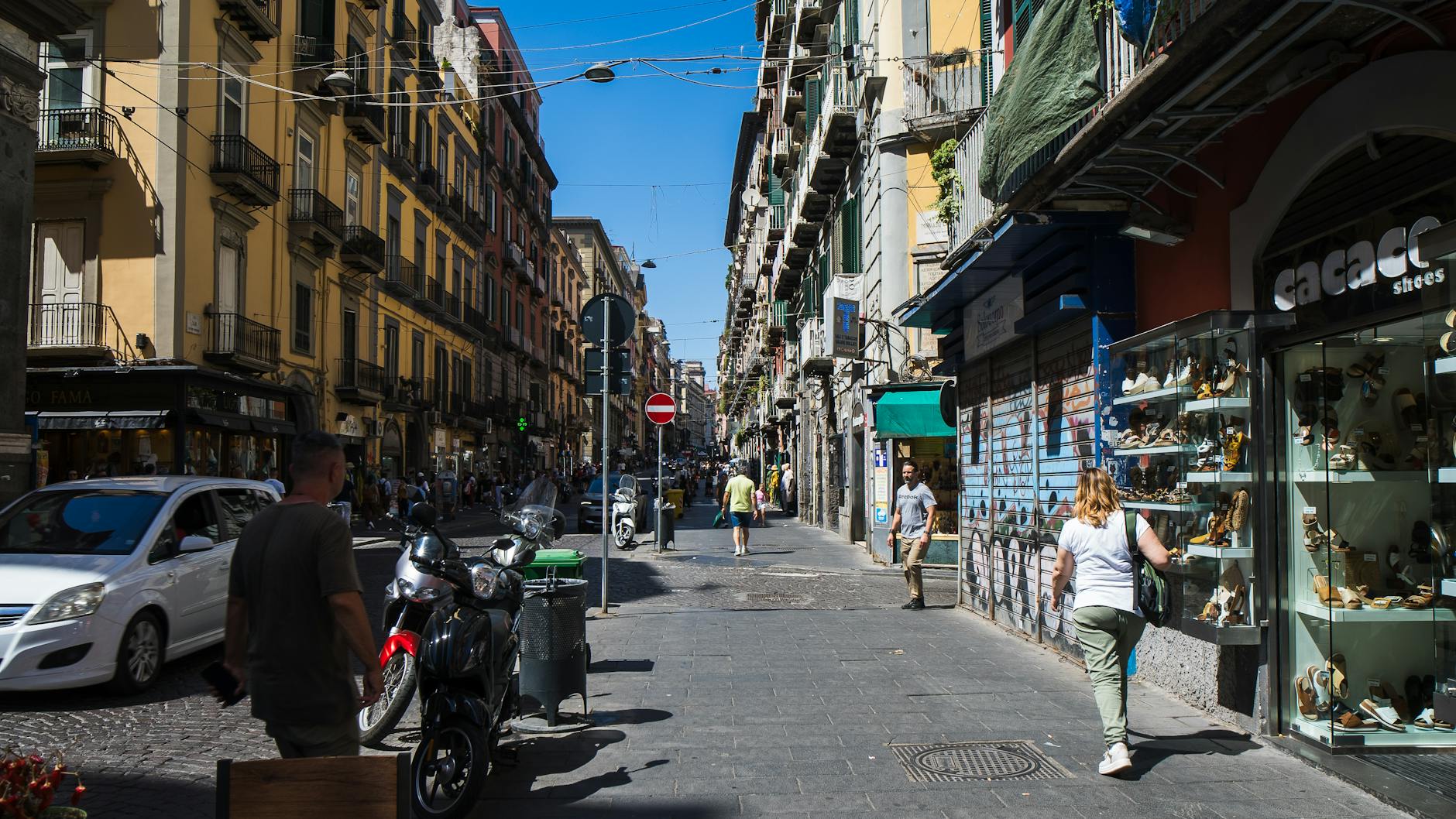
What Naples Does Best
Naples is better than people think at delivering huge urban reward in a short time. You do not need a week before the city begins to matter.
It is also better than people think at supporting a more refined trip than its reputation suggests. The right base, the right museum, and the right waterfront chapter can make the city feel far more elegant without flattening its character.
Another underrated strength is historical continuity. Very few cities make the passage from ancient world to Baroque intensity to modern street life feel this immediate.
The city is also excellent at food as infrastructure. Naples is not just a place with famous dishes. Appetite here shapes how the whole day works.
Finally, Naples does urban memorability better than almost anywhere. A well-shaped Naples day tends to stay in the mind.
Where Naples Fits in an Italy Trip
Naples fits a trip to Italy best as the city that reminds you that urban life can still overwhelm the categories you brought with you.
Many first-time travelers build Italy around cities that explain themselves more politely. Rome announces historical grandeur. Florence concentrates art and beauty into a walkable museum-city proposition. Venice turns itself into a singular world quickly. Naples does not behave like any of them. It is harder to summarize, and that difficulty is exactly why it matters.
Used properly, Naples can play at least three strong roles in a wider trip.
The first is as a southern Italian city break in its own right. In that role, Naples is not simply the gateway to islands, Pompeii, or the Amalfi Coast. It is the point.
The second is as a corrective to over-curated Italy. After too much elegance or too much tourism polish, Naples can feel bracingly alive.
The third is as a repeat-Italy destination. Once you no longer need every city to be orderly in order to feel worthwhile, Naples becomes easier to love for its scale, appetite, and historical density.
What Naples is not is a place best treated as a holding area before somewhere prettier. That is how travelers end up with a poor Naples and a weaker trip overall.
Naples Versus Rome
This comparison matters because both cities are historically deep, noisy, and big enough to overwhelm first-timers, yet they do so in totally different ways.
Rome spreads its authority broadly. It gives you scale, monuments, and a kind of constant argument with history. Even when it frustrates, it remains relatively legible as a capital city with famous anchors.
Naples is denser, rougher-edged, more compressed, and more difficult to reduce to one civic story. The city does not distribute itself politely. It piles up. That is why some travelers who love Rome are startled by Naples: it feels less staged for their understanding.
The better question is not which city is “better.” It is what kind of urban pressure you want. If you want breadth and classical authority, Rome wins. If you want intensity, appetite, and a city that feels less filtered between street and history, Naples may hit harder.
Naples also asks more of the traveler in terms of district choice and route discipline. That does not make it inferior. It makes it more consequential.
First-Time Visitors Versus Repeat Visitors
First-time visitors usually come to Naples with too much emotion and too little structure.
They are excited, intimidated, romantic about disorder, hungry, and often carrying other people’s myths about authenticity in their heads. That makes it easy to choose the wrong base, overbuild one day, or treat the city like an endurance test. A good first trip needs enough structure to keep the intensity from becoming blur.
Repeat visitors are freer. Once you already know what kind of Naples you like, the city becomes easier to edit. You can choose a calmer base without guilt, repeat a route without feeling unadventurous, spend longer over lunch, or let one district dominate a day instead of forcing every famous register into the same itinerary.
This is one reason Naples often improves on the second visit. The first trip is often still wrestling with mythology. The second starts to use the city.
Best Time to Visit Naples
Naples is a year-round city, but not a season-neutral one.
Best Overall Months
April, May, October, and November are usually the cleanest first-time answers. The city is lively, the center remains more usable on foot, and day trips are still possible without dominating the whole plan.
Spring
Spring is often ideal because Naples keeps its intensity but loses some of the physical punishment of hotter months.
Summer
Summer can still work, but it raises the cost of a weak base and a weak route. The city becomes more tiring if you ask too much of yourself between lunch and evening.
Autumn
Autumn is one of Naples's strongest seasons. The city remains vivid, but you can think more clearly inside it.
Winter
Winter is underrated. If your trip is city-first, museum-first, and food-first, Naples can be excellent.
Summer Naples Versus Cooler-Season Naples
Summer does not make Naples impossible, but it makes bad planning much more expensive. The density of the historic center, the heat between lunch and evening, and the temptation to keep adding “just one more church, street, or pizza stop” can all turn a good city into a draining one.
Cooler seasons often suit Naples better because they restore decision-making capacity. You can walk longer, think more clearly, and separate districts more intelligently. That matters in a city whose quality depends so much on the order in which you experience it.
This is one reason Naples can outperform prettier-seeming destinations in autumn or winter. It does not need postcard climate to justify itself. It needs enough physical generosity to let the route work.
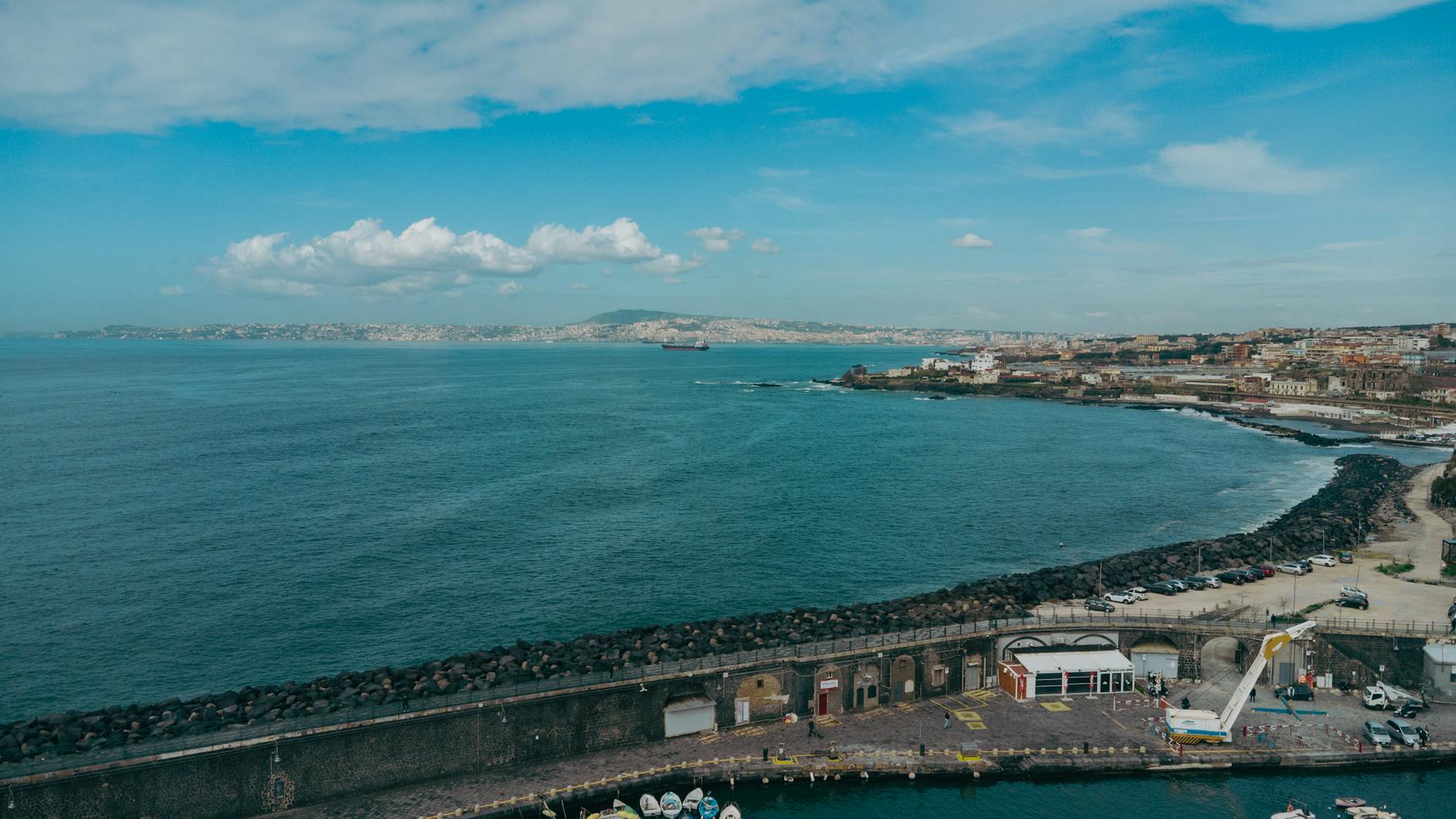
How Many Days You Need
One Full Day
Enough to feel Naples, not enough to shape it.
Two Full Days
The minimum strong version. One day should belong to the historic center and one major anchor. The second should divide between museum or ceremonial Naples and a better evening chapter.
Three Full Days
Ideal for many first-time visitors. This gives room for the historic core, MANN or Sansevero, and one more polished or waterfront-facing version of the city.
Four Days Or More
Very good if you want one day trip without reducing Naples itself to a transit platform.
The Real Question
The real question is not how many days Naples “deserves” in theory. The real question is whether you are giving the city enough time to express more than one of its selves. If all you see is the historic center and one famous meal, the answer is no. If you also experience museum Naples, ceremonial Naples, and one more breathable waterfront or Chiaia chapter, the answer usually becomes yes.
Where to Stay in Naples
The hotel choice here is one of the main Naples decisions.
Fast Answer
For most first-time visitors, stay on the historic-center edge, near Toledo / Municipio / Quartieri Spagnoli edge, or in Chiaia if you want a cleaner, more polished version of the city. Do not choose the deepest possible "authentic" location unless you are very sure what kind of friction you enjoy.
Neighborhood Decision Table
| Traveler Type | Best Area |
|---|---|
| First-time couple | Toledo / Municipio / Chiaia edge |
| Maximum historic-center intensity | Centro Storico edge |
| Better sleep and cleaner routing | Chiaia |
| Transit-conscious traveler | near Toledo or a practical station-linked zone |
| Repeat visitor | deeper Centro or Quartieri, knowingly |
Toledo / Municipio Edge
Best for: most first-time visitors. Why it works: practical, connected, still full of Naples, and tied well into Line 1 and the waterfront side. Tradeoff: less pure old-core atmosphere than staying deeper in Centro Storico. Best use: the smartest first base for many travelers.
Centro Storico Edge
Best for: travelers who want historical density close at hand. Why it works: you are near Naples at its most unmistakable. Tradeoff: intensity, noise, and route friction rise quickly. Best use: short stays that want immersion but still need sane exits.
Chiaia
Best for: travelers who want Naples with more polish and breathing room. Why it works: cleaner rhythm, sea-facing elegance, better recovery. Tradeoff: the historic center becomes slightly more intentional. Best use: couples and travelers who want a stronger hotel-and-evening experience.
Why The Base Matters More Here Than In Many Italian Cities
In some Italian cities, a mediocre hotel location can be overcome by the surrounding beauty or the smallness of the center. Naples is less forgiving.
Because the city is so dense and so differently toned by district, the base shapes the whole emotional reading of the stay. A strong Toledo-side or Chiaia-adjacent hotel can make Naples feel intelligent and workable. A badly chosen hyper-“authentic” stay can make the same city feel punishing and thin. The sights have not changed. Your ability to use them well has.
This is why hotel choice in Naples is not a nicety. It is one of the core planning decisions.
Area Profiles
Centro Storico: best for density, churches, and Naples at full volume.
Toledo / Quartieri edge: best for practical movement and first-time manageability.
Plebiscito / waterfront: best for ceremonial and sea-facing Naples.
Chiaia: best for elegance and recovery.
Station side: best only when onward travel dominates the logic of the stay.
Why One Proper City Day Matters
Some travelers reduce Naples to one historic-center surge plus one famous meal and then wonder why the city felt chaotic rather than rich.
Naples usually needs one proper city day that belongs mainly to Naples itself rather than to one monument or one act of endurance. That means a coherent route, one or two real anchors, a meal that helps the day rather than derails it, and enough room for the city’s atmosphere to gather around the movement.
Without that day, Naples can feel like a sequence of confrontations. With it, the city becomes legible as a whole urban experience.
Neighborhood Guide: Where to Explore, Not Just Sleep
Spaccanapoli and the surrounding old center are not one neat pedestrian museum. They are a living, pressurized urban fabric. That is why they matter and why they need selective use.
The Toledo zone is valuable because it often gives the first-time visitor a more navigable Naples without evacuating character. The metro-art identity of Toledo station is part of that cleaner chapter.[9]
The Spanish Quarter should be treated as a powerful urban texture, not an all-day assignment. It works best as a chapter rather than the totality of Naples.
Chiaia and the broader waterfront matter because they stop the city from becoming one long corridor of compression. They show you that Naples can breathe.
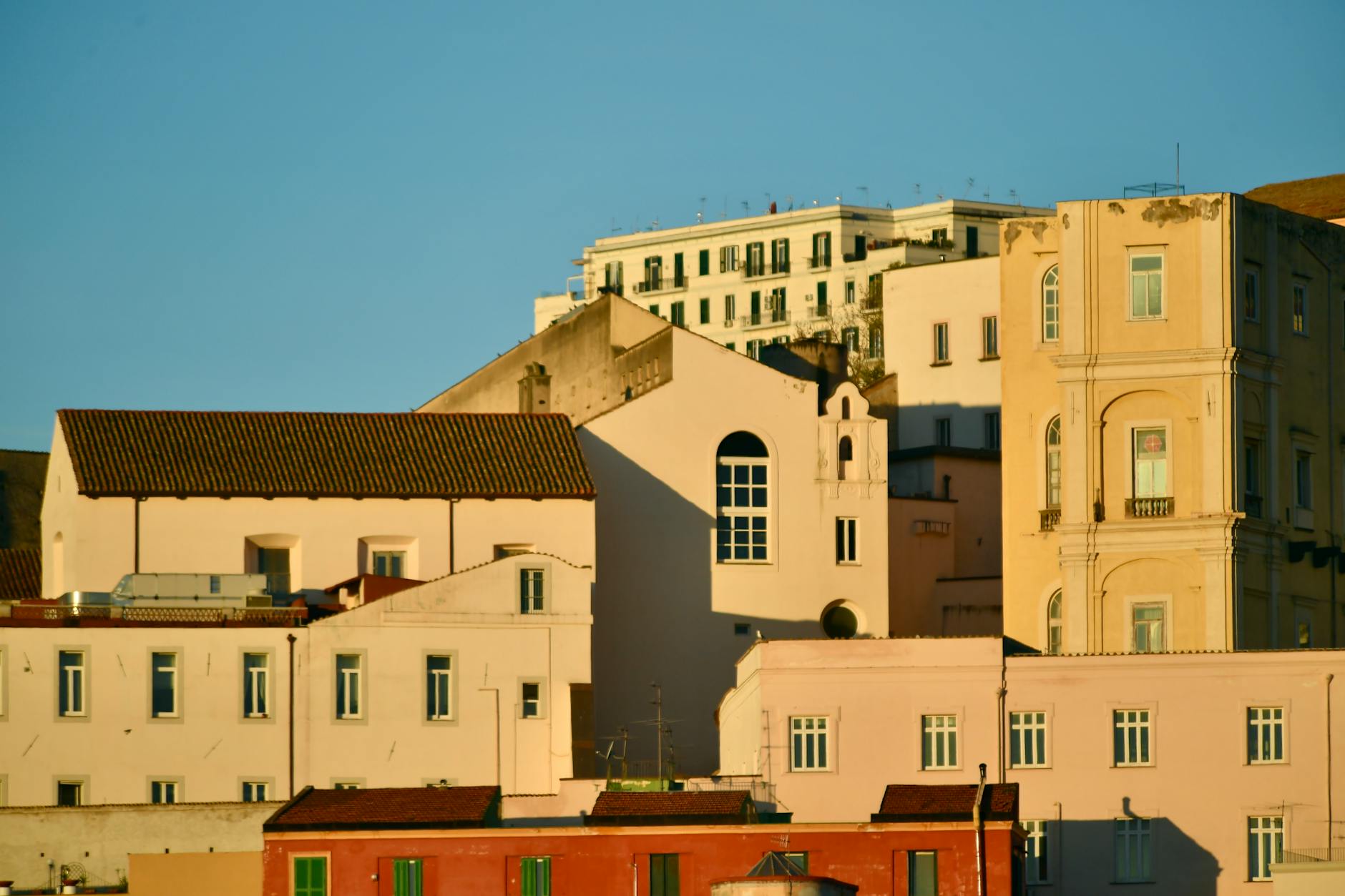
Day Naples Versus Evening Naples
Daytime Naples is when the city can feel most demanding. The density of the old center, the concentration of traffic, the visual noise, and the constant pressure of decision-making are all strongest then. This is when a bad route becomes expensive.
Evening changes the city. Food begins to organize the day more gently. Streets that felt punishing can feel theatrical. Chiaia and the waterfront often become more persuasive. Even the old center can feel less like a test and more like a lived urban stage.
This is one reason weak Naples trips are often all day and no real night. The city needs an evening in order to reveal one of its most human registers.
The Best Things to Do in Naples
- Build one real day around the old center and its church-and-street density.
- Use MANN to give the city intellectual shape, not just street intensity.[3][4]
- Reserve Sansevero if the Veiled Christ matters to you and treat it seriously as a timed stop.[5][6][7]
- Use Piazza del Plebiscito and the Royal Palace side as a separate register of Naples rather than as incidental pass-through.[8]
- Let one evening belong to food and ordinary city life rather than one more chapel or viewpoint.
- Keep the city in coherent daily pieces.
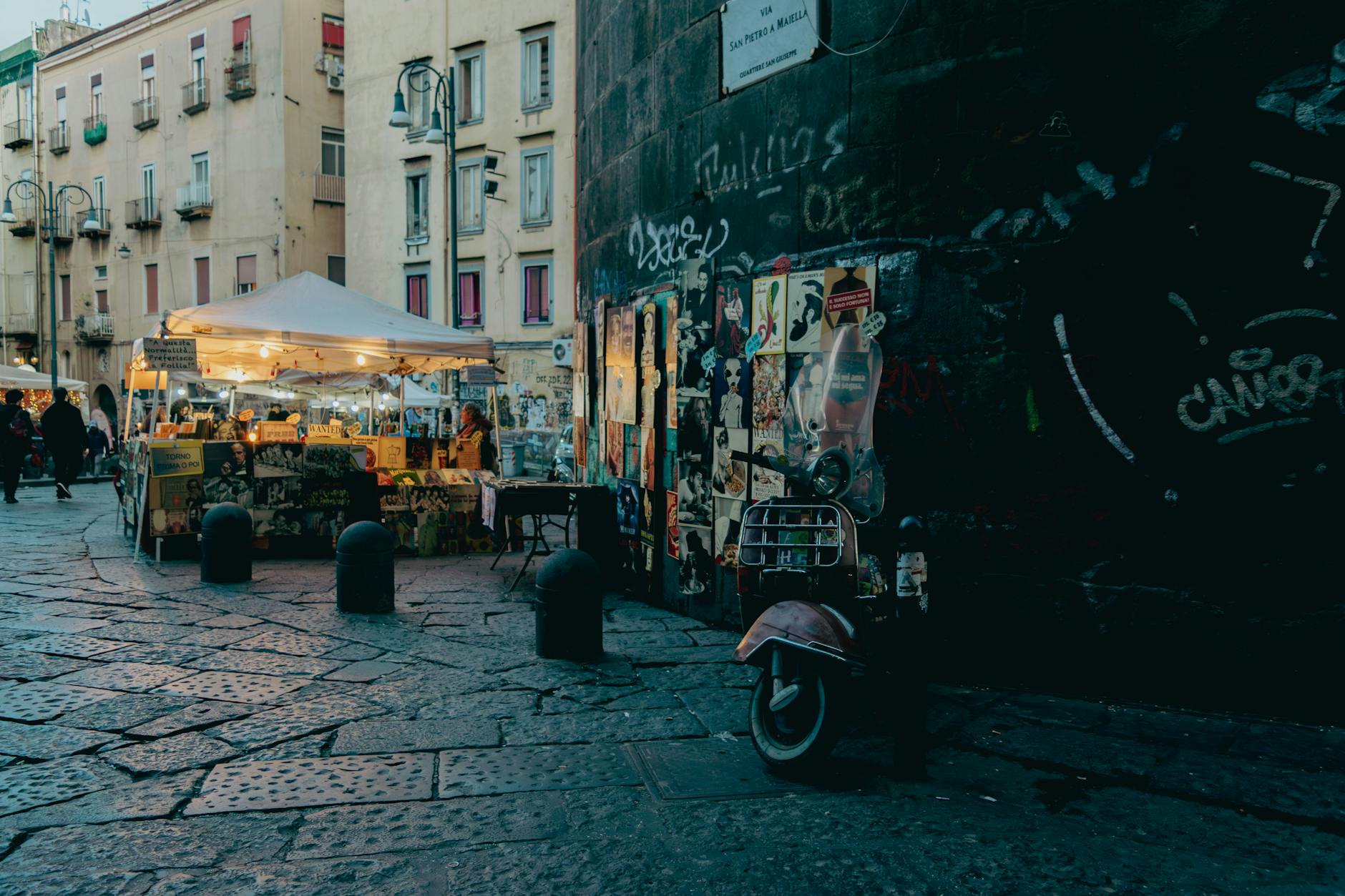
Why MANN Needs The Rest Of The City
MANN is one of the best things in Naples, but it can also accidentally become an abstraction if the rest of the city never answers it.
The museum gives the historical and archaeological intelligence of Naples a form you can absorb. What the streets then do is return that intelligence to the present tense. Without the city, the museum risks becoming too detached. Without the museum, the city risks becoming all sensory force and too little order.
That pairing is one of the keys to a strong first trip.
Itineraries
If You Have One Full Day
Choose either historic-center Naples plus one anchor, or museum-and-ceremonial Naples plus a strong evening. Do not try to turn one day into a referendum on the whole city.
If You Have Two Full Days
Use one day for Spaccanapoli, churches, and Sansevero if booked. Use the second for MANN, Toledo-side Naples, and the Plebiscito or waterfront chapter.
If You Have Three Full Days
This is the ideal first structure. One day for the historic core. One for museum and ceremonial Naples. One for Chiaia, the waterfront, better food, and a looser but still organized city rhythm.
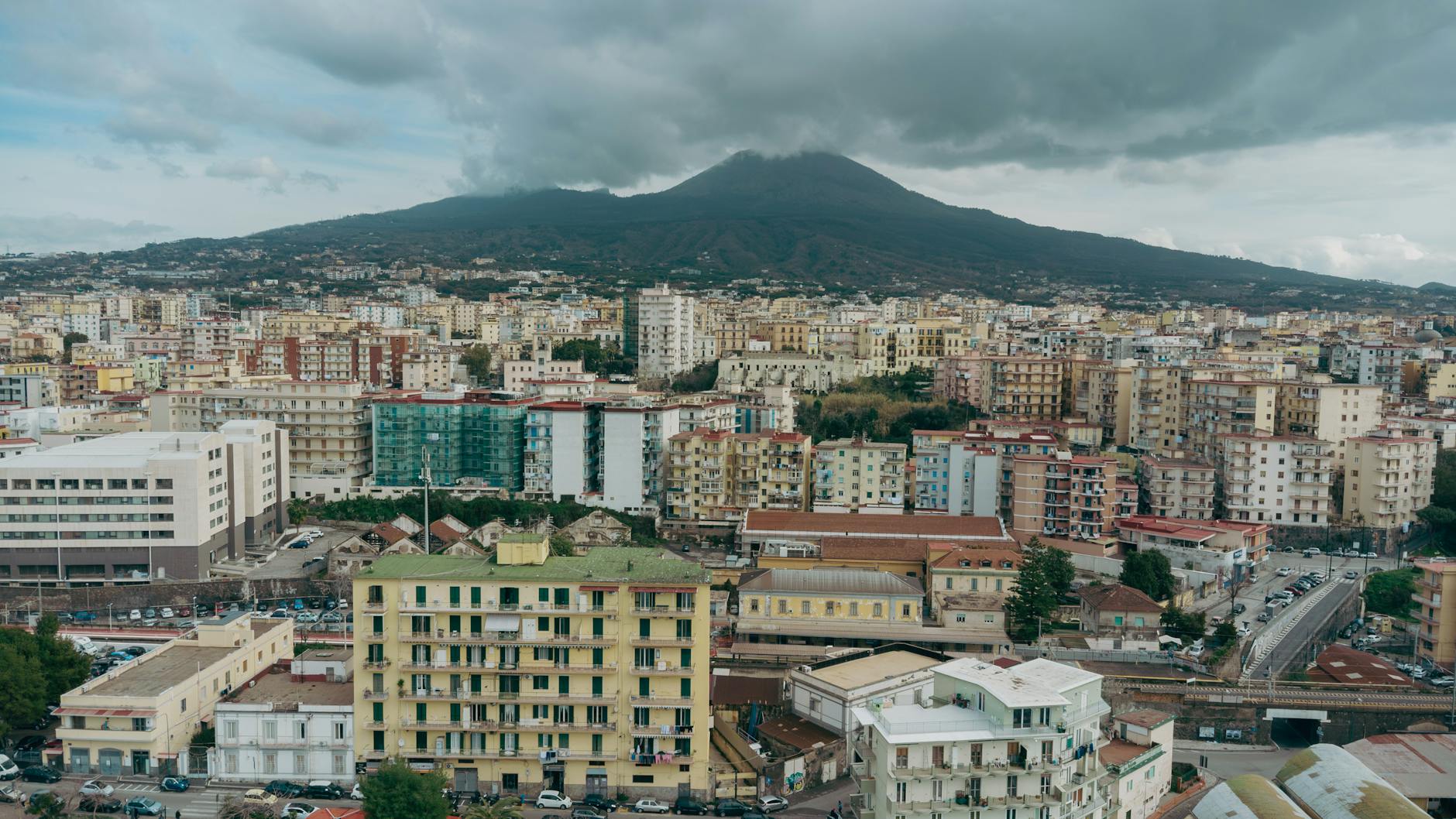
Itineraries By Energy Level
High-energy first trip: old center, one major anchor, one secondary chapter, and one evening district. This works only if you still protect pauses and do not try to prove toughness.
Balanced first trip: one major anchor per day, one breathable district chapter, and one meal-led evening. This is the strongest first-time pattern for most travelers.
Intensity-sensitive trip: better base, one dense district chapter per day, MANN or a ceremonial chapter as counterweight, and more use of Chiaia or the waterfront to reset the rhythm.
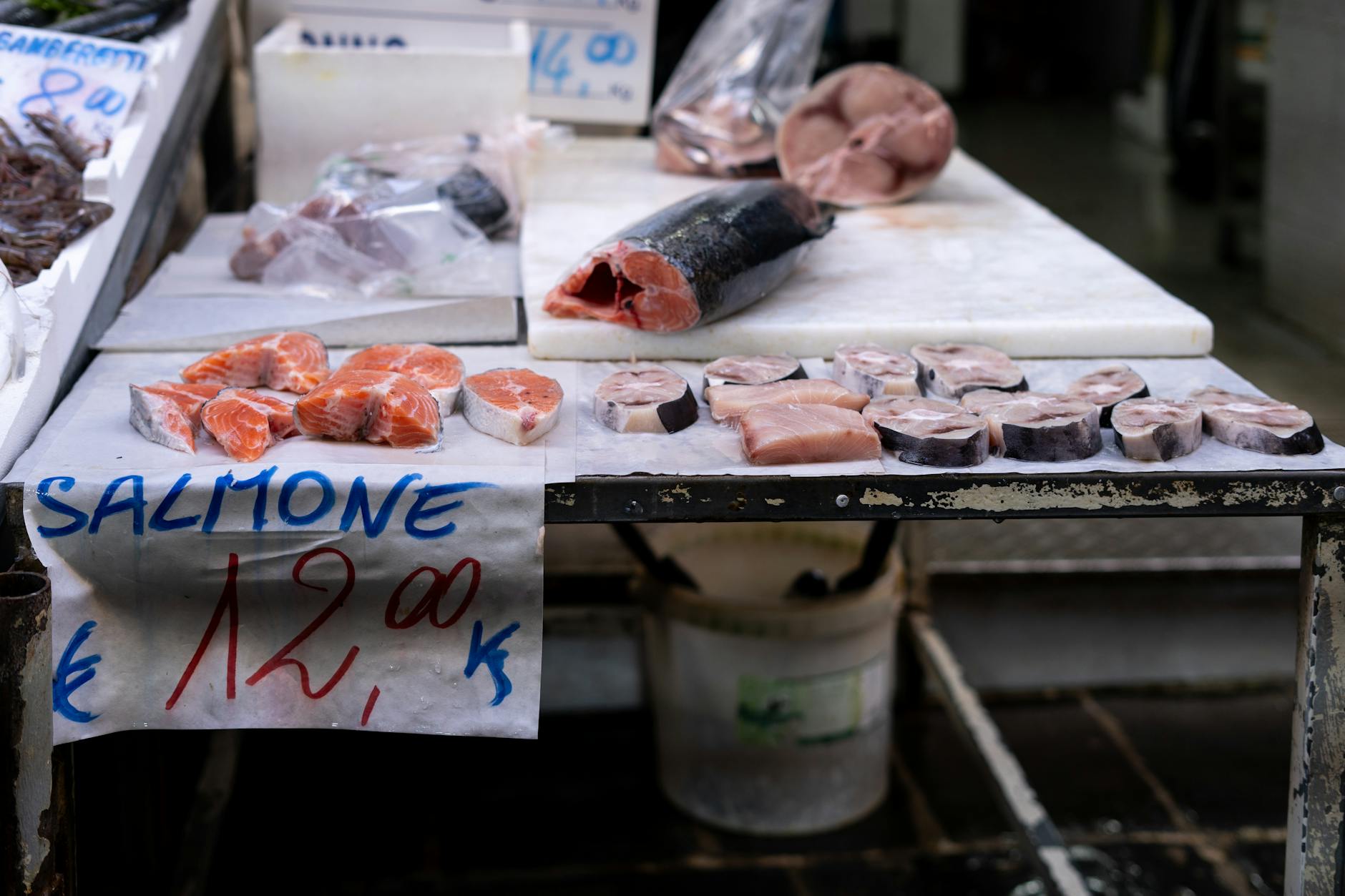
Itineraries By Traveler Type
History-first traveler: old center, MANN, Sansevero, Royal Palace.
Food-first traveler: stronger base, historic-core appetite, and one cleaner evening district chapter.
First-time southern Italy traveler: do not over-day-trip. Let Naples be the point.
Intensity-sensitive traveler: Chiaia or Toledo-side base, one high-density chapter per day, and real pauses.
Why Naples Often Works Better Than It Sounds
If you describe Naples lazily, it can sound like too much of everything: churches, scooters, shouting, pizza, shrines, palaces, grime, sea, museums, noise. That description is not entirely wrong. It is simply incomplete.
In practice, Naples works through sequence. The old center is corrected by the museum. The museum is corrected by lunch. The day is corrected by Chiaia or the waterfront. The whole trip is corrected by the right base. One thing keeps the next from becoming excessive.
That is why the city can feel much better than its reputation suggests. It is not that the intensity is fake. It is that it becomes meaningful once it is organized.
Why A Quieter Counterweight Often Saves The Trip
Naples does not need to become calm in order to become good, but it usually needs one chapter that gives the body and mind a different register. This is where Chiaia, the waterfront, or a more ceremonial Naples chapter becomes so important.
Without that counterweight, the city can feel like a single uninterrupted act of compression. With it, the historic center becomes stronger because it is no longer carrying the whole trip. The visitor can return to density refreshed instead of merely depleted. In a city this intense, that reset is not decorative. It is structural.
Food
Naples is one of the cities where food can too easily become cliché. Yes, pizza matters. Yes, street food matters. But the deeper lesson is that eating in Naples should help organize the day rather than simply interrupt it.
The city rewards a lunch or evening built around district logic. Eat where you already are. Do not let one famous place drag you into a badly shaped route if your energy is already failing. Naples gives more than enough appetite without self-sabotage.
Why Food Is Structural, Not Decorative
In Naples, food is not just pleasure layered onto sightseeing. It is one of the main ways the city stays usable.
Lunch can prevent a historic-center day from becoming too abstract or too punishing. A properly placed coffee can save the afternoon. Dinner can give the evening shape and let the city’s intensity continue in a more social form rather than only as noise. This is one reason travelers who treat food merely as trophy acquisition often use Naples badly. They separate the city’s appetite from its urban logic when the two are deeply connected.
Nightlife
Nightlife in Naples is less about polished scene-management and more about letting the city's energy continue in a more social register. The strongest evenings are often not the most ambitious ones. They are the ones that keep you in the right area with enough appetite and enough attention left to enjoy it.
Why Naples Often Improves On The Second Visit
On a first visit, many travelers are still fighting the city a little. They are sorting myth from reality, figuring out which district logic suits them, and learning that intensity still needs editing. Even a good first stay can contain too much correction.
On a second visit, Naples often becomes easier. You already know what kind of base you want. You are less likely to force one more church or one more lane. You can repeat a route without guilt. You trust the meal, the square, the evening, and the museum to do their work without needing every hour to announce itself.
This is one reason Naples wears in rather than wearing out. The city is still intense. You are simply better at meeting it.
Common Mistakes
The first mistake is choosing the most atmospheric possible base without asking whether you actually want to recover there at midnight.
The second is turning the city into one long uninterrupted historic-center marathon.
The third is fleeing Naples emotionally before the city has had the chance to organize itself in your mind.
The fourth is over-day-tripping and under-seeing the city.
The fifth is trying to prove bravery through a bad hotel location.
The sixth is refusing to let the waterfront or Chiaia count because they seem “too easy.”
Etiquette and Local Norms
Naples responds well to alertness, patience, and not acting shocked by its own intensity. Respect churches, stay aware in crowded areas, avoid treating ordinary local life as spectacle, and do not confuse confidence with carelessness.
How Naples Changes Over The Course Of A Stay
On arrival, Naples can feel almost too intense to organize. That first feeling is real, but it is not the whole city.
By the second day, if the trip is built well, the city begins to separate into more useful registers. Historic-center Naples no longer feels like the whole place. MANN and ceremonial Naples begin to provide structure. Chiaia or the waterfront can restore breath. The city starts to feel less like a challenge and more like an argument you are gradually understanding.
By the third day, Naples often becomes more persuasive precisely because it no longer needs to announce itself at full volume. You know what kind of route you want, what kind of meal will help, and what kind of district should come next. That is when the city stops being merely unforgettable and starts becoming truly good.
Blunt Advice
If this is your first Naples trip, resist both extremes: do not sanitize the city into a neat museum weekend, and do not romanticize chaos into a personality test.
Pick a base that gives you one strong version of Naples at a time. Use MANN and Sansevero to shape the city's history, the waterfront or Chiaia to keep the trip breathable, and food as part of the route rather than a separate trophy hunt. Naples is too rich to be consumed only as noise.
Source Notes
- 1. Naples Airport, official "By bus" page: [https://aeroportodinapoli.it/en/web/gesac/by-bus](https://aeroportodinapoli.it/en/web/gesac/by-bus)
- 2. Naples Airport, official "How to arrive" page: [https://www.aeroportodinapoli.it/en/how-to-arrive](https://www.aeroportodinapoli.it/en/how-to-arrive)
- 3. National Archaeological Museum of Naples, official "We are here" page: [https://www.museoarcheologiconapoli.it/en/we-are-here/](https://www.museoarcheologiconapoli.it/en/we-are-here/)
- 4. National Archaeological Museum of Naples, official hours and tickets page: [https://www.museoarcheologiconapoli.it/en/timetables-and-fares/](https://www.museoarcheologiconapoli.it/en/timetables-and-fares/)
- 5. Sansevero Chapel Museum, official homepage: [https://www.museosansevero.it/?lang=en](https://www.museosansevero.it/?lang=en)
- 6. Sansevero Chapel Museum, official ticket page: [https://www.museosansevero.it/acquista-il-ticket](https://www.museosansevero.it/acquista-il-ticket)
- 7. Sansevero Chapel Museum, official Veiled Christ page: [https://www.museosansevero.it/the-statue/?lang=en](https://www.museosansevero.it/the-statue/?lang=en)
- 8. Royal Palace of Naples, official visitor-information page: [https://palazzorealedinapoli.org/info-visita/](https://palazzorealedinapoli.org/info-visita/)
- 9. ANM Metro Art, official Toledo station page: [https://metroart.anm.it/en/metro-art/2018-02-13-07-59-34/toledo.html](https://metroart.anm.it/en/metro-art/2018-02-13-07-59-34/toledo.html)